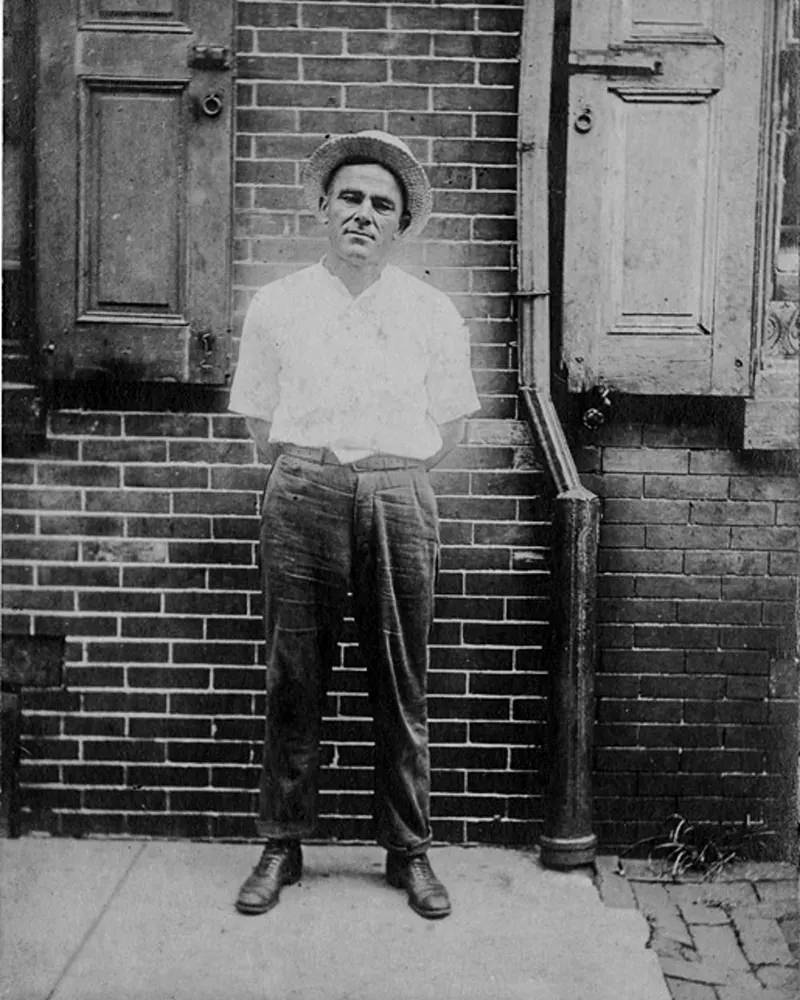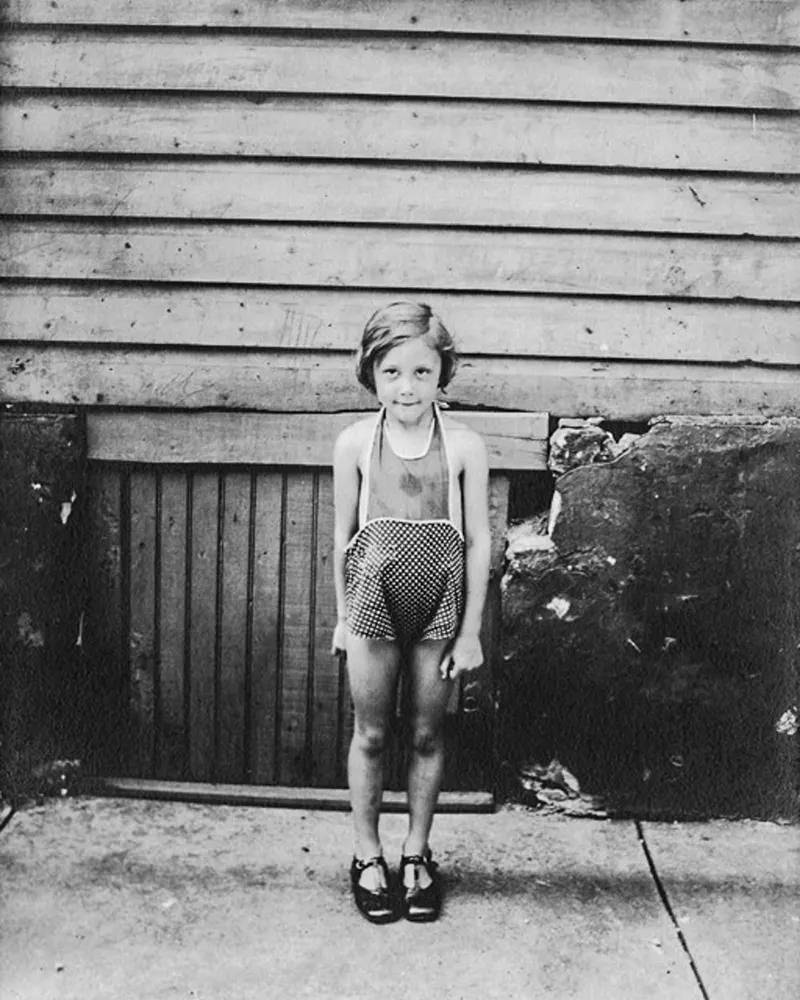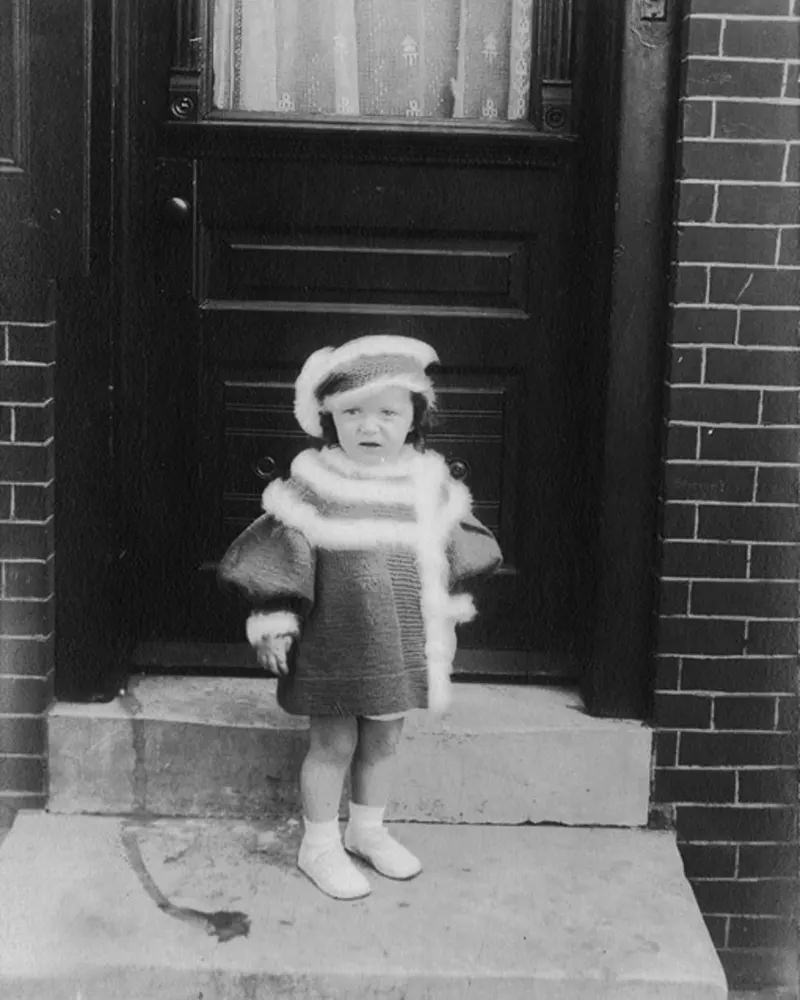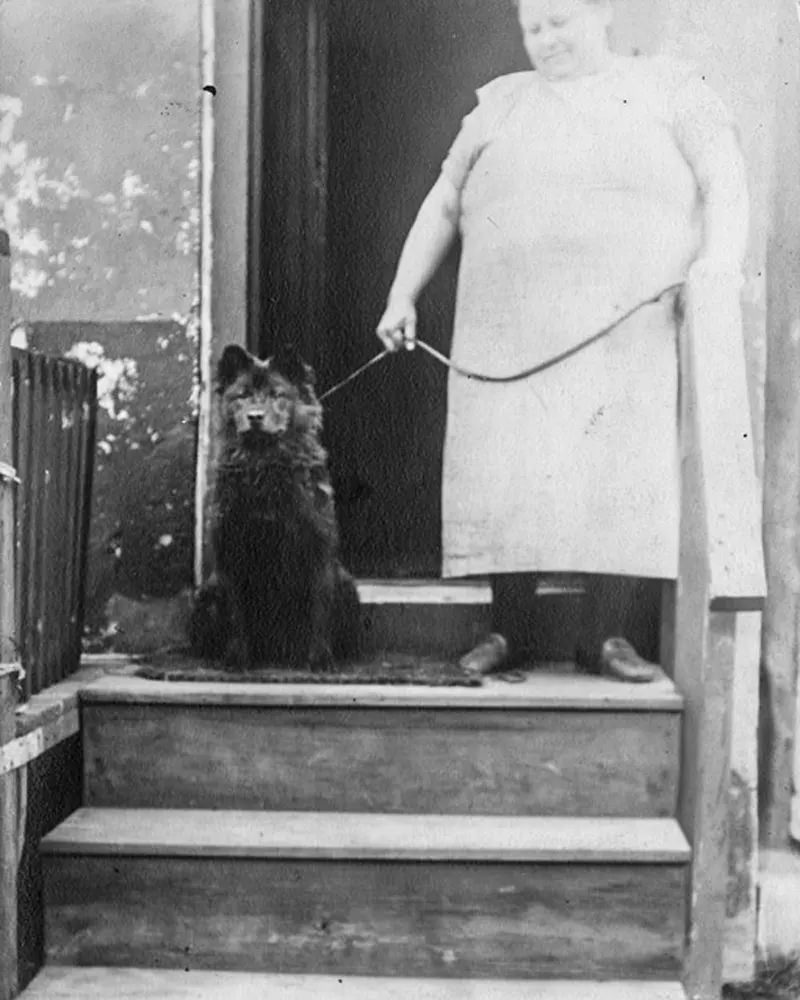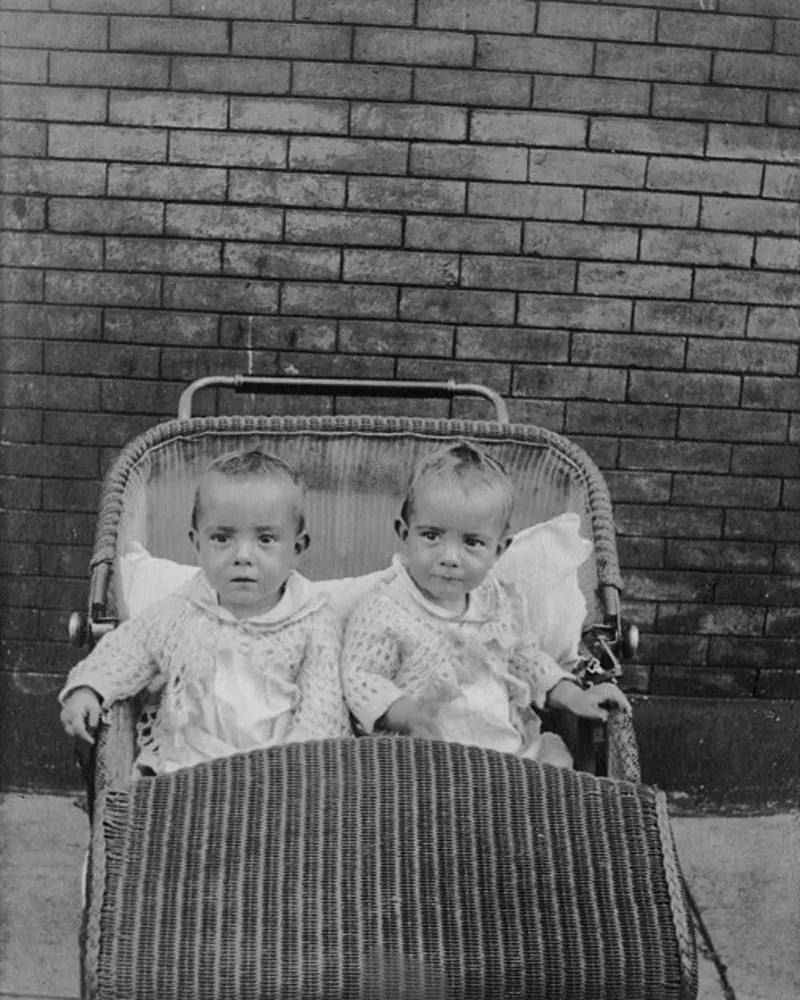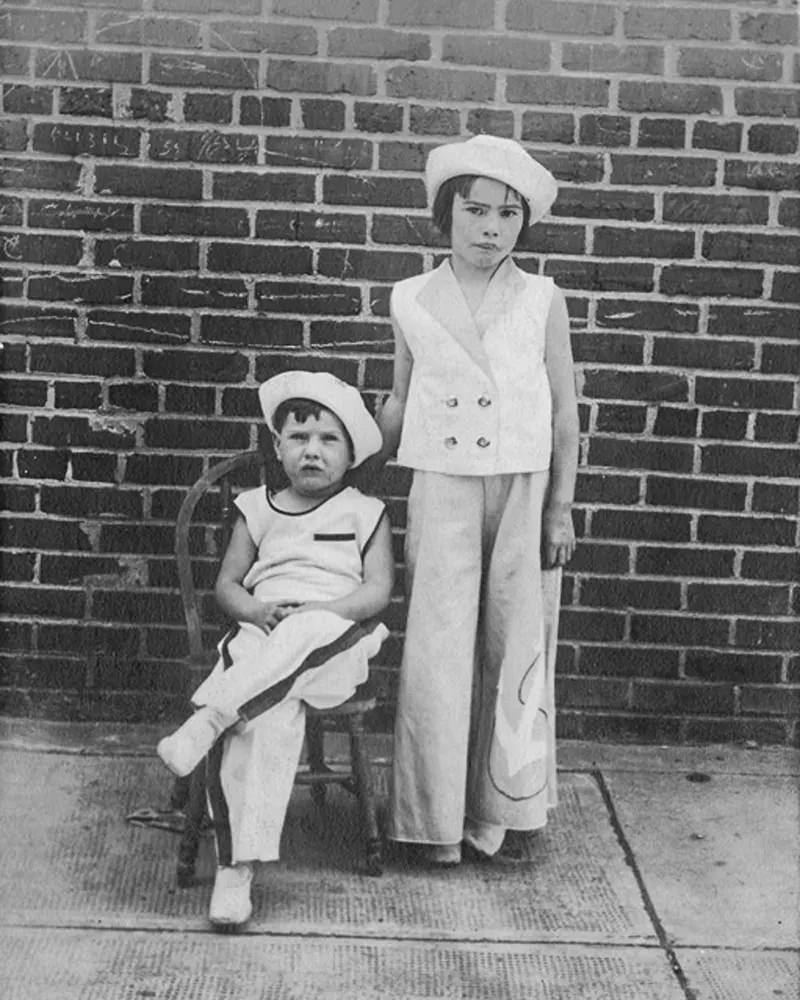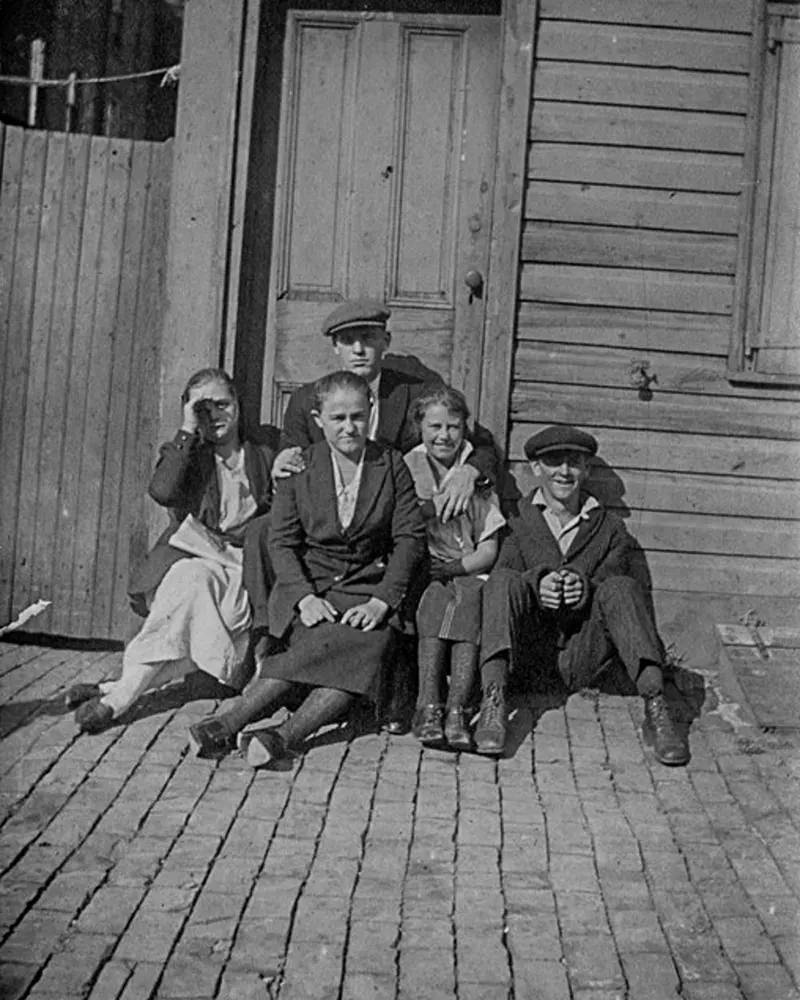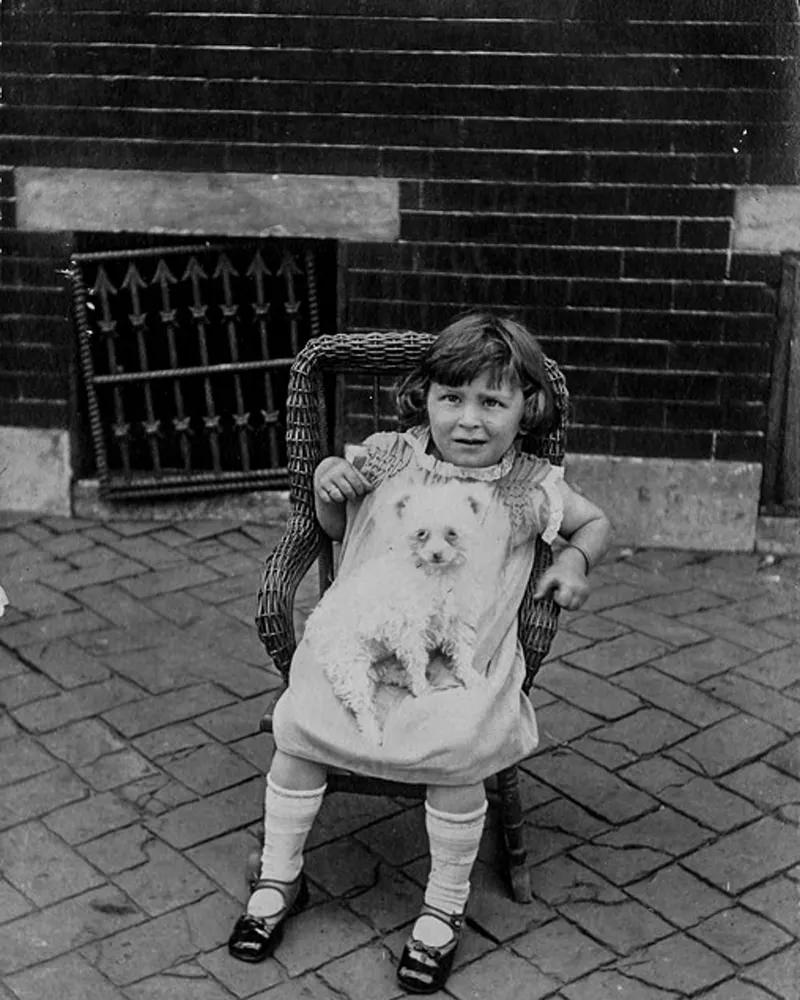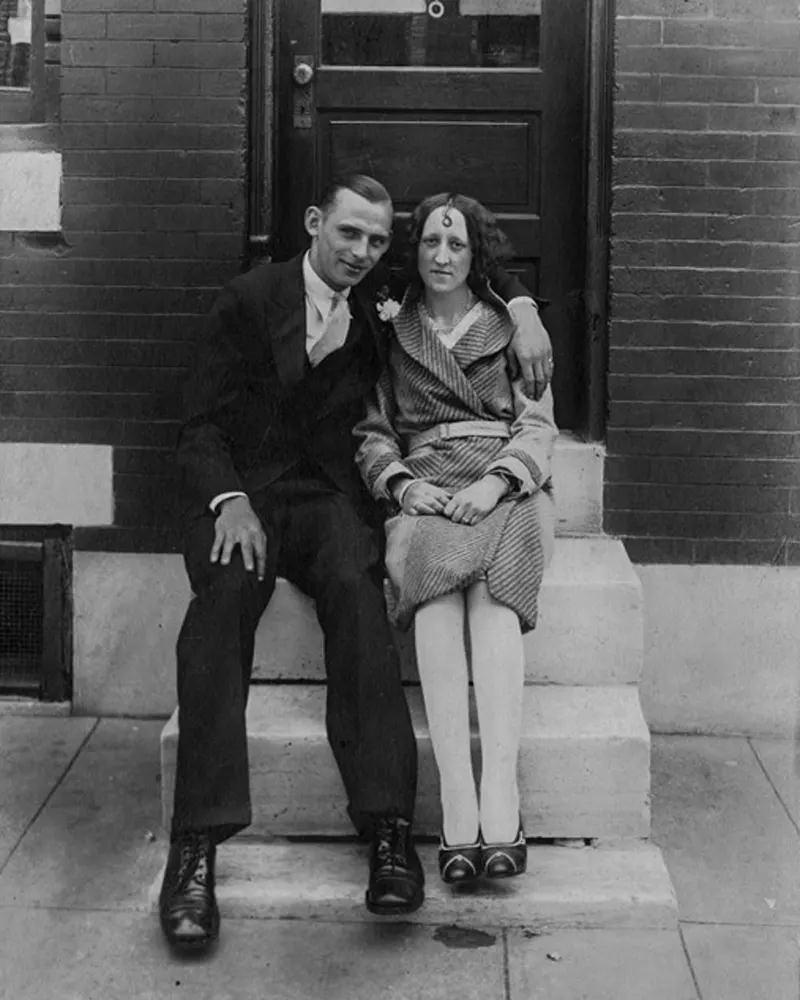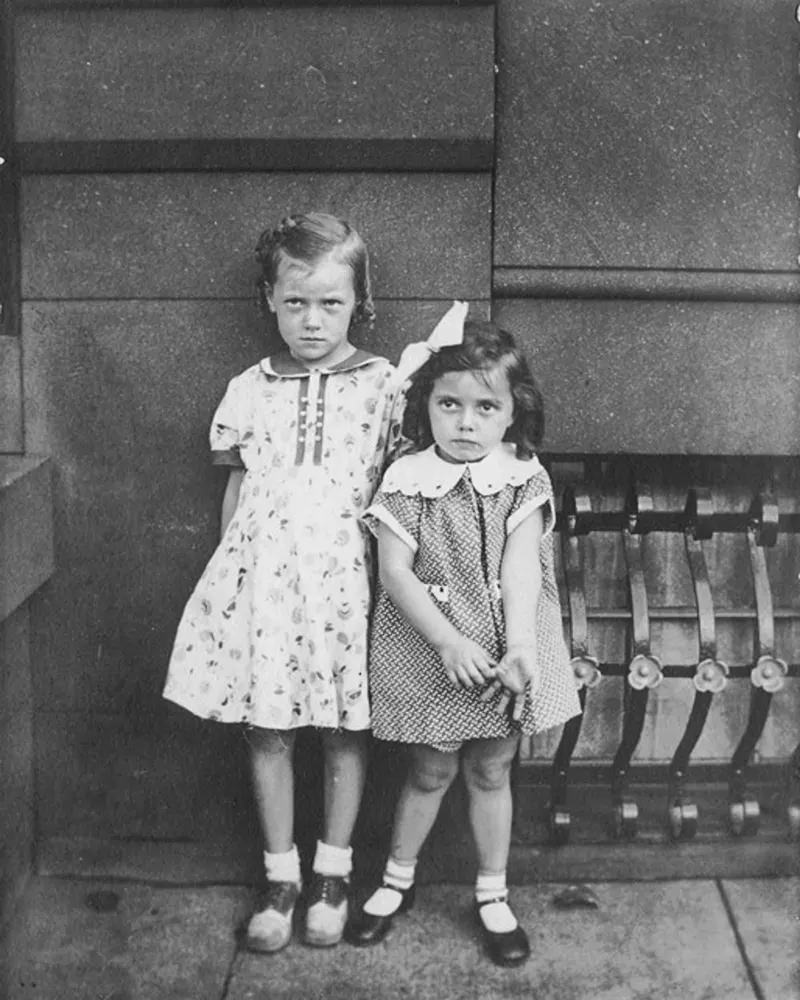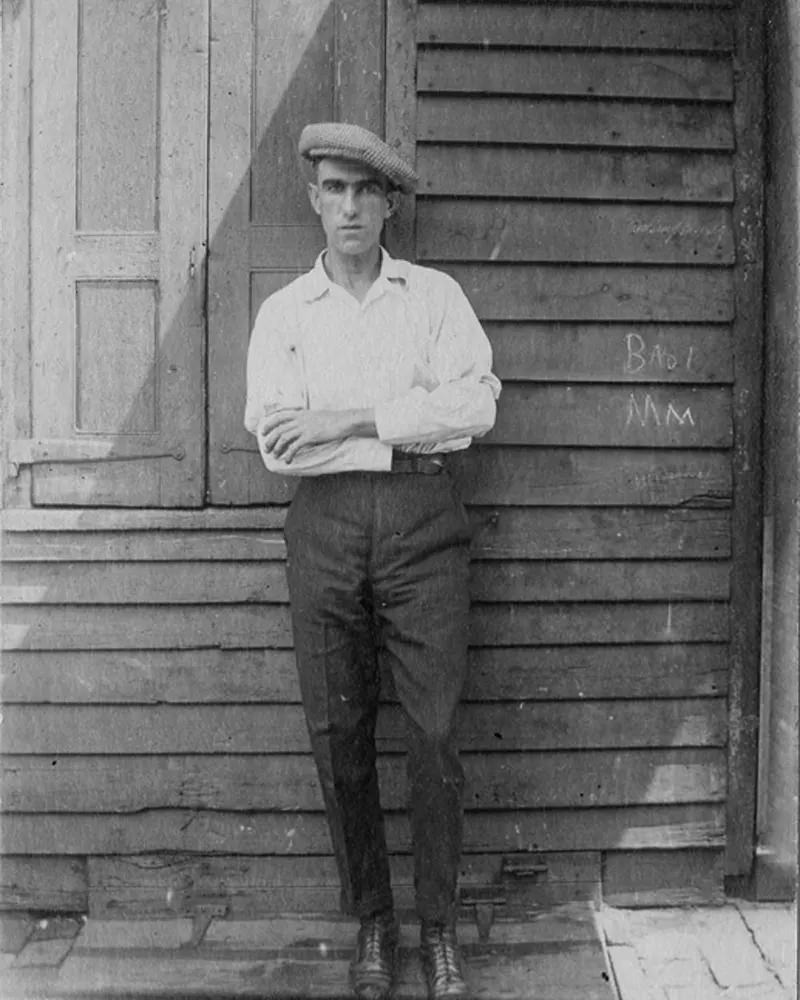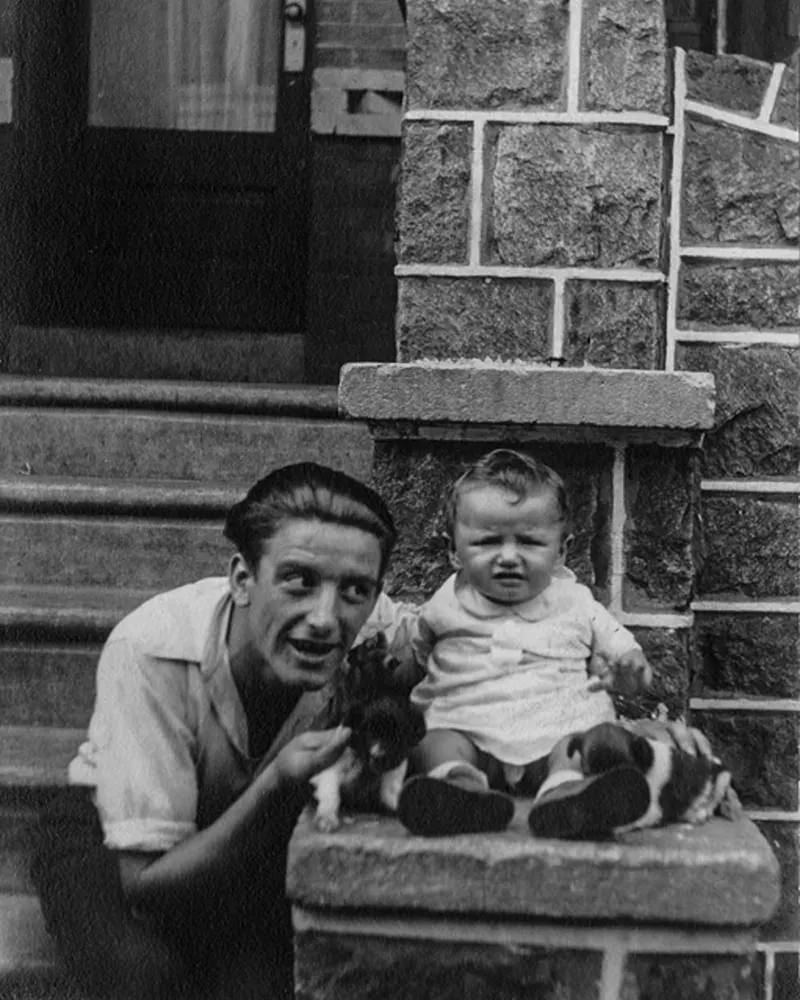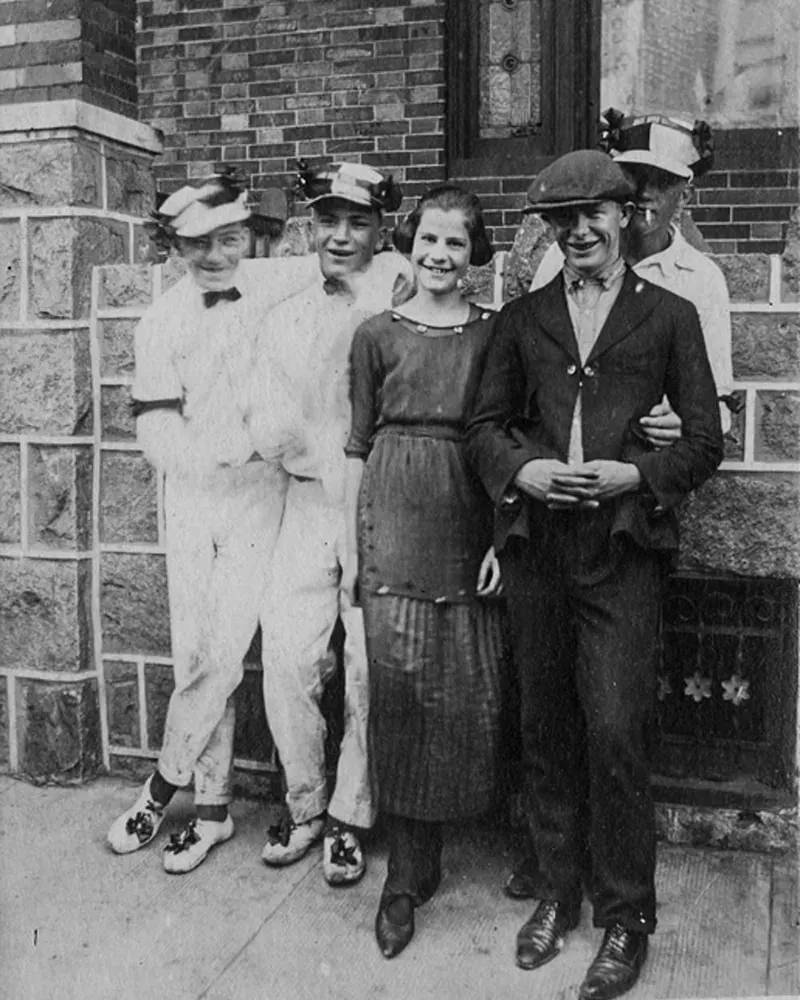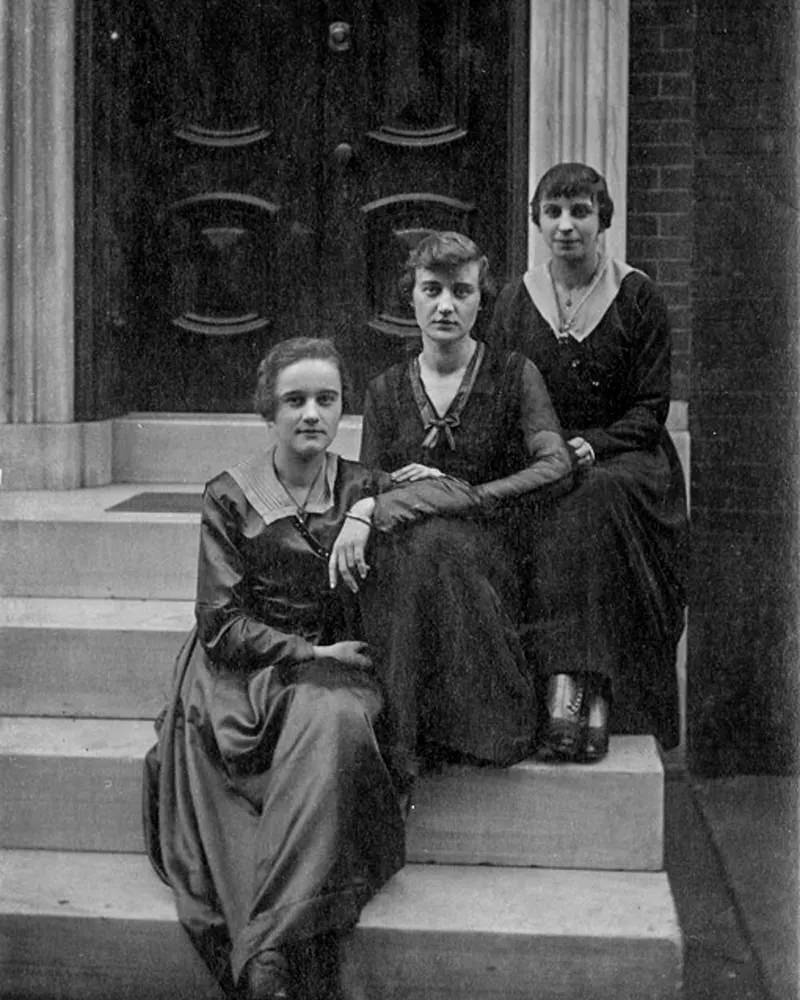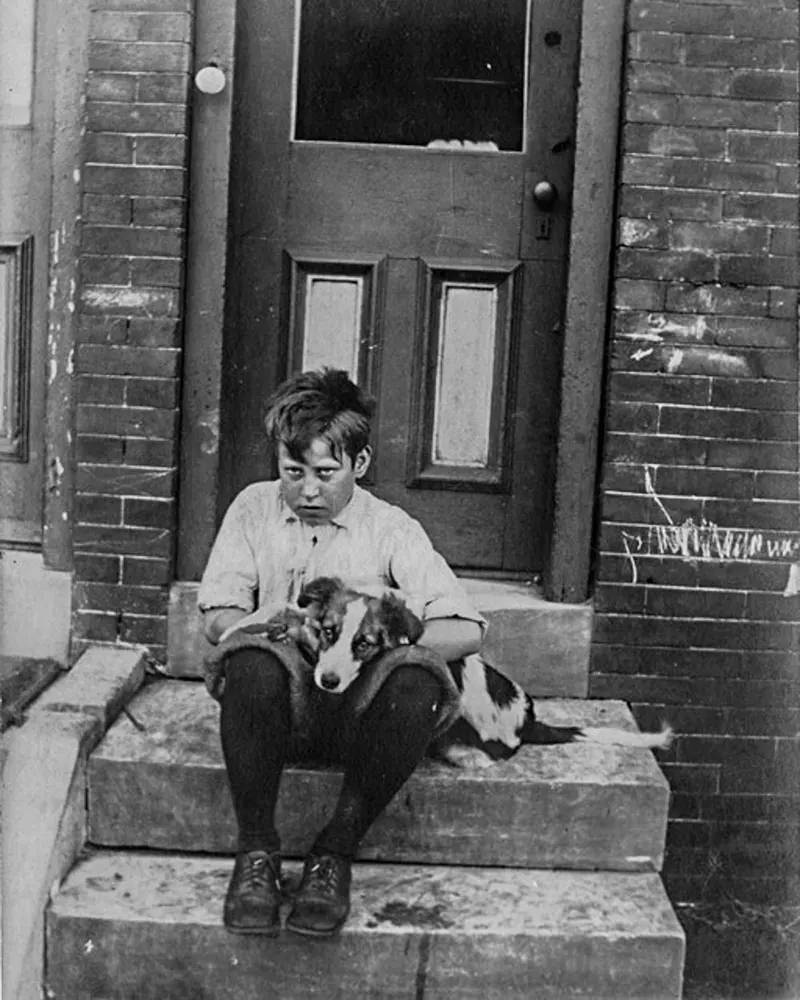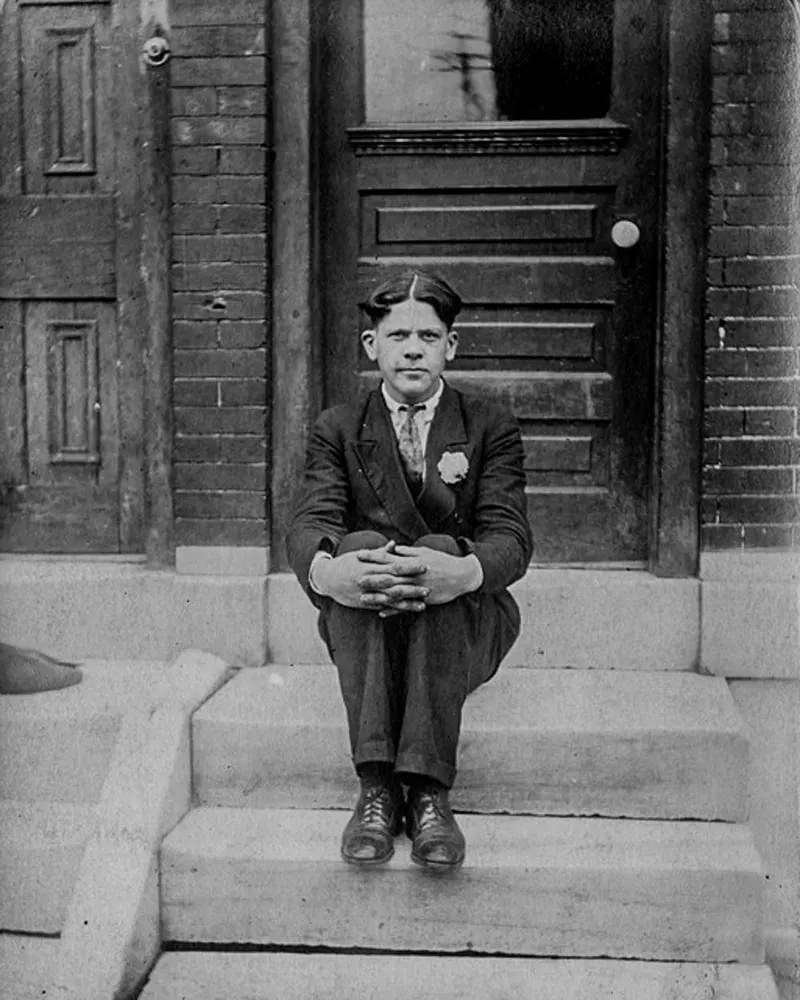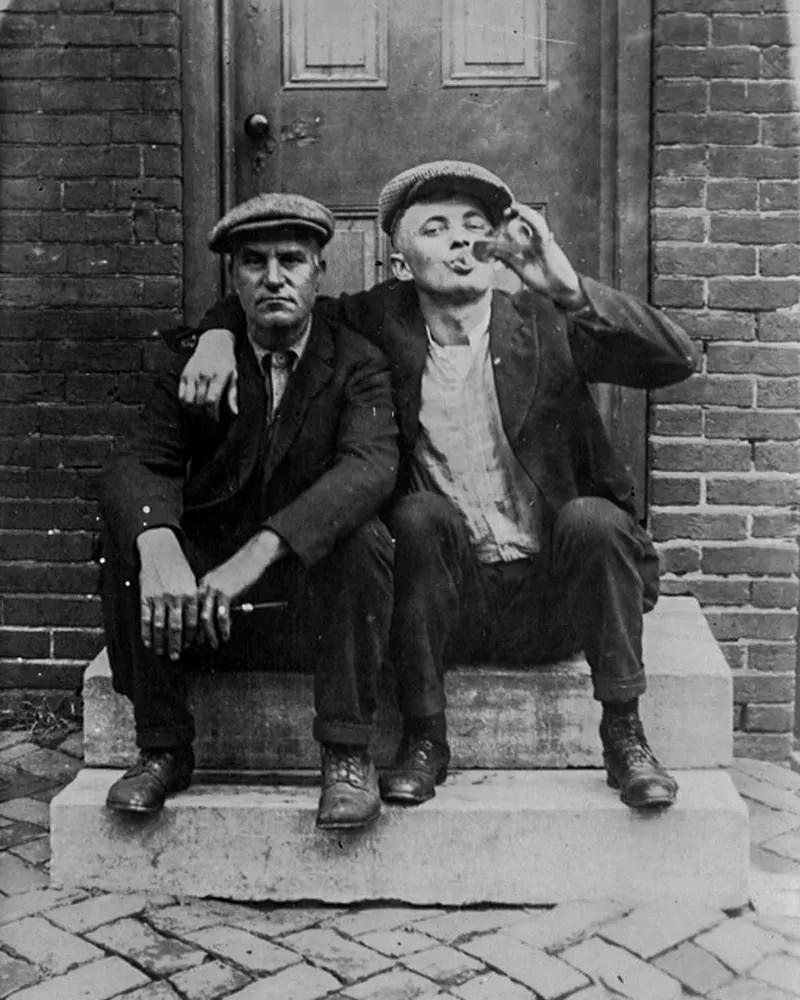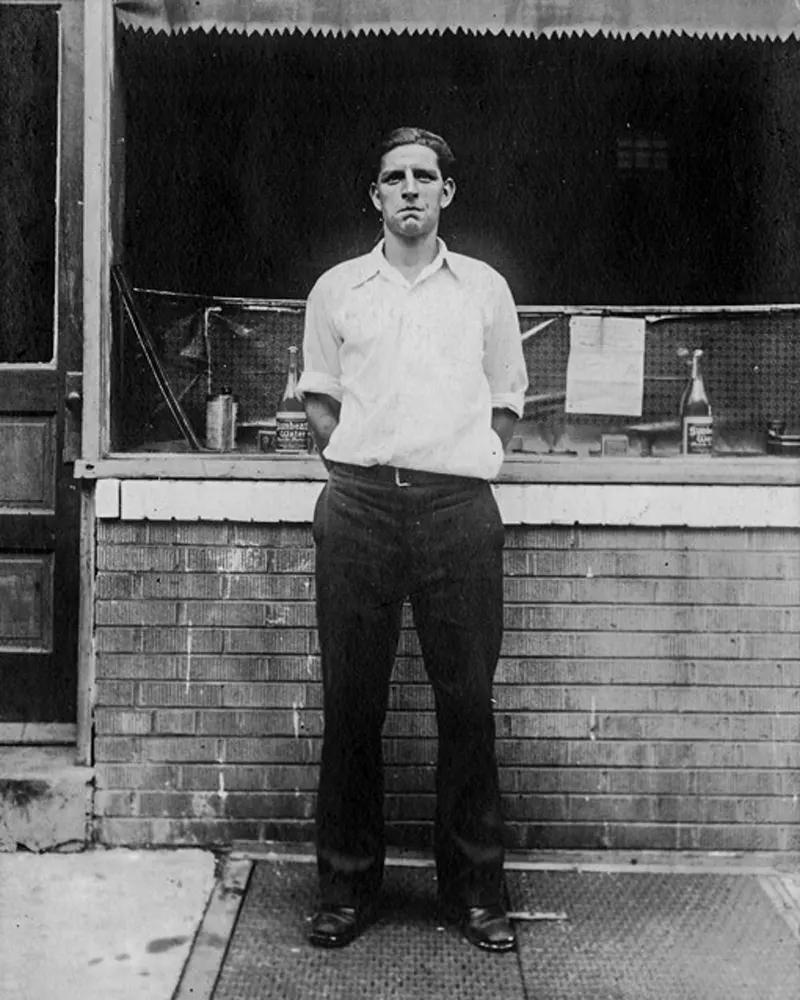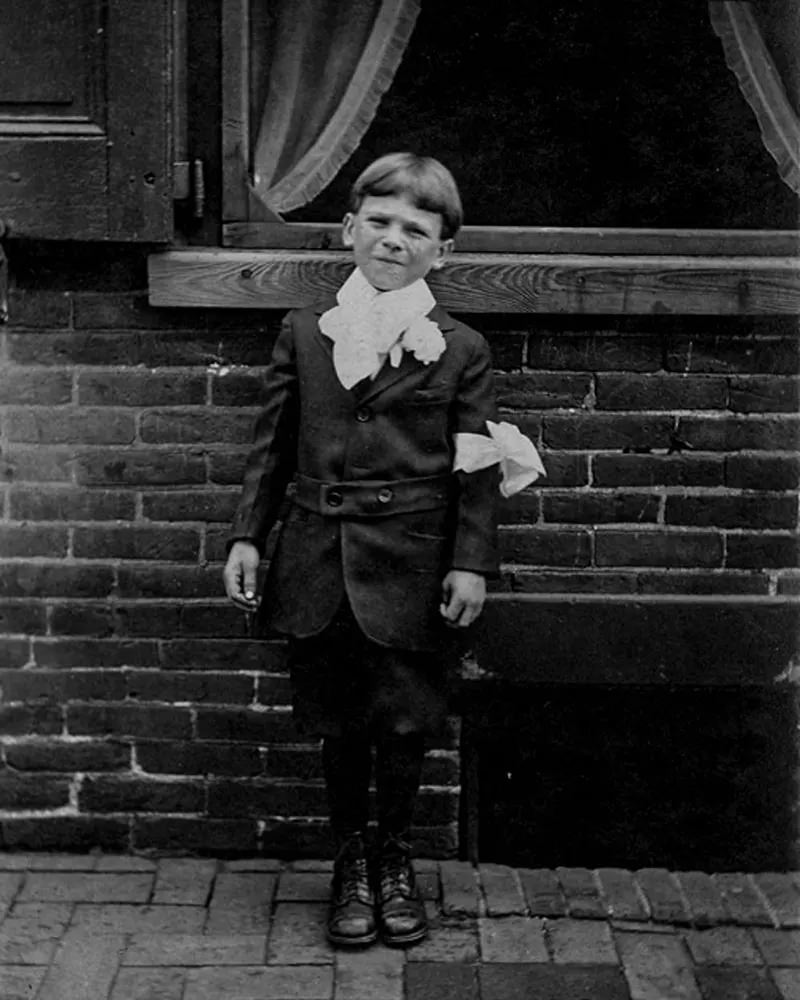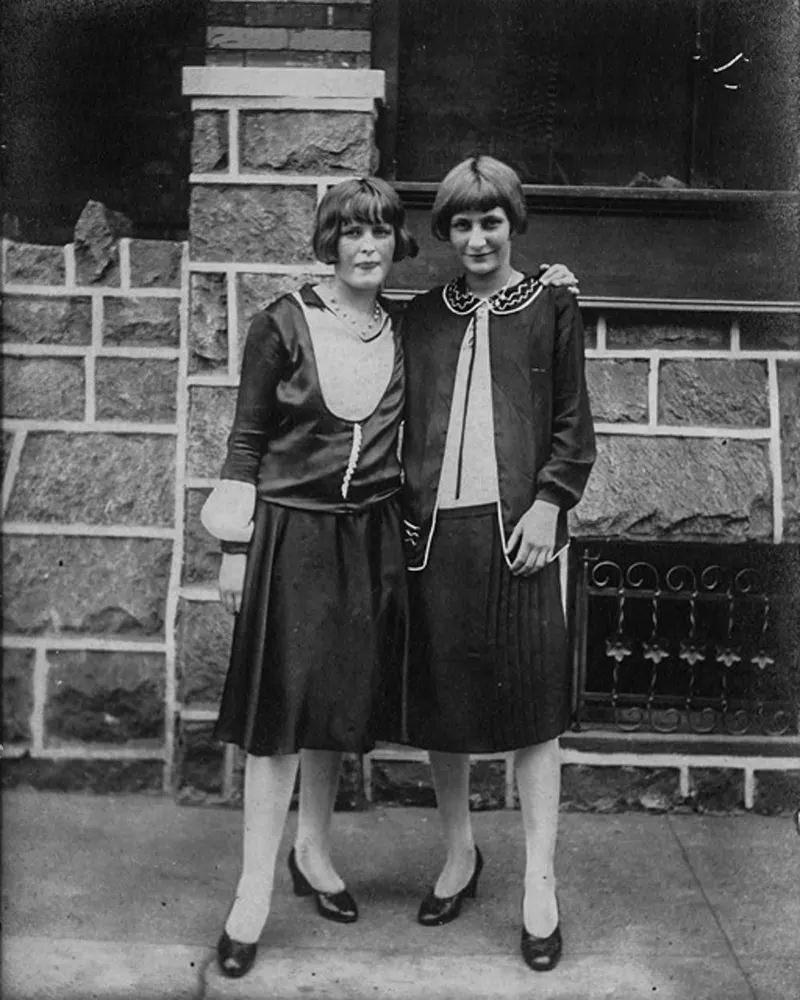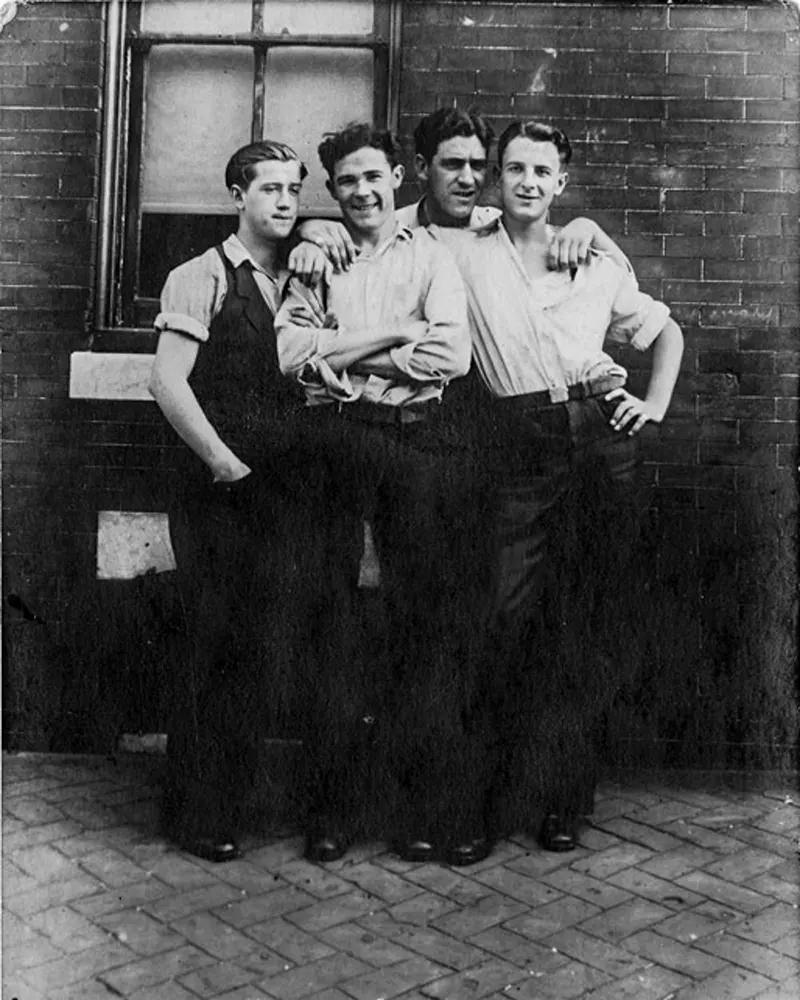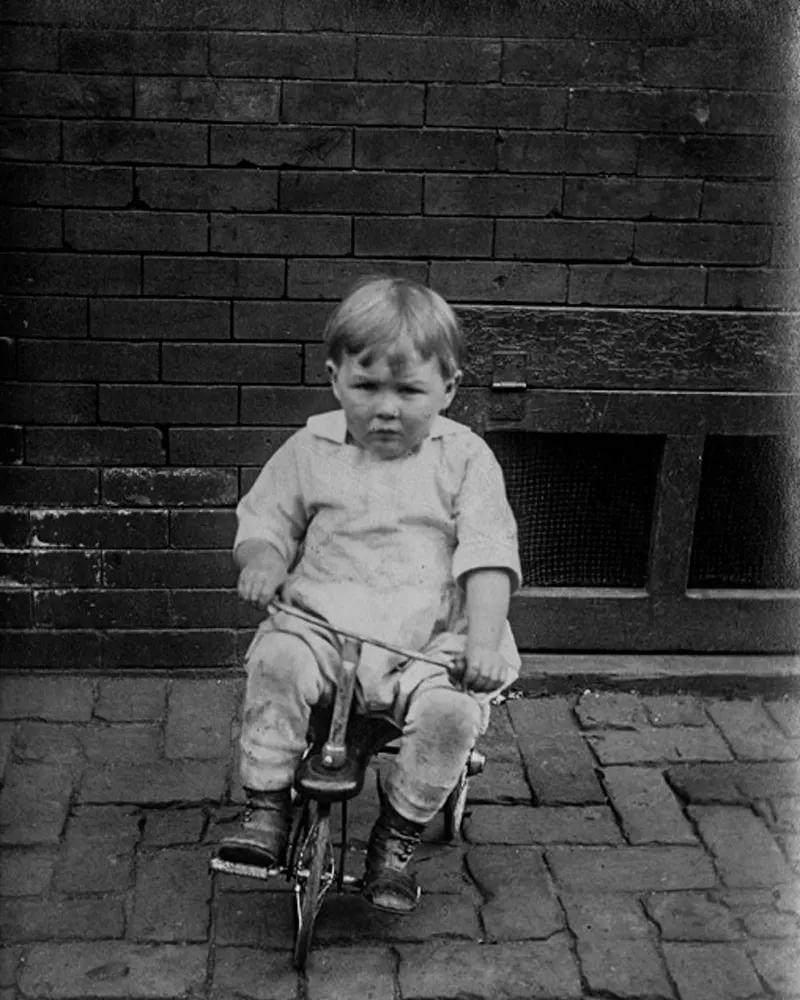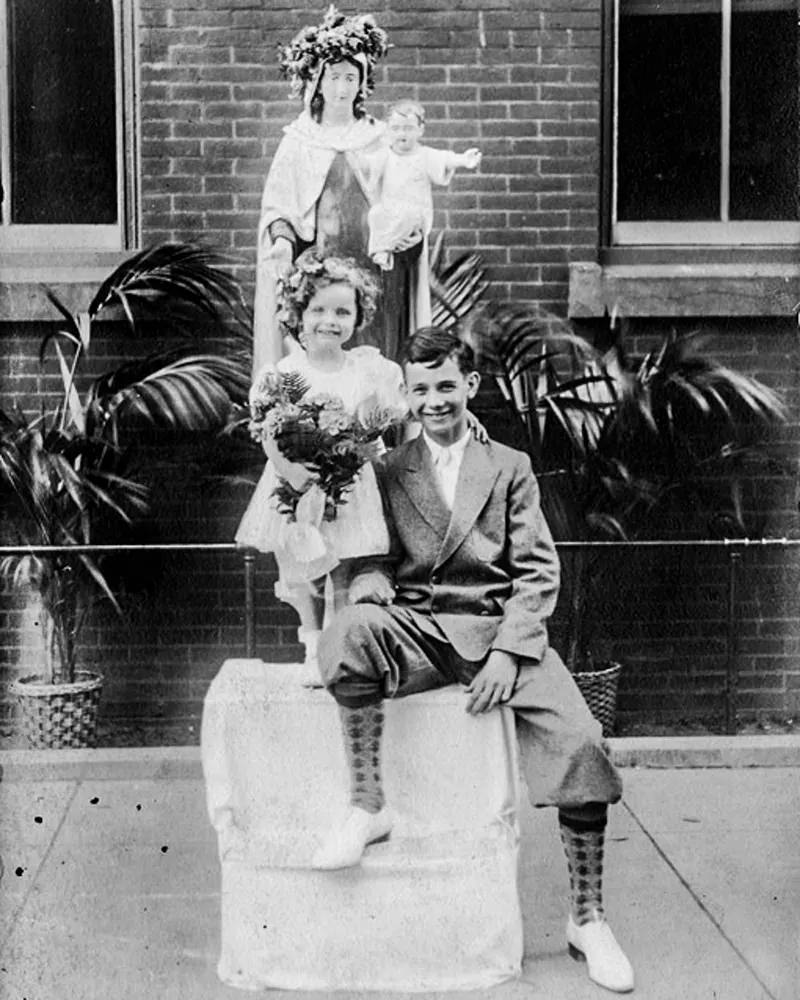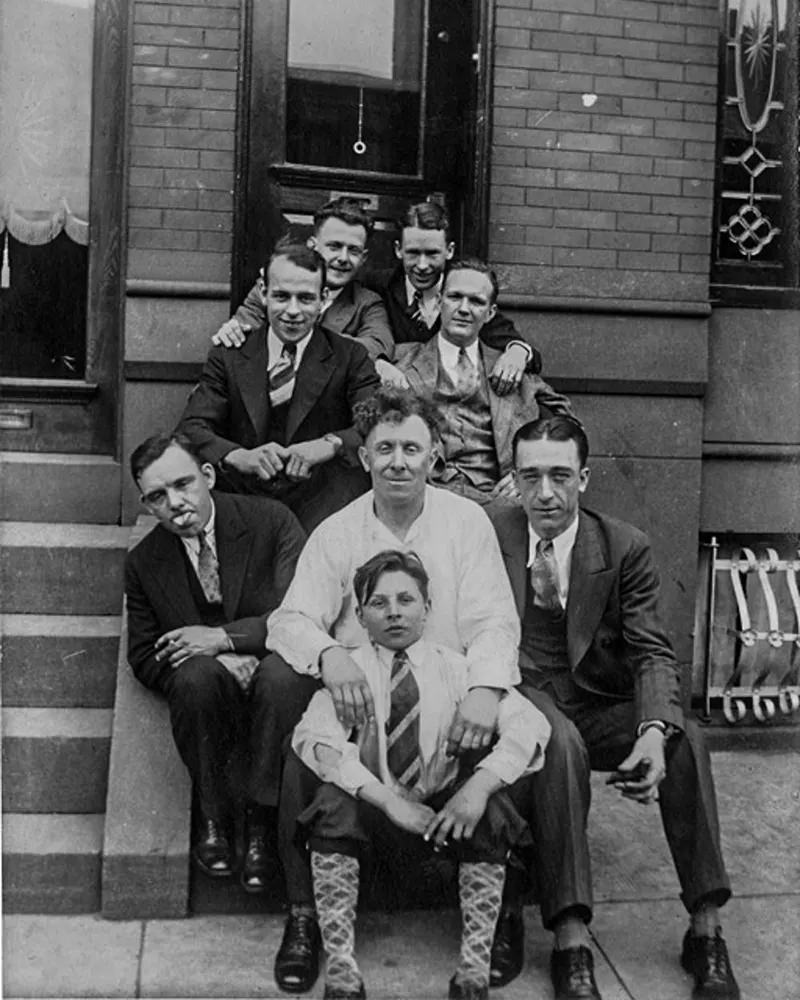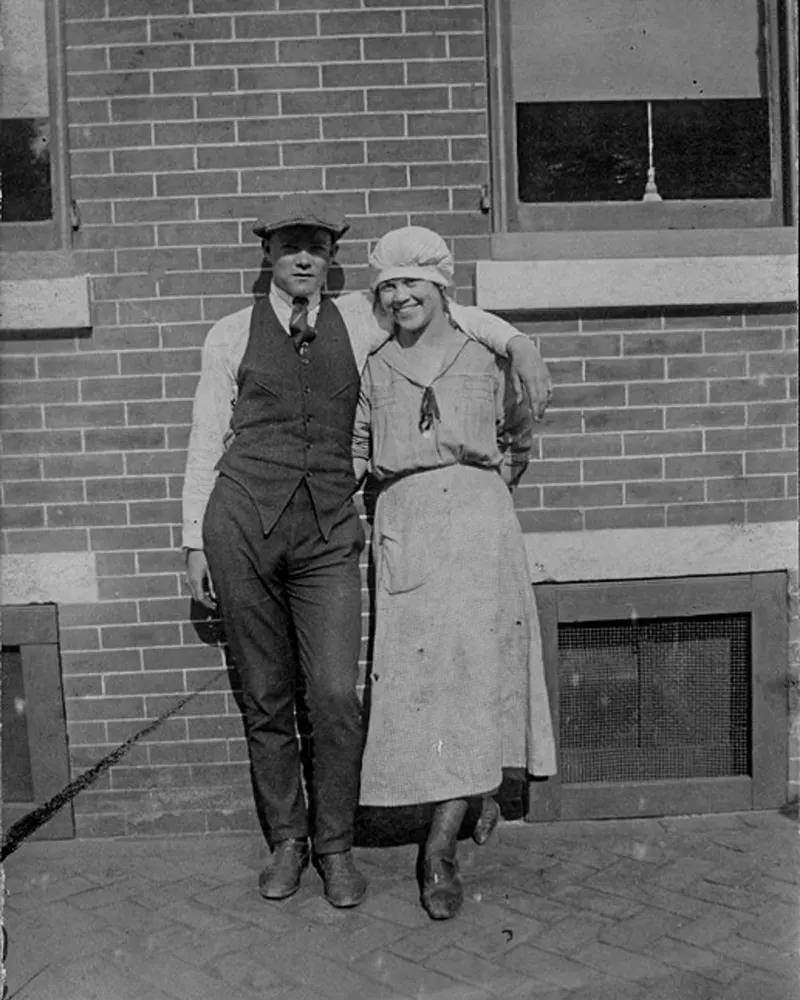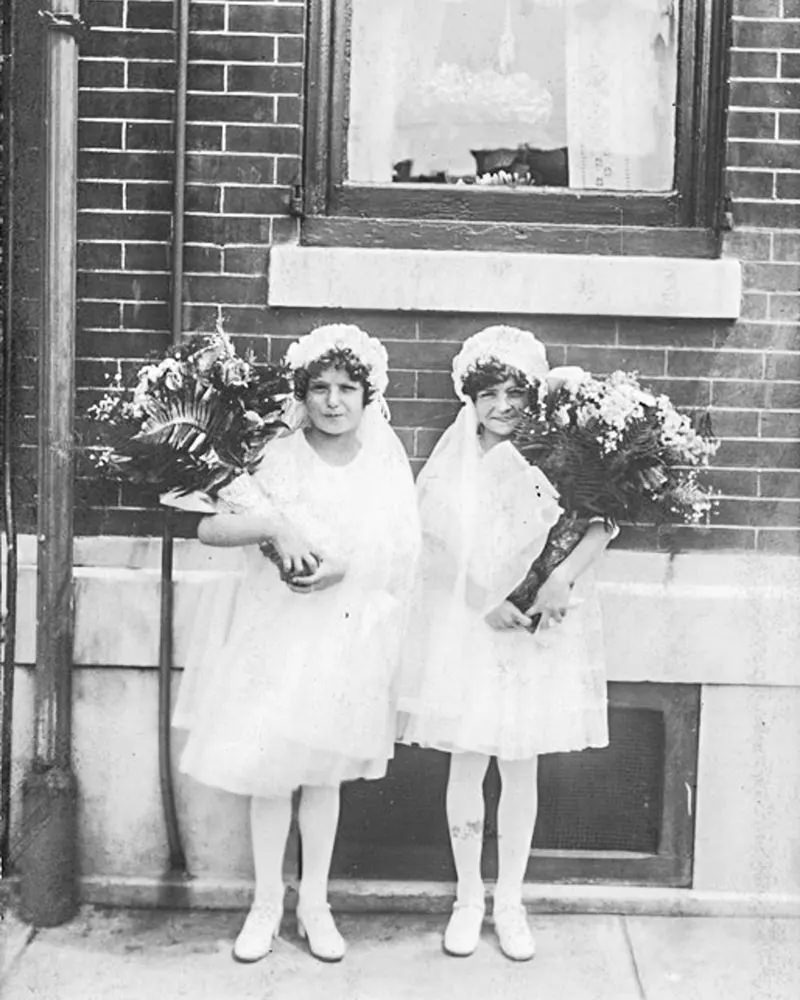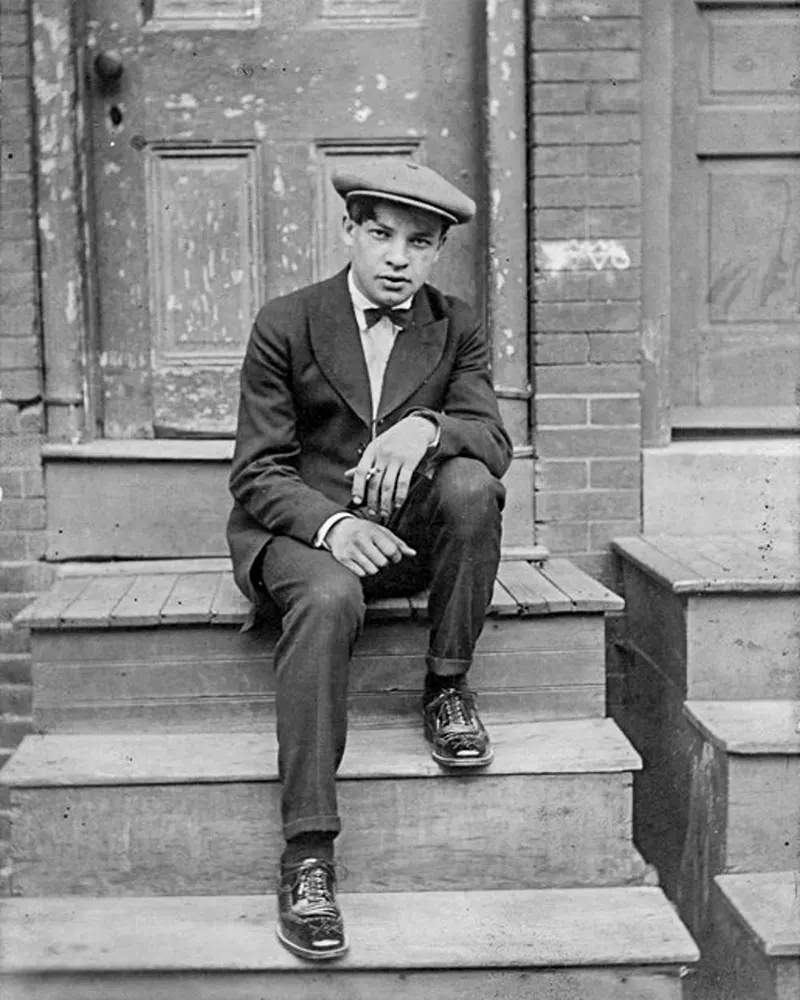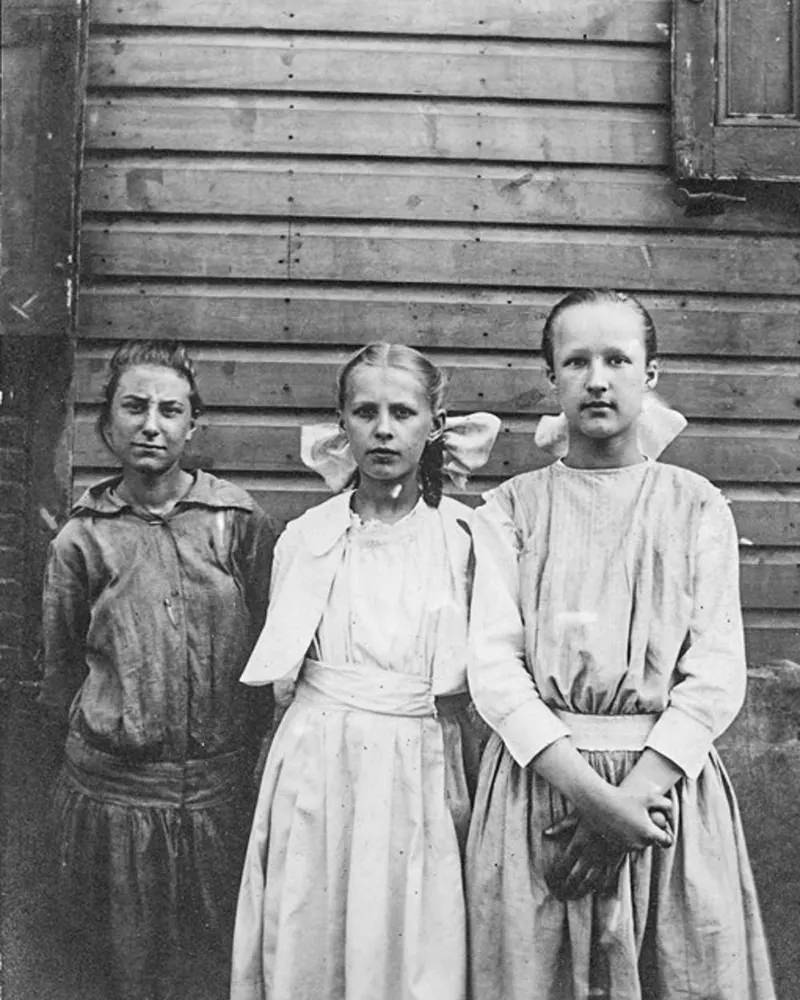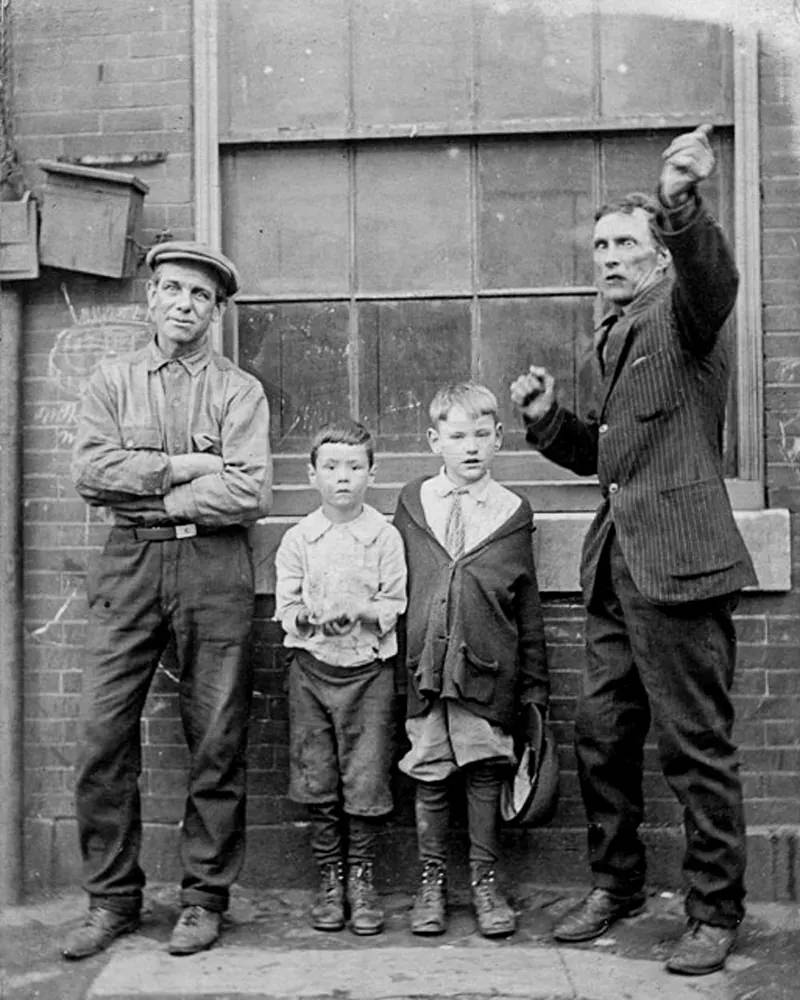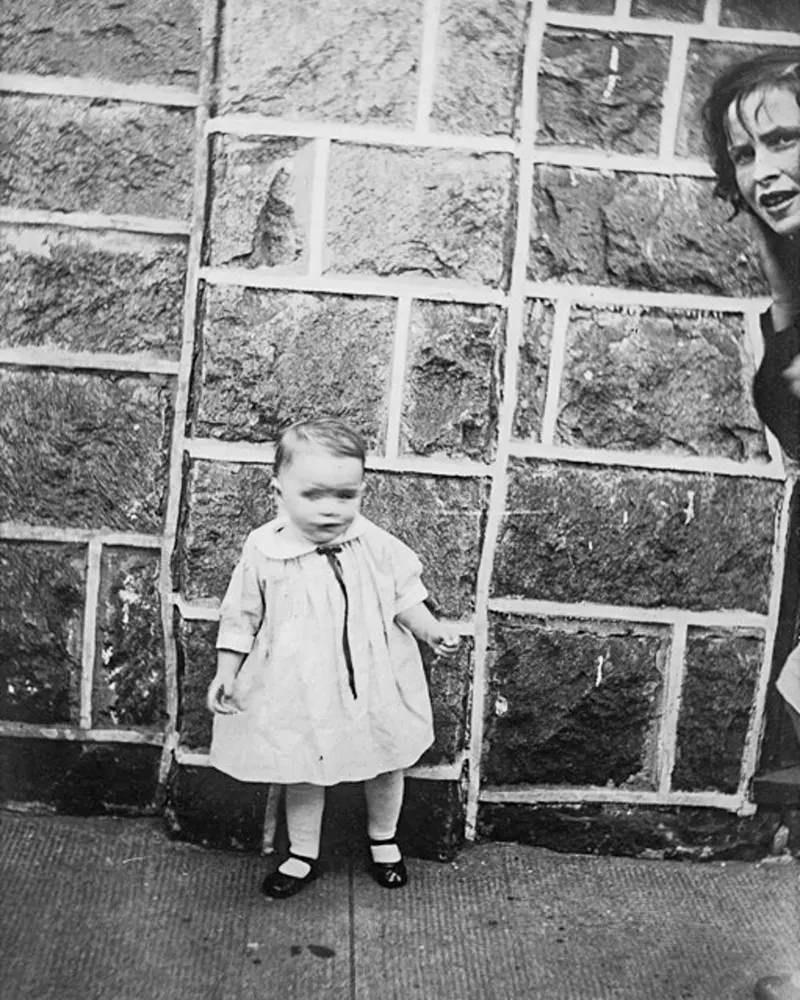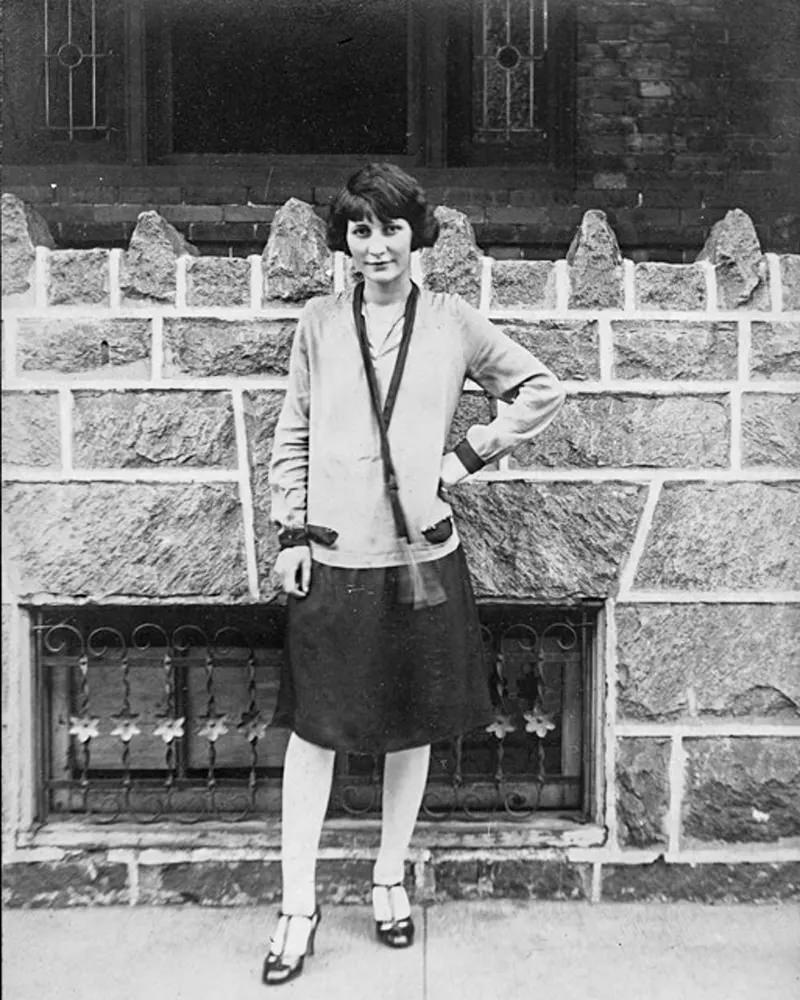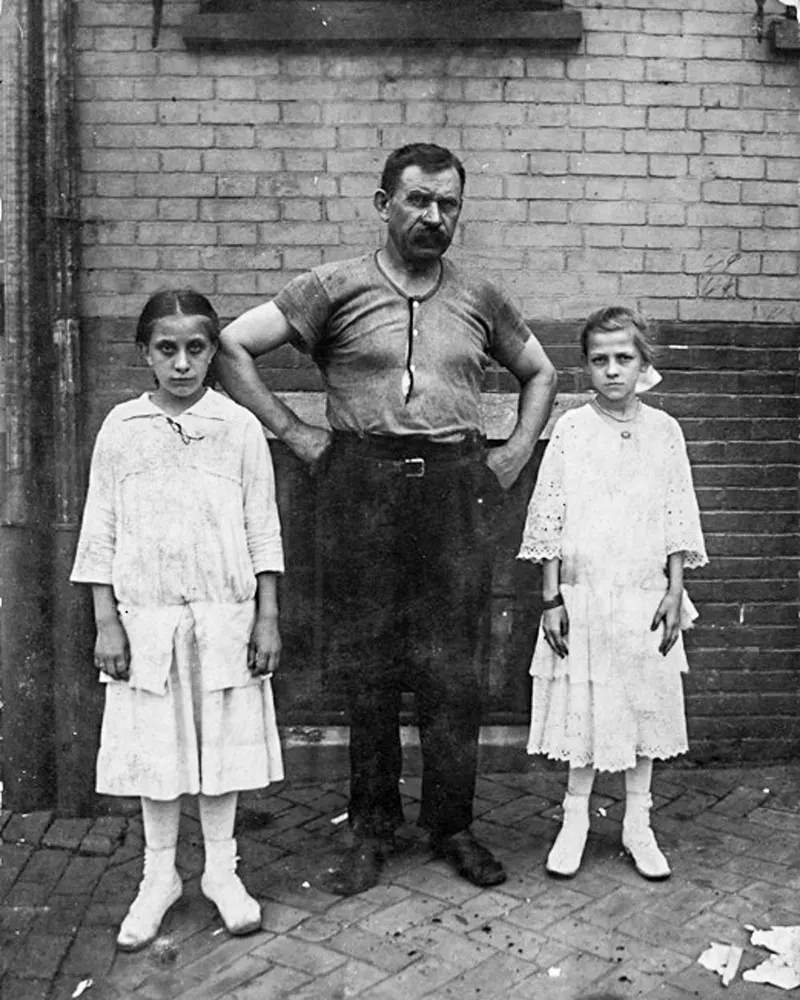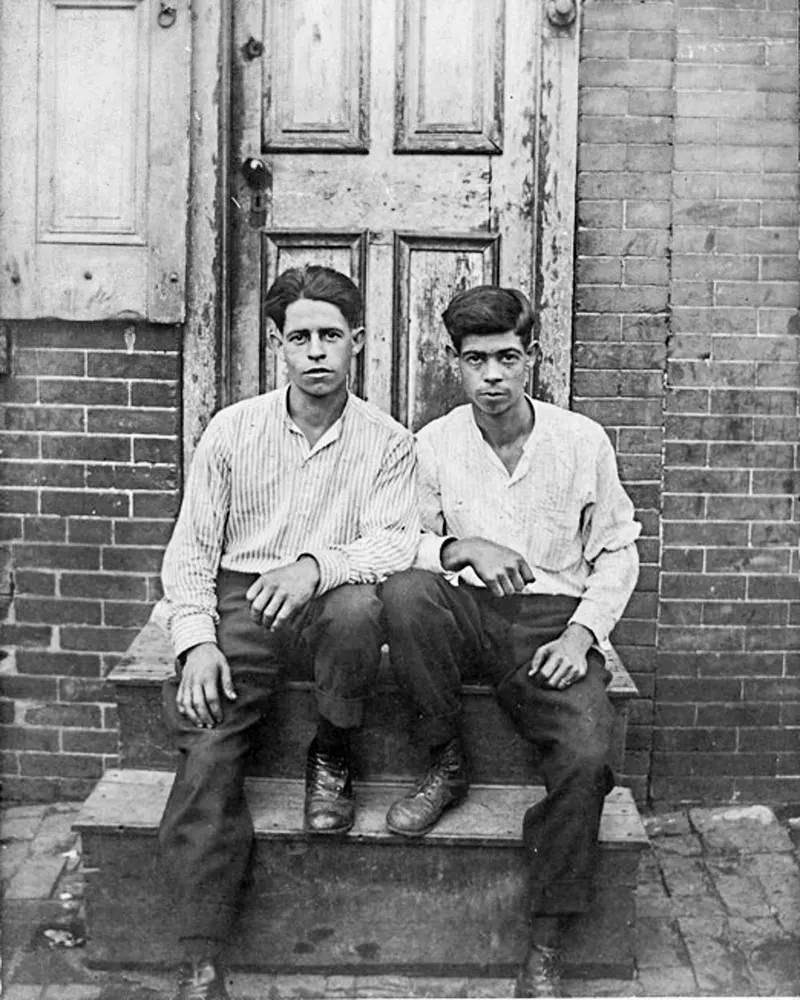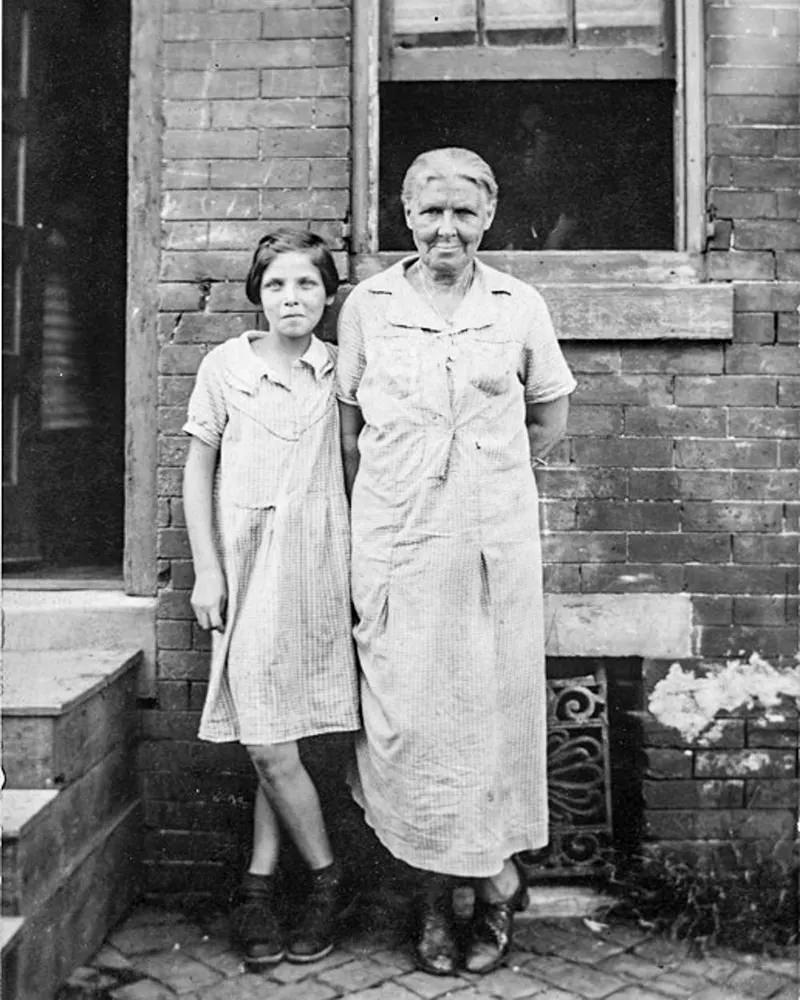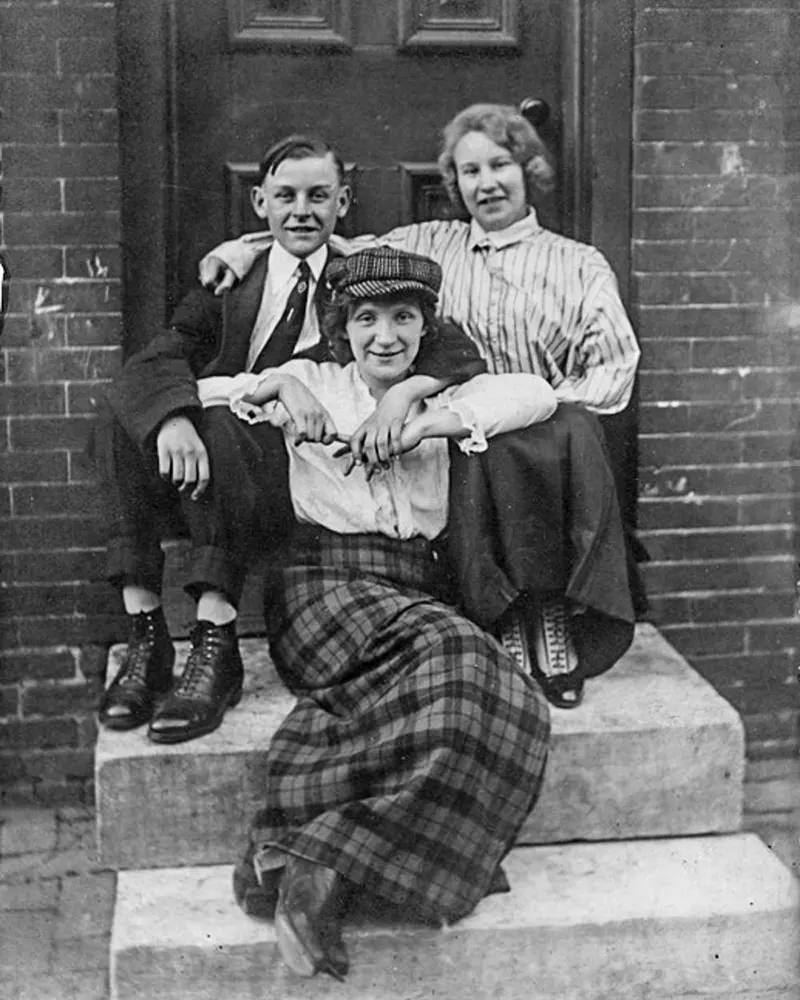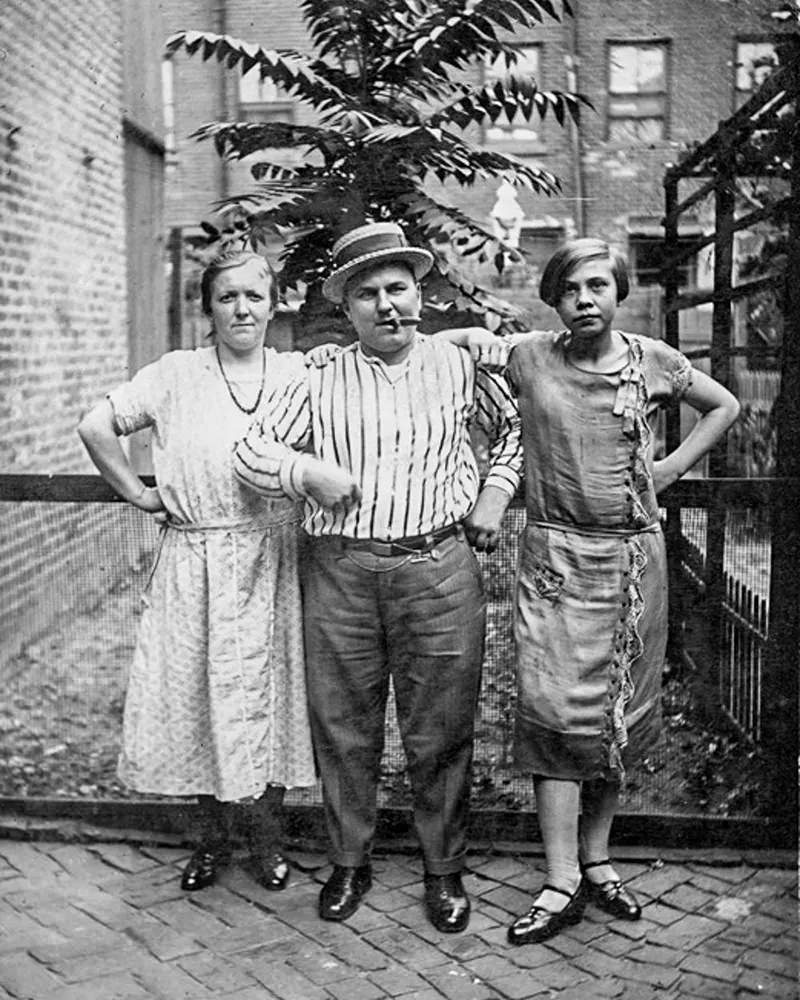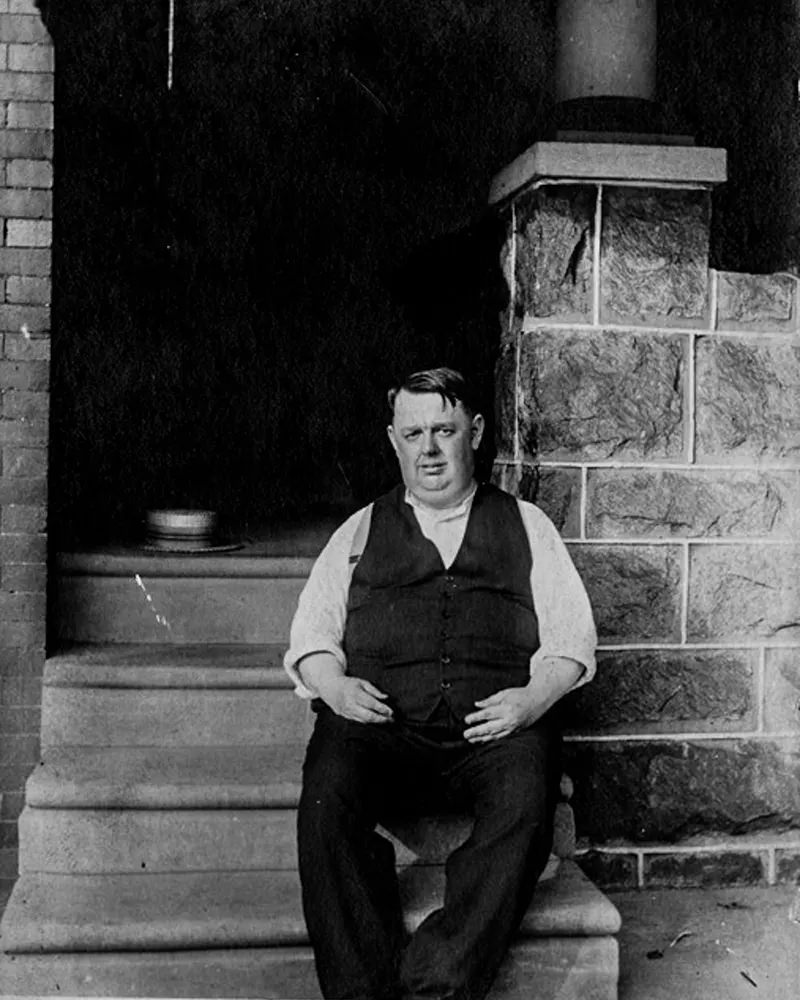
John Frank Keith was not a professional photographer. By trade, he was a bookkeeper. But between 1910 and 1940, he built one of the most intimate visual records of working-class Philadelphia life ever captured on film. Armed with an inexpensive camera, Keith walked the streets of his city and photographed the people who lived there — on their stoops, in their doorways, and along their sidewalks.
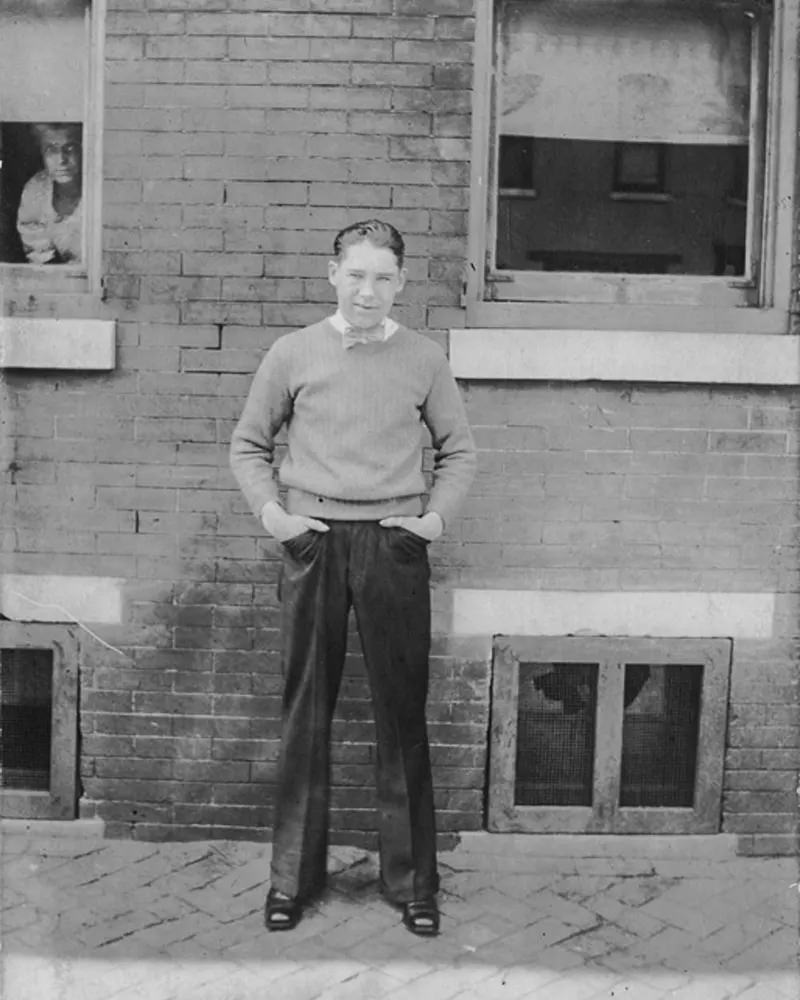
Keith lived in the Kensington neighborhood of Philadelphia, but his photography took him beyond his own block. He regularly made his way to parts of South Philadelphia, where he photographed residents standing and sitting in front of their urban row homes. These were everyday people — not politicians, not celebrities — just neighbors going about their lives.
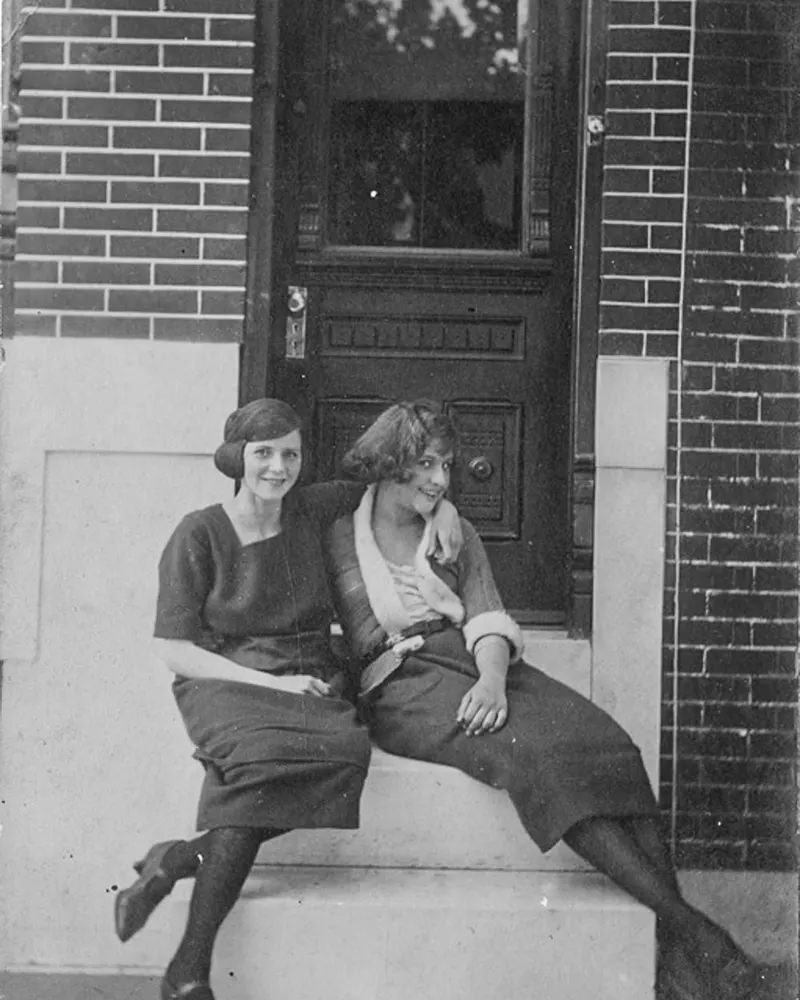
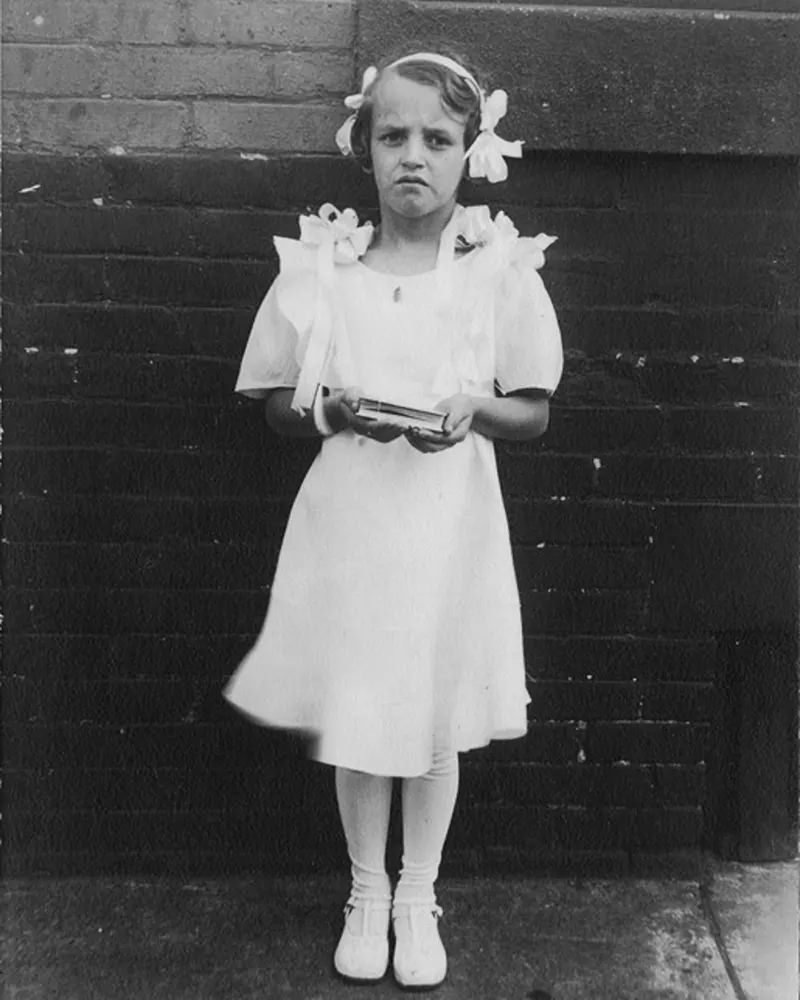
His approach was documentary in style, similar to the work of Lewis Hine. But where Hine used photography as a tool for social reform, Keith had no such agenda. He simply recorded what he saw. His subjects faced the camera directly, their homes framing them from behind.
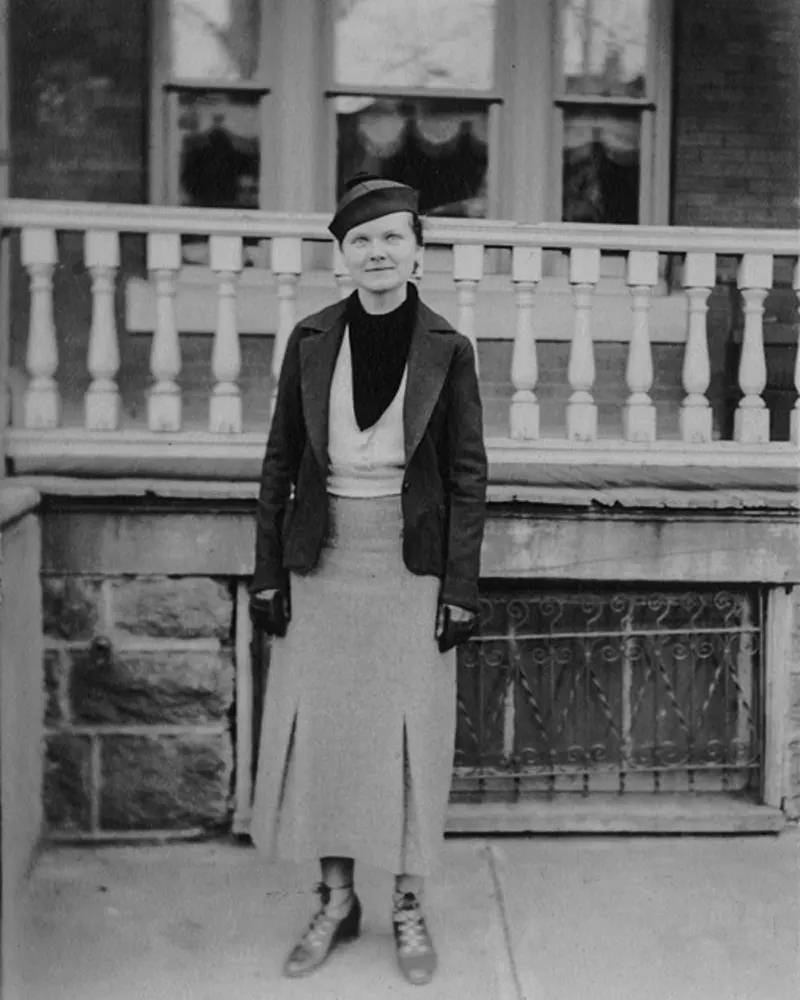
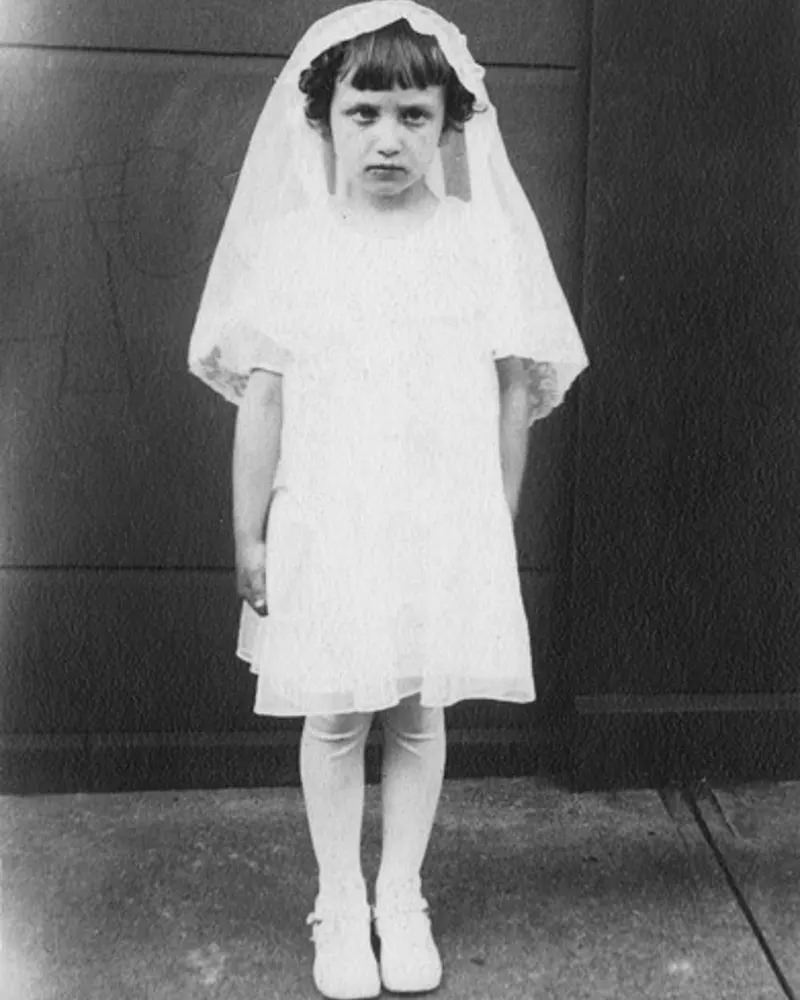
Keith rarely charged anyone for his pictures. More often, he gifted the finished prints to the very people he had photographed. This generosity helped him earn trust on the street. People stood still for him, looked into his lens, and let him into their world.
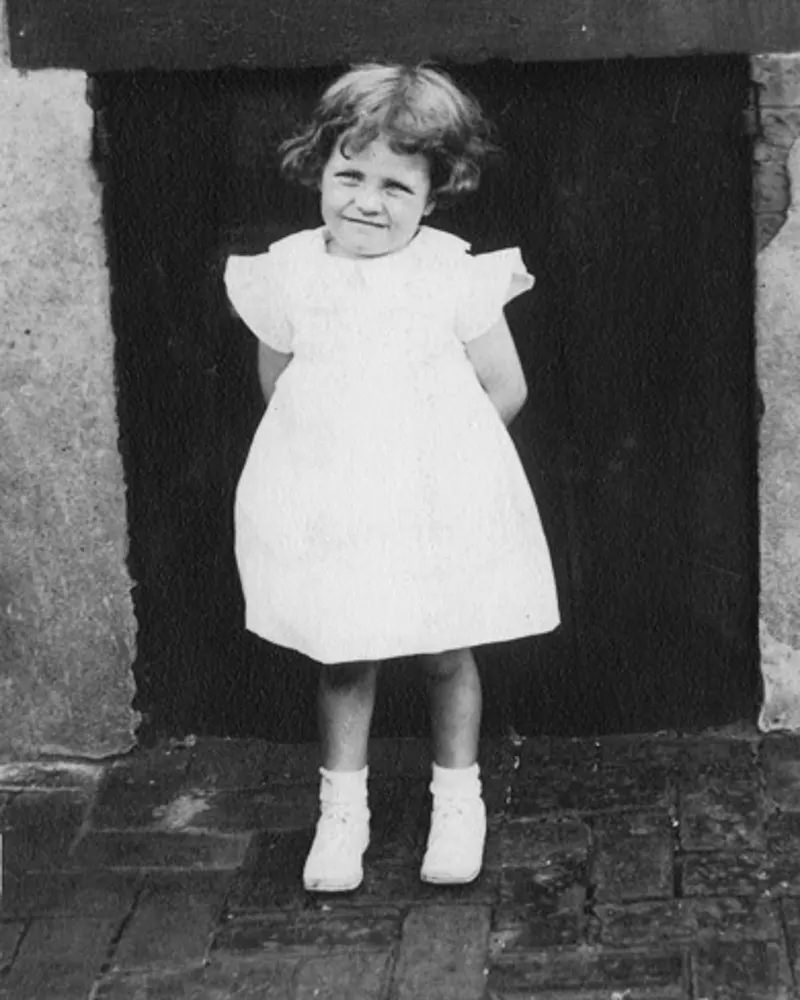
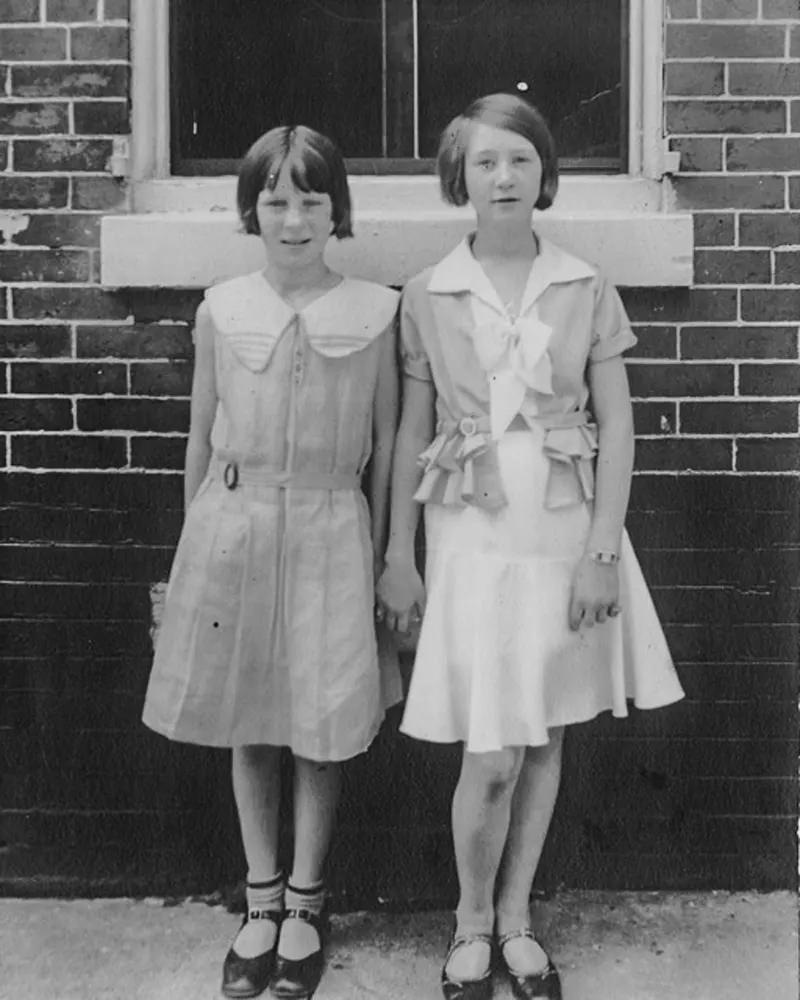
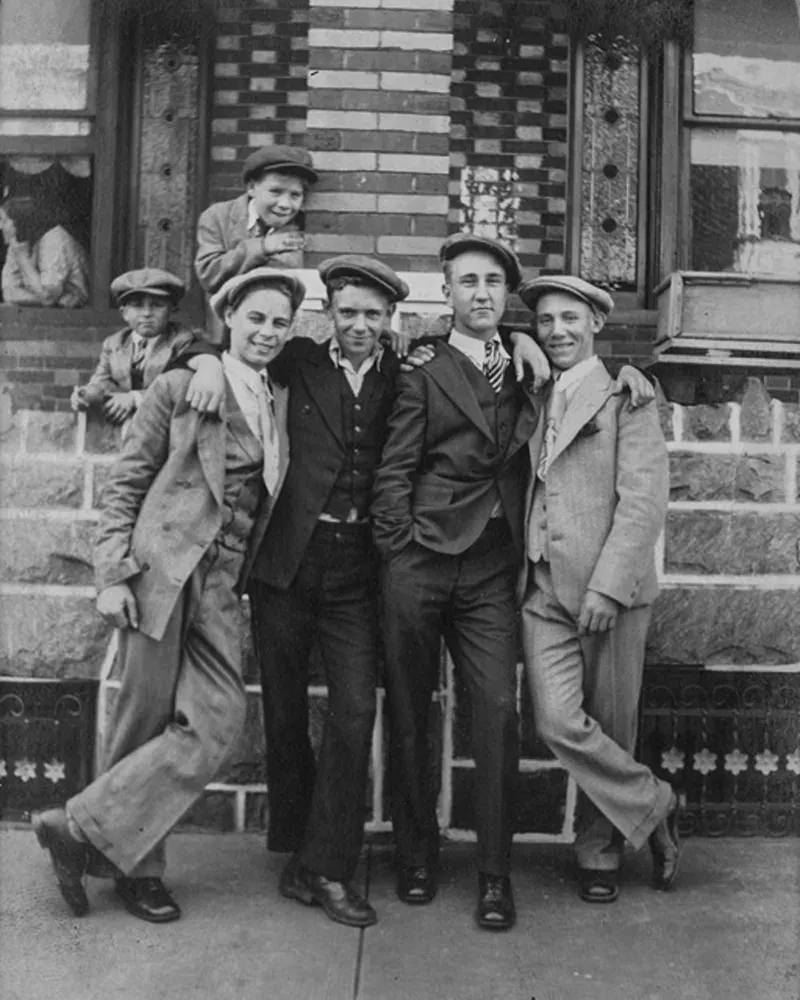
The camera Keith used was cheap, and that fact shaped every photograph he took. The amateur-quality lens created slight distortion at the edges of each frame. He had to find the right distance from his subjects — close enough to keep the image sharp, but far enough back to include the surrounding streetscape. Standing too far away made the image blur entirely. Standing too close cut out the neighborhood context that gave each photo its meaning.
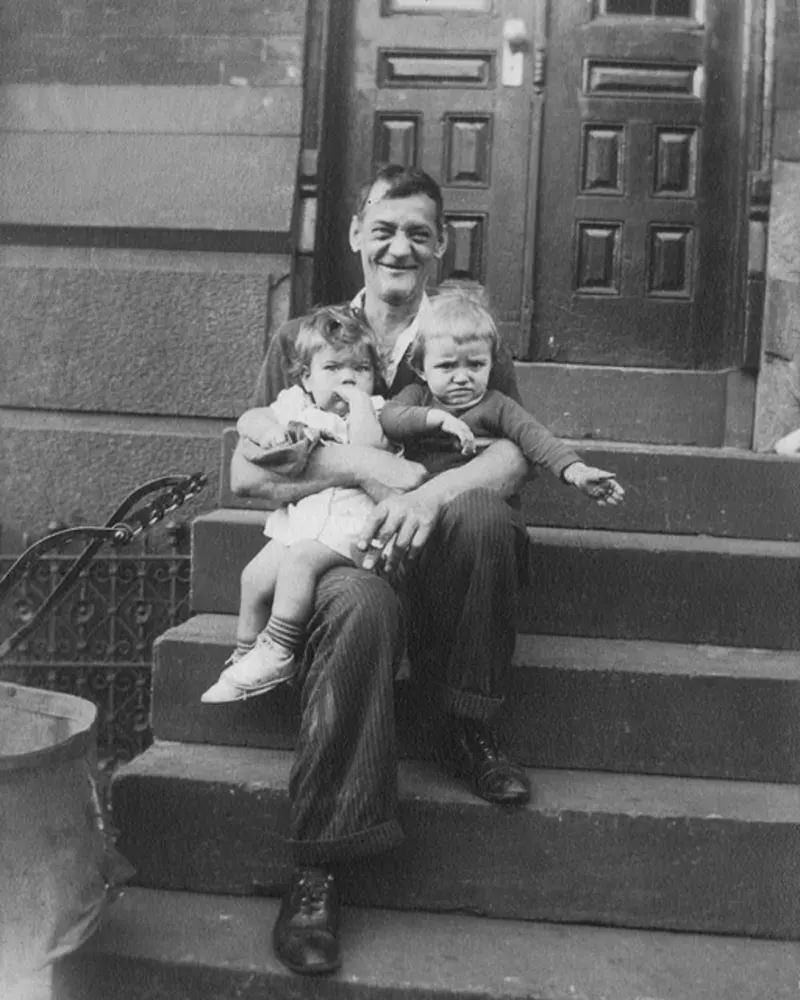
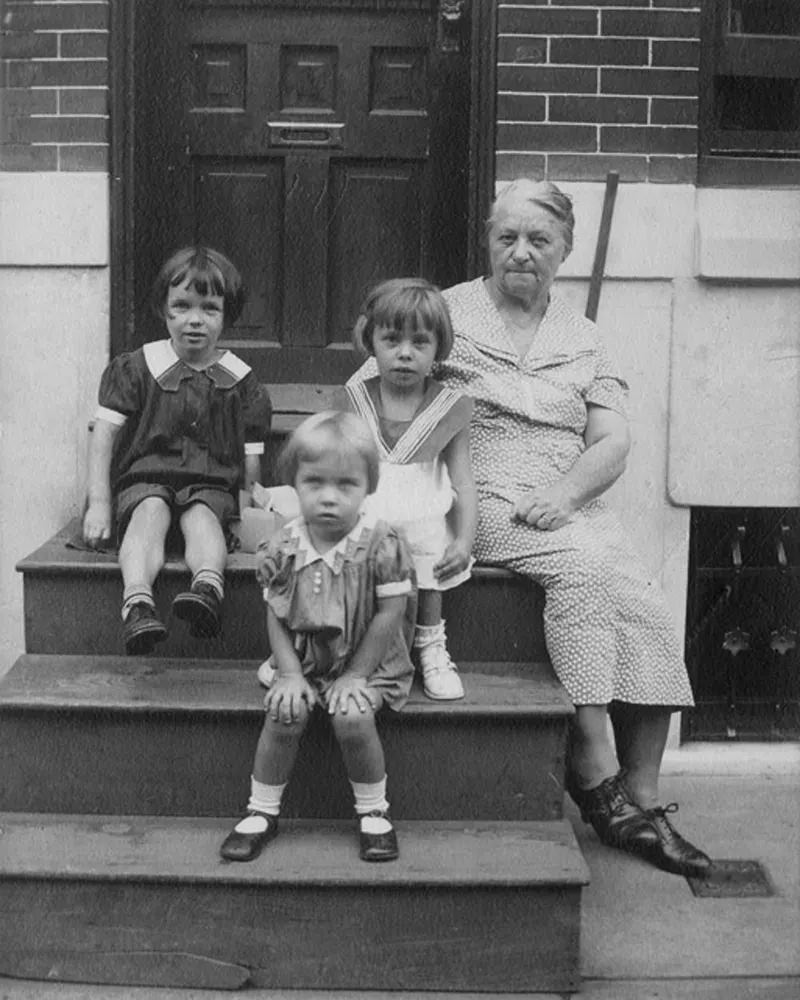
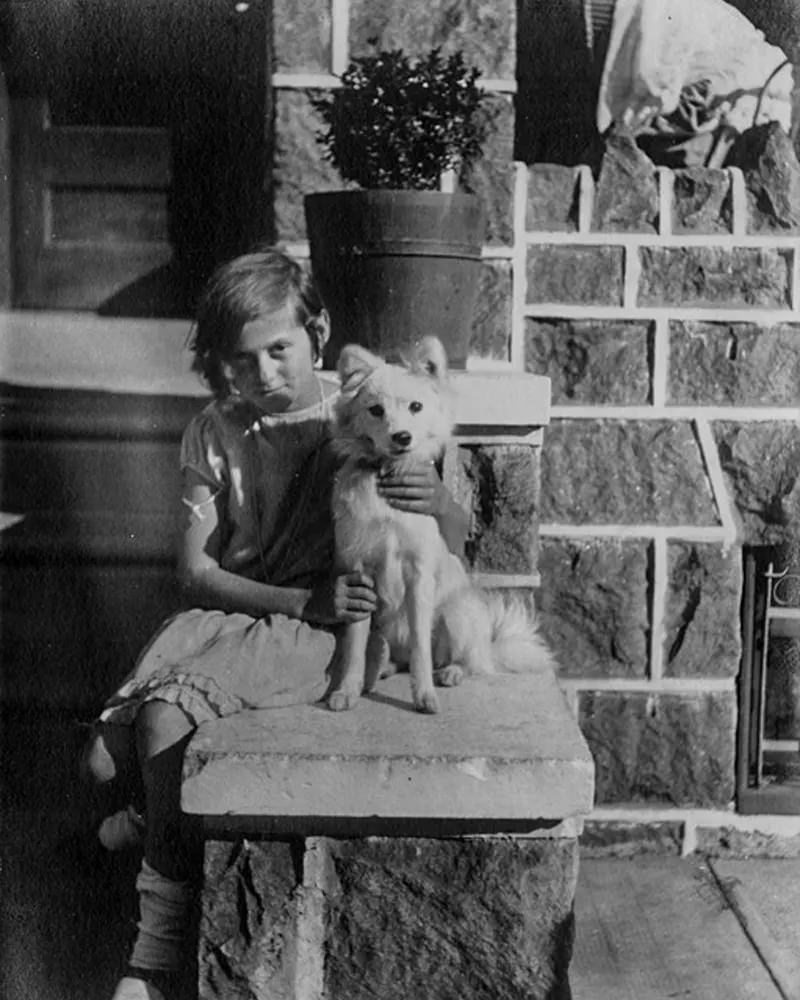
Like the itinerant photographers of the nineteenth century, Keith kept his core composition mostly the same from shot to shot. He did not constantly reinvent his framing or experiment with dramatic angles. Instead, he paid attention to the small differences: the color of a subject’s clothing, the texture of a door frame, the arrangement of people on a set of steps.
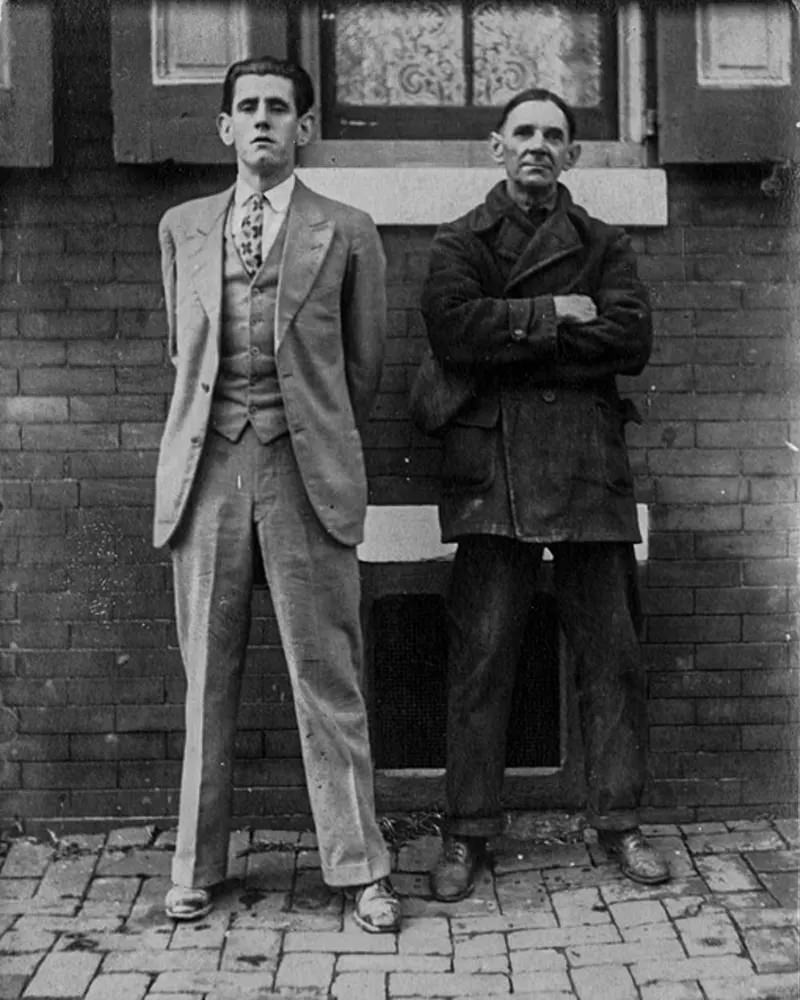
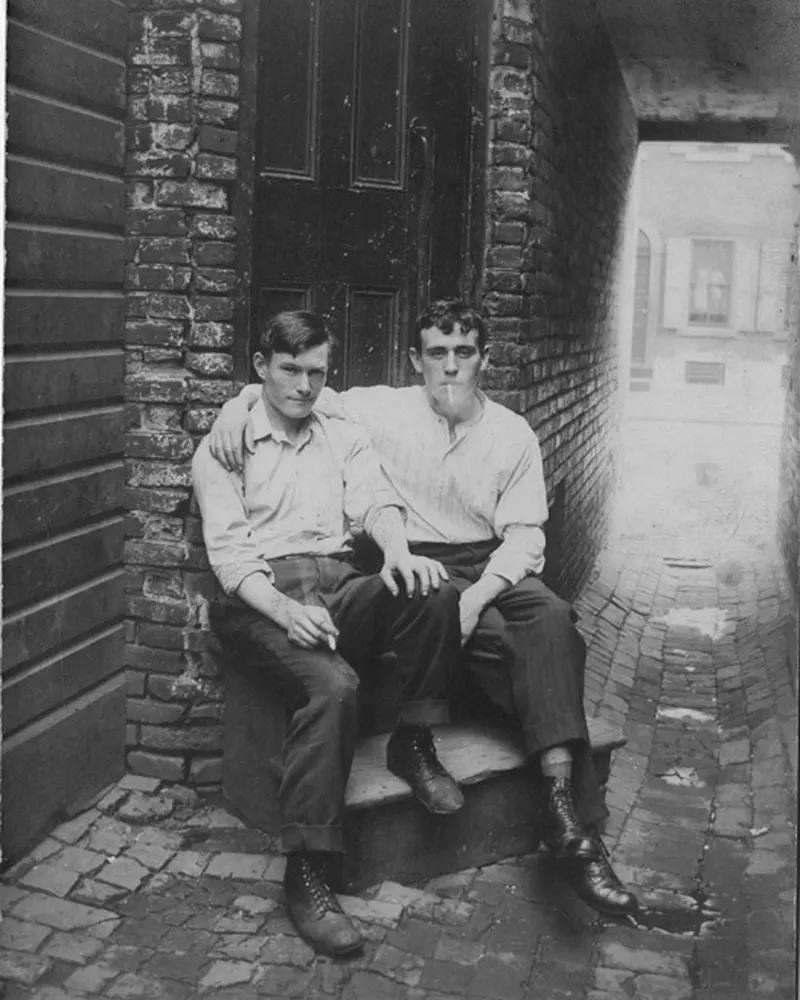
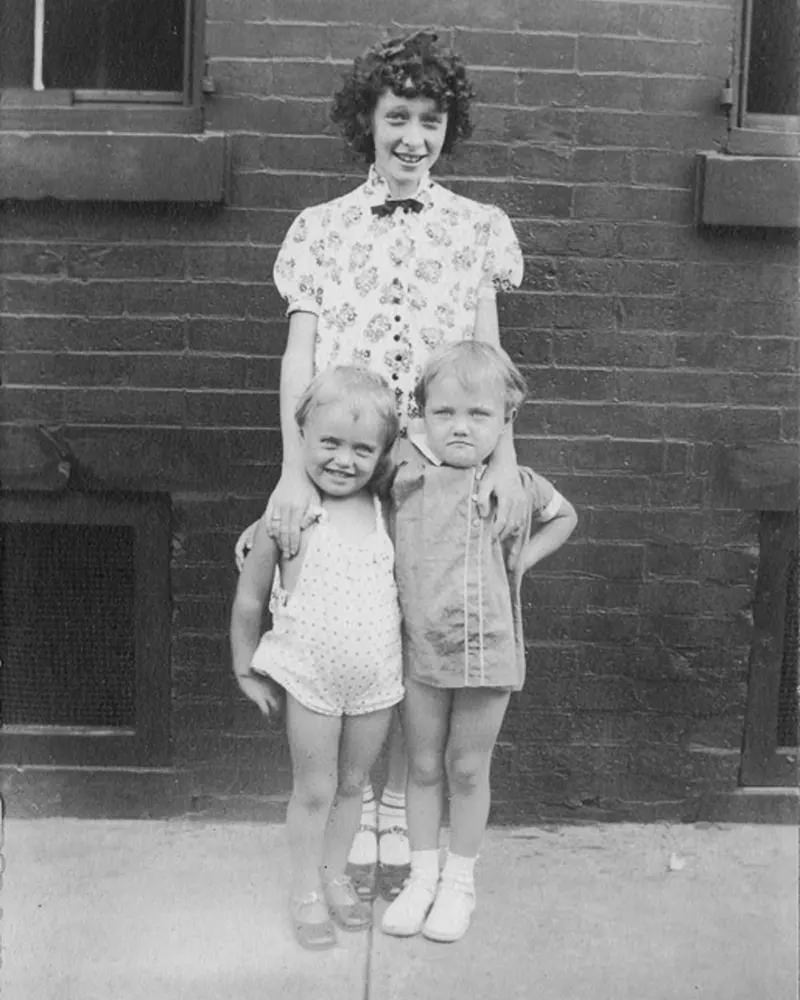
Back at home, Keith built a darkroom on the roof of his family’s house. It was there that he developed his prints and experimented with night photography — a technically demanding pursuit, especially with entry-level equipment. The rooftop darkroom speaks to how seriously he took the craft, even without formal training.
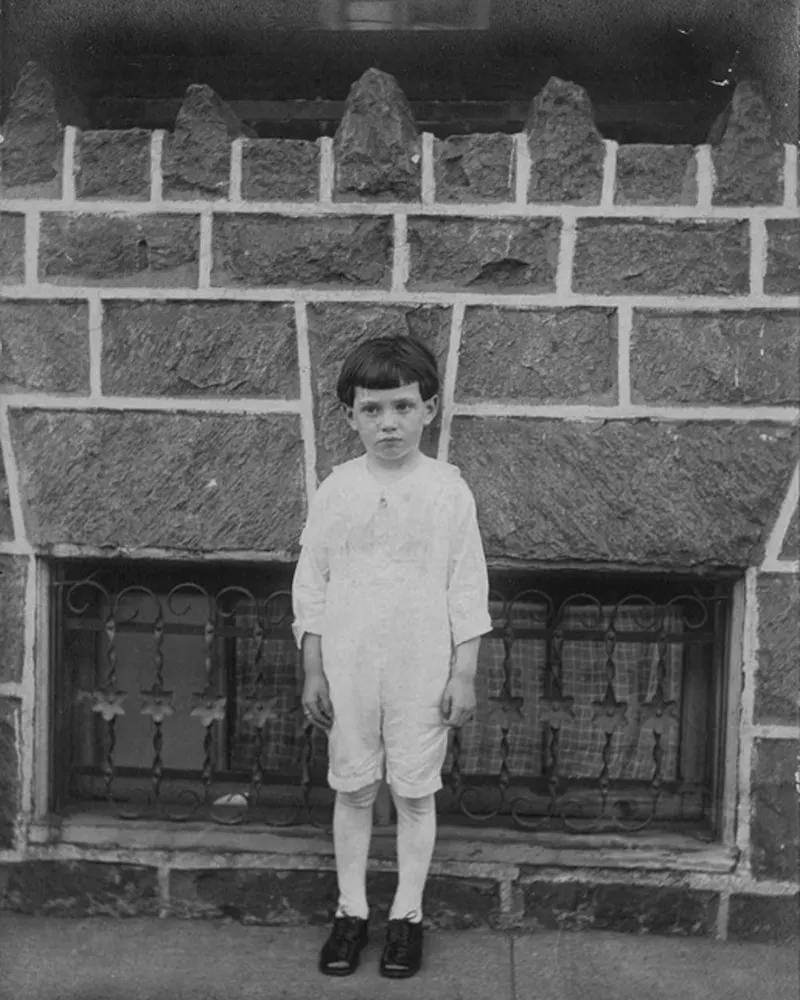
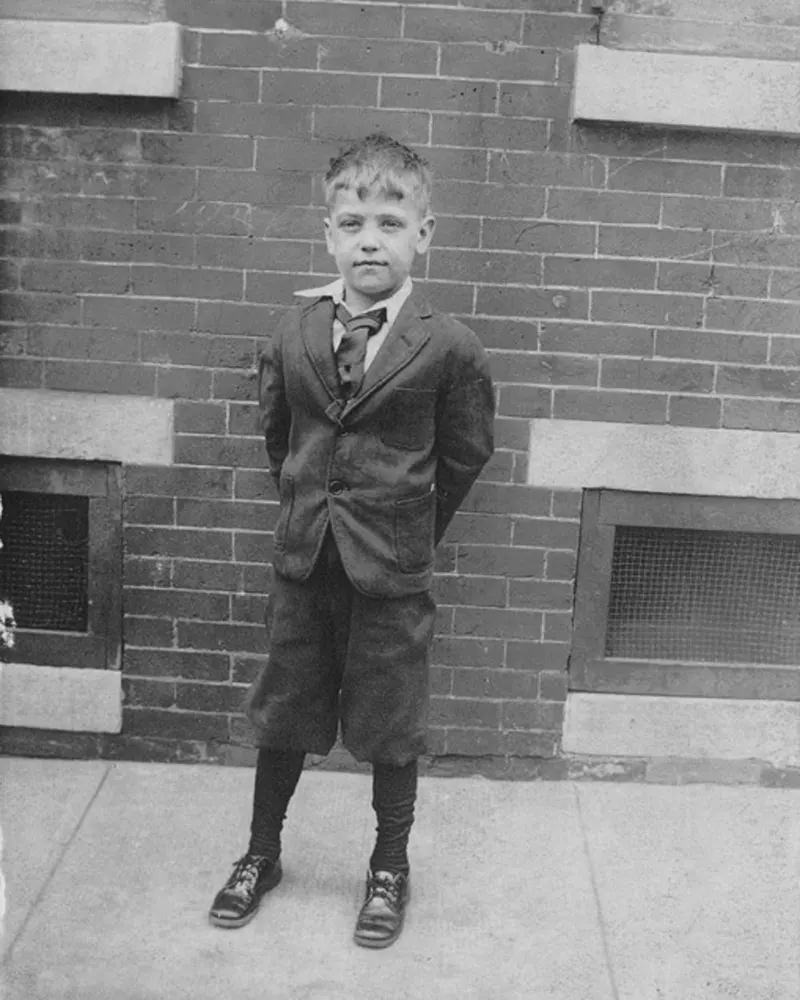
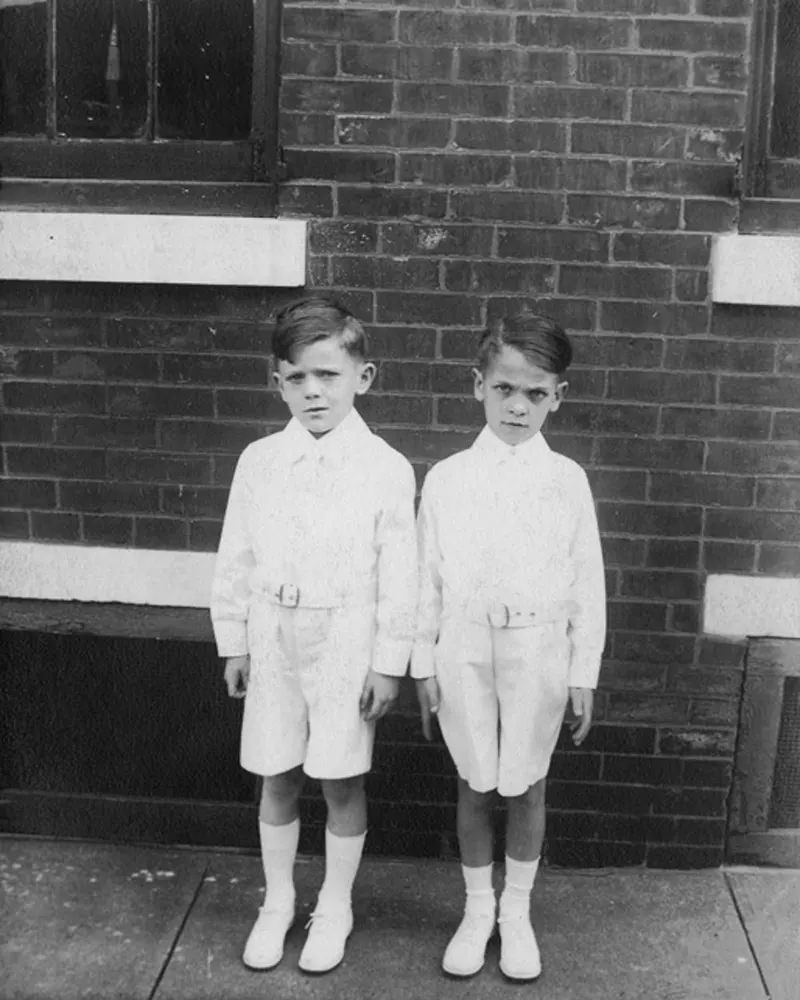
The photographs that survive from Keith’s decades of work offer a rare, ground-level view of Philadelphia between the two World Wars. These are not staged portraits taken in a studio. They are street-level moments — candid, unpolished, and deeply human.
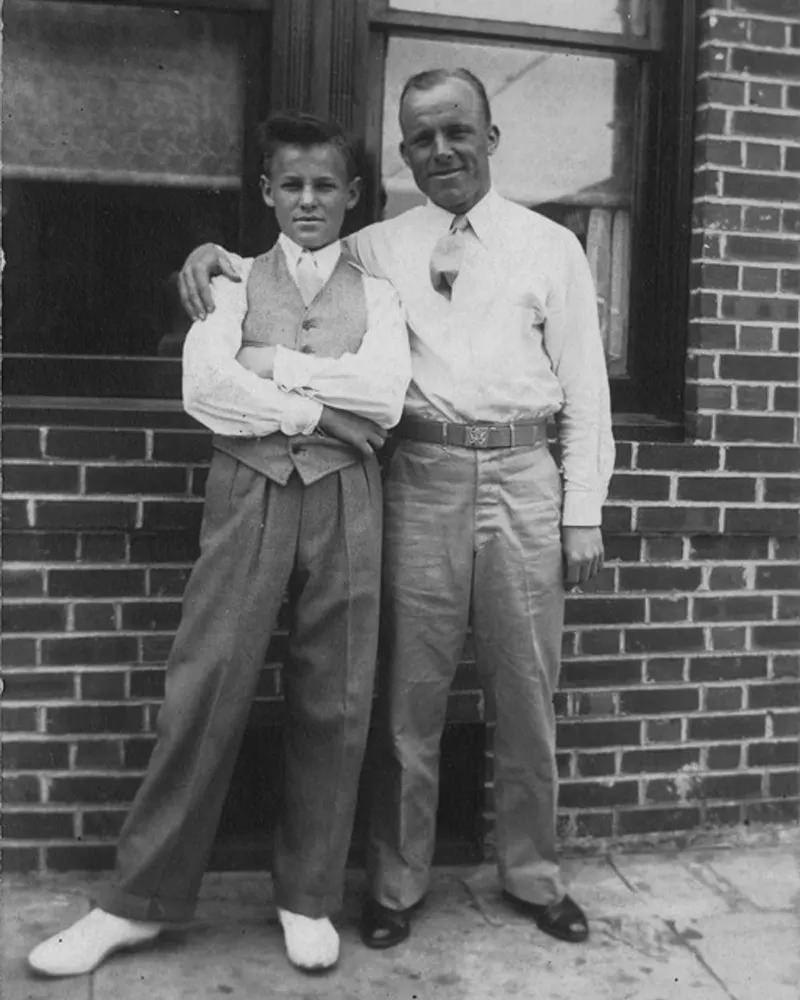
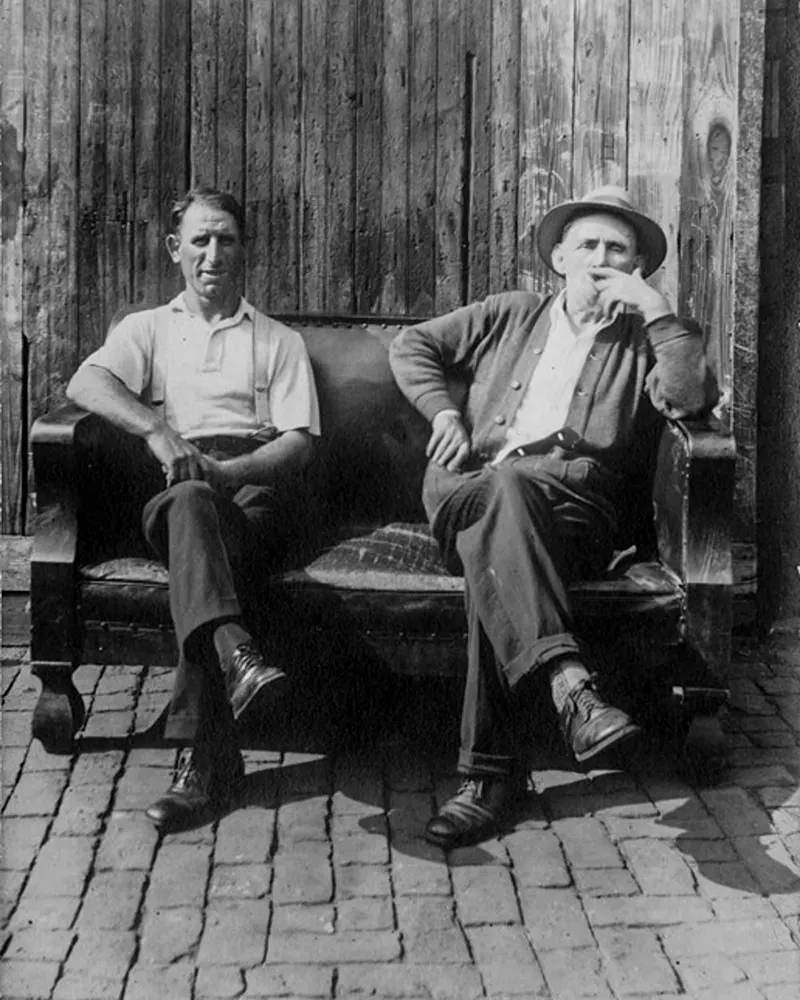
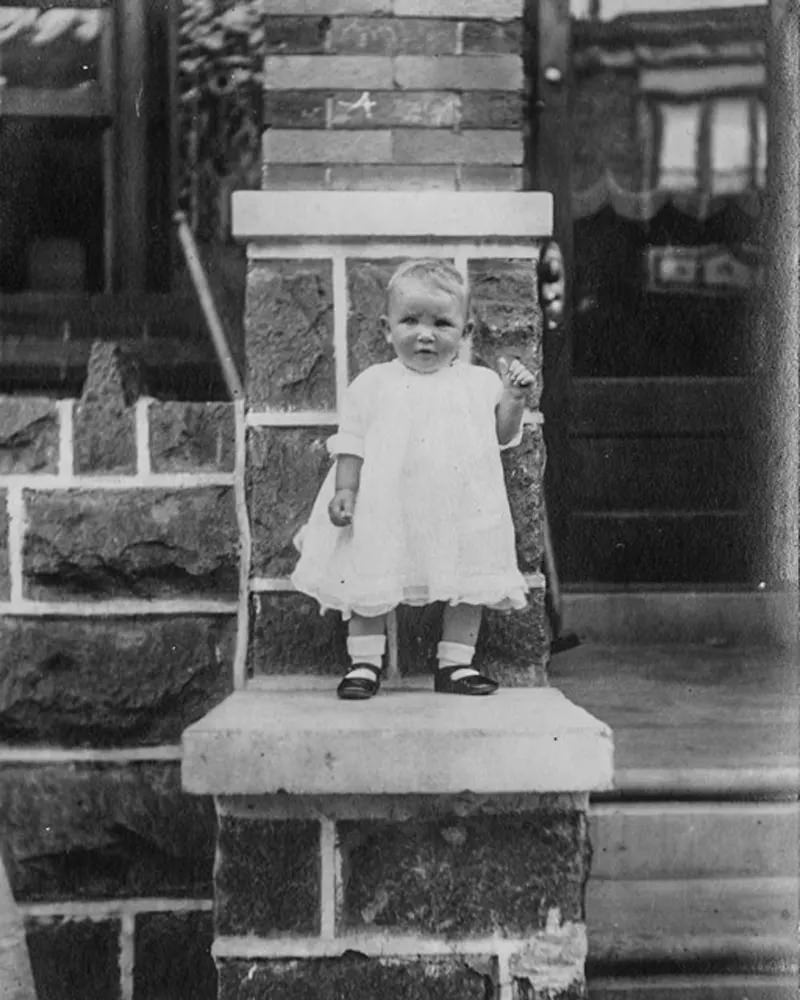
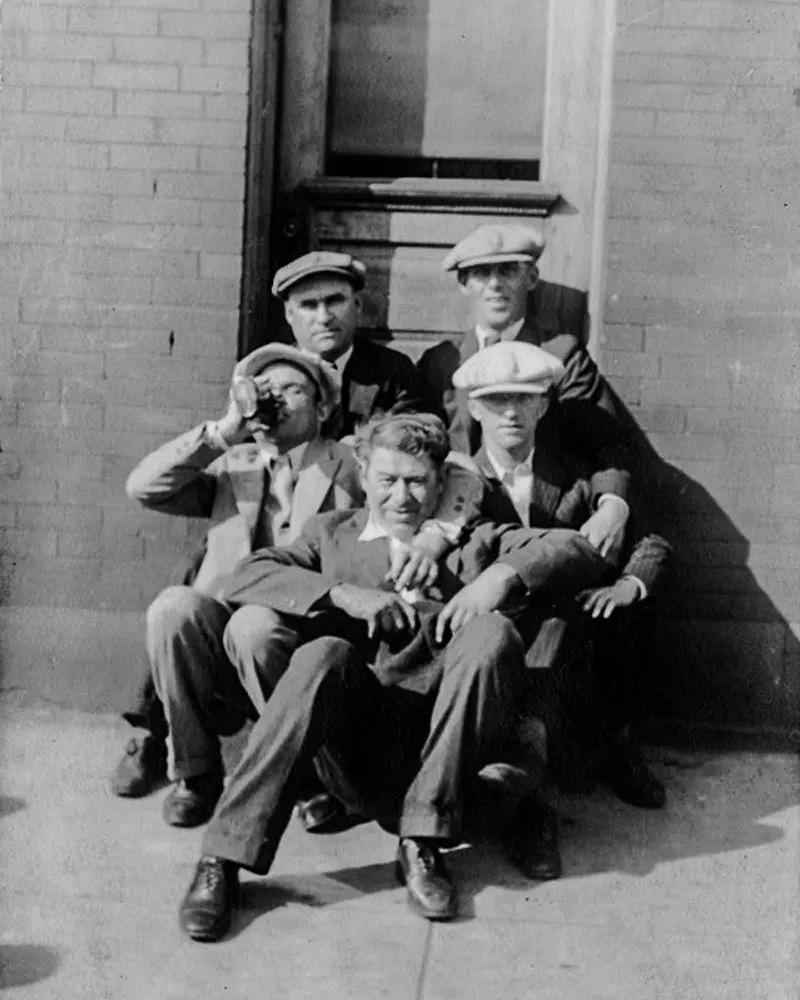
Each photo holds a specific person in a specific place. The row homes behind them, the concrete stoops beneath them, and the street stretching out in the background are all part of the record Keith kept. Scroll through the full collection below.