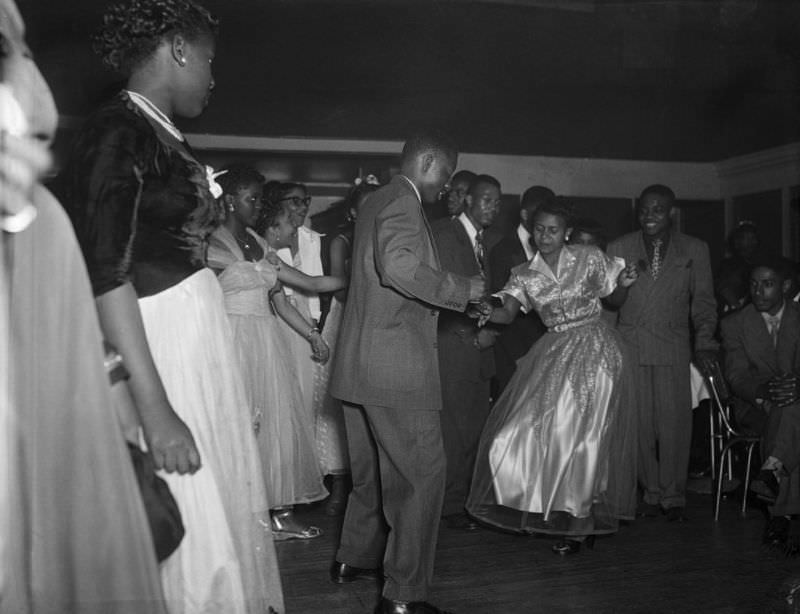
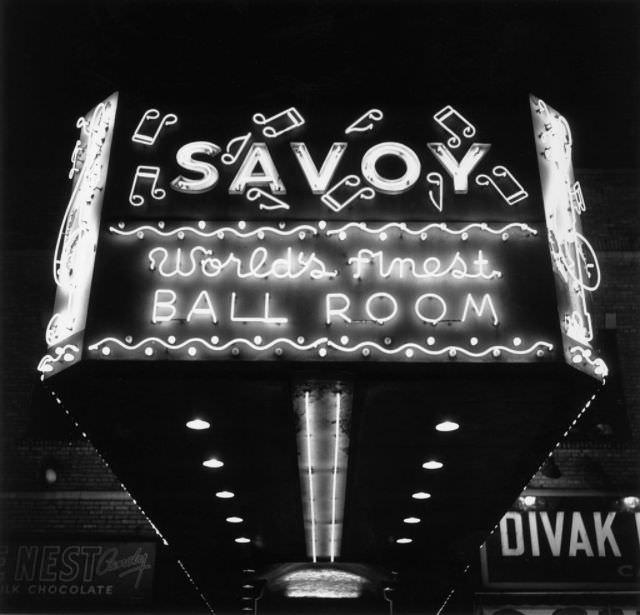
On March 12, 1926, the Savoy Ballroom opened its doors at 596 Lenox Avenue, tucked between 140th and 141st Streets in Harlem, Manhattan. Lenox Avenue was already packed with nightlife hotspots, but the Savoy stood apart. It earned the title “World’s Finest Ballroom” — and it kept that reputation for over three decades. The ballroom was open and lively every single night of the week, drawing crowds that few venues anywhere could match.
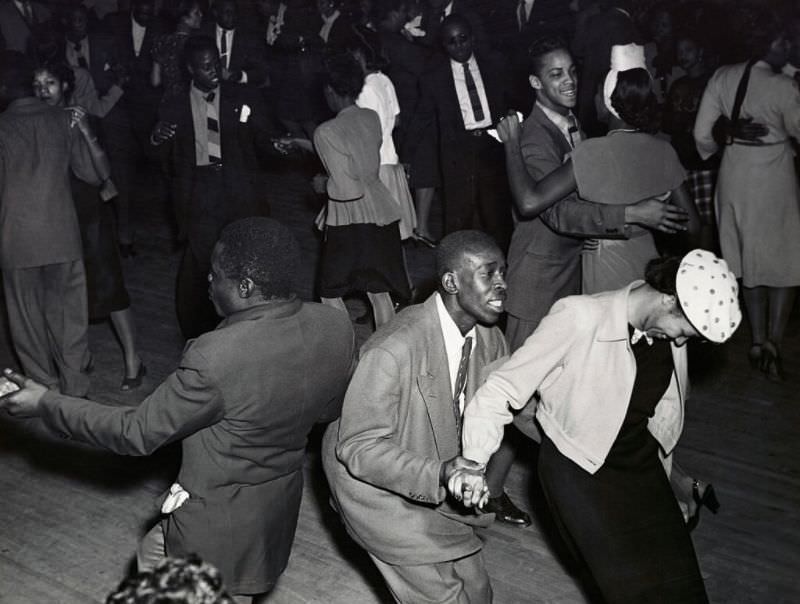
During its peak years in the late 1920s through the 1940s, the Savoy pulled in $250,000 in annual profit. Nearly 700,000 people walked through its doors each year. Those numbers put it on a level of its own. The ballroom stretched an entire city block and featured two bandstands, so music never stopped — one band would start as the other finished.
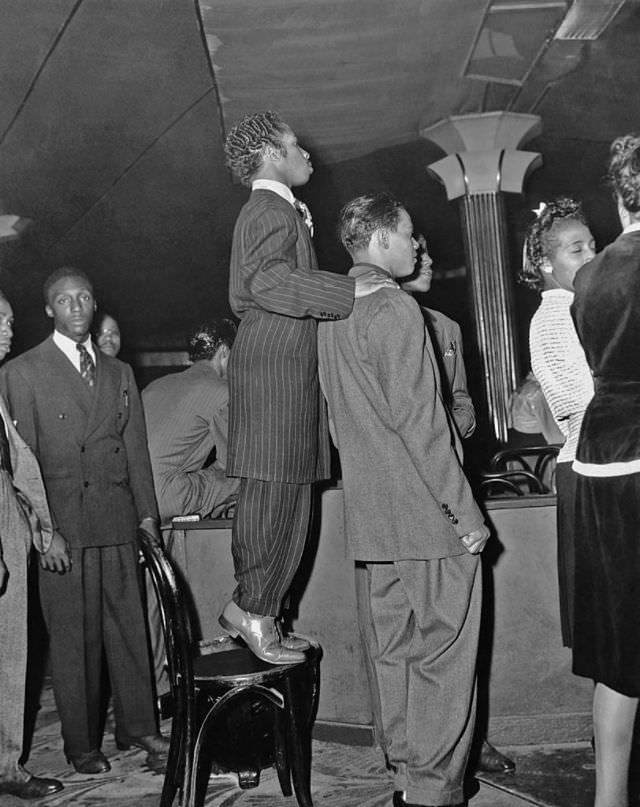
One of the Savoy’s most defining features was its open-door policy. While other famous Harlem venues like the Cotton Club enforced strict racial segregation, the Savoy welcomed everyone. The crowd was roughly 85% Black and 15% white, though on many nights the split was closer to even. This made it a rare social space in an era when segregation was the norm across much of American public life.
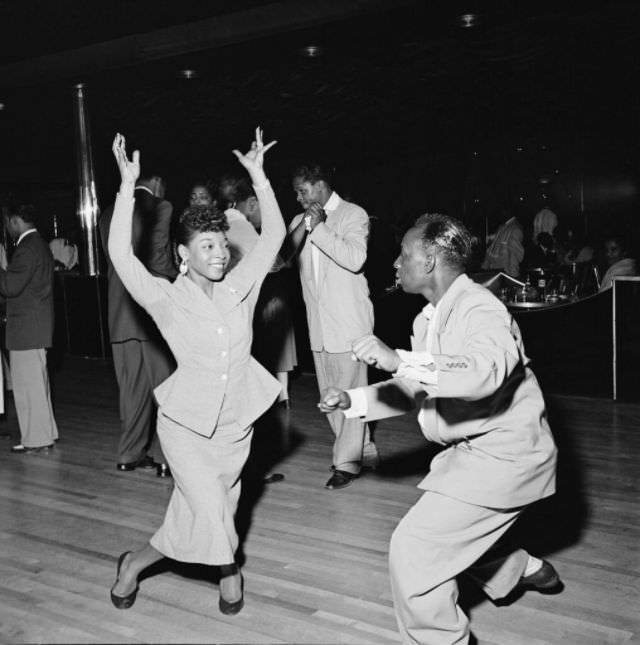
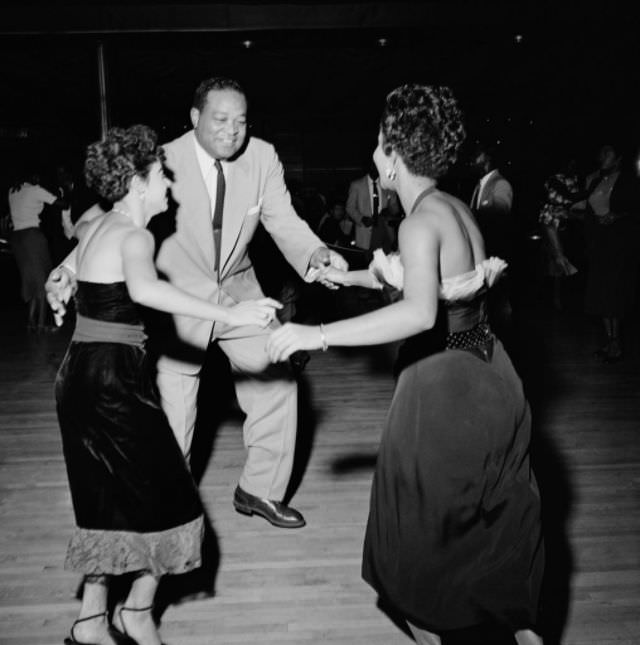
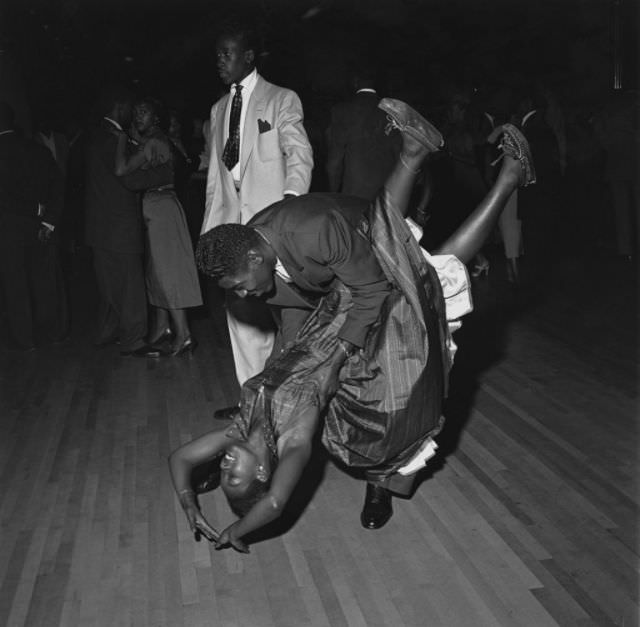
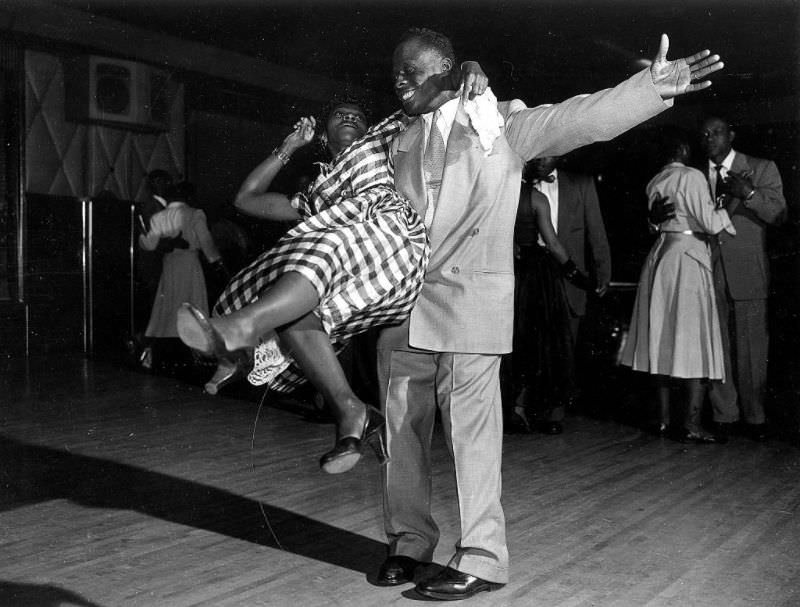
The dancing at the Savoy was something spectators traveled from all over to witness. The Lindy Hop was born and refined on its famous springwood-and-maple dance floor. Dancers pushed the style further each week, competing and performing with an energy that made the ballroom the center of American swing dance culture.
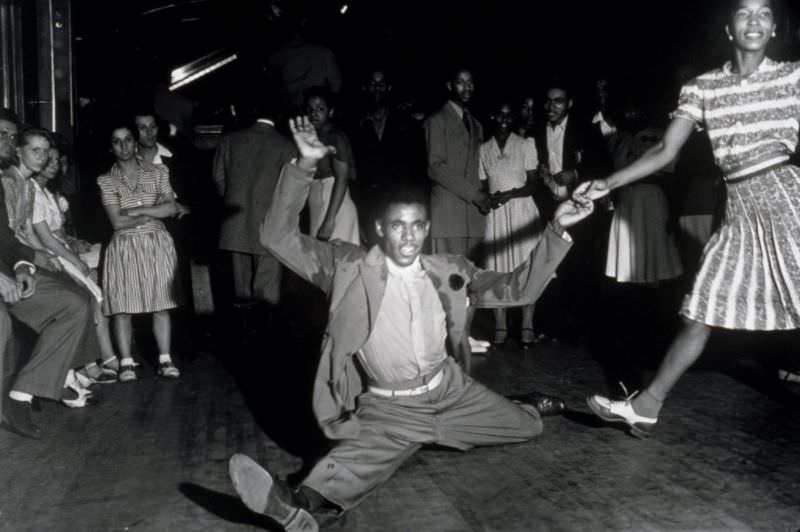
By the mid-1940s, the Savoy’s reputation had spread far beyond New York. Its neon marquee on Lenox Avenue was a beacon for anyone looking for a great night out. The venue’s influence on dance was recognized nationally — a showcase called “The Evolution of Negro Dance” was presented at the 1939 New York World’s Fair, in part reflecting the movement that the Savoy helped define.
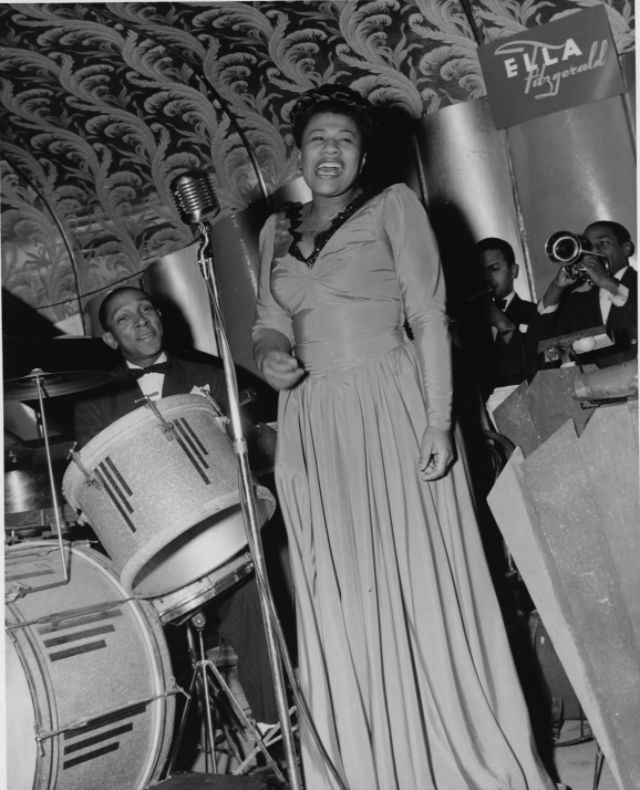
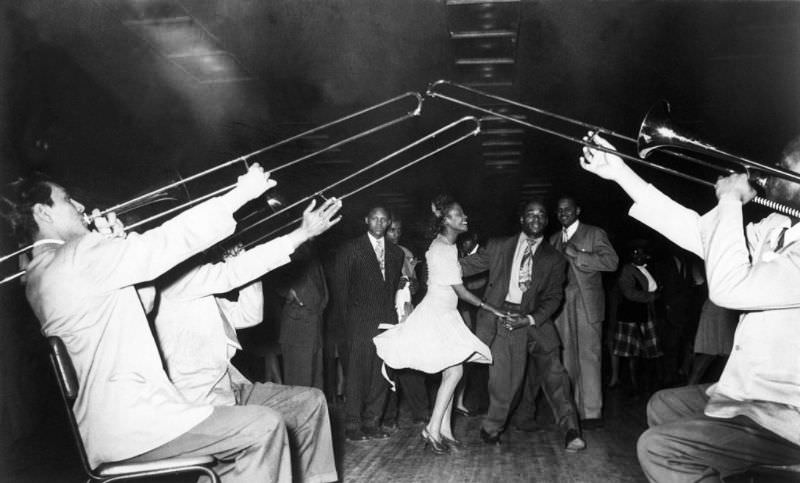
The ballroom’s dual bandstands meant that live music filled every moment on the floor. Brass sections, trombones, and full big bands powered the dancing night after night. Top musicians and bandleaders rotated through regularly, and performers like Ella Fitzgerald graced its stage, making the Savoy as much a music hall as a dance floor.
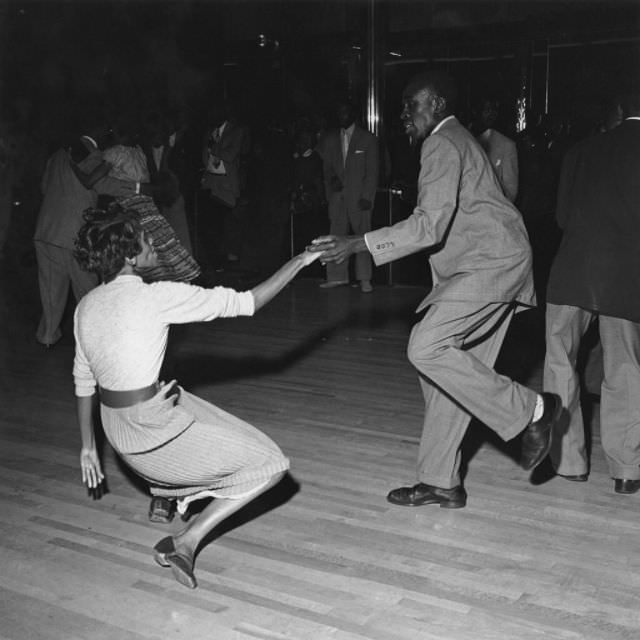
The 1947 photographs below capture the Savoy at full stride — couples locked in the fluid, athletic movements of swing dance, the floor packed with energy. The dancers ranged from seasoned regulars who had been coming since the 1920s to newcomers discovering the ballroom for the first time.
By the early 1950s, the Savoy was still drawing devoted crowds. Couples continued to fill the floor, though the broader American dance scene was beginning to shift as the big band era gave way to new sounds. The ballroom adapted, but its identity remained rooted in the swing tradition that had defined it from the start.
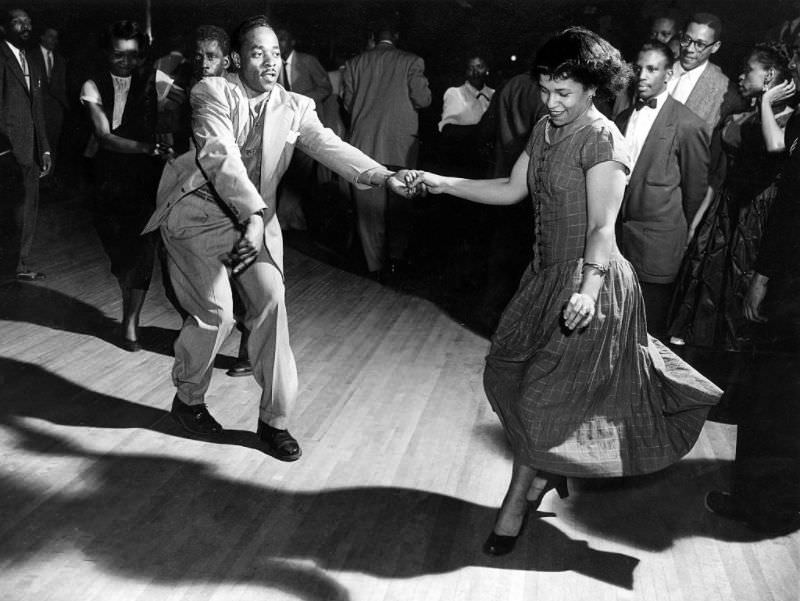
By 1956, lines of young people still formed outside on Lenox Avenue, eager to get onto the dance floor. The Savoy held its draw even as Harlem’s entertainment landscape continued to change around it. For many of those waiting outside, a night at the Savoy was a rite of passage.
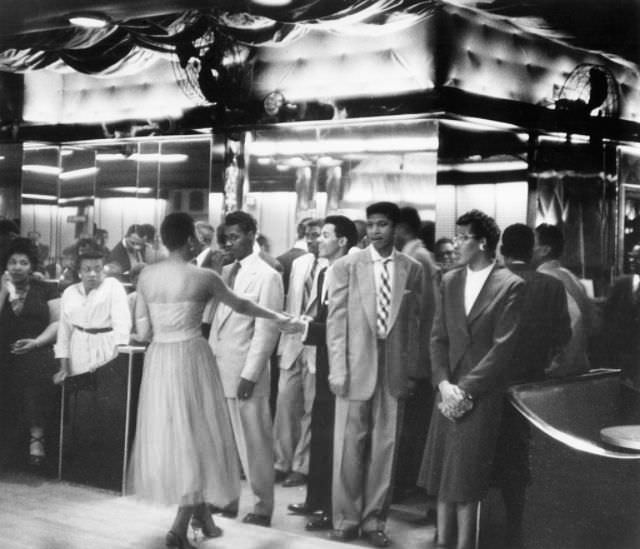


The Savoy held its final night of dancing on July 10, 1958. Manager and co-owner Charles Buchanan, along with various clubs and community organizations, fought to save the building, but the effort fell short. In October 1958, the ballroom’s operations officially ended. Between March and April 1959, the building was demolished to make way for the Delano Village housing complex. The last dancers to ever take the floor did so in 1958, captured in photographs that show the ballroom as lively as it had ever been.