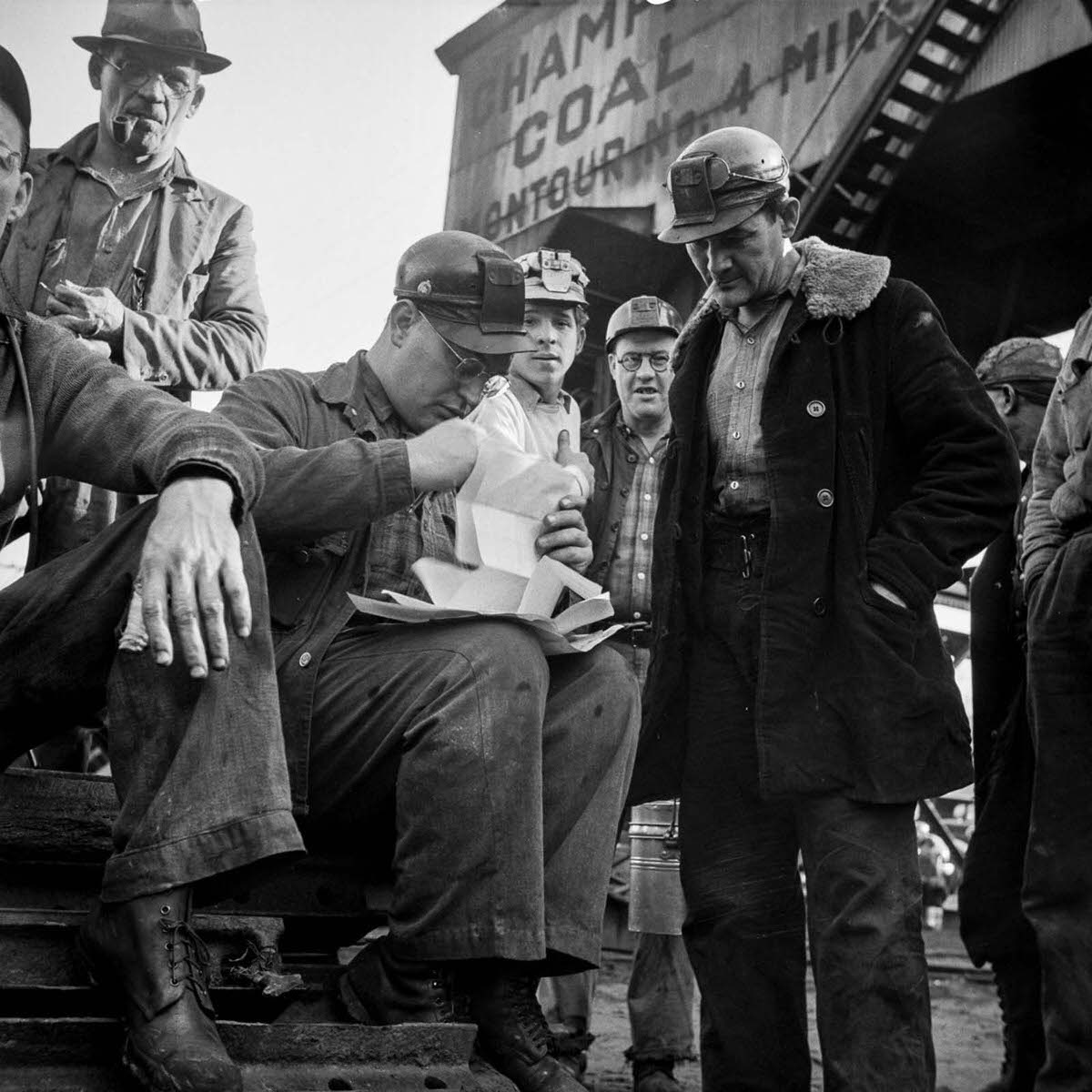
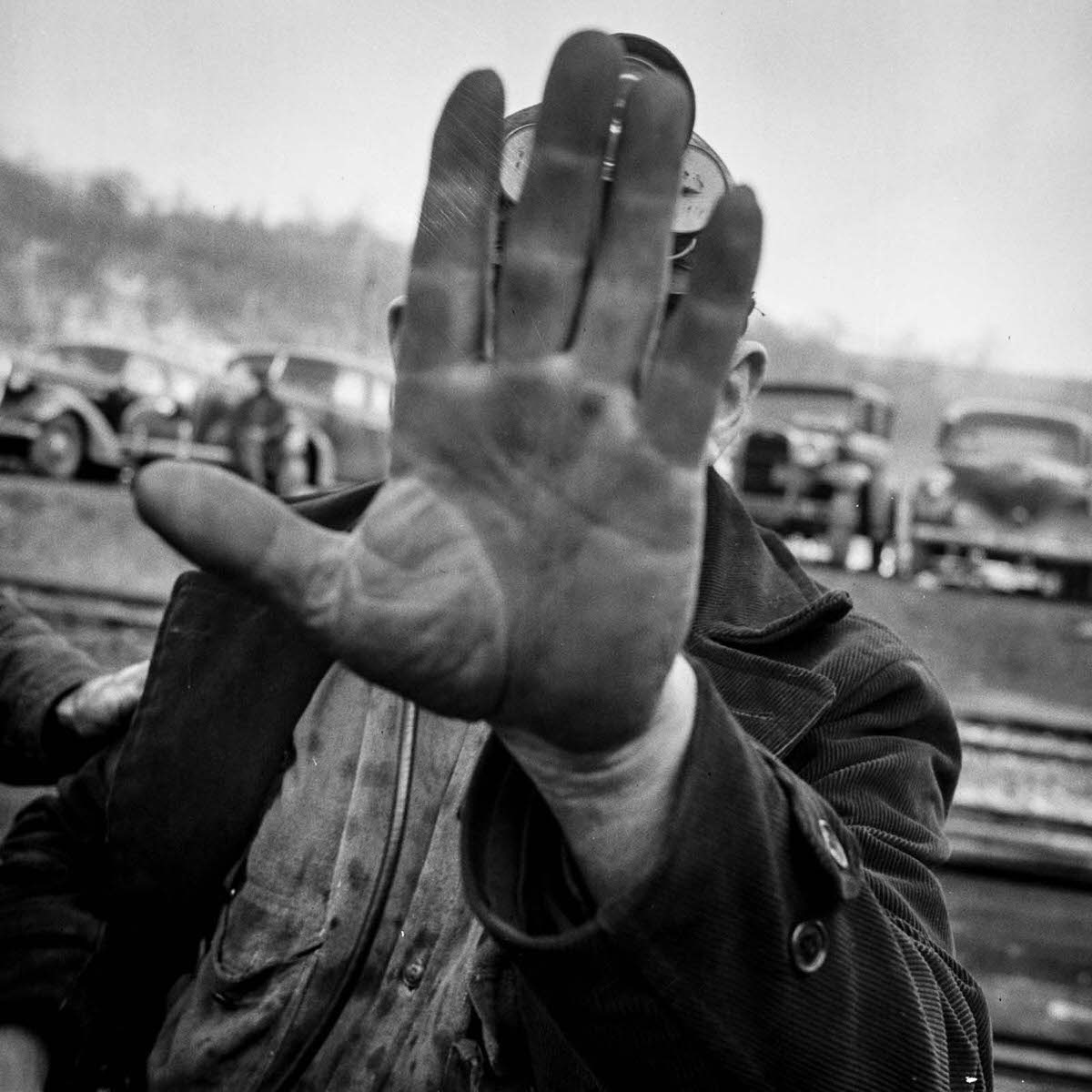
Coal mining in Pennsylvania stretches back to the 17th century, but it was the period between the 1870s and 1930s that the industry truly hit its peak. Bituminous coal — the soft, black coal used for fuel and industry — was first mined in Pennsylvania at a site known as Coal Hill. By 1830, the city of Pittsburgh alone was burning through more than 400 tons of it every single day, powering homes and early factories alike. As Pittsburgh’s population grew and the steel industry boomed, demand for bituminous coal from western Pennsylvania exploded.
The early mines relied on a method called room-and-pillar mining. Workers cut across a horizontal plane underground, carving out a grid of open rooms while leaving behind columns of coal — called pillars — to hold the roof up. There was no retreat mining, meaning those pillars stayed in place. Every cut was made by hand, and the coal was hauled out of the mine by horse and wagon. It was slow, physical, and dangerous work.
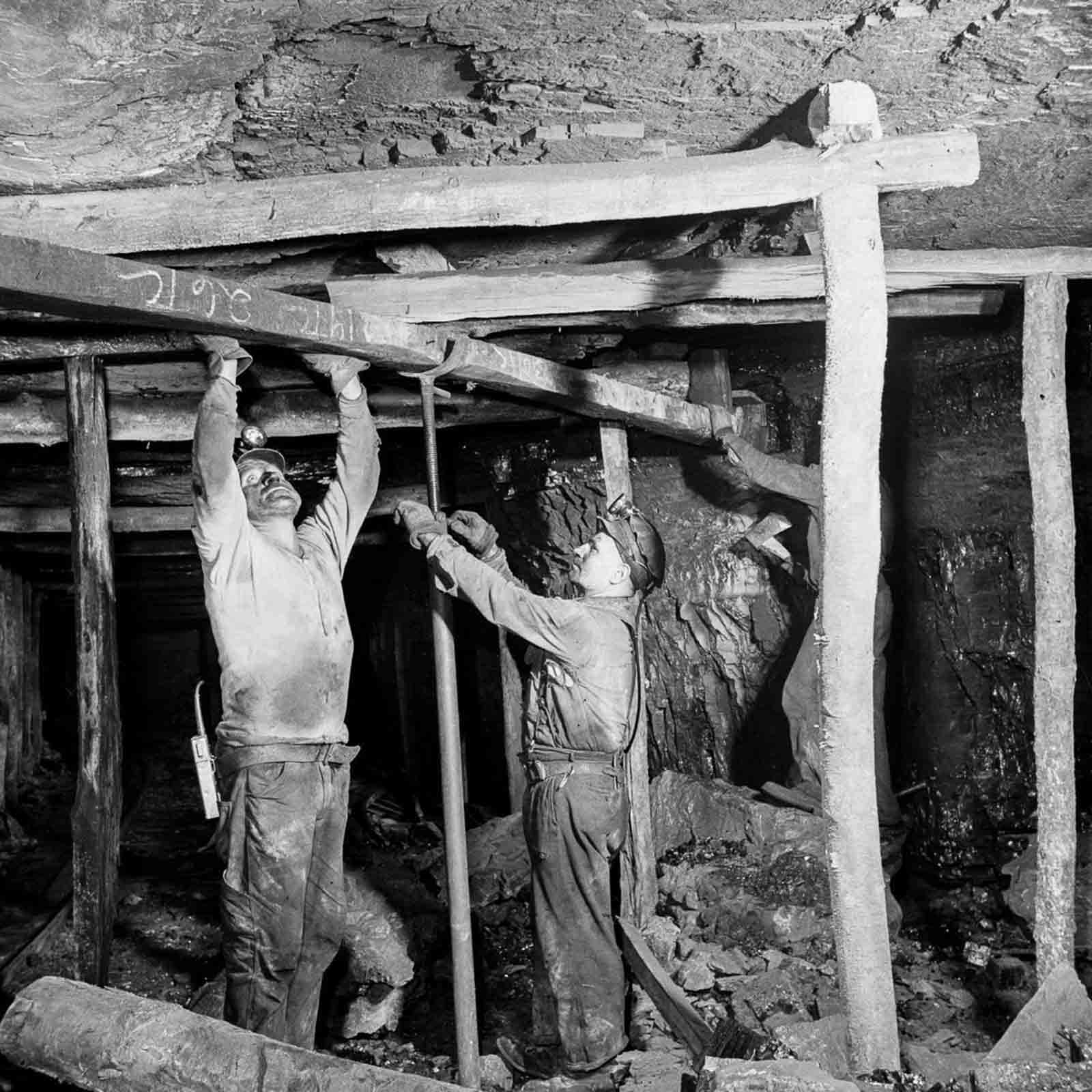
In 1942, photographer John Collier descended into the Montour No. 4 Mine, operated by the Pittsburgh Coal Company, and documented what life underground actually looked like. His photographs are a rare window into a world most people never saw — dark tunnels, heavy machinery, and men doing extraordinarily dangerous work with steady hands.
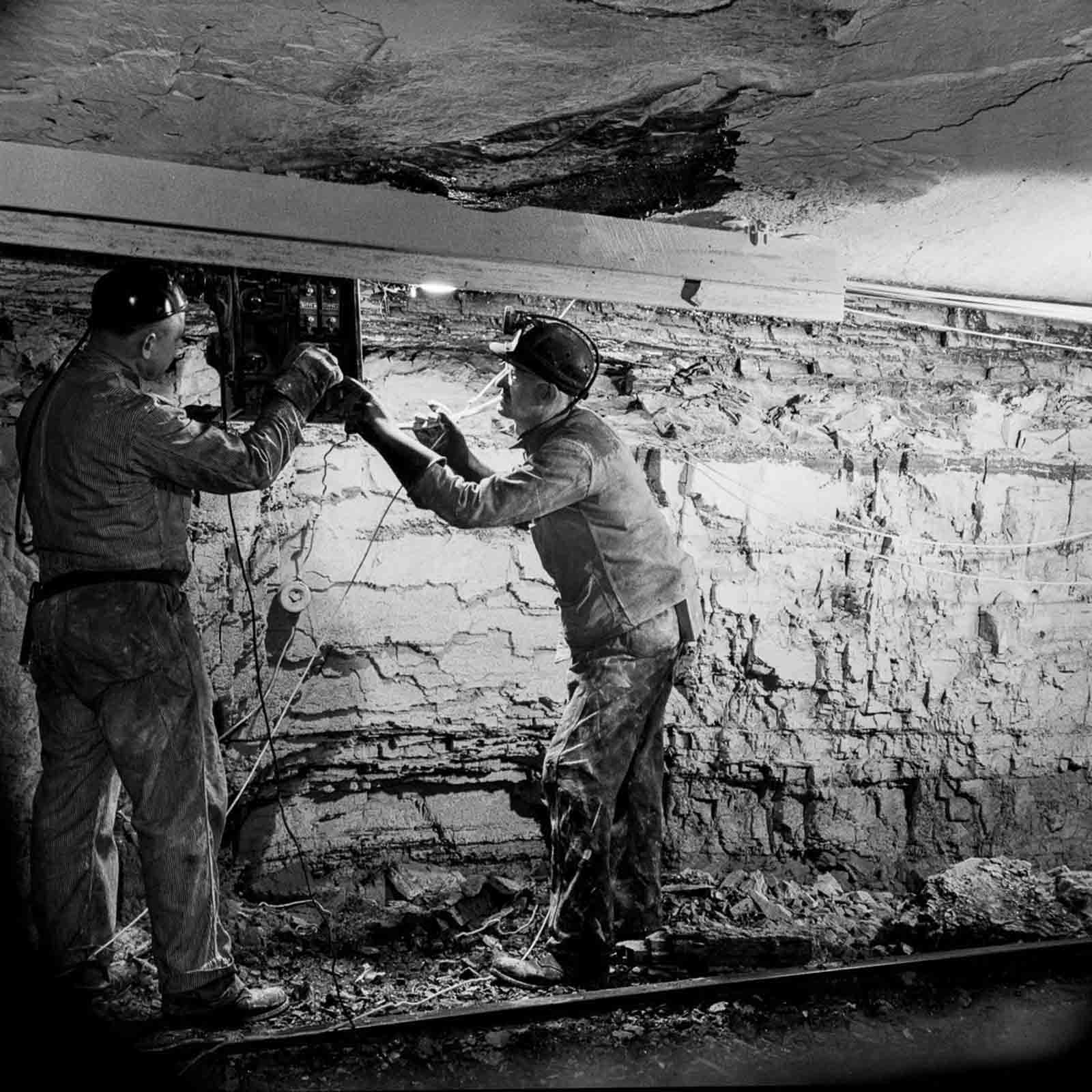
Communication and safety signaling underground were just as critical as the digging itself. Block signals helped coordinate the movement of equipment and men through the tunnels, preventing collisions and keeping the operation running in an orderly way. Getting that coordination wrong could be fatal.
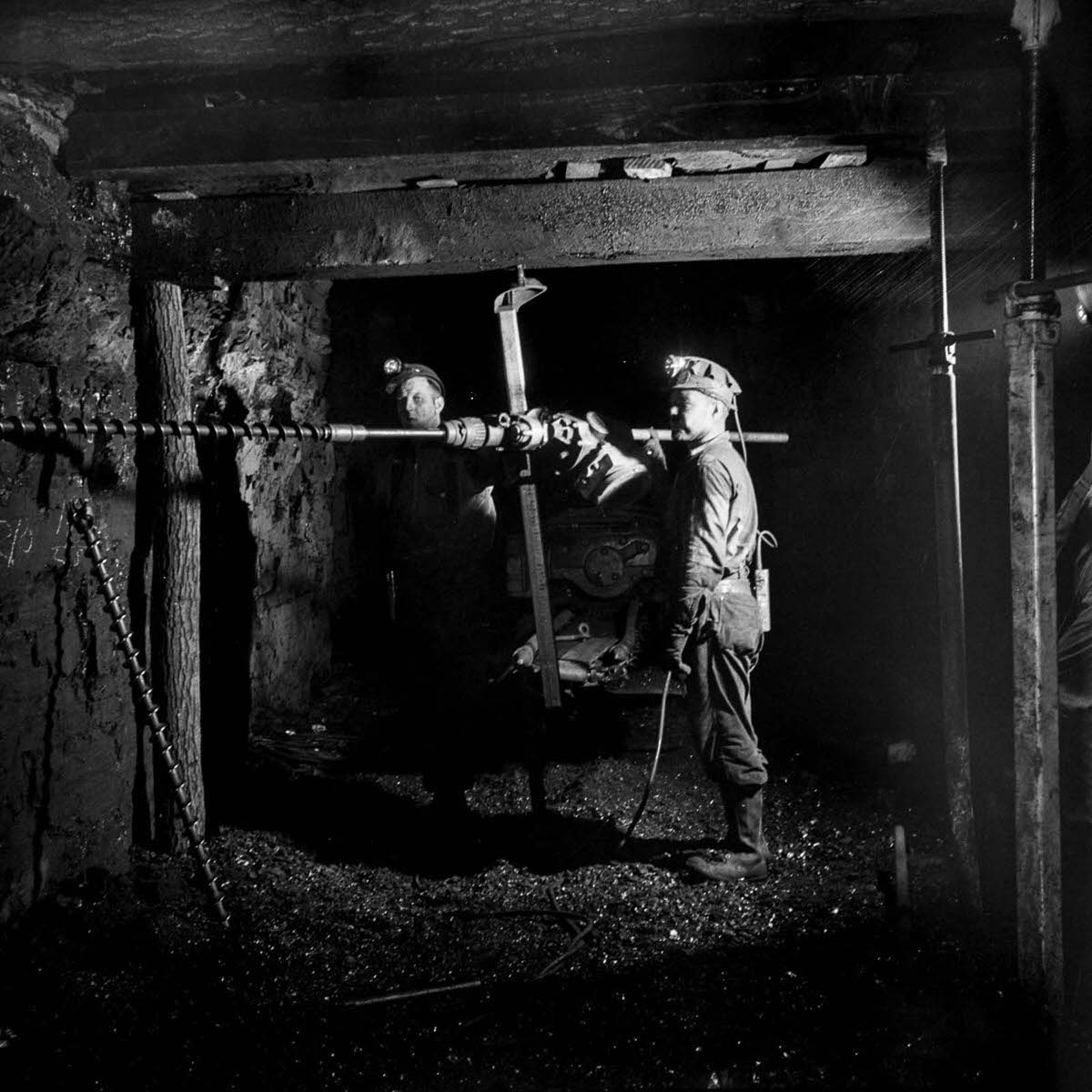
Drilling was the first step in breaking coal loose from the rock face. Miners bored precise holes into the coal seam, then packed those holes with dynamite. Blasting freed large amounts of coal at once, but it required careful planning. A poorly placed charge or a miscalculation could bring the tunnel roof down on top of the crew.
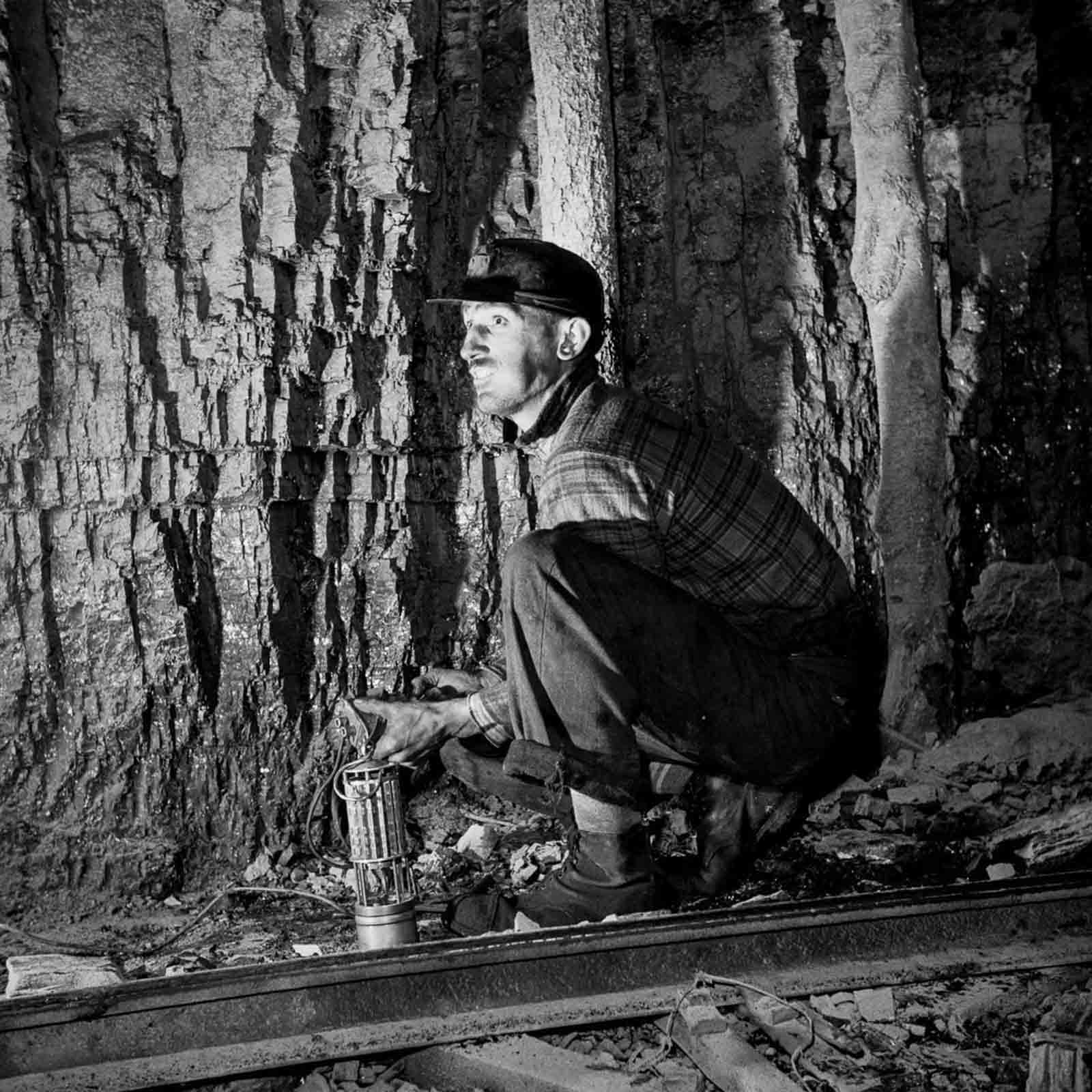
The moment of detonation was one of the most tense in the mining process. A miner would set the charge, clear the area, and trigger the blast. The explosion sent coal crashing to the floor, but it also shook the surrounding rock. Every blast was a calculated risk — productive and potentially deadly in the same instant.
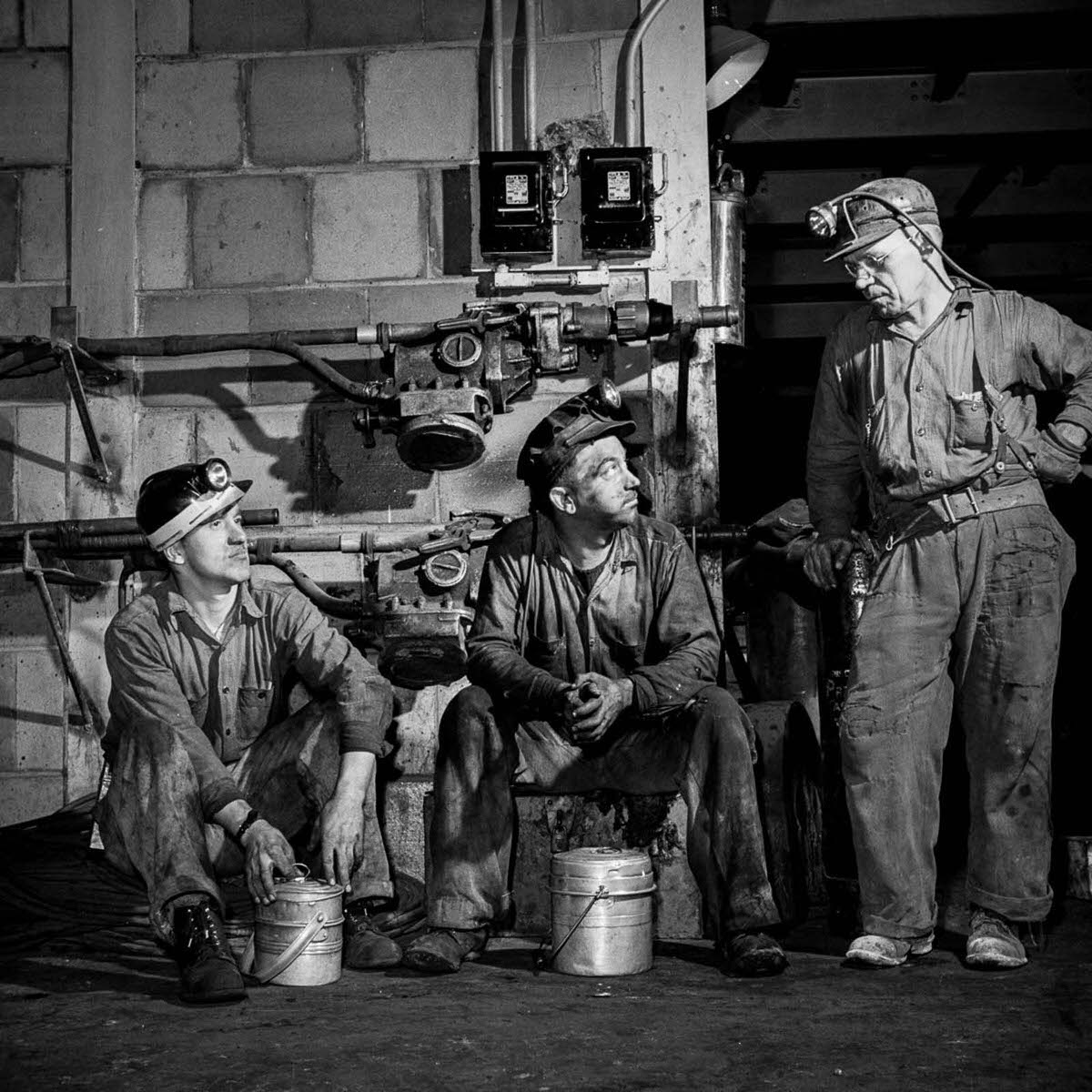
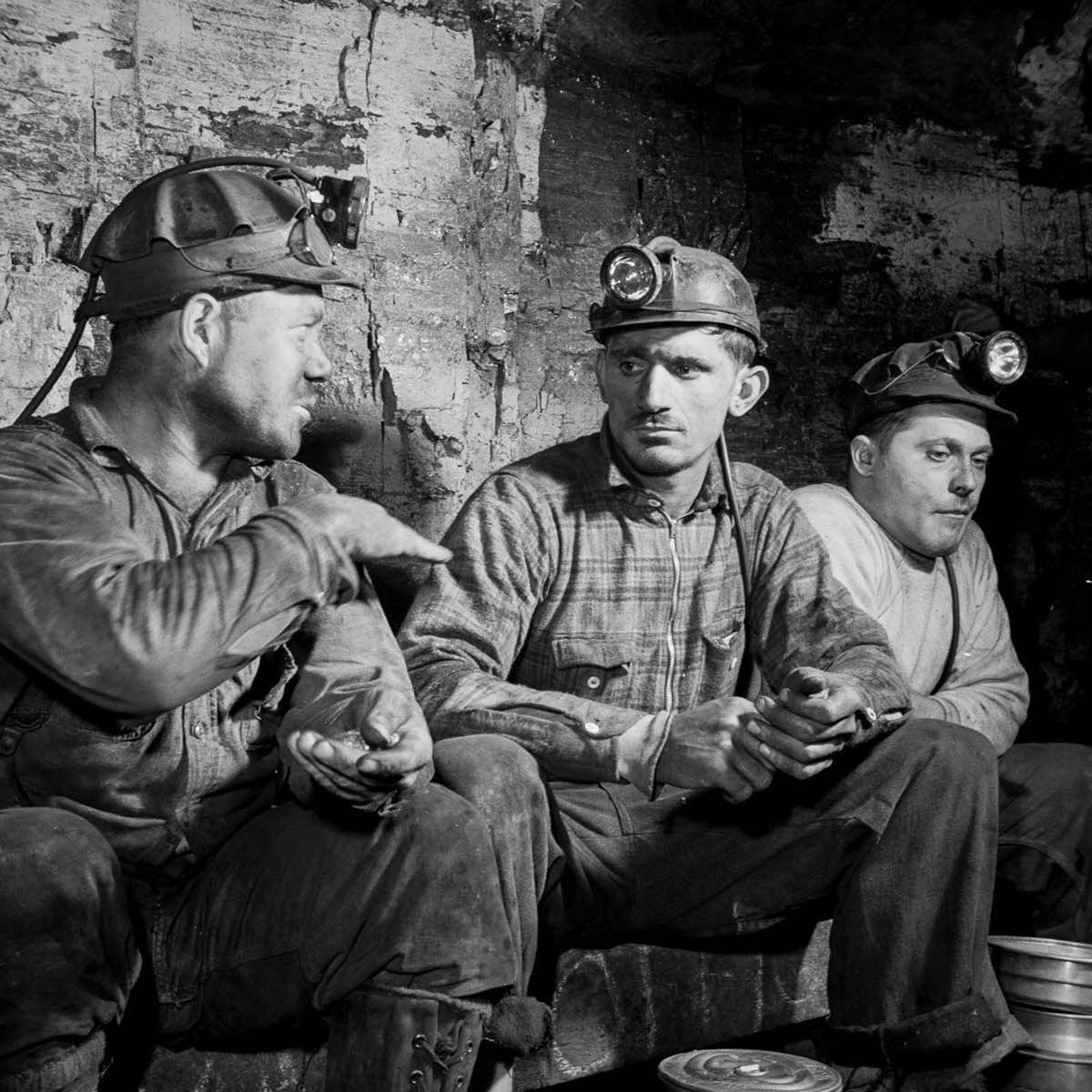
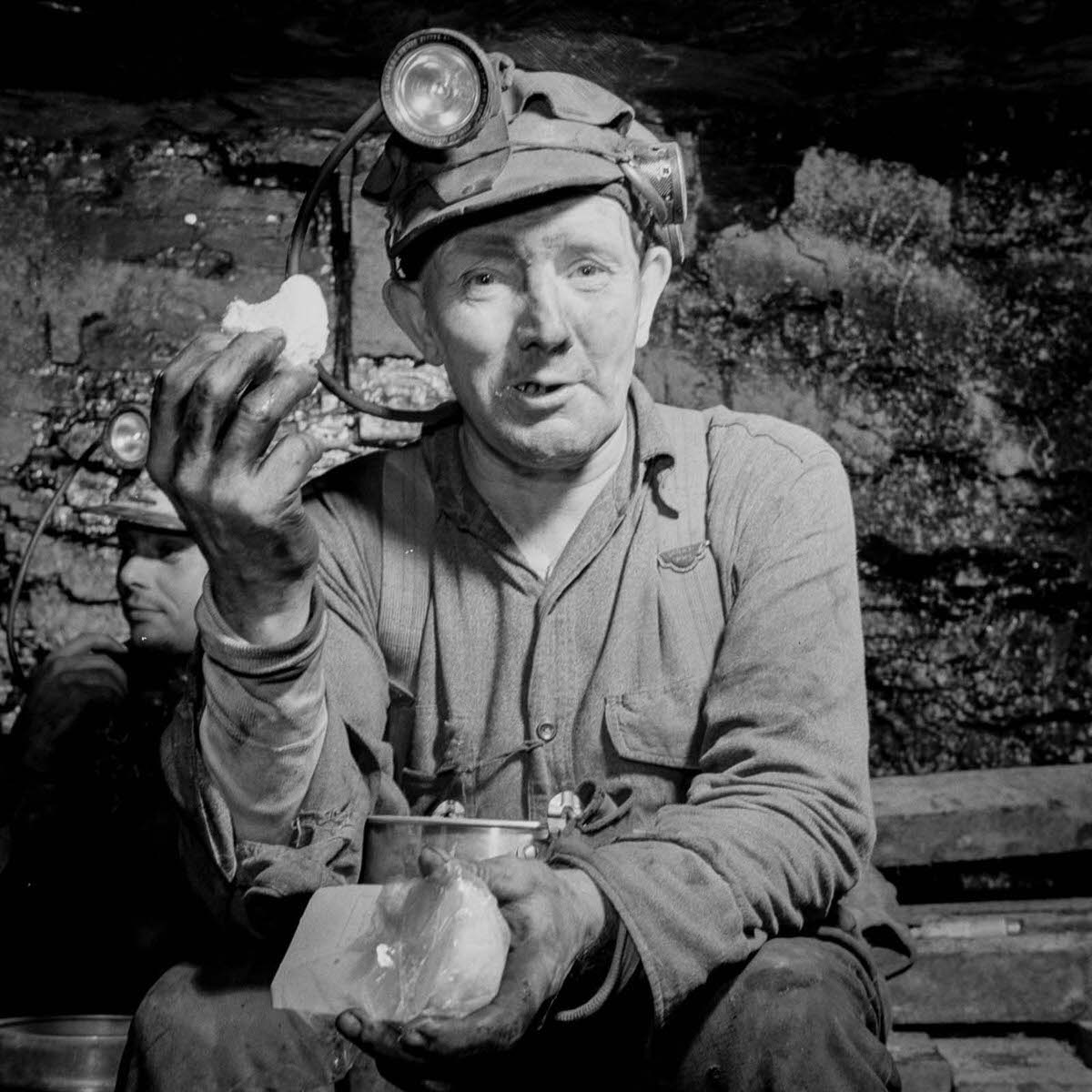
Even underground, the rhythms of a working day played out. Miners ate their meals in whatever space was available, often the machine shop. There was no cafeteria, no fresh air, and no natural light. Lunch was a brief pause before heading back into the tunnels.
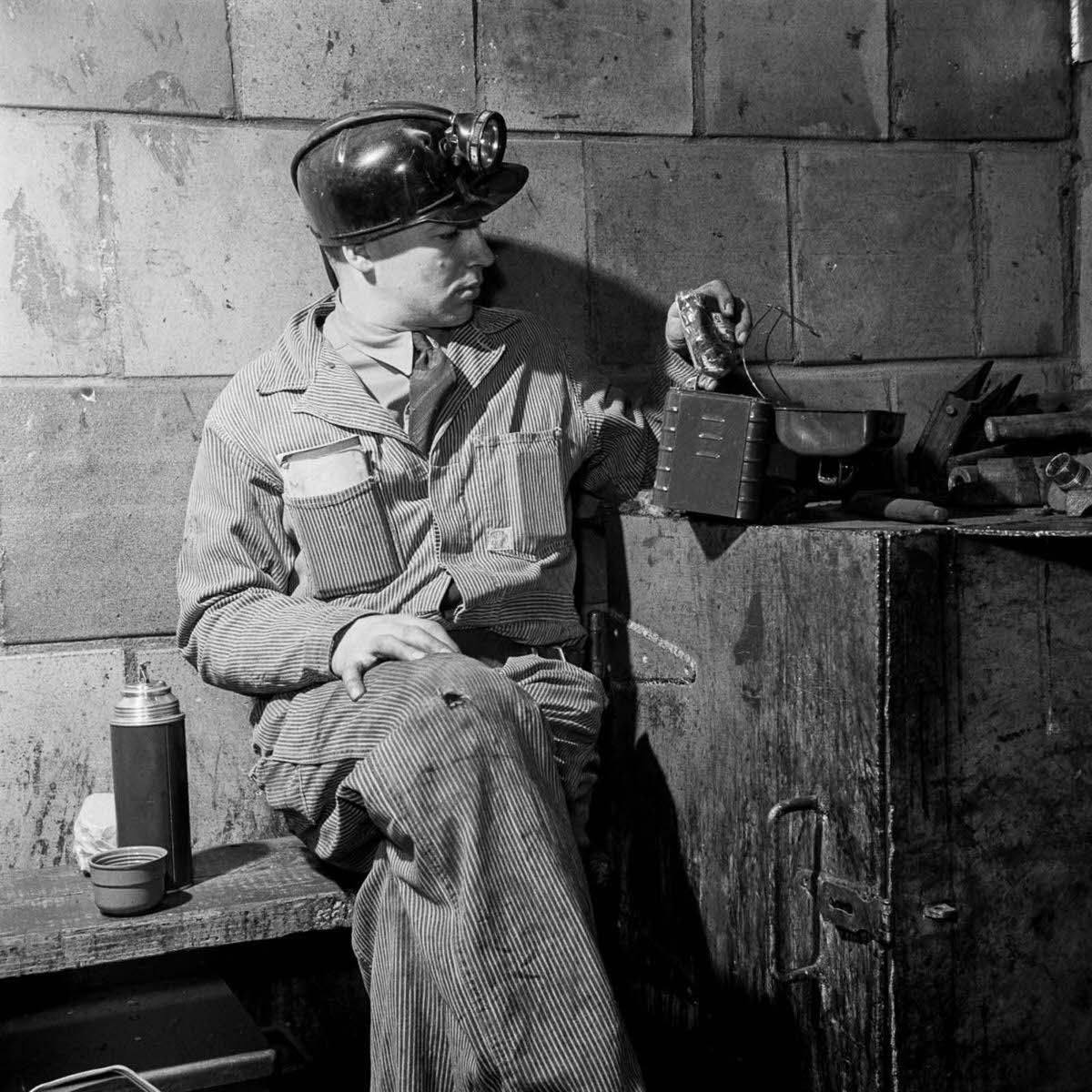
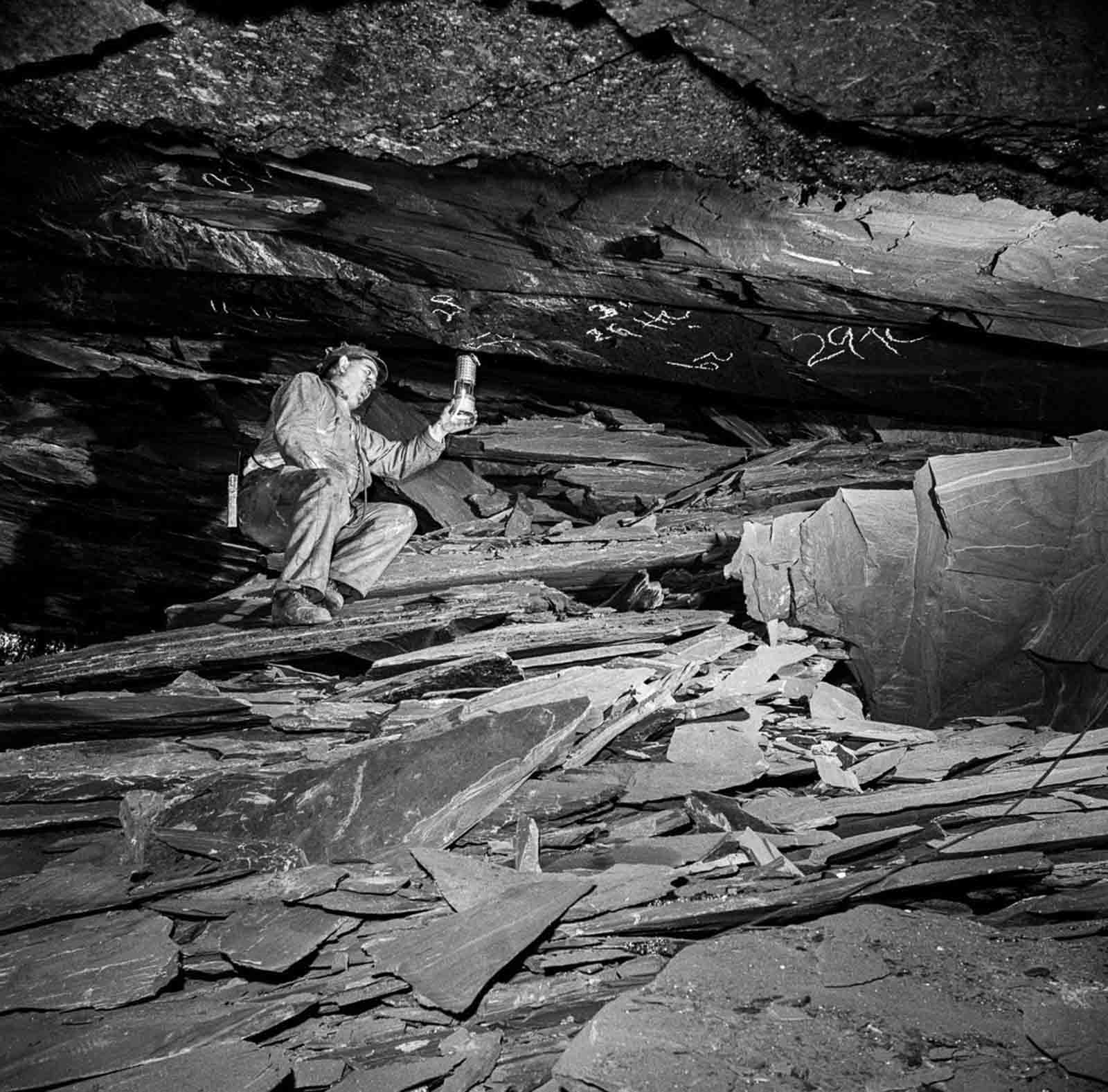
One of the constant threats underground was flammable gas. Methane and other gases could build up silently in pockets throughout the mine. A single spark from a tool or a lit lamp could trigger an explosion powerful enough to collapse an entire section. Miners used safety lamps specifically designed to detect these gases before they reached dangerous concentrations.
Keeping the equipment running was its own full-time job. Machinery broke down regularly in the wet, dirty, and physically punishing environment of the mine. Mechanics worked in cramped conditions to repair and maintain everything from drilling rigs to coal-gathering machines.
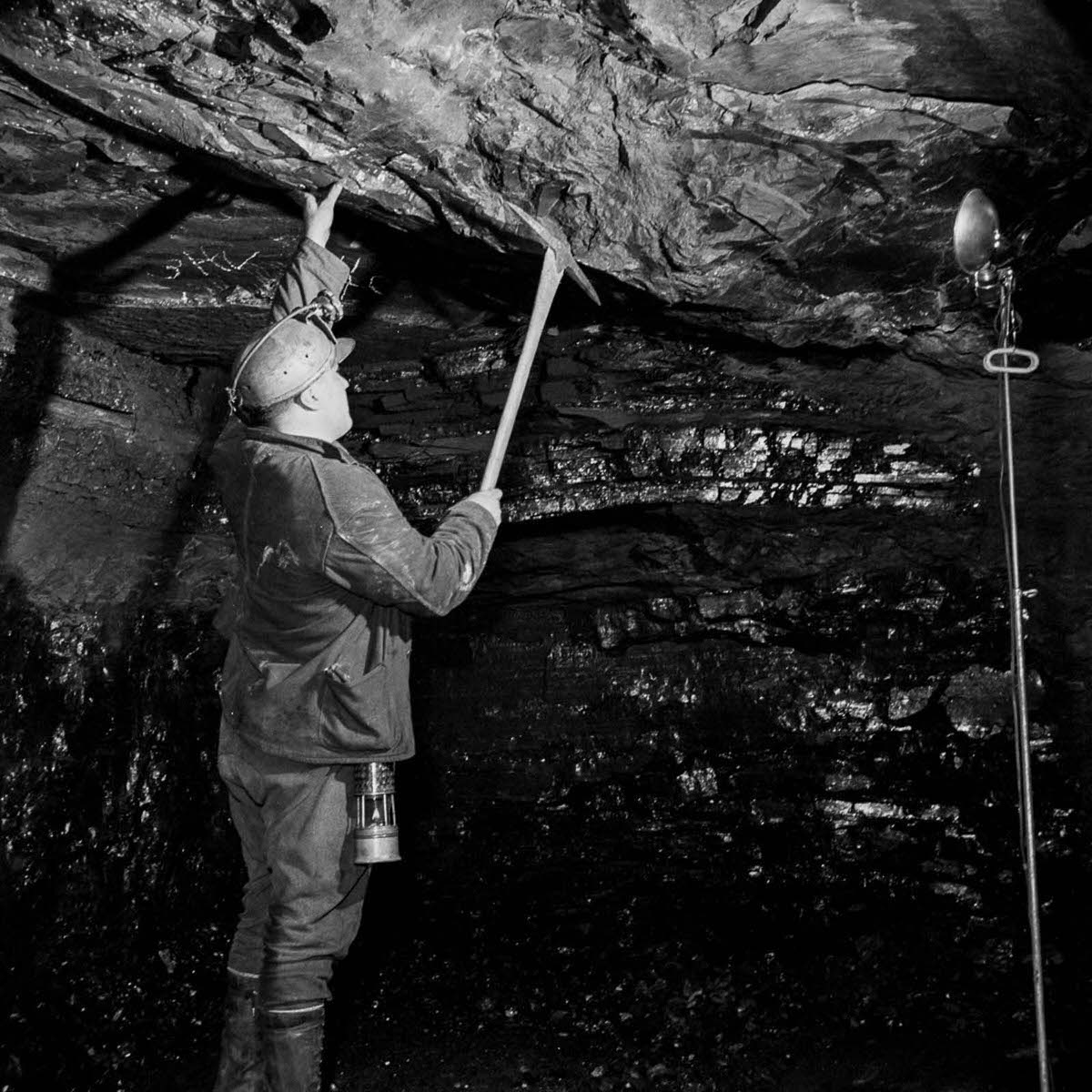
Before any crew moved into a new section, someone had to test the roof. A miner would tap along the ceiling with a rod or pick, listening for the hollow sound that meant the rock above was loose and ready to fall. A solid roof rang differently from one about to give way. This test was not optional — it was a routine part of surviving the shift.
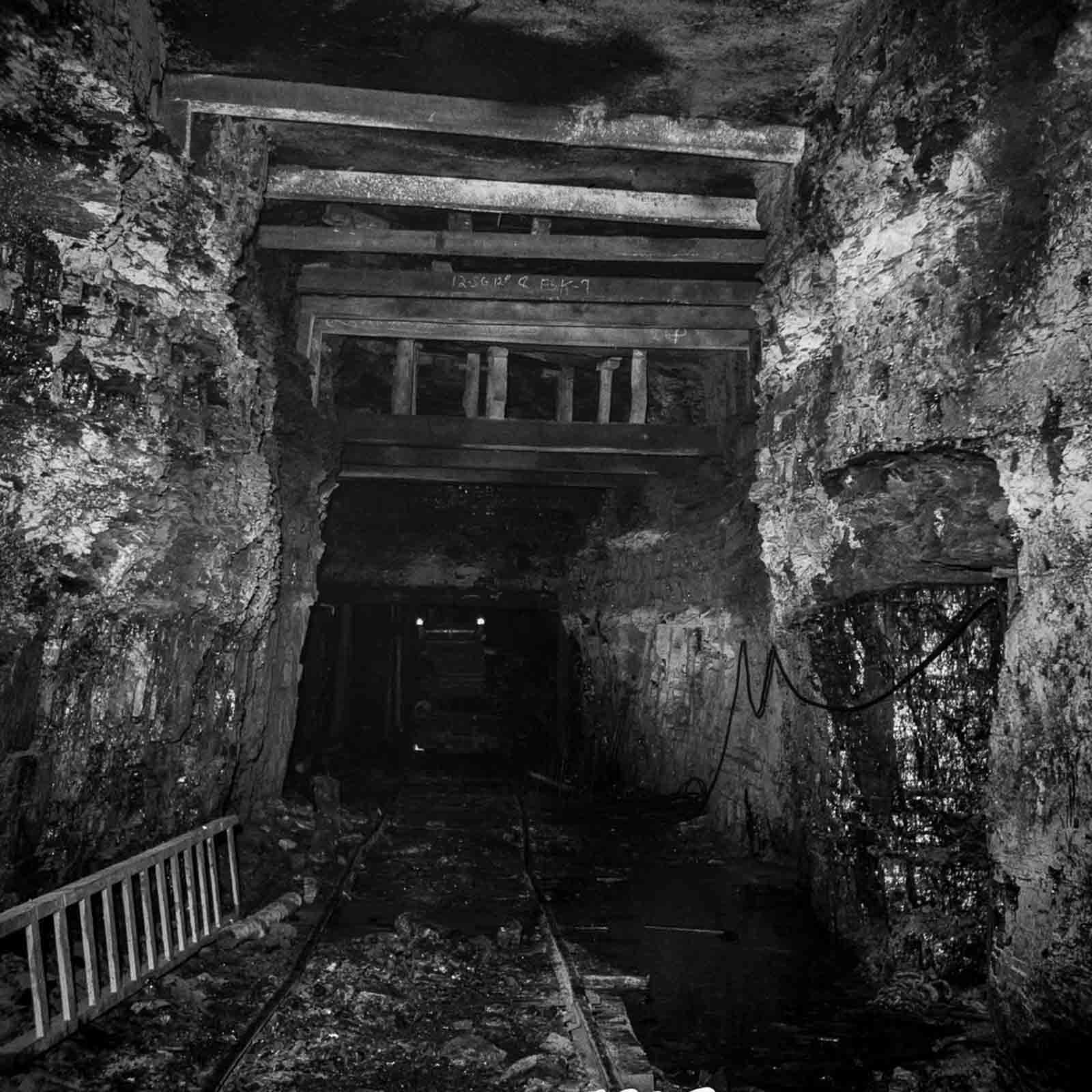
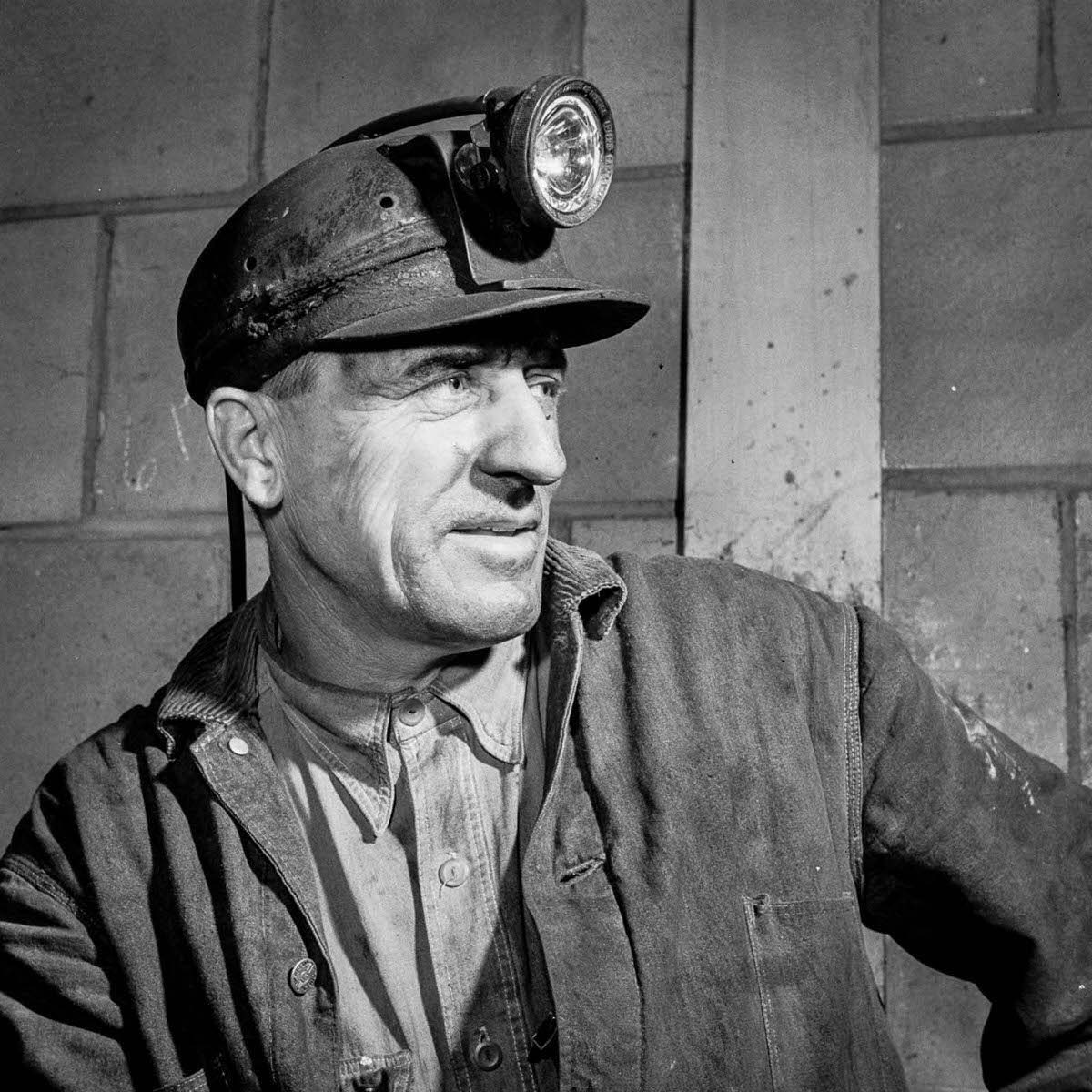
Not all tunnels were created equal. In some sections, poor ceiling quality caused the roof to erode unevenly, leaving unusually high voids above the work area. These spots were actually more dangerous, not less — a high roof meant more unsupported rock overhead and a greater risk of a sudden collapse.
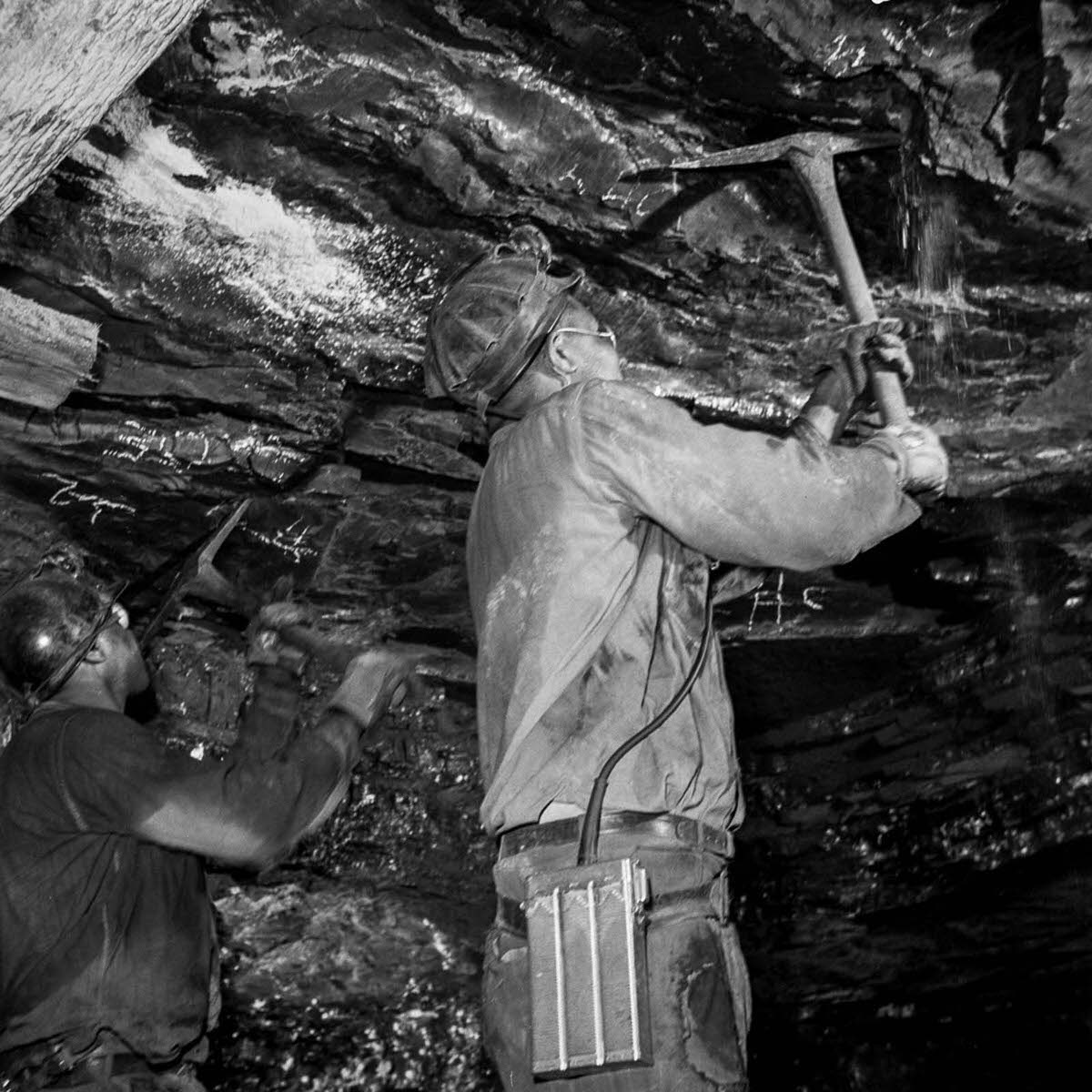
When a section of roof was identified as unstable, miners didn’t wait for it to fall on its own. They pulled it down deliberately, using tools to bring the dangerous rock to the ground in a controlled way. It was the safer option compared to leaving it overhead while men worked below.
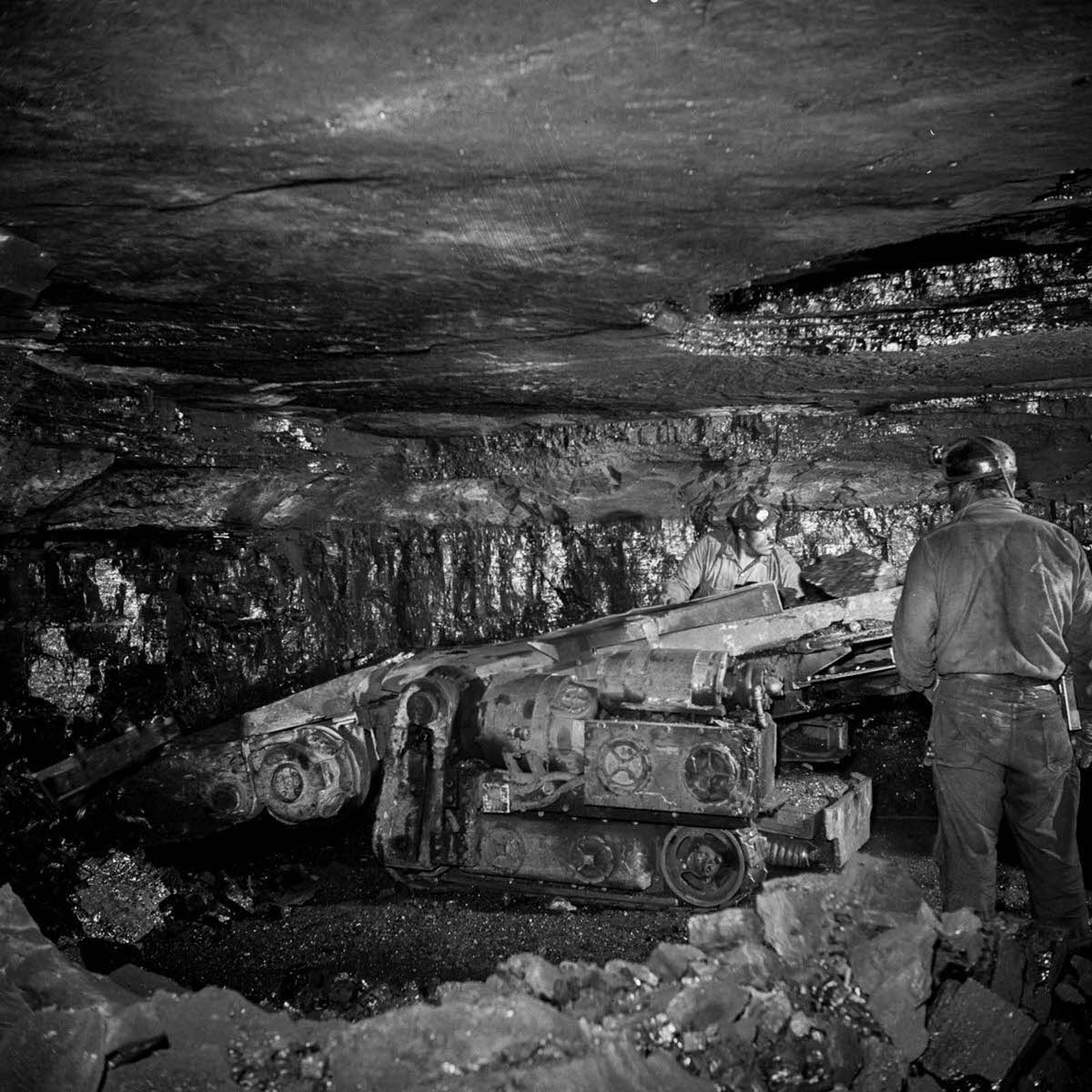
Once coal had been blasted from the face, it needed to be gathered and moved. Specialized machines scooped up the broken coal and loaded it for transport. Operating these machines in tight, low tunnels required skill and focus — there was little room for error.
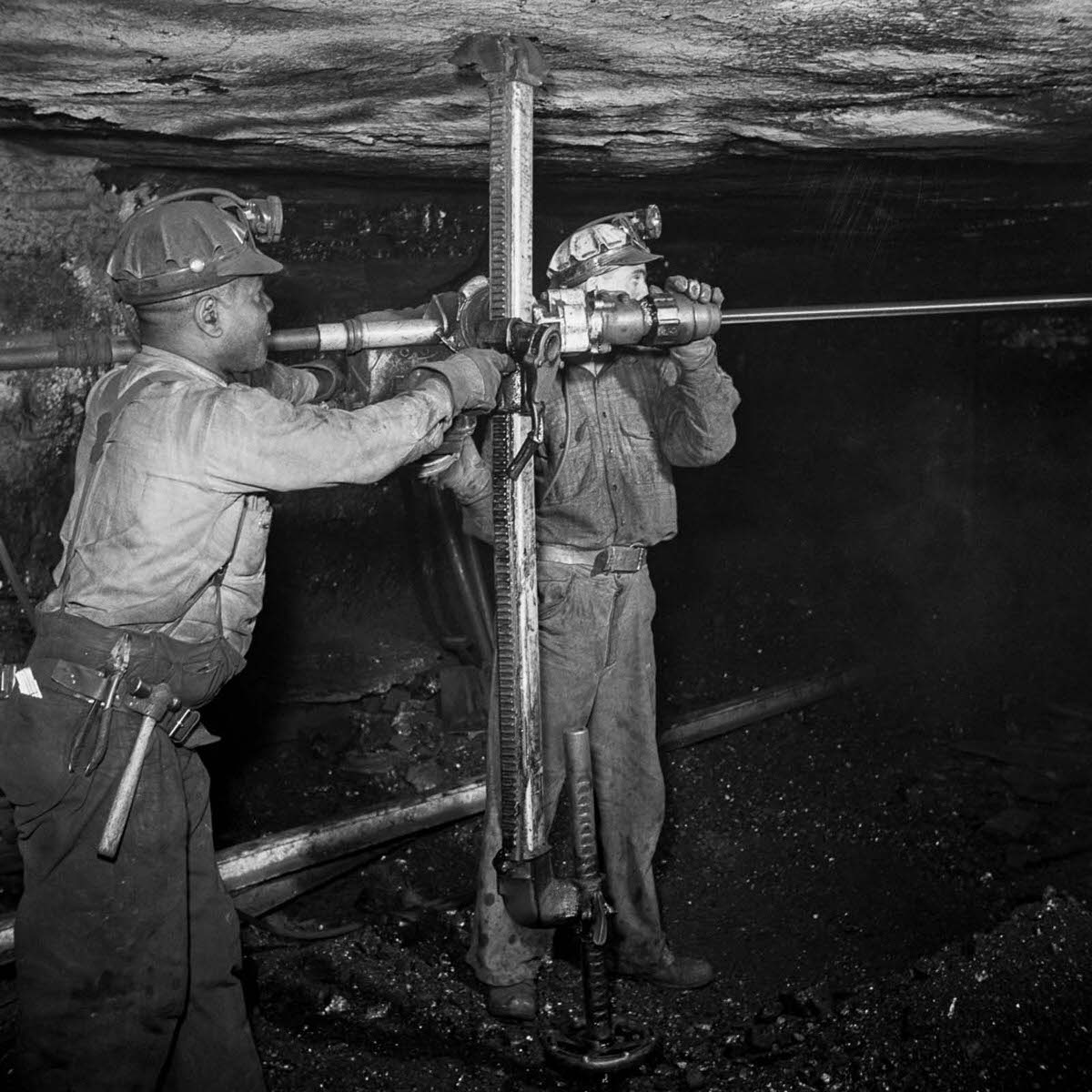
Drilling was a repeated task throughout every shift. New holes had to be bored constantly as the crew worked their way deeper into the coal seam. The drill operators worked in close quarters, covered in coal dust, pushing the bit into rock for hours at a time.
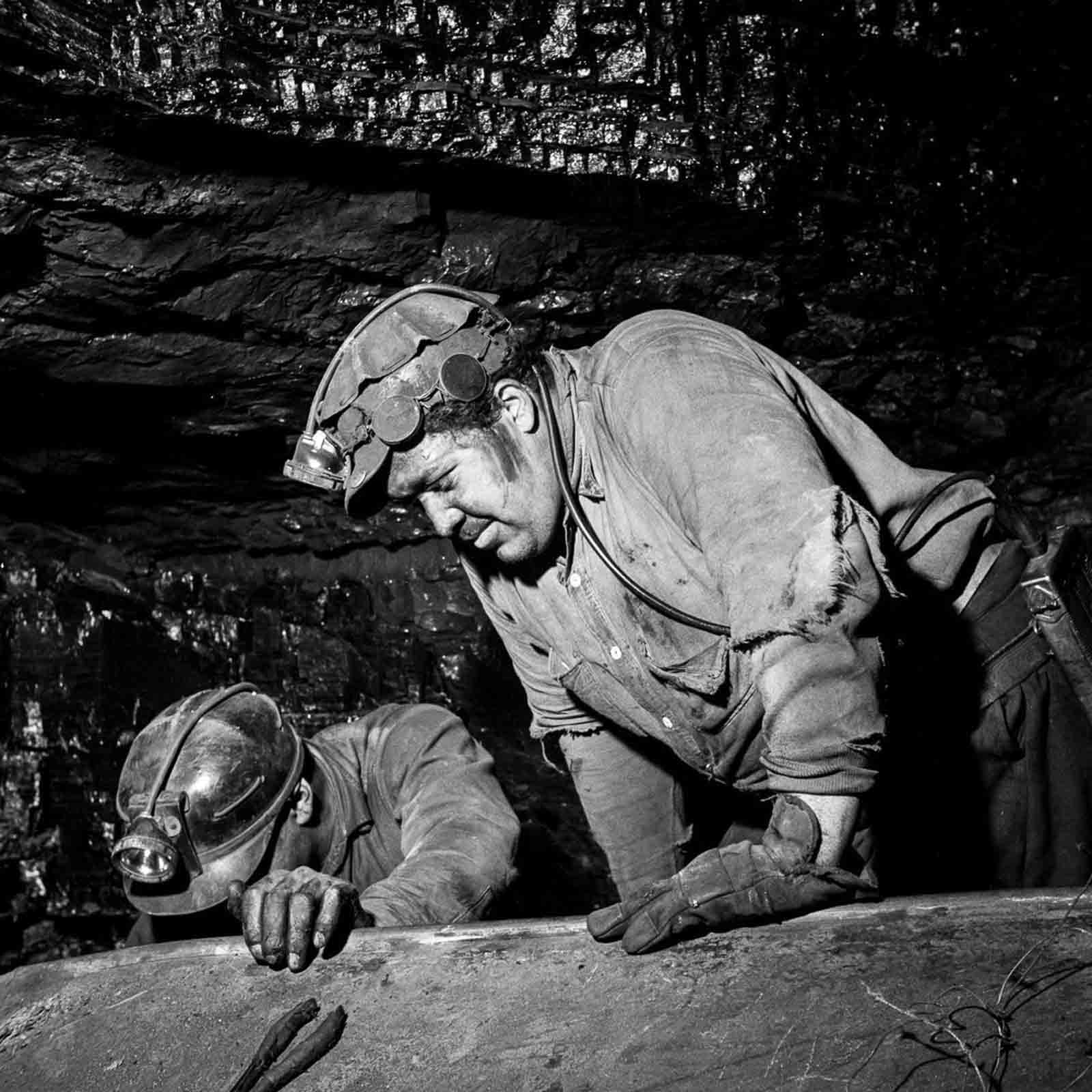
When equipment failed underground, the entire operation could grind to a halt. Mechanics worked quickly to get things back online, often lying on the ground or crammed into tight spaces to reach the broken parts. Every minute of downtime cost the company coal — and miners their pay.
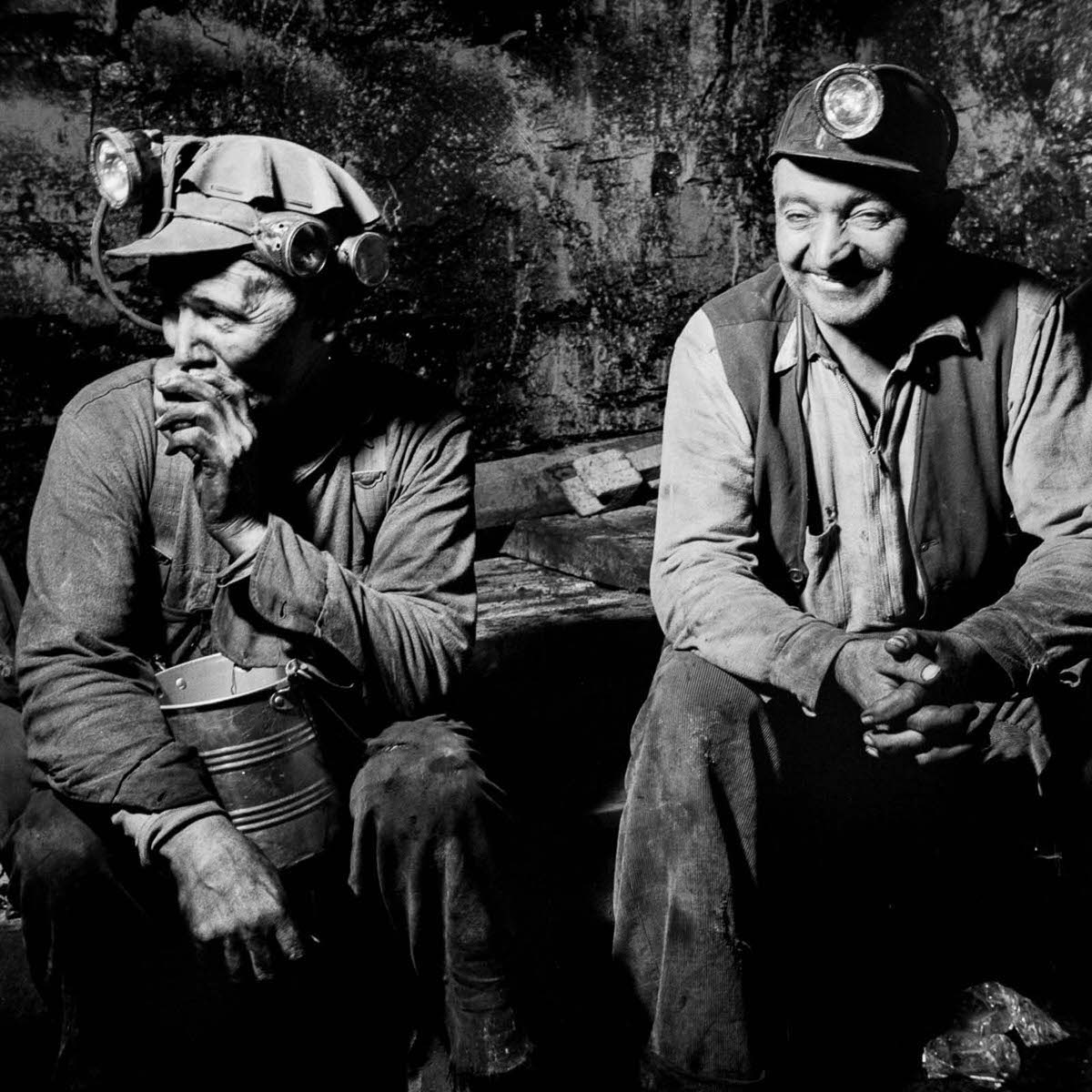
At the end of each shift, supervisors reviewed what had been accomplished. The section foreman and assistant mine superintendent went over the day’s output, checking progress against targets and planning the next push deeper into the seam.
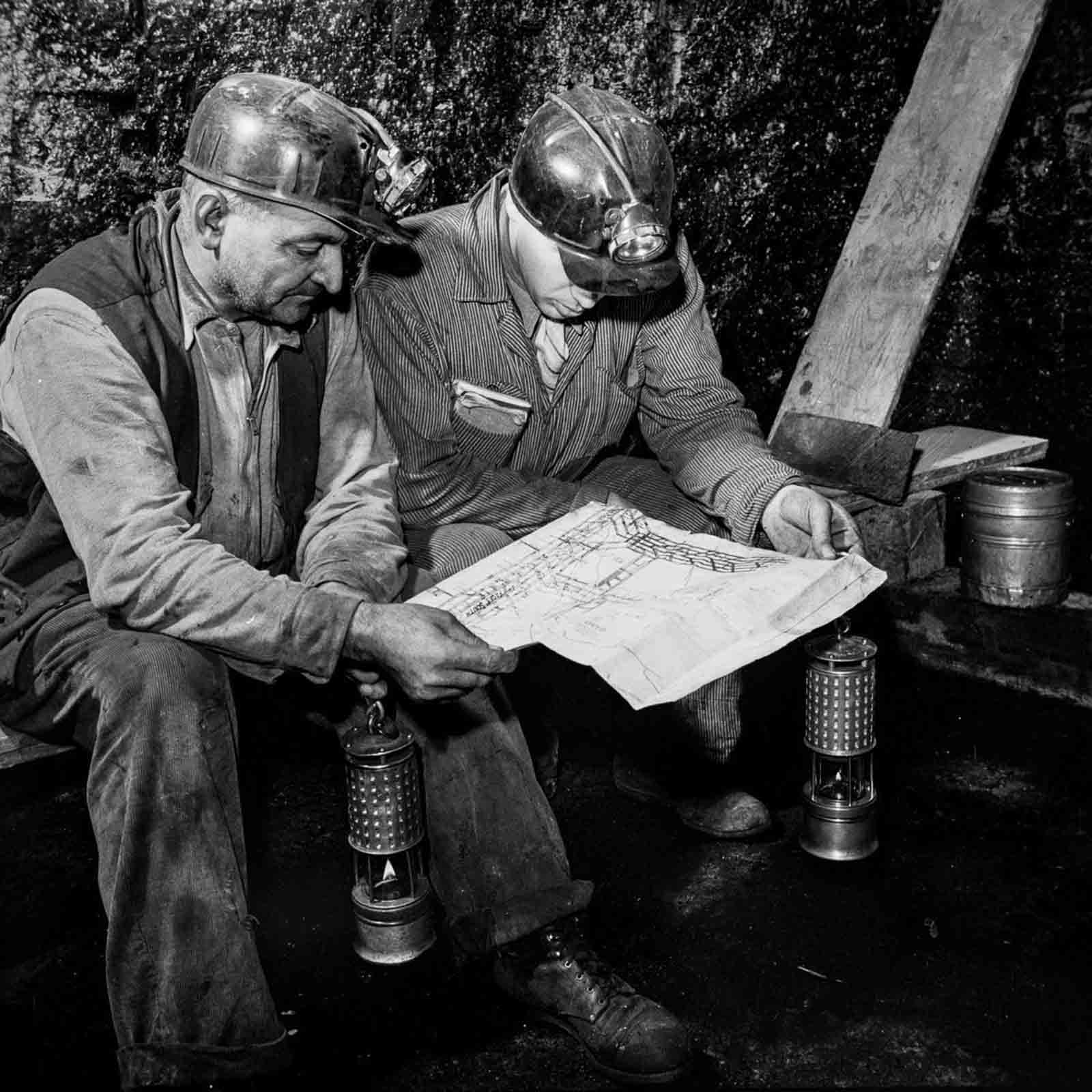
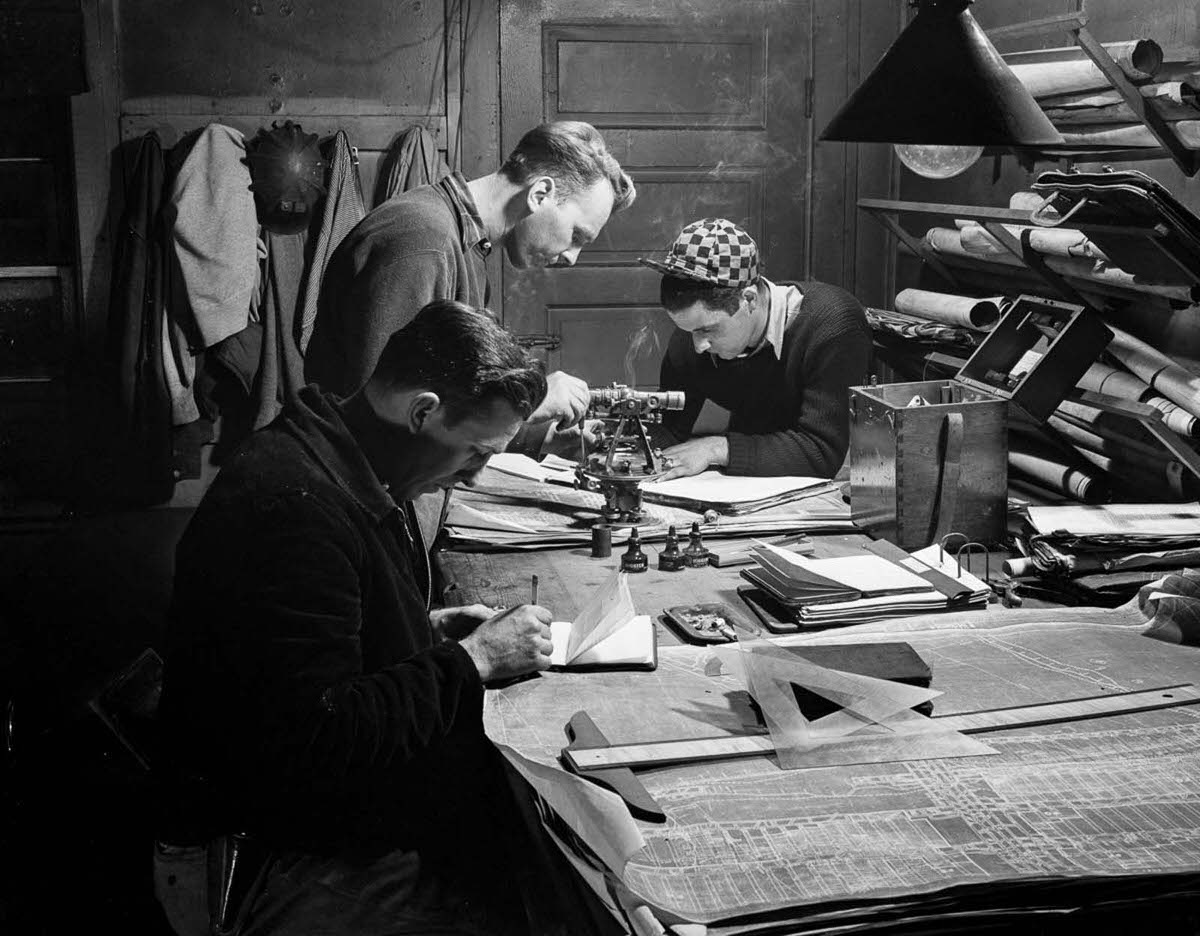
Mine engineers relied on detailed surveys to understand exactly where they were underground and where they needed to go next. After each shift, they compared the day’s progress against existing maps, making sure the tunnels were heading in the right direction and that the surrounding rock was accounted for.
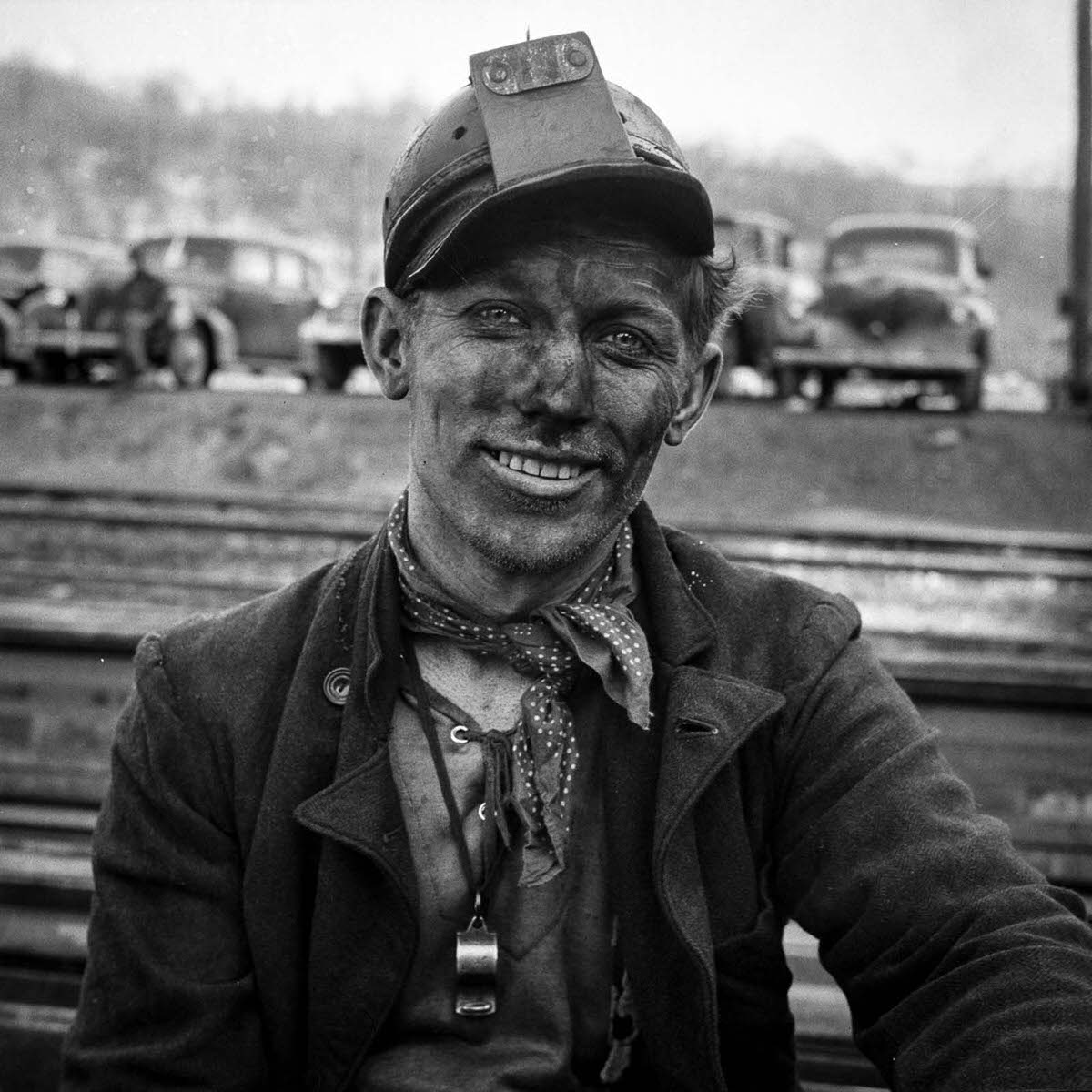
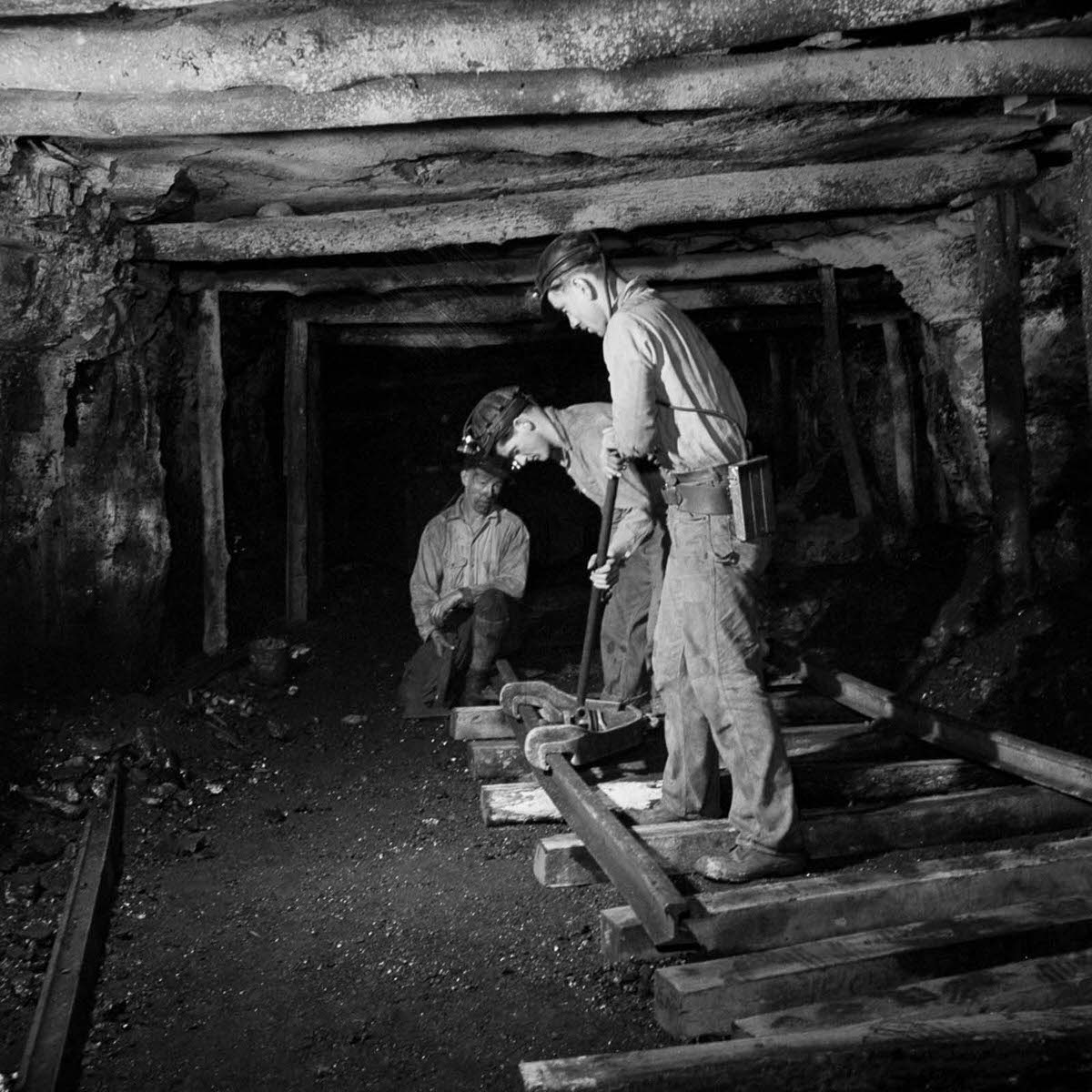
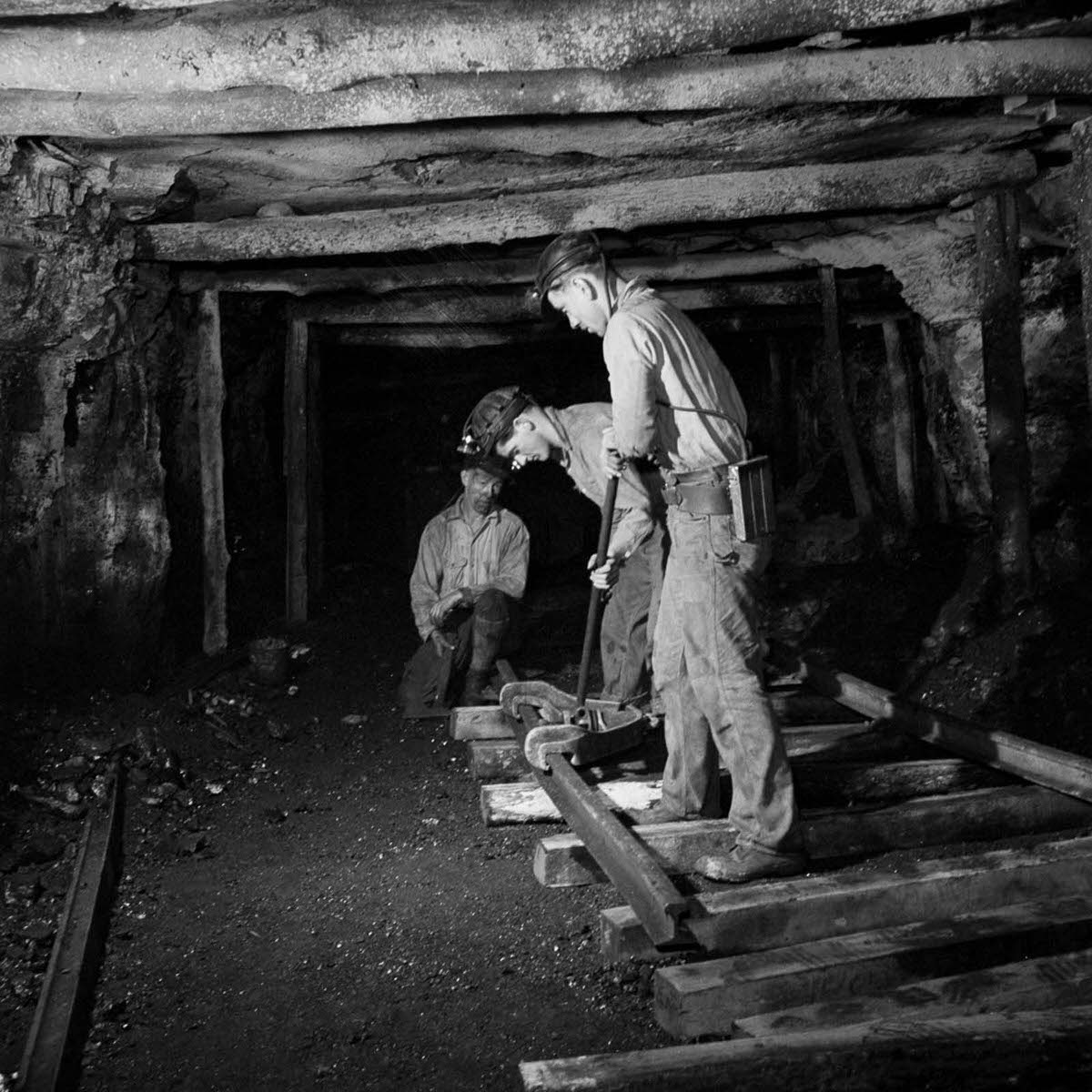
Moving machinery and coal cars through the mine required a network of tracks laid directly on the tunnel floor. This was demanding physical labor — miners hauled heavy rails into position, spiked them to ties, and kept the lines level enough for loaded cars to roll without derailing.
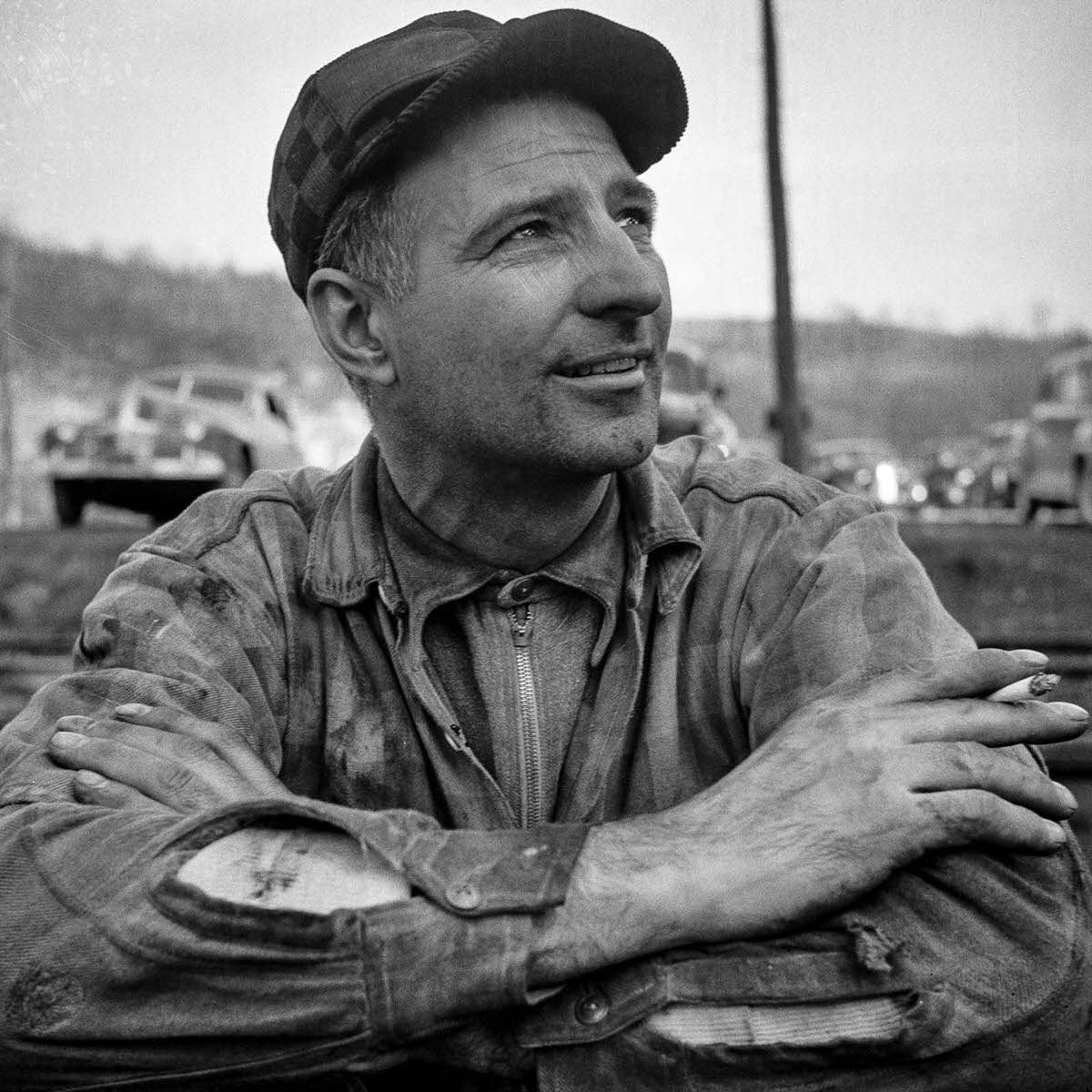
The mine foreman was responsible for managing the transitions between shifts. As the afternoon crew prepared to head underground, he stood ready — knowing exactly what the outgoing shift had left behind and what the incoming crew was expected to push forward.