In the 1940s, the world was gripped by war, political chaos, and the rising threat of nuclear weapons. Dictators commanded armies across Europe and Asia, and ordinary American families sat by their radios each night listening to reports of conflict and destruction. It was in this atmosphere of fear that one organization saw a marketing opportunity — and ran with it in the most unexpected way possible.
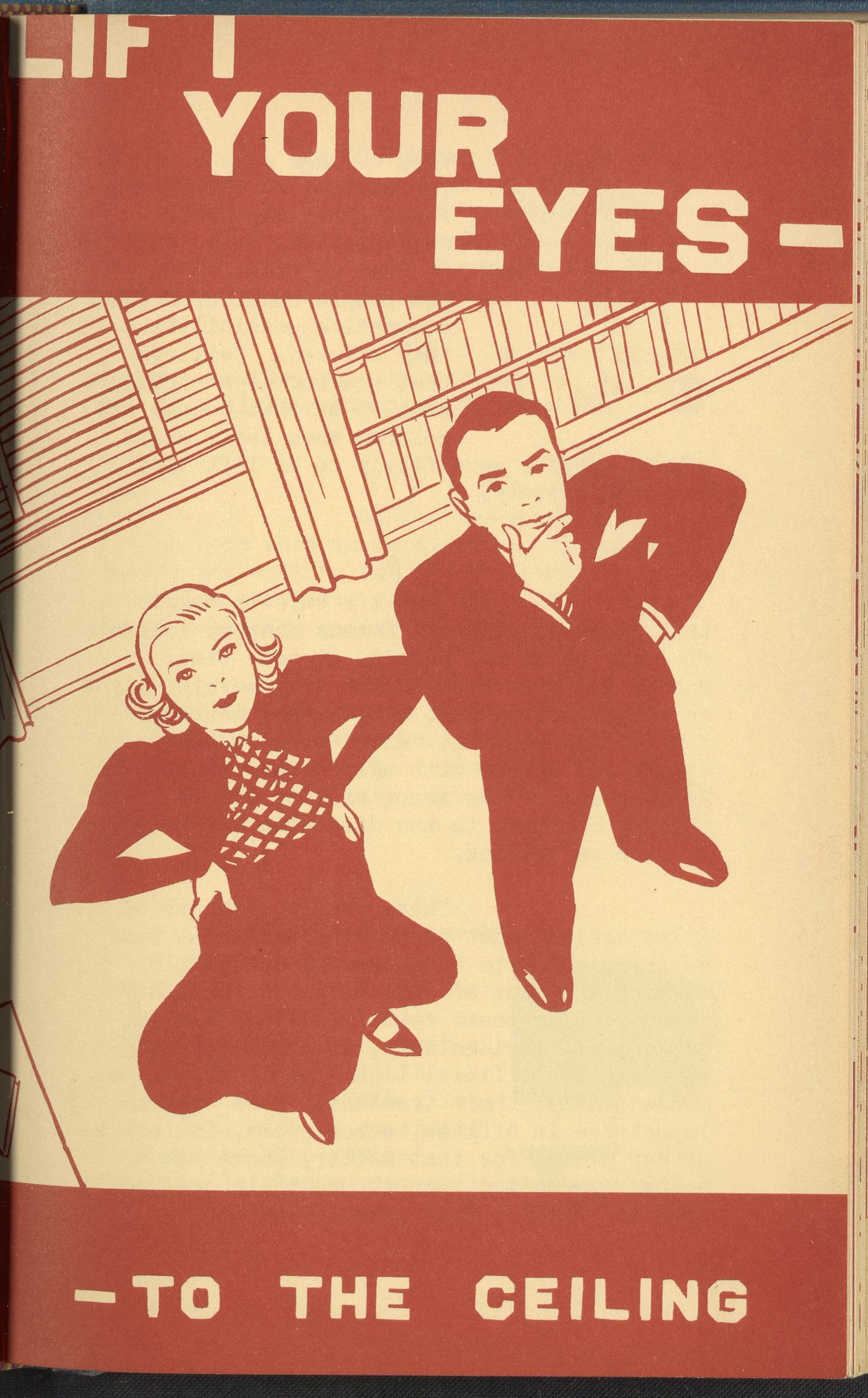
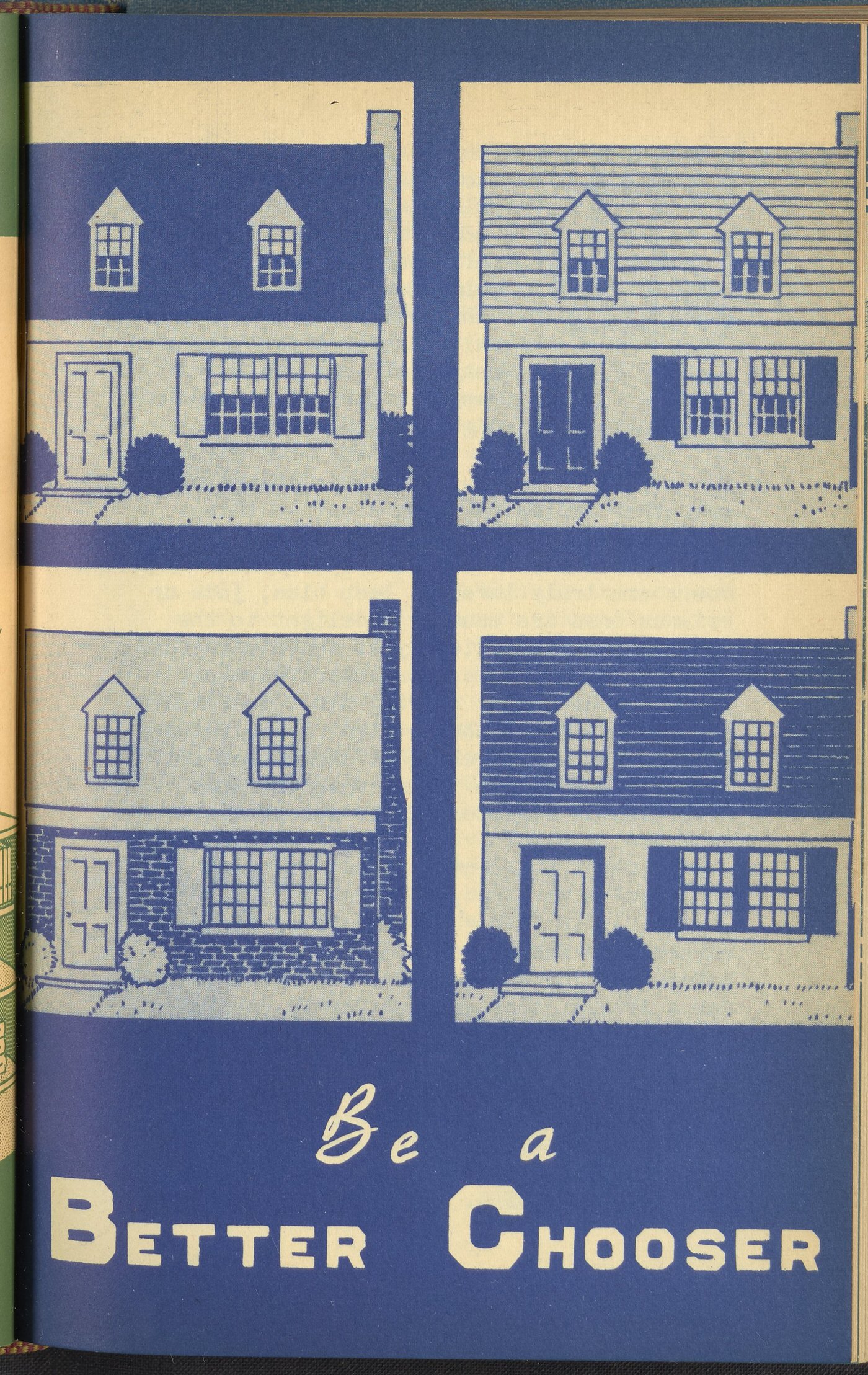
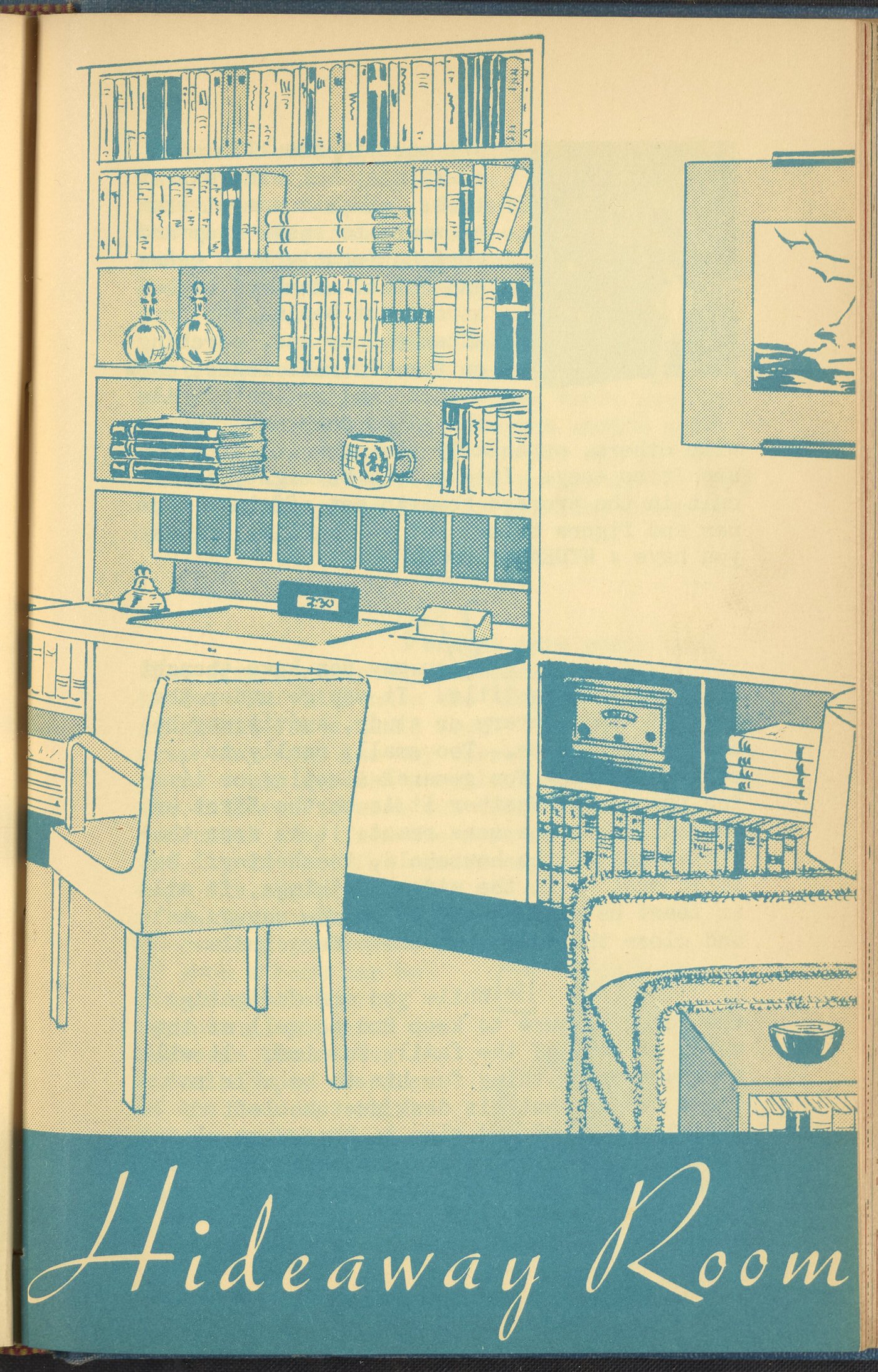
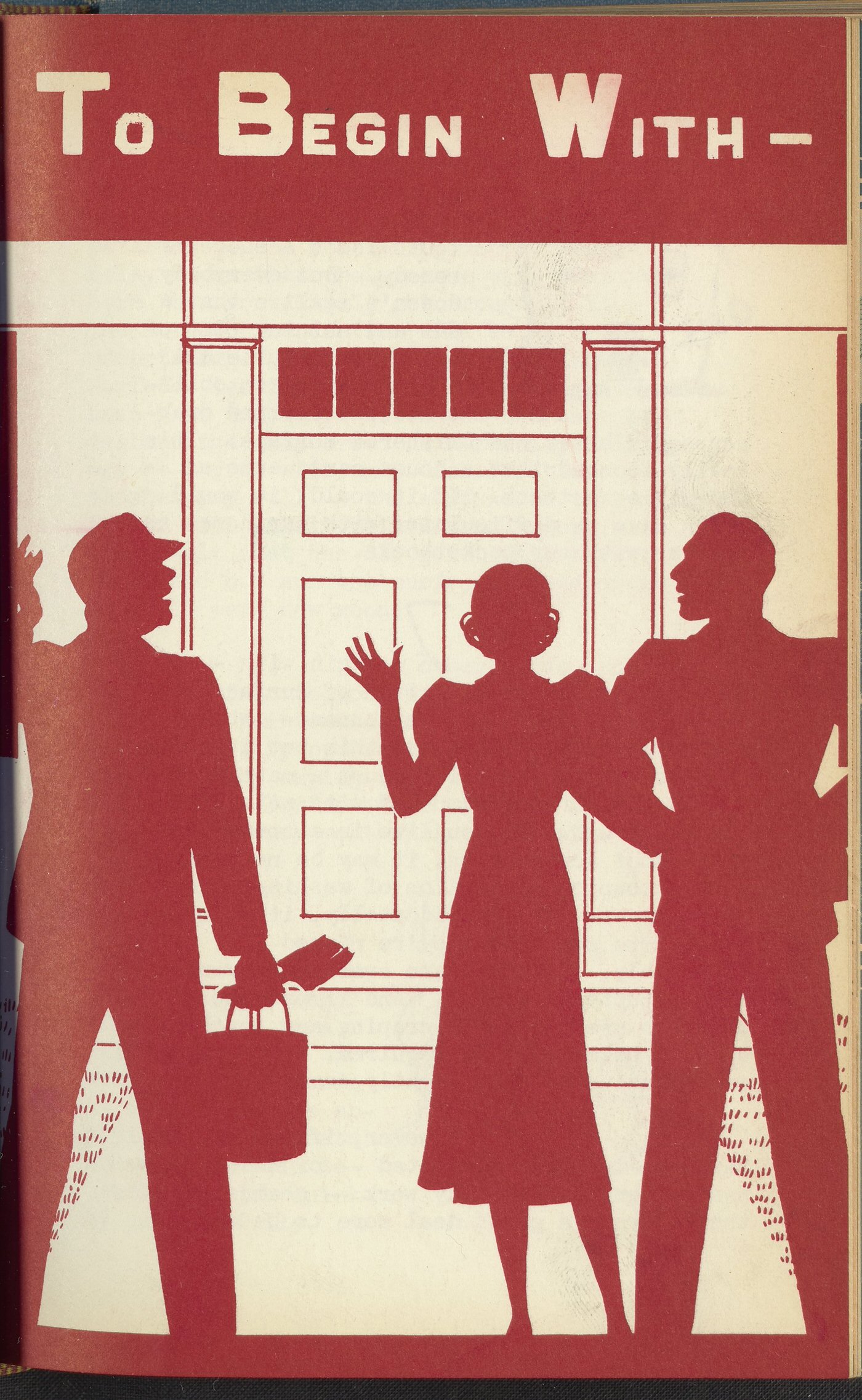
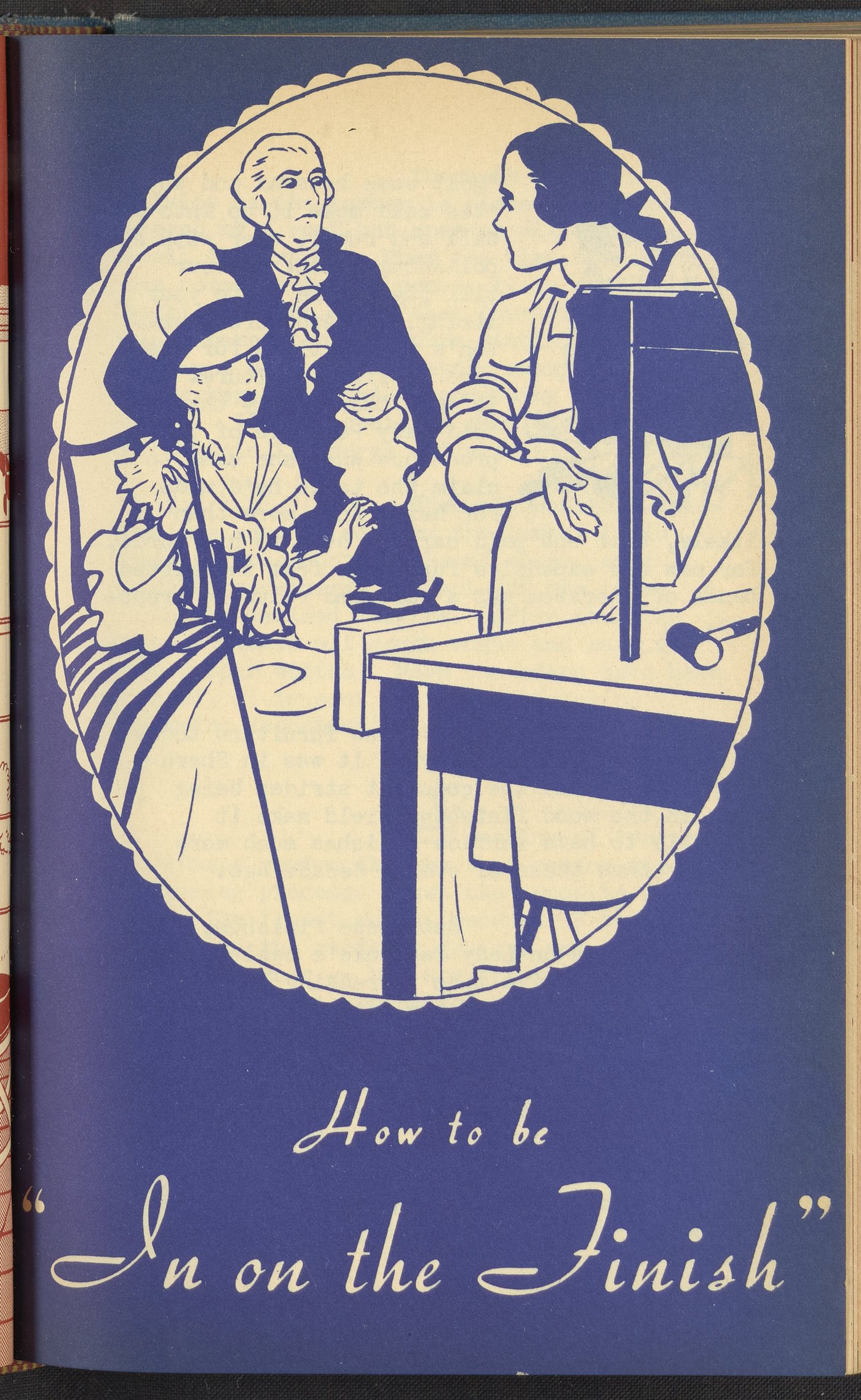
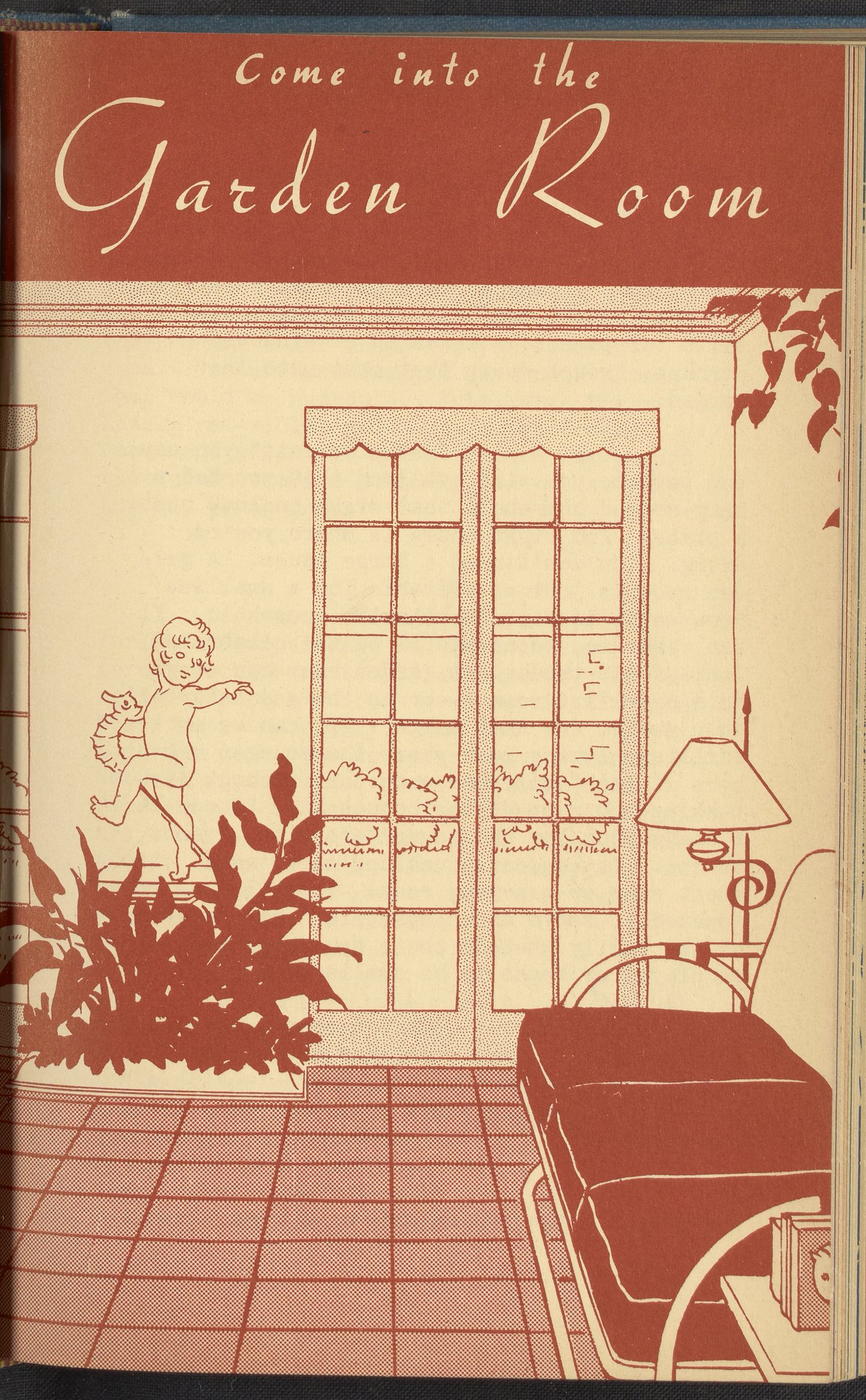
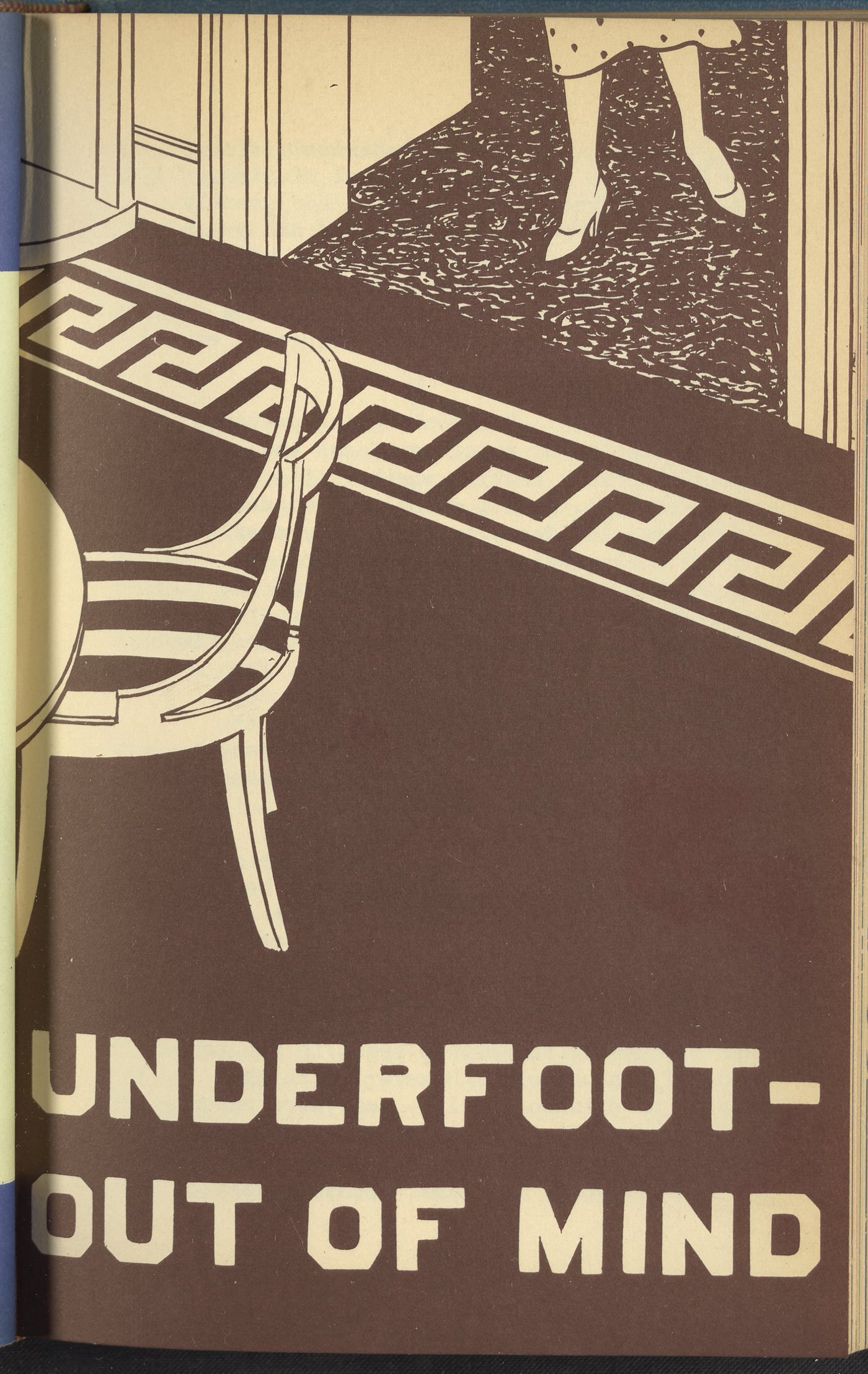
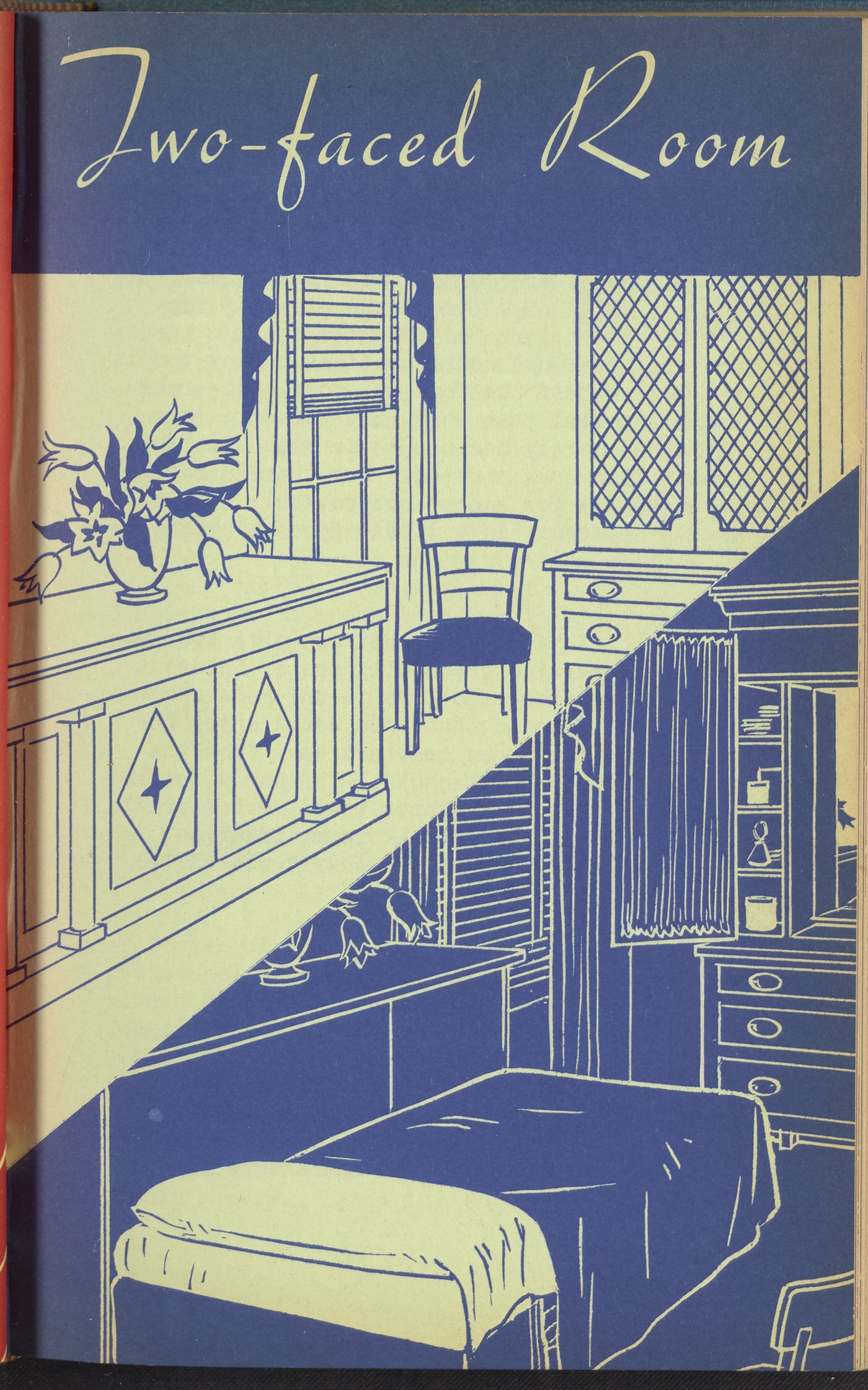
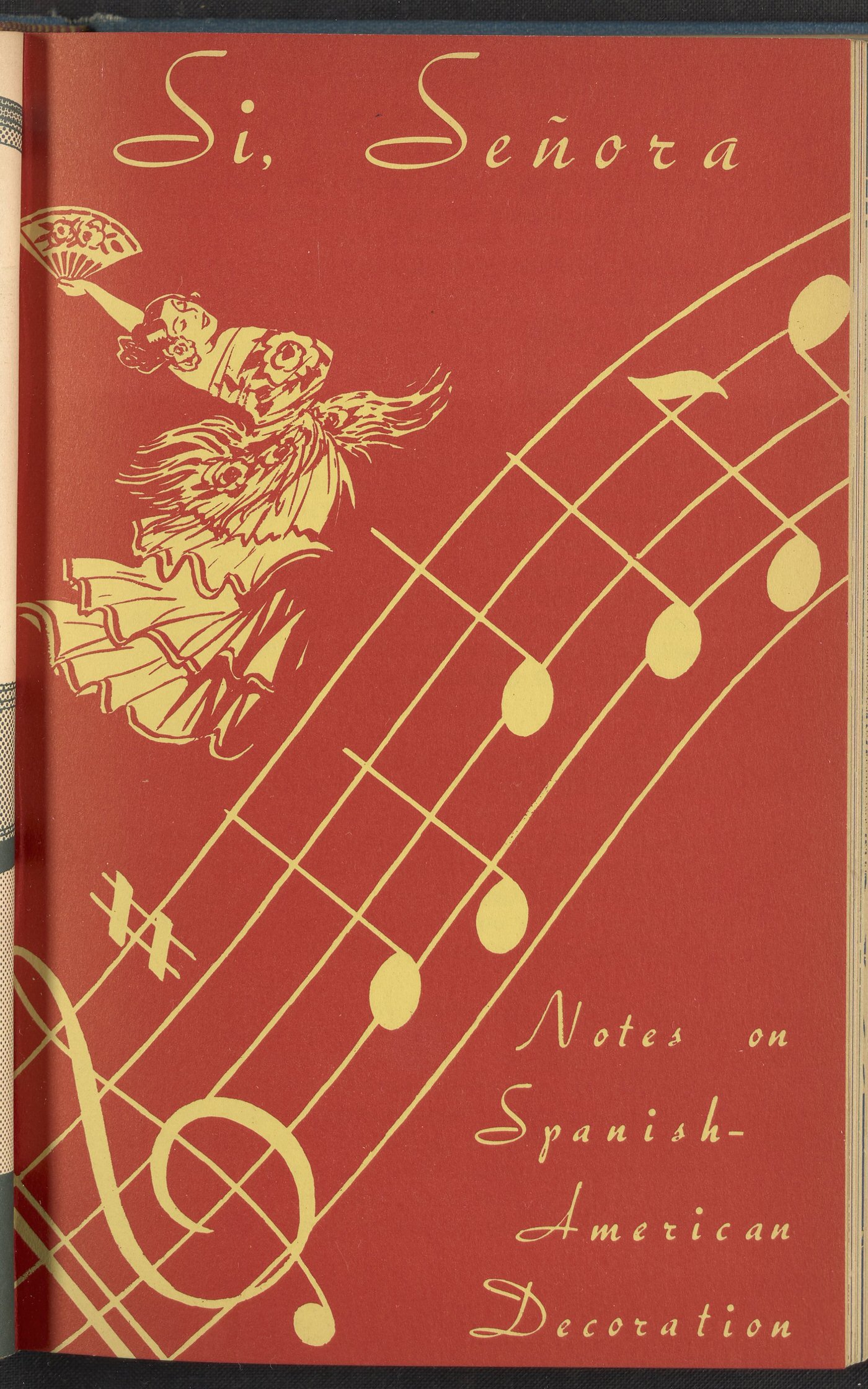
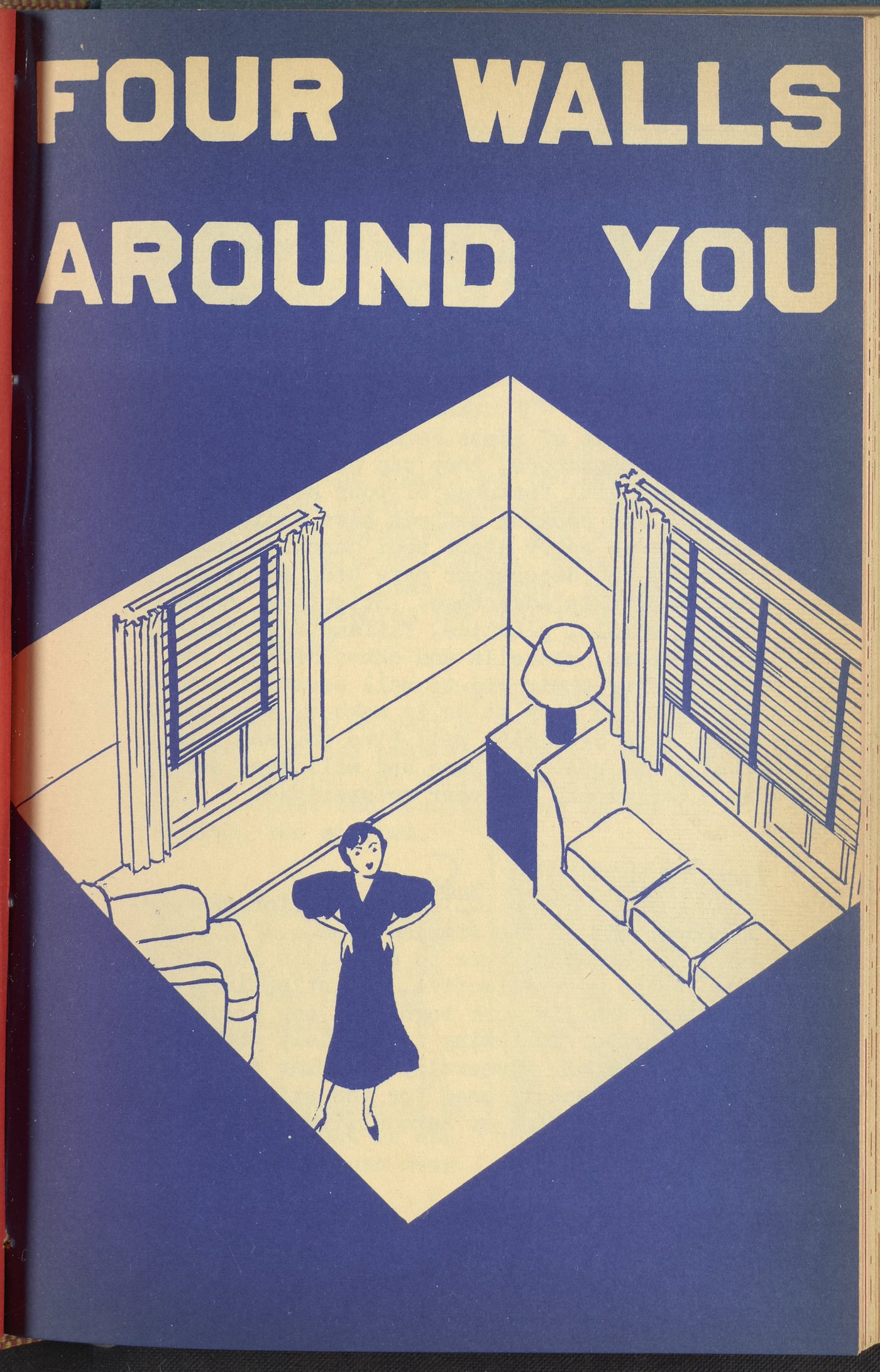
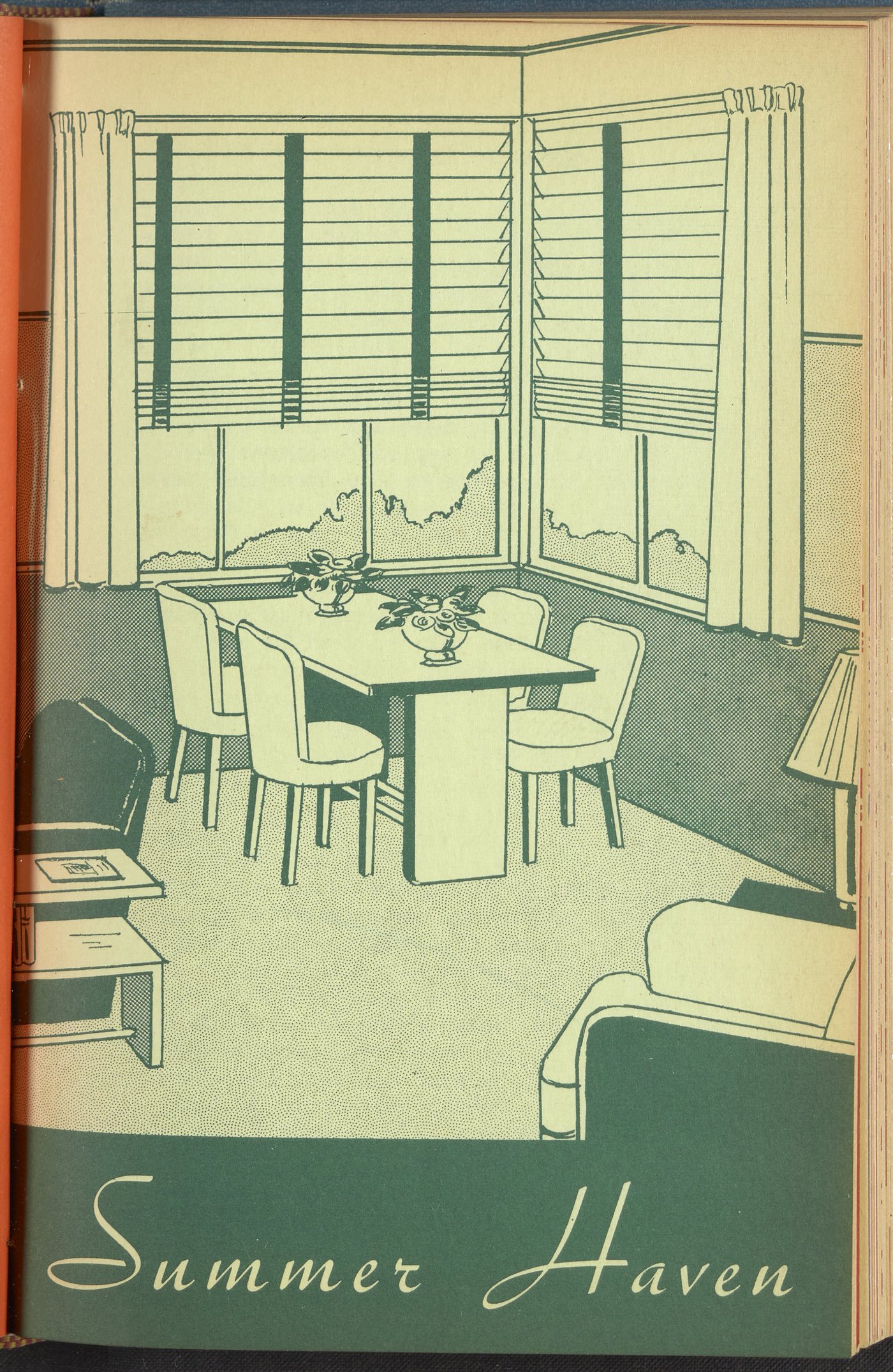
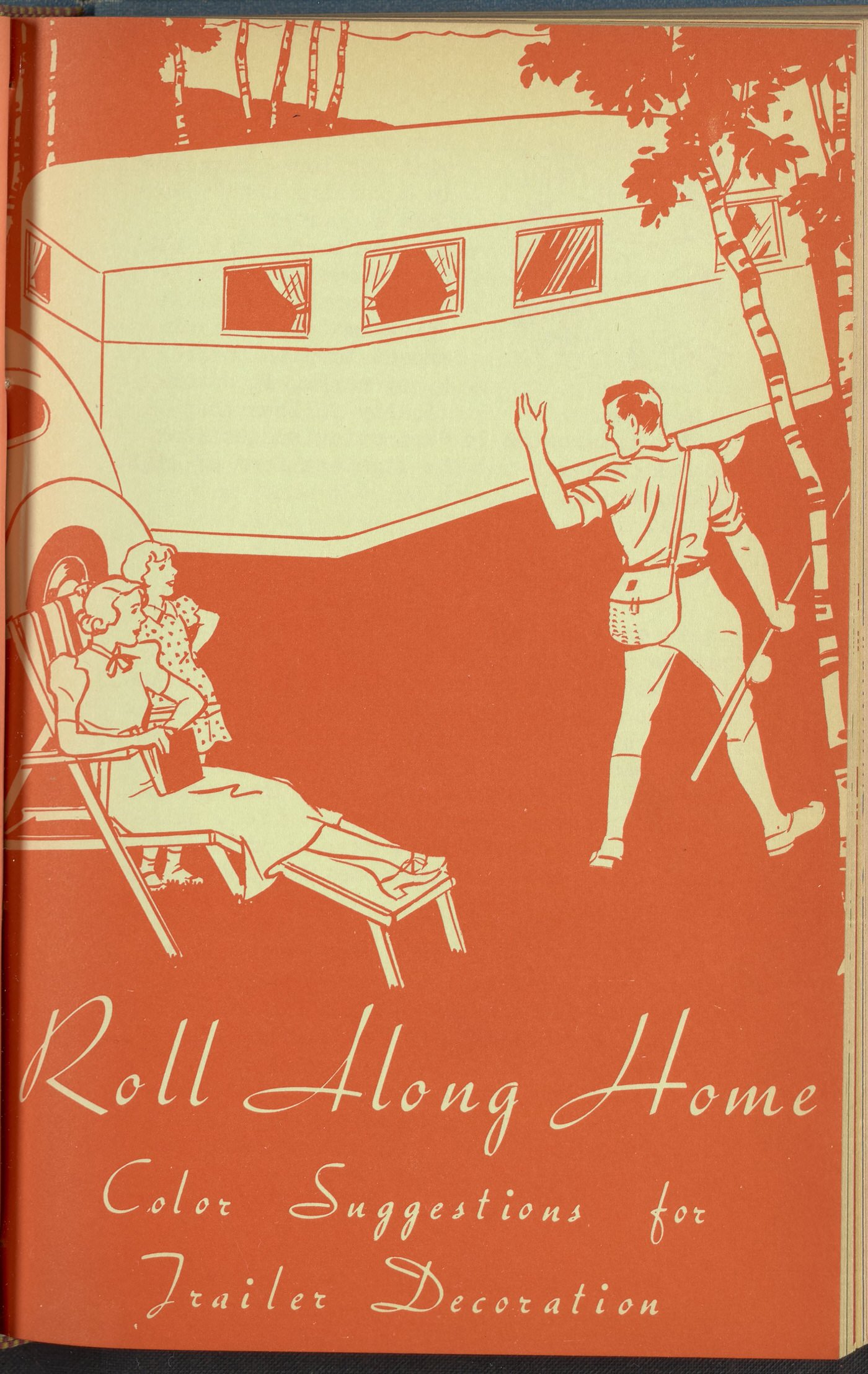
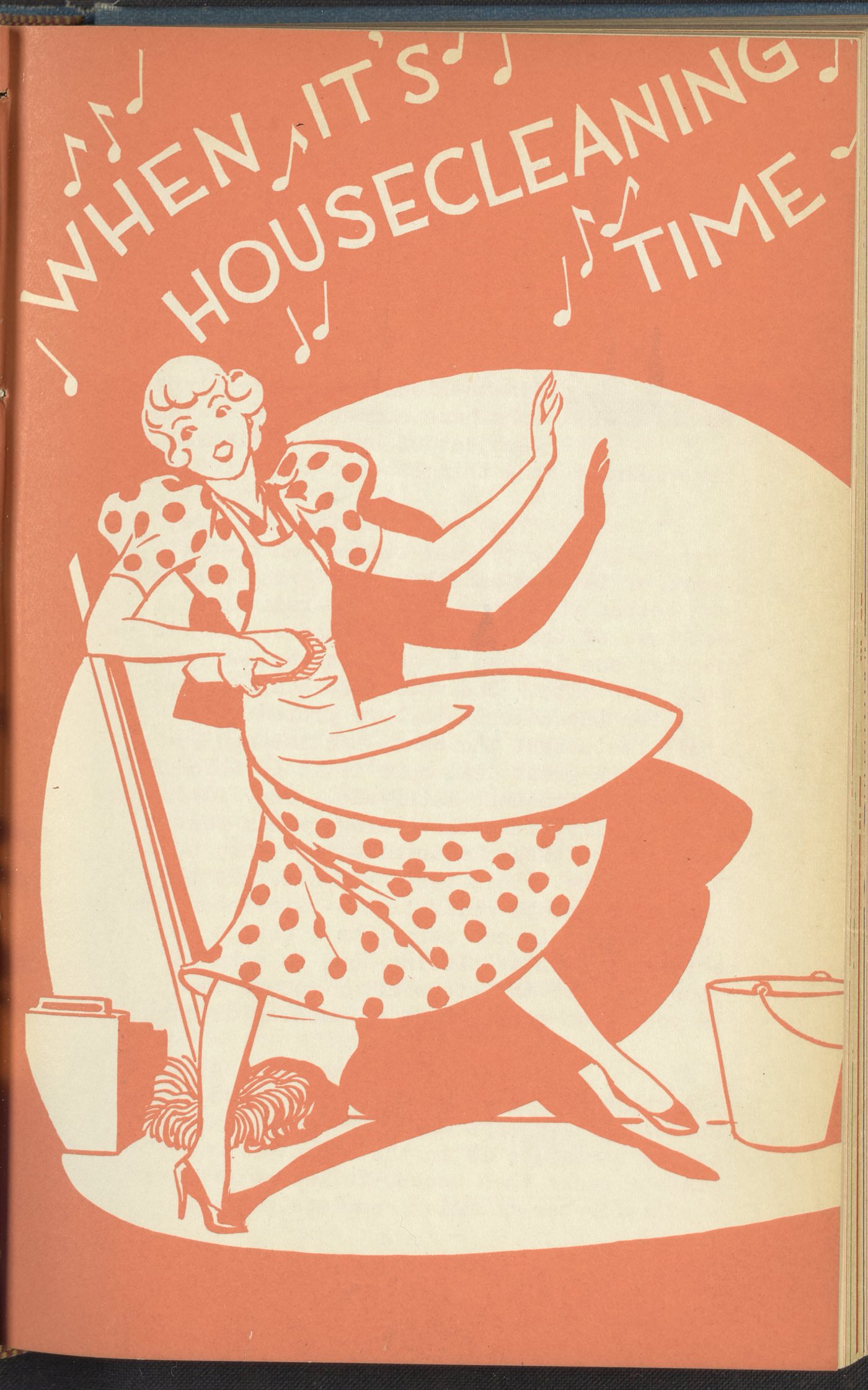
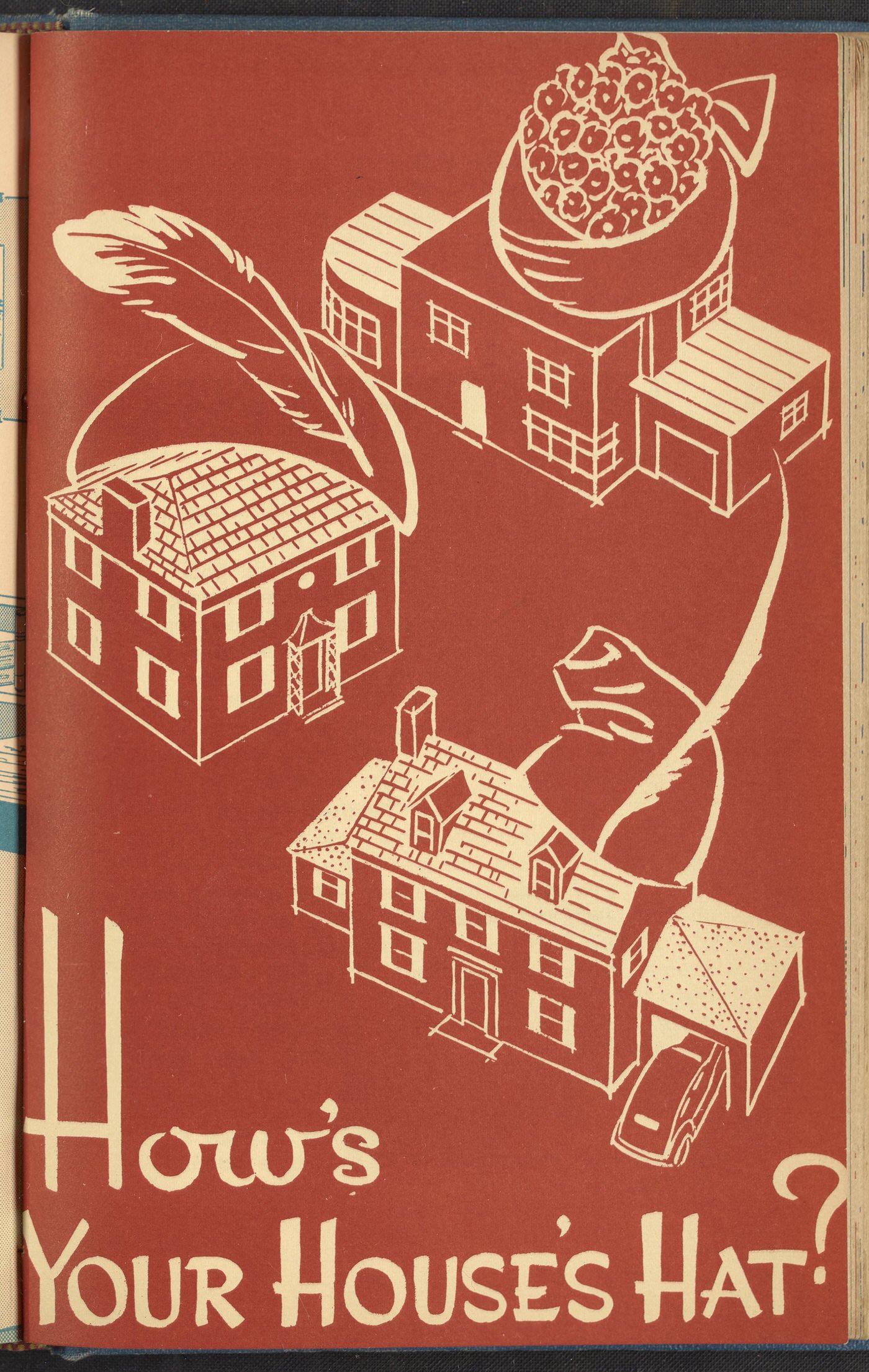
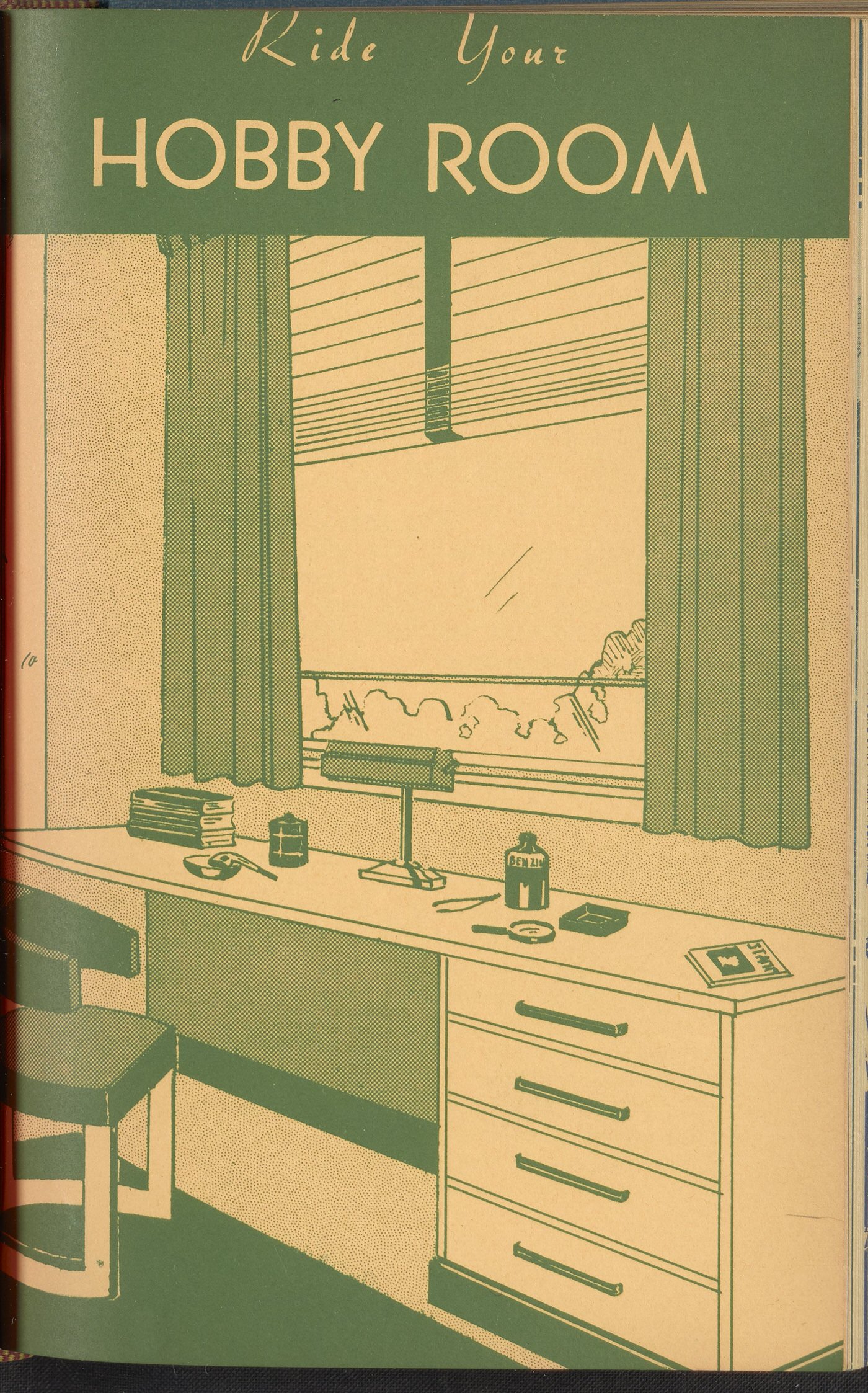
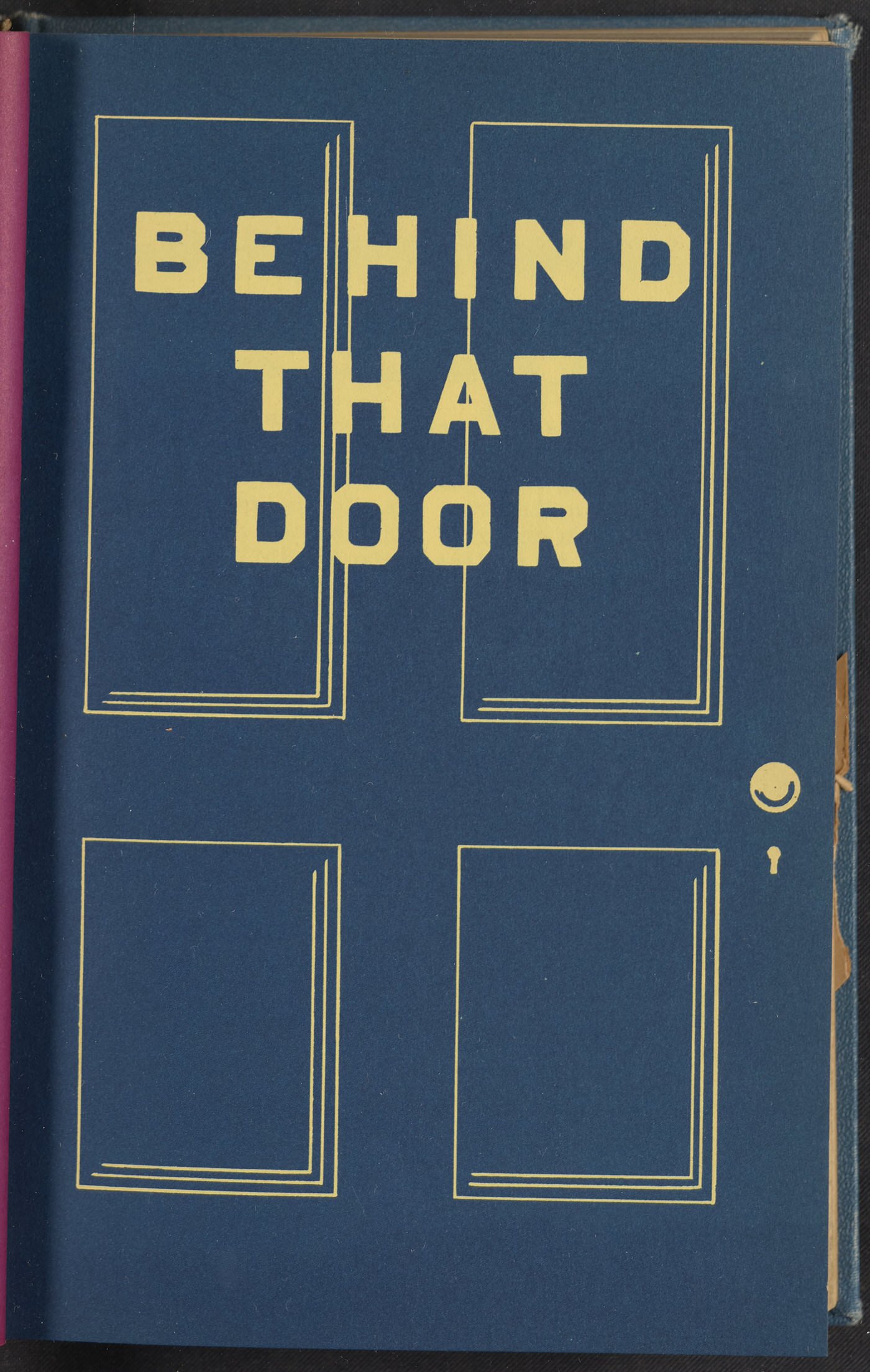
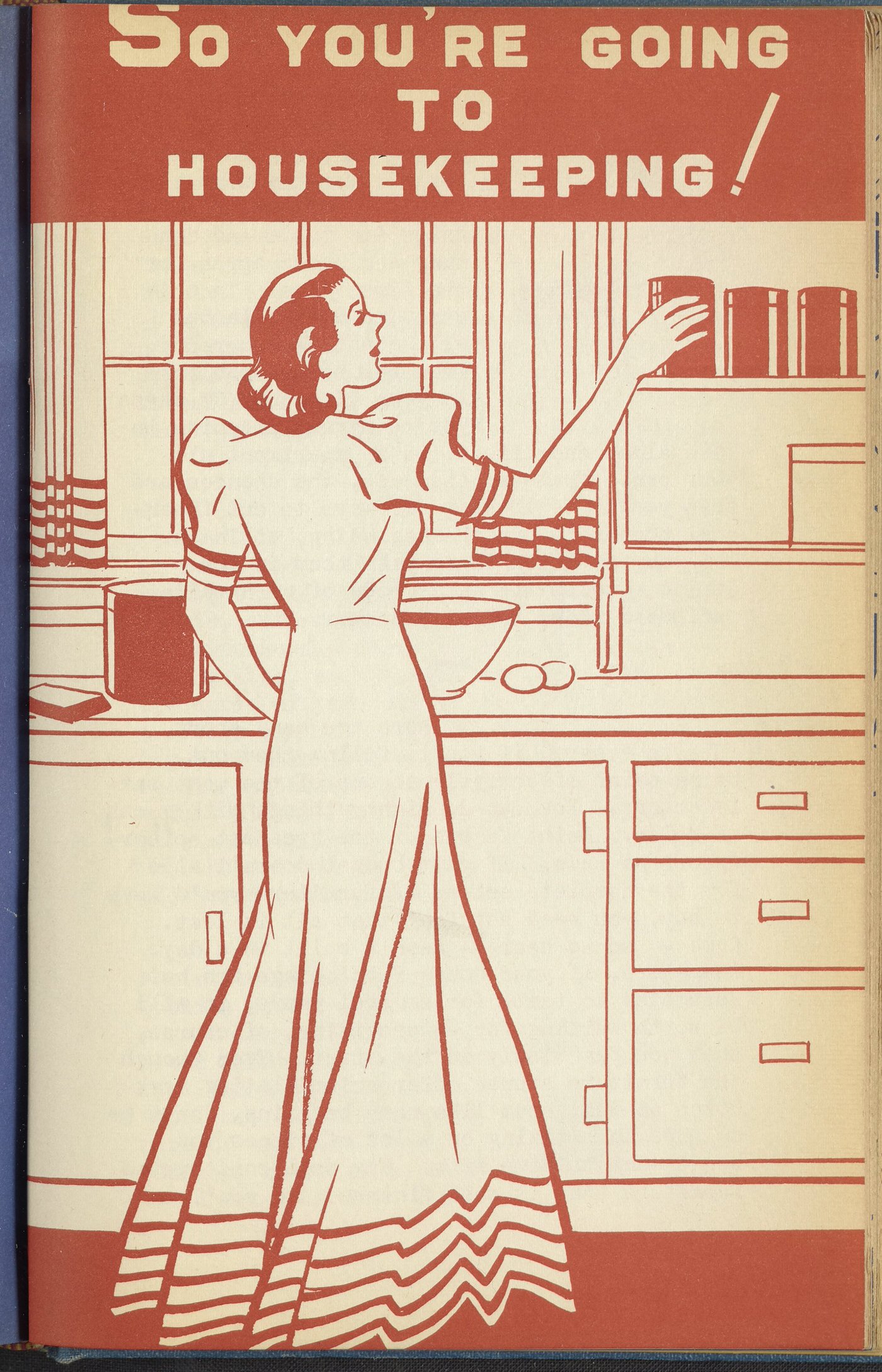
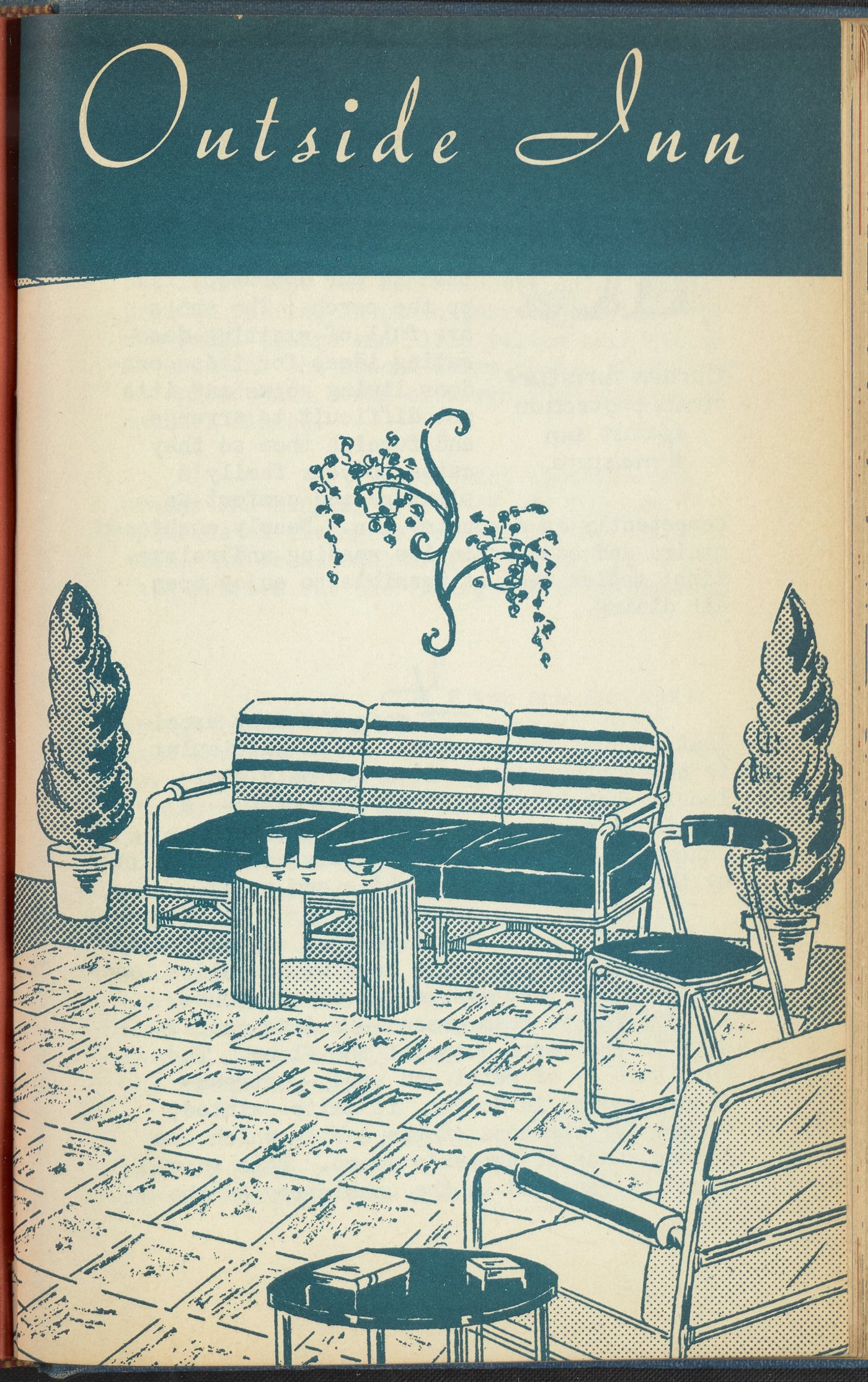
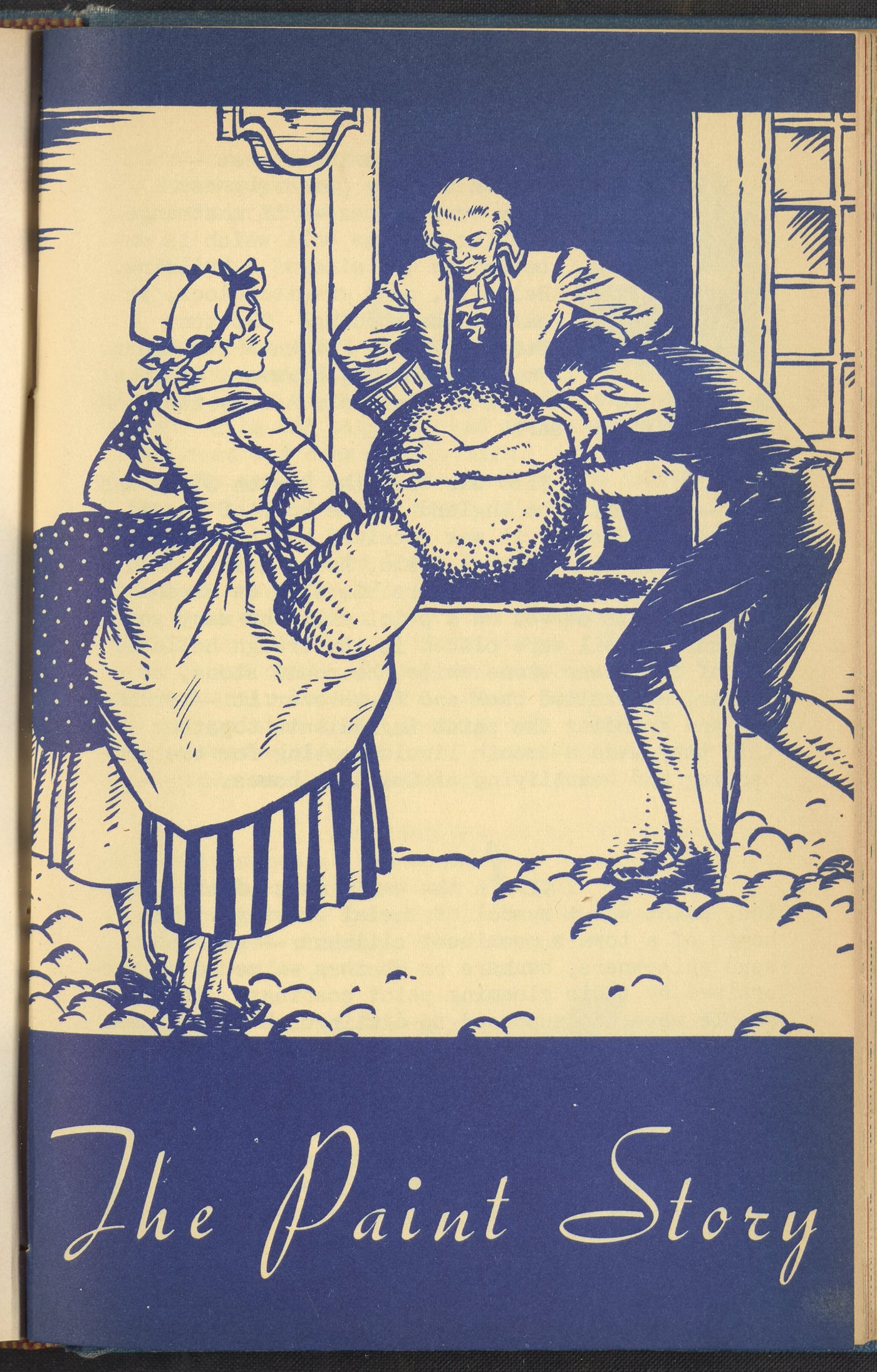
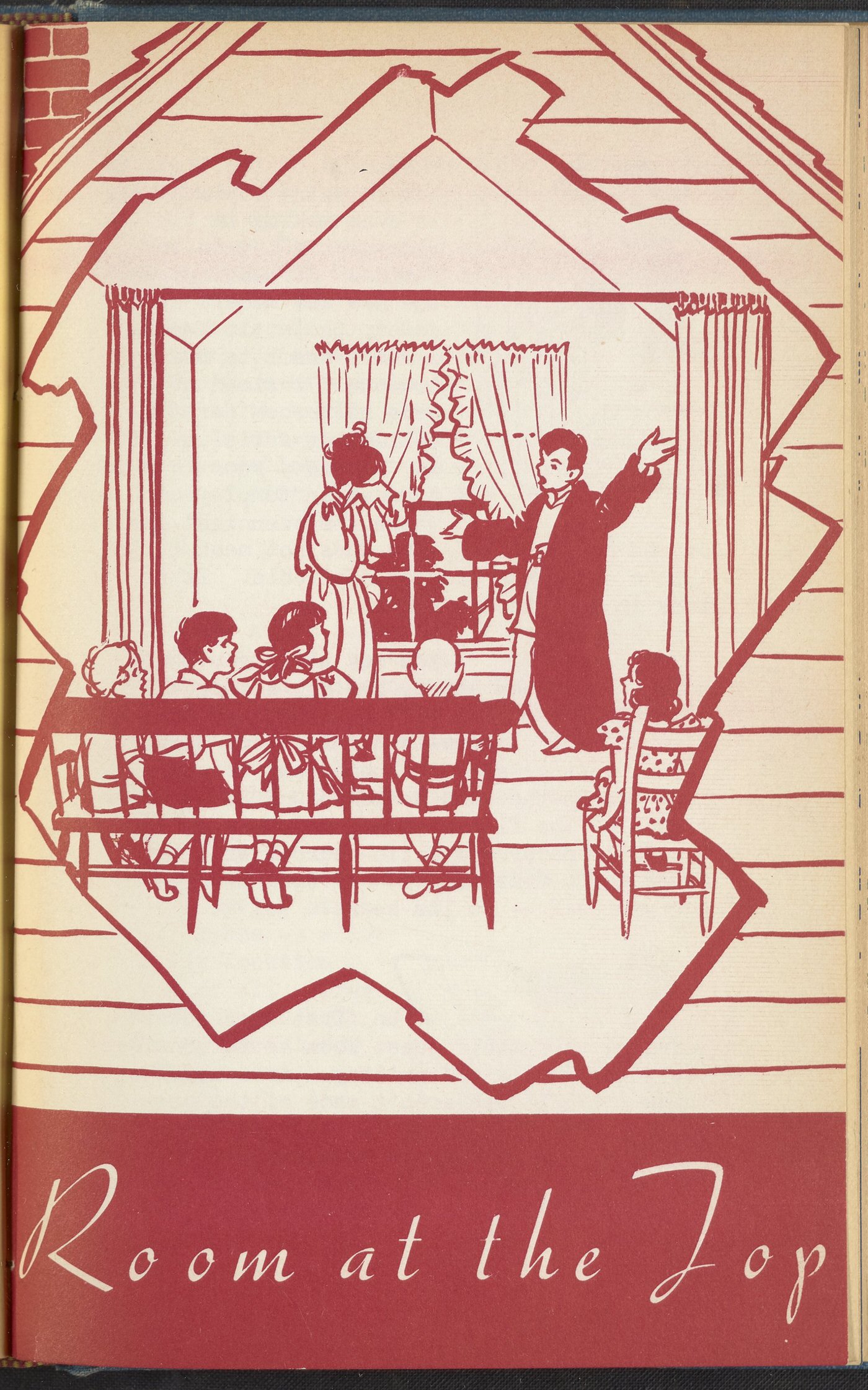
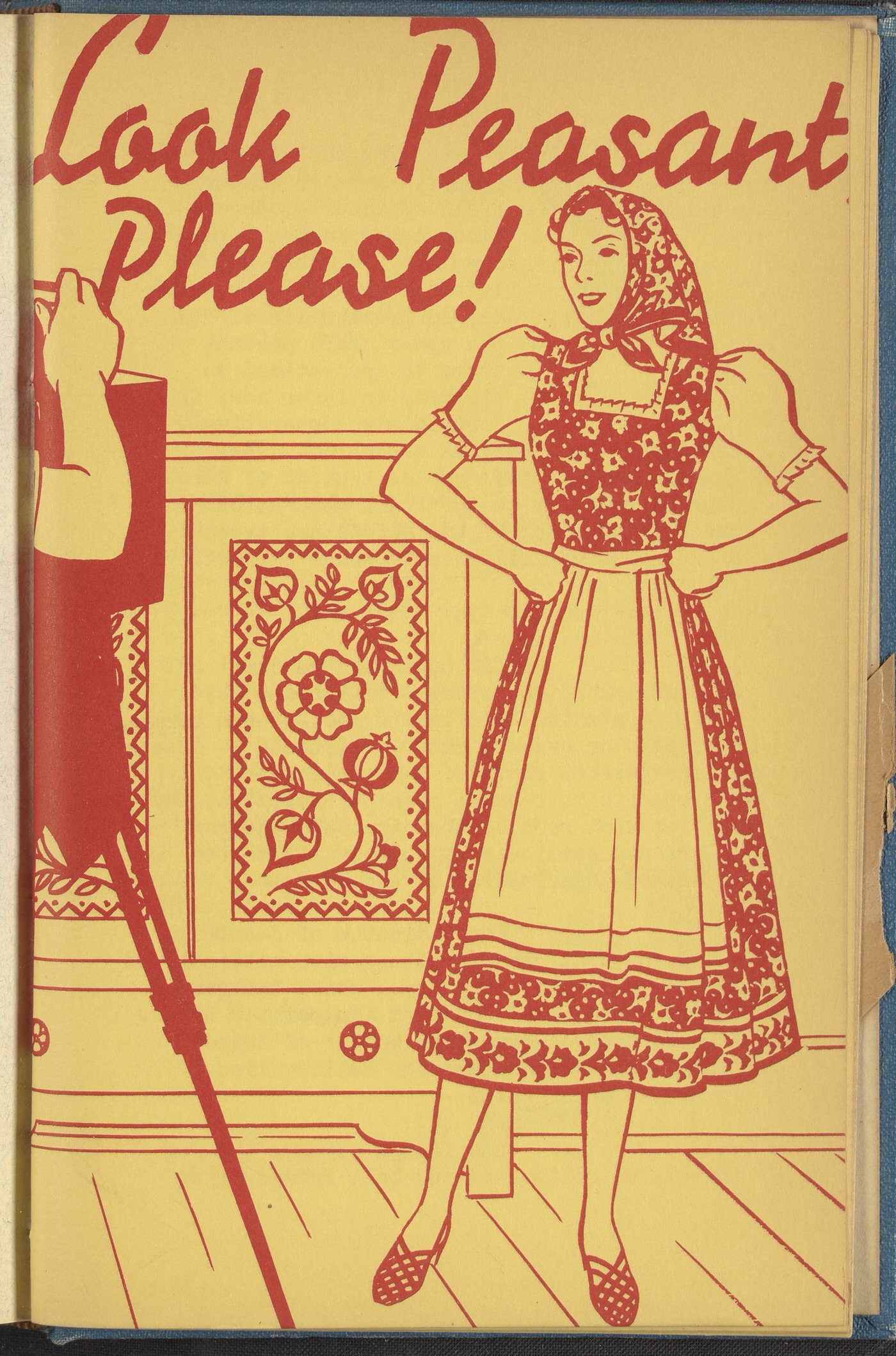
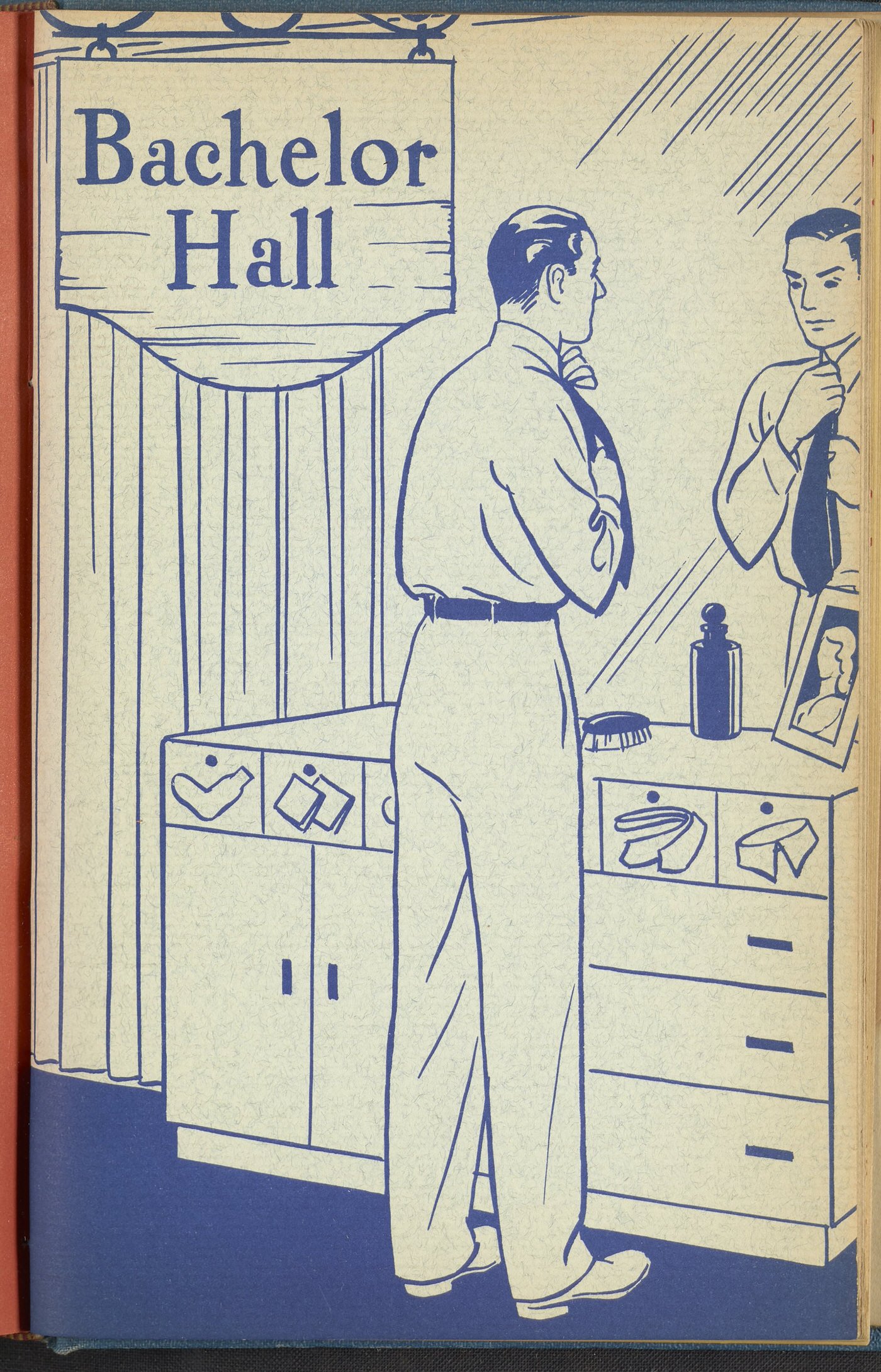
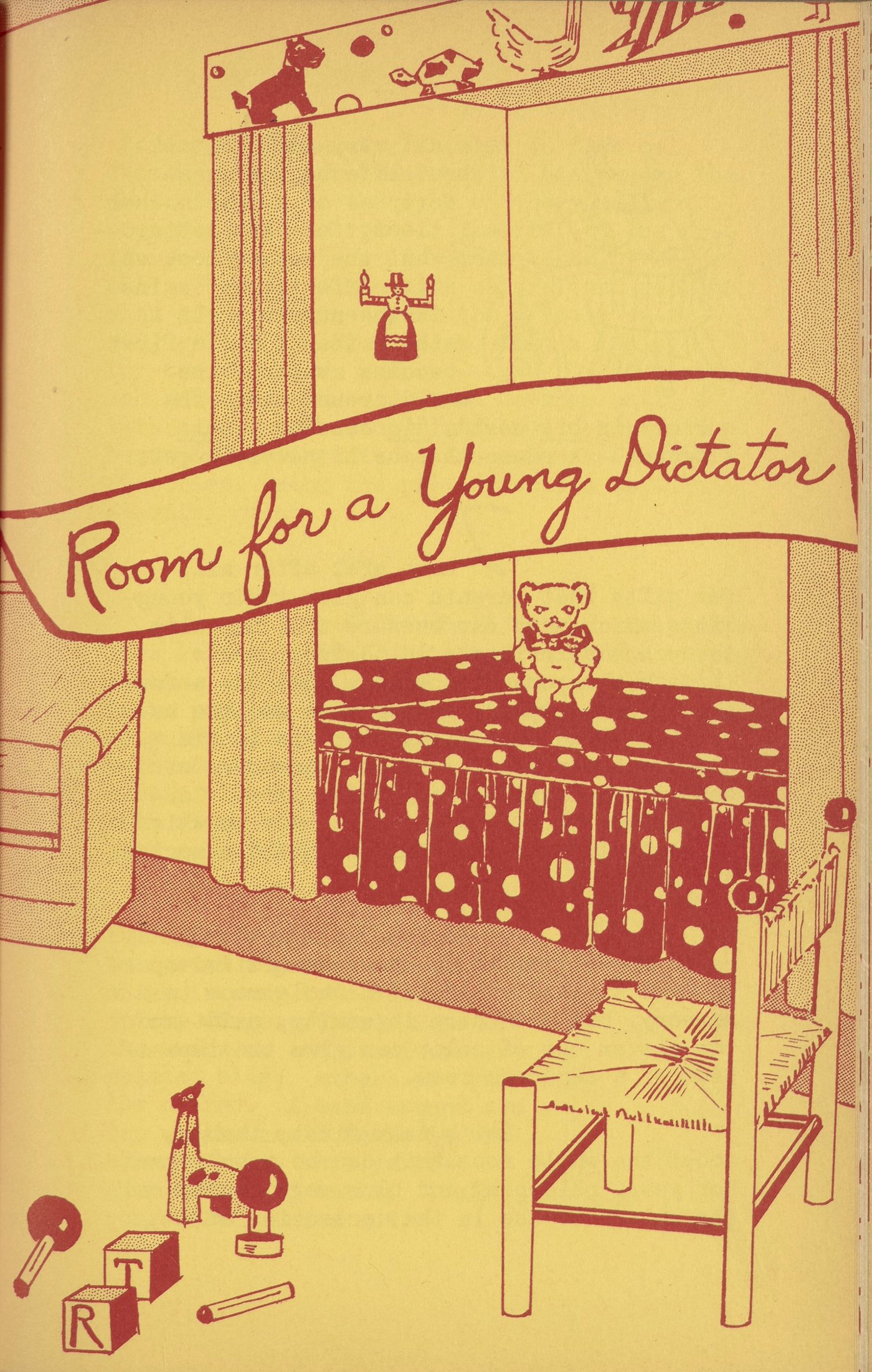
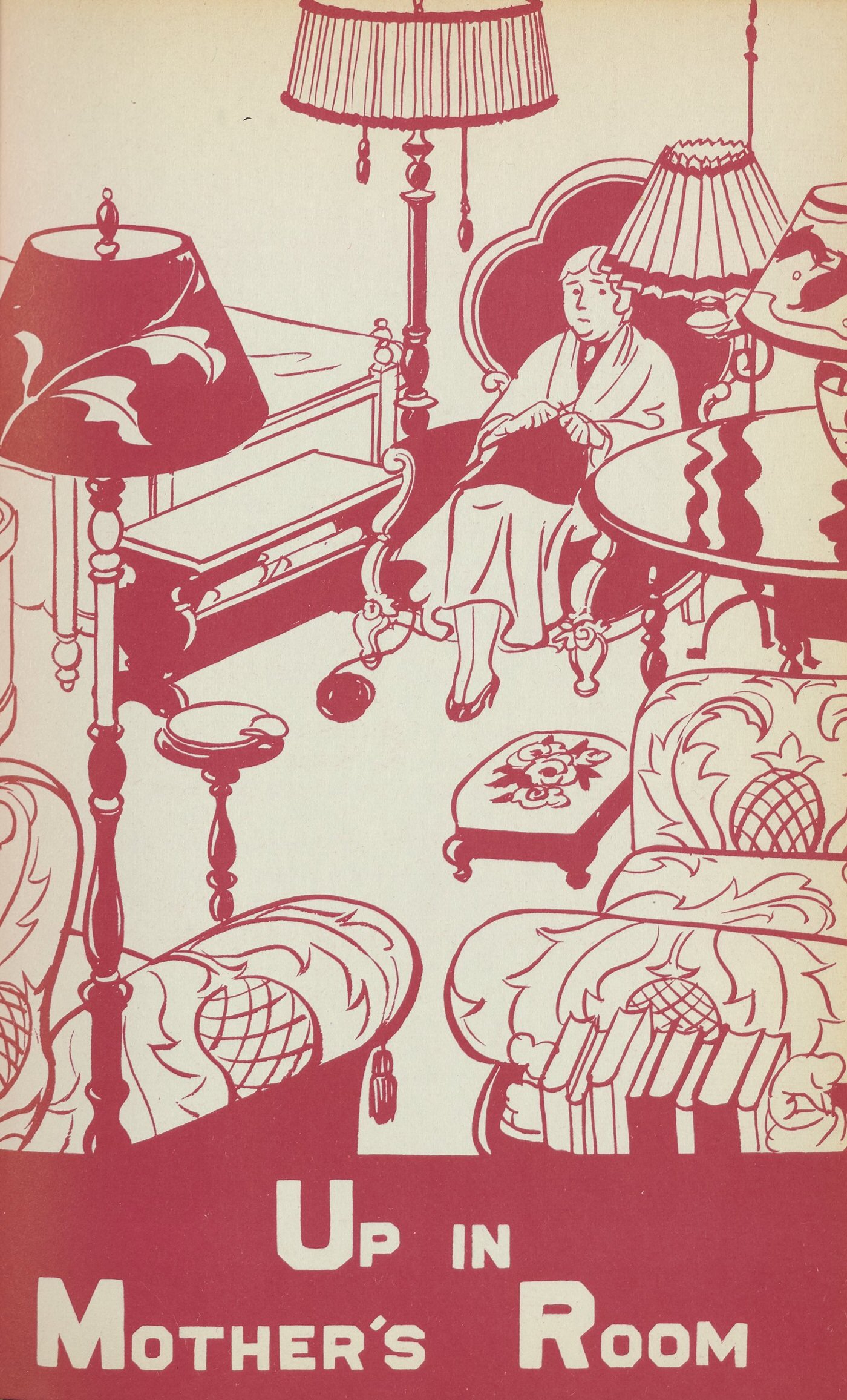
The US National Paint, Varnish and Lacquer Association produced a series of small eight-page pamphlets to accompany their radio broadcasts. These booklets were filled with home improvement tips centered on one core message: paint and varnish were essential tools for protecting your home. The advice itself was straightforward enough, but the covers were anything but ordinary.
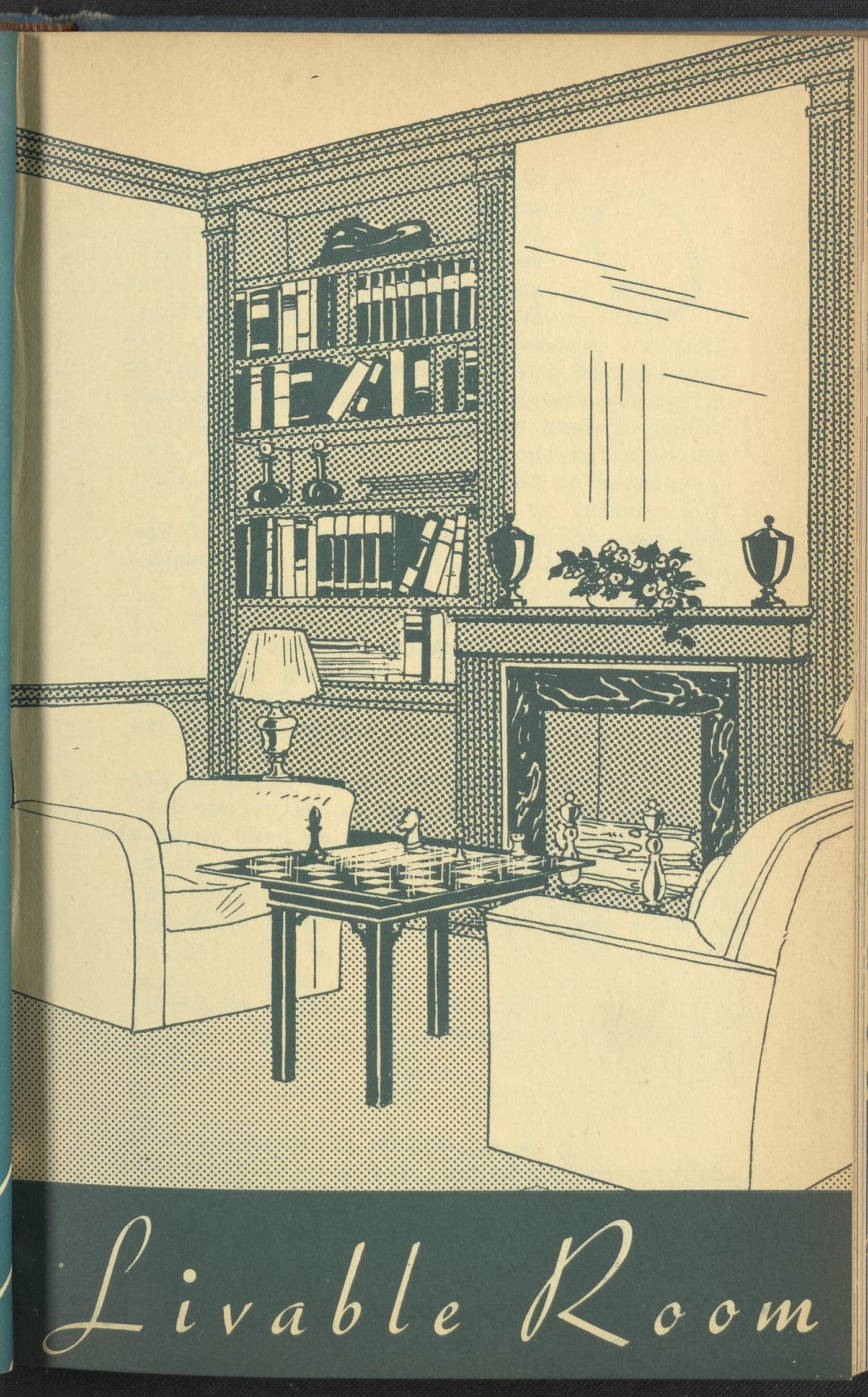
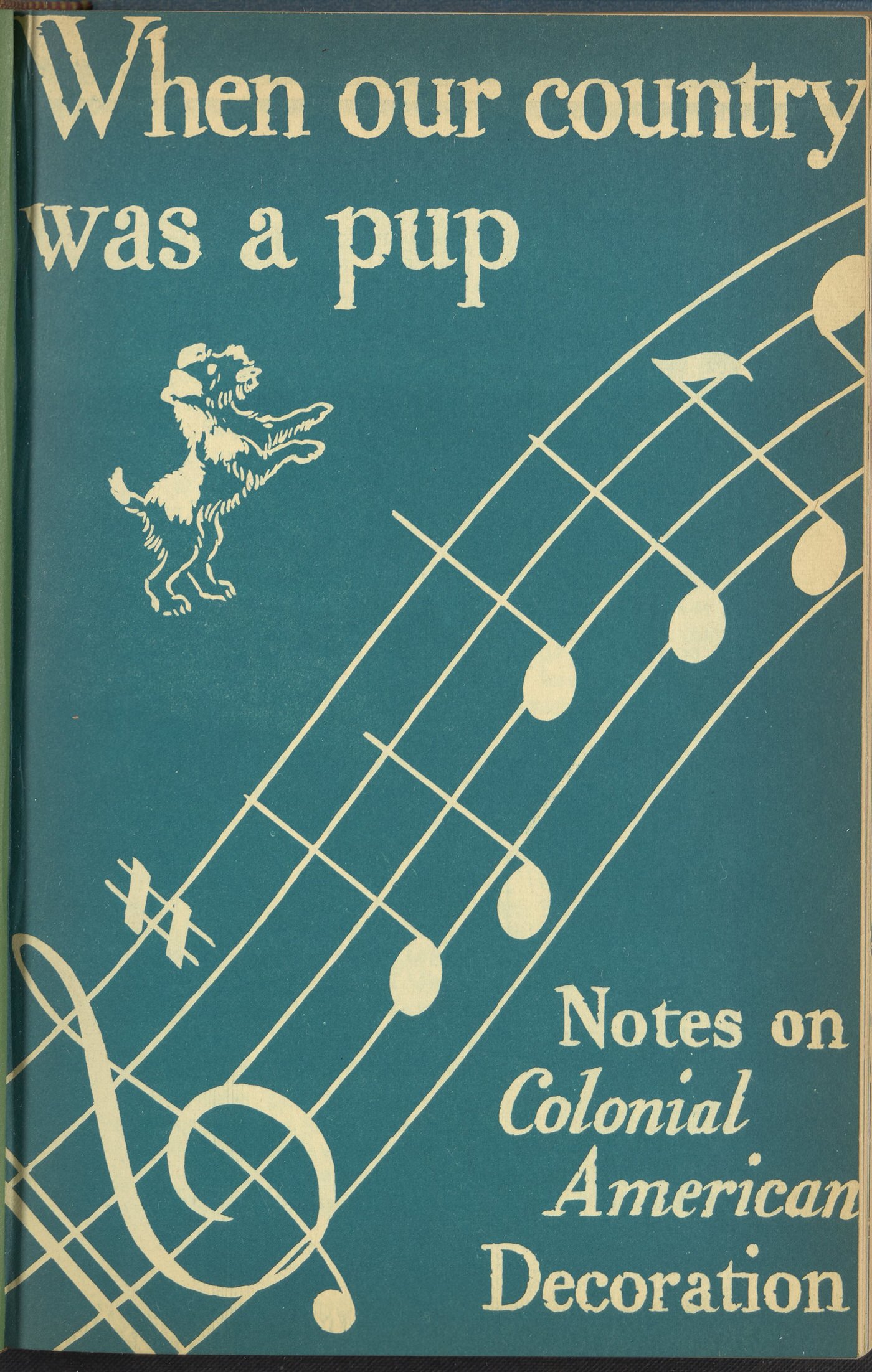
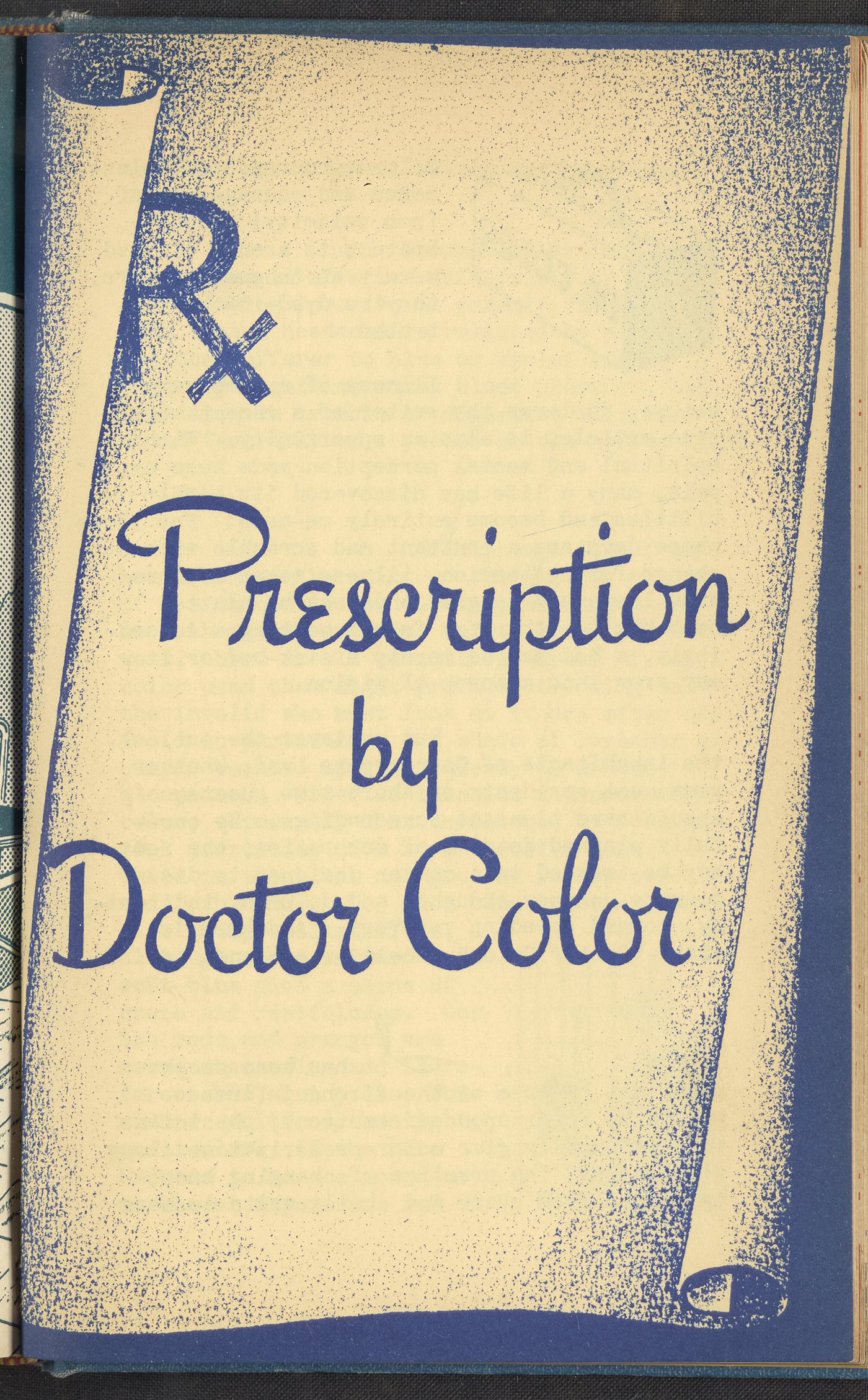
The pamphlet titles ranged from quirky to outright bizarre. “The Romance of Shellac” and “Dramatizing Dinner” sat alongside the far more striking “Room for a Young Dictator.” Others carried titles like “Paint Protects America” and “Prepare Now… Paint Protects,” directly borrowing the language of wartime urgency to sell household products.
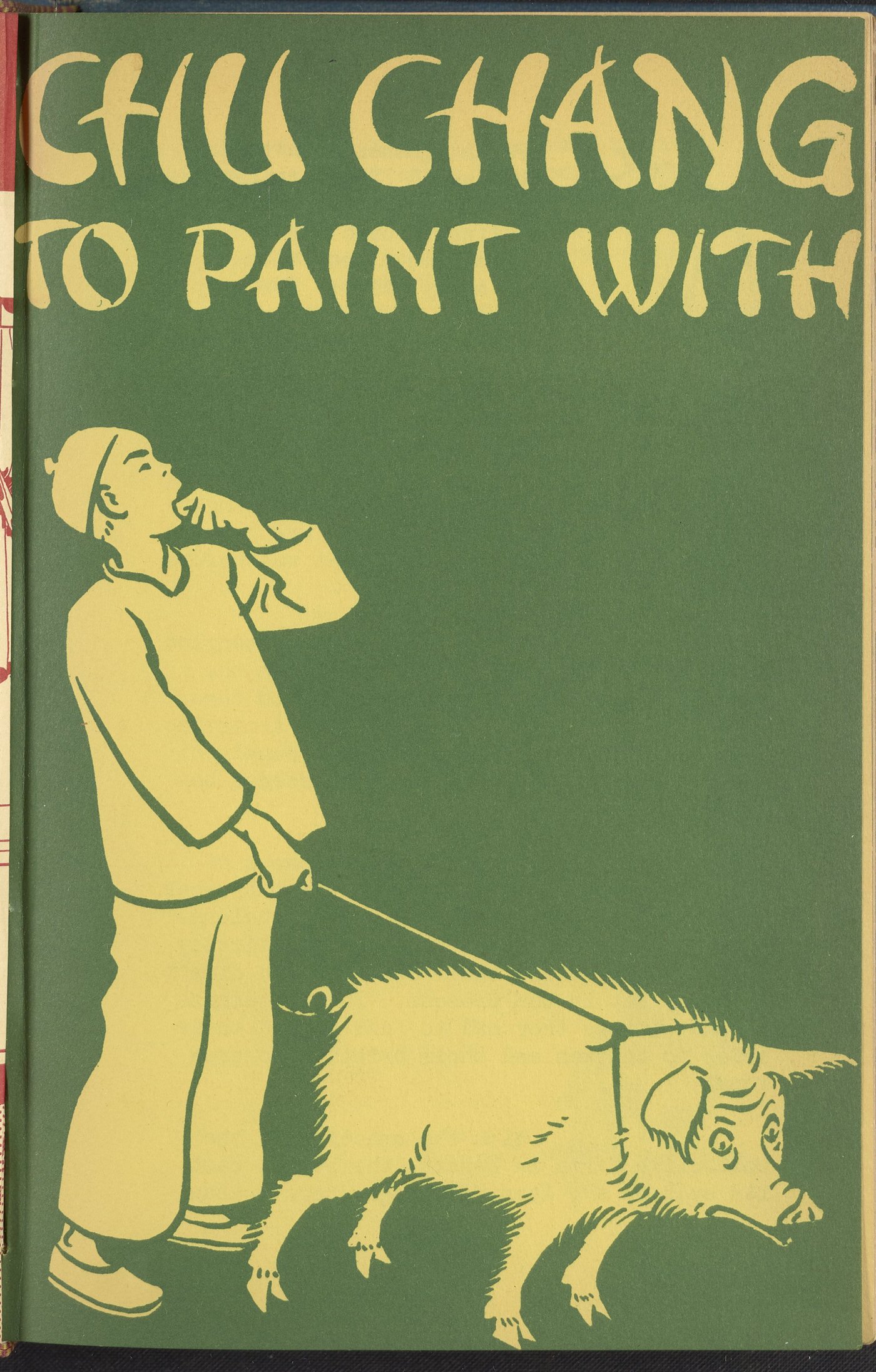
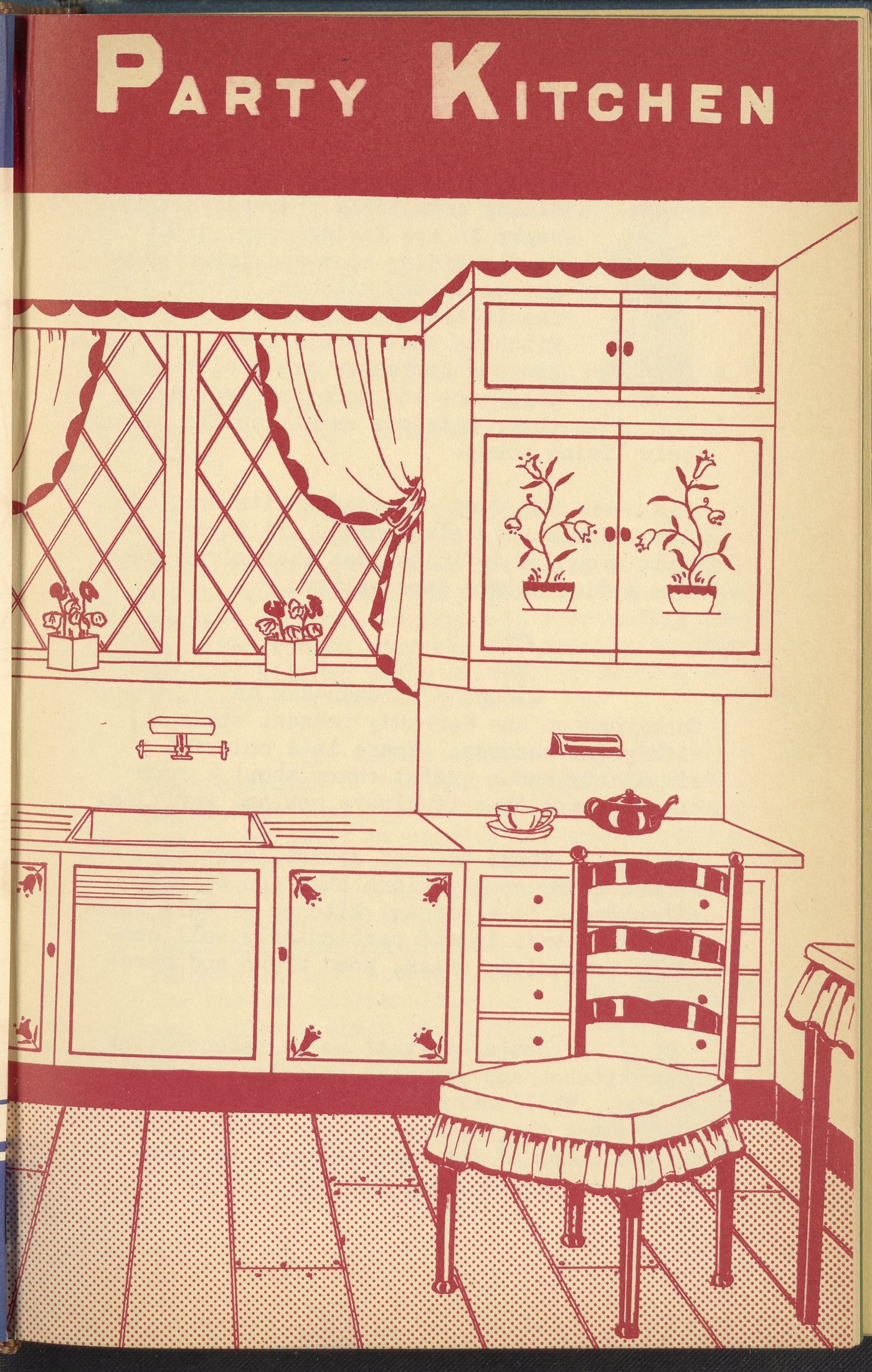
The association leaned hard into public anxiety. With nuclear threats looming and political instability dominating the news, the idea of fortifying your home had genuine emotional appeal. Paint was repositioned not as a decorative choice, but as a defensive barrier — something that stood between your family and the chaos of the outside world.
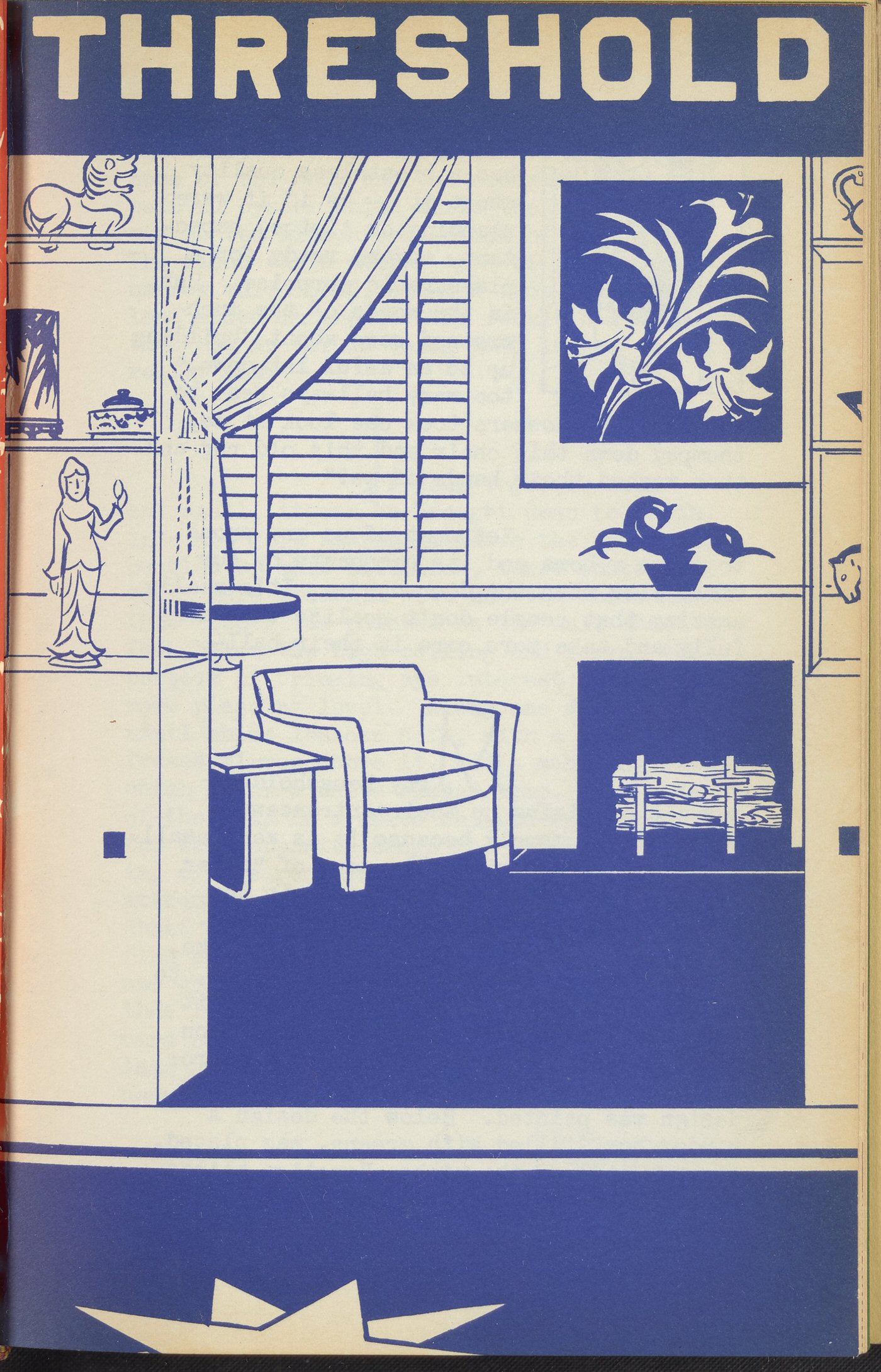
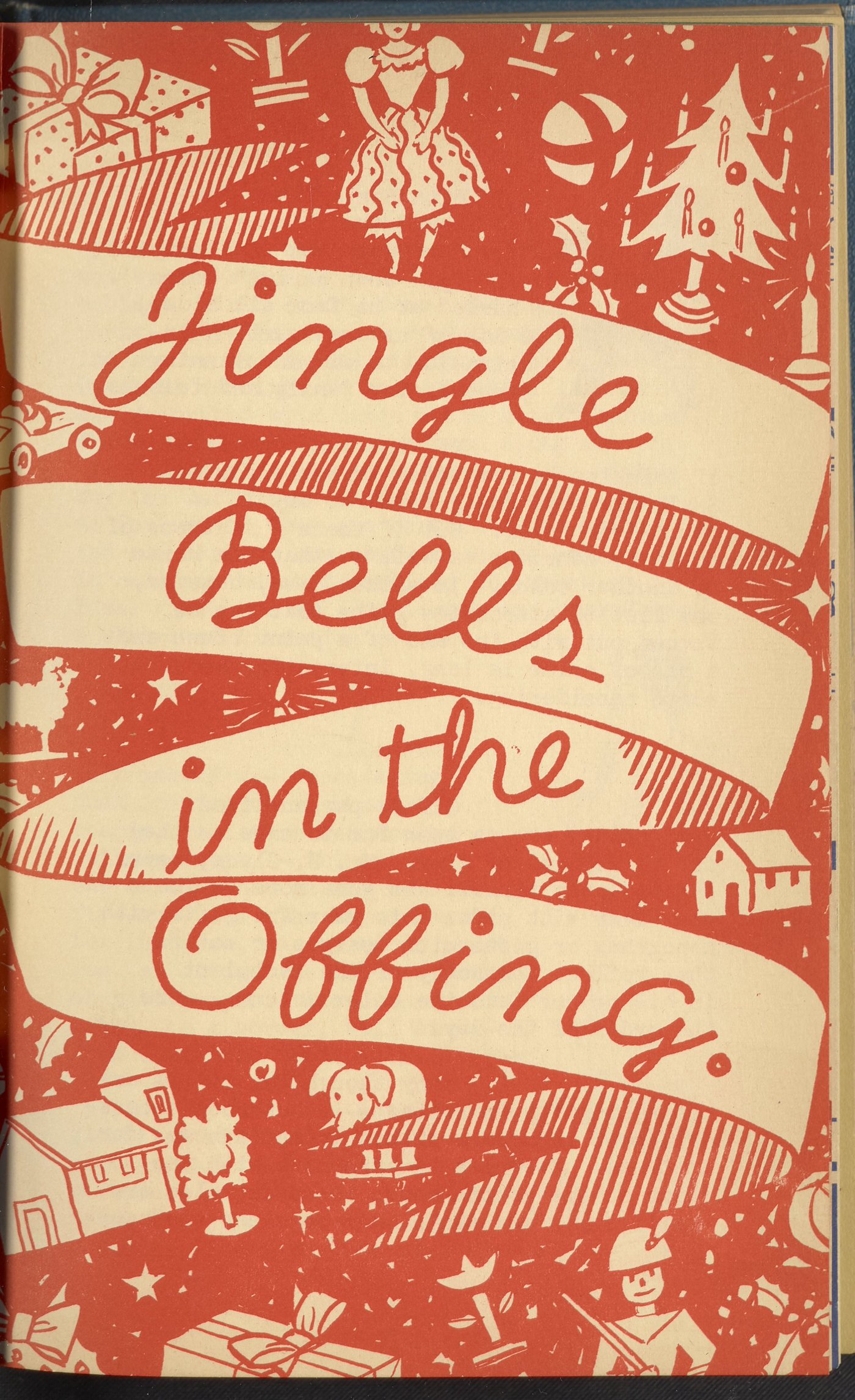
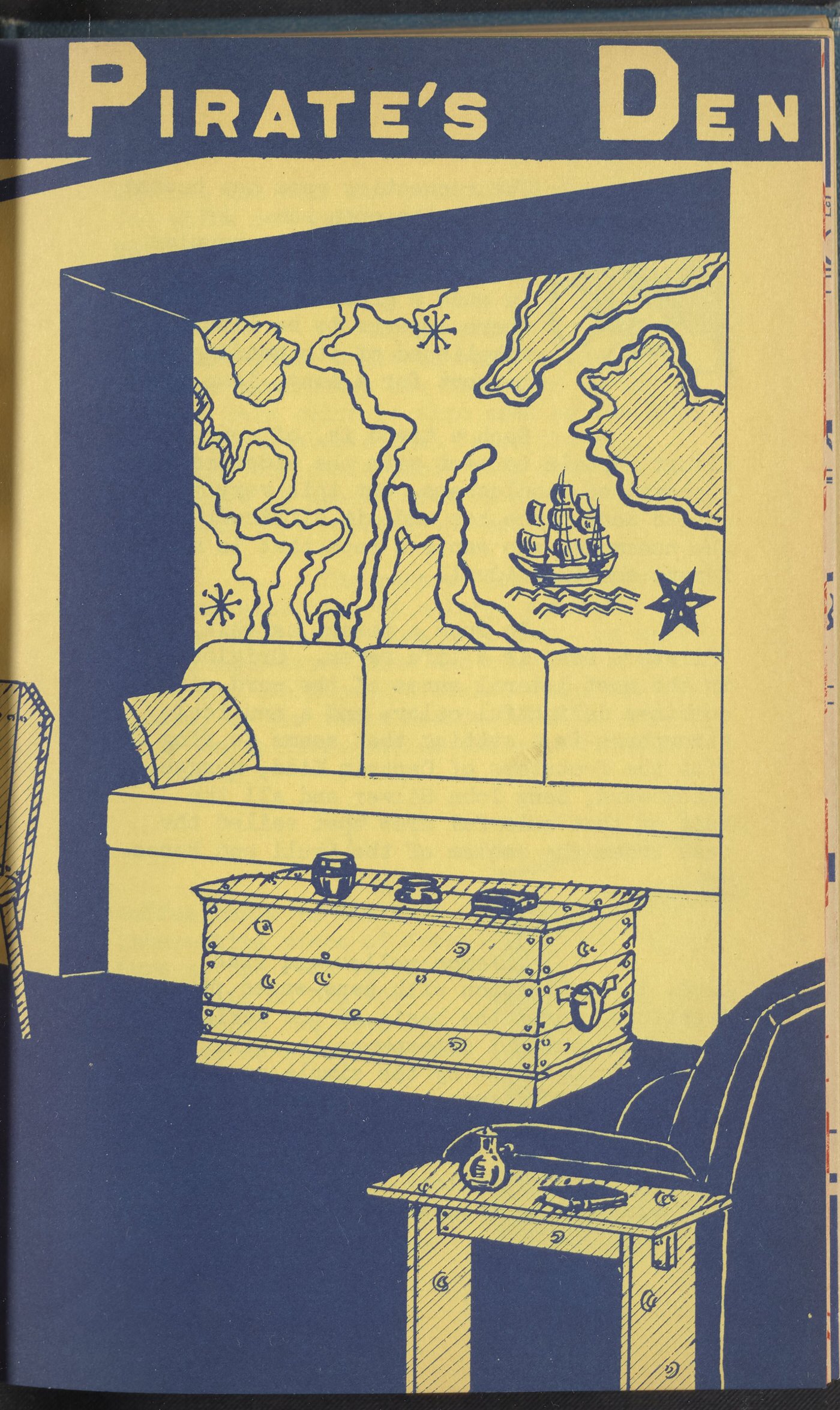
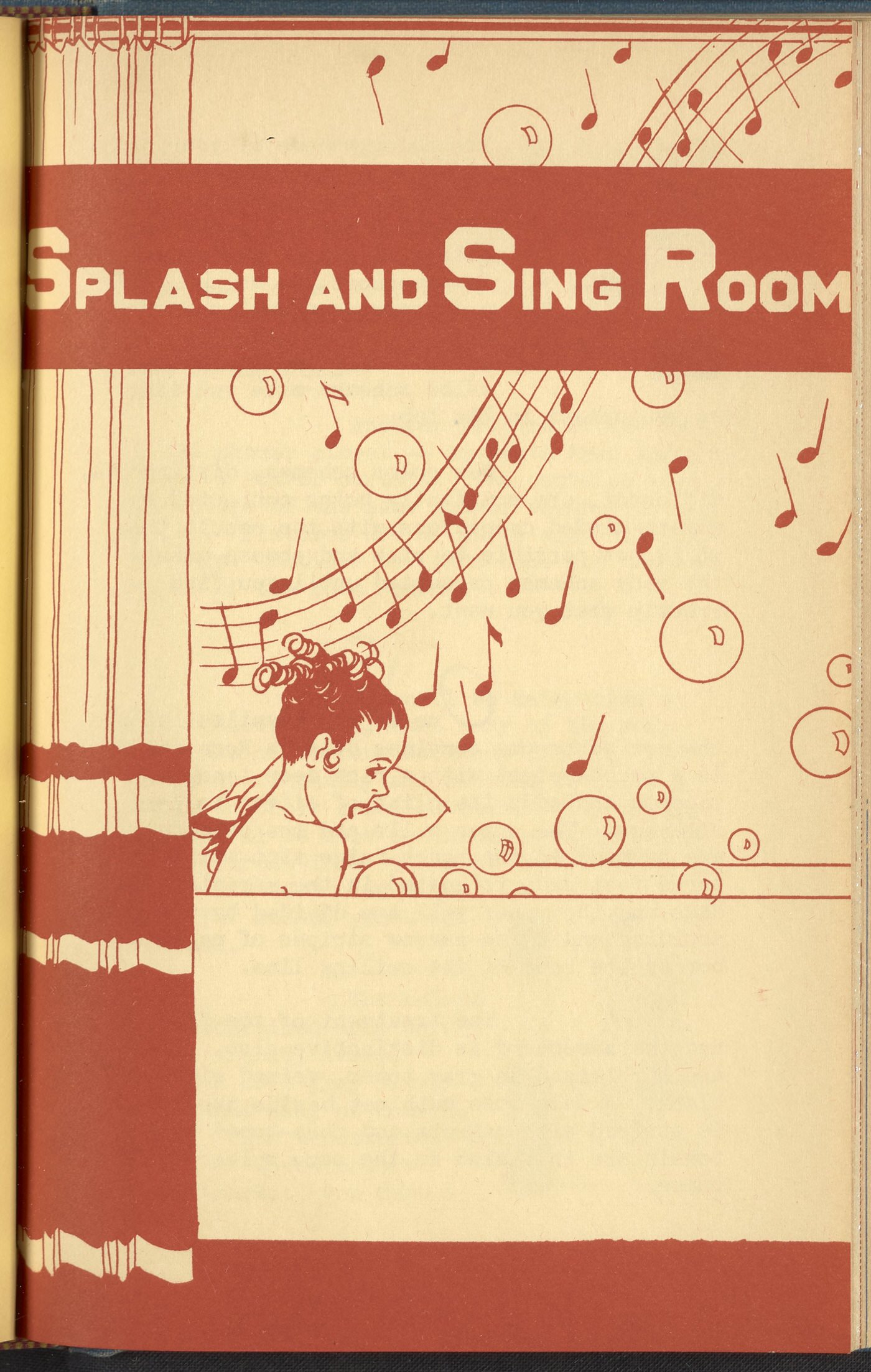
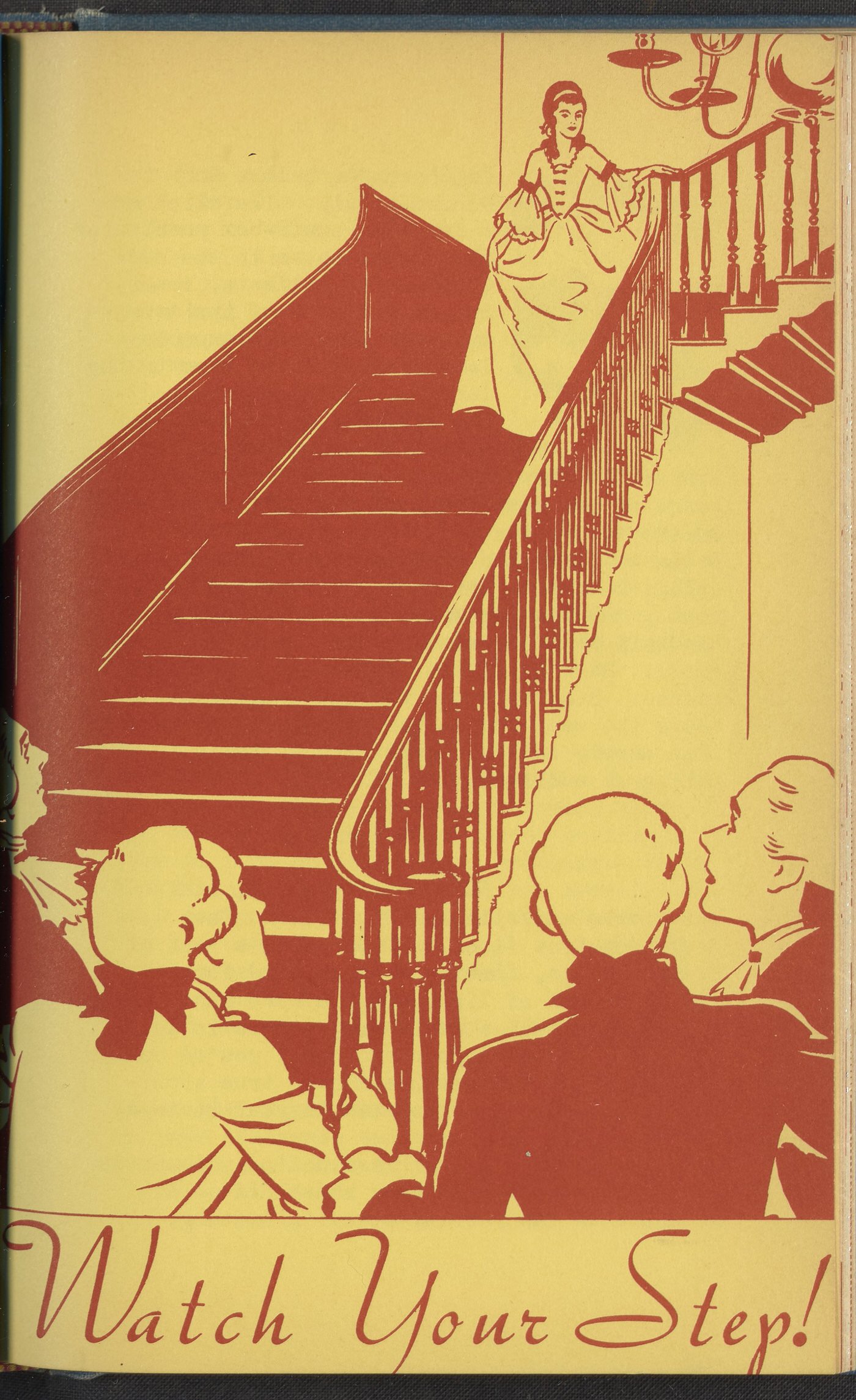
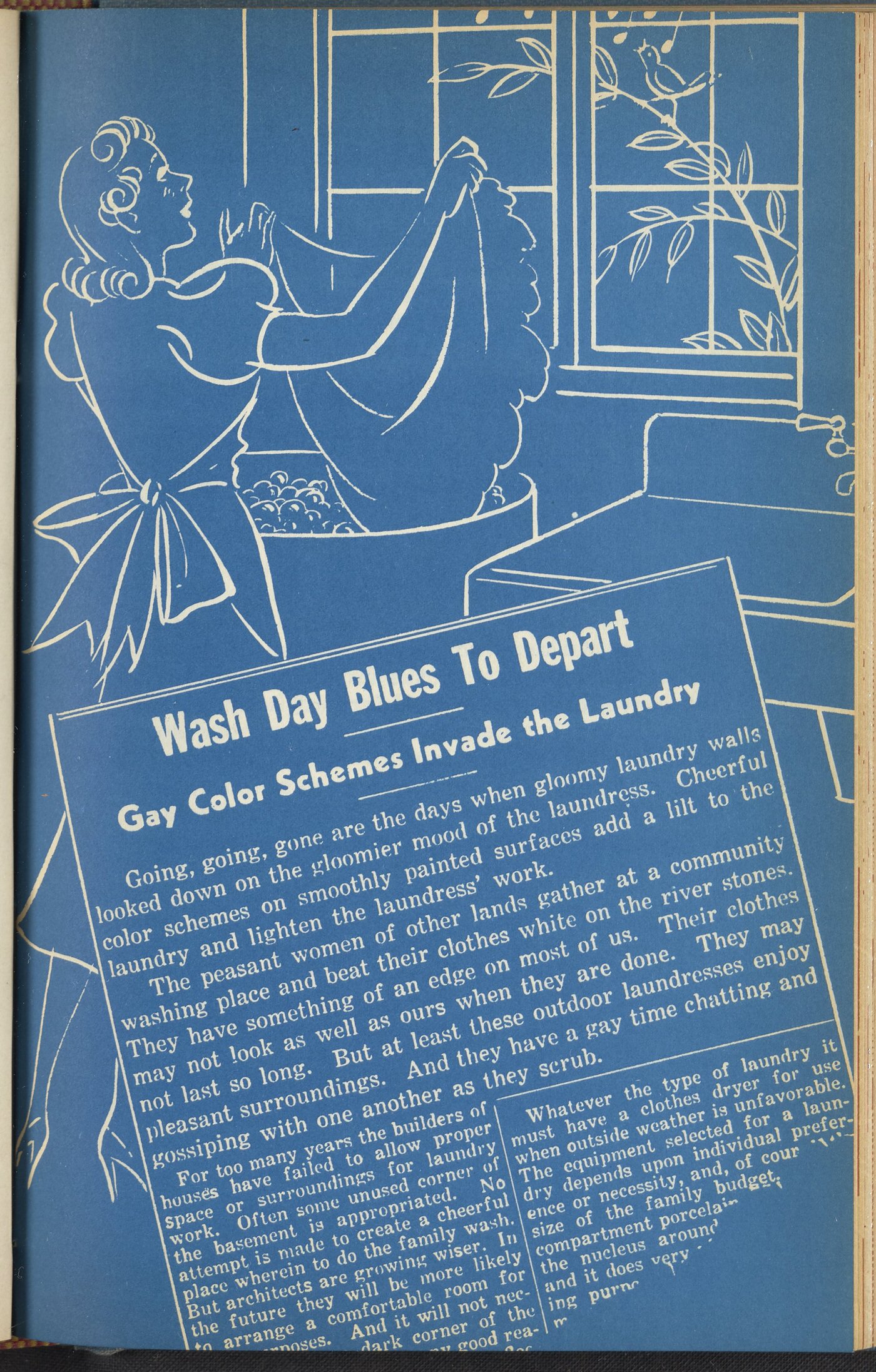
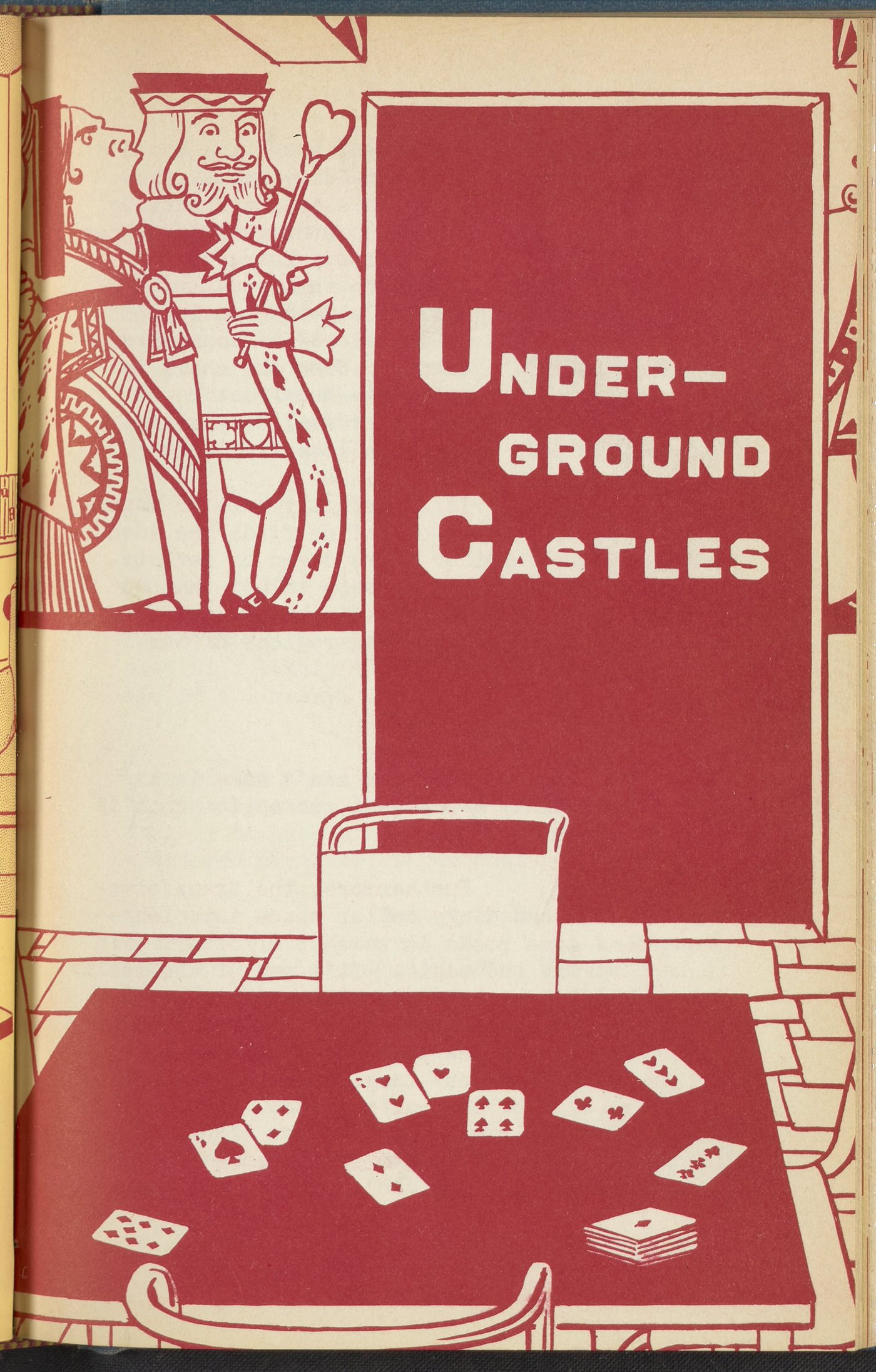
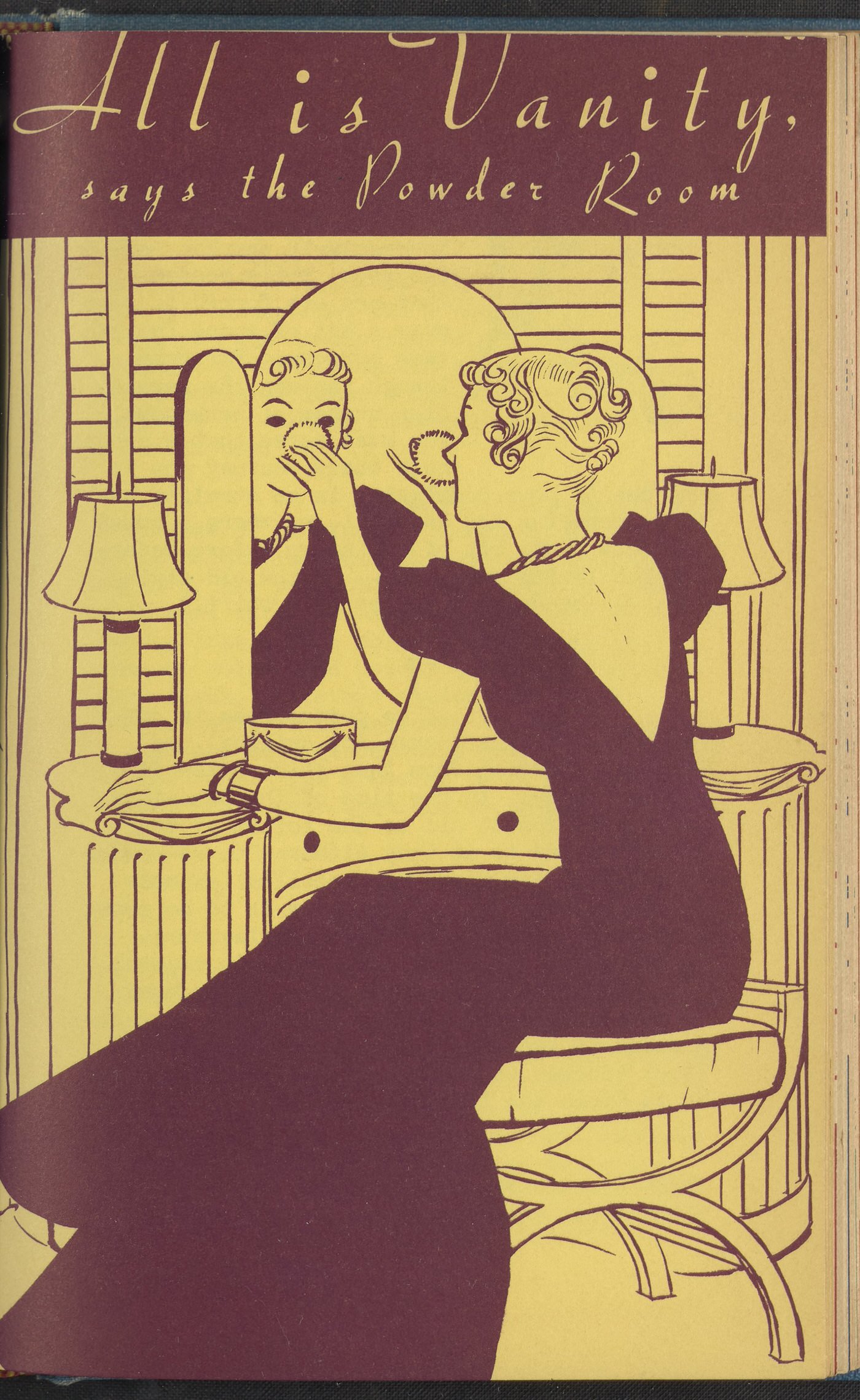
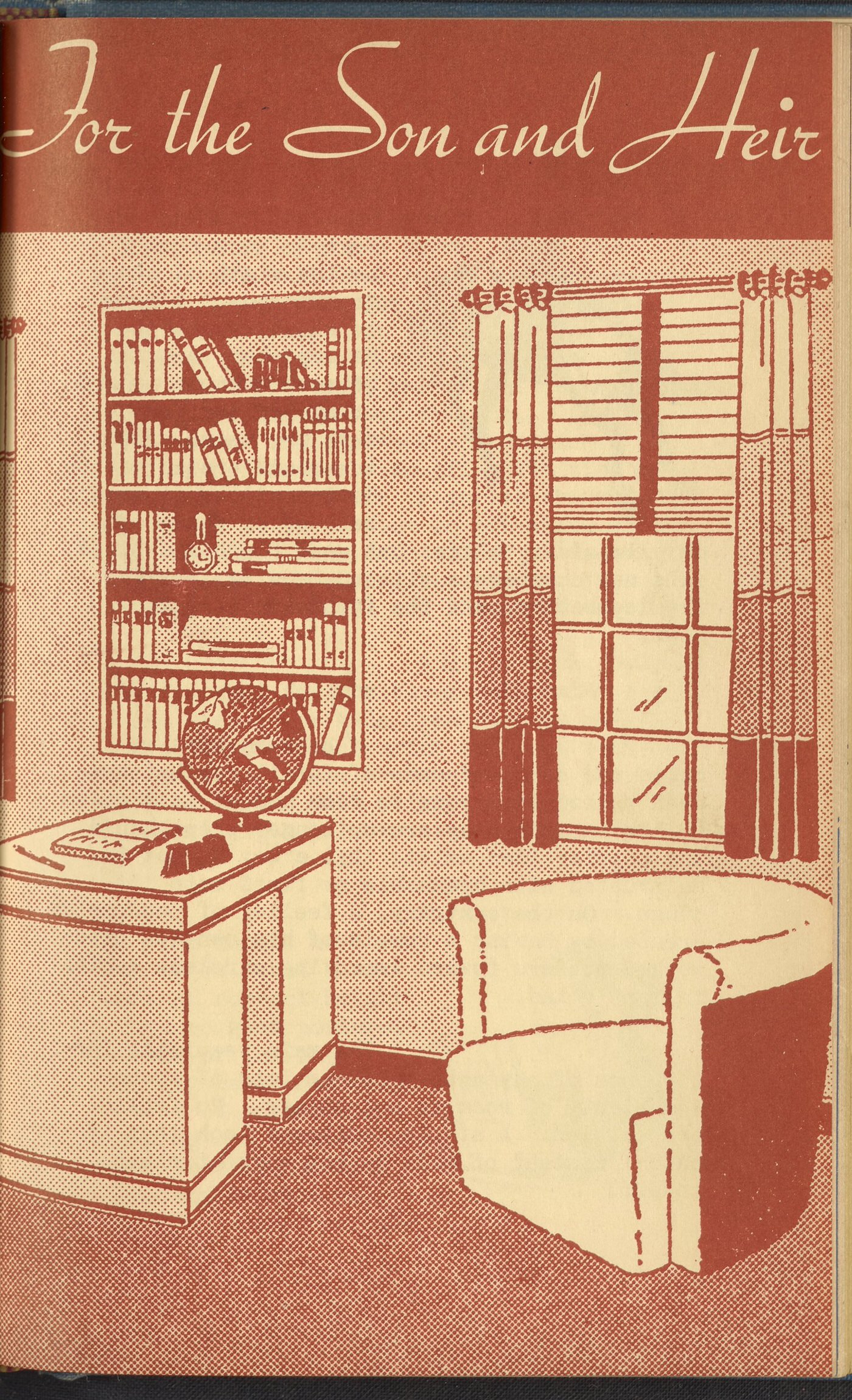
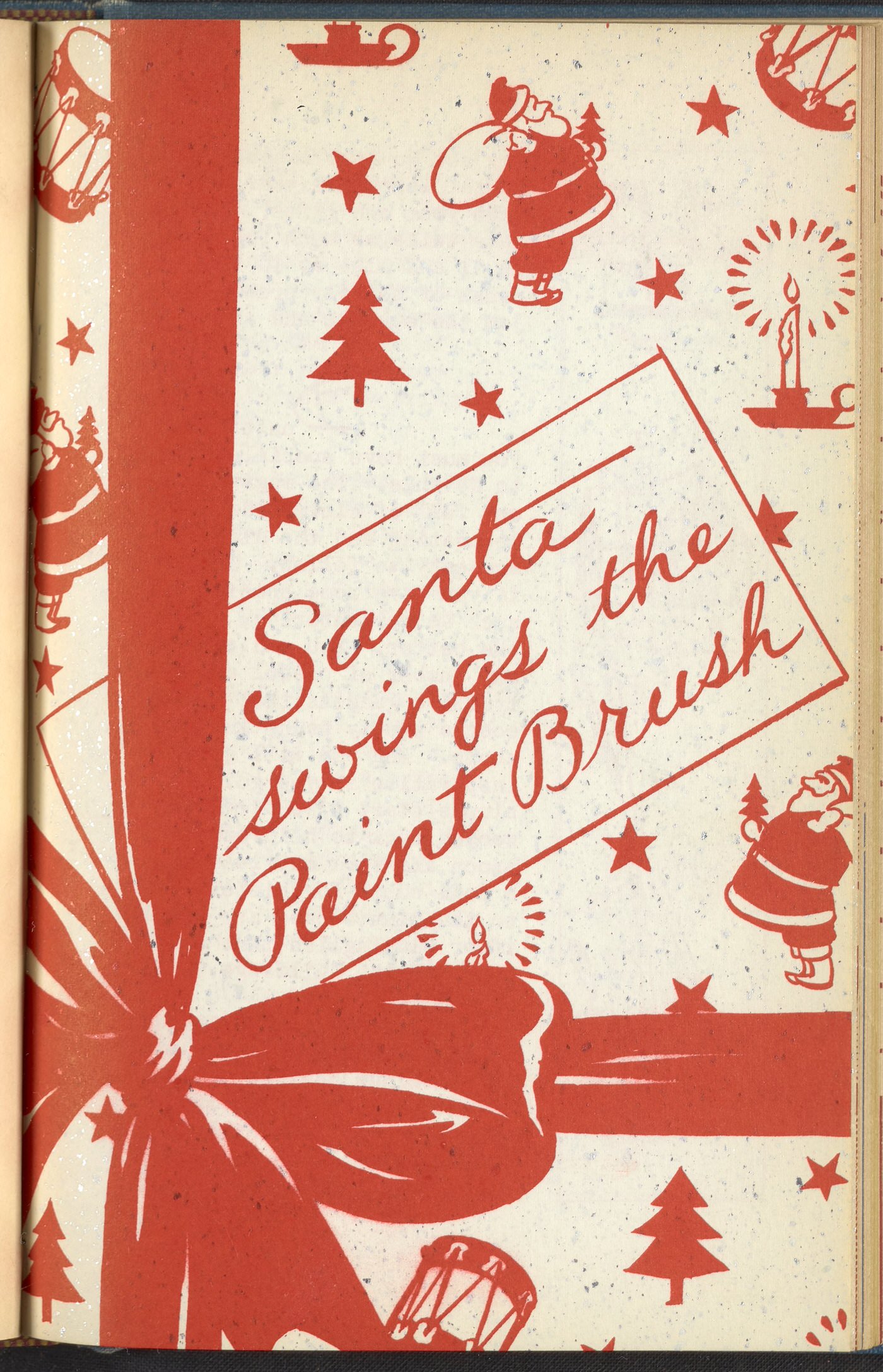
The covers were bold and graphically striking, designed to grab attention on a cluttered shelf or radio station giveaway table. They used dramatic imagery and confident language, presenting paint as a symbol of stability and control at a time when most Americans felt they had very little of either.
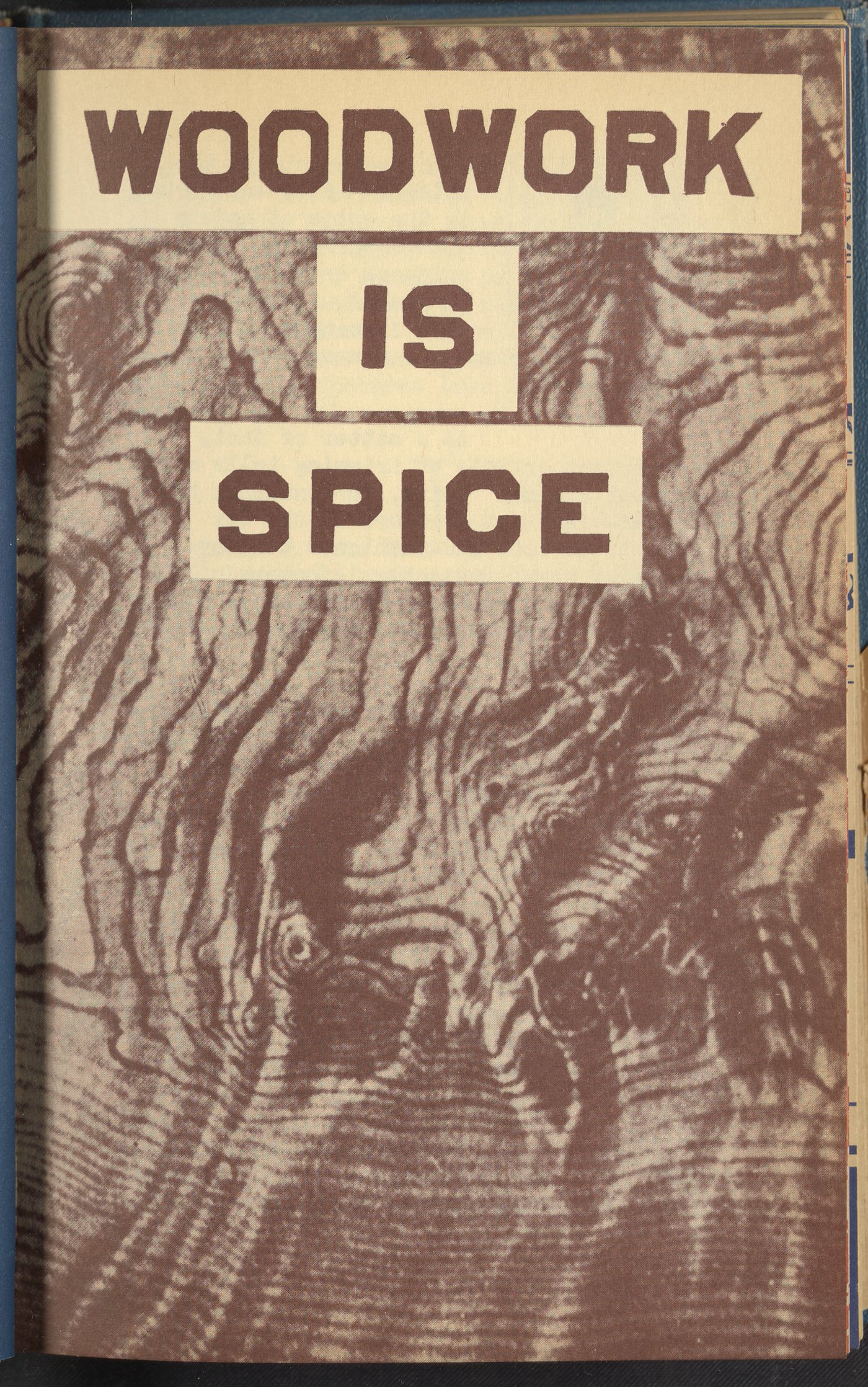
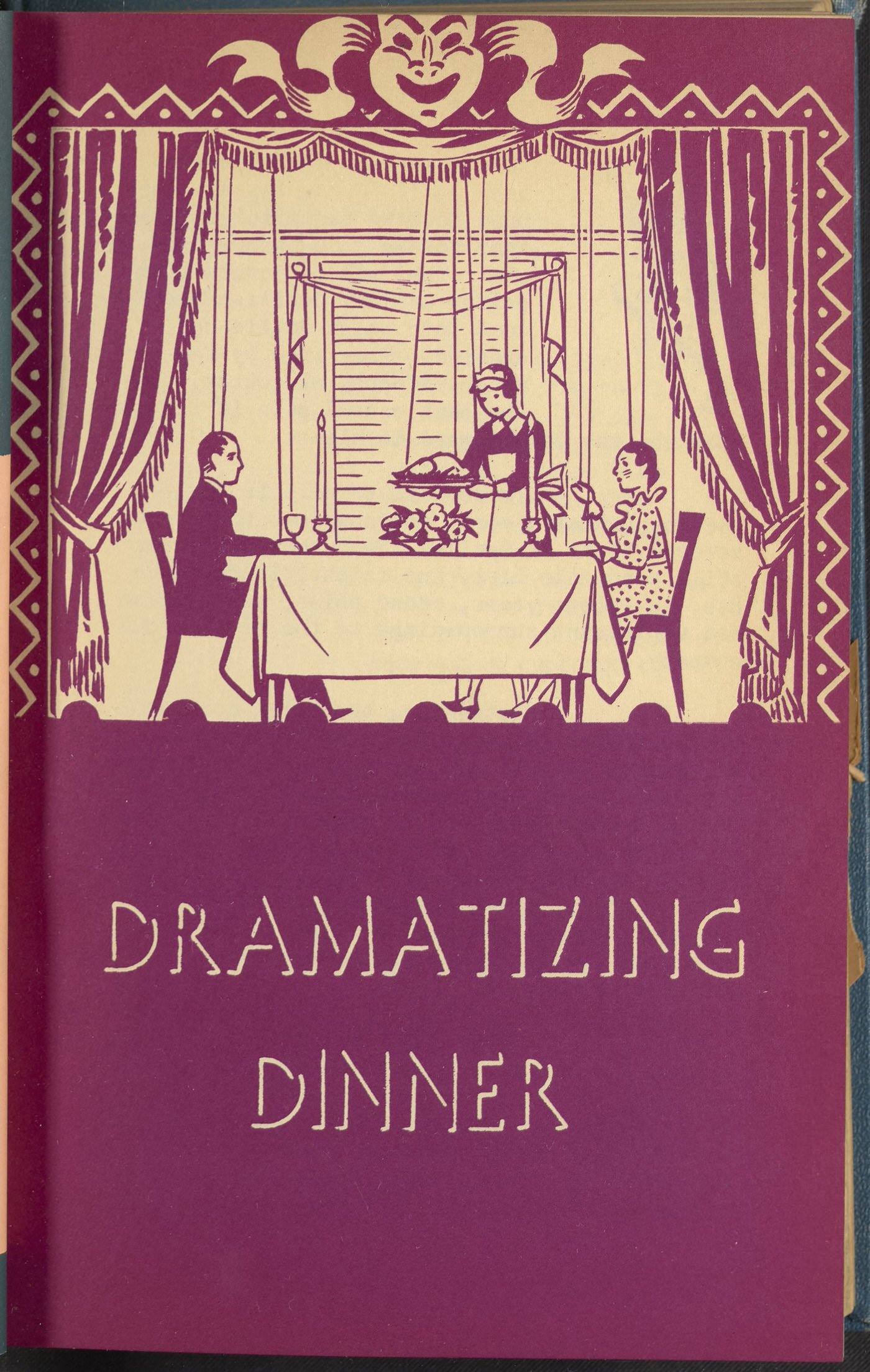
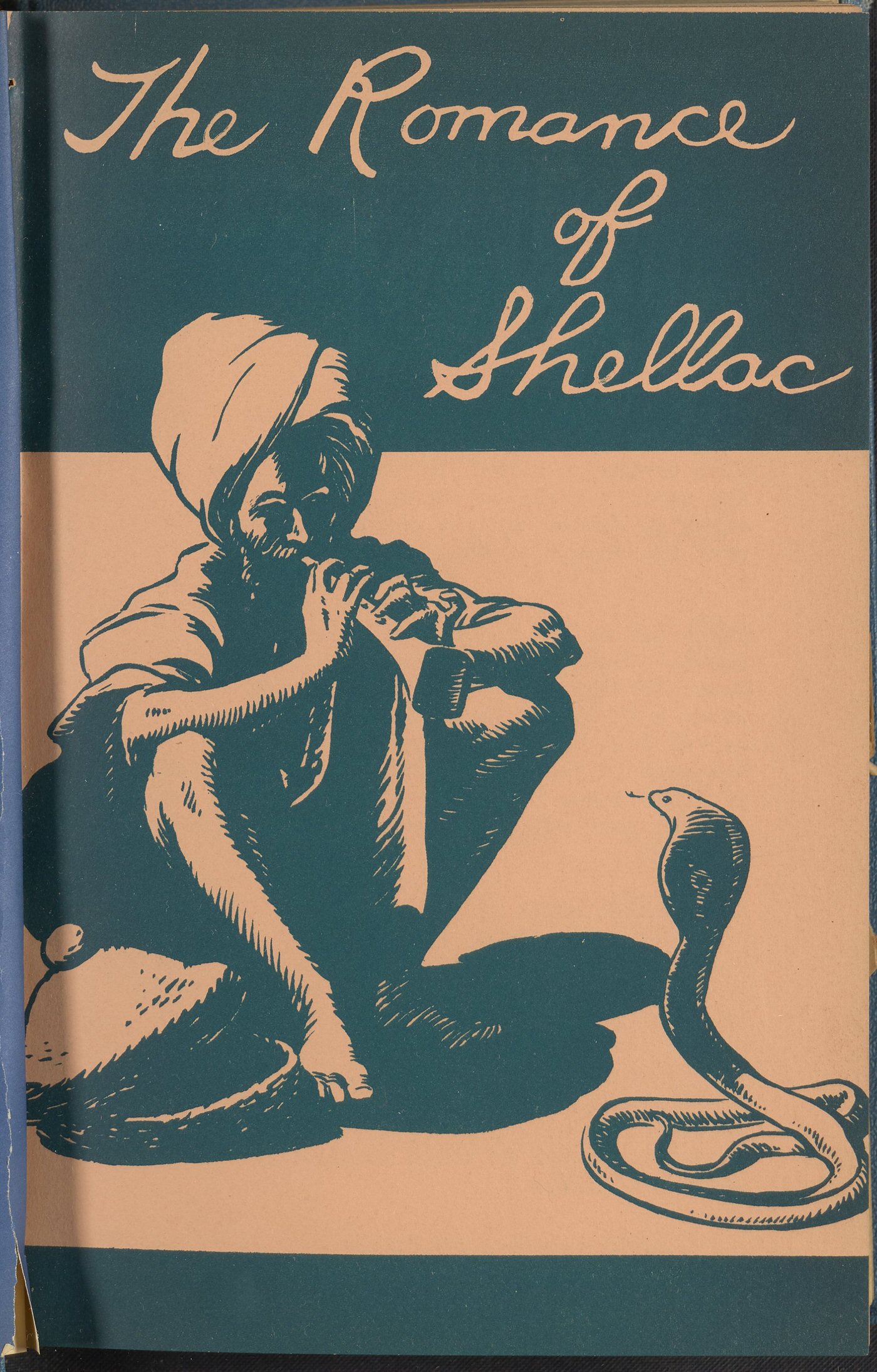
What makes these pamphlets so fascinating today is how perfectly they capture the psychology of wartime advertising. Brands regularly tied their products to patriotism, safety, and survival during the 1940s. But few did it quite as literally as this — suggesting that a fresh coat of paint on your walls was a meaningful act of national defense.
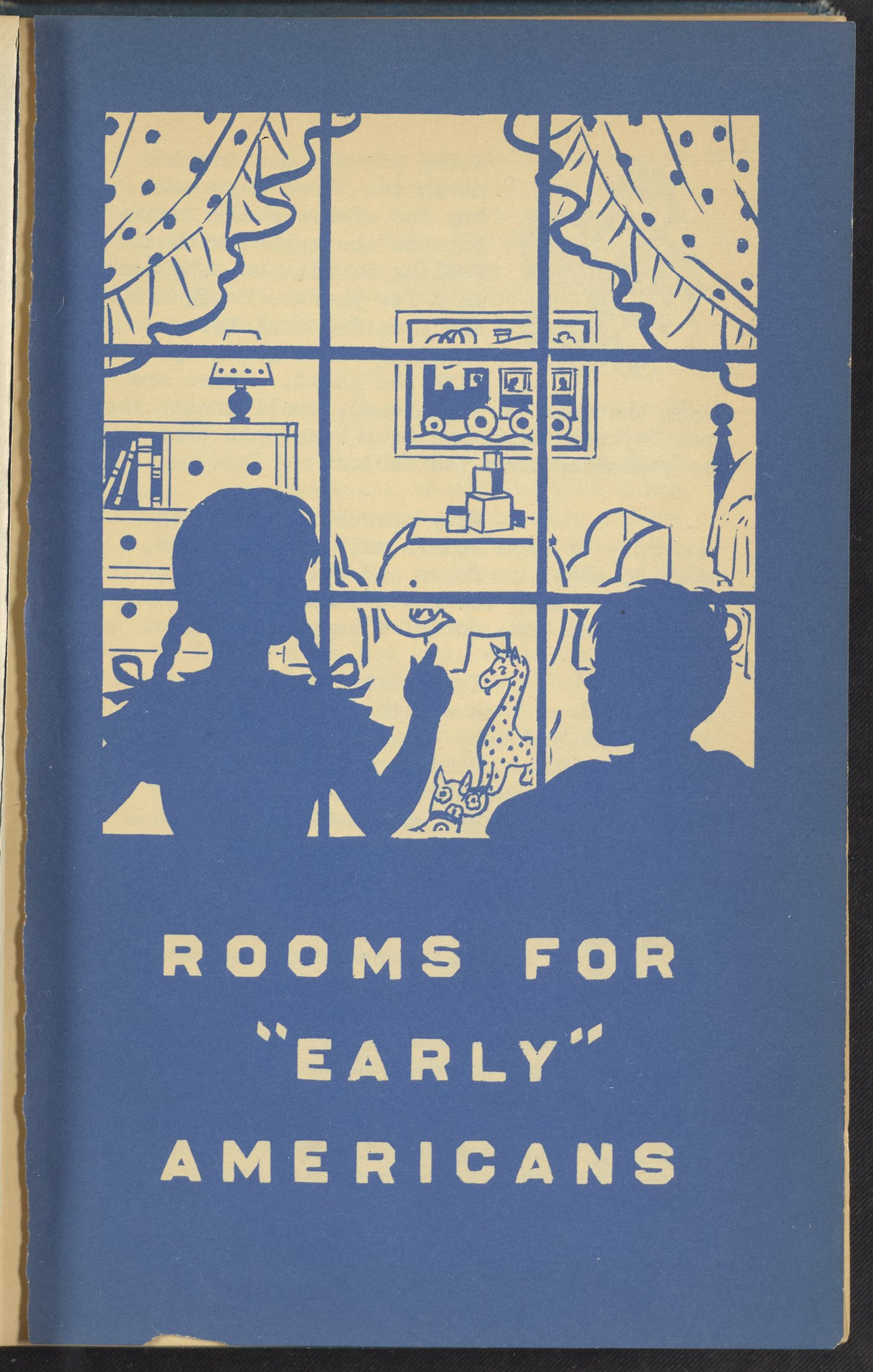
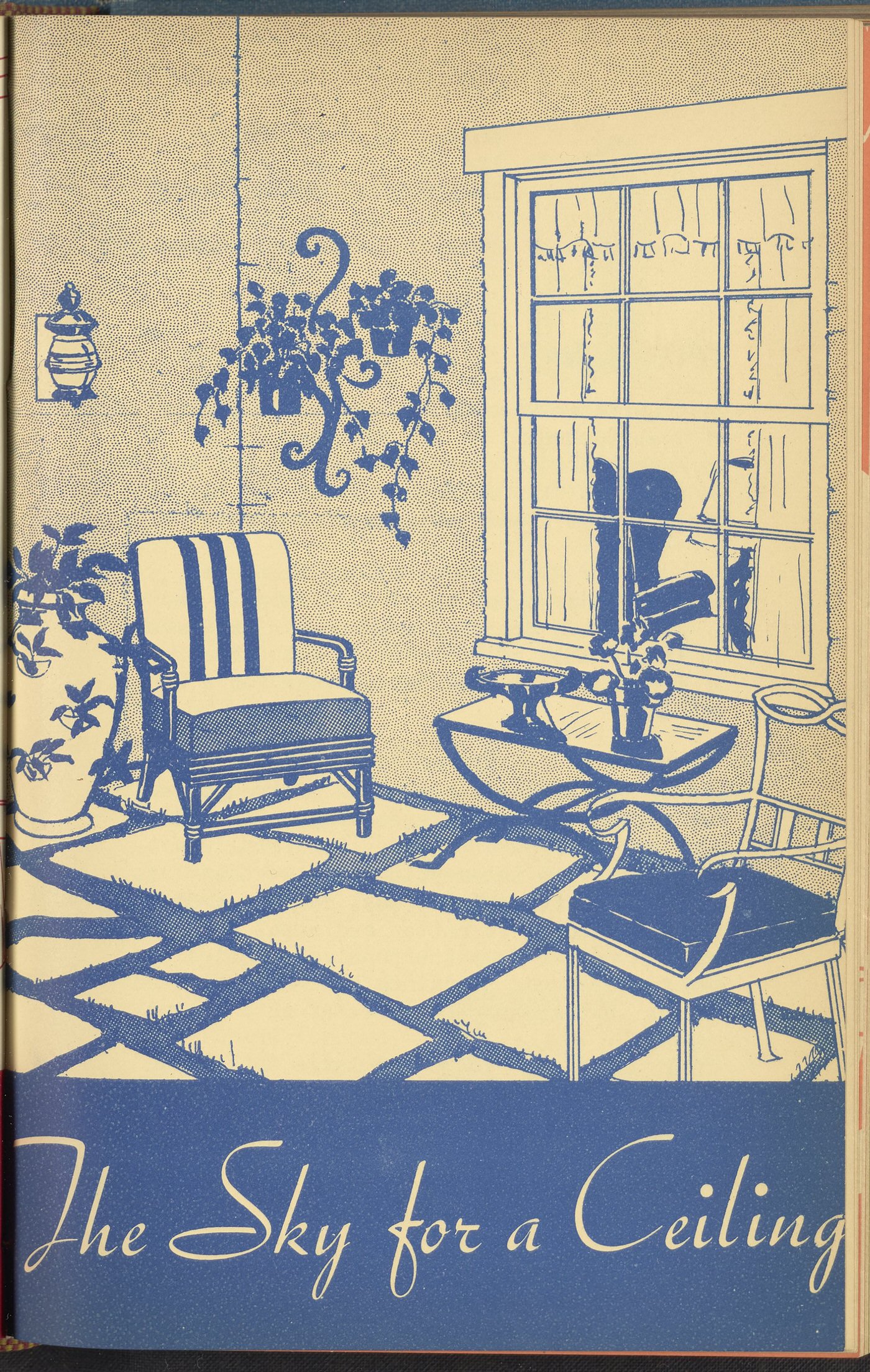
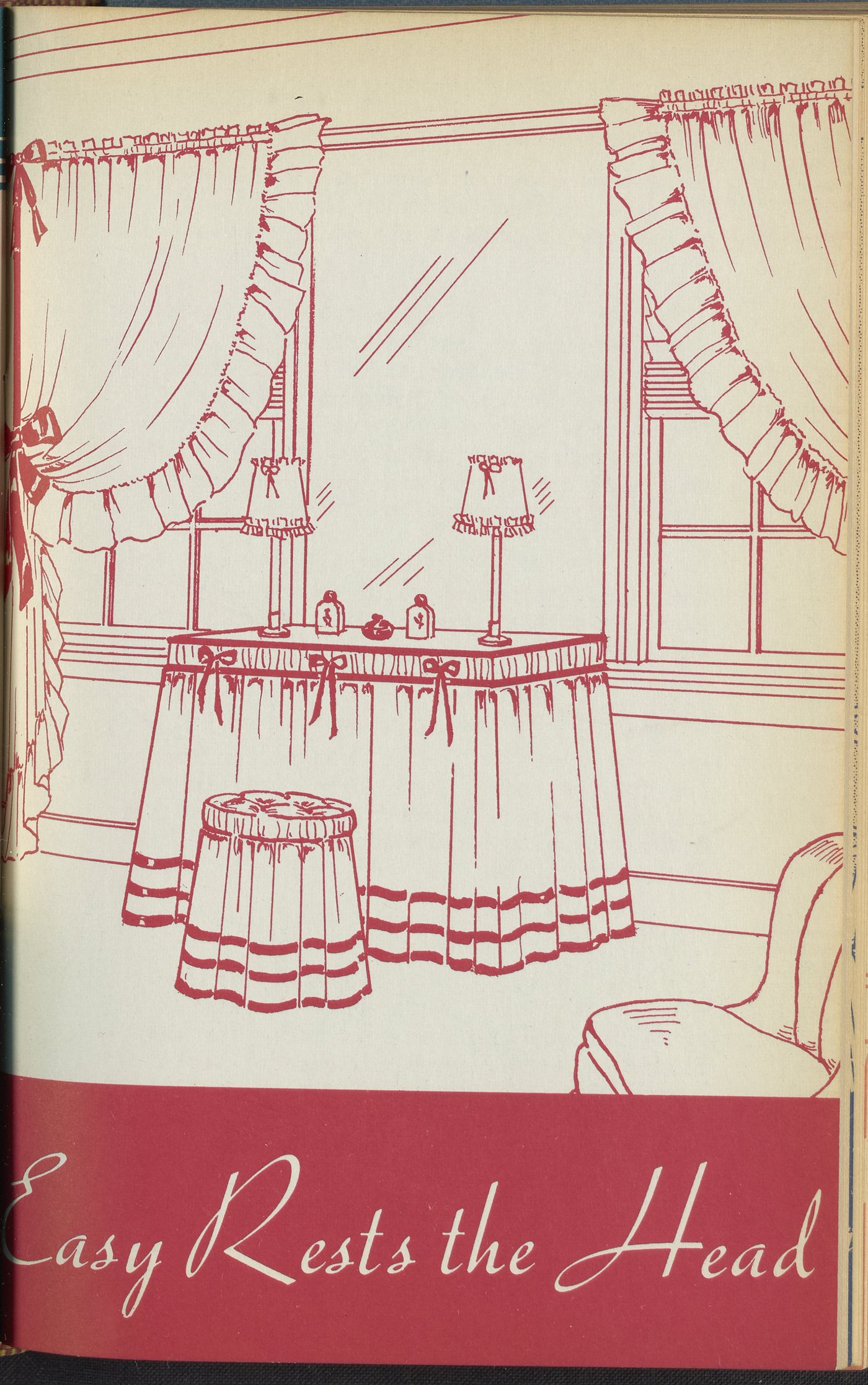
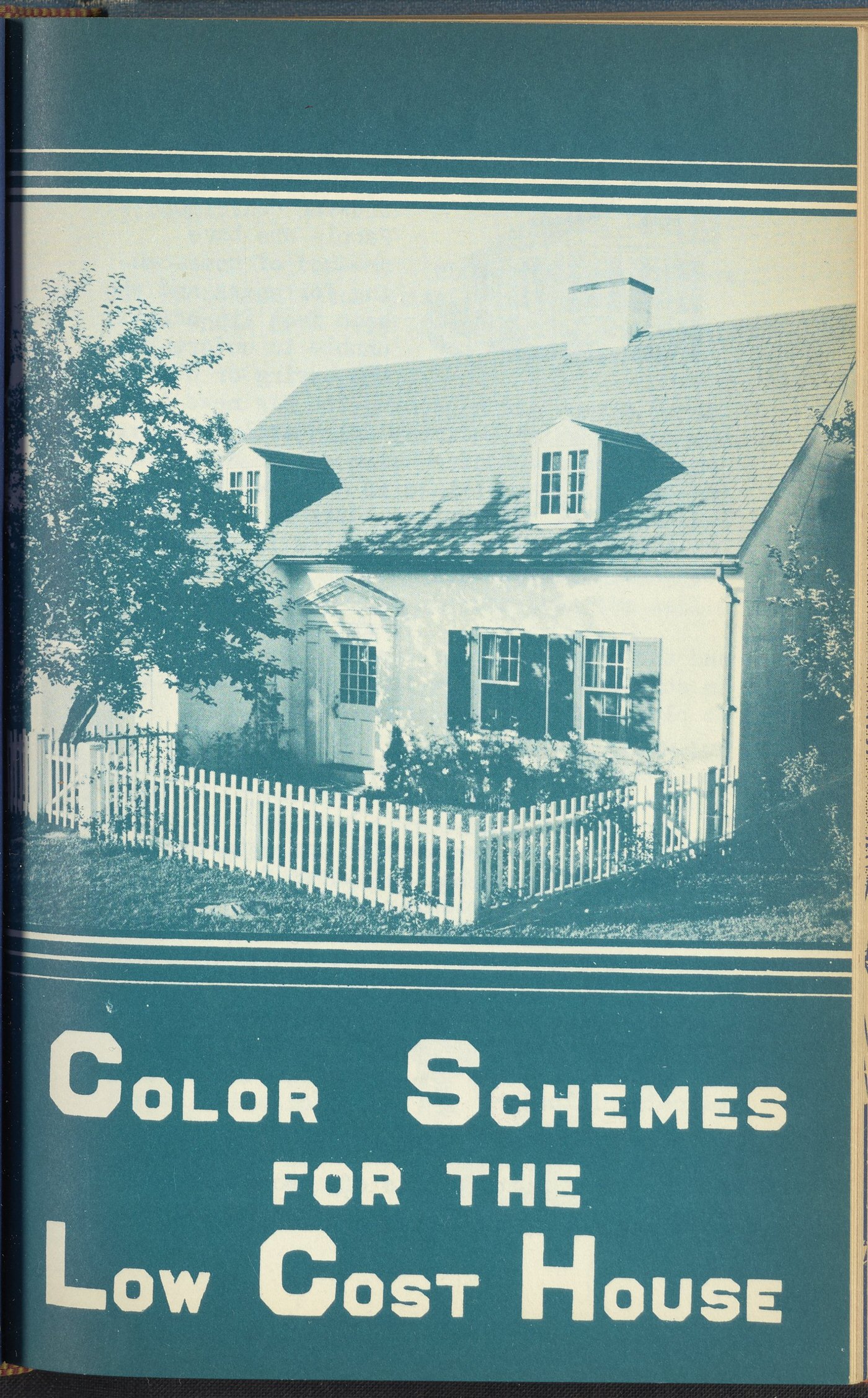
Inside the pamphlets, the tone shifted from dramatic to practical. Readers found straightforward guidance on applying varnish, refinishing furniture, and touching up woodwork. The contrast between the alarming cover art and the calm interior advice made these booklets a strange but effective combination of fear-based marketing and genuine household utility.