
Before World War II, no American car said wealth and status quite like a Packard. Built in Detroit, Michigan by the Packard Motor Car Company, these automobiles were first produced in 1899 and quickly earned a reputation as the finest cars on the road. Doctors, industrialists, and old-money families drove them. European aristocrats imported them. If you owned a Packard, people noticed.
The brand offered a wide range of models — from the powerful Packard Eight to the more accessible Packard 120 — but all of them carried that same air of quality and prestige. During World War II, Packard shifted its focus to building aircraft engines for the Allied war effort, a contribution that spoke to the engineering standards the company had always maintained. When the war ended, Packard returned to making cars, though the landscape had changed.
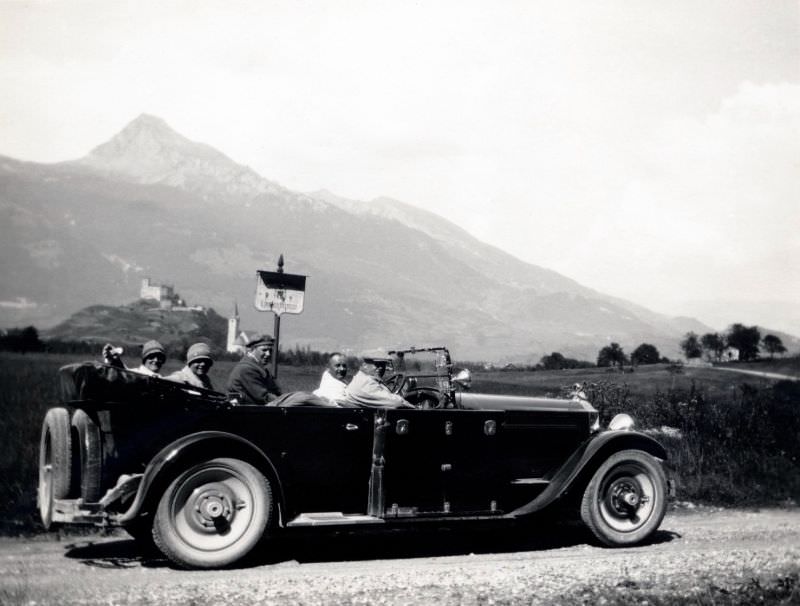
The open-top Phaeton body style was a favorite among Packard buyers in the mid-1920s. Large, airy, and built for long drives through scenic roads, it suited the lifestyle of those who could afford it. A year later, that same spirit carried into the mountains.
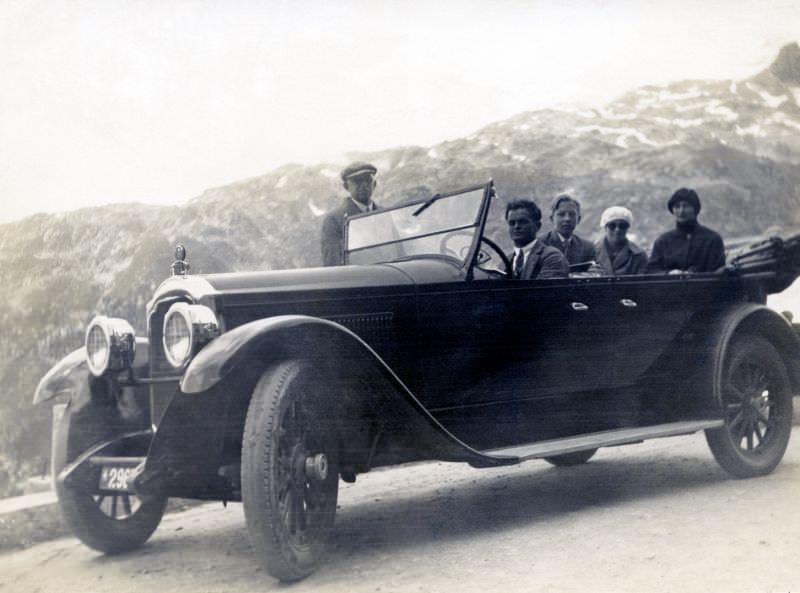
Packards were a truly international luxury. American-built but globally desired, they appeared on Swiss mountain passes, French boulevards, and German country estates. The 1928 Standard Eight Sedan, for example, found buyers well beyond the United States.
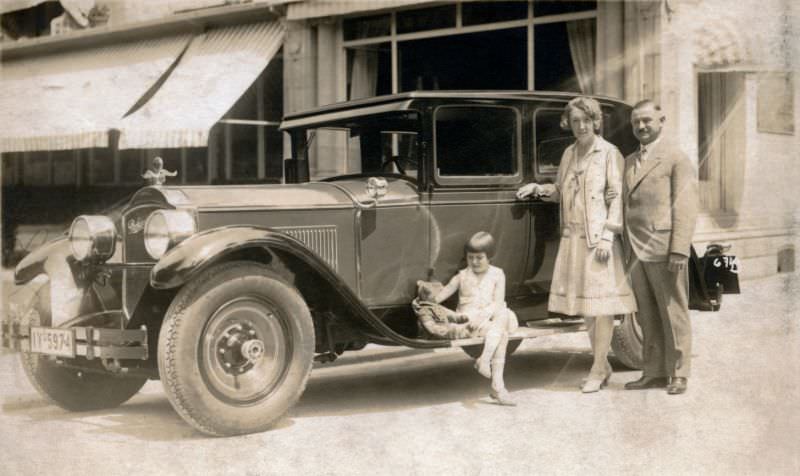
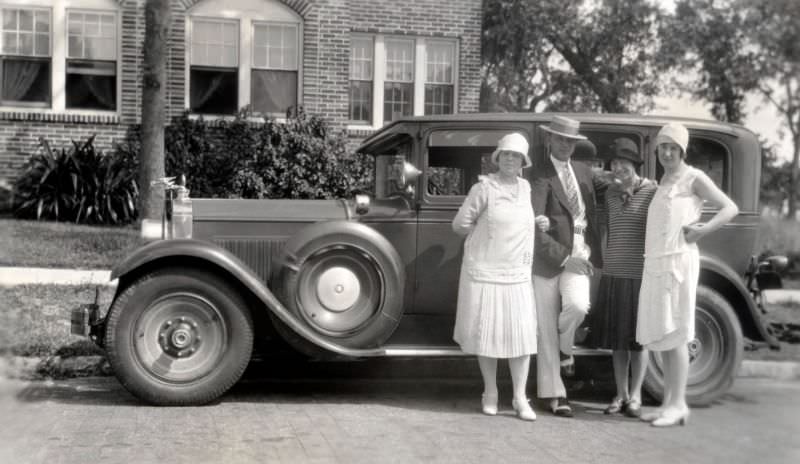
The late 1920s were peak years for Packard. The Standard Eight and its siblings represented the height of American automotive engineering. Buyers posed proudly with their cars in front of grand homes, on city streets, and along tree-lined roads — treating the automobile as part of the family portrait.
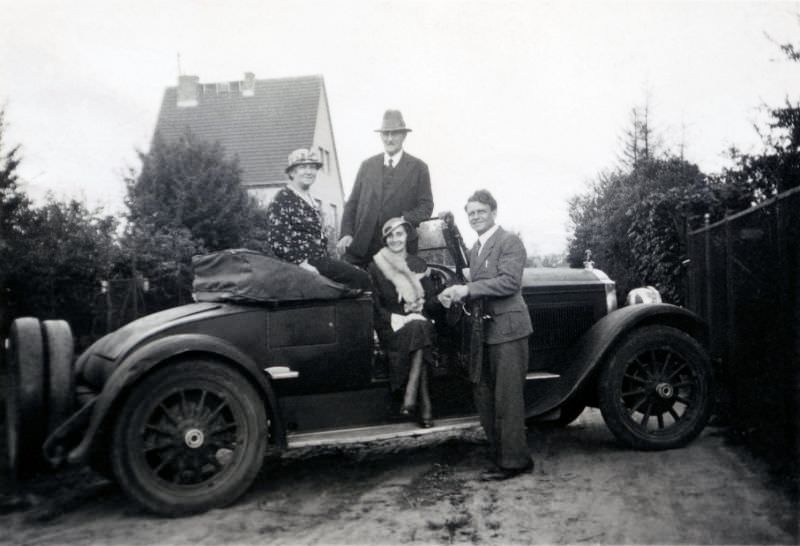
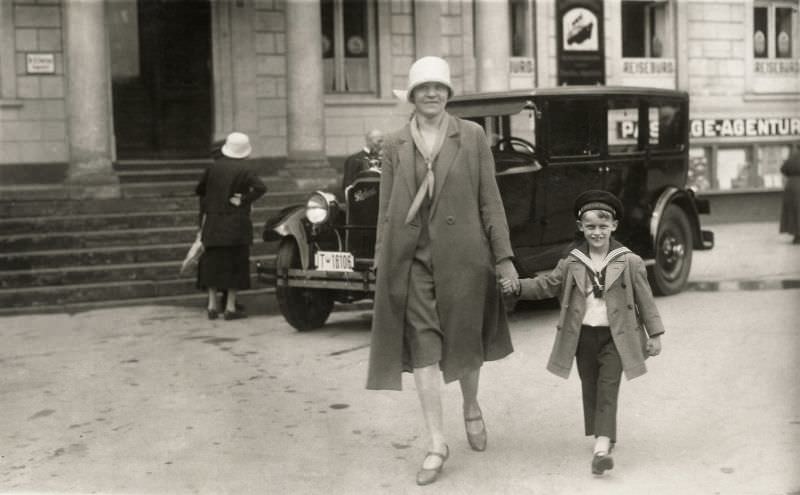
Packards appeared in both posed portraits and candid street scenes, often identifiable in the background of everyday photographs. A Prussian-registered 1928 Packard 526 4-Door Sedan lurks behind a woman and child on a city street — a reminder that these cars were woven into the daily fabric of upper-class life across Europe as much as in America.
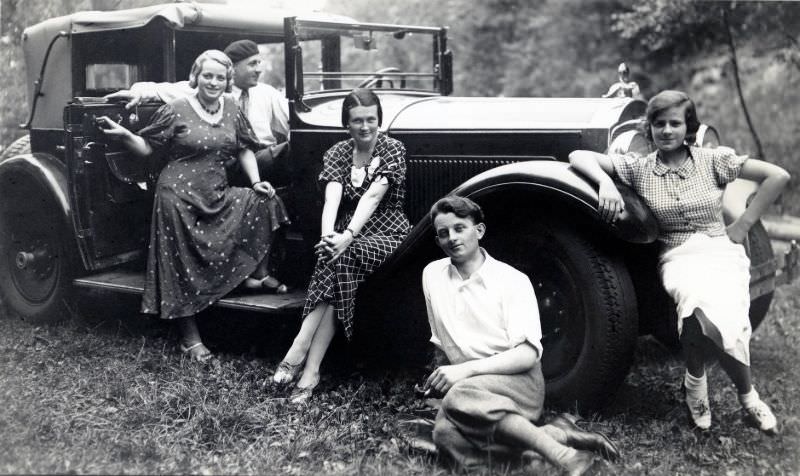
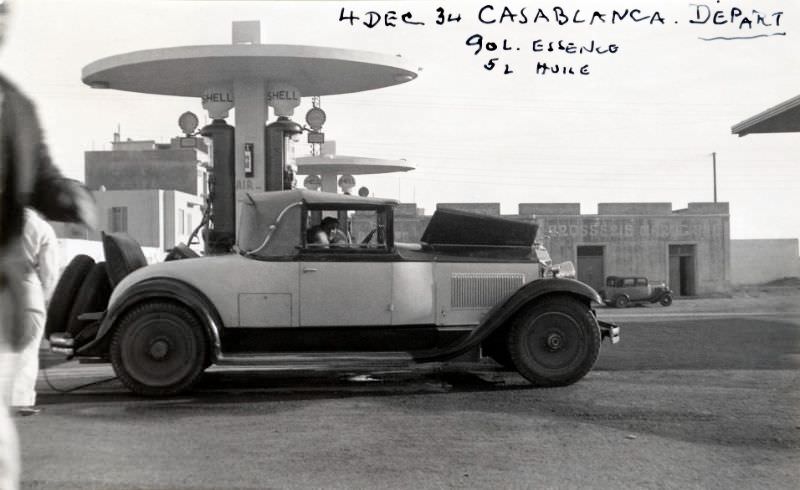
By the early 1930s, Packard’s lineup had expanded further. The Standard Eight Convertible Coupe offered a sportier profile, and its two-tone paint options made it stand out anywhere — even at a roadside filling station at the break of dawn.
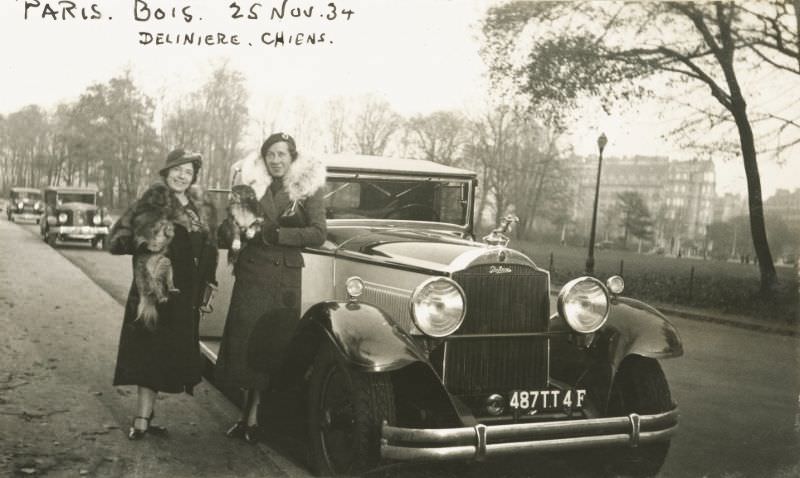
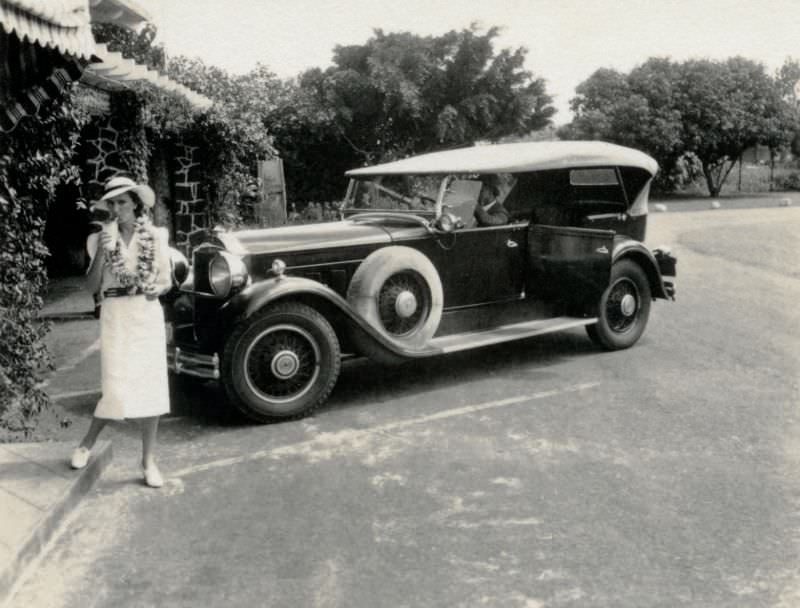
Paris in the 1930s embraced the Packard with enthusiasm. Fur coats, well-bred dogs, and a gleaming convertible coupe — it was a combination that defined a certain kind of European elegance built on American steel. The Custom Eight Phaeton took that same luxury even further, turning up in exotic locations far from any showroom.
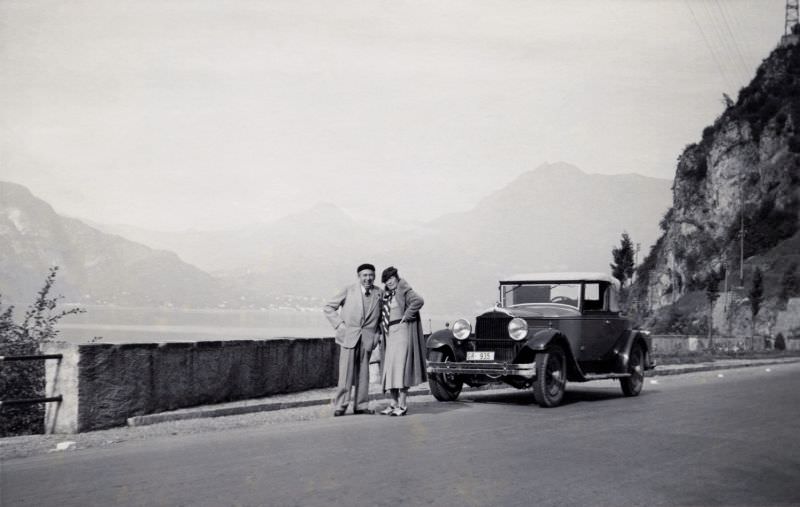
Lake Como in October 1936 provided a fitting backdrop for a Swiss-registered Packard Standard Eight Convertible Coupe. The car’s owner had driven it across borders — a testament to how far Packard’s appeal reached. Back in the United States, the mid-1930s brought a new chapter: the more affordable Packard 120.
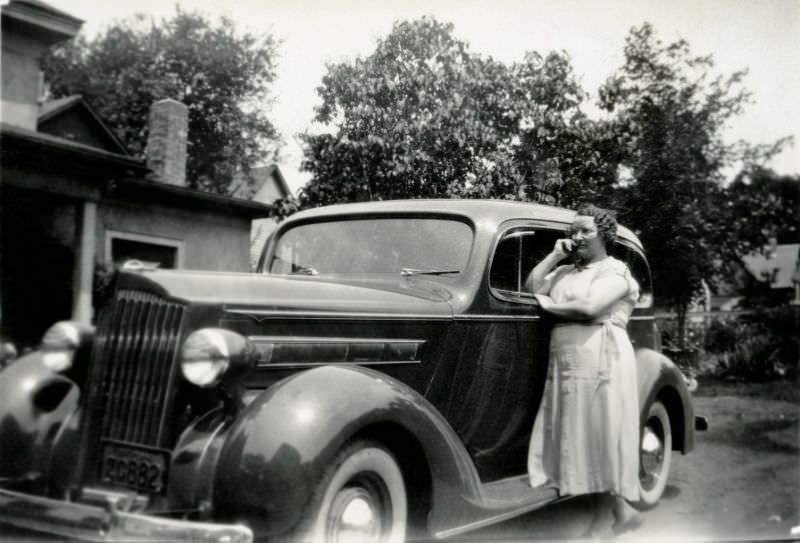
The Packard 120, introduced in 1935, was designed to bring new buyers into the showroom without abandoning the brand’s quality standards. It was more attainable than the senior Eights, and it sold well. Young buyers, families, and style-conscious Americans took to it quickly.
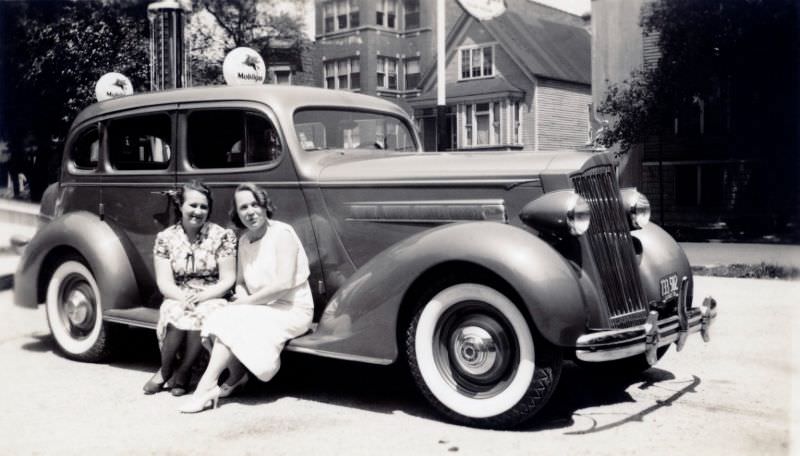
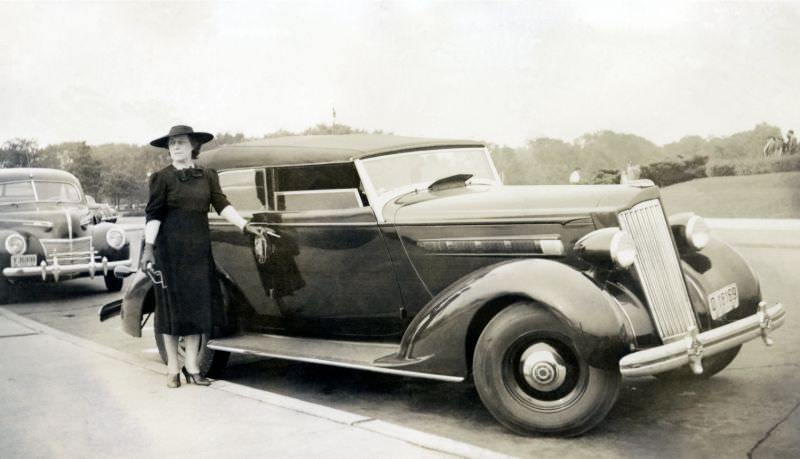
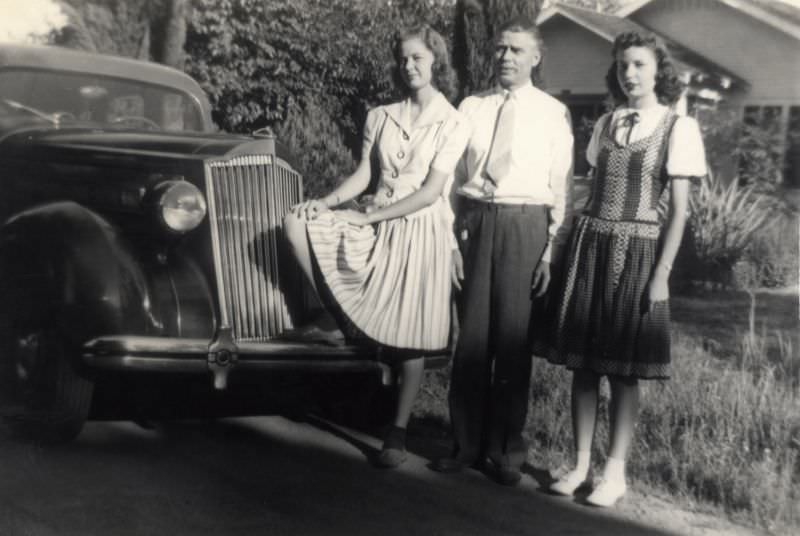
The 1936 Packard 120 continued to appear in family snapshots well into 1940, a sign of how well these cars held up. Meanwhile, the 1940 Packard models — registered across states from Vermont to the Carolinas — carried on the tradition of proud ownership.
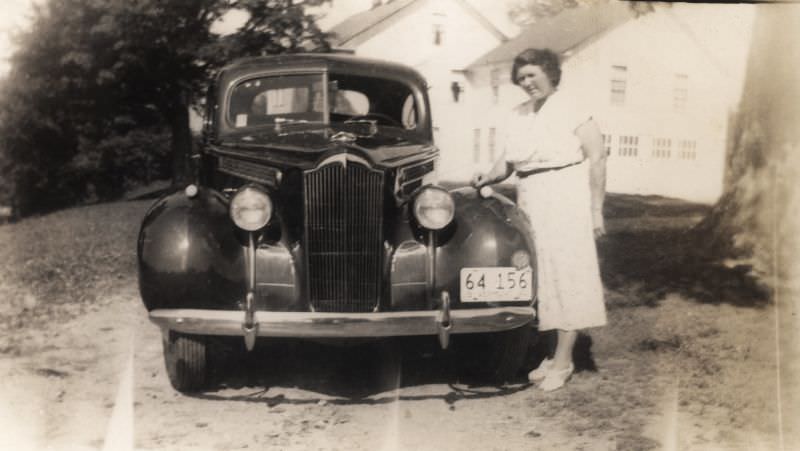
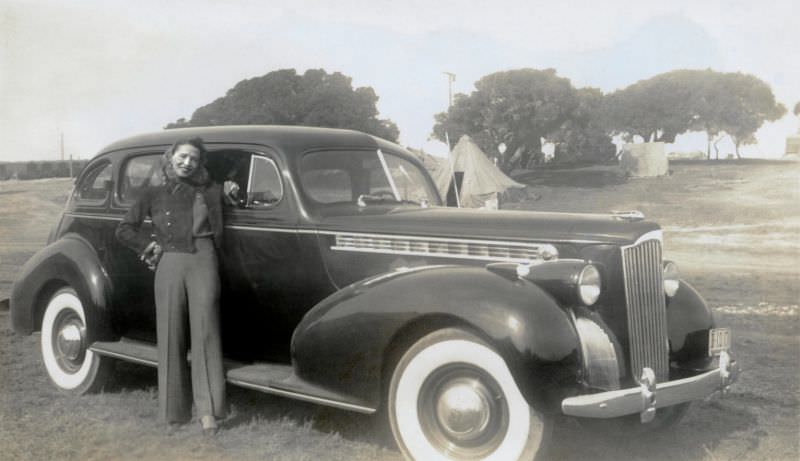
The 1941 model year produced some of Packard’s most handsome designs. The Special and the One Sixty were both refined and powerful, and they remained on the road long after the war ended, still turning heads in 1946 despite years of hard use.
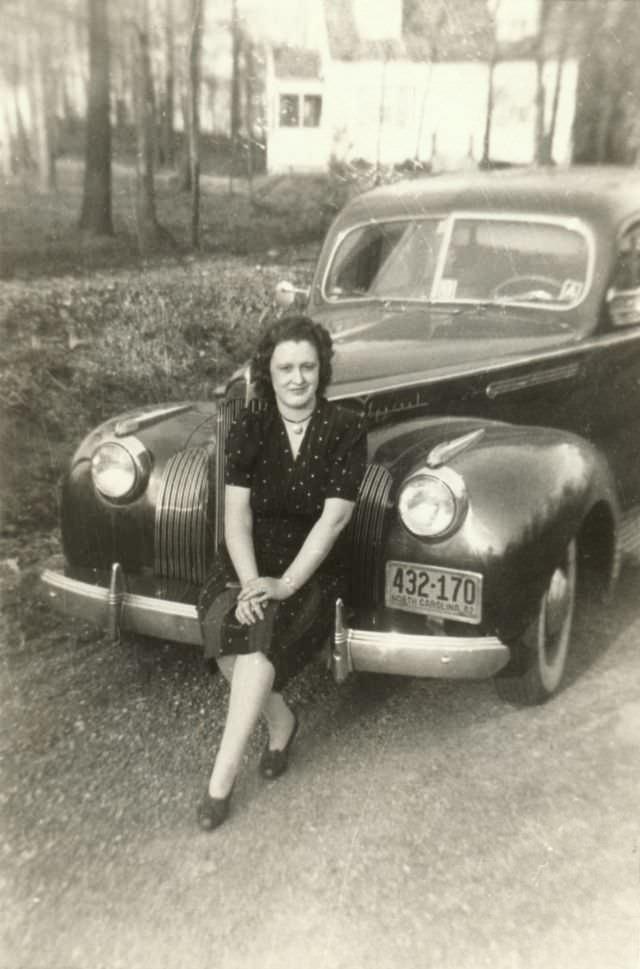
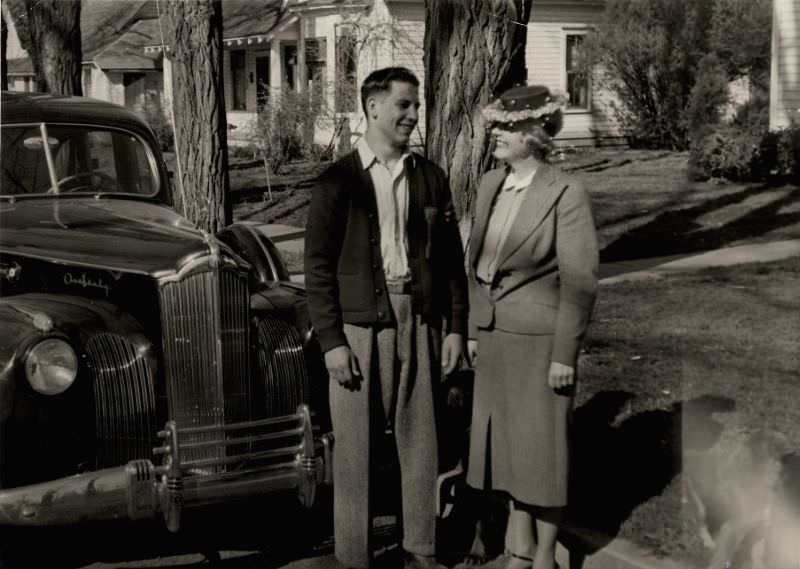
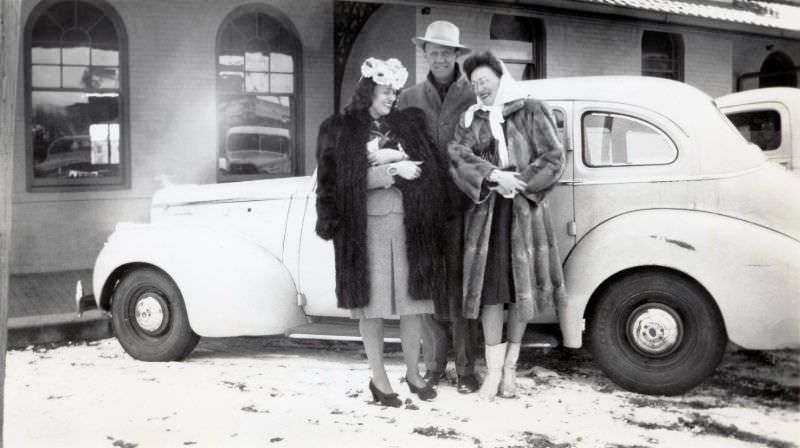
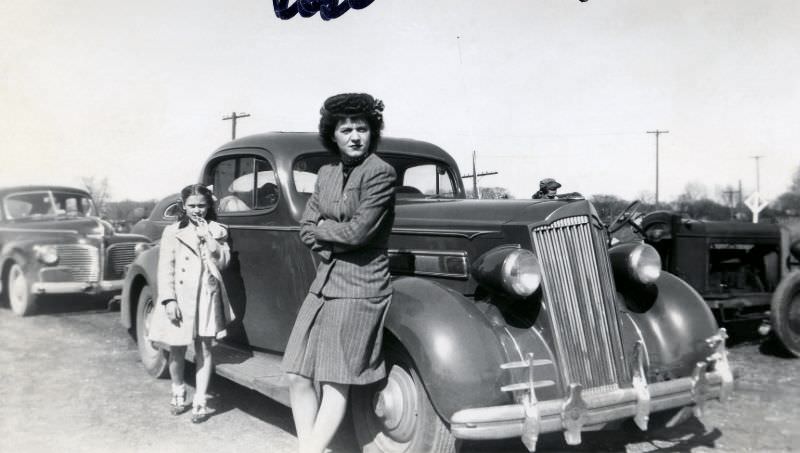
By 1950, even older Packards were still a common sight on rural dirt roads. A 1936 Packard 120 Coupe photographed alongside a 1941 Dodge and a tractor shows how these cars outlasted their era, kept running by owners who valued durability as much as style.
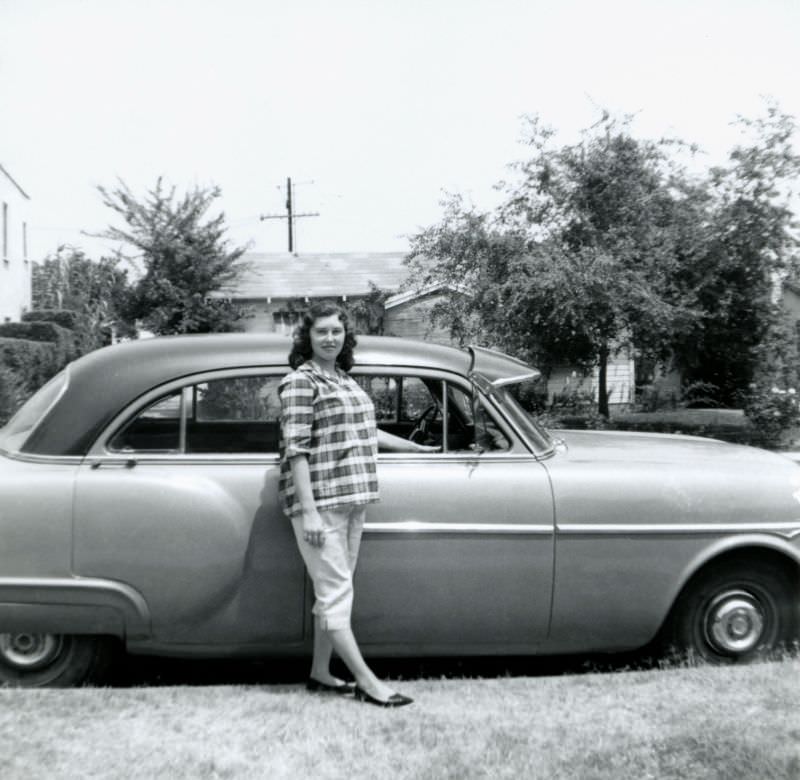
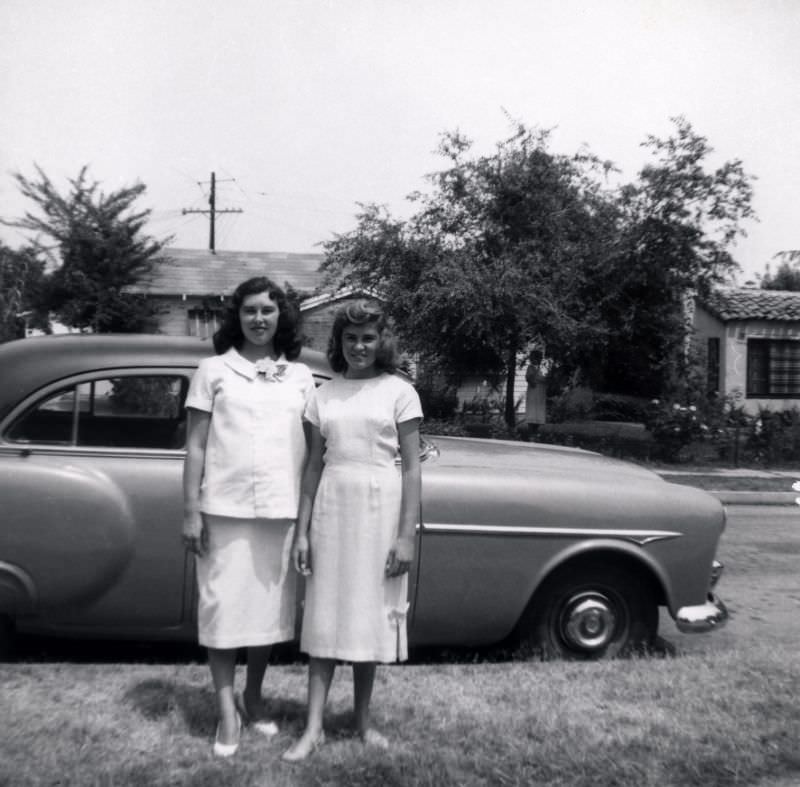
In 1953, Packard merged with Studebaker to form the Studebaker-Packard Corporation. The years that followed were difficult. The 1957 and 1958 Packards were essentially badge-engineered Studebakers built in South Bend, Indiana — a far cry from the Detroit-built luxury machines of earlier decades. But in the early 1950s, before the merger’s effects took hold, models like the Packard 200 Sedan still carried real appeal on suburban streets.
The last car built in Detroit under the Packard name was the Packard Predictor, a concept car that gestured toward a future the company never reached. Today, surviving Packards live on in museums, private collections, and car shows — physical evidence of a brand that once defined what American luxury meant.




