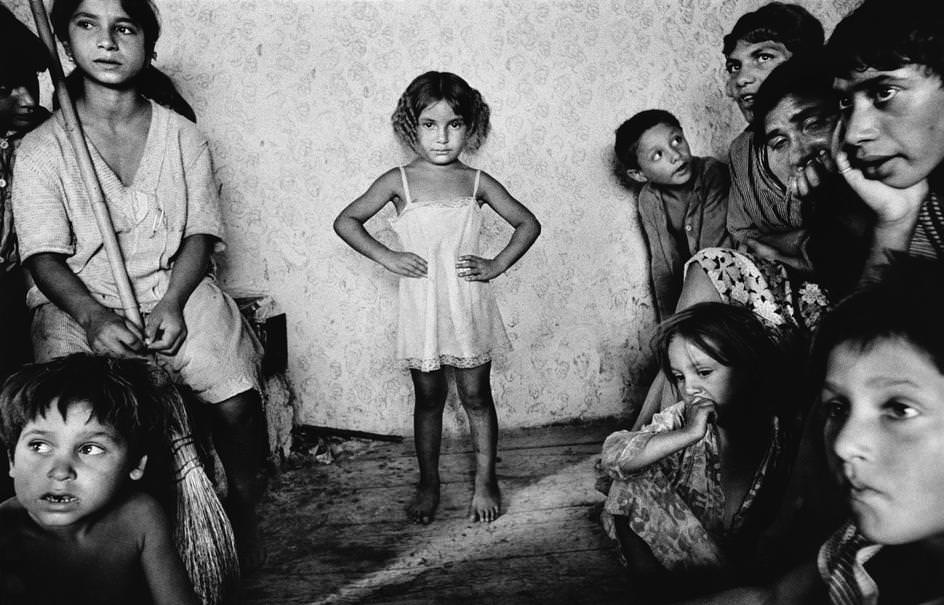
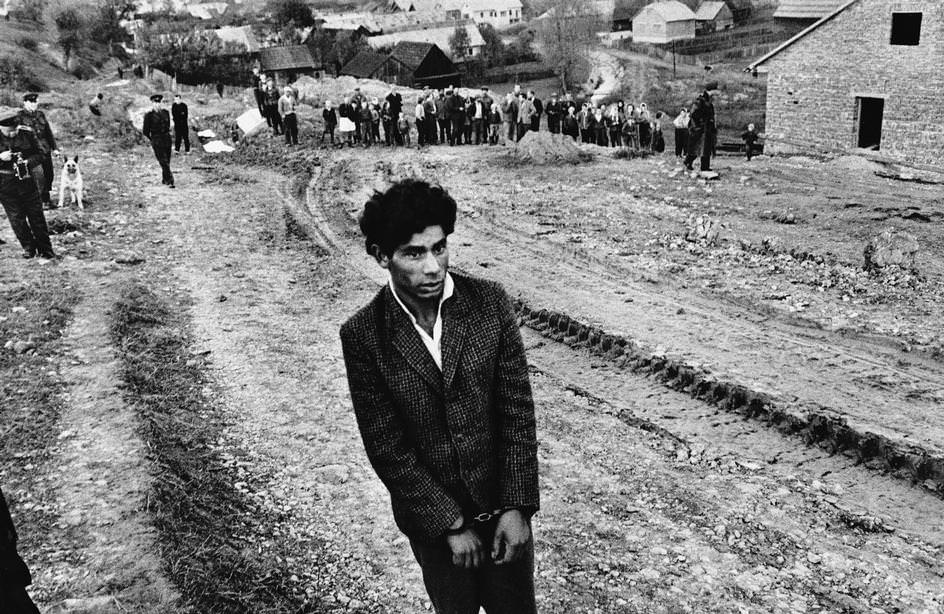
Between the 1960s and 1970s, photographer Josef Koudelka set out across Europe with little more than a rucksack and a sleeping bag. He traveled through Czechoslovakia, Romania, Hungary, France, and Spain, spending his summers on the road and living among Romani Gypsy communities. He didn’t photograph them from a distance — he ate with them, slept outdoors alongside them, and immersed himself fully in their world.
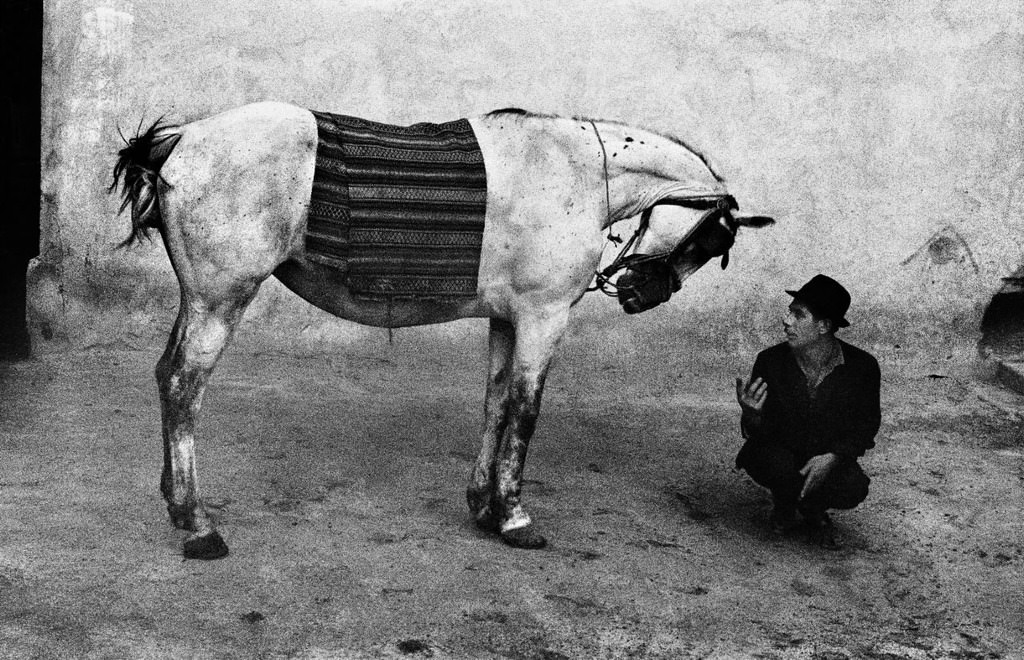
The Romani people took notice of Koudelka’s dedication. They called him the “romantico clandestino” — the romantic wanderer. It was a fitting name. He was drawn to their nomadic lifestyle, their expressive faces, and the customs they carried from one place to the next.
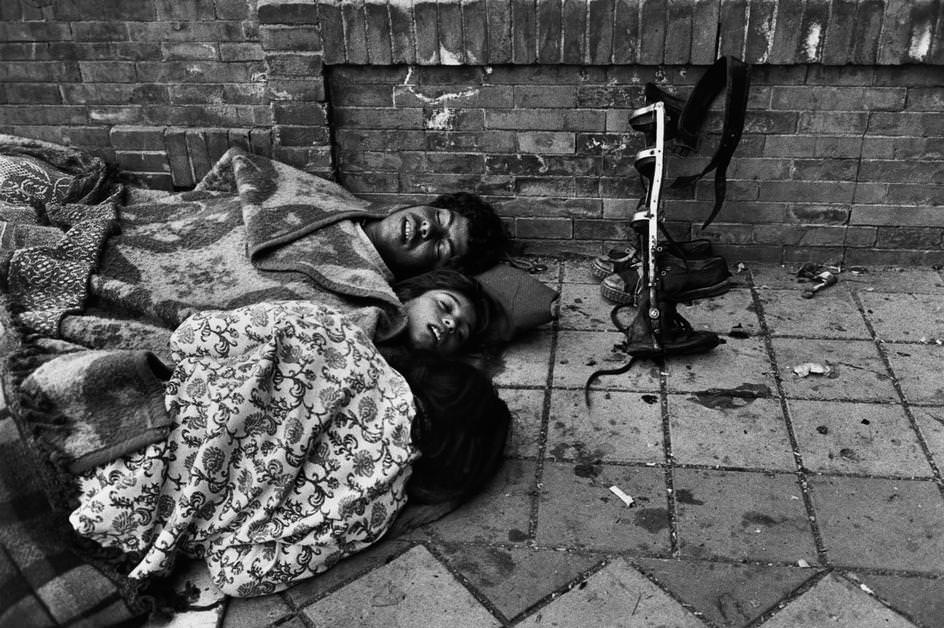
Romani families traveled in tight-knit groups, moving through the countryside in decorated caravans or setting up simple tent camps. They made their living through metalworking, horse trading, and performing arts. Their homes were mobile, their routines shaped by the seasons and the road.
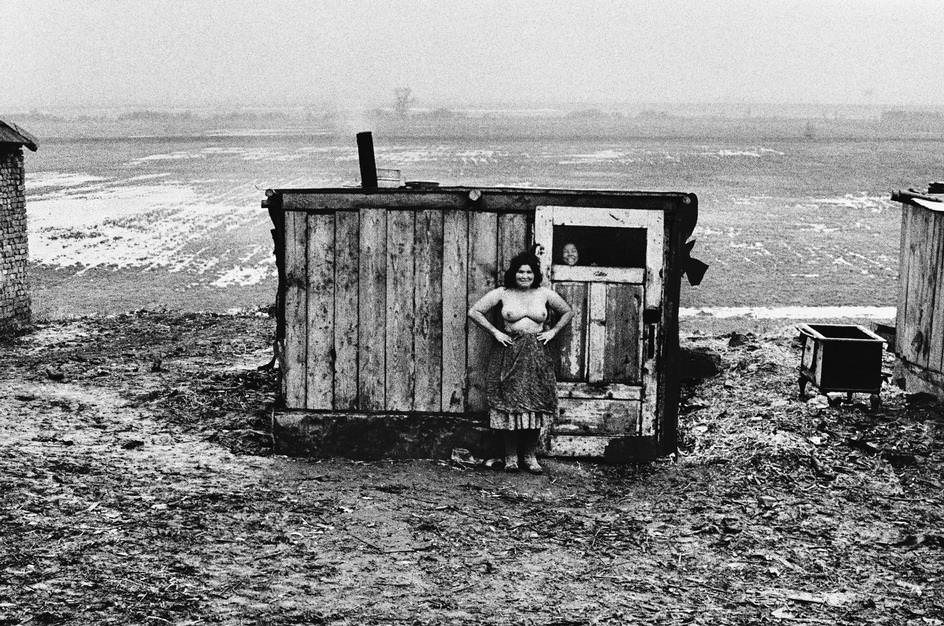
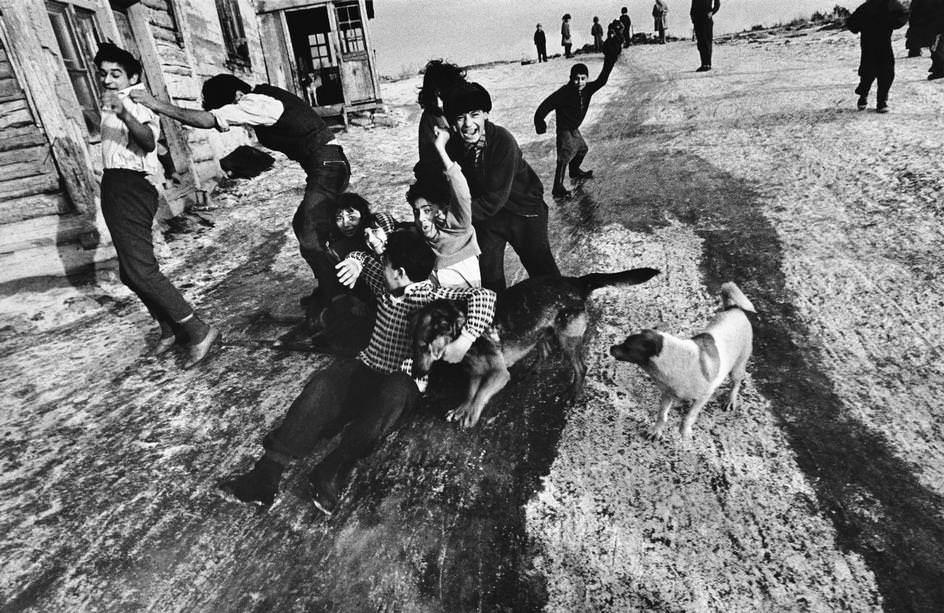
Koudelka’s photographs show children playing in the dirt, elders with deeply lined faces, and families gathered around open fires. These weren’t staged scenes — they were everyday moments pulled straight from a life in motion.
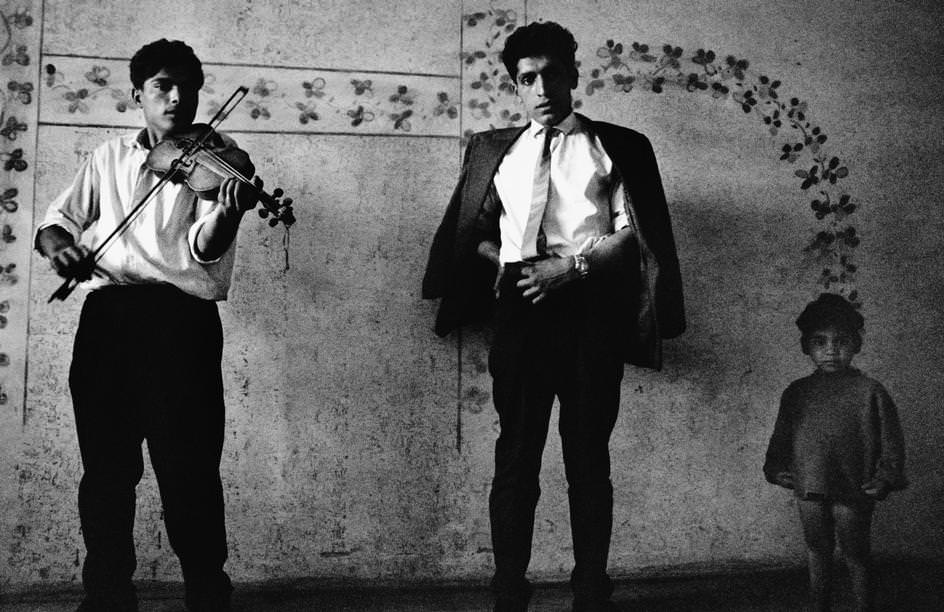
Weddings, funerals, and religious rituals appear throughout his work. These events brought entire families and tribes together. Music, dance, and prayer marked each occasion, almost always held in the open air. For the Romani, these gatherings weren’t just celebrations — they were a way of holding onto their cultural identity in a world that didn’t always make room for them.
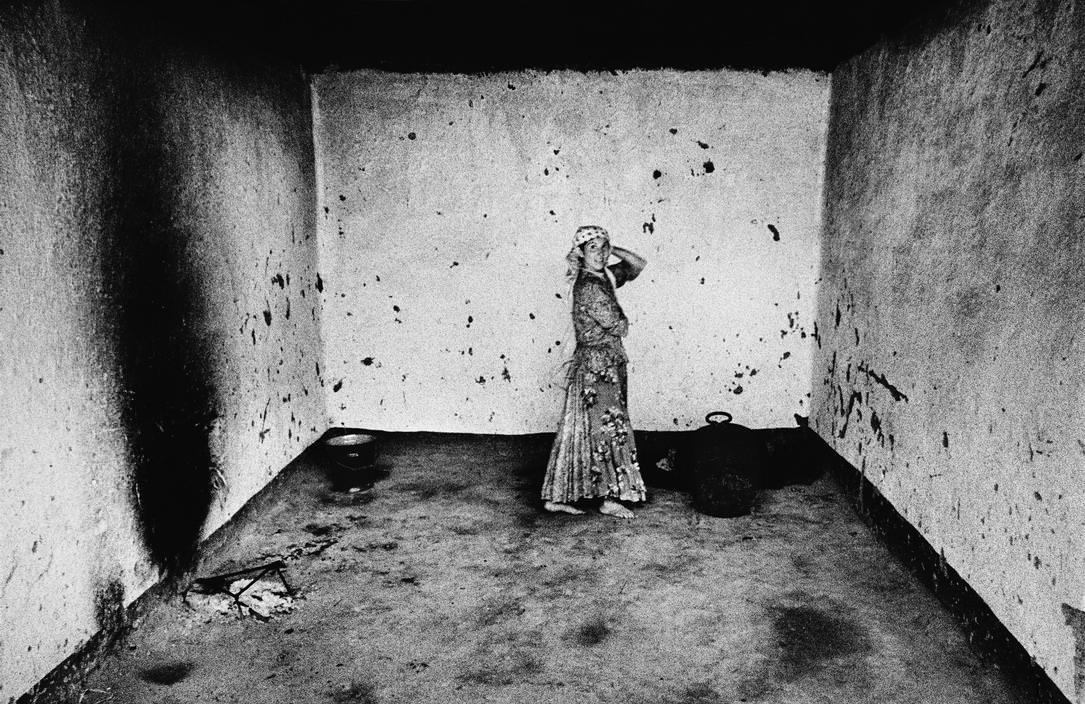
The Romani had long been treated as outsiders. Wherever they camped, they existed on the edges of settled society. Their way of life didn’t fit the structured world around them, and that tension shows in Koudelka’s images — the freedom of the open road set against worn clothing, makeshift shelters, and the hard realities of life with few resources.
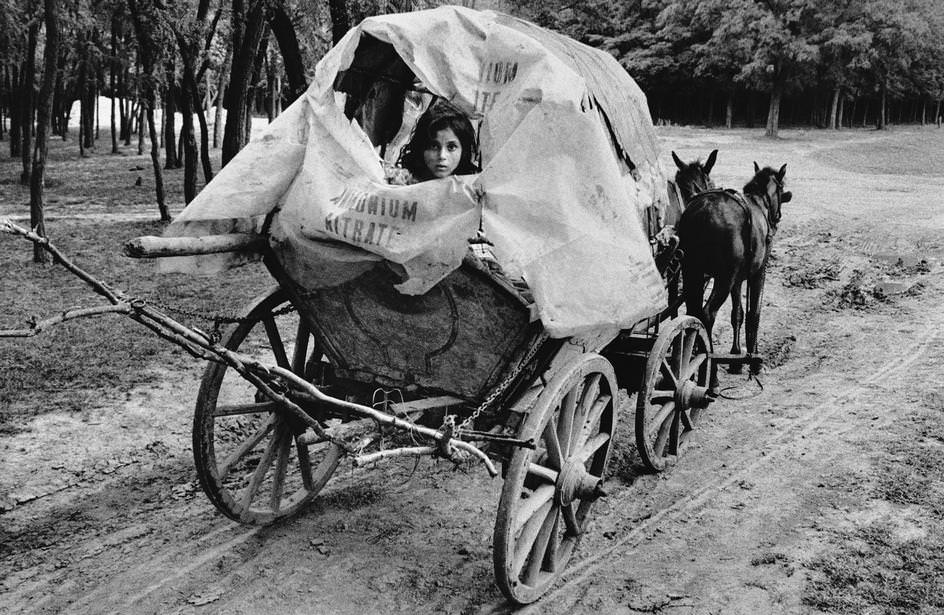
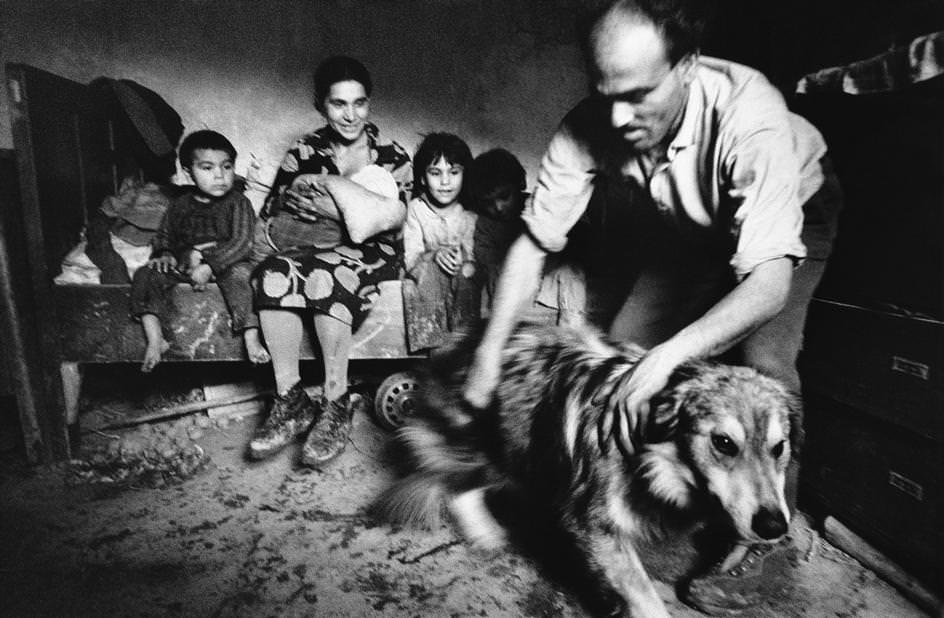
Their caravans were more than transport. Painted with intricate designs, they served as symbols of independence. The Romani relationship with the land was both practical and deeply spiritual — they used what nature offered to survive, and their movements followed the rhythms of the natural world.
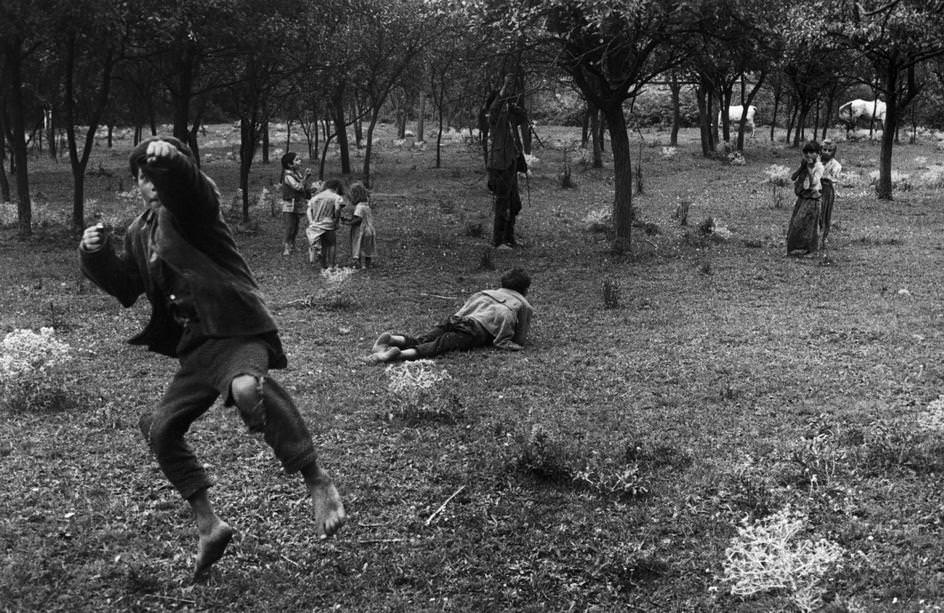
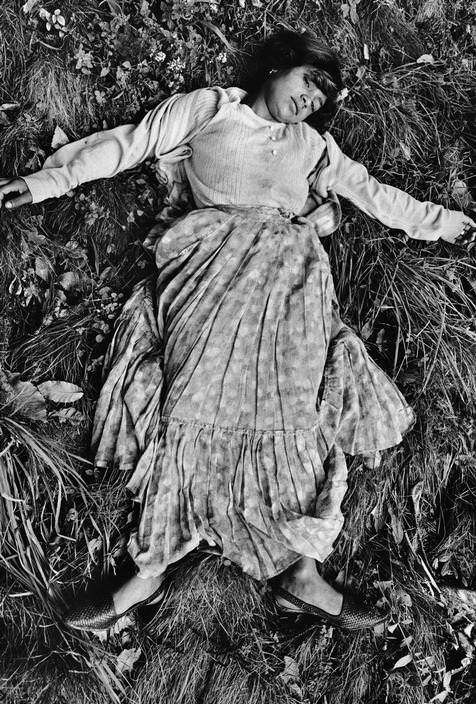
Koudelka captured people walking dusty roads, resting under trees, and setting up camp in open fields. Each frame reflects a community that was resourceful, close, and fiercely tied to its own traditions even as the modern world pressed in from all sides.
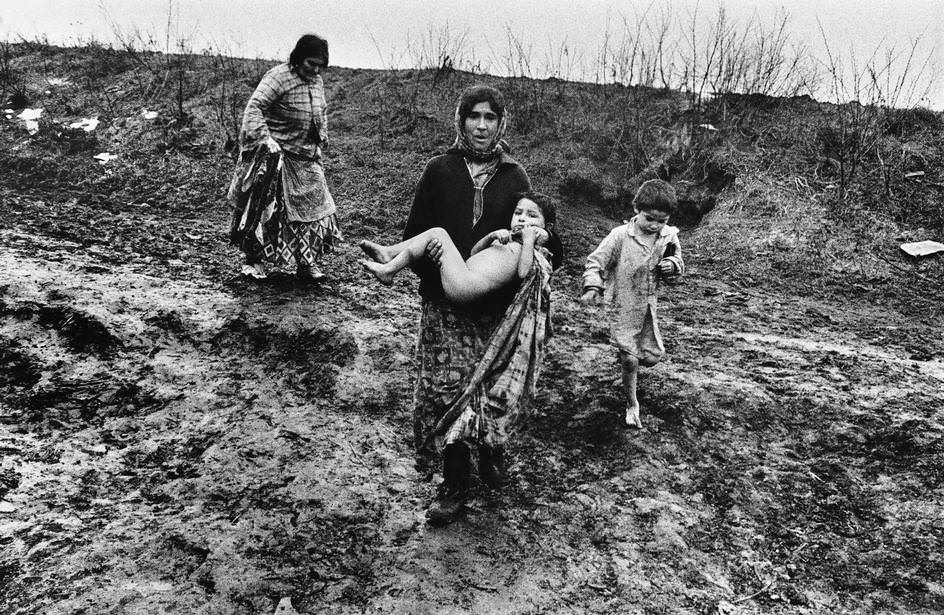
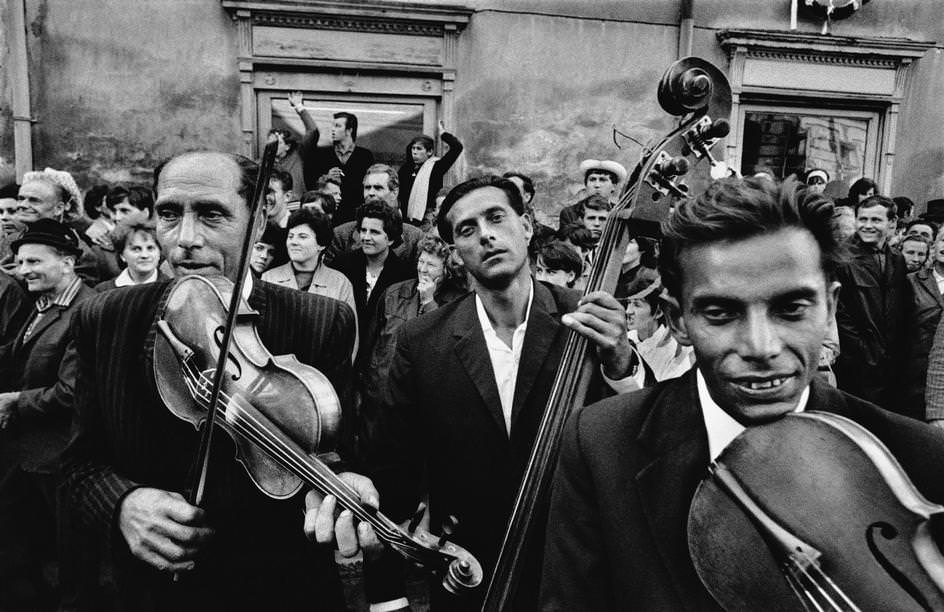
The black-and-white format suits the subject. There’s a rawness to the images — no softening, no glamour. Just real people living a way of life that was already beginning to fade by the time Koudelka’s shutter clicked.
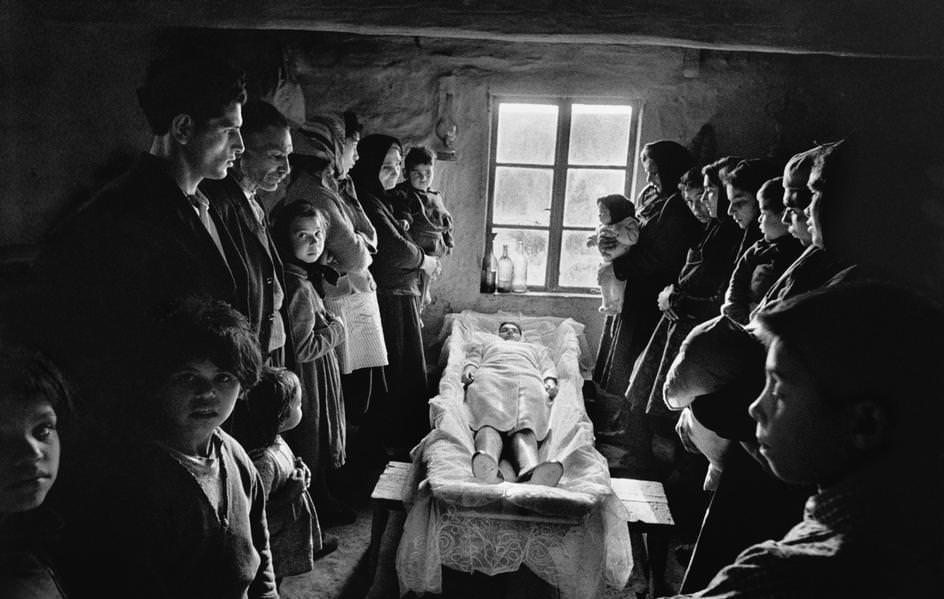
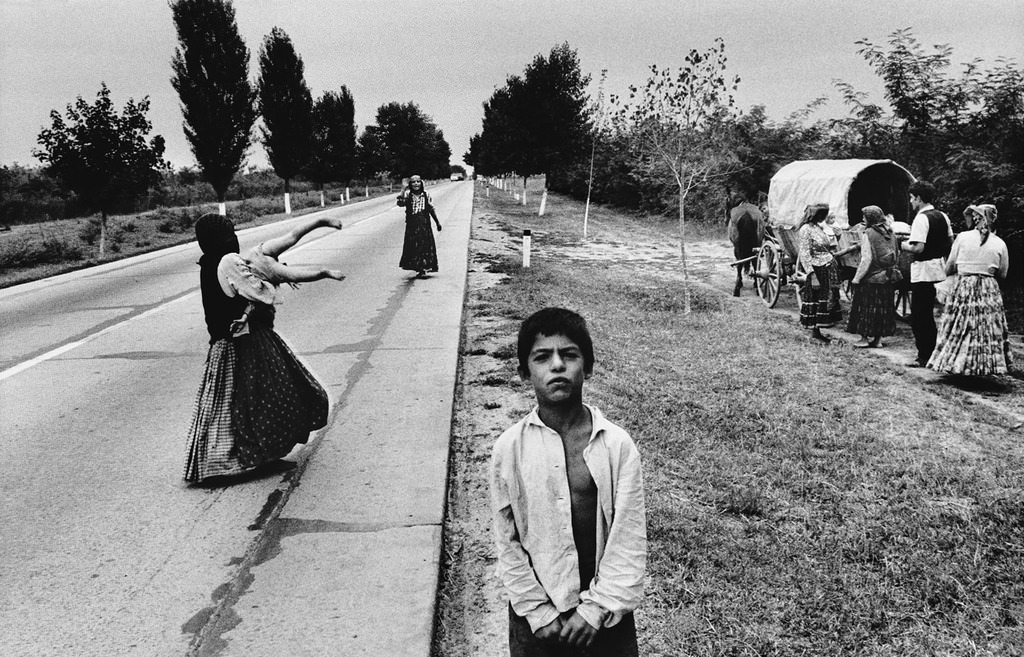
Moments of joy surface throughout the collection. Laughter at a campfire. A child’s wide eyes. A couple dancing. These images sit alongside harder scenes without contradiction — because for the Romani, both were simply part of daily life.
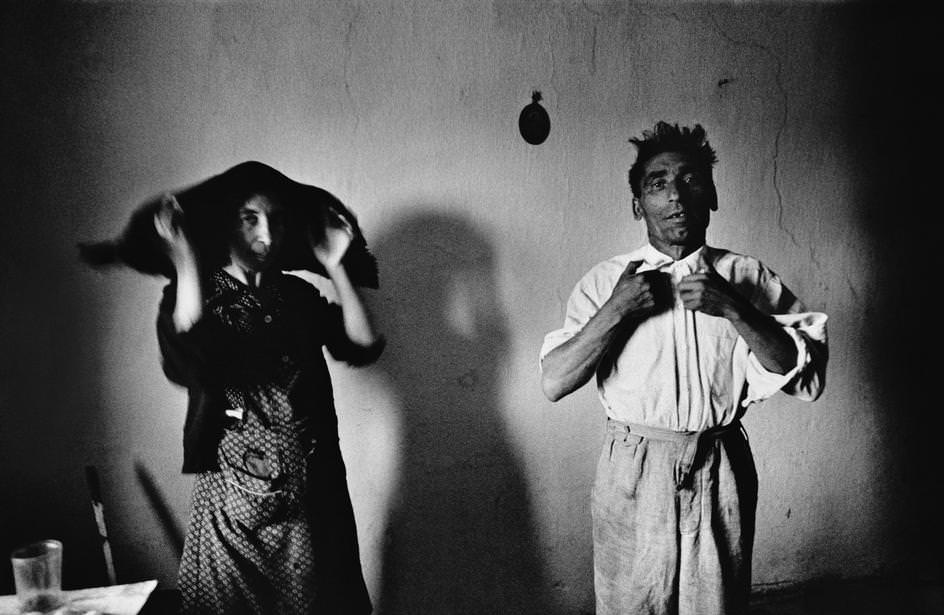
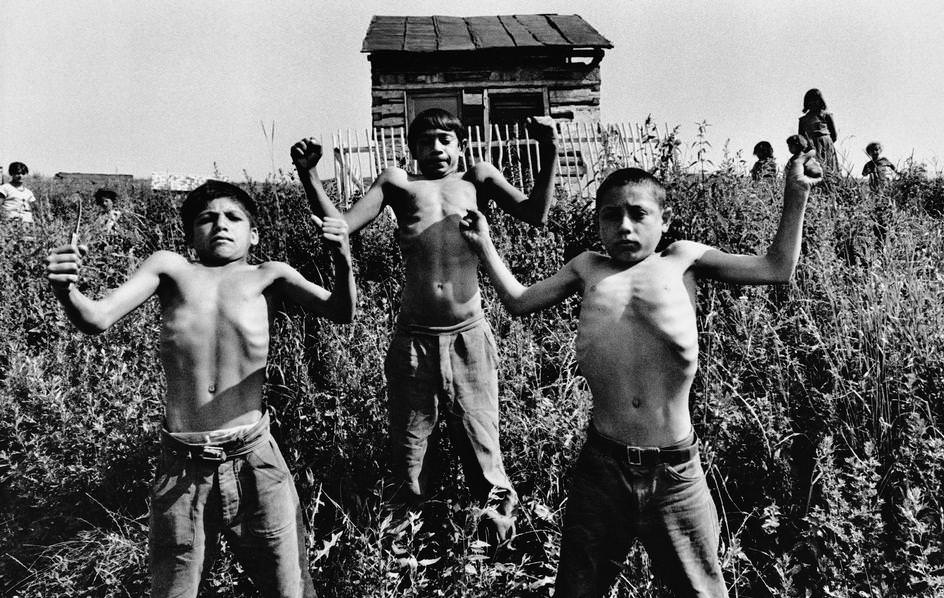
Koudelka’s access was rare. Most outsiders never got this close. The trust the Romani extended to him produced a body of work that stands as one of the most detailed visual records of their way of life during this era.

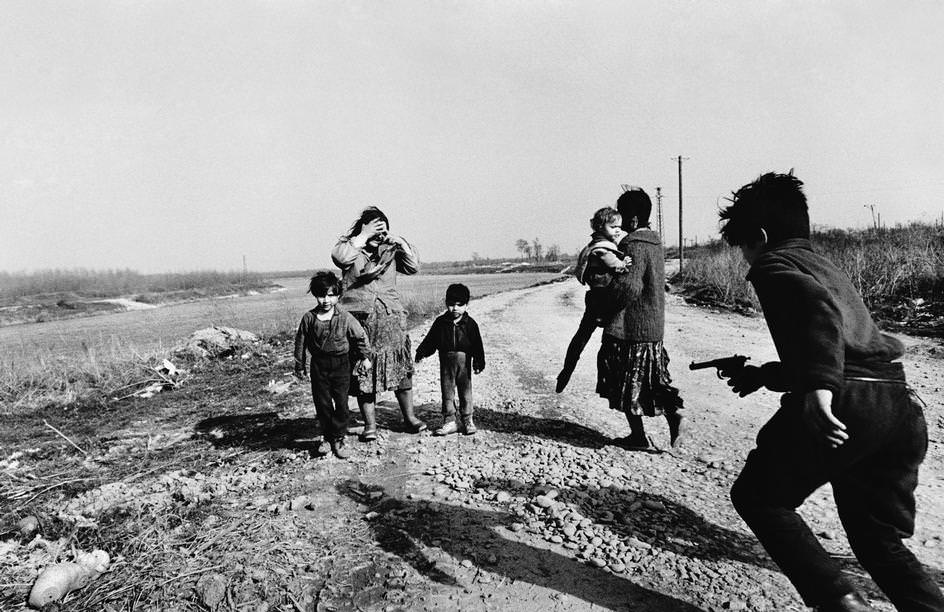
What makes these photographs endure is their honesty. Koudelka didn’t romanticize or judge. He documented a people on their own terms — their rituals, their struggles, their bonds, and their movement through a Europe that rarely stopped to look at them.