Tucked inside the police archives of Newcastle upon Tyne, England, is a remarkable set of photographs that most people have never seen. These are mugshots of men, women, and children who were arrested in the city between December 1871 and December 1873. Every person pictured spent time inside Newcastle Gaol — the city’s main jail — during those two years. Together, they form one of the earliest surviving collections of criminal photography from the region.
The 1870s were still an early period for police photography. Law enforcement agencies across Britain were only beginning to see the value in documenting the faces of those who passed through their custody. A photographic record made it far easier to identify repeat offenders and track individuals through the justice system. Newcastle’s collection is a direct product of that shift — a visual ledger of real people, captured at one of the harder moments of their lives.
The crimes recorded in this archive range widely. Some offenders stole livestock, others took clothing or household goods. A few targeted valuables like watches and jewelry. What stands out, though, is how many of the accused were teenagers — or even younger. The sentences handed down reflect the era’s approach to crime, which made little distinction between adults and children when it came to hard labor and imprisonment. Here is a look at the faces behind those records.
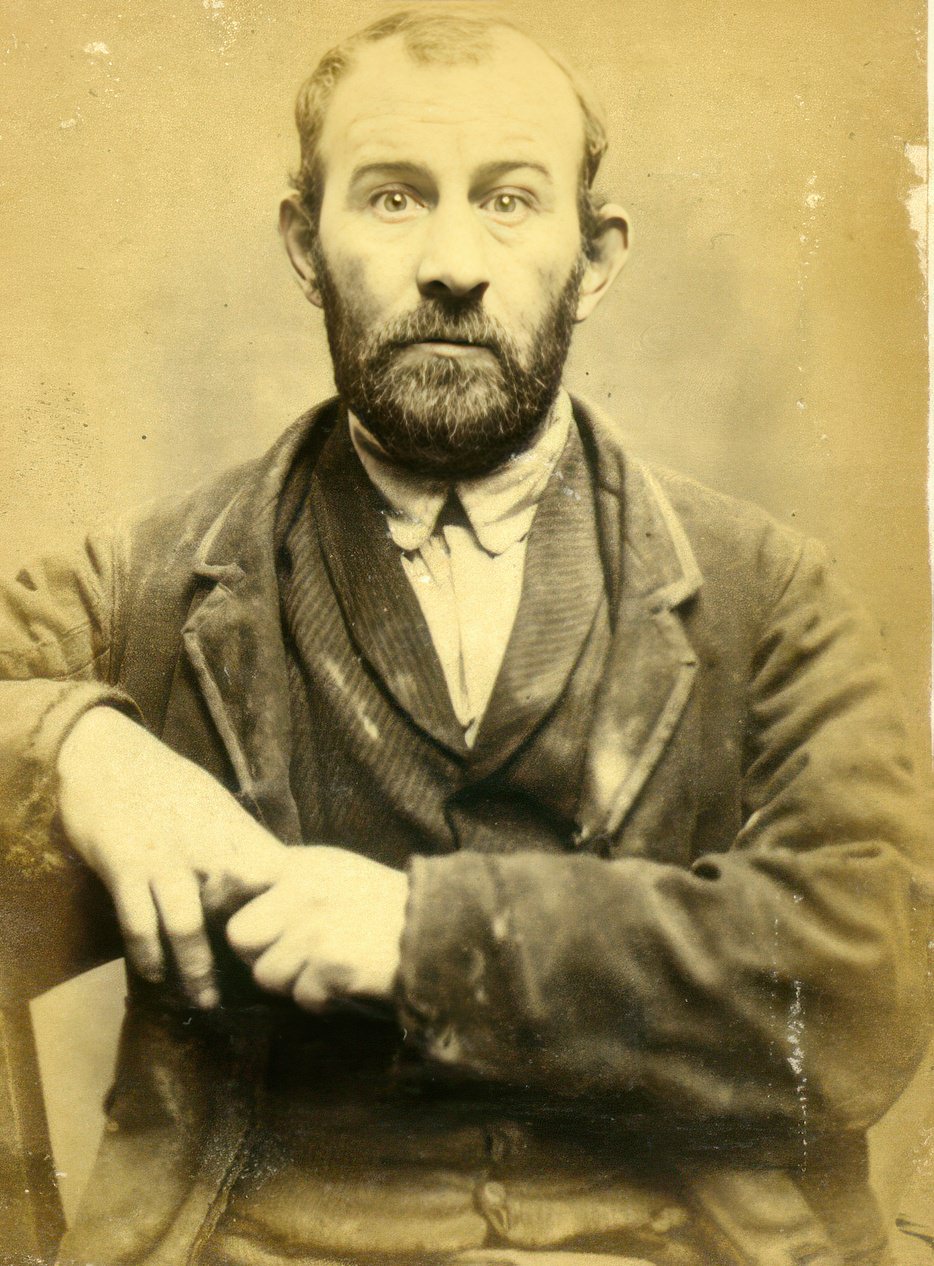
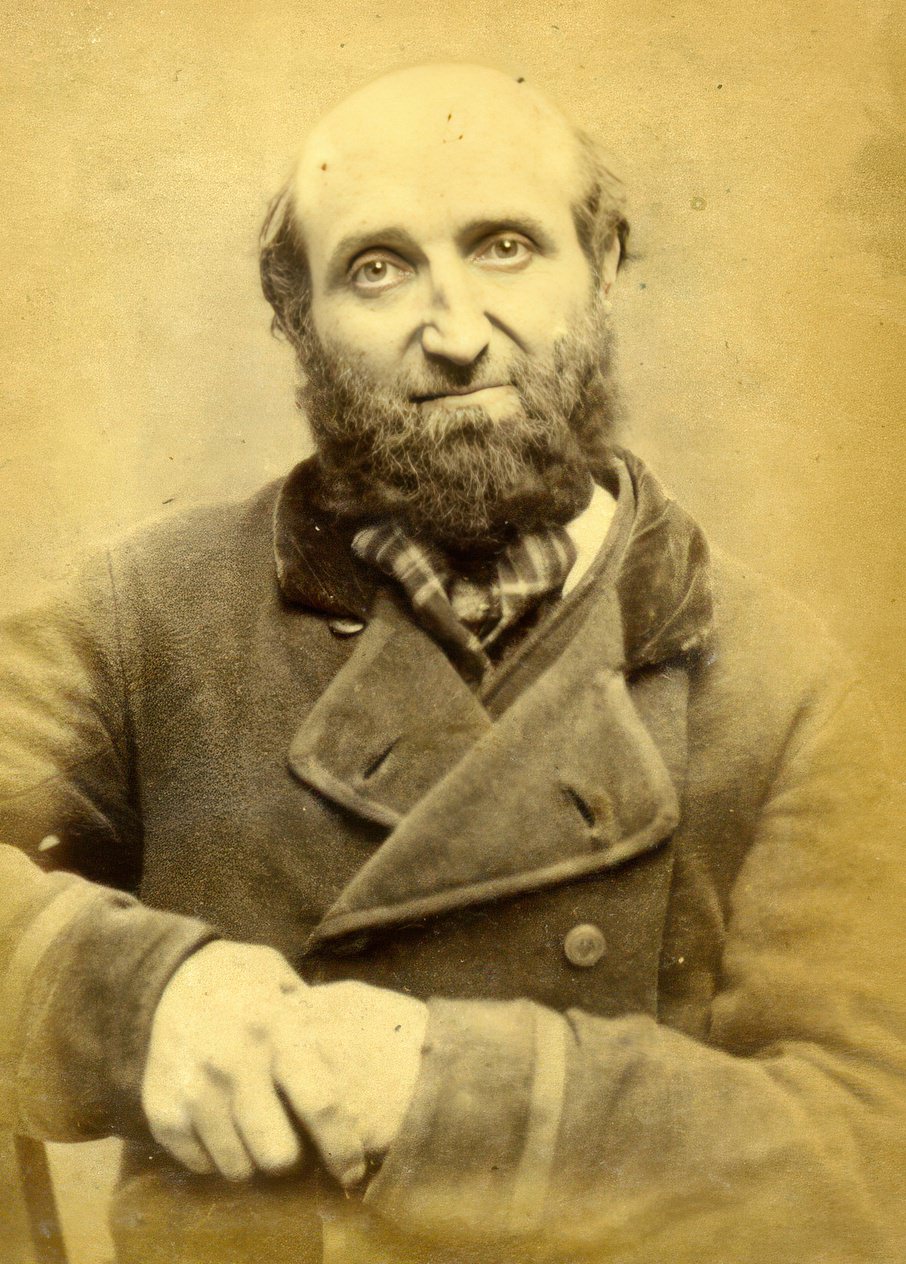
Theft of food and animals was among the most common offenses in the archive. Rabbits, poultry, and livestock were valuable commodities in 1870s Newcastle, and stealing them carried real legal consequences. A month in jail for four rabbits was not considered unusual at the time.
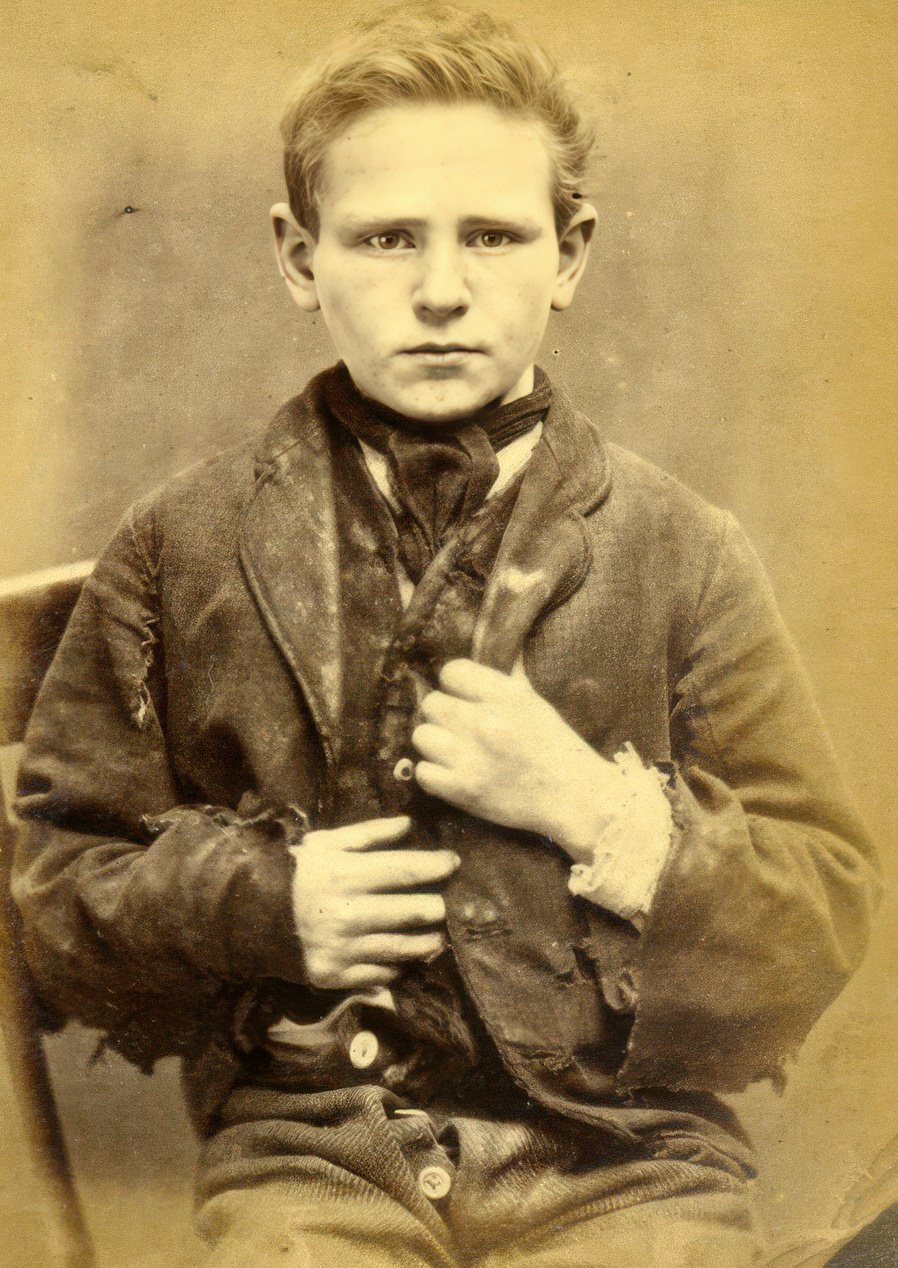
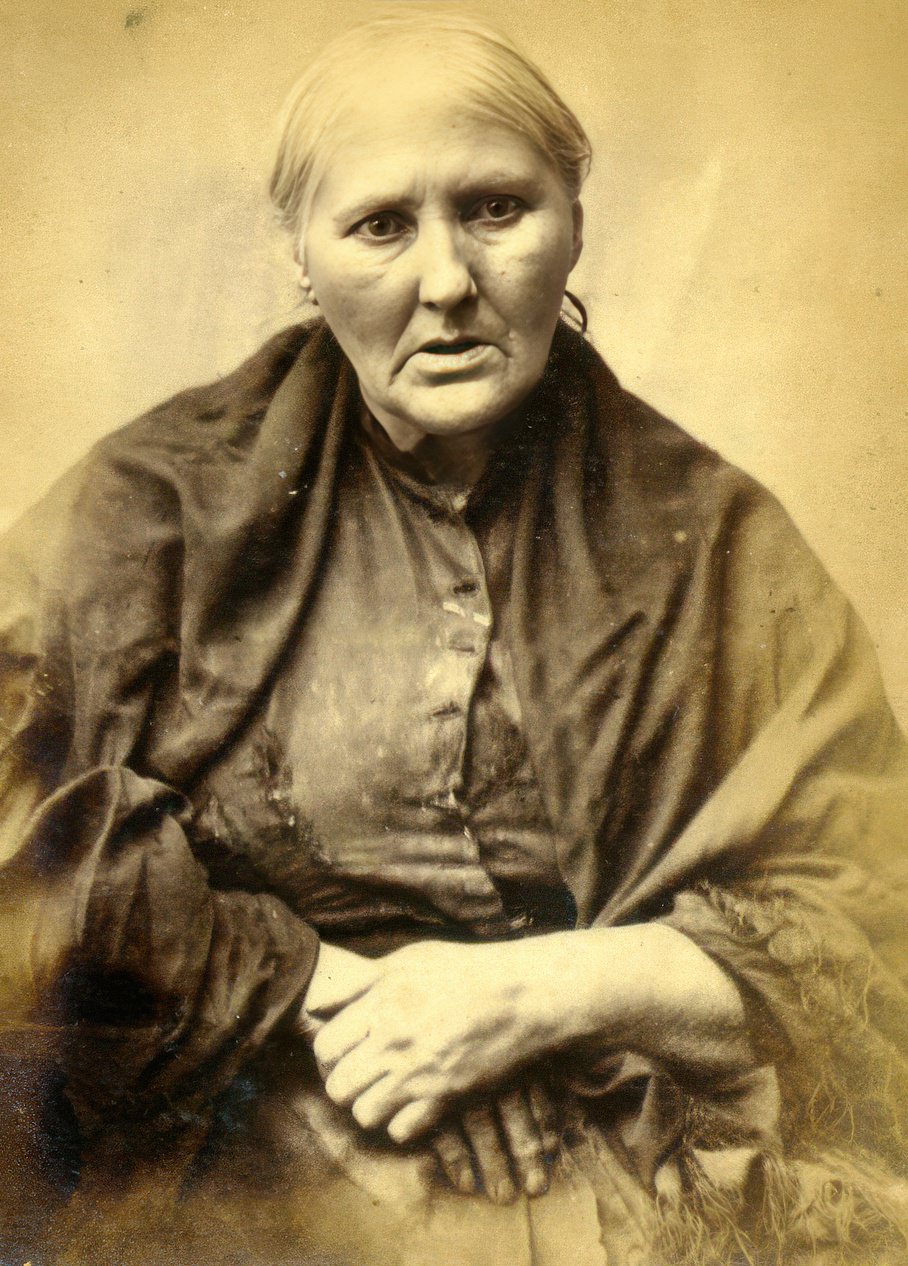
James Scullion was just 13 when his sentence began. After serving 14 days of hard labor, he was transferred to Market Weighton Reformatory School for three years — a facility designed to discipline and reform young offenders. Reformatory schools were used widely in Victorian England as an alternative to keeping children in adult prison populations, though life inside them was rarely gentle.
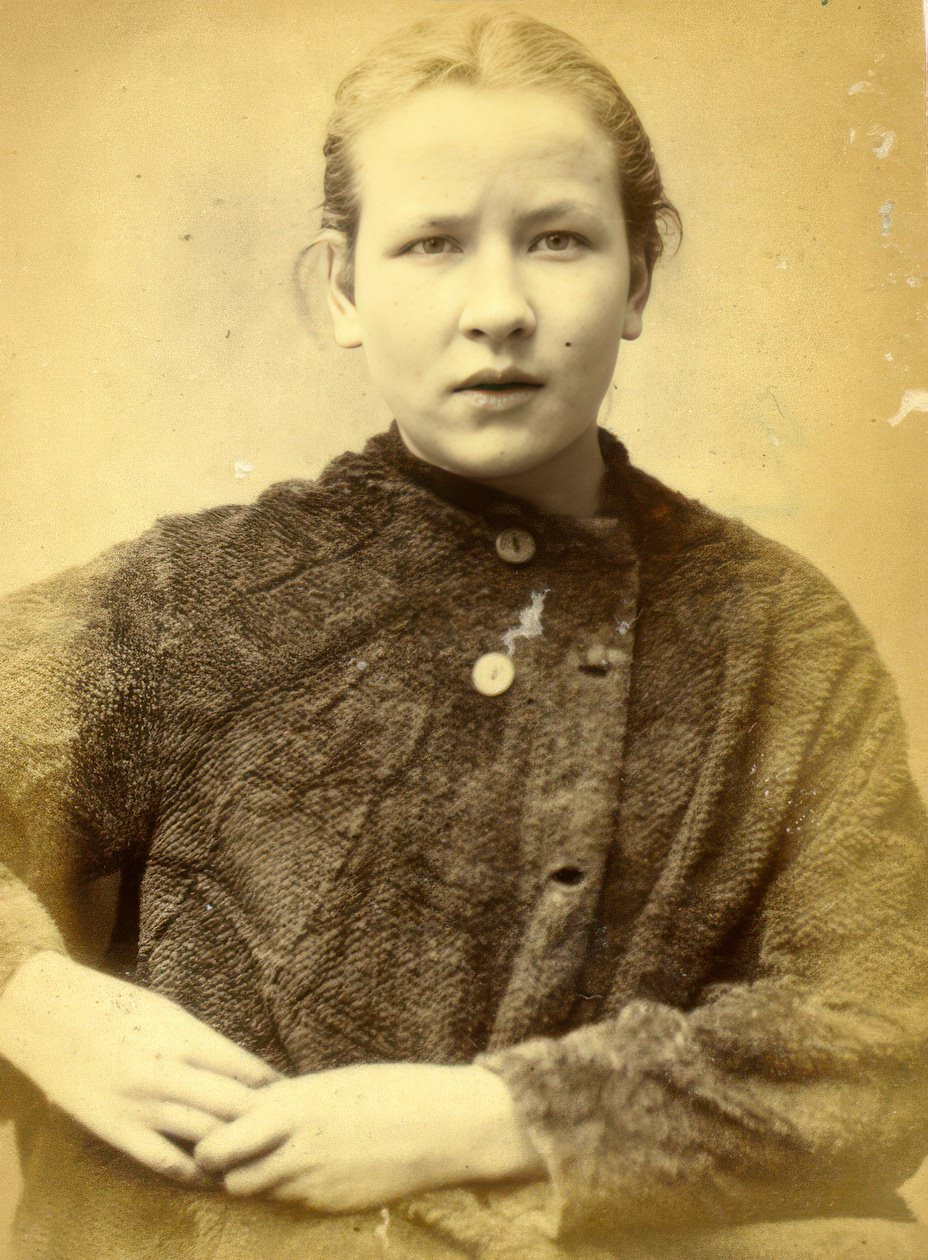
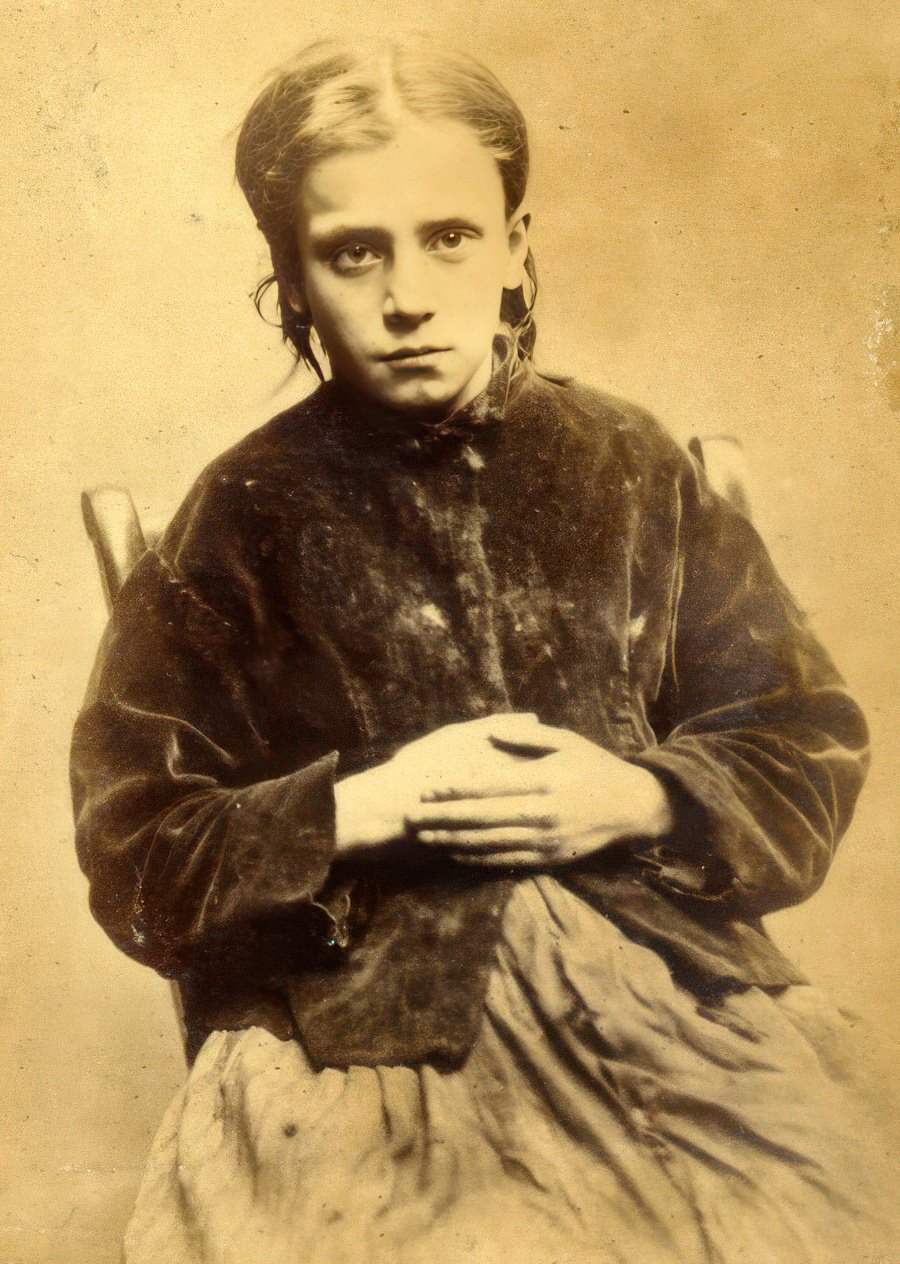
Jane Farrell was only 12 years old when this photograph was taken. She stole two boots and received 10 days of hard labor as punishment. Her face in the image is that of a child, yet the justice system processed her the same way it did adults. She was not alone — this archive contains several children photographed and formally documented as criminals.
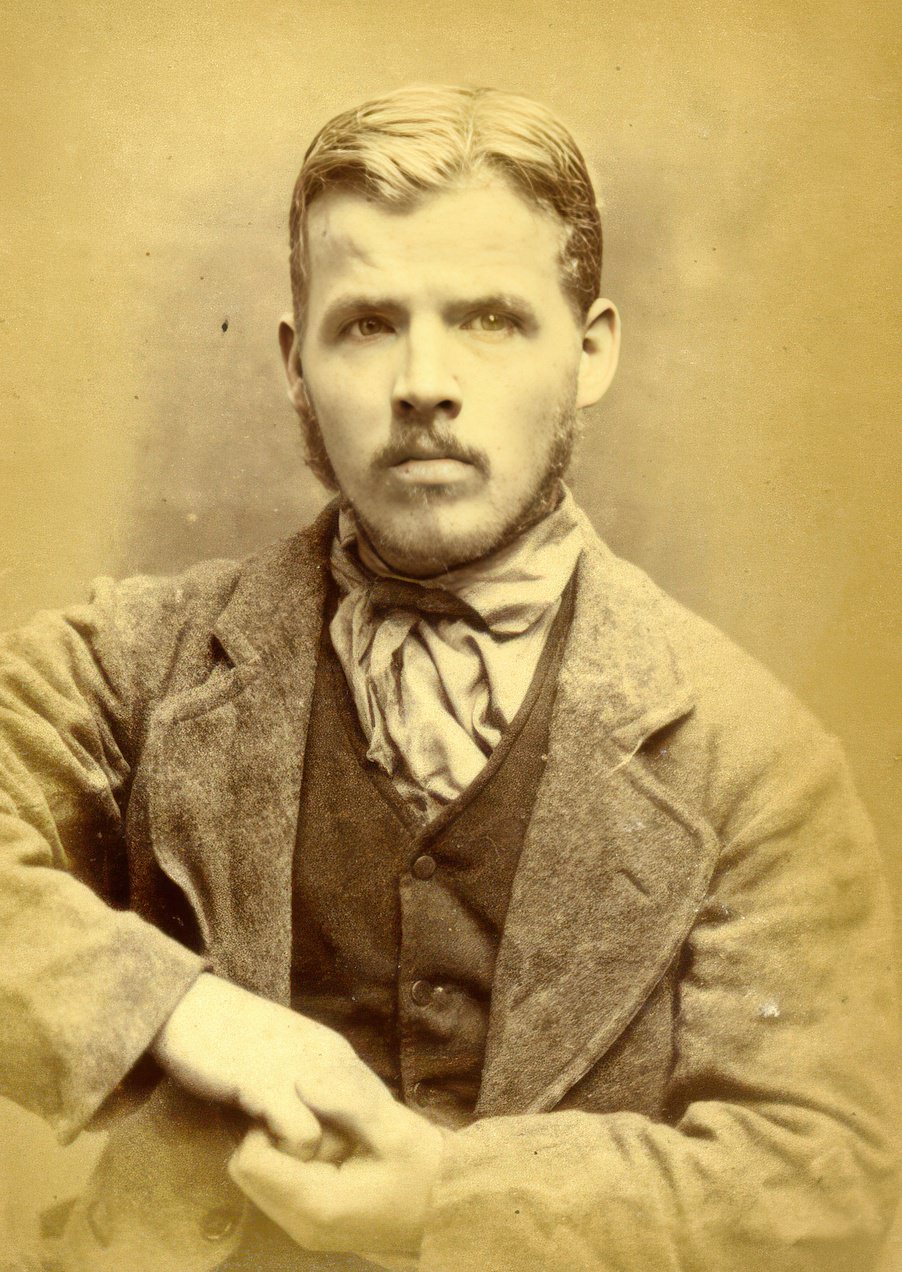
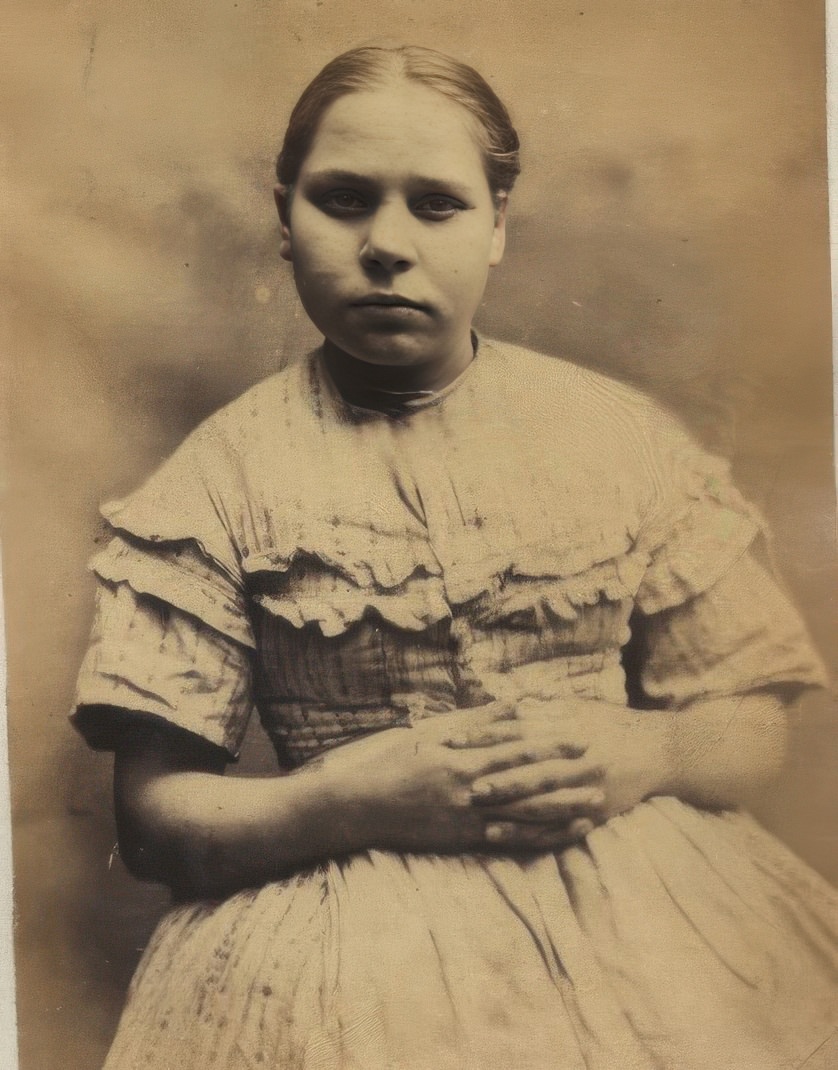
Pigeons, like other animals in this period, held practical and economic value. Carrier pigeons and birds kept for food were worth protecting under the law. John Grieveson’s four-month sentence for stealing pigeons reflects how seriously such thefts were treated. Meanwhile, 15-year-old Margaret Cosh, who had no prior record, received two months of hard labor for stealing a single coat.
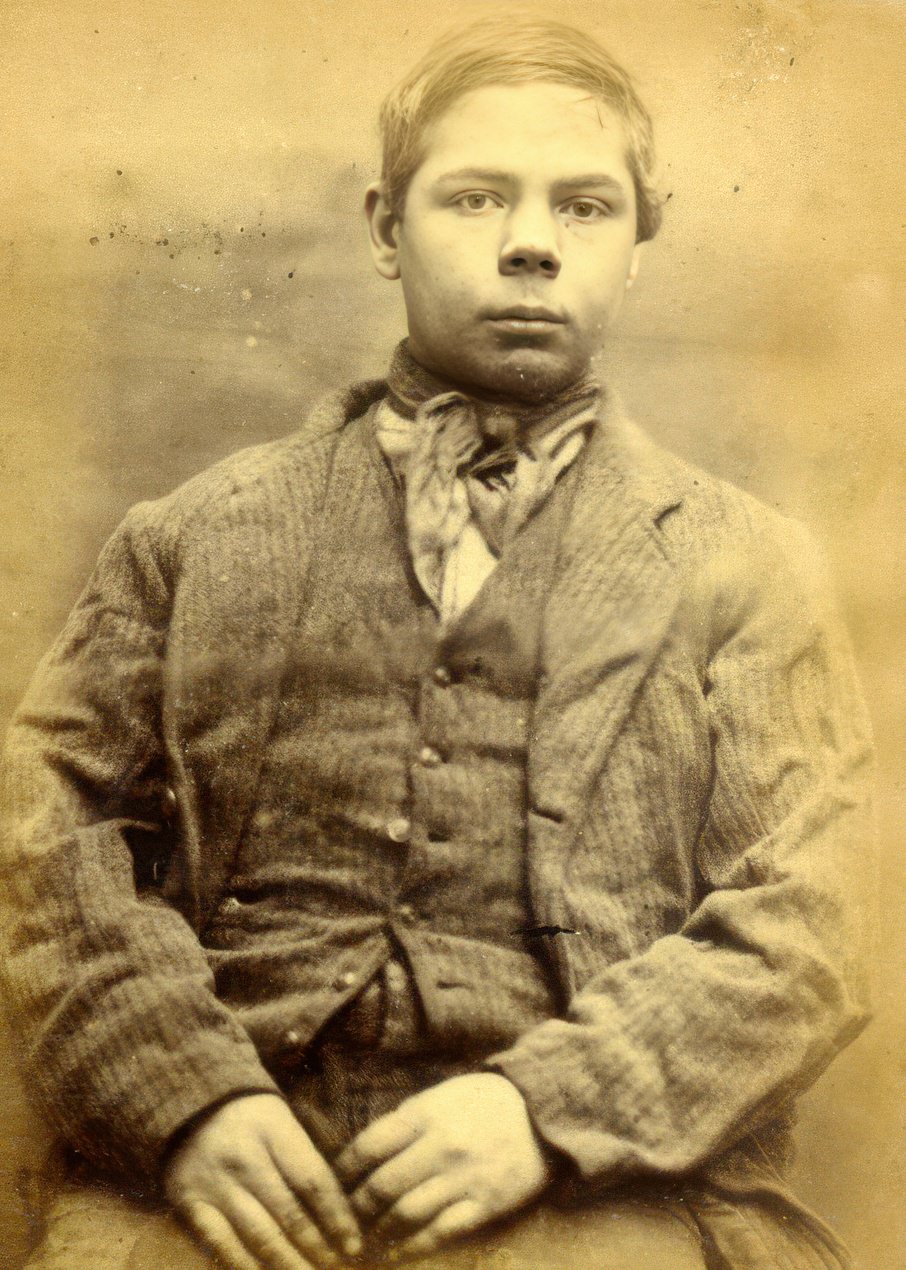
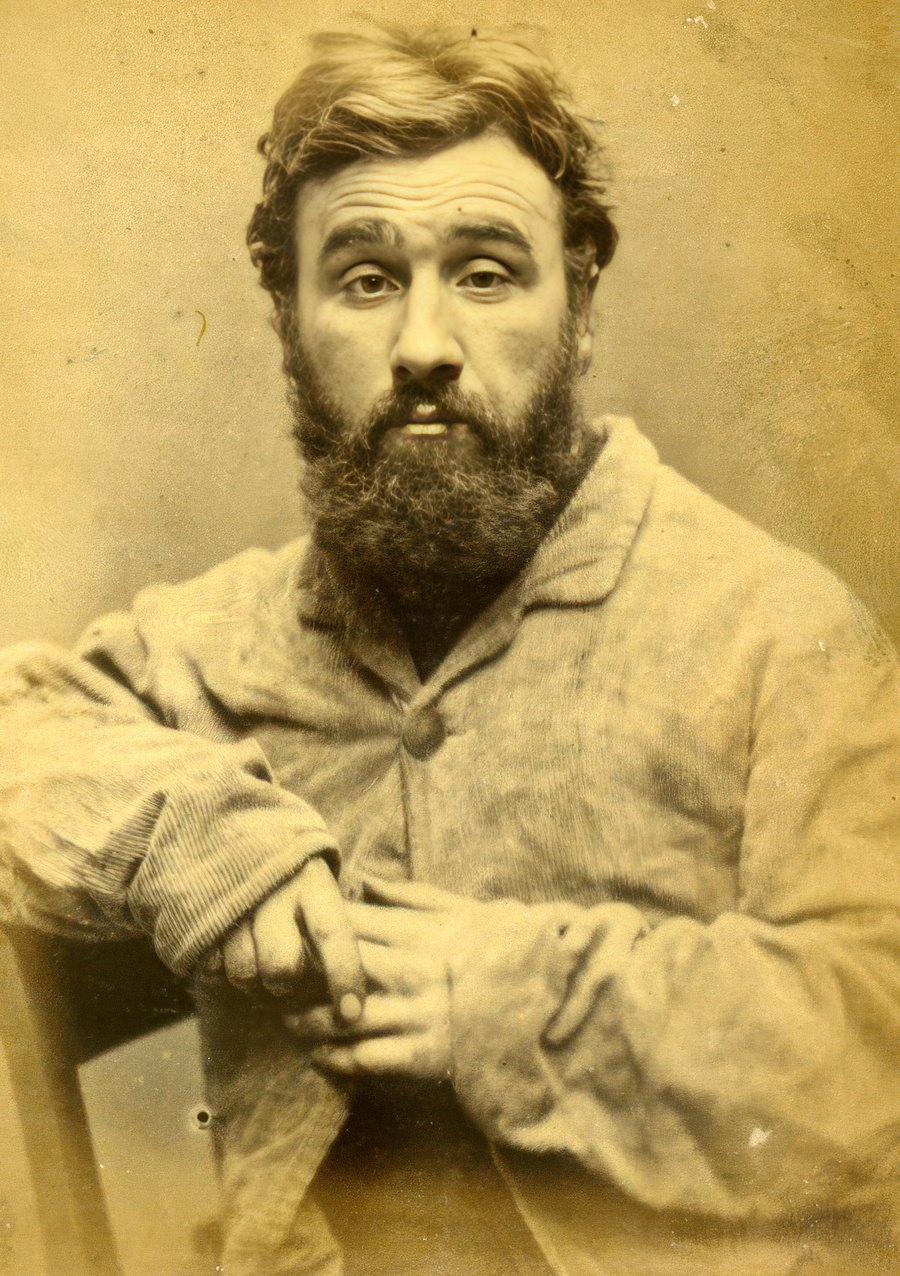
Watches were expensive and personal items in the 1870s, and stealing one brought some of the stiffer sentences in this collection. William Badger, aged 20, received six months for the offense. Edward Shevlin received the same sentence for a stolen coat — suggesting that the courts weighed the circumstances of each theft rather than applying a uniform scale based on the item’s value alone.
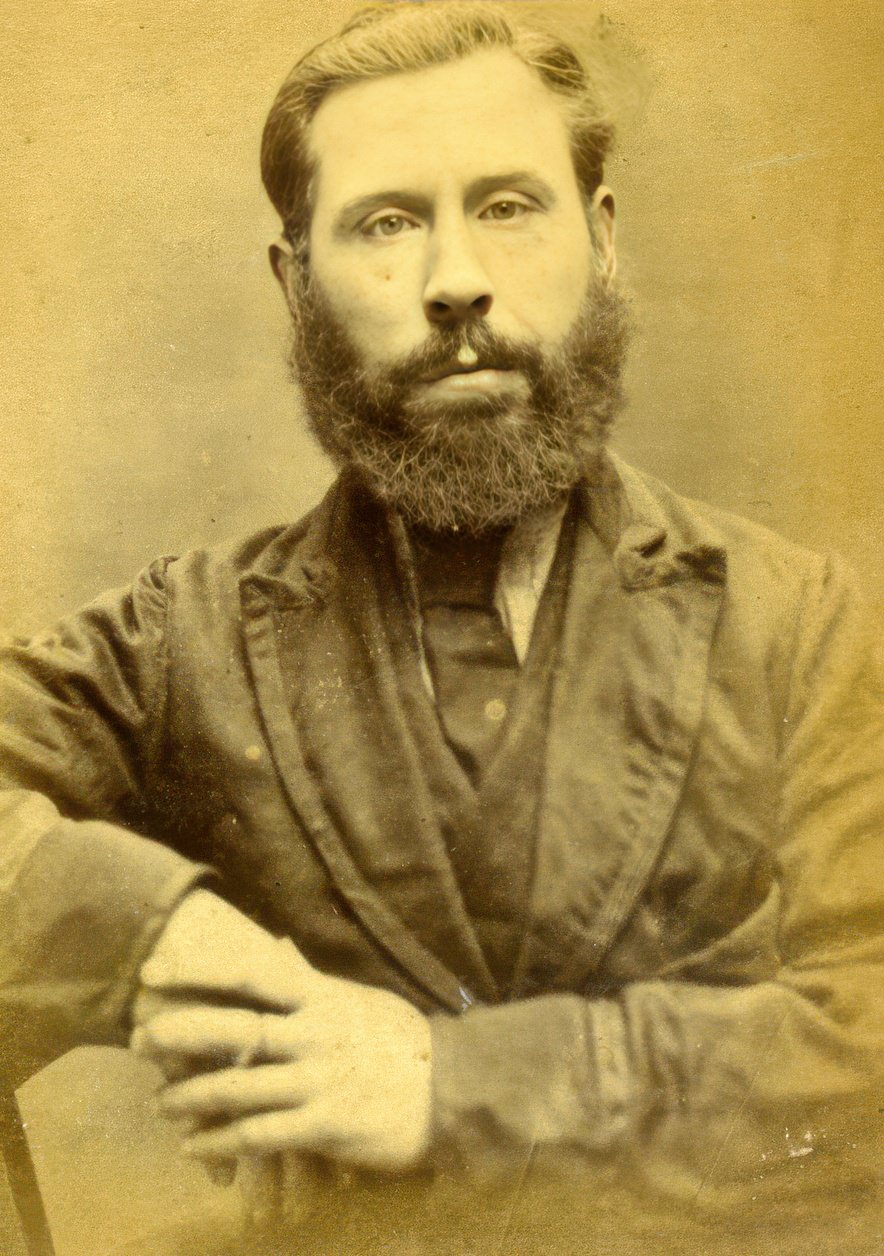
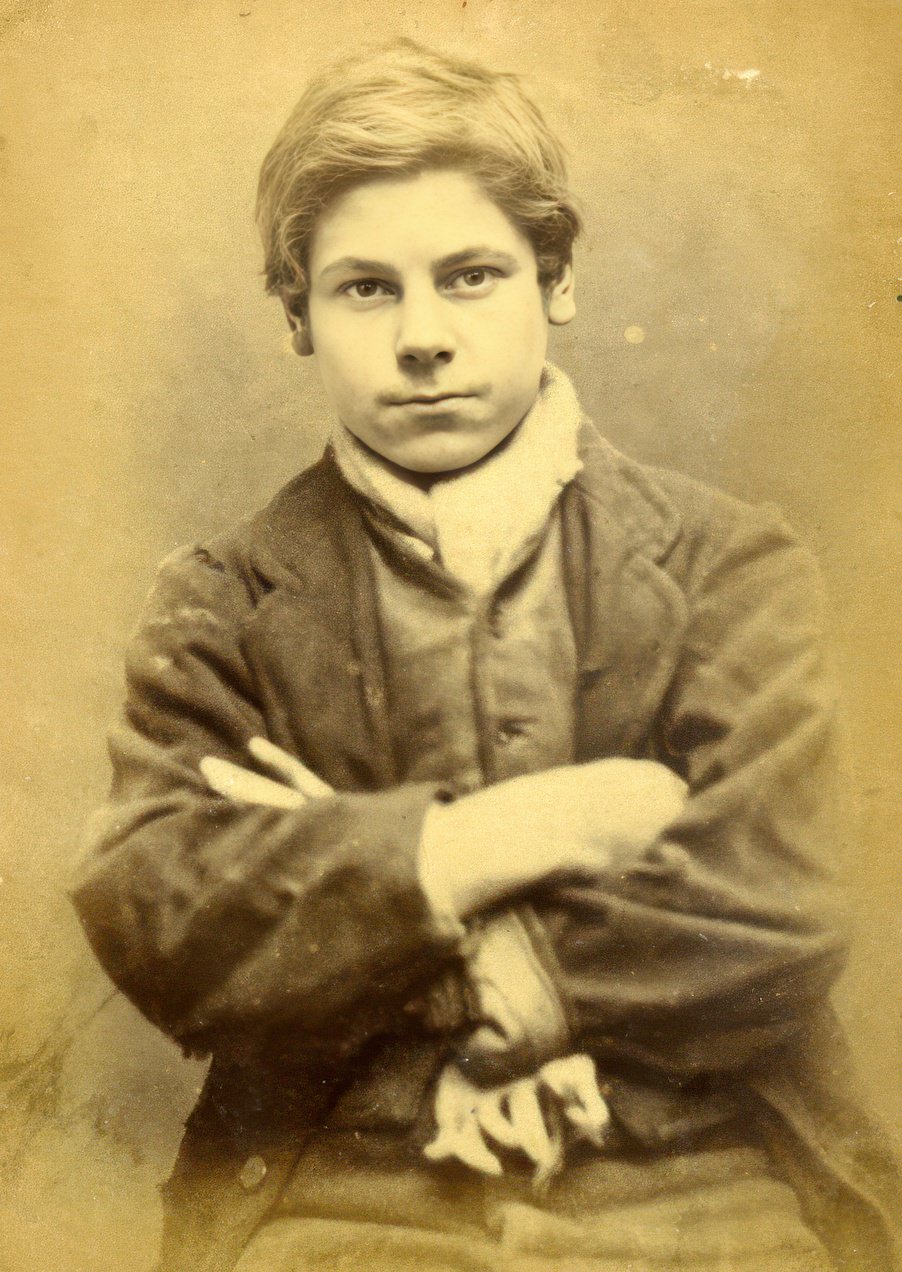
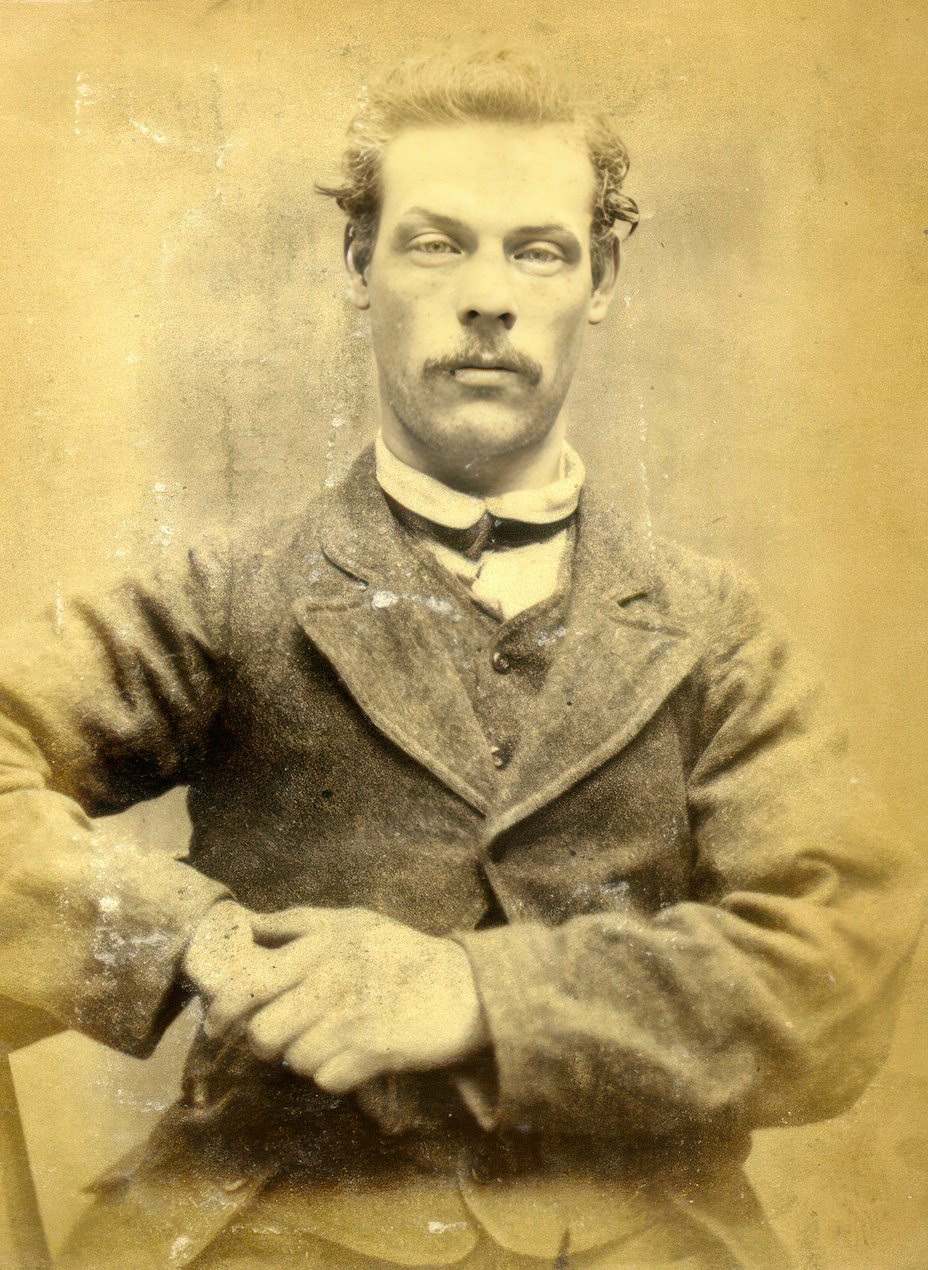
Boots appear more than once in this archive as stolen goods. They were durable, expensive relative to wages, and difficult to replace — making them a practical target for theft. Robert Charlton took two pairs and served four months. Robert Hardy, on the other hand, stole ale in 1873 and received the same four-month term, showing that the courts treated theft of consumables with equal seriousness.
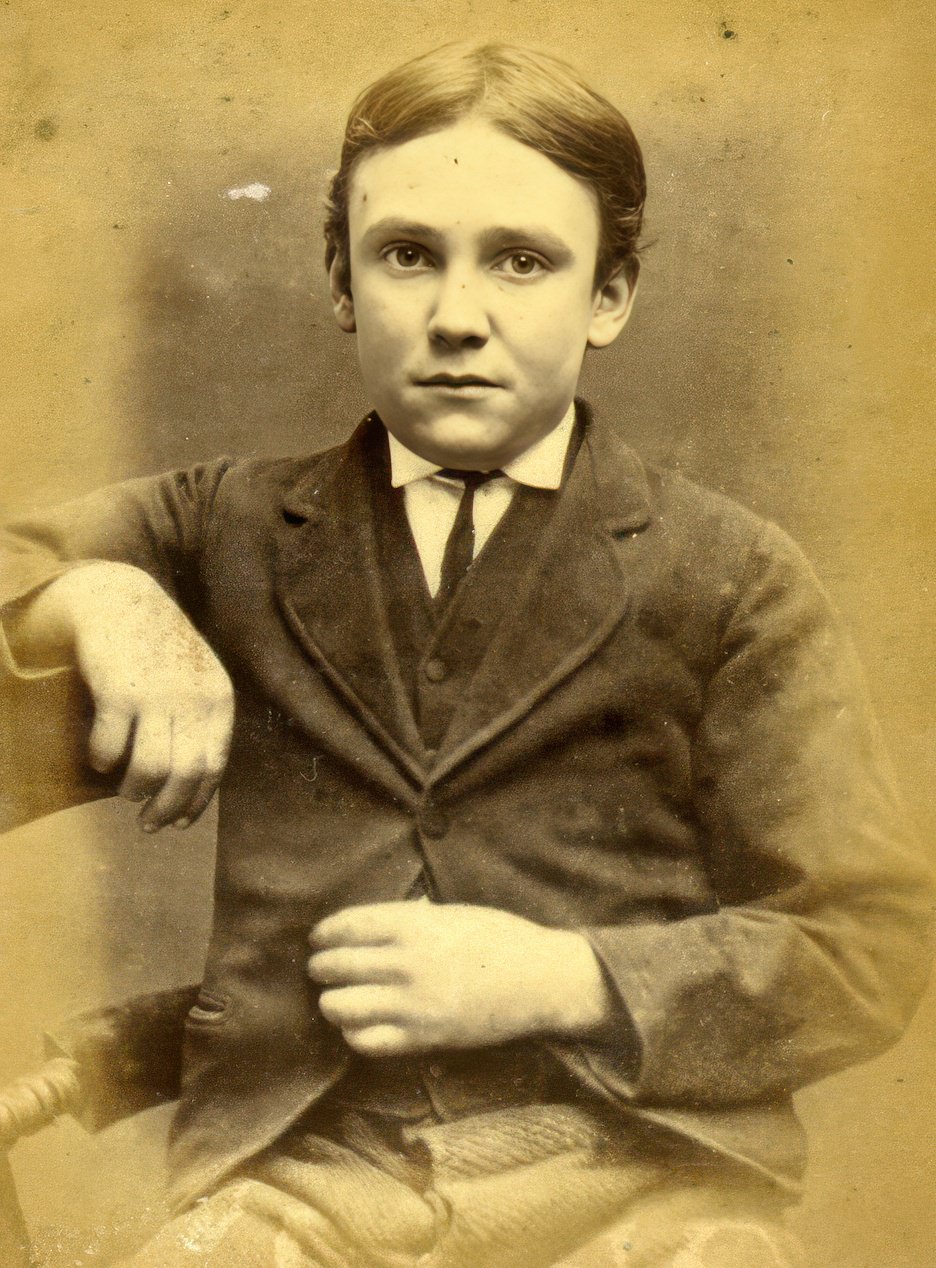
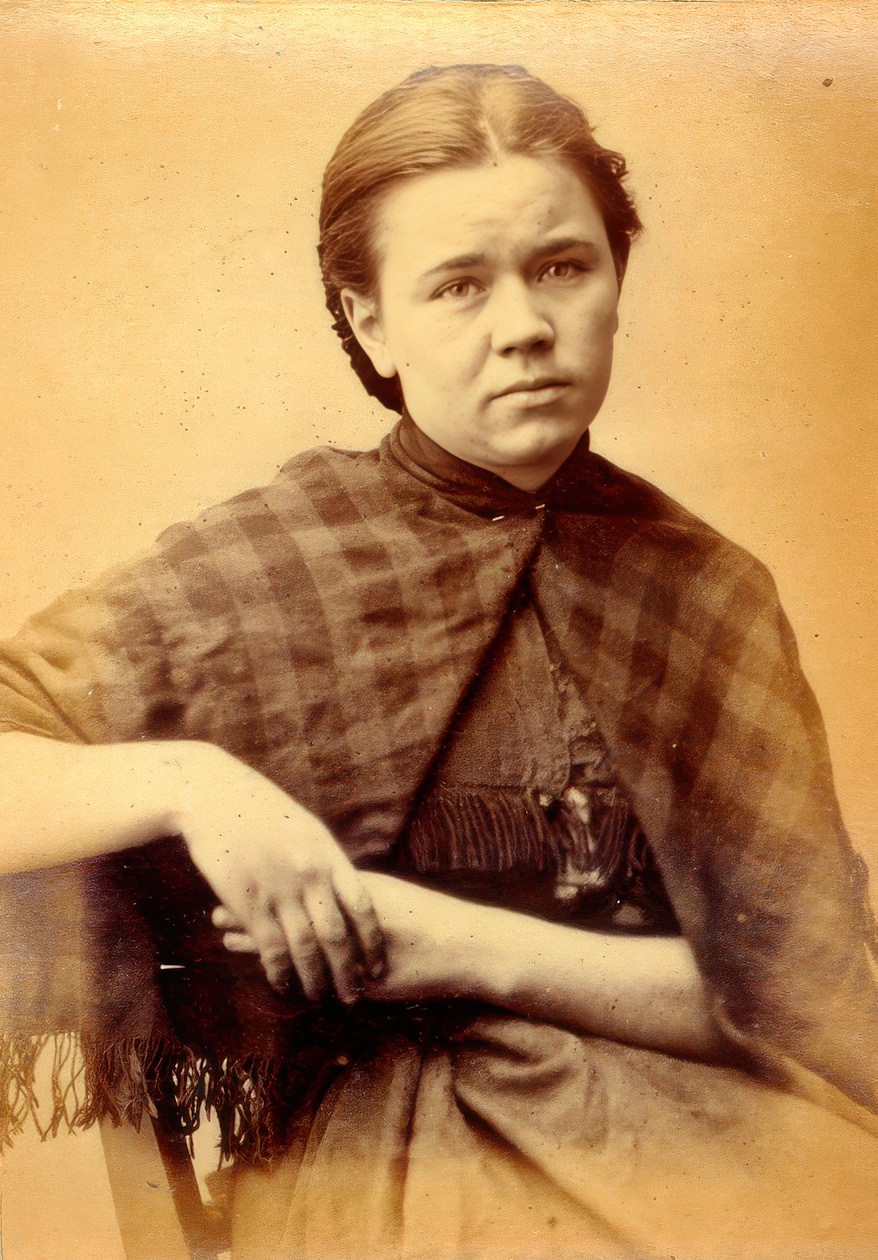
Michael Clement Fisher was 13 years old when he and an accomplice broke into houses in Newcastle. Both were sentenced to two months in prison. Housebreaking was treated as a more serious offense than simple theft, and even at 13, Fisher was held fully accountable under the law. His mugshot sits alongside adults charged with similar or lesser crimes.
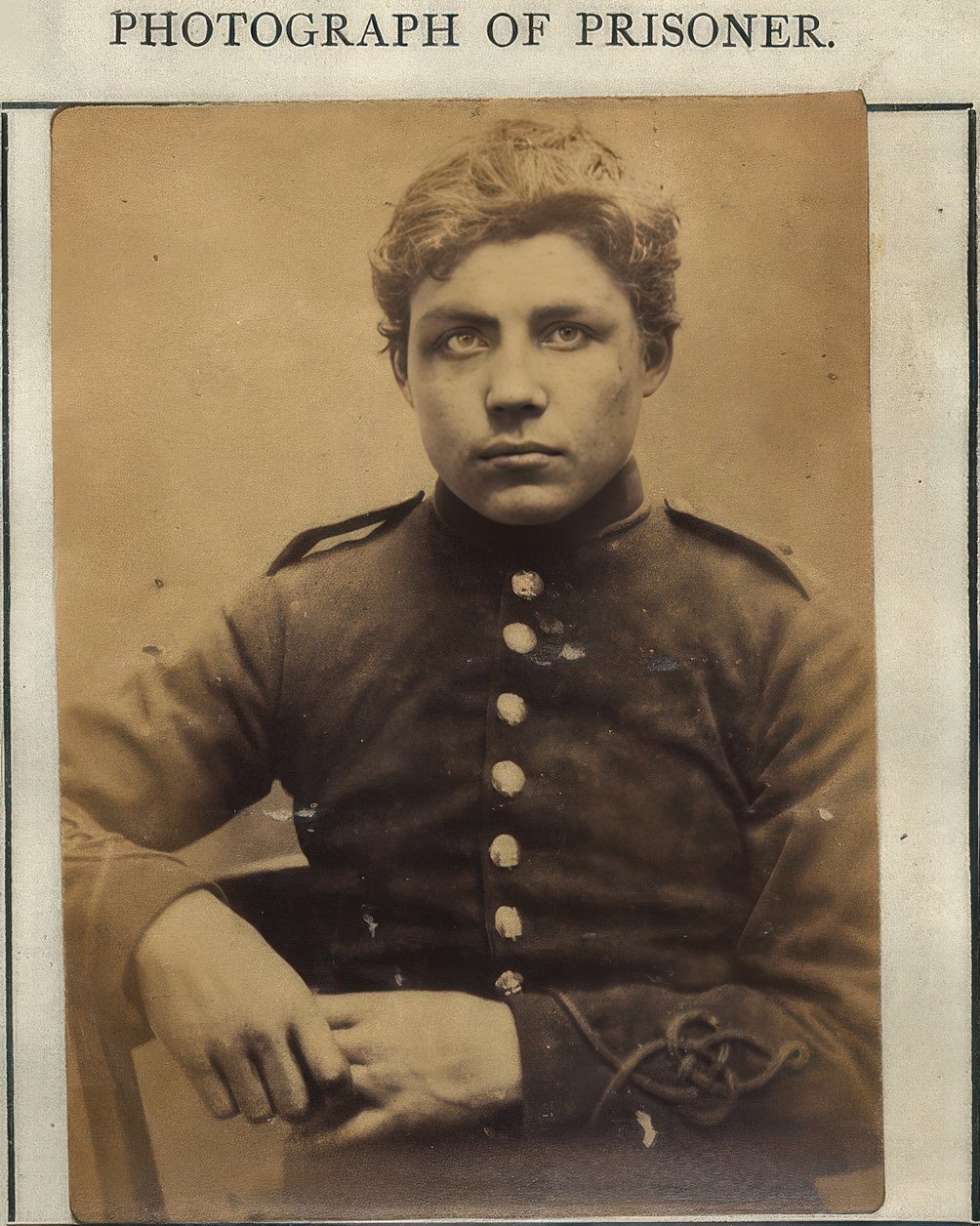
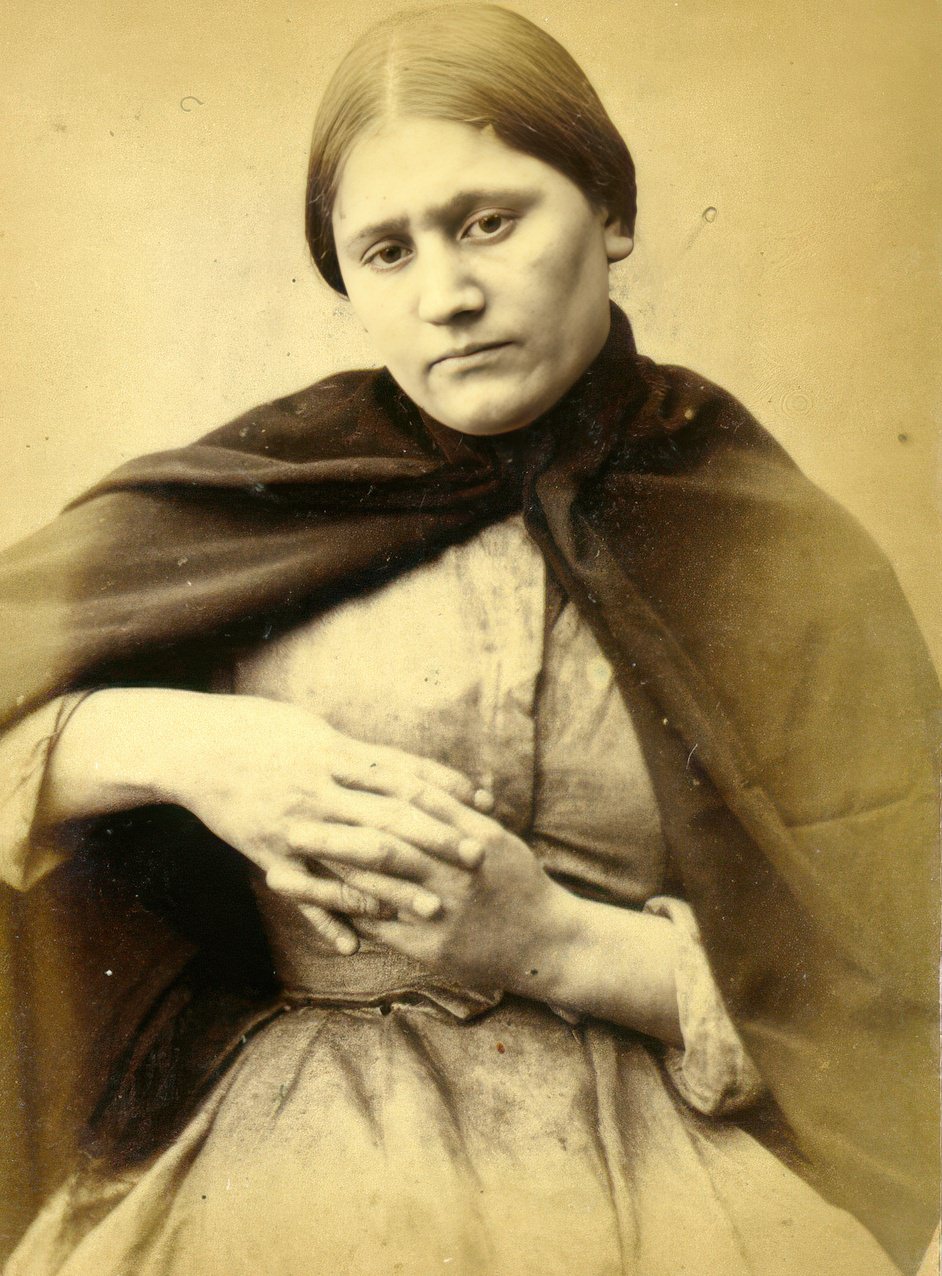
John Park stole a violin — an unusual item among the practical goods that dominate this collection. With no prior convictions, he served one month with hard labor. Mary Patterson was sentenced to six weeks in 1873 for stealing a chicken. Both were formally photographed and entered into the police record, their faces preserved alongside every other offender in the archive.
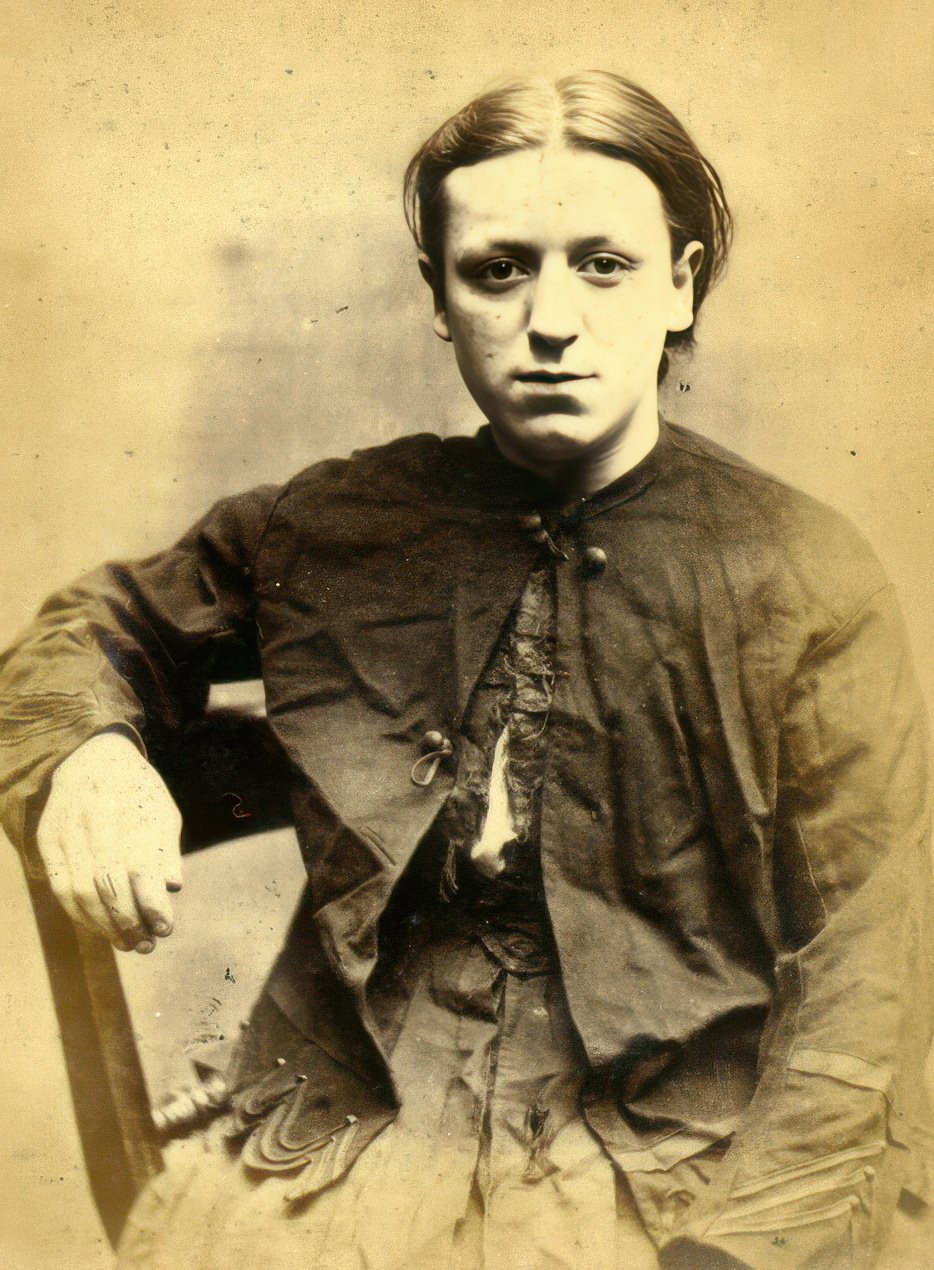
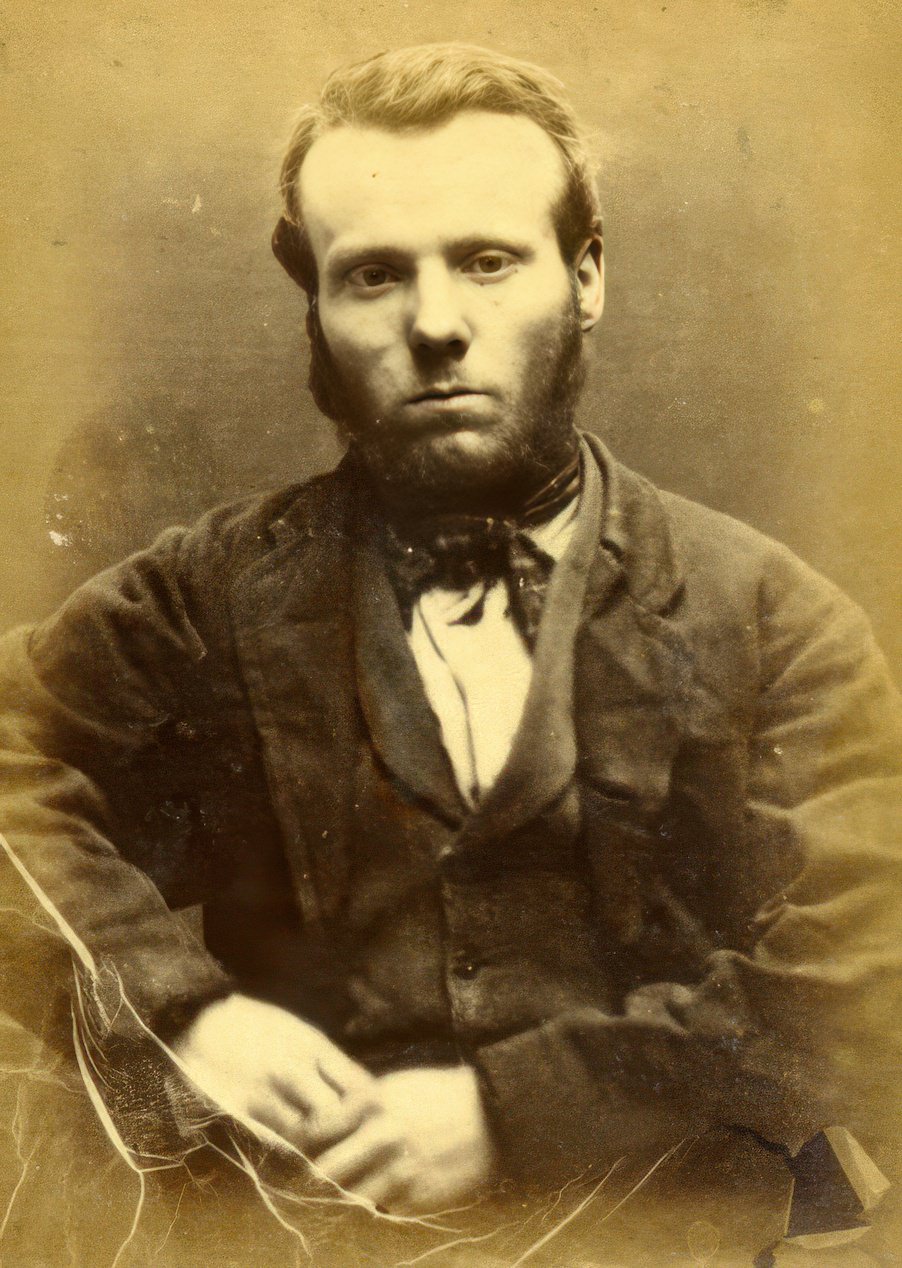
David Barron was 19 and worked as a cabinetmaker when he was convicted of stealing champagne. The six-month sentence was one of the longer terms in the collection. His occupation is one of the few personal details that survived alongside his photograph, offering a rare glimpse into who these people were outside of their crimes.
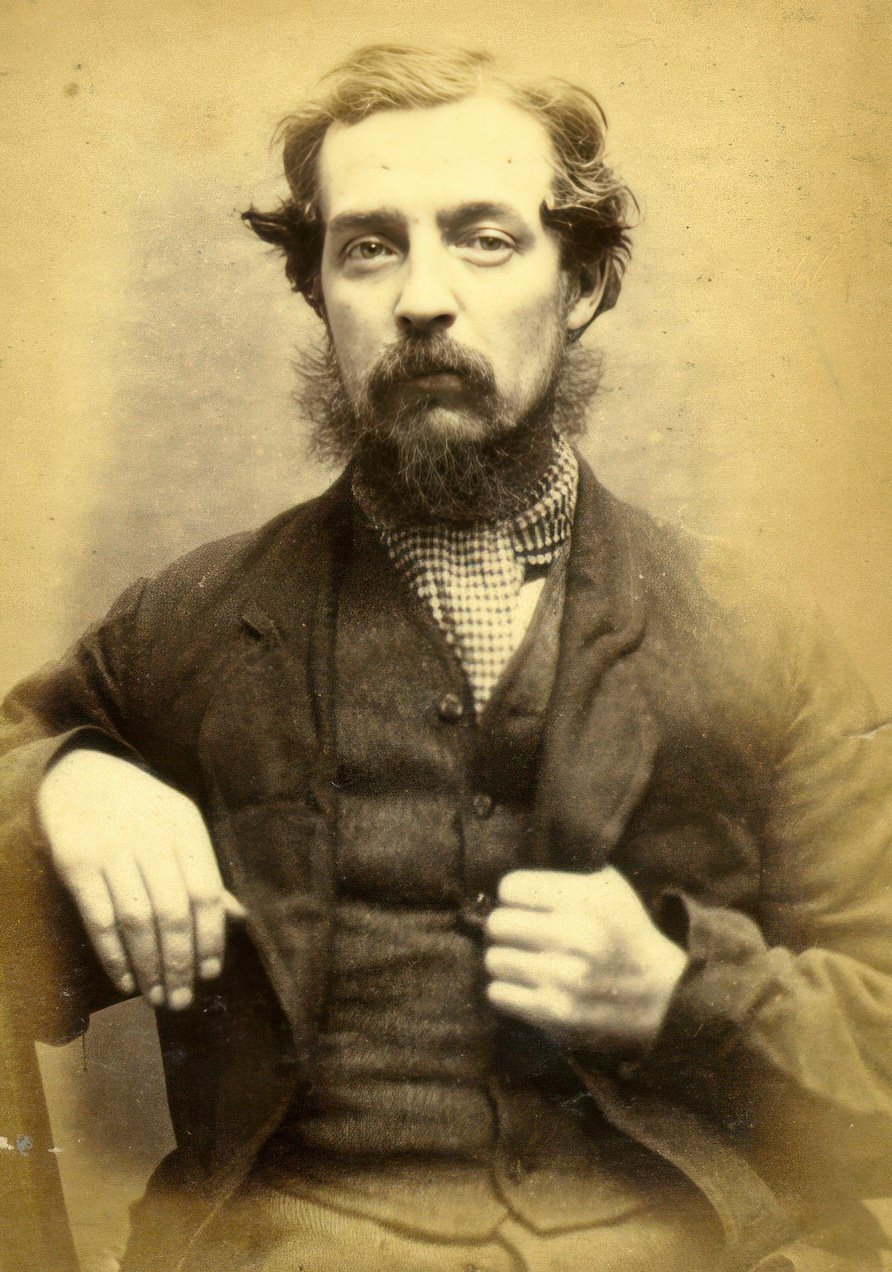
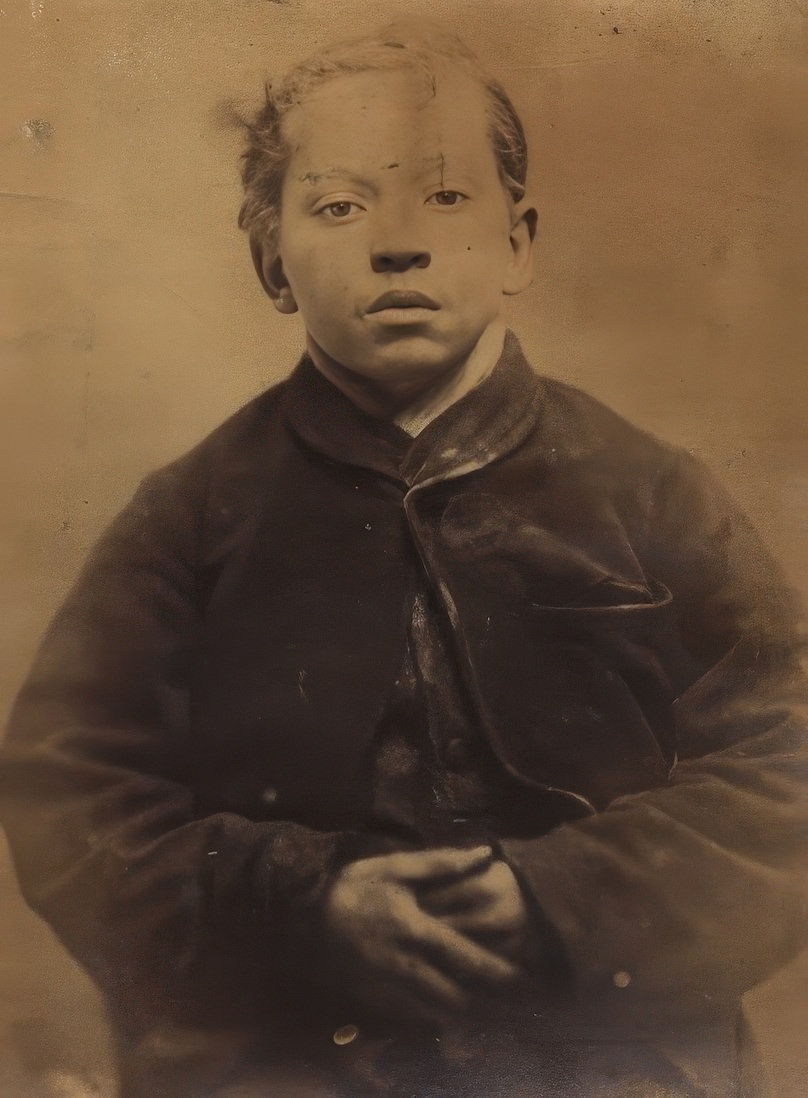
Richard Rimmington was 15 when he stole a pipe from a shop. He was sentenced to 14 days of hard labor, but never served it — his parents paid the costs and fines on his behalf, and he was released. His case is one of the few in this archive where a sentence was avoided entirely, and it highlights the advantage that family resources could provide within the Victorian justice system.
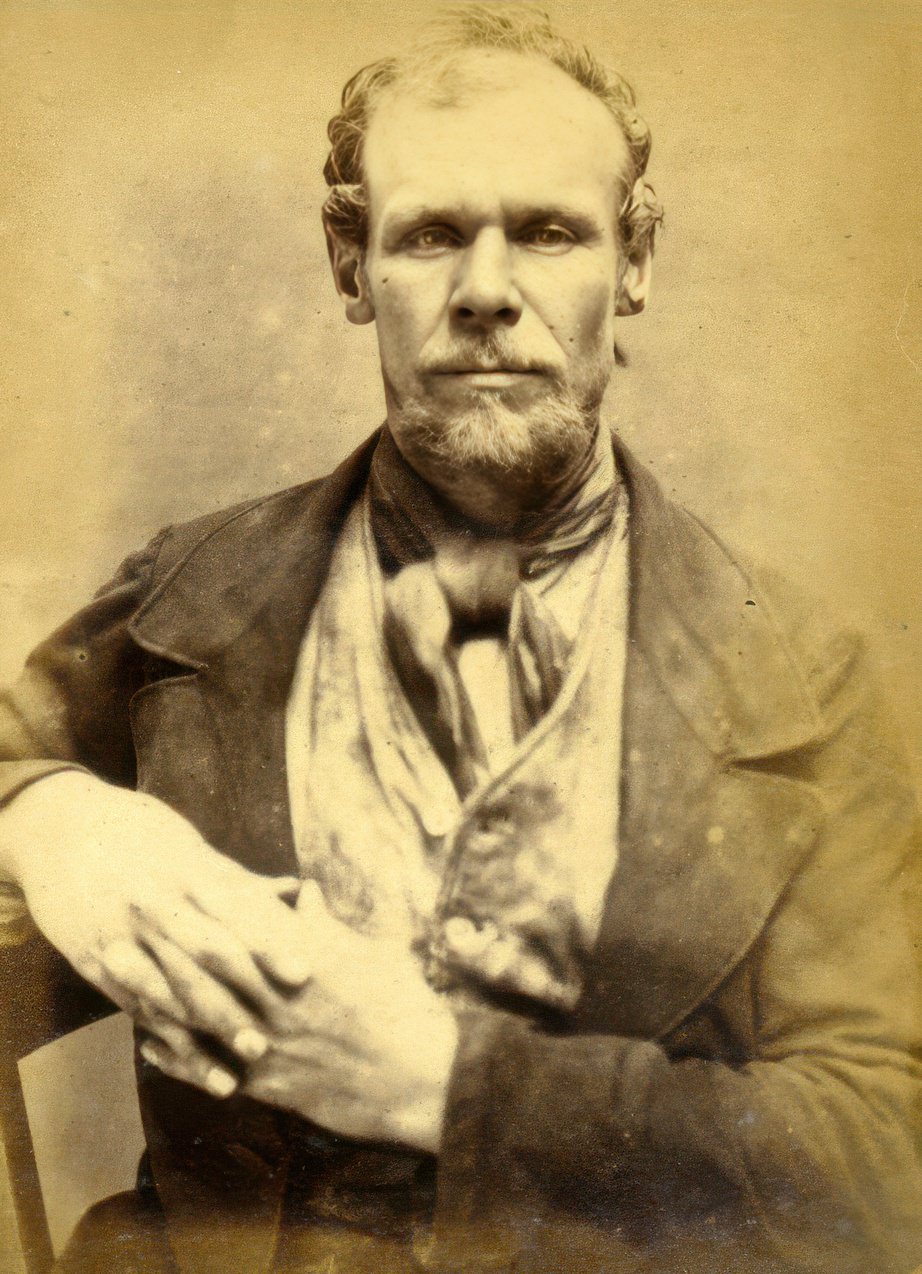
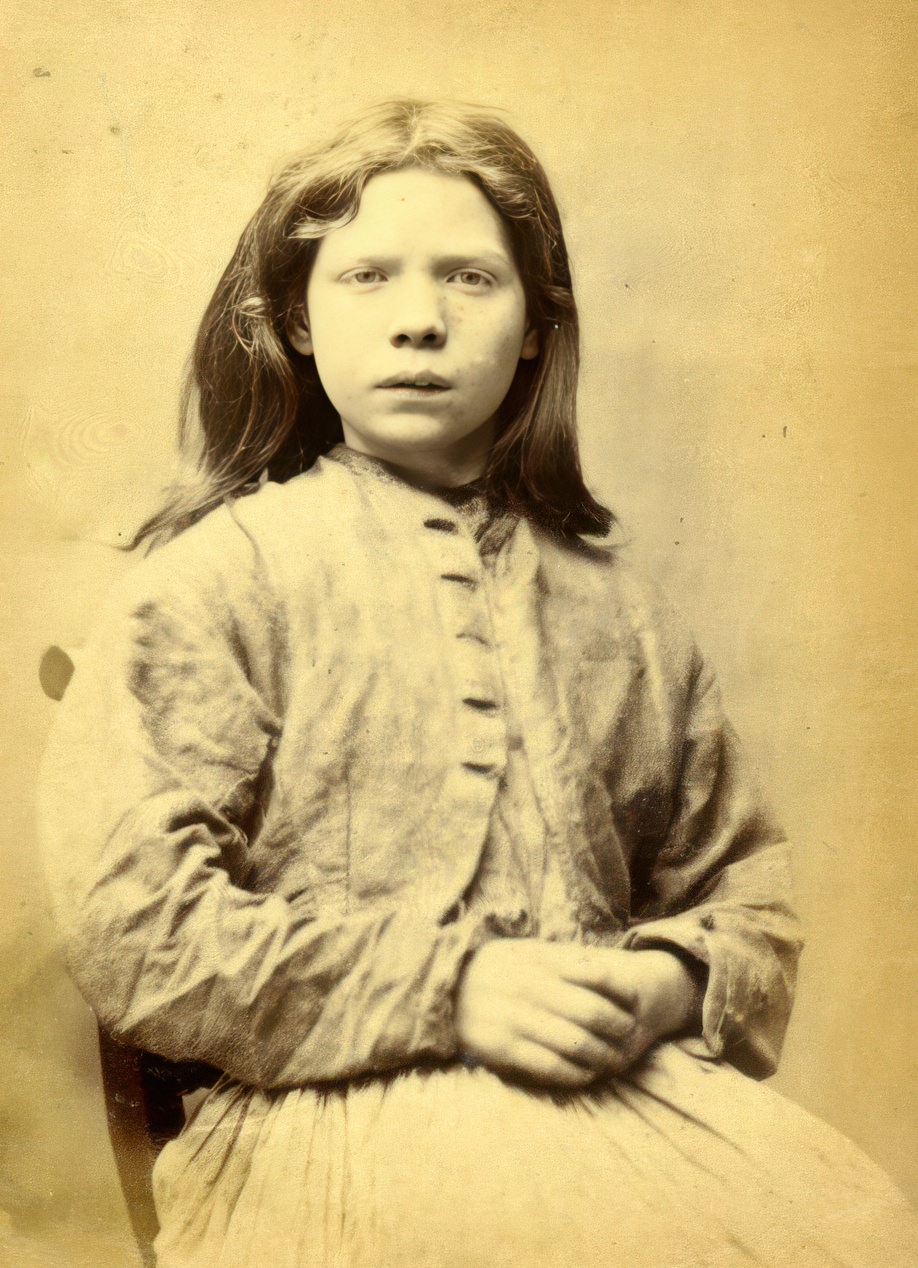
Mary Catherine Docherty was part of a group of four women convicted of stealing iron. All four — Docherty, Mary Hinnigan, Ellen Woodman, and Rosanna Watson — received seven days of hard labor each. Only Docherty’s photograph appears to have survived in this collection, but the record names all of her accomplices, making it one of the few cases in the archive involving a coordinated group.
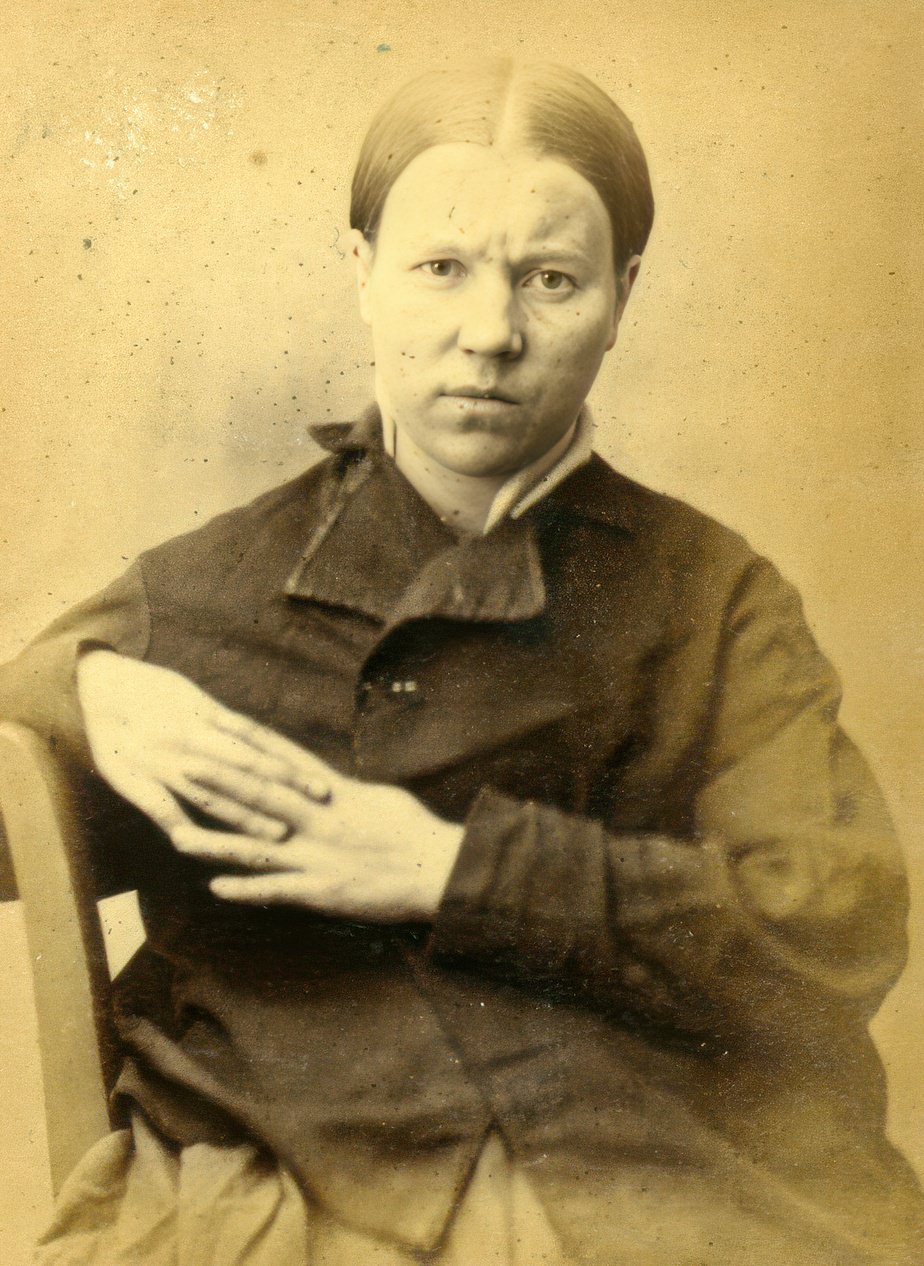
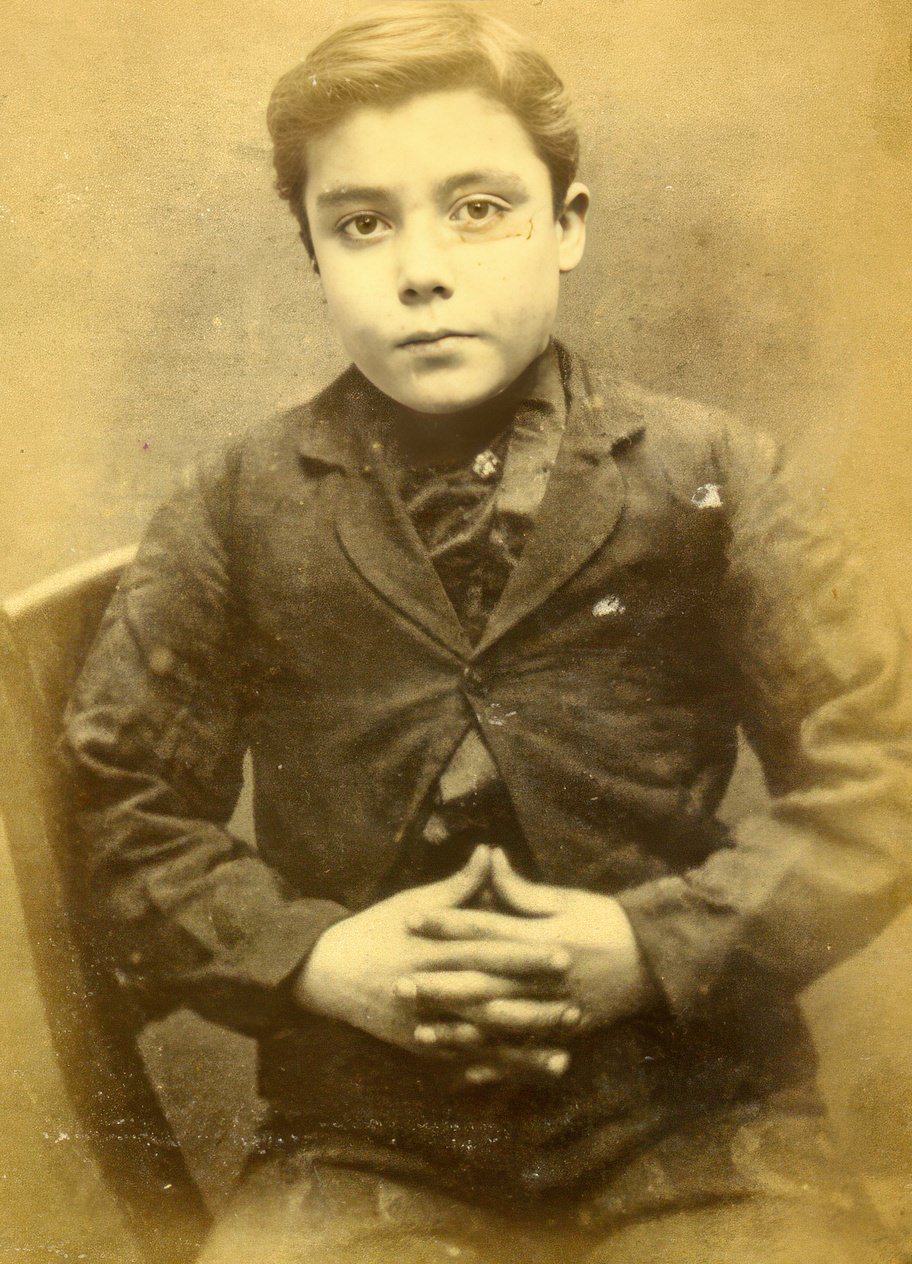
Henry Leonard Stephenson was just 12 years old when he was convicted of breaking into houses and sentenced to two months in prison. He is among the youngest individuals in the entire archive. His photograph is a striking reminder that the Victorian criminal justice system drew no minimum age when it came to formal prosecution and imprisonment.
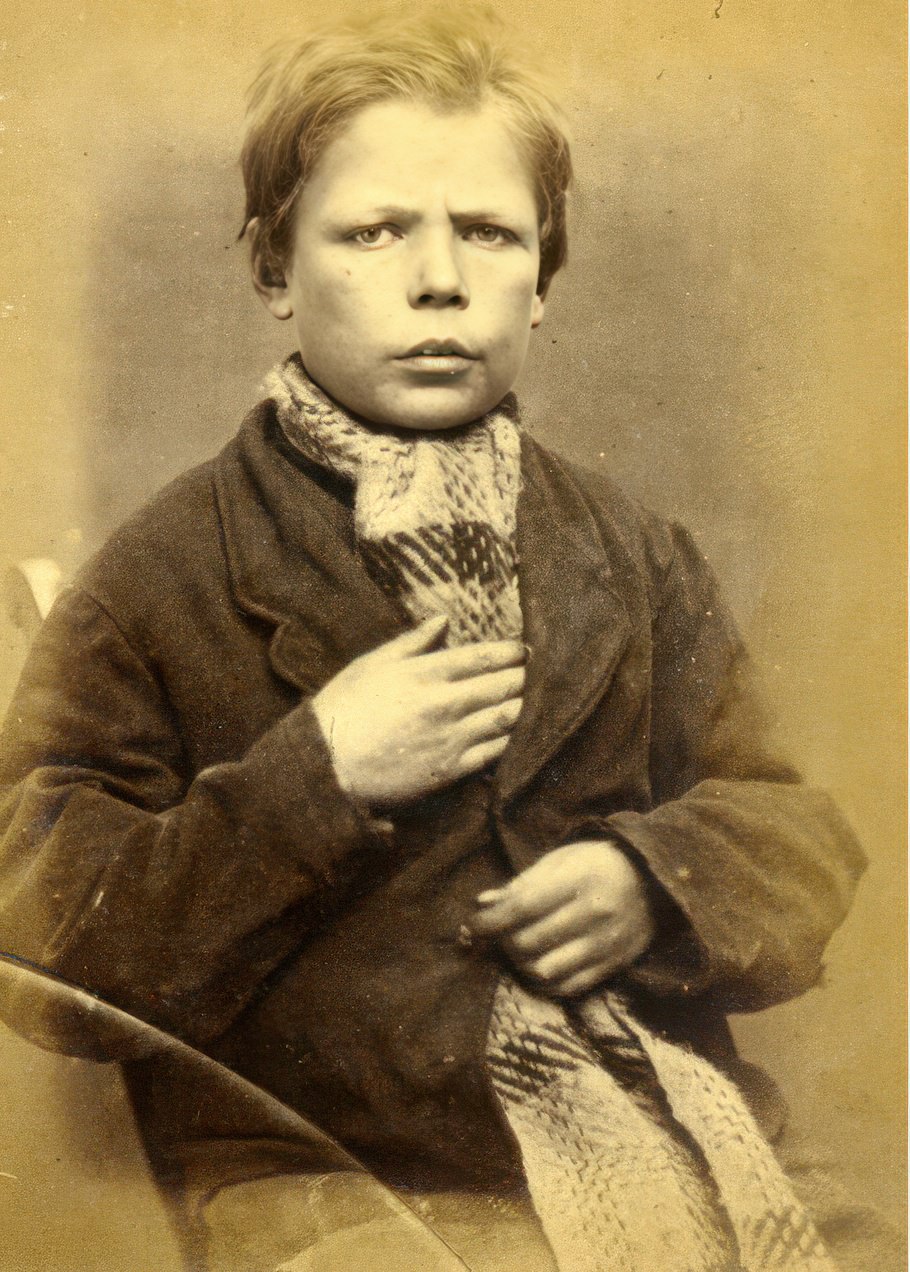
Henry Miller was 14 when he was charged with stealing clothing and sentenced to 14 days of hard labor. His mugshot closes out this collection much as it began — with the face of someone very young, caught in a system that treated poverty-driven theft as a matter for courts, cameras, and cells. These 26 photographs, taken over just two years in one English city, document a way of life — and a way of enforcing the law — that was entirely ordinary at the time.