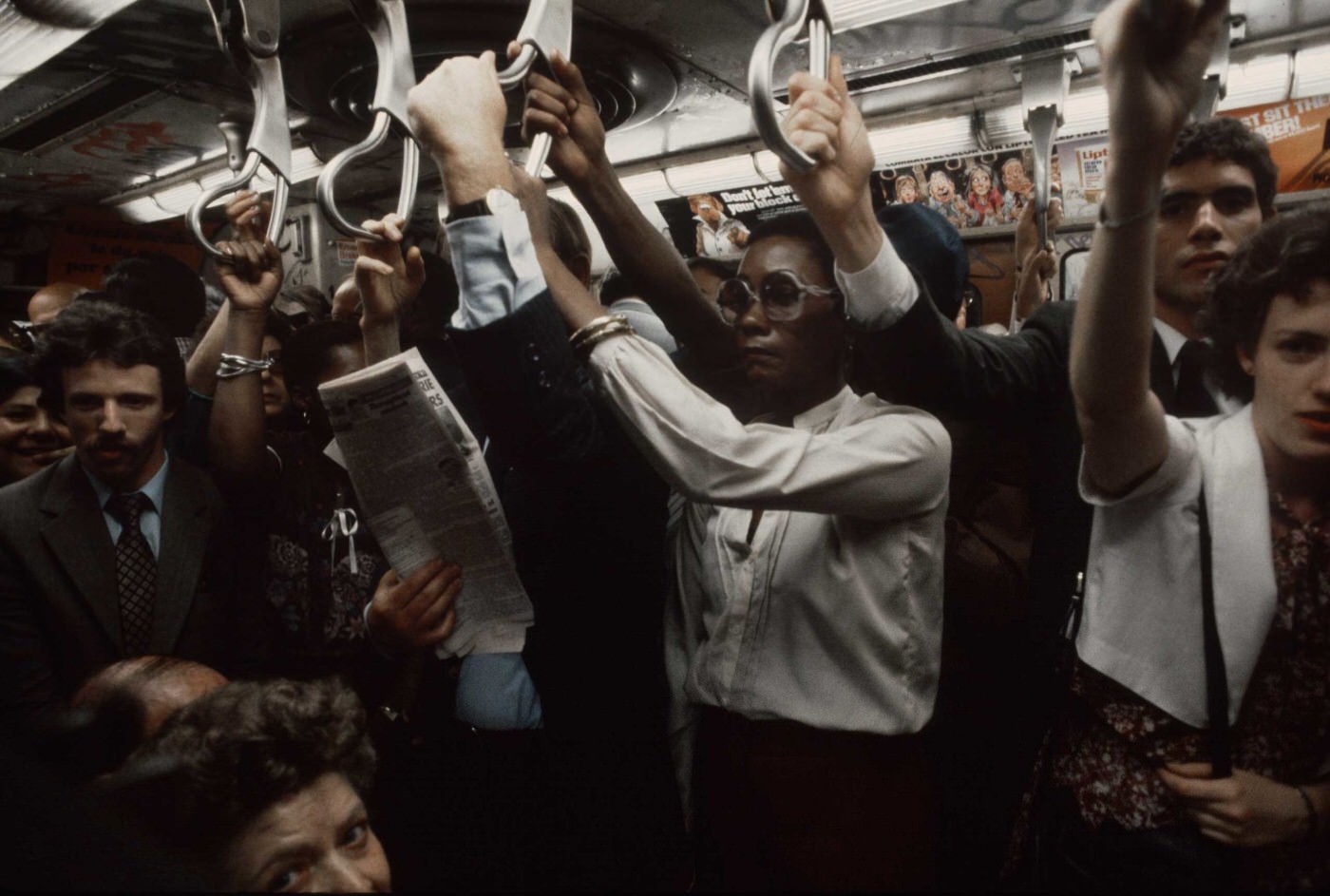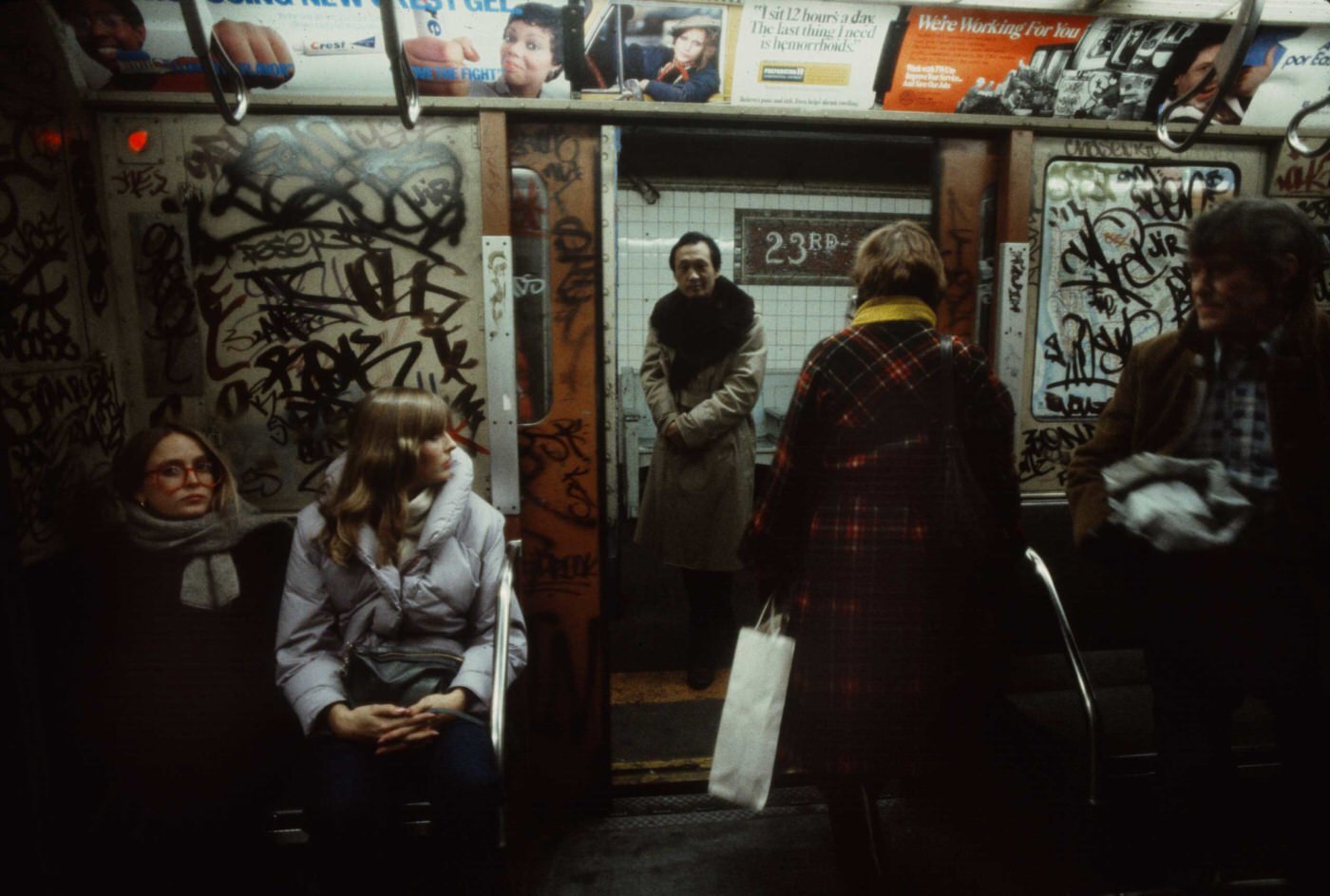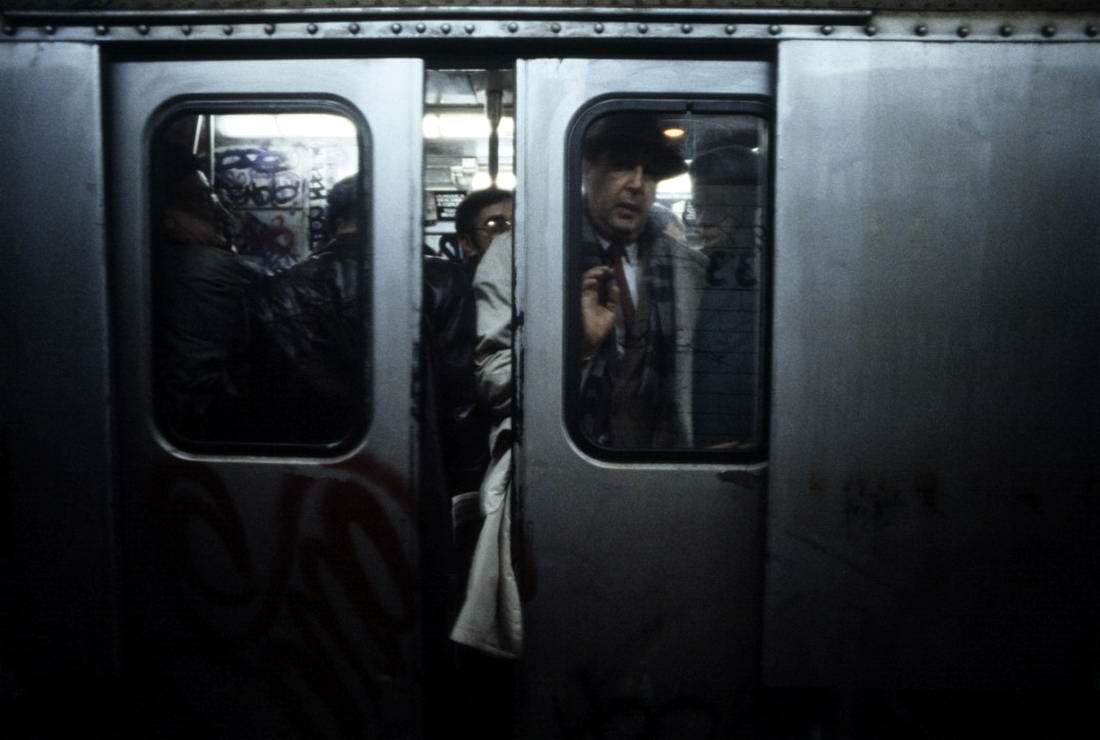
In 1981, New York City’s subway system was a world unto itself. Photographer Christopher Morris documented it with unflinching honesty, capturing a transit network that was overcrowded, underfunded, and covered nearly wall-to-wall in graffiti. The city was deep in a fiscal crisis, and the subway showed every sign of it.
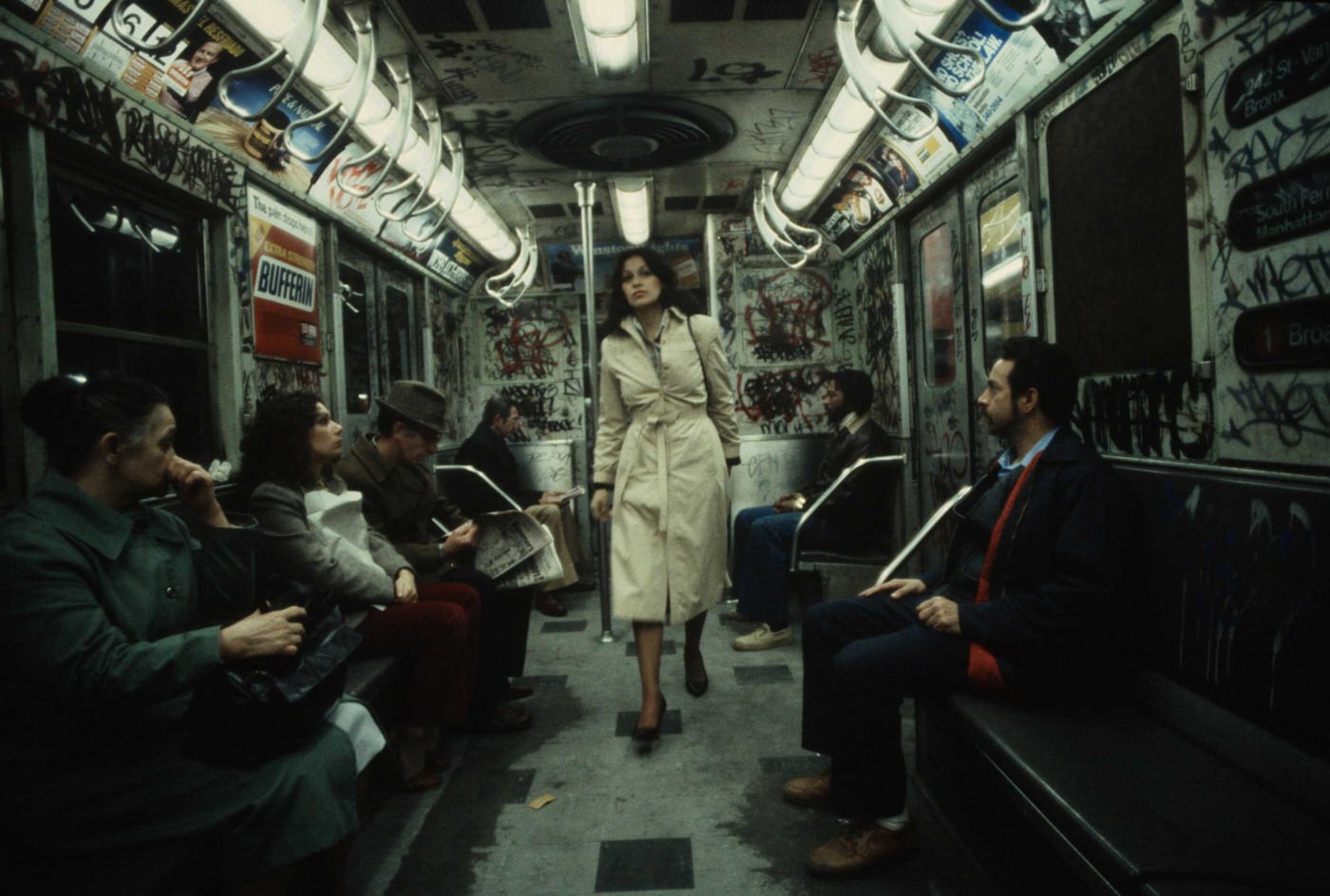
The subway cars of 1981 were worn hard. Seats once a bright red had faded and torn from years of heavy use. Flickering fluorescent lights cast an uneven glow over passengers packed tightly together. The air carried a sharp mix of sweat, metal, and grime that was simply part of the ride.
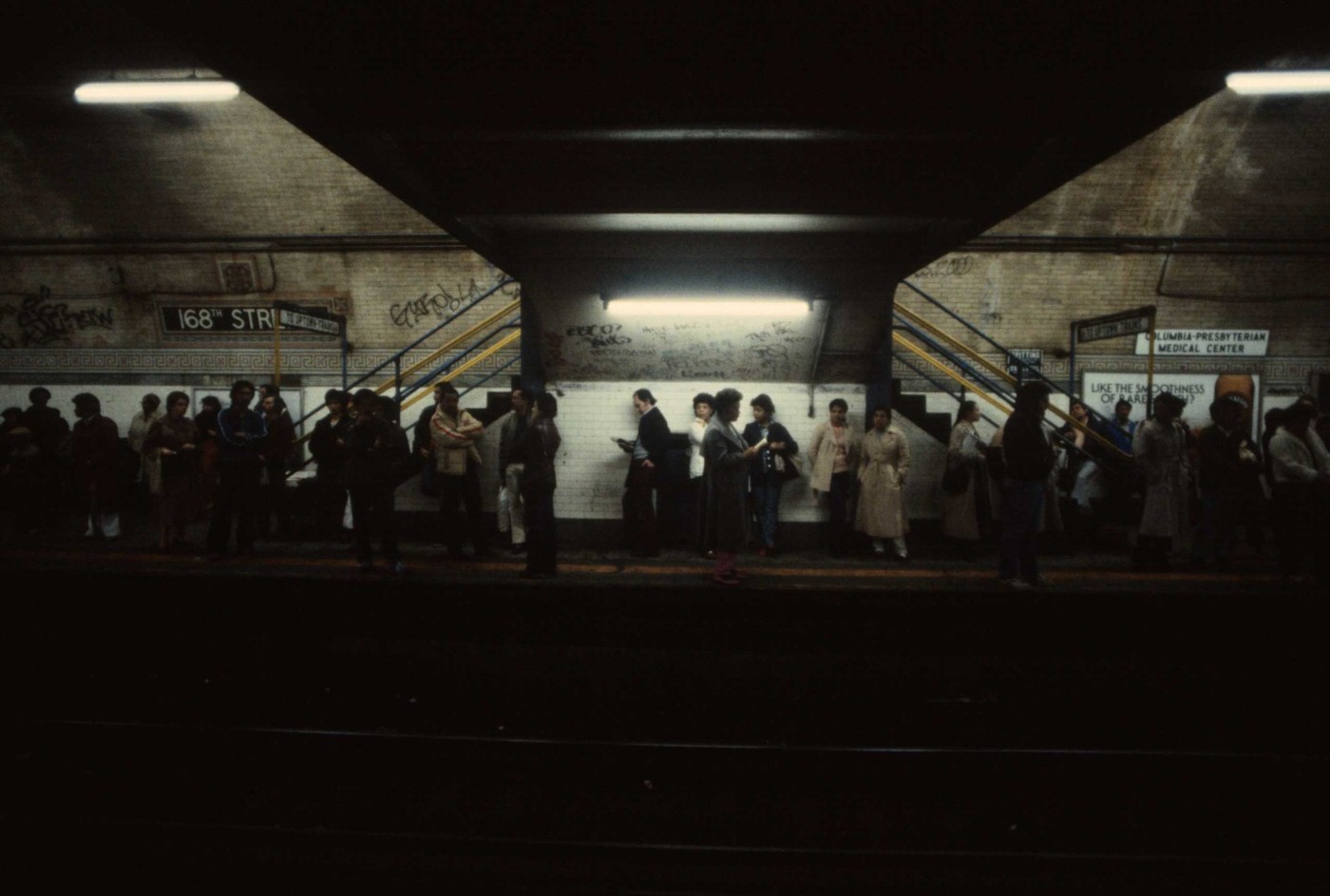
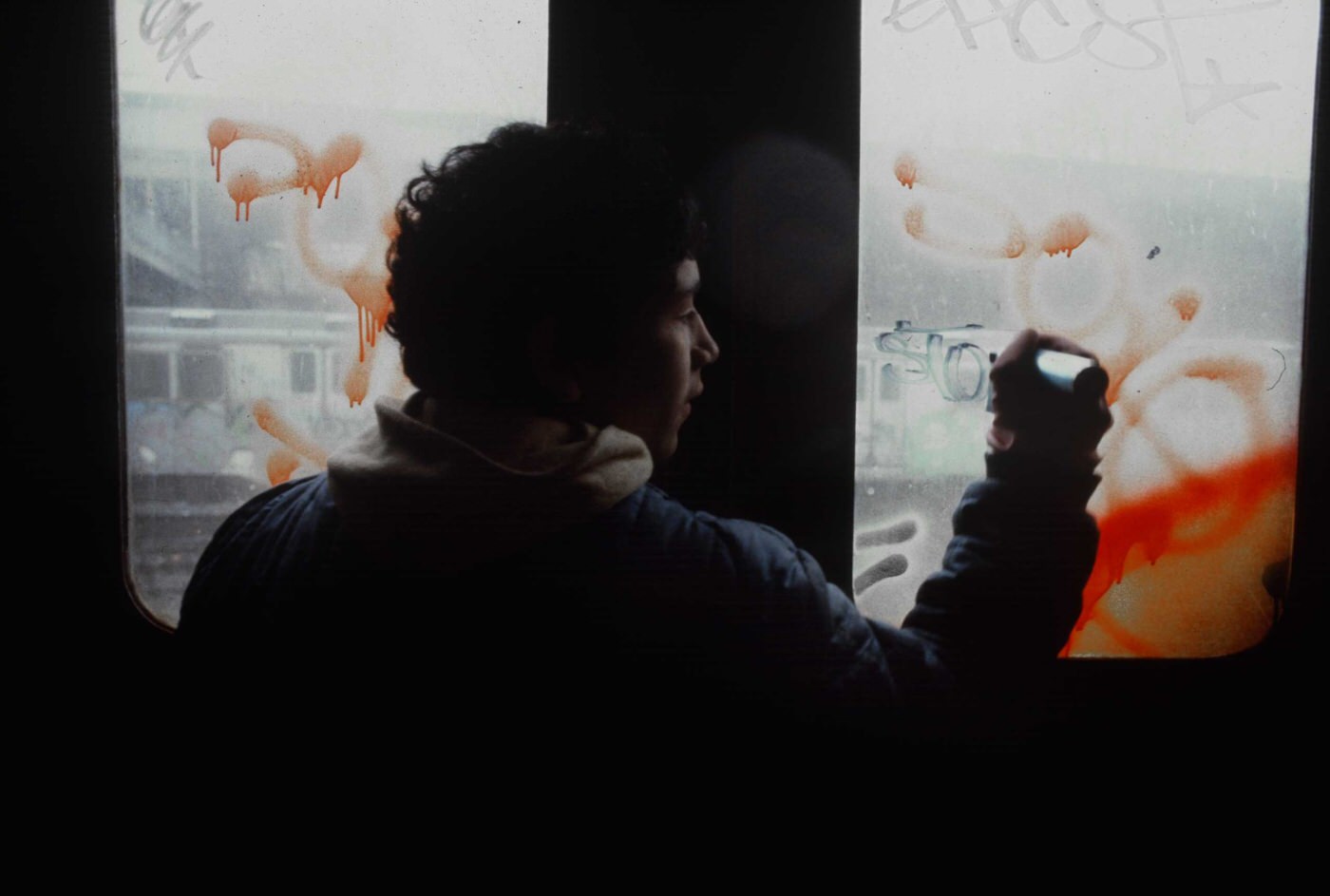
Graffiti covered almost every surface. Car interiors, tunnel walls, and station platforms were layered with tags and murals from dozens of crews. To some riders it was an eyesore. To others, it was the visual language of a city bursting with creative tension.
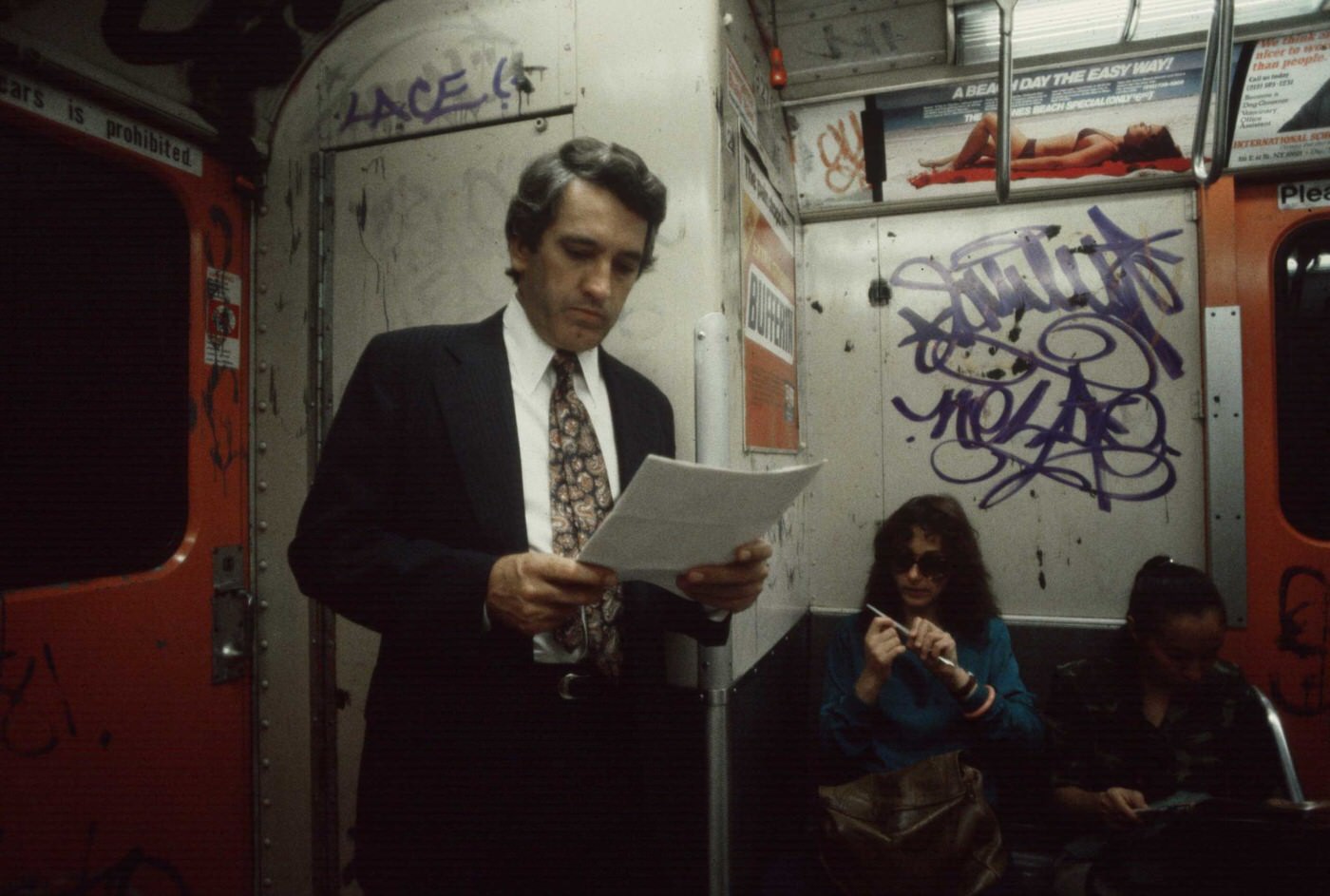
Morris photographed New Yorkers from every walk of life sharing the same cramped cars. Businessmen in suits sat next to construction workers. Teenagers carried boomboxes blasting hip-hop over the clatter of steel wheels on the tracks.
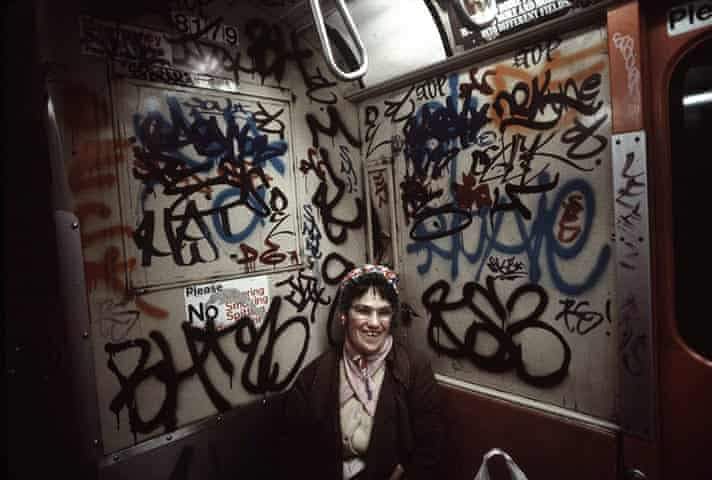
Riders dealt with the chaos in their own ways. Some buried themselves in newspapers. Others stared straight ahead, detached from everything around them. The train was a place where the city’s energy and its exhaustion existed side by side.
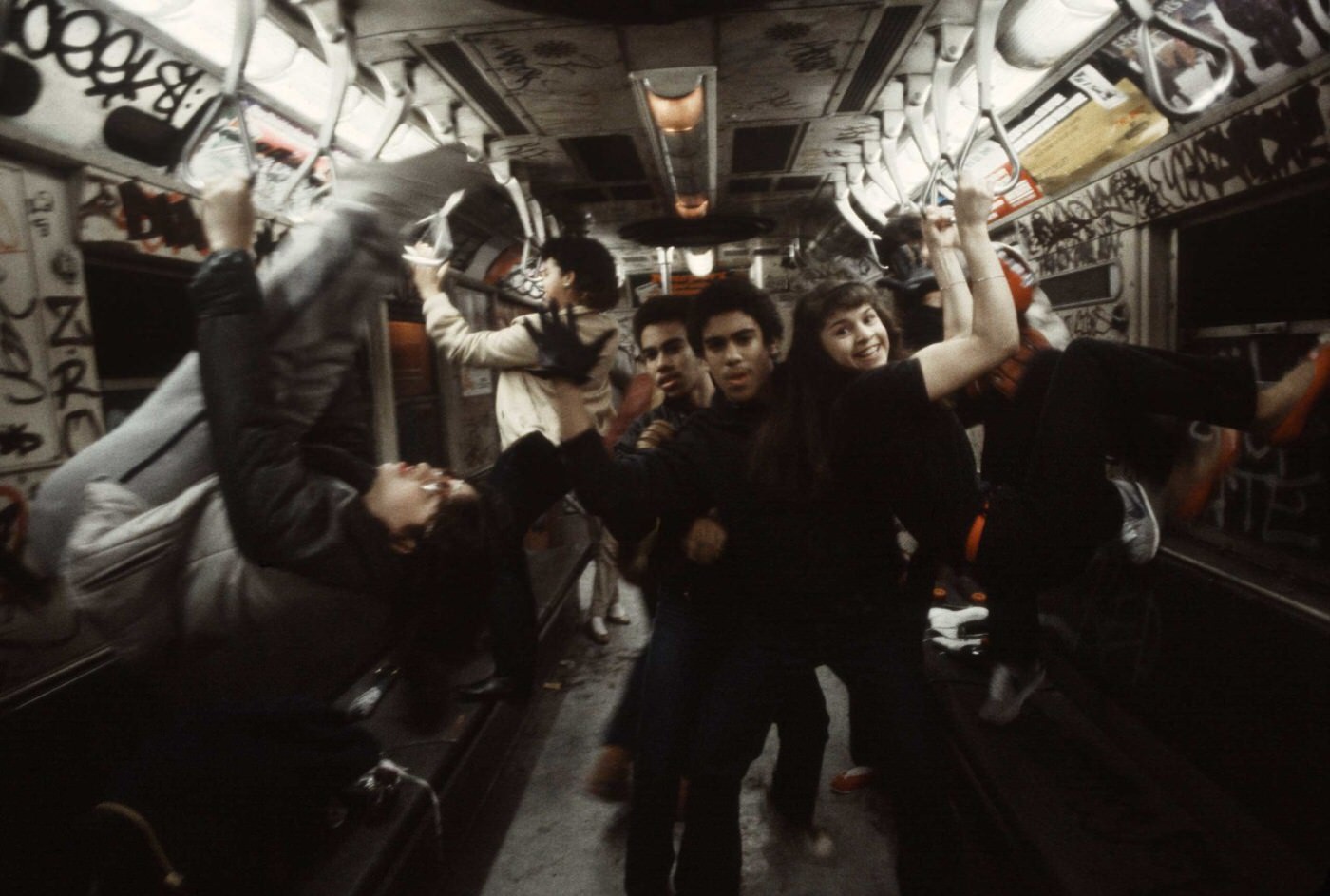
Rush hour pushed the system to its limits. Passengers packed stairwells, platforms, and cars at every major stop across the five boroughs.
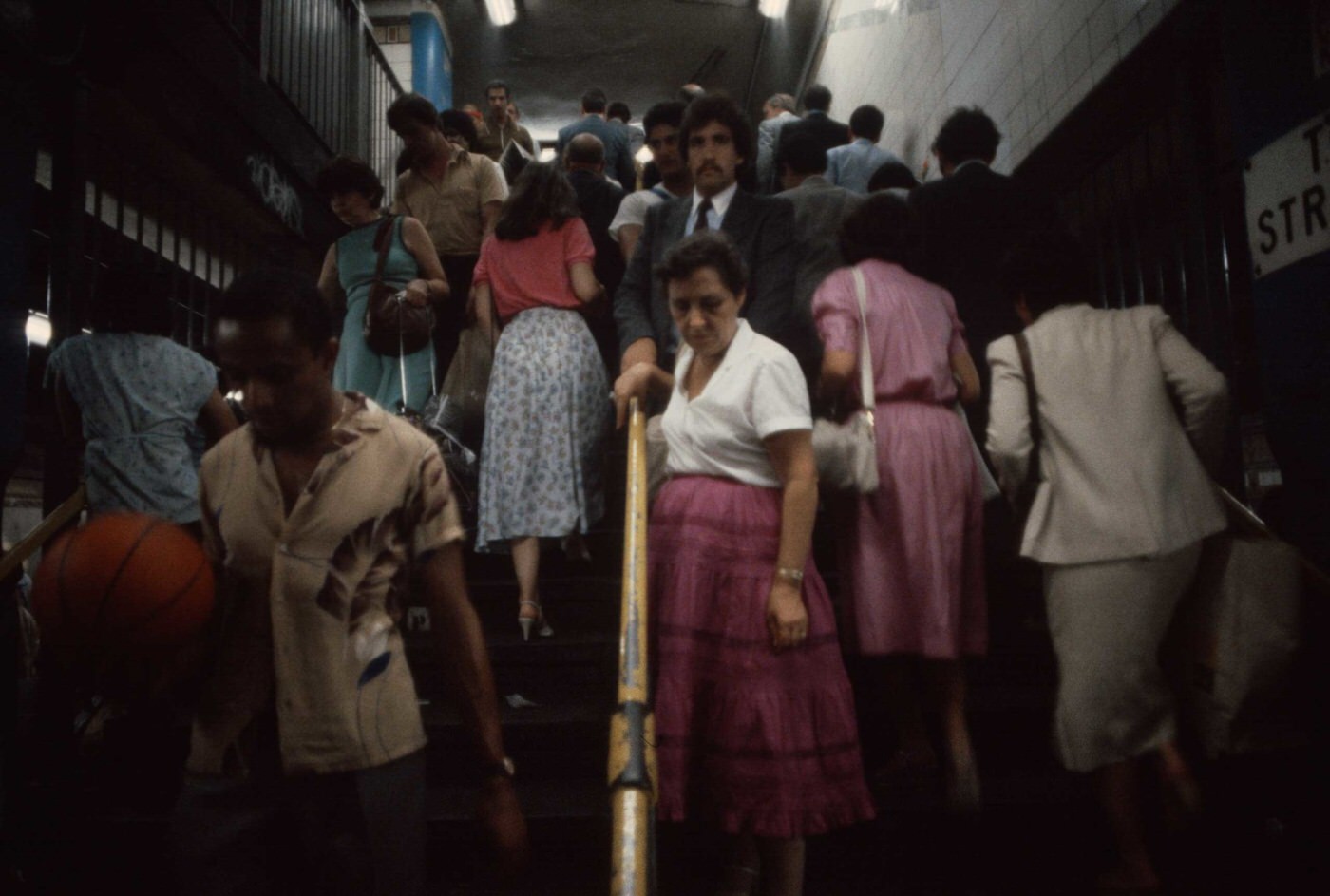
Despite the grime and noise, the subway remained the city’s backbone. Millions relied on it daily, with no real alternative. Each stop brought a fresh wave of passengers, each carrying a different story from a different corner of New York.
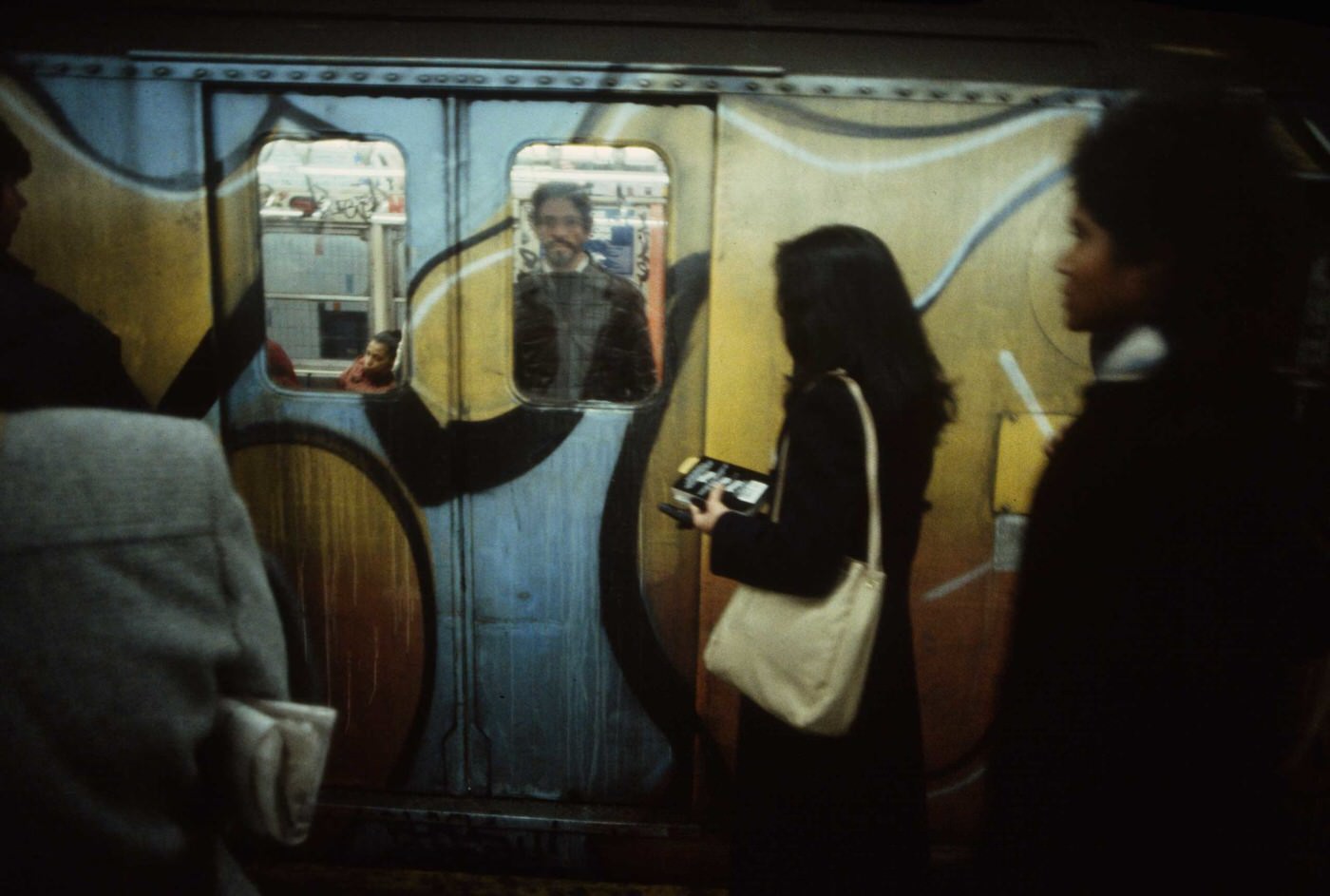
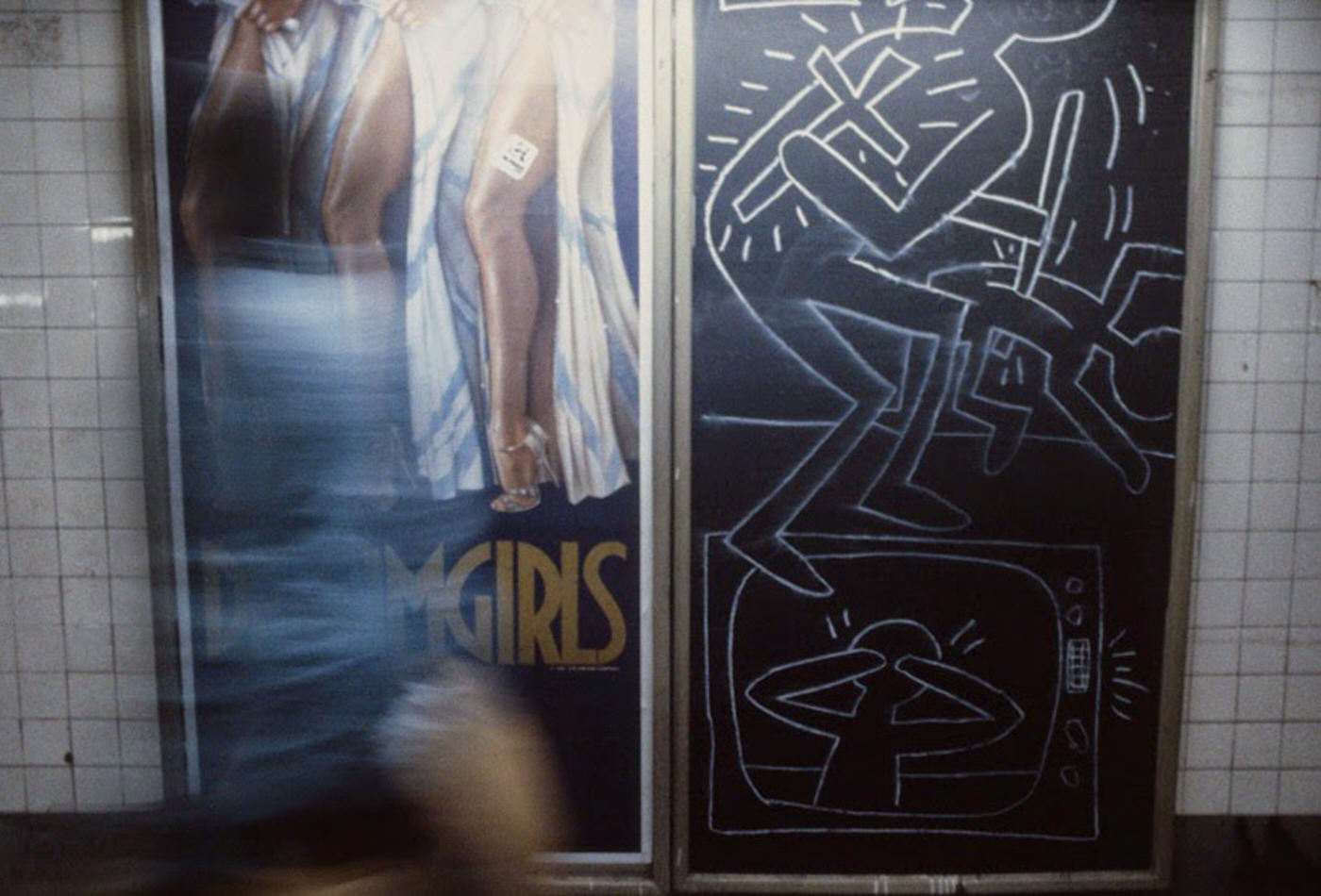
Morris had a sharp eye for the small, telling details. A woman clutching her purse tightly. A man leaning against a pole, too tired to stand straight. A child asleep in a parent’s arms as the train rocked through dark tunnels.
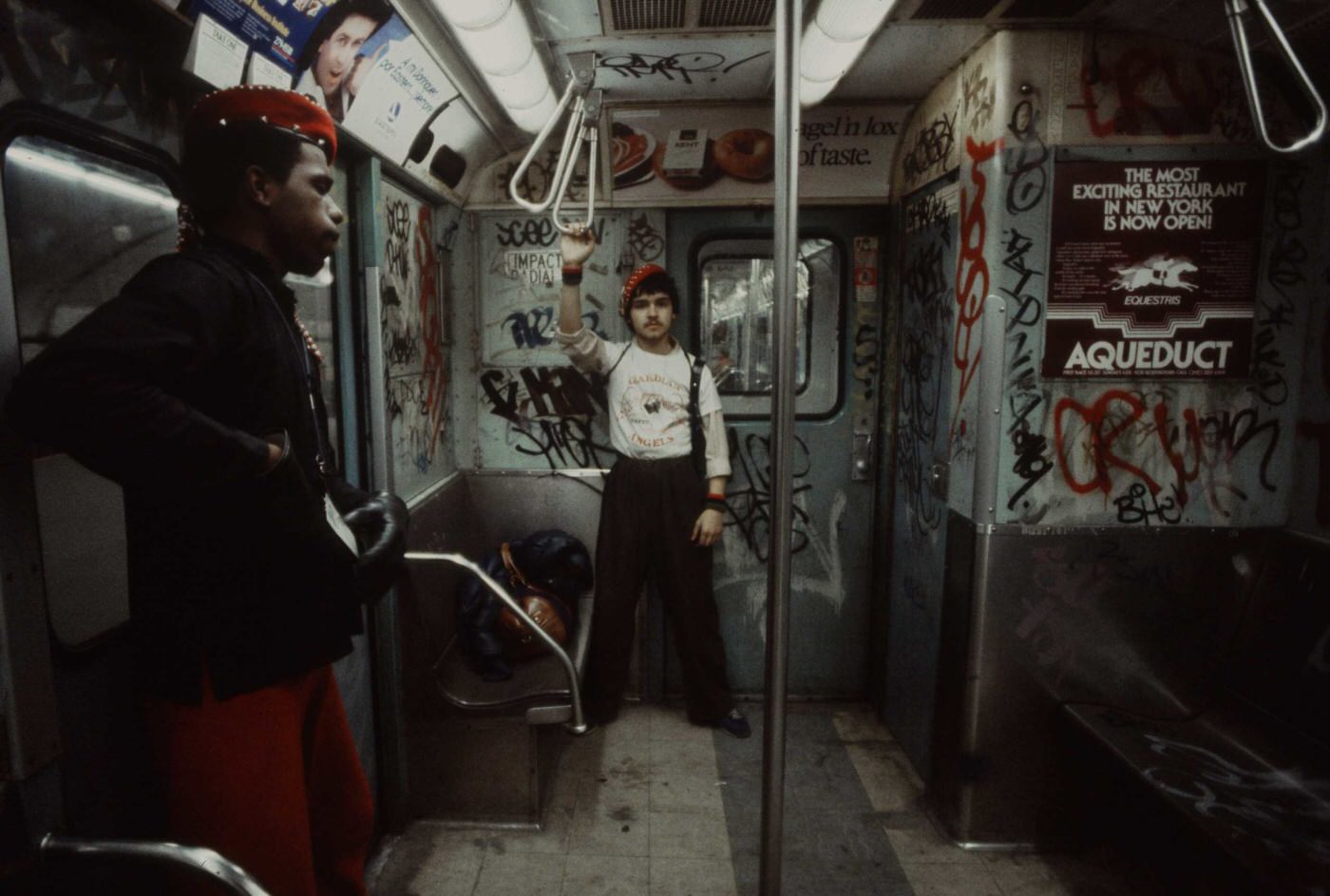
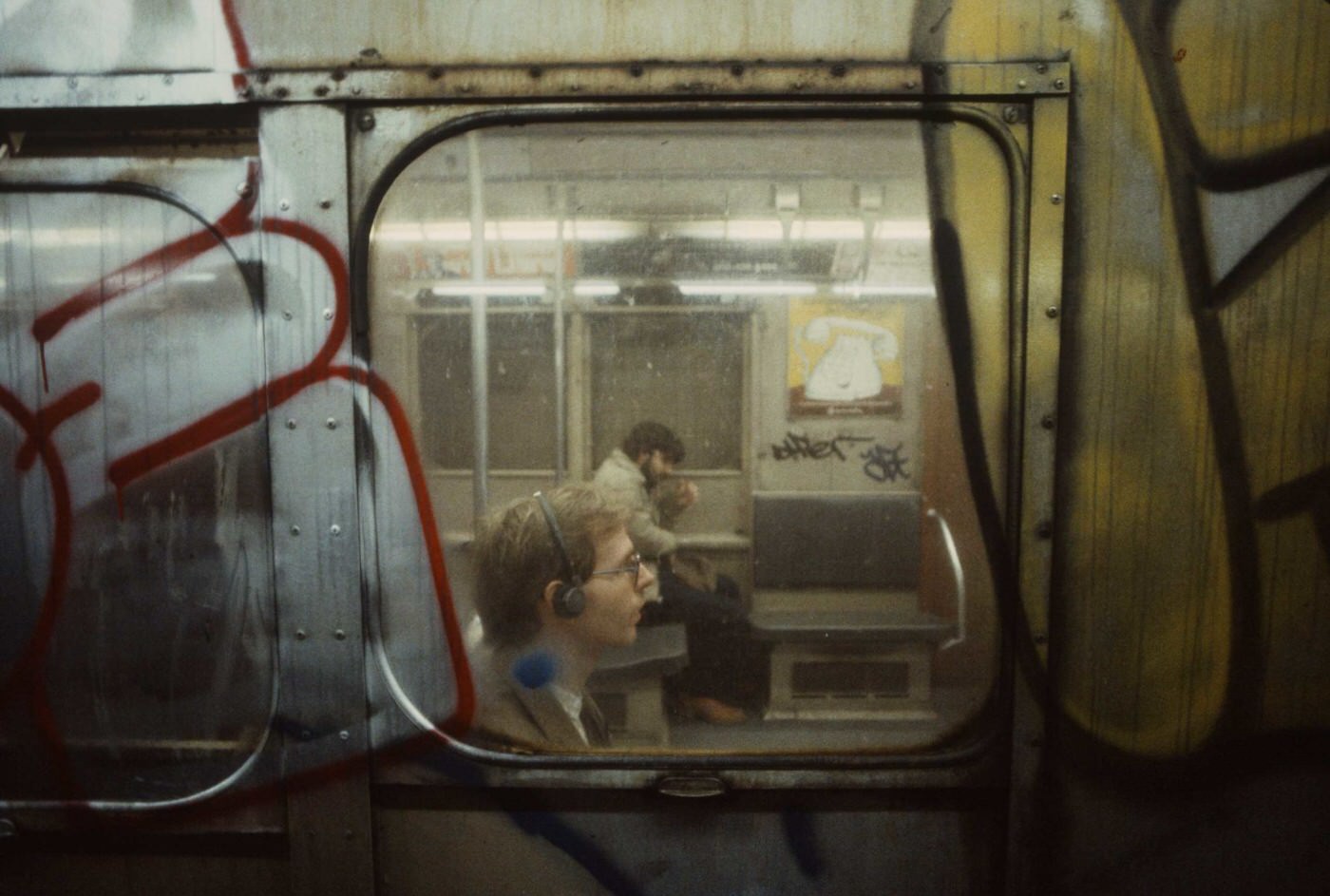
Personal electronics were just beginning to change how people experienced the commute. A rider with headphones could tune out the noise entirely, creating a private bubble inside one of the loudest environments in the city.
Morris’s photos do not romanticize the 1981 subway. They show it plainly — a system under serious strain, ridden by a city that had little choice but to keep moving.