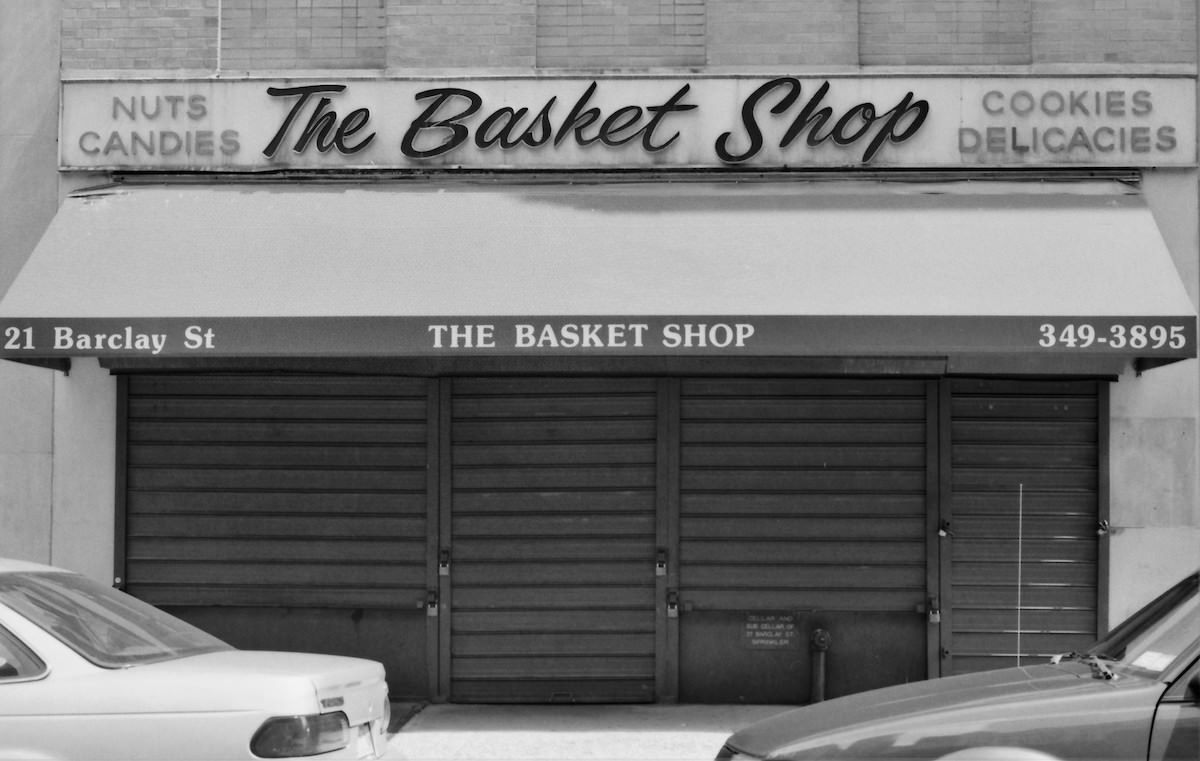
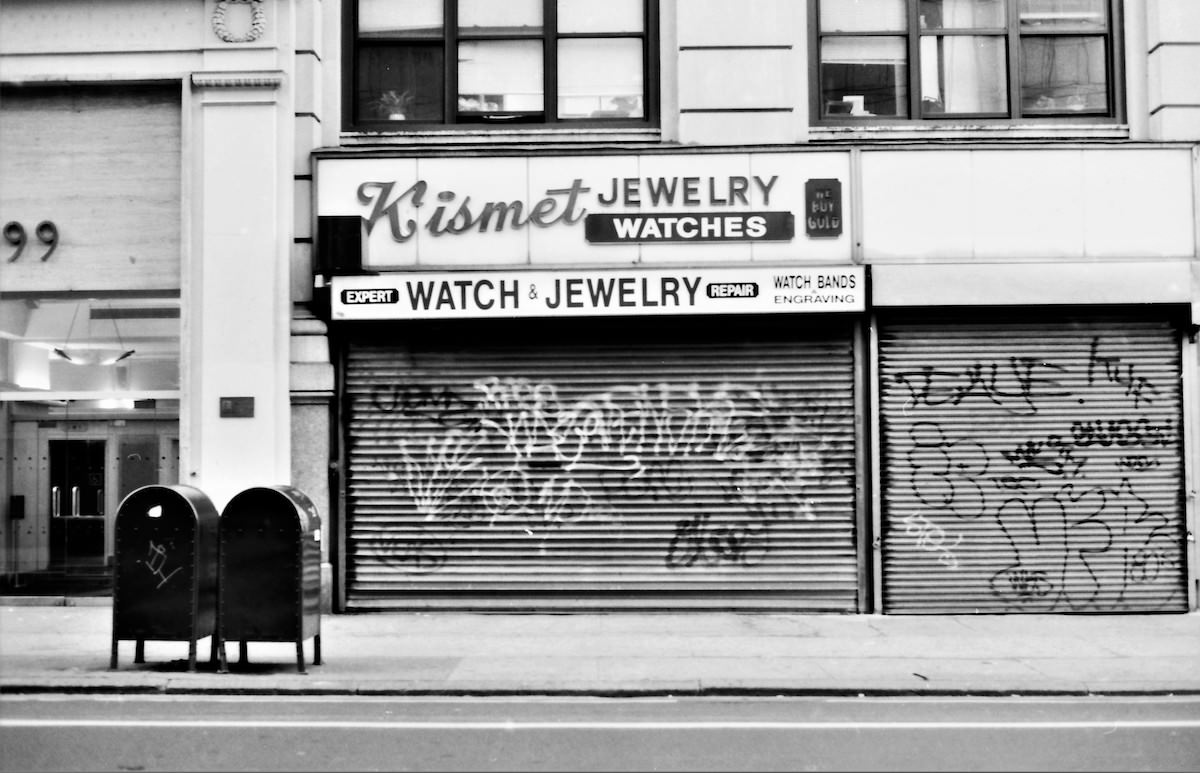
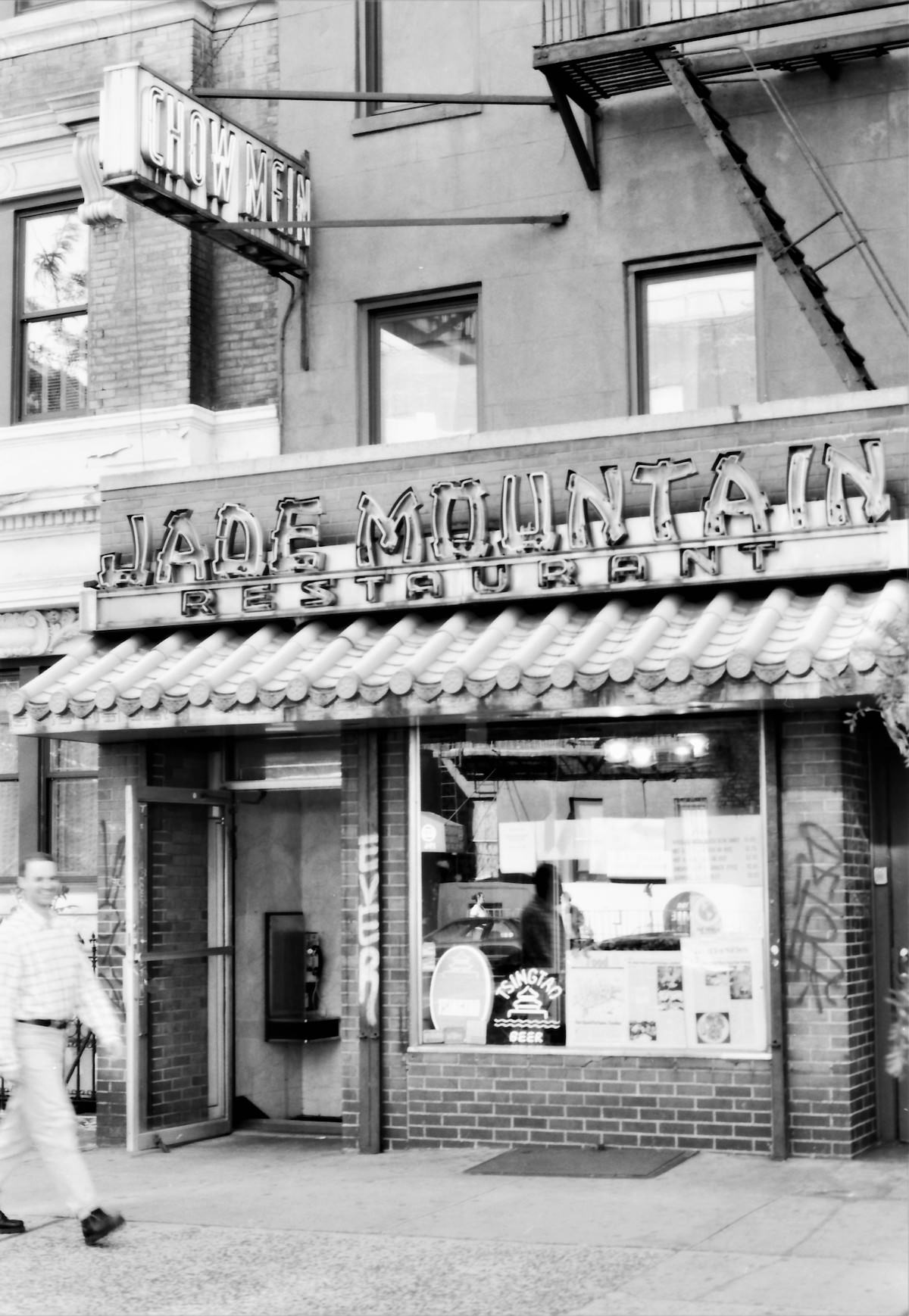
New York City in 1997 was a place where shopping meant physically being there — no apps, no next-day delivery, no scrolling. You showed up, walked the blocks, and took in the city as it was. These photos capture that world: storefronts with hand-painted signs, neighborhood salons, old delis, and shops that had stood for decades.
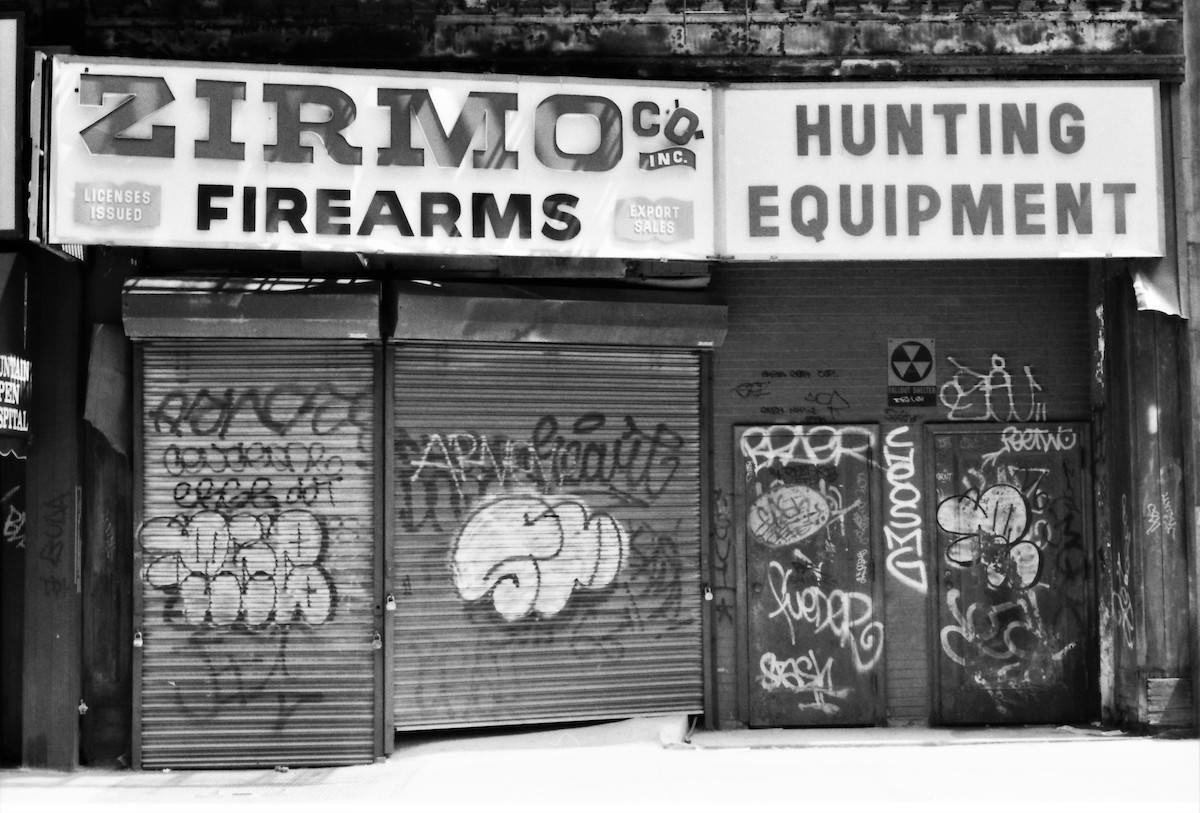
By 1997, the city’s commercial landscape was a layered mix of the old and the new. Copier and fax shops sat next to bakeries. Shoe stores competed with boutiques for foot traffic. Every block had its own personality, shaped by the neighborhood around it.
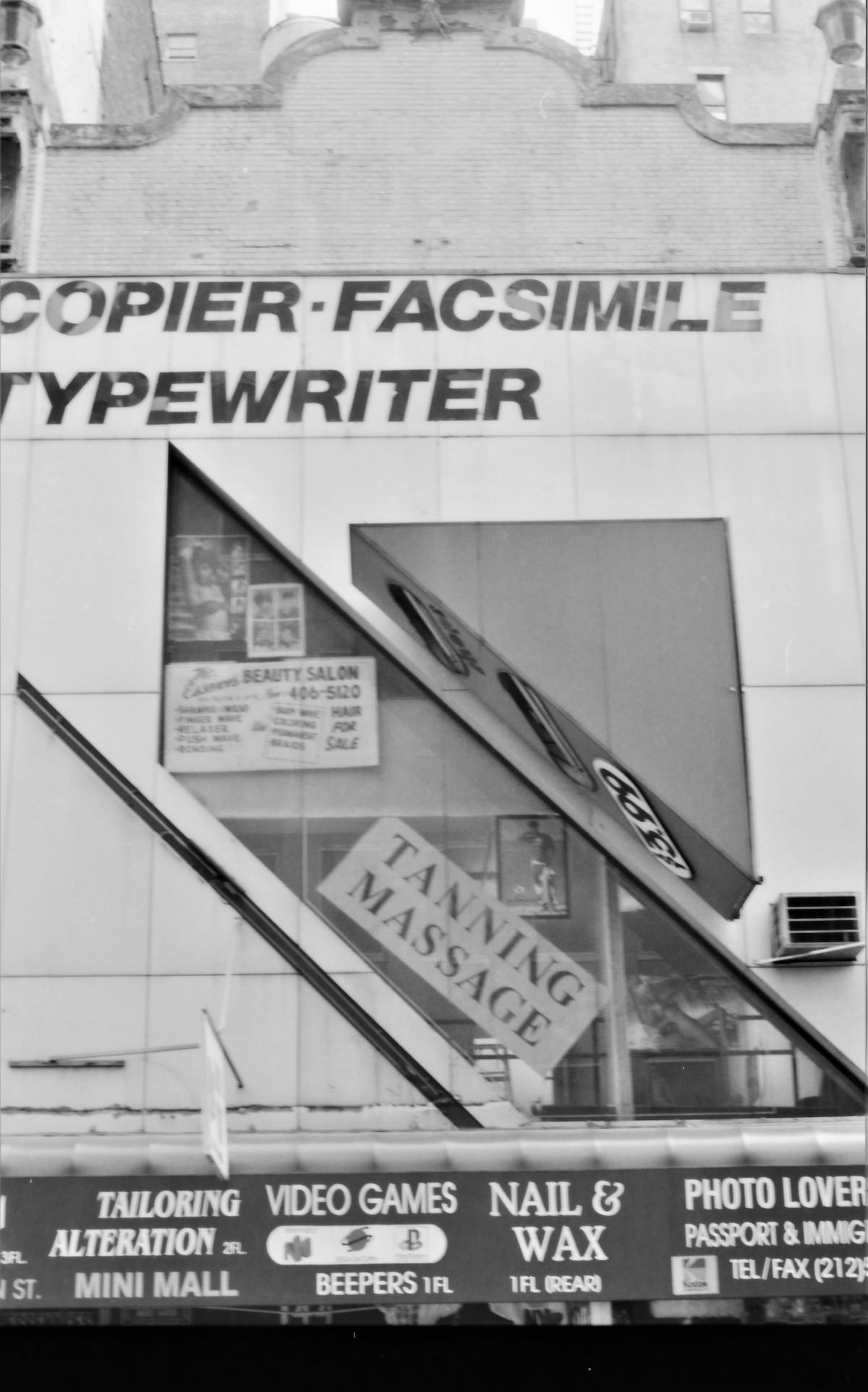
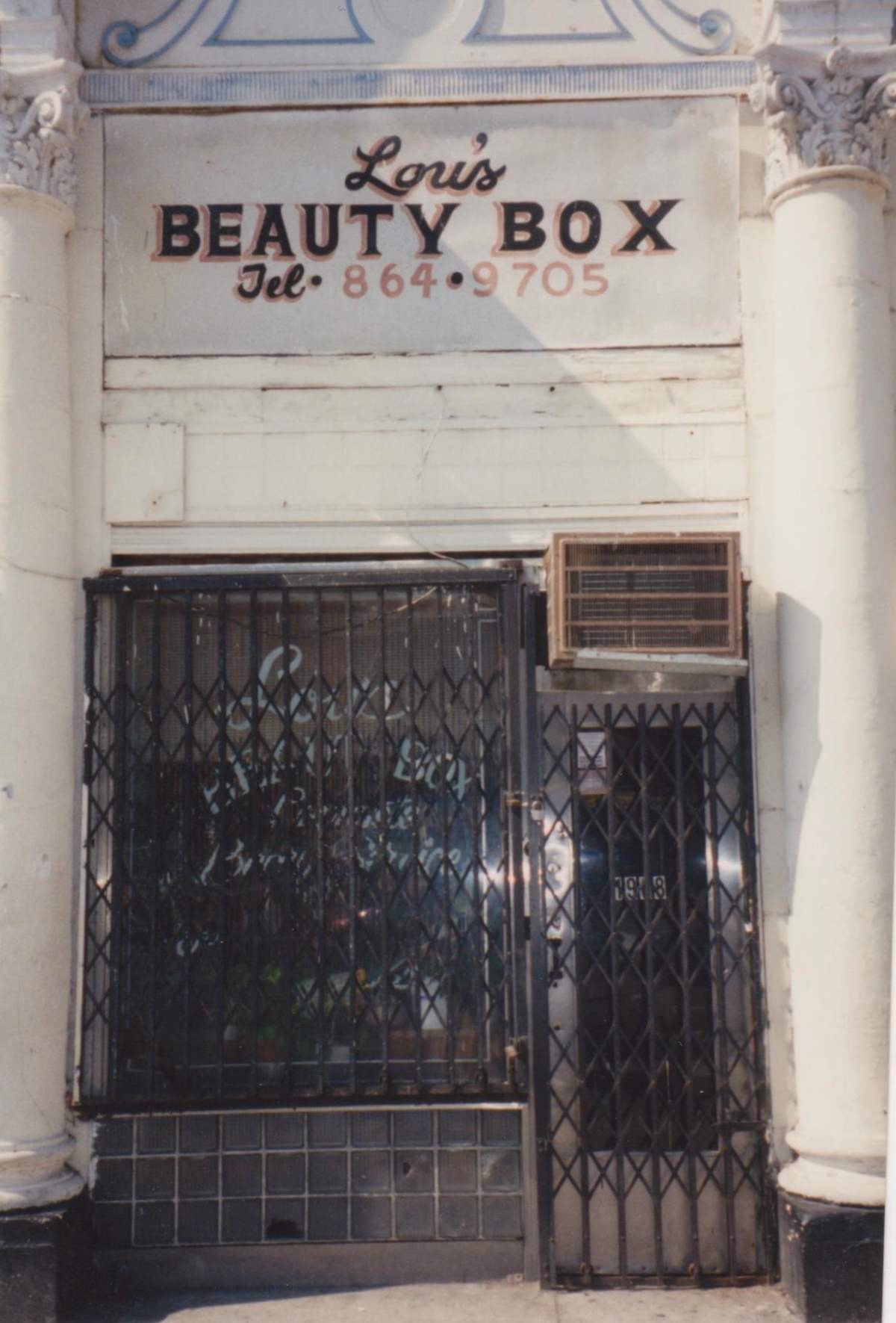
Harlem’s salons and beauty shops were community fixtures. They weren’t just places to get a haircut — they were social spaces where regulars gathered, caught up, and spent real time. The same was true across the five boroughs.
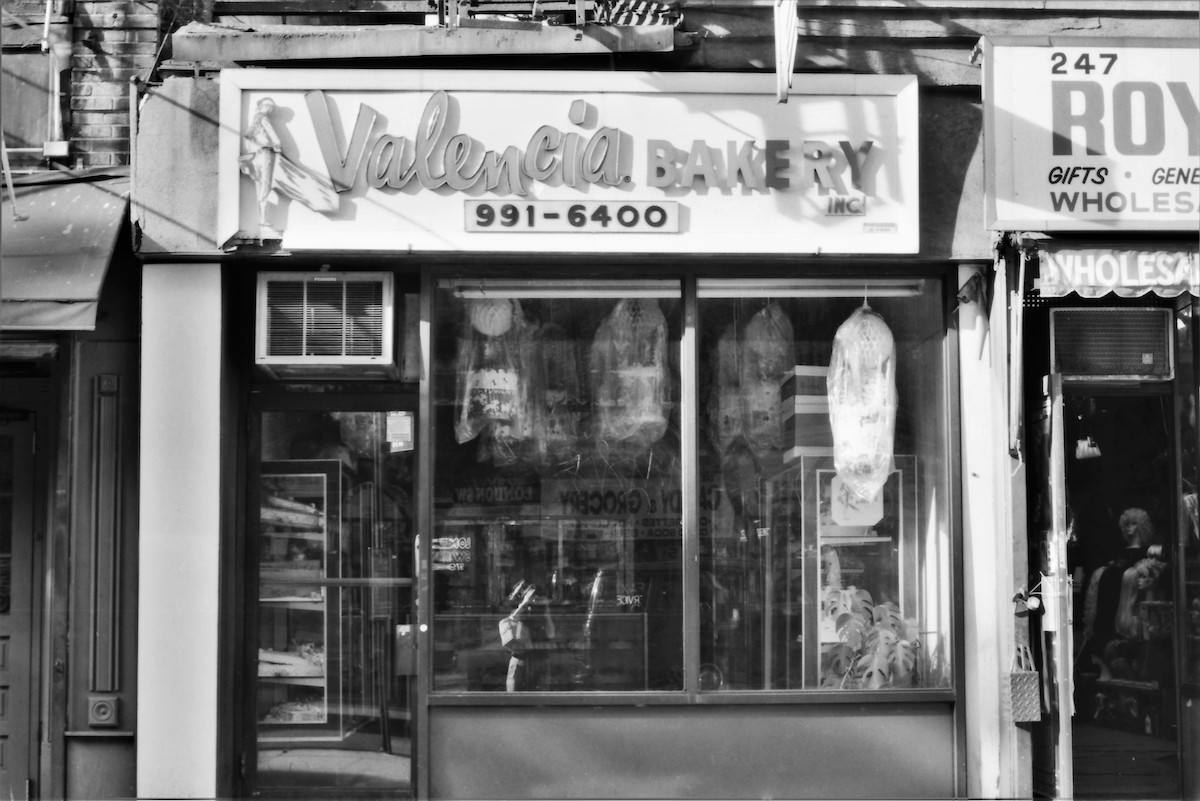
Neighborhood bakeries like Valencia were daily stops for many New Yorkers. Fresh bread, pastries, and the smell of something warm in the oven — these were constants in a city that was always moving fast.
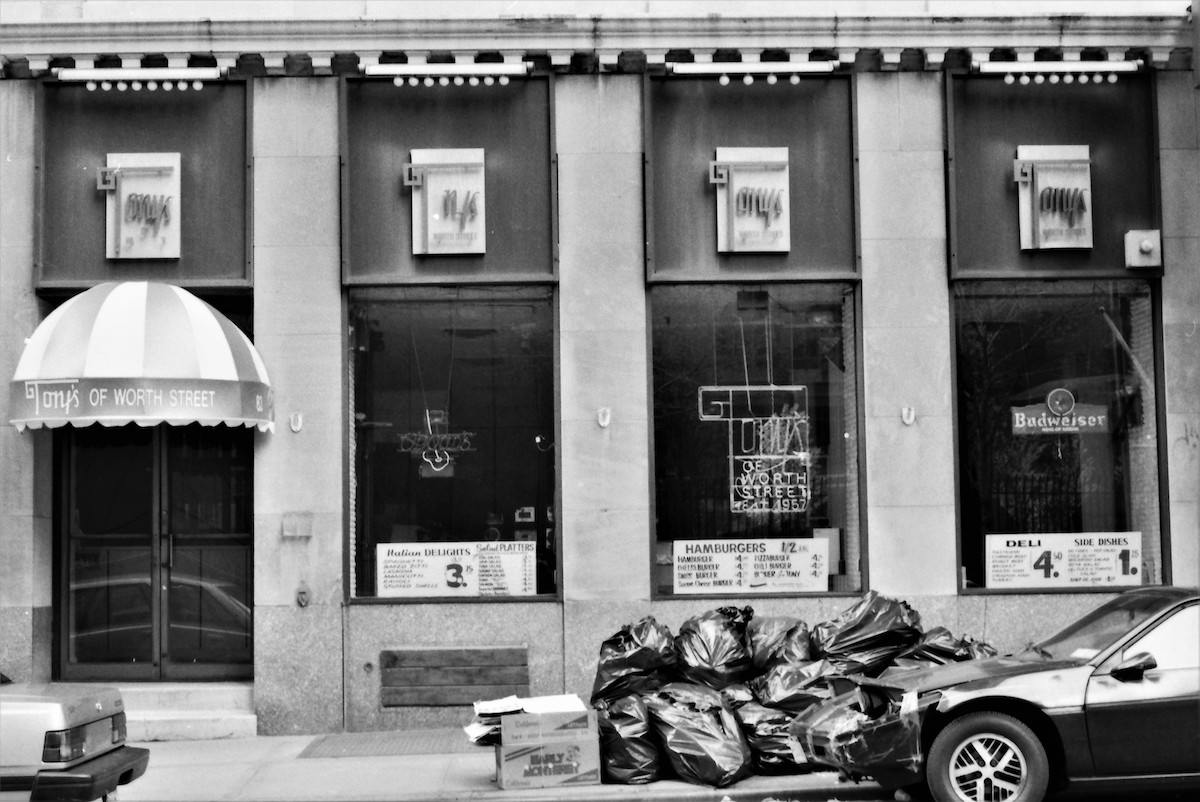
Downtown shops like Tony’s of Worth Street anchored the financial district’s street-level life. While suits filled the offices above, small retailers kept the sidewalks alive during lunch hours and after the closing bell.
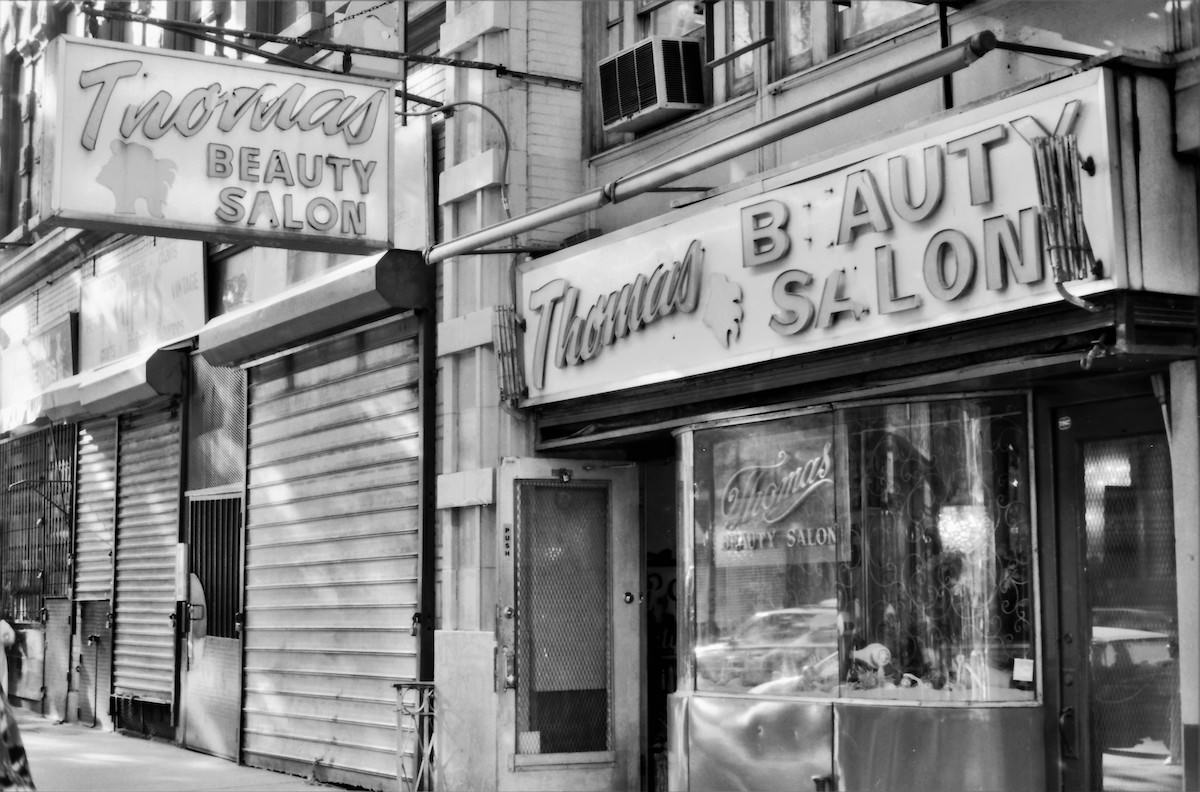
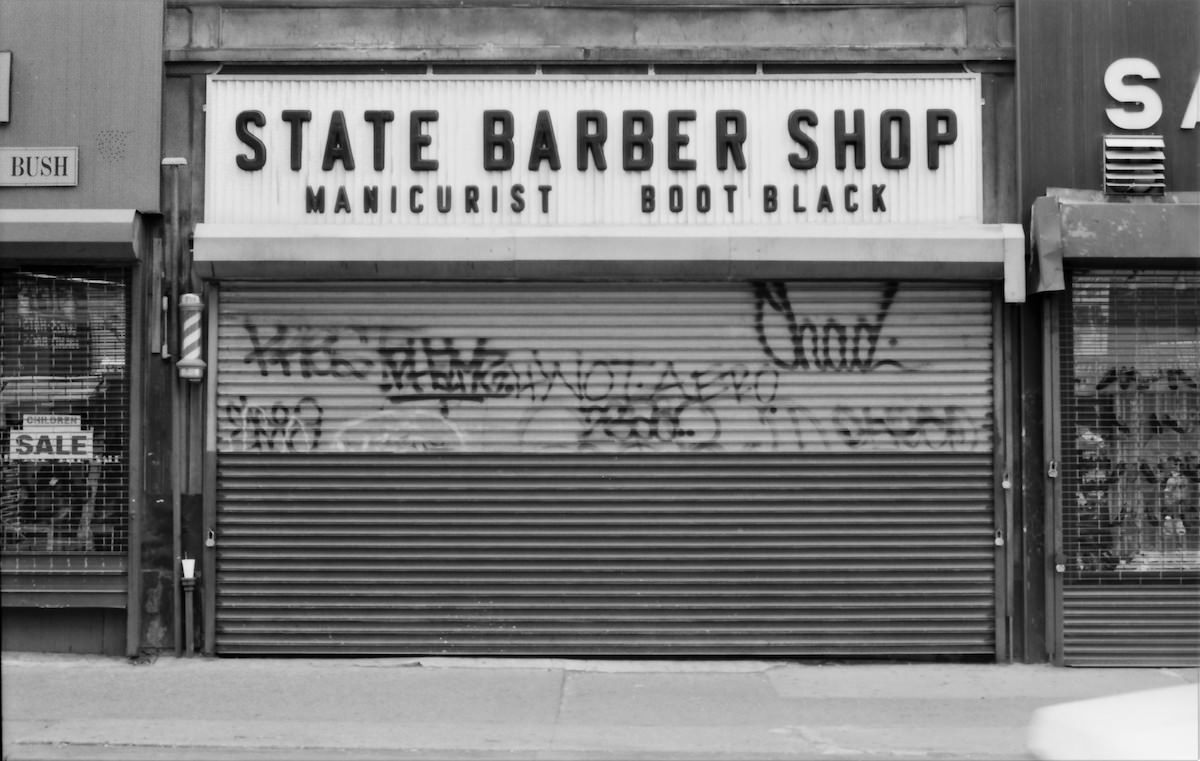
Barber shops and beauty salons appeared on nearly every block in every borough. The State Barber Shop and Thom Beauty Salon represent thousands of similar spots that gave neighborhoods their character — places where you knew the person cutting your hair by name.
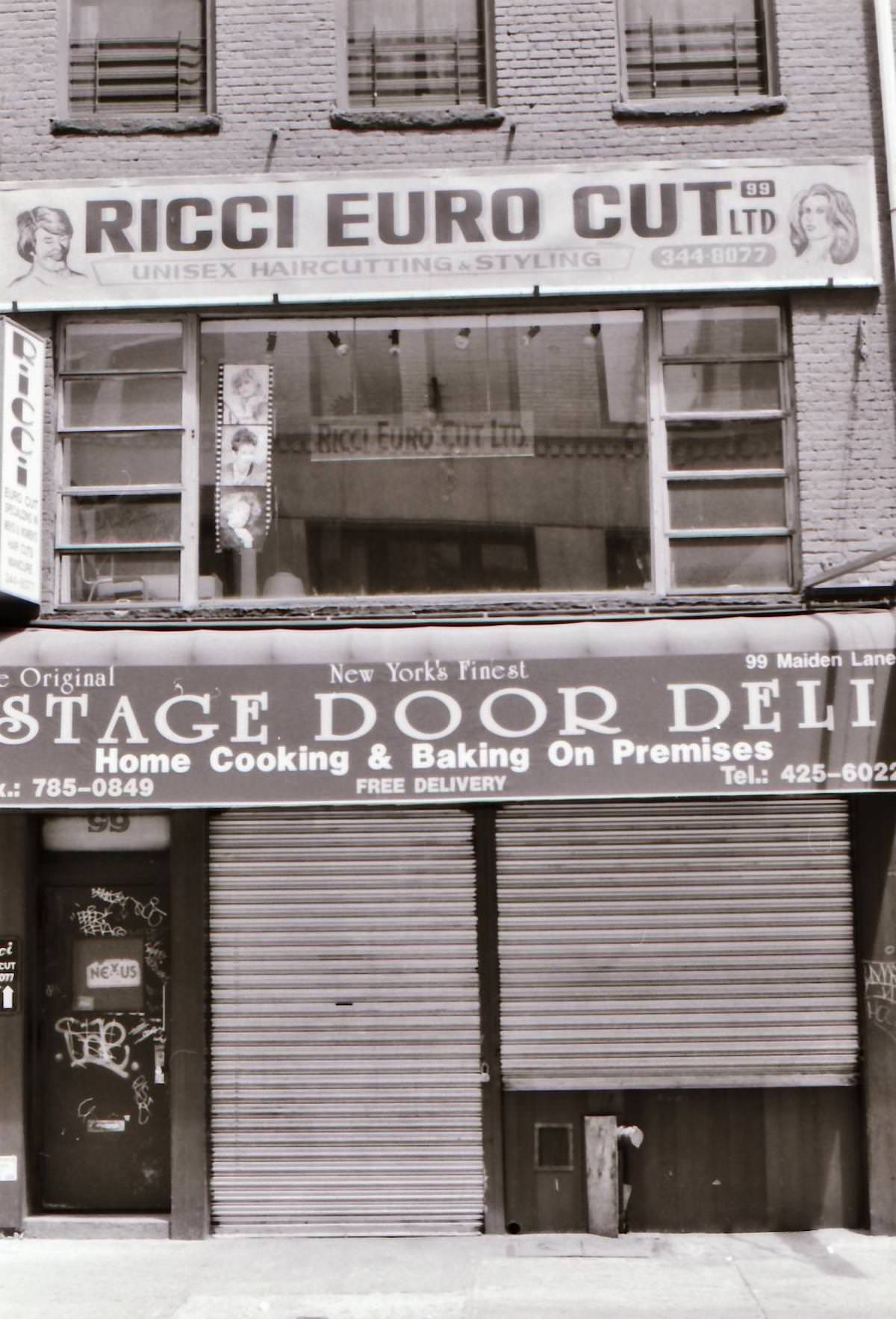
The Stage Door Deli captures what a New York deli looked like before the city changed. Counter service, stacked sandwiches, and enough regulars to fill every stool — these were the lunch spots that theater workers, office staff, and locals all shared.
South Street Seaport drew tourists and locals alike in 1997. Its mix of historic buildings, retail shops, and waterfront views made it one of the city’s most distinctive commercial areas. The cobblestone streets gave it a feel unlike anywhere else in Manhattan.
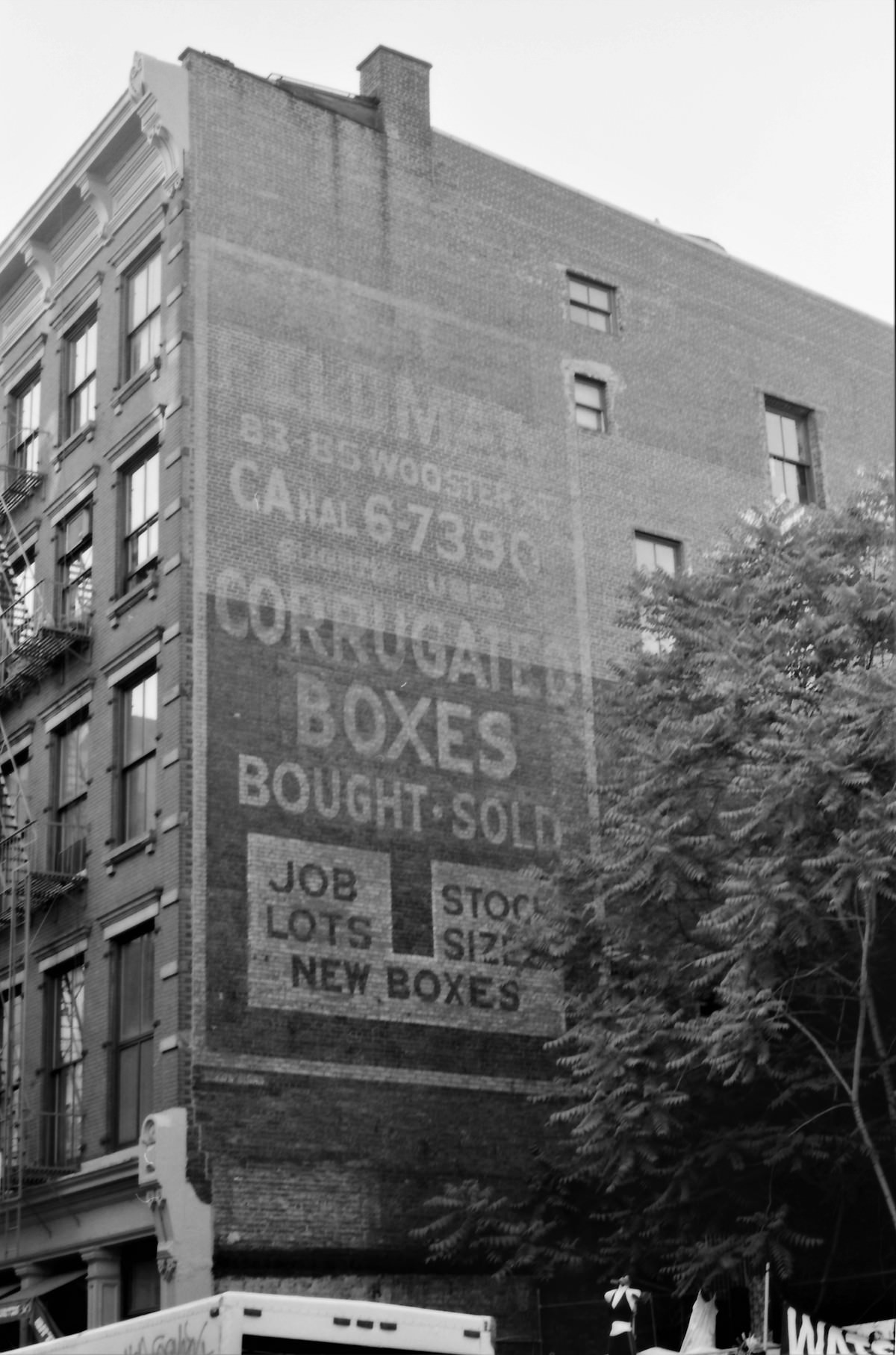
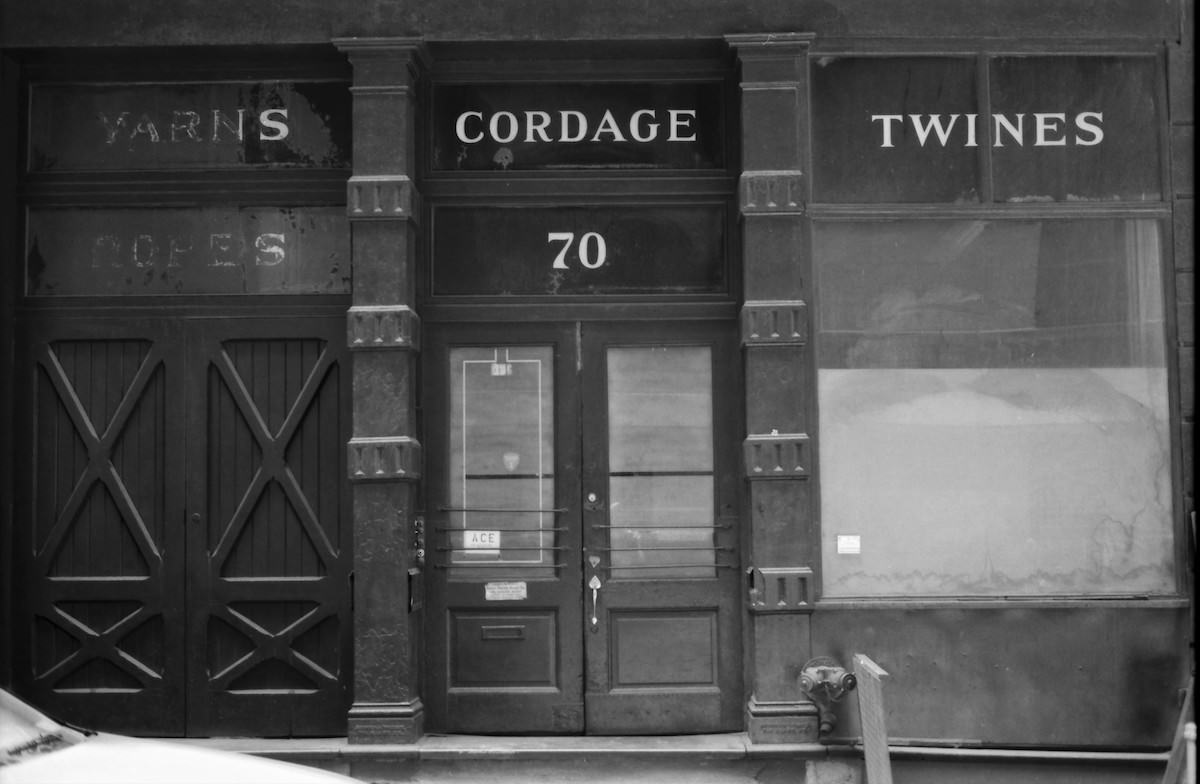
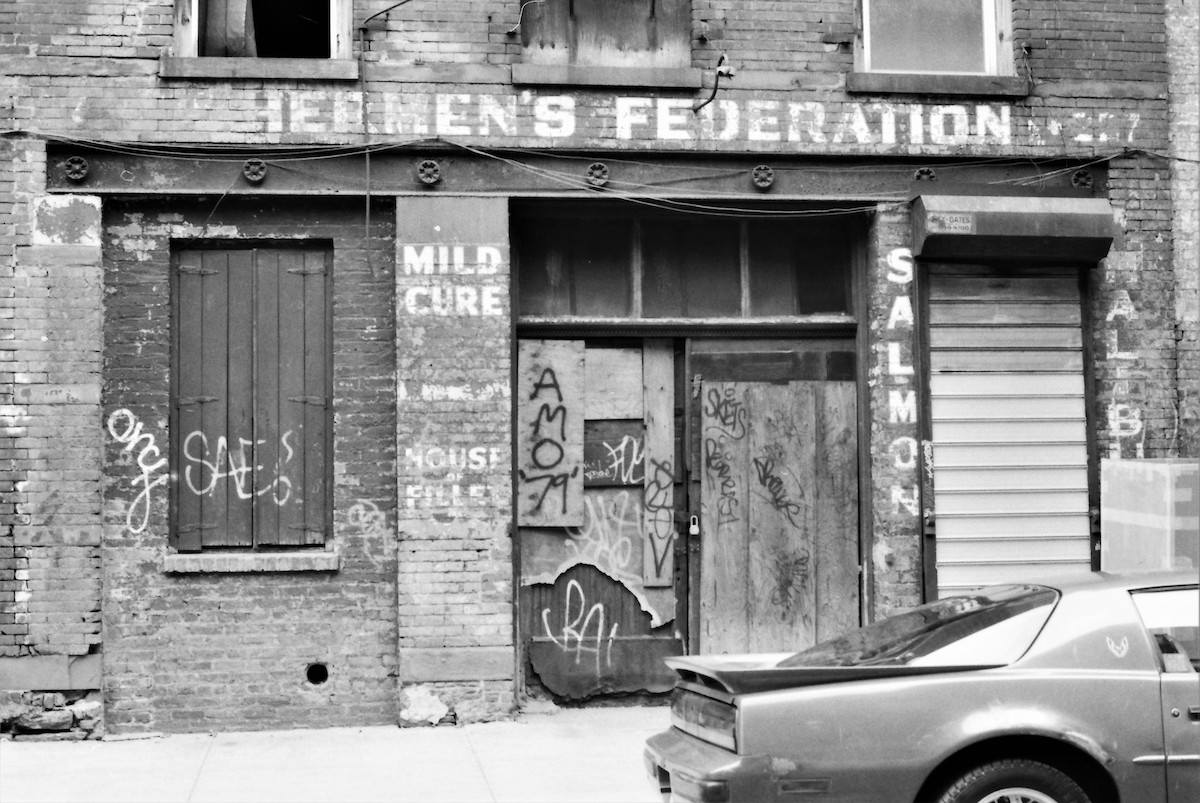
Ghost signs — faded painted advertisements on brick walls — were everywhere in SoHo and NoHo. They advertised businesses that had closed years or even decades earlier. By 1997, many were already being covered by new construction or gentrification.
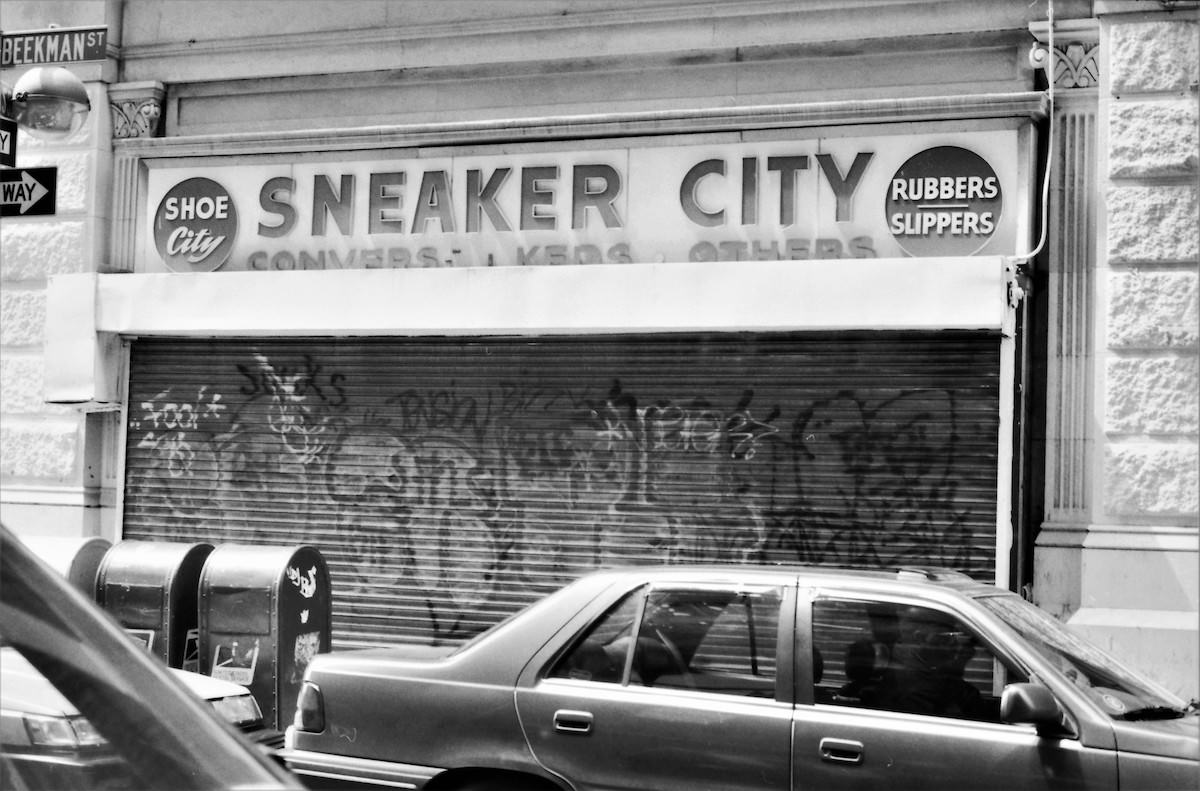
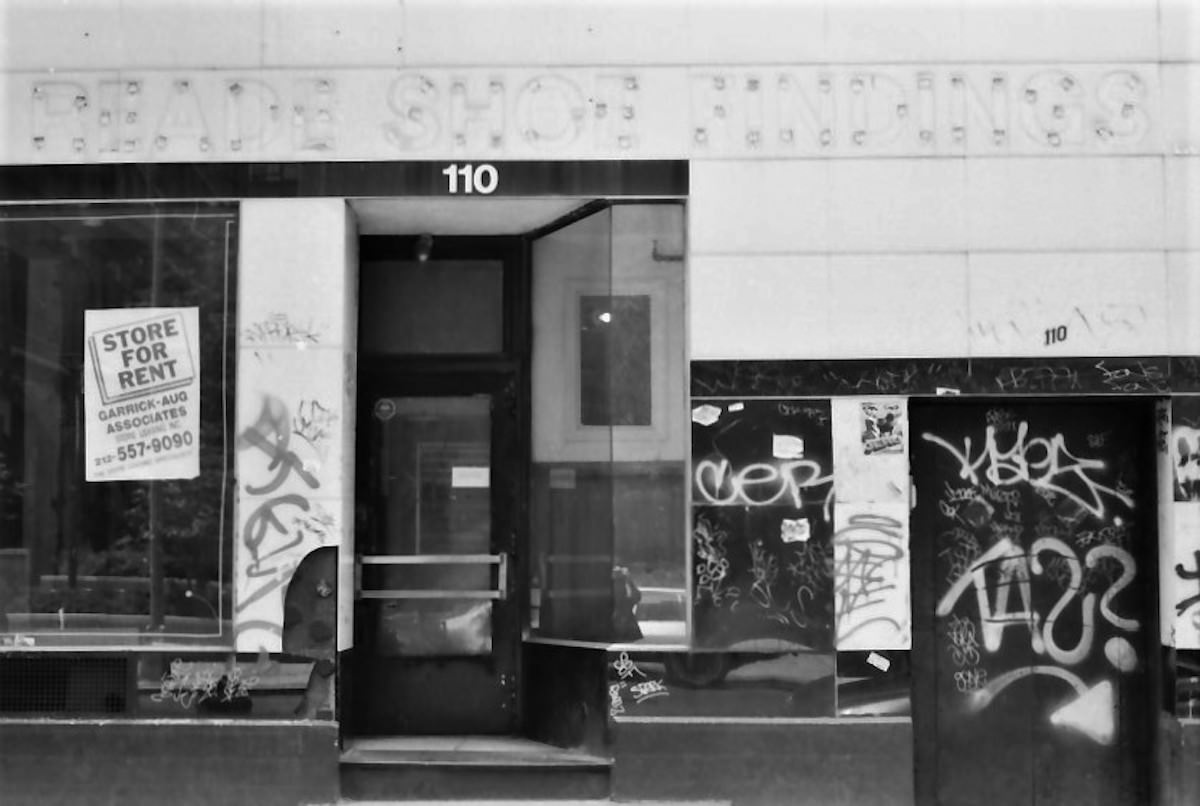
Sneaker culture was thriving in New York in the late 1990s. Shops like Sneaker City stocked the latest releases from Nike, Adidas, and Reebok. Finding the right pair meant going store to store — there was no online inventory to check.
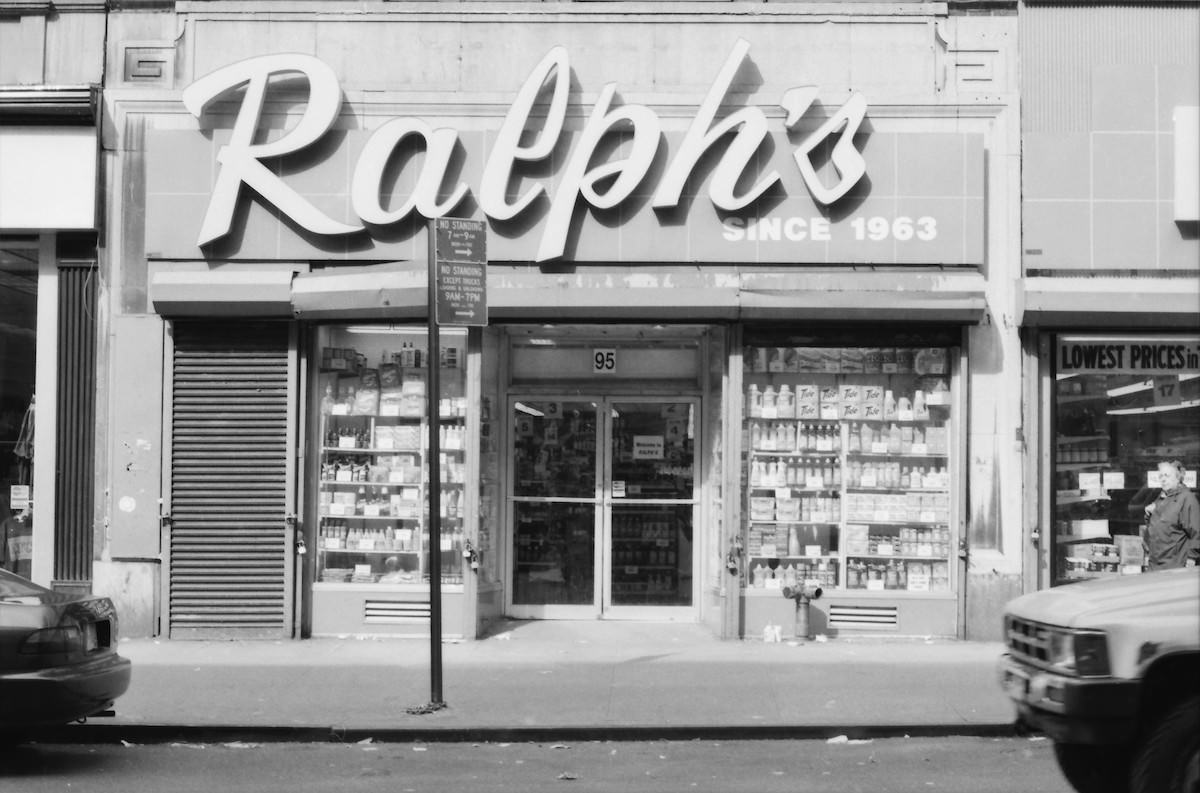
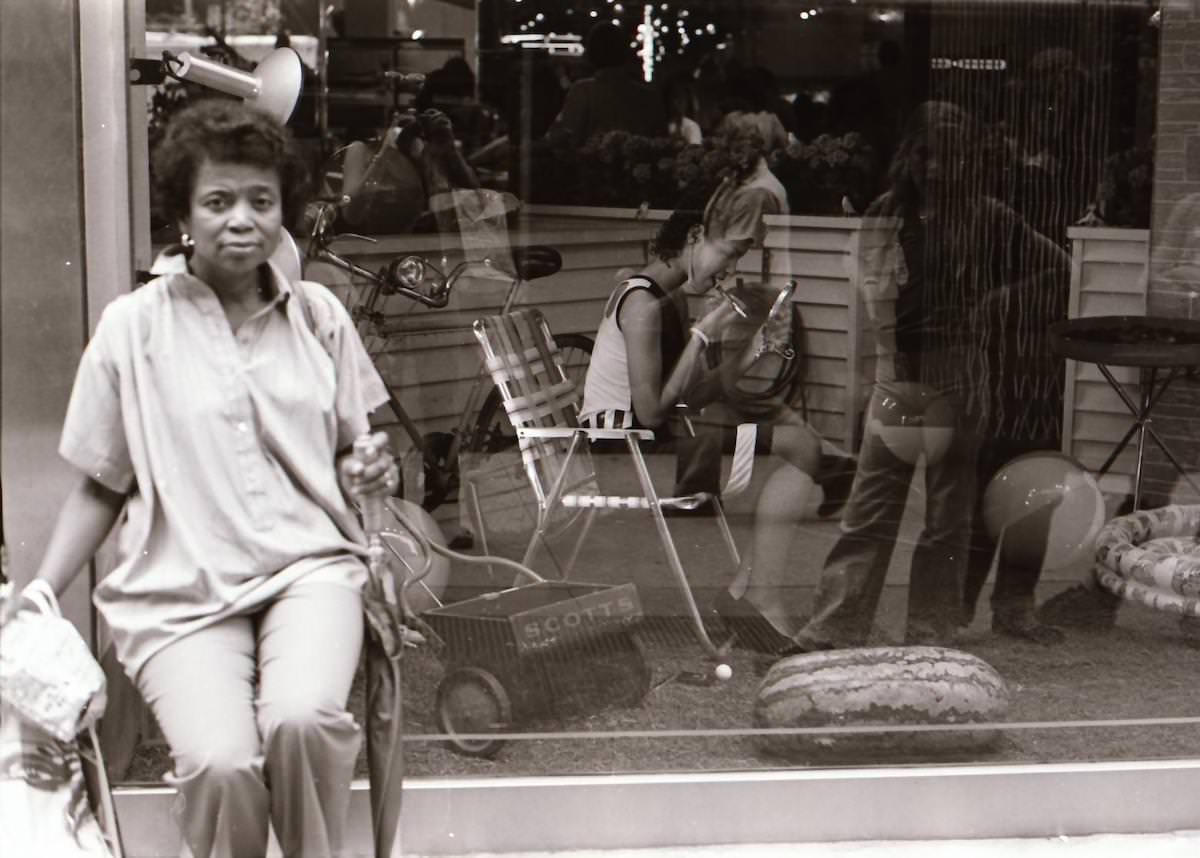
Fiorucci, the Italian fashion brand, was known for its bold window displays. The store on East 59th Street used live models and theatrical setups to pull in shoppers from the sidewalk. It was fashion as performance — a staple of the 1997 retail experience.
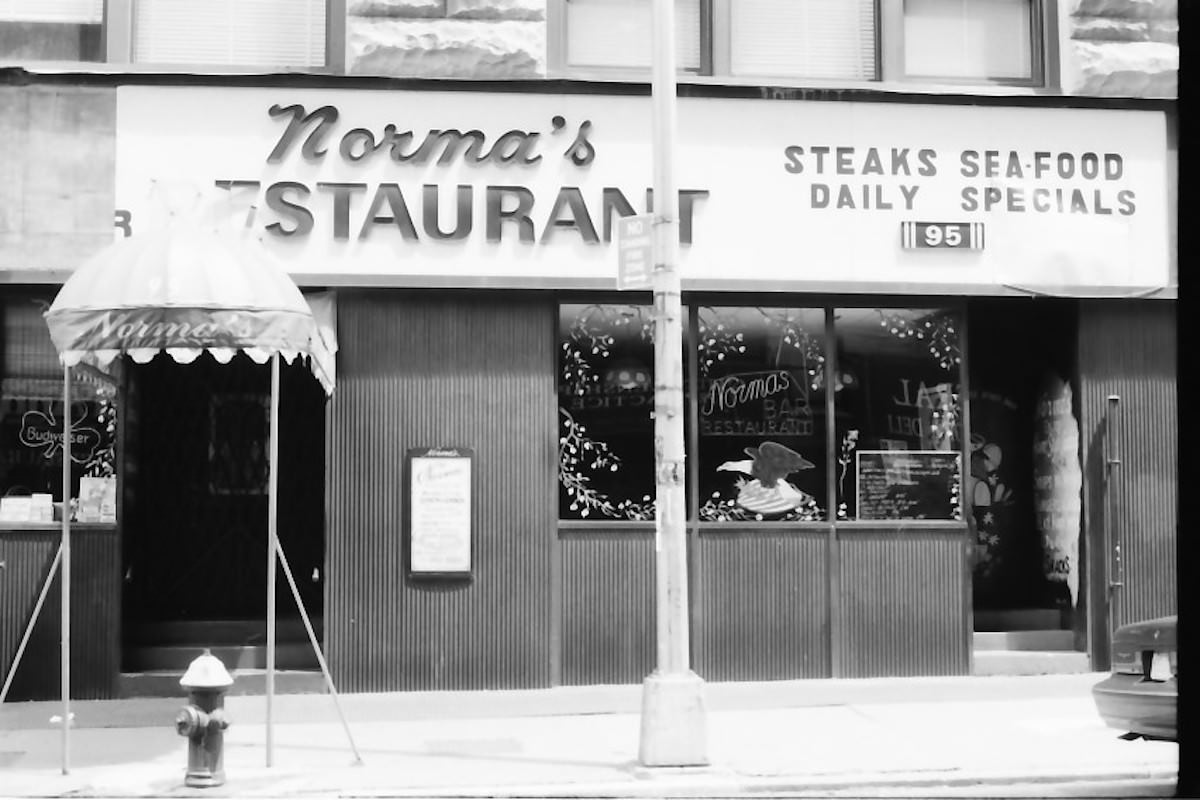
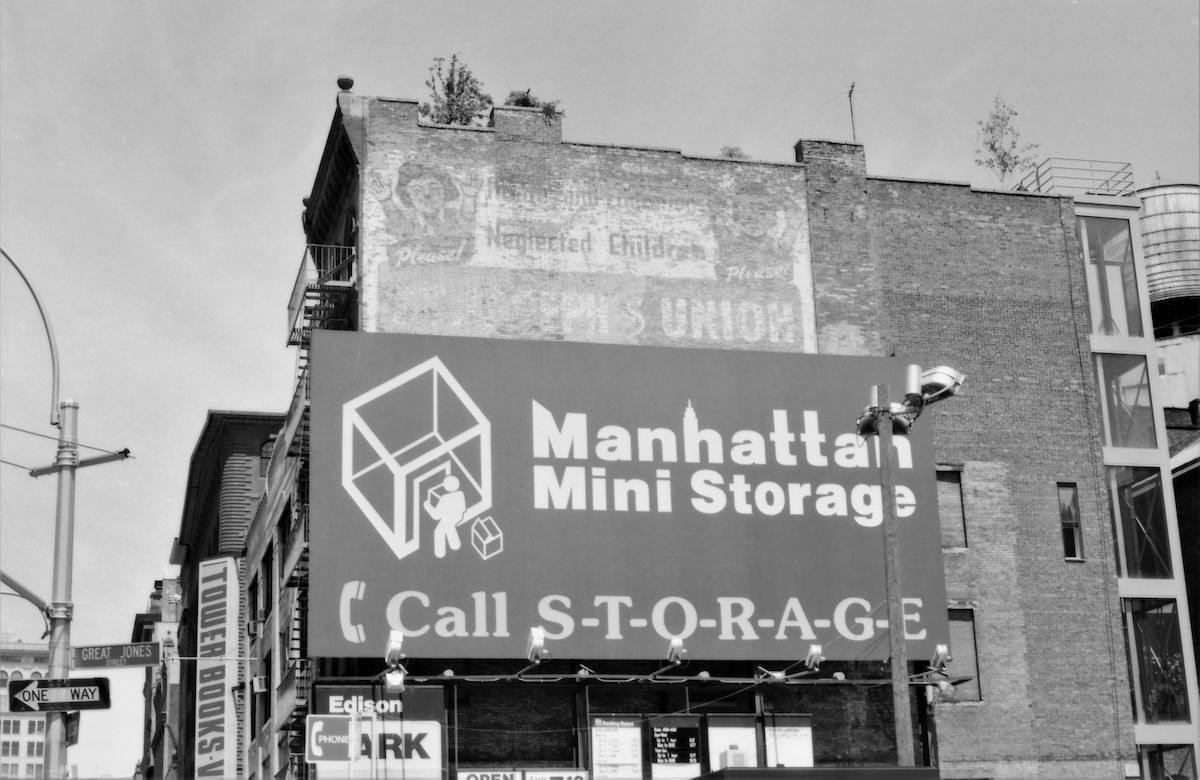
NoHo’s ghost signs told the story of businesses that once thrived along Broadway and Bond Street. By 1997, the neighborhood was shifting toward galleries and upscale retail, but the painted walls still carried traces of the working-class commercial past.
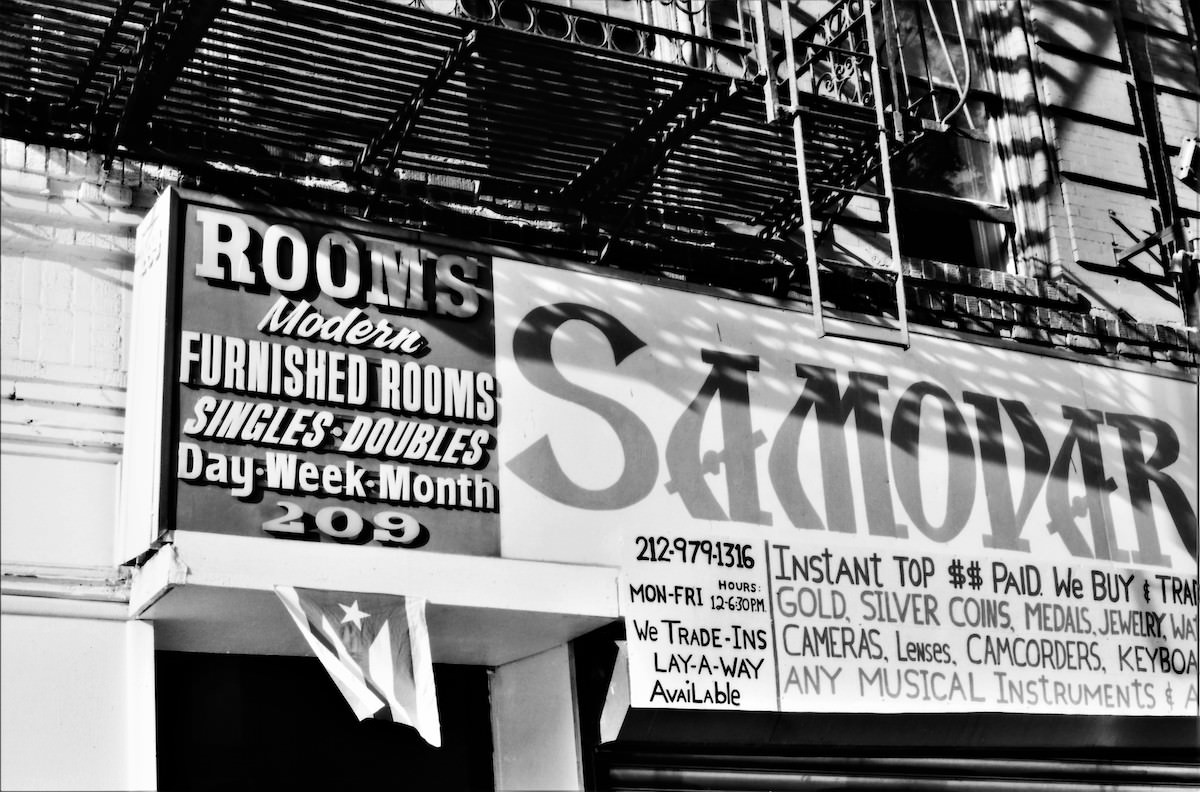
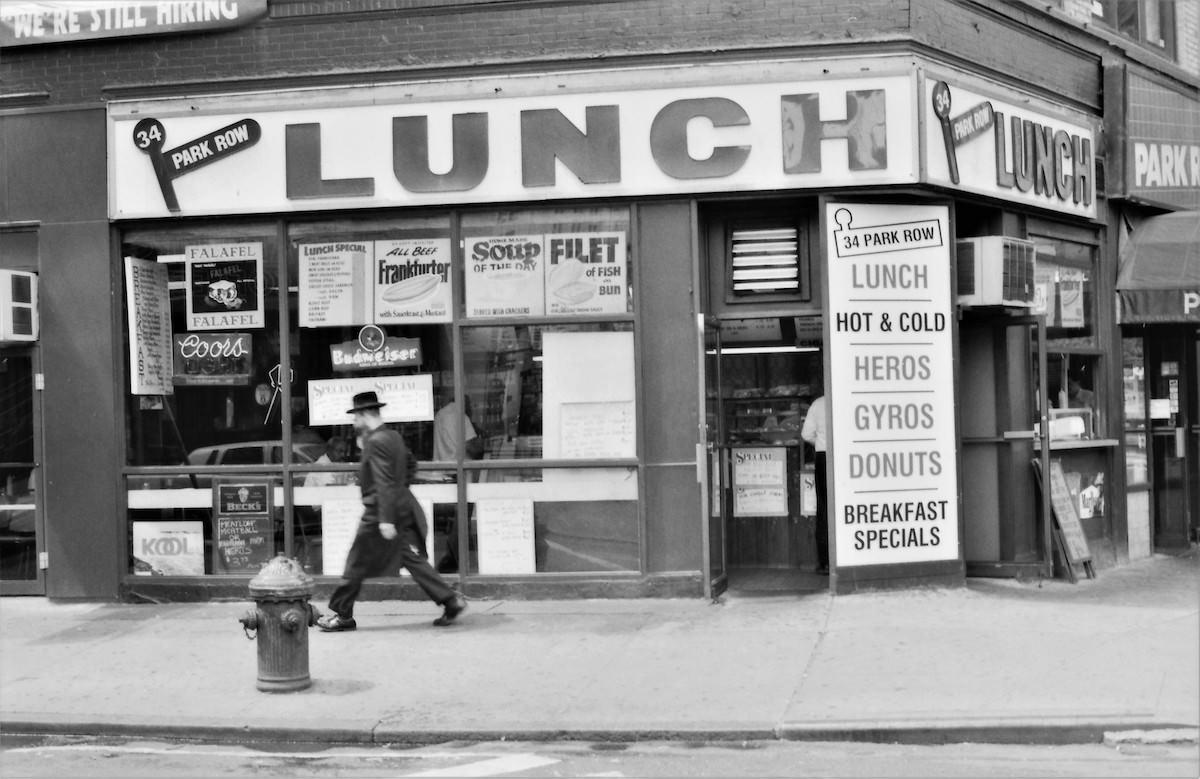
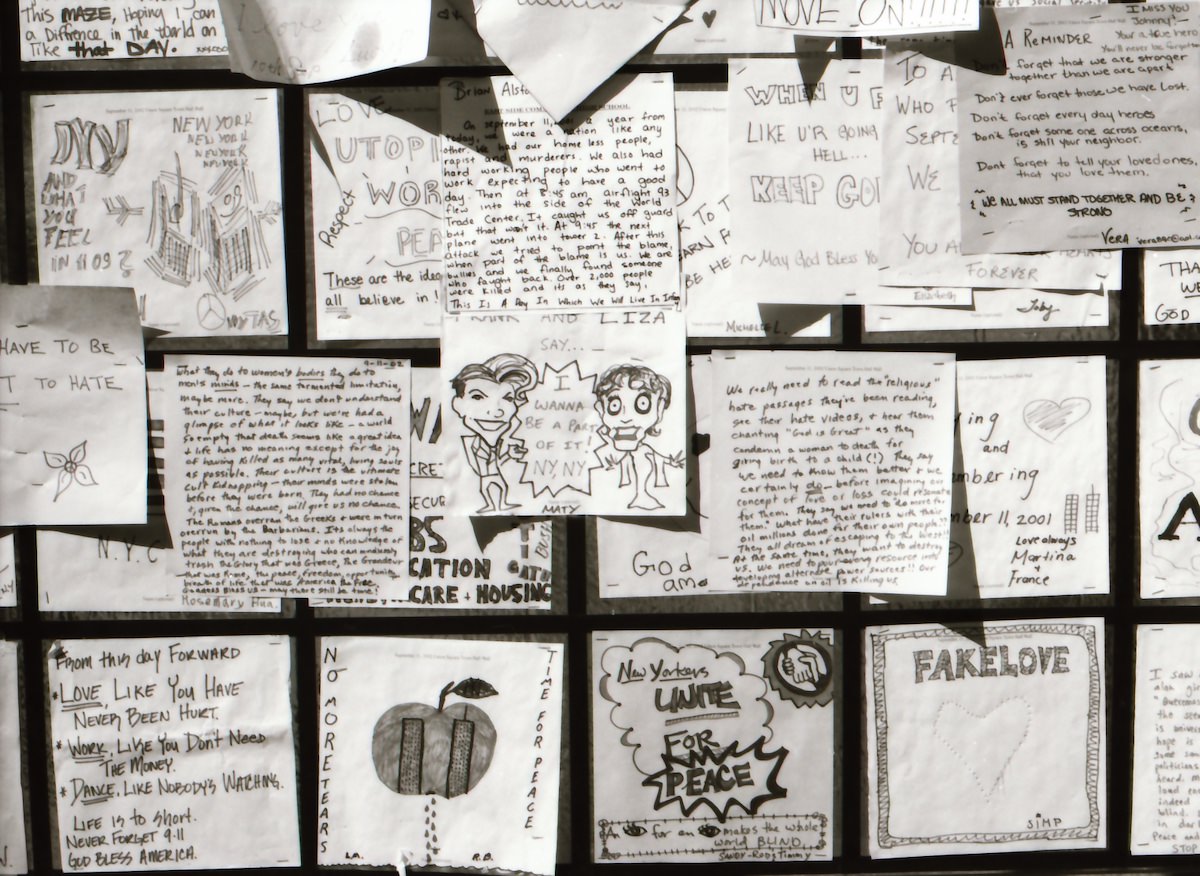
Furniture and home goods stores filled entire floors of buildings across the city. The Modern Furnishing Room was the kind of place where you spent an afternoon comparing sofas and lamps — a far cry from browsing flat-pack options online.
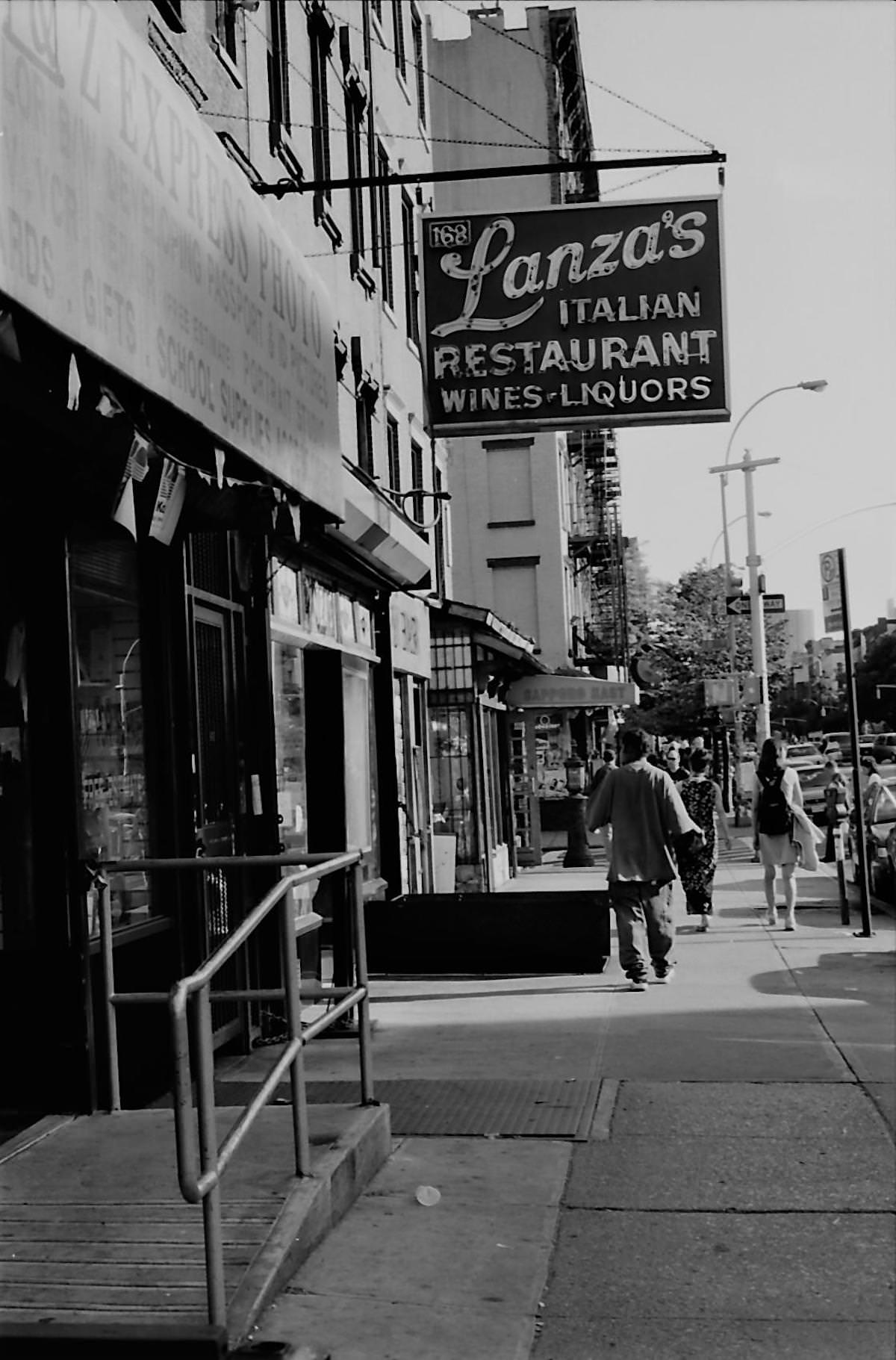
Lanza’s Italian restaurant had been a fixture in the East Village for decades by 1997. Old-school red-sauce spots like this were already a vanishing breed, slowly being replaced by trendier dining concepts as rents climbed across Manhattan.
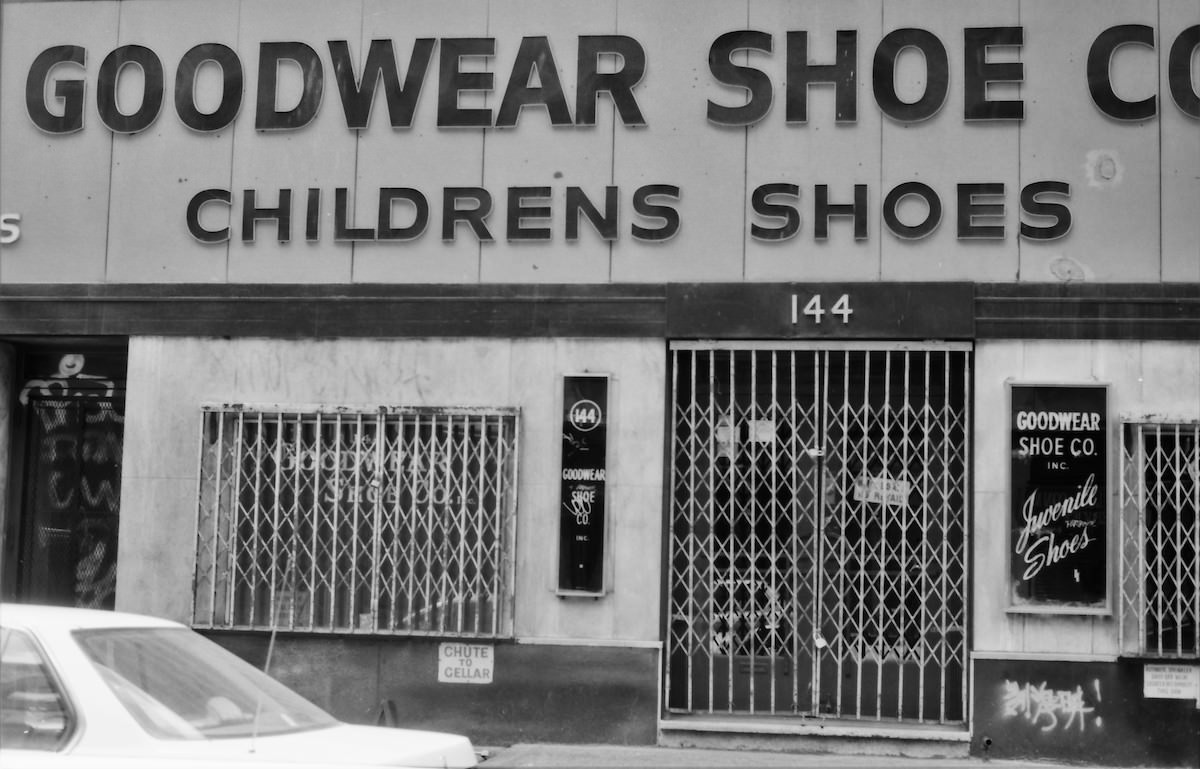
Shoe stores like The Goodwear Shoe Co. lined commercial strips throughout the boroughs. In 1997, buying shoes still meant sitting down, having your foot measured, and waiting for a salesperson to bring out a stack of boxes from the back.
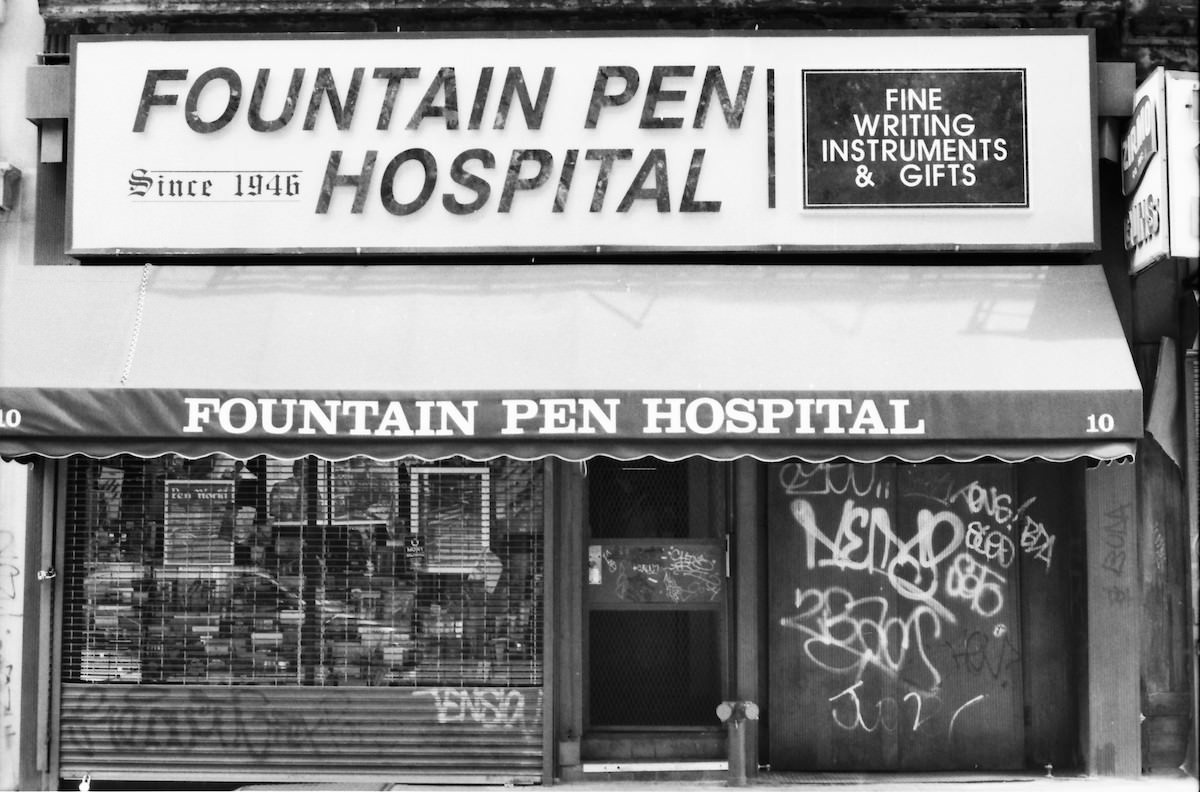
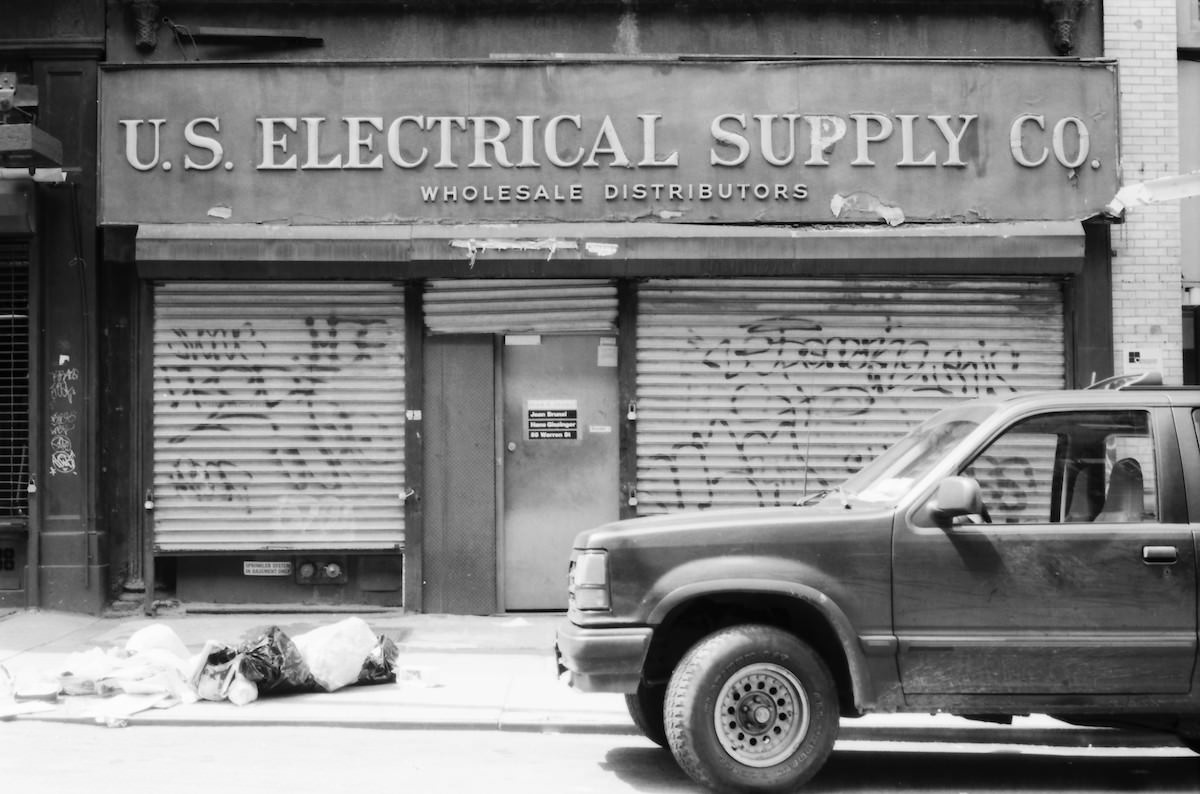
The Fountain Pen Hospital in Tribeca was one of the city’s most specialized retailers. Located on Warren Street, it sold and repaired fountain pens — a niche business that somehow thrived even as ballpoints took over. Tribeca in 1997 still had plenty of these old-guard shops before the neighborhood’s full transformation.
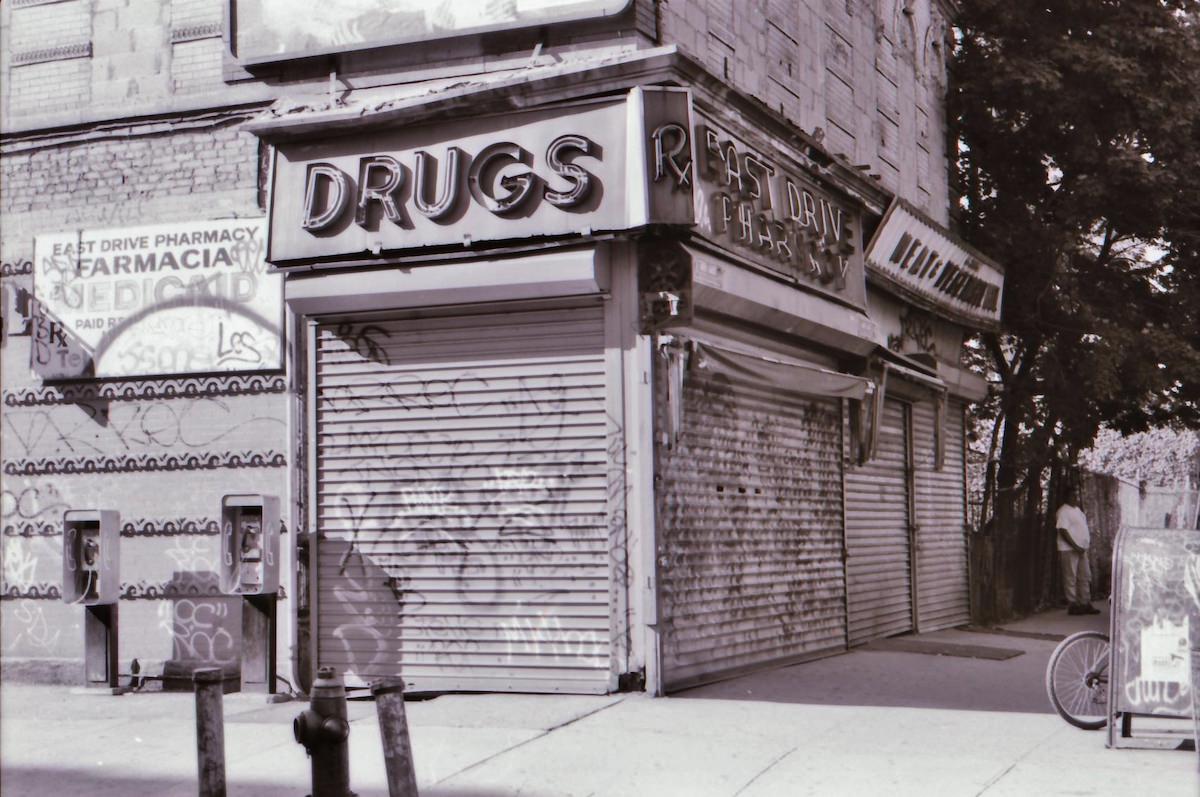
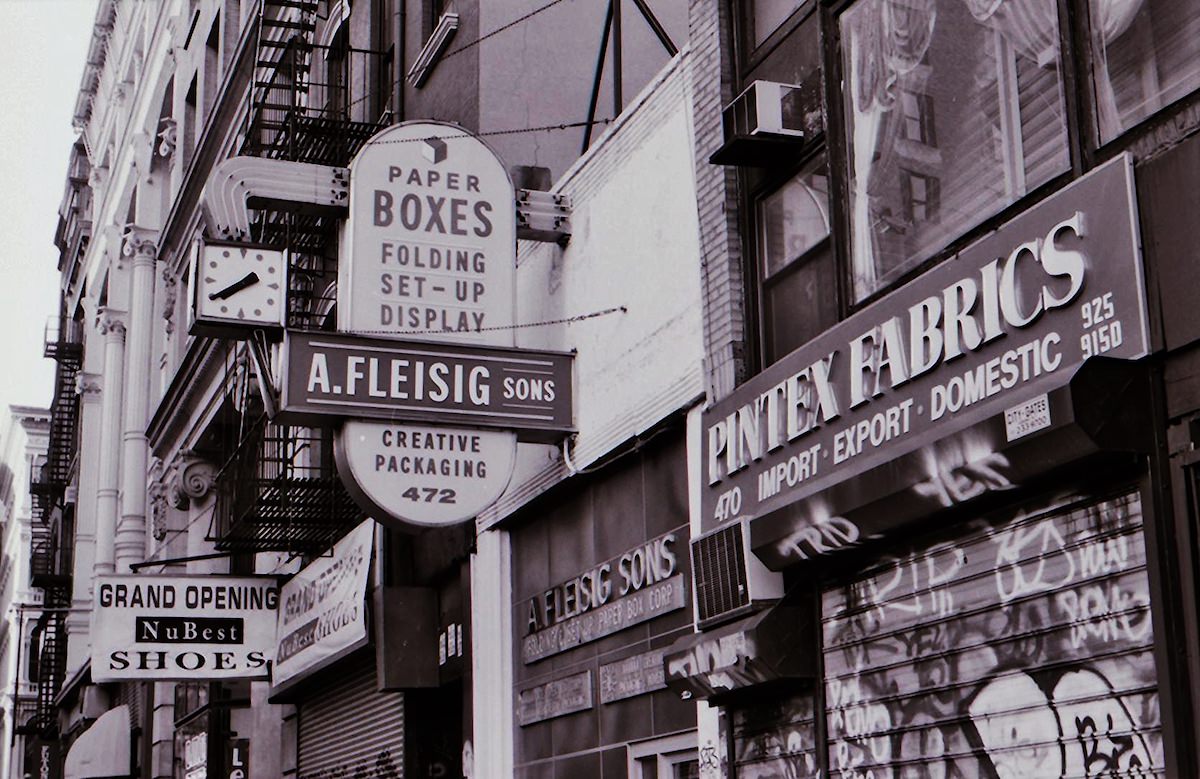
Independent pharmacies like East Drive Pharmacy at Avenue D served the city’s working-class neighborhoods without the corporate polish of chain drugstores. They knew their customers, carried local staples, and stayed open late.
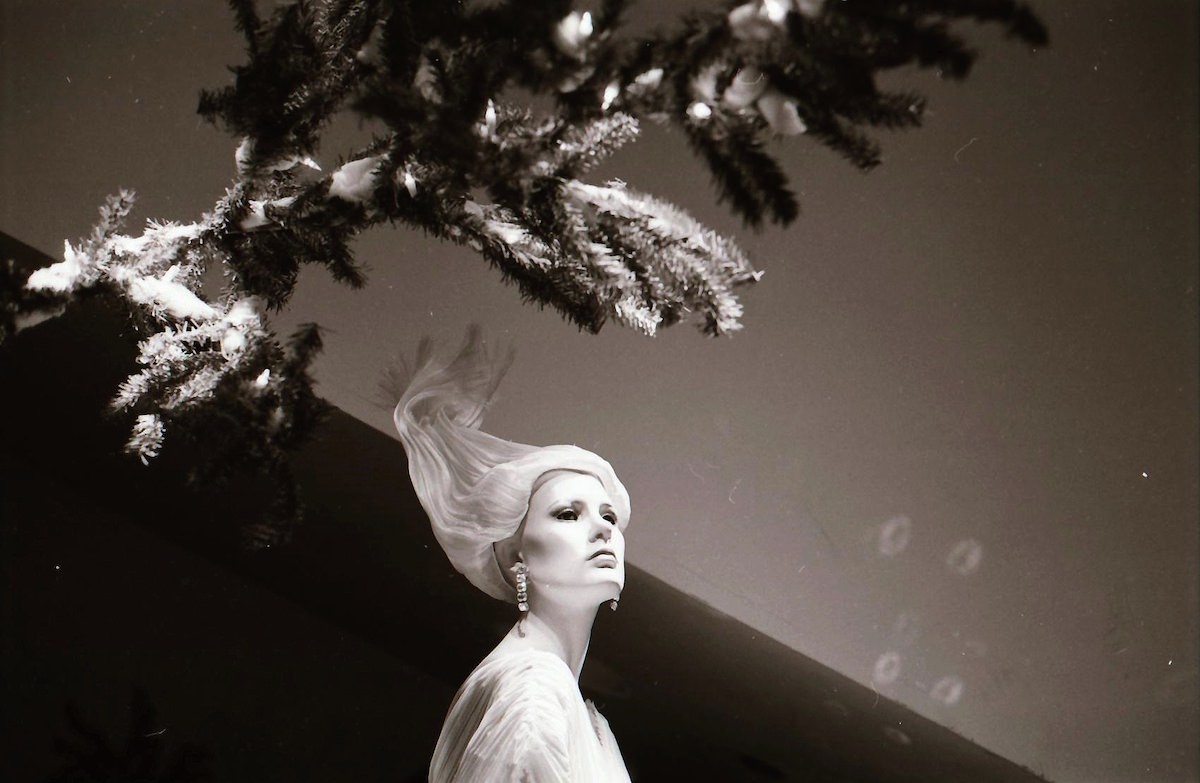
Bloomingdale’s on Lexington Avenue was one of the city’s most iconic department stores in 1997. Its iconic brown bags were a status symbol. The store anchored the Upper East Side’s retail corridor and drew shoppers from across the city and beyond.
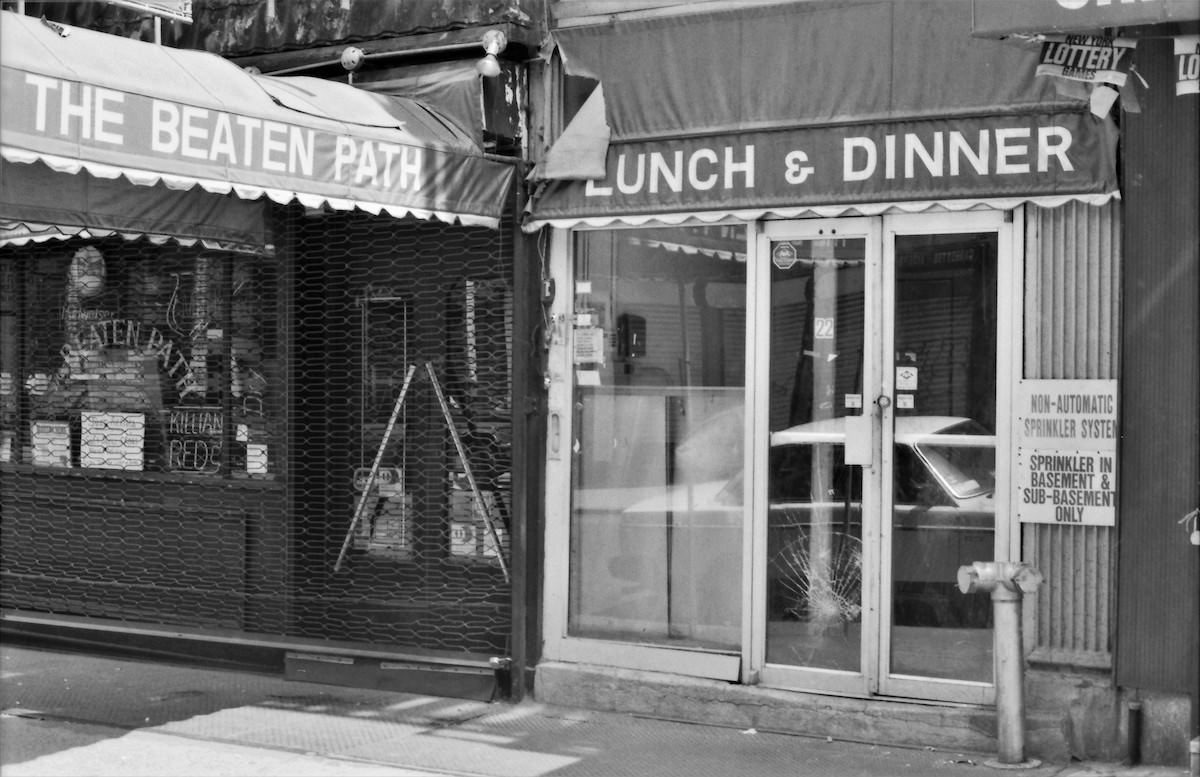
Much of what’s photographed here was already on borrowed time in 1997. Tribeca and the Wall Street area were mid-transformation, with longtime shops and restaurants closing as developers moved in. These images are what remains of that streetscape.