New York City in the 1970s was a city on fire — not with flames, but with music, movement, and a kind of freedom that had never quite existed before. Cheap rents across downtown Manhattan drew in artists, musicians, performers, and anyone else willing to live on the edge. After dark, these same people packed into clubs and basement venues where the rules of everyday life simply didn’t apply. The decade produced one of the most electric nightlife cultures in American history, and thanks to photographer Meryl Meisler, much of it was captured on film.
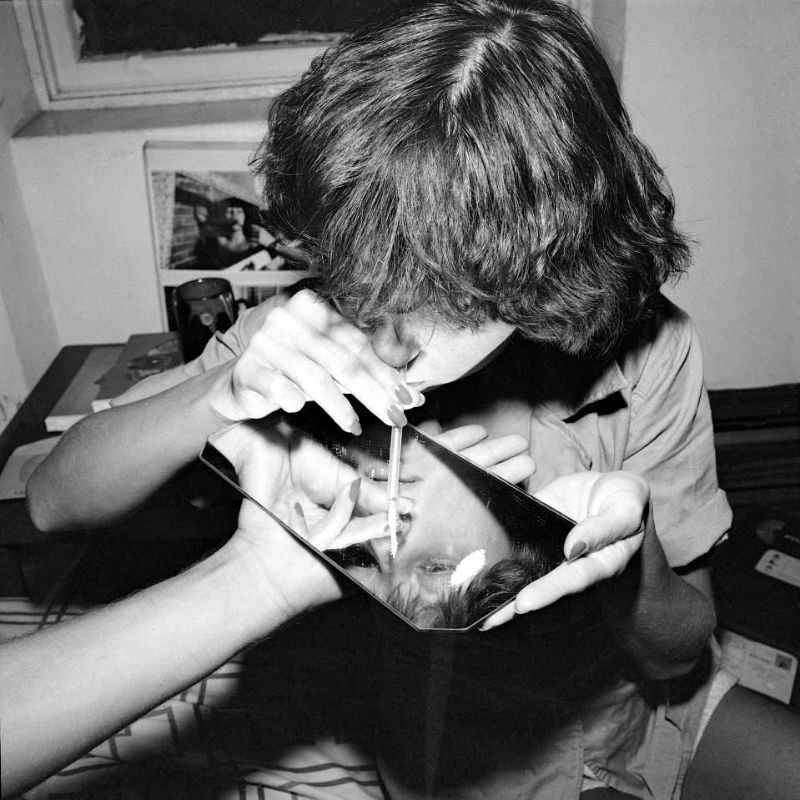
Meisler’s book, Purgatory & Paradise SASSY ’70s Suburbia & The City, documents the raw energy of New York’s nightspots with an insider’s eye. She wasn’t shooting from a distance — she was in the crowd, on the dance floor, and in the thick of it all. Her photographs don’t feel staged. They feel alive. The images pull you directly into smoke-filled rooms where bodies moved in every direction and nobody cared what anyone thought of them.
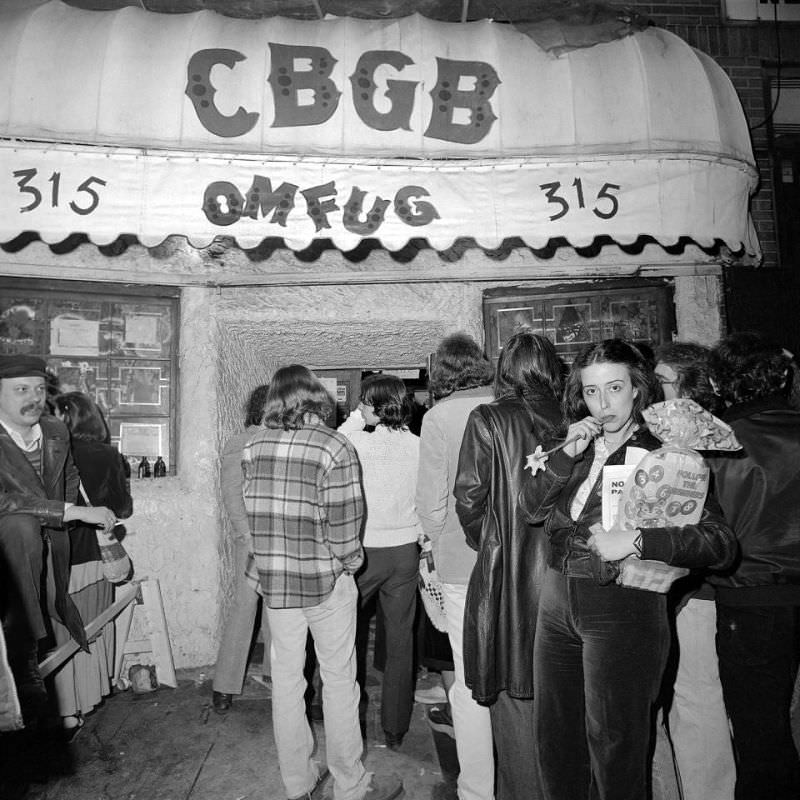
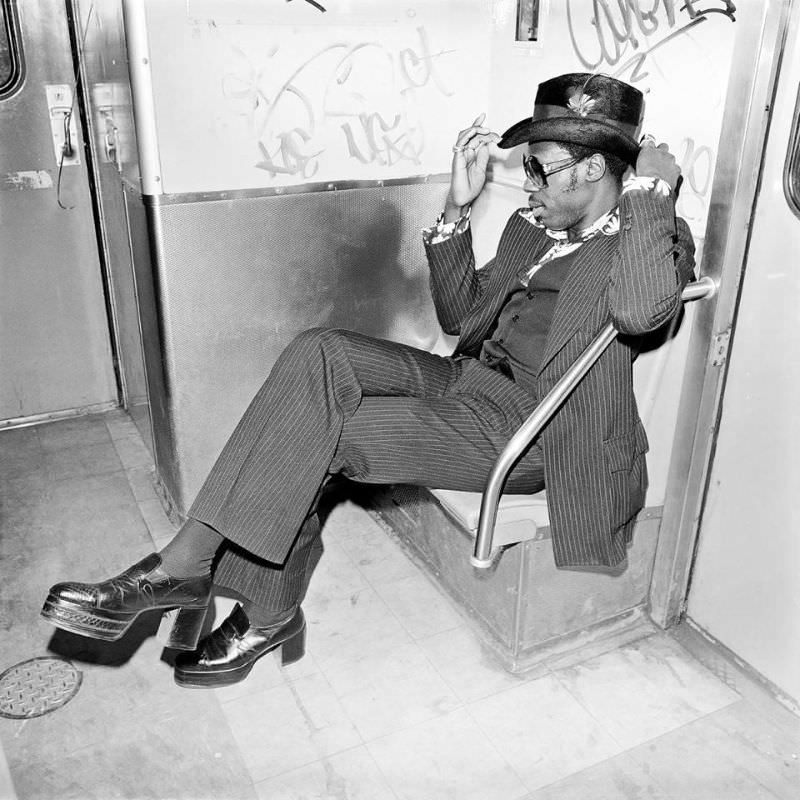
The fashion of the era was bold and unapologetic. Bellbottoms swept the floors. Ruffled shirts, velvet vests, feathered accessories, and fur coats were standard club wear. People dressed to be seen, and the clubs gave them the perfect stage. Long lines formed outside the most popular venues, with hopeful partygoers waiting for their chance to get past the door.
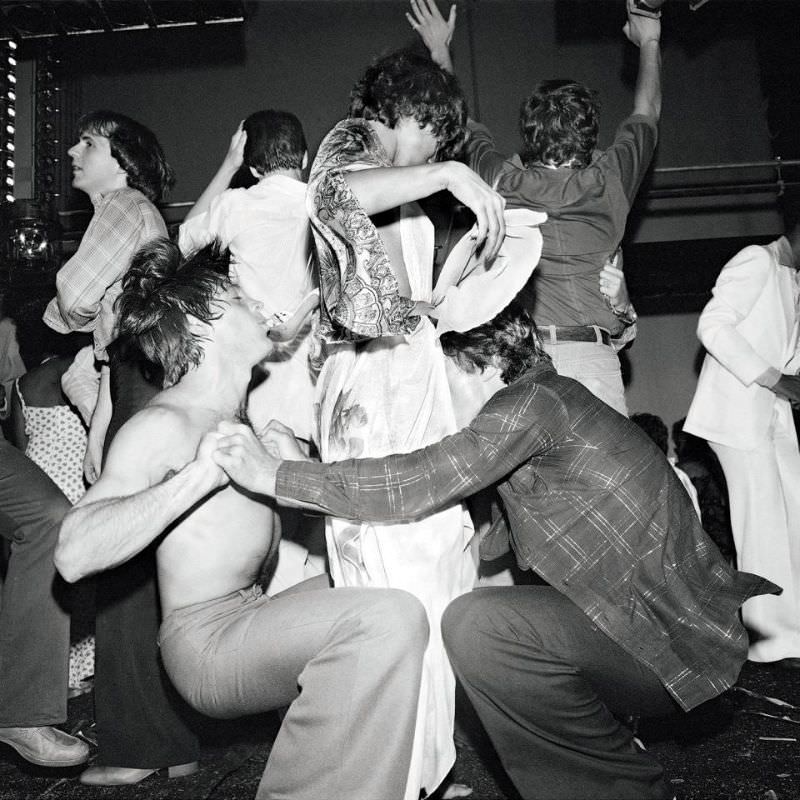
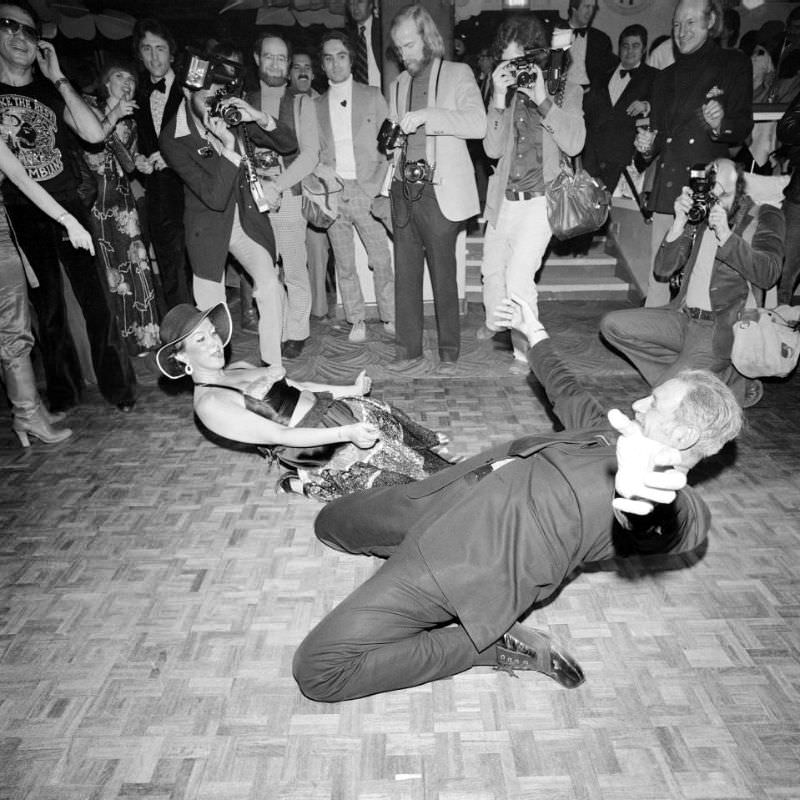
Once inside, the dancing was relentless. The disco beat drove crowds into an almost hypnotic state. Some dancers pushed the physical limits of what a dance floor could contain, flipping, dropping, and twisting with an athleticism that matched the music’s intensity.
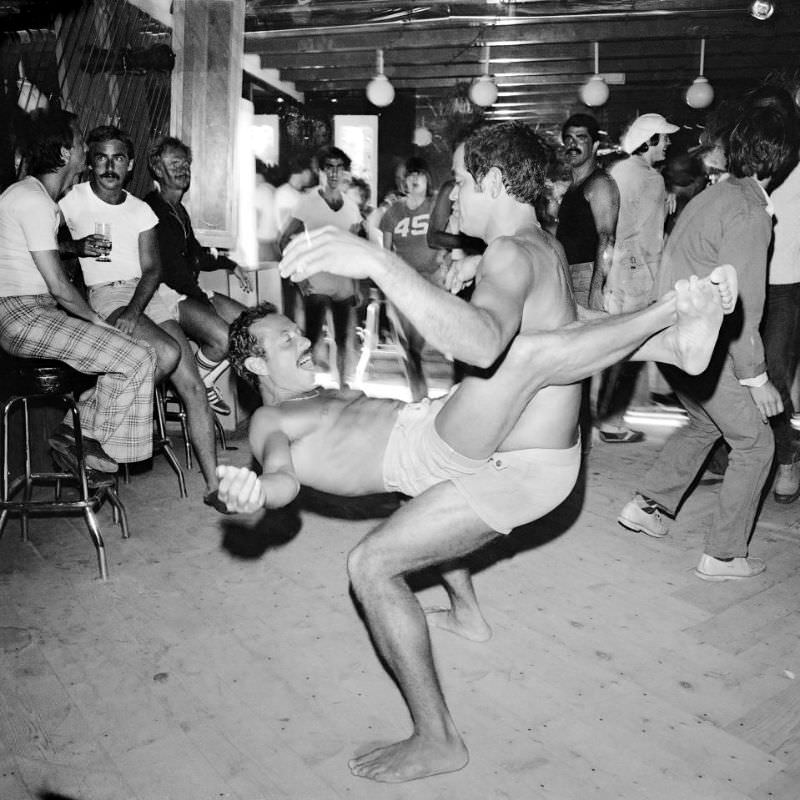
The clubs weren’t just about anonymous crowds. Some of the biggest names in music were regulars on the scene. The Village People, one of disco’s defining acts, performed sold-out shows across the city and were fixtures in the nightclub circuit.
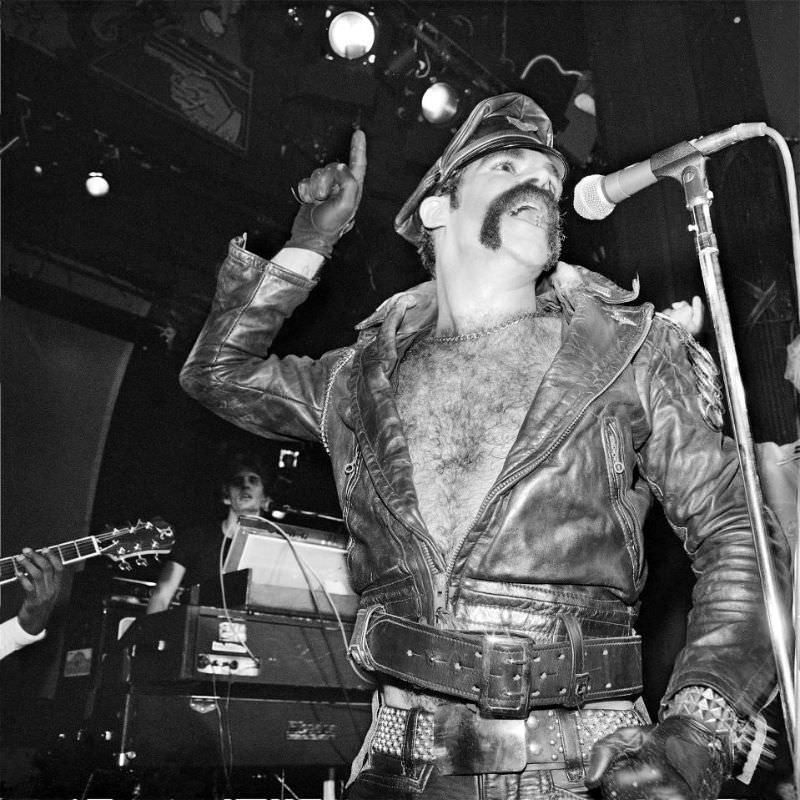
On any given night, the dance floor was a mix of people from every background — united by the same beat and the same desire to lose themselves in the moment. Groups of friends took over corners of the room, turning small patches of floor into their own private stages.
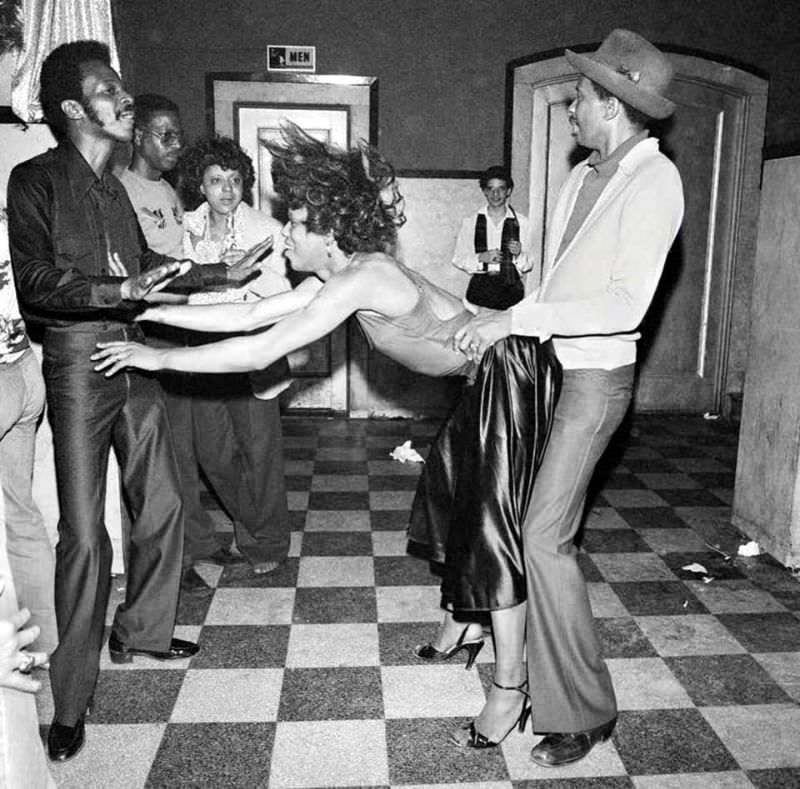
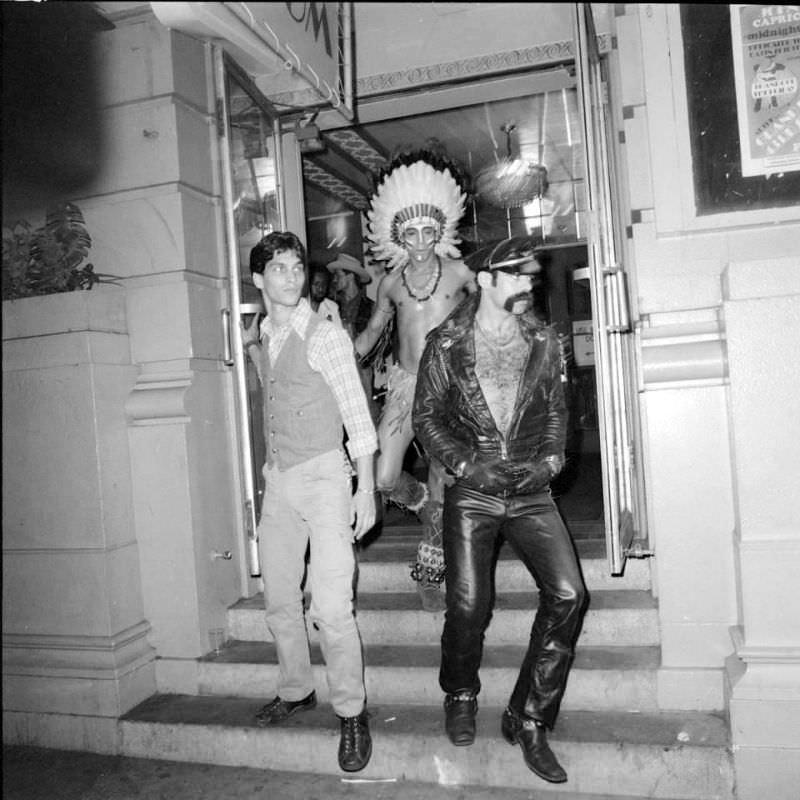
The dancing in these clubs wasn’t reserved or restrained. People got as low as the floor would allow, throwing themselves into the music with full commitment. There was a competitive joy to it — a sense that every dancer was performing for the room, even if the room was too busy dancing to watch.
The spirit of the era didn’t stay confined to the clubs. It spilled out into the streets, onto the subway, and into every corner of city life. New Yorkers in the 1970s wore their personalities loudly — the city’s underground culture had a way of blending into public spaces.
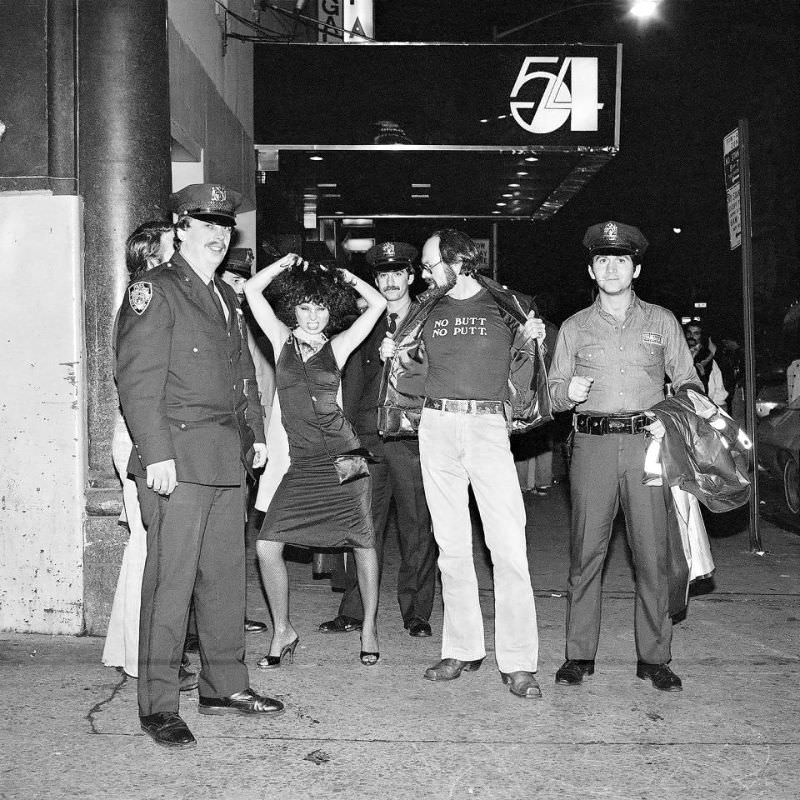
At the center of it all was Studio 54. Opened in 1977 by Steve Rubell and Ian Schrager, the club became the single most famous nightclub in the world within months of its launch. Its guest list read like a who’s who of celebrity culture, and what happened inside its walls was reported like news. The outfits were outrageous, the dancing was uninhibited, and the atmosphere was unlike anything that had existed before.
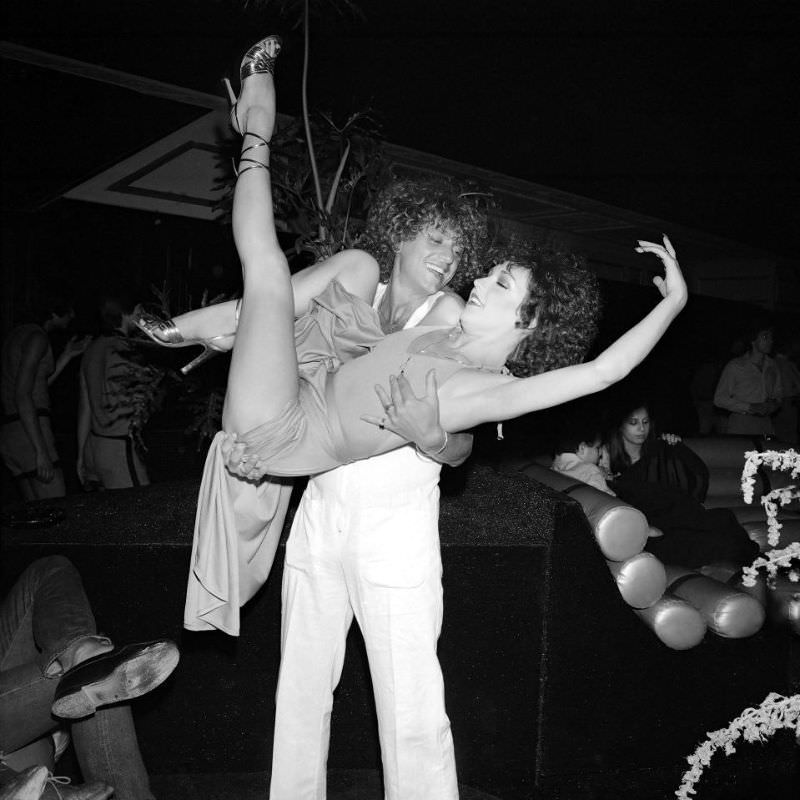
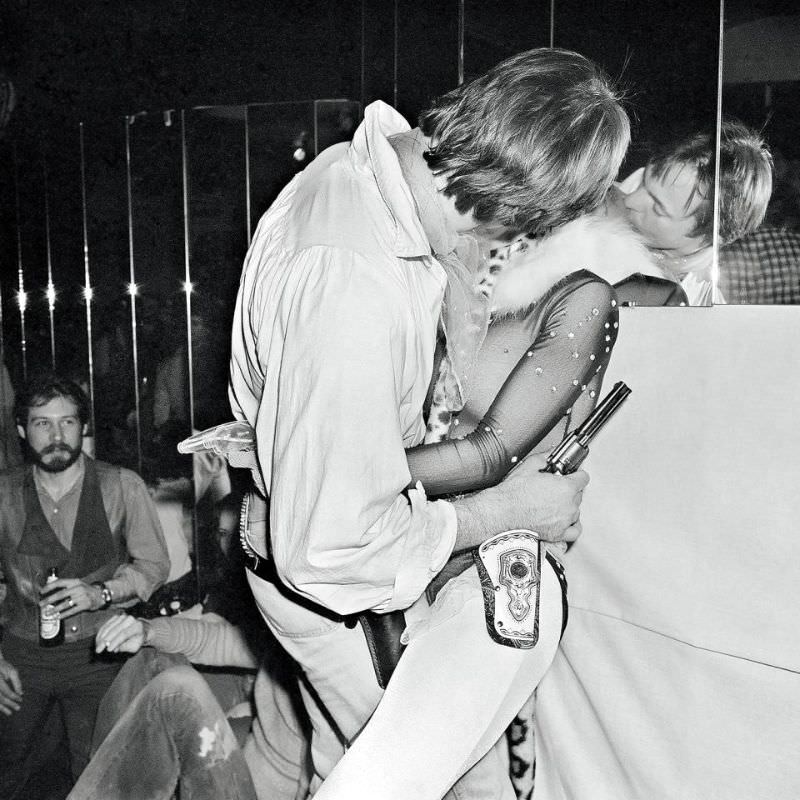
Leaving Studio 54 in the early hours of the morning was its own kind of ritual. Groups of revelers poured out onto West 54th Street, still buzzing from the night’s energy. For many, the night didn’t end there — it simply moved somewhere else.
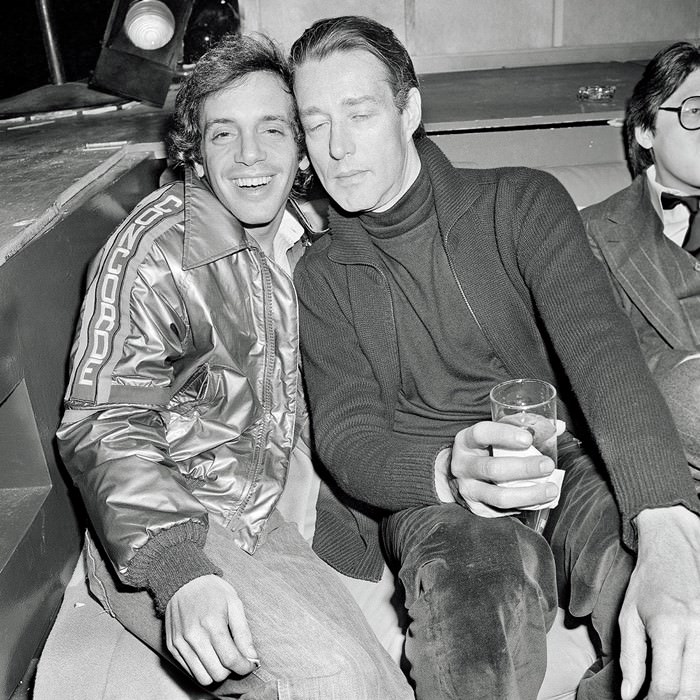
Club owner Steve Rubell was a constant presence in the spaces he built. He was frequently photographed alongside the celebrities and artists who made up Studio 54’s inner circle. Fashion designer Halston — whose sleek, minimalist style defined the decade’s upscale look — was among his closest companions on the scene.
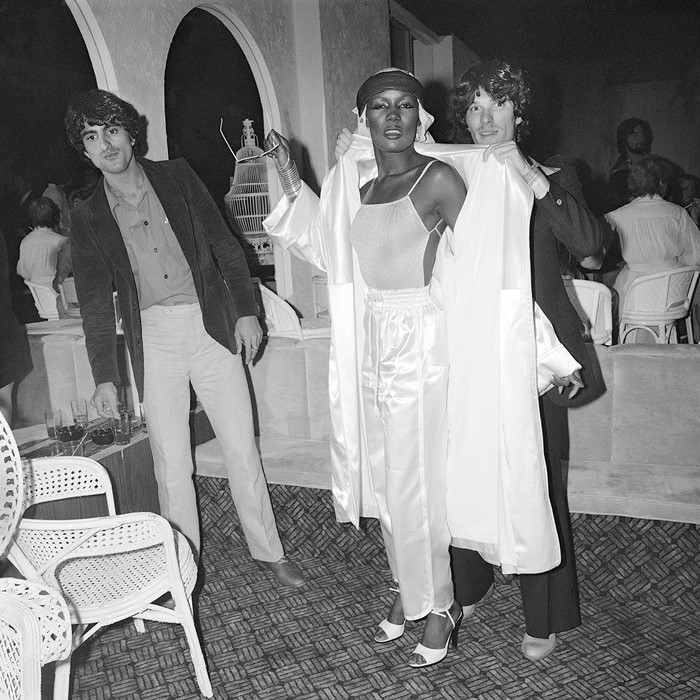
Grace Jones was another defining figure of the era. The Jamaican-American model, singer, and actress brought an otherworldly presence to every room she entered. Her arrival at a club’s opening night was an event in itself — a signal that the evening had officially begun.
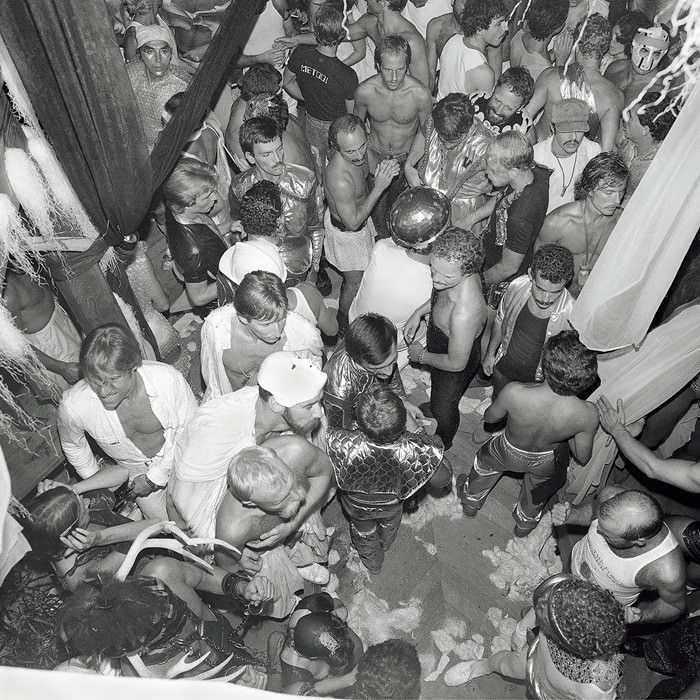
The disco world extended well beyond Manhattan. Out on Fire Island Pines, a coastal community that had long been a haven for New York’s LGBTQ+ community, parties took on their own spectacular character. Themed events drew crowds that dressed with elaborate creativity — few more so than the Star Wars-themed gathering of August 1977, held just months after the film’s release.
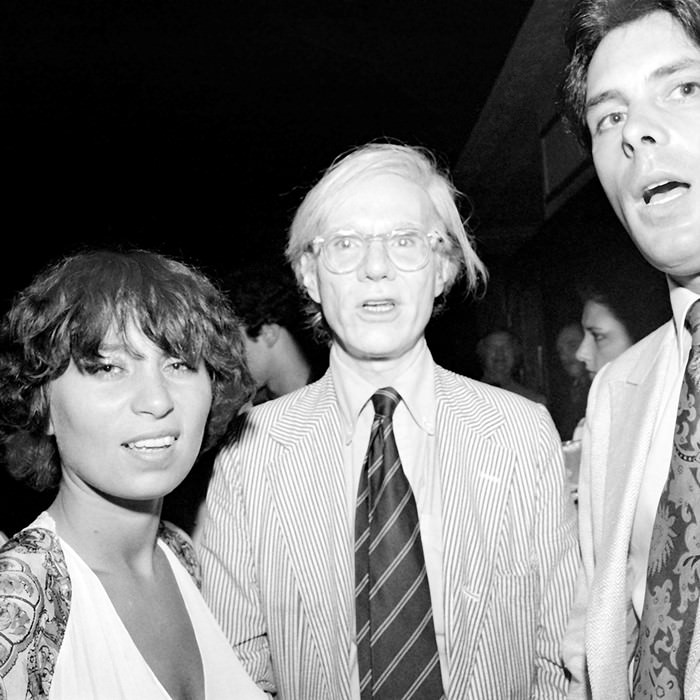
Andy Warhol was perhaps the era’s most famous cultural observer. He documented the scene in his own diaries and through his magazine Interview, but he was also a participant — photographed at Studio 54 alongside friends, his mouth open in the kind of exaggerated reaction that had become his signature public persona.
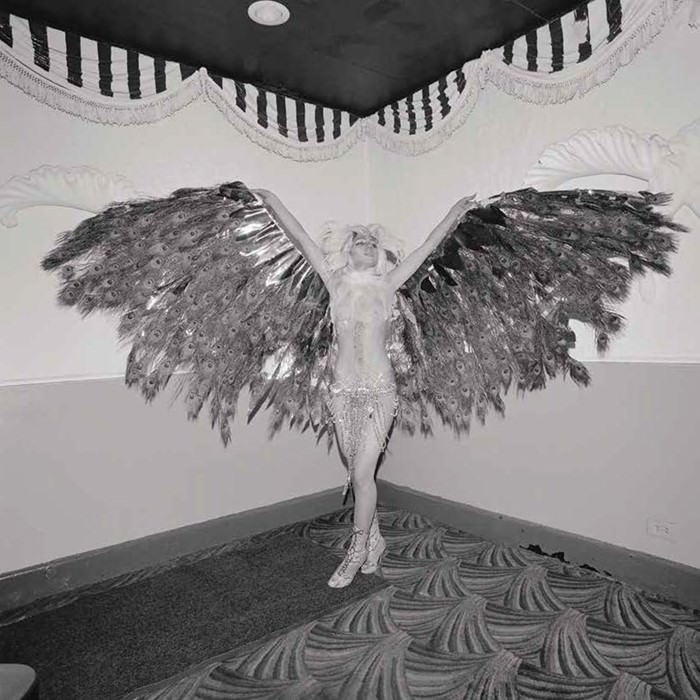
Beyond the famous clubs, New York’s underground hosted events that were just as vivid and far less filtered. The COYOTE Hookers Masquerade Ball of February 1977 — organized by COYOTE, the sex workers’ rights advocacy group — was exactly the kind of defiant, theatrical gathering that defined the era’s appetite for spectacle. Attendees arrived in full costume, wings spread wide, performing their liberation without apology.