New York City in the 1970s was broke, overcrowded, and crime-ridden — and completely alive. The city teetered on the edge of bankruptcy while its streets hummed with a restless, ungovernable energy. Photographer Rich Allen walked straight into that chaos with a camera, documenting a New York that polished postcards never showed.
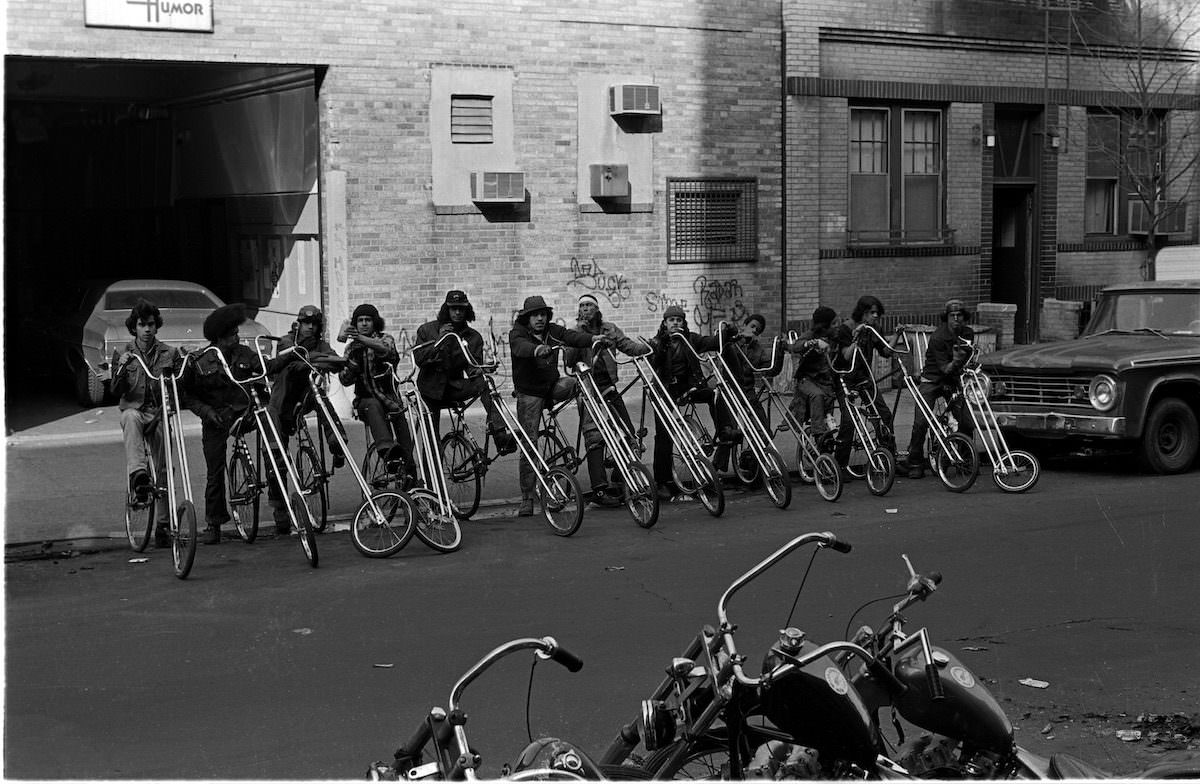
Allen’s eye gravitated toward the fringes. Biker gangs rolled through Brooklyn’s streets in leather and chrome, and Allen was there to frame it all. His shots of the Hell’s Angels and local riding crews captured a subculture that operated by its own rules, indifferent to the city’s crumbling institutions.
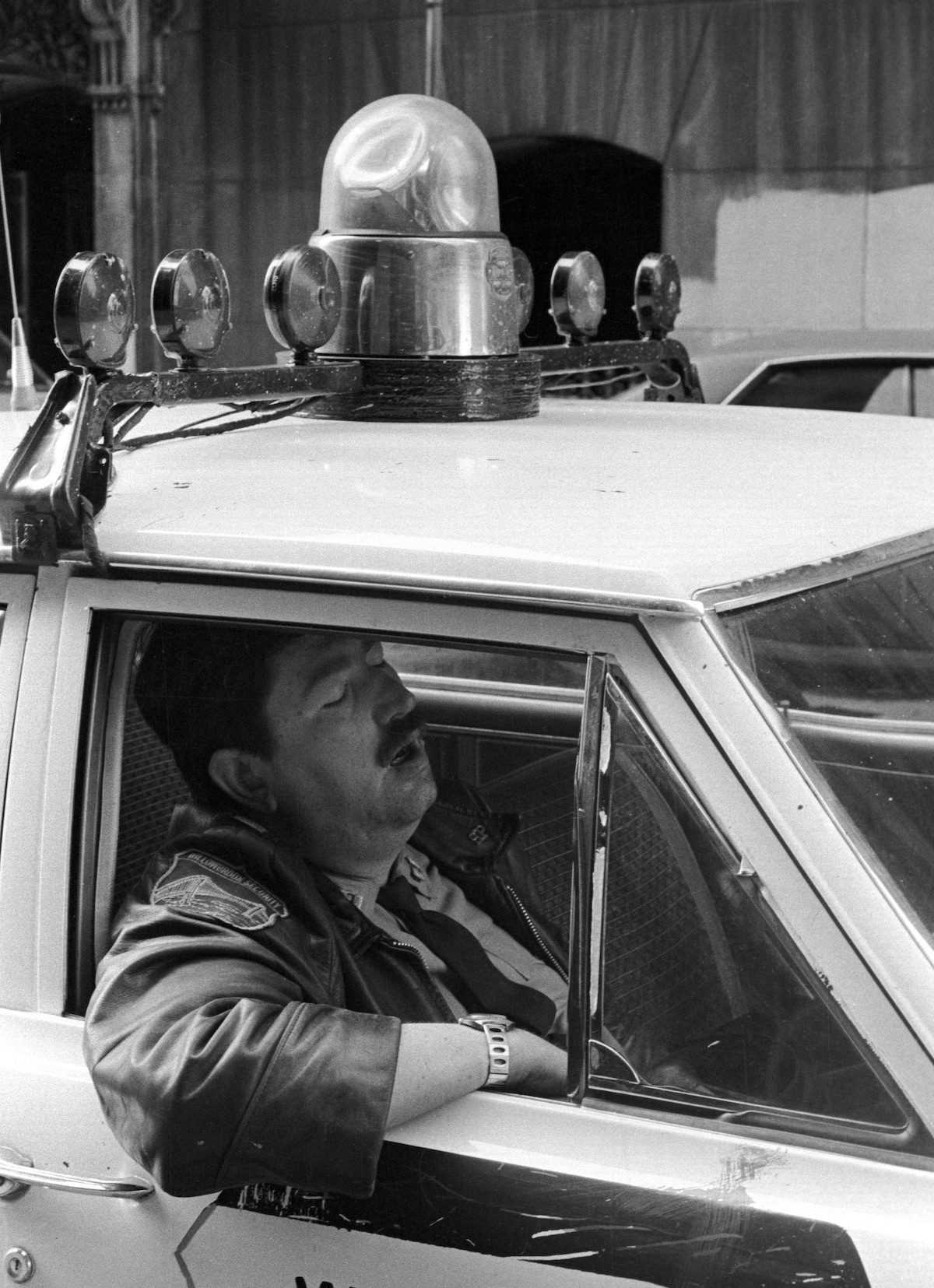
Not everything Allen photographed was dramatic. A cop asleep on Court Street says as much about 1970s New York as any crime scene — a city so exhausted and underfunded that even its officers couldn’t stay awake. These quieter frames carry just as much weight as the violent ones.
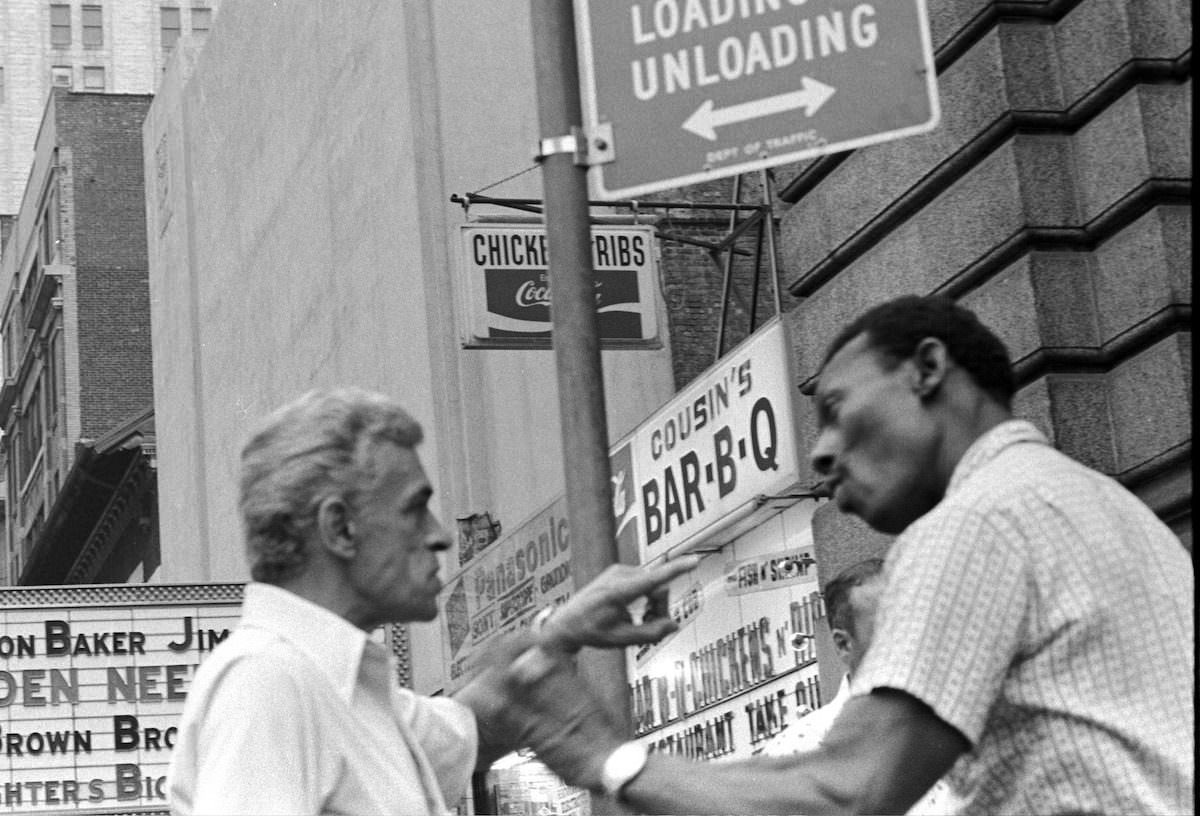
42nd Street in the 1970s was one of the roughest corridors in the city. Allen photographed a street fight there in real time, capturing the raw aggression that defined the area before its eventual cleanup. He didn’t step back — he stepped closer.
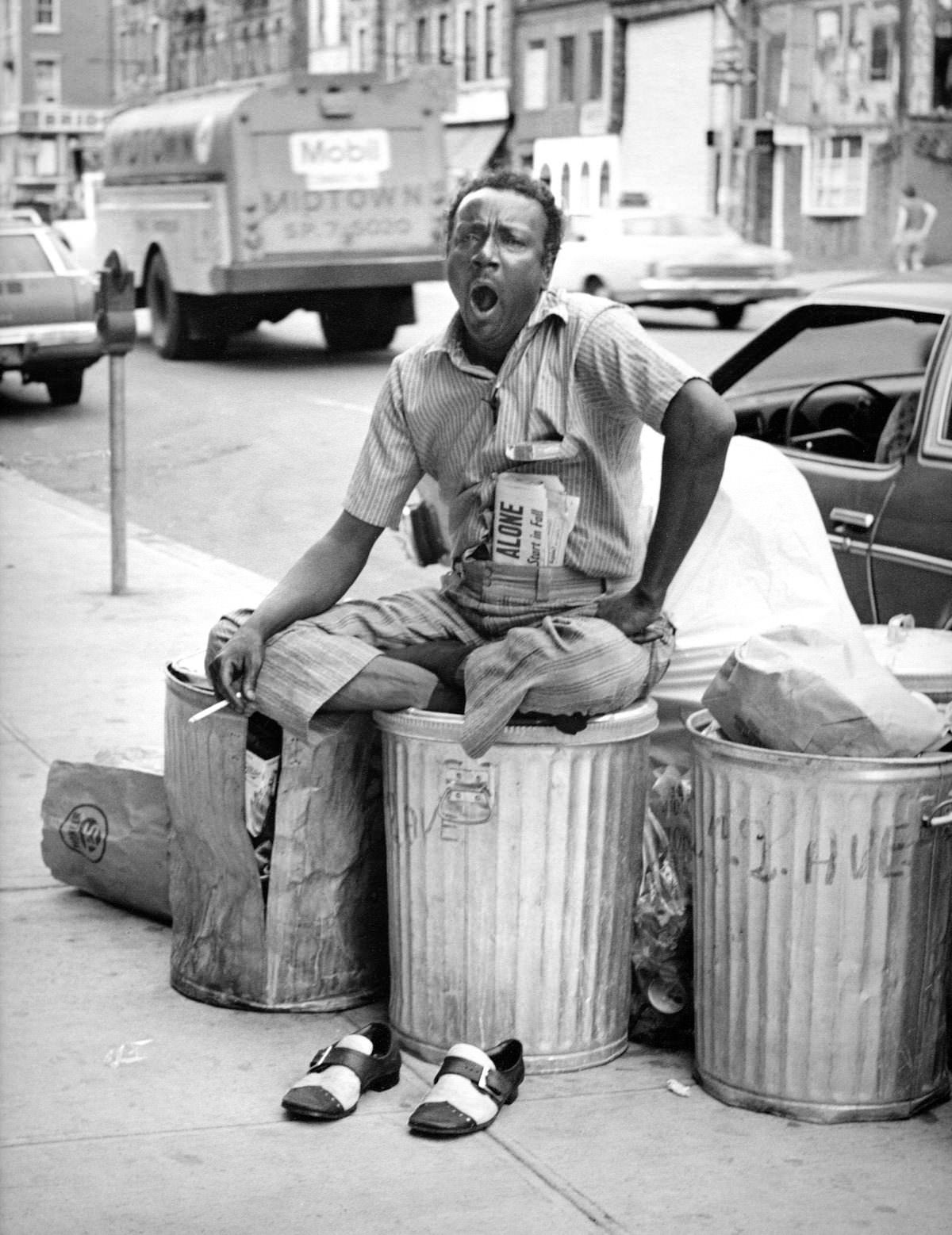
Isolation was another recurring thread. A lone figure on 2nd Avenue, dwarfed by the city around them, reflects how anonymous life in New York could be. The density of the place made loneliness easier, not harder, to find.
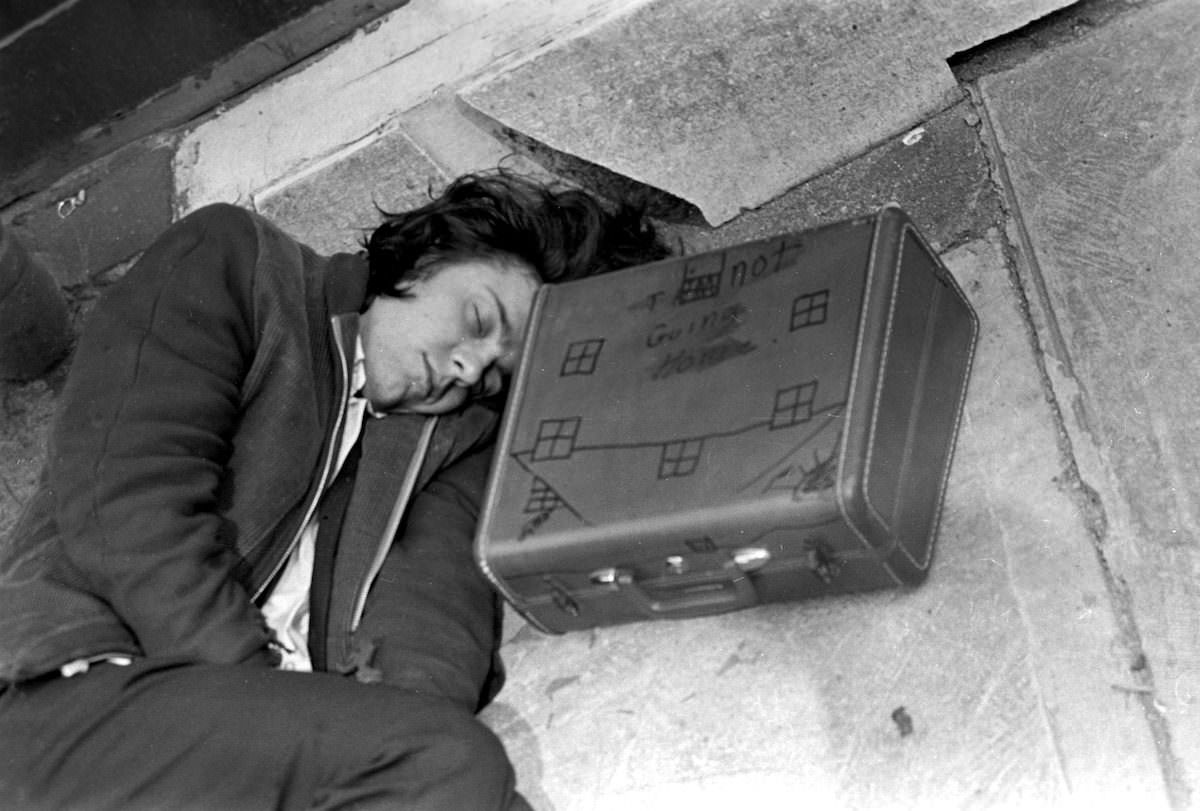
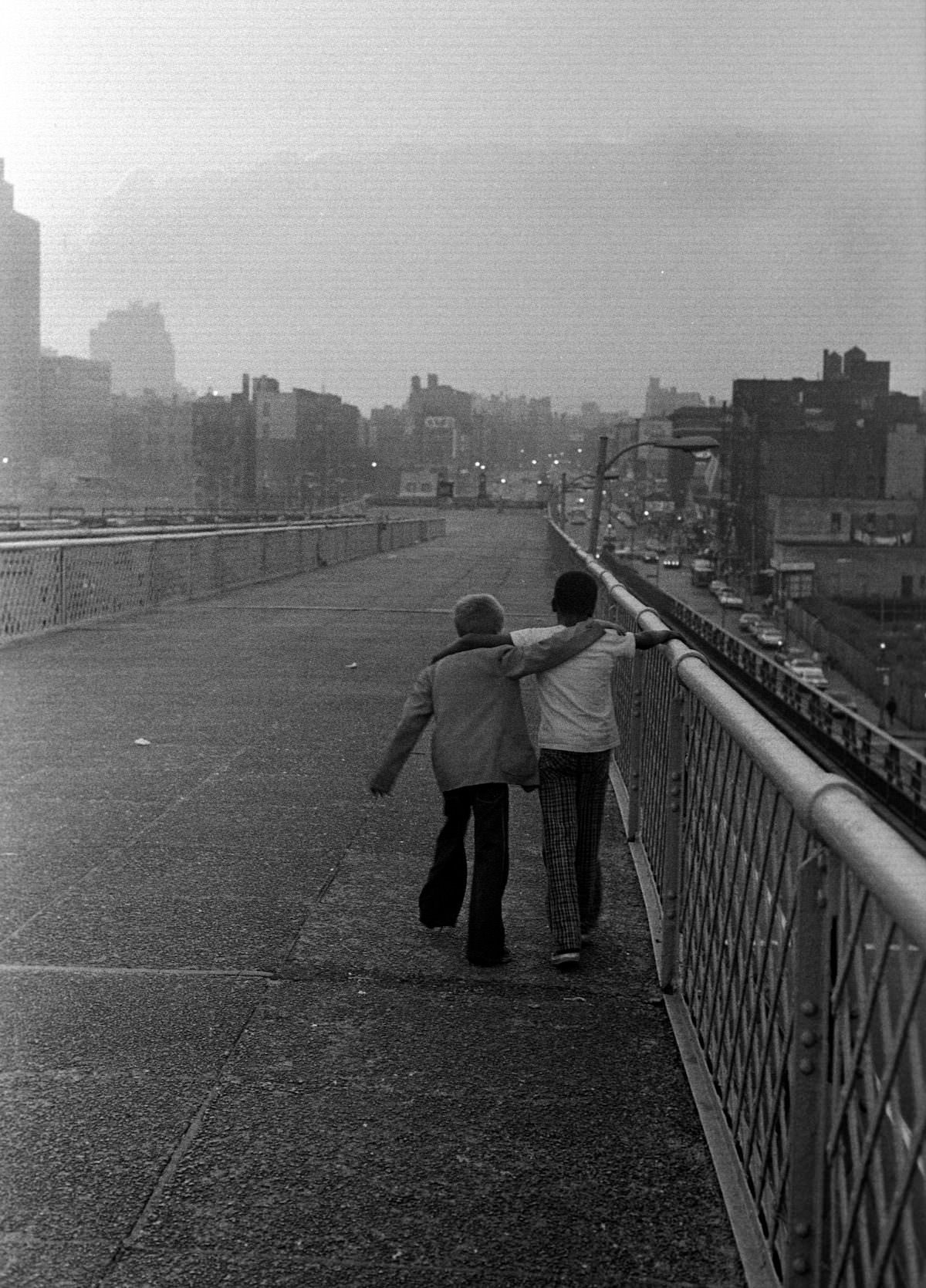
St. Mark’s Place drew runaways from across the country. The East Village was cheap, permissive, and electric with counterculture — a landing spot for teenagers fleeing somewhere worse. Allen photographed them without judgment, letting their presence speak for itself. Nearby, on the Williamsburg Bridge, he caught Fernando and Jeffery in a moment that feels both casual and precarious, two people suspended between boroughs.
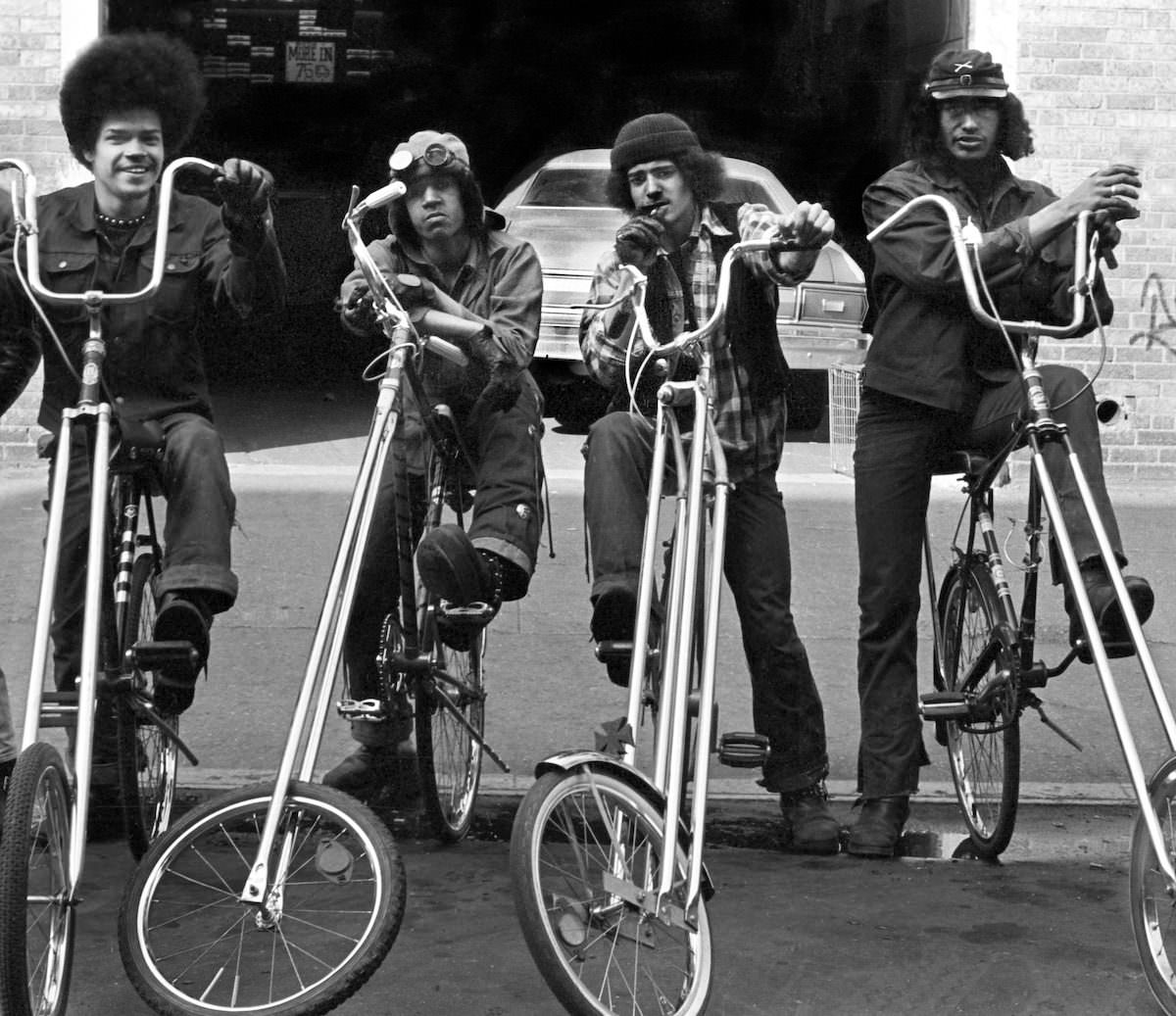
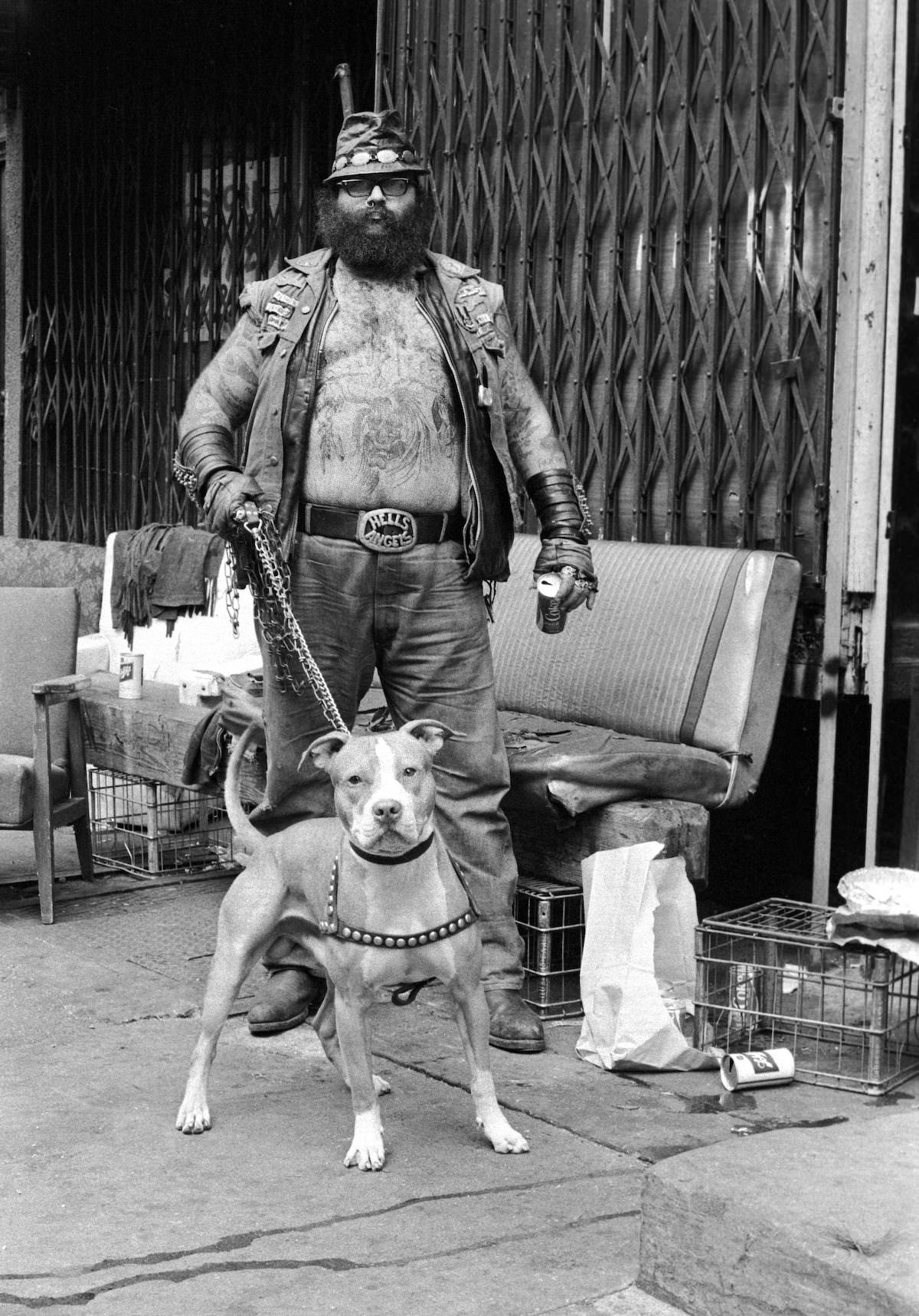
Four young Brooklyn bikers nicknamed the Four Horsemen of the Apocalypse embodied the era’s defiant spirit. Big Vinny, a Hell’s Angel Allen photographed directly, represented the club’s unmistakable combination of menace and brotherhood. These weren’t background characters — they were central figures in the city’s street mythology.
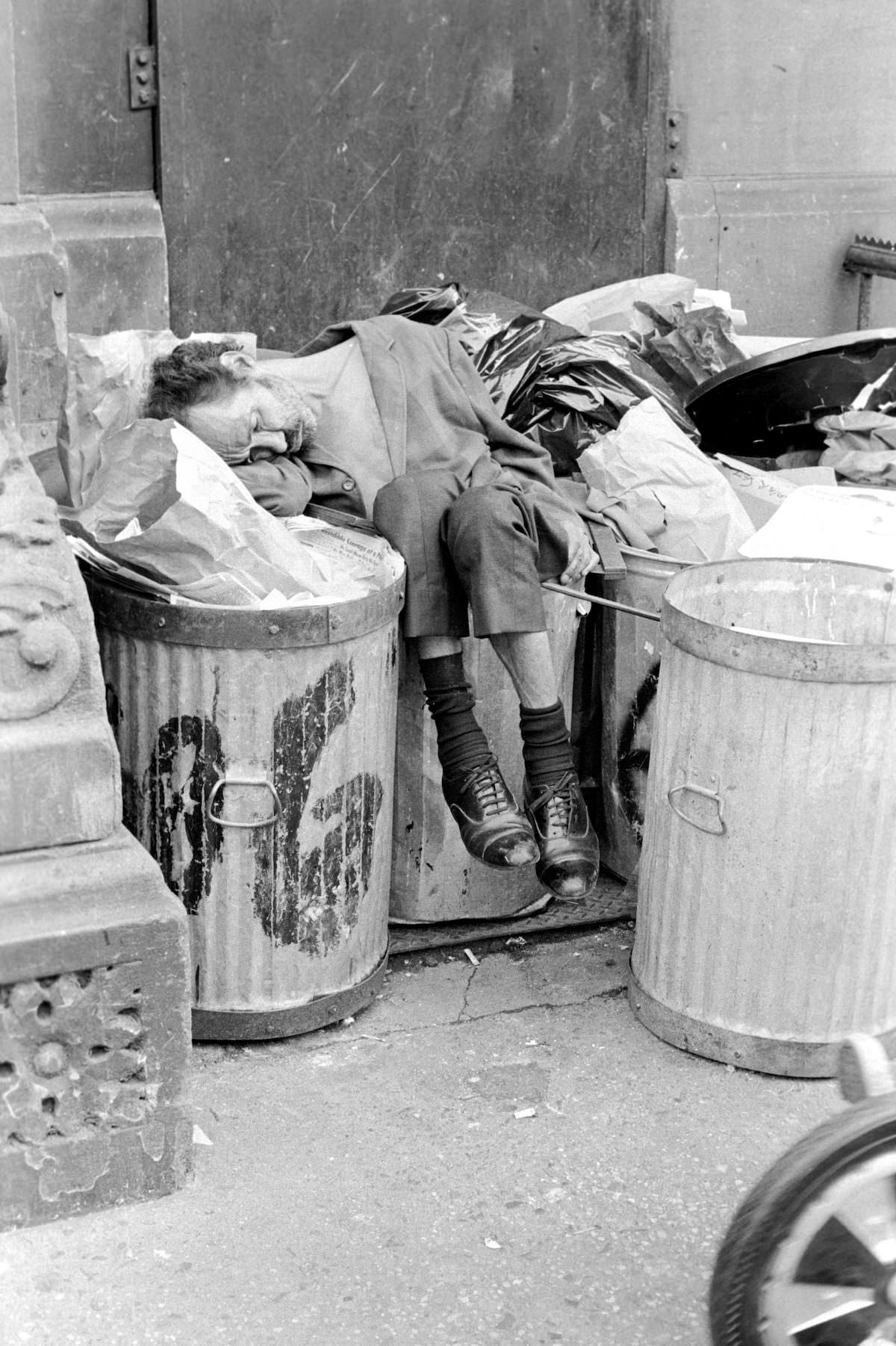
Needle Park — the nickname for Sherman Square on the Upper West Side — was one of the city’s most open drug markets. Allen photographed a man near it, placing the viewer directly inside the heroin epidemic that devastated New York neighborhoods throughout the decade.
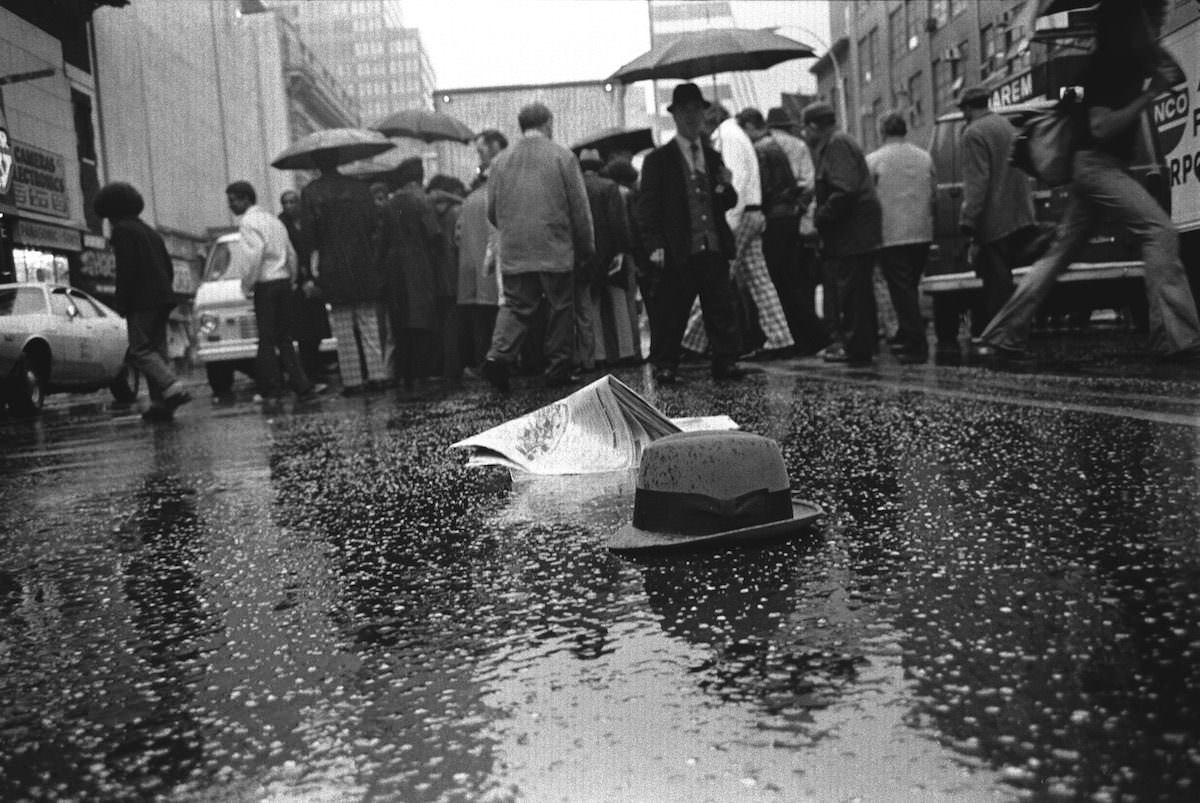
42nd Street appears again, this time with a man struck by a van. Allen photographed the aftermath without flinching. Scenes like this played out regularly on streets where emergency response was slow and bystanders were plentiful.
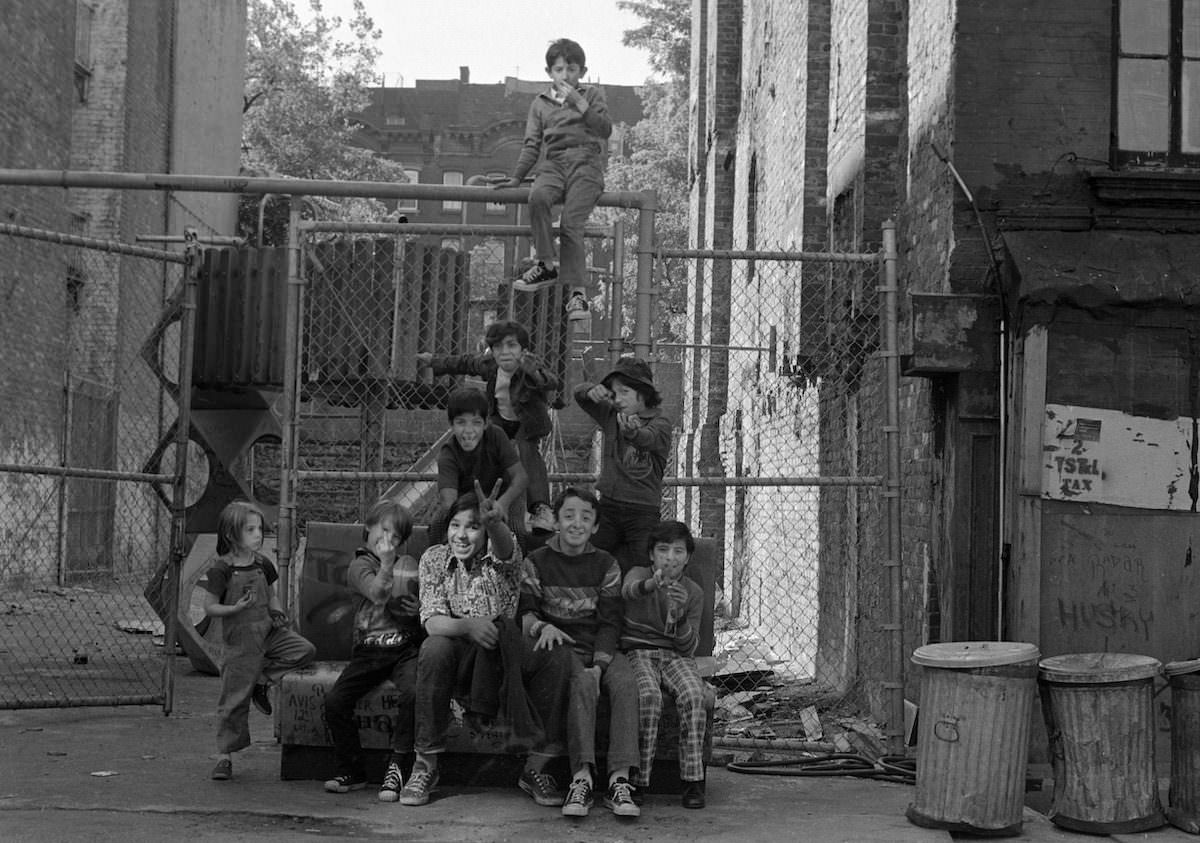
At 76 East 3rd Street, the 3rd St. Film Club built a pyramid structure in a local playground — a small, strange act of community creativity in a neighborhood defined by neglect. Allen documented it, showing that even in the city’s worst years, people were still making things and claiming space.