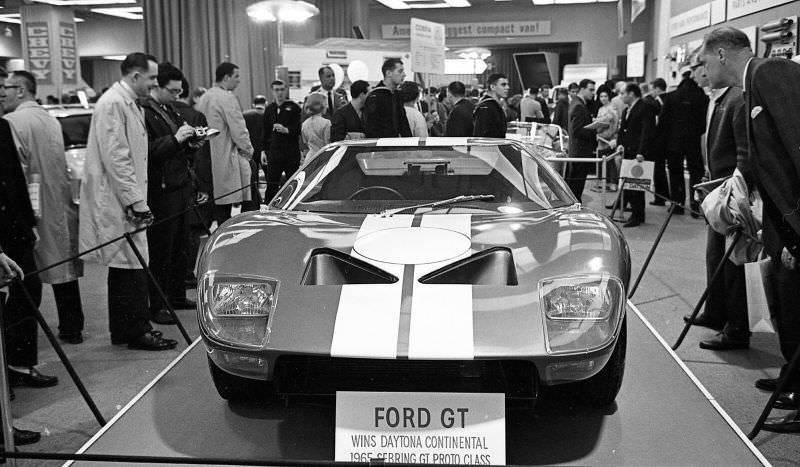
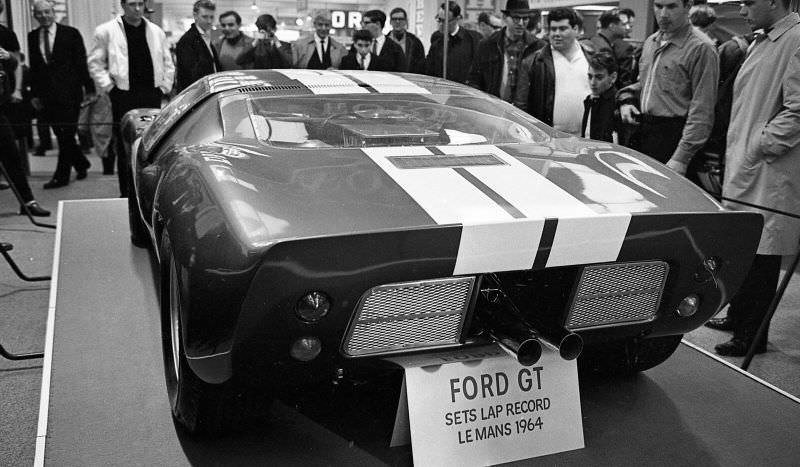
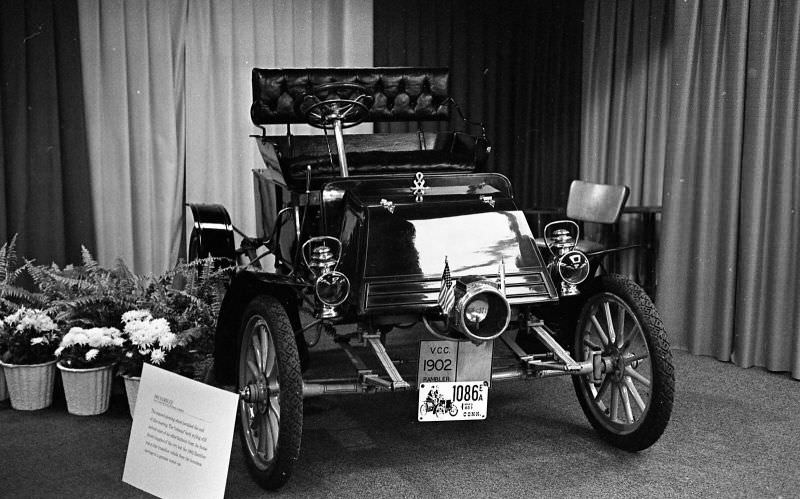
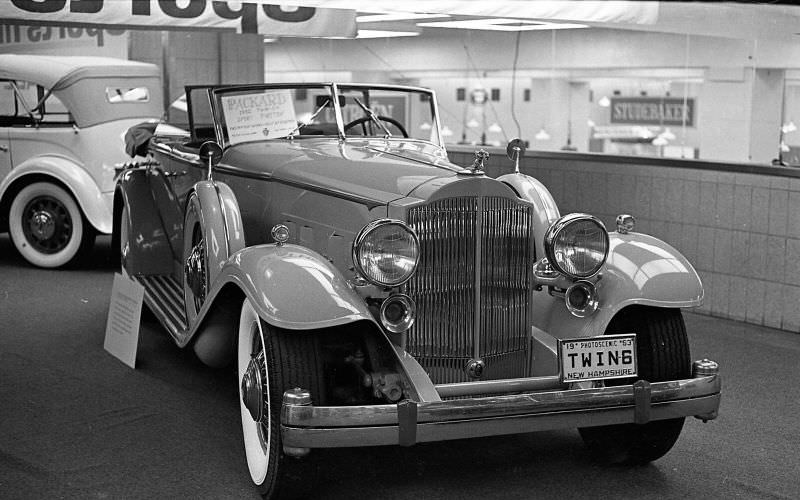
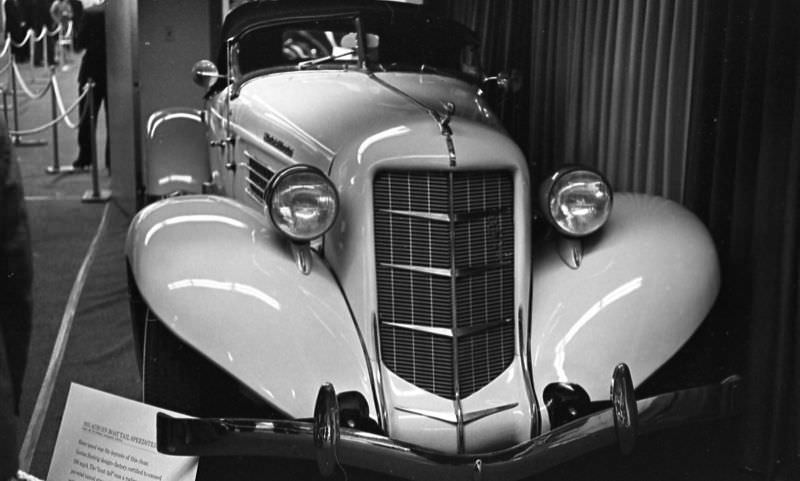
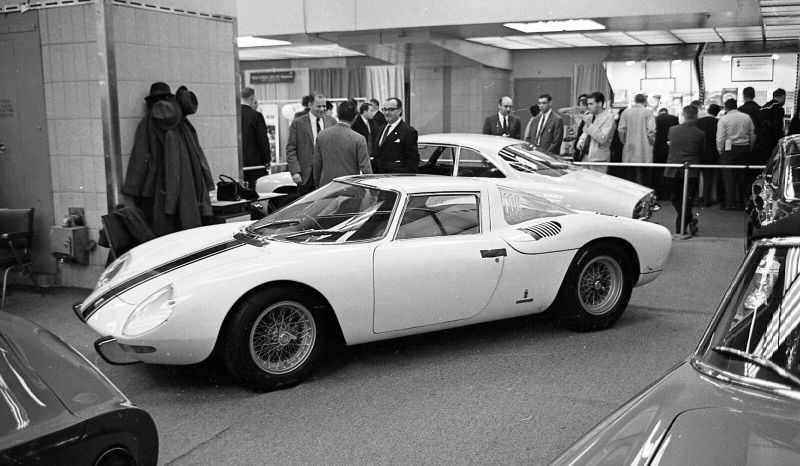
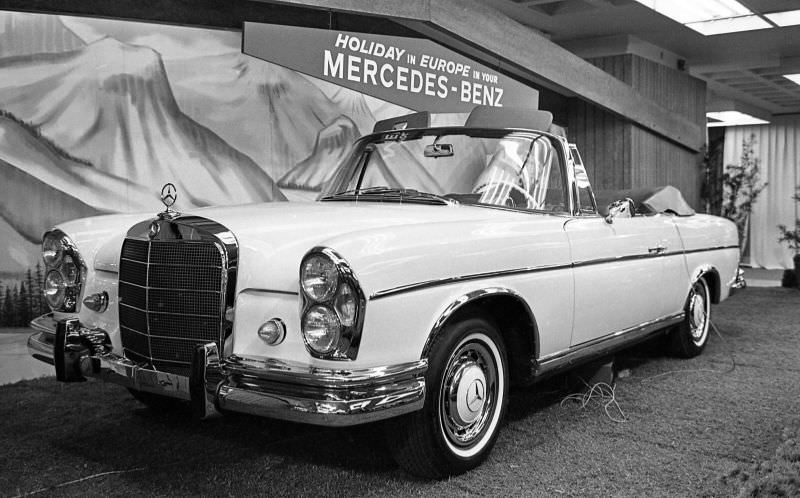
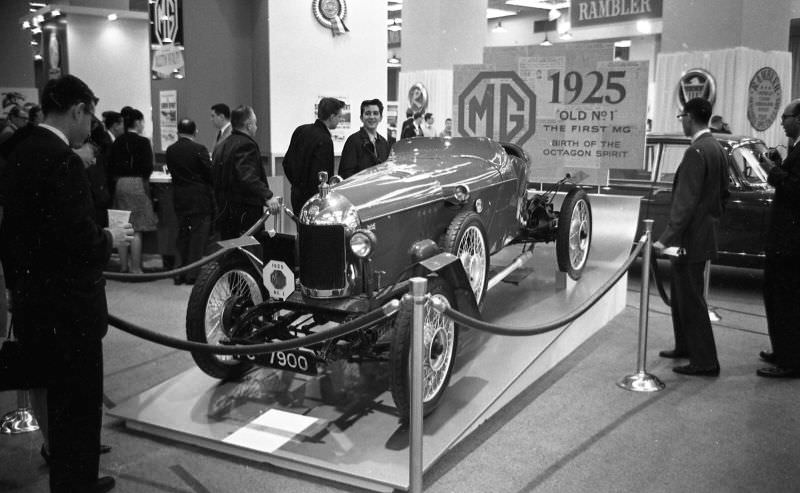
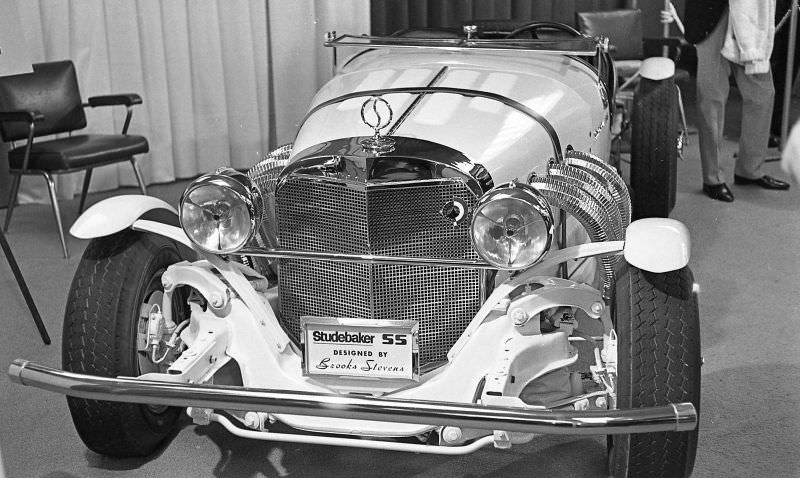
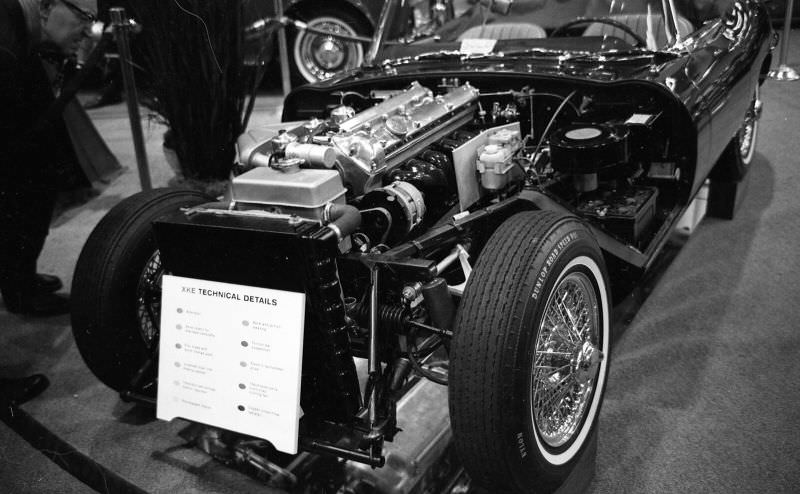
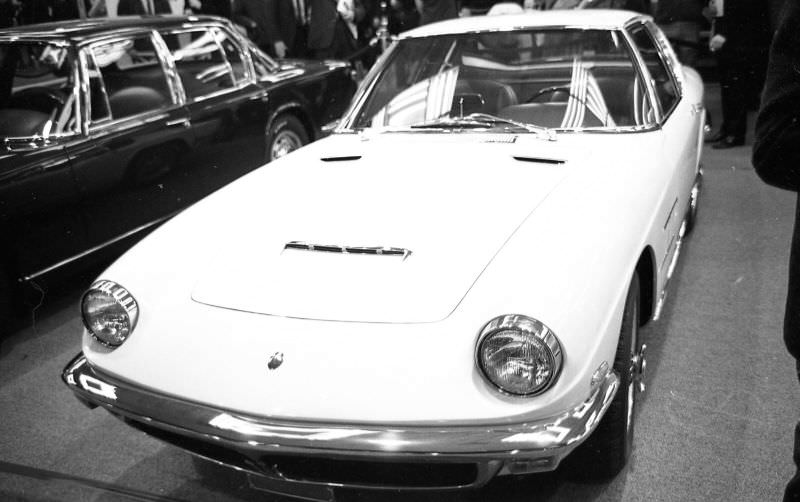
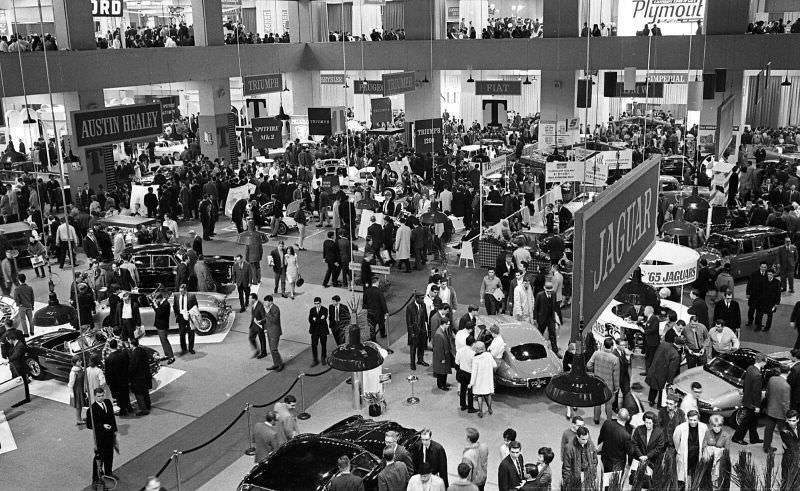
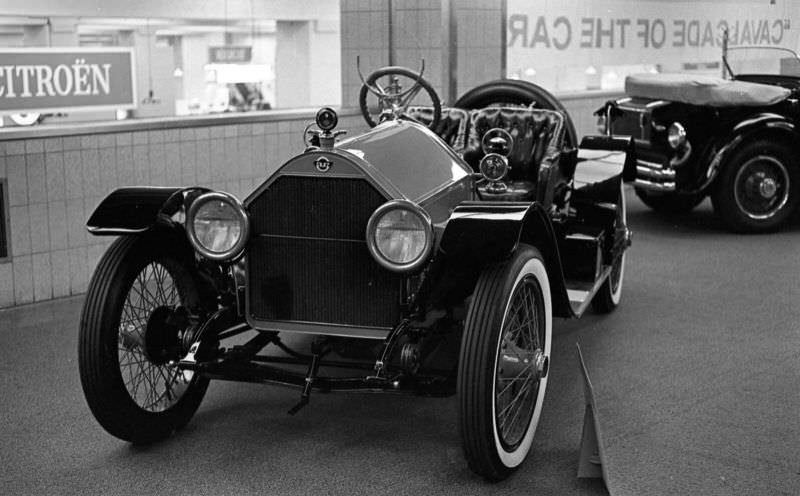
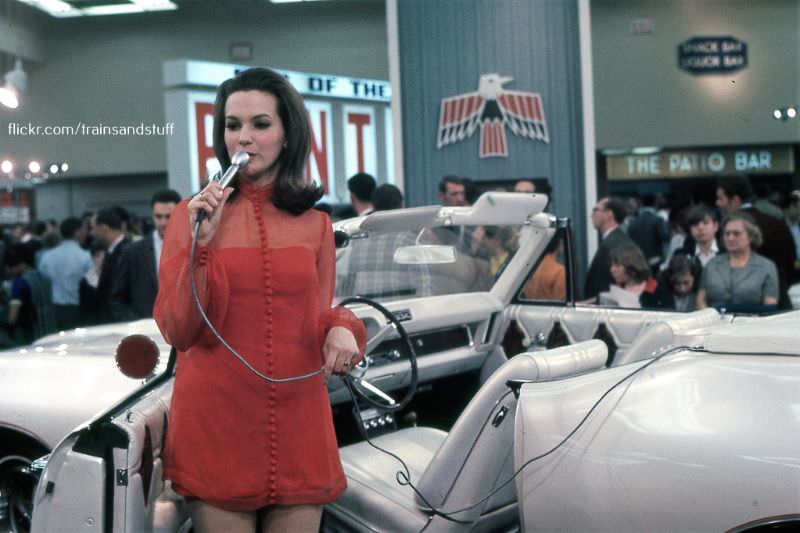
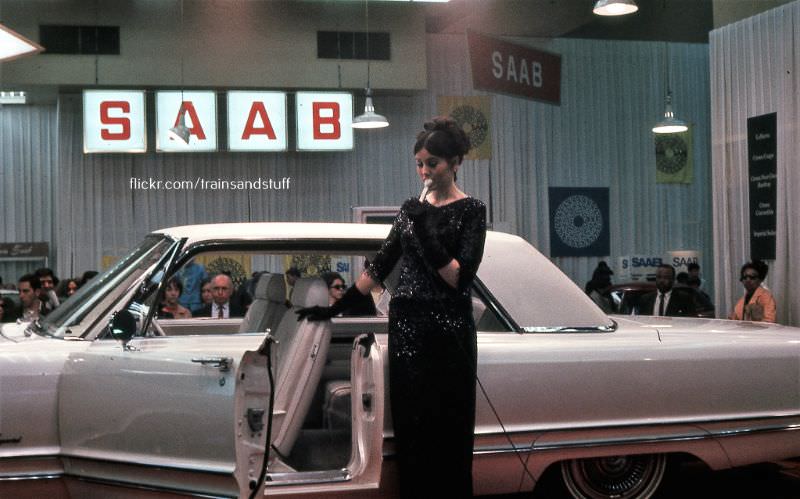
The New York Auto Show is one of the oldest and most respected car shows in the world. It has run every year since 1900, making it the first automobile exhibition in North America. For decades, it was held at the New York Coliseum before moving to the Jacob Javits Convention Center in Manhattan in 1987. The show typically runs for ten days in late March or early April, often opening or closing the day after Easter weekend. Its economic impact on New York City runs into the hundreds of millions of dollars. Automakers use the show as a major stage. Each year, car companies reveal new production models and concept vehicles to the press before the public gets a look. Industry groups like the Greater New York Auto Dealers Association (GNYADA) and the International Motor Press Association (IMPA) hold their own meetings and events during the show. It’s part car showcase, part industry gathering. The 1960s were a golden era for the show. American muscle cars, sleek European imports, and bold concept vehicles all shared the floor at the New York Coliseum. The photos below capture that excitement across several years of the show — from 1964 through 1968. Scroll through to see the cars, the crowds, and the personalities that made the New York Auto Show an event unlike any other.
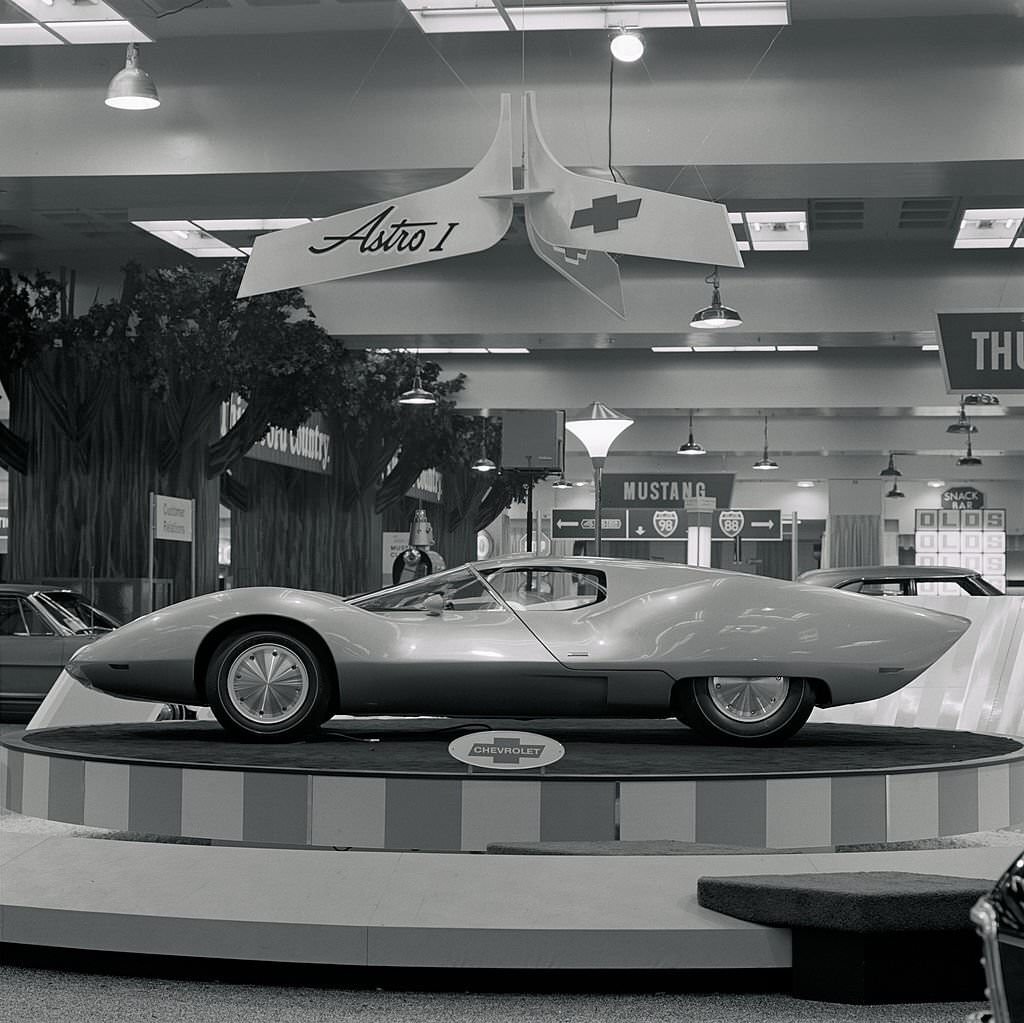
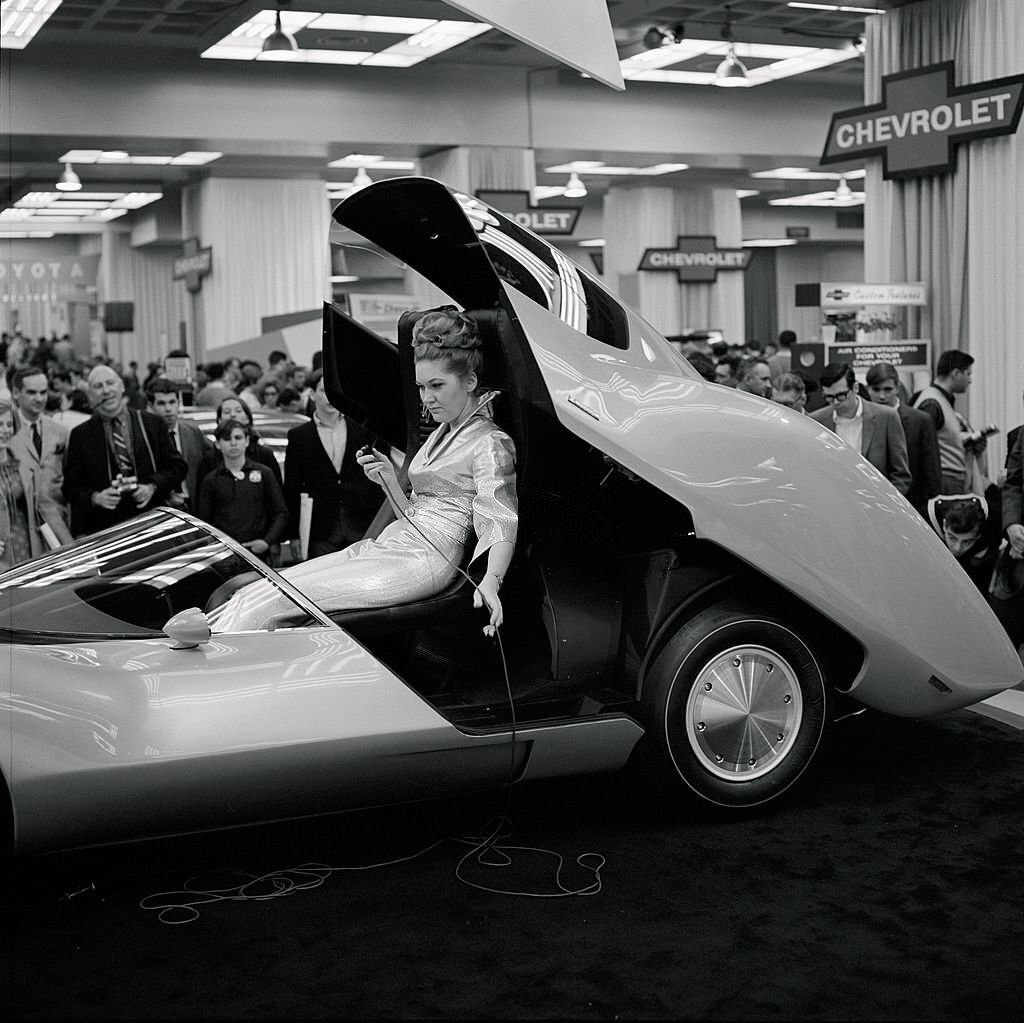
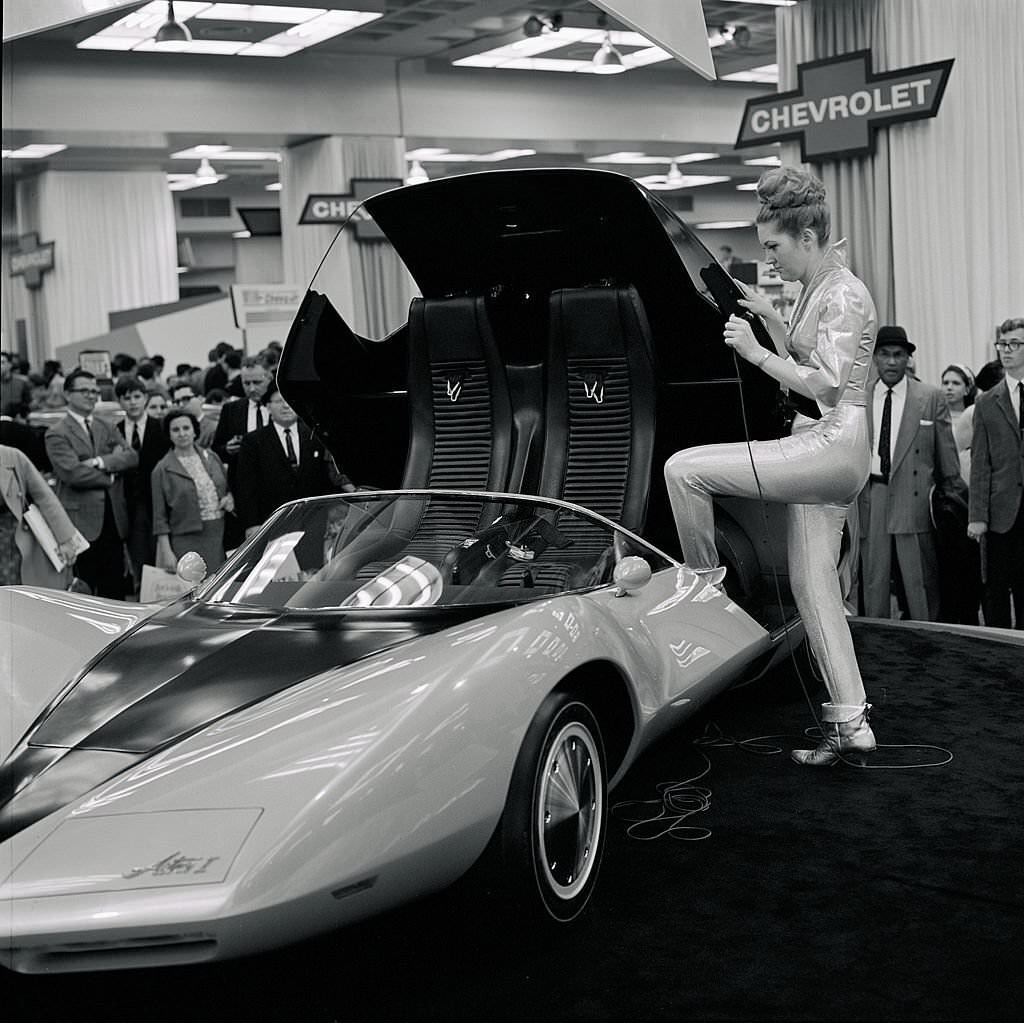
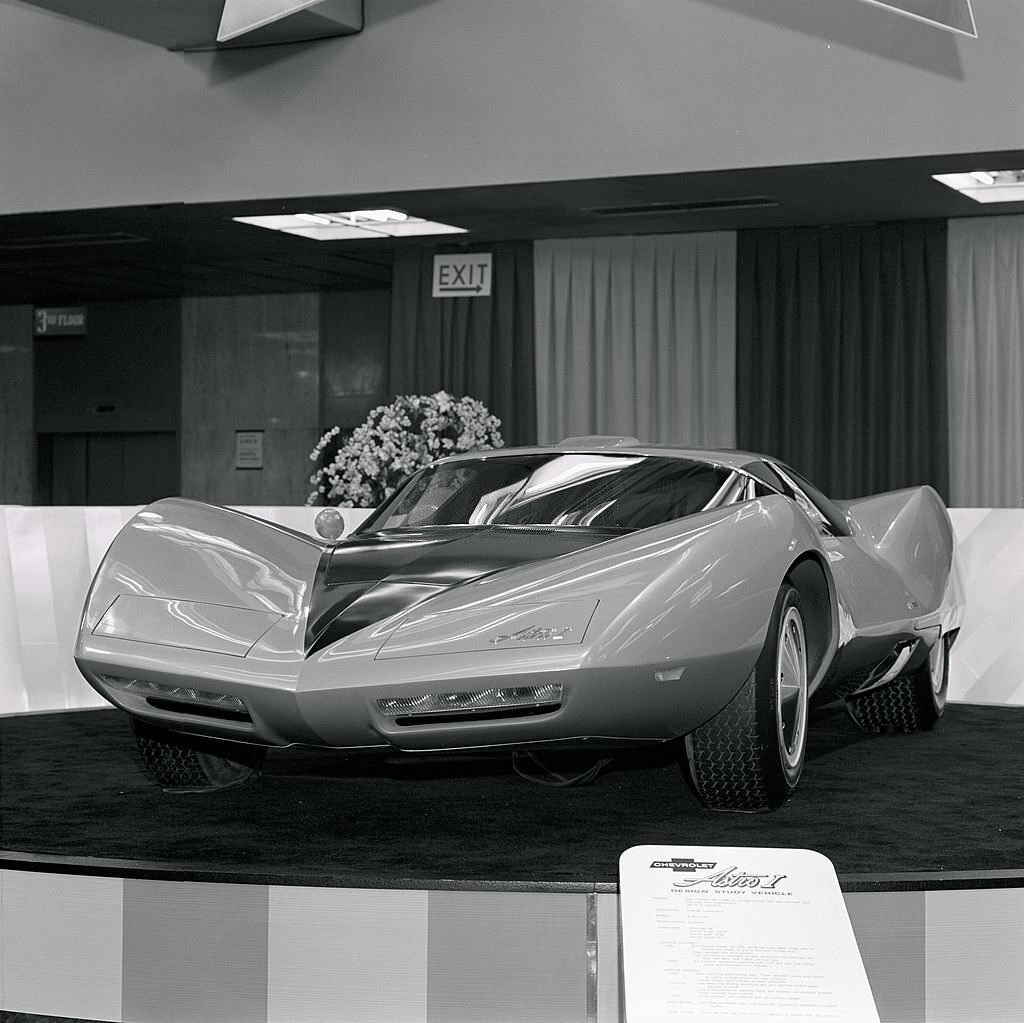
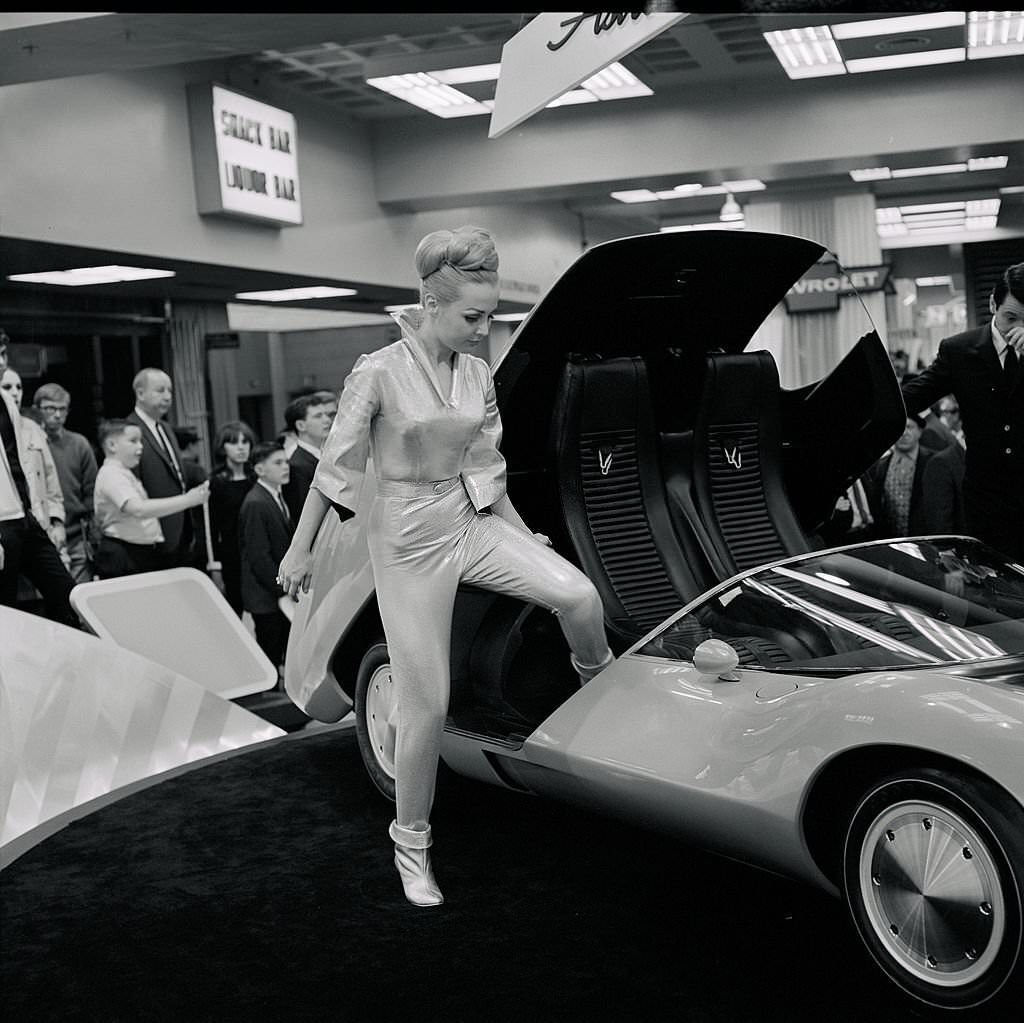
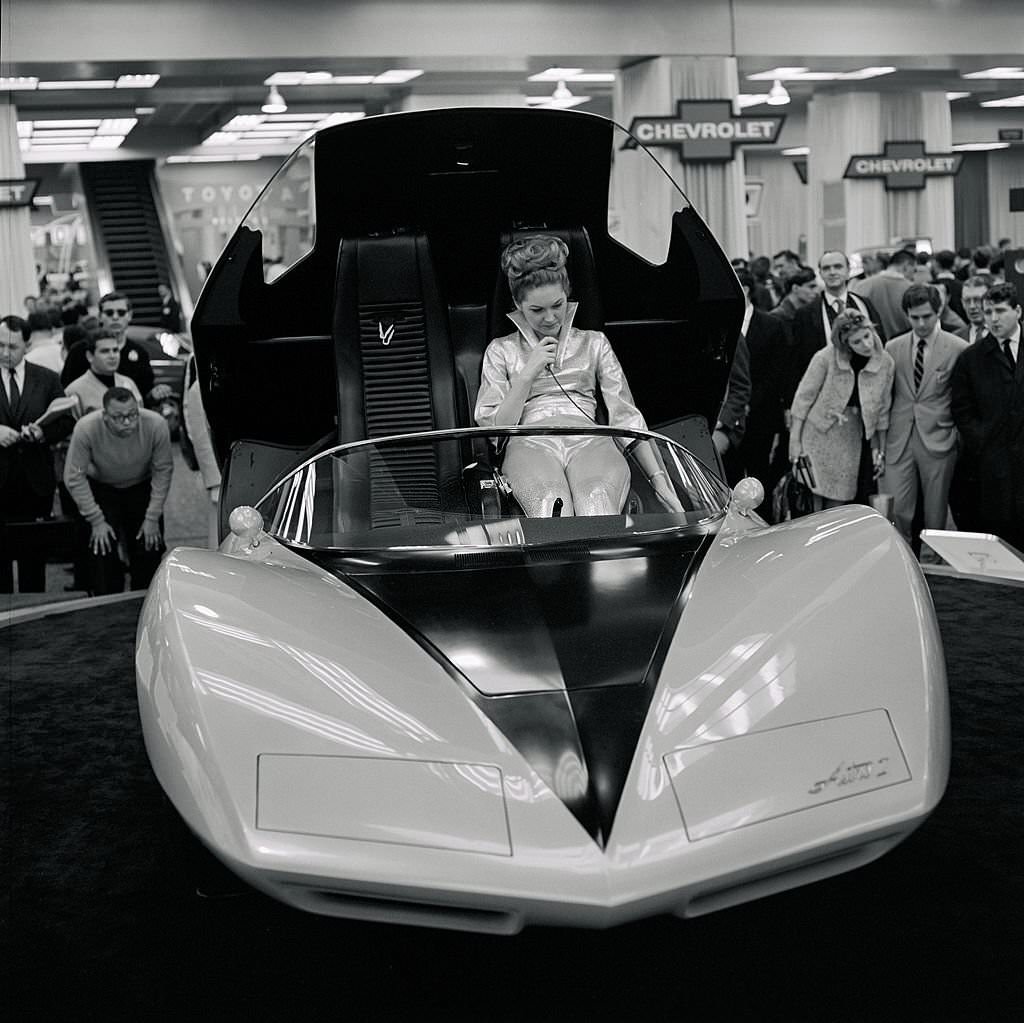
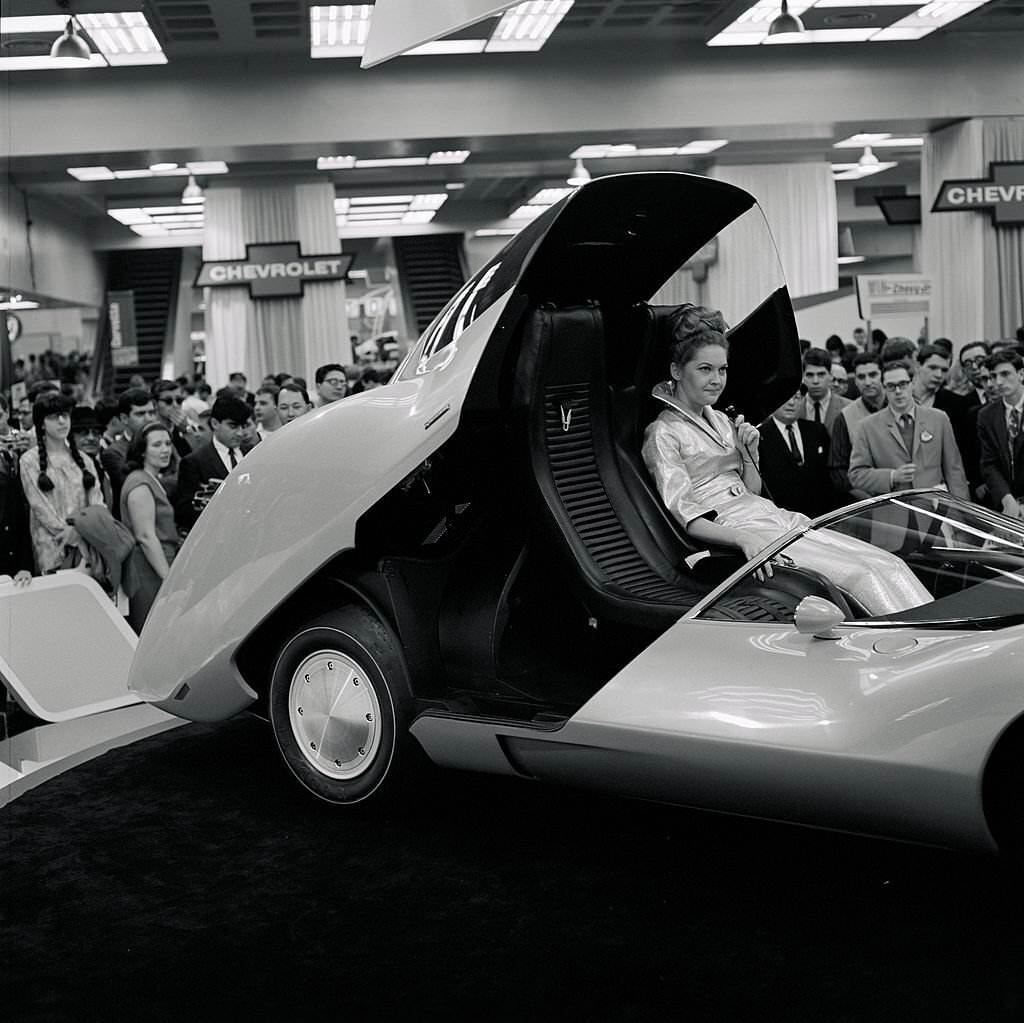
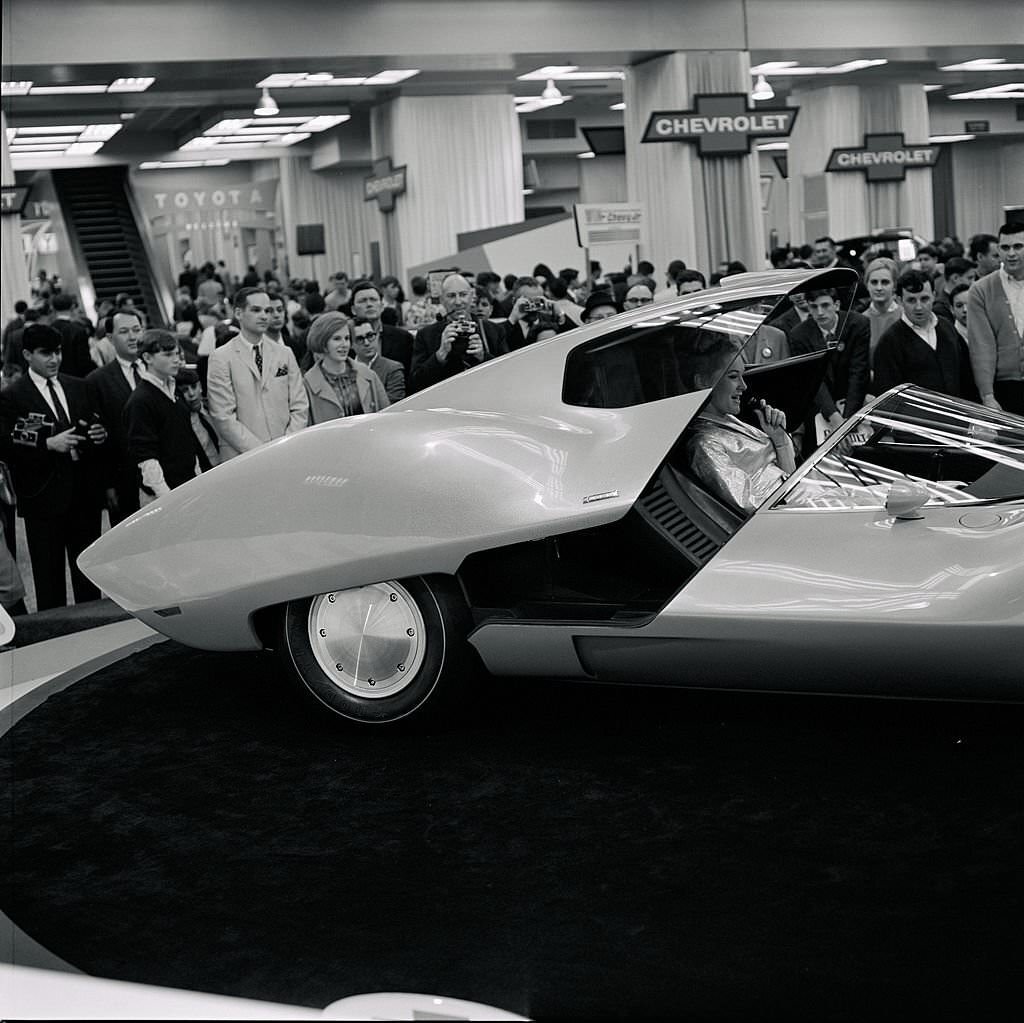
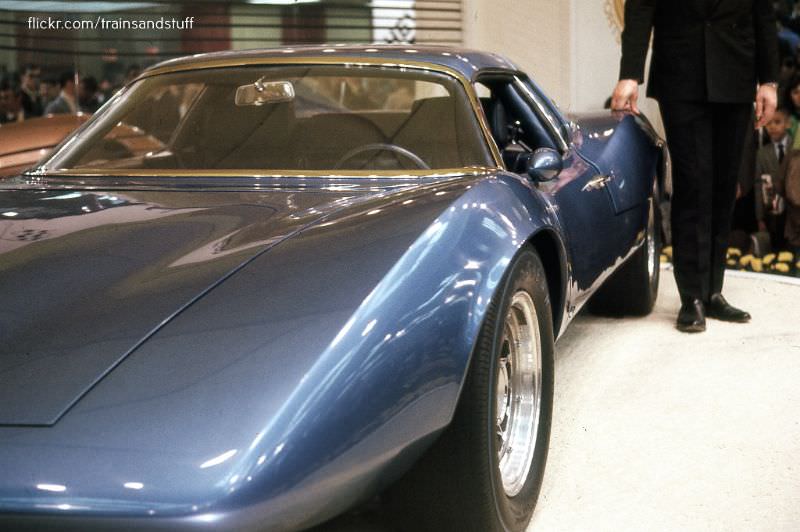
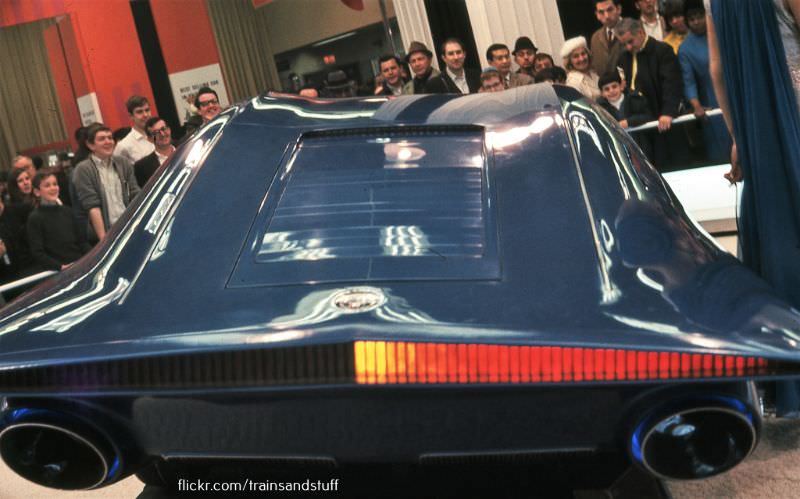
One of the most talked-about concept cars of the 1967 show was the Chevrolet Astro I. The low-slung, futuristic design turned heads and sparked serious conversation about what production cars might look like in the years ahead. Among its standout features was a periscopic rear-view mirror mounted in the roof, giving the driver a wide, panoramic view behind the car. The hood was painted non-reflective black — a practice borrowed from commercial truck fleets to reduce glare. The Astro I also featured “twin-grip” steering controls and a left-side console that put all hand controls within easy reach. The automatic roof entry system and reclining seats hinted at what lower, more aerodynamic cars of the future might offer.
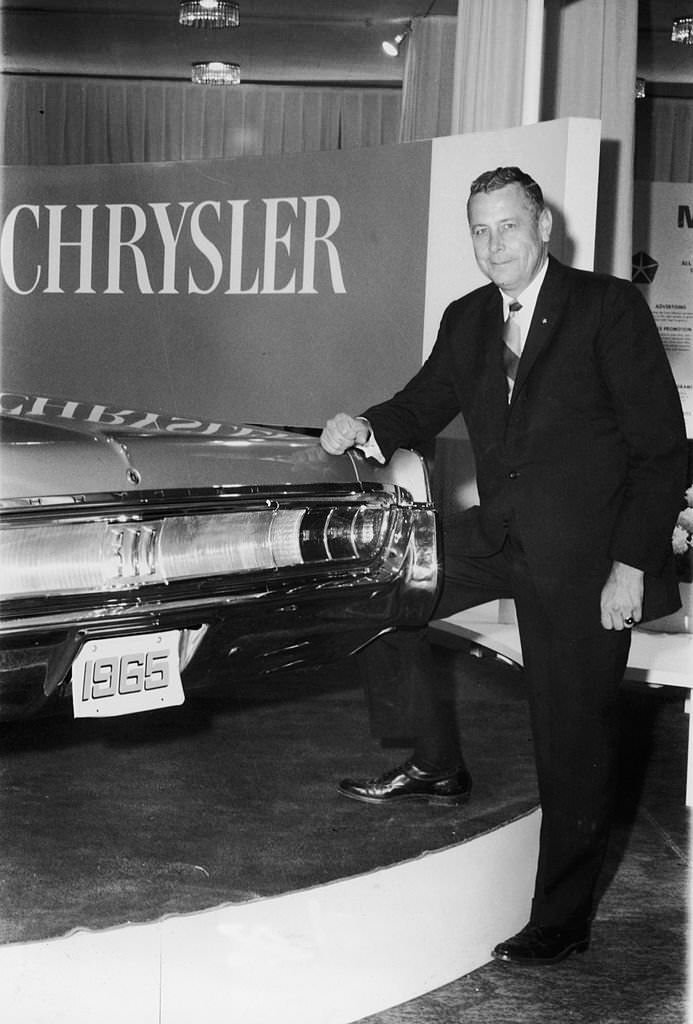
The 1964 show brought out major industry figures. Chrysler president Lynn A. Townsend appeared on the floor alongside the company’s latest models. Ford’s Lee Iacocca was also a prominent presence, displaying a range of Fords and generating buzz around what the brand had in the pipeline. These executives weren’t just attending — they were selling a vision of American automotive ambition.
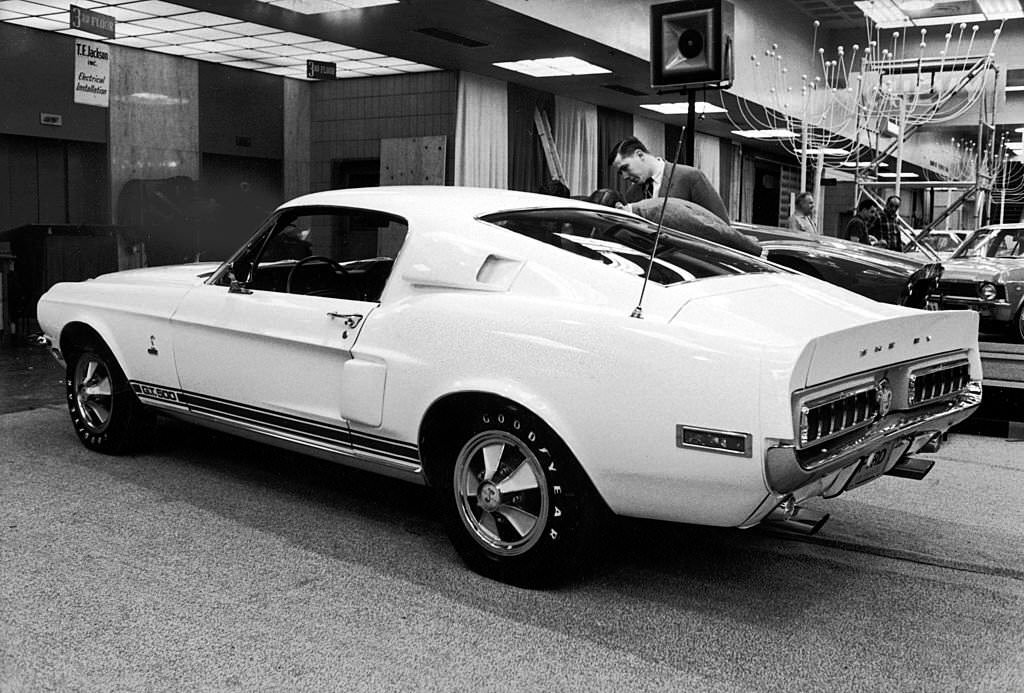
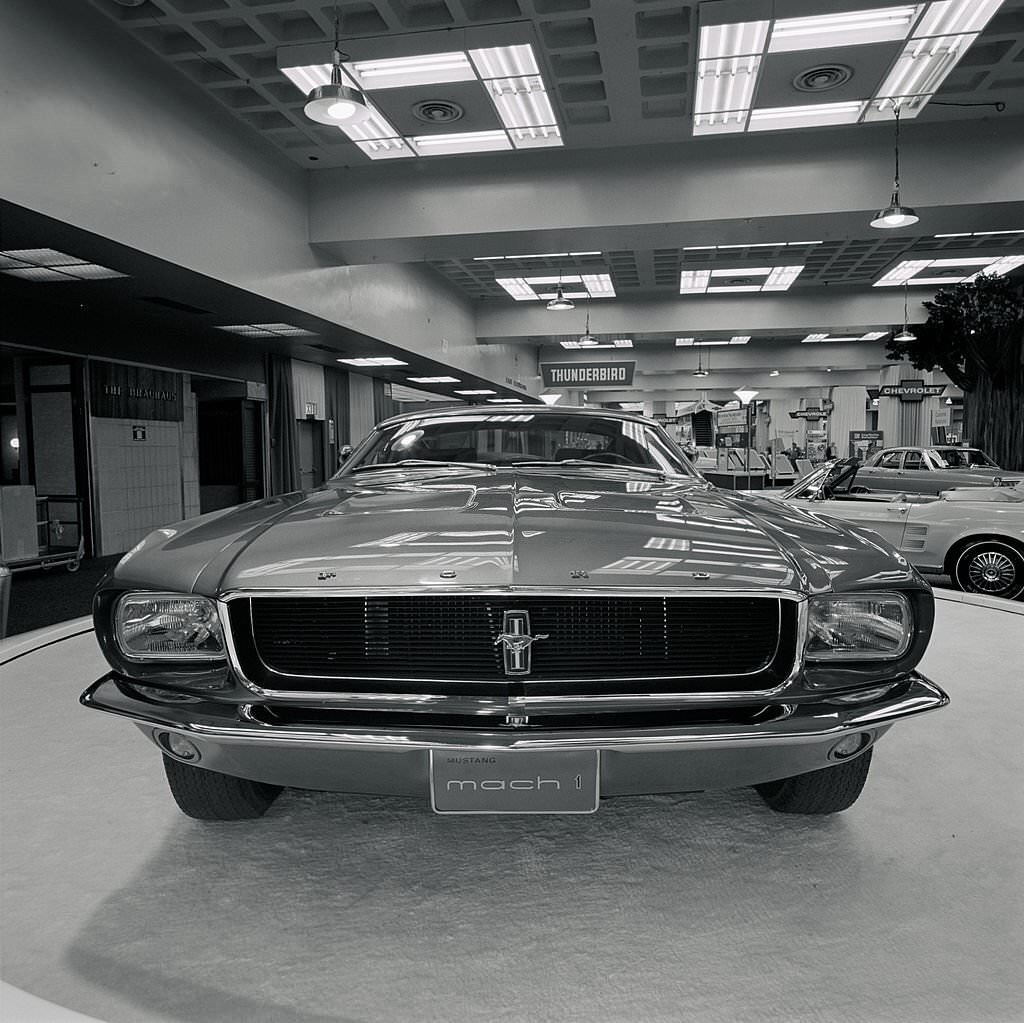
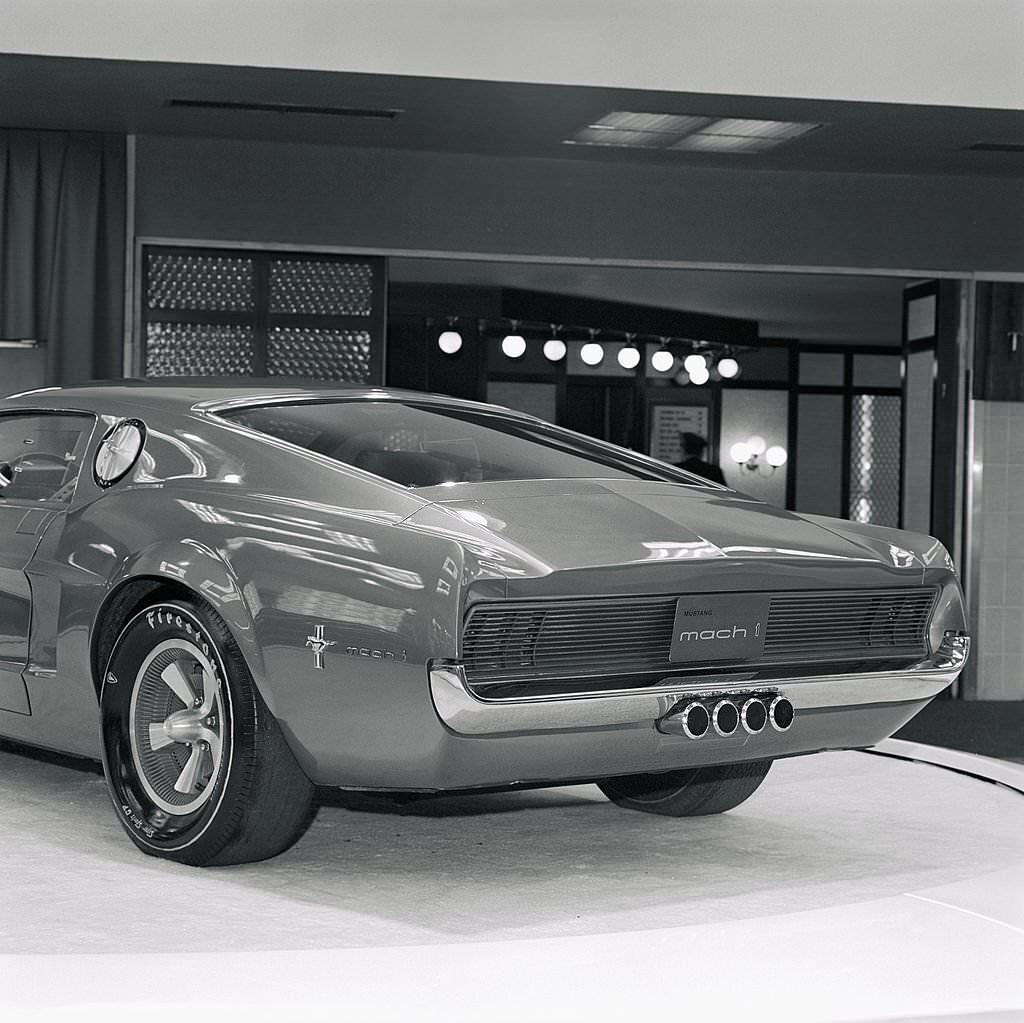
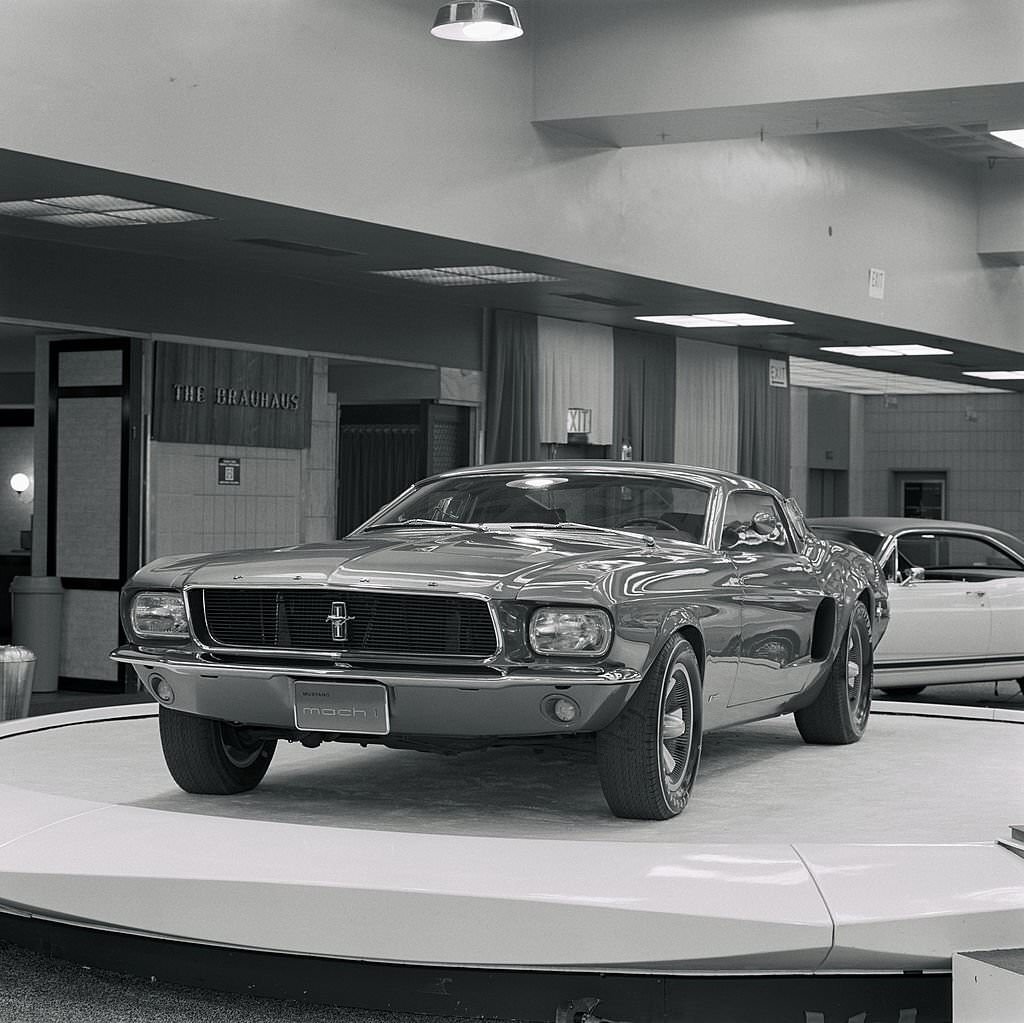
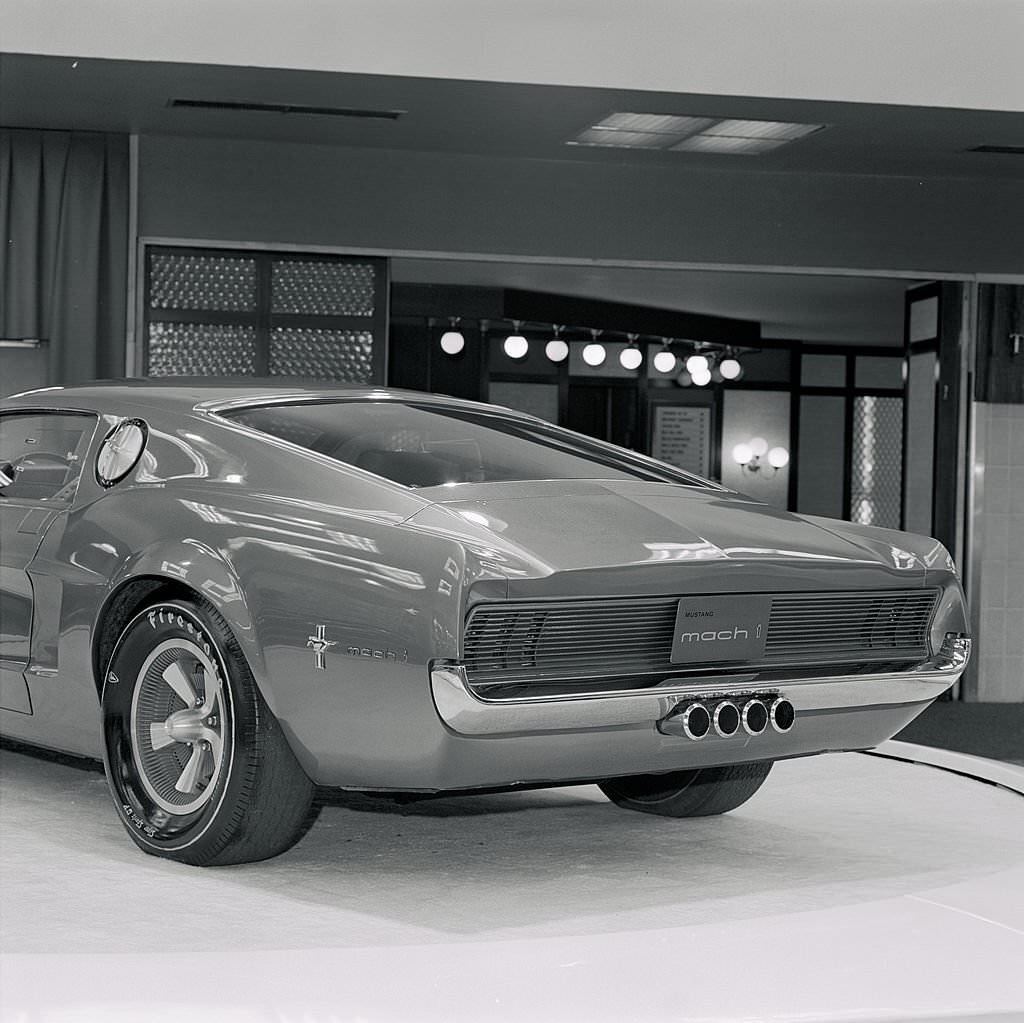
Ford brought serious firepower to the 1967 show with the Mustang Mach I prototype. The concept pushed the Mustang’s design language into bolder, more aggressive territory. One of its most production-ready features was a rectangular headlight system that Ford was actively seeking approval for from licensing authorities across all 50 states and Canadian provinces. The Mach I showed where the Mustang nameplate was heading, and the crowds at the Coliseum took notice.
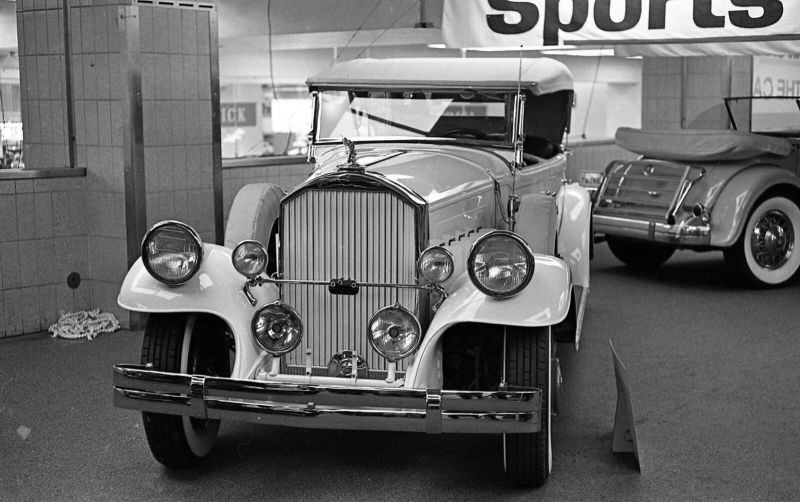
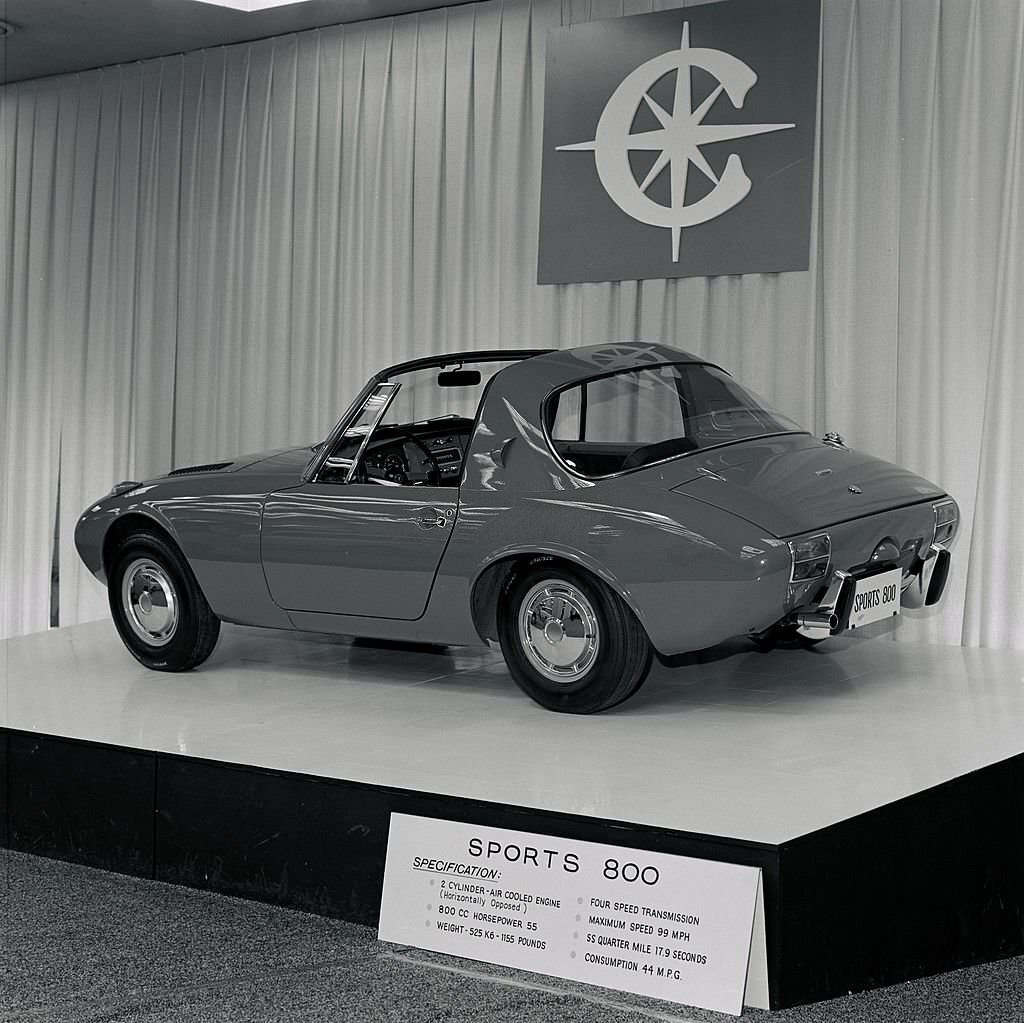
Not every standout car at the 1967 show came from an American brand. Toyota displayed the Sports 800, a compact two-seater powered by an air-cooled two-cylinder boxer engine. Small, light, and efficient, it averaged an impressive 44 miles per gallon — a figure that drew plenty of attention in an era when American cars were trending toward bigger engines and higher fuel consumption.
The Ford Mustang Mach I prototype drew visitors back for a second and third look throughout the 1967 show. Its rectangular lighting system was one of the most discussed design details on the floor that year, with Ford pushing regulators to approve it for road use across North America.
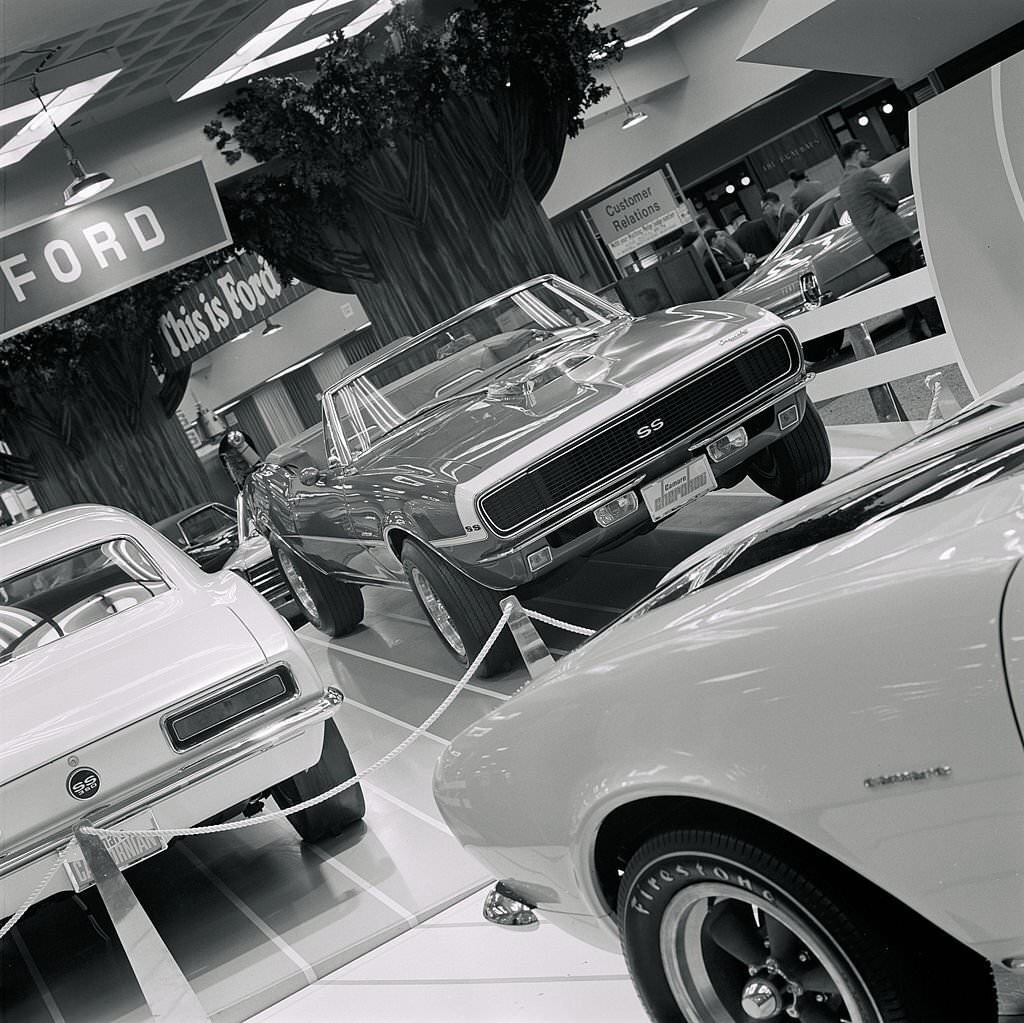
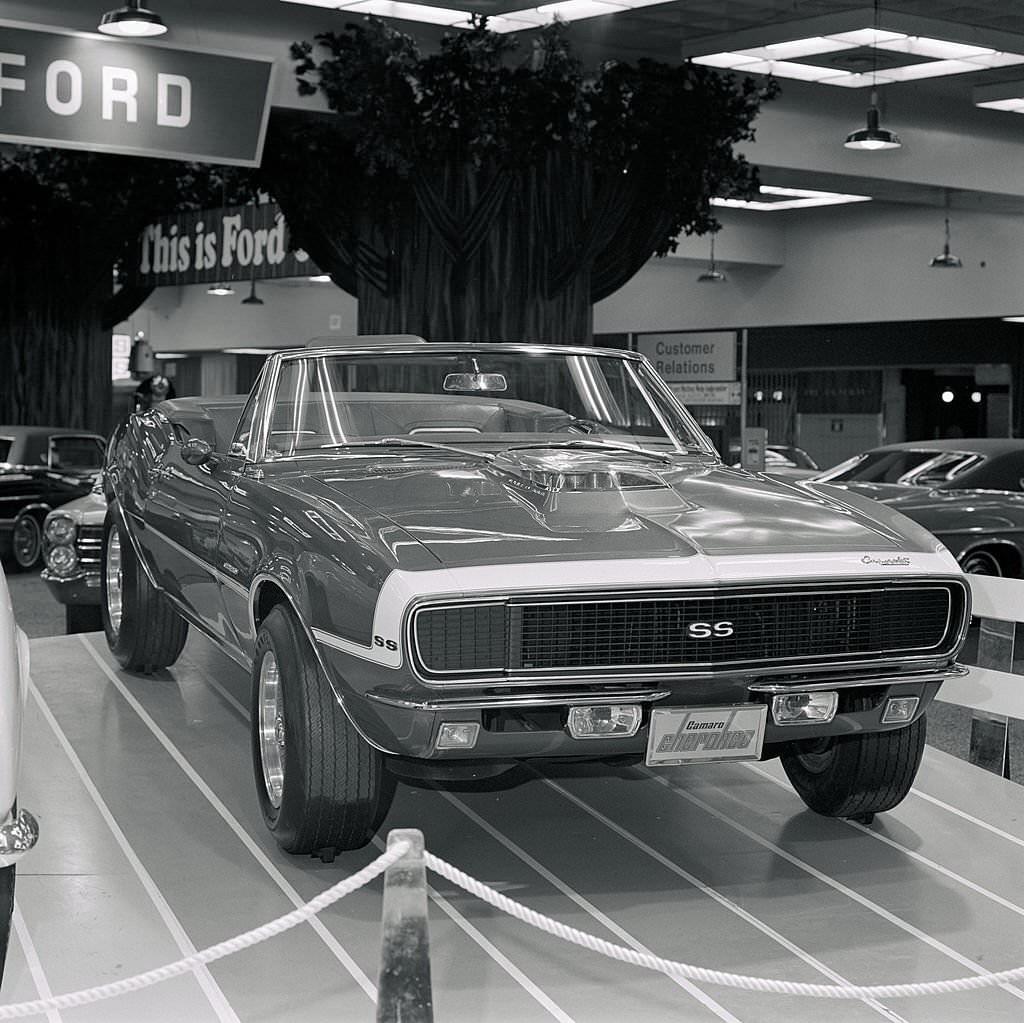
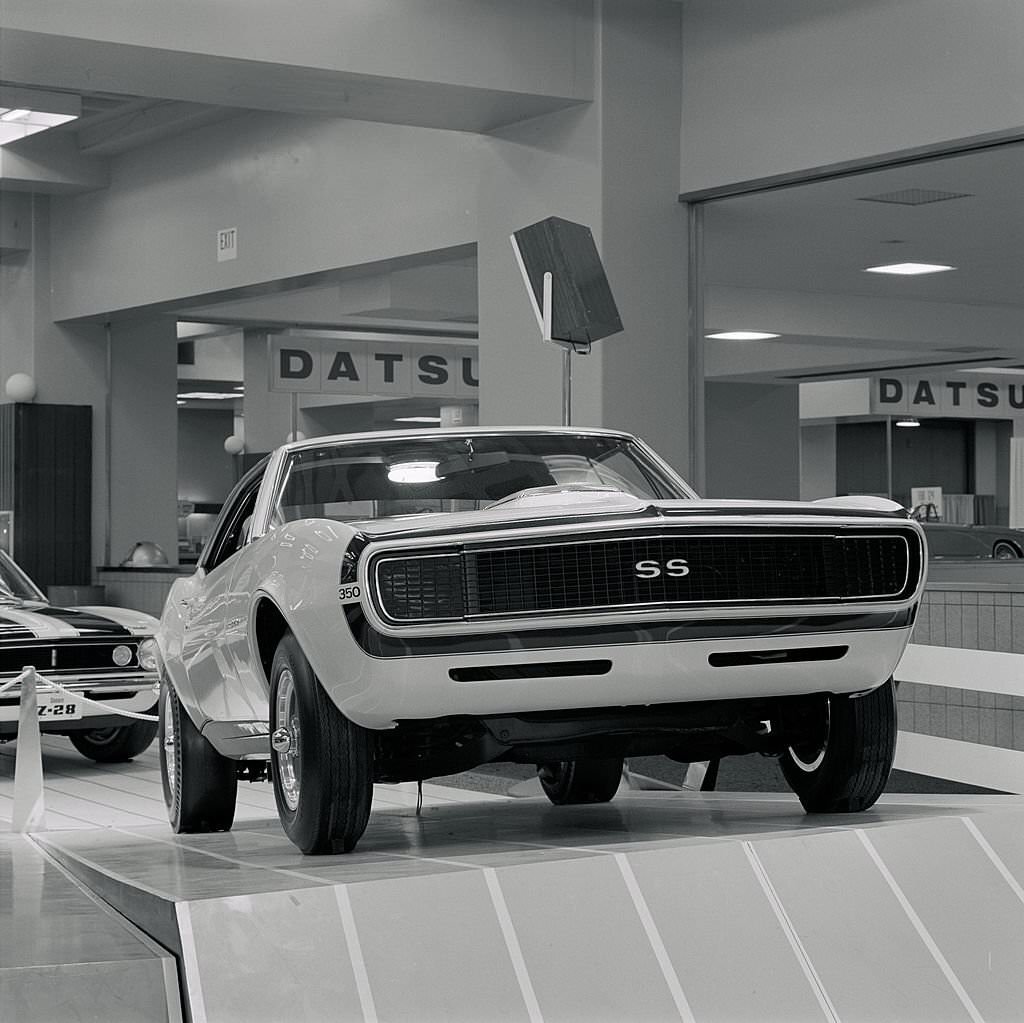
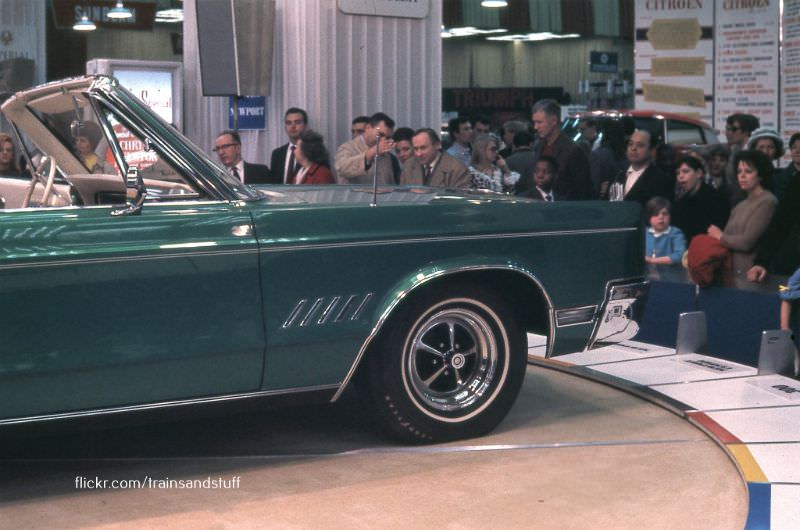
Chevrolet also used the 1967 show to put the new Camaro front and center. The Camaro had launched as a direct answer to the Mustang, and the New York show gave Chevrolet a prime opportunity to display the full range — from hardtops to convertibles, including the high-performance SS models.
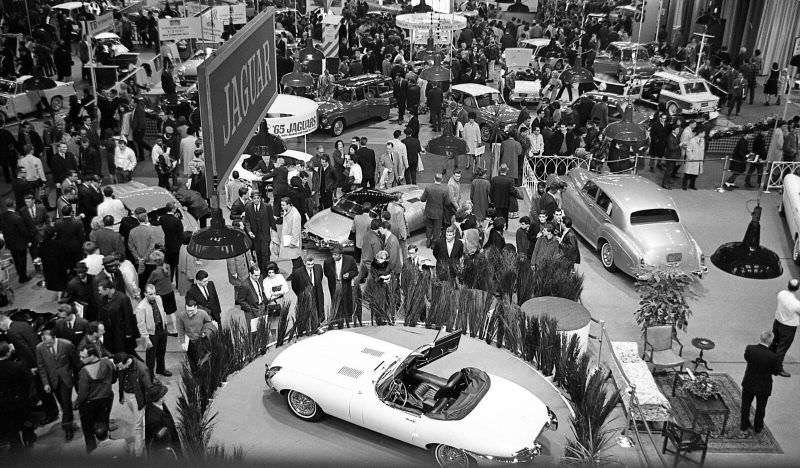
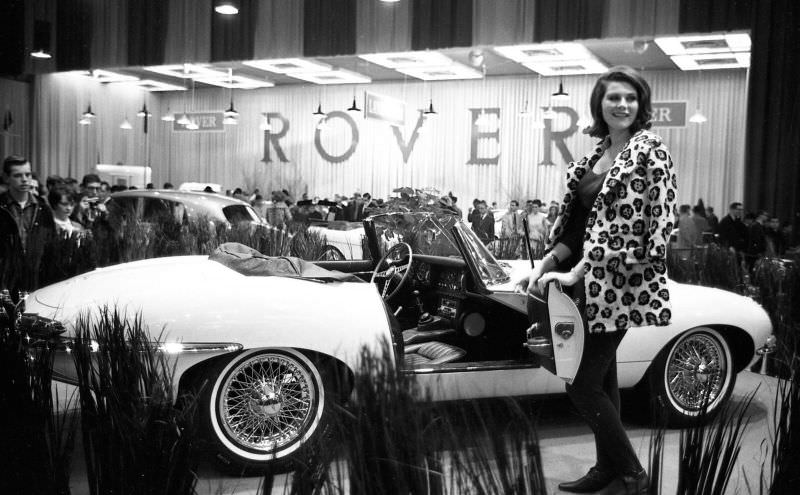
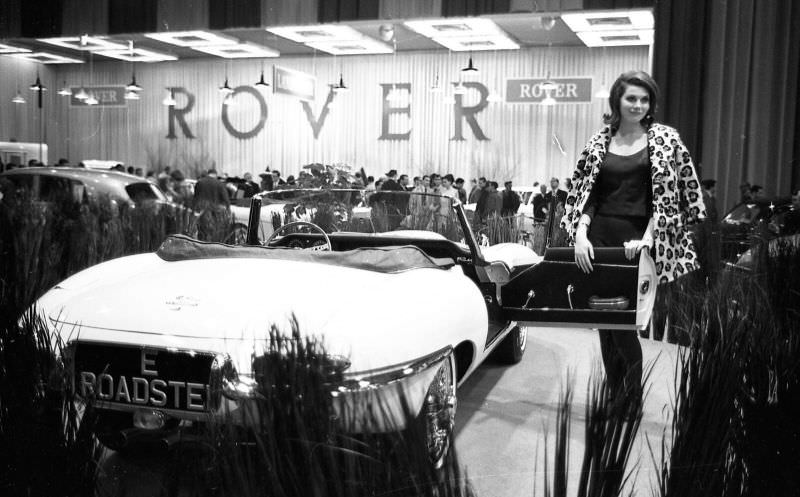
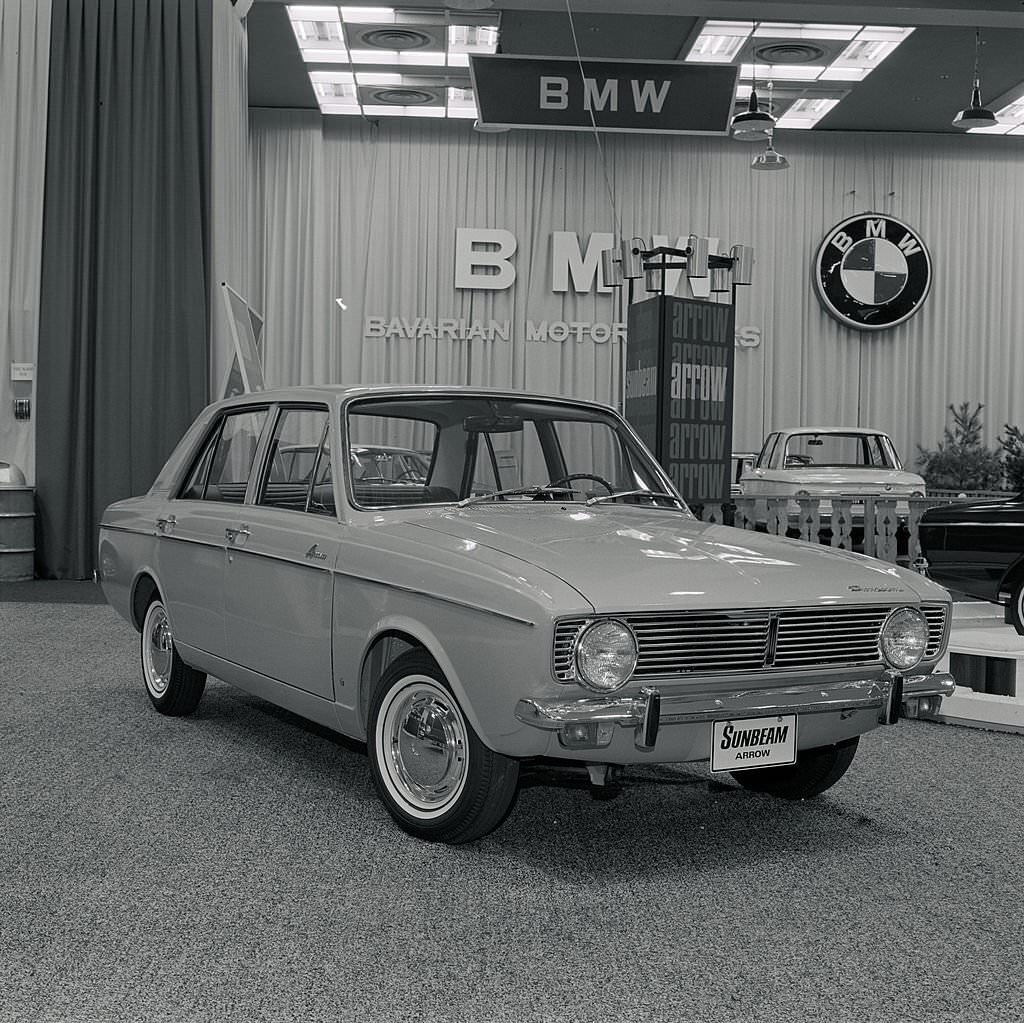
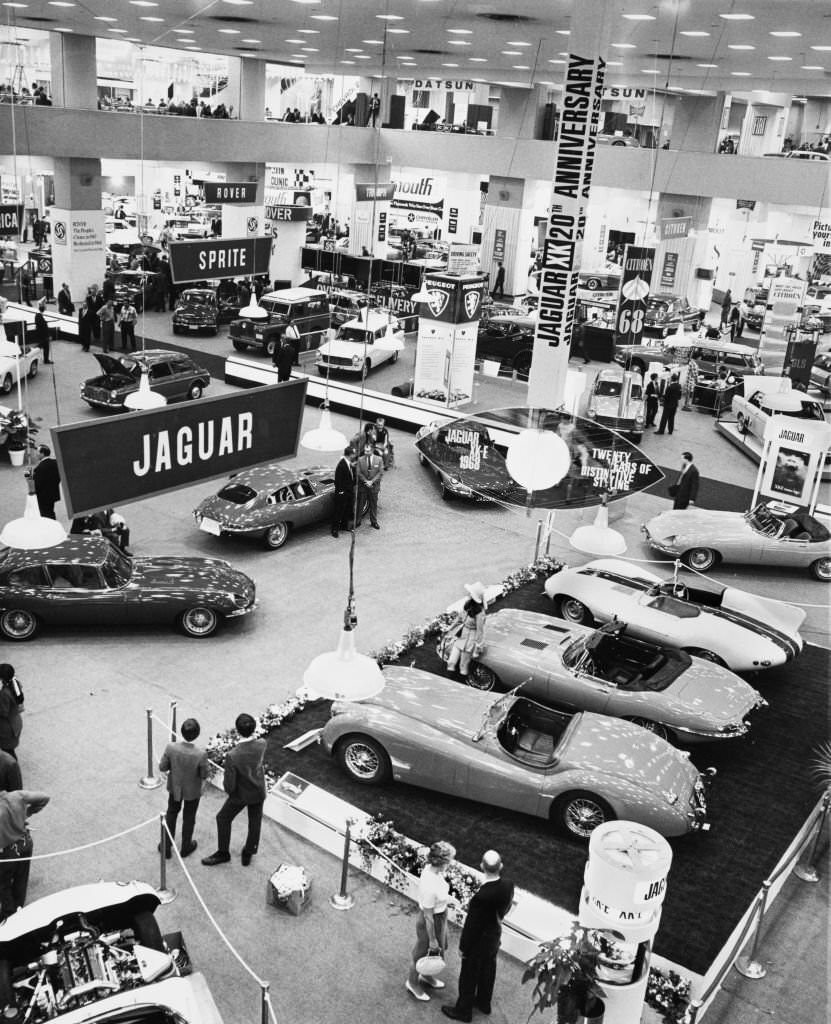
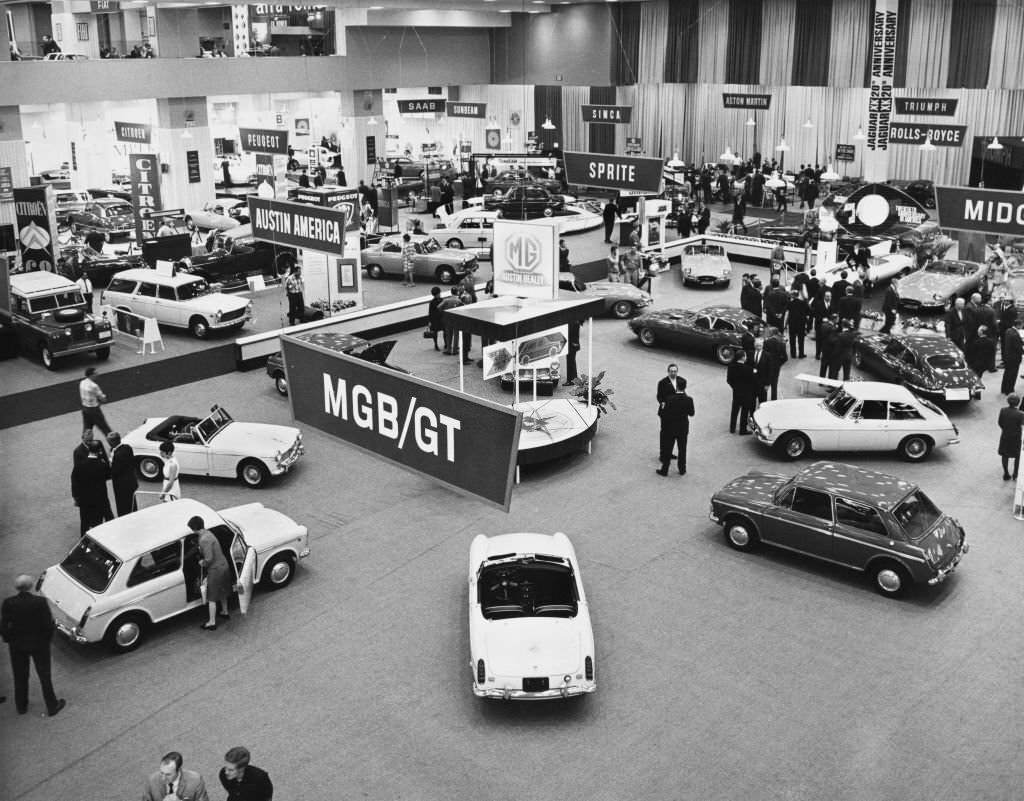
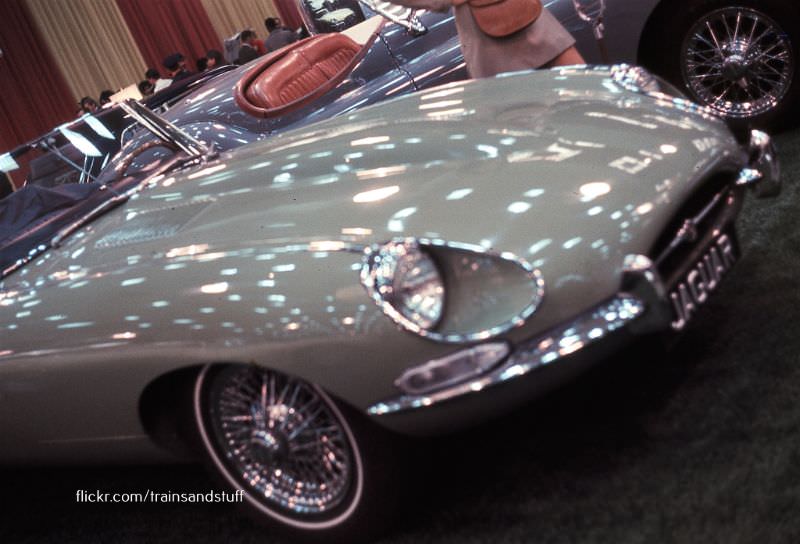
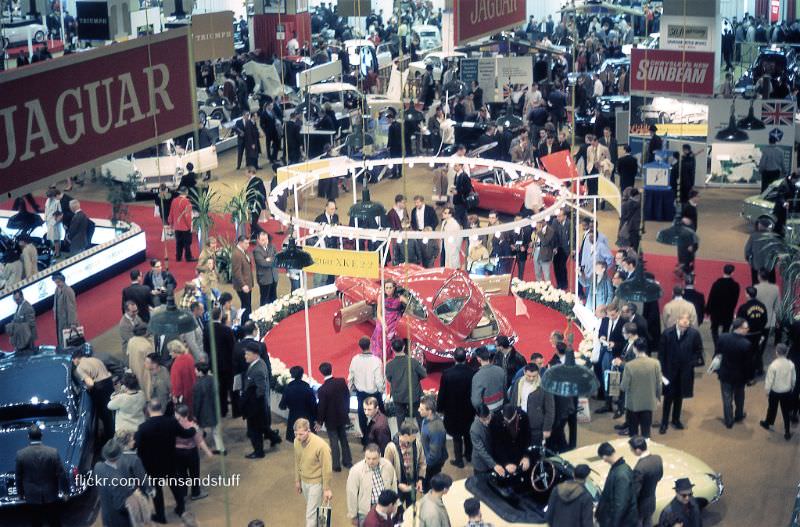
European manufacturers were well represented throughout the decade. The Sunbeam Arrow made its appearance at the 1967 show, while British Motor Corporation brought Jaguar to the 1968 edition with a full stand that drew heavy foot traffic.
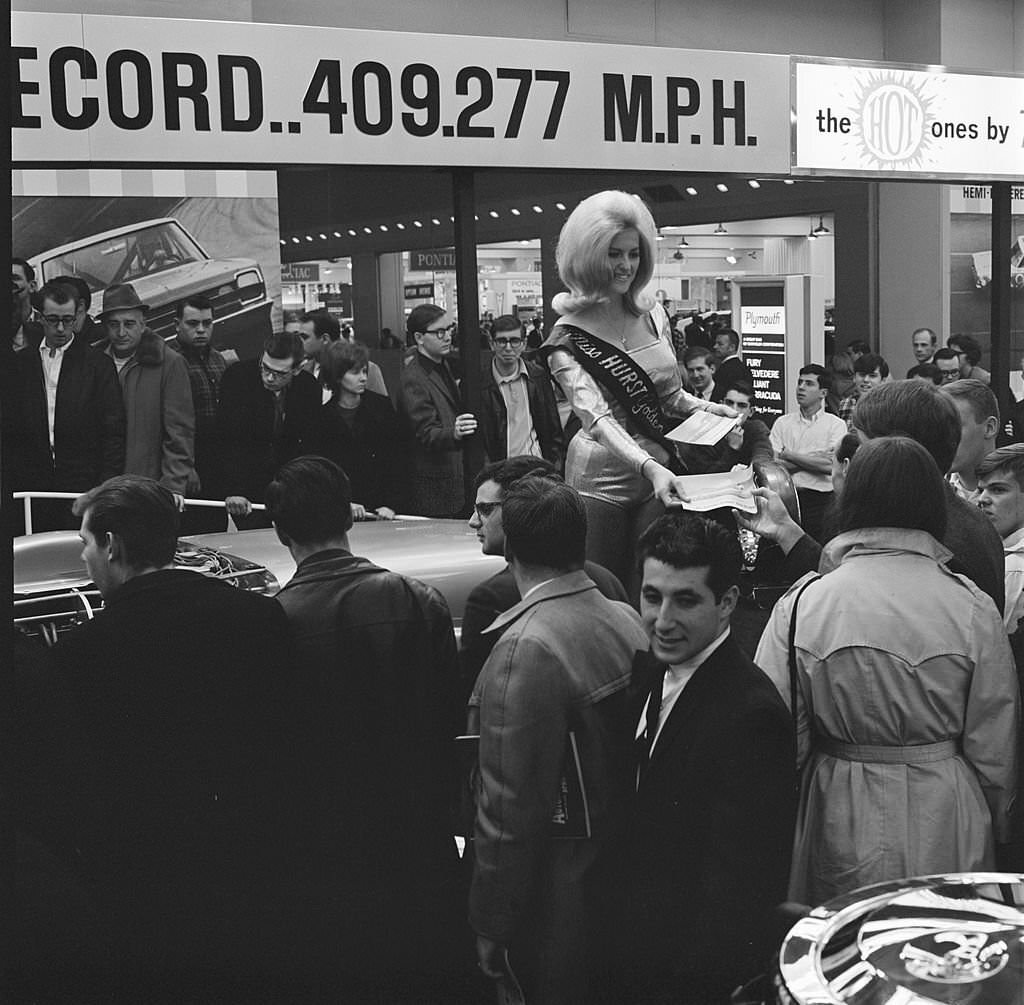
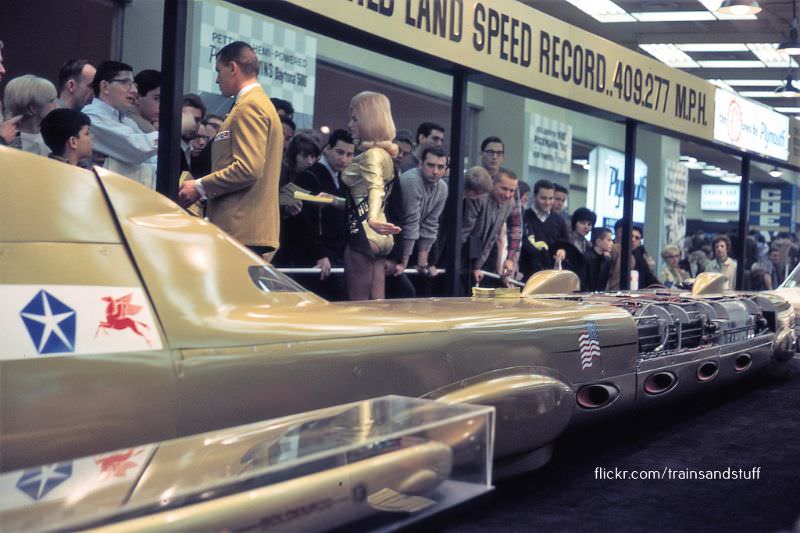
The 1966 show had its own memorable moments. Linda Vaughn — known as Miss Hurst Golden Shifter — handed out flyers on the show floor promoting the Summers Brothers’ “Golden Rod” land speed record of 409.227 miles per hour. It was the kind of showmanship that made the New York Auto Show as much an event as it was an exhibition.
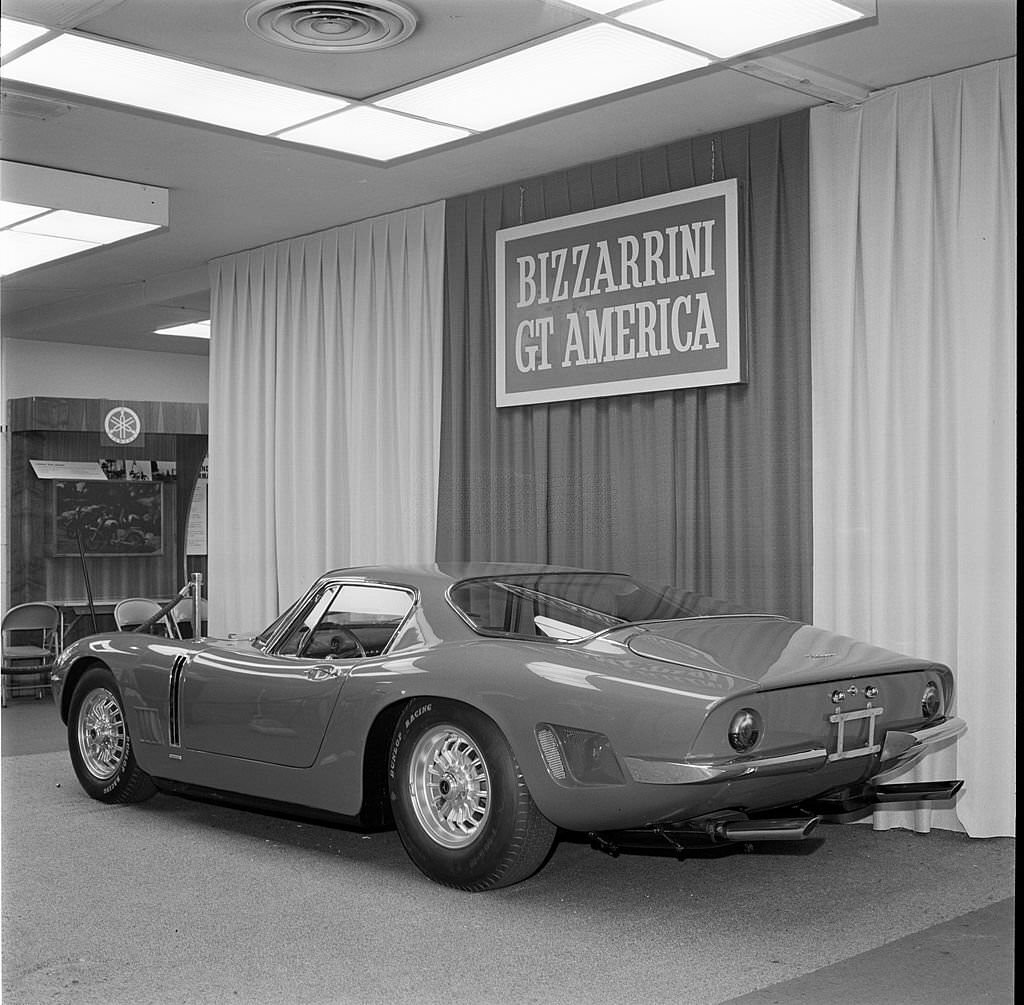
The 1967 show also featured the Bizzarrini GT America — an Italian-built fiberglass sports car designed by Giotto Bizzarrini, a former engineer for both Ferrari and ISO. It was the American-market version of the Bizzarrini GT5300 and stood as proof that the New York show attracted serious machinery from around the globe.
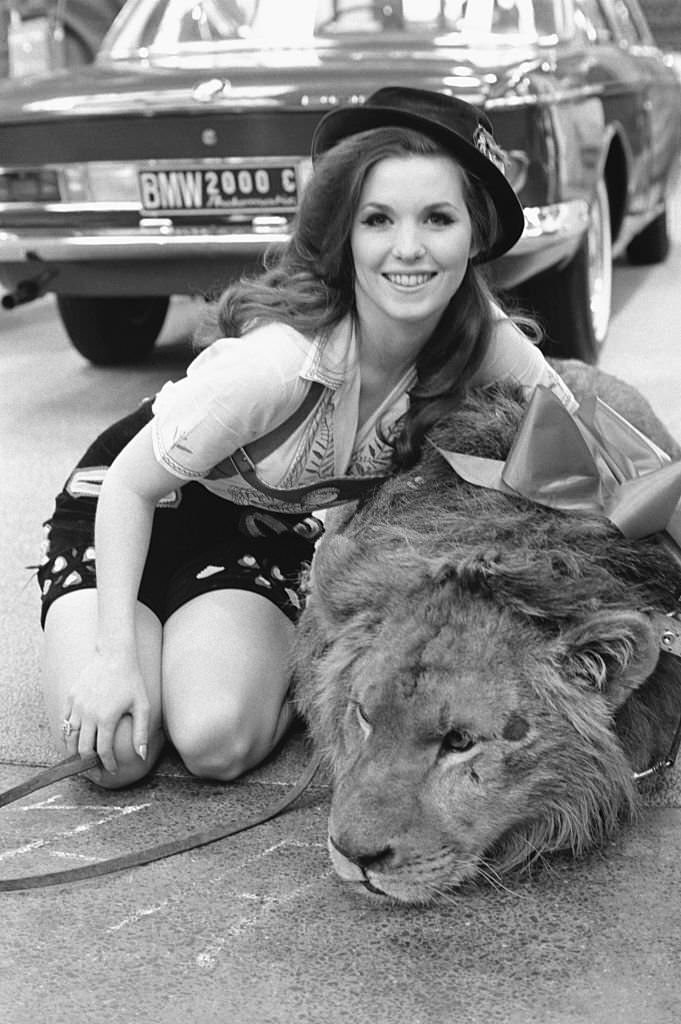
Promotions at the show sometimes went far beyond flyers and brochures. Model Nell Theobald posed with a live lion named Ludwig inside the New York Coliseum for one automaker’s promotional session — a stunt that reflected the era’s flair for theatrical marketing.
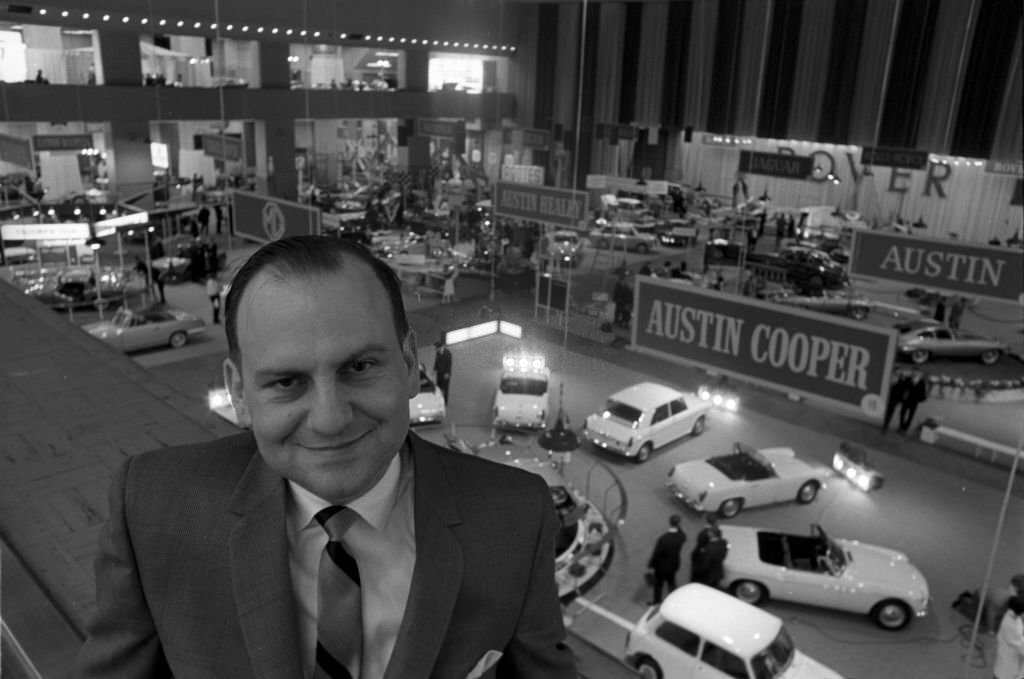
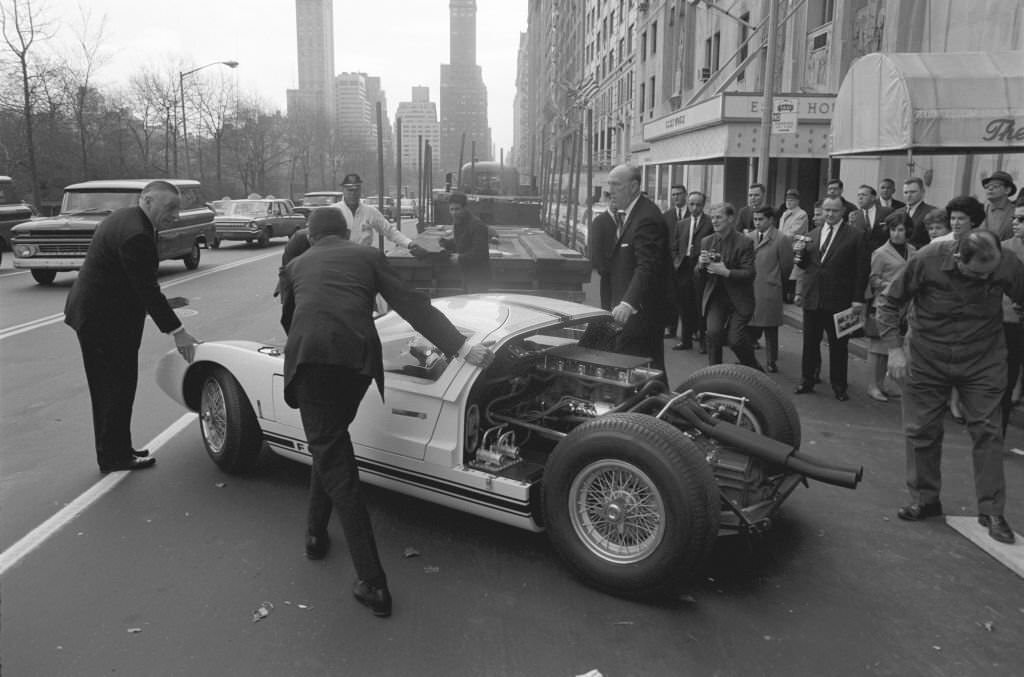
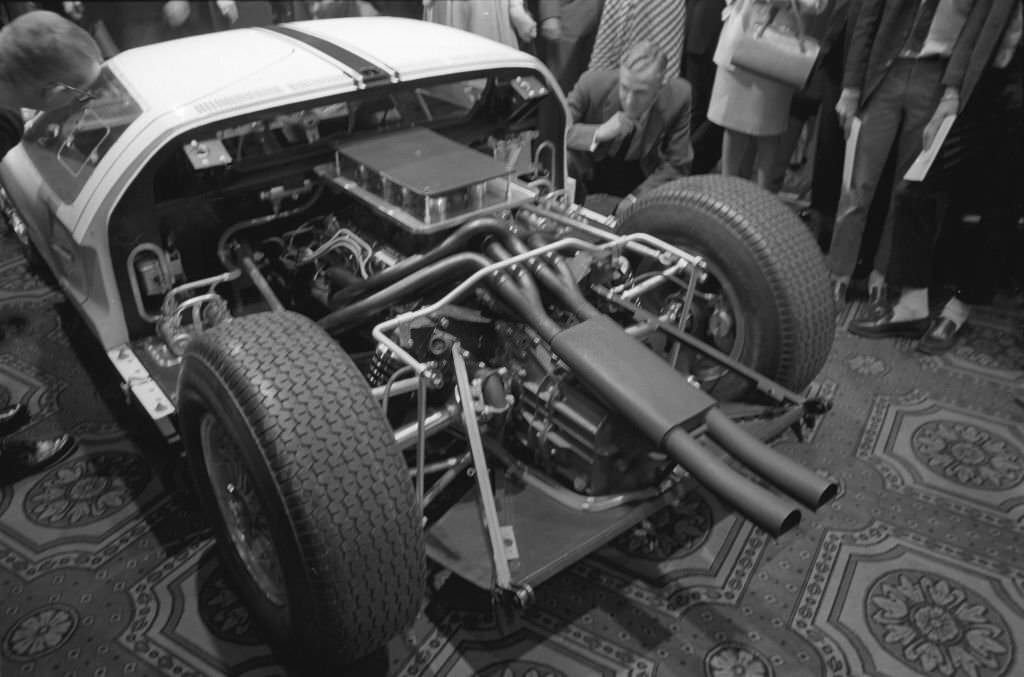
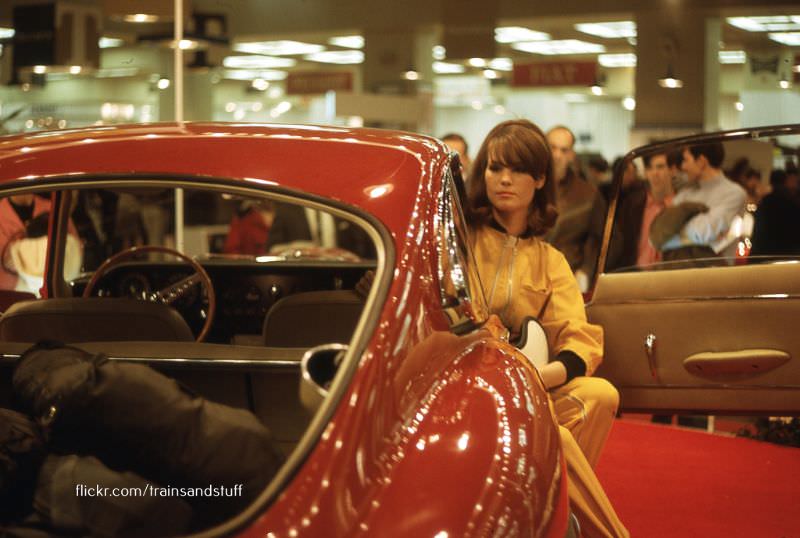
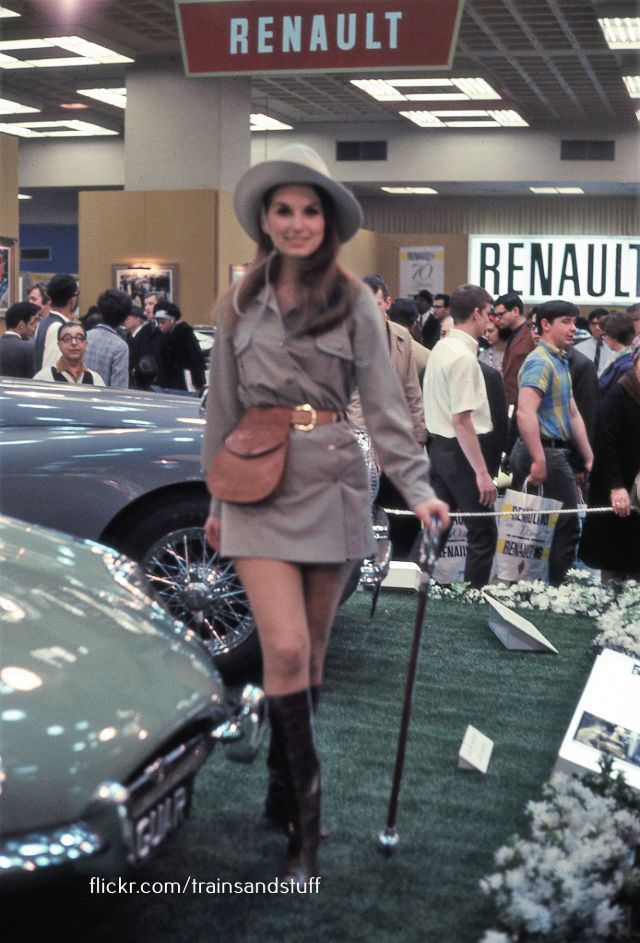
By 1968, British Motor Corporation commanded significant floor space at the New York Coliseum. The Jaguar stand was one of the busiest in the building, with the E-Type drawing the same admiring crowds it had since its debut earlier in the decade.
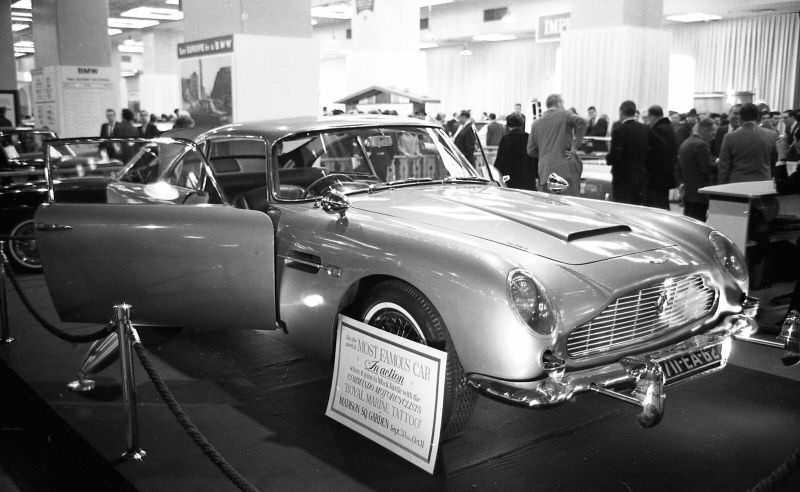
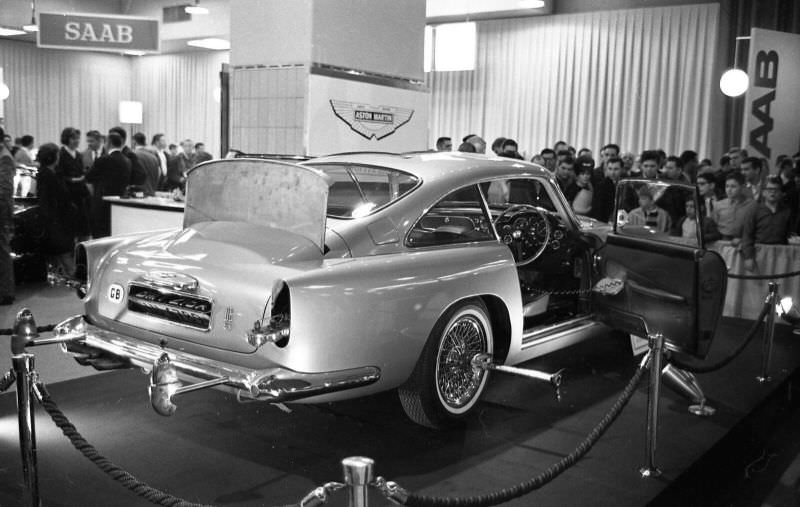
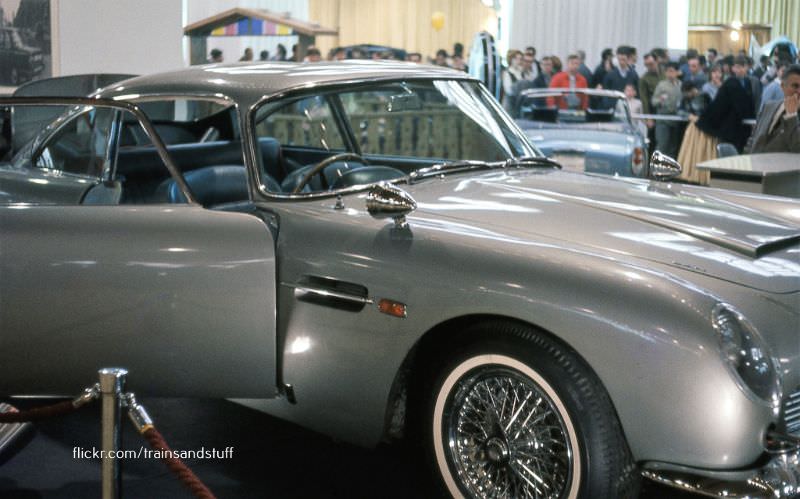
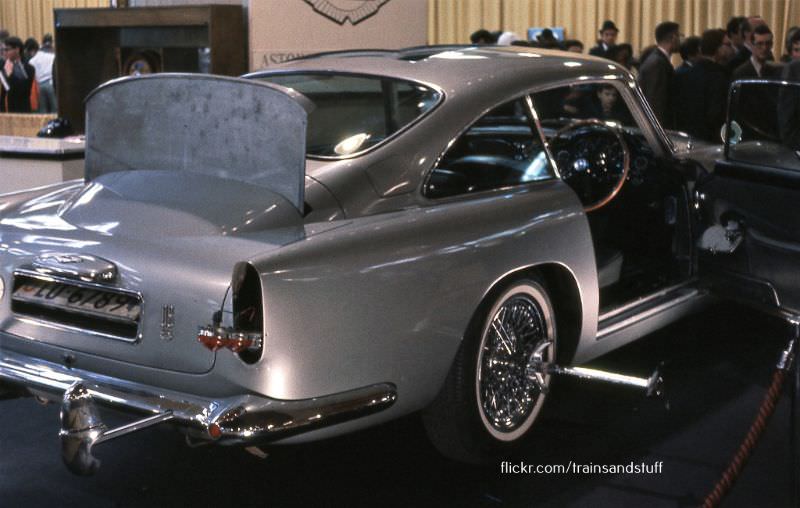
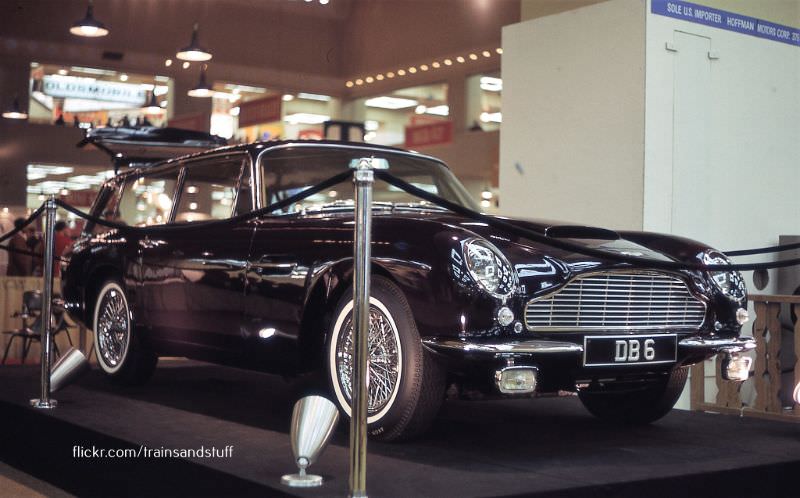
Aston Martin made two strong showings during the mid-1960s. The DB5 appeared at the 1965 show — fresh off its starring role in the James Bond film Goldfinger — while the DB6 followed at the 1966 edition. Both cars drew enormous crowds at the Coliseum.
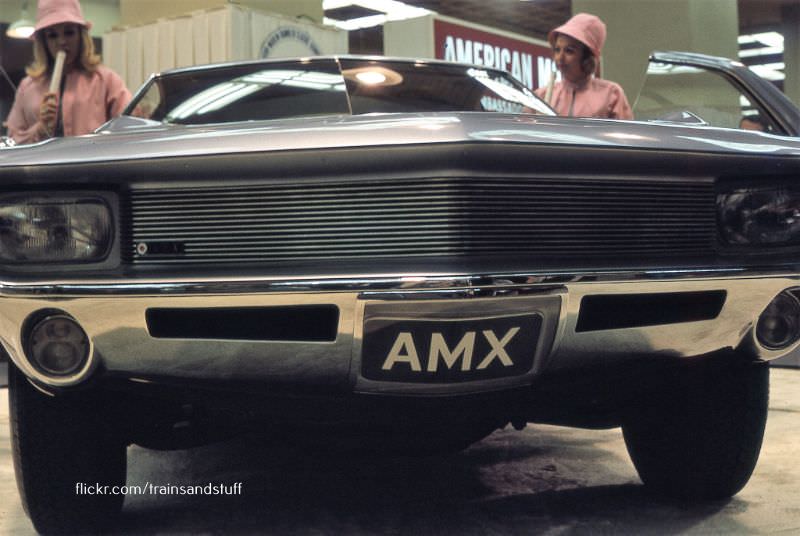
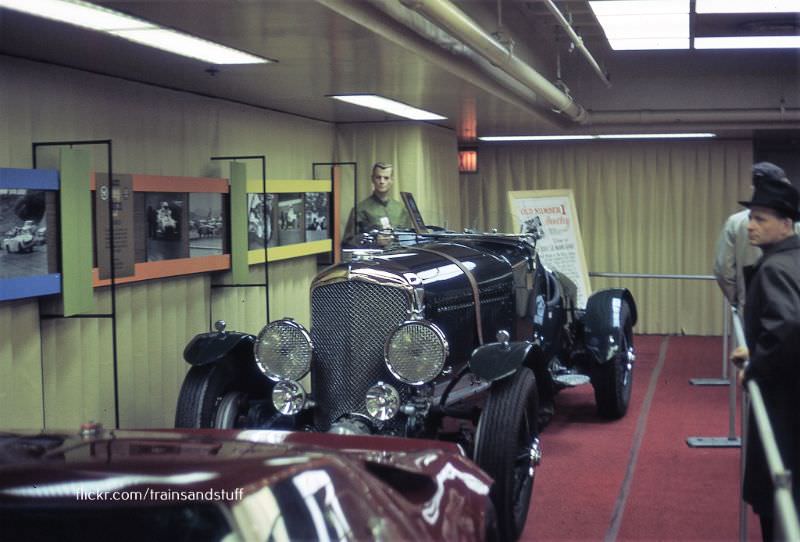
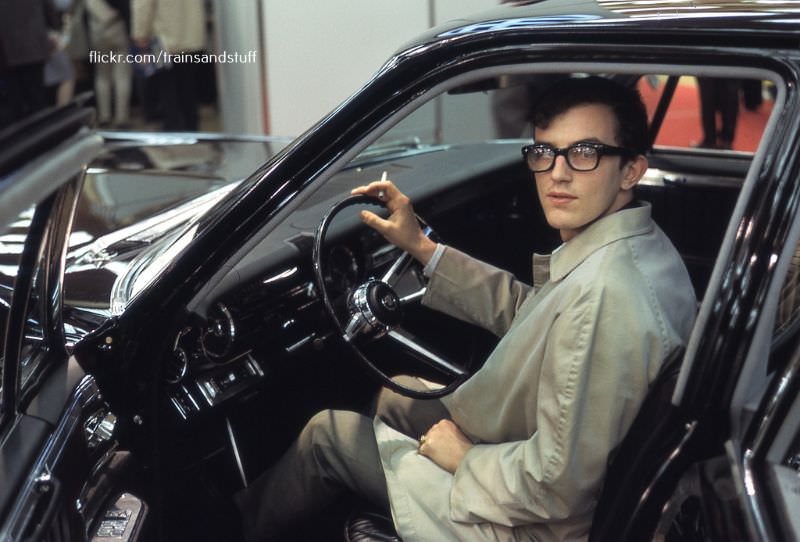
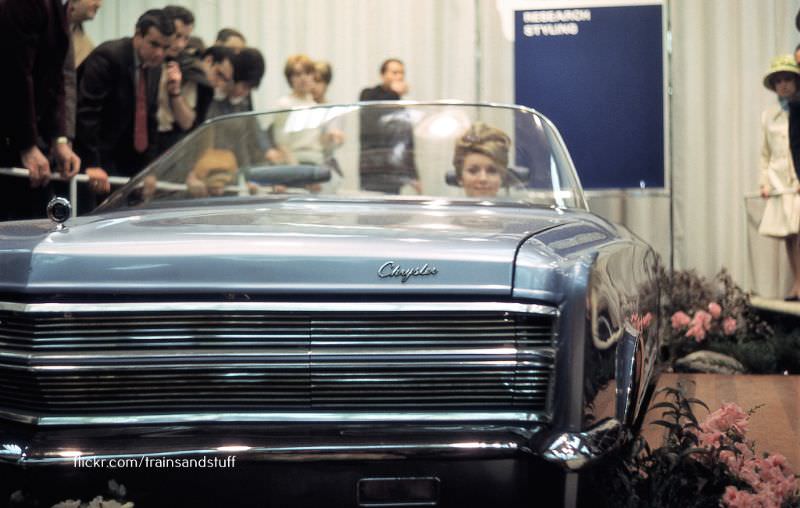
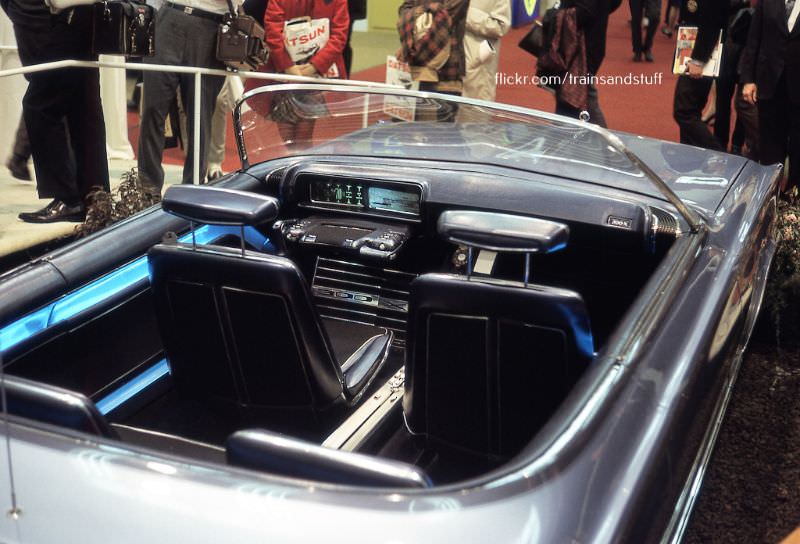
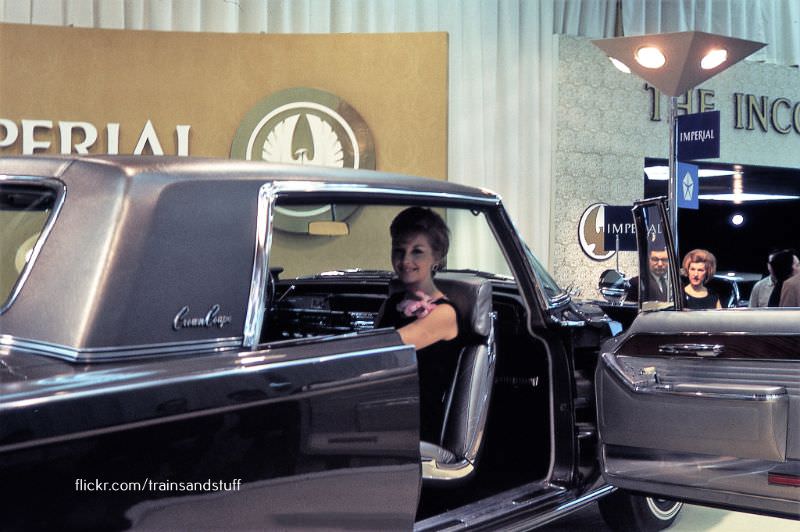
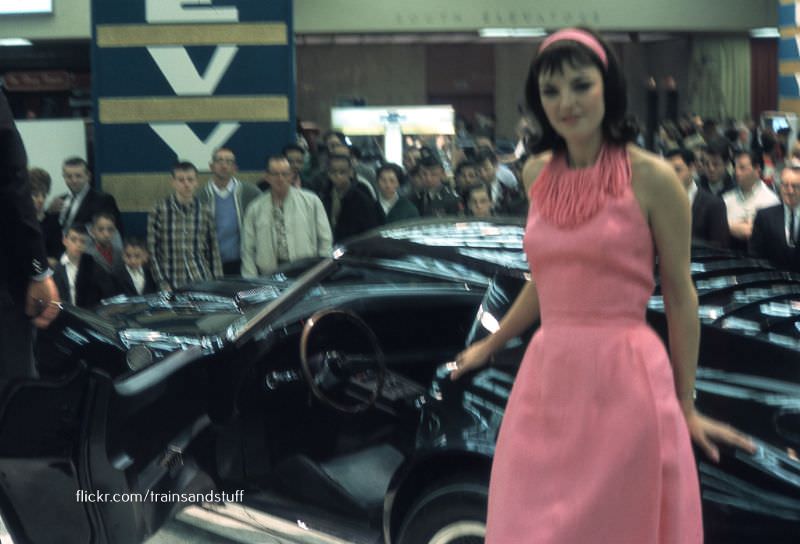
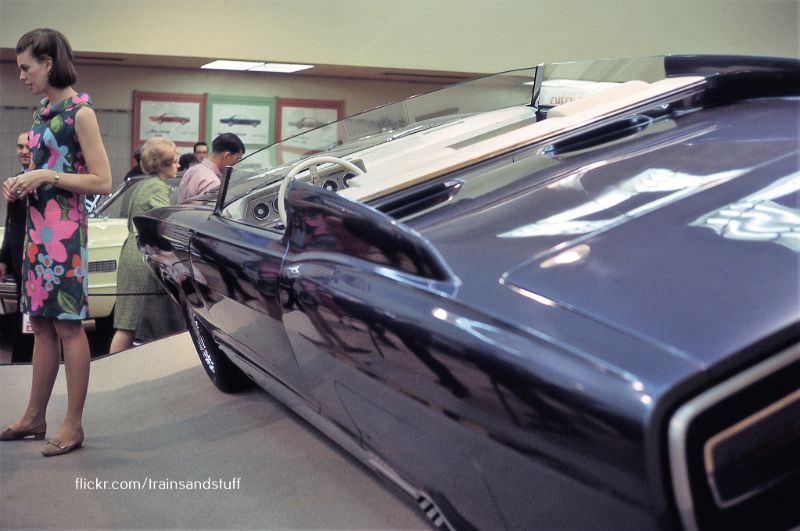
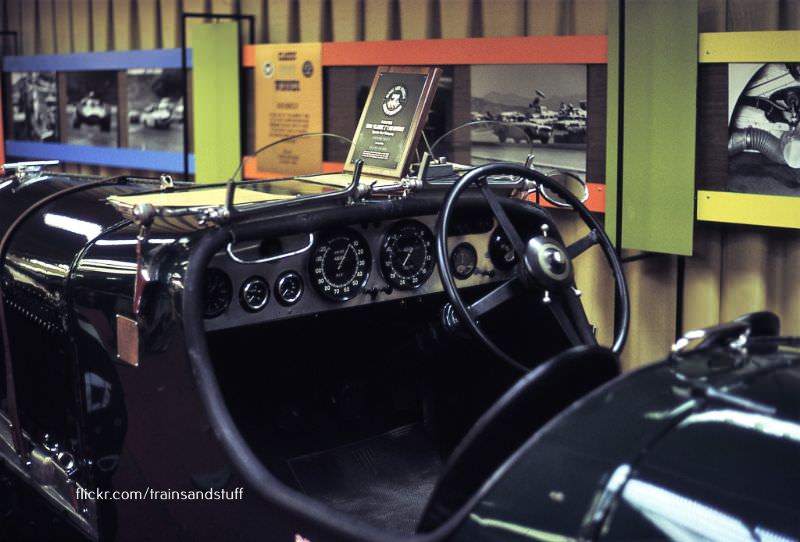
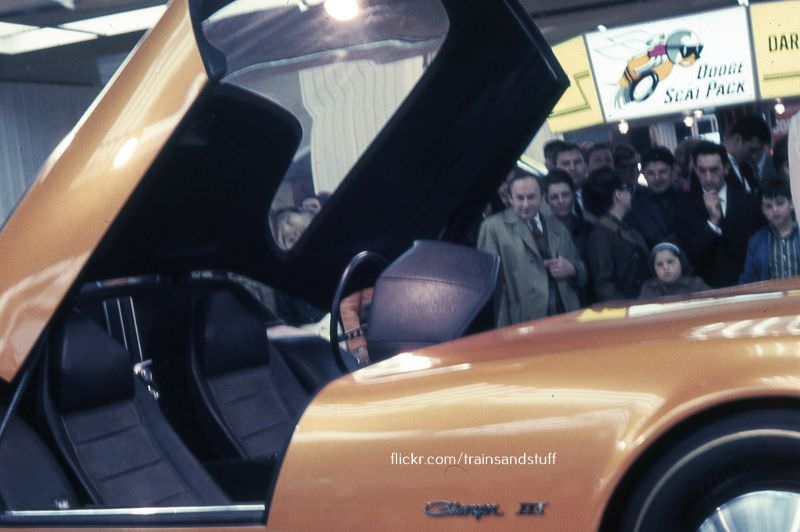
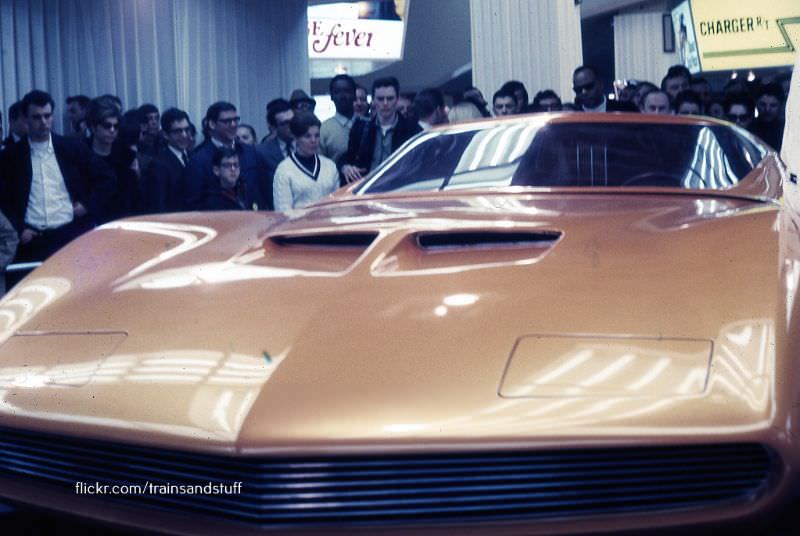
The 1966 show was particularly rich in variety. American Motors brought the AMX prototype — styled by Vignale — while Chrysler turned heads with the 300X concept car and the Crown Imperial Mobile Executive. Dodge showed the Charger III, and Corvette unveiled the dramatic Mako Shark II. On the other end of the spectrum, Bentley displayed Old No. 1, a historic racing car that put the brand’s long legacy on full display.
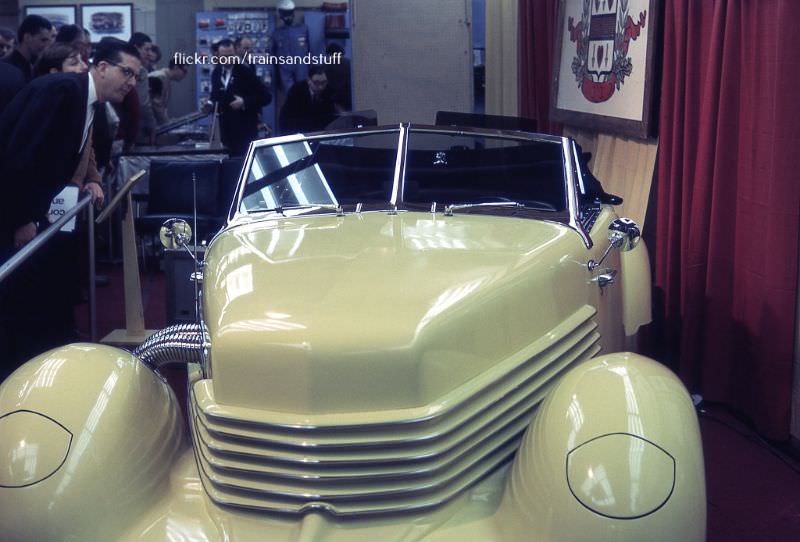
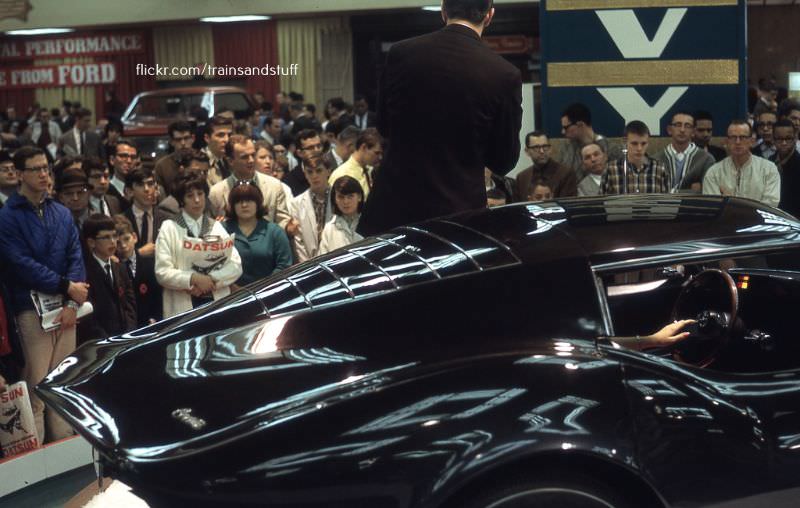
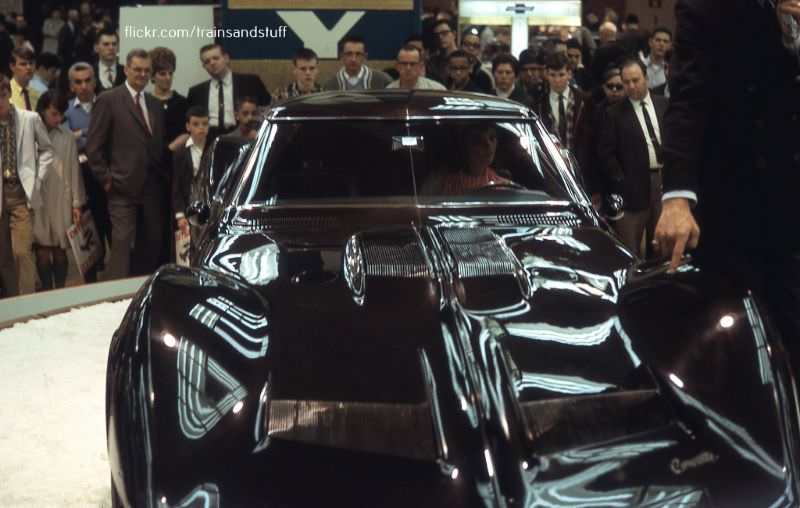
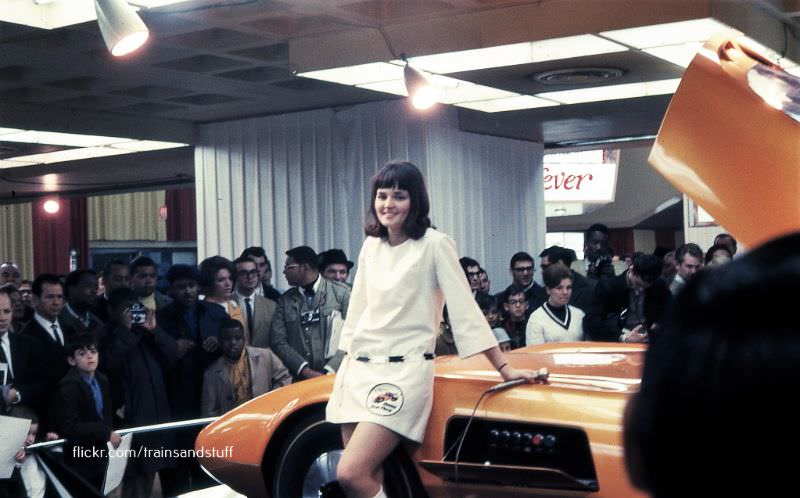
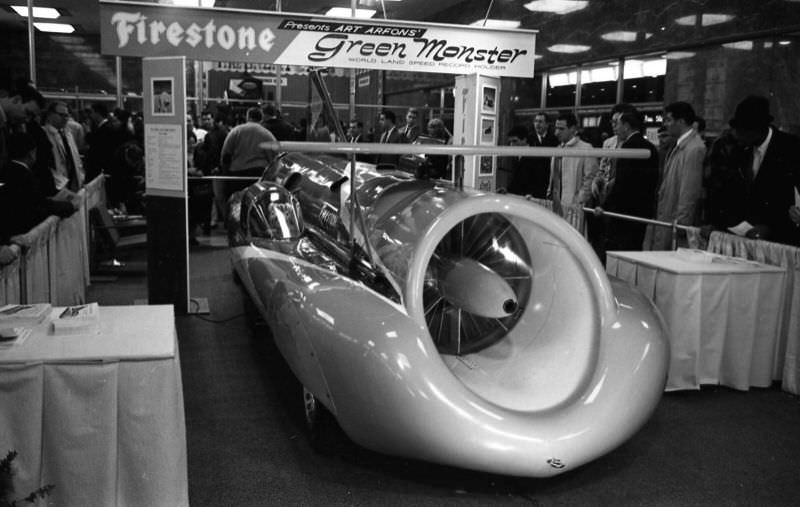
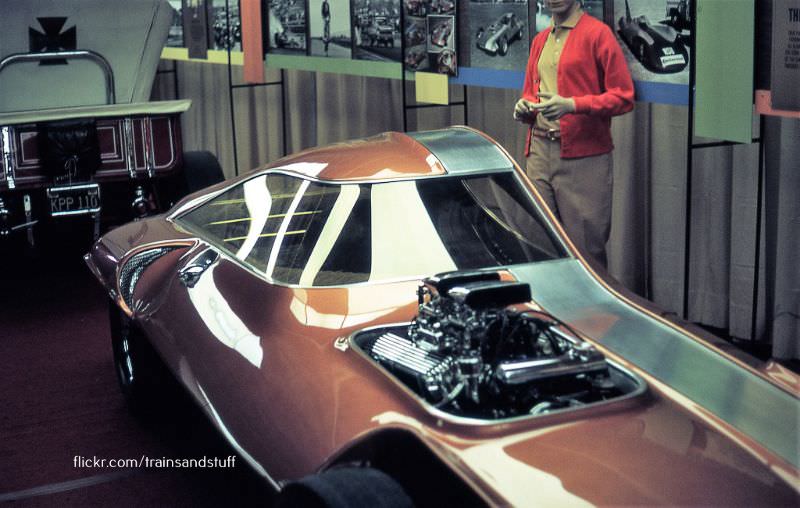
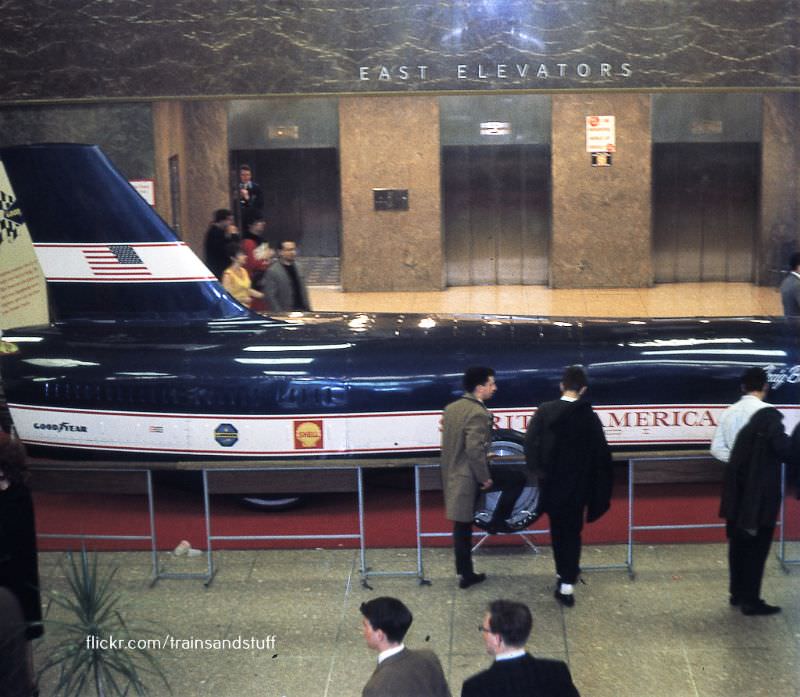
Speed record machines also had a place at the 1966 show. The Goldenrod — the Summers Brothers’ streamliner that set the 409.227 mph wheel-driven land speed record — was displayed on the floor, giving show-goers a rare chance to see it up close. Craig Breedlove’s Spirit of America – Sonic 1 jet car was also on display, representing the absolute cutting edge of speed technology.
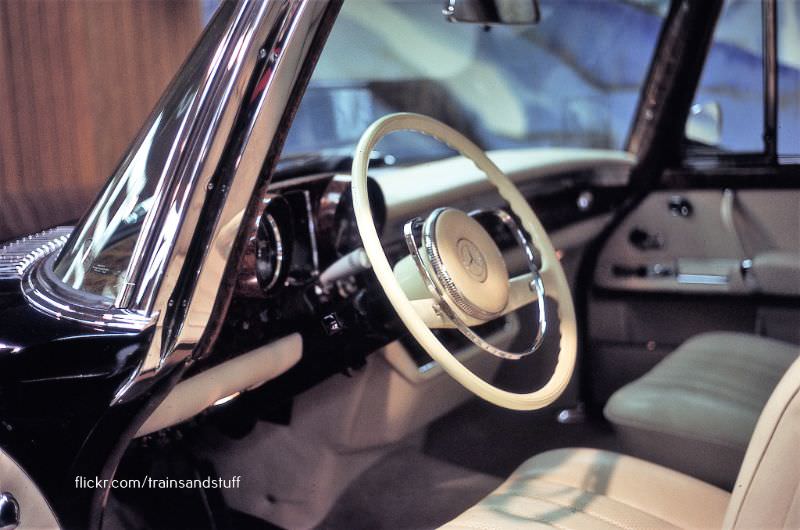
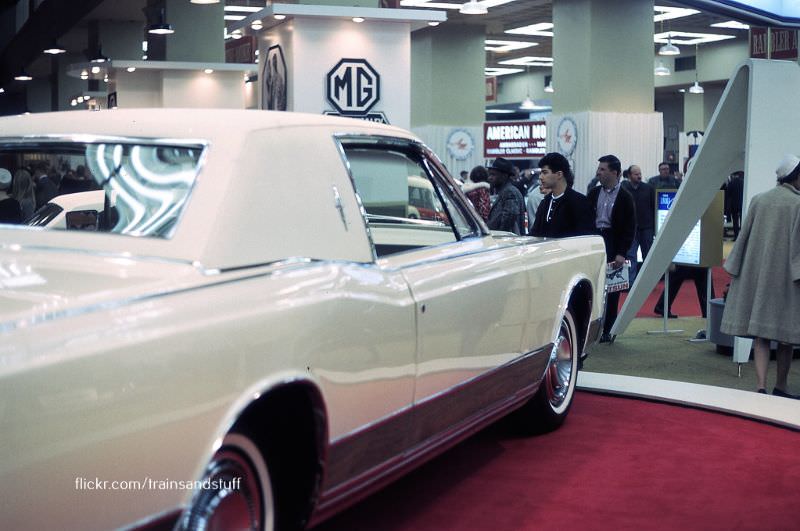
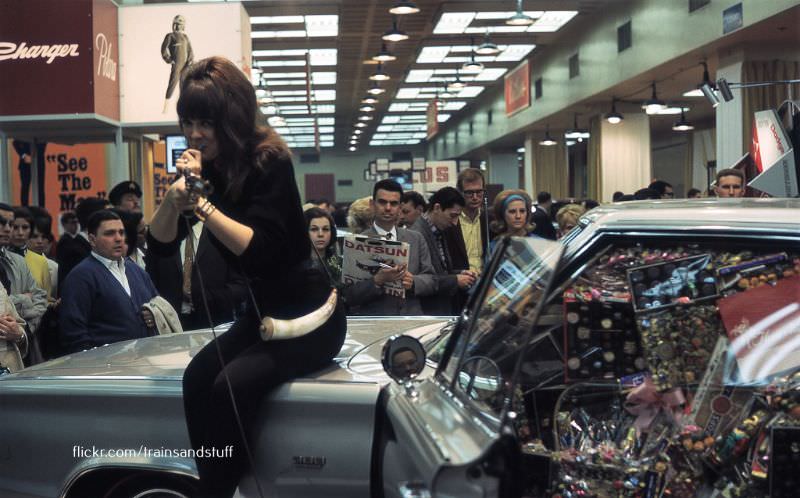
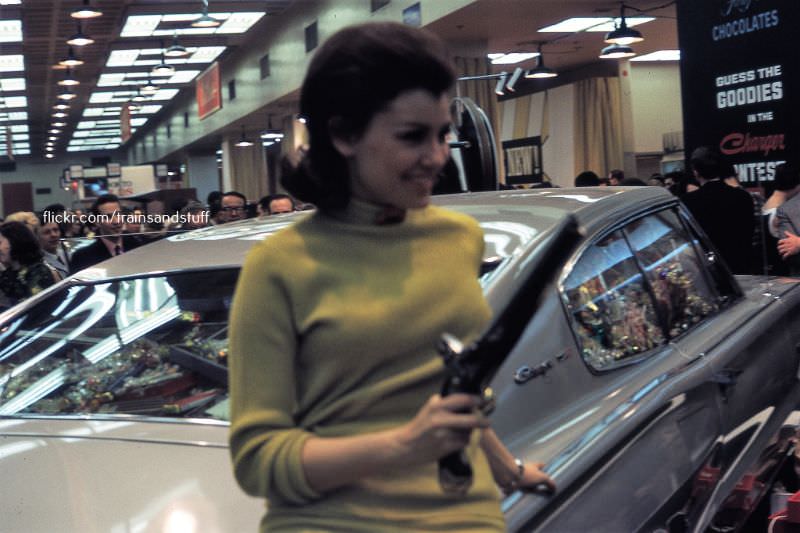
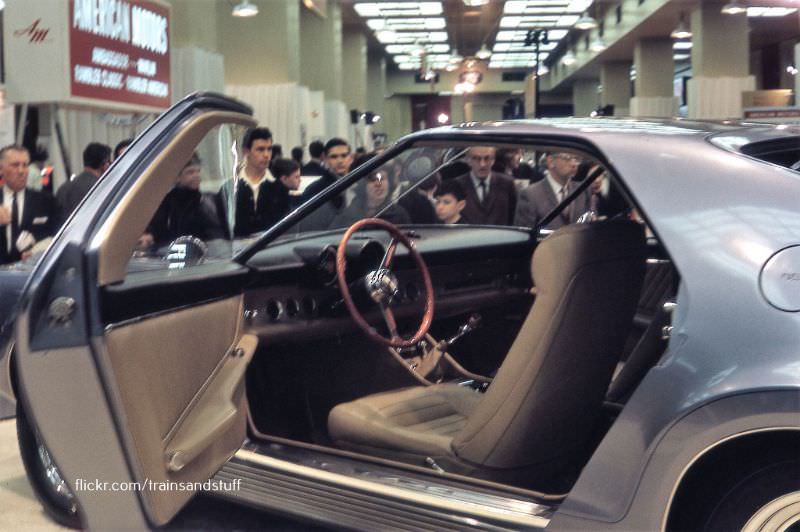
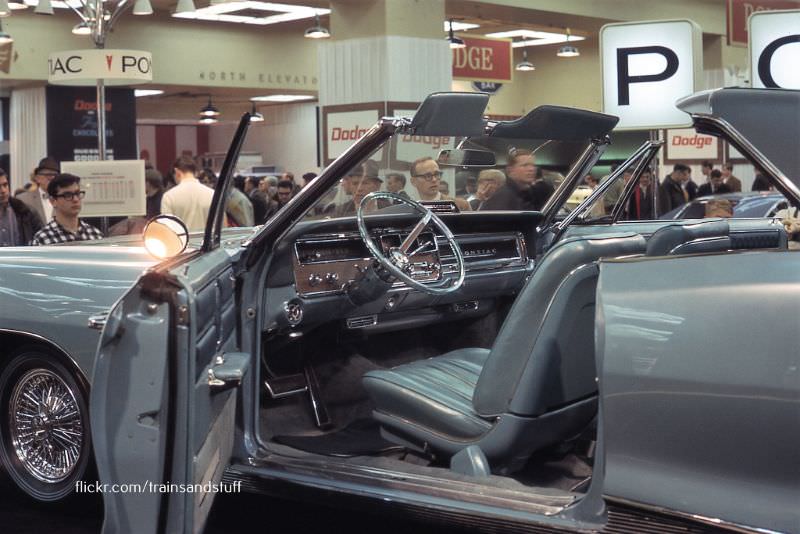
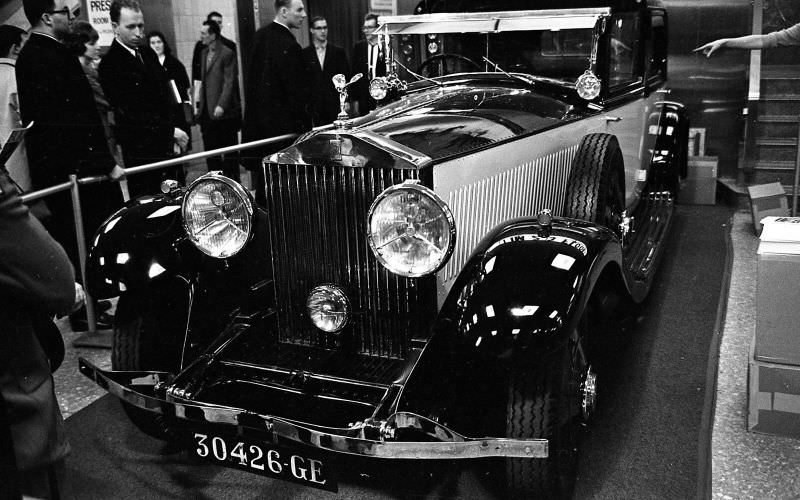
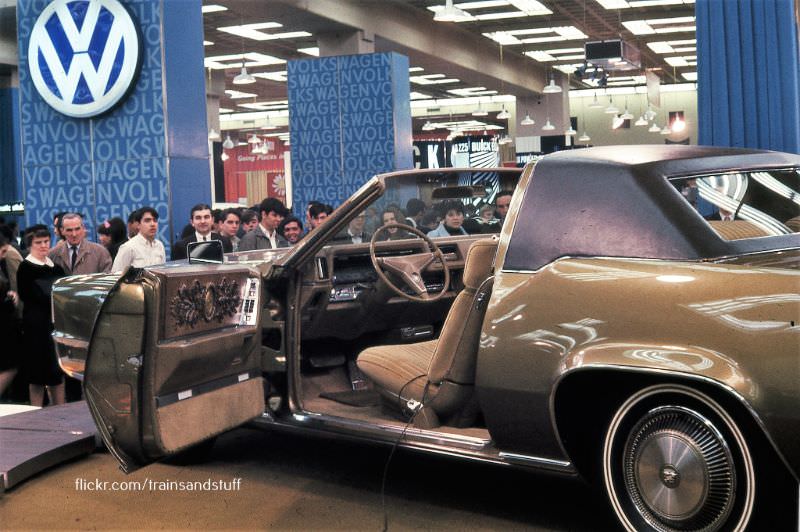
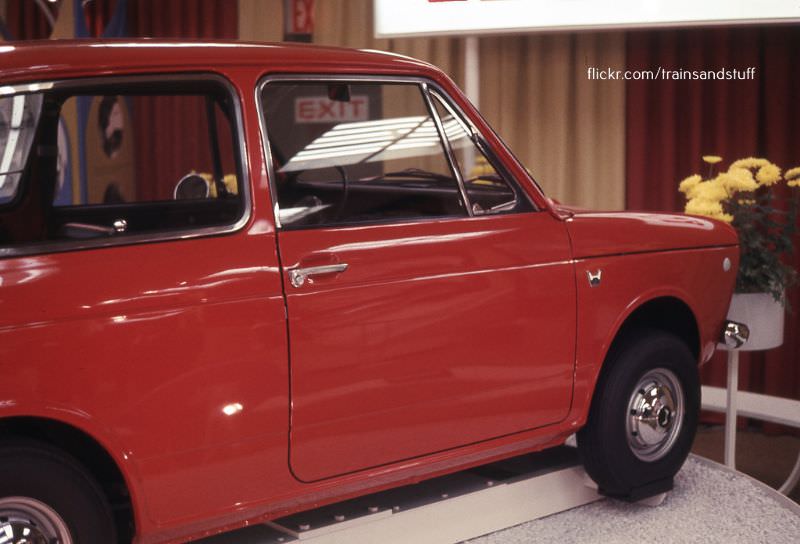
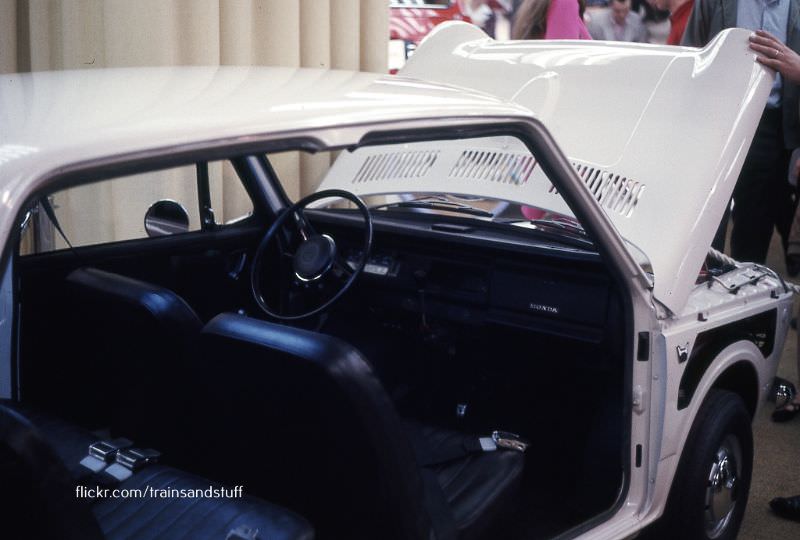
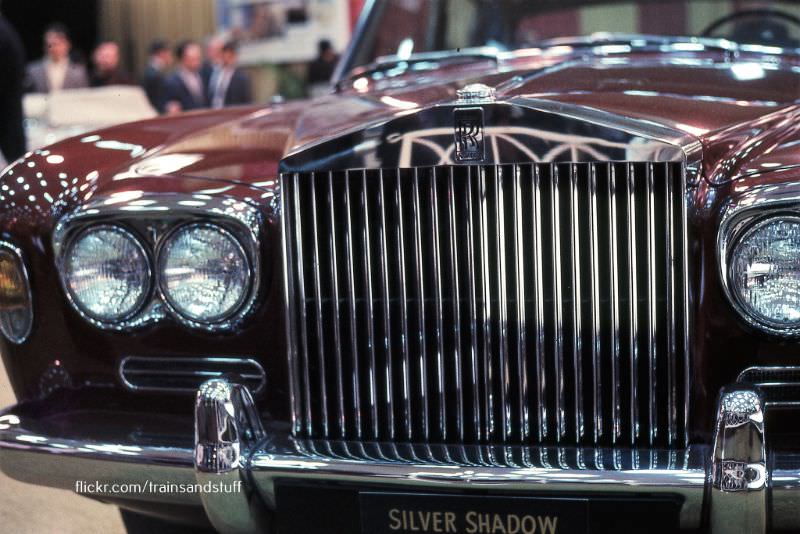
The 1968 show brought a fresh mix of domestic muscle and international entries. Simca represented France on the floor, while Honda debuted the N600 — a tiny, economical car that offered a cutaway display so visitors could see its inner workings. The AMC AMX, fresh from its production launch, sat alongside the Cadillac Eldorado, the Chrysler 300 Convertible, and the Chevrolet Astro II concept. Citroen brought the DS, Dodge showed the Charger III again, and the Rolls-Royce Silver Shadow rounded out the high end of the spectrum.
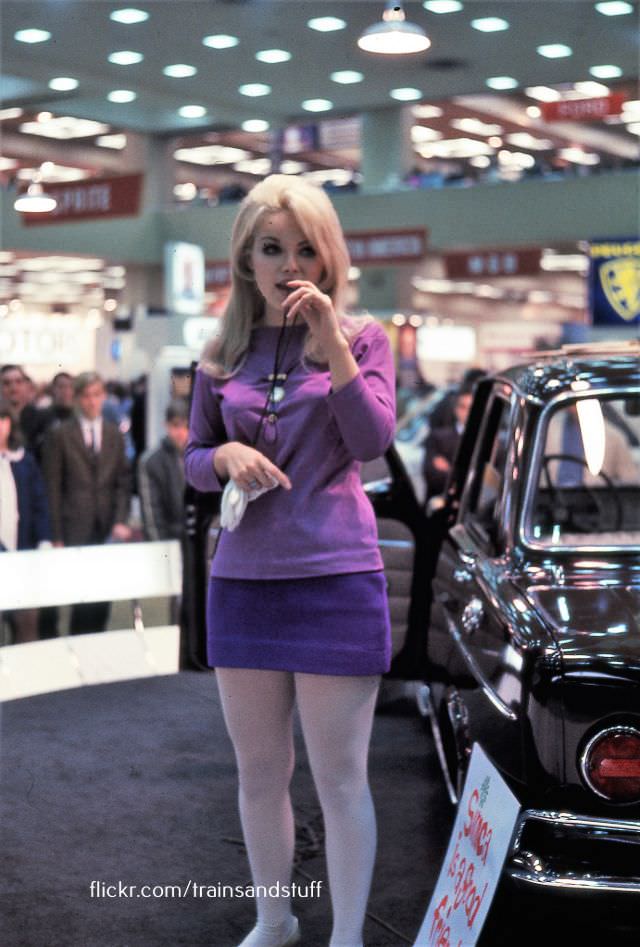
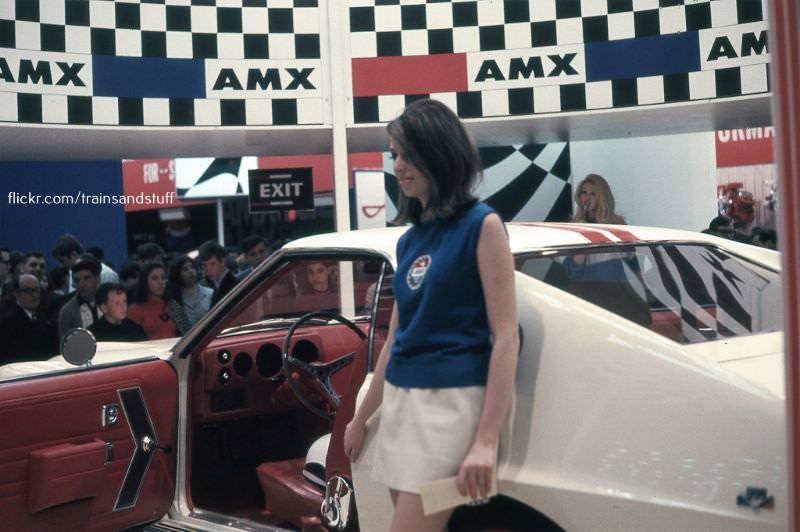
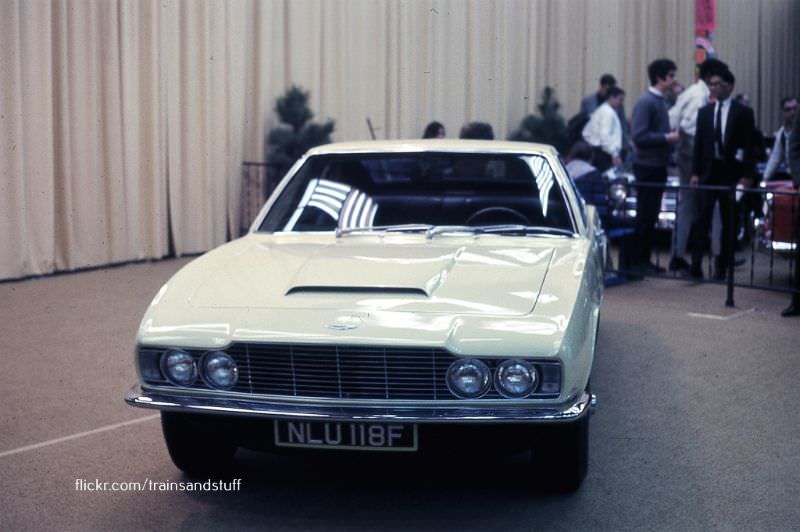
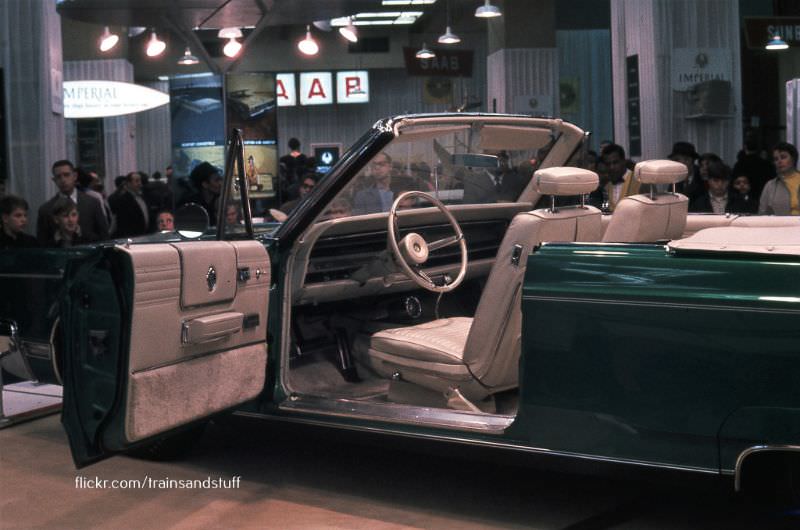
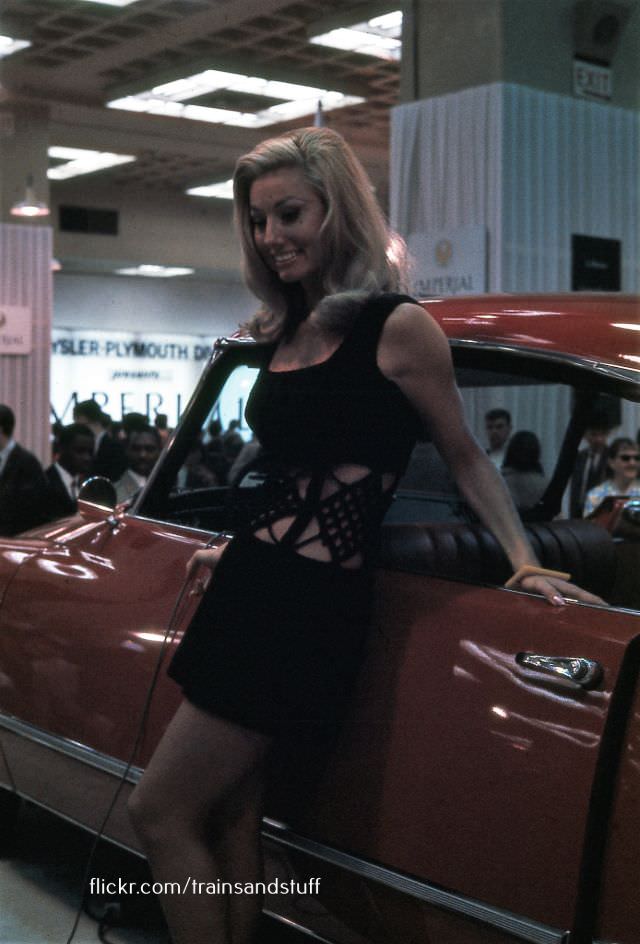
The 1965 show was equally packed. The Aston Martin DB5 drew James Bond fans and car enthusiasts alike, while Ford’s executives — including Lee Iacocca — worked the floor hard to build excitement around the Mustang and other models in the lineup. The photos from that year capture the energy of a show that was firing on all cylinders.