Hey There! Before You Go. 😧
Get the best vintage content straight into your inbox!

Don't worry, we don't spam

The Netherlands in 1966 Through These Fascinating Photos

By 1966, the Netherlands was a country in motion. After World War II, the Dutch government actively encouraged emigration to ease population pressure, and around 500,000 people left the country as a result. Those who stayed were living through one of the most turbulent decades in Dutch history. Old political and religious divisions were breaking down fast, and young people — students especially — were pushing hard for change on issues like women’s rights, sexuality, disarmament, and the environment. These photographs capture everyday Dutch life right in the middle of that shift.

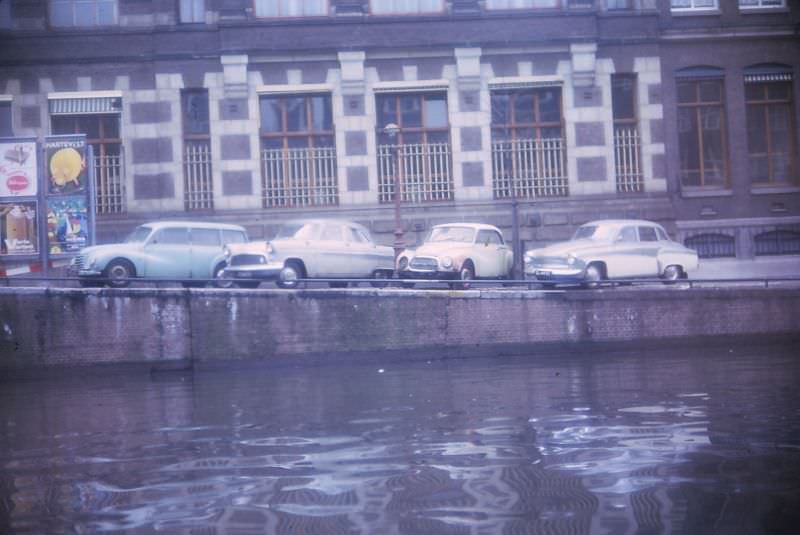
Amsterdam was the beating heart of the country. Its train stations and street corners buzzed with daily life, while its famous canals offered a quieter, more timeless rhythm.
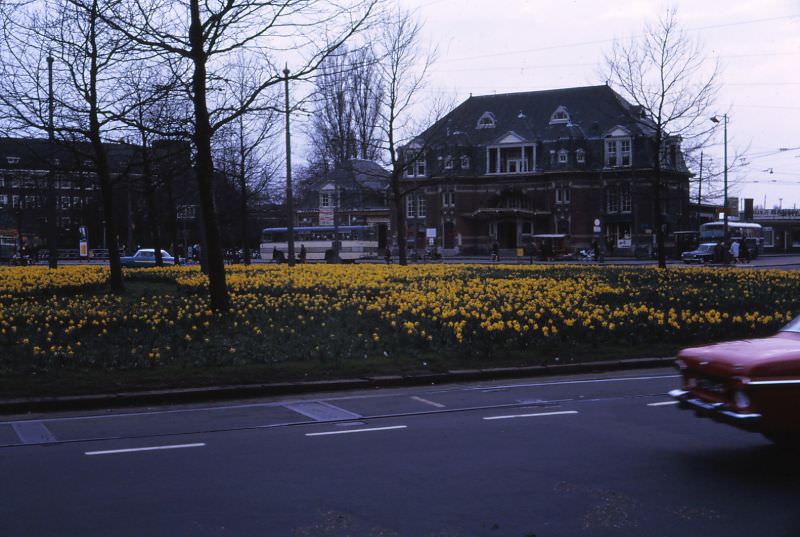
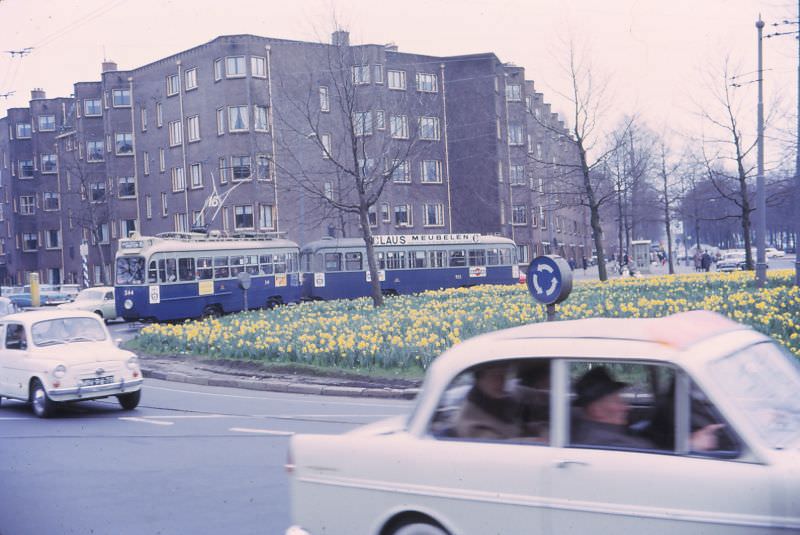
Haarlemmermeerstation, Amsterdam, Netherlands, 1966
Havenstraat, Amsterdam, Netherlands, 1966

Canal houseboats were a distinctive feature of Dutch waterways. For many residents, these floating homes were a practical and affordable way to live, moored along the canals that criss-crossed the country.
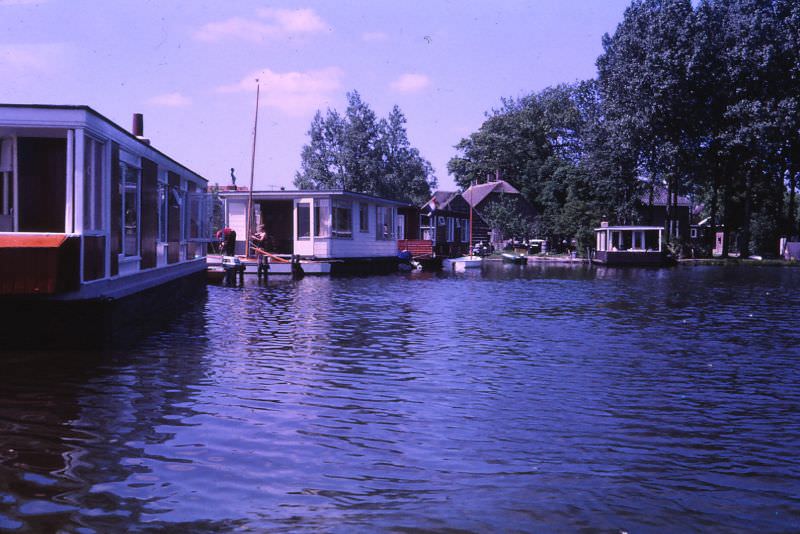
Canal houseboats, Netherlands, 1966

Summer in the Netherlands meant families loading up caravans and heading to campgrounds. Holiday culture was well established by the mid-1960s, and these sites filled up quickly each season.
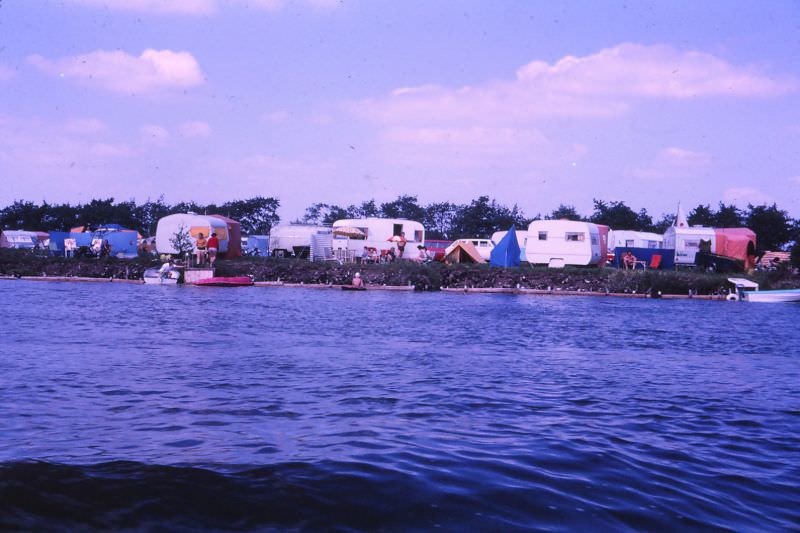
Caravans, holiday makers, family campground, Netherlands, 1966

Delft was one of the country’s most photogenic cities. Its cobbled streets, canals, and historic architecture made it a place where the old Netherlands felt very much alive. Street life here moved at an unhurried pace.
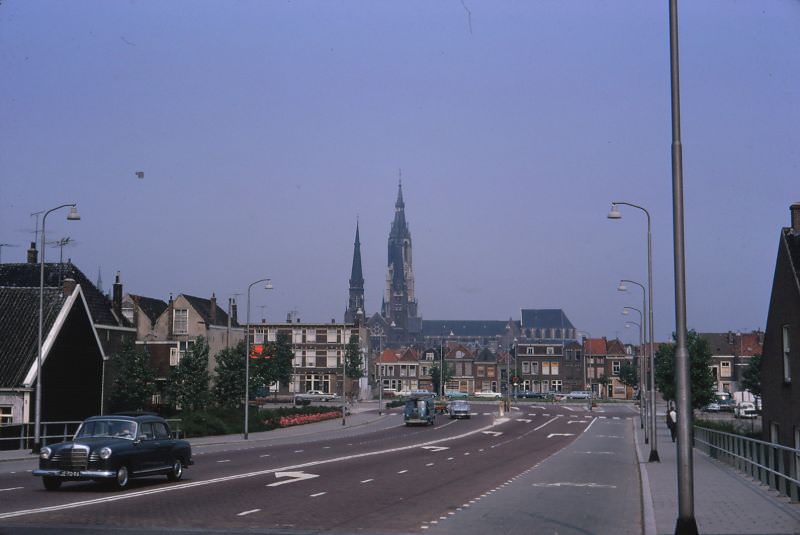
Street scenes, Delft, Netherlands, 1966

Delft University of Technology was one of the Netherlands’ most prestigious institutions. In 1966, its campus was a gathering point for the student generation driving social change across the country.
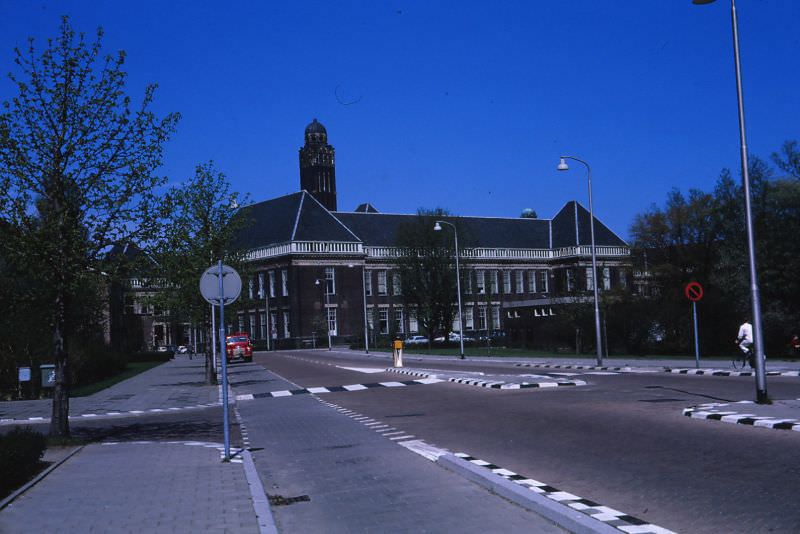
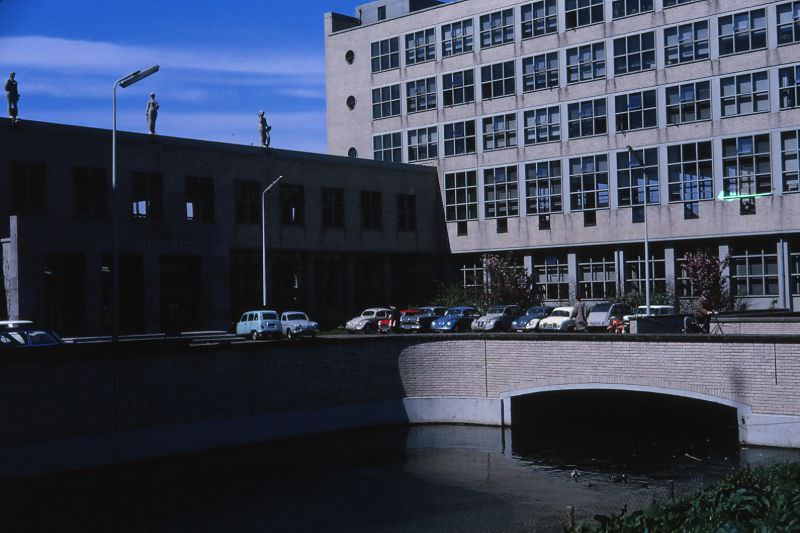
Delft University of Technology, Netherlands, 1966

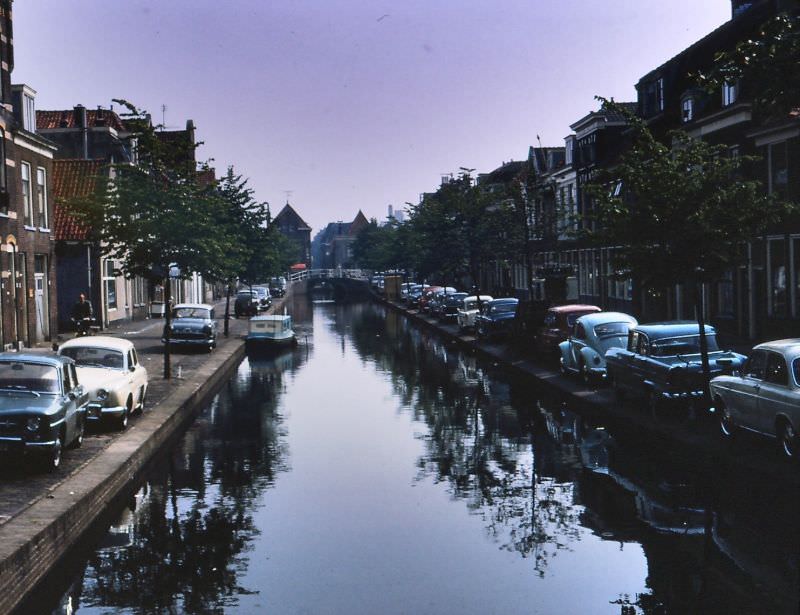
Beyond the university, Delft’s streets and waterways offered a window into ordinary Dutch life — narrow houses reflected in calm canals, bridges connecting neighbourhood to neighbourhood.
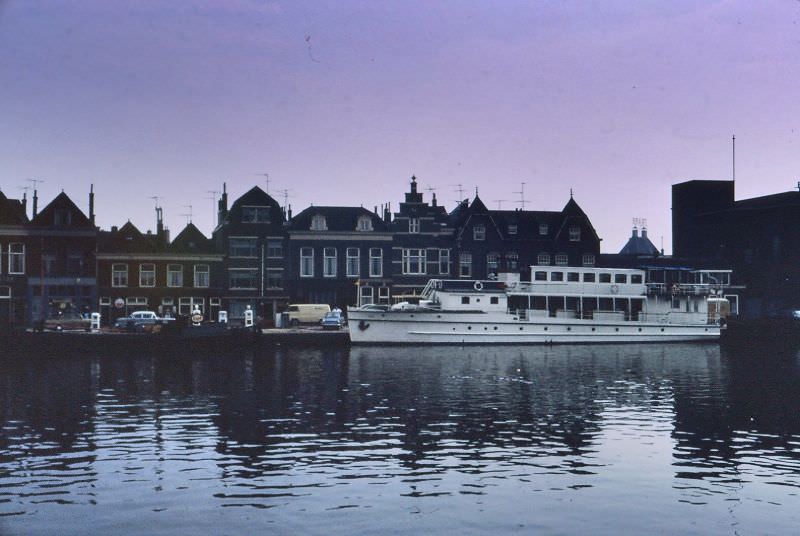
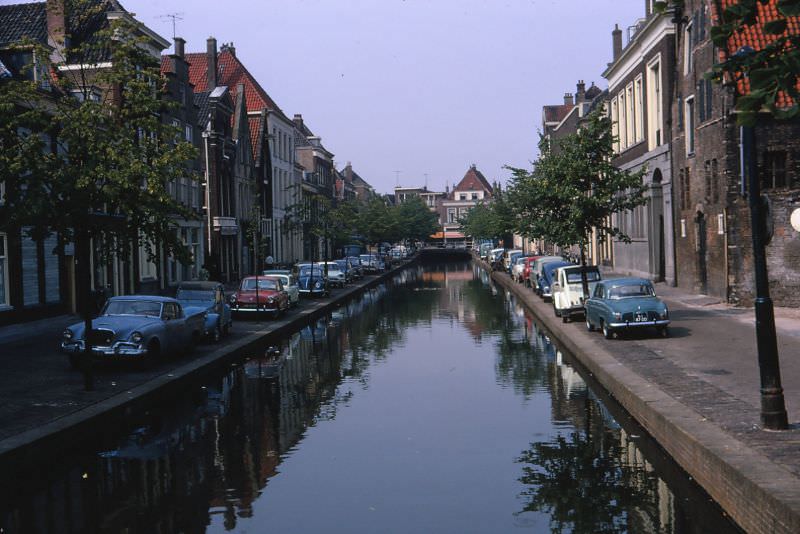
Delft, Netherlands, 1966

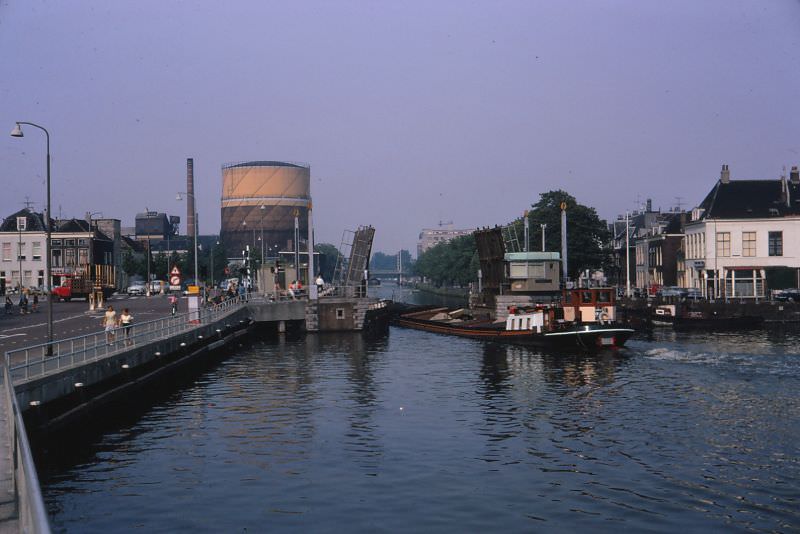
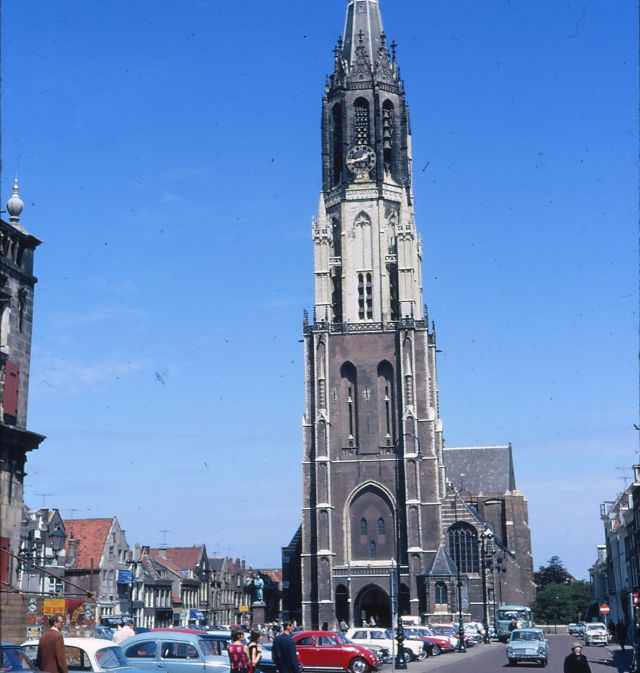
Delft’s drawbridges were functional parts of city life, raised regularly to let boats pass through. The Nieuwe Kerk, the city’s iconic church, towered over the market square just as it had for centuries.
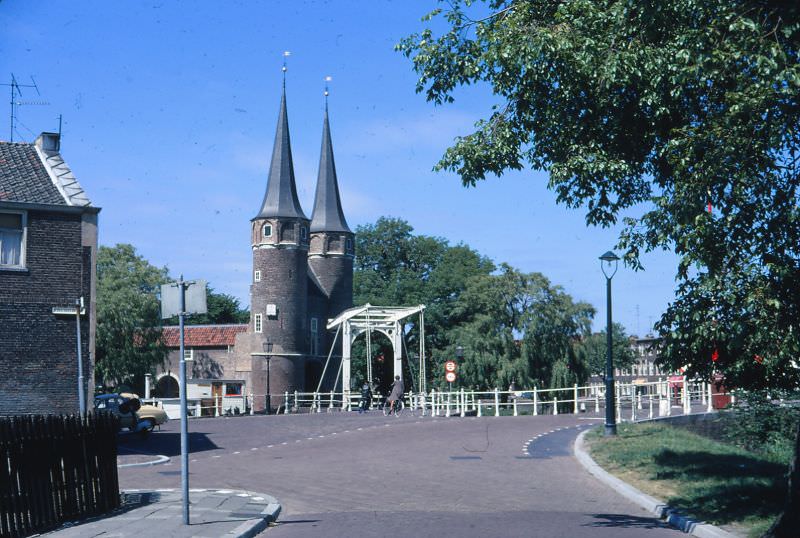
Drawbridge, Delft, Netherlands, 1966
Nieuwe Kerk, Delft, Netherlands, 1966

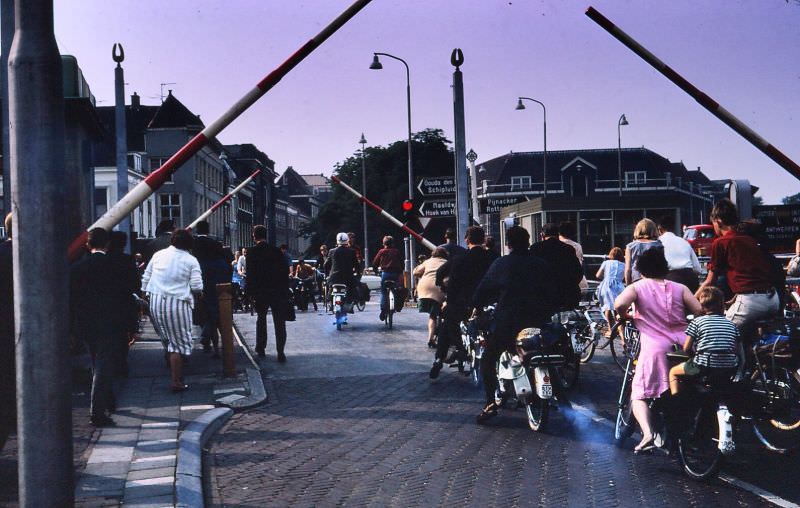
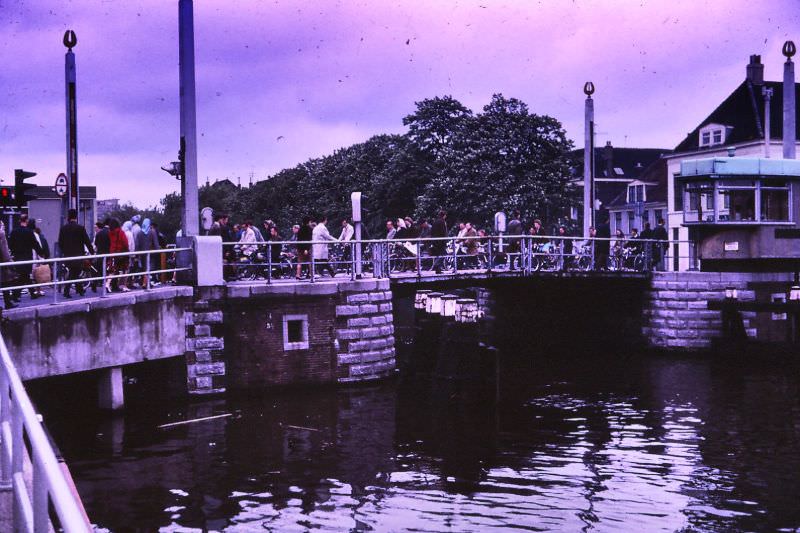
The Rotterdamse Poortbrug was still standing in 1966, a bridge that would be demolished just twelve years later in 1978. These photographs are among the surviving records of what it looked like in its final years.
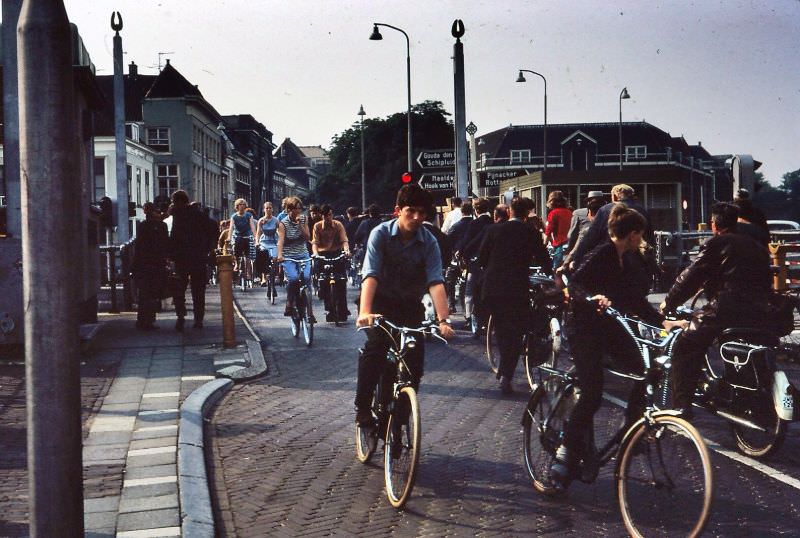
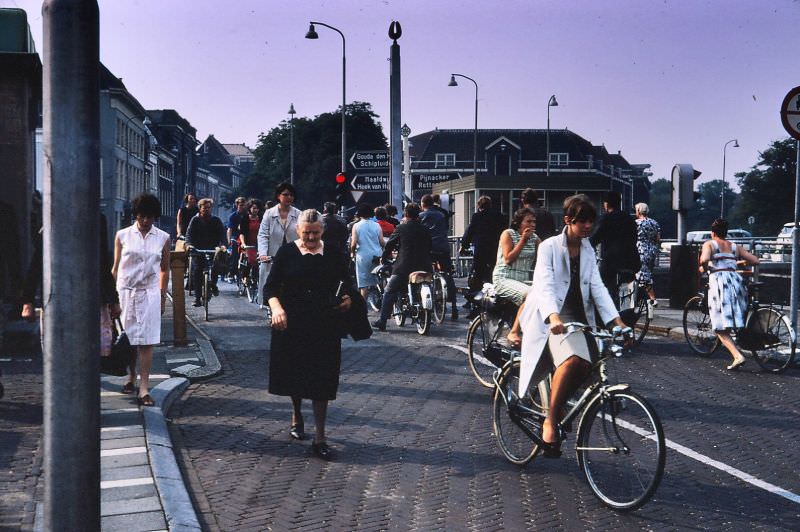
Rotterdamse Poortbrug (demolished in 1978) looking towards De Oude, Delft, Netherlands, 1966
Rotterdamse Poortbrug (demolished in 1978) looking towards De Oude, Netherlands, Delft, 1966
Rotterdamse Poortbrug, Delft, Netherlands, 1966
Rotterdamse Poortbrug (demolished), Delft, Netherlands, 1966

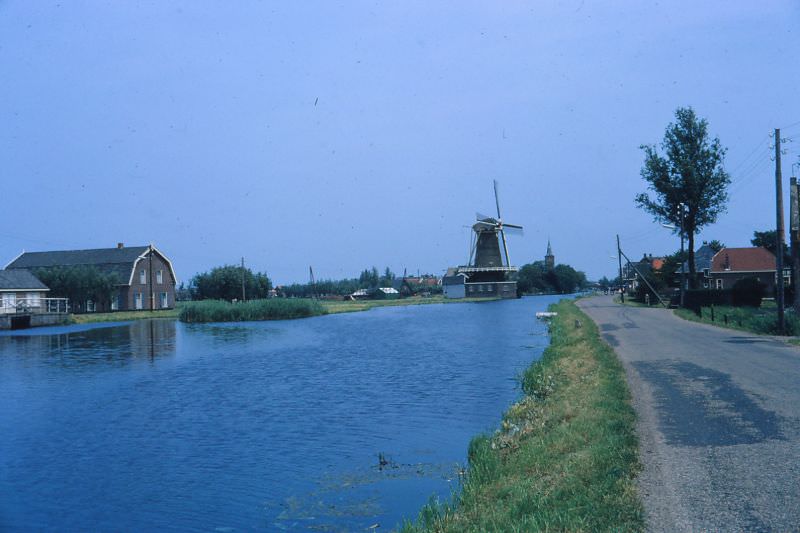
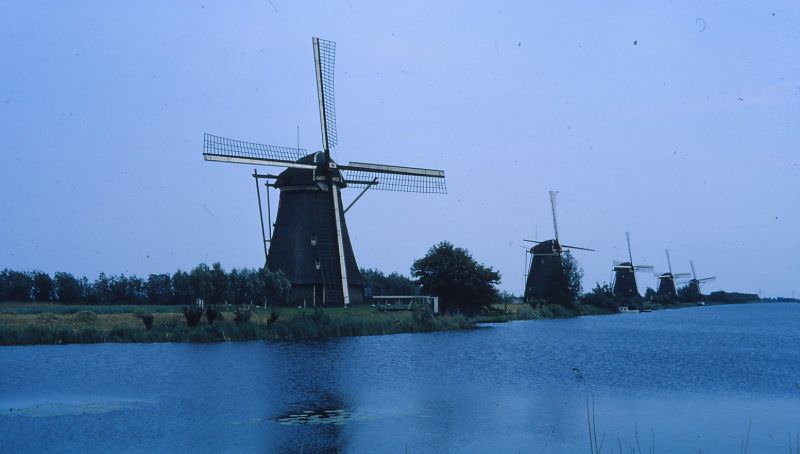
No collection of Dutch photographs would be complete without windmills. These structures were not merely decorative — they were built to pump water and mill grain, and many were still in working use in 1966.
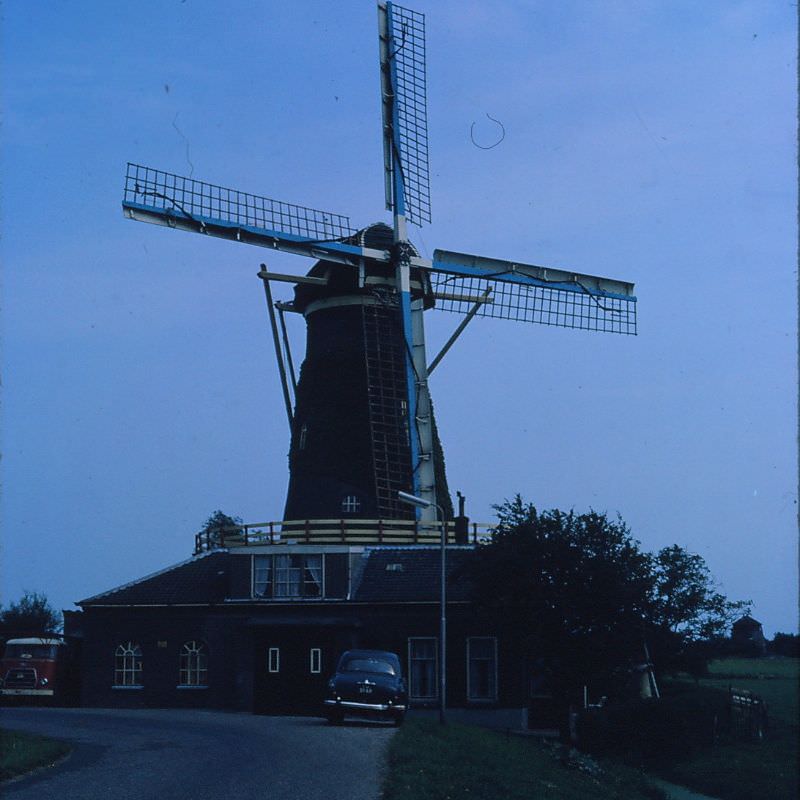
Dutch windmill, Netherlands, 1966
Dutch windmills, Netherlands, 1966

The Dutch countryside in 1966 looked much as it had for generations. Friesian cows grazed on flat green pastures beside farmhouses with thatched-roof barns — a landscape shaped entirely by agriculture and water management.
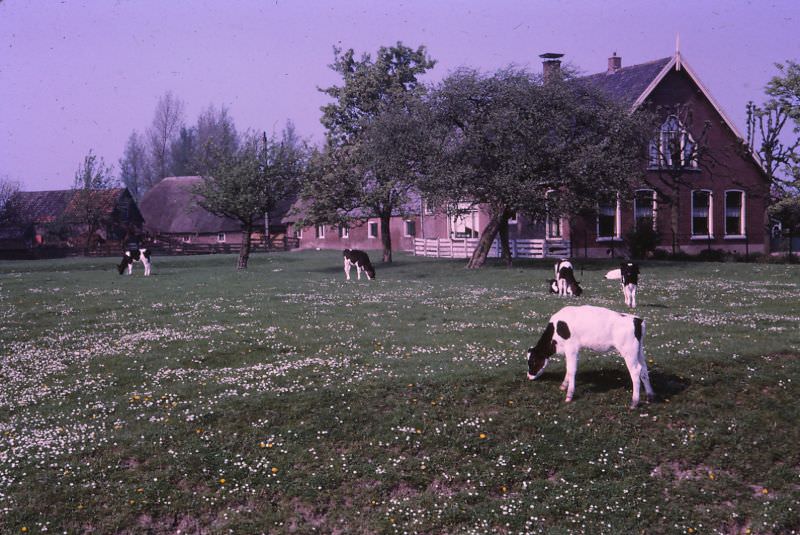
Friesian cows grazing, old Dutch farmhouse and thatched roof barns, Netherlands, 1966

Water was everywhere in the Netherlands, and children made the most of it. Whether splashing in canals or drifting on leisure boats, life near the water was a constant for Dutch families.
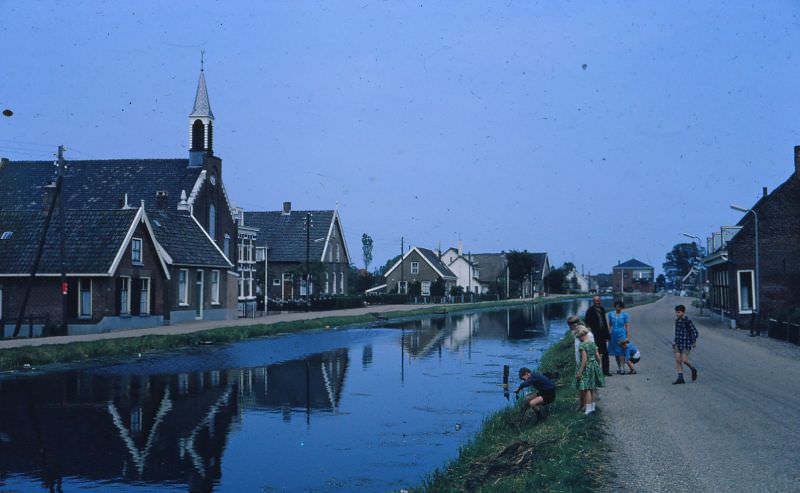
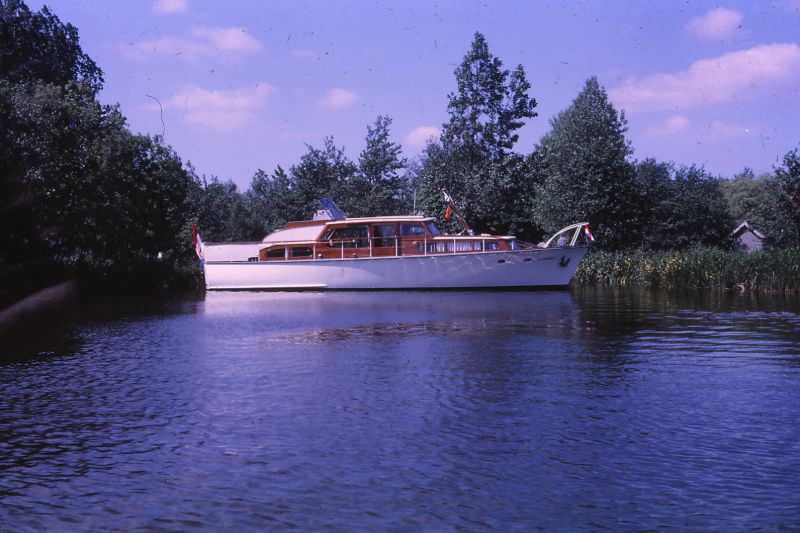
Kids love water, Netherlands, 1966
Leisure boat, Netherlands, 1966
Netherlands in 1966
Netherlands in 1966
Netherlands in 1966
Netherlands in 1966
Netherlands in 1966
Netherlands in 1966

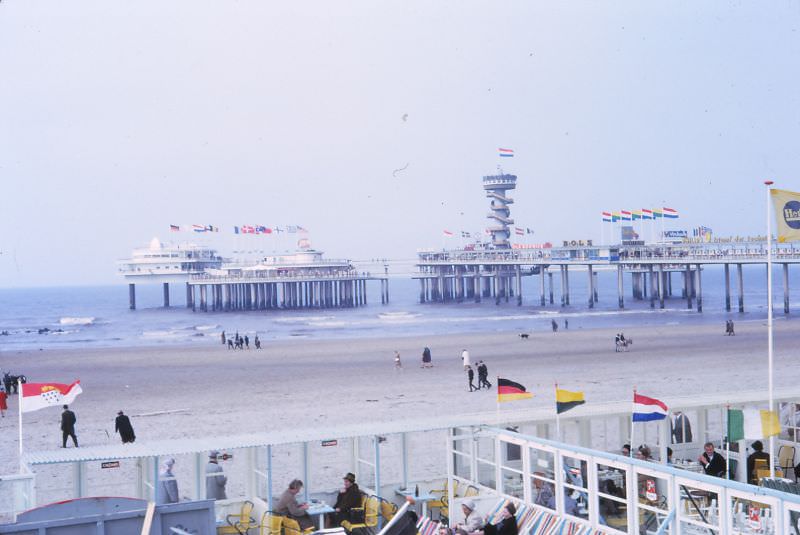
On the coast, the seaside town of Noordwijk offered restaurants and boulevards facing the North Sea. Scheveningen, near The Hague, was another popular destination where locals and tourists gathered along the shore.
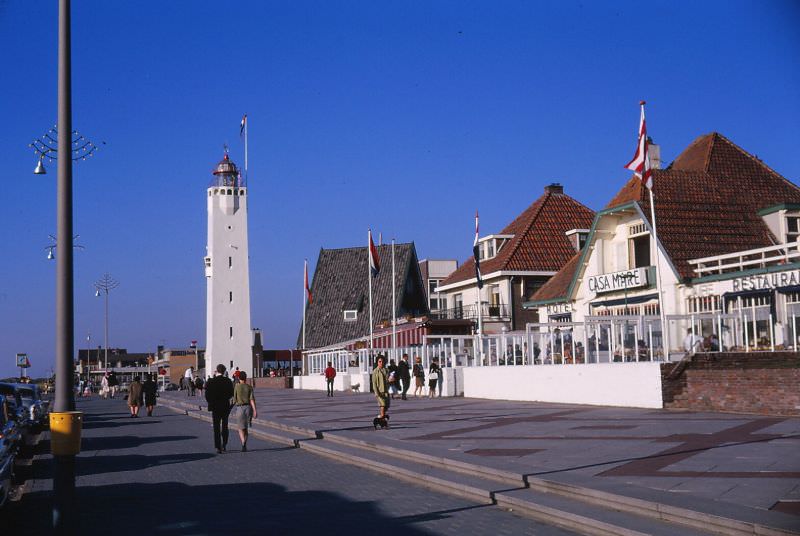
Casa Mare Restaurant, Koningin Wilhelmina Boulevard, Noordwijk, Netherlands, 1966
Scheveningen, Netherlands, The Hague, 1966

Rotterdam’s port was one of the busiest in Europe. Ships departed regularly from its docks, including the Dutch Red Cross holiday vessel SS Henry Dunant, which provided sea voyages specifically for disabled passengers.
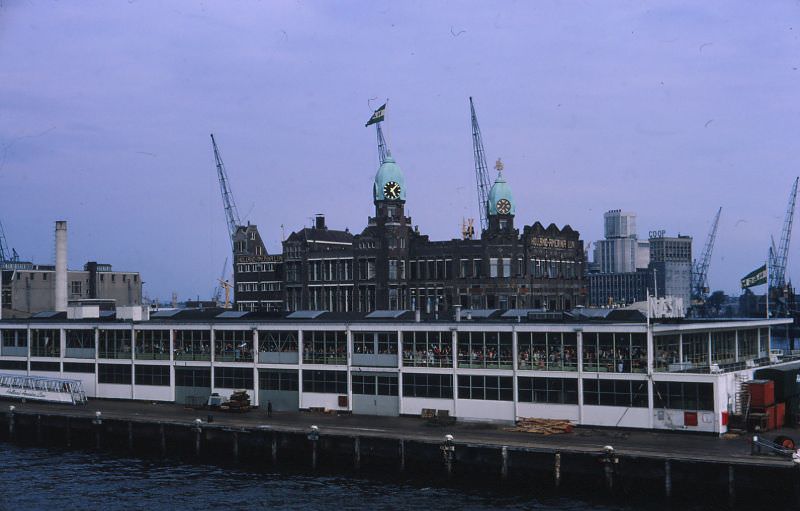
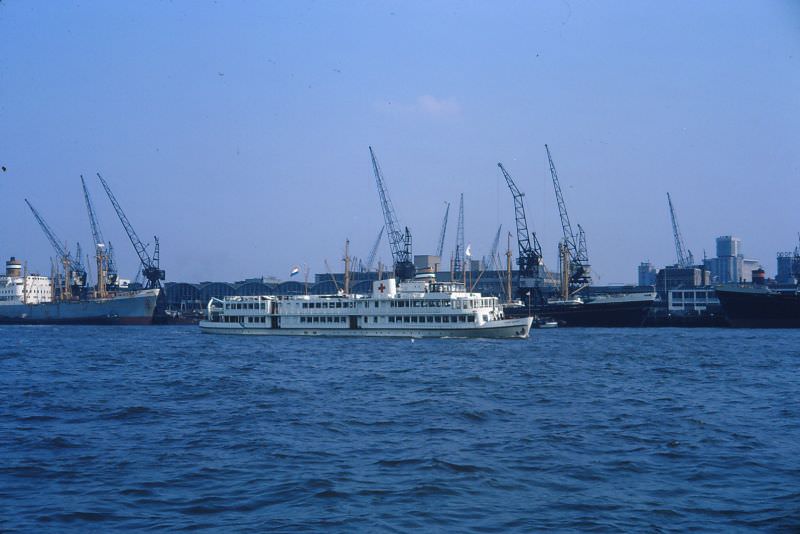
Rotterdam Port departure, Netherlands, 1966
Dutch Red Cross - Holiday ship "SS Henry Dunant" for the disabled, Rotterdam, Netherlands, 1966
Dutch Red Cross – Holiday ship “SS Henry Dunant” for the disabled, Rotterdam, Netherlands, 1966
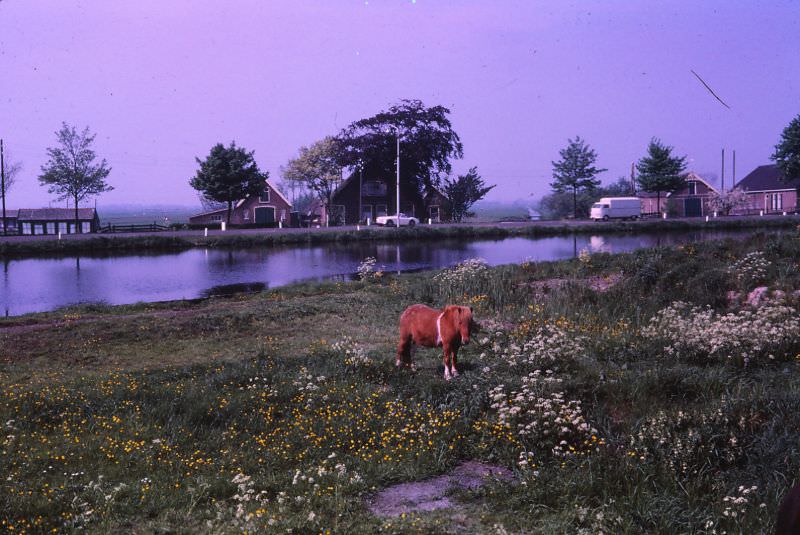
Shetland pony, Netherlands, 1966

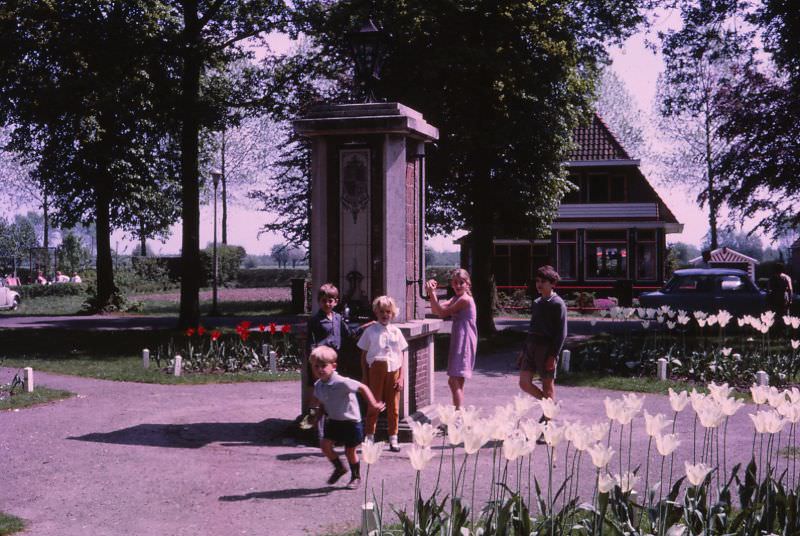
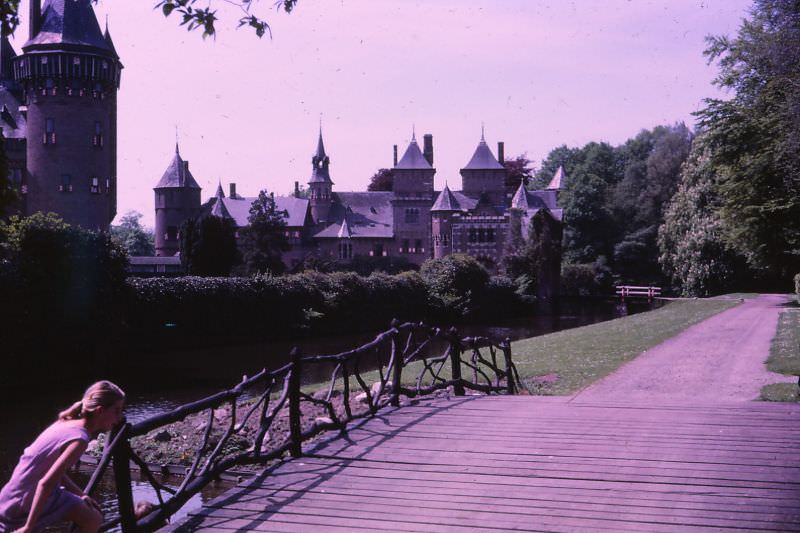
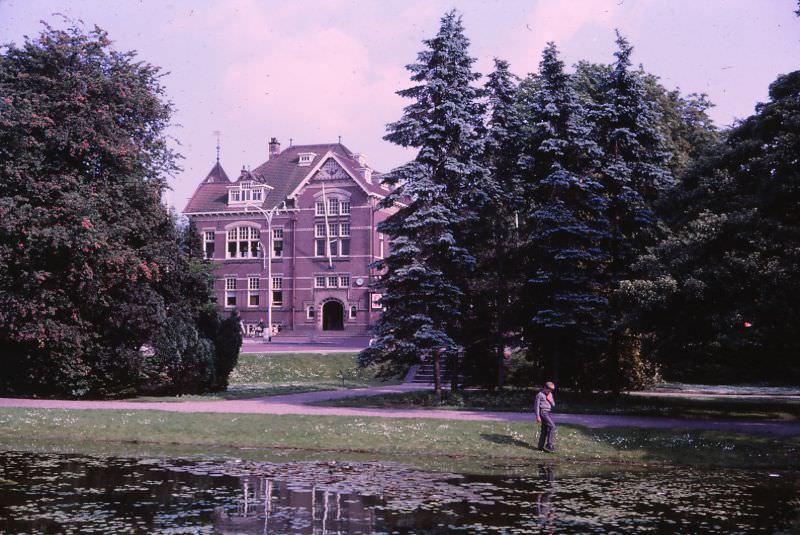
Utrecht, the country’s fourth-largest city, mixed busy traffic with historic charm. The Steenweg shopping street had already been pedestrianised by 1966, making it one of the early car-free shopping zones in the Netherlands. Nearby, De Haar Castle — the largest castle in the country — drew visitors to its grounds, gardens, and ornamental ponds.
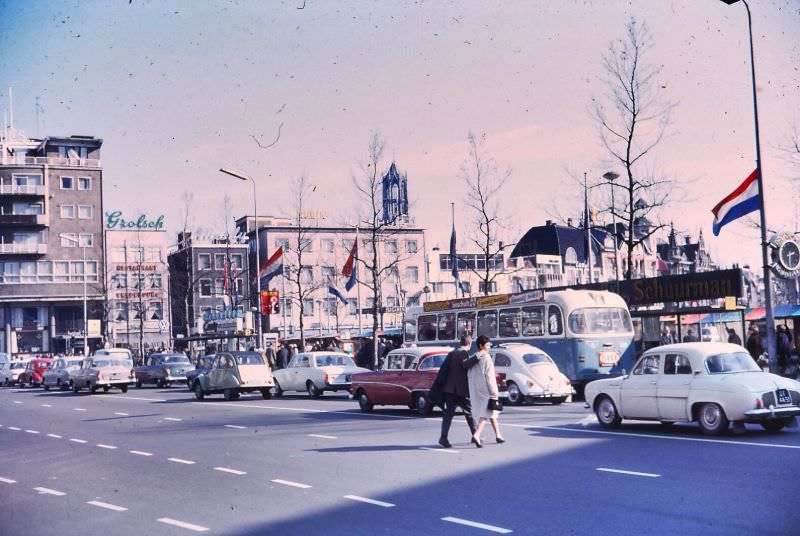
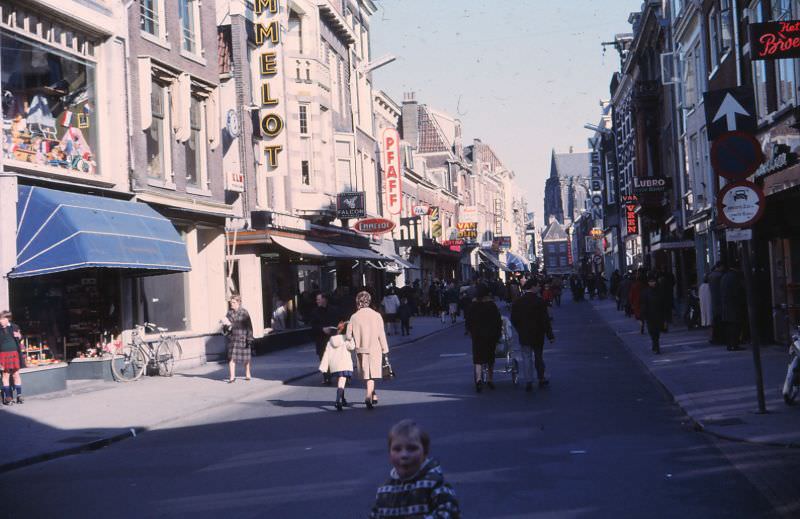
Utrecht street traffic, Netherlands, 1966
Pedestrianized shopping street, Steenweg, Utrecht, Netherlands, 1966
Day out with tulips, drinking fountain at De Haar Castle, Utrecht, Netherlands, 1966
De Haar Castle, Utrecht, Netherlands, 1966
Pond at De Haar Castle, Utrecht, Netherlands, 1966

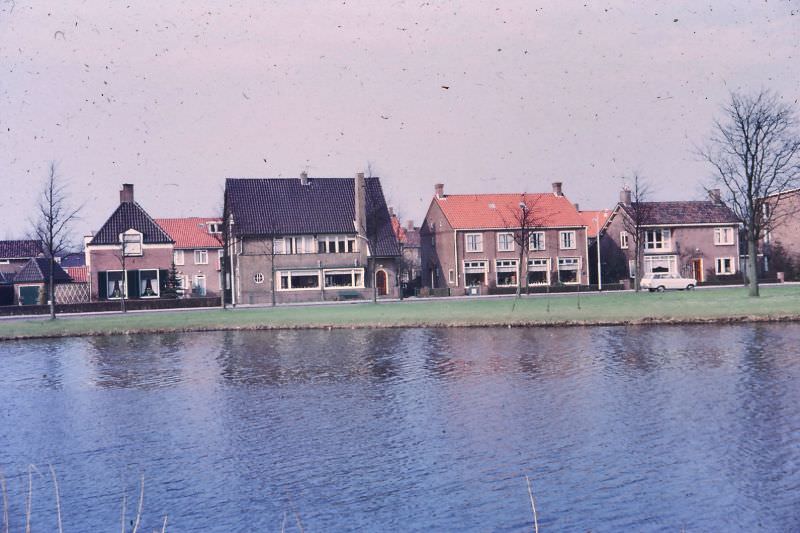
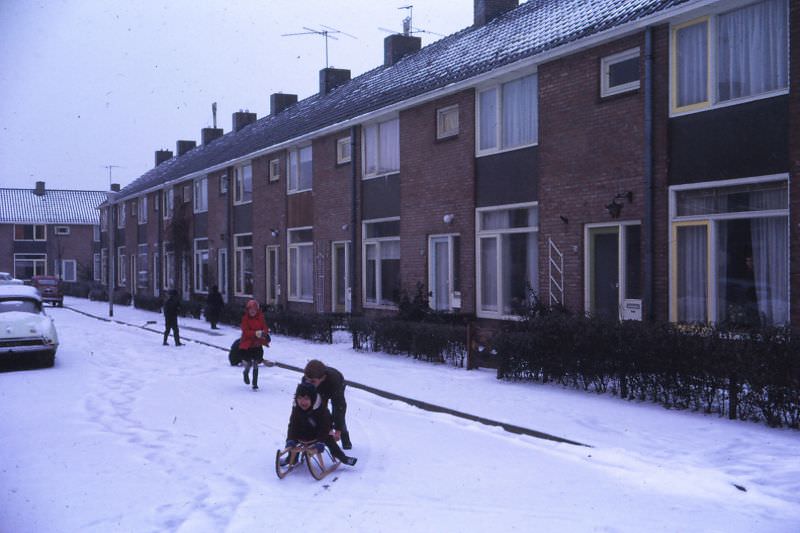
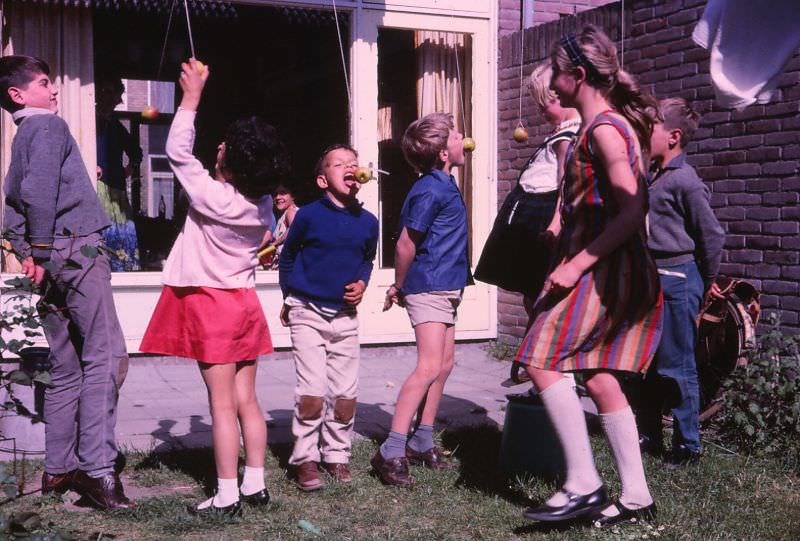
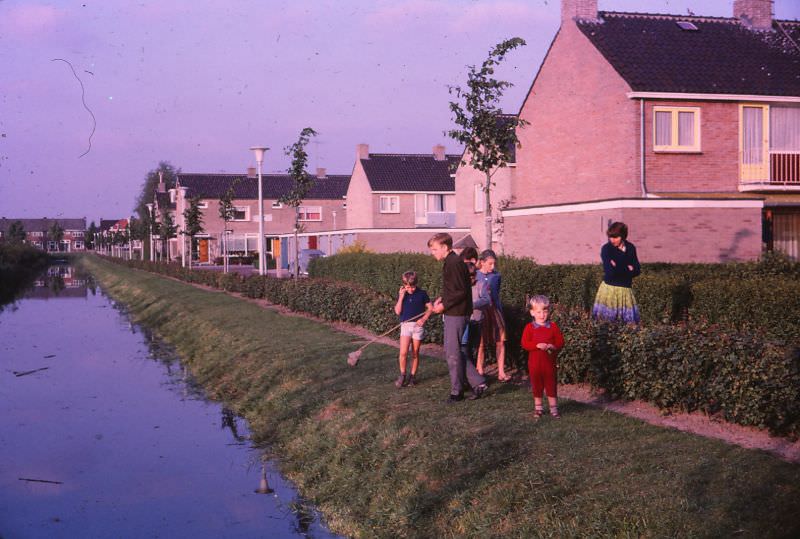
The smaller town of Woerden, south of Utrecht, shows a more intimate side of Dutch life. Its canal houses, church, and windmill — the Stellingkorenmolen De Windhond on Wilhelminaweg — give a clear picture of a working provincial town. Children here played in the snow on Appelstraat, bobbed for apples, and hunted for frogs and eels in the waterways.
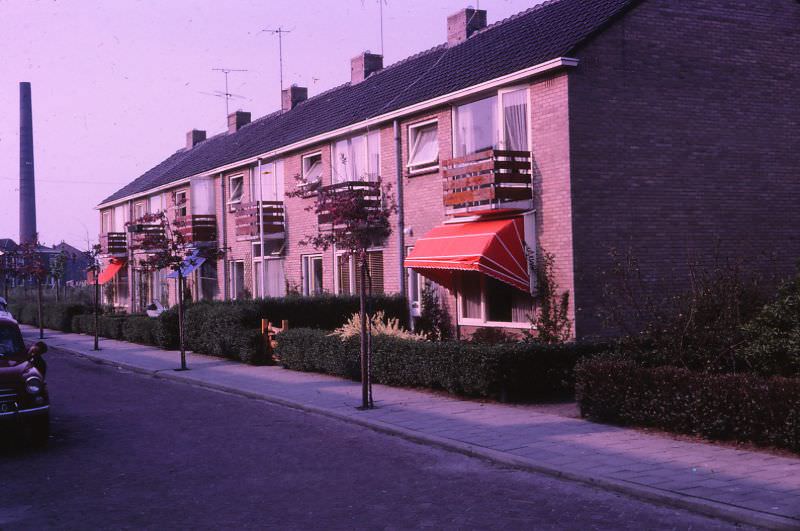
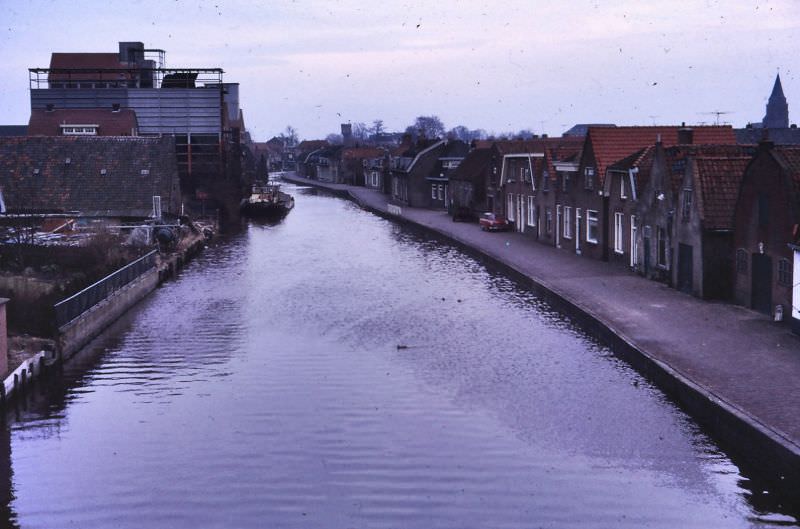
Appelstraat 28, Molenvliet, Woerden, Netherlands, 1966
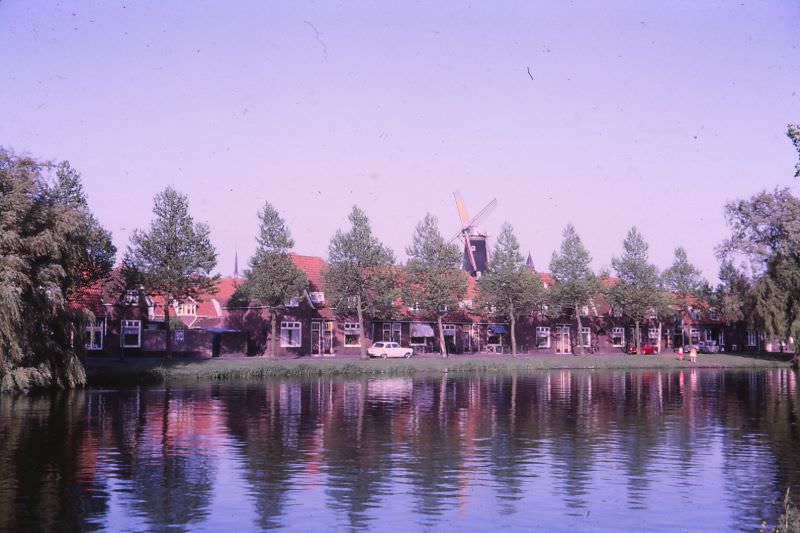
Canal houses, Woerden, Netherlands, 1966
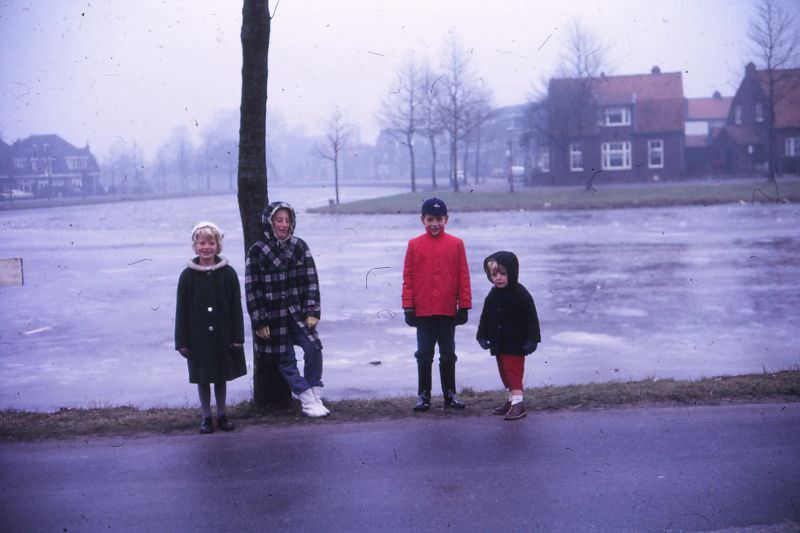
Cold day, Woerden, Netherlands, 1966
Fun in the Snow, playing on Appelstraat, Woerden, Netherlands, 1966
Kids play bobbing for apples, Woerden, Netherlands, 1966
Looking for frogs or eels, Woerden, Netherlands, 1966
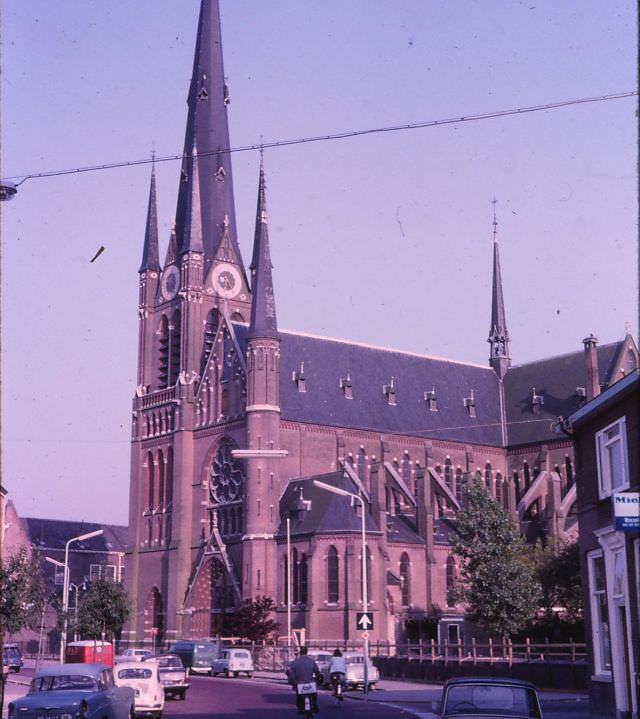
Sint-Bonaventurakerk, Woerden, Netherlands, 1966
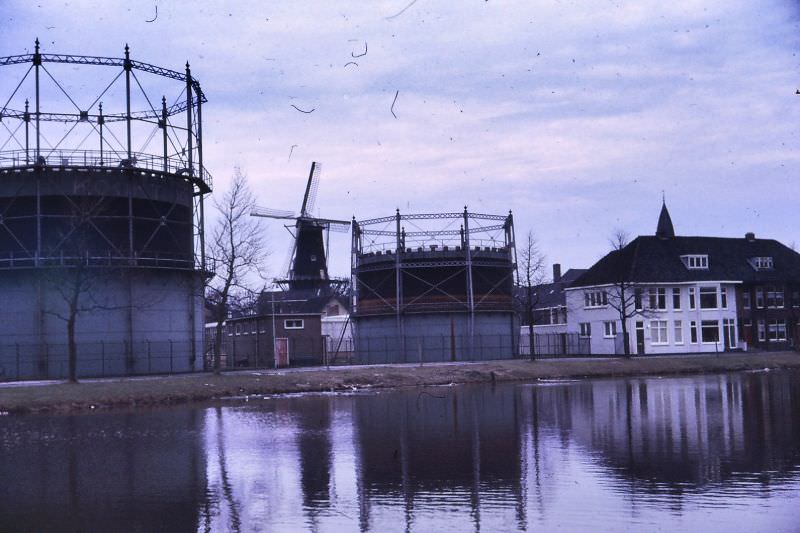
Stellingkorenmolen De Windhond, Wilhelminaweg 1, Woerden, Netherlands, 1966
Enjoyed this post? Get new ones in your inbox.

Leave a Comment

Your email address will not be published. Required fields are marked *

Share this Post 🥺

Please take a moment to share this content. Your support is greatly appreciated! 🙌🙏

Share this Post 🥺

Please take a moment to share this content. Your support is greatly appreciated! 🙌🙏
Scroll to Top
 
Hey Friend, Before You Go.. Please like & follow for more interesting content