Long before “van life” became a social media trend, people were building homes on wheels and hitting the open road. Mobile living has a history that spans more than a century, shaped by economic shifts, wars, new technology, and a deep human desire to move freely. The photos collected here trace that history from the earliest motorized wagons of the 1900s all the way through the manufactured home communities of the 1990s.
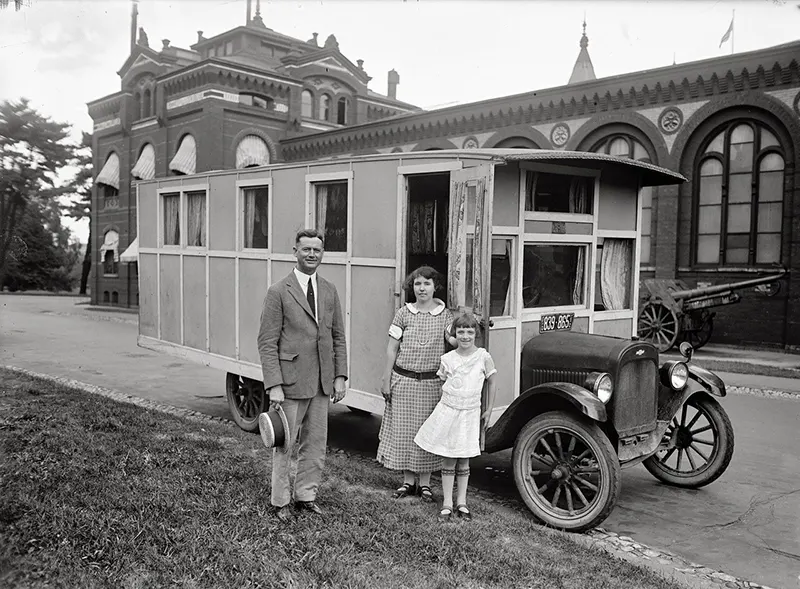
Before the automobile took over, nomadic living was largely the territory of circus performers, traveling traders, and wandering preachers. The horse-drawn caravan was the closest thing to a mobile home. Then, in the early 1900s, the gasoline engine changed everything. Suddenly, ordinary people had a machine that could carry them — and their belongings — across distances that once took weeks on foot or horseback.
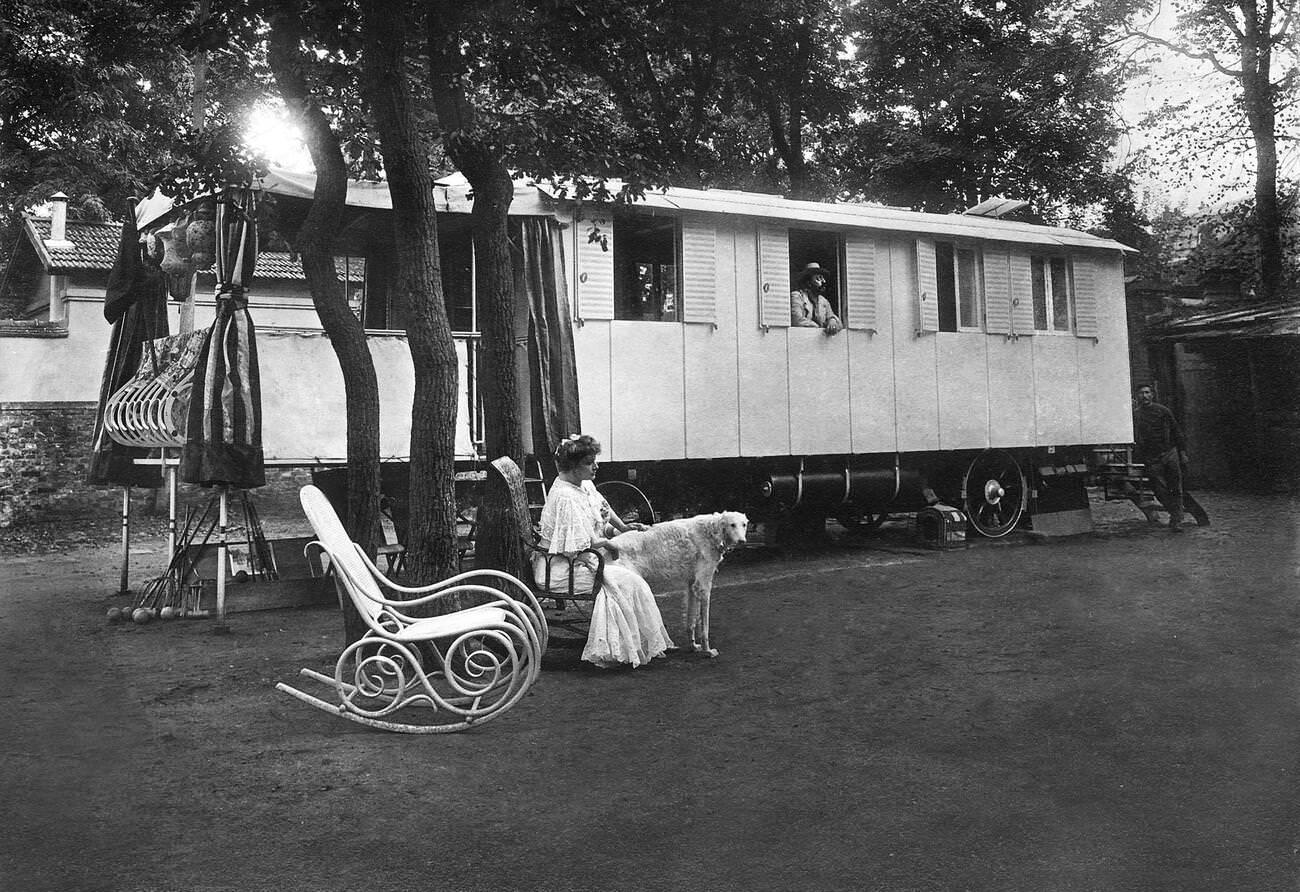
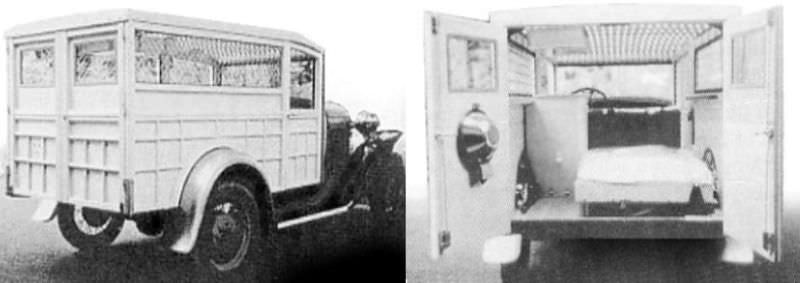
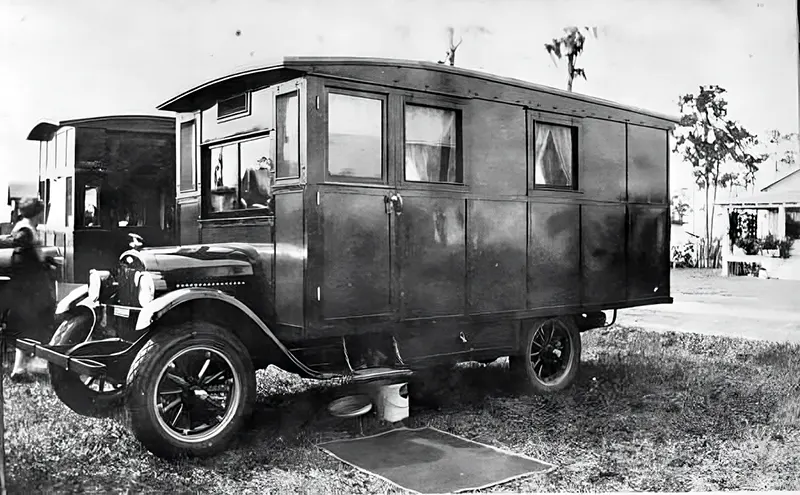
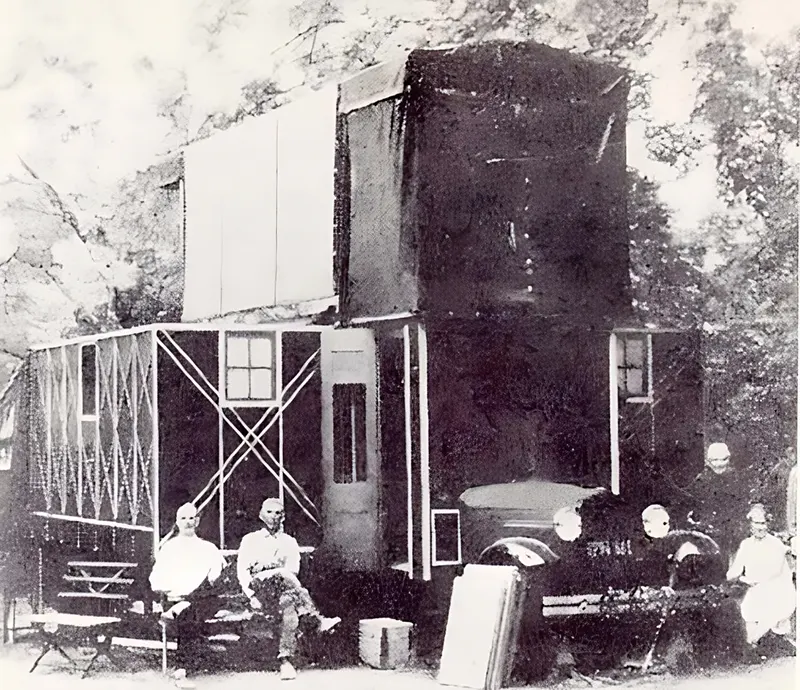
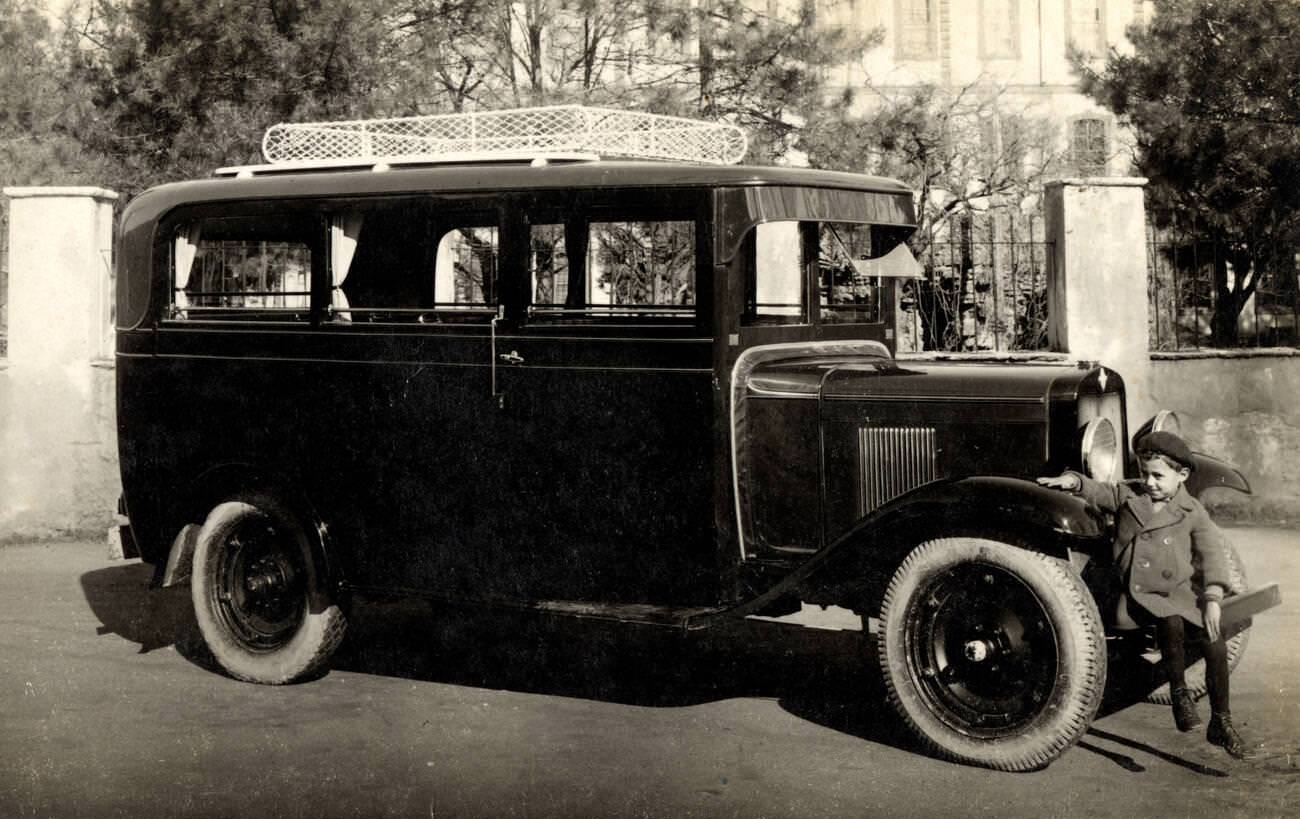
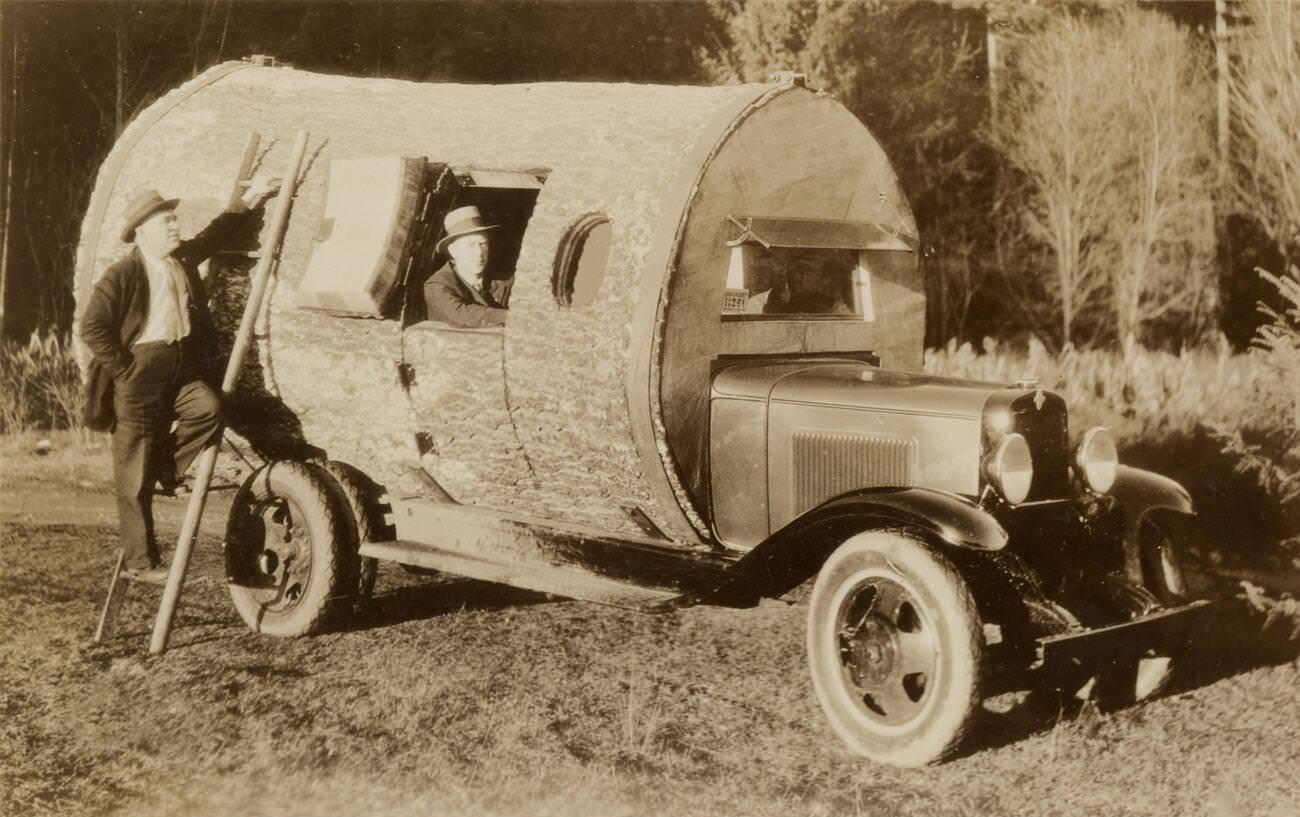
These first motorized homes were rough by any standard. Builders nailed wood frames onto car and truck chassis, stretched canvas over the top, and called it a home. There was no running water, no reliable heat, and rarely any insulation. What these early rigs lacked in comfort they made up for in ambition. Entrepreneurs, adventurers, and even religious missionaries saw the potential immediately.
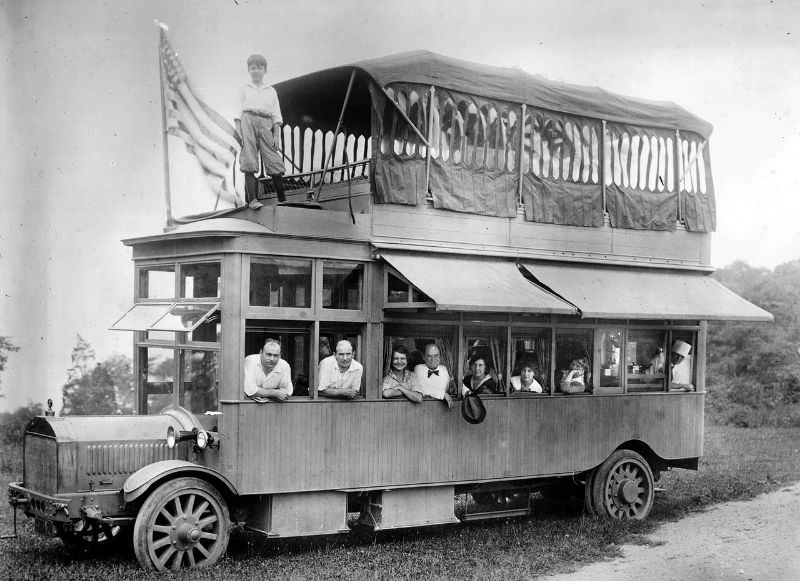
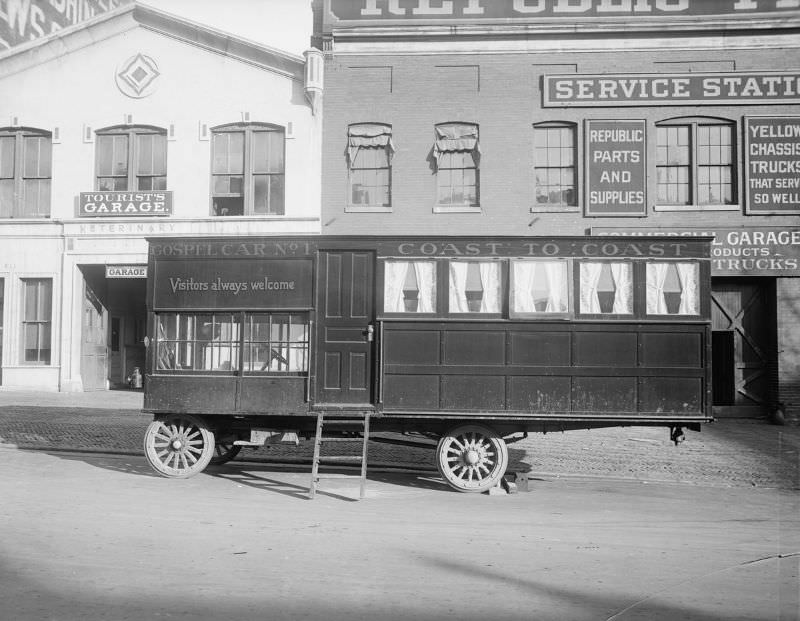
By the early 1920s, automobile ownership had spread far enough that auto tourist camps began appearing across the United States. Families would pack their cars, hitch a trailer or sleep in a modified vehicle, and pull into these camps for a few days. It was an early version of the campground, and it drew a wide range of travelers — from working-class families on tight budgets to wealthy adventurers seeking novelty.
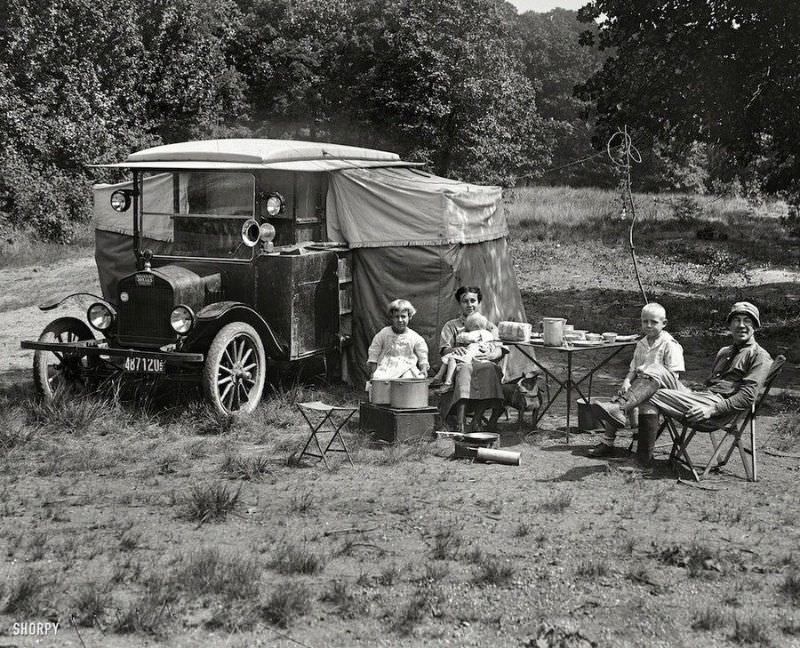
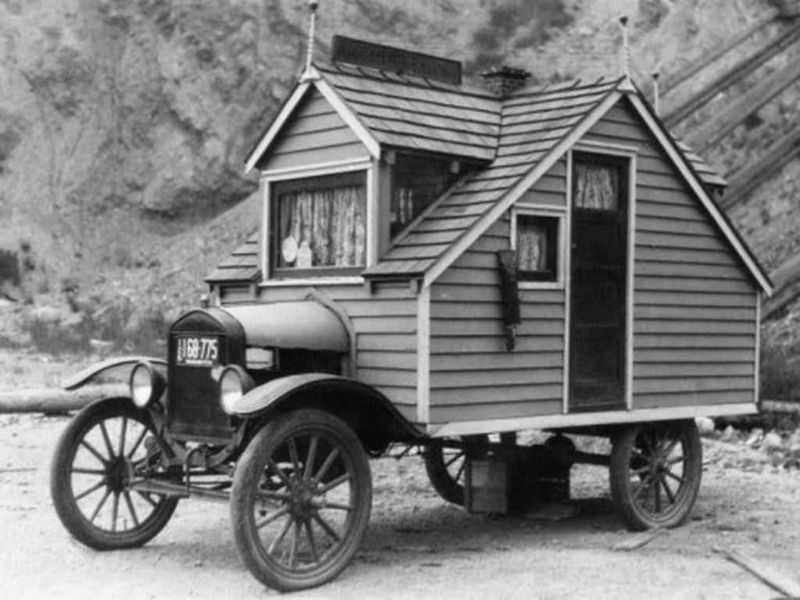
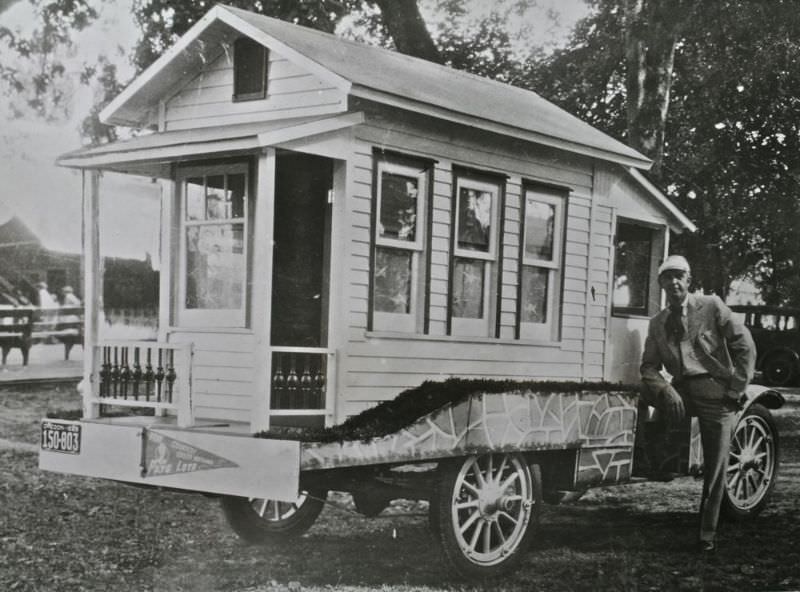
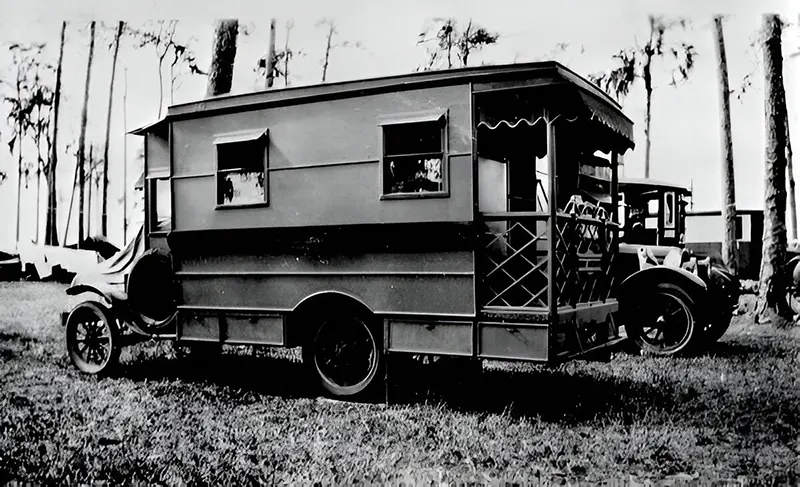
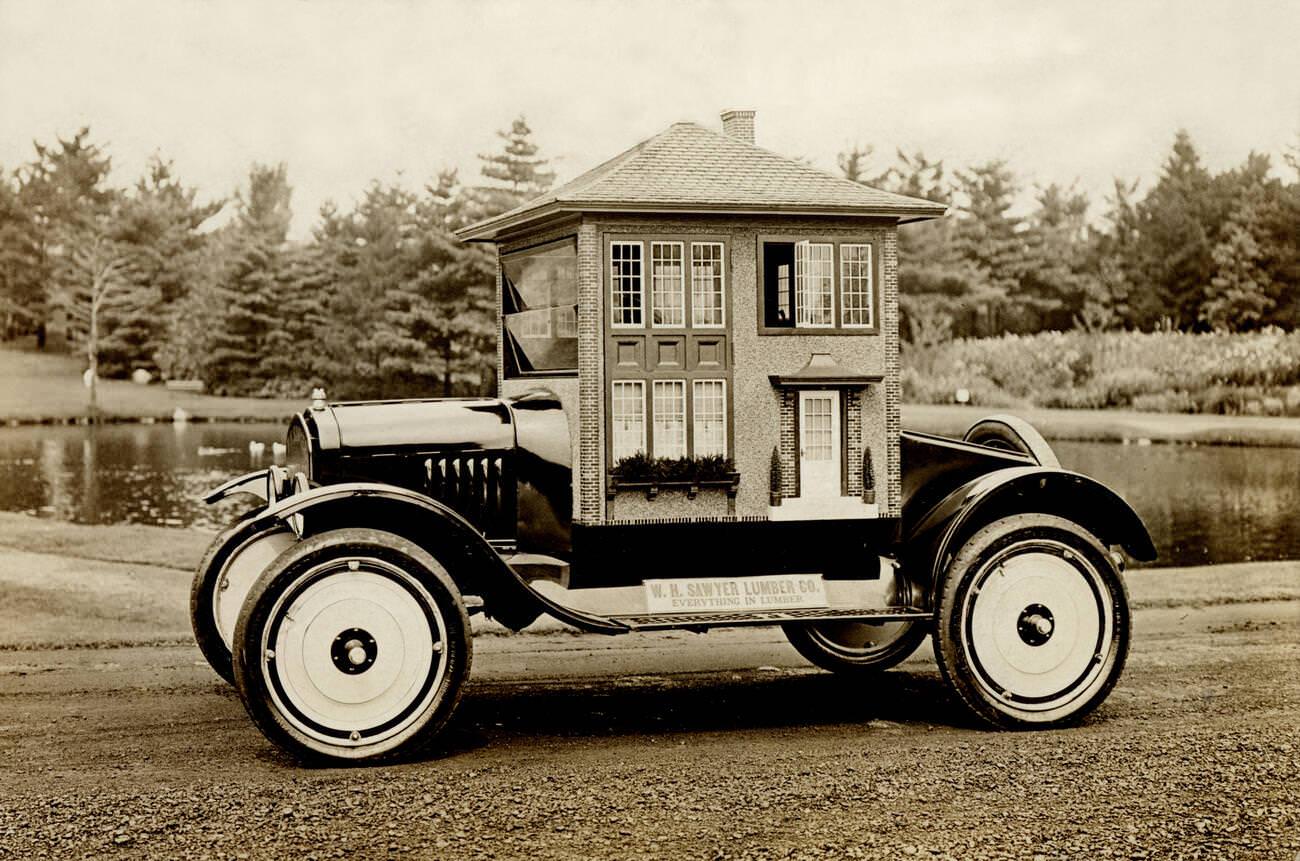
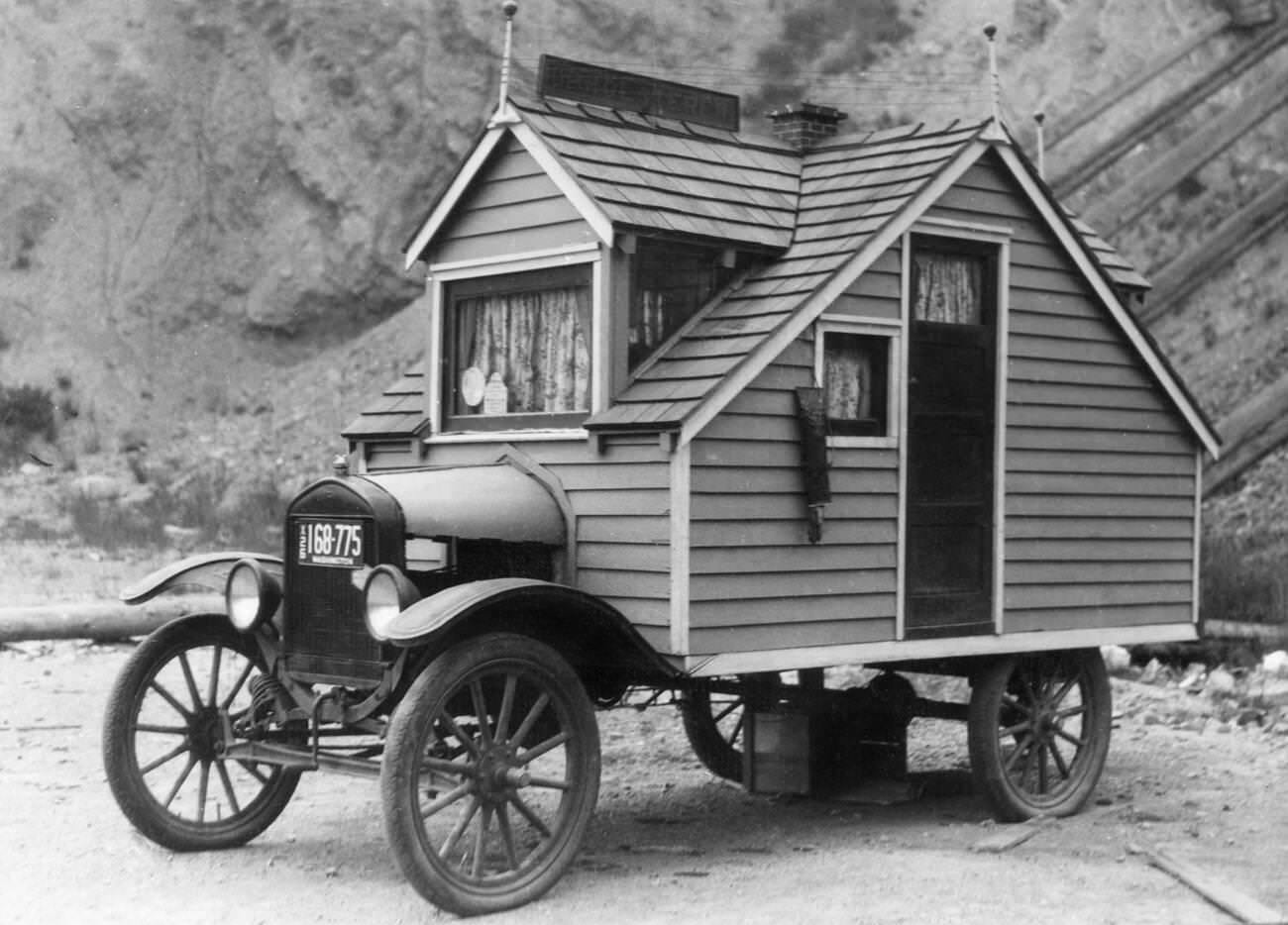
The Ford Model T and its successor, the Model TT truck chassis, became the backbone of early mobile home construction. The TT’s heavier frame made it ideal for carrying a custom-built living compartment. Backyard builders and small manufacturers alike used these chassis to create everything from simple sleeping cabins to surprisingly elaborate rolling houses.
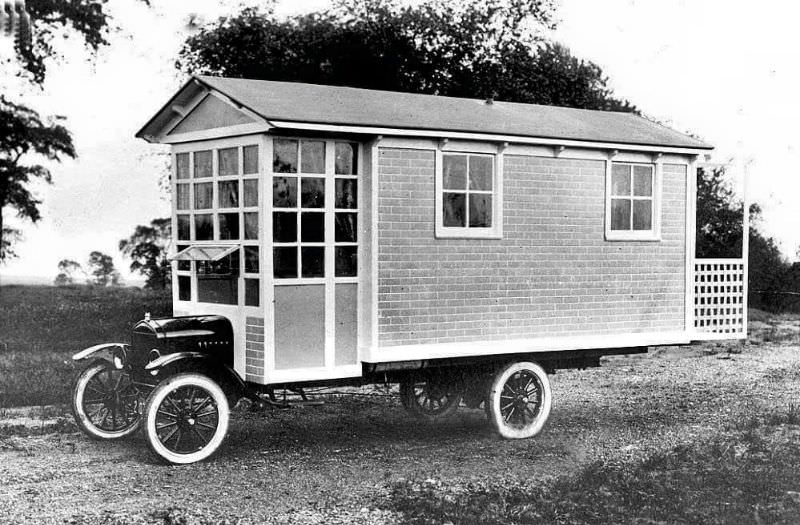
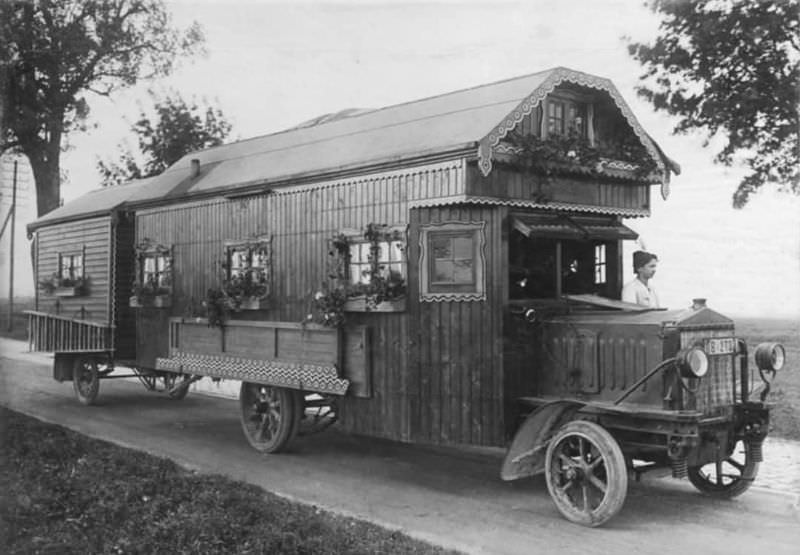
Mobile living wasn’t limited to the United States. In Europe, particularly in Britain and Germany, families and eccentric inventors were building their own rolling homes. Some were country-house styled carriages mounted on motor chassis. Others were purpose-built for specific missions — including at least one traveling minister who fitted his vehicle with a pipe organ and a foldable steeple so he could hold services wherever he stopped.
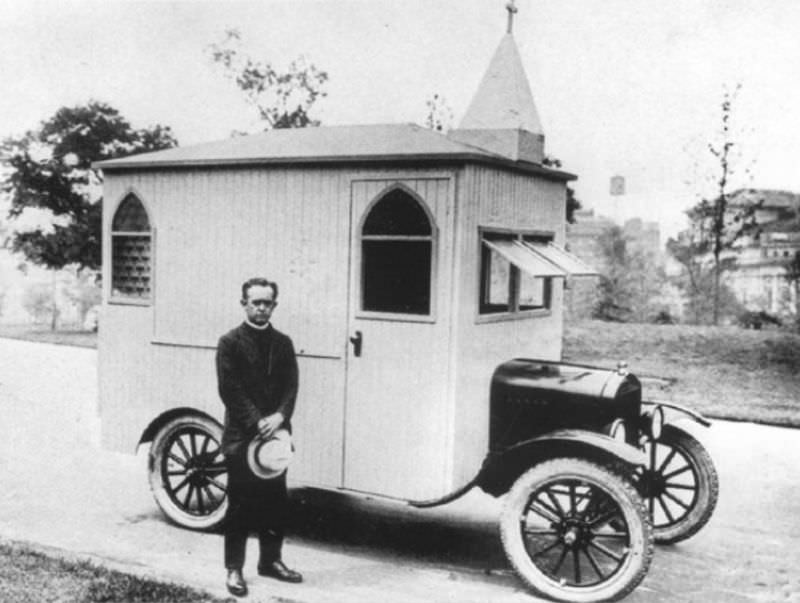
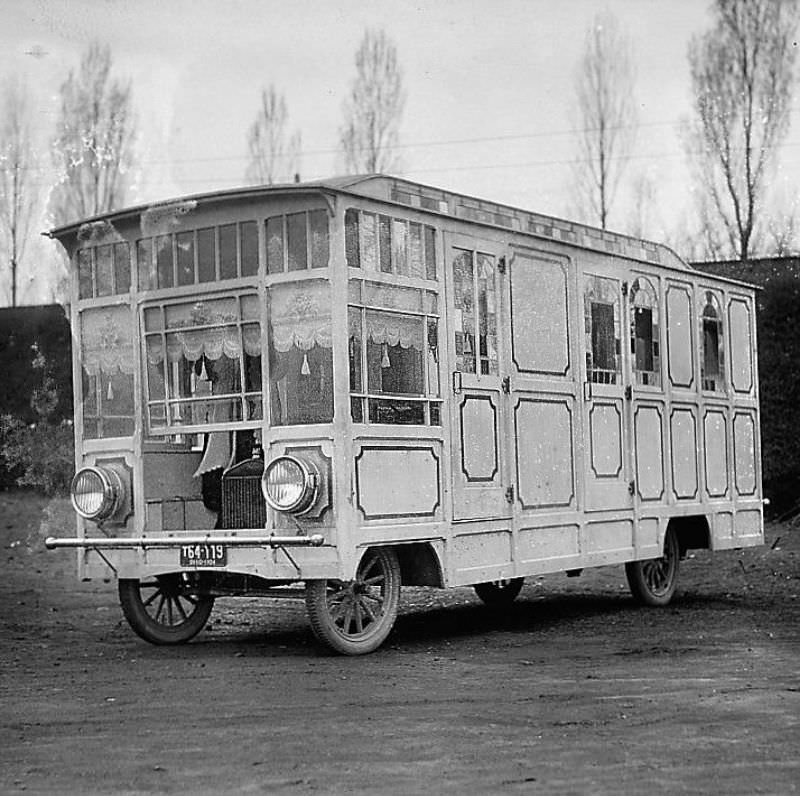
By the mid-1920s, the concept had matured enough that manufacturers began marketing purpose-built models to the public. The “house car” or early RV offered a small kitchen, a sleeping area, and sometimes a basic toilet. Companies like Pierce-Arrow, known for their luxury automobiles, entered the market with high-end versions aimed at wealthy travelers. At the same time, ordinary families were building their own “bungalow autos” in backyards across the country.
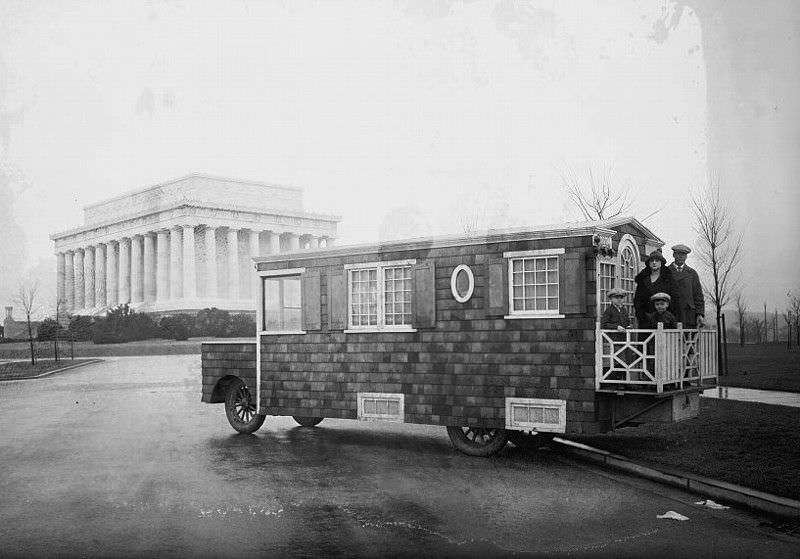
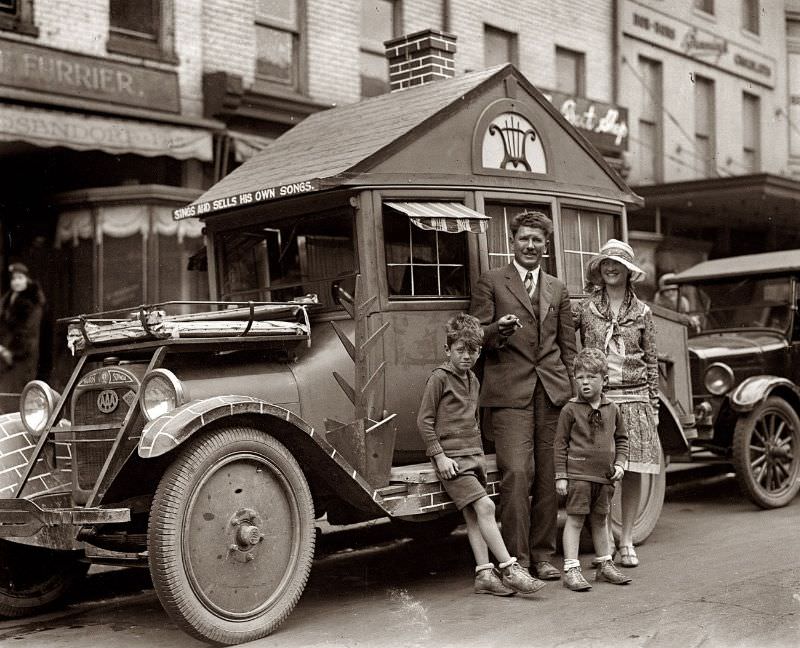
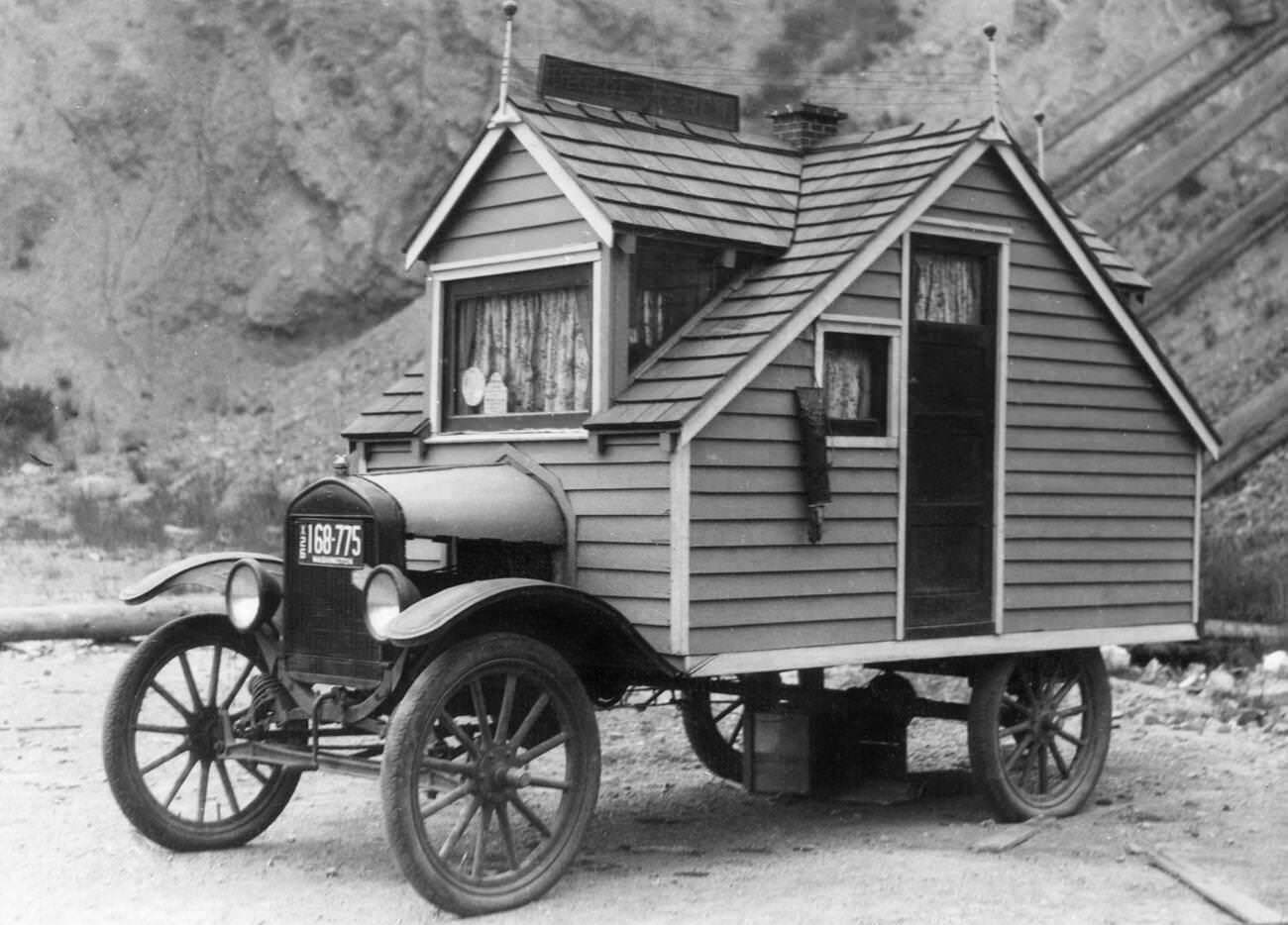
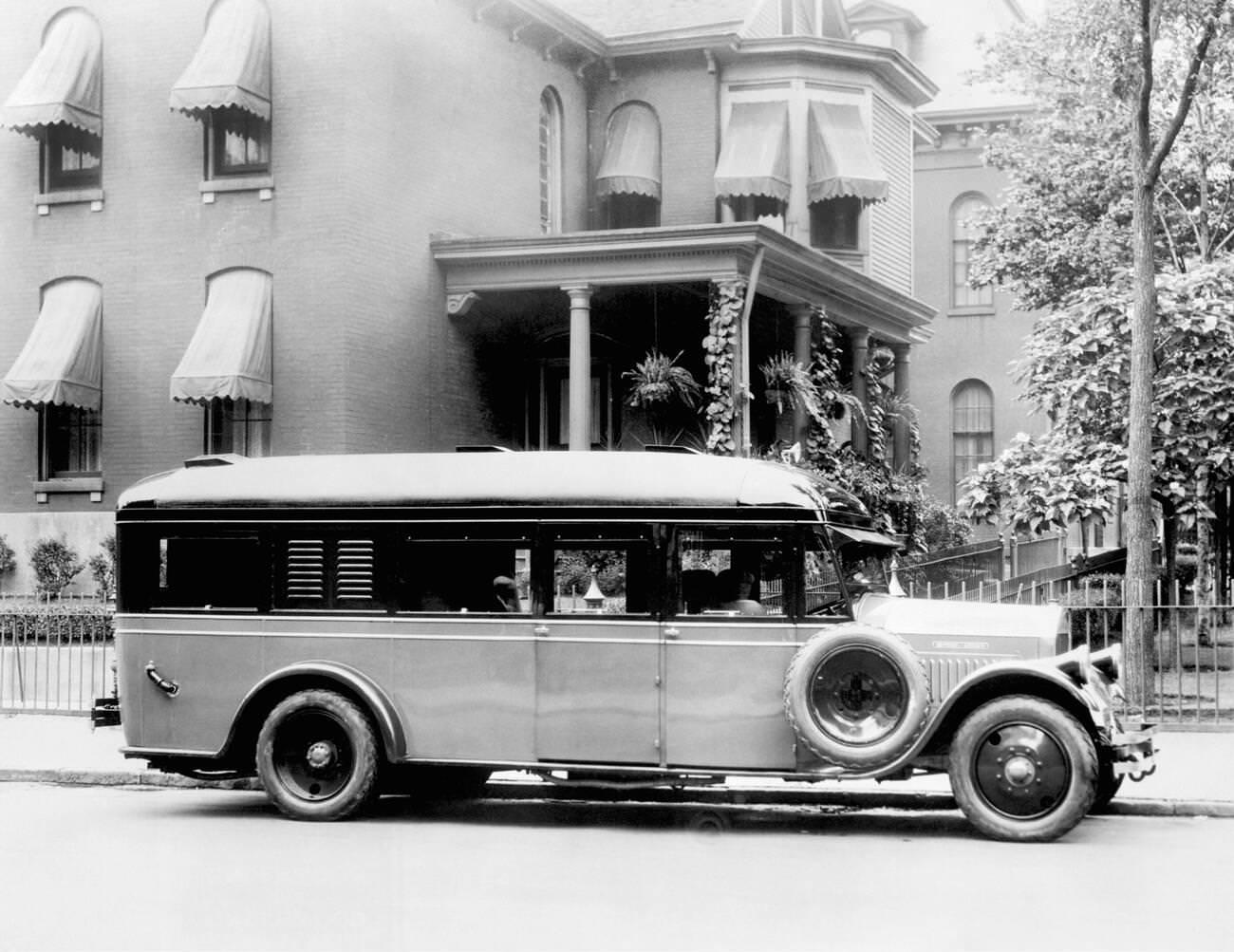
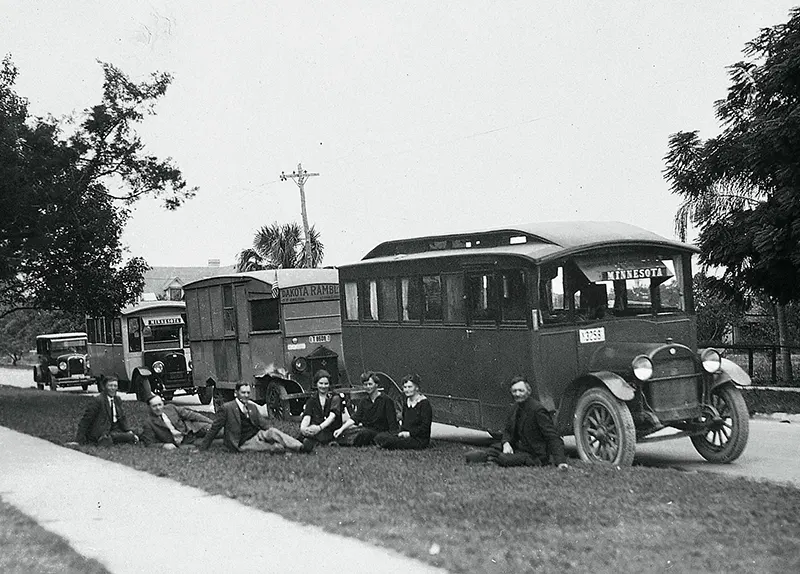
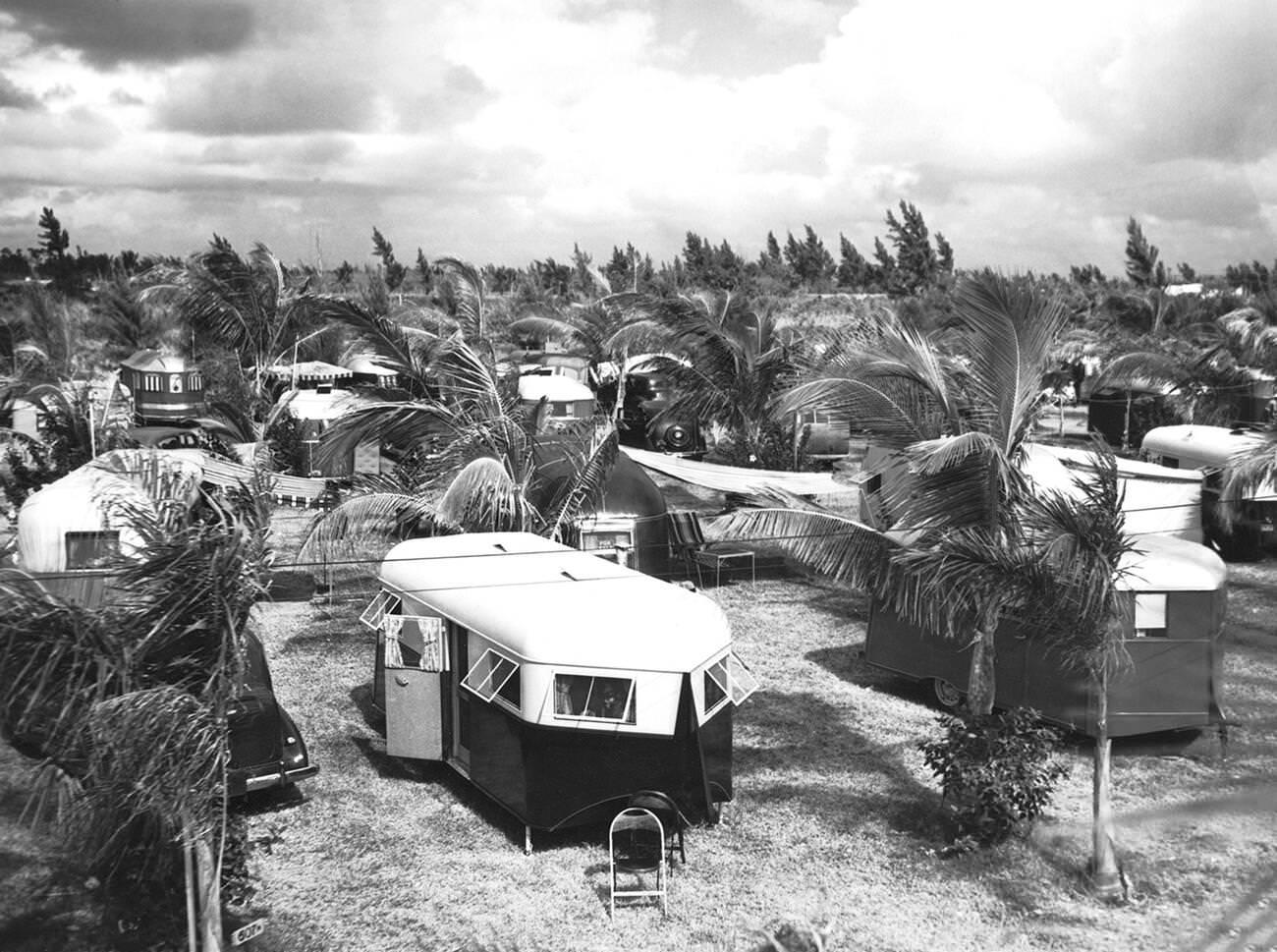
Florida’s warm winters drew a particular crowd of mobile home enthusiasts in the late 1920s. Travelers from the northern states would make the long drive south and set up in tourist camps along the coast. These camps gave rise to a loose but real sense of community among people who had chosen wheels over walls.
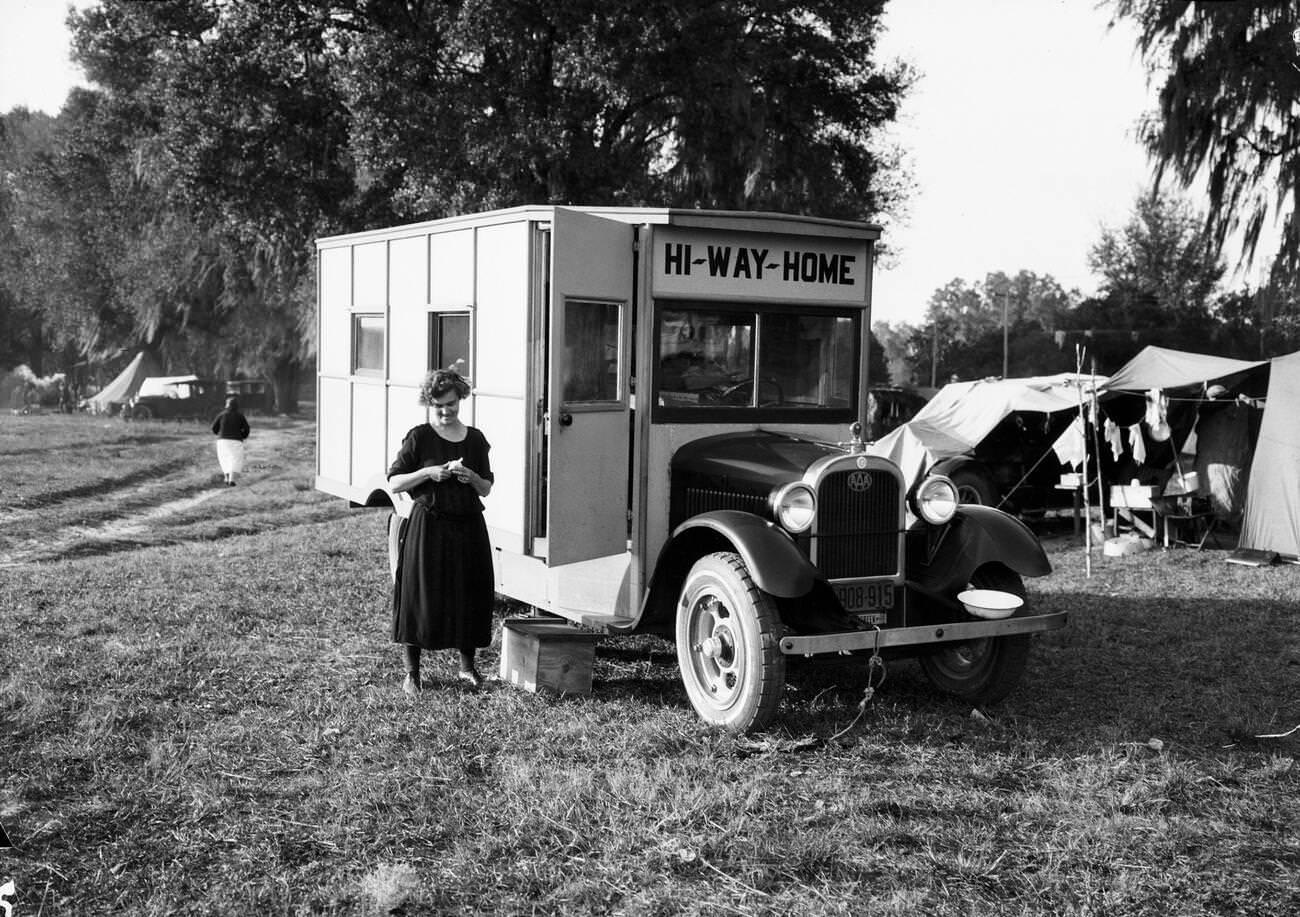
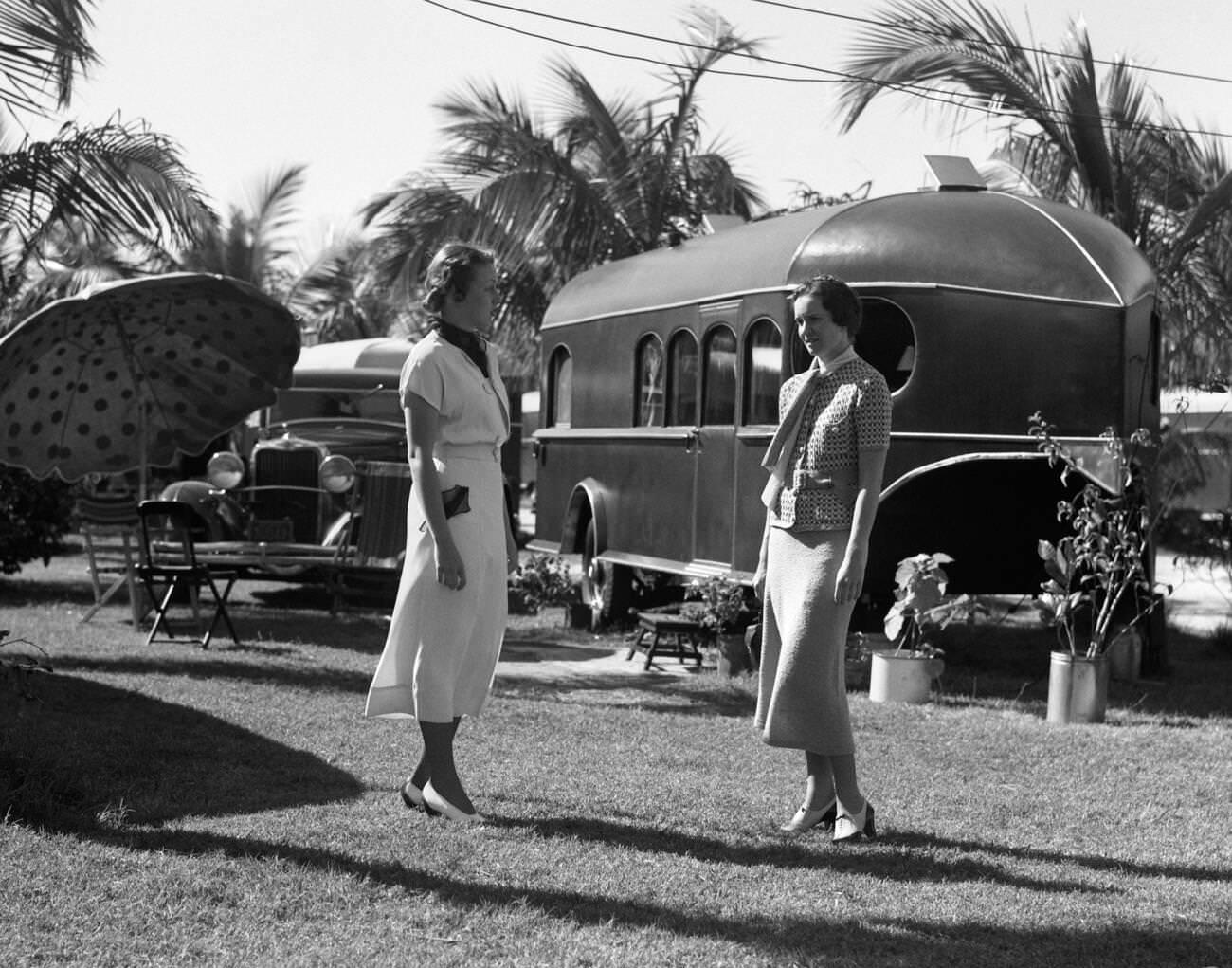
The 1930s brought the Great Depression, and with it a dramatic shift in who was living on wheels and why. For many families, a trailer wasn’t a lifestyle choice — it was the only affordable option. Manufacturers responded to the economic reality by designing trailers that were lighter, cheaper to build, and easier to tow with smaller cars. Aerodynamic shapes reduced wind drag, and fold-down beds along with built-in furniture squeezed livable function into a very small footprint.
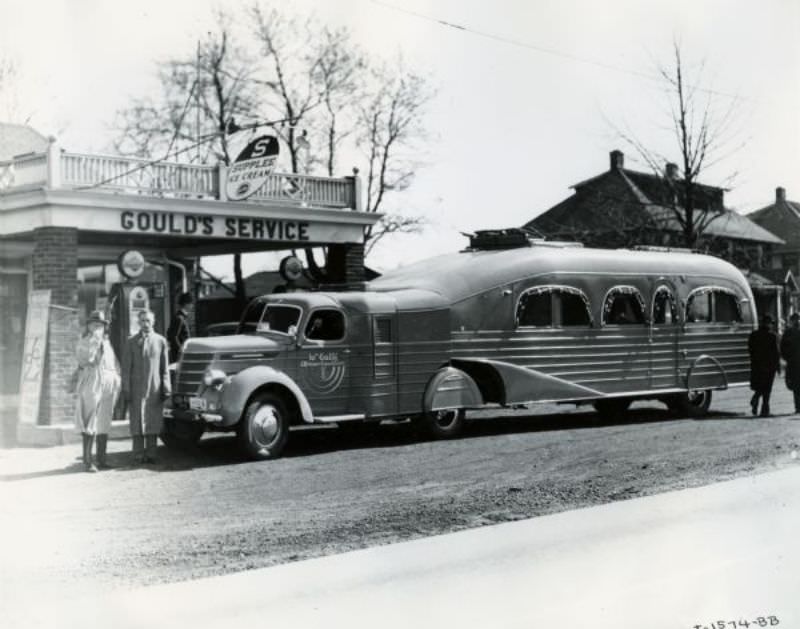
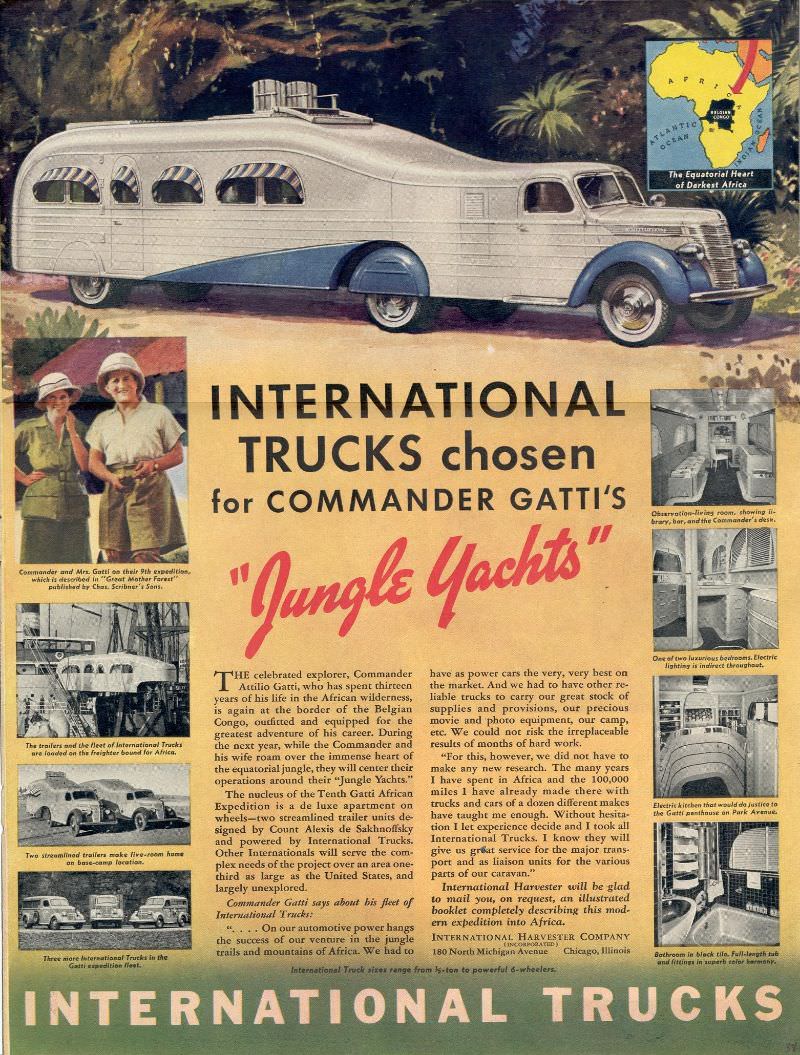
Not everyone building on wheels was doing it out of hardship. Commander Attilio Gatti had a completely different use in mind — he commissioned a massive, fully outfitted mobile expedition vehicle he called the “Jungle Yacht” for his African Congo expeditions. It was a deluxe rolling apartment built to survive the wilderness, a stark contrast to the Depression-era trailers parked in dusty camps across America.
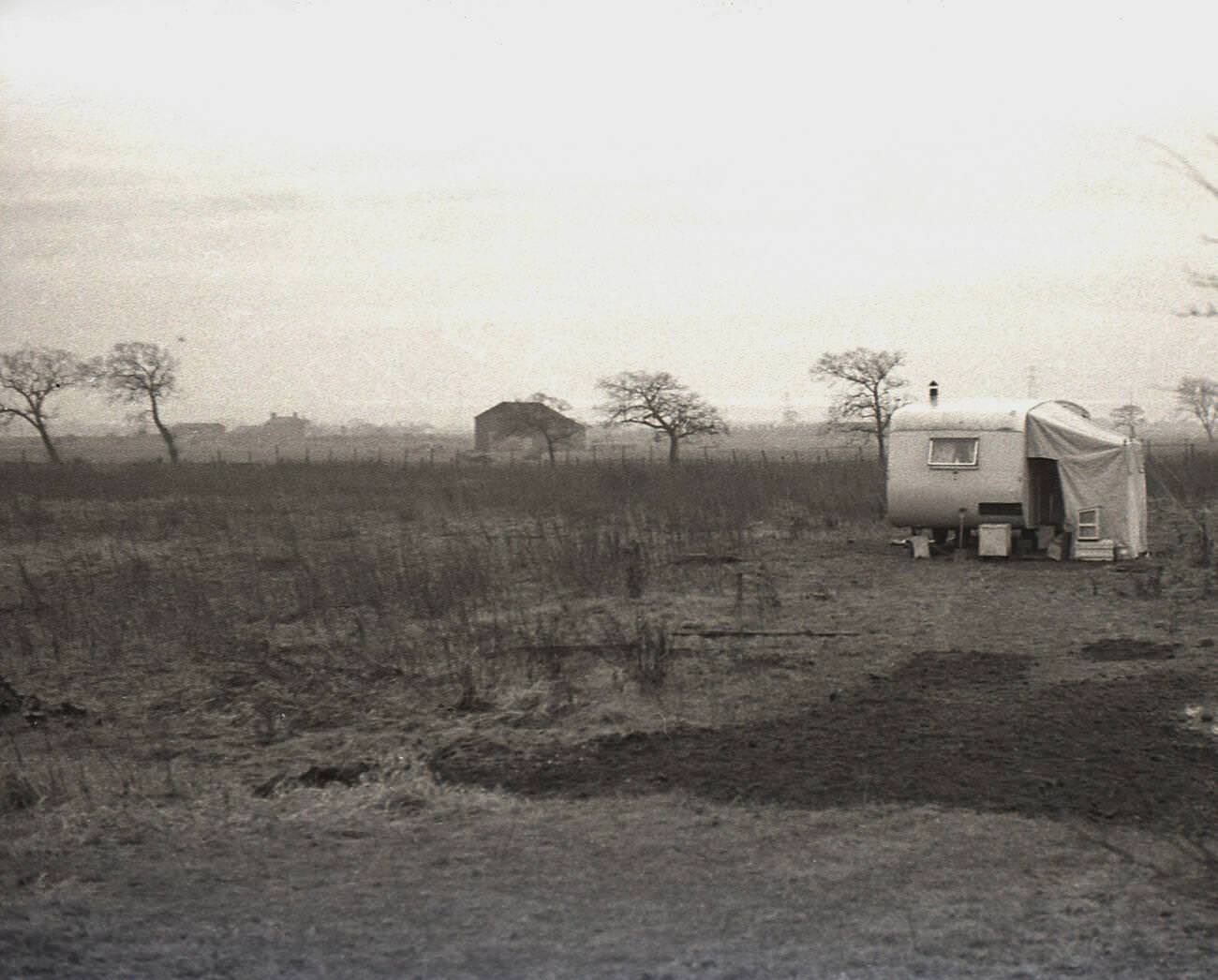
Trailer parks — also called trailer courts — emerged during the 1930s as a direct response to the growing number of people living in their vehicles full time. These parks offered basic shared services: water hookups, communal toilets, and sometimes electricity. They gave residents a fixed address and a neighbor. The stigma that would later attach to trailer park living had not yet fully formed; in the 1930s, these communities were often seen as practical, even innovative solutions to a housing crisis.
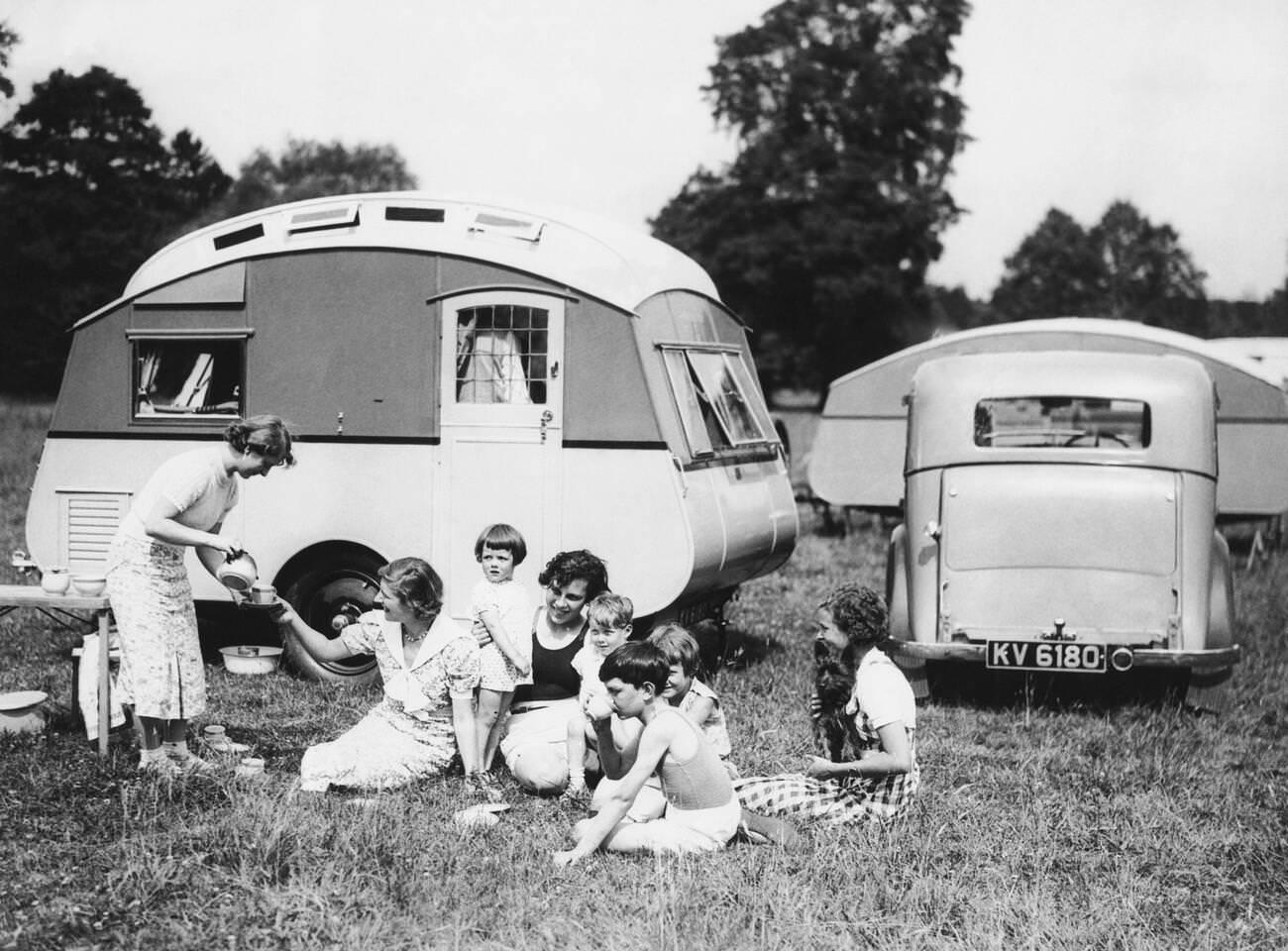
In England, caravan rallies became a popular leisure activity during the 1930s. Owners would gather at arranged sites, show off their rigs, and socialize. This was mobile living as recreation rather than necessity — a distinctly different tradition from the American trailer camp scene, though both were growing at the same time.
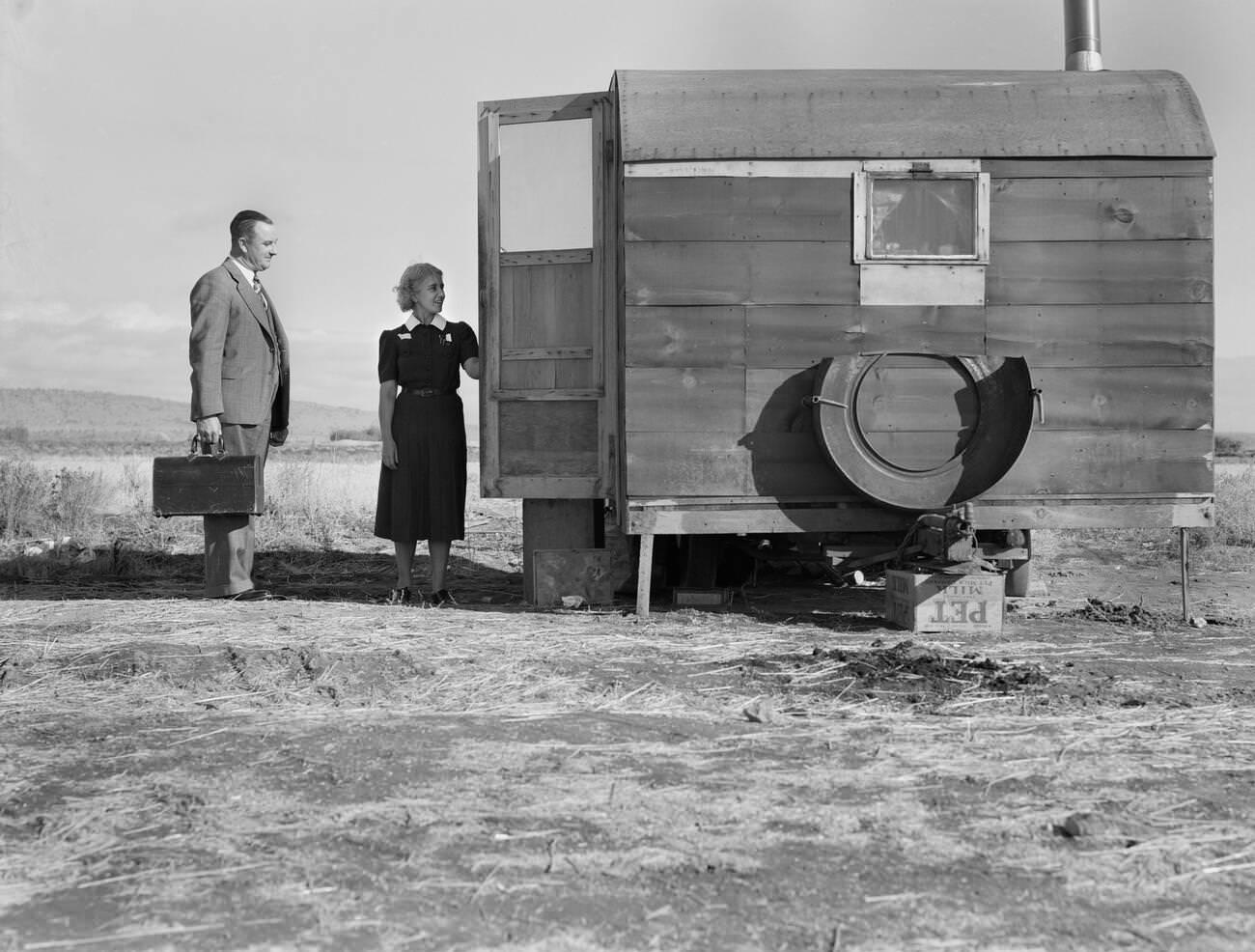
By 1939, mobile homes had become common enough that government agencies took notice. The Farm Security Administration set up mobile camps for migrant agricultural workers in Oregon, complete with on-site medical visits from doctors and nurses. These camps acknowledged that mobile housing was no longer a fringe phenomenon — it was a real and widespread form of shelter for working Americans.
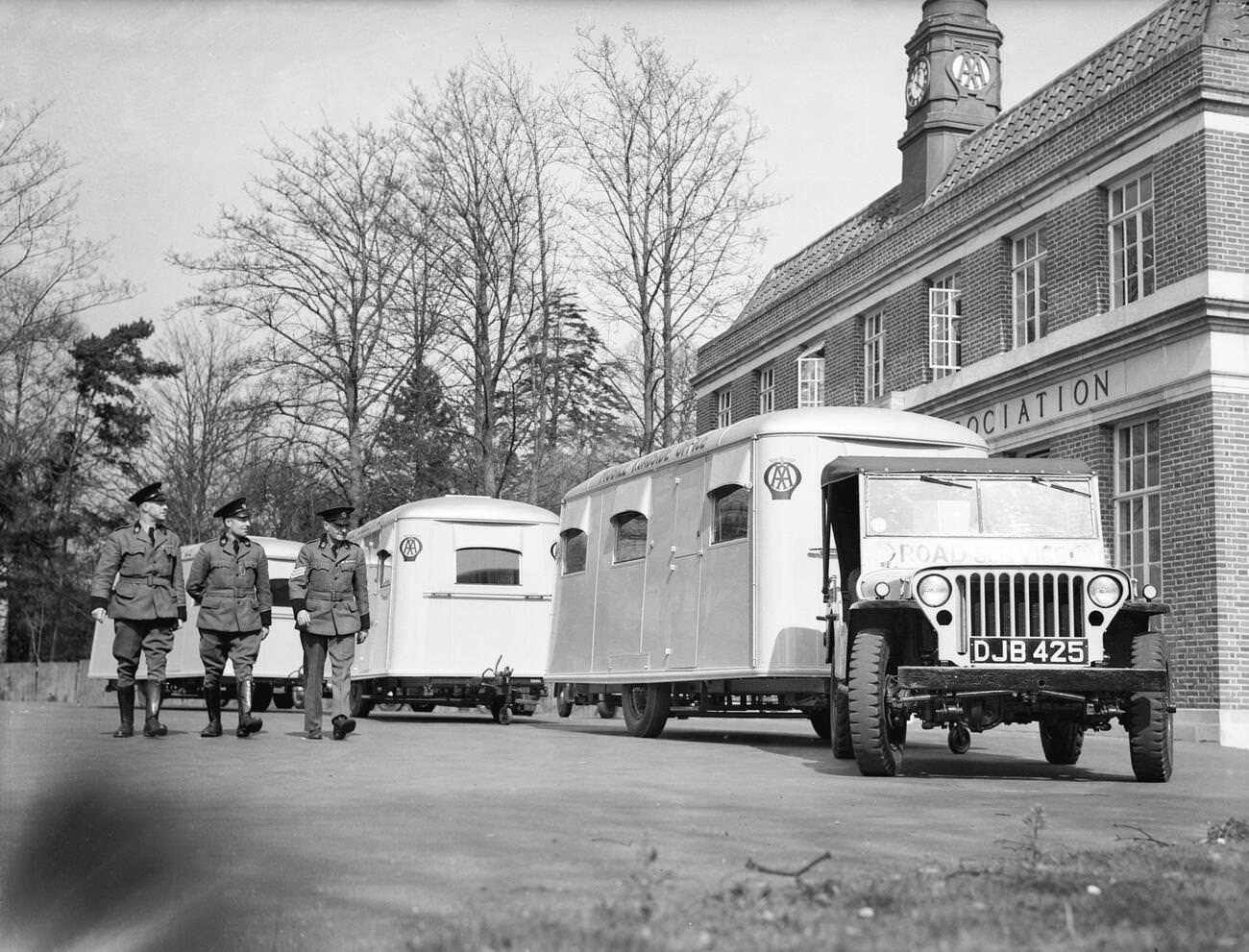
World War II ended in 1945, and the housing shortage that followed pushed mobile homes into a new phase. Returning veterans needed affordable places to live quickly, and the mobile home industry scaled up fast. Manufacturers moved away from plywood and canvas and began using aluminum, which was lighter, stronger, and far more weather-resistant. These postwar models had separate bedrooms, full kitchens, and bathrooms with real plumbing — something unthinkable in the homemade rigs of the 1920s.
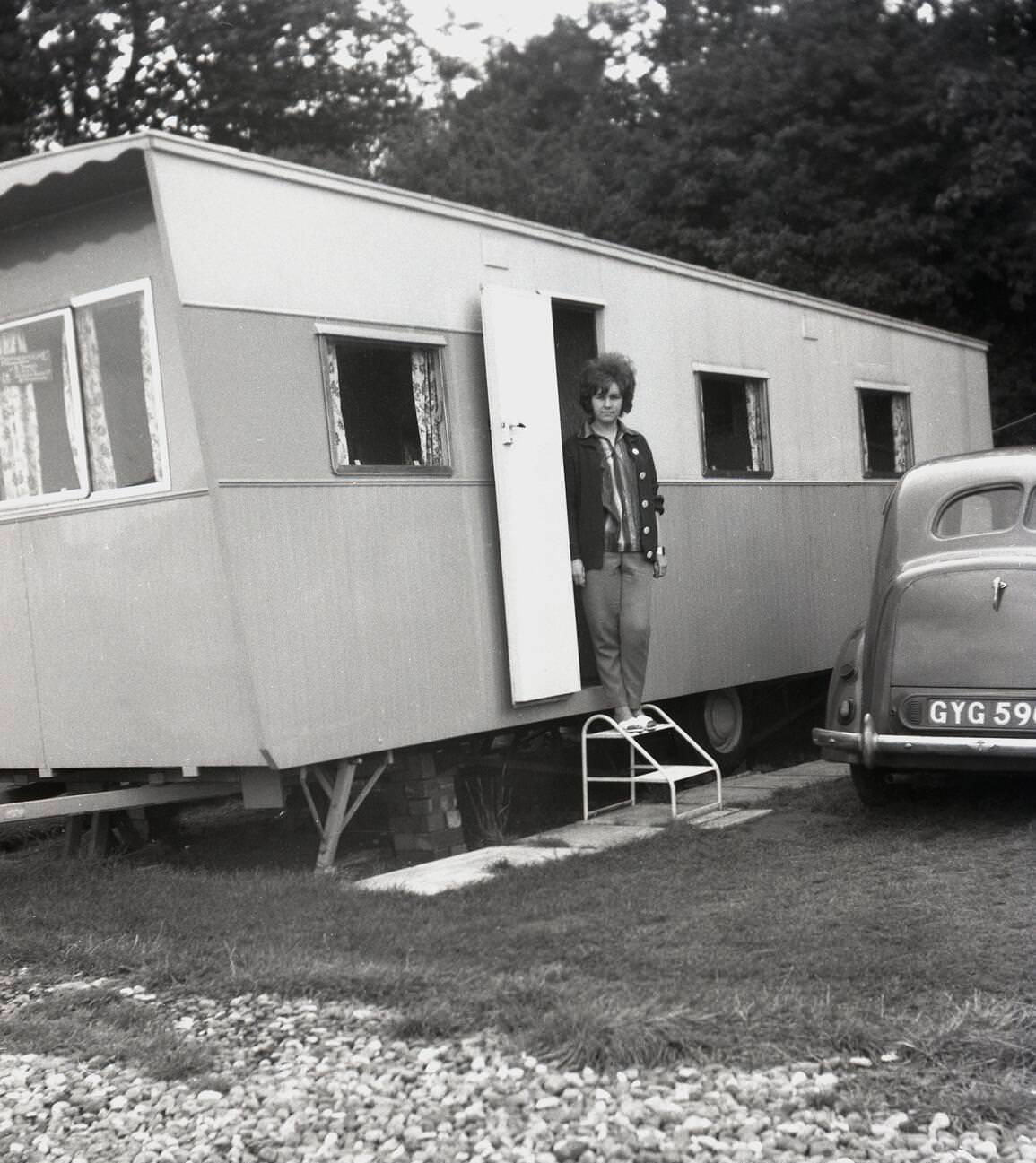
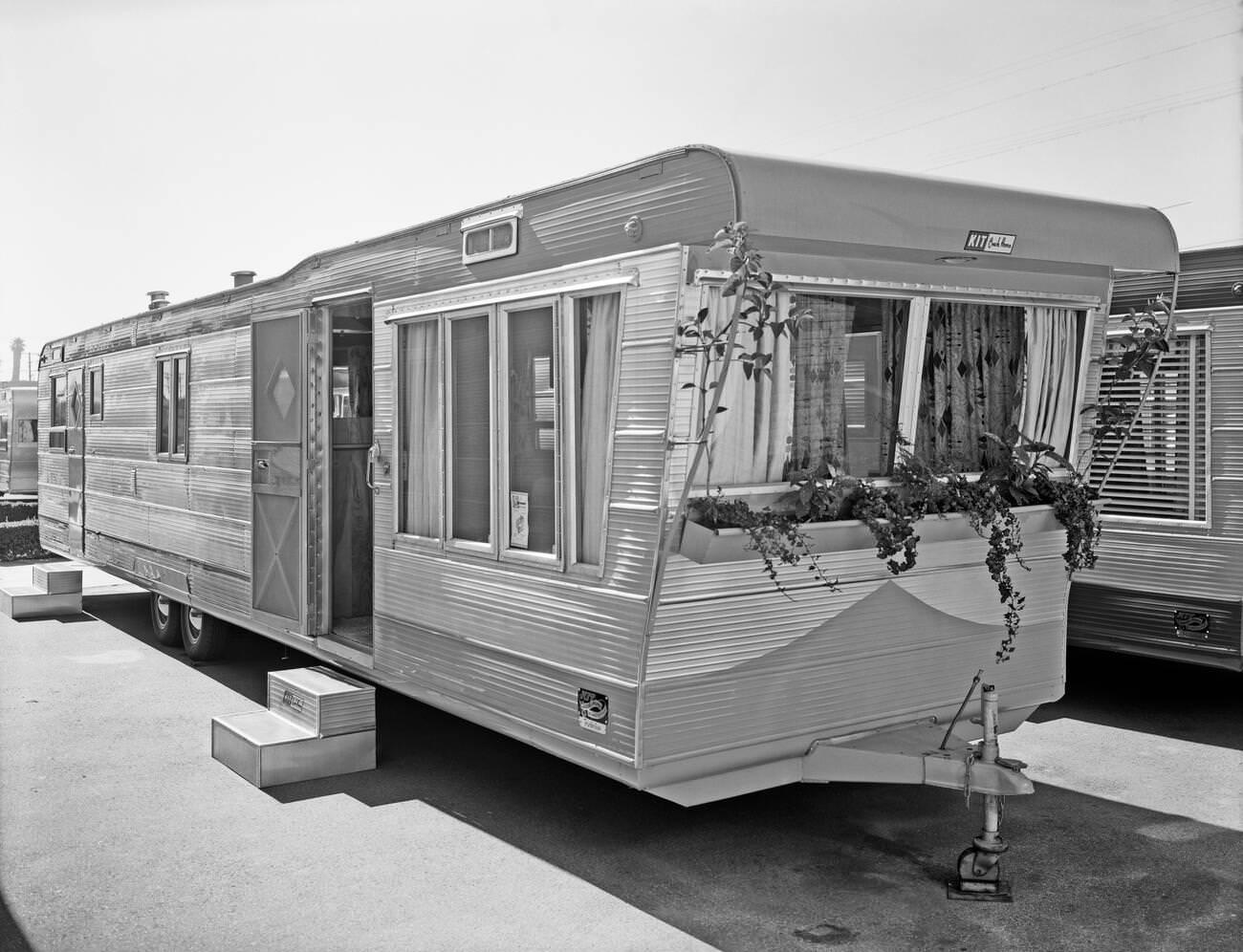
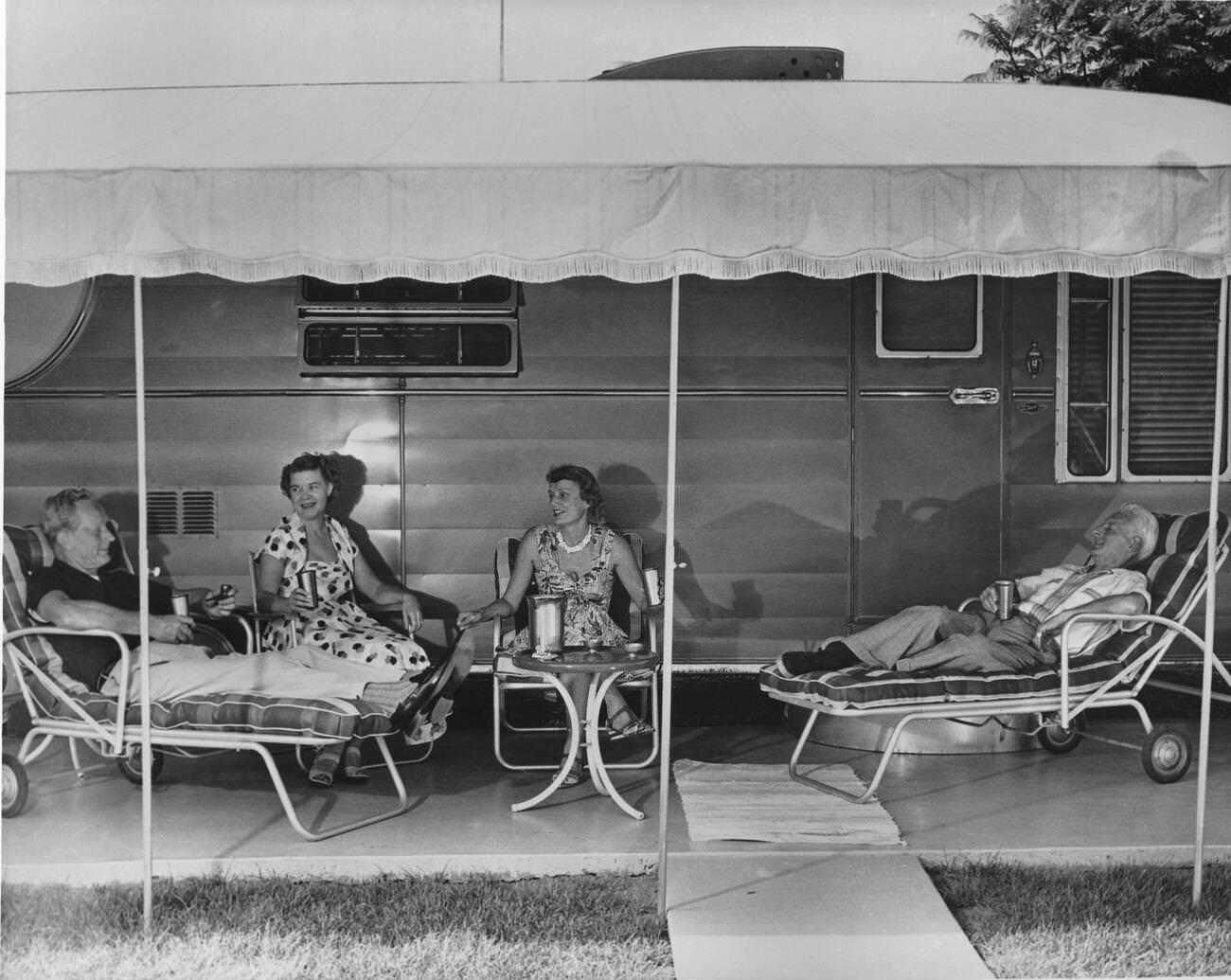
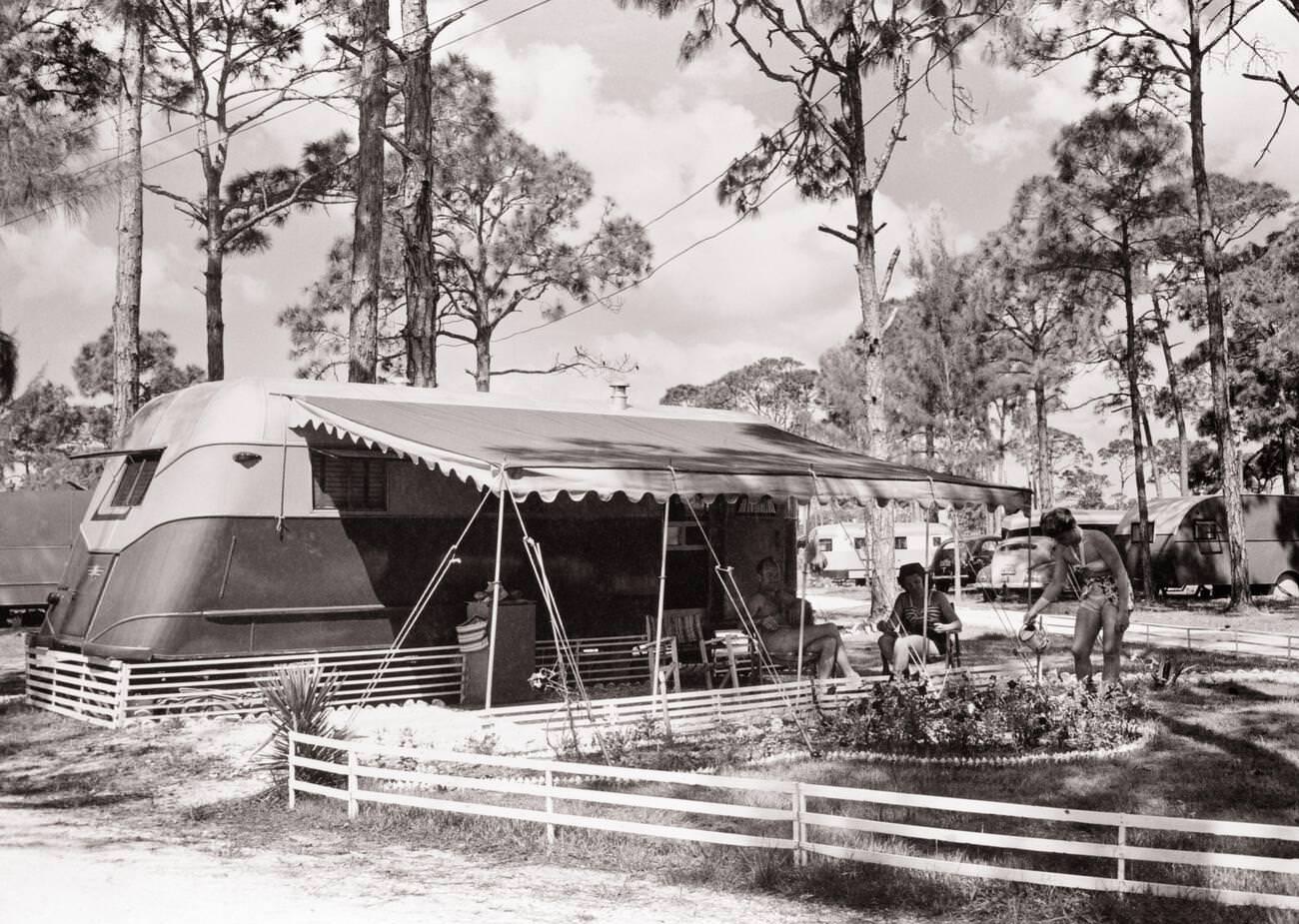
The 1950s were a boom decade for the mobile home industry. Factory production brought costs down, and a growing middle class had both the income to buy and the optimism to embrace the freedom of mobile living. Trailer parks expanded into full communities, complete with landscaping and paved streets. The family sitting outside under an awning, or relaxing on a small porch added to the front of their home, became a common American image.
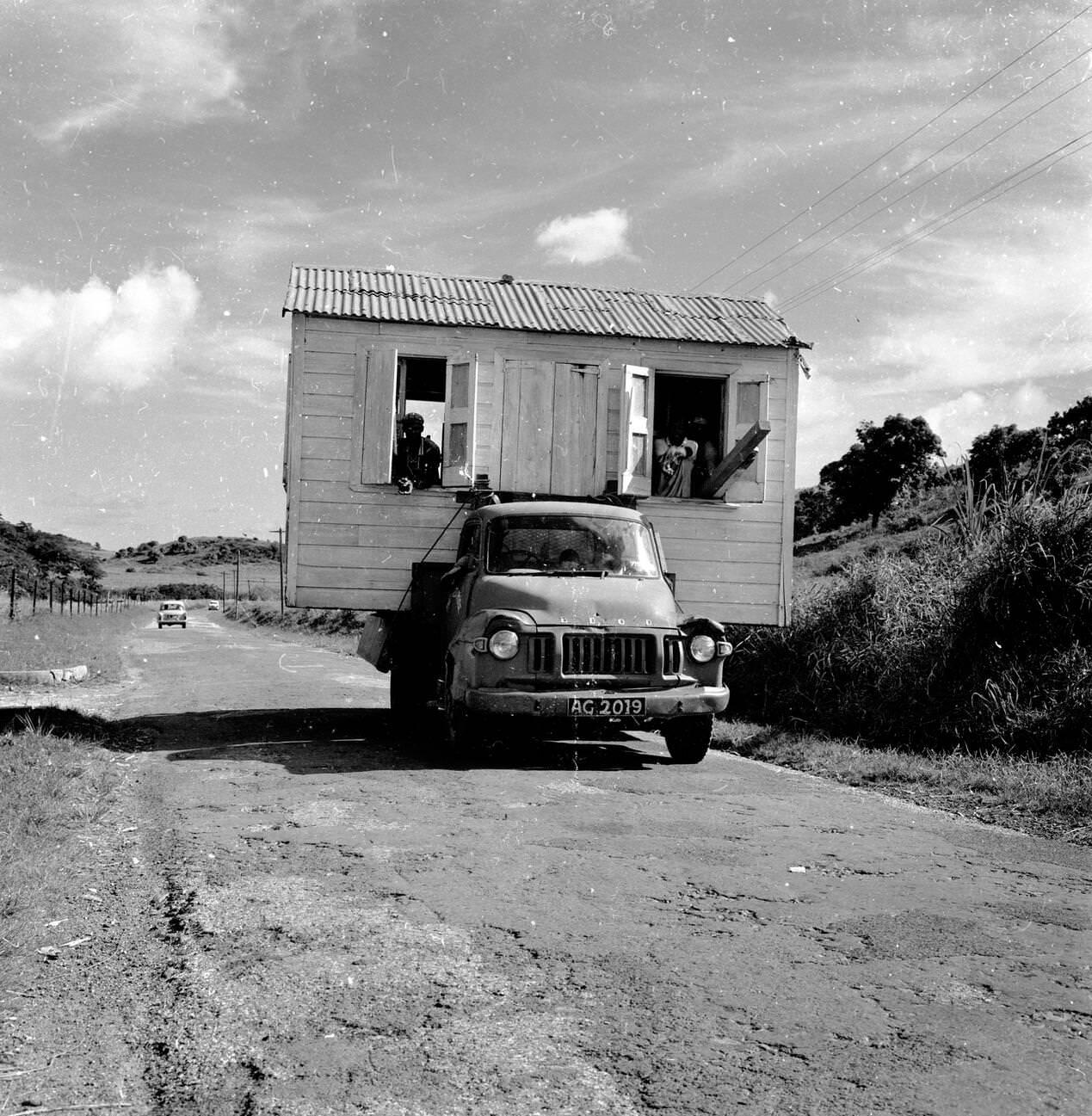
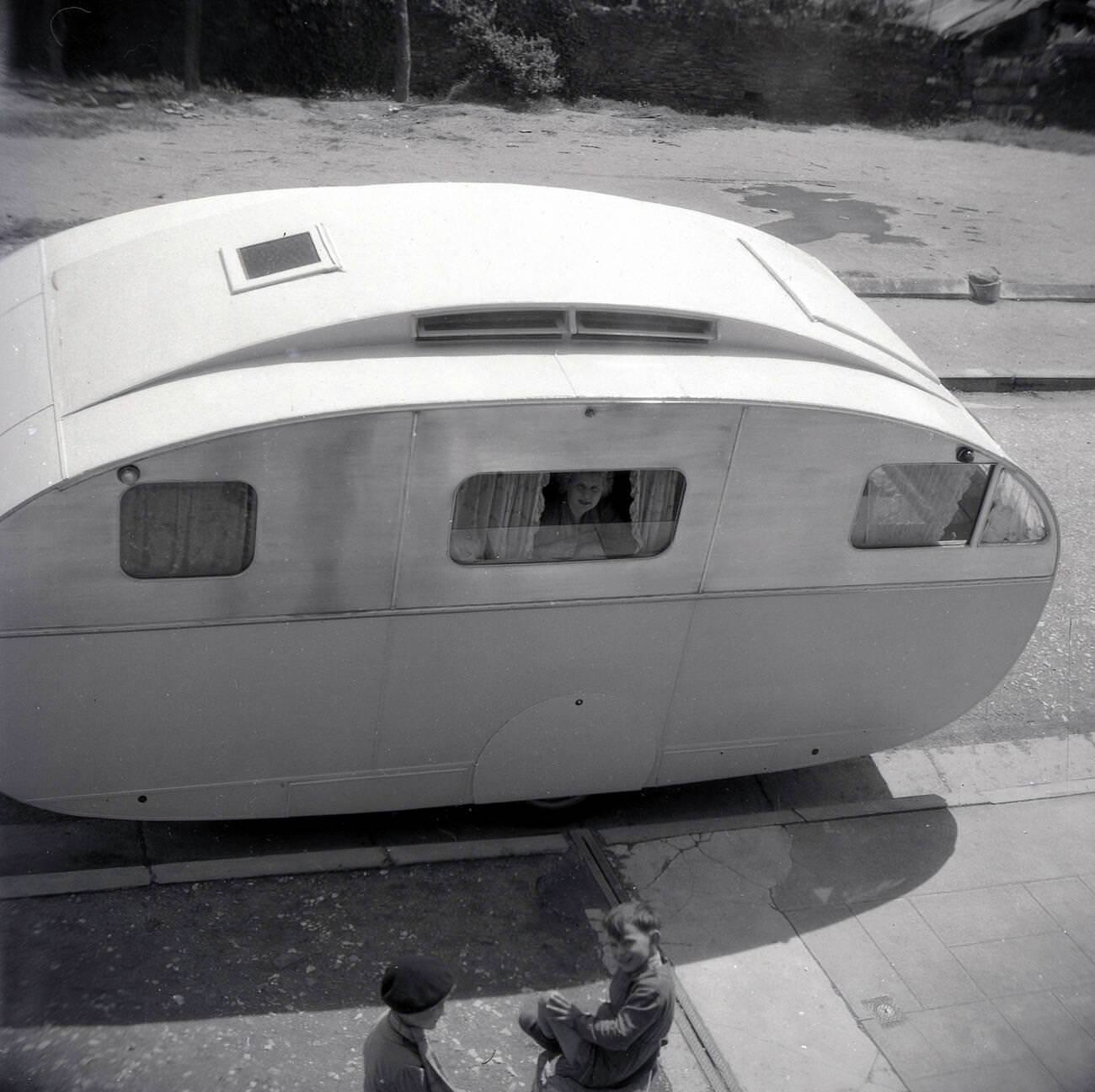
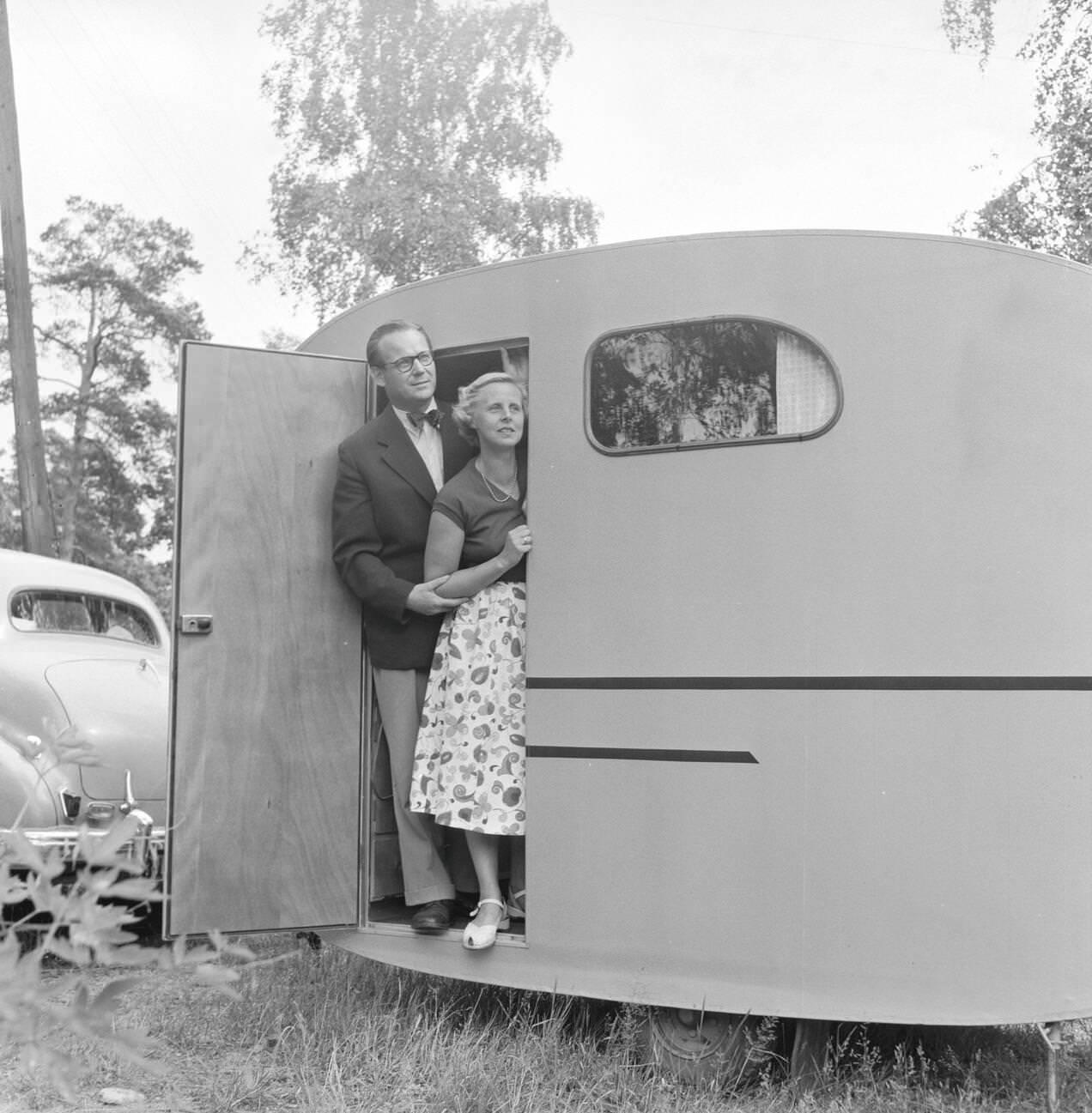
In Sweden, as in much of postwar Western Europe, the caravan became a symbol of modest prosperity. Families who couldn’t afford a second home used a caravan as a summer retreat. The Hesser family’s caravan, photographed in July 1953, represents that widespread European tradition — practical, personal, and deeply tied to the seasonal rhythms of life.
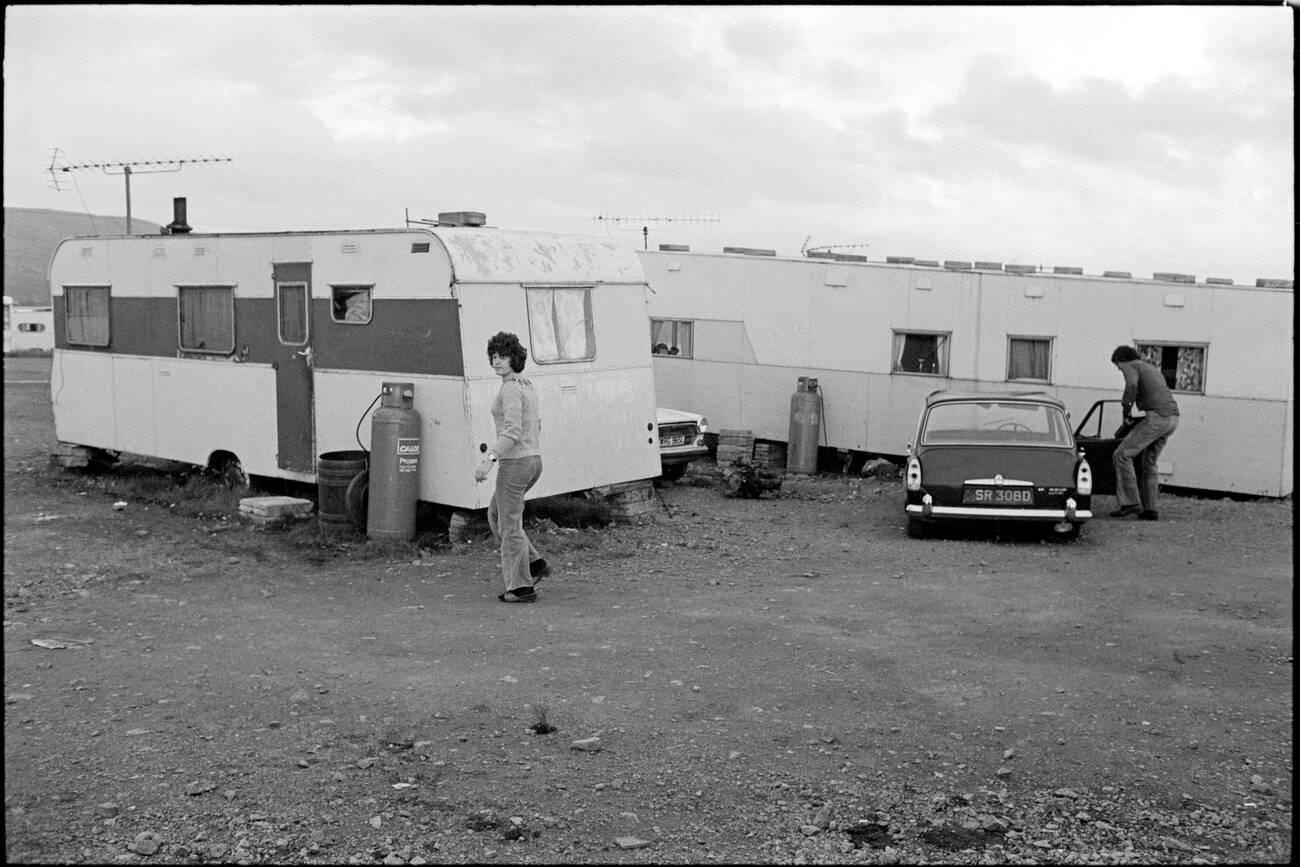
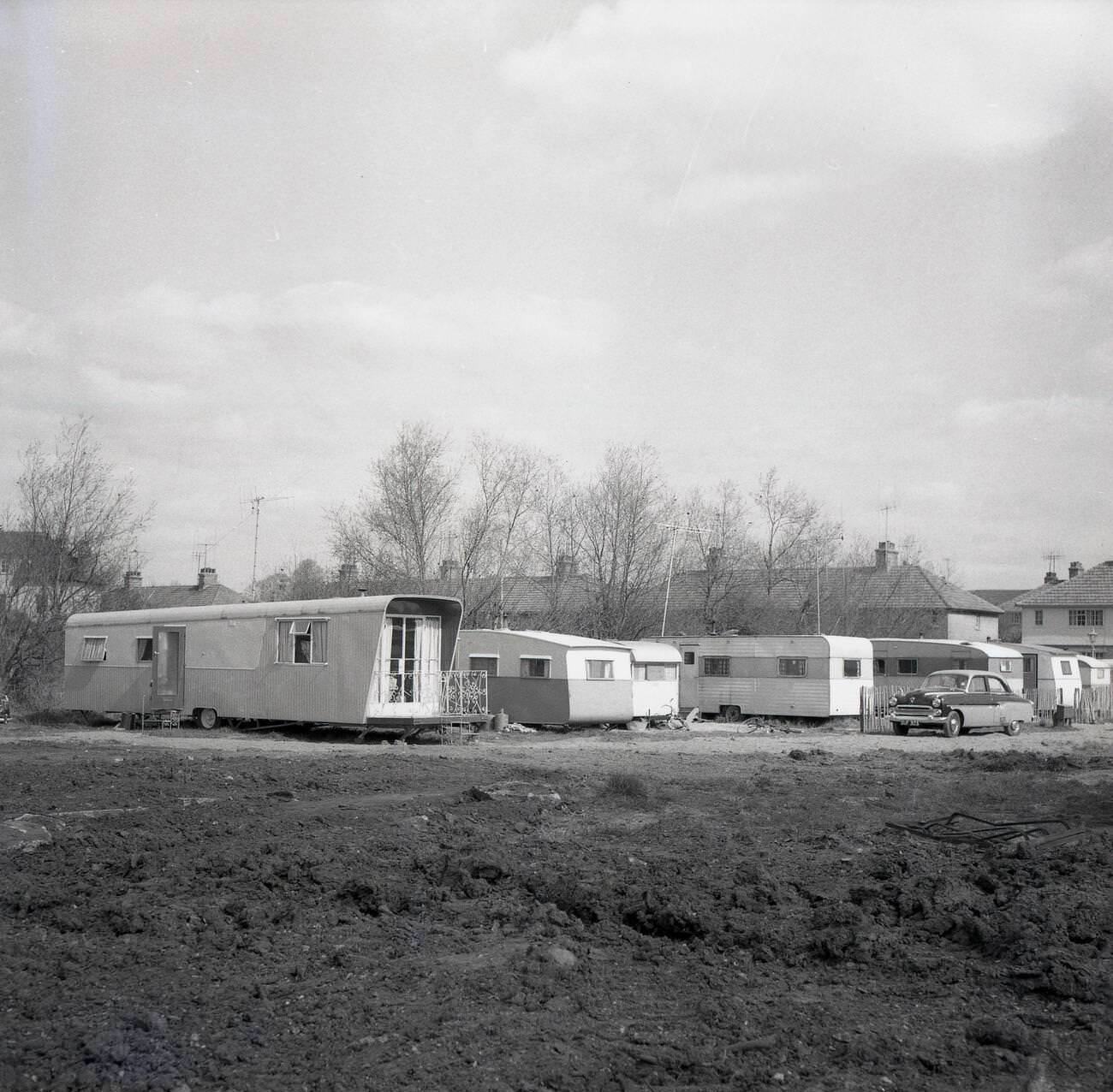
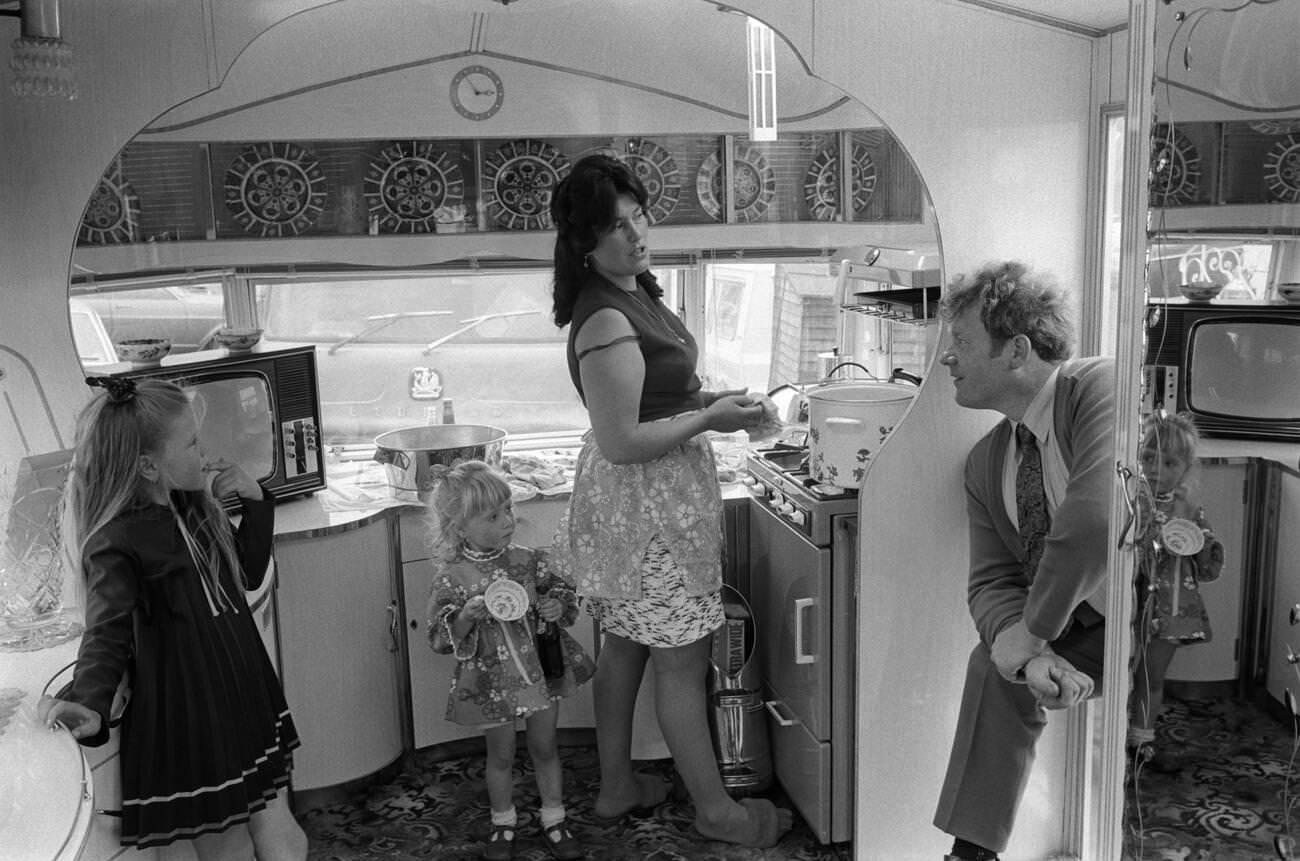
The 1960s saw mobile homes grow larger and more socially accepted. Double-wide models appeared, created by joining two units together to produce living spaces that genuinely competed with traditionally built houses in square footage. Separate bedrooms, multiple bathrooms, and open-plan living areas became standard features. In Oxford, England, long caravans were pressed into service as semi-permanent residences, a practice that spread across Britain as housing demand outpaced supply.
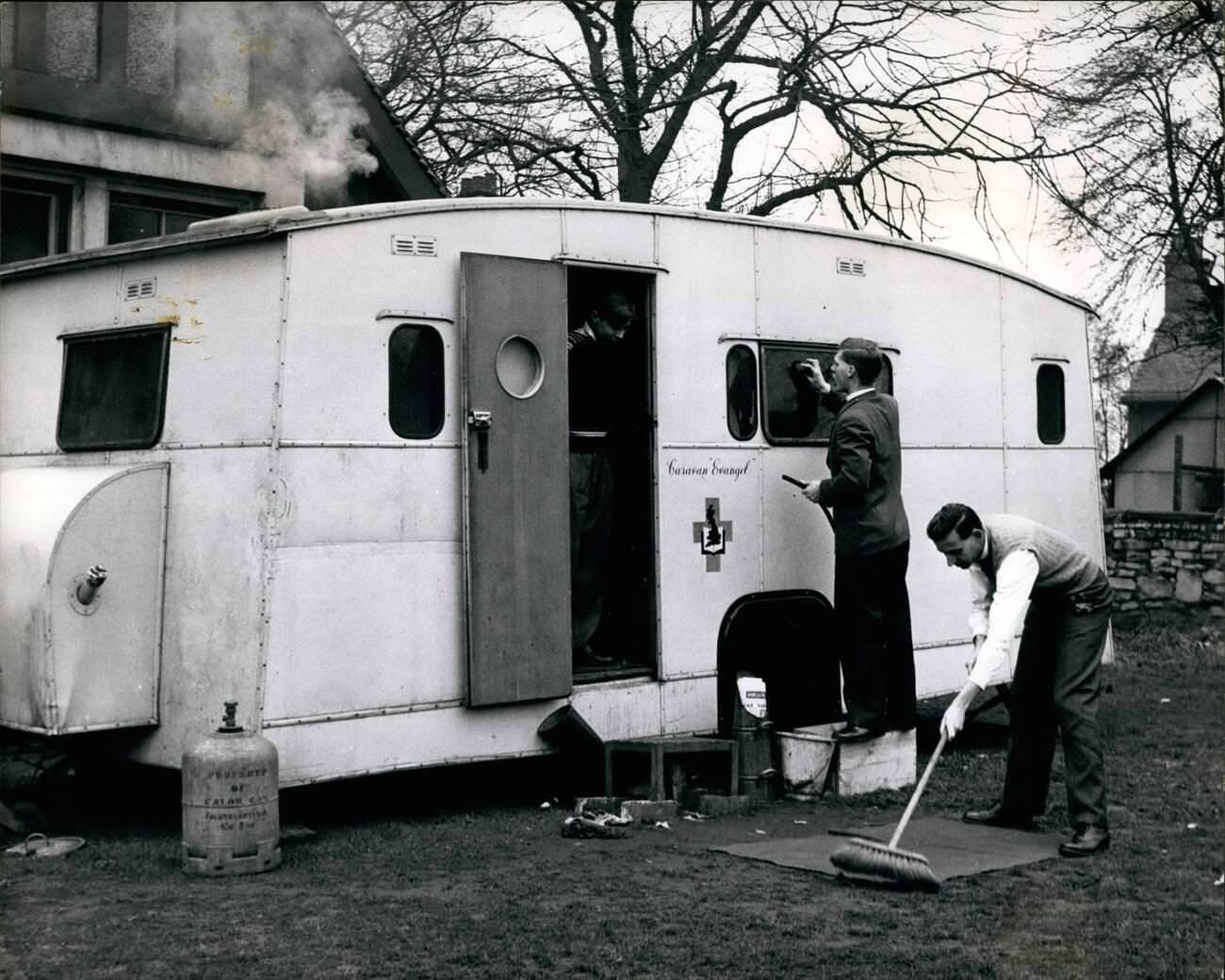
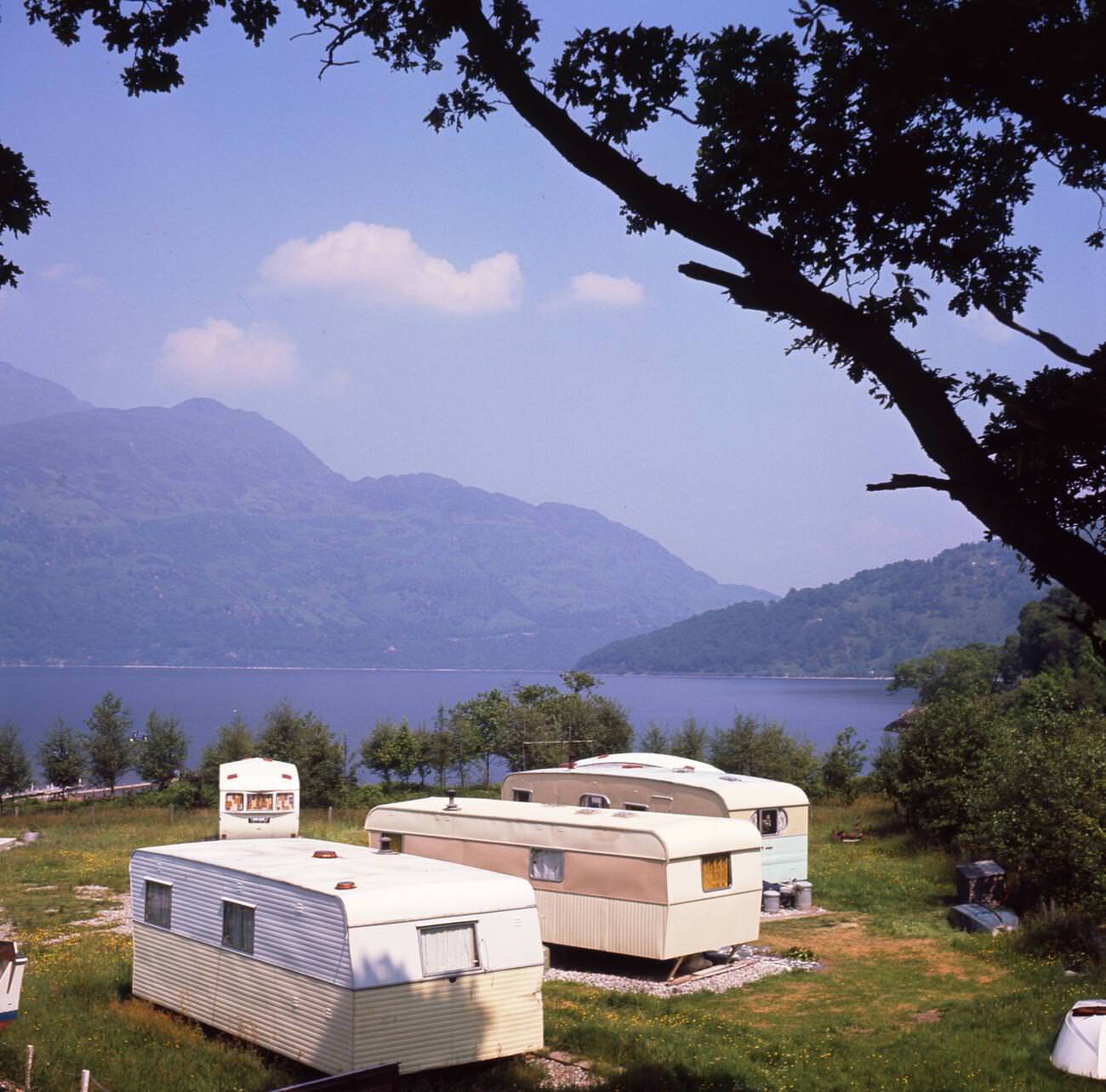
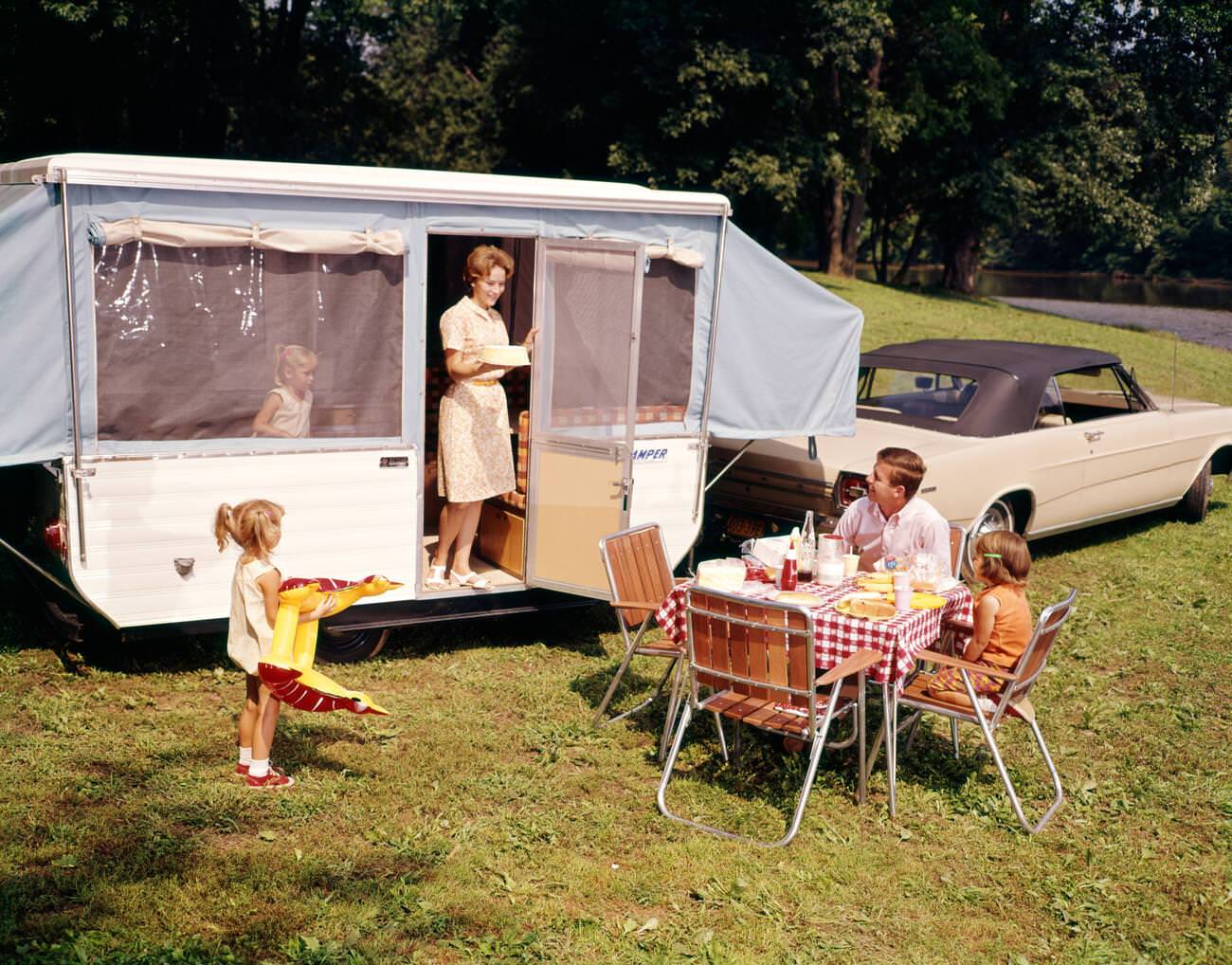
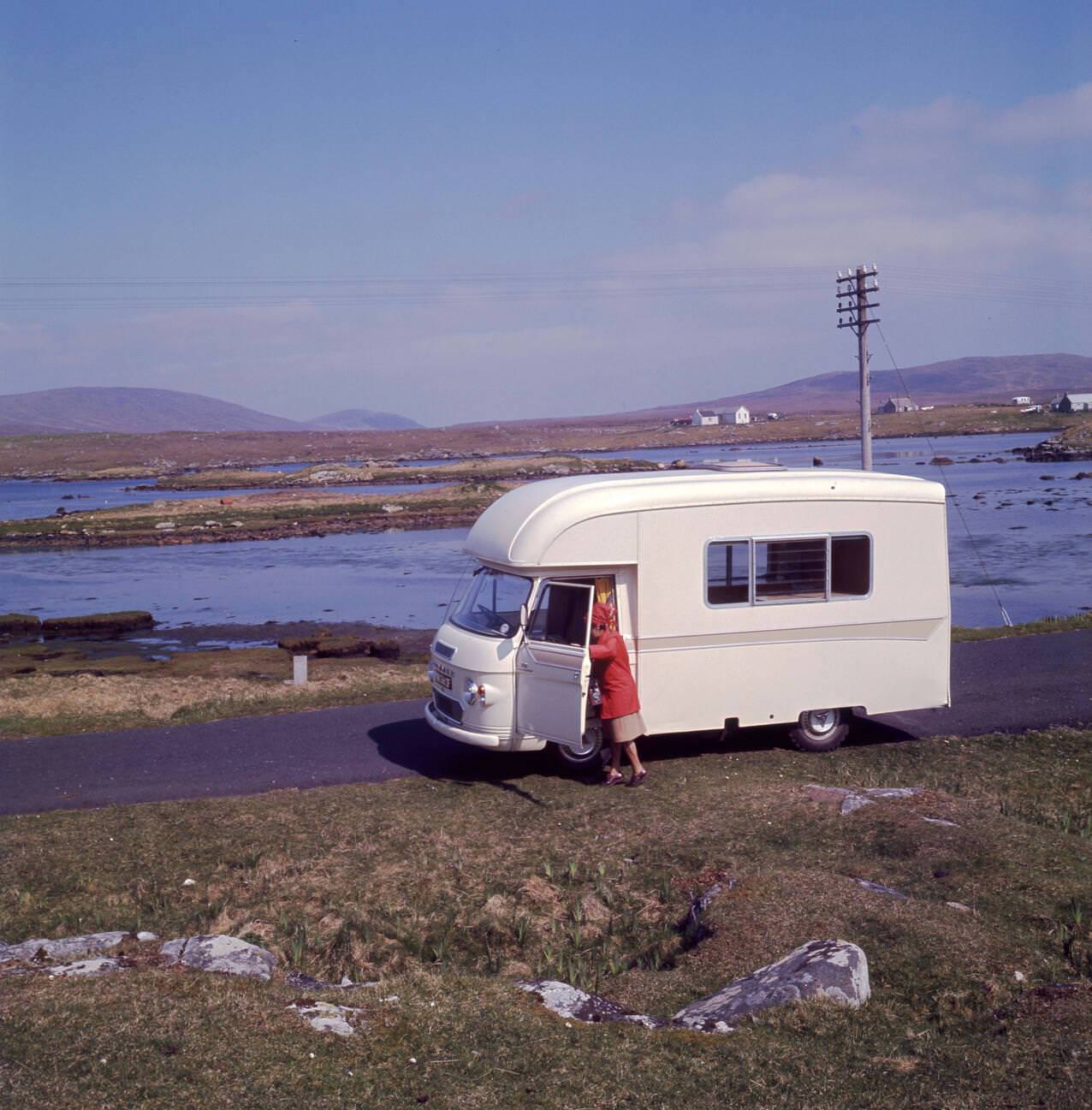
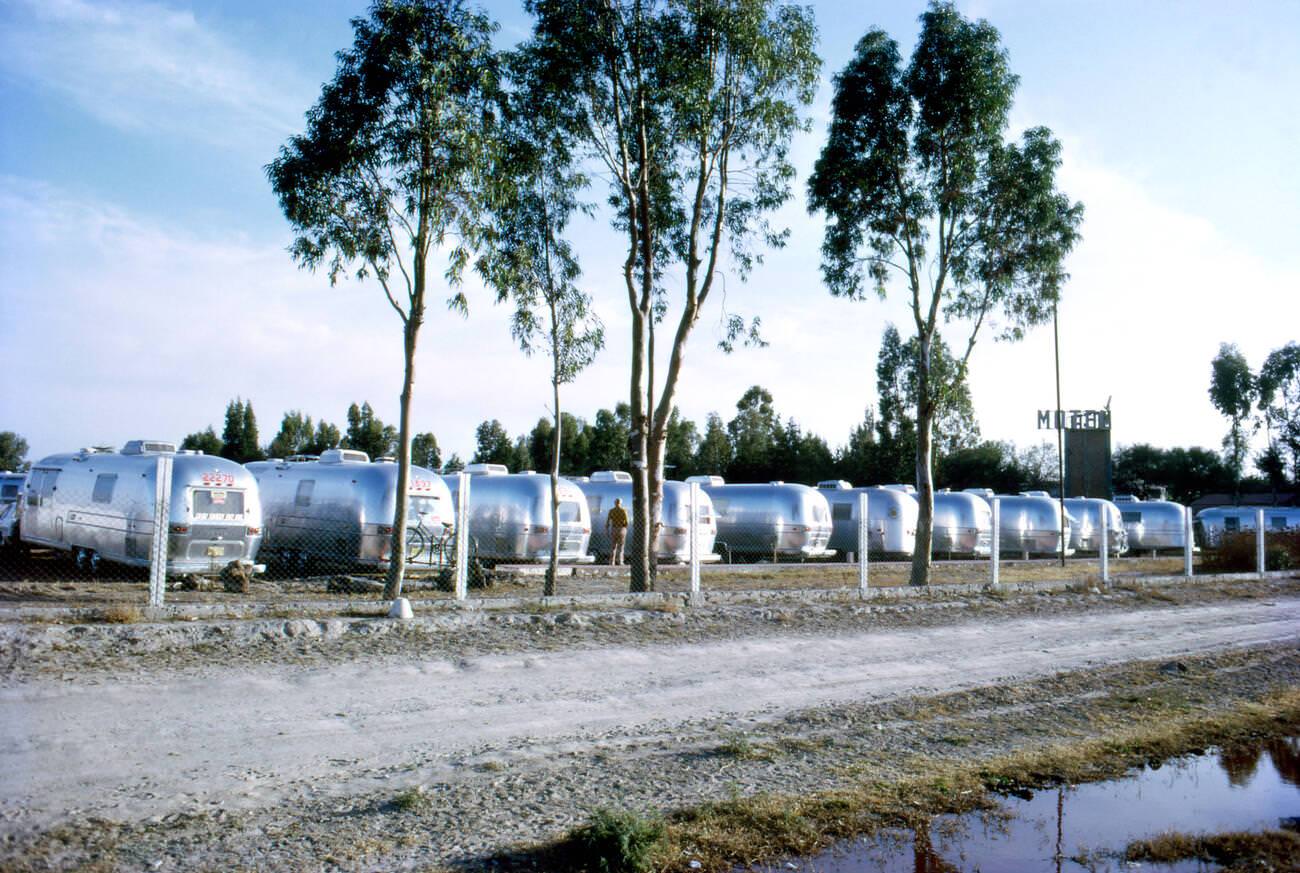
In 1974, the U.S. Department of Housing and Urban Development passed the Mobile Home Construction and Safety Act, which established federal building codes for the first time. Before this legislation, quality varied wildly between manufacturers. The new standards forced the industry to build safer, more durable homes and gave buyers a basic level of protection they had never had before. The 1970s also produced some of the most iconic images of mobile living — rows of polished Airstream trailers gleaming in Texas parking lots, and solitary campervans parked beside Scottish lochs.
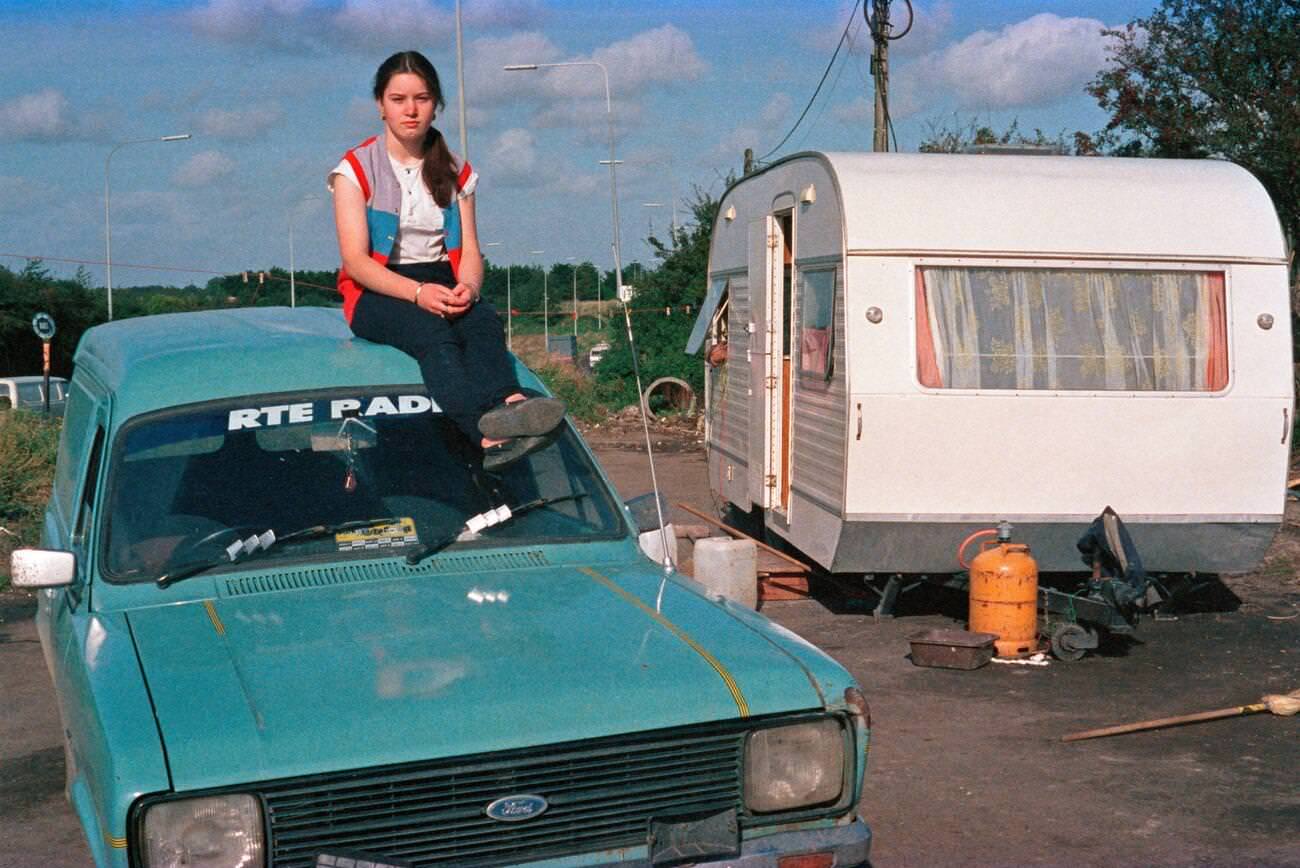
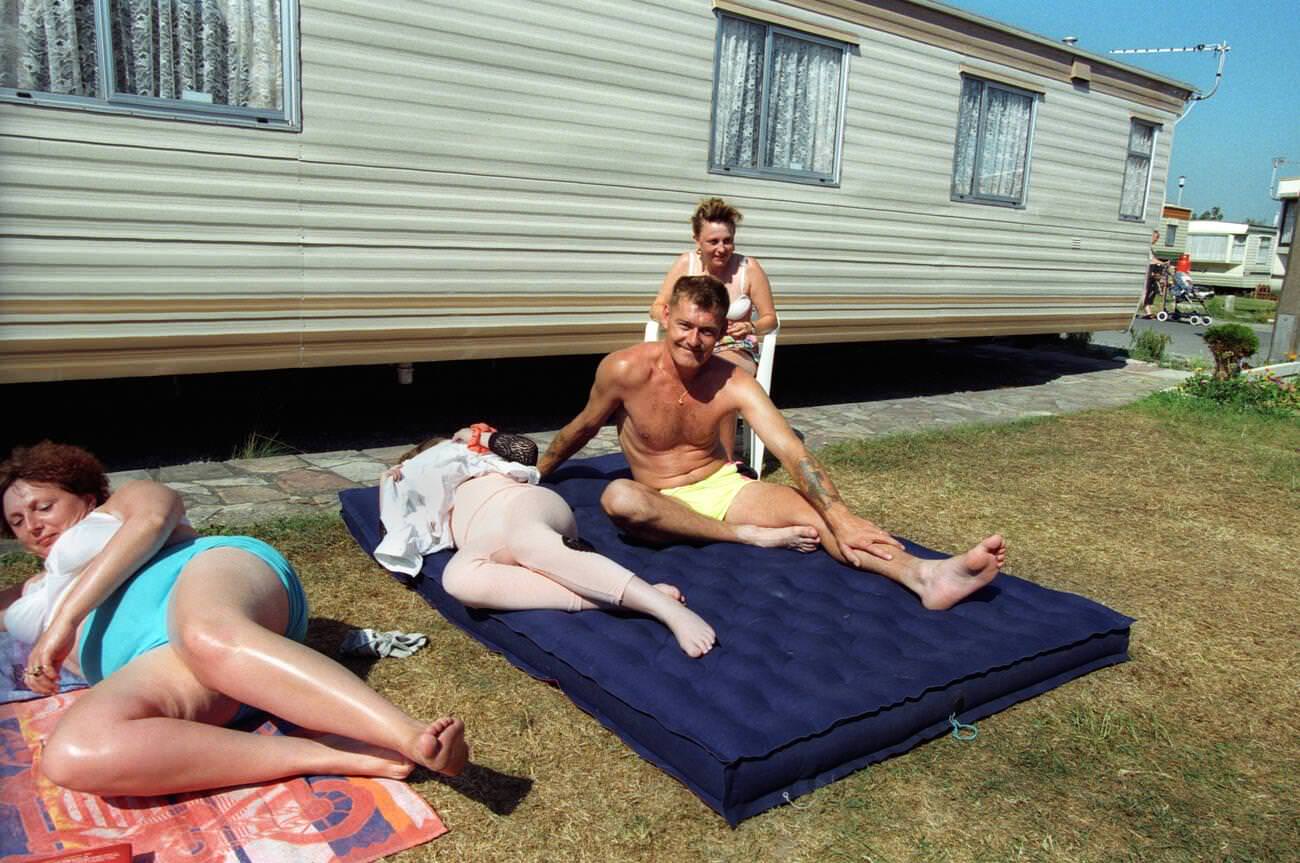
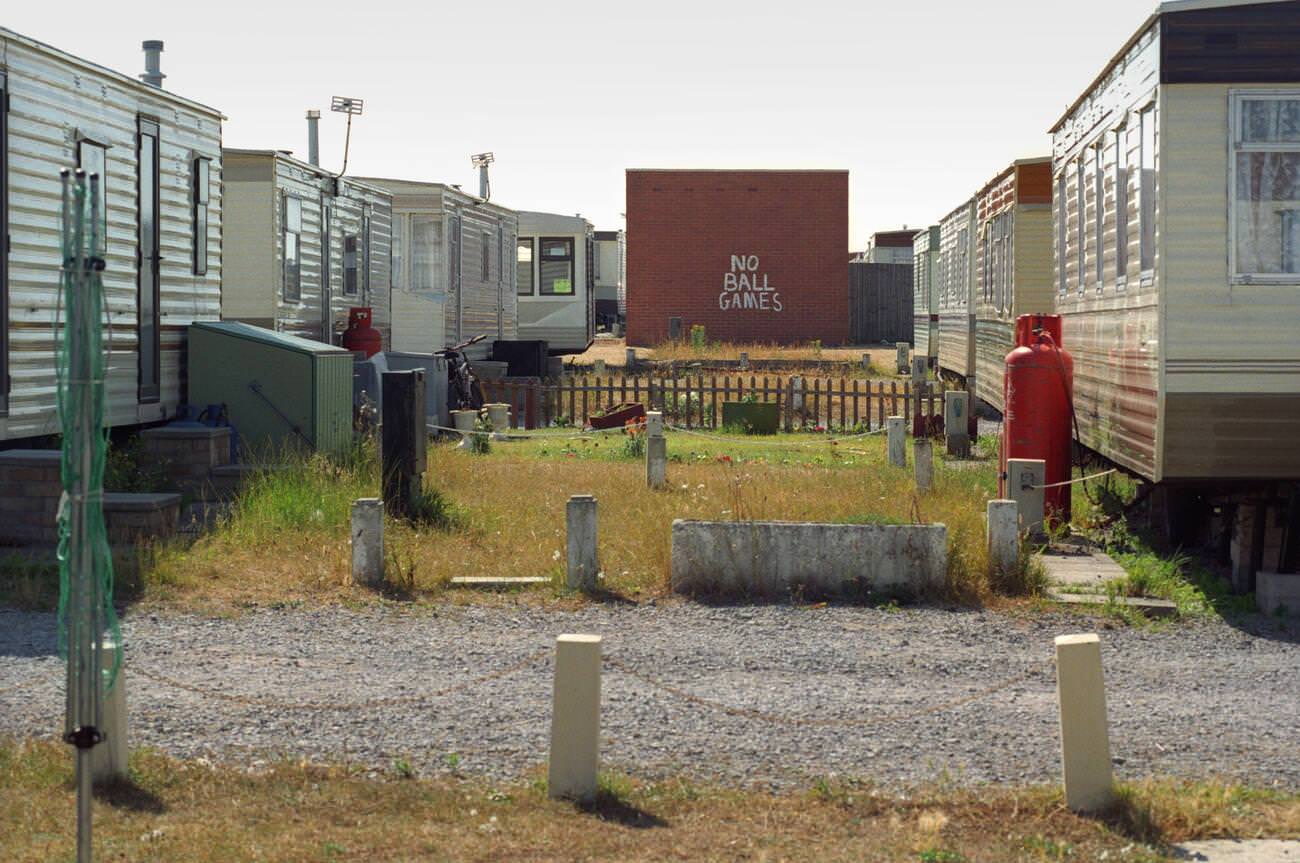
The 1980s and 1990s brought the term “manufactured home” into common use, deliberately replacing “mobile home” to signal a shift in the industry’s identity. These homes were increasingly designed to stay put. They were placed on private land or in planned communities, connected to utilities, and finished with features like cathedral ceilings, skylights, and hardwood floors. By the 1990s, granite countertops and high-end fixtures were available options. The homes still left the factory on a chassis, but many of them never moved again.