Every year at the Texas State Fair, amid the food stalls and livestock exhibits, the Texas Pecan Growers Association hosted one of its most eye-catching traditions: the Miss Pecan Nuts beauty pageant. The 1972 edition drew young women from across the Lone Star State, all competing for a title that blended Texas agriculture with the pageant culture of the era.
To enter, contestants had to be Texas residents between the ages of 18 and 25. The competition was open to any qualifying young woman who wanted to represent one of the state’s most important agricultural products. Pecans have long been a major crop in Texas, and the association used the pageant as a way to put a public face on the industry.
Judges scored contestants on three main criteria: physical appearance, poise, and speaking ability. There were no talent rounds or interview panels in the modern sense. The format was straightforward and traditional, reflecting how most agricultural fair pageants operated during that period.
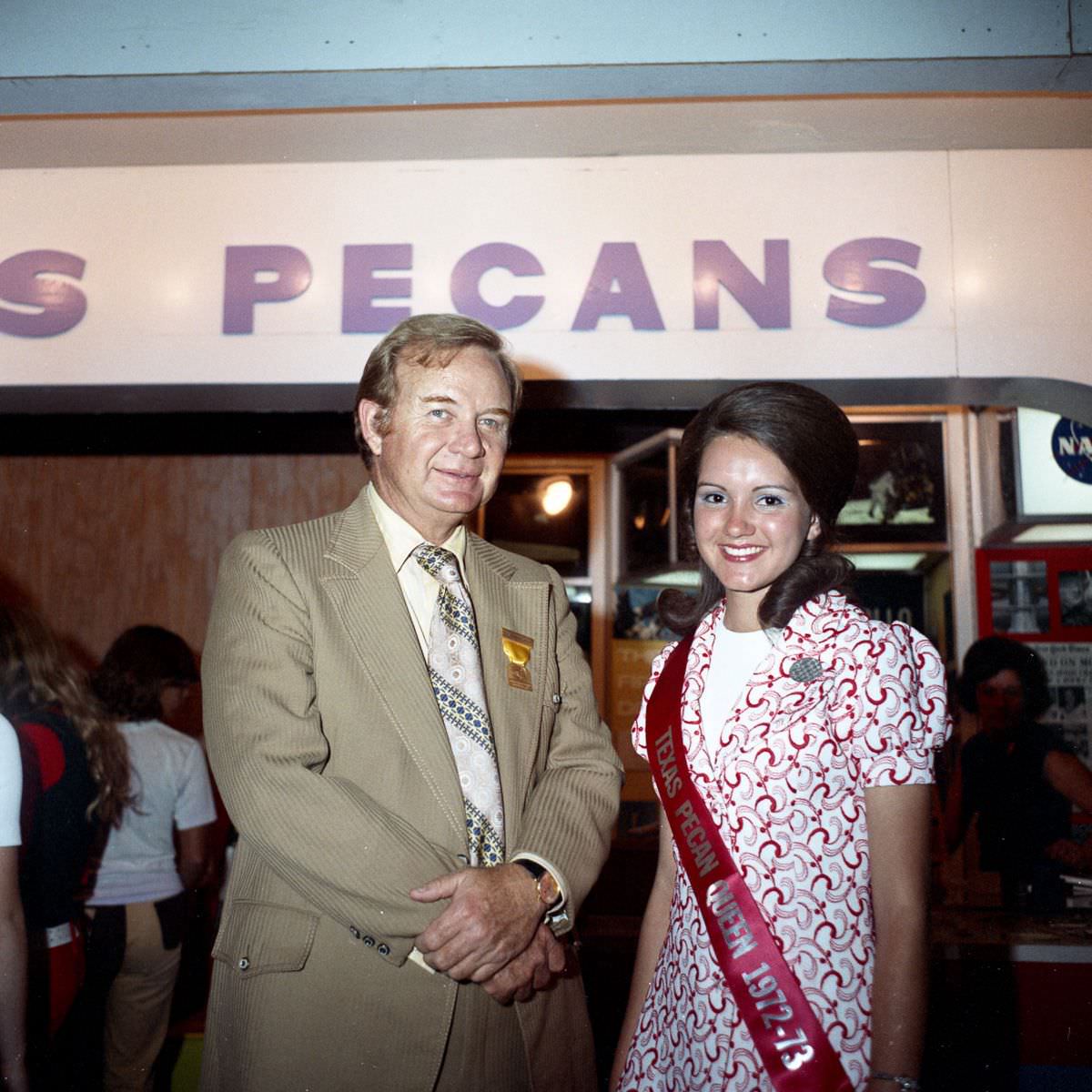
The woman crowned Miss Pecan Nuts took on a real working role for the year. She represented the Texas Pecan Growers Association at events throughout the state, including parades, county fairs, and agricultural festivals. Promoting the pecan industry was a central part of the title’s responsibilities.

This kind of agricultural ambassador role was common in mid-20th century Texas. Commodity groups — from cotton to beef to pecans — regularly crowned queens to help build public awareness and goodwill around their products. The Miss Pecan Nuts title fit squarely into that tradition.
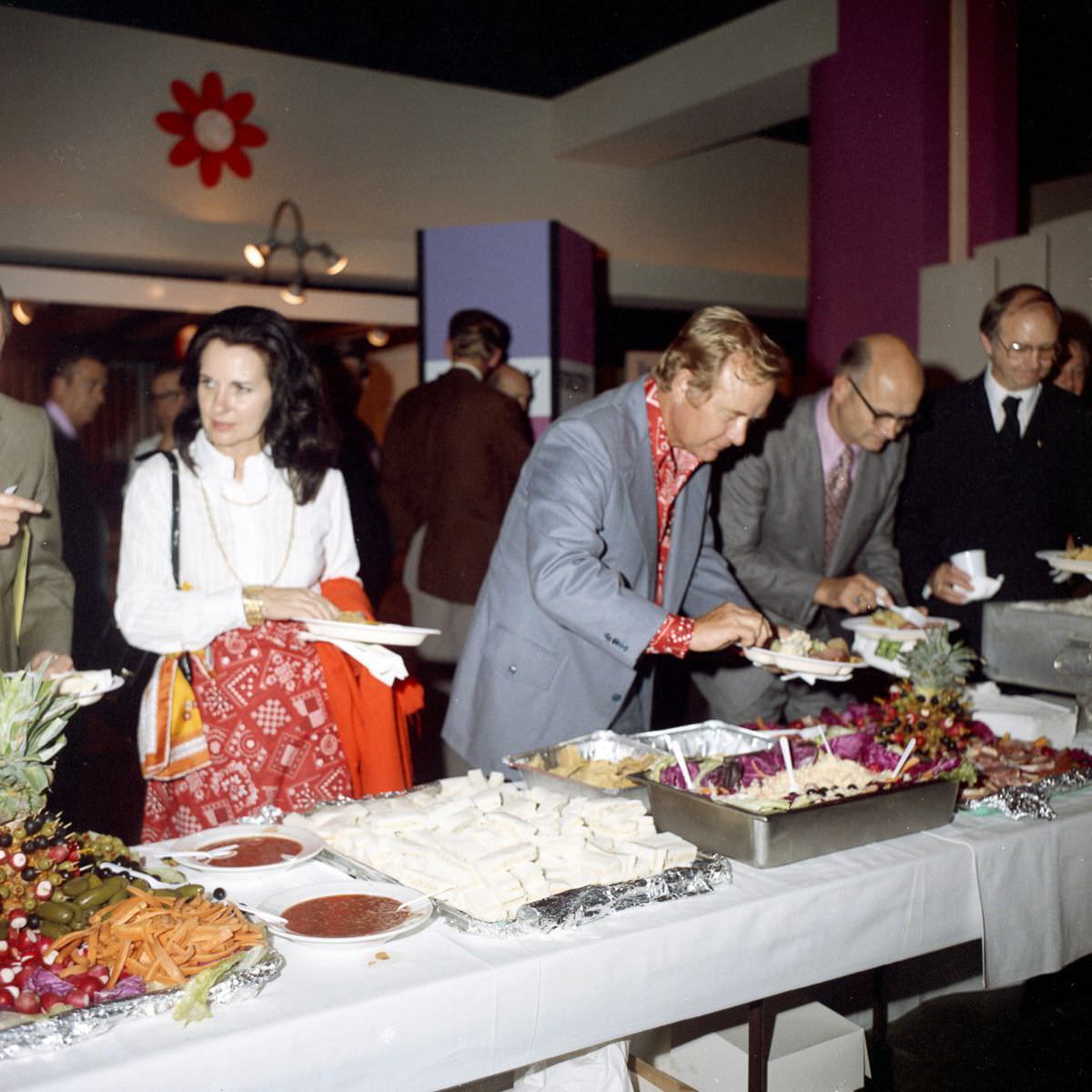
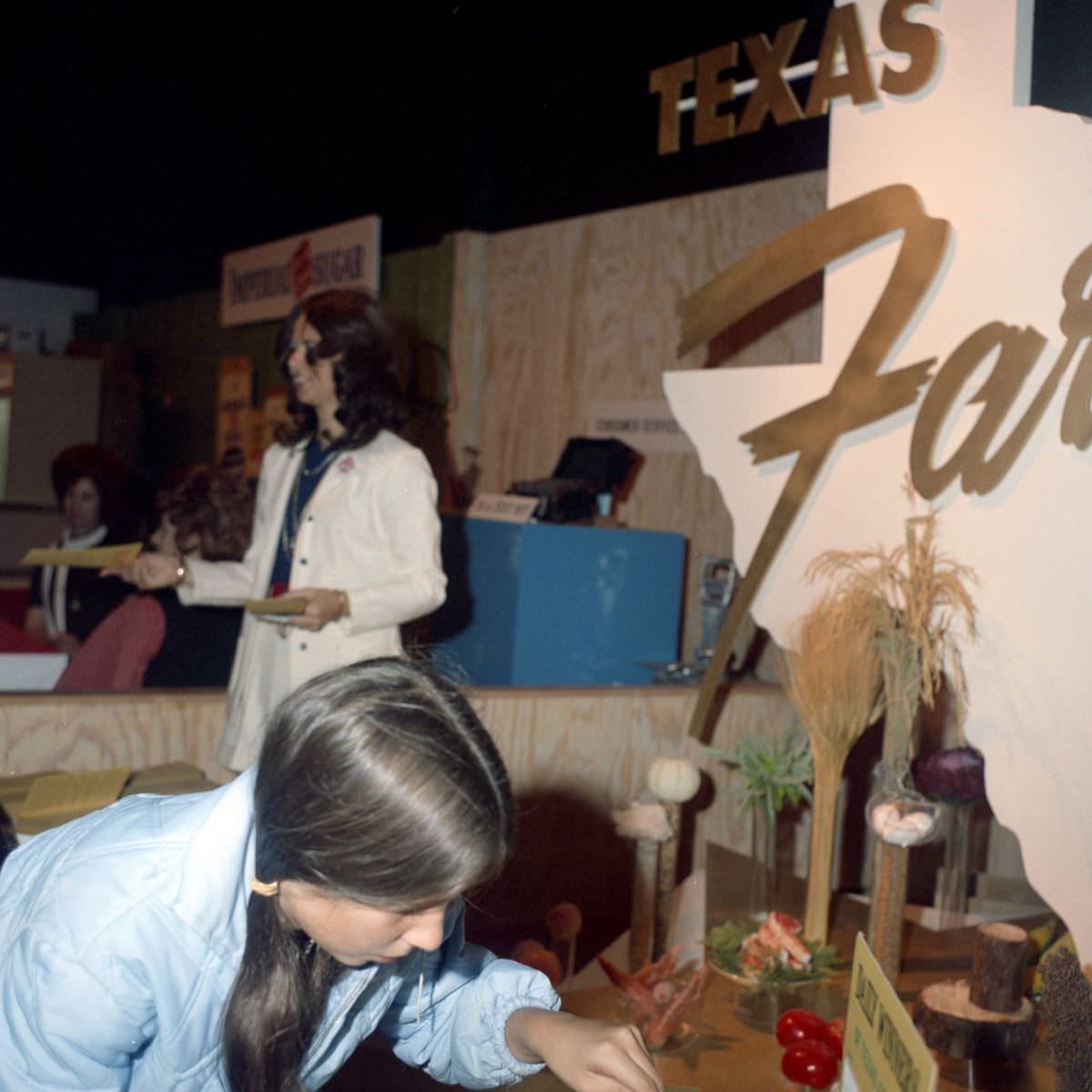
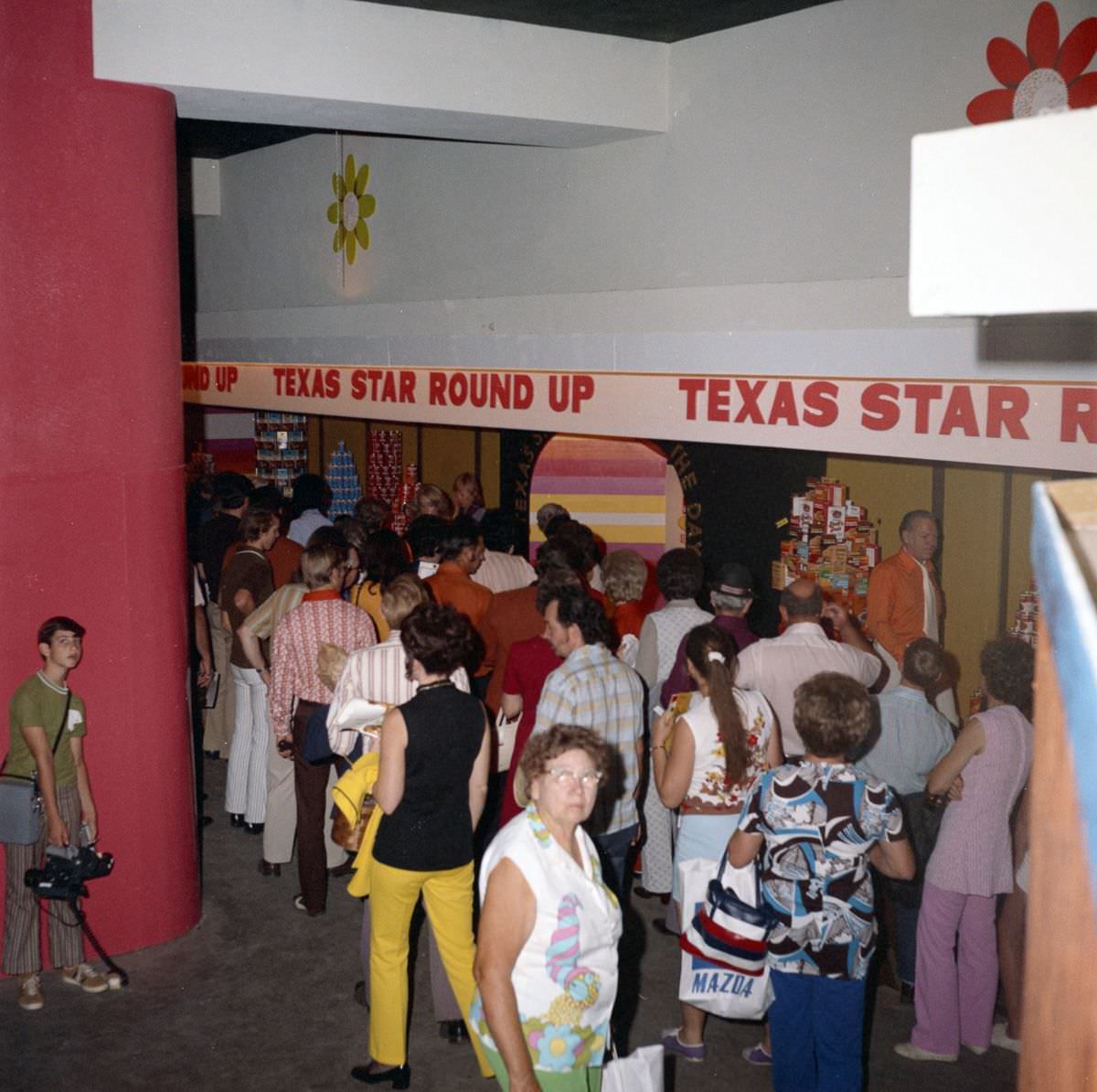
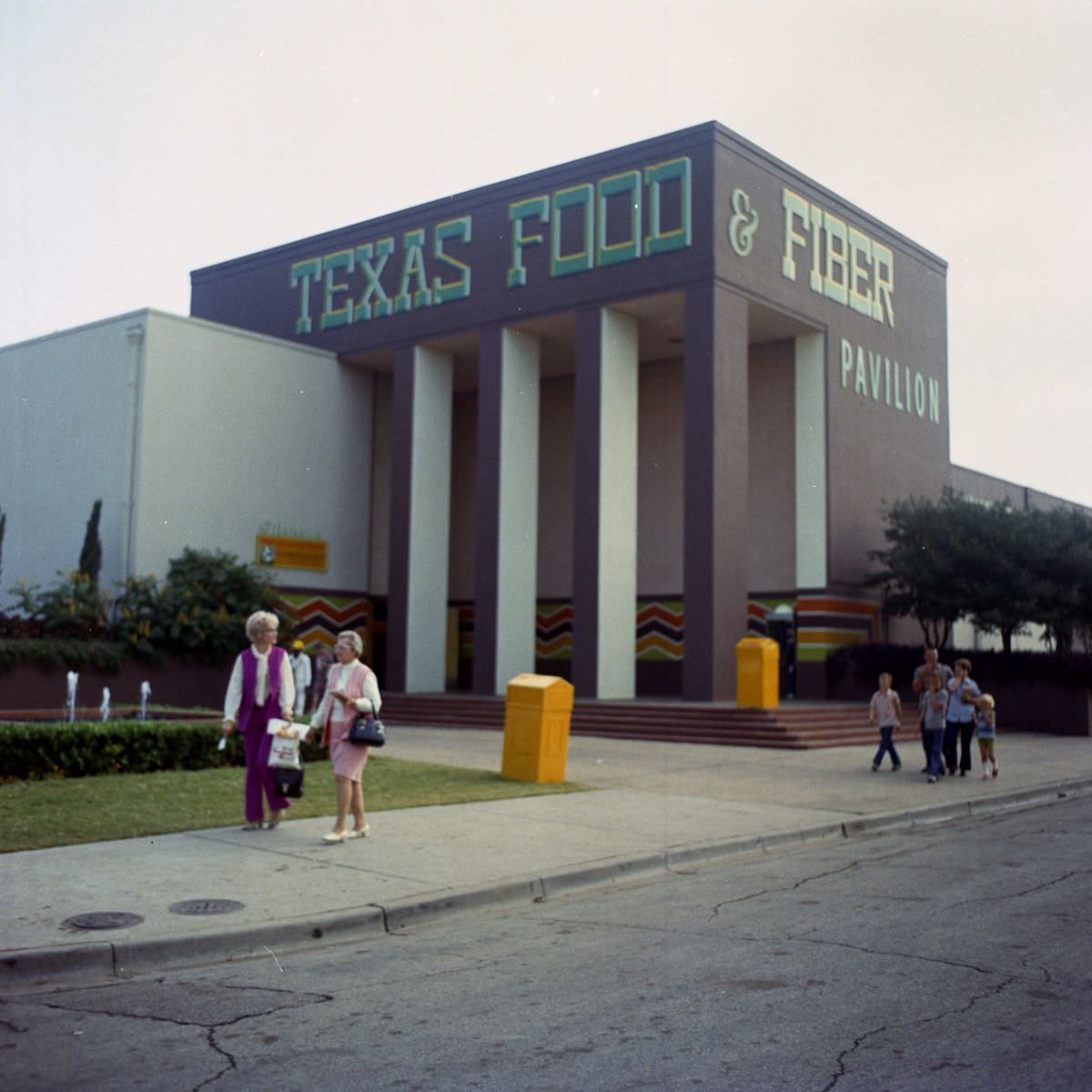
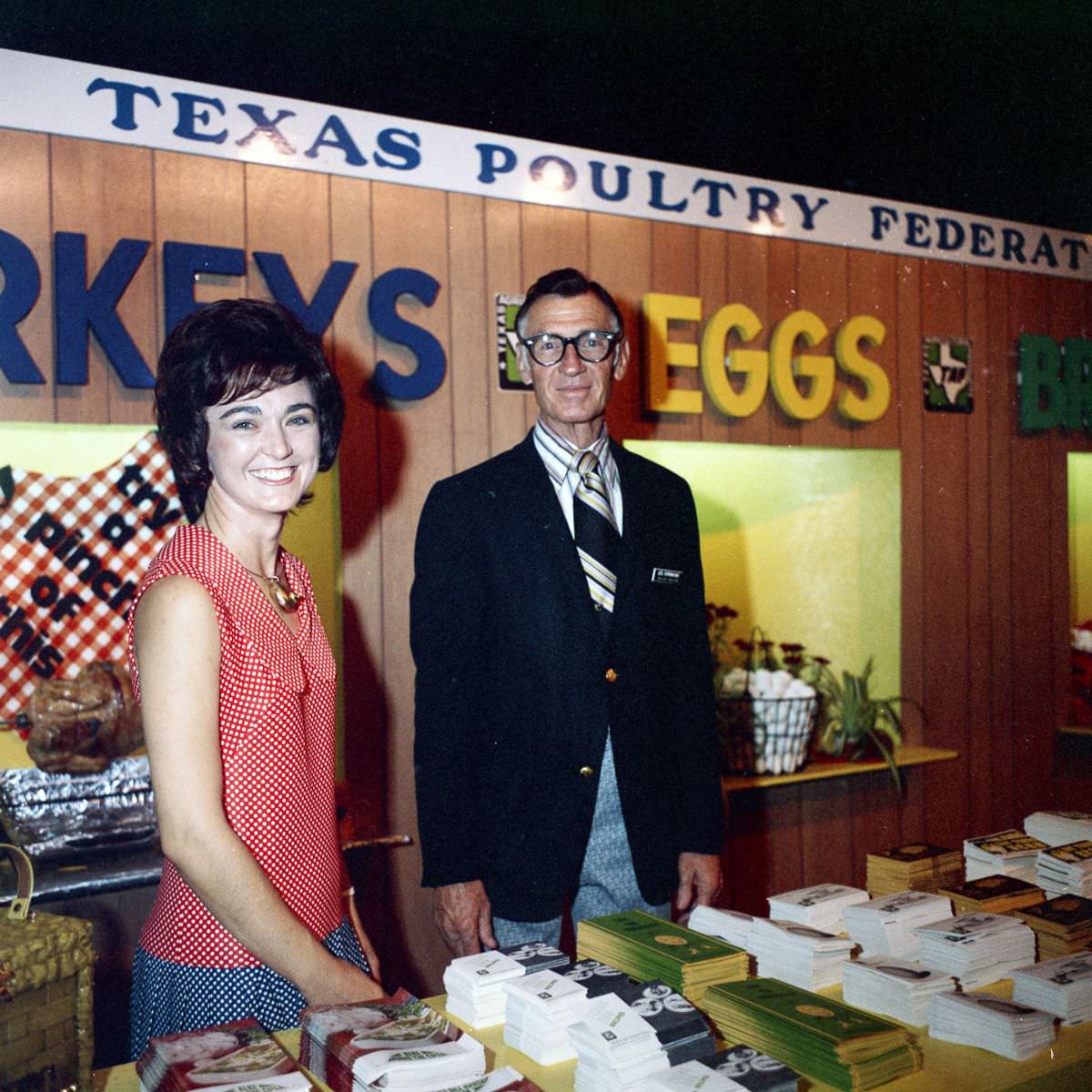
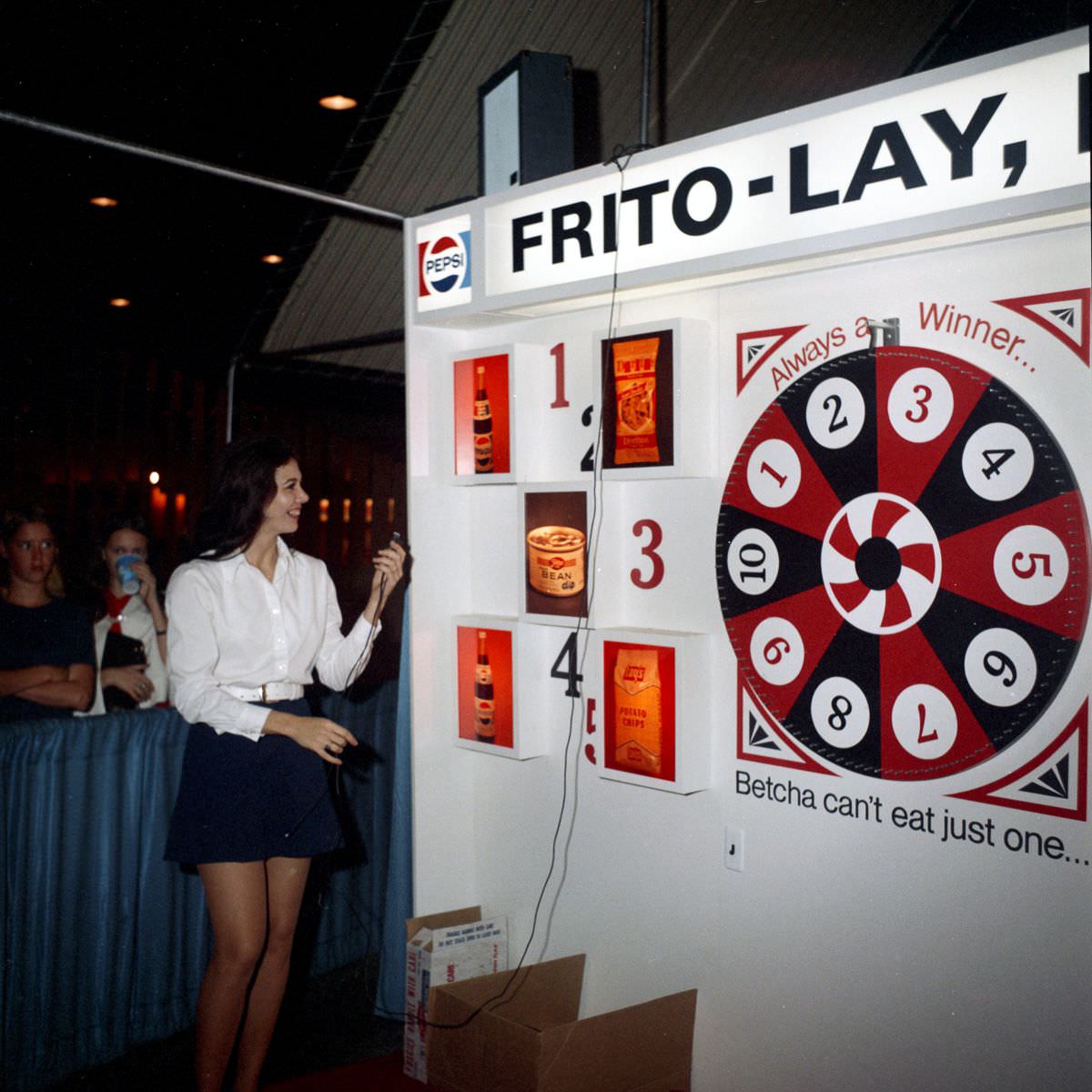
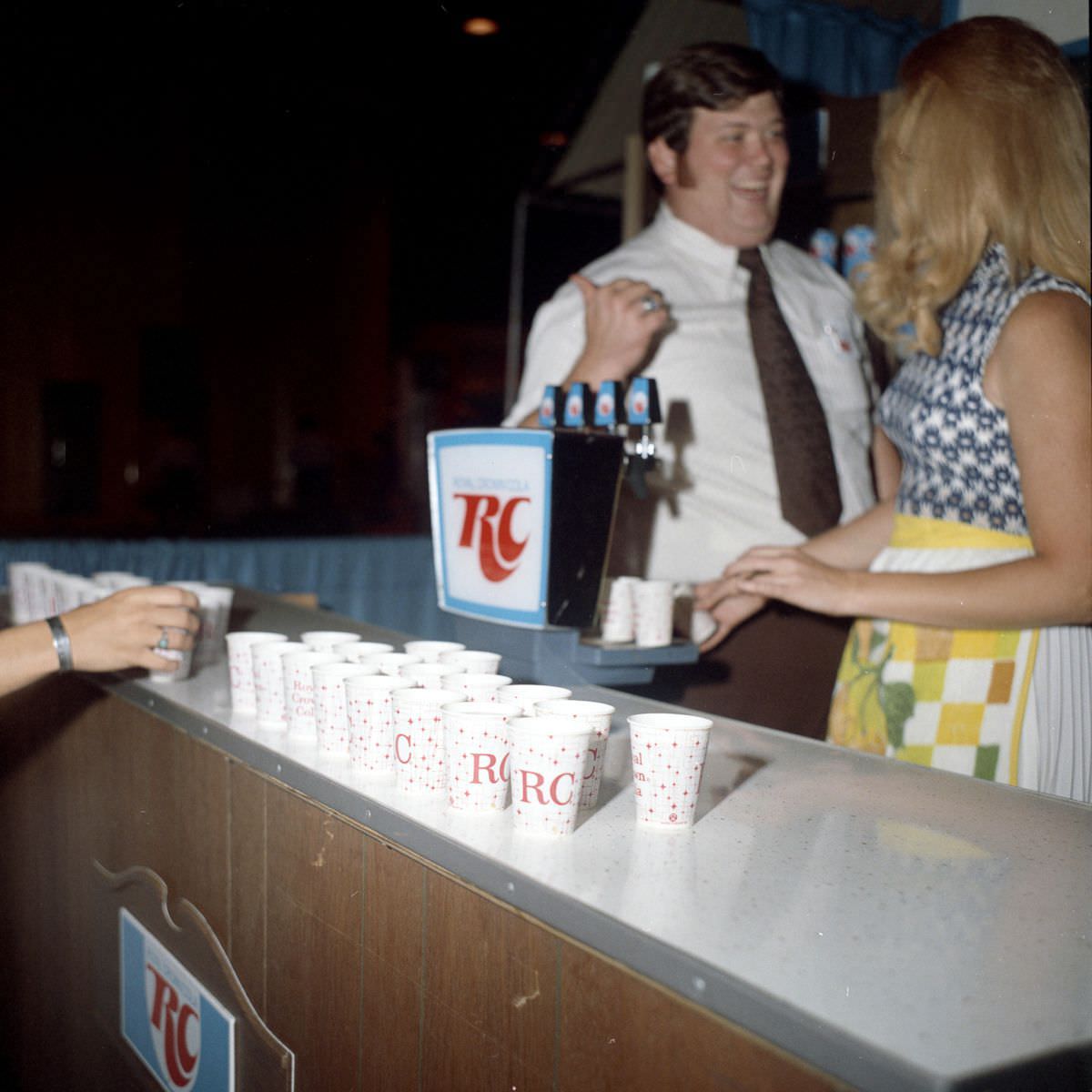
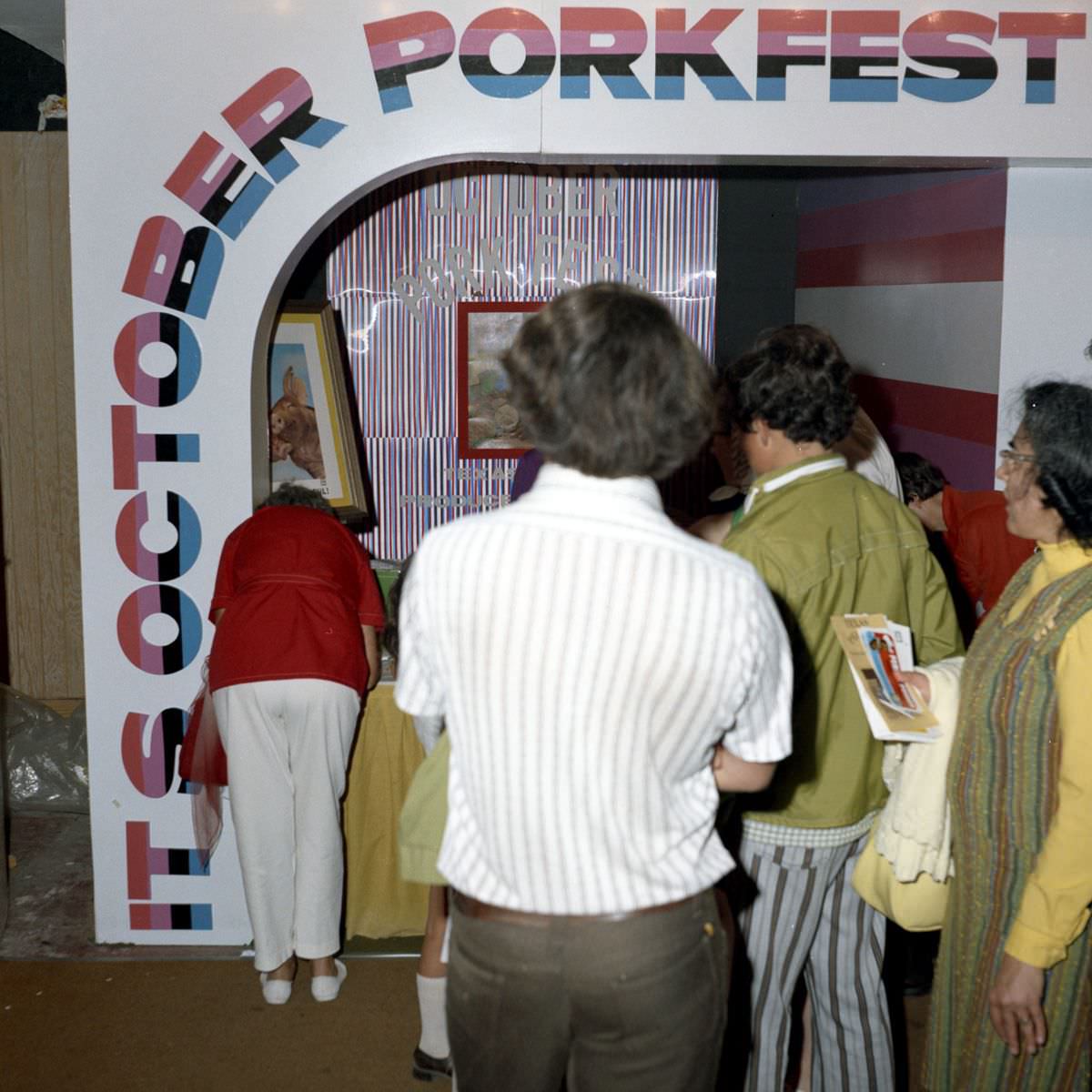
The Texas State Fair itself provided the perfect backdrop. Held annually in Dallas at Fair Park, the fair drew hundreds of thousands of visitors each fall. Having the pageant there gave the Texas Pecan Growers Association direct access to a massive audience.
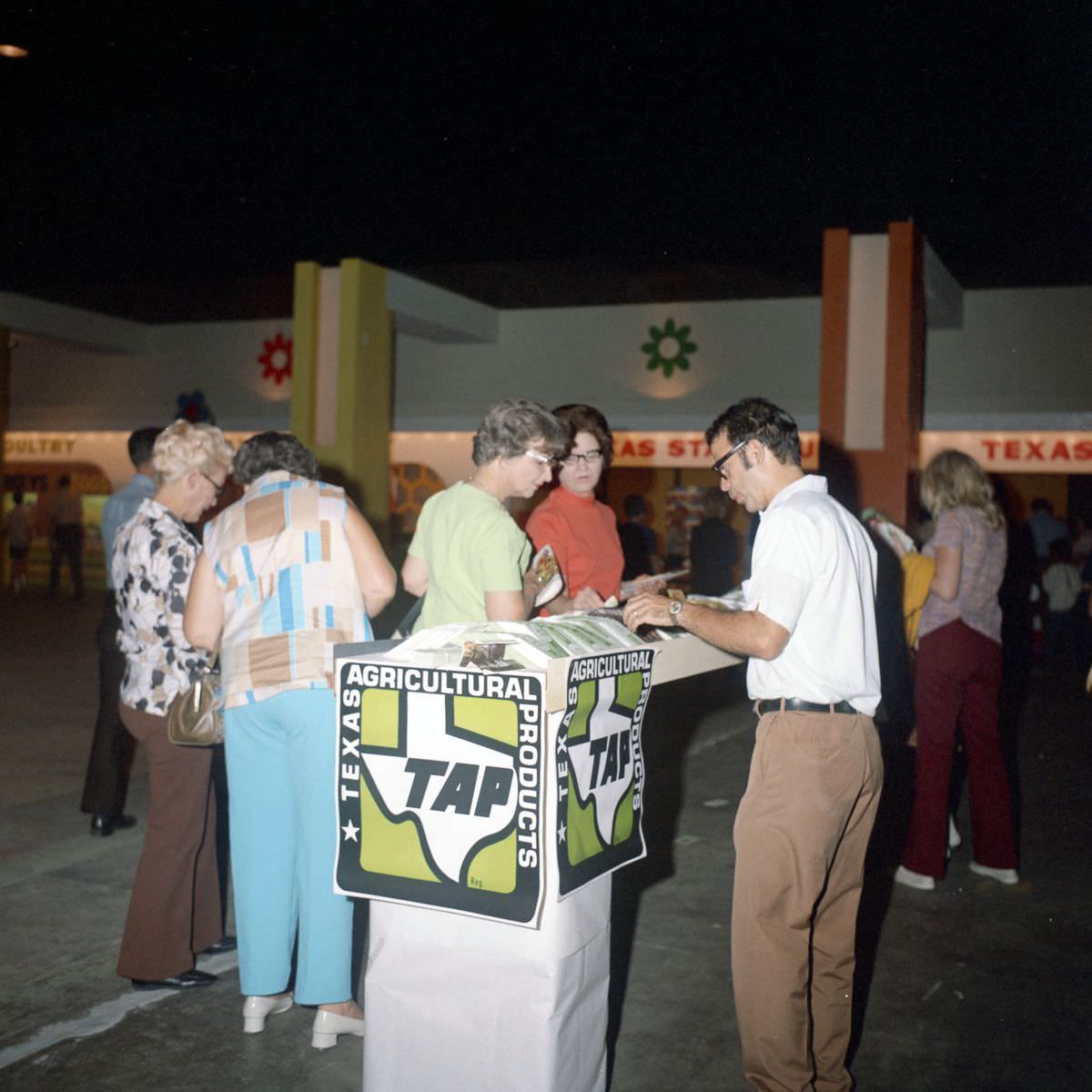
The 1972 pageant was not a one-time event. The association had been running the competition annually for several years before that, and it continued at the fair for years afterward. The exact year it ended is not documented in surviving records.
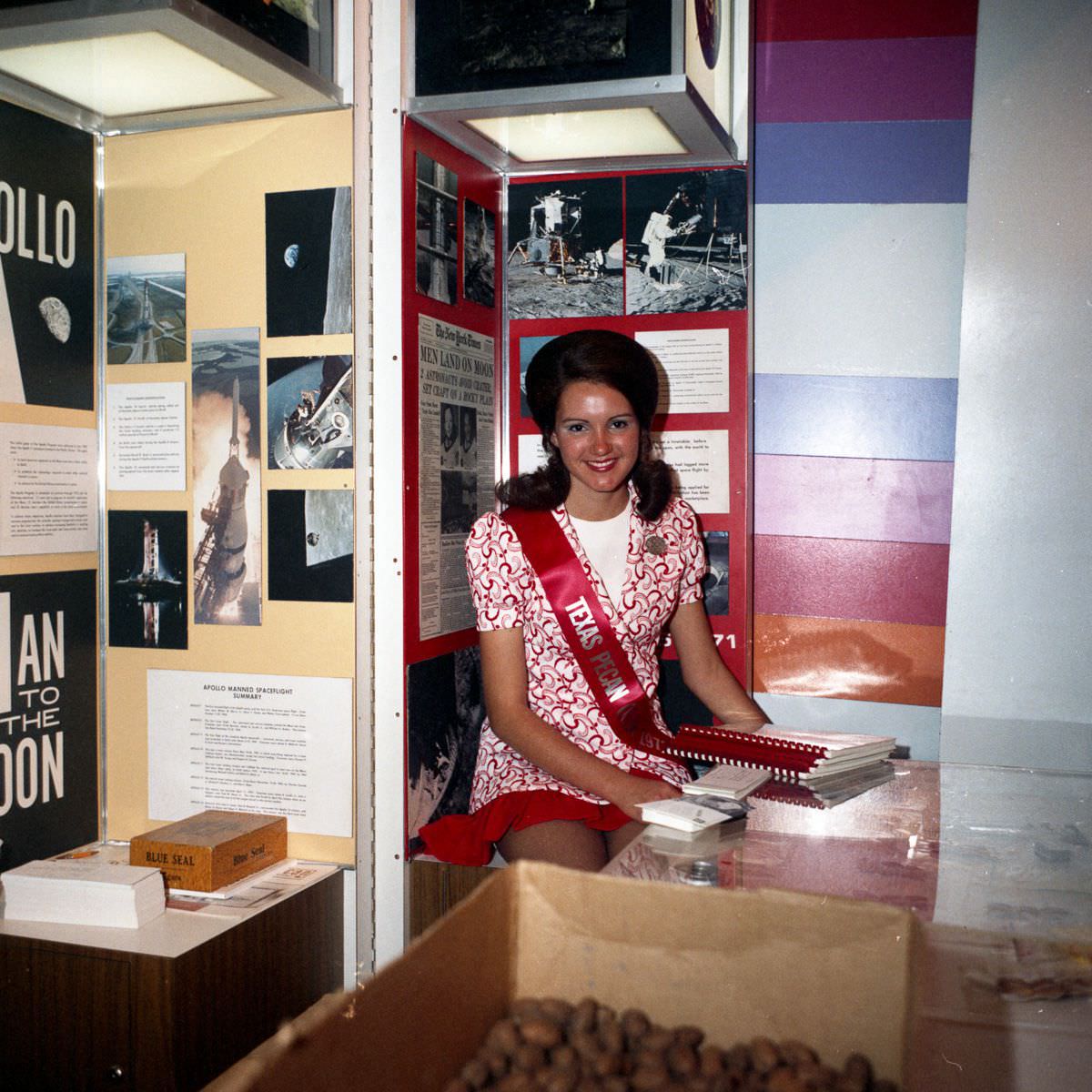
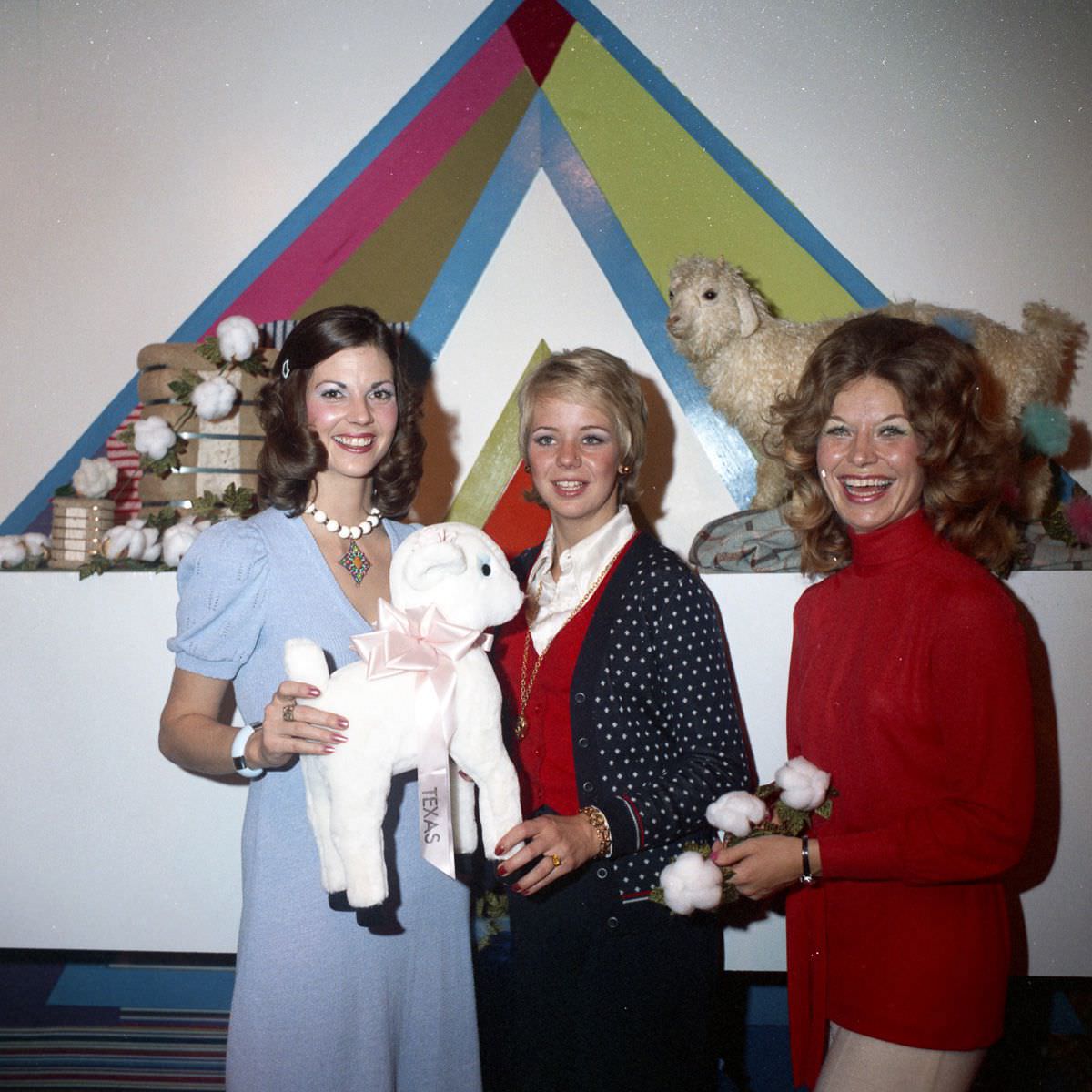
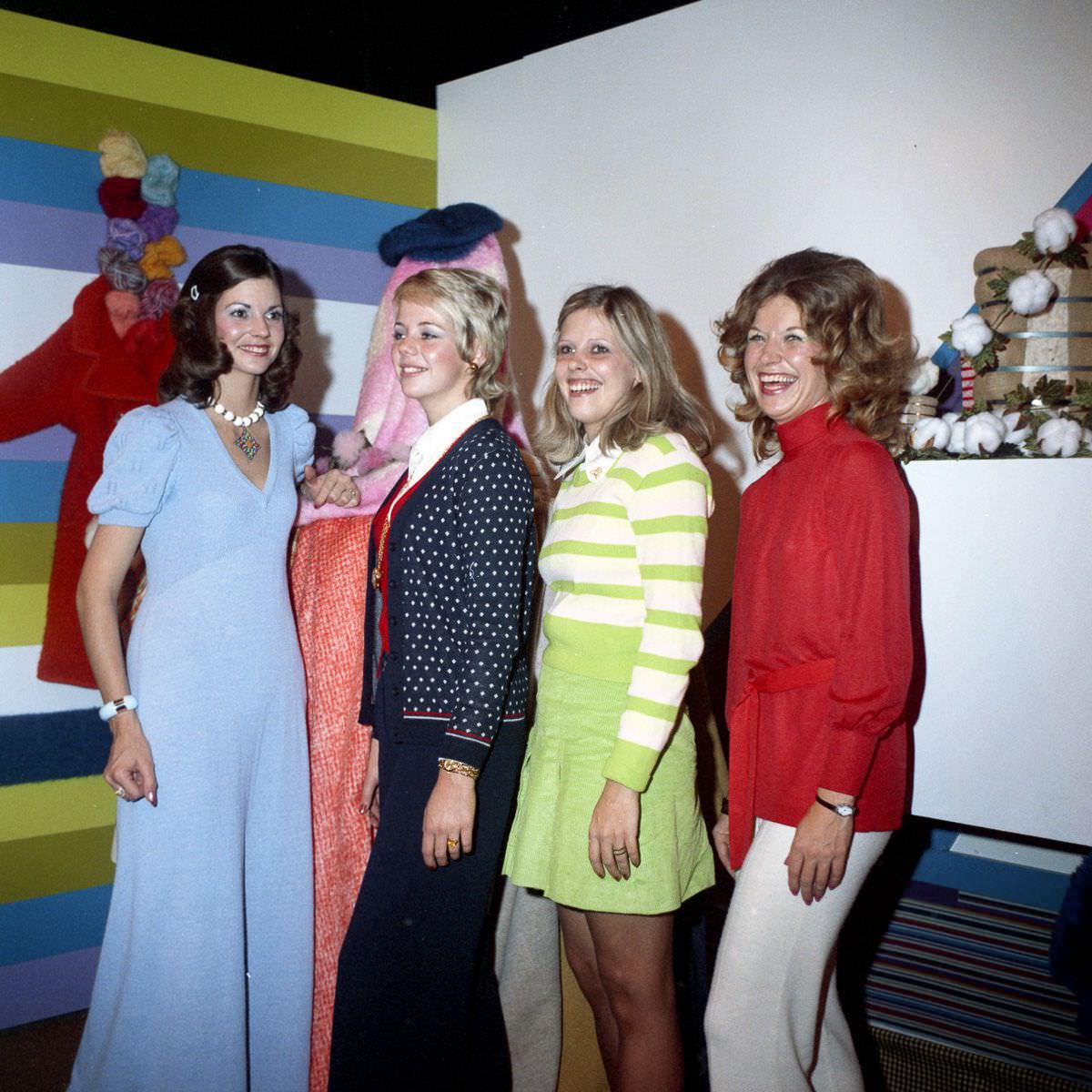
Photographs from the 1972 competition capture the full arc of the event — contestants lined up before judging, the crowning ceremony itself, and the winner posing in her new role as Miss Pecan Nuts. The images reflect both the pageant’s formality and its deep ties to Texas fair culture.
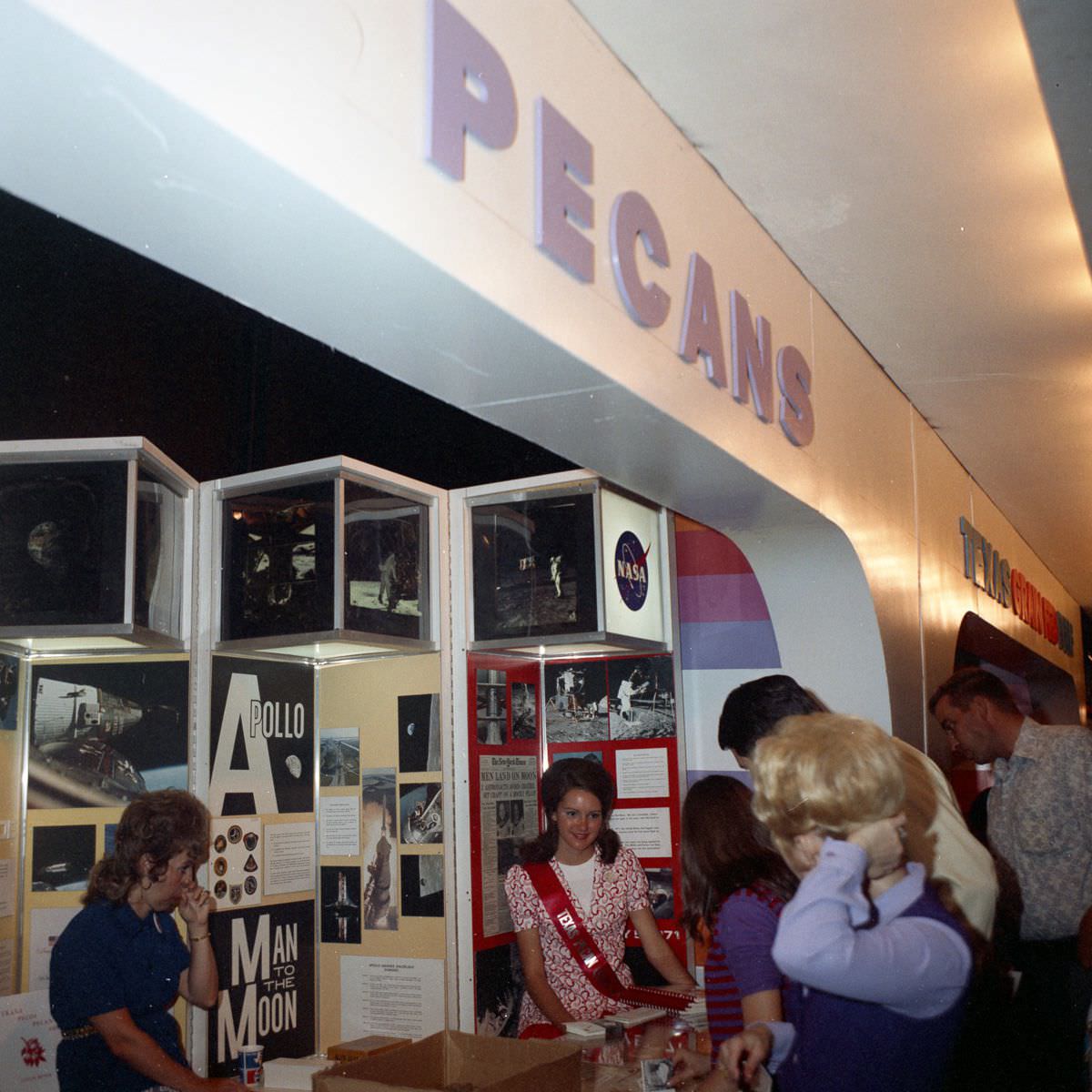
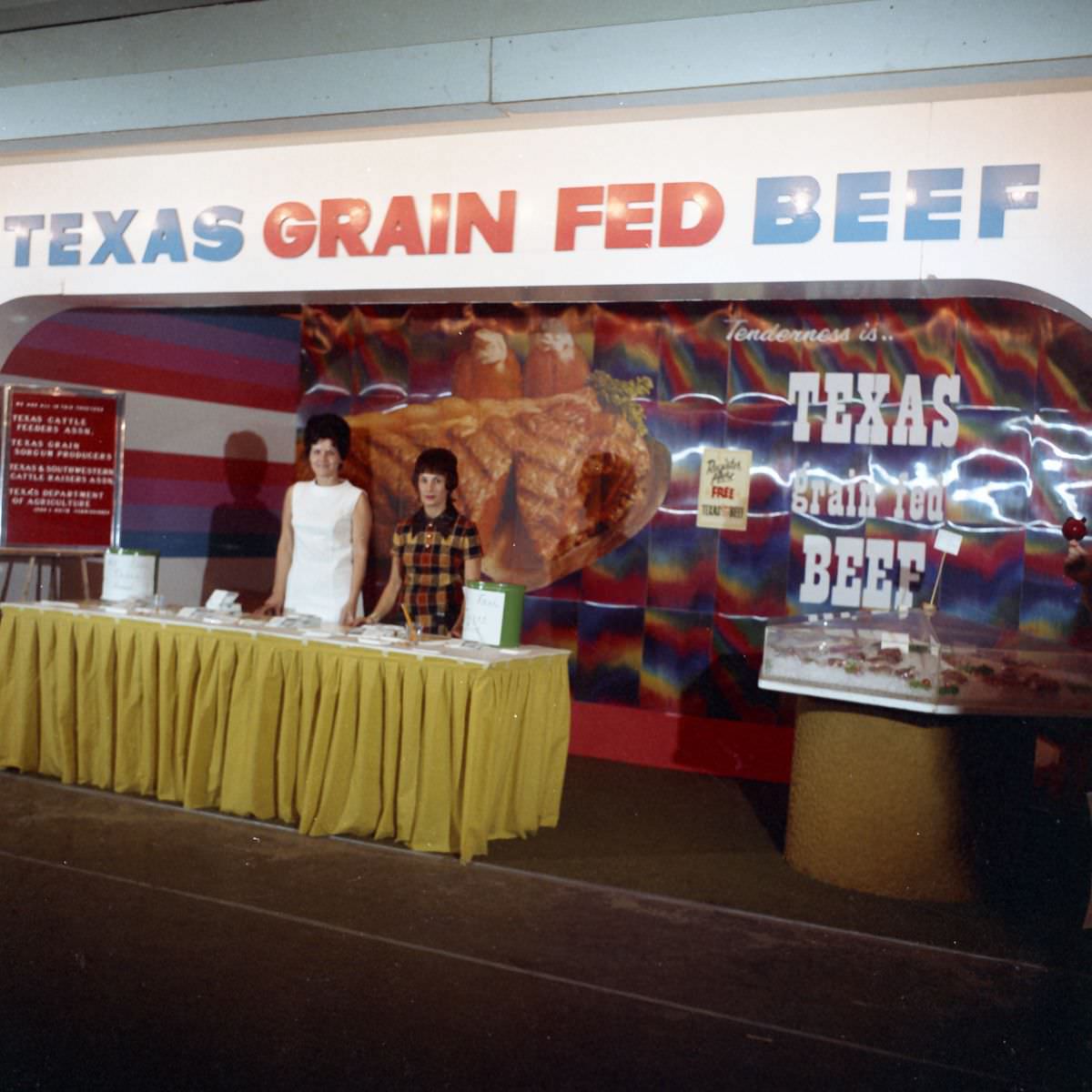
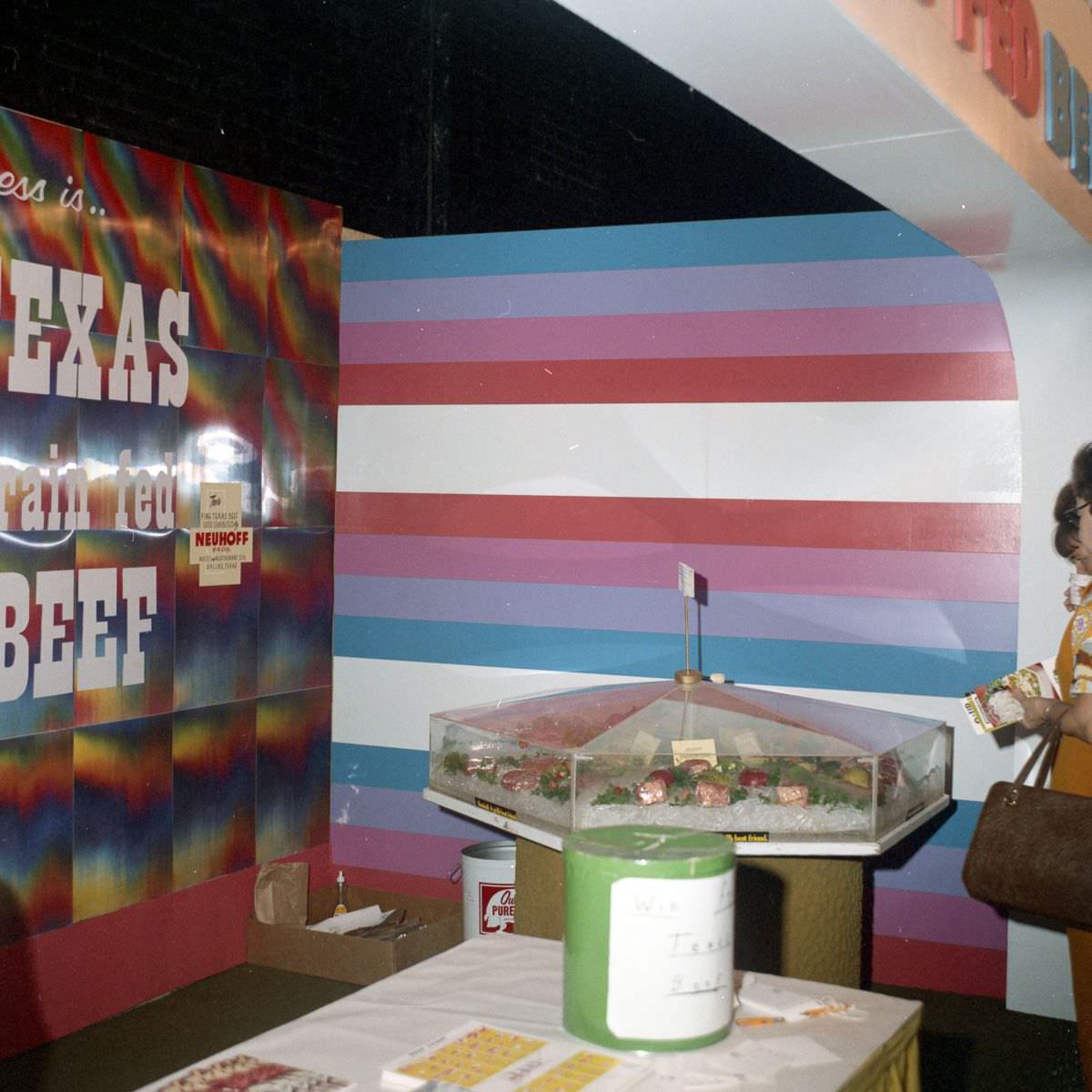
The contestants dressed in formal attire, and the staging of the event gave it the same weight as larger statewide pageants. For the women involved, winning meant a year of public appearances and a direct connection to one of Texas’s most storied agricultural industries.
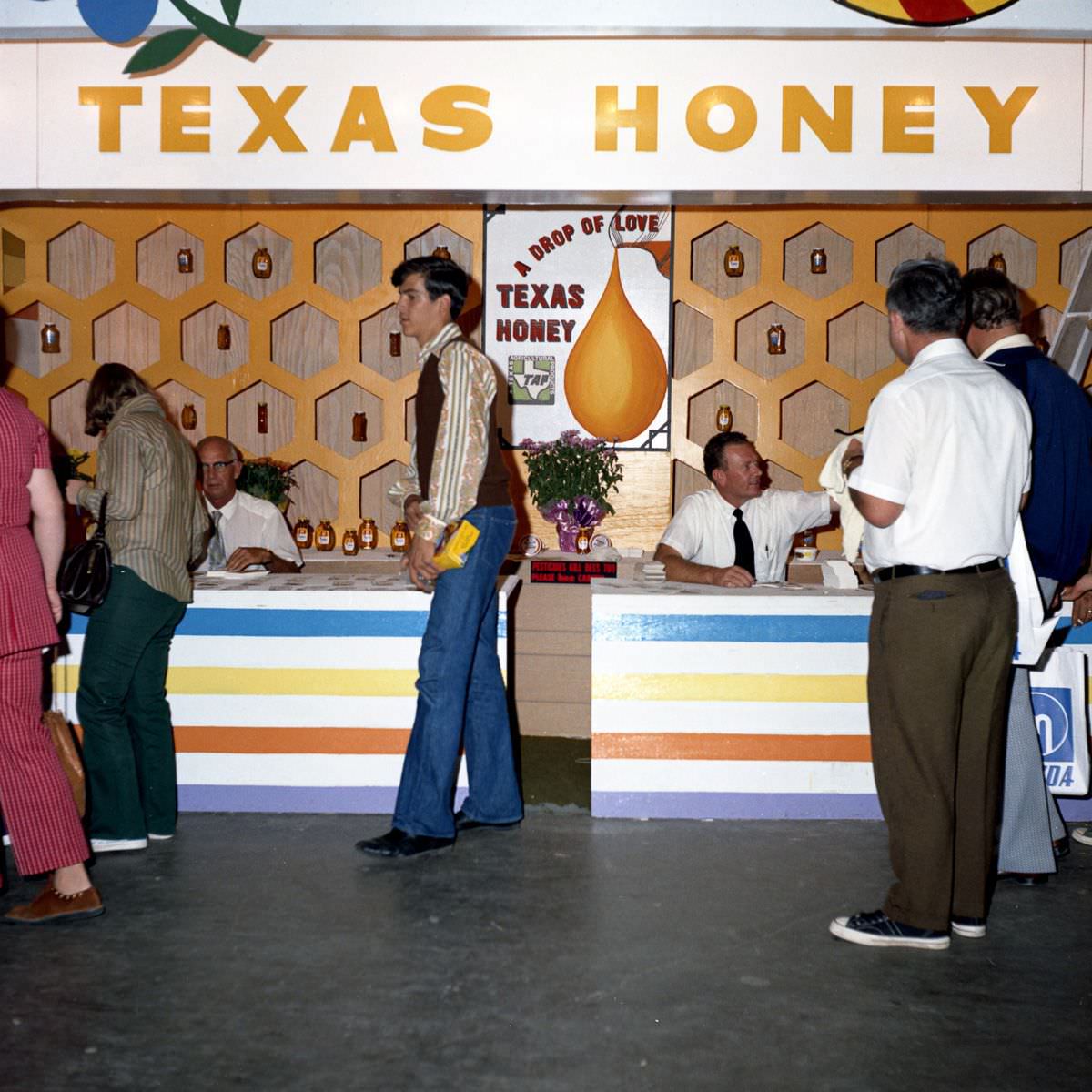
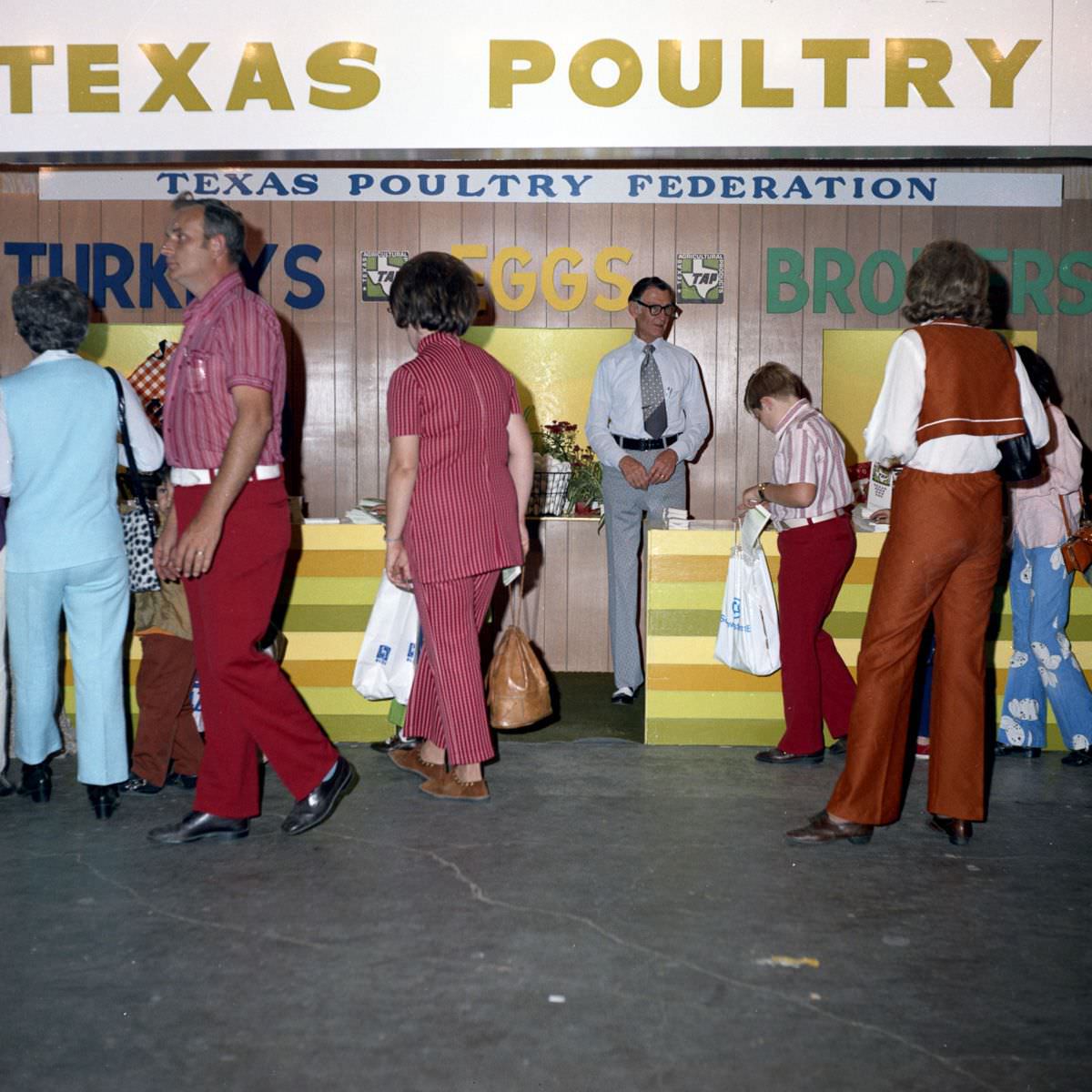
Pecan farming has deep roots in Texas. The state produces more pecans than almost anywhere else in the country, and by 1972 the industry was already well-organized and commercially significant. The association’s decision to anchor a pageant to the state fair reflected how seriously it took public outreach.
Events like Miss Pecan Nuts were a staple of Texas fair life through the mid-20th century. They gave commodity associations a visible presence, connected local agriculture to the general public, and turned the state fair into something more than just rides and exhibits.