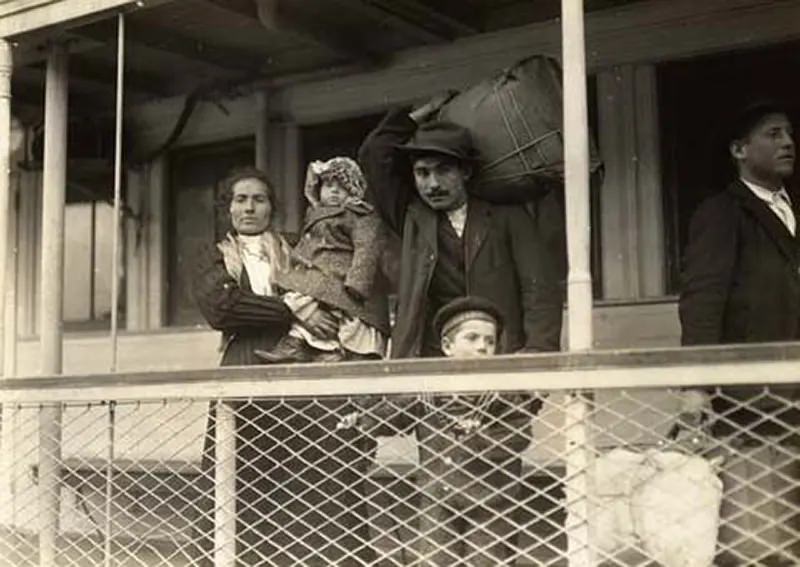
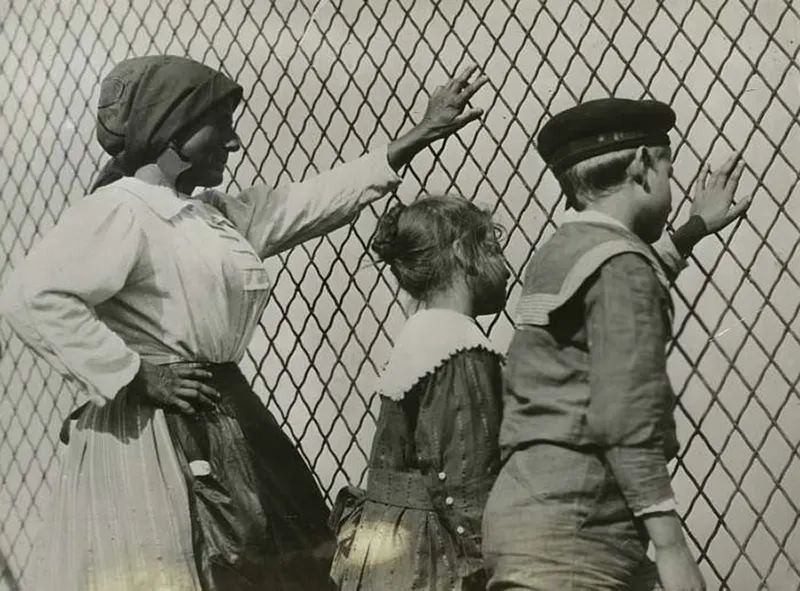
Between 1900 and 1930, millions of people left their homelands and sailed toward the United States in search of a better life. They came from Italy, Russia, Eastern Europe, the Middle East, and beyond — each carrying little more than what they could hold, and a hope that America would deliver on its promise. The journey itself was brutal. Weeks at sea in cramped, poorly ventilated steerage quarters left passengers exhausted and sick before they ever set foot on American soil. For most, the first sight of that soil was Ellis Island, the federal immigration station in New York Harbor.
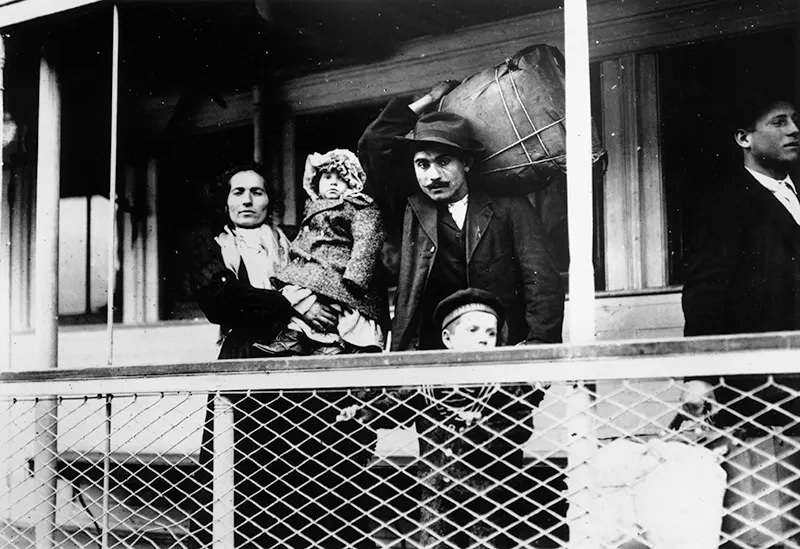
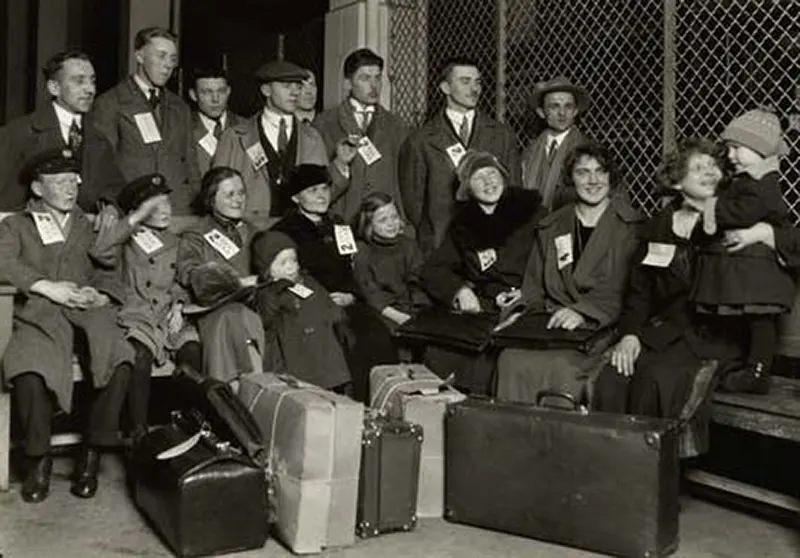
Arriving at Ellis Island was not a simple welcome. It was a process. Inspectors checked every person for signs of disease or disability. Officials tagged immigrants and sorted them into groups. Those who failed medical or legal reviews faced detention — sometimes for days. The great hall filled with the sounds of dozens of languages at once, a chaotic chorus of fear, relief, and confusion.
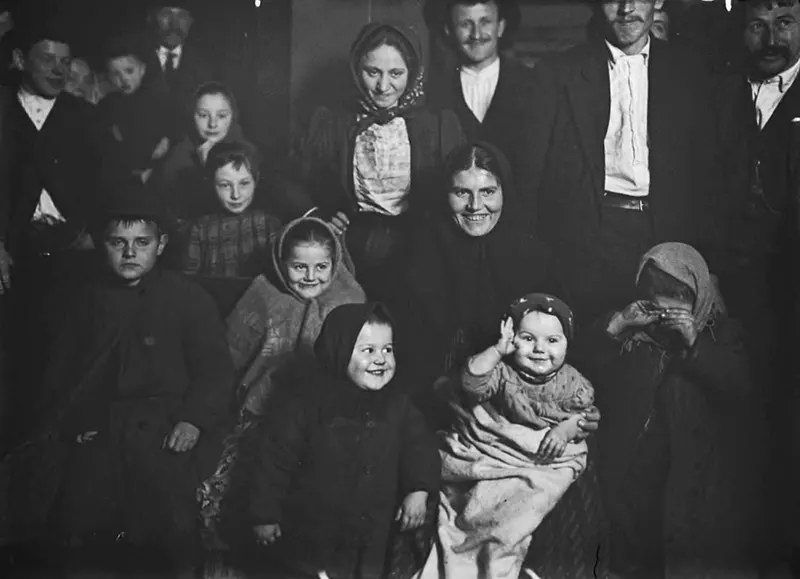
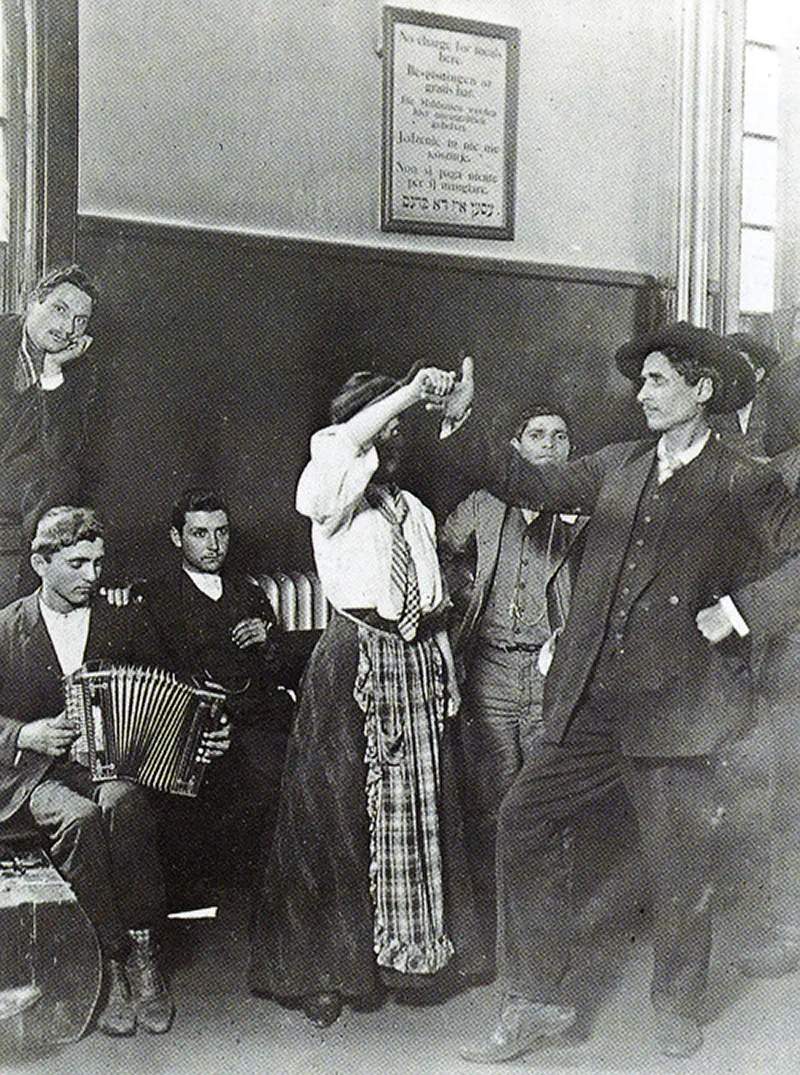
Not everyone processed through Ellis Island wore an expression of dread. Some moments cut through the tension — detainees found ways to pass the time, and the island’s staff occasionally organized activities to ease the wait.
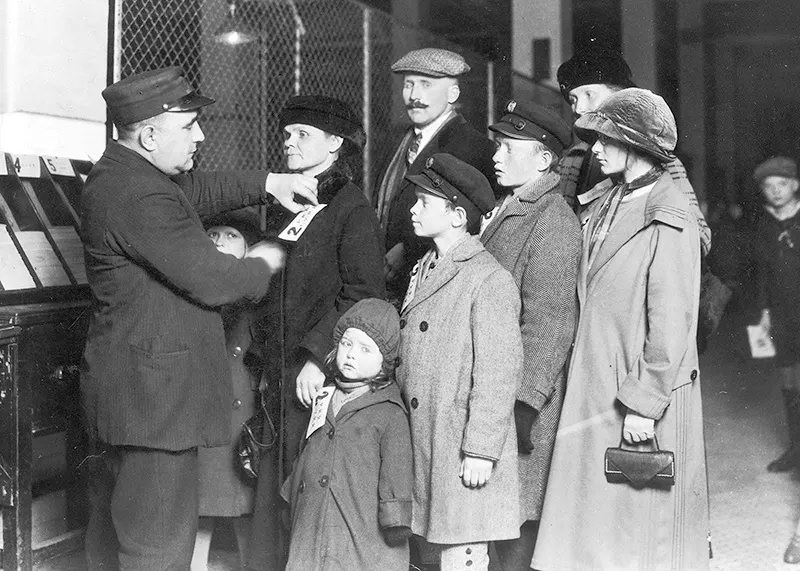
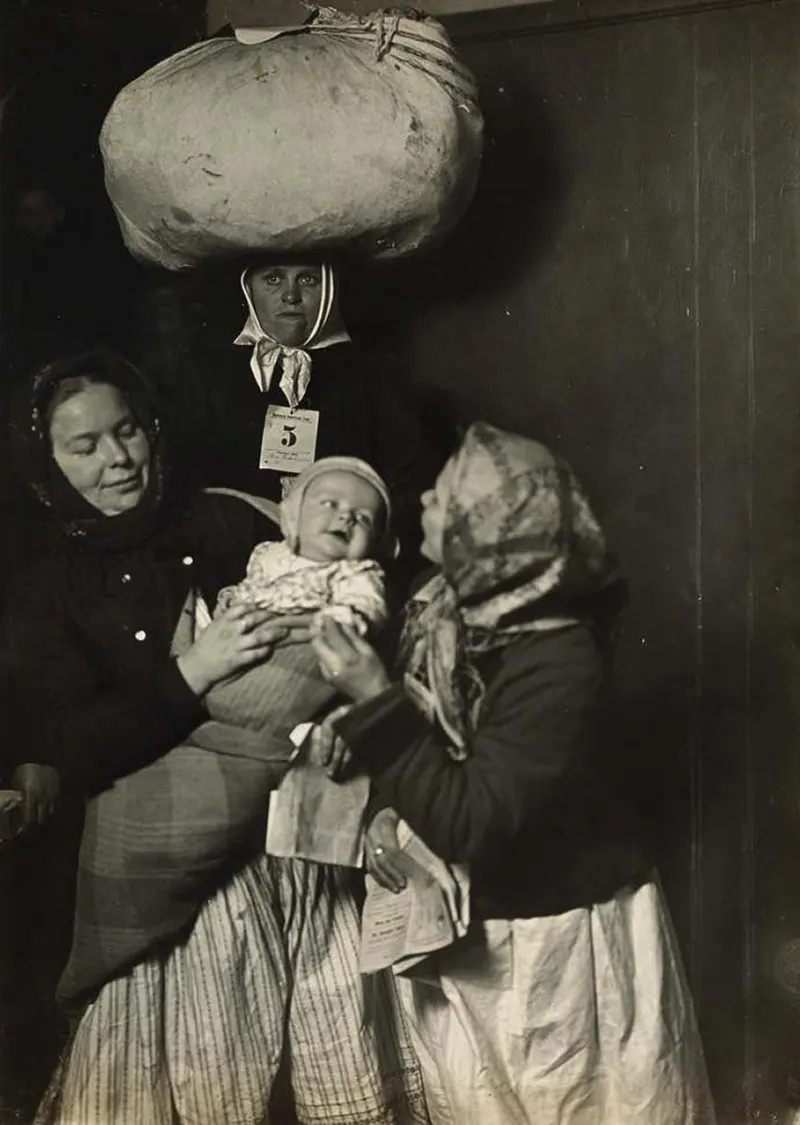
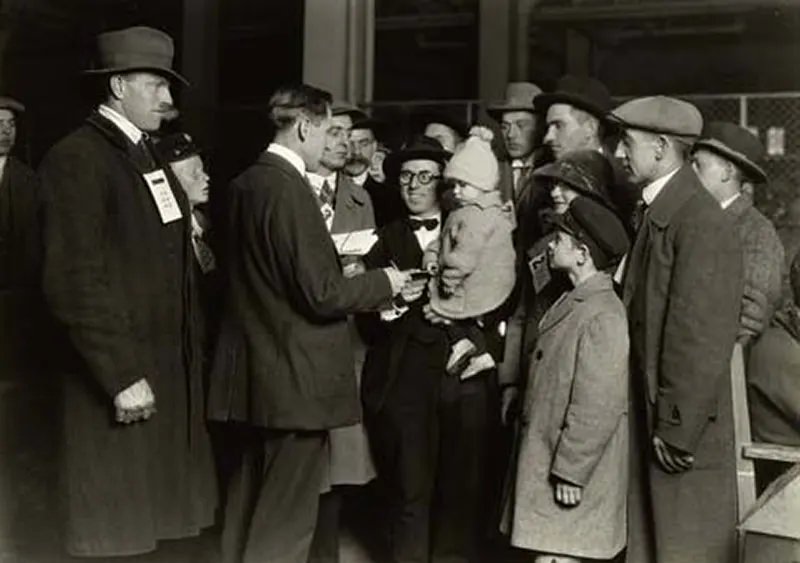
Once cleared, immigrants were directed toward the next step of their journey. For many, that meant a railroad trip deep into the interior of the country — to Pennsylvania steel towns, Chicago stockyards, or the coal mines of West Virginia. Officials tagged arrivals with destination information to keep them moving through the system.
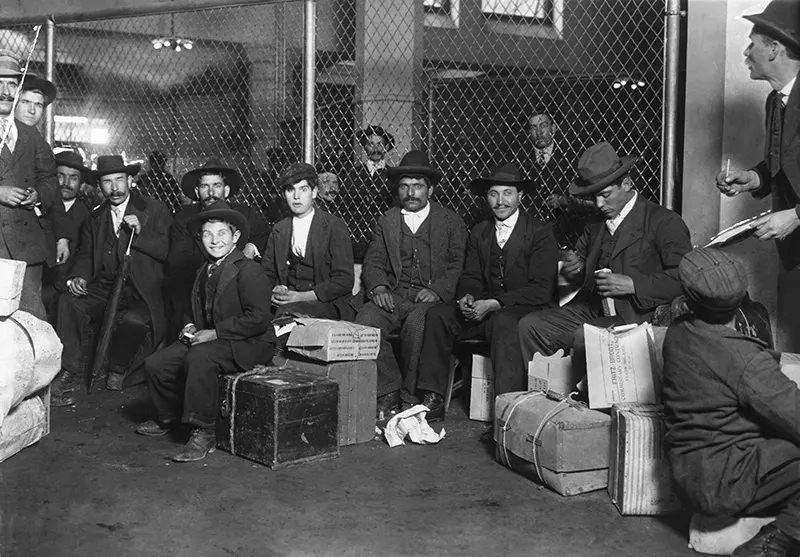
Italians made up one of the largest immigrant groups of this era. Hundreds of thousands passed through Ellis Island’s Great Hall and fanned out across the country to fill roles as laborers, craftsmen, barbers, waiters, and eventually business owners and civic leaders.
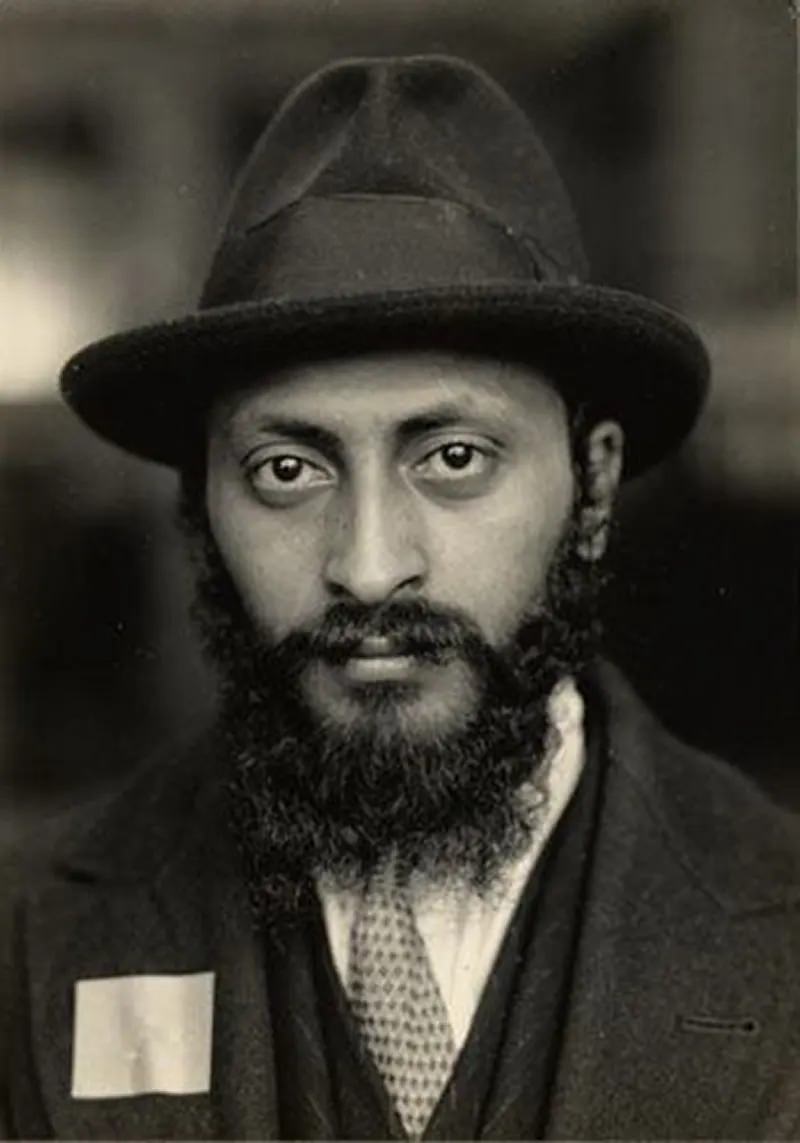
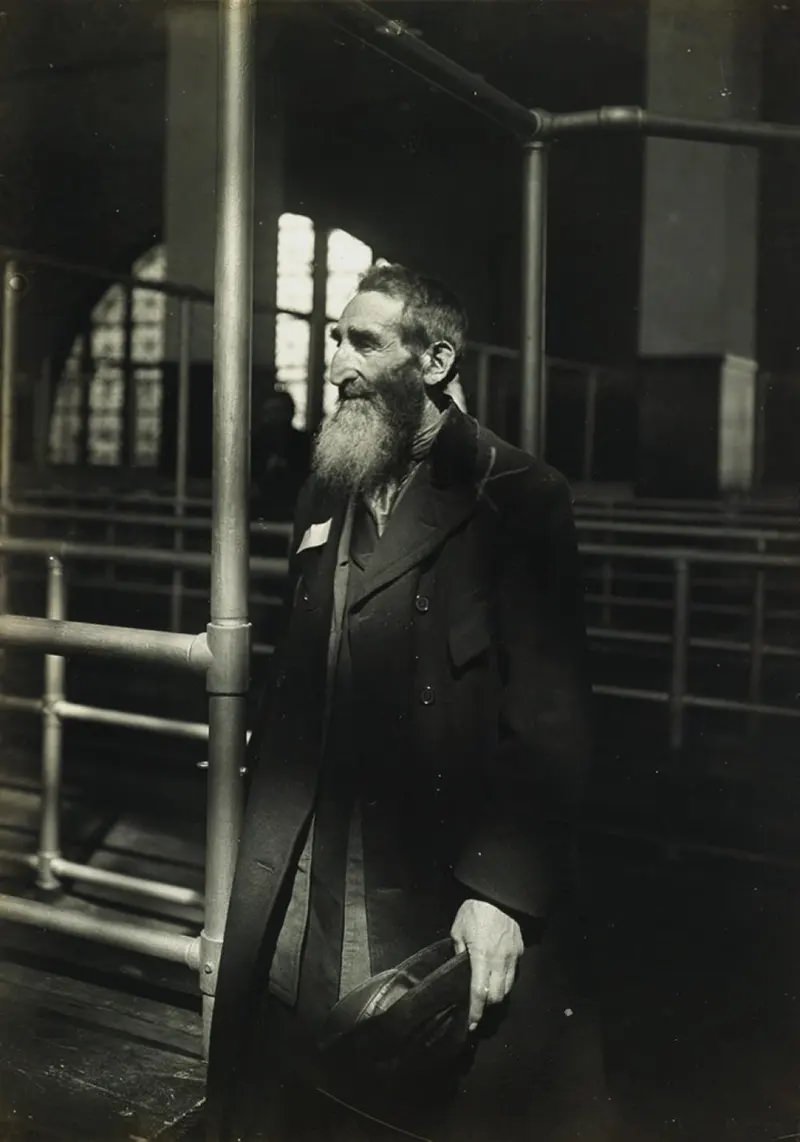
Jewish immigrants from Eastern Europe and the Middle East also arrived in large numbers. Many fled violent persecution — Russian pogroms, Turkish post-war crackdowns, and widespread anti-Semitic laws that made life in their home countries dangerous and impossible.
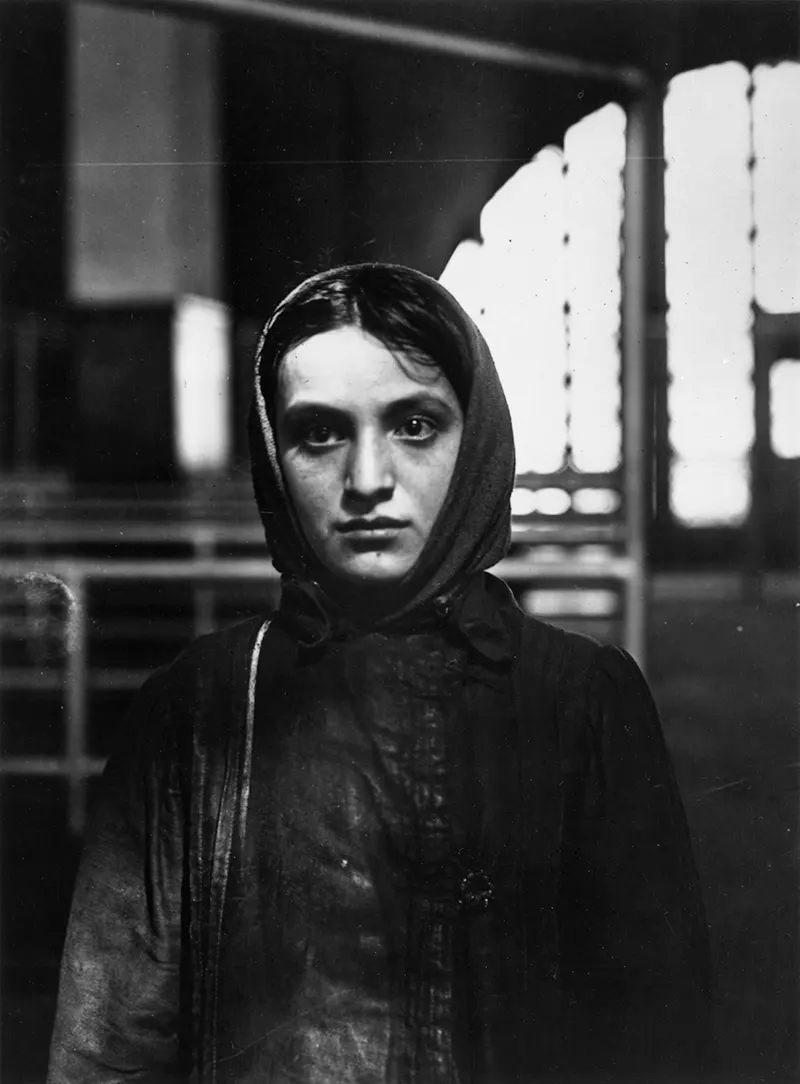
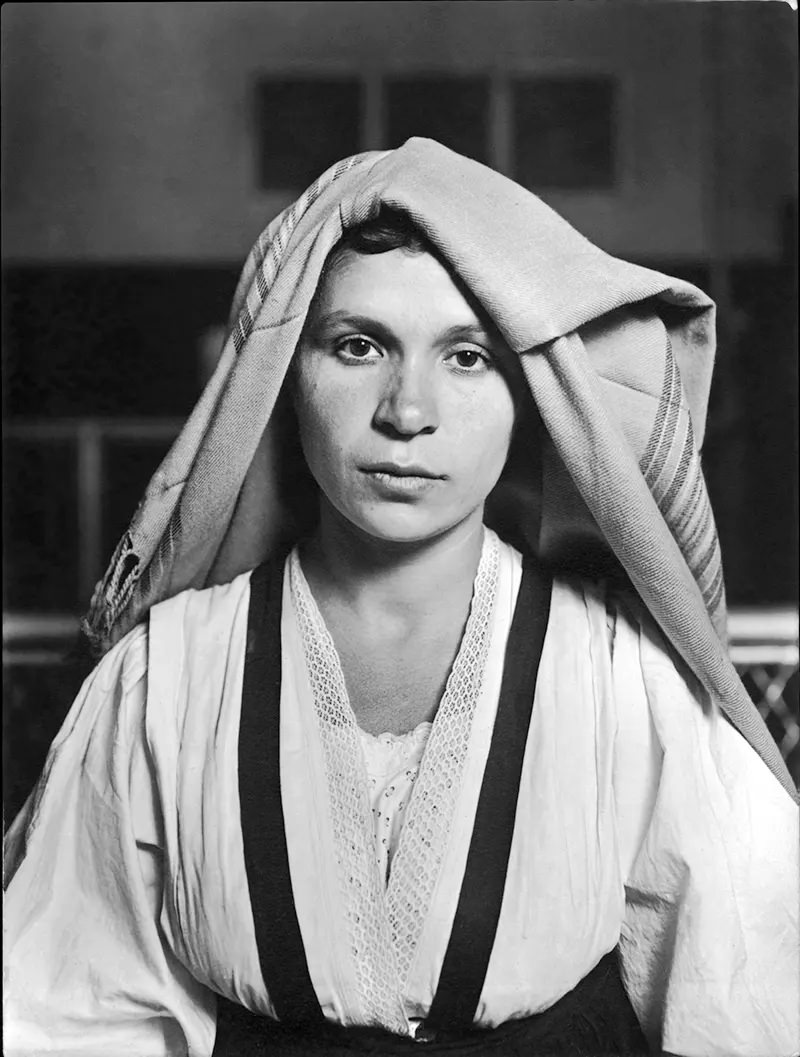
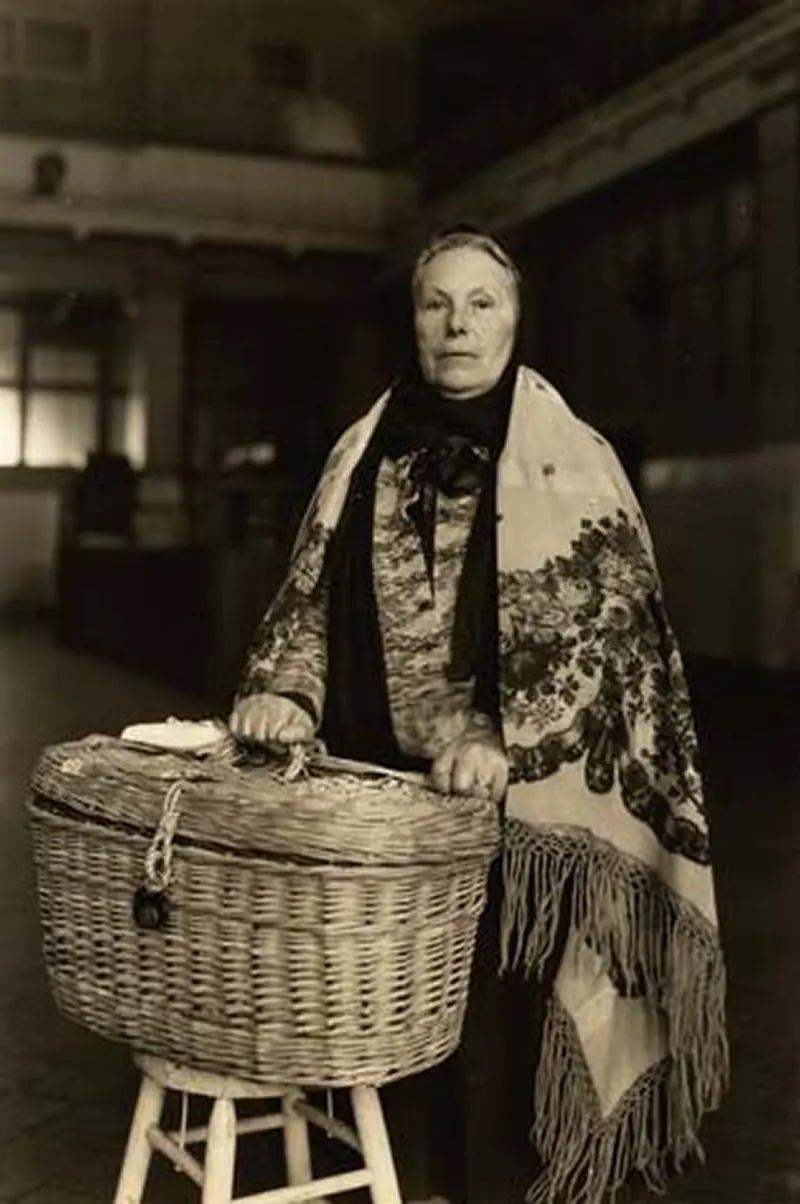
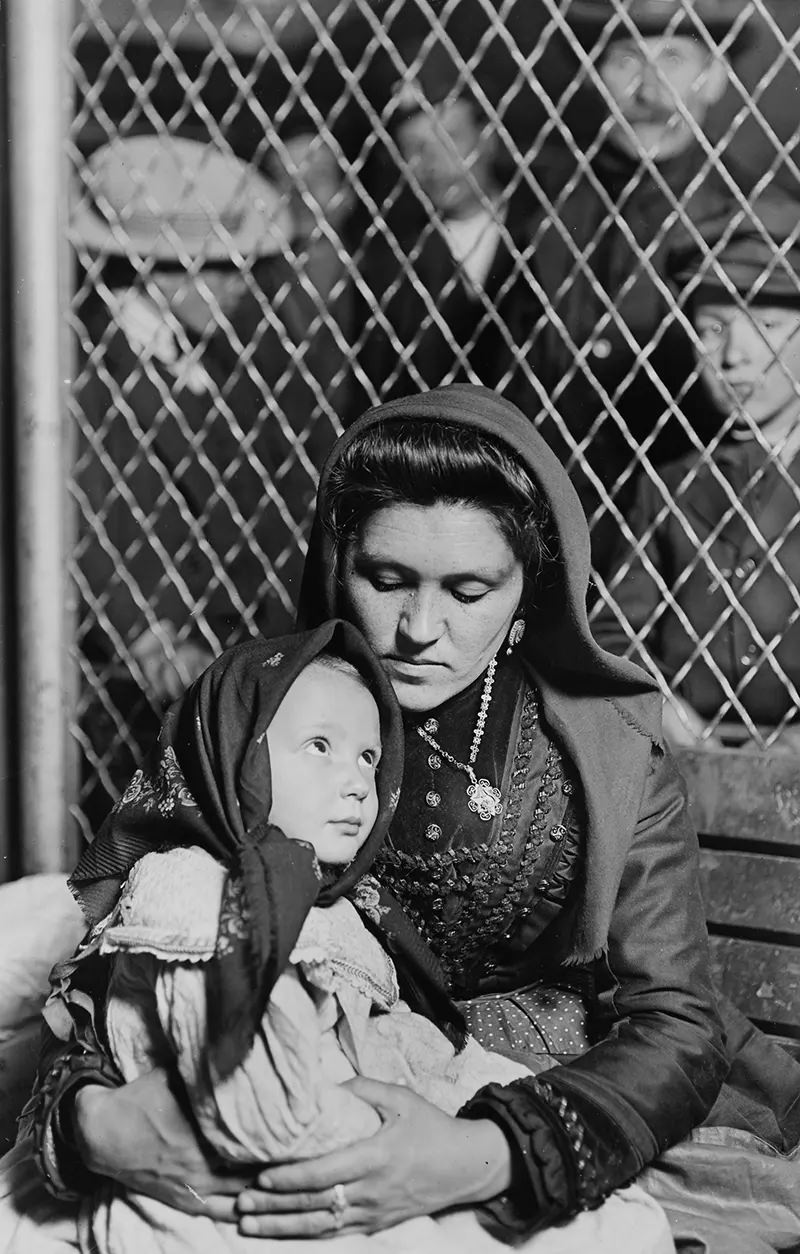
The people who passed through Ellis Island came dressed in the clothes of their homelands, often in full traditional costume — embroidered blouses, layered skirts, and handwoven shawls that marked their regional and ethnic origins at a glance.
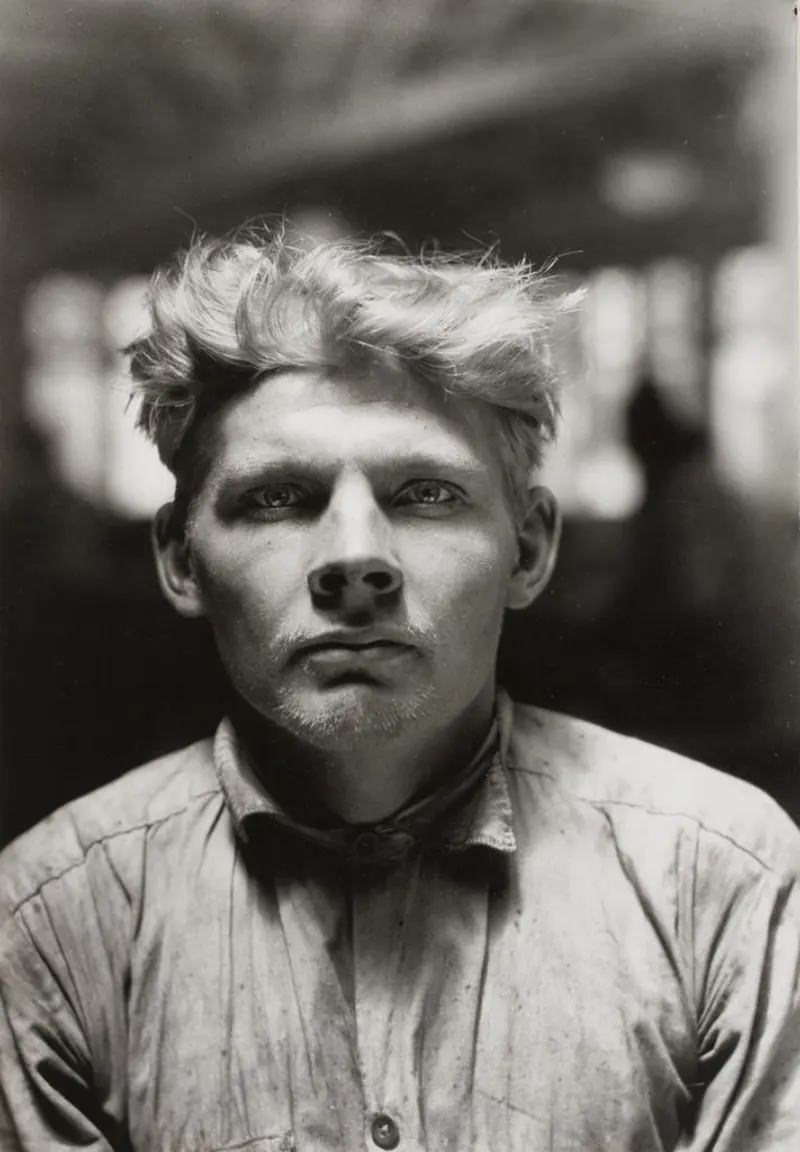
Some came through official channels. Others did not. A young Finnish man was caught as a stowaway, having hidden aboard a vessel bound for America. The lengths people went to in order to reach the United States reflected just how desperate the conditions were in their countries of origin.
Jewish immigration from Russia had begun in the 1840s, but the Russo-Japanese War of 1905 and continuing pogroms kept the numbers climbing through the early decades of the 20th century.
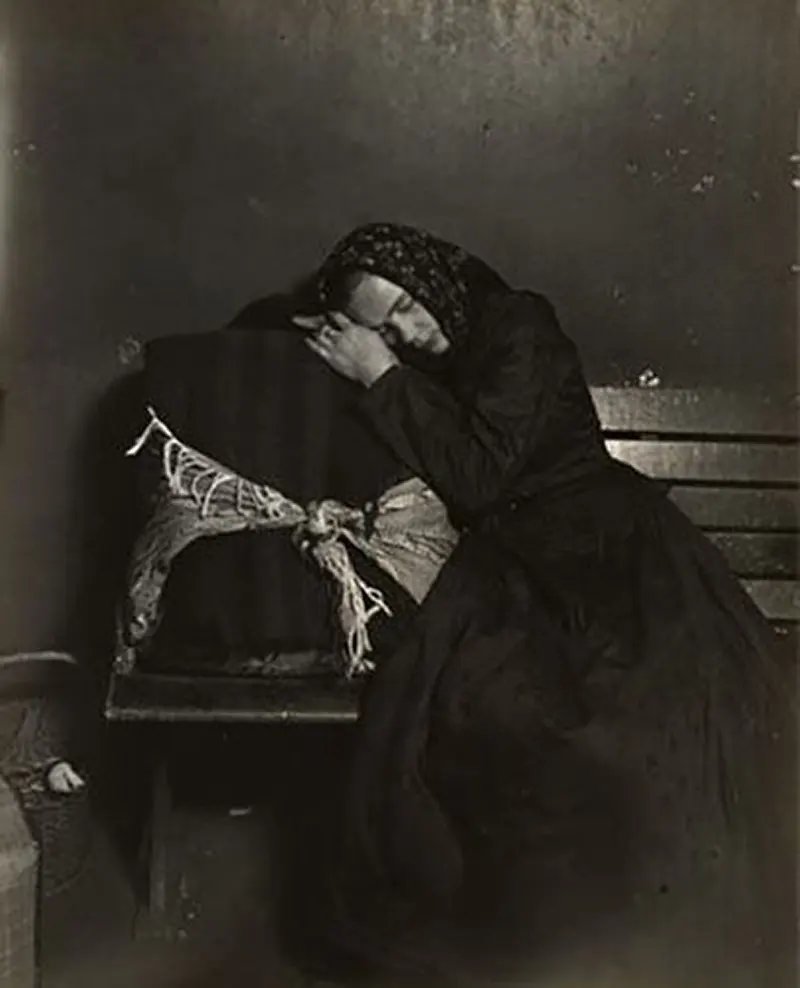
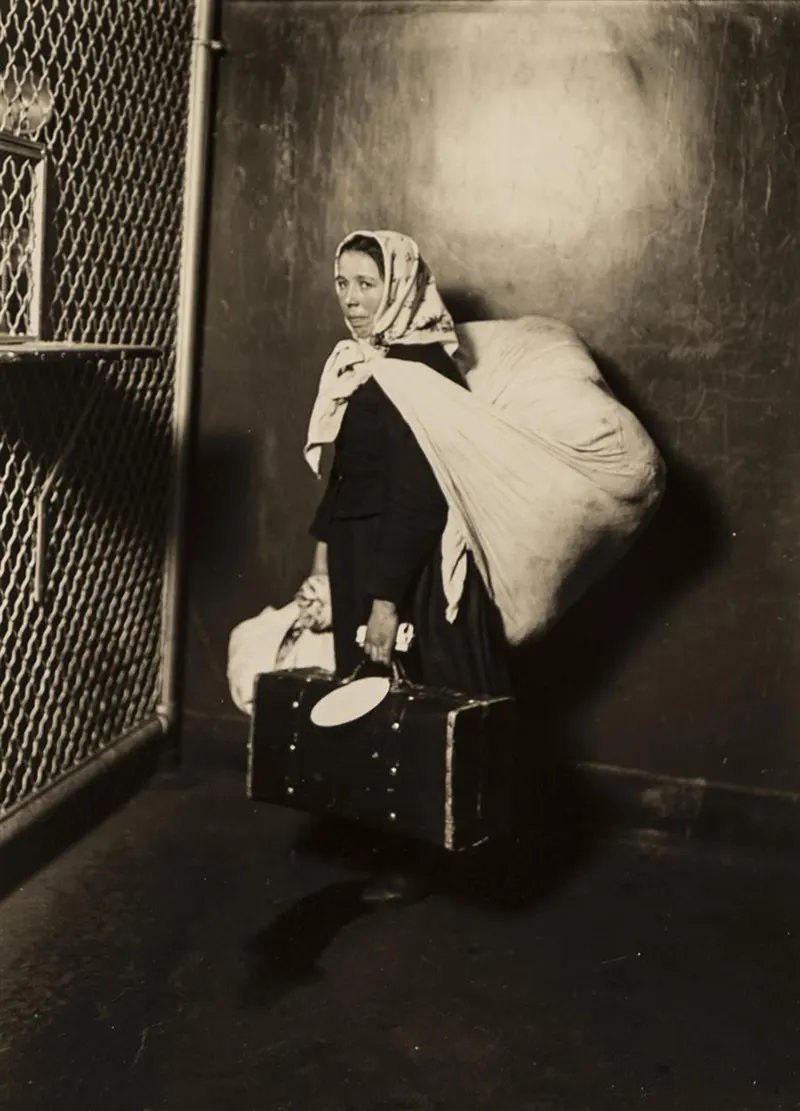
Slavic families arrived together — mothers traveling alone with children, carrying all their belongings in bundles on their backs. The identification tags pinned to their chests were often the first physical object of American bureaucracy they had ever encountered.
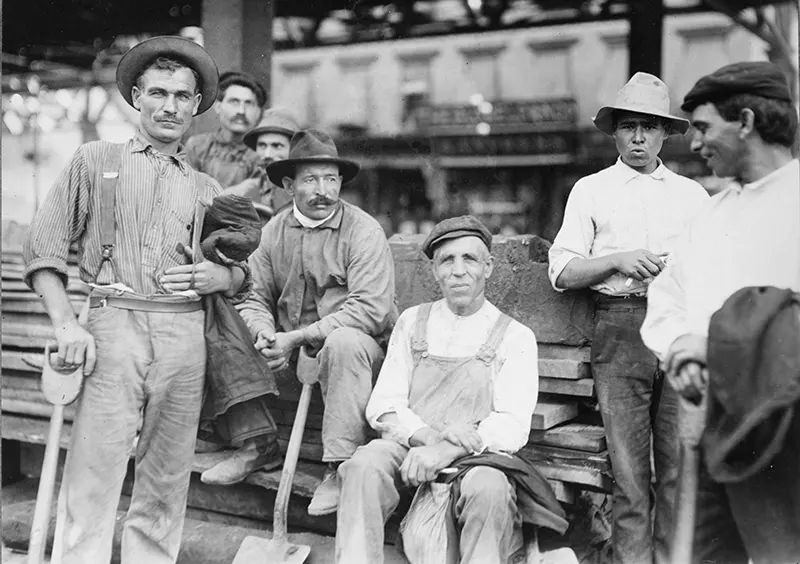
Once settled in American cities, immigrants found work wherever they could. Labor agencies on the Lower West Side of Manhattan posted job notices and recruited workers for factories, construction sites, and domestic service. The pay was low, and the work was often dangerous, but for many families, any wage was better than none.
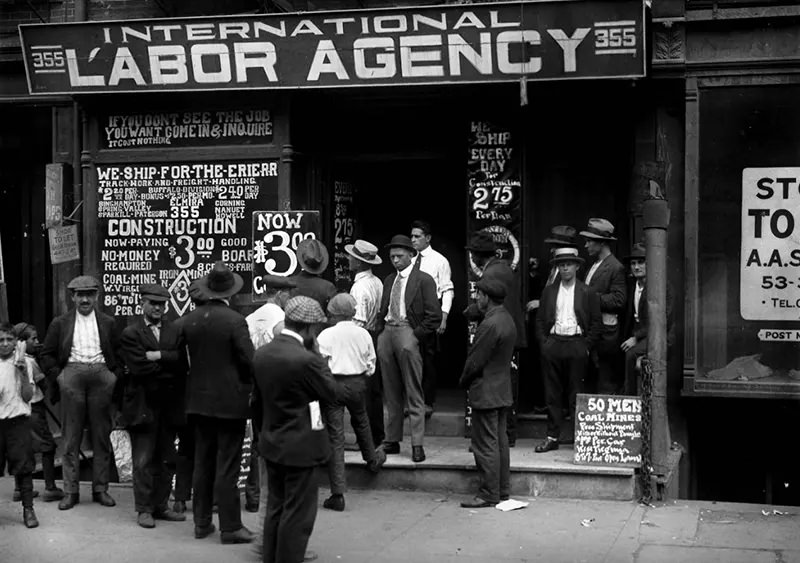
Italian men took on some of the country’s most physically demanding jobs — digging canals, laying sewer lines, and breaking ground under city streets. These were the jobs native-born workers often refused.
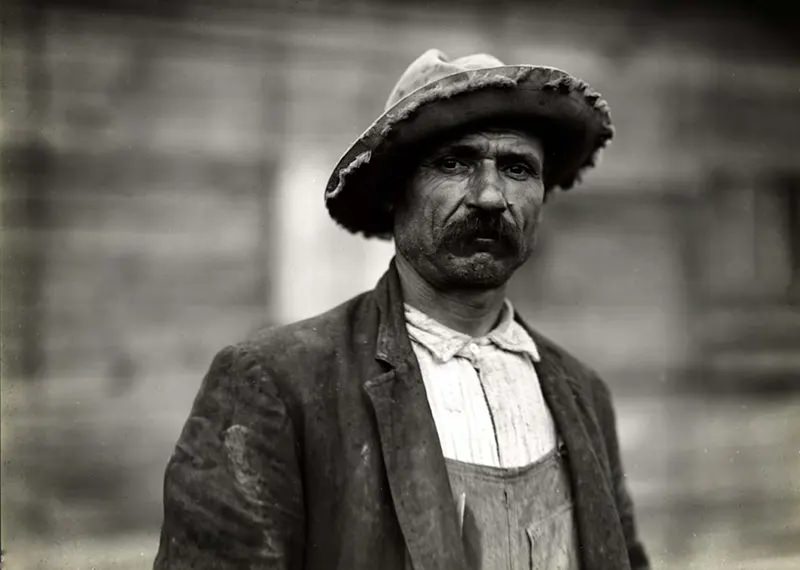
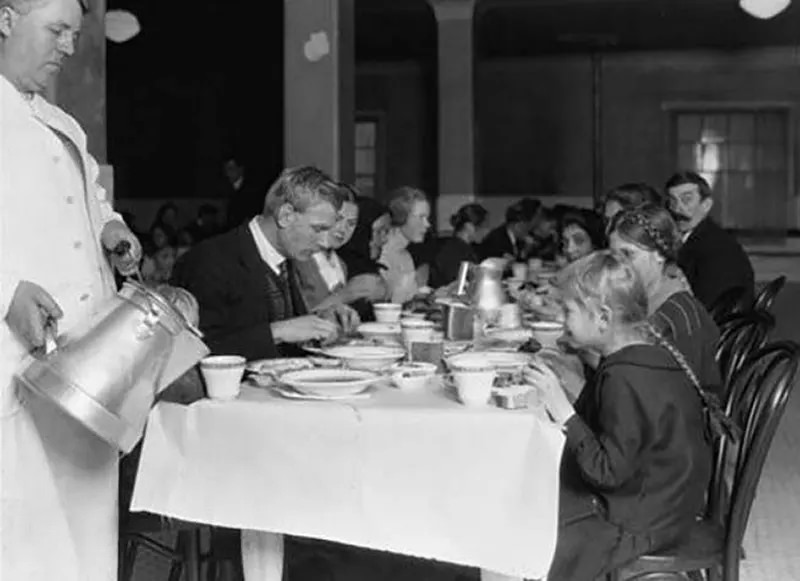
Back at Ellis Island, conditions for detainees slowly improved over the years. By the 1920s, meals had evolved beyond the sparse prune sandwiches that once passed as standard fare. Detainees received more varied food, and the dining facilities became less overcrowded.
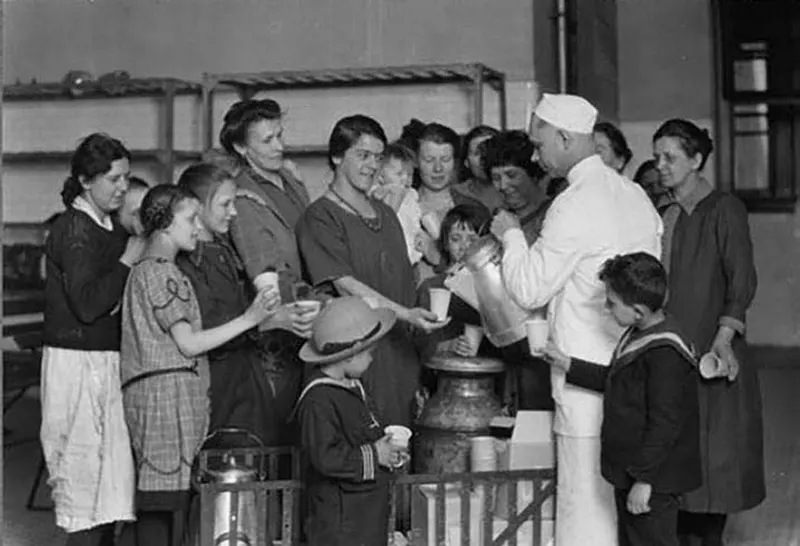
Social workers played an active role at Ellis Island, helping newly arrived immigrants understand American laws and customs. They explained the steps required to become a citizen and guided families through a system that was, to most of them, entirely foreign.
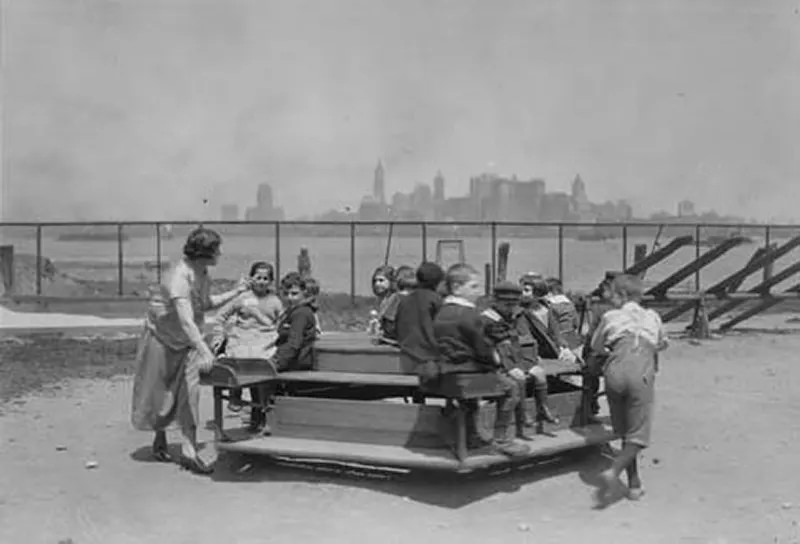
Children experienced Ellis Island differently than adults. To a young child, the vast processing halls, strange uniforms, and unfamiliar smells were more curious than threatening.
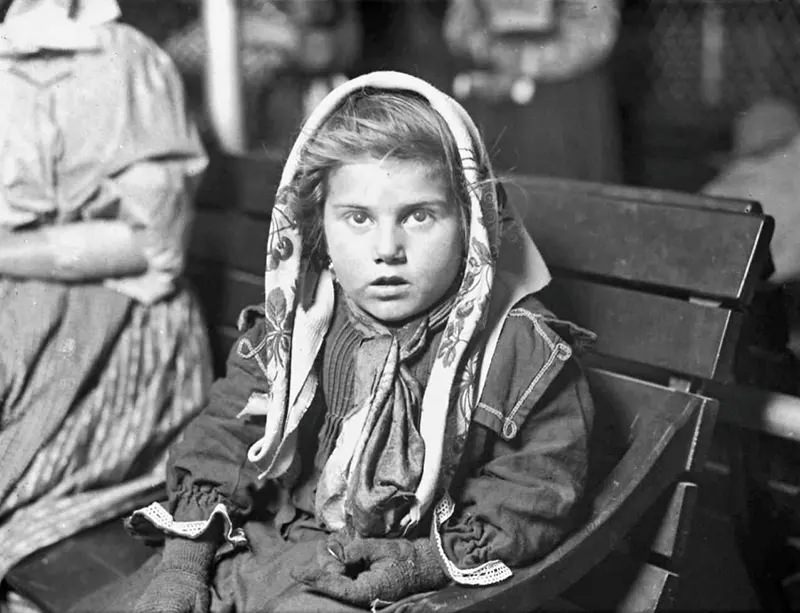
For mothers traveling with infants, the detention cells were especially grim. At peak periods, as many as 1,700 immigrants were packed into rooms built to hold 600 people.
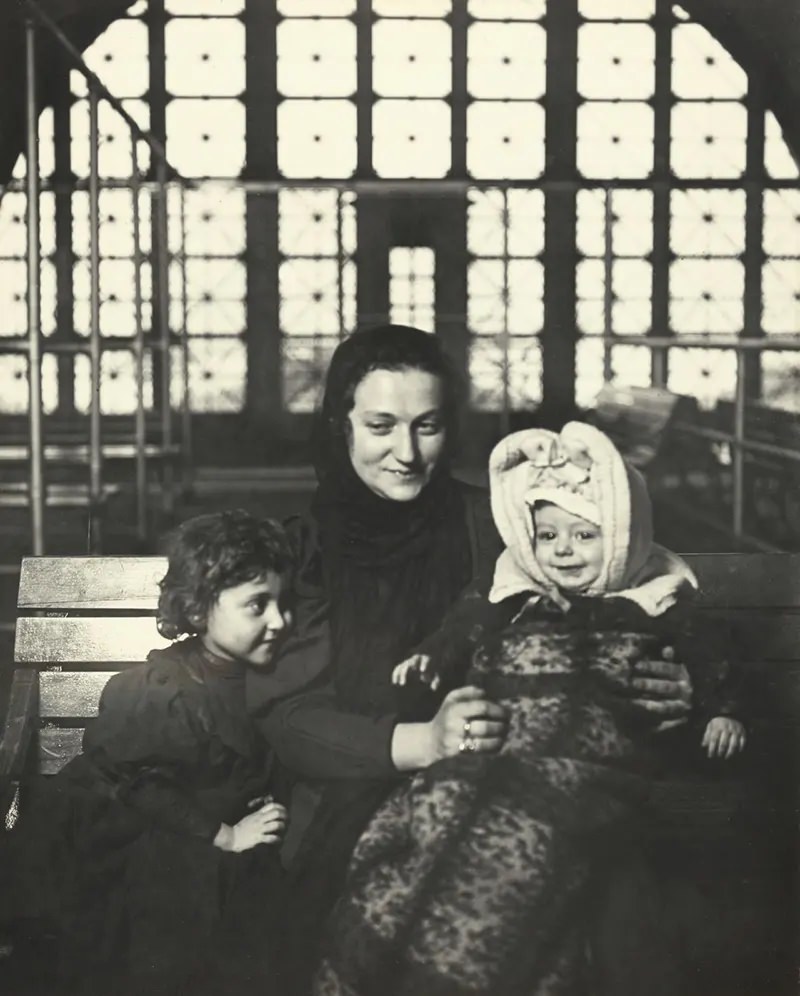
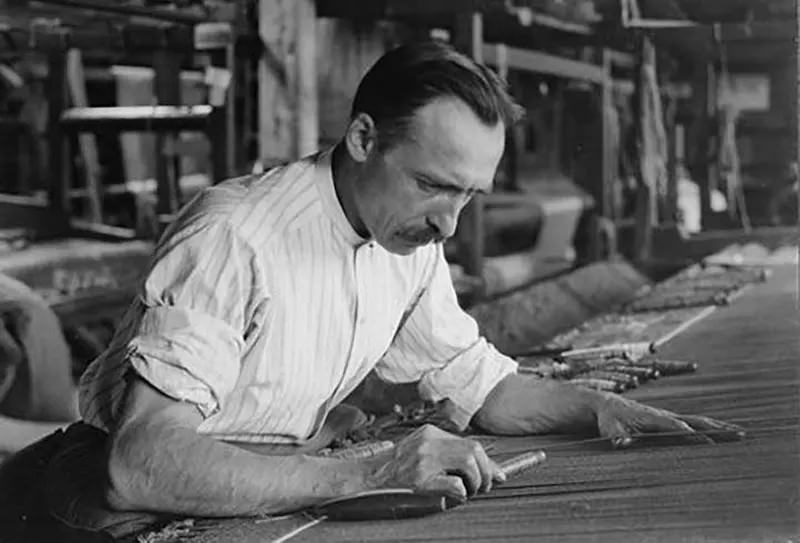
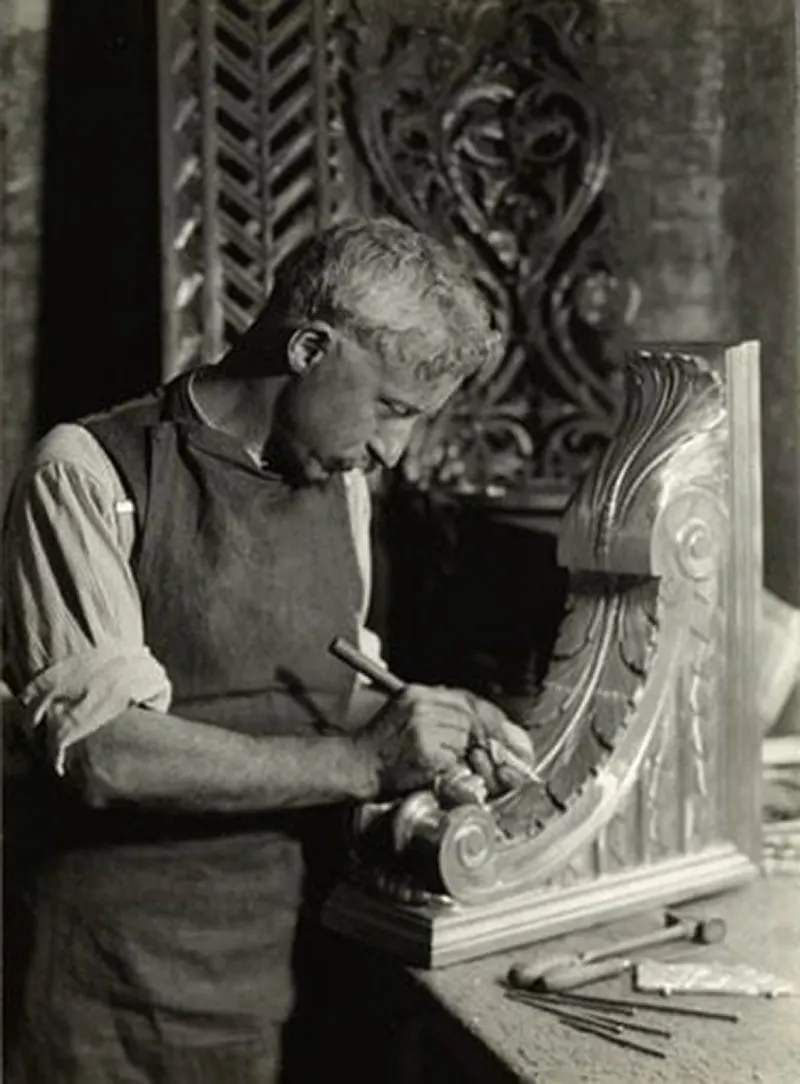
Skilled immigrant workers brought specialized crafts with them. French artisans wove high-grade tapestries in New York workshops. Italian craftsmen worked in bronze. These were not unskilled laborers but trained professionals whose talents found a market in their adopted country.
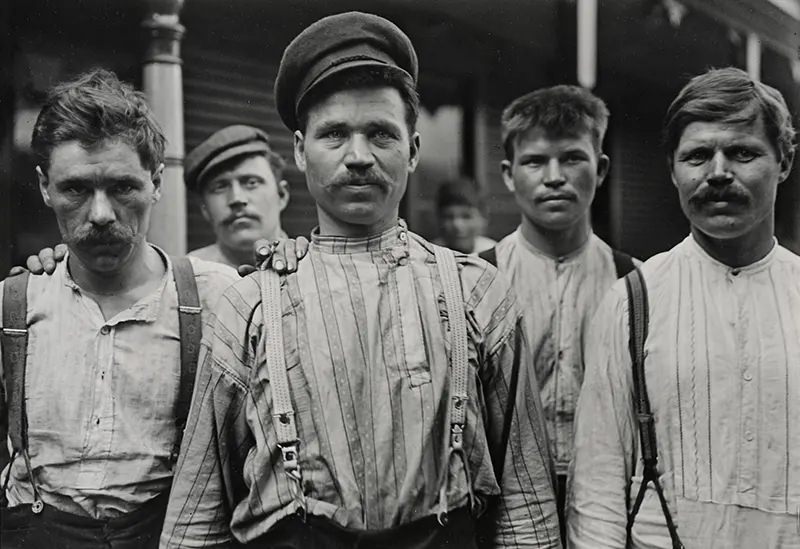
Outside the cities, immigrant workers clustered in industrial towns. In Homestead, Pennsylvania, Russian workers shared boarding houses near the steel mills. These communal living arrangements helped newcomers survive their first years while saving enough to send money back home.
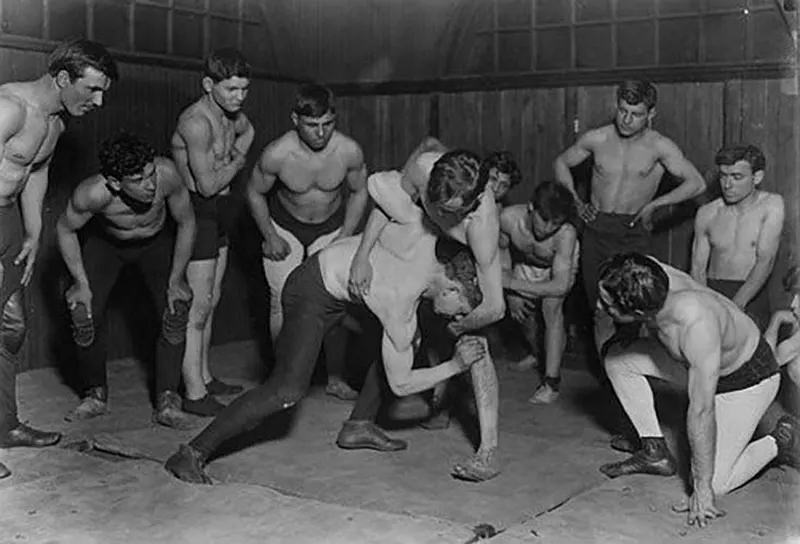
Community organizations became anchors for immigrant neighborhoods. Settlement houses like Hull House in Chicago offered athletic clubs, music lessons, and social programs. These spaces gave immigrants a place to maintain cultural ties while adapting to American life.
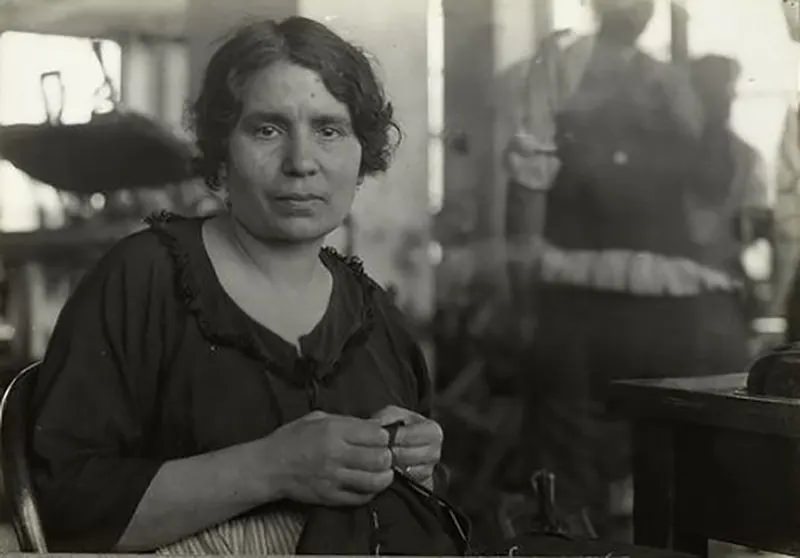
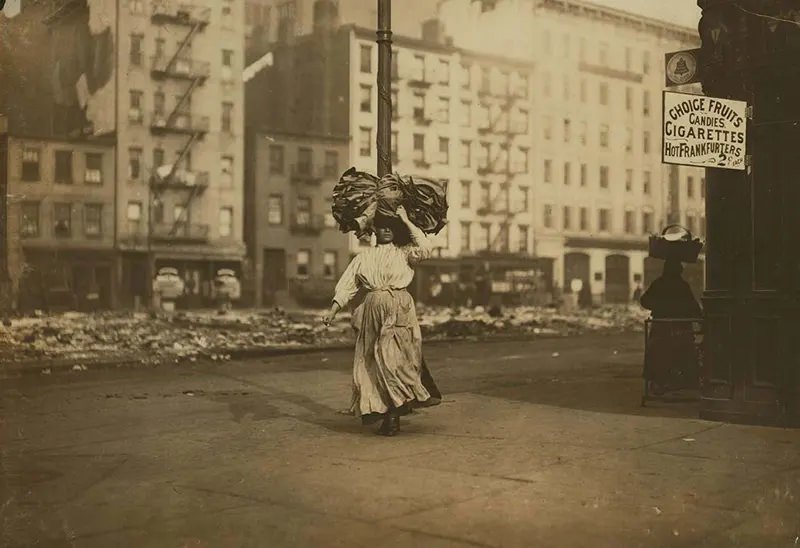
Tenement life placed enormous pressure on immigrant families. In New York’s Lower East Side, mothers carried bundles of unfinished garments home from factories to be completed by the entire family — including young children — in cramped apartment rooms.
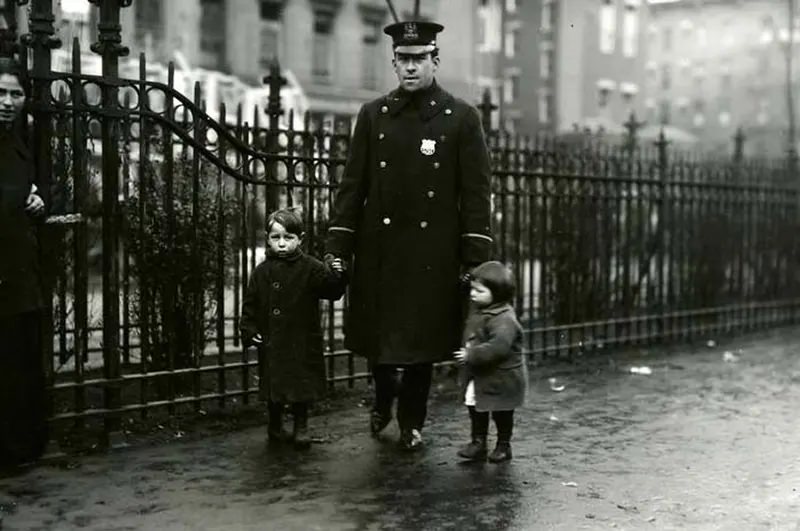
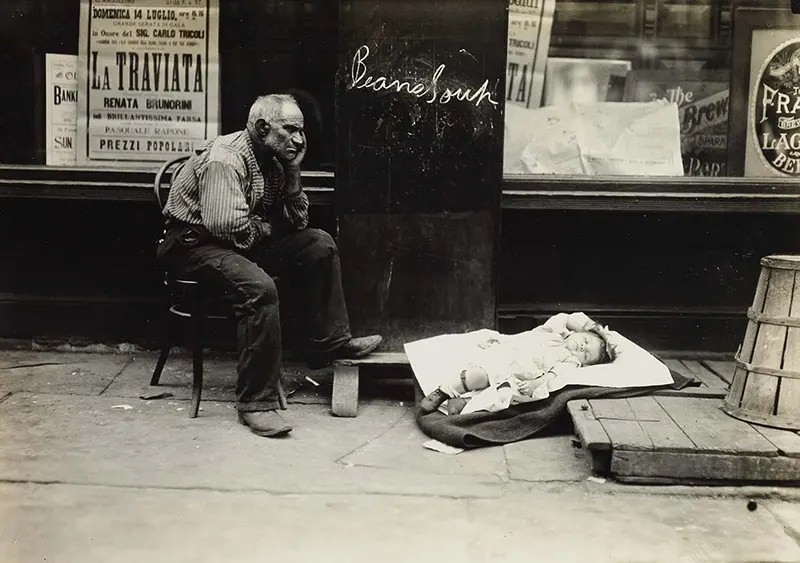
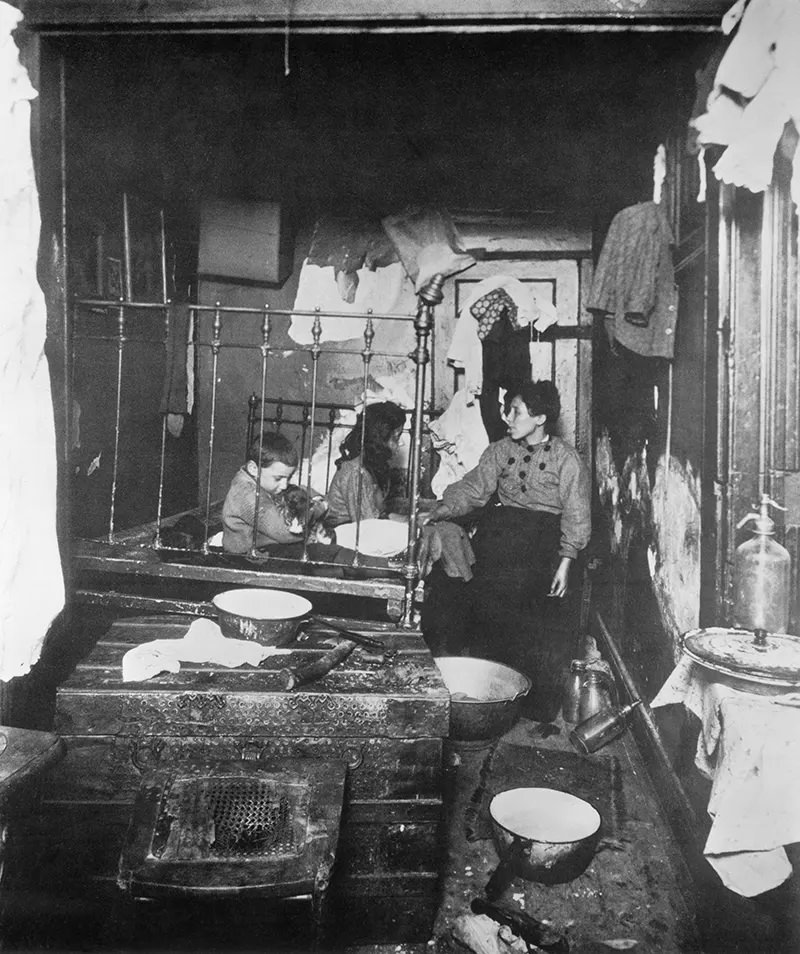
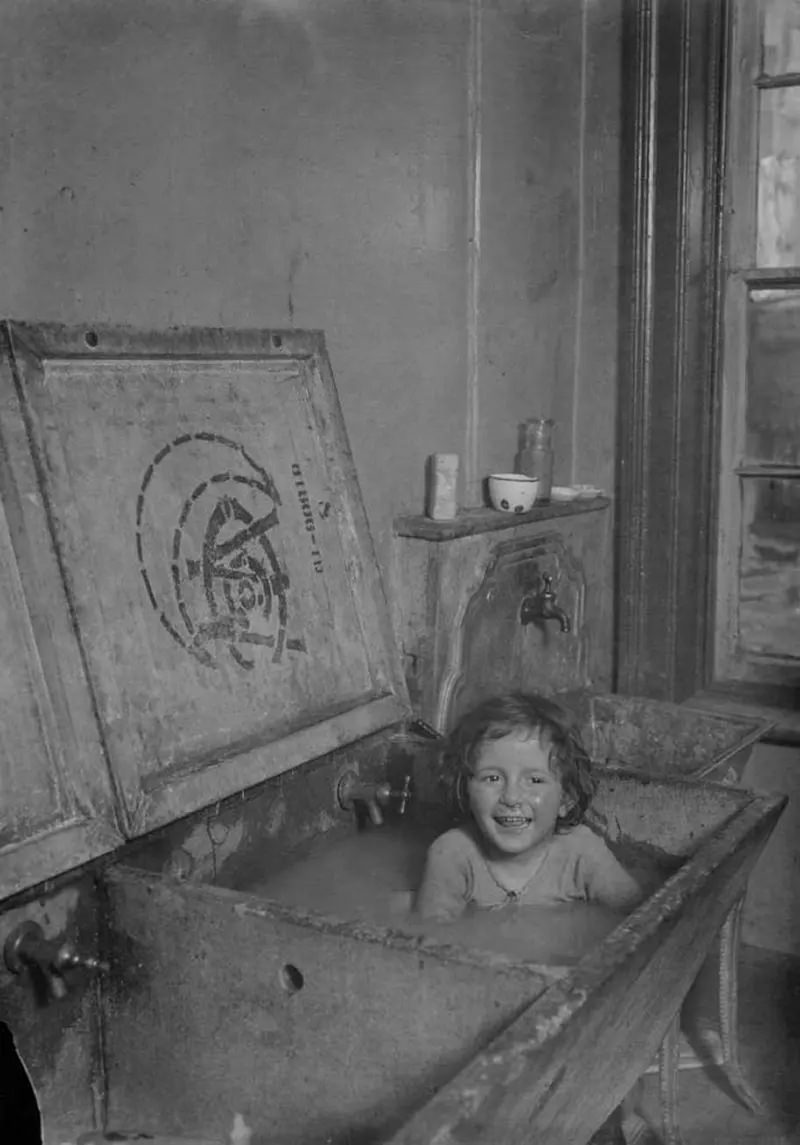
Tenement apartments were dark and overcrowded. Multiple families shared walls, floors, and often rooms. Bedrooms held little beyond mattresses and the few possessions carried across an ocean.
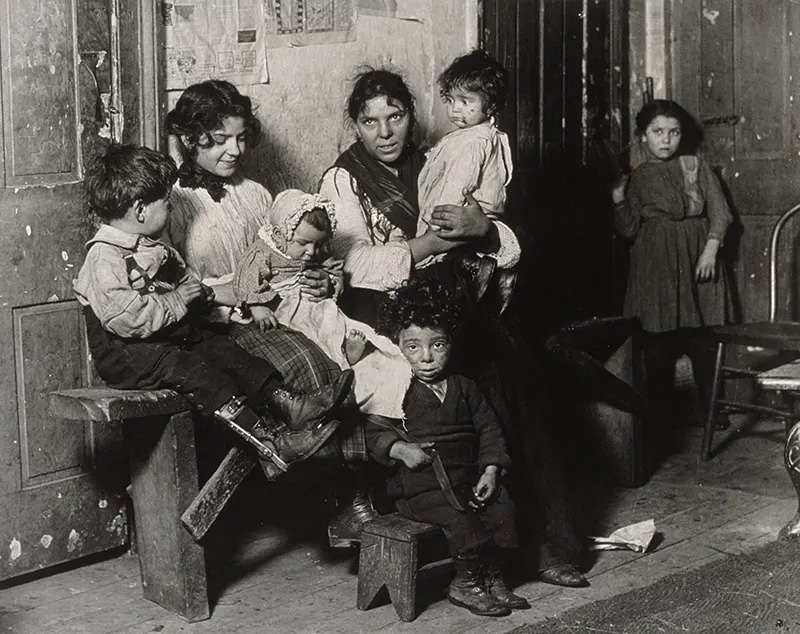
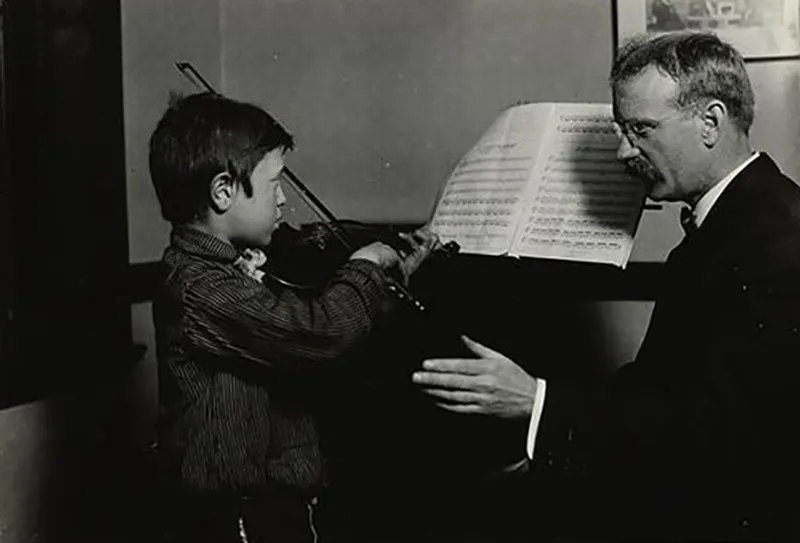
Even in difficult circumstances, immigrant communities invested in their children’s futures. At Hull House, a young refugee with musical ability received formal instruction — an opportunity that would have been impossible in the country they had fled.
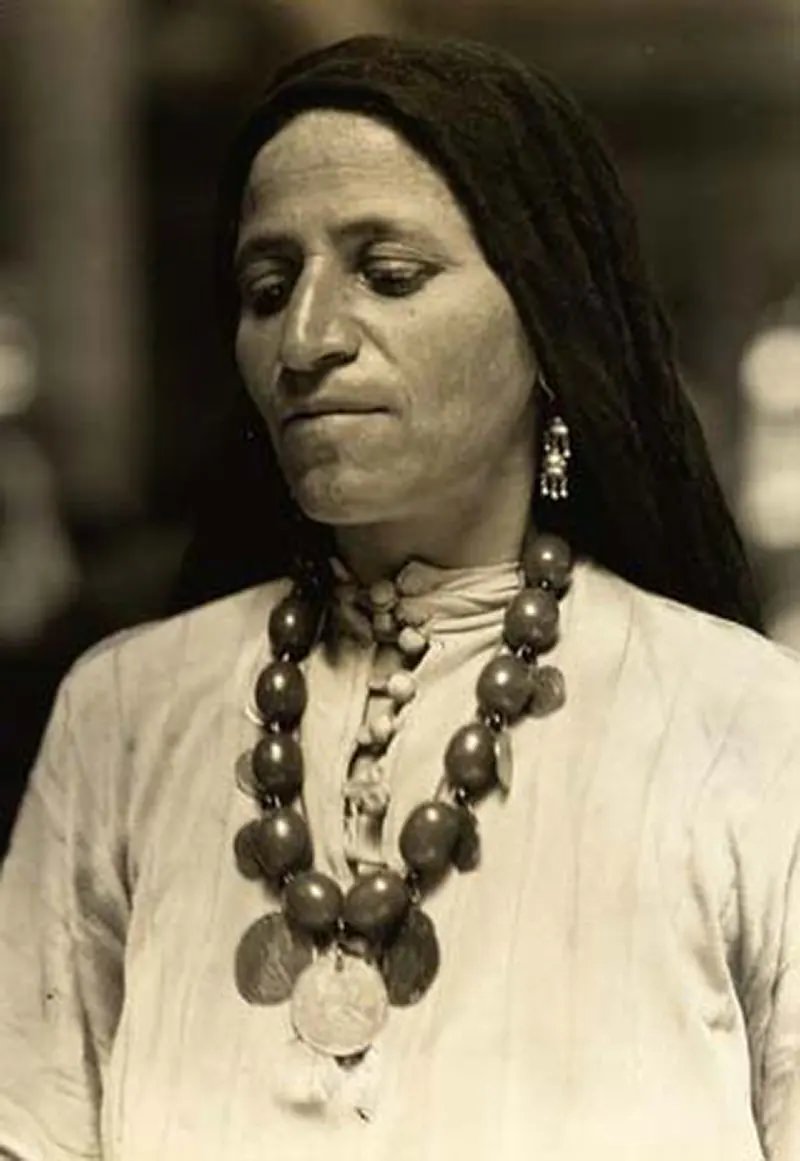
Among the last waves of arrivals before stricter immigration quotas took effect in the mid-1920s were Syrian Arabs, Slovak women, Jewish grandmothers, and Czech elders — people of every age and background still drawn by the same pull that had brought millions before them.
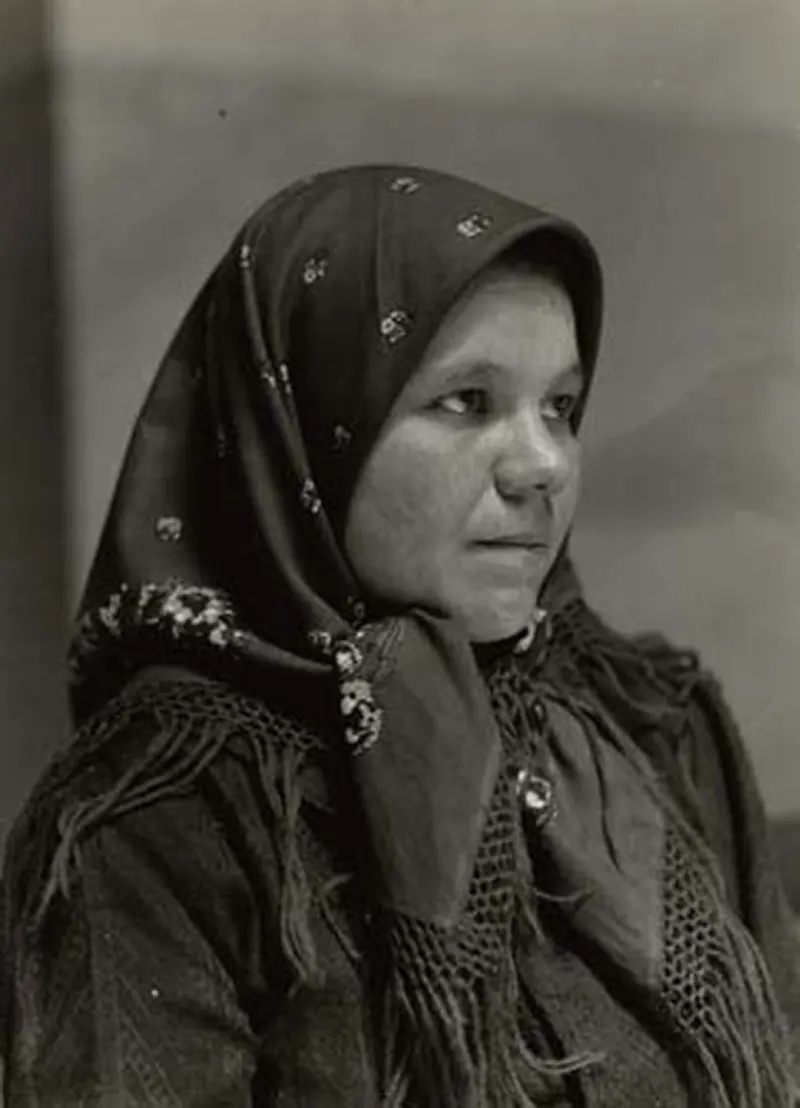
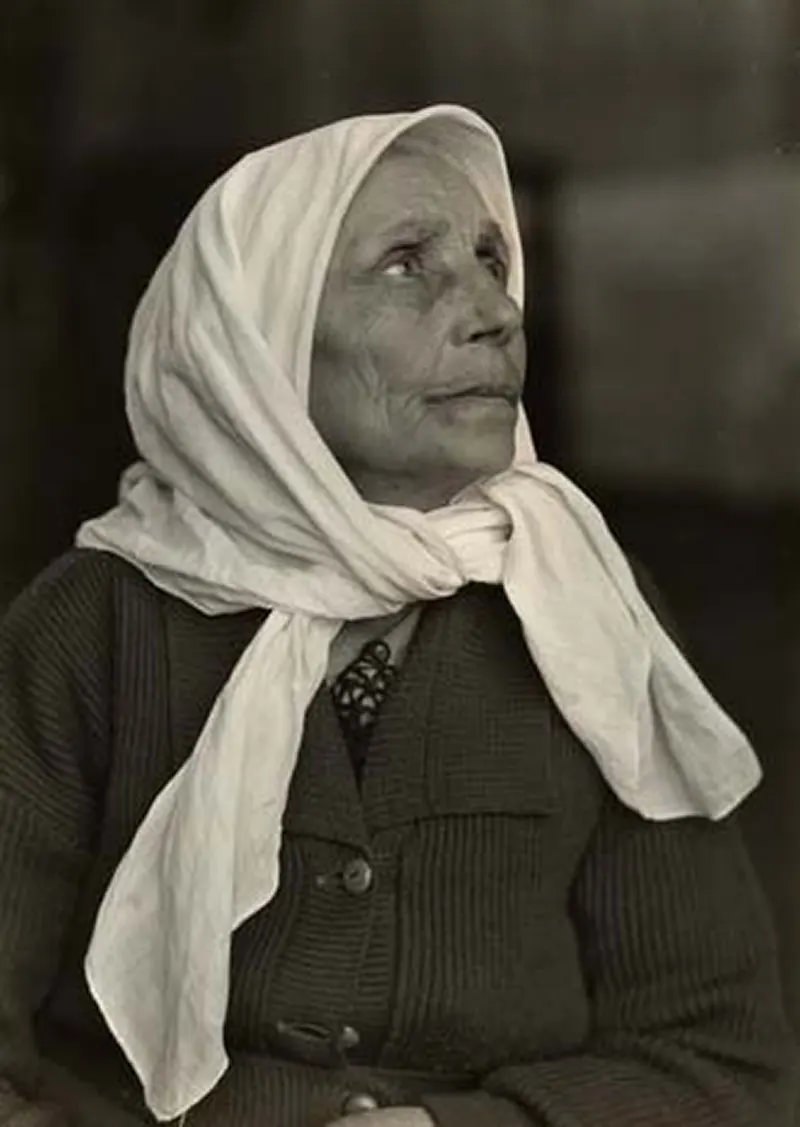
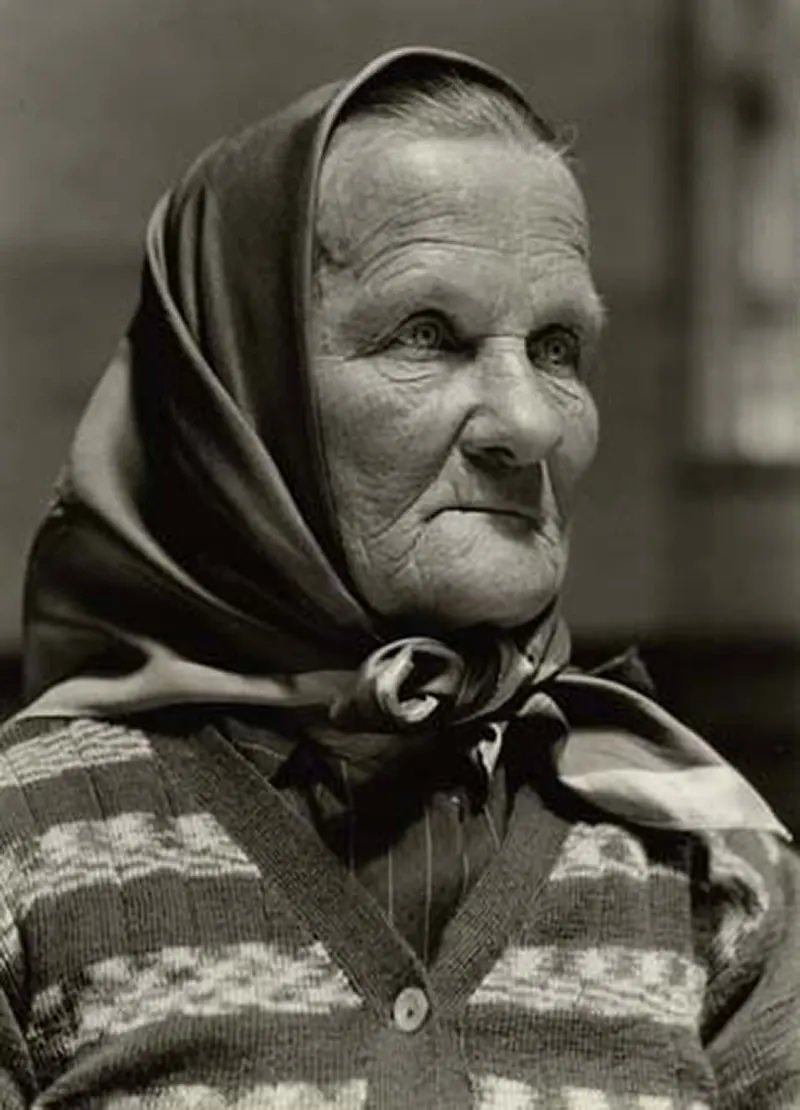
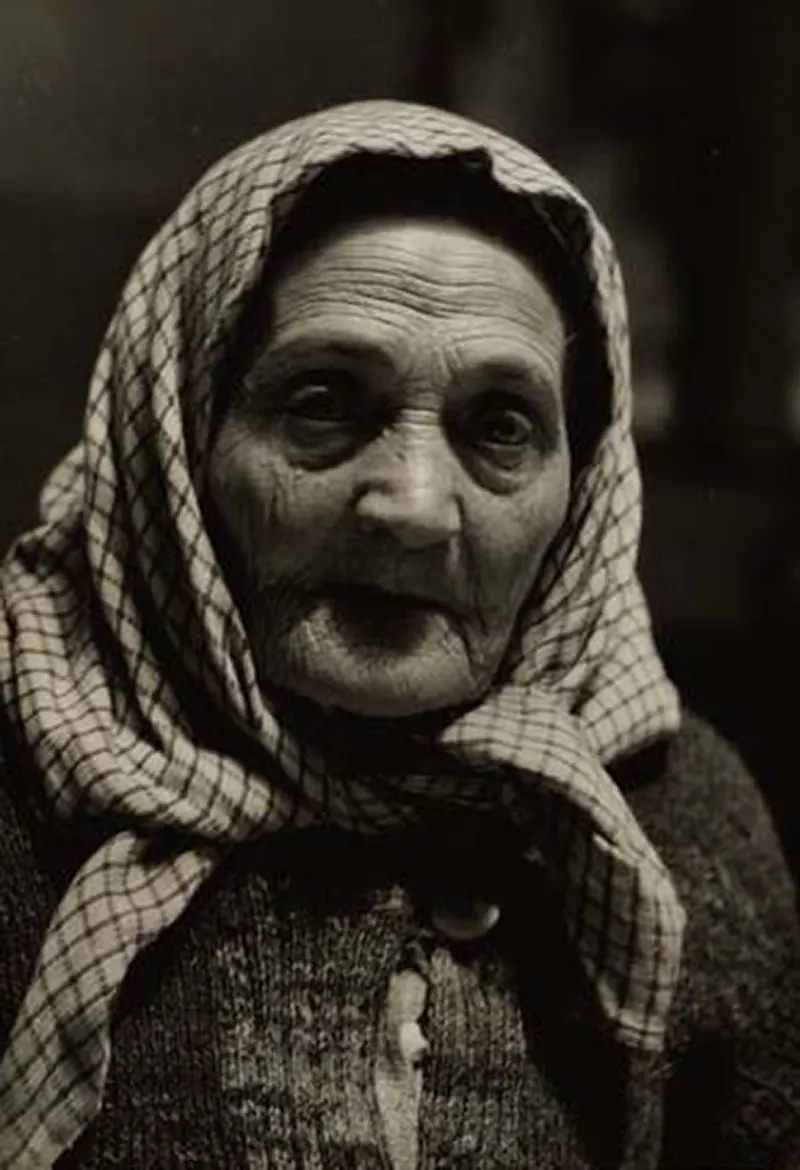
German immigrants arriving in the 1920s tended to include farmers, scholars, and tradespeople — arrivals who, by their dress and luggage, appeared more financially stable than many of the earlier waves of poor rural migrants.
The small ferry boats of the Immigration Service shuttled new arrivals from docking piers to the island itself. When the number of waiting immigrants overwhelmed the ferry’s capacity, passengers sat aboard ships in the harbor for days before they could be brought ashore to begin processing.