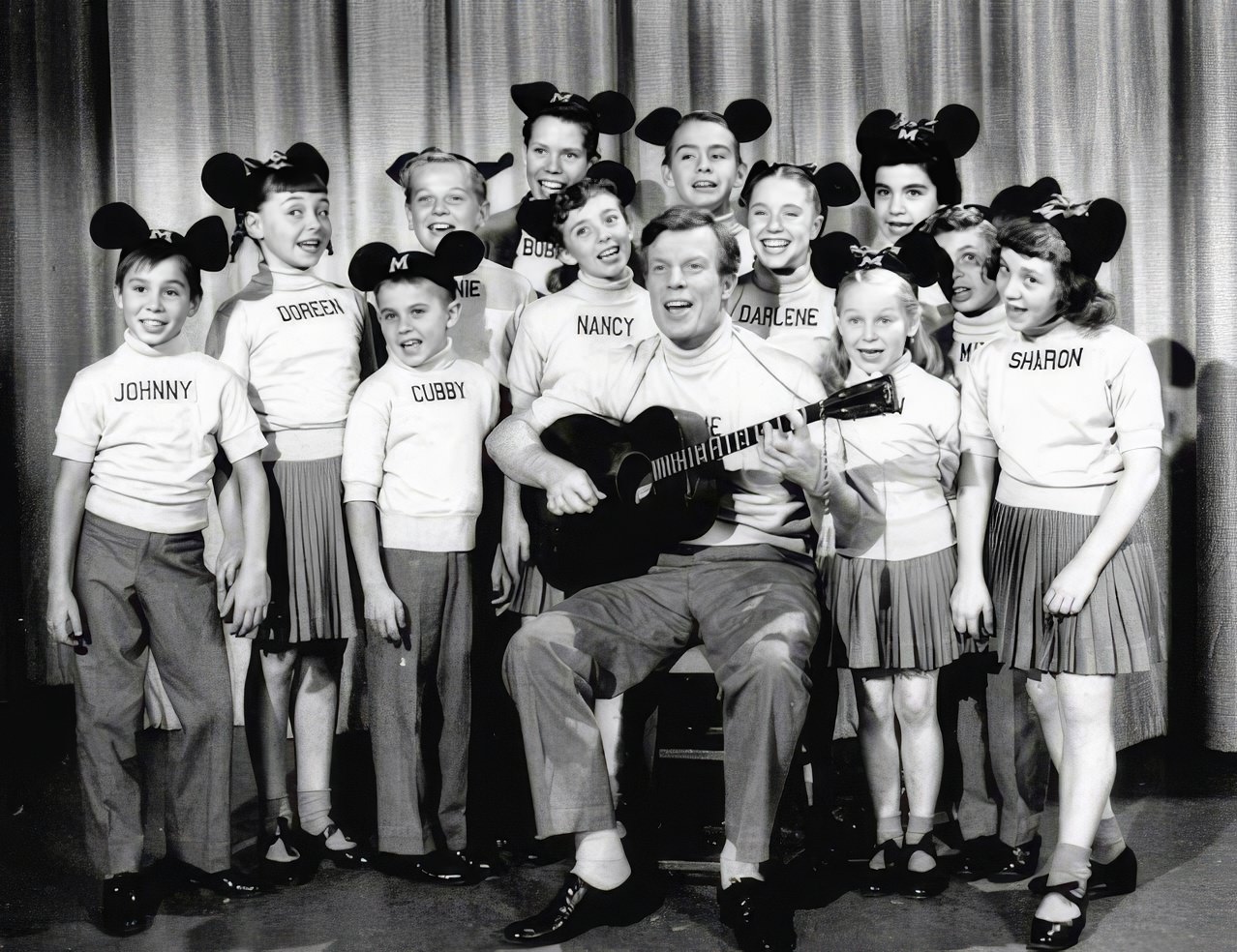
On October 3, 1955, Walt Disney launched a television program on ABC that would define after-school viewing for an entire generation. The Mickey Mouse Club aired Monday through Friday from 5:00 to 6:00 p.m., and within weeks it had become one of the biggest crazes of the decade. At its center was a group of young performers called the Mouseketeers — kids who sang, danced, and showed up on screen with an energy that millions of children across America recognized as their own.
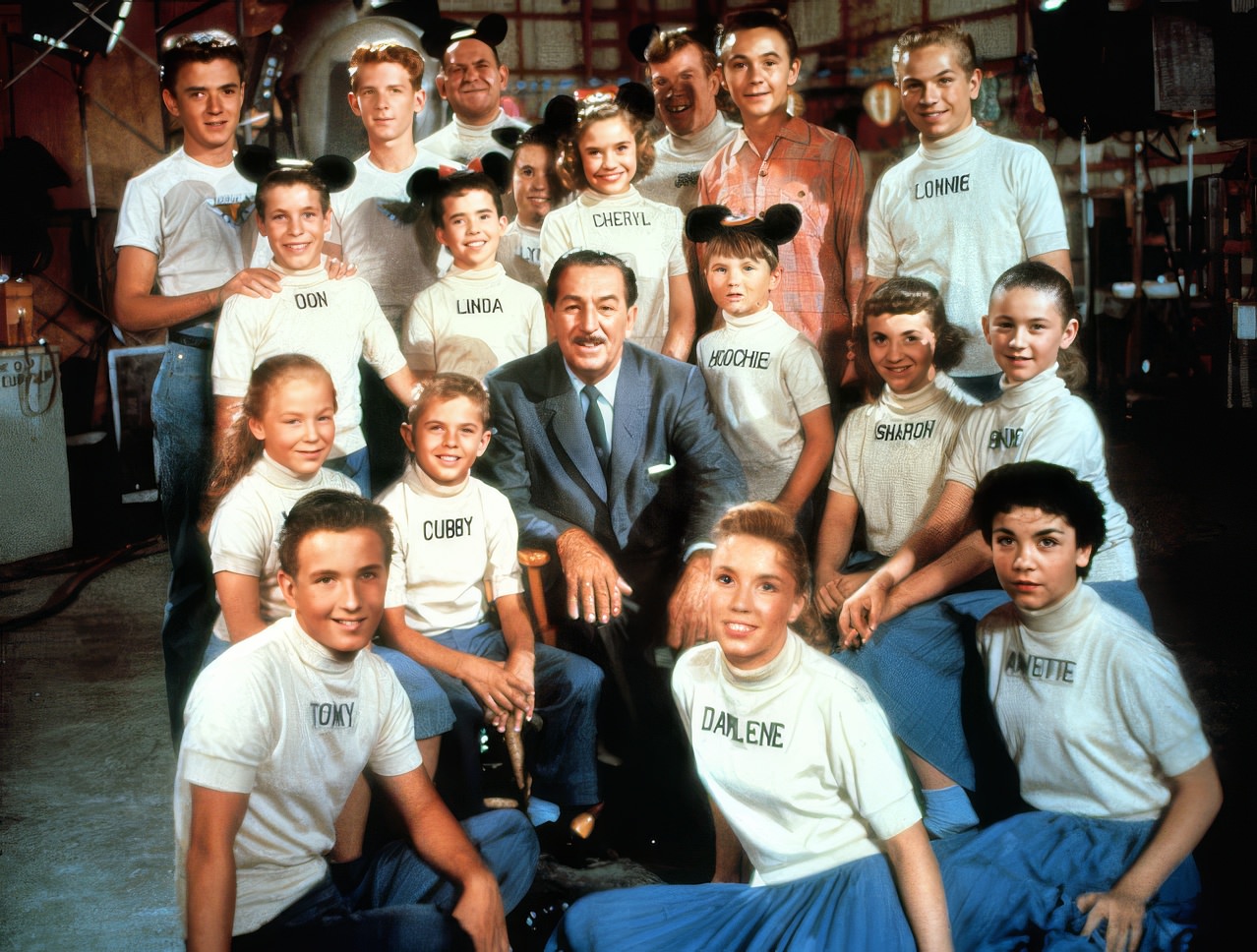
The idea for the show had roots going back more than two decades. Between 1929 and 1933, Disney had run live Mouse Clubs in movie theaters to entertain audiences before films. The 1955 television version was designed to capture that same spirit. Disney’s team recruited mostly non-professional children from California, selecting them for a mix of talent, personality, and natural charm. These weren’t polished child stars groomed for Hollywood — they were kids who could genuinely connect with the audience watching at home.
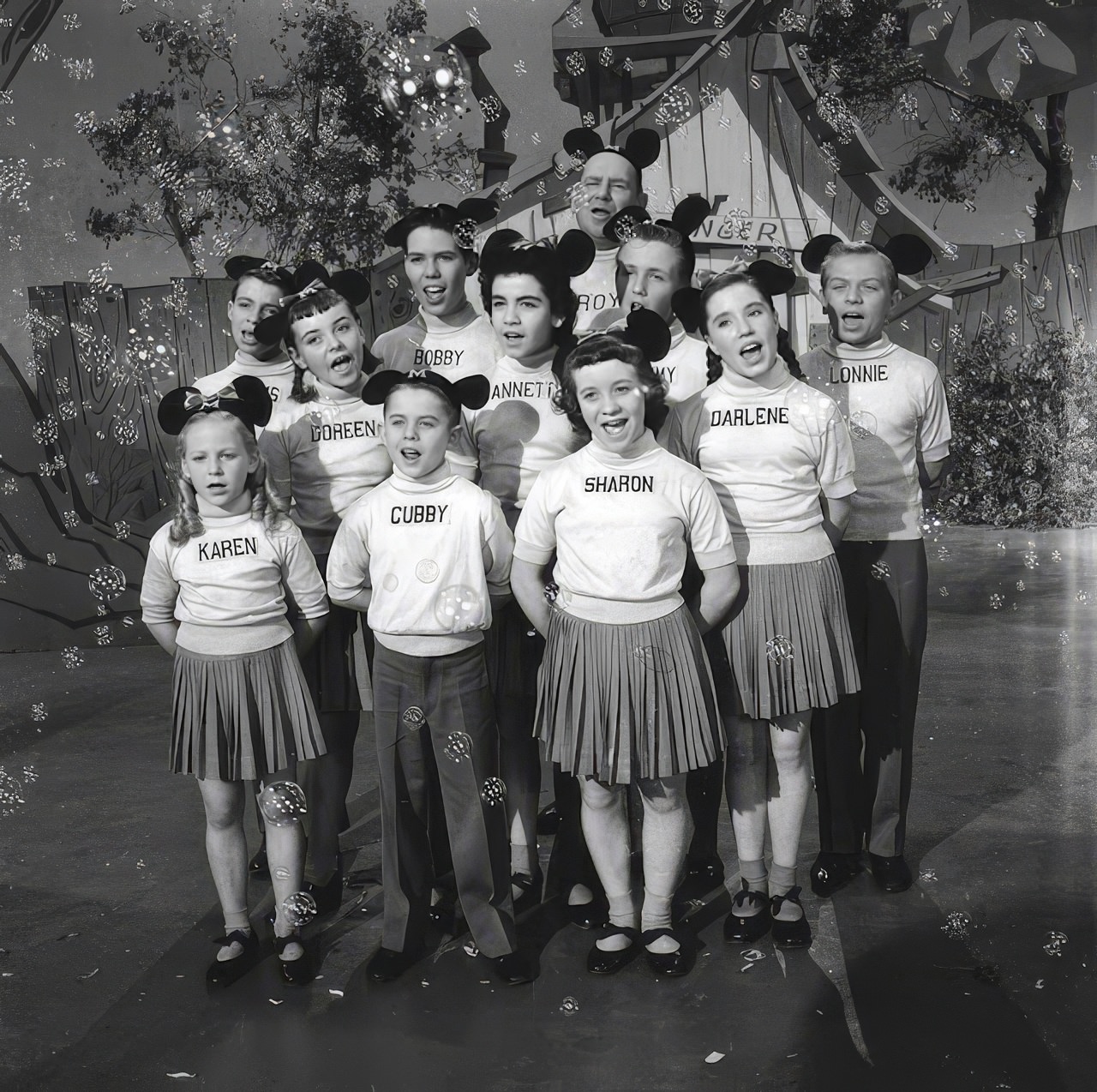
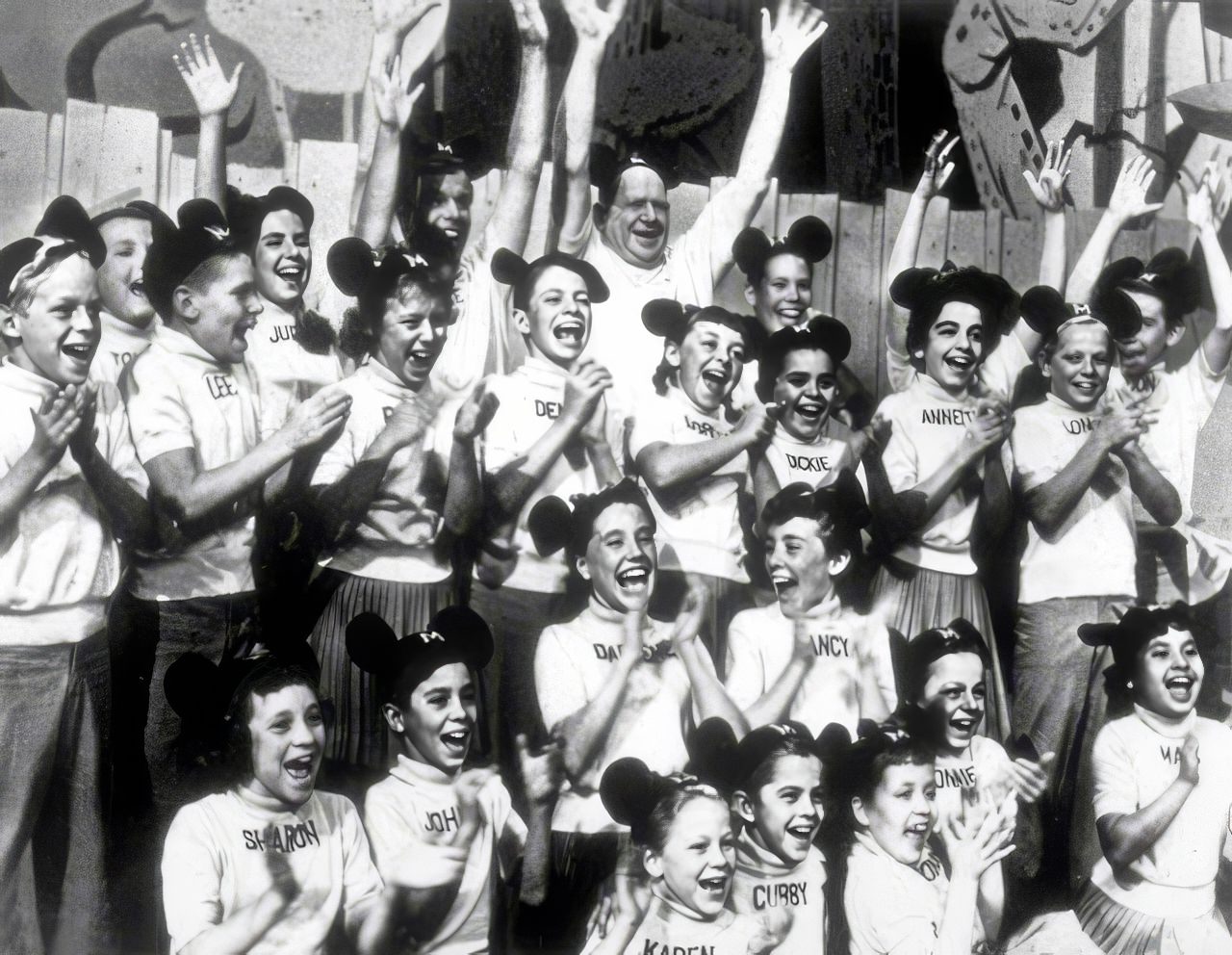
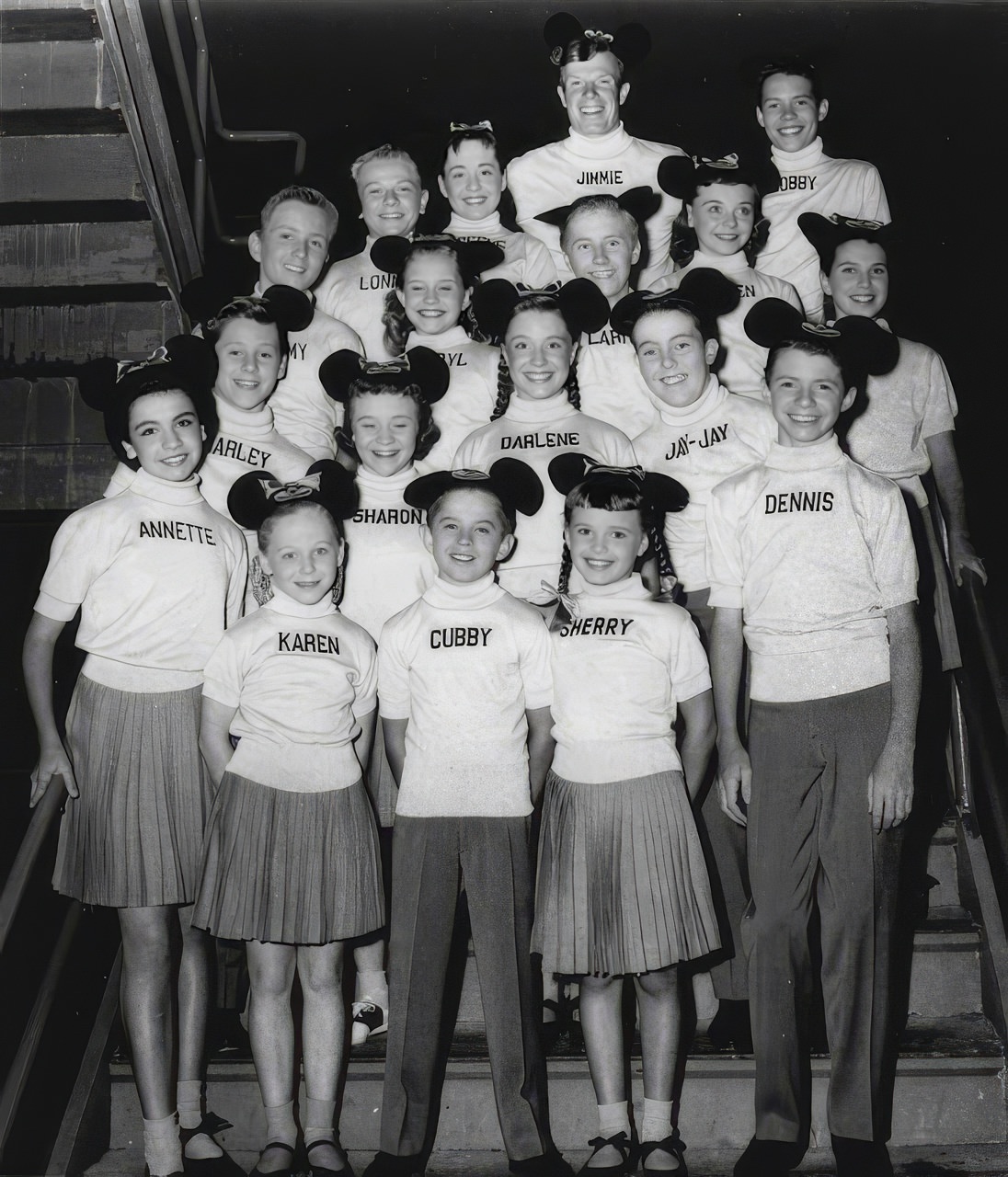
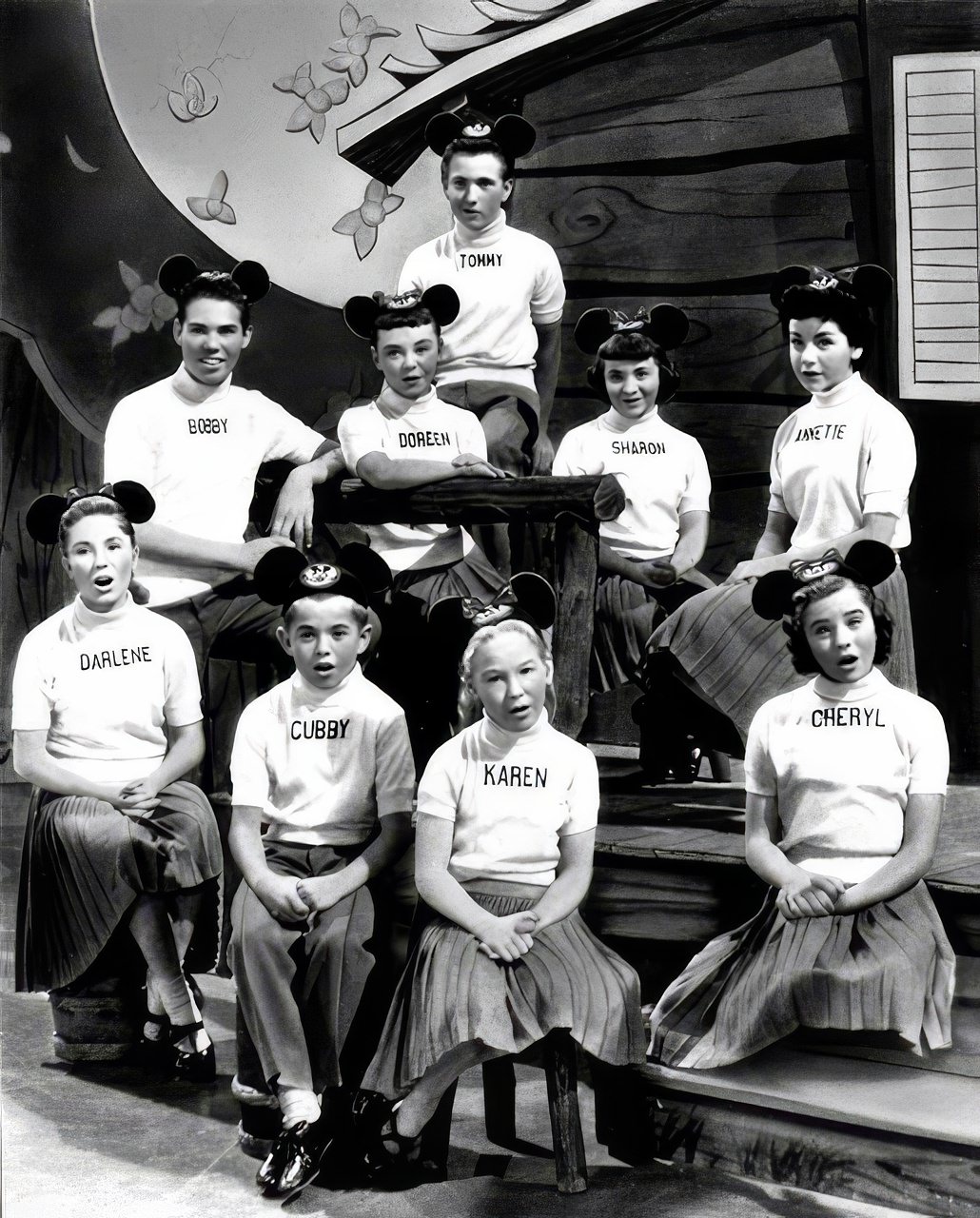
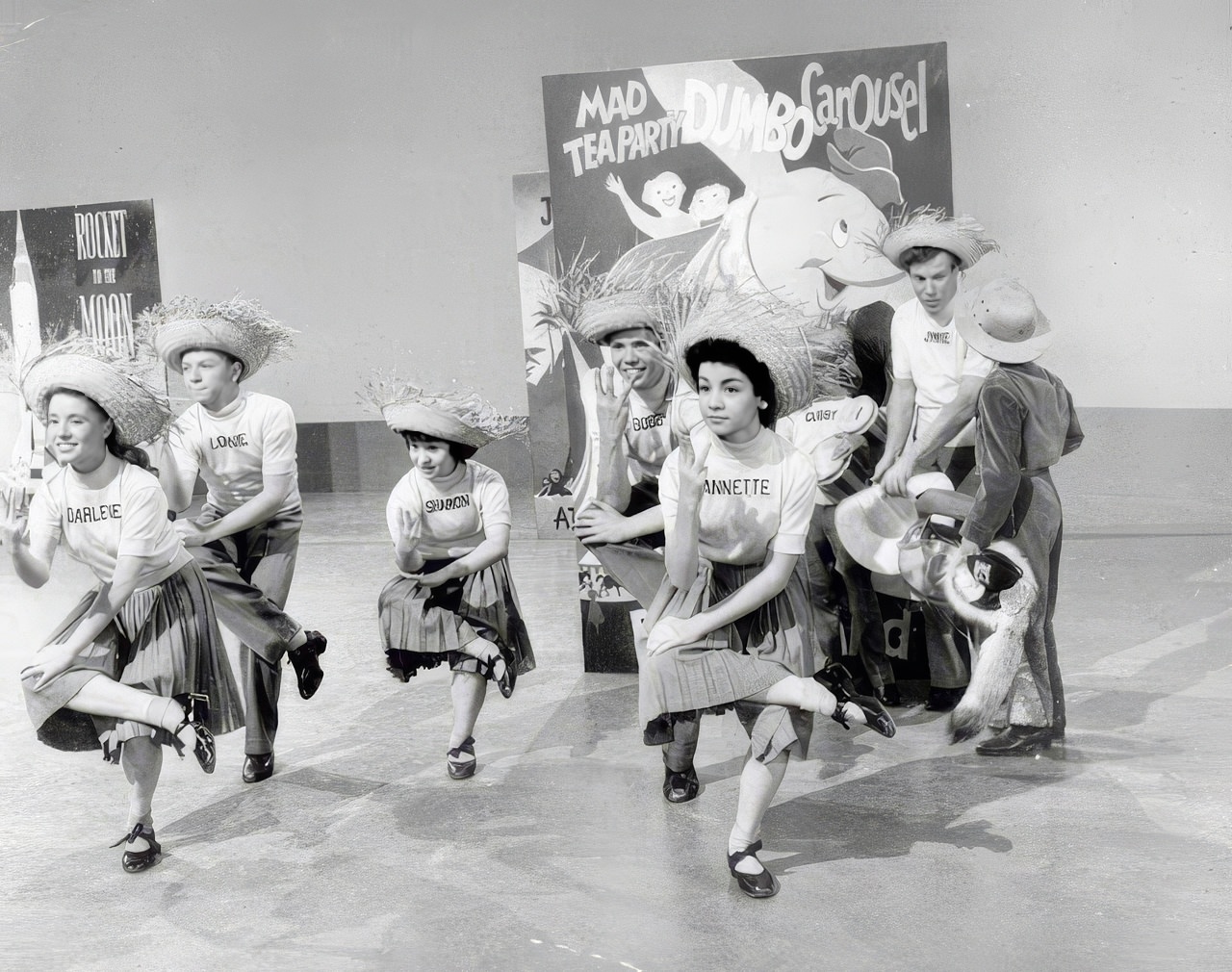
The Mouseketeers were split into two groups. The “Red Team” featured the ten most showcased performers, the ones who appeared most frequently and carried the bulk of the on-screen entertainment. The larger “Blue Team” served as a supporting cast. Together, they made up a roster of young talent that ranged from singers and dancers to comedians and actors, all wearing the show’s signature black beanies fitted with round mouse ears.
Two Mouseketeers rose above the rest in terms of fame and lasting recognition. Annette Funicello became the most beloved cast member of the Club era. Her popularity during the show’s run was enormous, and it carried her into a recording career and a string of film appearances before she stepped away from the spotlight to focus on private life. Bobby Burgess made his mark as a dancer, and after the show ended he found a long-running role as a dancing regular on the Lawrence Welk Show, a career that kept him in the public eye well into the following decades.
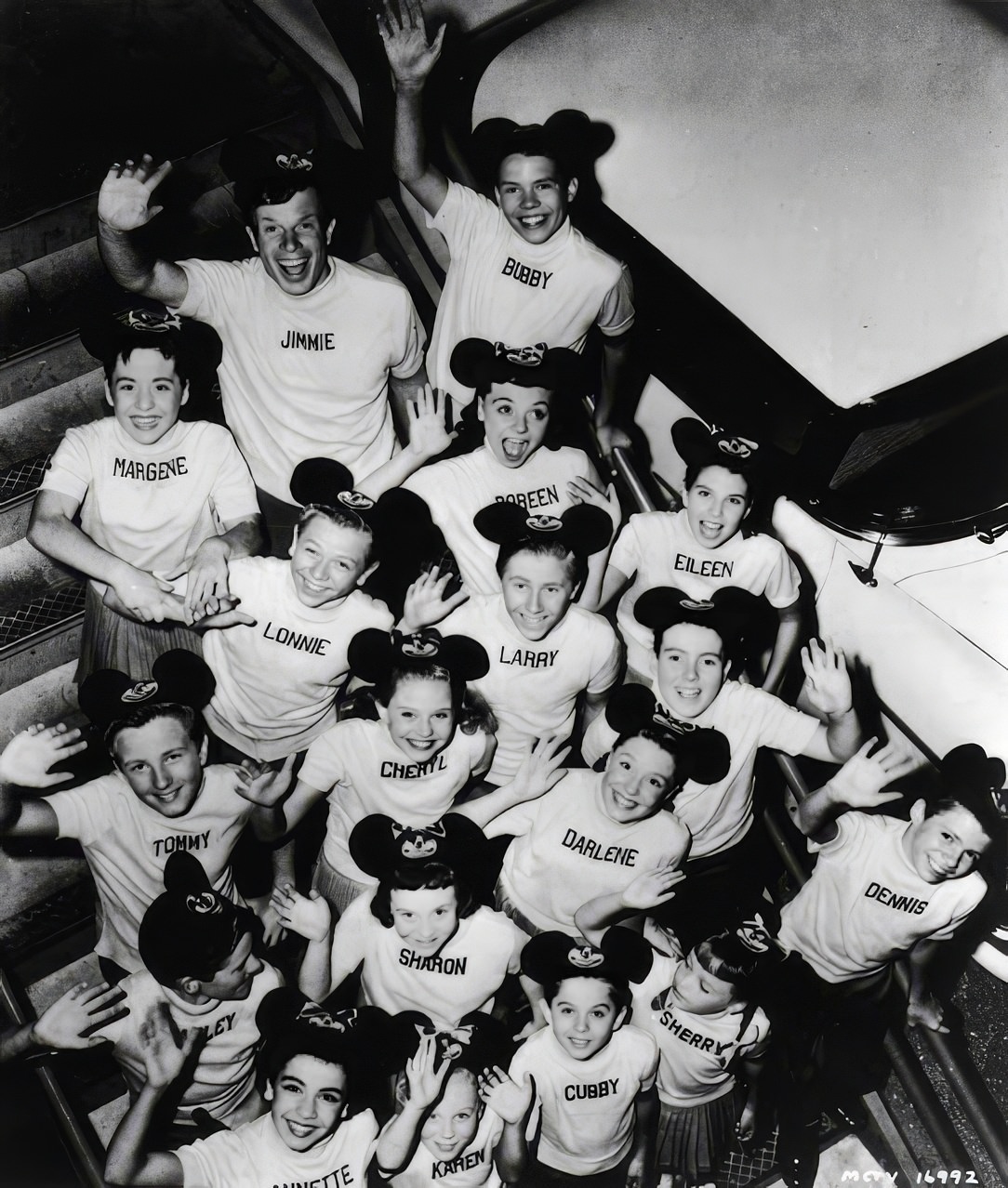
The adult regulars gave the show structure and warmth. Jimmie Dodd acted as the program’s moderator and was the primary creative force behind many of its songs. He set the tone for each episode, guiding the Mouseketeers and connecting with younger viewers through a sincere, unhurried style. Roy Williams, a working Disney artist, contributed caricatures and quick-sketch drawings during broadcasts. His visual segments gave the show a creative variety that complemented the music and dance numbers.
Each episode followed a reliable four-part structure. Mickey Mouse appeared in an animated segment that opened the show. This was followed by newsreels covering global topics pitched to a young audience. Next came a series of safety and health films, or similar educational content hosted by Jiminy Cricket. The final portion featured the Mouseketeers performing. This format was consistent enough that children always knew what to expect, and that predictability was part of the appeal.
The Mickey Mouse Club was Disney’s second major venture into network television, following the debut of the Disneyland program. Where Disneyland targeted a broader family audience, the Mickey Mouse Club was built specifically around children. Disney understood that kids in post-war America had more leisure time and more television access than any generation before them, and he designed the show to meet them exactly where they were — at home, after school, ready to be entertained.
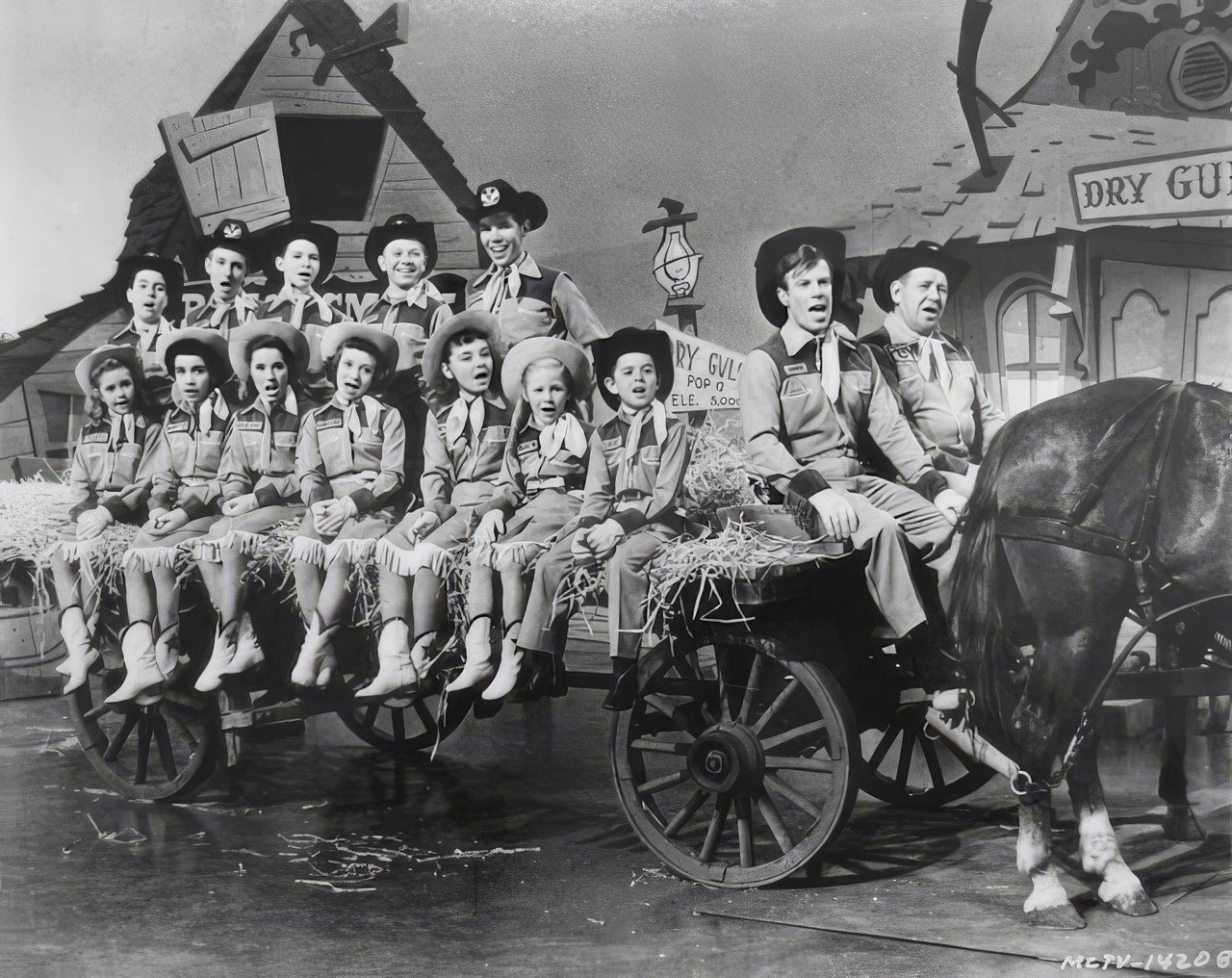
The Mouseketeers wore their mouse-ear beanies in every episode, and those ears quickly became one of the most recognized symbols in American children’s television. The hats weren’t just a costume — they were a shared identity. Kids watching at home could buy their own pairs, and many did. Wearing the ears meant belonging to something, a feeling that the show deliberately cultivated.
The show’s mix of entertainment and education reflected a specific philosophy. Disney wasn’t simply trying to fill an hour of airtime. The inclusion of newsreels and Jiminy Cricket’s instructional segments showed an intention to inform as well as entertain. Parents could feel comfortable with what their children were watching, and children got content that was genuinely engaging rather than dry or preachy.
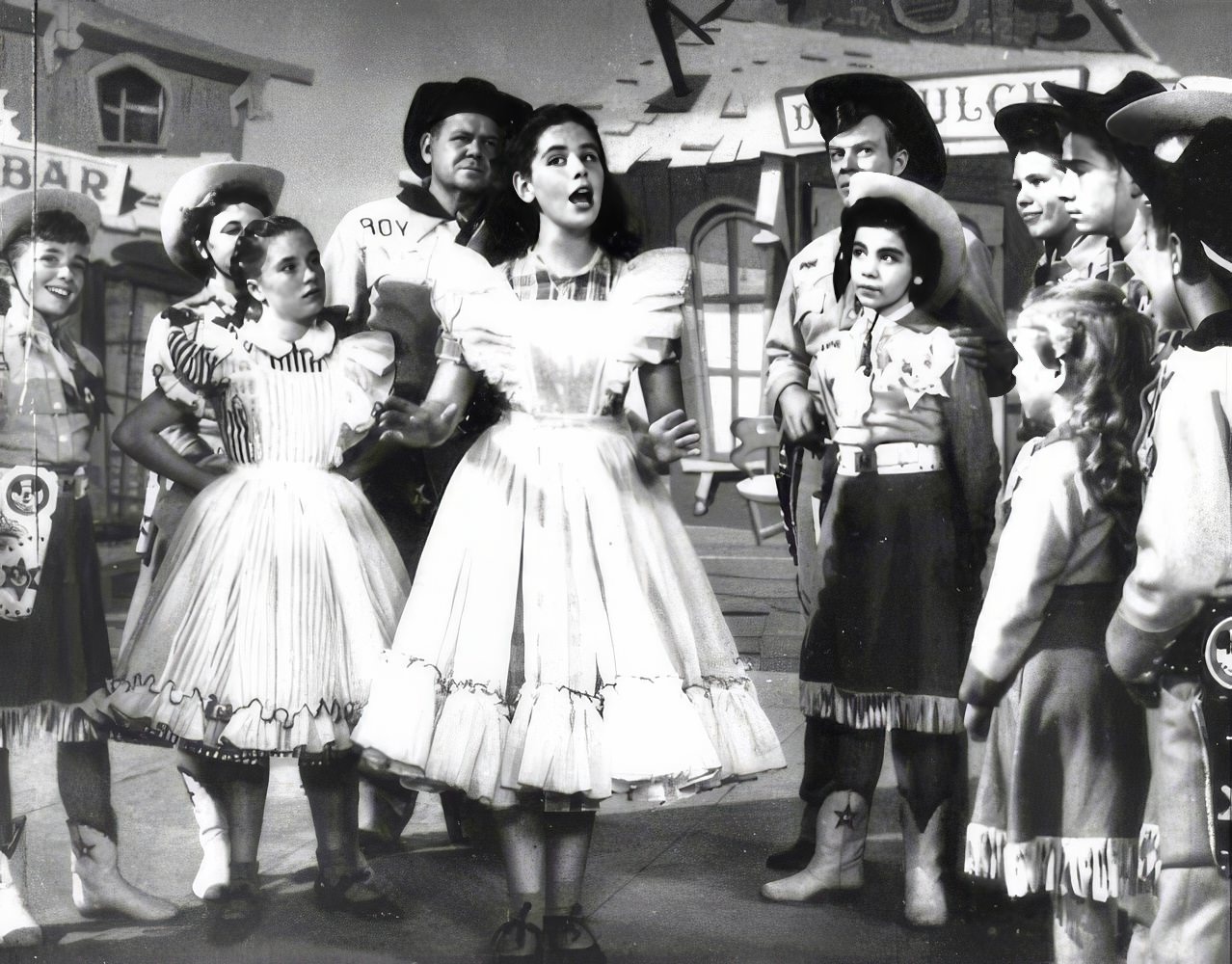
The Mouseketeers were products of a very specific moment in American history. Post-war prosperity had created a large, confident middle class with children who had time, energy, and television sets. The show spoke directly to that world — cheerful, active, and full of kids who looked like they were genuinely having fun. For the children who watched it every afternoon in the 1950s, the Mouseketeers weren’t just performers. They were familiar faces, part of the daily rhythm of growing up in mid-century America.