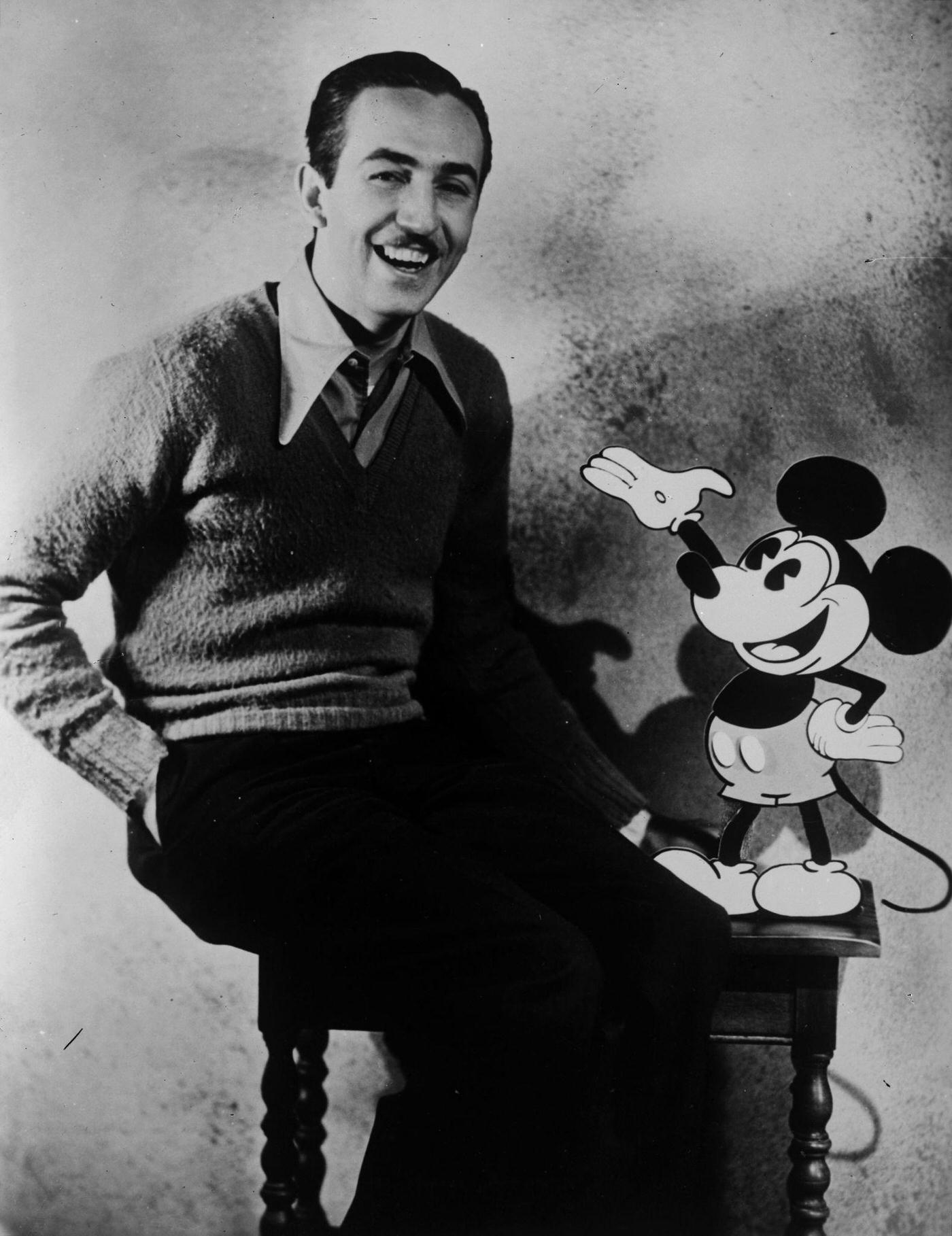
When Mickey Mouse debuted in “Steamboat Willie” in November 1928, no one could have predicted just how far the little cartoon mouse would go. By the time the 1930s arrived, Mickey was already a familiar face in movie theaters across America. But that was just the beginning. Over the next ten years, he would become one of the most recognized figures on the planet — not just a cartoon character, but a full-blown cultural phenomenon.
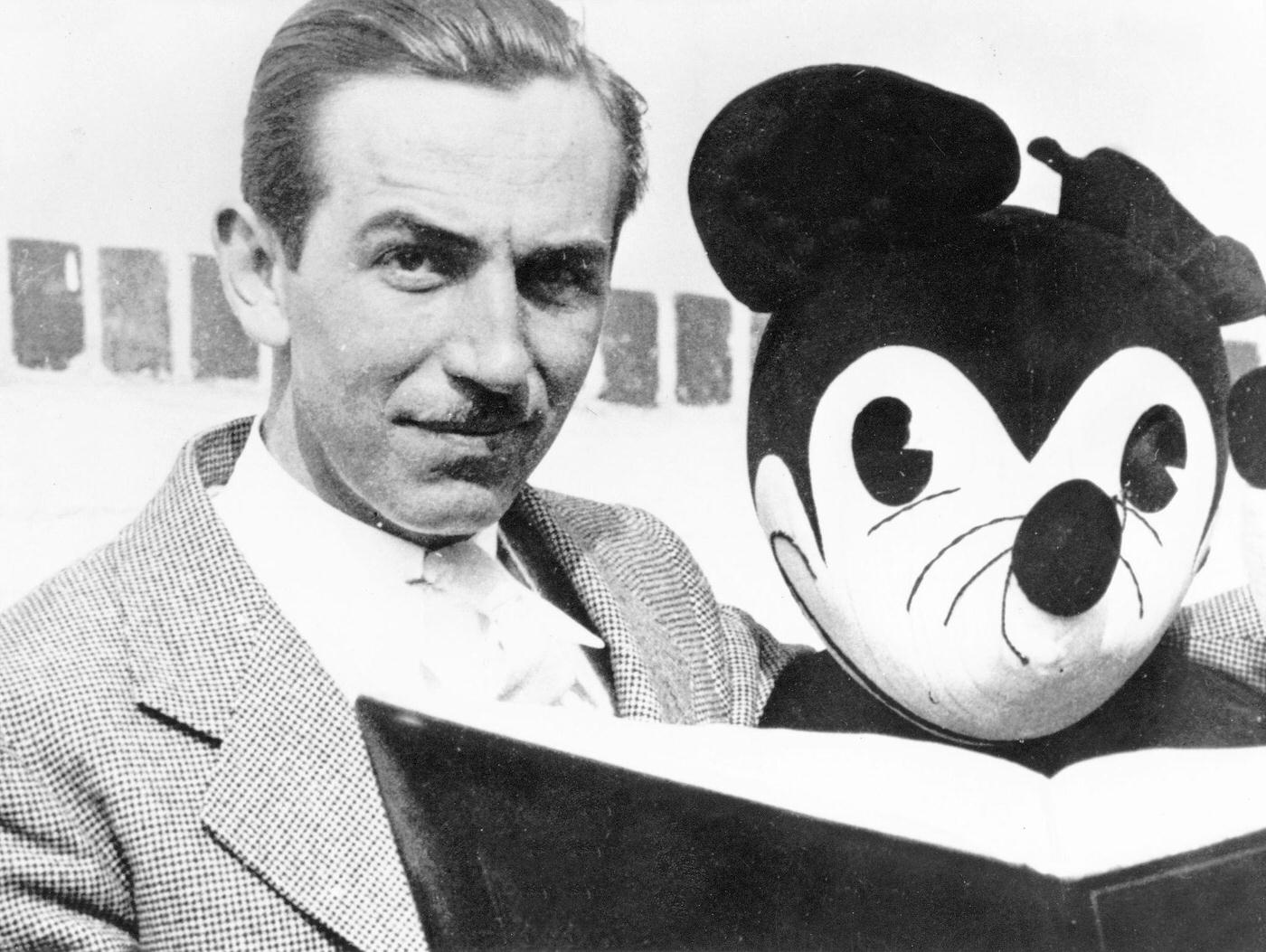
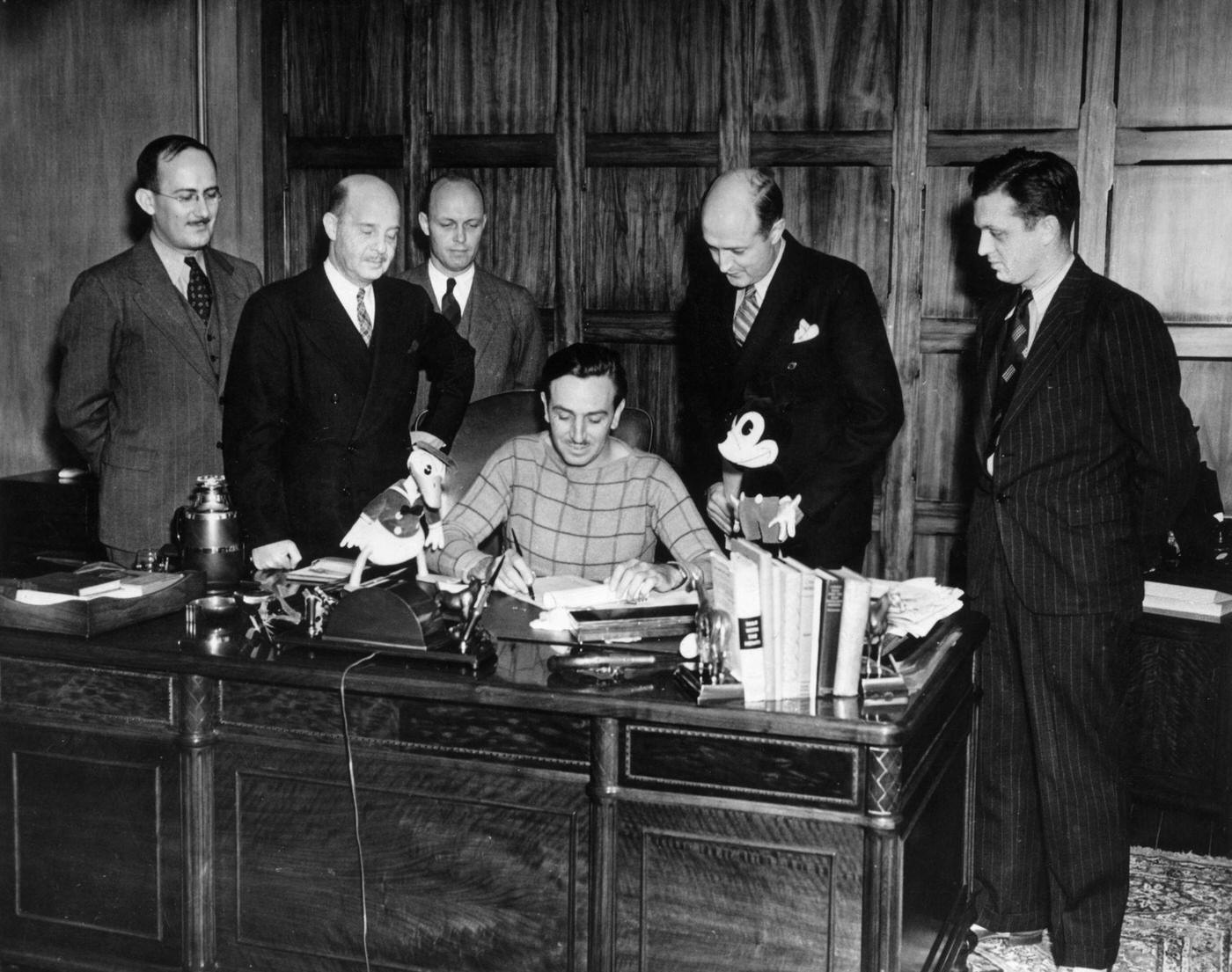
Walt Disney was the driving force behind Mickey’s rise. From his studio just outside Los Angeles, Disney oversaw a team of artists, animators, and sound experts who churned out new Mickey shorts at a rapid pace. The early 1930s brought films like “The Fire Fighters” and “The Chain Gang,” where Mickey and his pals threw themselves into daring rescues and wild escapades. These weren’t slow, gentle cartoons. They were fast-paced, energetic, and full of physical humor that kept audiences of all ages laughing.
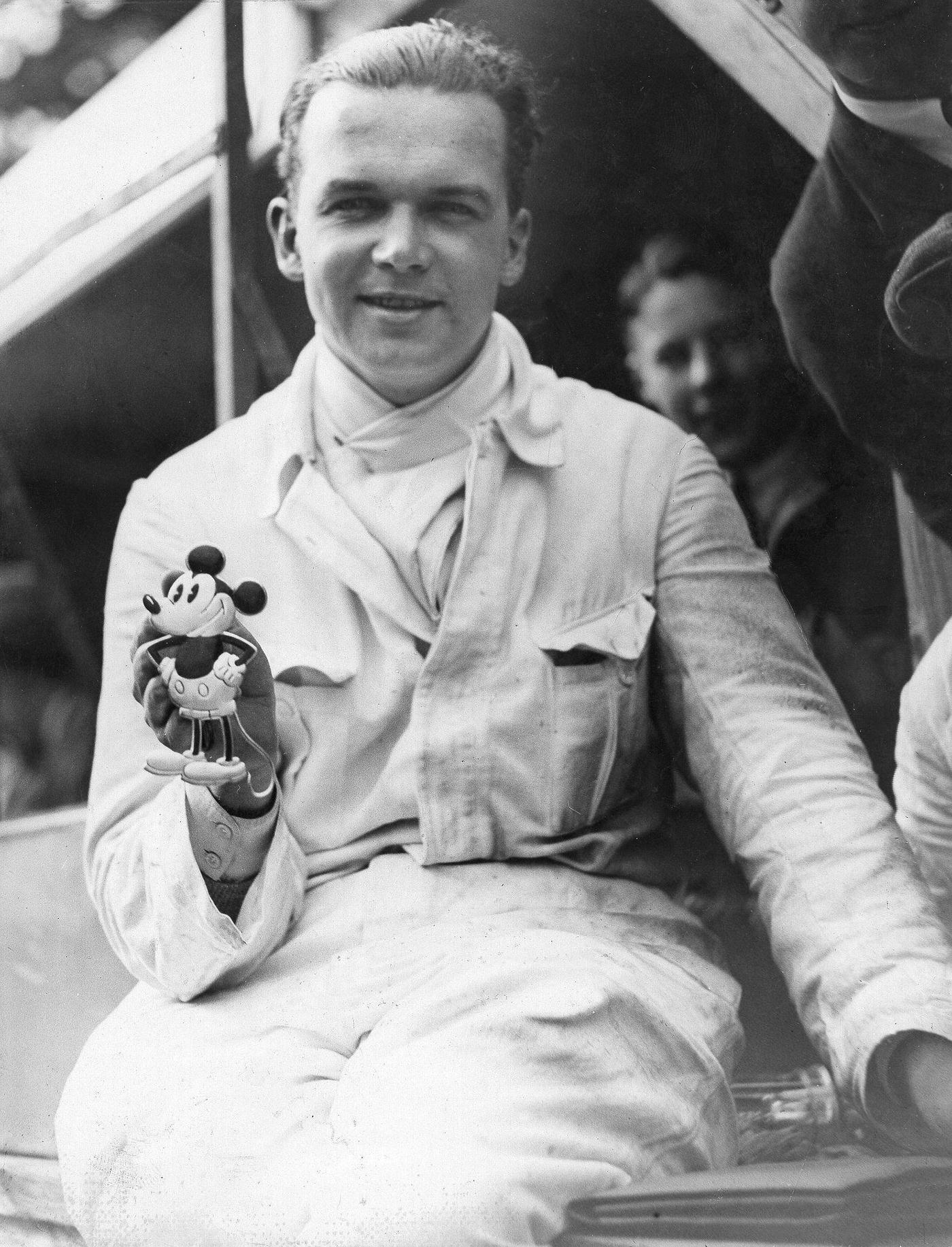
Part of what made Mickey so effective on screen was his ability to appeal to both children and adults at the same time. The films were designed with younger viewers in mind, but they also packed in jokes and references that grown-ups could catch. The 1933 short “The Mad Doctor” is a perfect example. In it, Mickey finds himself trapped in a haunted castle filled with creepy creatures and terrifying traps. For children, it was genuinely frightening. For older audiences, it was loaded with winks to classic horror films like “Frankenstein” and “Dracula.” That dual appeal was rare for animation at the time, and it gave Disney’s films a much wider audience than most of their competitors could attract.
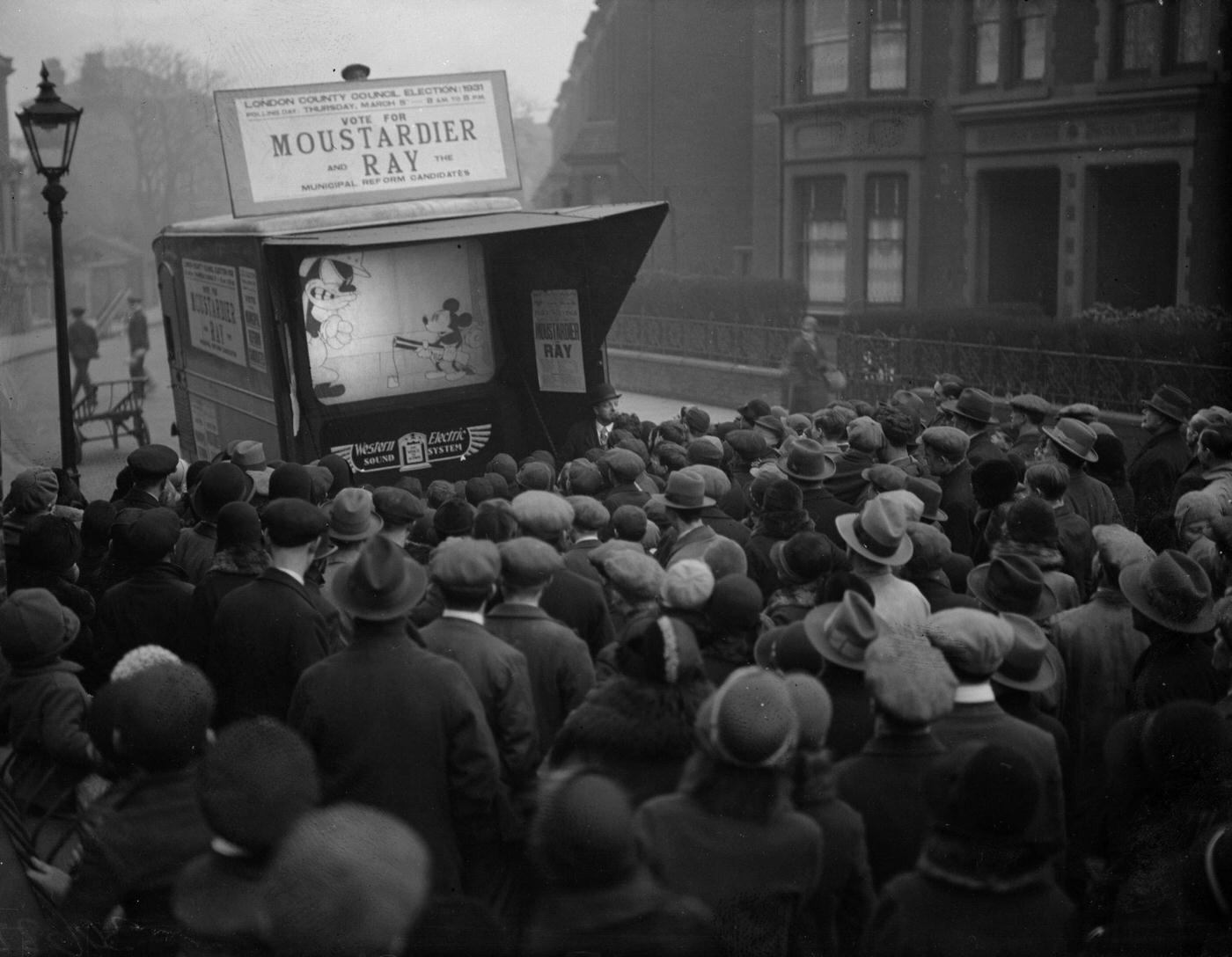
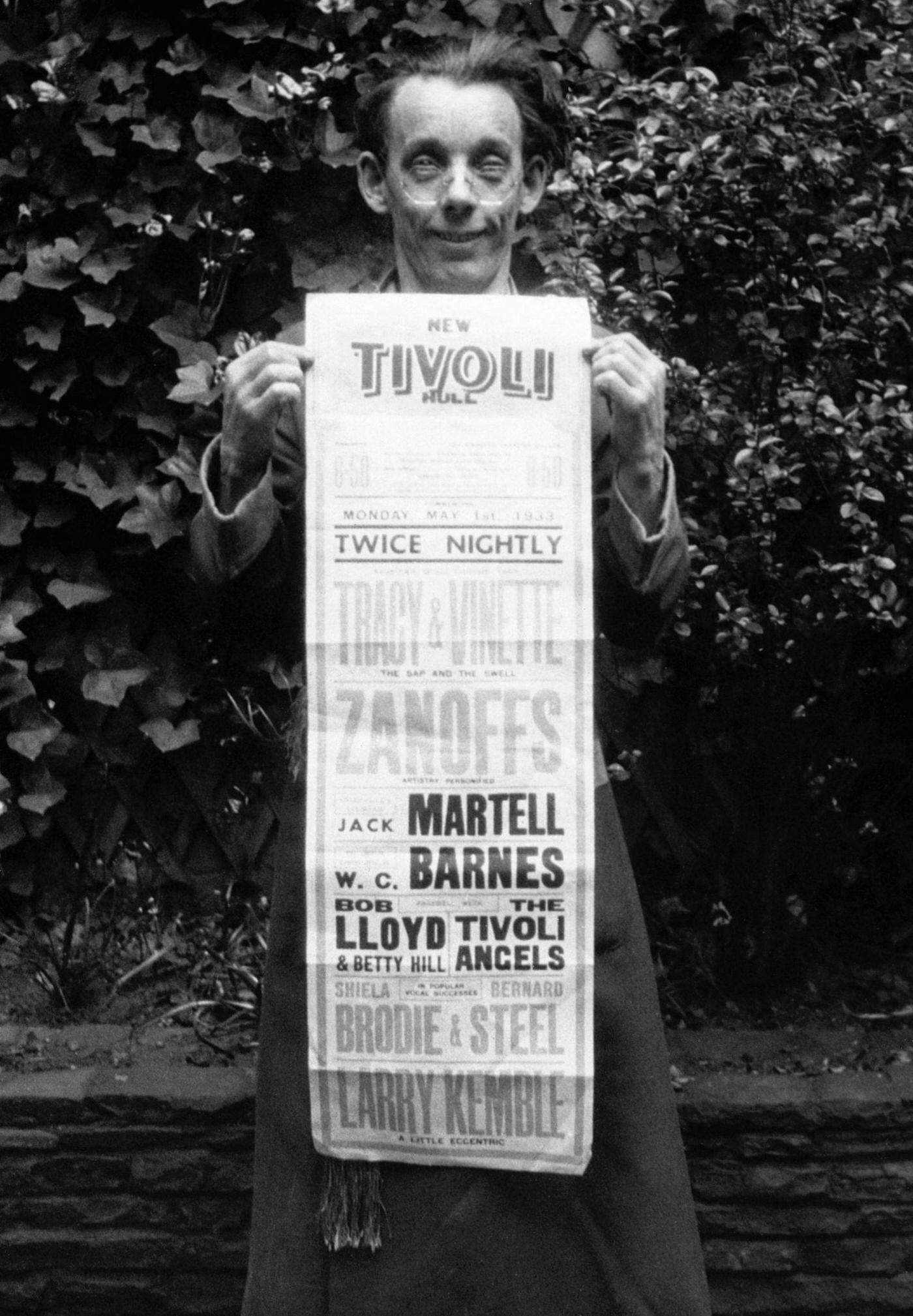
Mickey’s reach extended well beyond American cinemas. By the early 1930s, his films were being screened internationally, and his face was becoming familiar in countries far removed from Hollywood. In London, Madame Tussaud’s waxworks museum added a Mickey Mouse figure to its collection as early as 1930 — a telling sign of just how seriously the British public was taking this cartoon mouse. Mickey was even appearing on small screens during a London County Council election campaign in 1931, his image used to draw in crowds on city streets.
Mickey’s versatility as a character was another key to his success. He wasn’t locked into a single type of story. In “Mickey’s Orphans,” he showed warmth and empathy, taking in children who had nowhere else to go. In other films, he was a swashbuckling adventurer battling pirates or diving into the ocean’s depths. This range made it easy for audiences to connect with him across different stories and settings. He was optimistic, resourceful, and never gave up — qualities that resonated deeply with Depression-era audiences who were living through hard times.
The Great Depression hit America hard in the early 1930s, and Disney’s studio was not immune to the financial pressure. Production budgets were tight, and every dollar spent on a film had to count. Rather than scale back ambition, Disney responded by pushing into new technology. The studio began using Technicolor, which brought vivid, eye-catching color to its films at a time when most animation was still black and white. Disney also invested in the multiplane camera, a device that allowed animators to create a sense of depth and distance that had never been seen in cartoons before. These weren’t just technical upgrades — they were visible improvements that audiences noticed immediately.
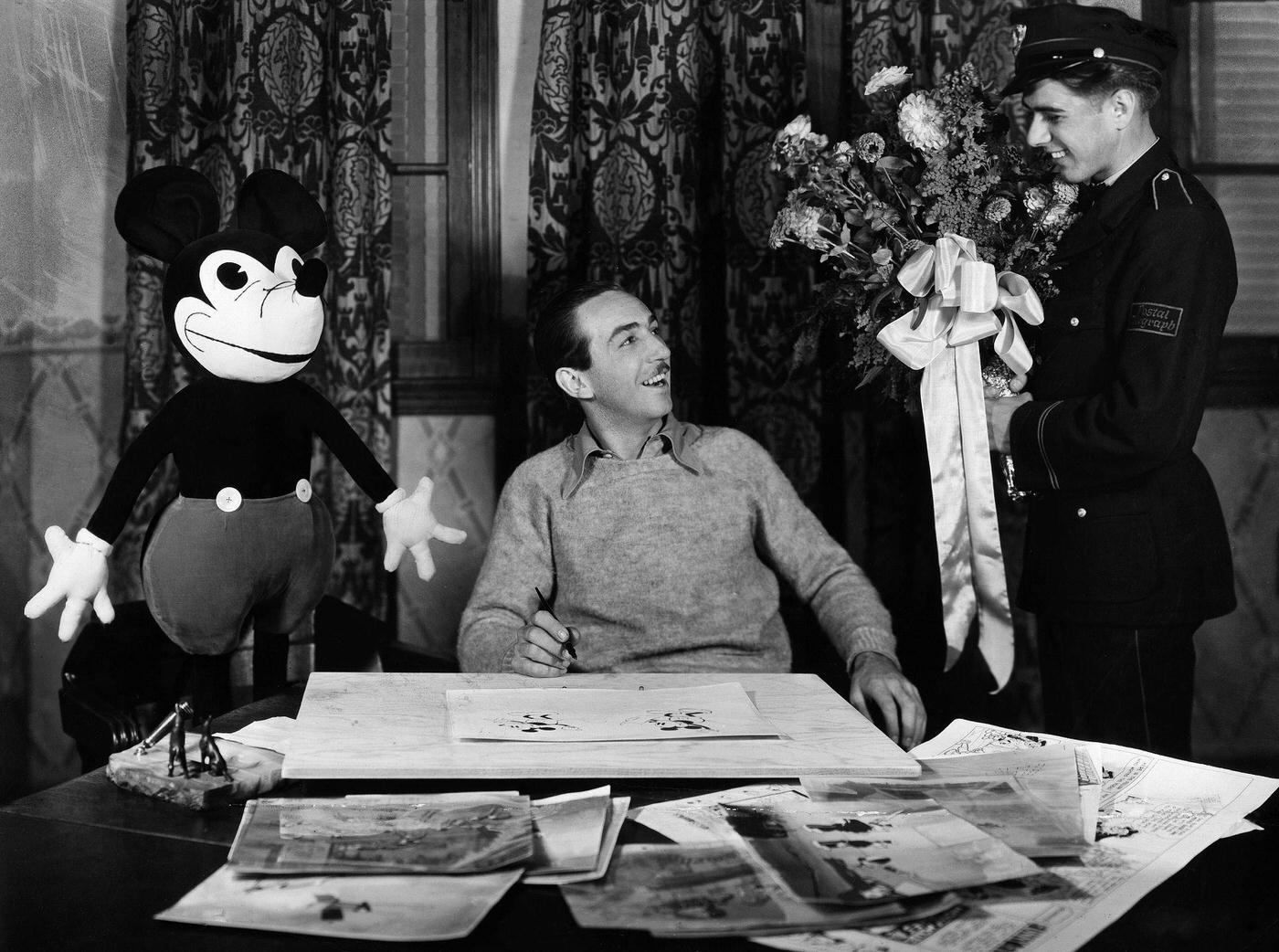
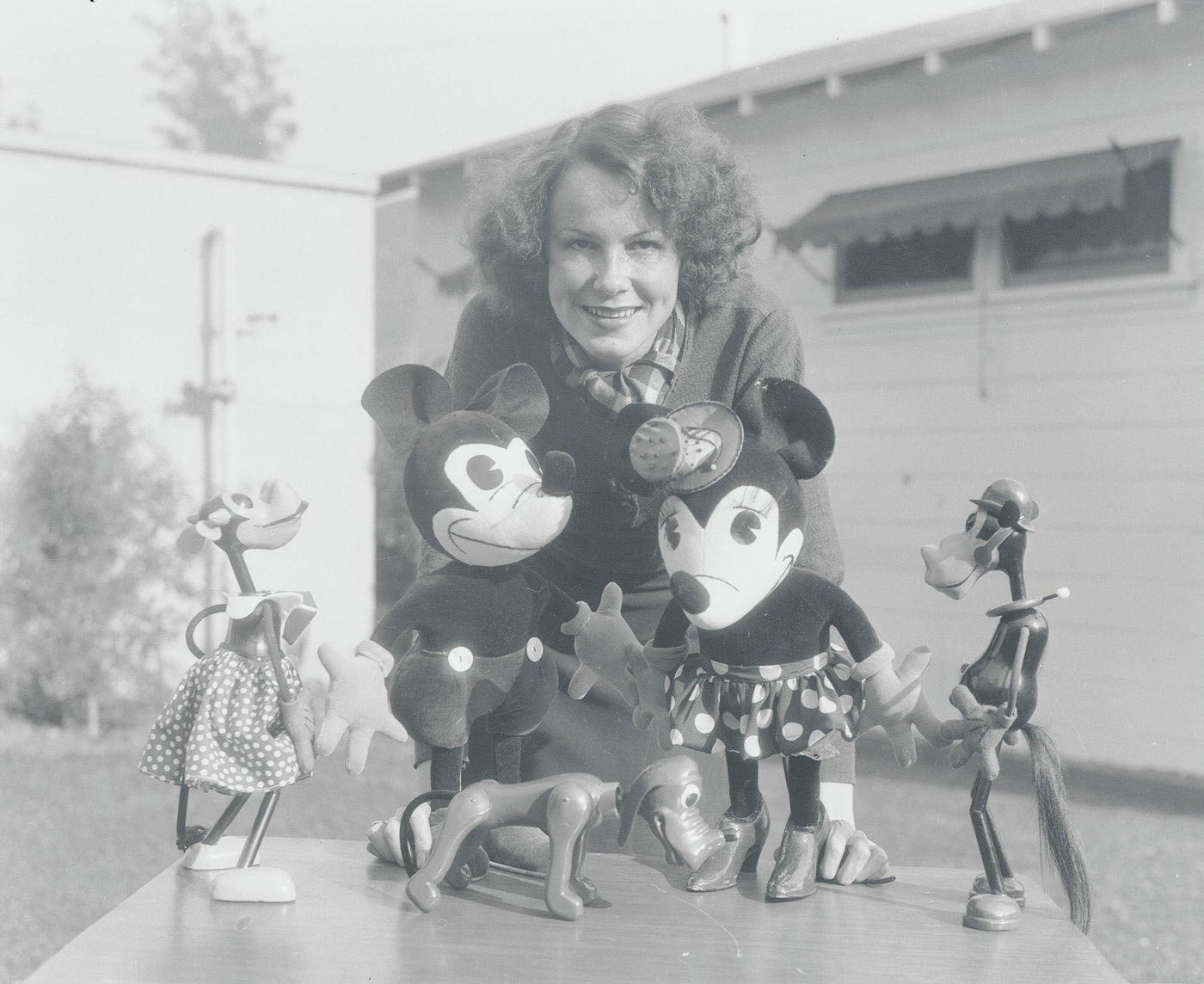
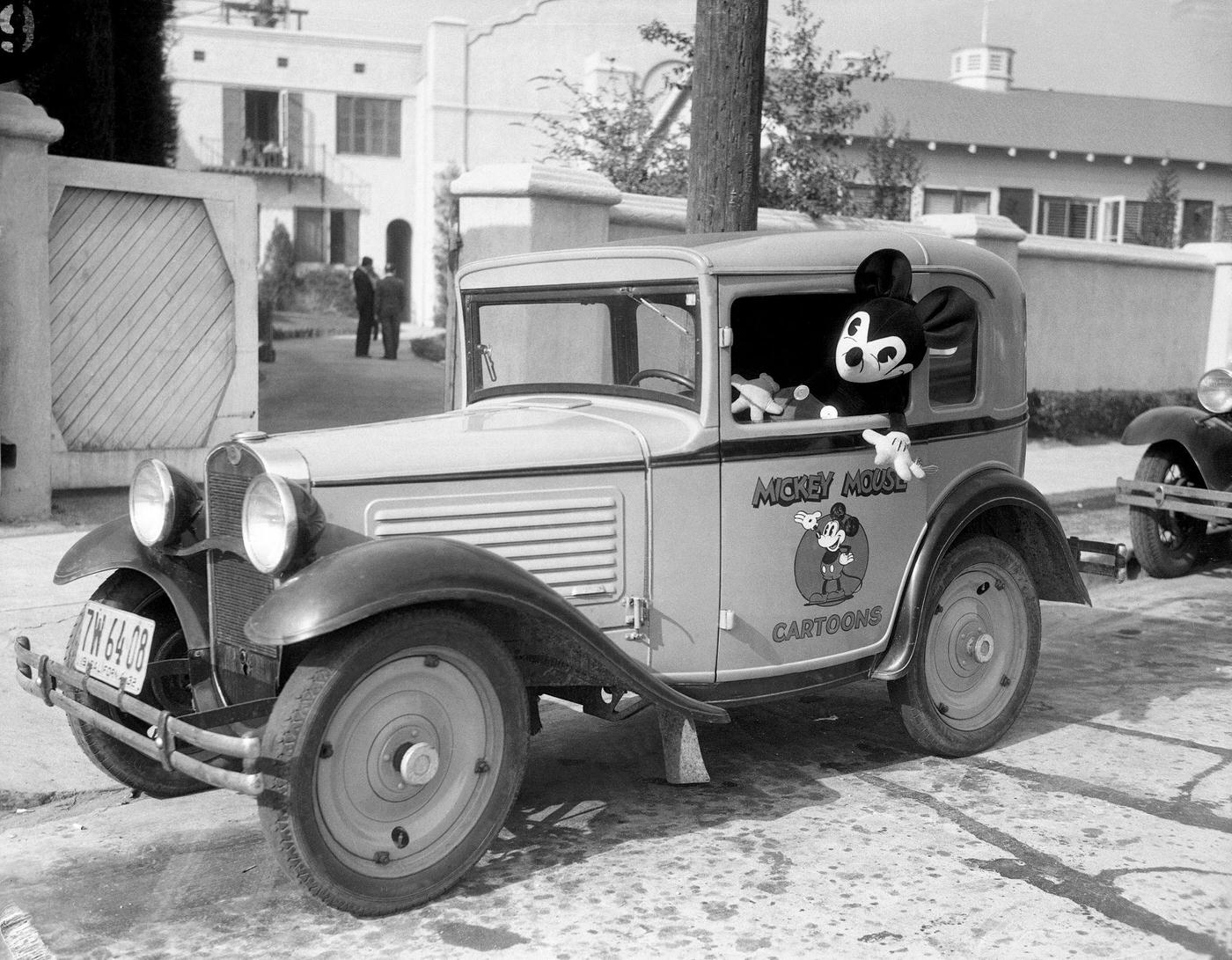
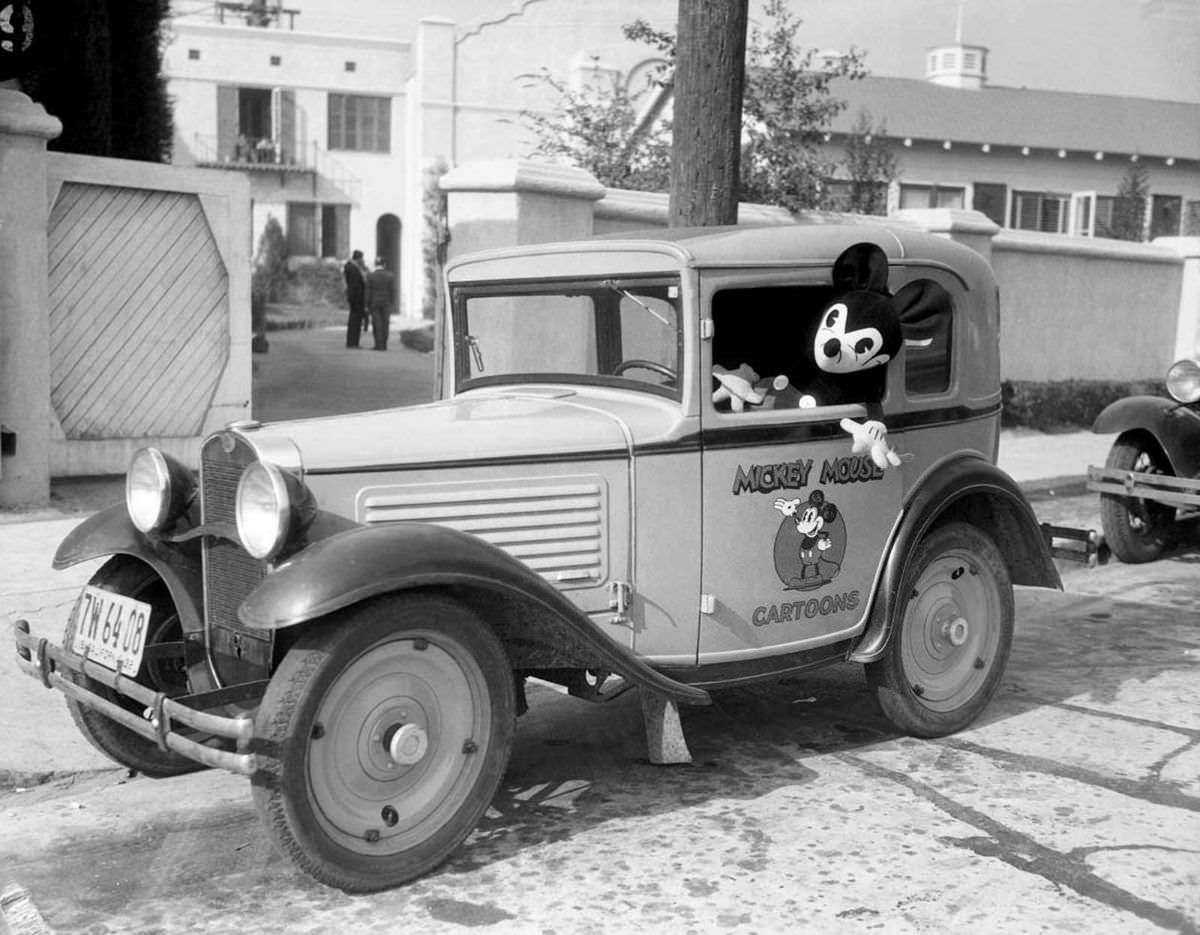
Off screen, Mickey’s face was absolutely everywhere. Toys, books, comics, games, and clothing all featured his round-eared silhouette and red shorts. Manufacturers recognized that children were drawn to his cheerful image, and they used it to sell everything imaginable. By the mid-1930s, Mickey Mouse merchandise was generating an estimated $1 billion in sales — an almost unimaginable figure for that era. The character had become a commercial engine unlike anything the entertainment world had seen before.
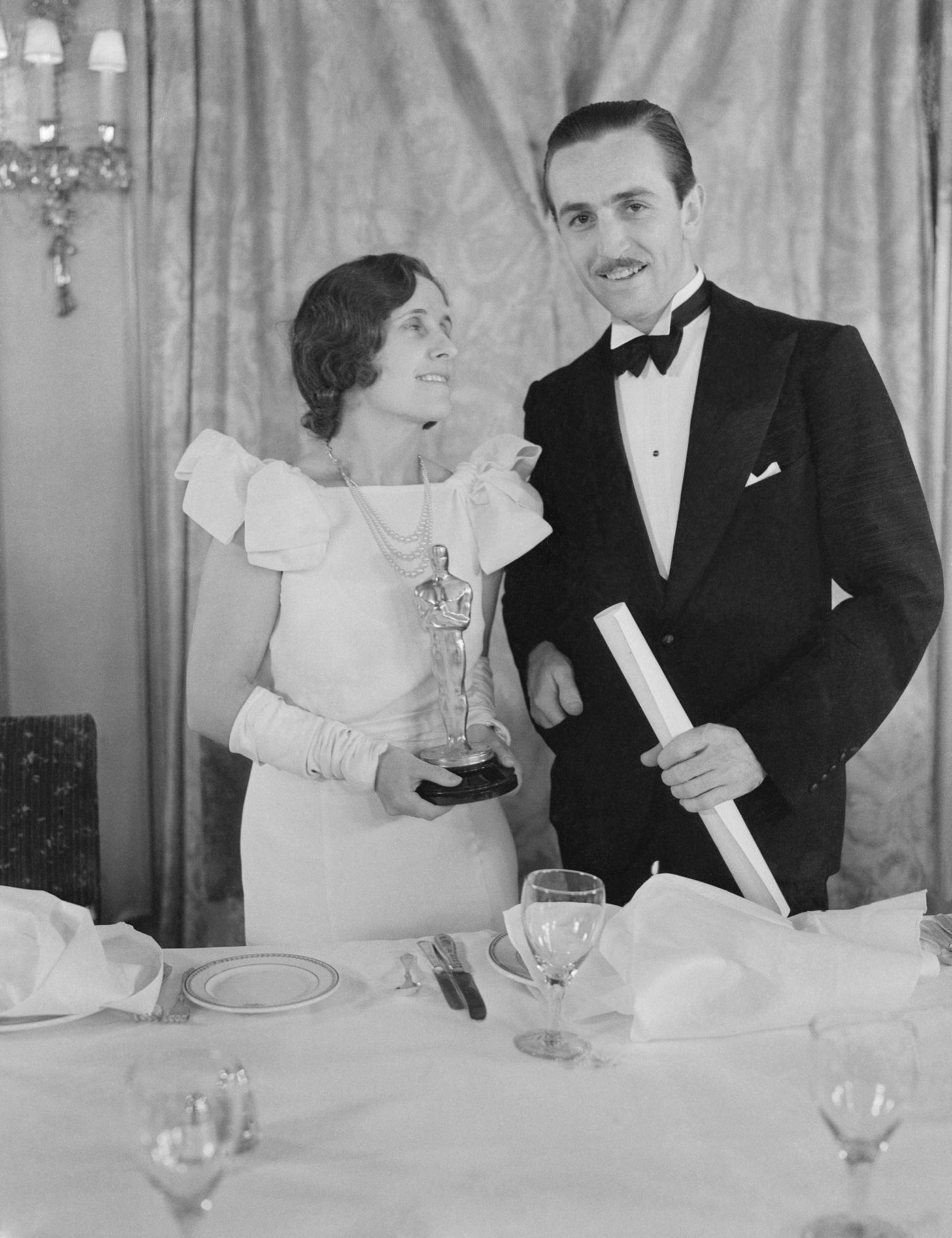
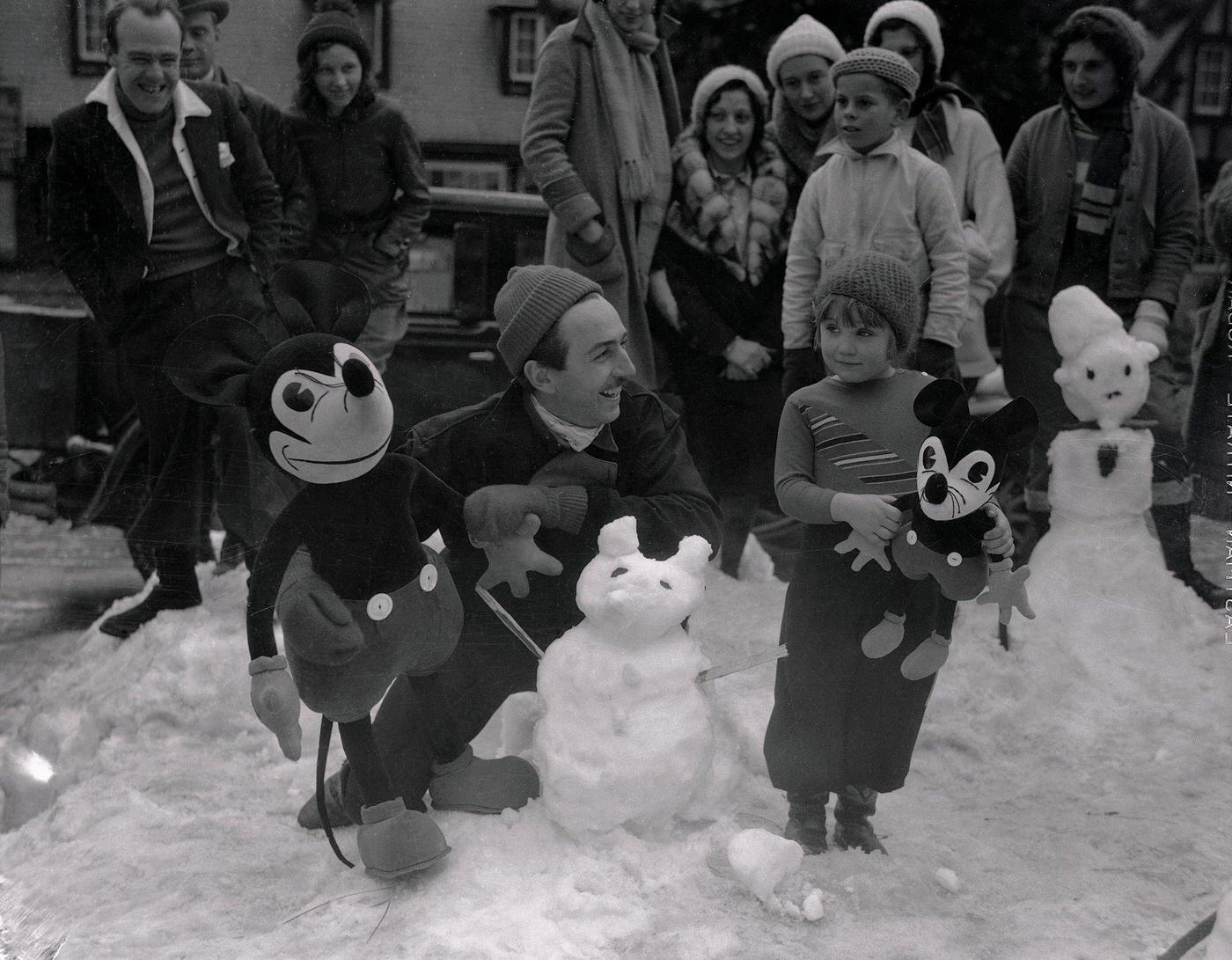
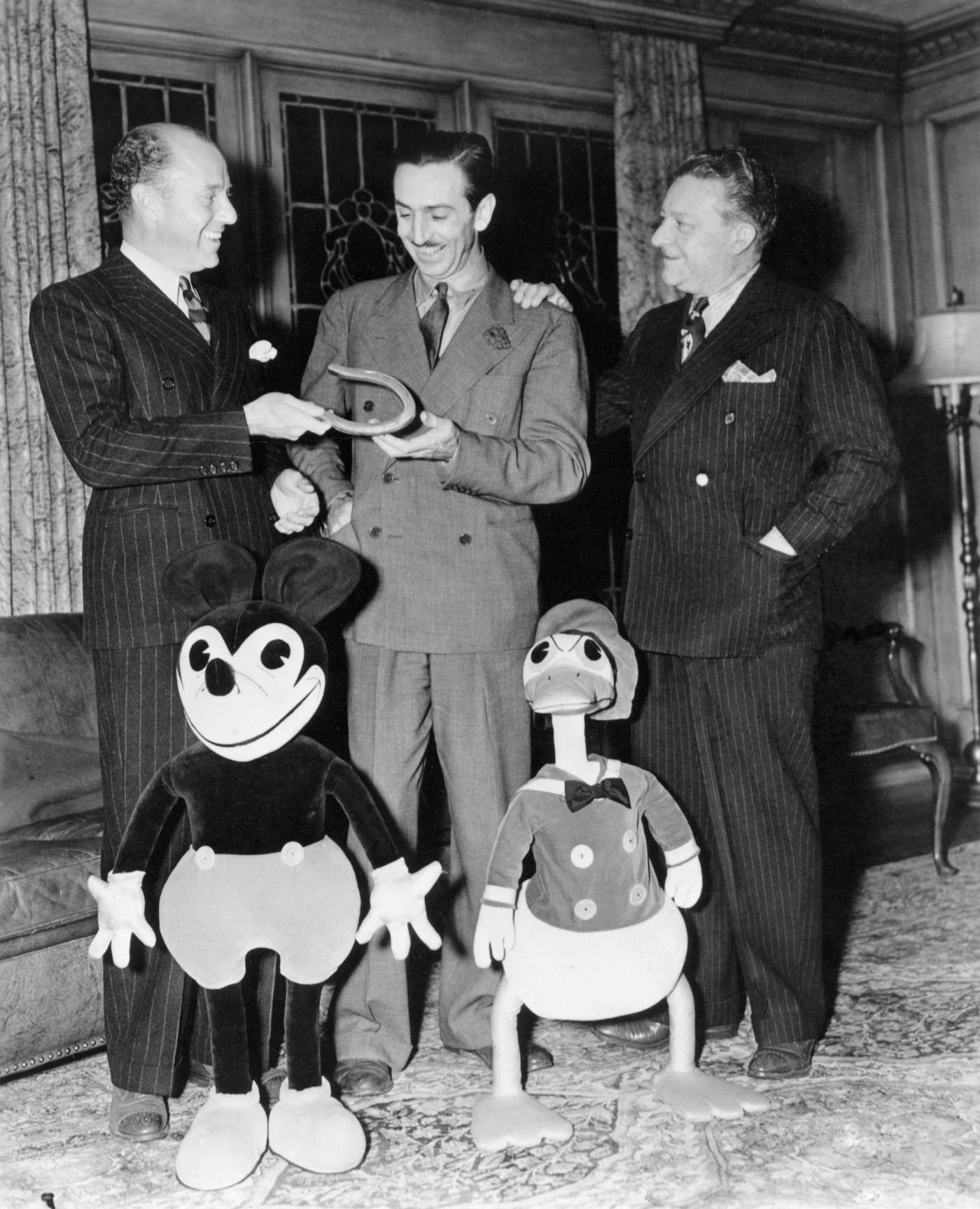
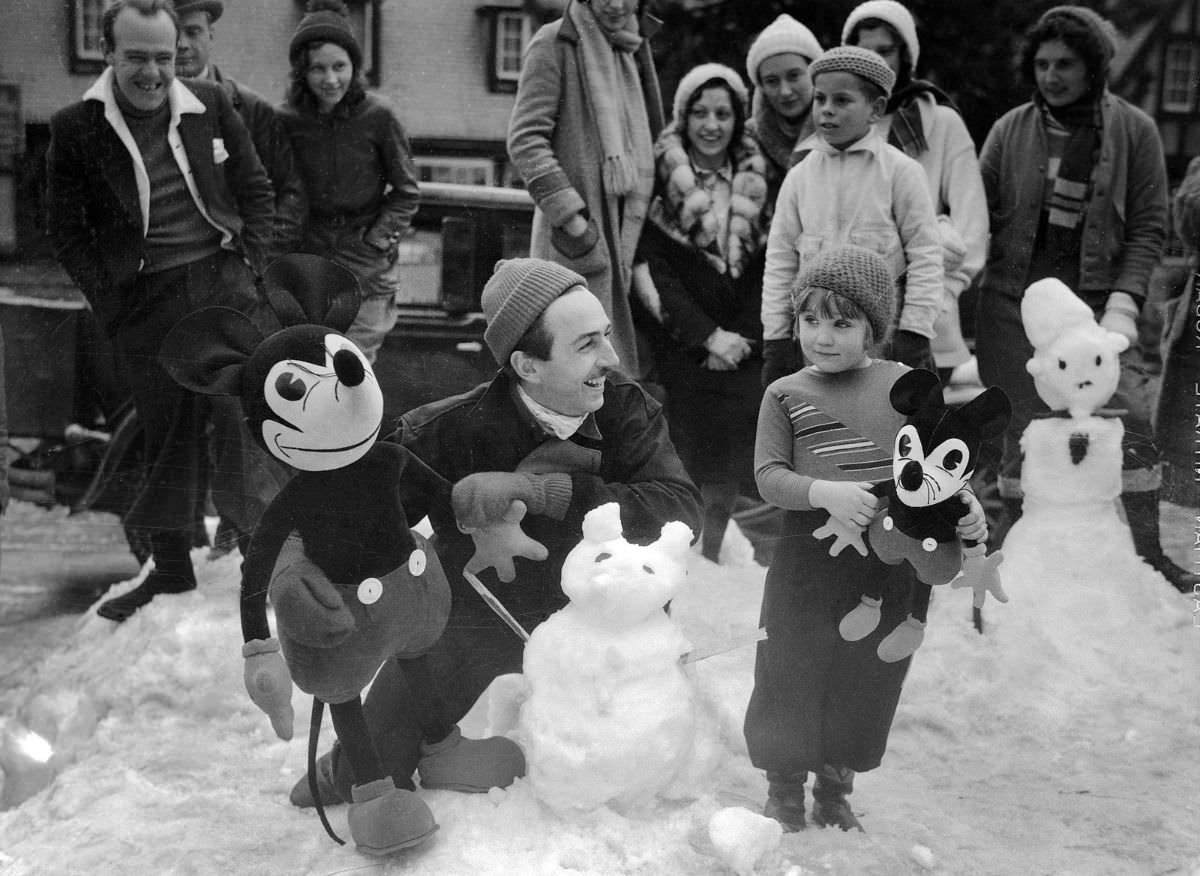
Disney leaned into the public’s enthusiasm with events and contests that kept Mickey in the news. Snowman building contests, sports days, and fan club events were organized under the Mickey Mouse Club banner. Children across the country competed to build the best Mickey Mouse snow sculpture or race in Mickey Mouse-themed competitions. Walt Disney himself showed up at some of these events, personally congratulating winners and posing for photographs. This direct engagement with fans was rare for a studio head at the time, and it only deepened the public’s affection for both the character and his creator.
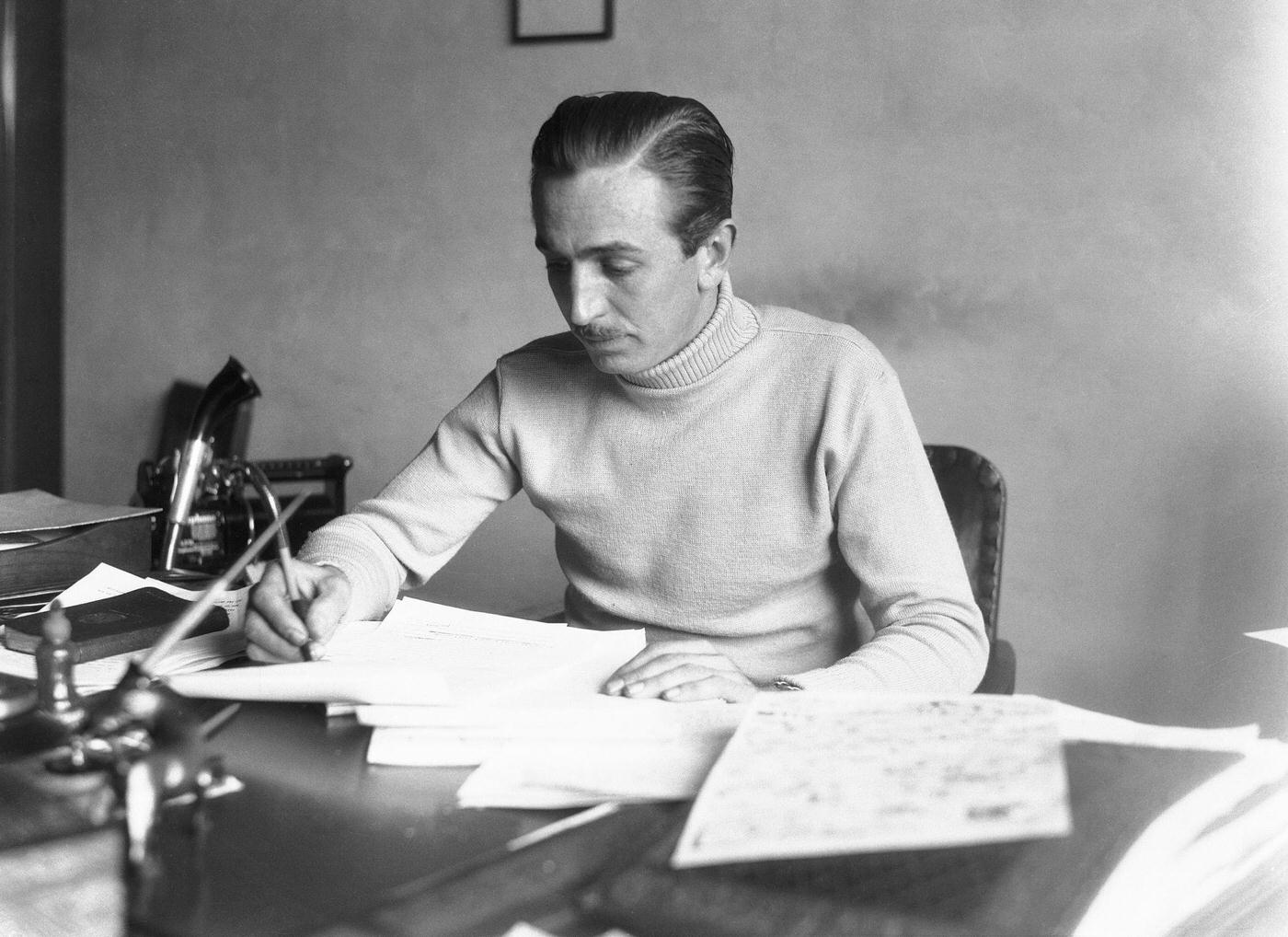
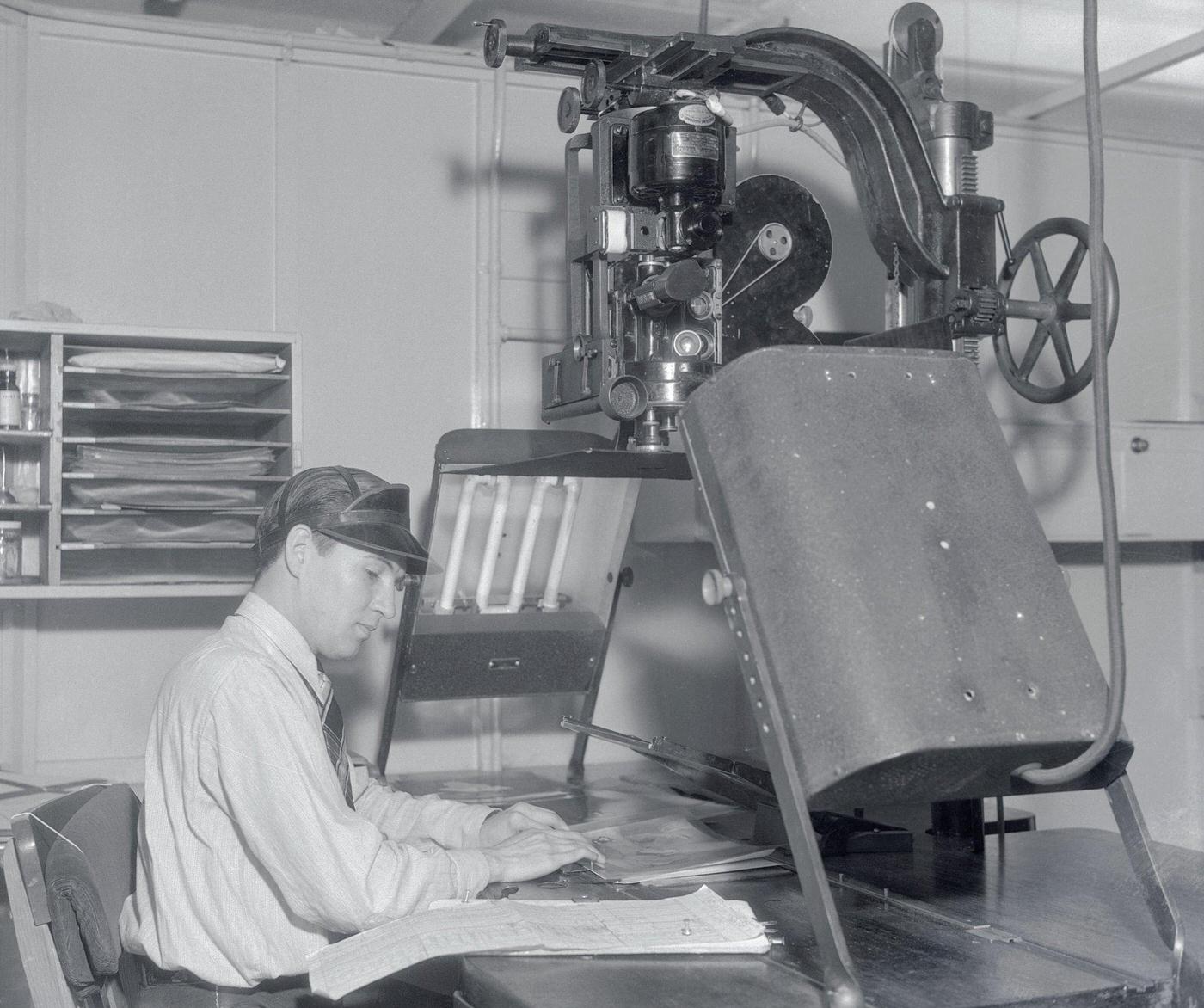
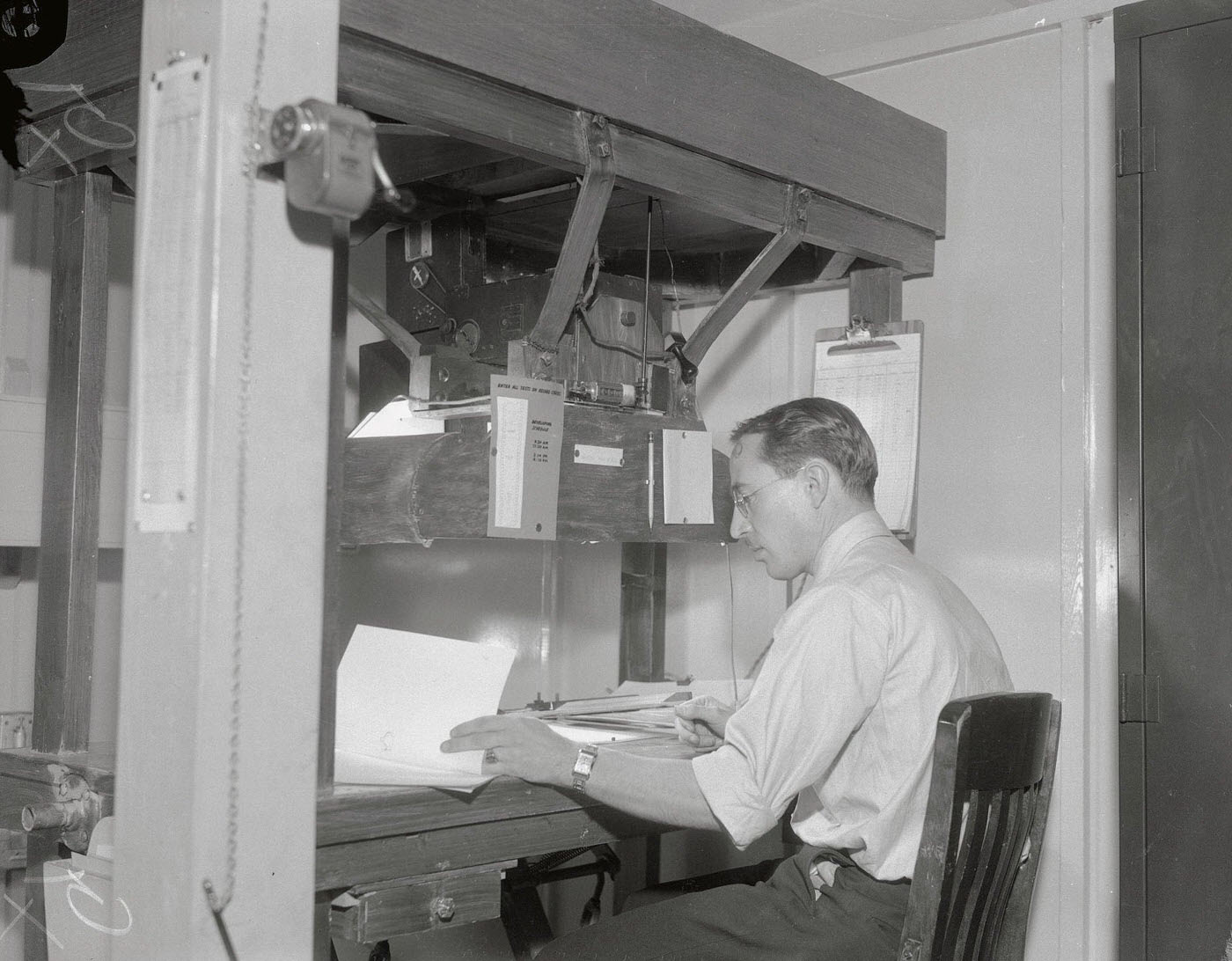
Inside the studio, the process of bringing Mickey to life was an enormous undertaking. Scores of artists produced thousands of individual drawings for each short film. Every gesture, every expression, every step Mickey took required a separate hand-drawn frame. Sound experts worked alongside animators to synchronize music and dialogue with the action on screen. The result looked effortless to audiences, but it was the product of meticulous, painstaking work by a large team of skilled professionals.
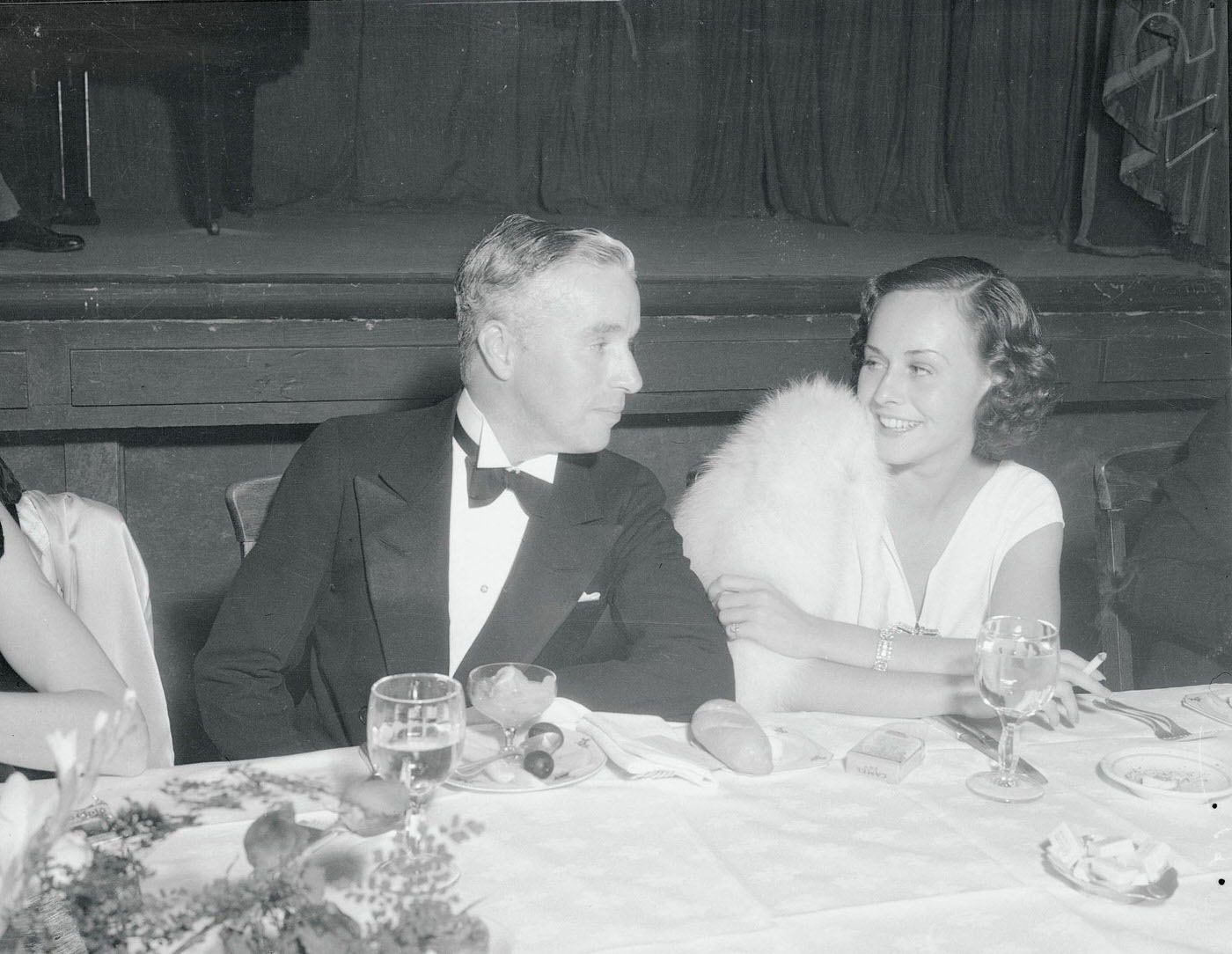
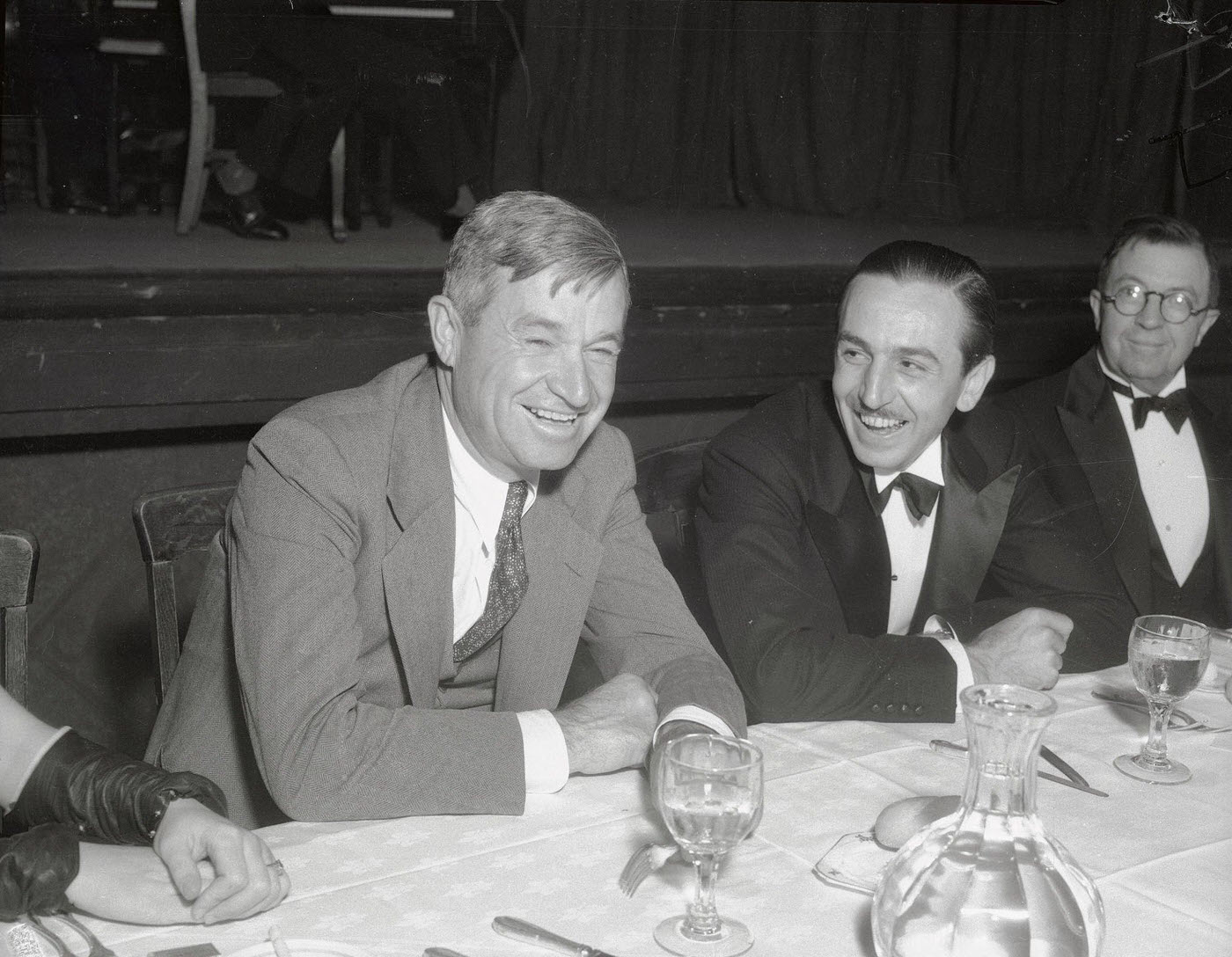
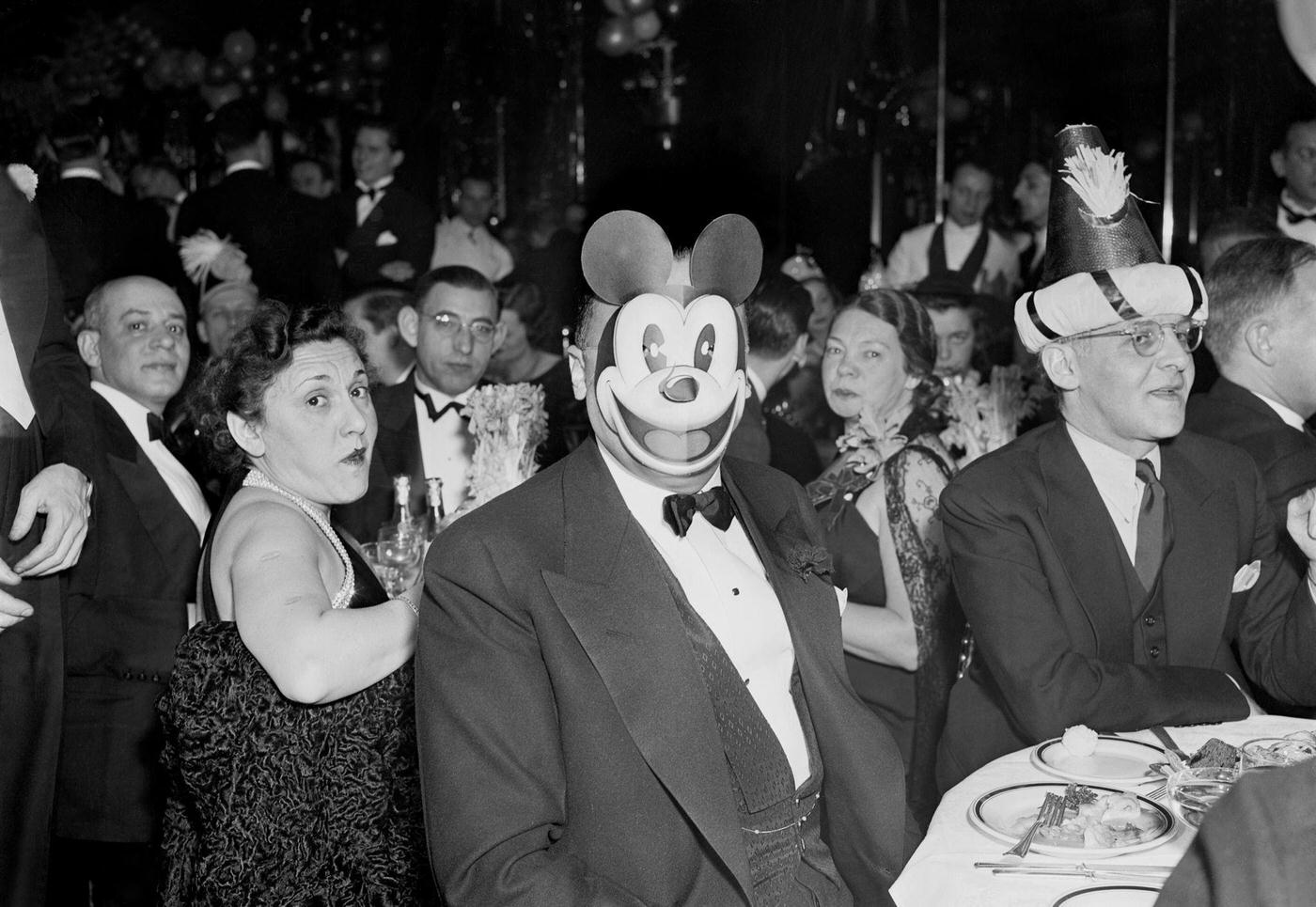
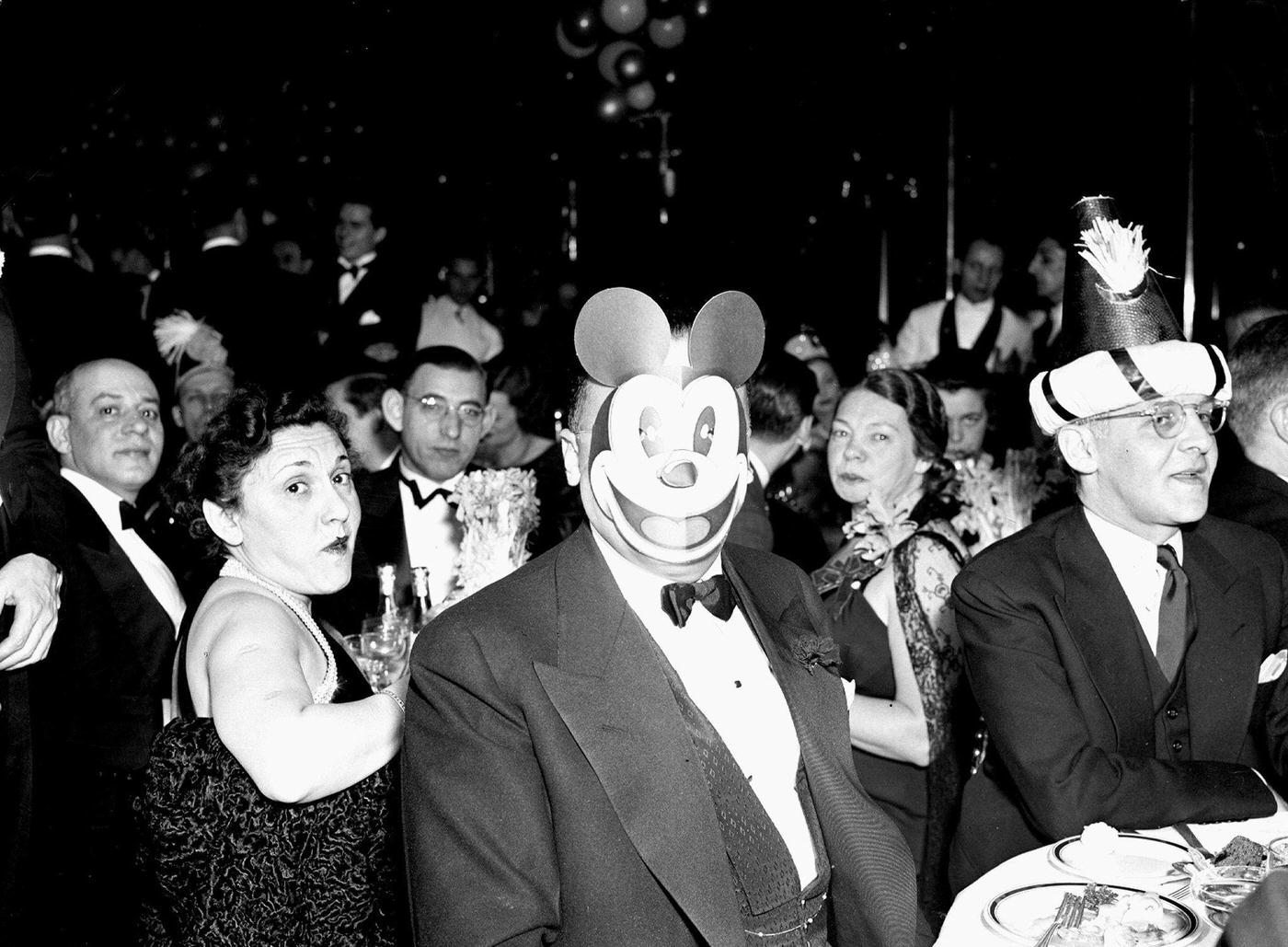
As the decade rolled on, Mickey’s fame brought Disney into contact with some of the biggest names in Hollywood and beyond. Celebrities from Charlie Chaplin to Will Rogers attended parties thrown in Disney’s honor. Film producer David O. Selznick was photographed alongside Mickey Mouse memorabilia. Even FBI Director J. Edgar Hoover was spotted wearing a Mickey Mouse mask at a New Year’s Eve party in 1937. Mickey had crossed from entertainment into the broader culture in a way few fictional characters ever manage.
In countries like Japan and Brazil, Mickey became a beloved figure entirely on his own terms, inspiring local adaptations and generating merchandise that rivaled what was being sold in the United States. Disney’s international reach in the 1930s was genuinely remarkable for a studio of its size. The character had become a symbol of American optimism and ingenuity at a time when the world was watching America struggle through the Depression. That Mickey remained cheerful and determined on screen, no matter the obstacle, gave him an emotional power that translated across languages and cultures.
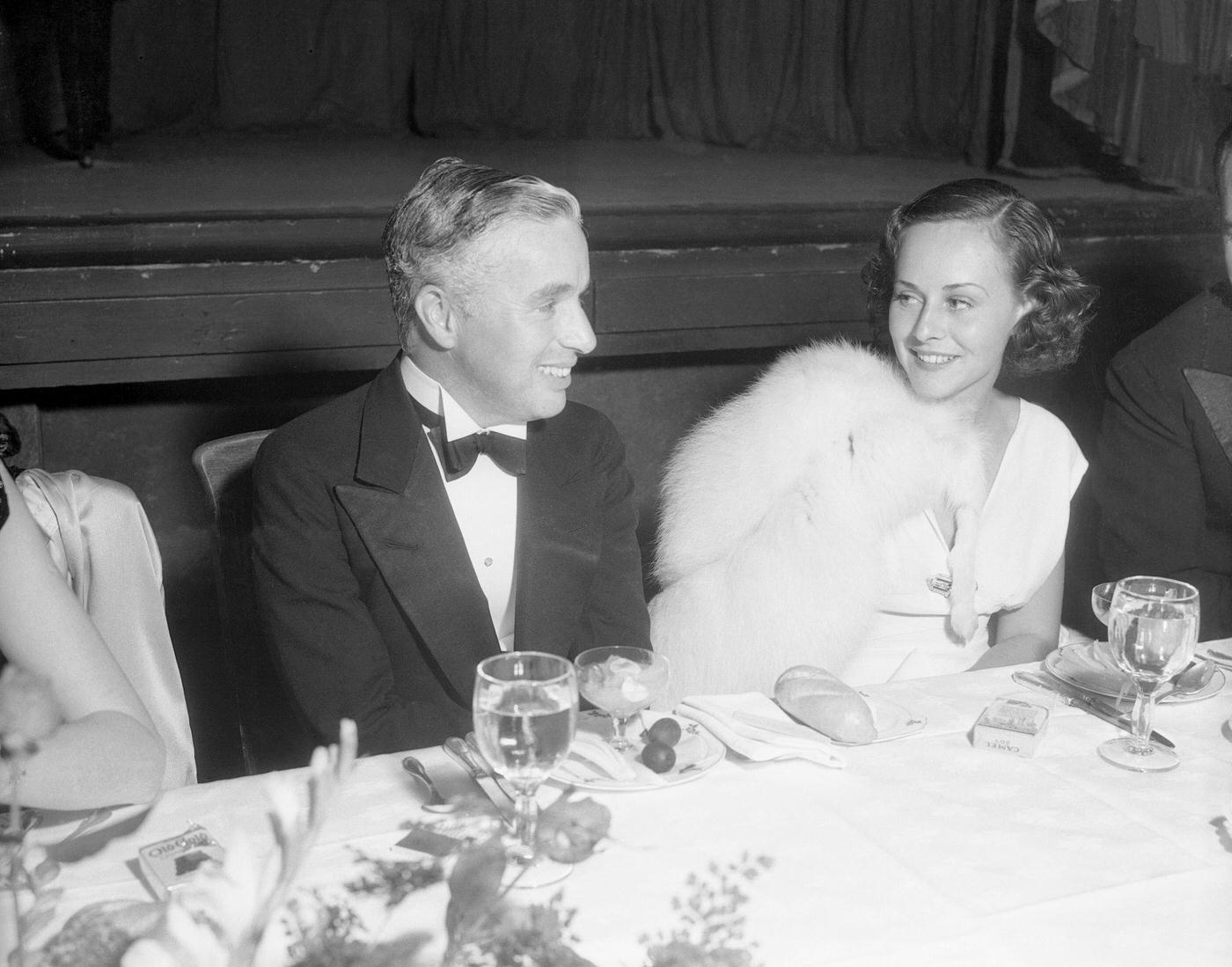
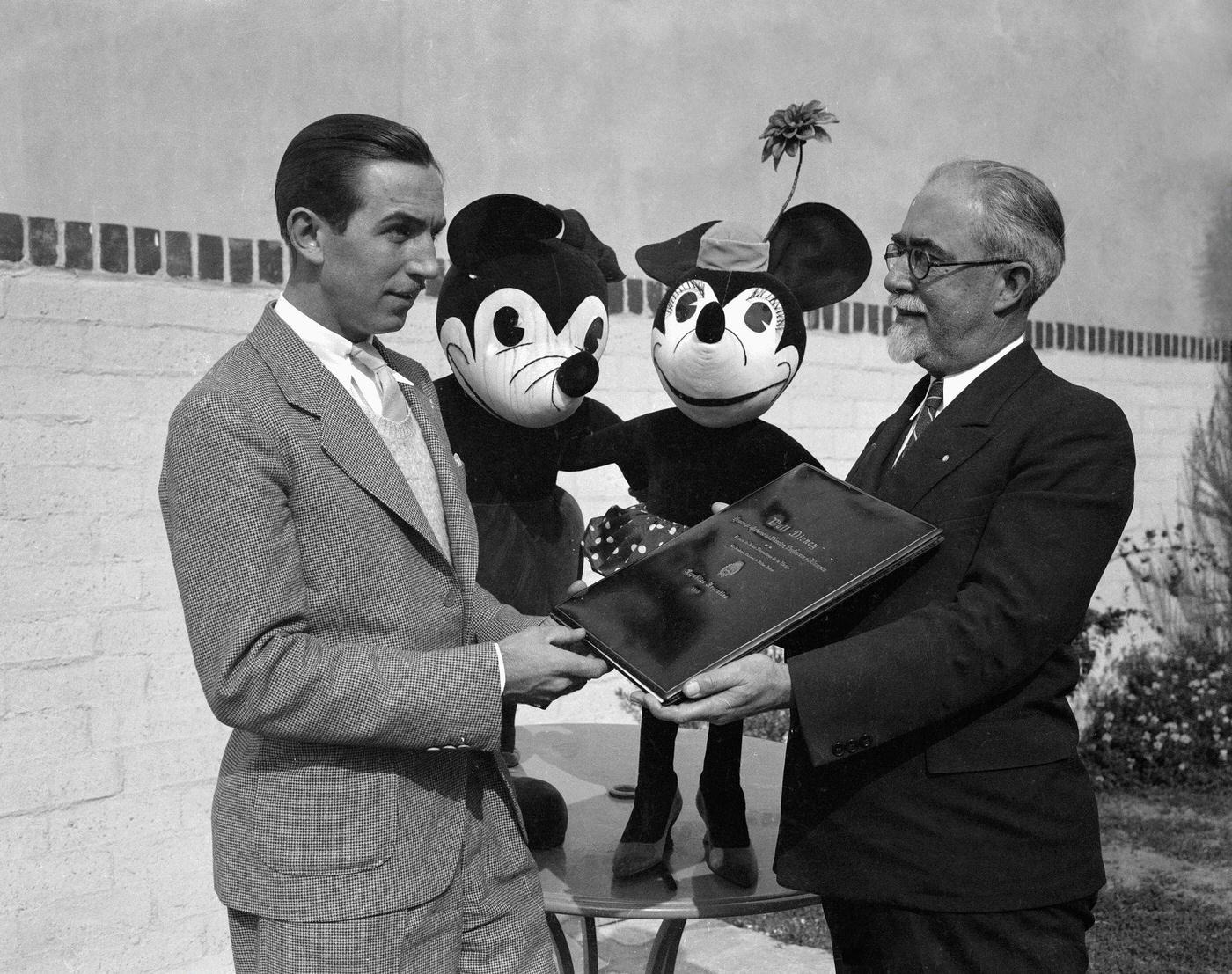
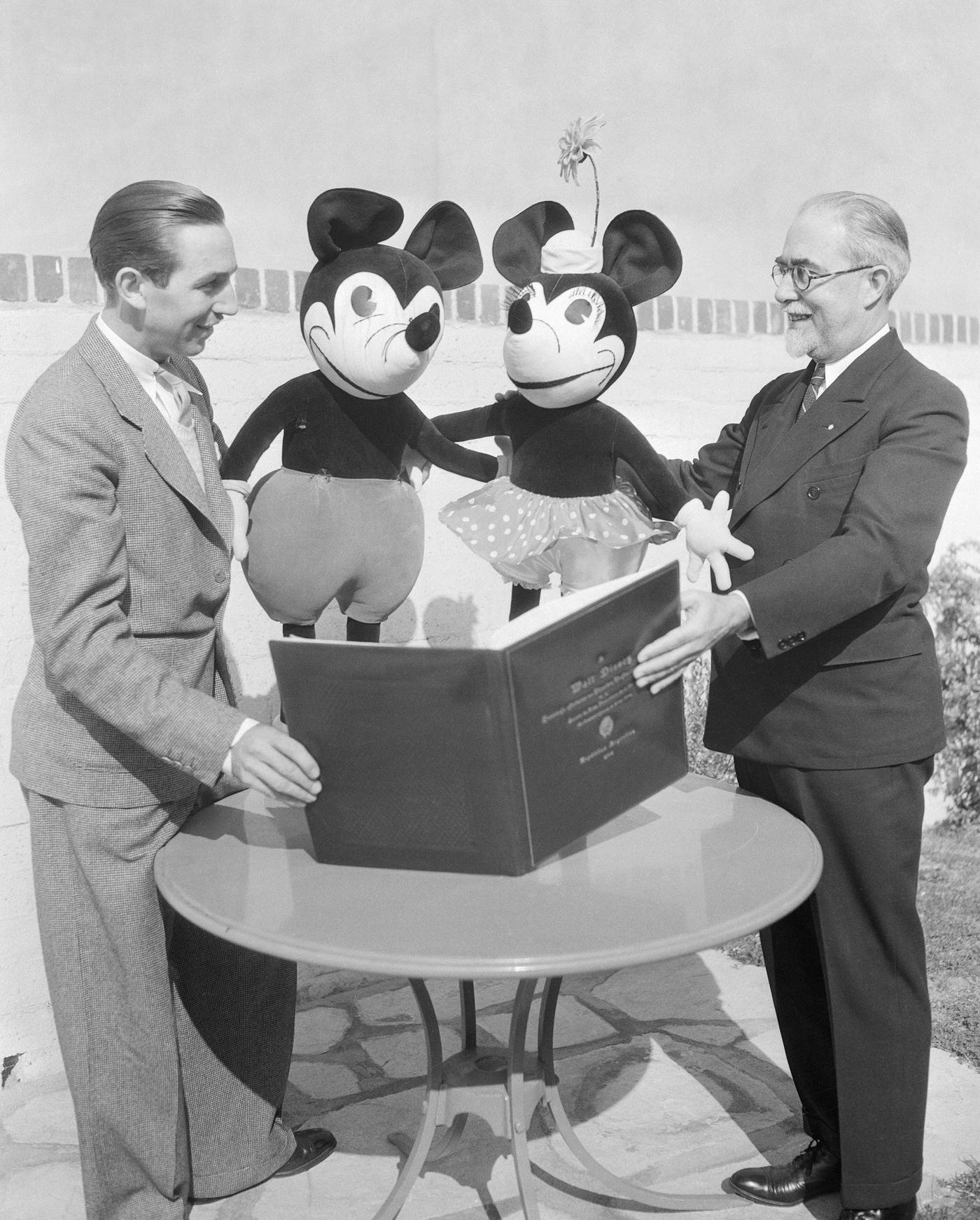
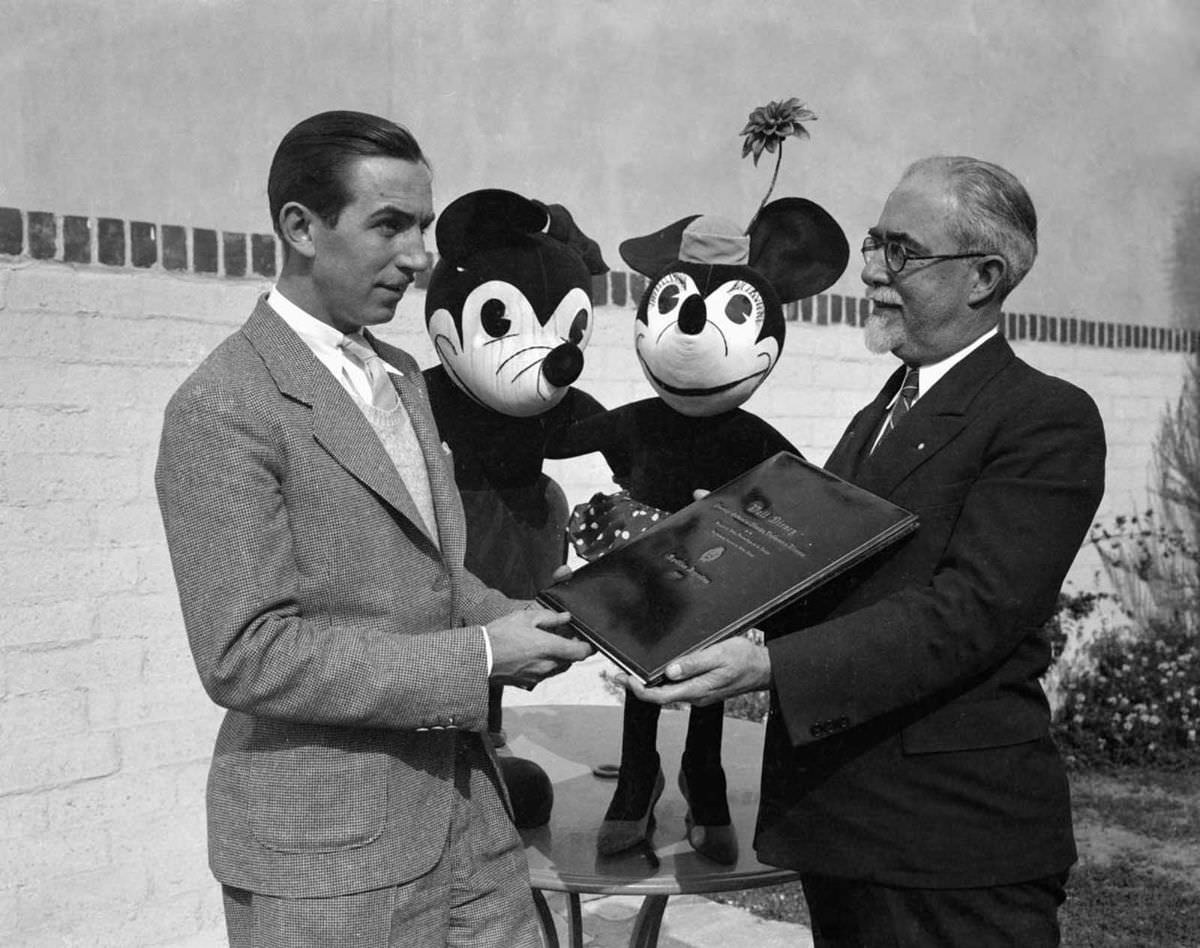
Disney’s global standing earned formal recognition from governments and cultural institutions around the world. In Argentina, the National Academy of Fine Arts in Buenos Aires presented Disney with a diploma of commendation — a serious honor that underscored how the artistic world had come to view his work. This wasn’t just Hollywood back-patting. It was an acknowledgment from the fine arts establishment that what Disney and his team were doing had genuine artistic merit.
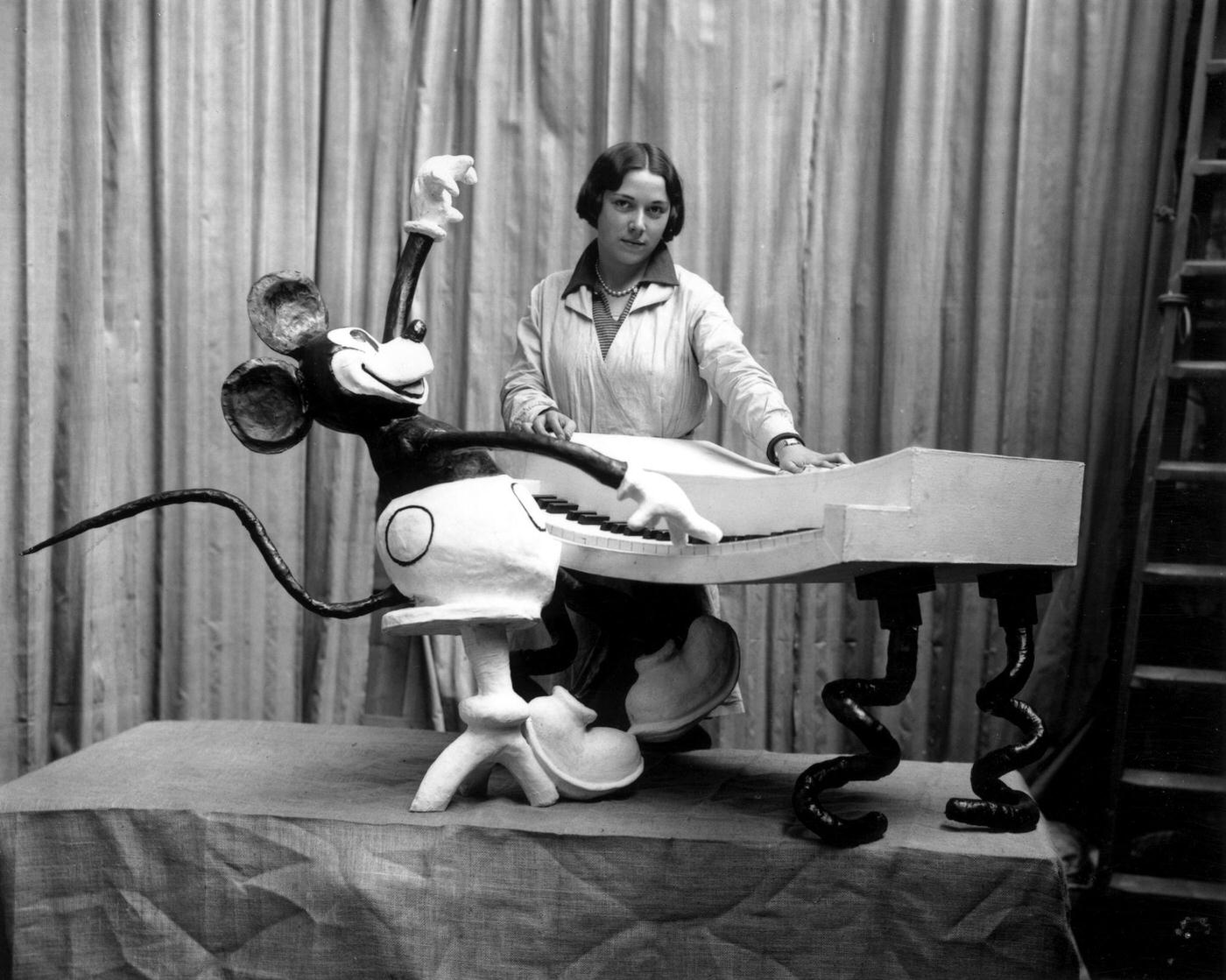
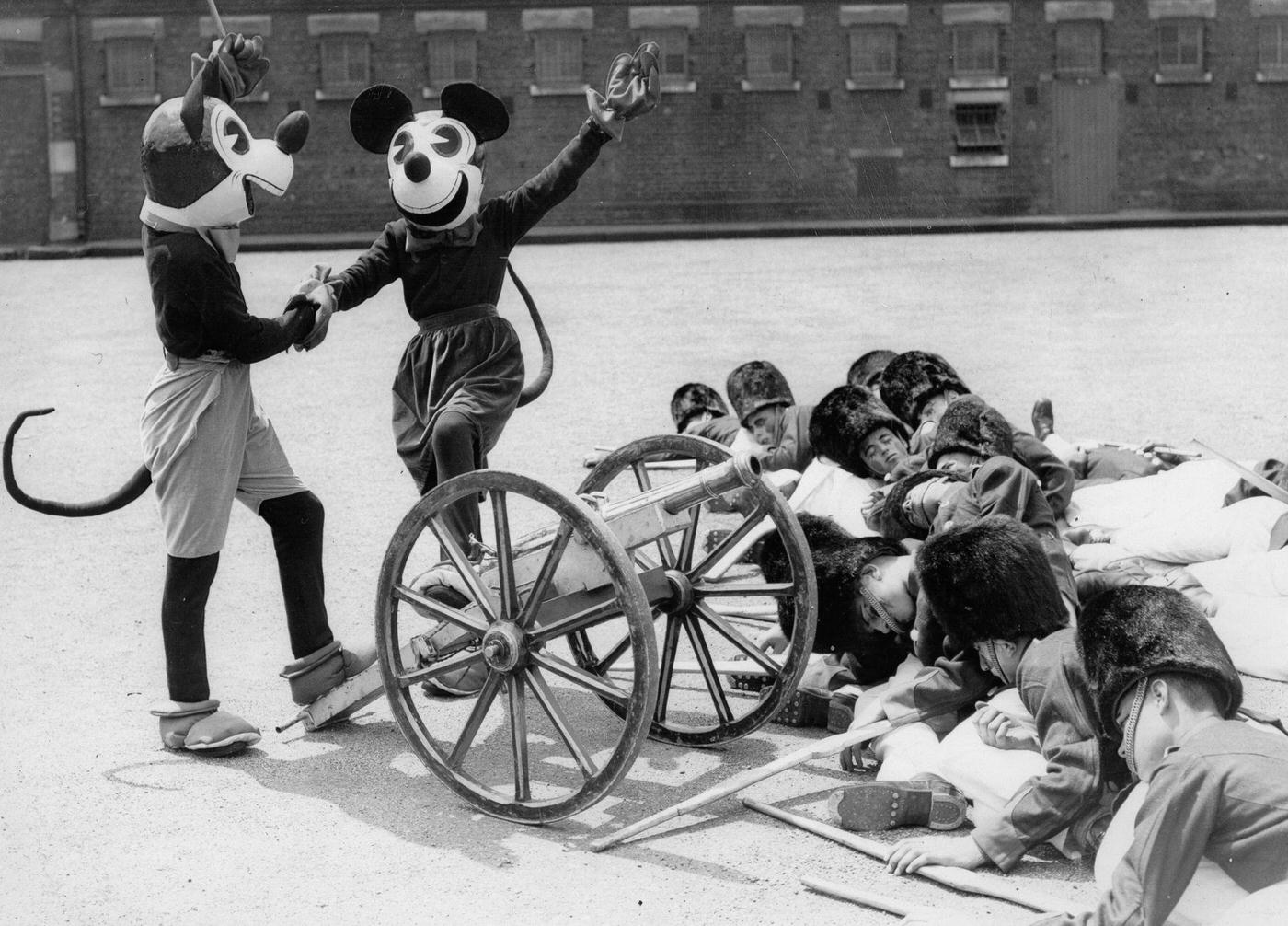
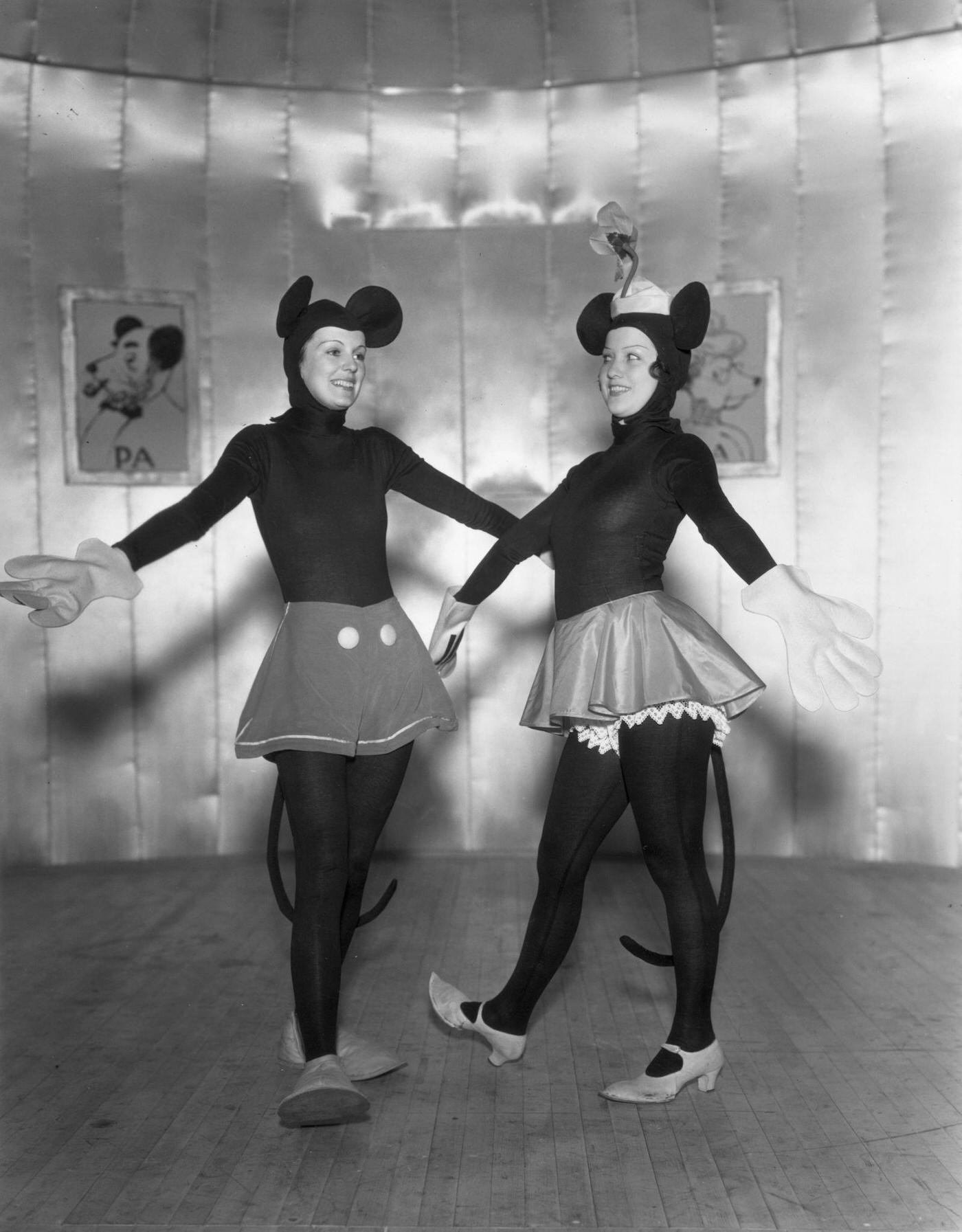
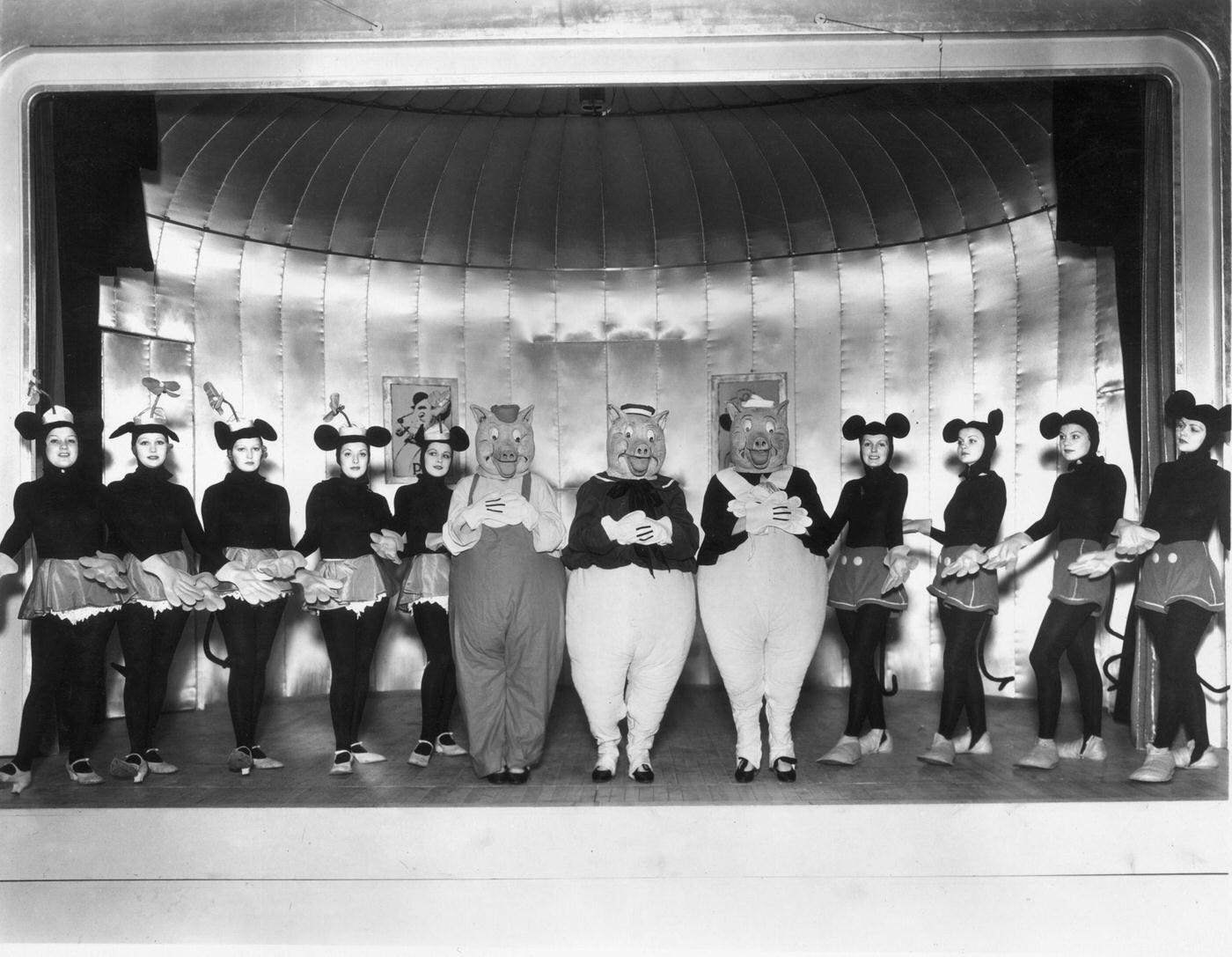
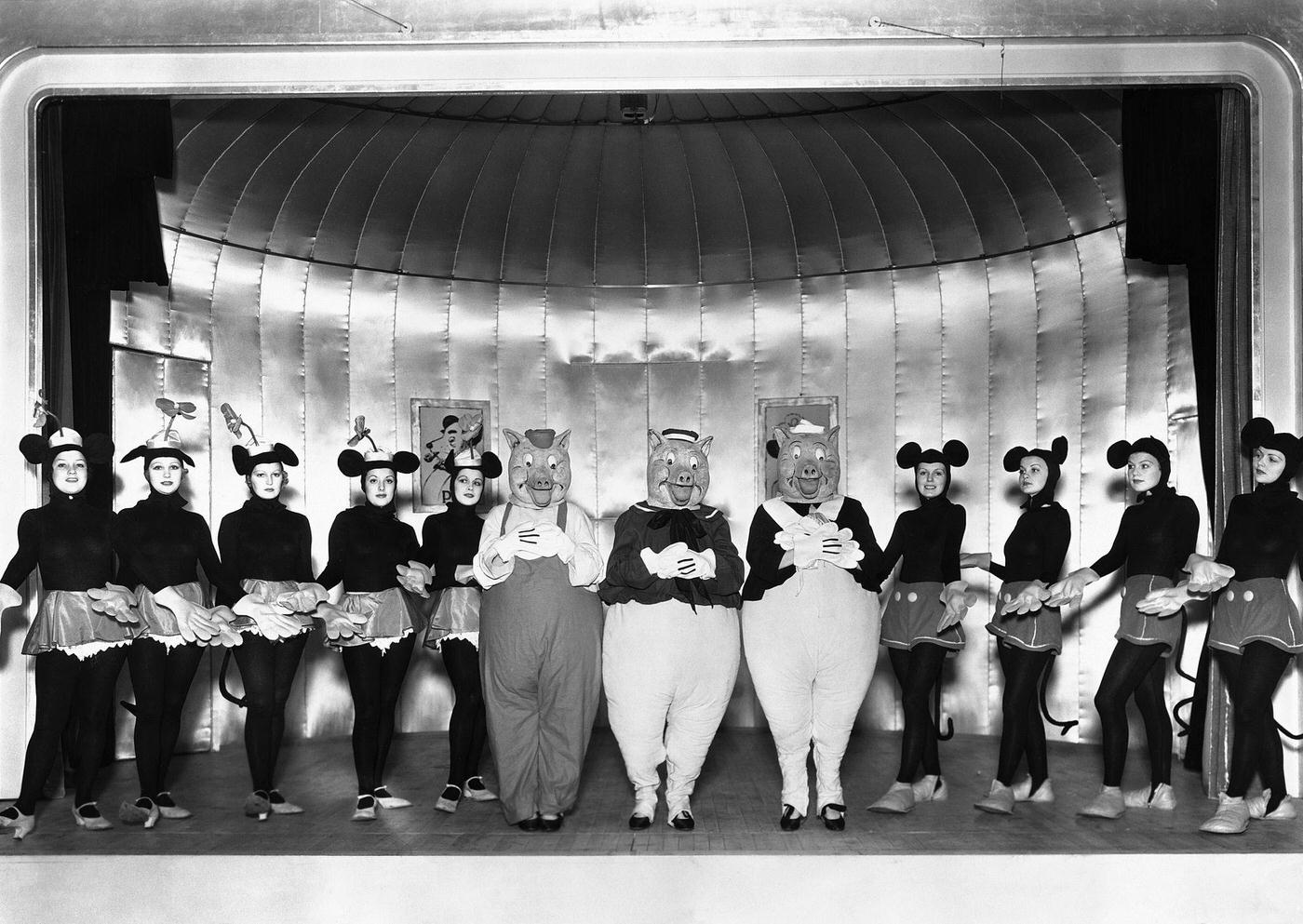
Mickey’s presence on the live stage grew considerably through the mid-1930s. In London in 1934, the Monte Carlo Follies at the Grosvenor House Hotel featured performers dressed as Mickey, Minnie, and the Three Little Pigs. Hilda Knight and Evelyn Dall took on the roles of Mickey and Minnie respectively, with Bob Robinson playing the Big Bad Wolf. These theatrical productions showed just how thoroughly Mickey had embedded himself in popular entertainment beyond cinema.
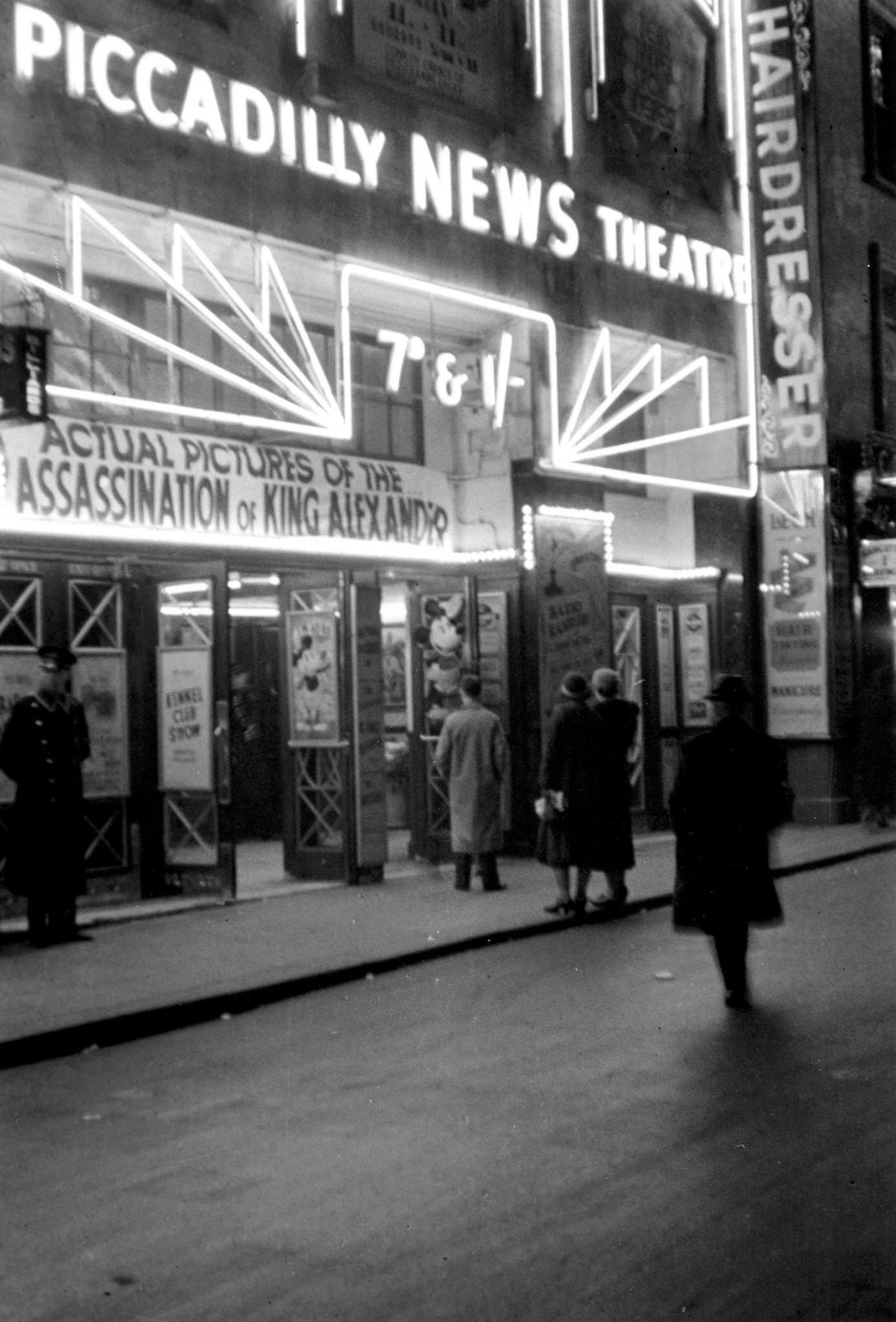
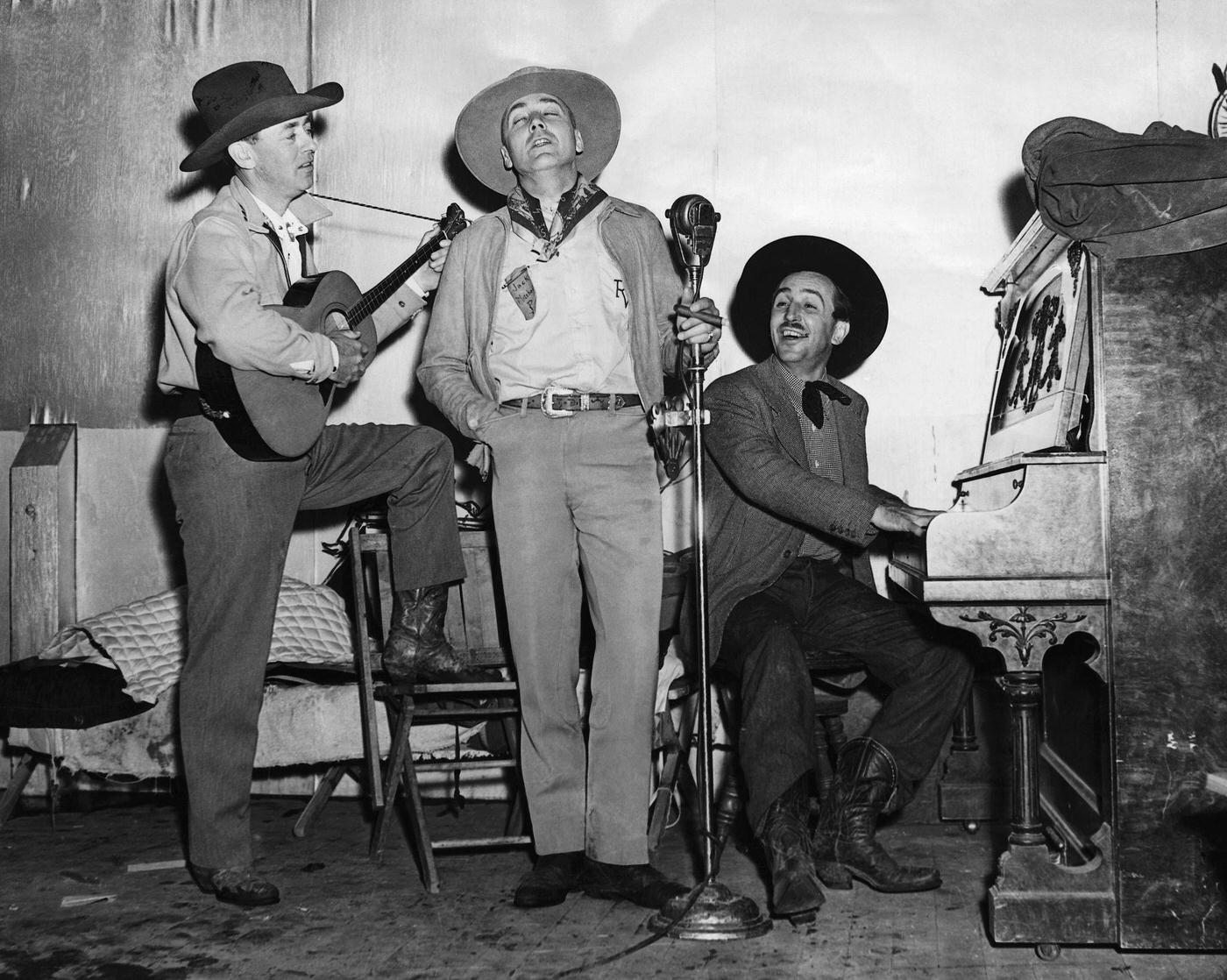
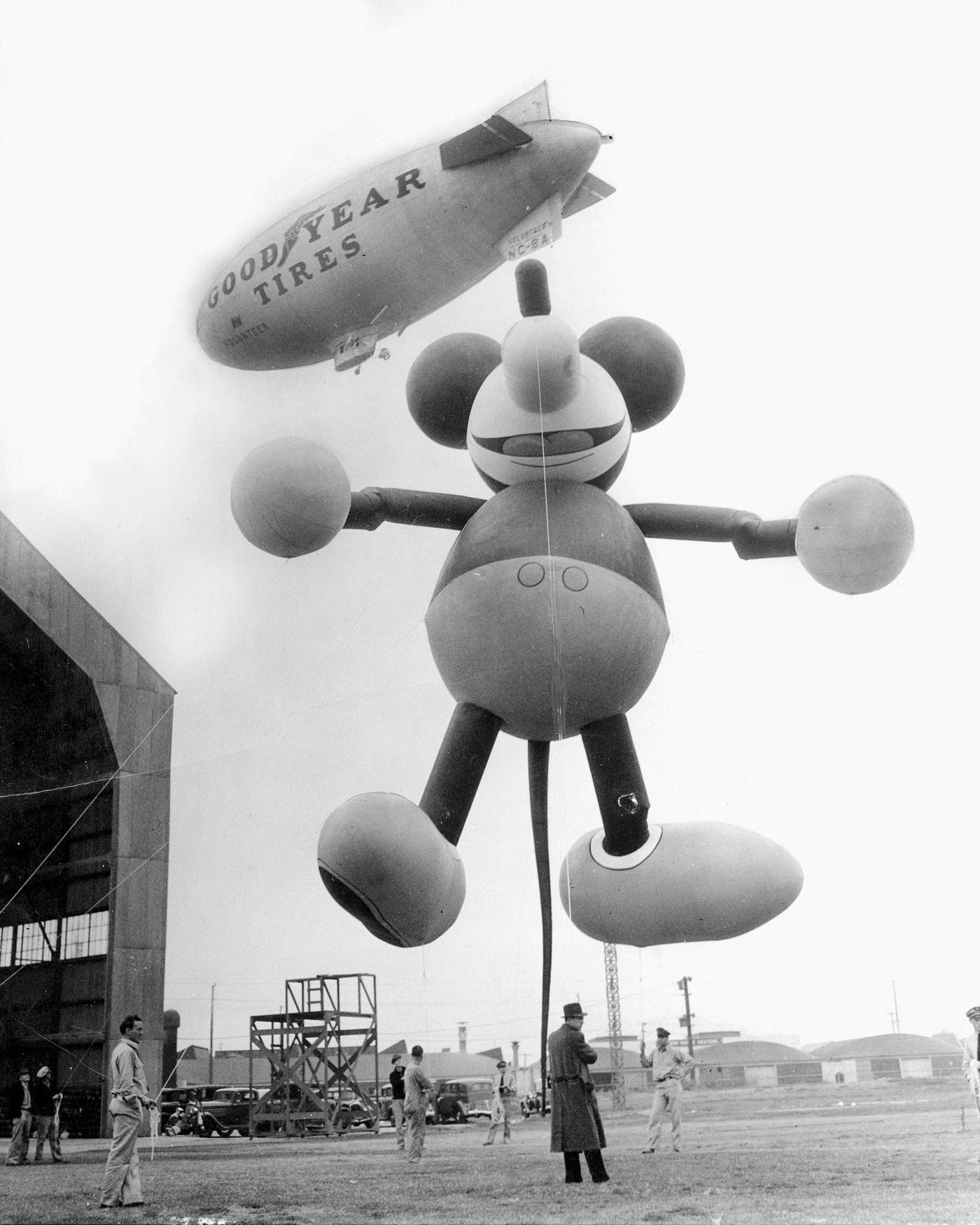
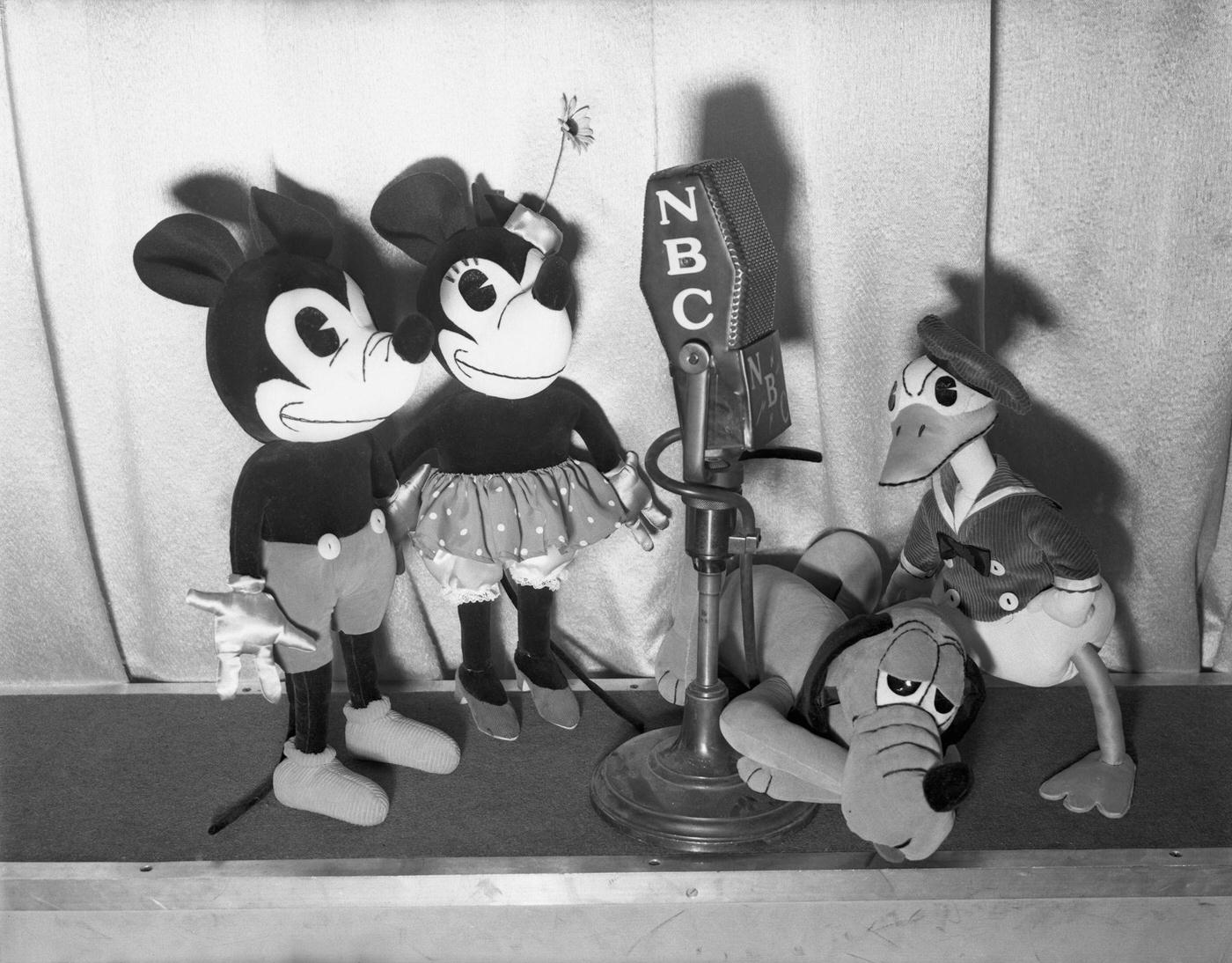
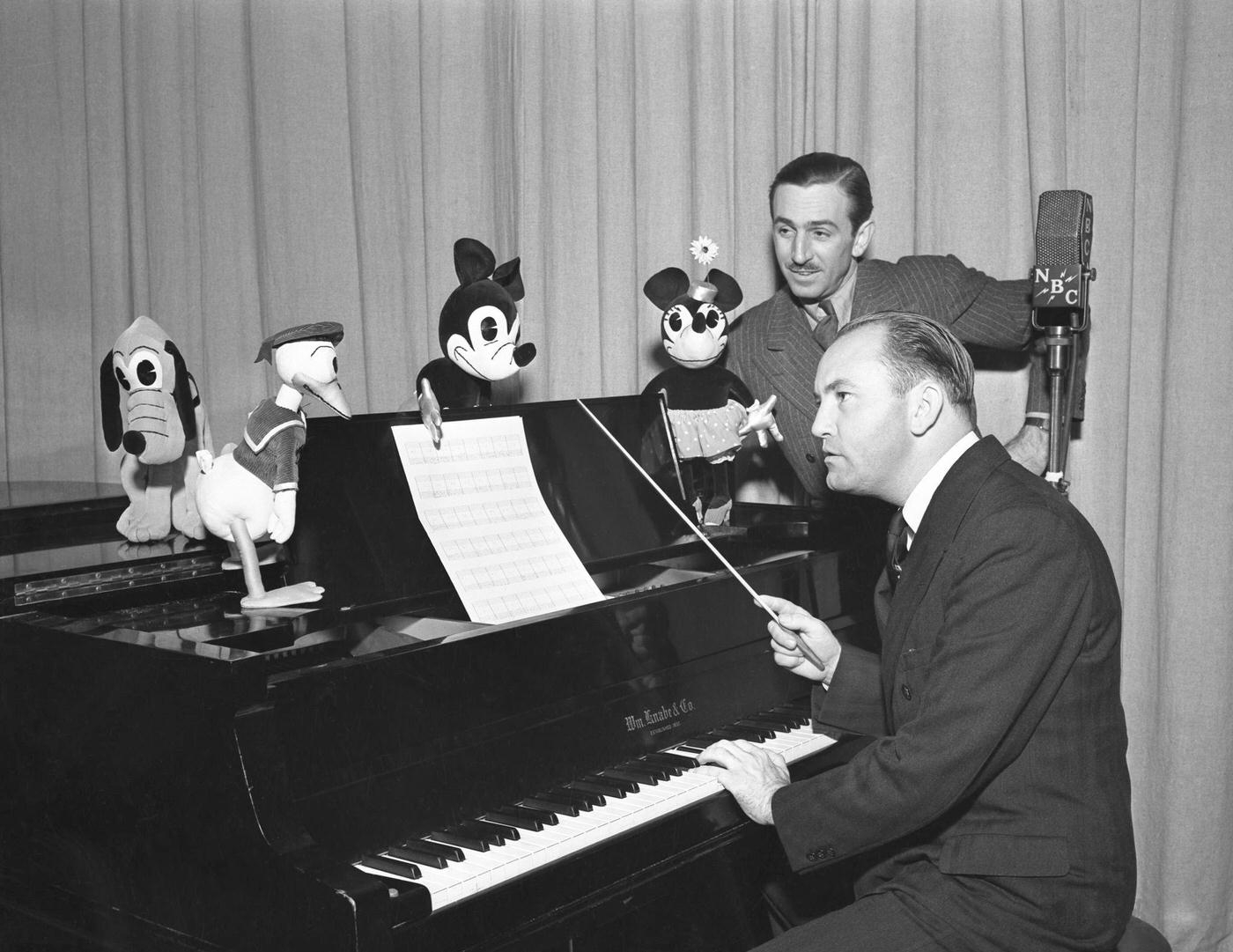
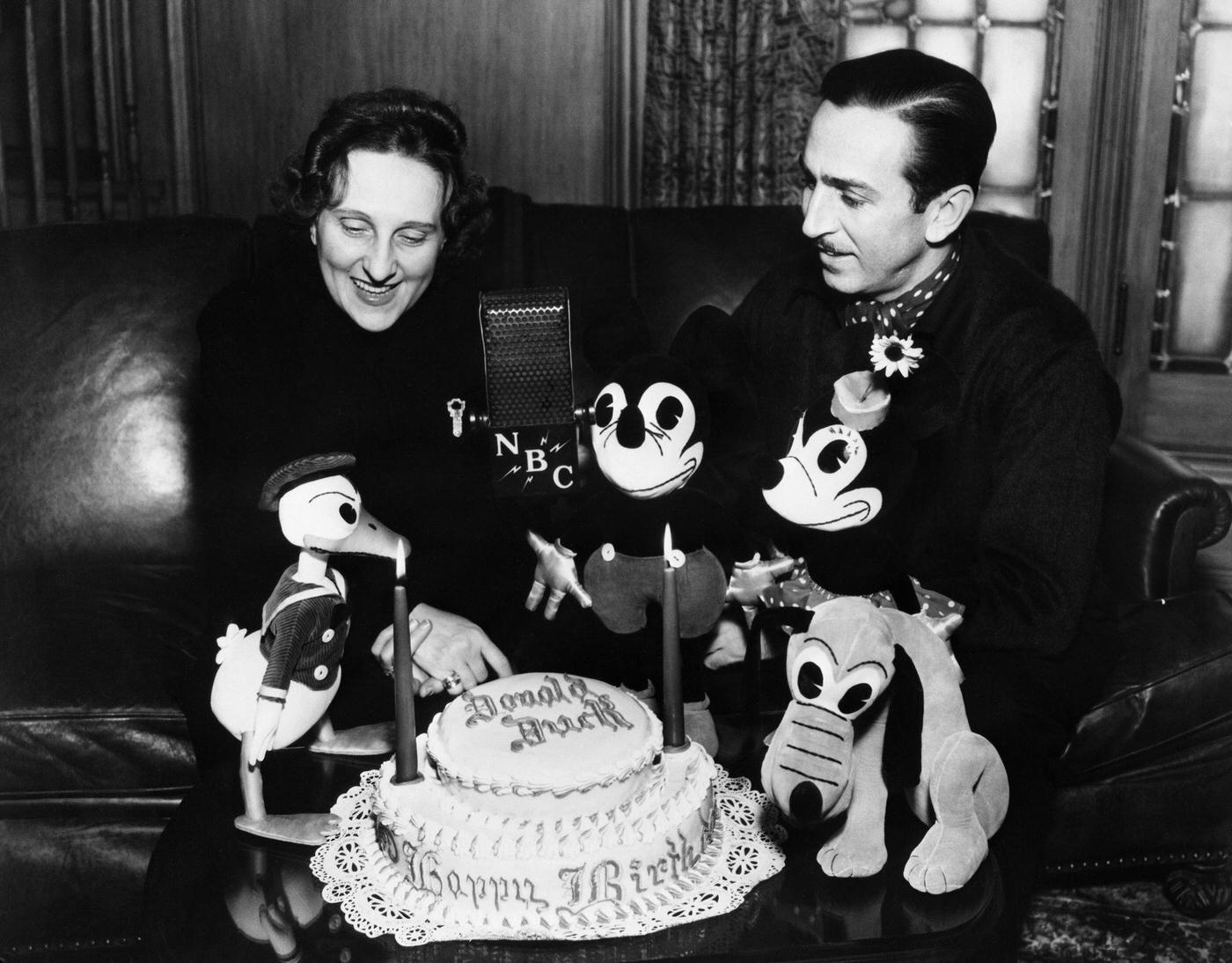
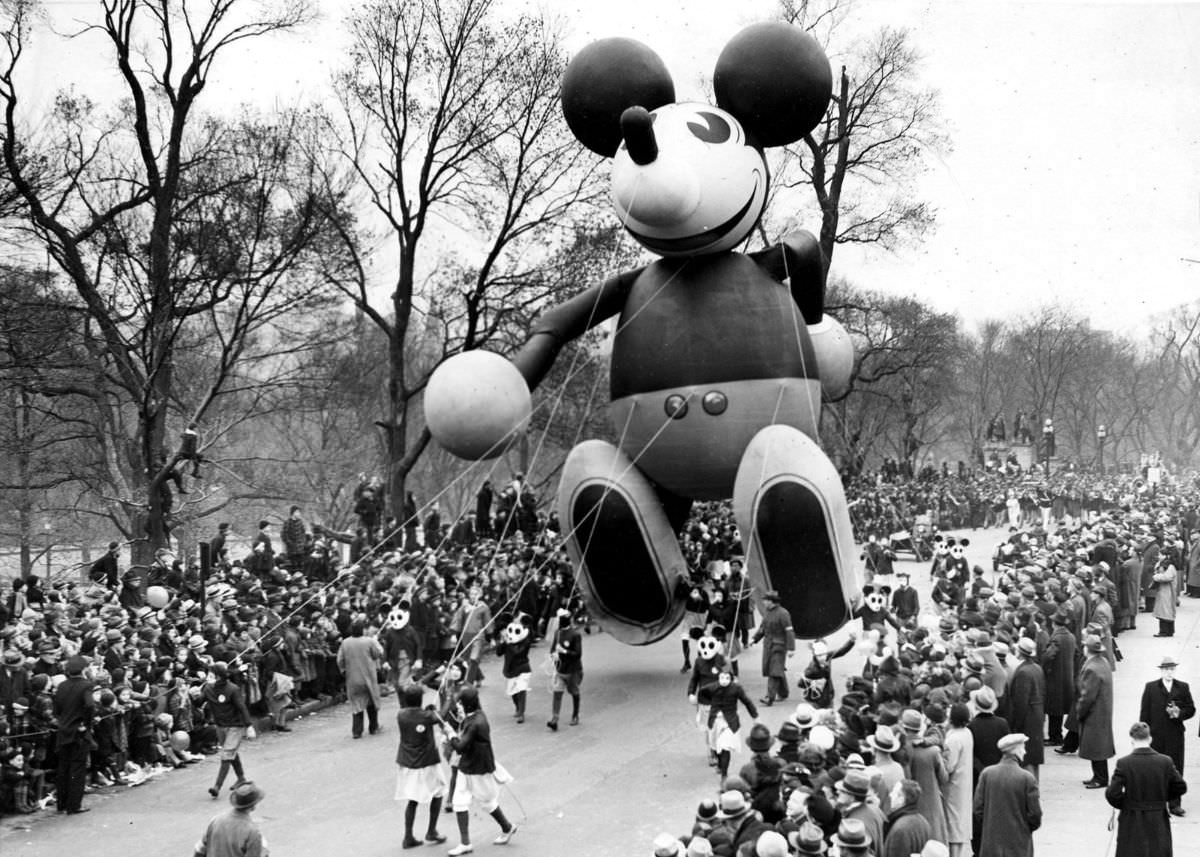
By the late 1930s, Mickey’s image was appearing in forms that would have seemed impossible just a decade earlier. Giant Mickey Mouse balloons floated above Thanksgiving Day parades in Boston. A massive inflatable Mickey was tied to a dirigible in Glendale. His face appeared in parade routes, toy store windows, and radio broadcasts. In 1937, the Mickey Mouse Theatre of the Air brought the character’s world to radio listeners, with Walt Disney himself participating alongside voice actors playing Mickey, Minnie, Pluto, and Donald Duck. Radio stars like Freeman Gosden and Charles Correll of Amos ‘n’ Andy joined the broadcasts, lending additional star power to the production.
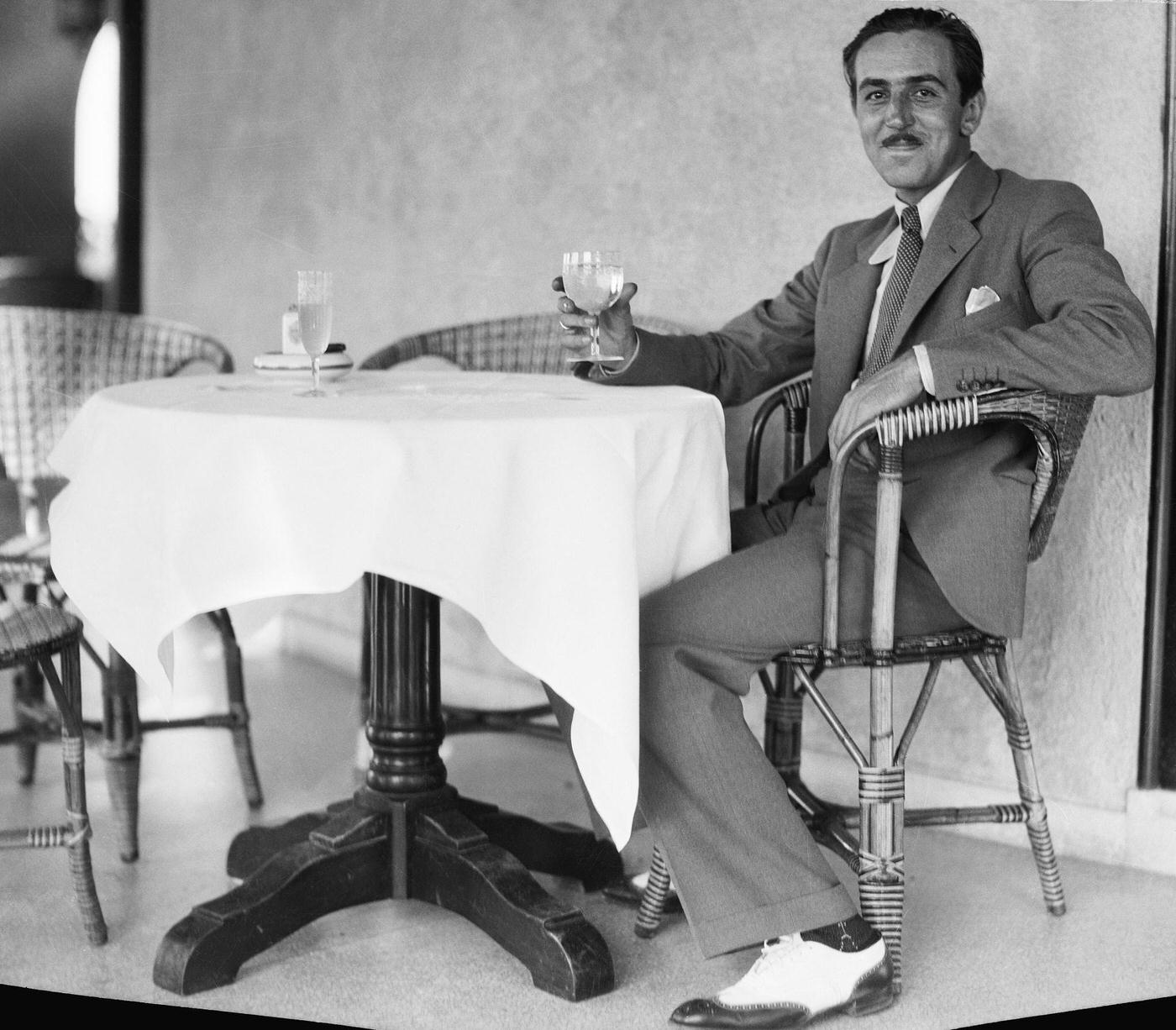
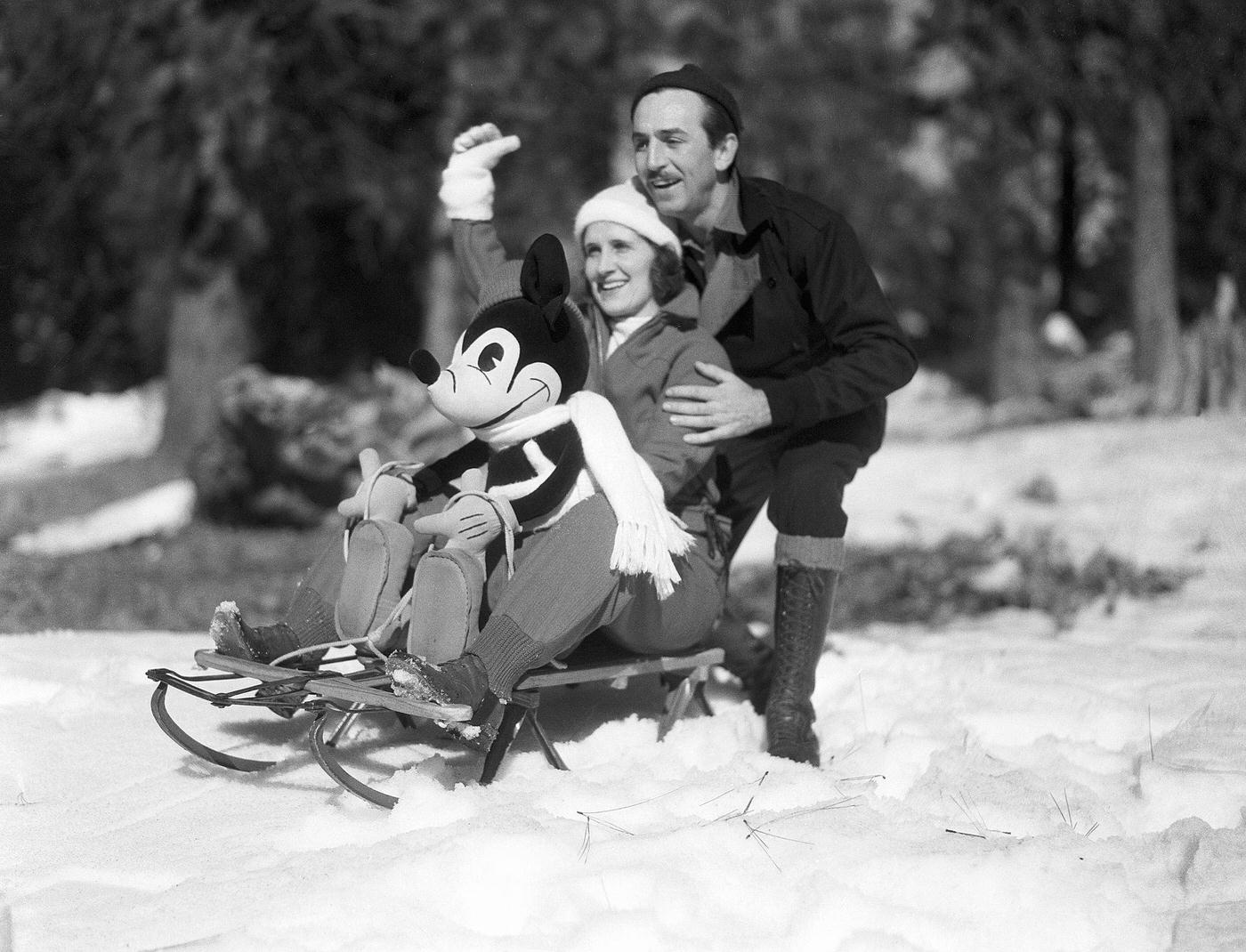
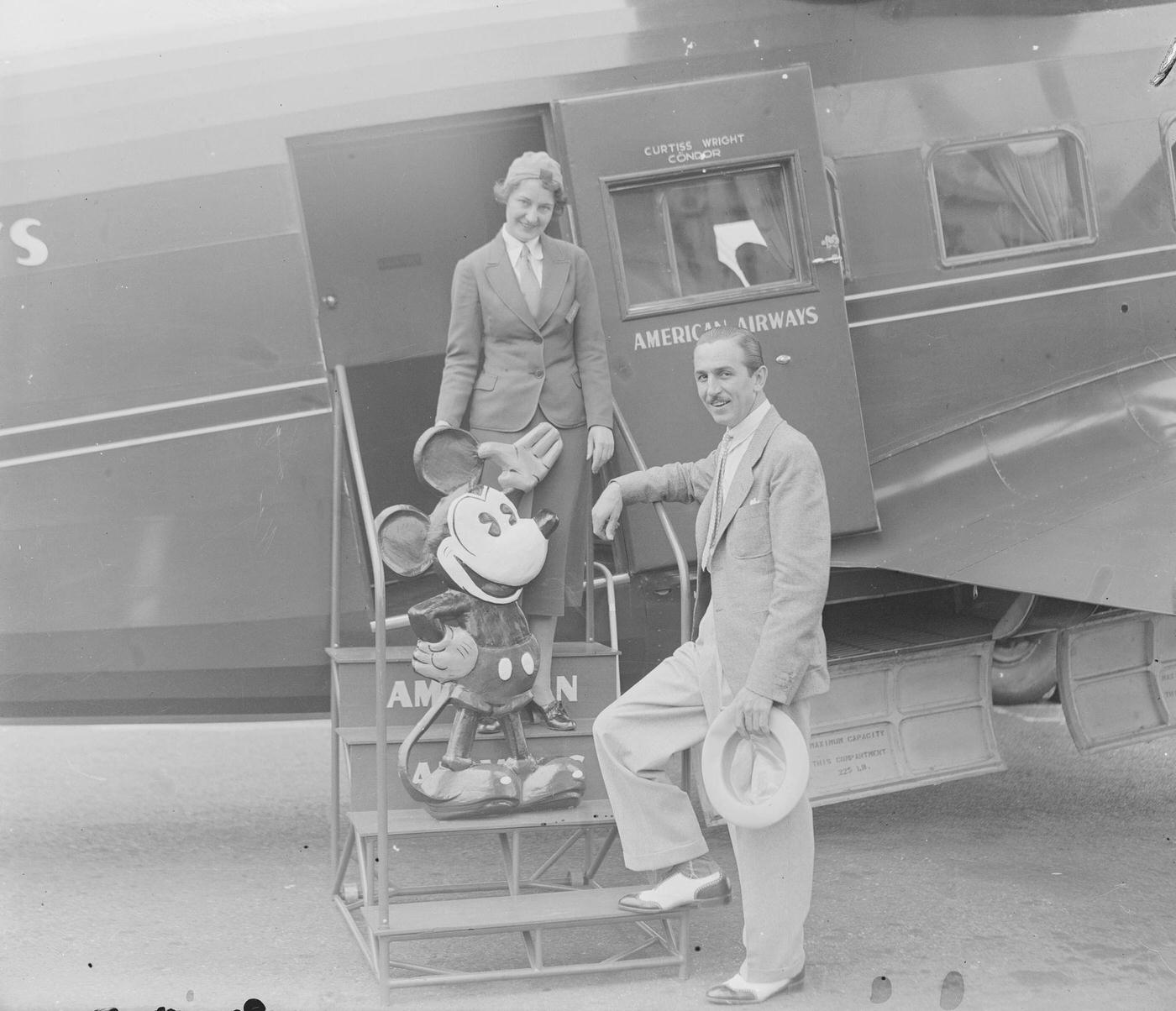
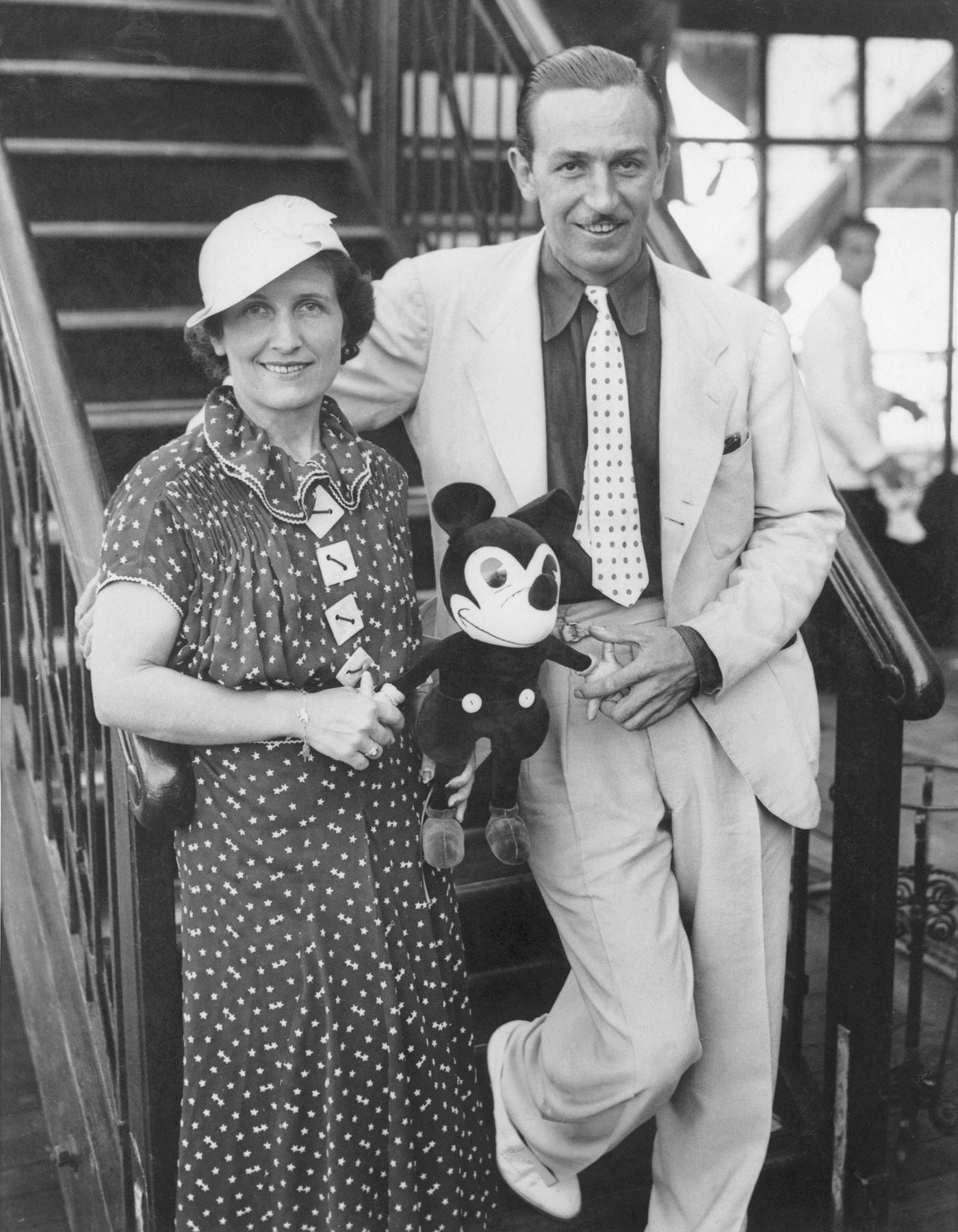
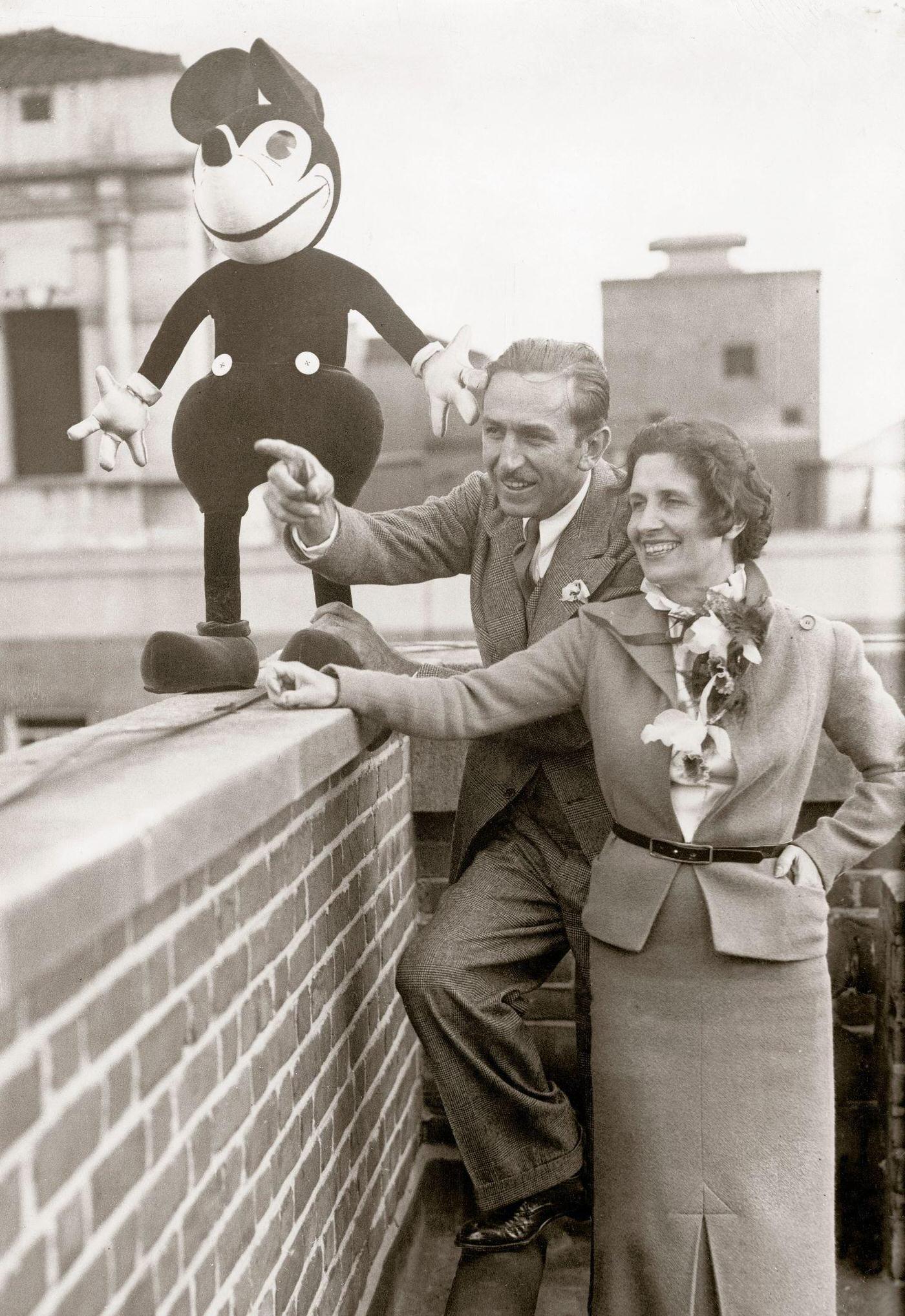
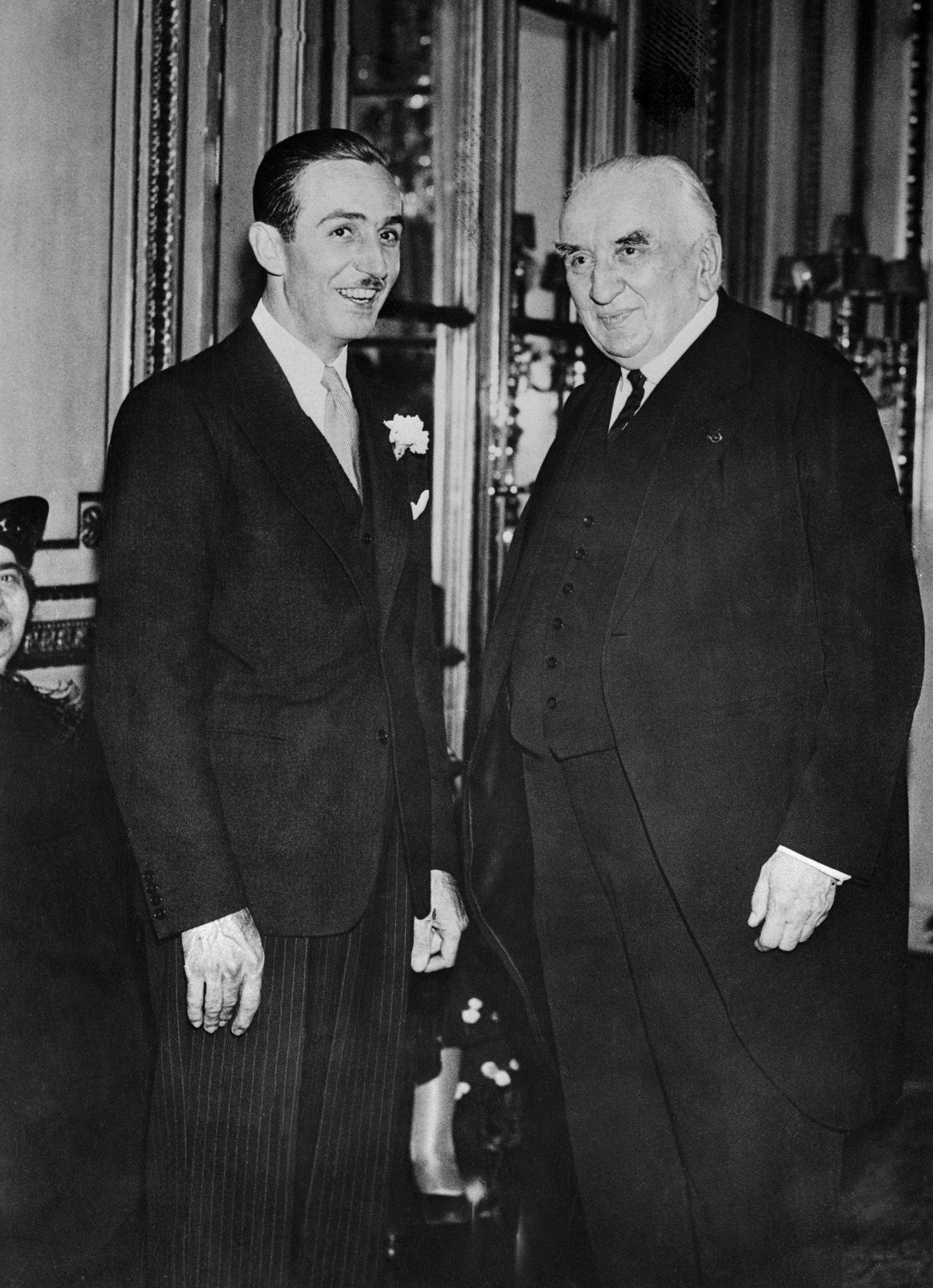
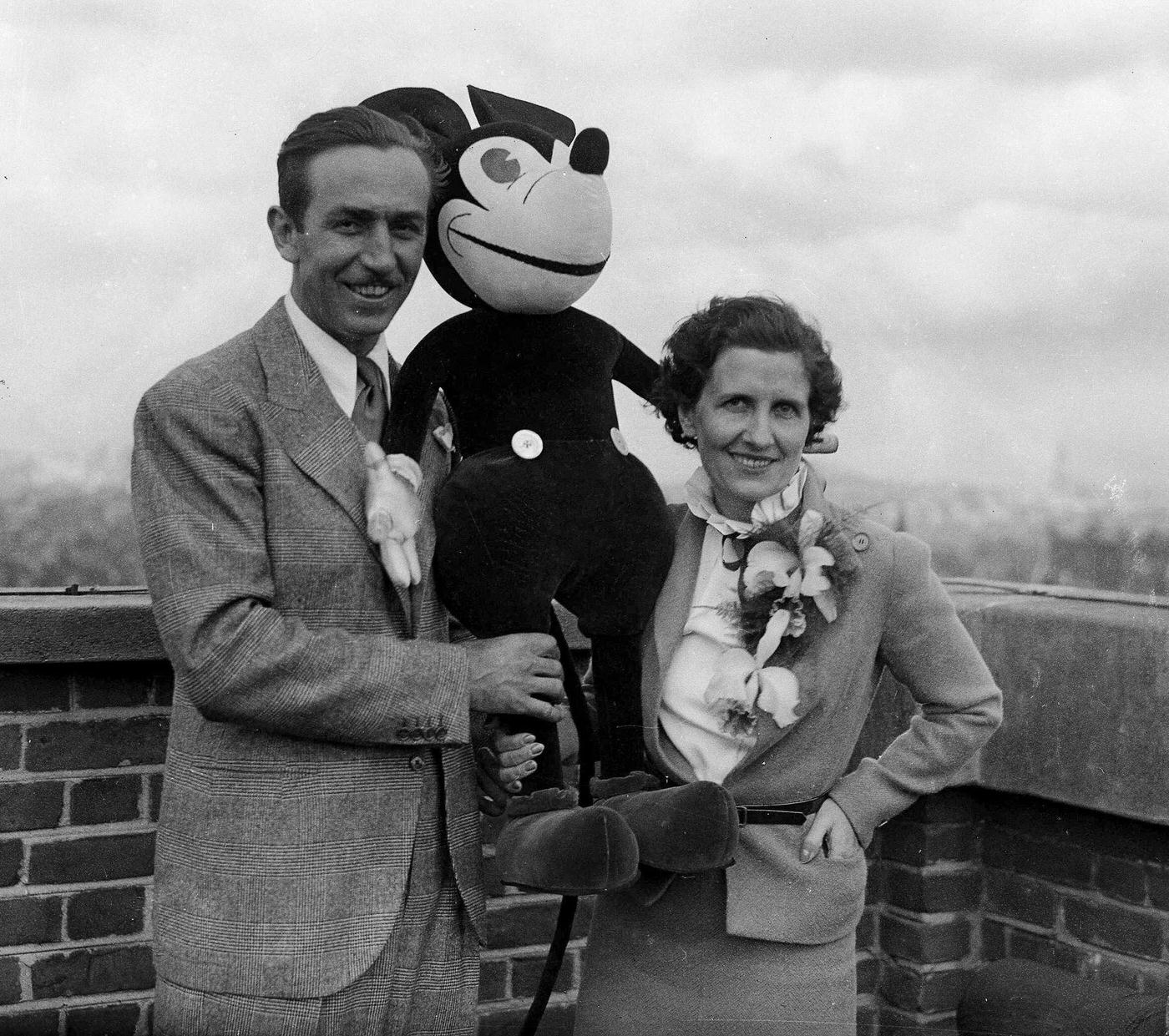
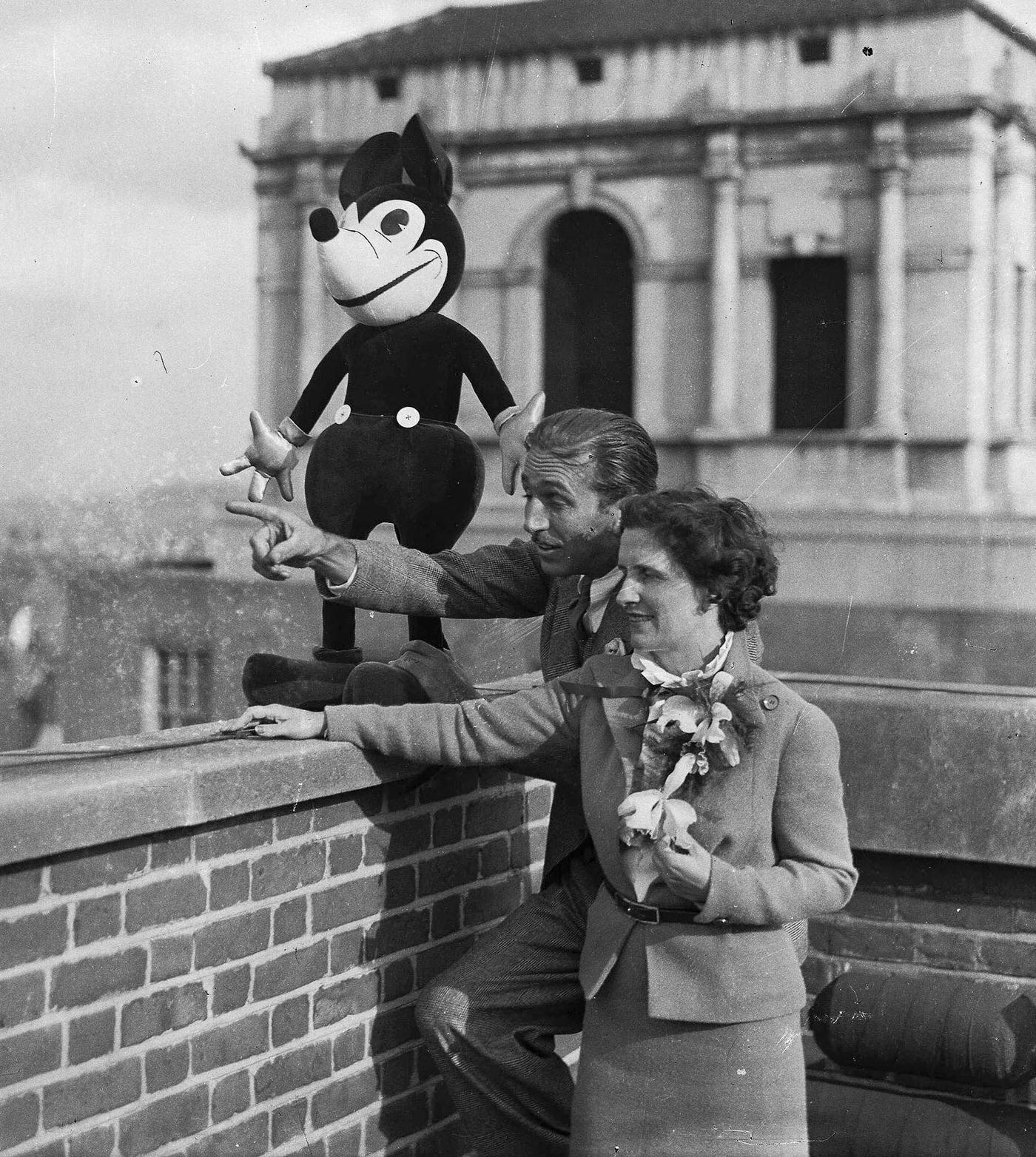
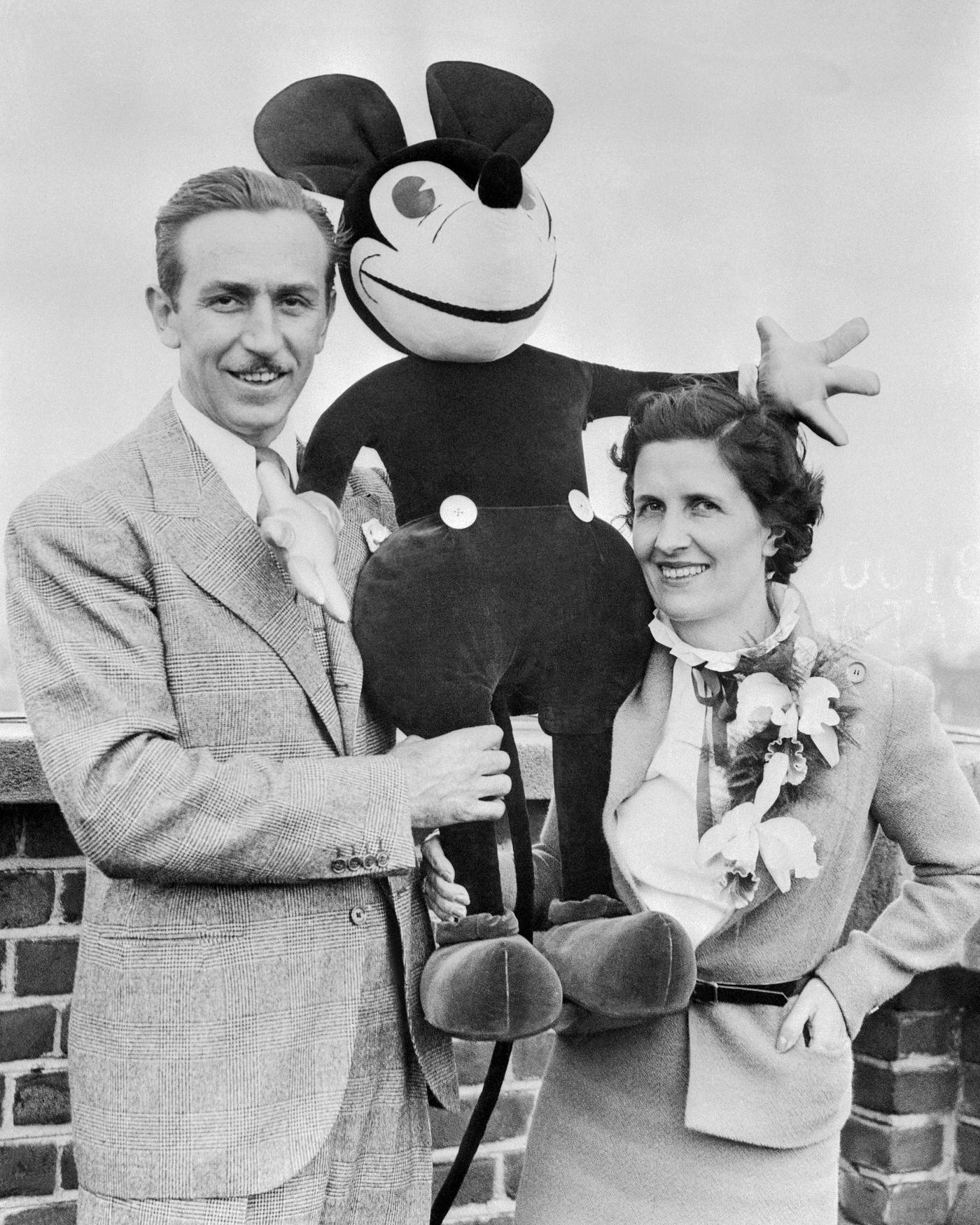
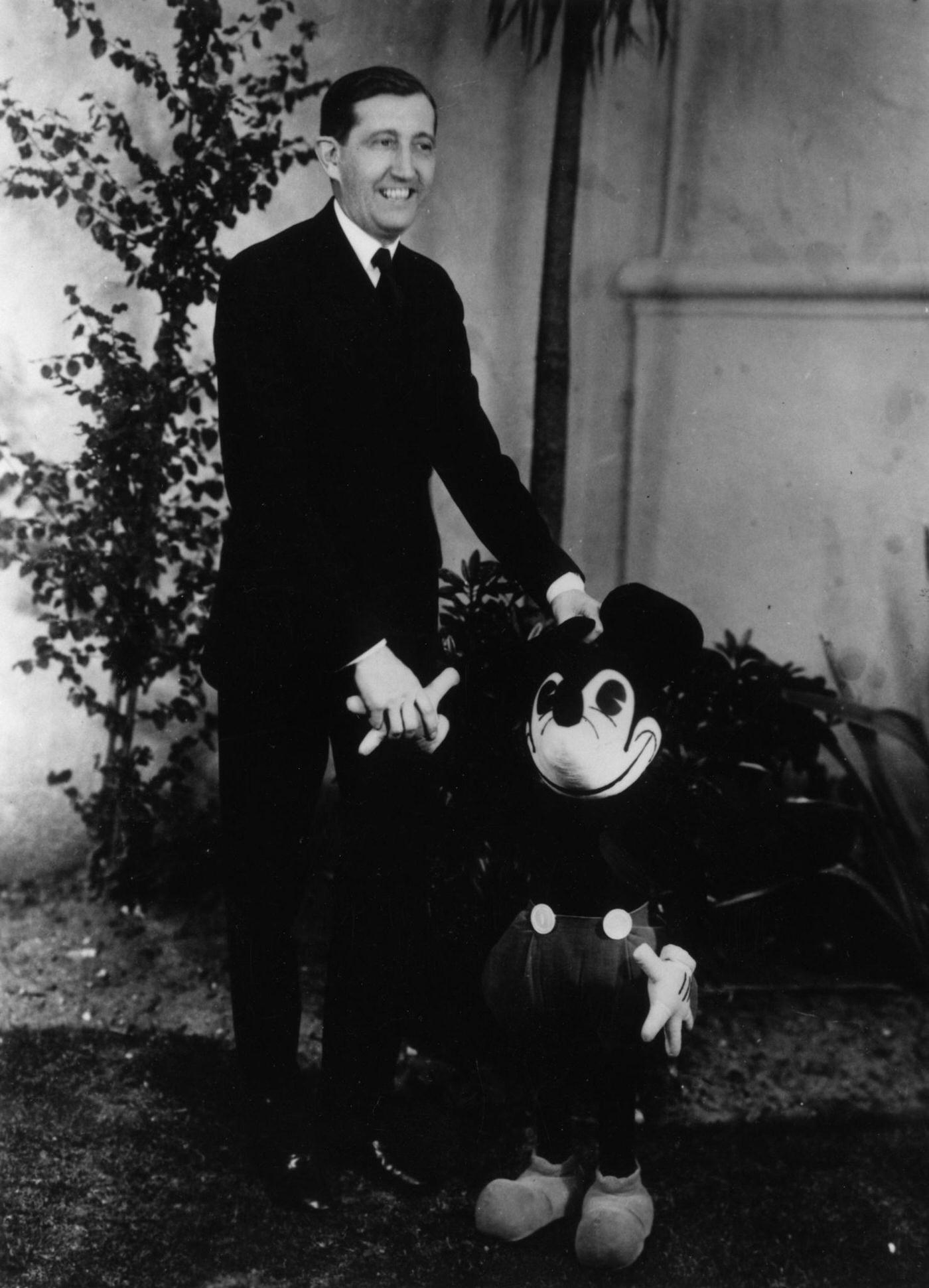
Disney’s 1935 trip to Europe with his wife Lillian drew significant press coverage. In Paris, he met cinema pioneer Louis Lumière. In London, the couple posed with Mickey Mouse on the roof of their hotel for photographers. Wherever Disney traveled, Mickey traveled with him — sometimes as a stuffed toy prop, sometimes as a printed image on banners or posters, but always present. The character and his creator had become inseparable in the public’s mind.
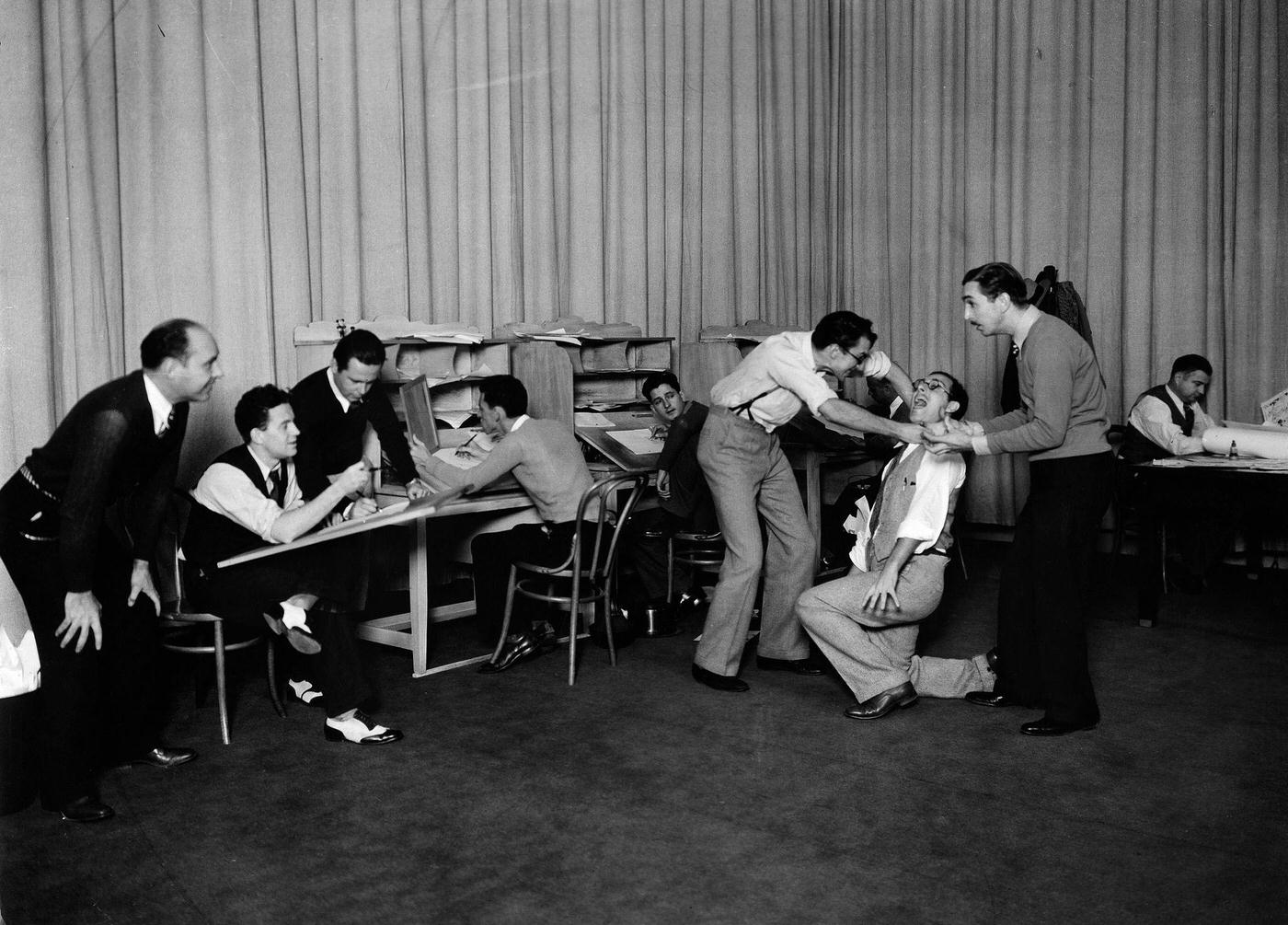
The radio show was part of a broader expansion in how Mickey was delivered to audiences. In 1938, Disney’s animators were photographed in motion studies, carefully analyzing human movement so that cartoon figures could be drawn with greater realism and fluidity. The studio was investing not just in new technology but in the craft of animation itself. The results showed on screen — Mickey’s movements became more expressive, his stories more layered, his world more detailed.
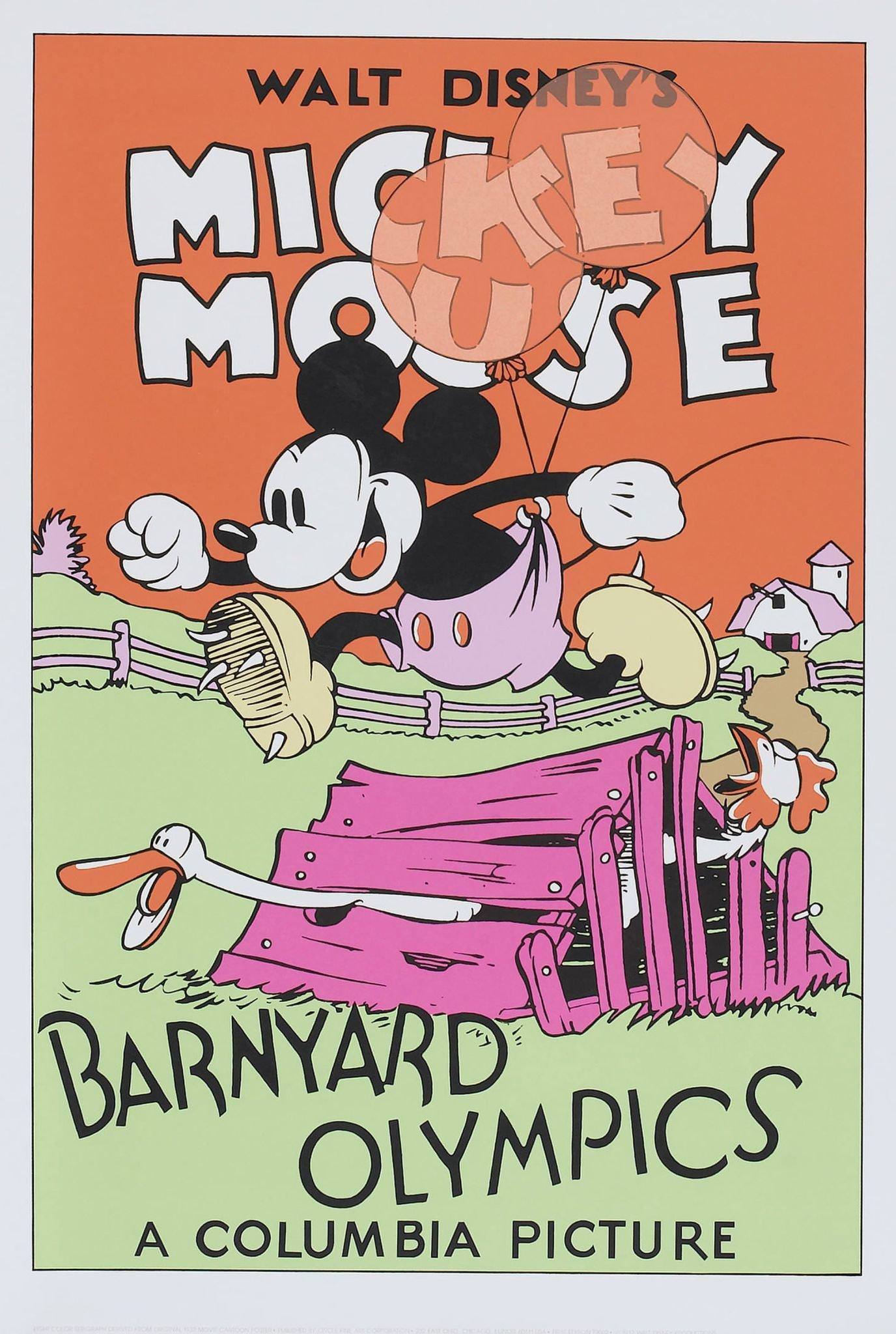
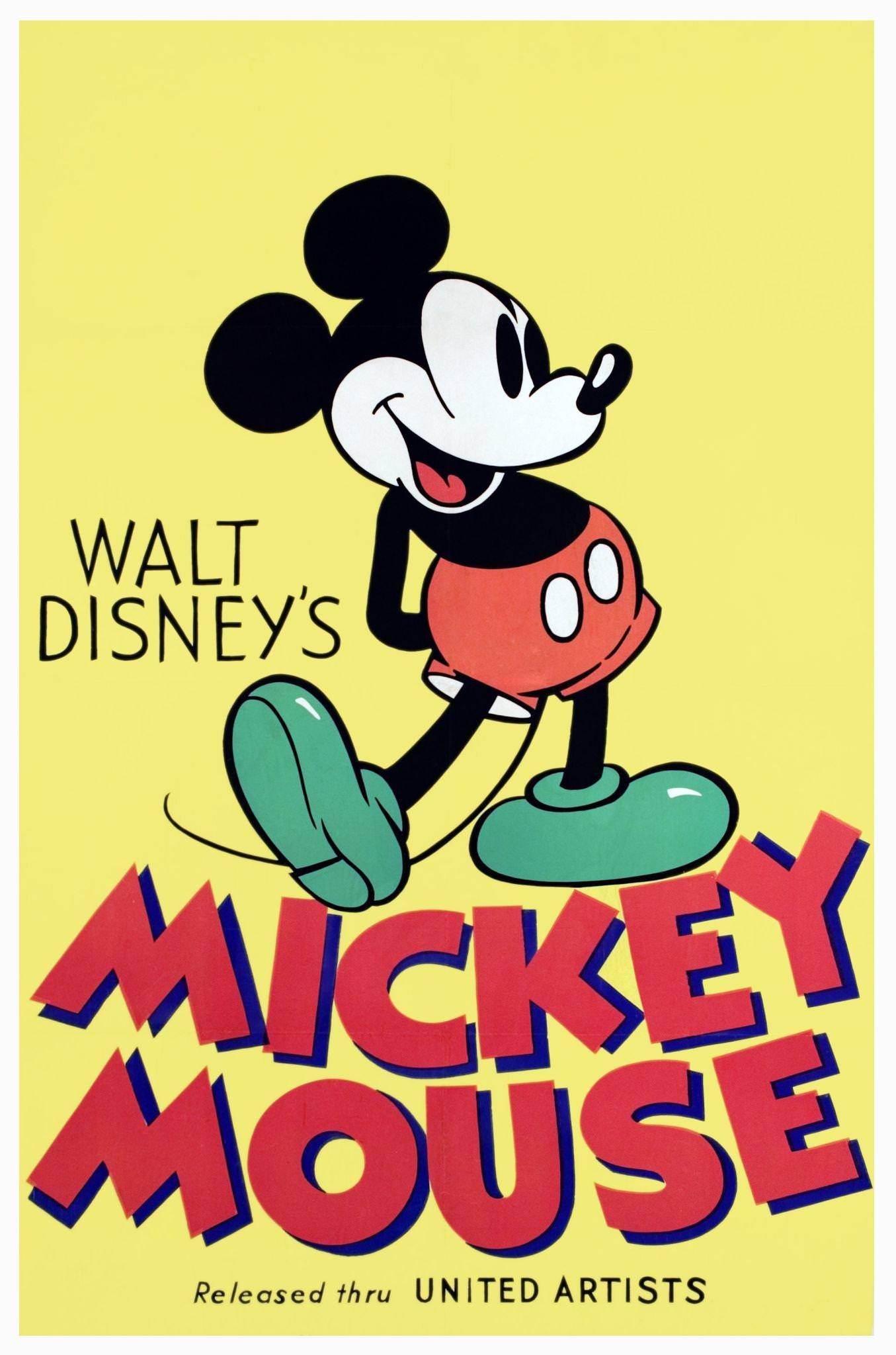
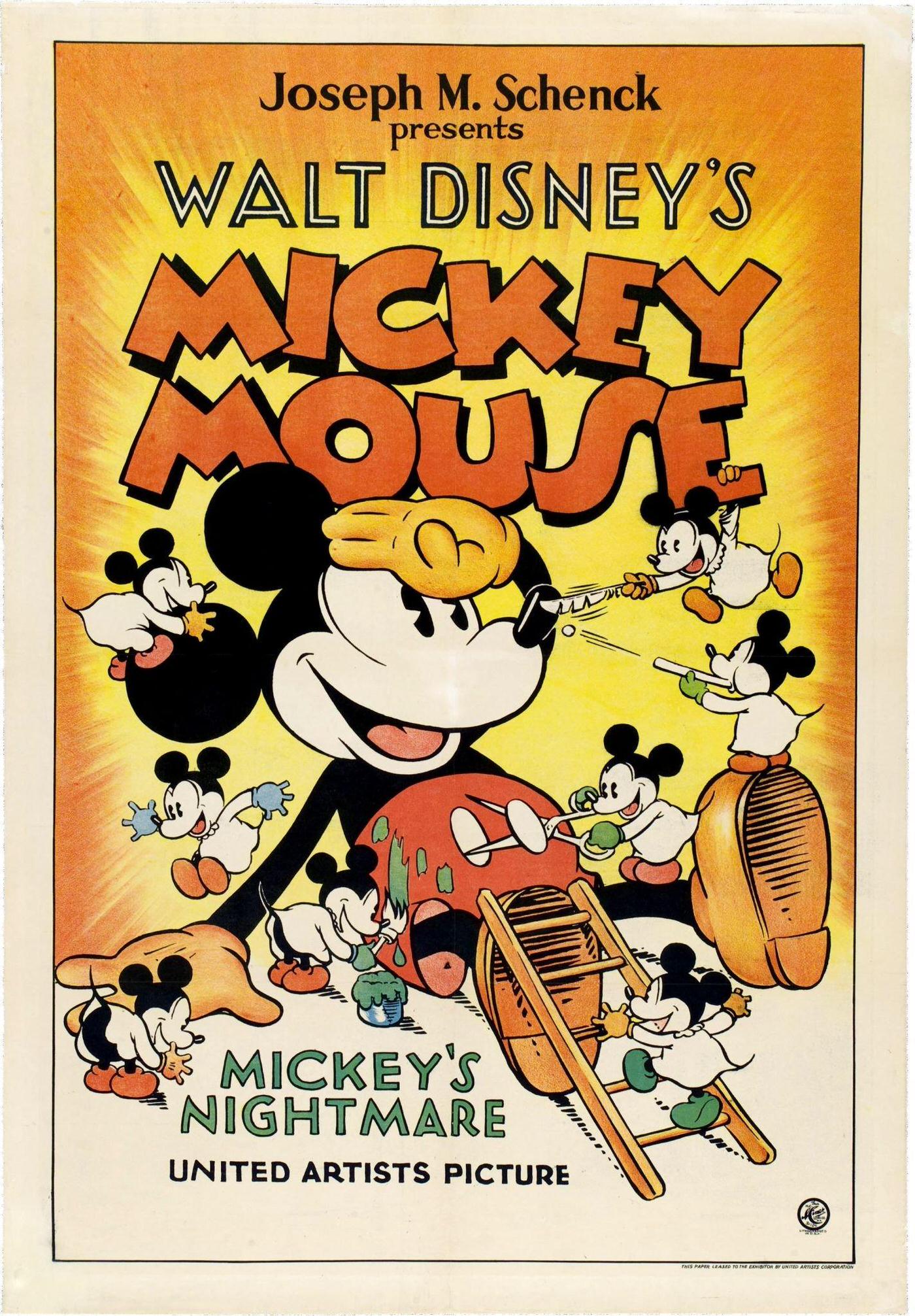
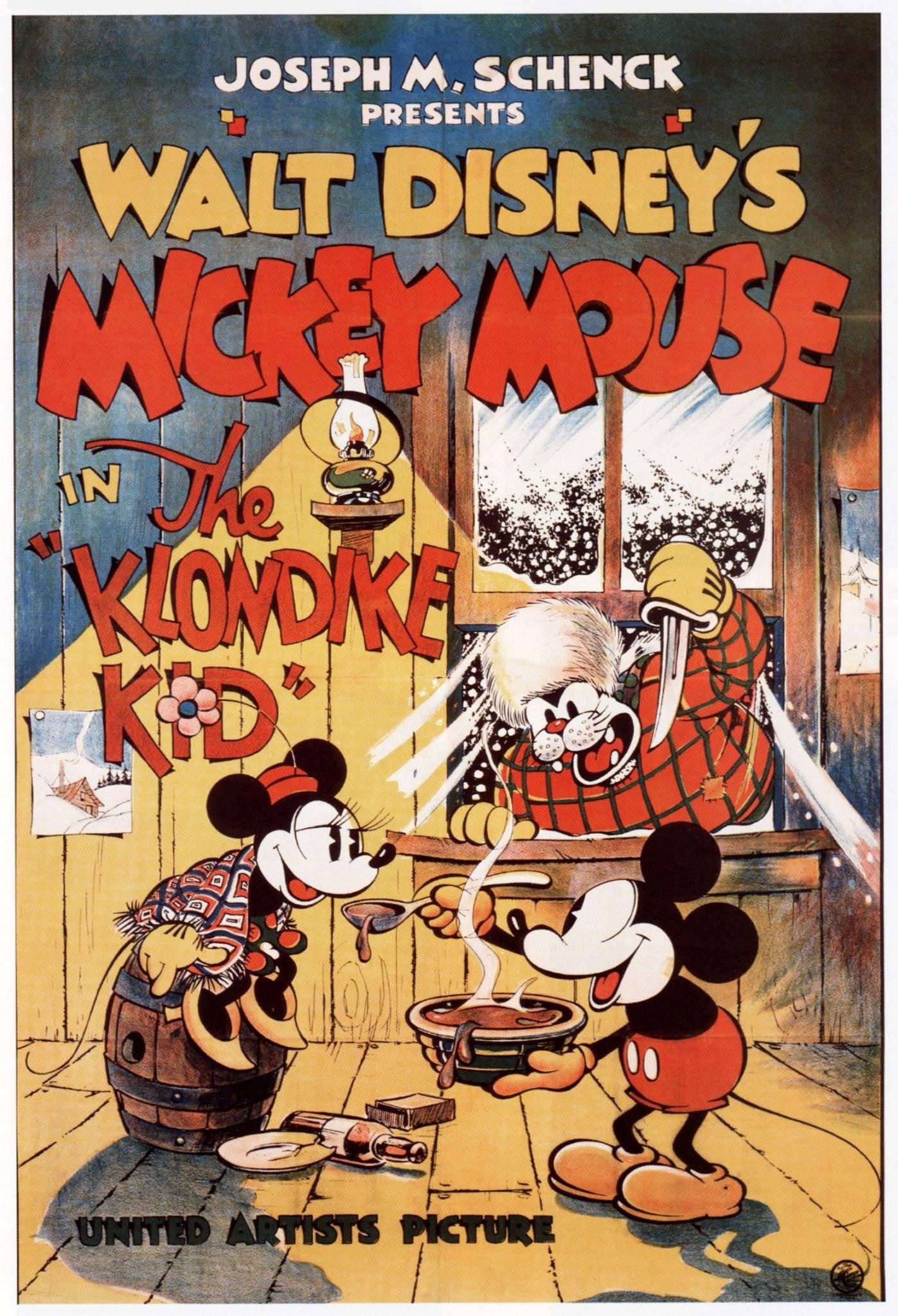
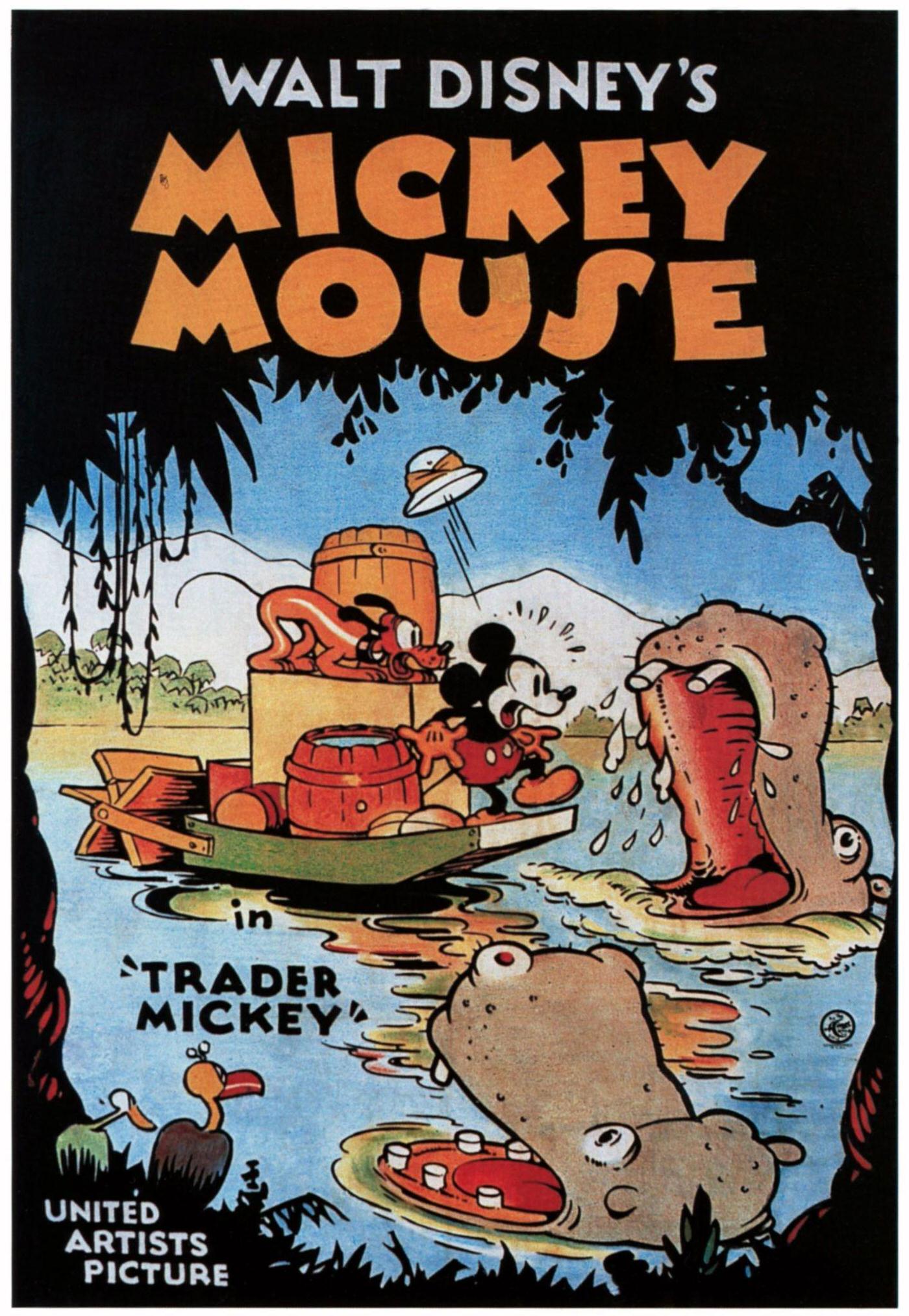
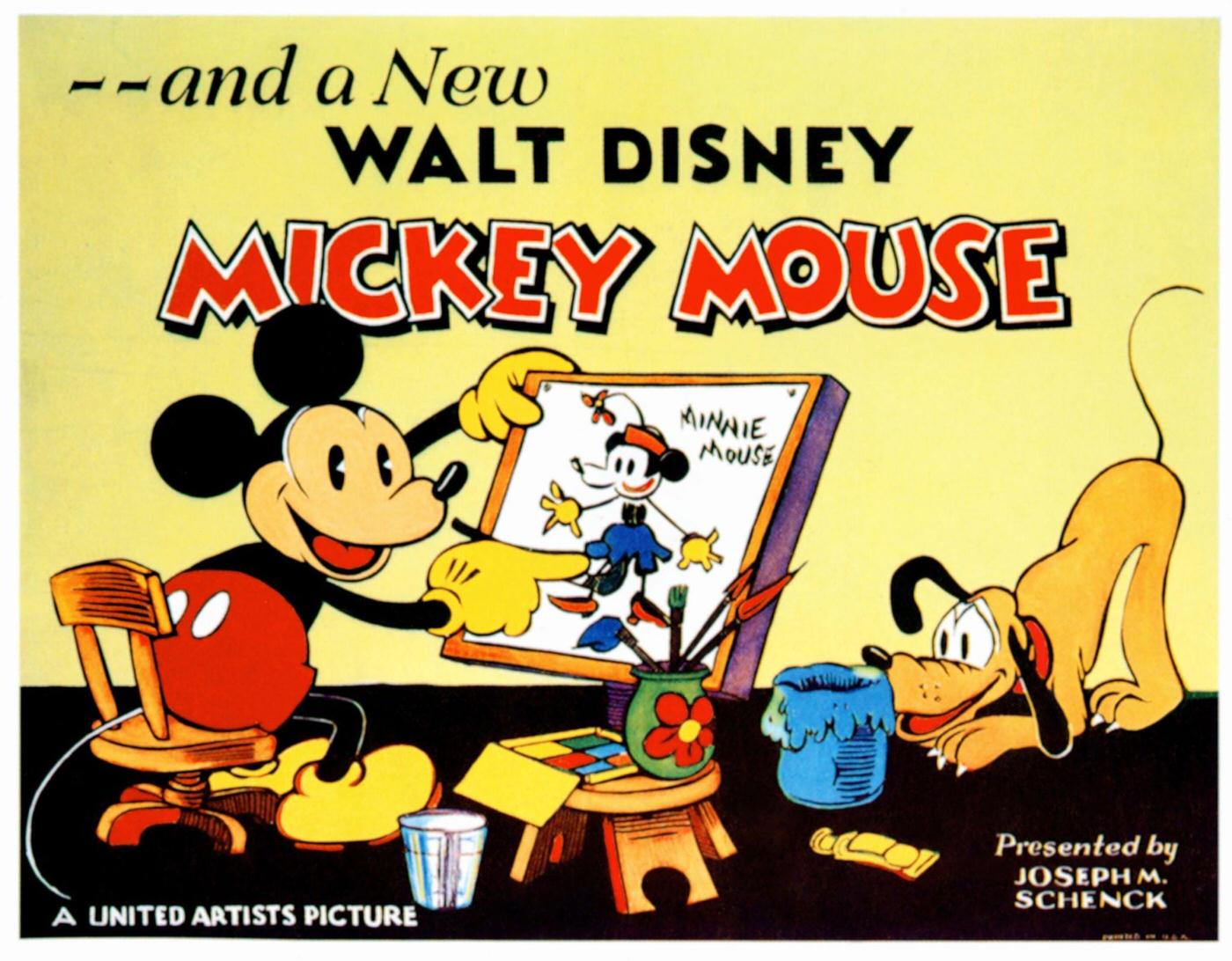
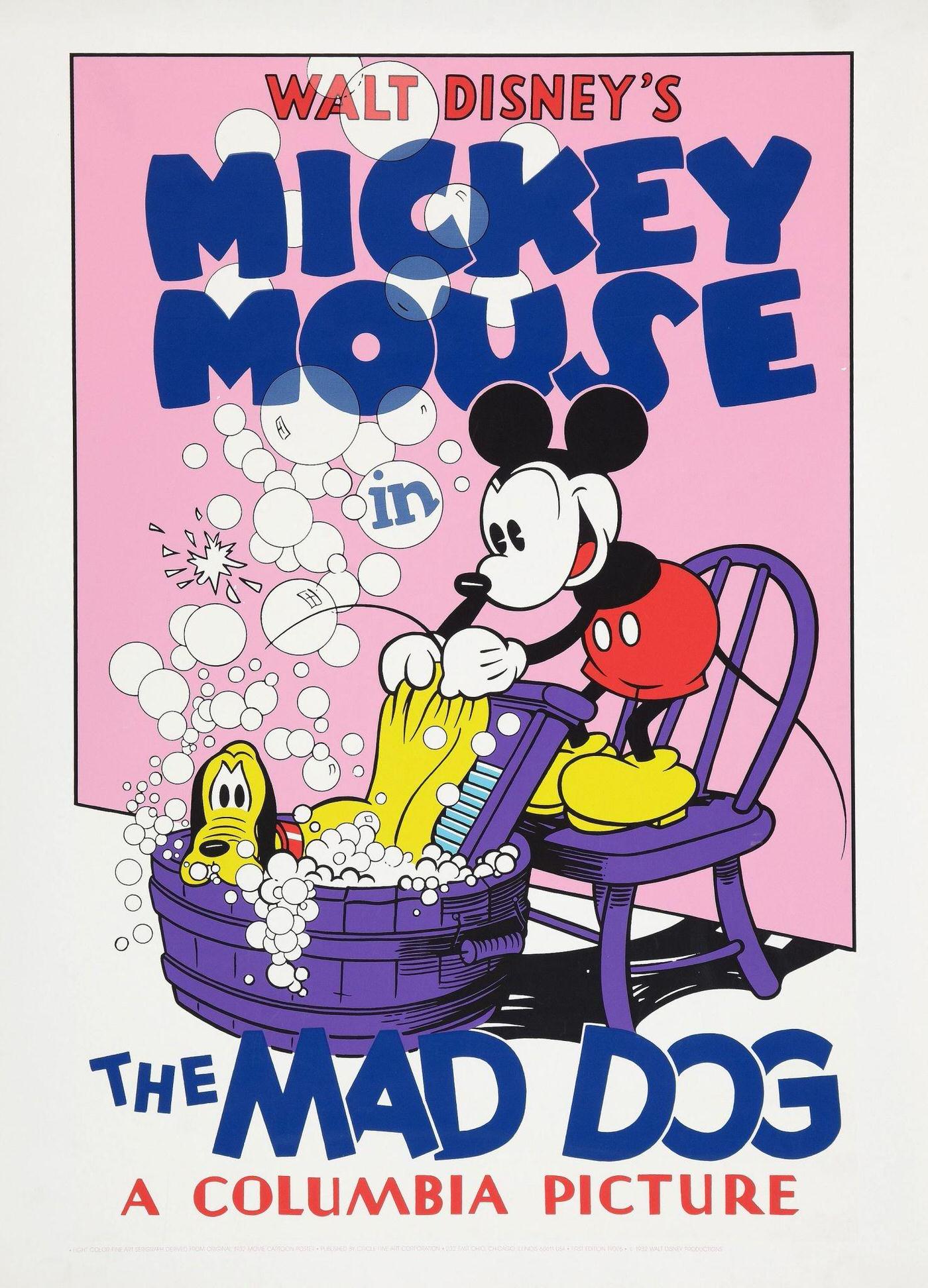
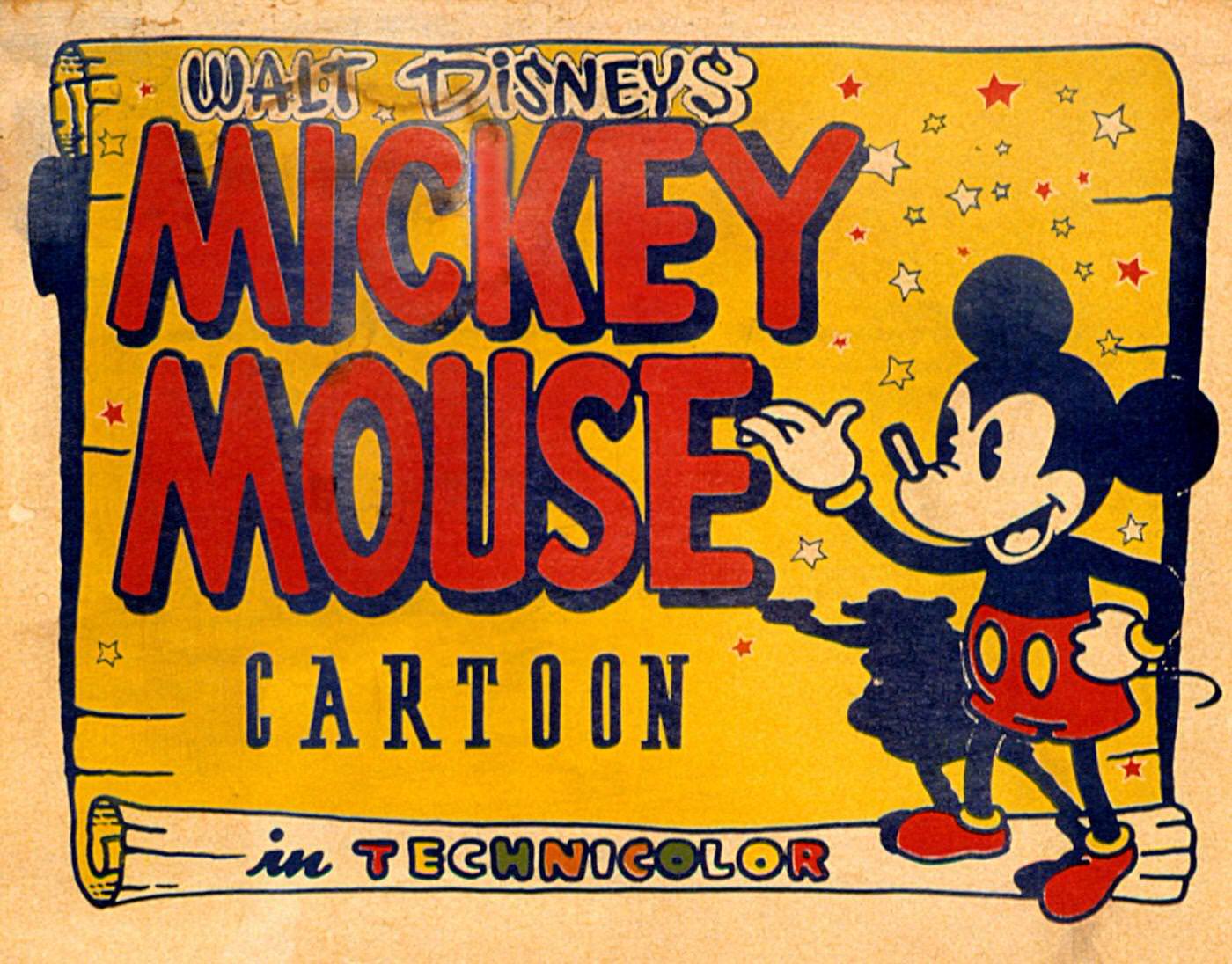
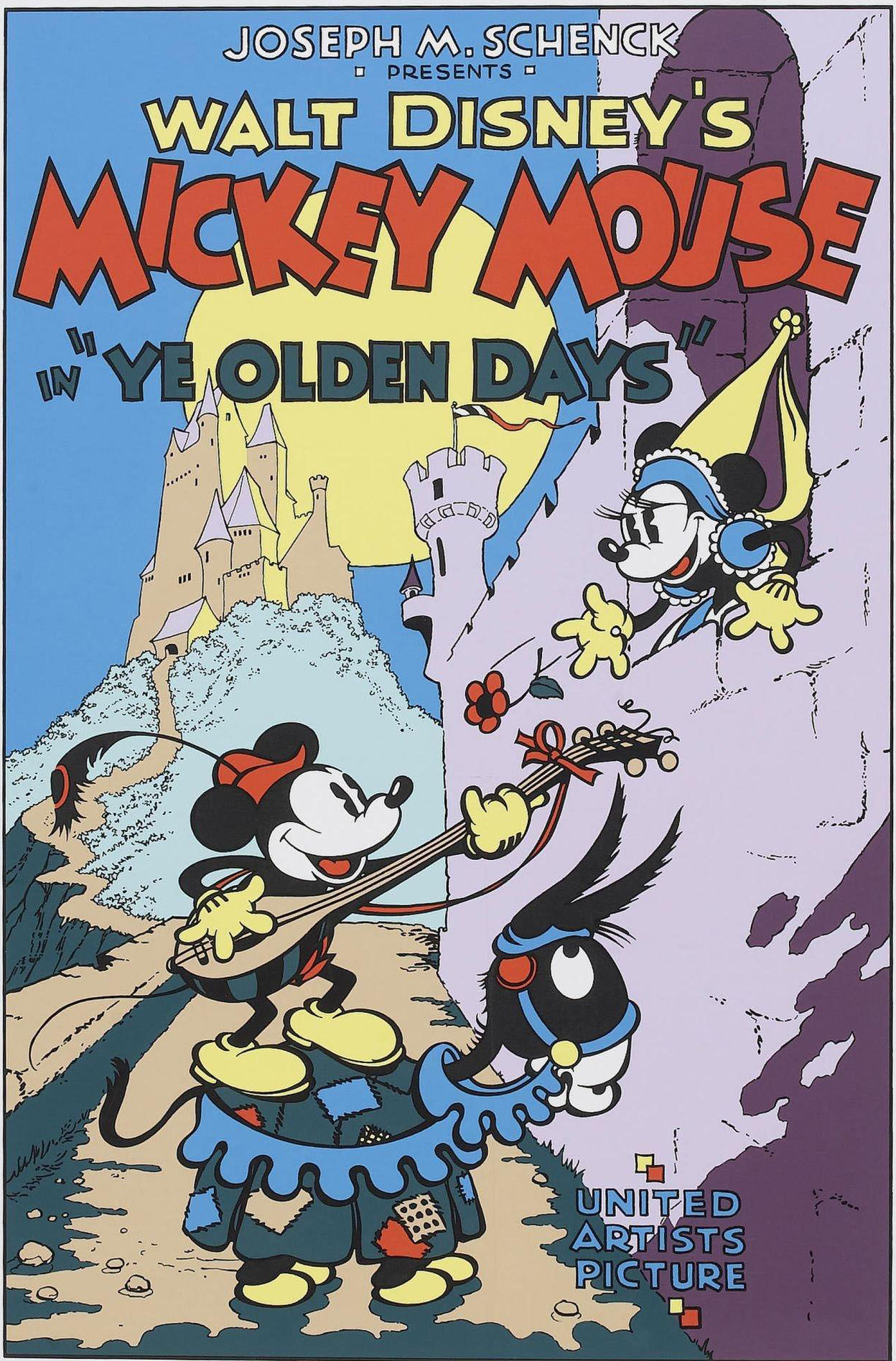
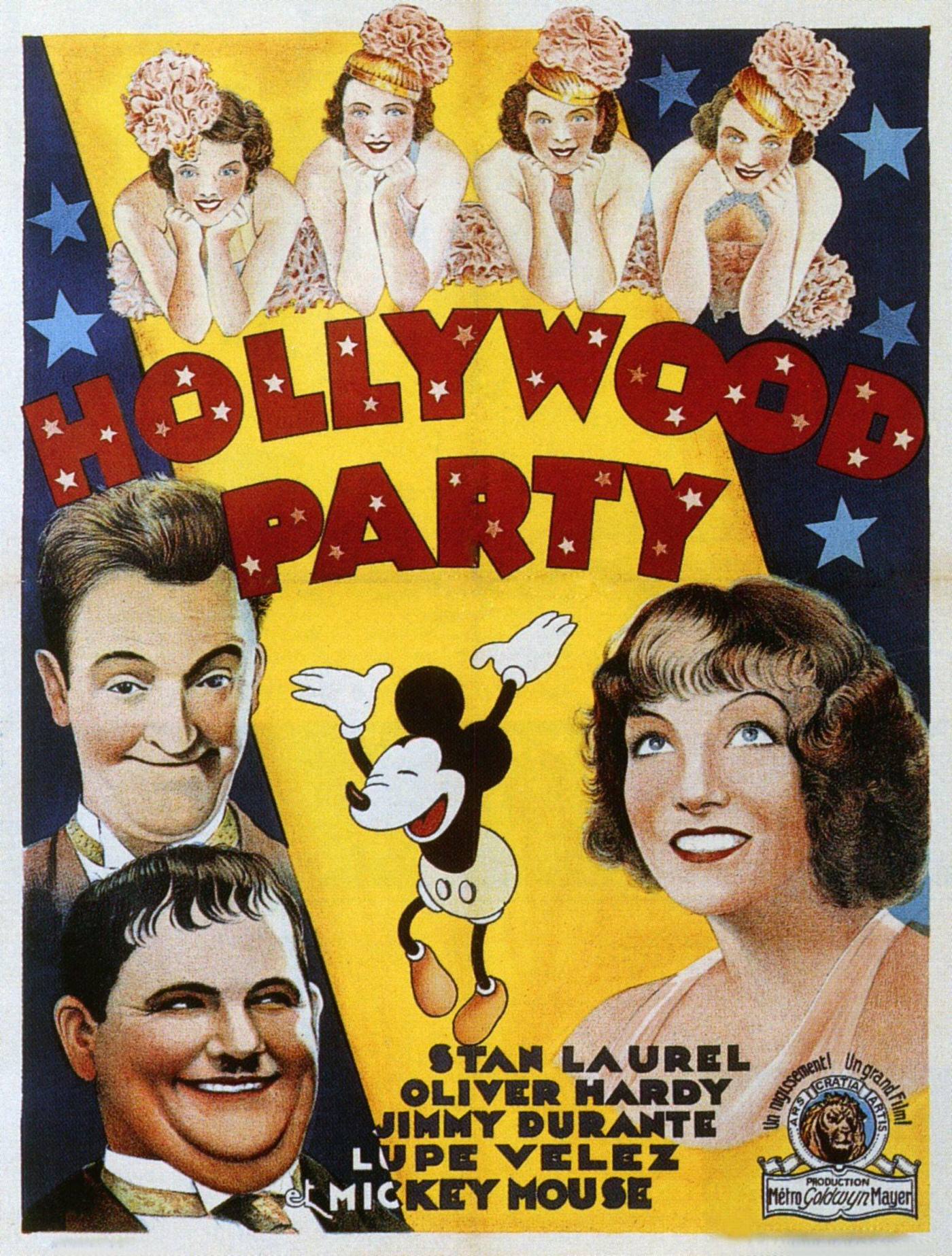
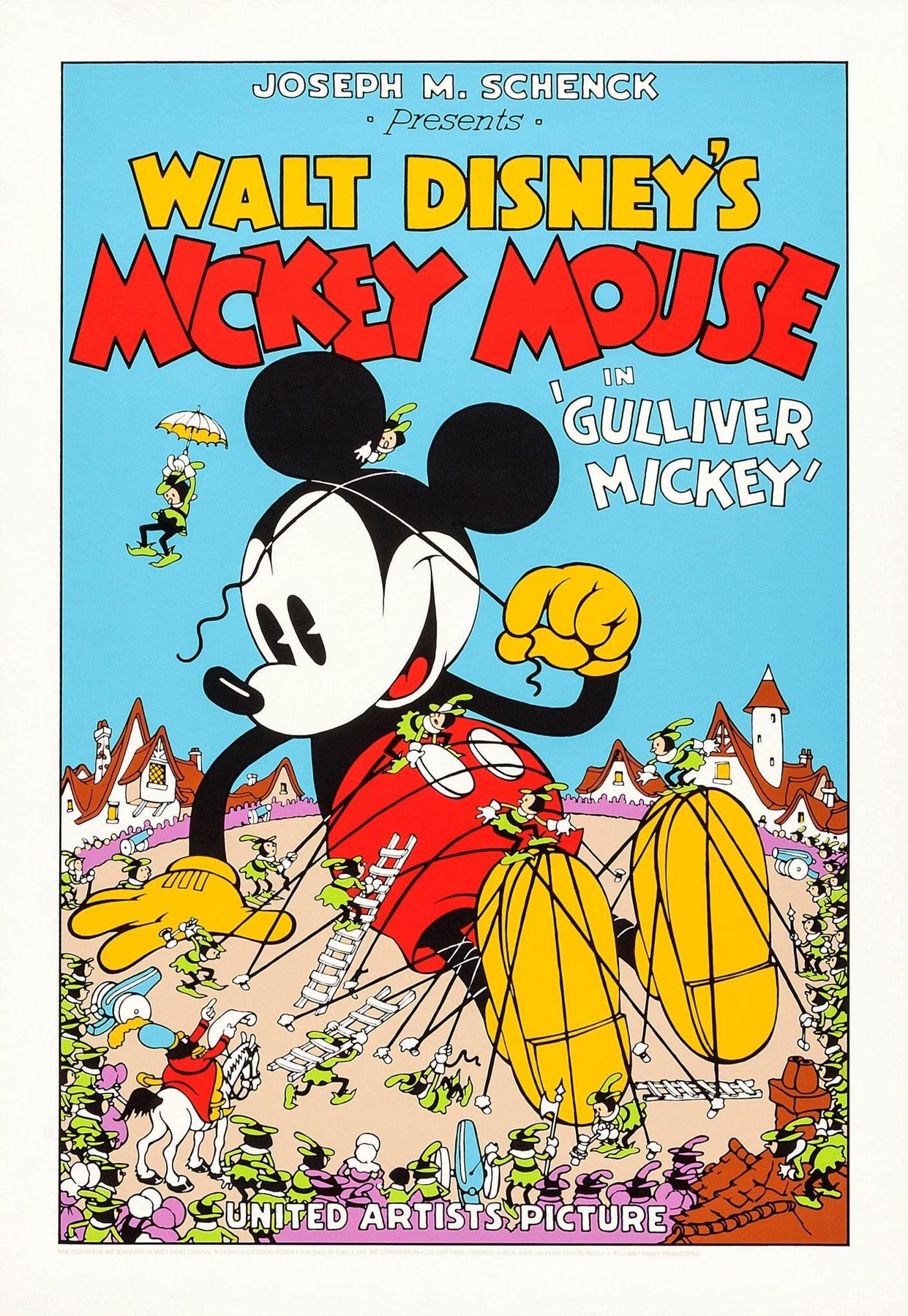
A look at the film posters from across the decade shows how Mickey’s visual identity evolved while staying consistent at its core. From the bold black-and-white graphics of the early 1930s to the richer, more colorful designs that appeared as Technicolor became standard, Mickey’s face remained instantly recognizable. Films like “Barnyard Olympics,” “The Klondike Kid,” “Trader Mickey,” and “Gulliver Mickey” each offered something different while keeping Mickey at the center. The posters themselves became collectible items, plastered on theater lobby boards and storefronts across the country.
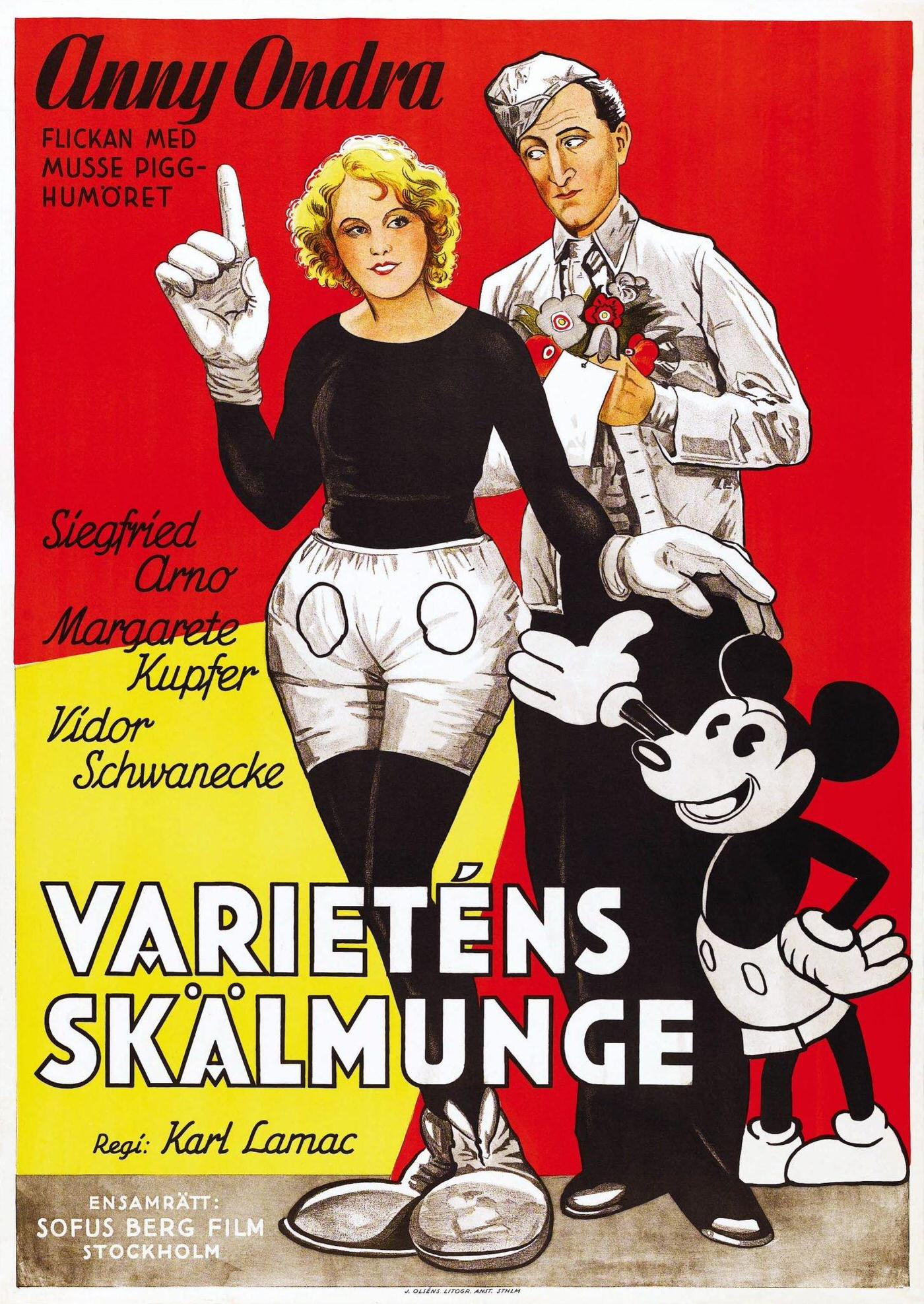
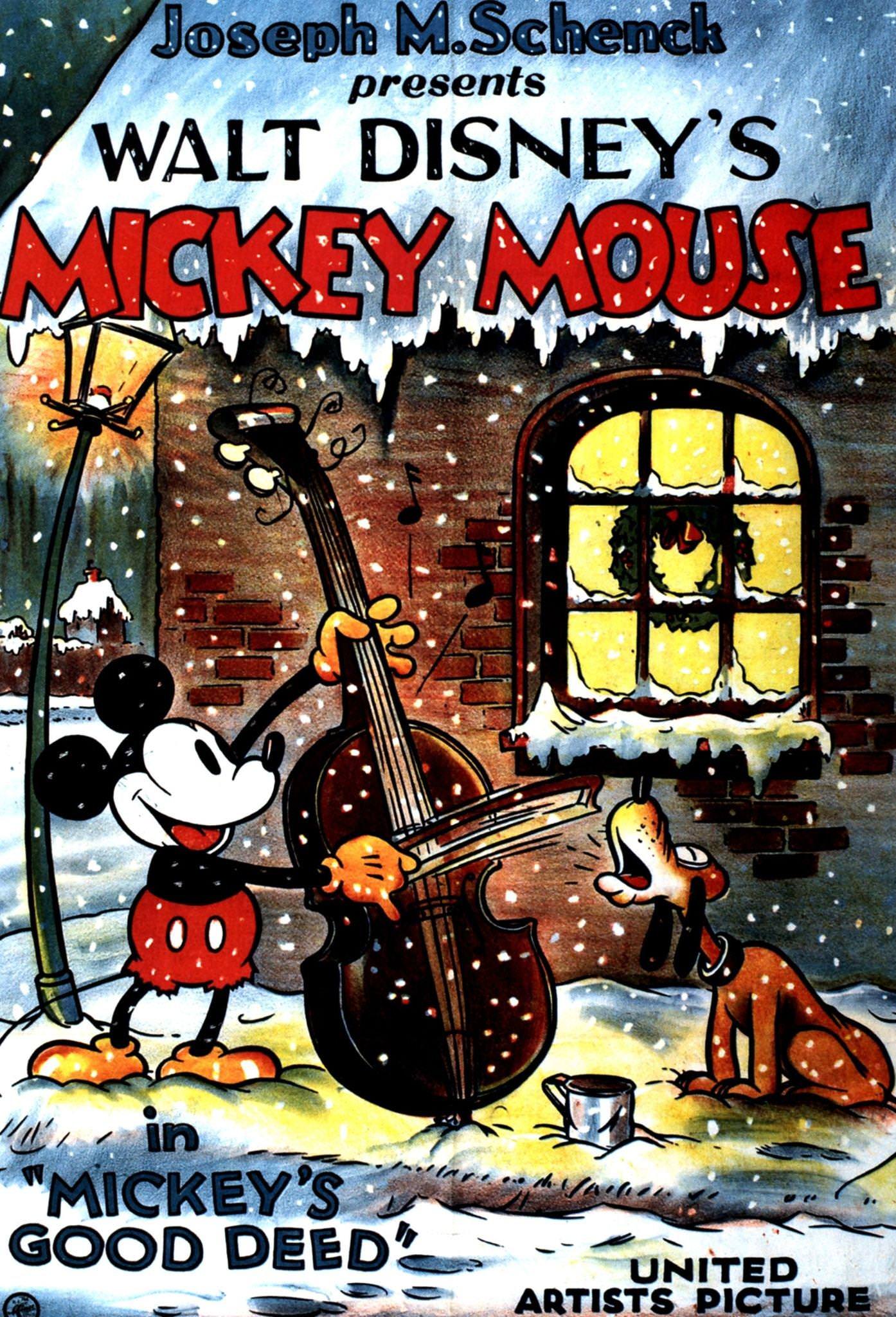
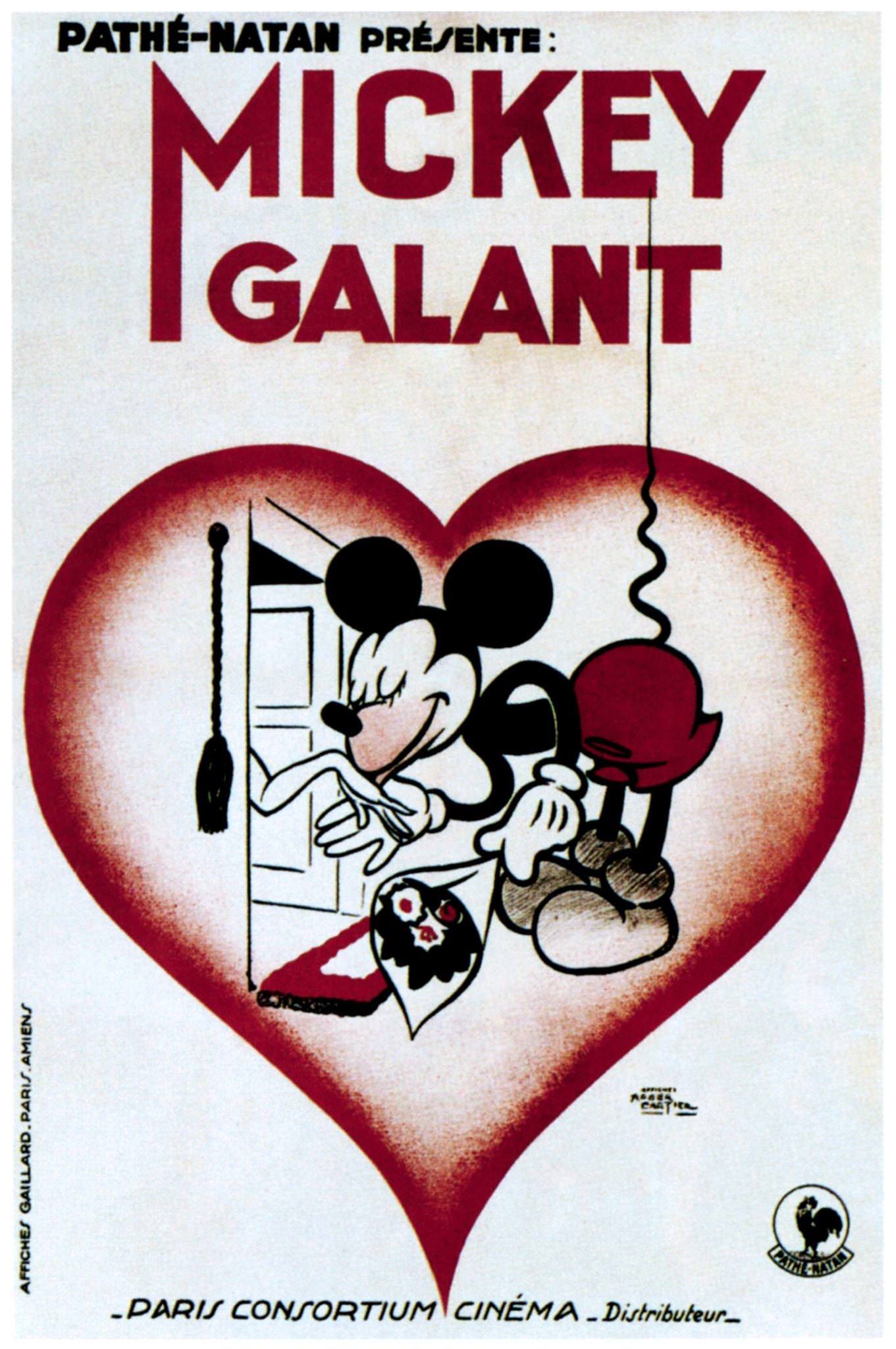
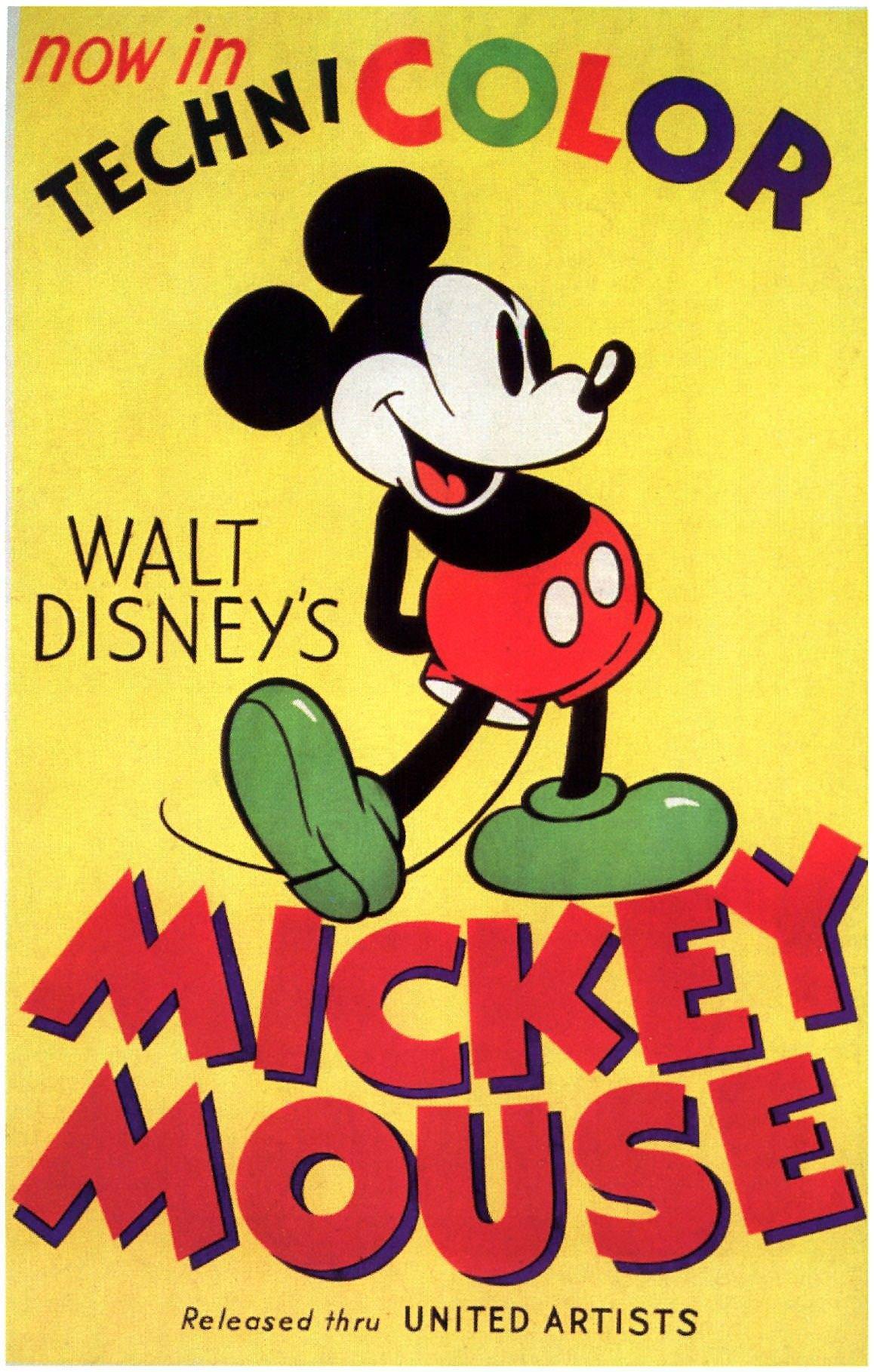
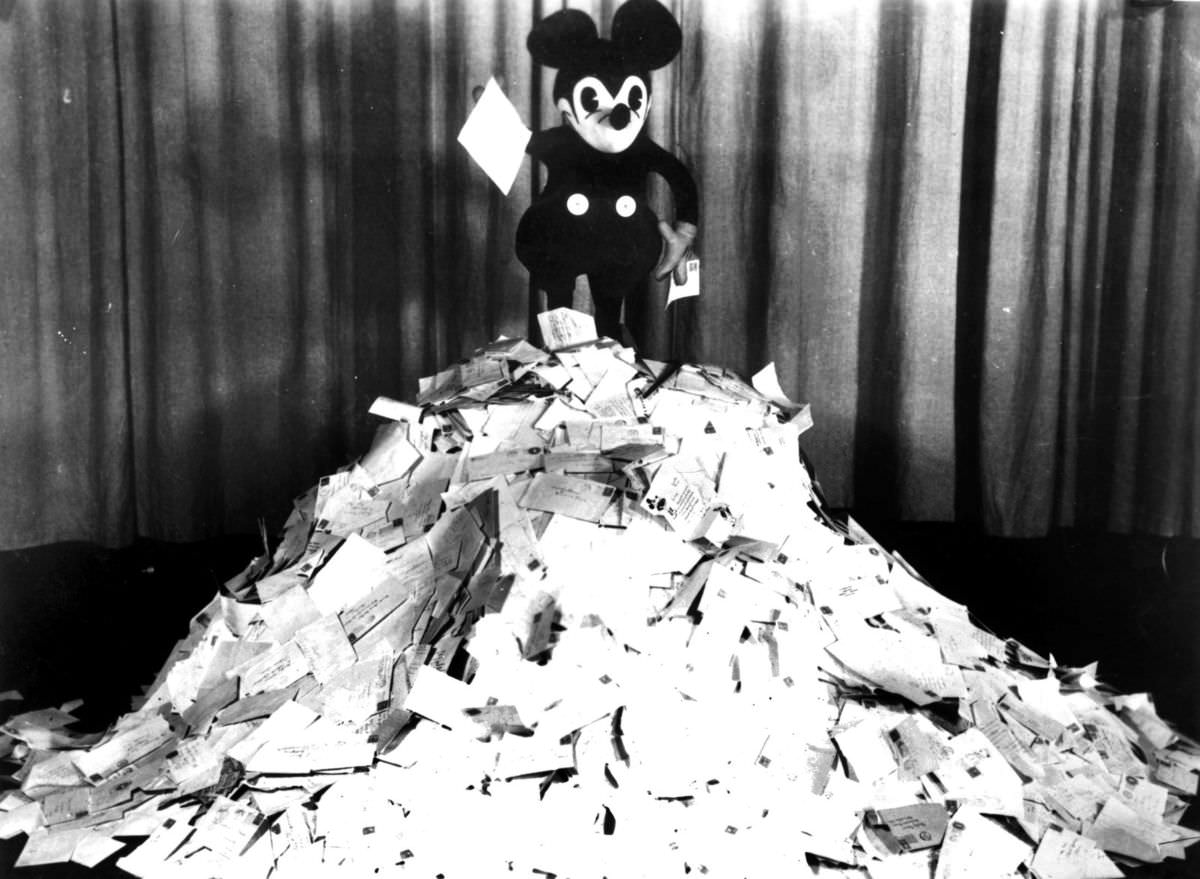
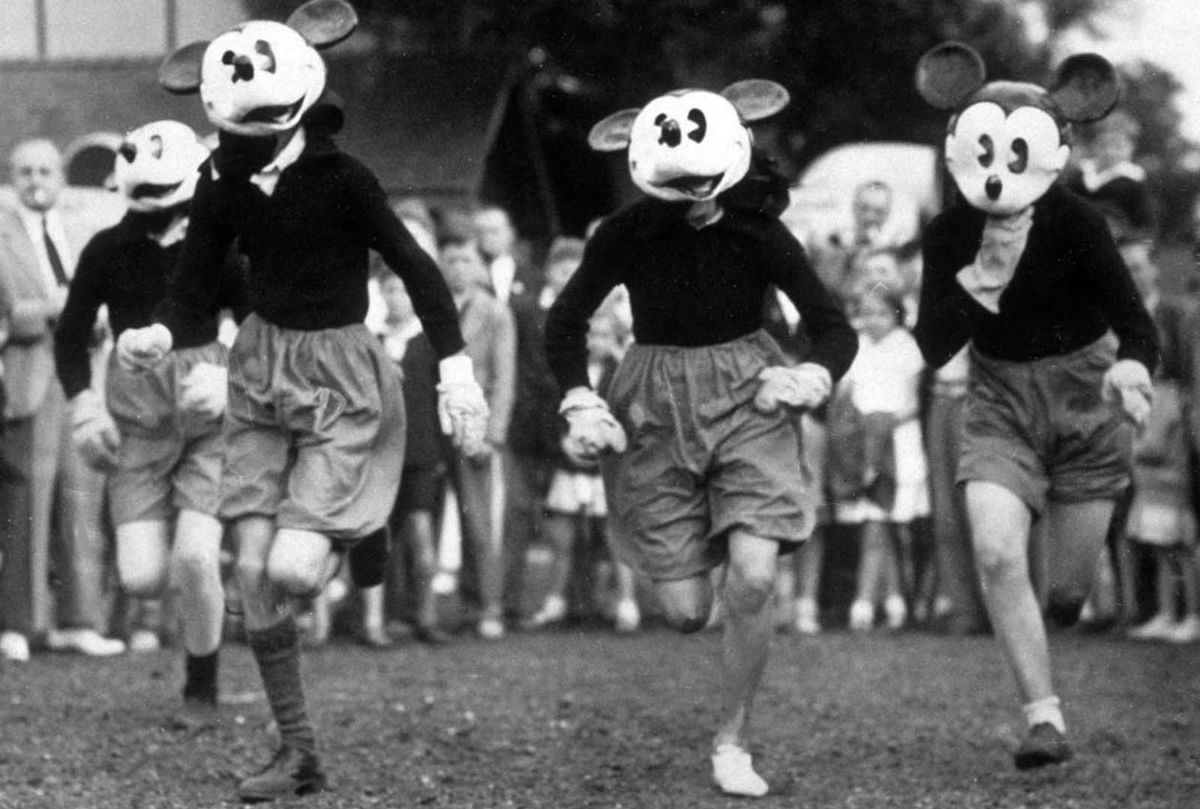
Fan mail poured into the Disney studio throughout the decade. Mickey had been receiving bags of letters from admirers since 1928, and the volume only grew as the 1930s progressed. Children wrote to him as though he were real, sending questions and drawings and declarations of loyalty. Competitions like “Mickey Mouse Week” at restaurants in London’s Leicester Square drew large crowds of dedicated fans who wanted to celebrate the character they loved. In 1938, the Mickey Mouse Club Sports Day in Guildford, England featured a “Mickey Mouse race” among its events — children running in the name of a cartoon mouse from California.
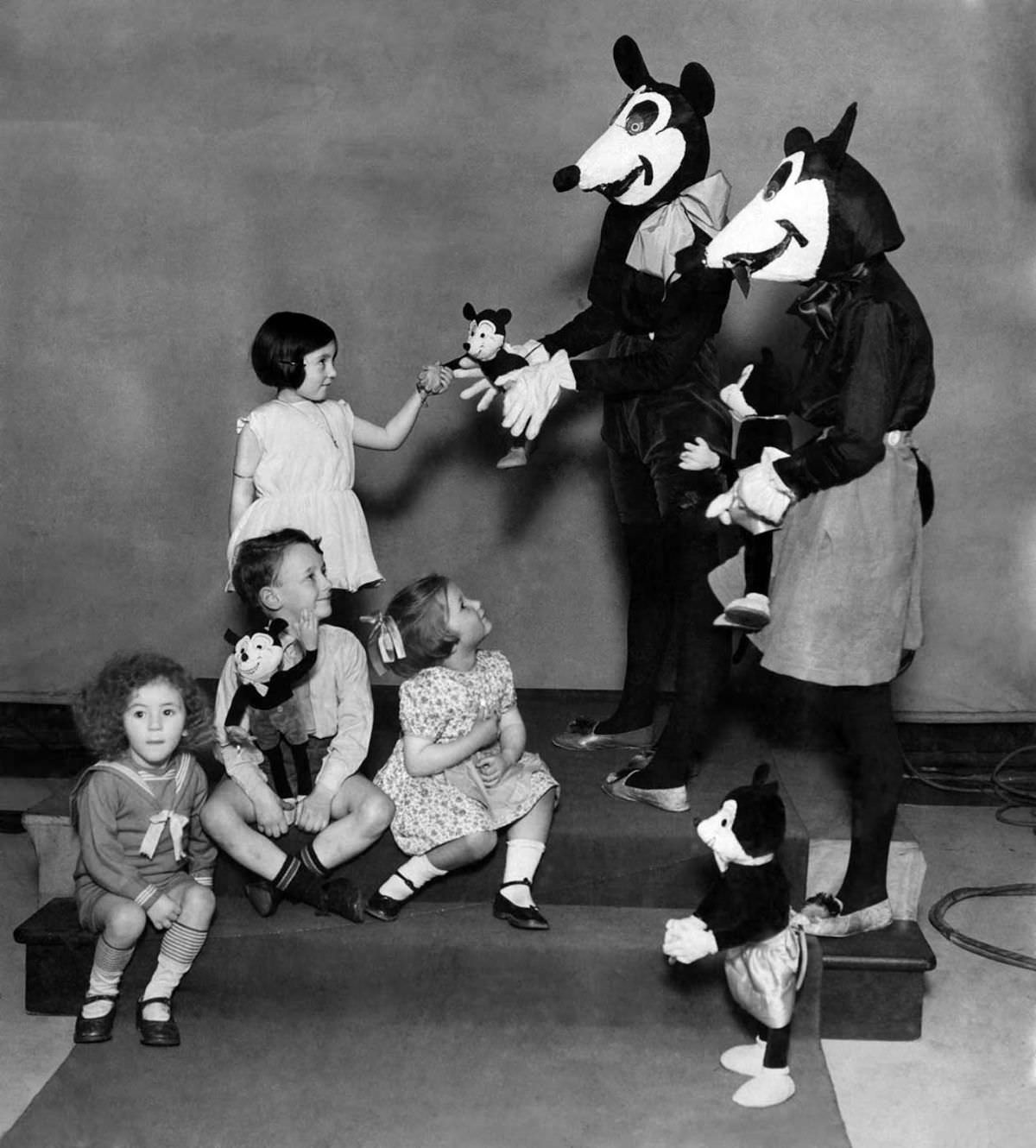
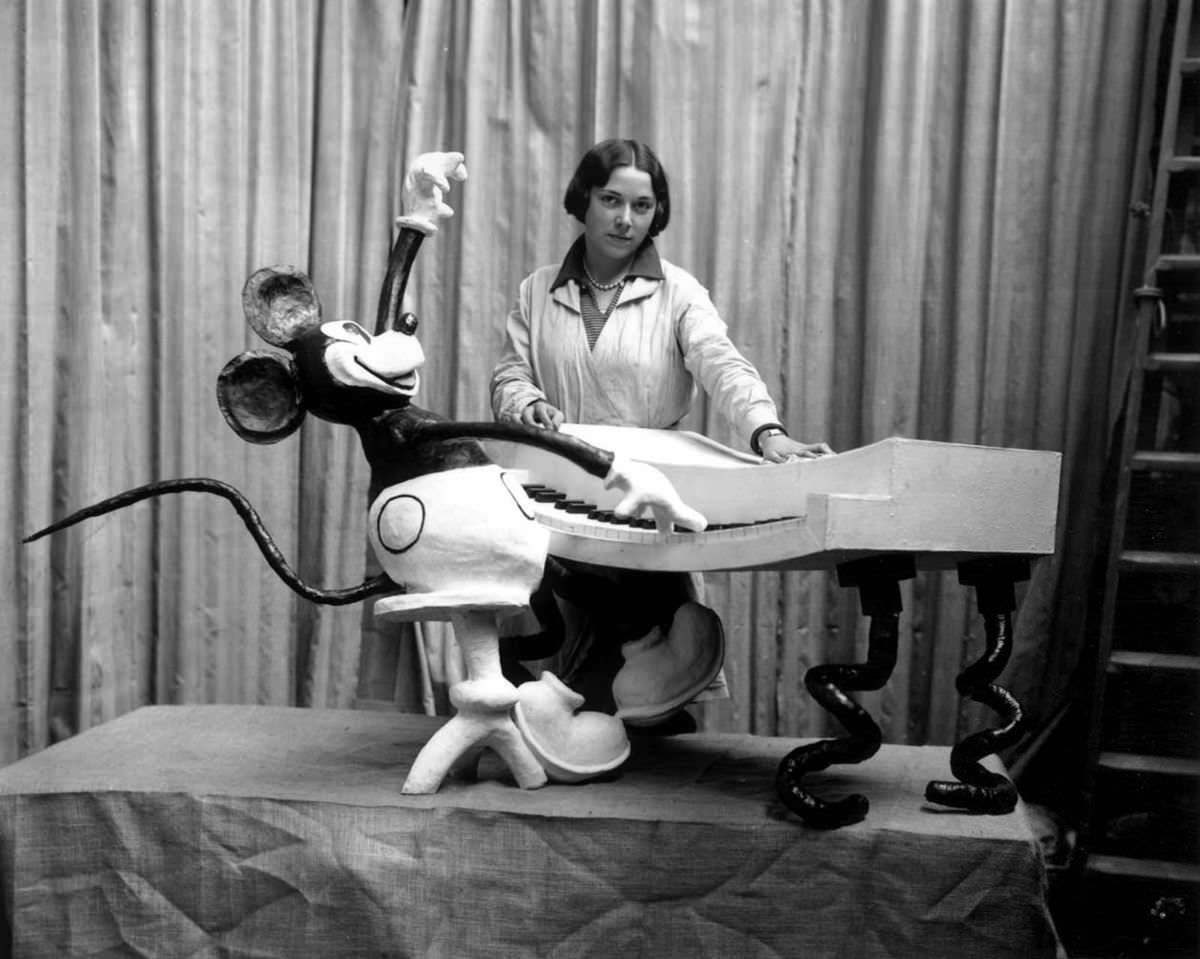
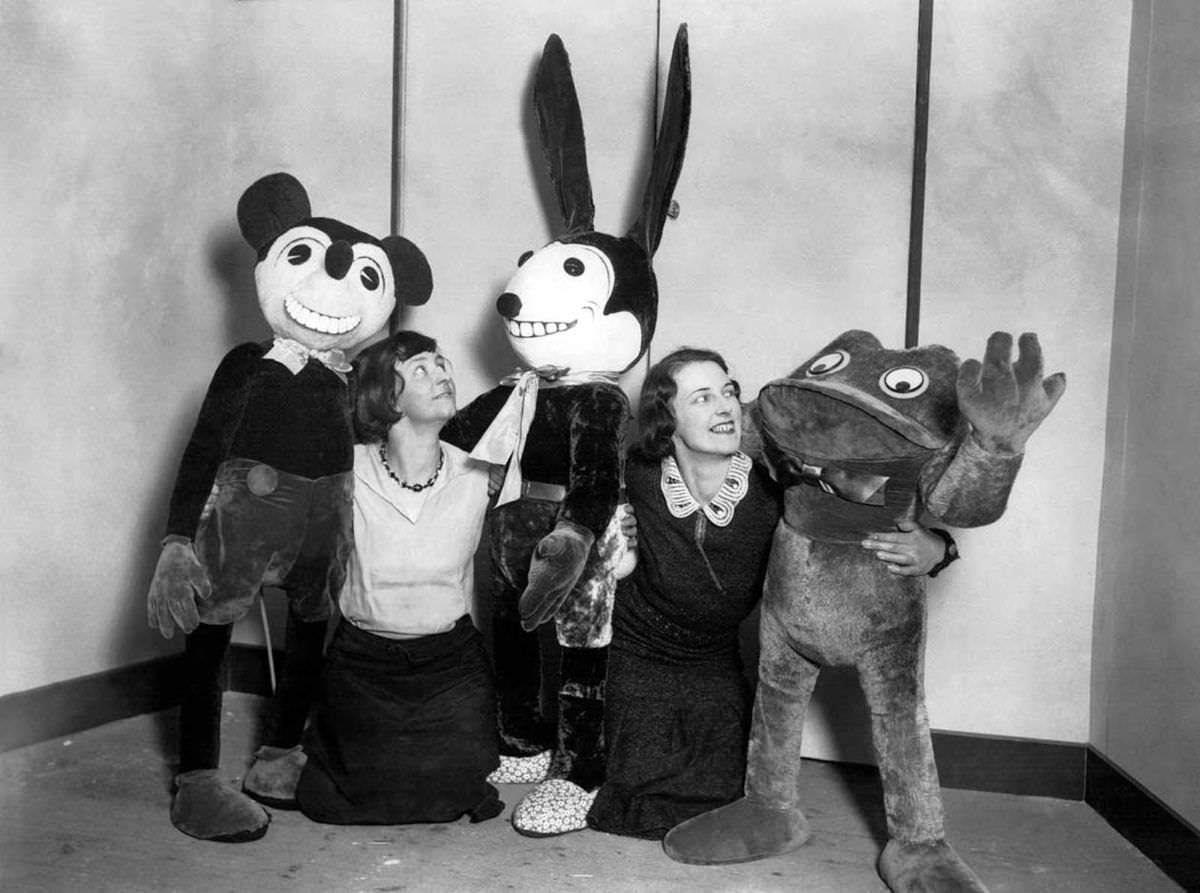
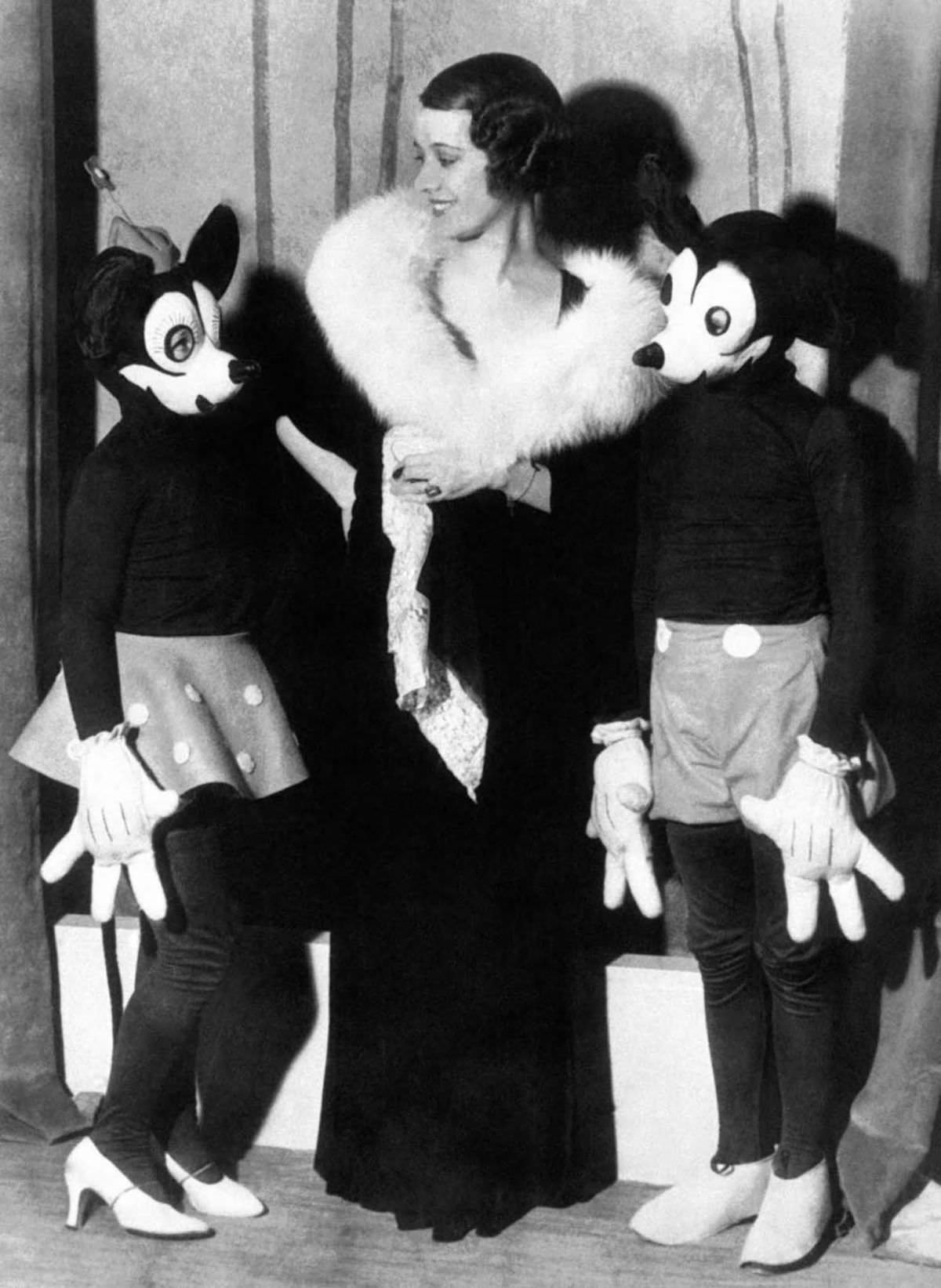
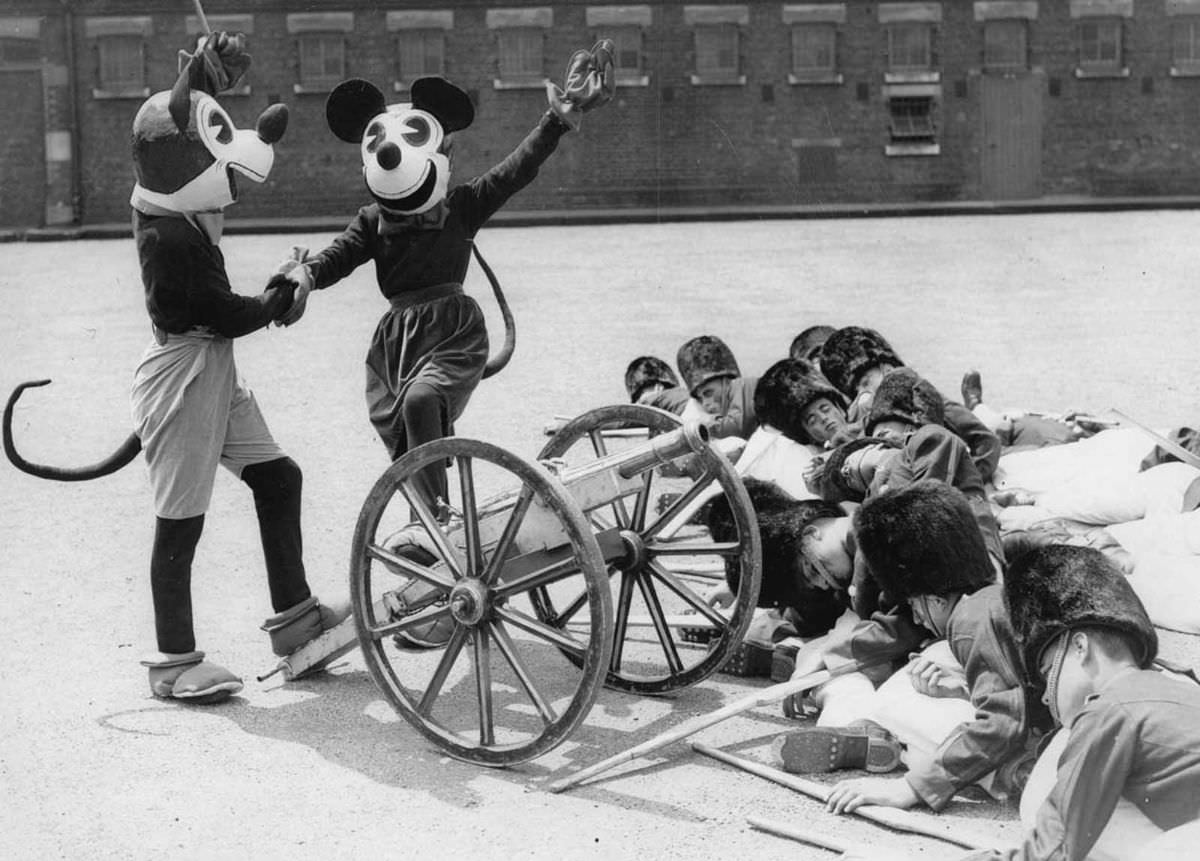
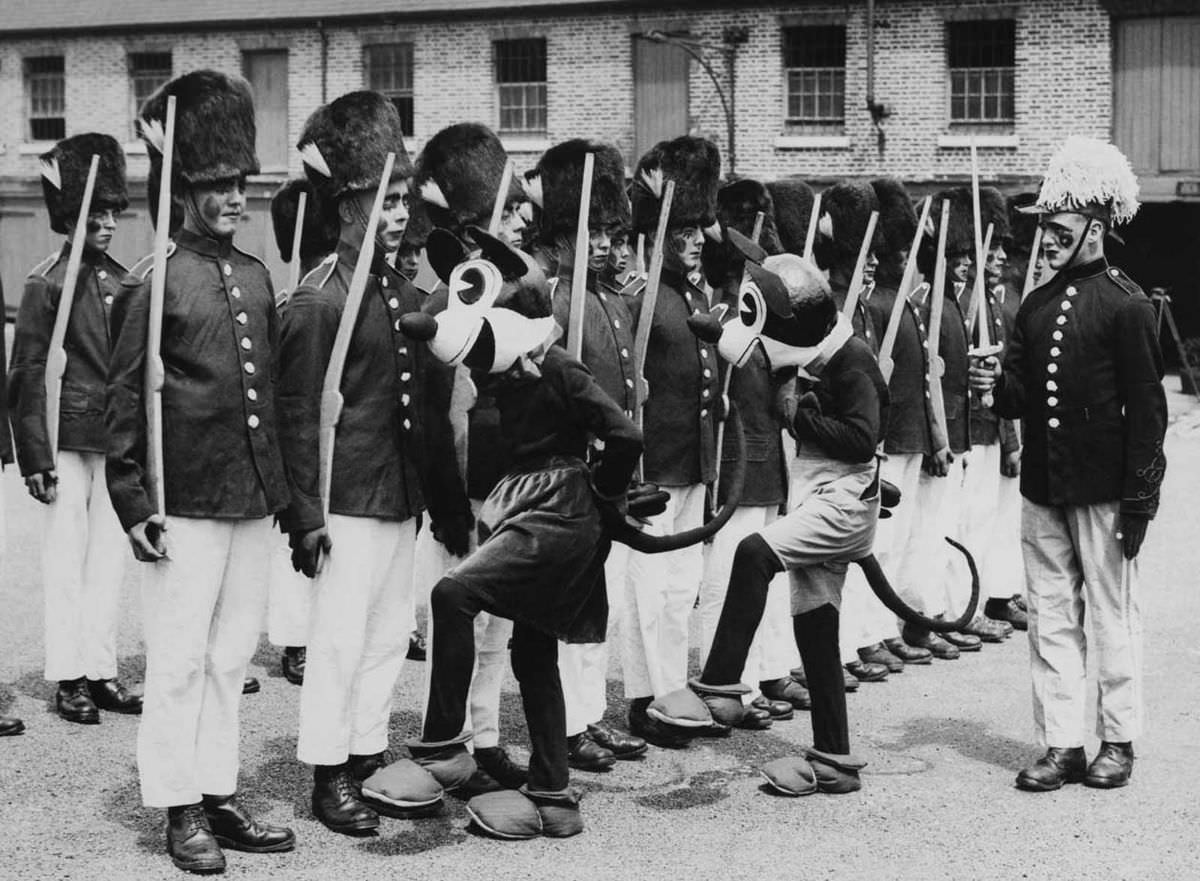
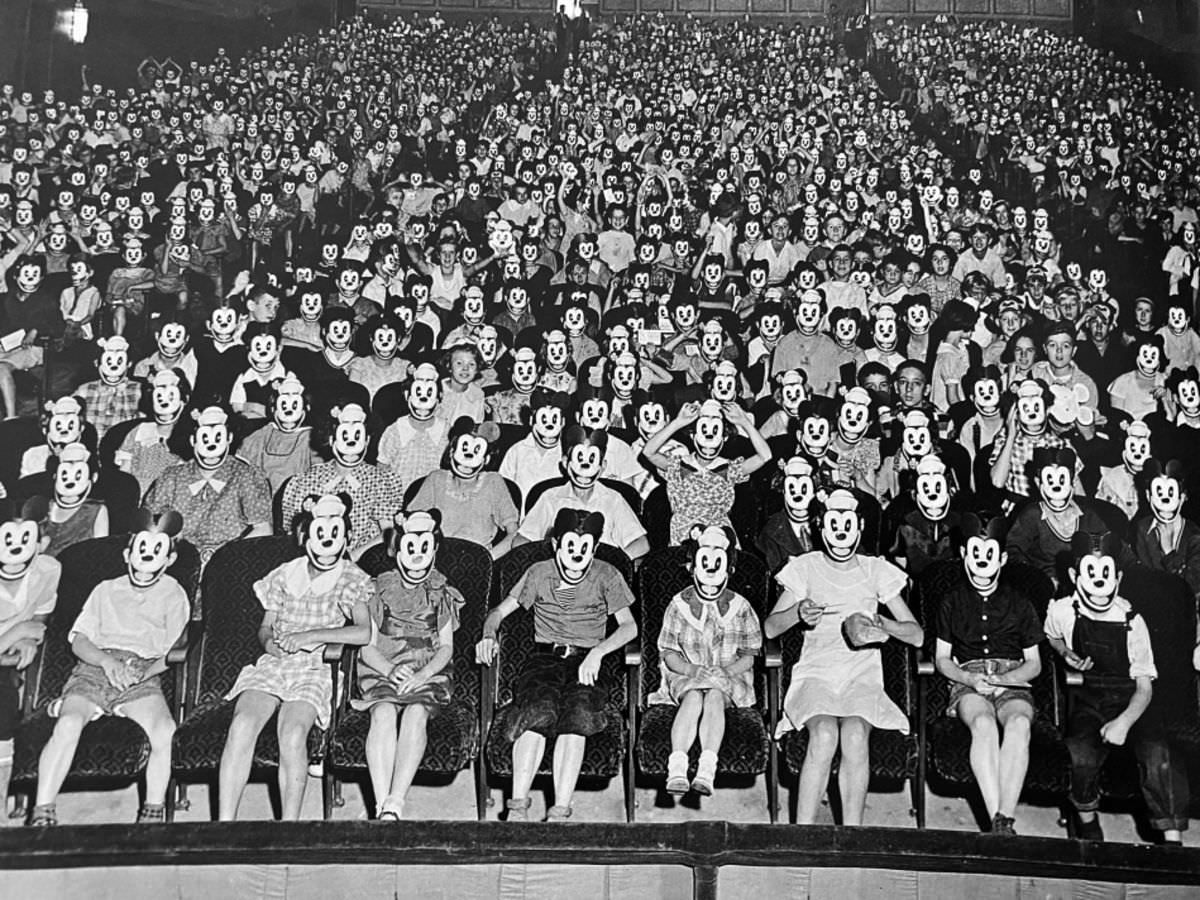
In 1933, the Einson-Freeman Company produced cardboard Mickey and Minnie Mouse masks designed as promotional giveaways. Printed in flat, simplified colors and shaped with large round ears and exaggerated features, the masks were meant to capture the cheerful look of Disney’s characters. However, the low-detail printing and the blank, wide-eyed stare of the finished product gave the masks an unsettling appearance that has struck viewers as deeply eerie ever since. They remain one of the stranger artifacts of Mickey Mouse’s early merchandise era — a reminder that not every attempt to translate a beloved cartoon character into a physical product lands the way its makers intended.