
Miami Beach in the 1990s was a place caught between two worlds. The northern stretches of Collins Avenue were still lined with aging motels and worn-down Art Deco hotels, home to Jewish retirees who had lived there for decades. Meanwhile, South Beach was being discovered all over again — this time by fashion photographers, celebrities, and nightlife promoters who saw its pastel-colored architecture and year-round sunshine as the perfect backdrop for something new. The result was a neighborhood unlike anywhere else in America.
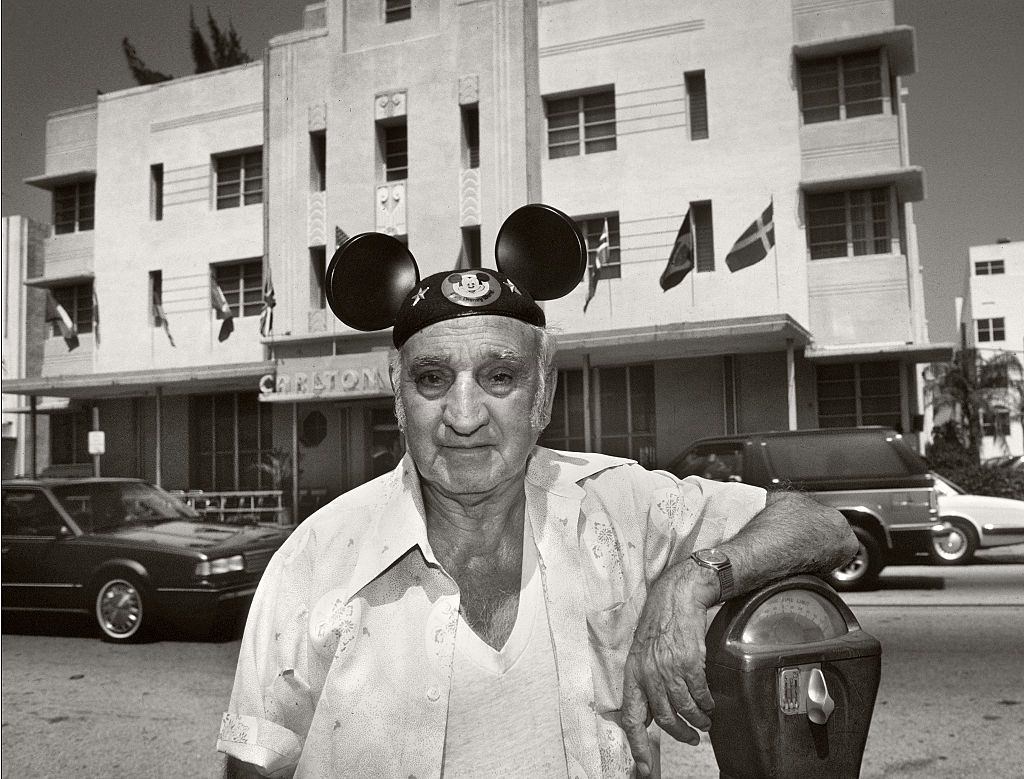
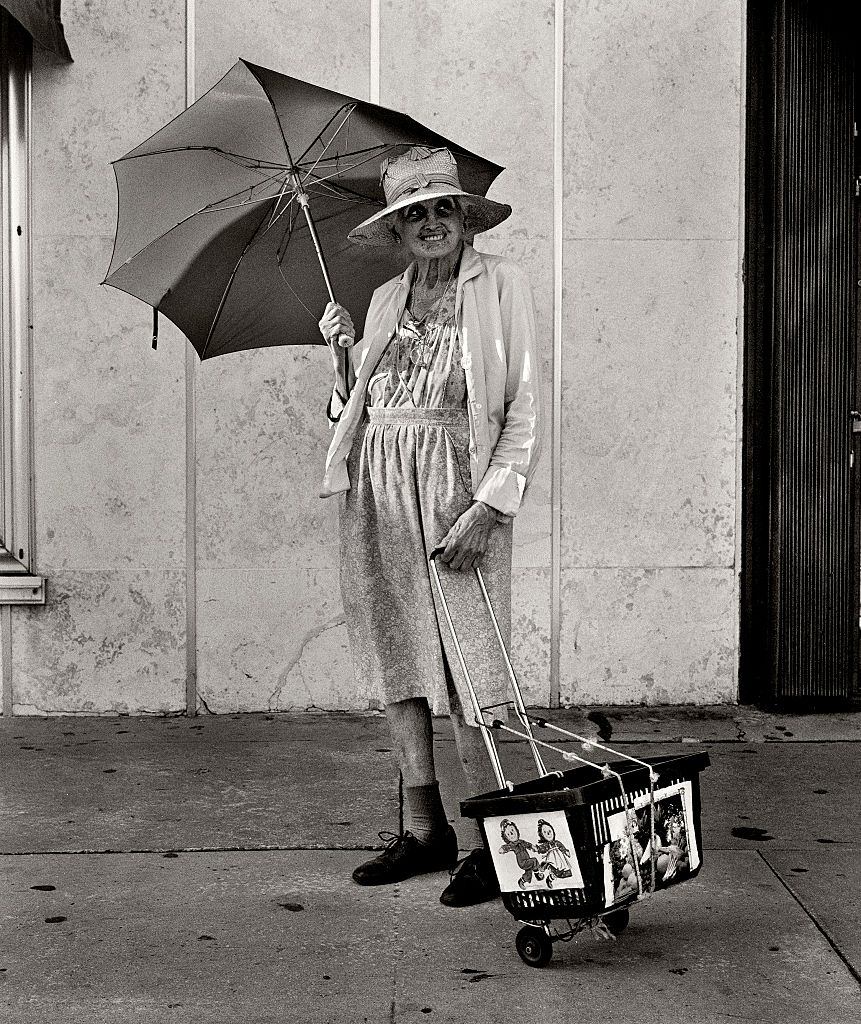
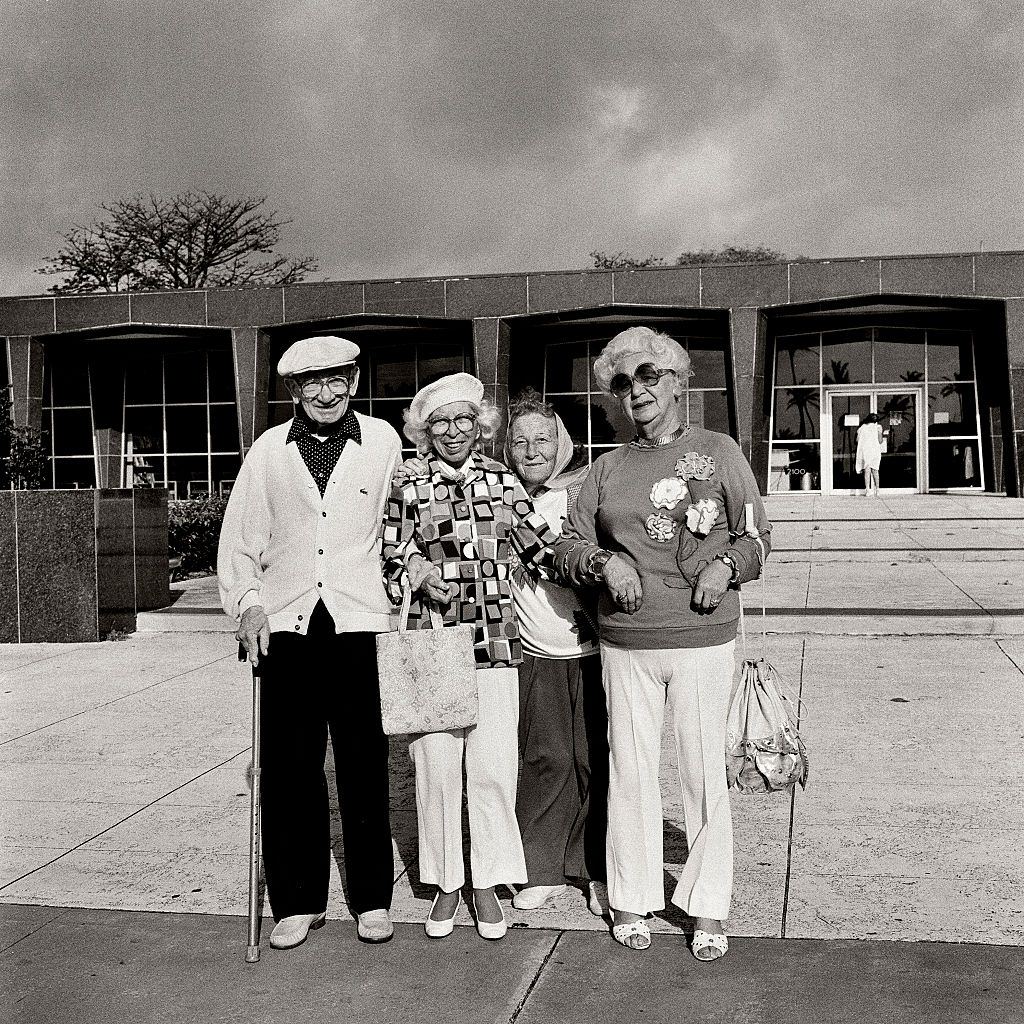
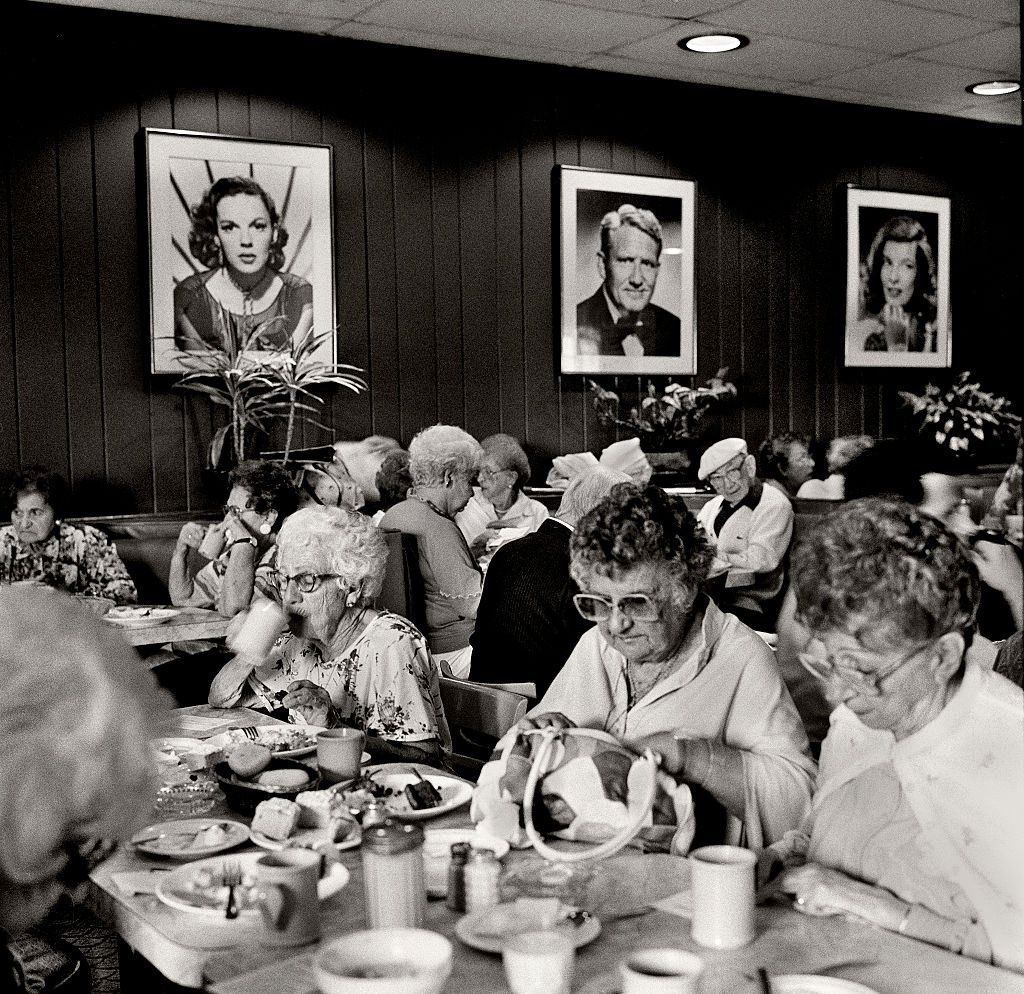
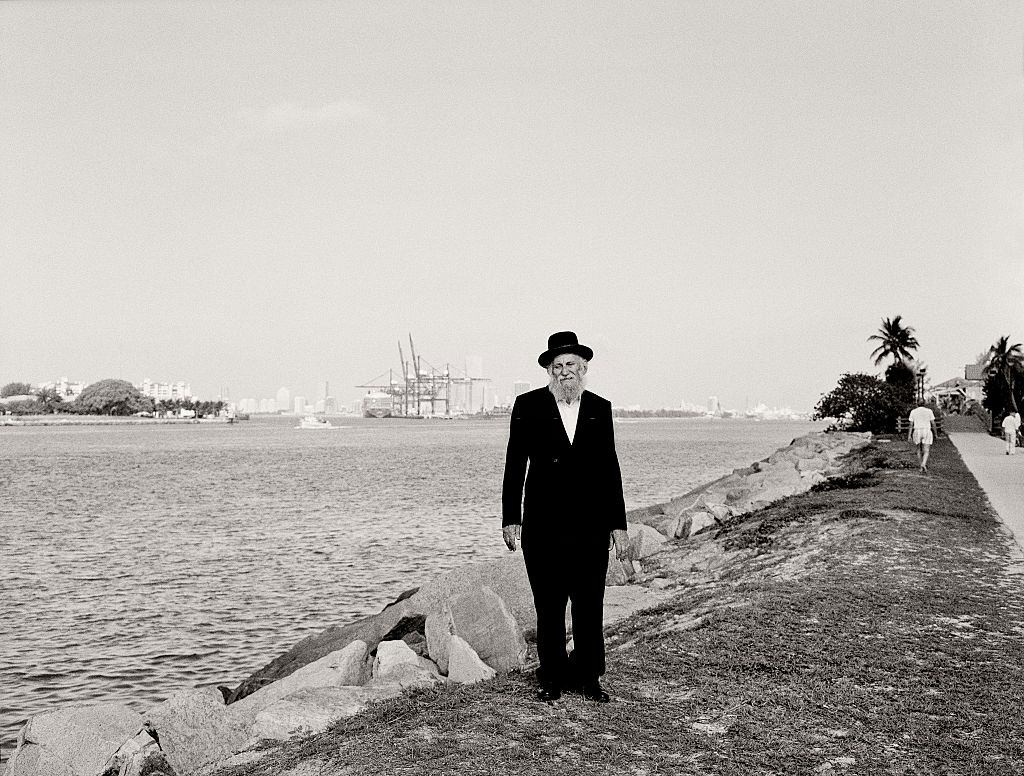
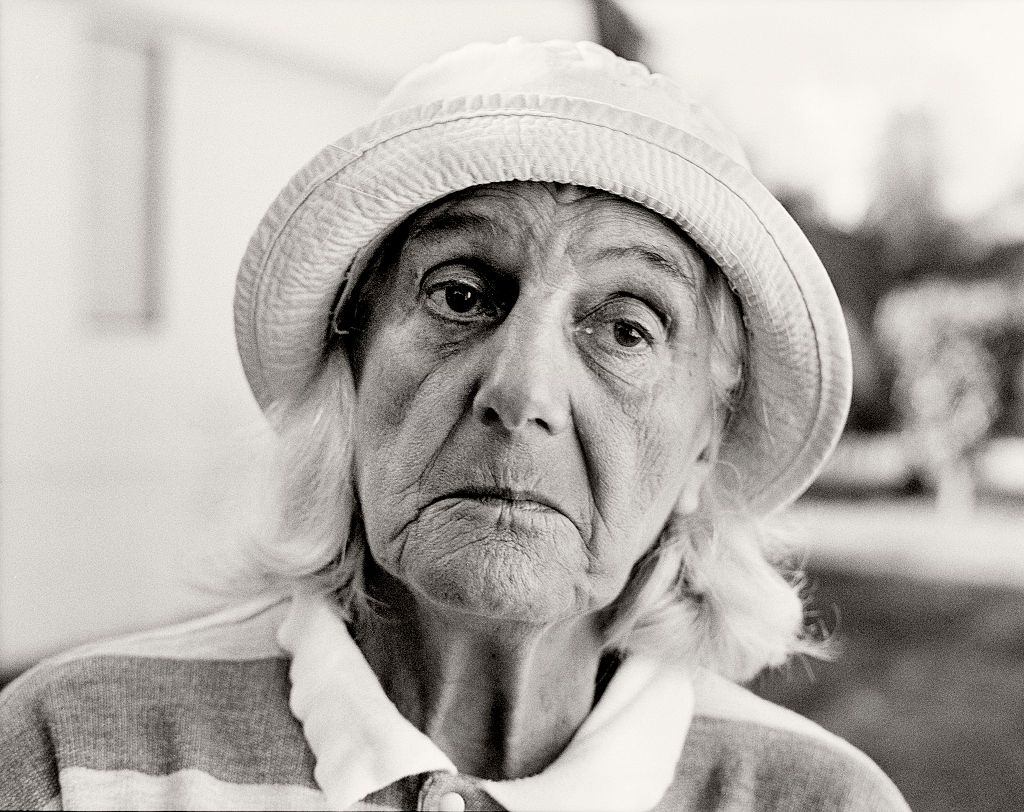
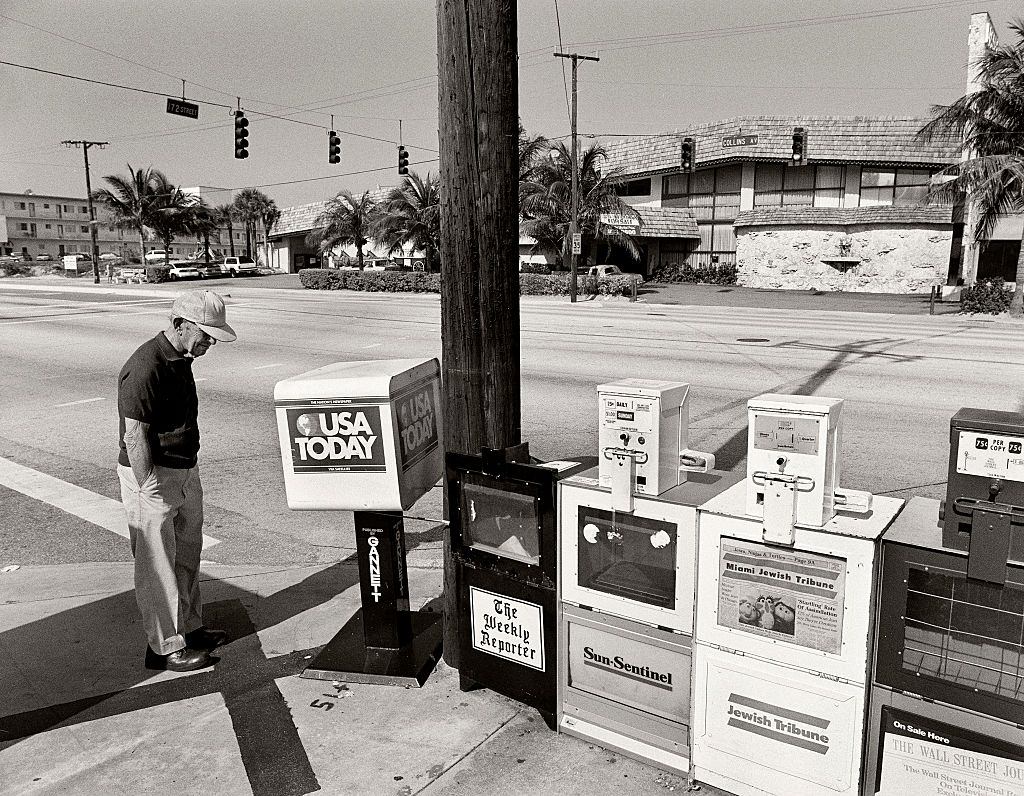
The older generation had been here long before the cameras arrived. By 1999, around 10,000 Jewish residents called Miami Beach home, many of them retirees who had settled in the area after the mid-20th century. They gathered on hotel porches, ate breakfast at Wolfie’s on Collins Avenue, and walked the streets at a slower pace than the city that was growing up around them.
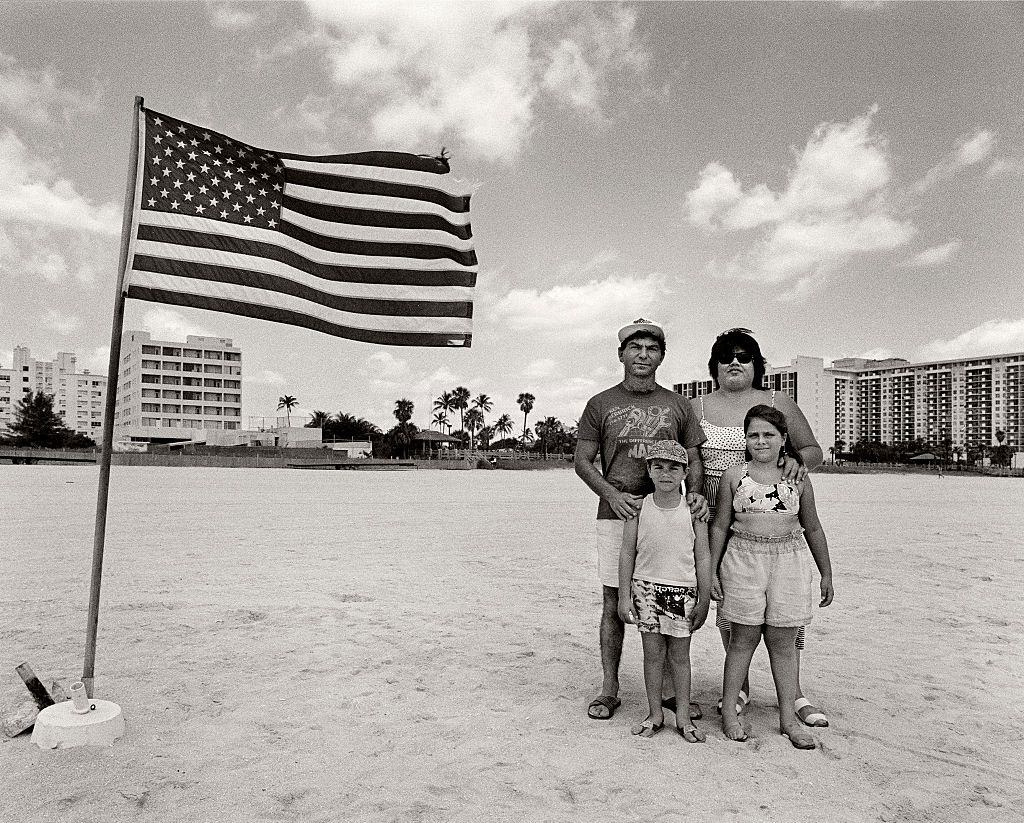
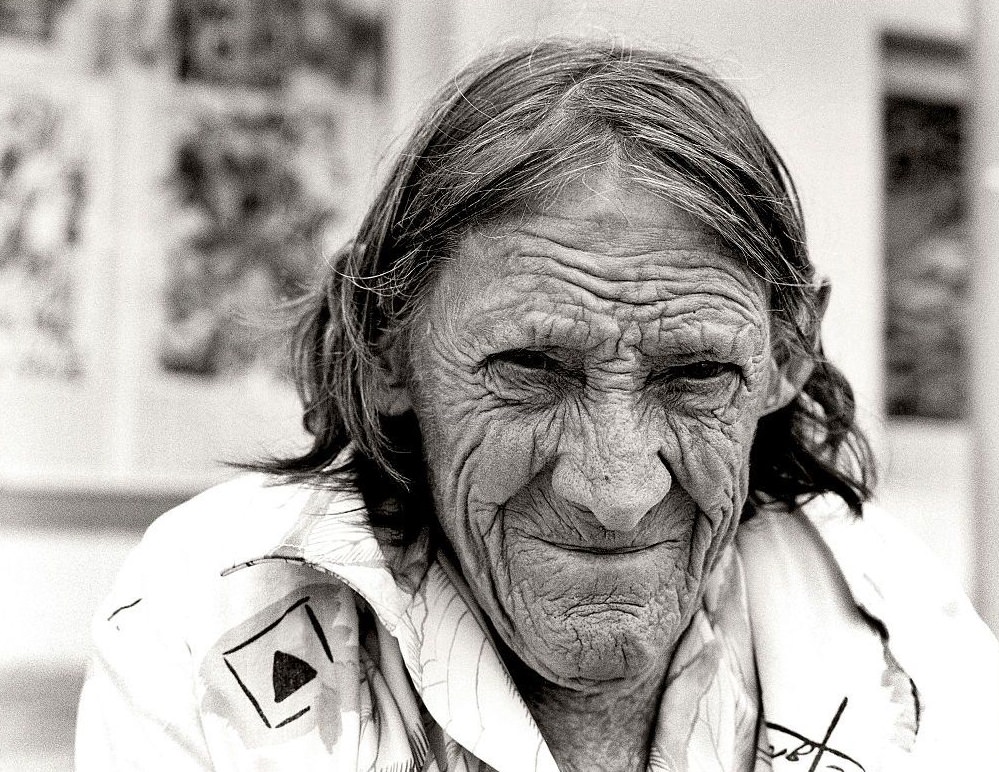
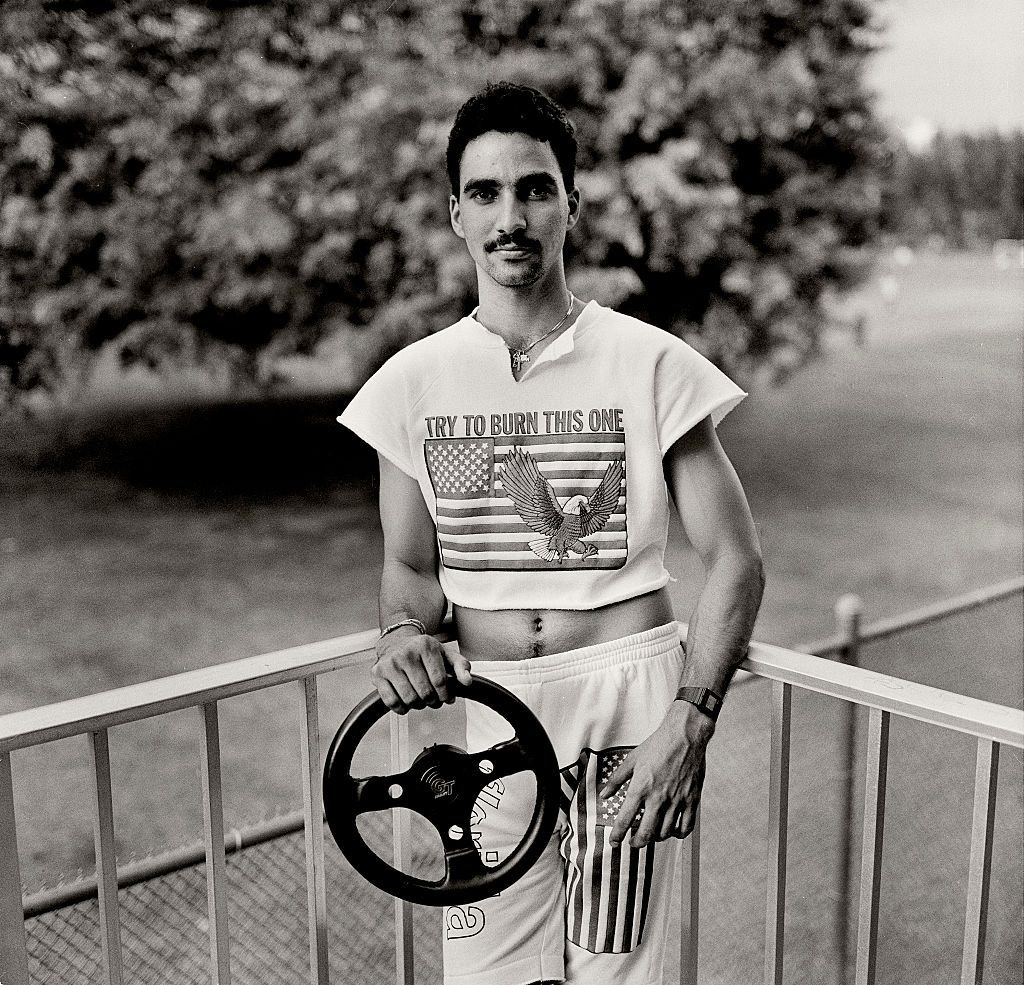
Miami Beach was never just one community. Cubans, Hispanics, Jewish immigrants, and long-established locals all shared the same streets. Cuban emigrant Ralph Perez was one of the many faces who made up the neighborhood’s layered identity — a reminder that Miami Beach’s story was always shaped by people who had come from somewhere else.
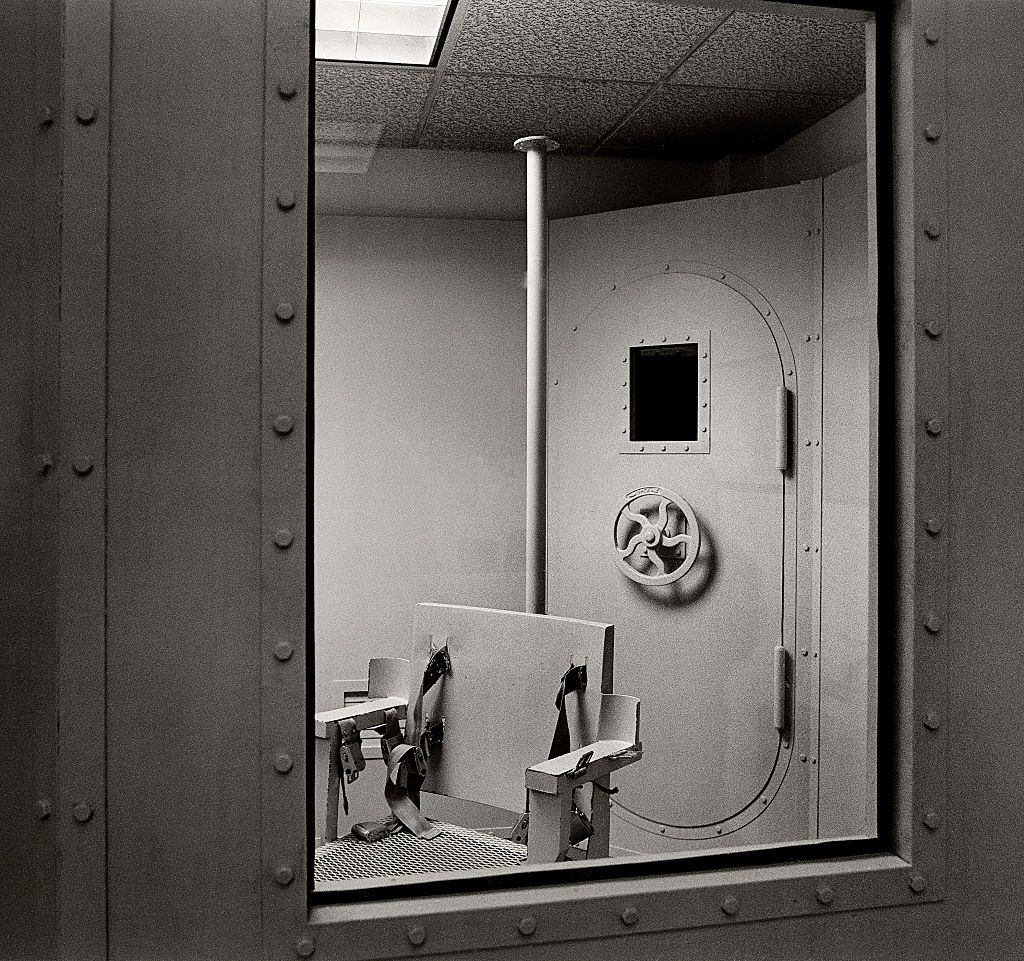
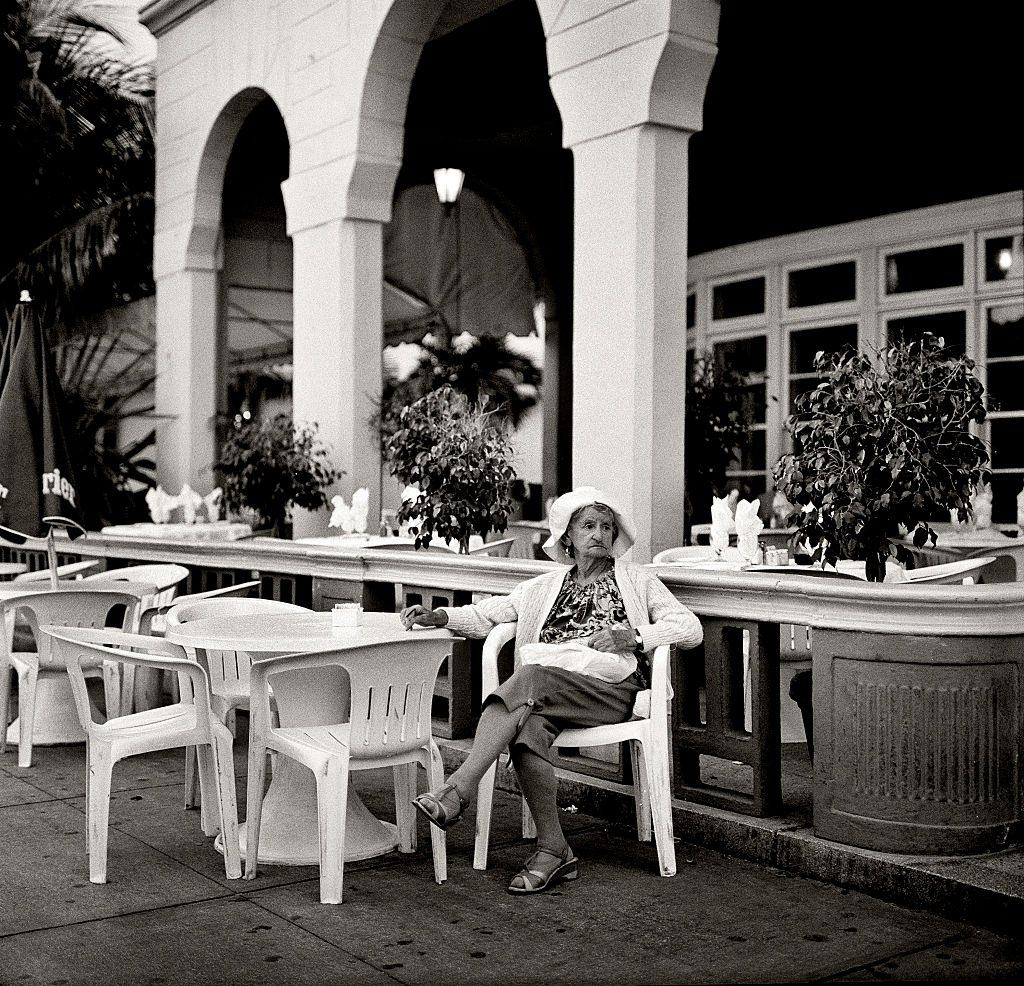
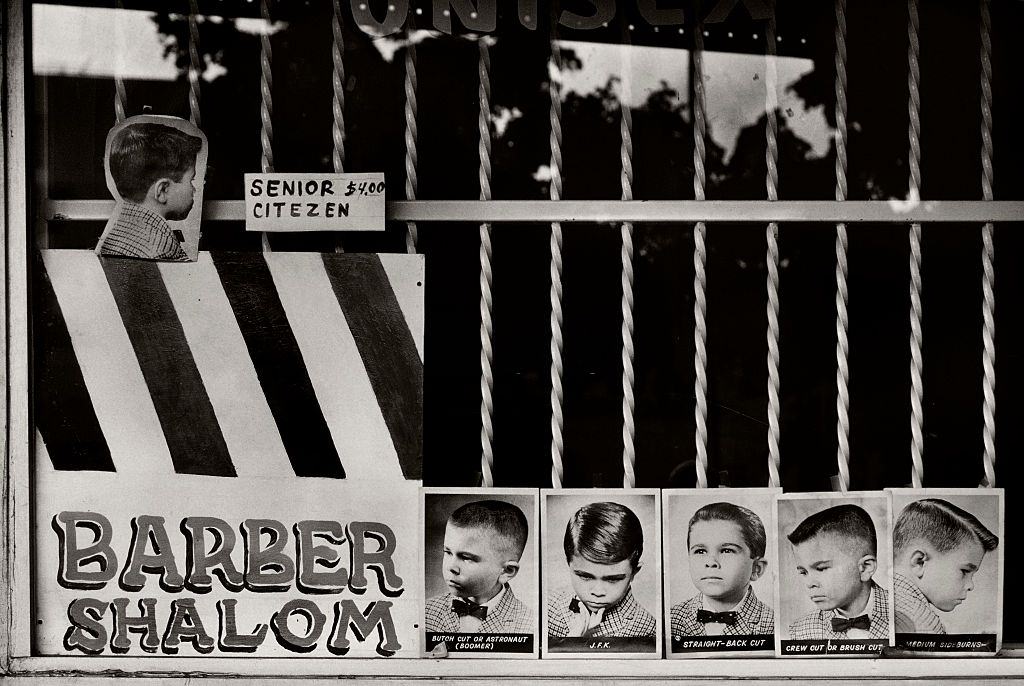
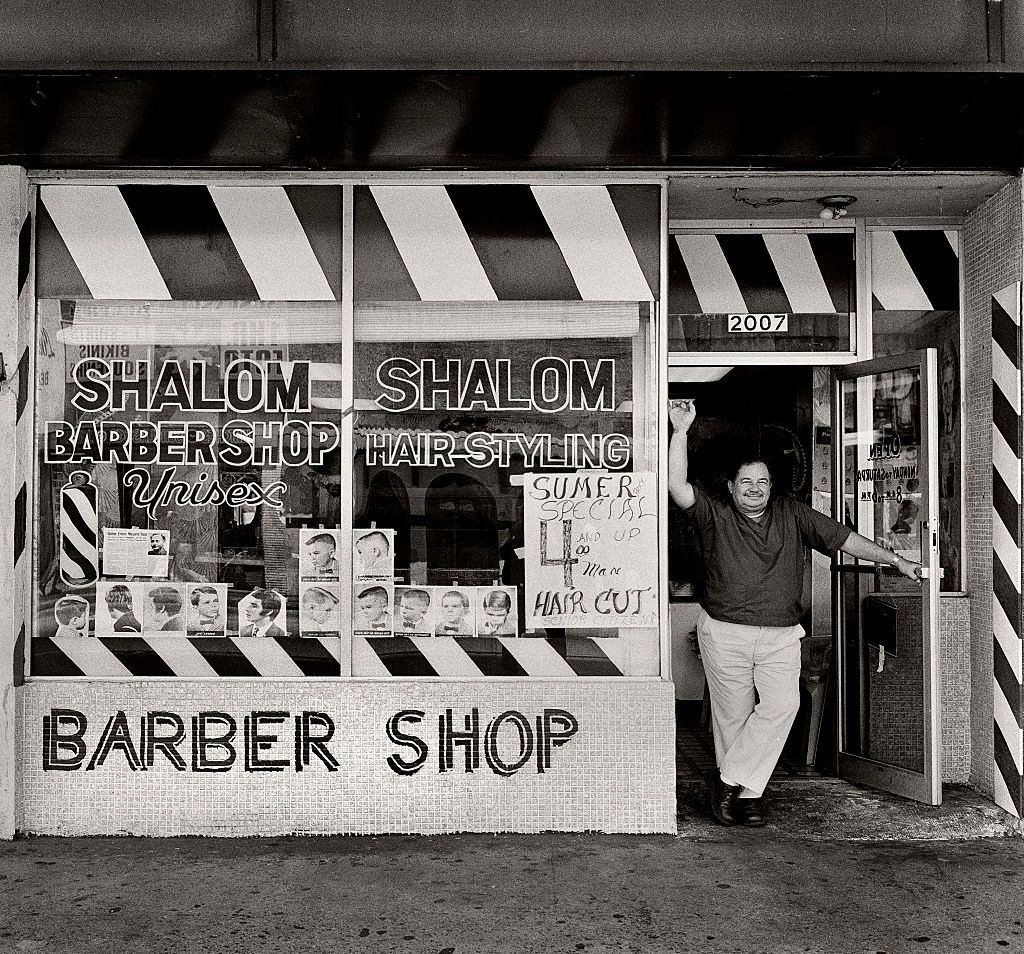
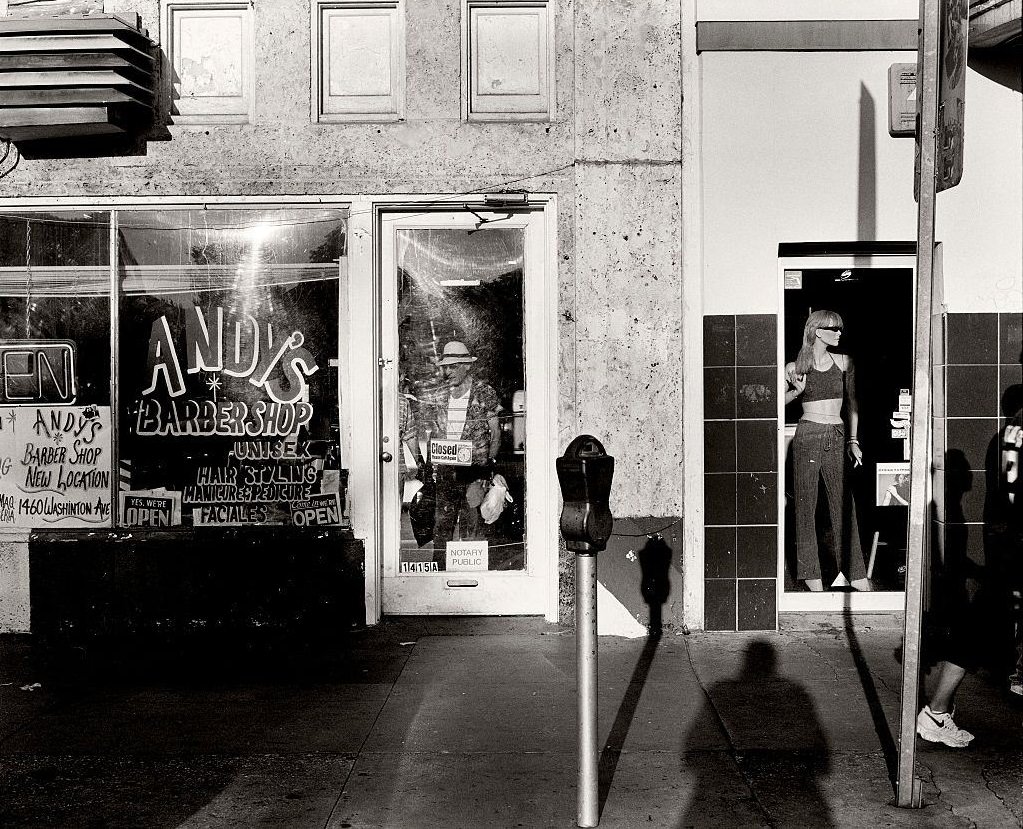
Small businesses defined daily life along Washington Avenue and Ocean Drive. Barbershops like Shalom Men’s Barbers and Andy’s Barber Shop served regulars who had been coming in for years. A tiny pizza and coffee kiosk on 21st Street was no bigger than a garden shed, yet it was a neighborhood fixture. These were the unglamorous, functional places that kept the community running while the fashion world moved in next door.
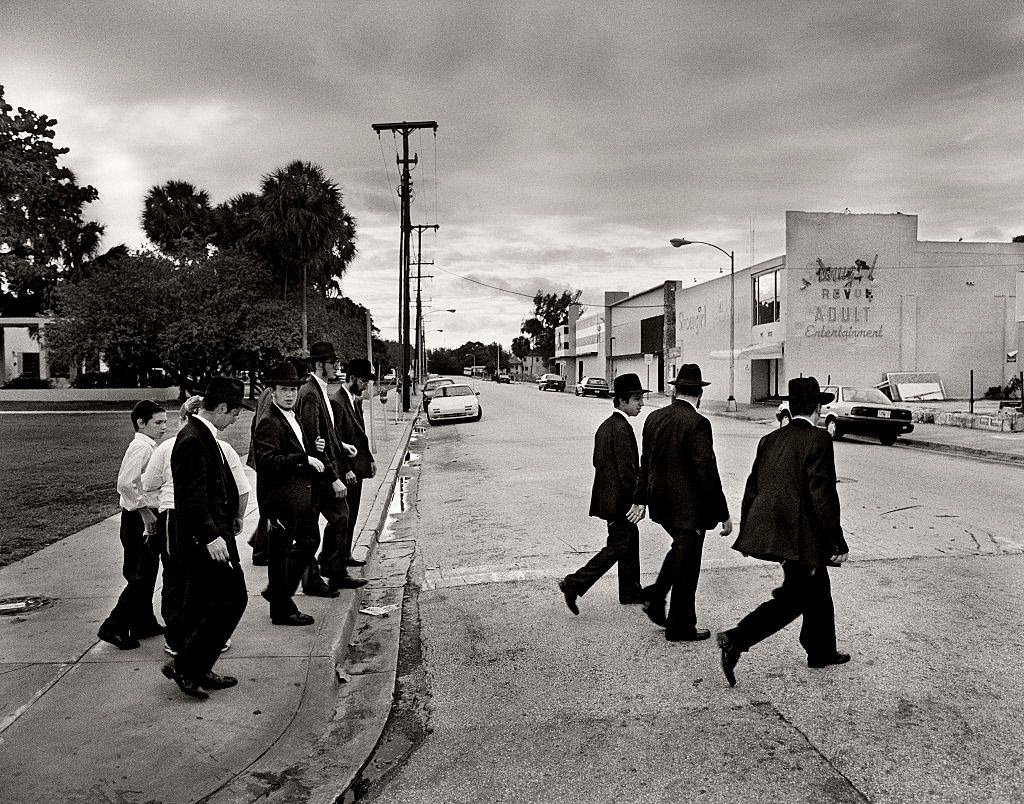
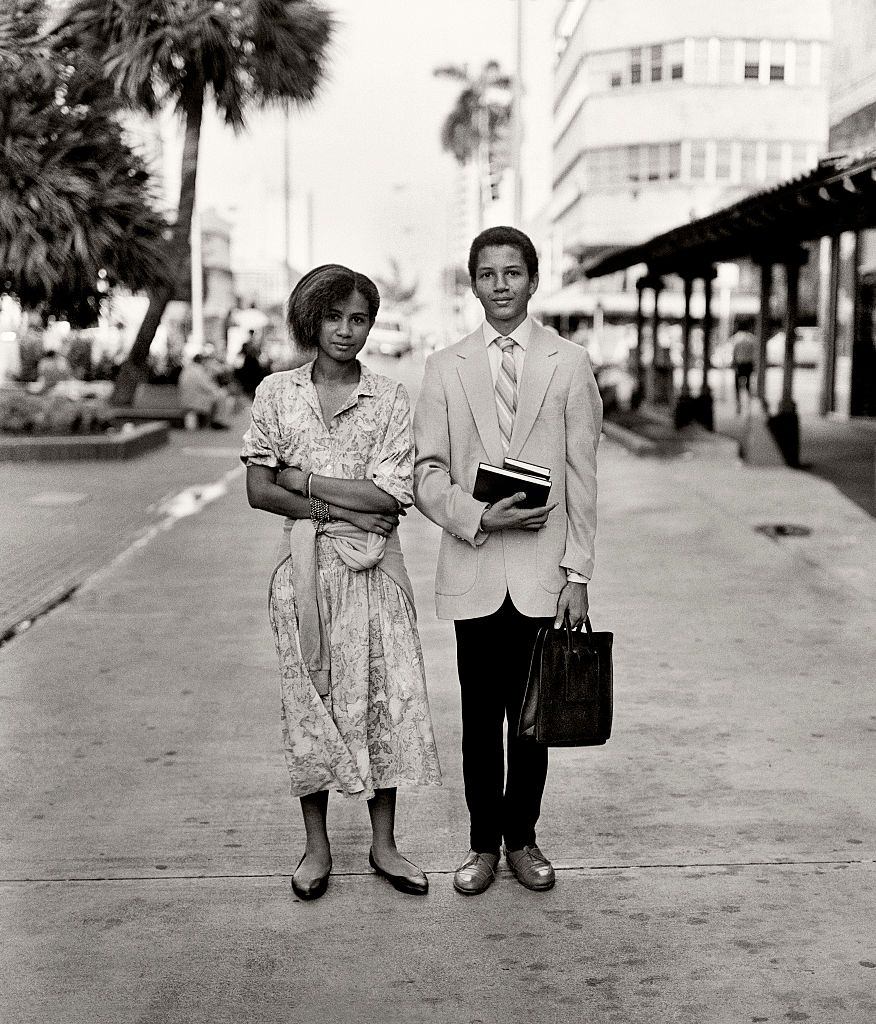
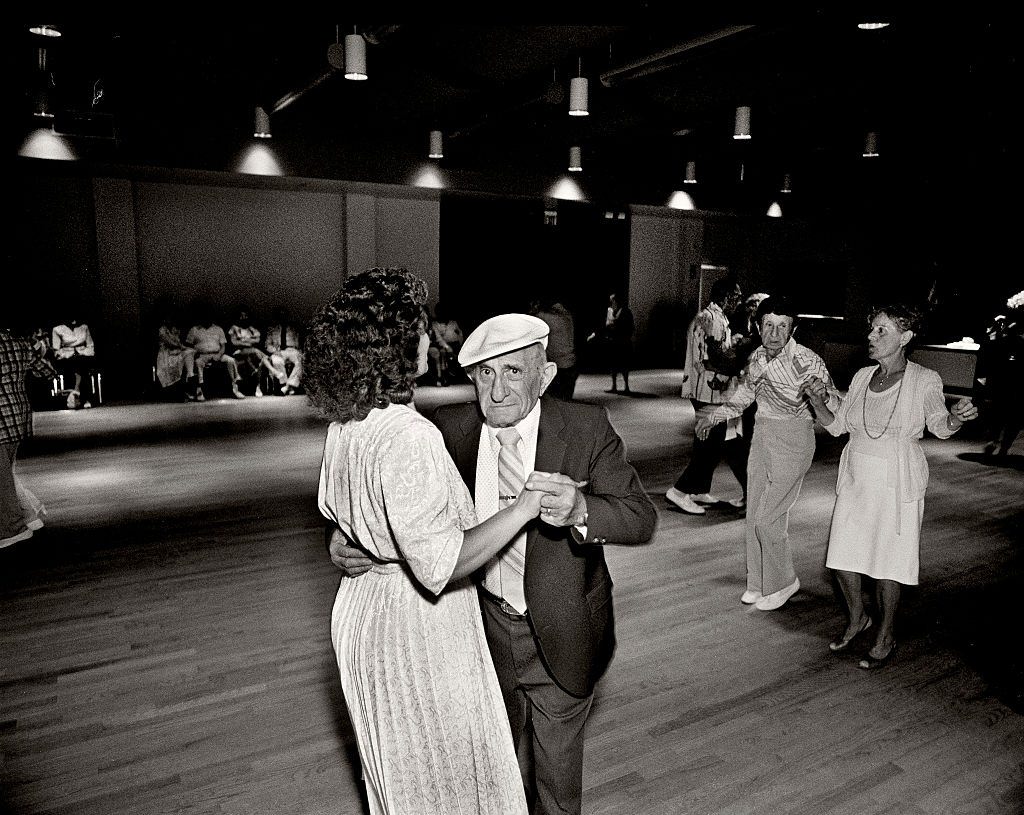
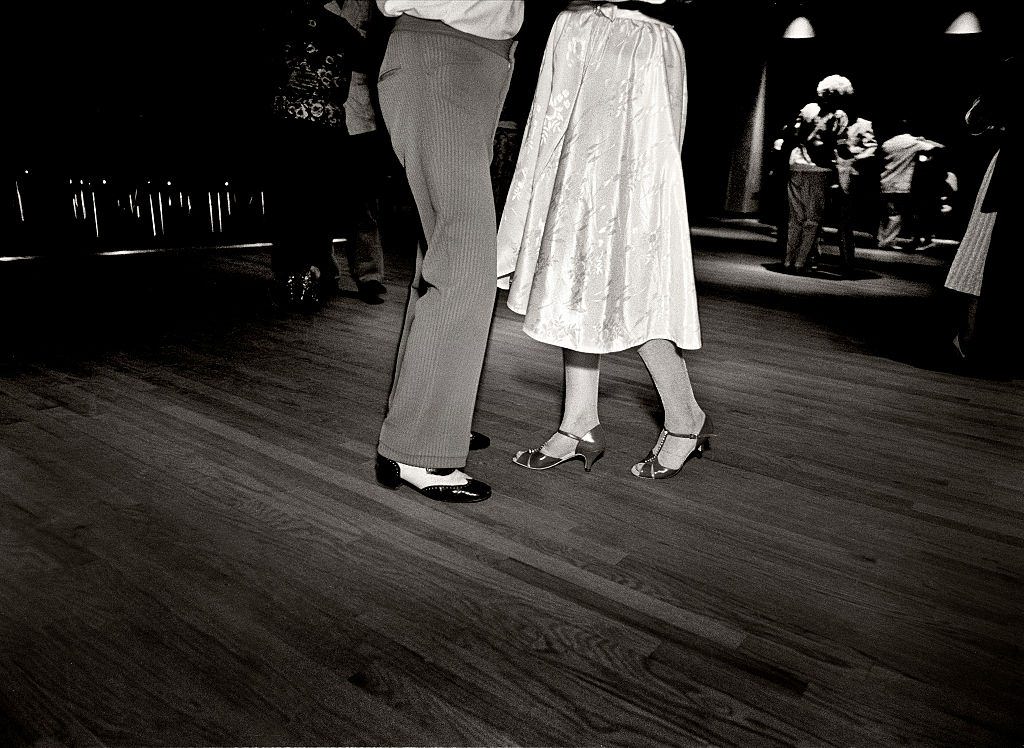
Religion remained a visible part of life in the neighborhood. Radical Orthodox Jews patrolled the streets to make sure shops were closed on the Sabbath. On Lincoln Road, residents like Darleen and Mike Revera headed to Jehovah’s Witness prayer meetings. The Ballroom of Romance held weekly indoor dances for the Jewish community at the local community center, drawing regular crowds who had known each other for years.
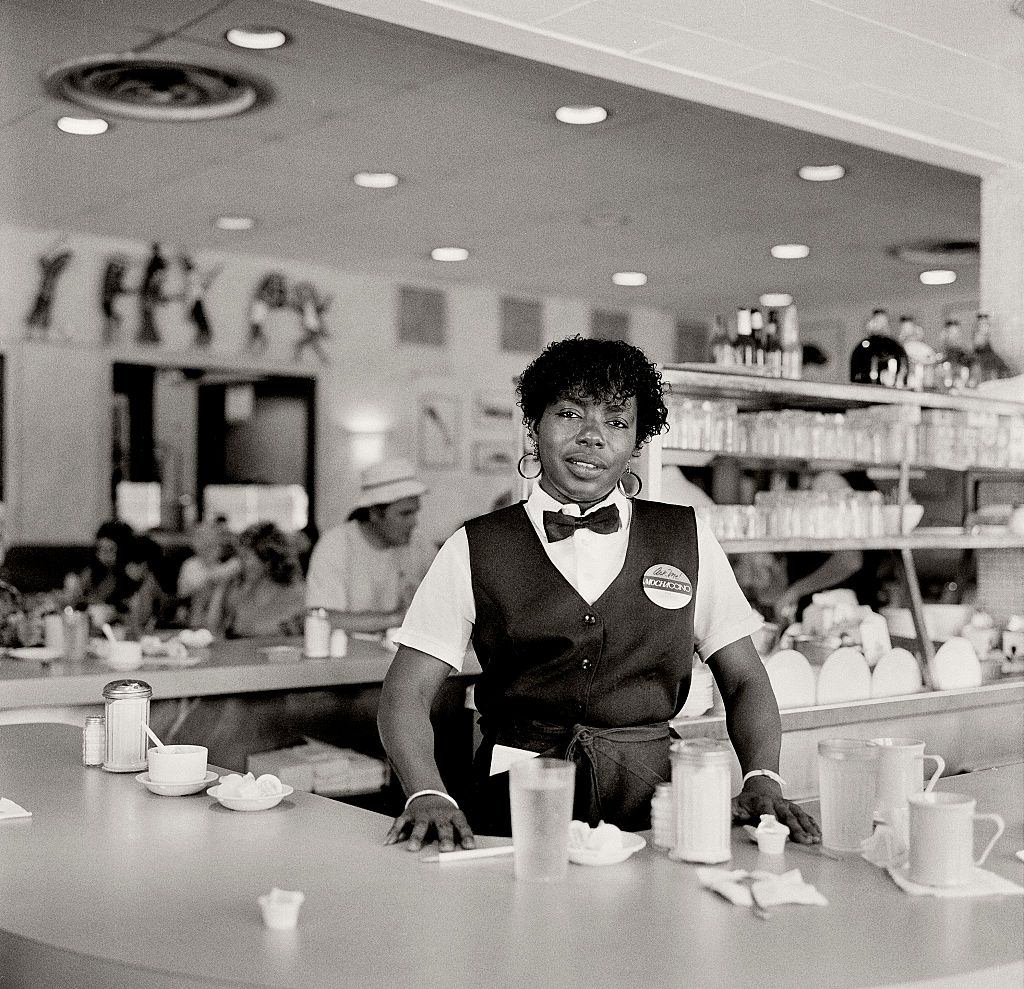
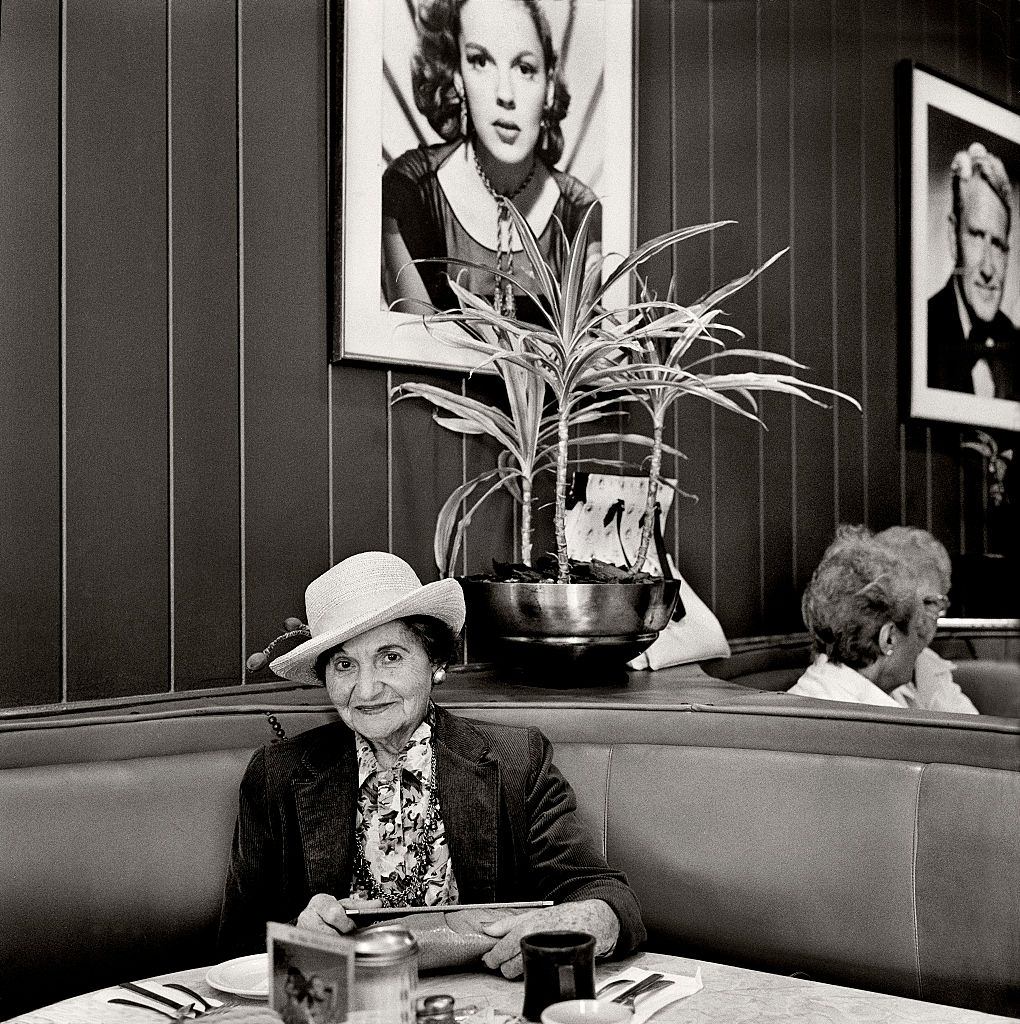
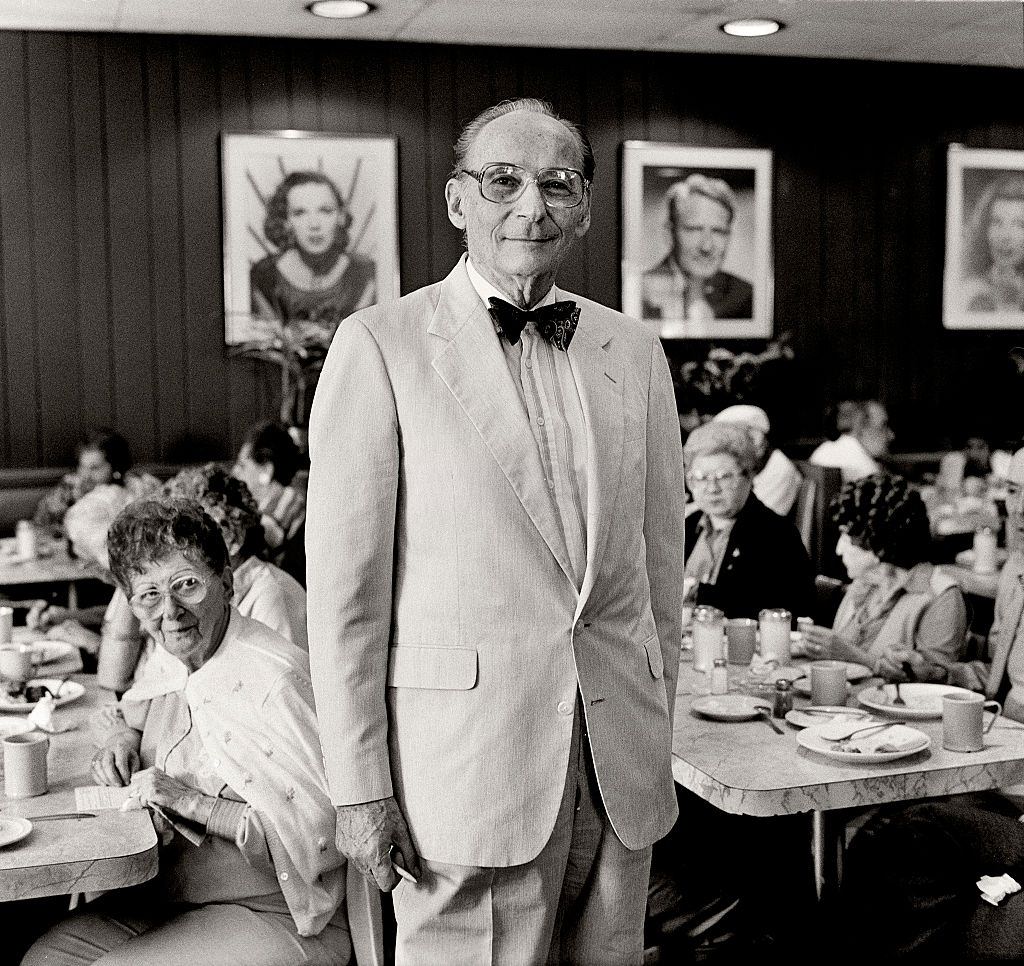
Wolfie’s Restaurant on Collins Avenue was an institution. Retirees came in the morning for breakfast beneath a photograph of Judy Garland that had hung on the wall for more than 20 years. Mayor of Miami Beach, Judge Seymour Gelber, was known to stop in himself. The restaurant represented a version of Miami Beach that the glossy magazine shoots didn’t capture — unhurried, familiar, and rooted in routine.
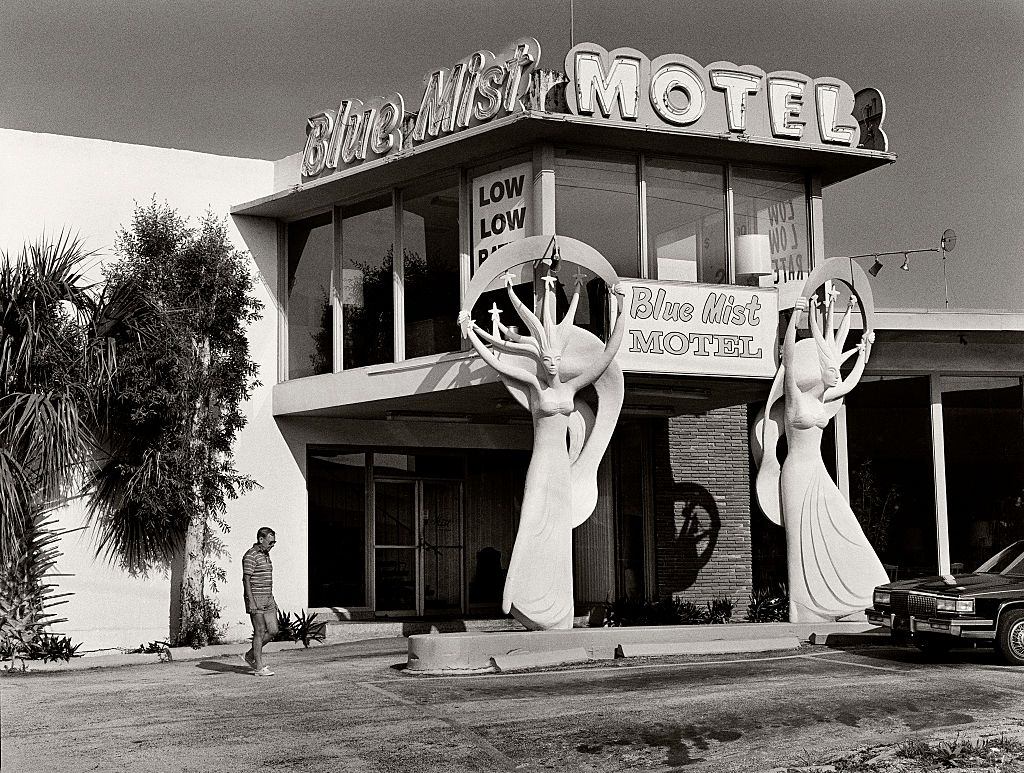
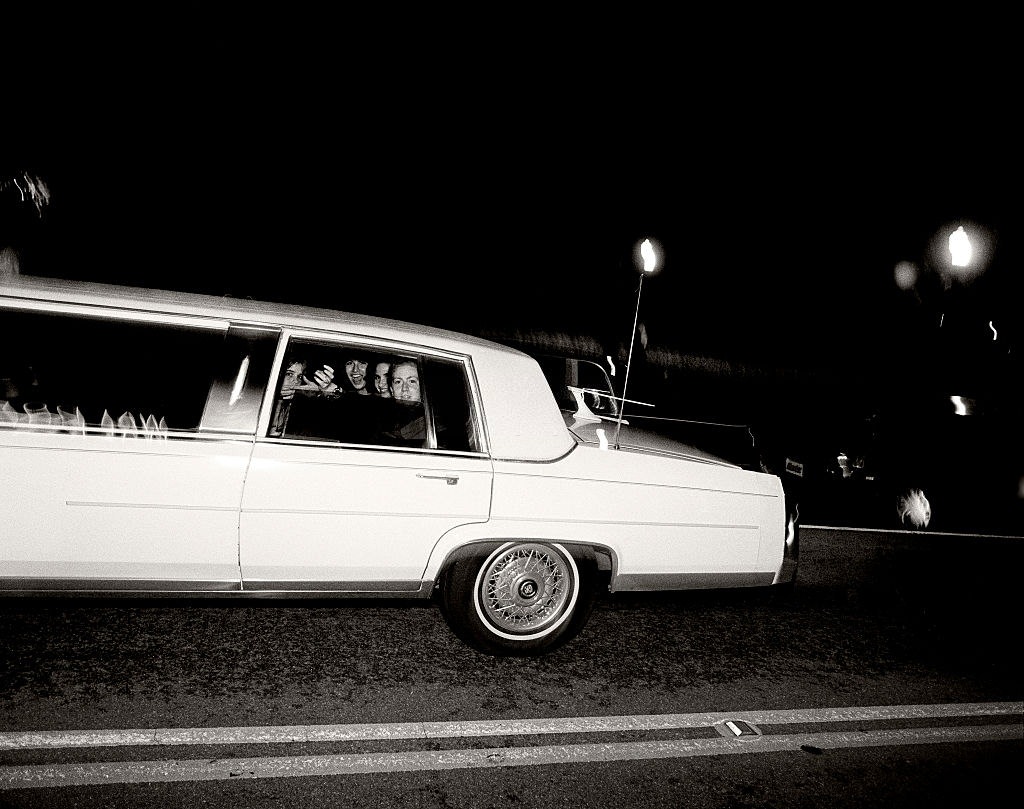
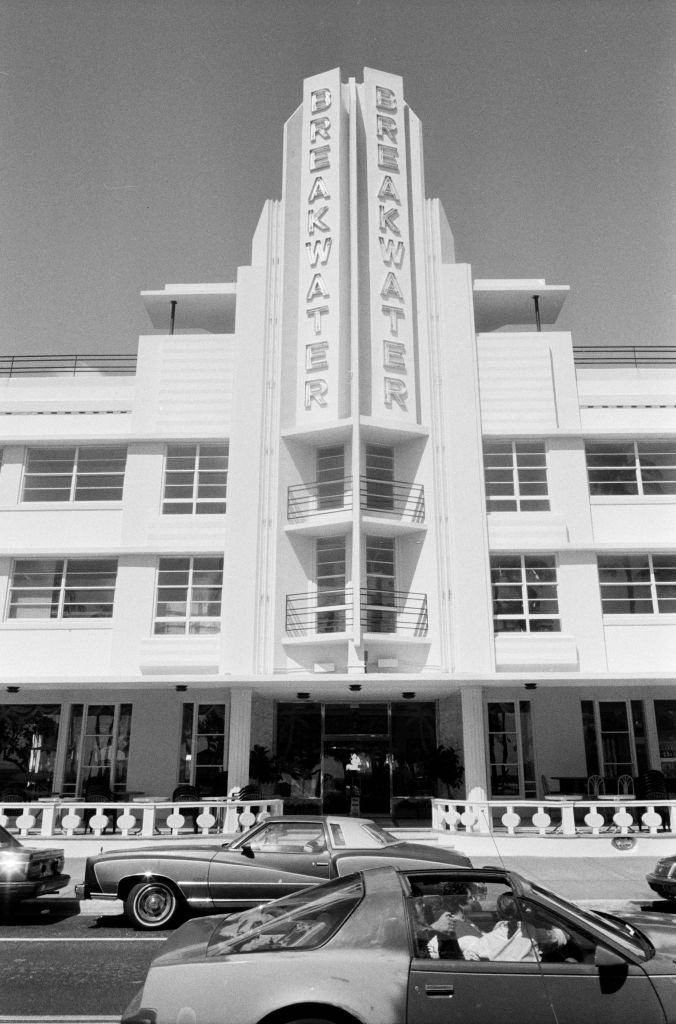
North Miami Beach and South Beach were almost different cities in the 1990s. Collins Avenue ran between them, and the contrast was obvious on the street. Aged motels like the Blue Mist sat on the northern end of the strip, while Ocean Drive’s freshly painted Art Deco facades hosted stretched limousines and camera crews further south. The Sagamore and Avalon hotels were becoming landmarks in their own right.
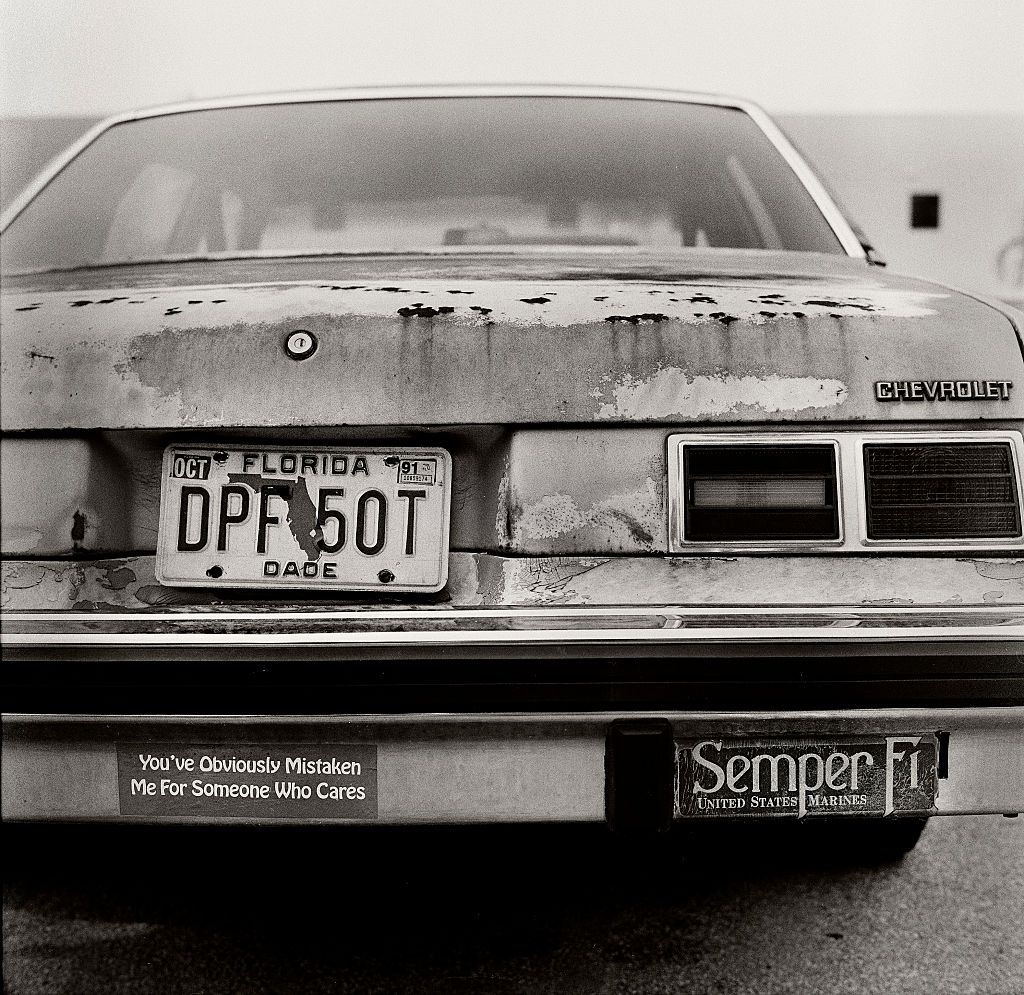
Ocean Drive in the rain looked entirely different from the sun-soaked images that appeared in fashion spreads. The fin of a 1950s American car glistened on the wet street, and the pastel storefronts reflected in the puddles. Rain or shine, the street retained something cinematic — partly by design and partly because the architecture demanded it.
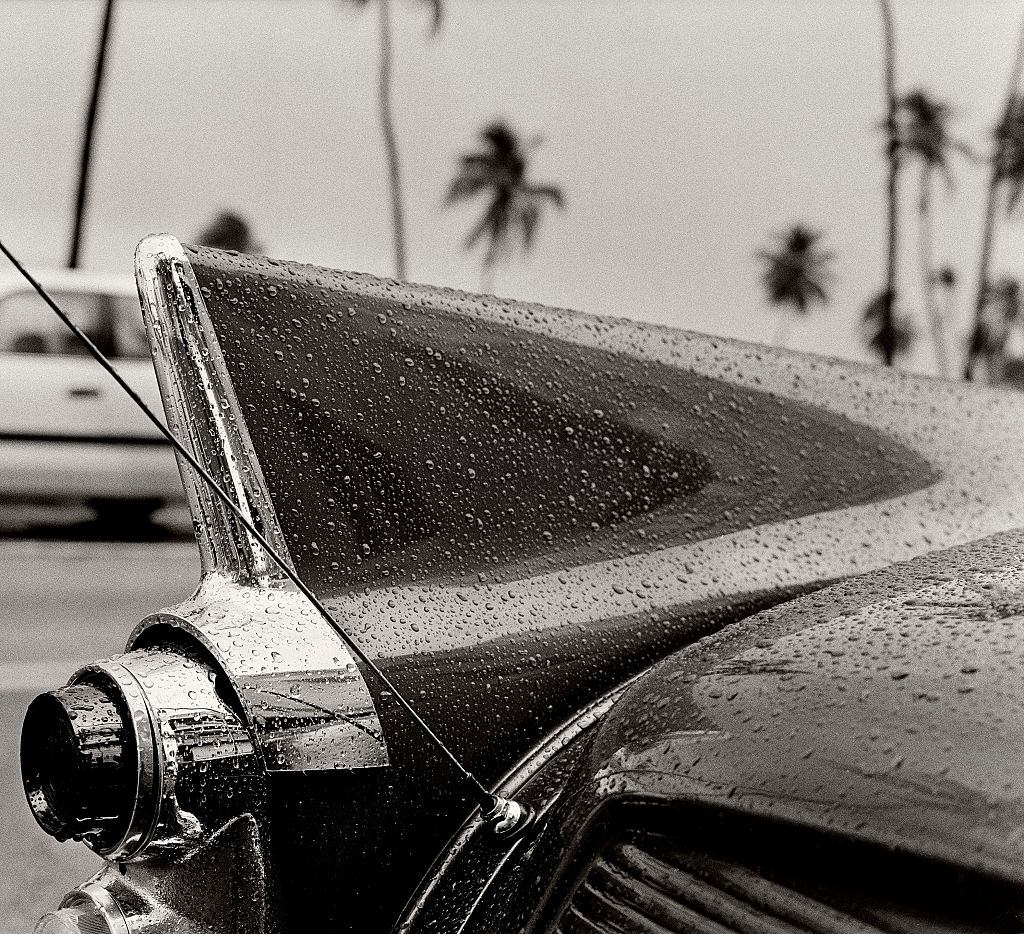
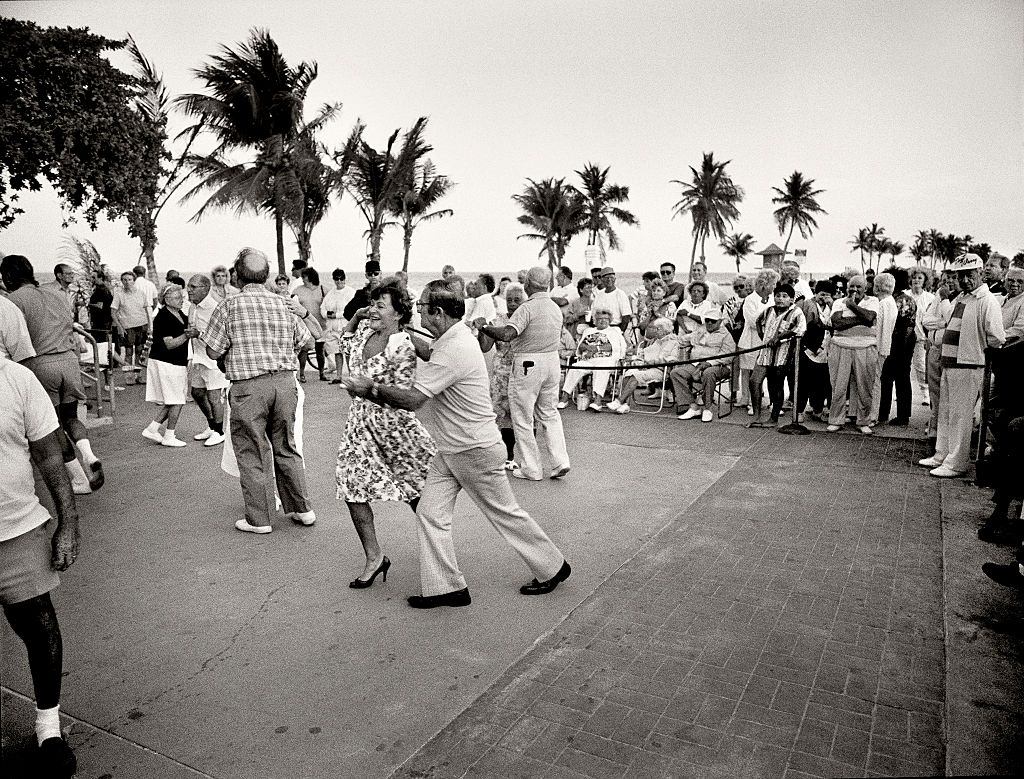
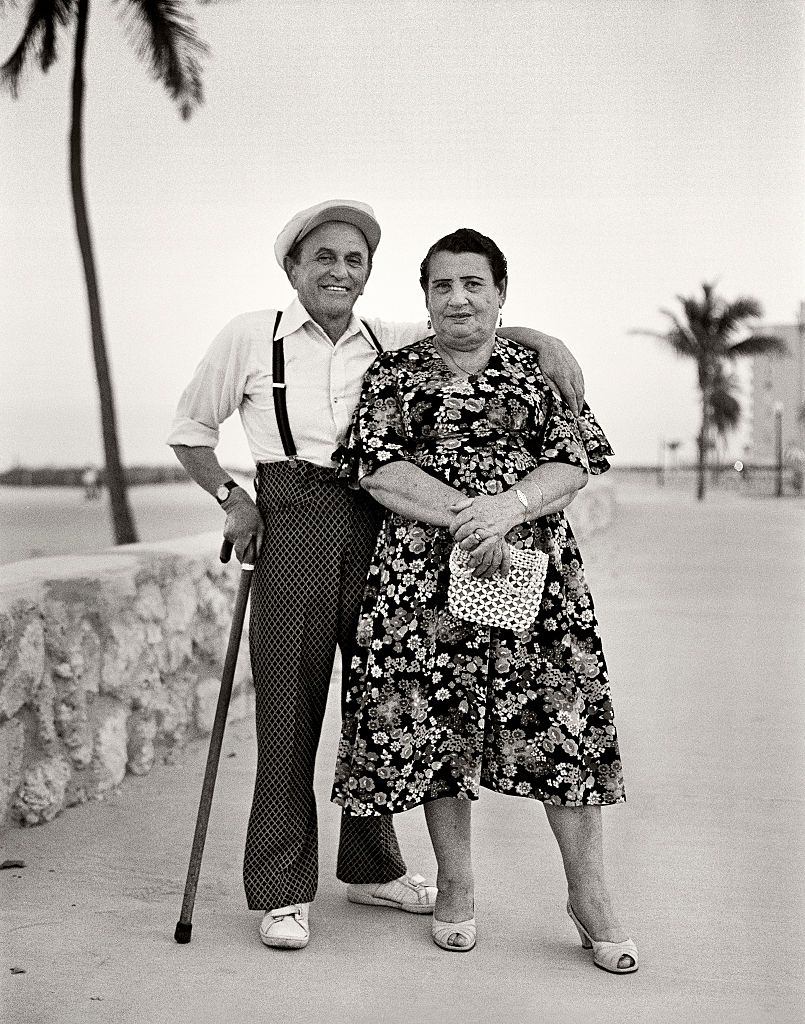
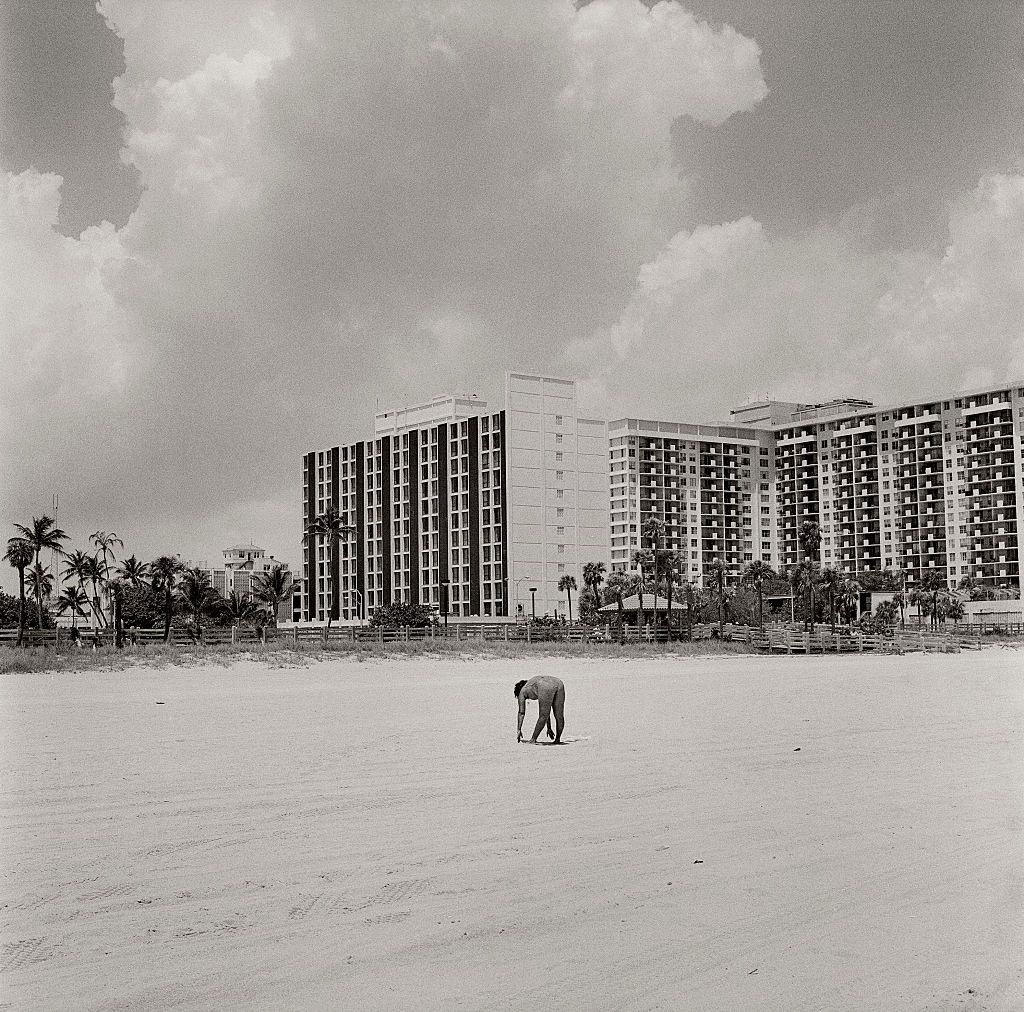
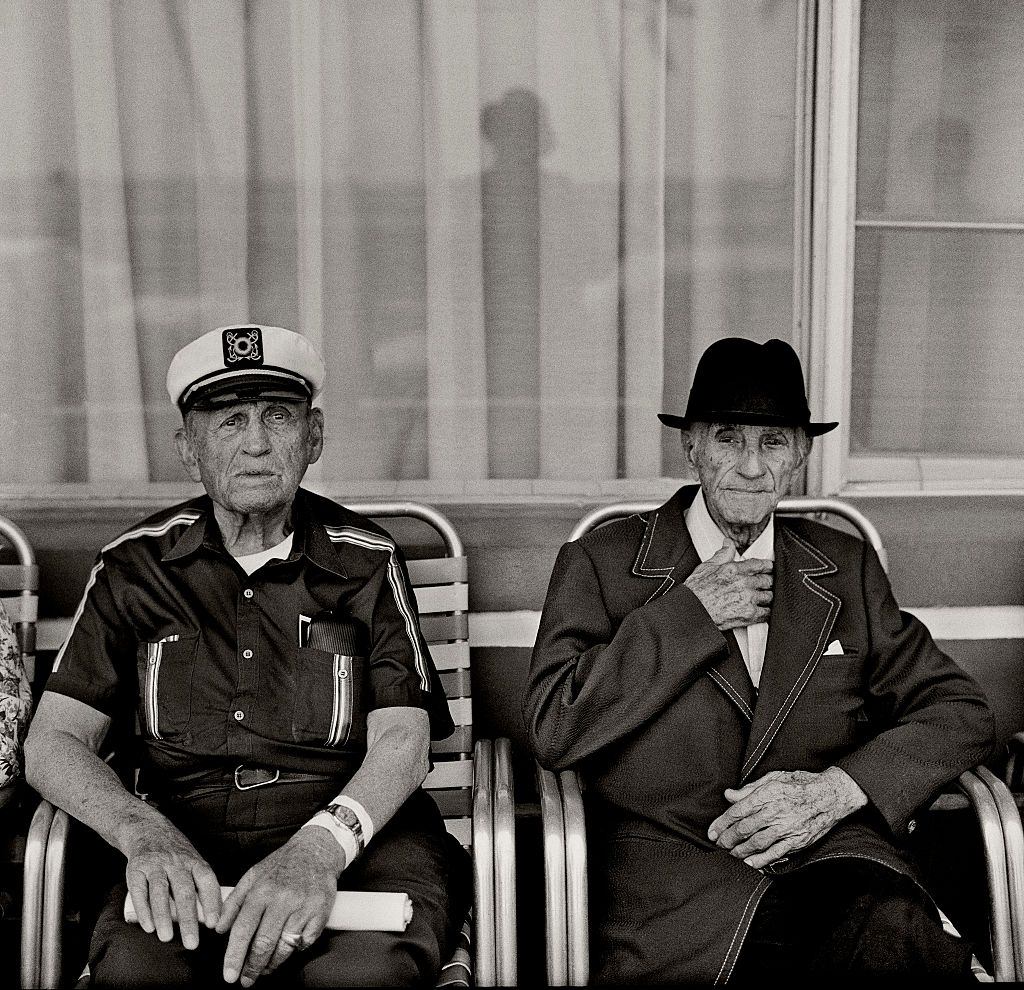
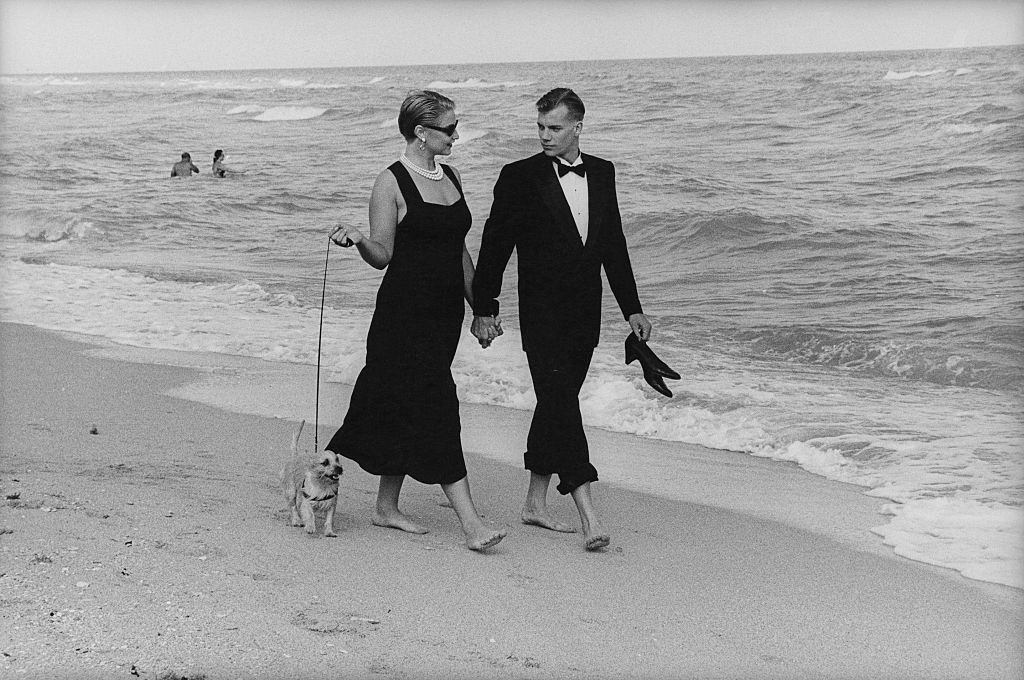
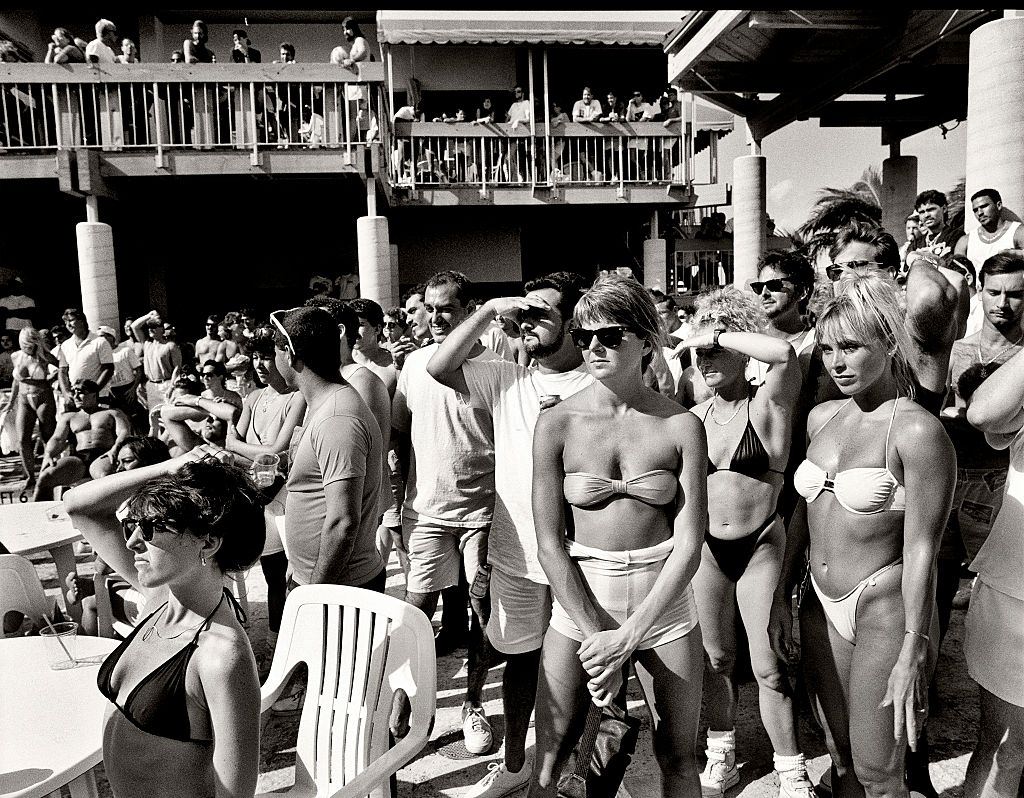
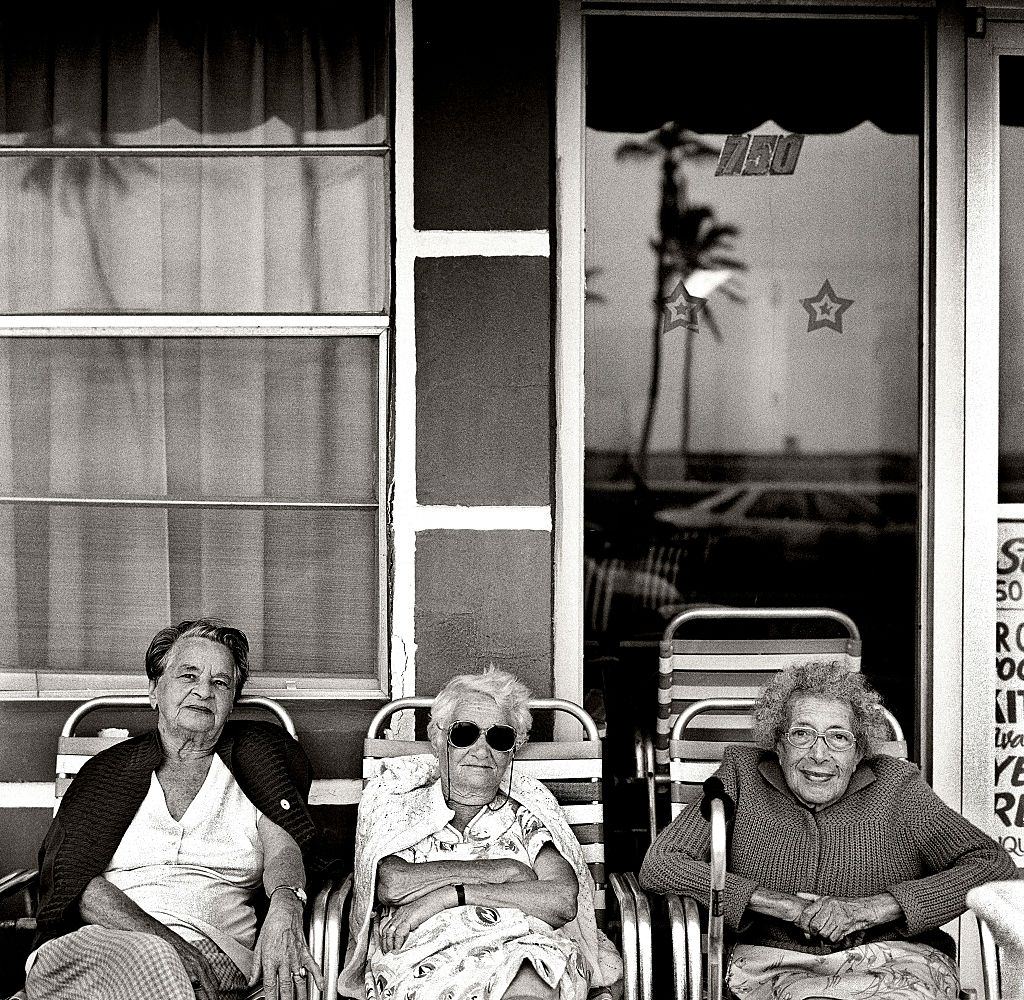
The beach itself was a meeting point. Elderly Jewish emigrants sat on the porches of run-down guesthouses and watched the world change around them. Younger residents jogged, exercised, and socialized on the same sand. Jacob and Rose Moses, named by the Miami Herald as the best-dressed couple on South Beach, took their evening strolls along the shore among them.

Ruth Reuben ate her breakfast at Wolfie’s beneath that Judy Garland photograph the same as any other morning. It was a detail that summed up the neighborhood’s relationship with time — some things didn’t move, no matter how quickly the world outside was changing.
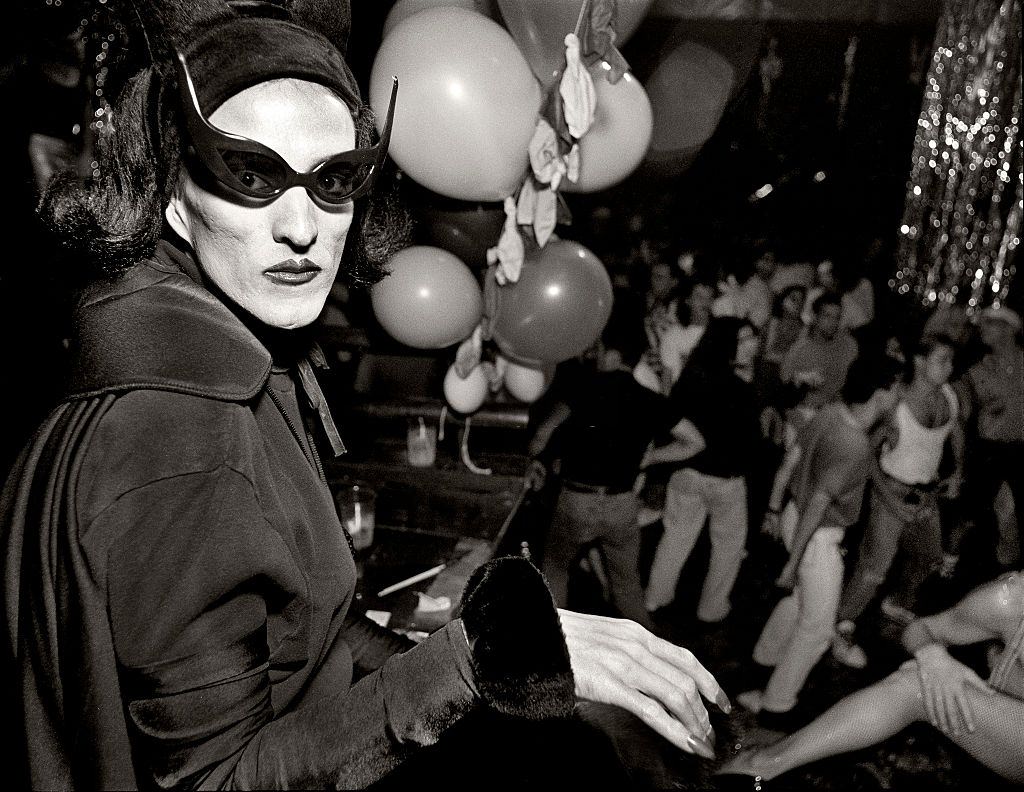
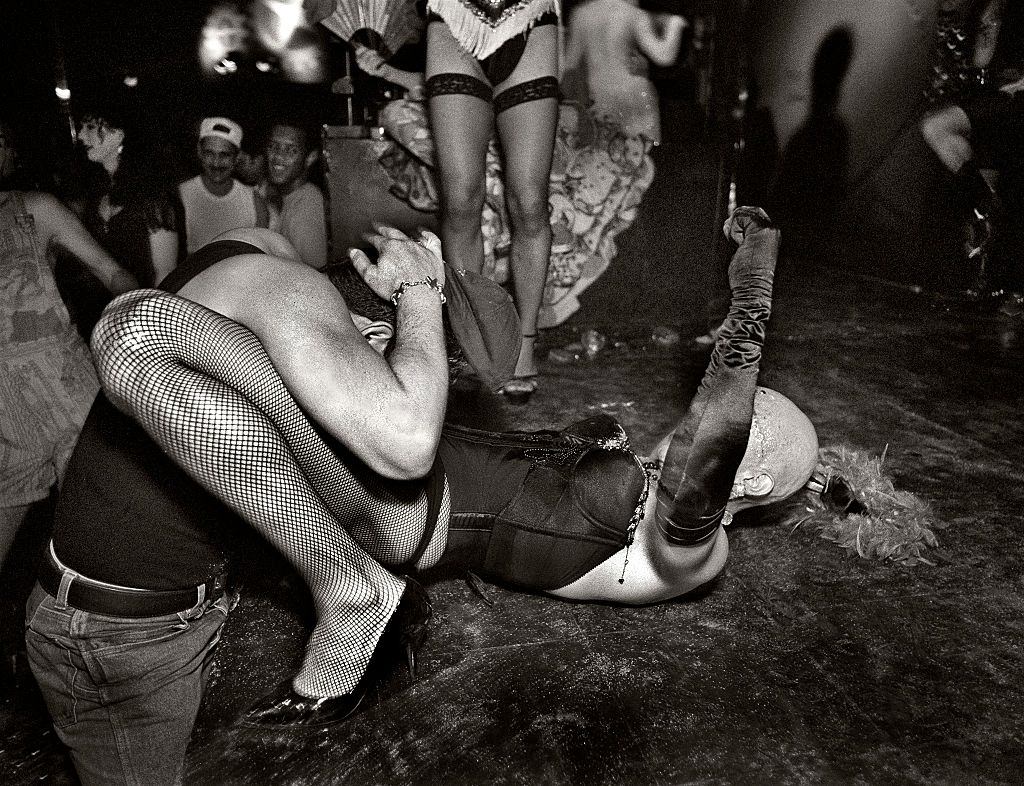
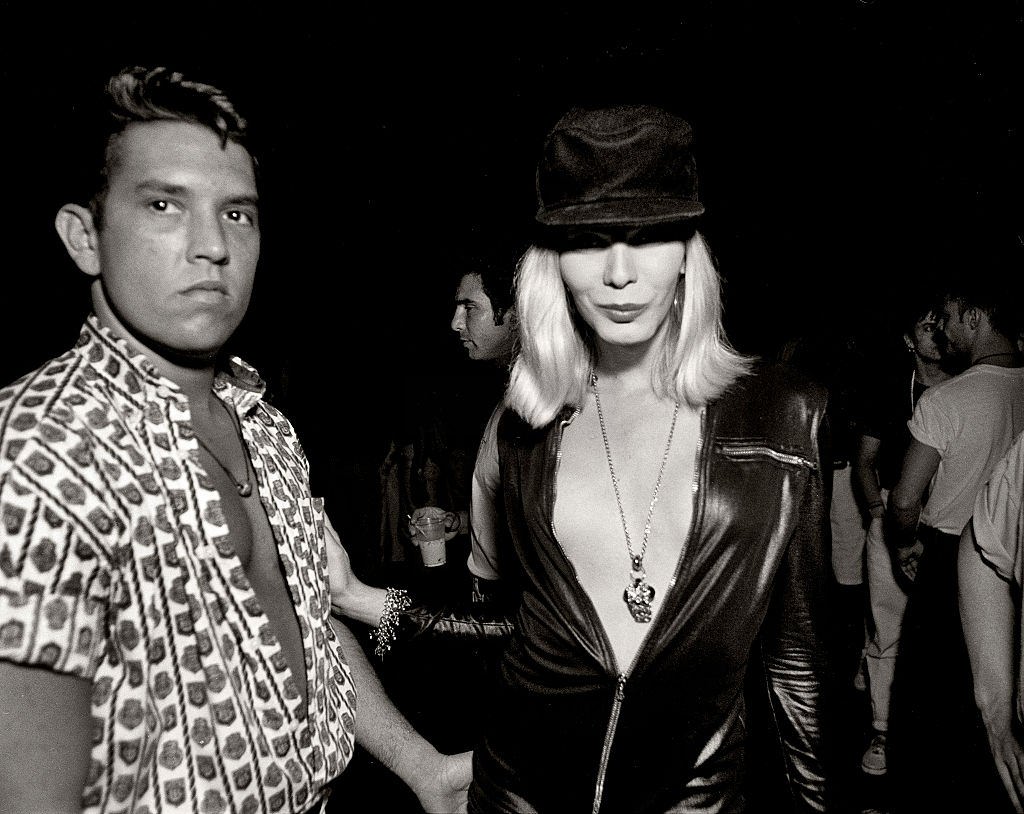
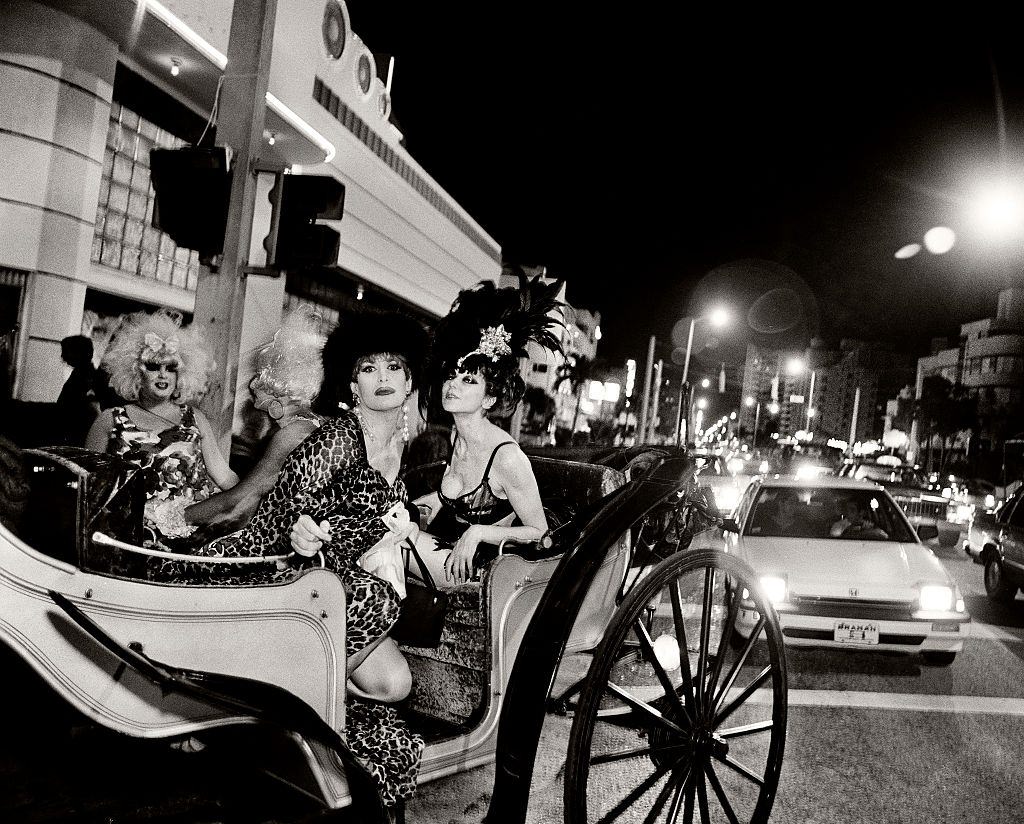
By night, South Beach belonged to a completely different crowd. The Warsaw Ballroom on Washington Avenue hosted wild club nights that ran into the early hours of the morning. It was one of the most well-known gay clubs in the country during the 1990s, drawing visitors from across the United States. The nightlife scene was loud, creative, and unapologetic — a direct contrast to the quiet mornings at the diner a few blocks away.
Miami bass music had taken root across the country by this point, with the genre’s heavy beats filling car subwoofers and dance floors from Florida to California. It was born here, in these neighborhoods, and it reflected the same energy that pulsed through South Beach’s nights — loud, physical, and impossible to ignore.
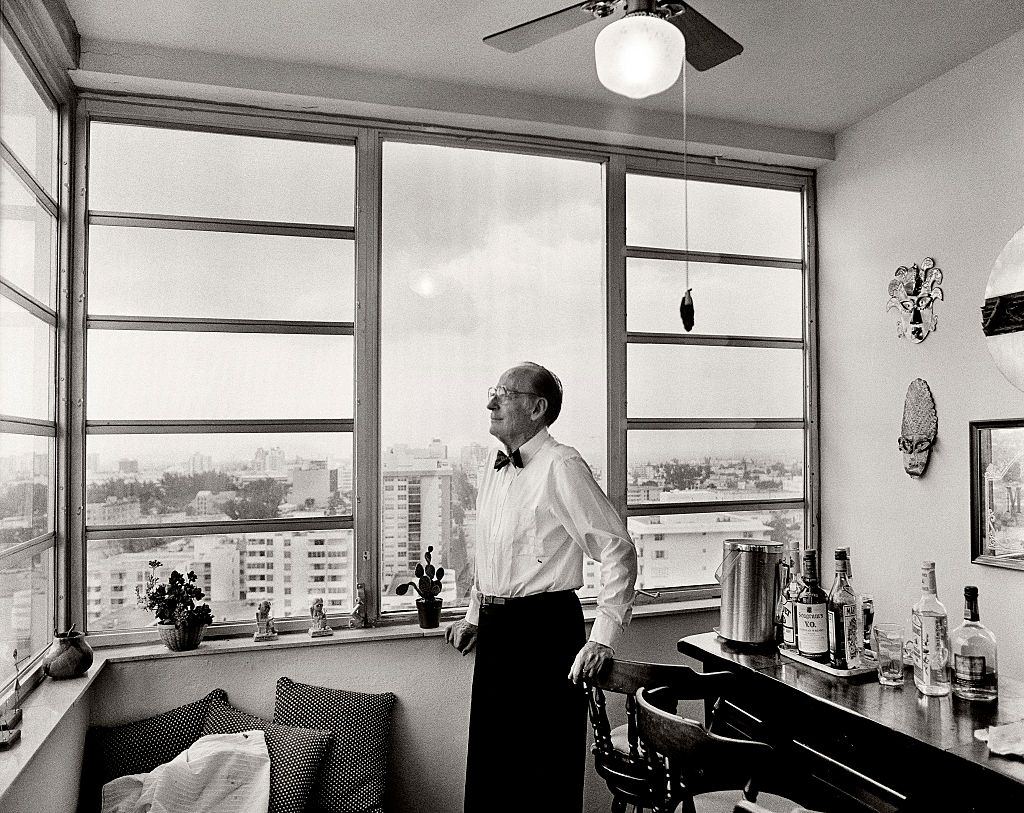
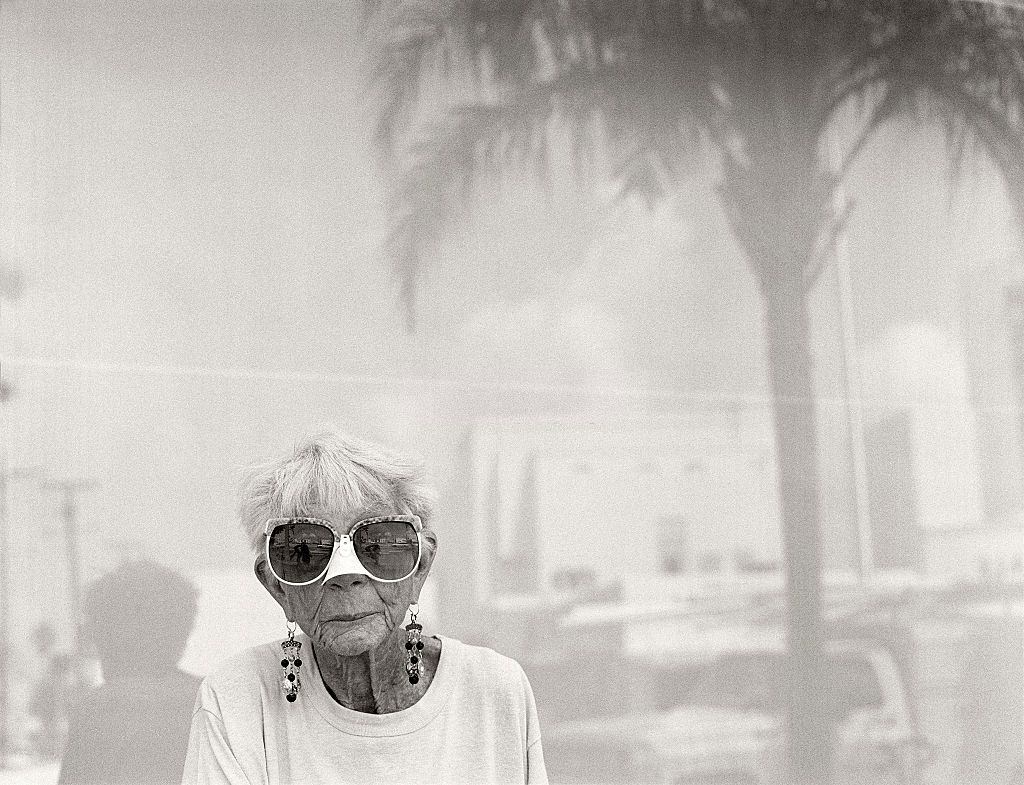
Judge Seymour Gelber served as Mayor of Miami Beach during this period, living in an Art Deco condominium that overlooked the city he governed. His presence at local diners like Wolfie’s spoke to a certain accessibility — this was a mayor who was part of the neighborhood, not removed from it.
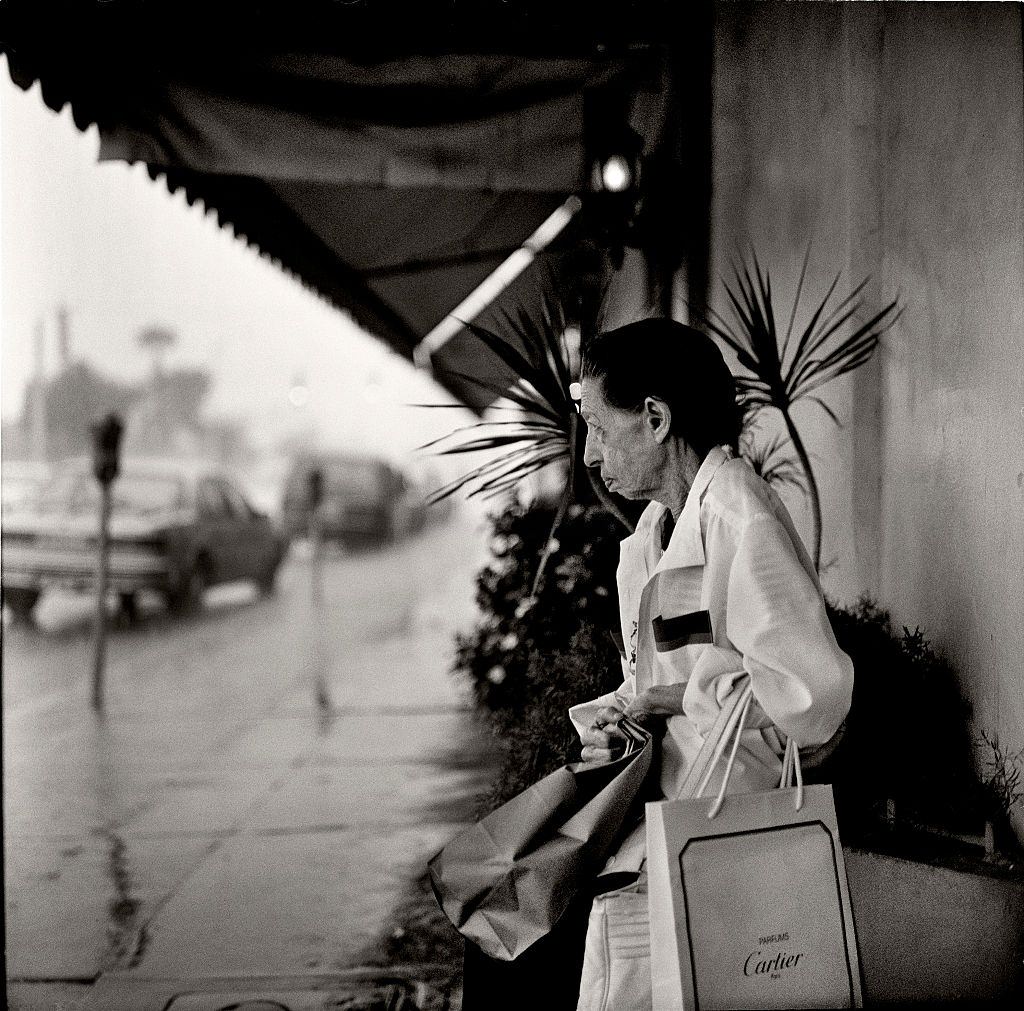
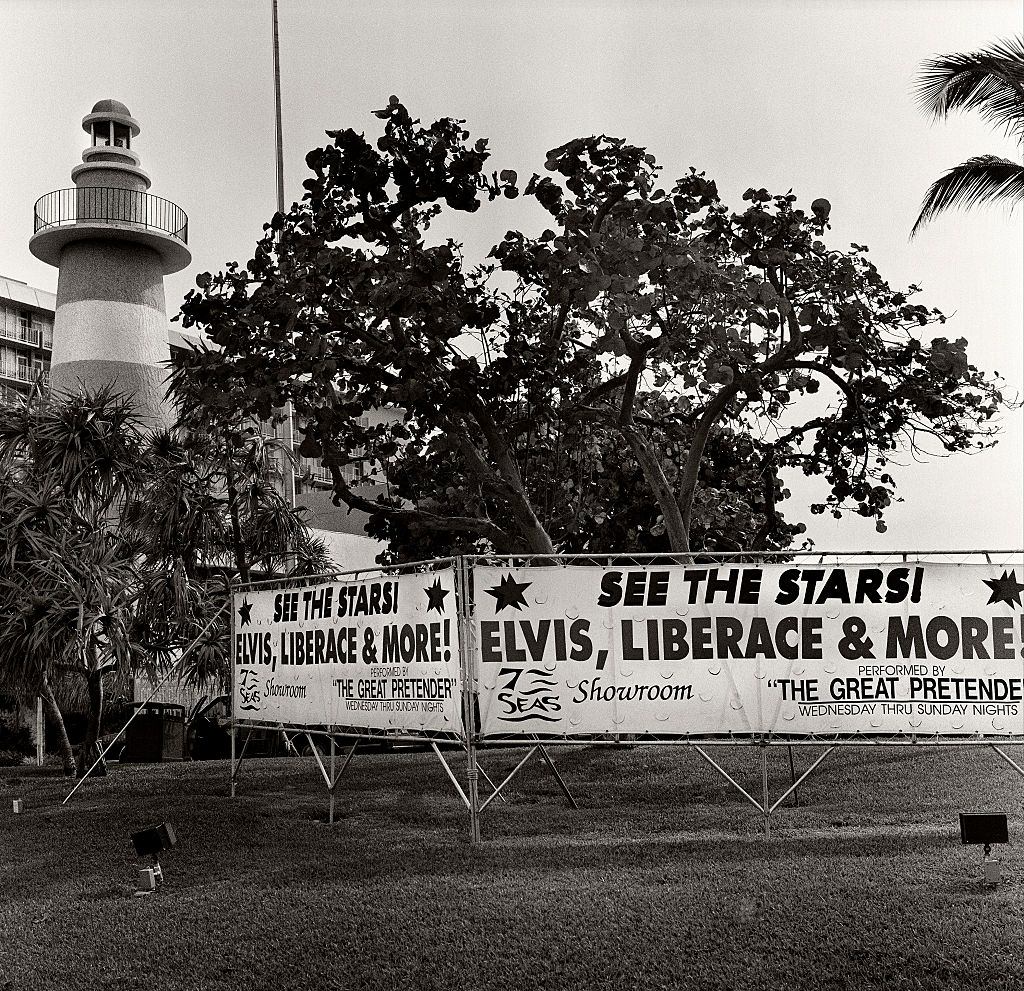
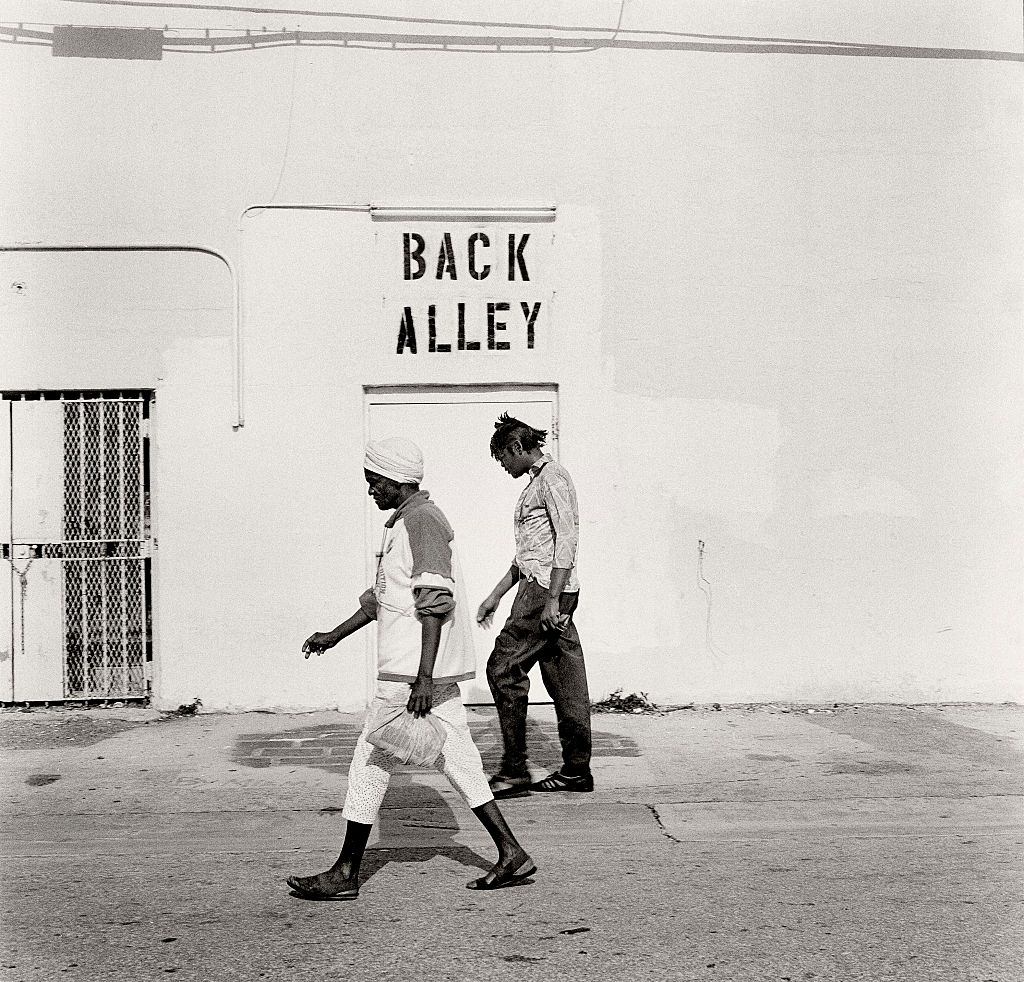
The hidden alleyways running behind the Art Deco hotels on Ocean Drive told a different story than the main street. Service entrances, back doors, and walls tagged with graffiti sat just steps from the pastel-fronted restaurants where waiters at places like I Paparazzi greeted guests in ironed shirts. The contrast between the front and back of South Beach was always just a few steps apart.
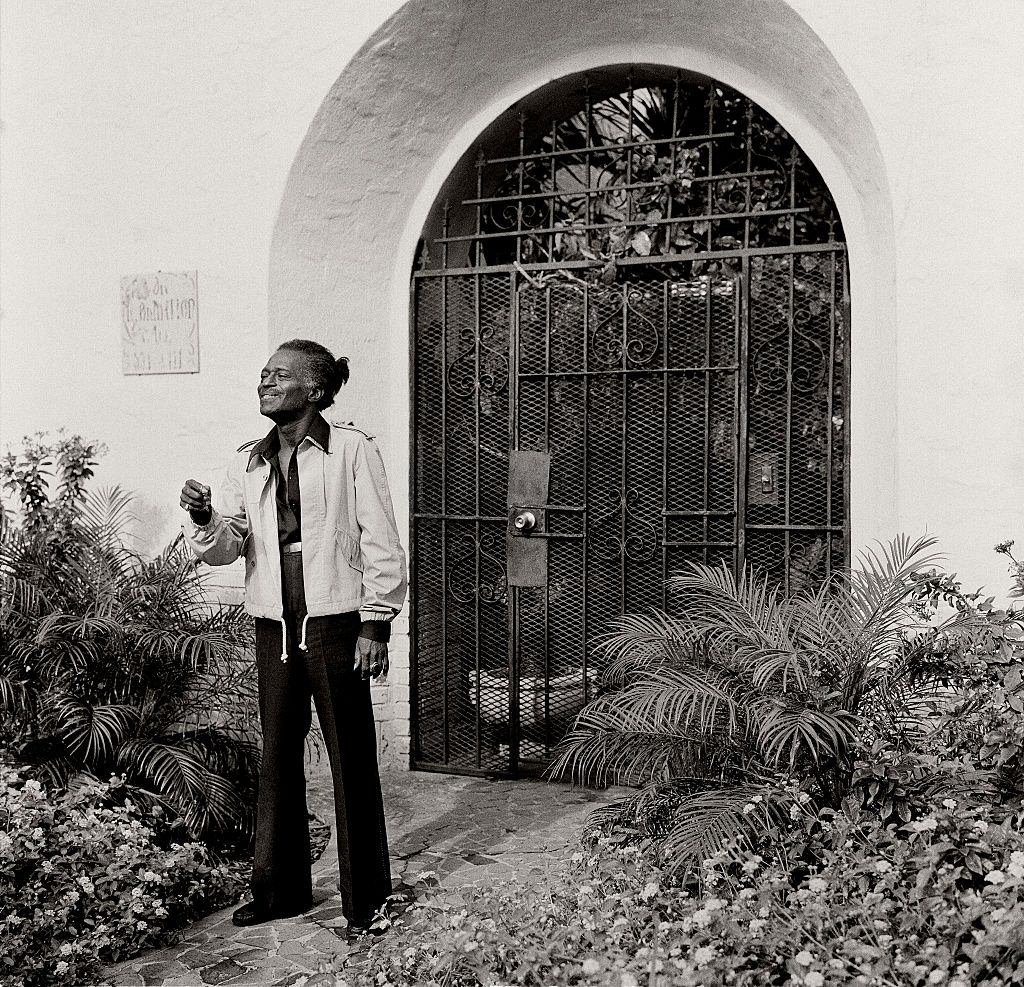
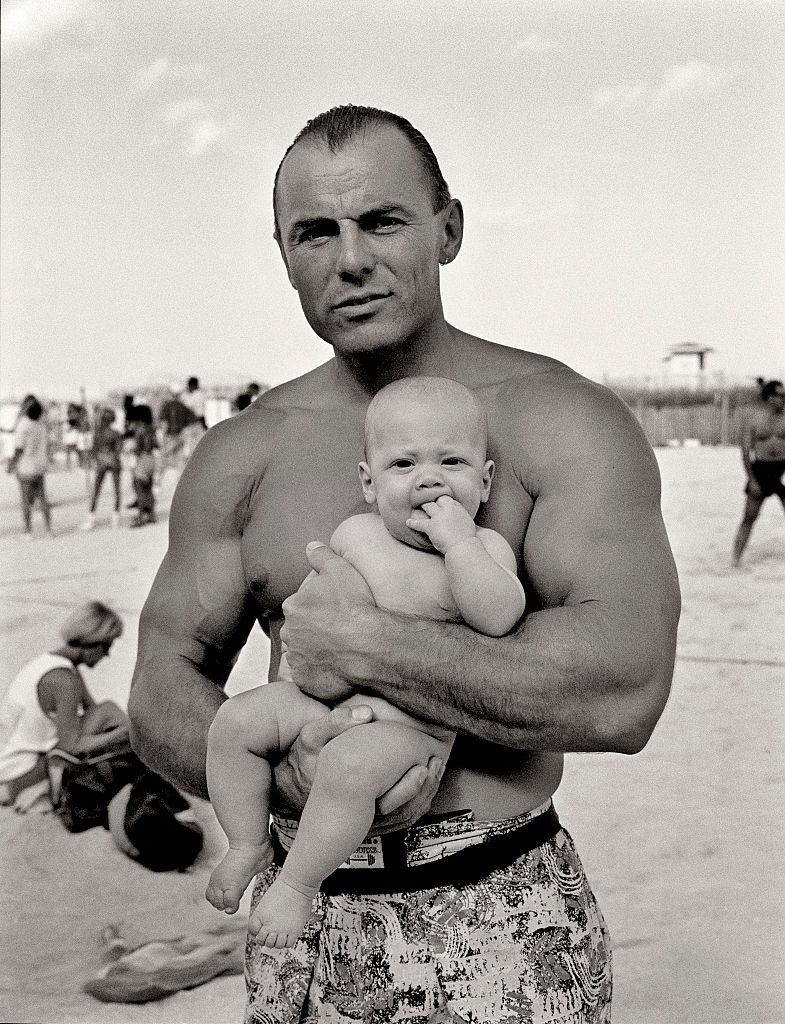
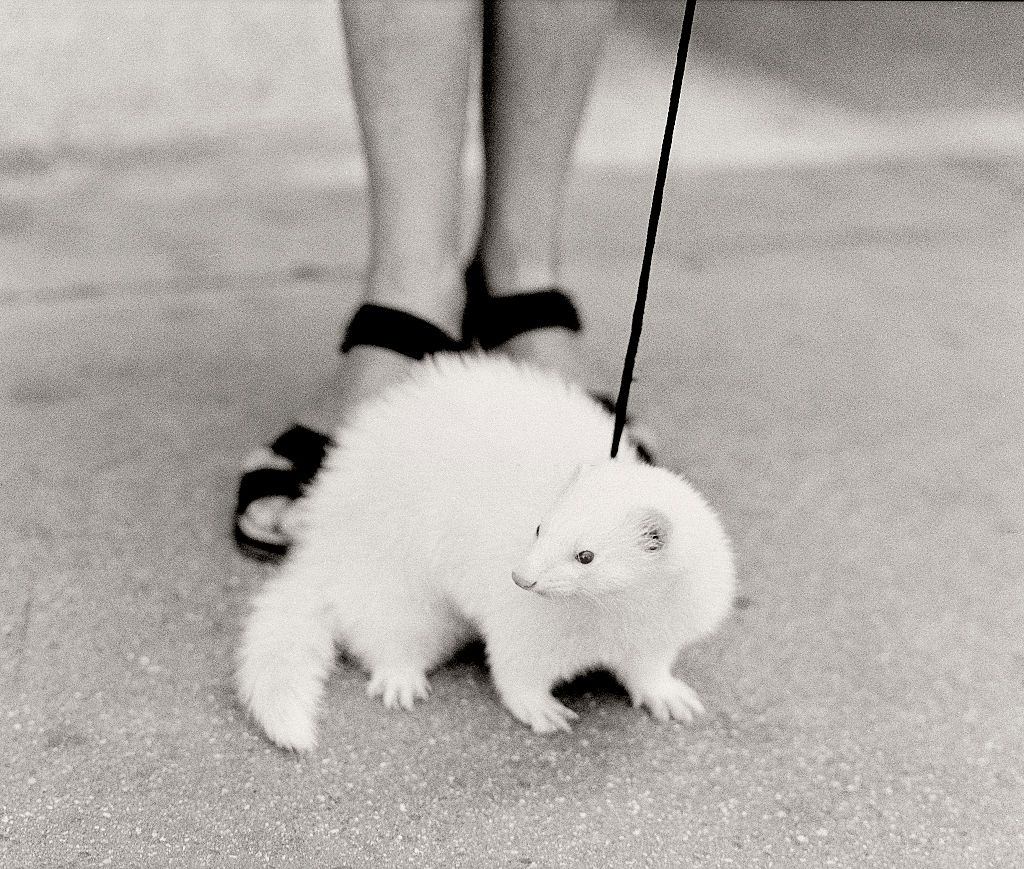
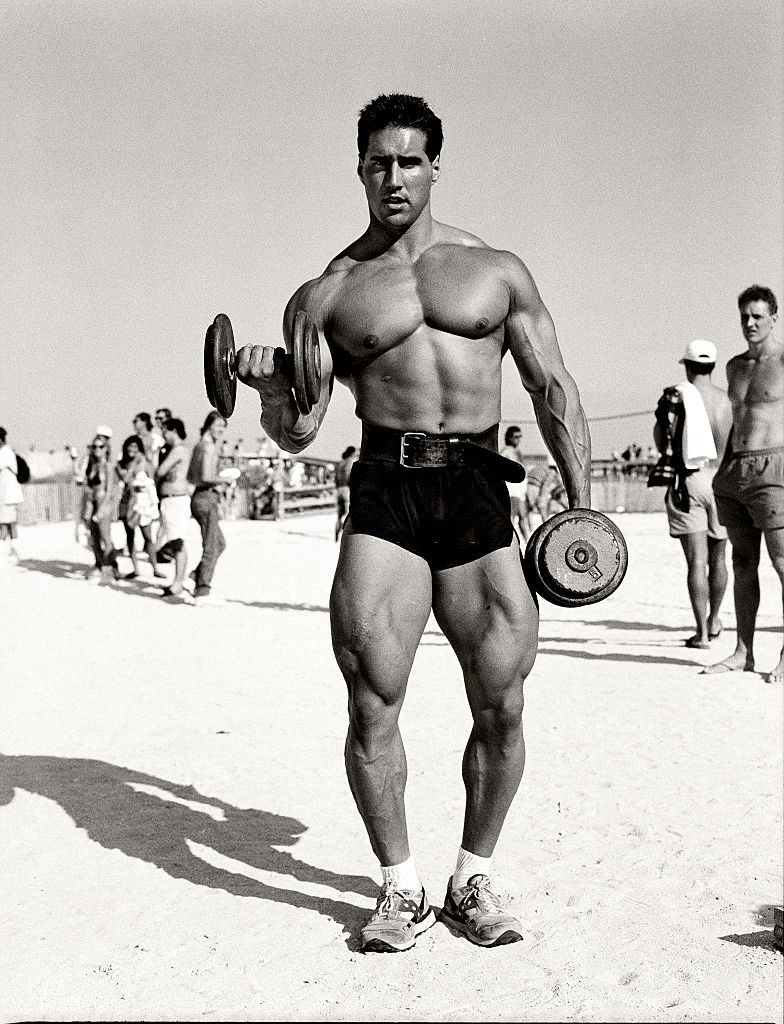
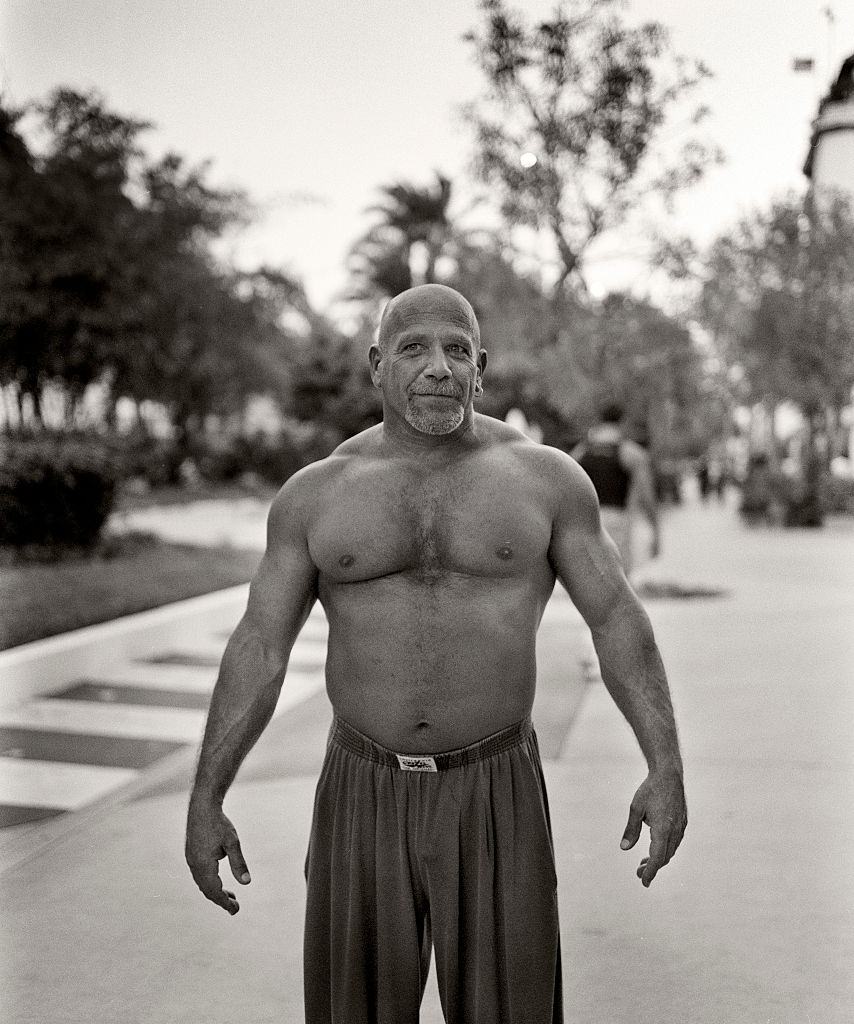
Lincoln Mall was another hub of everyday life — people walked ferrets on leads, bodybuilders showed off their physiques, and shoppers moved between stores that had been there since before South Beach became fashionable. The mall sat just far enough from Ocean Drive to feel like a different neighborhood entirely.
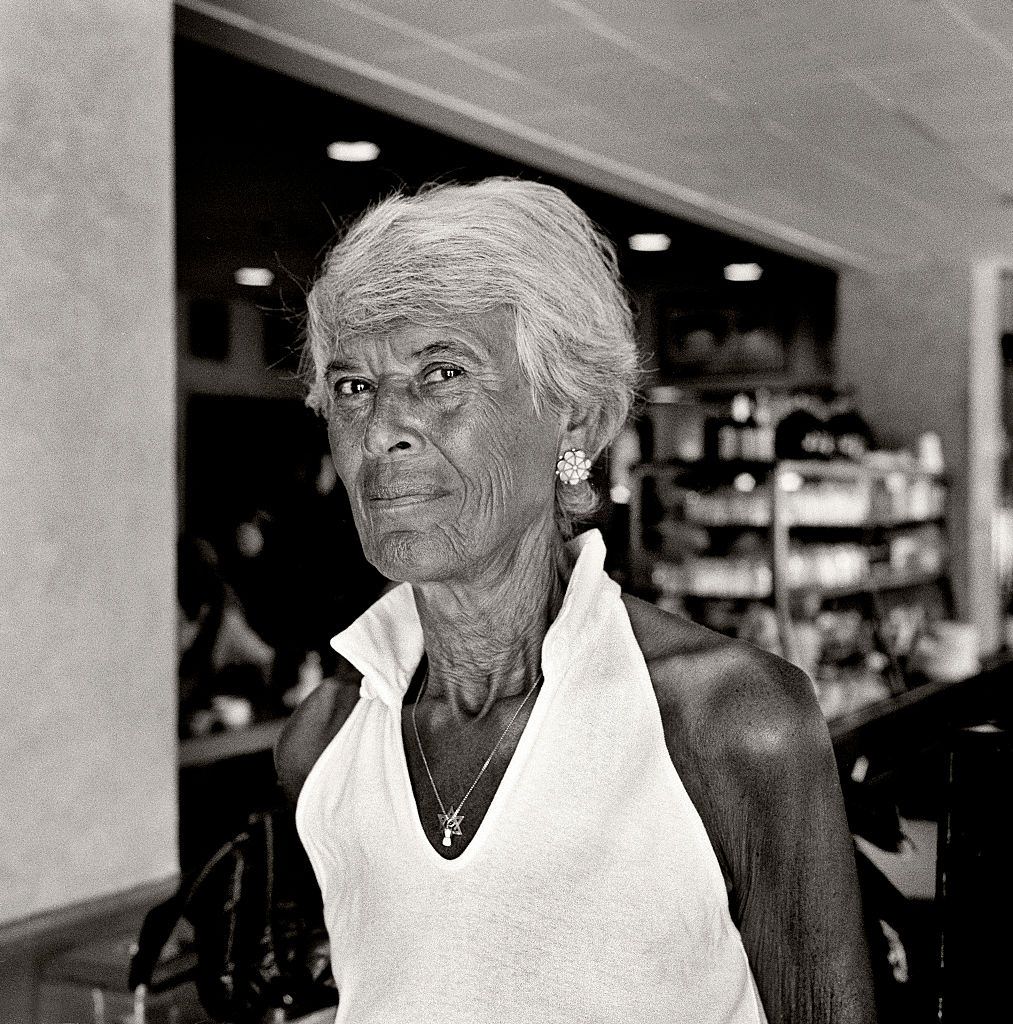
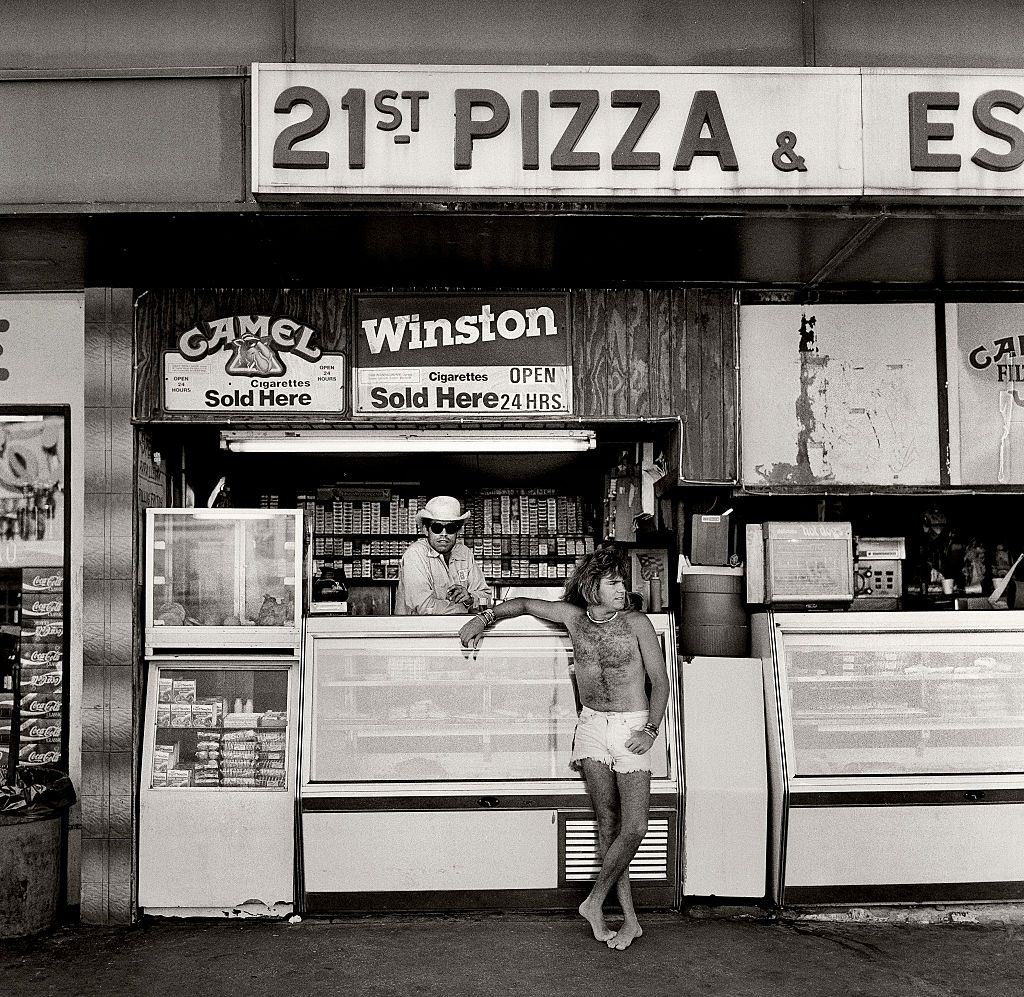
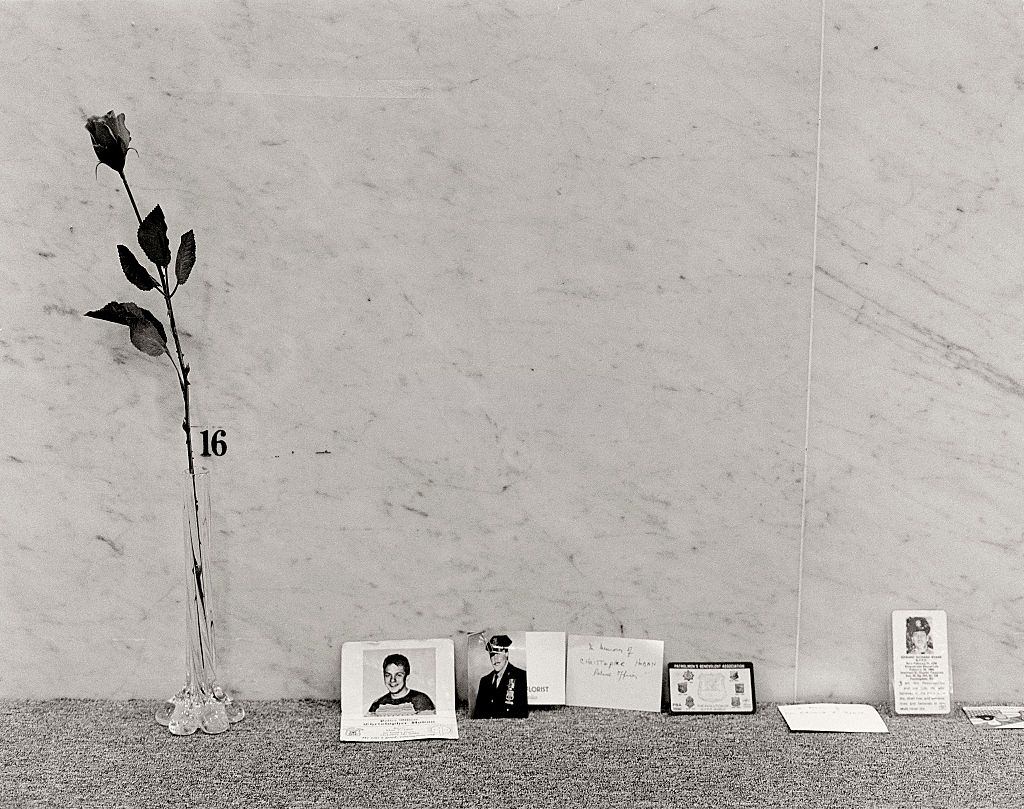
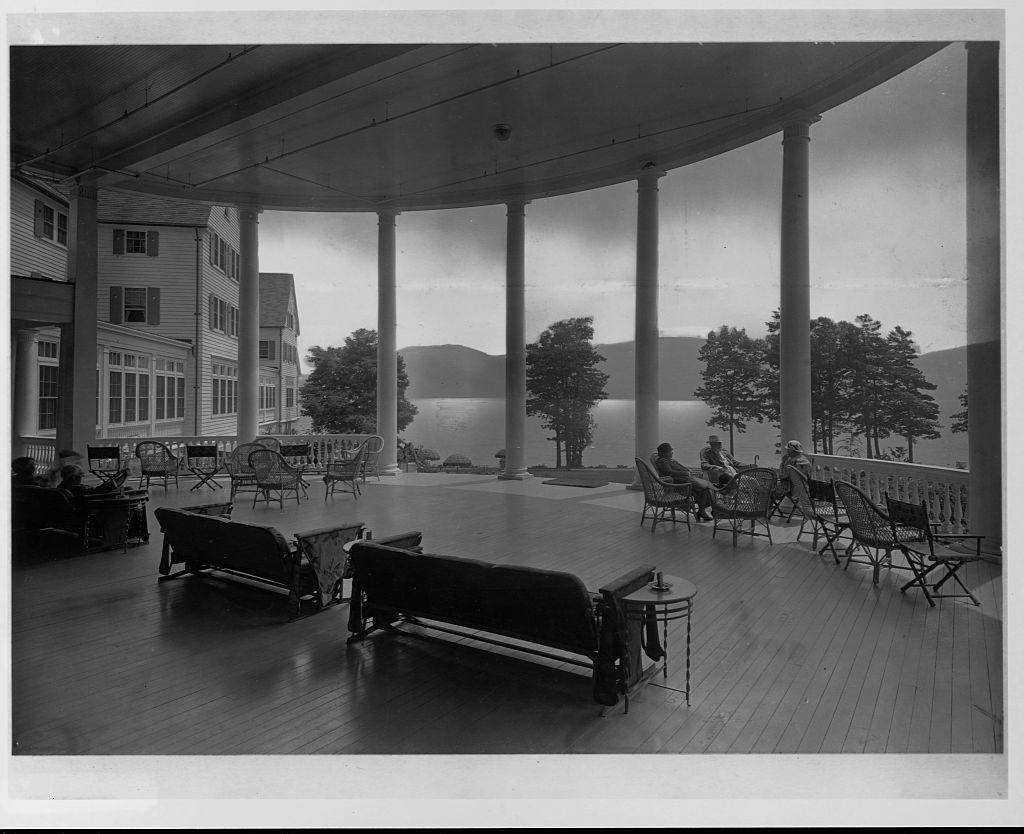
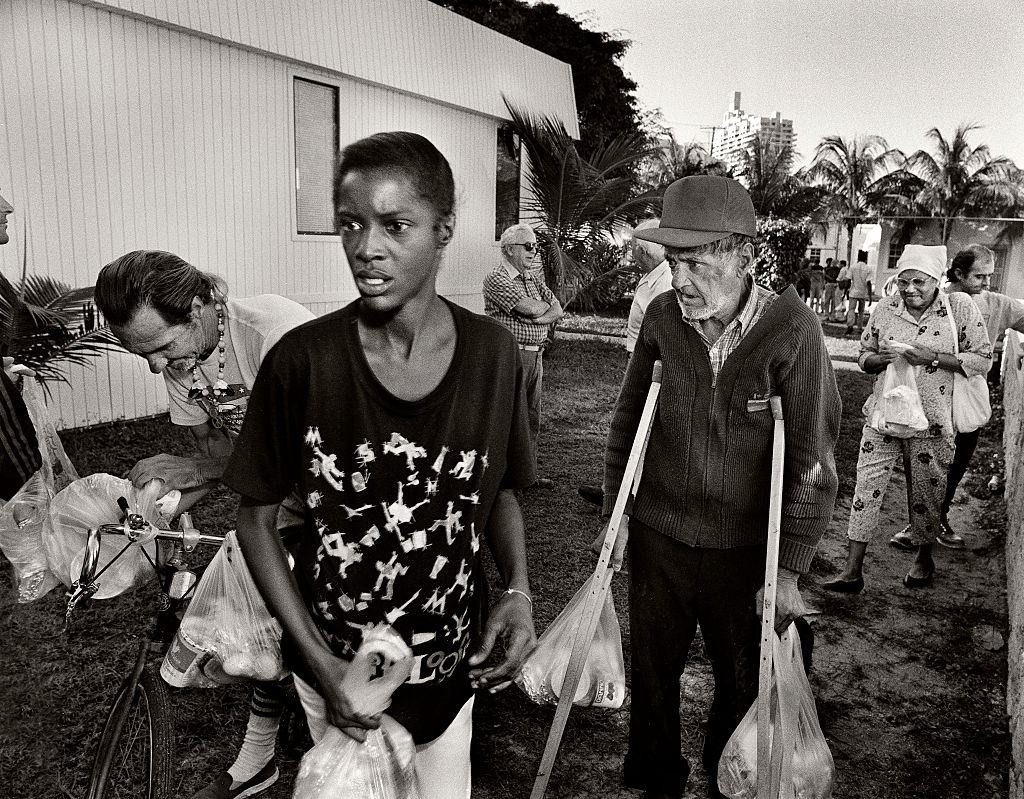
Elderly Jewish emigrants who had lived in Miami Beach since the mid-20th century sat on the porches of run-down guesthouses and dilapidated Art Deco hotels. For them, the transformation happening around them was something to observe rather than participate in. Church groups fed the homeless at South Point Park. A memorial to Officer Christopher Hoban stood at the Washington Avenue police station. Life here carried real weight.
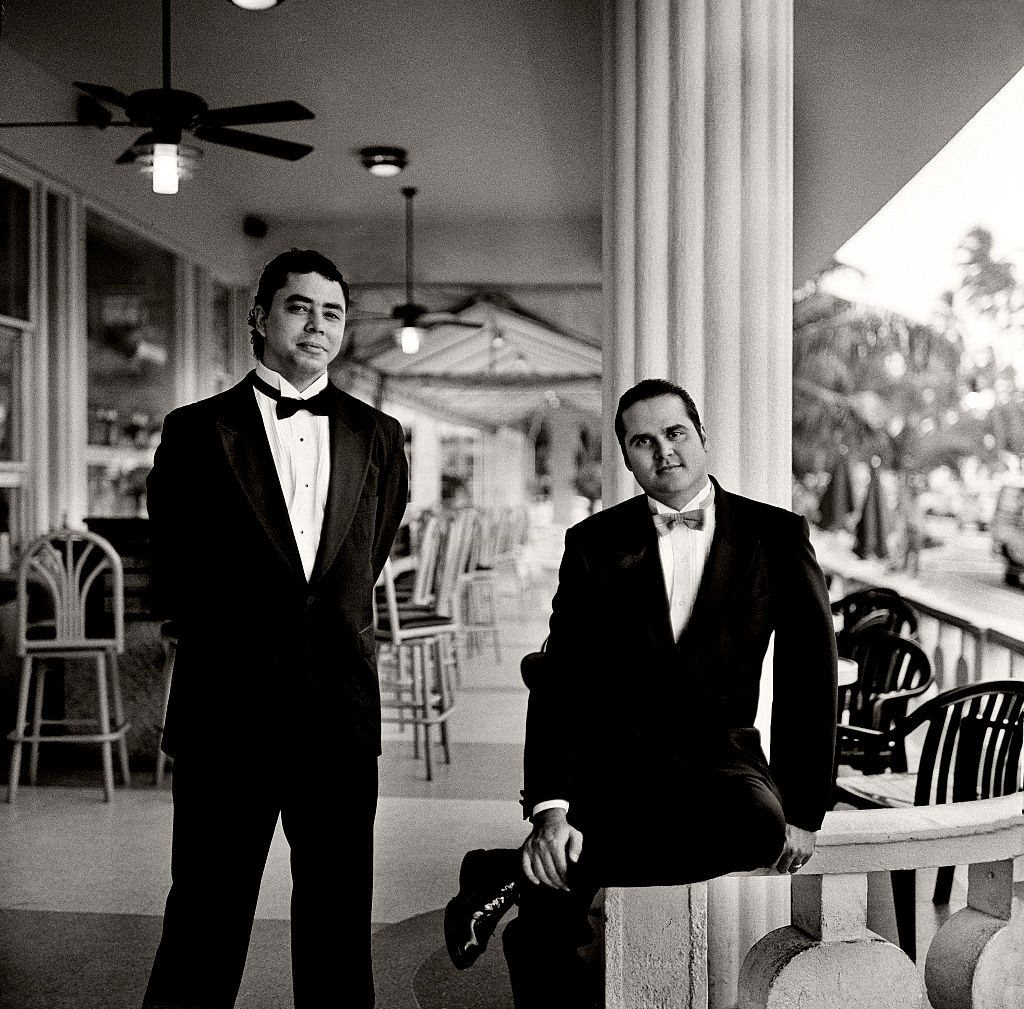
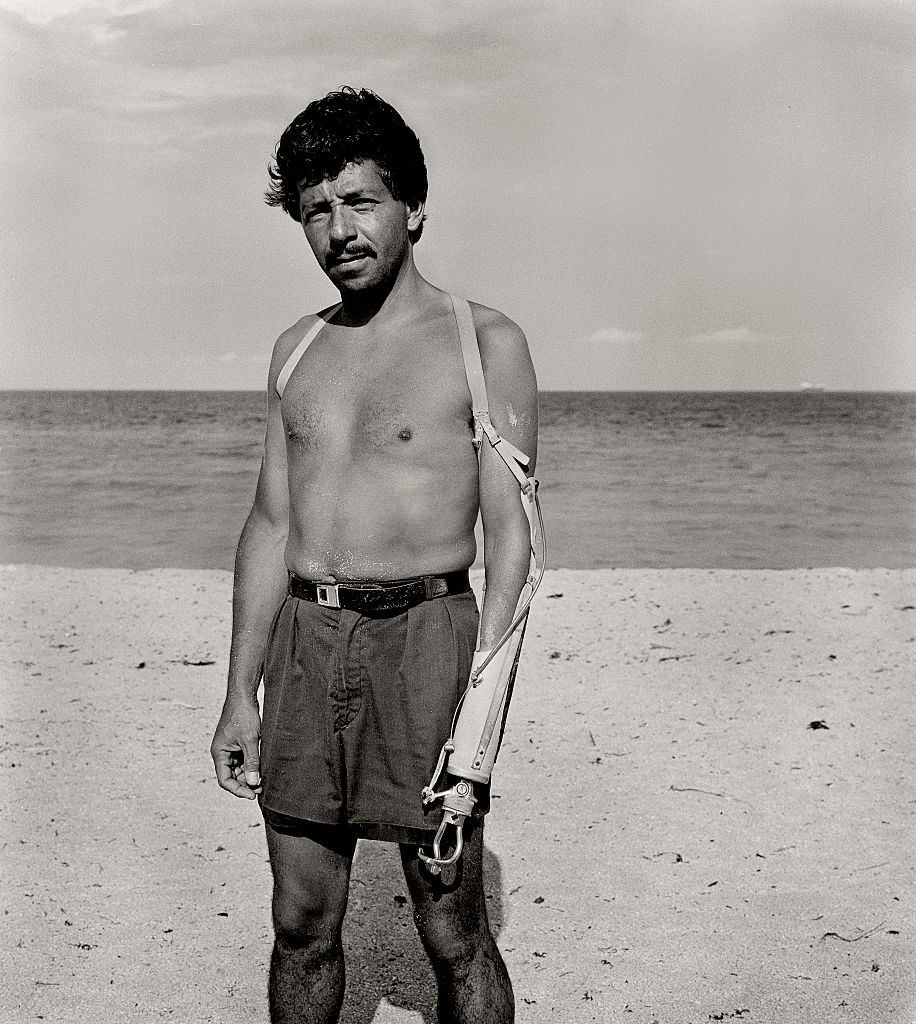
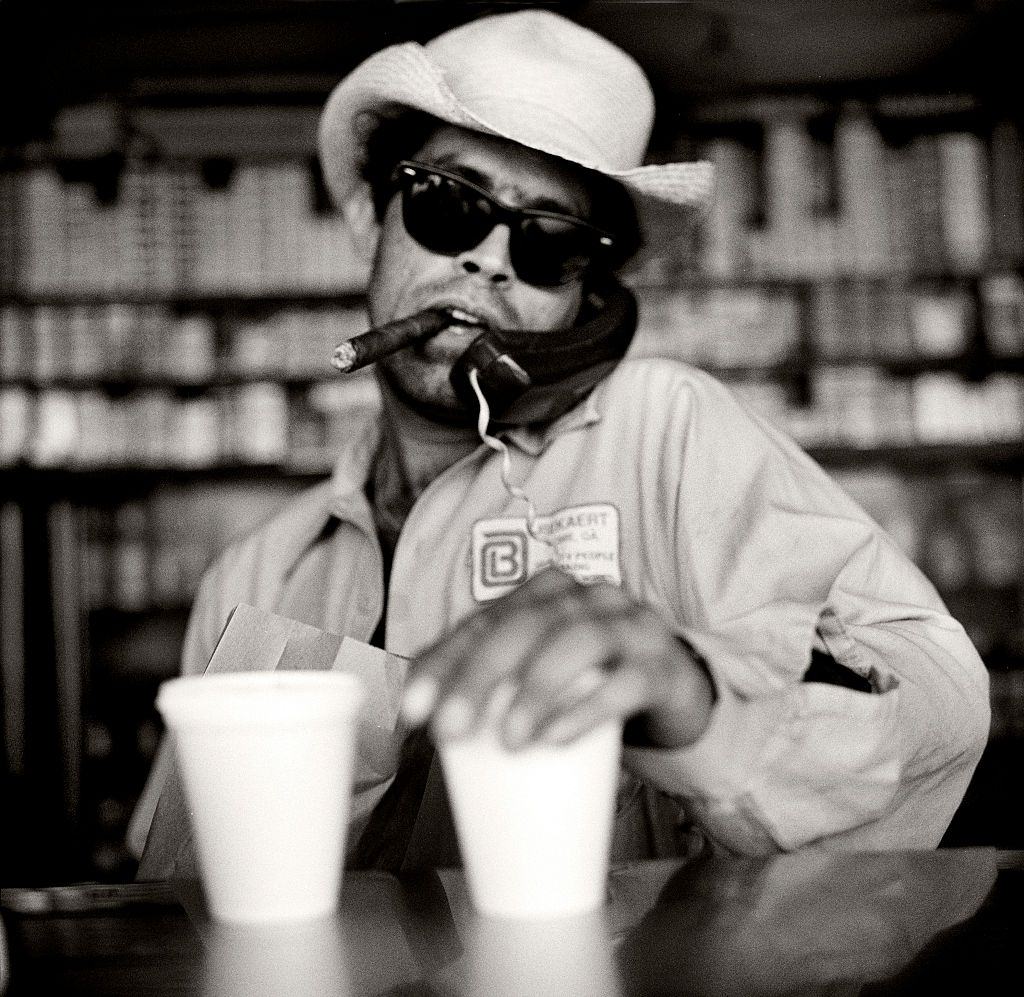
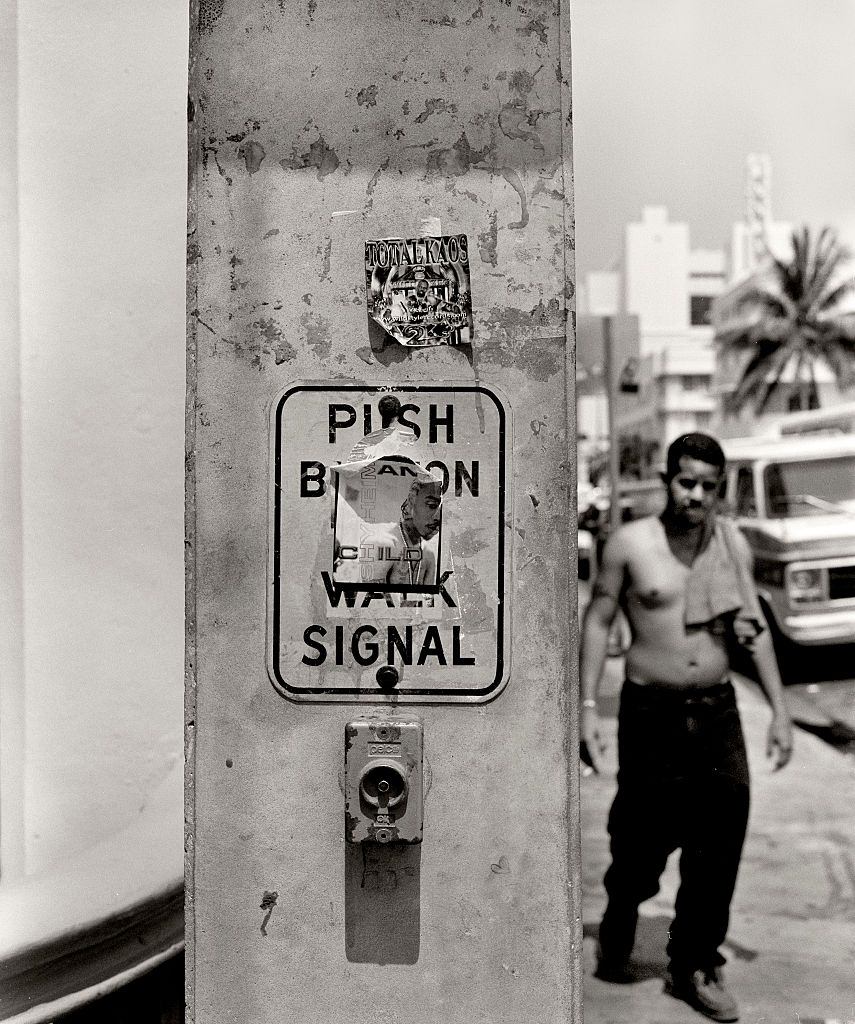
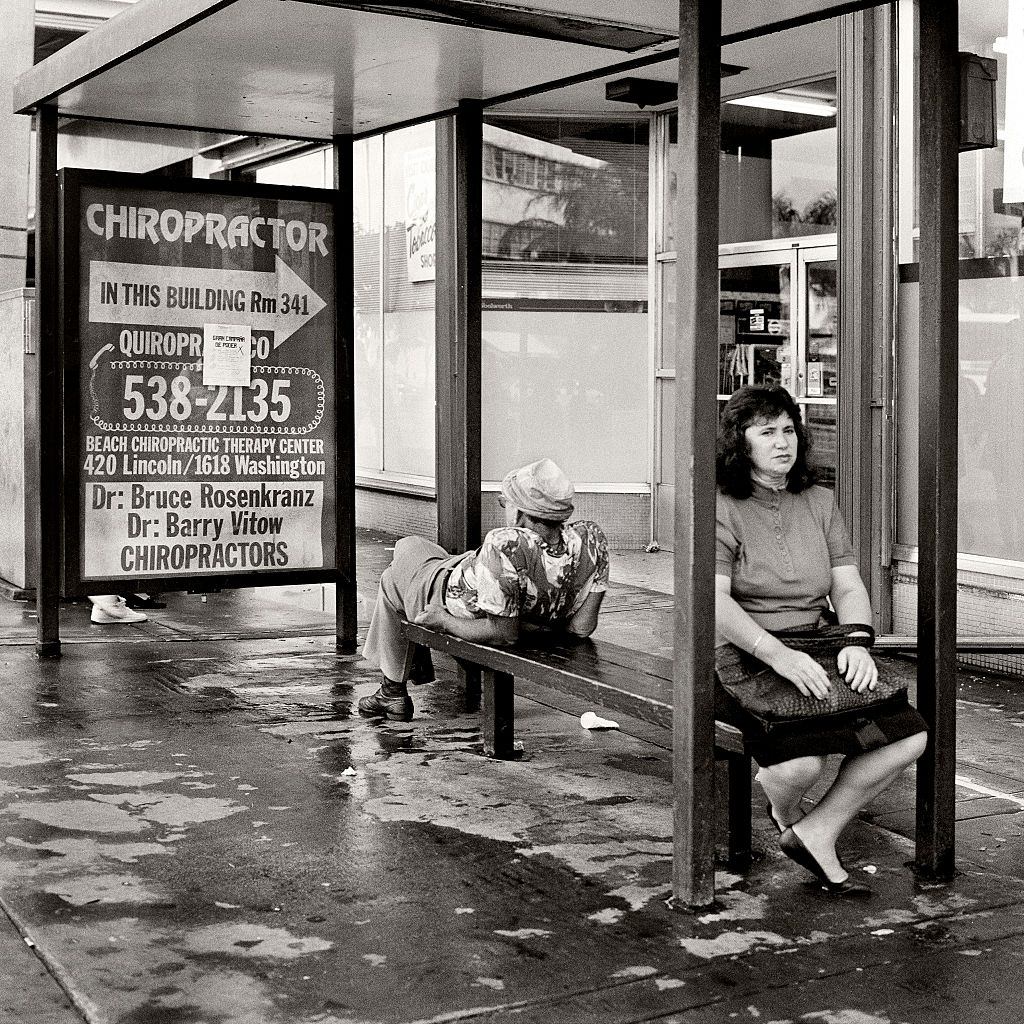
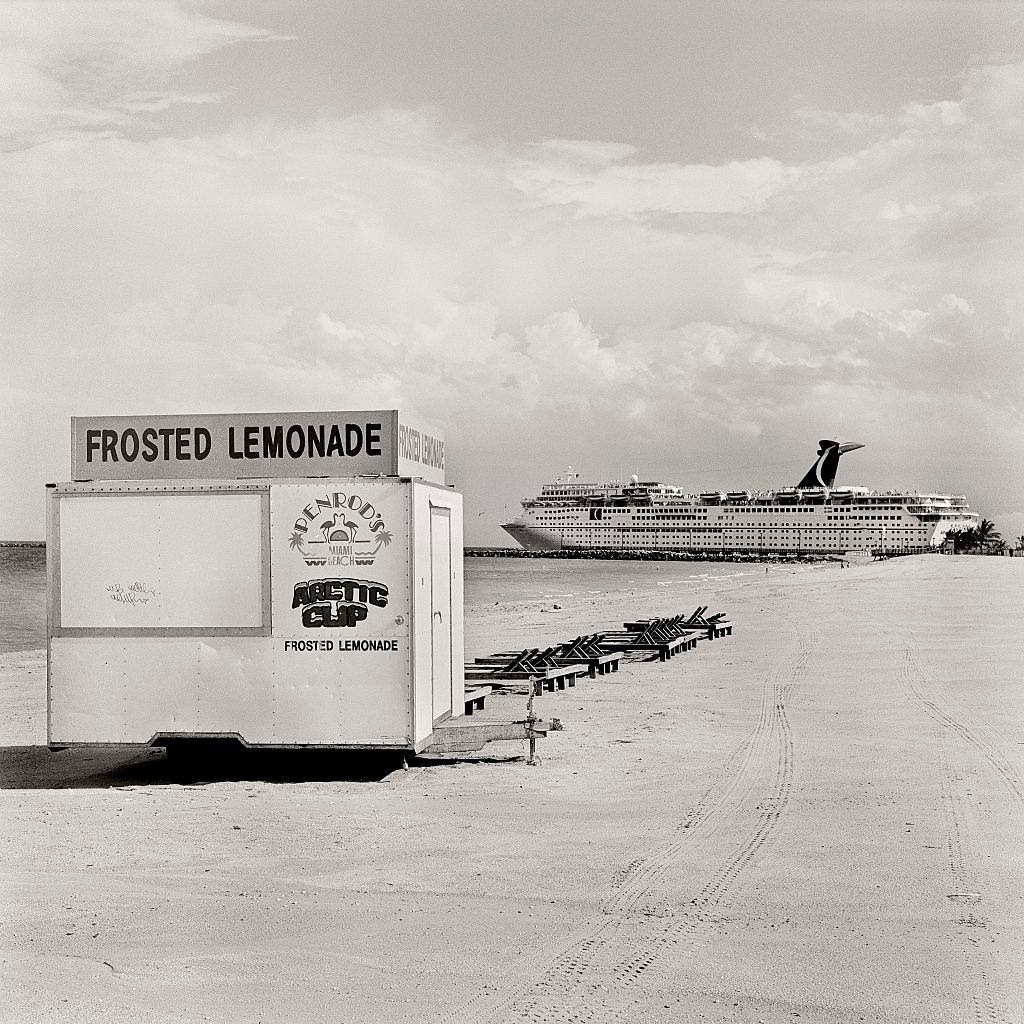
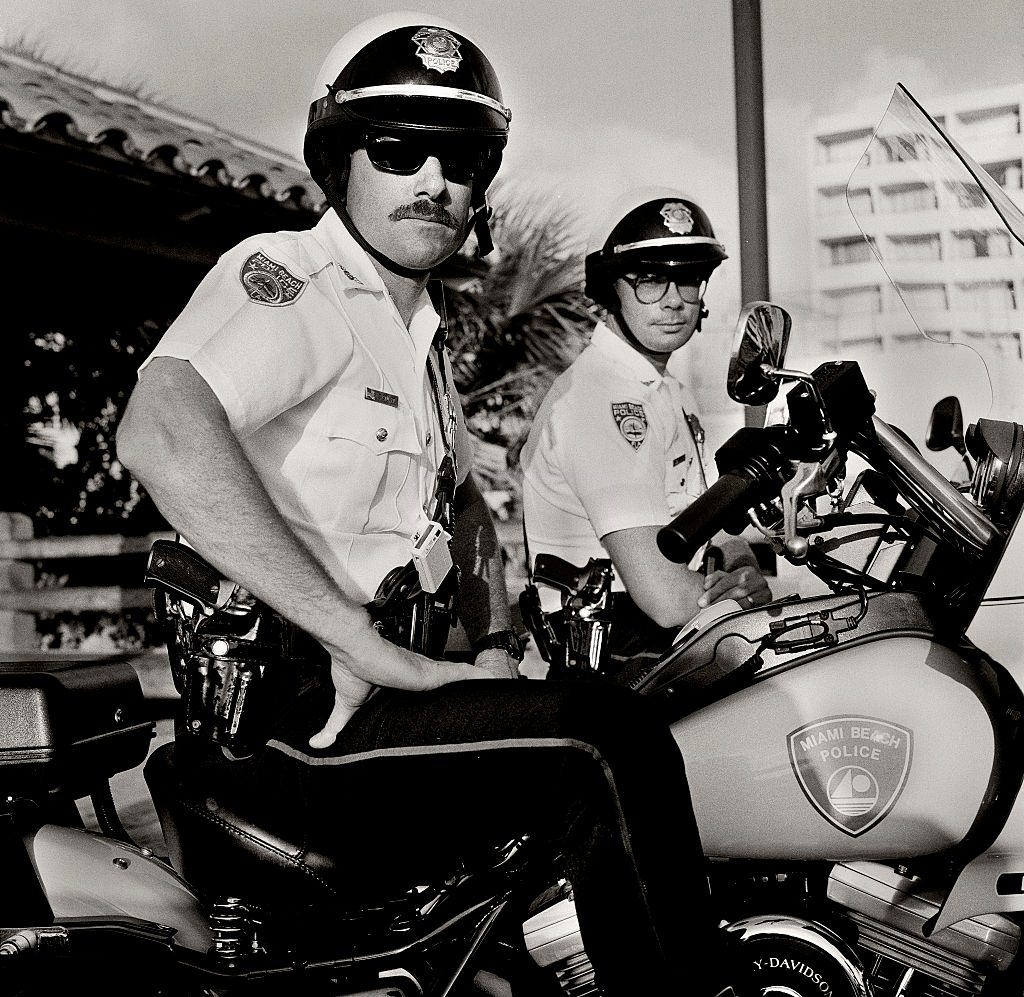
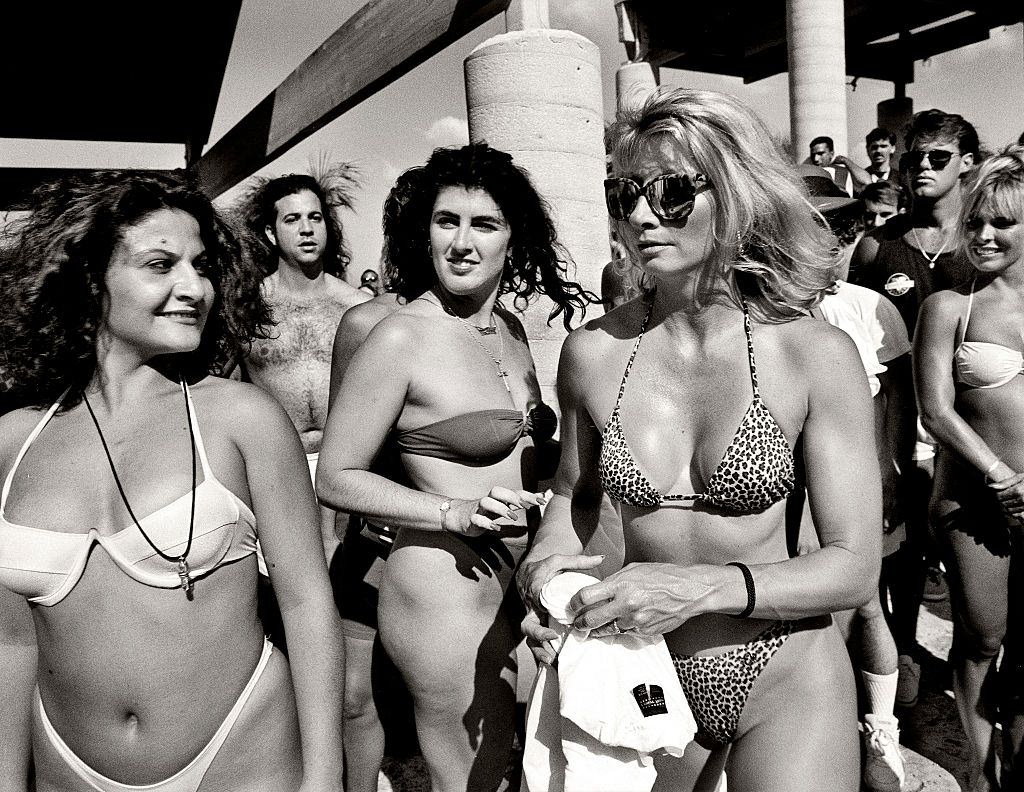
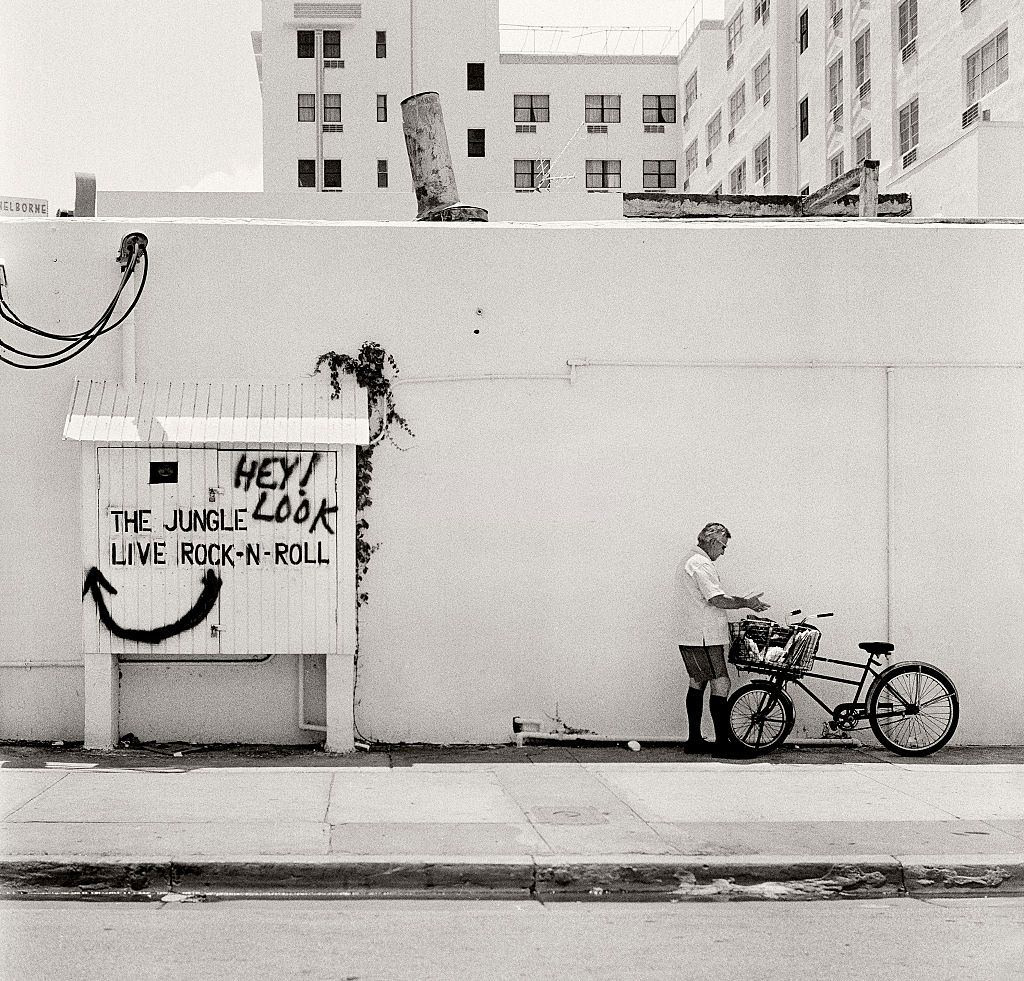
Penrod’s Beachside Bar on 1st Street filled up on Sunday afternoons with a crowd that mixed locals, tourists, and regulars. Motorcycle police patrolled Collins Avenue. A postman made his rounds in South Beach while stretched limousines idled nearby on Ocean Drive. The everyday and the extravagant existed side by side without much friction.
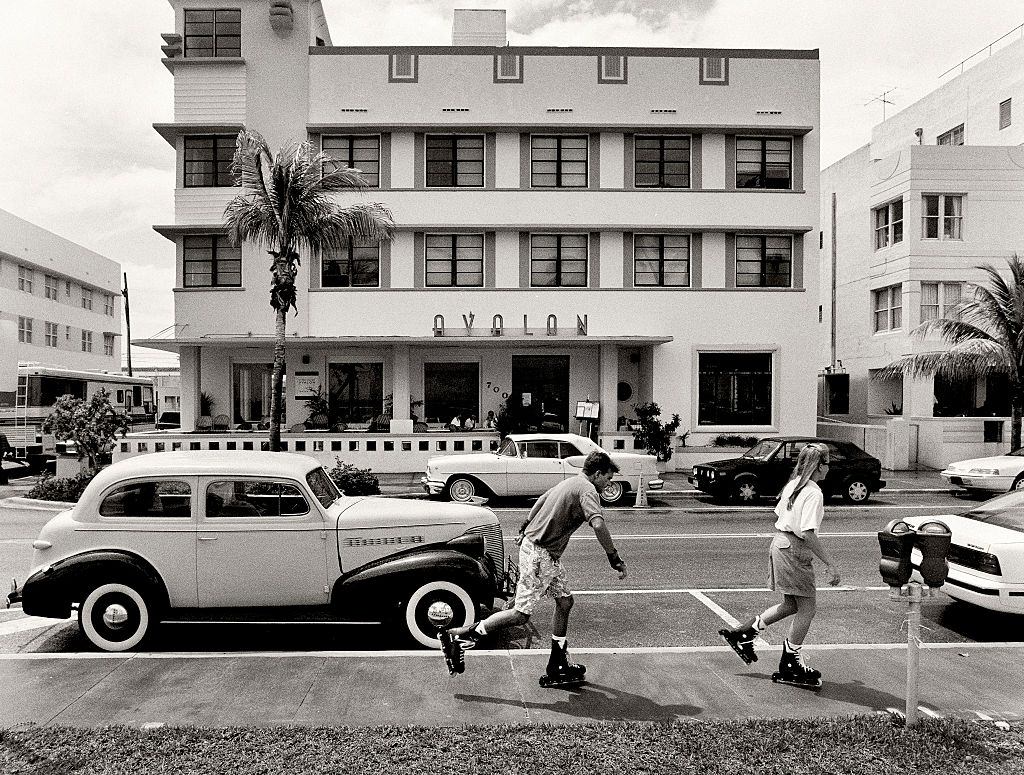
The Avalon Hotel on Washington Avenue stood as one of the most photographed Art Deco buildings in the neighborhood. Along Collins Avenue, older hotels like the Sahara in North Miami Beach continued to draw a more budget-conscious crowd, far from the glamour being packaged and sold further south. The two ends of the strip told the full story of Miami Beach better than any single image could.
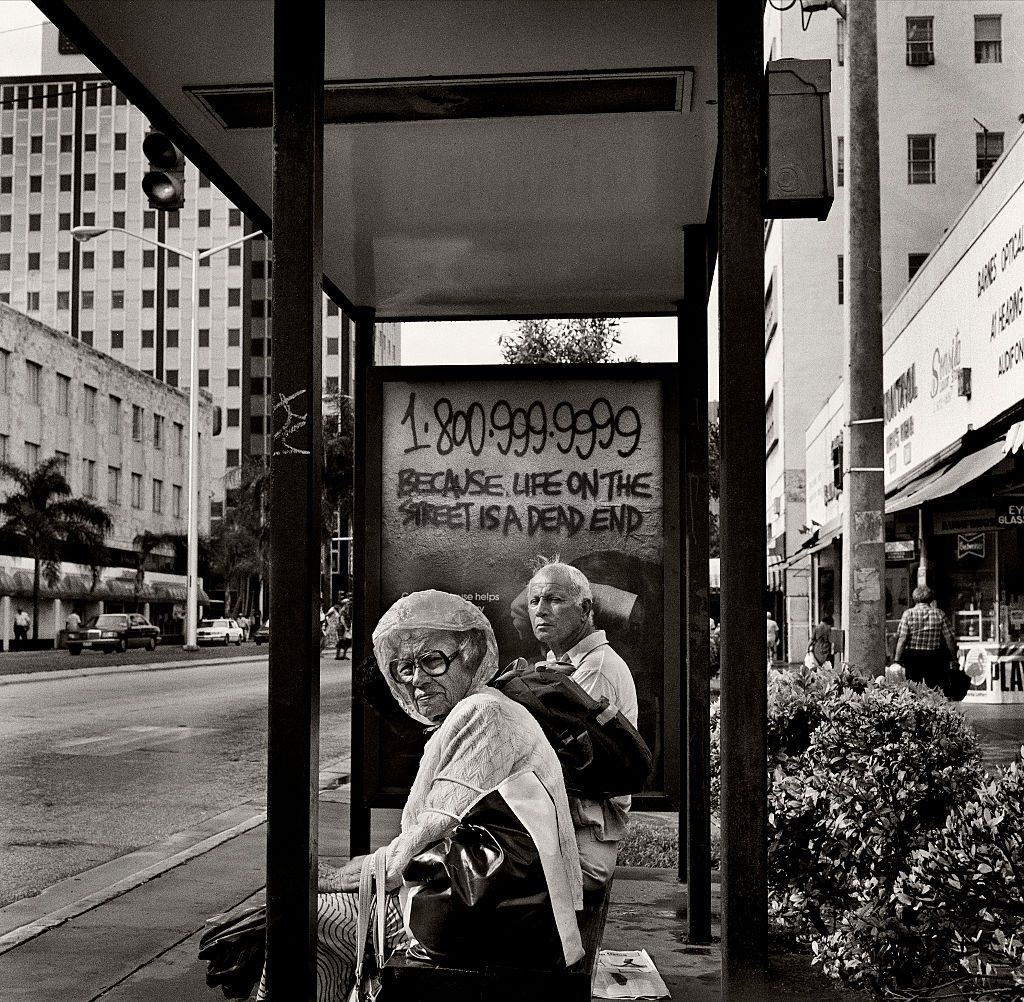
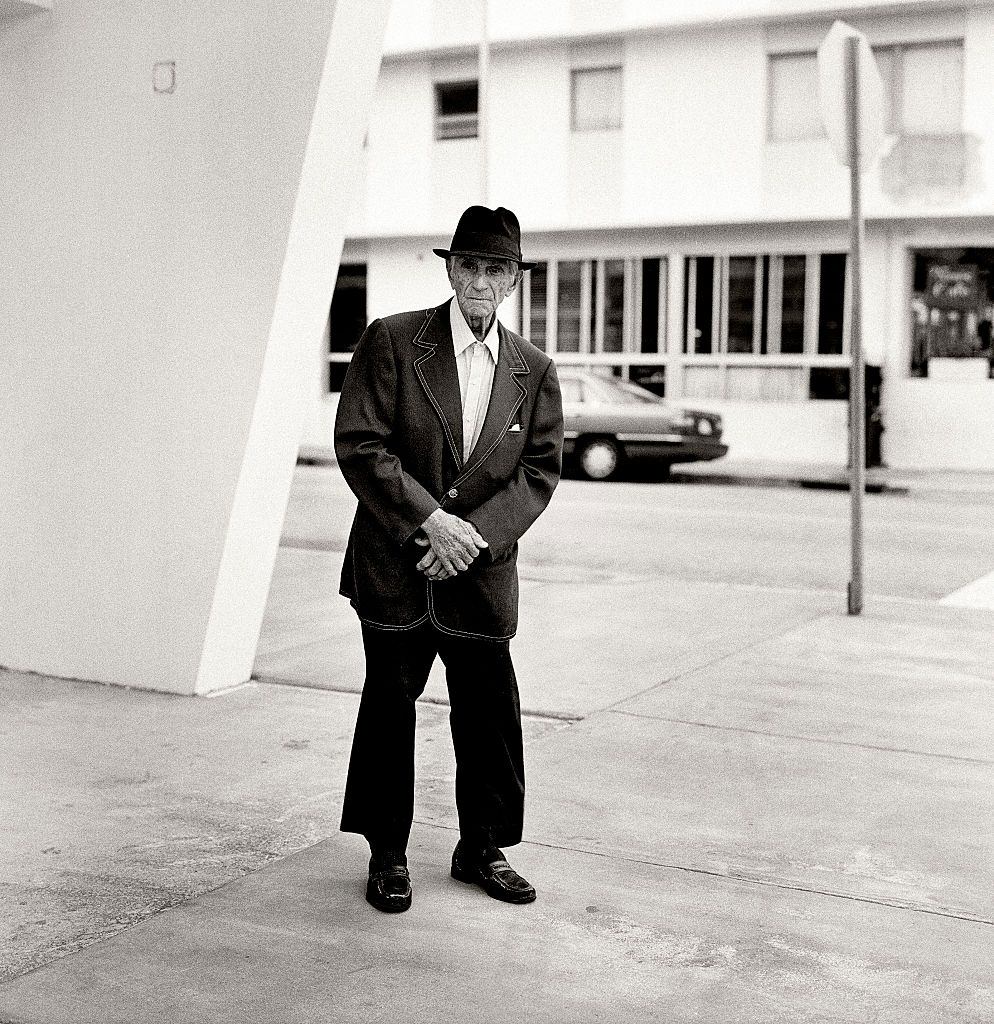
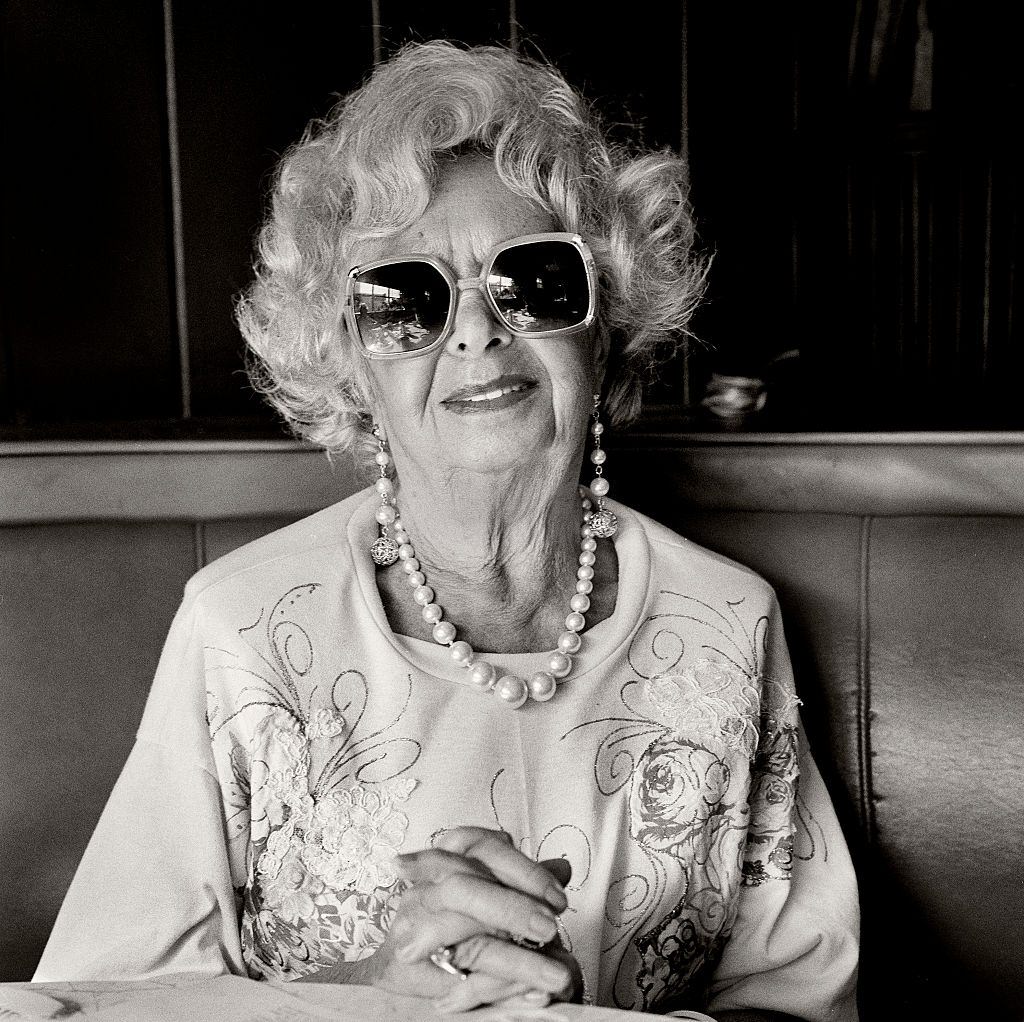
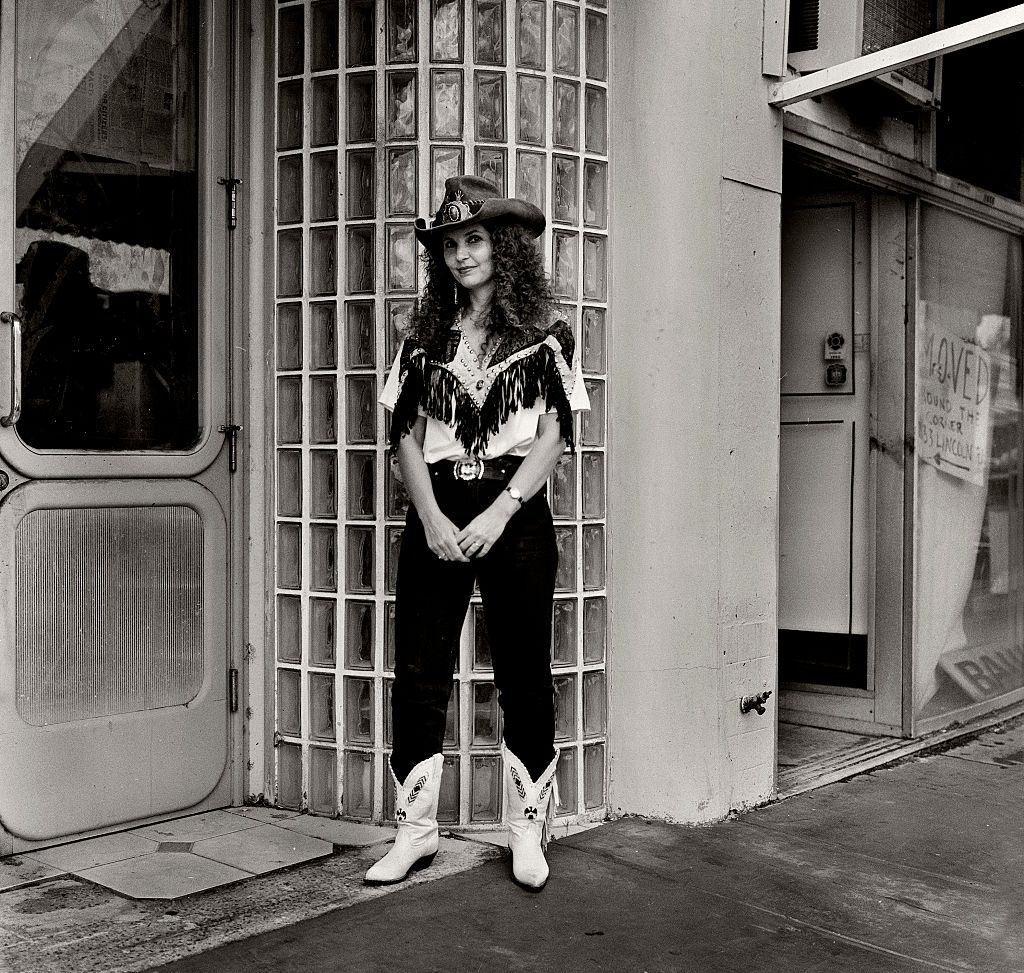
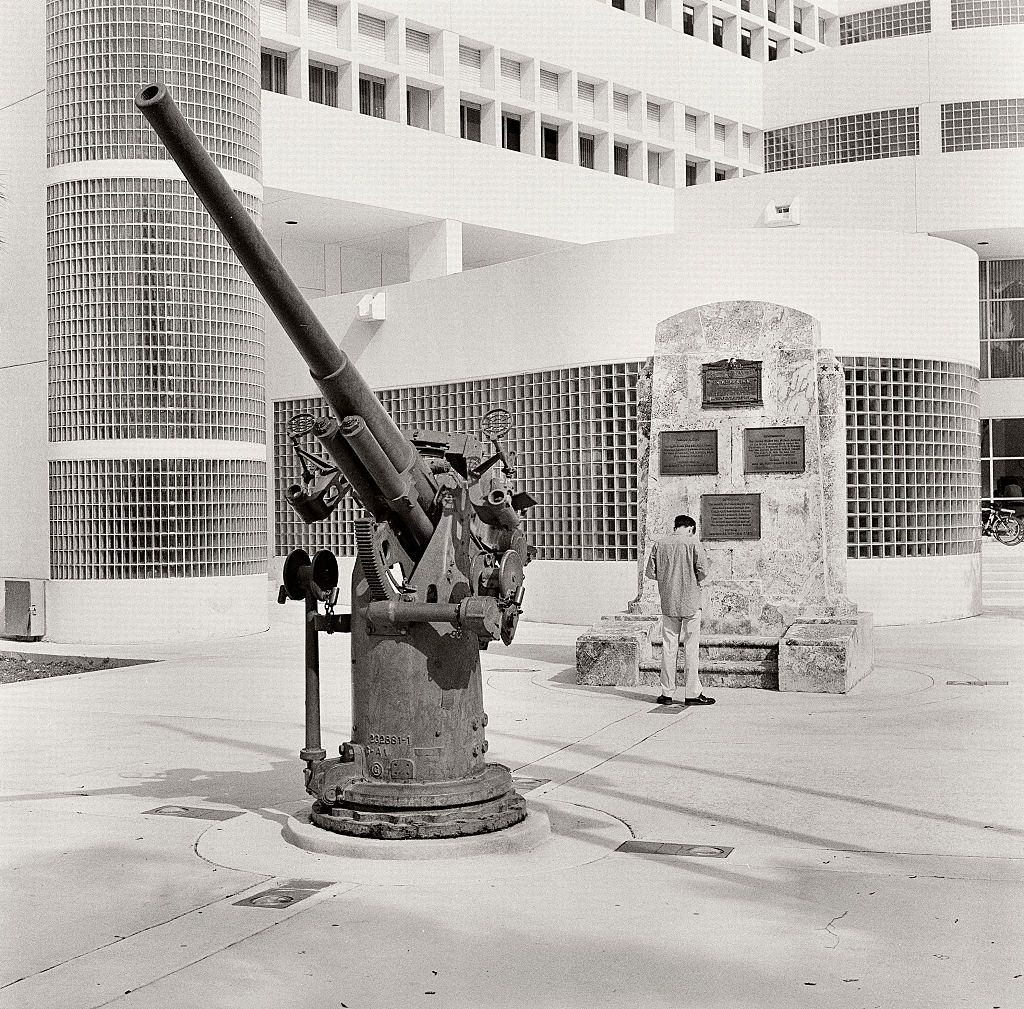
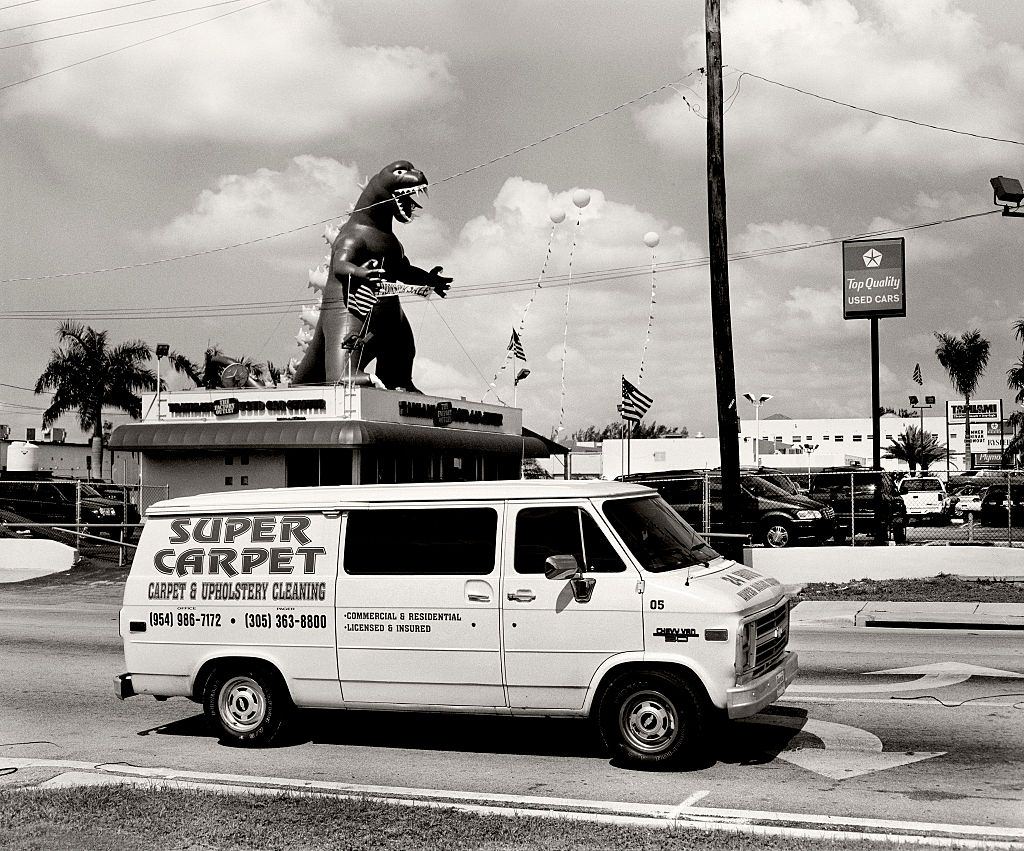
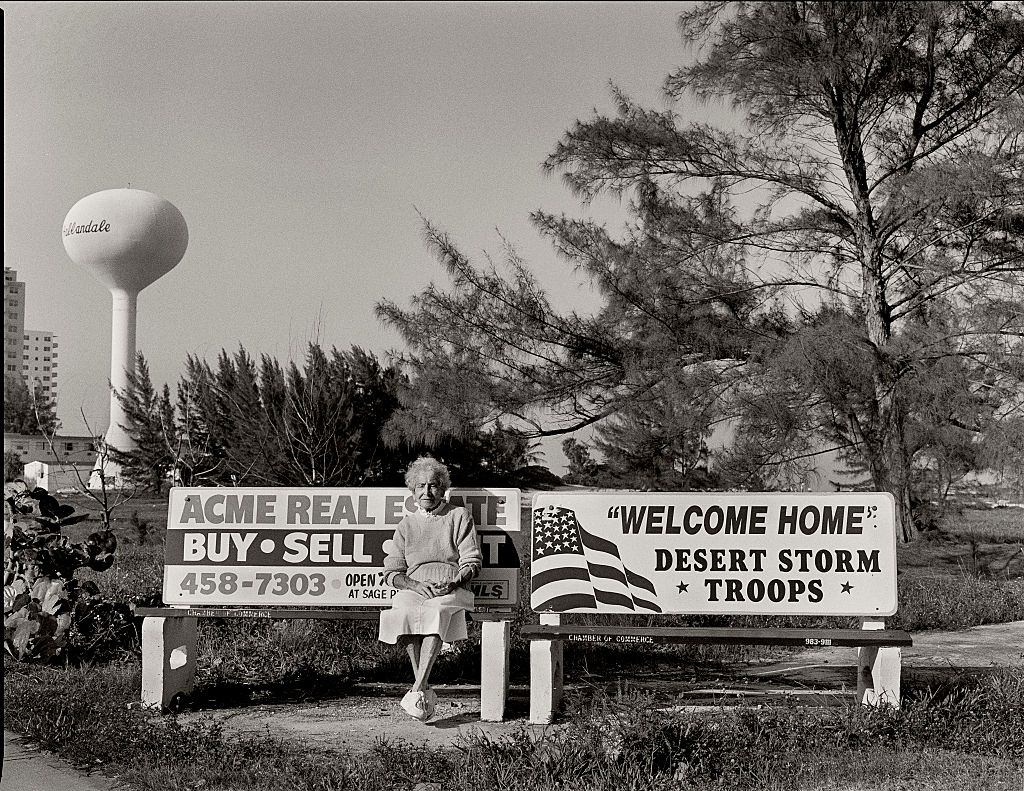
On Collins Avenue in Sunny Isles, a woman sat on a street bench beneath a sign reading “Welcome Home Desert Storm Troops,” a reference to the Gulf War’s end in 1991. The sign hung over a neighborhood that had seen many things come and go. Hollywood Beach, just north of Miami Beach proper, offered its own quieter version of the Florida coast — Atlantic waves rolling in on a Saturday evening while the city buzzed to the south.
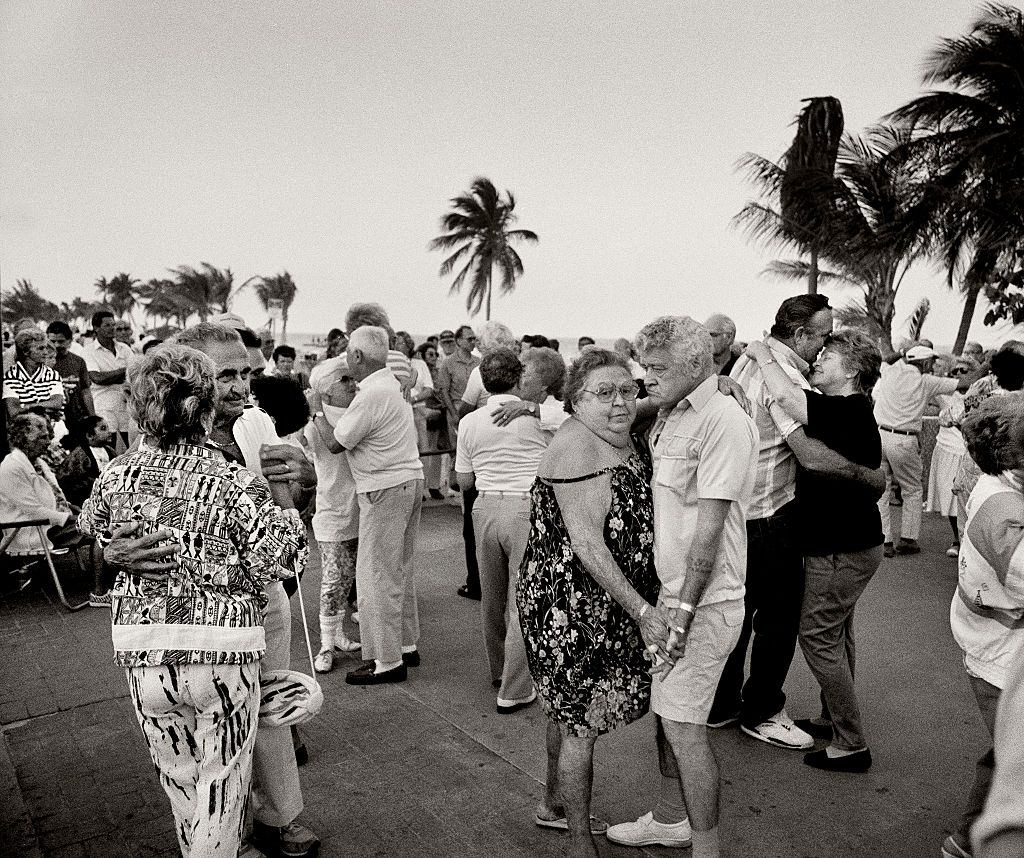
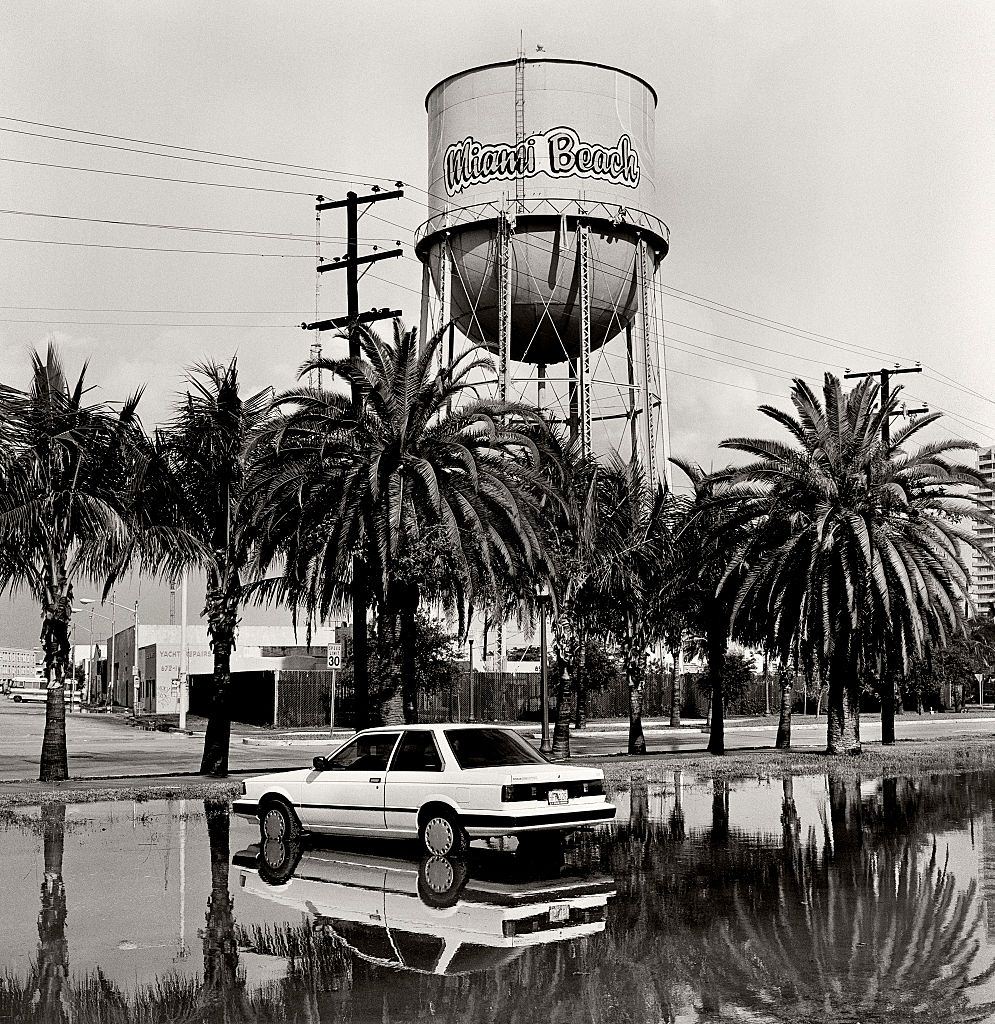
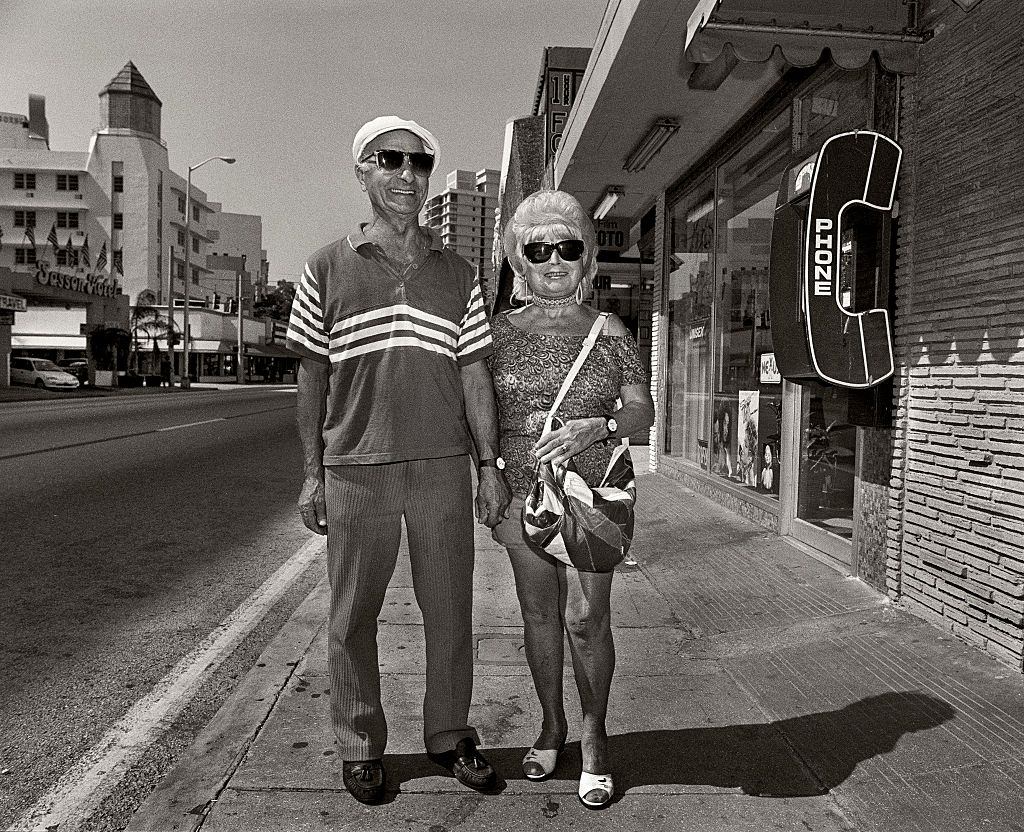
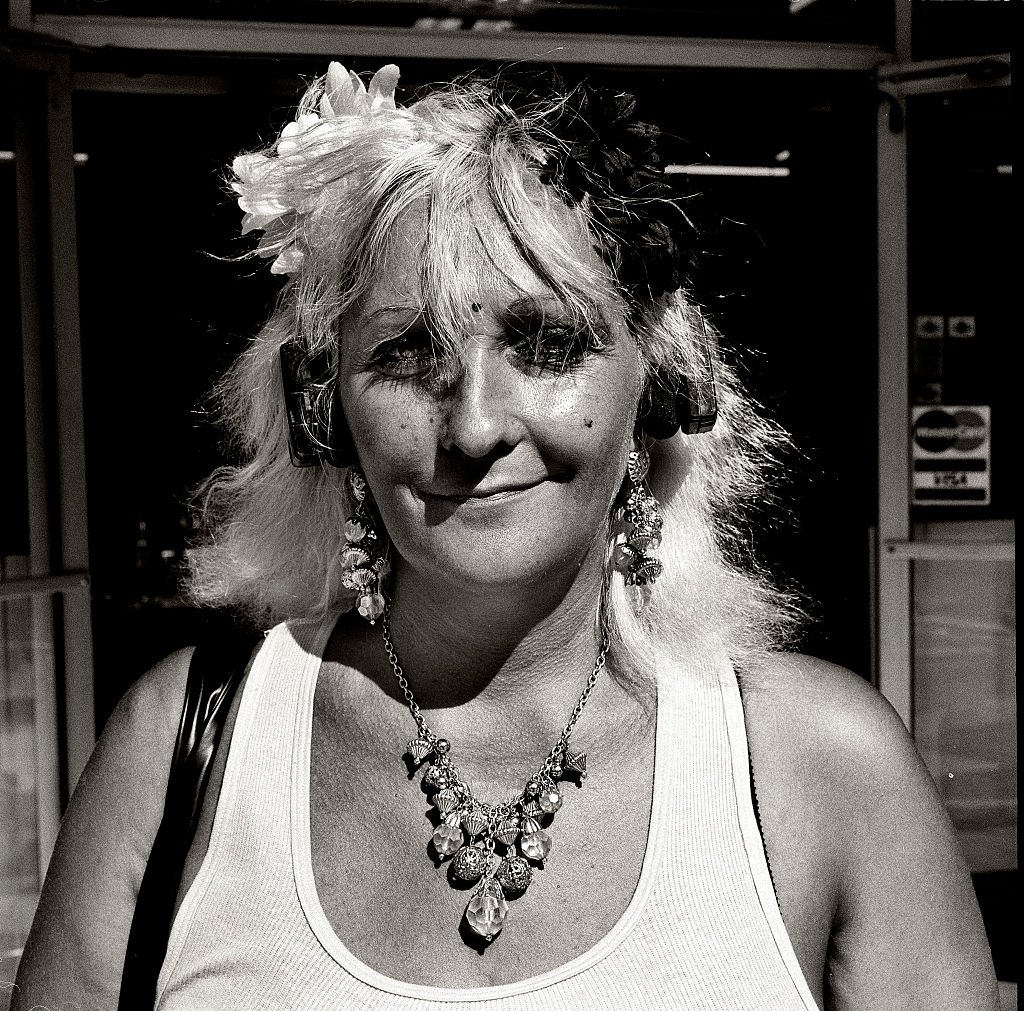
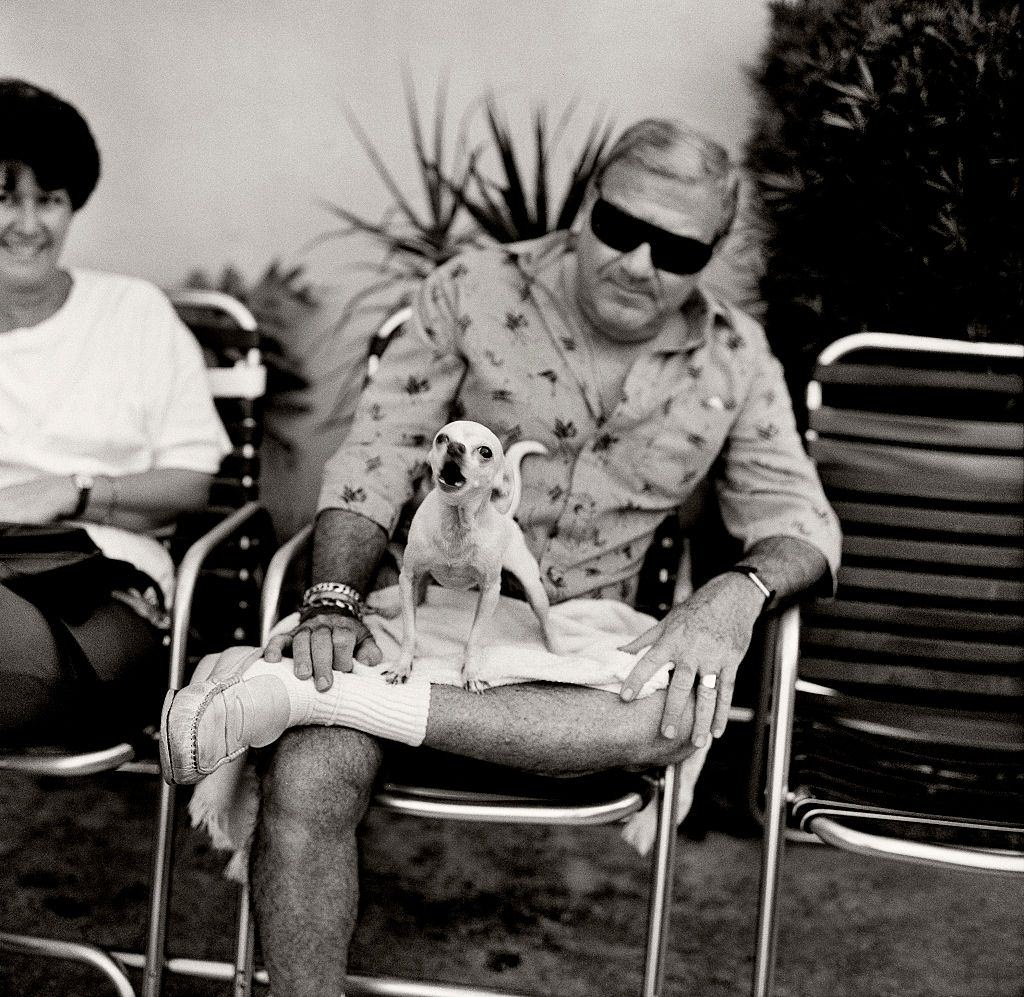
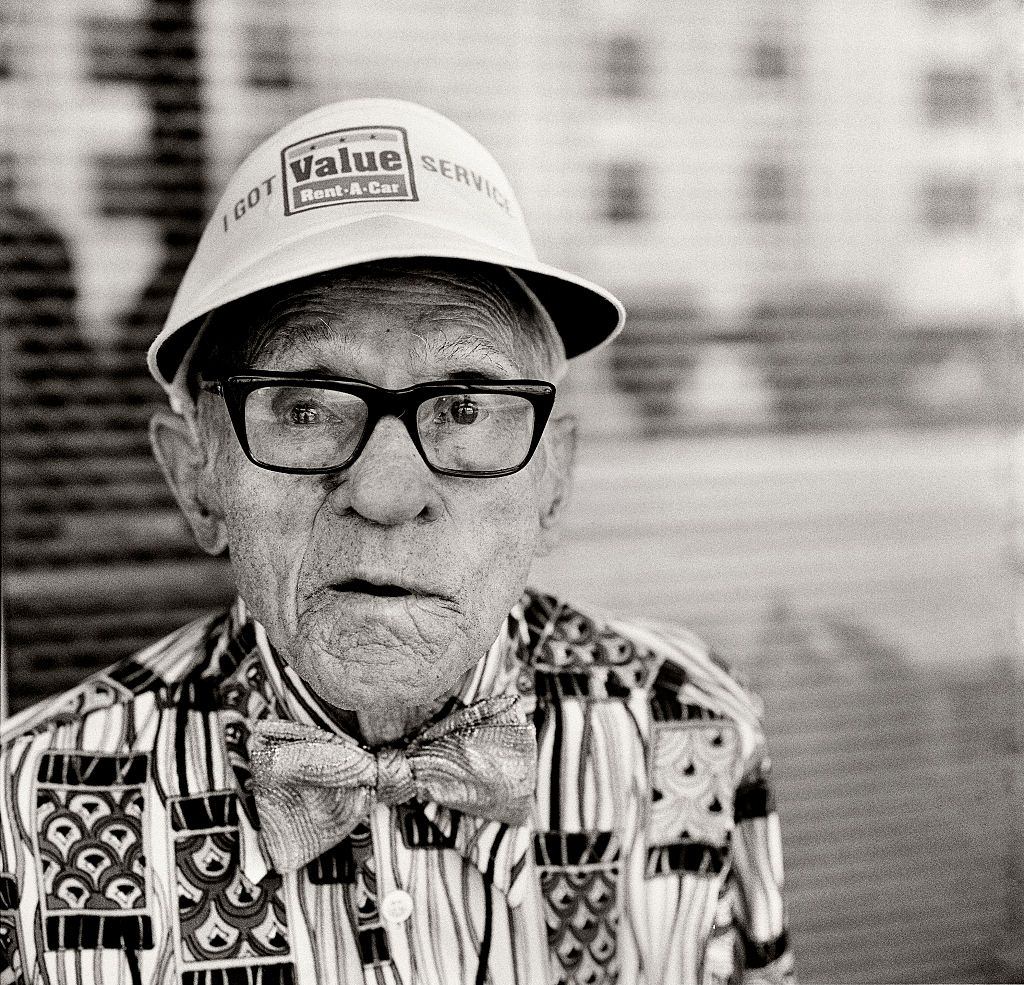
Retired garment manufacturer Marvin Josephs and figures like him were part of the fabric of Miami Beach that the fashion industry never photographed. They lived in the same zip code as Jack Nicholson’s beach parties and supermodel volleyball games, but they occupied a completely different Miami Beach — one built on decades of routine, community, and familiarity.





Cool pics, but why so many about that judge? It just seems like the photographer had a session with the guy or something. Anyway…
Why the hell are they in black and white?
During the 90’s, film photography started to die and digital photography began to bloom…the world was in color.
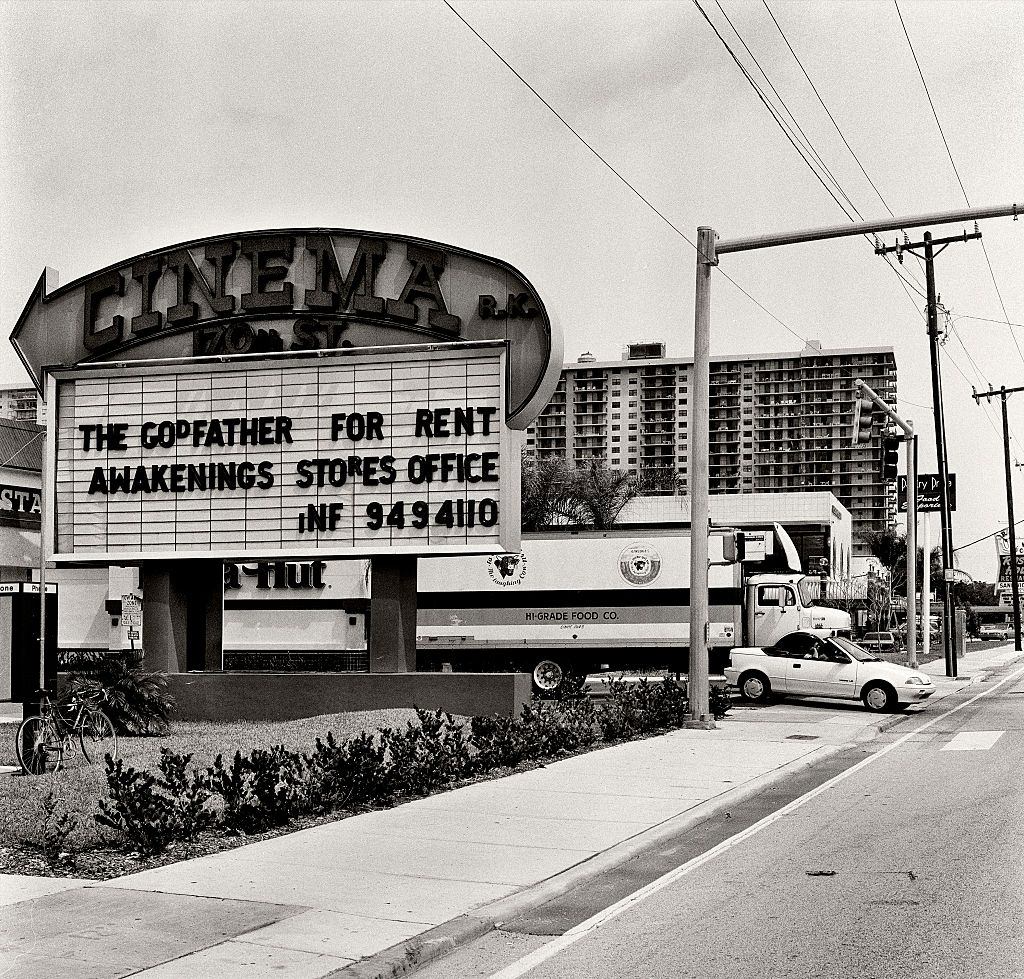
Nobody had black and white cameras >1989 they converted it to B&W. Nothing looks more cringey than someone trying to make a 1993 Geo Metro convertible look cool with a B&W filter. Nothing can make a Geo metro look cool.
They 100% still made black and white film in the 1990’s. I used it in photography class.