
Mexico in the 1950s was a country on the move. The economy was growing at over 6 percent per year, one of the fastest rates in the world at that time. People were leaving farms and small villages in large numbers, flooding into cities in search of jobs and a better life. By the late 1950s, this energy brought Adolfo Lopez Mateos to the presidency, a leader who would shape the country through one of its most dynamic decades.
The photos in this collection capture that world in vivid color. They weren’t preserved in a museum or a government archive. They were bent, dusty, underexposed, and headed for the trash. A restorer known as Vieilles Annonces rescued them and brought them back to life, giving us a rare window into a Mexico that most people today have never seen.
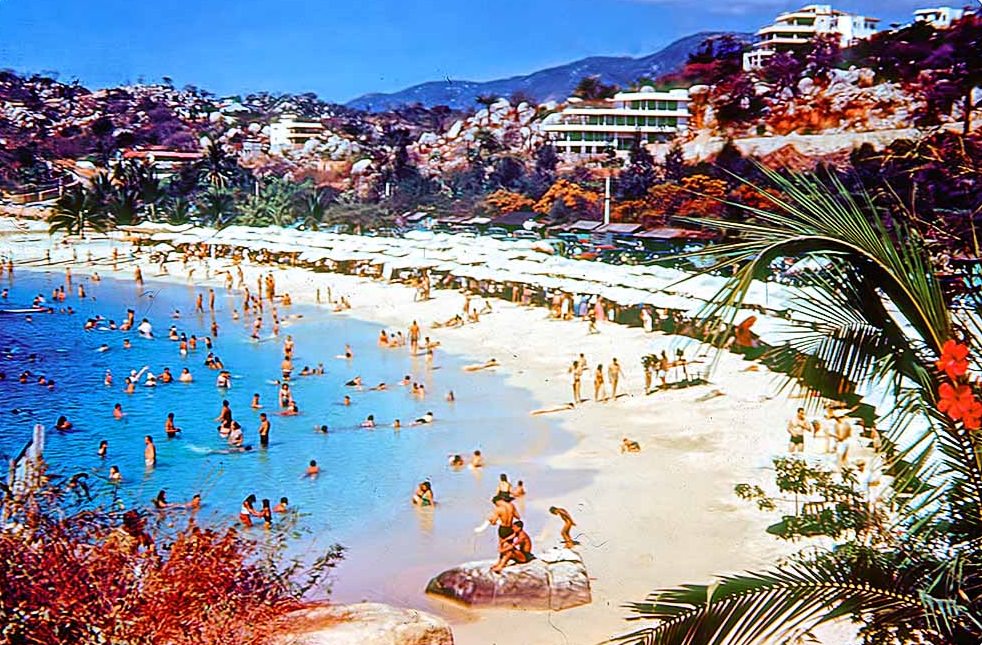
Acapulco was already drawing visitors to its Pacific shores in the mid-1950s. The beach at Caletilla, a smaller cove just south of the main bay, offered calm waters and a lively atmosphere that made it a favorite spot for both locals and tourists.
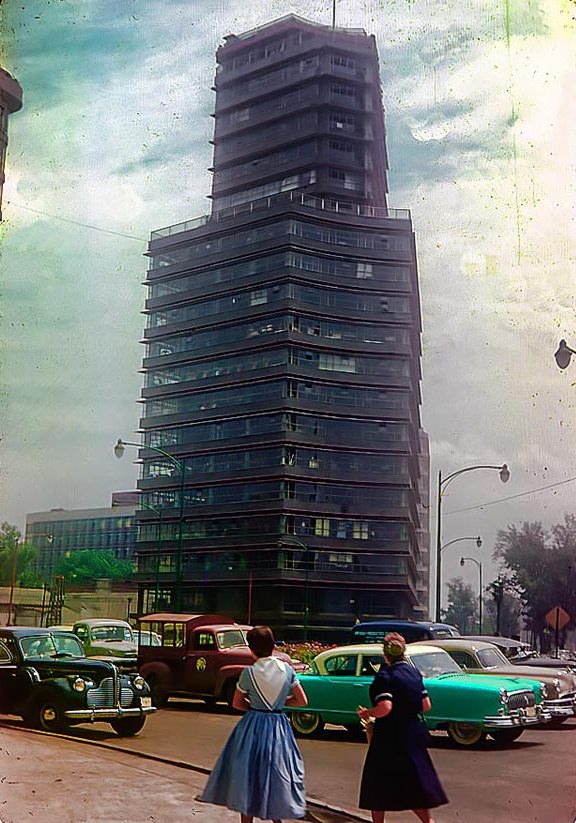
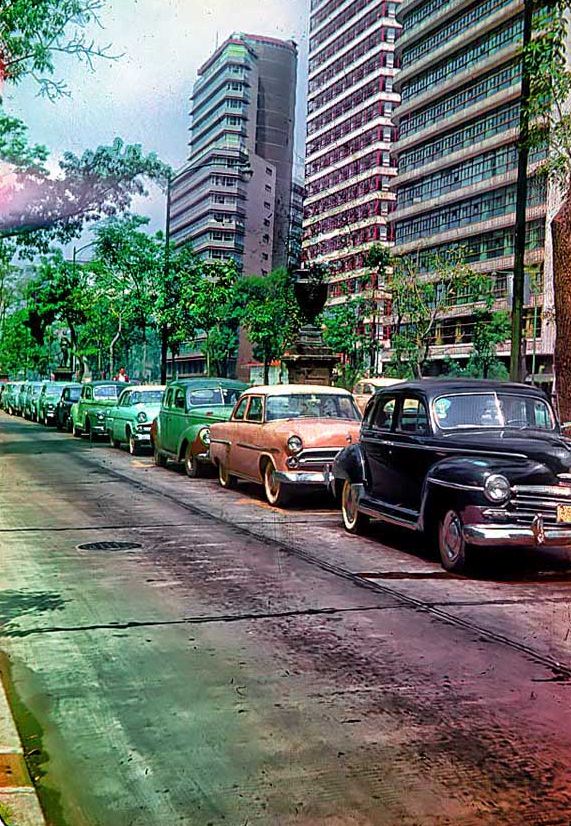
In Mexico City, Paseo de la Reforma was the spine of modern urban life. Modeled after the grand boulevards of Europe, it was lined with buildings, monuments, and traffic that reflected the city’s growing ambition. These photos along Reforma show the street in its mid-century prime.
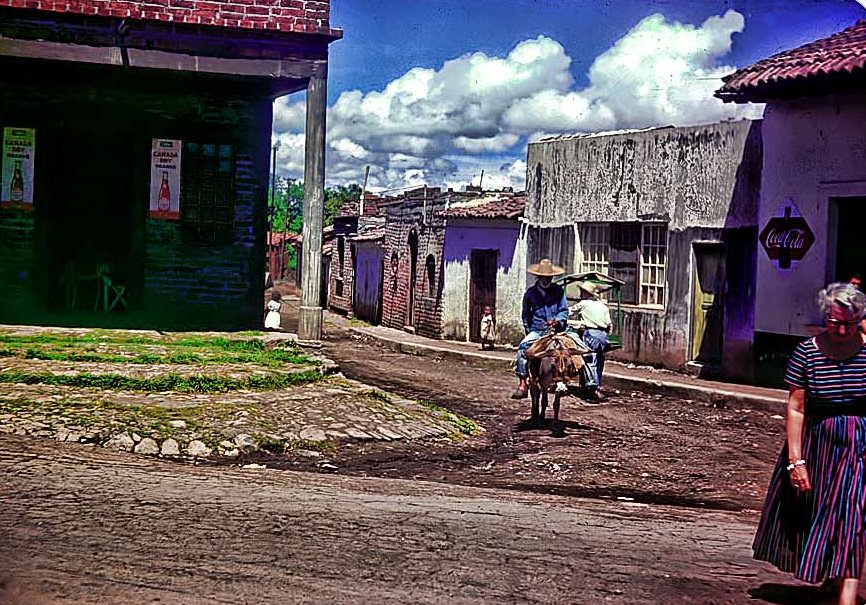
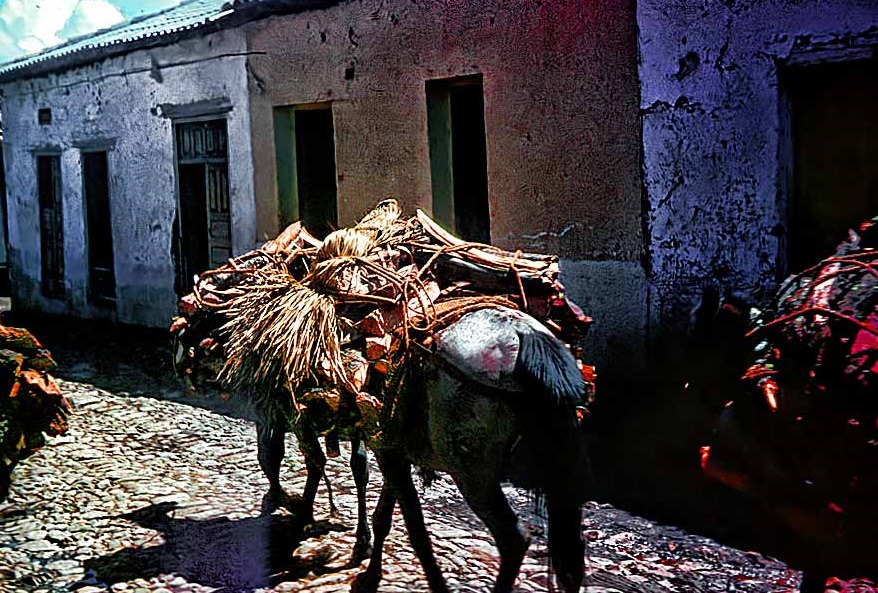
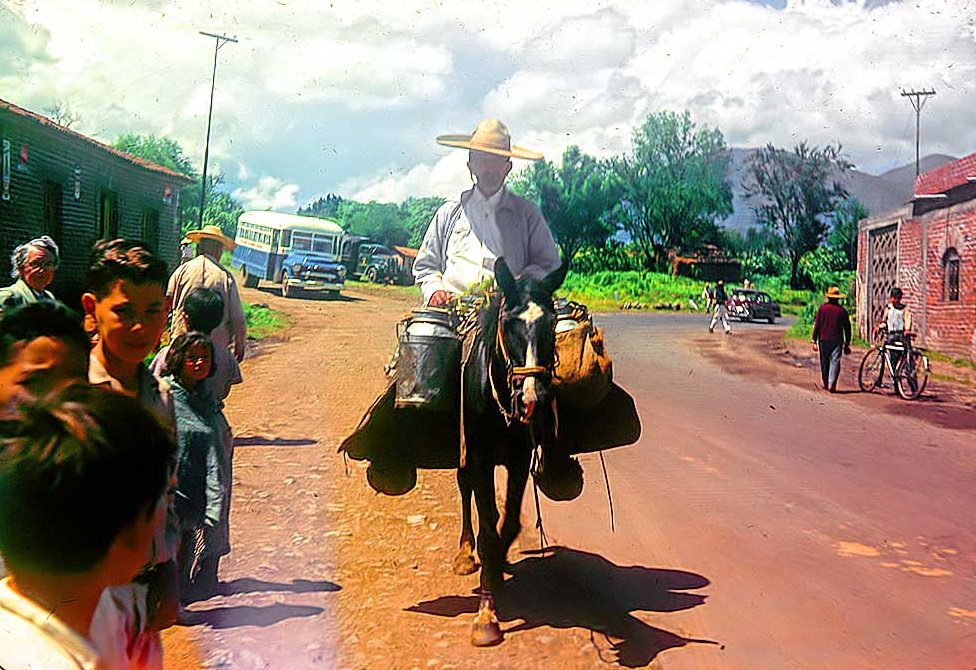
Not everything moved at the pace of the city. In smaller towns and rural areas, burros were still a common sight on the streets, carrying loads of firewood or goods to market. The contrast between traditional life and modern commerce — like a Coca-Cola sign next to a working burro — was a defining feature of 1950s Mexico.
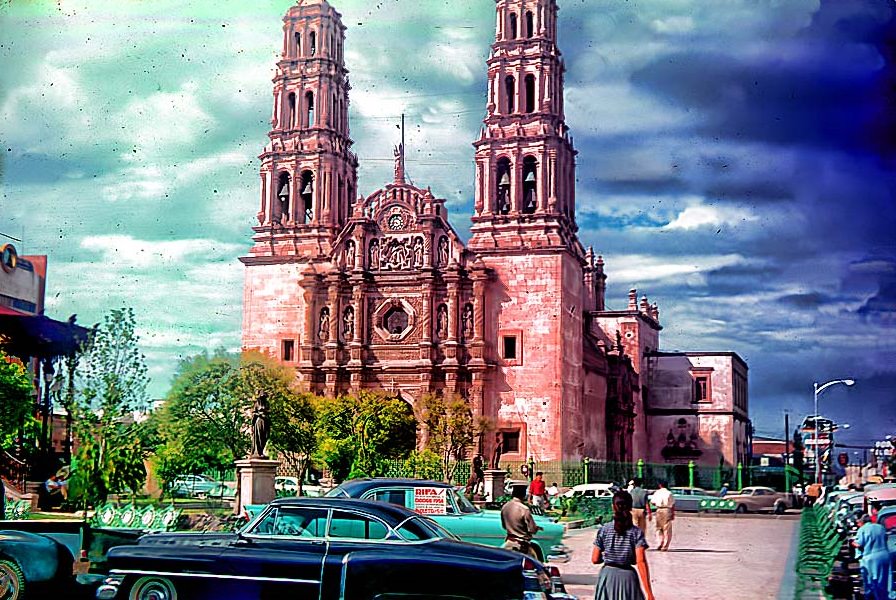
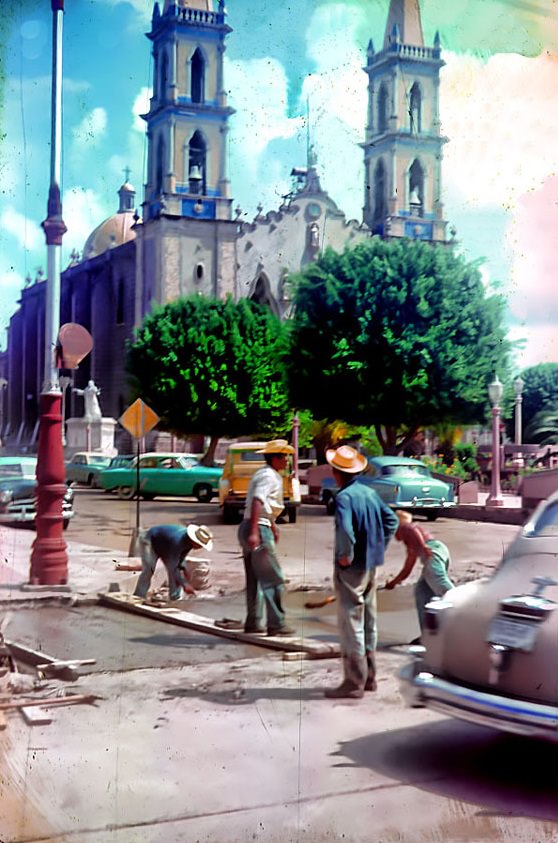
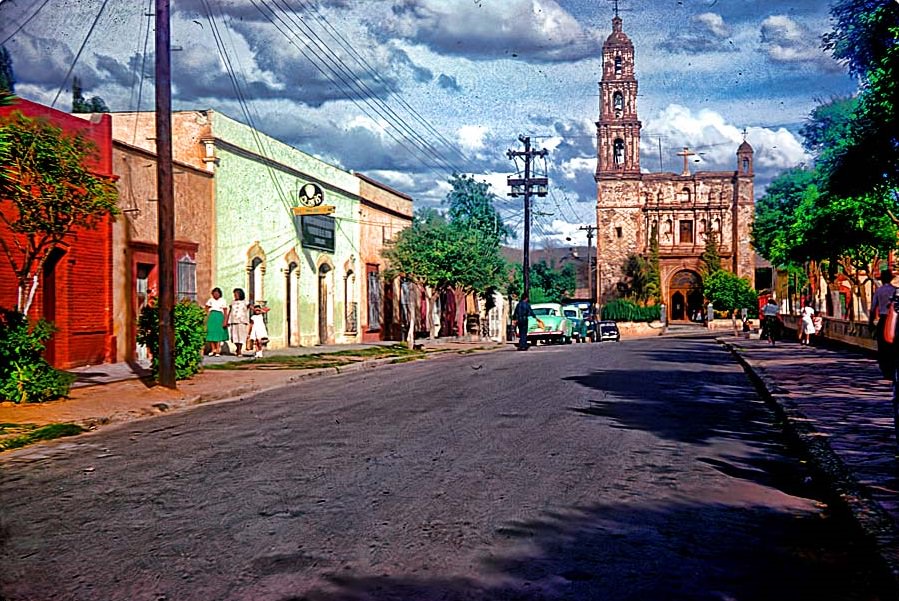
Religion remained central to Mexican life throughout the decade. Cathedrals stood at the heart of nearly every city and town, from the northern desert state of Chihuahua to the Pacific port of Mazatlán. These buildings weren’t just places of worship — they were the anchors of community life.
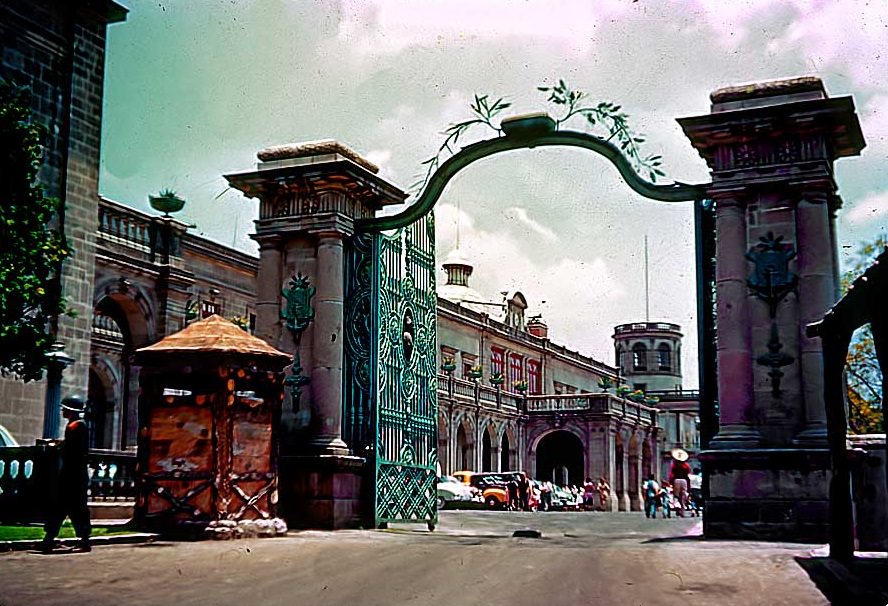
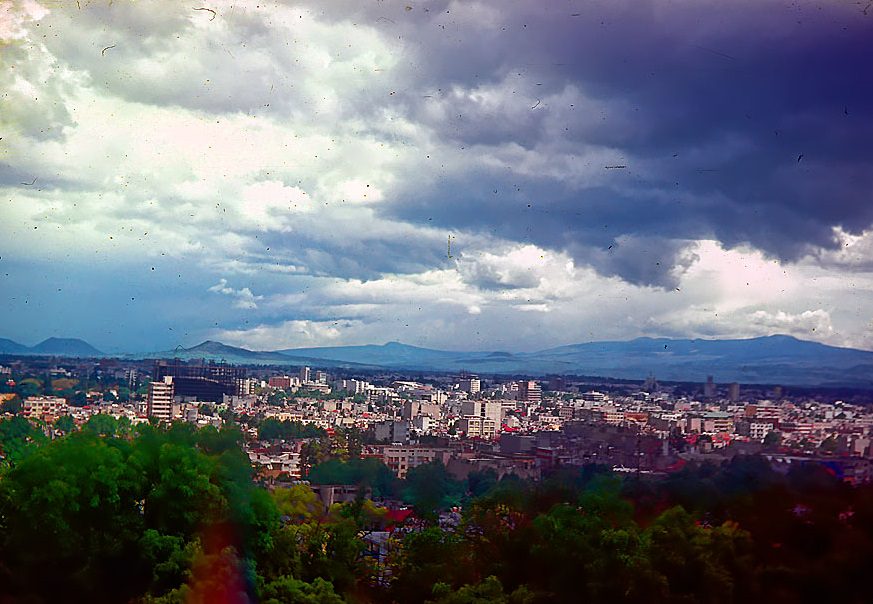
Chapultepec Castle sits on a rocky hill in the middle of Mexico City. It served as a royal residence, a military academy, and an imperial palace before becoming a national museum. In 1955, it looked over a city that was rapidly spreading outward in every direction.
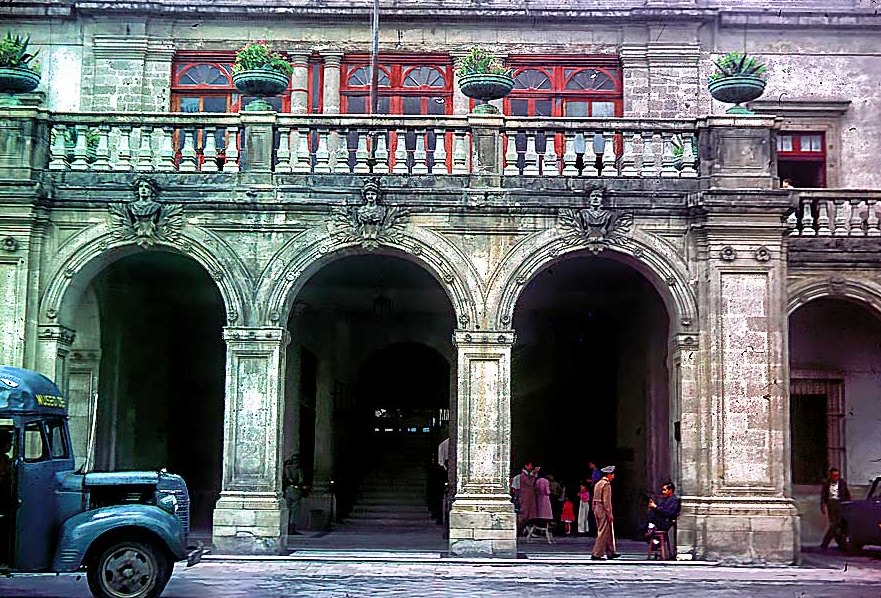
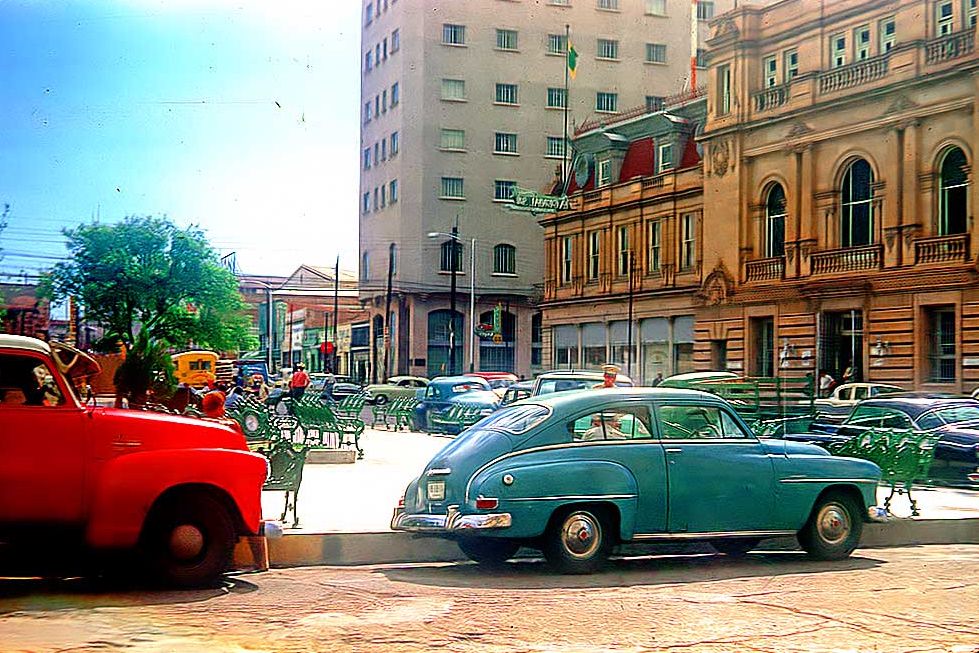
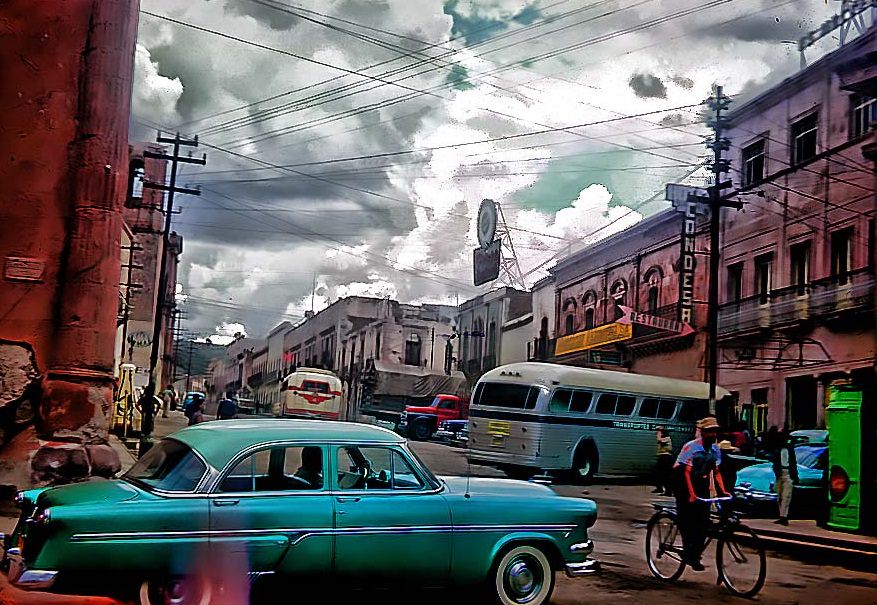
Durango, in north-central Mexico, still carried the feel of the old frontier. Its colonial churches and wide streets were a mix of Spanish architecture and dusty northern character. By the late 1950s, Durango’s rugged landscape was also attracting Hollywood film crews shooting Westerns.
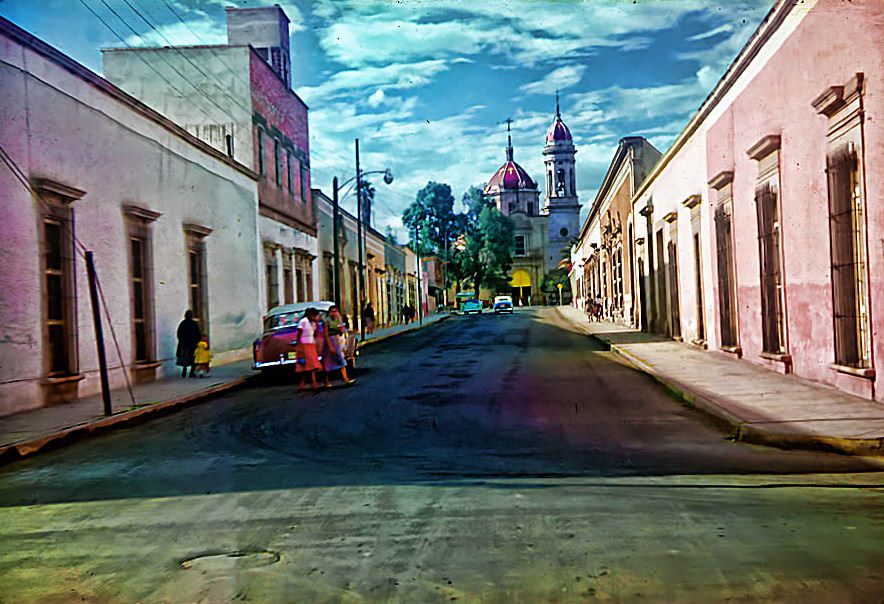
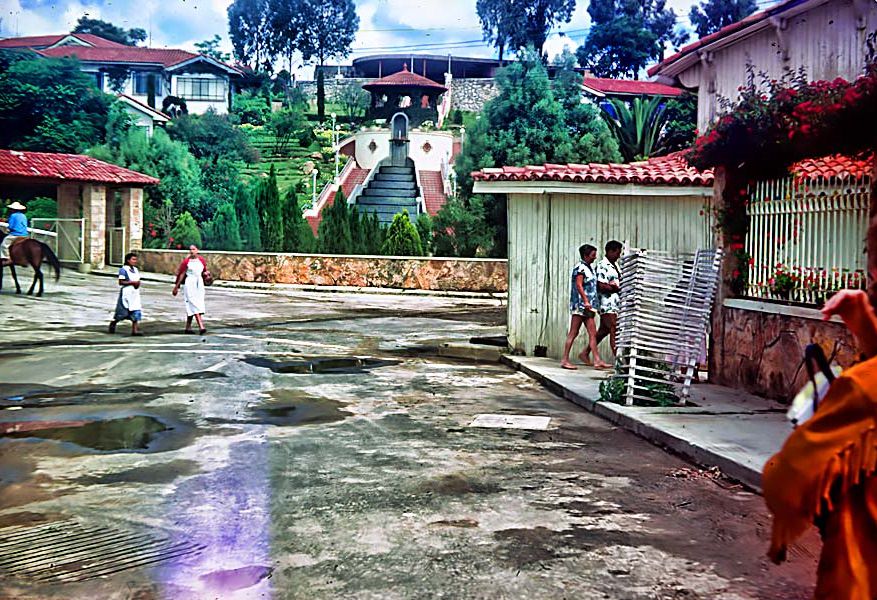
Cuernavaca, just south of Mexico City in the state of Morelos, was known as the City of Eternal Spring for its mild climate. It drew wealthy residents and weekend visitors from the capital, and its streets had a relaxed charm that set it apart from the bustle of the city.
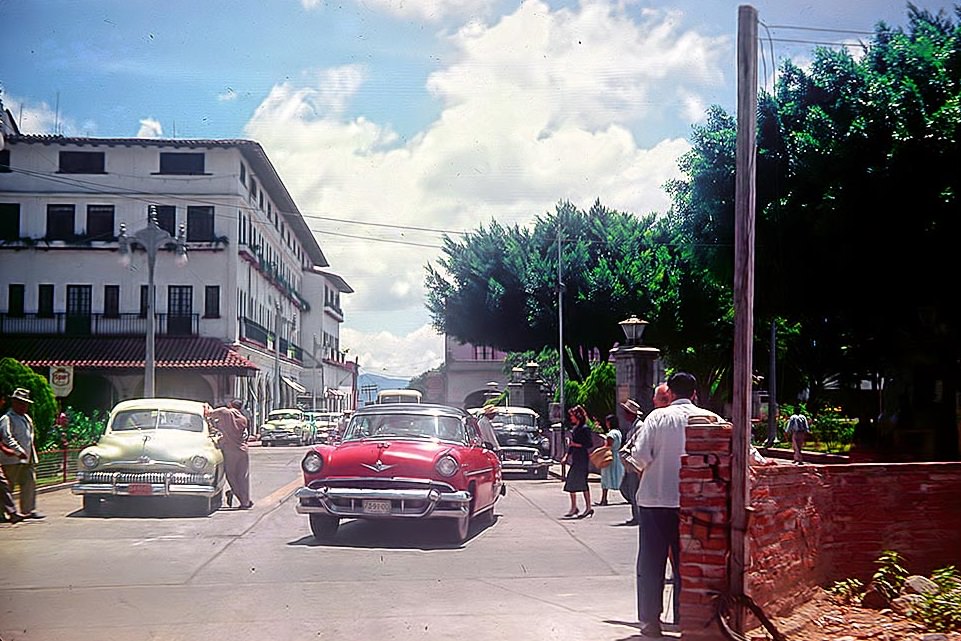
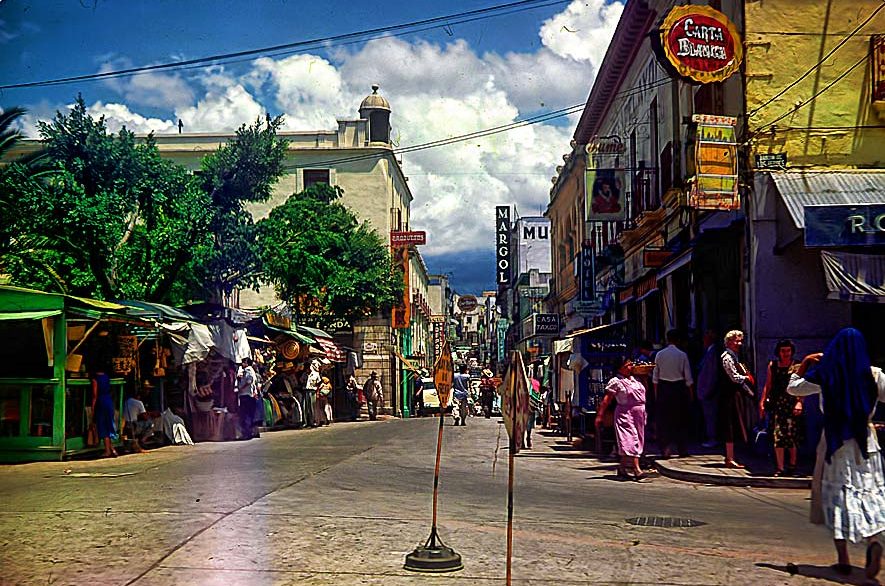
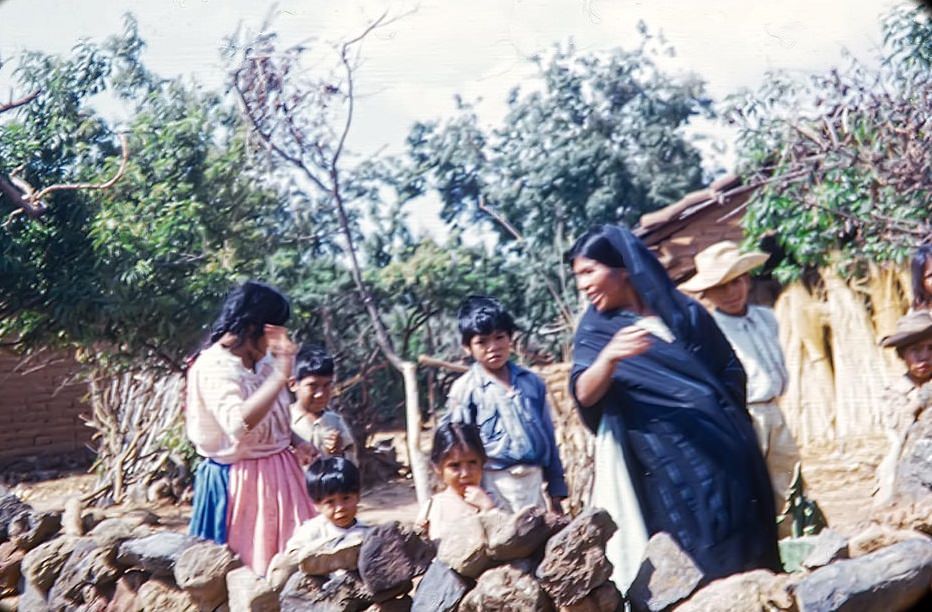
Family life in 1950s Mexico was shaped by strong ties to community and tradition. Extended families were the norm, and daily routines — from street markets to Sunday mass — were shared experiences that brought generations together.
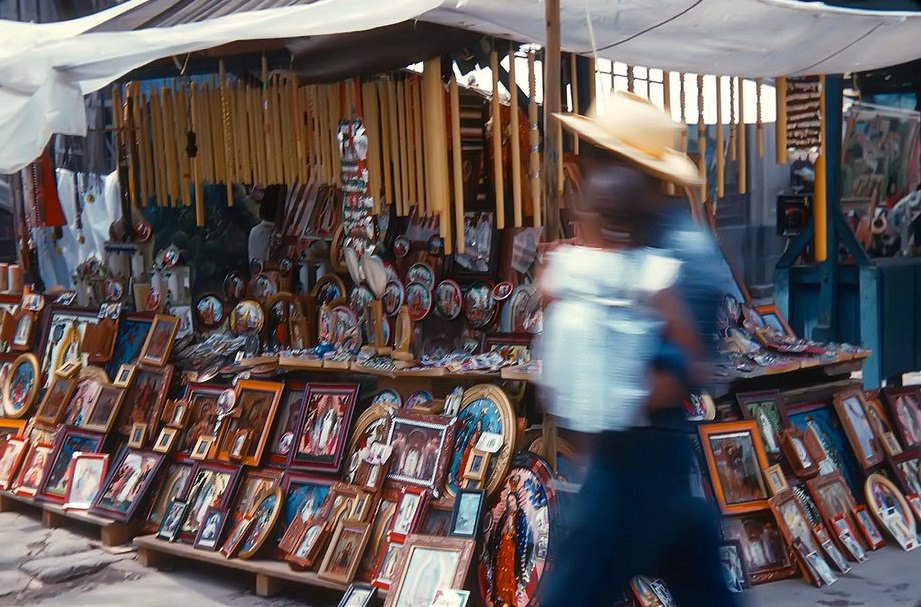
The Basilica de Guadalupe in Mexico City is one of the most visited Catholic shrines in the world. Millions of pilgrims traveled to its doors each year throughout the 1950s, many making the final approach on their knees as an act of devotion. The basilica stood as one of the most powerful symbols of Mexican faith and identity.
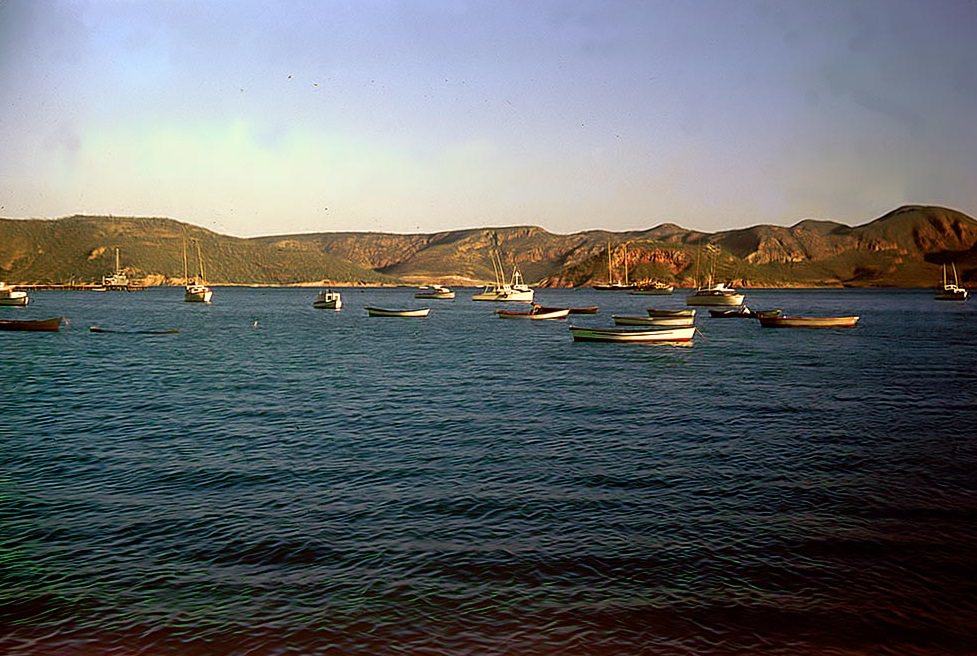
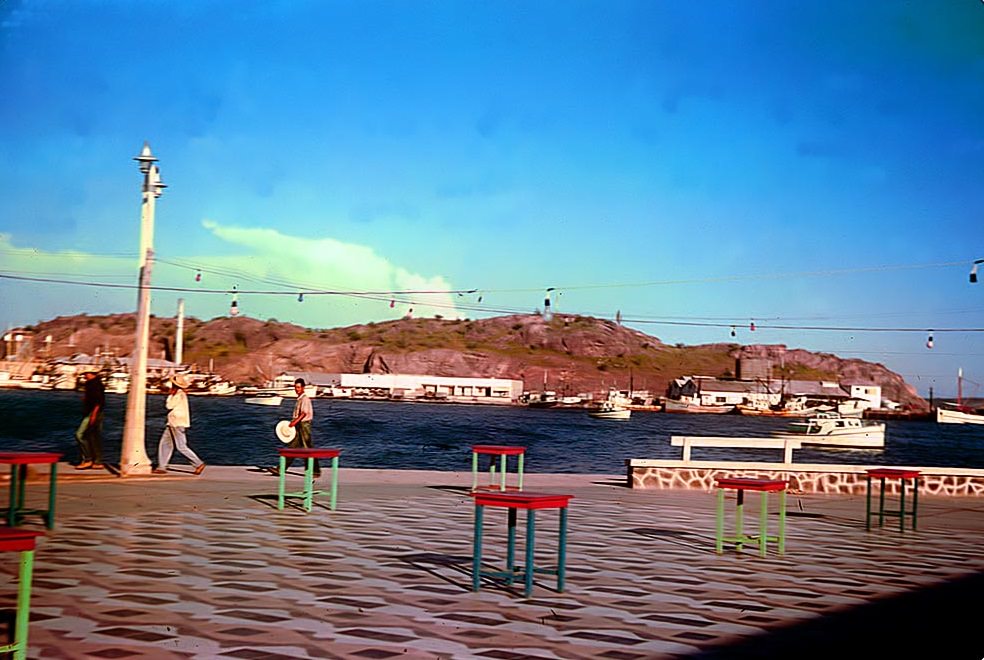
On Mexico’s northwest coast, the port city of Guaymas sat along a natural harbor that had served fishermen and traders for centuries. By the mid-1950s it was a modest but lively town, with its waterfront and streets reflecting the rhythms of coastal life.
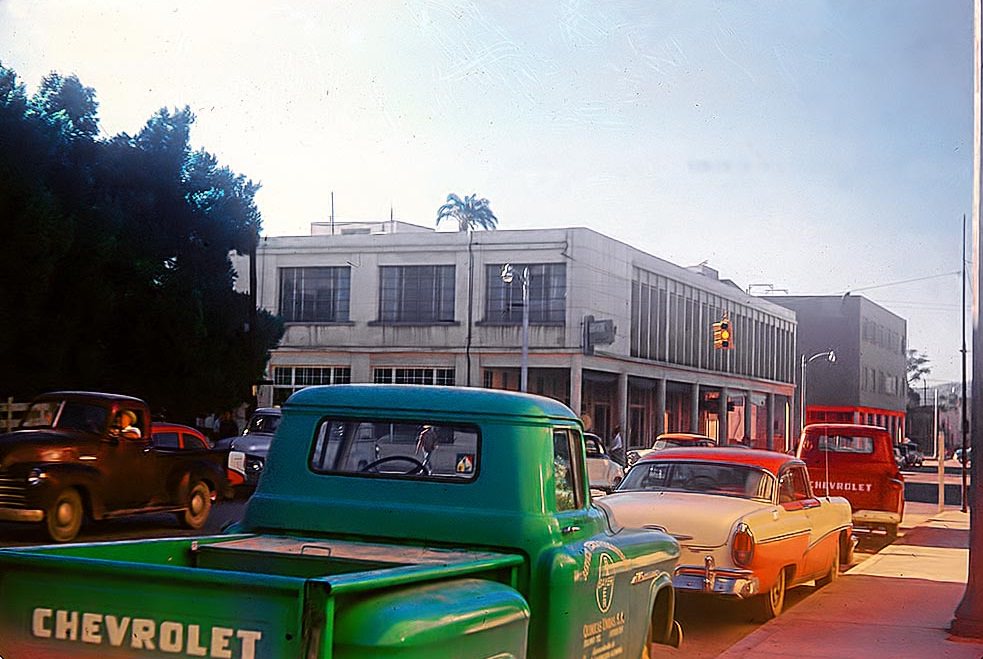
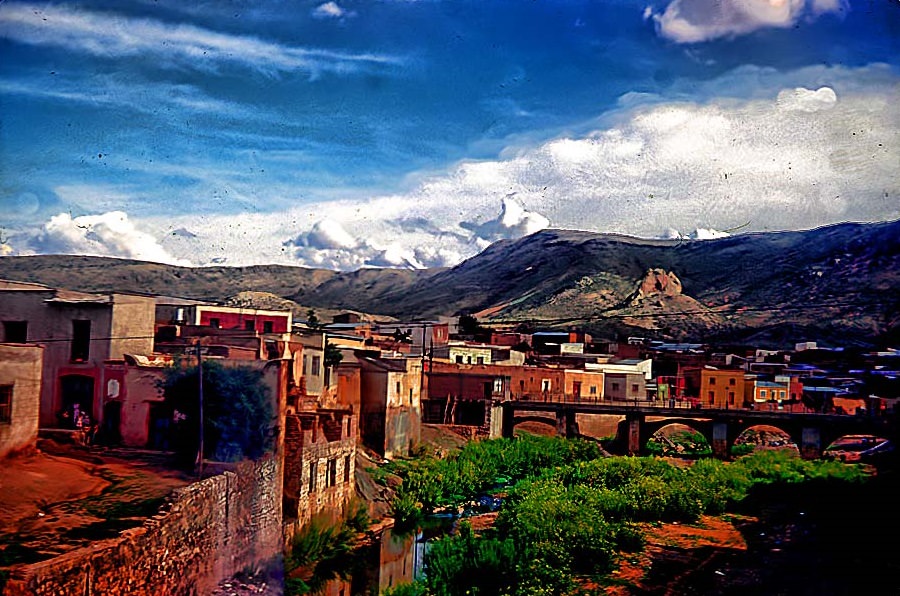
Hidalgo del Parral, in the state of Chihuahua, was a mining town with a long history. It is also the city where revolutionary leader Pancho Villa was assassinated in 1923. By the 1950s, it was a working northern town with its own distinct personality, far removed from the modernizing capitals to the south.
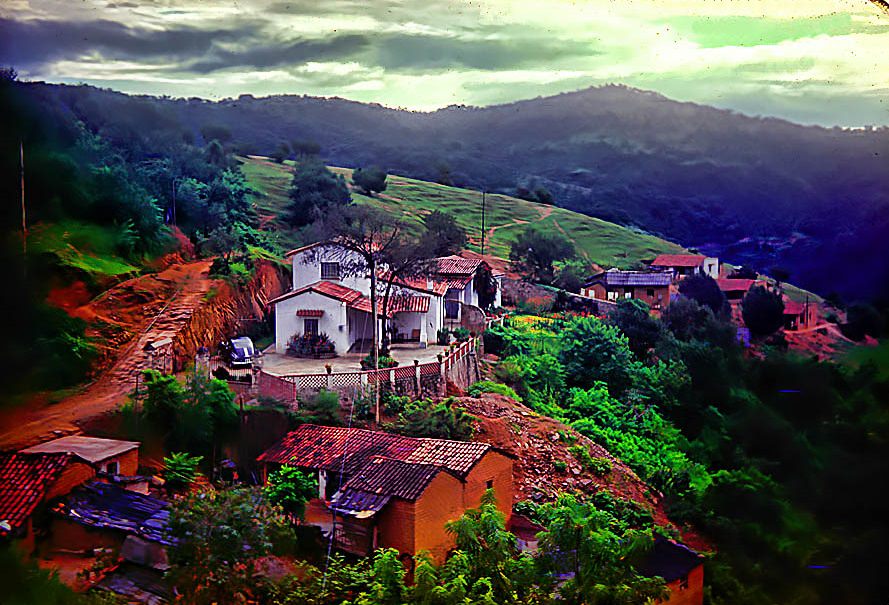
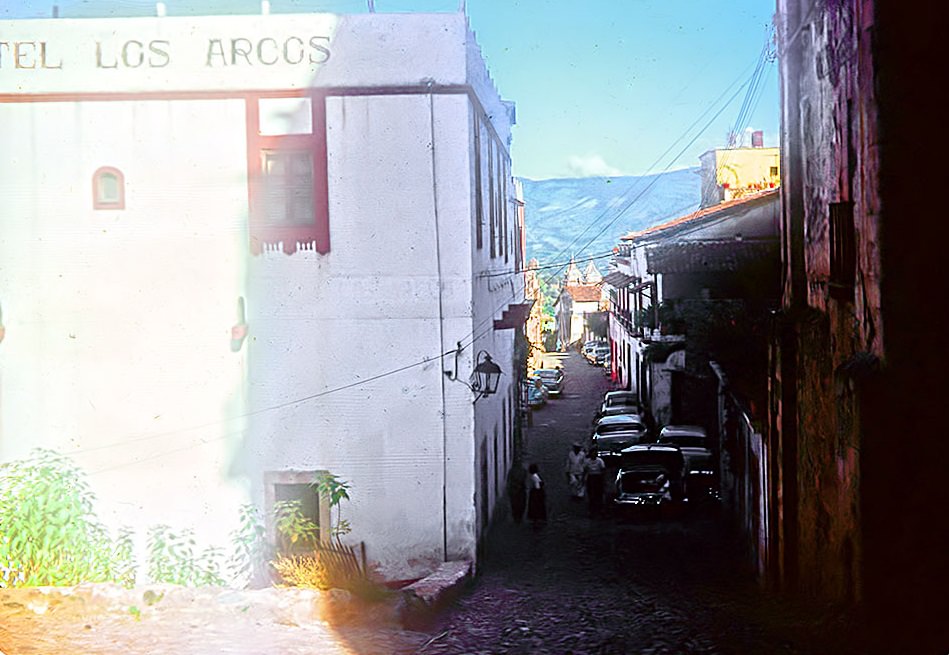
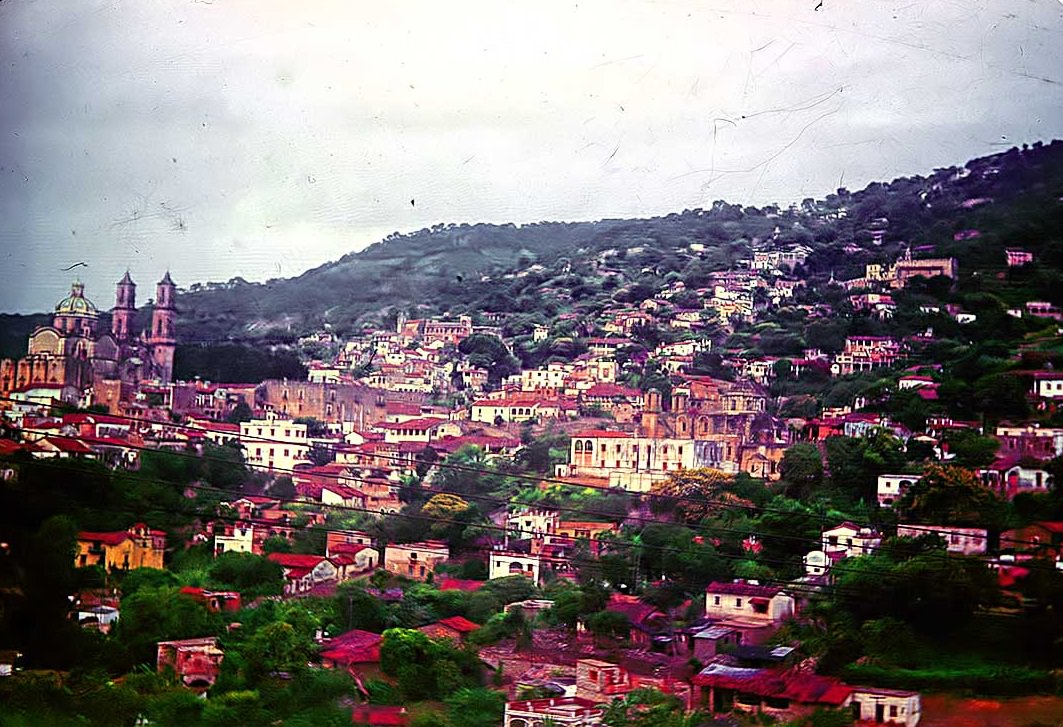
Taxco, in the state of Guerrero, was famous for its silver craftsmanship and its dramatic hillside layout. Its white-washed buildings and cobblestone streets clung to the steep terrain, giving the town a look that had changed little over the centuries.
Burros weren’t just beasts of burden — they were part of the social fabric of daily life. A man riding through town on a burro was a common scene in many parts of Mexico throughout the 1950s, even as automobiles and buses became more widespread.
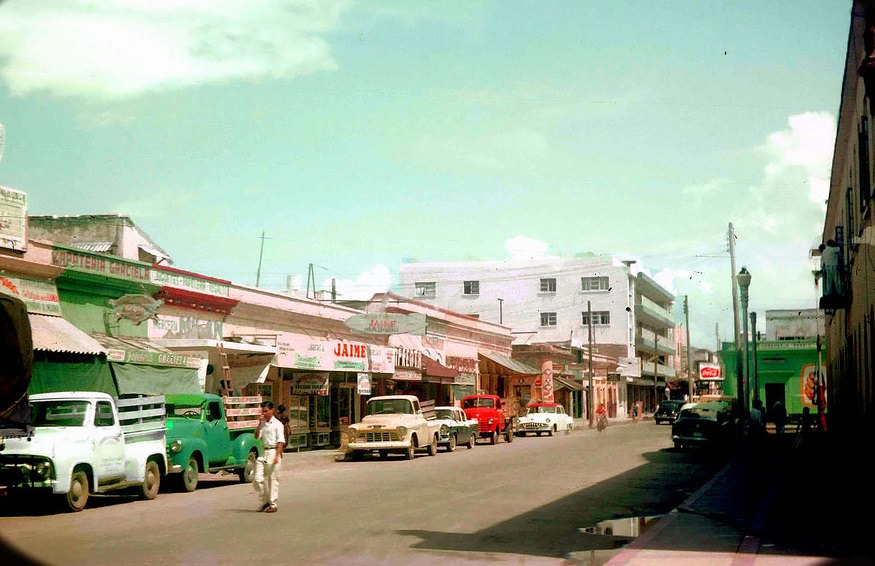
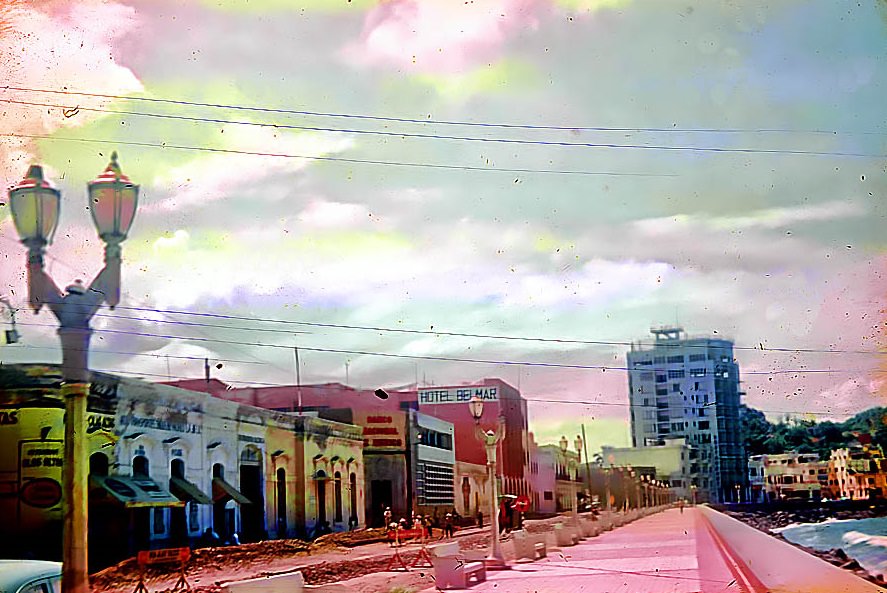
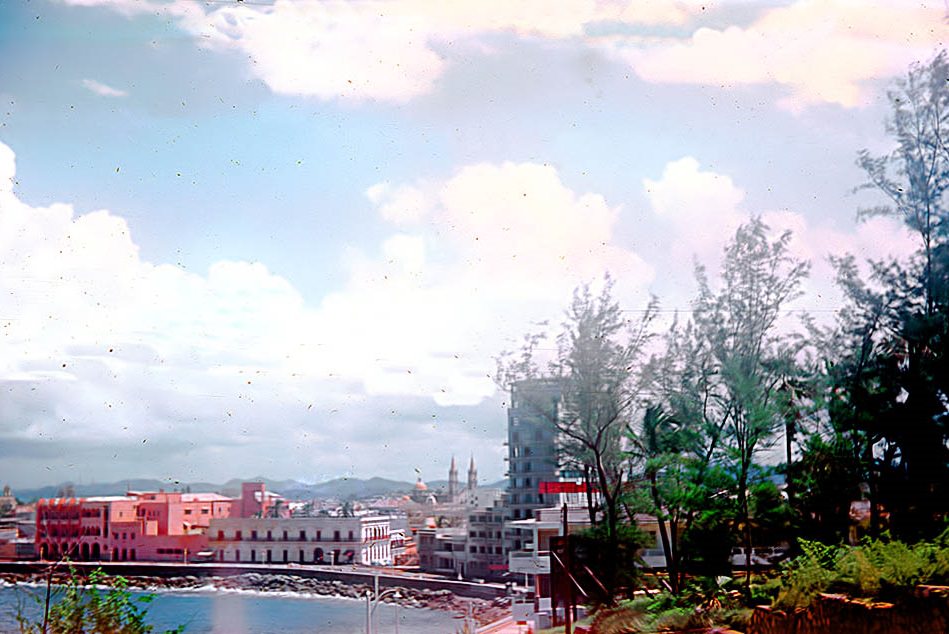
Mazatlán was a Pacific port city that blended commerce, fishing, and tourism. Its business district was busy with shops and traffic, while its shorefront offered long stretches of beach that were beginning to draw outside attention as a travel destination.
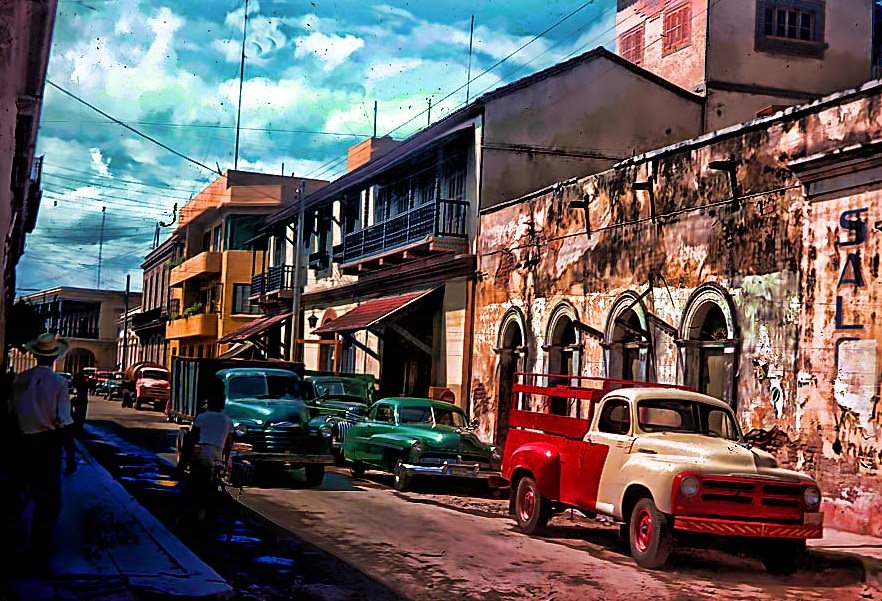
By 1958, Mexico City was one of the largest and fastest-growing cities in Latin America. Streets that had once been quiet were now filled with cars, buses, and pedestrians. The pace of urbanization was relentless, and the city’s skyline was changing year by year.
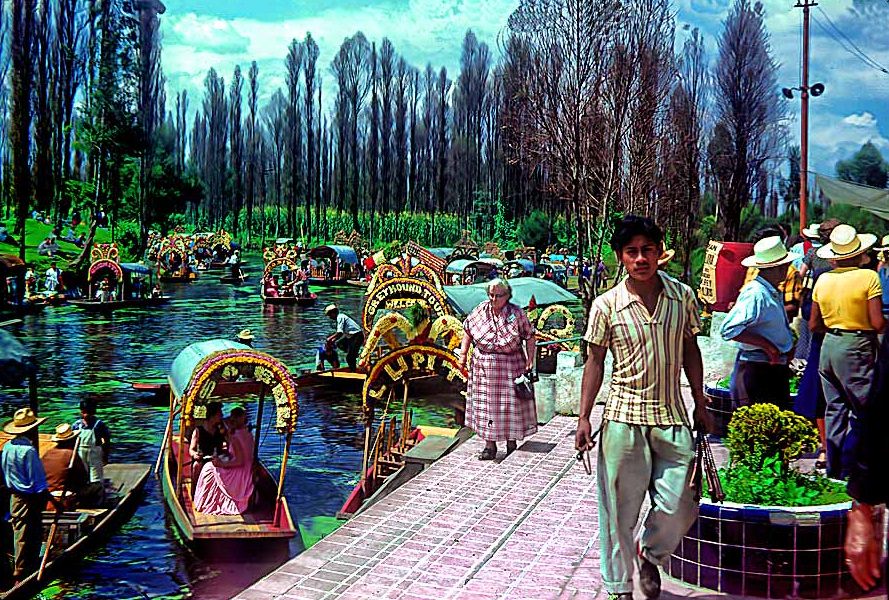
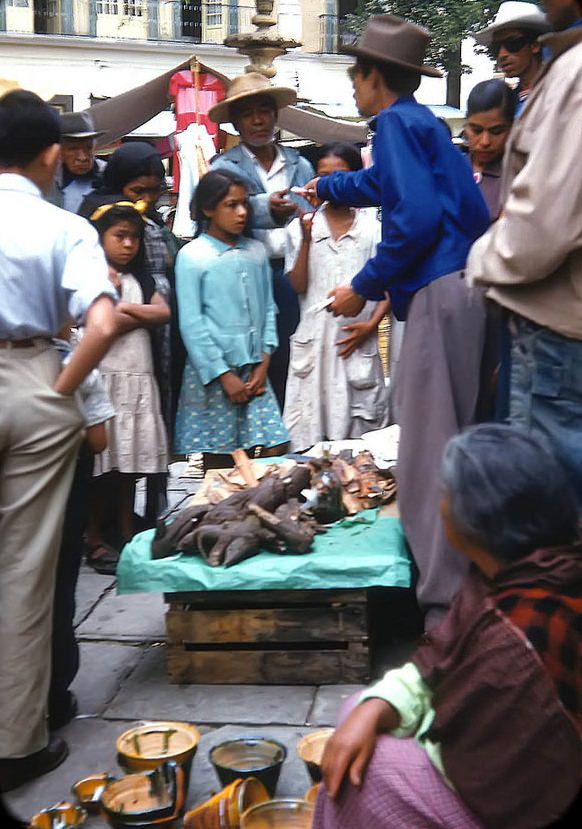
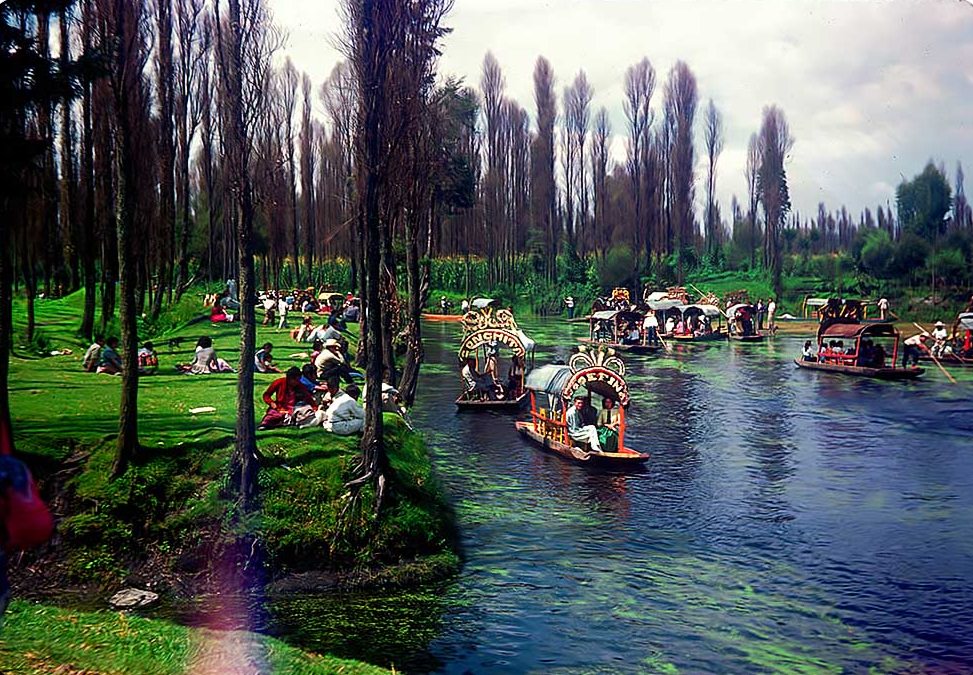
Xochimilco, on the southern edge of Mexico City, was a network of canals and artificial islands built by the Aztecs centuries before. By the 1950s, it was a popular weekend escape from the city, where families rented colorful flat-bottomed boats called trajineras and drifted through the waterways.
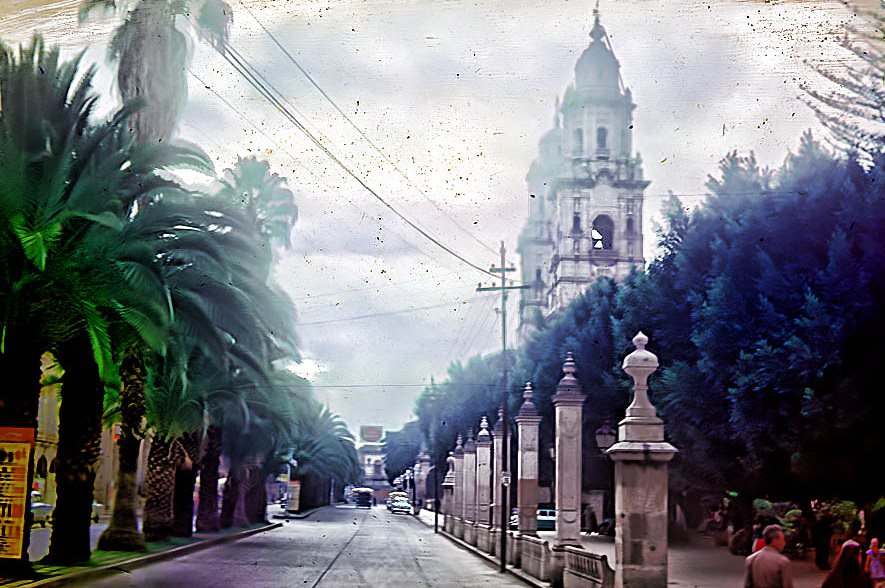
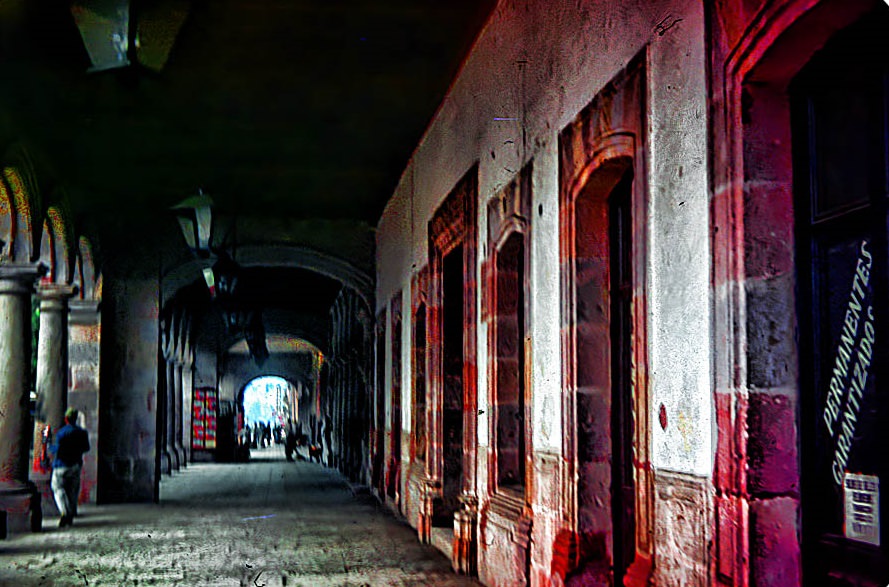
Morelia, the capital of Michoacán, was one of Mexico’s finest colonial cities. Its rose-colored stone cathedral and tree-lined aqueduct gave it a stately appearance that set it apart from most Mexican cities. These photos from the mid-1950s show Morelia before mass tourism and modern development reshaped its streets.
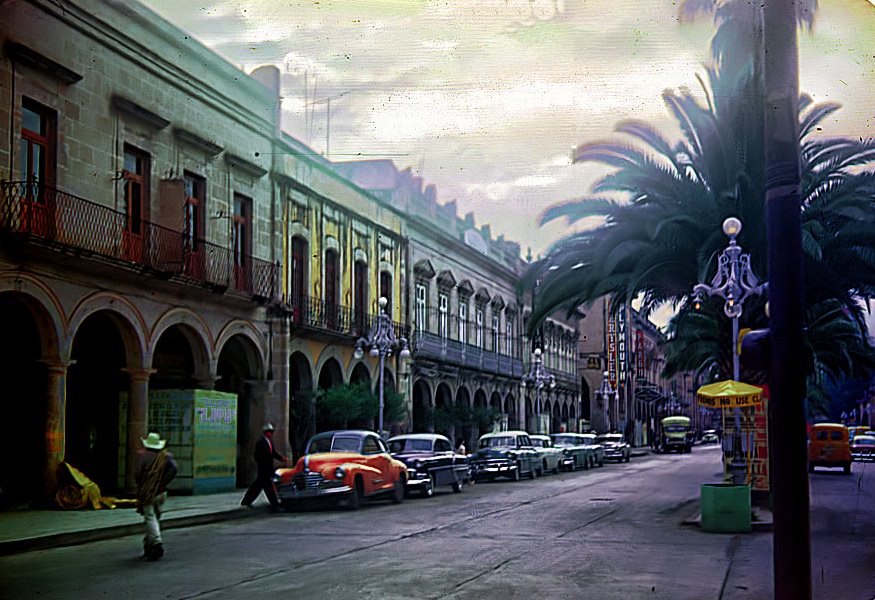
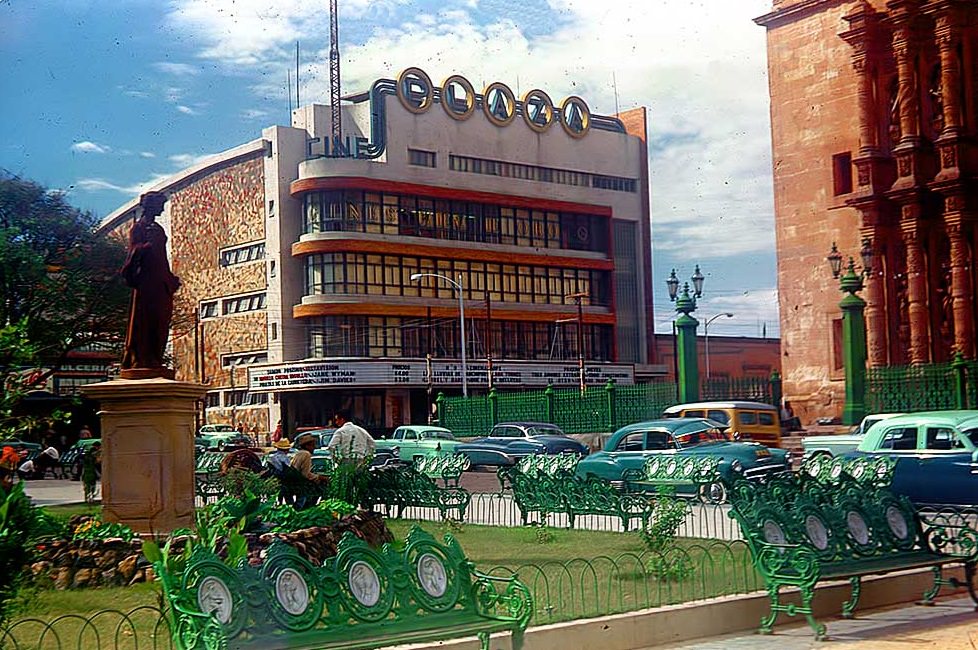
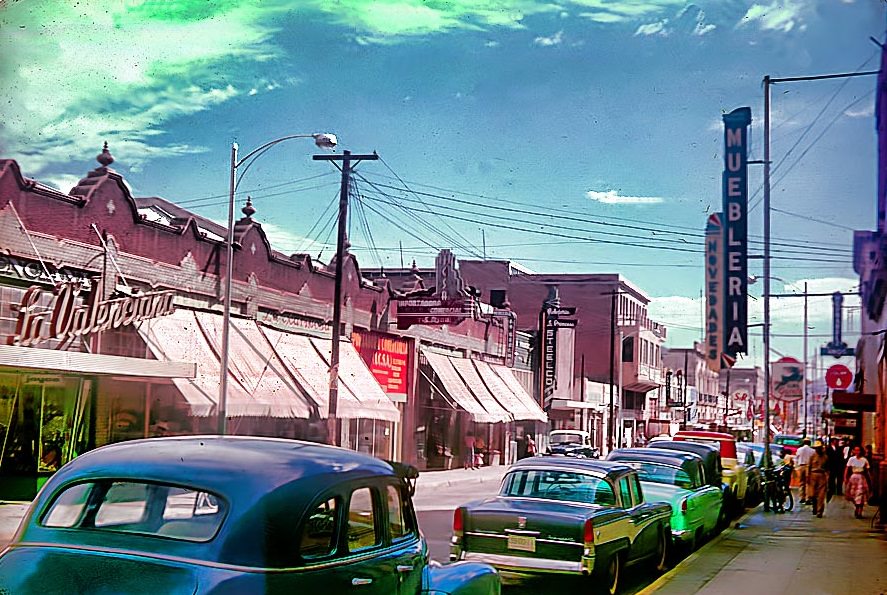
Even in northern cities like Chihuahua, American cultural exports were visible. A movie house advertising the latest films stood alongside colonial-era architecture, reflecting how American pop culture was spreading across Mexico during the postwar years.
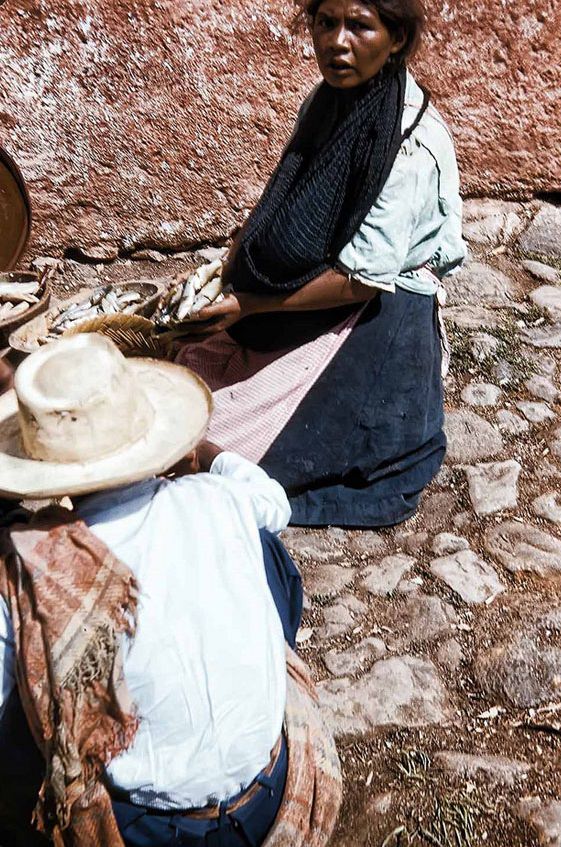
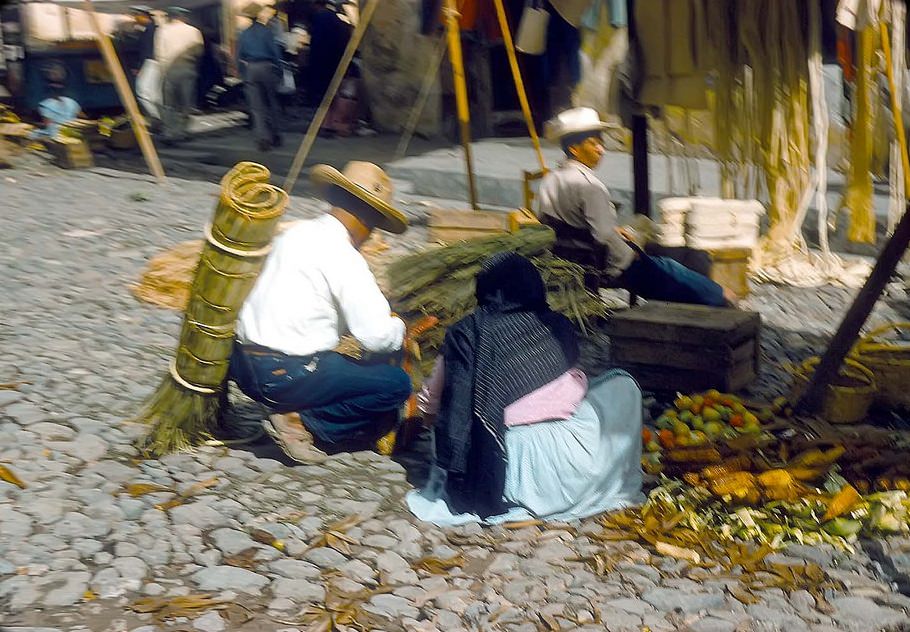
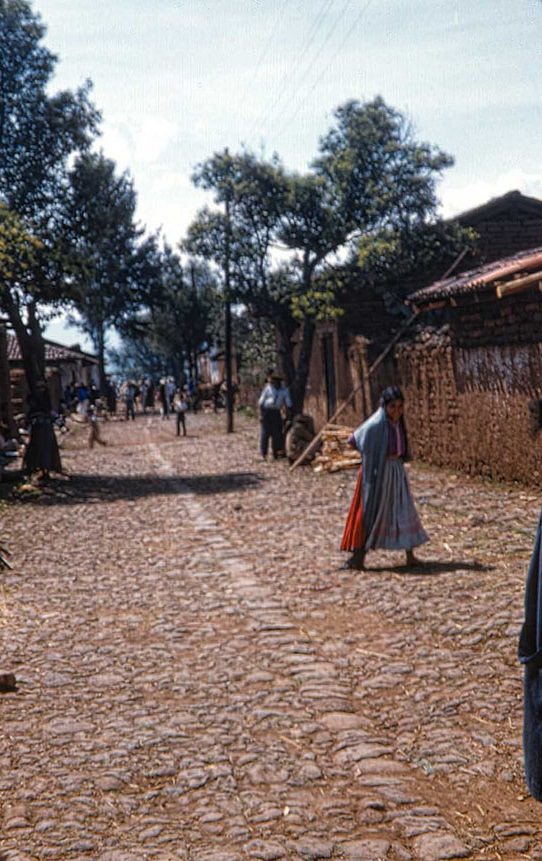
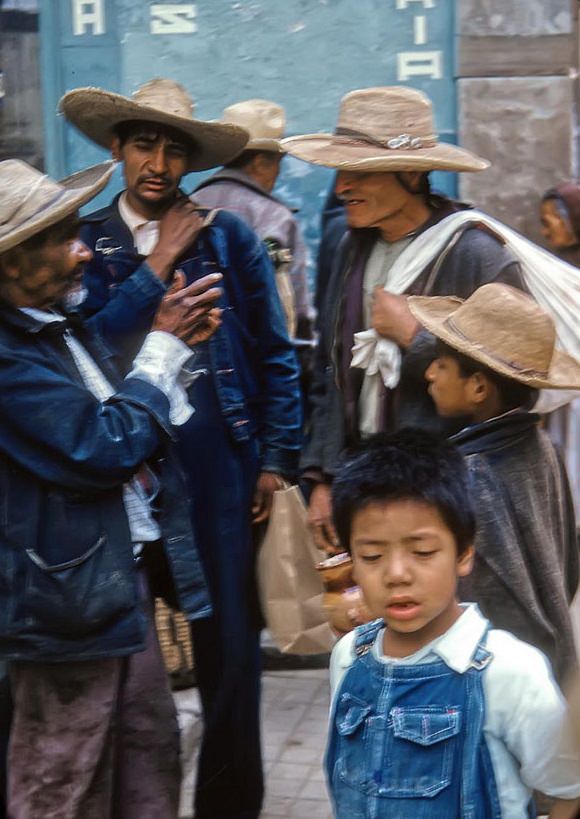
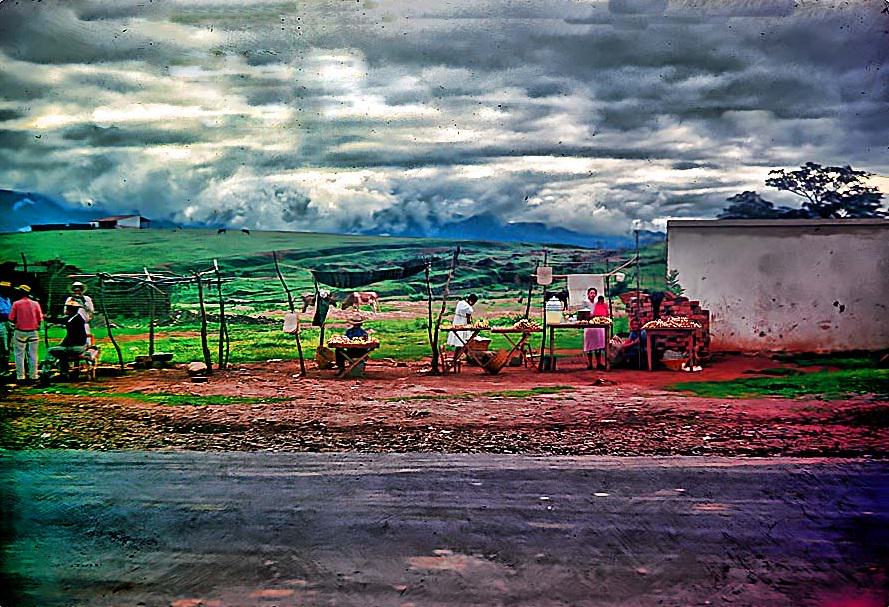
Street scenes from 1954 show the texture of ordinary Mexican life — vendors, pedestrians, storefronts, and the quiet routines that made up the daily experience of millions of people across the country.
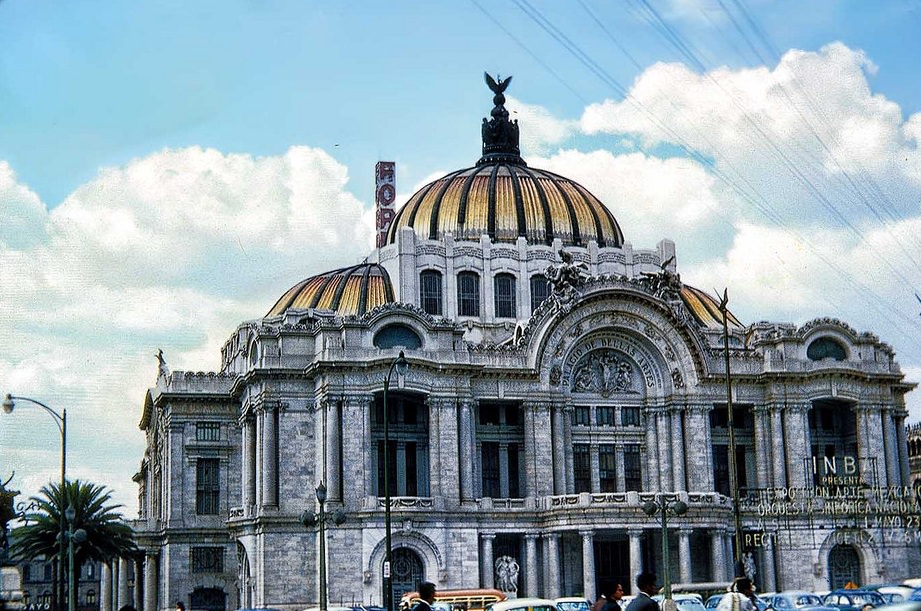
The Palace of Fine Arts in Mexico City was one of the country’s most iconic buildings. Built in a blend of Art Nouveau and Art Deco styles, it housed major cultural events and was surrounded by the energy of downtown Mexico City. In 1955, it sat at the center of a capital city that saw itself as a rising cultural force in the Americas.
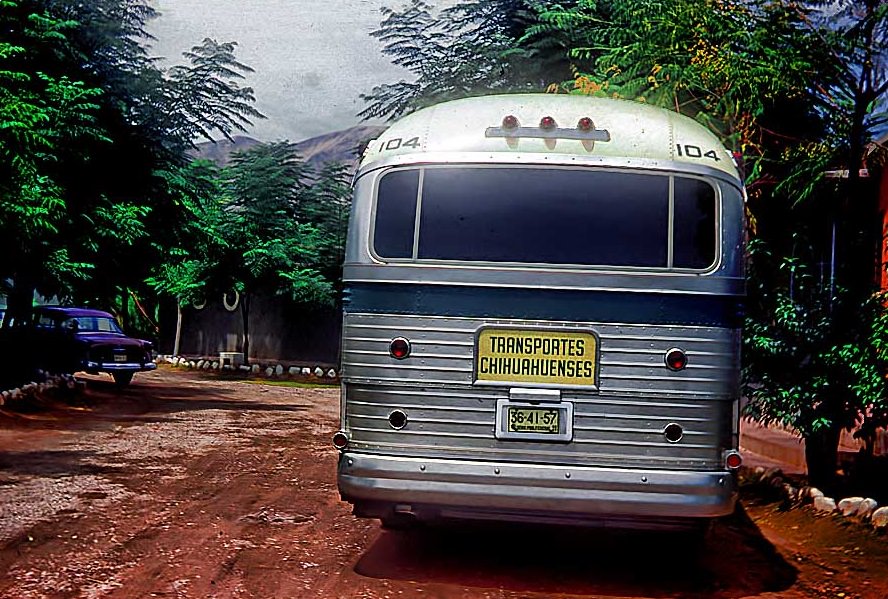
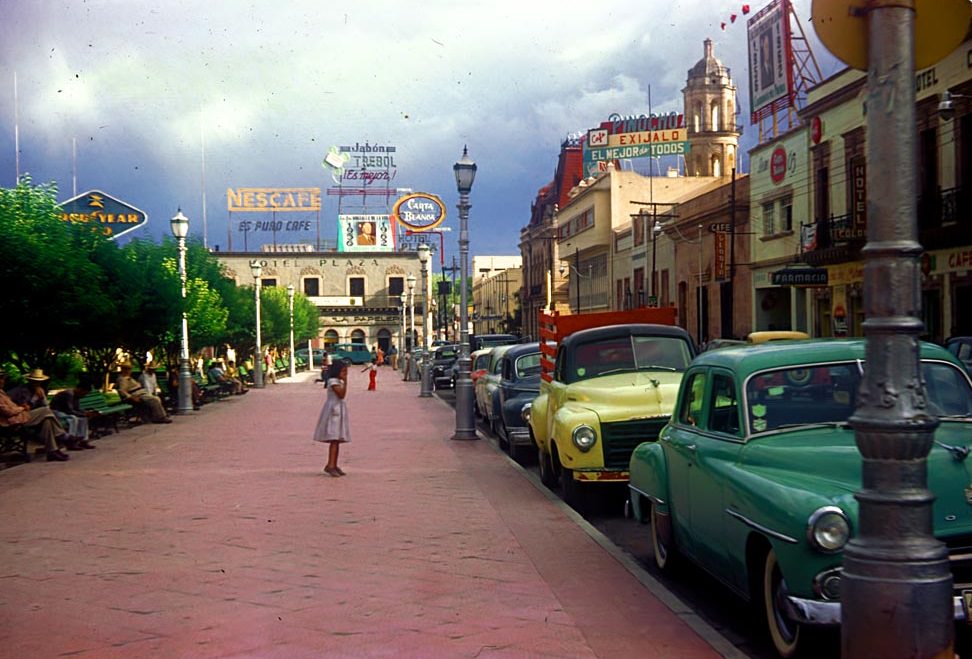
The streets of Chihuahua and Zacatecas each told their own story. Chihuahua was a northern industrial and ranching hub, while Zacatecas was built on centuries of silver mining. By the 1950s, both cities had the look of places that had weathered history and were moving forward on their own terms.
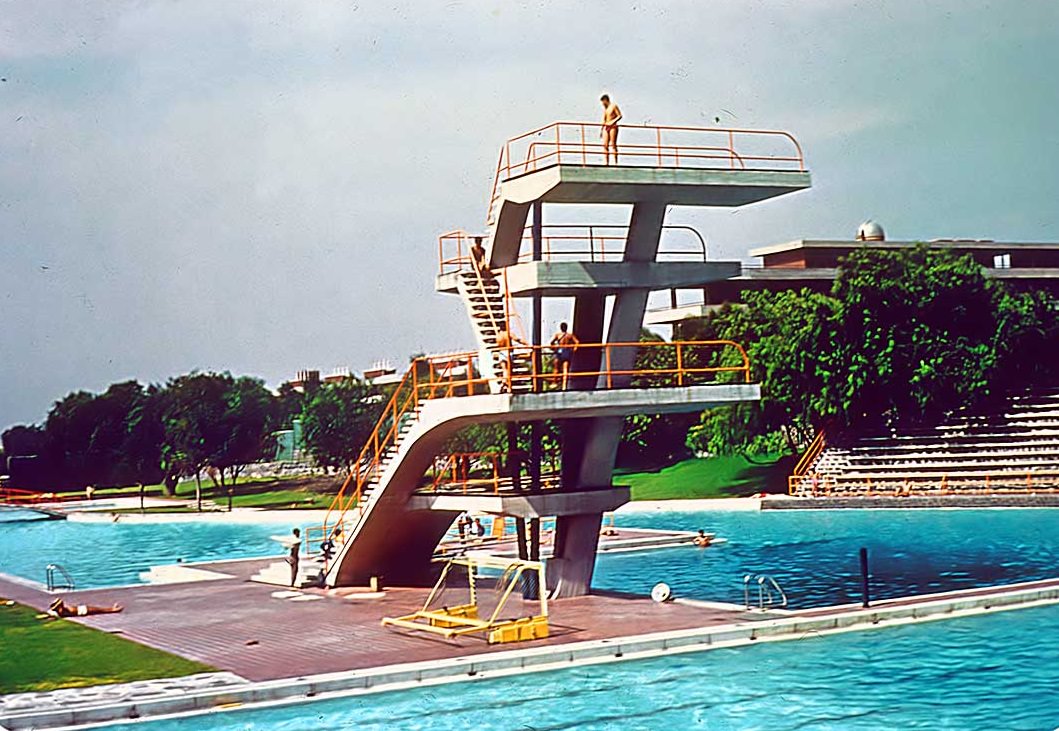
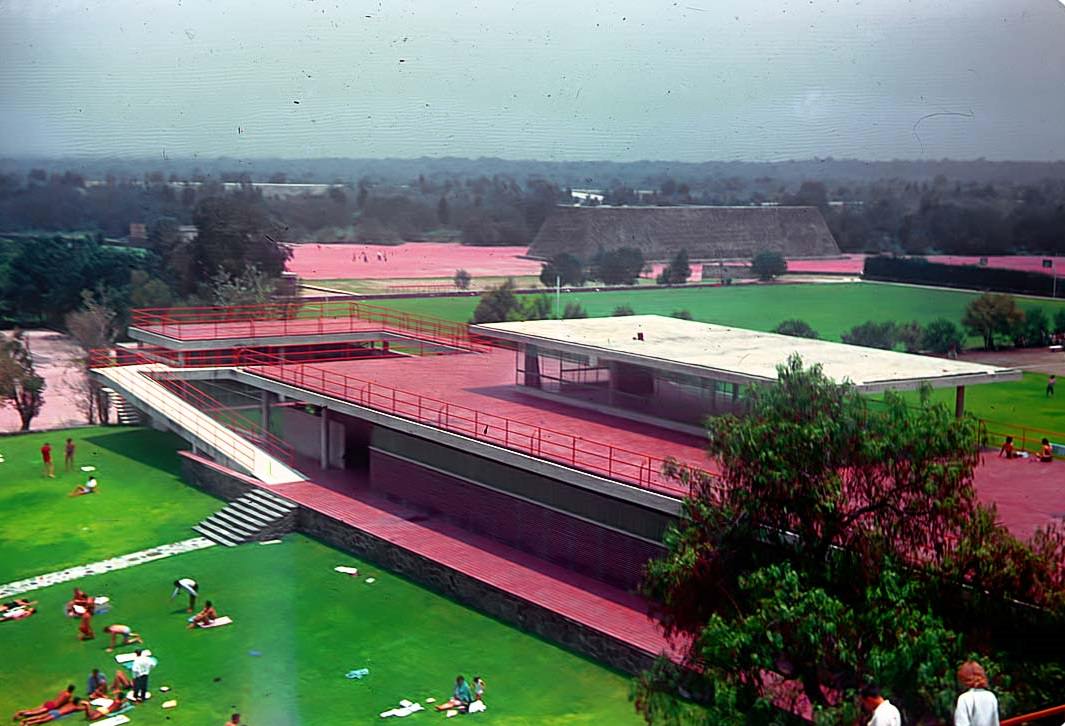
The National Autonomous University of Mexico, known as UNAM, expanded significantly in the early 1950s. Its new campus, opened in 1952, was a landmark of modern architecture decorated with massive murals. By 1957, the campus had a full recreation area and swimming pool — a sign of just how seriously Mexico was investing in its universities.
The town of Tequila, in the state of Jalisco, gave its name to Mexico’s most famous export. The blue agave fields that surrounded the town had been supplying distilleries for generations. In 1957, it was still a small, working town rooted in the industry that made it known around the world.
The canals of Xochimilco in 1957 looked much the same as they had for decades. Flower-covered boats moved through the ancient waterways while vendors sold food and crafts from smaller vessels alongside them. It was one of the few places in an increasingly modern Mexico City where the pre-colonial world was still plainly visible.





How lovely!
At last, photos are from that time without a yellow filter Breaking Bad
How beautiful is Shihuahuaaaa!
The street ventas continue to this day