Hey There! Before You Go. 😧
Get the best vintage content straight into your inbox!

Don't worry, we don't spam

Mary Hopkin: Story and Beautiful Photos of Welsh Singer who sang ‘Those Were the Days’

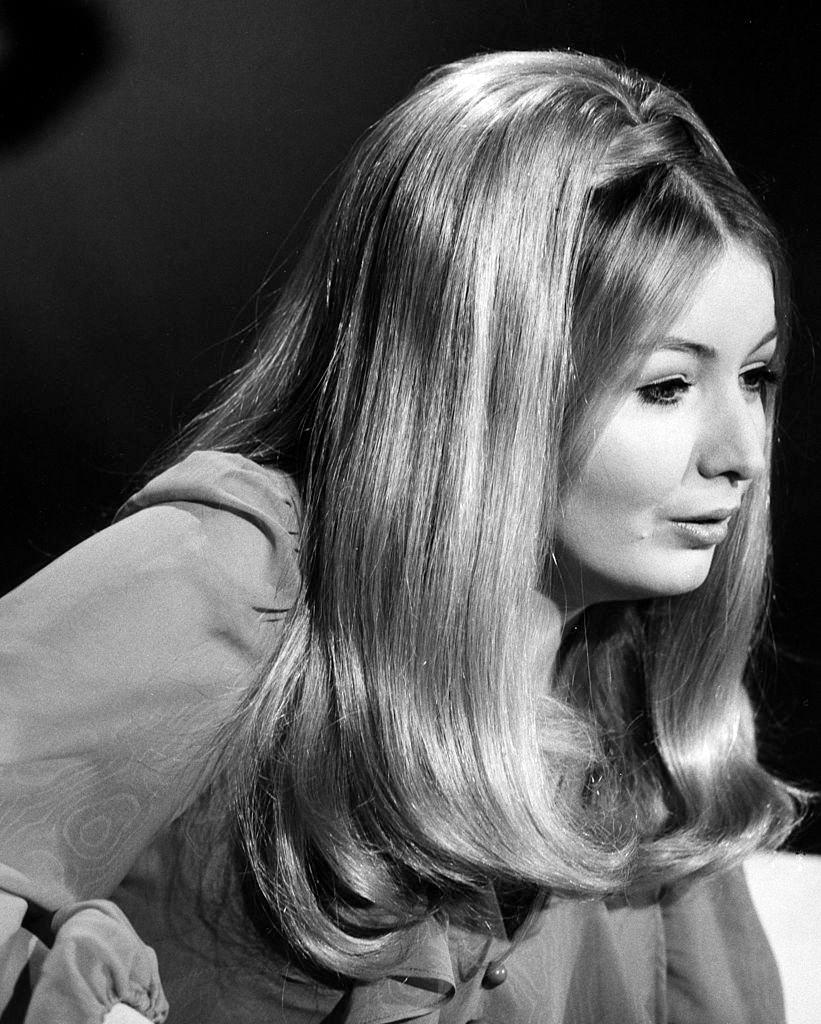
Mary Hopkin is a Welsh singer-songwriter whose voice captured the attention of the world in the late 1960s. Born and raised in Wales, she took singing lessons as a child and began her musical journey as a folk singer performing with a local group. Long before she became a household name, she was already building her craft in local clubs and small venues, developing the clear, pure vocal tone that would soon make her famous far beyond Wales.
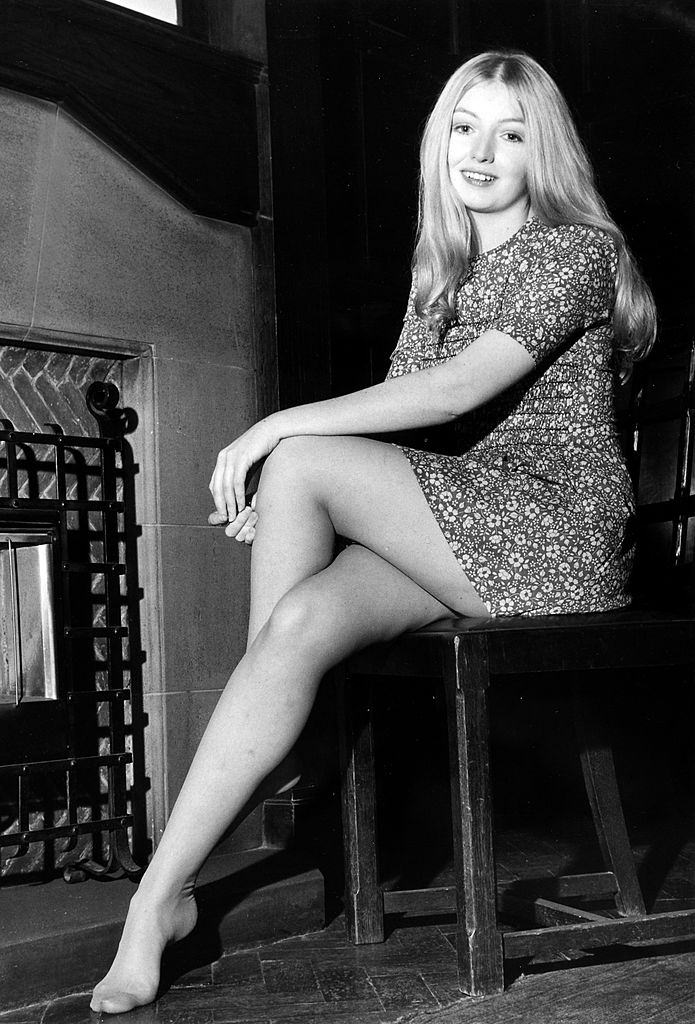
Welsh folk singer Mary Hopkin, 21st August 1970.

Before signing with any major label, Hopkin released an EP of Welsh-language songs on a local record label called Cambrian. This was a meaningful early step — she wasn’t chasing pop stardom right away, but staying rooted in the folk traditions of her home country. She also played solo gigs around local clubs, sometimes with her own band, slowly growing her reputation as a performer with real talent and stage presence.
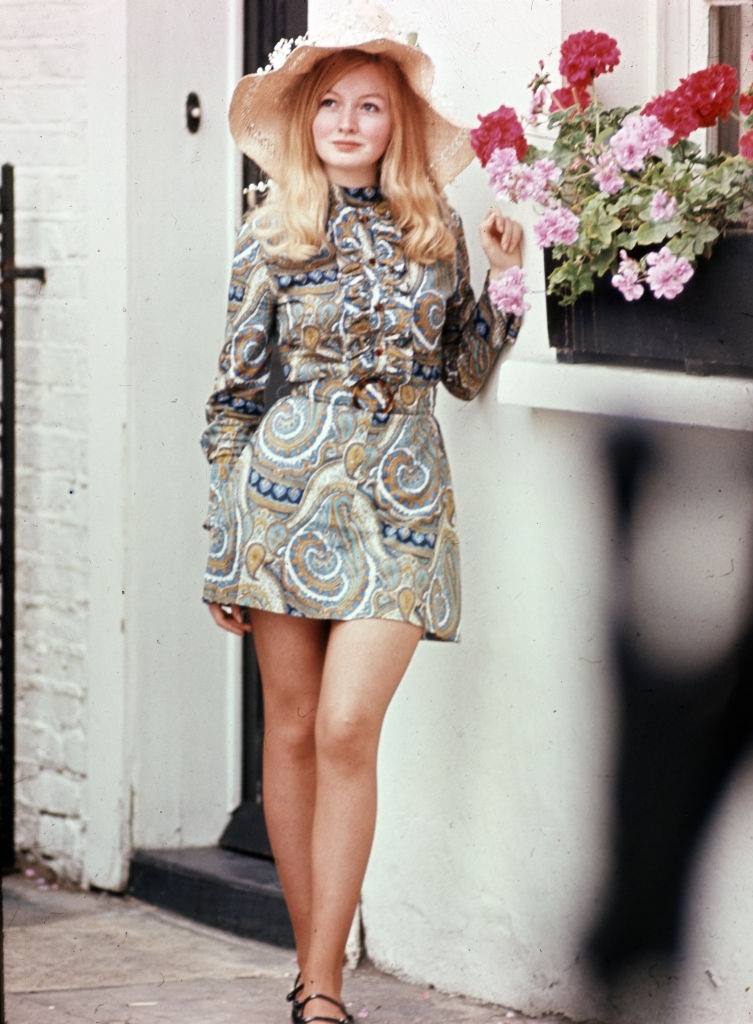
Mary Hopkin in a hat, 1960s.
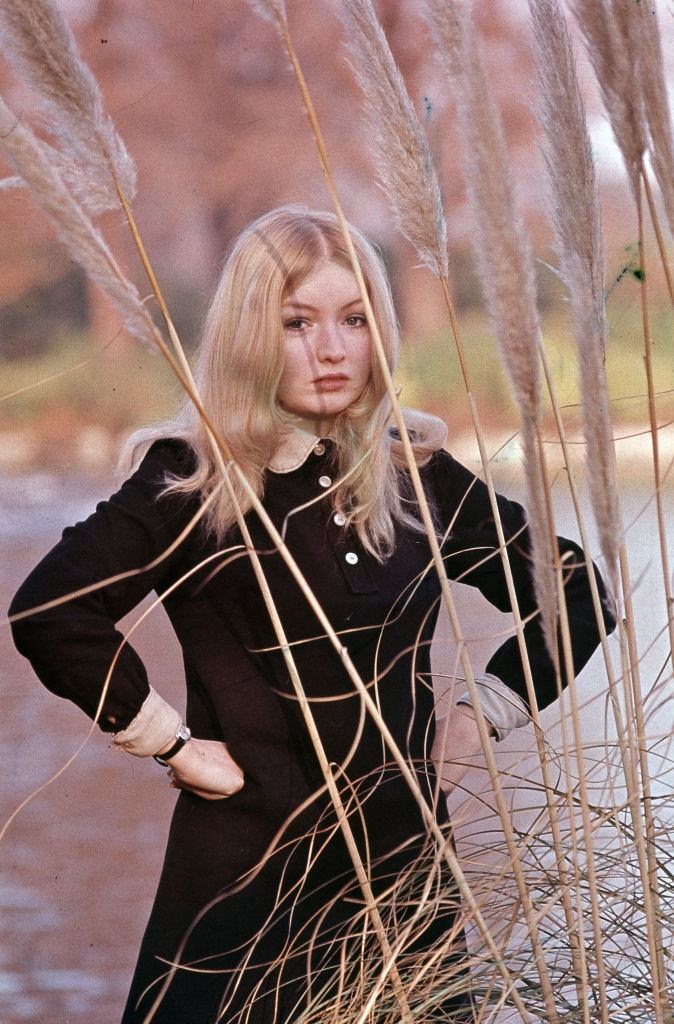
Mary Hopkin posing behind the Needle grasses, 1960s.

Everything changed when she became one of the very first artists signed to the Beatles’ new Apple Records label. Apple was launched in 1968 as a creative outlet for artists the Beatles believed in, and Hopkin was among its earliest and most notable signings. Her debut single for the label, ‘Those Were the Days,’ was produced by Paul McCartney and released in the UK on 30 August 1968. The song hit number 1 on the UK Singles Chart and number 2 on the US Billboard Hot 100. It sold over 8 million copies worldwide and earned a gold disc from the RIAA — a remarkable achievement for any debut single, let alone one from a teenage folk singer from Wales.
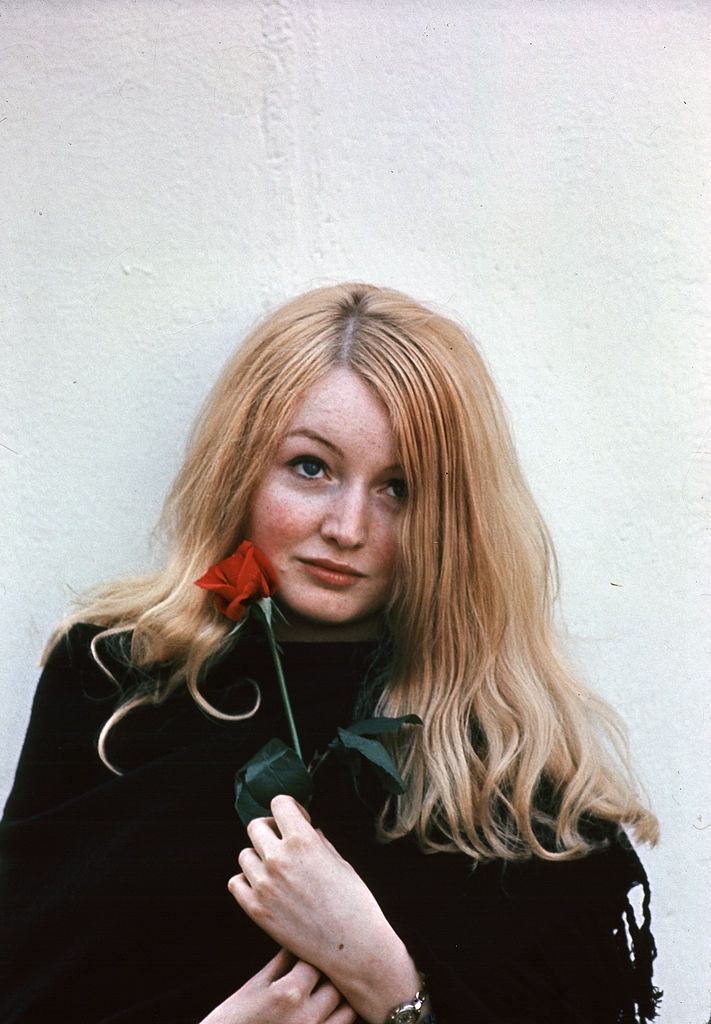
Mary Hopkin with a rose, 1960s.
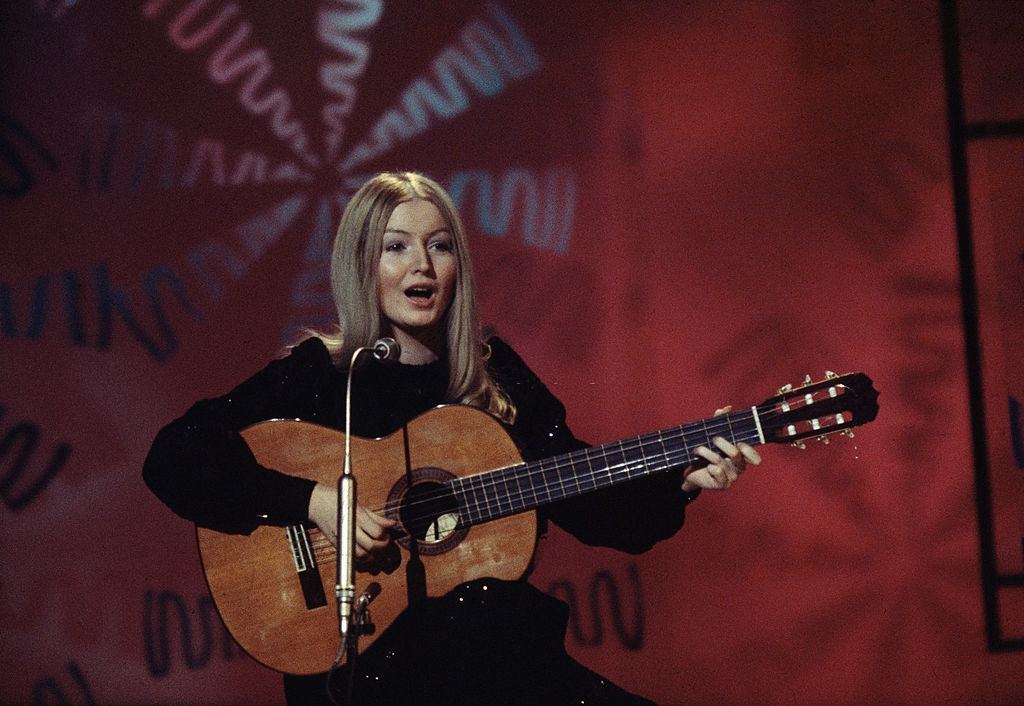
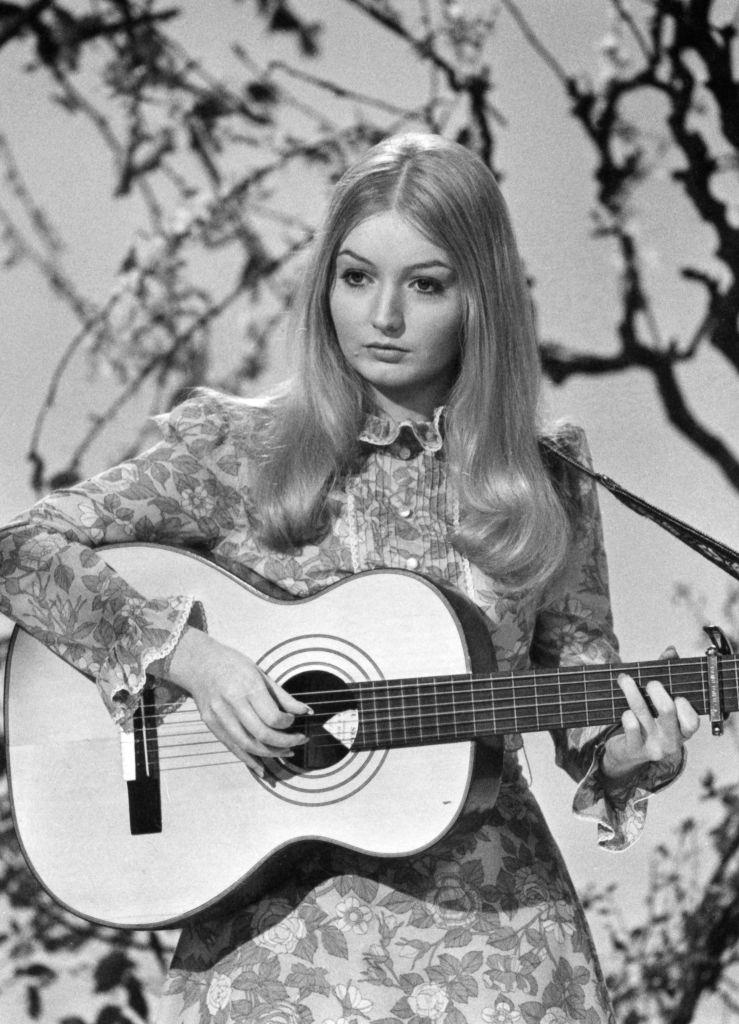
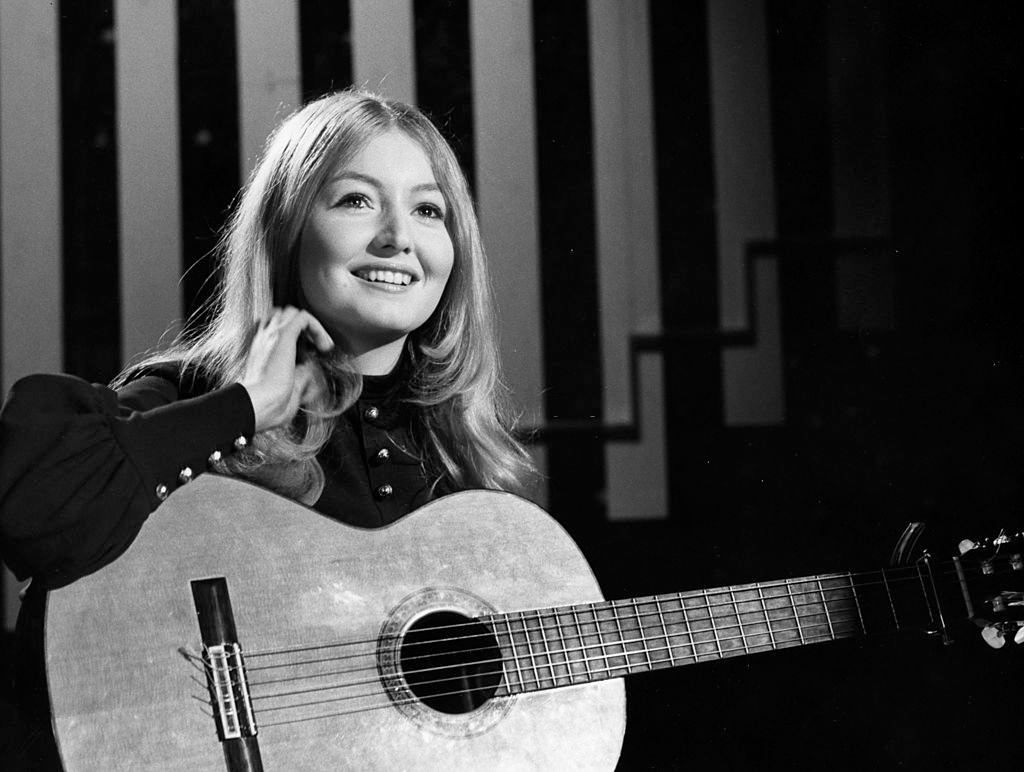
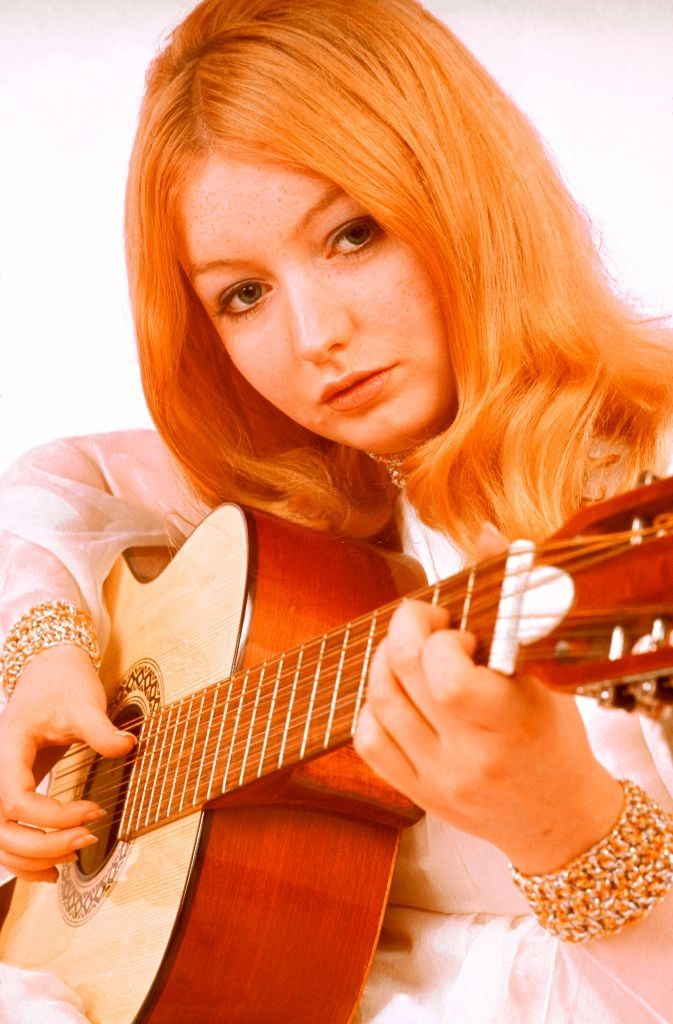
Mary Hopkin playing an acoustic guitar, 1960s.
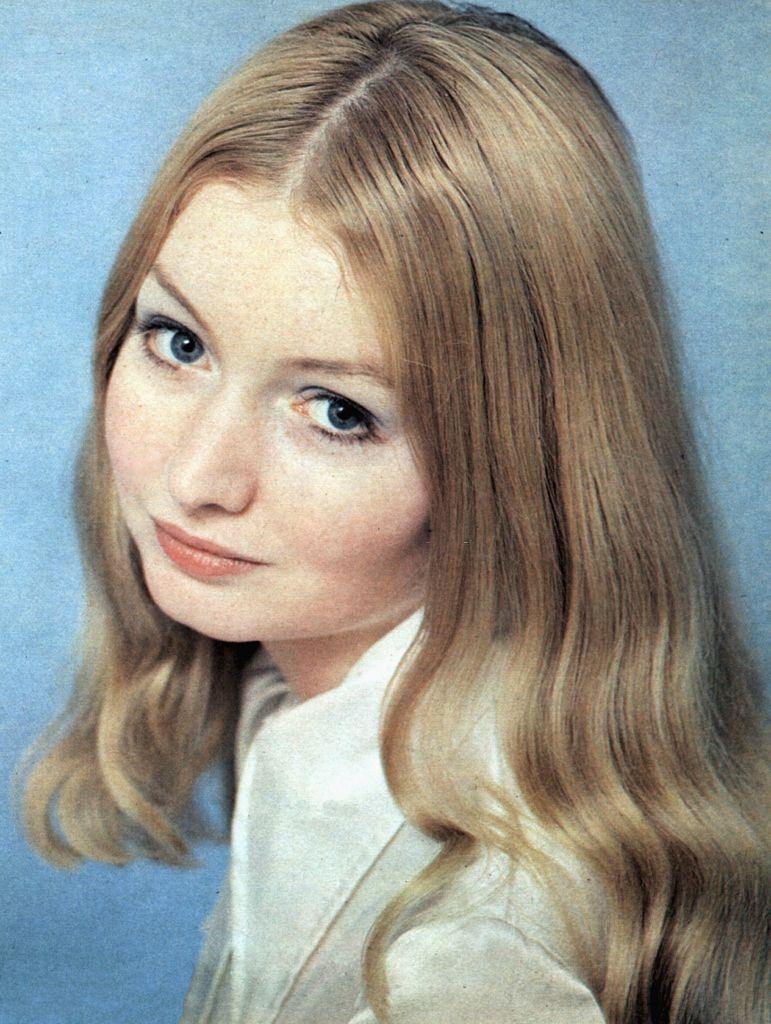
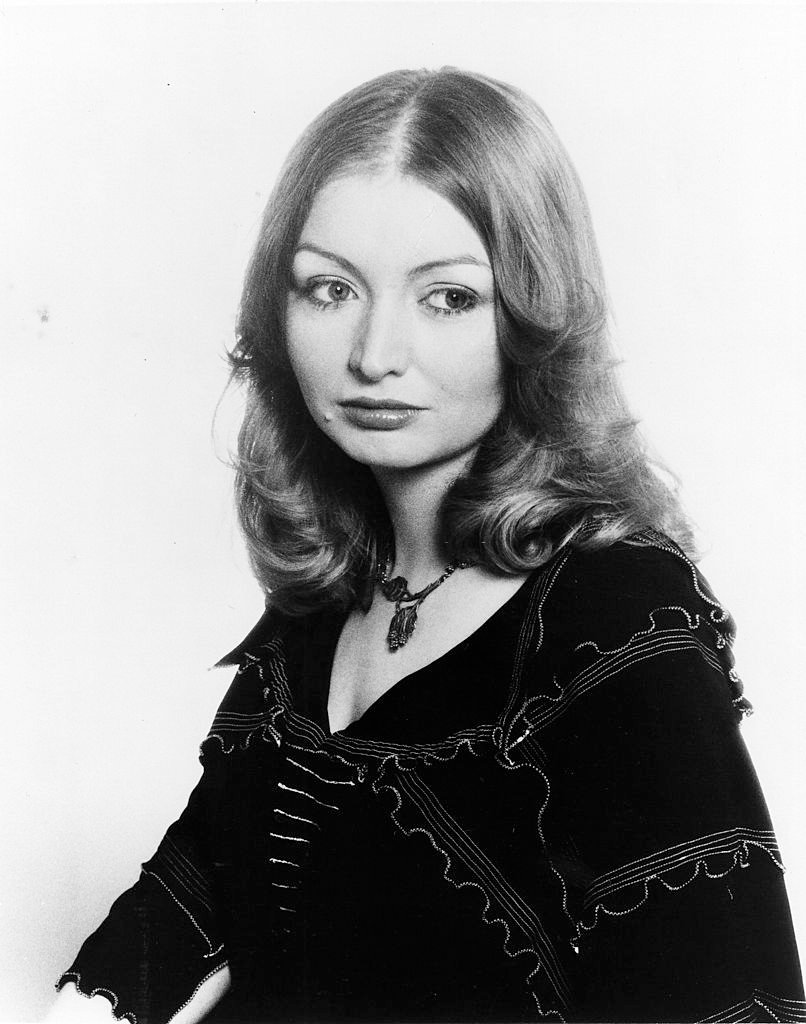
Studio portrait of Mary Hopkin, 1960s.

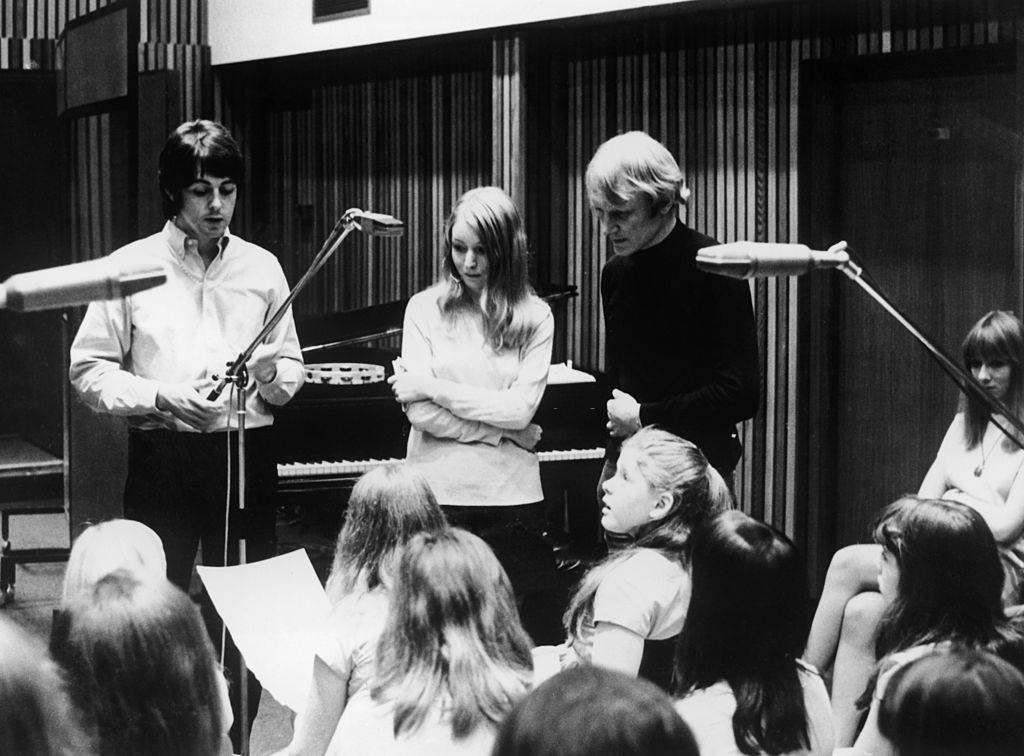
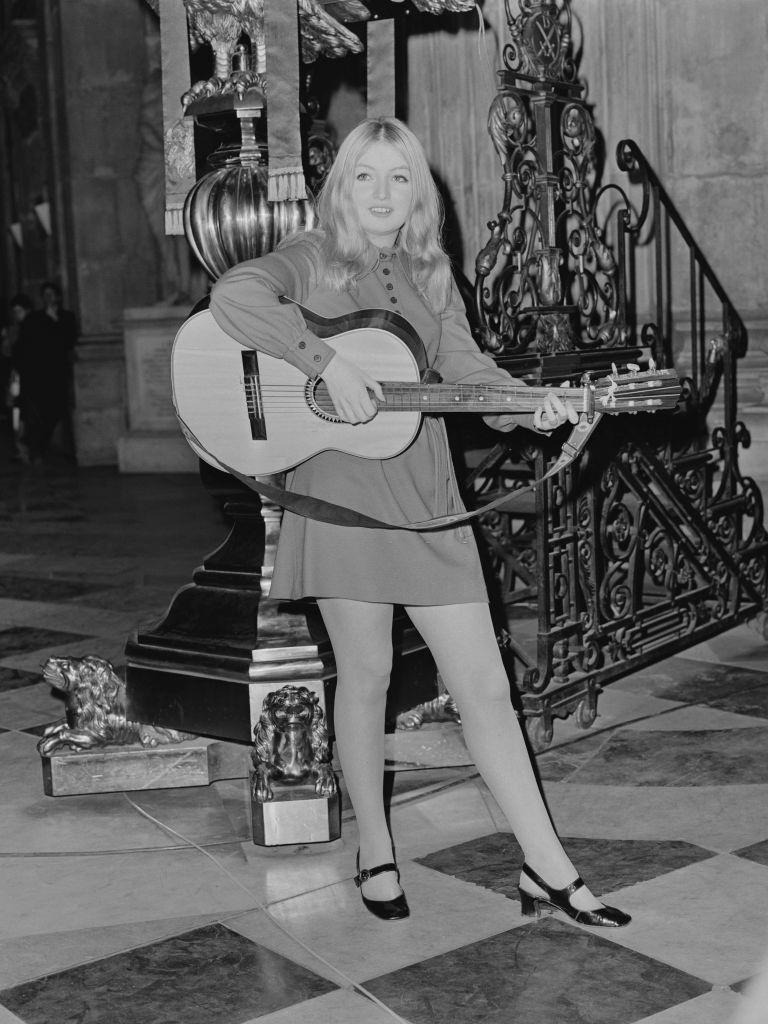
The recording sessions for ‘Those Were the Days’ brought Hopkin into the heart of the Apple Records world. On 26 July 1968, she worked alongside McCartney and Richard Newson, enlisting the Aida Foster Children’s Choir to add depth to the track. These sessions captured the energy and ambition that Apple Records was built on during those early months. Hopkin herself rehearsed extensively, including at St Paul’s Cathedral in London, preparing every detail of the performance.
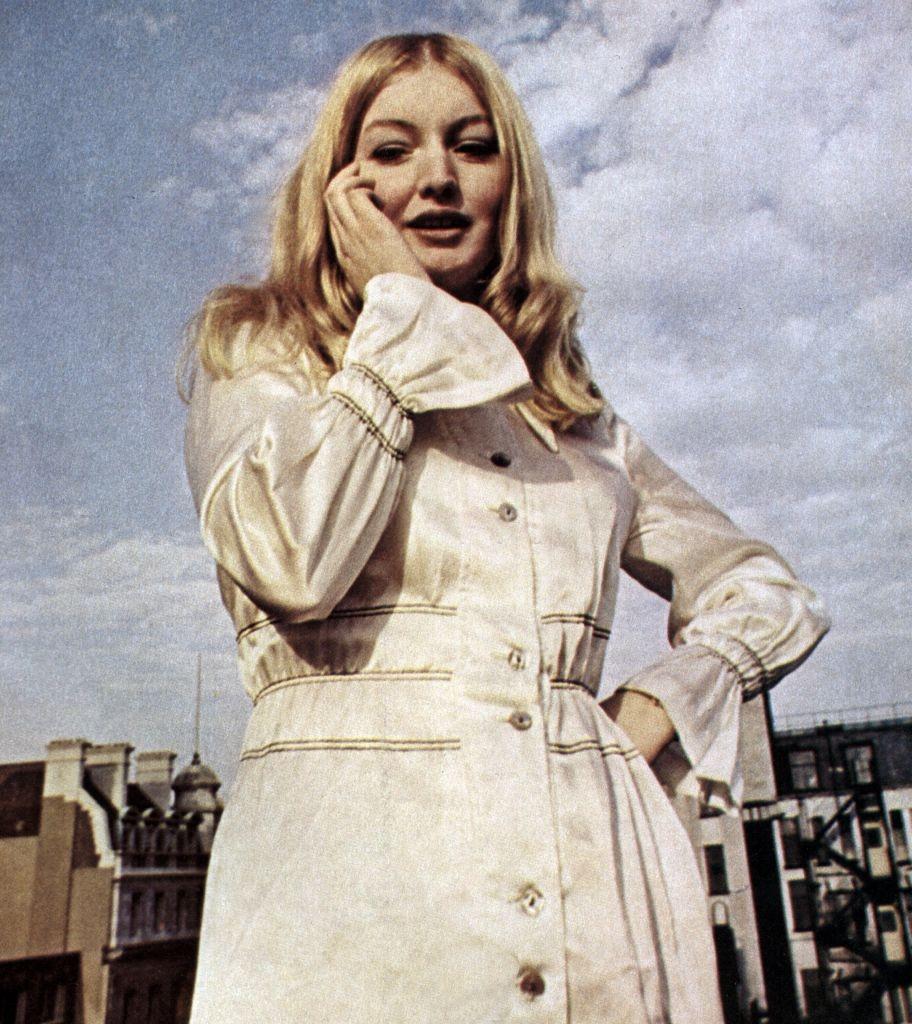
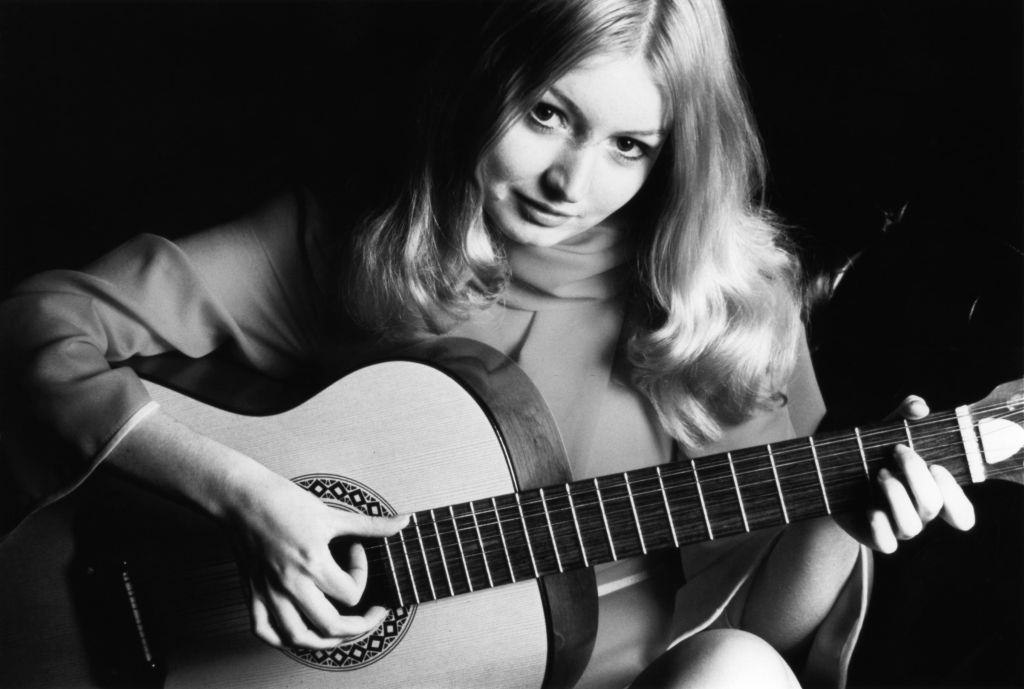
Mary Hopkin portrait, 1960s.
Mary Hopkin with a guitar, 1960s.
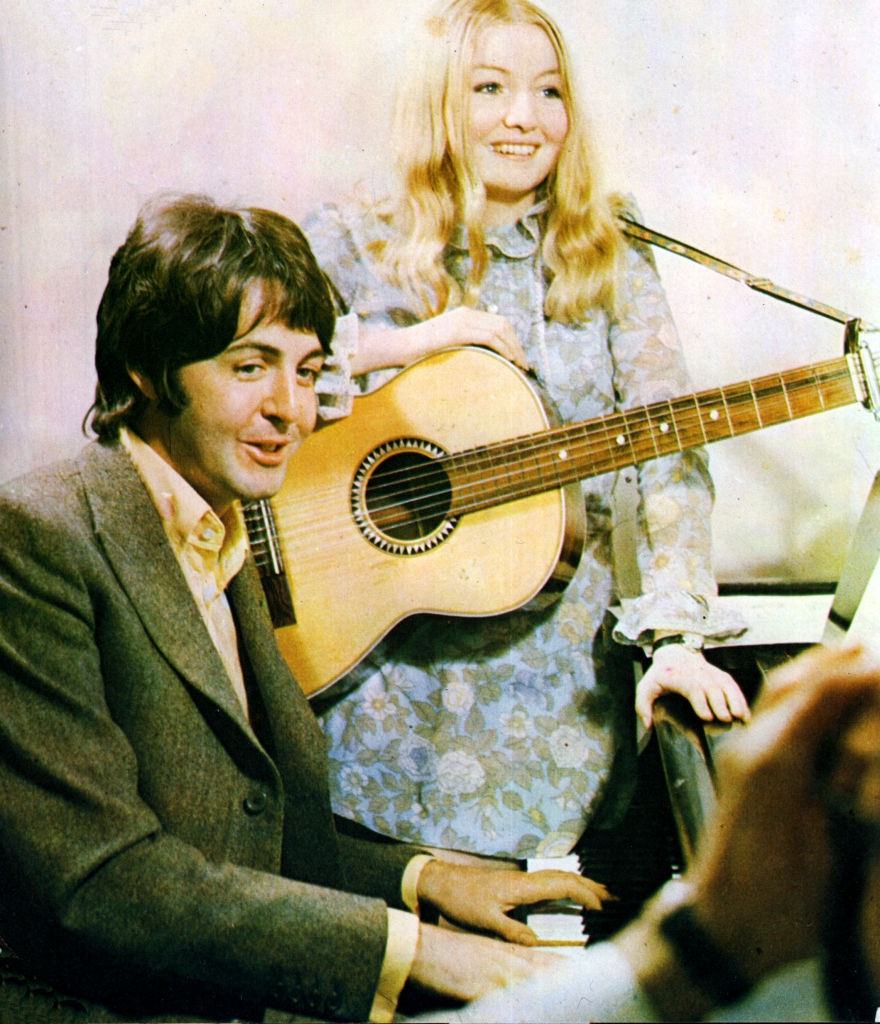
Mary Hopkin with Paul McCartney from the Beatles, 1960s.

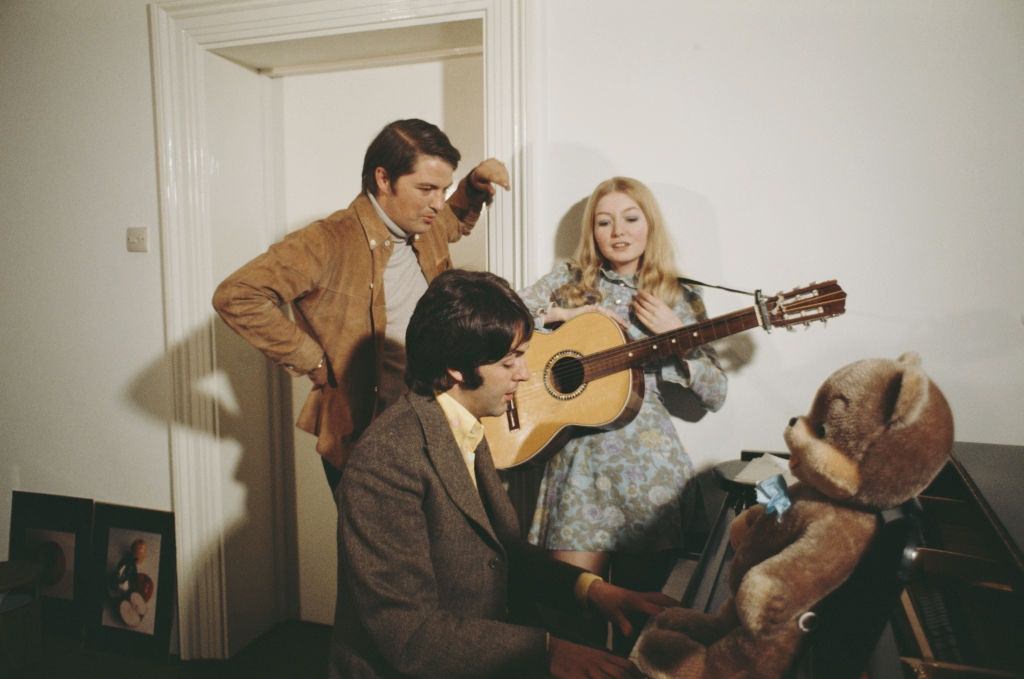
The promotional push for ‘Those Were the Days’ was intense. Hopkin was filmed for television performing the single, appeared on BBC programs, and met with disc jockeys and television hosts across the UK. She was also filmed for a Magpie Thames Television show alongside DJ Pete Brady. McCartney was closely involved throughout, working with Hopkin and Brady on new material and helping shape her public image as Apple’s brightest new voice.
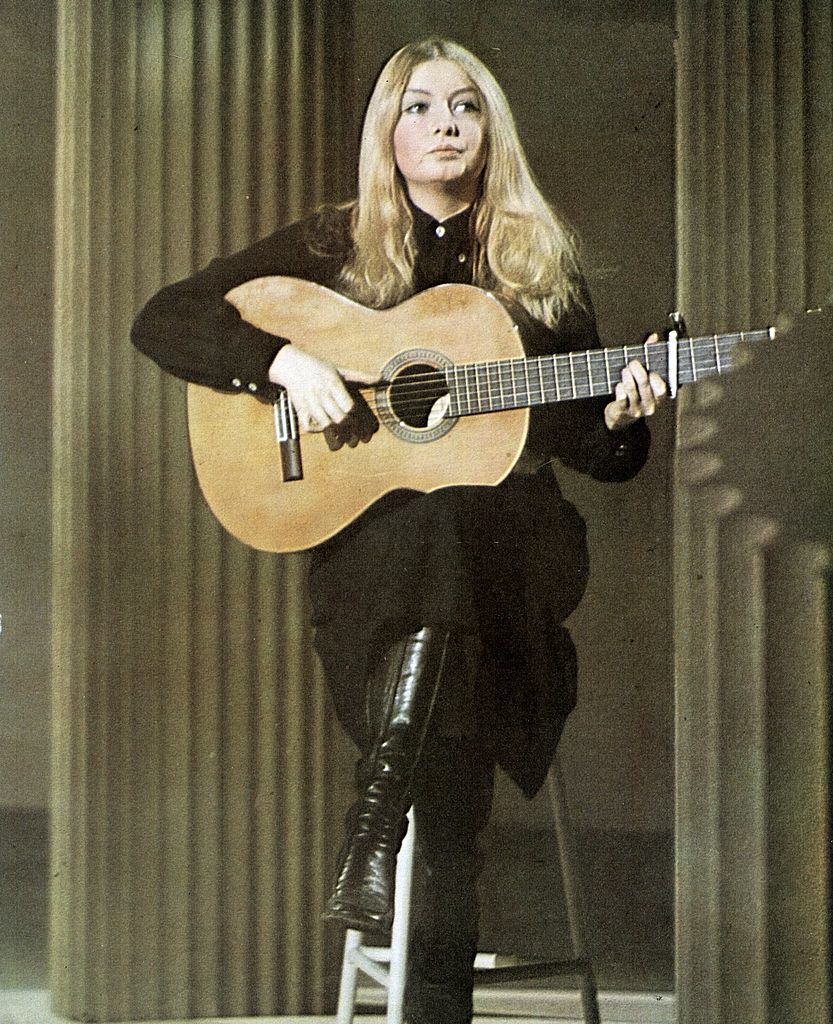
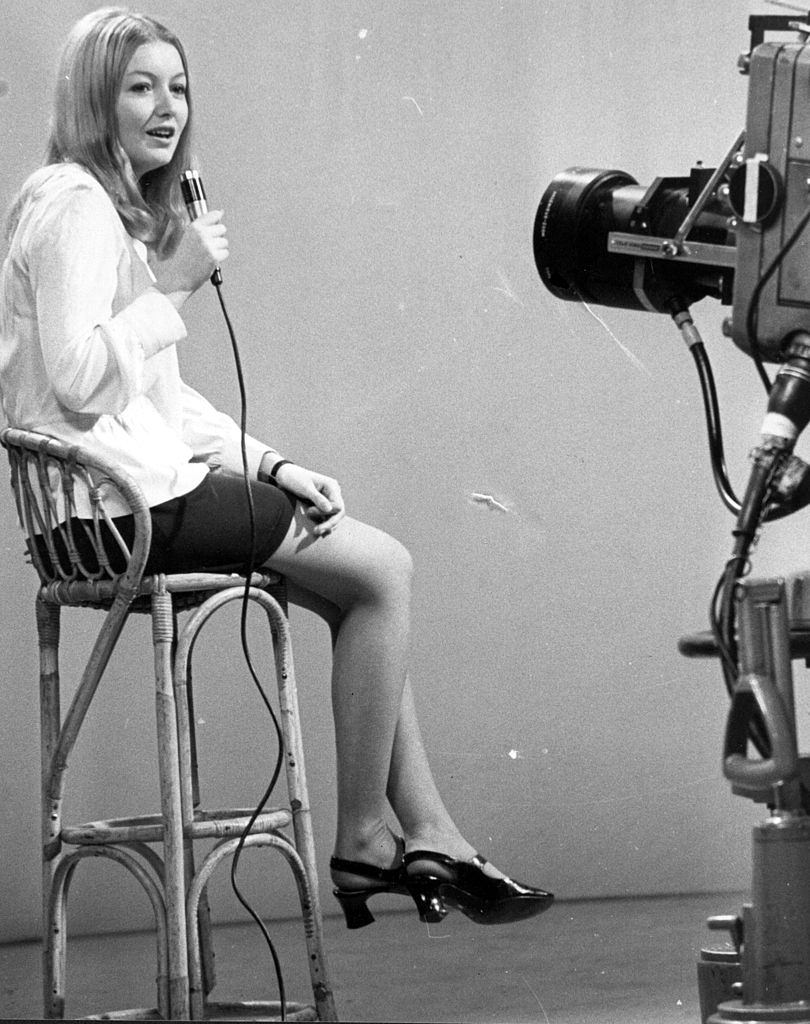
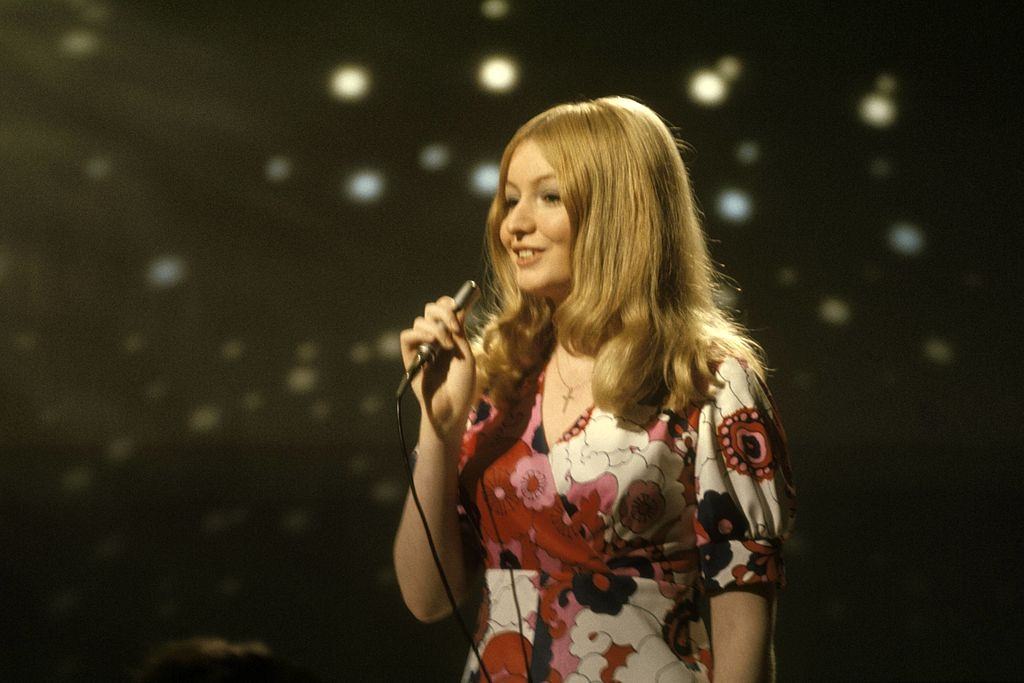
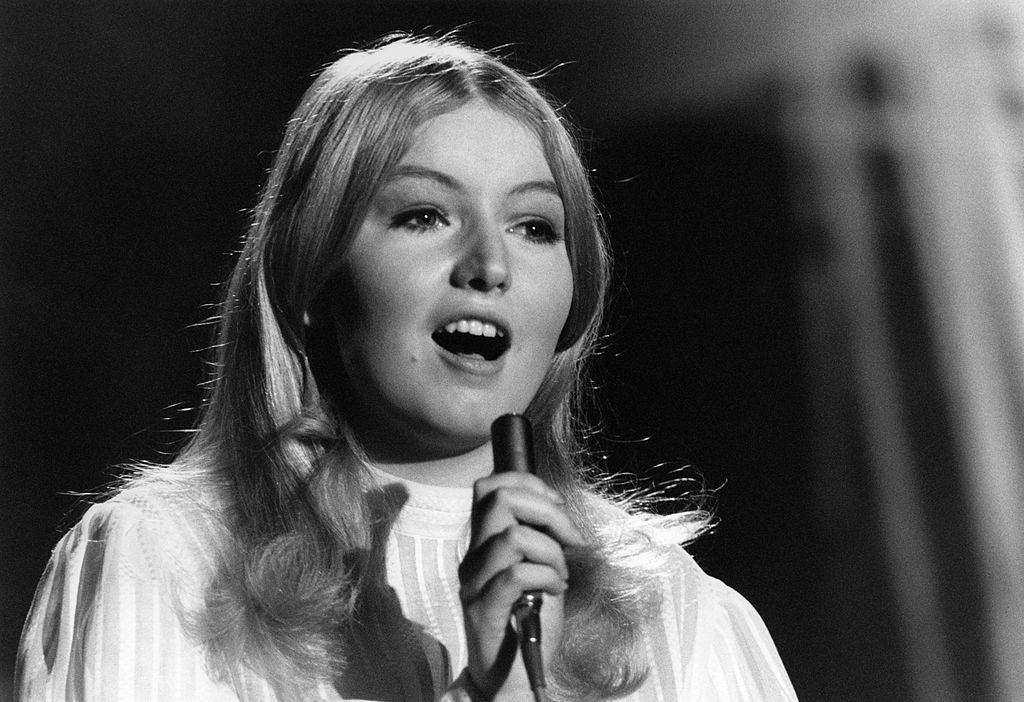
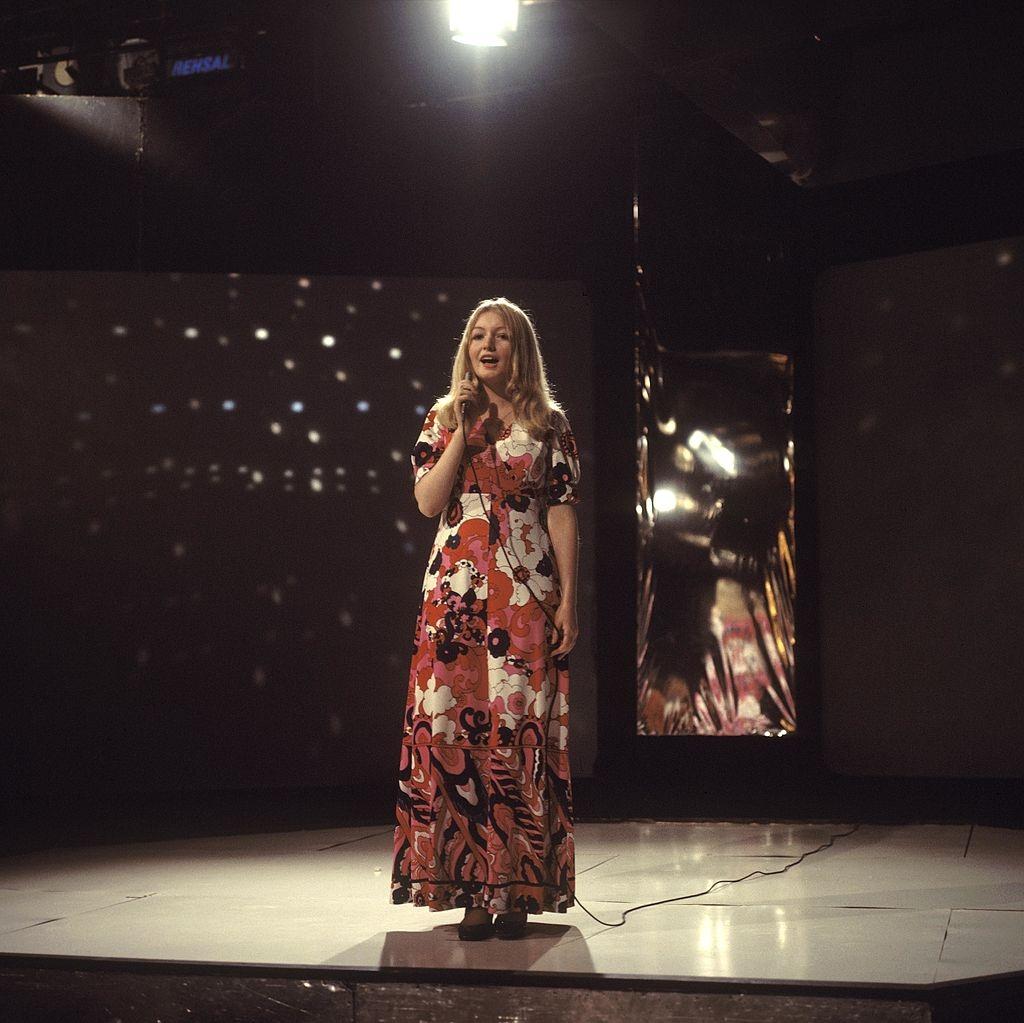
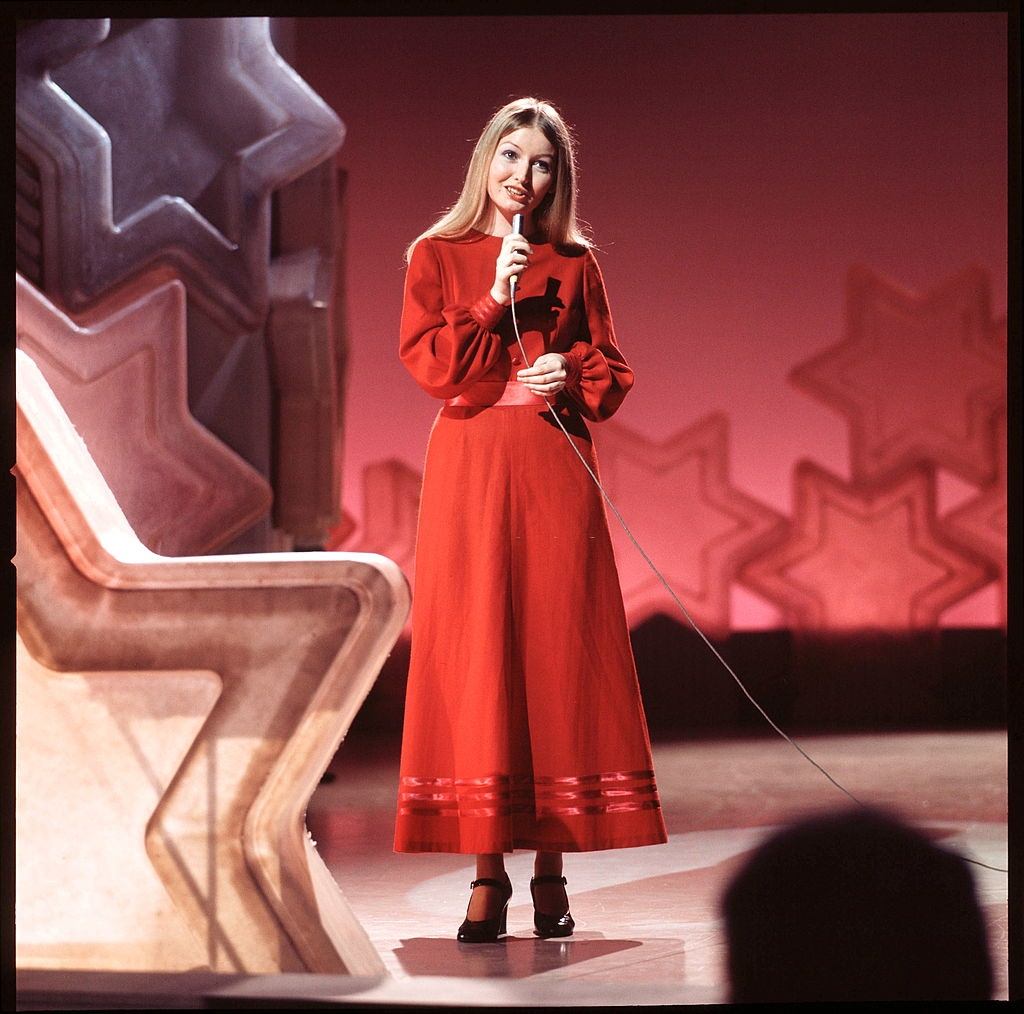
Mary Hopkin performing on the stage, 1960s.
Mary Hopkin is filmed for television singing her single 'Those Were The Days', 1968.
Mary Hopkin is filmed for television singing her single ‘Those Were The Days’, 1968.
Mary Hopkin performing on the stage, 1968.
Mary Hopkin performing in the UK, circa 1968.

Her connections within Apple Records extended to the wider Beatles circle. George Harrison was among the figures she crossed paths with during her time at the label, and photos from 1968 show her alongside key players in the Apple world. She also rehearsed at the BBC studios that year, preparing for broadcasts that brought her music to millions of listeners across the country.
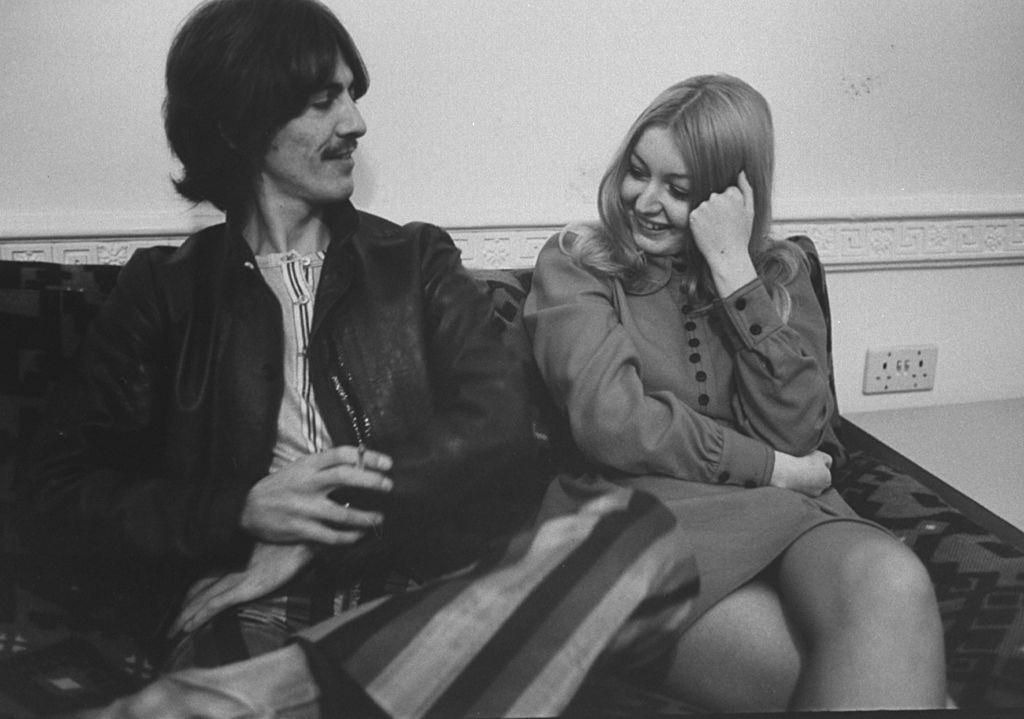
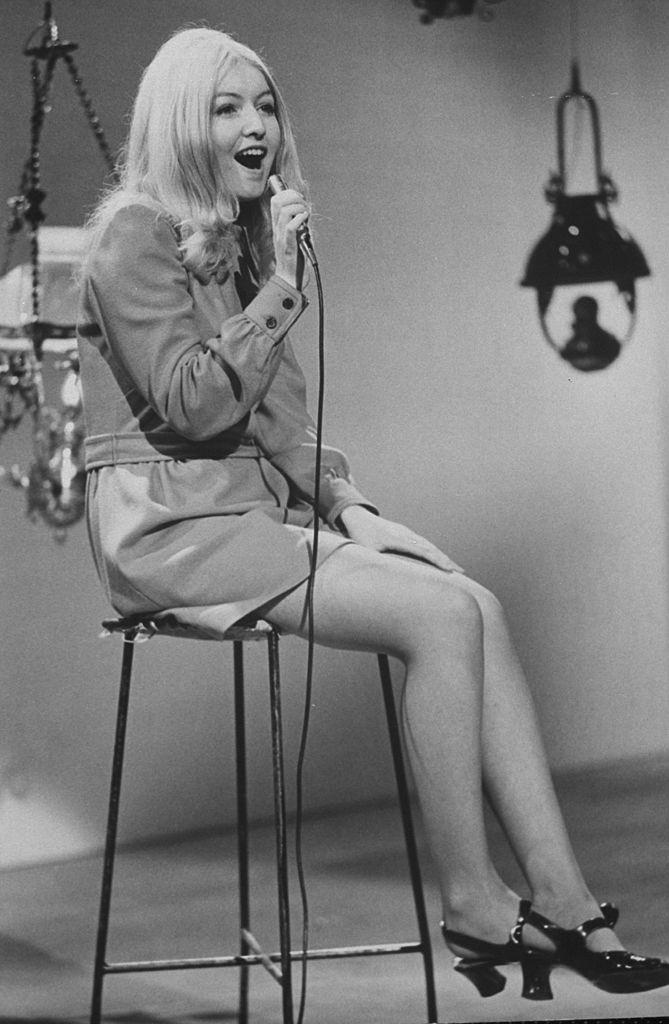
Mary Hopkin with George Harrison, 1968.
Mary Hopkins rehearsing a song at the BBC studios, 1968.
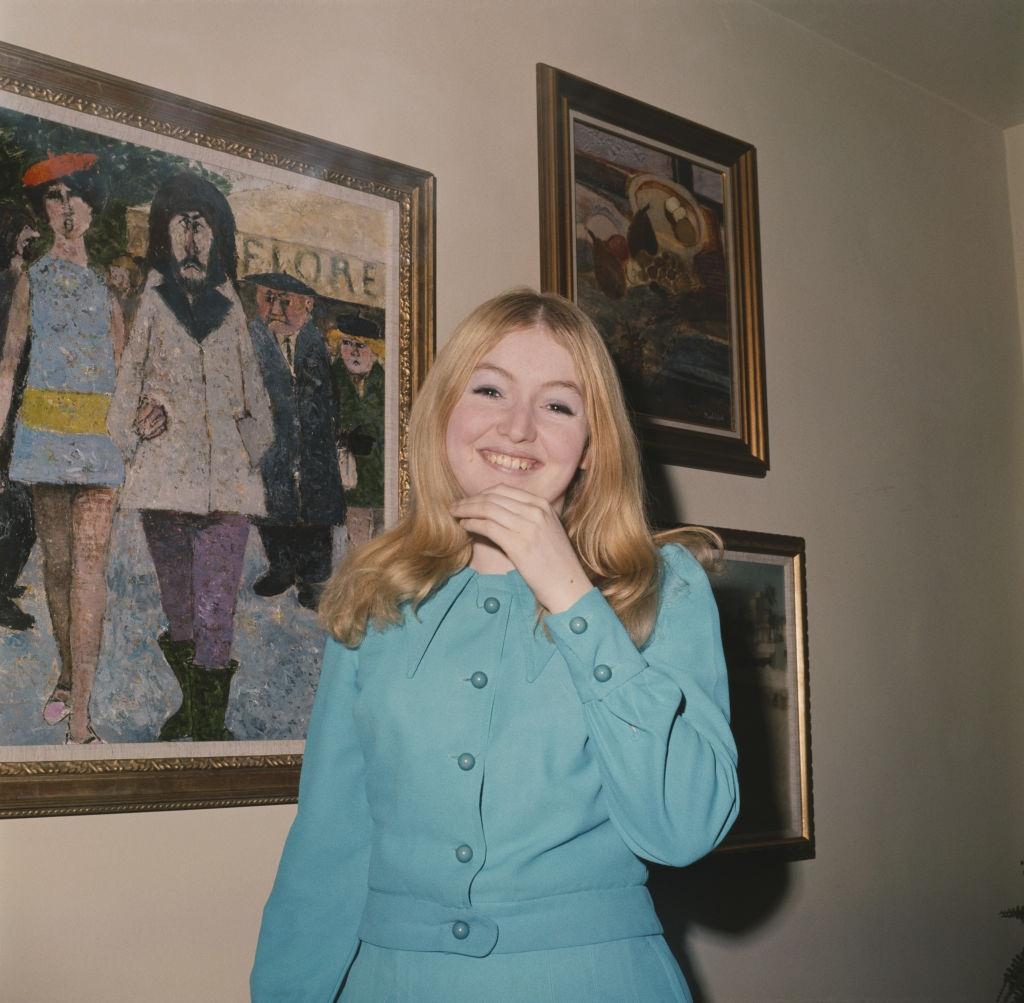
Mary Hopkin pictured standing next to an oil painting in 1968.
Mary Hopkin with Paul McCartney and Richard Newson enlist the aid of the Aida Foster Children's Choir to record Hopkin's song 'Those Were the Days' for the Apple label, 26th July 1968.
Mary Hopkin with Paul McCartney and Richard Newson enlist the aid of the Aida Foster Children’s Choir to record Hopkin’s song ‘Those Were the Days’ for the Apple label, 26th July 1968.

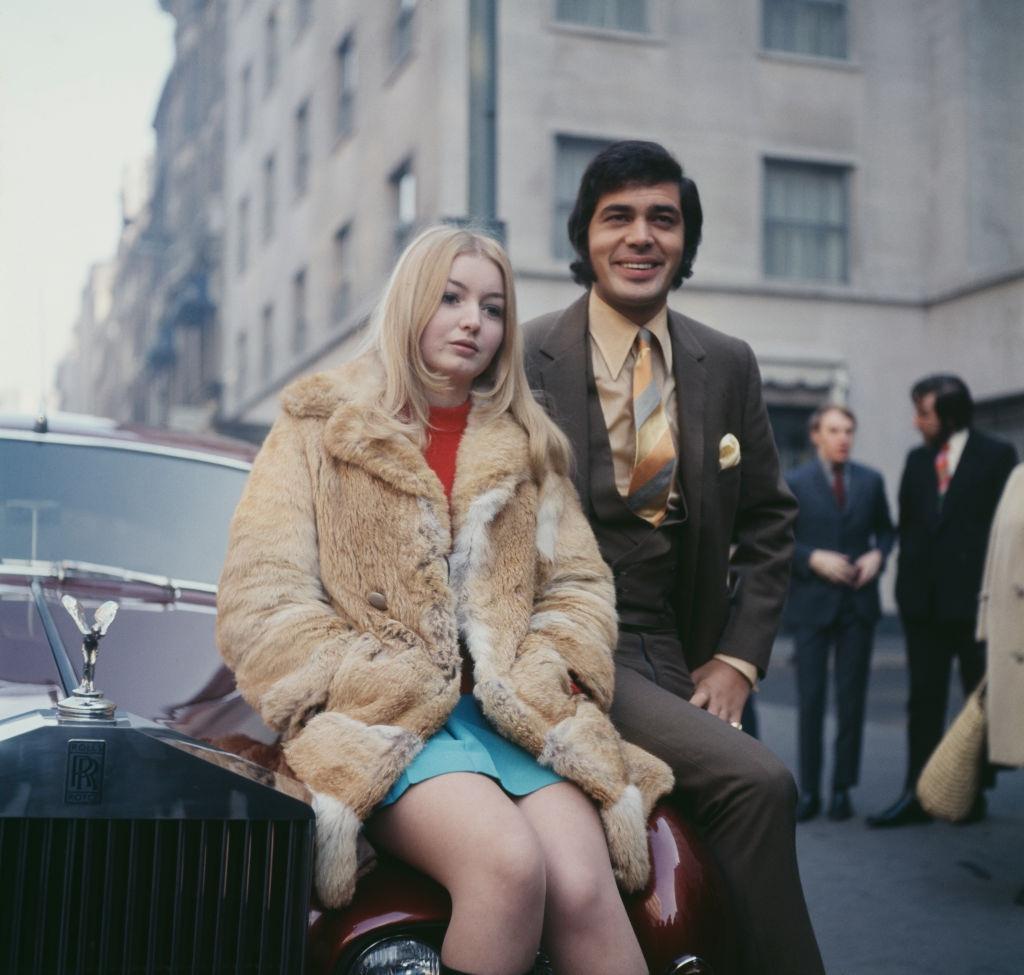
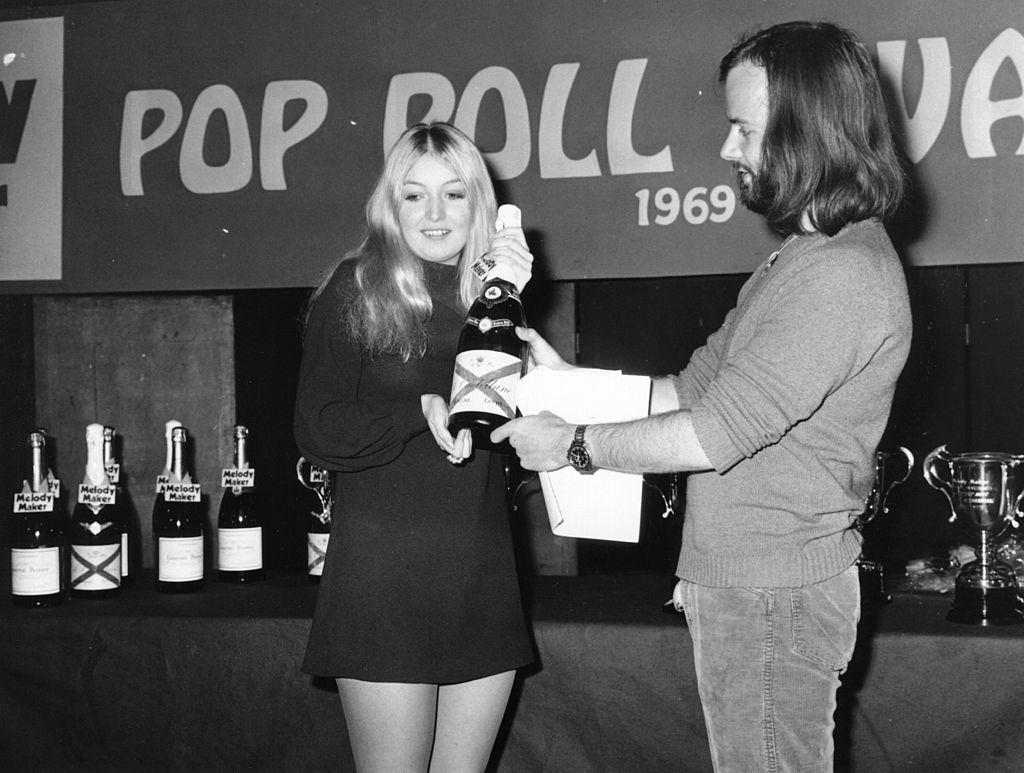
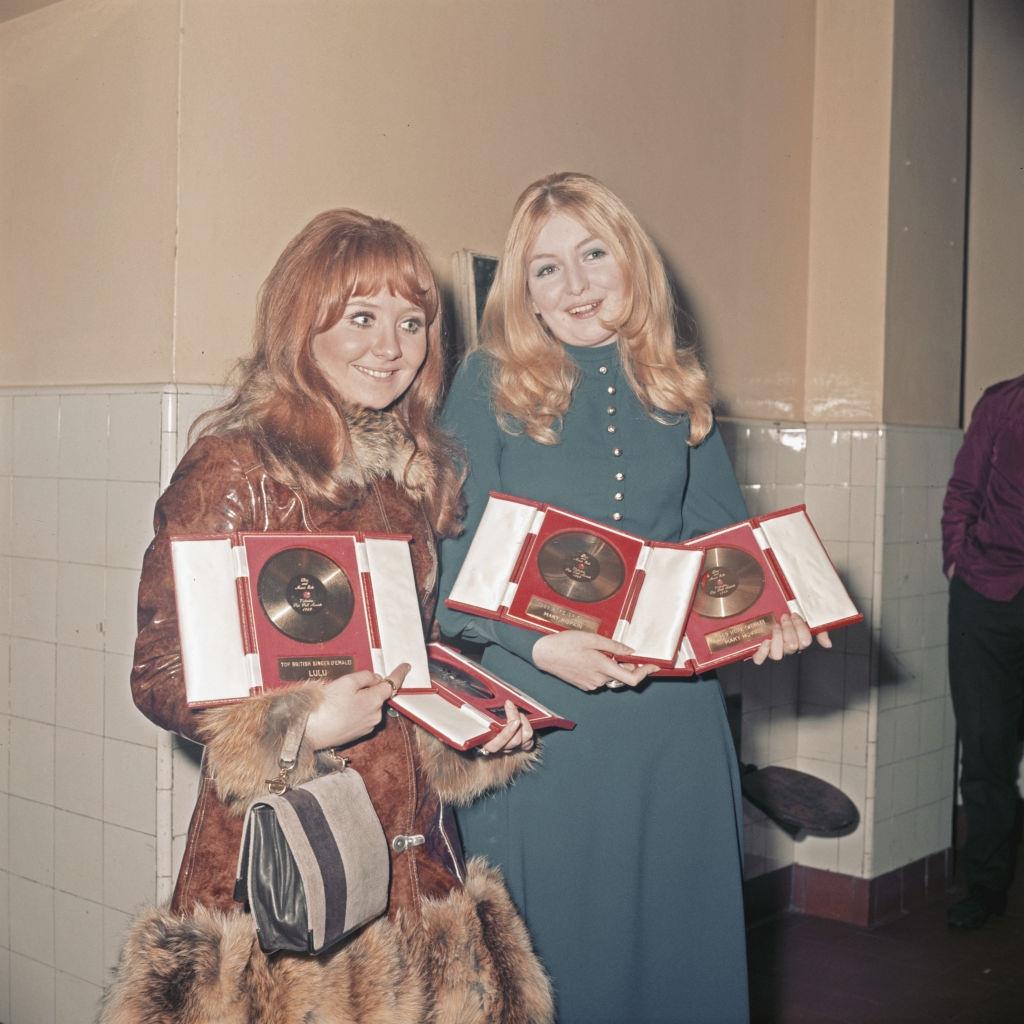
Into 1969, Hopkin remained a major presence in British pop culture. She posed for press photographers outside the BBC, appeared at public events, and took home awards recognizing her success. At the Disc and Music Echo Valentine’s Day Awards, she was presented with a prize alongside Marie MacDonald. She also took second place in the Melody Maker Poll for Best Girl Singer, receiving a bottle of champagne from DJ John Peel at the ceremony. Her profile was so high that she was photographed outside London’s Westbury Hotel with pop star Engelbert Humperdinck in March 1969.
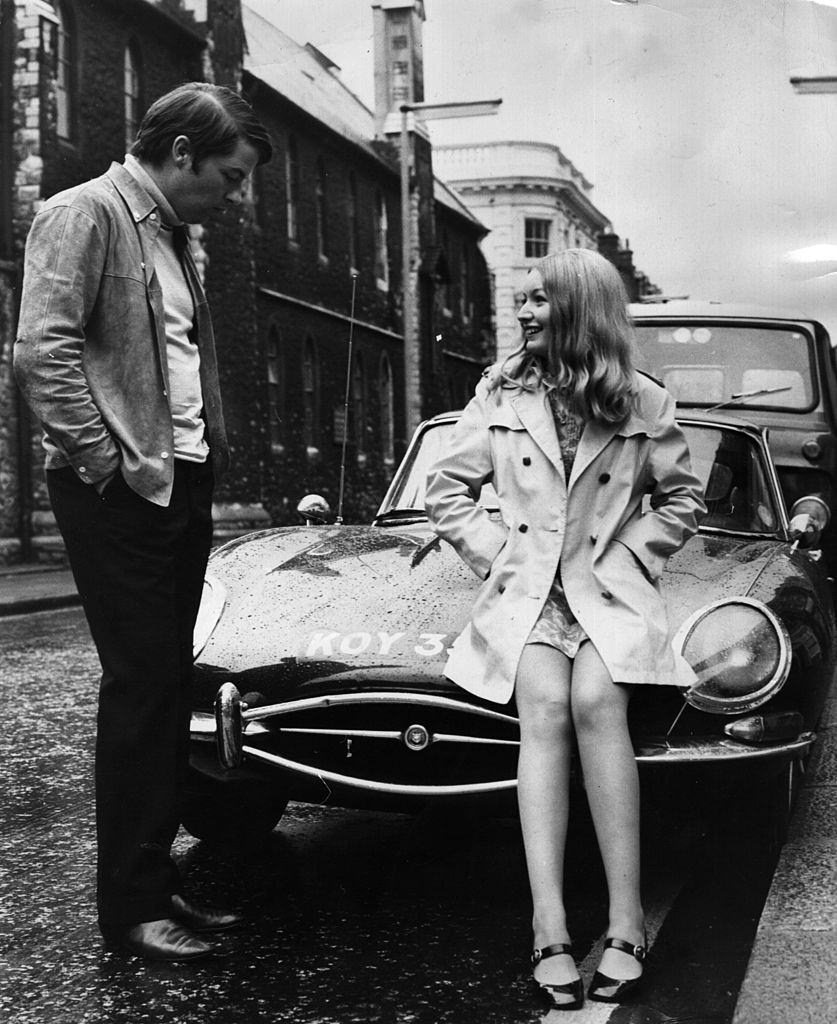
Mary Hopkin with Disc jockey Pete Brady discusses a forthcoming 'Magpie' Thames Television show, 1968.
Mary Hopkin with Disc jockey Pete Brady discusses a forthcoming ‘Magpie’ Thames Television show, 1968.
Mary Hopkin goes over a new song with Pete Brady (left) and Paul McCartney of the Beatles,1968.
Mary Hopkin rehearsing at St Paul's Cathedral, London, 1968.
Mary Hopkin rehearsing at St Paul’s Cathedral, London, 1968.

At the close of 1969, Hopkin took on a very different kind of stage. She joined entertainer Tommy Steele in the pantomime ‘Dick Whittington’ at the London Palladium, with rehearsals underway by 20 December 1969. It was a side of her public life that showed she was comfortable in theatrical settings as well as concert halls and television studios. The Palladium engagement gave her a broader audience and kept her firmly in the spotlight heading into 1970.
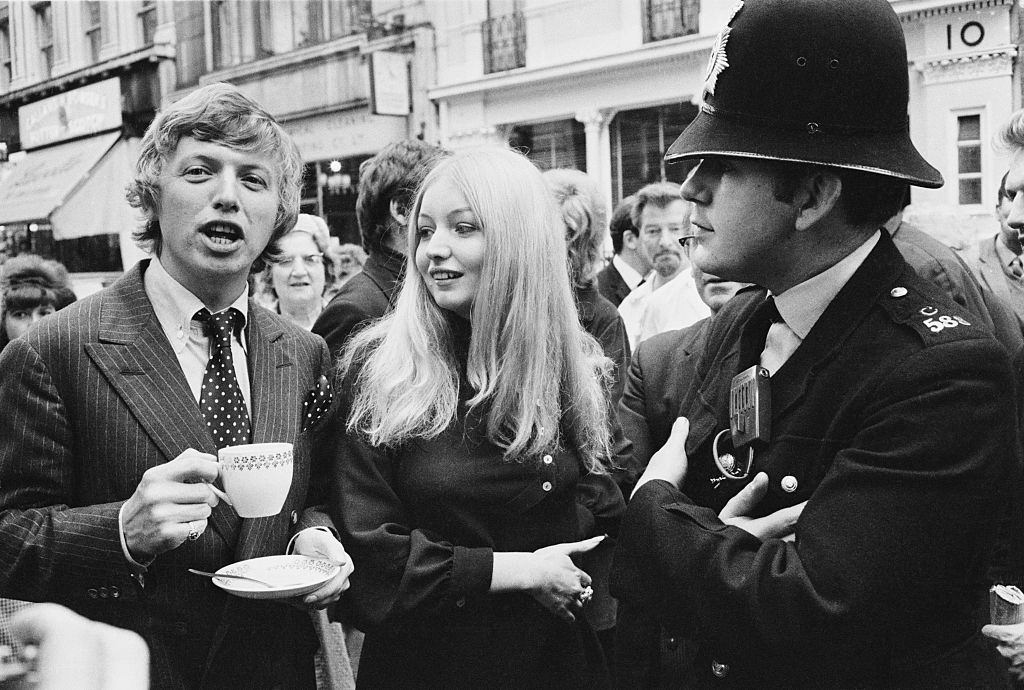
Mary Hopkin with Tommy Steele in Whittington at the London Palladium, London, 1969.
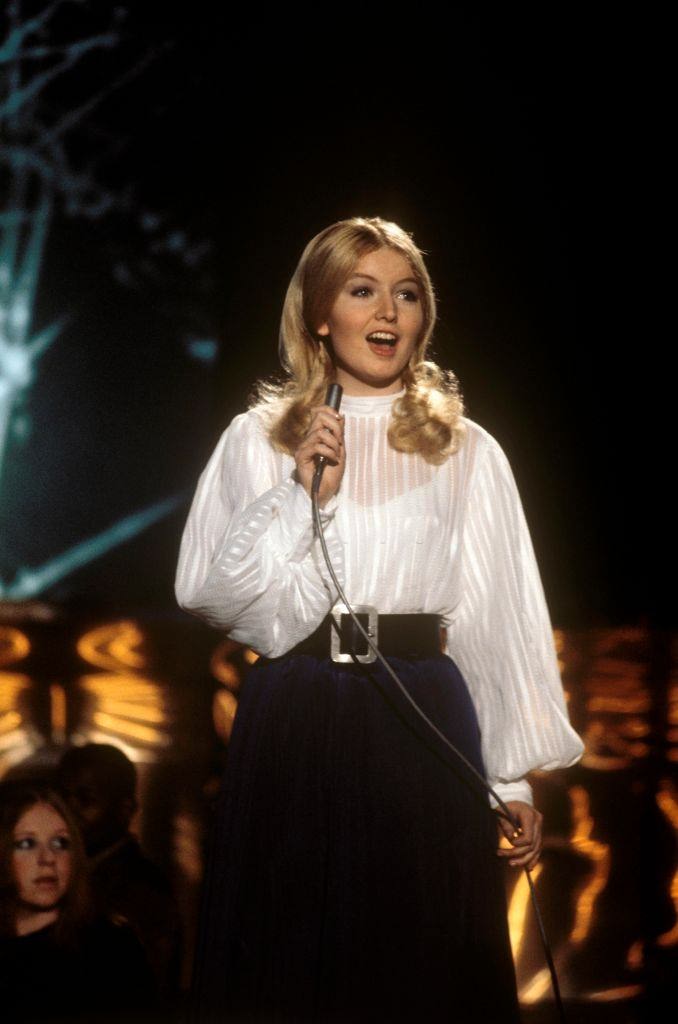
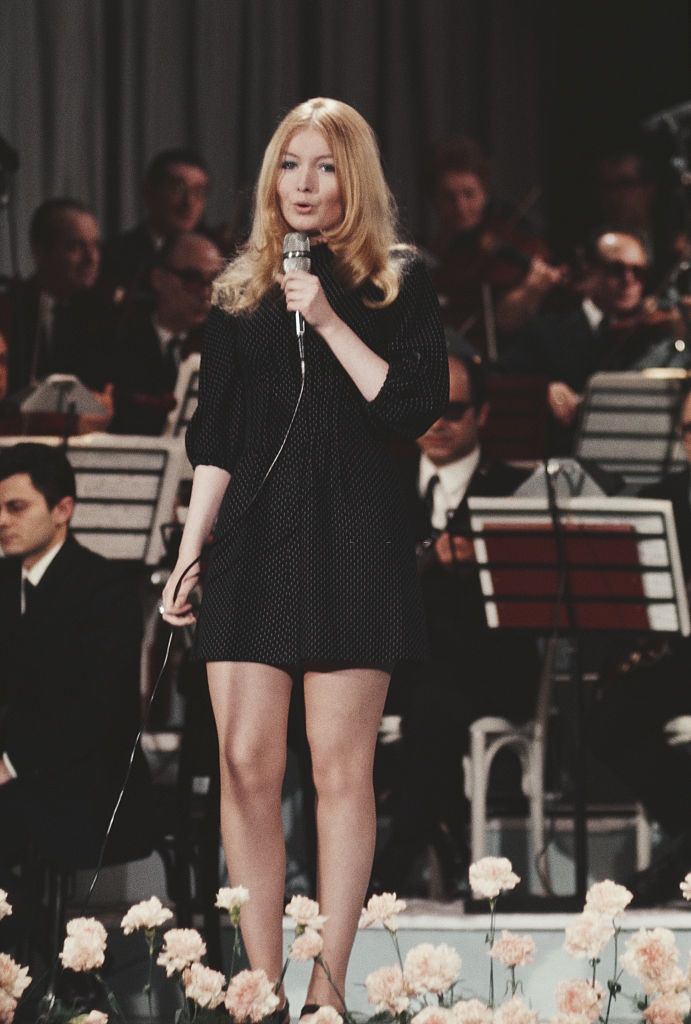
Mary Hopkin performs live on stage at the Sanremo Music Festival in Sanremo Casino, 1969.
Mary Hopkin performs on "This Is Tom Jones" TV show in, 1970.
Mary Hopkin performs on “This Is Tom Jones” TV show in, 1970.
Mary Hopkin, February 7, 1969.

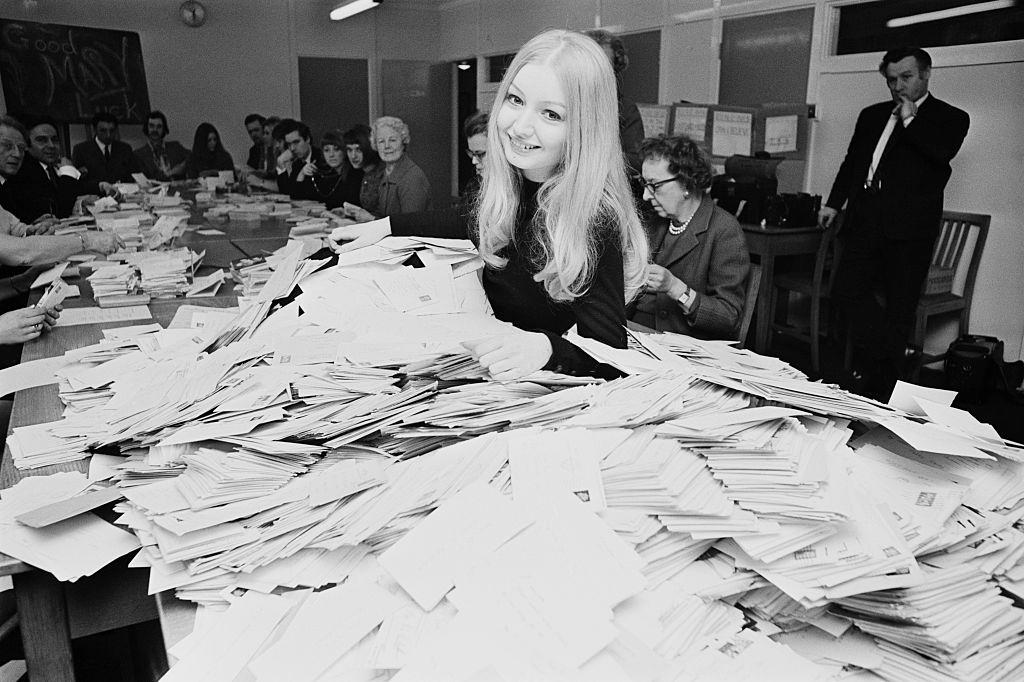
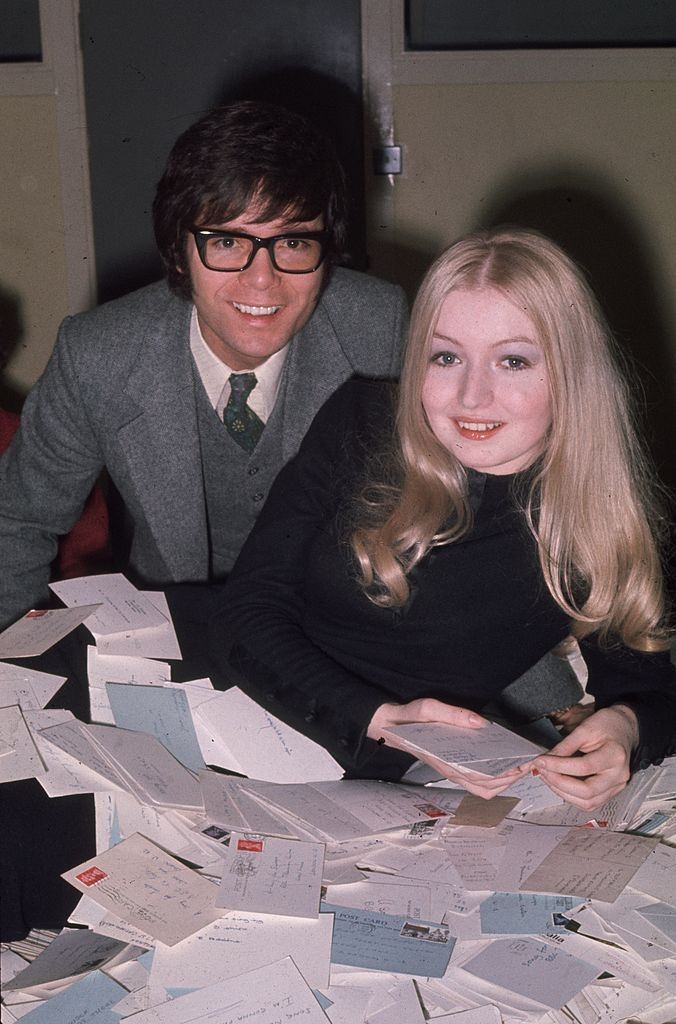
In September 1969, it was confirmed that Hopkin would represent Great Britain at the 1970 Eurovision Song Contest. The announcement was a significant moment, placing her on a stage watched by tens of millions of viewers across Europe. She sorted through postcards at the BBC in London to help decide which song she would perform — a public-facing process that drew considerable media attention. The chosen song was ‘Knock Knock, Who’s There?’ and the contest itself took place in 1970, where she finished in second place.
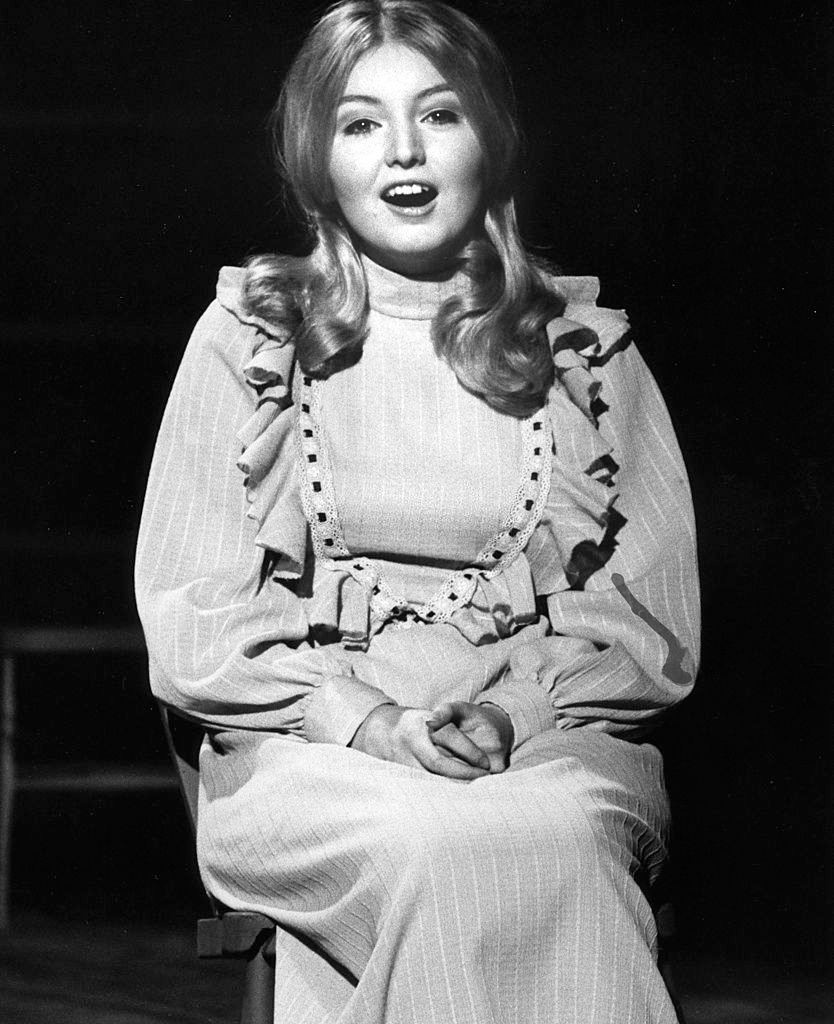
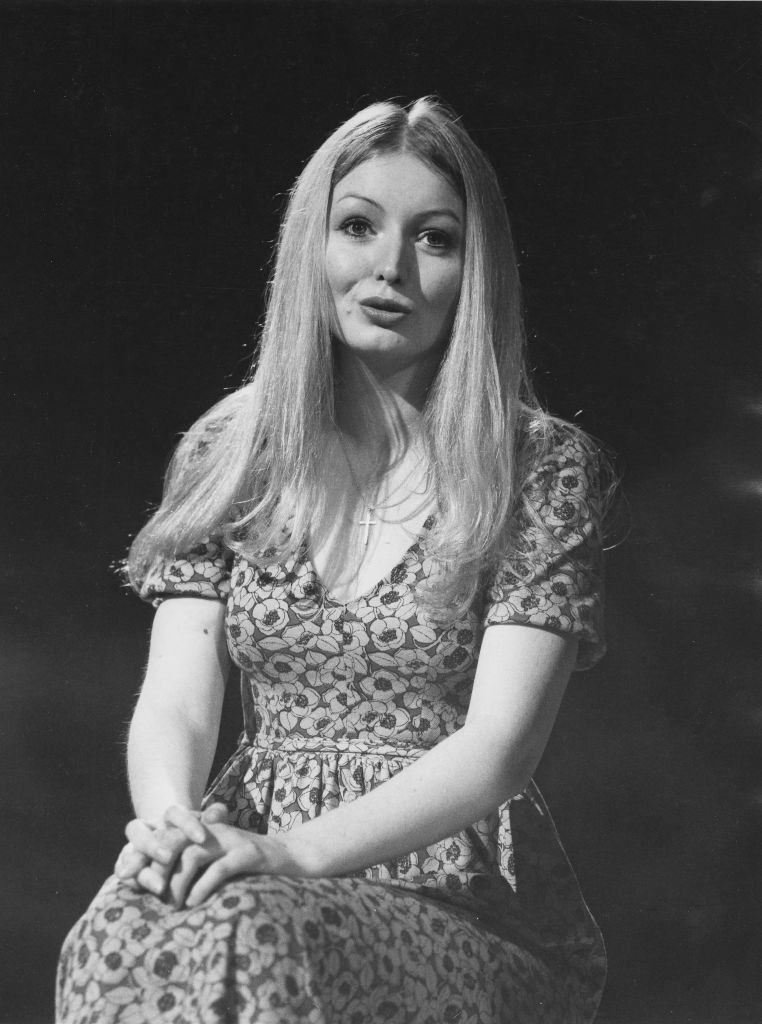
Mary Hopkin sitting on the chair, 1969.
Mary Hopkin with Marie MacDonald clutching awards they were presented at the Disc And Music Echo Valentine's Day Award, 1969.
Mary Hopkin with Marie MacDonald clutching awards they were presented at the Disc And Music Echo Valentine’s Day Award, 1969.
Mary Hopkin with English pop singer Engelbert Humperdinck outside the Westbury Hotel in London, 7th March 1969.
Mary Hopkin, 1968.
Mary Hopkin, 1968.
Mary Hopkin on the stage, 1968.

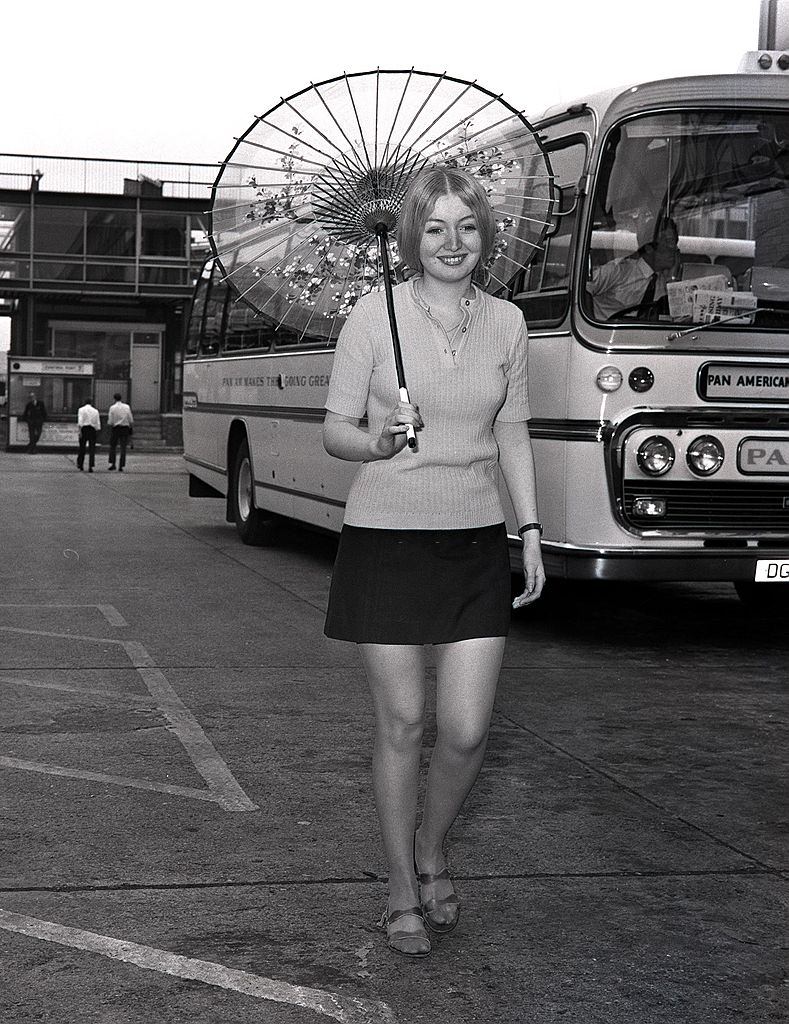
The Eurovision result did nothing to slow her momentum. Also in 1970, Hopkin released ‘Think About Your Children,’ which became her final major chart hit. She performed on television programs including ‘This Is Tom Jones,’ appeared at the Royal National Eisteddfod in Ammanford, and traveled internationally. After a television appearance in Osaka, Japan, she returned to Heathrow Airport carrying an oriental parasol — a small but vivid detail from a year of constant movement and activity. Cliff Richard was beside her at the Eurovision vote count as ‘Knock Knock, Who’s There?’ results came in.
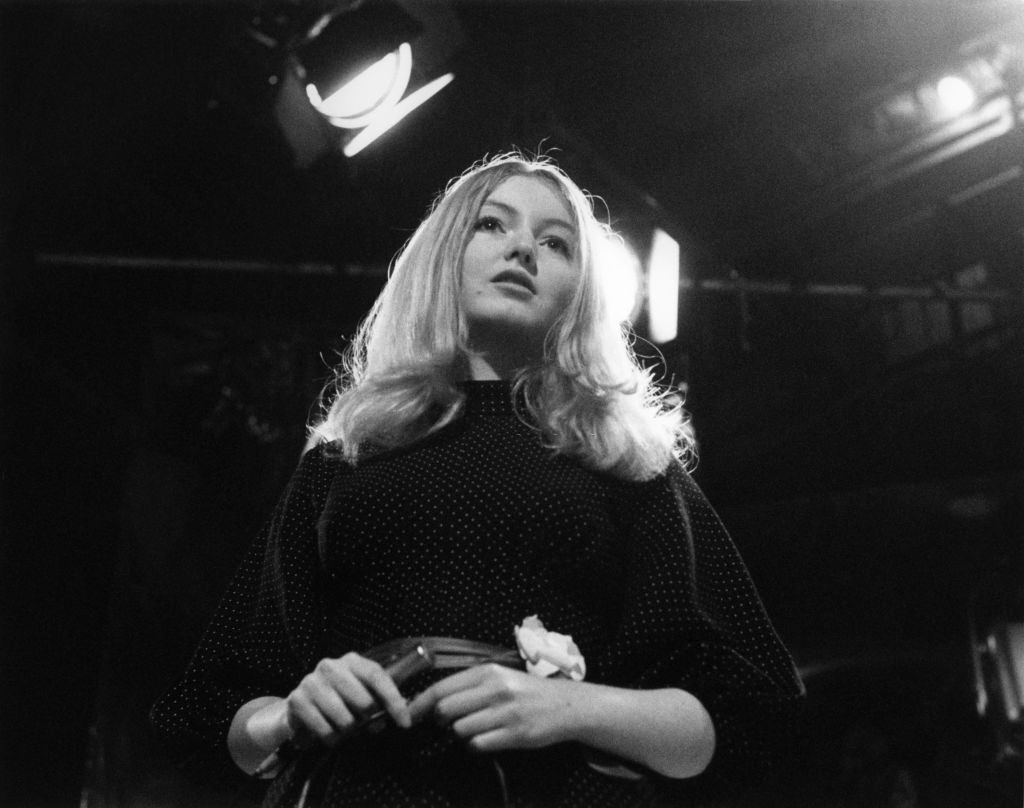
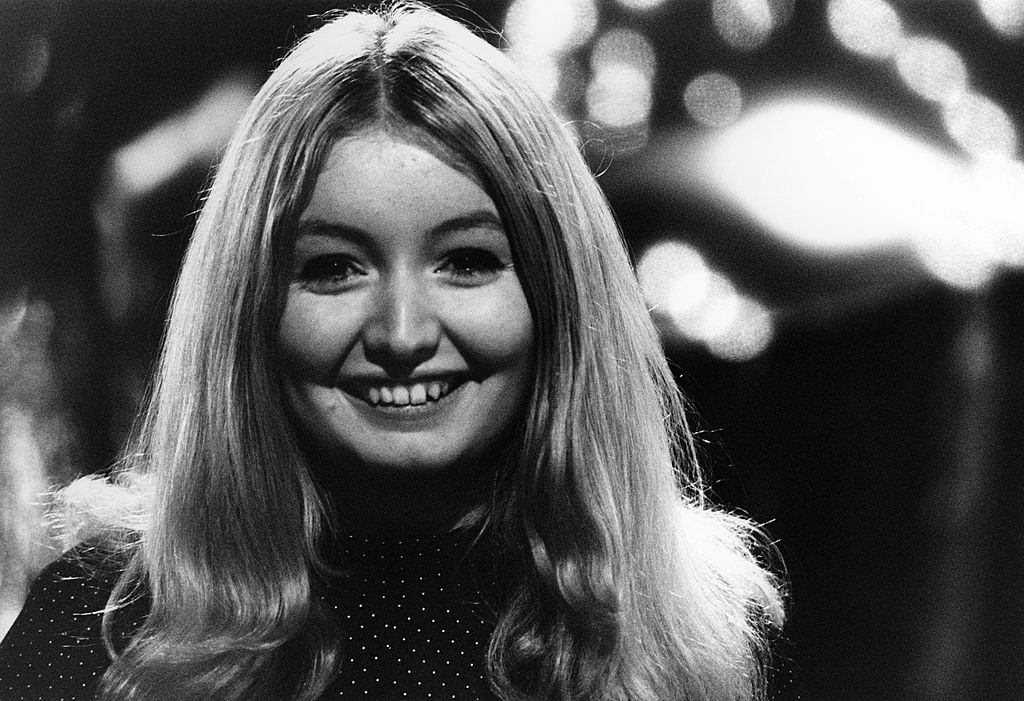
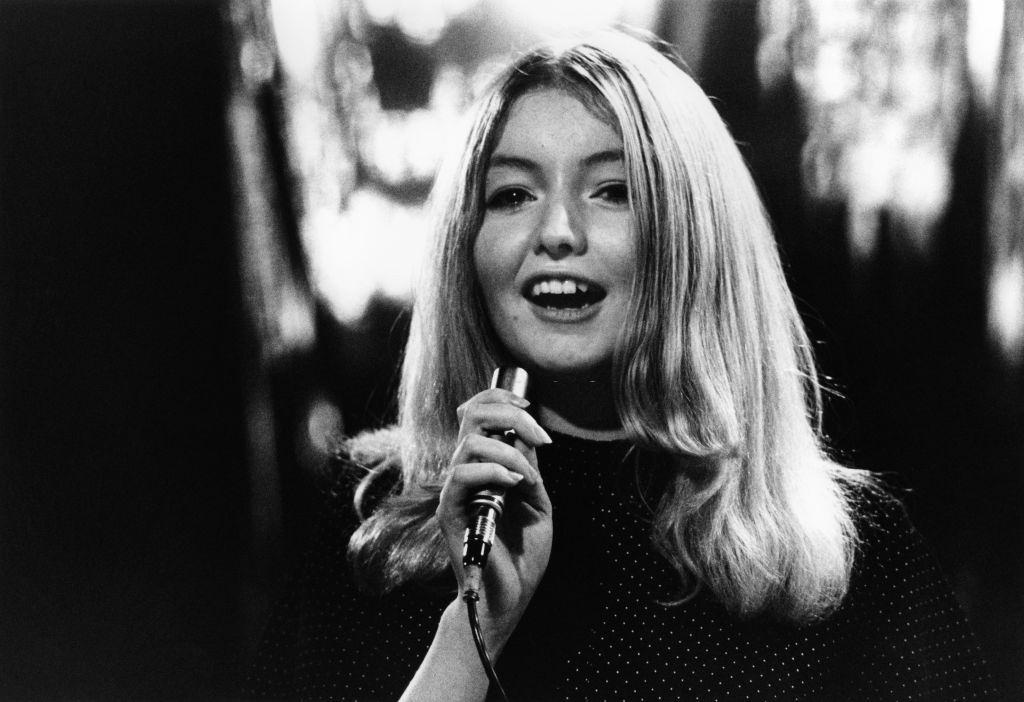
Mary Hopkin on the stage, 1960s.
Mary Hopkin smiling, 1960s.
Mary Hopkin, 1969.
Mary Hopkin, 1969.
Mary Hopkin, who took second place in the Melody Maker Poll for the best girl singer, is awarded a bottle of champagne by John Peel, 1969.

Her debut album, ‘Postcard,’ reached number 3 in the UK and number 28 in the US. Her second album, ‘Earth Song, Ocean Song,’ was released on 1 October 1971. Hopkin later expressed regret that she was unable to promote it properly, as she was tied up with summer season commitments at the time. The album marked the end of her time with Apple Records. With its release, that chapter of her career closed.
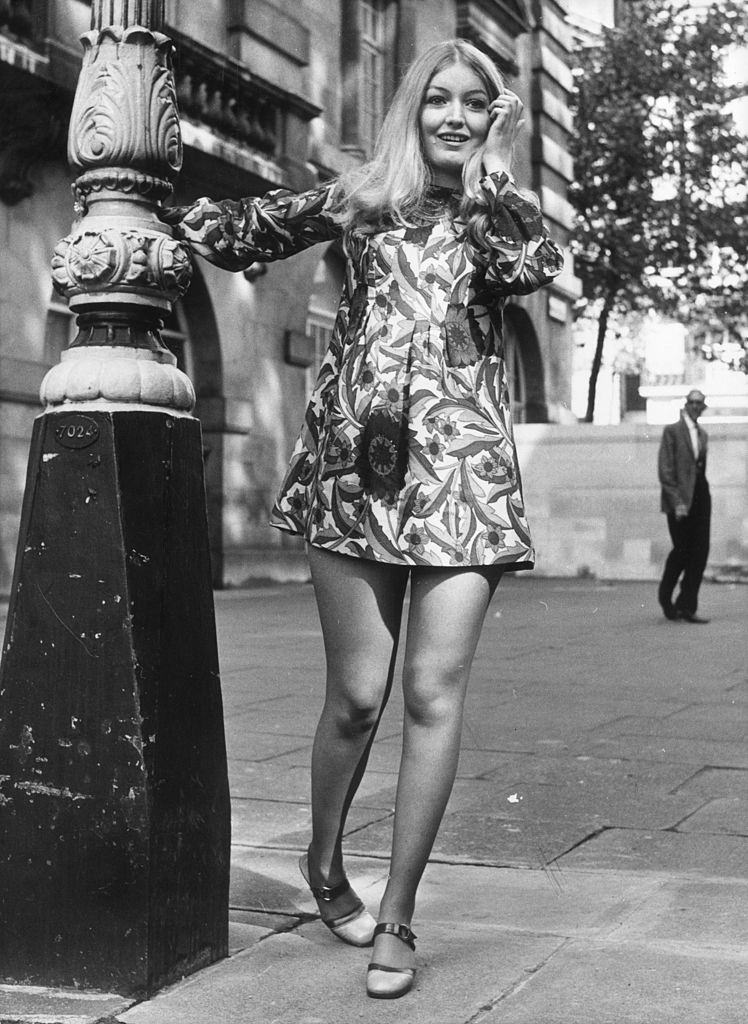
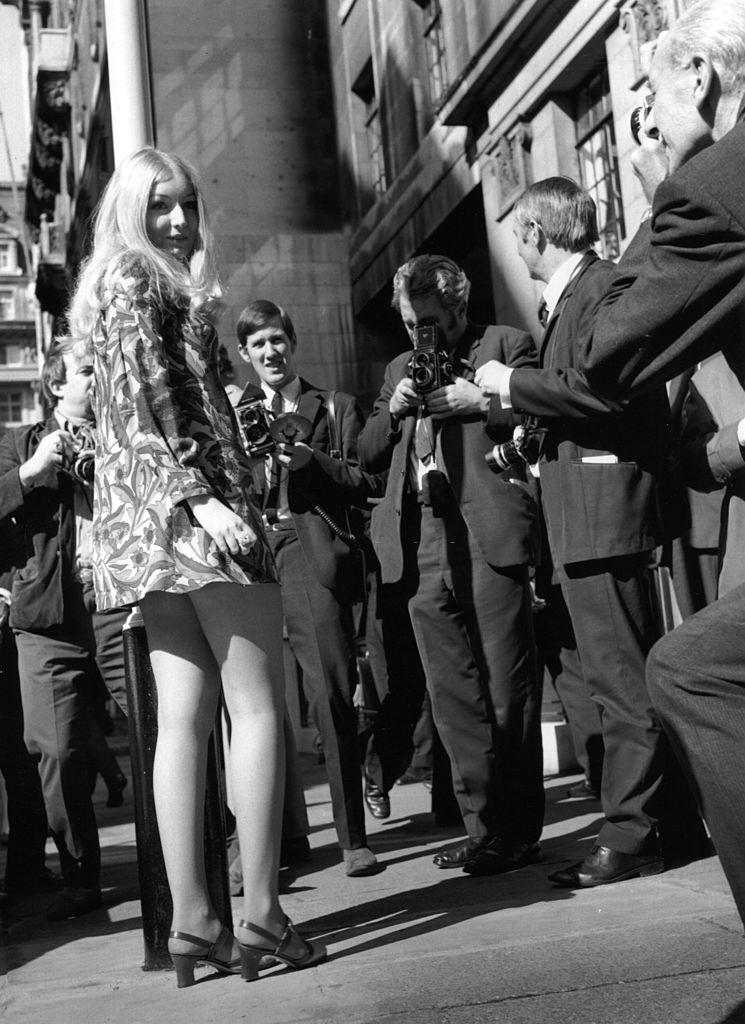
Mary Hopkin, 1970.
Mary Hopkin, 1970.
Mary Hopkin poses for press photographers outside the BBC in London, 1969.
Mary Hopkin in London after being chosen to represent Great Britain in the 1970 Eurovision Song Contest, 22nd September 1969.
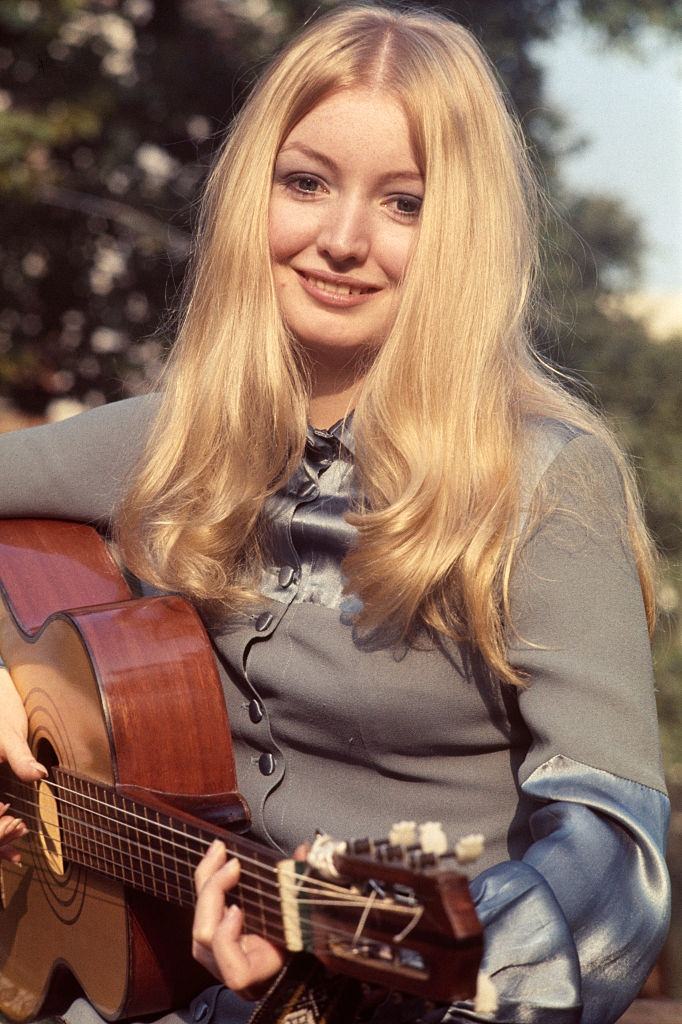
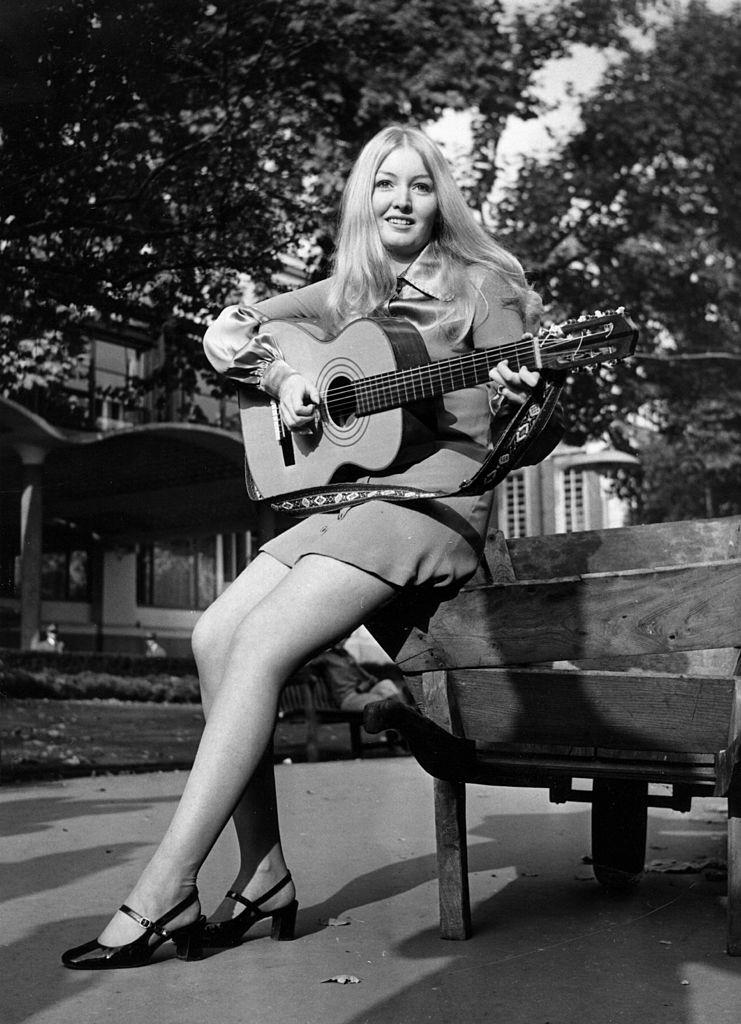
Mary Hopkin posed holding an acoustic guitar in London in October 1969
Mary Hopkin relaxes in Embankment Gardens, London, 1969.

In 1971, Hopkin married American record producer Tony Visconti and stepped back from recording to focus on raising their family. They had a daughter, Jessica Lee Morgan. The marriage also brought a shift in her professional world — Visconti was a respected producer who had worked with David Bowie and Marc Bolan, giving Hopkin a close connection to another corner of the music industry. In January 1972, the couple traveled to Australia, where she performed at an outdoor rock festival in South Australia and gave concerts in several major cities. That same year, she held a farewell concert at the Royal Festival Hall in London.
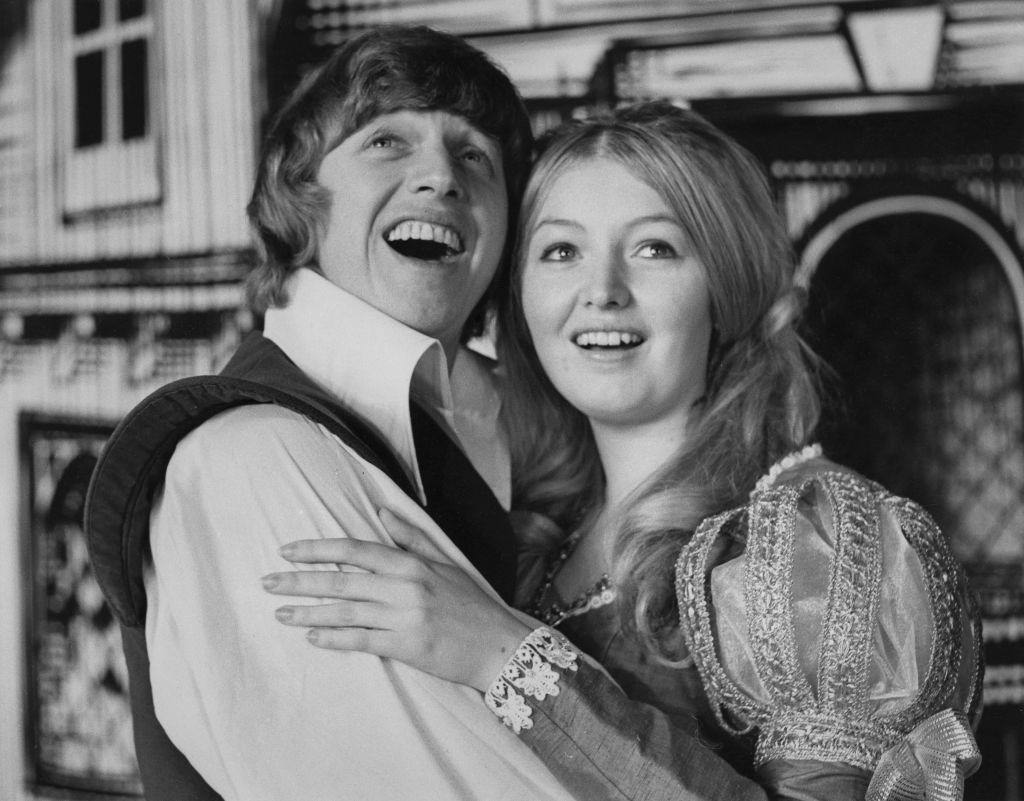
Mary Hopkin with Tommy Steele uring rehearsals for the pantomime 'Dik Whittington' at the London Palladium, 20th December 1969.
Mary Hopkin with Tommy Steele uring rehearsals for the pantomime ‘Dik Whittington’ at the London Palladium, 20th December 1969.
Mary Hopkin with Cliff Richardat the 1970 Eurovision Song Contest count when Hopkin's 'Knock Knock Who's There?' , 1970.
Mary Hopkin with Cliff Richardat the 1970 Eurovision Song Contest count when Hopkin’s ‘Knock Knock Who’s There?’ , 1970.
Mary Hopkin, 1971.
Mary Hopkin, 1971.
Mary Hopkin in London, 1971.

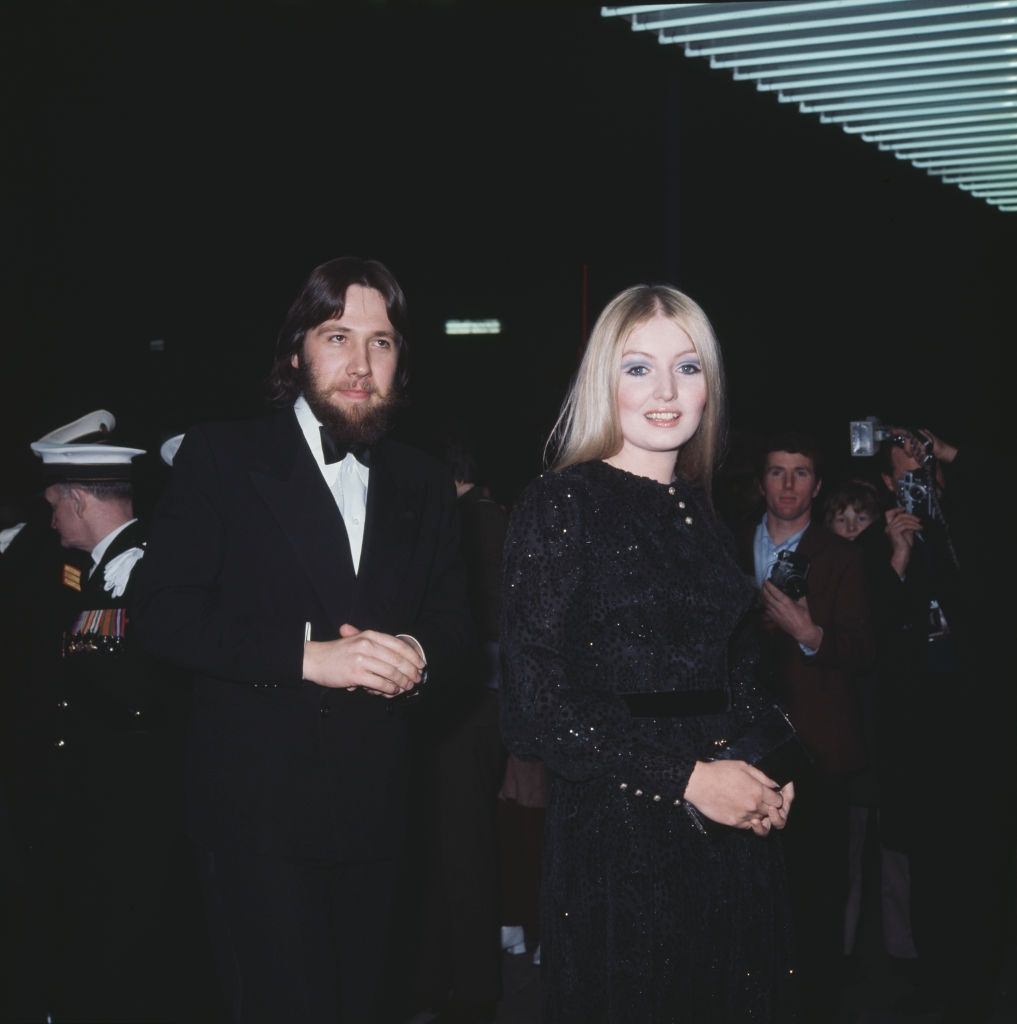
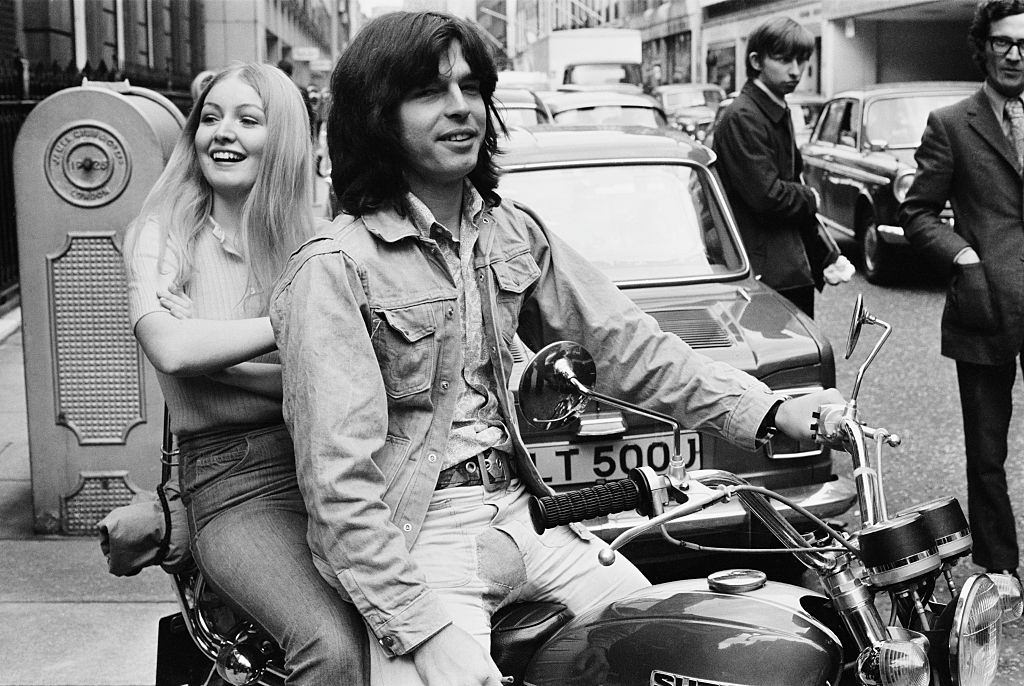
Photos from 1971 show Hopkin at a London film premiere, specifically the premiere of ‘The Tales of Beatrix Potter,’ and also visiting her parents’ home — a contrast between the glamour of public life and the quieter personal world she was moving toward. By June 1971, images of her alongside Visconti in London captured a woman at a clear turning point, balancing a high-profile career with the beginnings of a domestic life.
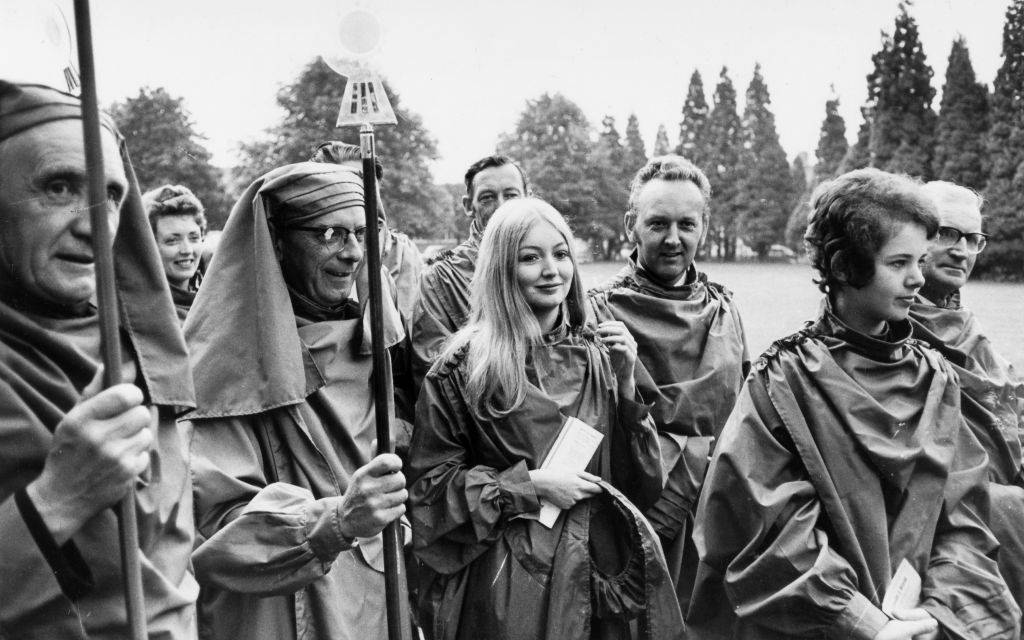
Mary Hopkin with Royal National Eisteddfod, Ammanford, 1970.
Mary Hopkin enjoyed a no 1 hit with her first single "Those Were The Days", 1970.
Mary Hopkin enjoyed a no 1 hit with her first single “Those Were The Days”, 1970.
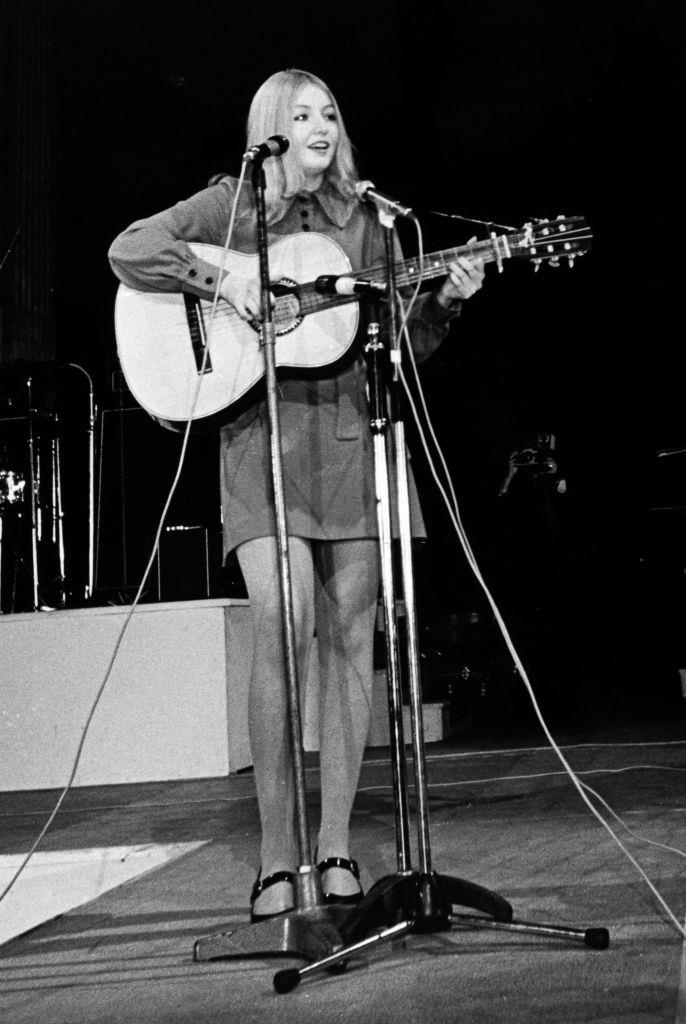
Mary Hopkin on the stage, 1971.
Mary Hopkin performing on the stage, 1971.
Mary Hopkin performs on a TV show, 1970.

Hopkin and Visconti divorced in 1981 after ten years of marriage. Despite her long break from the spotlight, she continued to release singles and albums sporadically over the following decades, right up to 2020. On 30 August 2018 — exactly 50 years after the original release of ‘Those Were the Days’ — she released a brand-new acoustic version of the song. The release came as part of an EP that also featured a live performance recorded at her 1972 farewell concert at the Royal Festival Hall, connecting her earliest success to her most recent work in a single release.
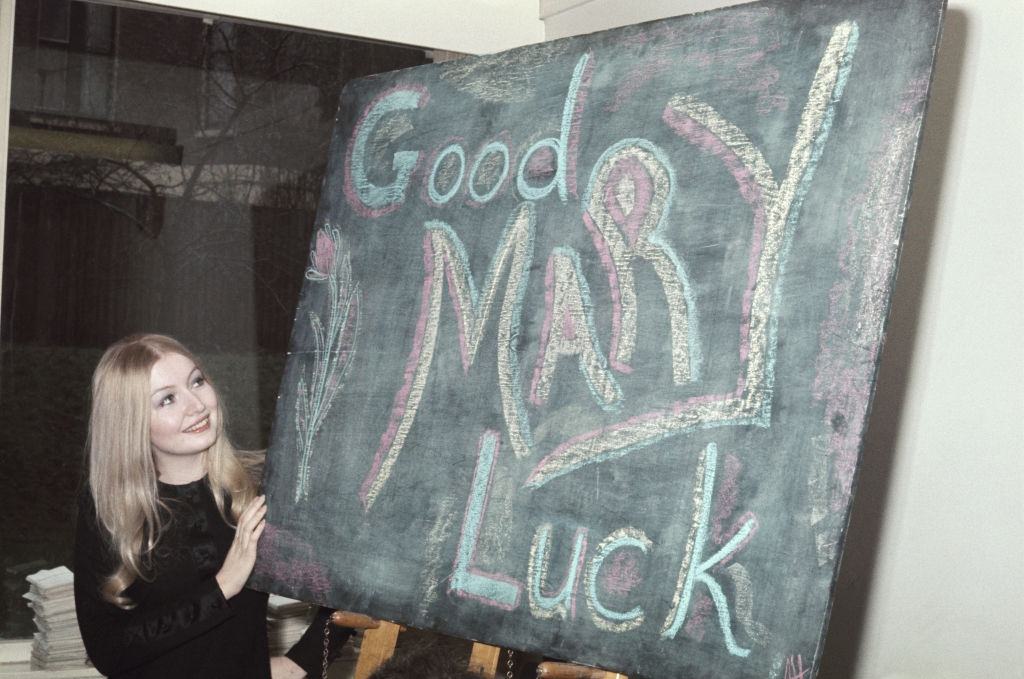
Mary Hopkin, who is representing the United Kingdom in the 1970 Eurovision Song Contest, with a sign reading 'Good Luck Mary', 1970.
Mary Hopkin, who is representing the United Kingdom in the 1970 Eurovision Song Contest, with a sign reading ‘Good Luck Mary’, 1970.
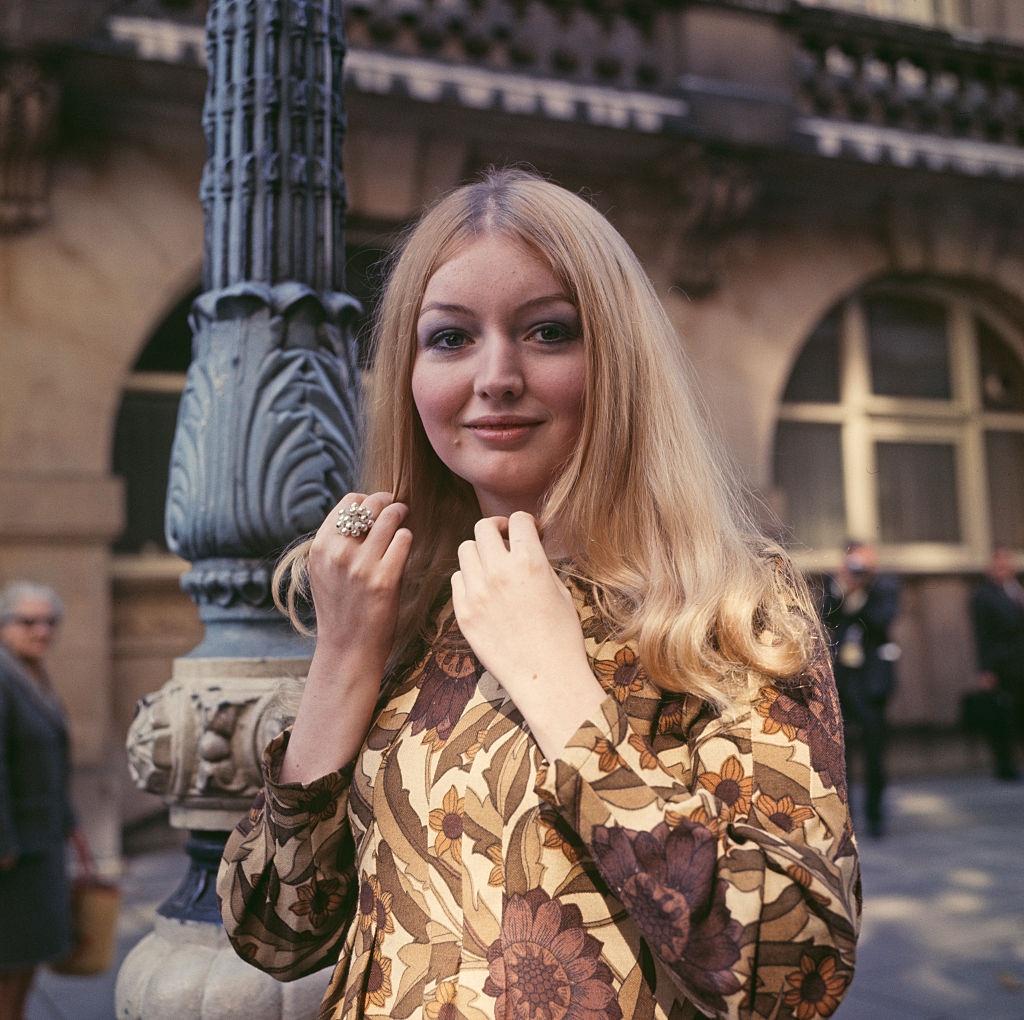
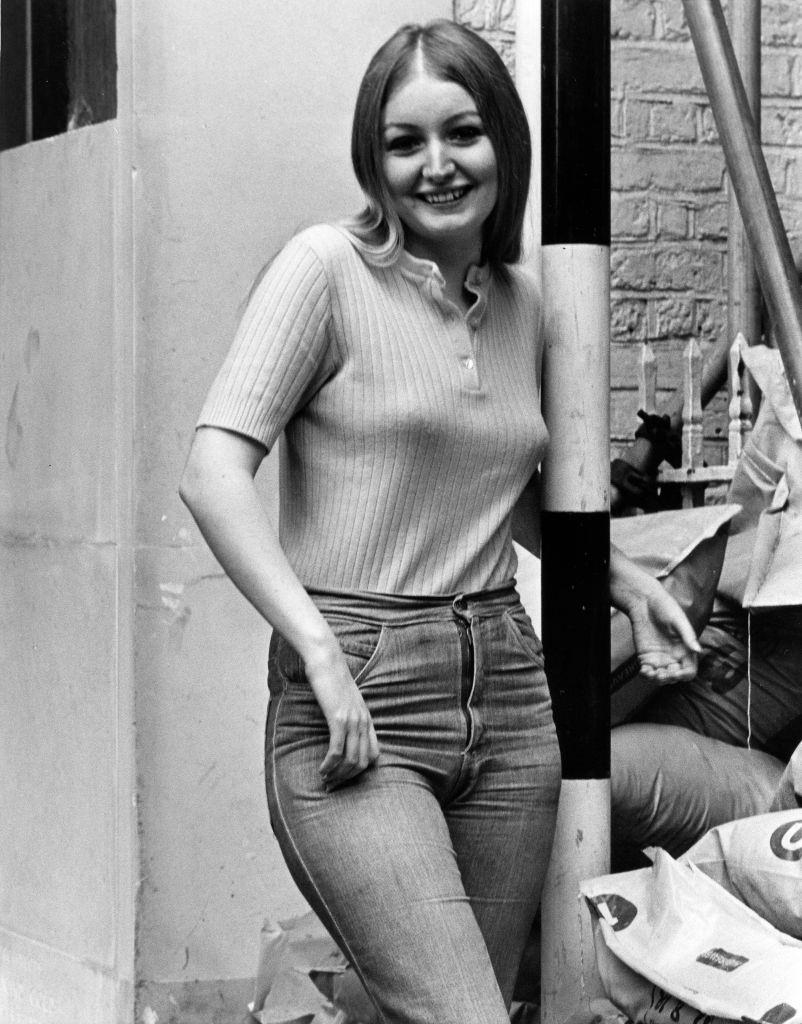
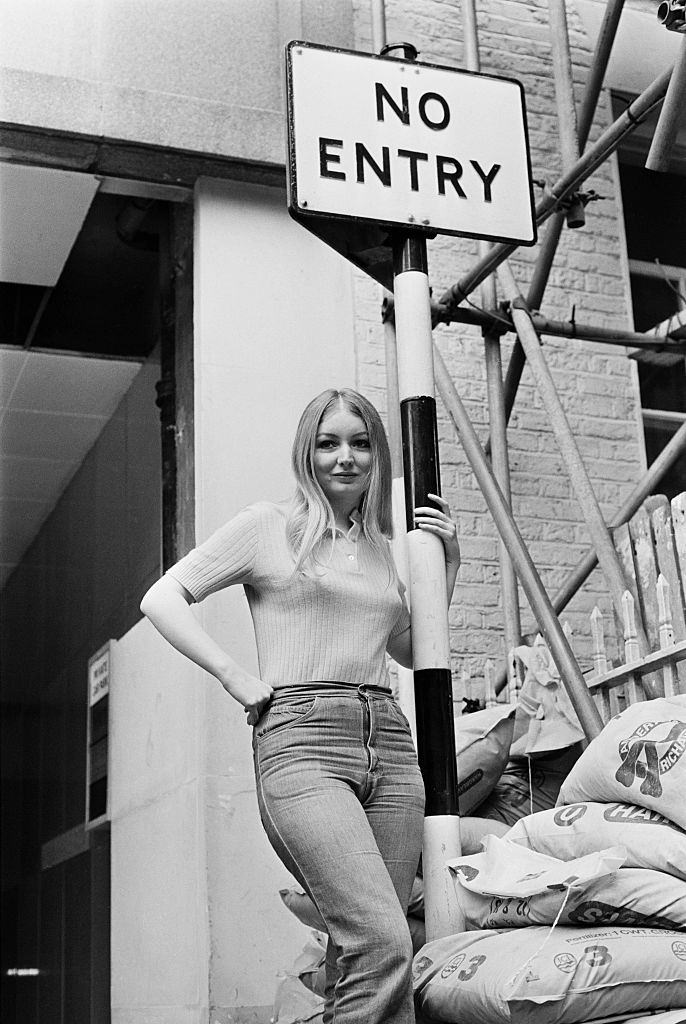
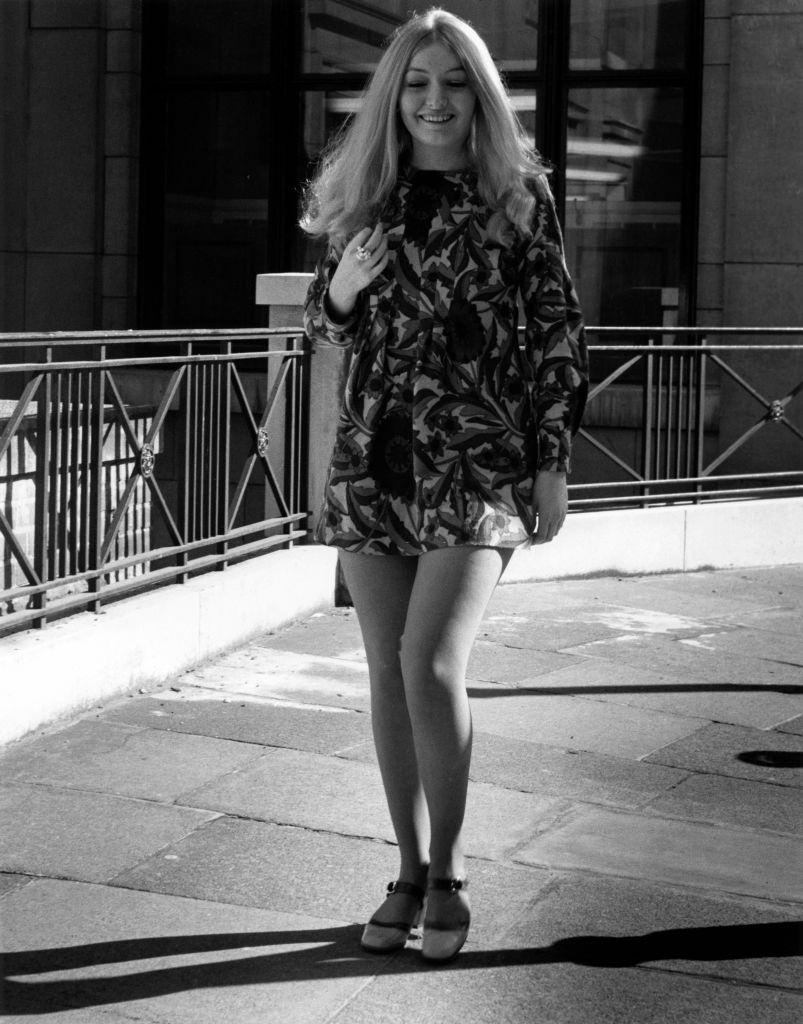
Portrait of Mary Hopkin in the street, 1970.
Mary Hopkin sorting postcards at the BBC to decide which song she will sing in the upcoming Eurovision Song Contest, London, 1970.
Mary Hopkin holding an oriental parasol after arriving at Heathrow airport from Osaka, Japan where she sang on television, 1970.
Mary Hopkin, October 12th 1970.
Mary Hopkin, London, UK, 17th June 1971.
Mary Hopkin arrives at the premiere of the film 'The Tales of Beatrix Potter', London, 1971.
Mary Hopkin arrives at the premiere of the film ‘The Tales of Beatrix Potter’, London, 1971.
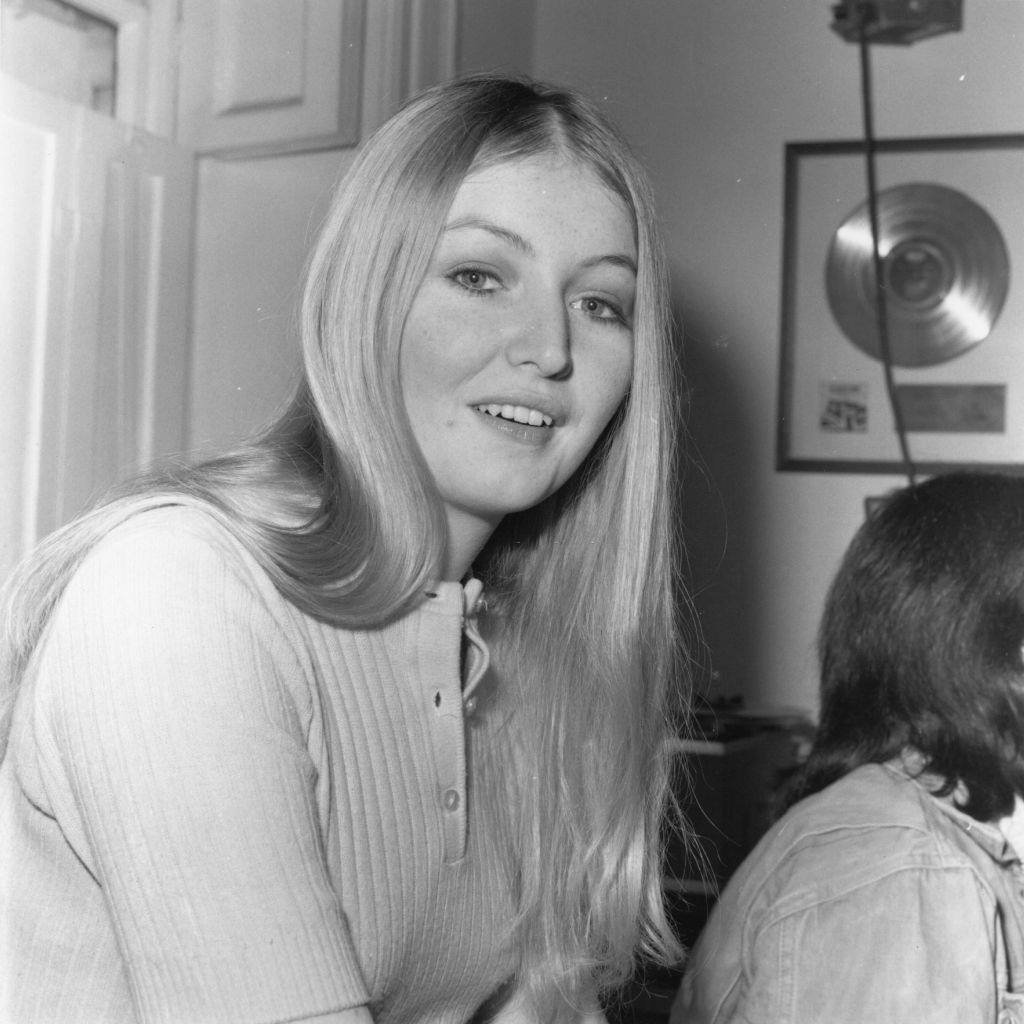
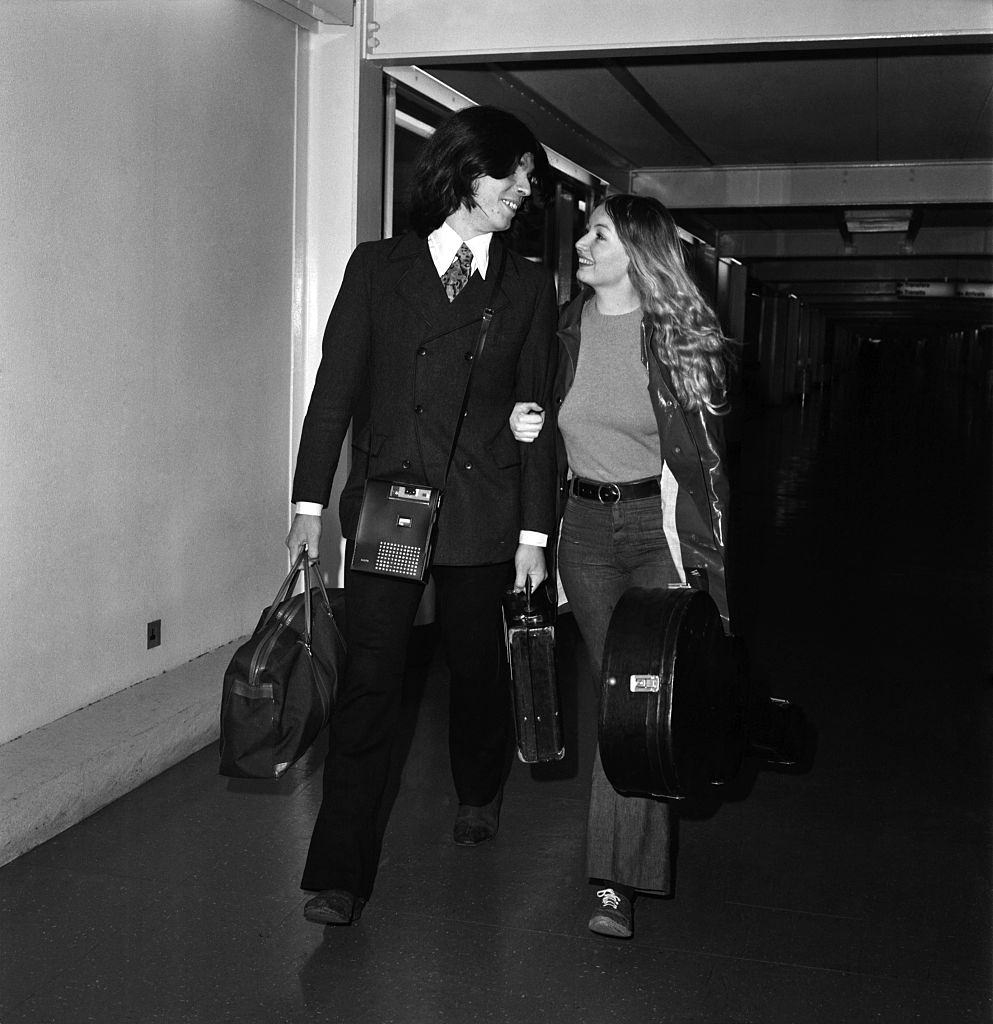
Mary Hopkin with her husband Tony Visconti in London, UK, 17th June 1971.
Mary Hopkin, 18th June 1971.
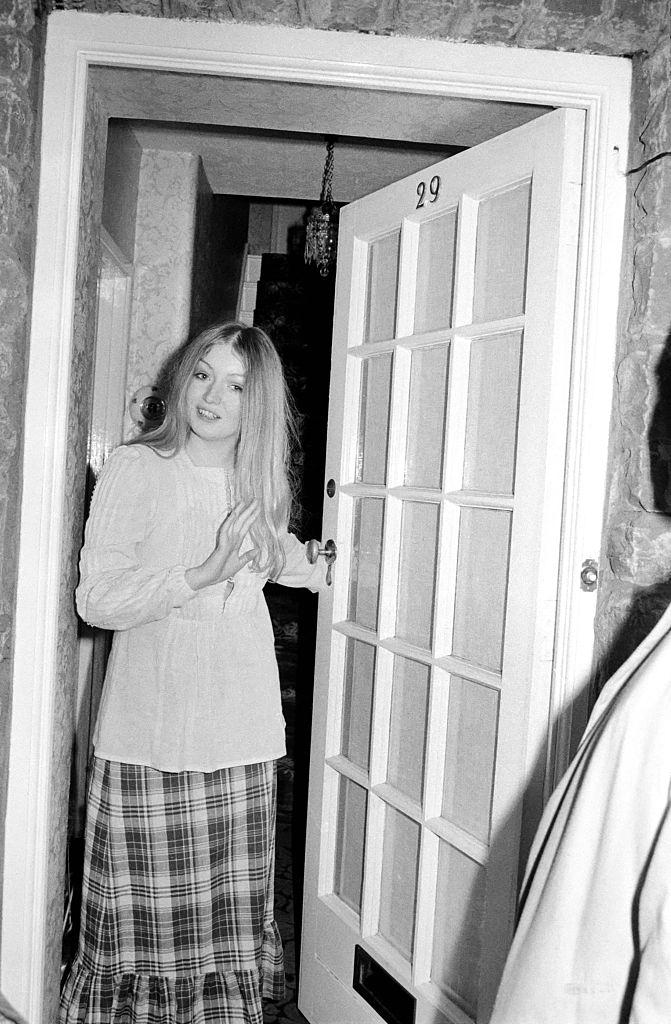
Mary Hopkin at her parents home, 1971.
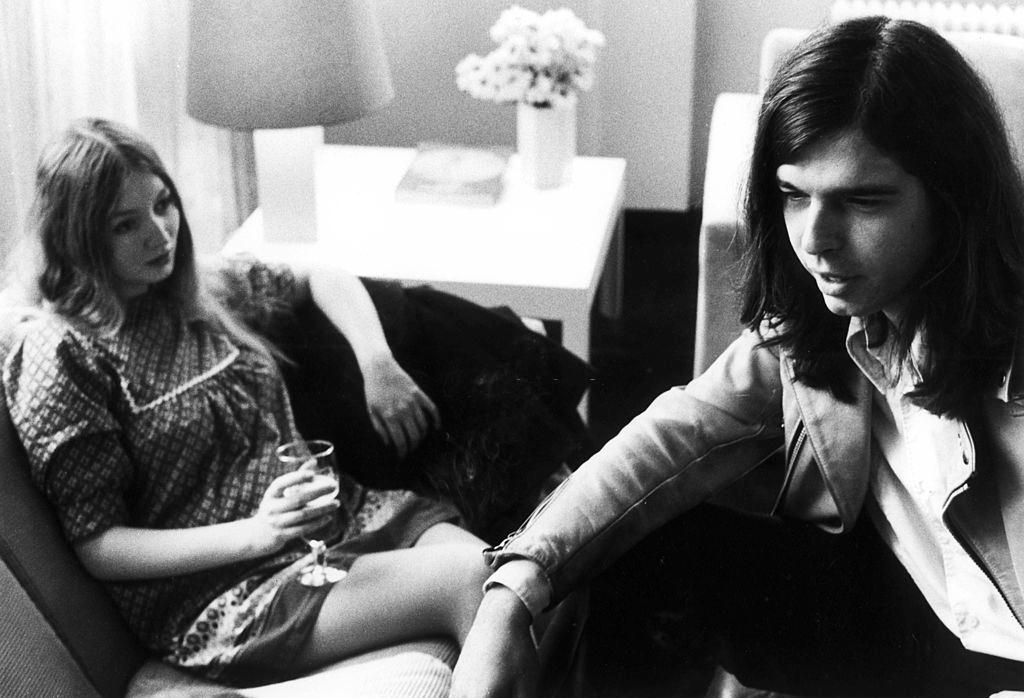
Mary Hopkin with her husband Tony Visconti, 1972.
Mary Hopkin with her husband Tony Visconti in Sounds Newspaper offices, London, 18th October 1972.
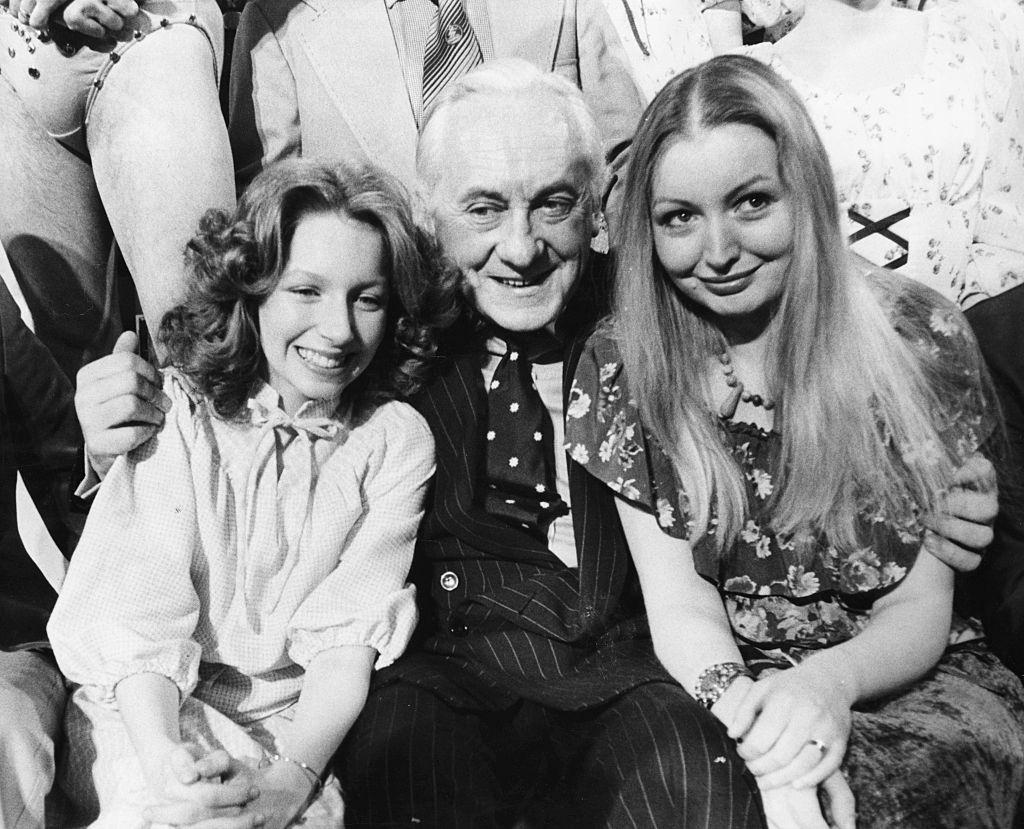
Mary Hopkin with Hughie Green and  Lena Zavaroni, 1978.
Mary Hopkin with Hughie Green and Lena Zavaroni, 1978.
Enjoyed this post? Get new ones in your inbox.

Leave a Comment

Your email address will not be published. Required fields are marked *

Share this Post 🥺

Please take a moment to share this content. Your support is greatly appreciated! 🙌🙏

Share this Post 🥺

Please take a moment to share this content. Your support is greatly appreciated! 🙌🙏
Scroll to Top
 
Hey Friend, Before You Go.. Please like & follow for more interesting content