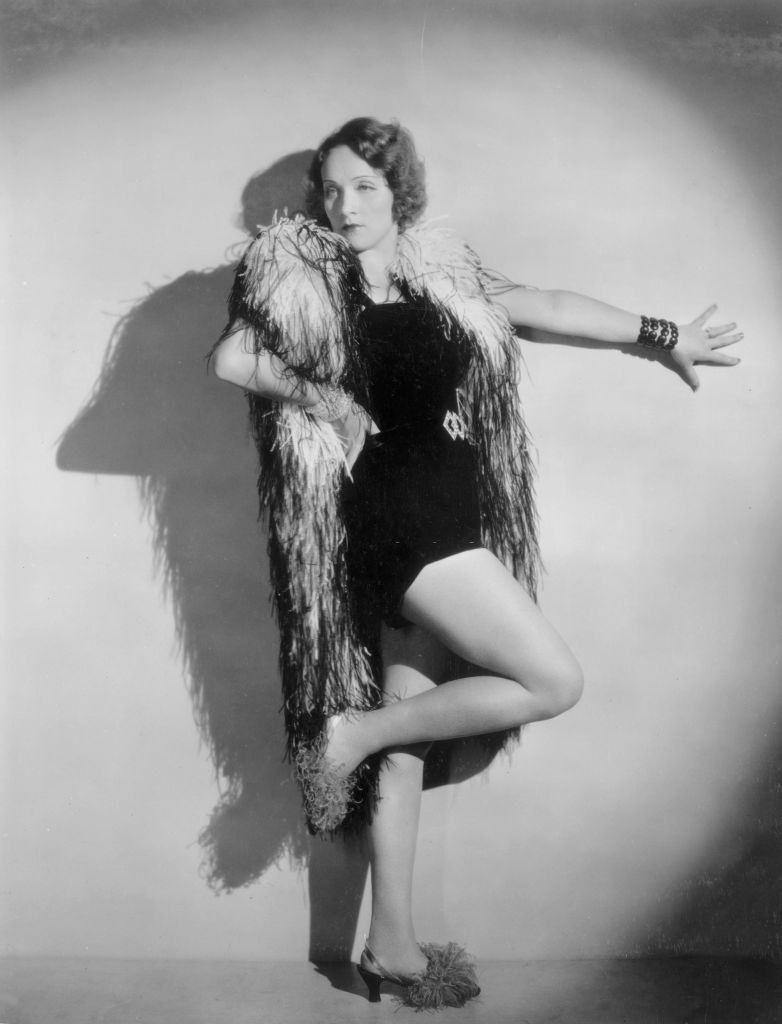
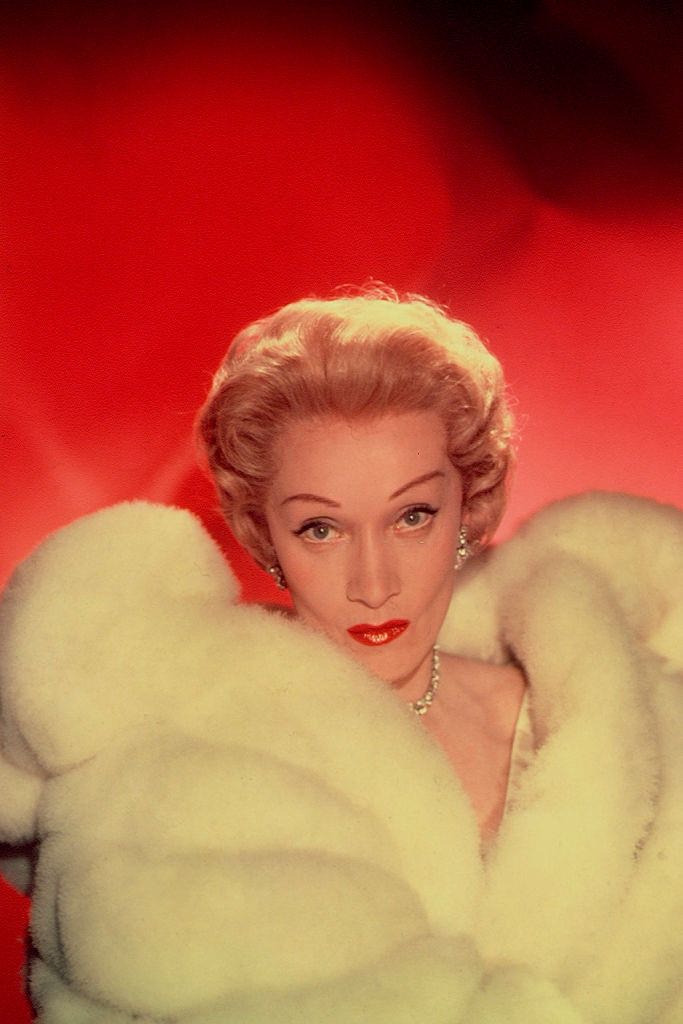
Marlene Dietrich is one of the most recognizable names in the history of Hollywood. Born on December 27, 1901, in Berlin, Germany, she built a career that stretched across more than eight decades. The American Film Institute ranked her the 9th greatest female star of classic Hollywood cinema — a fitting place for a woman whose magnetic screen presence, distinctive voice, and fearless personal style set her apart from everyone around her. She once told The Observer in 1960: ‘I dress for the image. Not for myself, not for the public, not for fashion, not for men.’ That philosophy defined her from the very beginning.
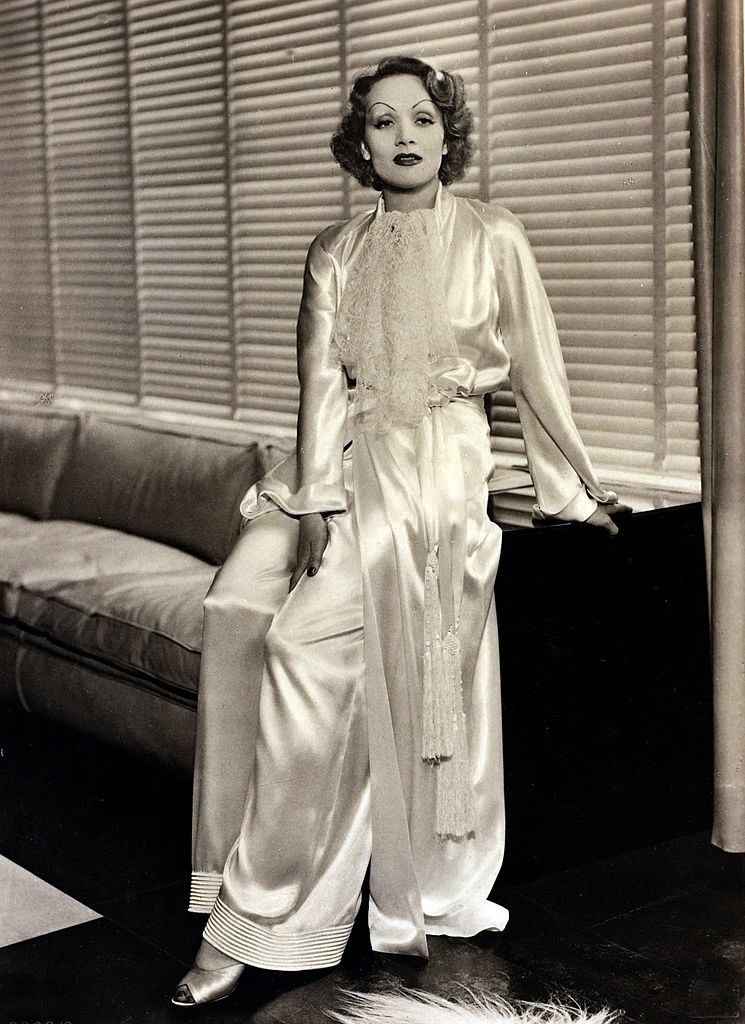
Dietrich’s path to stardom did not begin on a film set. As a child, she studied violin and performed in theaters during her teenage years in Berlin. She eventually gave up music to pursue acting full time. Her first film appearance came in 1923 with an uncredited role in the German silent picture ‘The Little Napoleon.’ Over the next several years, she took on roles in a string of German films, steadily building her skills and her profile in Europe’s theater and film scene.
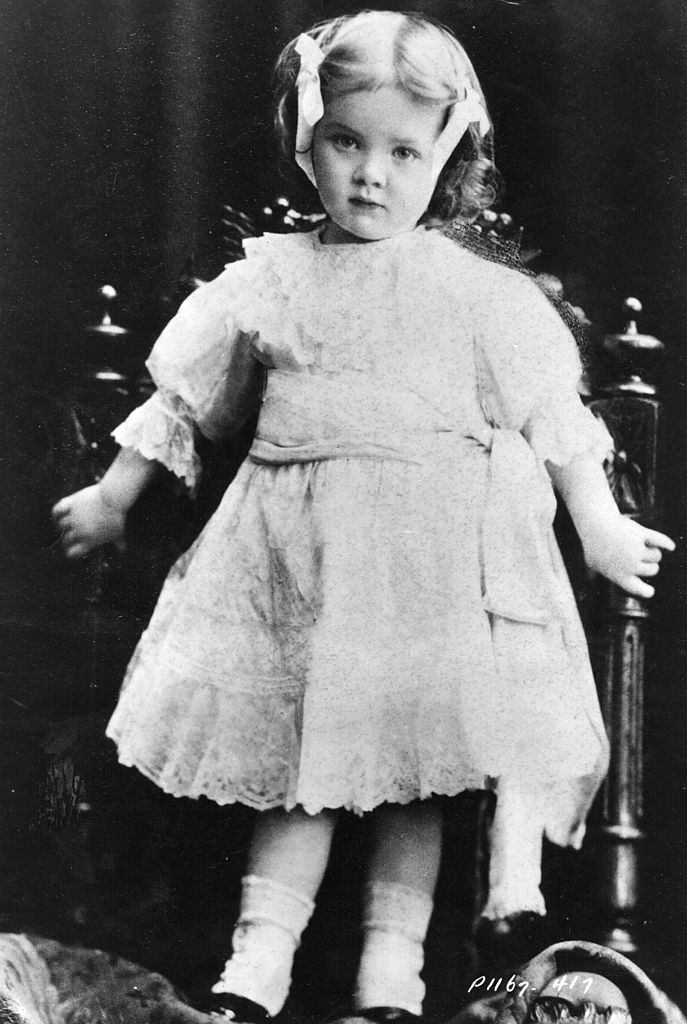
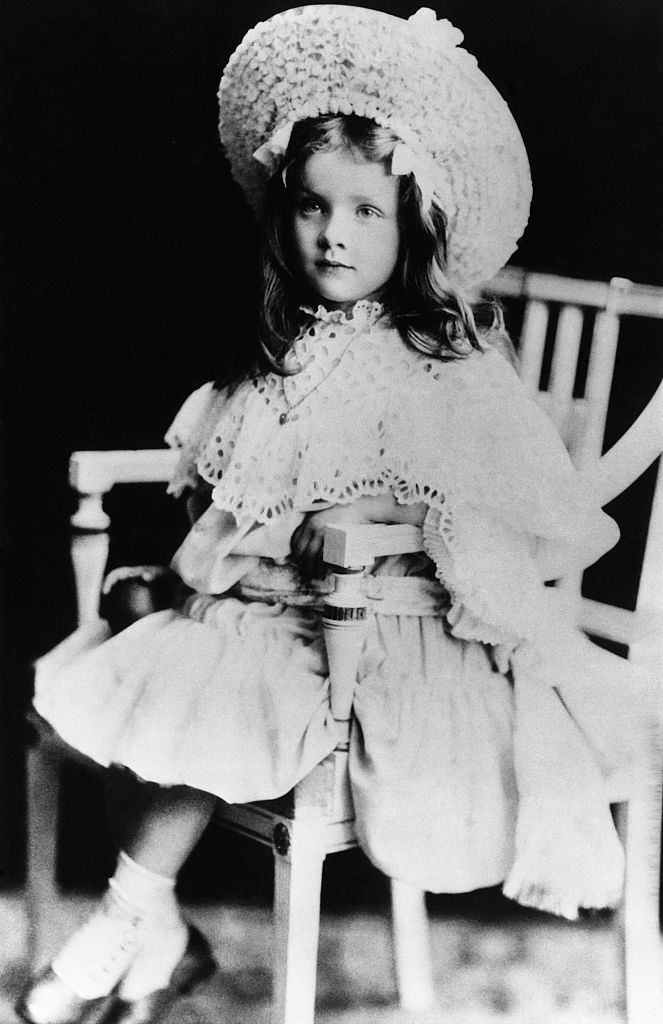
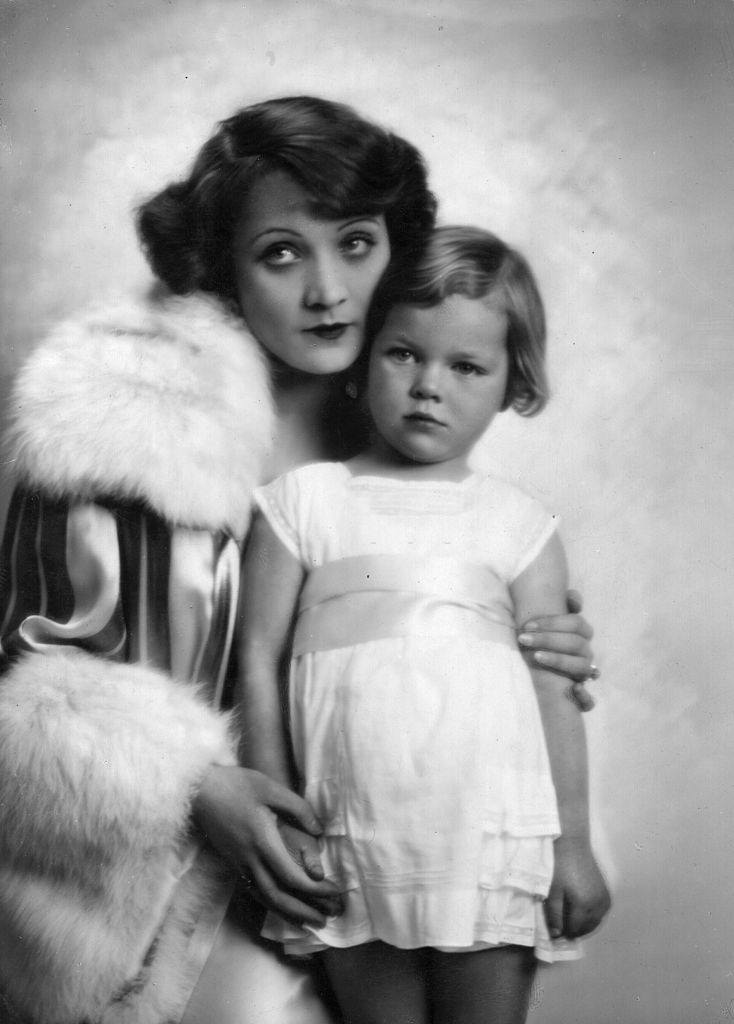
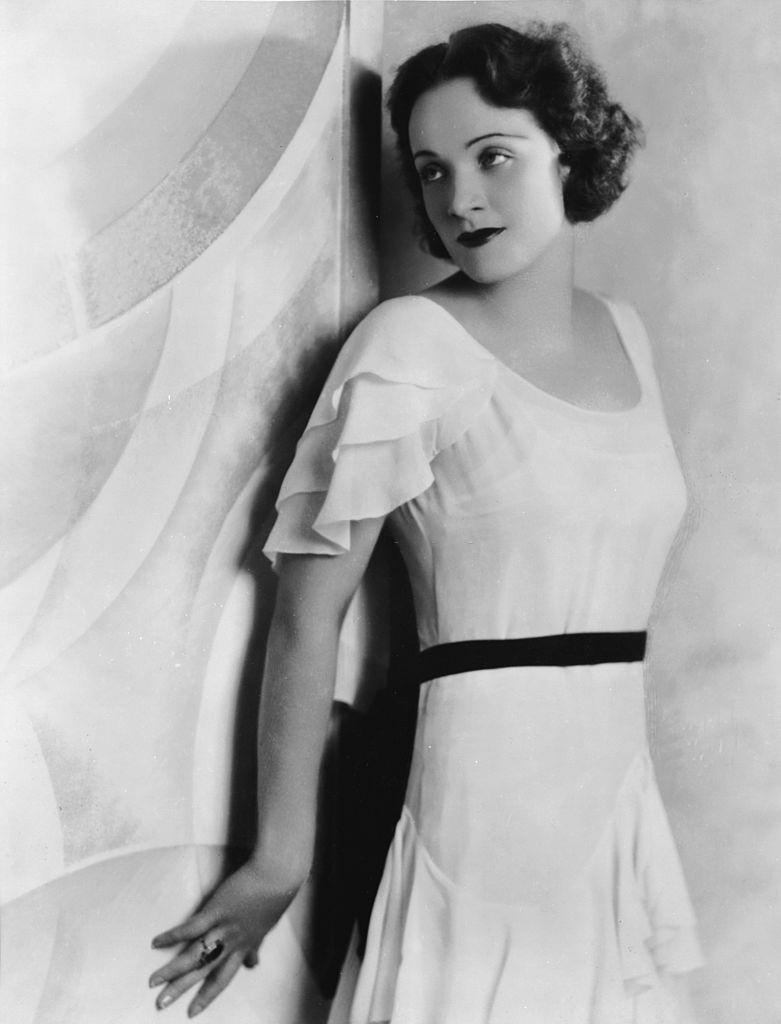
During the mid-1920s, Dietrich was steadily becoming a fixture on the Berlin stage and in German cinema. She took on roles in productions ranging from theater plays to silent films, and her look — sharp, self-assured, and utterly composed — was already turning heads. One key personal milestone came during this period as well: in 1923, while filming ‘Tragedy of Love,’ she met Rudolf Sieber. The two married that same year. Their only child, daughter Maria Elisabeth Sieber, was born in 1924.
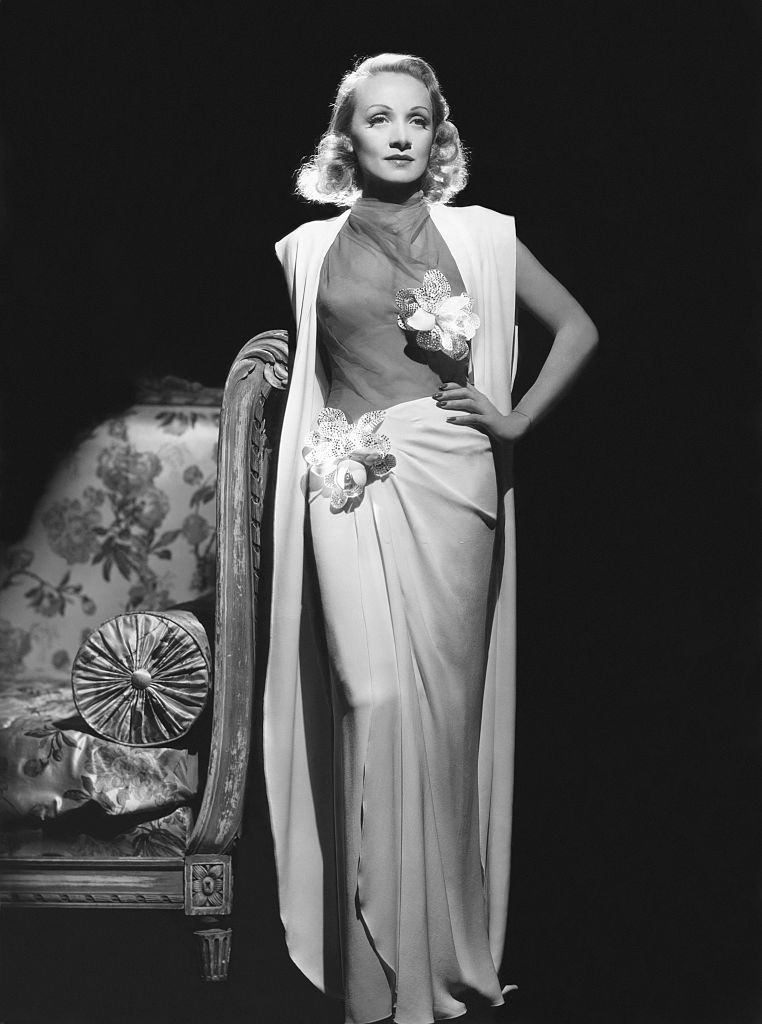
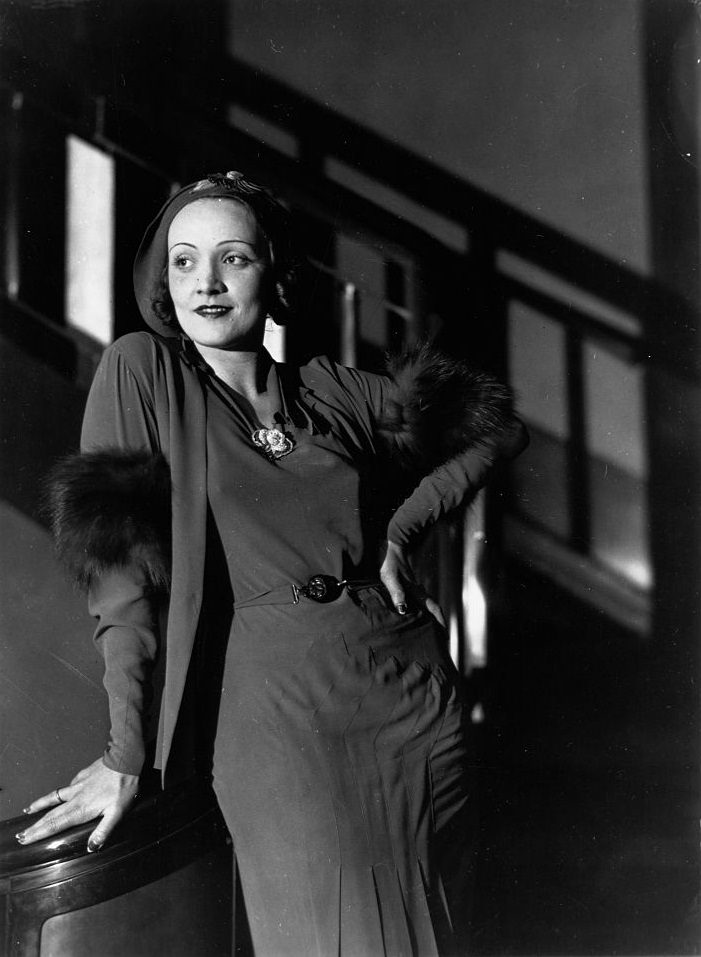
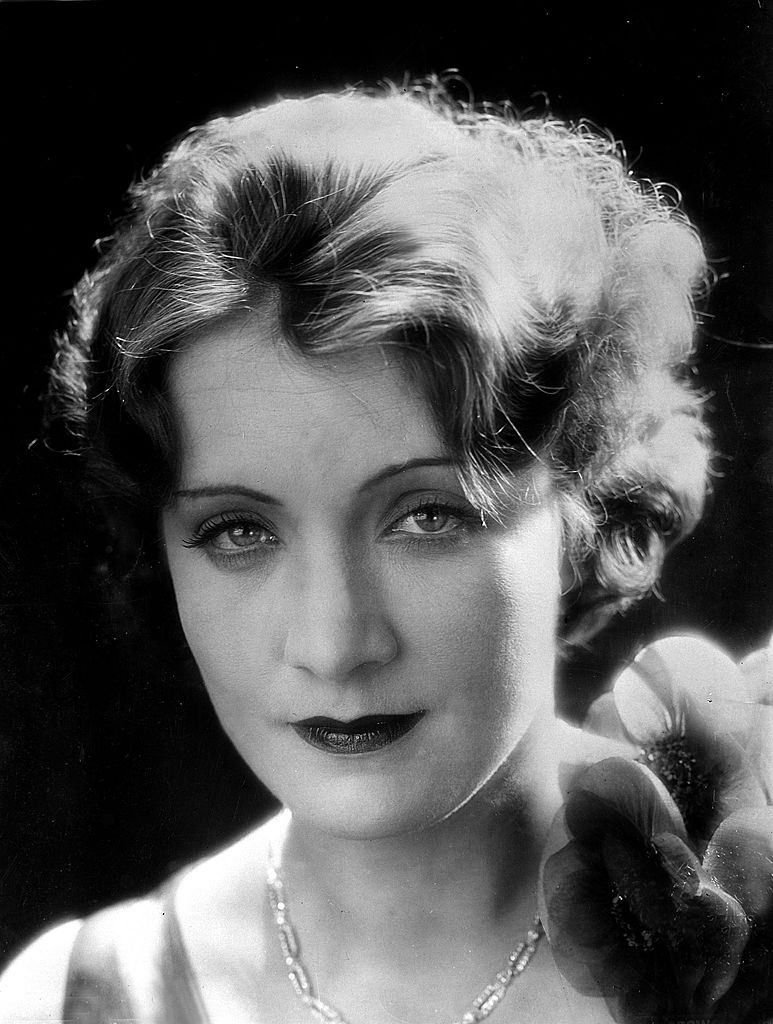
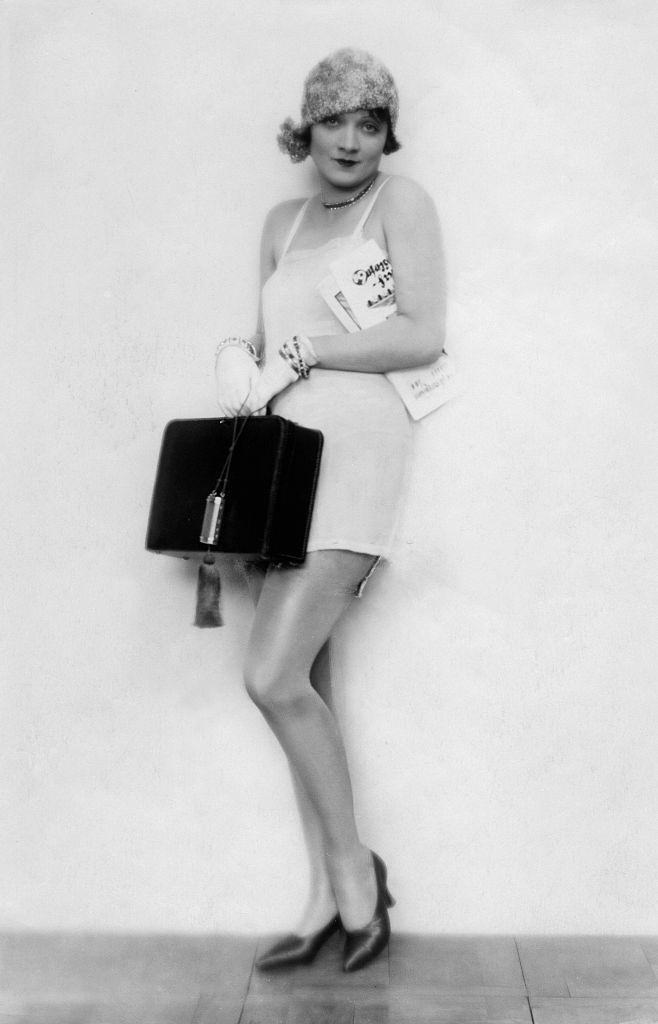
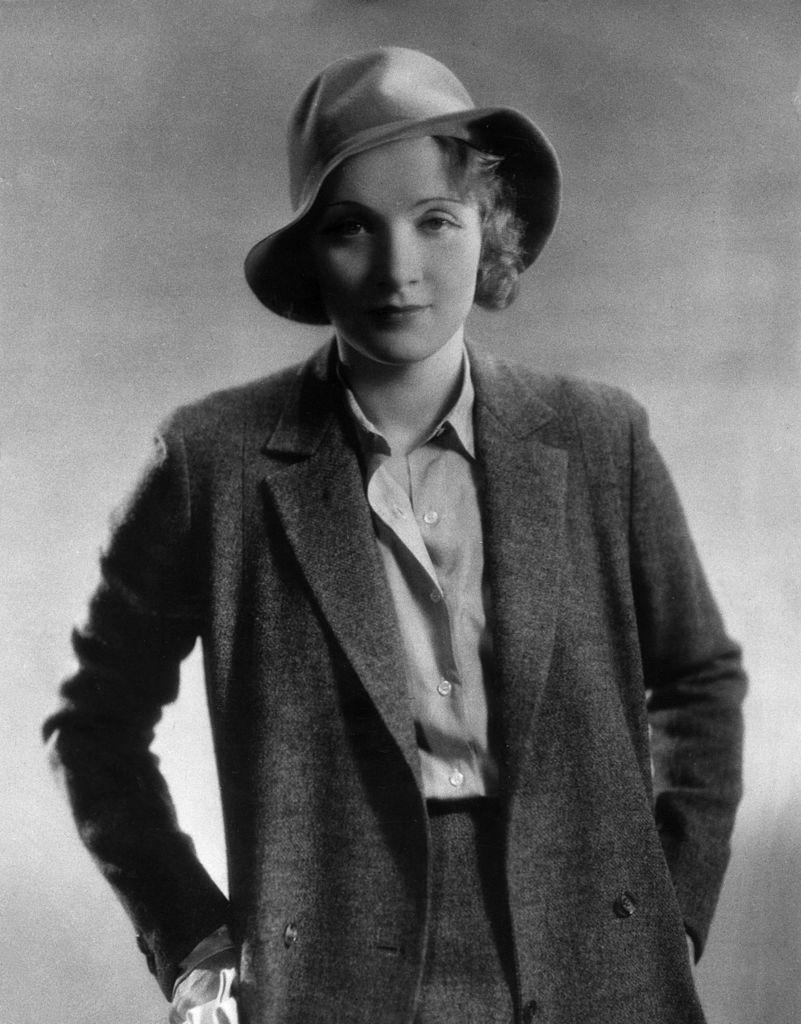
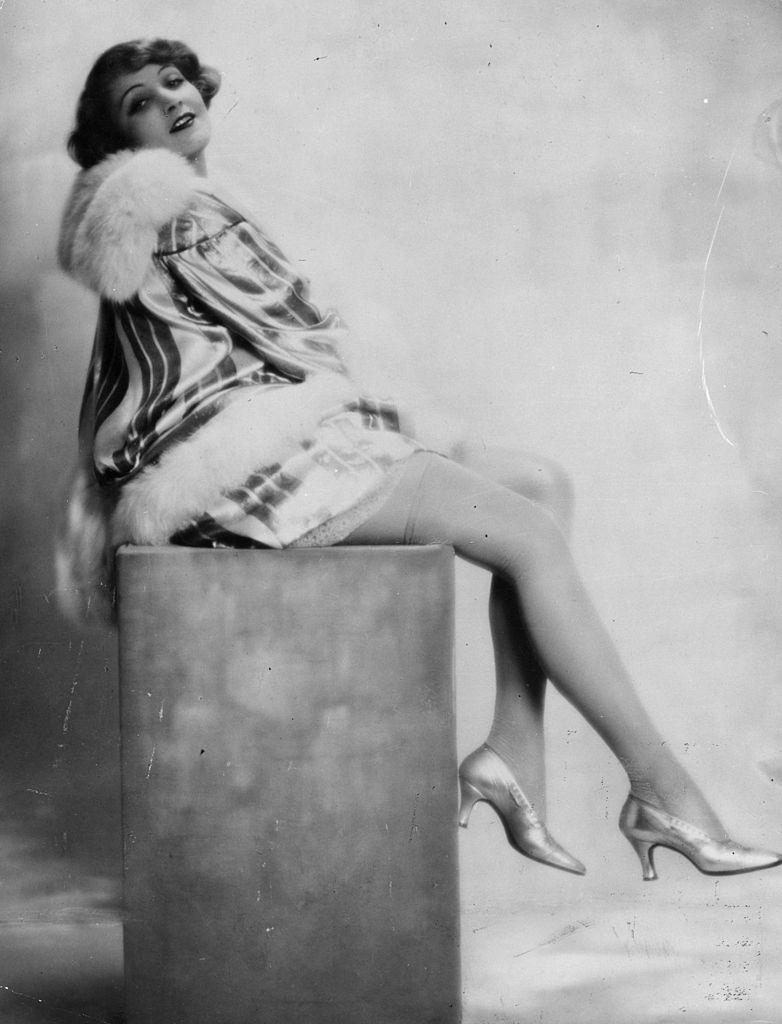
By 1927, Dietrich was appearing regularly in German films and on stage in Berlin. That year she appeared in ‘Der Juxbaron’ alongside Reinhold Schuenzel and took a role in ‘Cafe Elektric,’ filmed in Vienna. On stage, she played Hypatia opposite Fritz Odemar in George Bernard Shaw’s ‘Misalliance’ at the Komoedie theater in Berlin in 1928. She was also photographed that year with performer Margo Lion and was present at the famous Pierre Ball in France alongside Leni Riefenstahl and Anna May.
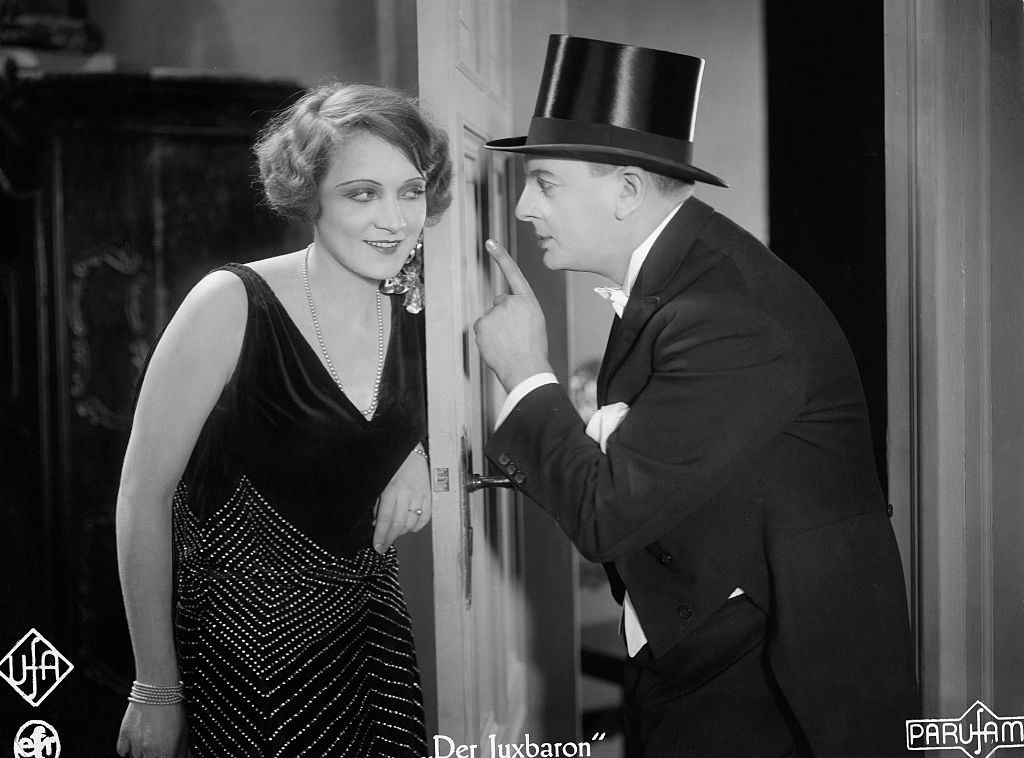
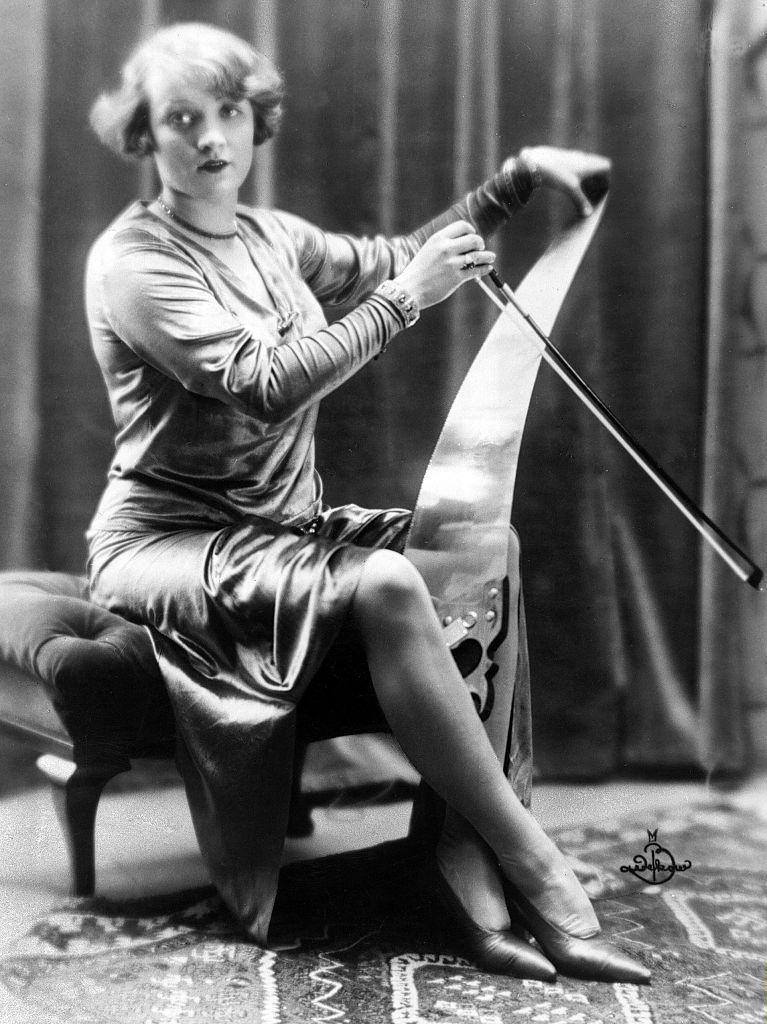
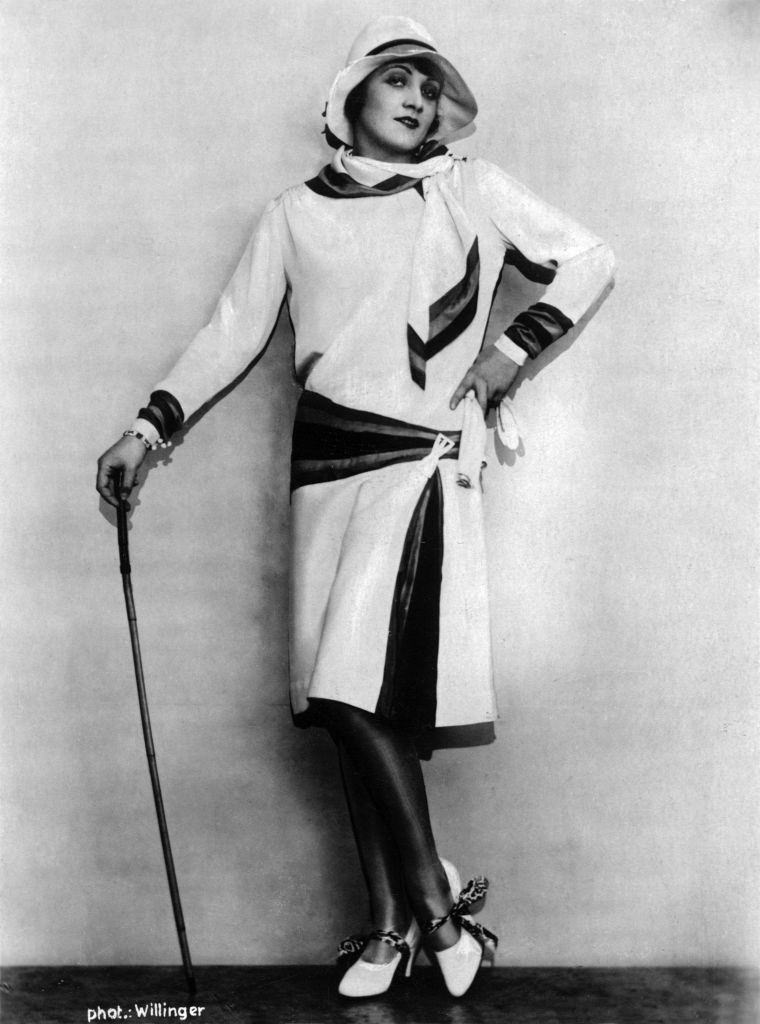
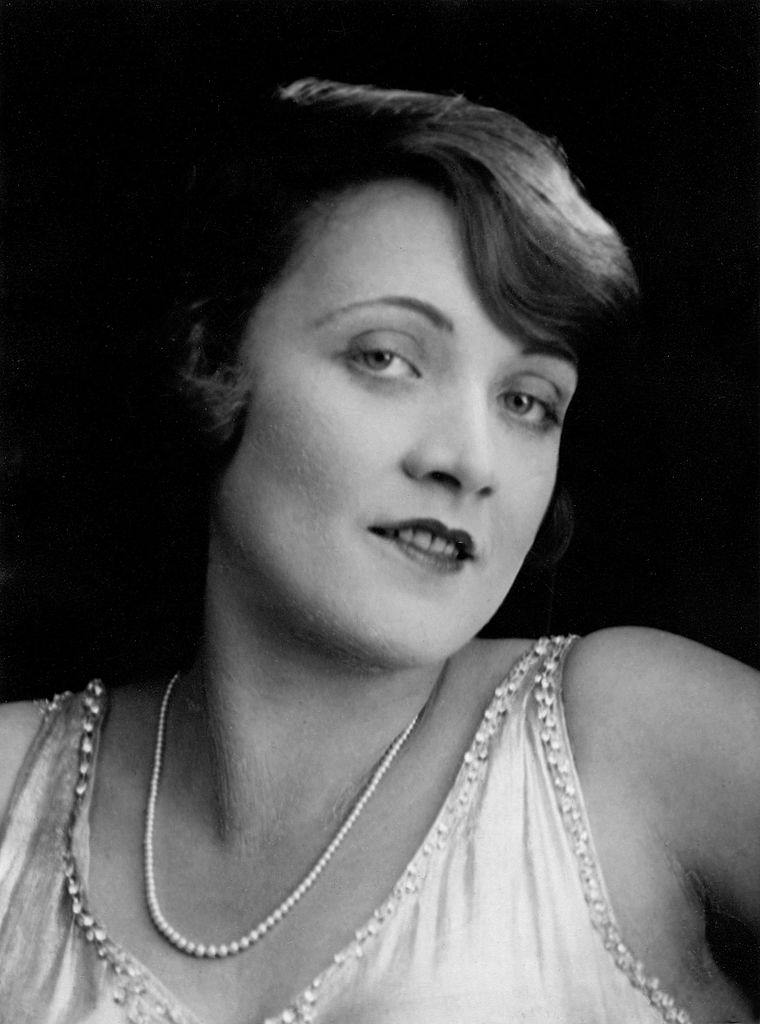
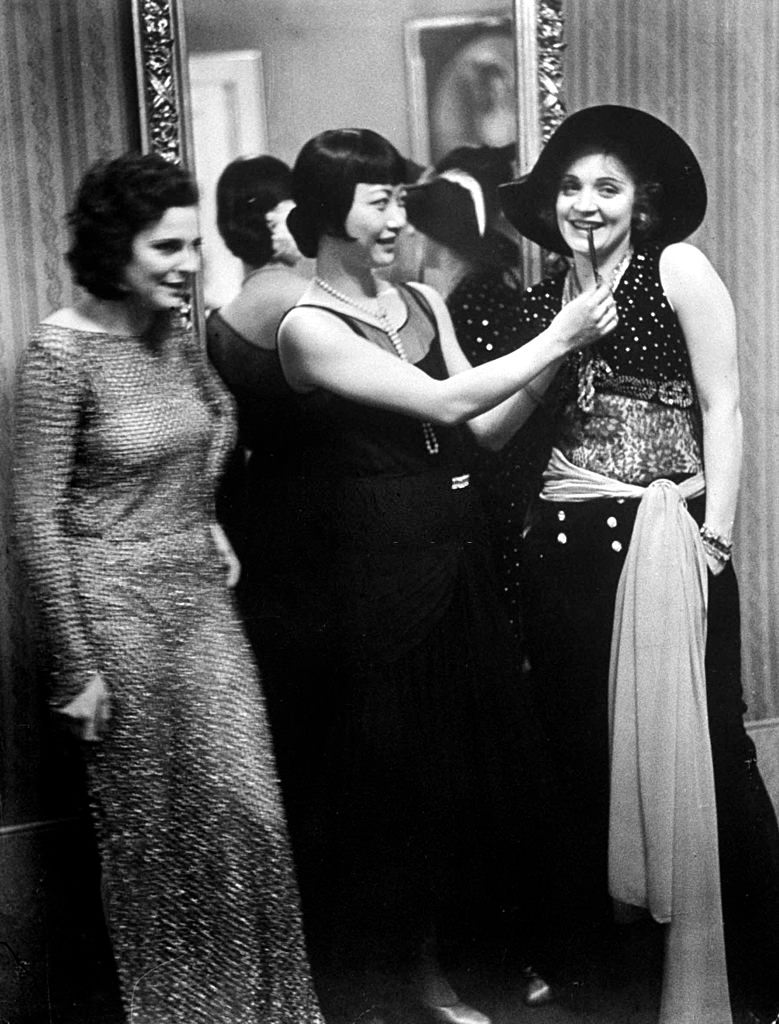
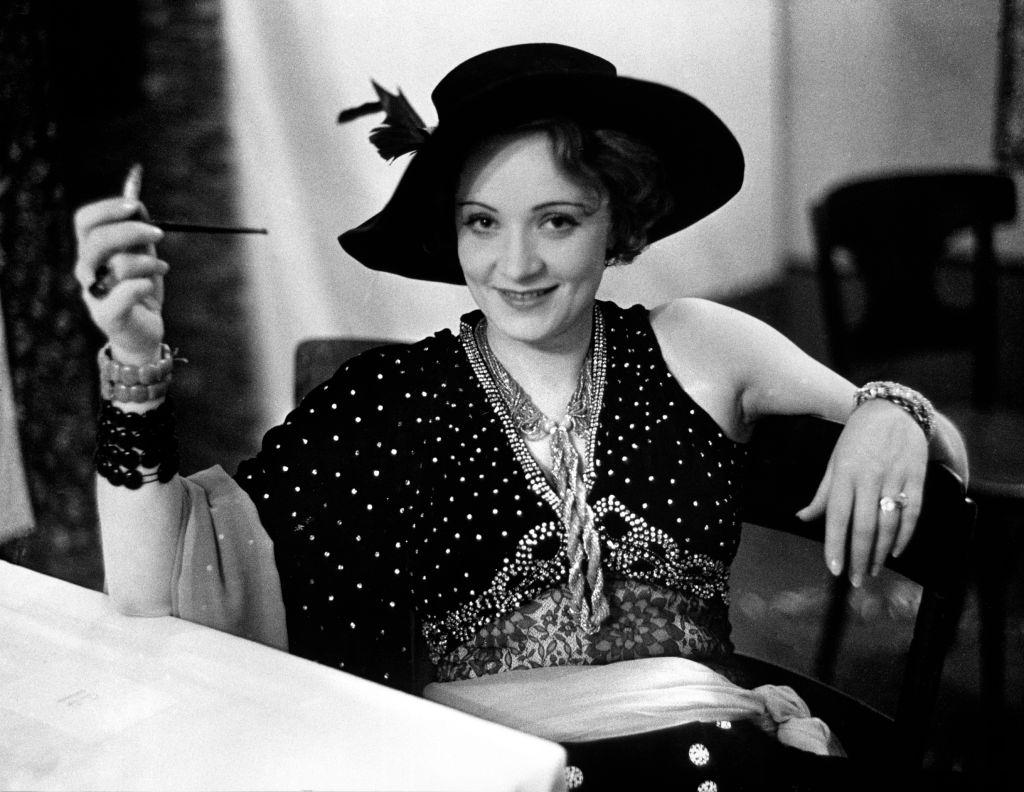
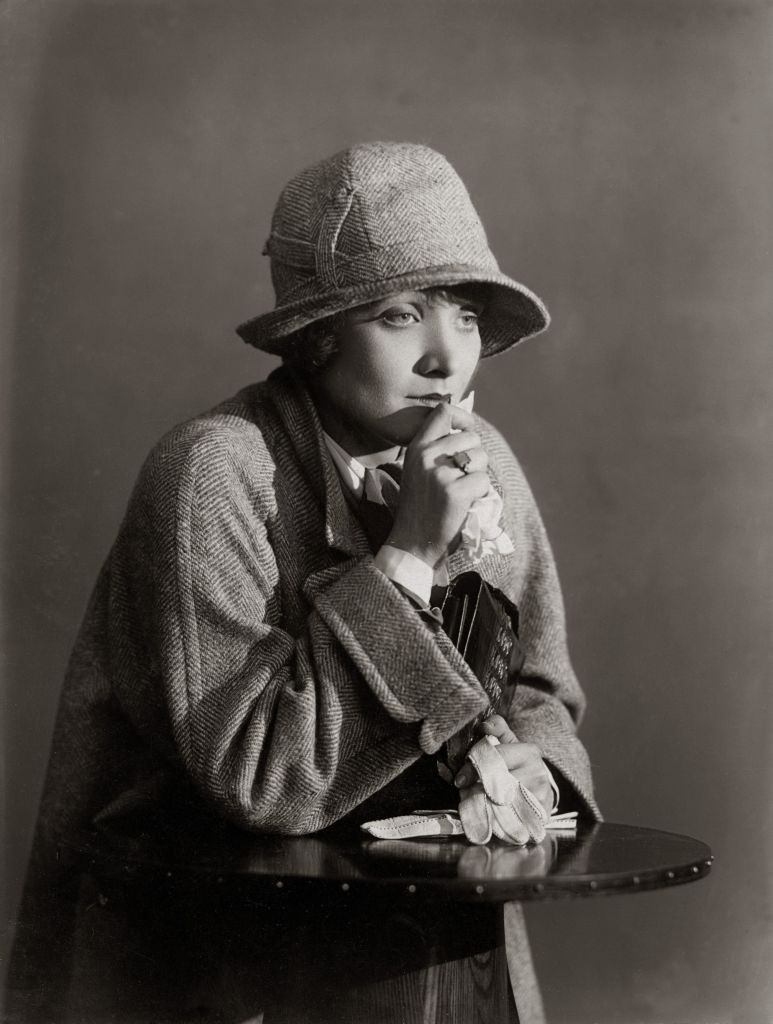
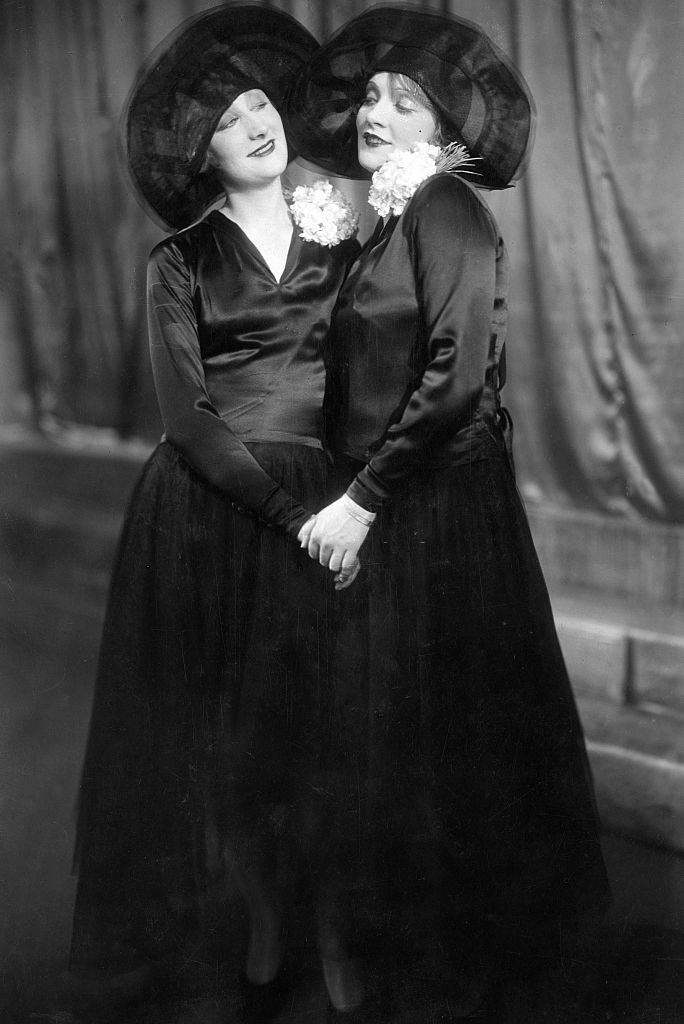
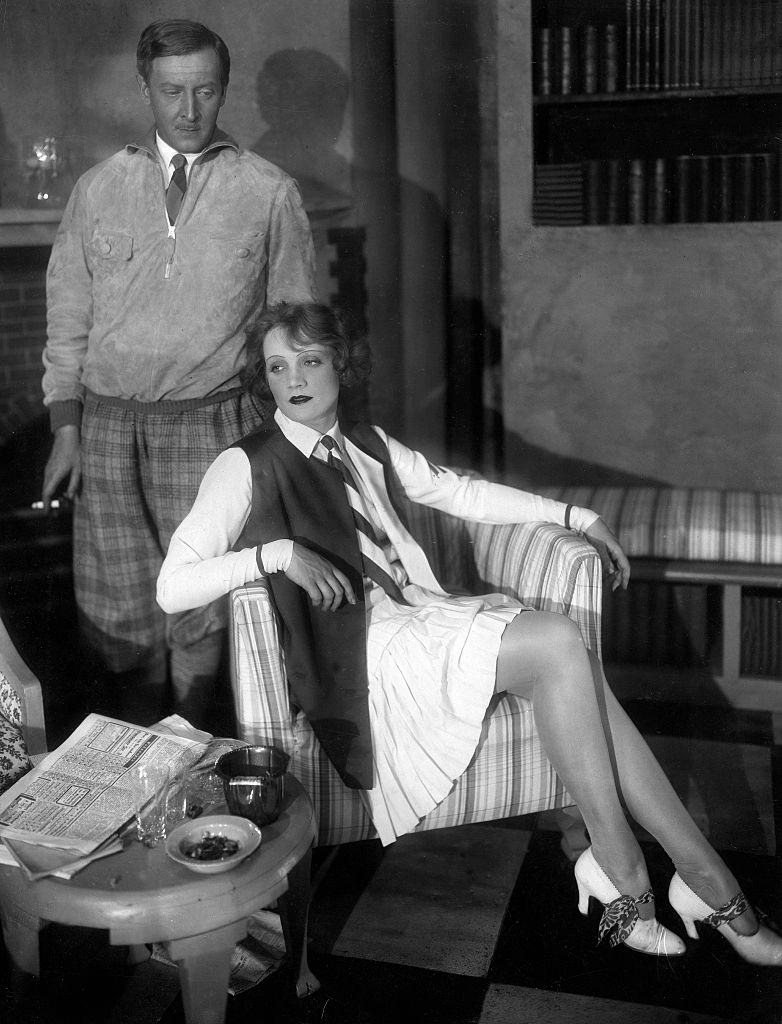
The year 1929 marked a turning point. Dietrich was cast as Lola Lola, a nightclub dancer, in the German film ‘The Blue Angel.’ Directed by Josef von Sternberg, the film was a massive success. It made Dietrich a star not just in Germany, but across the Atlantic in the United States. Her performance was raw, seductive, and completely commanding. It opened every door that mattered.
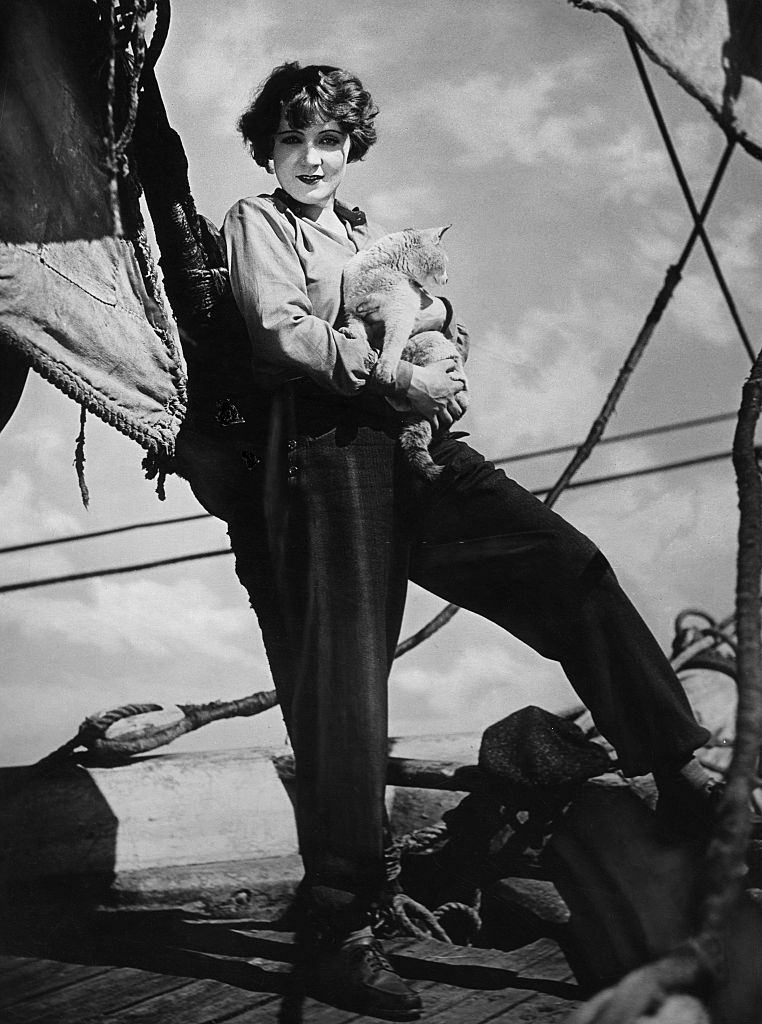
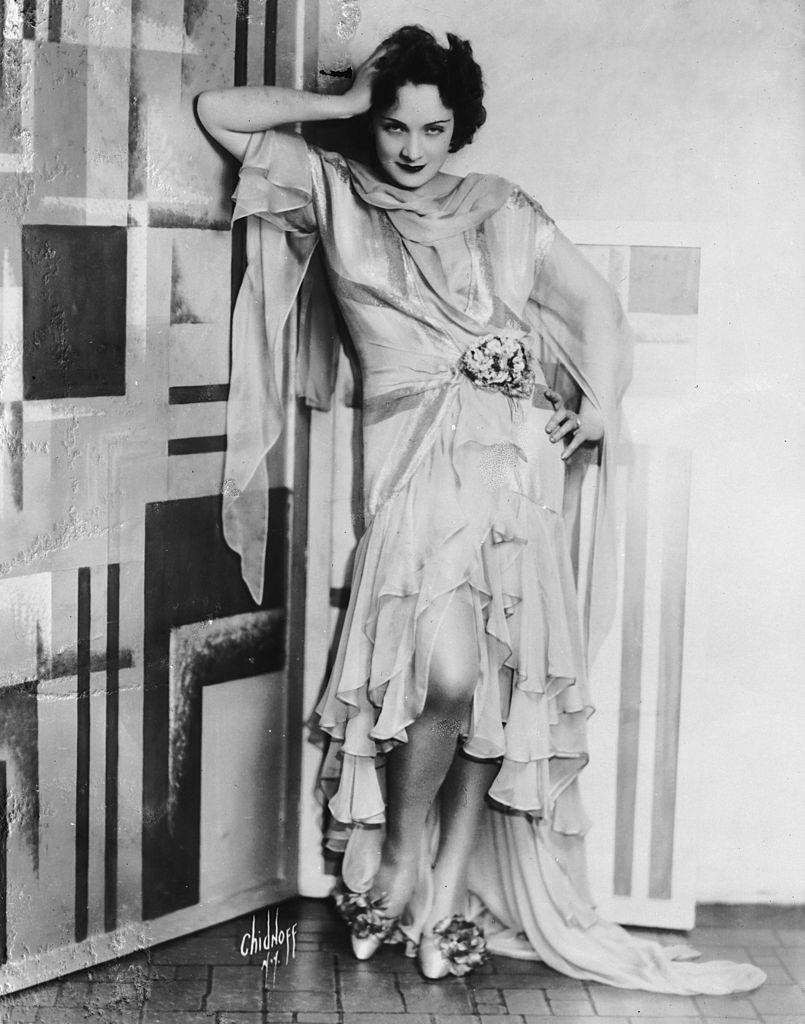
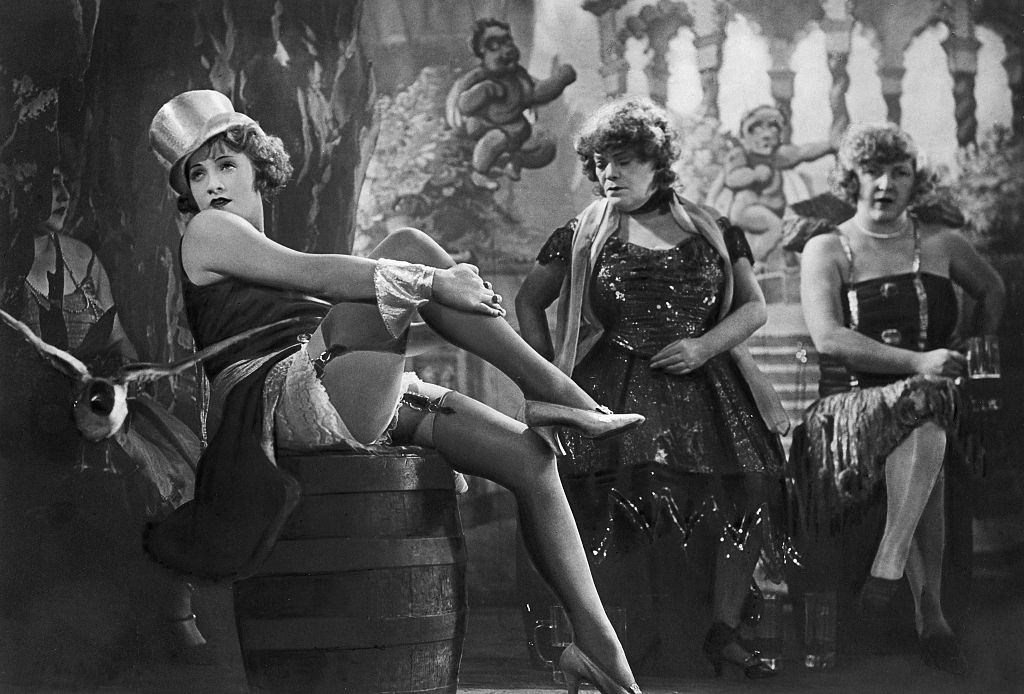
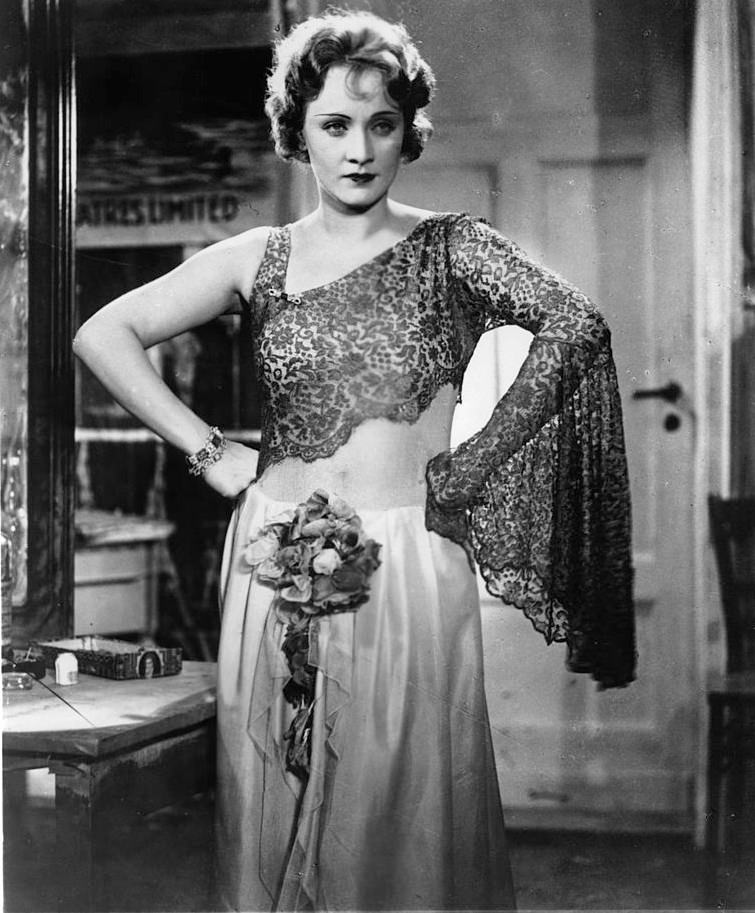
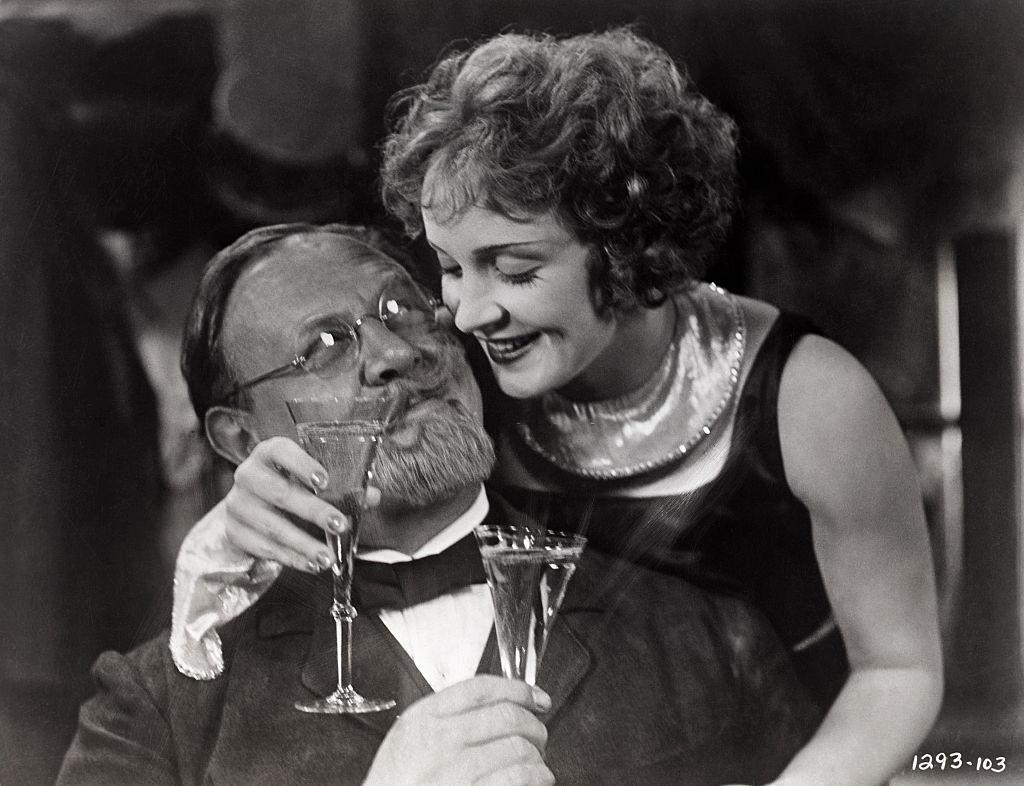
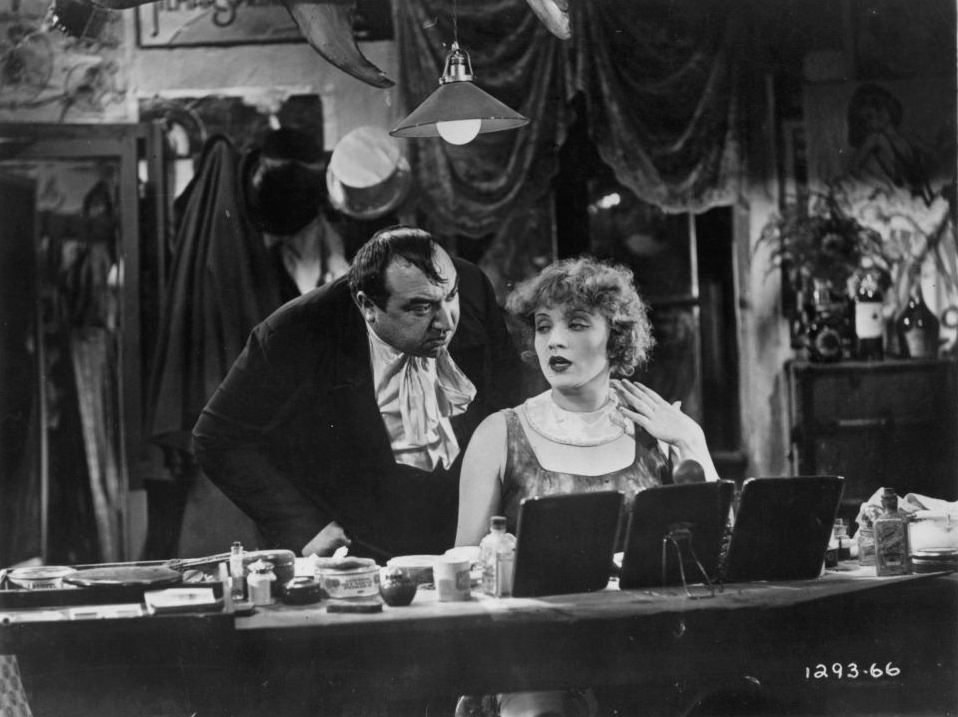
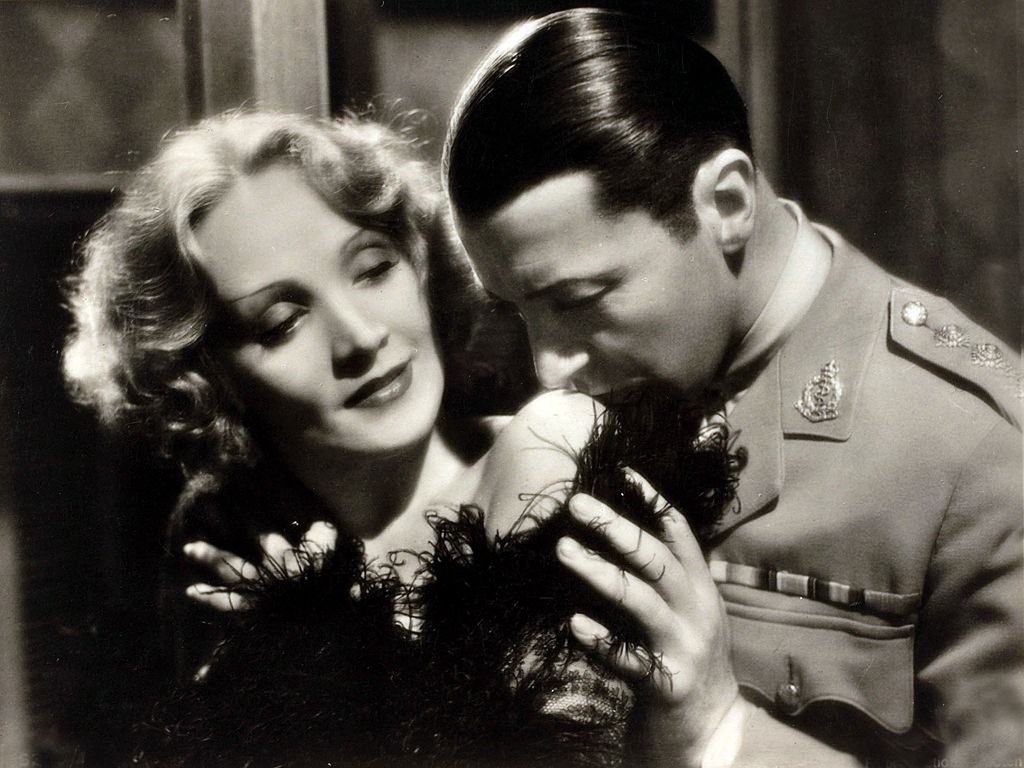
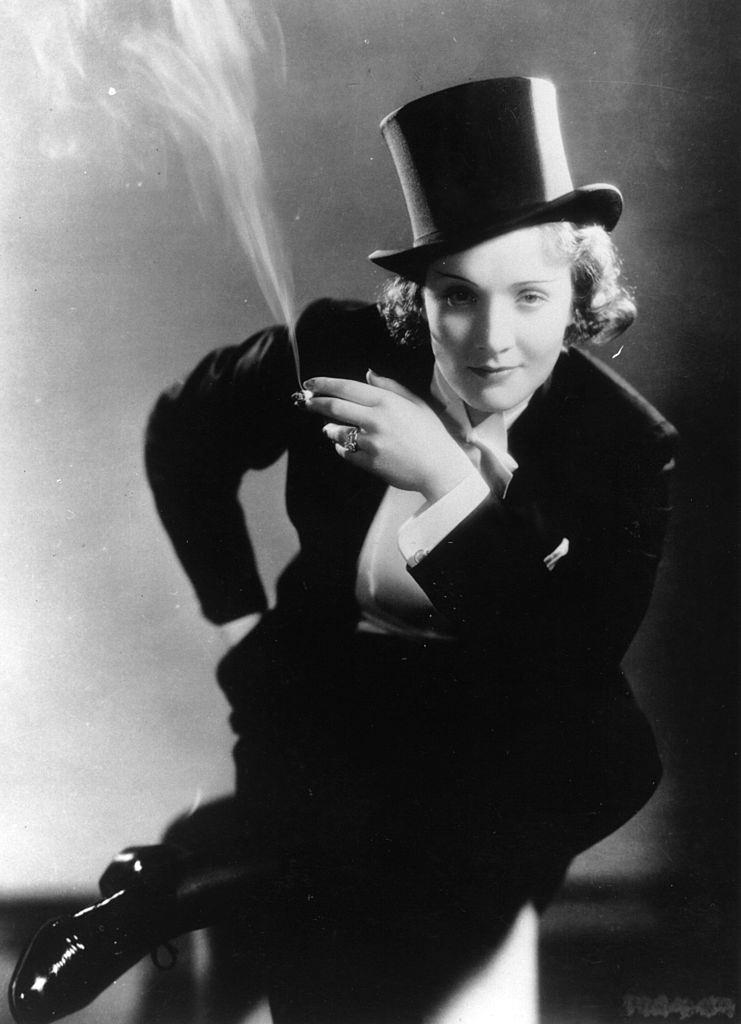
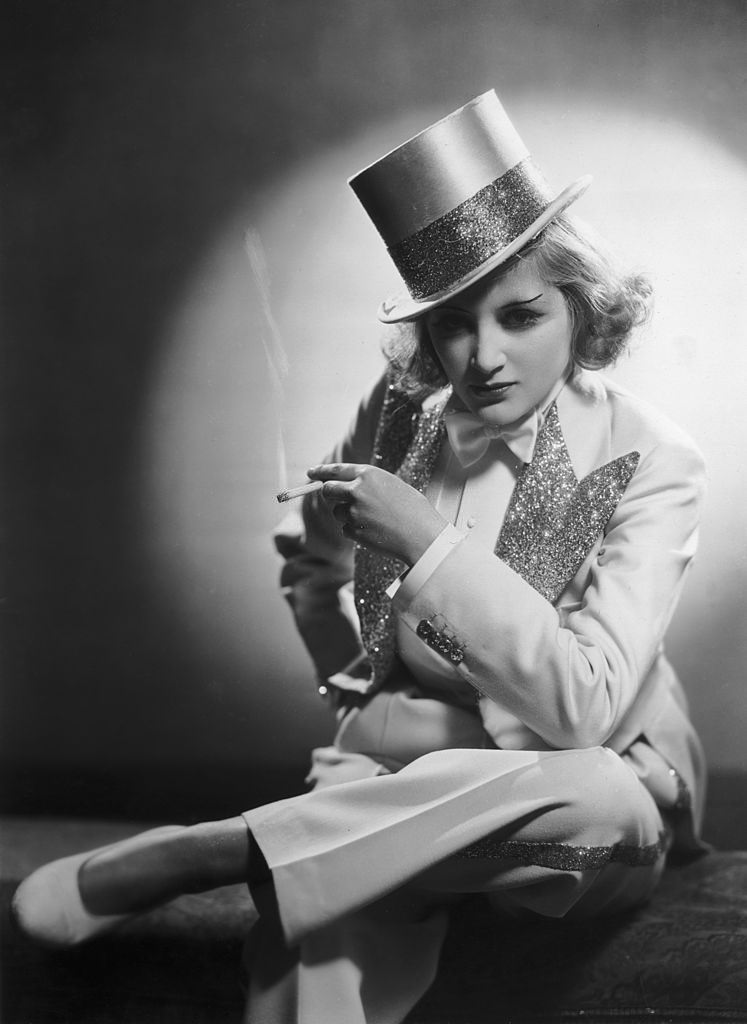
Riding the wave of ‘The Blue Angel’s success, Dietrich moved to the United States and signed with Paramount Pictures. Her American debut came in ‘Morocco’ (1930), directed again by von Sternberg and co-starring Gary Cooper. In one of the film’s most talked-about scenes, she appeared on screen in a man’s top hat and tails — a bold choice for the era that cemented her reputation as a style provocateur. ‘Morocco’ earned her an Academy Award nomination for Best Actress. She arrived in New York aboard the S.S. Bremen in 1930 to a press frenzy, fully aware of the star she had already become.
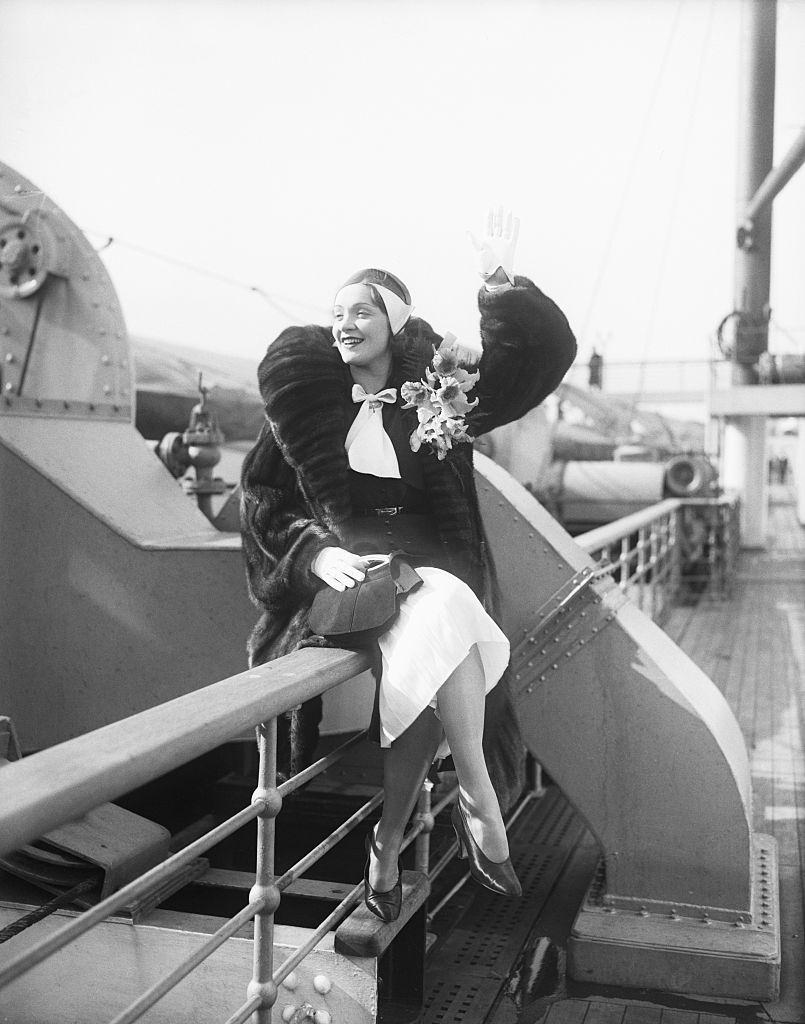
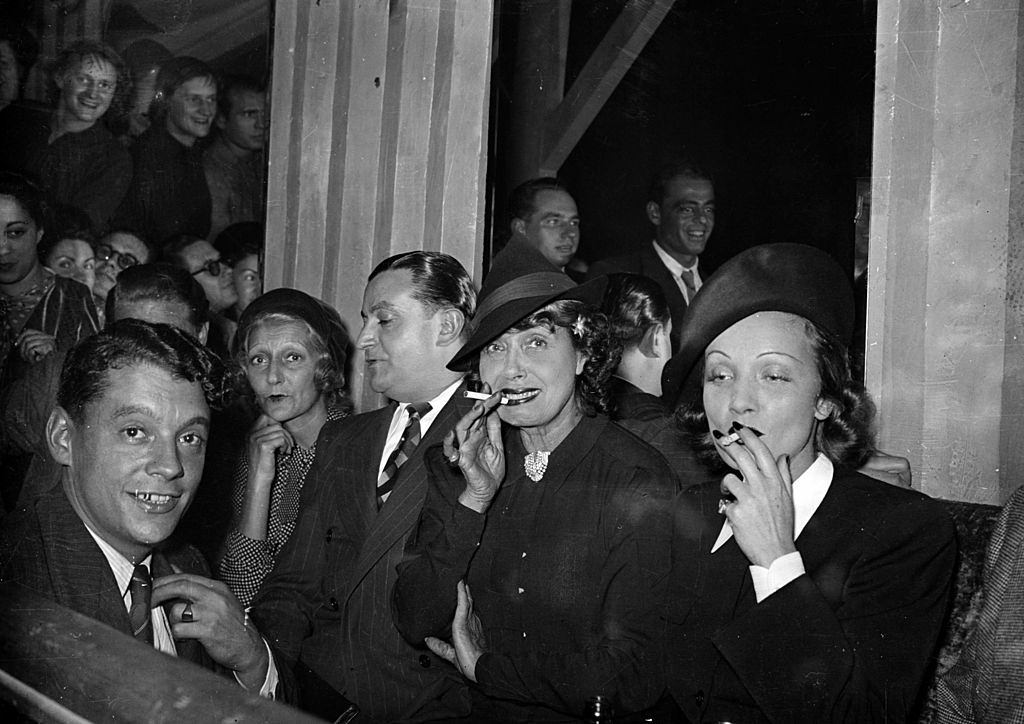
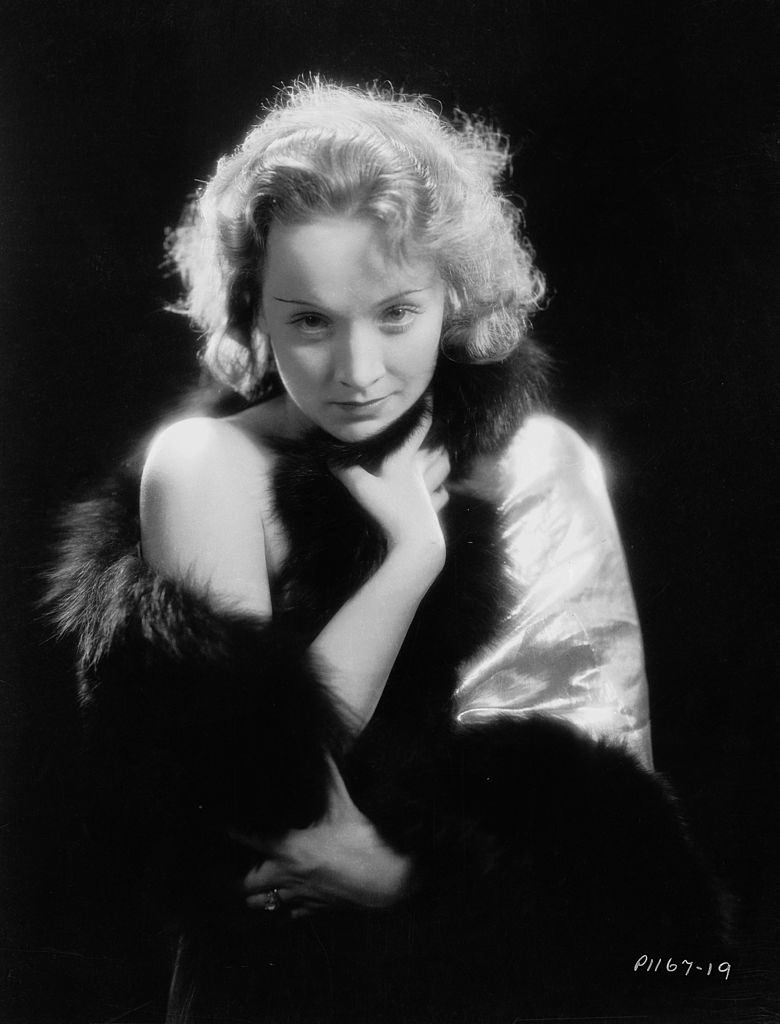
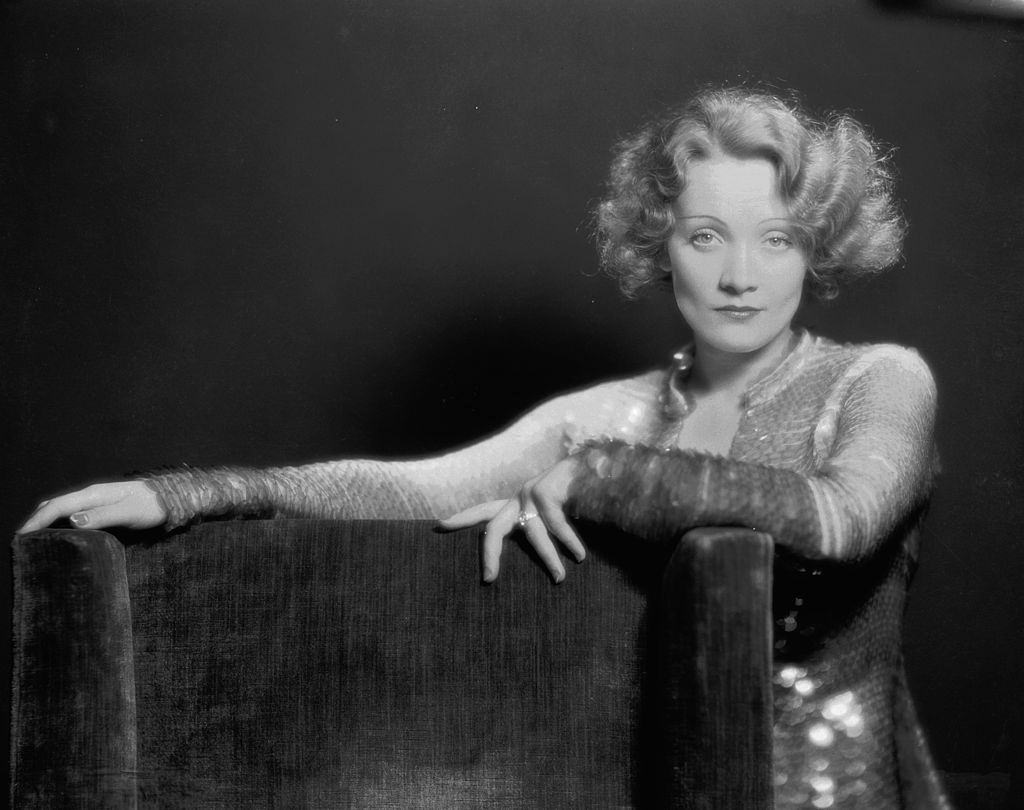
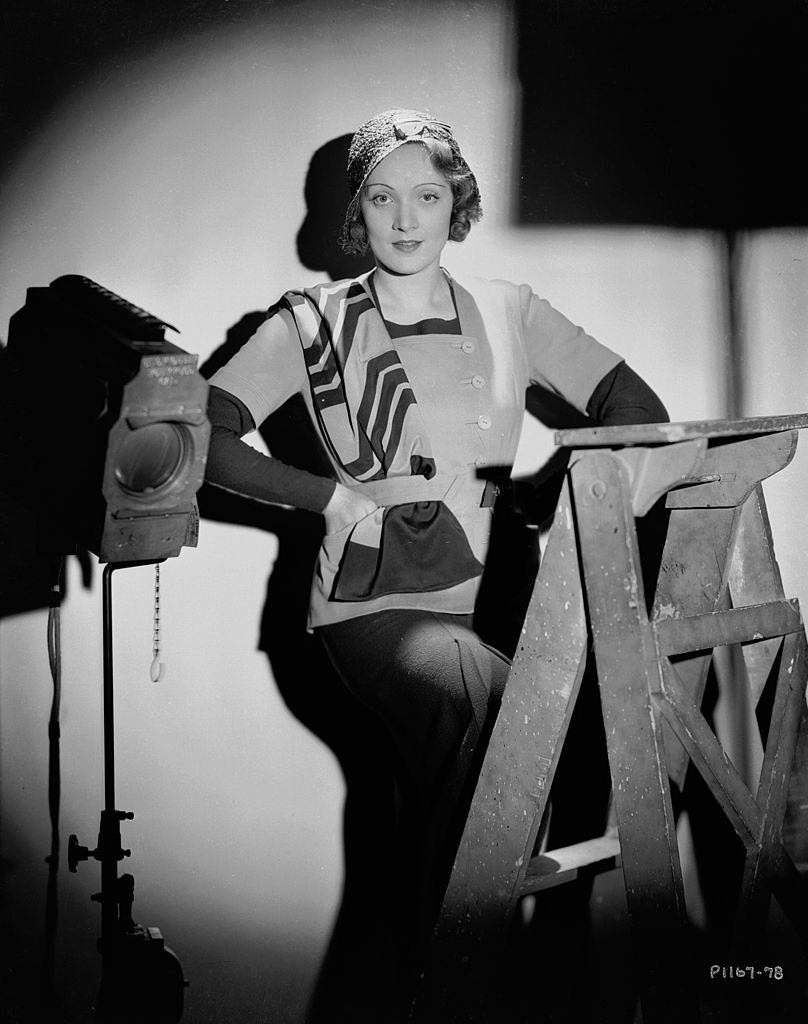
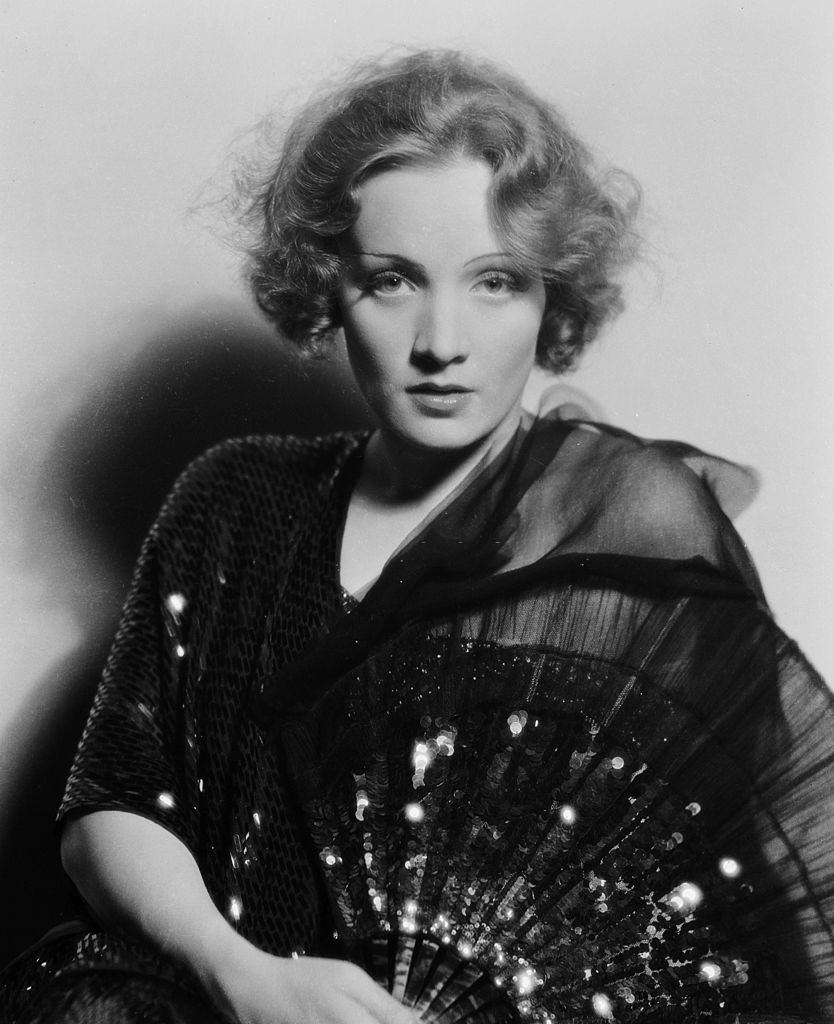
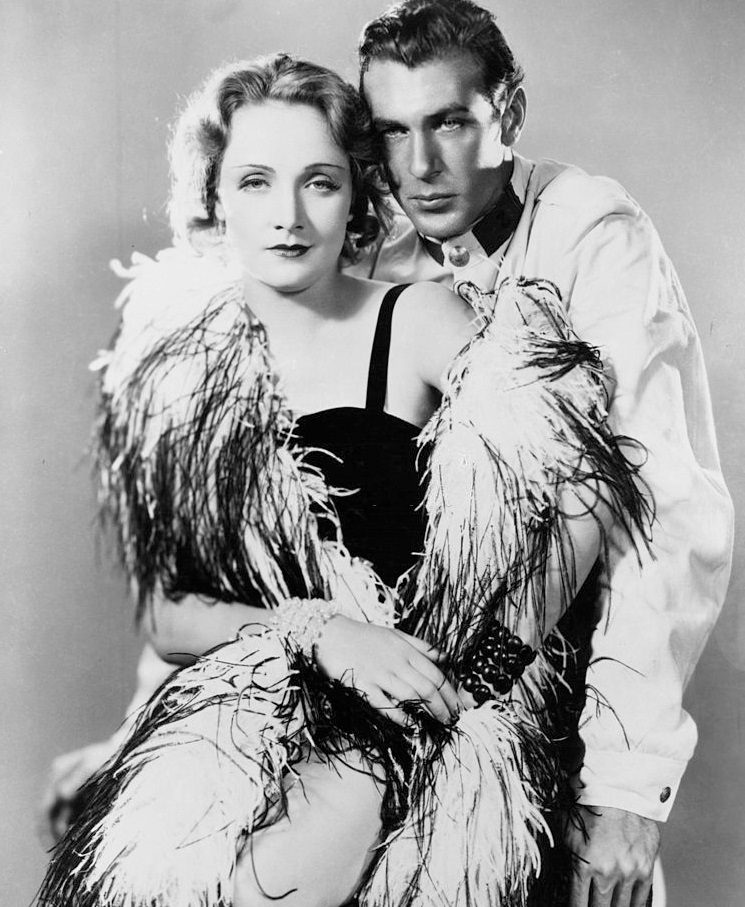
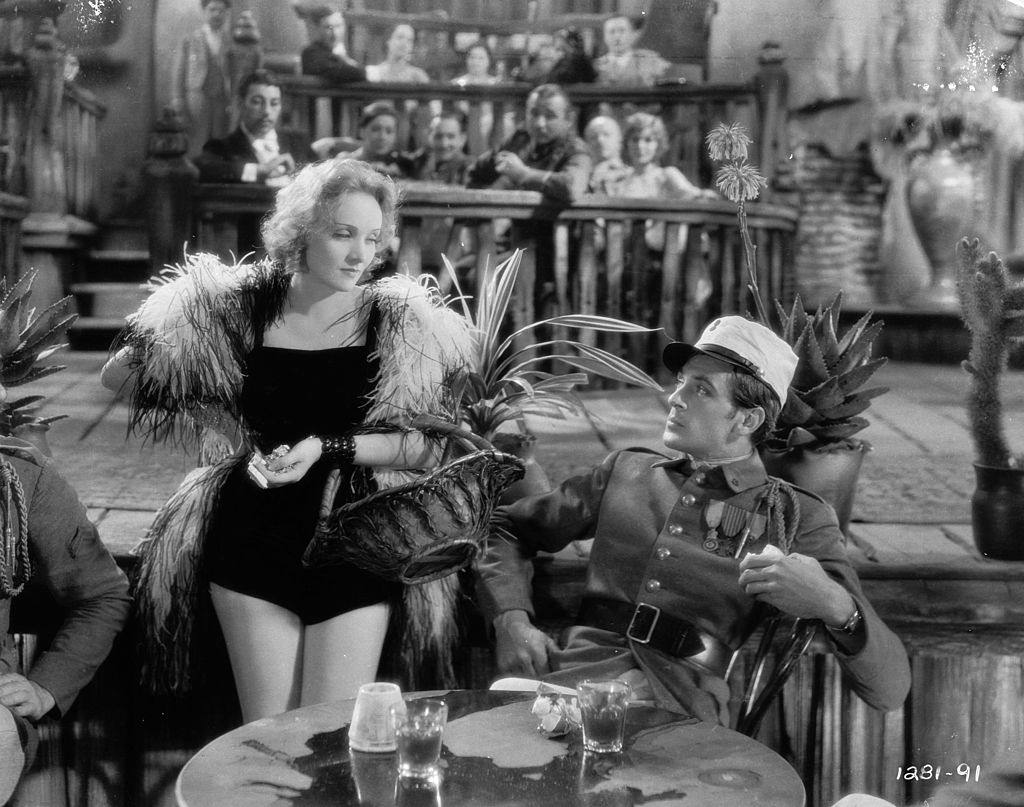
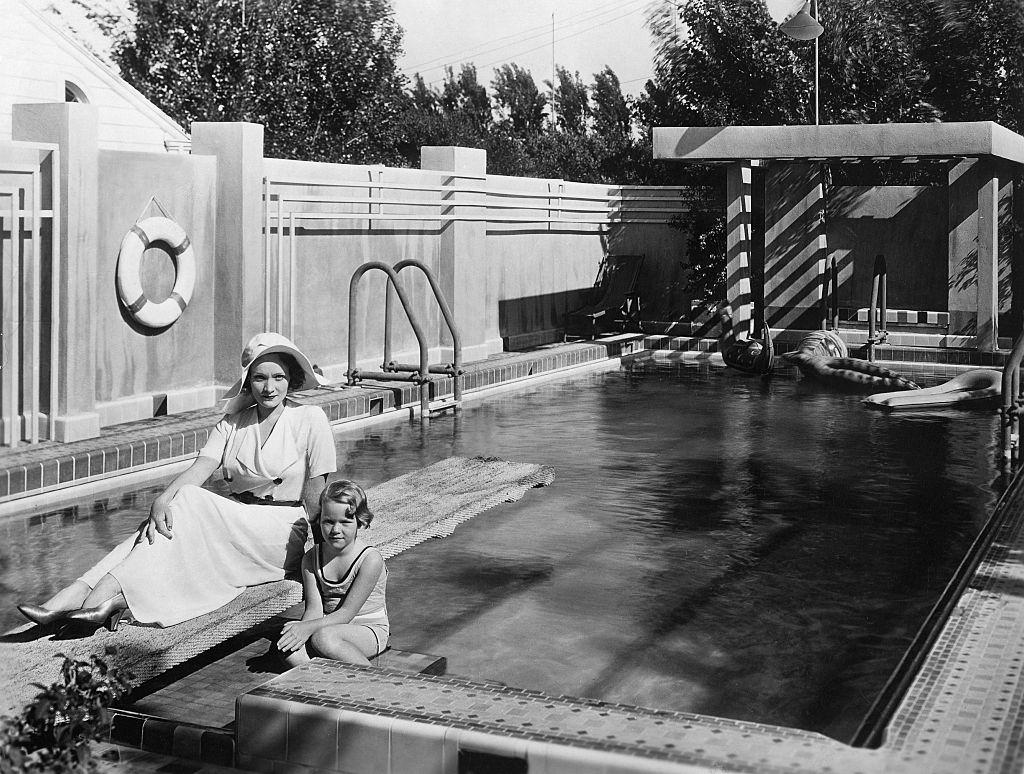
Throughout 1930 and 1931, Dietrich and von Sternberg continued their prolific collaboration. She starred in ‘Dishonored’ (1931), playing Austrian spy Marie Kolverer opposite Victor McLaglen. The film showed her range beyond glamour — she could carry tension and danger just as convincingly as she carried a sequined gown. Back in Hollywood, she was also photographed with her daughter Maria at their villa’s swimming pool, offering a rare glimpse of the domestic side of her life.
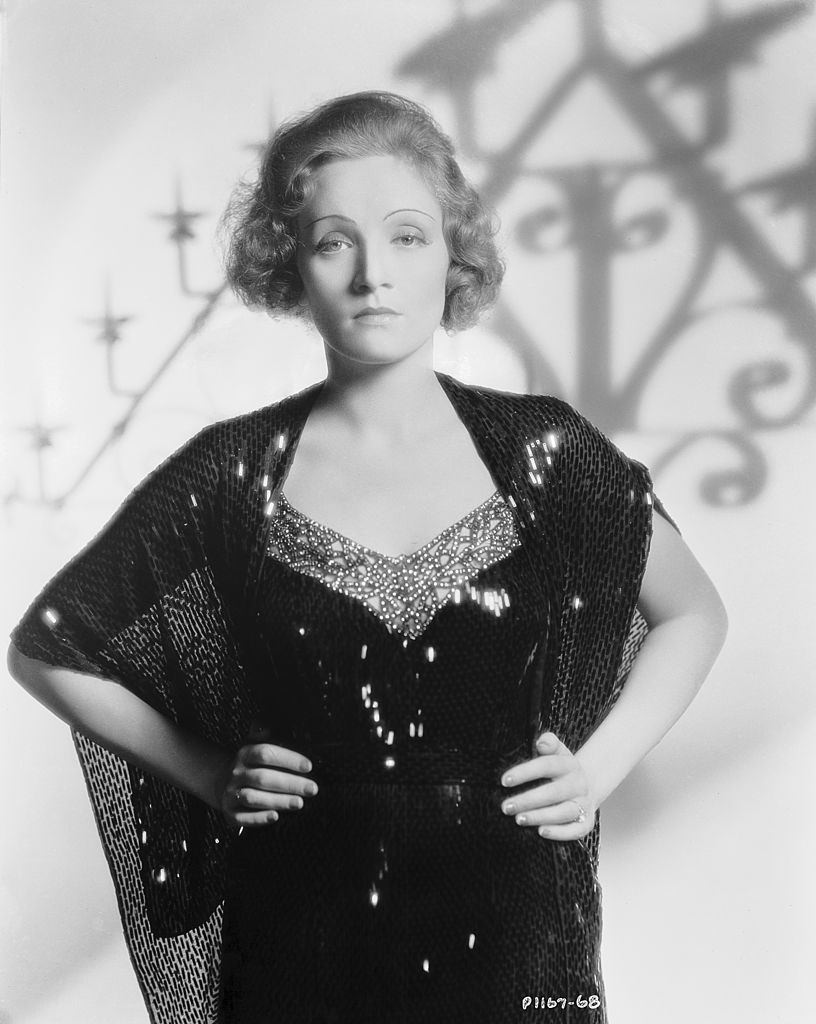
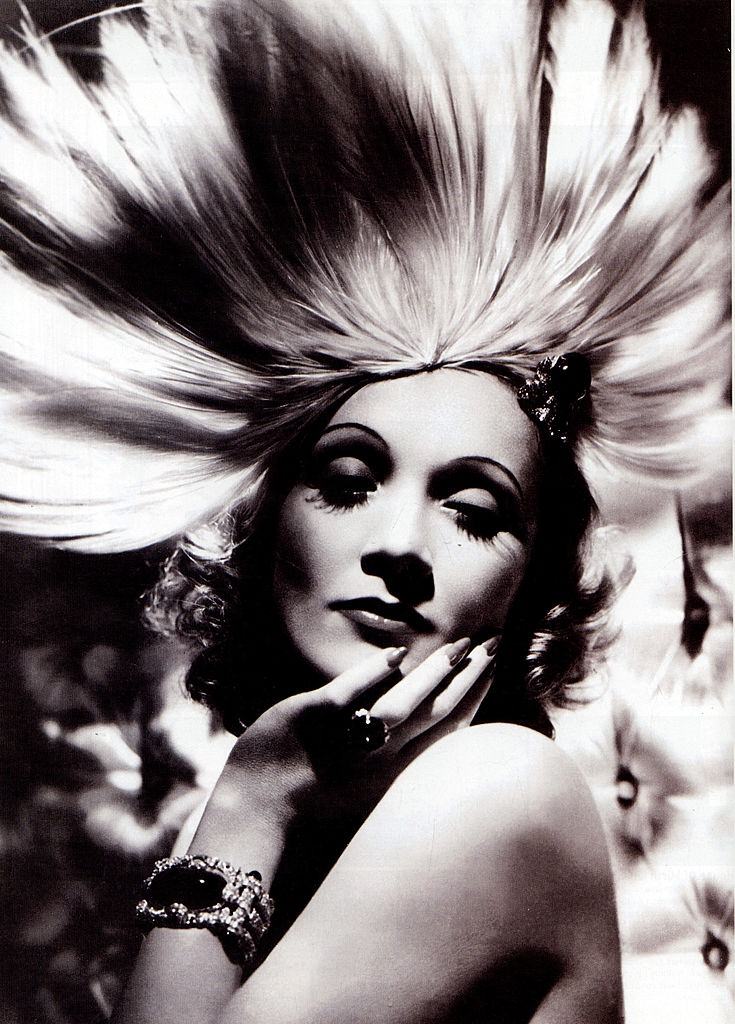
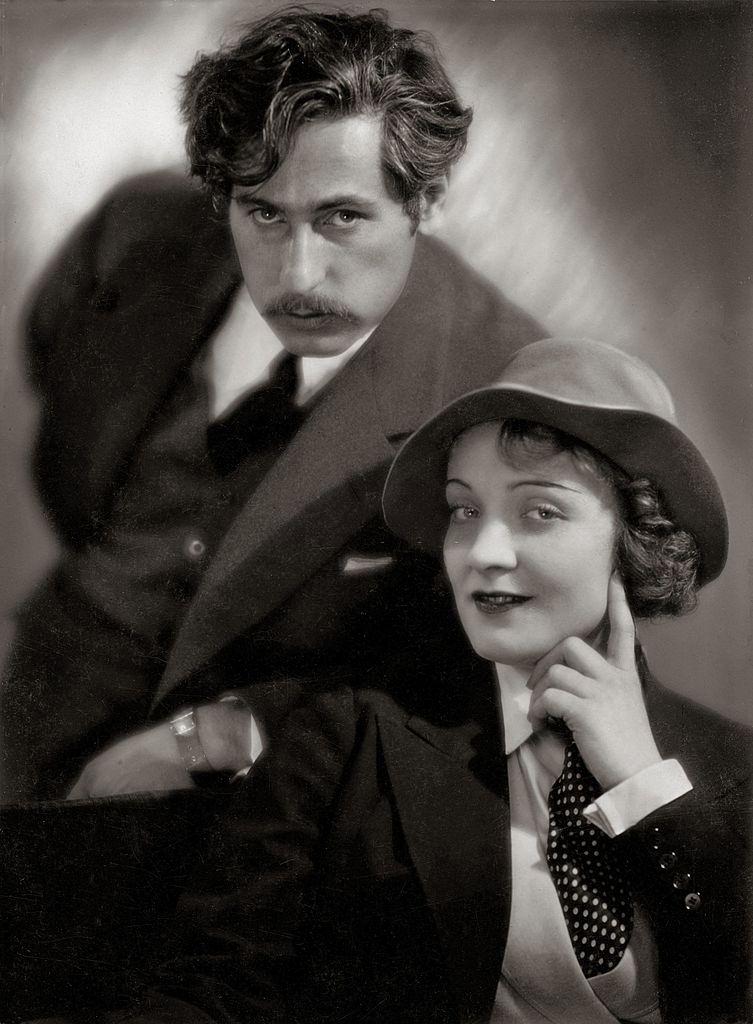
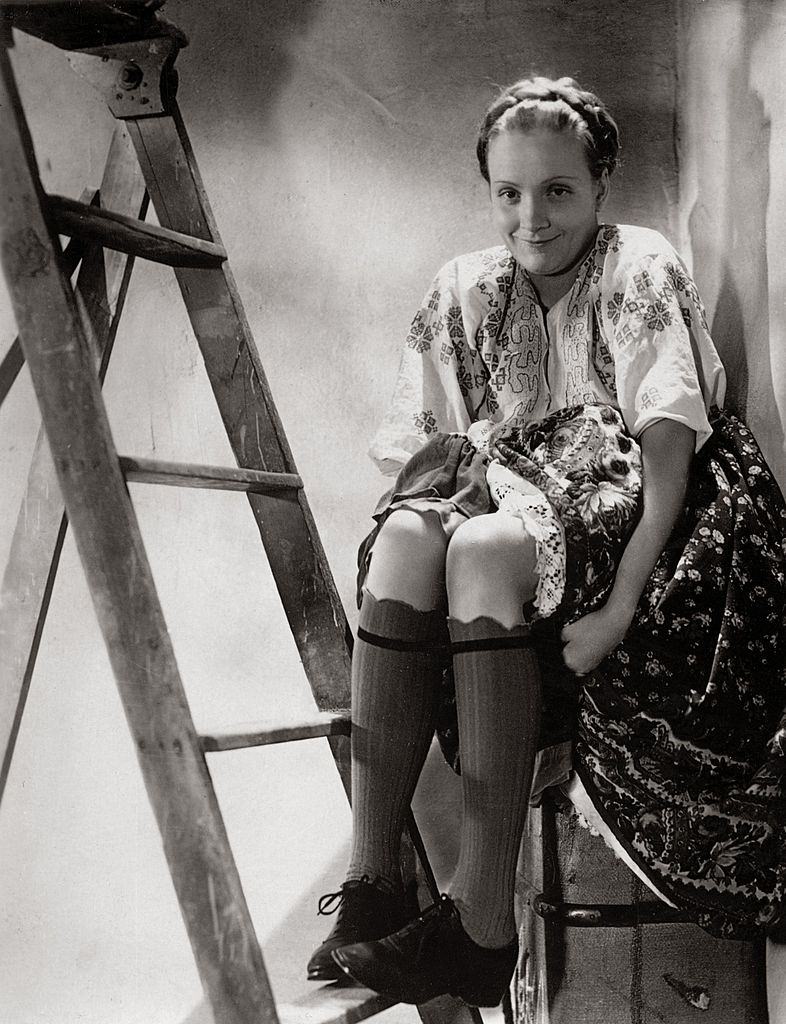
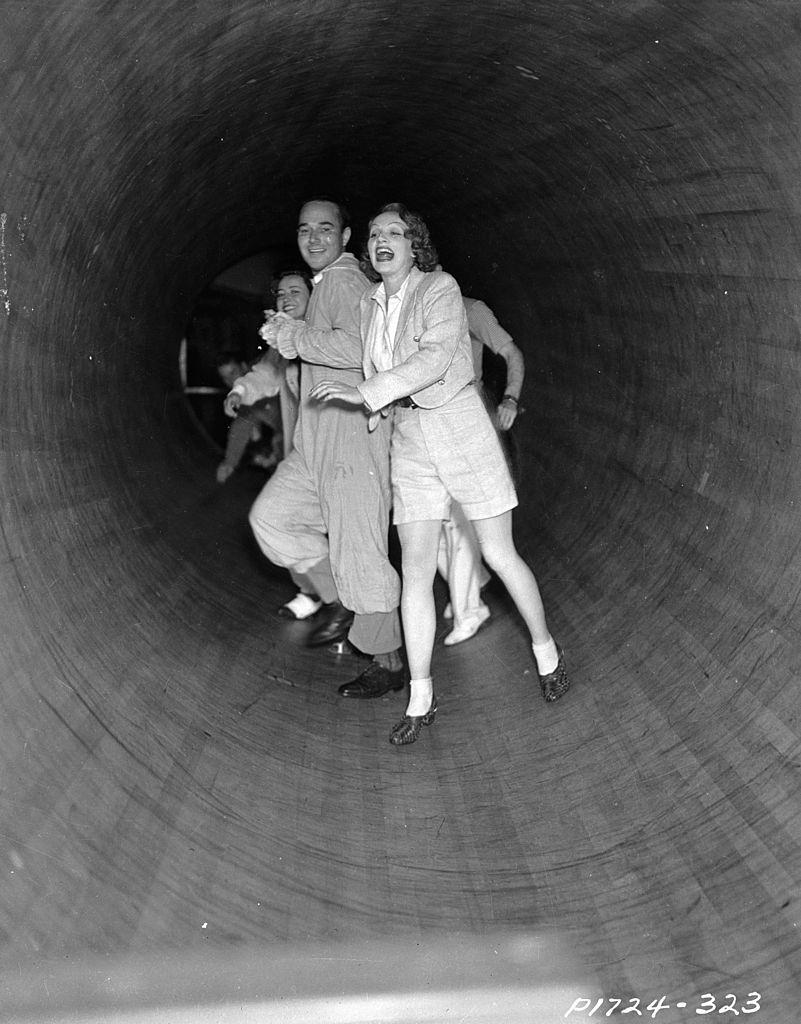
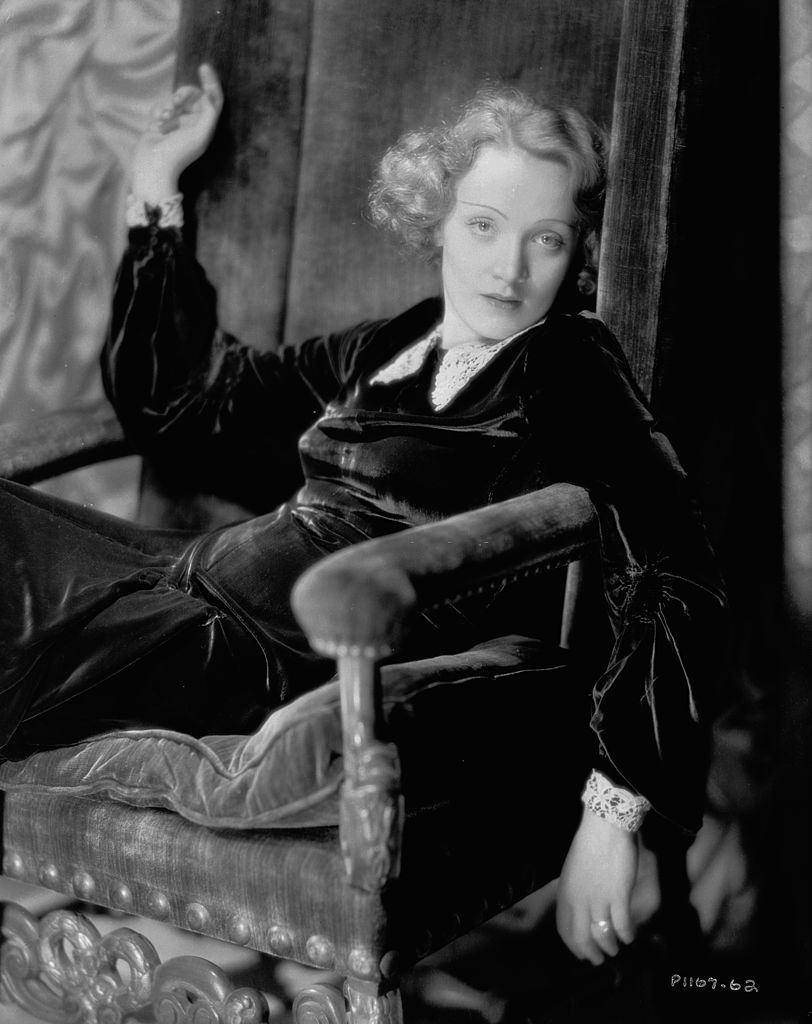
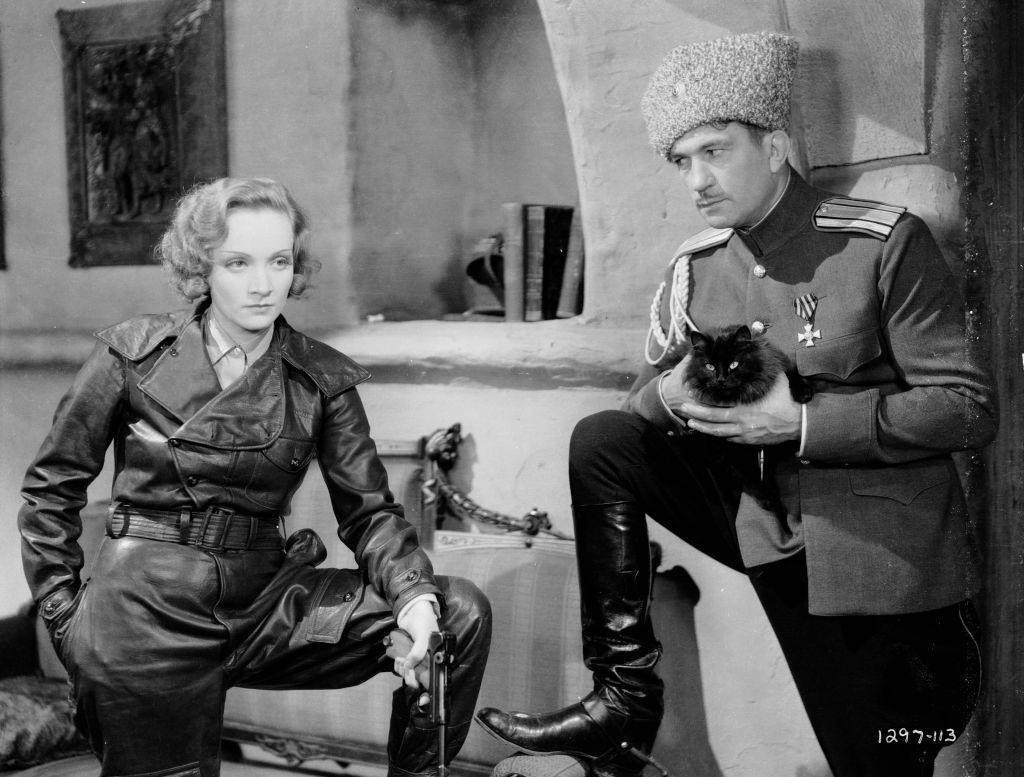
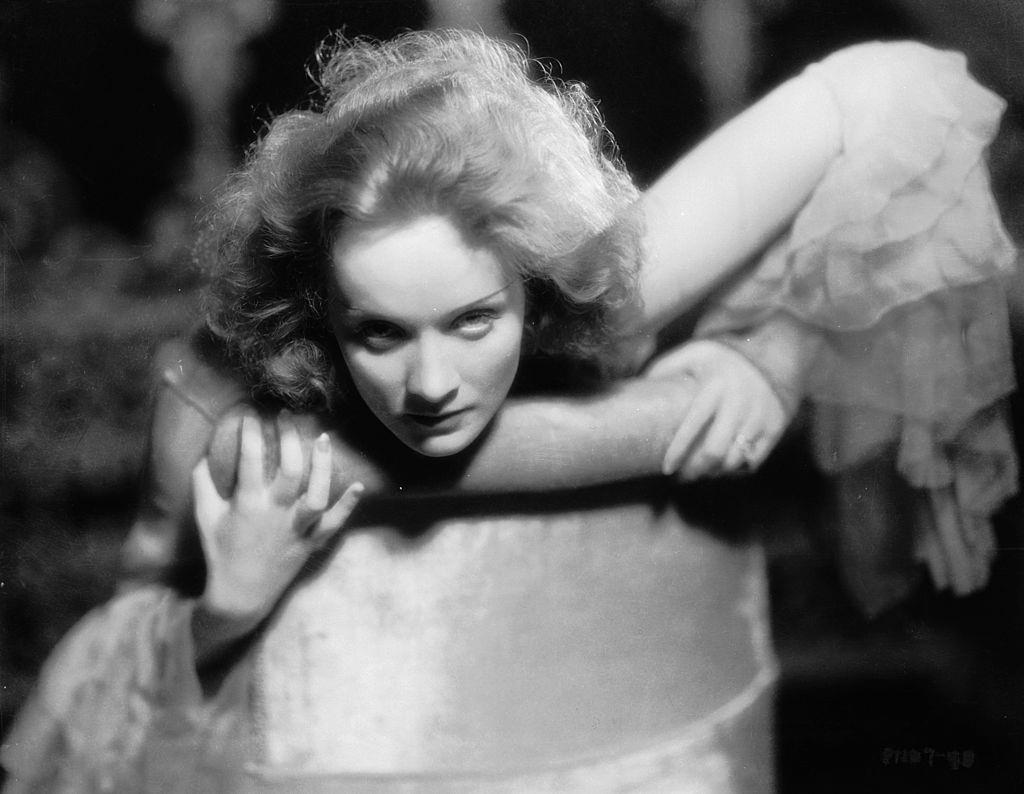
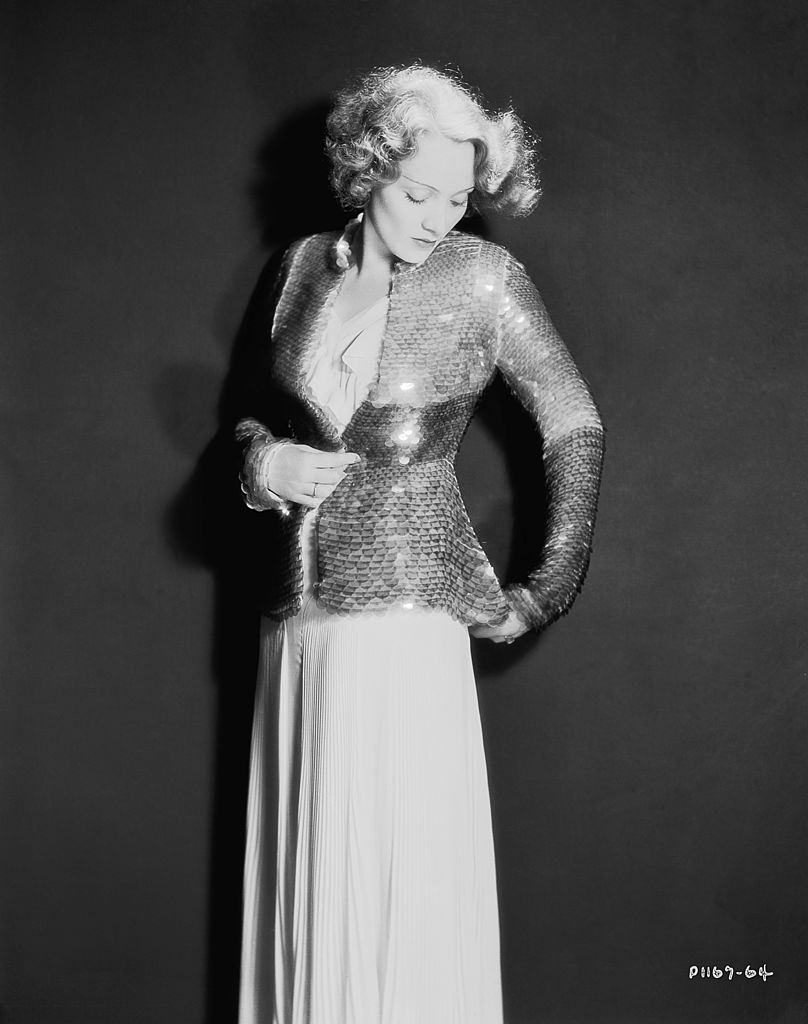
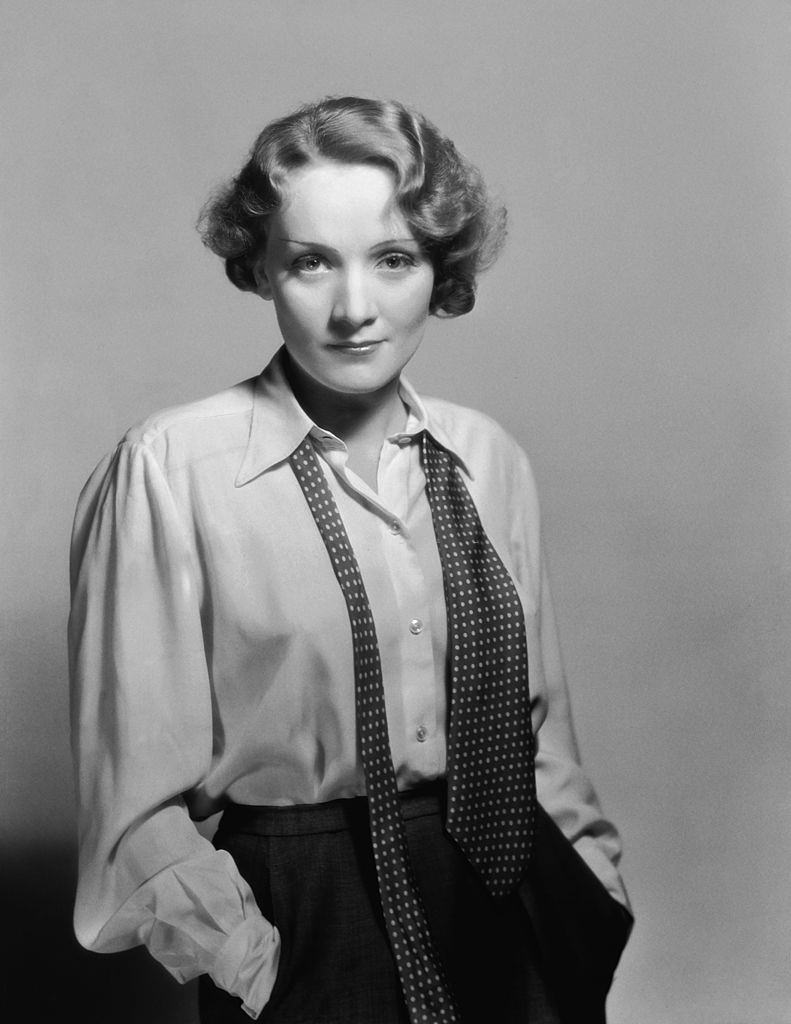
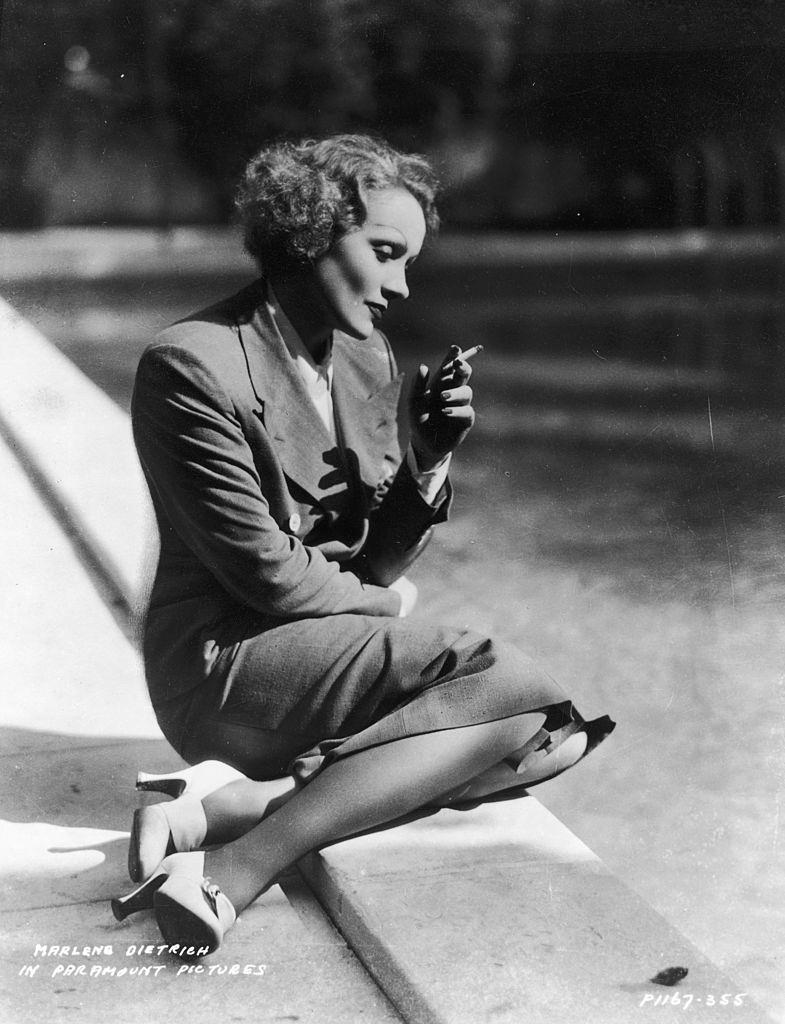
In 1932, Dietrich starred in ‘Shanghai Express,’ playing the notorious Shanghai Lily. The film was one of Paramount’s biggest box office hits of the year. That same year she appeared in ‘Blonde Venus,’ another von Sternberg production. Her offscreen image was just as striking as anything she wore on camera. Photographs from 1932 capture her kneeling beside a lake in a double-breasted suit, smoking a cigarette — a completely deliberate construction of identity that challenged the gender norms of the time. The German government, eager to use her as a propaganda symbol, asked her to return to Germany. She refused. Her films were subsequently banned in her home country.
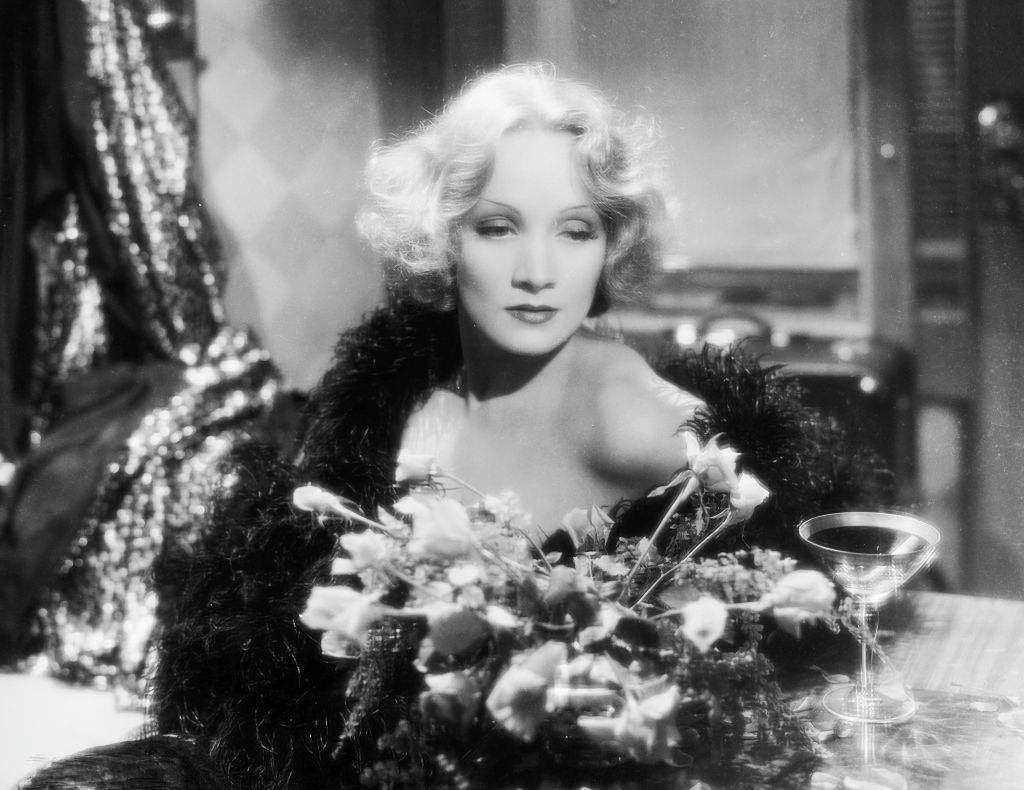
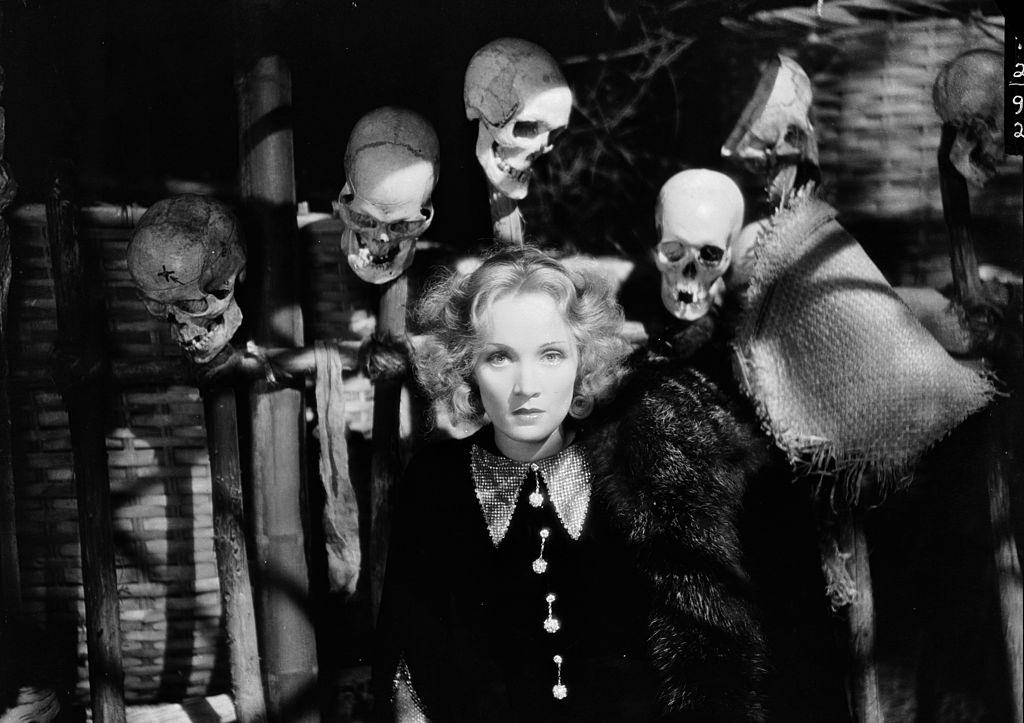
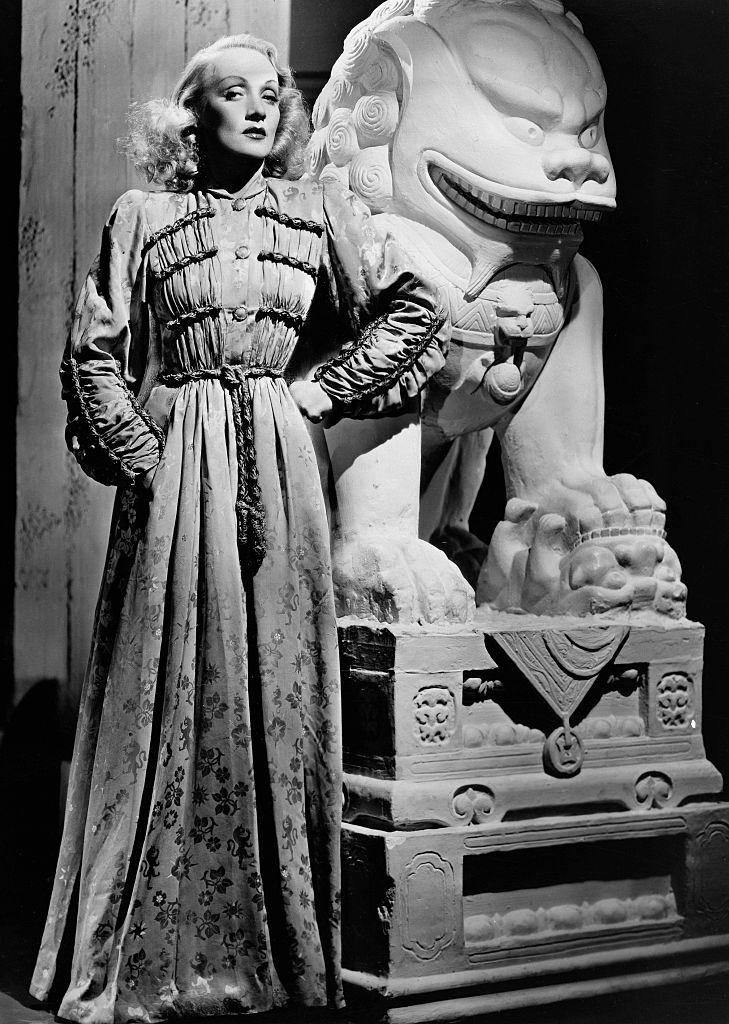
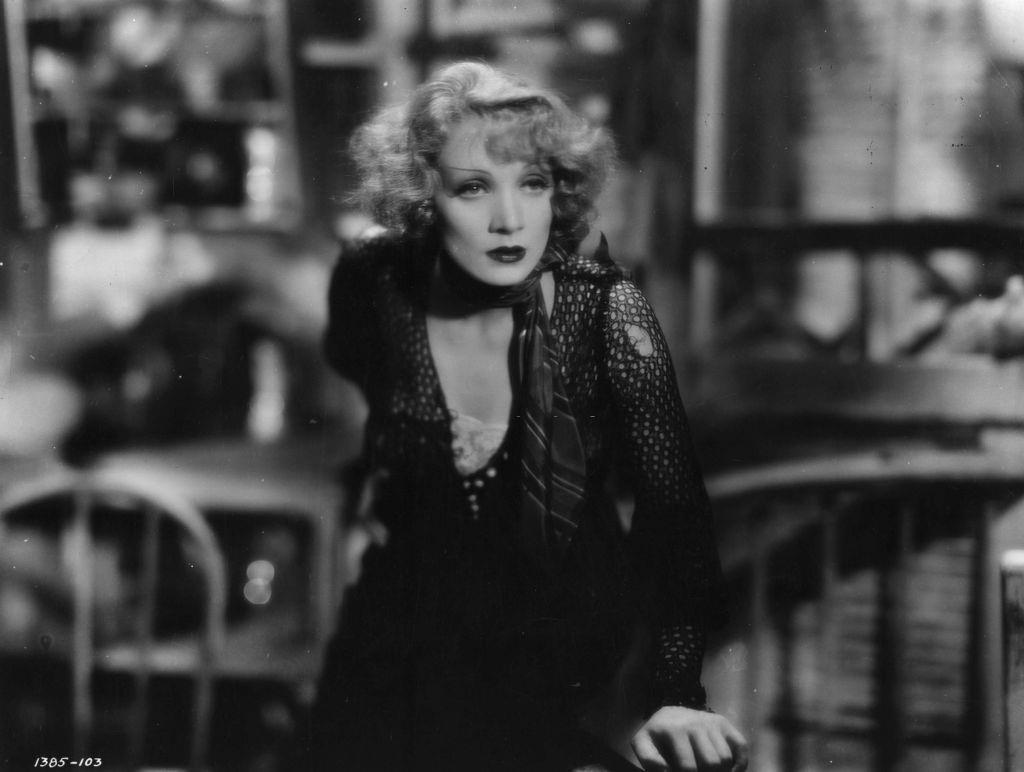
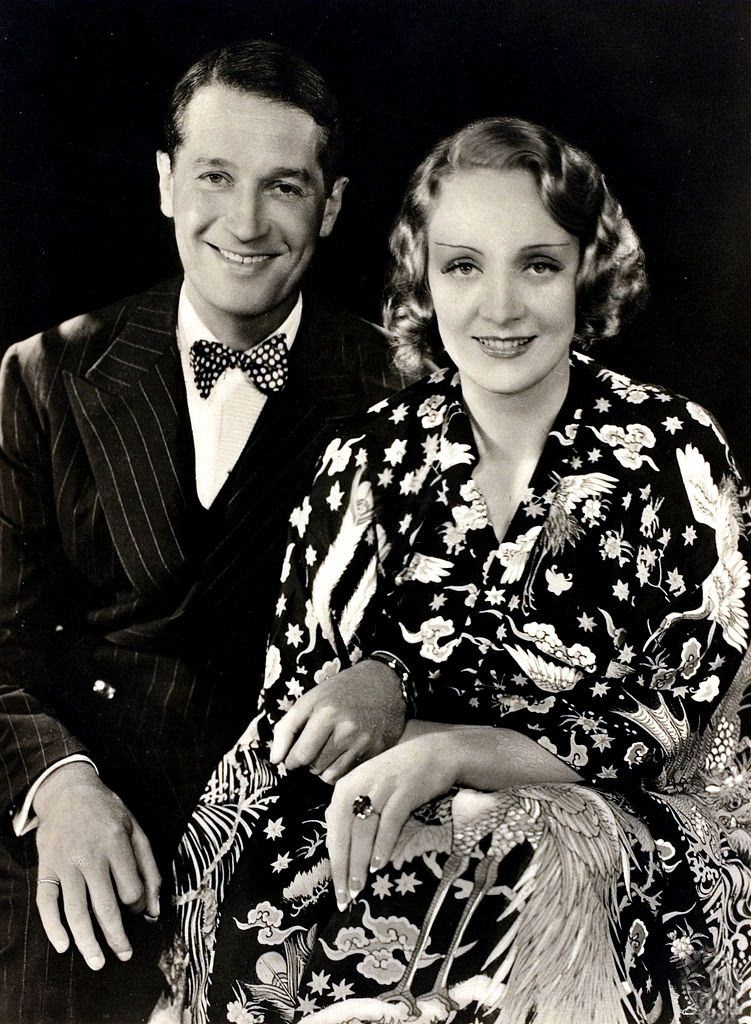
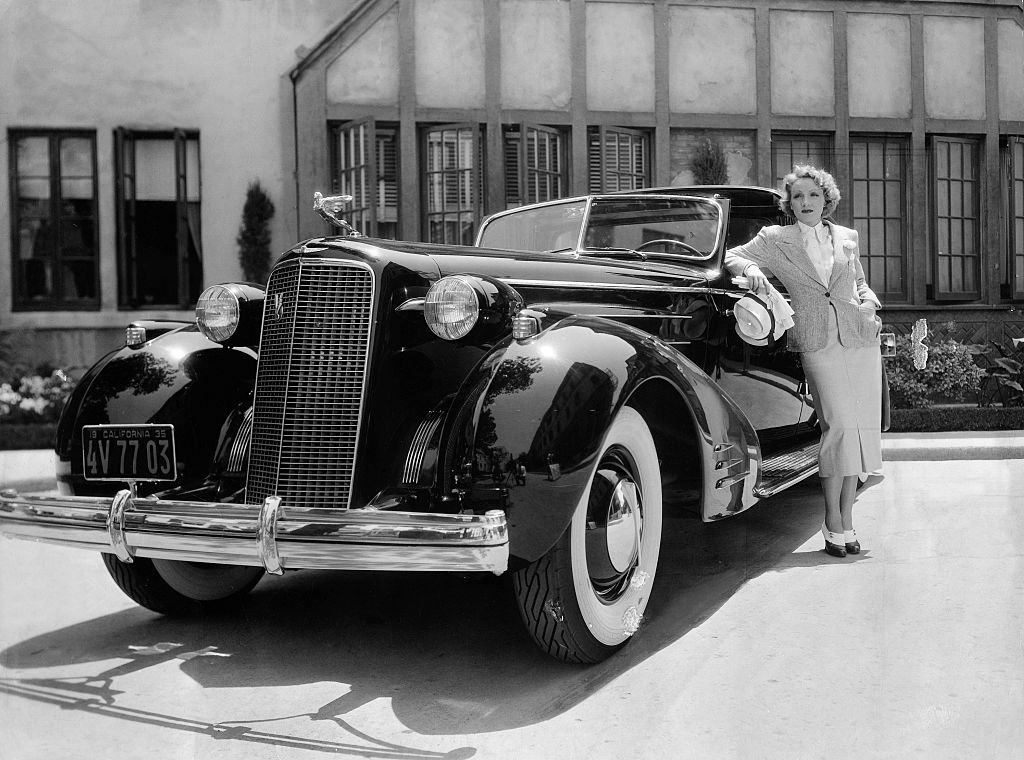
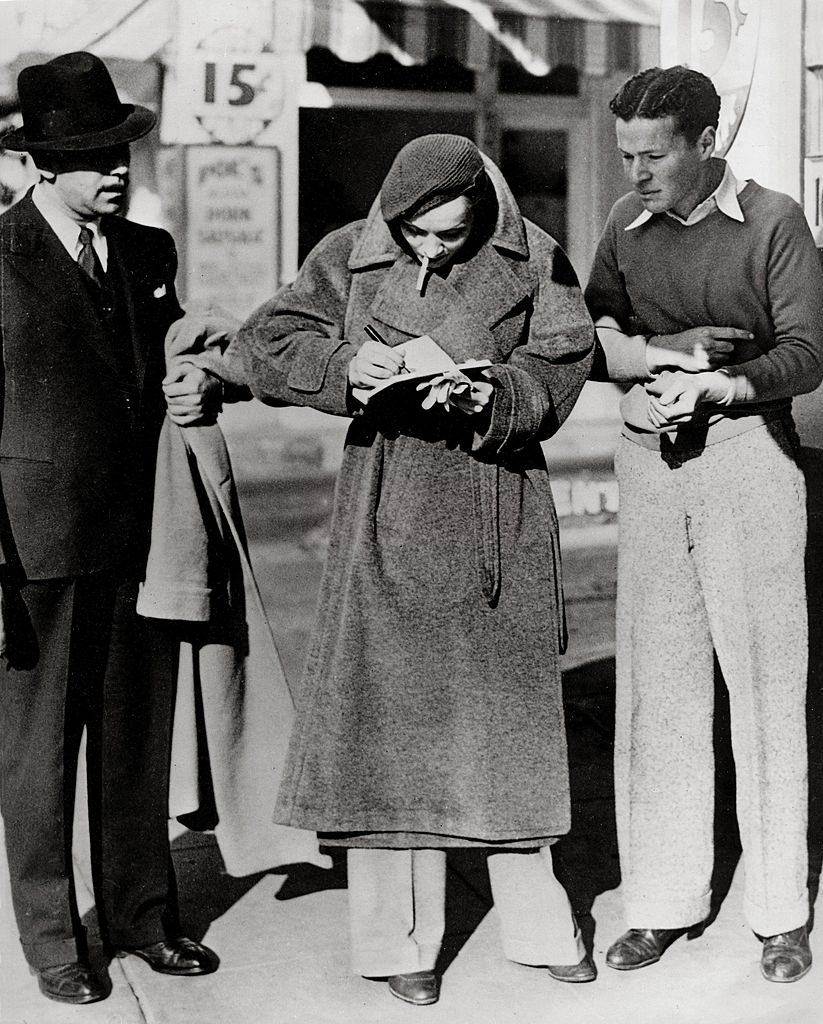
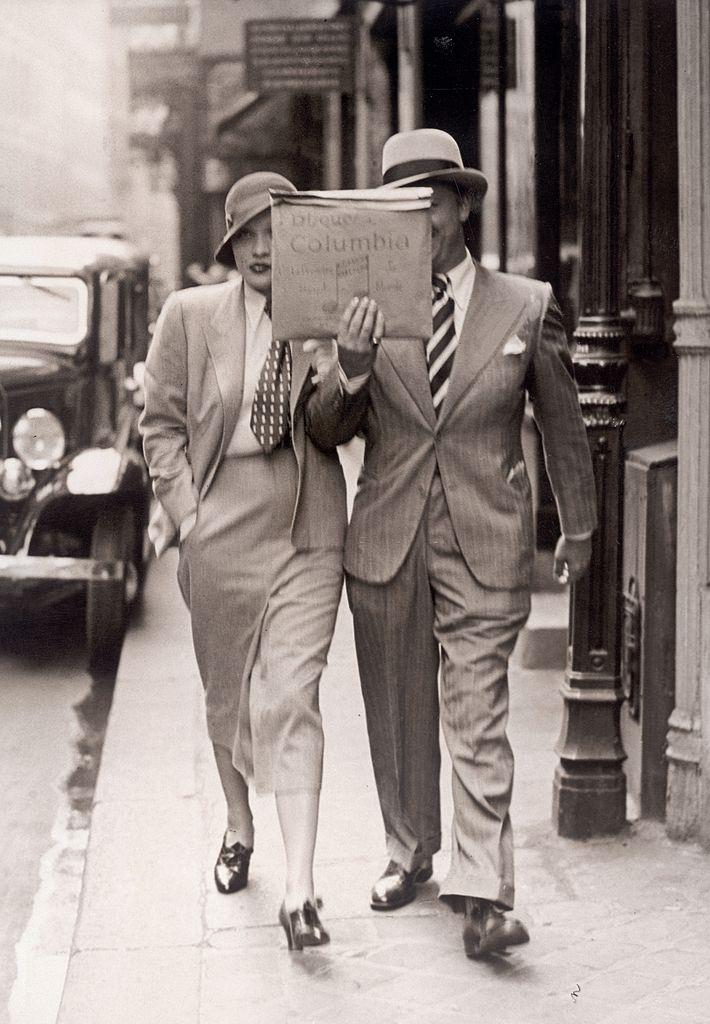
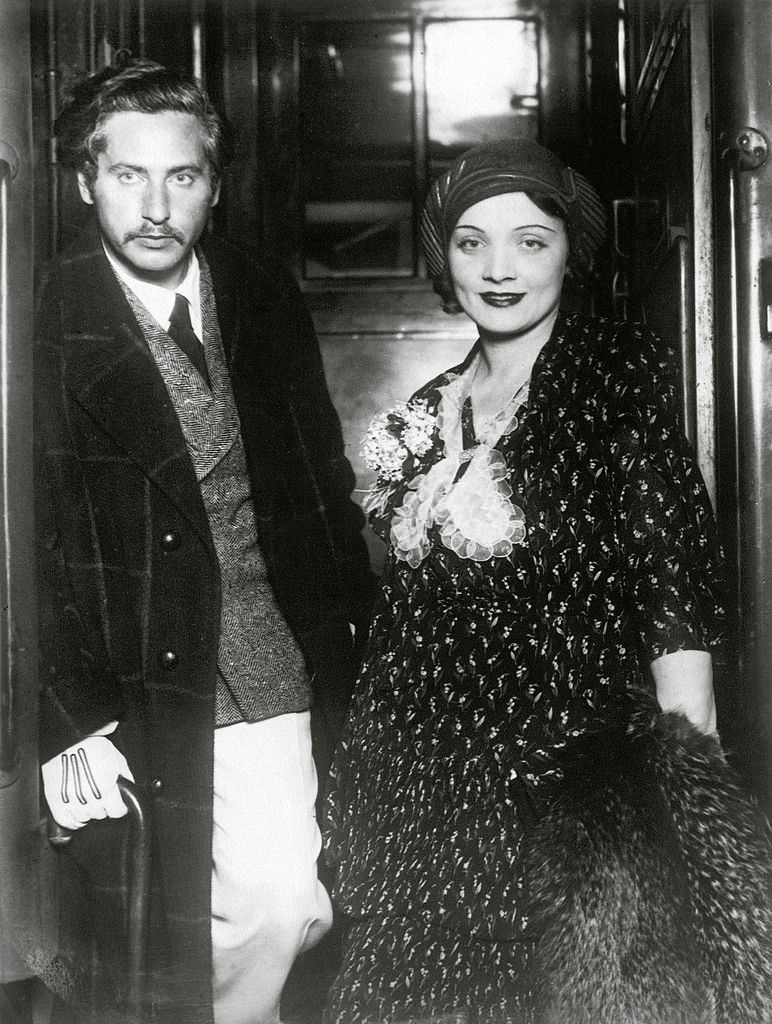
By 1933, Dietrich was one of the highest-paid actresses in Hollywood. She appeared in ‘Song of Songs’ and ‘Blonde Venus,’ continued to grace magazine covers, and signed autographs along Hollywood Boulevard for fans who lined up to see her. Photographs from Paris that year show her alongside her husband Rudolf Sieber, their marriage a unique arrangement — Sieber was fully aware of her numerous affairs and the two remained legally married until his death. Her lovers over the years included Gary Cooper, James Stewart, Jean Gabin, and Yul Brynner, with whom she had a relationship lasting more than a decade. She also claimed affairs with George Bernard Shaw, John F. Kennedy, and John Wayne. She and Sieber reportedly exchanged the intimate letters of her lovers between themselves.
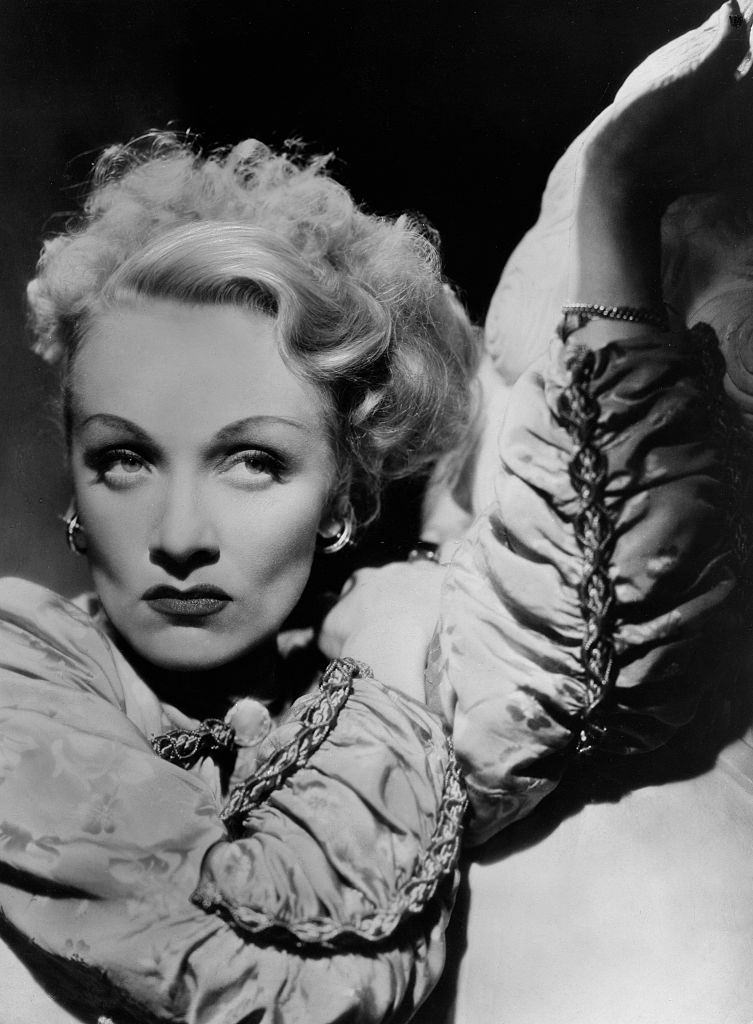
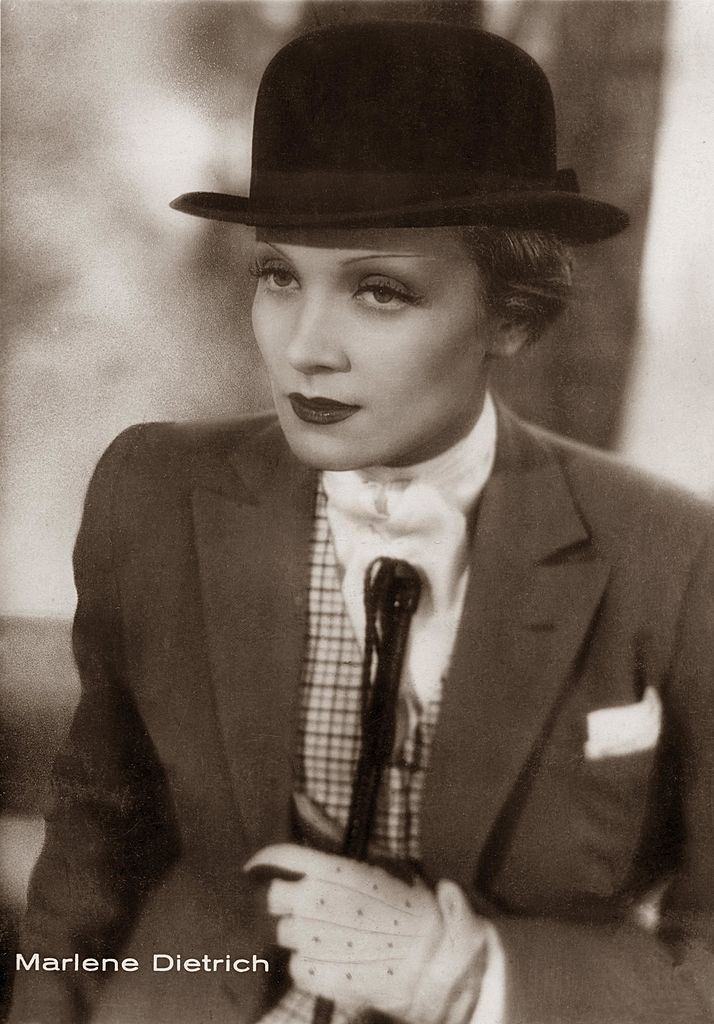
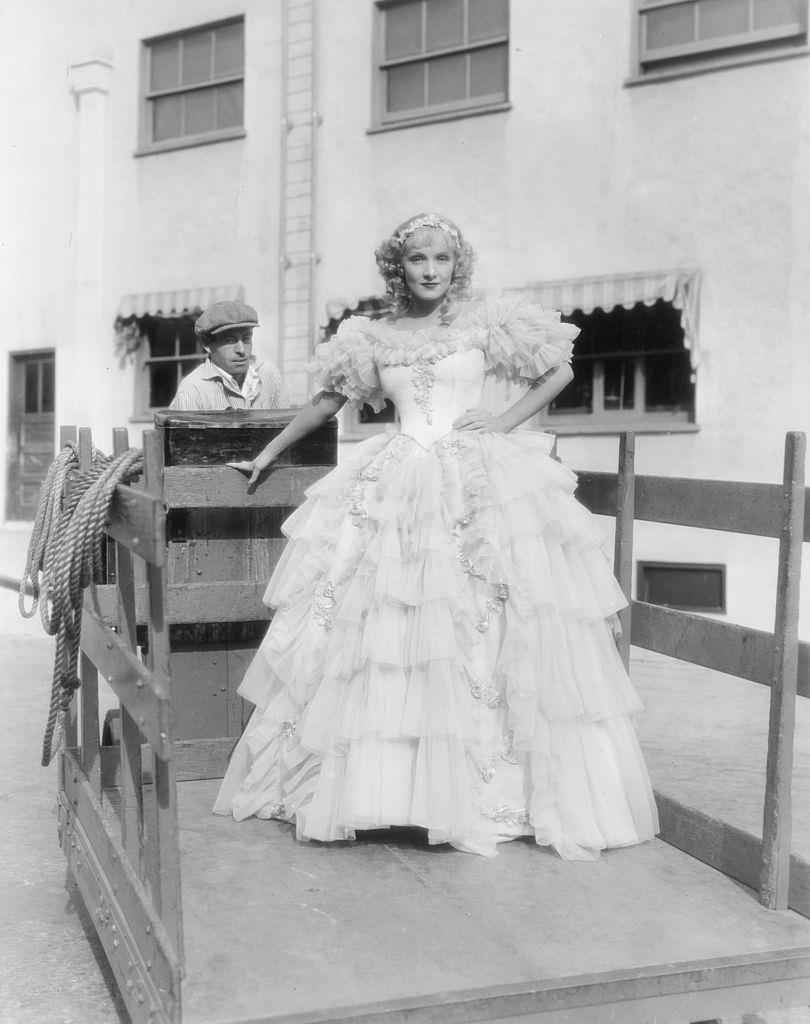
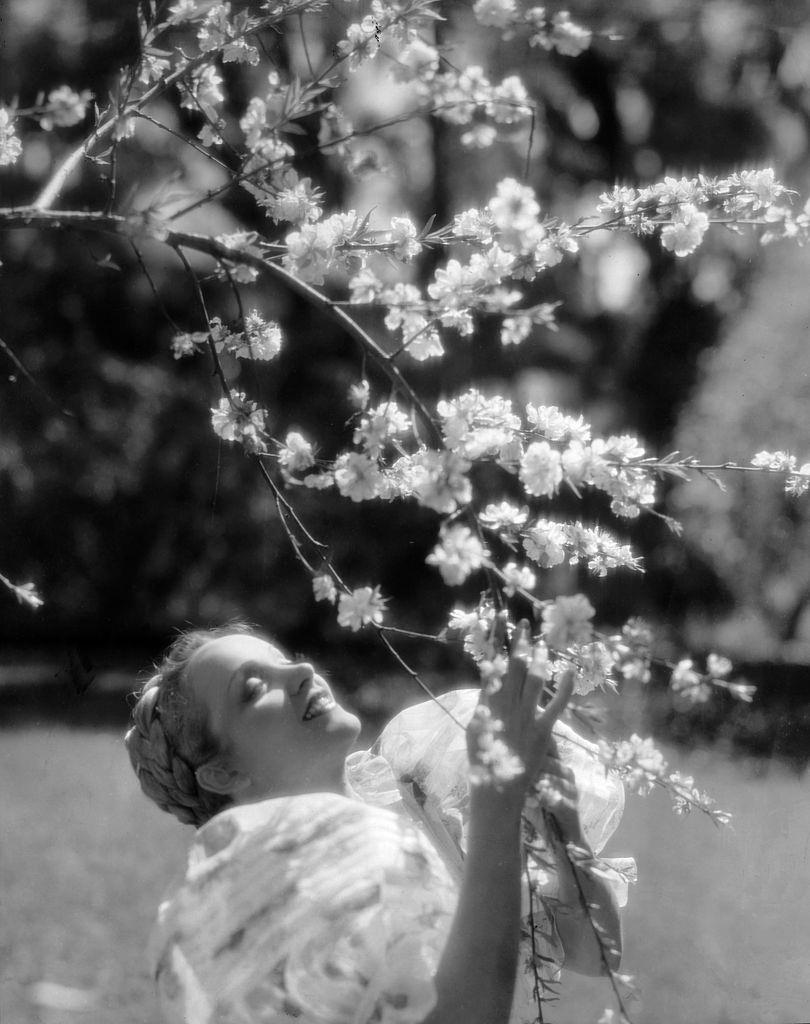
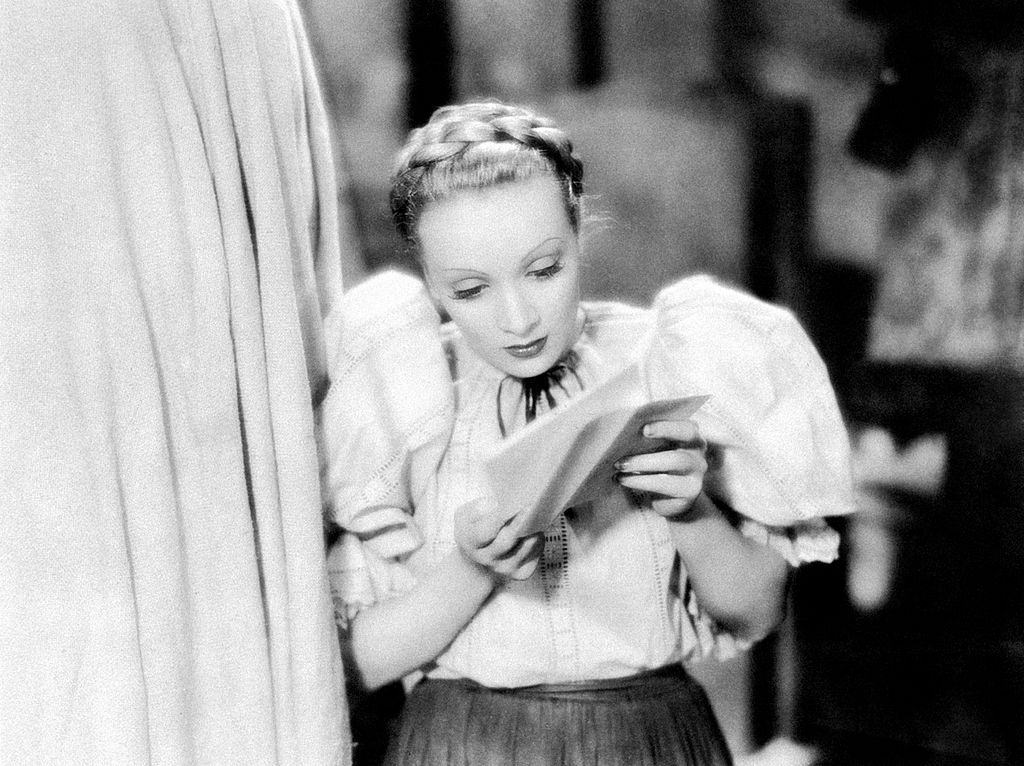
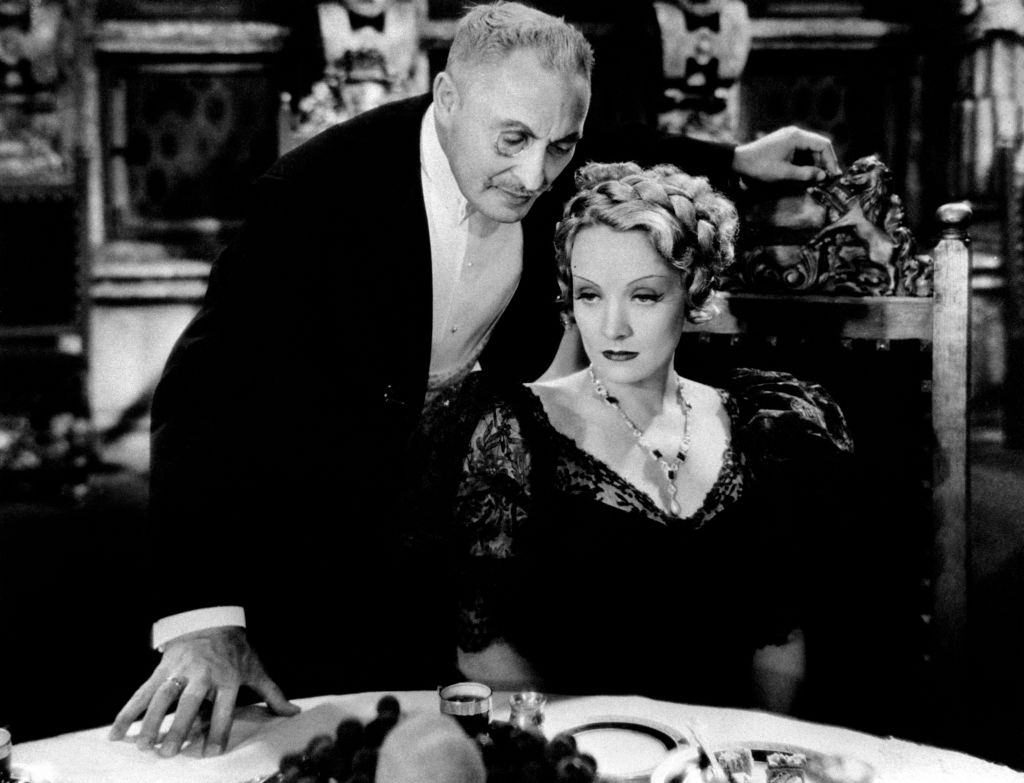
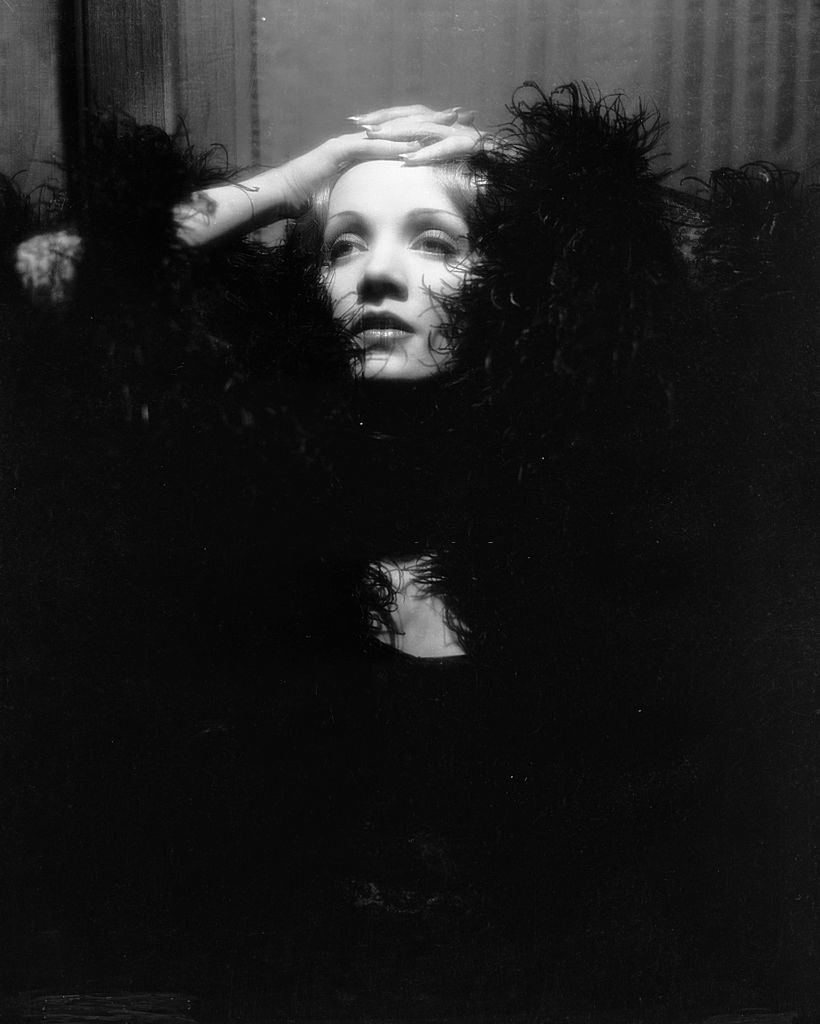
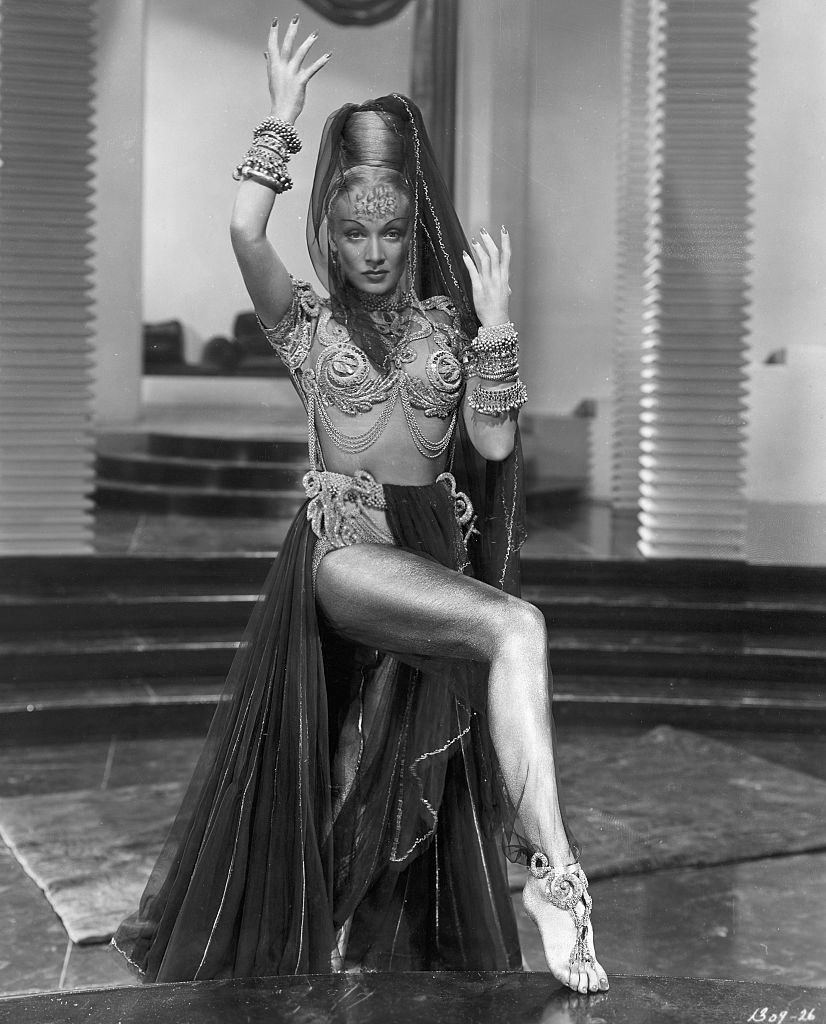
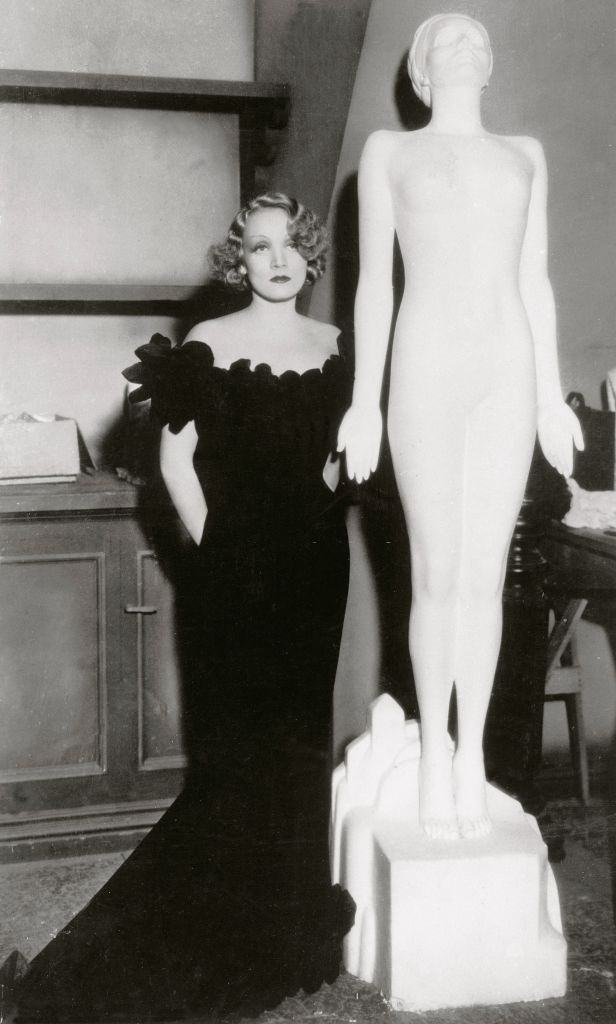
In 1934, Dietrich starred in ‘The Scarlet Empress,’ one of her most visually elaborate films, again directed by von Sternberg. By this point she was a fully established Hollywood icon, a figure that costume designers, photographers, and directors competed to work with. Costumer Travis Banton, who created her exotic headdress for the film ‘Angel,’ was one of many who shaped the visual language of a Dietrich performance.
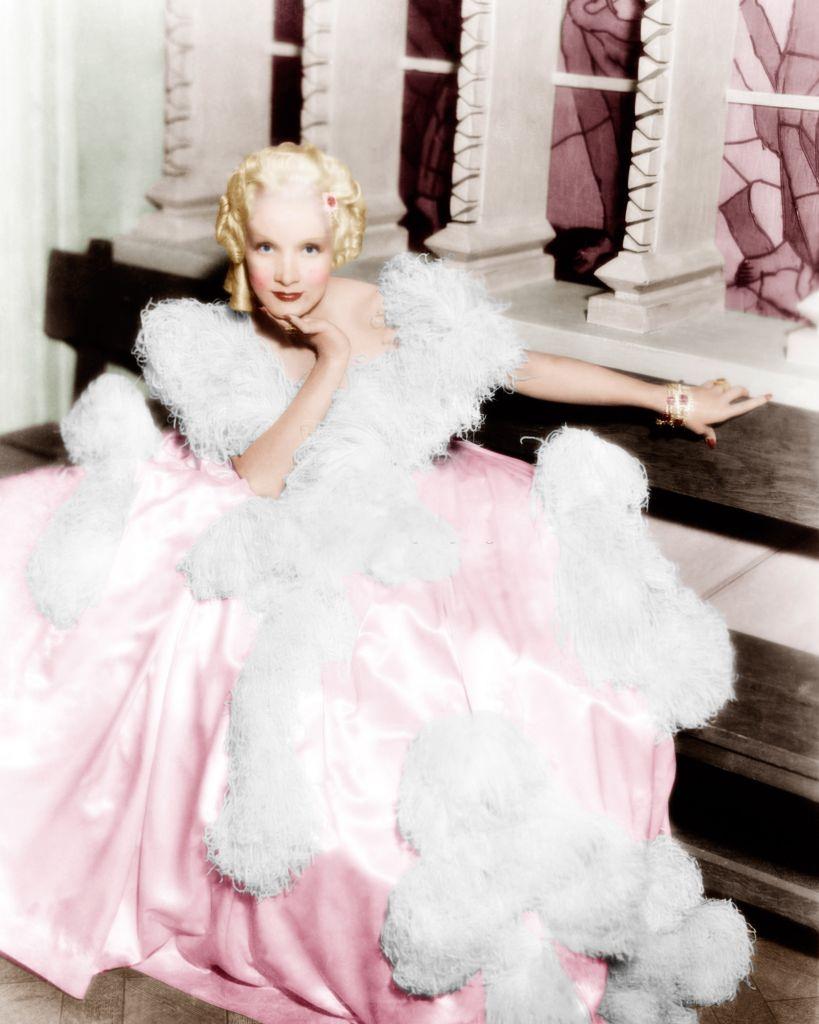
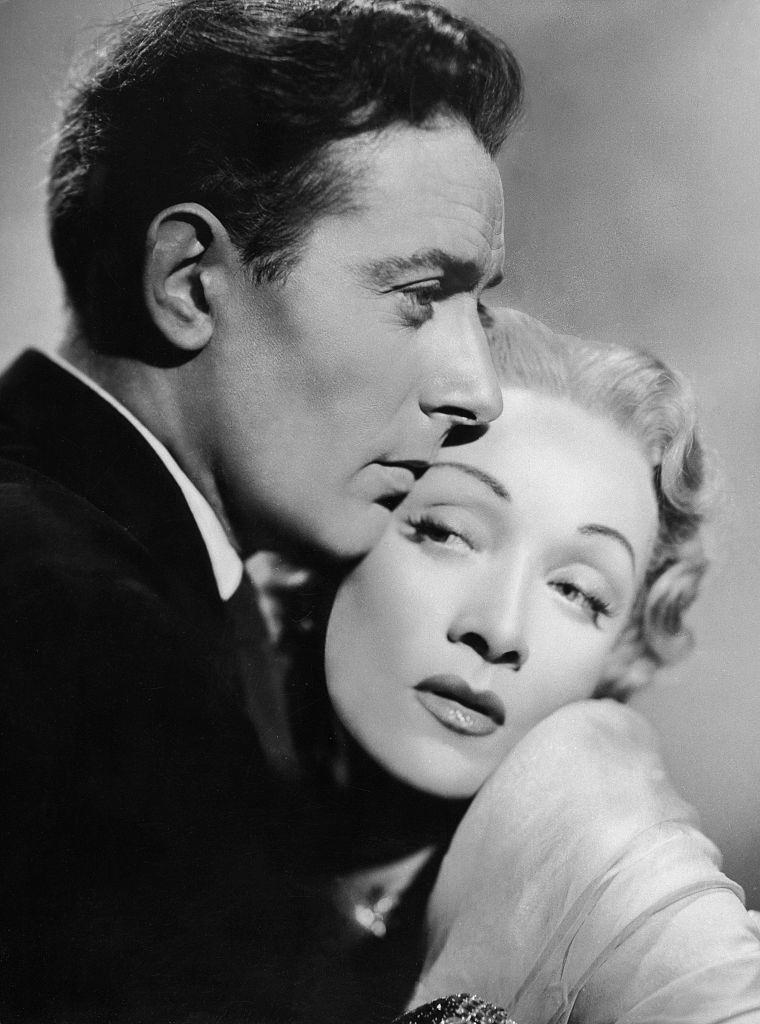
The late 1930s and early 1940s brought a difficult chapter. Film exhibitors labeled her ‘box office poison’ — a tag placed on several major stars of the era, including Greta Garbo, Katharine Hepburn, and Mae West. Despite the label, Dietrich kept working. During World War II, she toured extensively, performing for Allied troops on the front lines. She refused every overture from Nazi Germany and became an American citizen in 1939. After the war, she continued taking on both big-budget and low-budget films through the 1940s and 1950s, including ‘Stage Fright’ (1950), directed by Alfred Hitchcock, in which she starred alongside Michael Wilding.
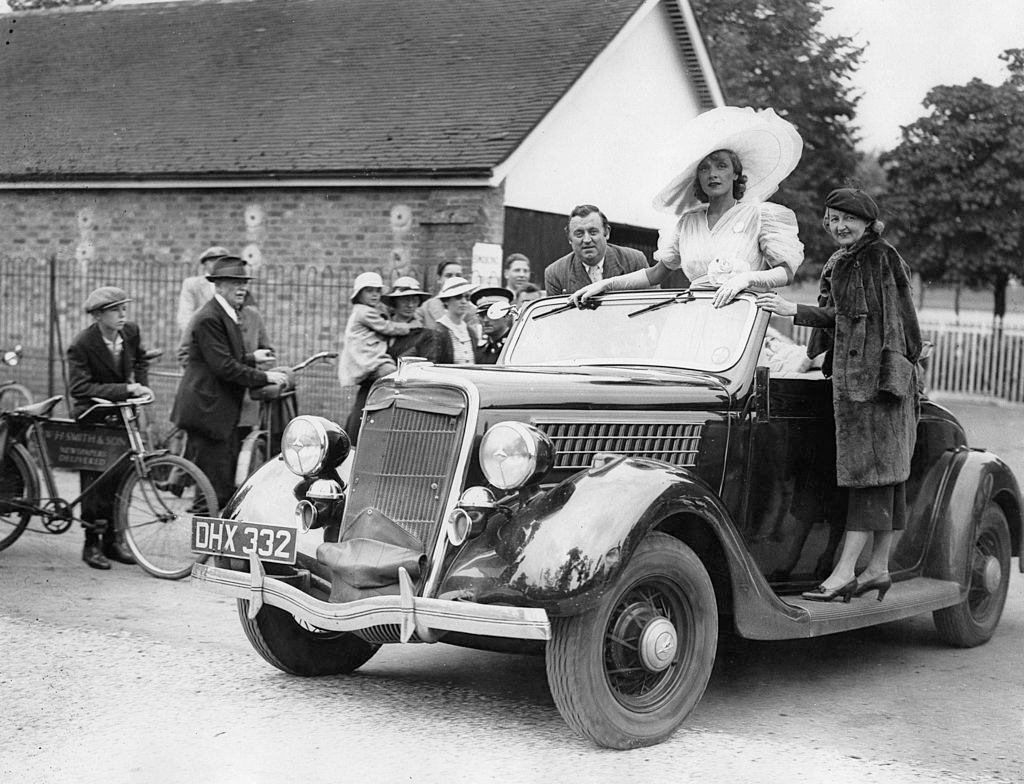
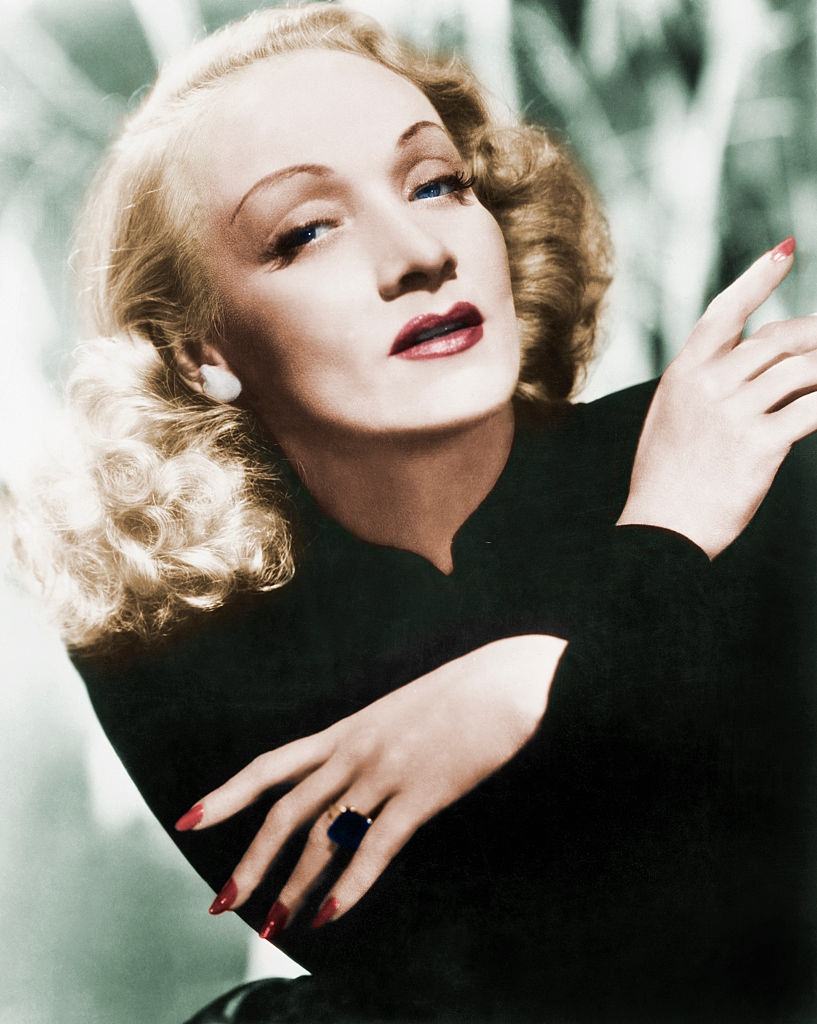
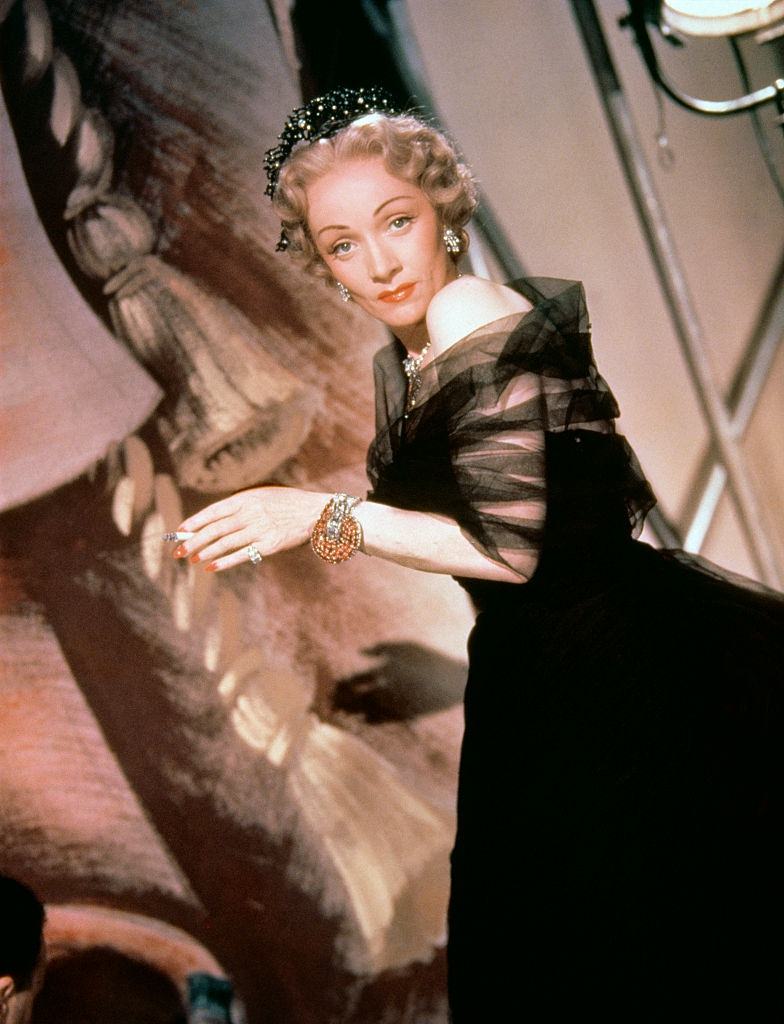
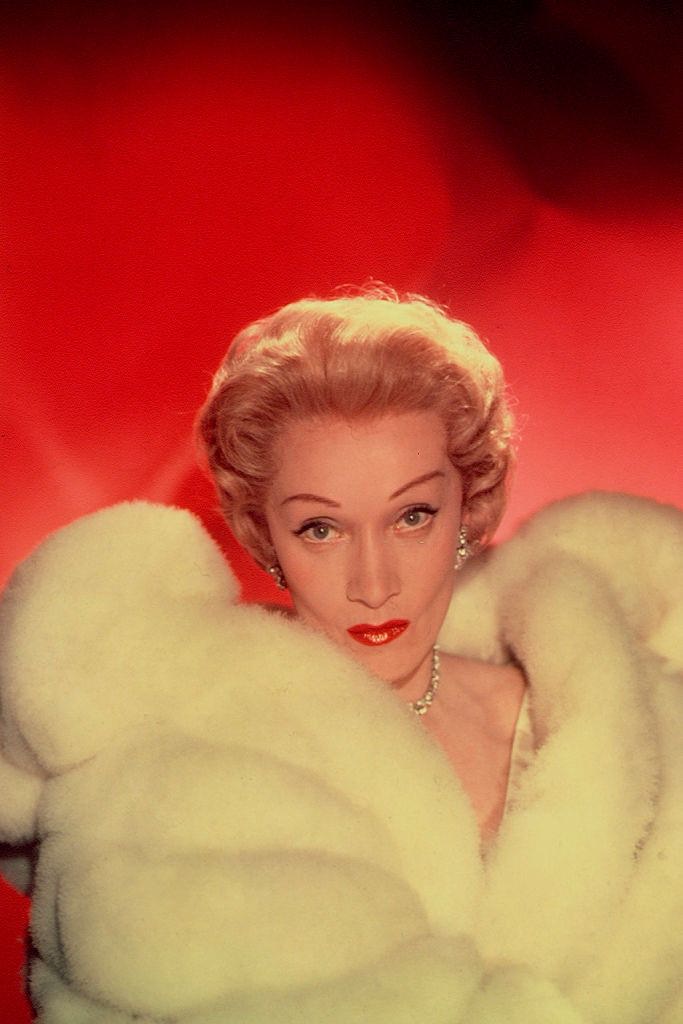
Through the 1960s and into the 1970s, Dietrich transitioned to high-profile cabaret performances in theaters around the world, drawing packed audiences who came as much to see the legend as to hear the music. Her final film was ‘Just a Gigolo’ in 1979. On September 29, 1975, she had fallen from the stage while performing in Sydney, breaking her thigh — an injury from which she never fully recovered physically. The following year, her husband Rudolf Sieber died of cancer. Her last decades were spent largely in her Paris apartment, away from the public eye.
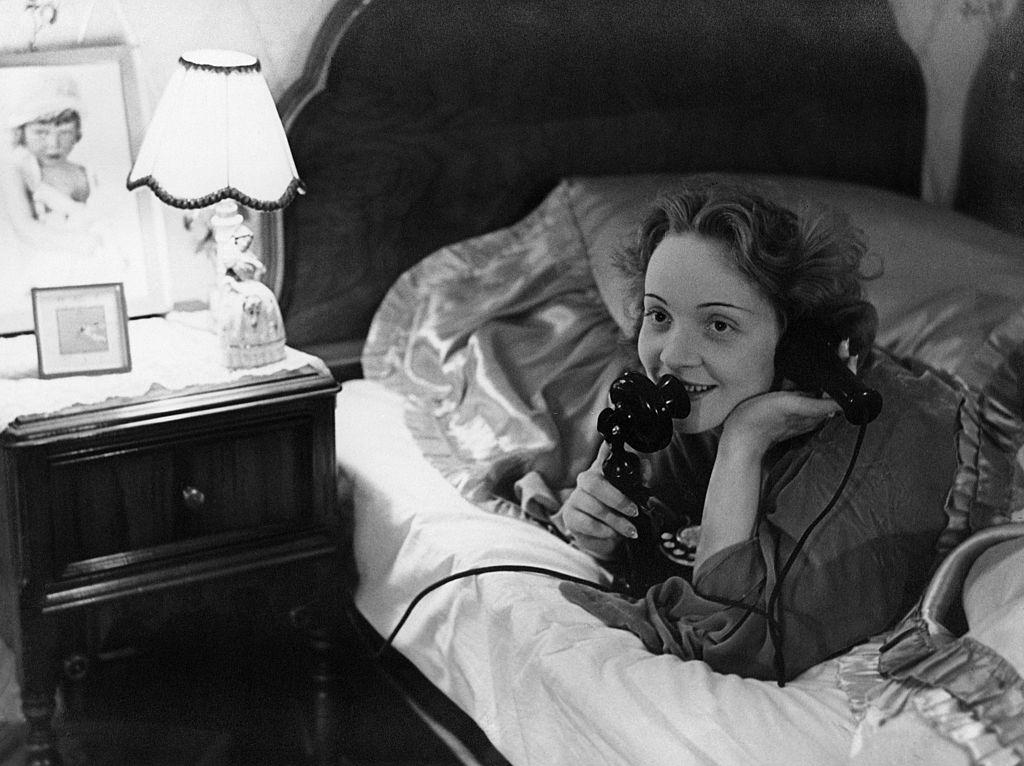
Marlene Dietrich died on May 7, 1992, in Paris due to renal failure. She was 90 years old. She was buried next to her mother in Berlin. Her daughter Maria Elisabeth Sieber, and her four grandchildren, survived her. Maria later wrote a biography of her mother. On October 24, 1993, a substantial portion of Dietrich’s estate was sold to the Stiftung Deutsche Kinemathek in Berlin. Her Manhattan apartment at 993 Park Avenue was sold in 1998 for $615,000. Over the course of her career, she appeared in more than fifty films and became one of the most photographed women of the twentieth century.