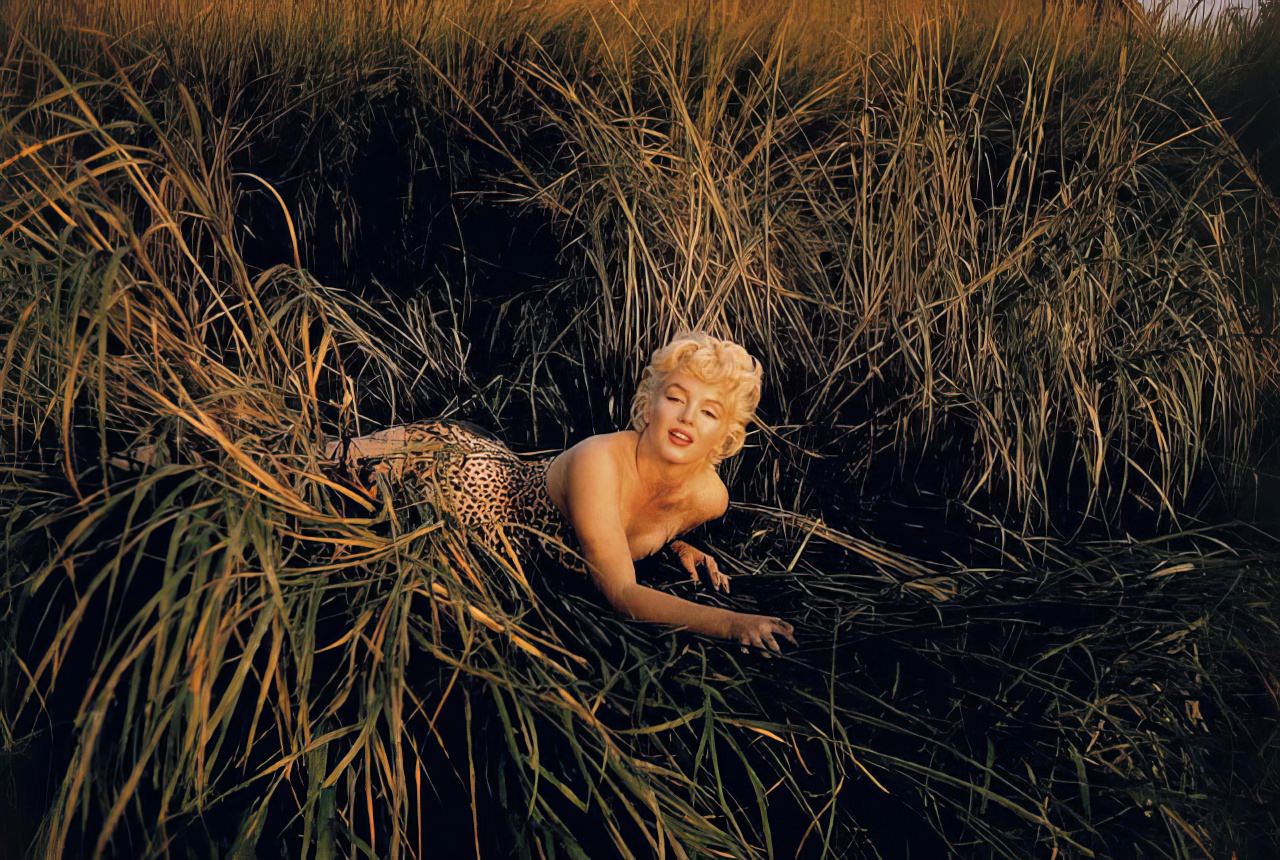
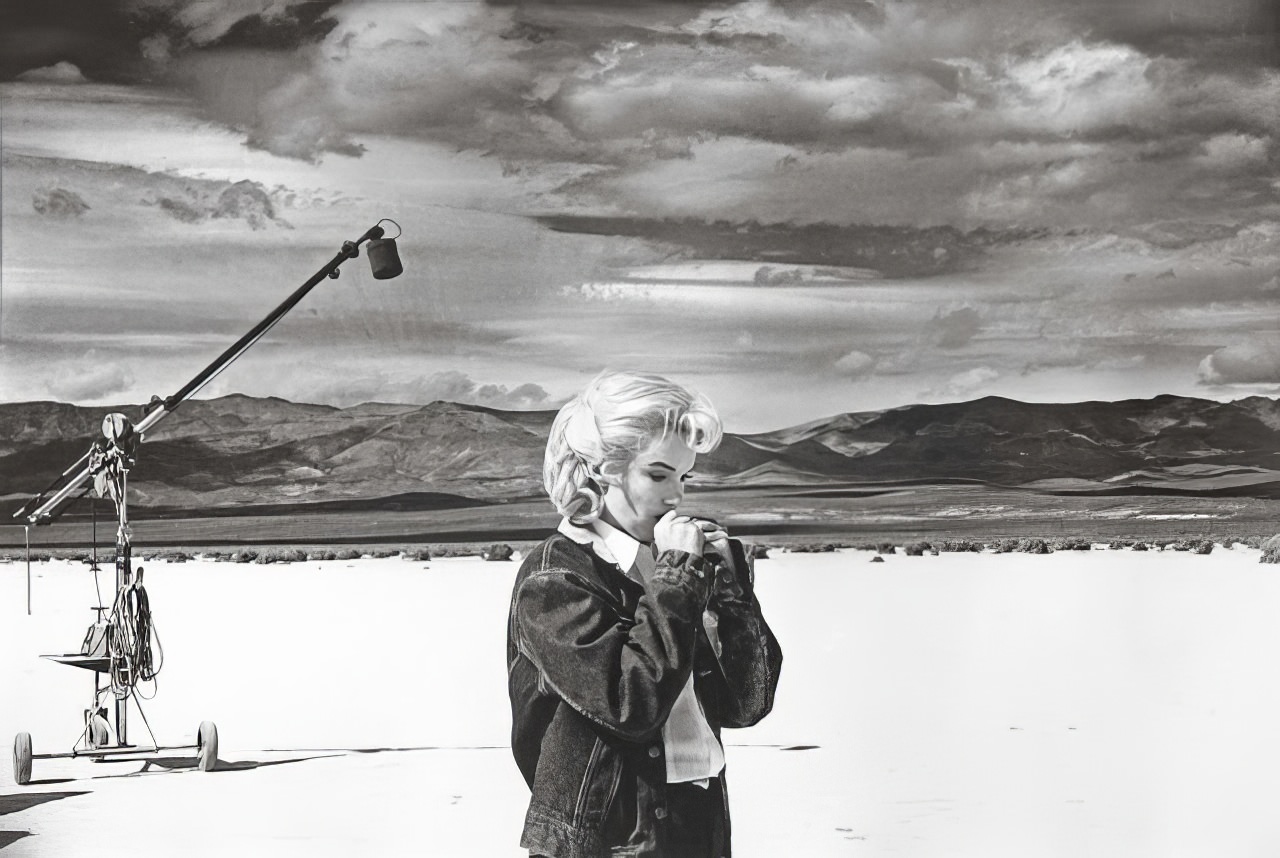
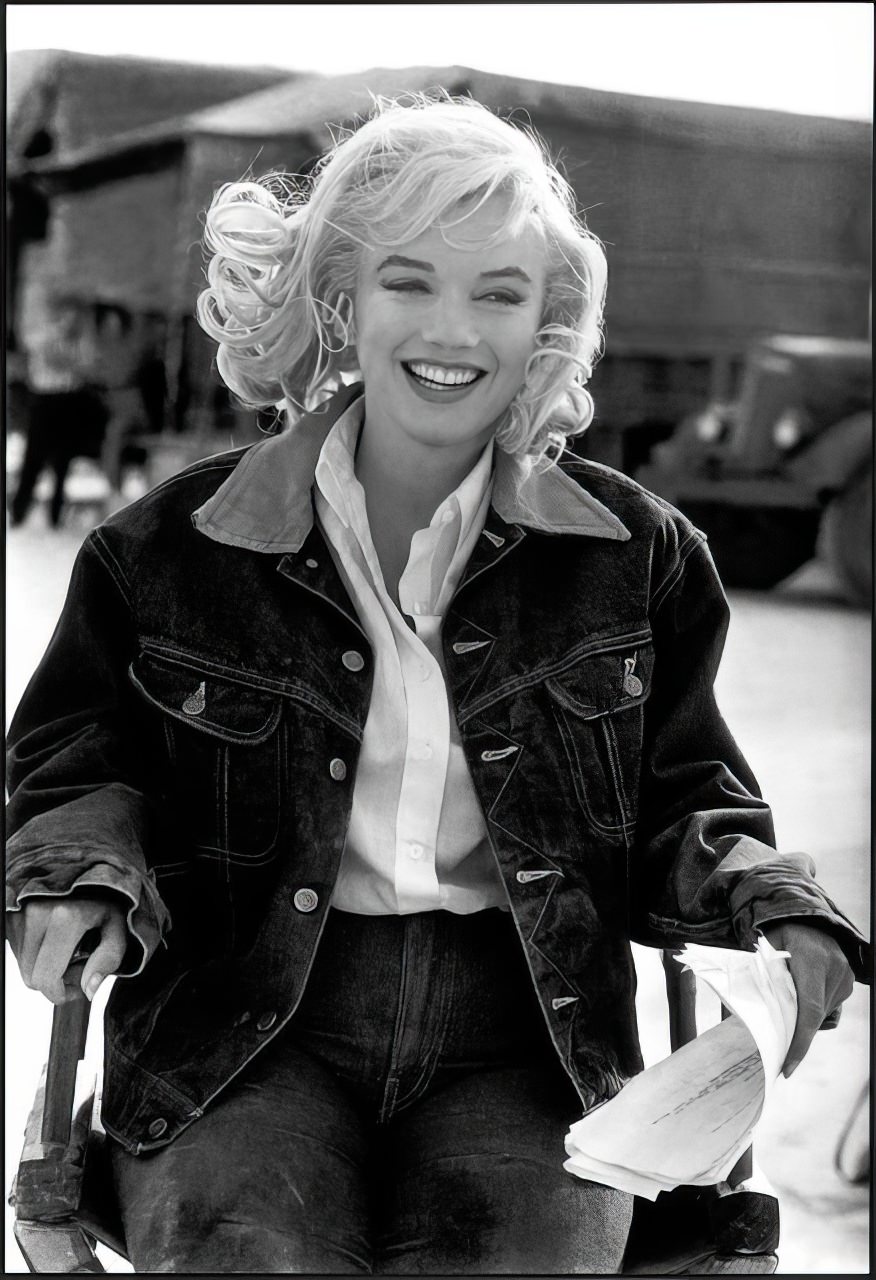
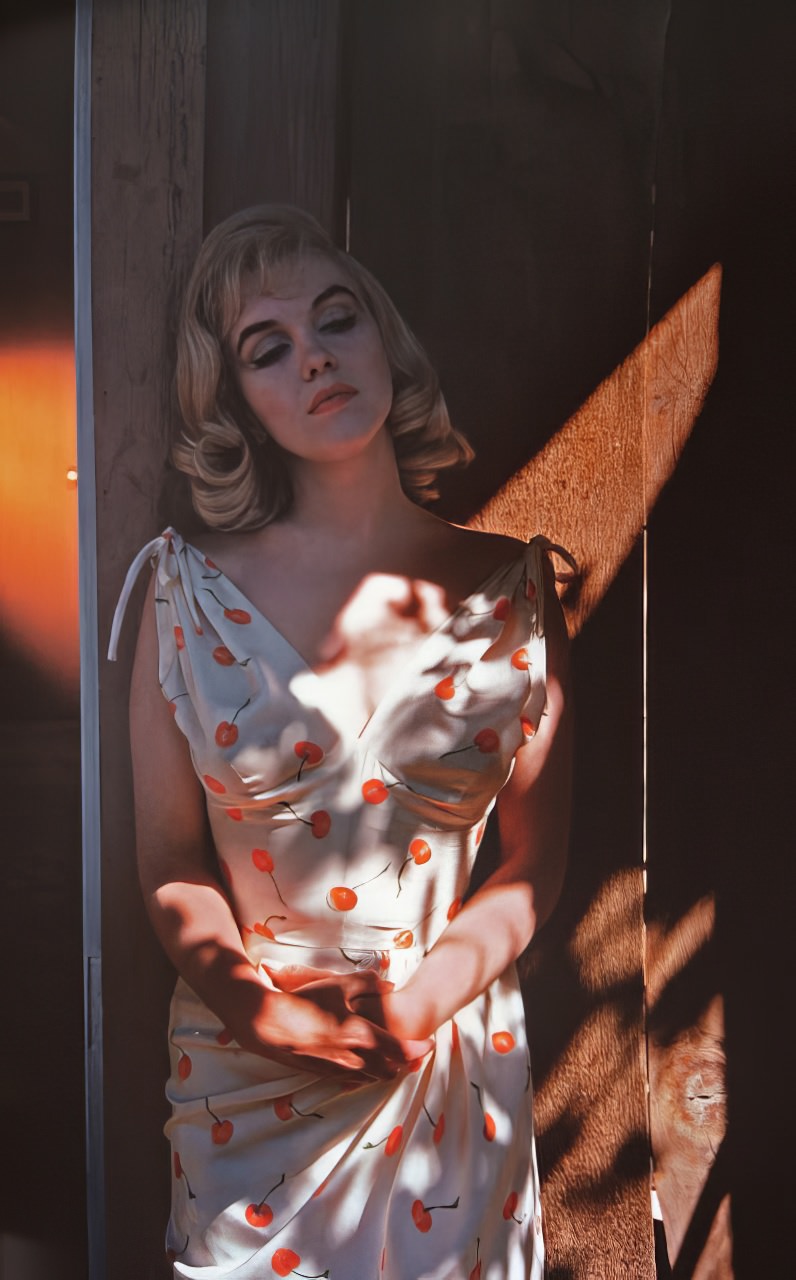
Marilyn Monroe was one of the most photographed women of the 20th century. Studio portraits showed a polished, glamorous star — always lit perfectly, always in control. But photojournalist Eve Arnold saw something different when she pointed her camera at Monroe, and she had the rare access to prove it.
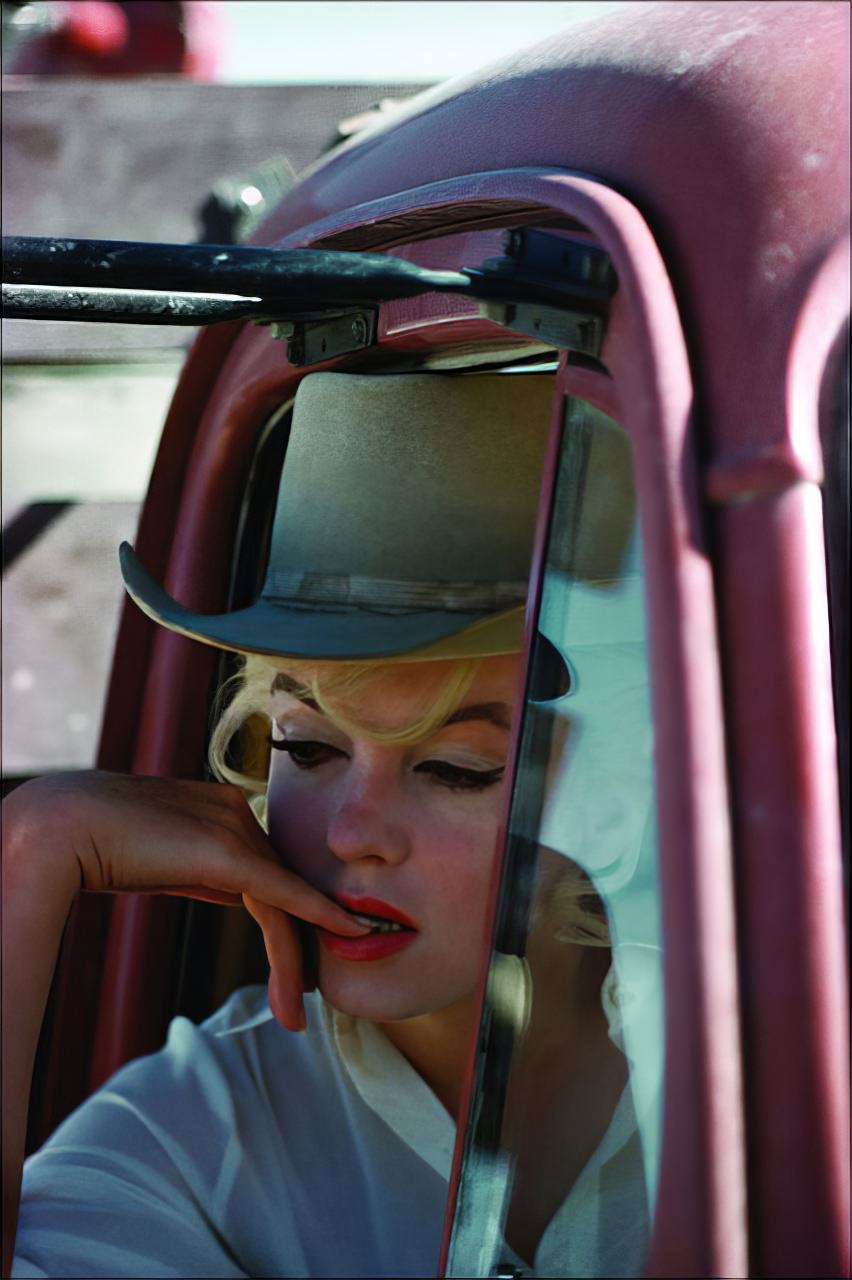
Arnold was a trailblazer in photojournalism, one of the first women to join the Magnum Photos agency. Her specialty was getting close — not just physically, but personally. With Monroe, she built a genuine friendship that spanned years. That trust opened doors most photographers never got near.
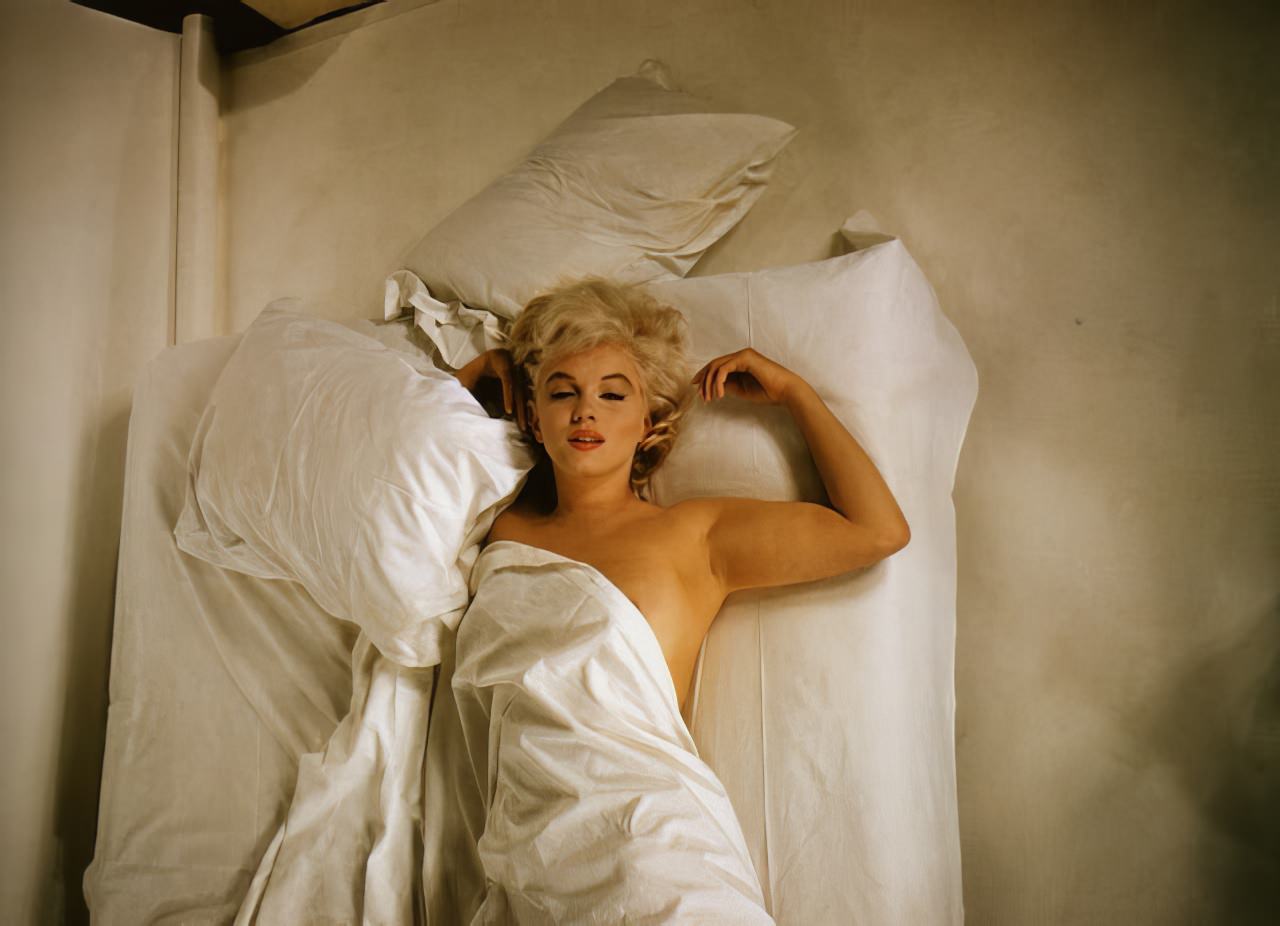
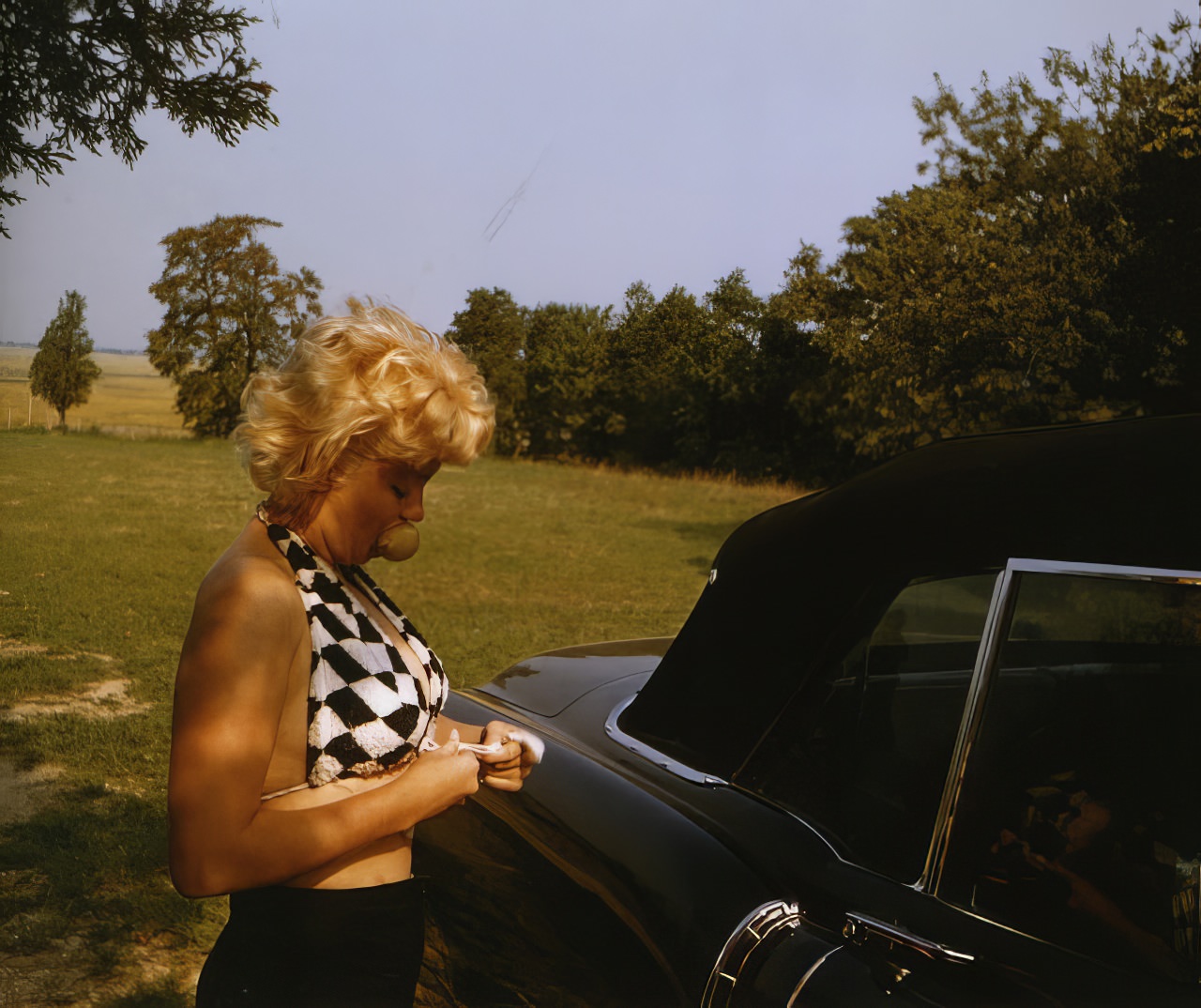
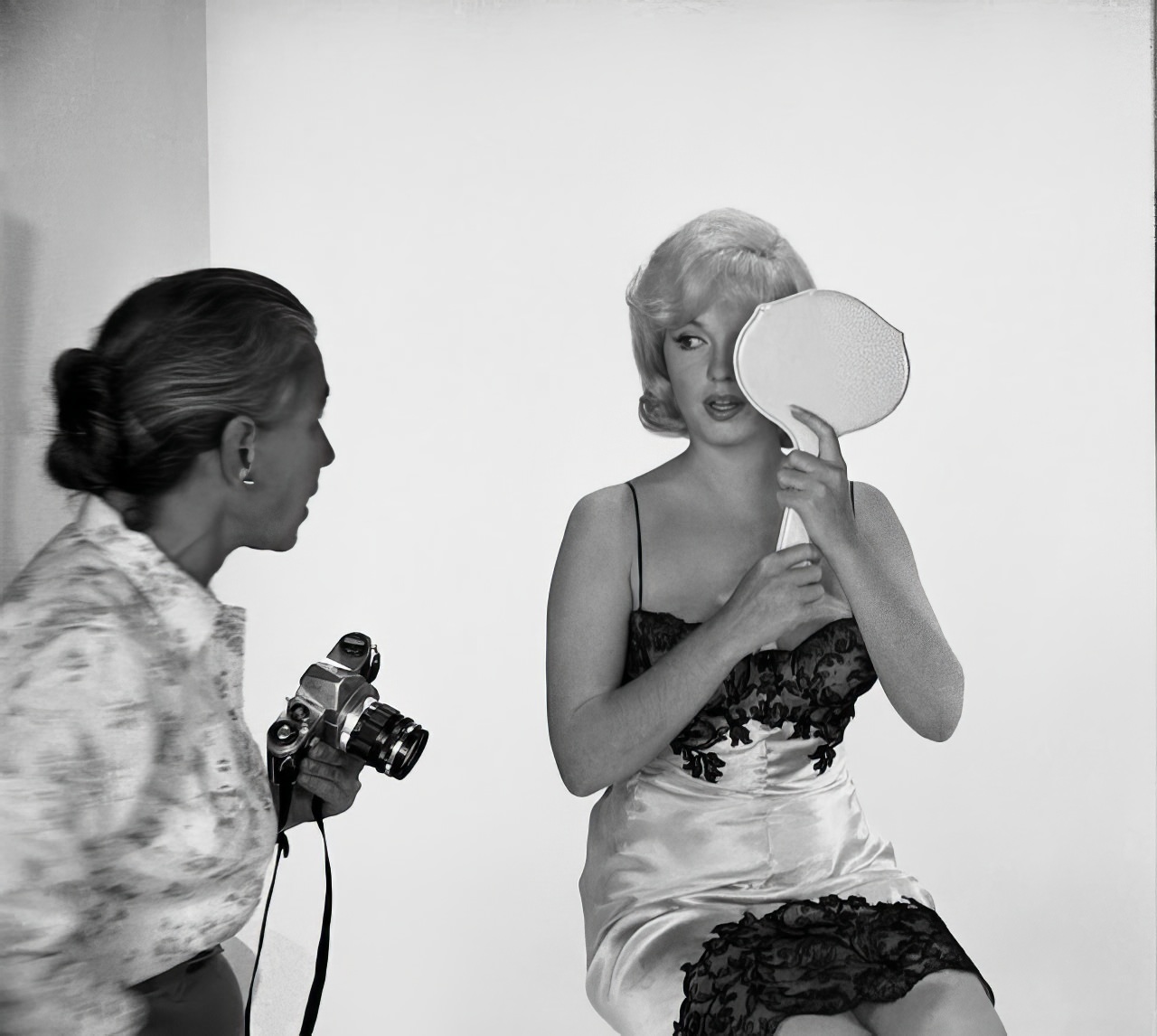
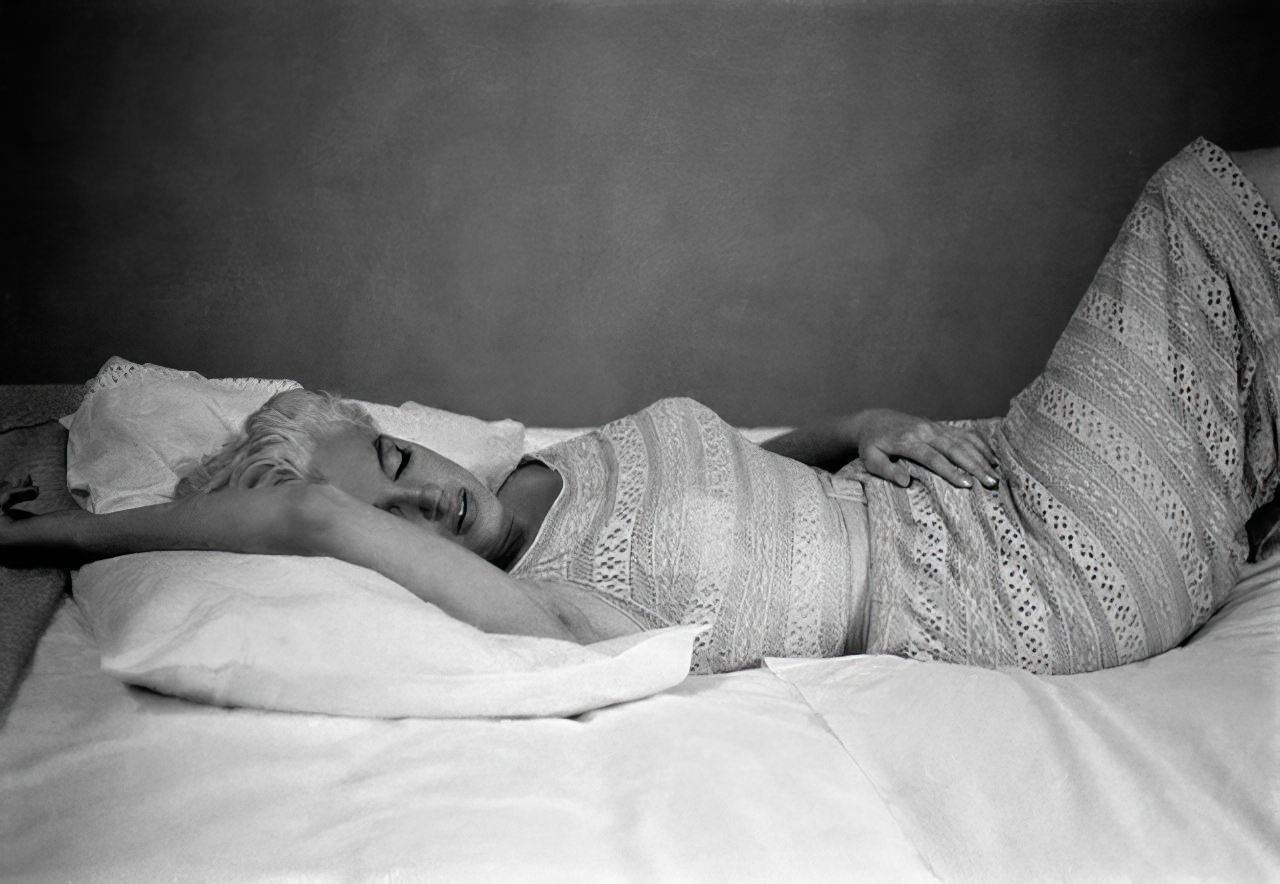
Monroe gave Arnold access to her dressing room, her hotel room, and her quiet, off-camera hours. The resulting photographs are nothing like the polished studio work the public knew. They are unposed, unguarded, and direct.
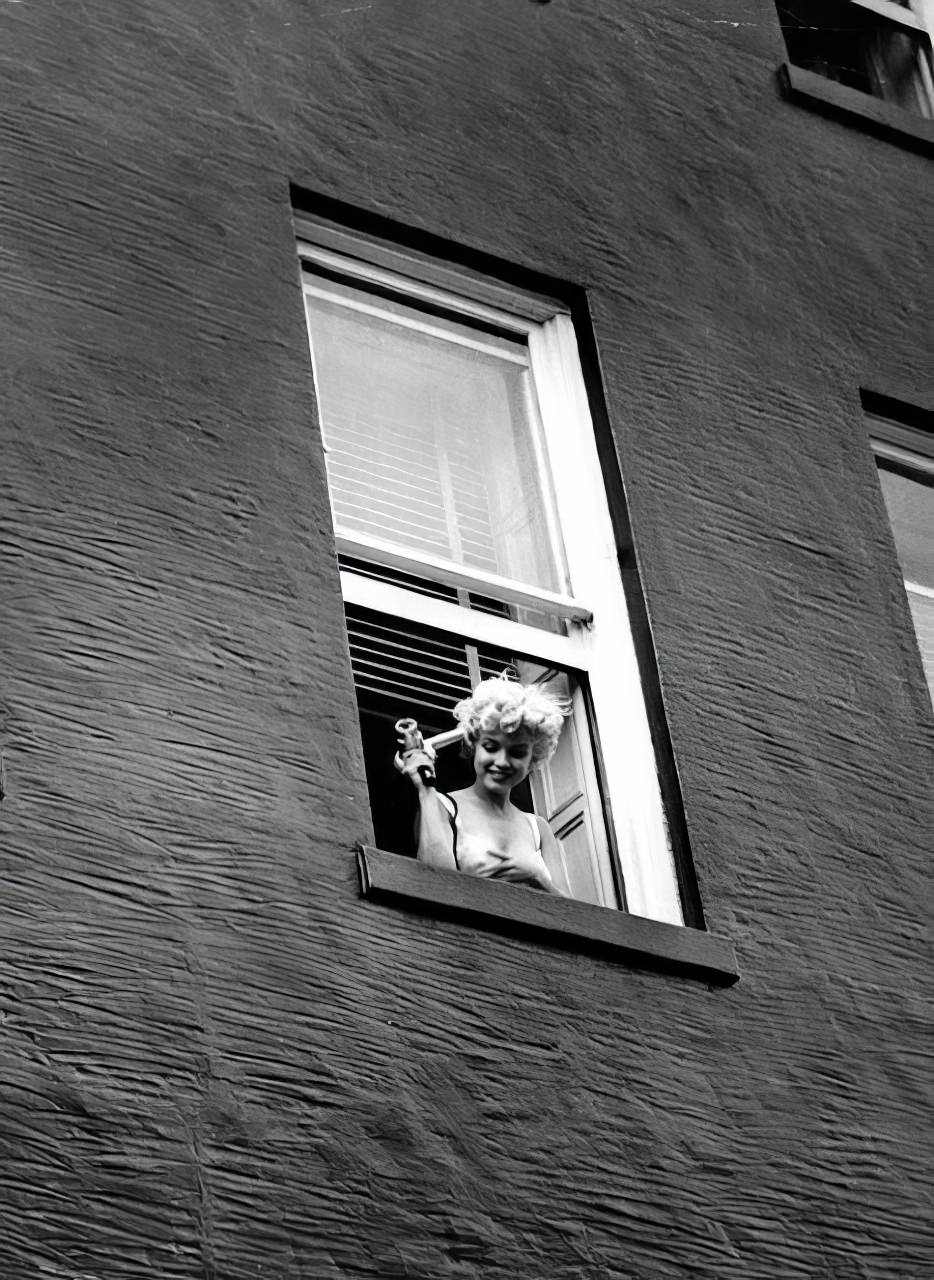
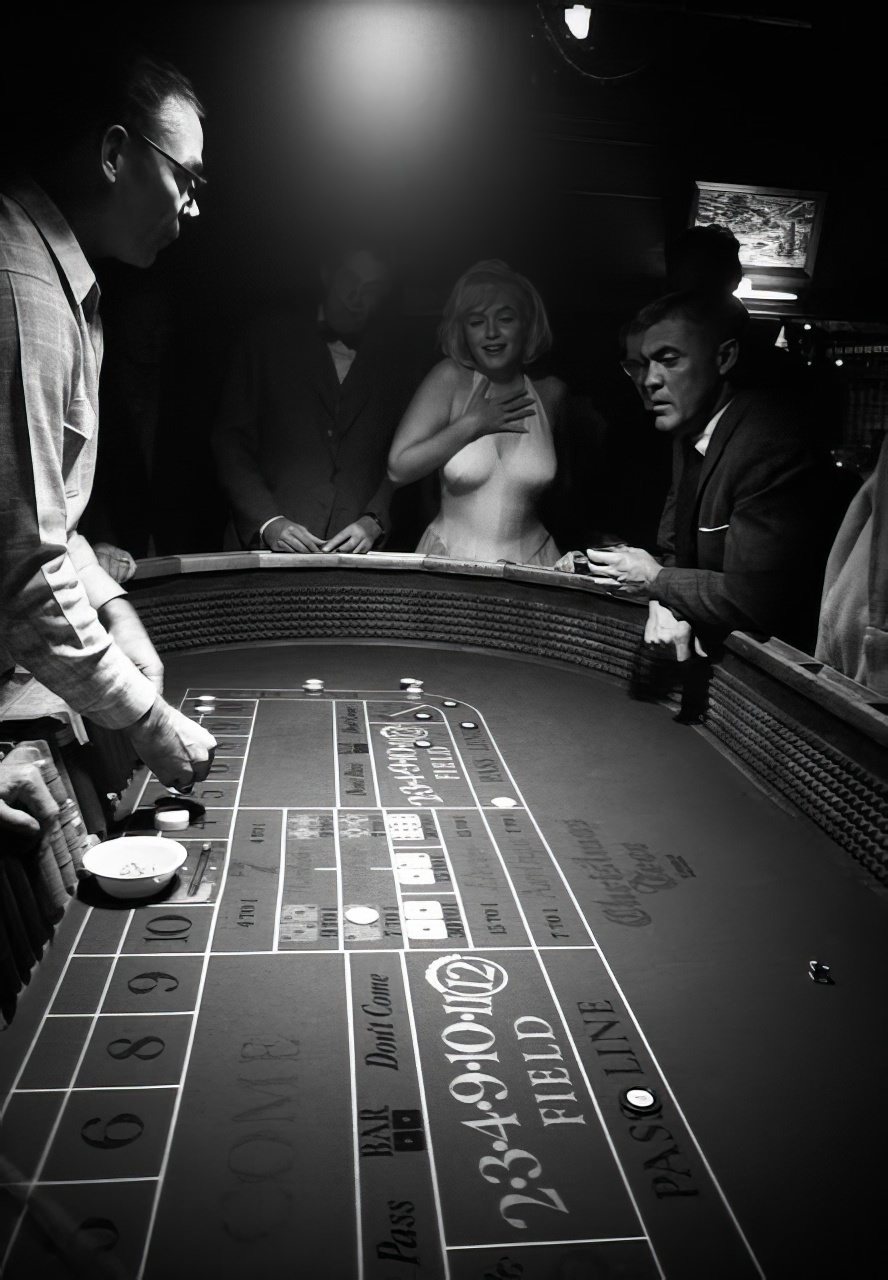
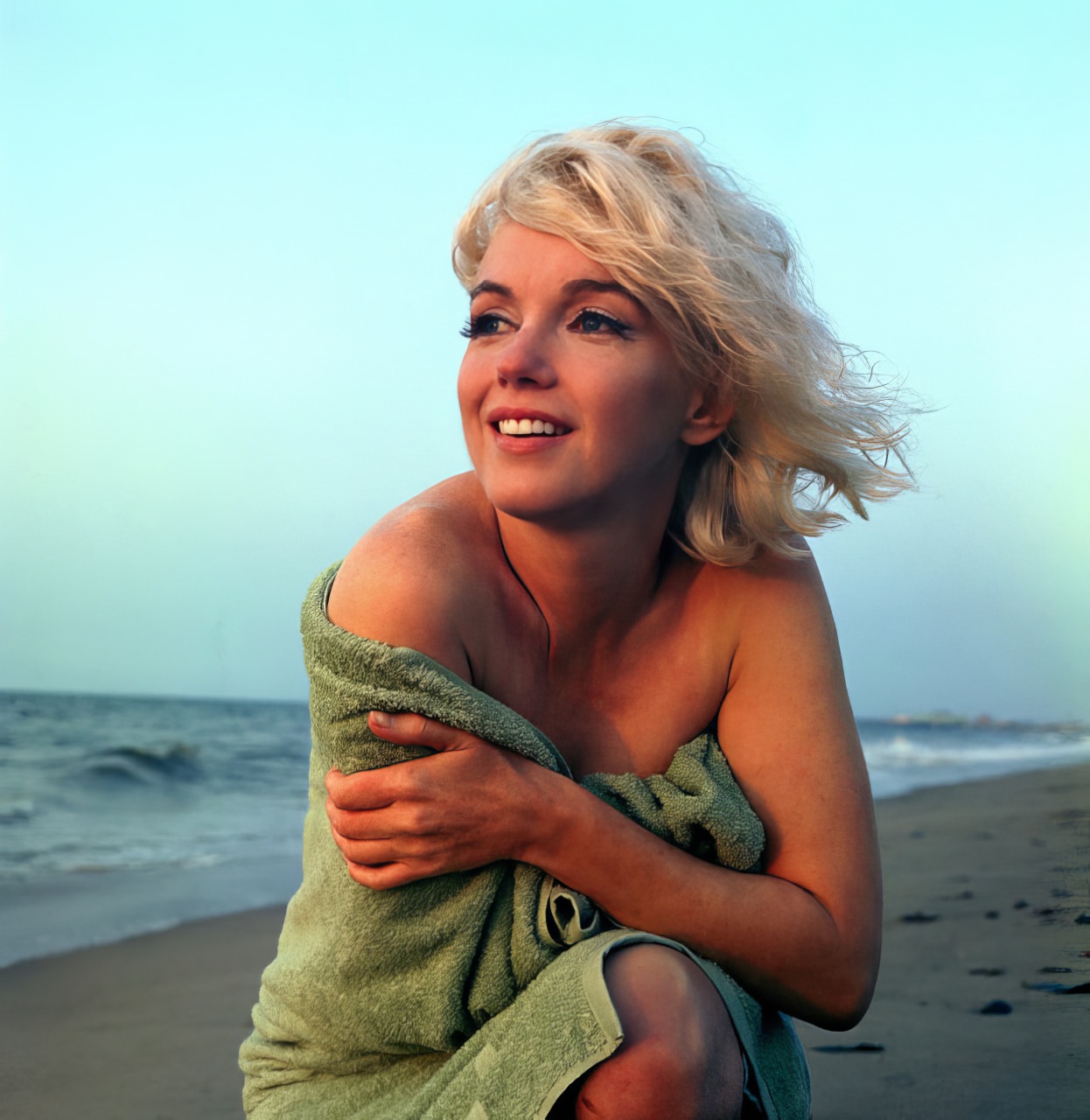
In one photograph, Monroe sits on a bed with her face buried in her hands, exhaustion written plainly across her posture. There is no performance in it. In another, she stands on a beach, wind pulling through her hair, her gaze fixed somewhere far off. These are moments that the studio system worked hard to keep hidden.
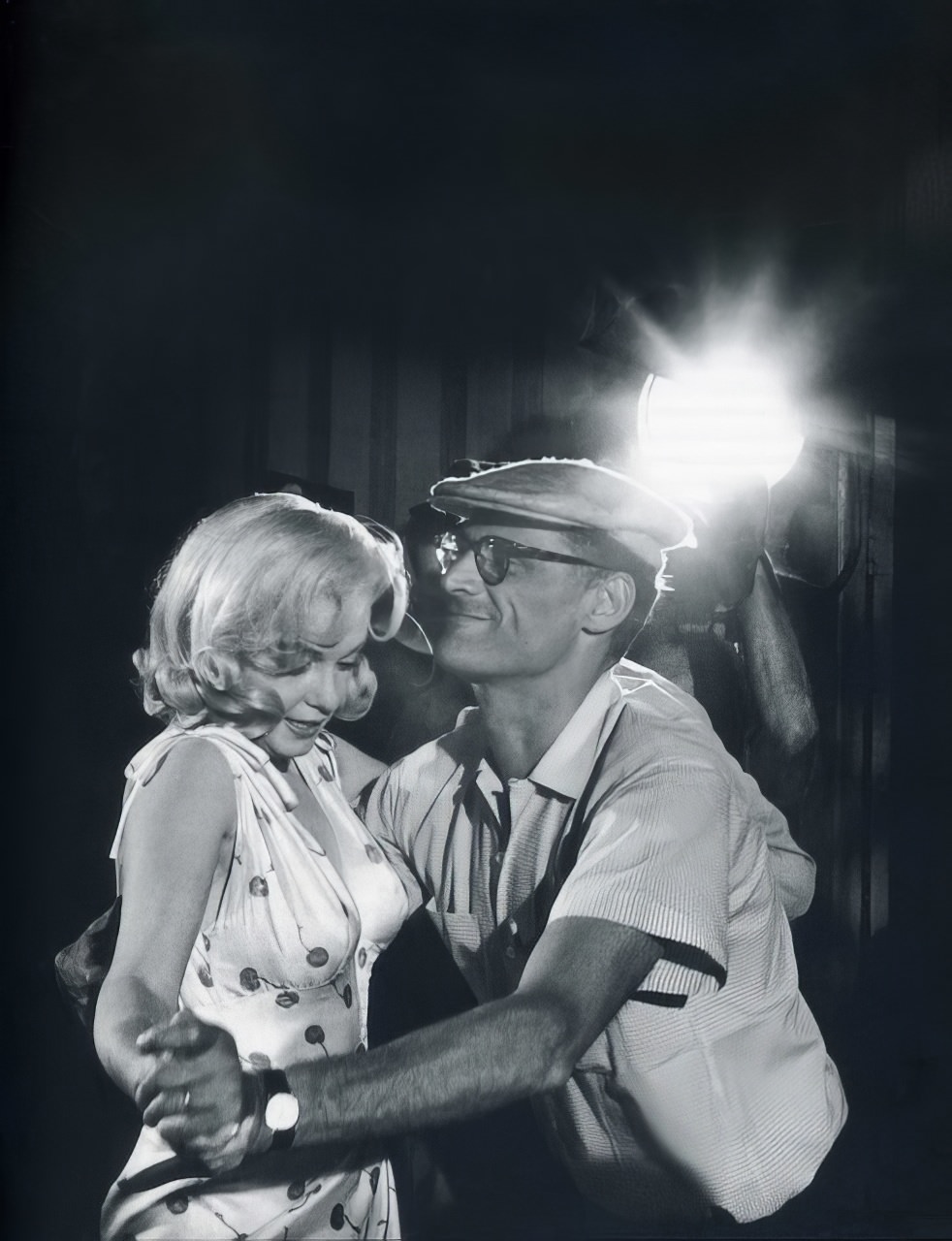
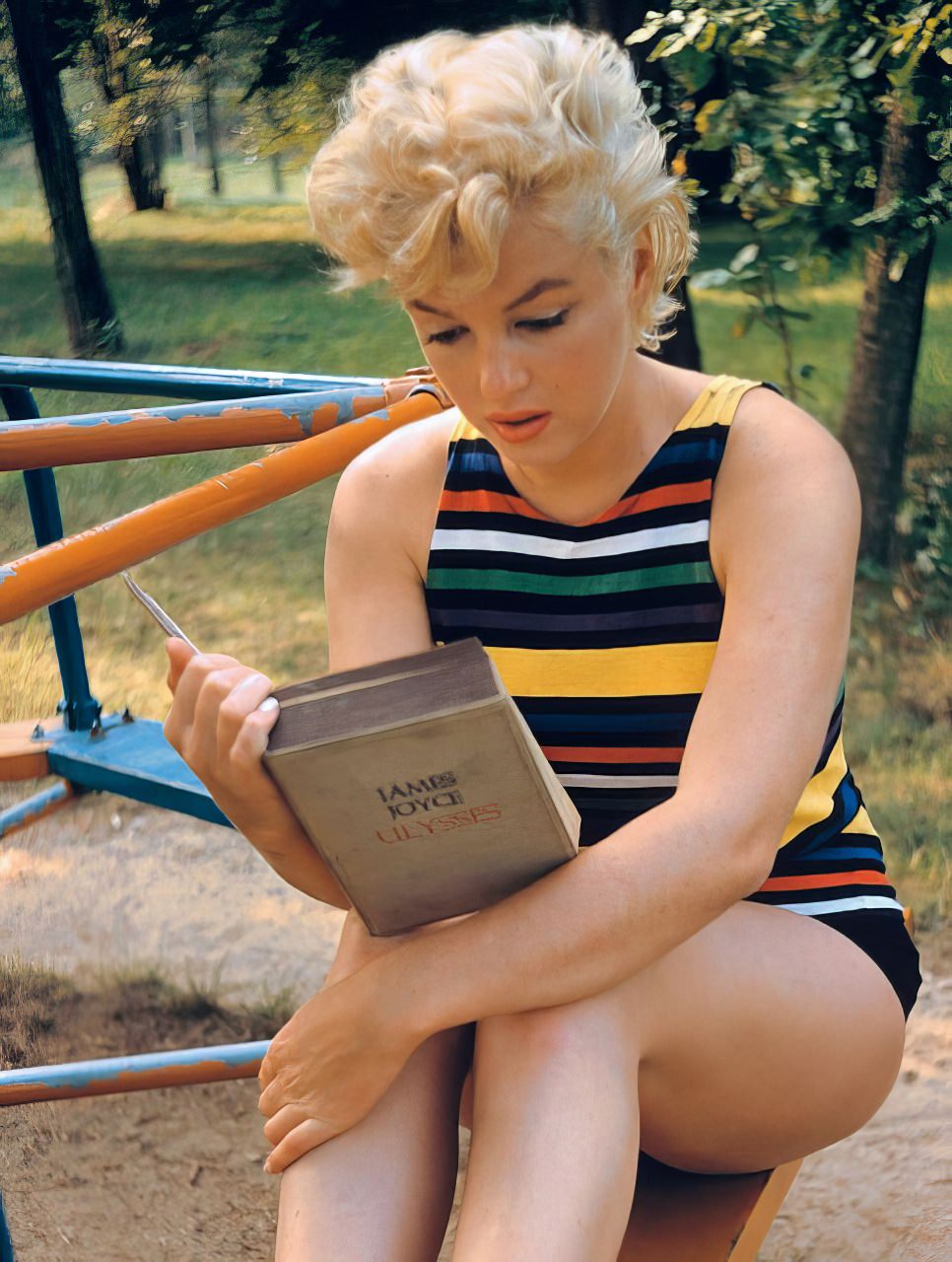
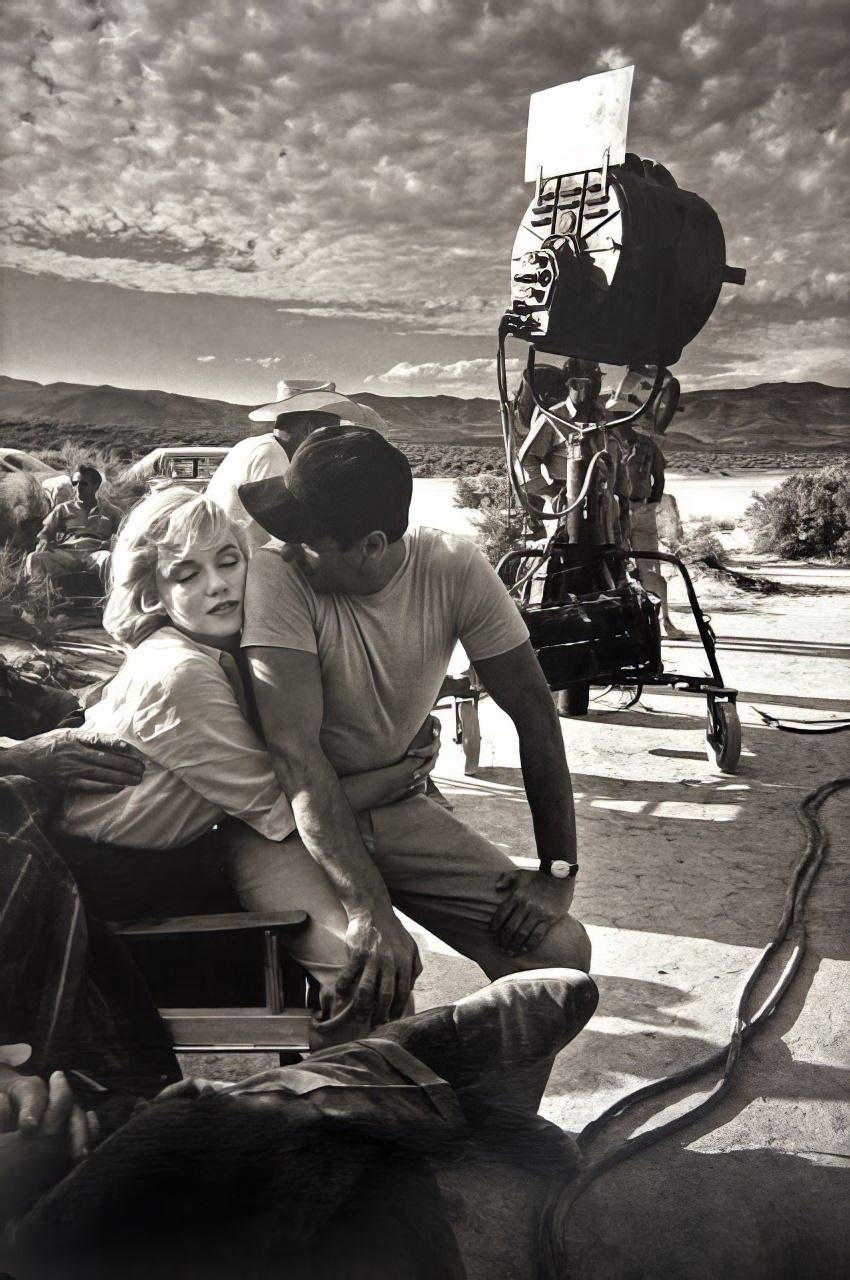
Arnold also captured Monroe in quiet, domestic scenes. One shot shows her curled on a couch, reading a script with focused concentration. Another catches her laughing with her husband, Arthur Miller — a spontaneous, unposed moment of joy between two people comfortable with each other.
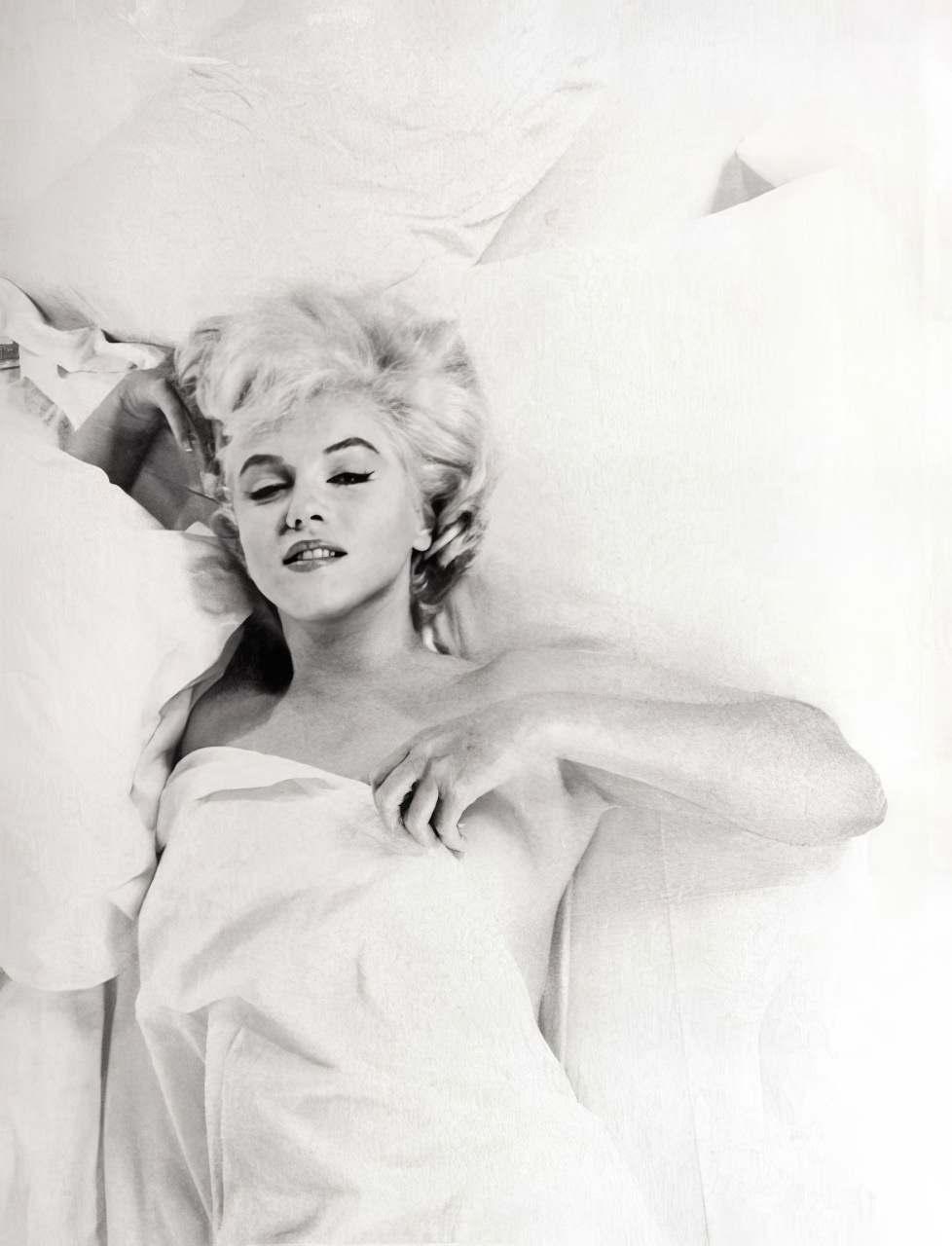
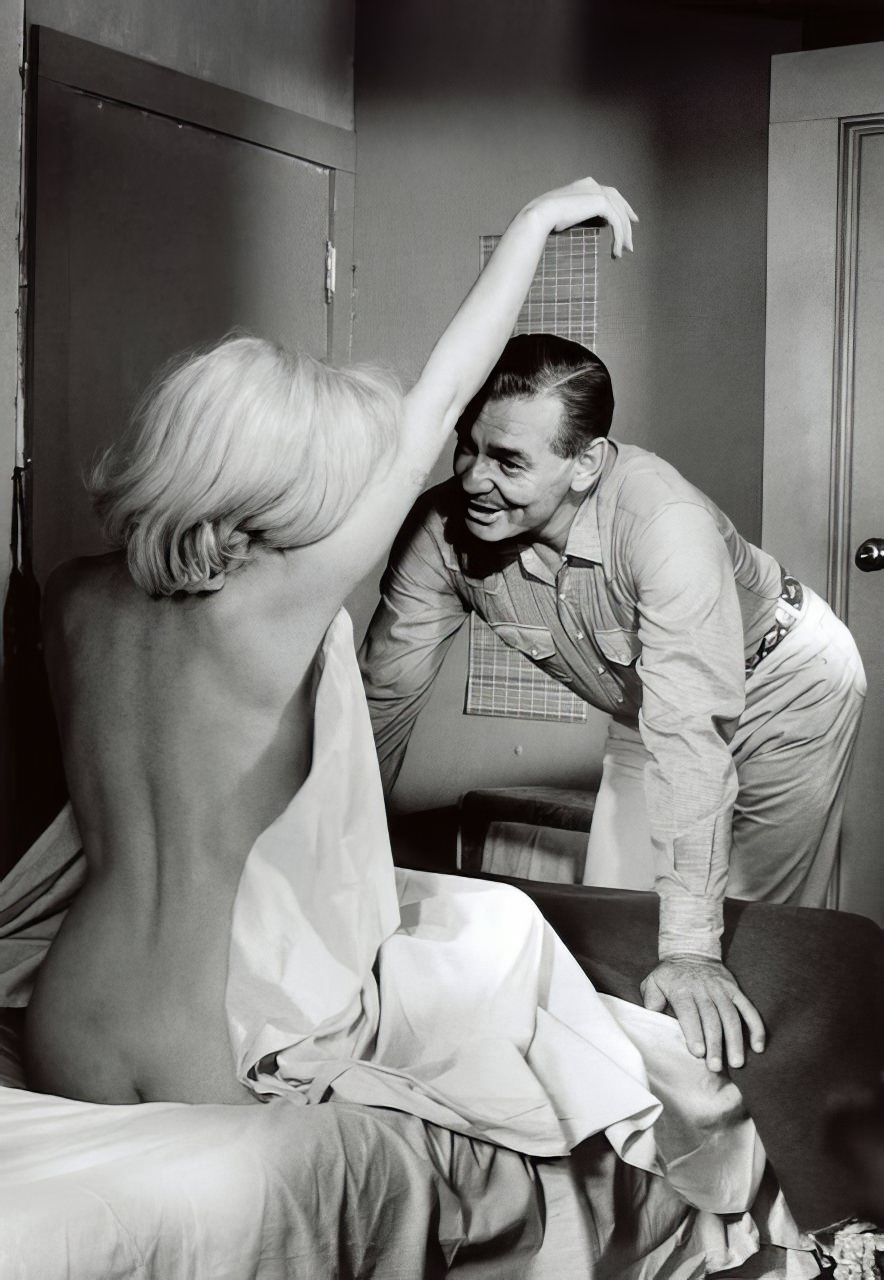
Some of Arnold’s images show Monroe actively retreating from public life — her face tucked behind a scarf, her body turned away from the world. These are not accidental frames. They are a woman choosing, even briefly, to disappear.
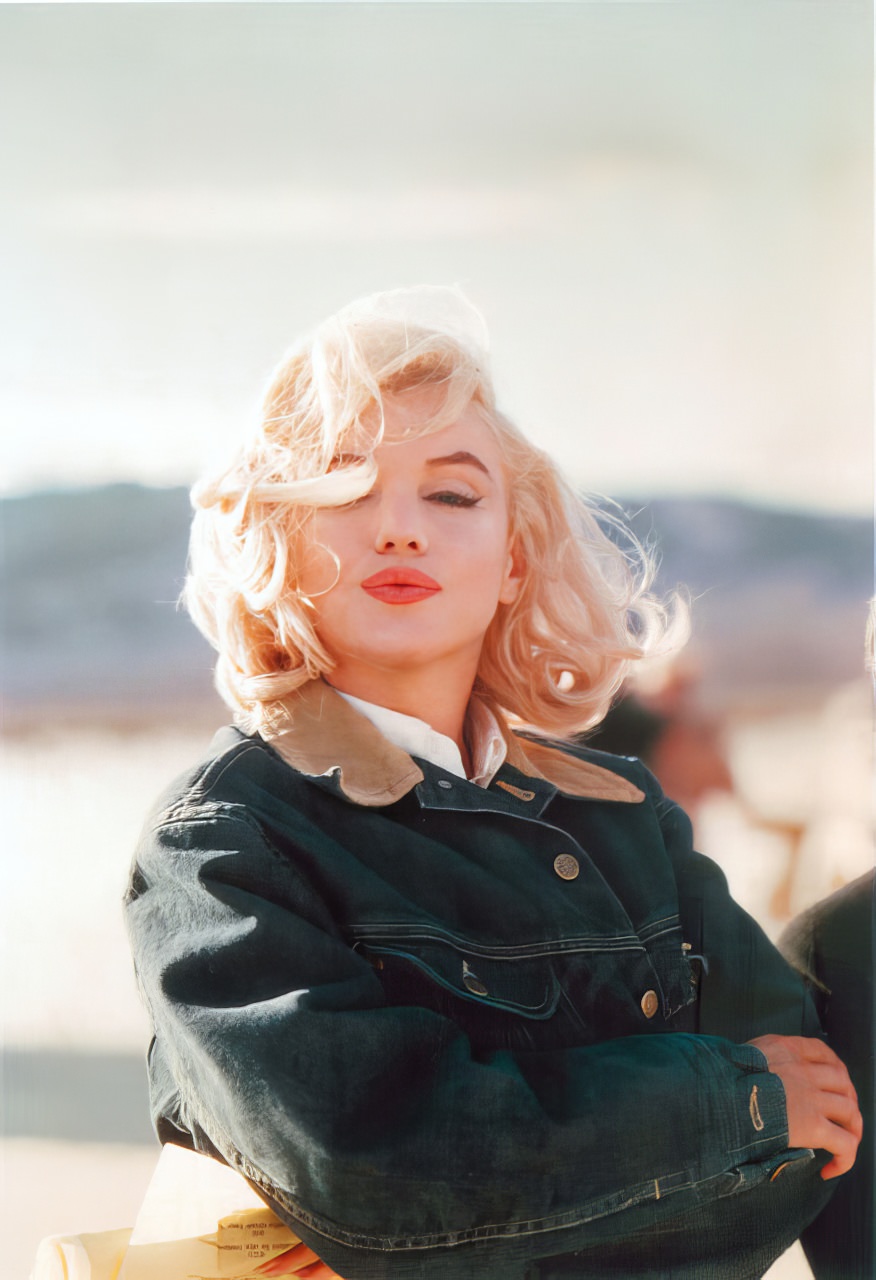
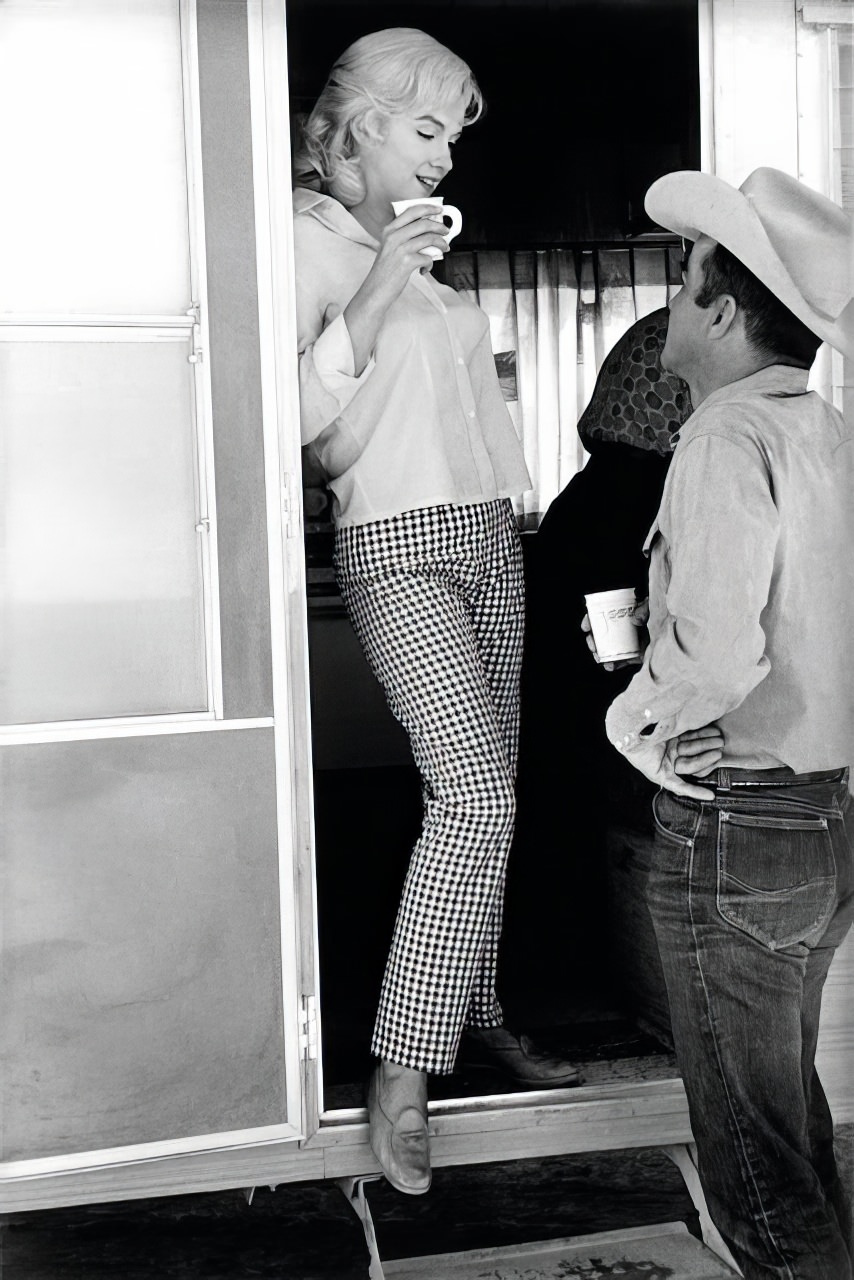
The contrast between Arnold’s work and the standard Hollywood imagery of the era is sharp. Where studios manufactured a symbol, Arnold documented a person. The photographs do not flatter in the conventional sense — they reveal.
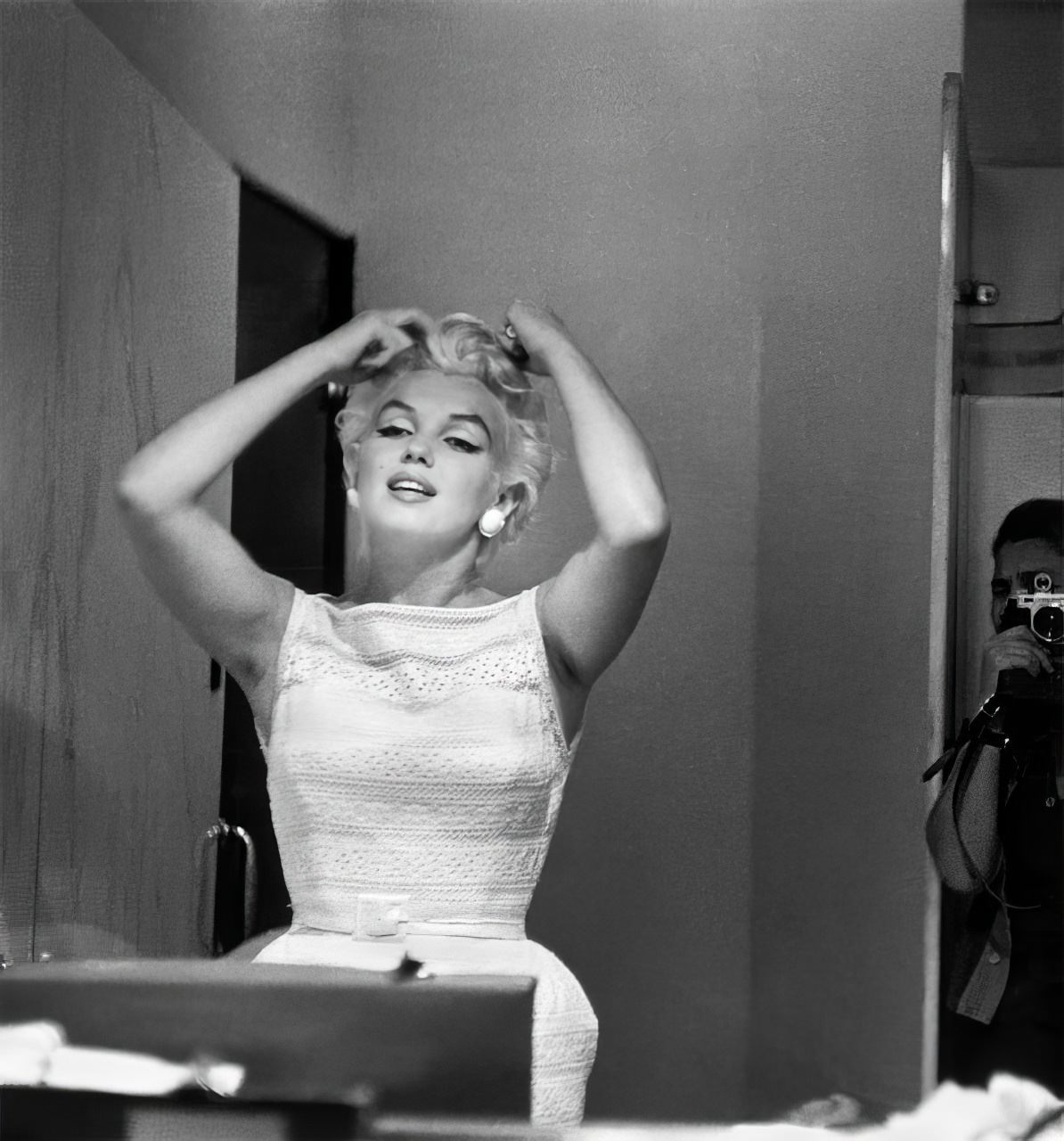
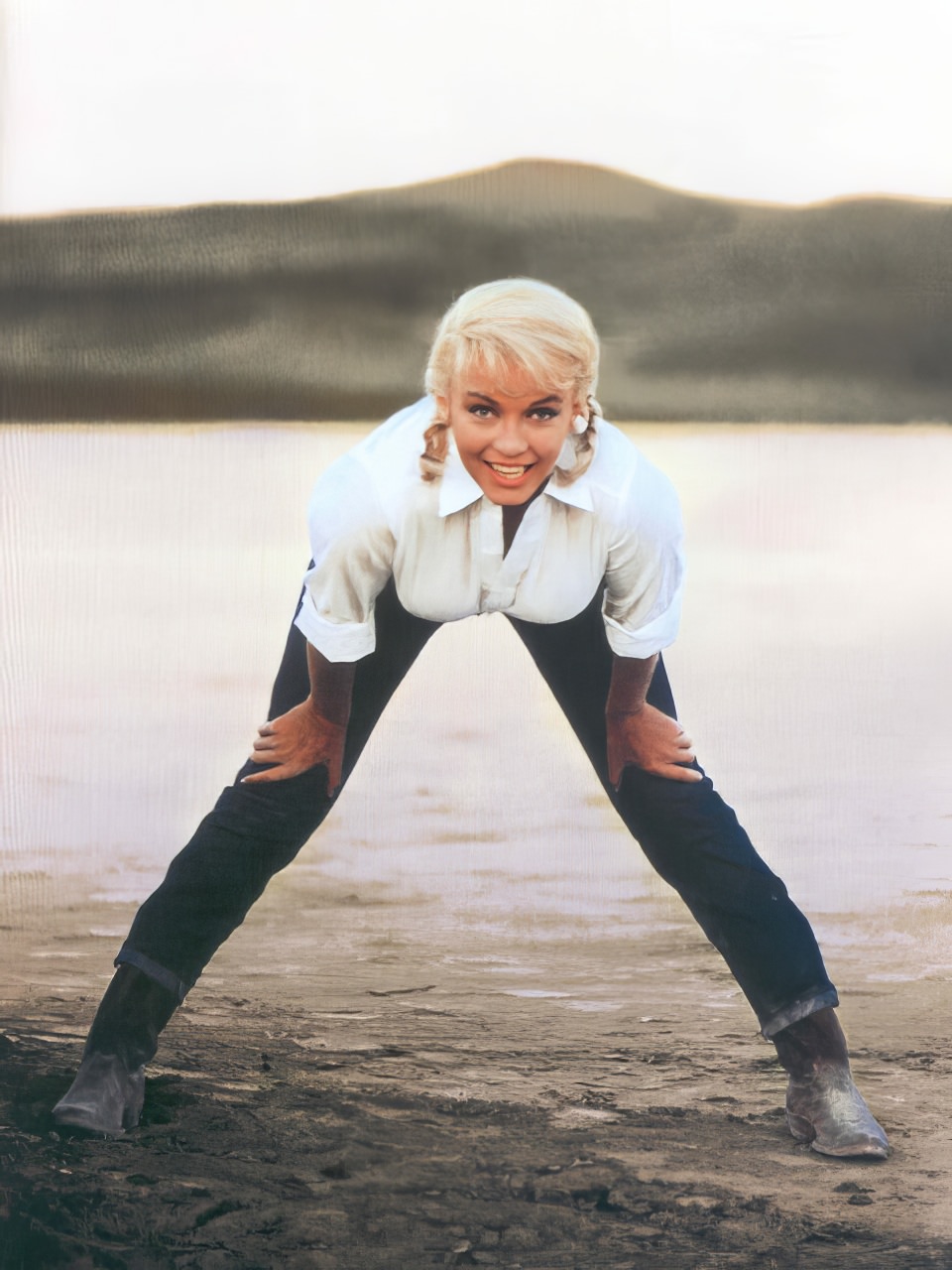
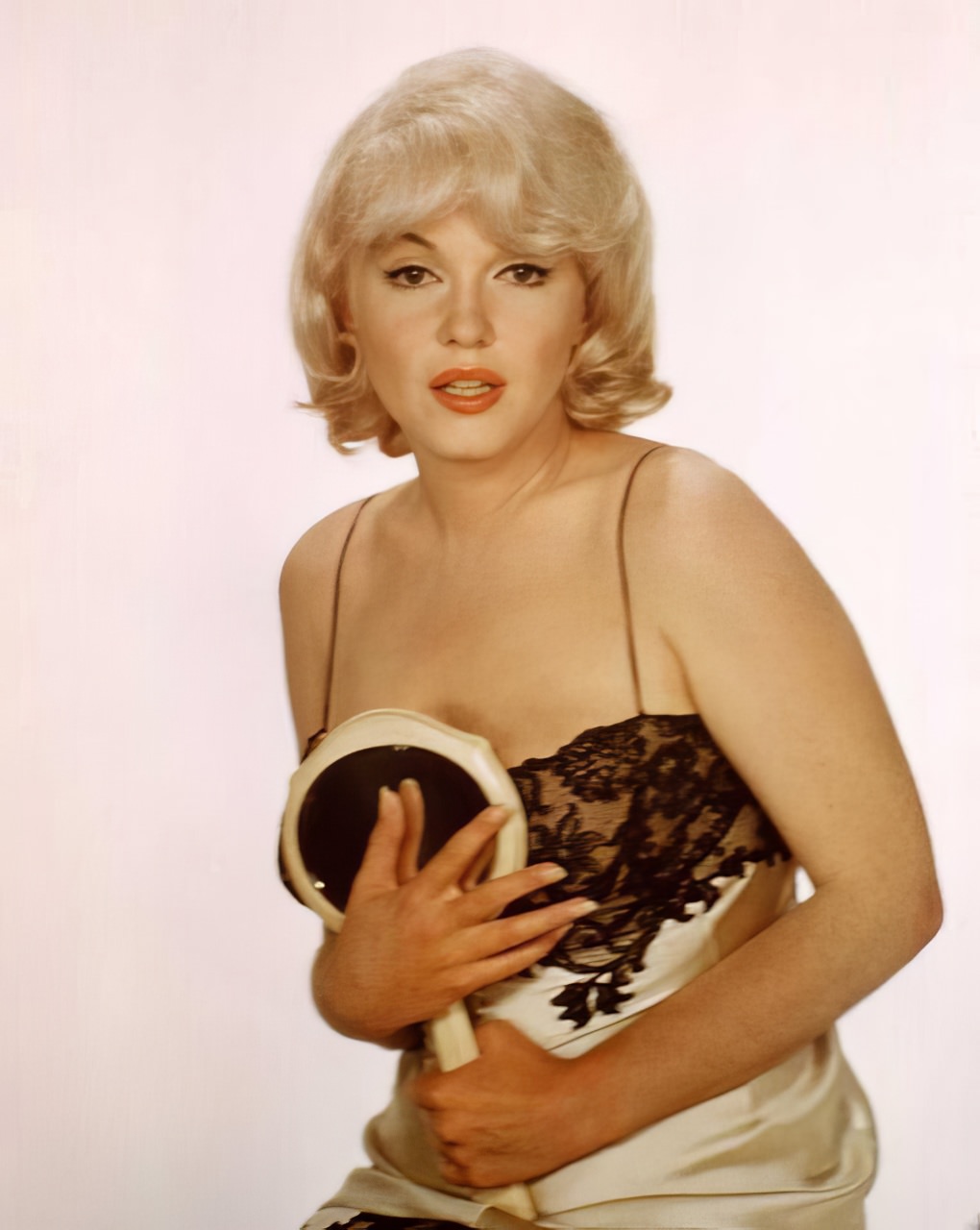
Monroe’s vulnerability shows up repeatedly across Arnold’s body of work. Raw fatigue, private laughter, unguarded stillness — these are the textures of a real life, not a manufactured image.
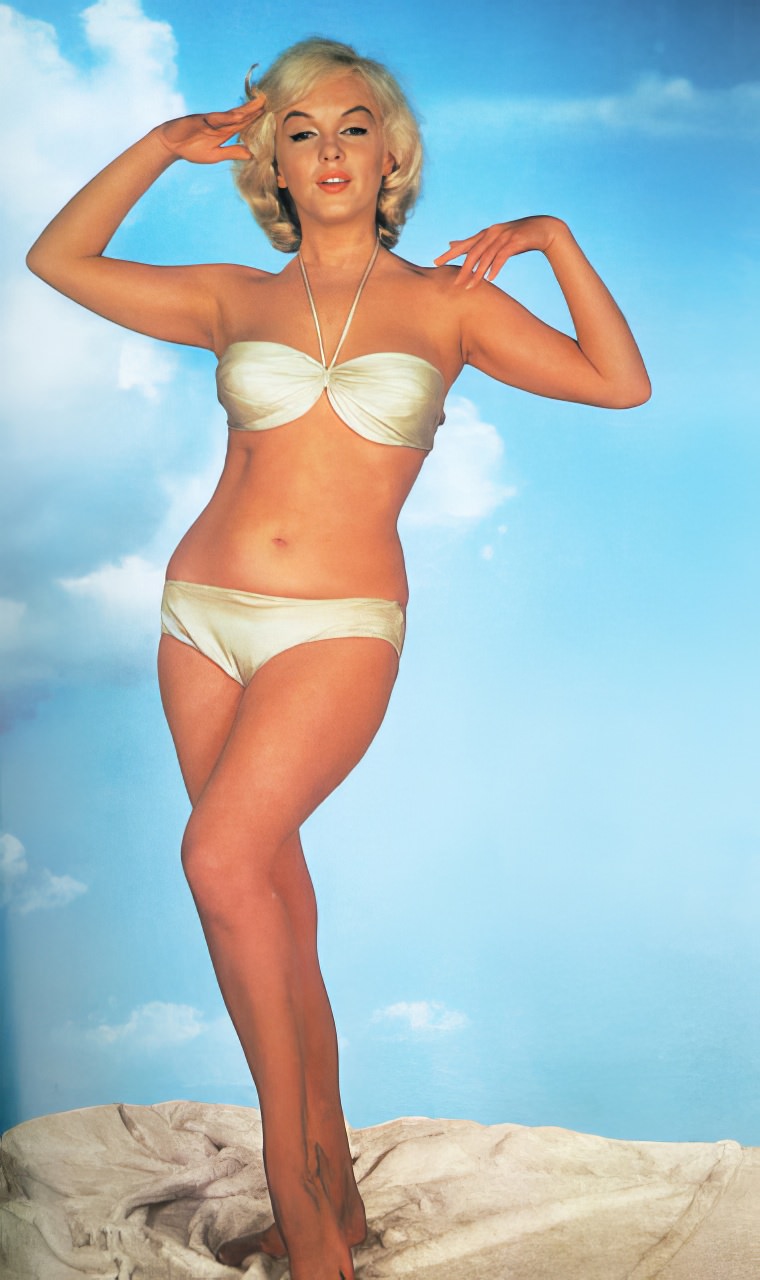
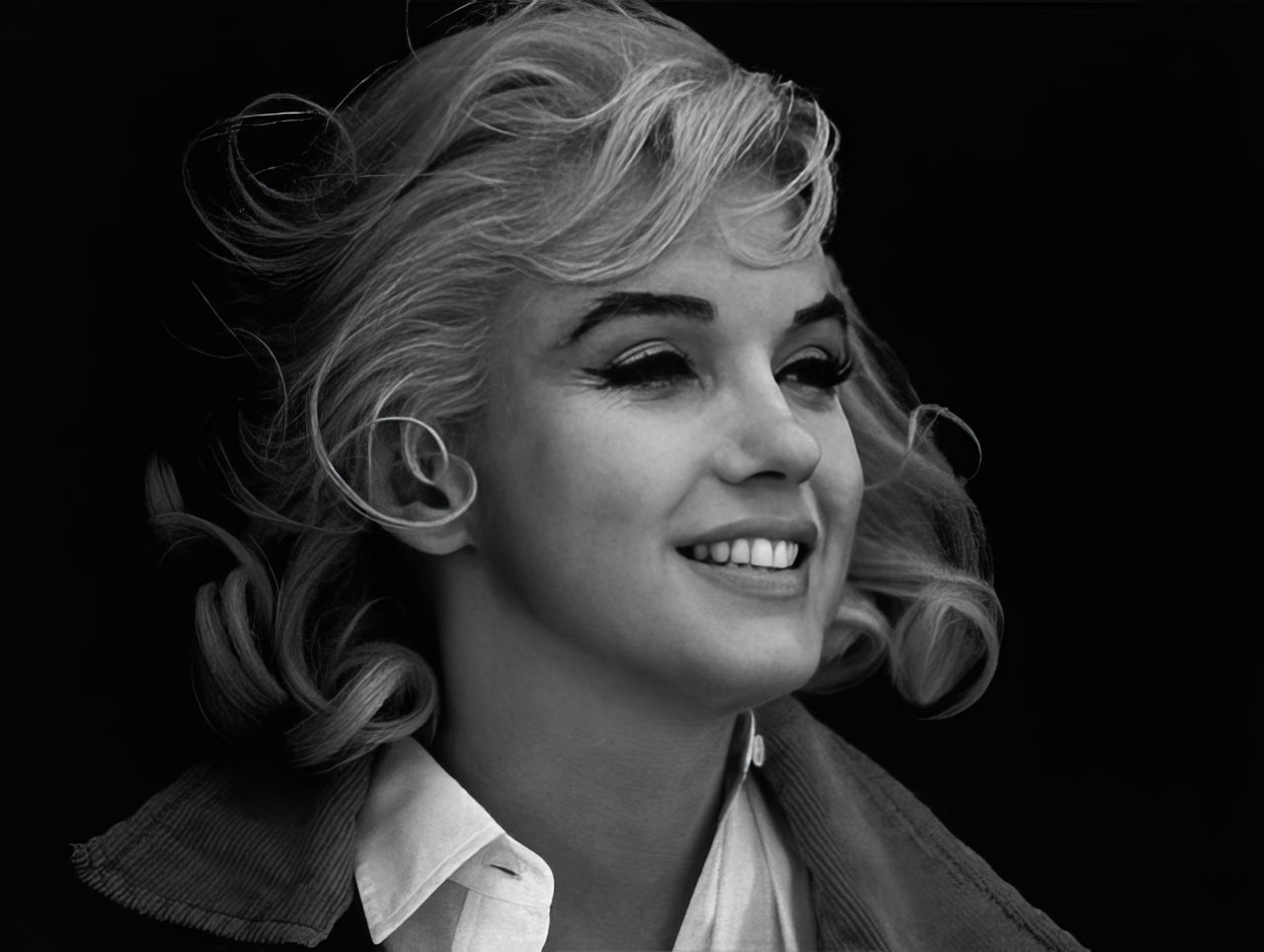
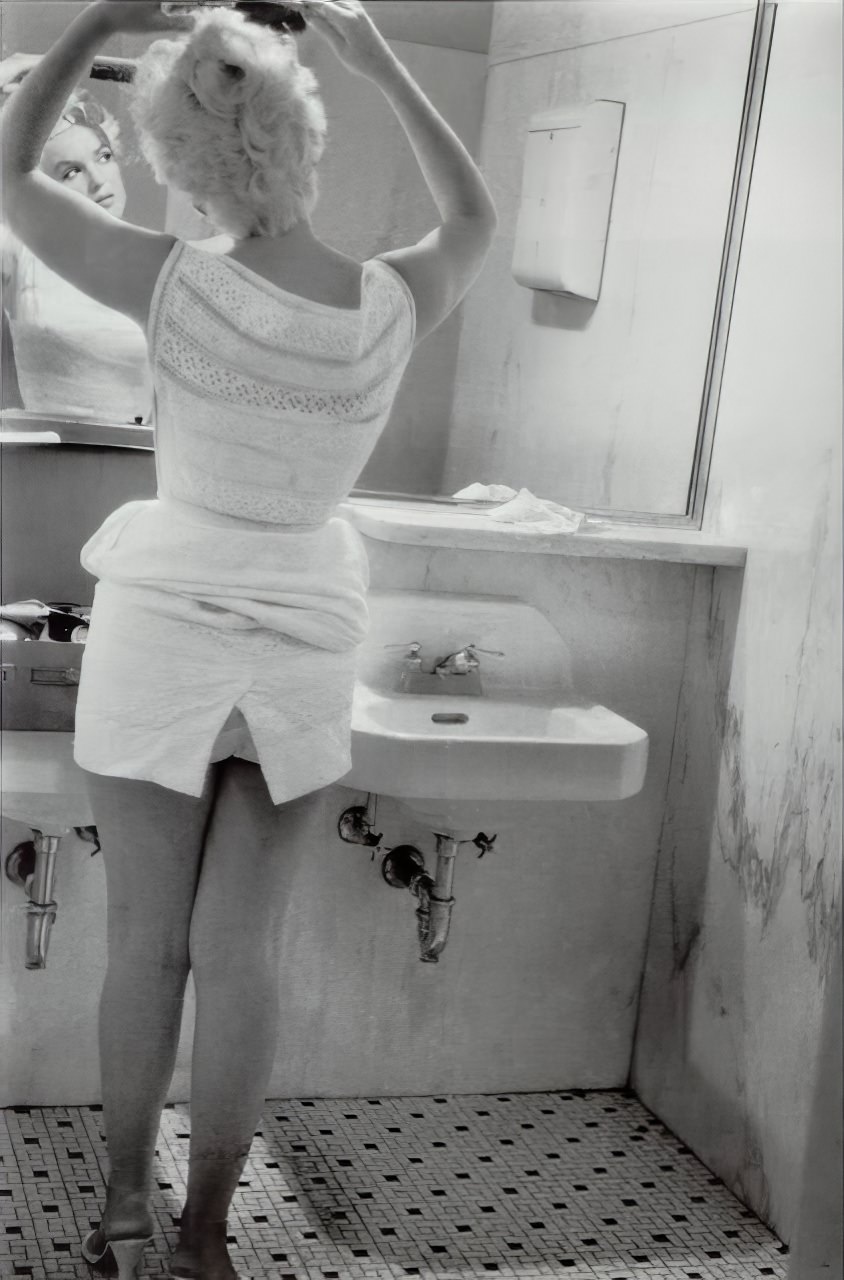
Arnold’s camera caught Monroe between the performances — between takes, between appearances, between the version she showed the world and the one she kept for herself. That in-between space is where these photographs live.
Few photographers in Monroe’s lifetime earned that level of access. Arnold earned it through patience, respect, and a working style that never pushed for the shot at the expense of the subject. Monroe responded to that.