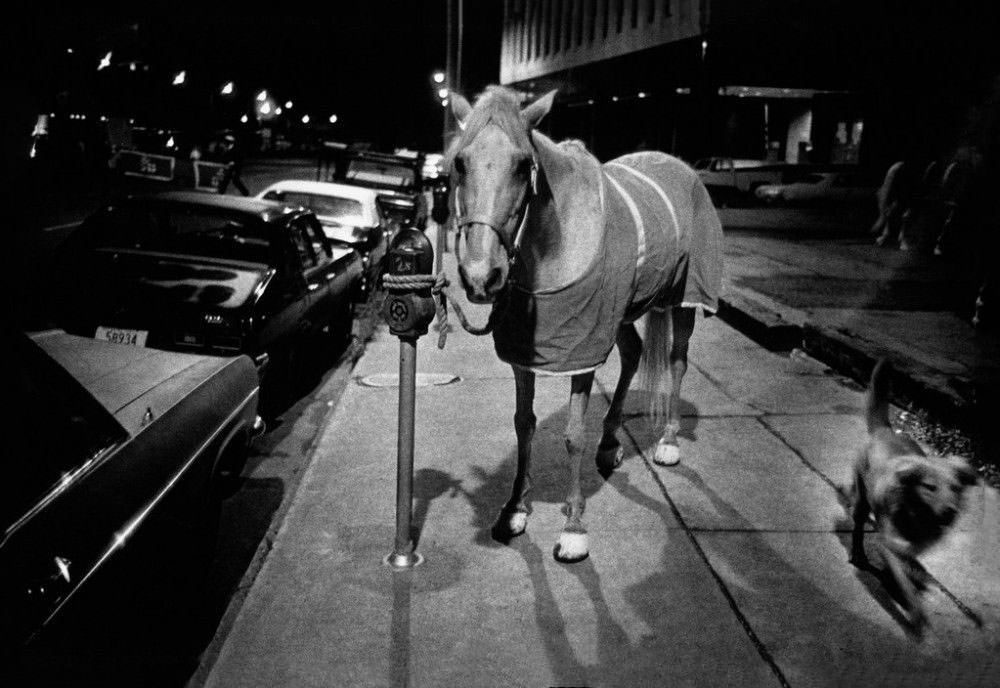
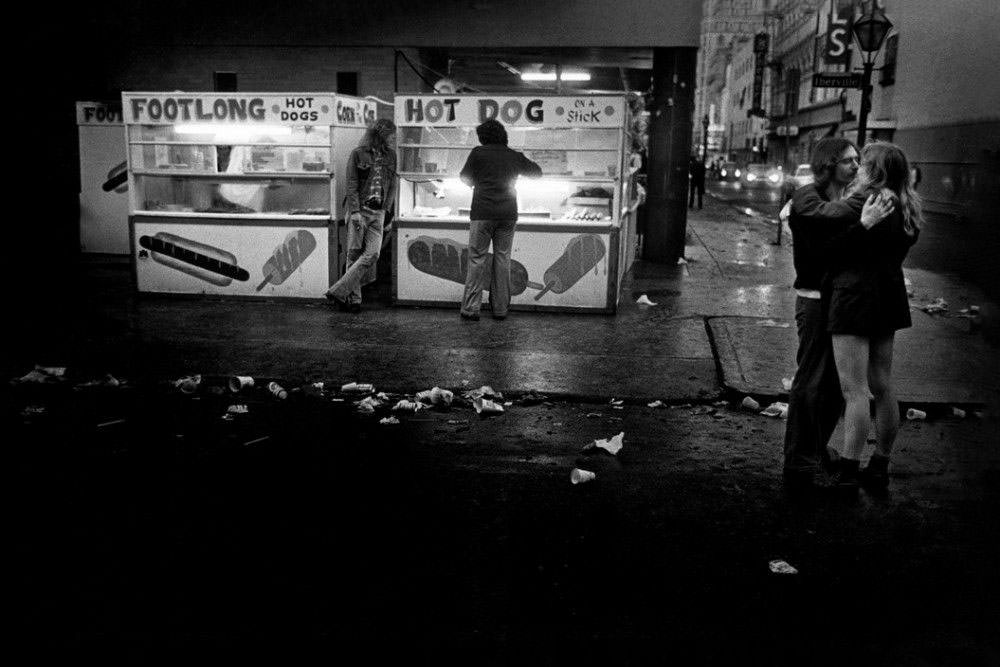
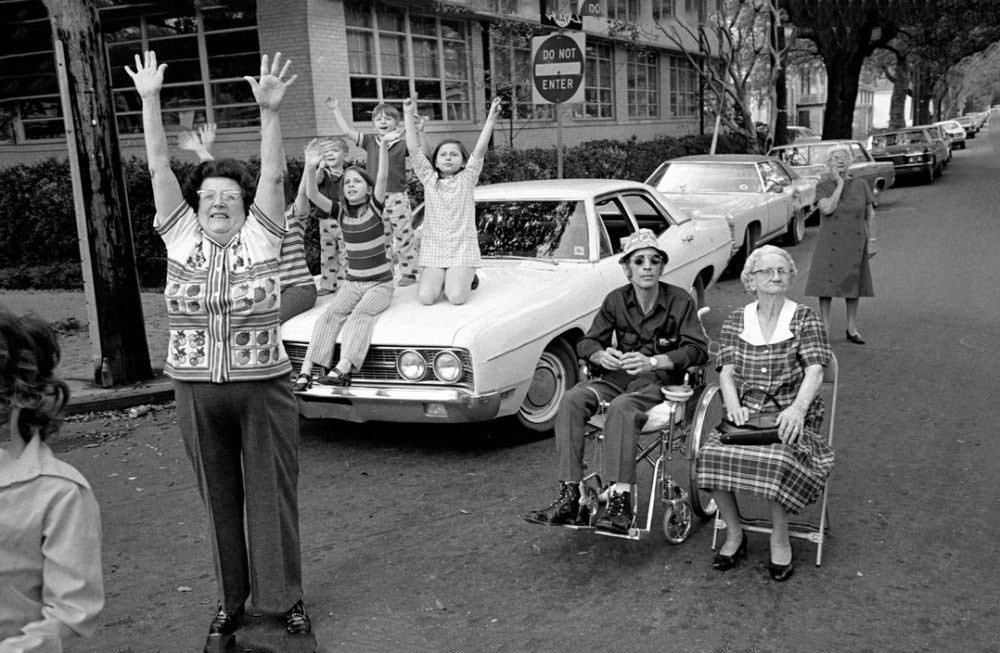
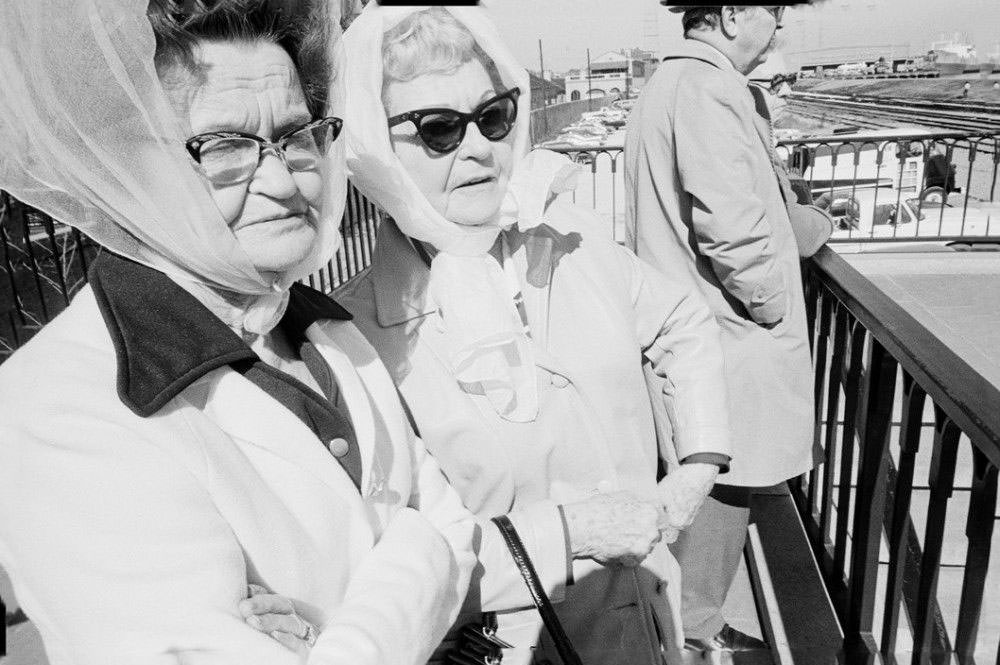
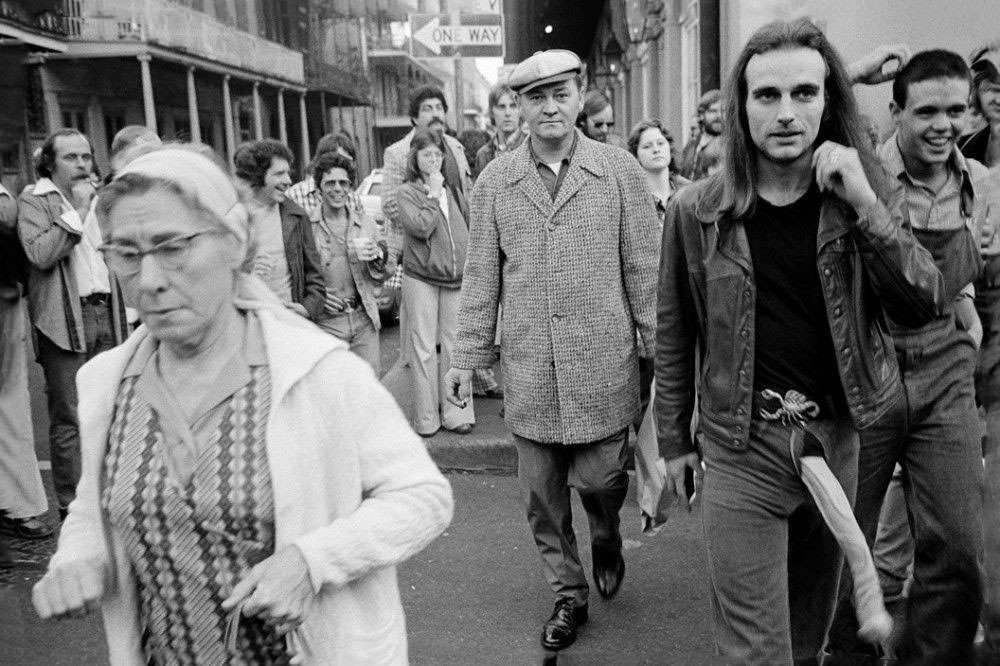
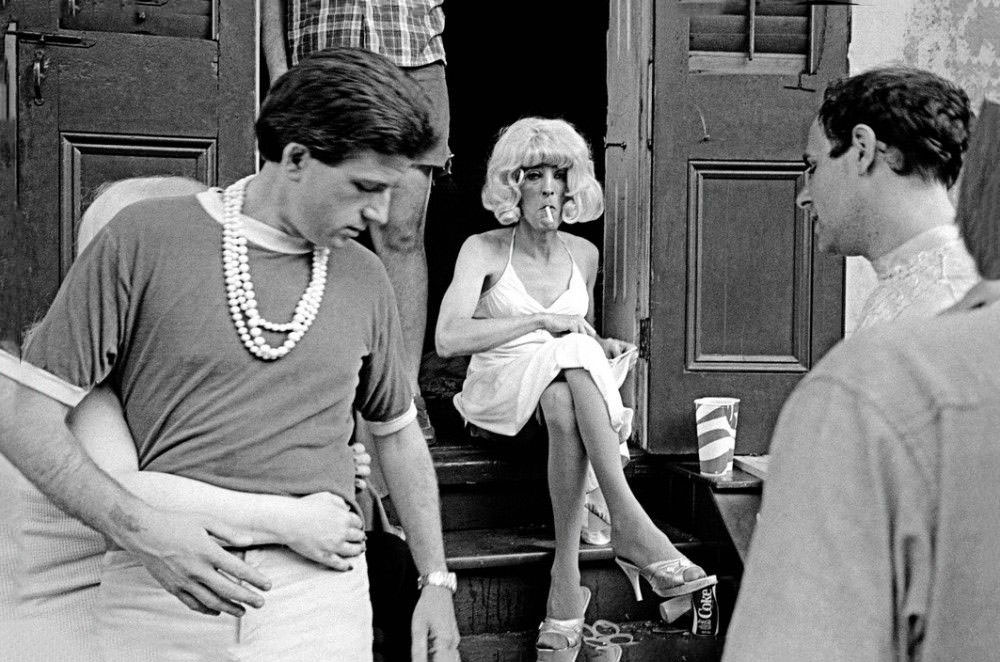
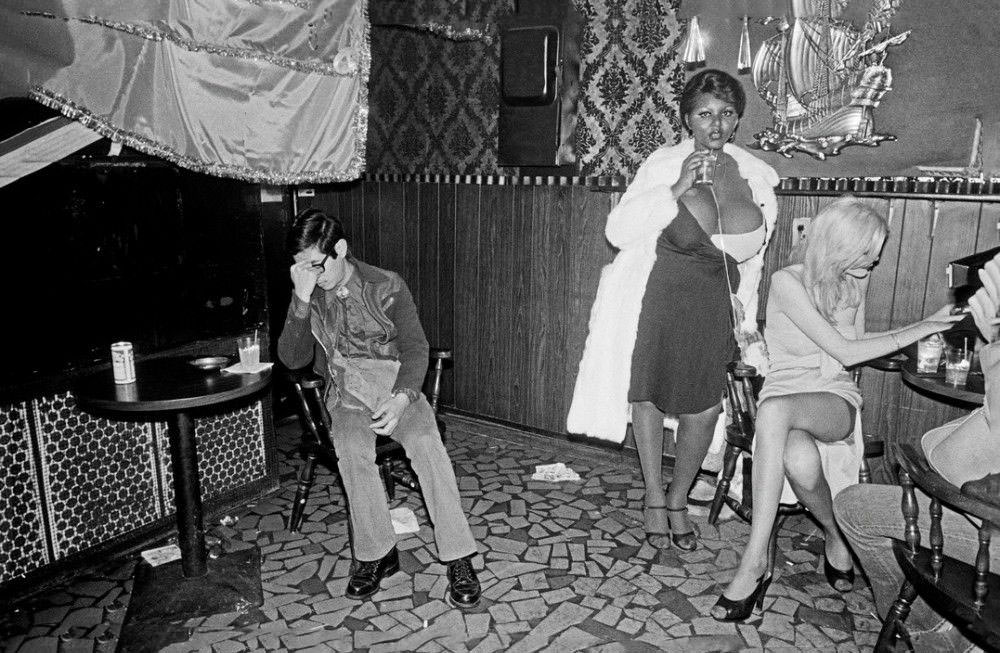
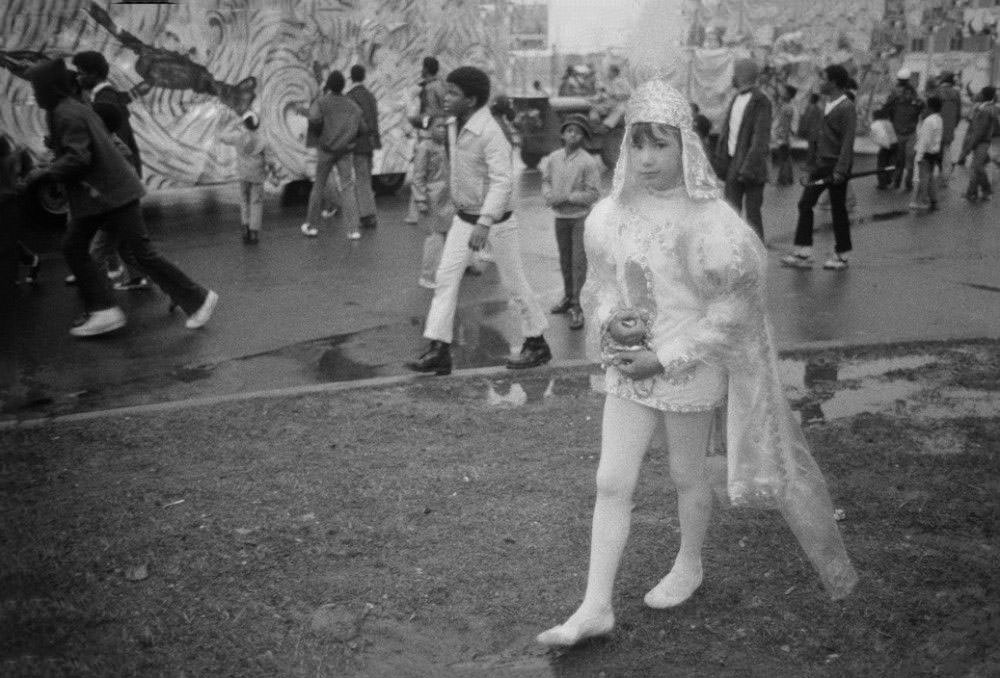
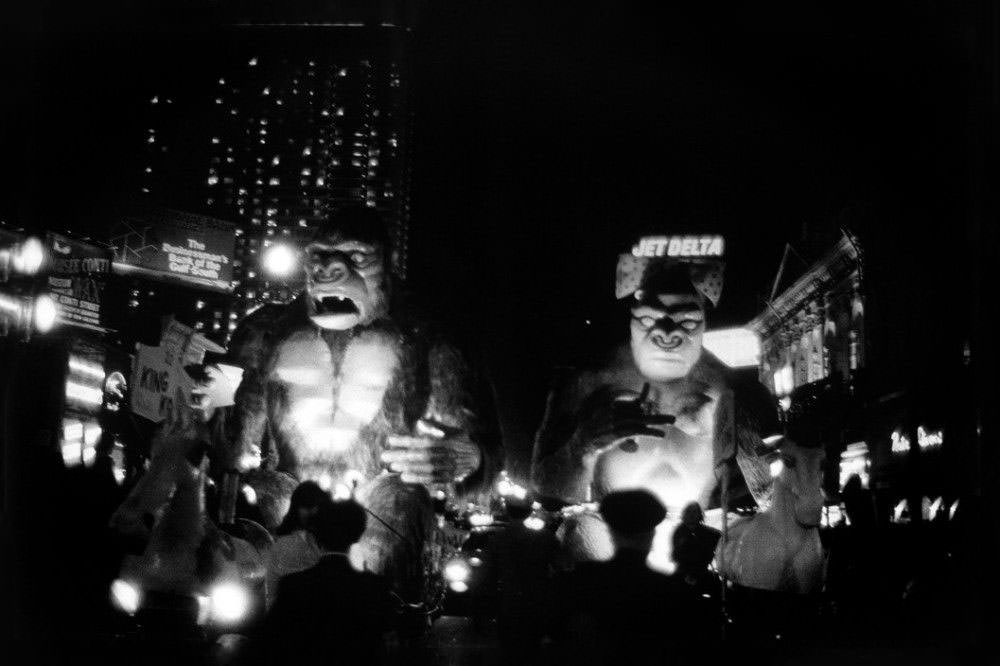
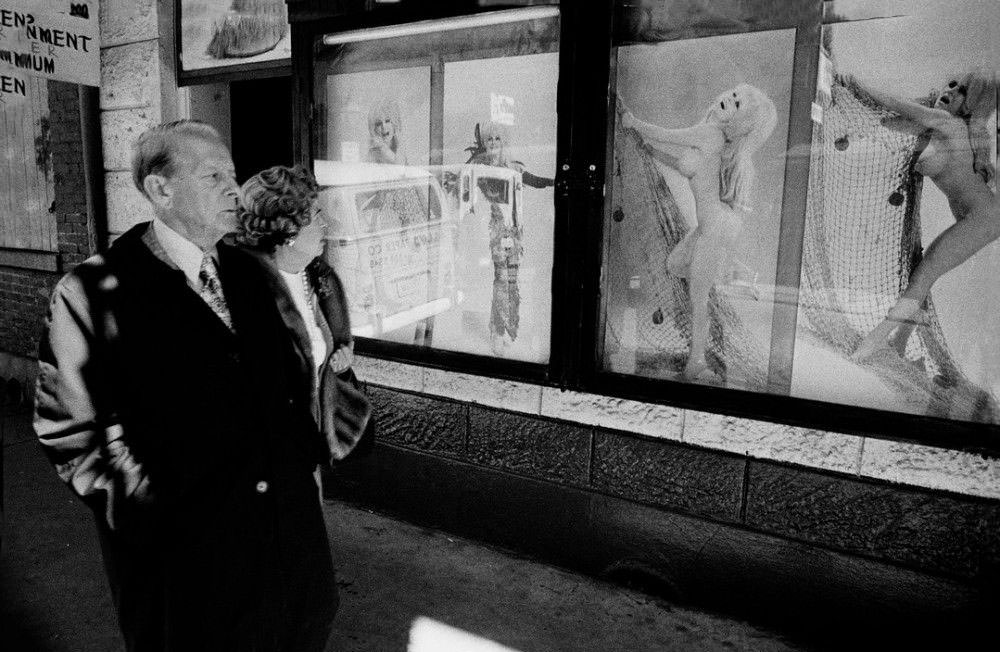
“Hey, Mister, throw me some beads!” That cry rang out every year along the packed streets of New Orleans during Mardi Gras. Parade floats rolled past screaming crowds, tossing strings of beads, doubloons, and small trinkets to anyone who reached out far enough. It was loud, chaotic, and completely alive — exactly the kind of scene that drew street photographer Bruce Gilden in 1974.
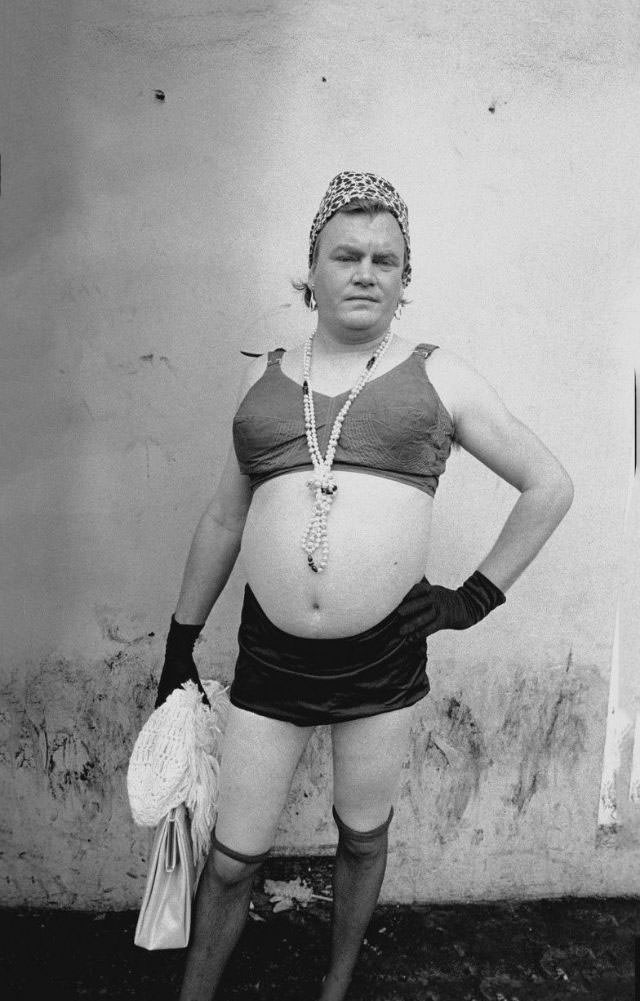
Gilden was still a young photographer when he made his first trip to New Orleans that year. Up to that point, his work had been rooted entirely in New York City. Mardi Gras was his first personal photo essay outside of that world. What he found when he arrived stopped him in his tracks. He described New Orleans during Mardi Gras as a “pagan dream where you can be whatever you want.”
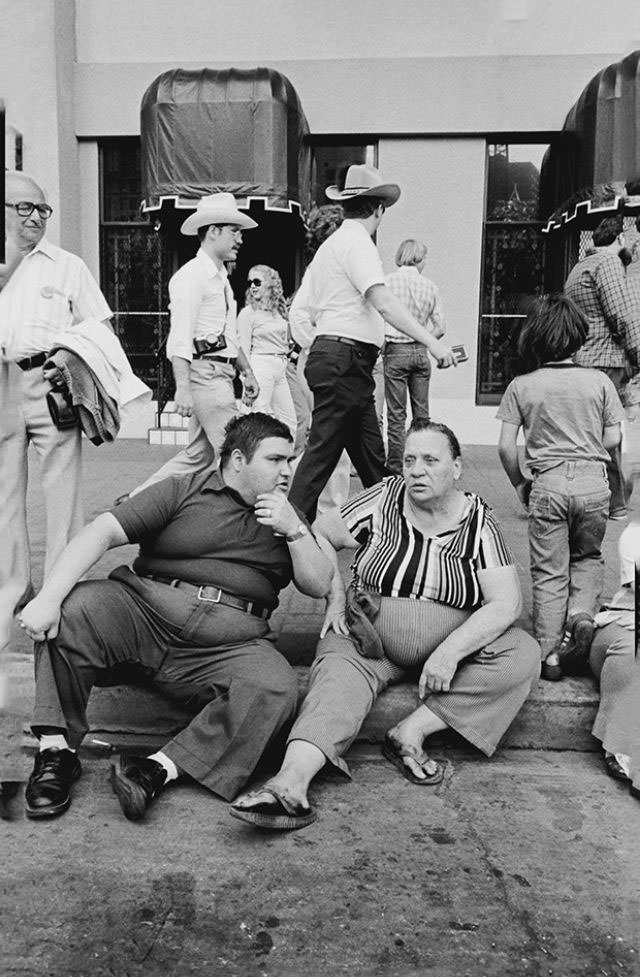
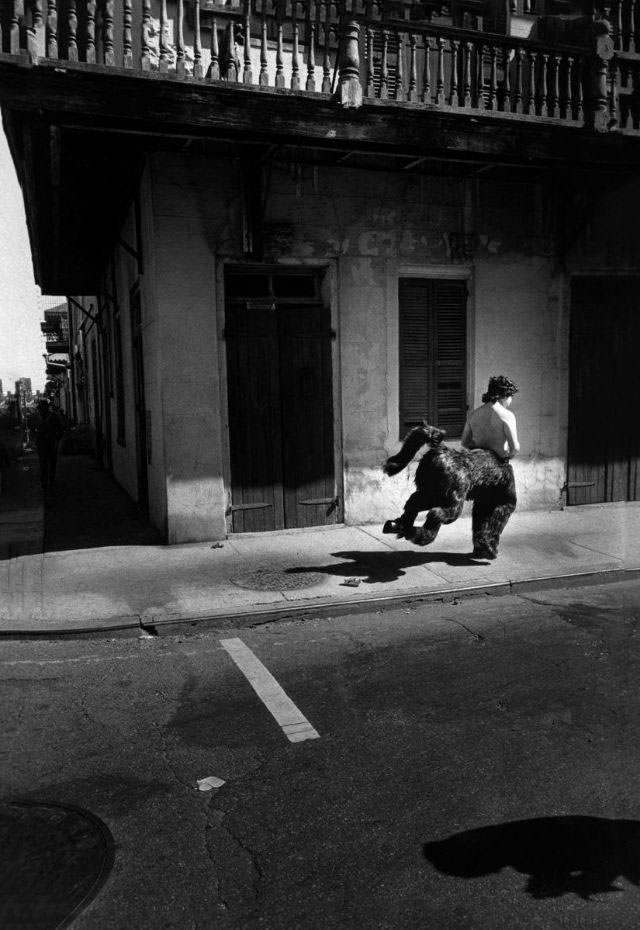
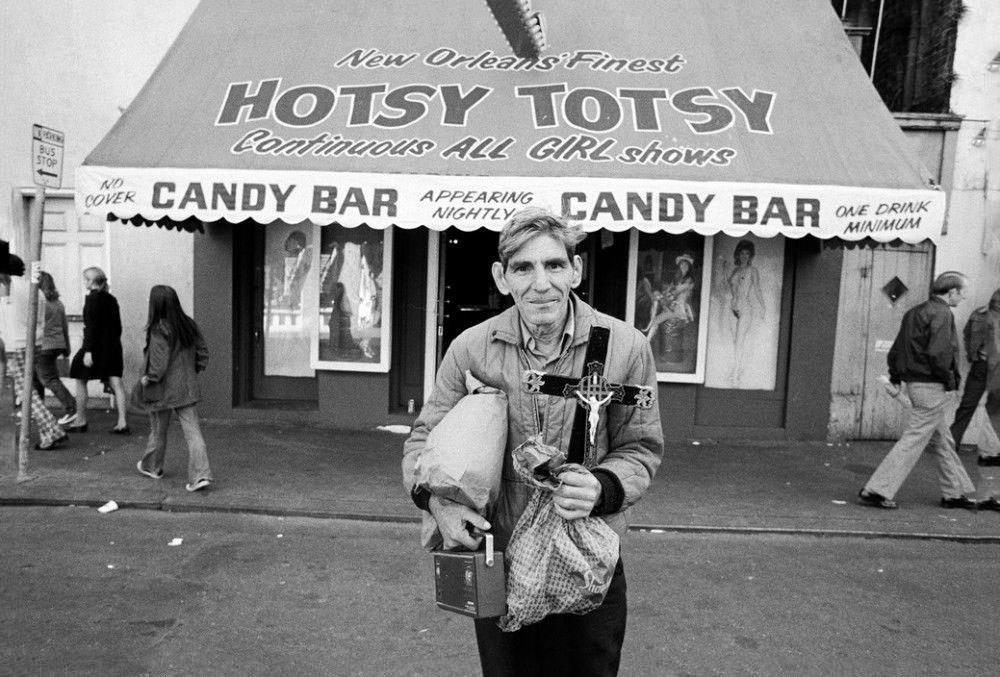
That first visit turned into a long commitment. Between 1974 and 1982, Gilden made seven separate trips down to Bourbon Street. Each time, he brought his camera directly into the middle of the action — no distance, no detachment. He worked the same way he did in New York: close, fast, and without hesitation.
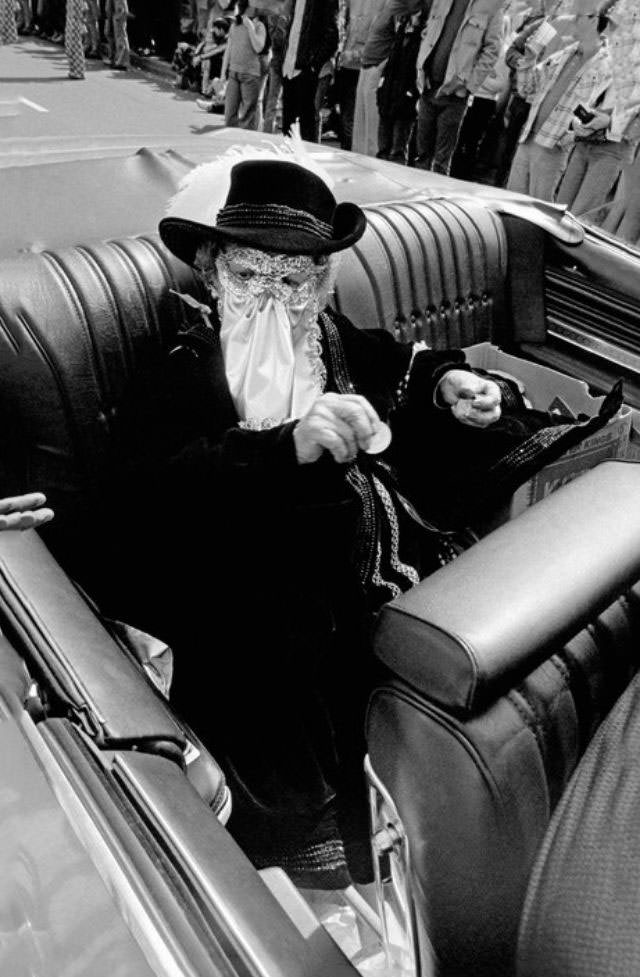
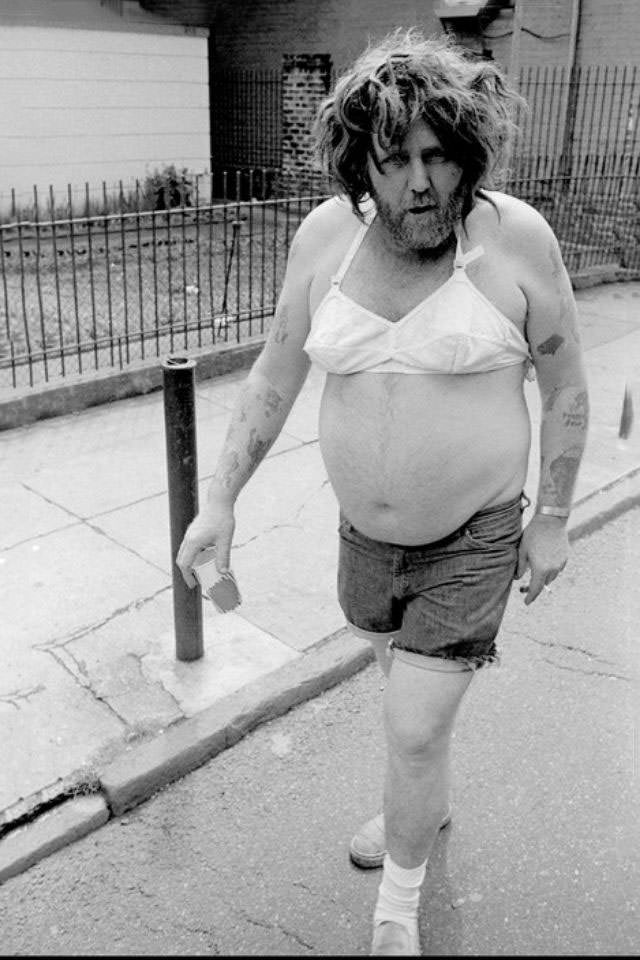
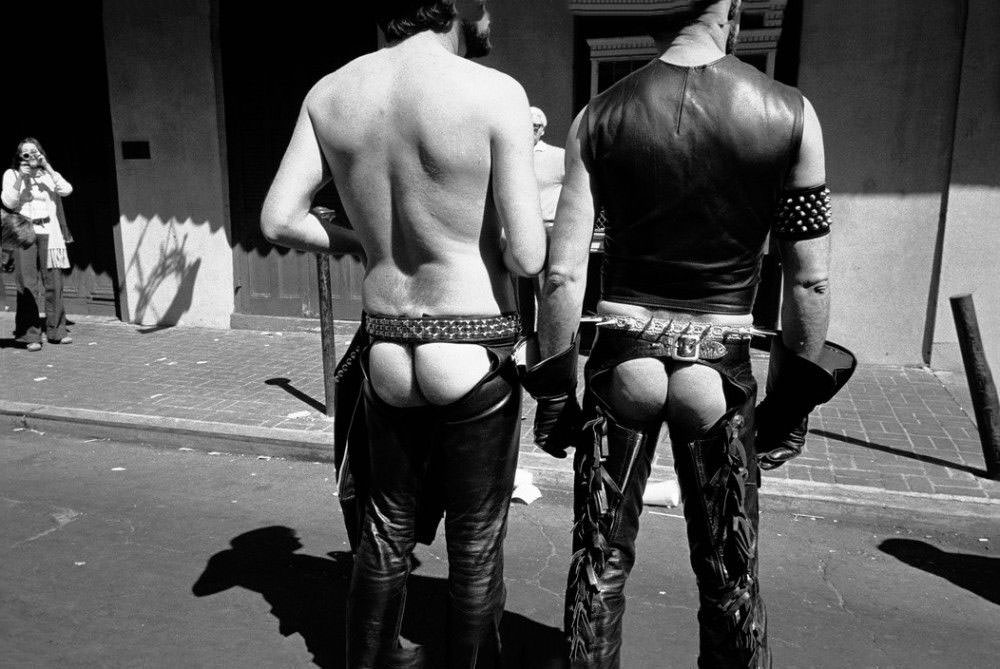
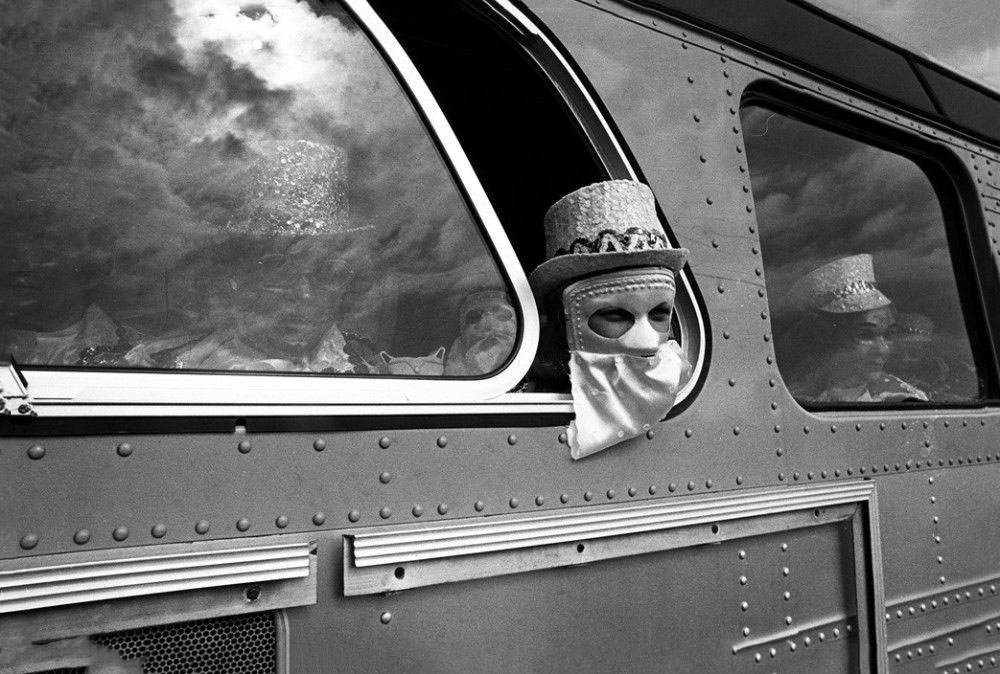
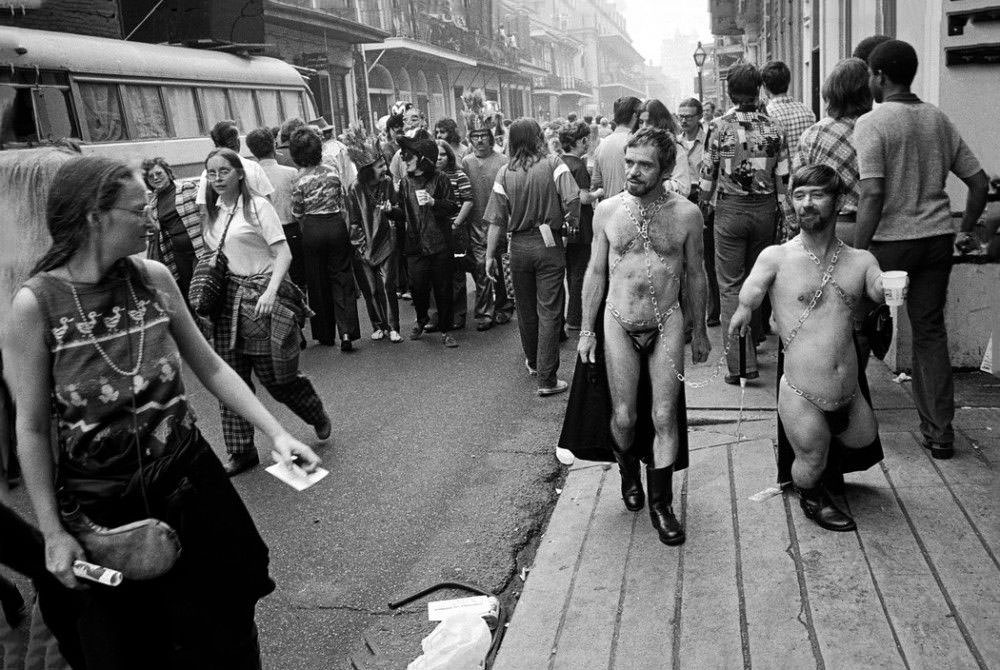
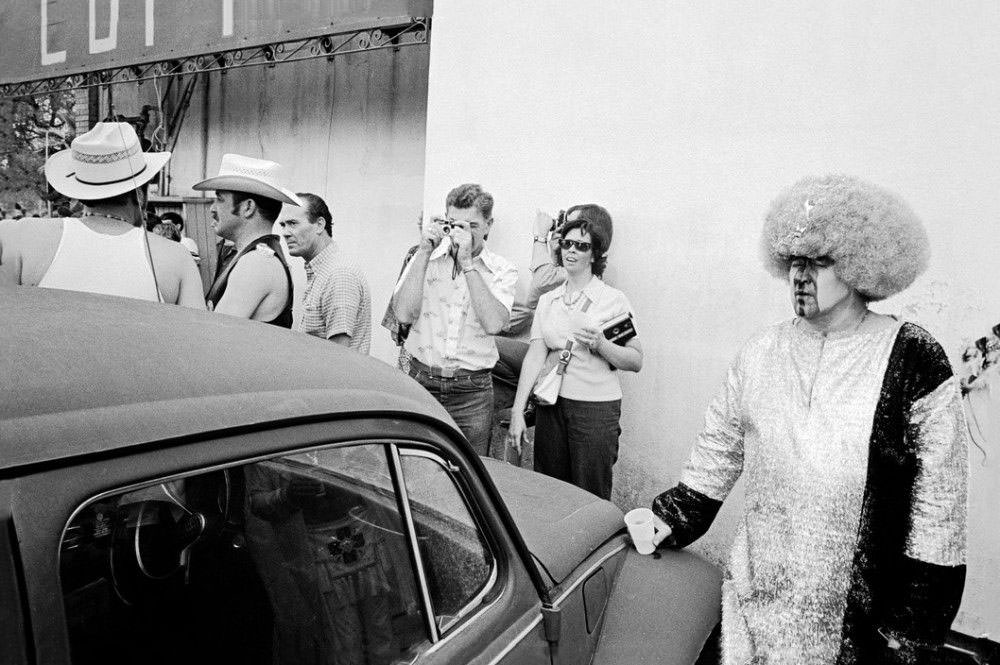
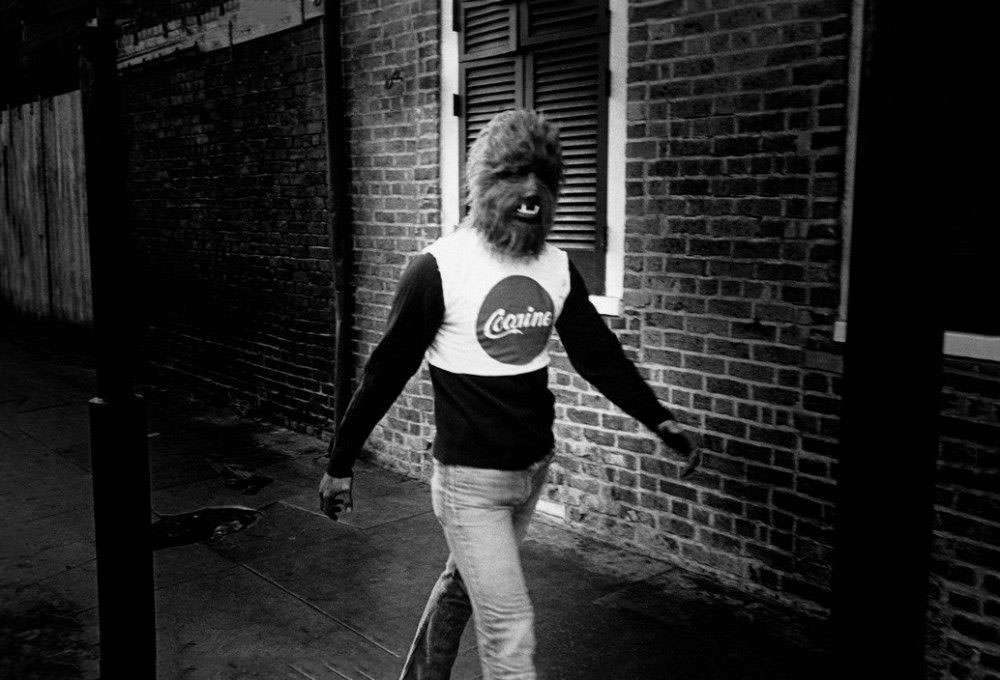
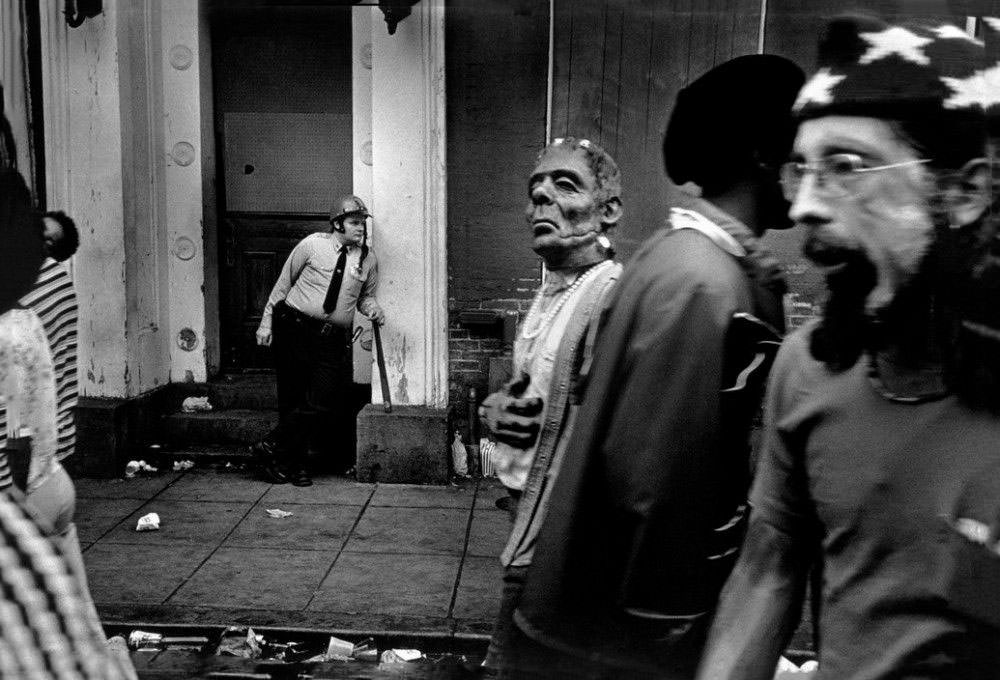
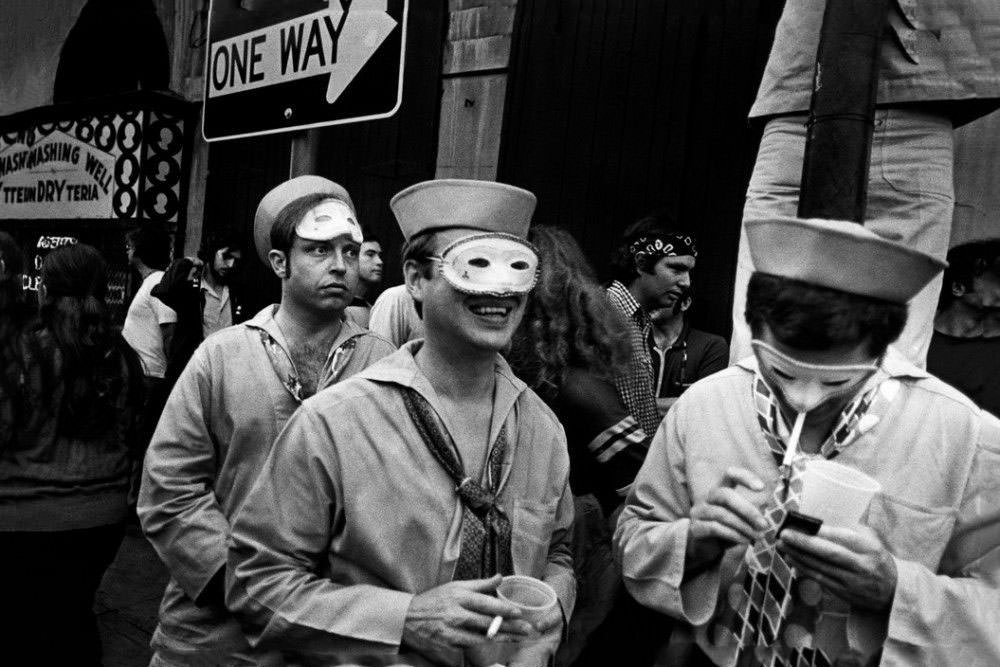
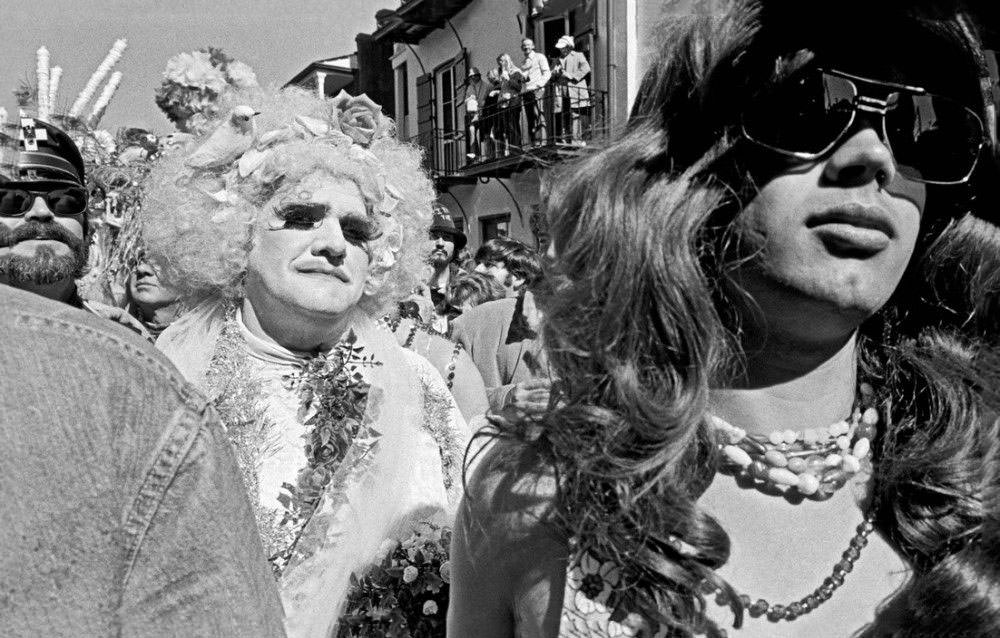
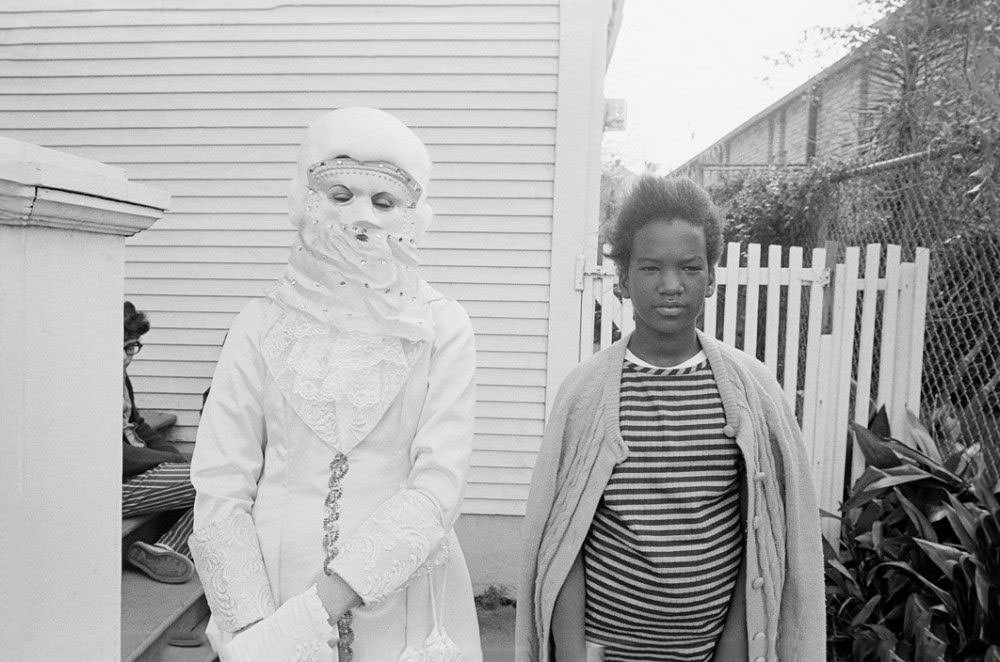
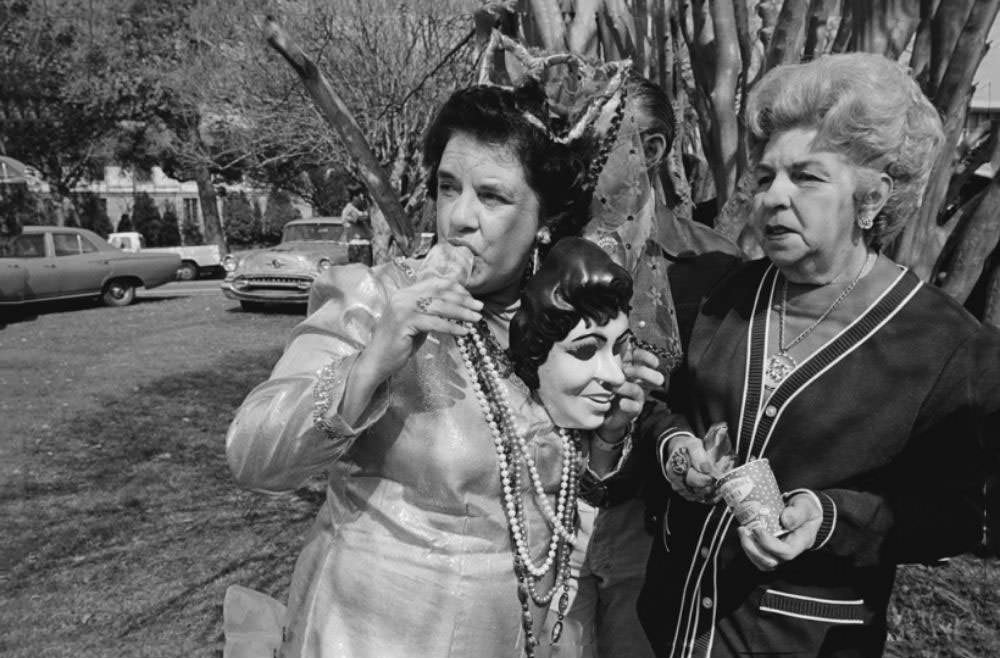
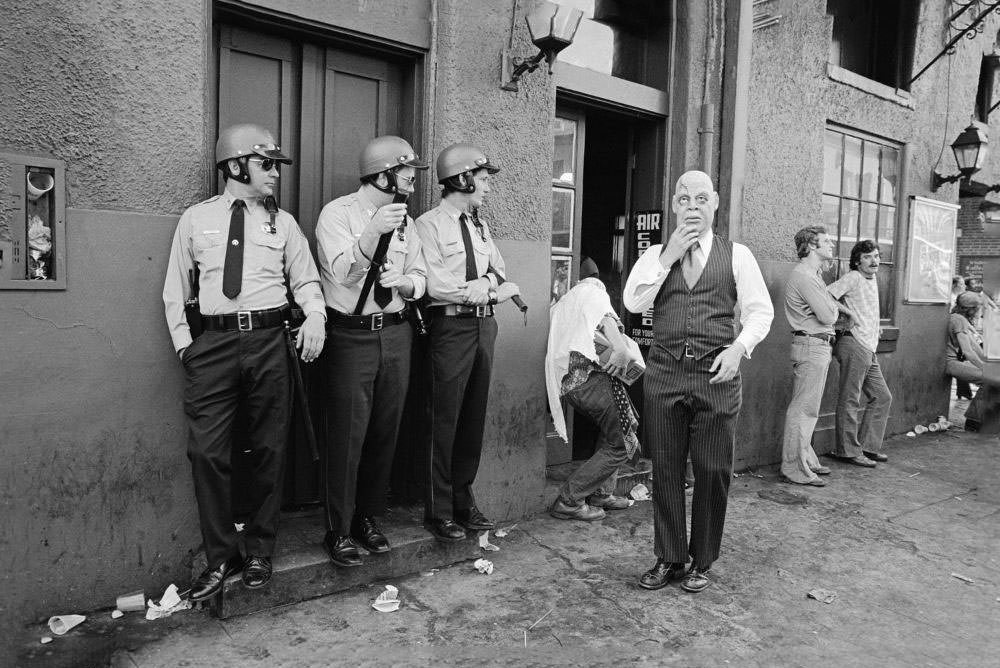
Mardi Gras gave Gilden a subject that matched his energy as a photographer. The festival is not a polished, scripted event. It is raw and unfiltered, full of people shedding their everyday identities. Costumes ranged from the elaborate to the barely-there. Strangers drank together on crowded sidewalks. Whole blocks became stages for behavior that would never fly on an ordinary Tuesday.
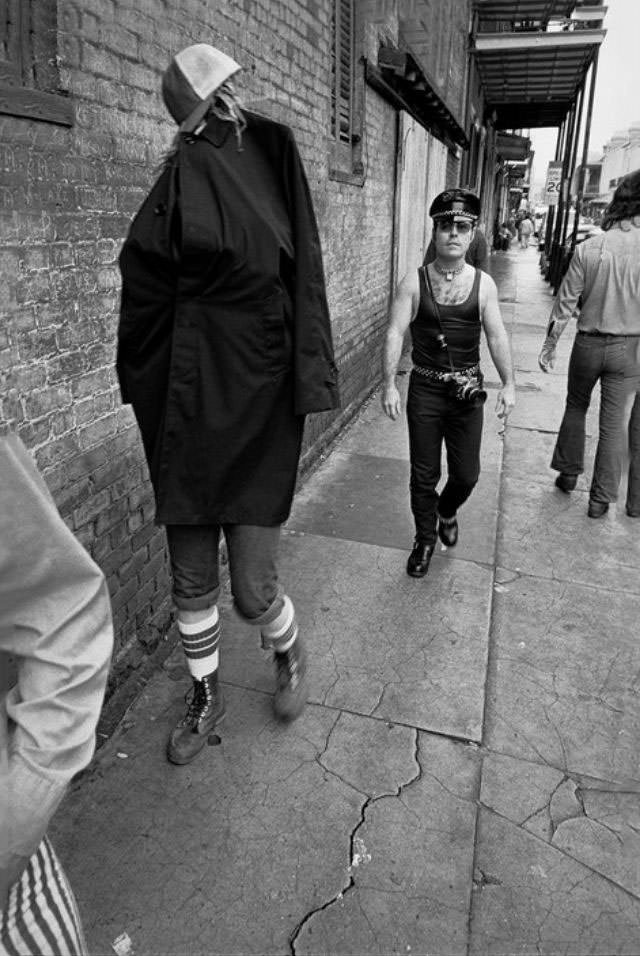
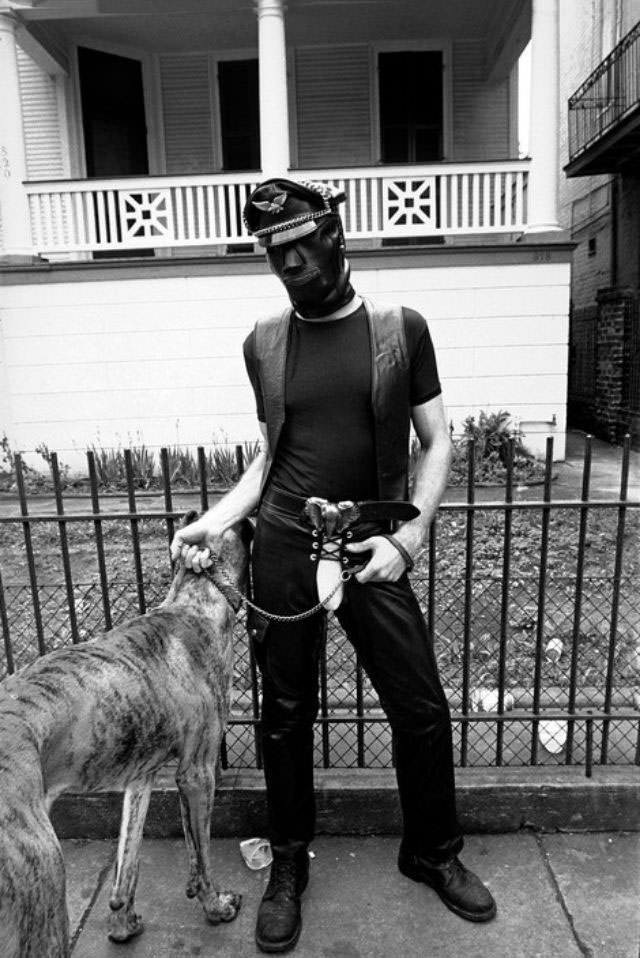
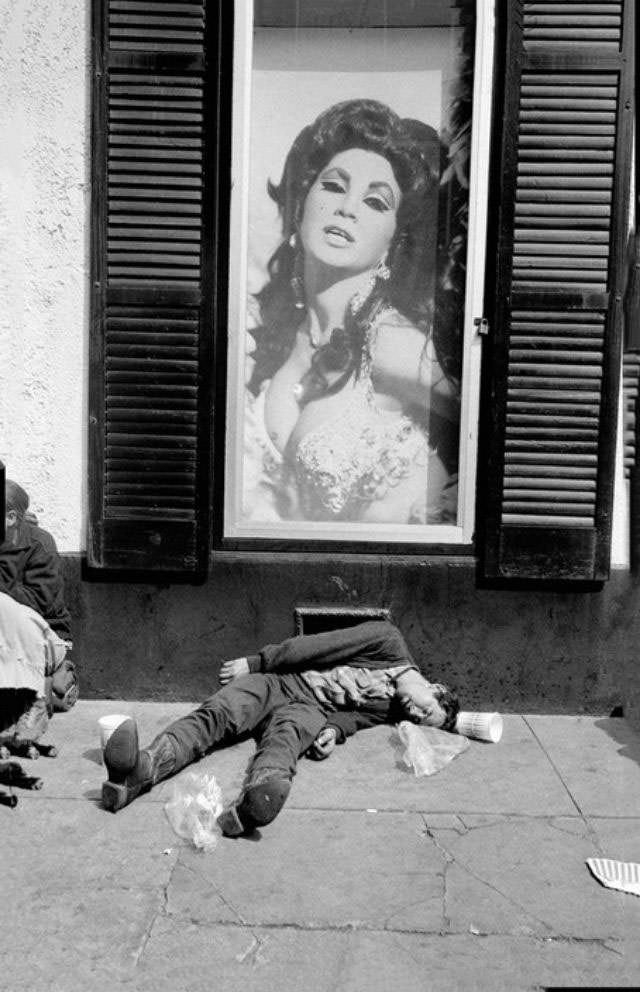
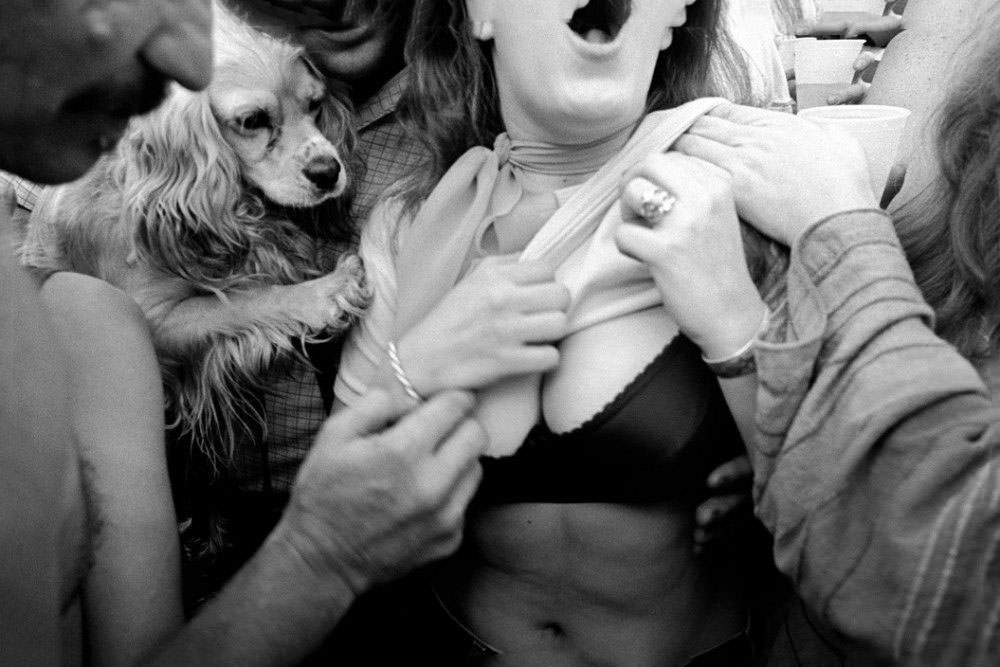
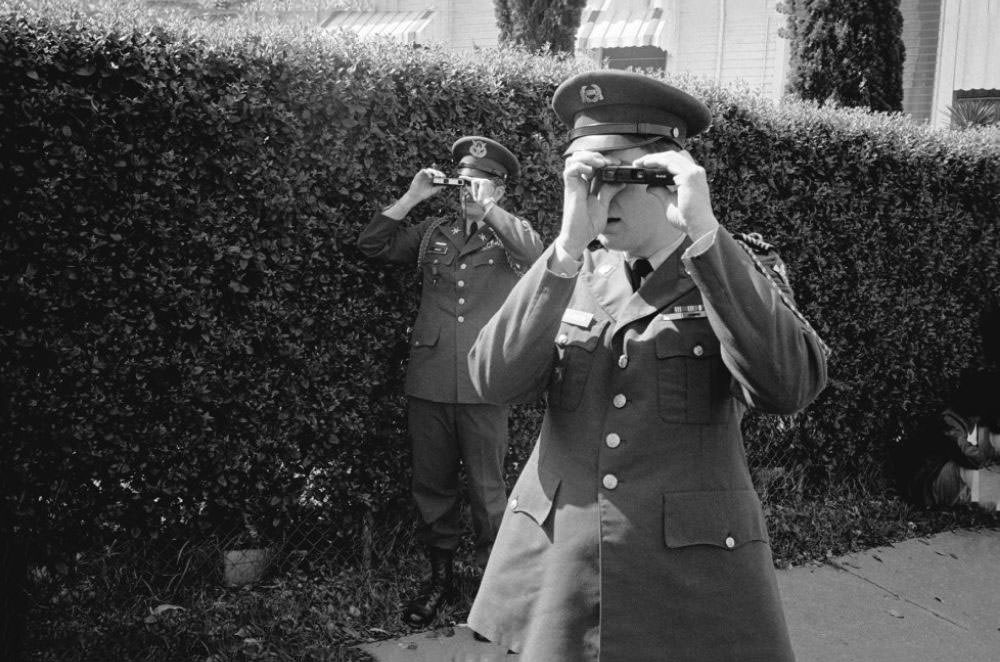
Gilden’s photographs don’t just show what people wore or how they danced. They show the social rules — and the lack of them — that made Mardi Gras its own world. His frames capture the tension between freedom and excess, between celebration and something harder to name.
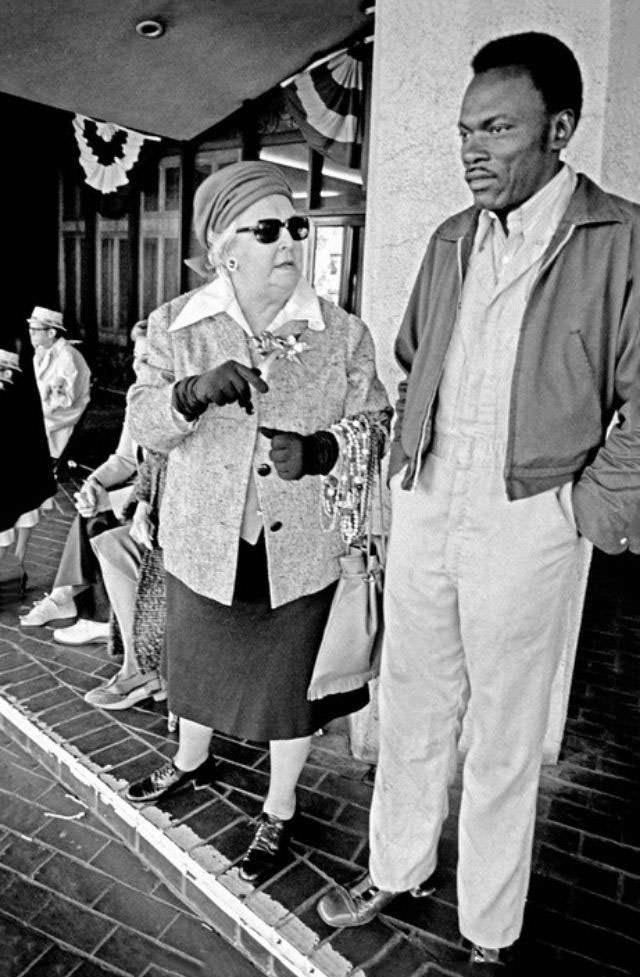
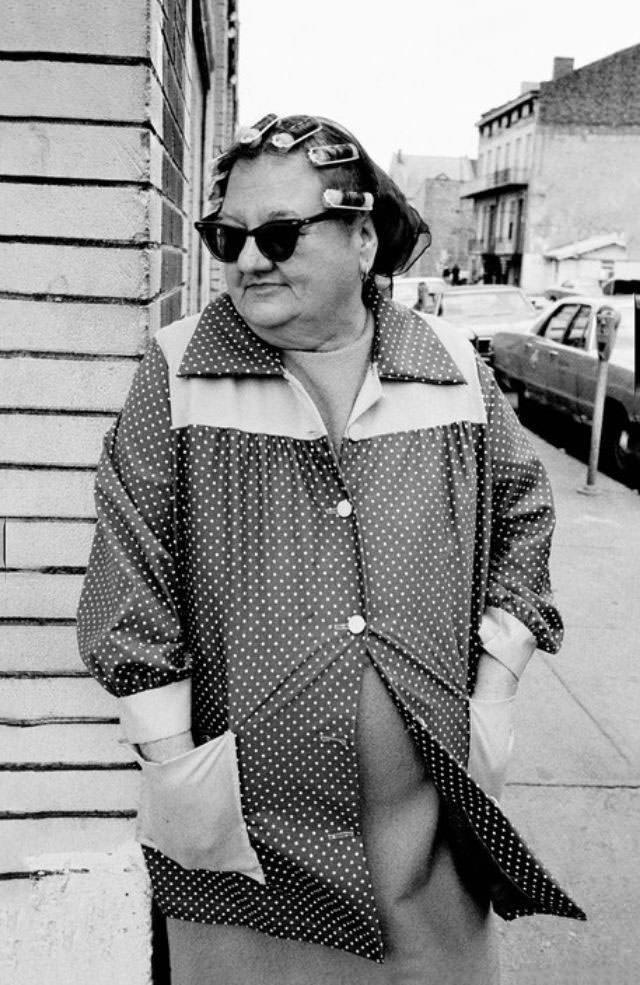
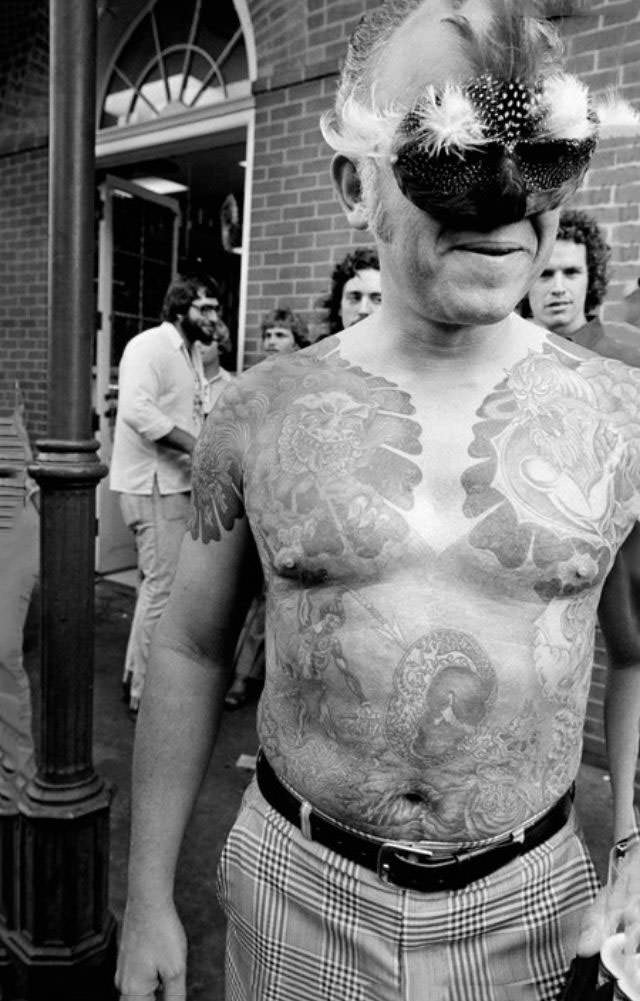
The streets of the French Quarter during Mardi Gras in the 1970s and early 1980s looked nothing like they do today. There were no smartphones, no selfie sticks, no filtered version of the event posted online within seconds. The crowd was the crowd — unaware of how history would frame them. Gilden made sure to frame them himself, one shot at a time.
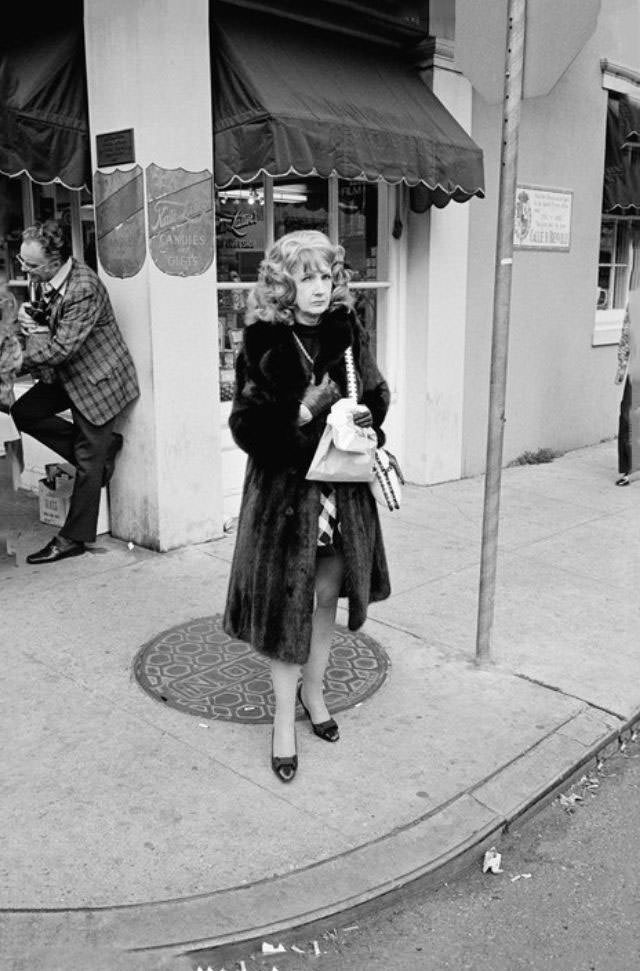
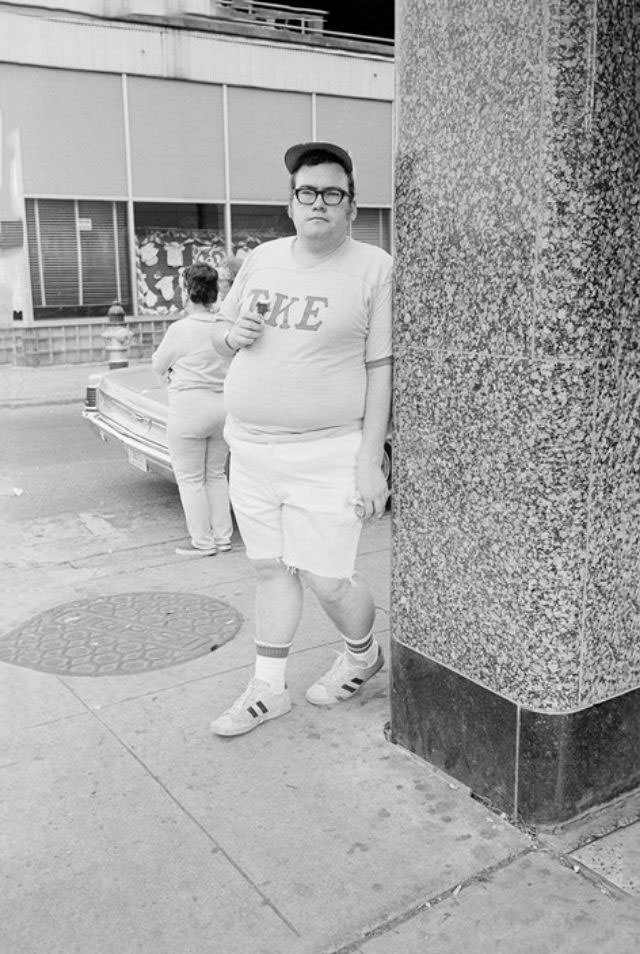
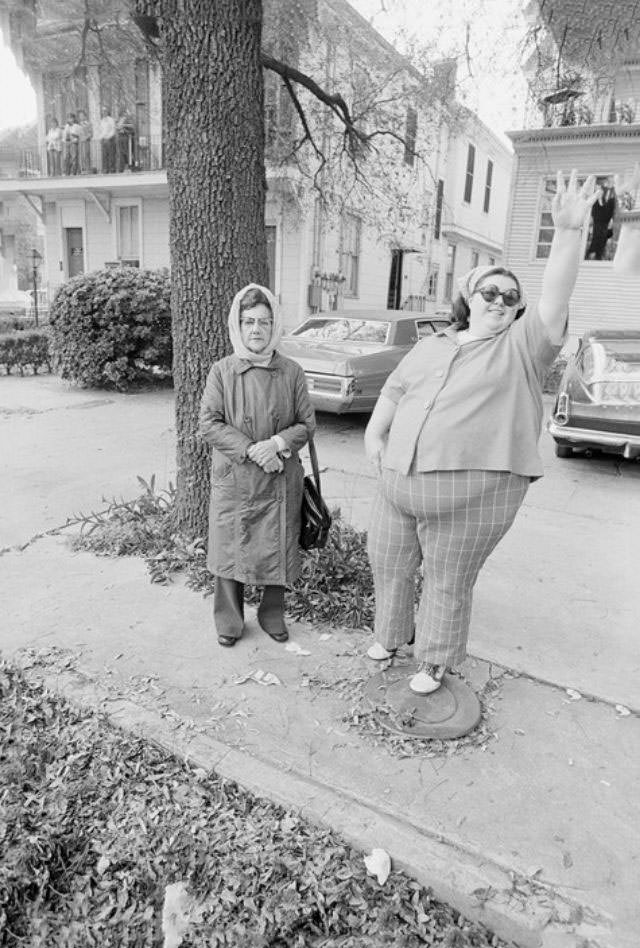
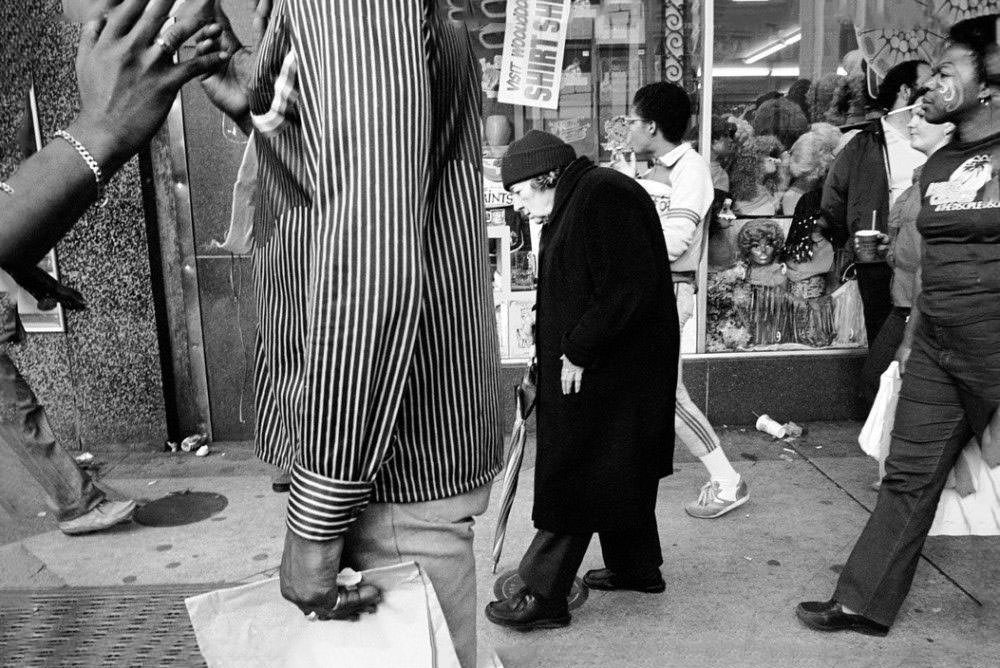
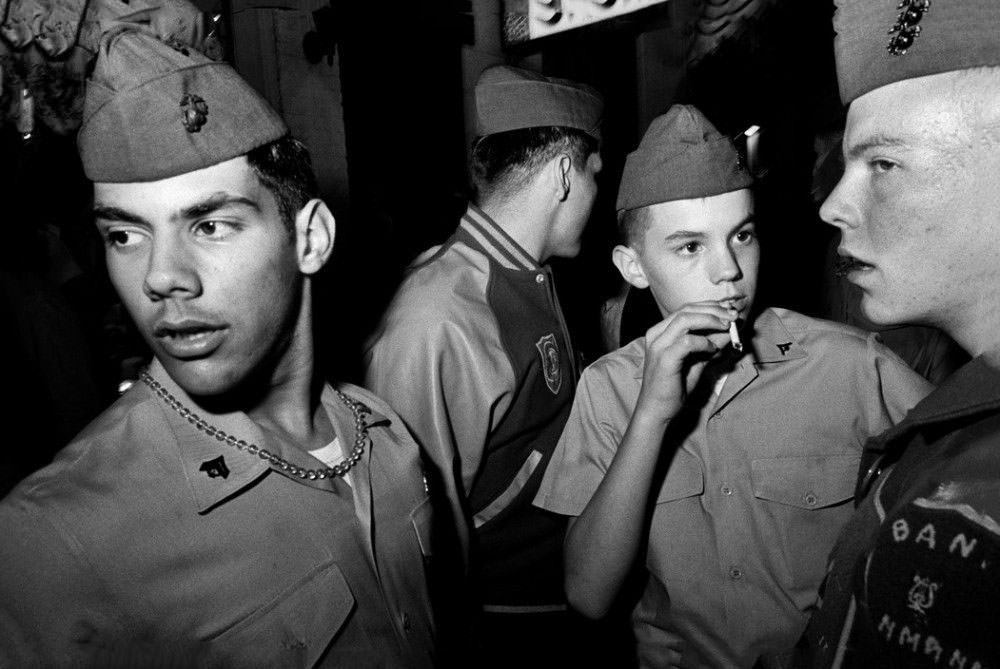
His approach to shooting was direct and physical. Gilden was known for getting uncomfortably close to his subjects, using a flash even in daylight to freeze faces and force detail into the frame. At Mardi Gras, that technique worked perfectly. Everyone was already in motion, already performing. His presence barely registered.
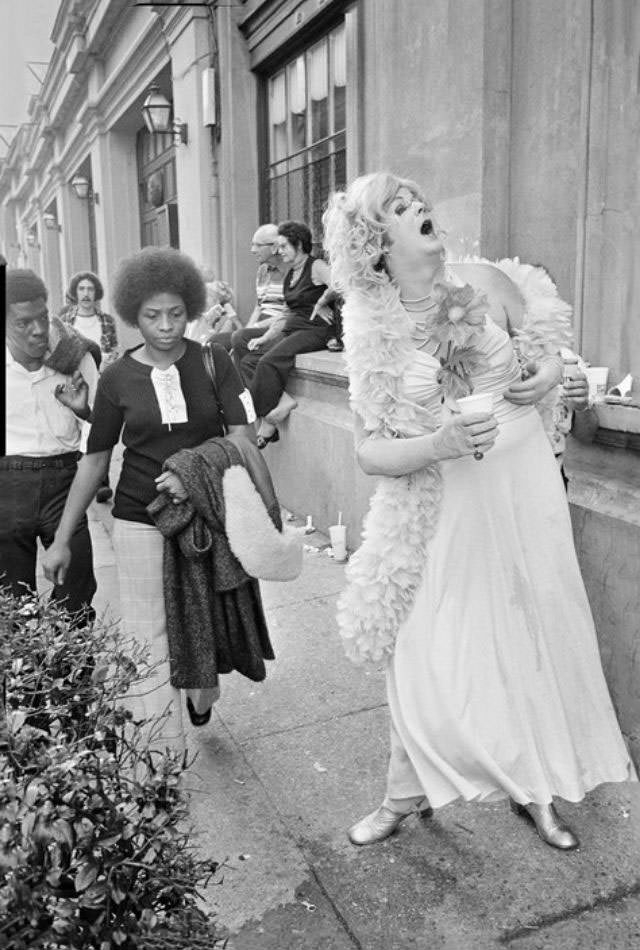
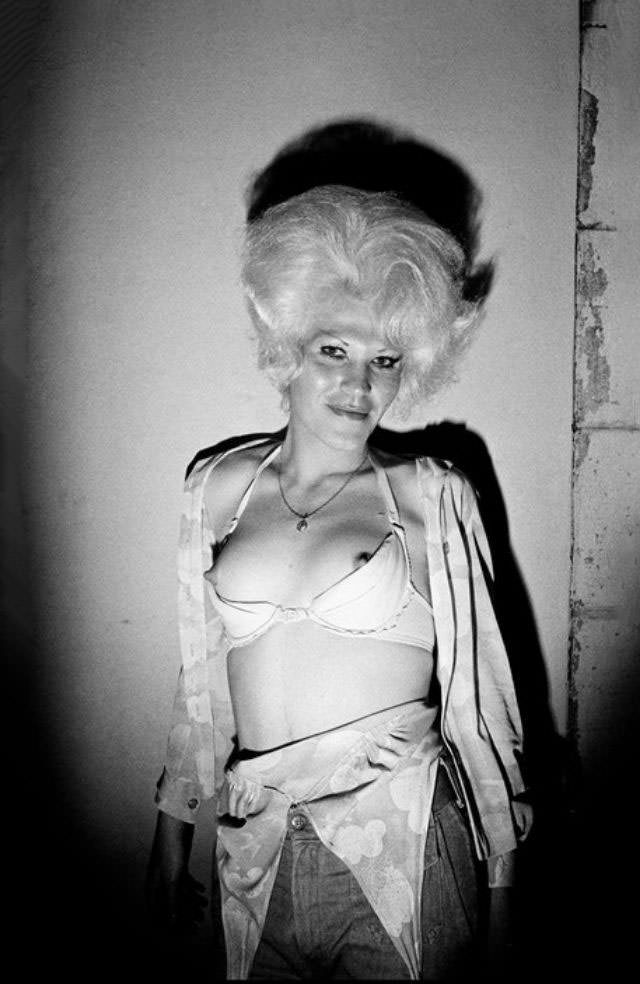
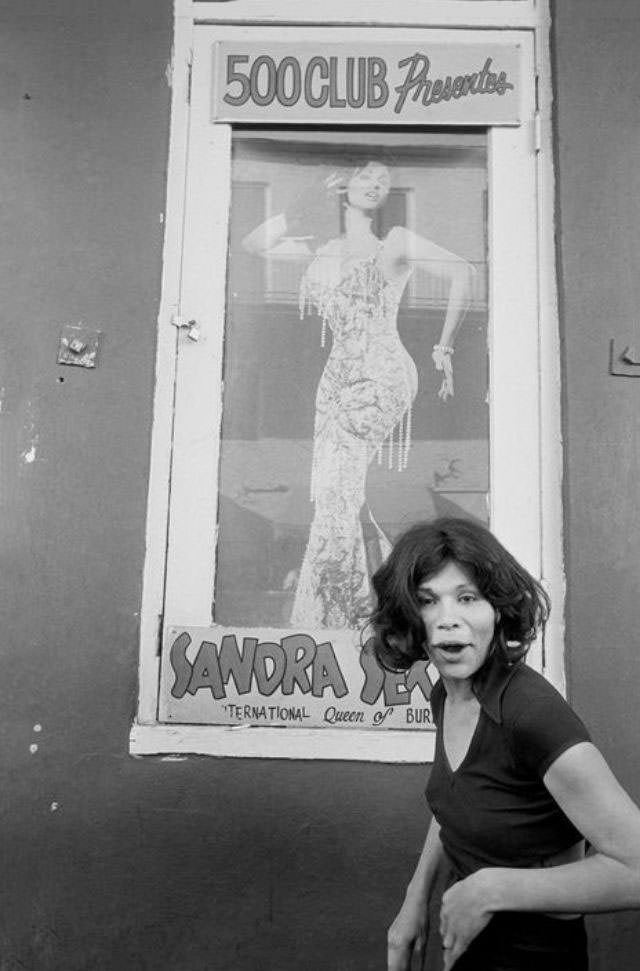
What Gilden documented across those seven visits was not a single event but a culture. The people who gathered on Bourbon Street year after year came from all walks of life. Some were locals who treated Mardi Gras as a sacred annual ritual. Others were visitors chasing something they couldn’t quite describe back home.
The parade floats were a central part of the spectacle. Massive, decorated, and slow-moving, they crawled through streets lined with people screaming for throws. Beads were the most common prize, but doubloons — coin-shaped tokens stamped with the emblem of whichever krewe ran the float — were among the most sought after.
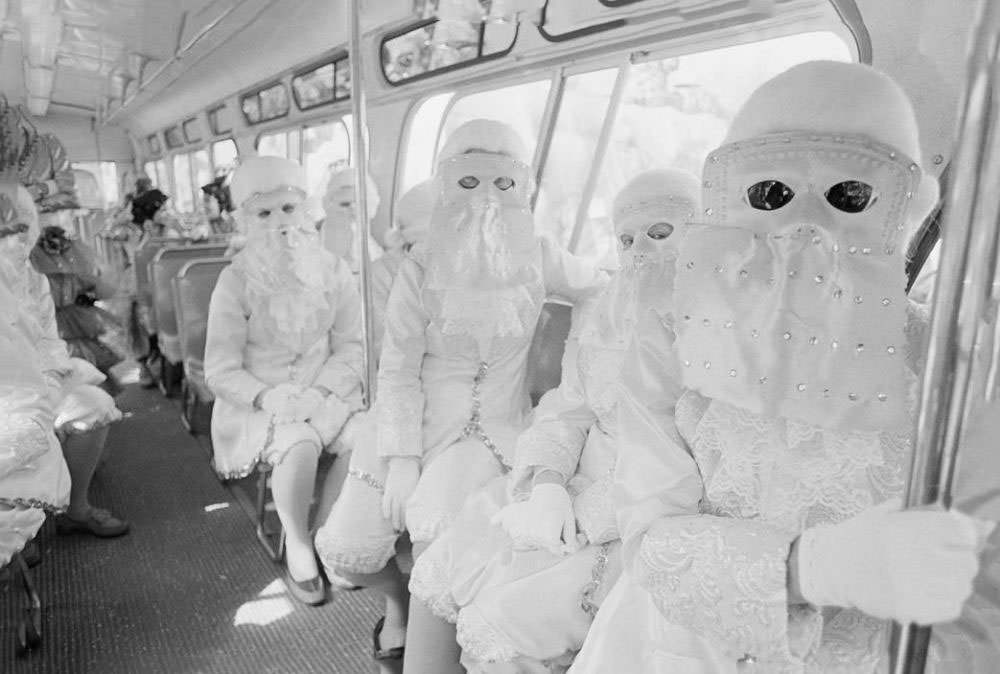
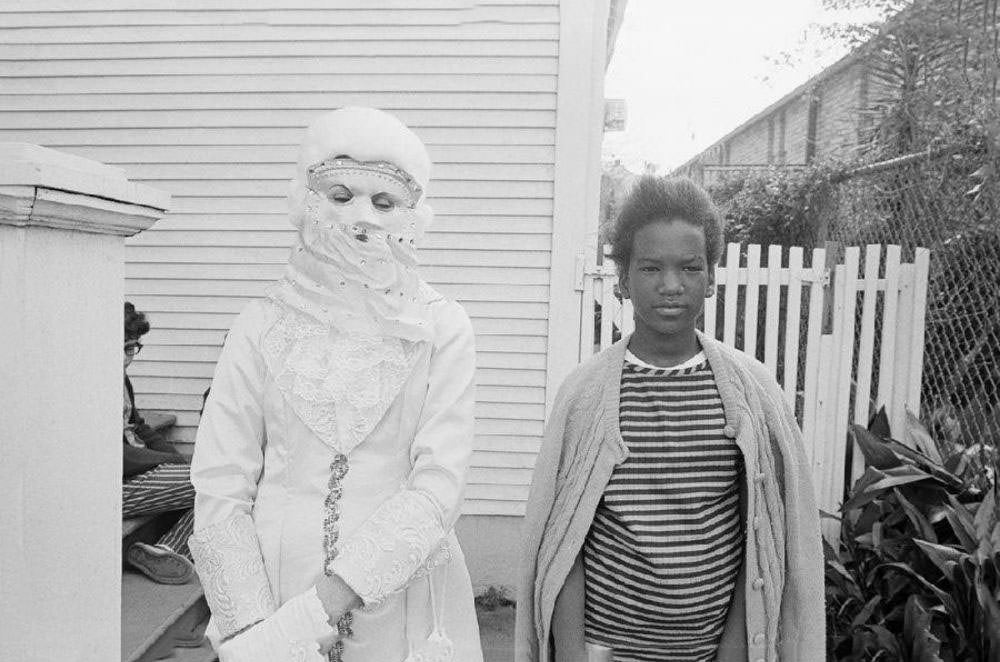
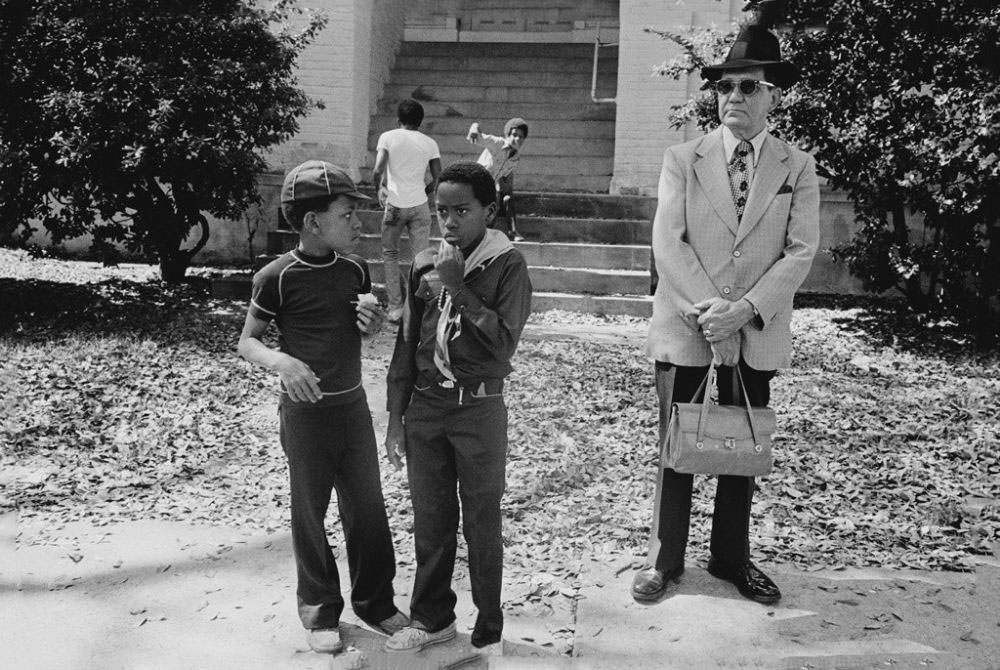
Gilden photographed all of it — the floats, the crowds, the costumed revelers, and the quieter moments tucked between the noise. A man in a full feathered mask leaning against a bar. Two women laughing with beads stacked halfway up their necks. A group of strangers packed so tight on a balcony that the railing seemed to bend under the weight.
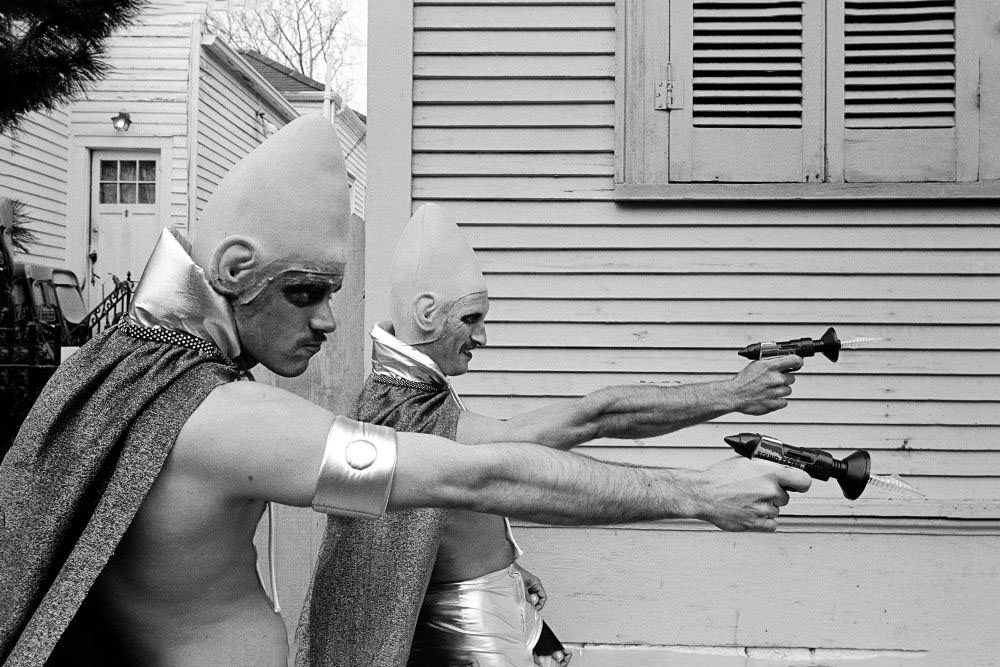
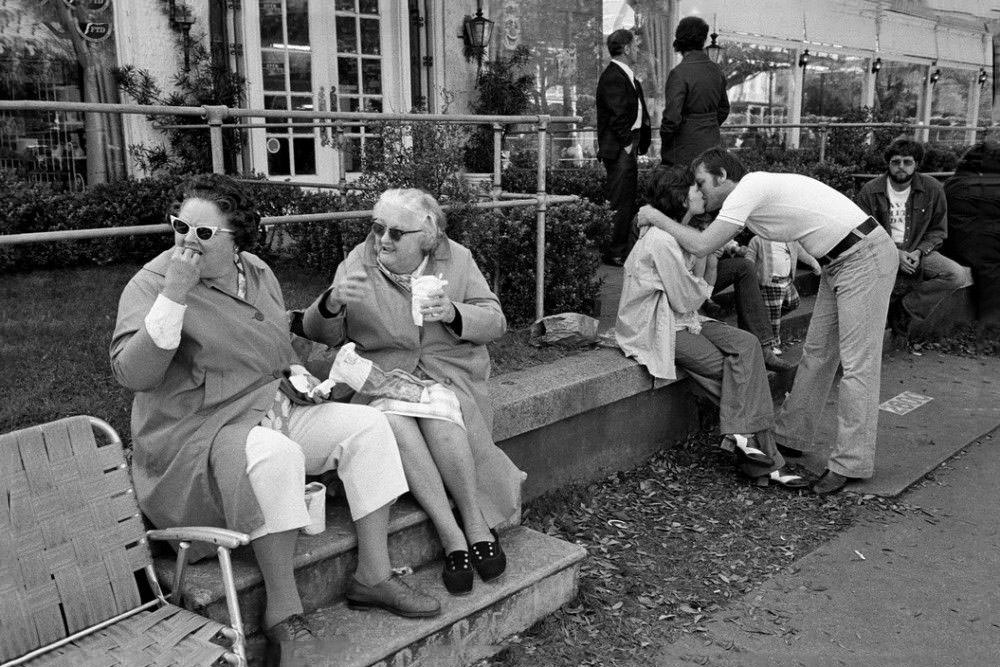
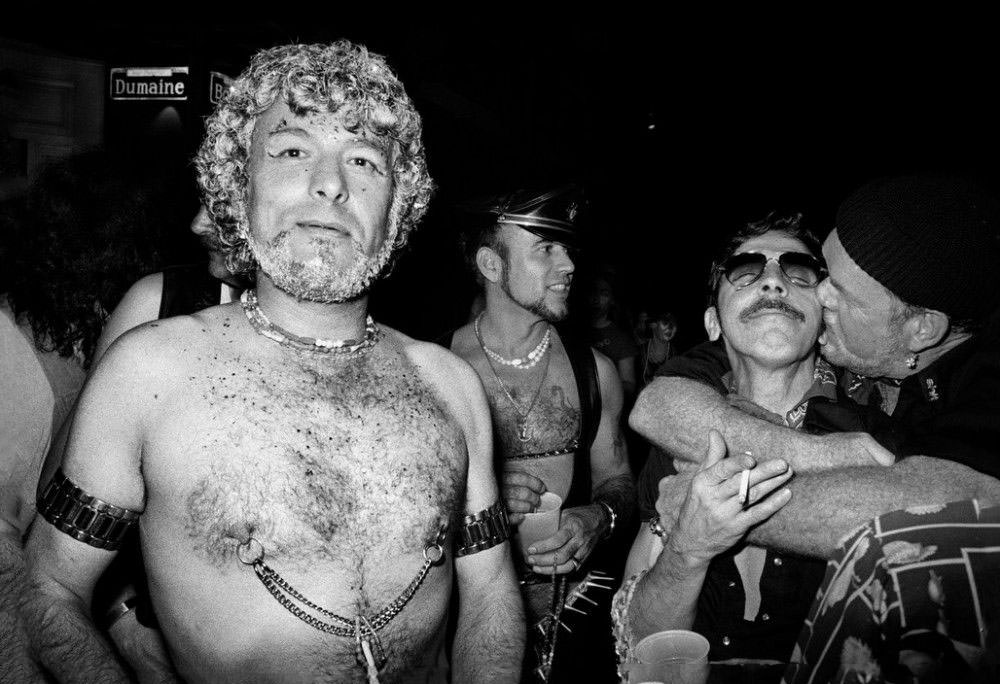
The energy Gilden captured at Mardi Gras matched the energy he brought to his New York work. Both subjects rewarded the same instincts: move fast, stay close, don’t wait for the perfect moment — make something out of the one that’s already happening.