Man Ray was a self-taught visual artist born in Philadelphia in 1890. After relocating to Paris in 1921, he quickly embedded himself in the city’s avant-garde scene, forming close ties with the Dada and Surrealist movements. Though he worked across painting, sculpture, and photography, he always identified first as a painter. Photography, in his own words, was a means to an end — a way to make a living while pursuing his art. That tension between commercial work and pure experimentation defined much of his output during the 1920s and 1930s.
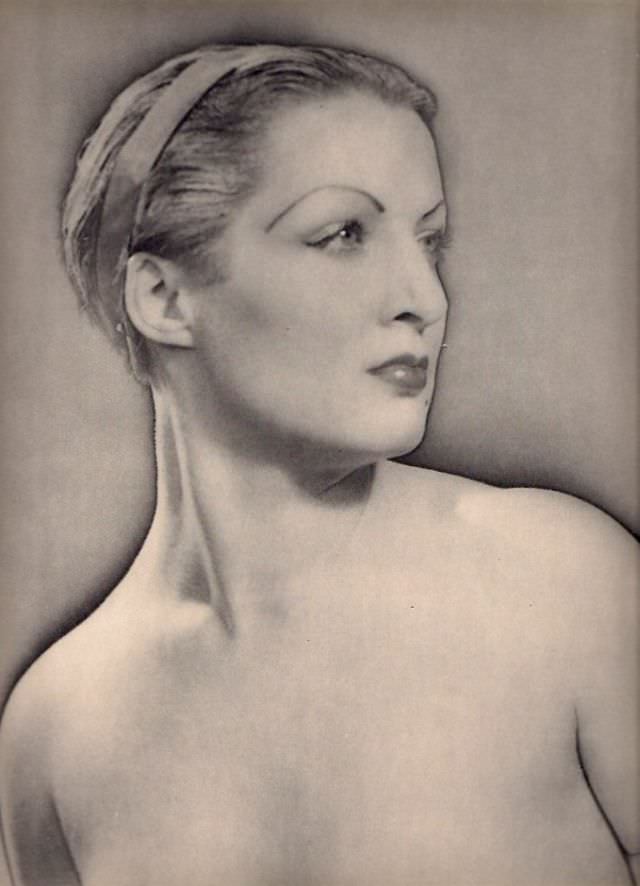
In Paris, Man Ray became the go-to photographer for the city’s cultural elite. He shot portraits of writers, artists, and socialites, capturing the faces of a generation that was reshaping modern art. His work appeared regularly in Harper’s Bazaar, Vogue, and the French magazine Vu, bringing his images to wide international audiences. One of his earliest and most frequent subjects was Alice Prin, known as Kiki de Montparnasse — a model, singer, and central figure in Parisian bohemian life.
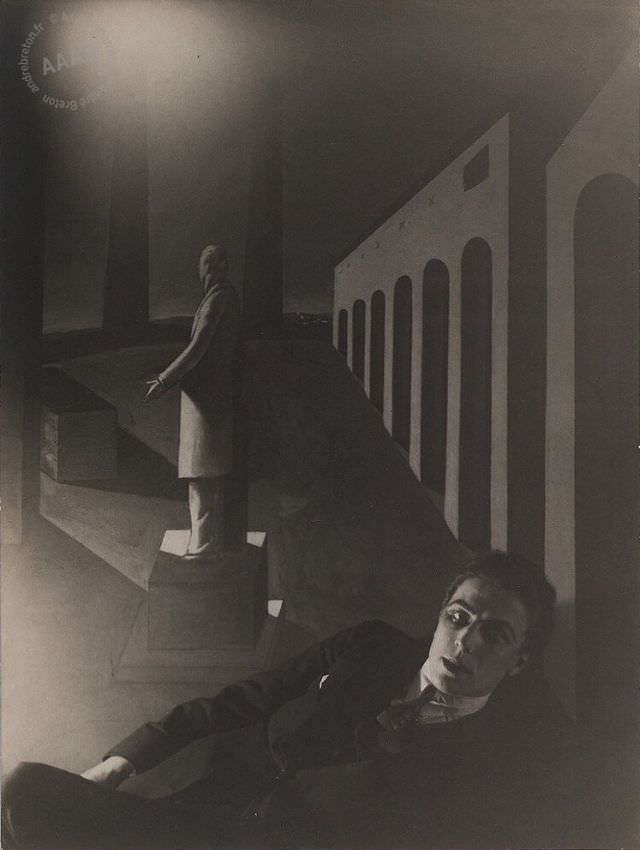
Man Ray also photographed leading intellectual figures of the Surrealist movement. André Breton, the poet and theorist who wrote the Surrealist Manifesto in 1924, was among his early portrait subjects. These photographs weren’t just documentation — they were deliberate images that shaped how these figures were seen by the public.
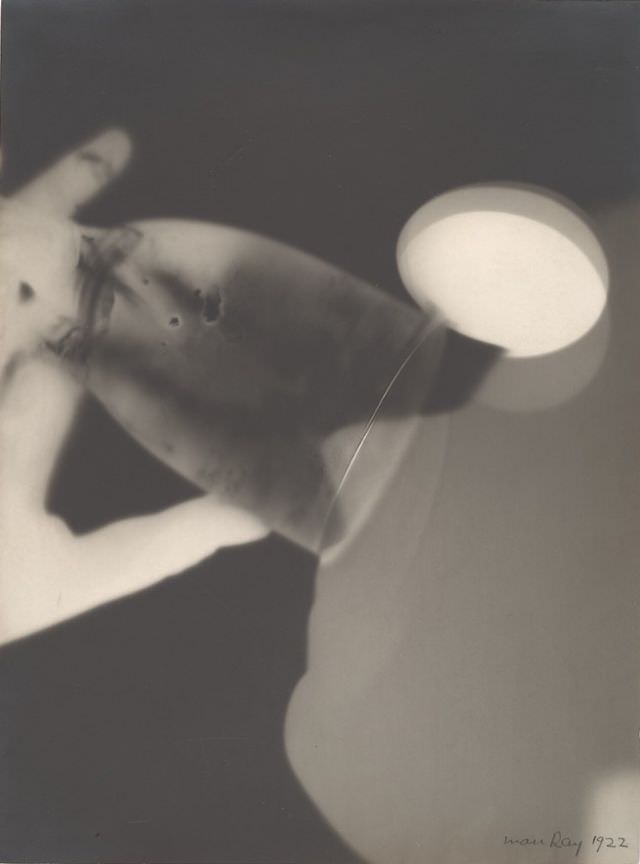
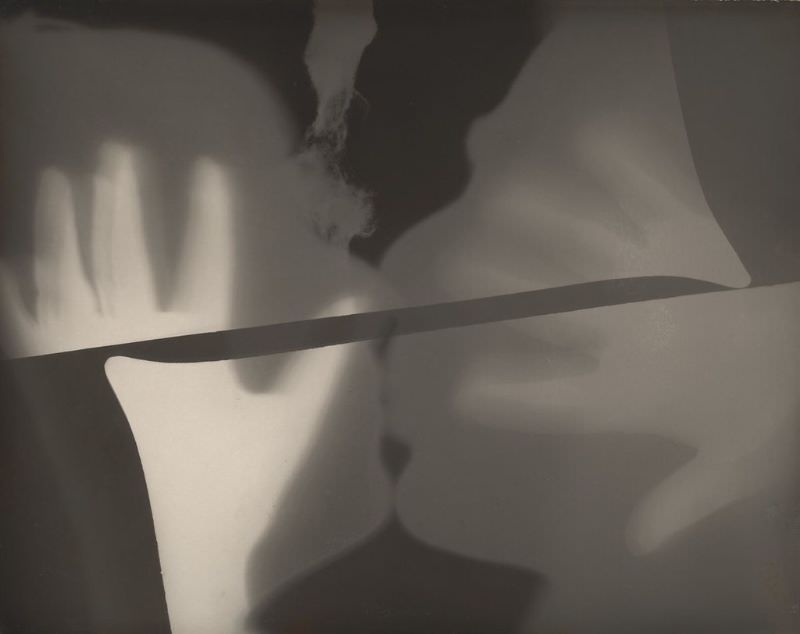
Around the same time, Man Ray developed one of his most original contributions to photography: the rayograph. He created these images by placing objects directly onto light-sensitive photographic paper and then exposing the paper to light. No camera was involved. The result was a ghostly, abstract image — white silhouettes and shadows on a dark background. He named the technique after himself, and the rayograph became a signature part of his practice throughout the decade.
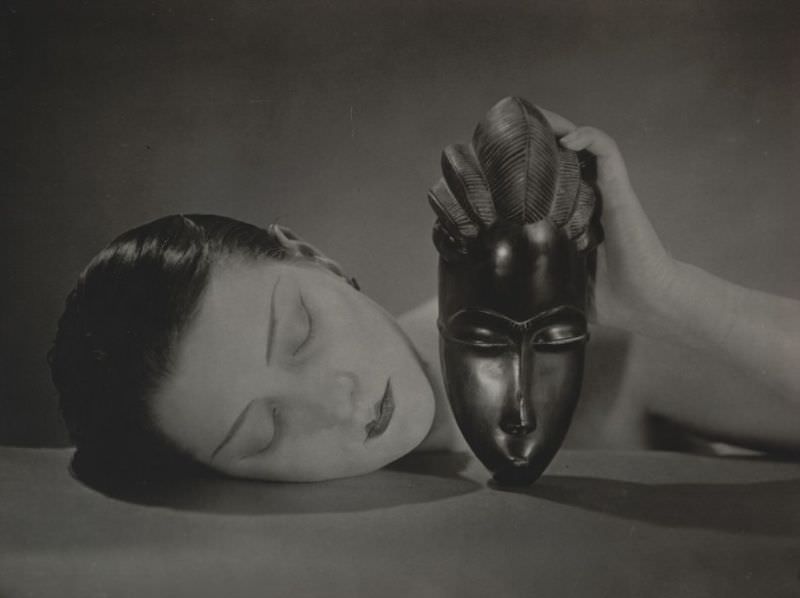
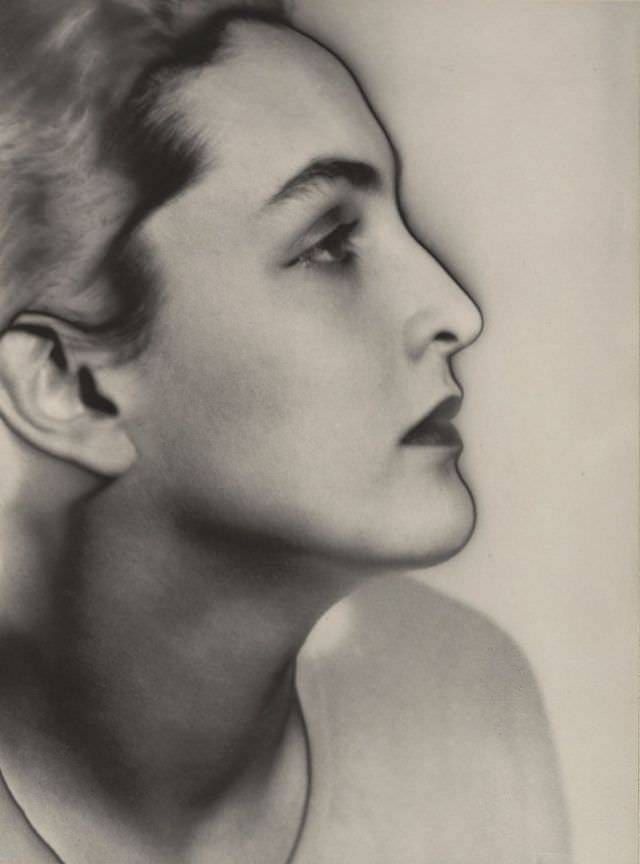
By the mid-1920s, Man Ray’s portrait work had grown more stylistically refined. He photographed Simone Kahn — the wife of André Breton — in 1926, producing an image that balanced formal portraiture with the psychological intensity typical of Surrealist sensibilities.
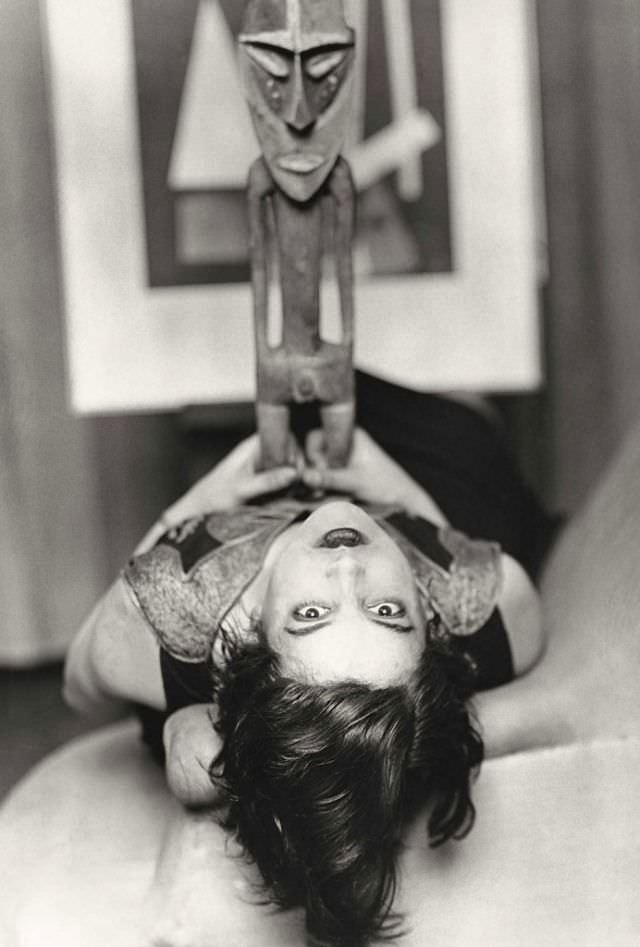
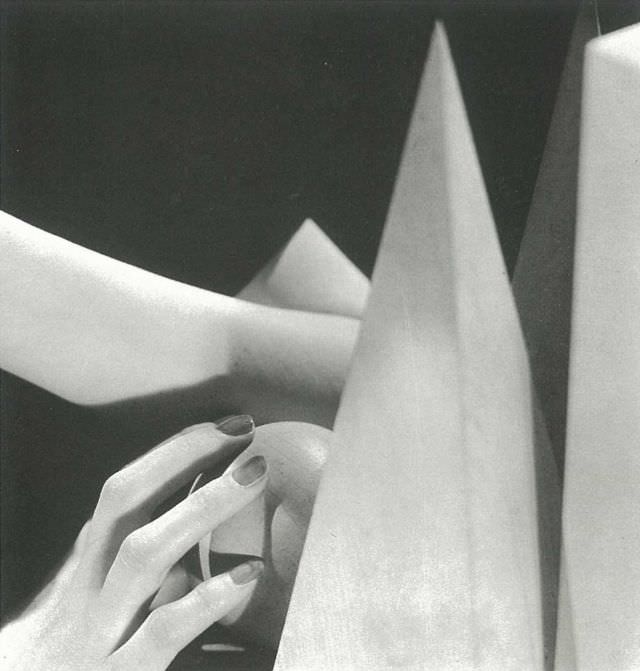
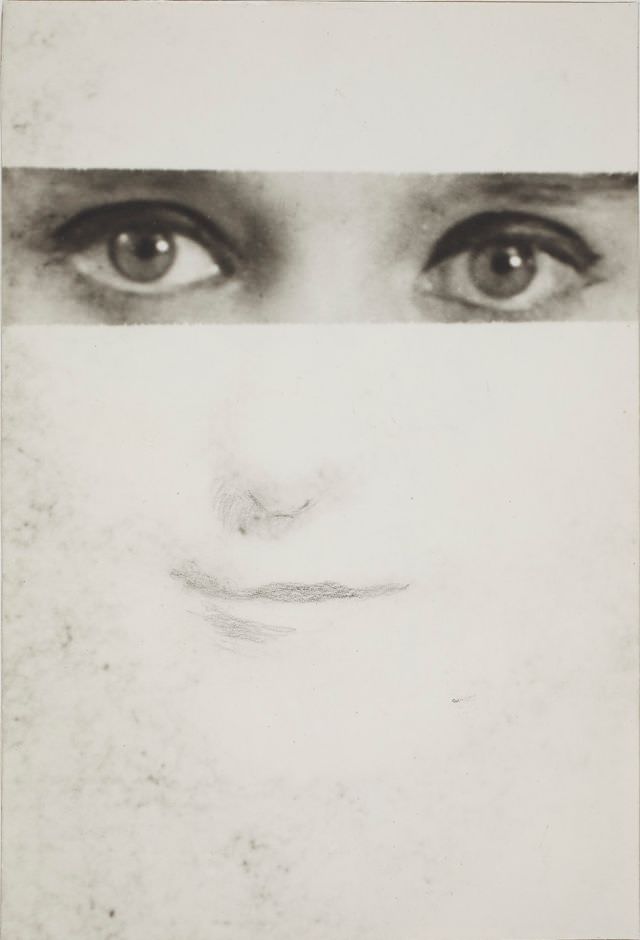
As the 1920s closed, Man Ray’s experimental instincts pushed him further into manipulating the photographic image itself. Works like Primacy of Matter over Thought from 1929 combined photography with drawing and collage, blurring the line between mediums. The title alone signals a Surrealist preoccupation — the idea that physical reality holds more weight than abstract thought. That same year, he photographed model Tanja Ramm, whose image he would return to in subsequent years using different techniques.
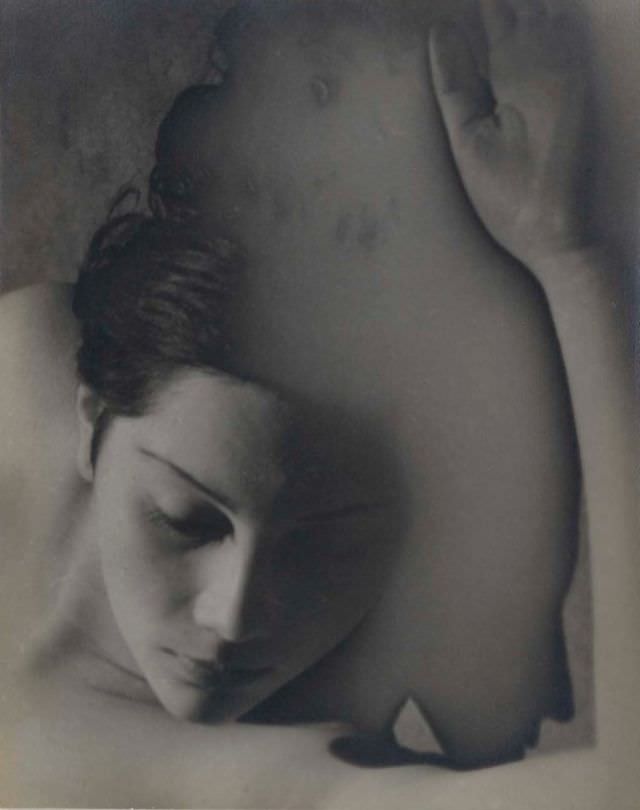
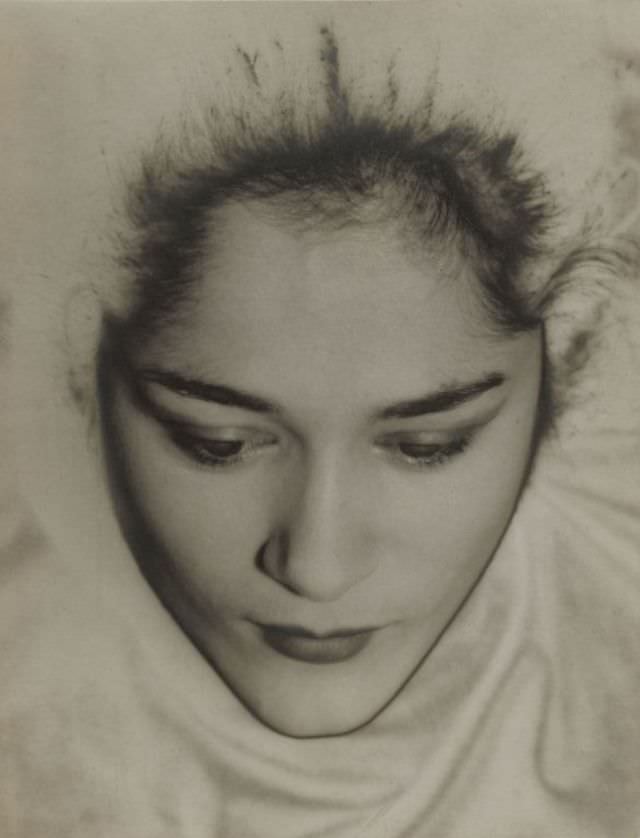
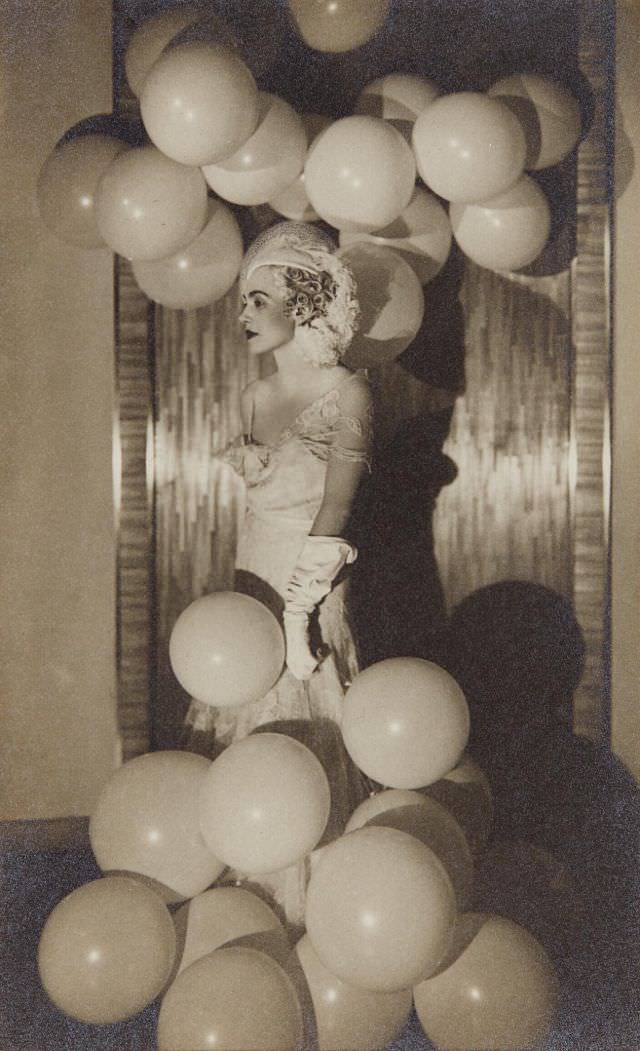
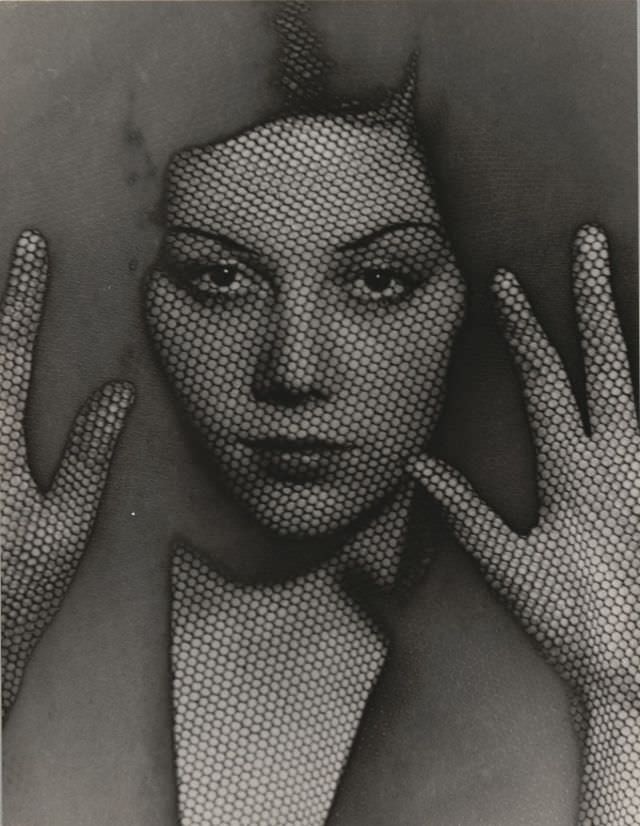
The year 1930 was especially productive. Man Ray photographed socialites at exclusive Parisian events, including the Countess Celani at the Bal Blanc. He also created a series of more experimental and fashion-oriented images, some of which played with framing, abstraction, and the human body in ways that challenged conventional photography.
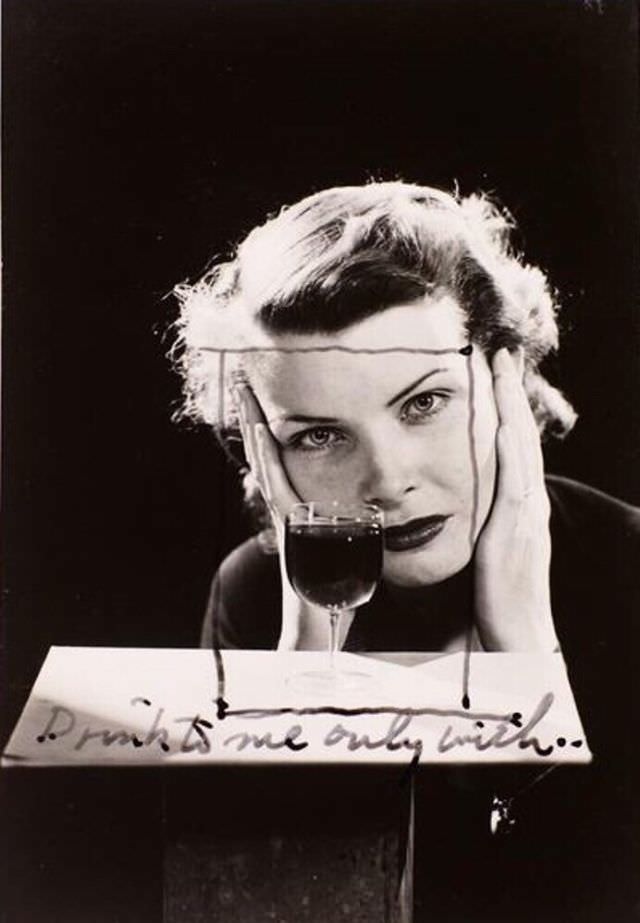
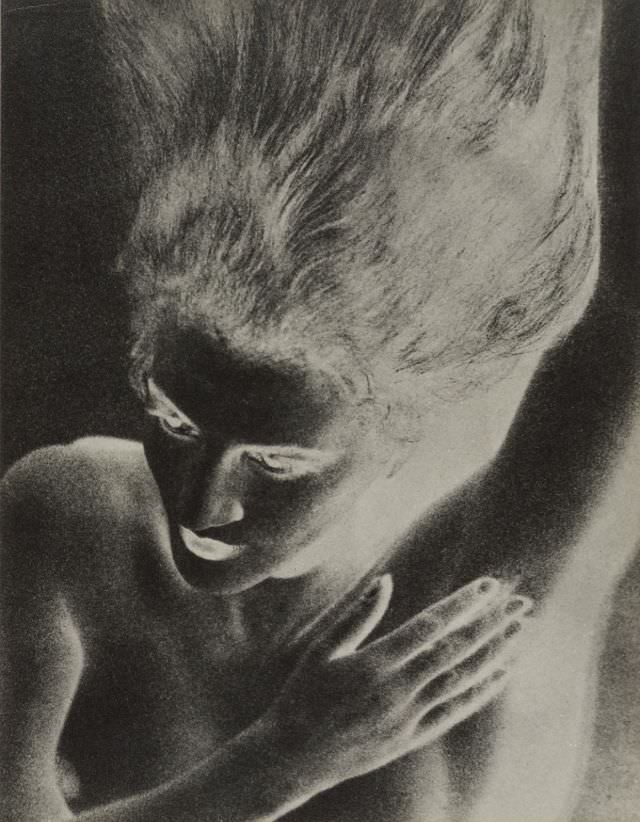
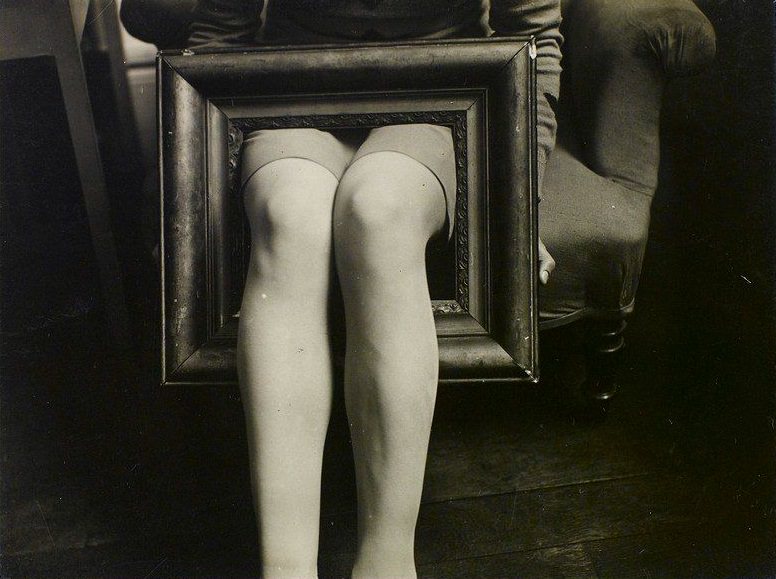
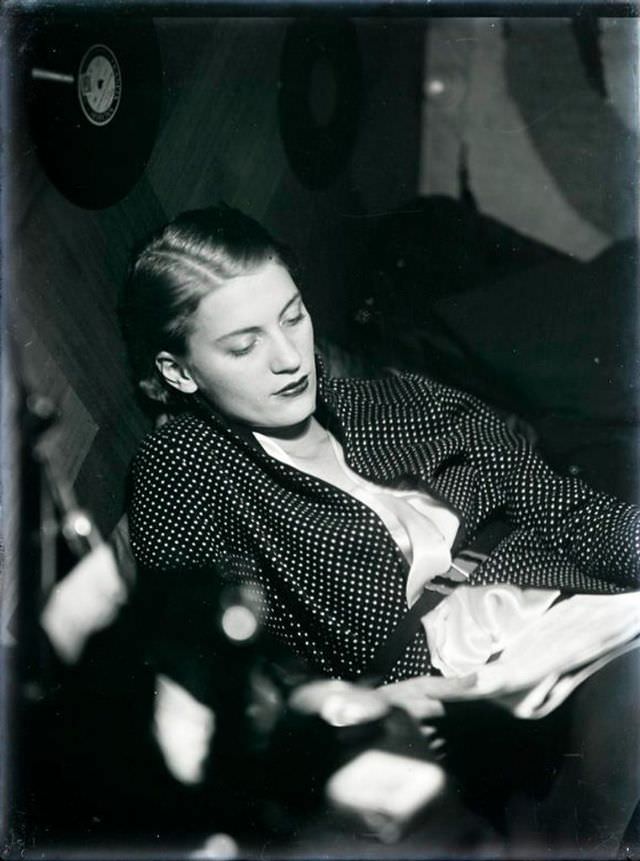
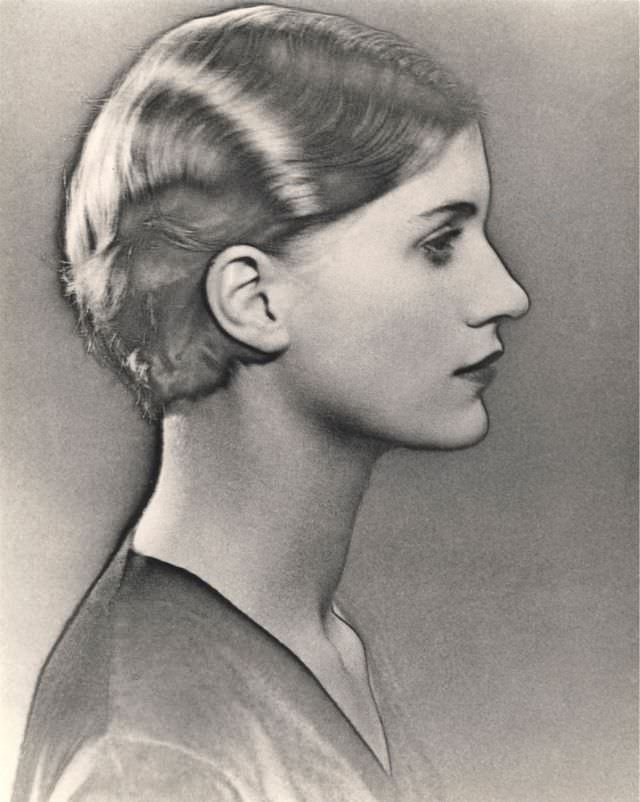
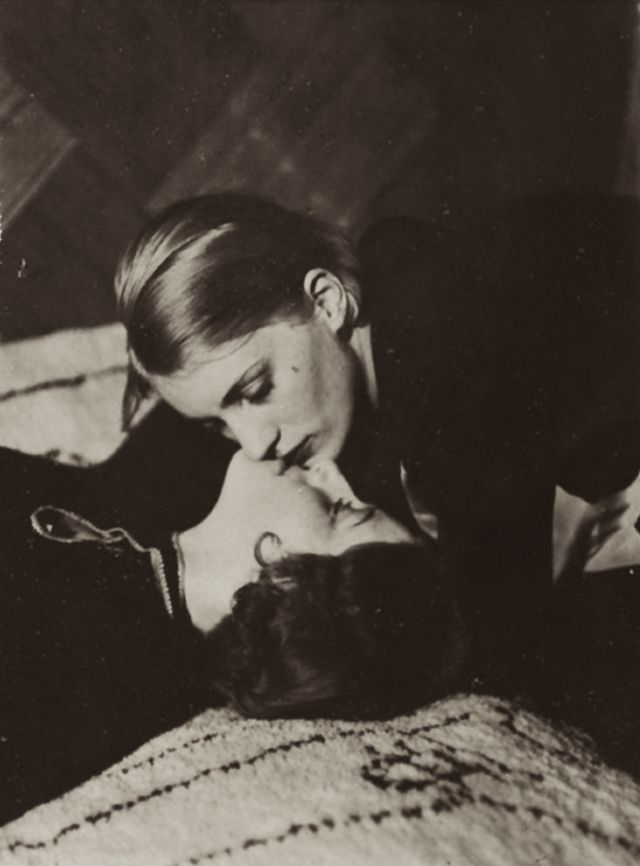
Among the most significant relationships of Man Ray’s life — both personally and artistically — was the one he shared with American model and photographer Lee Miller. She became his partner and muse in 1929, and it was during their time together that the two jointly discovered the solarization technique. Solarization, also called the Sabattier effect, partially reverses the tones in a photograph by briefly re-exposing the paper to light during development. The result is an image with an eerie, outlined quality — part positive, part negative. Man Ray produced multiple images of Miller using this method.
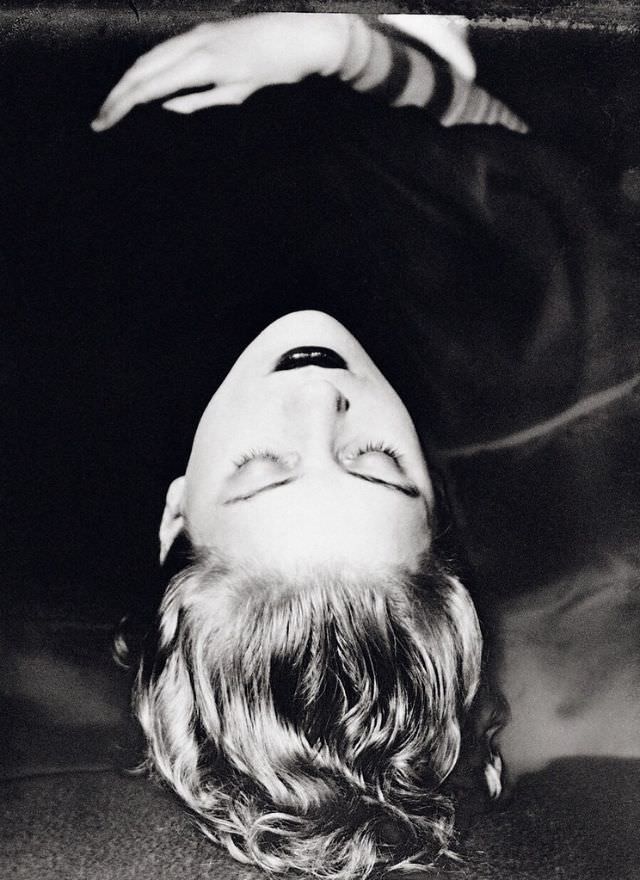
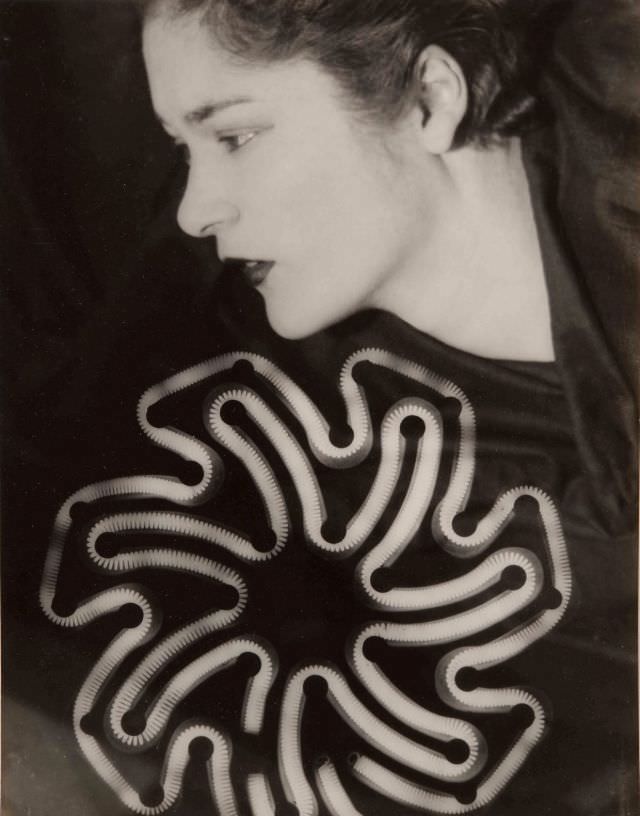
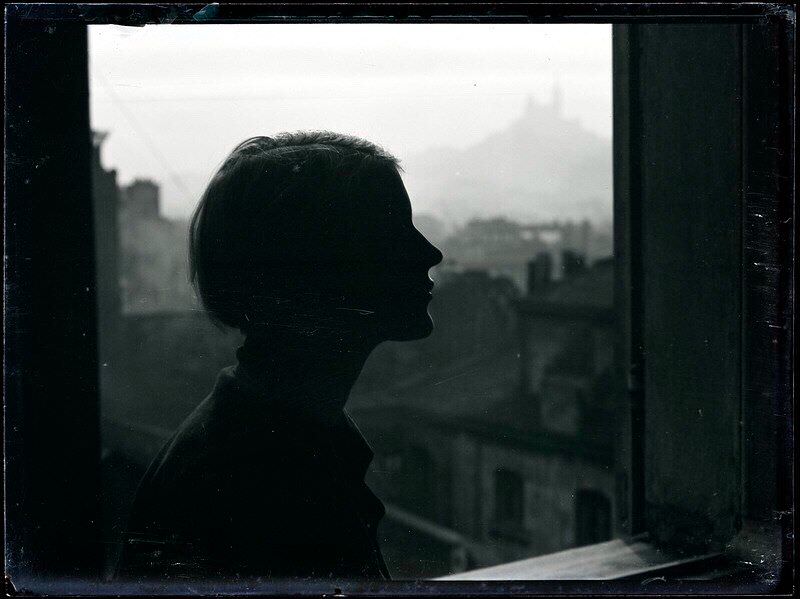
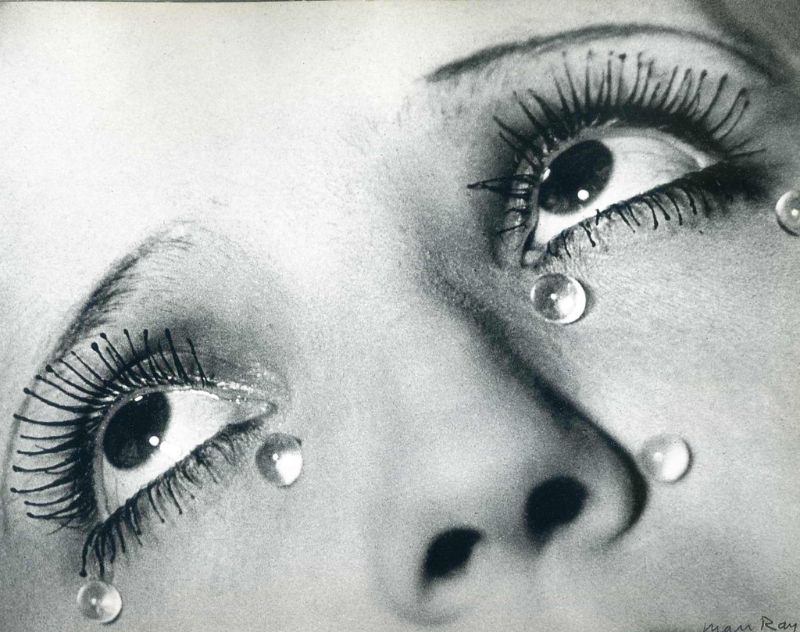
In 1932, Man Ray produced Glass Tears — one of his most recognizable photographs. The image shows a woman’s face with large, perfectly formed glass tears resting on her cheeks. The tears are artificial, made from glass beads. The image raises an immediate question: is the grief real or staged? That ambiguity between appearance and reality sits at the heart of Surrealist art. That same year, he photographed Swiss artist Méret Oppenheim, who was then just beginning her own career in Paris.
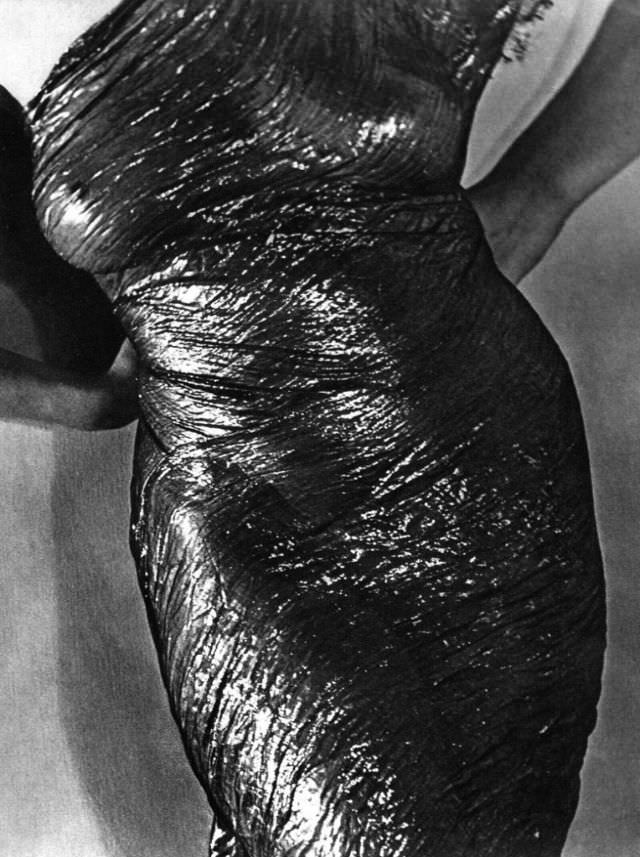
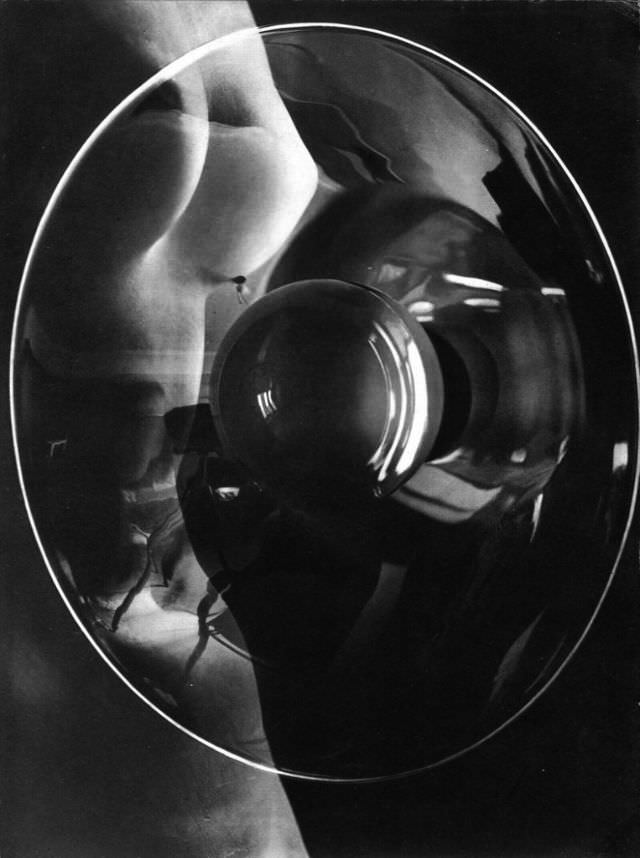
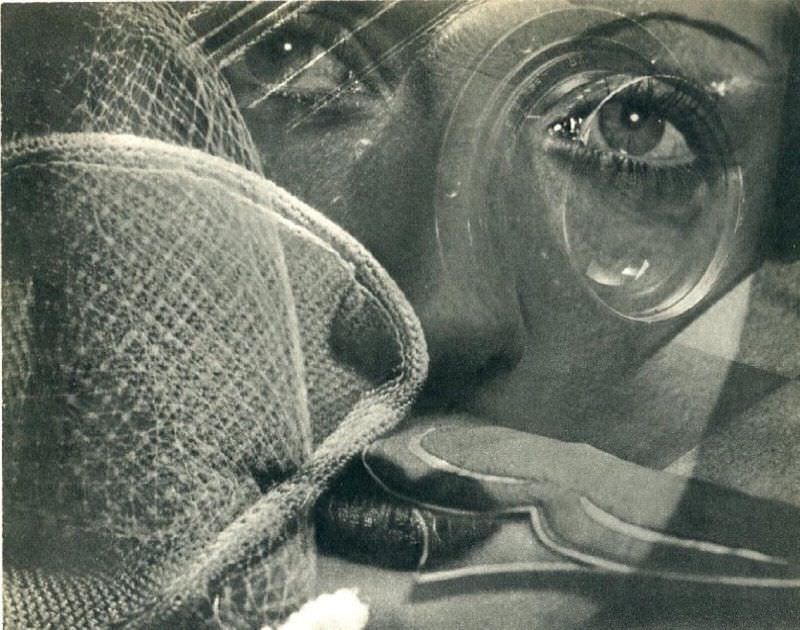
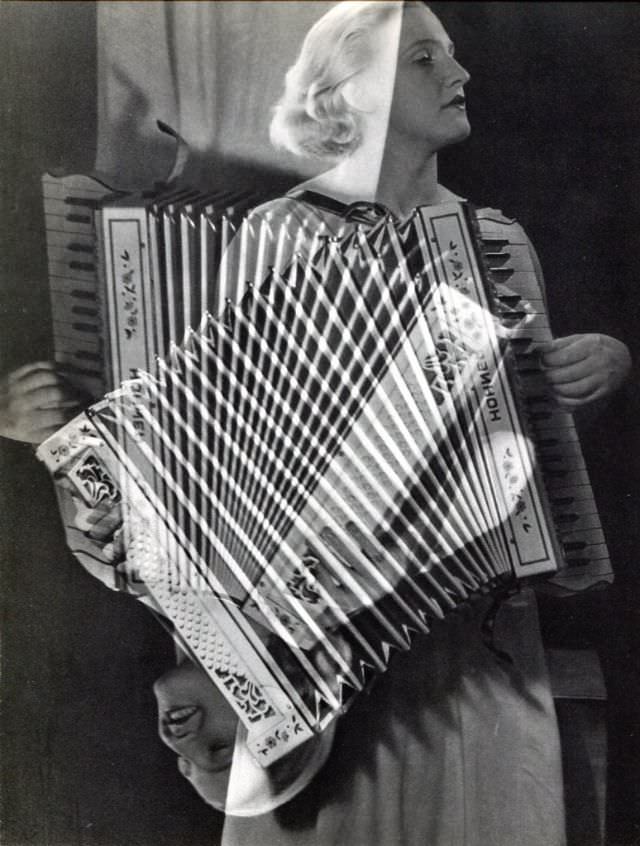
By 1934, Man Ray’s work had grown even more formally daring. He produced images that used distortion, double exposure, and dramatic lighting to push the human figure into something unfamiliar. These were not flattering portraits — they were investigations. Anatomy, Distorted Nude, and Double Exposure from that year each approach the body as raw material for visual experimentation.
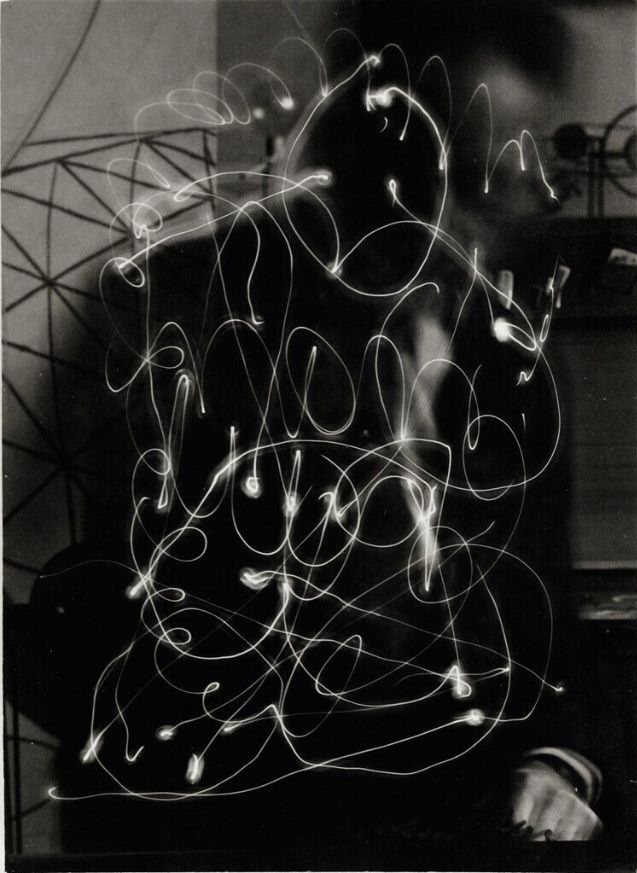
In 1935, Man Ray turned the camera on himself in a striking experiment called Space Writing. He held a small light source in his hand and moved it through the dark while the camera’s shutter remained open. The result was a self-portrait made entirely of light trails — his face barely visible behind the glowing marks. The Eyes photograph from the same year shows a pair of detached, floating eyes, a recurring Surrealist motif that dissolved the body into its individual parts.
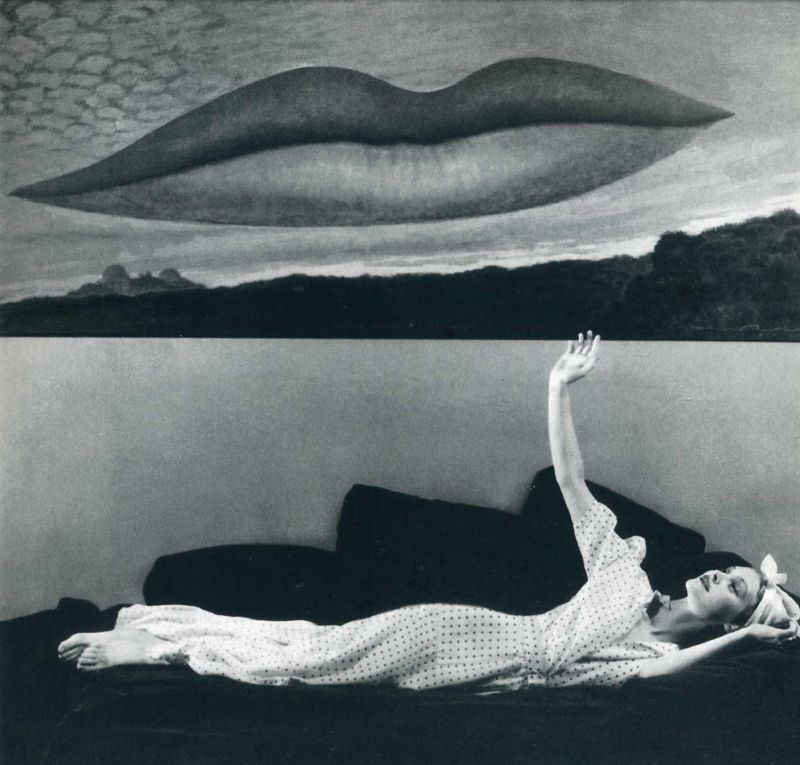
Observatory Time – The Lovers is one of Man Ray’s most ambitious works. The painting, completed in 1936, features an enormous pair of lips floating above the Paris Observatory at dusk. The lips belonged to Lee Miller, based on photographs Man Ray took of her. He also produced photographic versions of the image that same year, merging his two primary mediums into a single haunting vision.
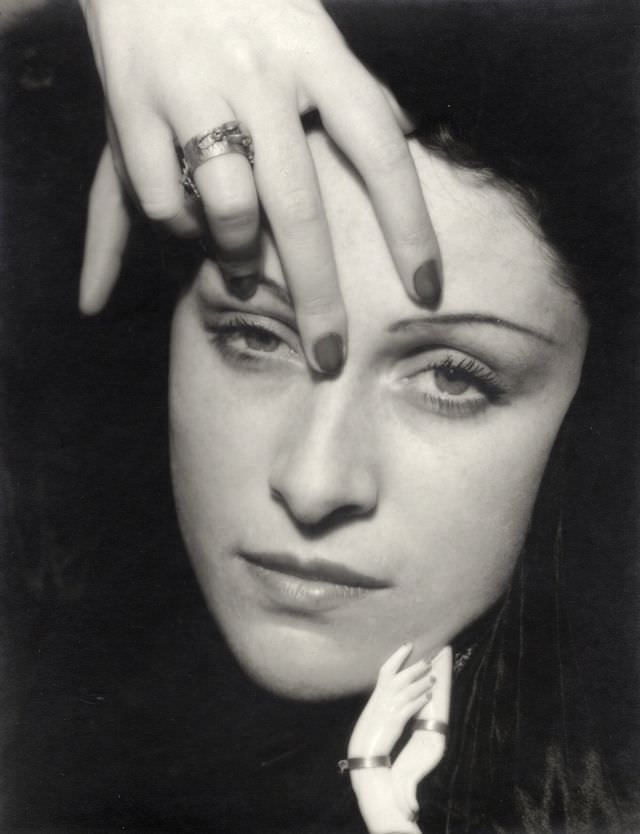
Man Ray continued photographing Méret Oppenheim into the late 1930s. His 1937 solarized portrait of her applies the same technique he had used extensively on Lee Miller earlier in the decade, producing an image that hovers between representation and abstraction. By this point, solarization had become one of his most deliberately applied tools — a way to make the familiar look otherworldly.