Mallorca is the largest of Spain’s Balearic Islands, sitting in the western Mediterranean Sea. By the 1970s, it had already spent two decades building a reputation as one of Europe’s go-to holiday spots. What started as a trickle of visitors in the 1950s had, by this point, turned into nearly 3 million tourists arriving each year. The island was booming — and the photographs from this era capture exactly what that looked like on the ground.
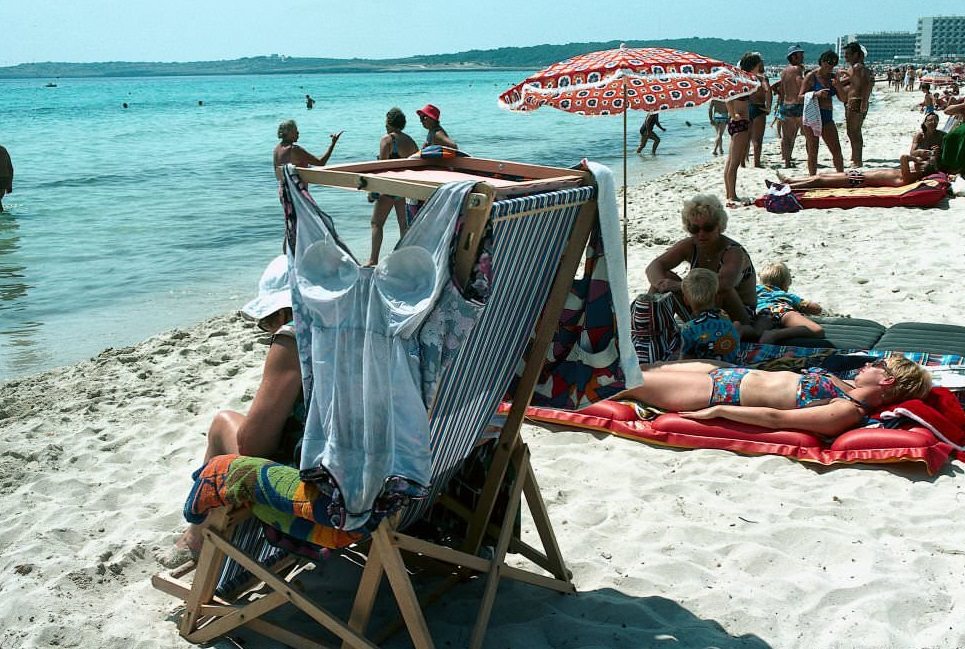
Mallorca’s appeal in the 1970s was straightforward: guaranteed sunshine, affordable prices, and easy access from across Europe. Flights and package holidays made it reachable for working-class families who had never been abroad before. The resorts filled up fast. Beaches were lined with sunbathers from Britain, Germany, Scandinavia, and beyond. The island delivered exactly what its visitors came for.
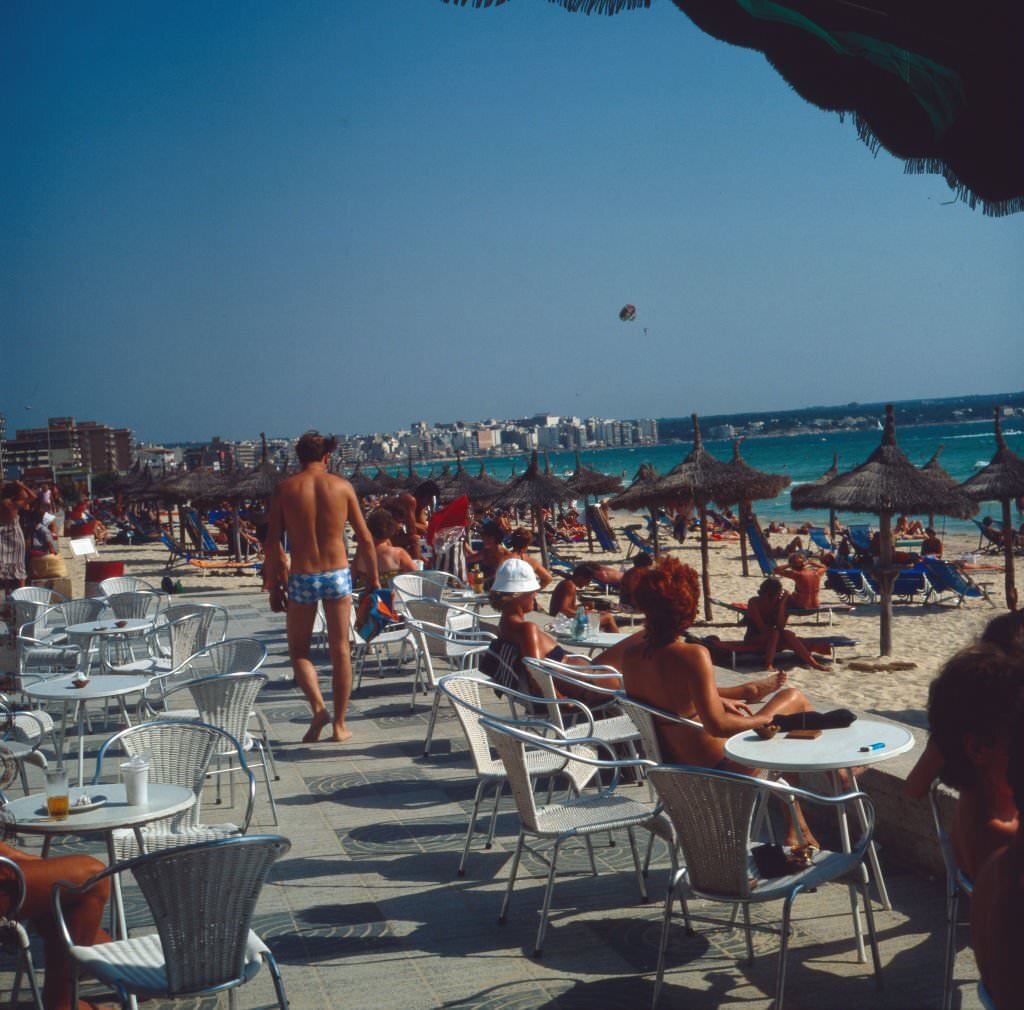
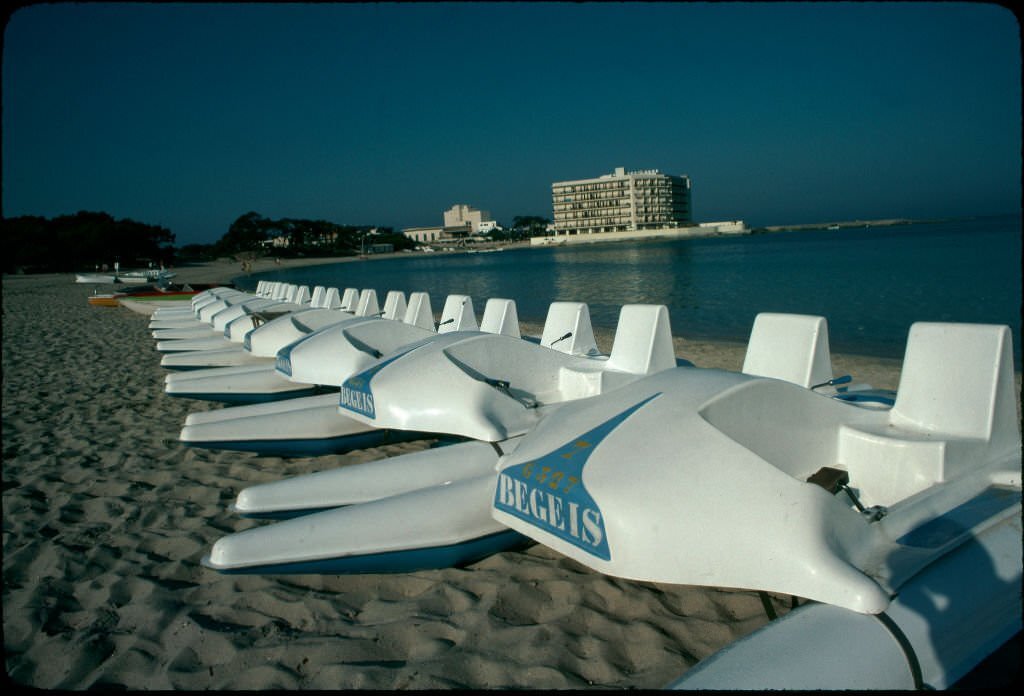
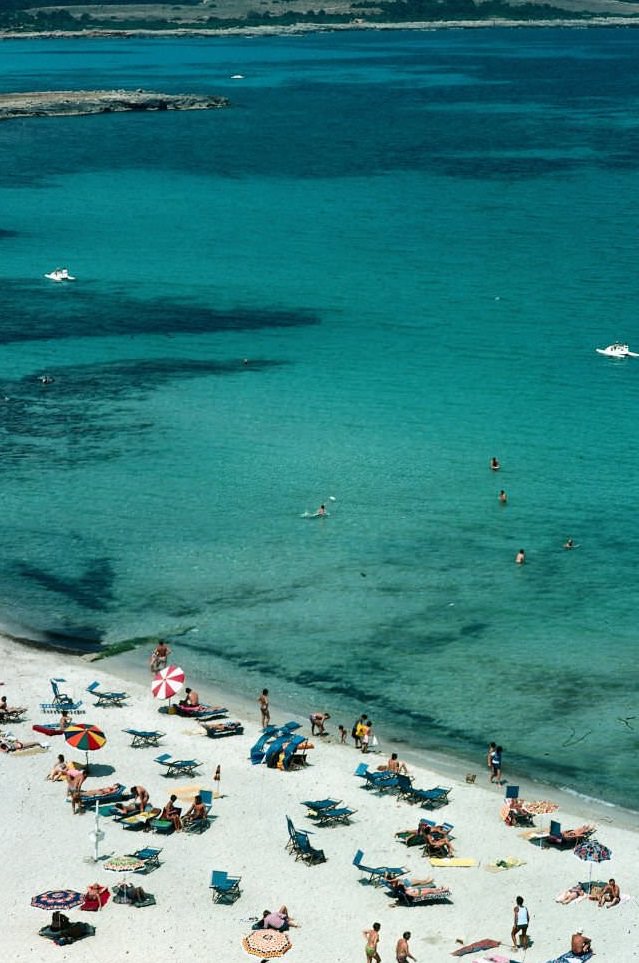
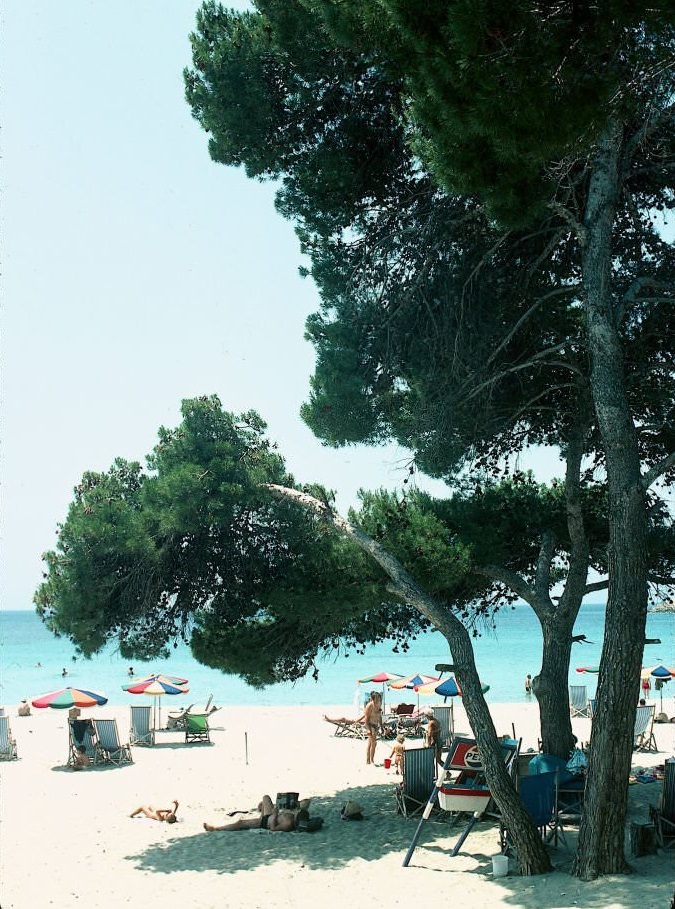
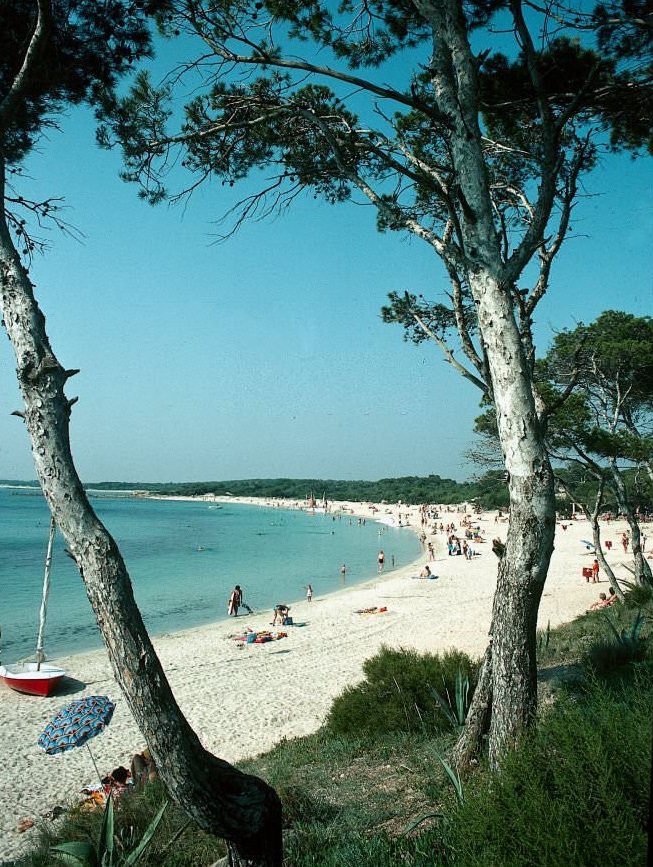
The beaches were the main draw. Pedal boats, known as pedalos, dotted the shoreline, and families spent long days in the warm, clear water. The sand was crowded but the mood was relaxed. These weren’t luxury holidays — they were simple, sun-soaked breaks that people saved up for all year.
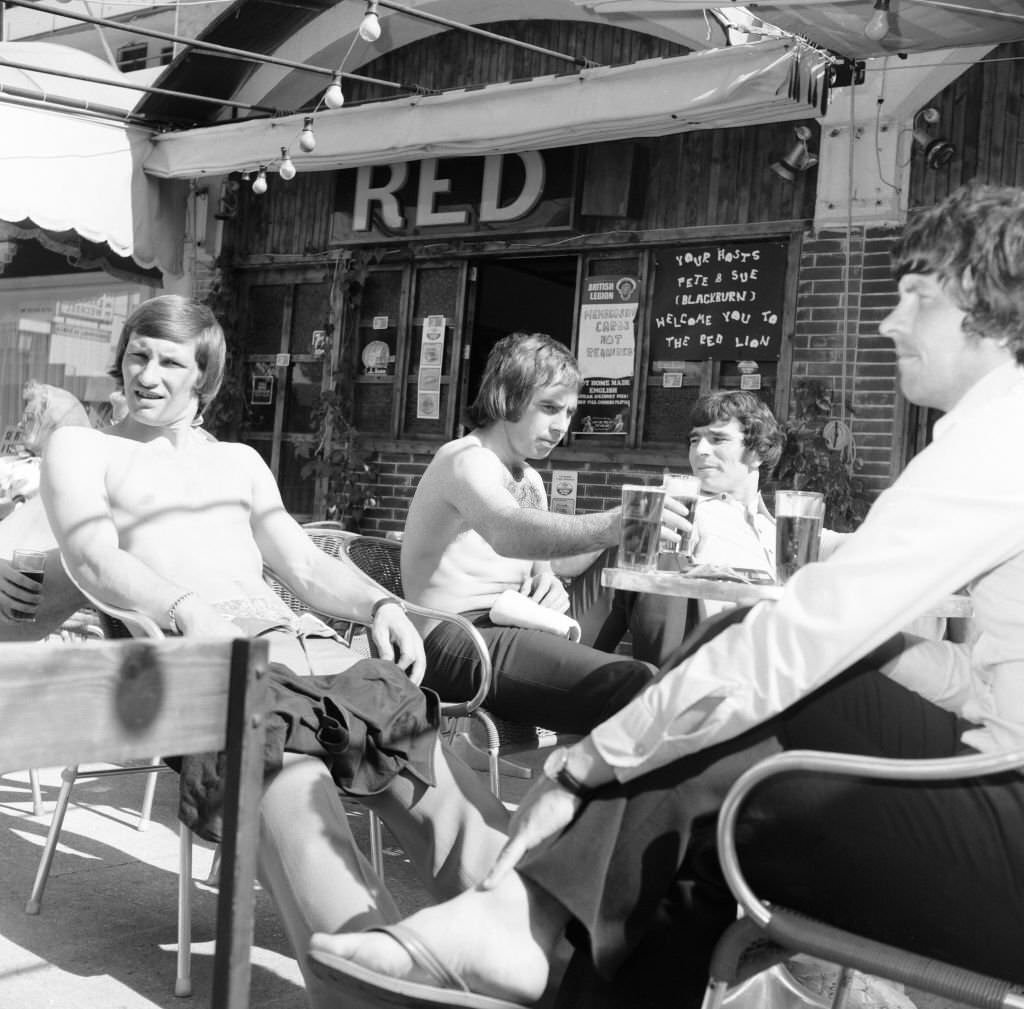
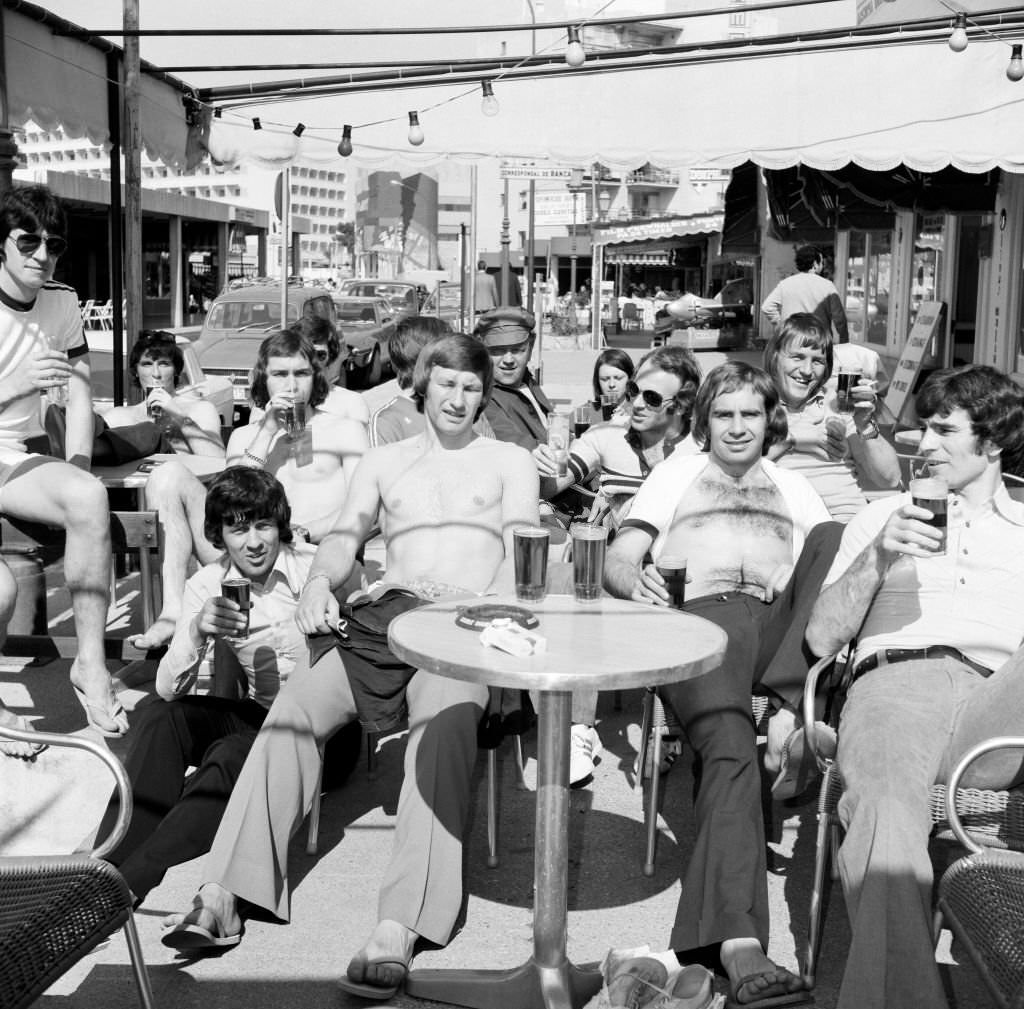
Mallorca attracted more than just families seeking a quiet beach. In April 1975, Derby County footballers celebrated winning the English First Division title on the island. The players made their way to Magaluf, a resort town that was fast becoming one of the most talked-about nightlife destinations in Europe.
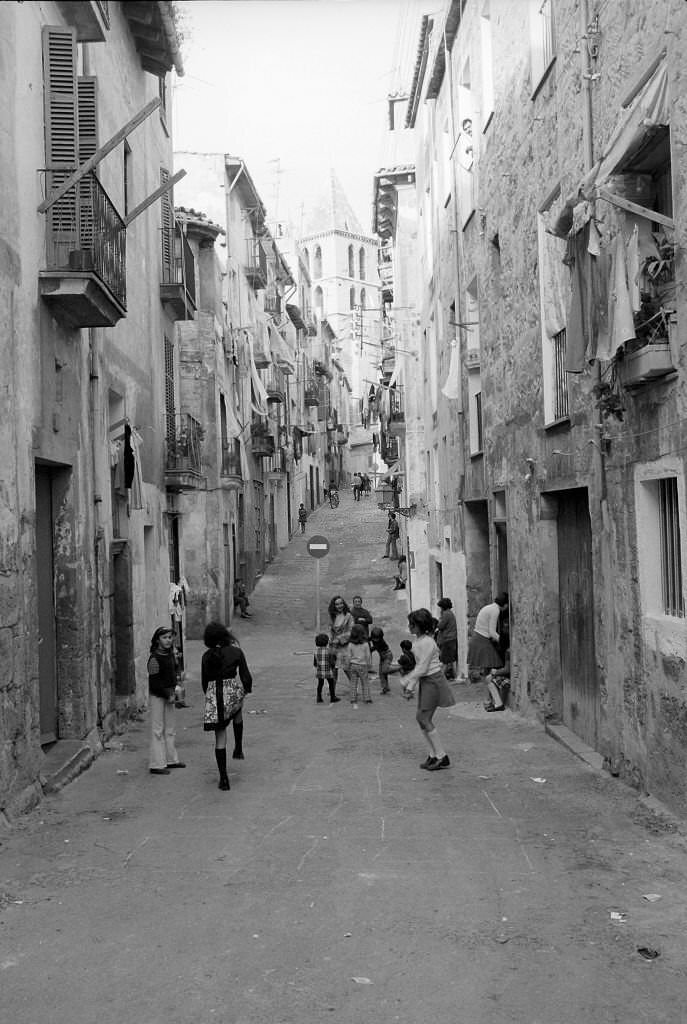
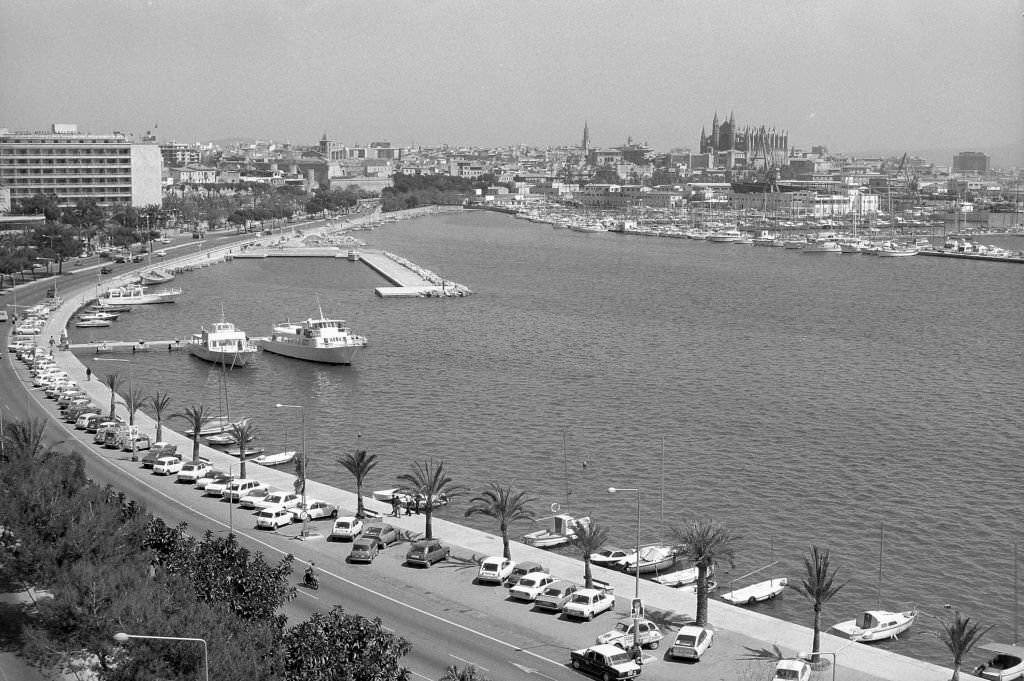
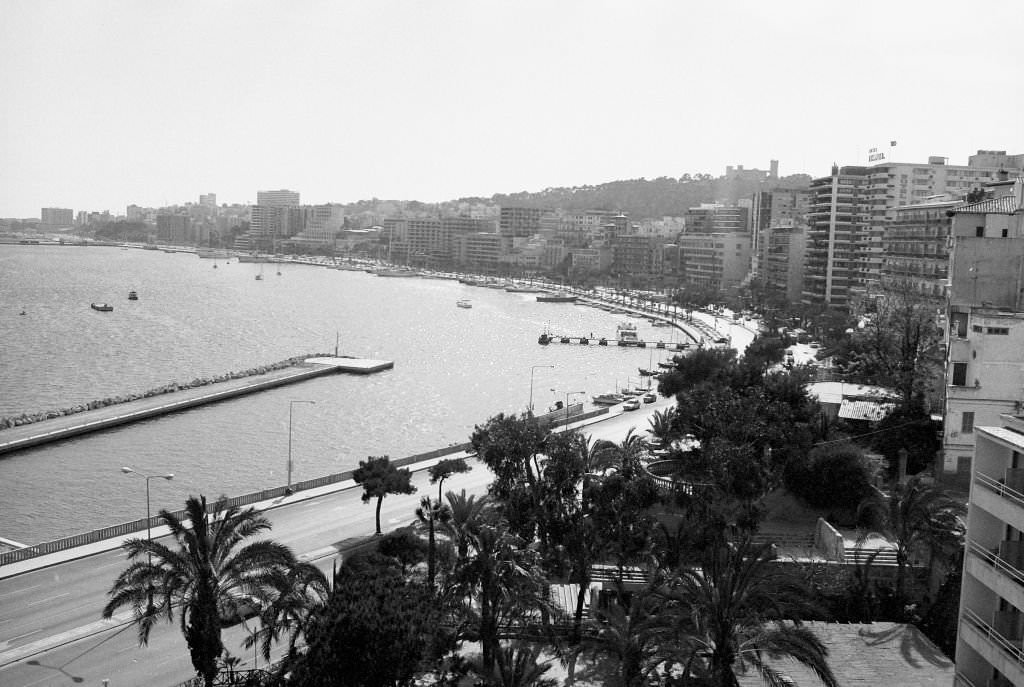
Palma, the island’s capital, offered a different side of Mallorca entirely. While the resort towns catered to mass tourism, Palma had wide boulevards, a working port, and centuries of history. In 1975, the city’s streets were filled with locals and tourists alike, moving through markets, cafés, and the shadow of the great Gothic cathedral that dominates the waterfront.
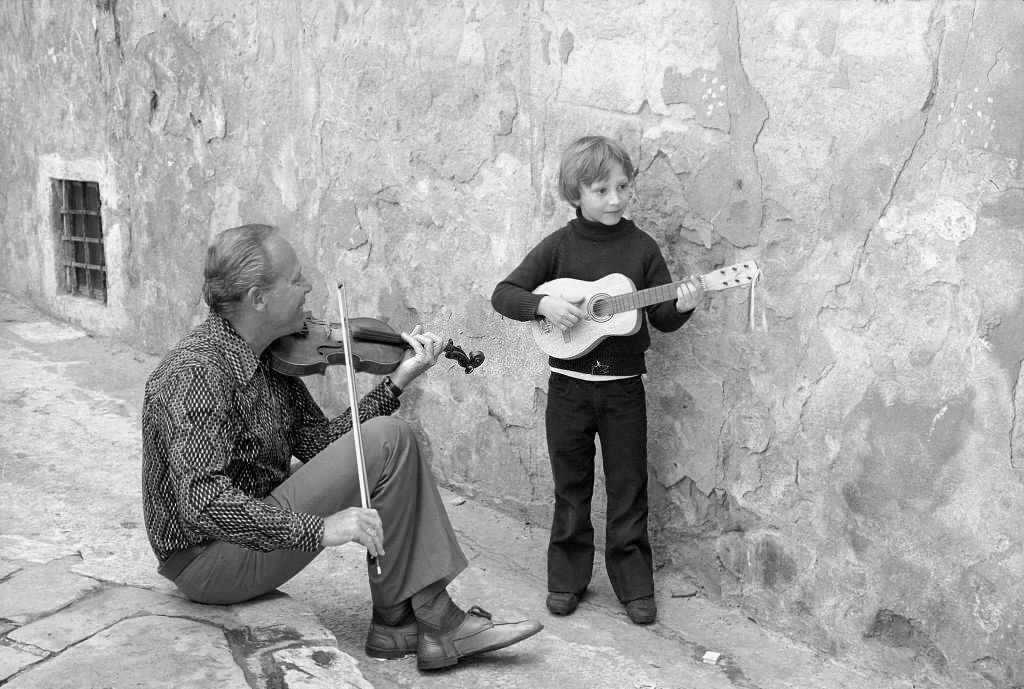
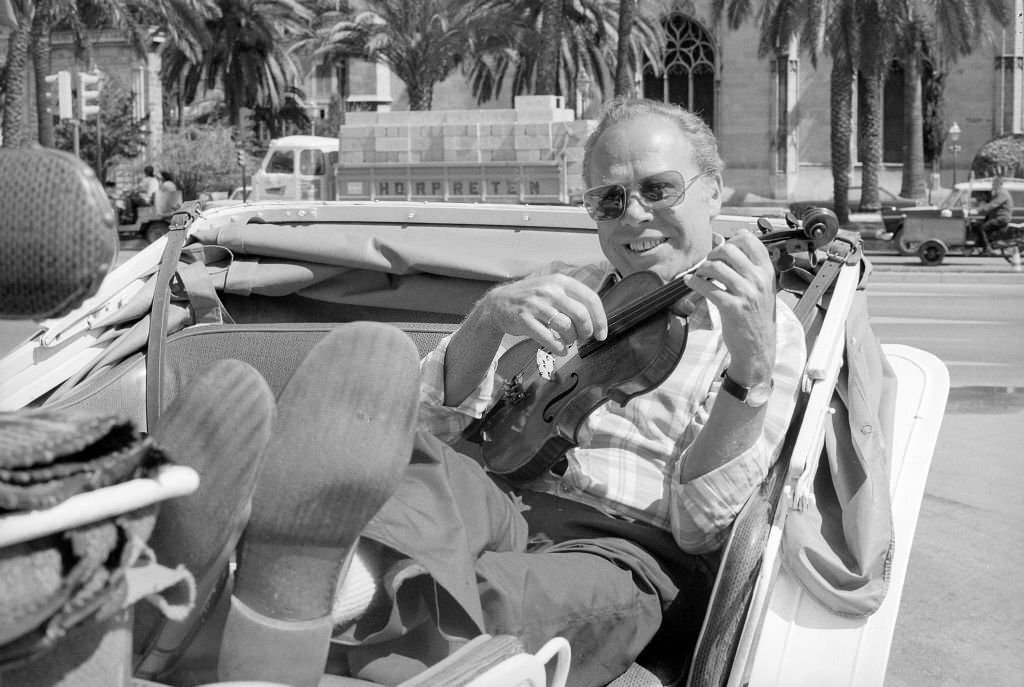
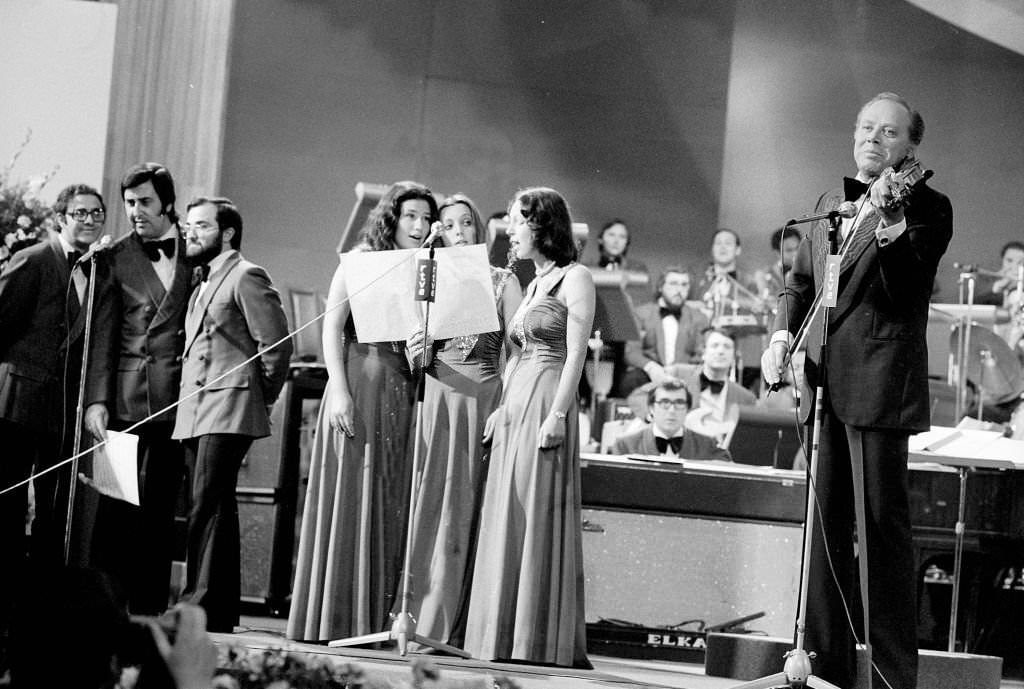
German violinist Helmut Zacharias was among the well-known figures who visited Palma de Mallorca in 1975. Celebrities and musicians were drawn to the island just as much as ordinary tourists — Mallorca’s appeal crossed social and economic lines.
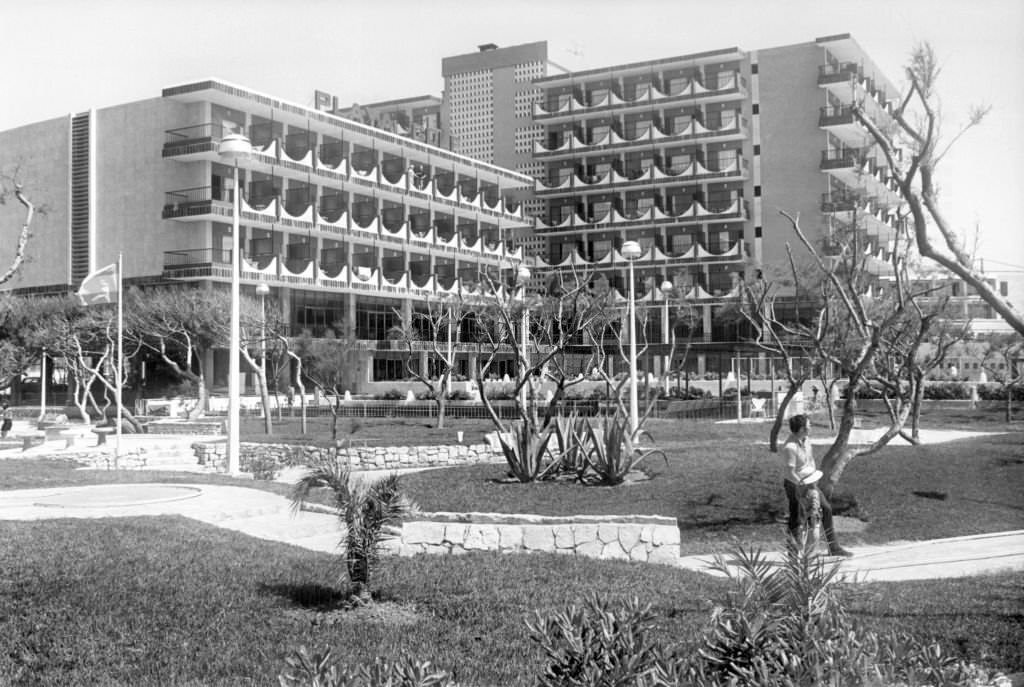
The early part of the decade saw hotel construction accelerate across the island. In Arenal, a coastal town to the east of Palma, hotels like the Playa Golf rose up to meet the growing demand. The hotel industry was one of the primary engines driving Mallorca’s economy throughout the 1970s.
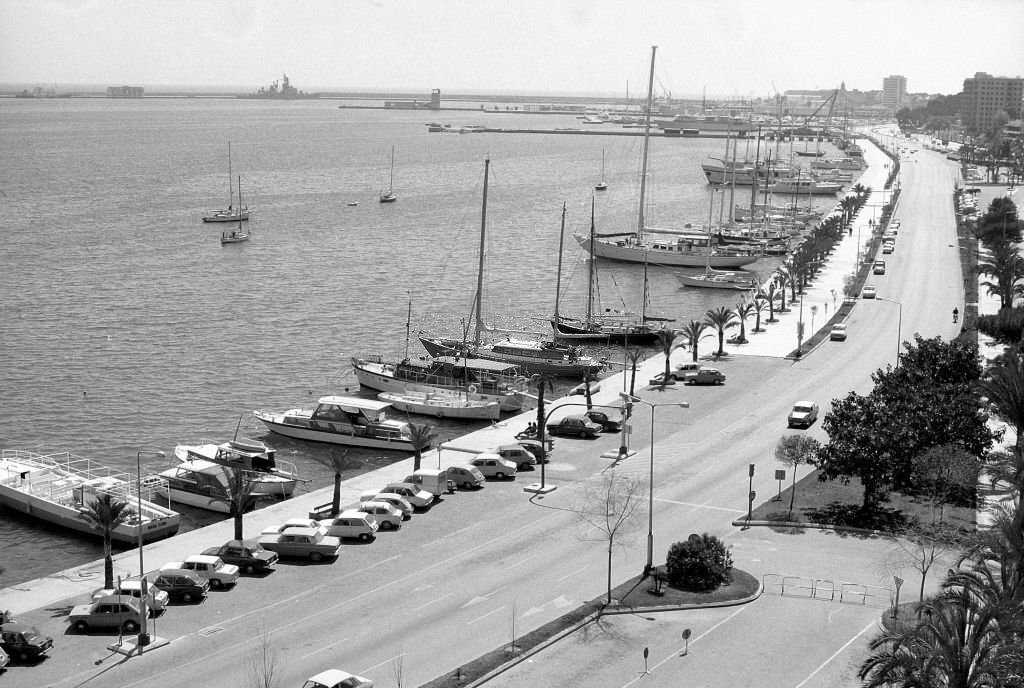
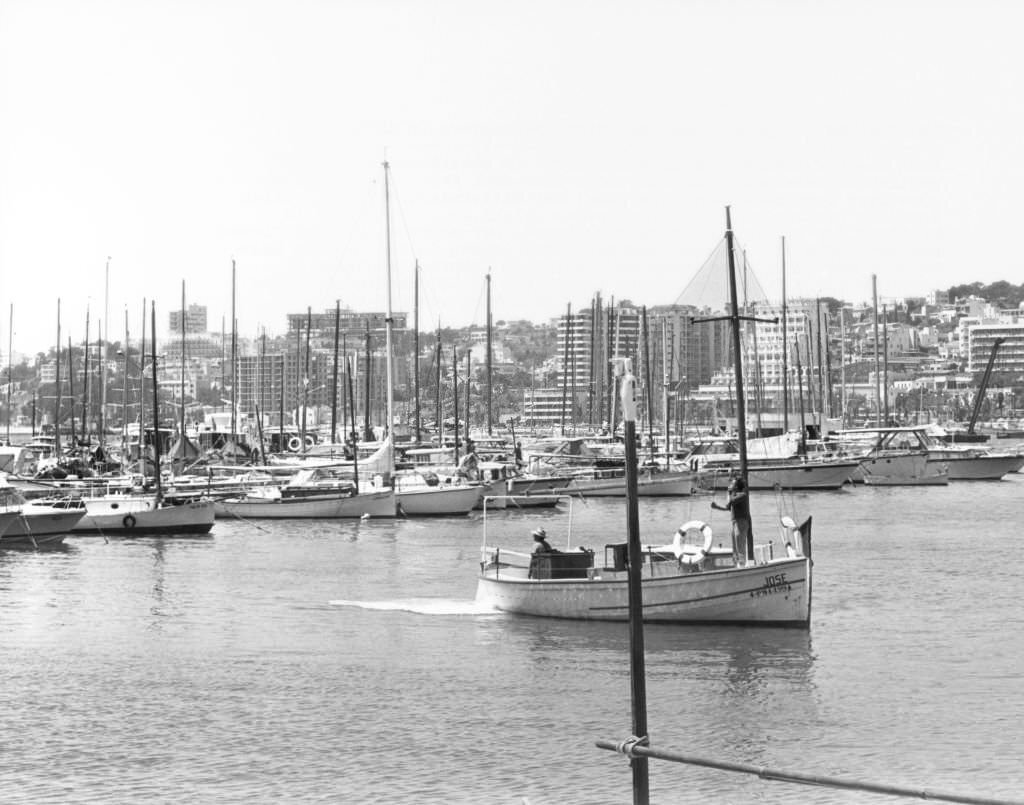
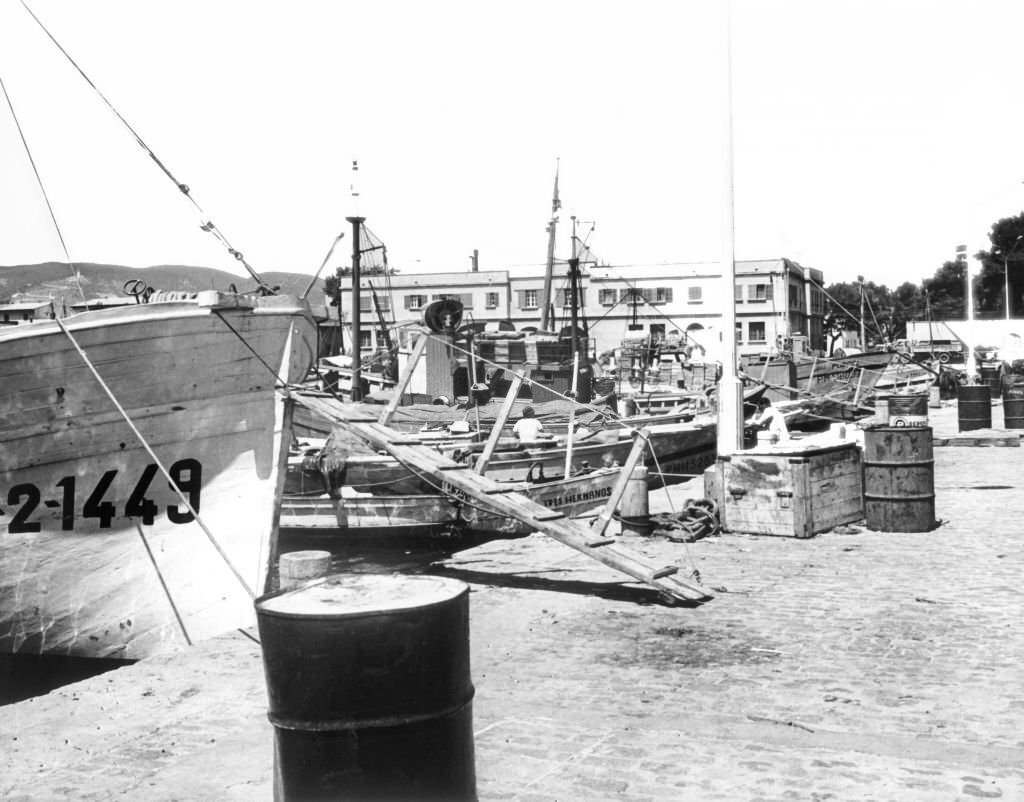
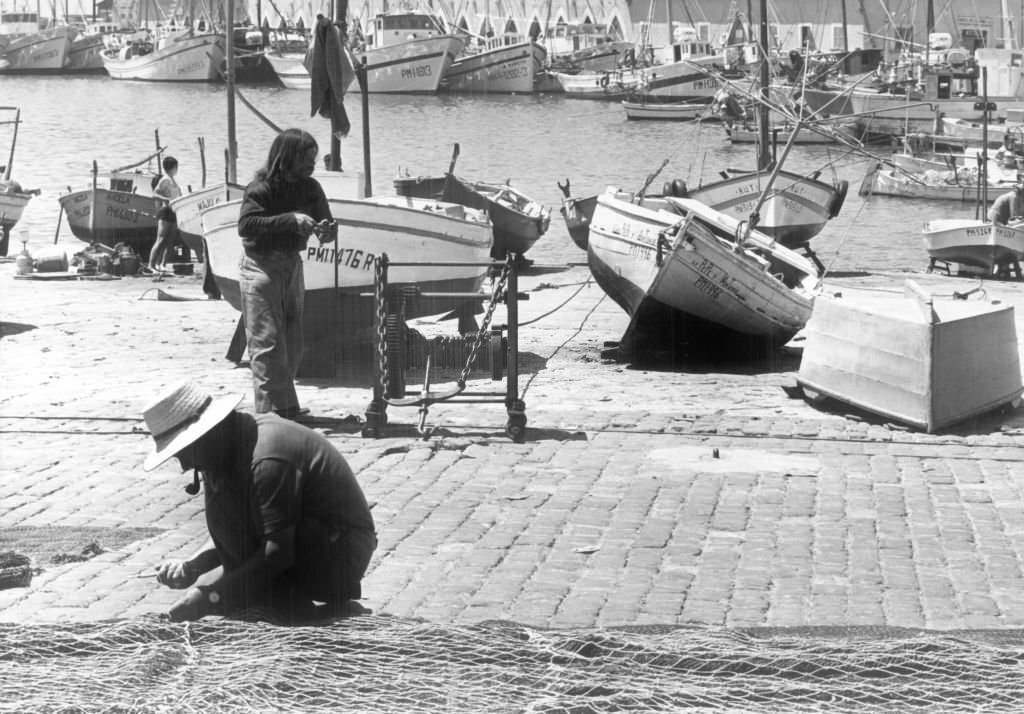
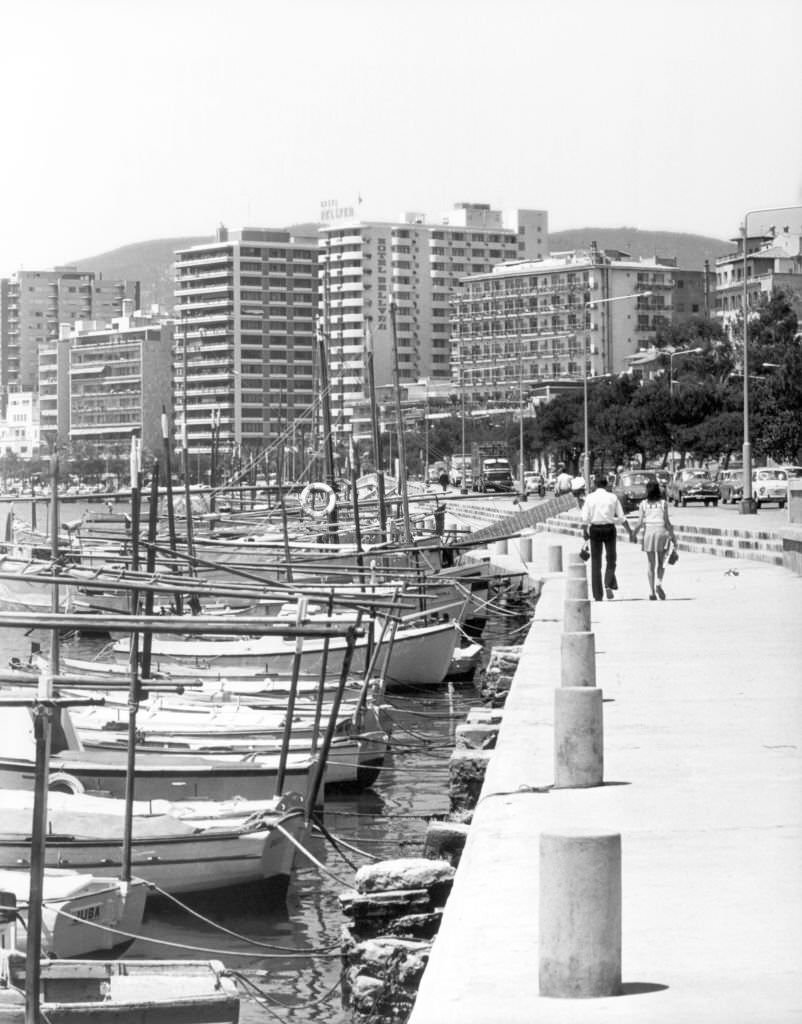
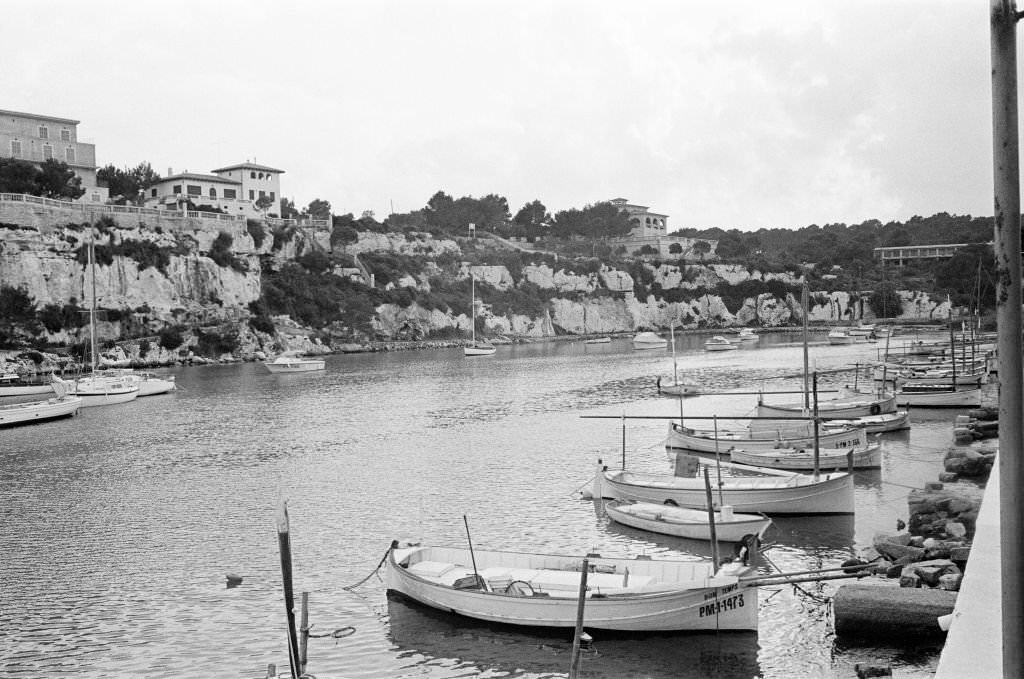
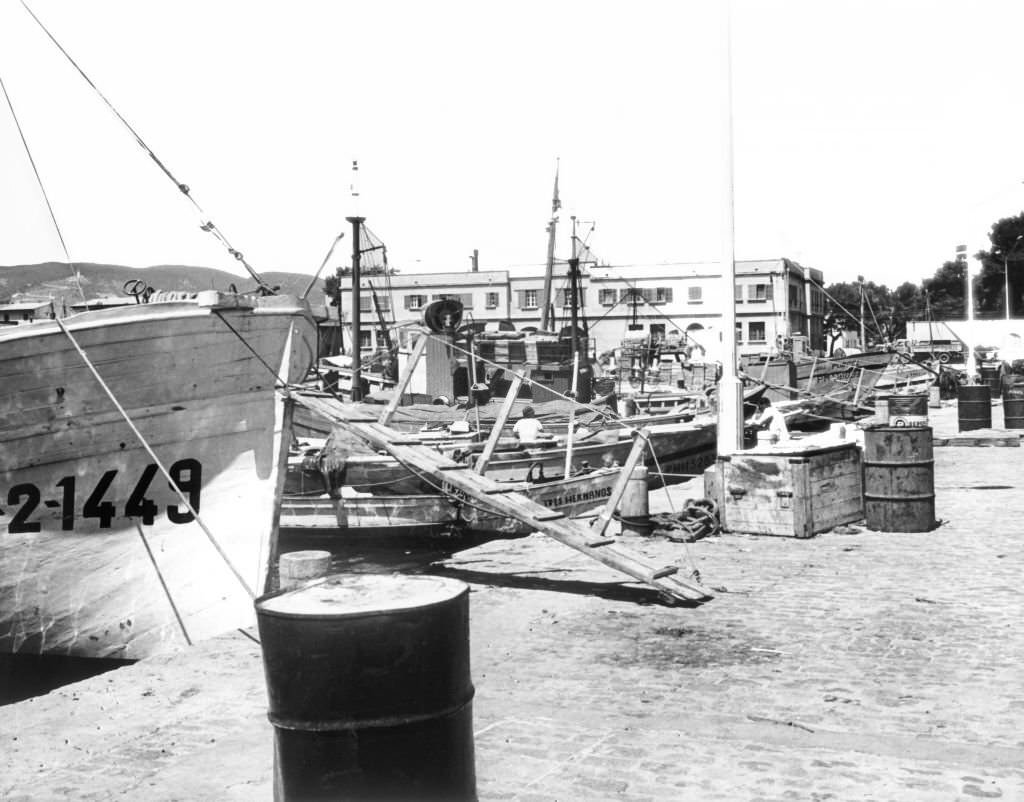
Palma’s marina in 1972 was a busy, working waterfront. Sailboats and fishing vessels shared the harbour, and the city’s relationship with the sea was still deeply practical, not just scenic. The fishing port, in particular, retained the character of a working community even as tourism changed much of the island around it.
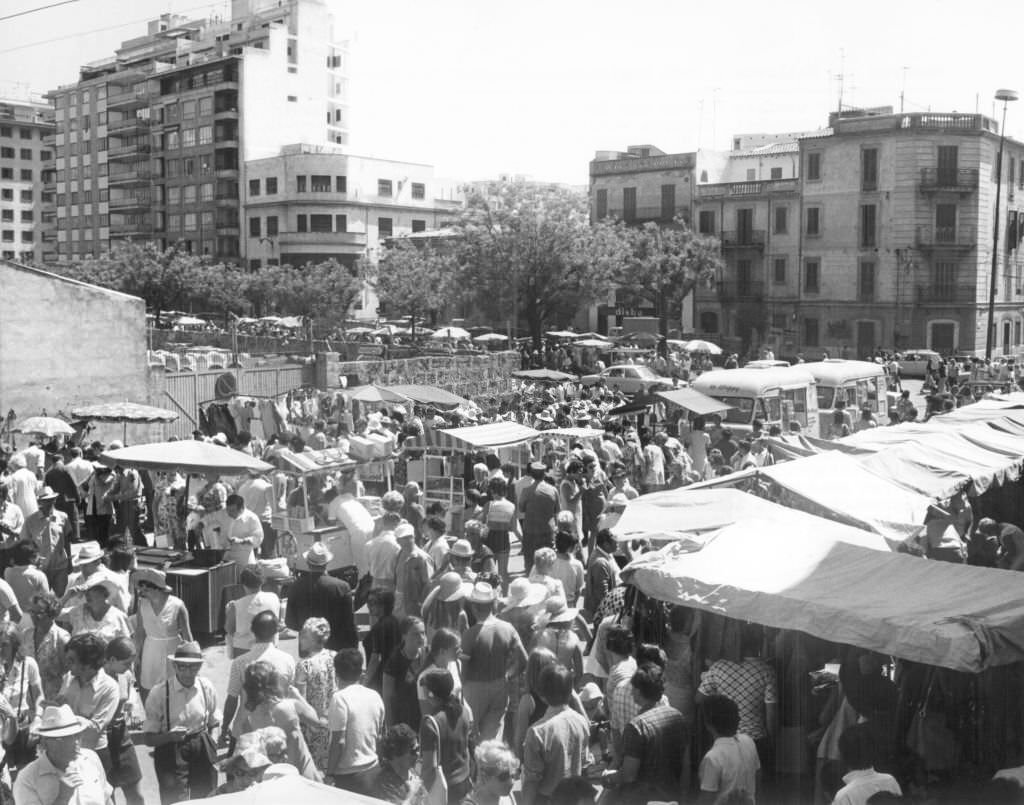
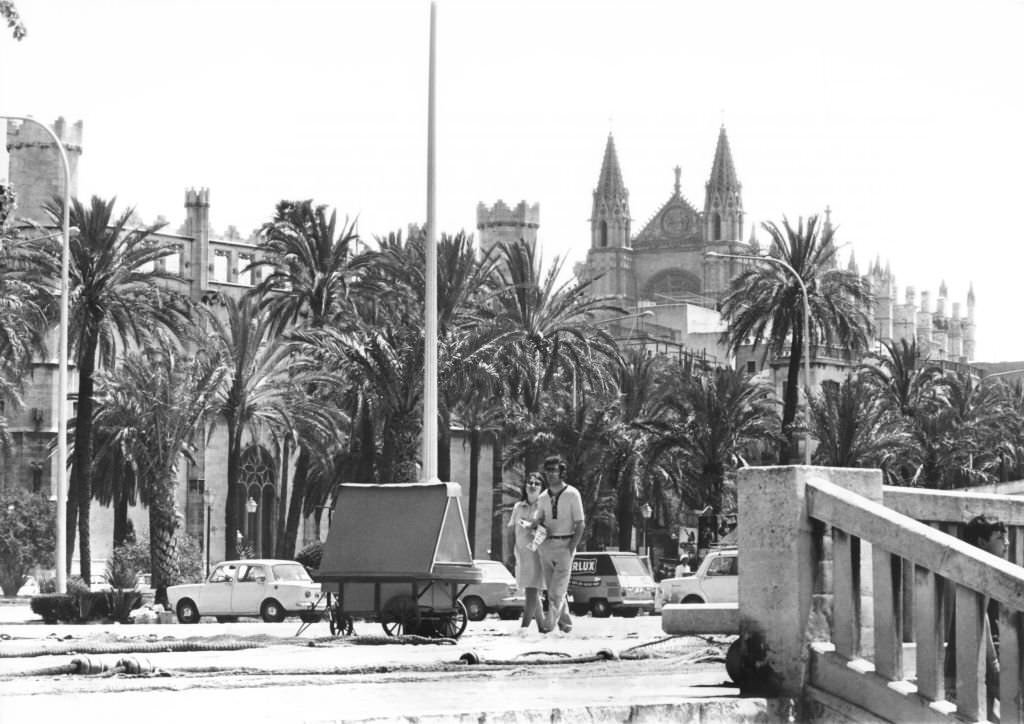
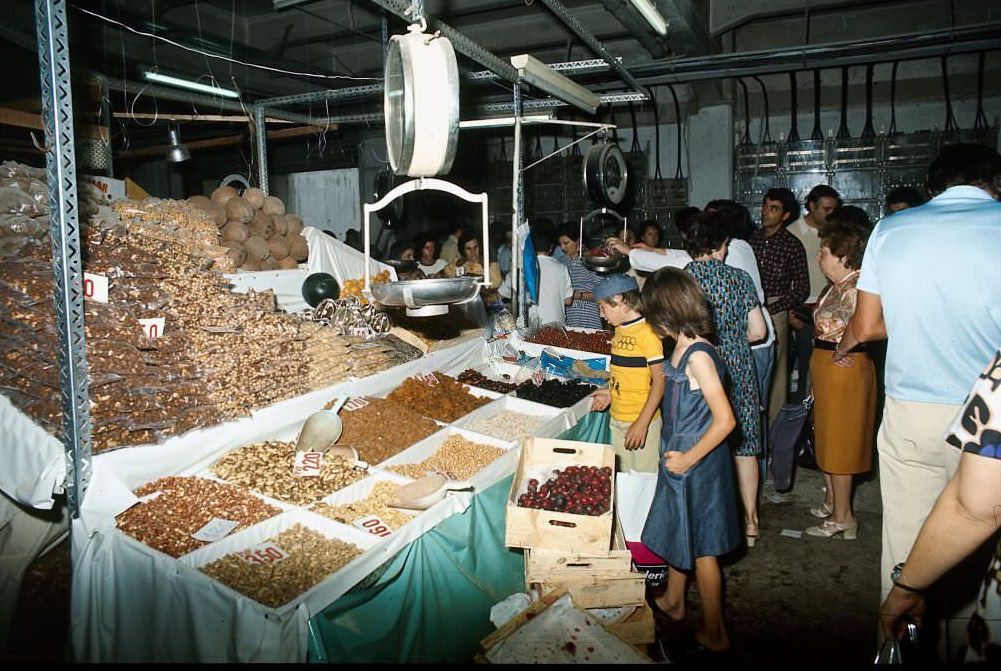
Away from the beach, Palma had its own rhythm. The flea market brought locals and visitors together, with stalls selling everything from household goods to souvenirs. The boulevard running alongside the cathedral was one of the most photographed stretches in the city — the medieval stone tower rising behind the palm trees made for a striking image.
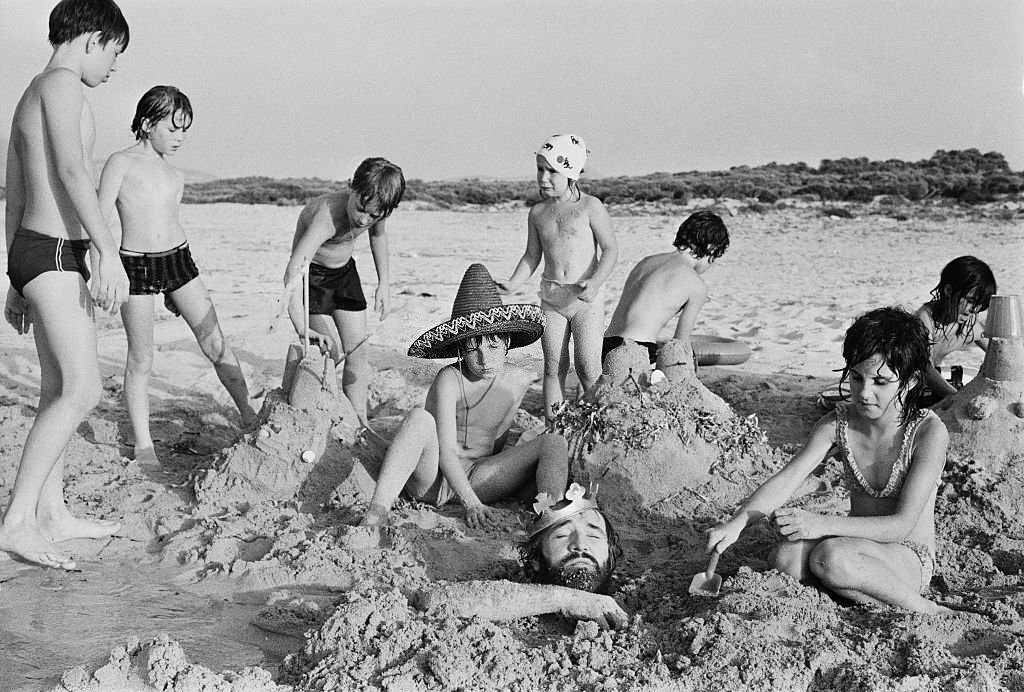
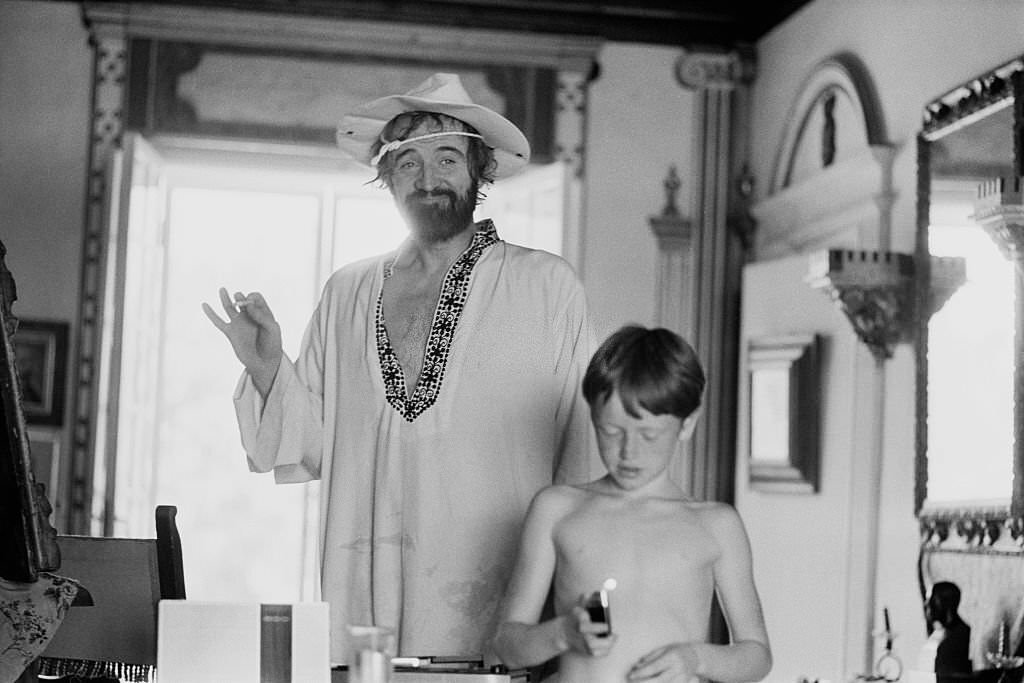
Irish actor Richard Harris spent time in Majorca in August 1971. Known for his intense screen roles, Harris was photographed in a far lighter mood on the island — buried in sand by a group of children on the beach. It was the kind of candid, unguarded moment that Mallorca seemed to bring out in people, famous or otherwise.
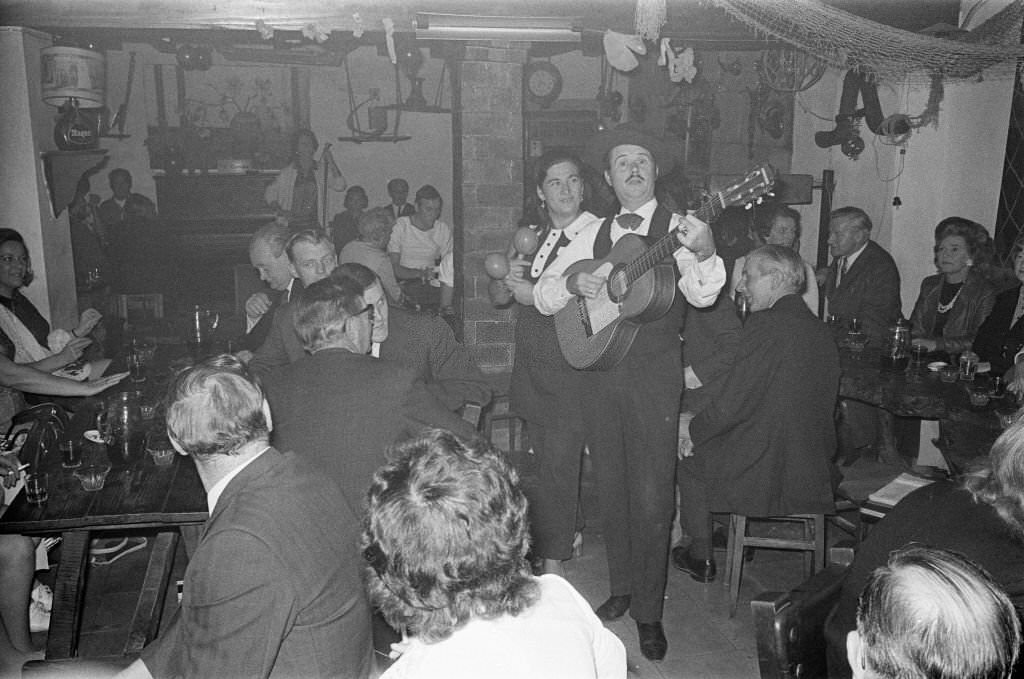
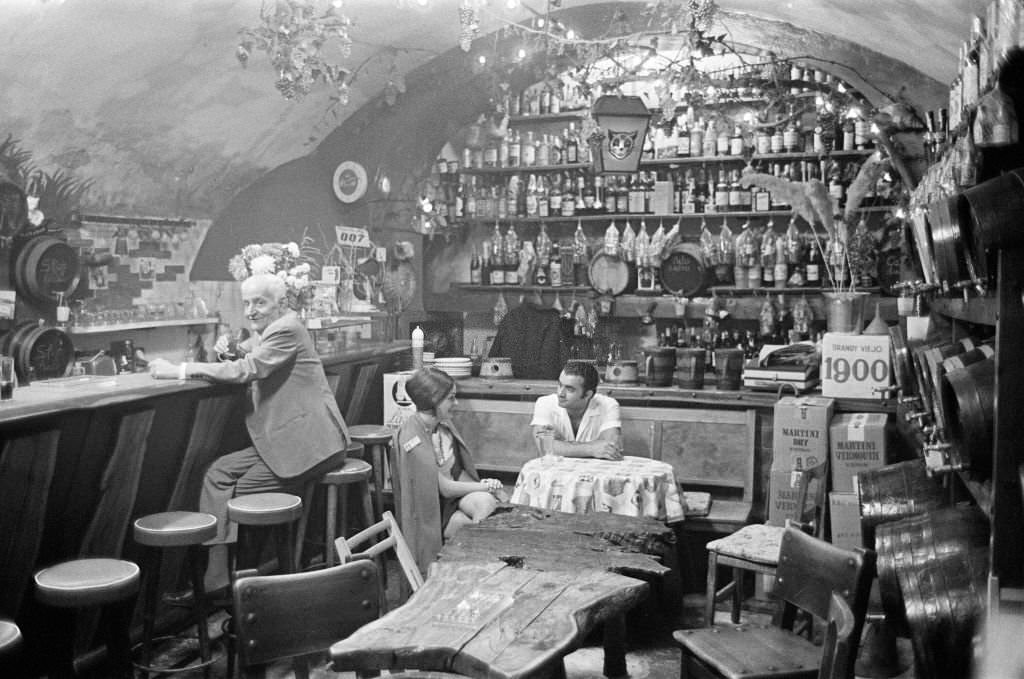
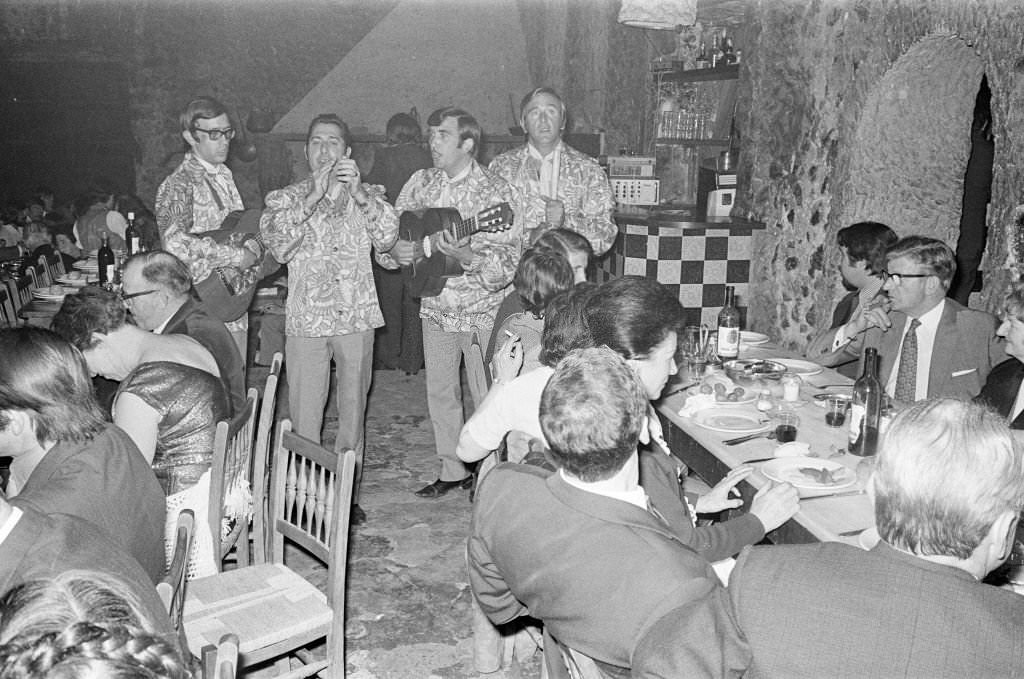
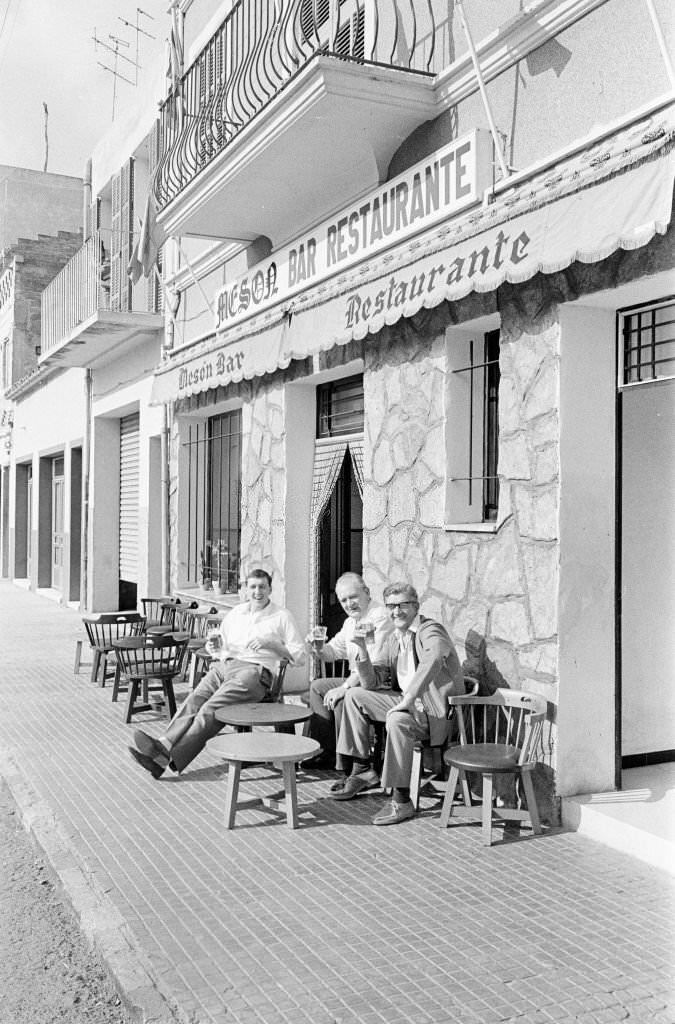
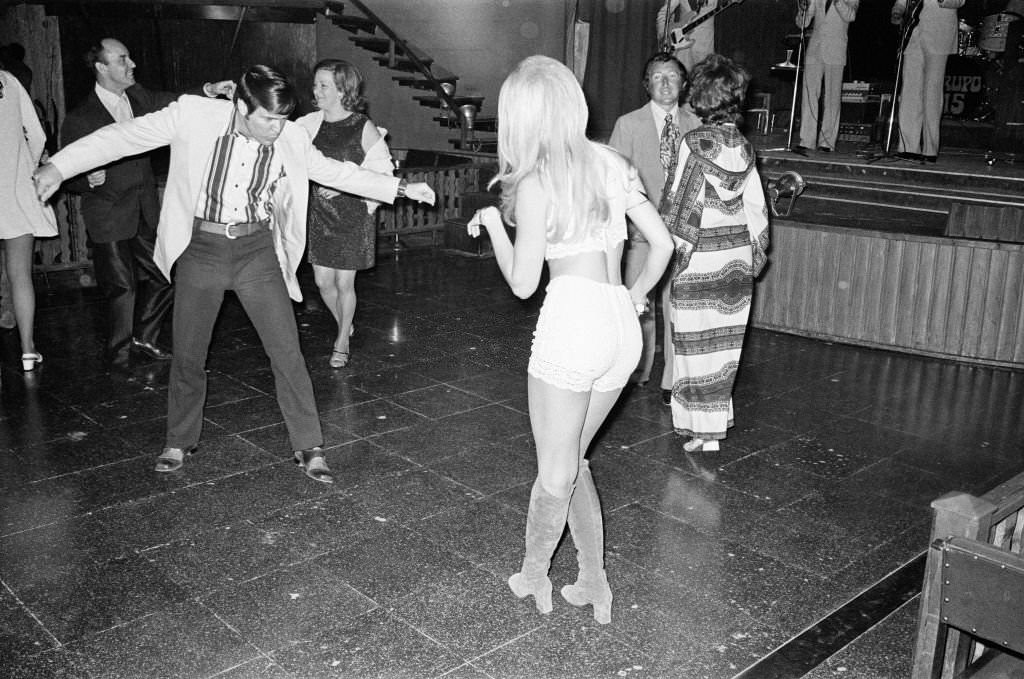
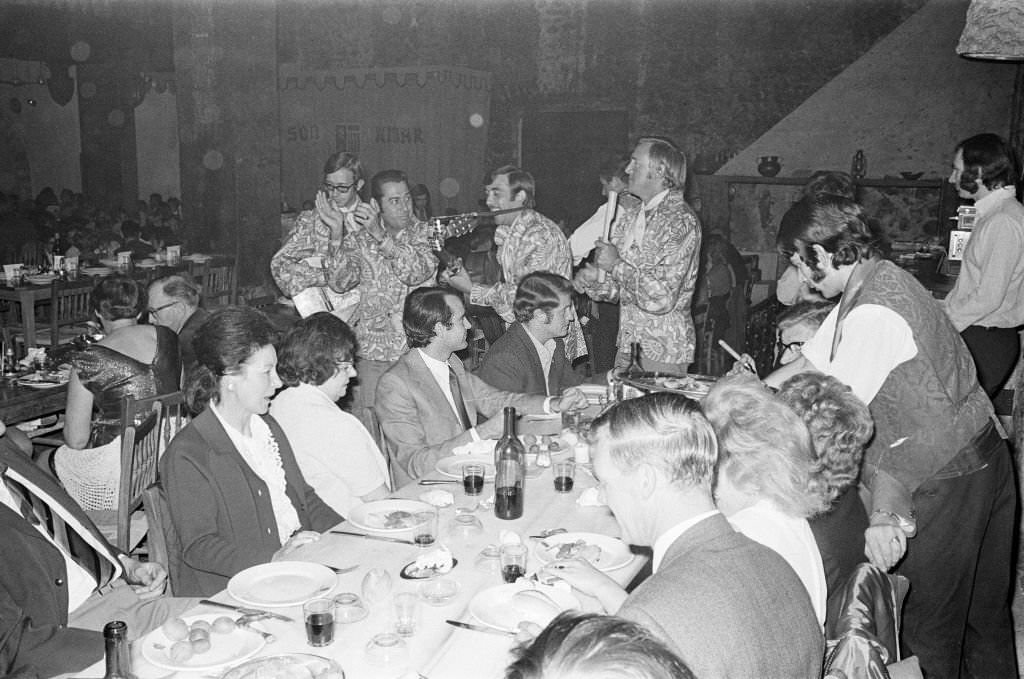
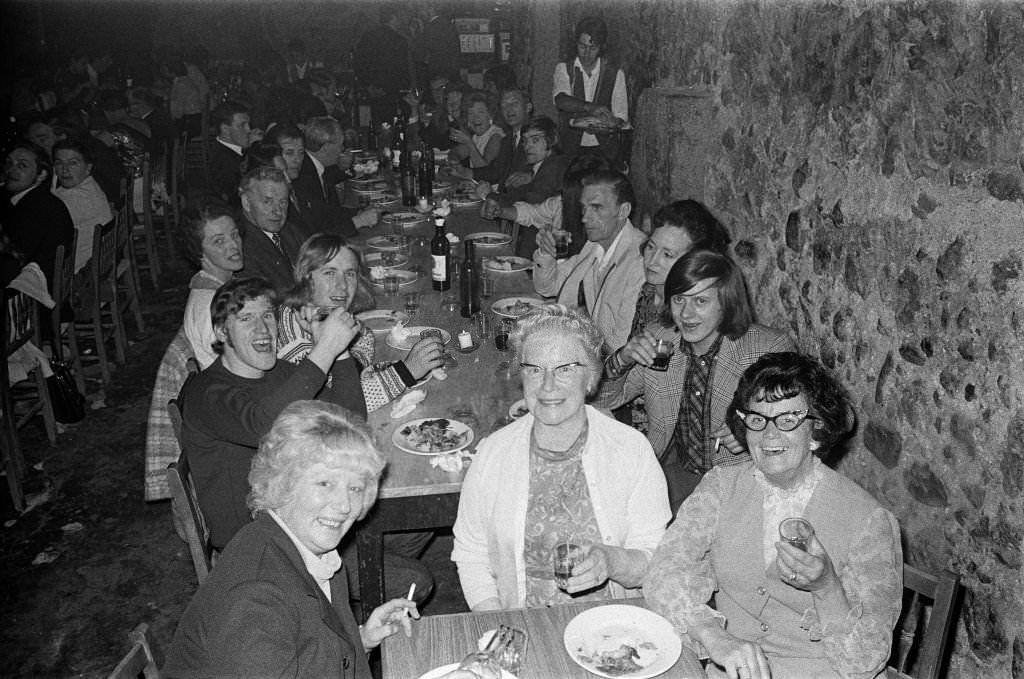
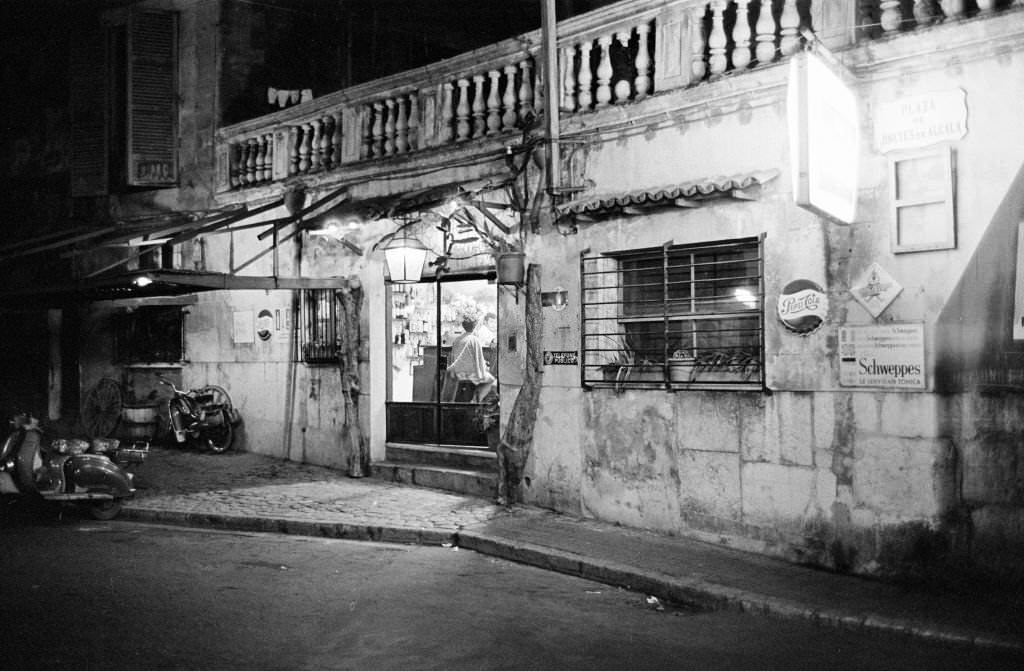
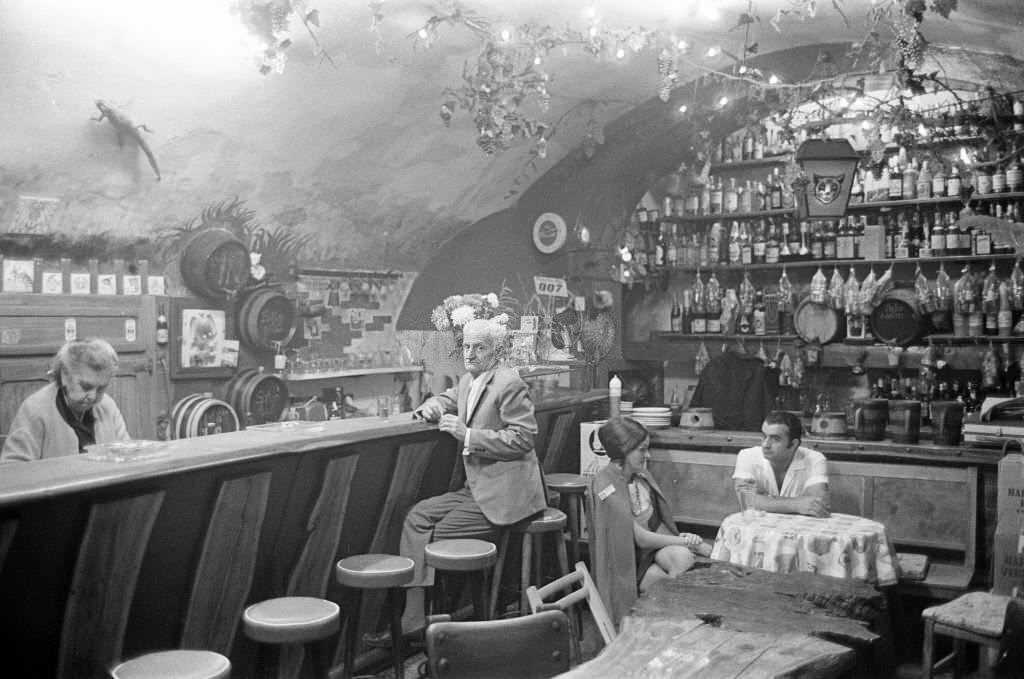
Nights out in Majorca in 1971 were lively and unpretentious. Bars and restaurants stayed open late, and tourists filled the streets after dark. The nightlife was a central part of the holiday experience — cold beers, outdoor tables, and crowds of people enjoying the warm summer evenings.
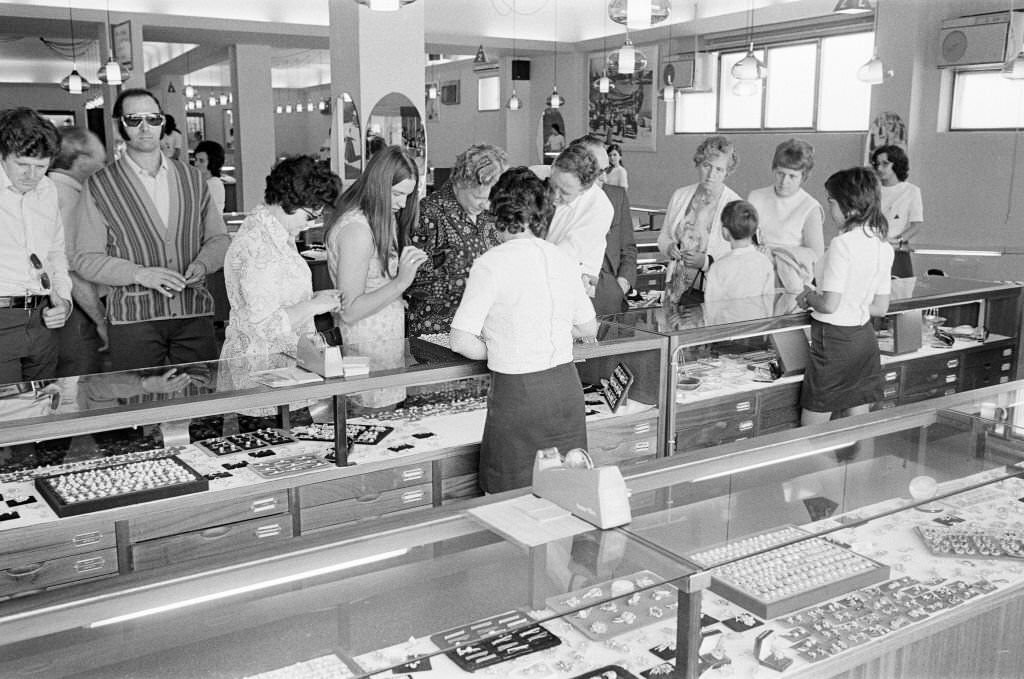
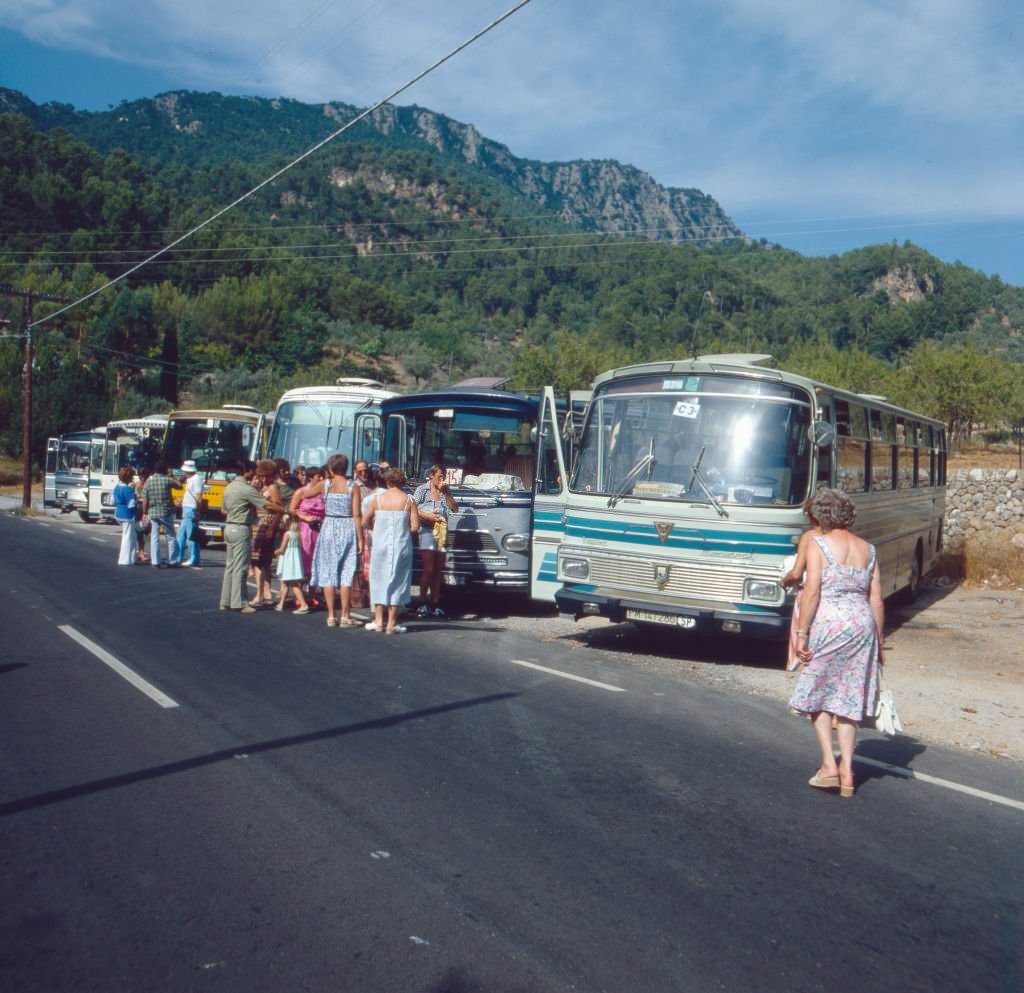
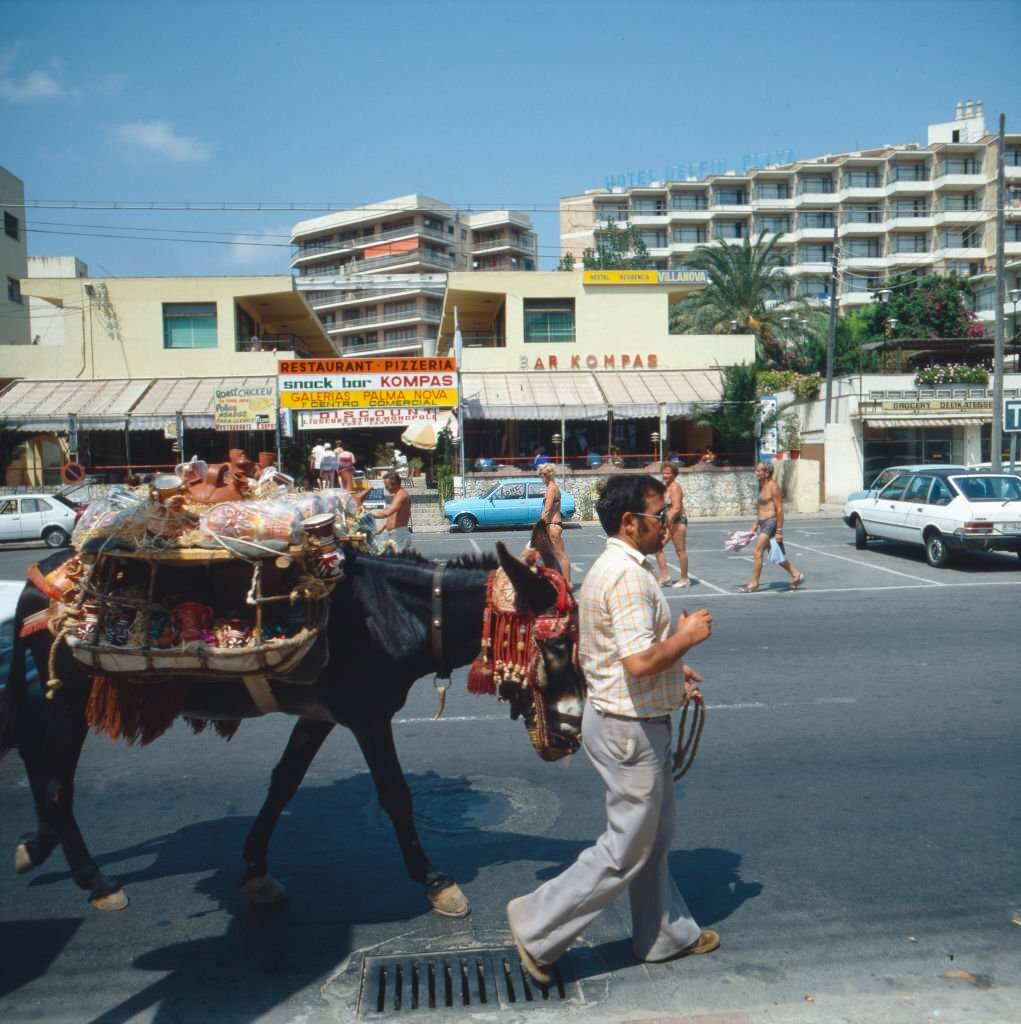
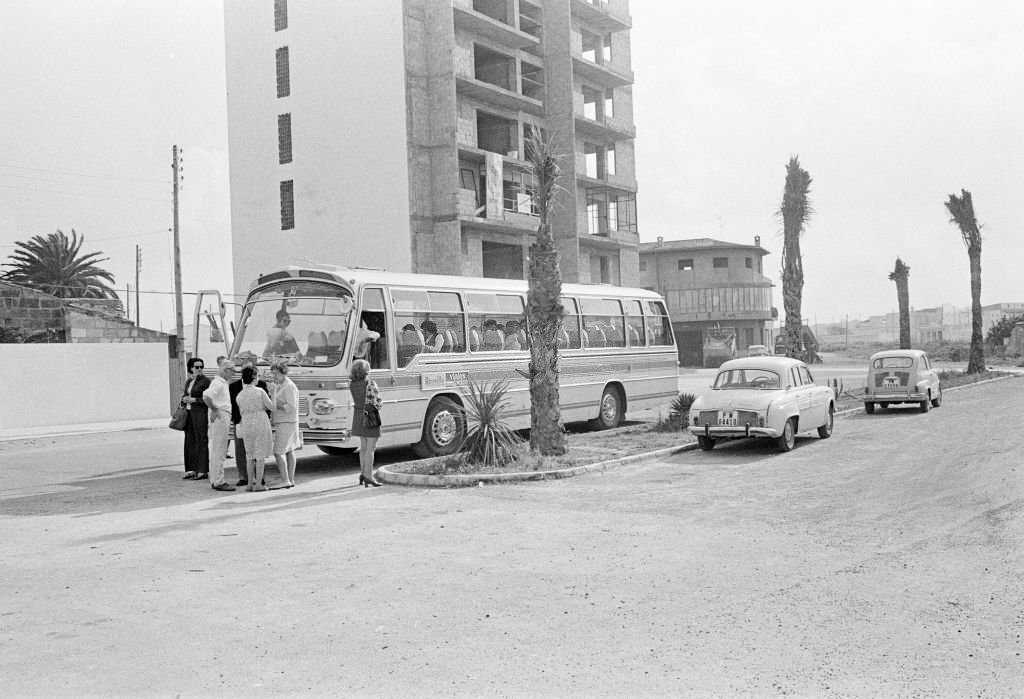
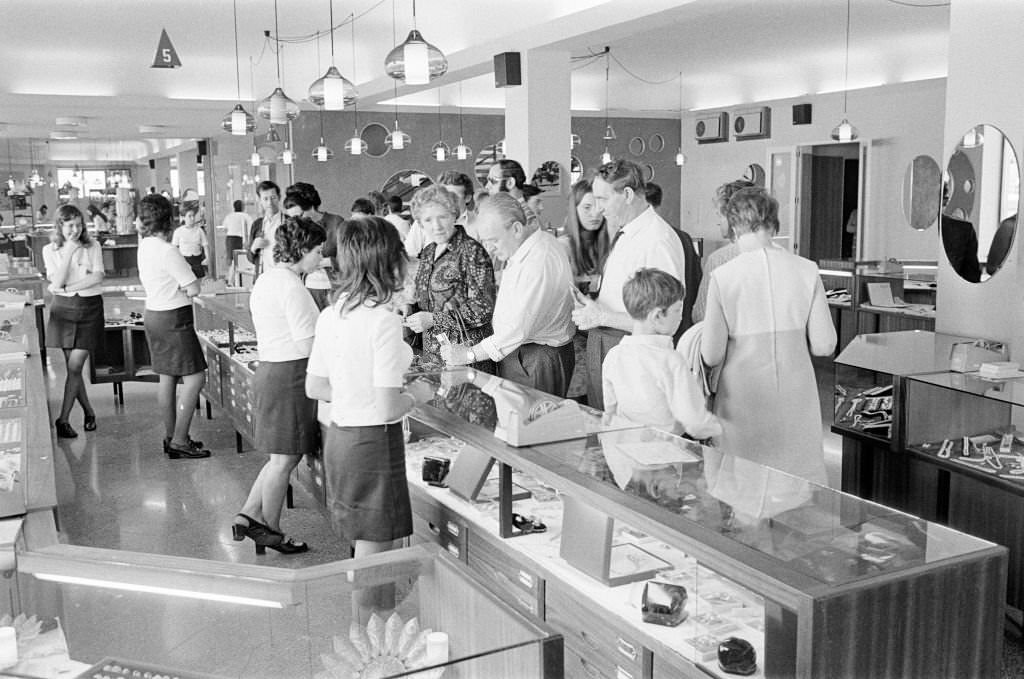
Coach trips were a common way to explore the island in 1971. Tourists piled into buses and headed inland or along the coastline, stopping at markets and souvenir shops along the way. Shopping for trinkets and gifts to bring home was a ritual part of the Mallorca experience.
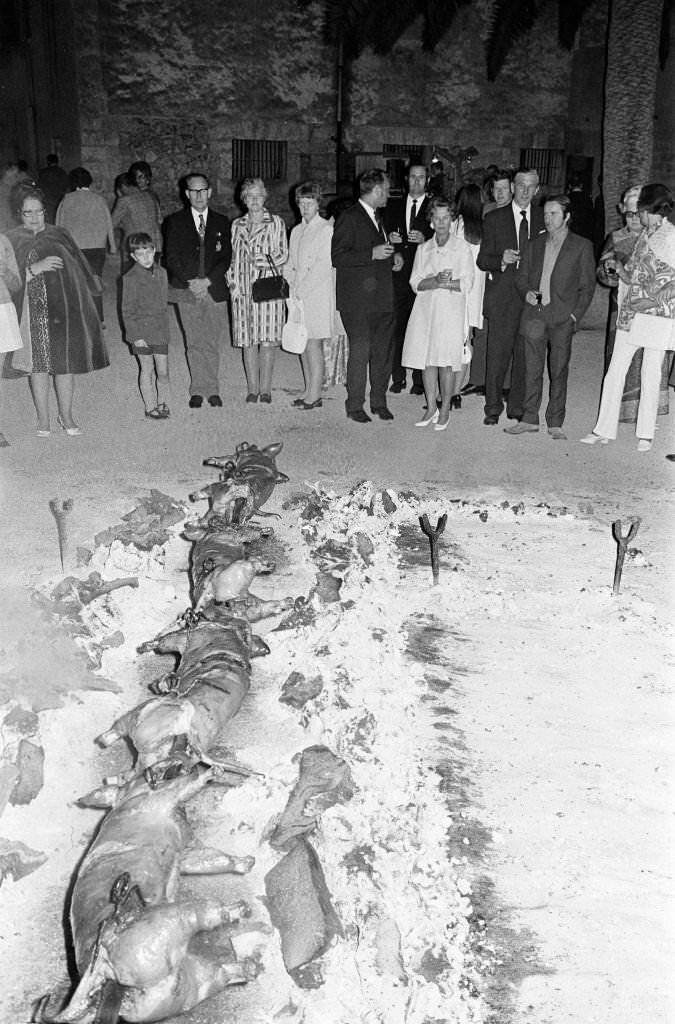
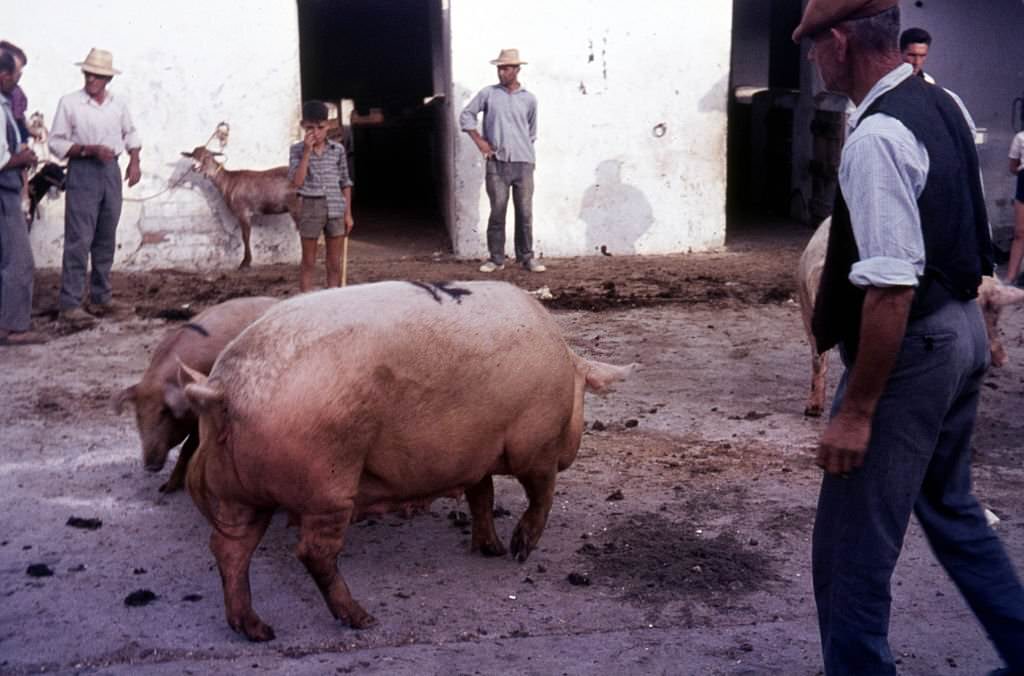
Local life continued alongside the tourist trade. Traditional markets, including livestock markets, remained a fixture of daily life on the island. A pig market photographed in the 1970s shows the agricultural side of Mallorca that most visitors never saw — a reminder that the island had a working economy long before the first package tourist arrived.
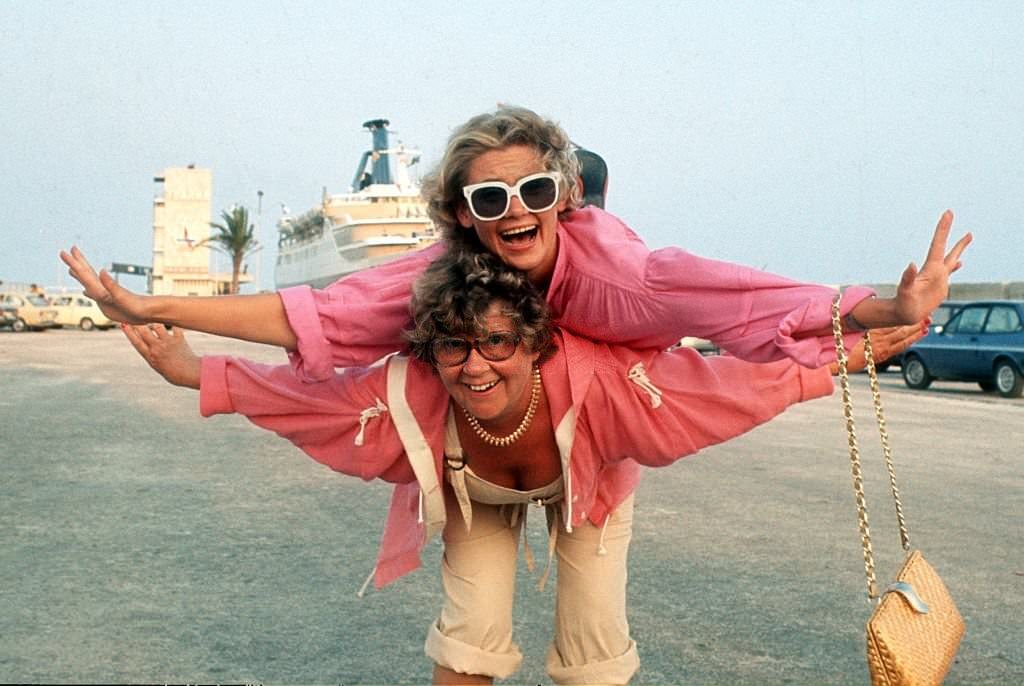
Celebrities continued to pass through the island throughout the decade. Danish singer Gitte Haenning arrived in Palma de Mallorca in September 1977, aboard the cruise ship TS Atlas, accompanied by her mother Erna Johansson. Cruise ships were an increasingly common sight in Palma’s harbour by the late 1970s.
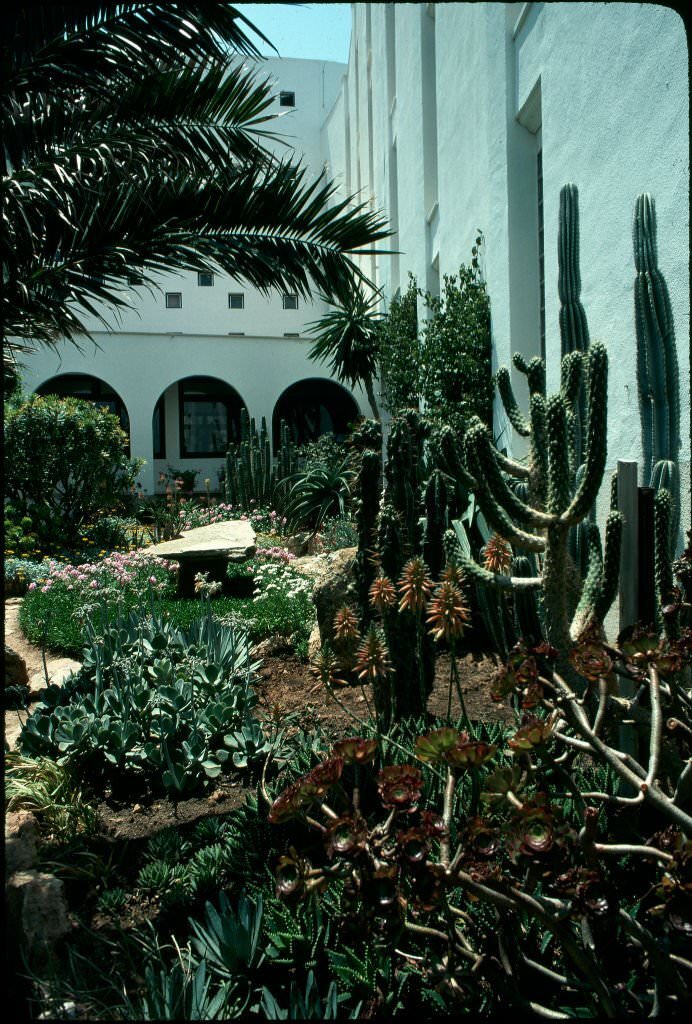
Beyond the beaches and bars, Mallorca had natural attractions that drew curious visitors. Its cactus gardens were a popular stop, and the island’s interior offered windmills, lagoons, and landscapes that looked nothing like the resort strips along the coast.
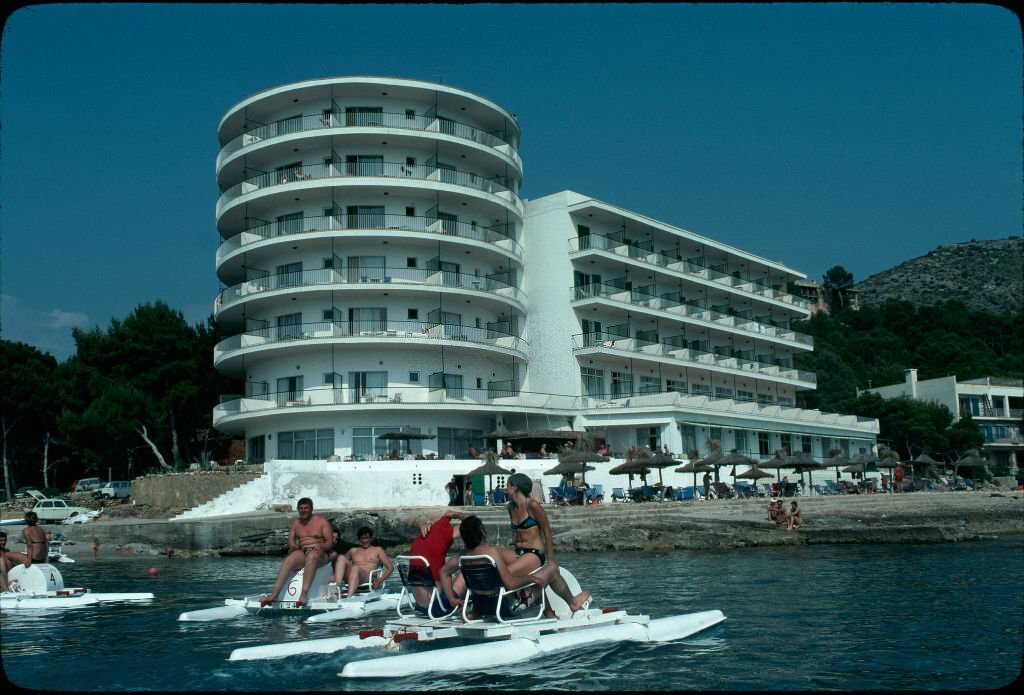
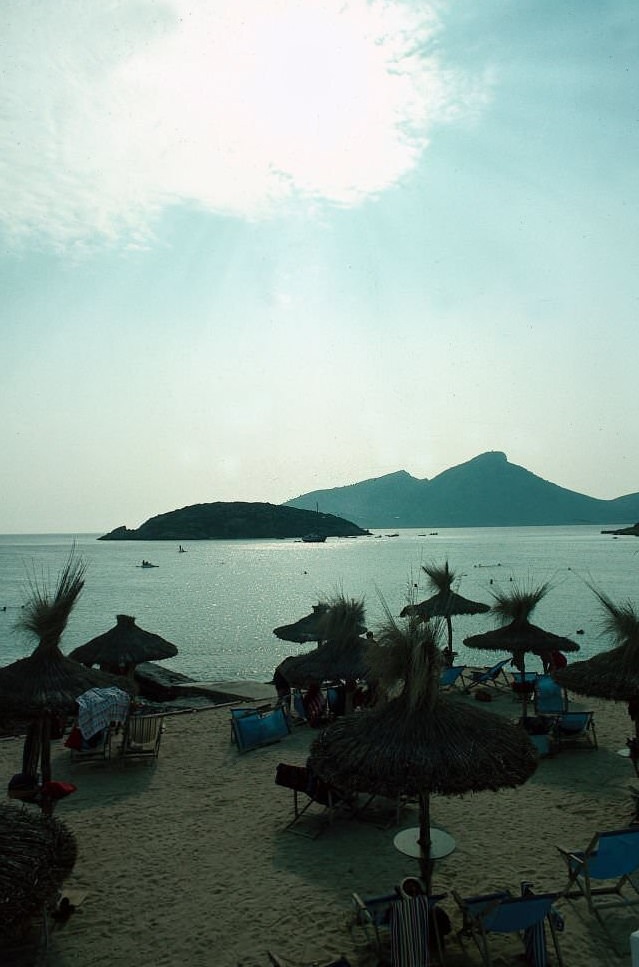
By 1976, the beach resorts were firmly established. Cala Millor, on the island’s east coast, had grown into a fully developed resort with hotels lining the beachfront. The bathing beaches were busy from morning to evening, and the water was as clear as the travel brochures promised.
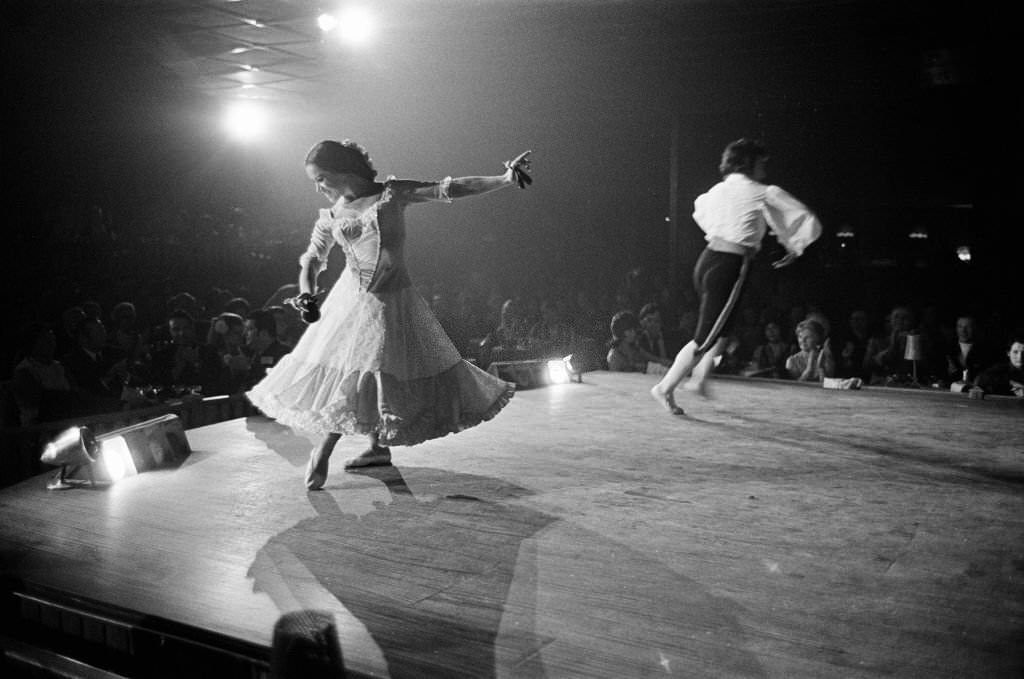
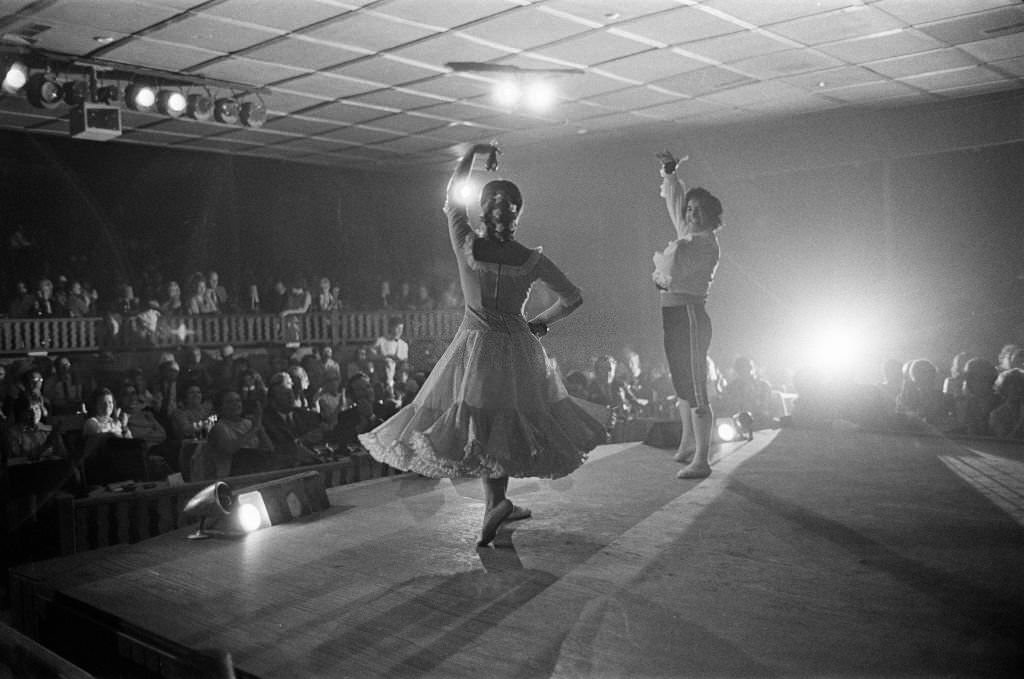
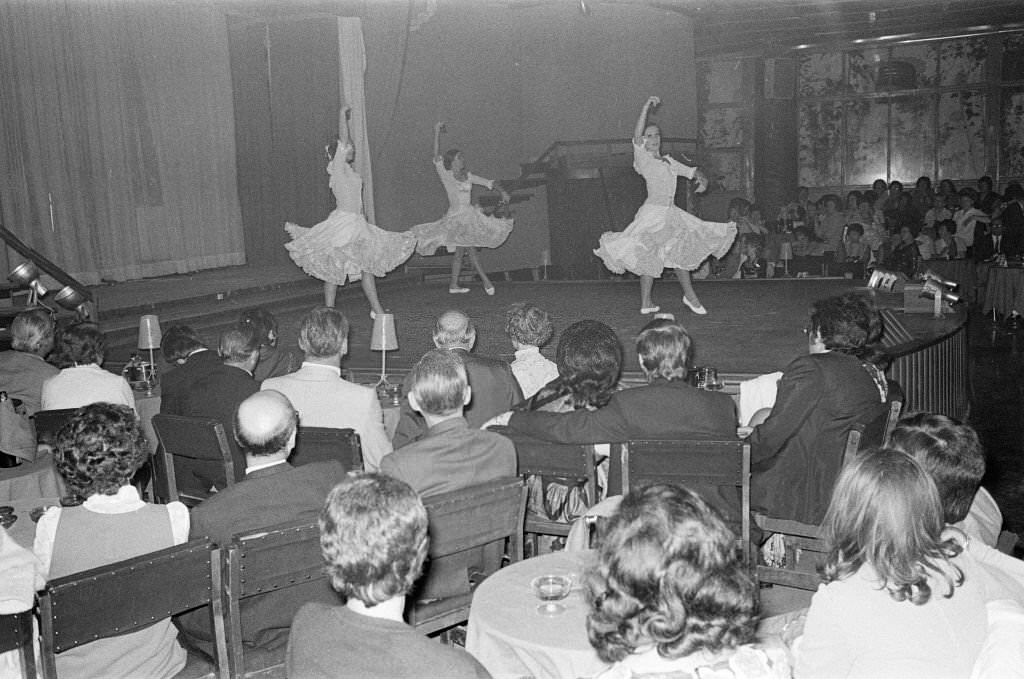
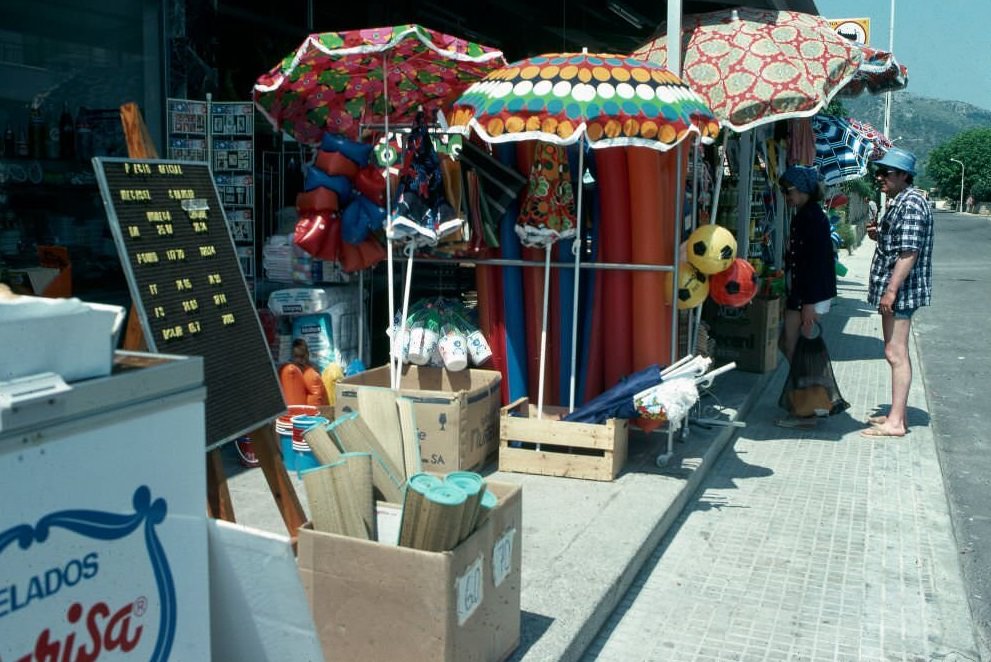
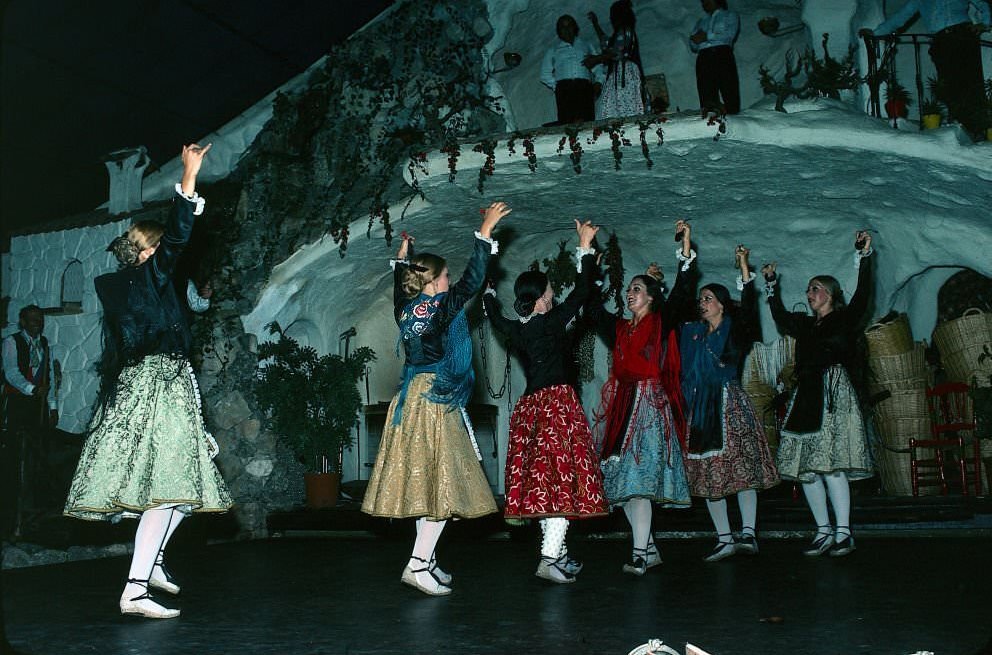
Shops selling beach gear, inflatables, and sunscreen clustered around the resort entrances. Folk dance performances gave tourists a glimpse of traditional Mallorcan culture, though by 1976 such shows were largely staged for visitor entertainment rather than being part of everyday island life.
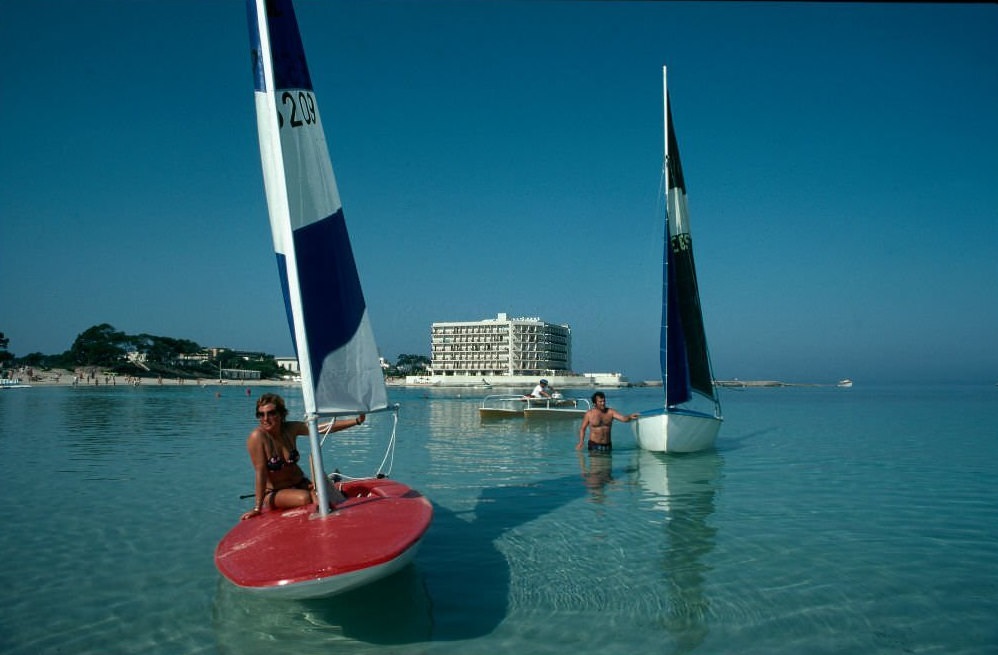
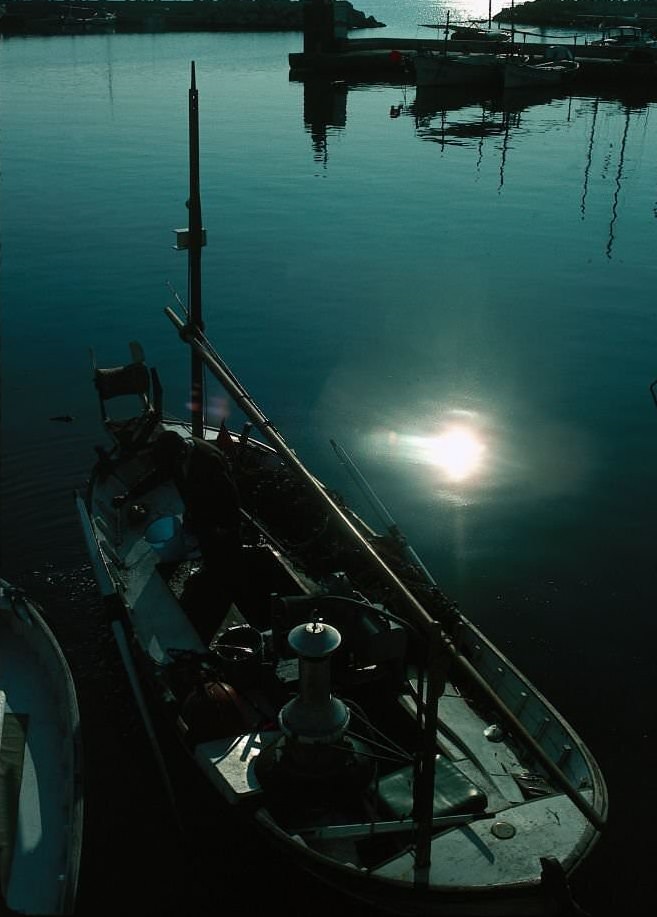
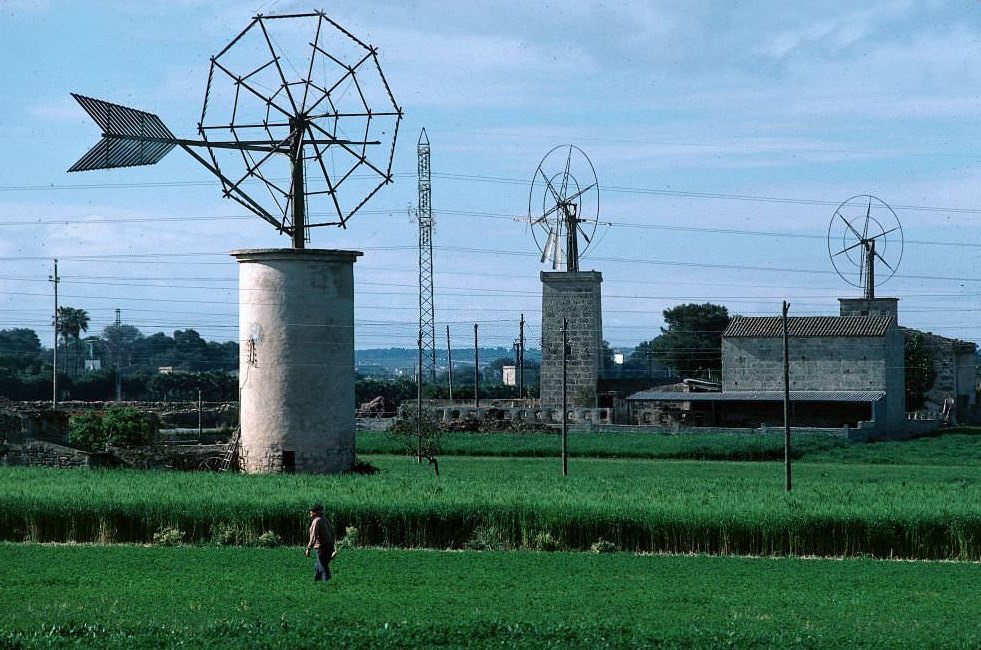
The sea around Mallorca was used for more than swimming. Sailing was a popular activity, and the fishing harbour at Punta de Amer still operated as a working port in 1976. Windmills near the island’s lagoons were another distinctive feature of the Mallorcan landscape, their white towers rising above flat, open ground.
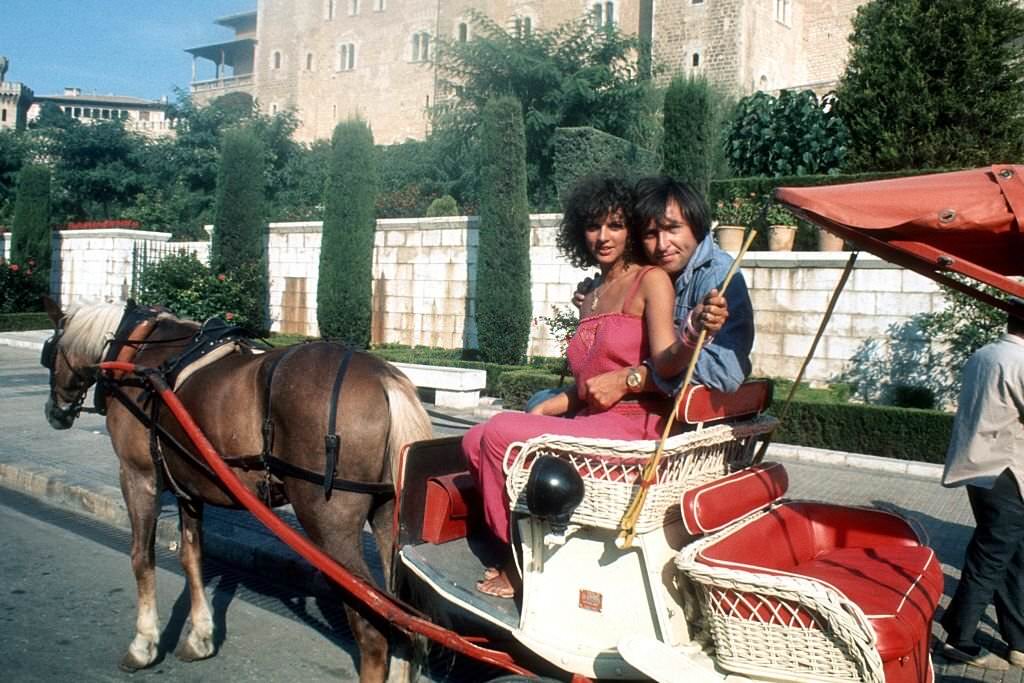
German television presenter Alida Gundlach was photographed in Mallorca in 1976, part of a steady stream of European media personalities who used the island as a backdrop for features and personal holidays alike. Mallorca had become a fixture in the European cultural calendar.
Back in 1975, Derby County’s title celebrations in Majorca were well documented. The players and their supporters gathered in local bars, making the most of the island’s relaxed atmosphere. Their visit was just one example of how British football culture and Mallorca’s tourism scene had become intertwined by the mid-1970s.
The fishing port of Palma de Mallorca in June 1972 was a working harbour full of small boats, nets, and the smell of the sea. It stood as a contrast to the polished marina nearby, where leisure boats docked and tourists strolled. Both faces of Palma existed side by side throughout this decade.
The nightlife photographs from August 1971 show tourists eating out, drinking, and moving between bars in large, cheerful groups. These images capture the energy that made Mallorca’s reputation — an island where holidays were uncomplicated, the nights were warm, and the entertainment never stopped.