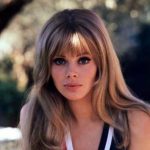
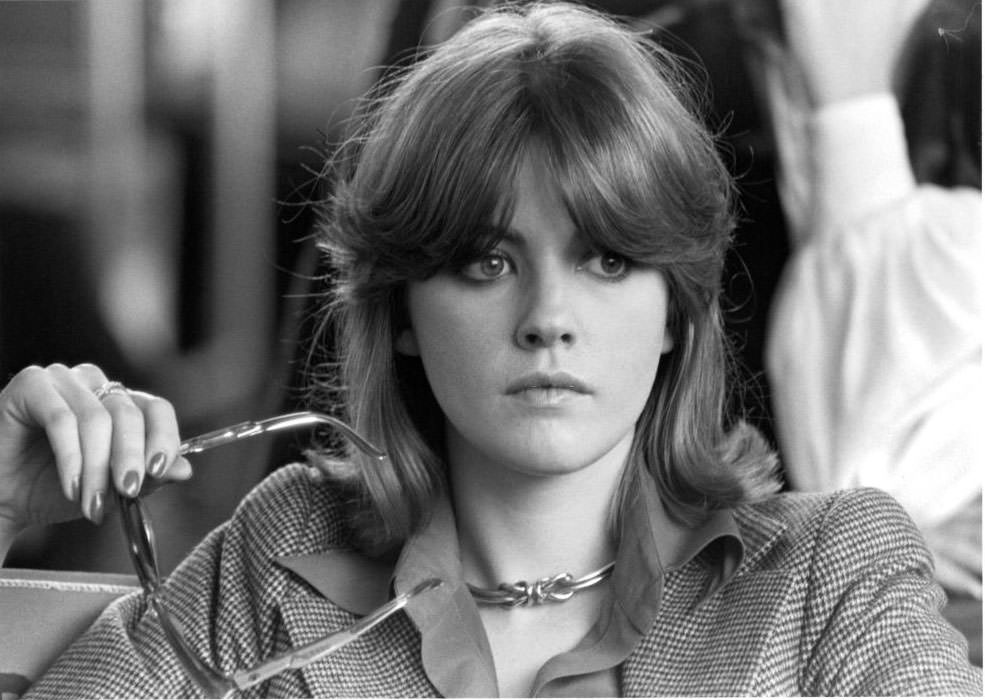
Lynne Frederick was one of the most striking and talented British actresses to emerge in the 1970s. A fashion model, actress, and film producer, she built a career that spanned over thirty films in just ten years. She moved easily between science fiction, slasher horror, romantic drama, westerns, and comedy. Her screen presence was hard to define and harder to ignore — a rare combination of girl-next-door warmth, delicate beauty, and natural grace that made her stand out in every role she took.
Her early life was not easy. Her father left the family when Lynne was just two years old, and she was raised by her mother and grandmother. Despite that difficult start, she channeled her energy into performance from a young age and found her footing in front of the camera quickly. By the time she was a teenager, she was already turning heads in the British entertainment industry.
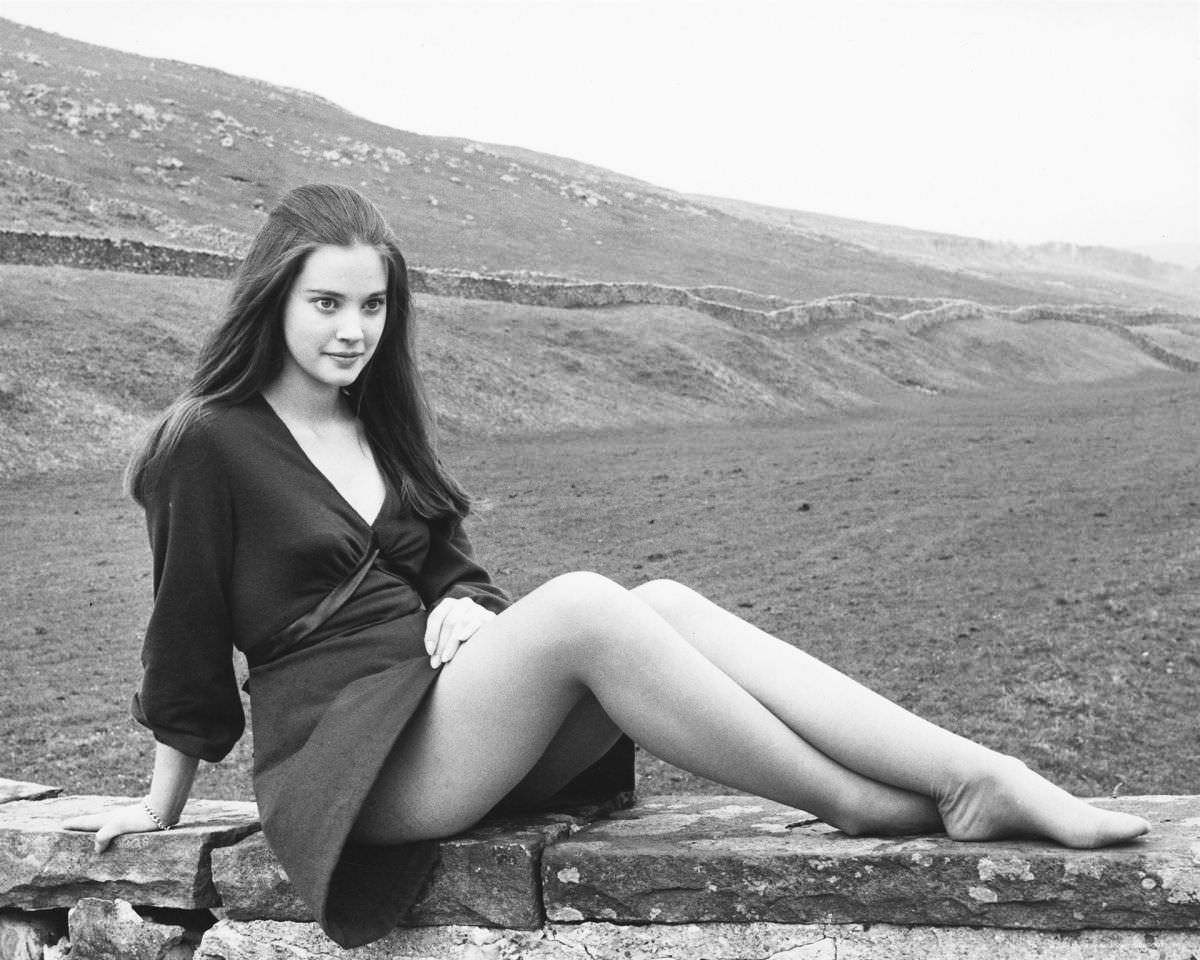
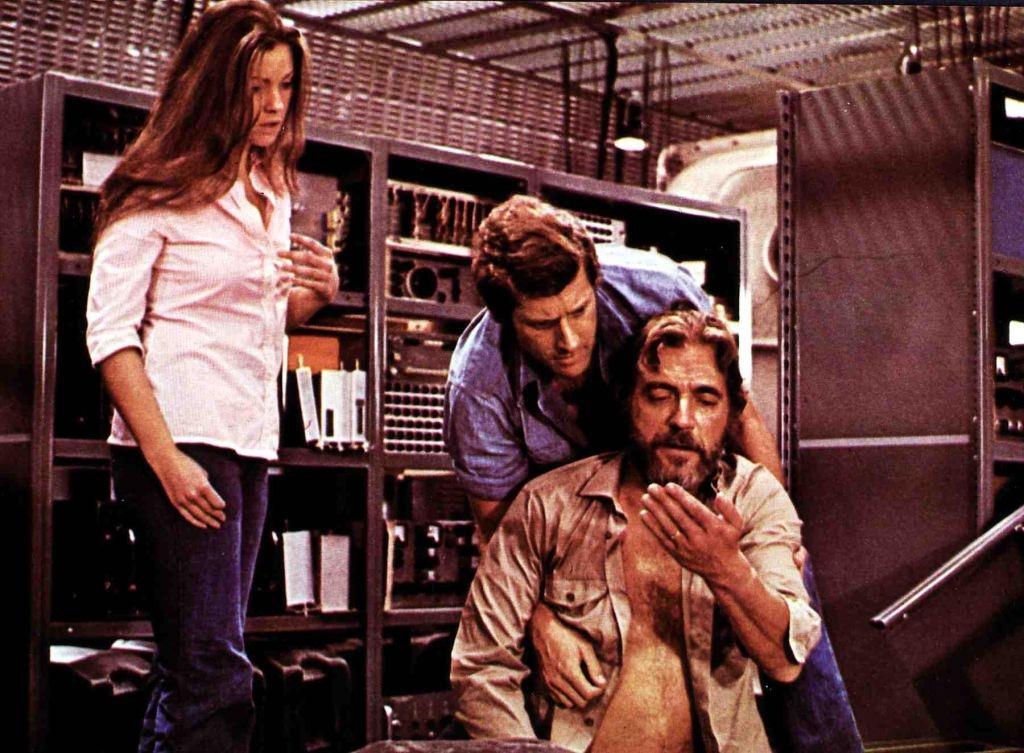
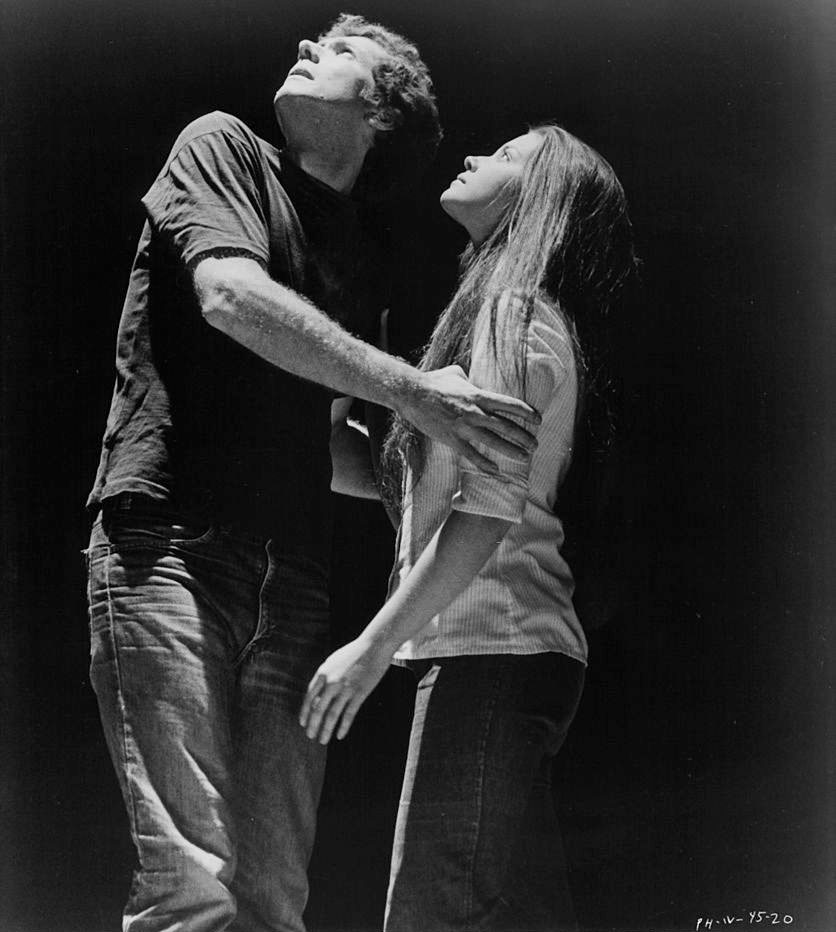
Lynne Frederick made her screen debut in the 1970 science fiction film No Blade of Grass. The film received mixed reviews from critics, but Frederick herself was immediately recognized as a fresh and compelling presence. Audiences and industry insiders took notice. Her debut launched her career almost overnight.
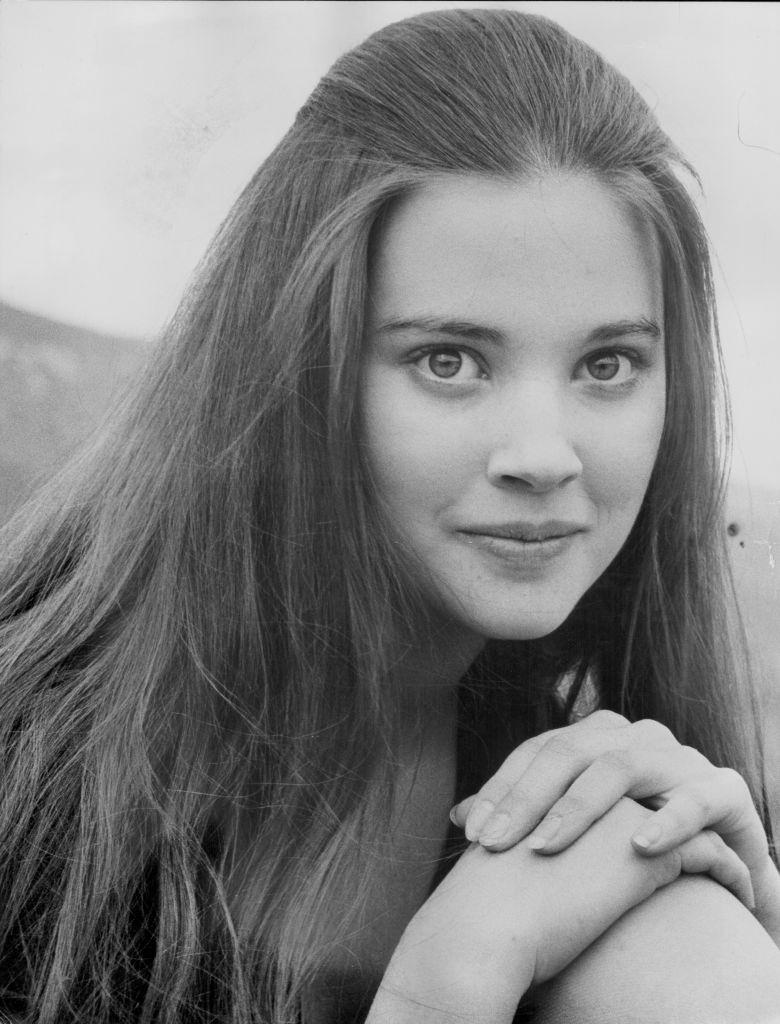
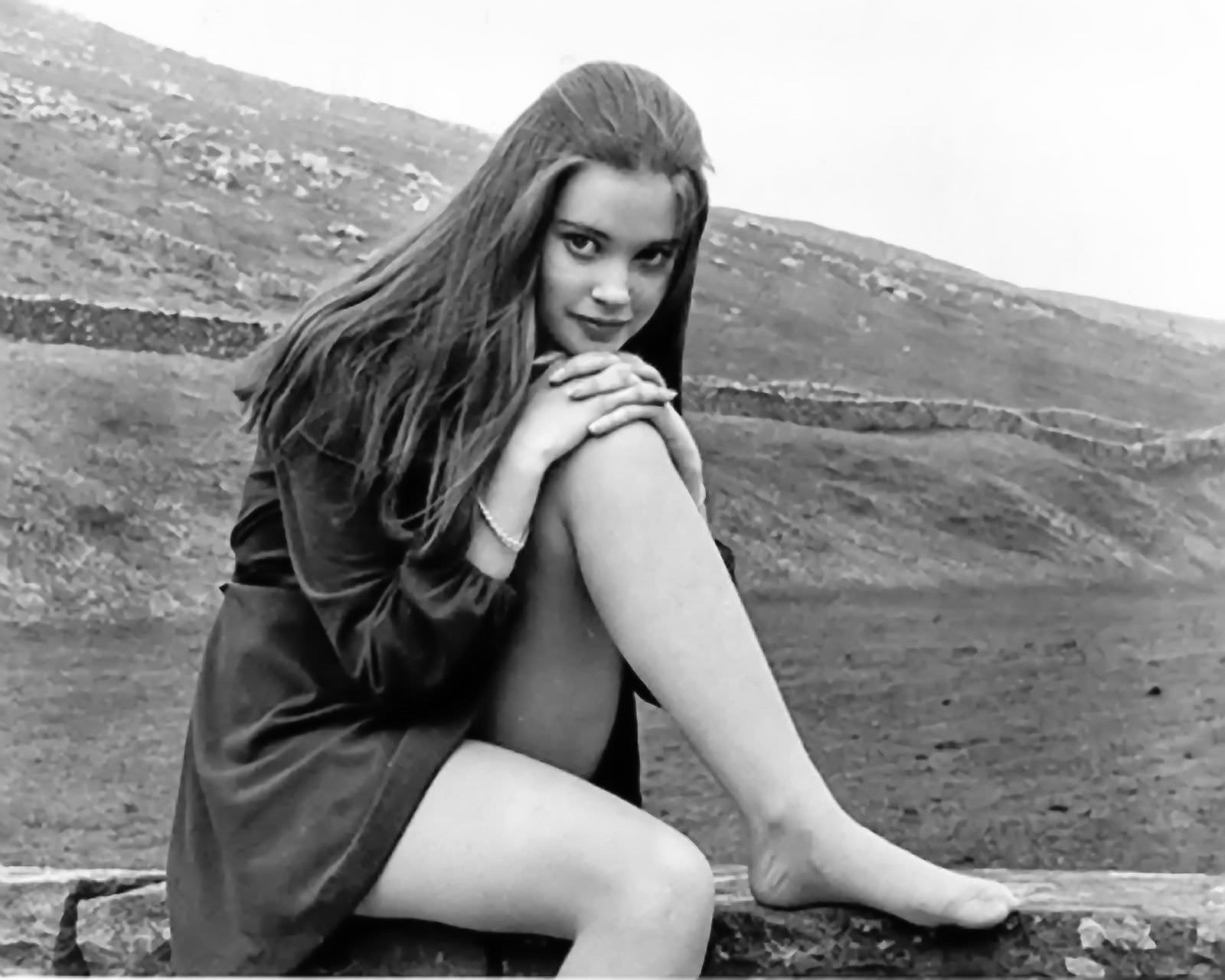
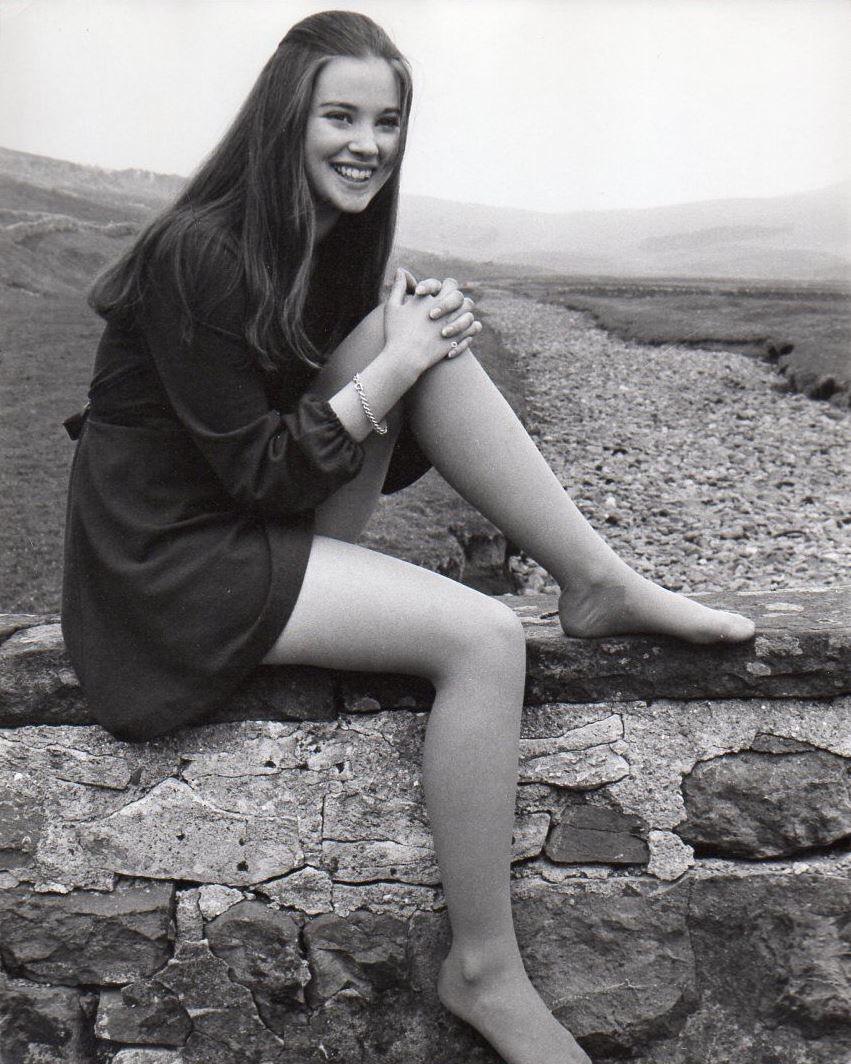
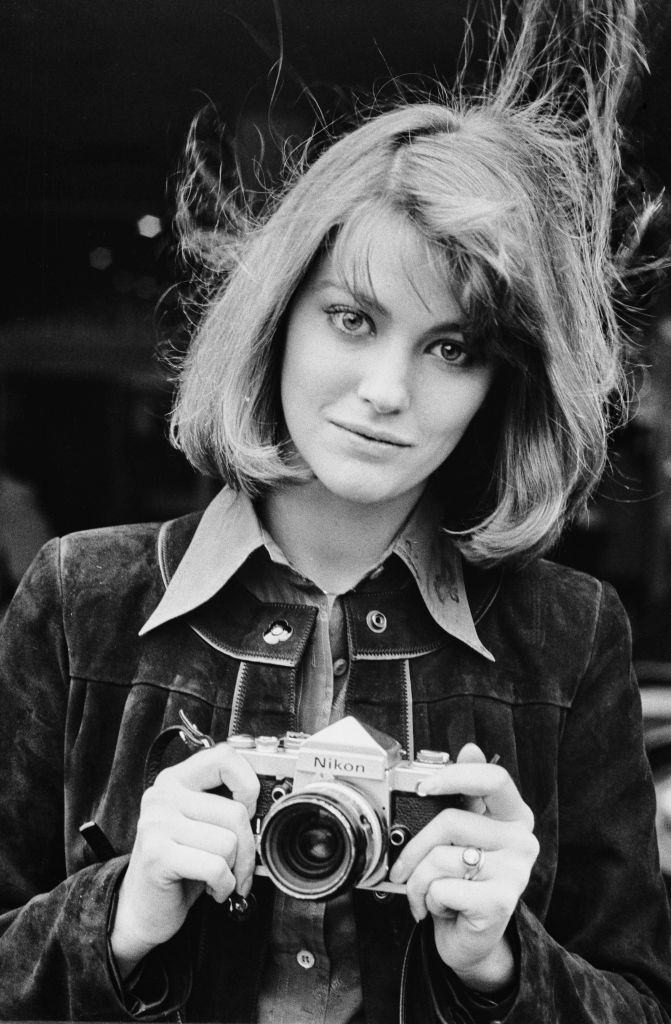
Around the same time, Frederick was building an equally strong profile as a model. In the early 1970s, she was among the most popular British teenage idols, drawing comparisons to Hayley Mills and Olivia Hussey. She appeared regularly in newspapers and fashion magazines as both a model and cover girl. A cosmetics contract made her the spokesmodel for Protein 21 shampoo, appearing in television and print campaigns for the brand. A British national newspaper named her its “Face of 1971,” calling her the country’s most promising newcomer.
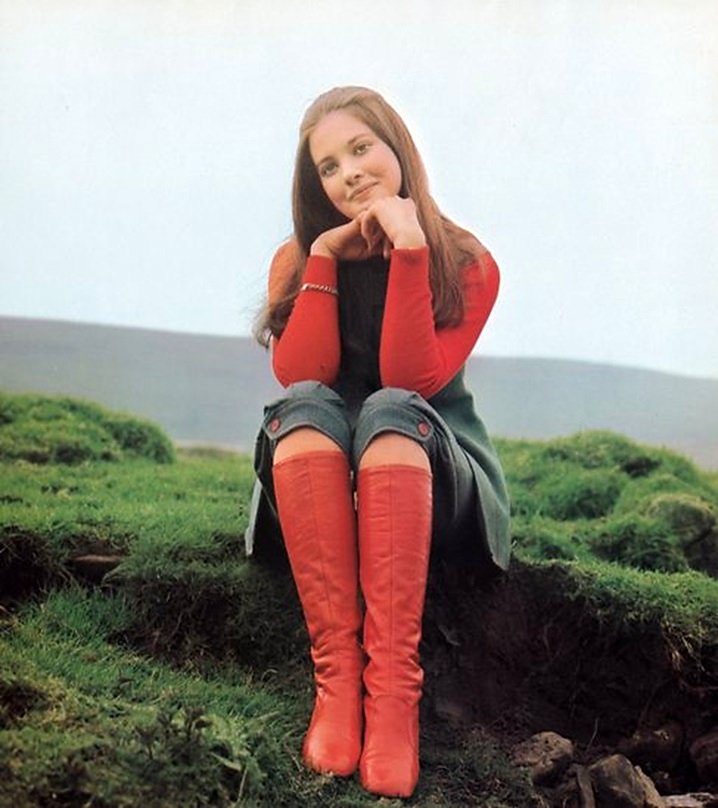
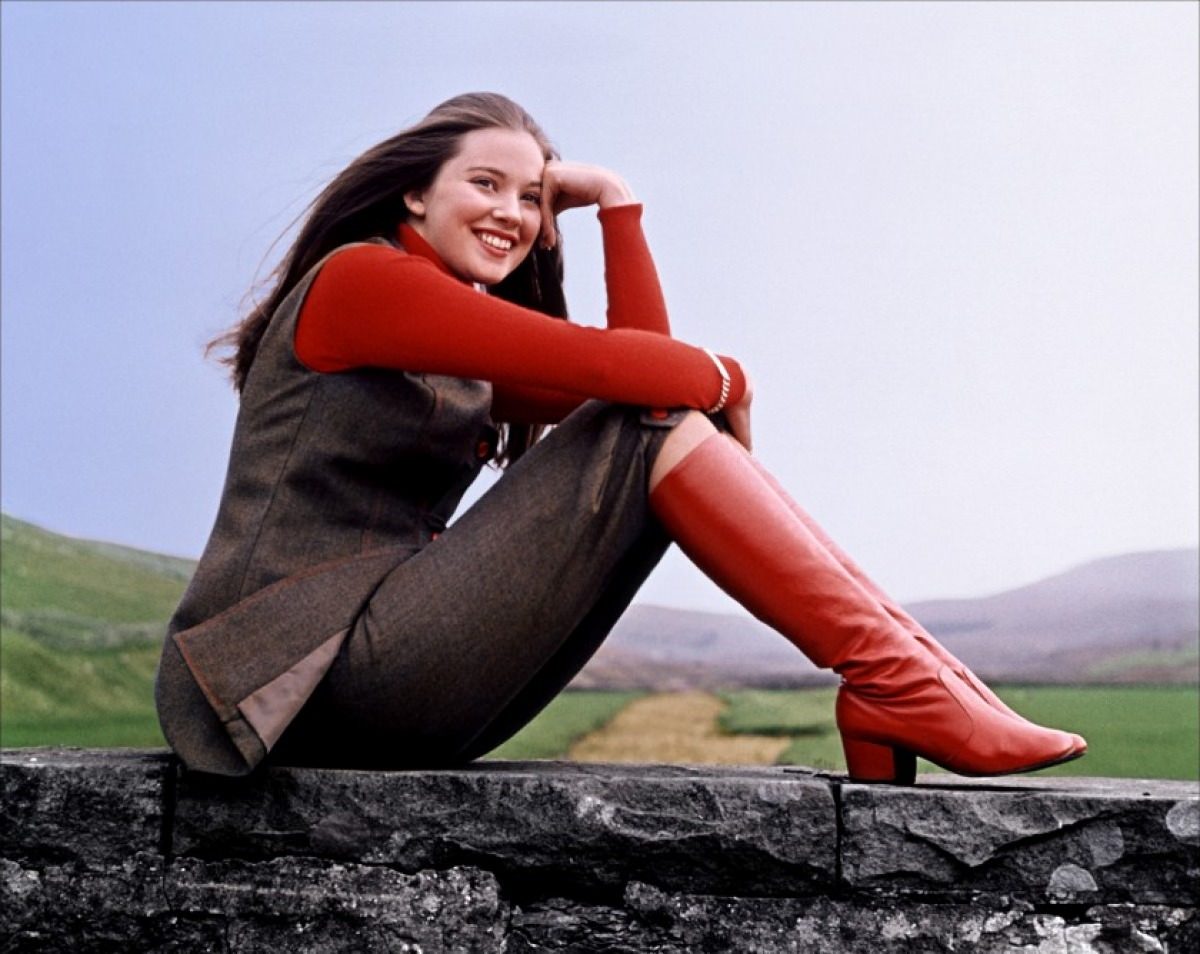
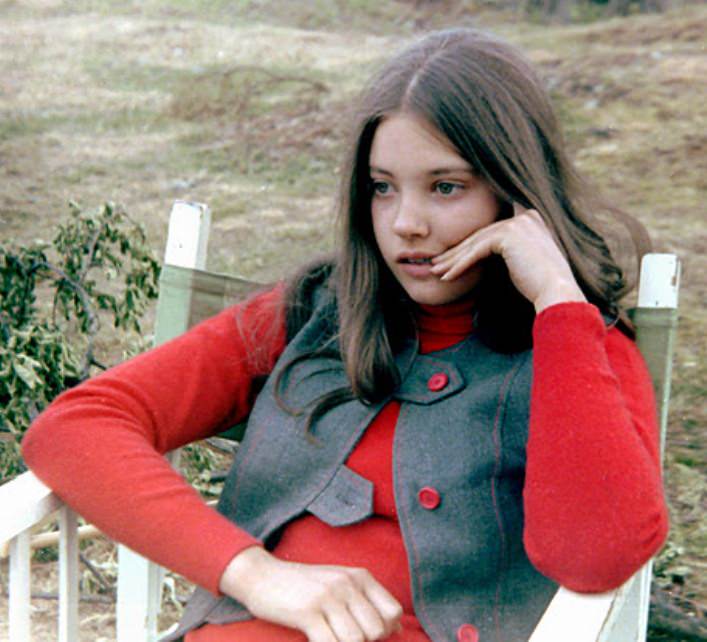
In 1971, Frederick took on one of her most prestigious early roles, playing Grand Duchess Tatiana Nikolaevna of Russia in the historical epic Nicholas and Alexandra. The production was large-scale and critically respected, and Frederick held her own against an experienced cast. The role confirmed that she had both the talent and the composure for serious dramatic work.
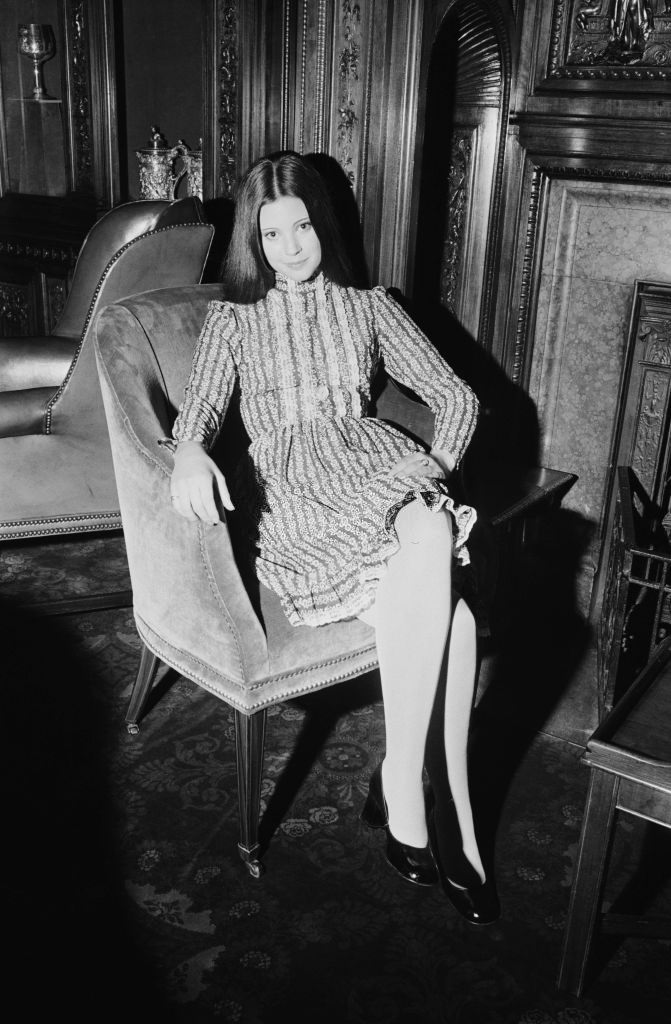
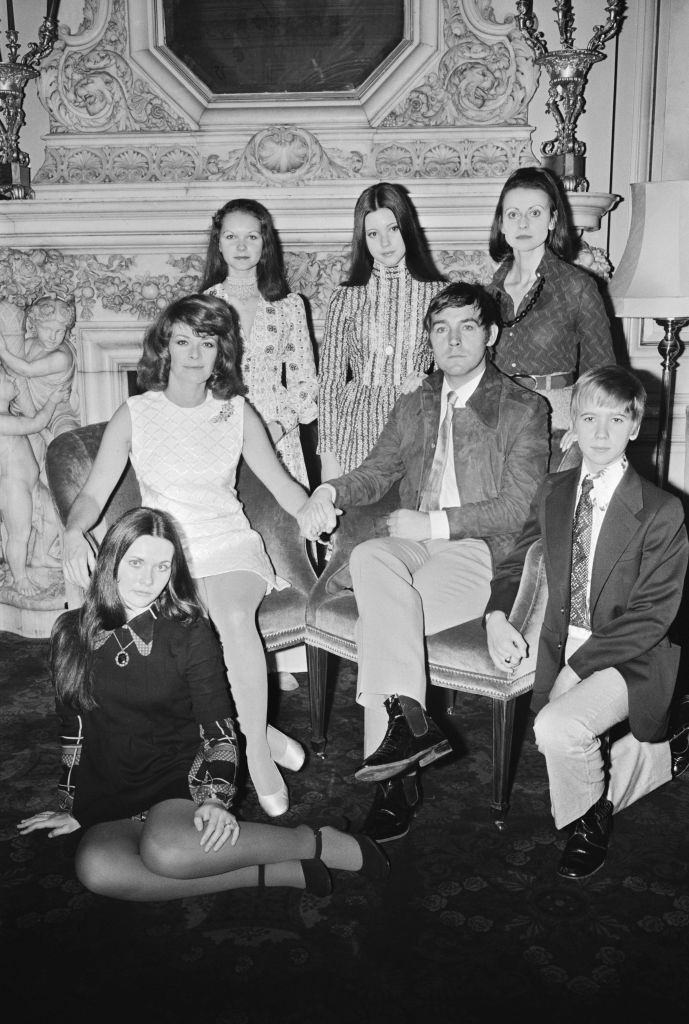

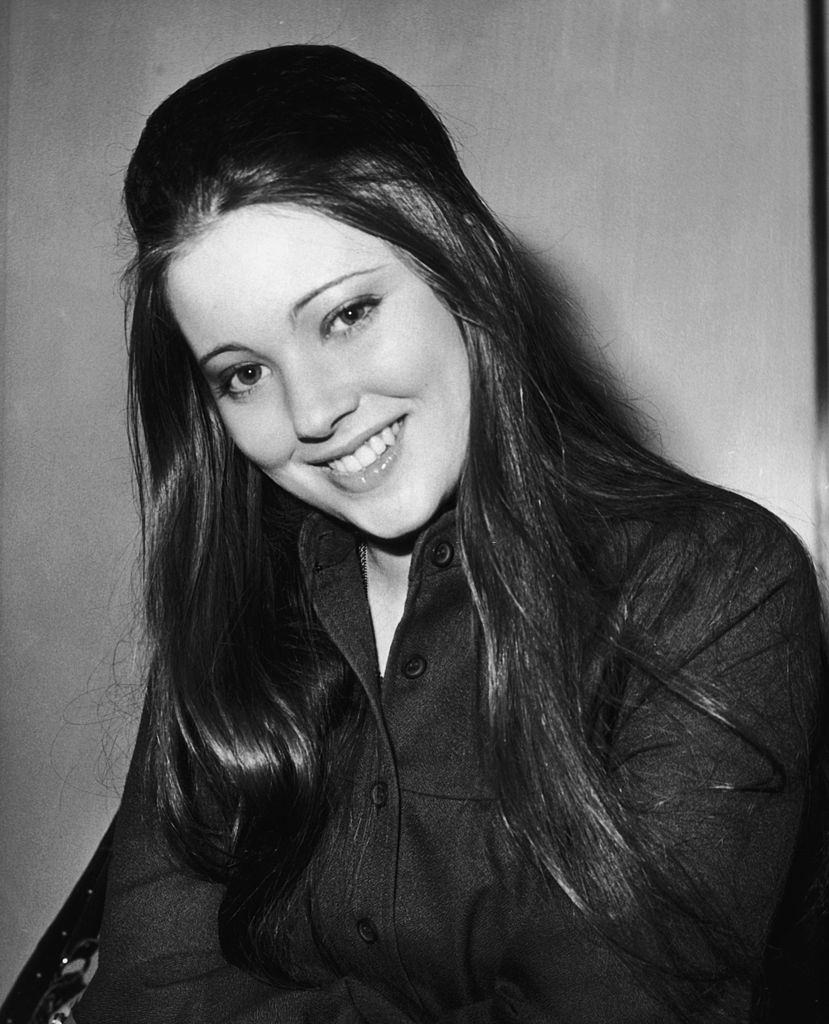
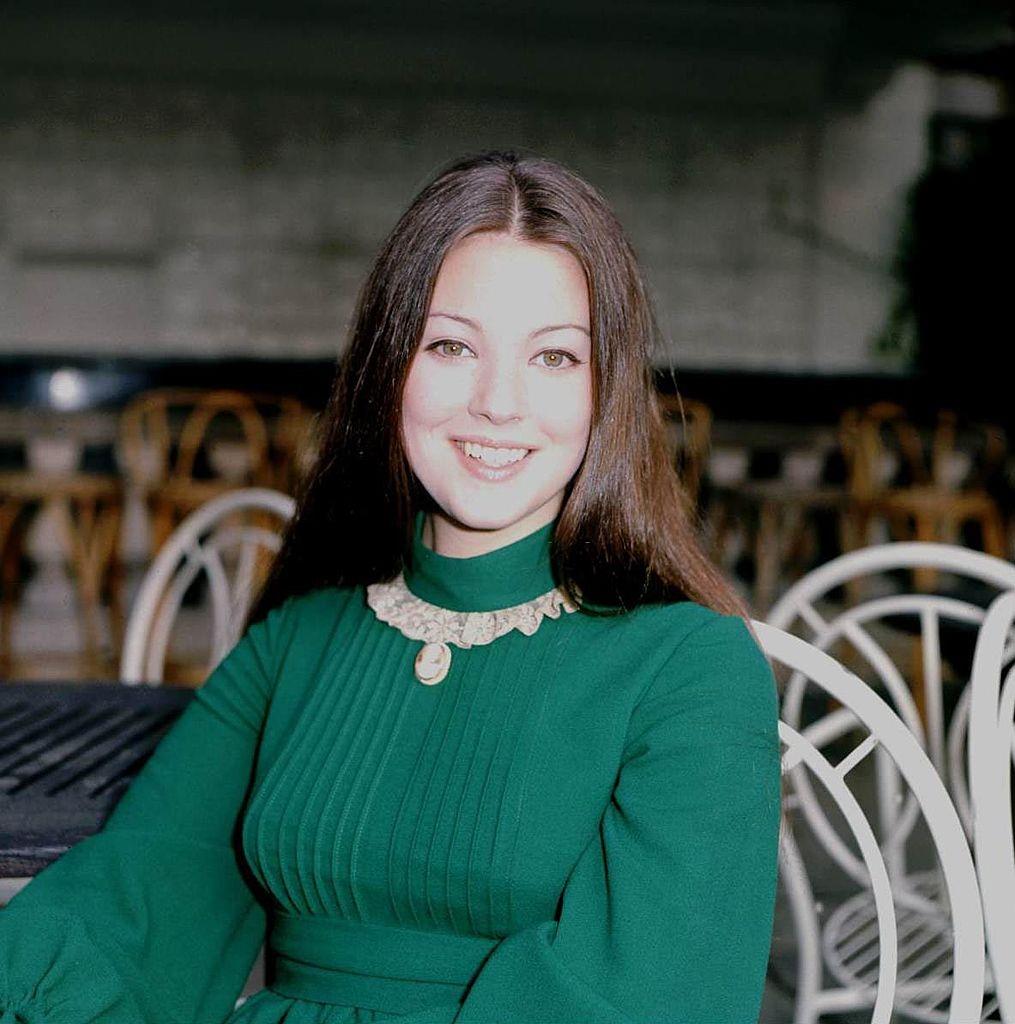
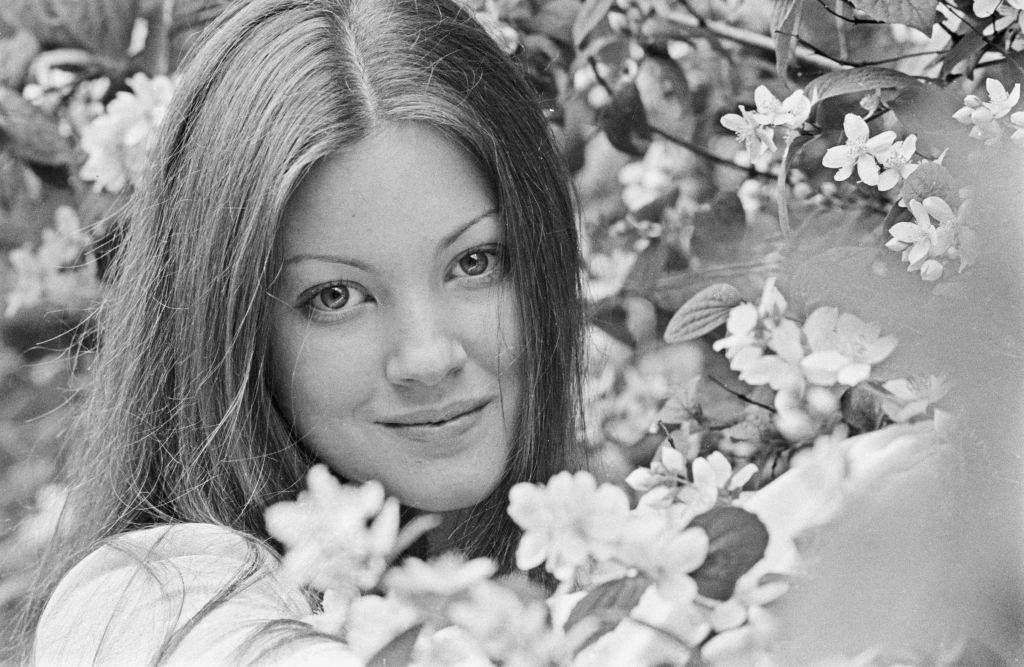
Her visibility continued to grow through 1972 and 1973. She was photographed frequently, appeared alongside fellow actors on set and at public events, and maintained a strong presence both on screen and in the press. In 1973, she was photographed with Michael Murphy and Nigel Davenport, two of the more respected actors in British and American cinema at the time.
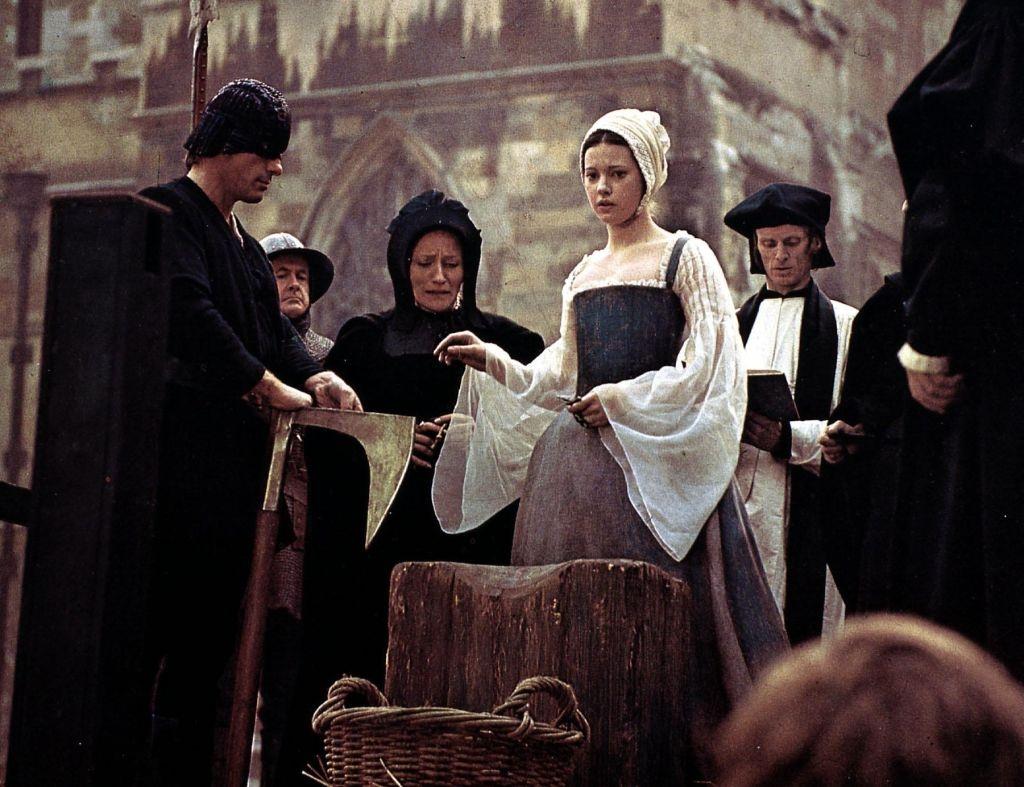
Frederick’s biggest television break came in 1974 when she appeared in The Pallisers, a critically acclaimed BBC series that went on to win Emmy Awards. The role elevated her status from promising newcomer to established star. Throughout the mid-1970s, she shifted her image deliberately — moving from the fresh-faced teenager of her early years into a more sophisticated, glamorous screen presence. She became a recognized film sex symbol while continuing to take on varied and challenging roles.
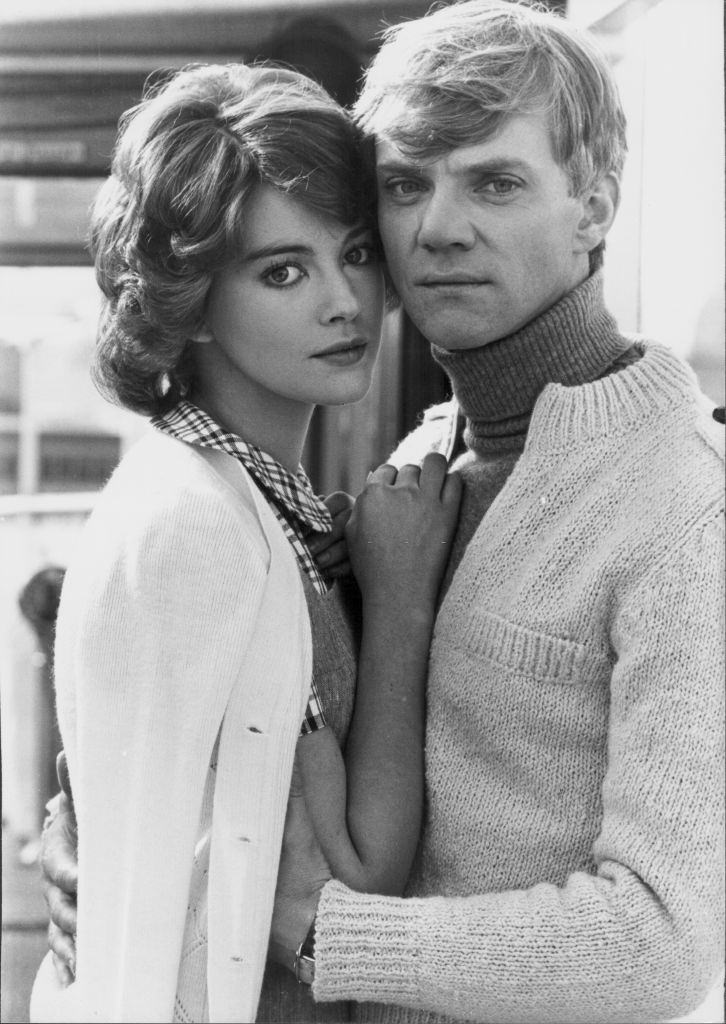
By 1976, she was appearing in films like Schizo and Voyage of the Damned, the latter alongside Malcolm McDowell. These were serious productions with serious casts, and Frederick was firmly placed among them.
It was also in 1976 that Frederick met Peter Sellers at a dinner party hosted by agent Dennis Selinger. Sellers was 52, Frederick was 22. The two married in 1977. The early period of their marriage was relatively settled, but it deteriorated over time. As Sellers’ health declined sharply, Frederick gave up her acting career to care for him. The media portrayed her as a gold digger. Rumors circulated about drug abuse, infidelity, and domestic conflicts. The couple separated multiple times before reconciling.
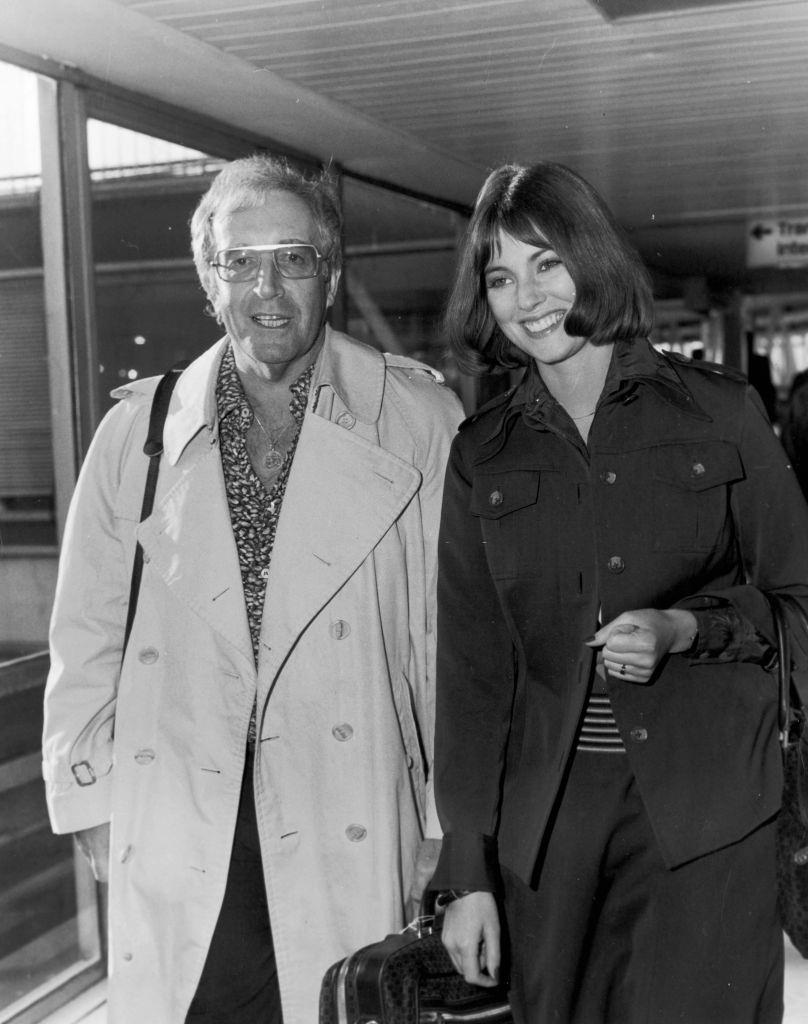
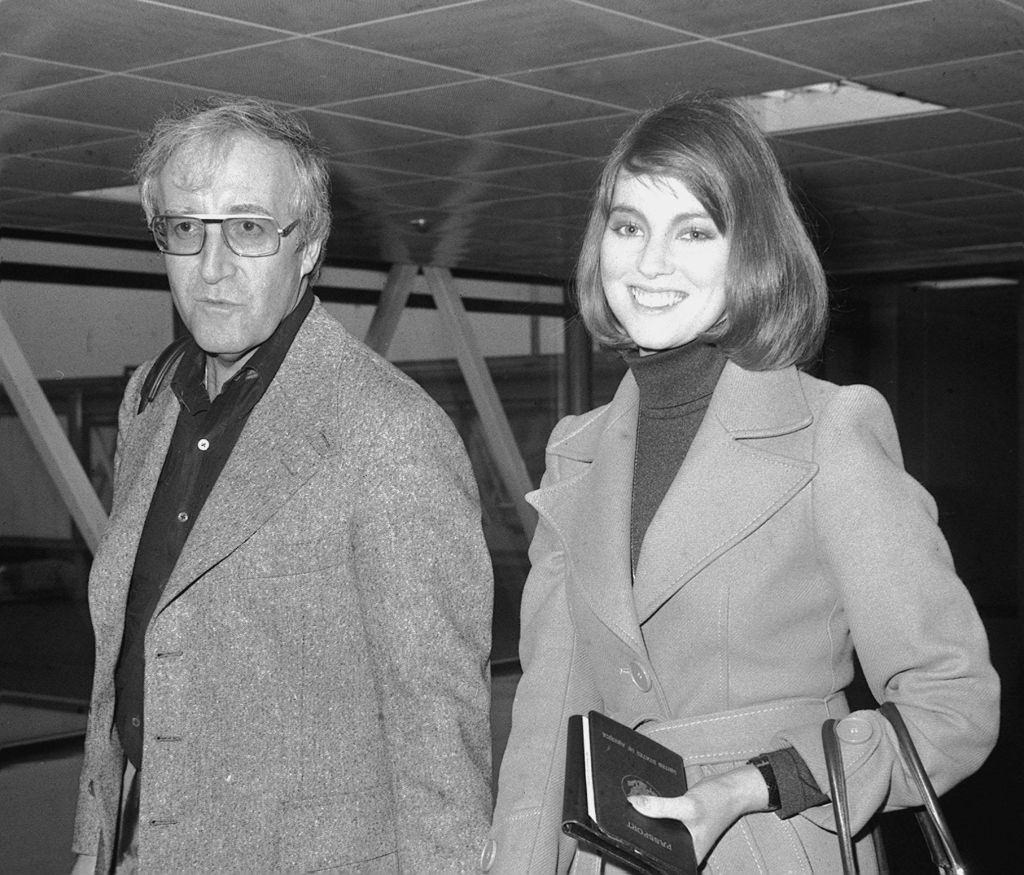
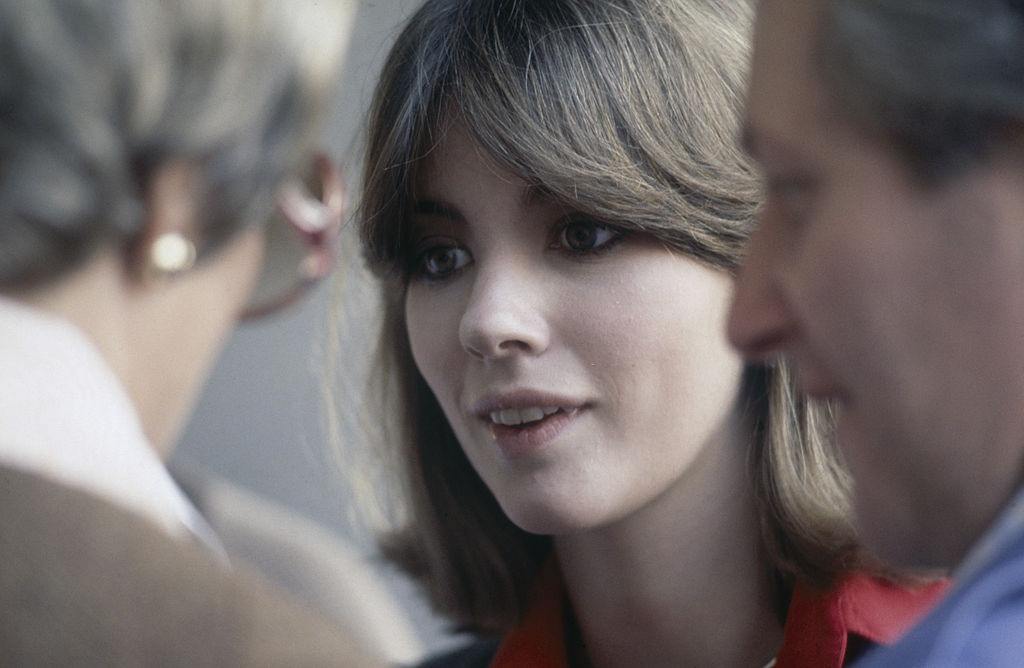
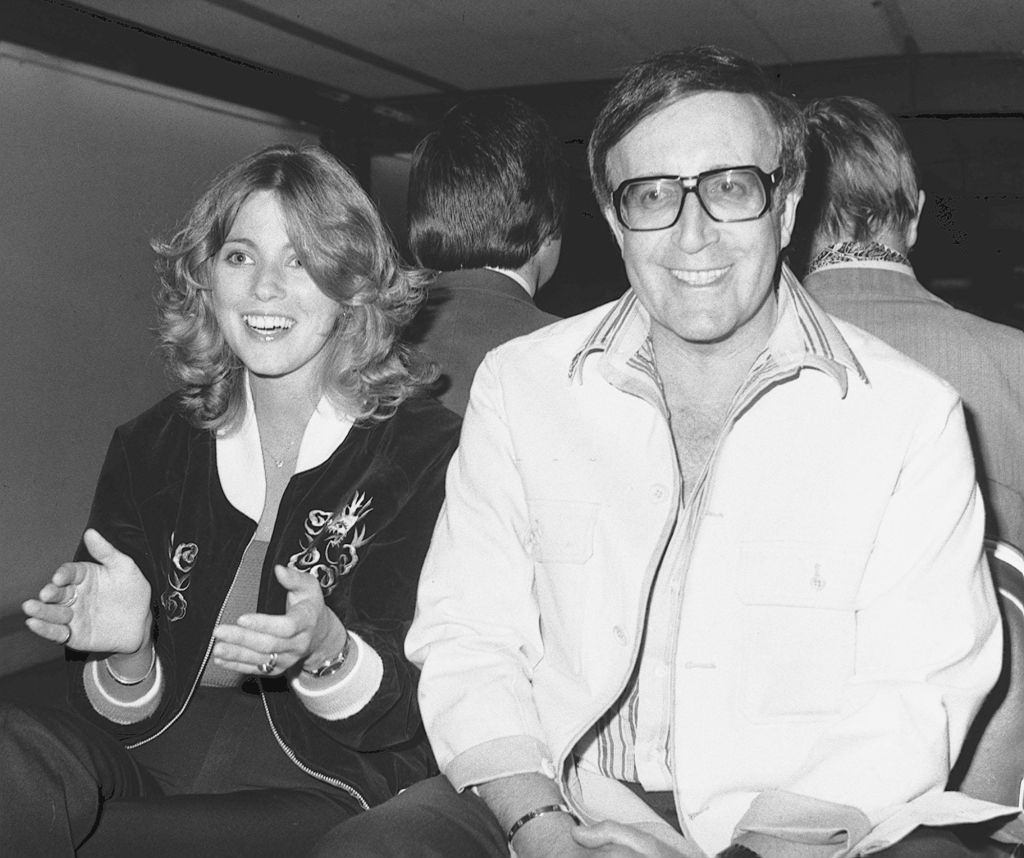
In 1979, Frederick and Sellers attended the world premiere of A Little Romance in Century City, an event honoring the legendary Sir Laurence Olivier. It was one of the couple’s final high-profile public appearances together. Sellers died of a heart attack on July 24, 1980 — the day before Frederick’s 26th birthday.
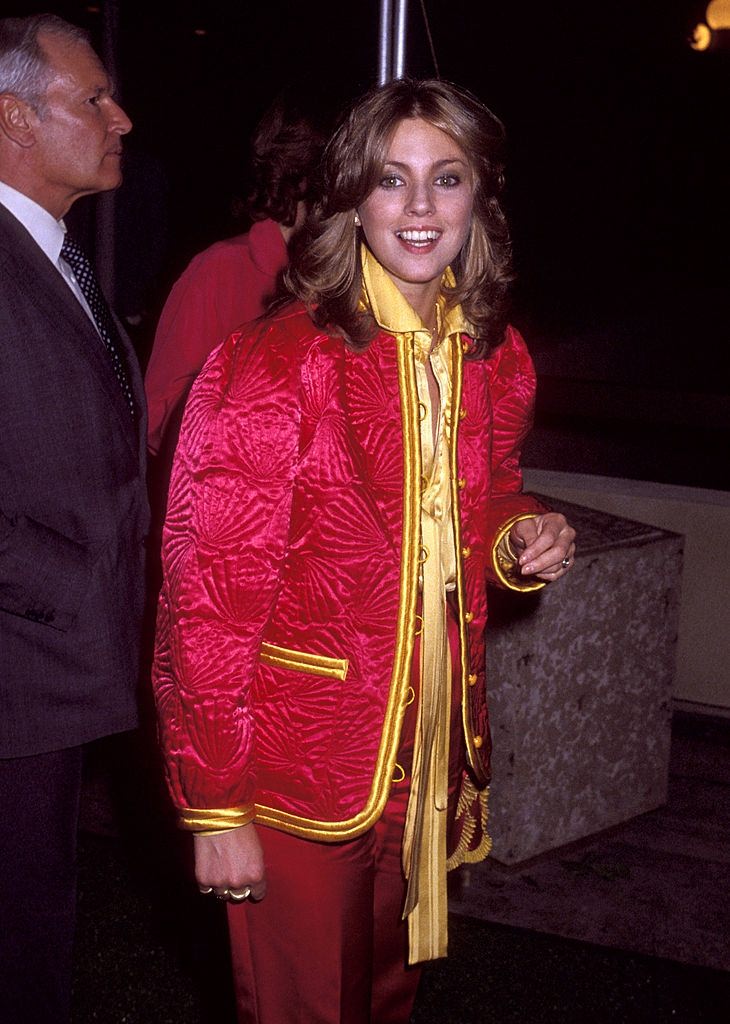
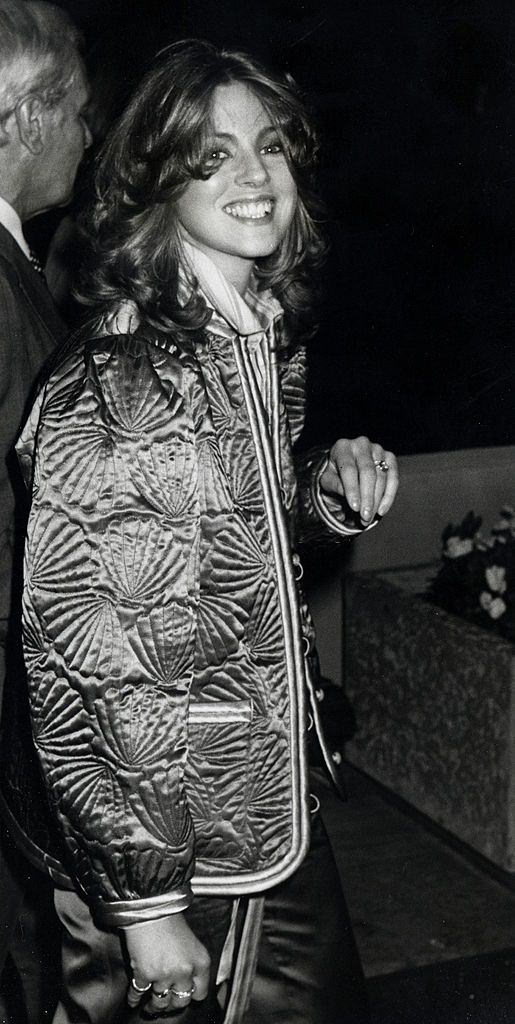
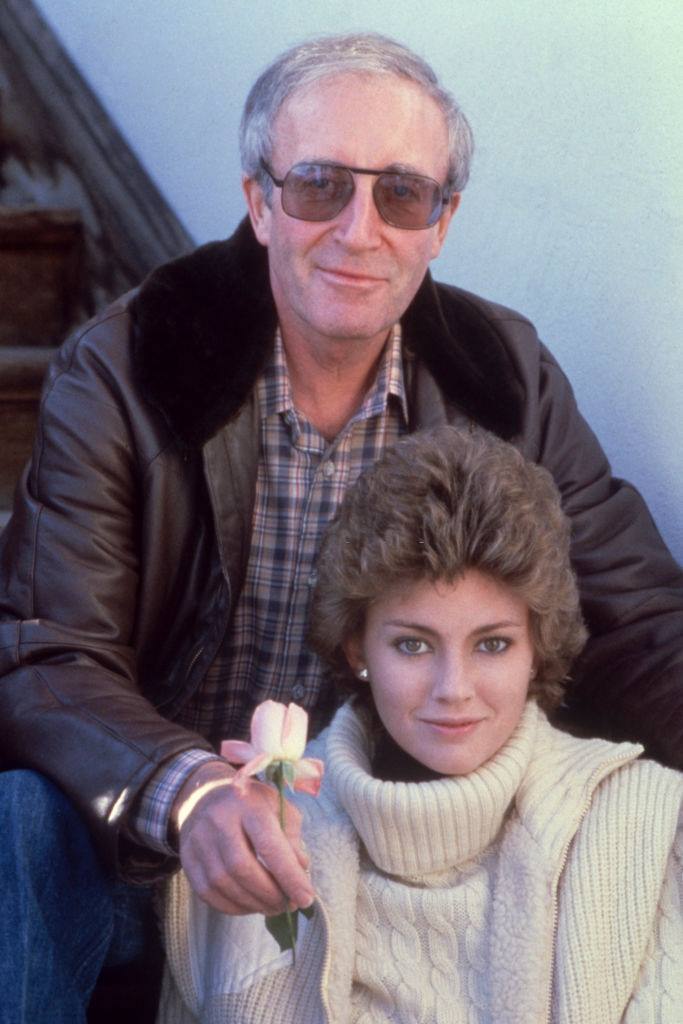
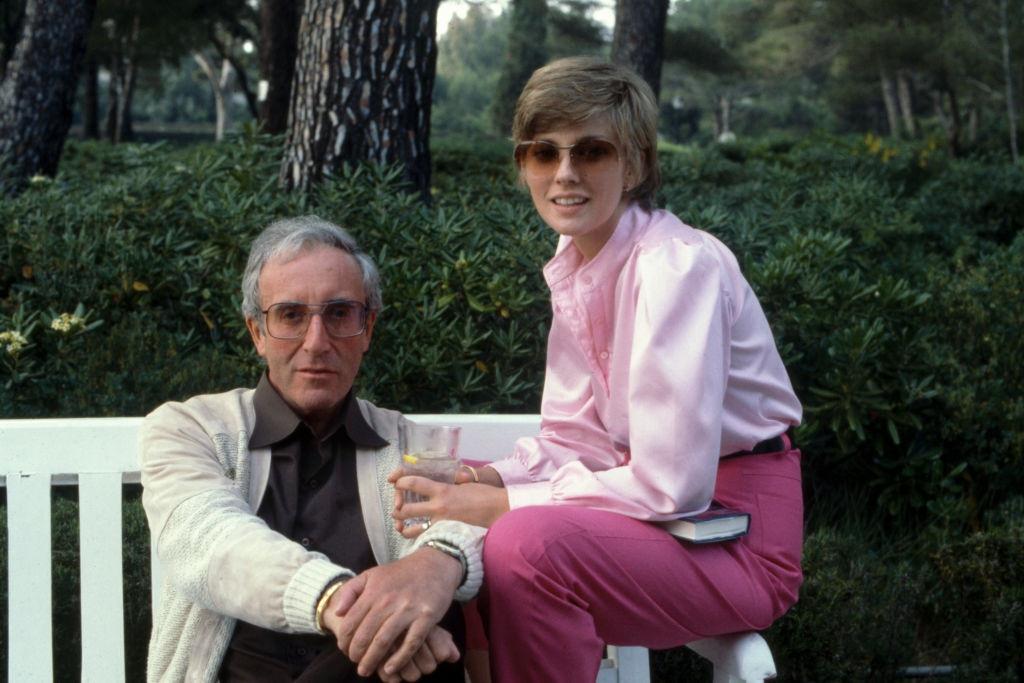
Sellers left almost his entire estate to Frederick — an estimated £4.5 million, worth around £19.4 million today. Friends of Sellers publicly urged Frederick to share the inheritance with his children from previous relationships, but she refused. Sellers’ son, Michael Sellers, wrote an exposé for The New York Times accusing Frederick of being manipulative and claiming she had deliberately influenced his father to alter his will in her favor, cutting his children out of a significant portion of the estate. Frederick appeared in her final film, The Fiendish Plot of Dr. Fu Manchu, in 1980. That same year, she and Sellers were photographed together at the Cannes Film Festival, one of the last records of them as a couple before his death.
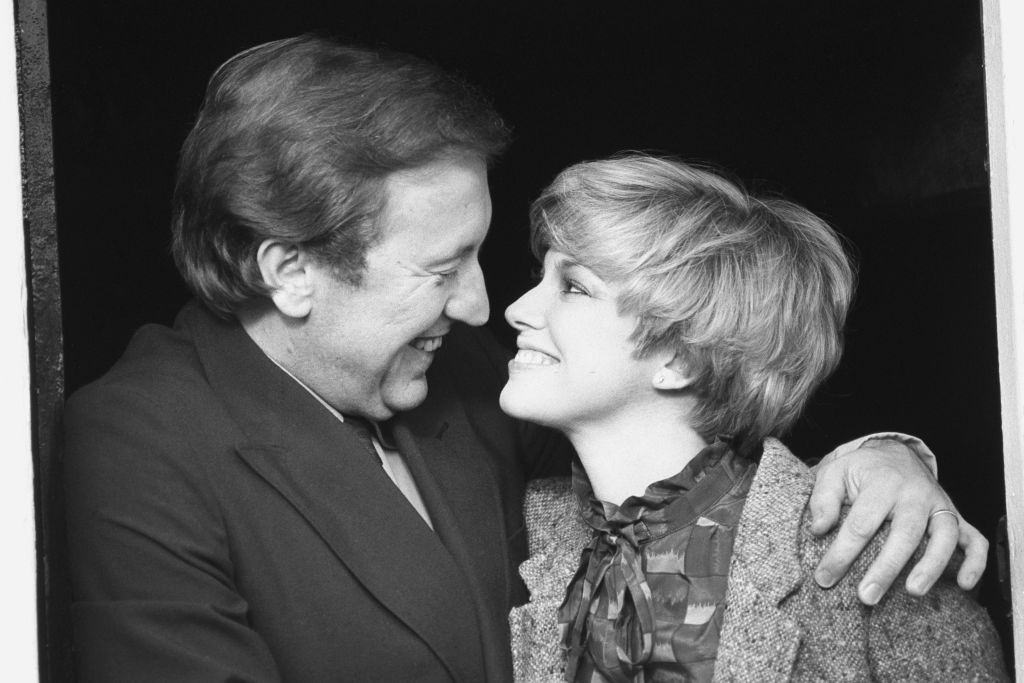
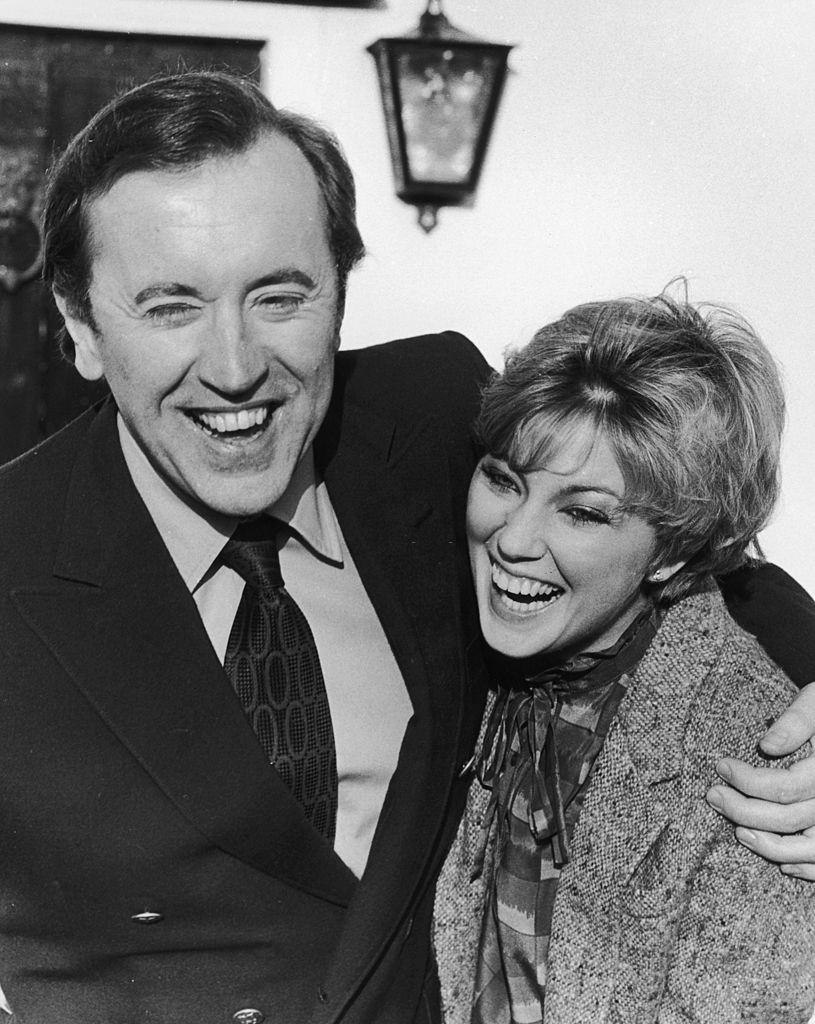
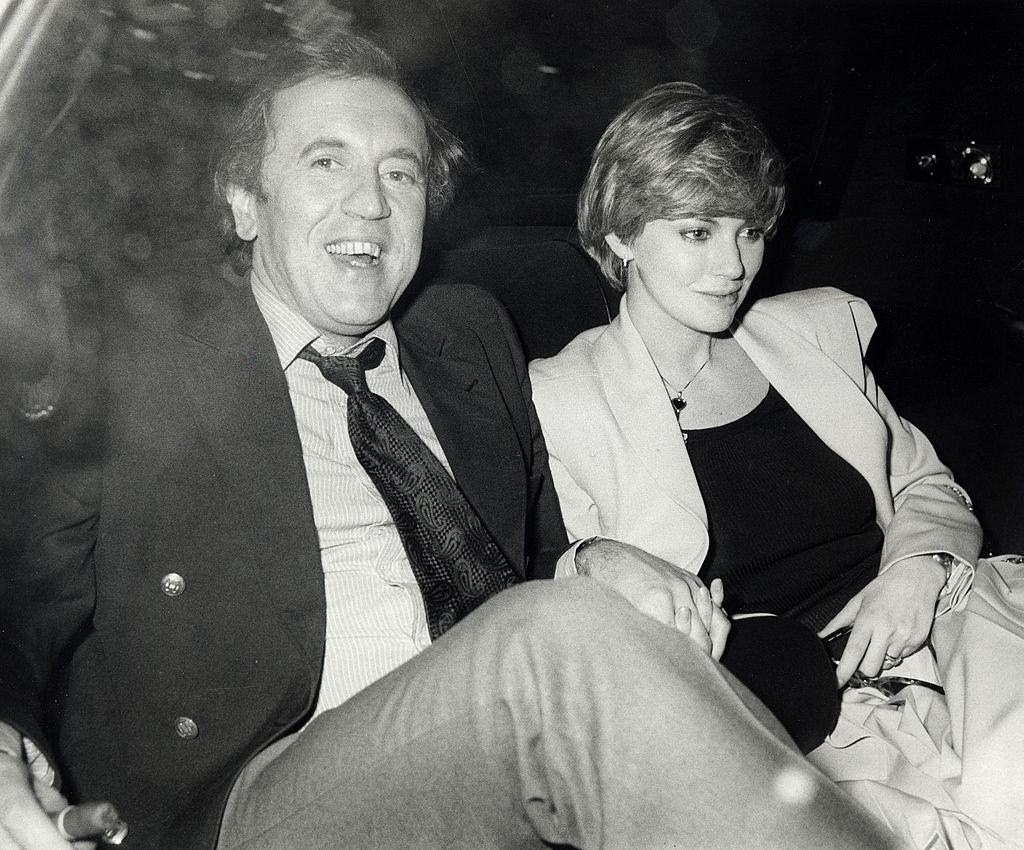
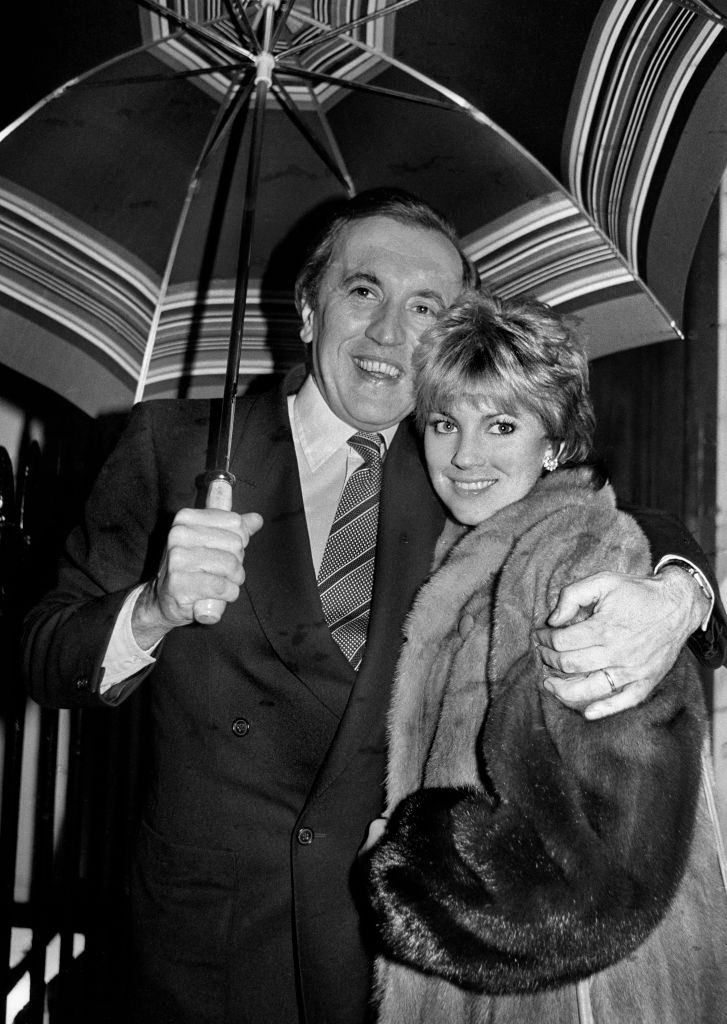
In 1981, Frederick married British television personality David Frost. The wedding was held quietly, and the marriage lasted only 17 months. The two were photographed together at various public and private events during their brief time together, including in London and at Frost’s cottage in East Bridge.
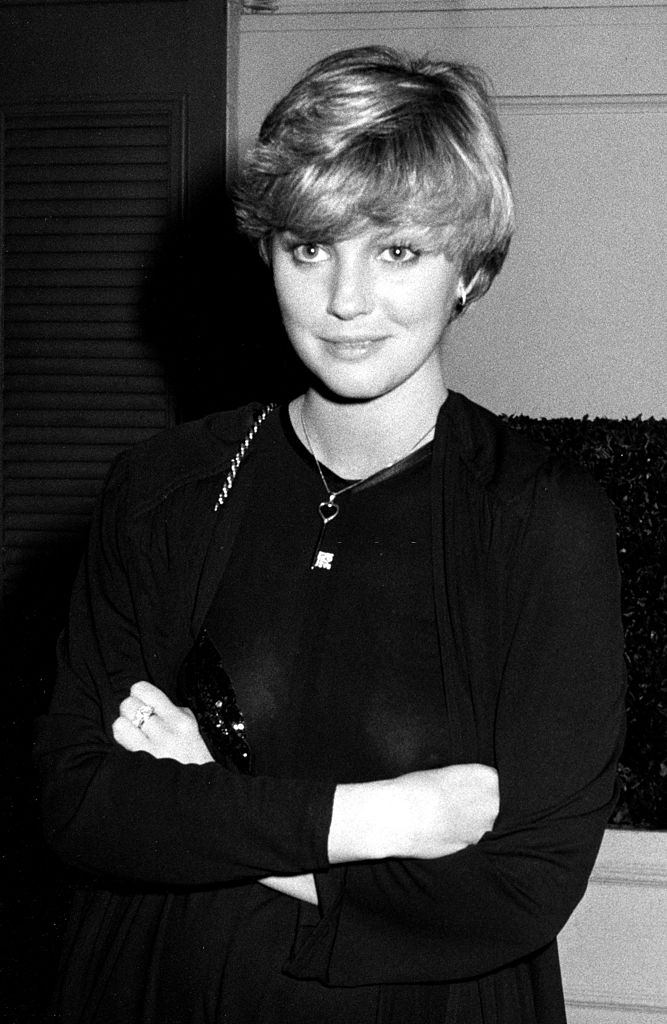
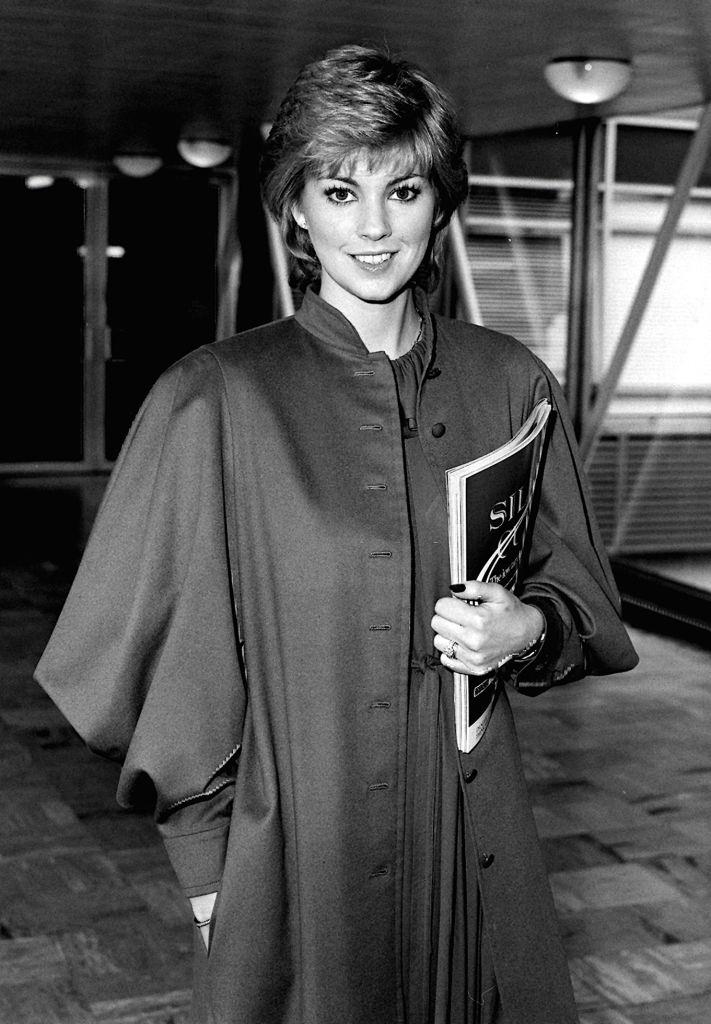
In December 1982, Frederick married California surgeon and heart specialist Dr. Barry Unger. Together they had a daughter, Cassie Cecilia Unger. The marriage ended in divorce in 1991. During this period, Frederick made several court appearances that were widely covered in the British press. The legal proceedings stemmed from disputes connected to the Sellers estate.
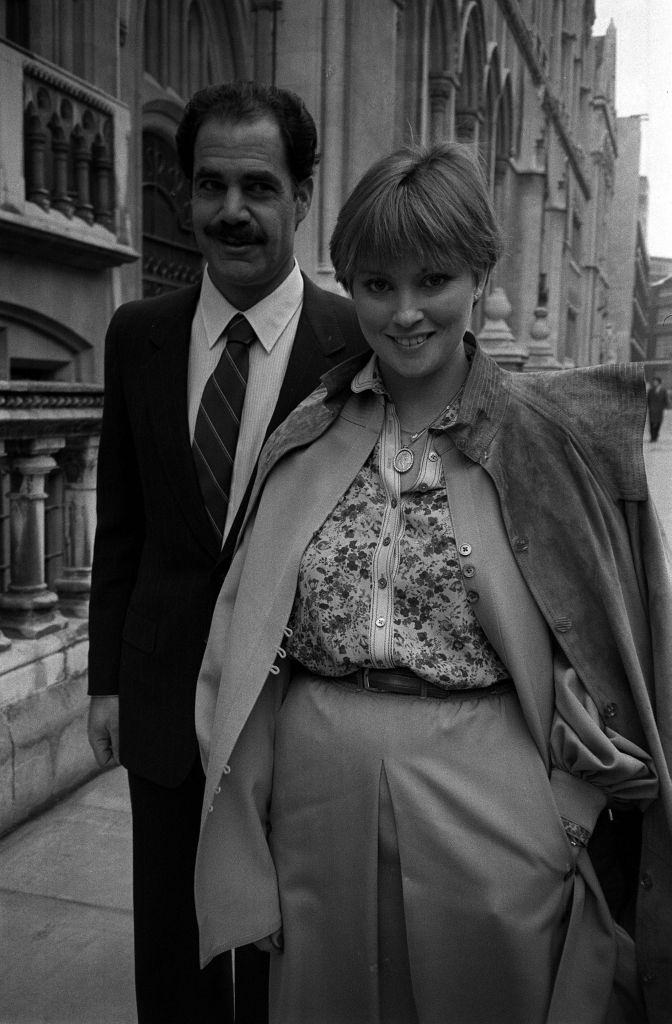
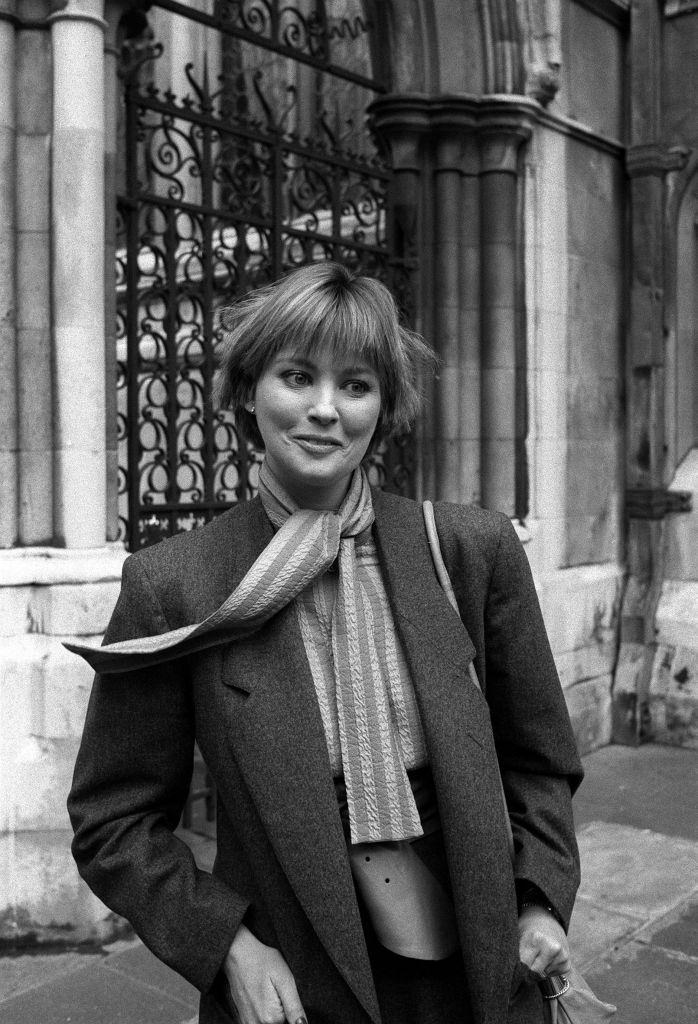
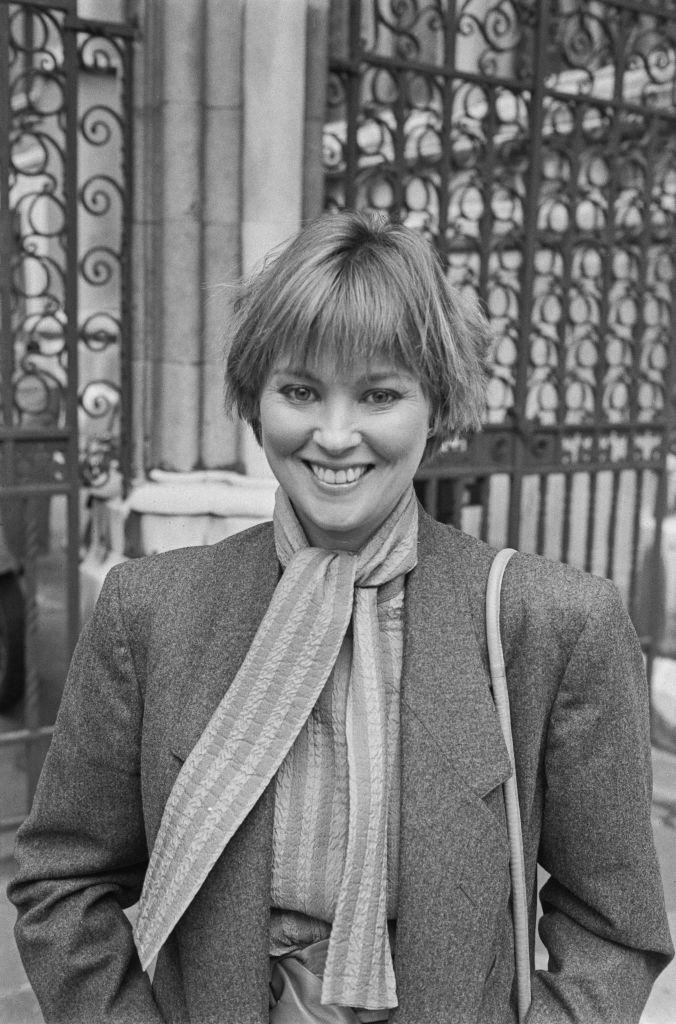
The final years of Lynne Frederick’s life were marked by serious personal struggles. She battled chronic drug addiction and clinical depression, went through rehab without lasting success, and made multiple suicide attempts. On April 27, 1994, her mother found her dead at her home in West Los Angeles. She was 39 years old. The exact cause of her death was never officially disclosed to the public.