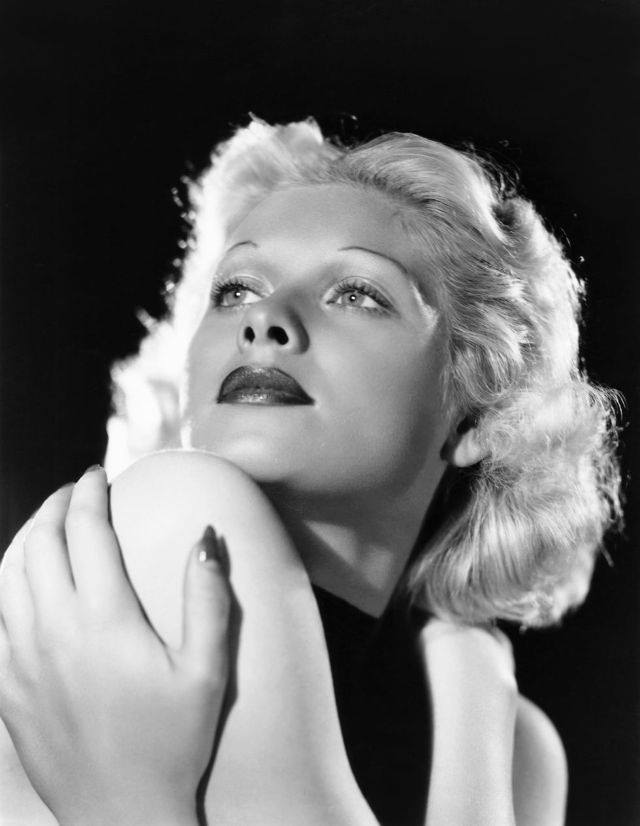
Before Lucille Ball became one of the most recognizable faces on American television, she was a struggling young woman in New York City trying to find her footing. Acting had been her first choice. She left high school and headed to New York with big ambitions, but teachers at an acting studio told her bluntly that she had no talent. With rent due and food to buy, she turned to modeling.
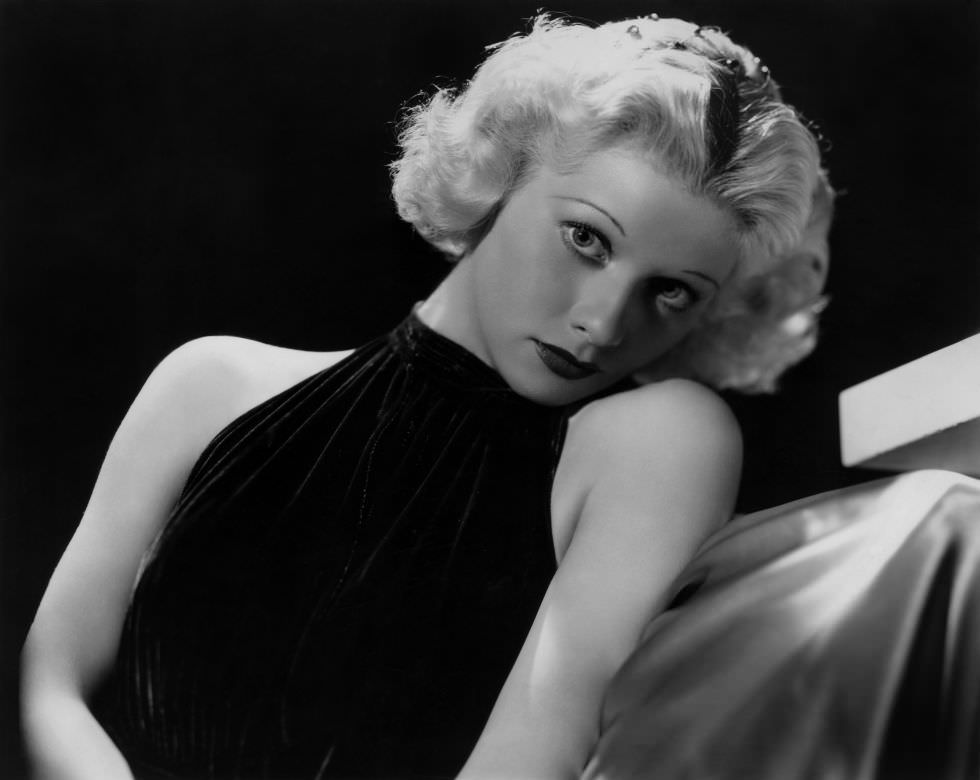
When she applied for work at Hattie Carnegie’s famous salon, she did not use her real name. She went in as “Diane Belmont,” a name she felt sounded more sophisticated. It worked. Carnegie’s team hired her on the spot, drawn to her tall frame and slim figure — exactly what the salon needed to show off its high-end designs.
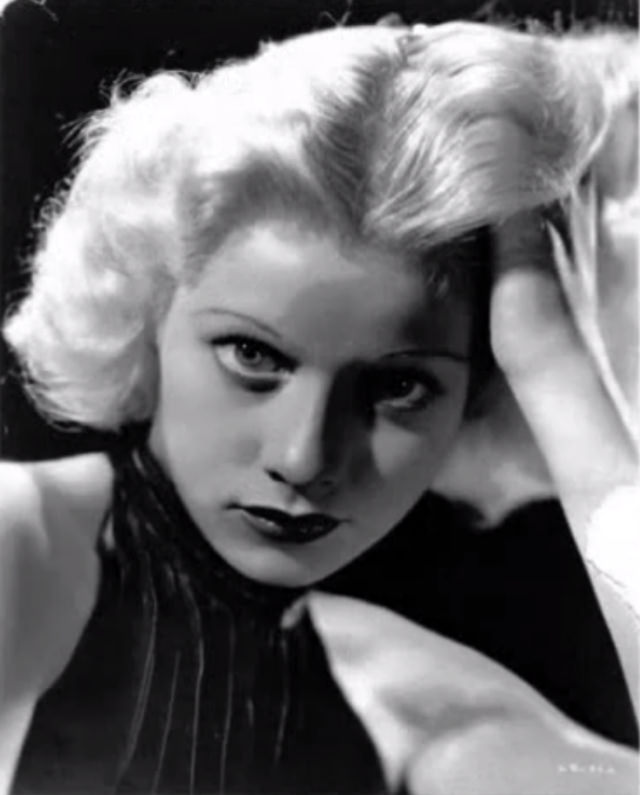
Hattie Carnegie herself was a powerhouse in American fashion. Born on March 15, 1889, she built her empire from the ground up in New York City. She started with a hat shop called Carnegi-Ladies Hatter on East Tenth Street, capitalizing on the enormous demand for women’s hats during the 1920s and 1930s. From there, she expanded to a dress shop on the upper West Side, with locations between 42nd and 49th Streets — a far ritzier stretch of the city, positioned close to Saks Fifth Avenue.
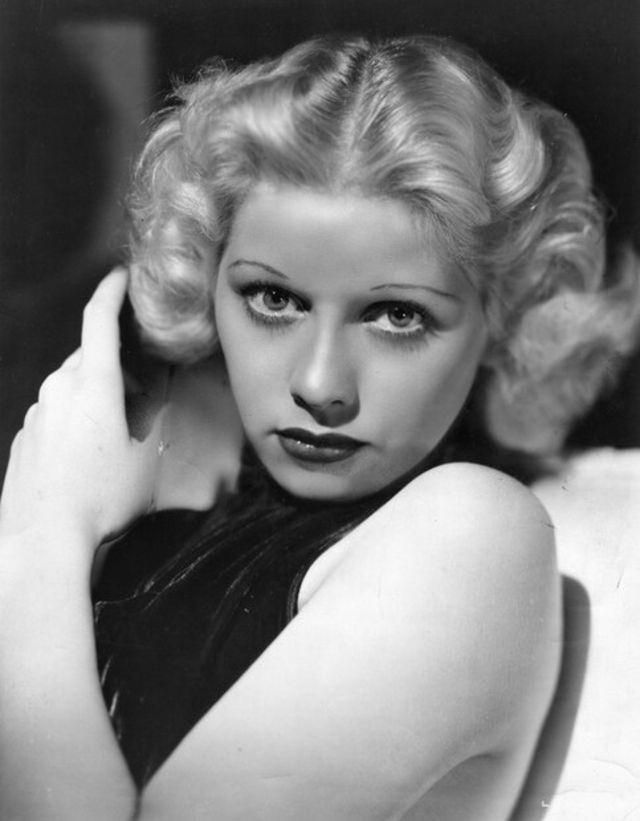
Carnegie’s salon was not simply a dress shop. She sold her own original designs alongside pieces from celebrated European designers like Chanel and Dior. She also created her own jewelry line. Her client list grew to include royalty and Hollywood elite — the Duchess of Windsor and Joan Crawford were among her regulars. Carnegie had a sharp eye for what worked, both in fashion and in people.
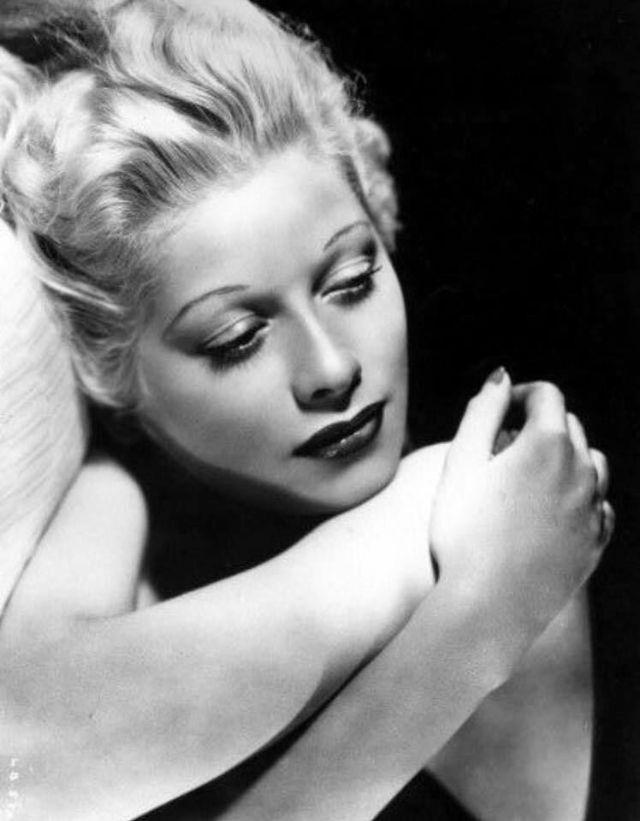
That eye landed squarely on Lucille Ball. Hattie took an immediate liking to the young model. Where others may have seen a skinny, unknown girl, Carnegie saw someone with discipline, a strong work ethic, and a body that could carry any look in the salon. Lucy never complained, always showed up ready to work, and kept a sense of humor through long, demanding days on the floor.
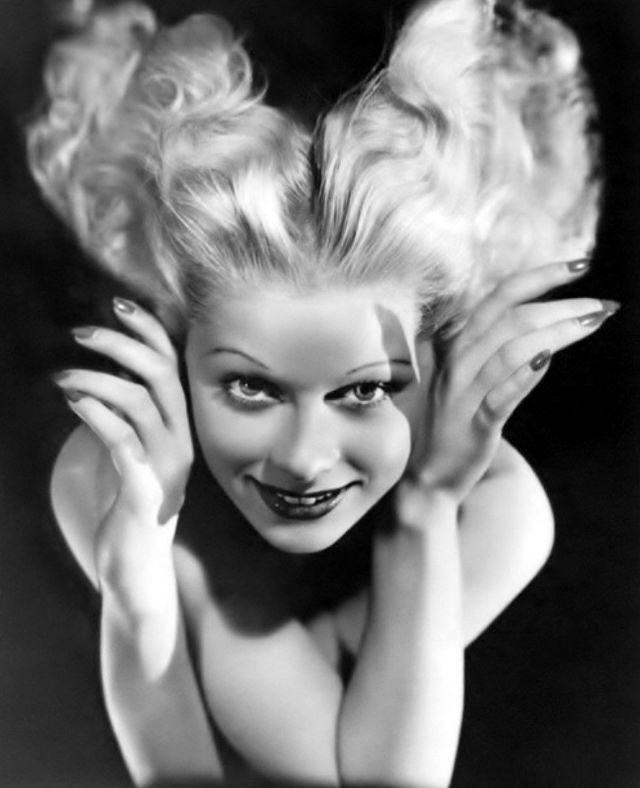
Carnegie used Lucy more than any other model at the salon. The relationship went beyond the showroom floor. Hattie recommended Ball for the “Chesterfield Girl” billboard campaign, a major visibility boost that helped put Lucy’s face in front of a much wider audience. It was one of the key early steps in a career that would eventually take a very different direction.
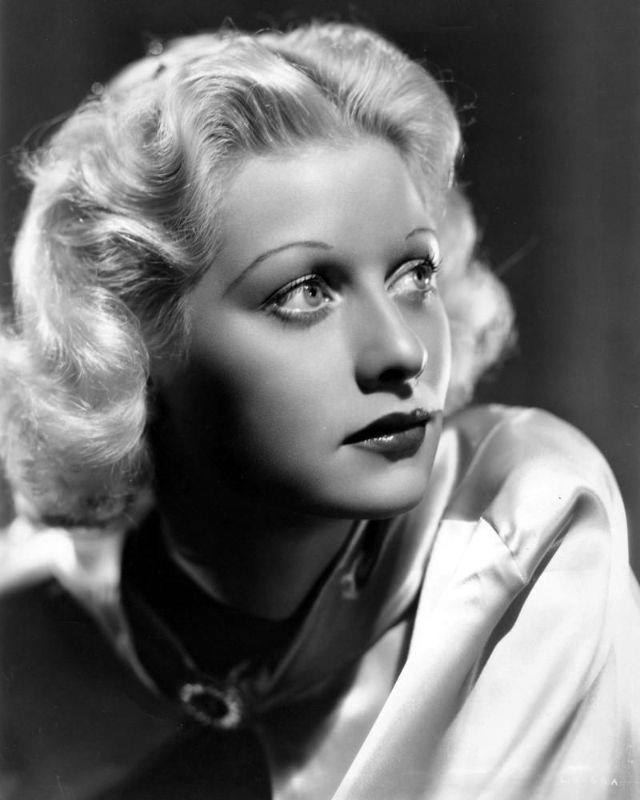
These 1935 portraits capture Lucille Ball at the very beginning of everything — poised, polished, and working for one of the most respected names in American fashion. Hattie Carnegie passed away in 1956, but her designs, hats, and jewelry have remained highly collectible, routinely fetching remarkable prices at auction. The glamour captured in these images reflects both the elegance of Carnegie’s brand and the natural star quality of the young woman wearing it.