
In 1987 and 1988, a unique documentary effort brought researchers to the streets, markets, and community halls of Lowell, Massachusetts. The American Folklife Center, the Lowell Historic Preservation Commission, and the Massachusetts Council on Arts and Humanities joined forces to launch the Lowell Folklife Project. Their goal was straightforward: record the living culture of a city shaped by the Industrial Revolution and transformed over generations by wave after wave of immigrant communities.
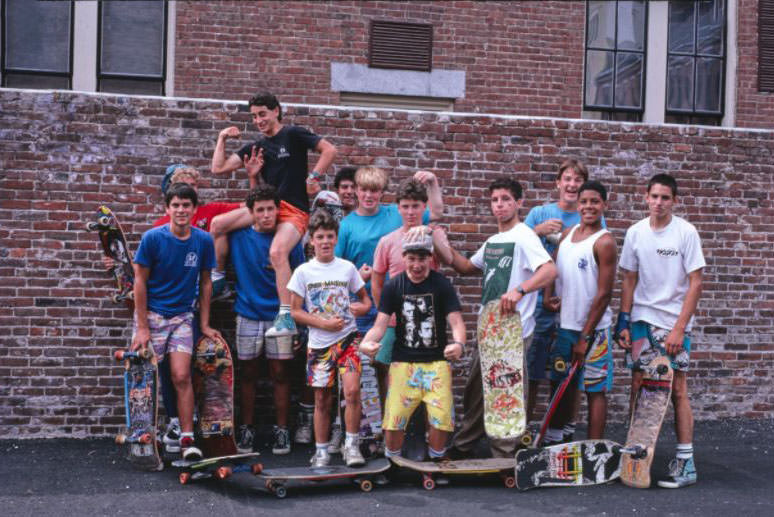
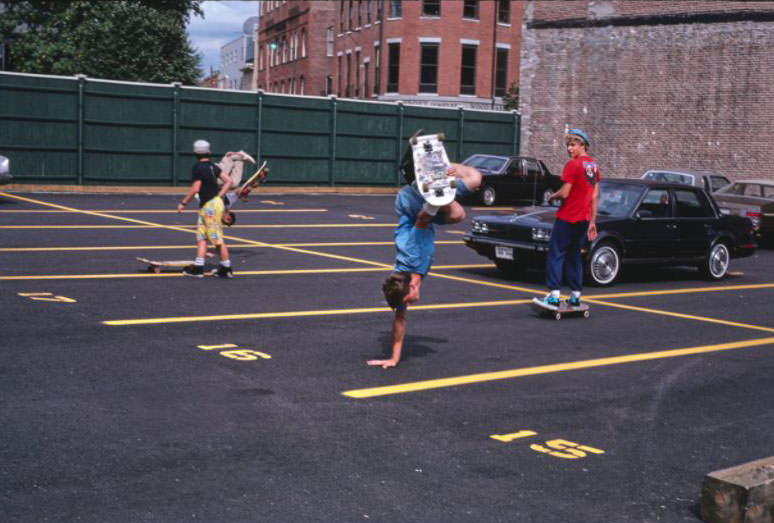
Lowell’s streets in the late 1980s were a study in contrasts. Old mill-town architecture stood alongside the everyday rhythms of a diverse urban population. Young people found their own spaces in the city, like the Merrimack Street parking lot, which became an informal gathering spot for skateboarders.
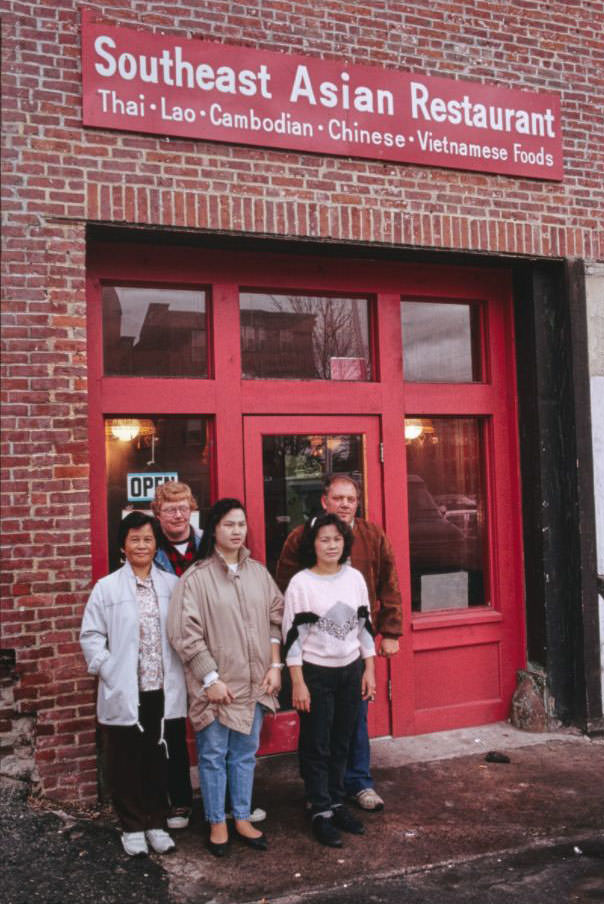
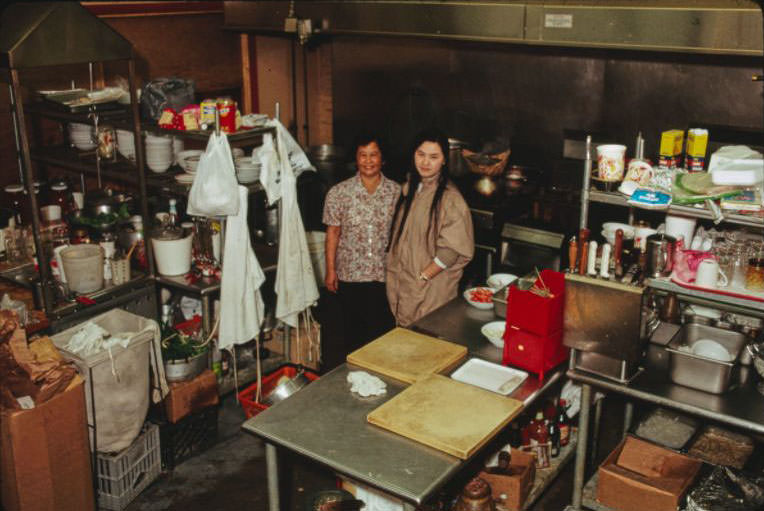
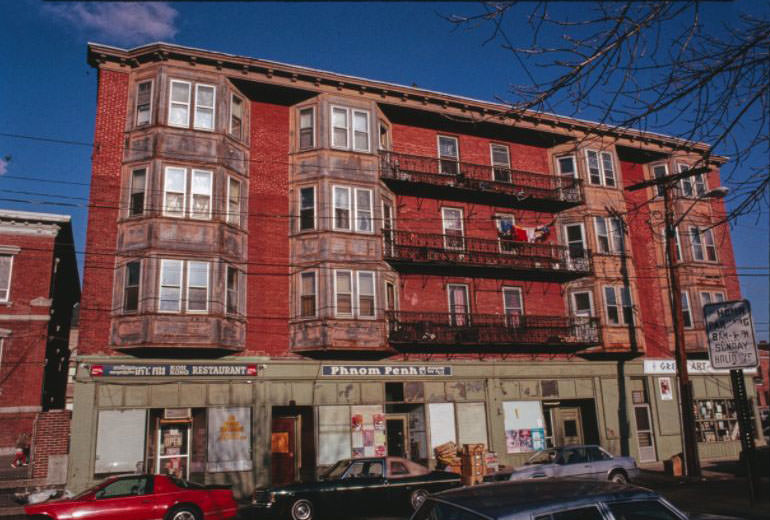
By the 1980s, Lowell had become home to one of the largest Southeast Asian populations in New England. Many refugees from Cambodia, Laos, and Vietnam had resettled there following the wars in their home countries. Southeast Asian restaurants were among the most visible signs of this new community taking root in the city.
Portuguese-American residents maintained strong cultural traditions through organizations like the Holy Ghost Society and the Pioneer Club. The annual Carnaval celebration was one of the most energetic events in the city’s calendar, drawing crowds and keeping Old World customs alive in a New England setting.
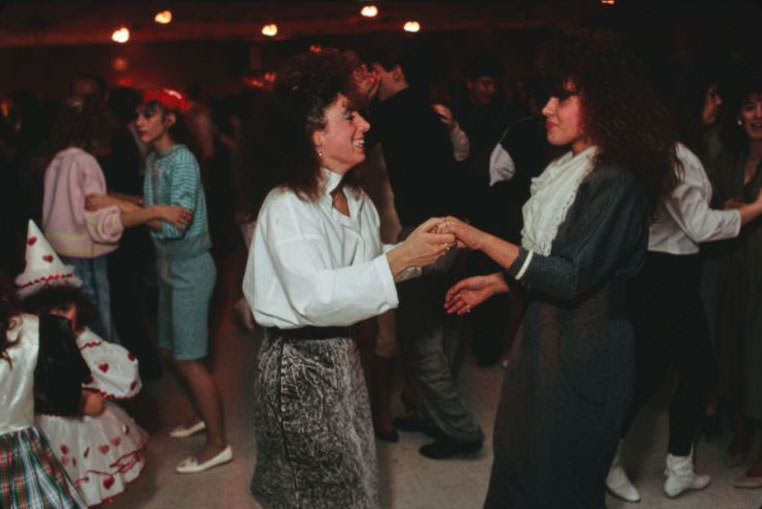
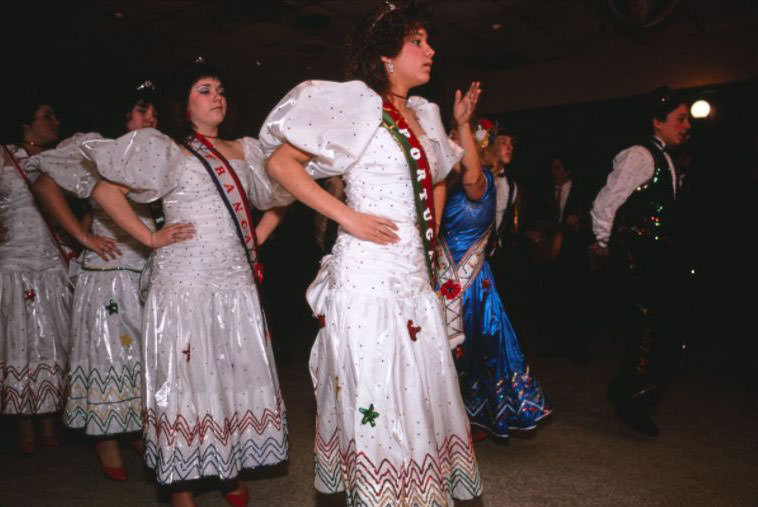
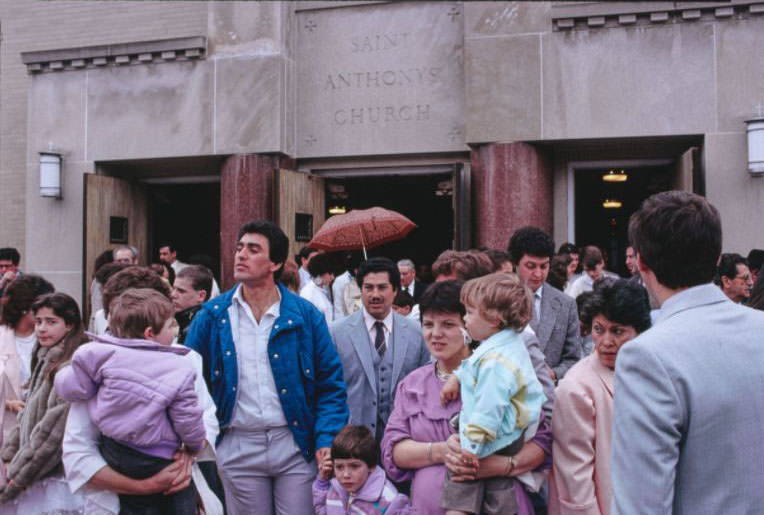
Religious festivals were woven into the fabric of neighborhood life. The Our Lady of Loreto Festival at Holy Ghost Park was a fixture for Lowell’s Catholic communities, as was Easter Mass at St. Anthony’s Church. These events were not private affairs — they spilled into public parks and streets, marking the seasons of the year with processions, food, and music.
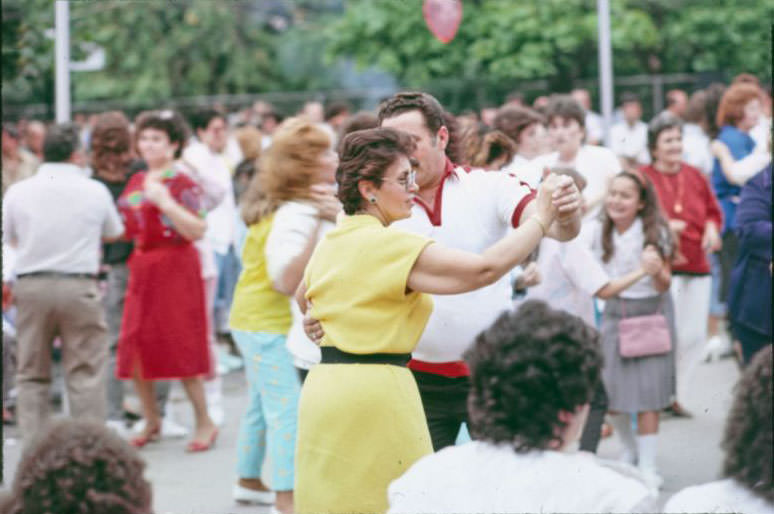
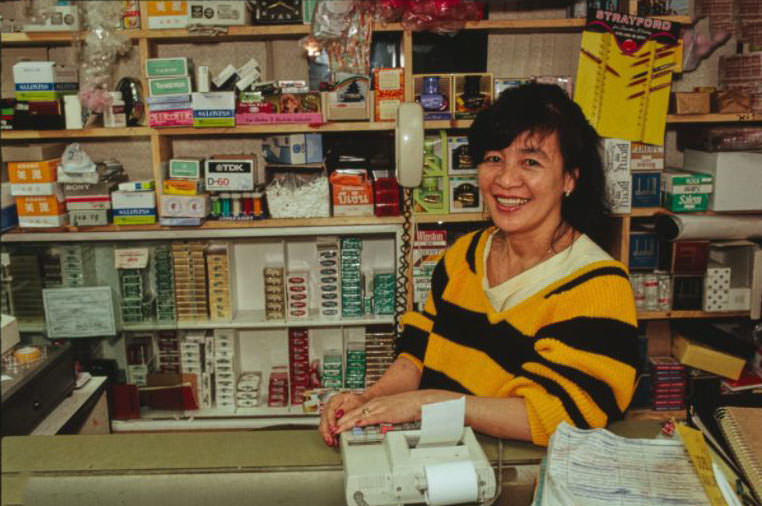
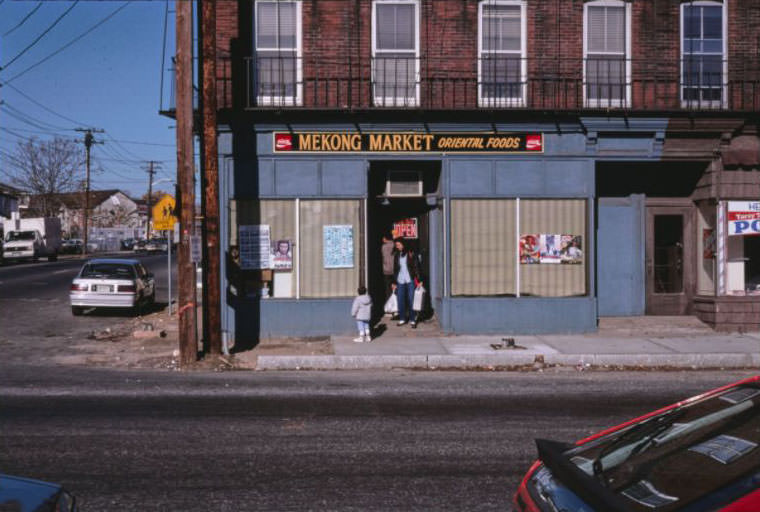
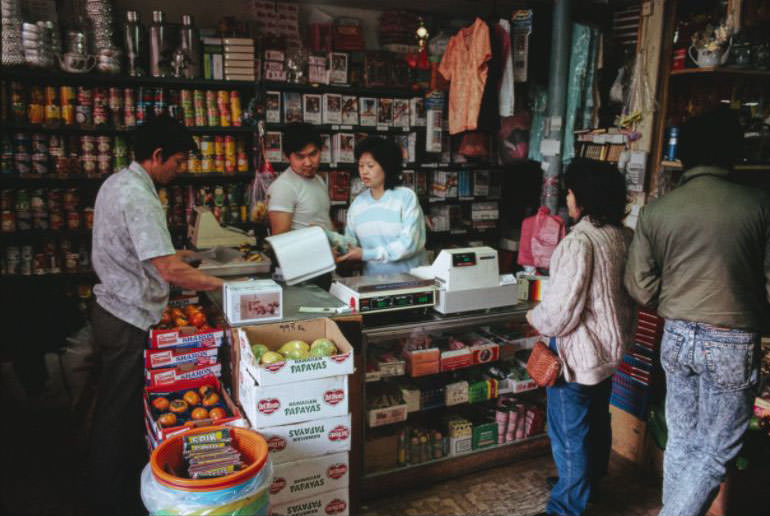
Neighborhood markets were central to daily life across Lowell’s ethnic communities. The Paylin Market on Branch Street and the Mekong Market served the specific food needs of their respective communities, stocking goods unavailable in mainstream grocery stores. The Phnom Penh market was another hub, offering Cambodian residents familiar ingredients and a place to connect.
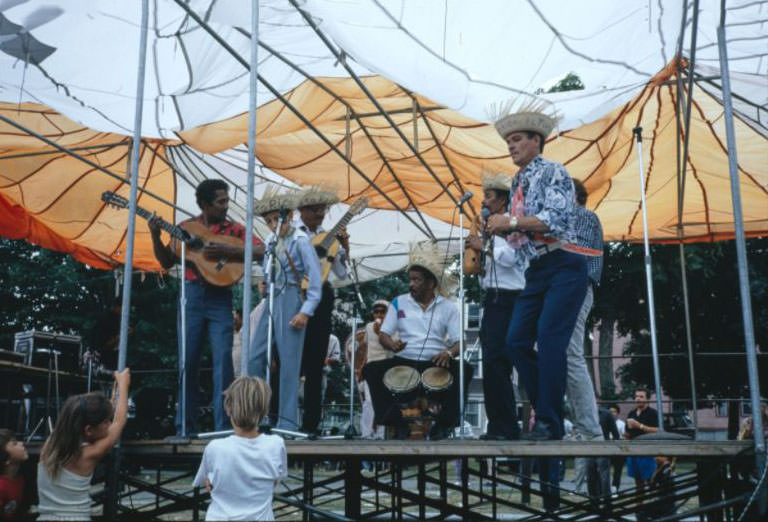
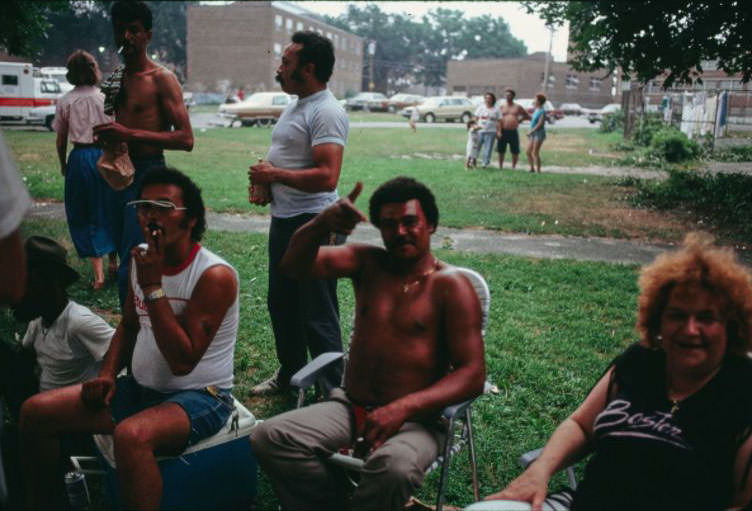
Lowell also had a significant Puerto Rican community. The Puerto Rican Festival was one of the year’s major public celebrations, complete with a baseball game that drew families from across the city.
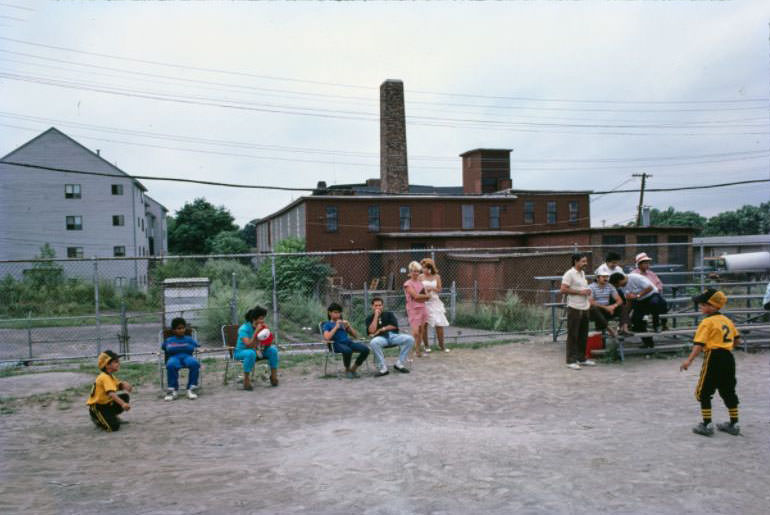
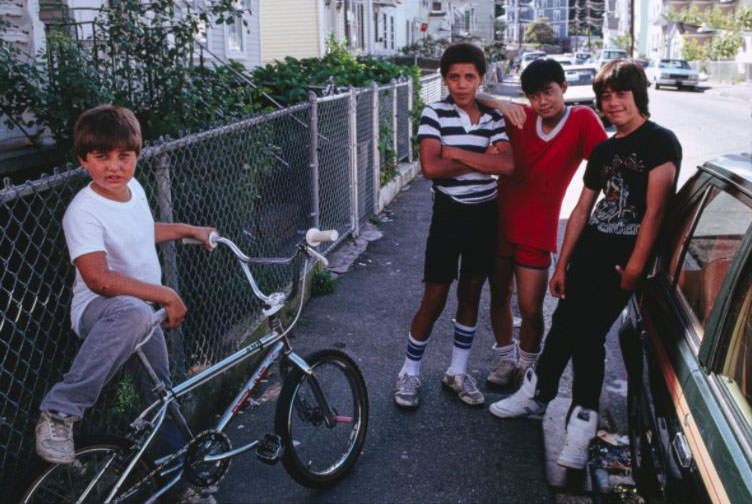
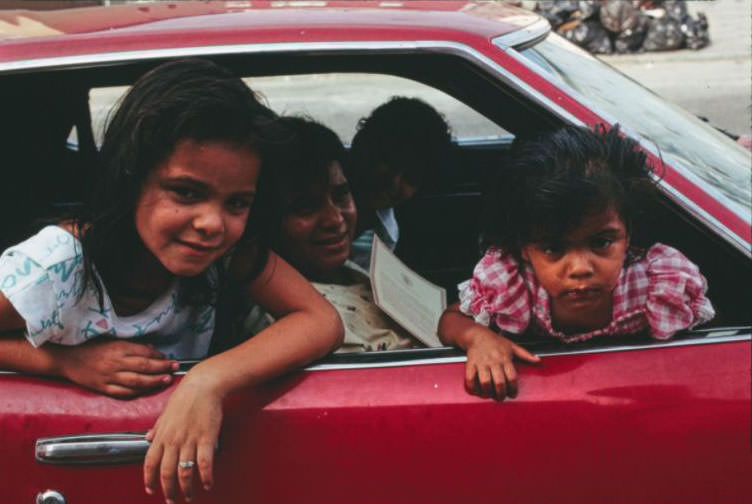
The streets of Lowell told their own story. Merrimack Street and its surrounding blocks captured the texture of ordinary life — foot traffic, storefronts, pedestrians going about their days. Researchers documented these scenes with care, knowing that the mundane details of a city in the 1980s would carry historical weight in years to come.
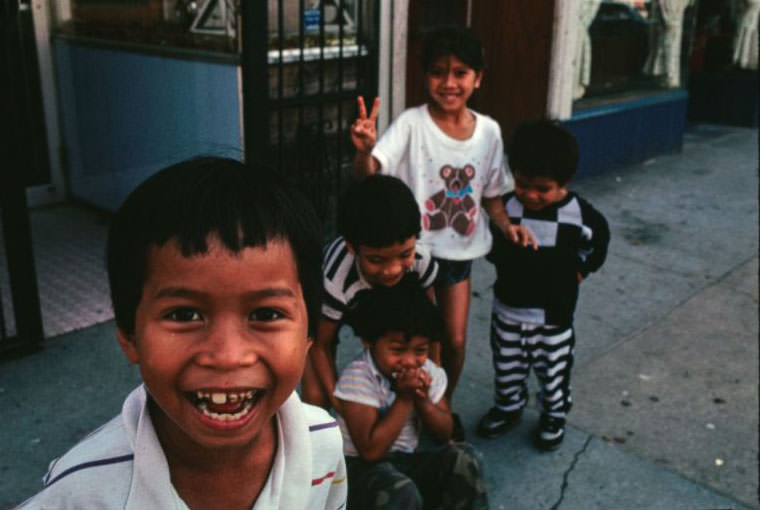
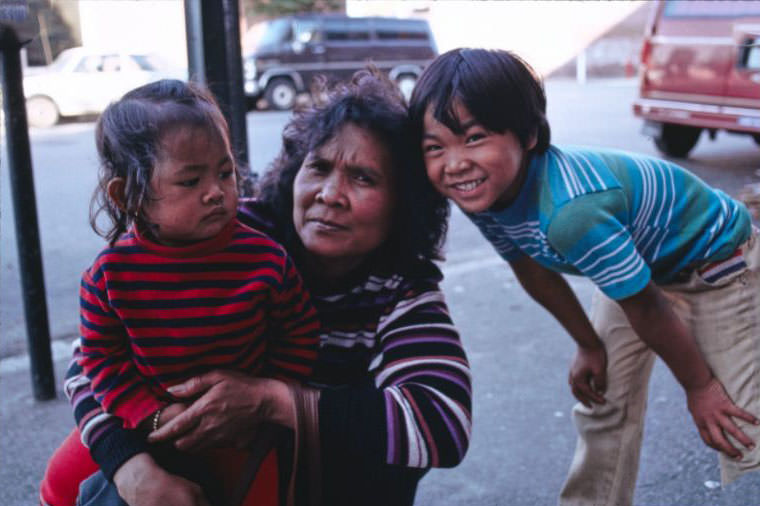
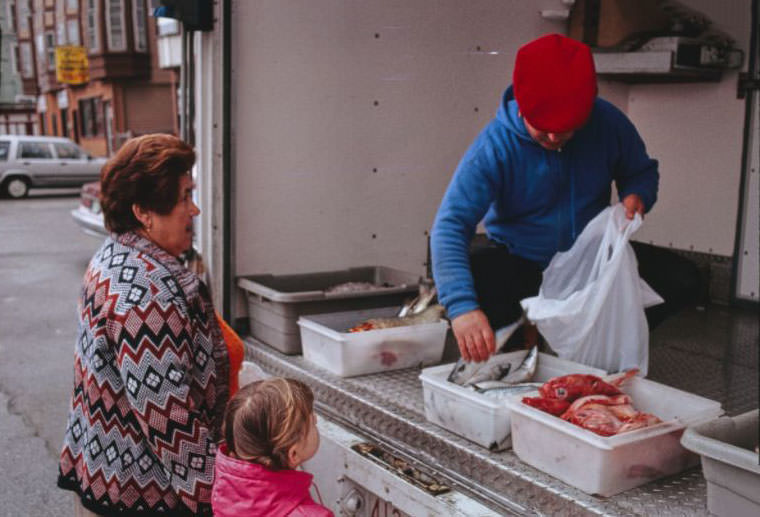
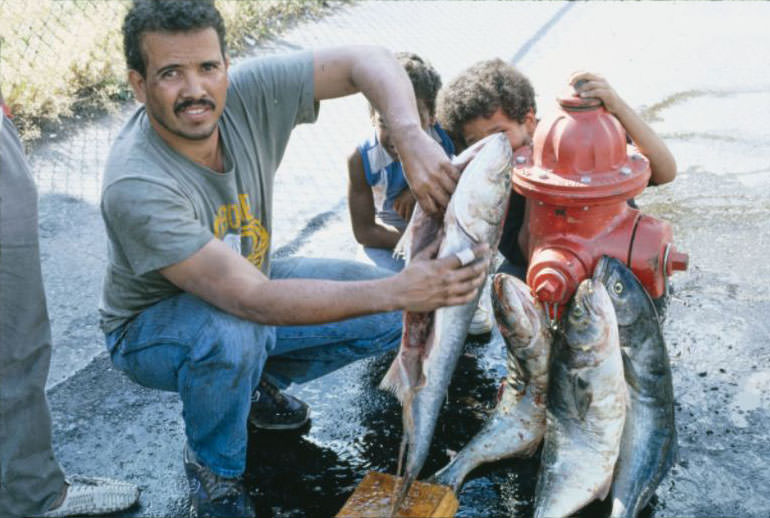
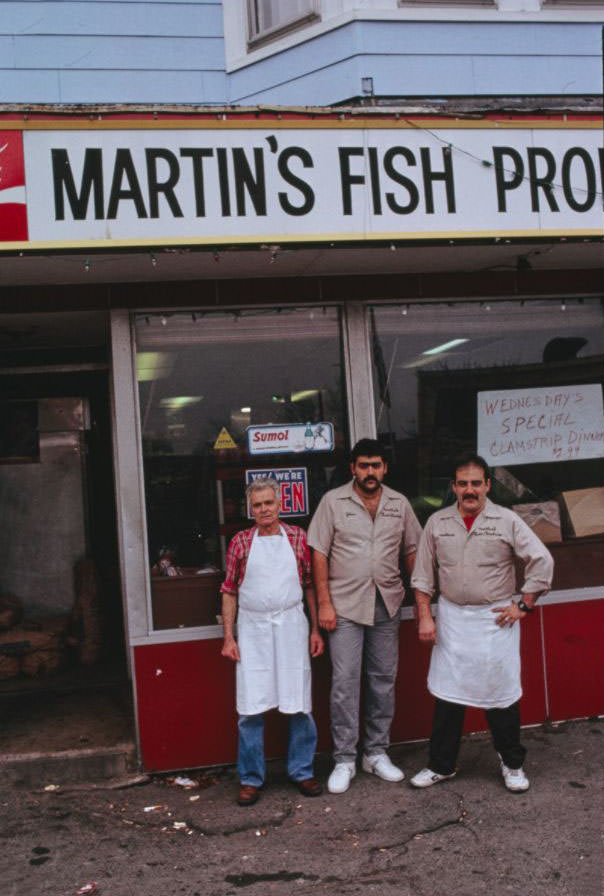
Fresh fish was still a hands-on trade in late-1980s Lowell. A fish peddler worked Central Street, while Martin’s Fish and Produce offered local residents a direct source for seafood. The sight of someone cleaning bluefish on the sidewalk was not unusual — it was simply part of how business was done.
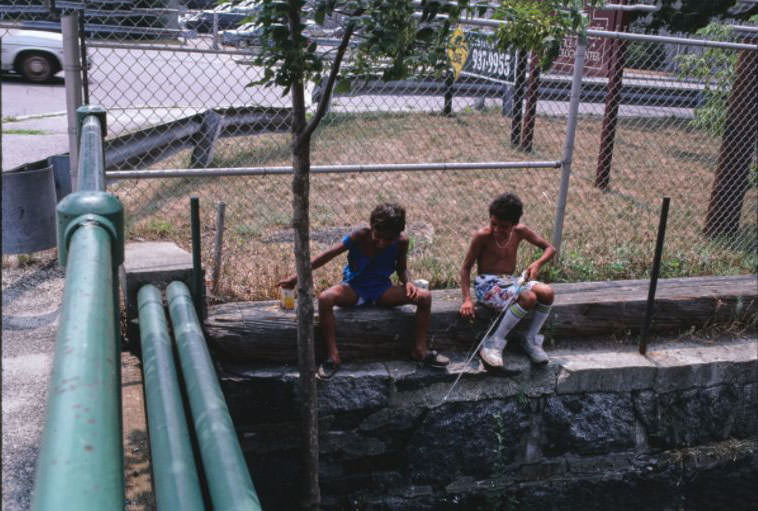
Children found their own corners of the city to inhabit. Near the North Canal Housing Project, boys spent time playing and fishing along the canal — a reminder that even in a dense urban environment, kids carved out space for leisure alongside the water that had once powered Lowell’s mills.
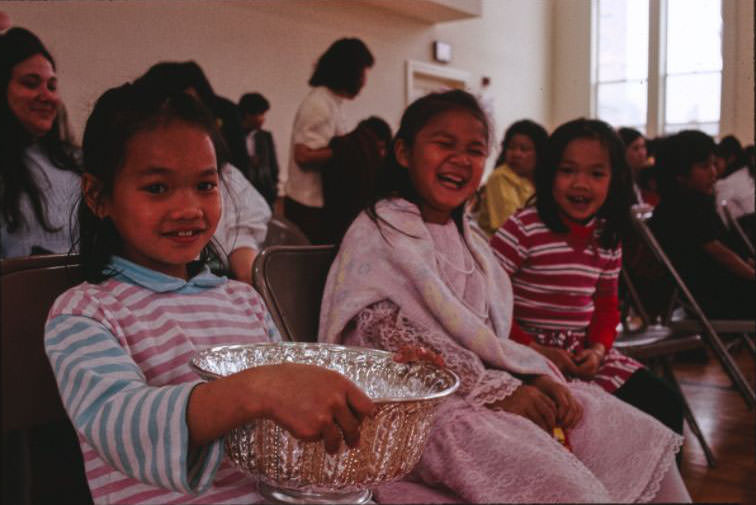
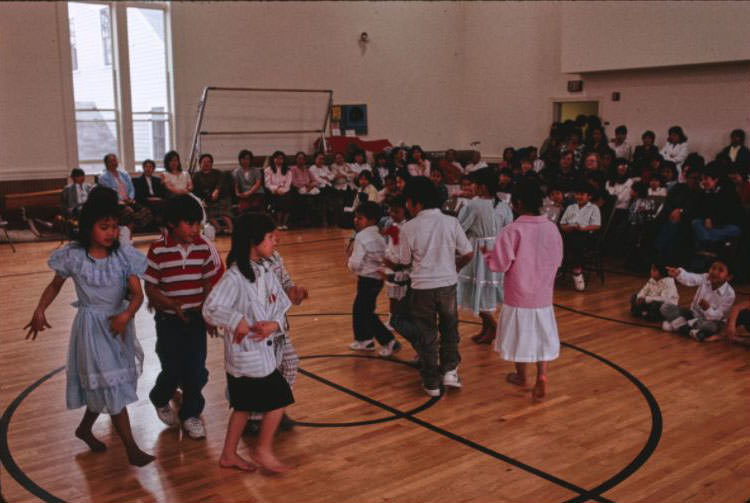
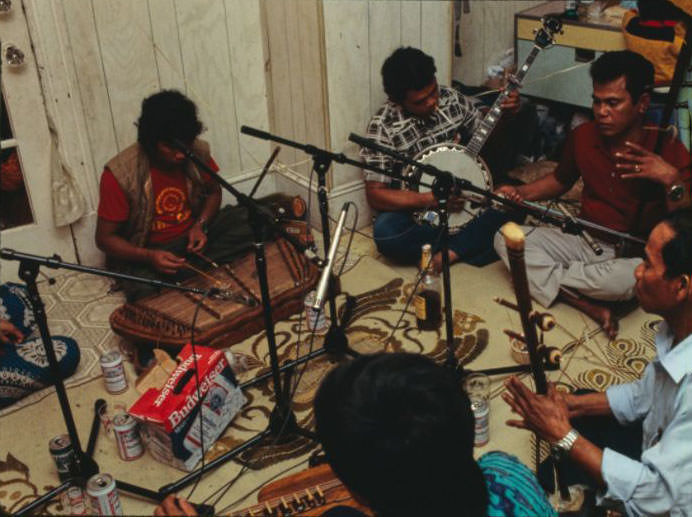
The Laotian community celebrated their New Year at the Lowell Girls Club, bringing traditional music and ceremony to the event. Cambodian musicians gathered at the home of Sorn Veuk, keeping alive musical traditions that had survived displacement and resettlement.
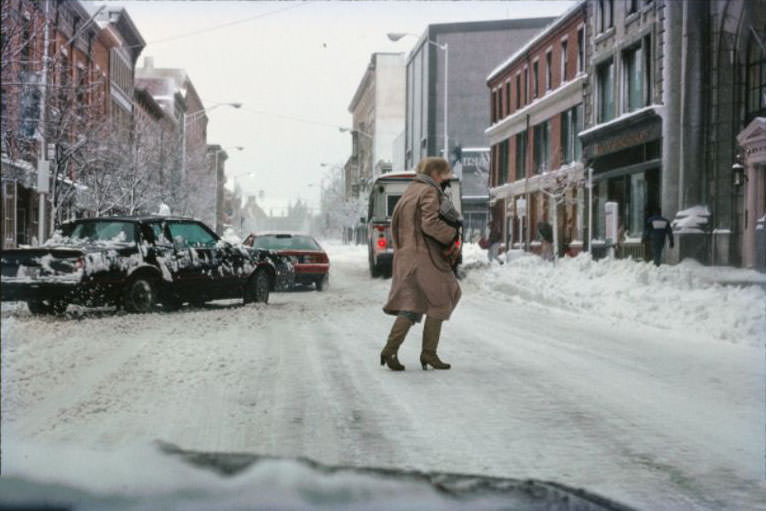
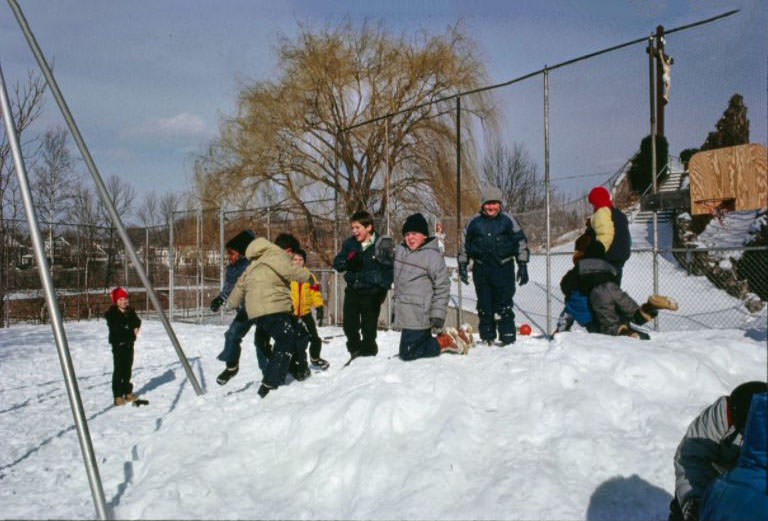
Winter in Lowell was unavoidable. A snowstorm blanketed the city’s streets, quieting the usual activity and leaving behind a landscape that looked the same across all of the city’s neighborhoods.
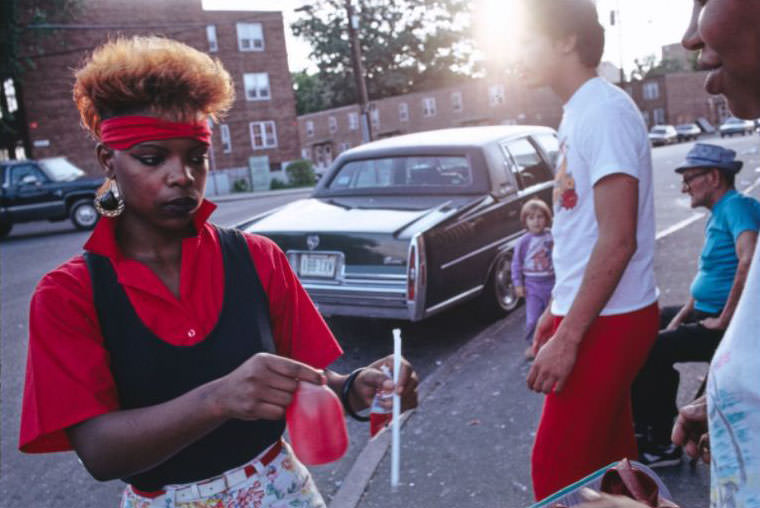
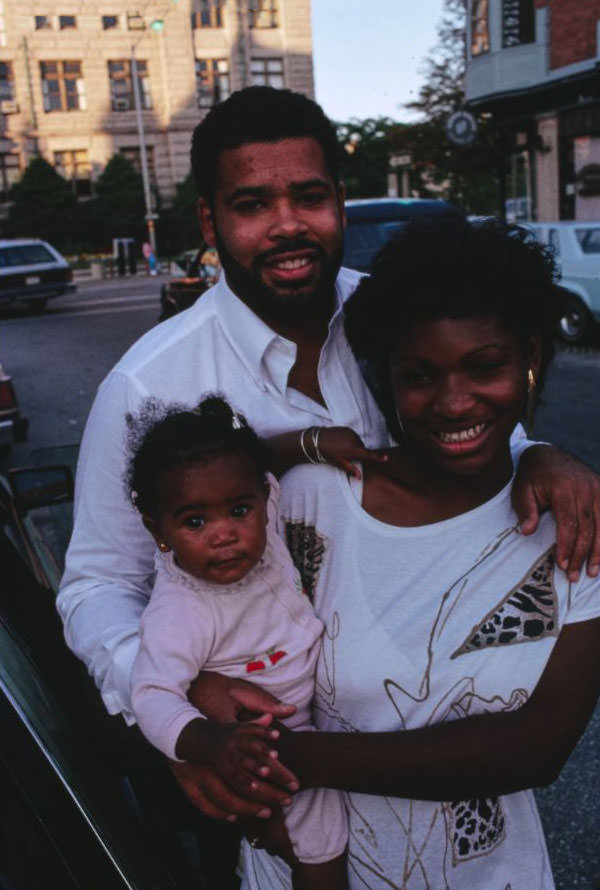
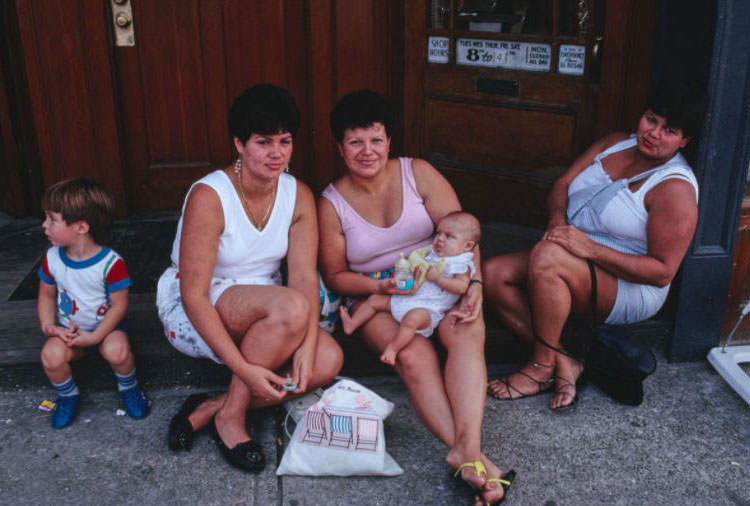
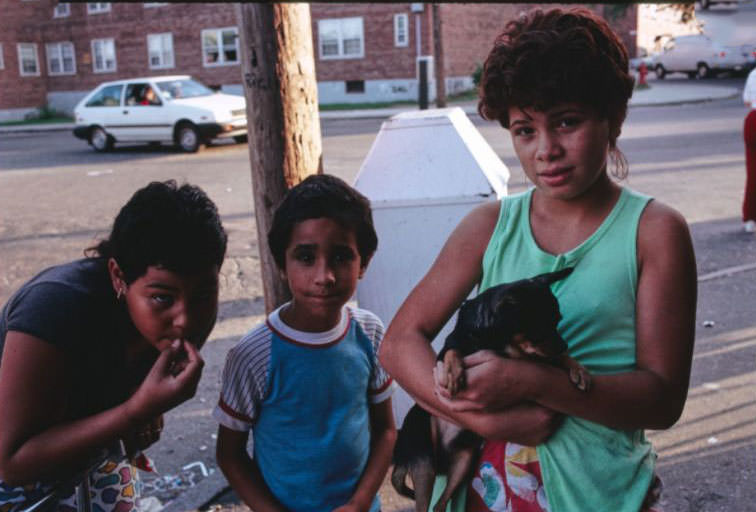
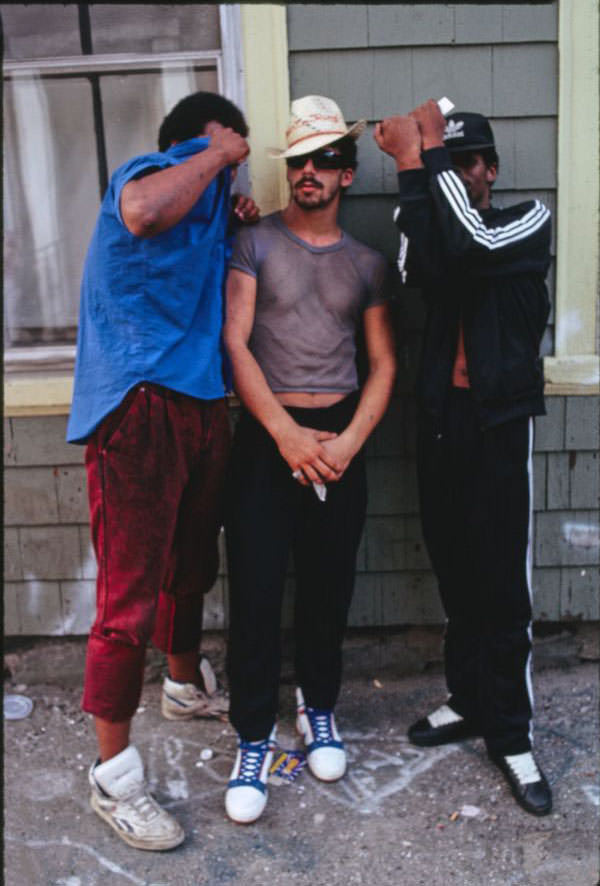
More street scenes from across the city captured Lowell’s built environment and its people in motion — stoops, sidewalks, corners, and the small interactions that make up a day.
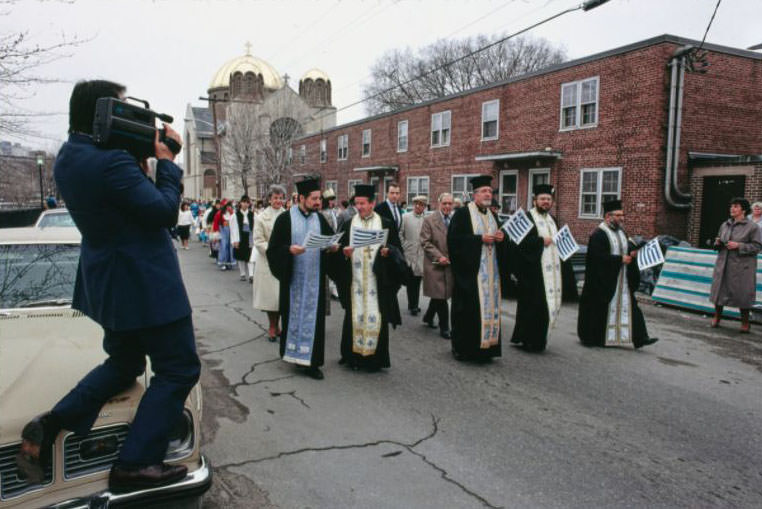
Greek and Franco-American communities also featured prominently in the project’s documentation. The Greek Independence Day program at the Hellenic Cultural Center drew residents to celebrate Hellenic heritage, while the Franco-American Day School preserved the French language and culture for younger generations whose families had long roots in Lowell’s textile history.
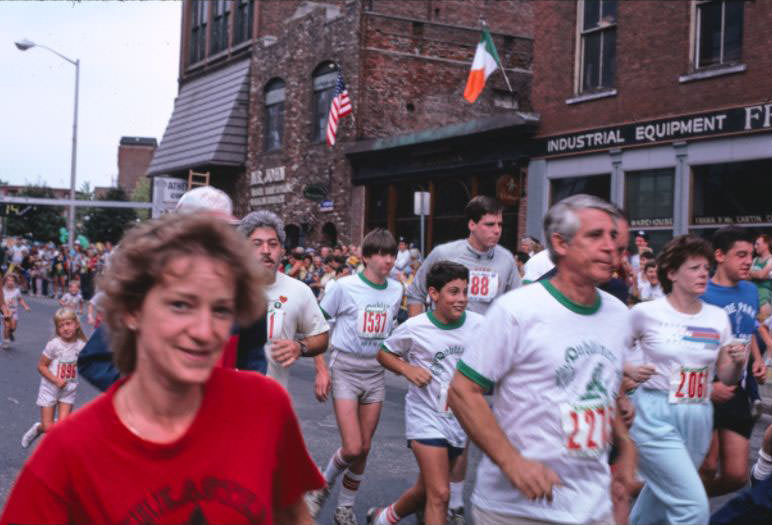
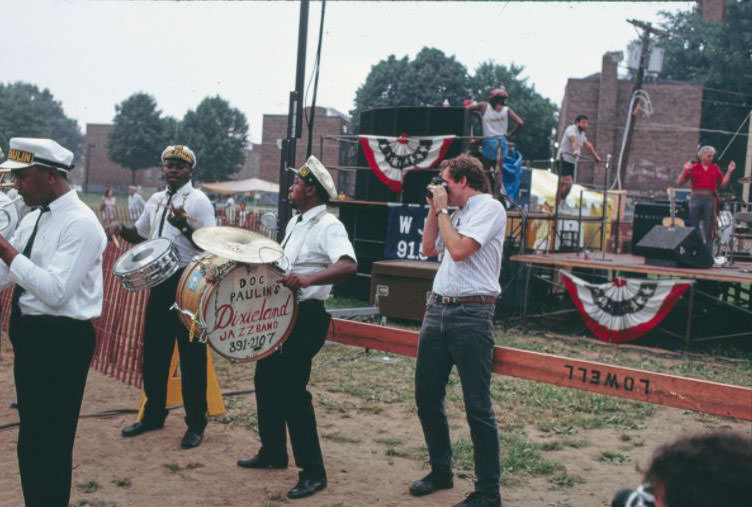
Lowell’s Irish community held the Dubliner road race, a sporting event that drew runners through the city’s streets. The National Folklife Festival brought many of these threads together, showcasing the breadth of traditions that had taken root in a single Massachusetts city over more than a century of immigration and industry.





The most amazing part is the different cultures. Carnaval celebration, Greek Independence Day, Puerto Rican festival, SE Asian celebrations. I miss this part of Lowell.
This is very cool.
Man do I miss that Southeast Asian Restaurant.
The Dubliner. I spent a many a Thursday night there watching my friend’s band play.