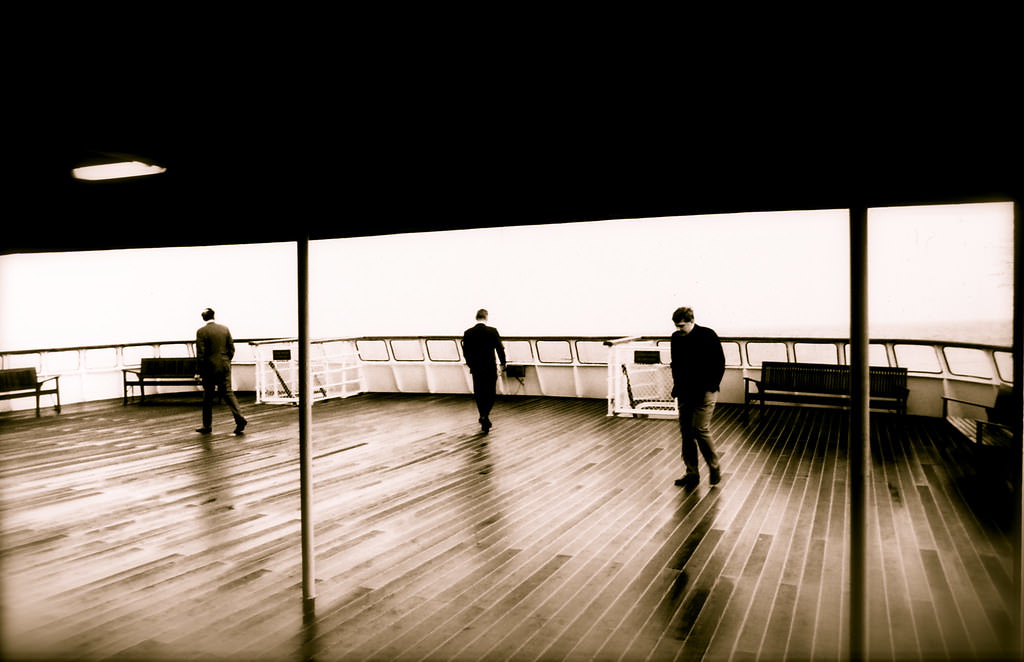
In February 1971, Swedish photographer Mats Örn made the journey from Gothenburg to London by sea, crossing the North Sea aboard the MS Saga before docking at Tilbury on the River Thames. What he found was a city that looked solid and familiar on the surface — red buses, grand landmarks, busy streets — but was quietly carrying the weight of serious national strain.
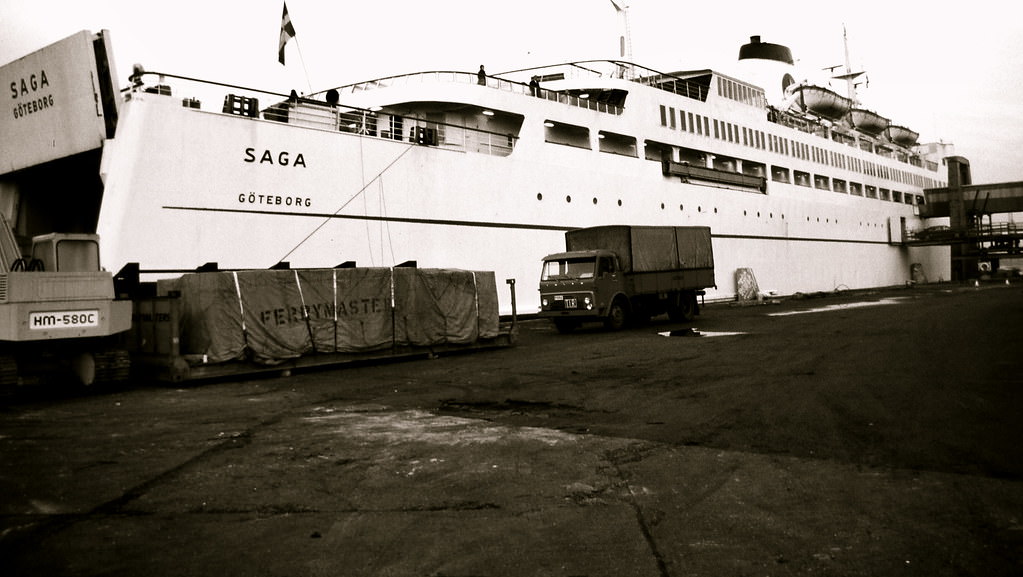
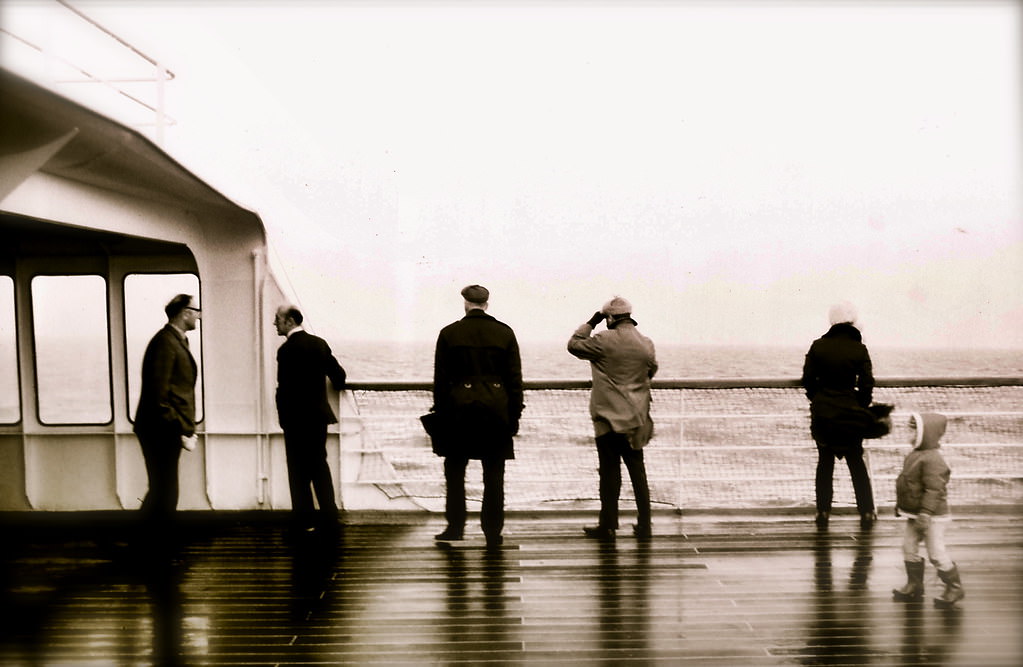
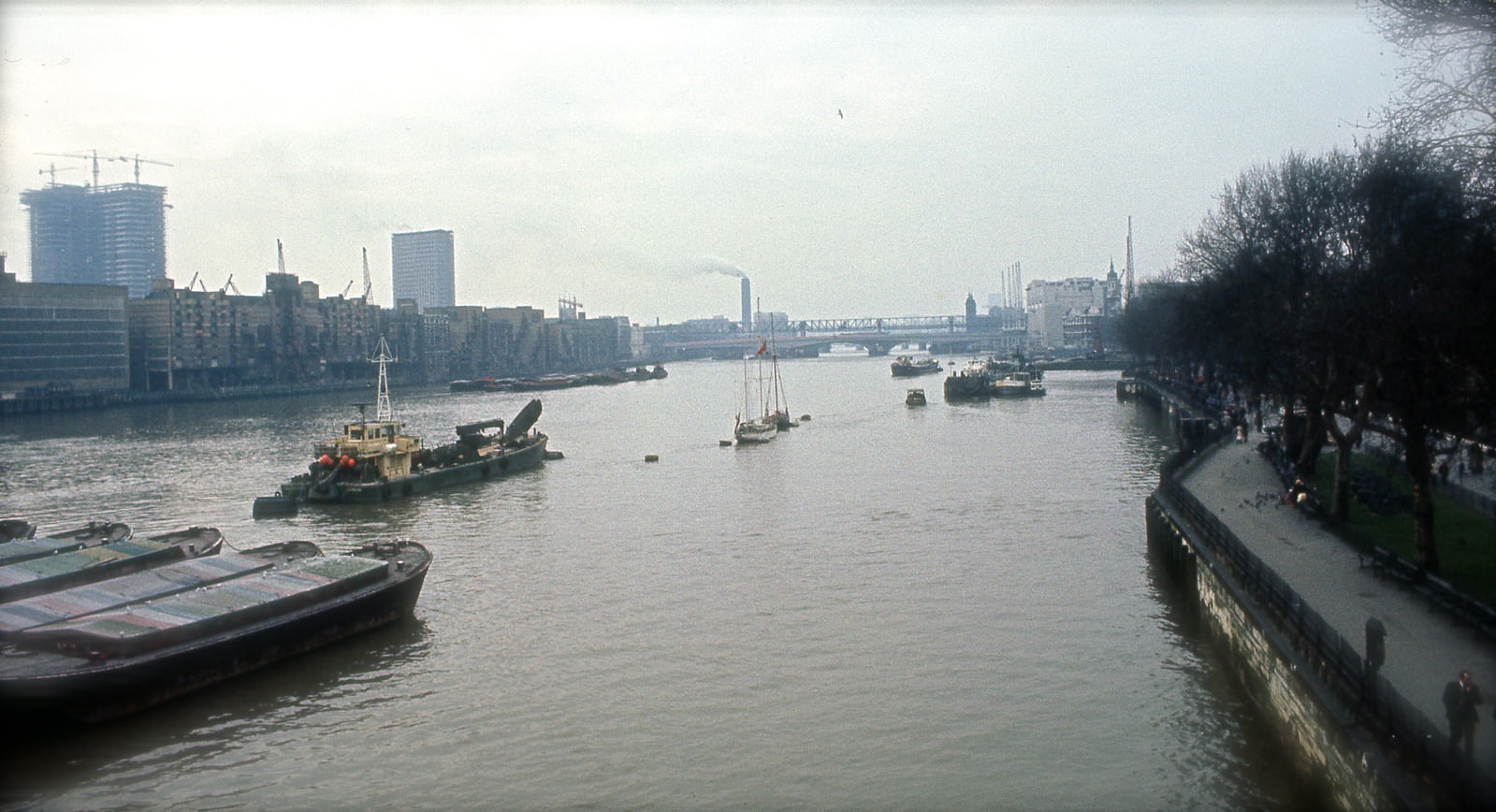
Britain’s economy was struggling. The postwar boom had faded, and the country was heading into a decade of strikes, inflation, and political turbulence. London, as the nation’s capital, felt all of it. Yet for visitors arriving by ferry, the first views of England from the deck of a ship still carried a certain quiet drama.
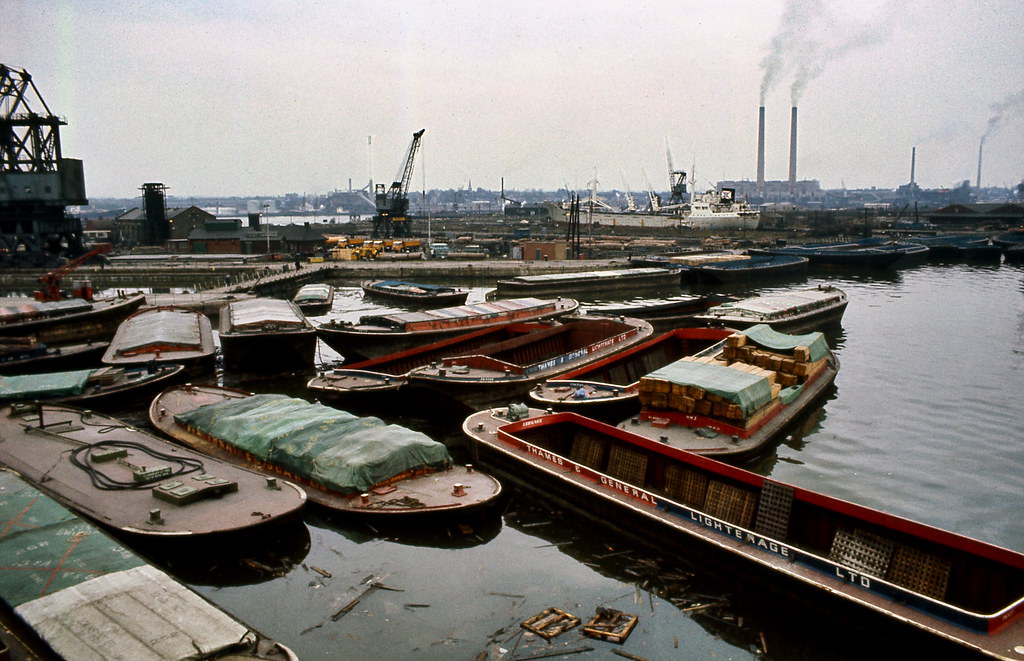
The port of Tilbury sits on the north bank of the Thames, about 25 miles east of central London. It had been a major point of entry for decades — including for the Empire Windrush in 1948, which brought Caribbean migrants to Britain. By 1971, London had become one of the most ethnically diverse cities in the world, shaped in large part by immigration from Britain’s former colonies after the empire wound down.
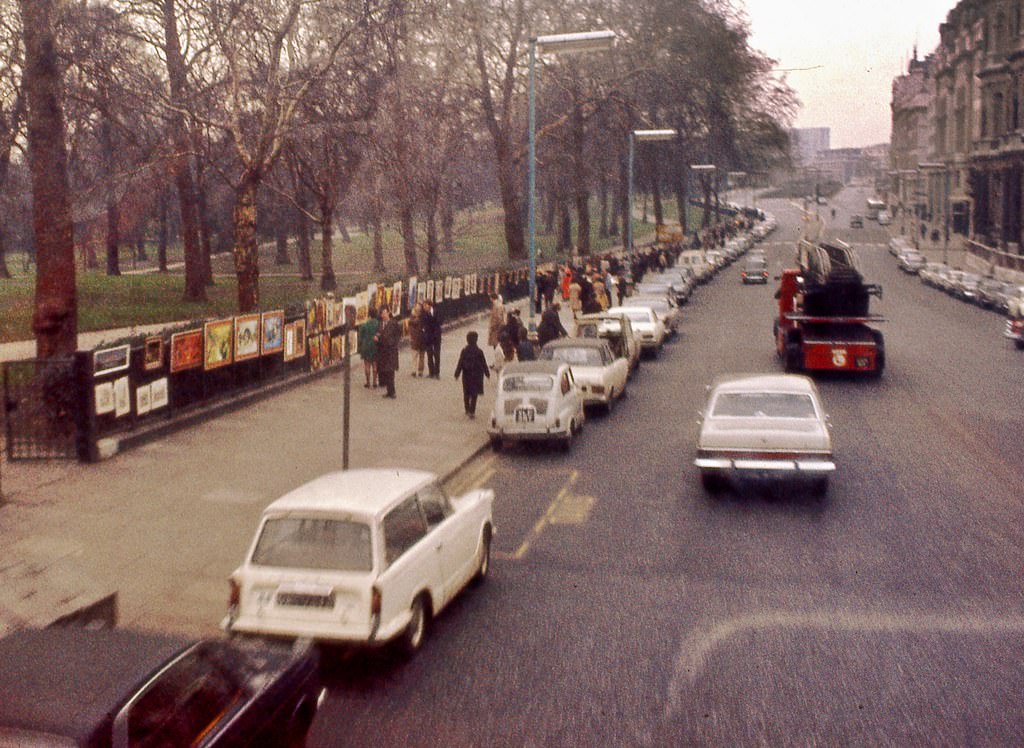
Once inside the city, the iconic red double-decker bus was still the main way most people got around. The upper deck offered a unique view of London’s streets — shopfronts, pedestrians, and the mix of Victorian architecture alongside postwar concrete blocks.
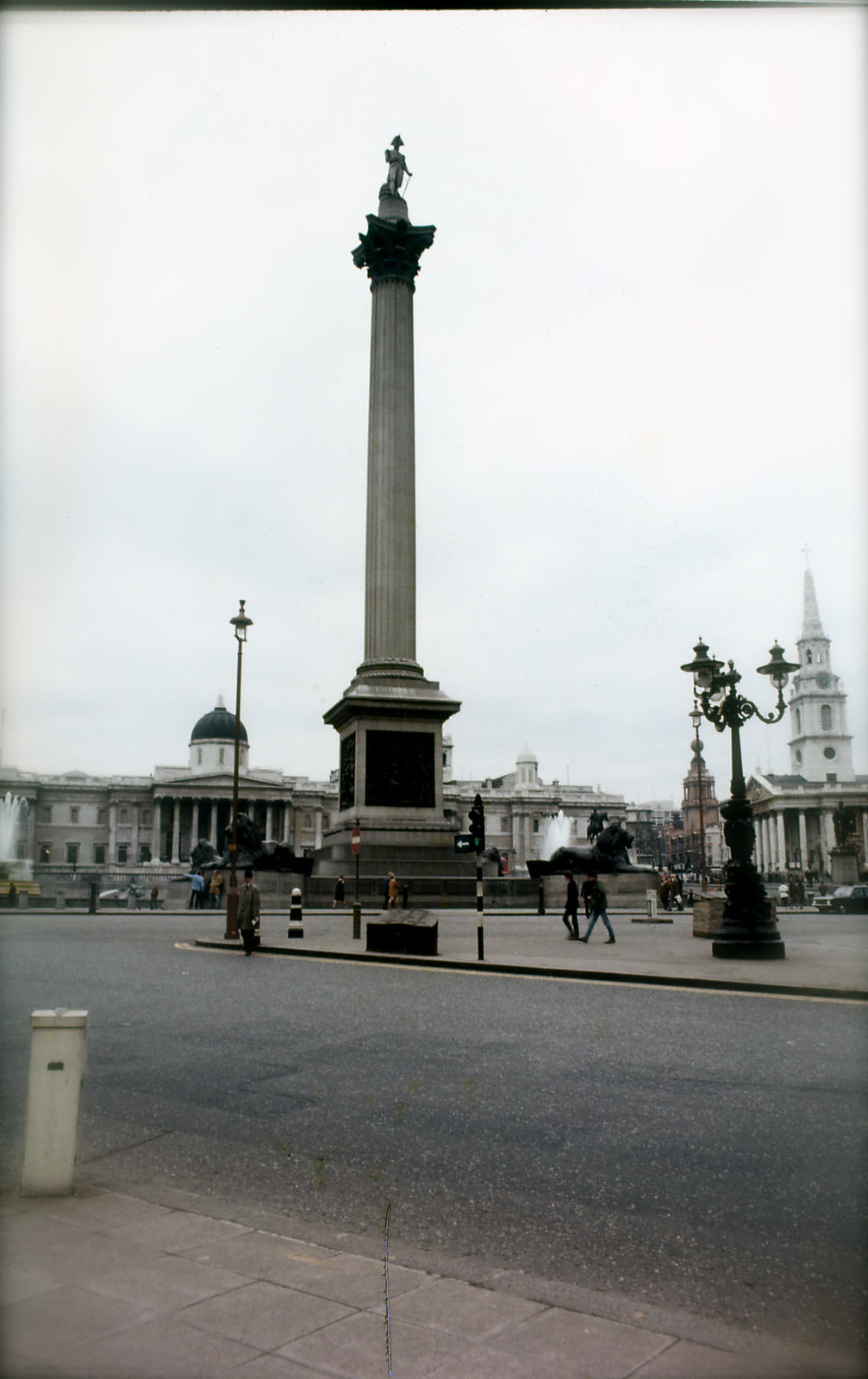
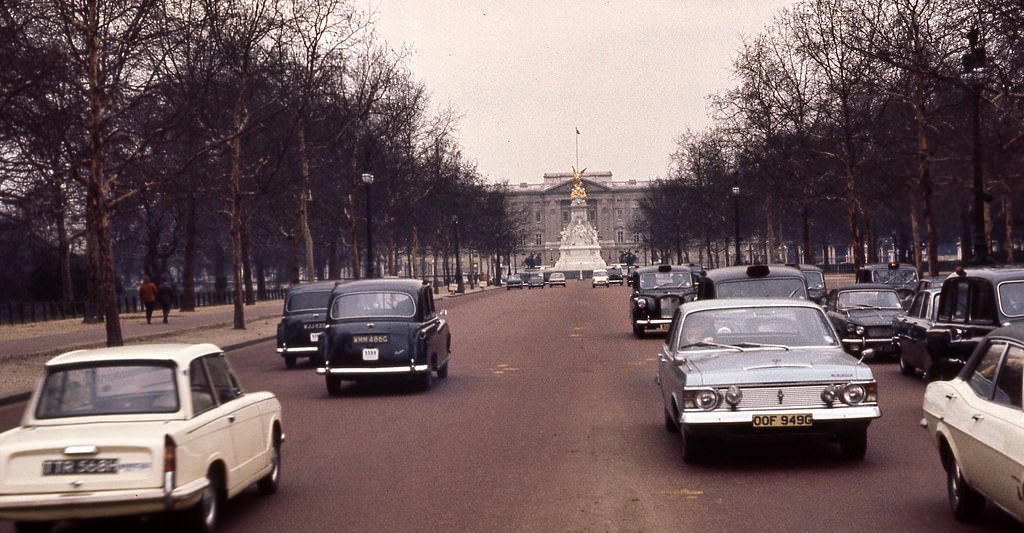
The Mall runs from Trafalgar Square directly to Buckingham Palace and serves as the ceremonial heart of the city. Lined with flagpoles and plane trees, it was — and still is — the route used for state processions and royal events.
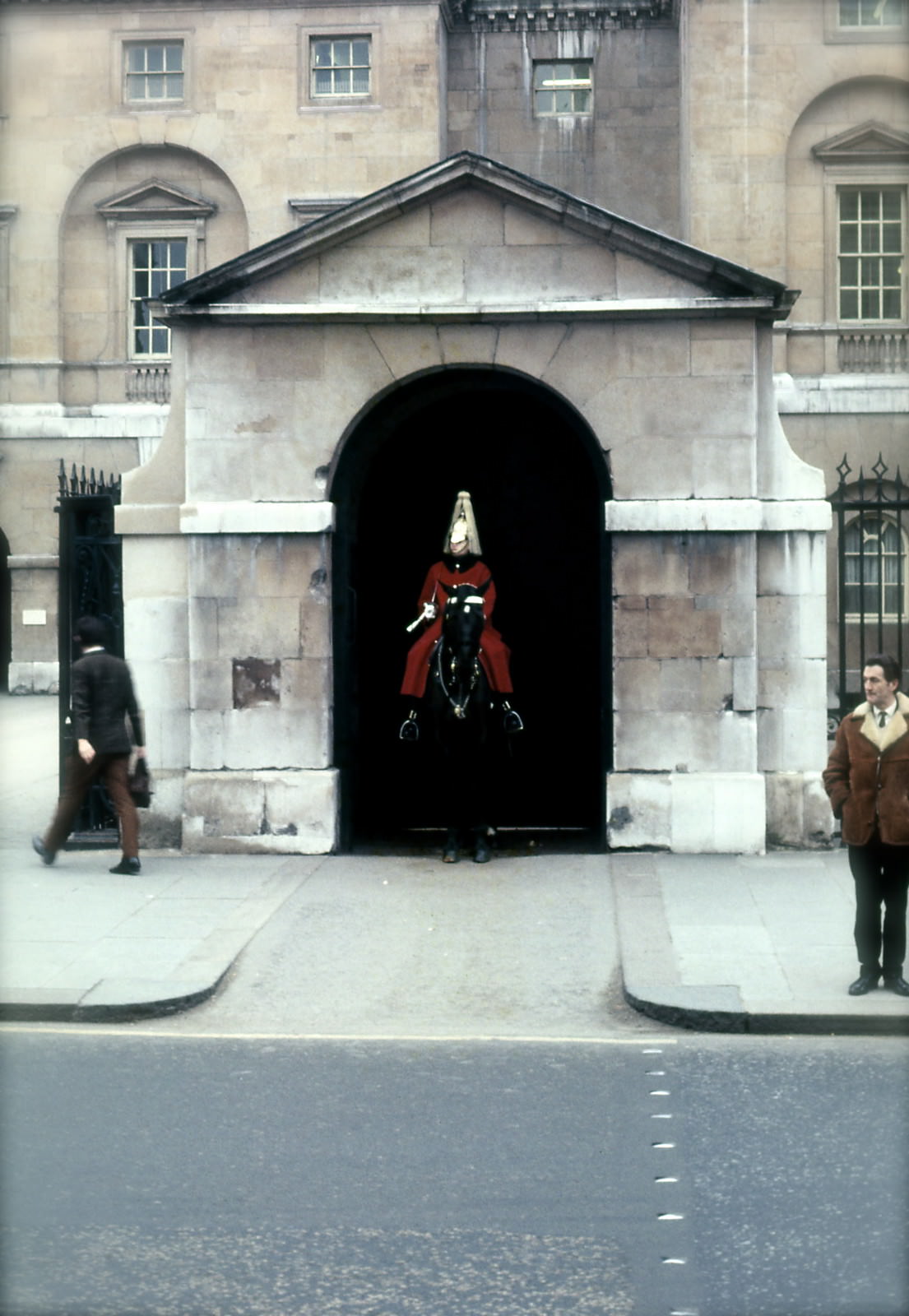
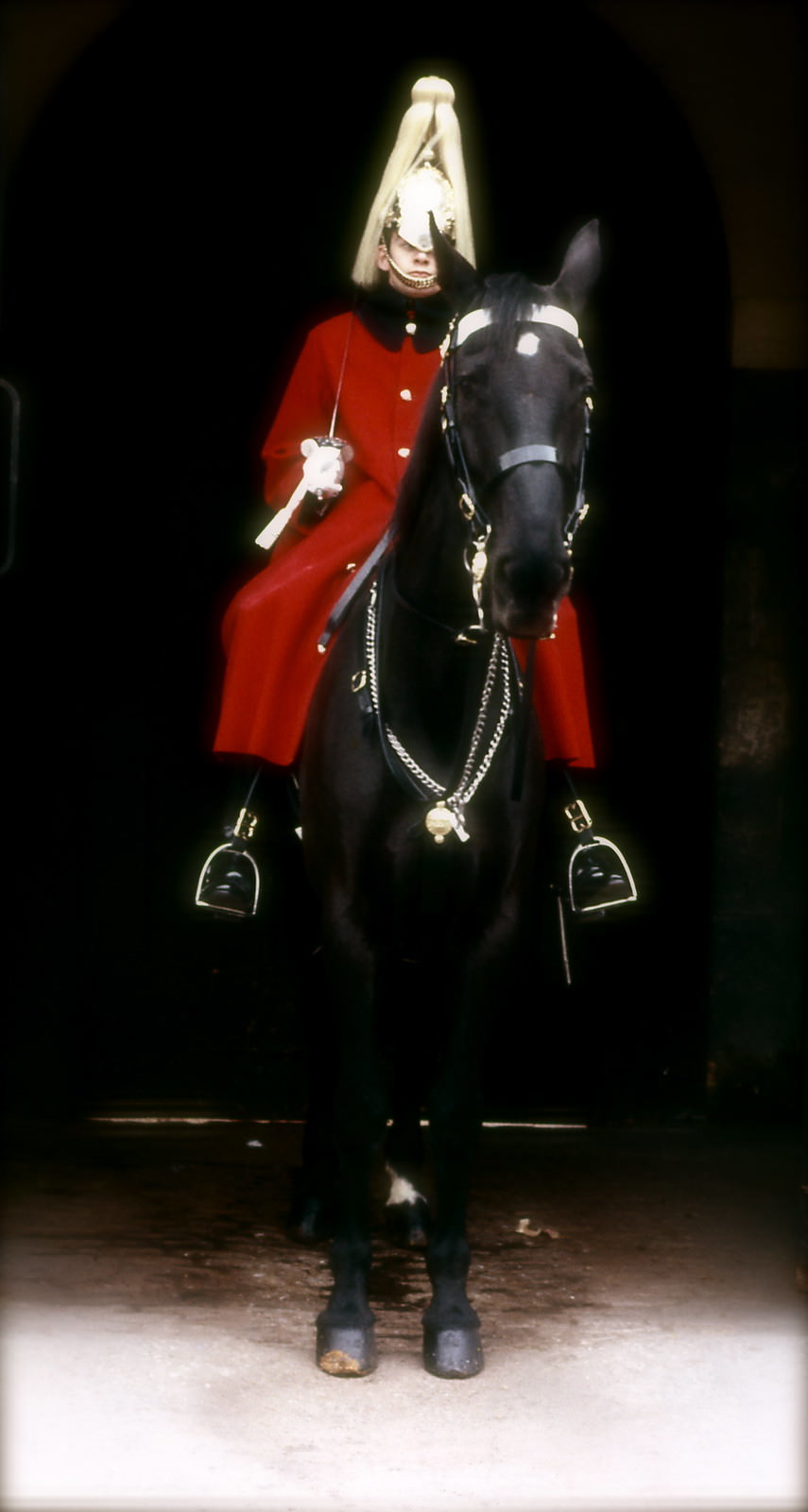
The Changing of the Guard at Buckingham Palace drew crowds of tourists even in the cold of February. The ceremony, carried out by the Foot Guards of the Household Division, had been a fixture of London life for centuries. Armed police were a visible presence outside the Palace gates.
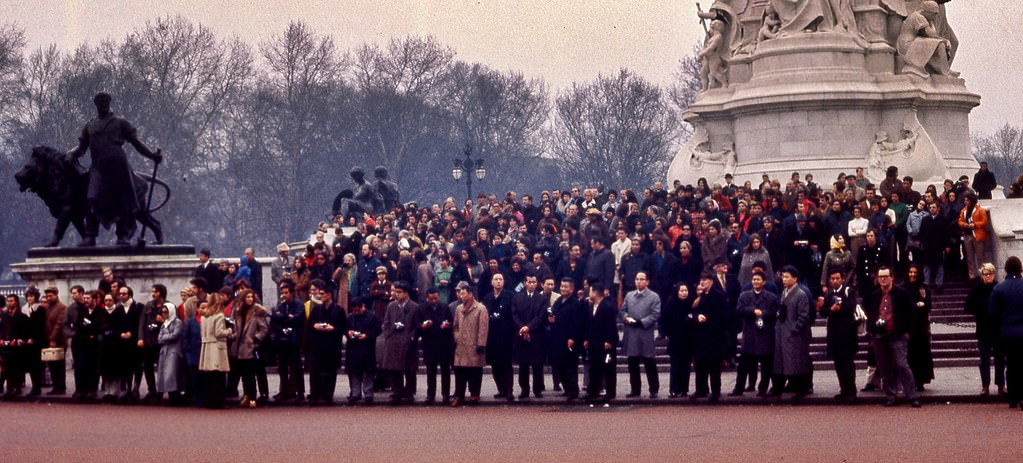
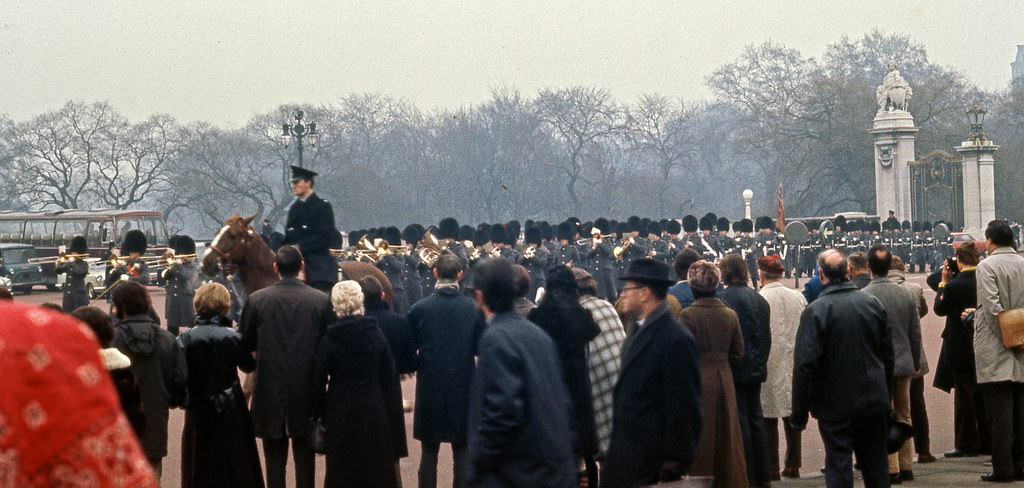
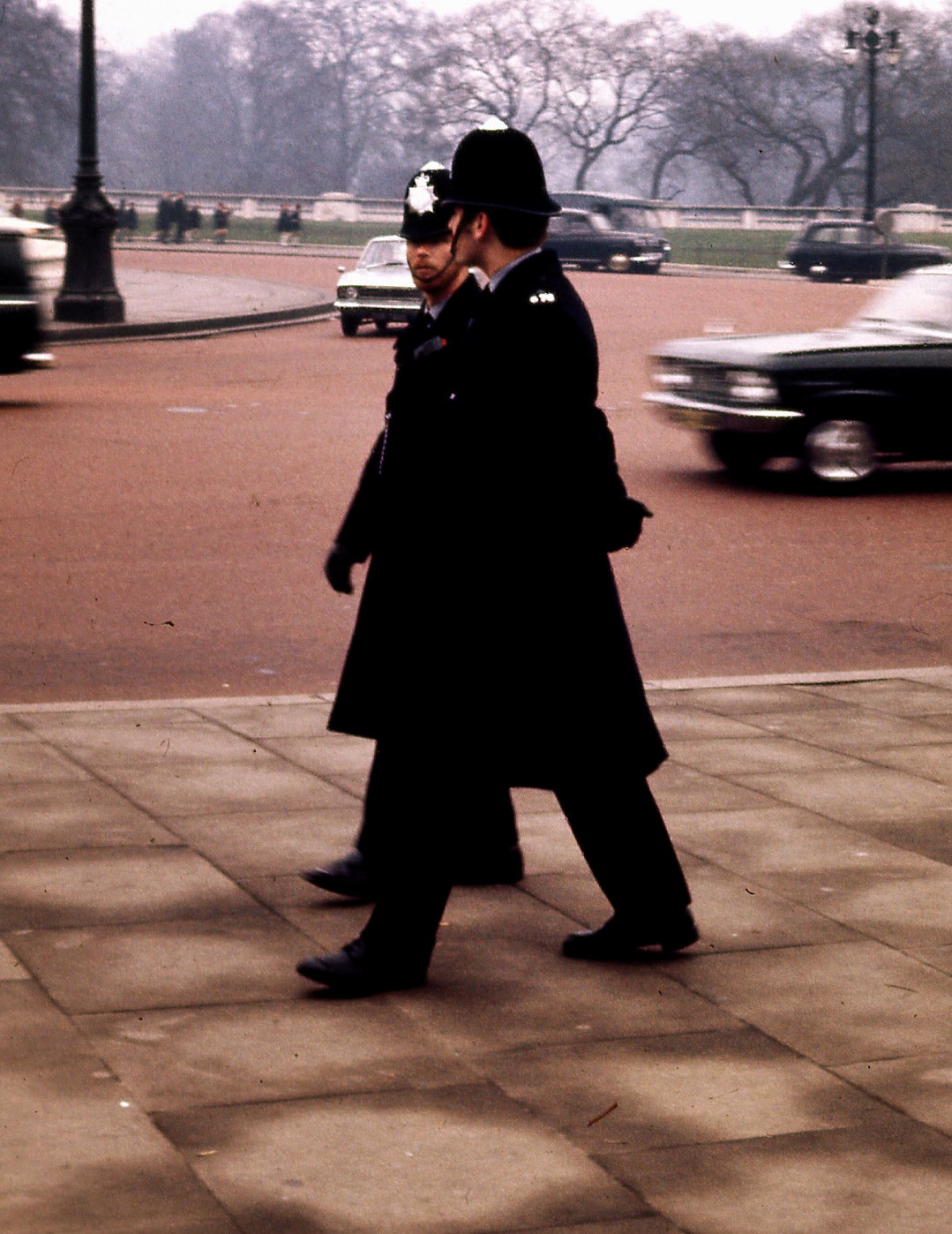
Security in London was becoming an increasingly serious concern. The Provisional IRA had begun its bombing campaign on the British mainland in the early 1970s as part of the broader conflict known as The Troubles in Northern Ireland. London was a primary target, and that threat would persist for more than two decades.
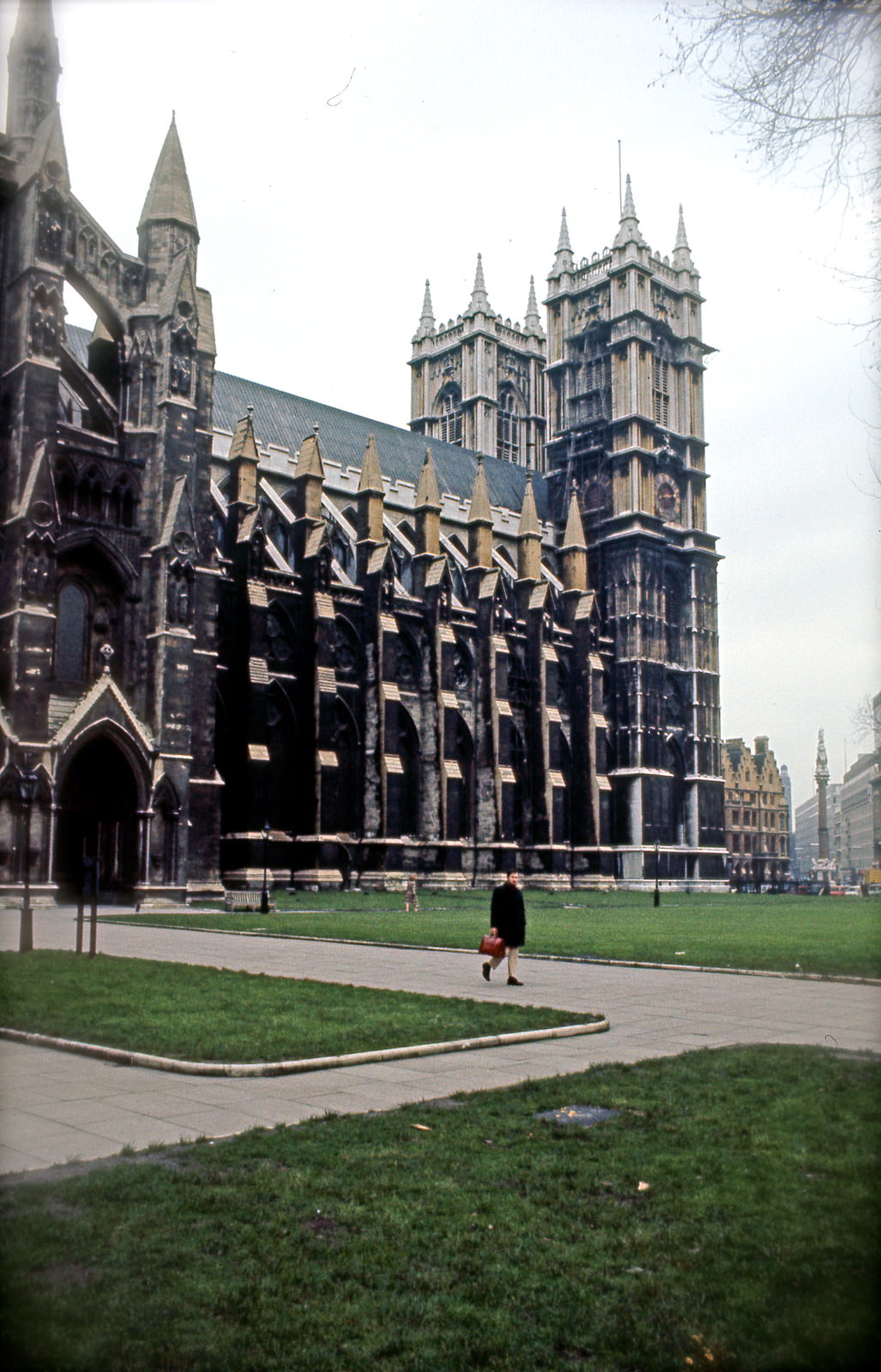
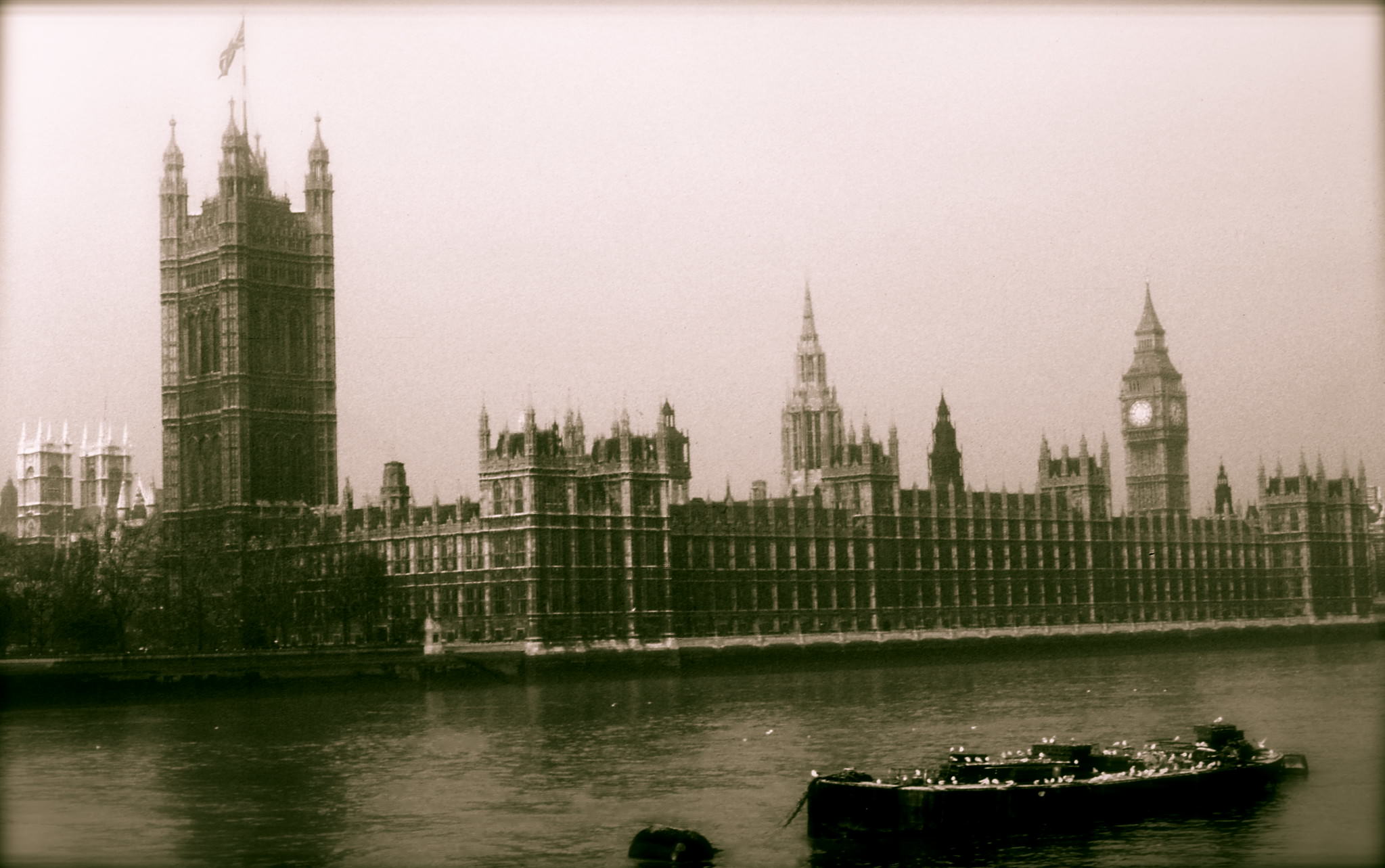
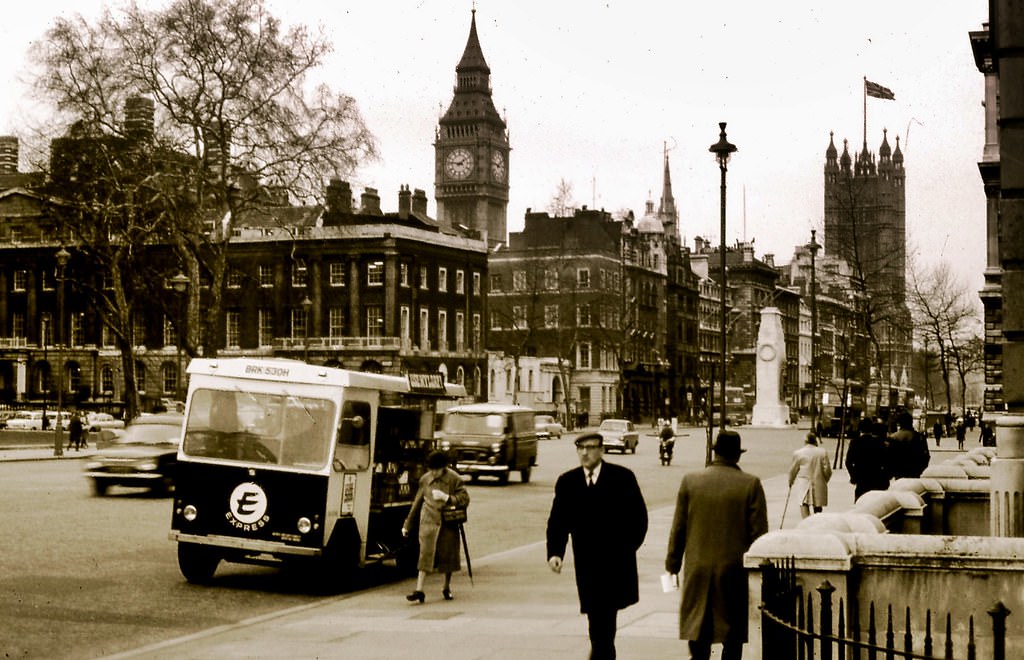
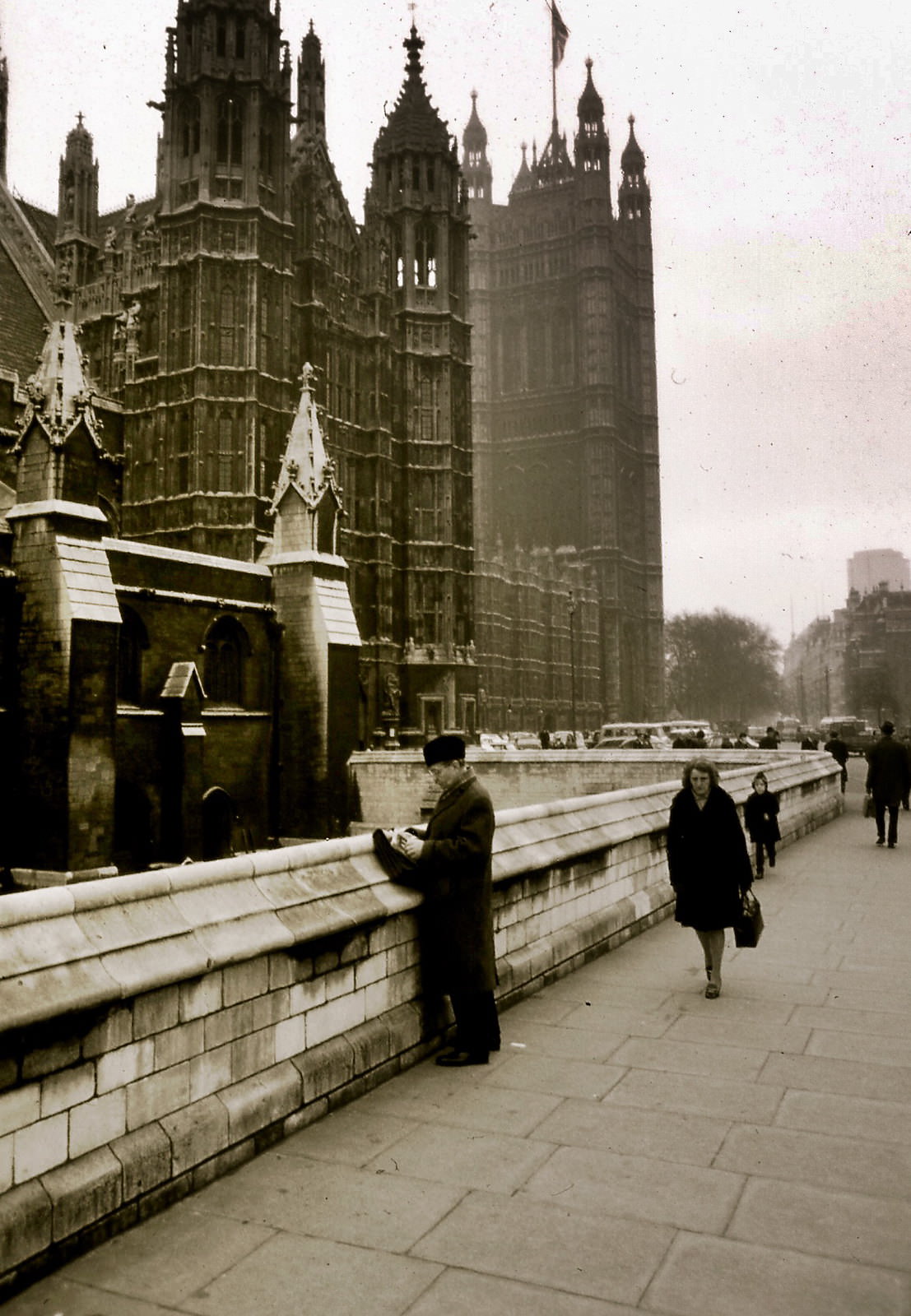
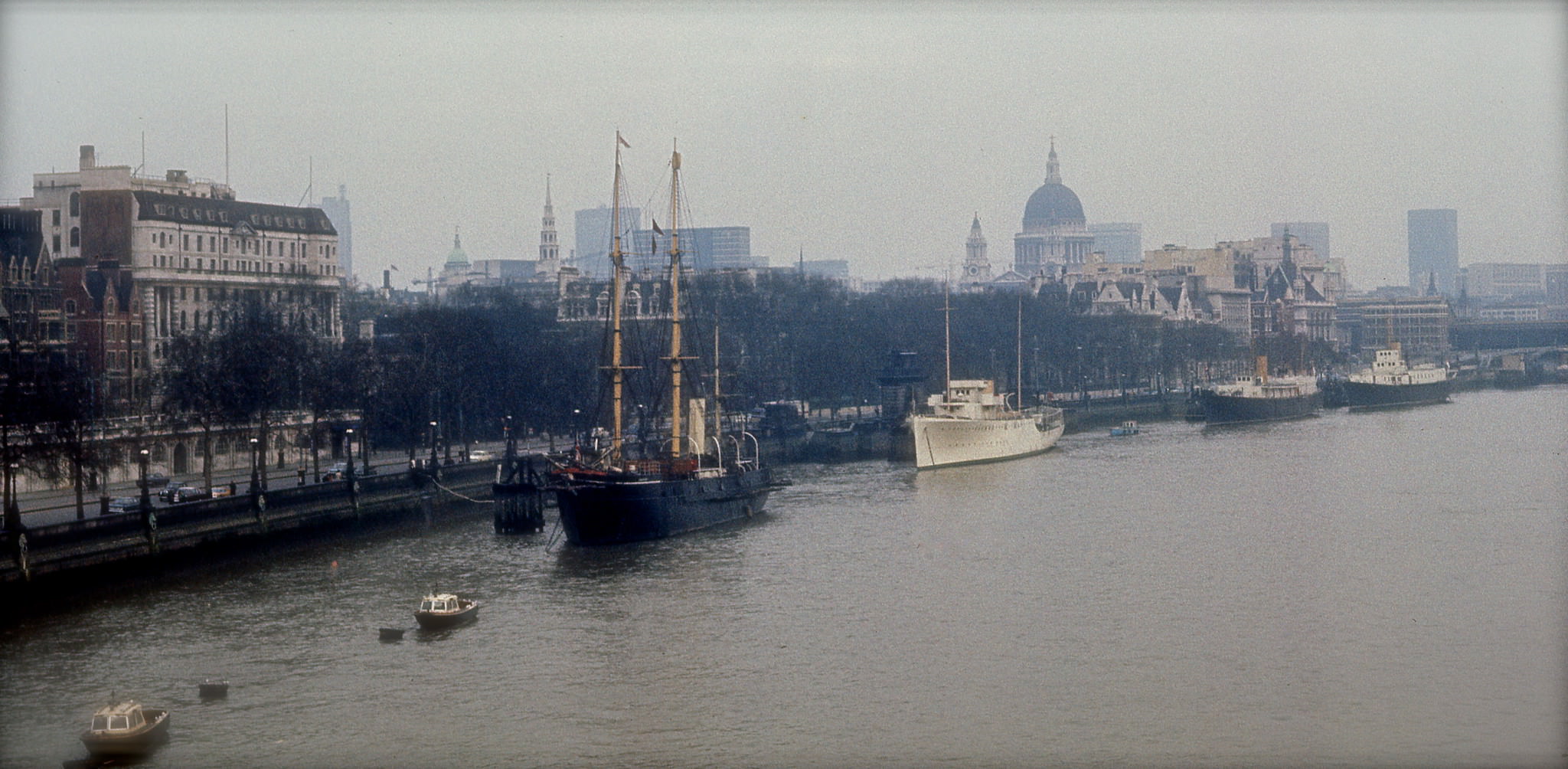
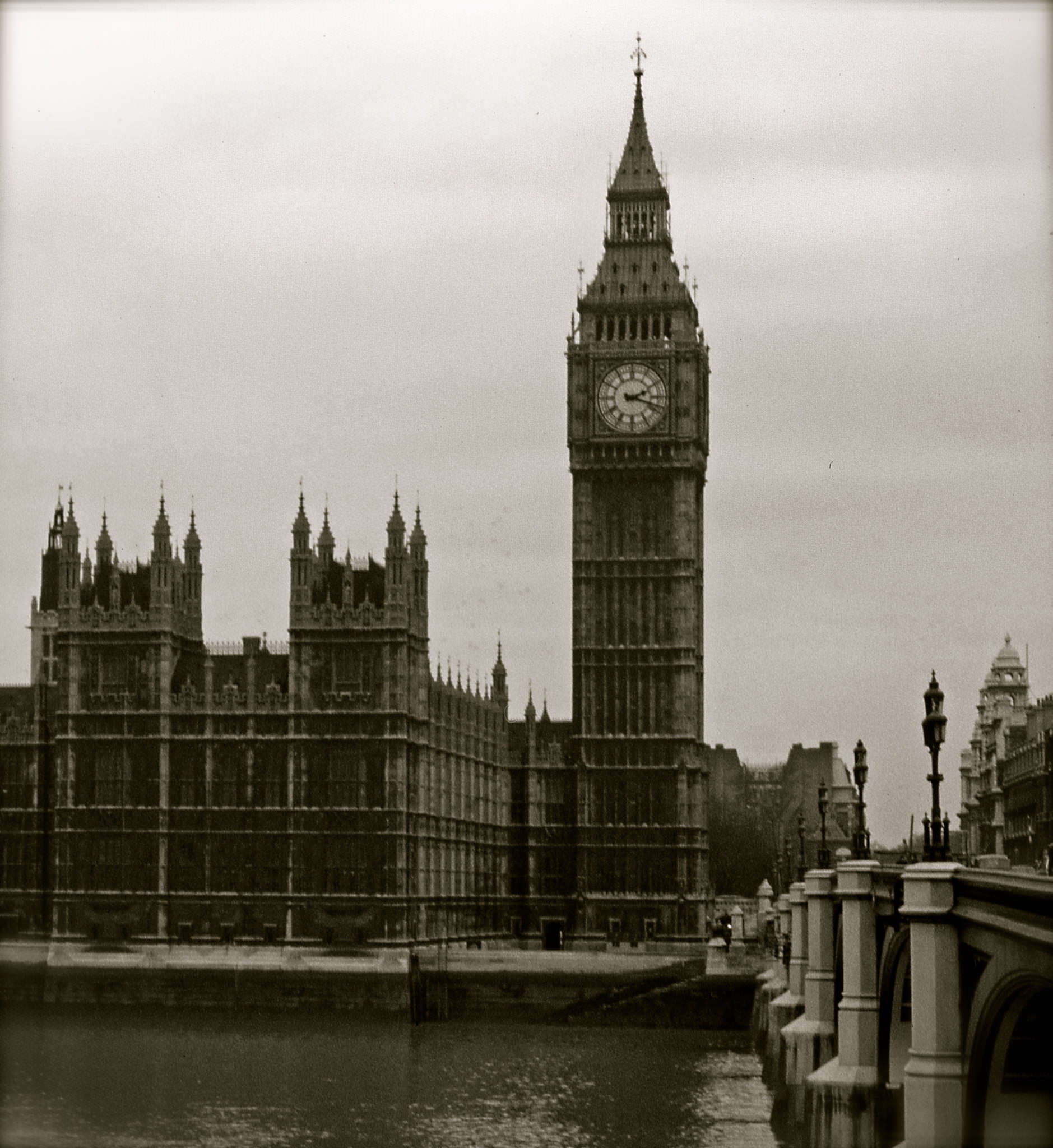
Westminster Abbey, the Houses of Parliament, and Big Ben sat clustered together along the Thames — the historic center of British political and religious life. These landmarks gave London its postcard identity, though the people living and working around them dealt with very ordinary pressures: rising prices, unreliable public services, and an uncertain job market.
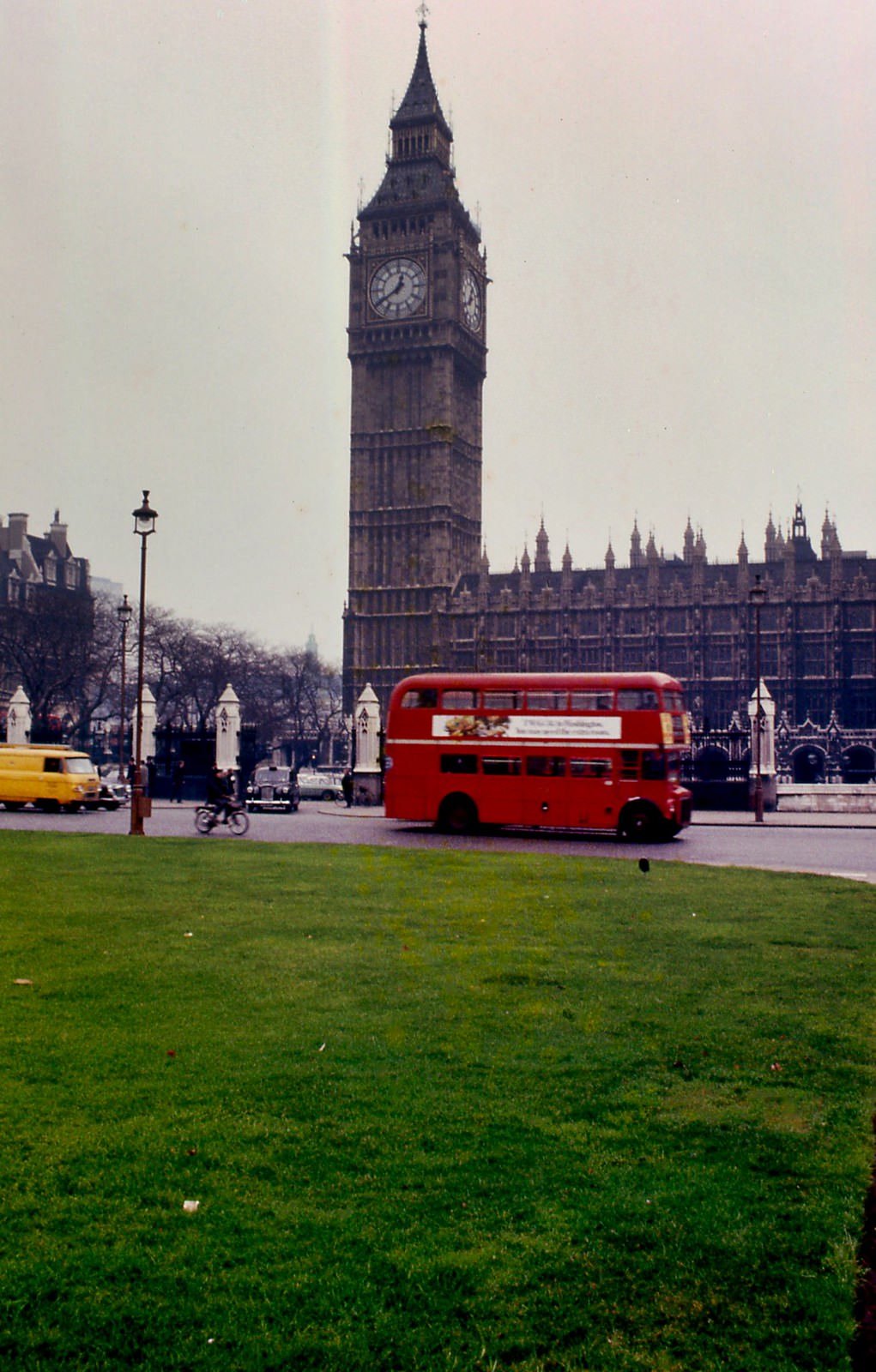
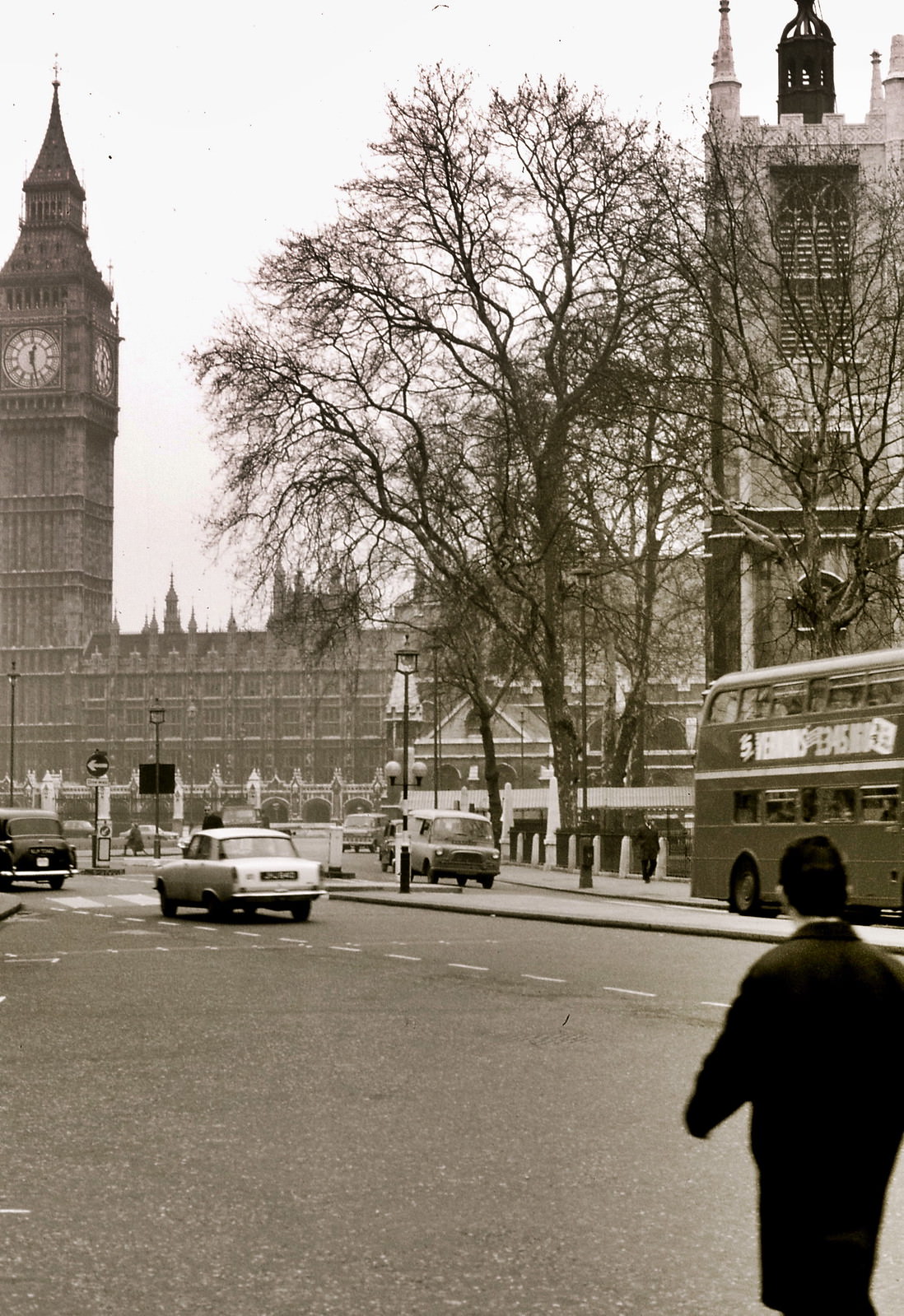
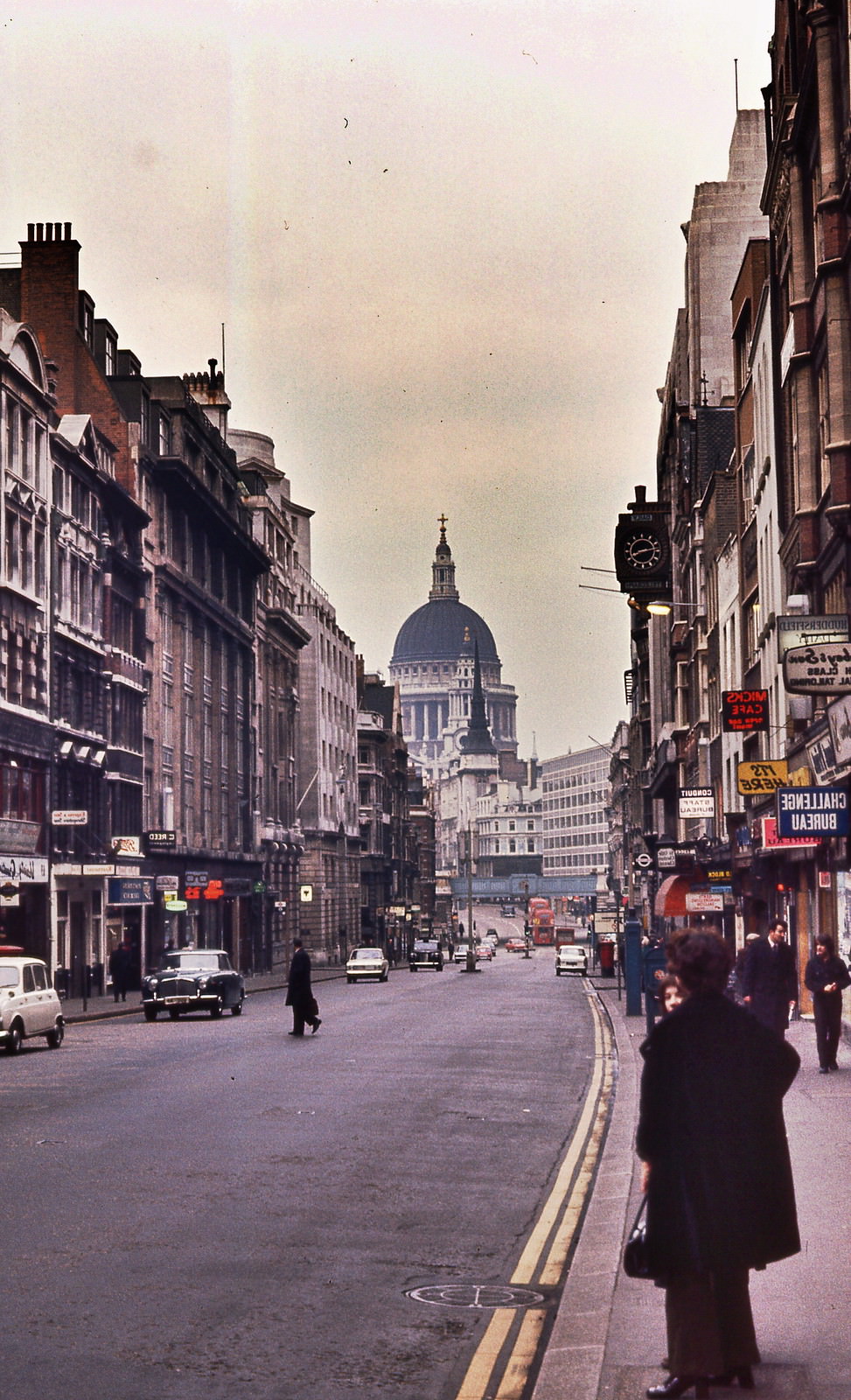
Street-level London in 1971 was full of detail. Newspaper stands stocked with daily papers sat on busy corners. Fleet Street, just east of the City, was still the undisputed home of the British press — every major national newspaper had offices there, from the Daily Mirror to The Times.
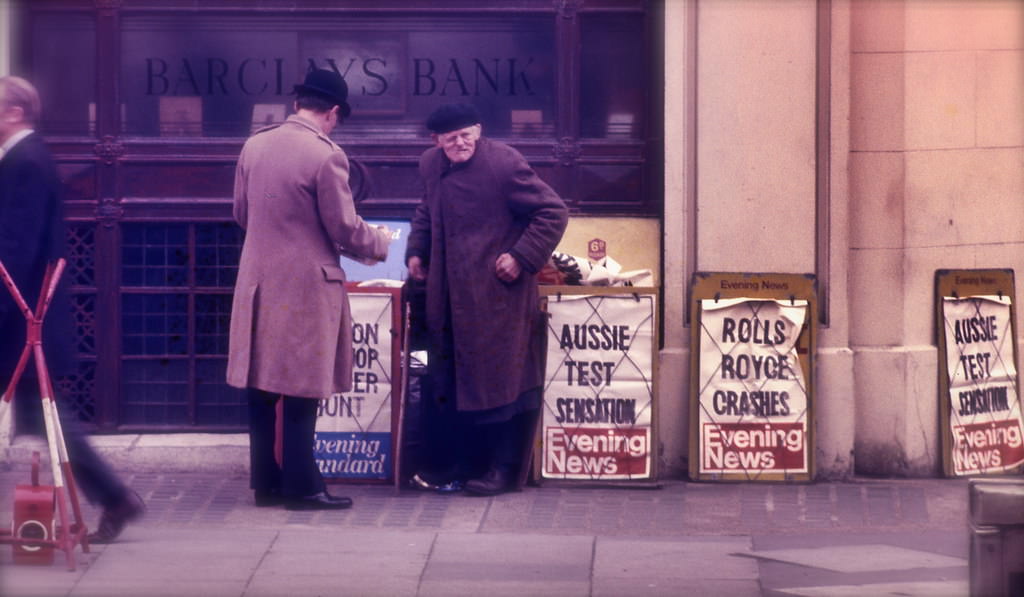
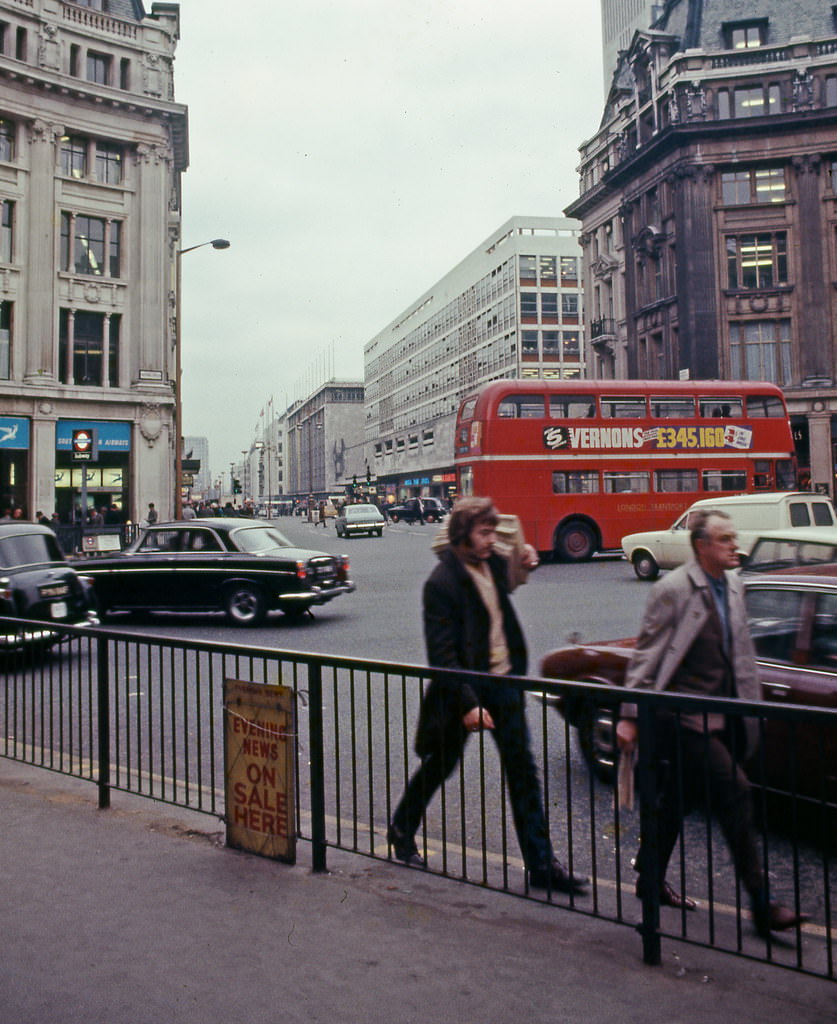
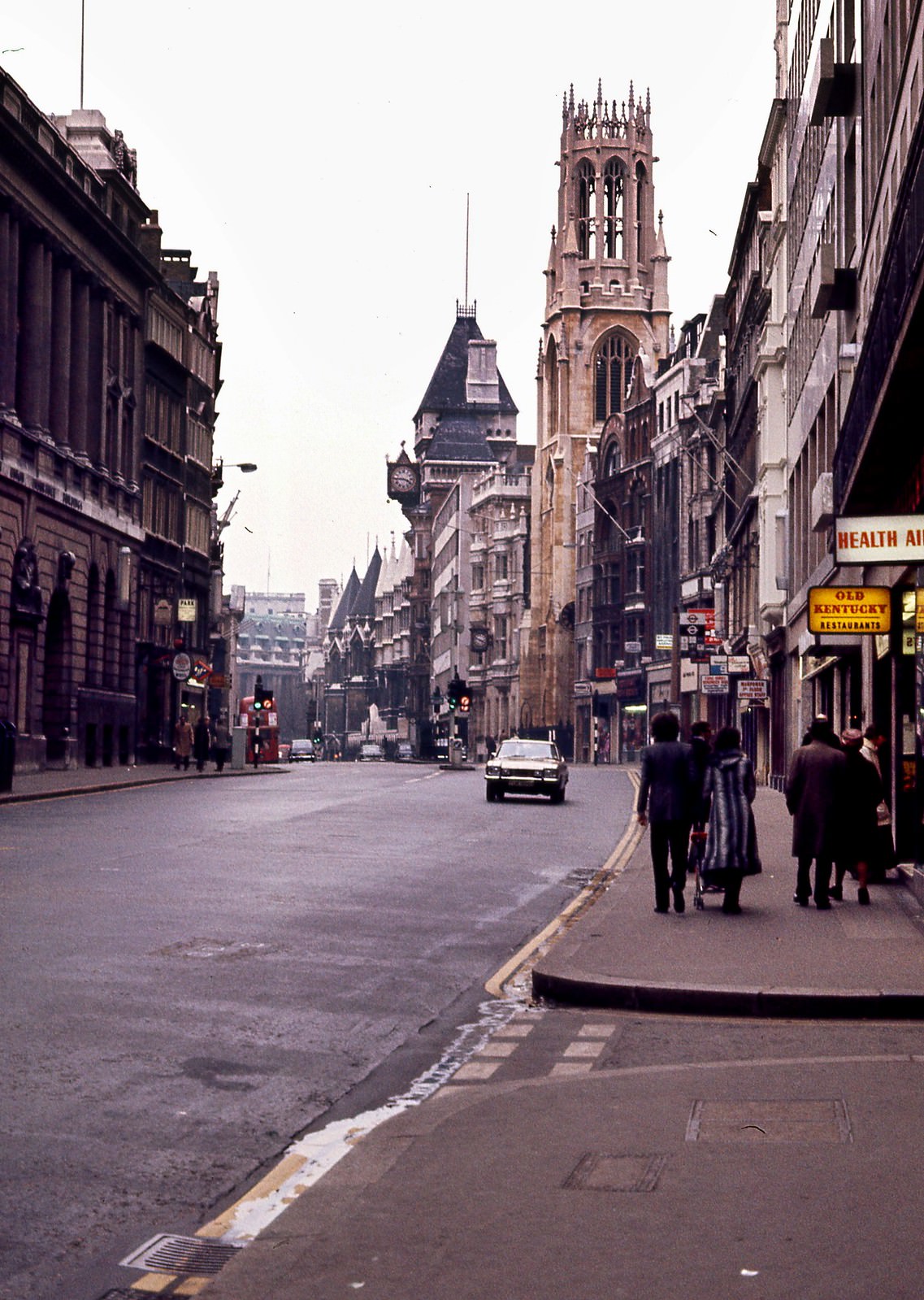
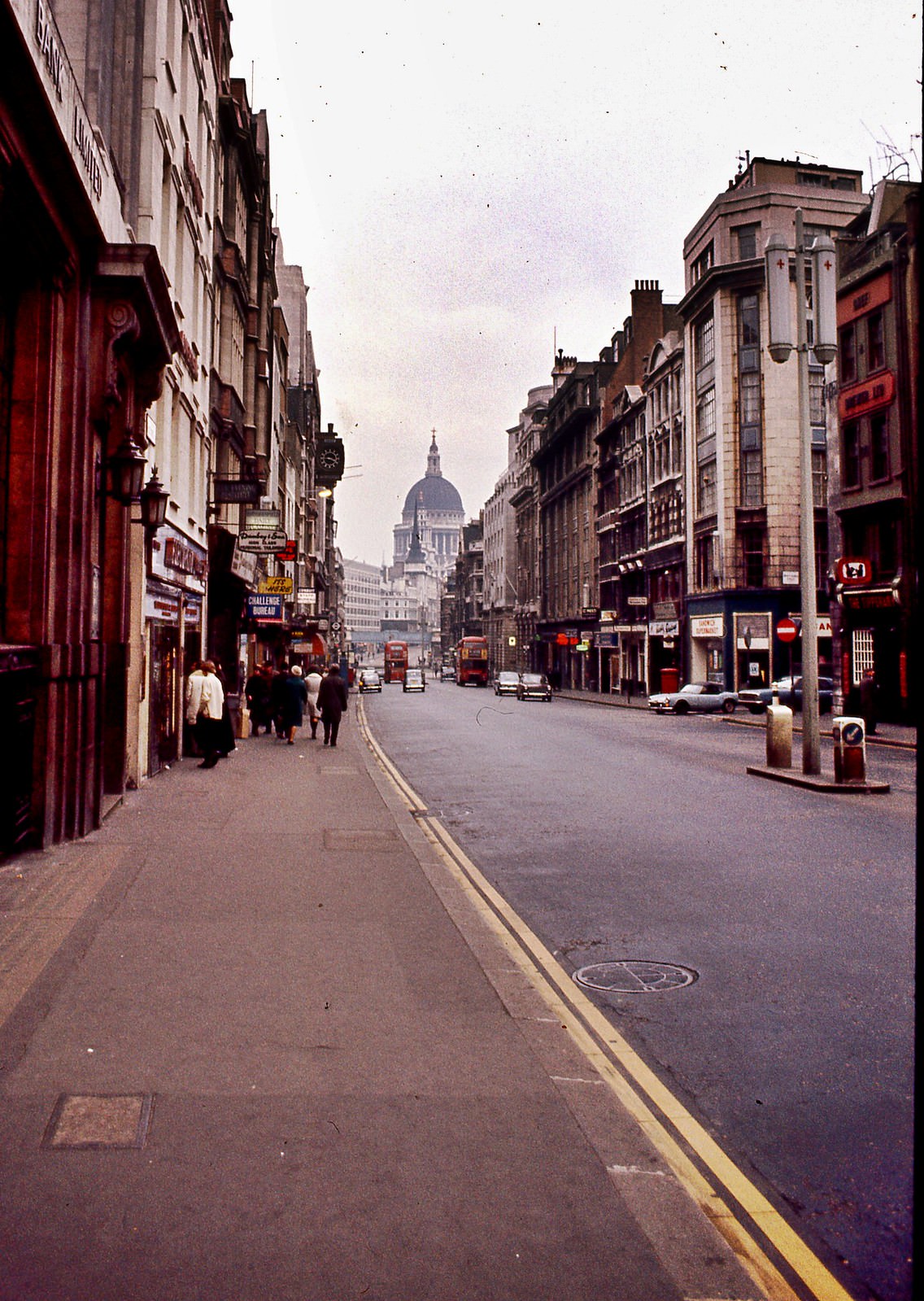
St. Paul’s Cathedral dominated the skyline of the City of London — the square mile that functions as the capital’s financial district. The cathedral, designed by Christopher Wren and completed in 1710, had famously survived the Blitz. By 1971, it stood surrounded by a mix of Georgian buildings and modern office blocks built during postwar reconstruction.
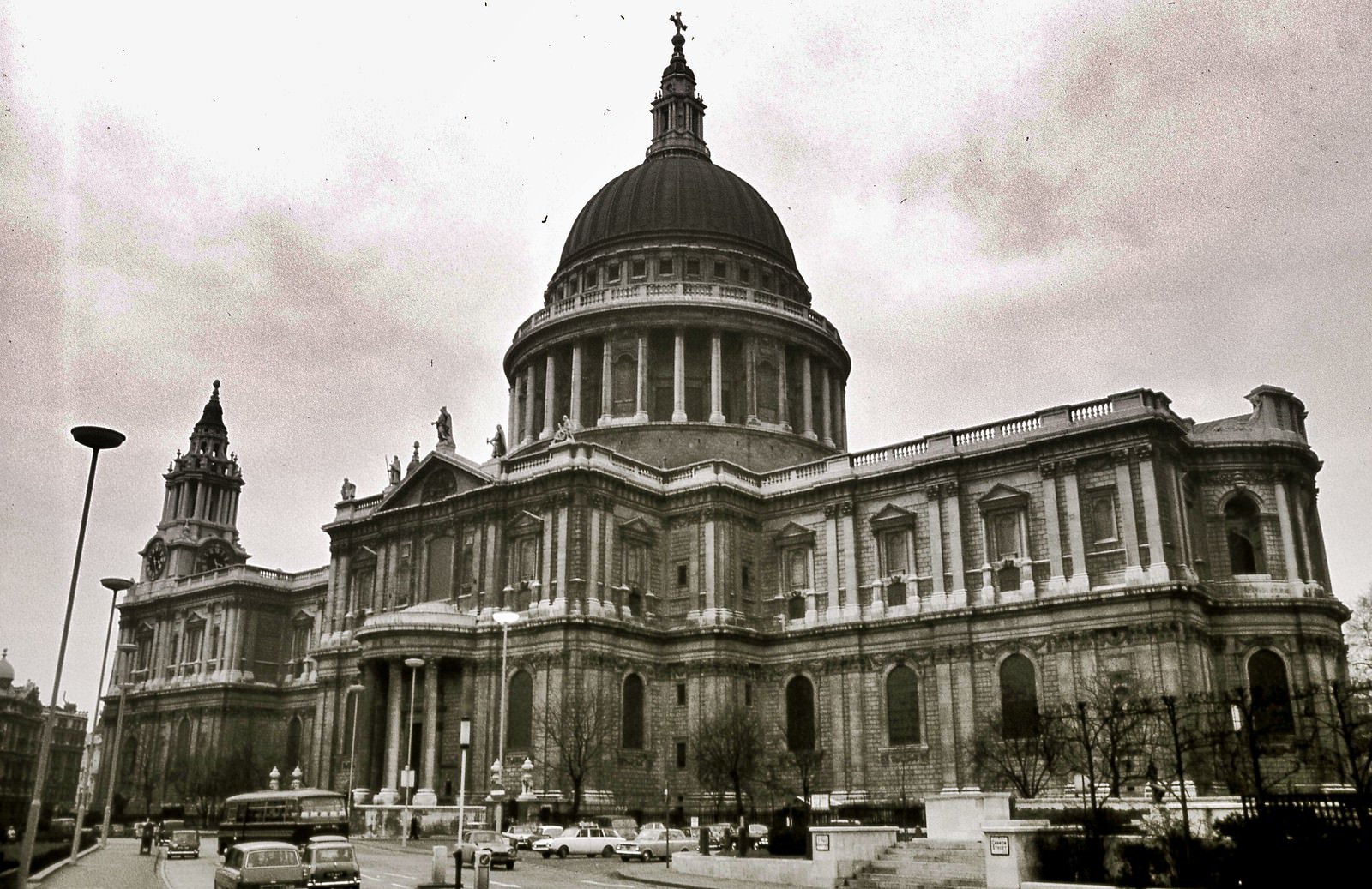
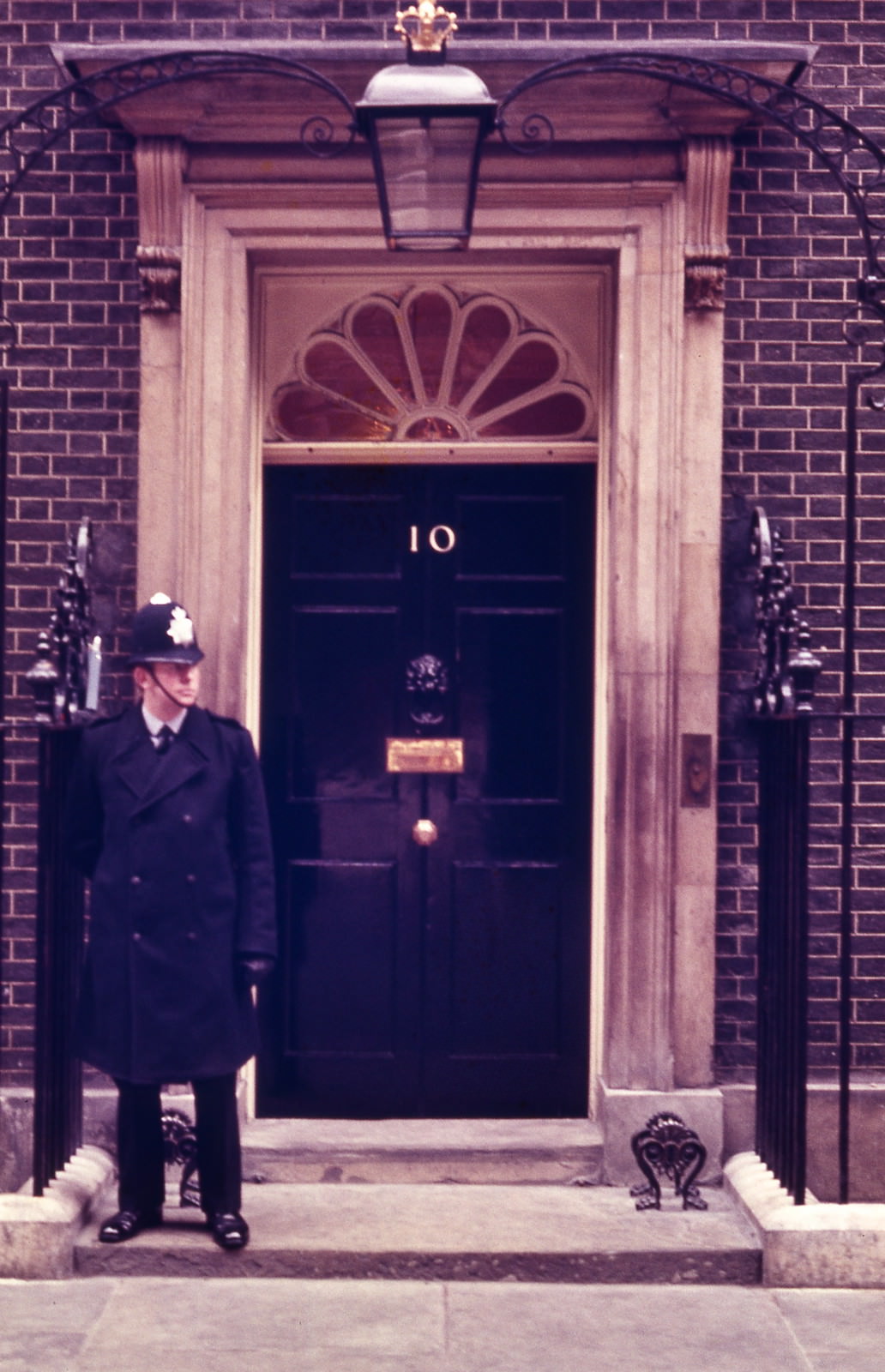
Whitehall, the wide road running from Parliament Square toward Trafalgar Square, housed the main offices of the British government. The Cabinet Office, the Ministry of Defence, and several other departments lined the street. Just off it sat Downing Street, accessible to the public in 1971 — the iron security gates that now block the entrance were not installed until 1989.
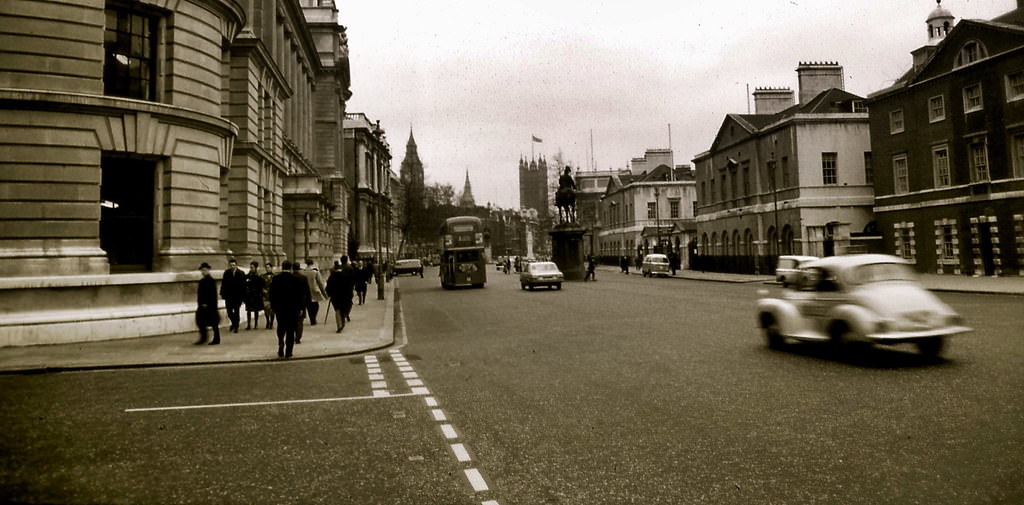
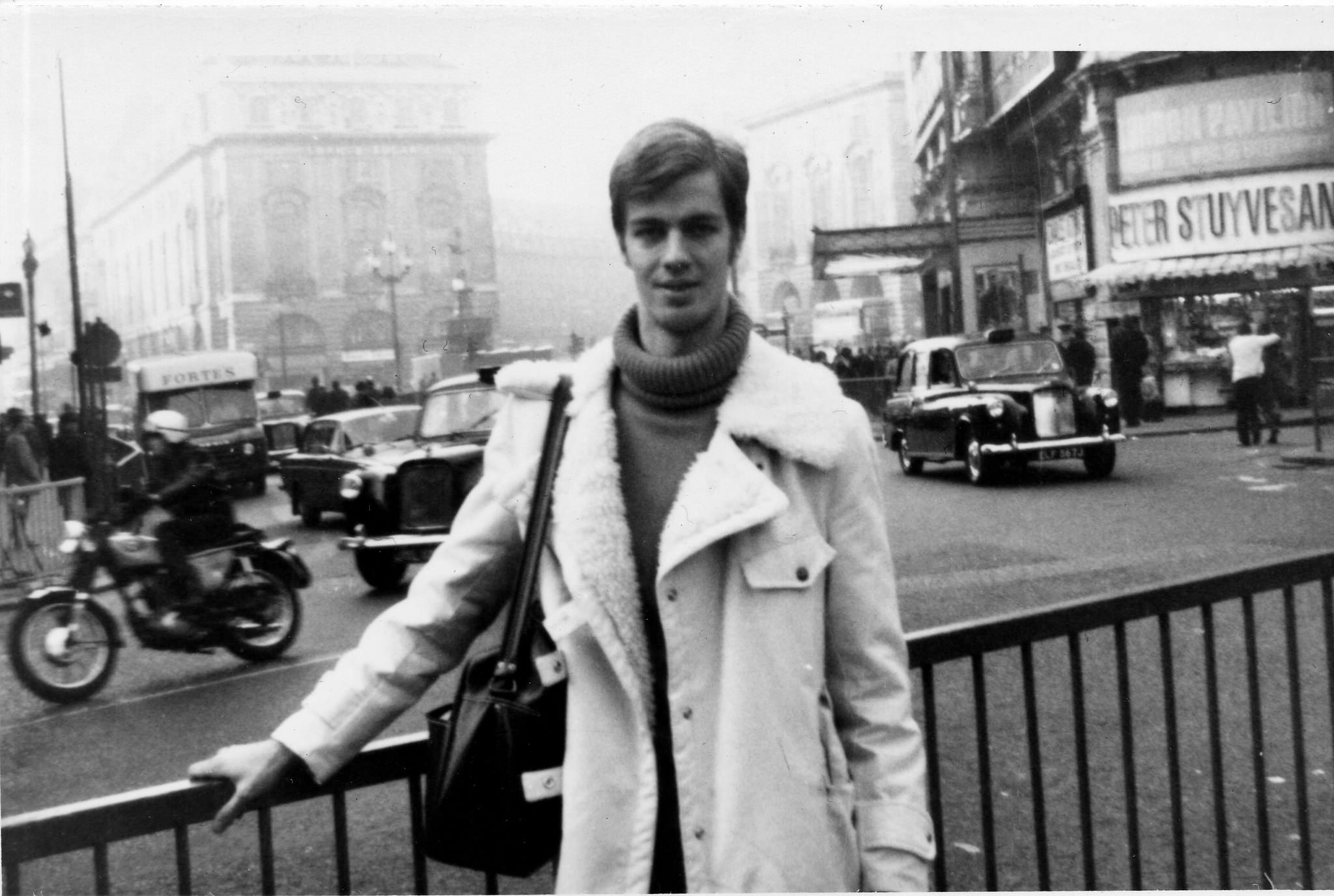
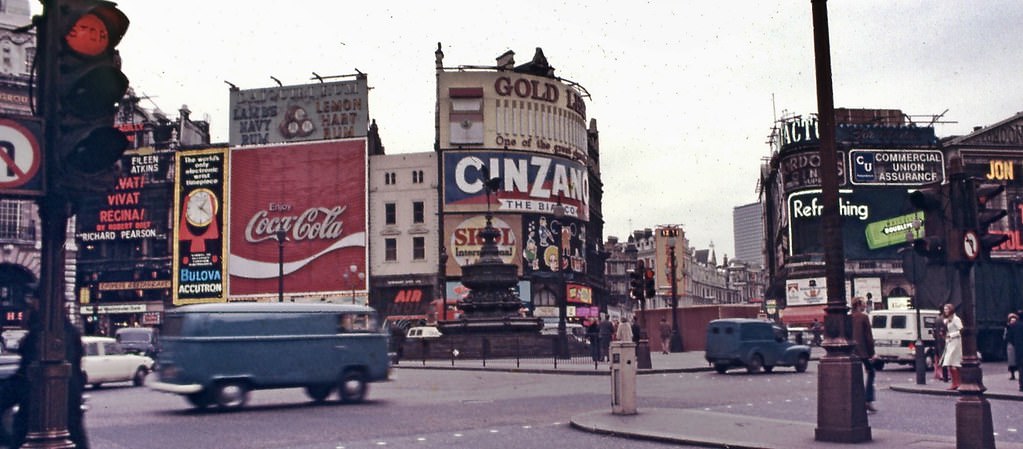
Piccadilly Circus was — as it had been since the late 19th century — one of the busiest intersections in London. The famous Eros statue at its center and the large illuminated advertising boards made it a natural focal point for visitors. It sat at the junction of several major streets leading into the West End’s theatres, cinemas, and shops.
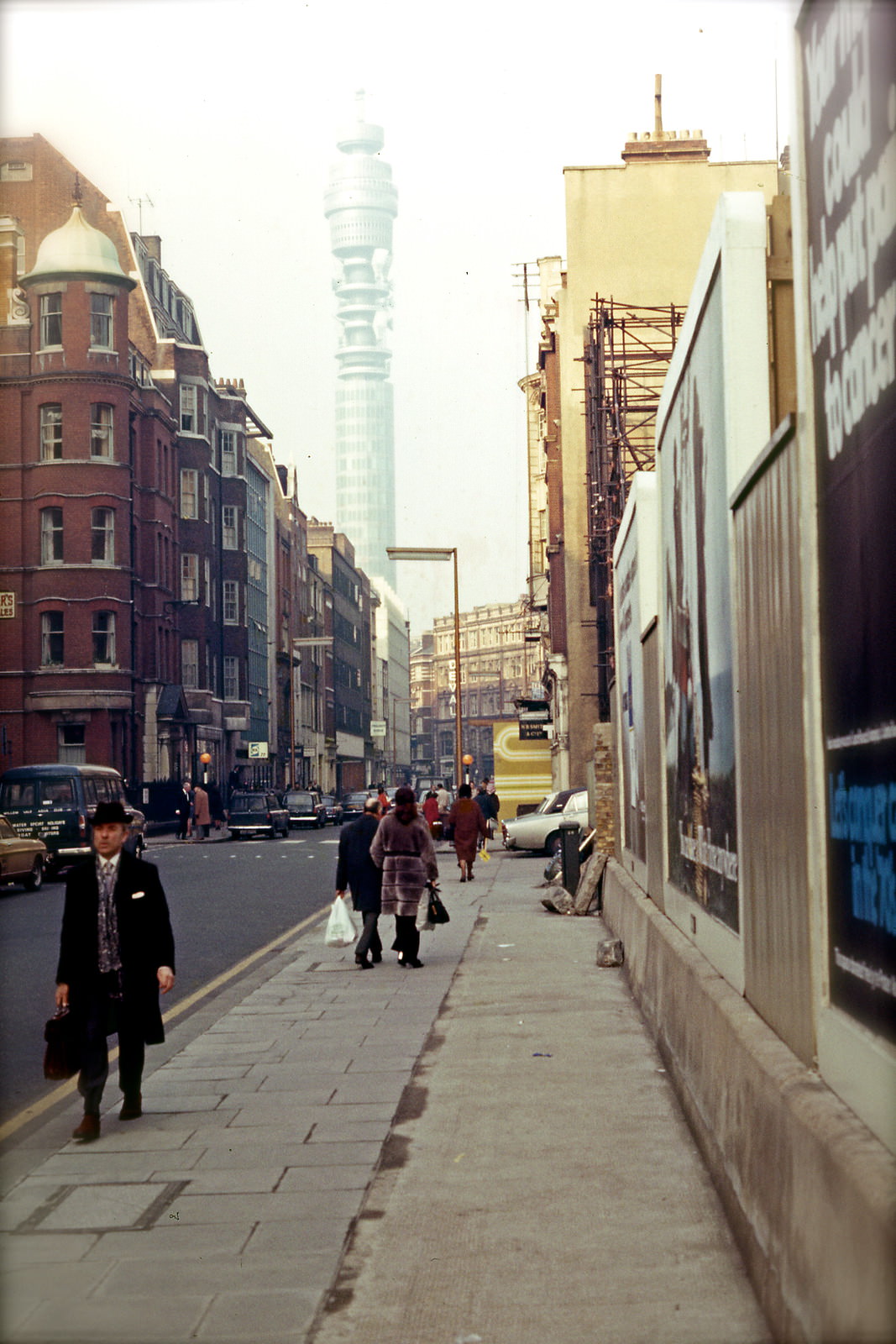
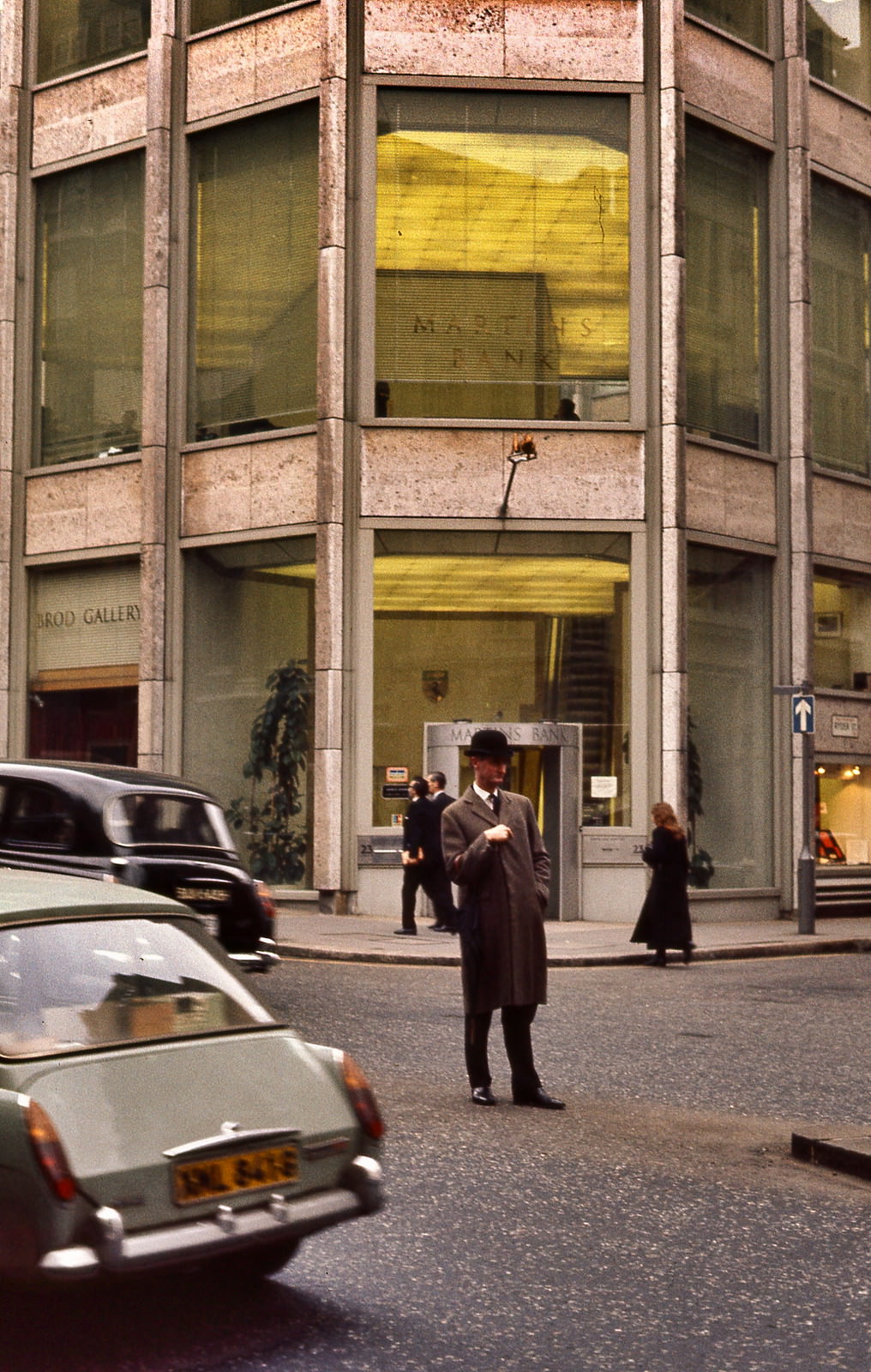
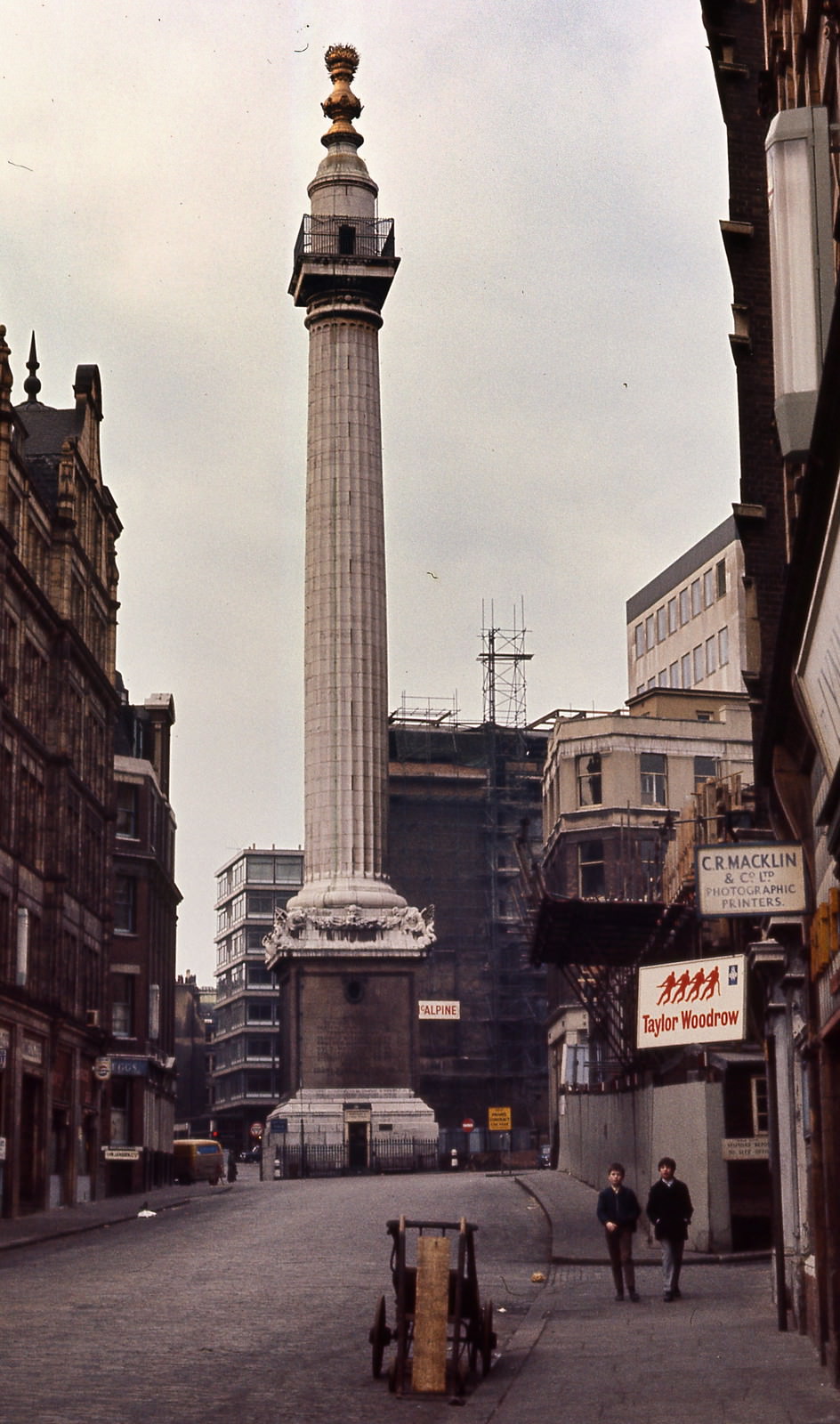
The City of London’s finance district was still operating under the old model in 1971 — years before the deregulation of the 1980s would transform it into a global financial hub. Fleet Street’s newspaper offices were nearby, and The Monument, built to commemorate the Great Fire of London in 1666, stood a short walk from the Thames.
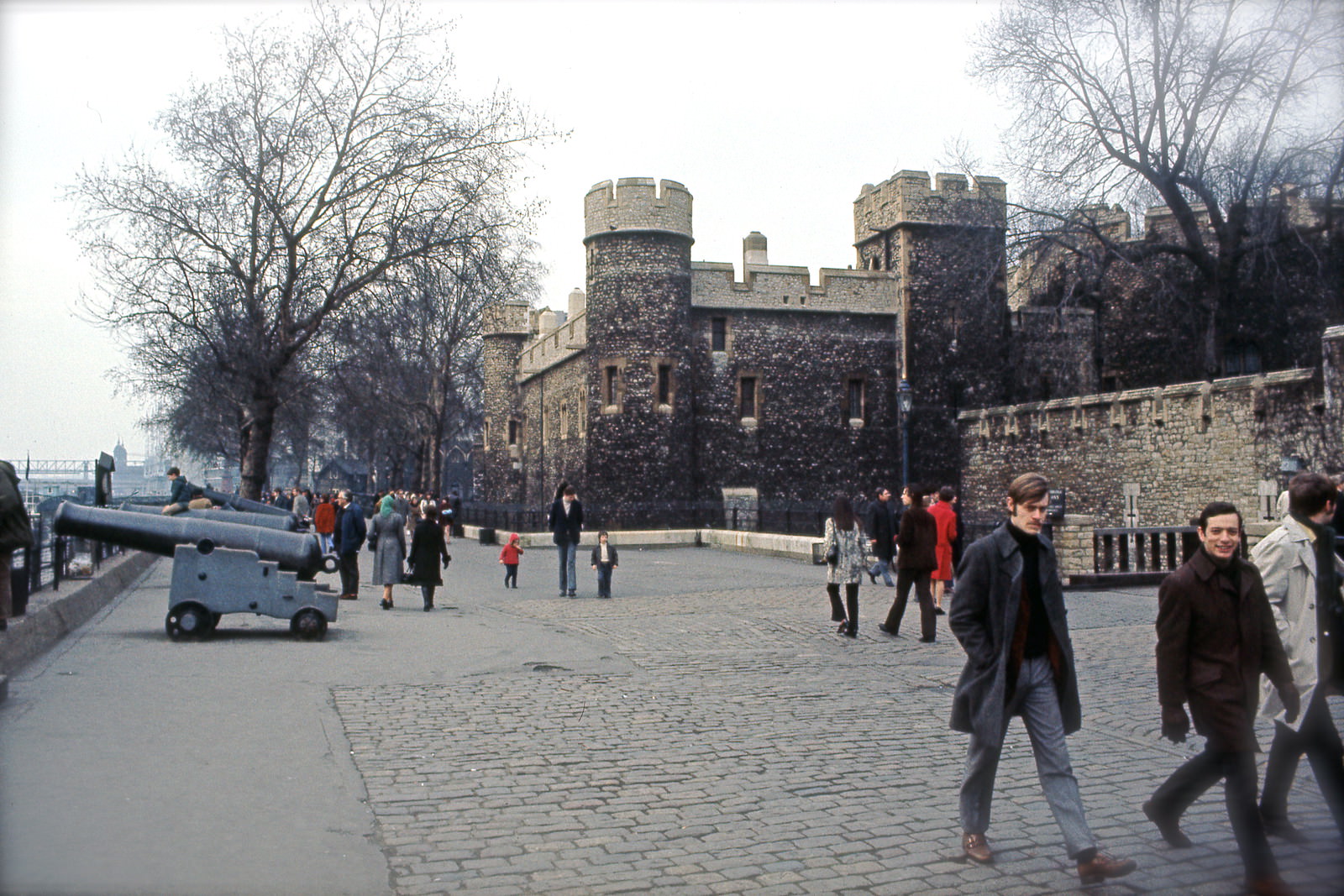
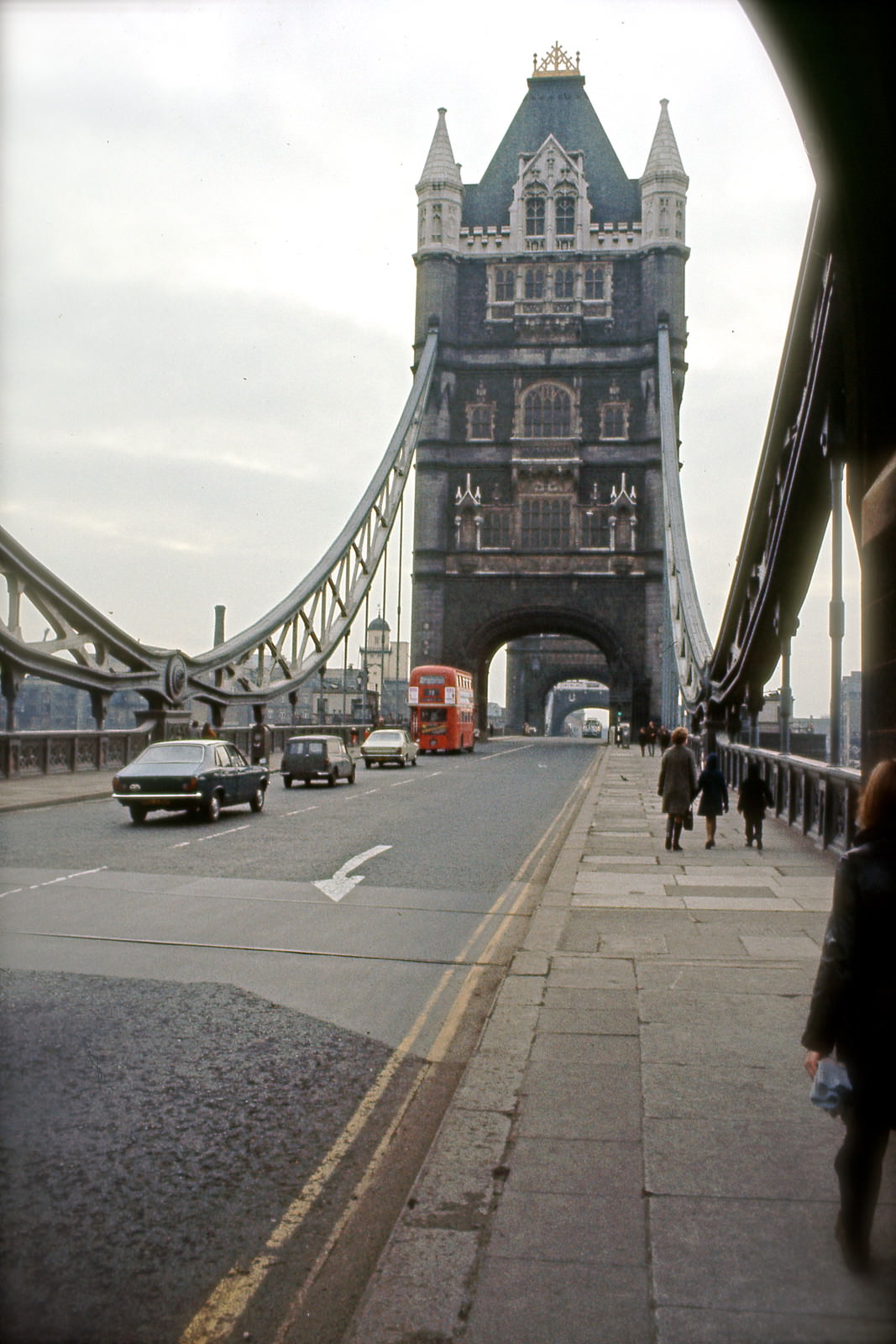
The Tower of London and Tower Bridge were among the most photographed sites in the city. The Tower, a fortress dating back to William the Conqueror in the 11th century, served as a royal palace, prison, and place of execution for much of its history. Tower Bridge, completed in 1894, remained a working bascule bridge that still opened to allow tall ships through.
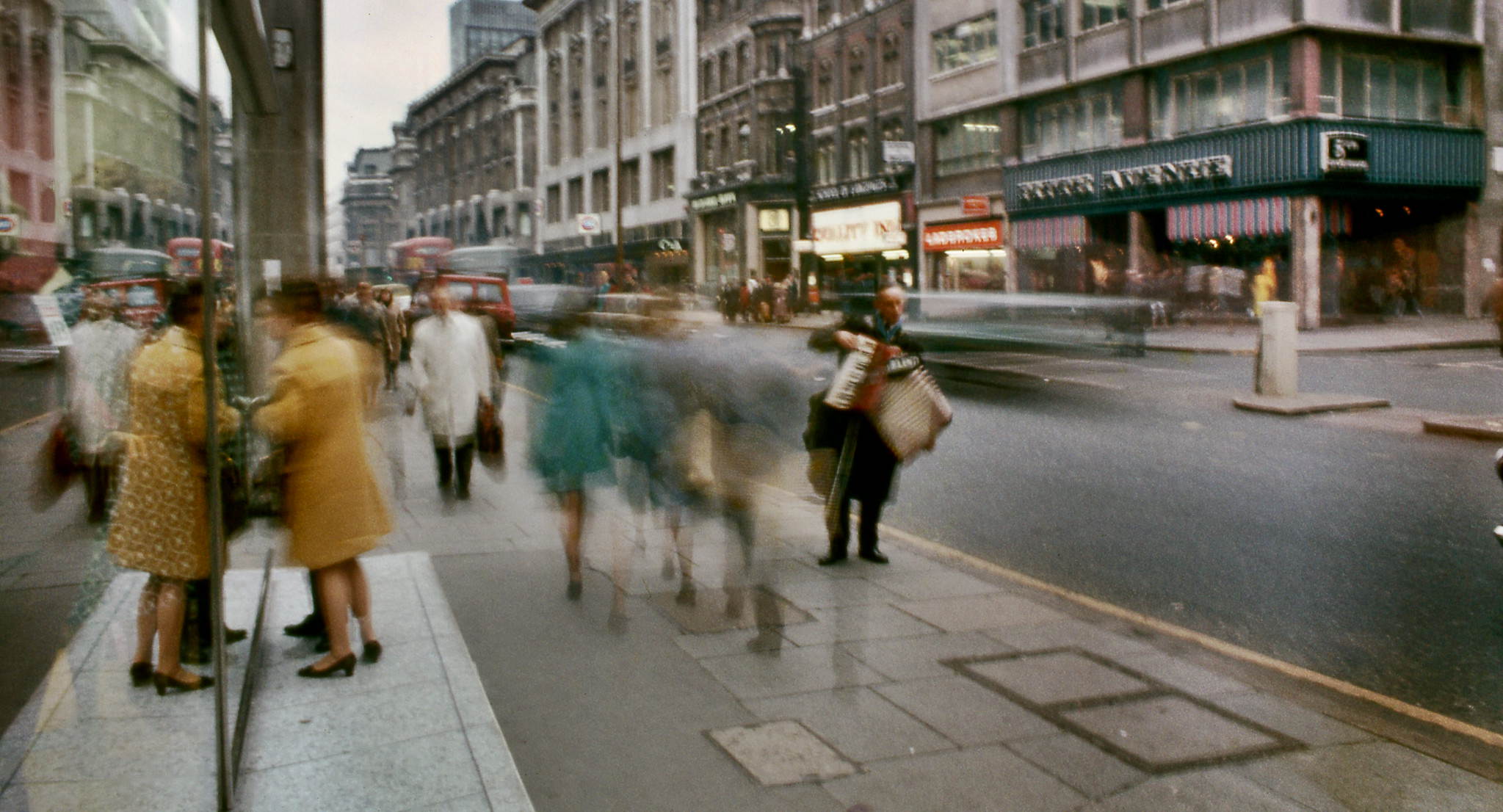
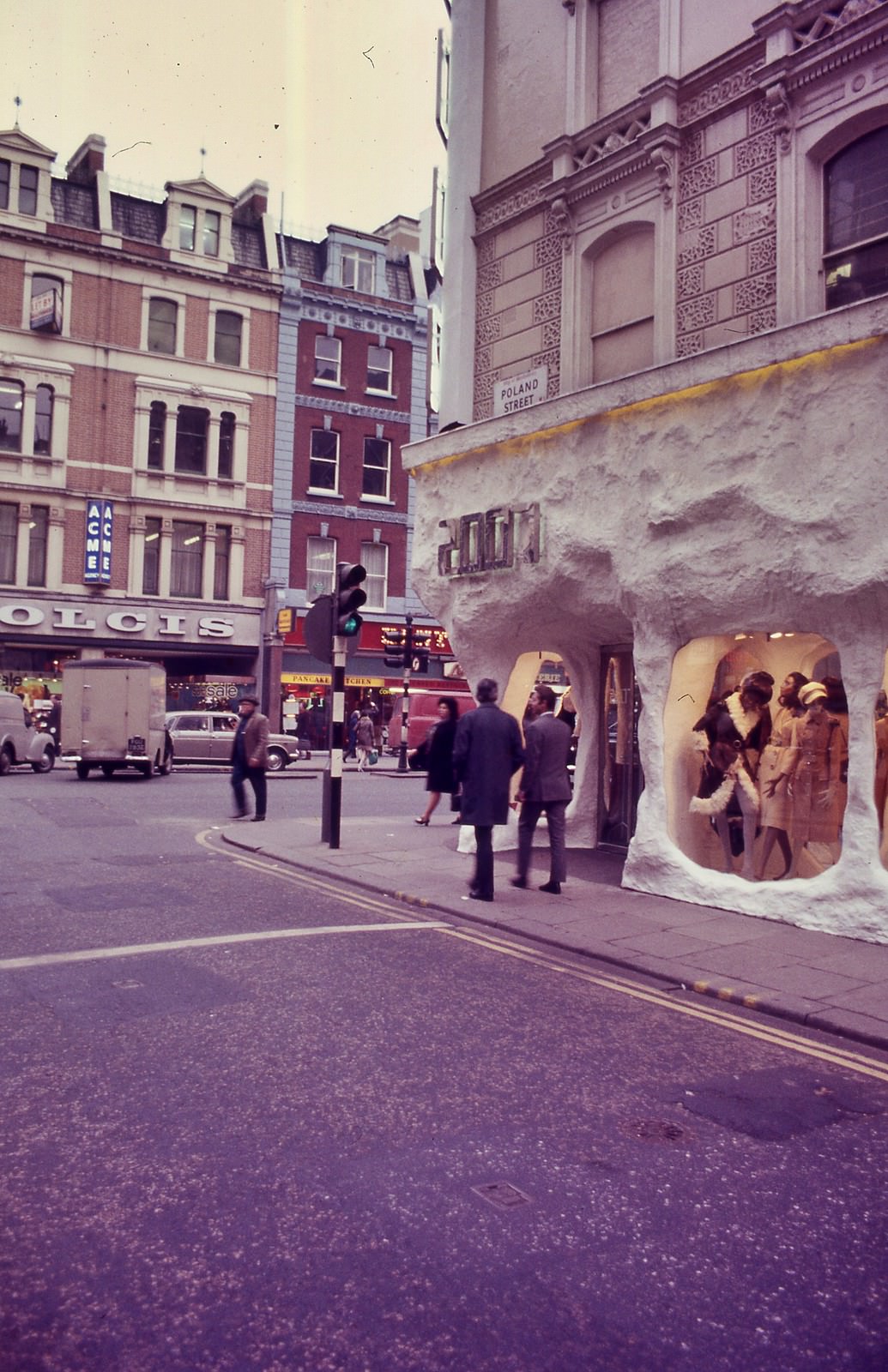
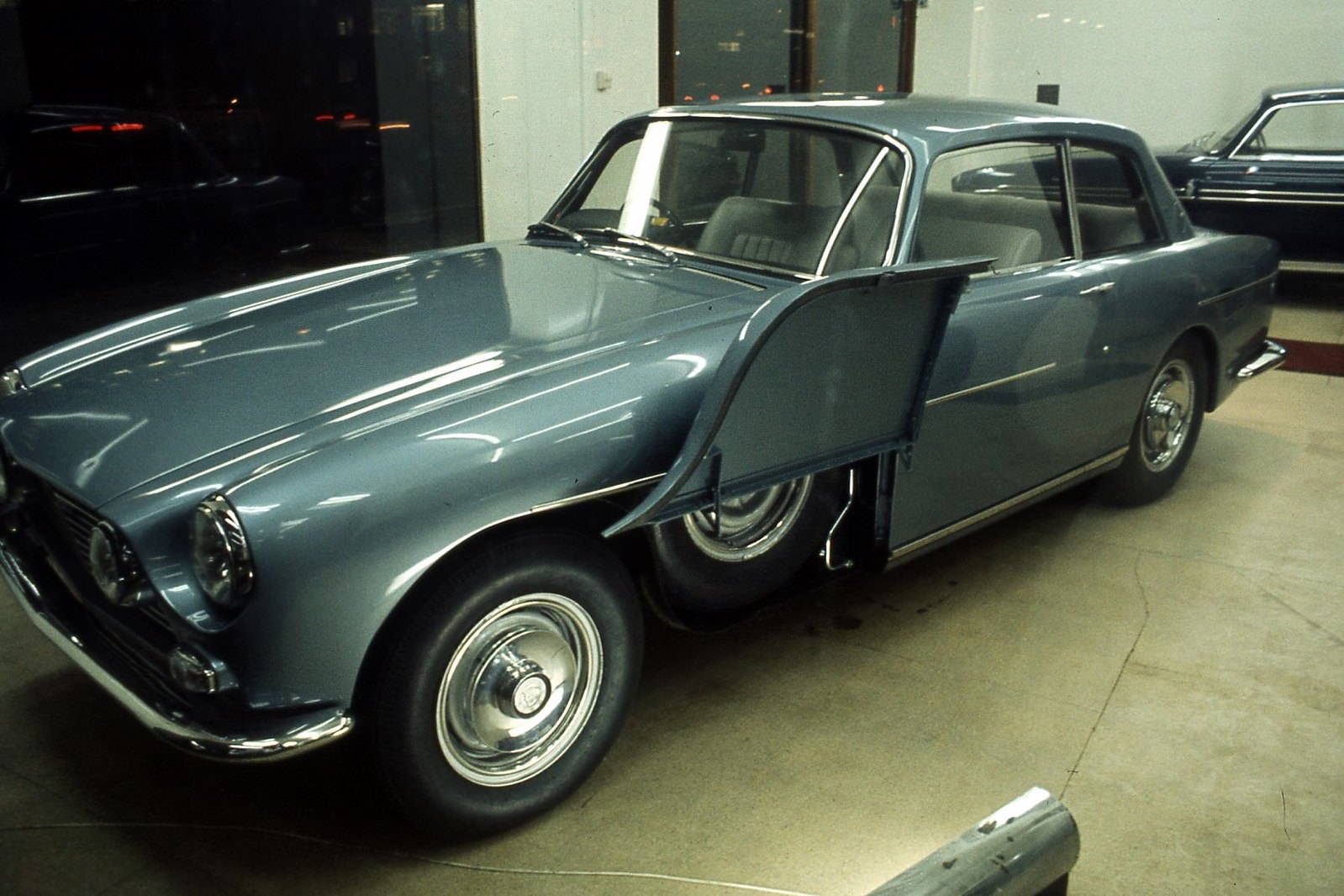
Poland Street in Soho sat at the center of one of London’s most creatively active neighborhoods. By 1971, the area was packed with record companies, film studios, and advertising agencies. The cars on the street reflected the era well — a Bristol 411, one of Britain’s most expensive luxury saloons of the time, appears in Örn’s photos alongside more common vehicles.
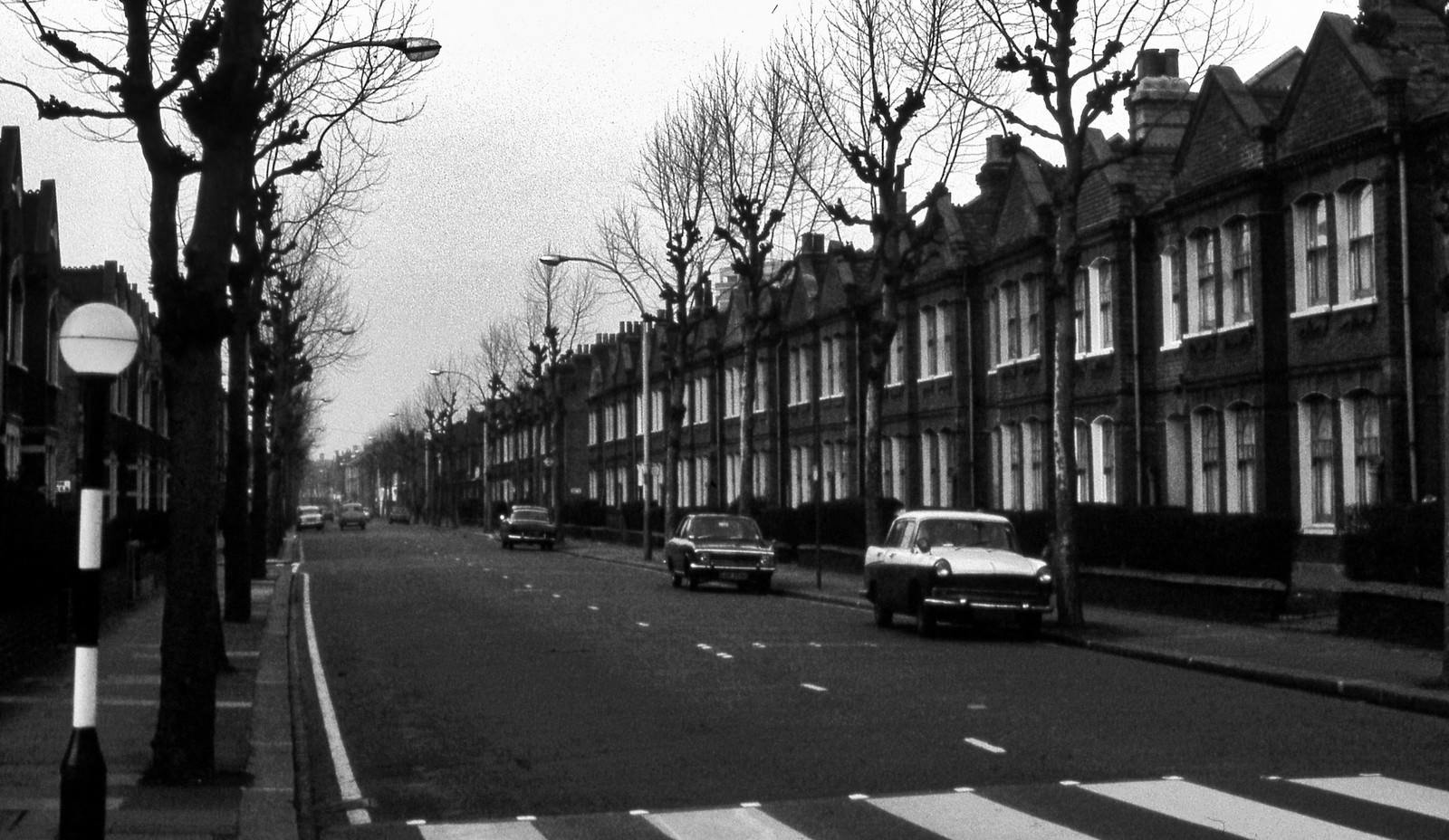
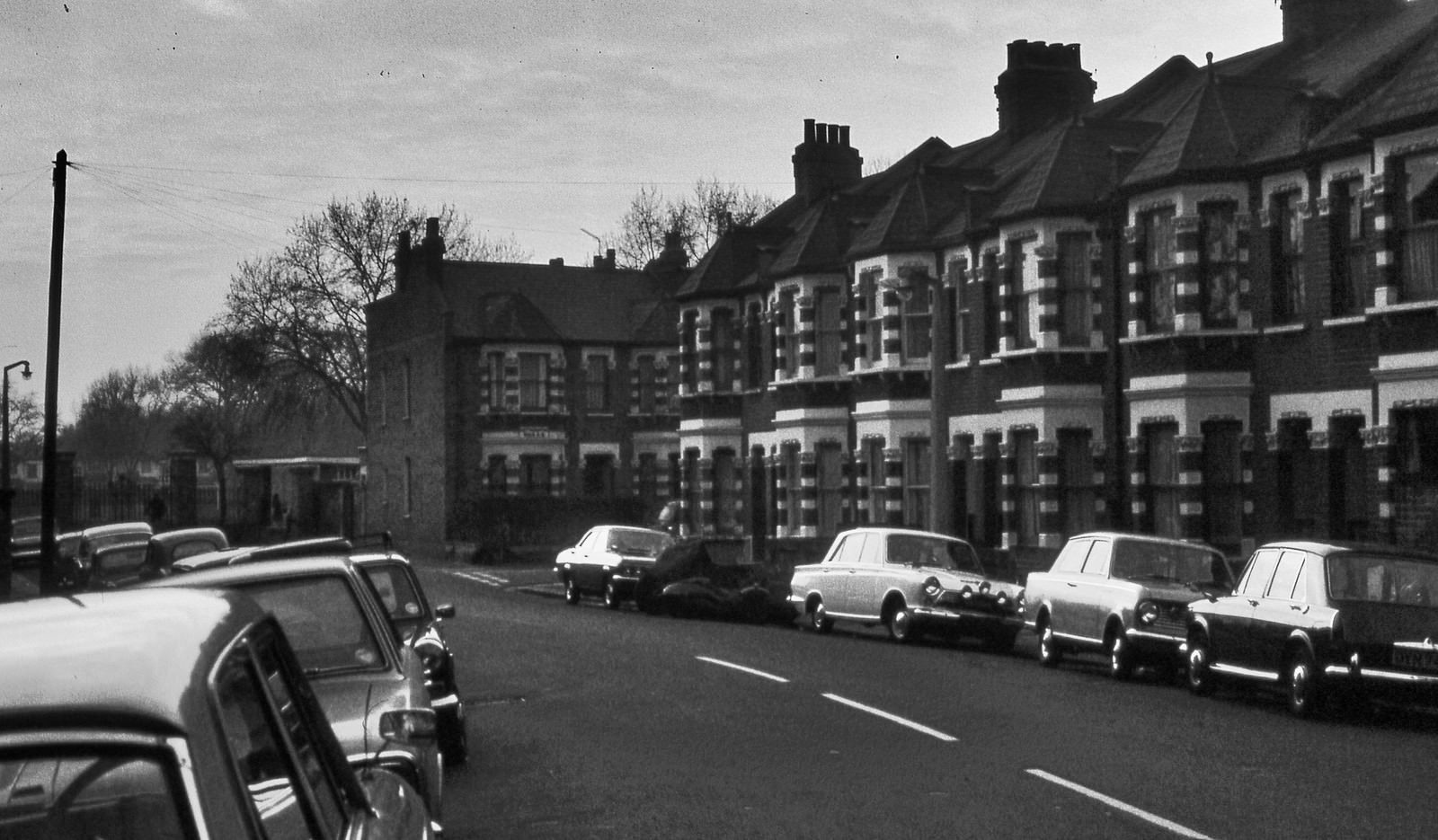
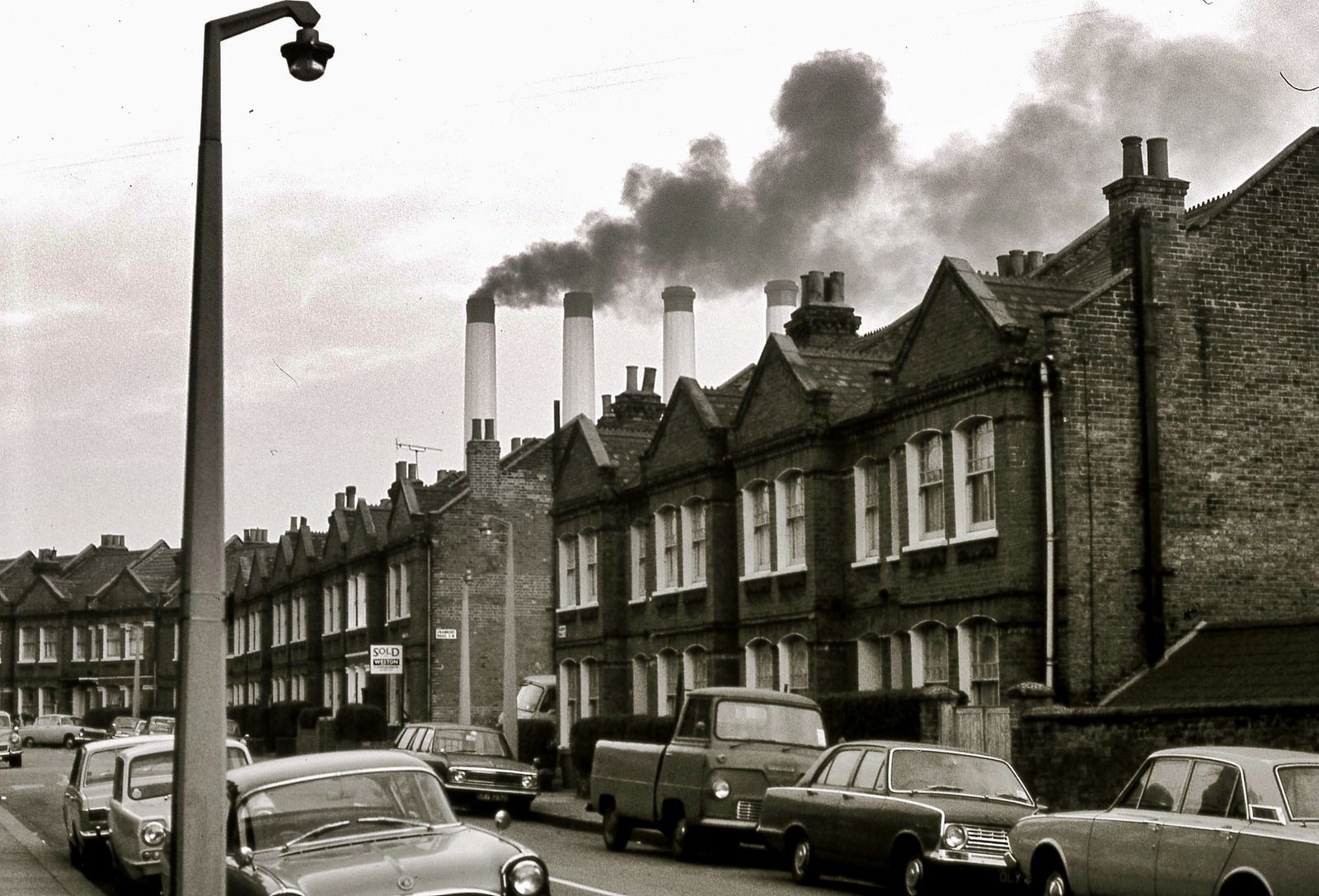
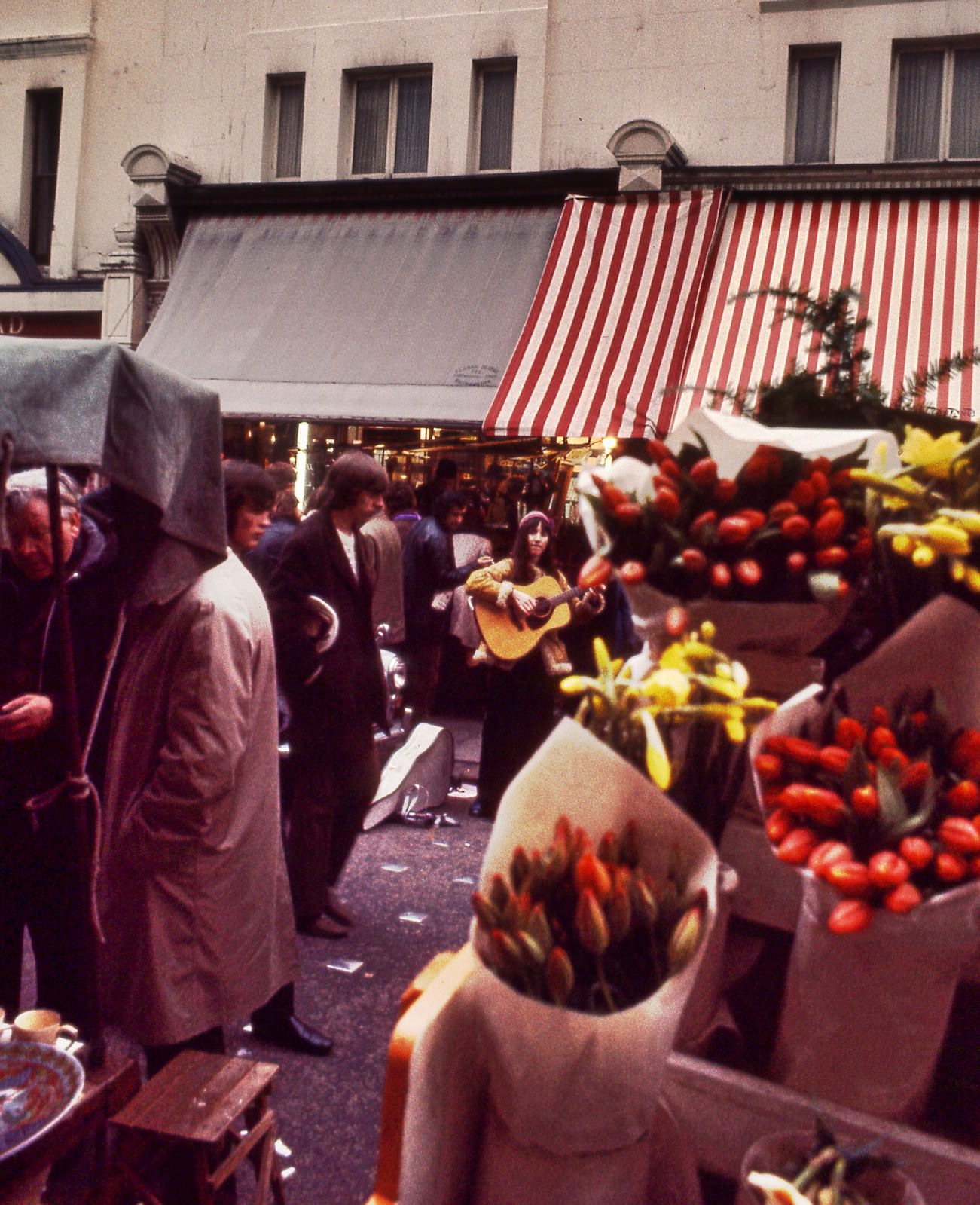
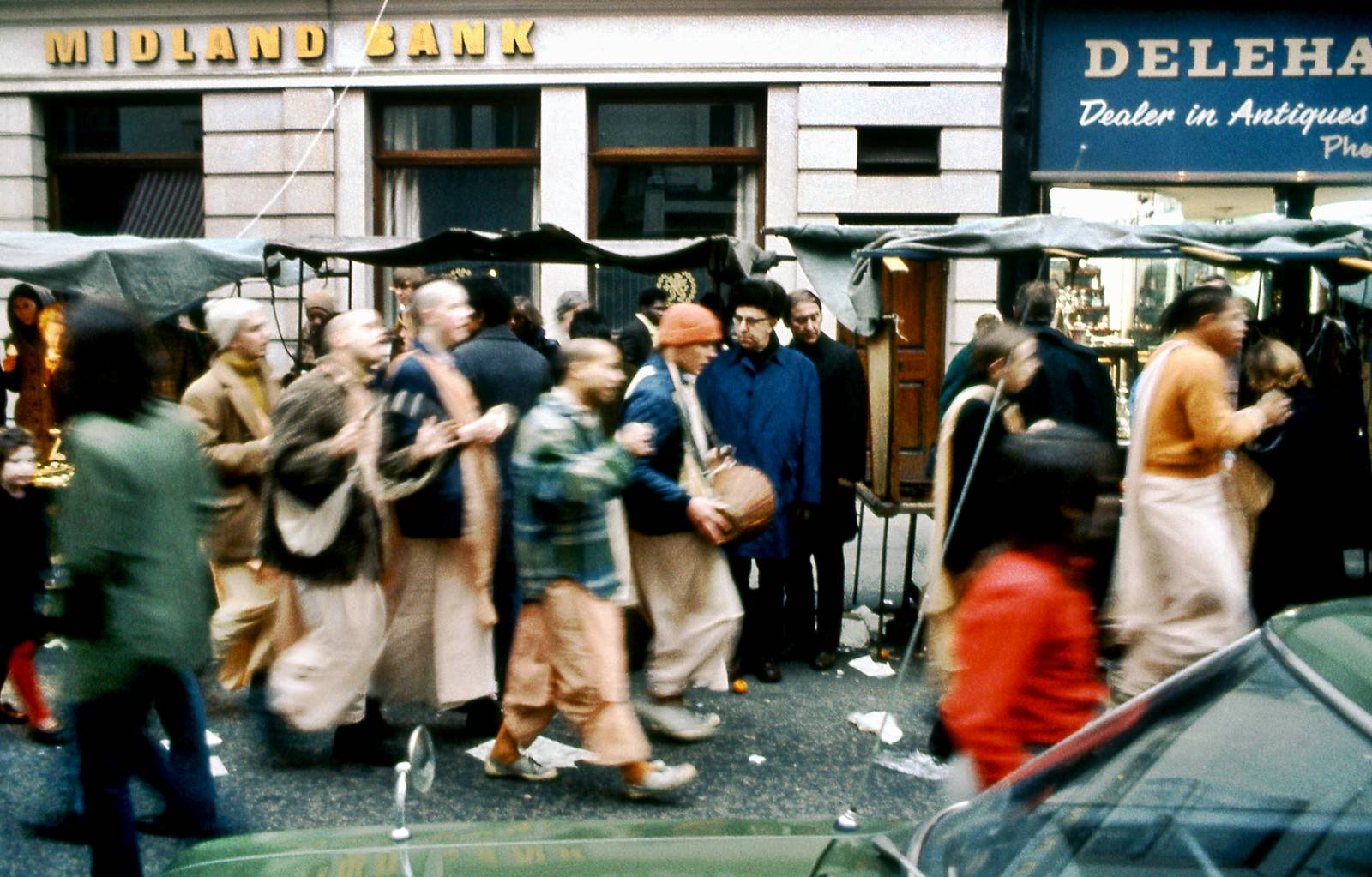
Portobello Road in Notting Hill was already well established as one of London’s most popular street markets by 1971. Every Saturday, the market filled the road from Notting Hill Gate down to Ladbroke Grove, selling antiques, second-hand clothes, fruit, and vegetables. The area had a large West Indian community and was one of the most culturally mixed parts of the city.
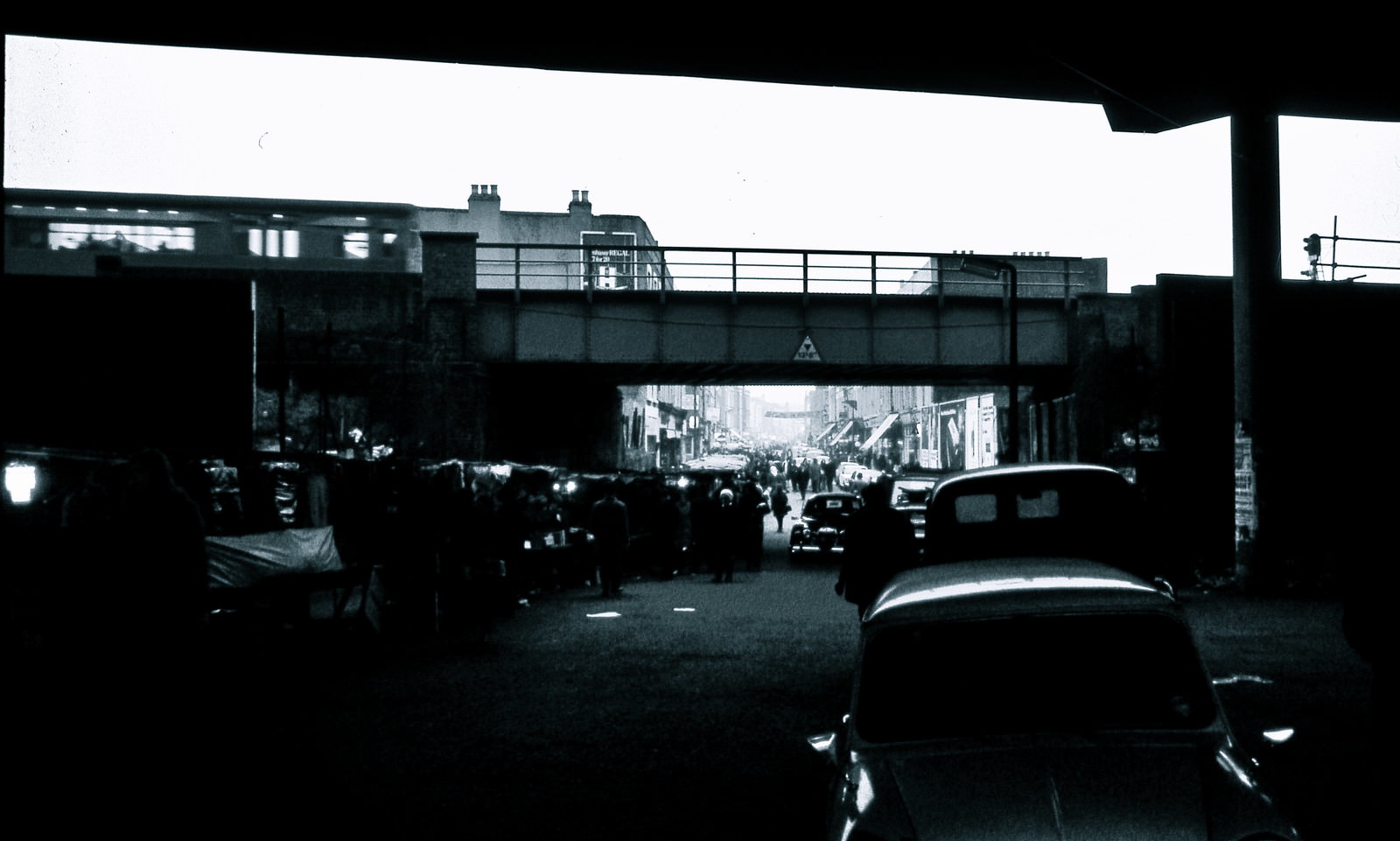
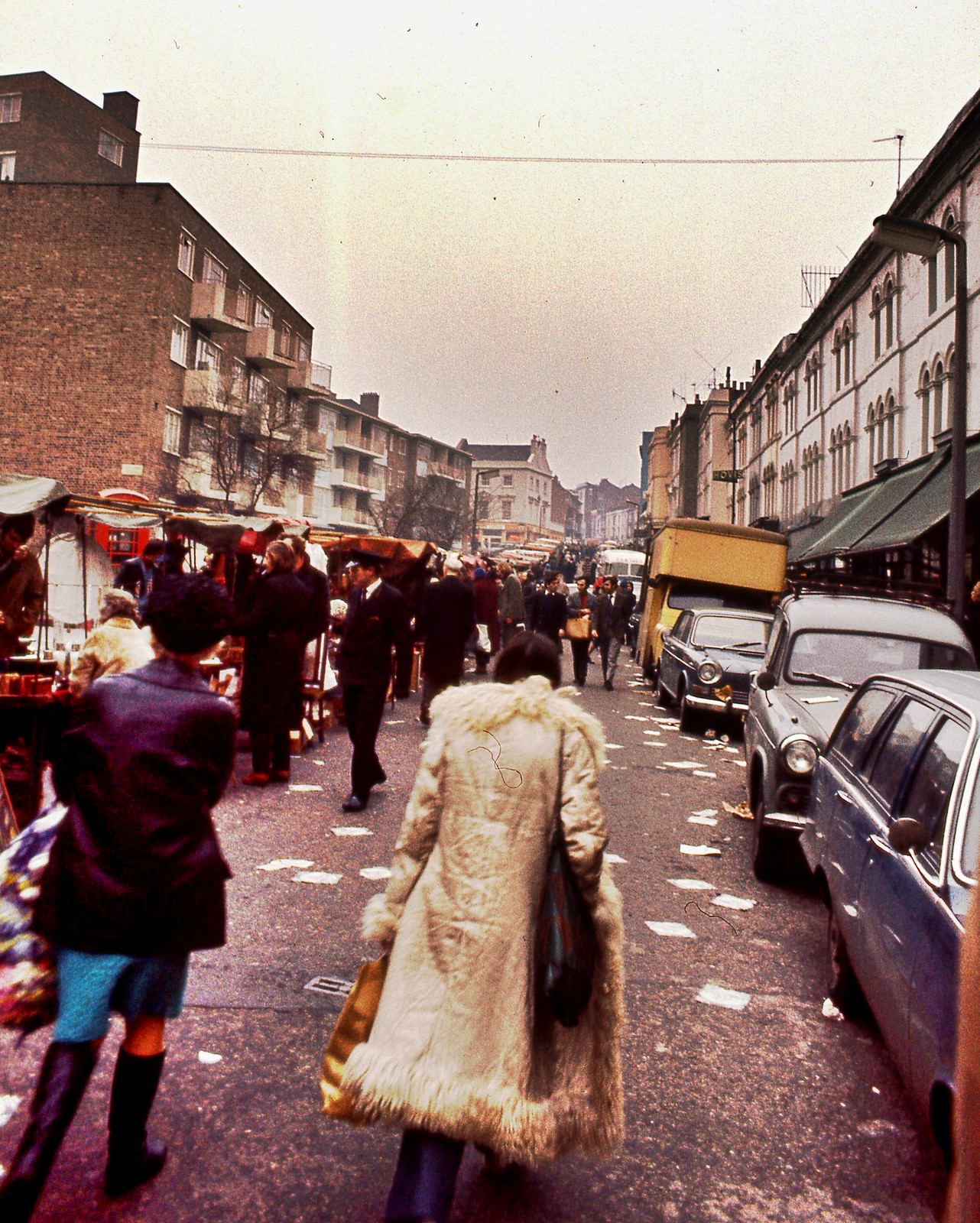
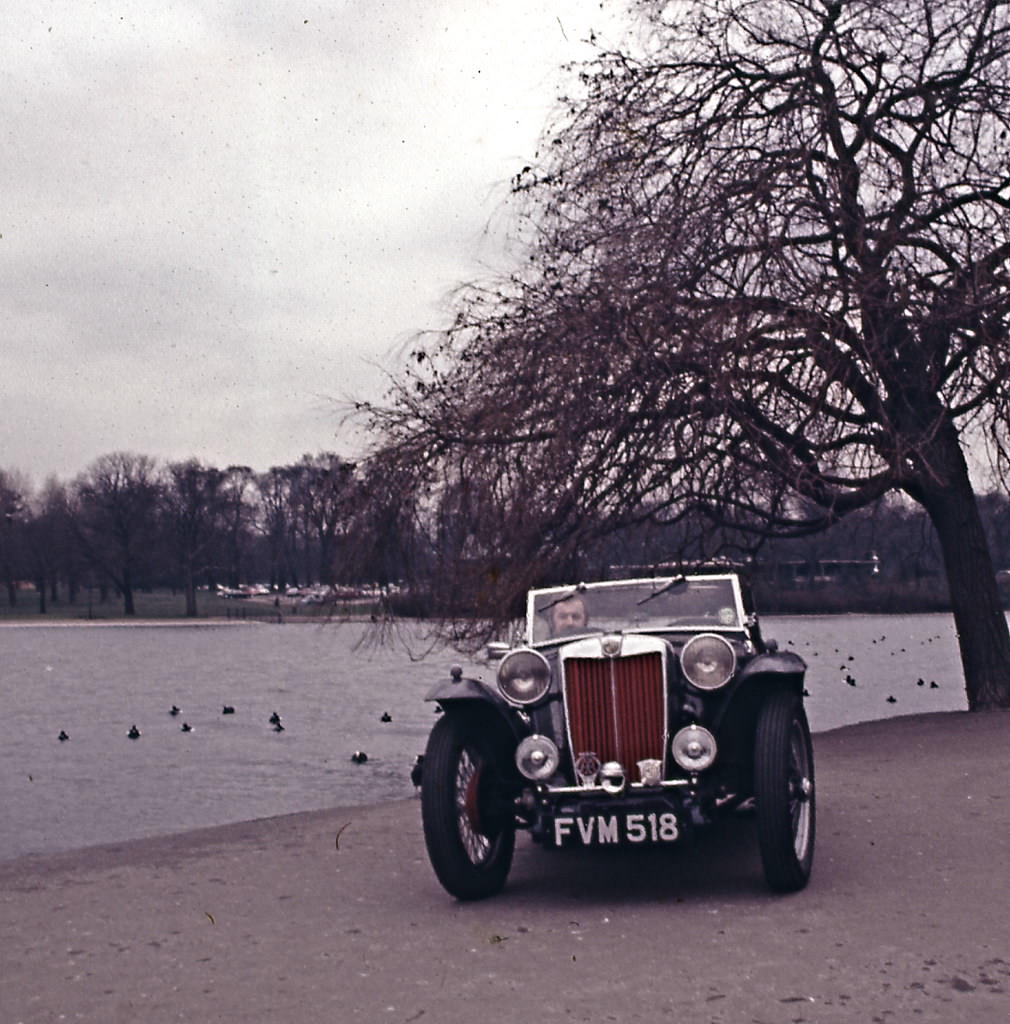
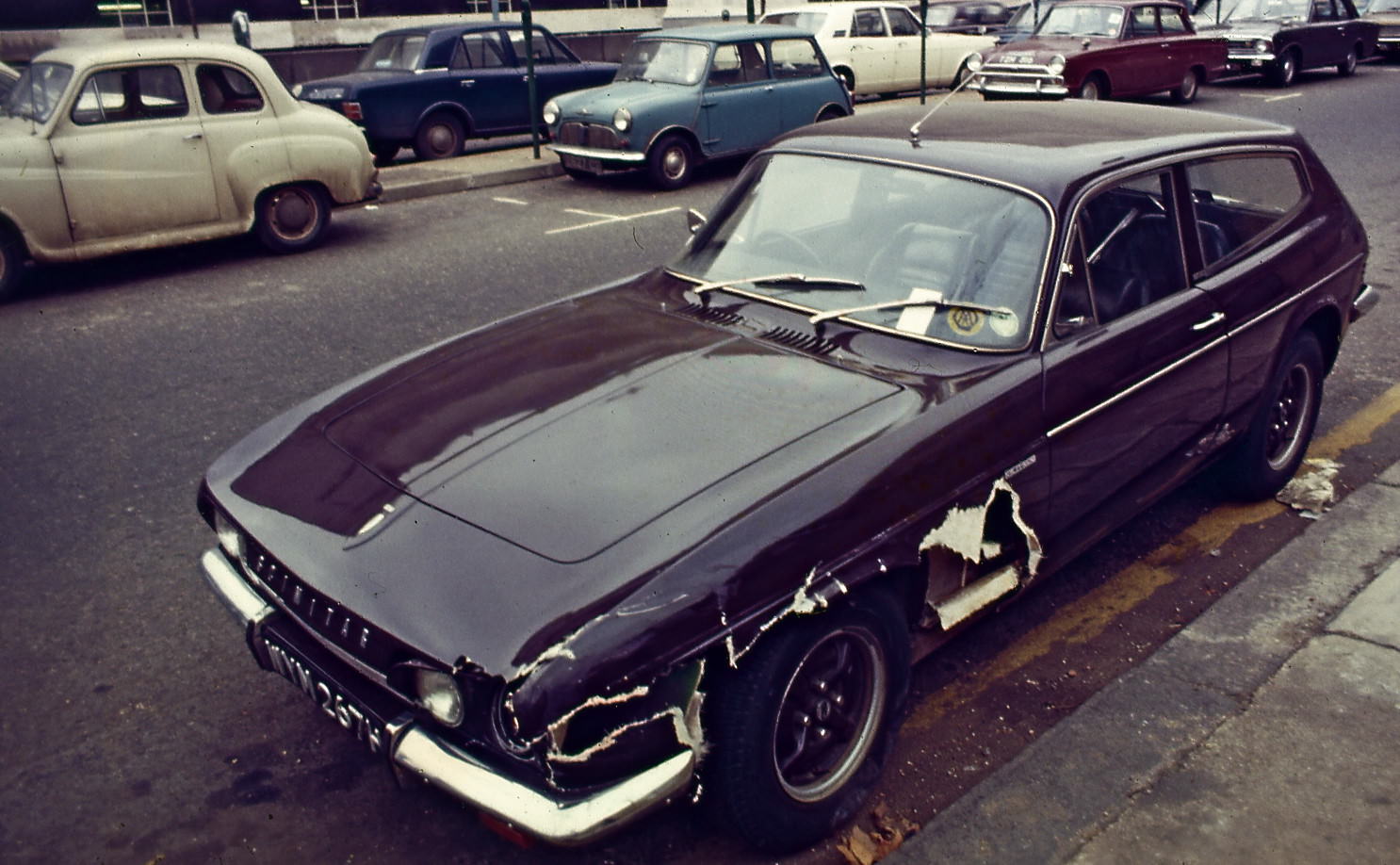
Hyde Park, one of London’s largest open spaces, offered a different pace. The Serpentine lake at its center attracted visitors year-round. Örn photographed a 1939 MG TB parked near the water — a prewar sports car that would have been over 30 years old at the time, already a collector’s piece. The Reliant Scimitar GTE, a British sports estate favored by Princess Anne, also appeared on the city’s streets.
Piccadilly Circus appears again later in the collection, this time with more of the surrounding street activity visible. The neon signs and traffic made it a natural gathering point for young Londoners and tourists alike. The West End that surrounded it — stretching through Soho, Covent Garden, and Leicester Square — was the entertainment and nightlife center of the entire country.