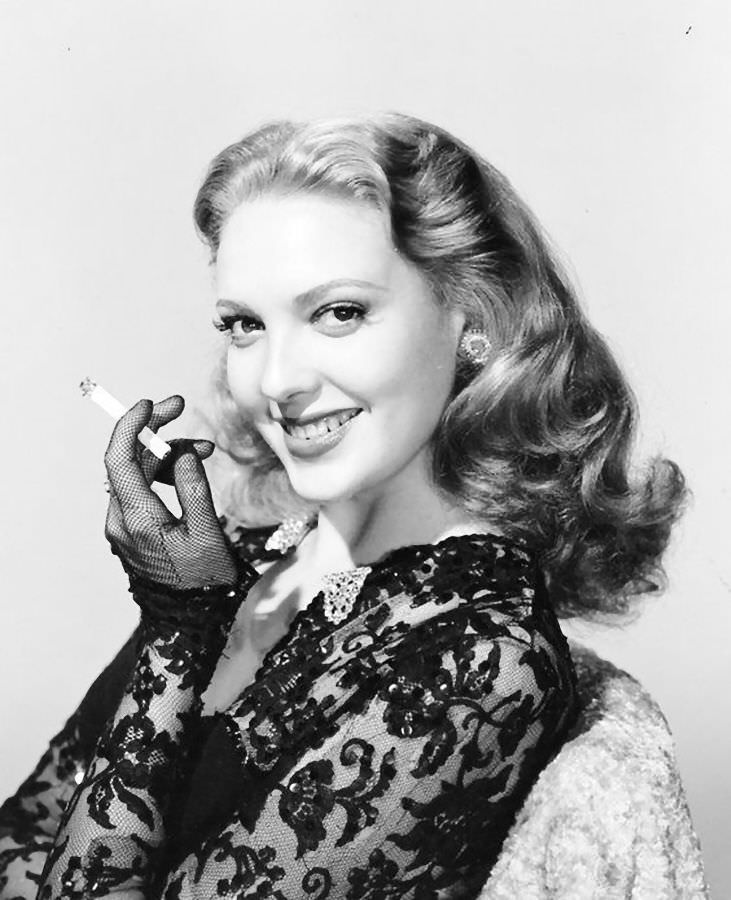
Monetta Eloyse Darnell was born with a face that Hollywood couldn’t ignore. Known professionally as Linda Darnell, she had brunette hair, deep brown eyes, and a natural screen presence that set her apart from nearly every actress of her era. The press called her “the girl with the perfect face,” and by the time most young women were finishing high school, Darnell was already a household name.
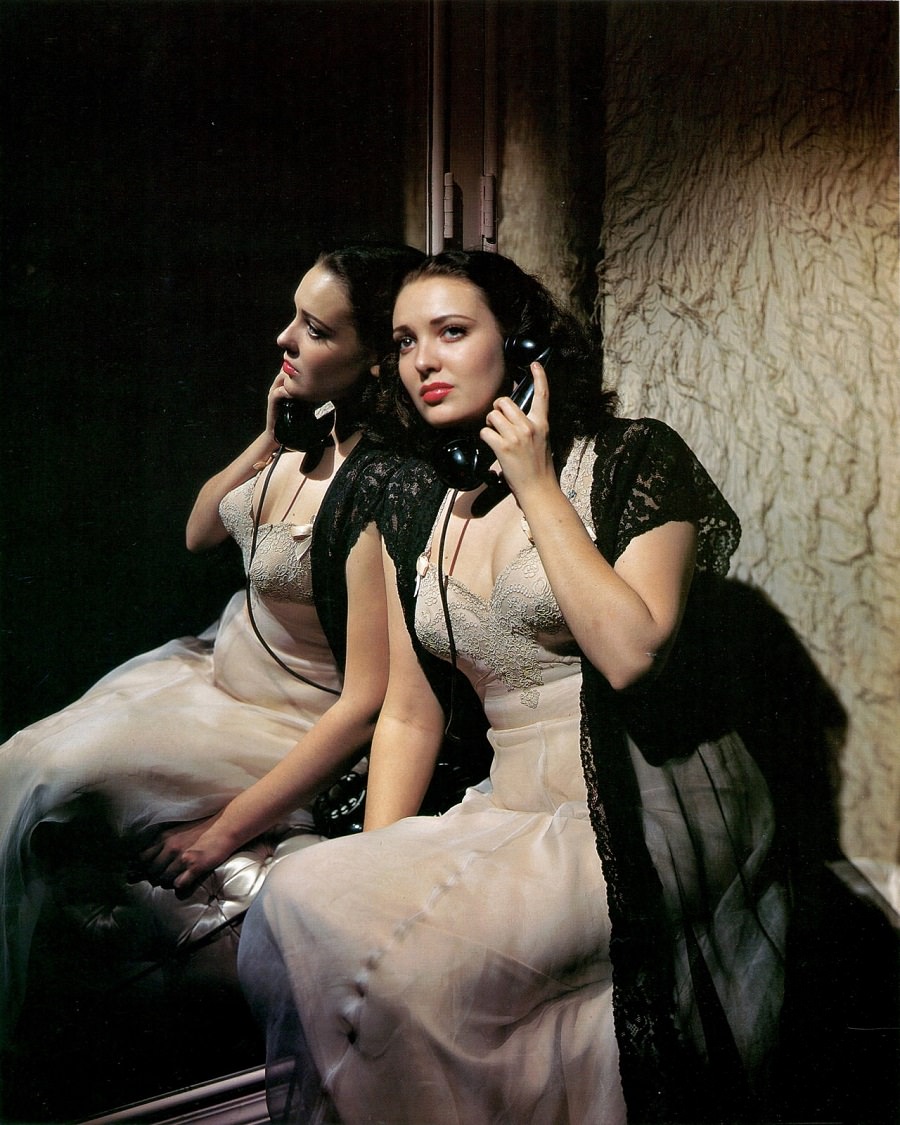
She started modeling at 13, stepping in front of cameras long before most children had any sense of a career. By 16, she was performing on stage. At just 15, she signed a contract with 20th Century Fox — the studio that would define most of her working life. When she made her screen debut in 1939 in the drama Hotel for Women, playing Marcia Bromley, she was 16 years old. That made her the youngest leading lady in Hollywood history at the time.
Her breakout moment came in 1940 with Brigham Young, her first big-budget film. The role put her name on a much larger map. That same year, she appeared in The Mark of Zorro, a swashbuckling adventure that showcased her range beyond the softer dramatic roles she had played before.
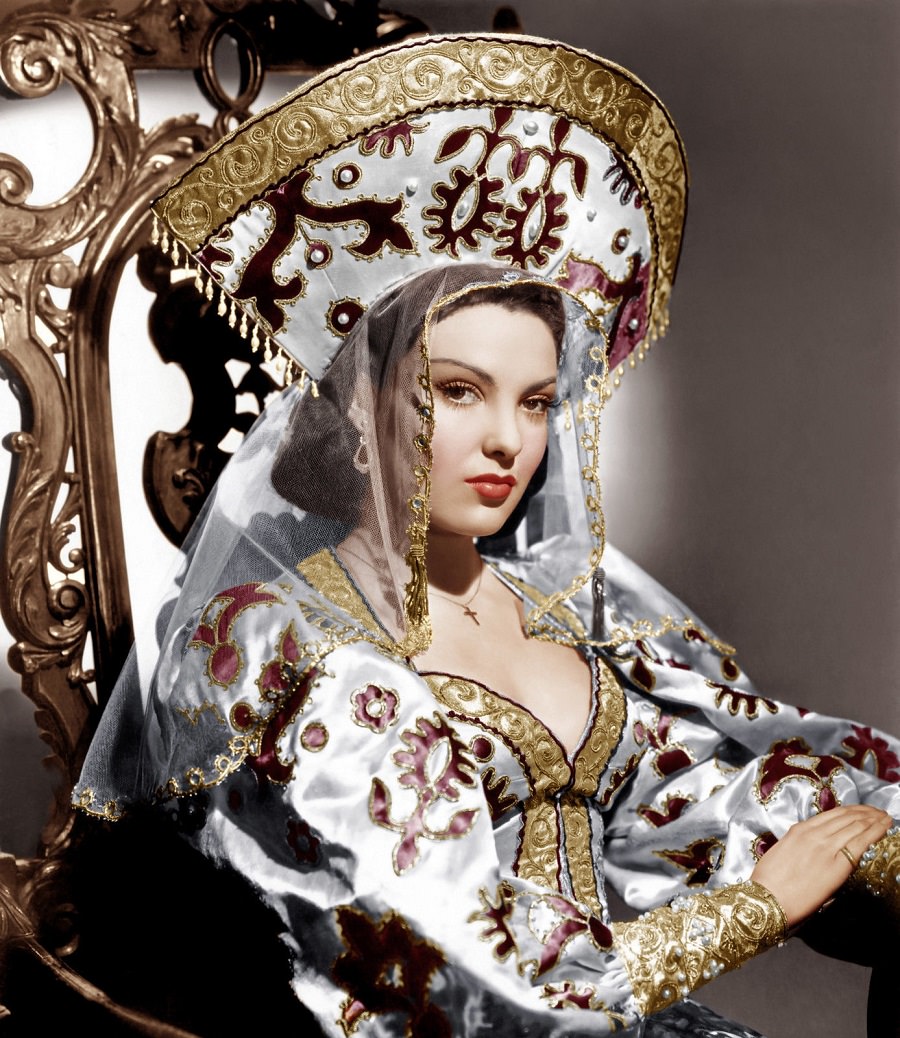
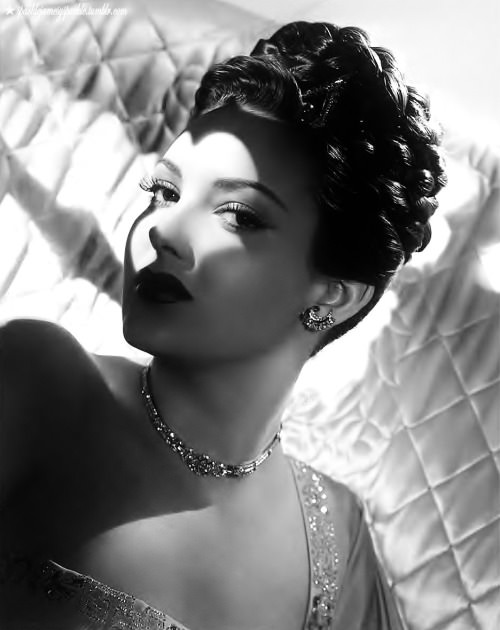
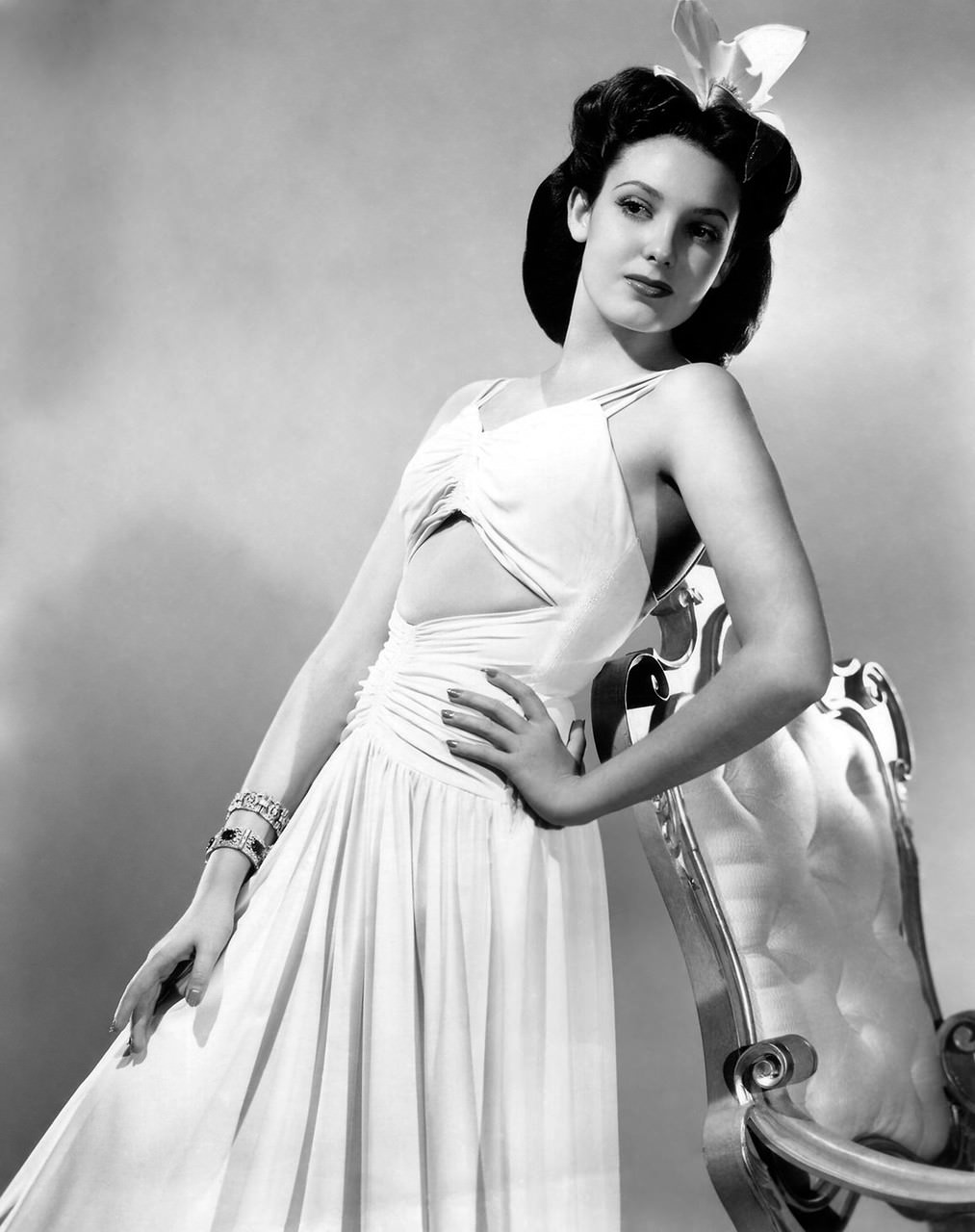
Fox’s wardrobe department dressed Darnell to match her status. Designers like Travis Banton crafted gowns specifically for her, reinforcing the glamour that the studio wanted to project. Her look was carefully managed, but her talent was entirely her own.
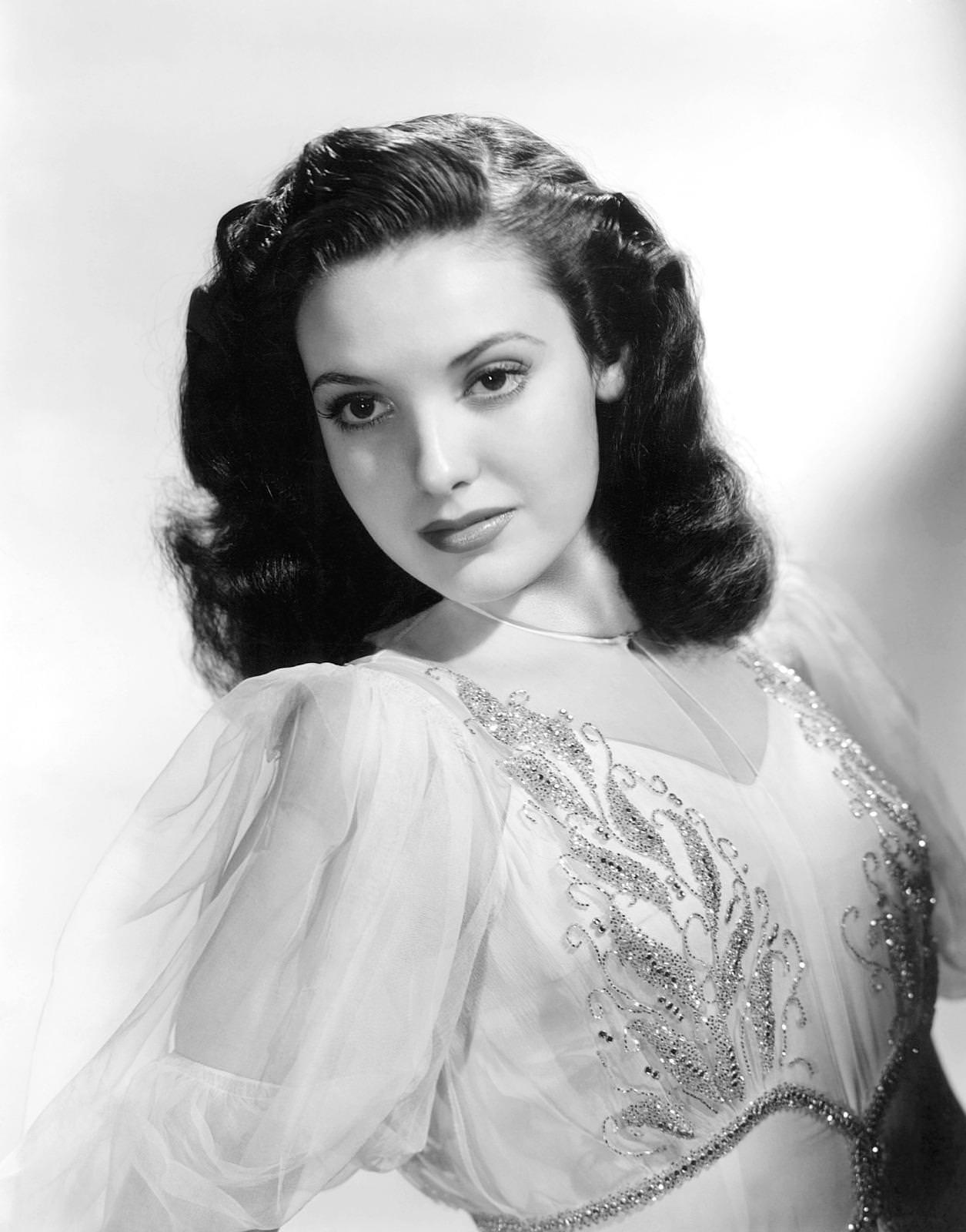
Throughout the early 1940s, Darnell built a strong filmography at Fox. She worked alongside some of the studio’s biggest male stars, holding her own in every scene. Her dark features gave her a striking quality that photographed beautifully in black and white, and directors knew how to use it.
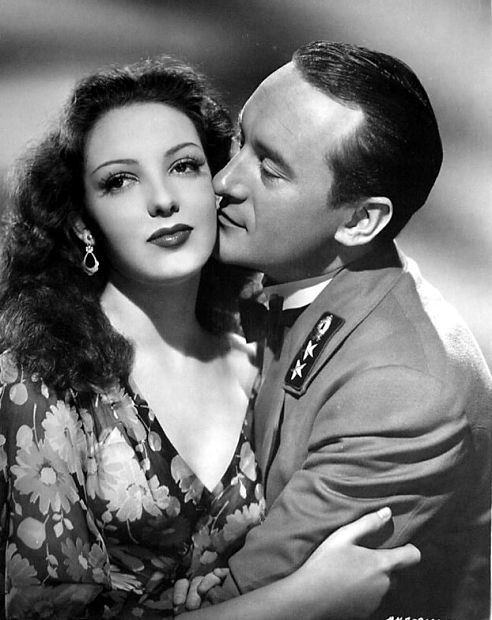
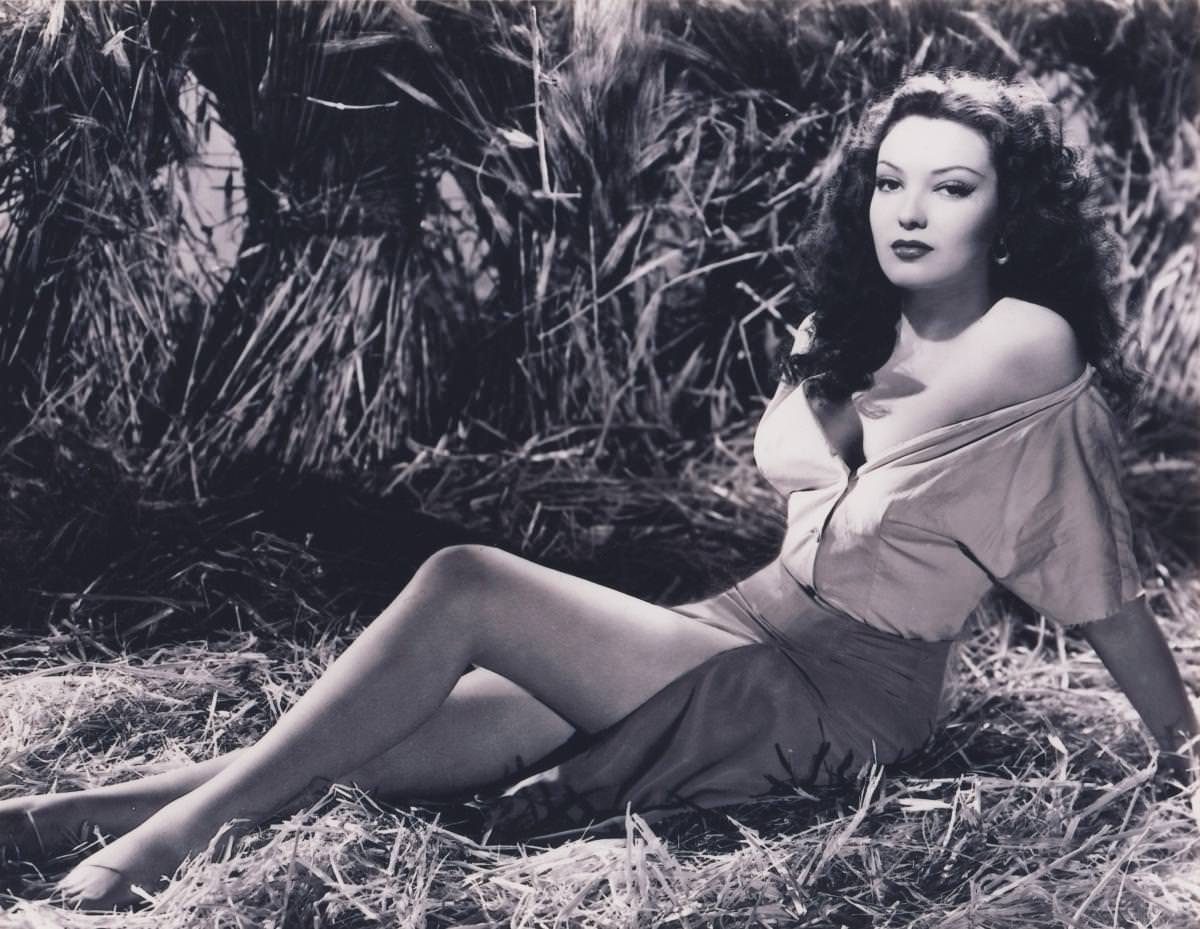
By the mid-1940s, Darnell was firmly established as one of Fox’s top female stars. Her personal life, however, was far more complicated than her professional one. She was married and divorced three times. She had romantic relationships with a long list of prominent men, including Kay Kyser, Eddie Albert, George Montgomery, Dick Paxton, Giuseppe Amato, and Jackie Cooper.
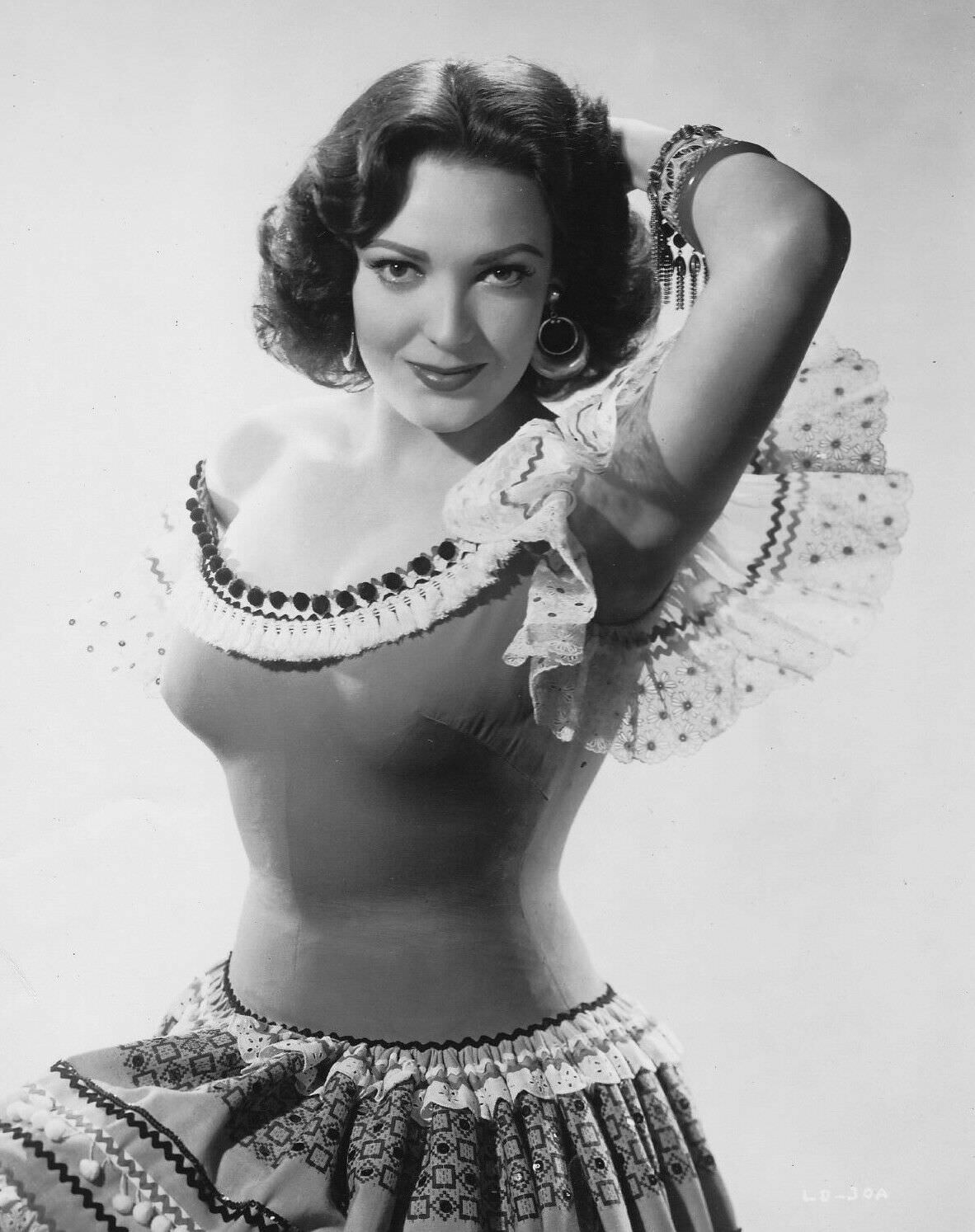
Her most celebrated role came in 1947 with Forever Amber, based on a bestselling historical novel. The film was controversial and widely discussed, and Darnell’s performance cemented her status as one of the defining actresses of the decade. The role demanded emotional depth and a commanding presence — both of which she delivered.

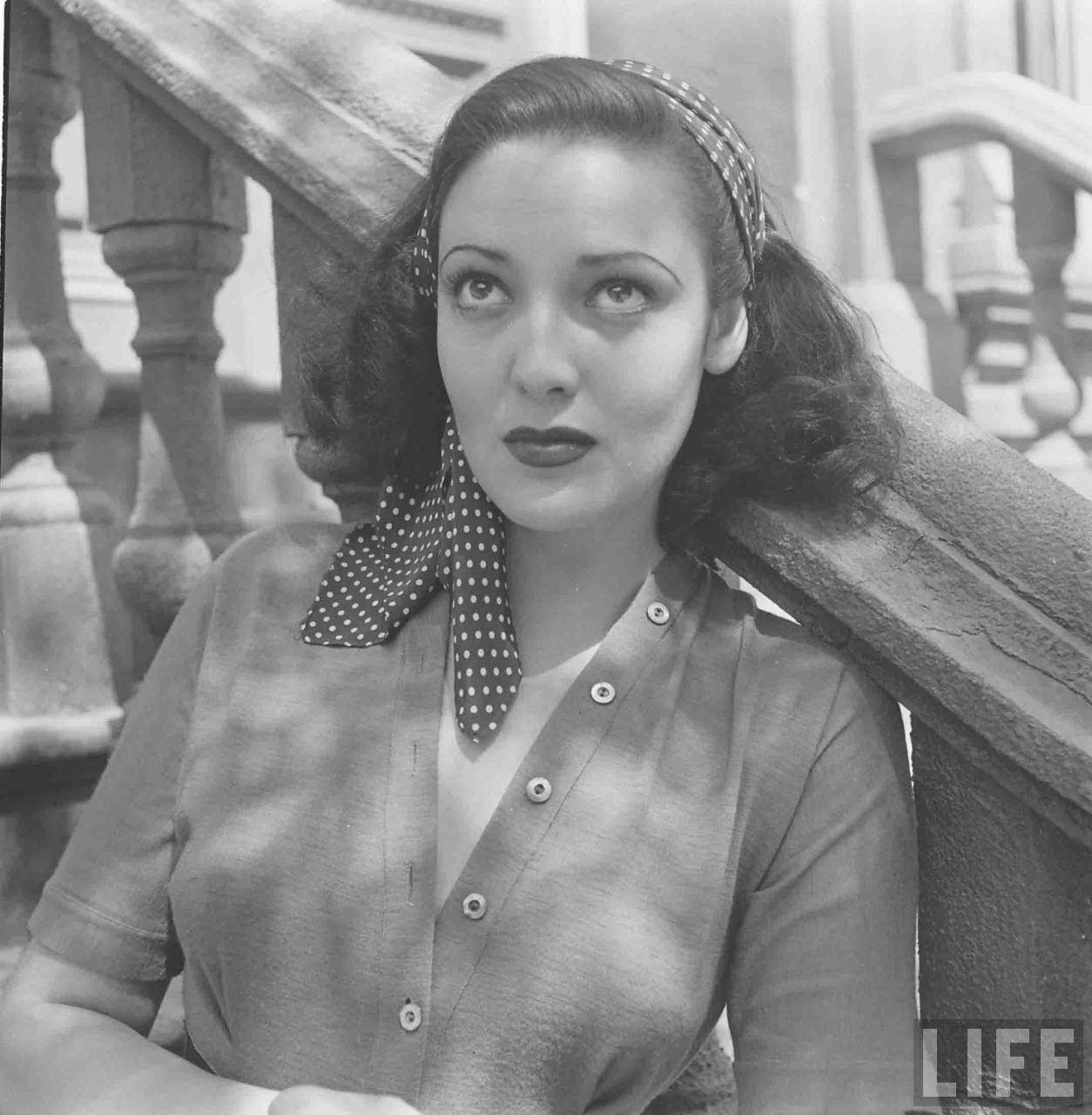
Those famous eyes were a constant subject of fascination throughout her career. Photographers returned to them again and again, and fan magazines frequently highlighted them as central to her appeal.
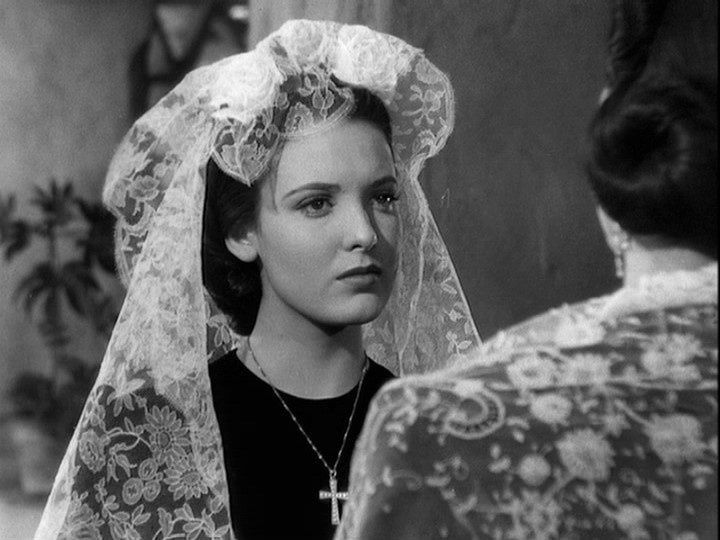
Off screen, Darnell’s life included quieter, more personal moments. She adopted a daughter, Lola, and there were brief windows where her life appeared more settled than the headlines suggested.
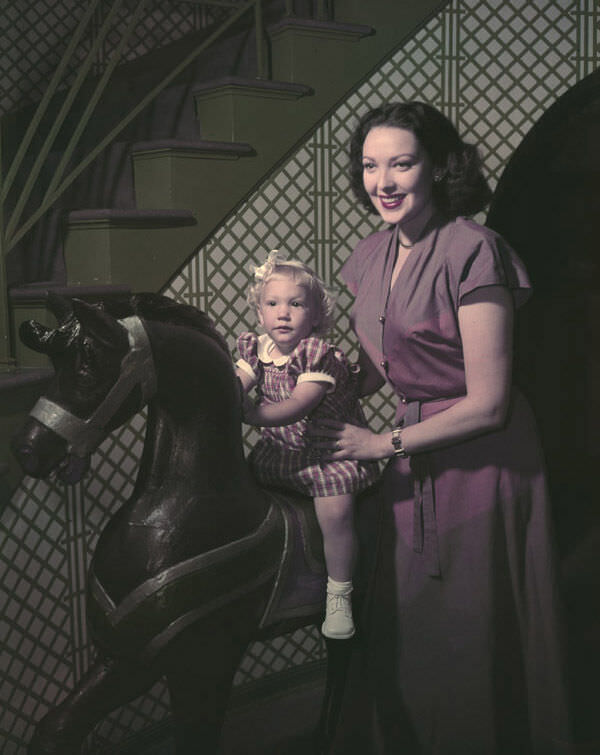
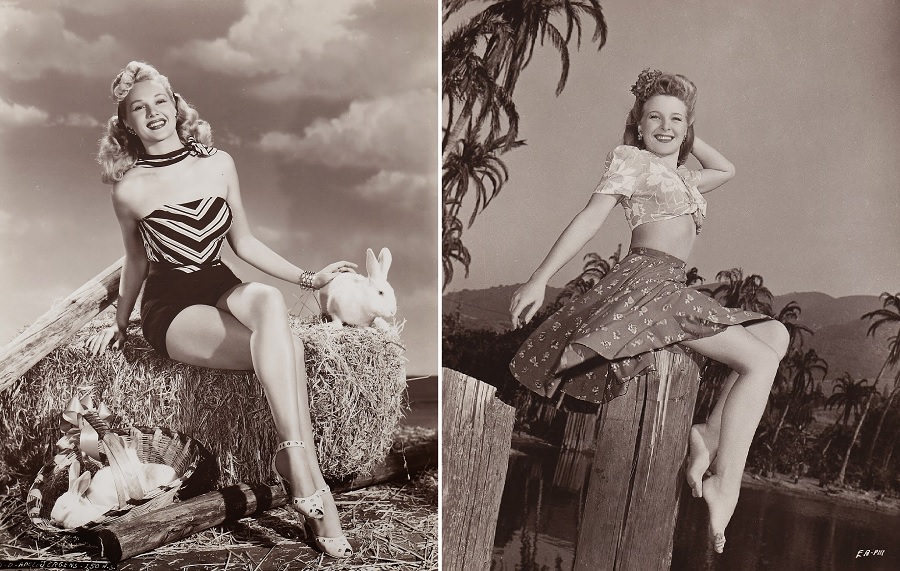
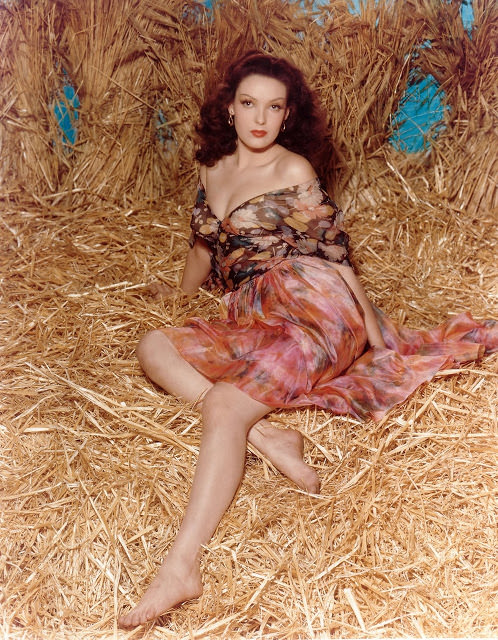
She was known for her adventurous spirit during photo shoots, willing to pose in unusual settings that other actresses avoided. That openness in front of the camera translated directly to her comfort on screen.

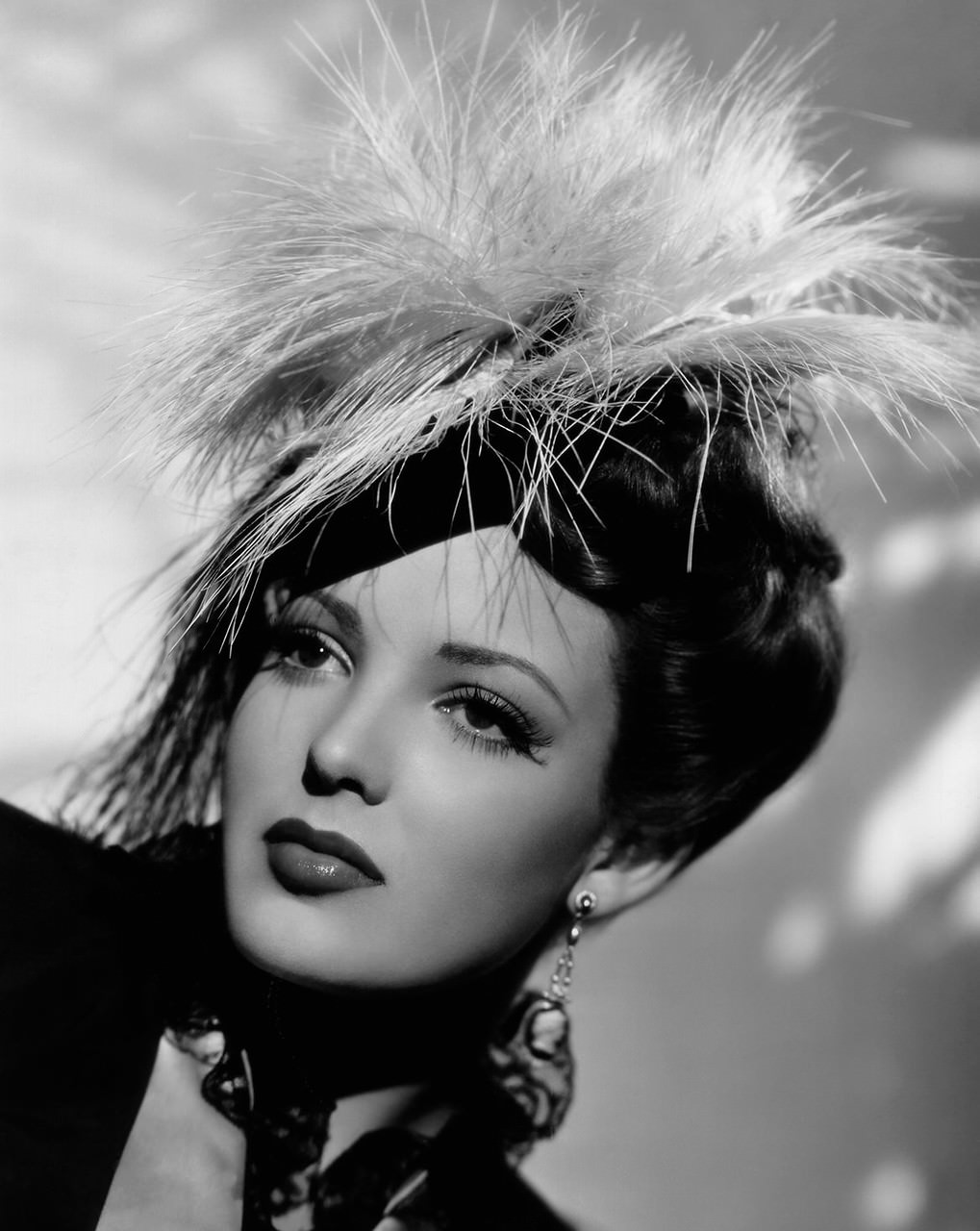
By 1957, the pressures of a difficult personal life and a career that had slowed considerably led Darnell to heavy drinking. She entered rehabilitation, but her health and stability remained fragile in the years that followed.
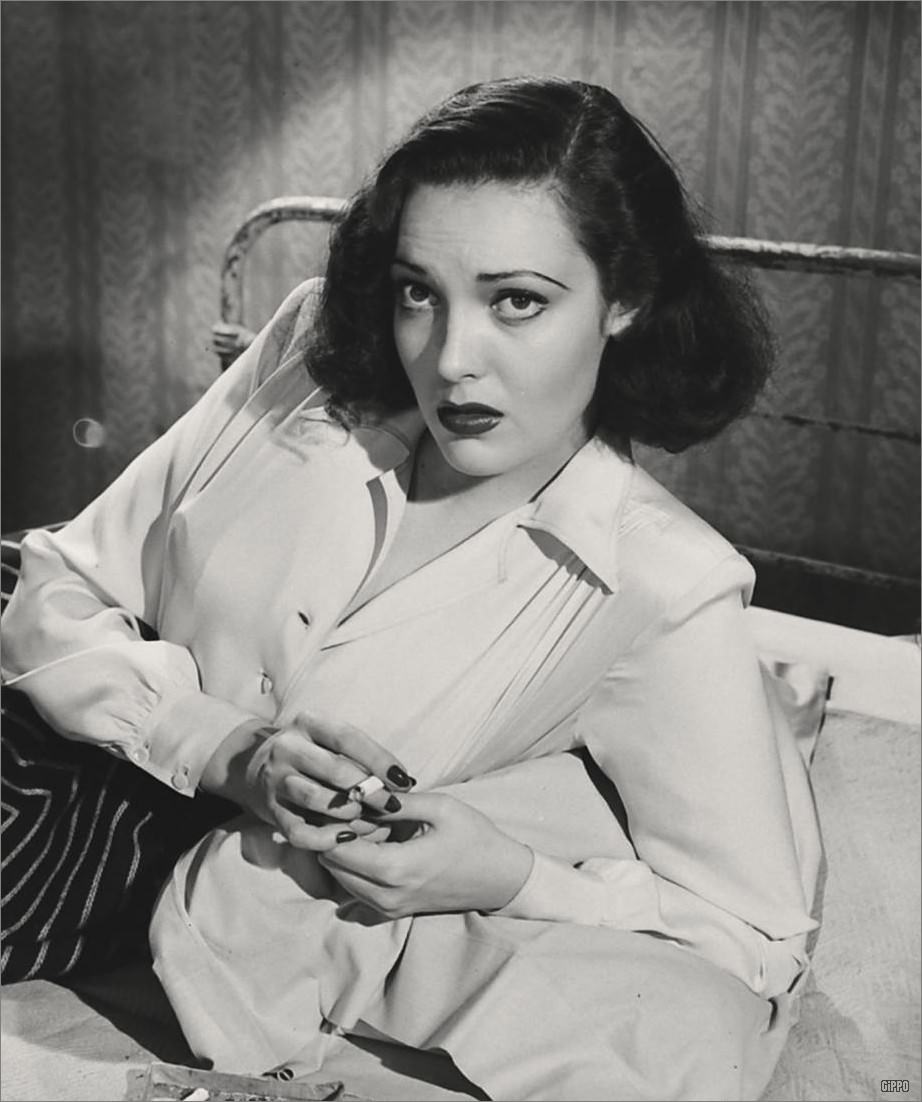
She continued to seek work in theater as her film career wound down. In April 1965, she was staying at the home of her former secretary and the secretary’s daughter while preparing for a stage role. On the night of April 10, she was watching Star Dust — the 1940 film she herself had appeared in — on television.
A fire broke out in the home that night. Darnell was trapped on the second floor by the heat and smoke. She was found next to a burning sofa. Investigators ruled her death accidental, caused by careless smoking. She died from her burns on April 10, 1965. She was 41 years old.
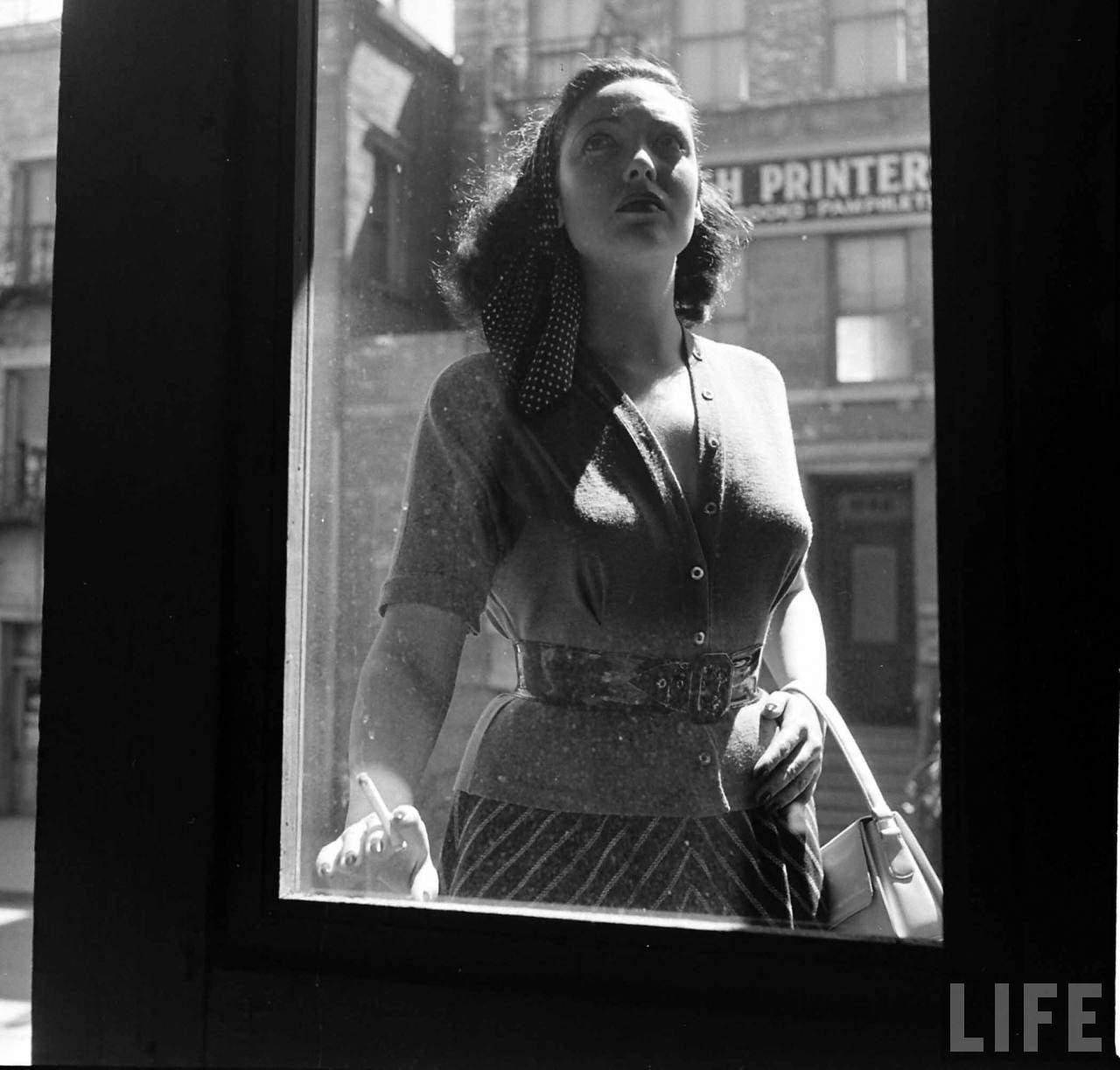
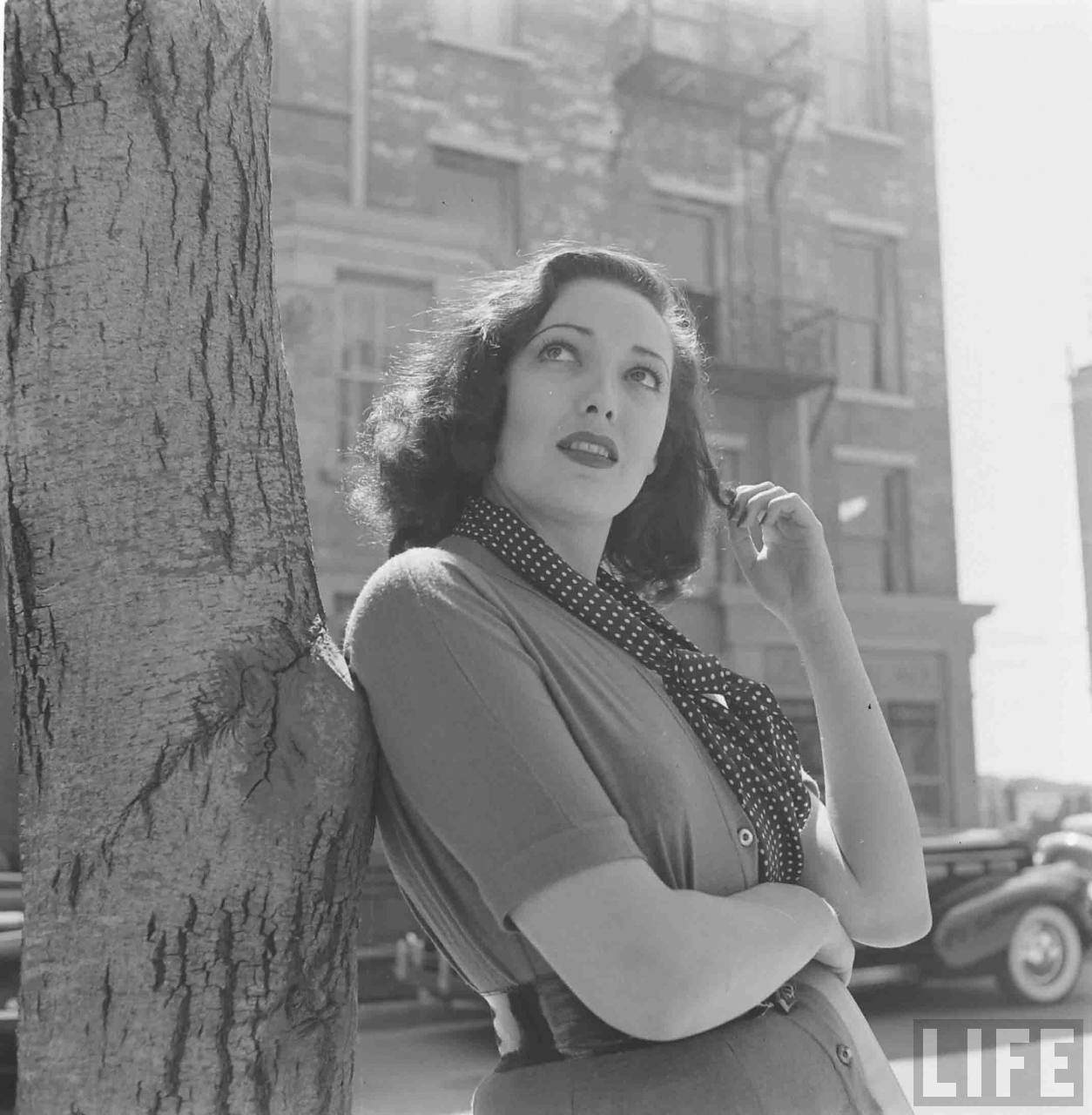

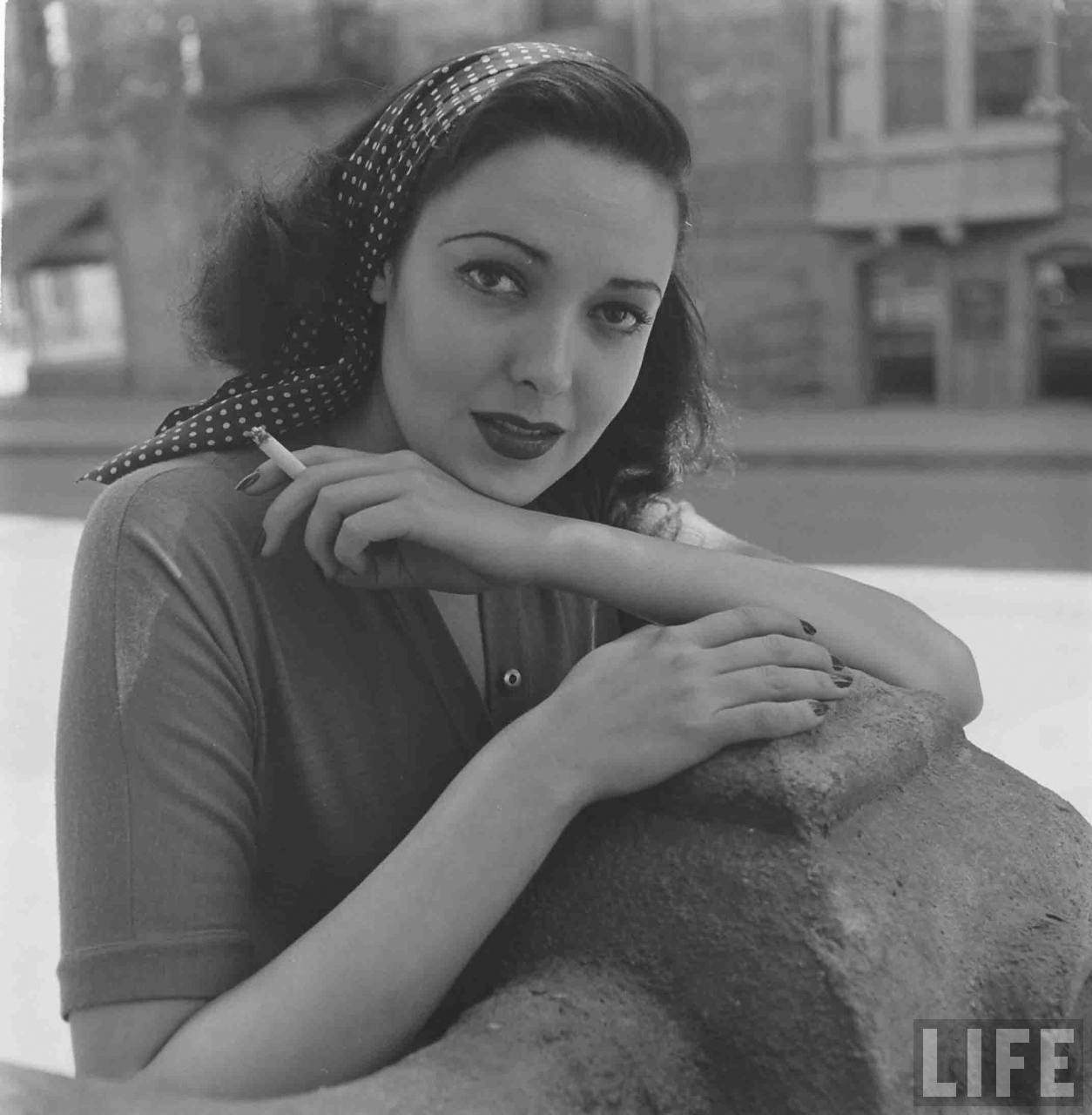
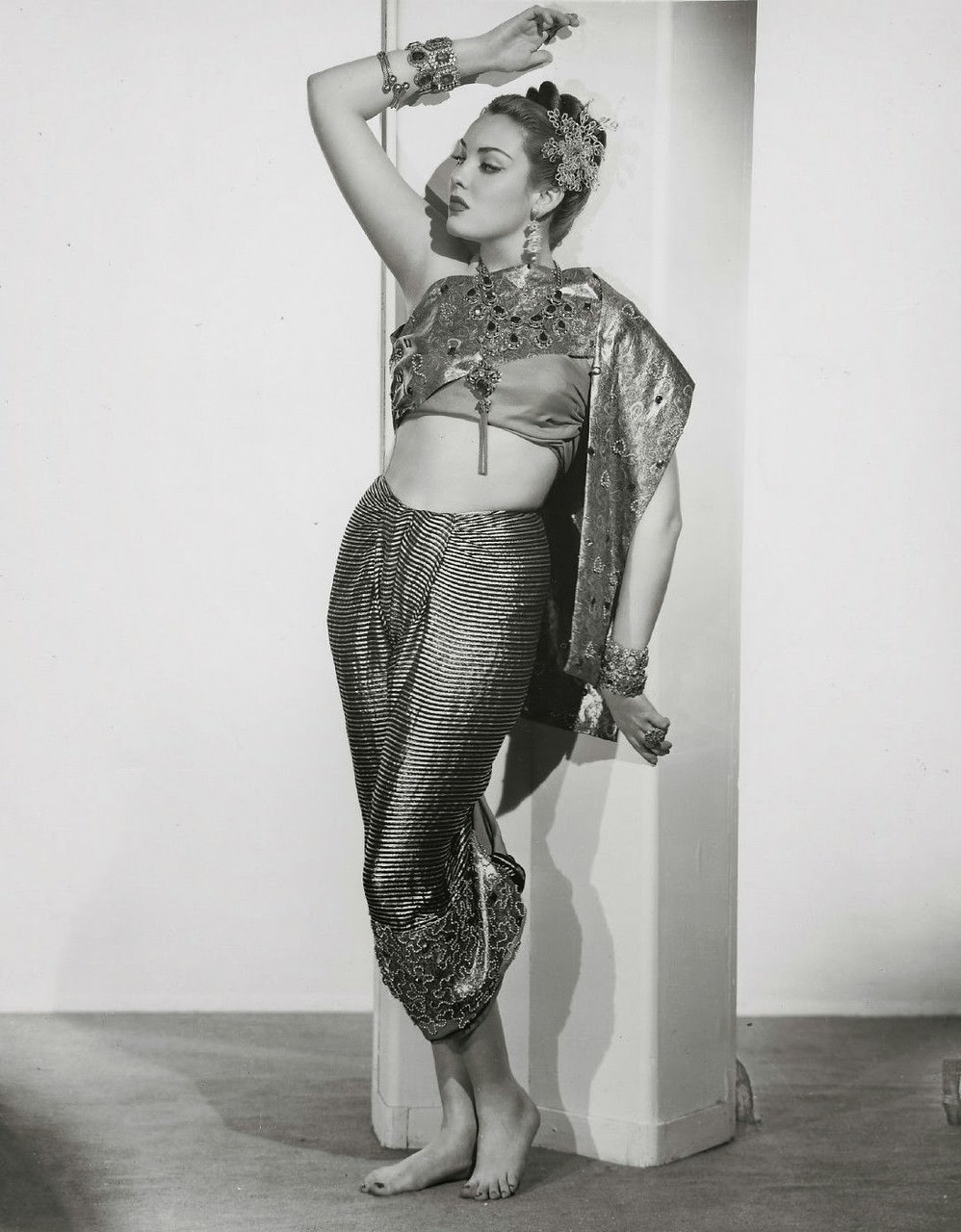
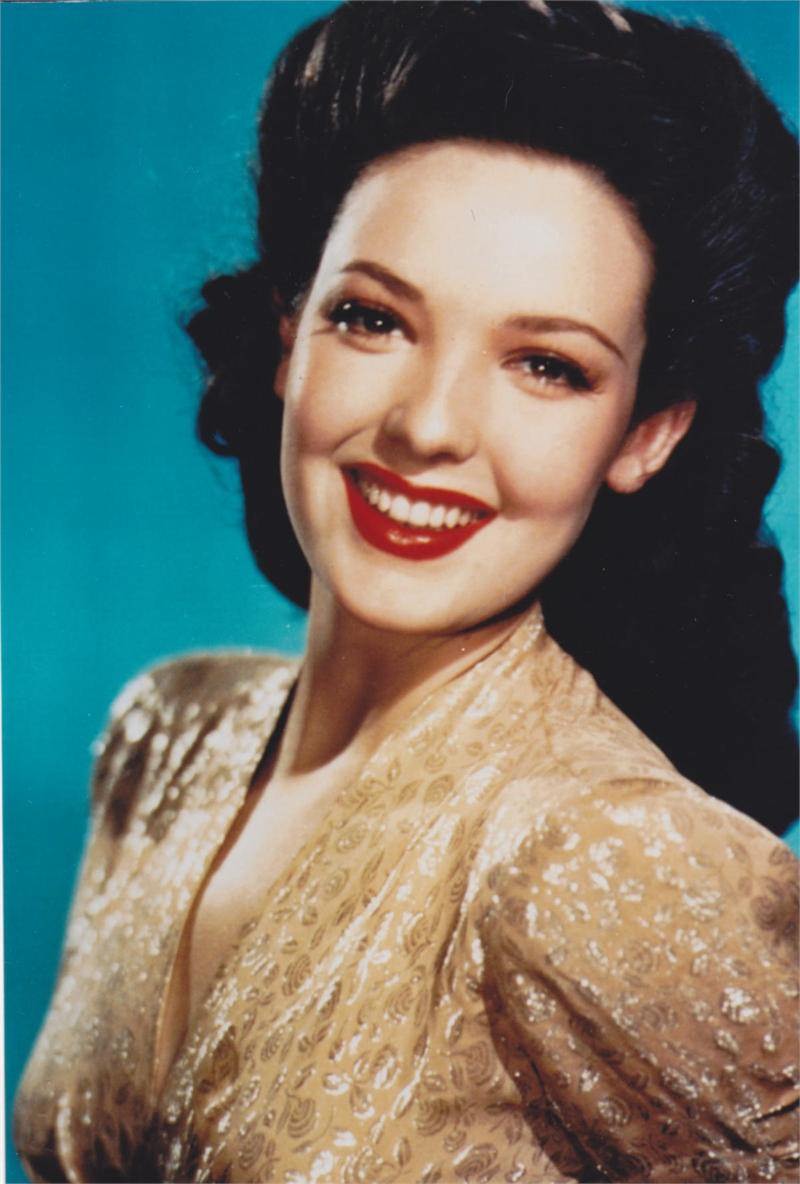

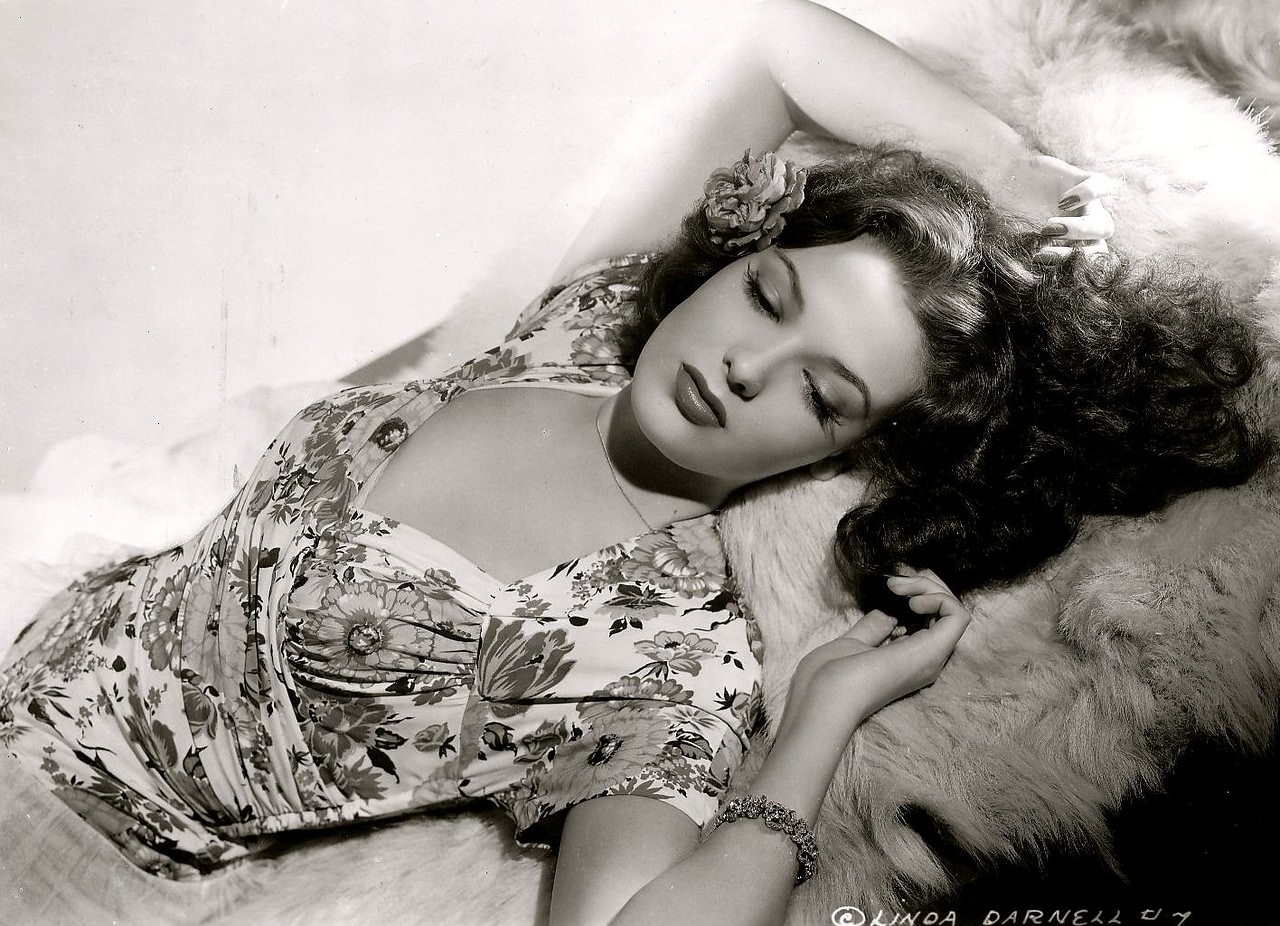
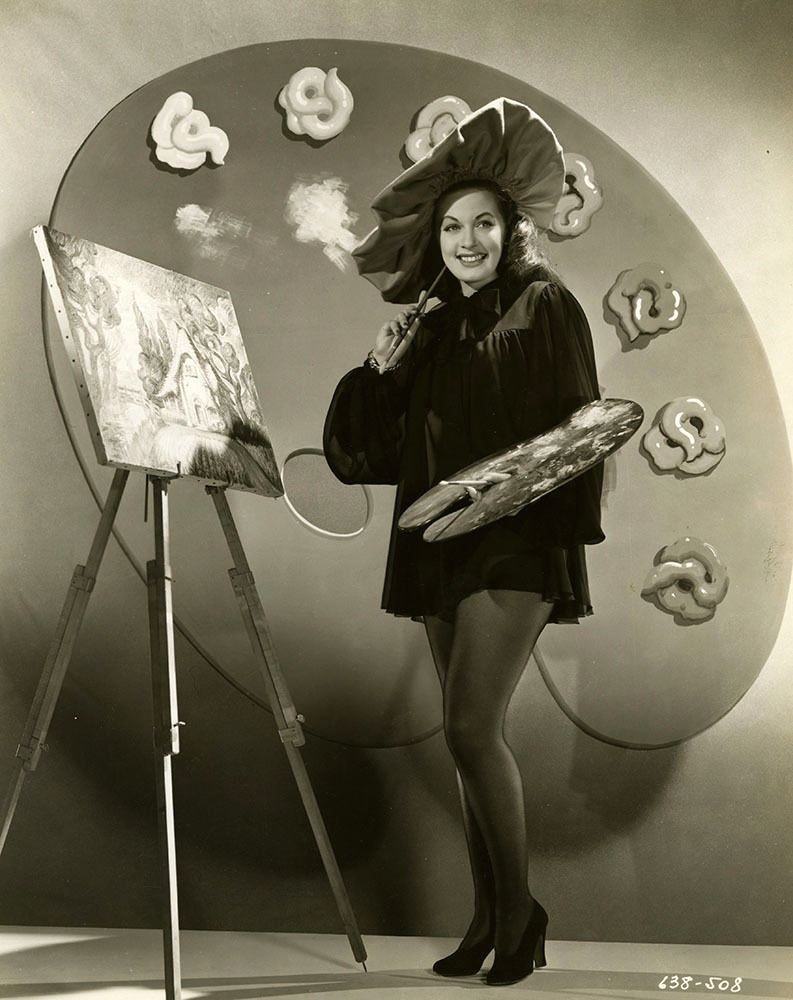
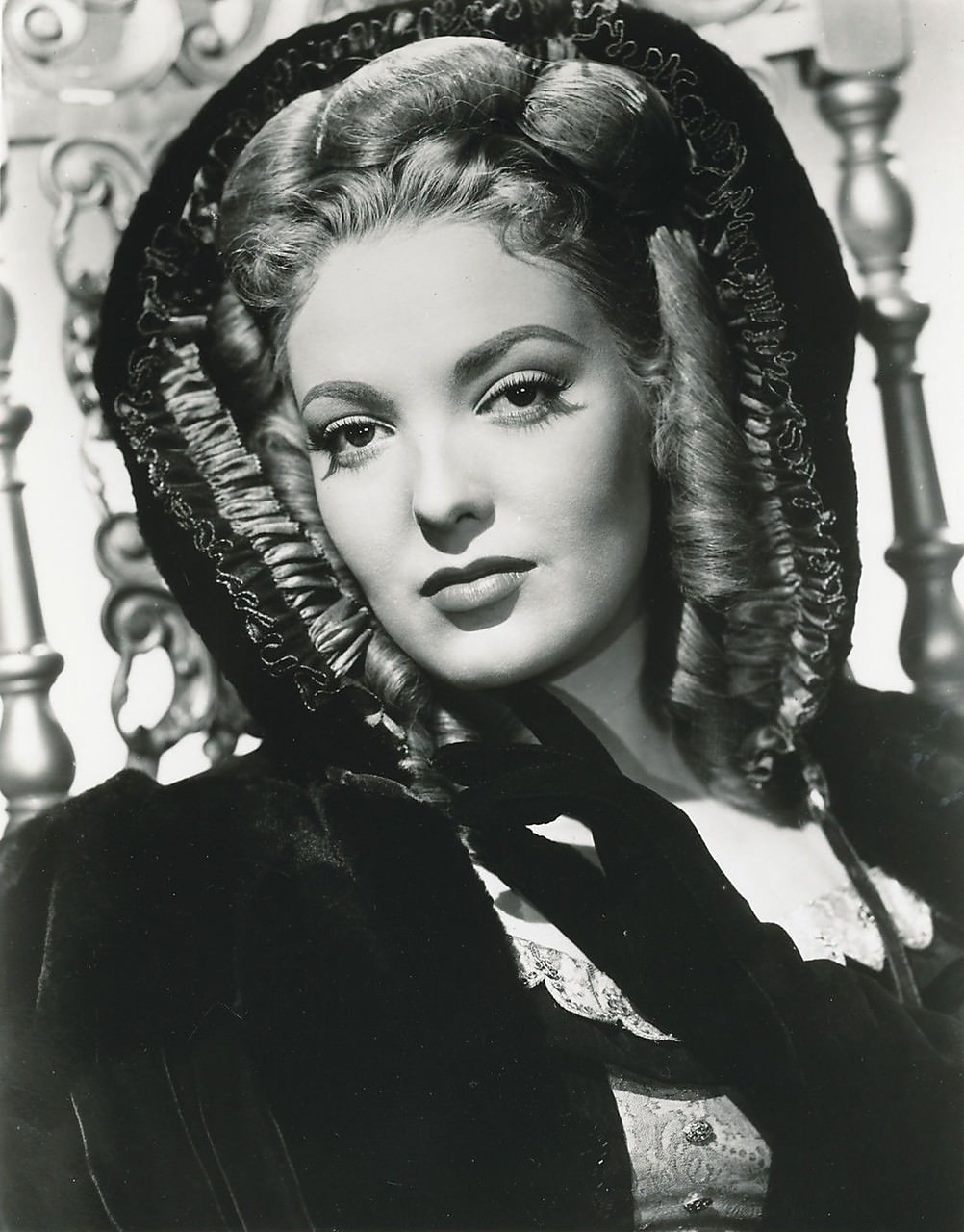
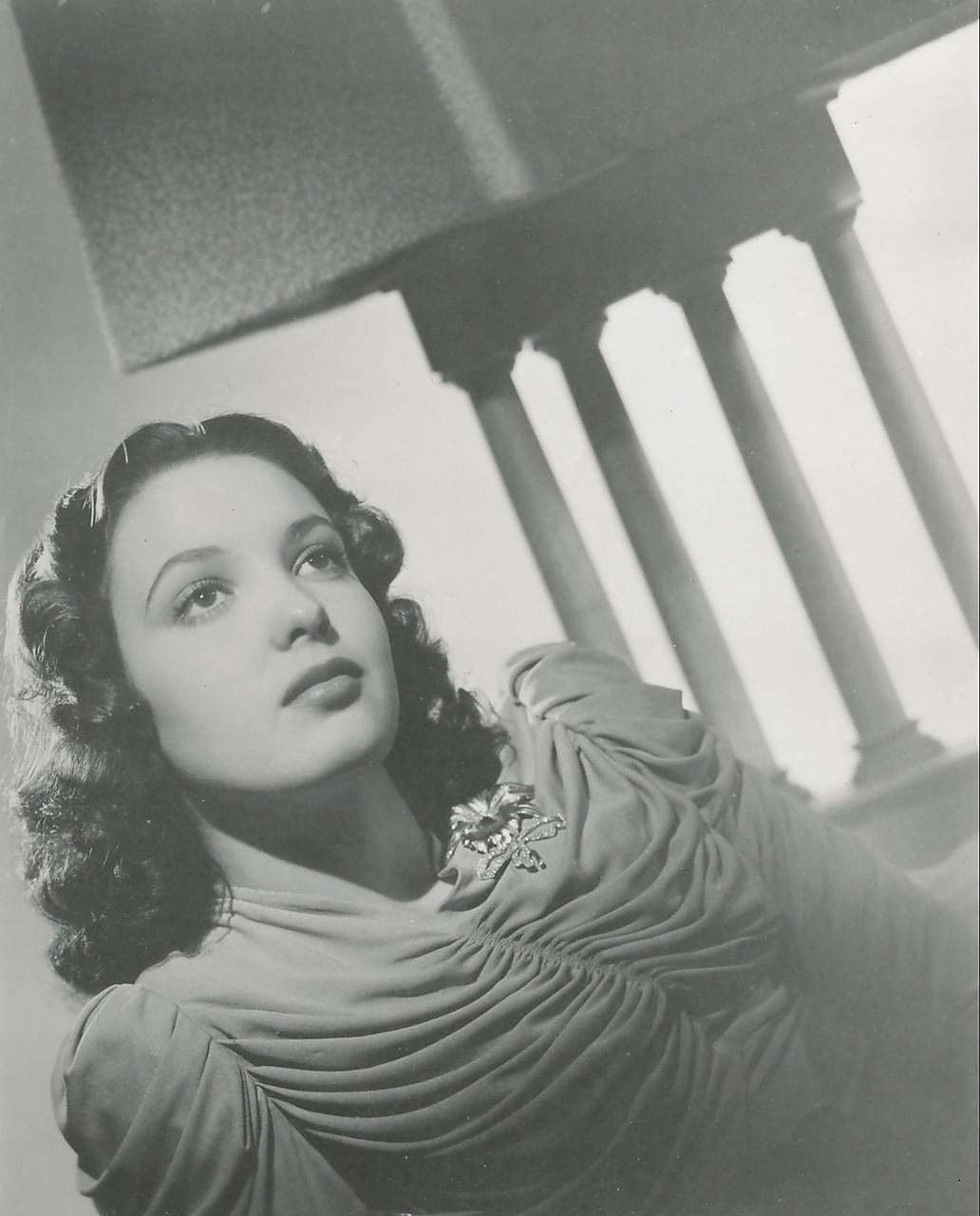
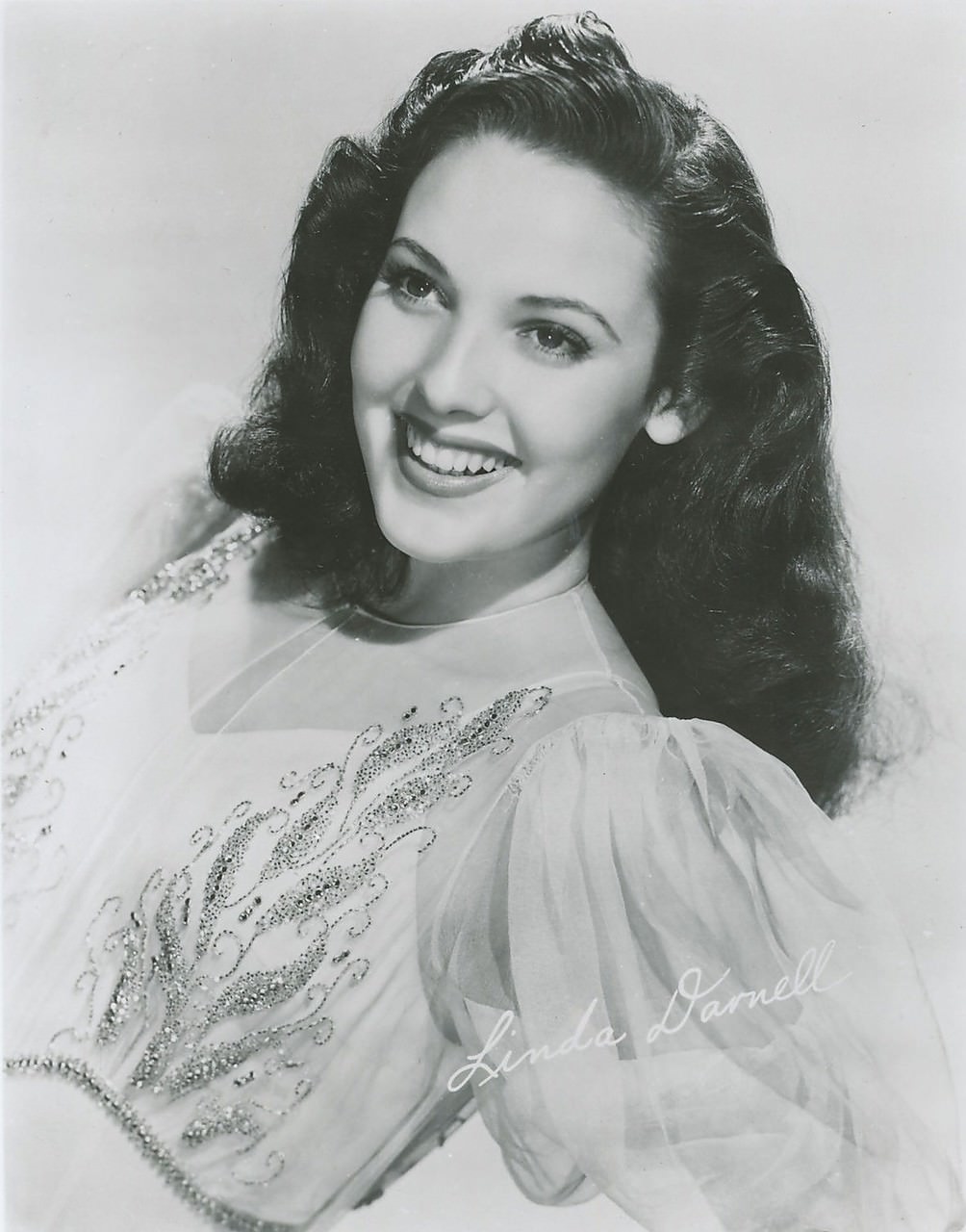
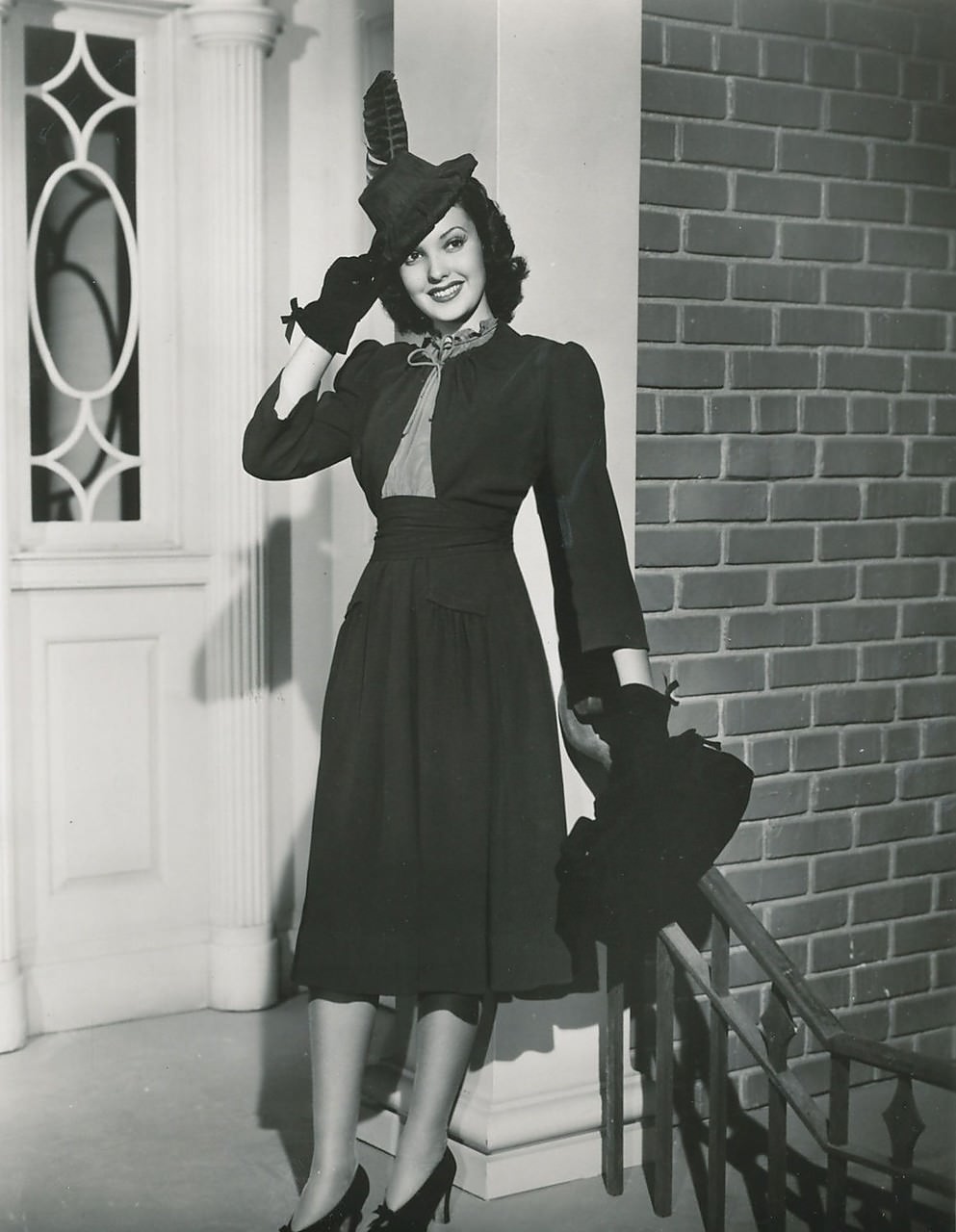

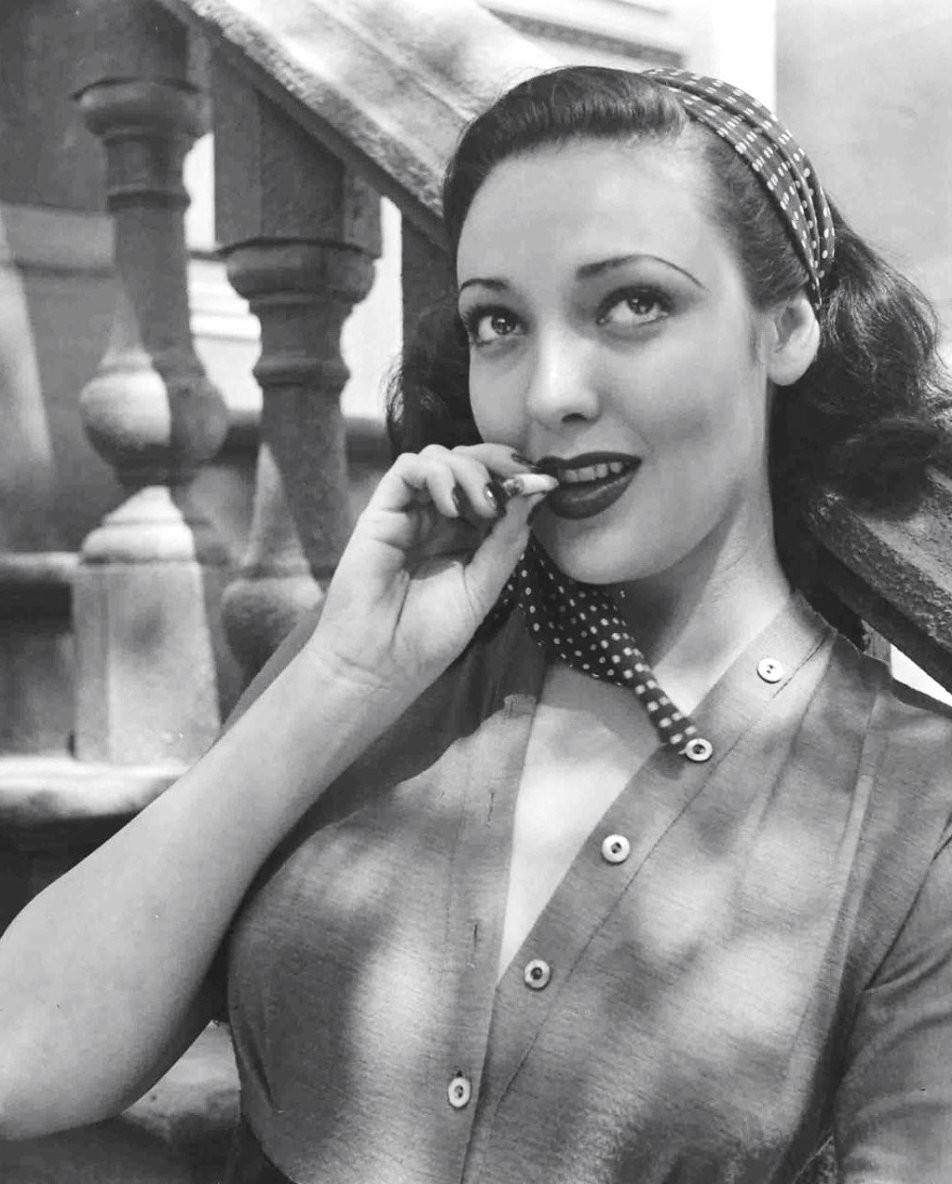
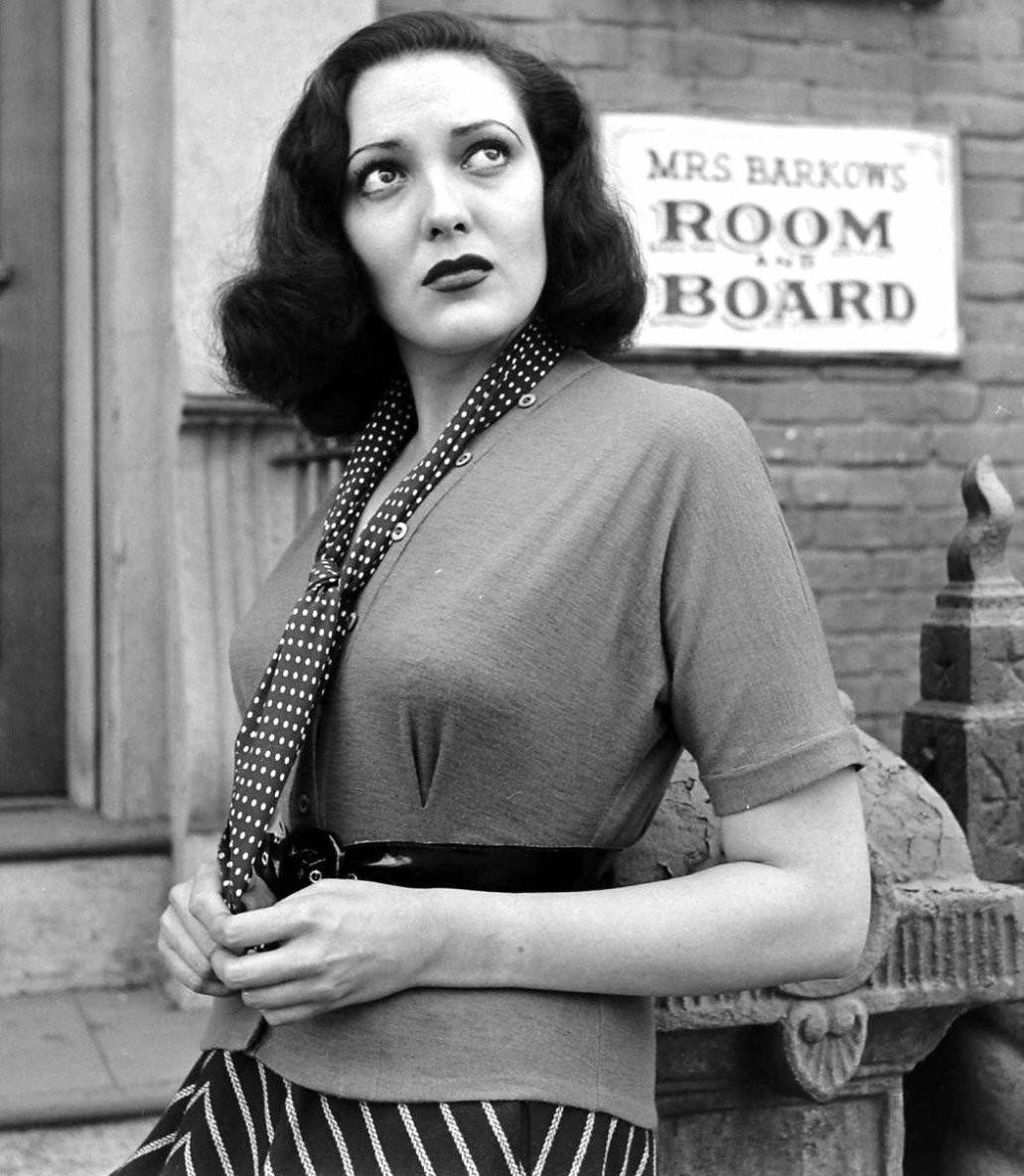
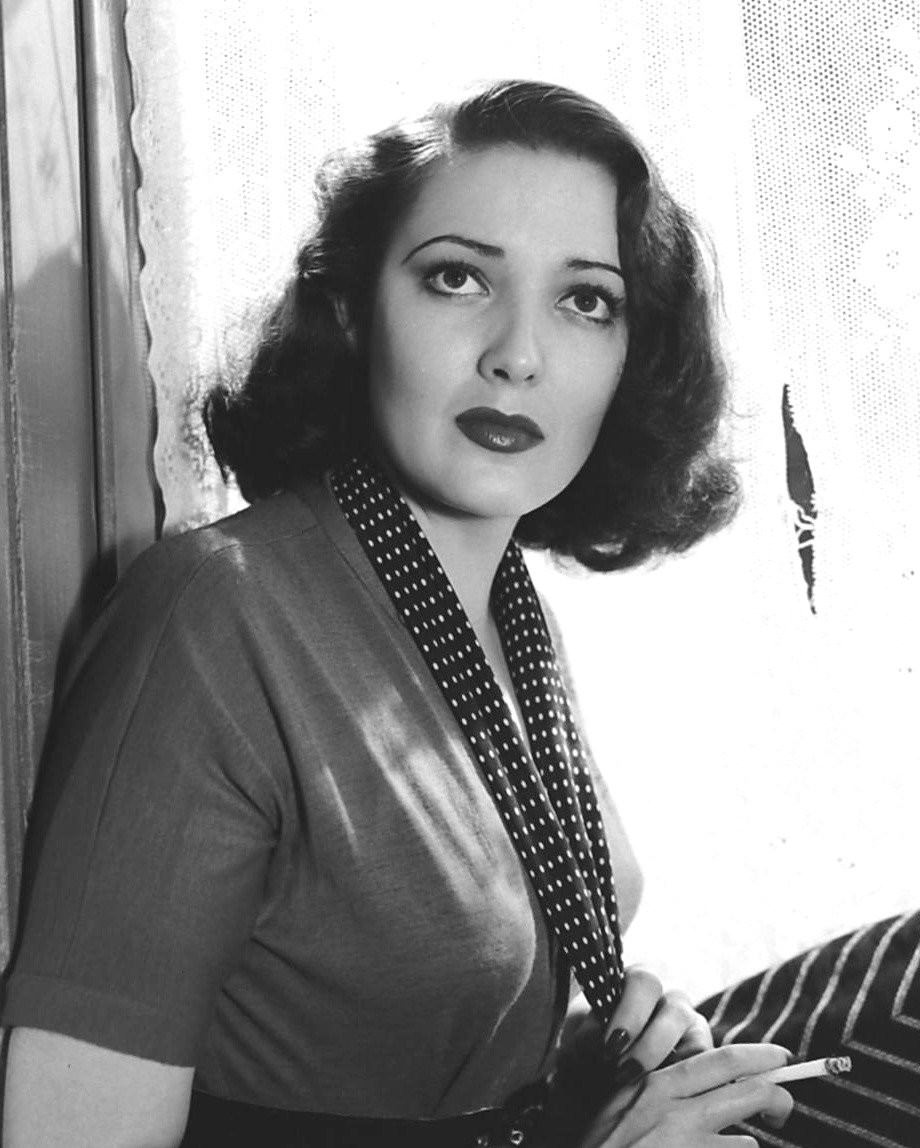
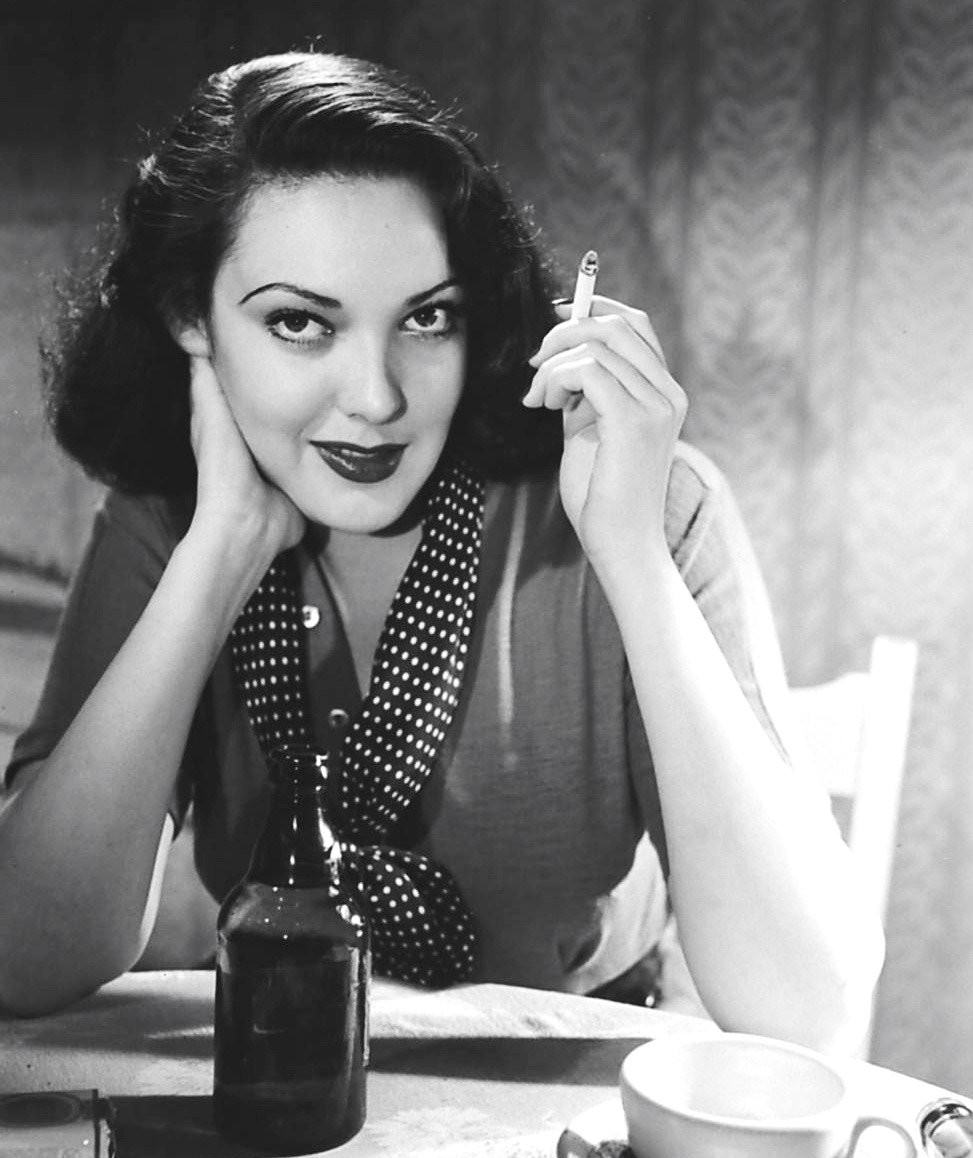
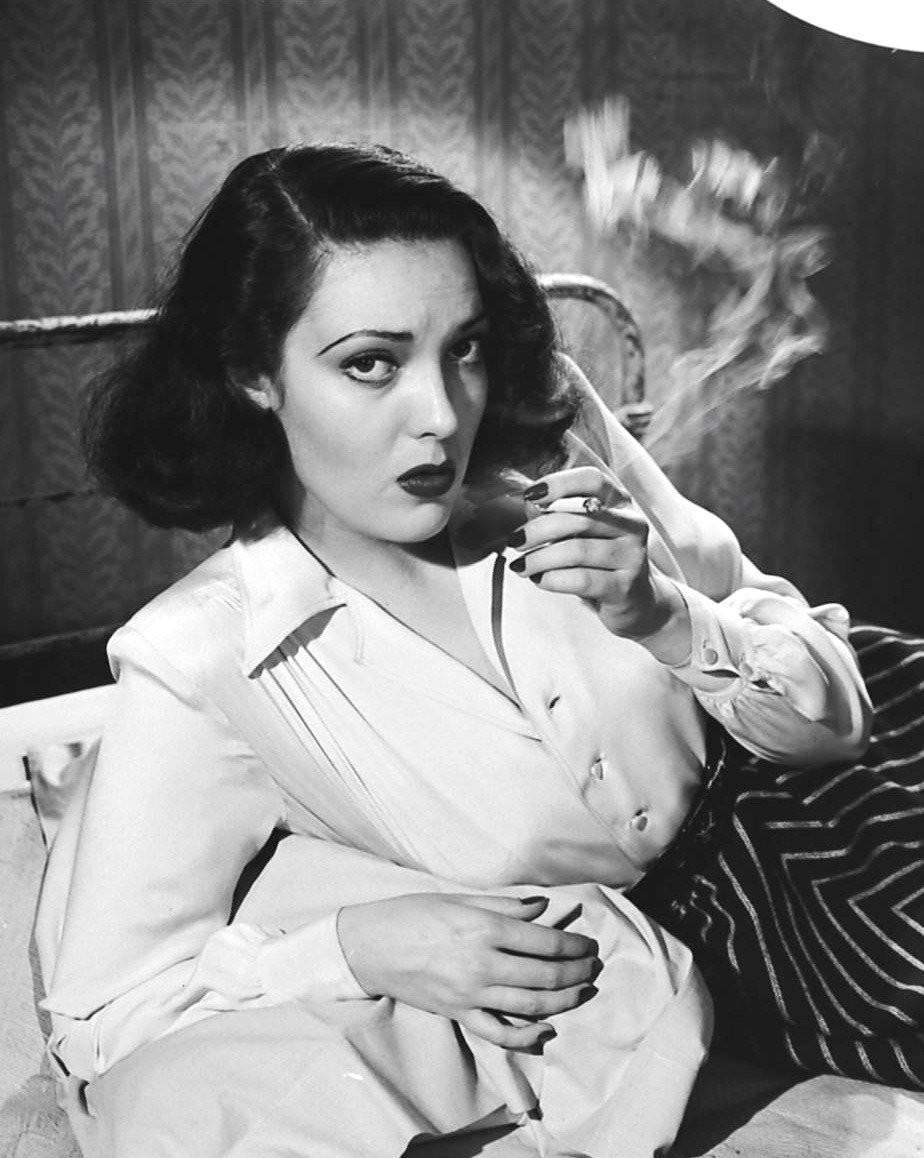
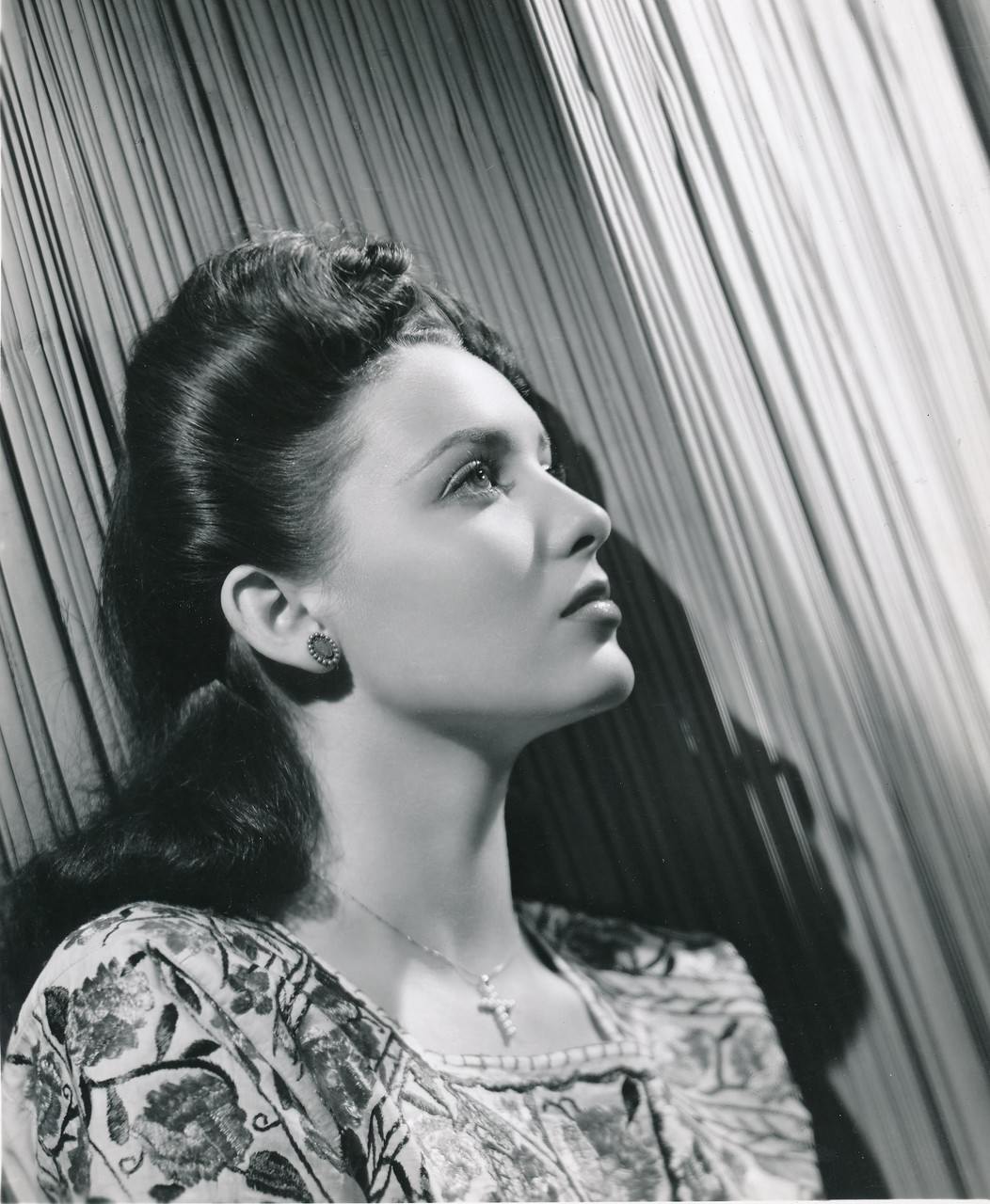
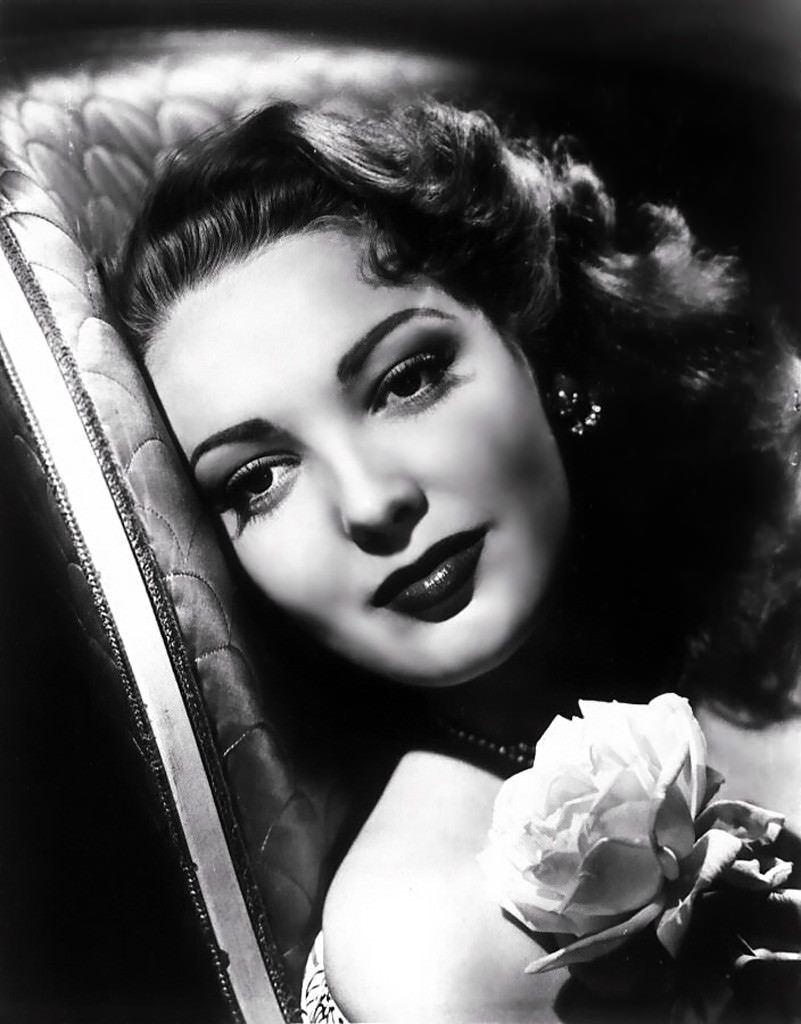
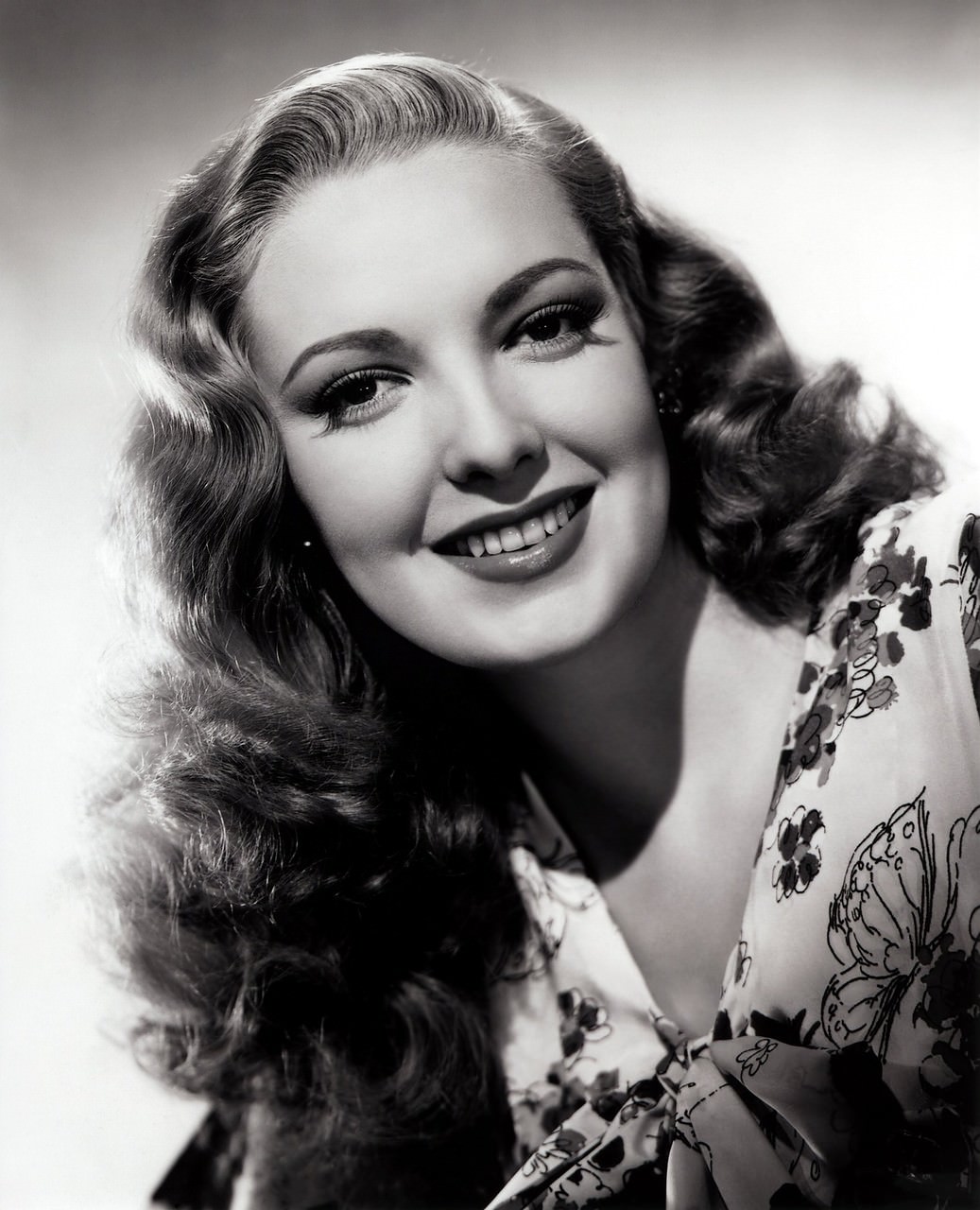
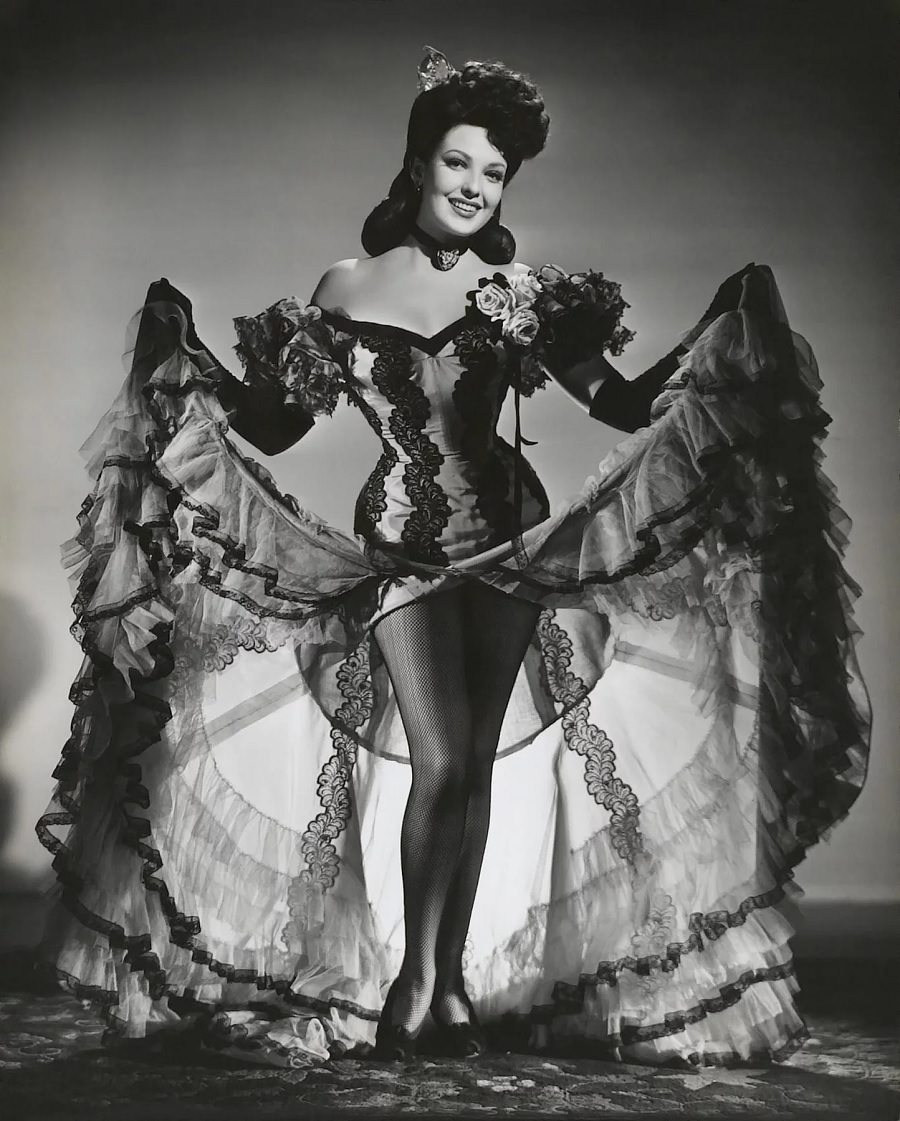
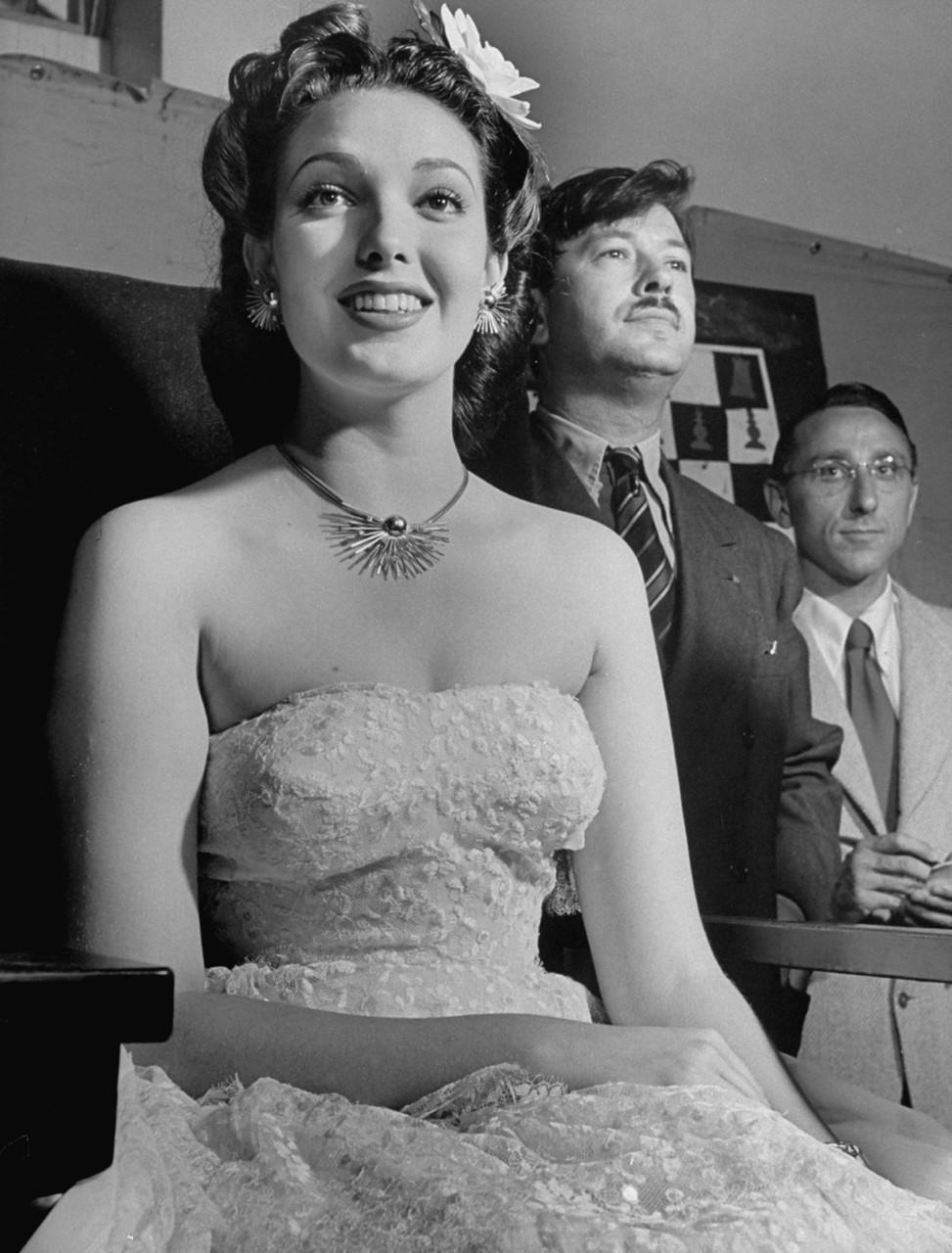
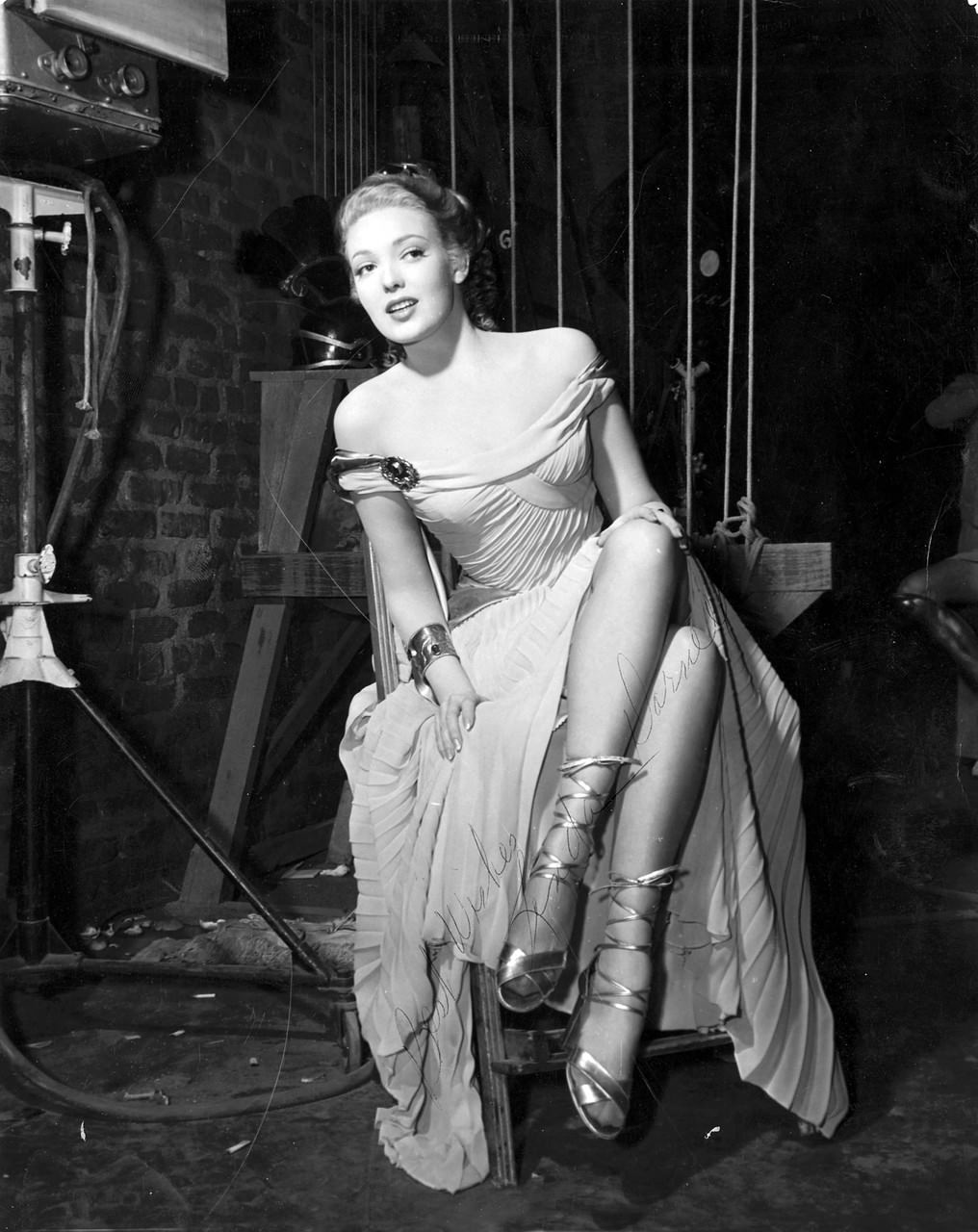
The photographs below document a career that burned brightly across Hollywood’s golden era. From her earliest studio portraits to her most celebrated film stills, they capture the actress the world knew as “the girl with the perfect face” — a title that, for all of its glamour, could only ever tell part of her story.