
Lewis Wickes Hine was an American sociologist and photographer who spent his career using the camera as a tool for social change. After studying sociology, he moved to New York City to teach at the Ethical Culture School, where he picked up photography to make his lessons more effective. That decision set the course for the rest of his life. From 1905 to 1912, he photographed immigrants arriving at Ellis Island, then followed them into the sweatshops and overcrowded tenements where they lived and worked. His images helped push lawmakers to reform child labor laws in the United States — one of the most direct examples of photography driving real policy change in American history.
During World War I, Hine served as a photographer for the Red Cross, documenting the human cost of war across Europe. In 1919, he published The Children’s Burden in the Balkans, a photo story drawn from his time with the Red Cross. Back in New York, he was hired to document the construction of the Empire State Building. To capture the right angles on the skyscraper’s upper reaches, he had himself suspended in a bucket from a crane hundreds of feet above the street. Those photographs were published in 1932 under the title Men at Work. When the Great Depression hit, Hine turned his lens to the people suffering through it. He worked again for the American Red Cross and the Tennessee Valley Authority, photographing drought relief efforts and the mountain communities of eastern Tennessee.
In October and November of 1933, Hine traveled through Anderson County and the surrounding region of eastern Tennessee to document rural life before it was changed forever by the construction of Norris Dam. The Tennessee Valley Authority was building the dam as part of a massive federal effort to bring electricity and flood control to the region. But first, entire communities — farms, homes, churches, and schools — would be submerged beneath the reservoir. Hine recorded what was about to disappear.
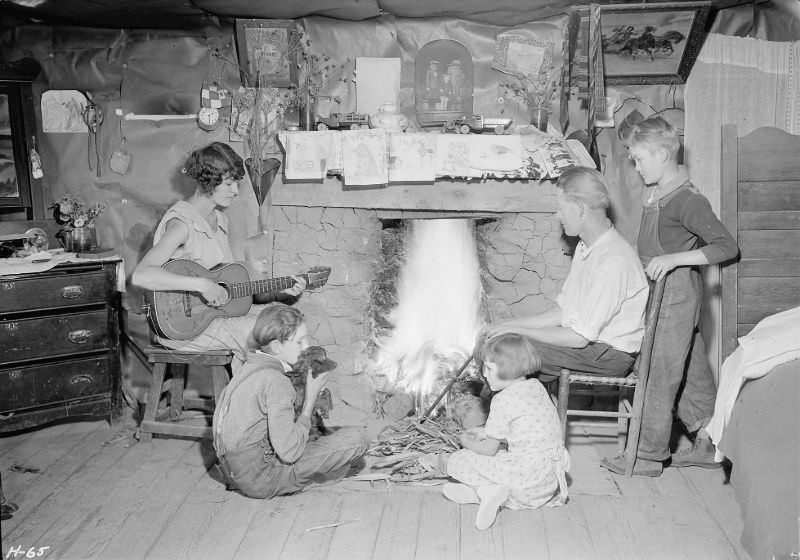
Families like the Glandons gathered around their fireplaces in modest homes that had stood for generations. These were tight-knit farming communities where people grew their own food, raised livestock, and relied on neighbors. The fireplace wasn’t just for warmth — it was the center of the home. Hine photographed family after family in these interiors, capturing the texture of daily life with no editorial gloss.
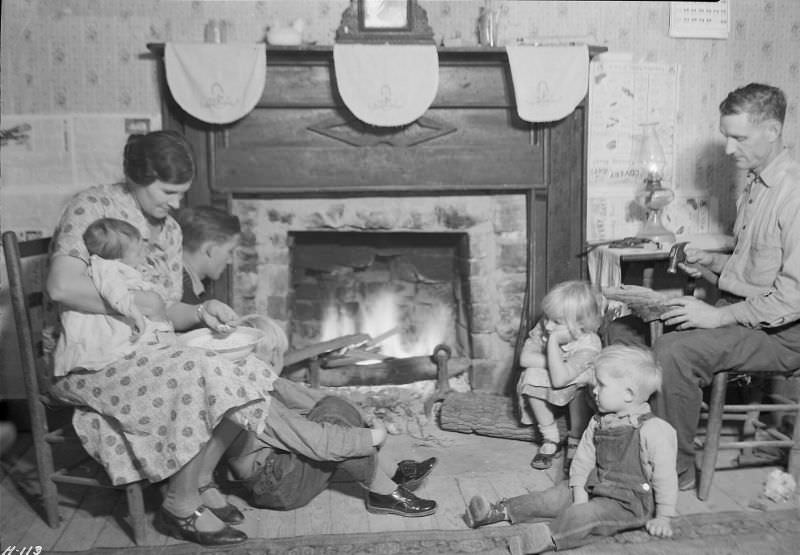
Some men in the region found work directly on the dam project itself. Fletcher Carden worked nights watching over the bunkhouses at the Norris Dam site — one of countless jobs the TVA created in an area where steady employment was scarce. The dam brought wages, but it also brought displacement. Many of the people Hine photographed were watching their way of life come to an end, even as the federal project promised a better future for the broader region.
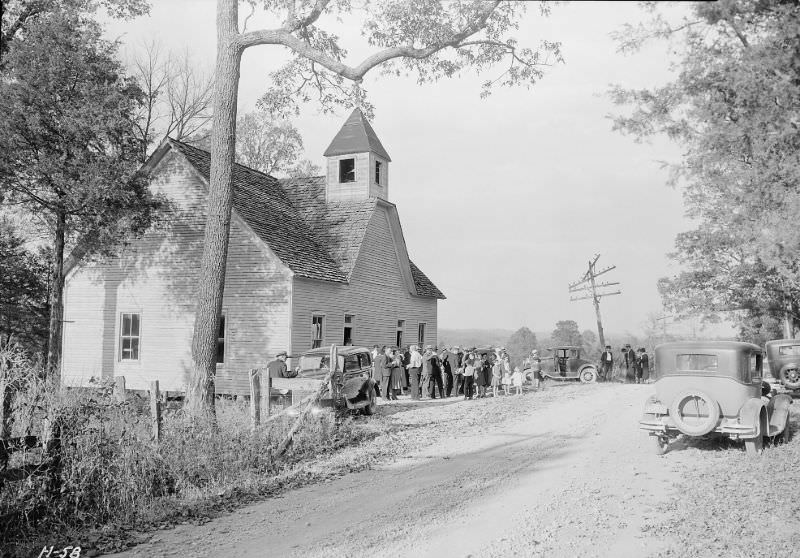
Churches like Sharps Station M.E. Church near Loyston were not just places of worship — they were the social and spiritual anchors of rural Tennessee communities. This particular church was scheduled to be swallowed by the rising waters of the Norris Dam reservoir. Hine photographed both its exterior and interior, preserving a record of a building that would soon cease to exist.
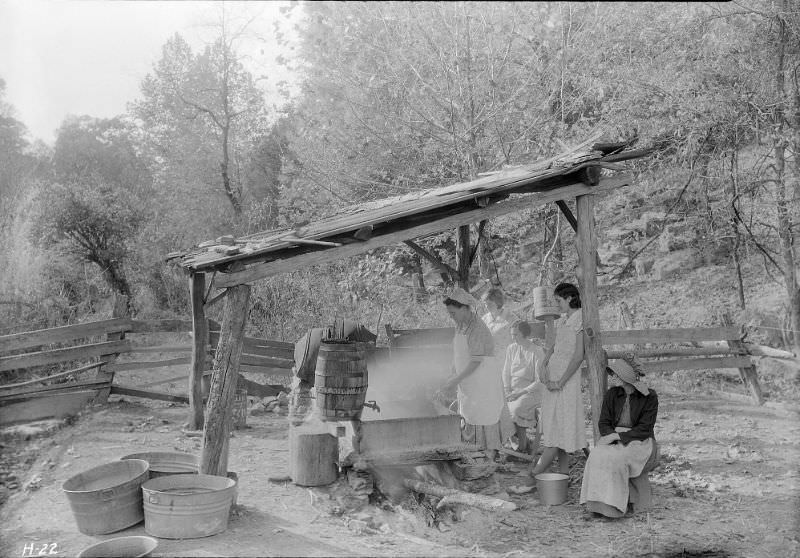
The Stooksberry homestead near Andersonville appeared multiple times in Hine’s Tennessee work. Sorghum production was central to the farm’s operation. The process of making molasses from sorghum cane was labor-intensive and done entirely by hand or with the help of a mule. Hine documented each step — from grinding the cane to boiling and straining the syrup — showing how self-sufficient these families were out of necessity.
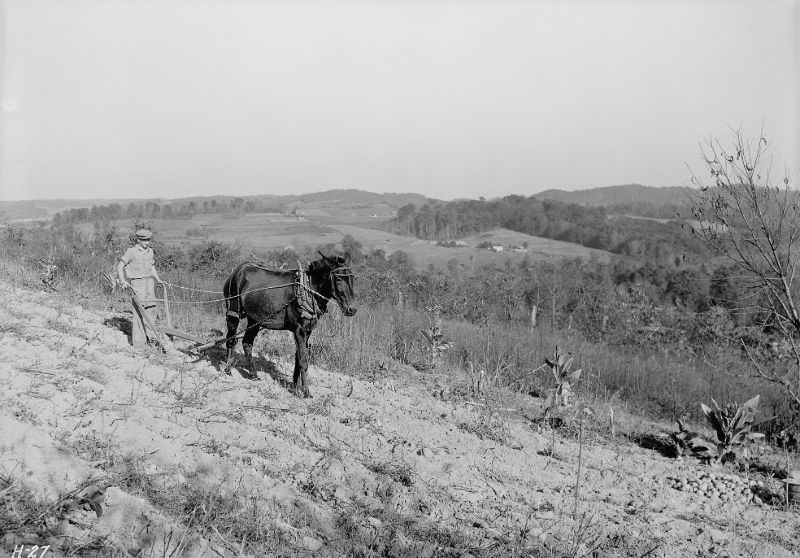
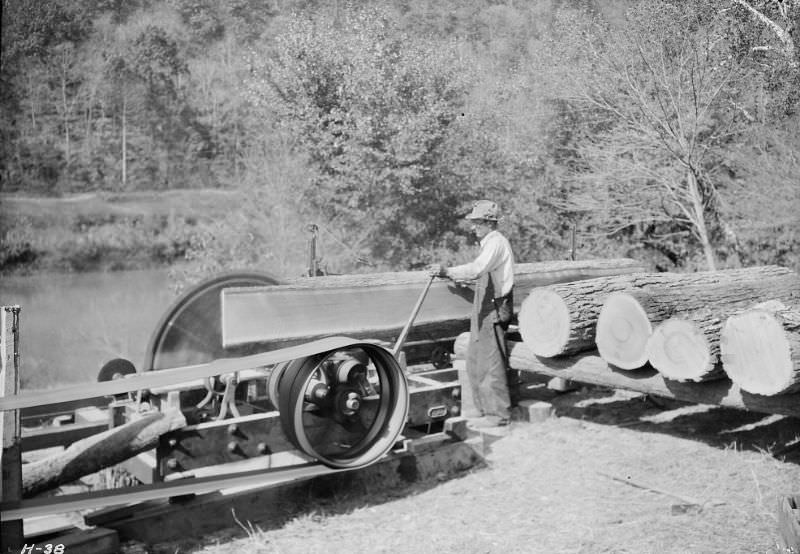
Children on these farms worked alongside adults from an early age. A boy guiding a mule-drawn plow up a steep slope on the Melton farm was not an unusual sight — it was simply how the work got done. Meanwhile, at the dam construction site itself, men like Curtis Stiner operated heavy machinery. The contrast between ancient farming methods and industrial construction happening just miles apart captured the collision of two worlds that defined this moment in Tennessee history.
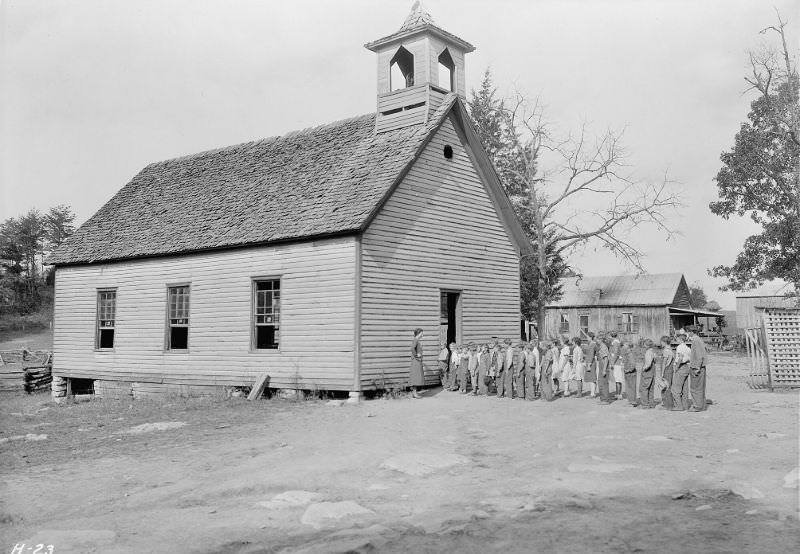
Oakdale School near Loyston served the children of the region, typically drawing between 30 and 40 pupils. Like the church at Sharps Station, this school sat within the flood zone marked out for the Norris Dam reservoir. Hine photographed both the exterior and the interior of the schoolhouse, documenting a working rural institution weeks before the community around it began to disintegrate.
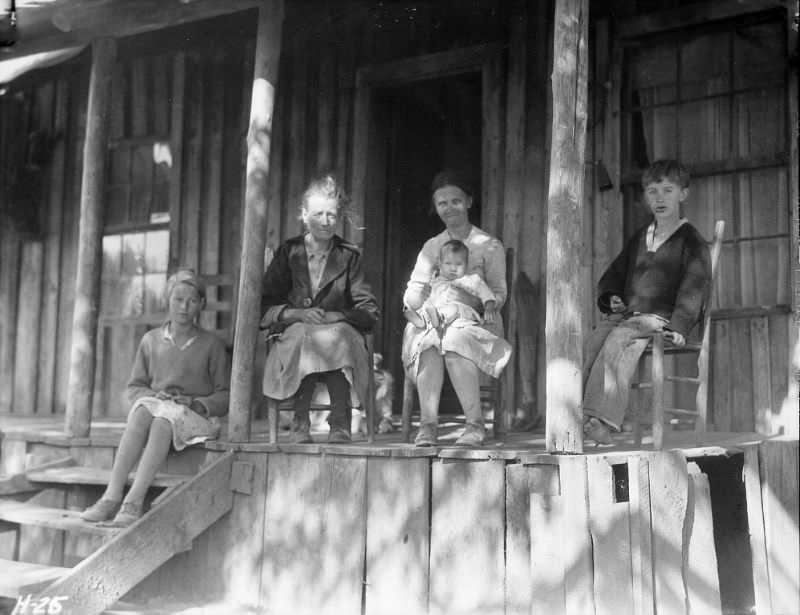
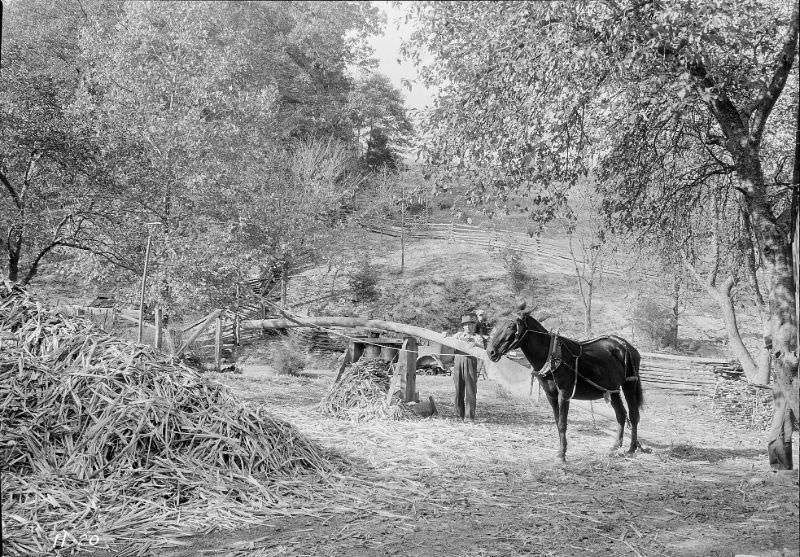
Many of the families Hine photographed had lived on their land for generations. One family near Andersonville owned just two acres but had always worked that ground and called the area home. These were not transient workers — they were deeply rooted people being uprooted by a federal infrastructure project. The grinding of sorghum cane at the Stooksberry homestead, done with animal power, showed how little had changed in the region’s farming practices for decades.
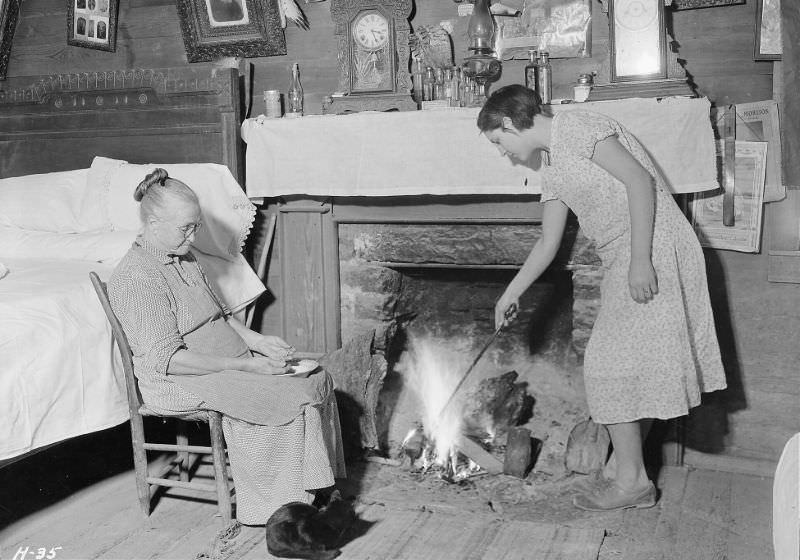
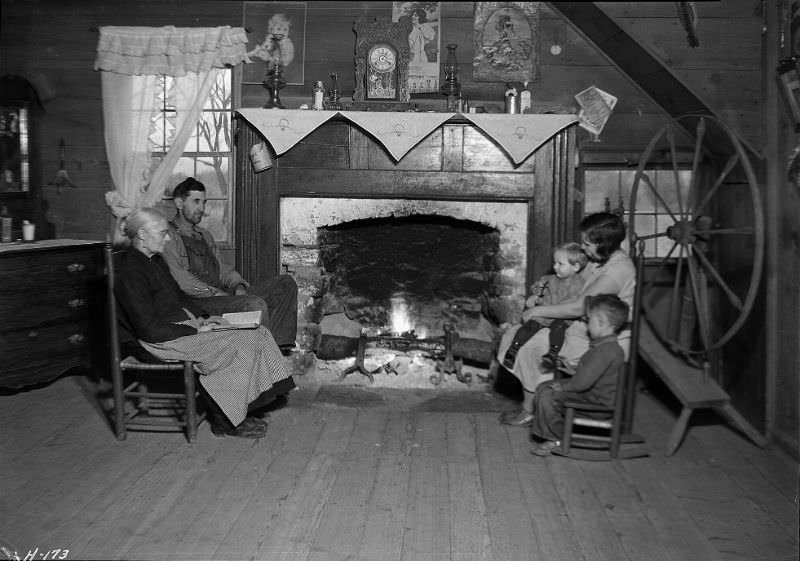
Harriet Hankins was 73 years old when Hine photographed the interior of her home near the Norris Dam site. Her modest living space told its own story without words. Mrs. Jacob Stooksbury’s homestead faced the same fate — it sat in the region scheduled to be flooded by the reservoir. These interior shots, filled with the details of lived-in homes, gave human weight to what would otherwise be an abstract policy decision about water management and electricity generation.
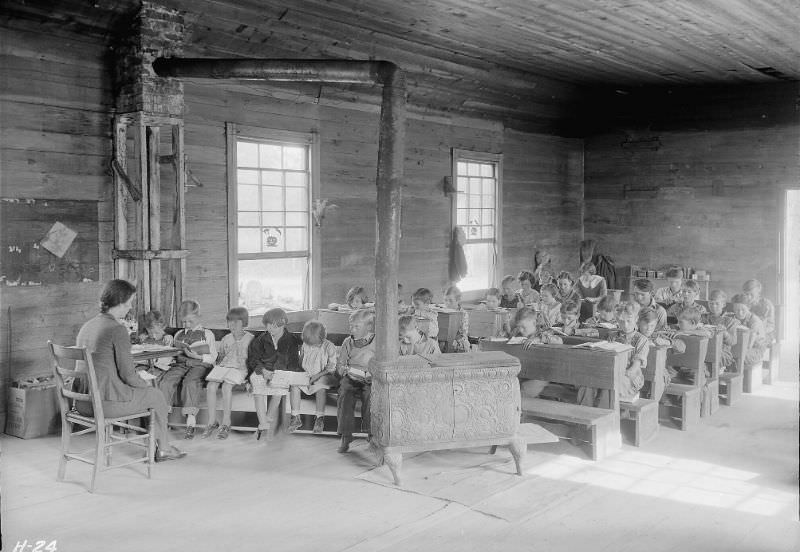
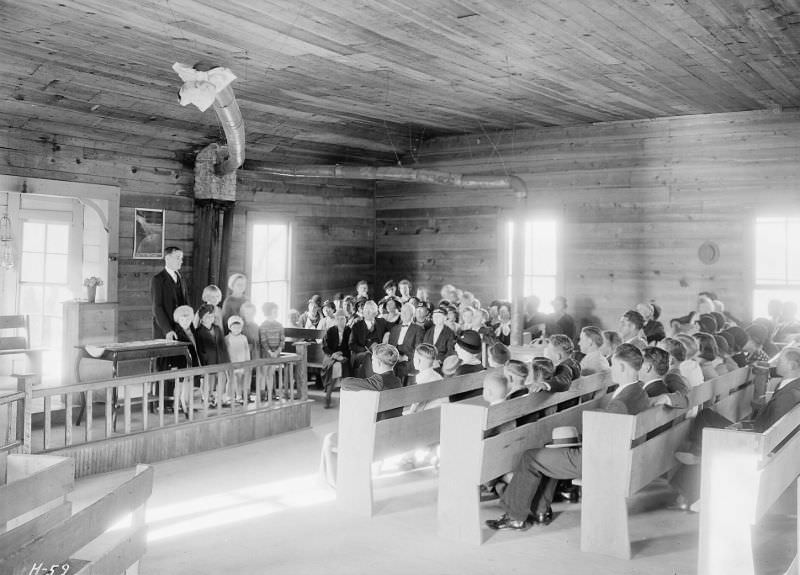
Inside Oakdale School, the bare walls and simple furnishings reflected the conditions typical of rural Appalachian education during the Depression. At Sharps Station M.E. Church, Reverend Lovelace led a Sunday afternoon service with children from a nearby orphanage. Both images show institutions functioning under difficult conditions, serving communities that had little margin for anything beyond basic survival.
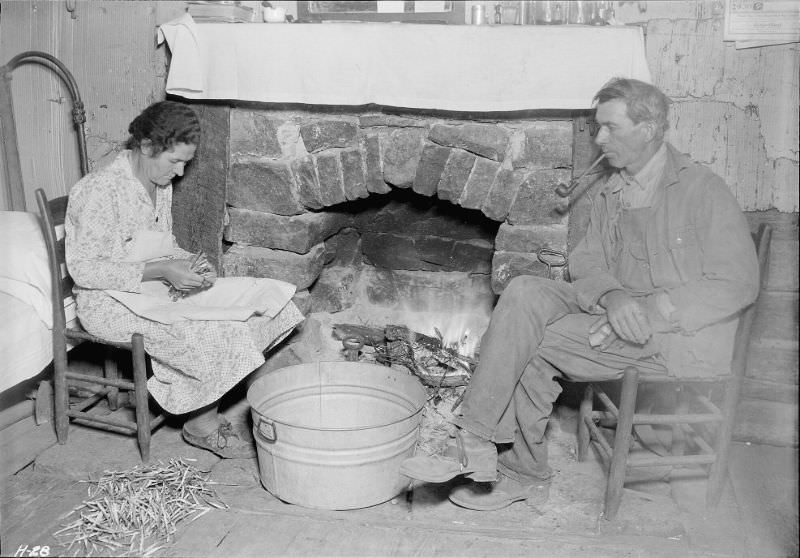
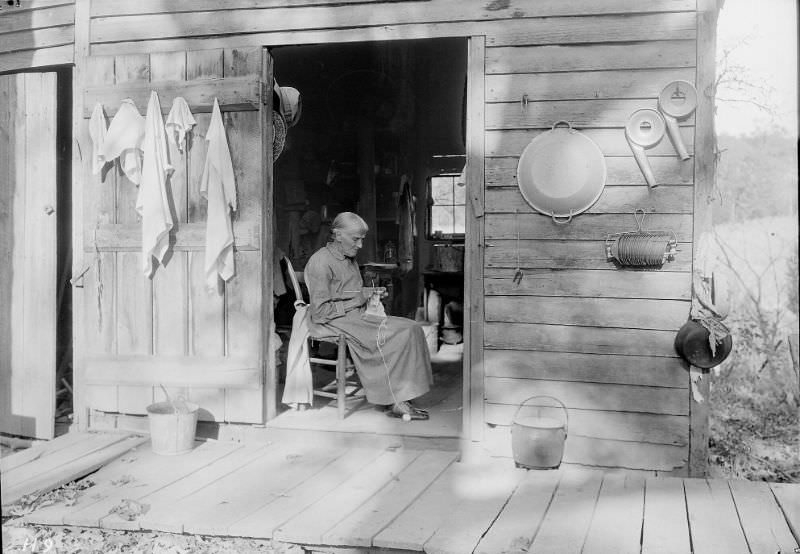
J. W. Melton and his wife preparing supper by the fireplace embodied the quiet rhythm of farm life that Hine was determined to preserve on film. Not far away, 91-year-old Sarah J. Wilson was still working her farm near Bulls Gap. Hine noted she remained active and resourceful — a description that carried real meaning for a woman who had spent nine decades in the rural South before indoor plumbing or electricity reached most of these hills.
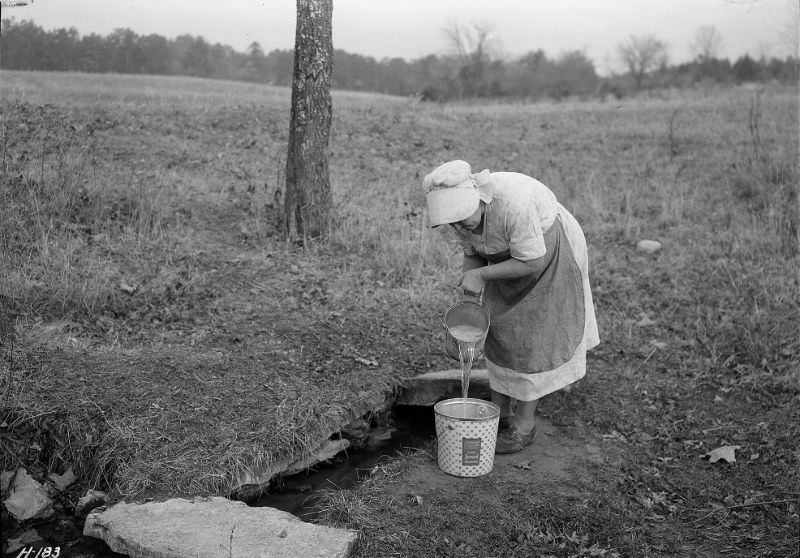
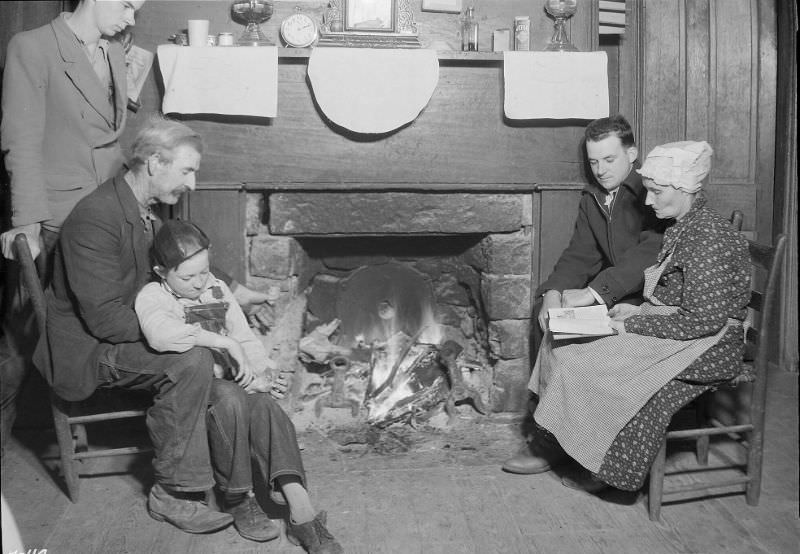
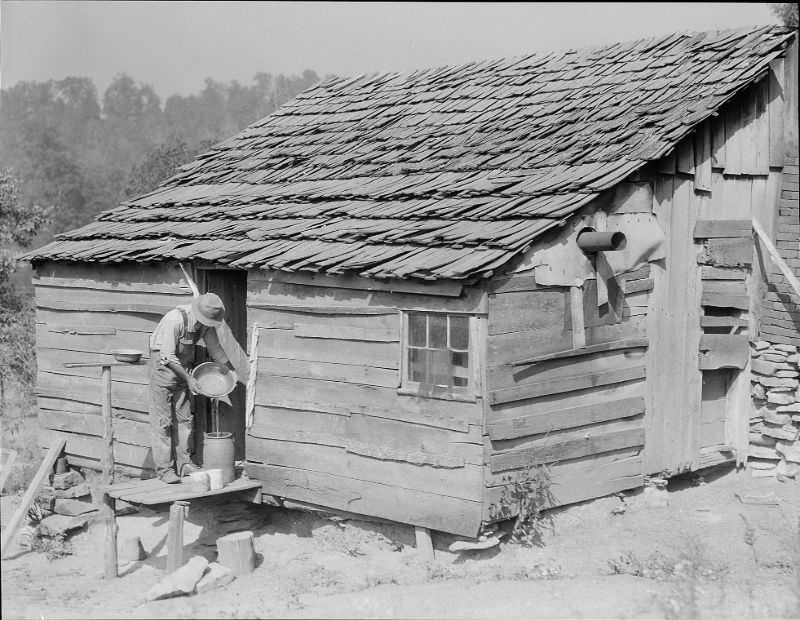
Mrs. Wallace drawing water from a spring on land recently bought by the TVA illustrated just how basic daily life remained for people in this region — running water was not a given. Oscar Cloud, a quarryman and farmer living in the Norris townsite area, had his oldest son serving with the Civilian Conservation Corps, one of the New Deal programs putting unemployed young men to work across the country. His family’s story sat at the intersection of the old rural economy and the federal programs reshaping it.
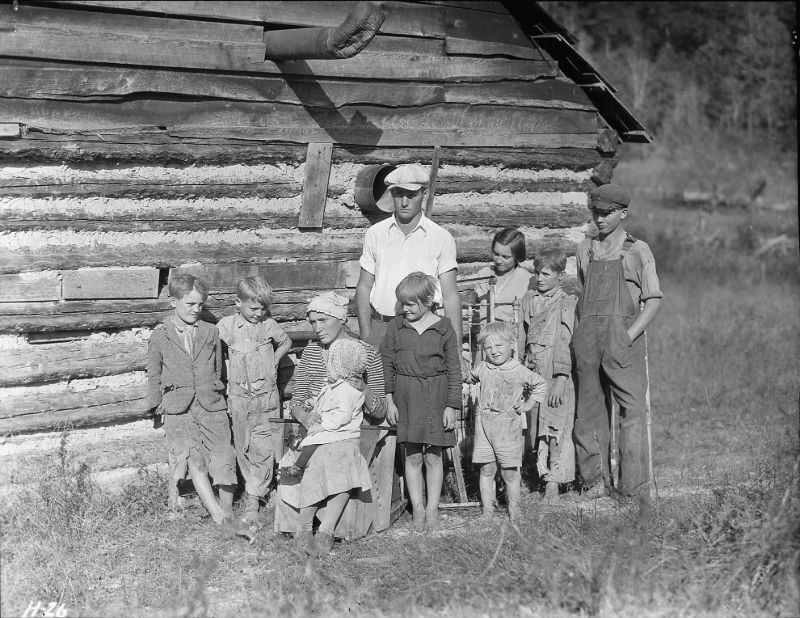
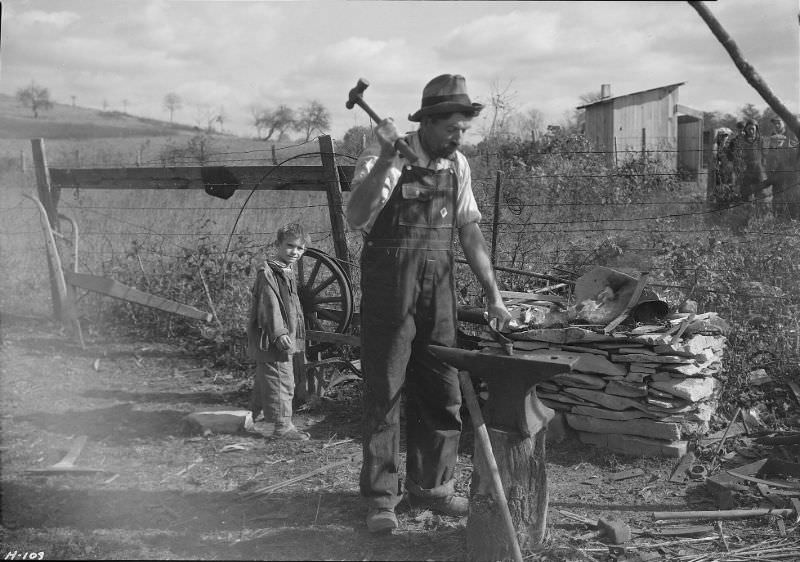
Hugh Noe rented his farm near Andersonville — he did not own the land his family worked. Renters had even less security than landowners in this period, with no equity and no guaranteed right to stay. The McHaffie homestead in Knox County and the portrait of S. J. Barley near LaFollette added more faces to Hine’s growing record of the region. Each photograph was also a data point — Hine was serving as both photographer and project director, tracking employment and industry changes across the area.
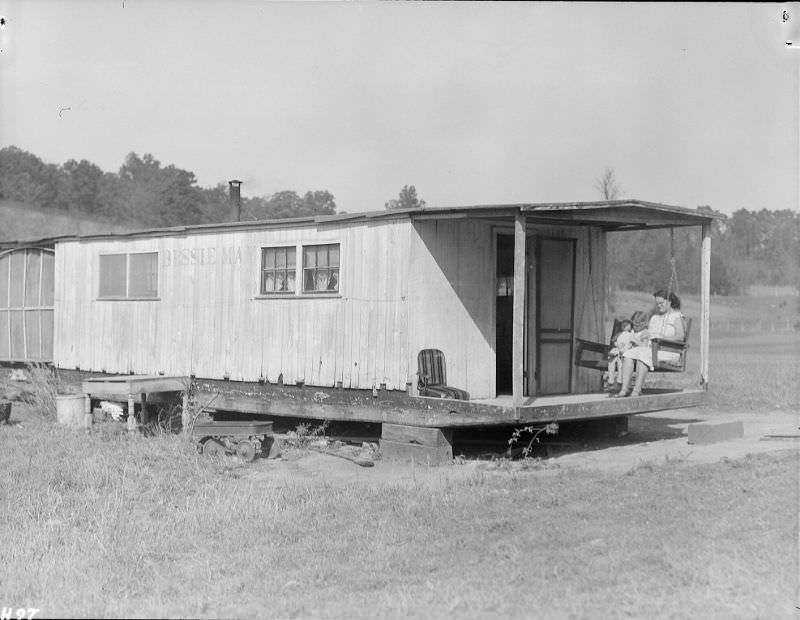
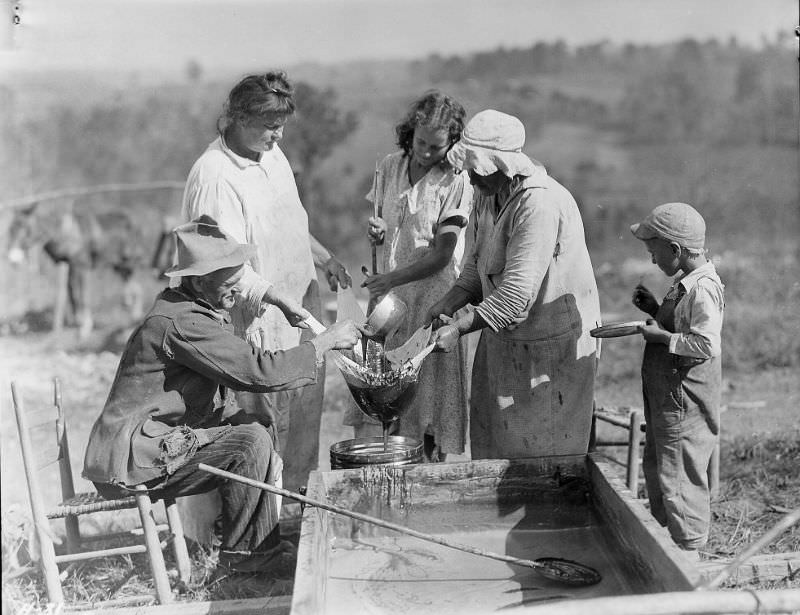
One of the most unusual dwellings Hine photographed was a squatter’s home on the Andersonville Road — a converted houseboat that had been moved onto land and repurposed as a house. It was an improvised solution to the problem of shelter, typical of Depression-era resourcefulness. On the Stooksberry farm, the final step in the sorghum-making process — straining the cooked syrup — was captured in the same primitive style it had been done for generations.
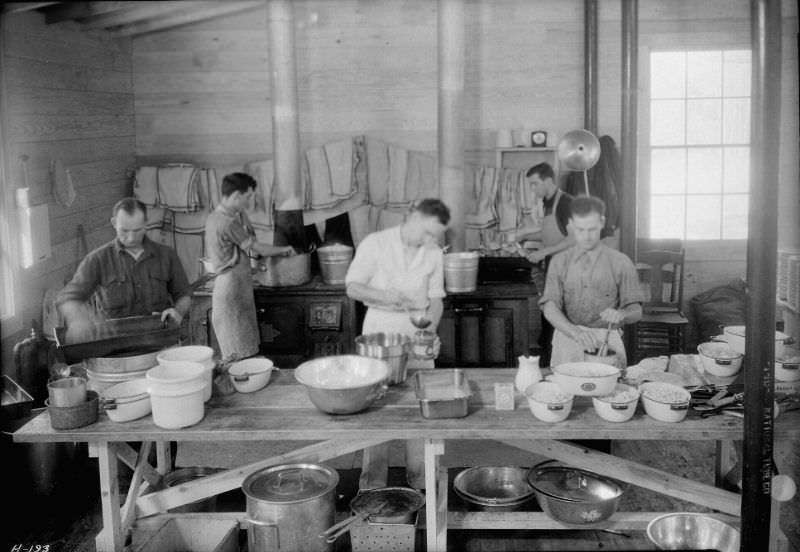
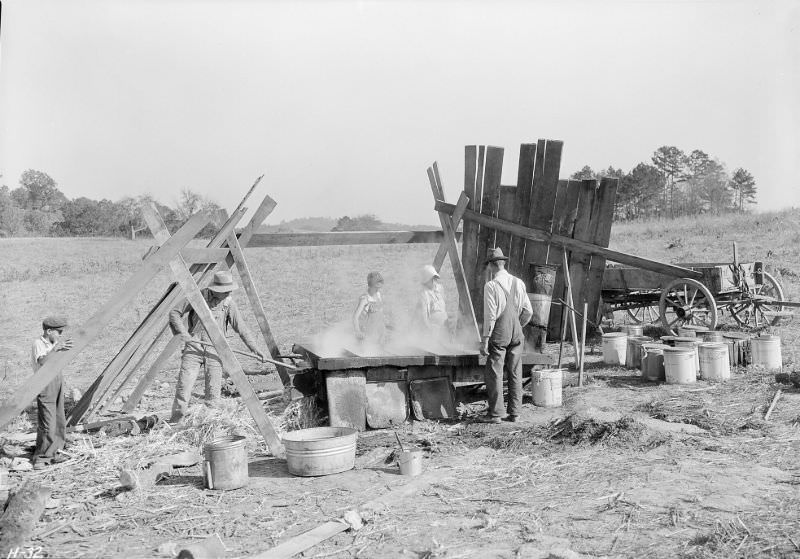
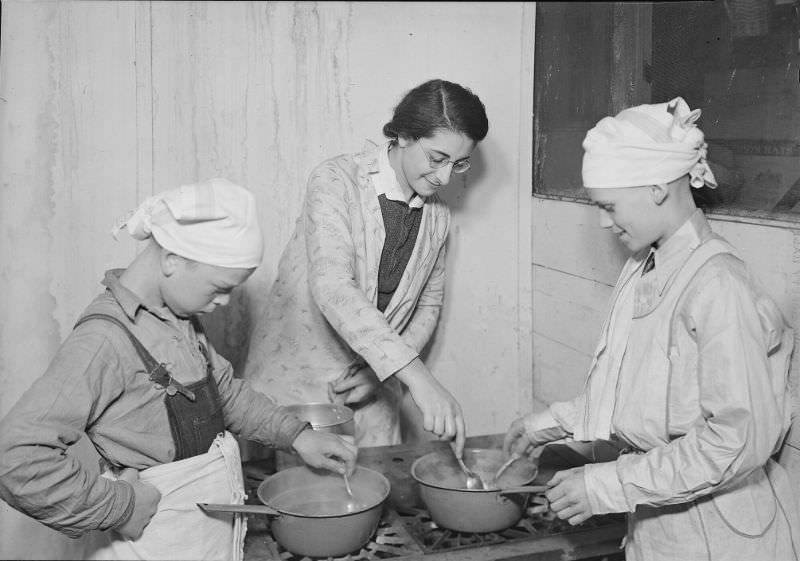
The temporary cafeteria kitchen at the Norris townsite served the workers building the dam and its surrounding planned community. It was a utilitarian setup, built for function and nothing else. Hine also photographed what was described as an up-to-date method of making molasses on Fred Hatmaker’s farm — a farm that would be completely underwater once the reservoir filled. The contrast between these images — industrial food service and a family farm about to vanish — defined the tension running through all of Hine’s Tennessee work.
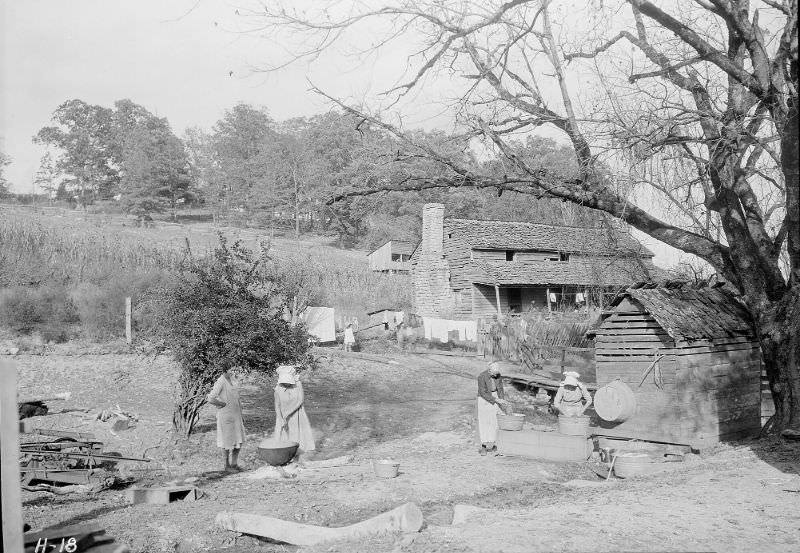
Washday at the Stooksberry homestead meant hauling water, heating it, and scrubbing clothes by hand. There were no machines to make it easier. These were the details of daily labor that Hine documented with the same attention he gave to the construction sites and government projects. Domestic work was work, and it deserved to be recorded.
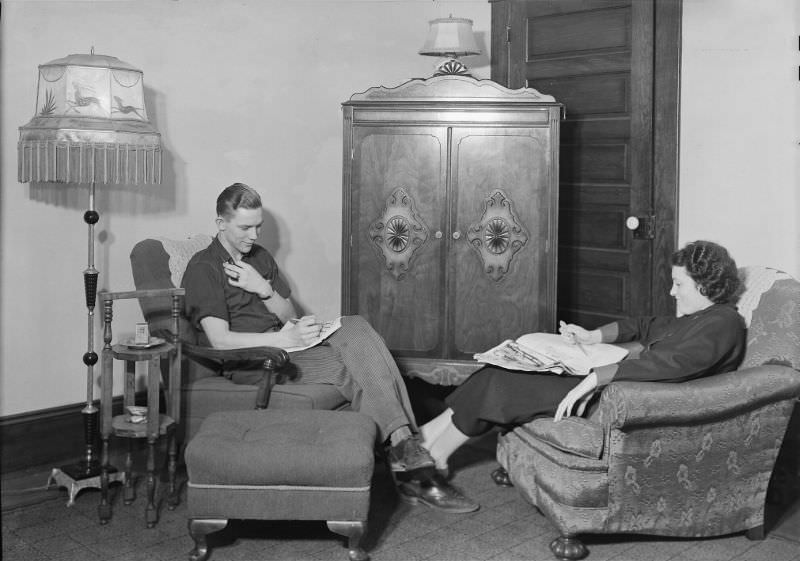
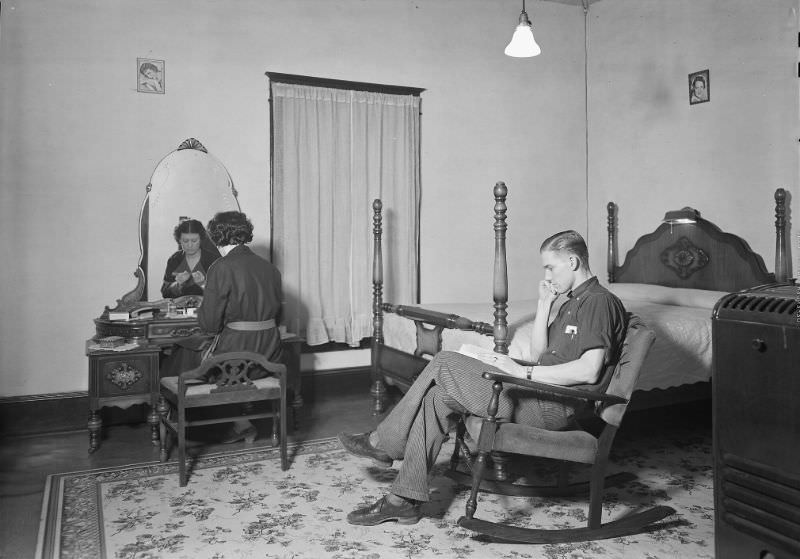
By 1936, Hine’s Depression-era documentation had taken him to the mill towns of North Carolina. In High Point, workers at the Highland Cotton Mills lived in company-owned housing — homes that belonged to their employer, not to them. Hine photographed the cramped bedroom and living room combinations that families occupied, spaces where sleeping, eating, and living all happened within the same few walls.
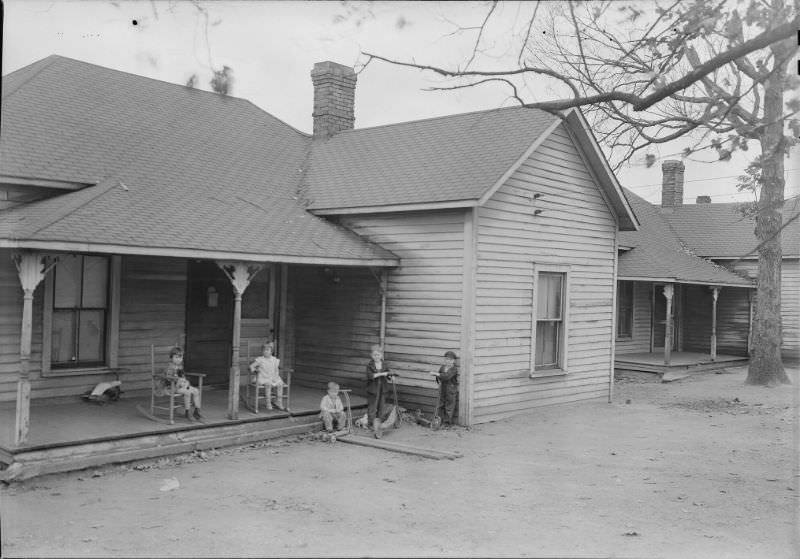
Furniture workers in High Point fared only slightly better, living in homes owned by a real estate company rather than their direct employer. Either way, the workers did not own where they lived. The rows of worker housing in industrial towns like High Point were a physical expression of economic dependency — steady wages in exchange for housing meant leaving meant losing both at once.
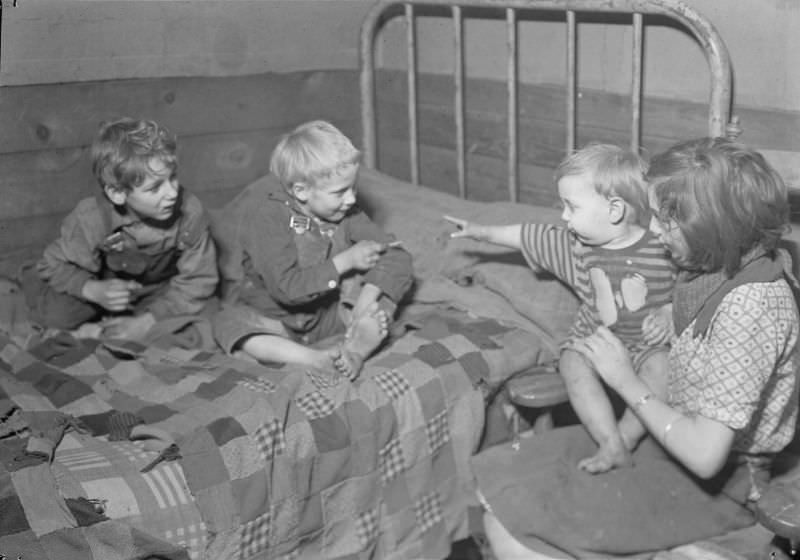
Scott’s Run, West Virginia was one of the most photographed communities of the Depression era, and for good reason. It was a coal mining settlement where unemployment, poverty, and poor living conditions were severe even by Depression standards. Hine arrived there in 1936 and again in March 1937, producing a large body of work that documented life in both the employed and unemployed households of the community. Even children of miners who still had jobs — like those of Ewra Hennar at Sessa Hill — lived in stripped-down conditions.
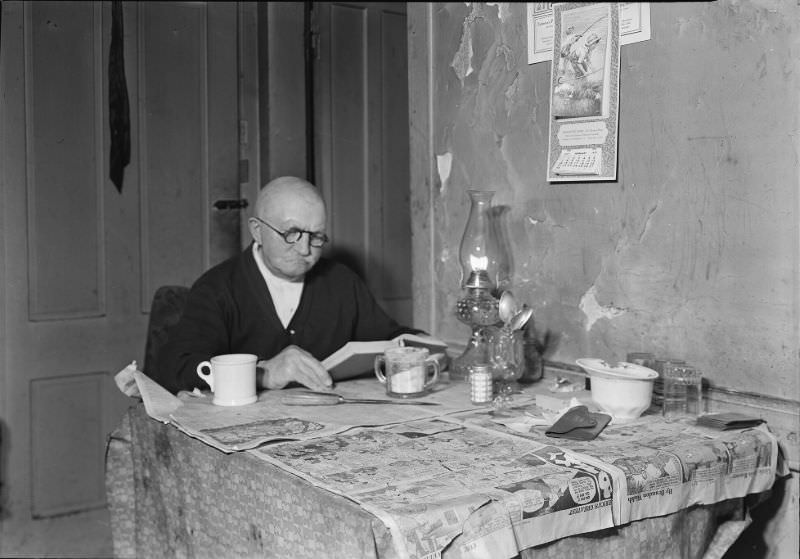
In Paterson, New Jersey, Hine photographed a 78-year-old retired silk worker living above a cafe on $18 a month — his entire pension. The man’s living room held the barest essentials. Paterson had been a center of American silk production, and its aging workers faced retirement with almost nothing to show for decades of labor. Eighteen dollars a month in 1937 was not enough to live on with any comfort.

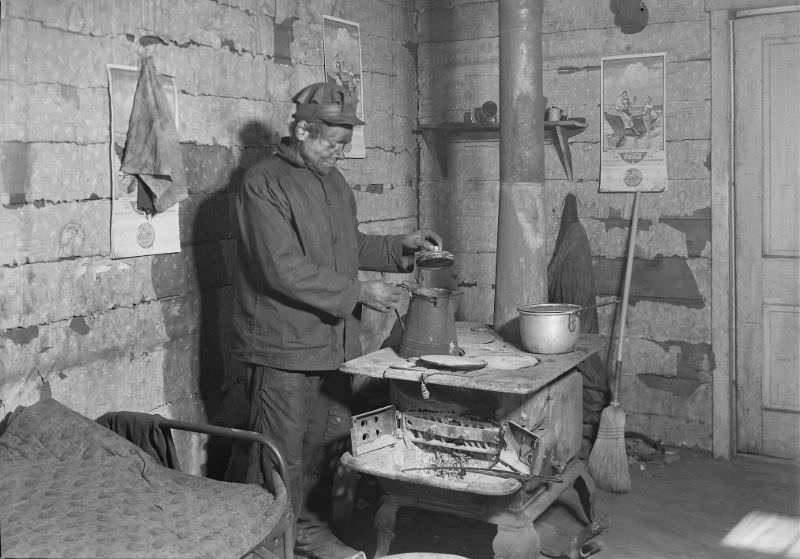
At Scott’s Run, children of miners looked directly into Hine’s camera. Even in households where the father still had a job, the poverty was visible in the children’s clothing, the condition of the walls, and the sparse furnishings. A bachelor at Sessa Hill who was employed lived in a single cramped space that reflected how little income the mines provided even when they were running.
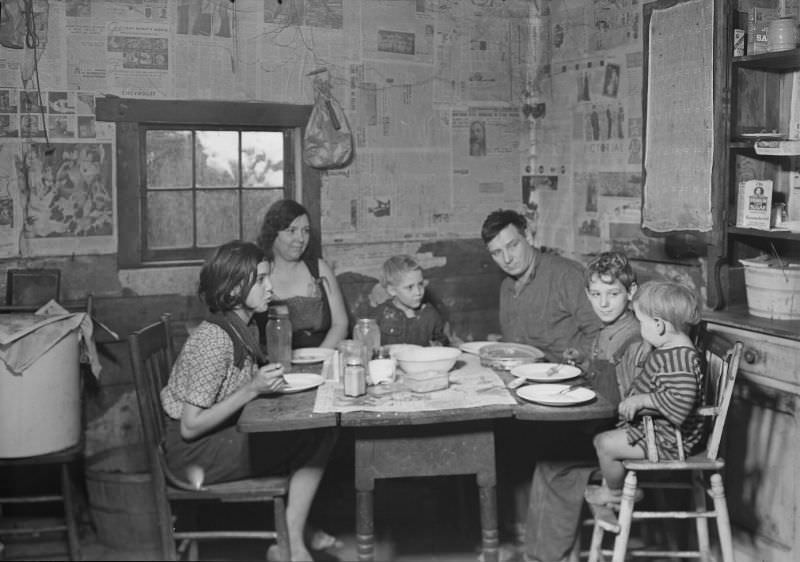

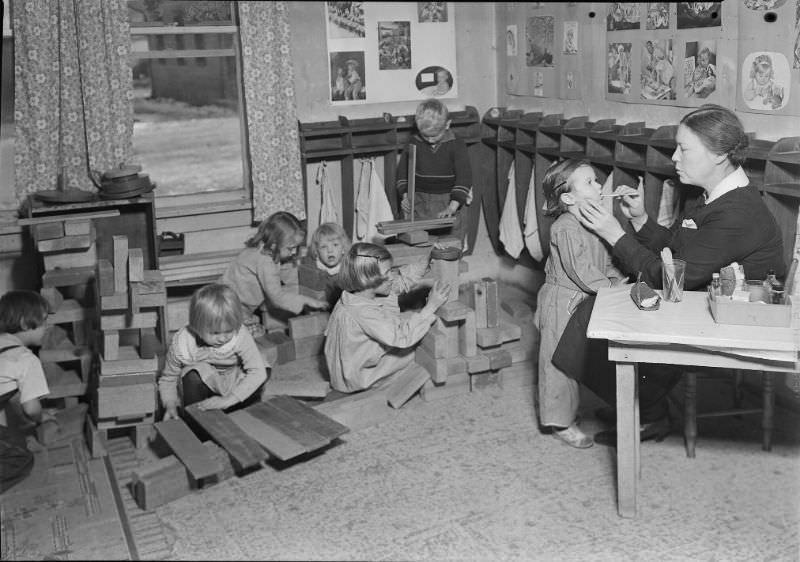
Hine photographed an employed miner’s family at Sessa Hill during supper — the most ordinary moment of a family’s day, made extraordinary by the circumstances surrounding it. The WPA nursery at Jere served children from unemployed miners’ homes. The Works Progress Administration had set up the facility to give those children care and food while their fathers searched for work or waited for the mines to reopen.
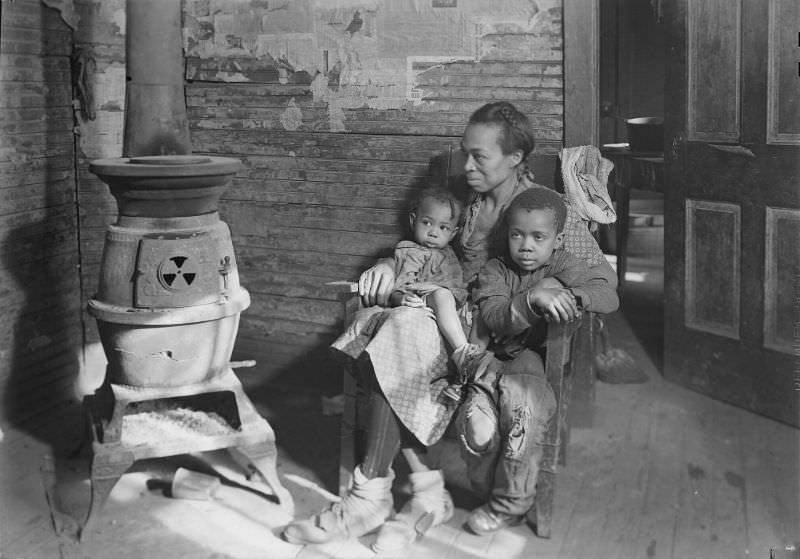
The Johnson family at Scott’s Run had an unemployed father. Their photograph showed what that reality looked like in a household with children — cramped, threadbare, and waiting. Unemployment in a mining community was not the same as unemployment in a city. There were no other industries nearby. If the mine wasn’t hiring, there was nowhere else to go.
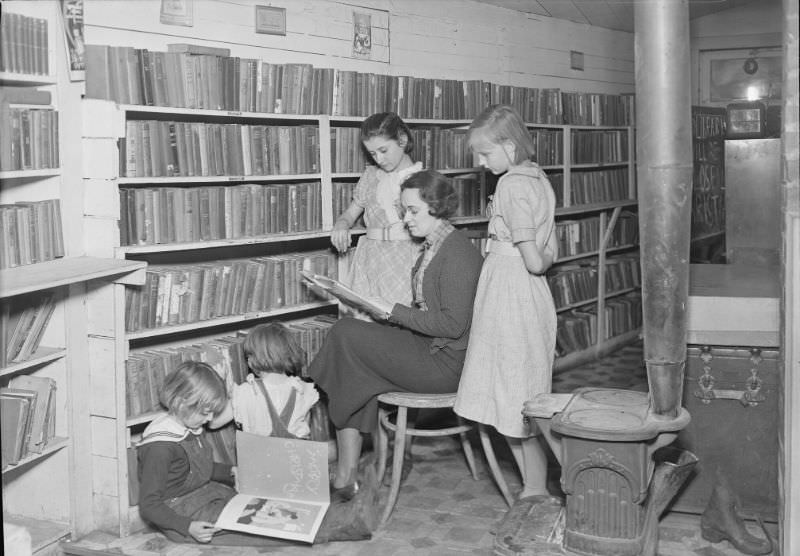
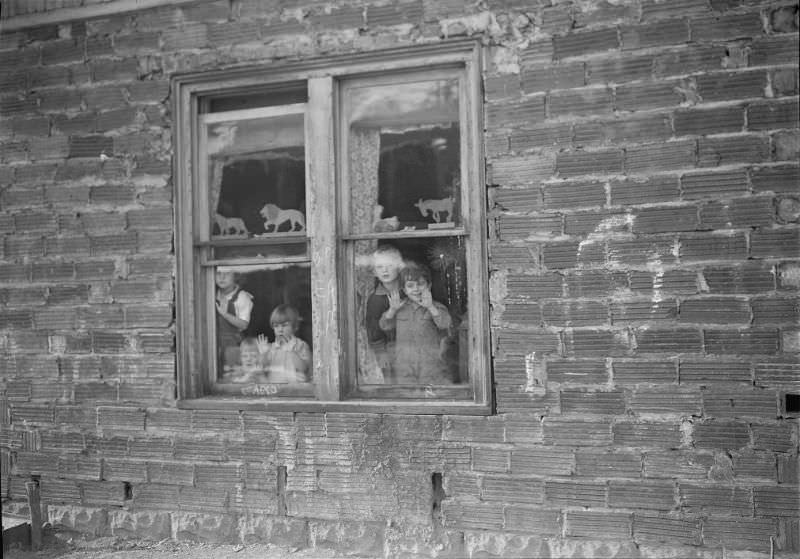
Even in a community as hard-pressed as Scott’s Run, people organized recreational and community activities. Hine recorded those gatherings, too. At the abandoned mining camp of Jere, the derelict mine buildings stood as physical evidence of an industry that had pulled back and left the workers behind. These were not just empty buildings — they were the reason an entire community was now stranded with no economic foundation.
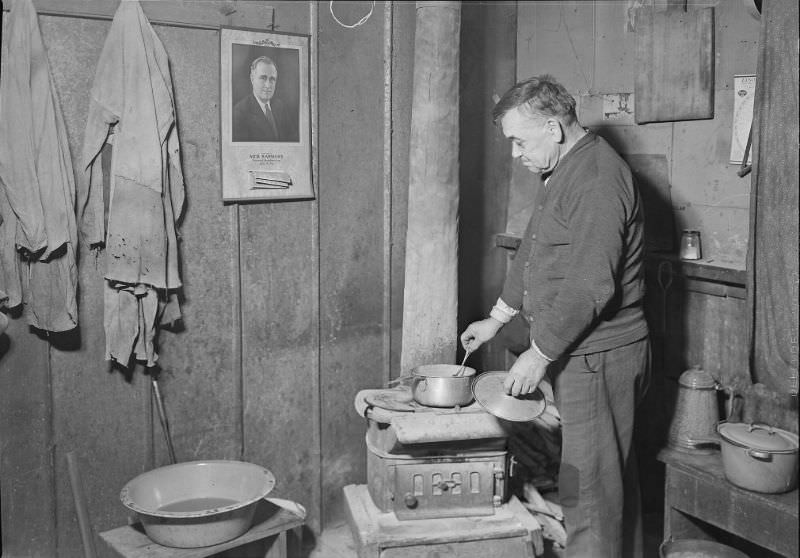
The Shack Community Center at Scott’s Run was exactly what its name described — a shack repurposed as a gathering place. It was a community holding itself together with minimal resources. An unemployed bachelor at Jere, photographed alone in his sparse space, put a single face on the isolation that long-term unemployment created. These were not statistics. They were individuals, and Hine made sure the camera treated them that way.
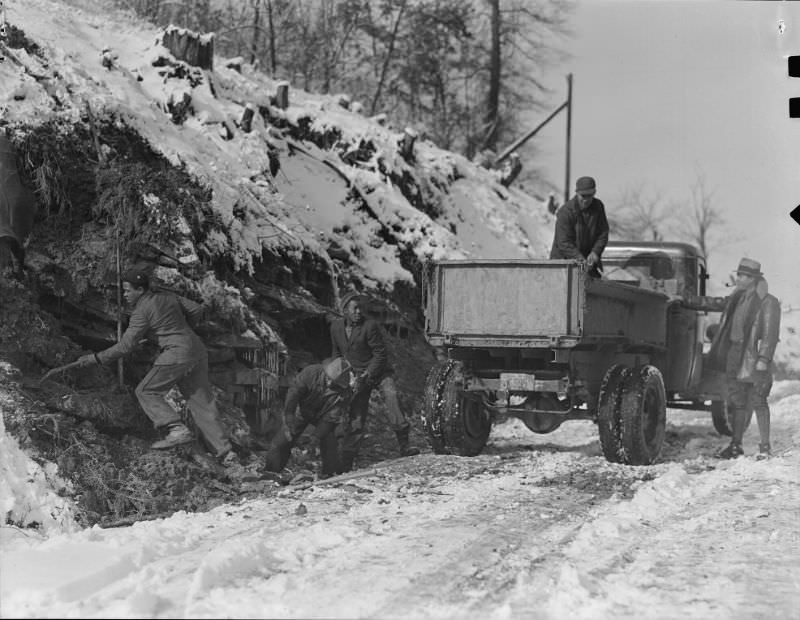
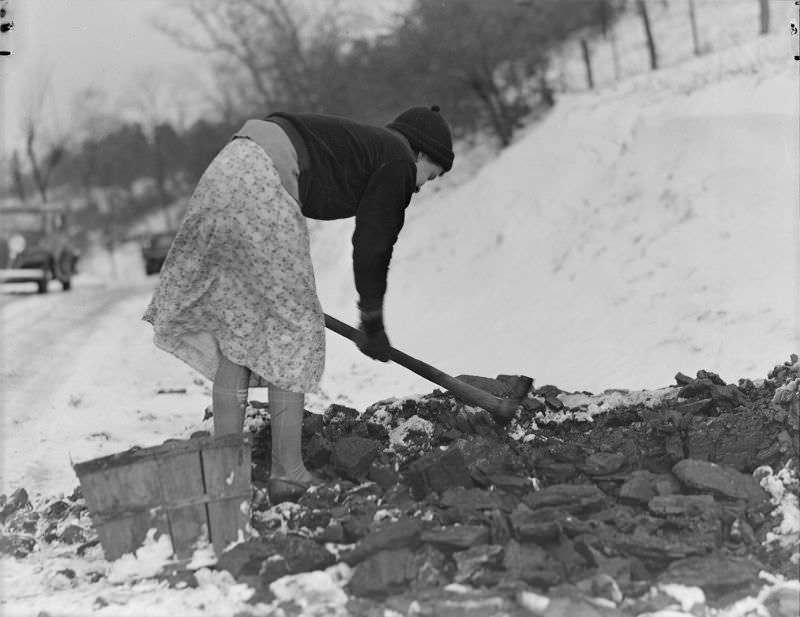
Groups of unemployed miners gathered at Scott’s Run with little to do and no income coming in. A woman was photographed gathering loose coal — scavenging fuel from the ground near the mines to heat her home, because she could not afford to buy it. This was survival work, unglamorous and unreported, done by people who had no other option. Hine’s camera recorded it plainly, without judgment, as a fact of life in Depression-era coal country.




