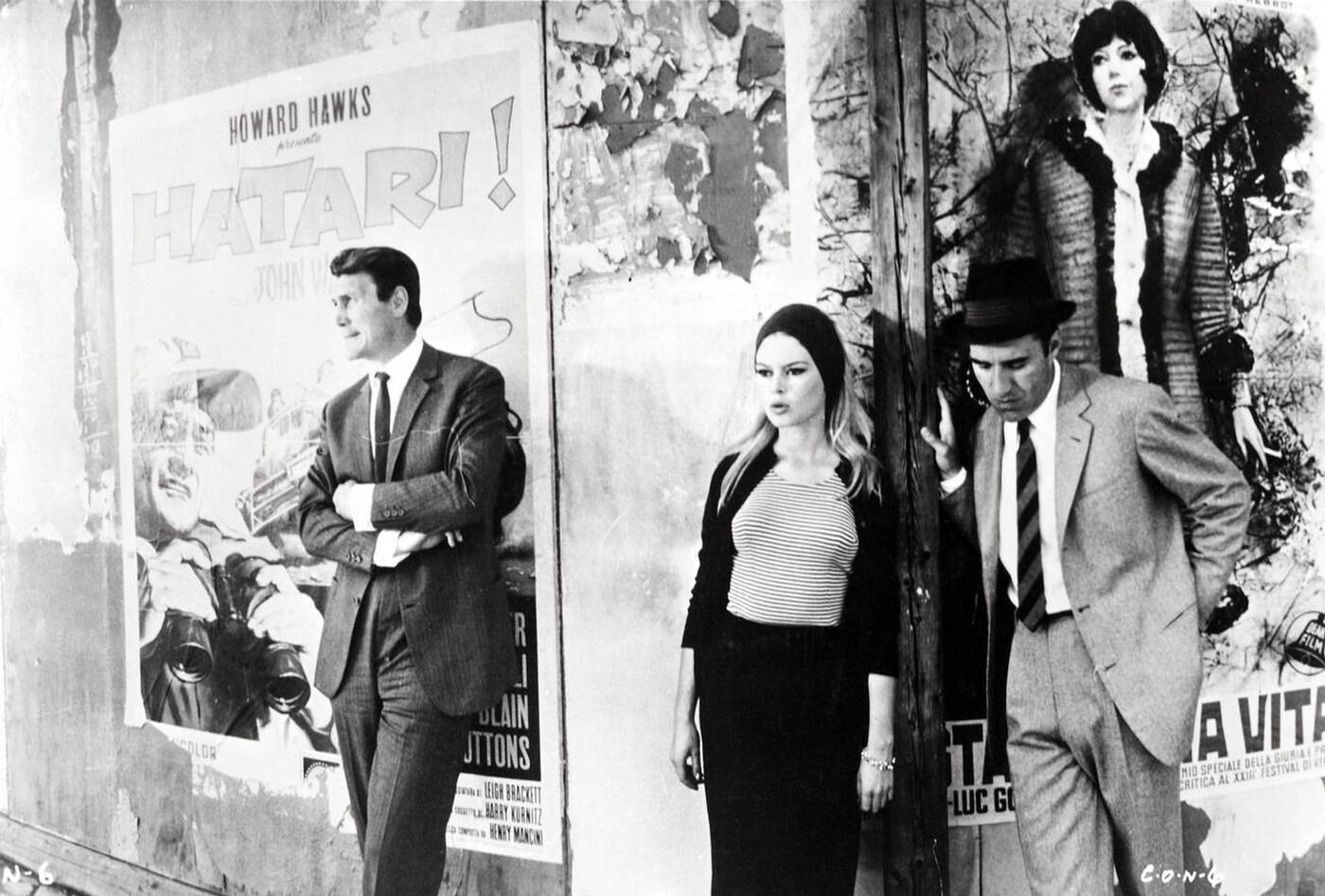
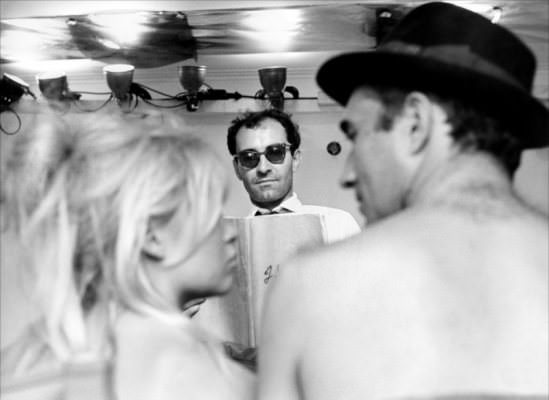
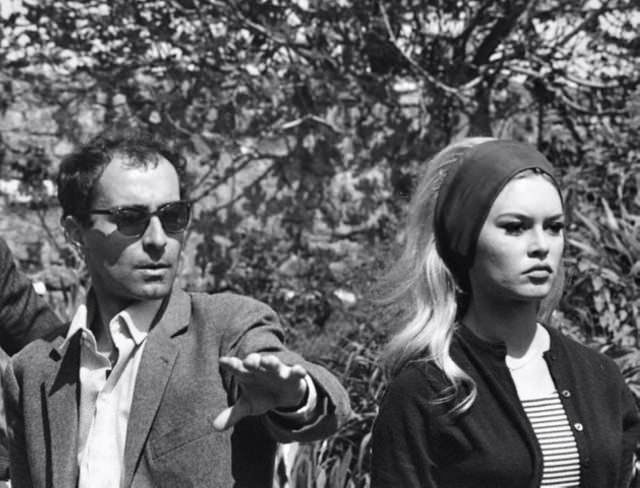
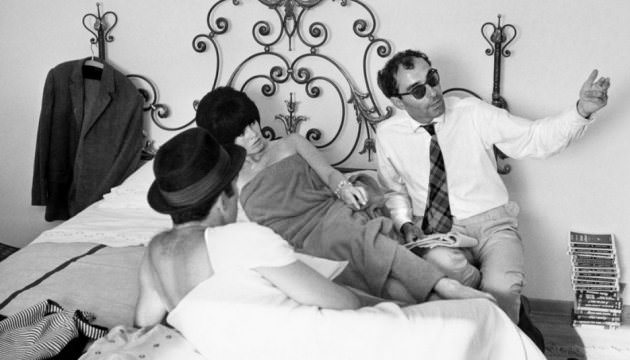
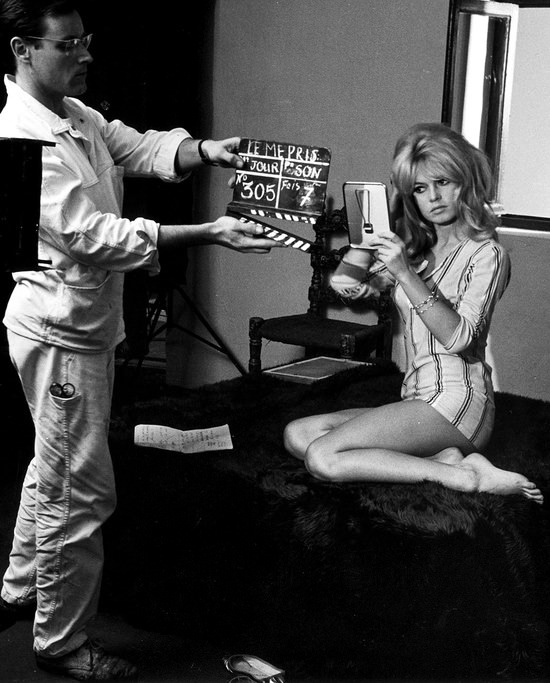
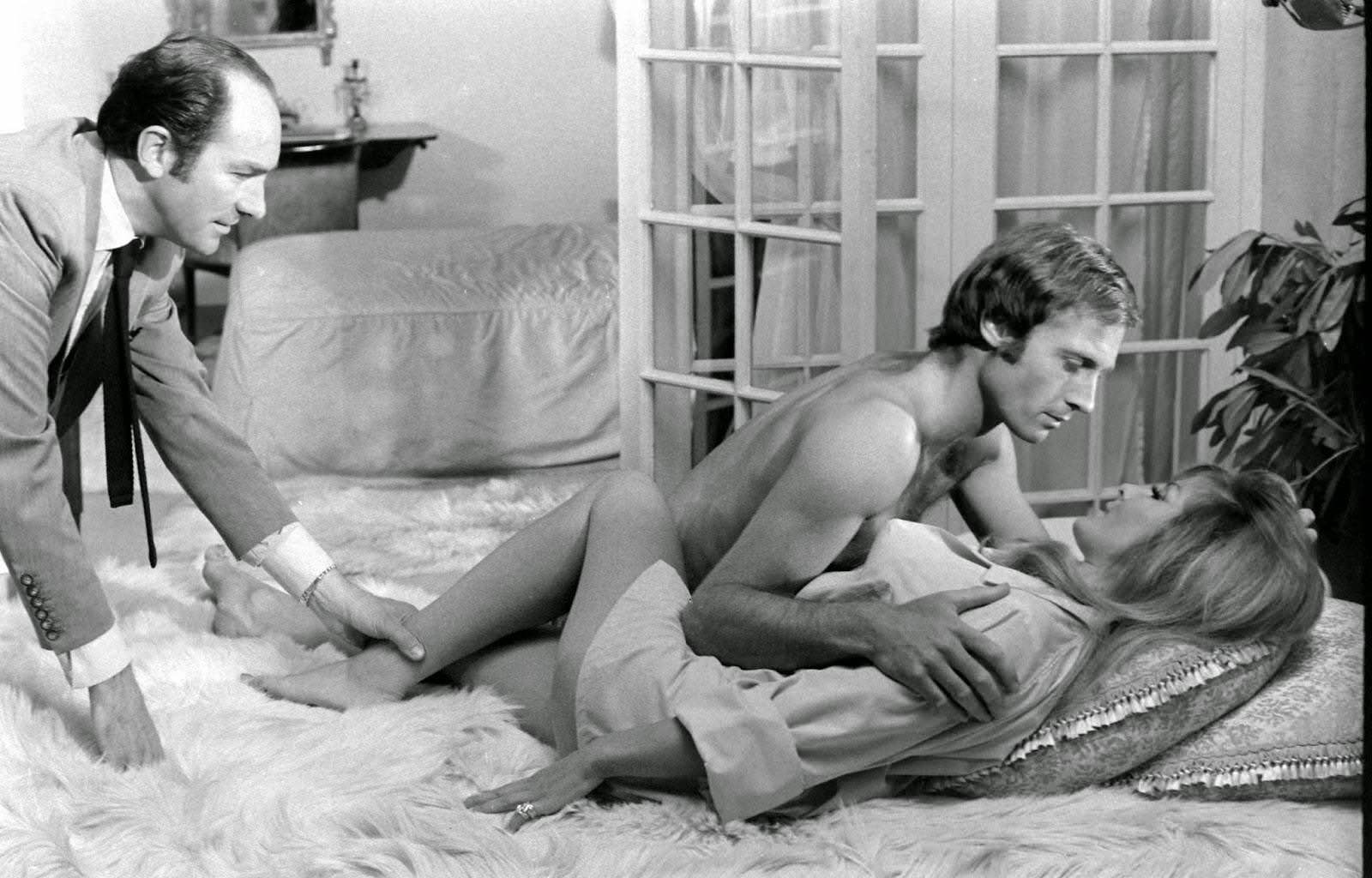
Released in 1963, Le Mépris — French for ‘Contempt’ — is a French-Italian film directed by Jean-Luc Godard, one of the defining voices of the French New Wave. Set against the world of international cinema, the film follows the slow, painful collapse of a marriage played out across Rome and the sun-drenched island of Capri.
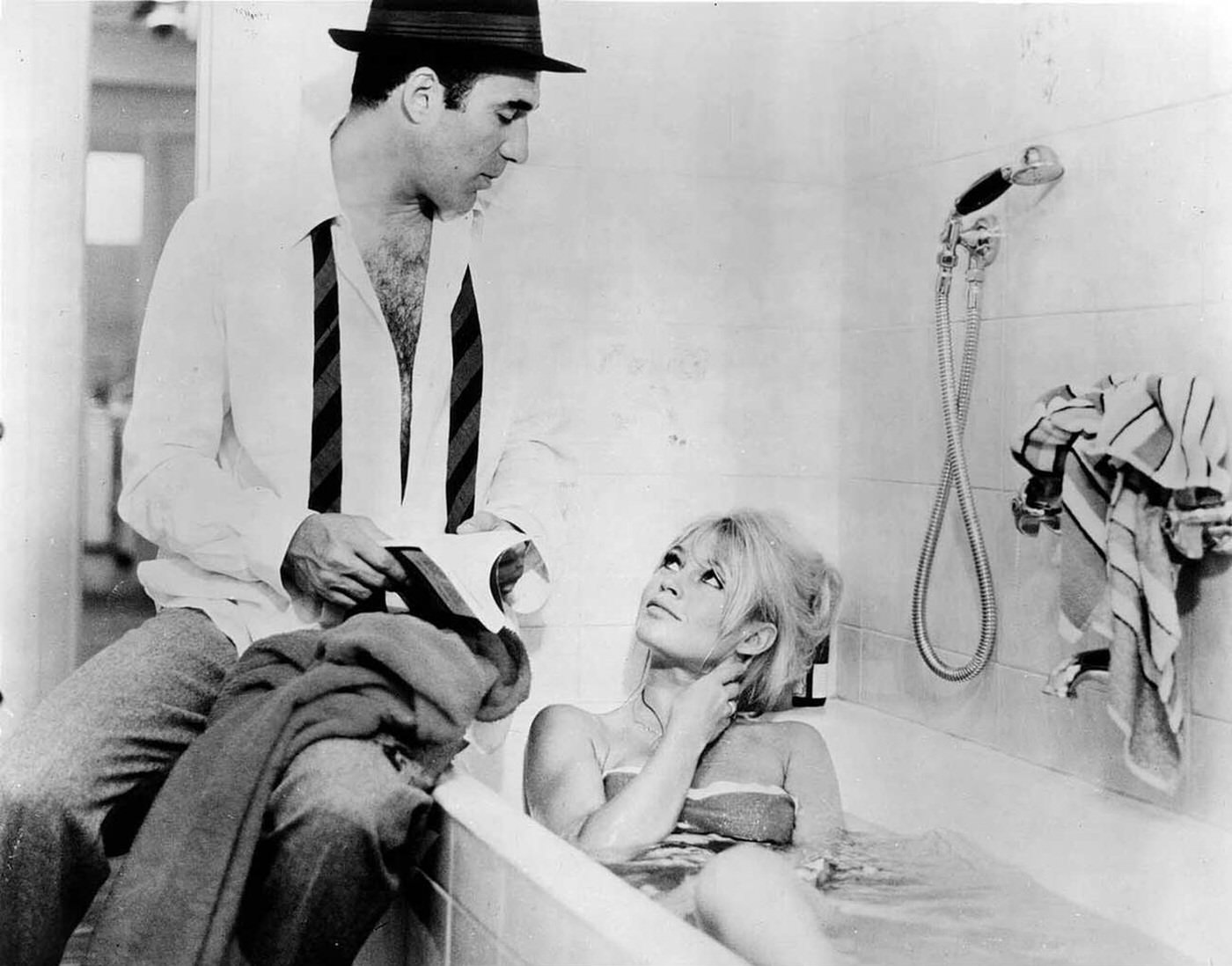
Paul Javal, a French playwright in need of money, agrees to rewrite a script for Jeremy Prokosch, a wealthy and brash American producer. The project is an adaptation of Homer’s Odyssey, with the real-life German director Fritz Lang hired to helm it. Paul brings his wife Camille into his professional world — a decision that costs him everything.

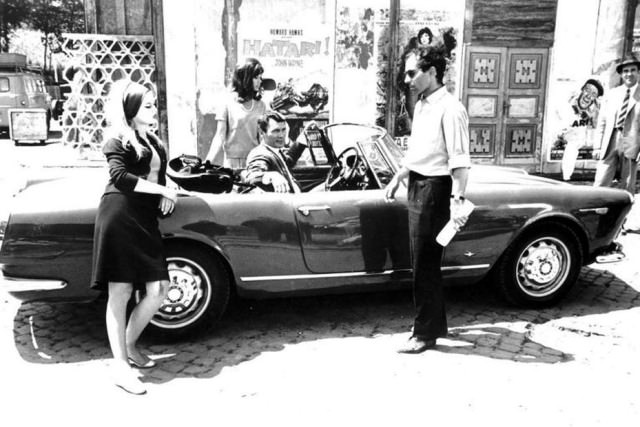
The turning point comes when Paul casually allows Camille to accept a ride alone with Prokosch in his sports car. From that moment, something in Camille shifts. Her feelings for Paul curdle into contempt — quiet, total, and irreversible.
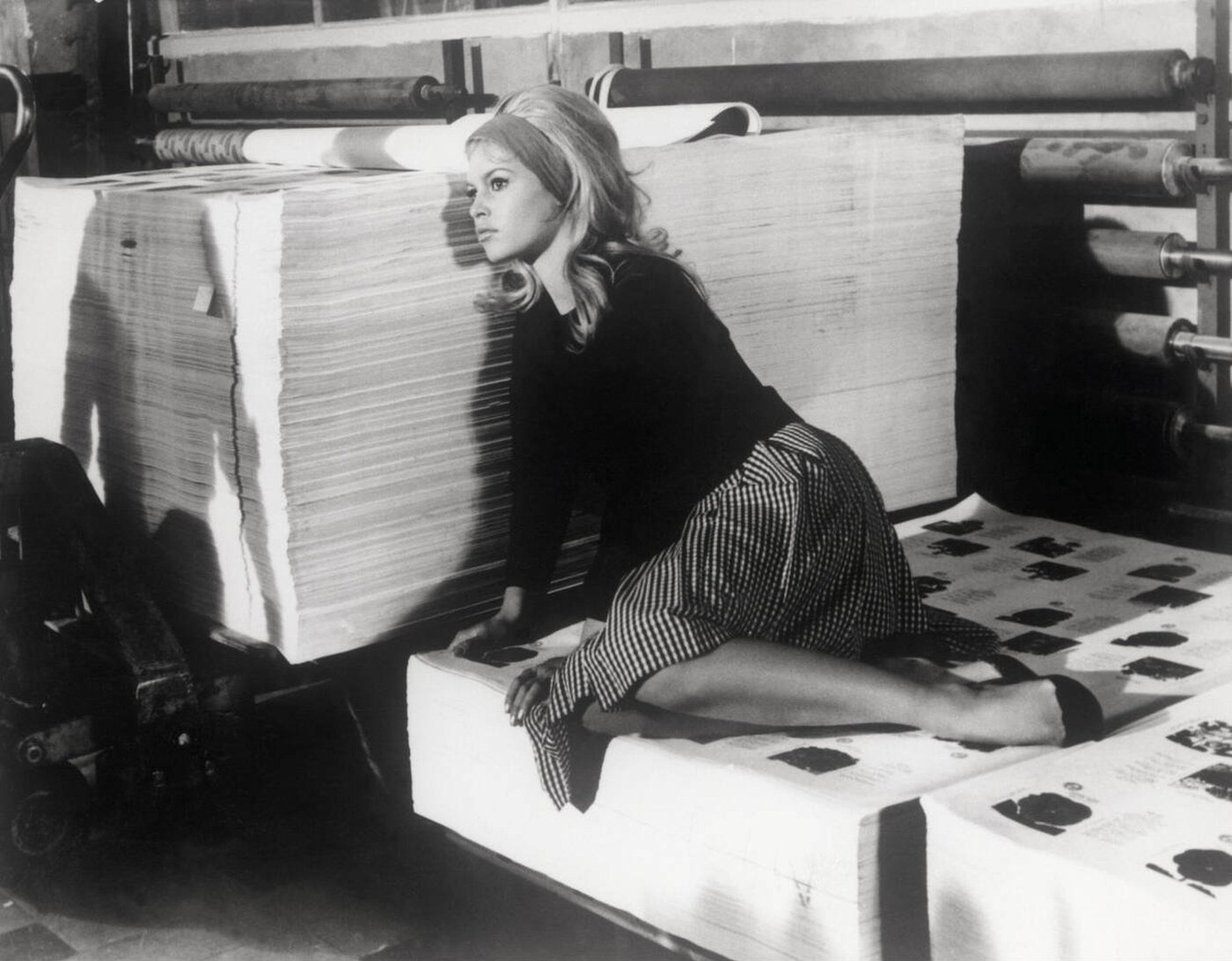
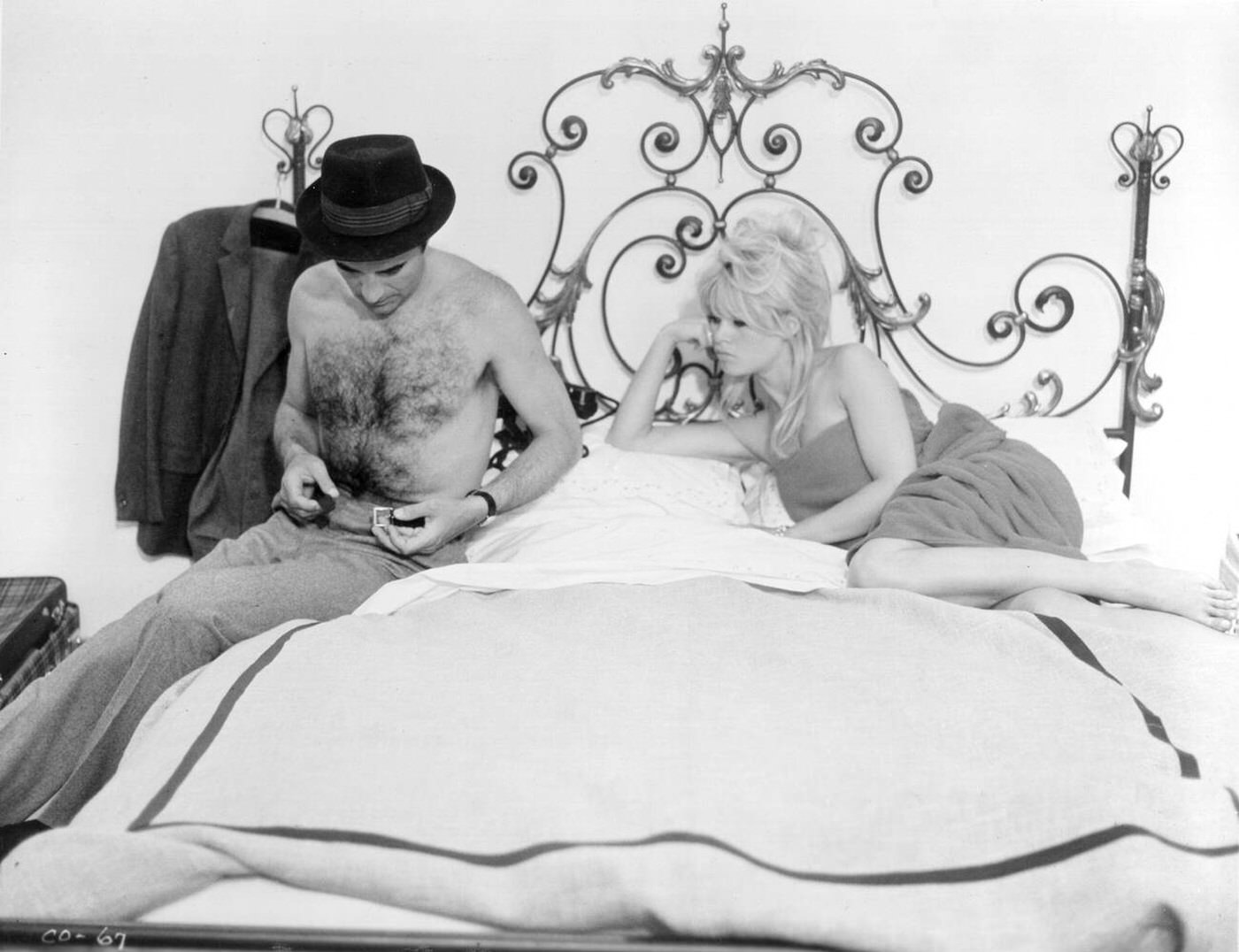
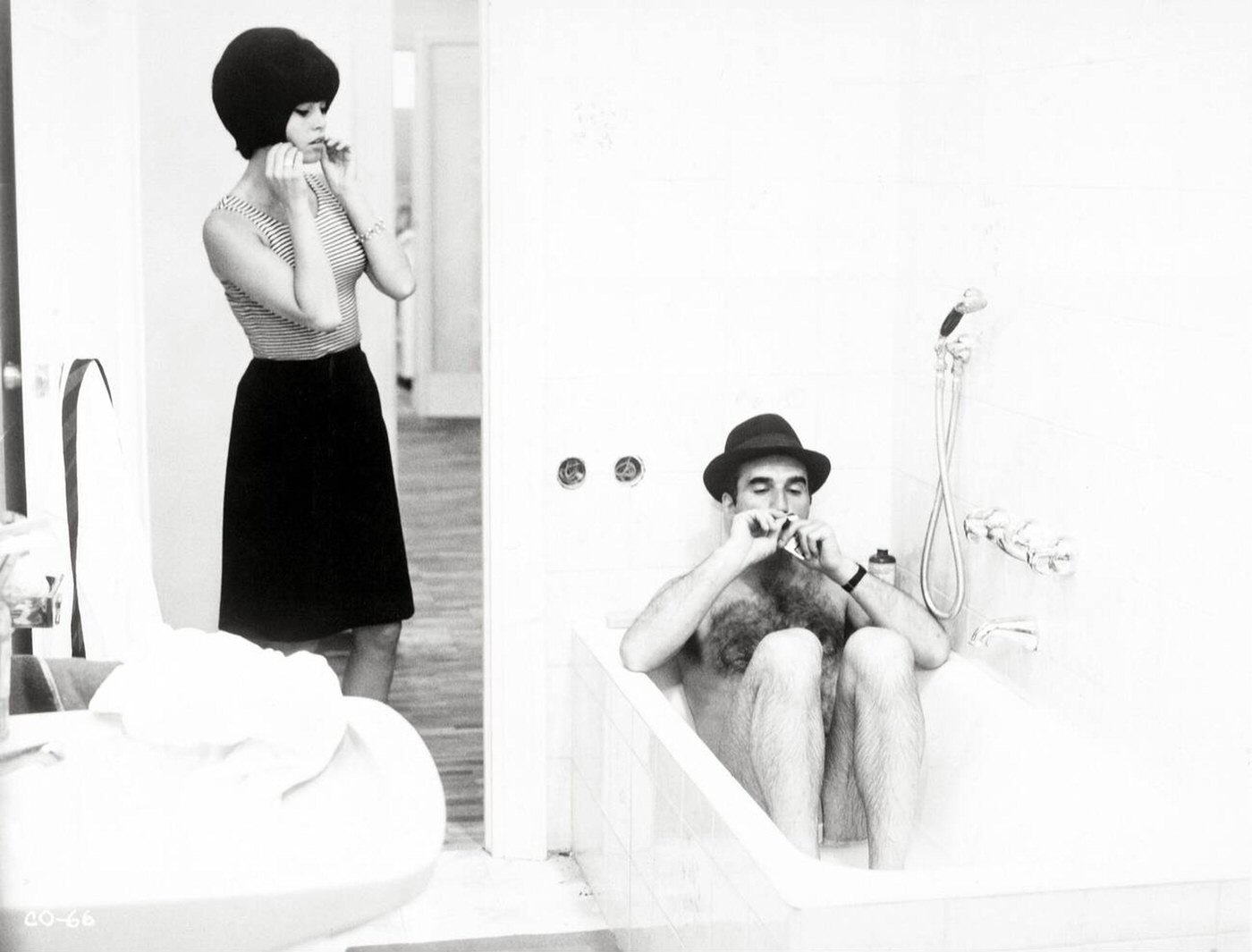
Much of the film’s emotional weight lands in a long, unbroken sequence inside Paul and Camille’s apartment. Through arguments and stretches of silence, the gap between them becomes impossible to ignore. Godard films this largely in extended takes, letting the tension breathe and accumulate without cuts to relieve it.
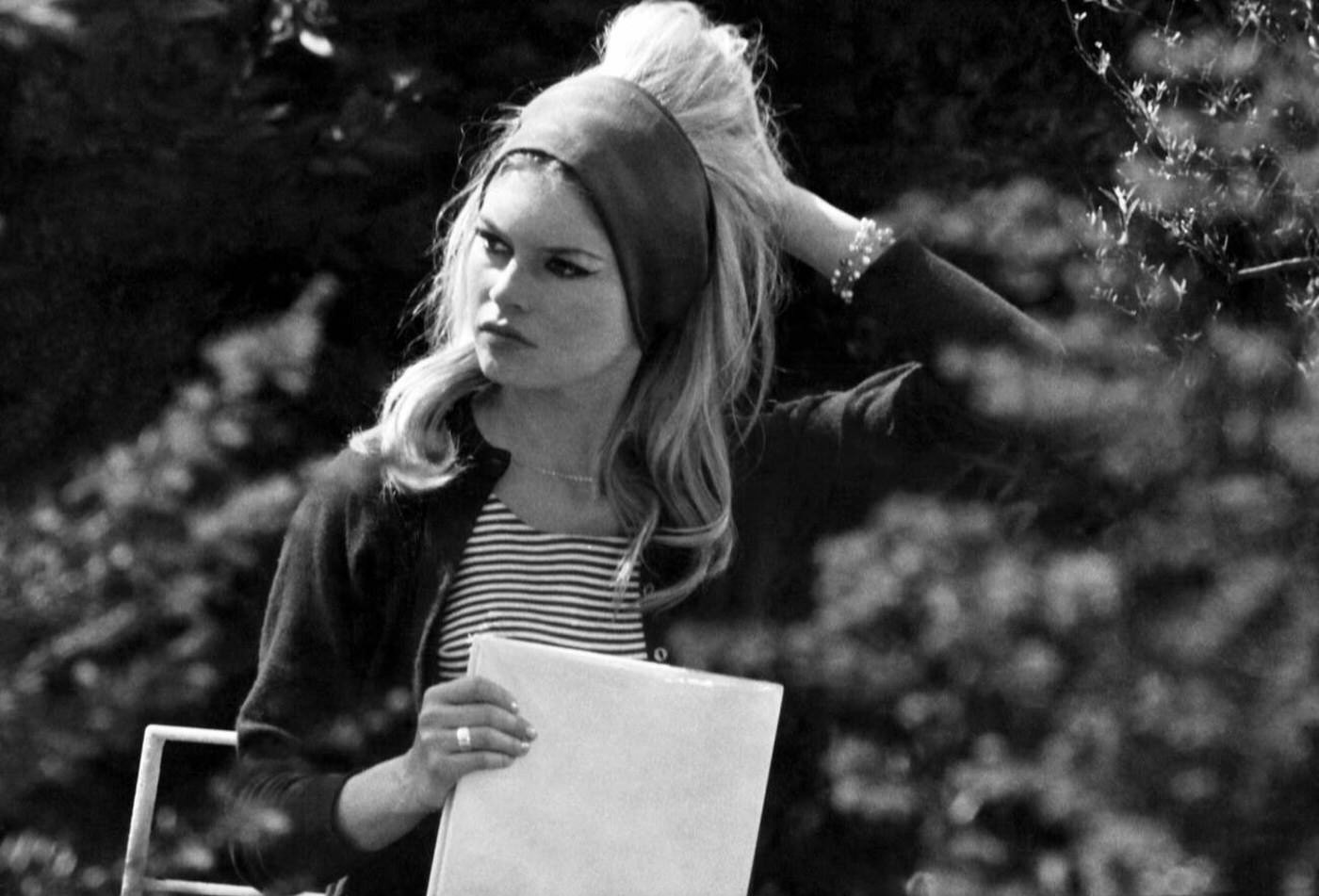
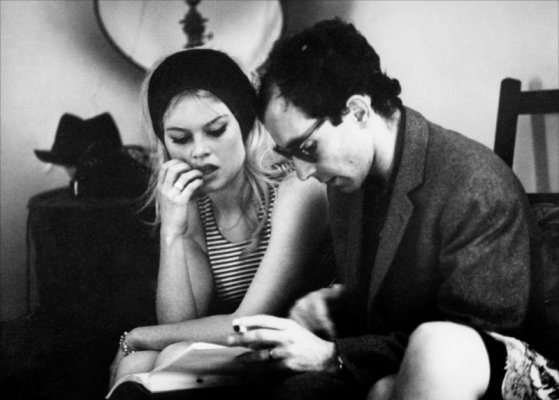
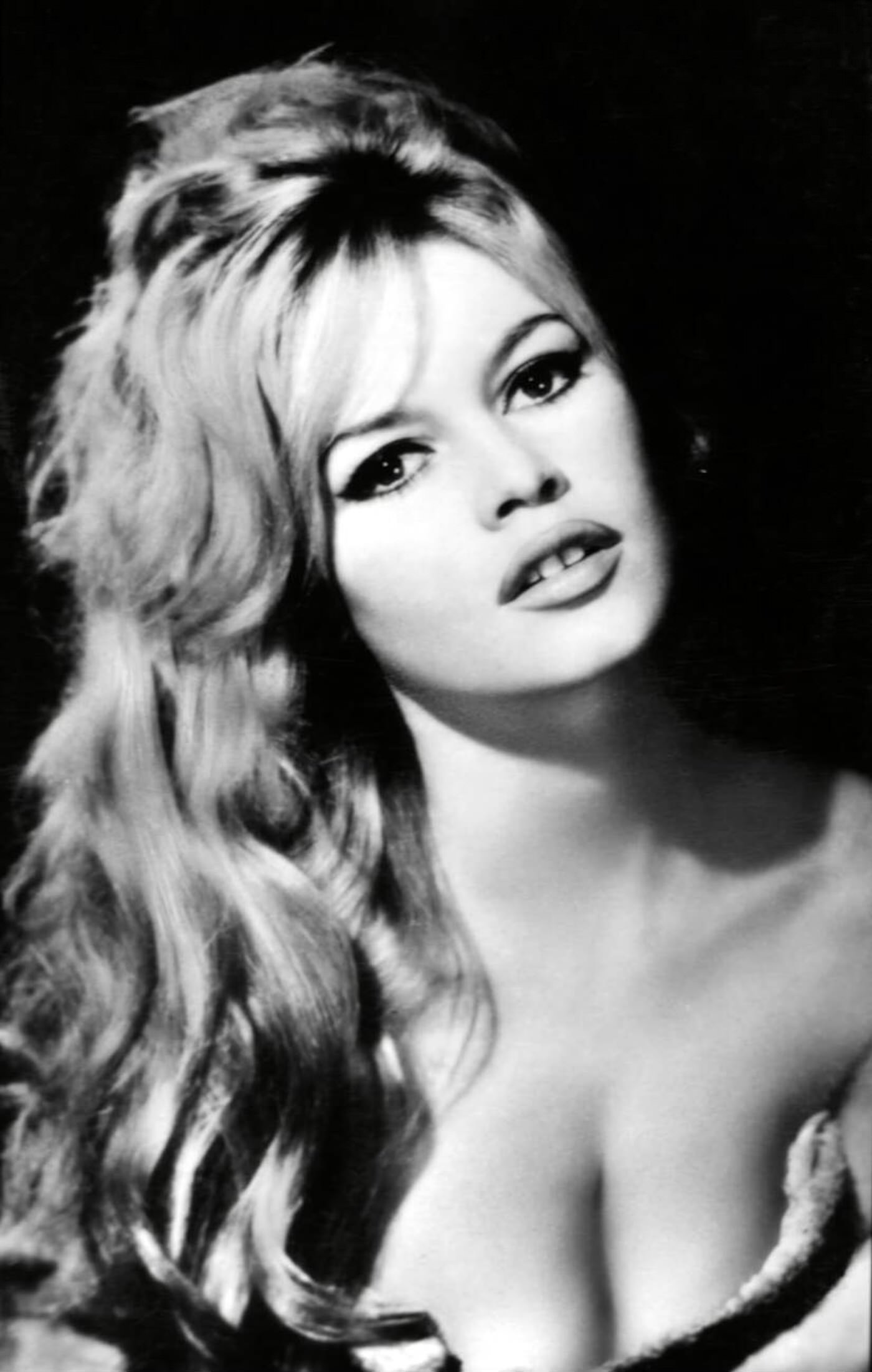
Brigitte Bardot plays Camille Javal. At the time, she was one of the biggest stars in the world, and Godard places her squarely at the film’s emotional center. Her portrayal of a woman withdrawing love in real time is the film’s most arresting performance.
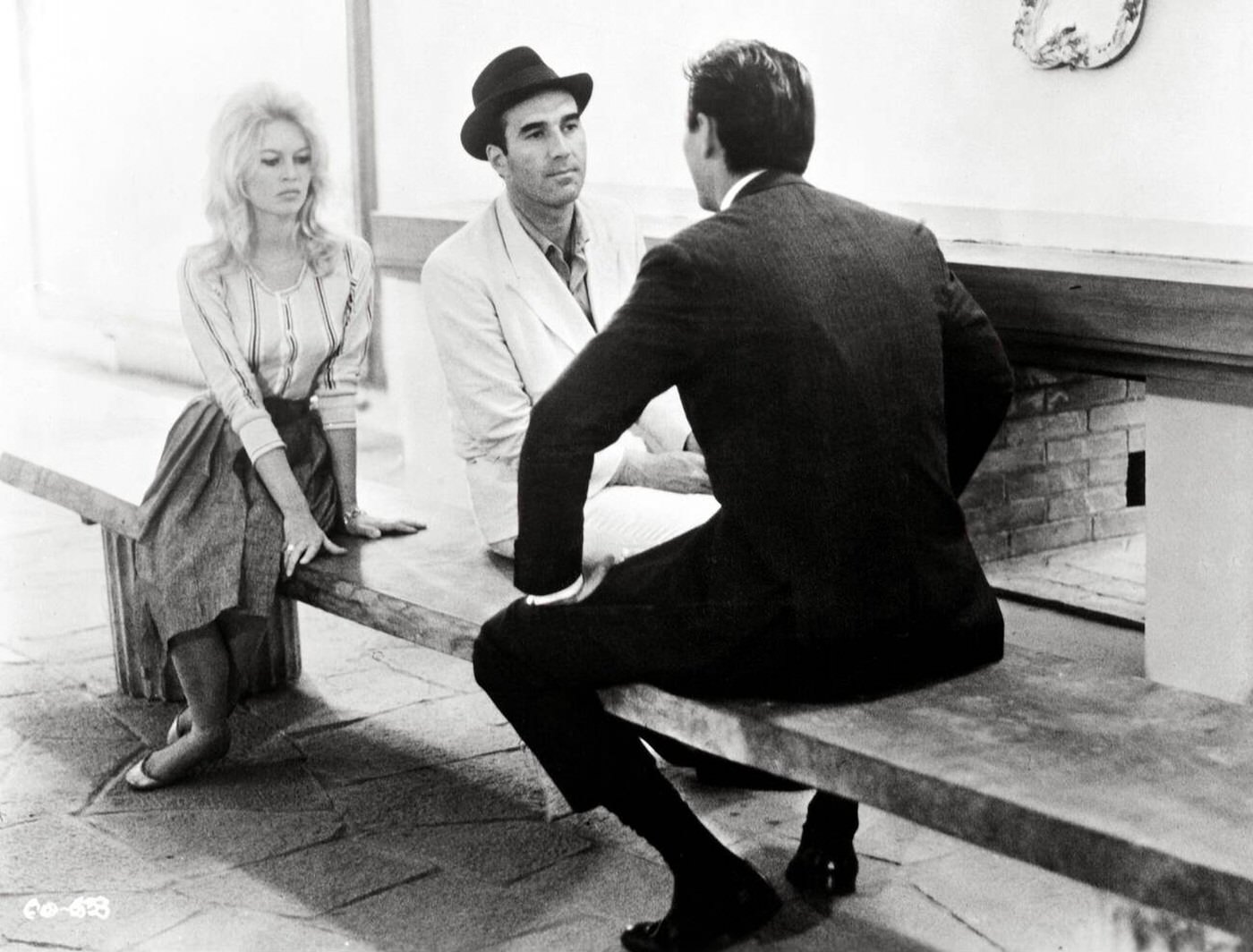
Michel Piccoli plays Paul with a simmering unease — a man who compromises his integrity and loses his marriage in the process. Jack Palance brings menace to Prokosch, the producer who represents money’s grip on art. Fritz Lang appears as himself, a symbol of directorial dignity set against Prokosch’s crass commercialism.
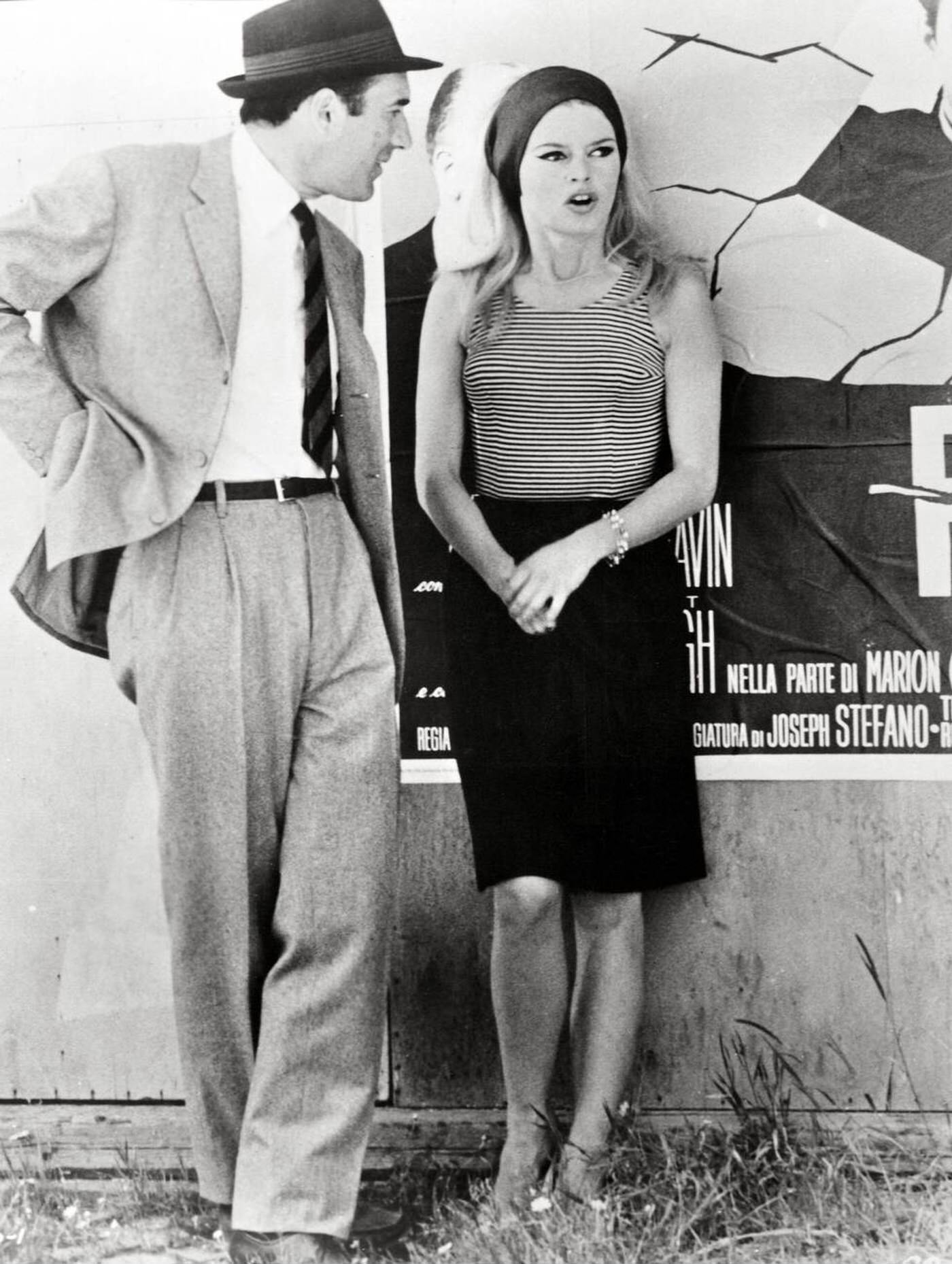
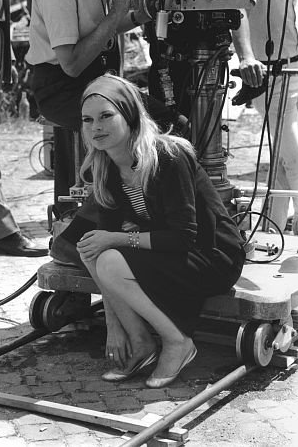
Cinematographer Raoul Coutard shot the film in widescreen CinemaScope, making full use of Capri’s dramatic cliffs and the Villa Malaparte’s stark modern architecture perched above the sea. Bold primary colors — reds, blues, and yellows — run throughout costumes and set design, giving the film a visual intensity that matches its emotional charge.
Language itself becomes a theme. French, English, Italian, and German all collide throughout the film, often requiring Giorgia Moll’s character Francesca, Prokosch’s translator, to mediate. The constant need for translation mirrors the breakdown in communication at the heart of Paul and Camille’s marriage.
The film’s closing act unfolds entirely in Capri, where the Odyssey production is underway. The tensions between Paul, Camille, and Prokosch reach their breaking point amid the island’s beauty — a sharp contrast to the wreckage playing out among the characters.