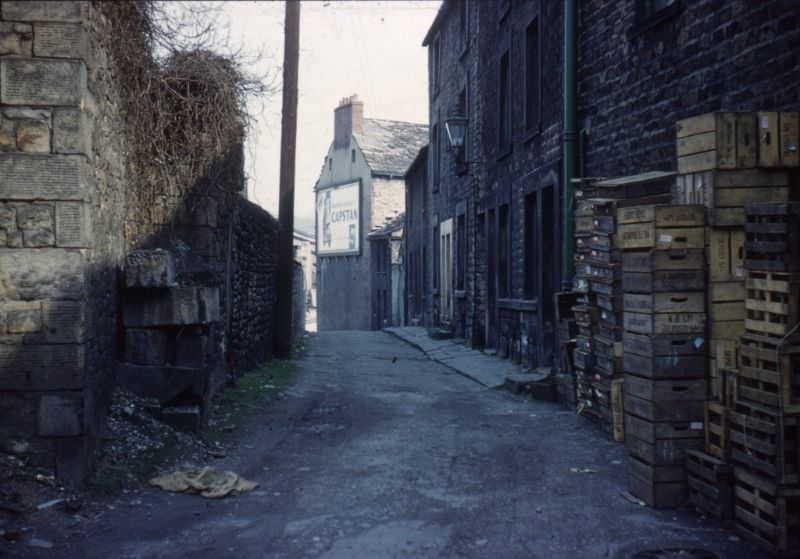
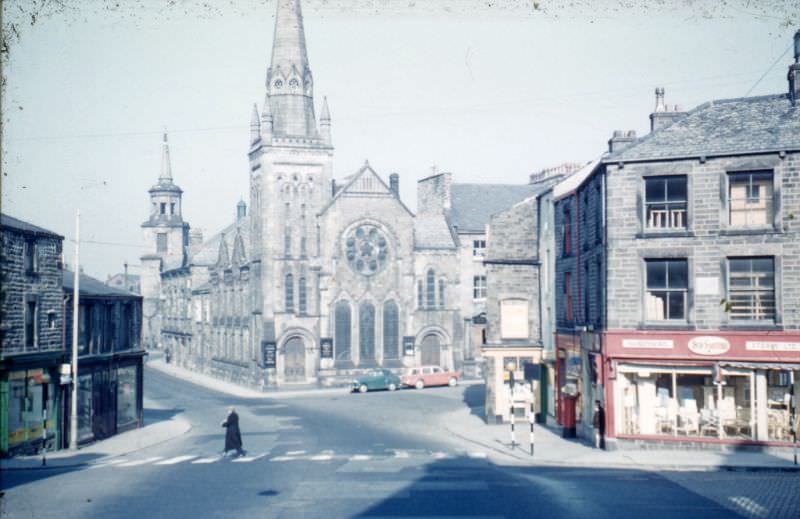
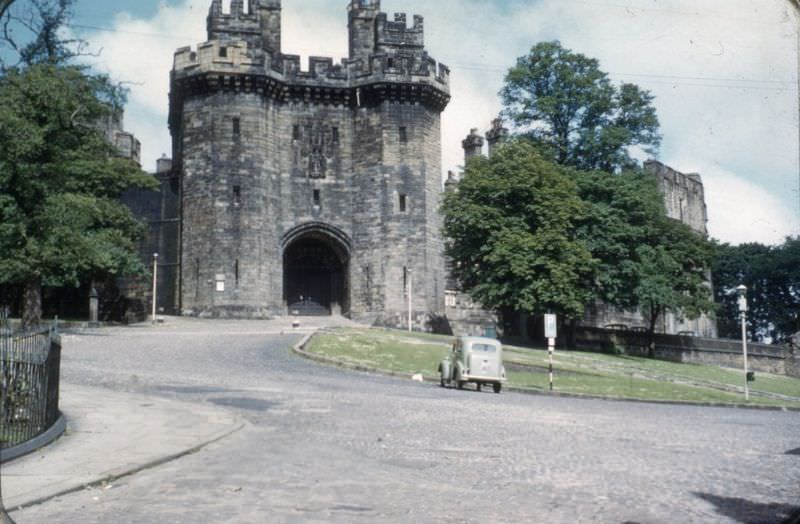
In the 1960s, Lancaster was a working town of around 50,000 people nestled in Lancashire, England. Its streets were busy with shoppers, workers, and a growing younger generation hungry for change. The town sat close to the Forest of Bowland, and its historic core — Lancaster Castle and Lancaster Priory — anchored a skyline that had changed little over centuries. But beneath that familiar outline, Lancaster was very much a town moving with the times.
Industry was the backbone of the local economy. Major employers kept much of the workforce occupied, including the English Electric Company, British Insulated Callender’s Cables, and the Vickers-Armstrongs engineering firm. Factories and mills were a common feature of the townscape, and the hum of manufacturing work shaped daily life for many Lancaster families.
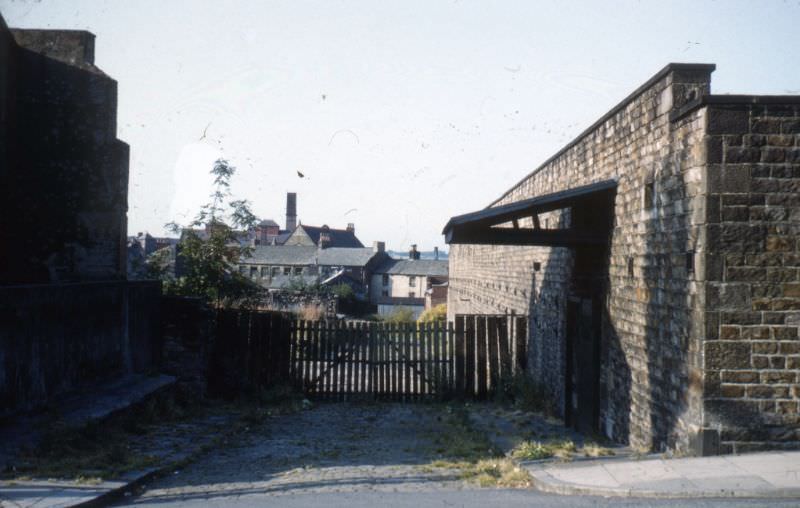
The town’s older industrial sites told an even longer story. Hinde Street, for example, marked the former location of a silk mill — a reminder of Lancaster’s manufacturing roots that stretched well before the 1960s.
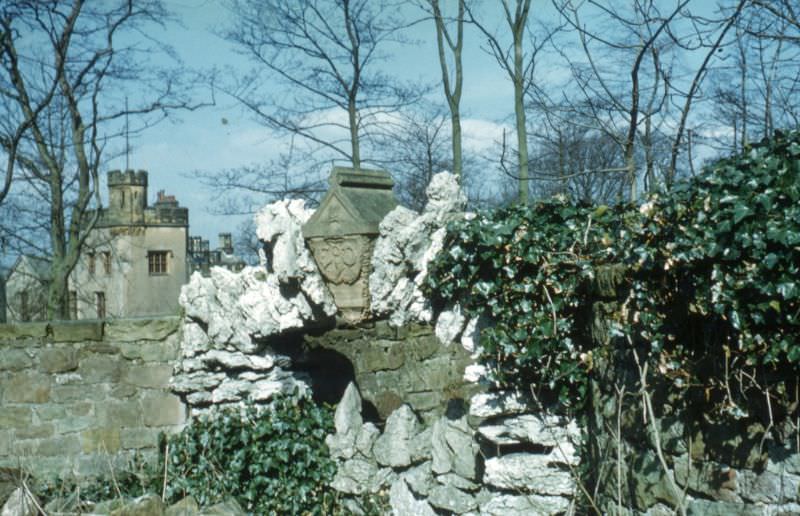
Away from the factory floor, Lancaster had quieter corners that gave the town its character. Aldcliffe Hall and its wishing well offered a glimpse of older, more rural Lancaster just beyond the town’s edges.
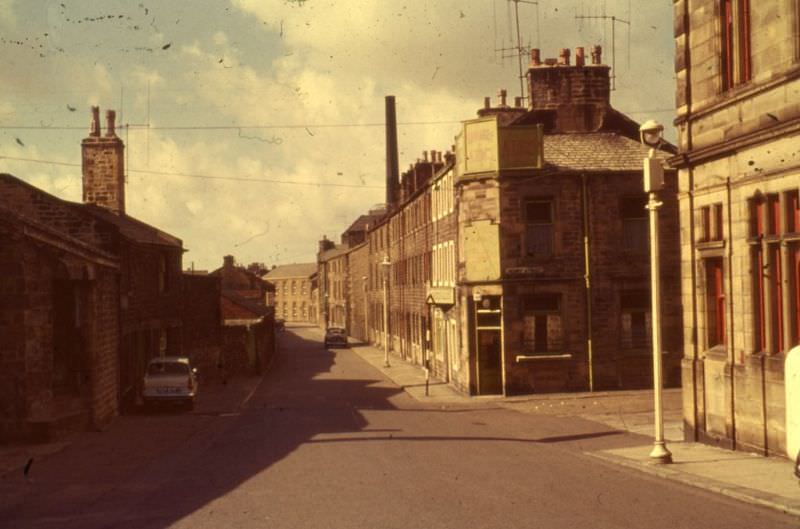
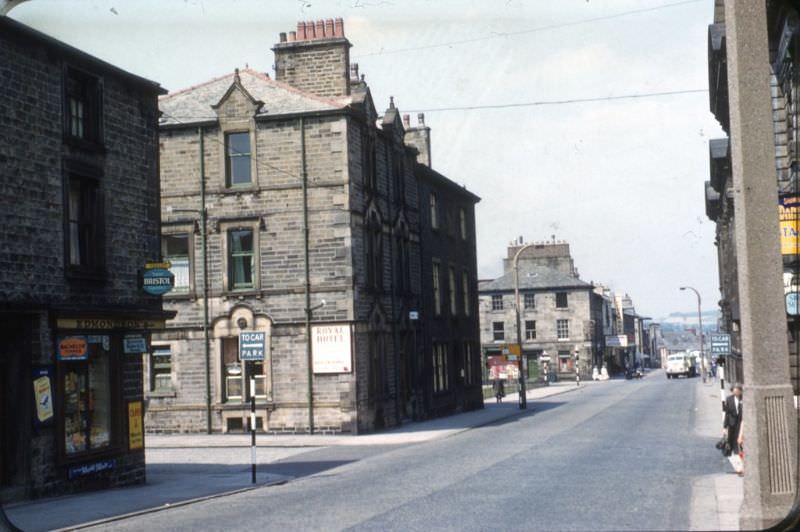
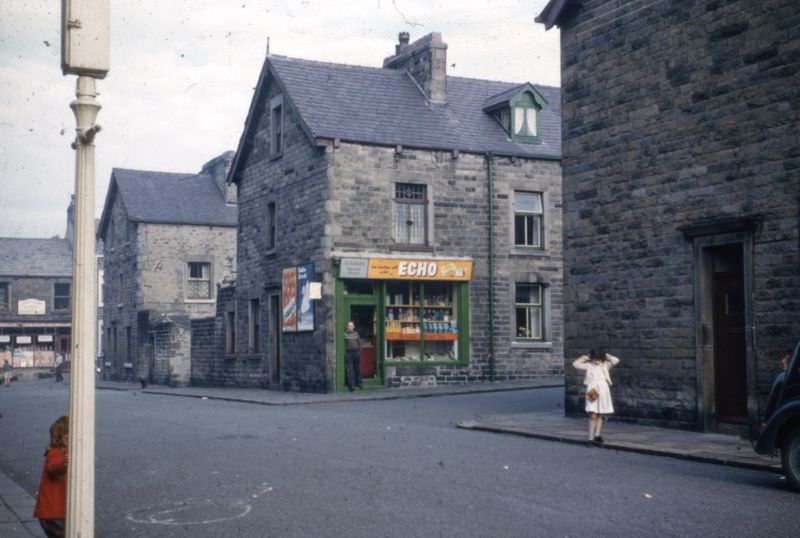
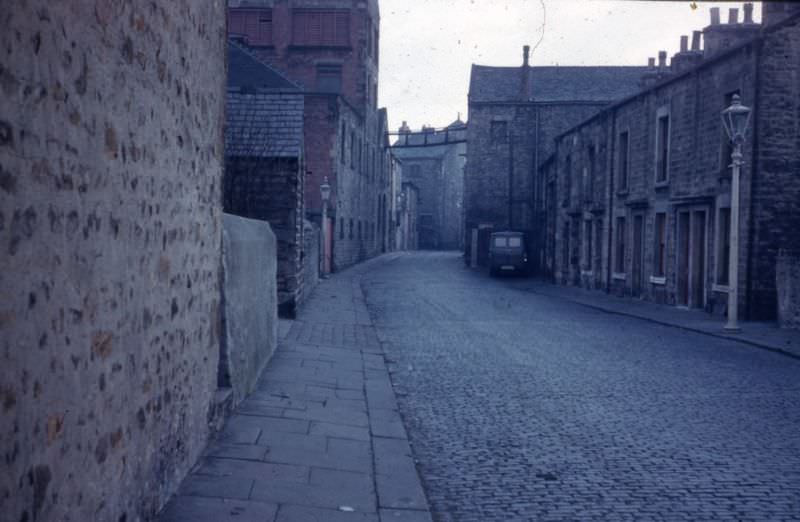
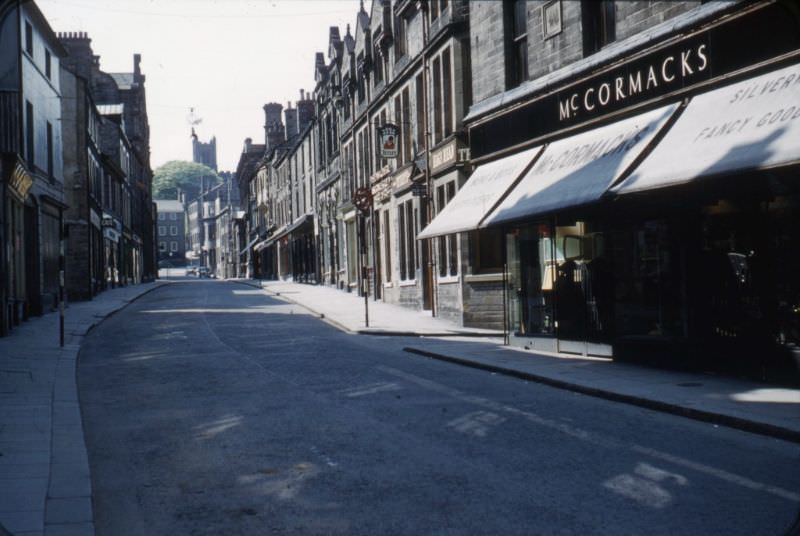
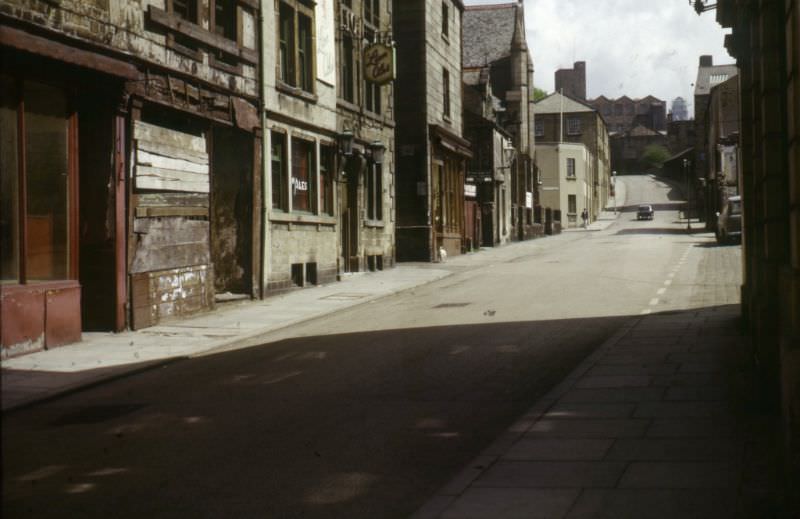
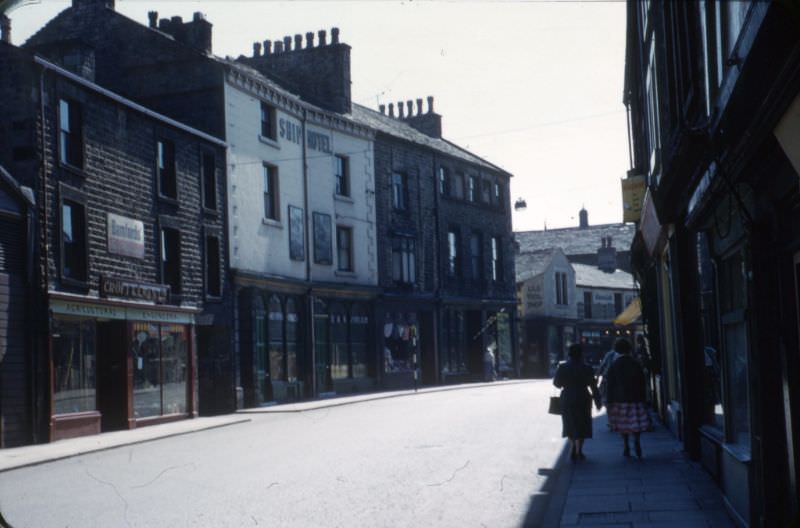
The town’s street network connected a patchwork of neighbourhoods, each with its own identity. Brewery Lane, Cheapside, Church Street, and Common Garden Street were among the arteries that kept Lancaster moving day to day.
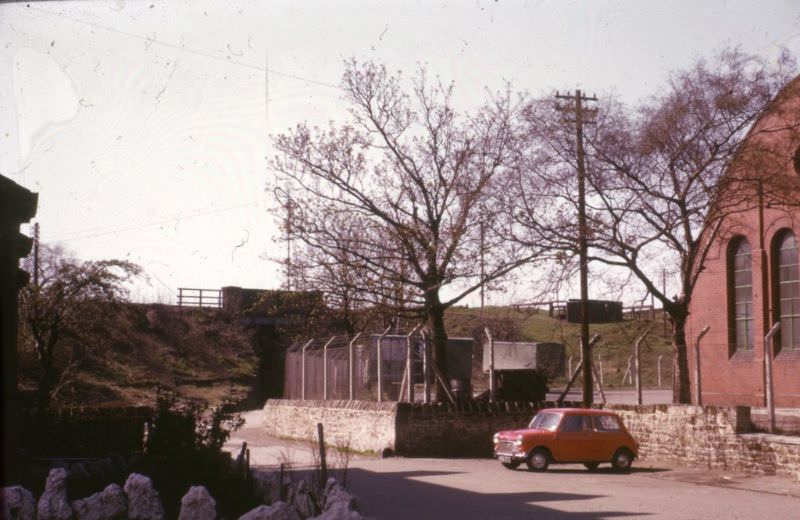
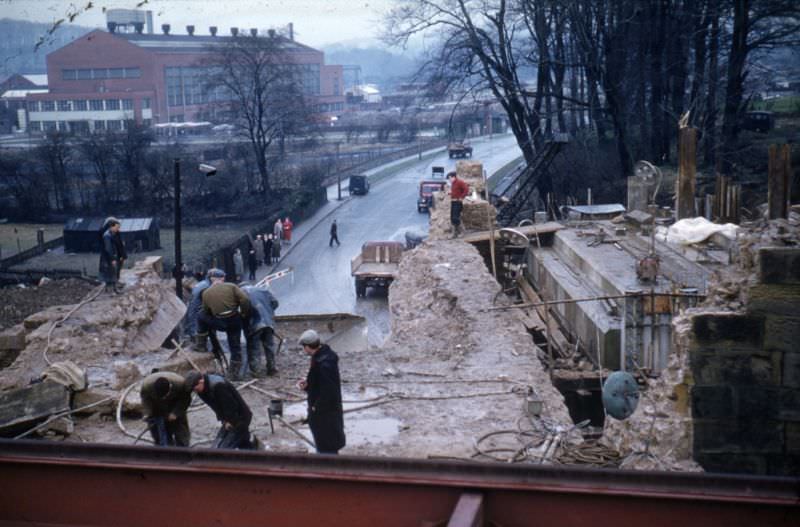
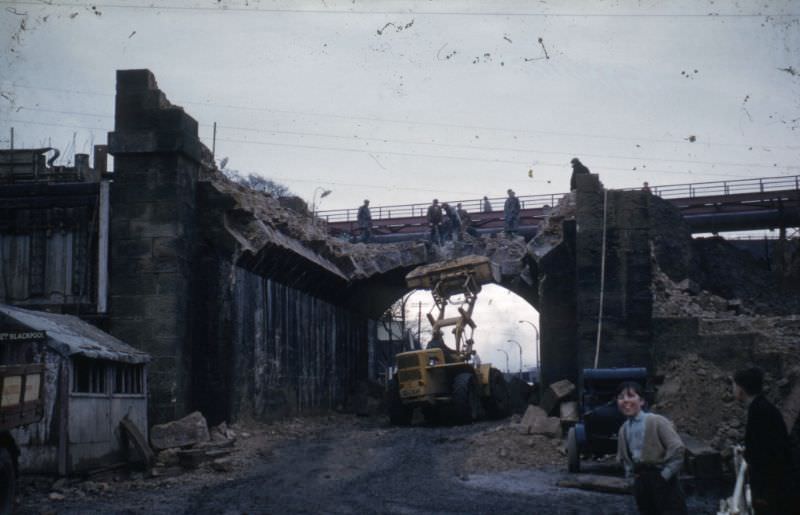
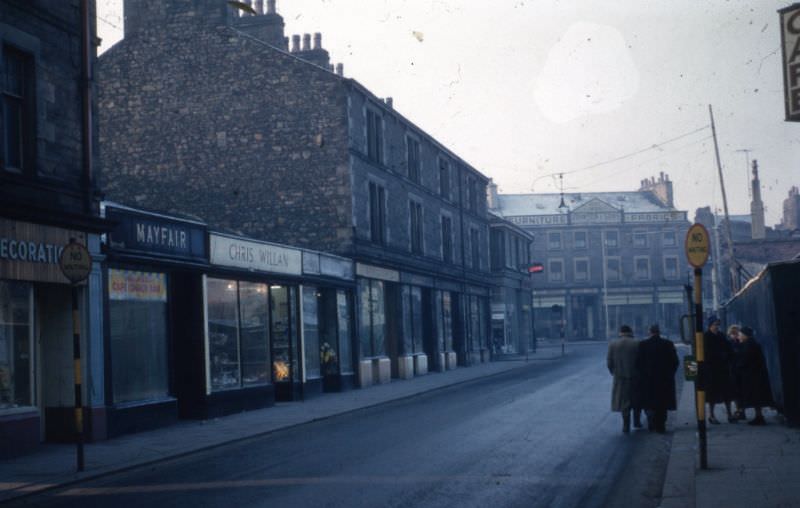
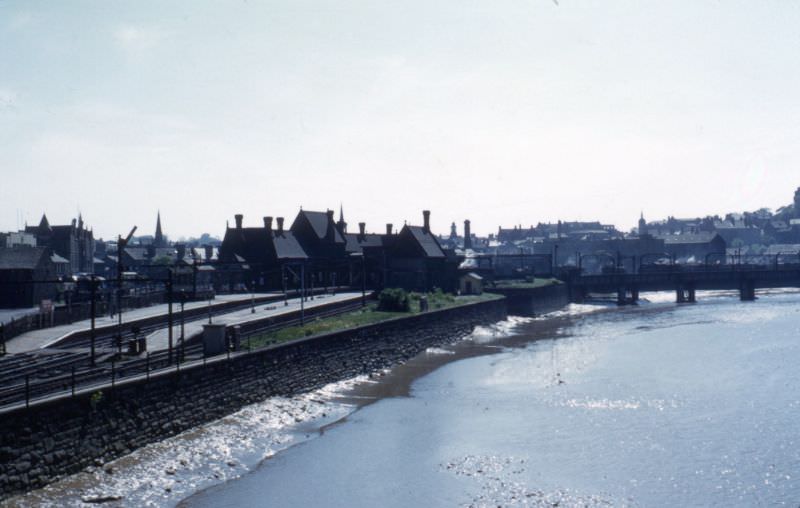
Lancaster was well connected by road and rail. The M6 motorway passed nearby, linking the town to London in the south and Carlisle in the north. Two railway stations served the town — Lancaster Castle and Lancaster Green Ayre — with regular services running to Manchester, Liverpool, and beyond. Green Ayre, in particular, sat close to the River Lune and served as a key departure point for passengers heading across the region.
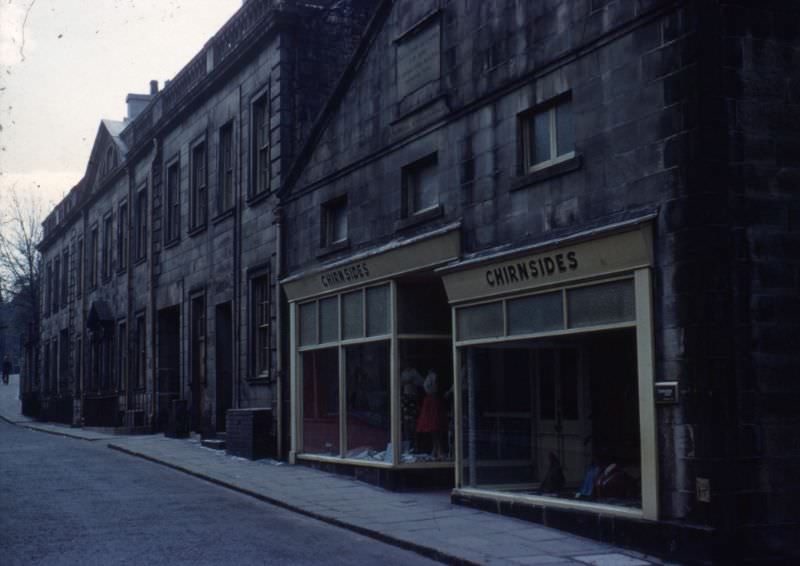
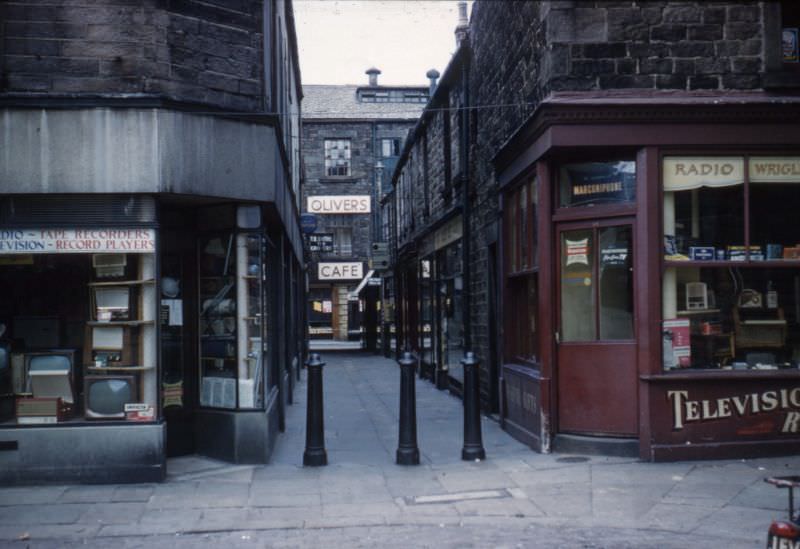
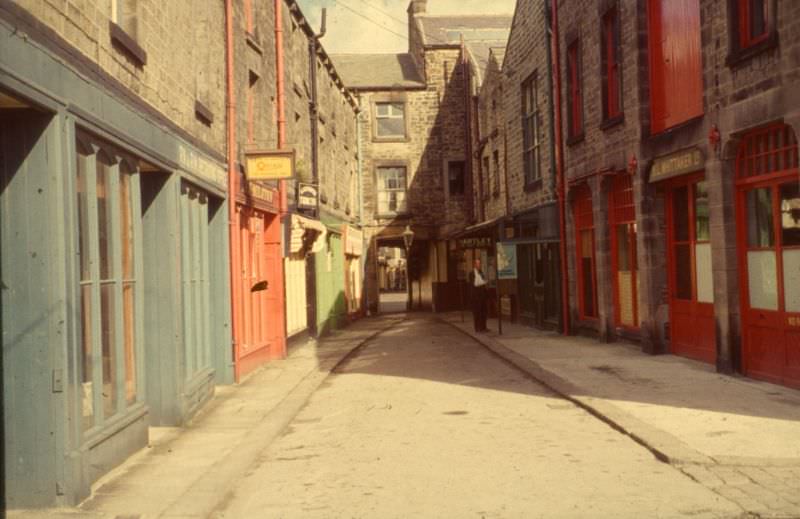
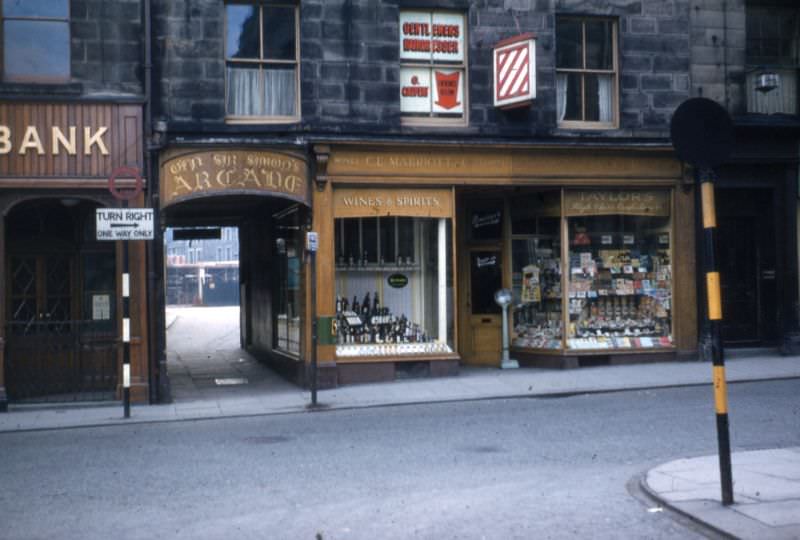
Shopping and leisure in Lancaster carried a local charm that larger cities lacked. Old Sir Simon’s Arcade was one such spot — a covered shopping passage whose interior reflected the kind of modest, independent retail culture that defined many northern English towns in this era.
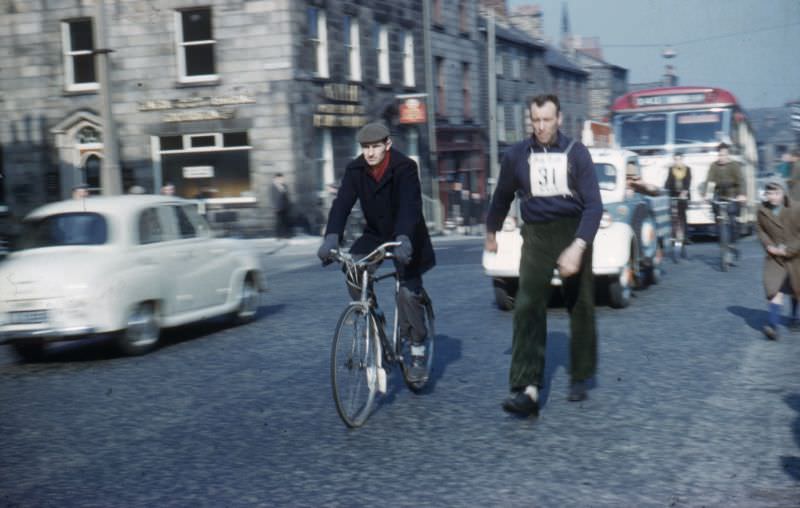
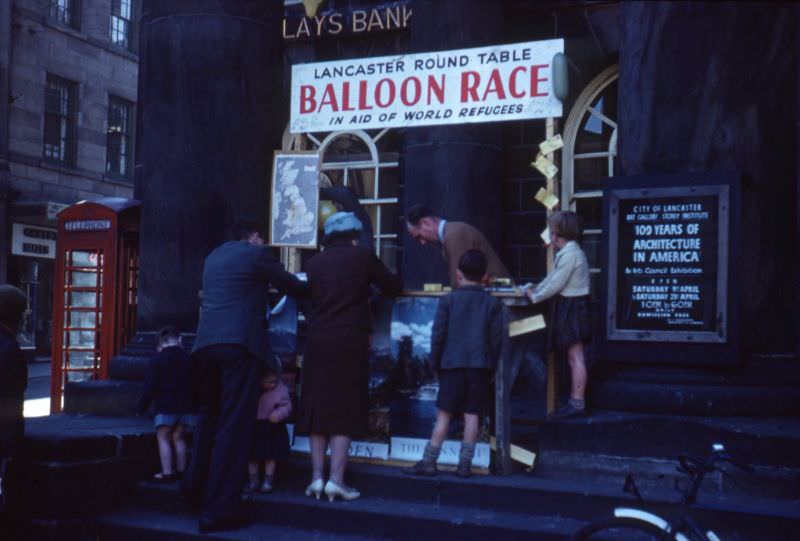
Community events were a vital part of Lancaster life. The Lancaster Carnival had been running since the 1890s and continued drawing large crowds throughout the 1960s. The Lancaster Music Festival, launched in 1961, quickly found its place on the town’s cultural calendar. Public spectacles like the Lancaster Round Table Balloon Race drew townspeople out onto the streets and gave the decade a festive energy.
The Beatles performed in Lancaster in 1963, taking to the stage at the Odeon Cinema to a packed and enthusiastic crowd. It was a moment that captured how deeply the cultural shifts of the decade had reached even a mid-sized Lancashire town. Young people in Lancaster embraced new fashions and music just as readily as those in the major cities.
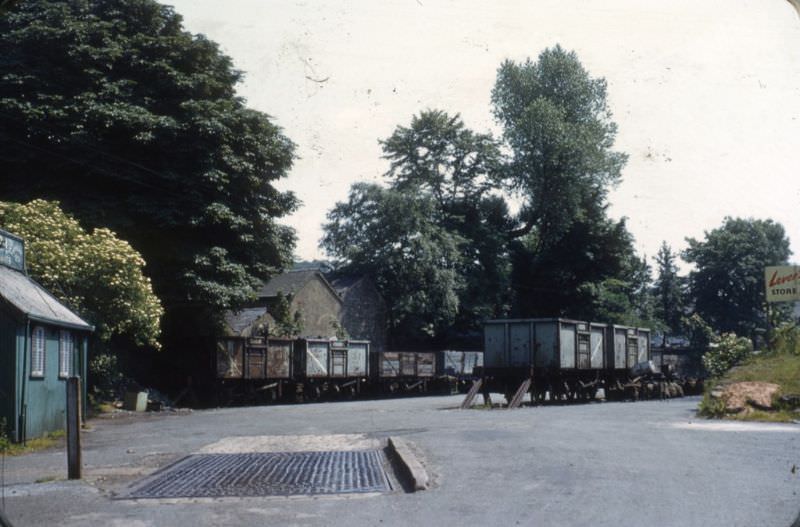
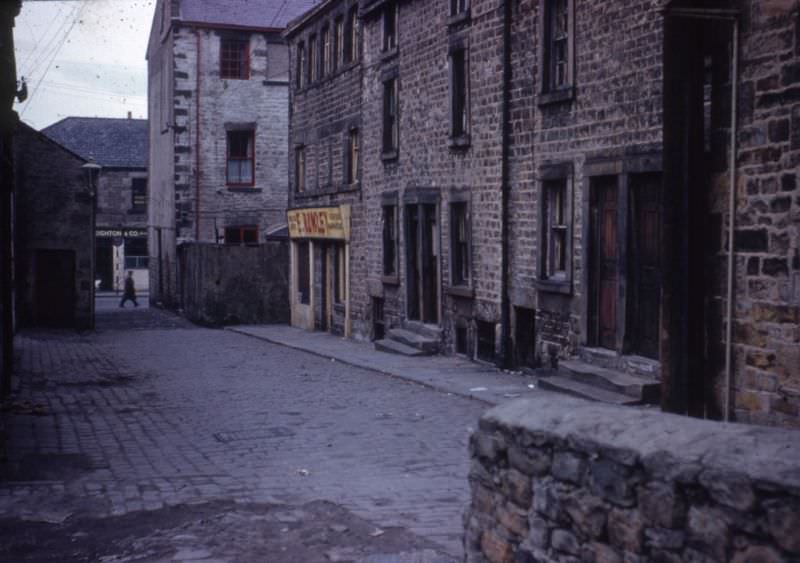
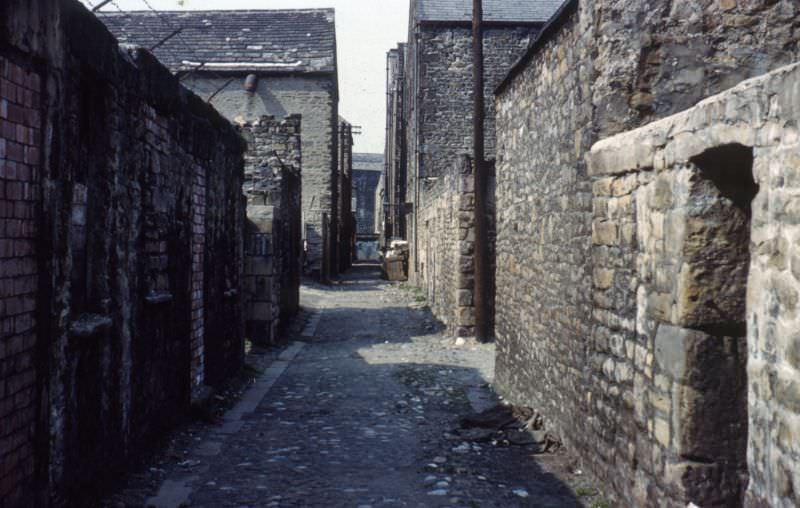
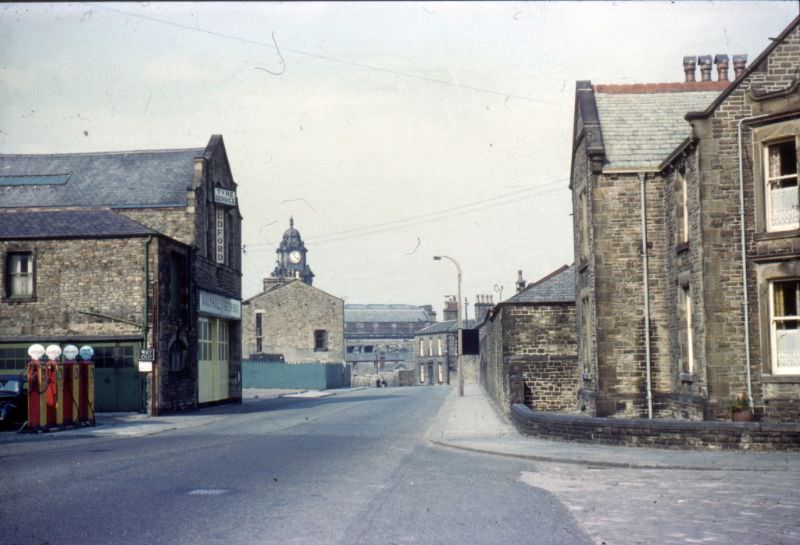
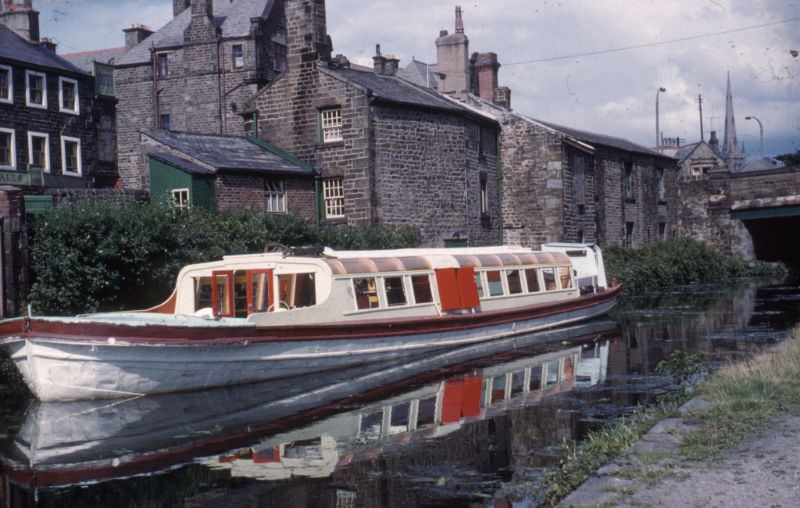
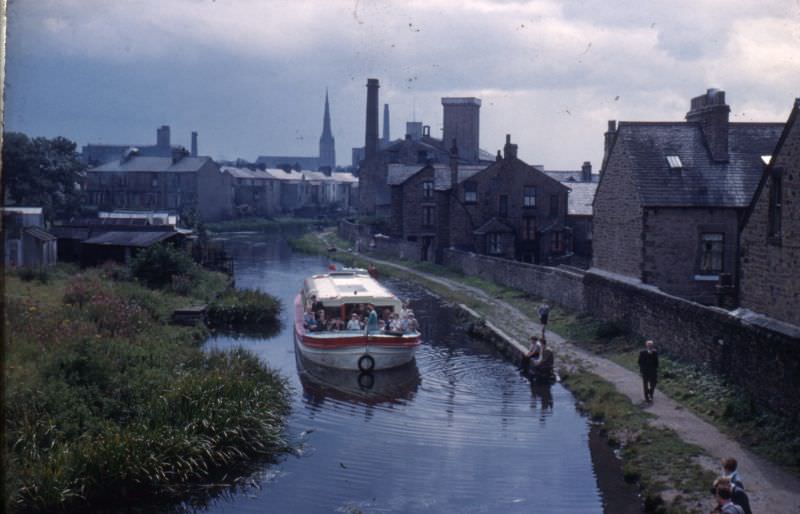
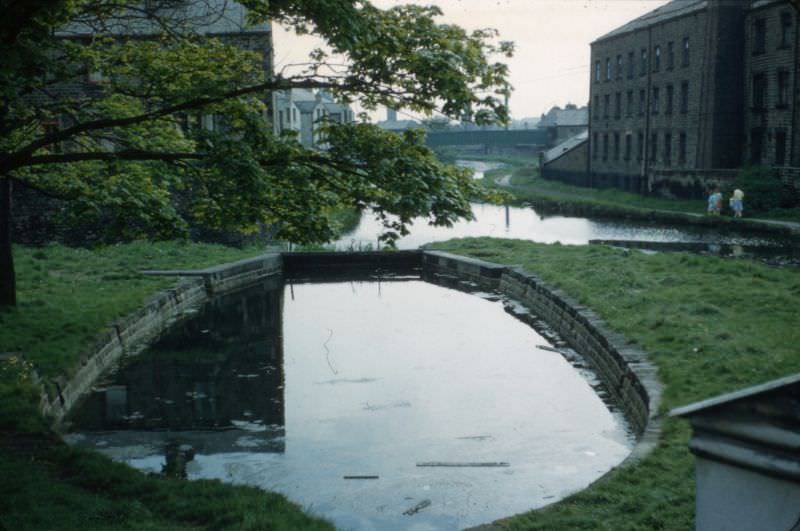
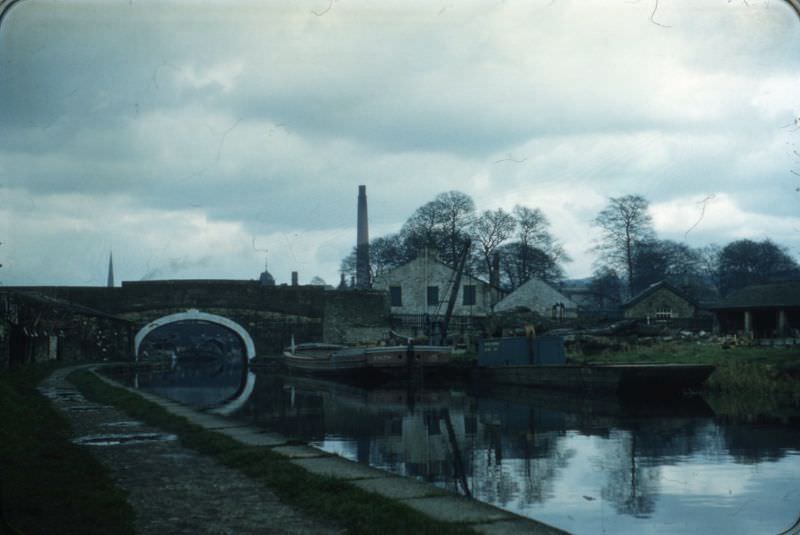
St George’s Quay, along the River Lune, was a reminder of Lancaster’s seafaring past — a stretch of waterfront that had once handled significant maritime trade. By the 1960s its commercial role had faded, but it remained a distinctive part of the town’s geography. The Lancaster Canal, too, was a constant presence, with its dry dock, Fox’s Bridge, and the canal boat Lady Fiona all forming part of the everyday waterside scene.
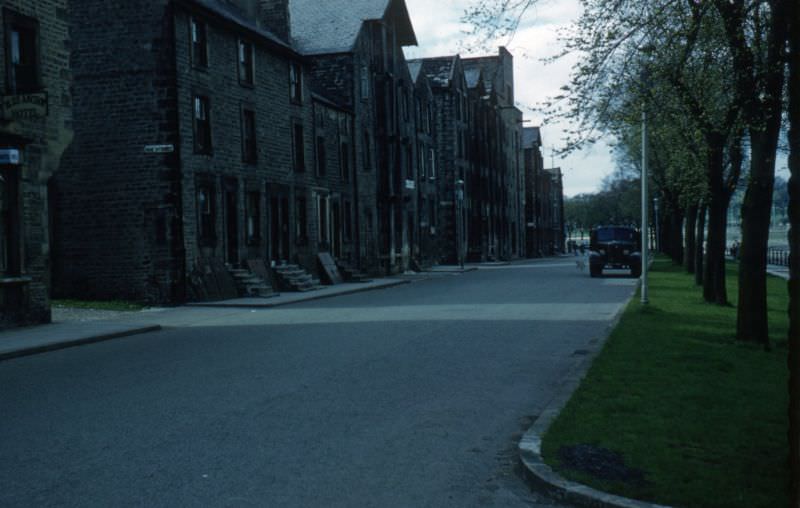
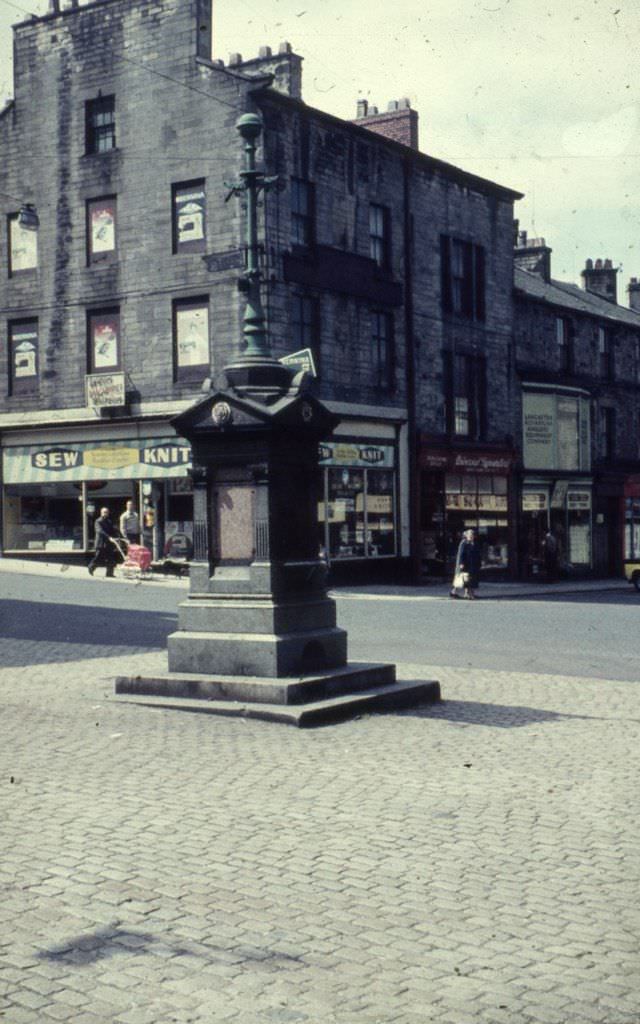
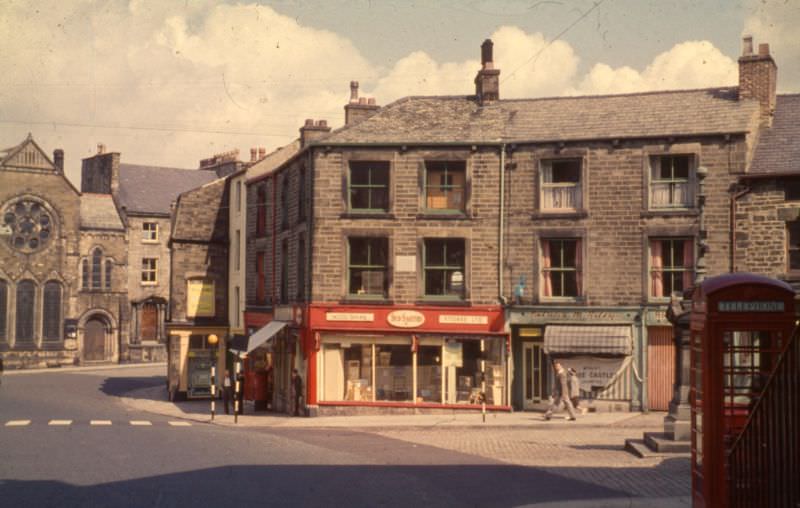
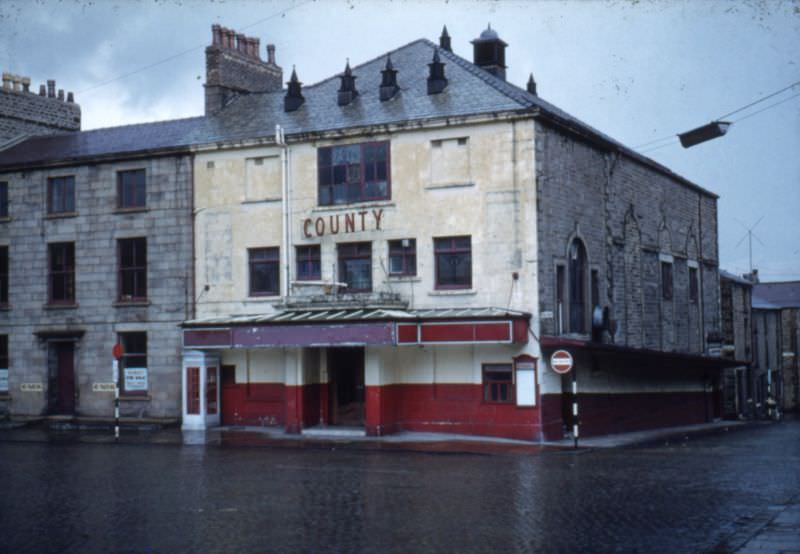
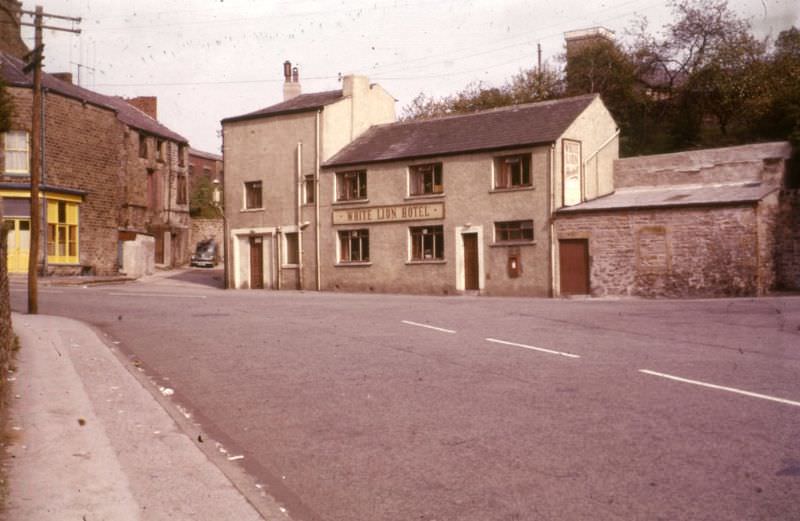
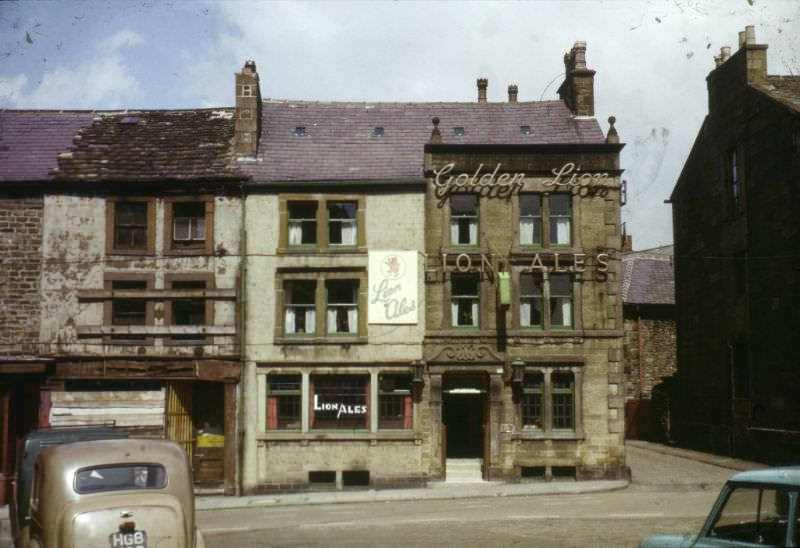
Lancaster’s entertainment venues catered to a broad audience. The County Cinema was a fixture for locals seeking an evening out, while pubs like the Golden Lion on Moor Lane, the Kings Arms Hotel, and the White Lion Hotel served as gathering places for workers, families, and friends alike. These establishments were central to the social fabric of the town.