On February 16, 1883, the Ladies’ Home Journal published its first issue in Philadelphia under the Curtis Publishing Company. At a time when women’s voices had few public outlets, the magazine stepped in to fill that gap directly. It spoke to American women about the things that shaped their daily lives — marriage, health, child-rearing, fashion, and homemaking — without flinching from topics that other publications avoided.
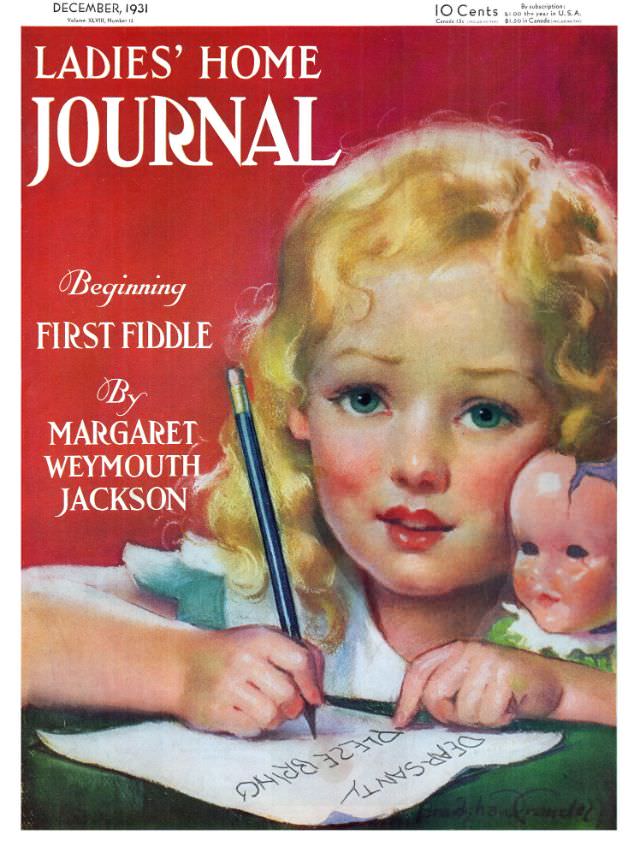
By 1903, the Journal made publishing history as the first American magazine to reach one million subscribers. That number wasn’t just a business achievement. It confirmed that millions of women were hungry for content that reflected their real experiences. The magazine gave them fiction, advice columns, recipes, home decoration ideas, and frank discussions about women’s wellbeing — all under one cover.
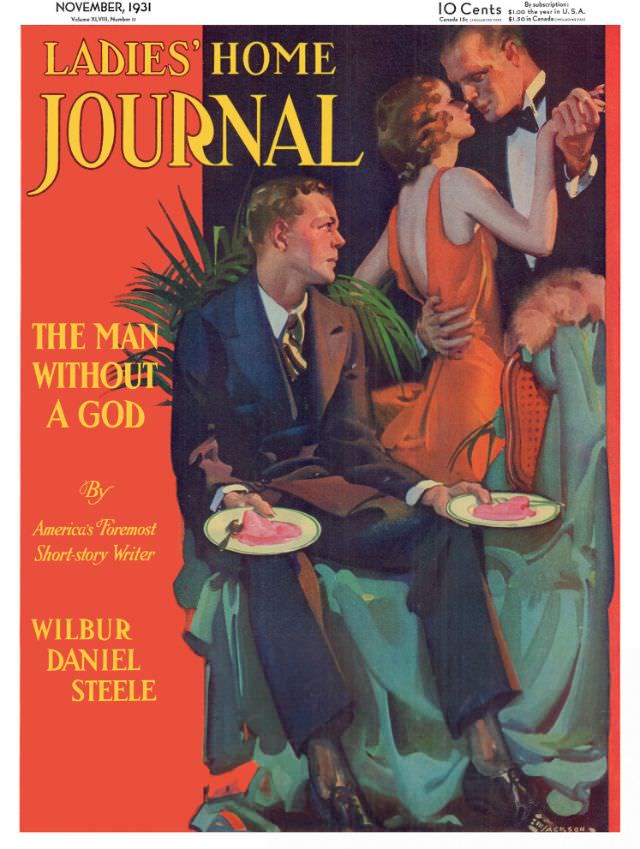
The Curtis Publishing Company built the Journal into a national institution before it eventually moved under the Meredith Corporation. Through each ownership era, the editorial voice remained steady: advocate for American women, meet them where they are, and don’t shy away from hard subjects.
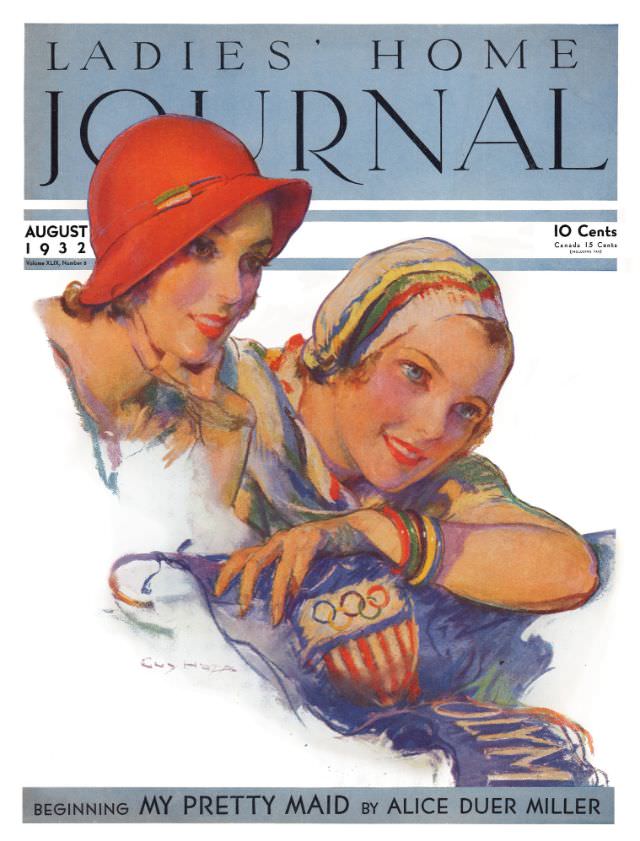
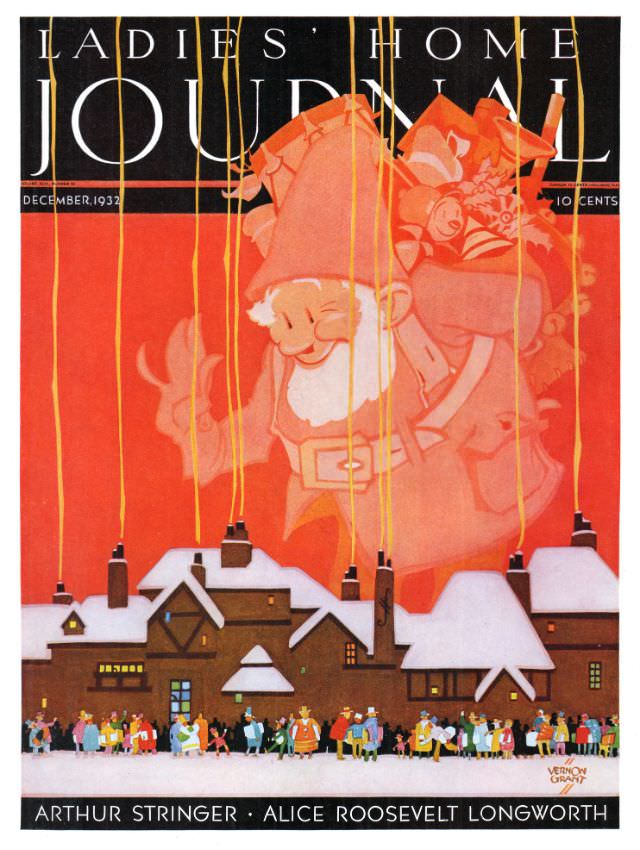
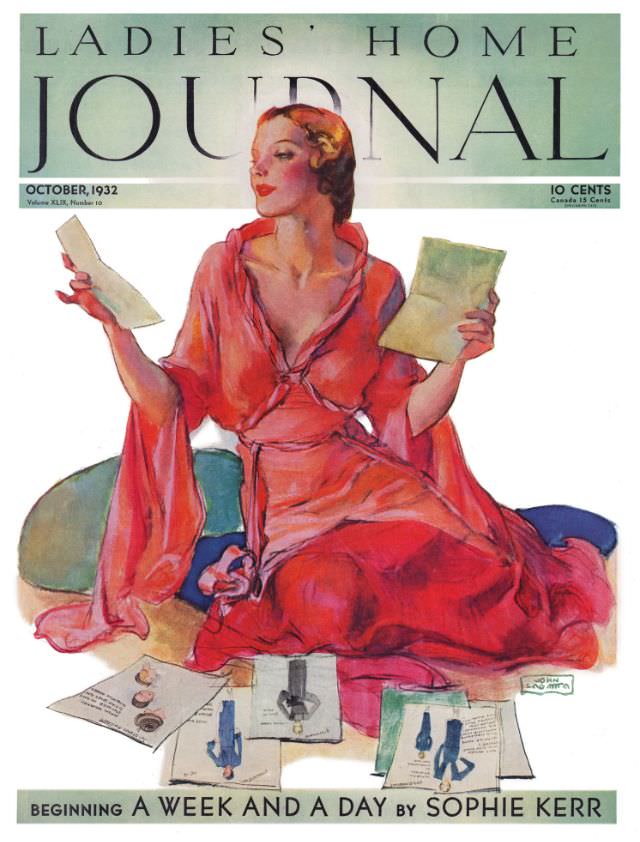
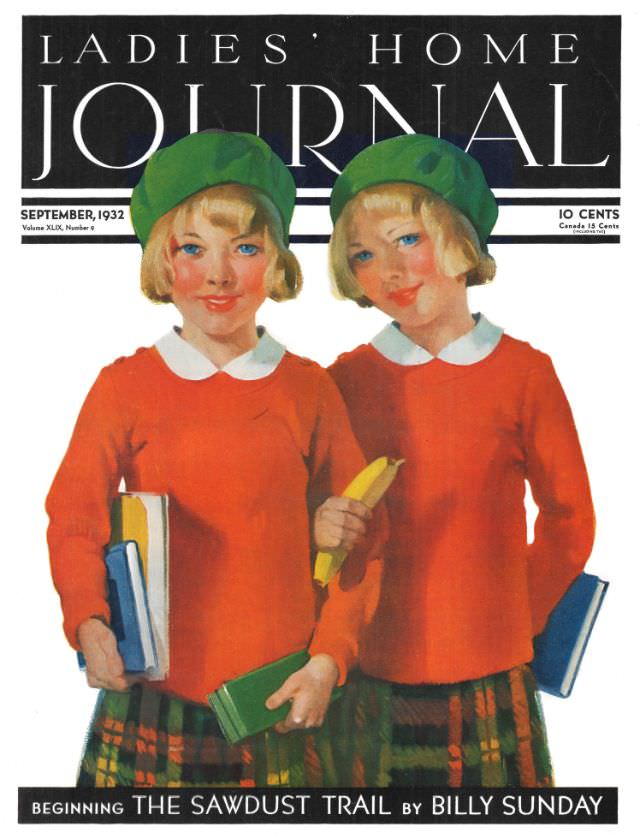
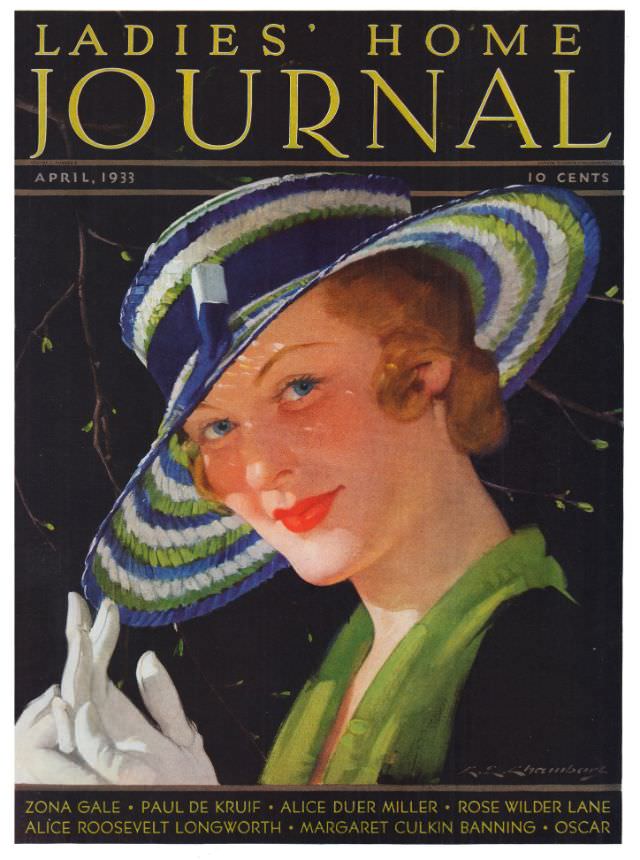
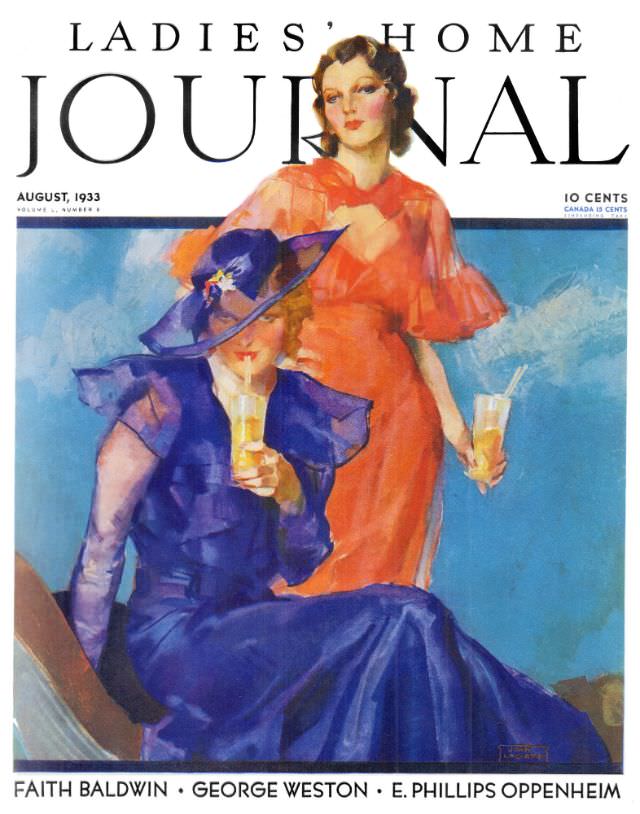
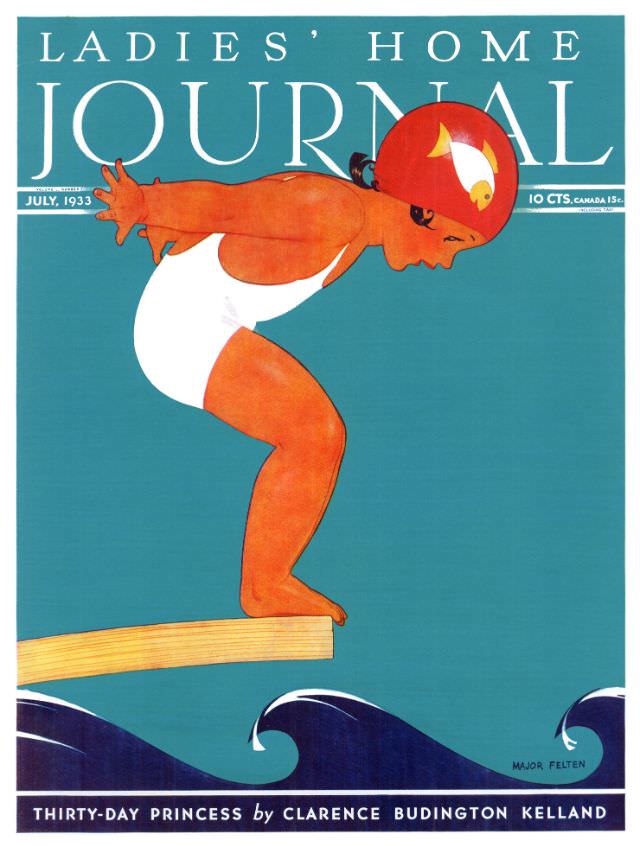
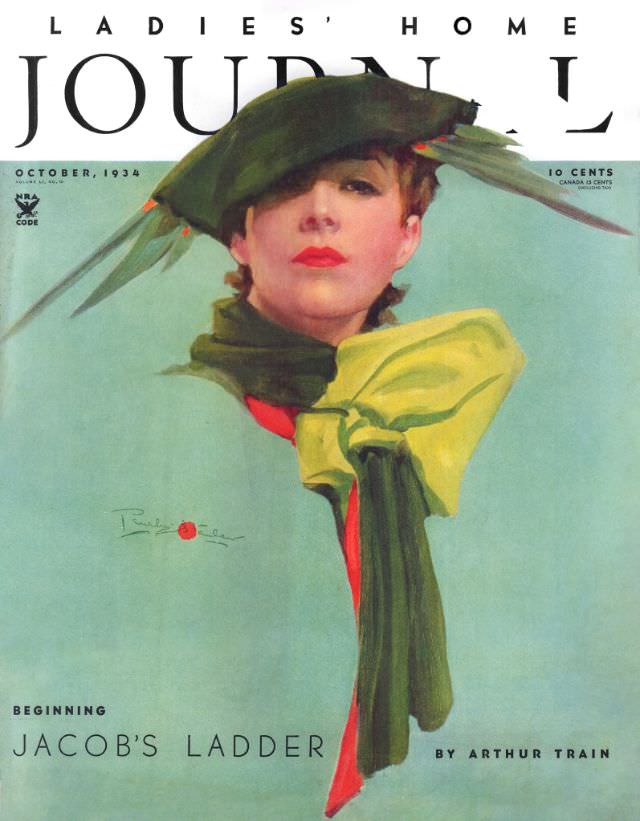
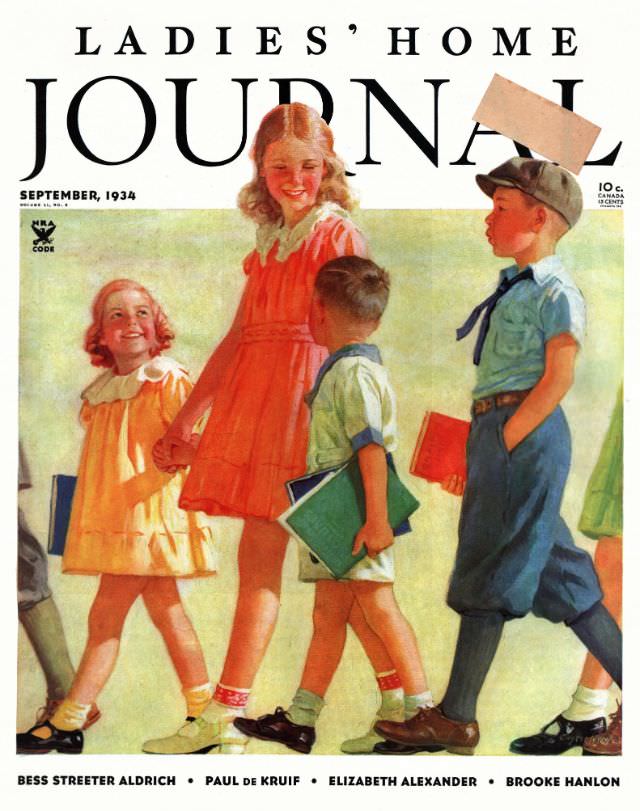
The early 1930s covers below show how the magazine presented American womanhood through the depths of the Great Depression. Rather than retreat into escapism, the Journal kept its readers informed and engaged, balancing aspirational imagery with practical content that fit the tight budgets of the era.
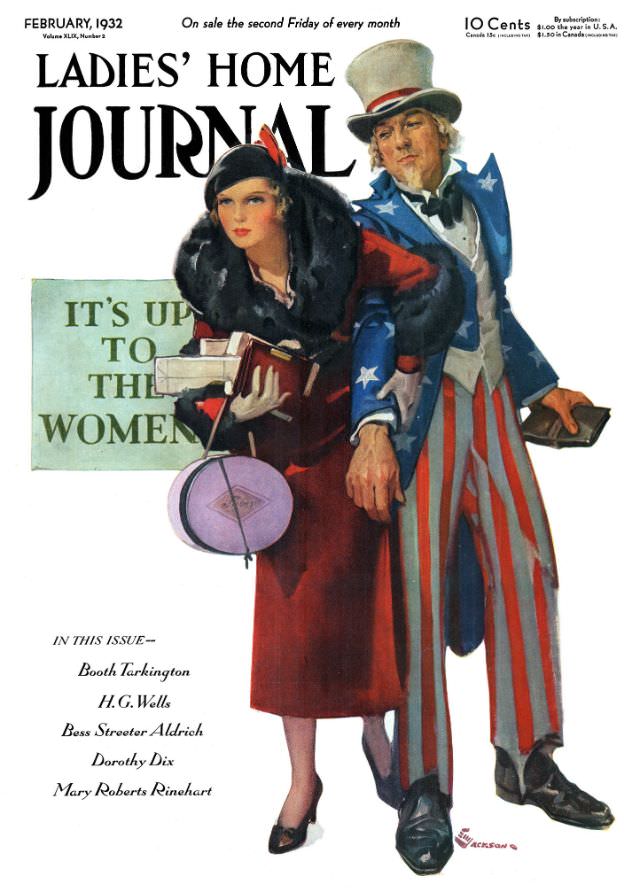
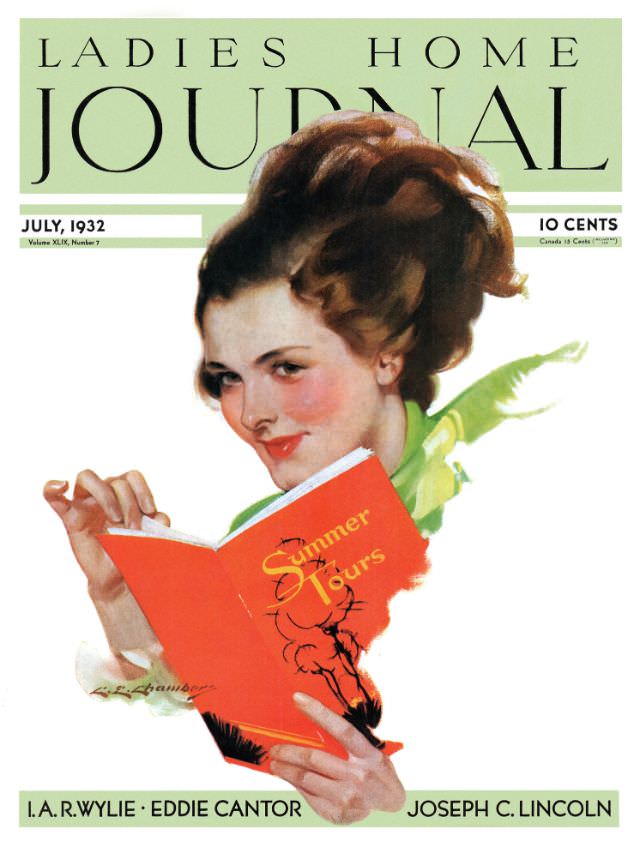
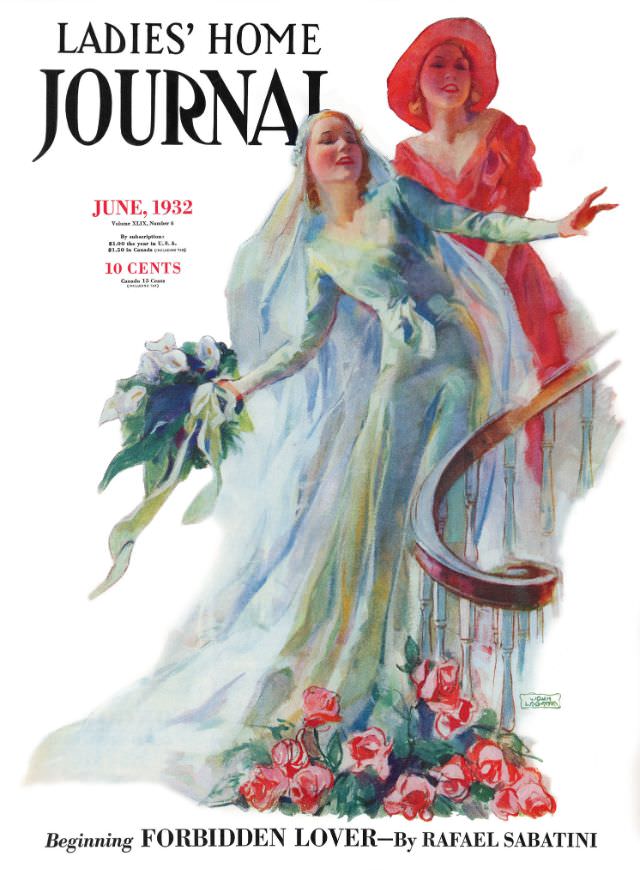
Each monthly cover served as a window into how the magazine saw — and shaped — the American woman of its time. Cover art shifted with the seasons, the fashions, and the national mood. A July issue projected warmth and leisure; a December issue leaned into domesticity and celebration.
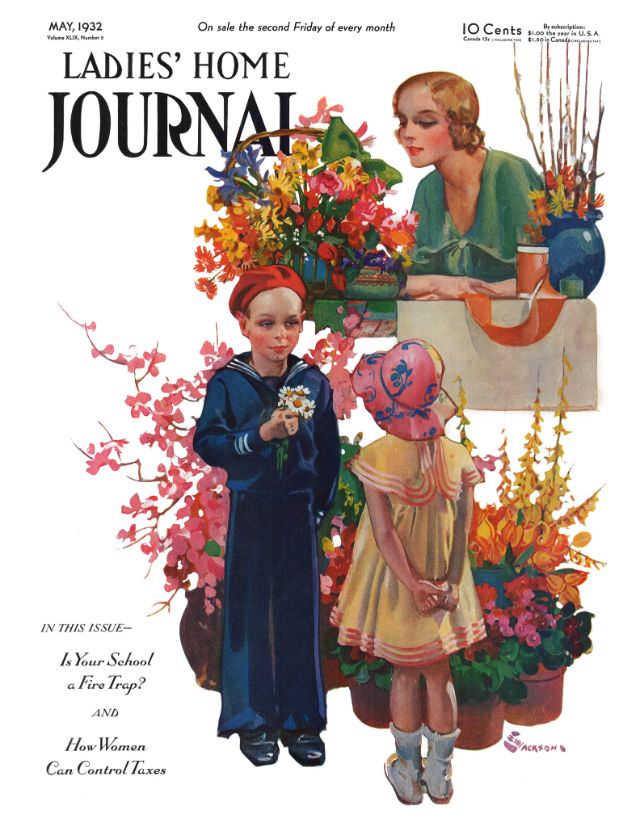
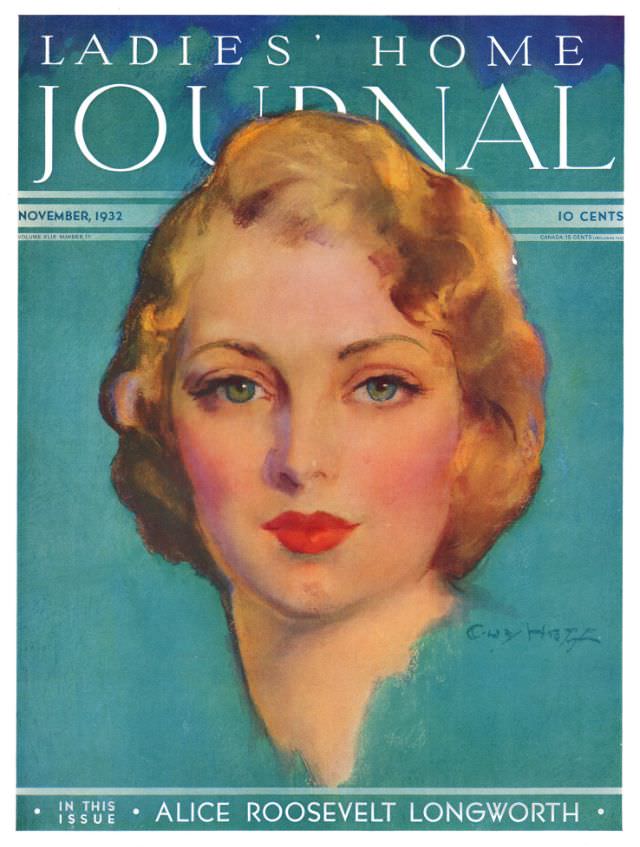
As the country moved through the mid-1930s, the Journal’s readership remained loyal. Women who had grown up with it trusted it as a consistent source of both information and community. It functioned as a kind of national conversation — one that took place in living rooms from coast to coast, month after month.
The magazine never positioned itself as a luxury product. It was priced and written for ordinary American women. Its advice columns addressed real problems. Its health content was direct. Its fiction offered both entertainment and reflection. This combination kept readers returning issue after issue, year after year.
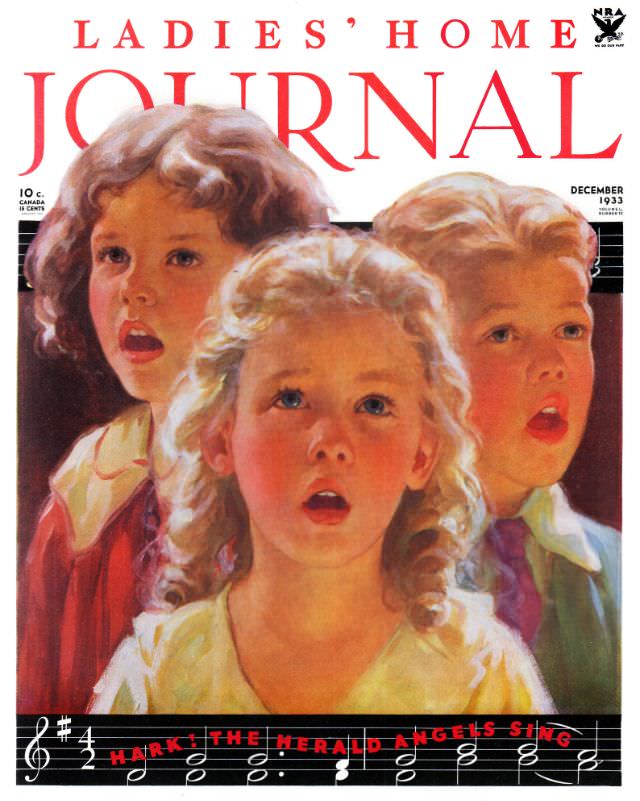
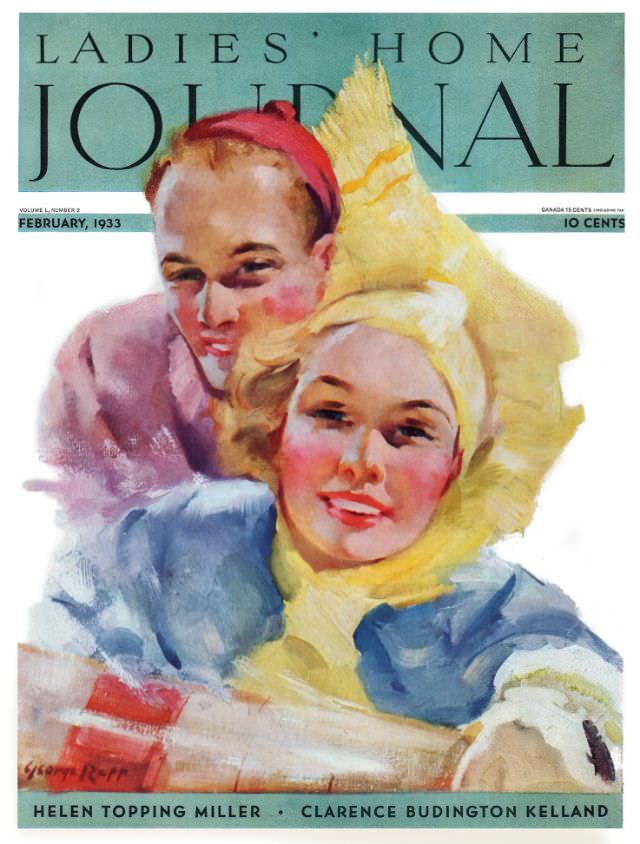
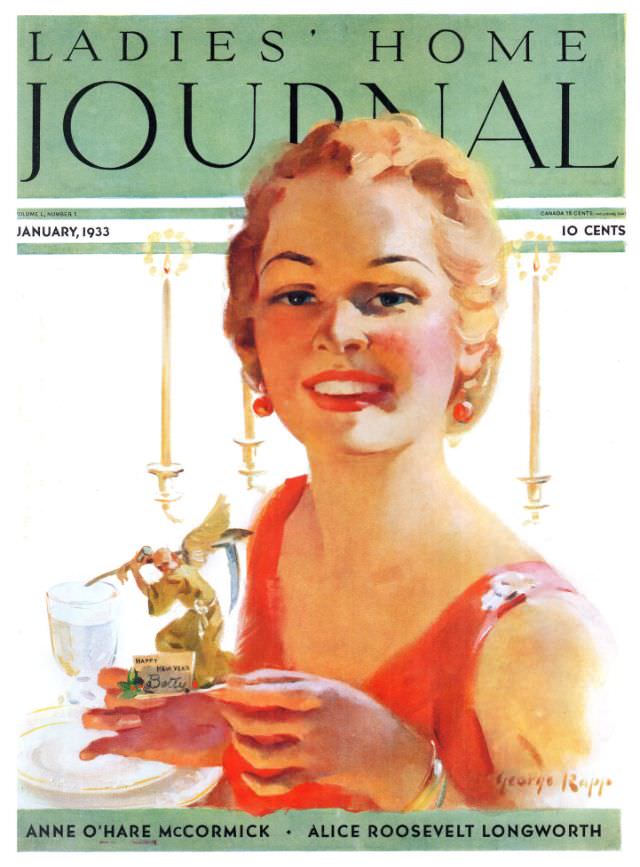
Through 1933 and into 1934, the covers continued to showcase polished, confident women — a deliberate editorial choice during years of national economic hardship. The imagery projected stability and self-assurance even when the broader country was struggling.
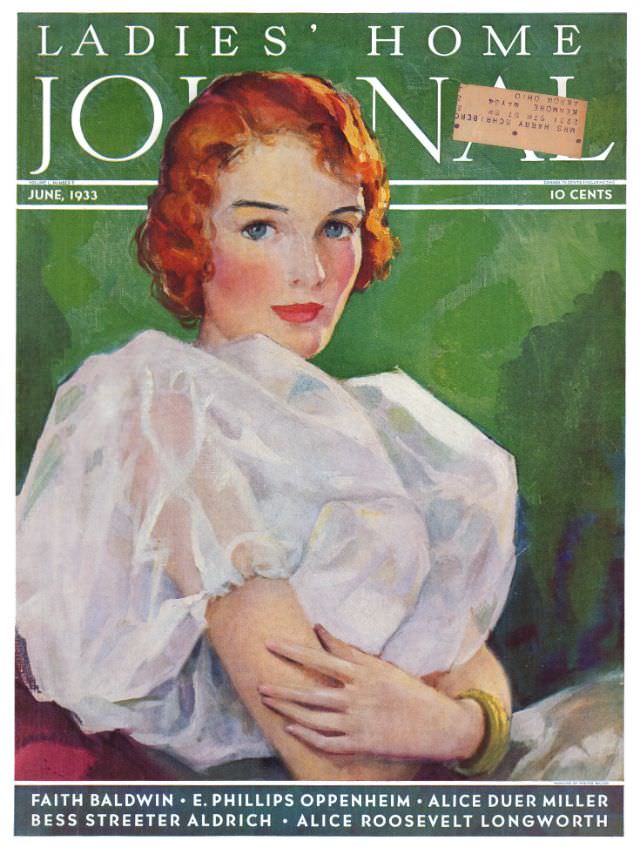
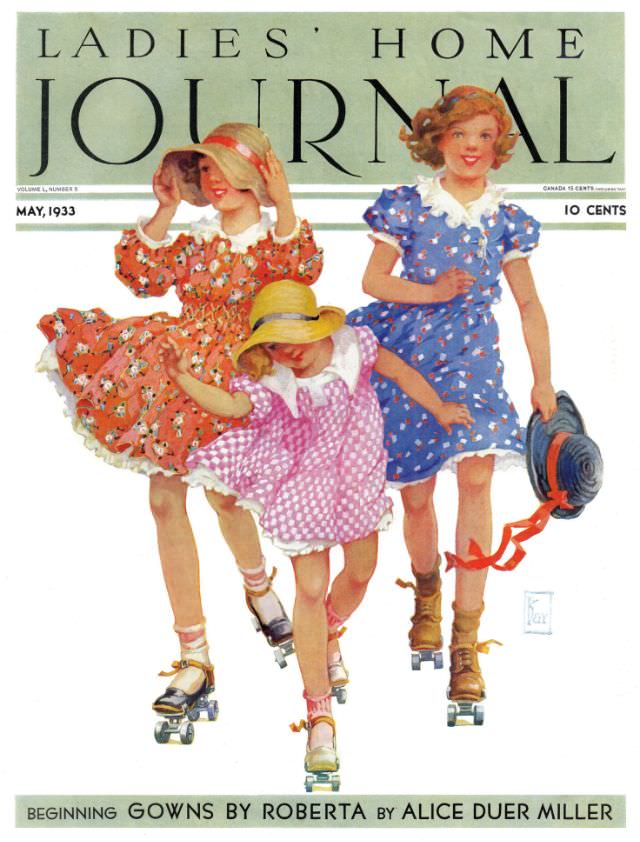
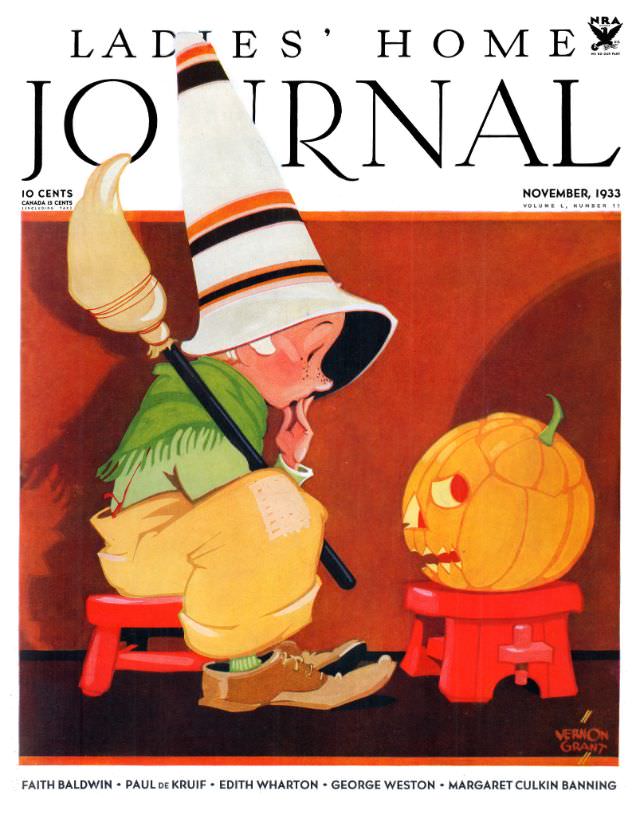
The Journal tackled subjects considered taboo by many of its contemporaries. It ran frank discussions about women’s health and reproductive topics decades before those conversations entered mainstream public discourse. Editors understood that their readers dealt with these realities every day, and they addressed them directly.
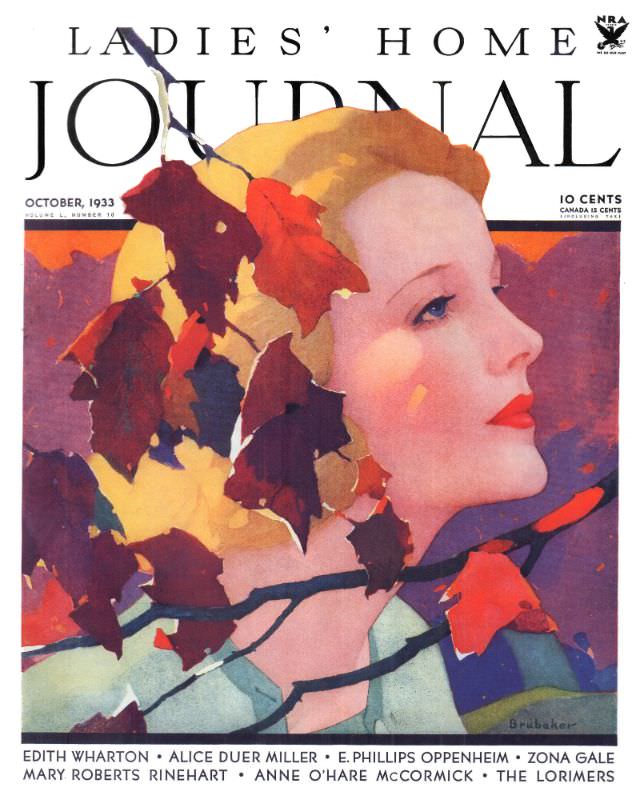
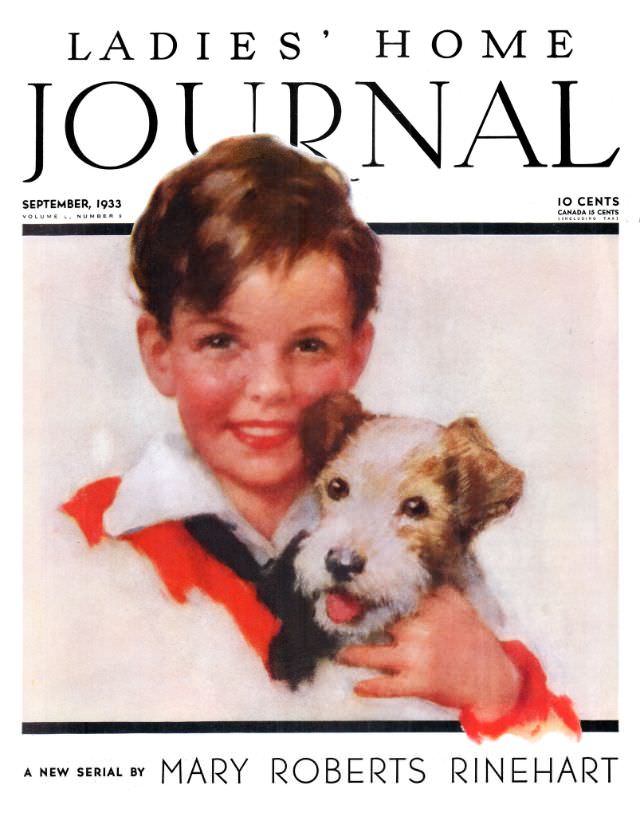
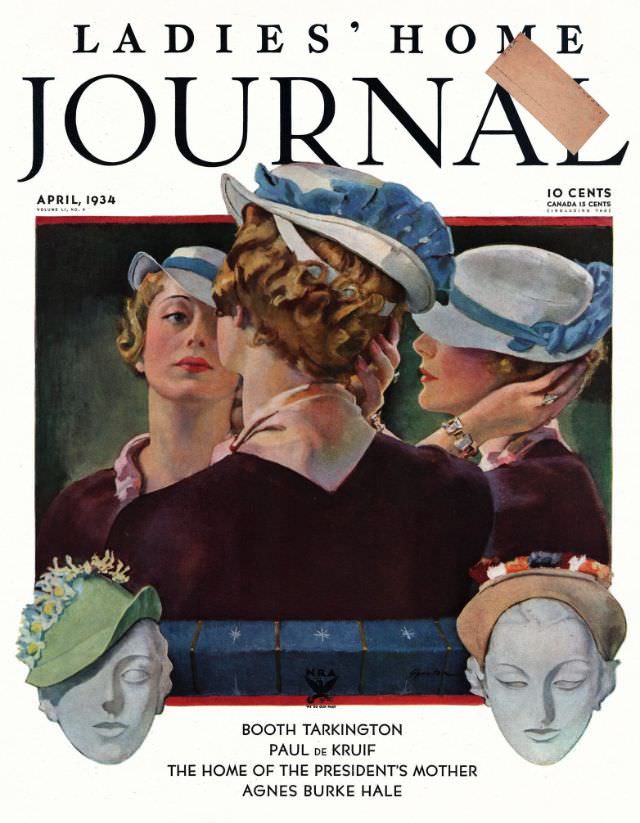
By the mid-1930s, American women’s roles were already beginning to shift in ways the magazine both documented and encouraged. The Journal reflected these changes in its content — acknowledging women who worked outside the home while still serving those whose primary domain was domestic life.
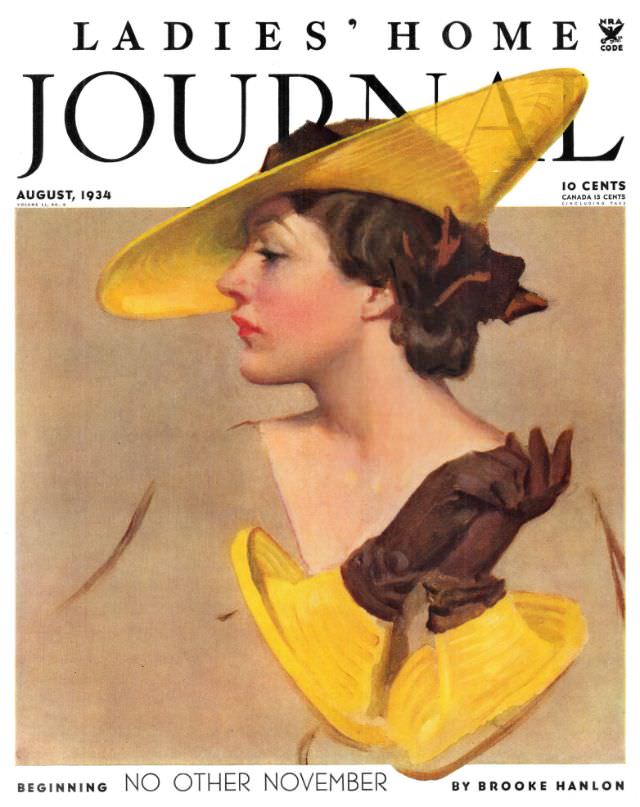
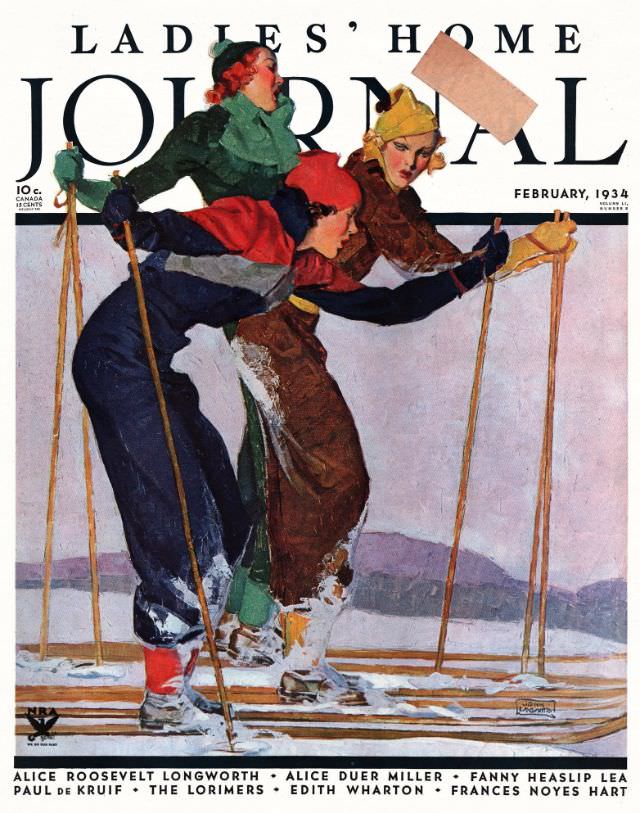
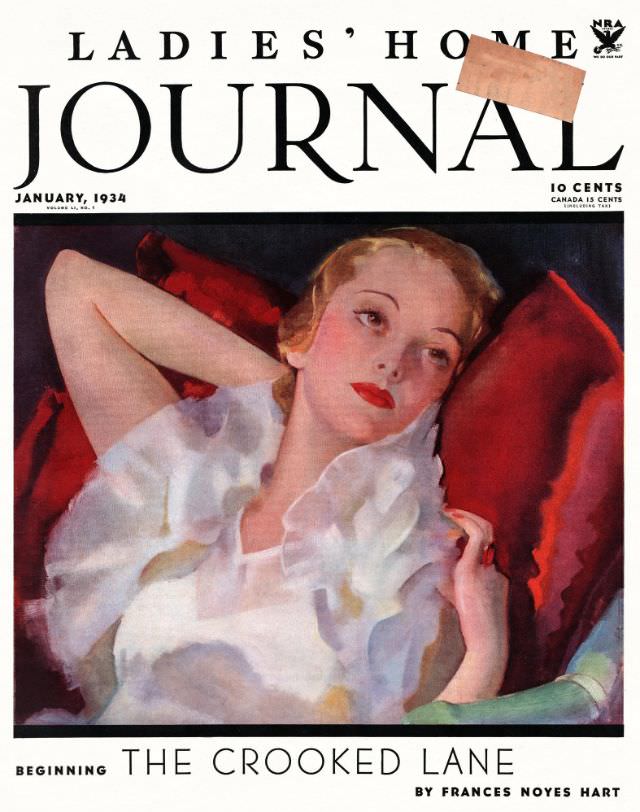
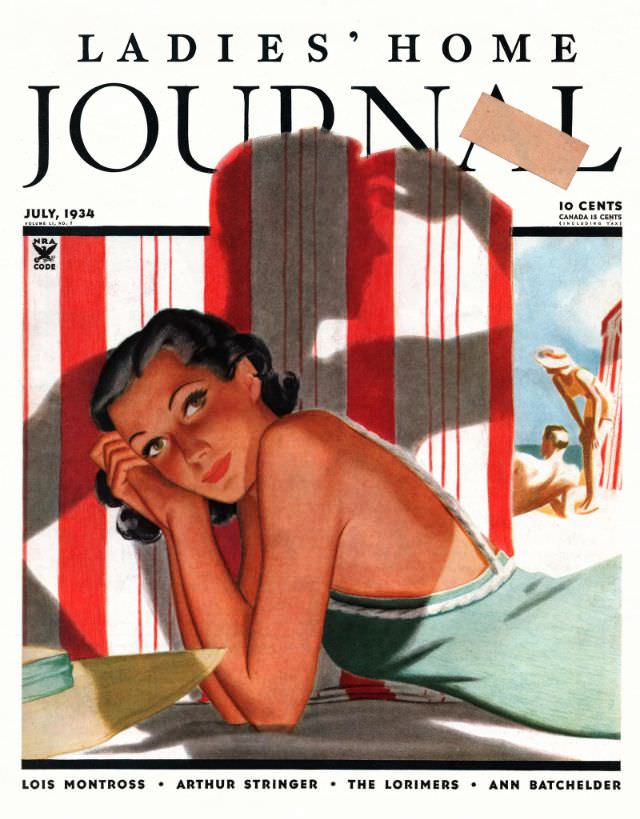
The spring and fall issues of 1934 are particularly notable for their fashion-forward covers. The Journal’s fashion coverage was never purely decorative — it connected clothing to identity, budget, and the practical realities of women’s lives in a way that felt grounded rather than distant.
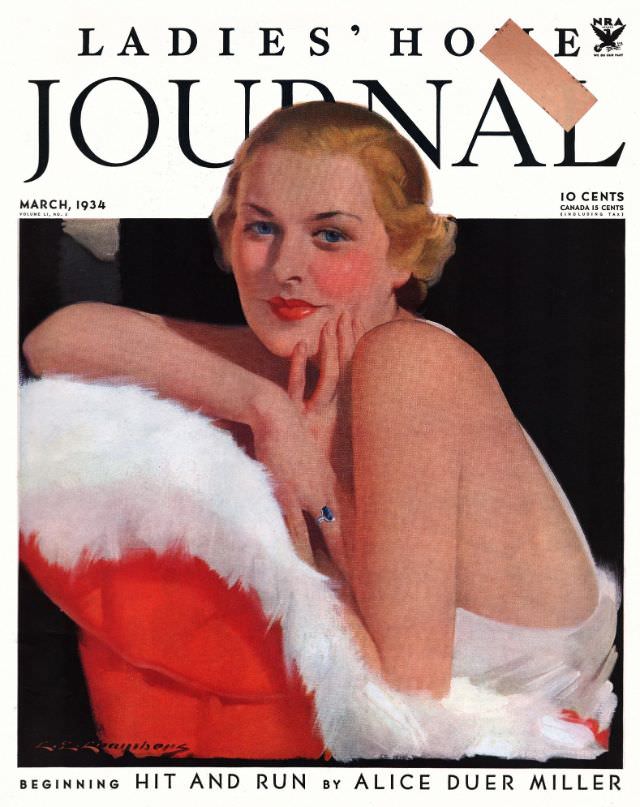
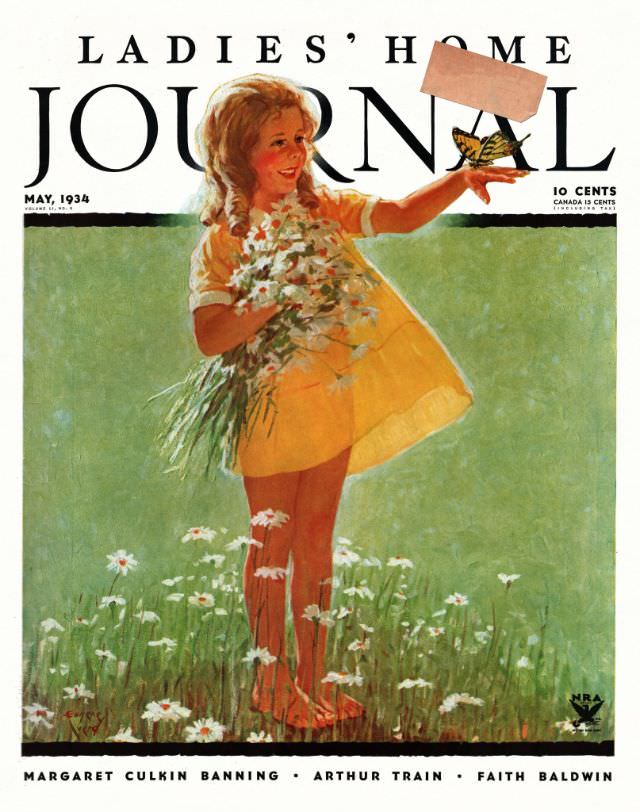
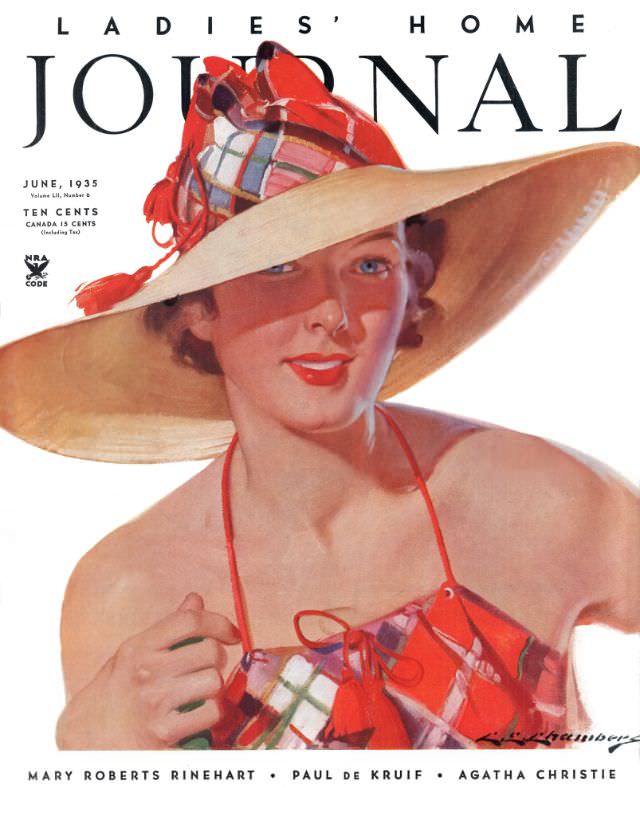
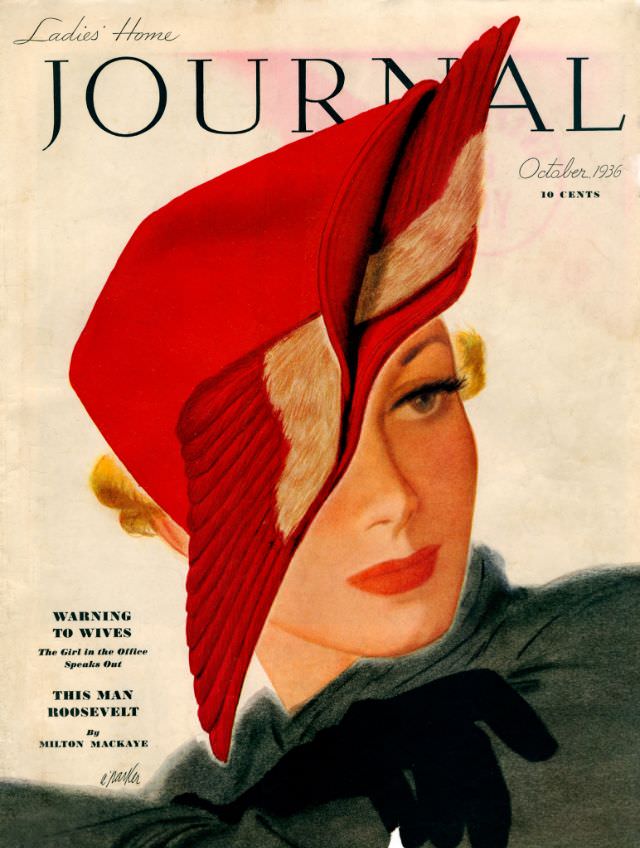
Moving into 1935 and 1936, the magazine’s covers began to reflect a subtle shift in mood. The worst years of the Depression were easing, and the imagery grew slightly brighter and more animated. Women on the covers appeared more active, more outdoors, more engaged with the world beyond the home.
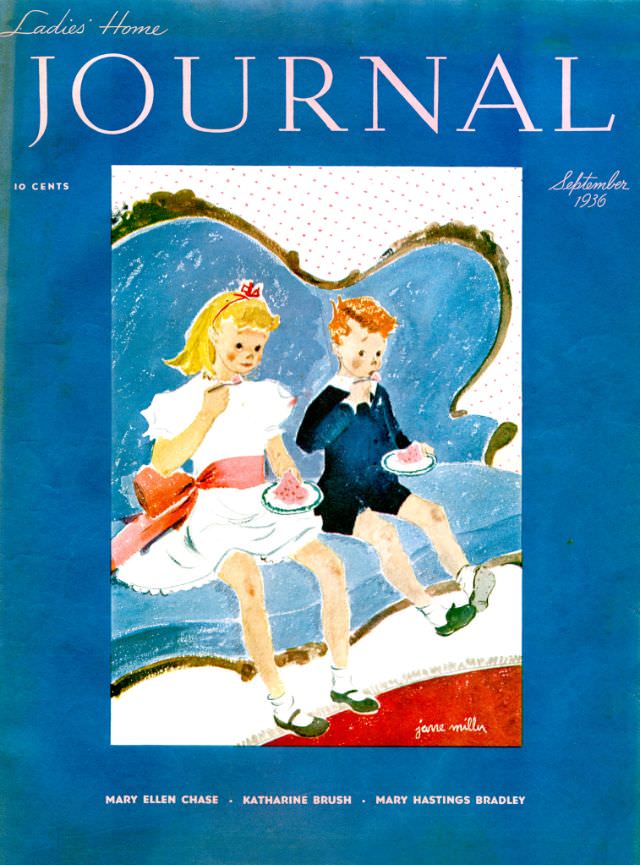
By 1937, Europe was descending into crisis, and American women were paying close attention. The Journal’s content in these years began to weave in more coverage of world affairs alongside its traditional domestic fare. It treated its readers as informed citizens, not just homemakers.
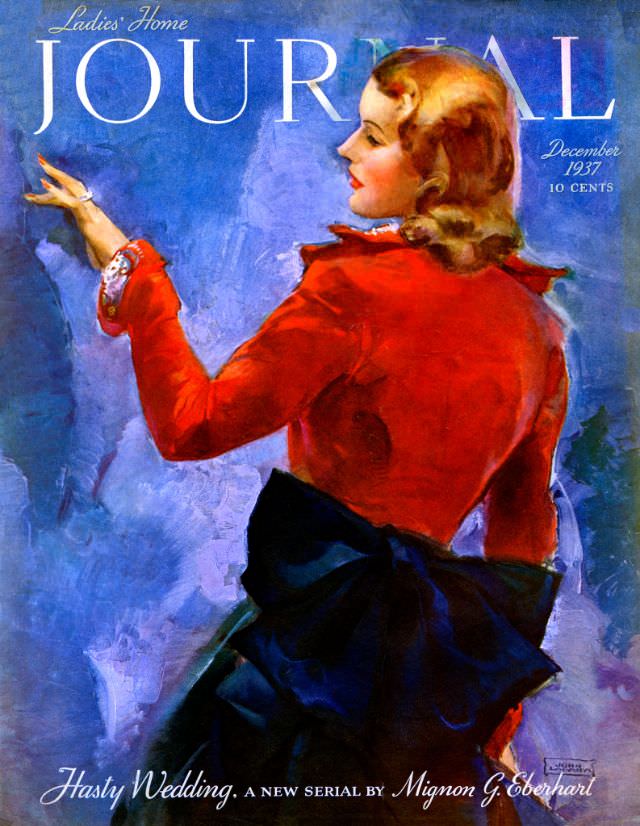
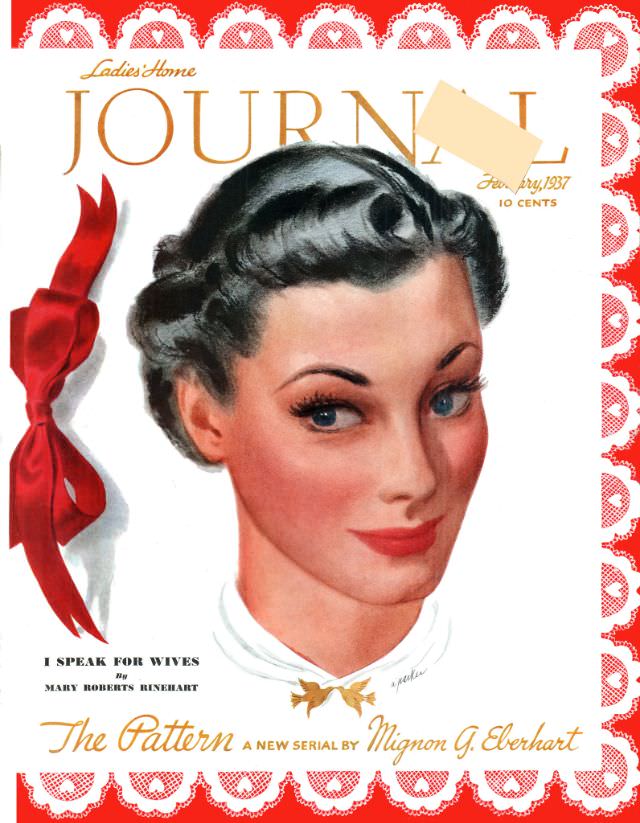
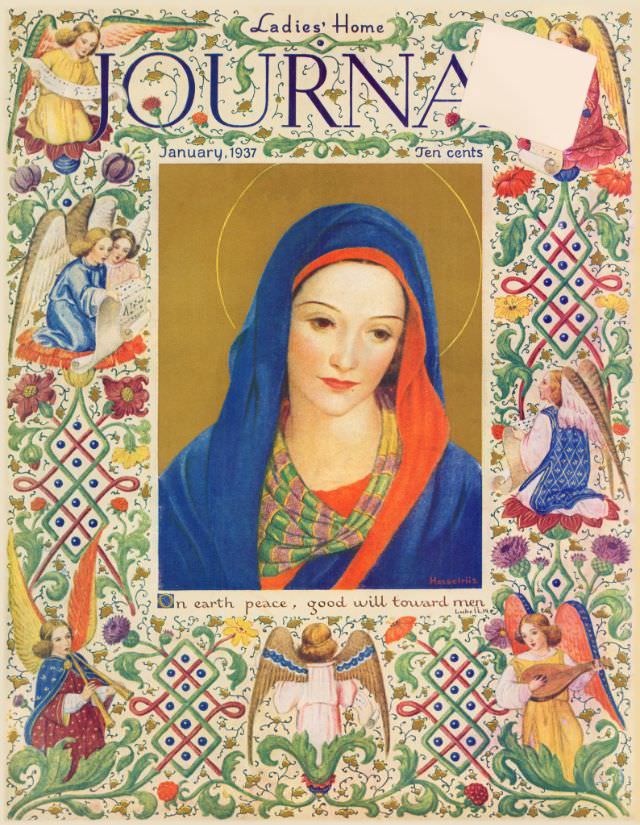
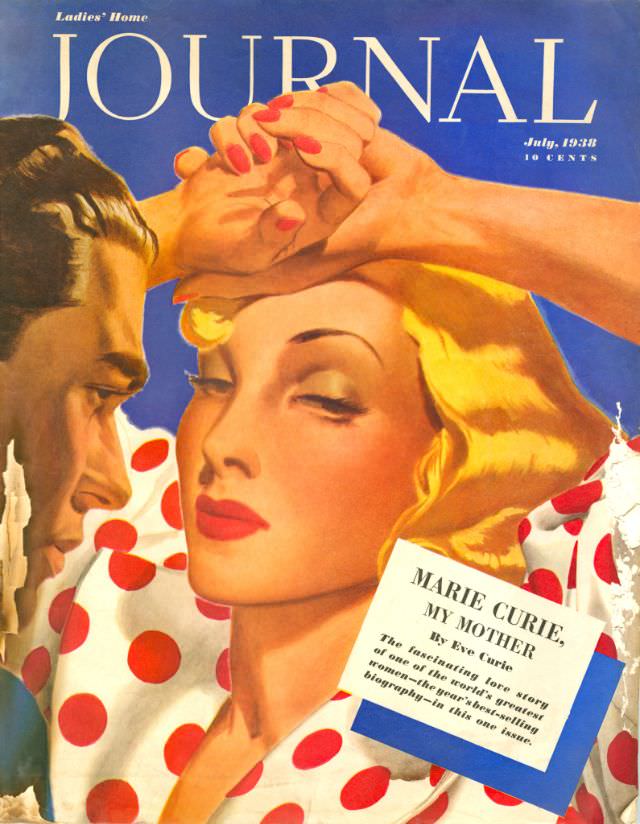
The late 1930s covers carry a different weight when viewed in hindsight. The women depicted look outward — poised, alert. The magazine’s circulation remained massive, keeping millions of American women connected to each other and to the broader currents of national life through a medium they trusted.
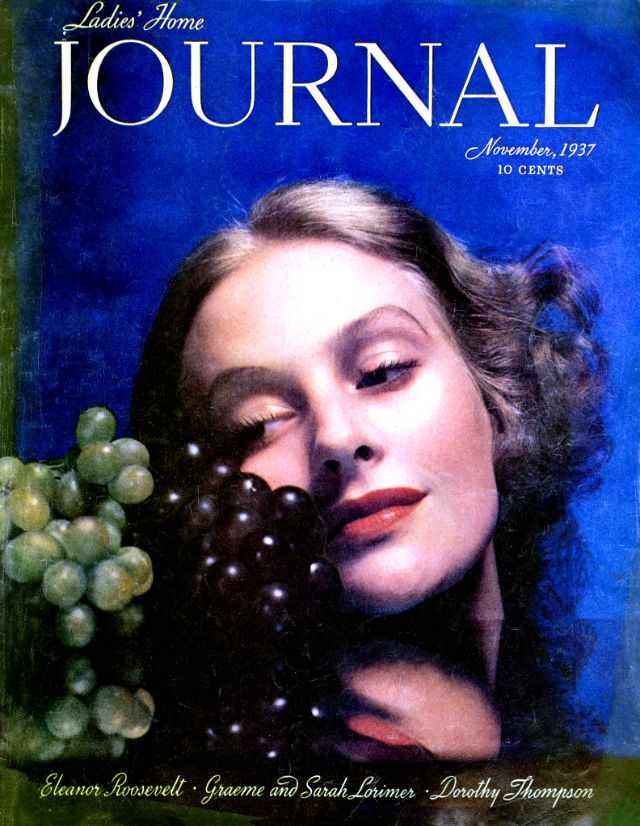
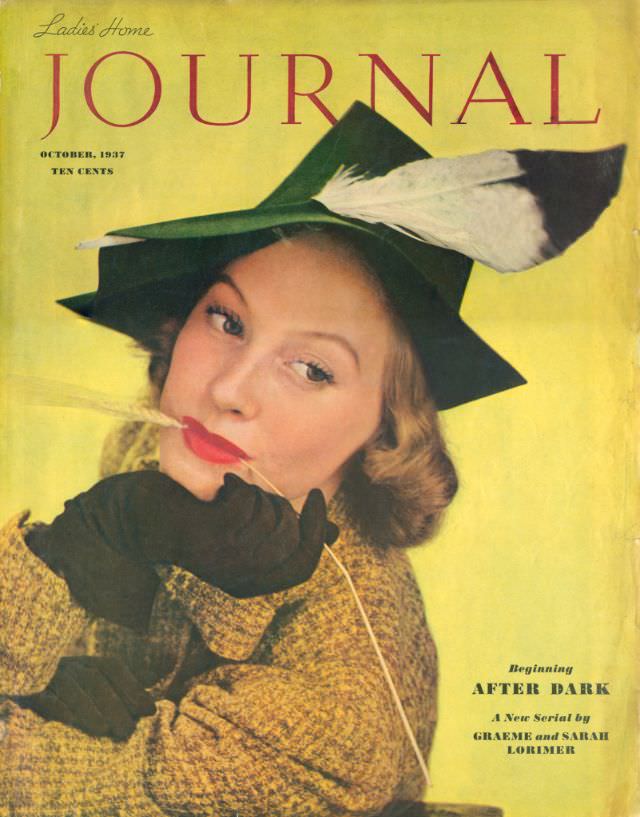
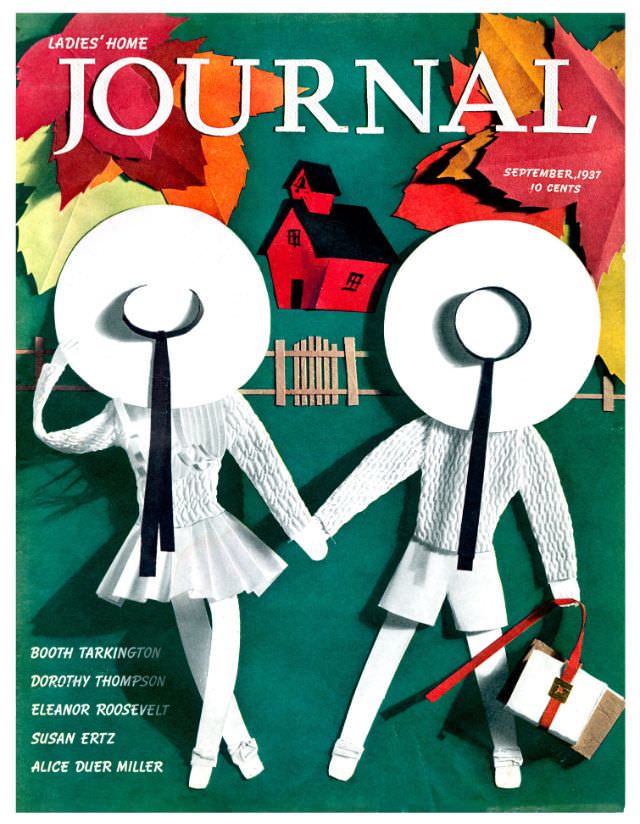
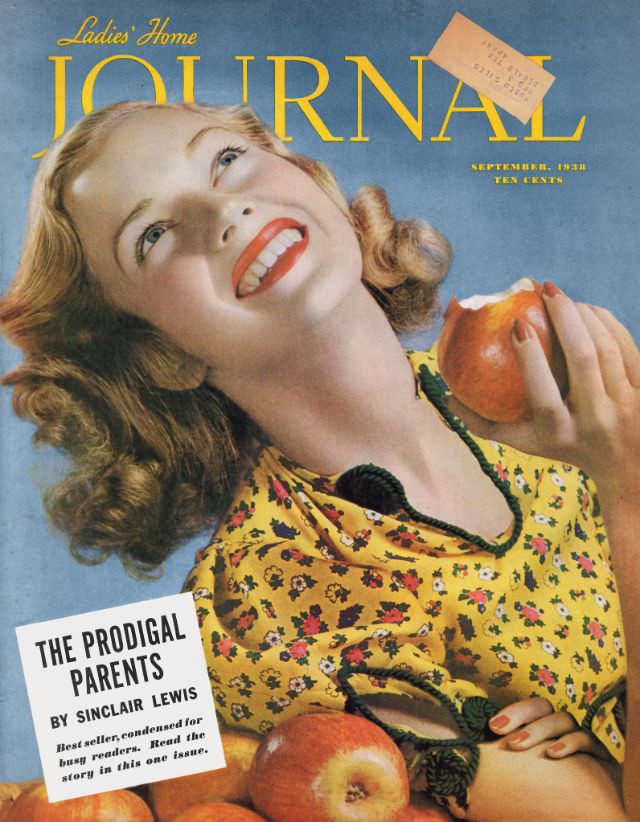
The 1938 issues arrived as global tensions sharpened. The magazine held its editorial line — practical, personal, and direct. Recipes, fashion, and health advice continued alongside content that acknowledged a world in flux. Its readers navigated uncertainty with the Journal as a steady monthly companion.
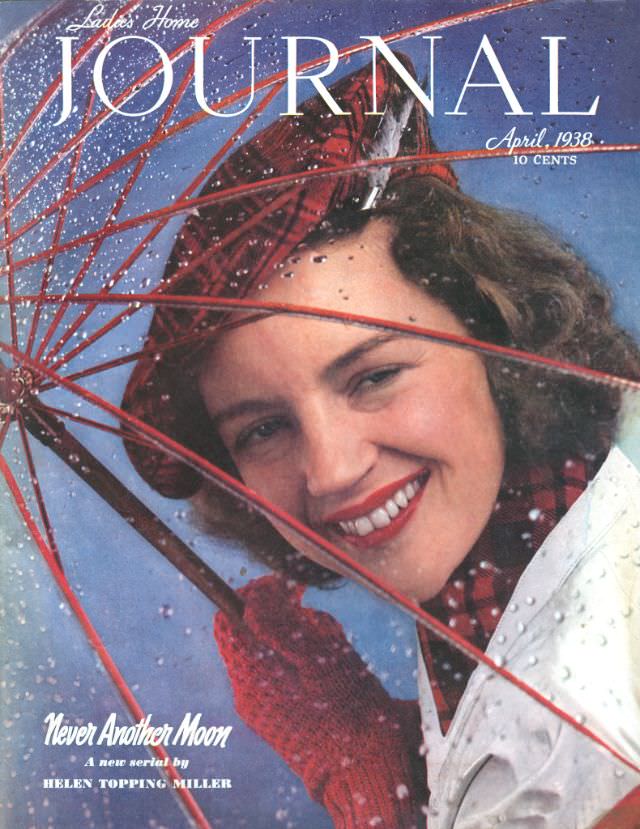
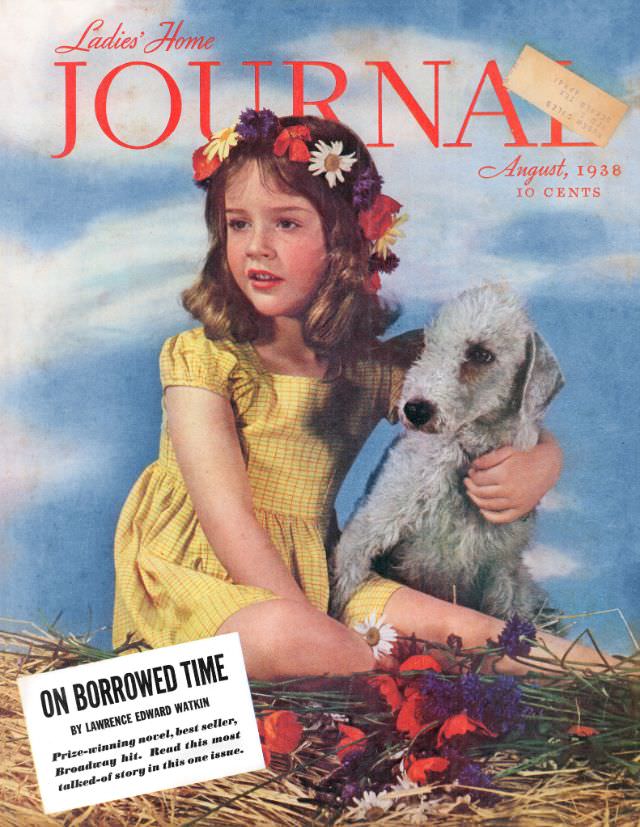
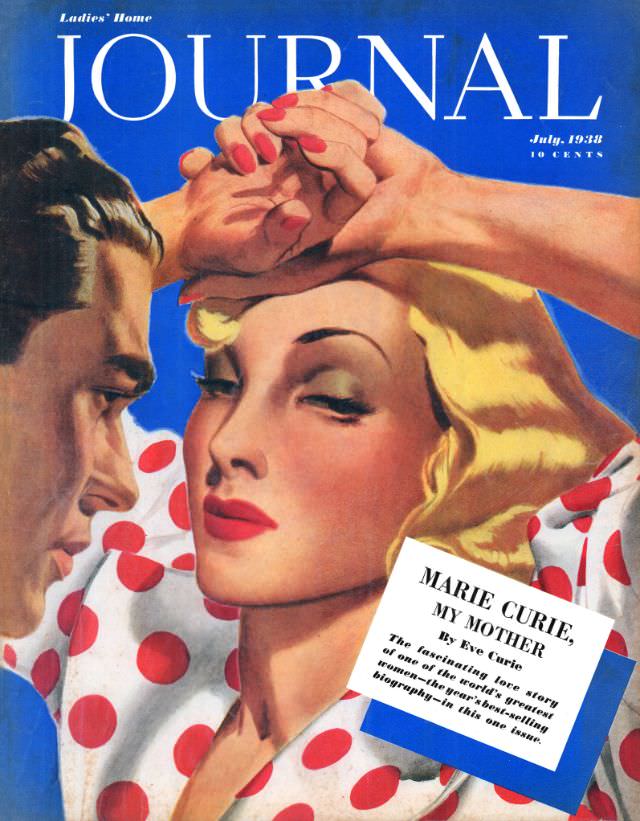
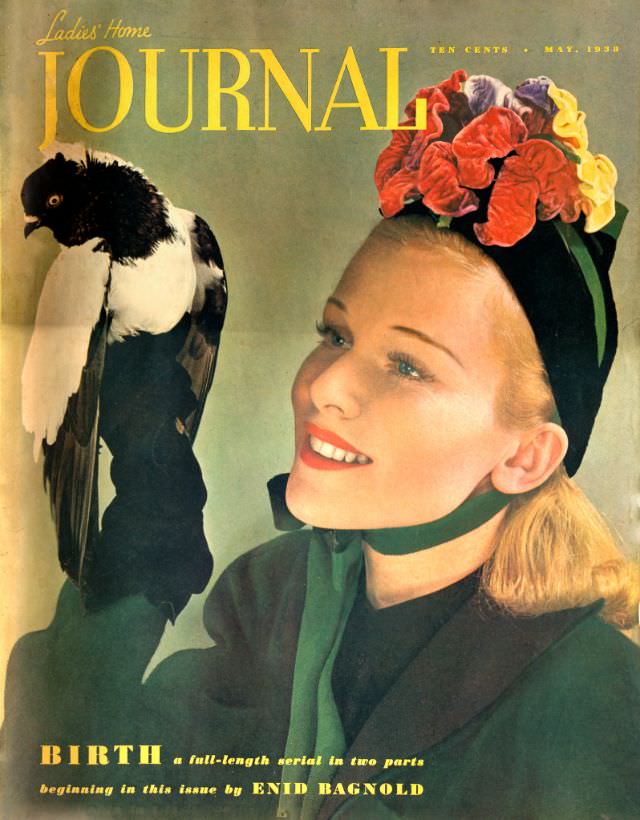
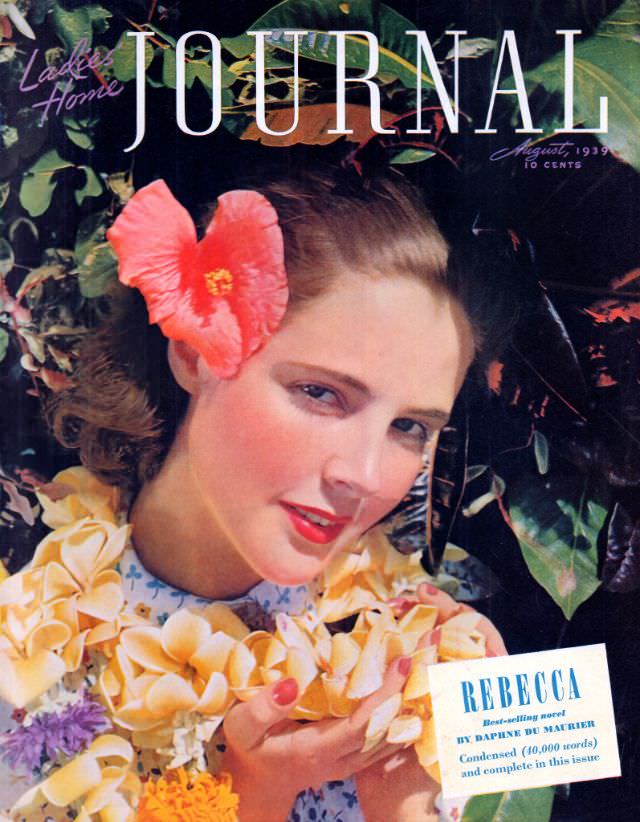
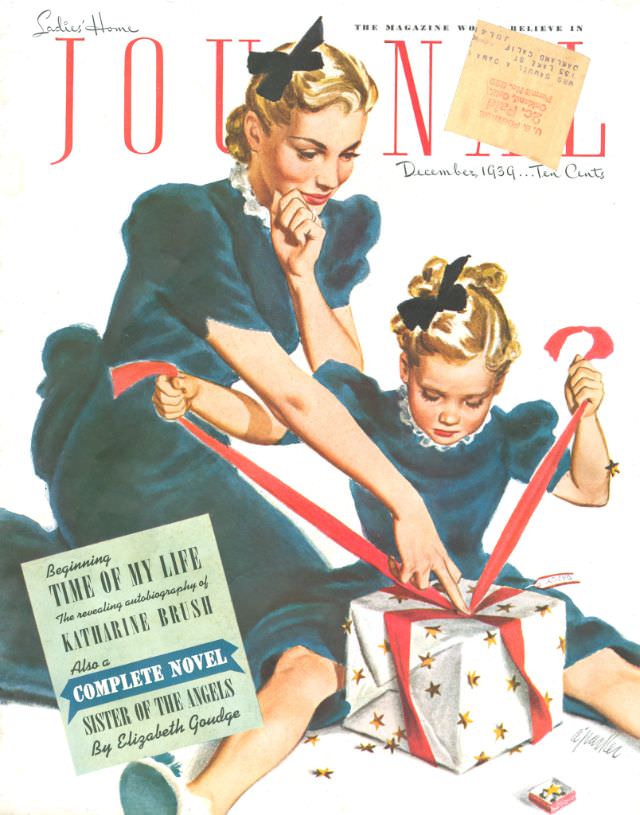
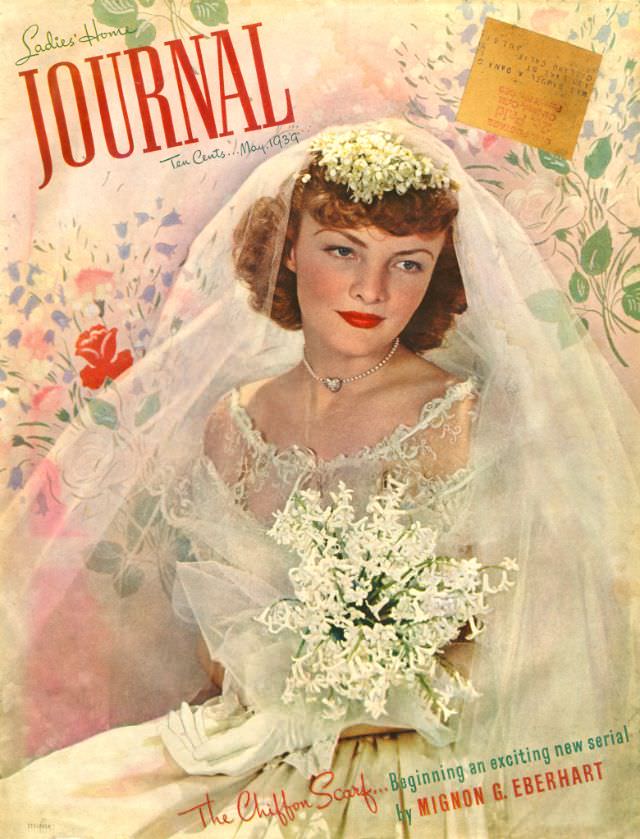
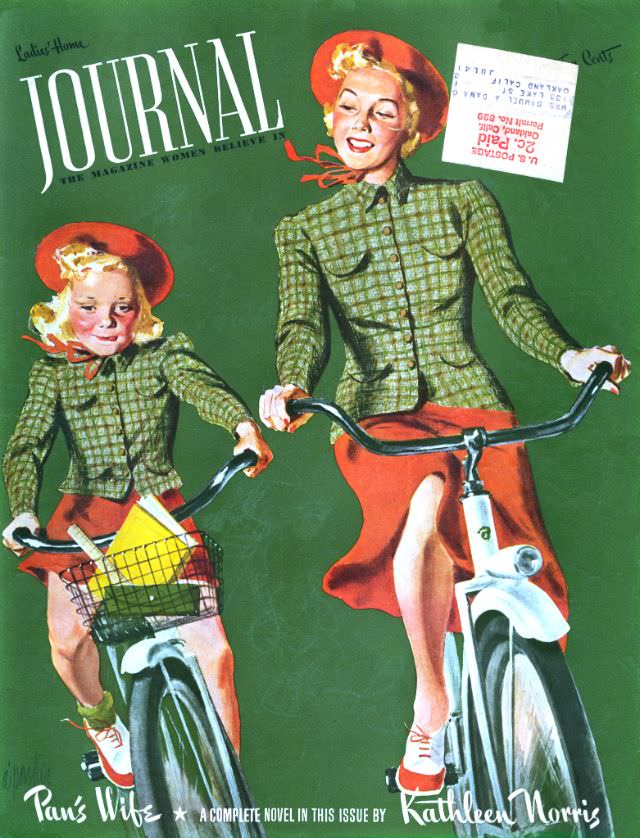
By 1939, war in Europe was no longer a distant threat — it had begun. The final year of the decade brought the Ladies’ Home Journal to the edge of a new era. Its 1939 covers, shown here spanning spring through the end of the year, document a magazine — and a readership — standing at a historical turning point.