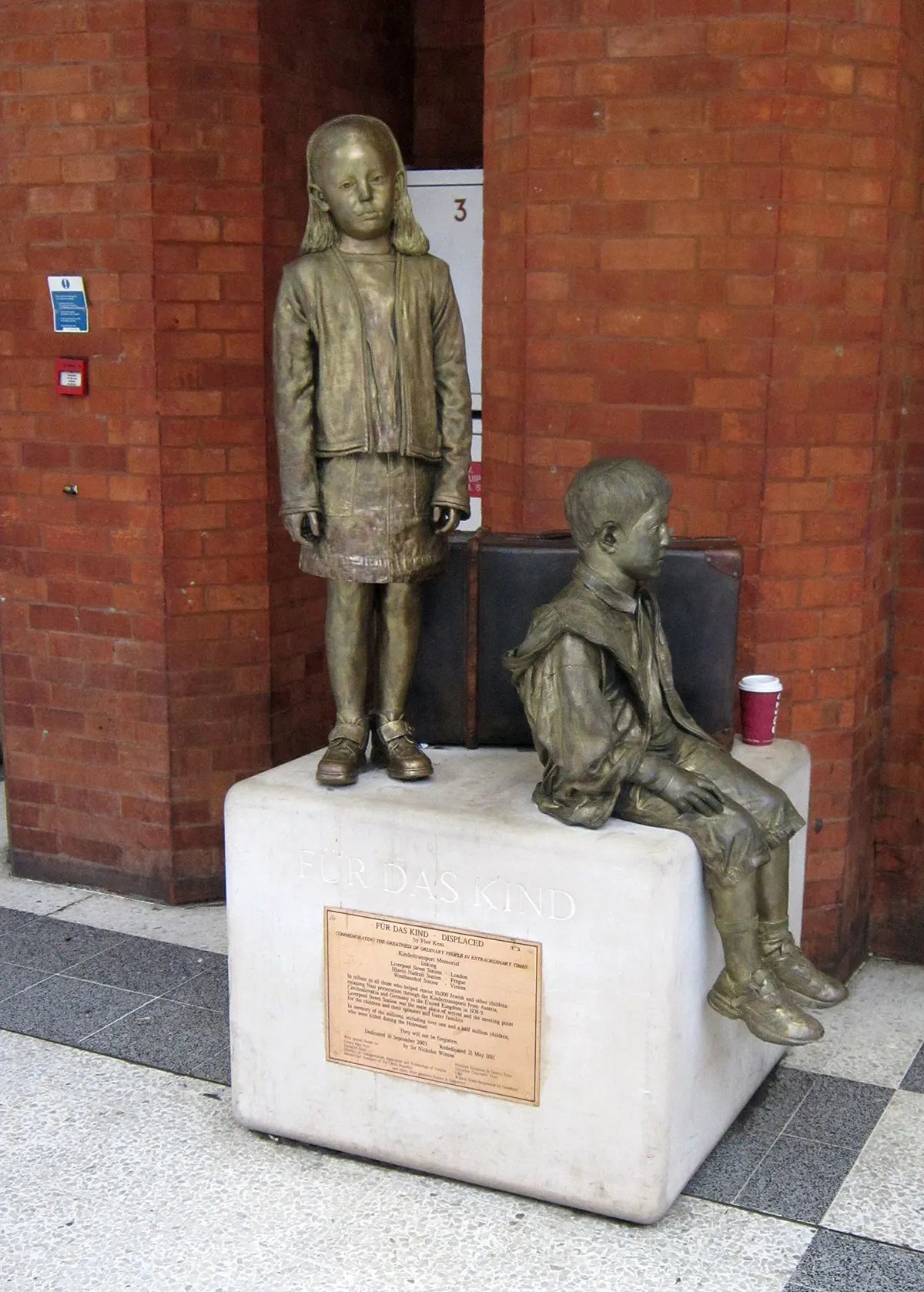
On the nights of November 9 and 10, 1938, Nazi mobs swept through Jewish neighborhoods across Germany and Austria. They smashed windows, burned synagogues, killed nearly 100 people, and dragged thousands more to concentration camps. The event became known as Kristallnacht — the Night of Broken Glass. Within days, Jewish organizations in Britain were demanding action, and the British Parliament listened. On November 21, 1938, the House of Commons debated what could be done. The answer became one of the most significant humanitarian rescue operations of the 20th century: the Kindertransport.
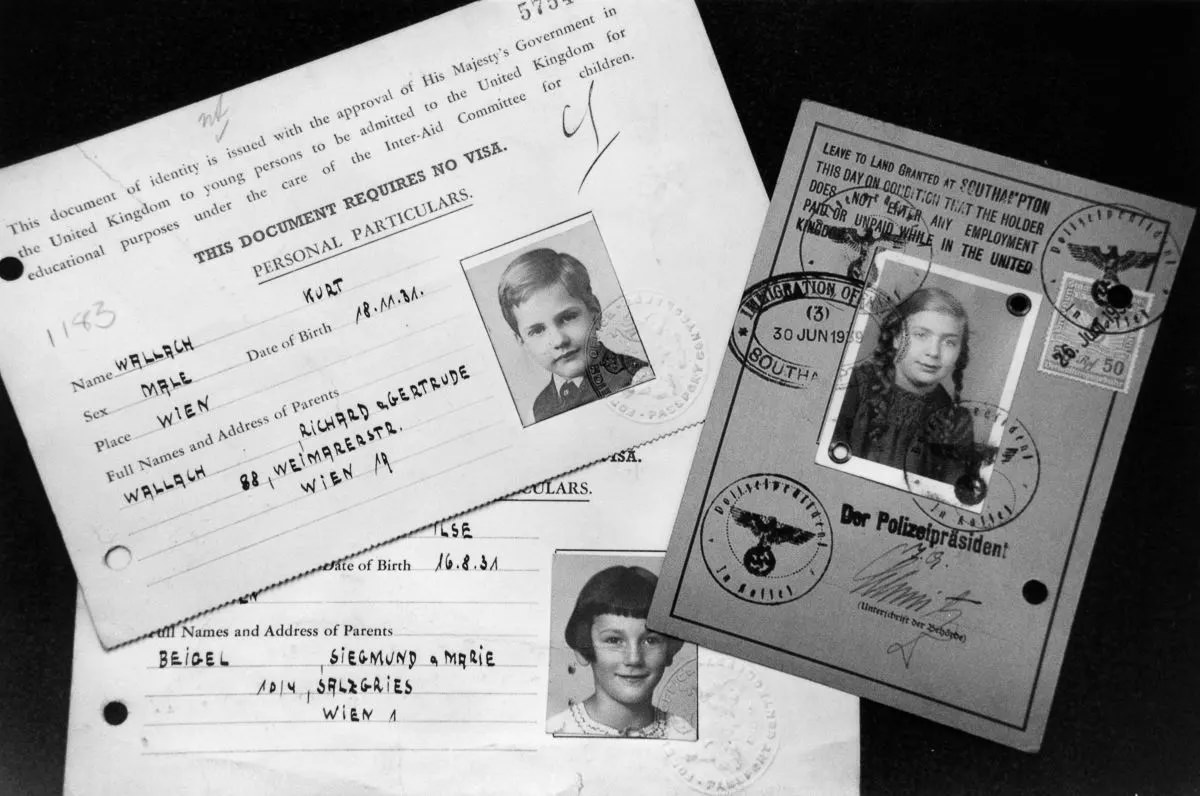
Kindertransport is German for “Children’s Transport.” The British government authorized an unspecified number of children under the age of 17 to enter the United Kingdom temporarily. The children came from Germany, Austria, Czechoslovakia, Poland, and the Free City of Danzig (Gdańsk). Most were Jewish. Each child required a £50 bond to be posted — meant to guarantee their eventual resettlement — since the assumption was that they would return to their families once the crisis passed. They were given temporary travel documents rather than full visas.
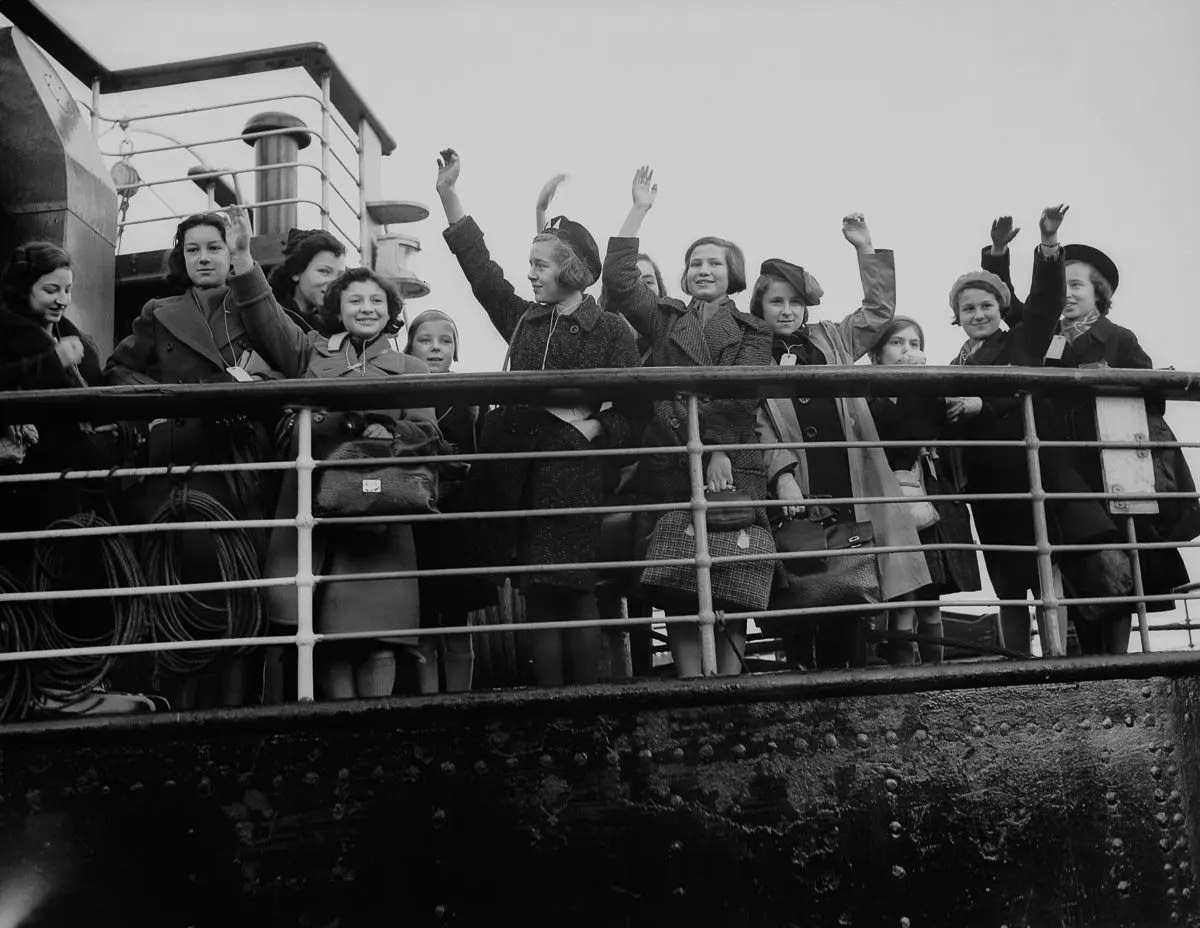
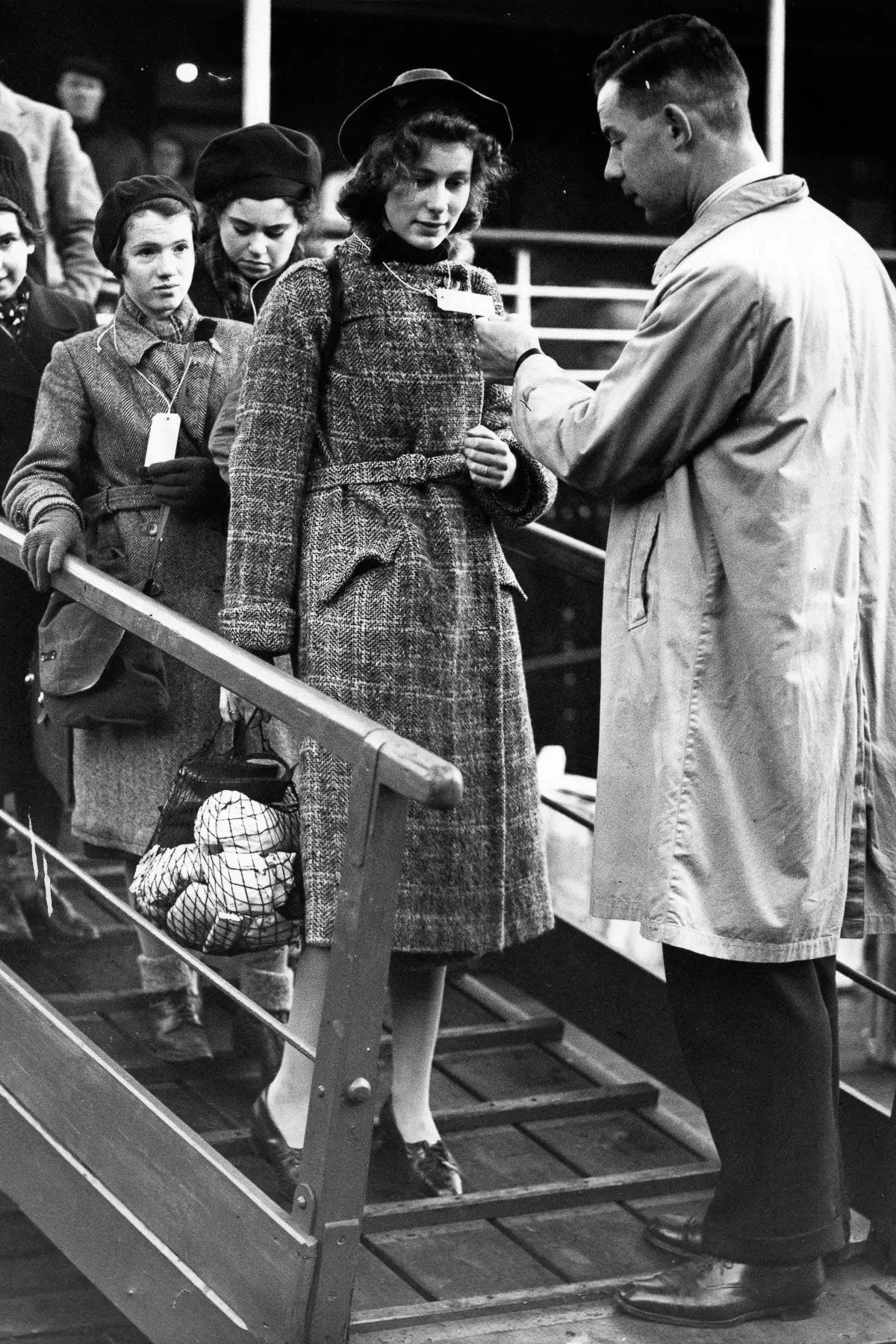
The first transport departed Germany on December 1, 1938 — less than three weeks after Kristallnacht. It carried 196 Jewish children from a Berlin orphanage that the Nazis had destroyed on November 9. The children arrived at Harwich, on England’s east coast, in the early hours of December 2. They were exhausted and had traveled without their parents, many carrying only what fit in a single suitcase.
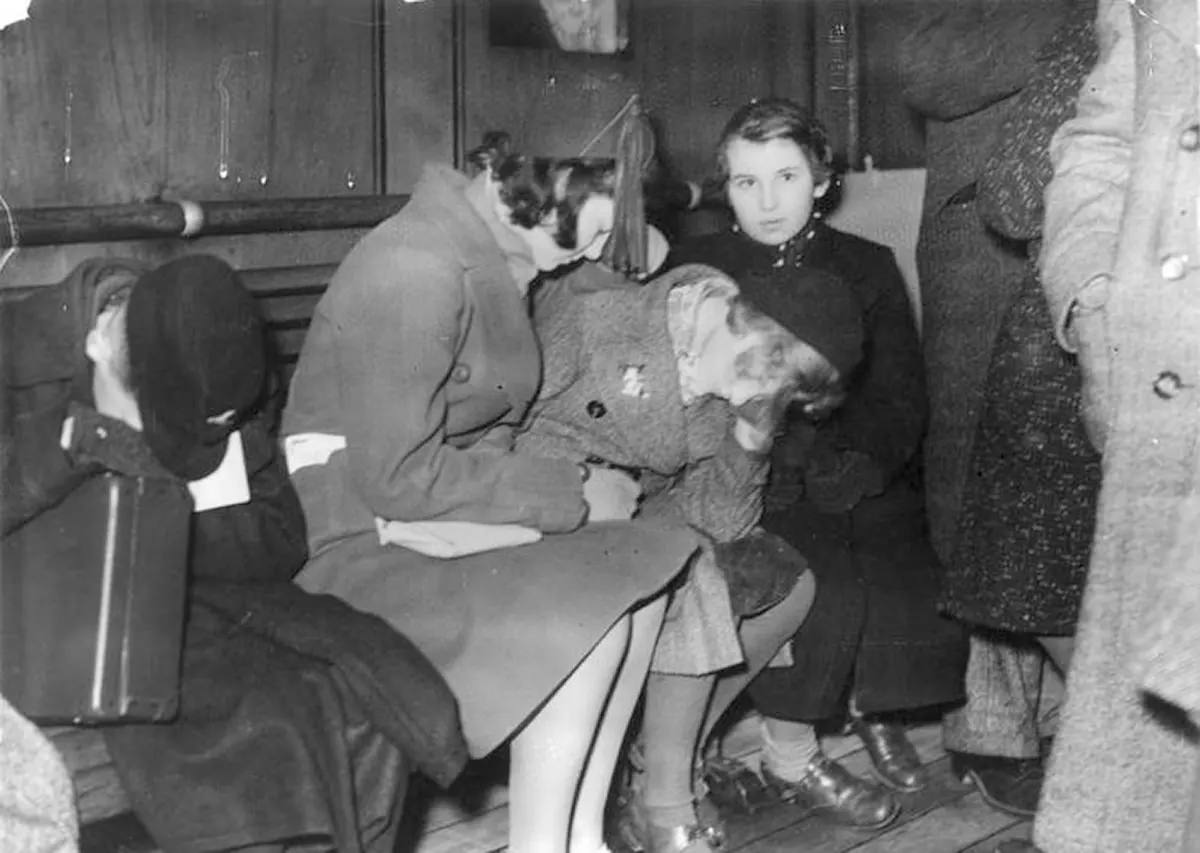
The backdrop to Kindertransport stretched back several years. After Adolf Hitler came to power in Germany in 1933, tens of thousands of Jews had already tried to flee. But emigration slowed as countries tightened their visa requirements. In July 1938, representatives from 32 nations gathered in Évian-les-Bains, France, for a ten-day conference to discuss the refugee crisis. Despite lengthy speeches, almost no country agreed to take in significantly more Jewish refugees. The United States and the United Kingdom both kept their quotas tightly restricted. Kristallnacht, coming just months later, made the urgency undeniable.
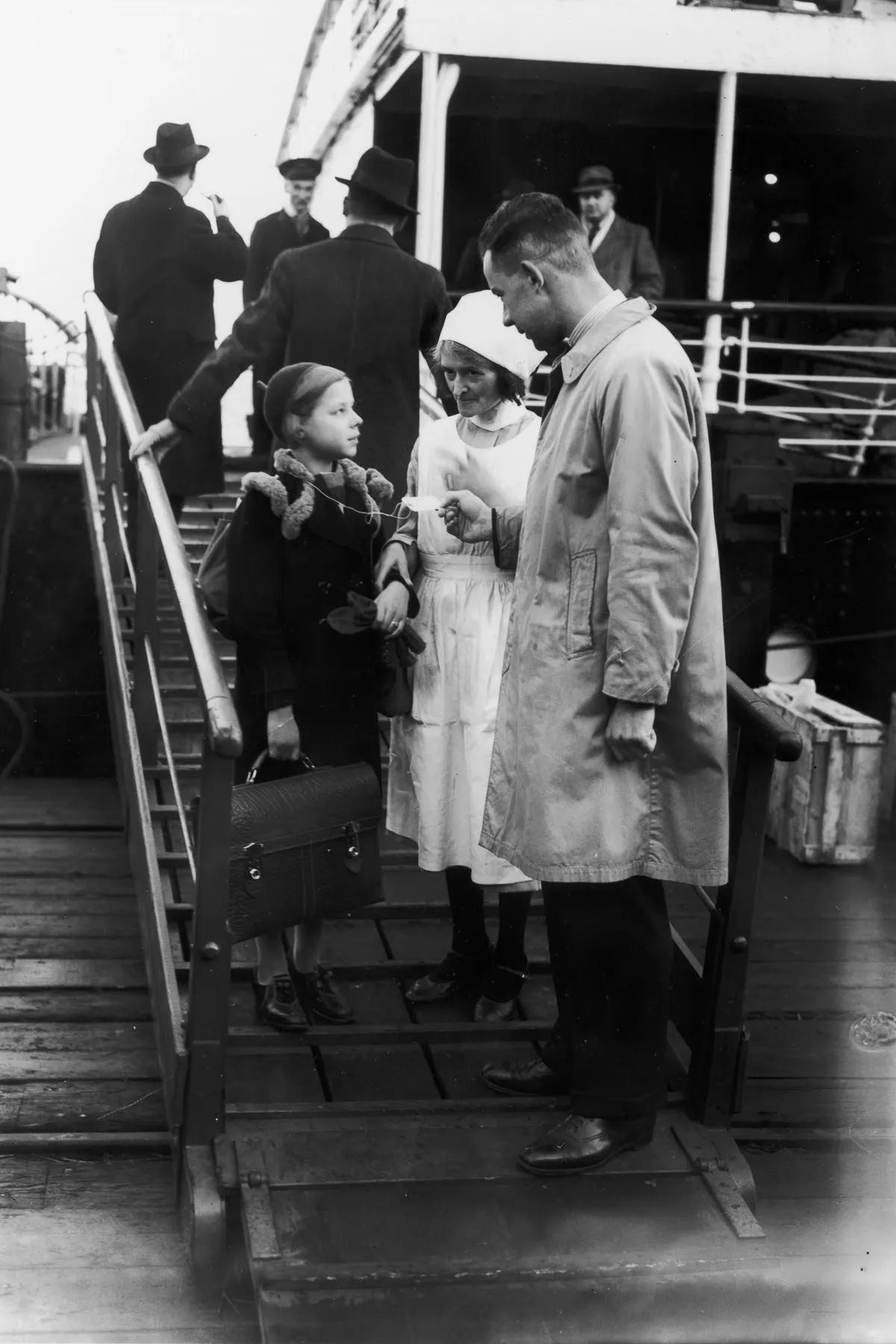
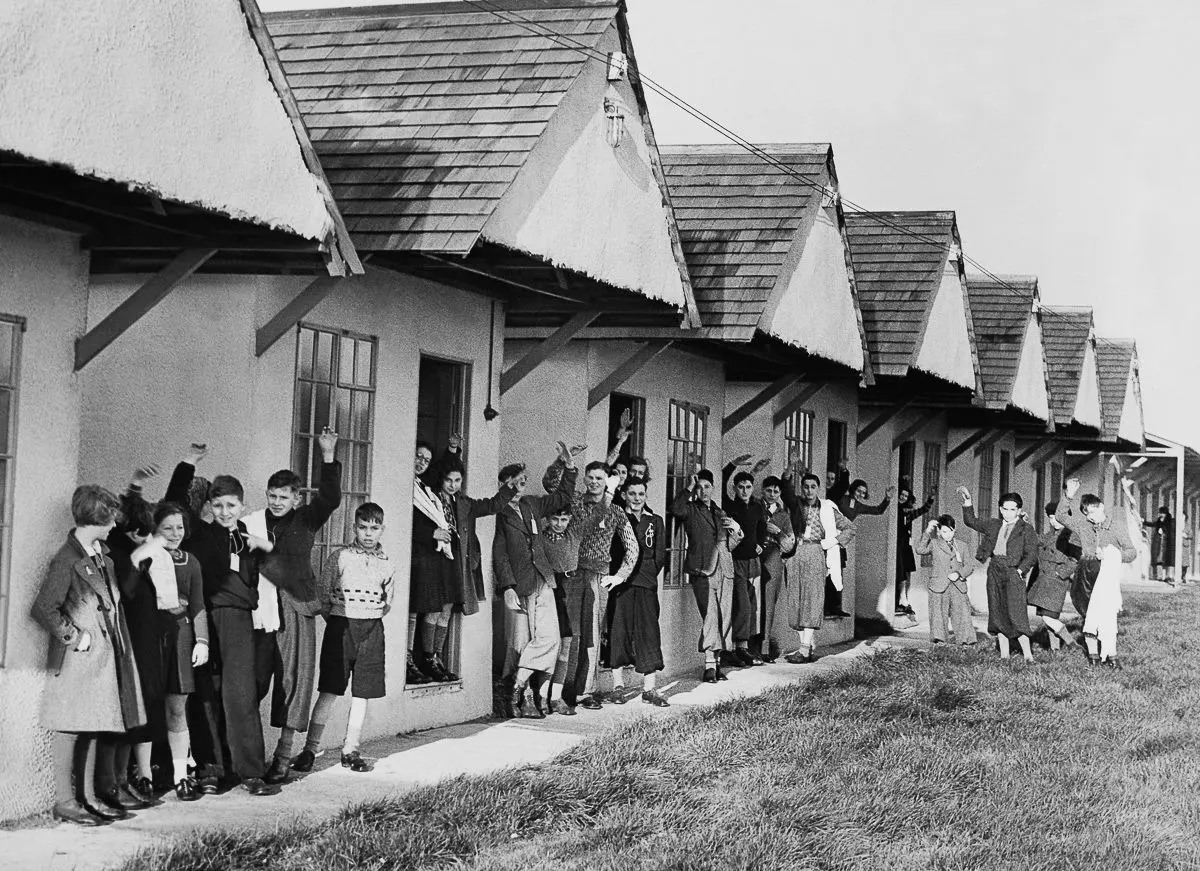
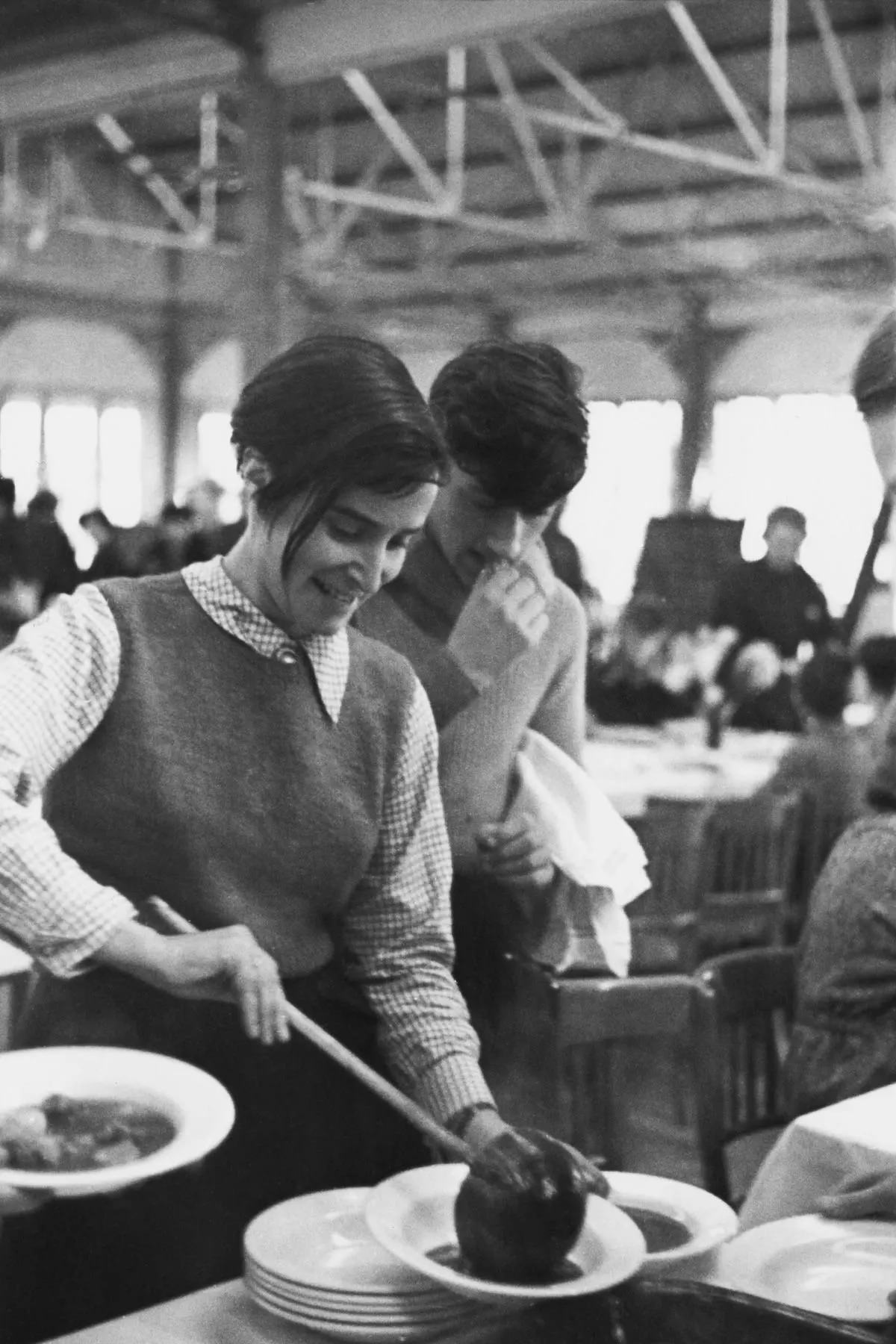
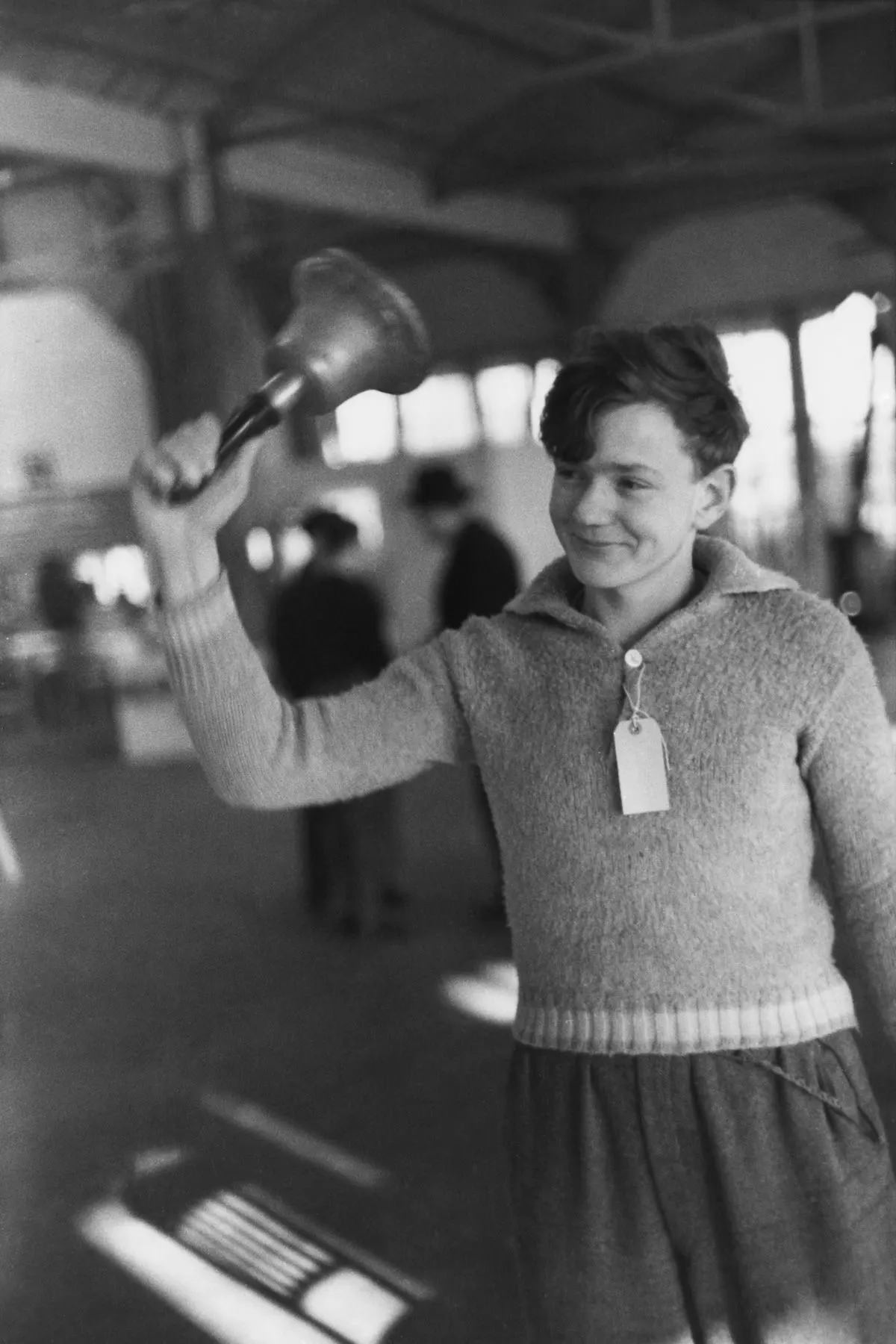
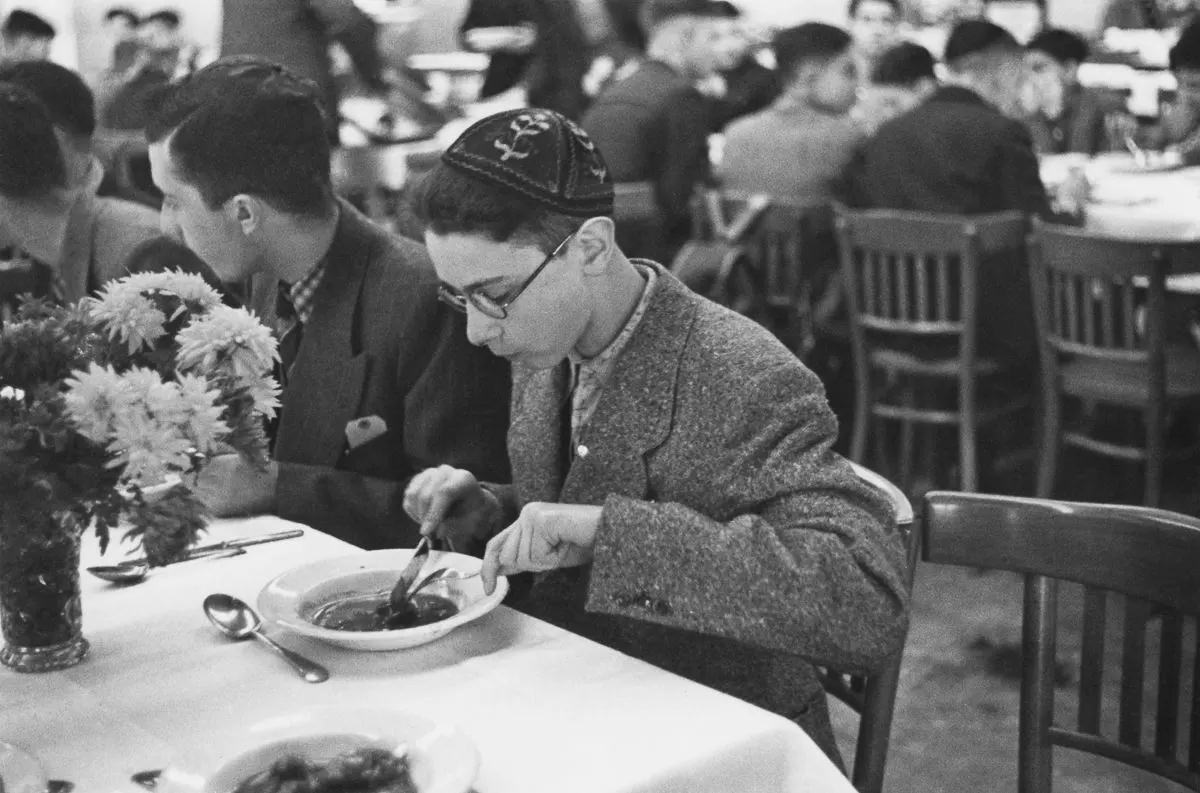
At ports like Harwich, Kindertransport agents met the arriving children and helped process them through entry. From there, many were taken directly to temporary accommodations. The Dovercourt holiday camp near Harwich became one of the main early holding sites. It was a converted seaside camp, and while it was not built for winter use, it gave the children shelter while more permanent placements were arranged.
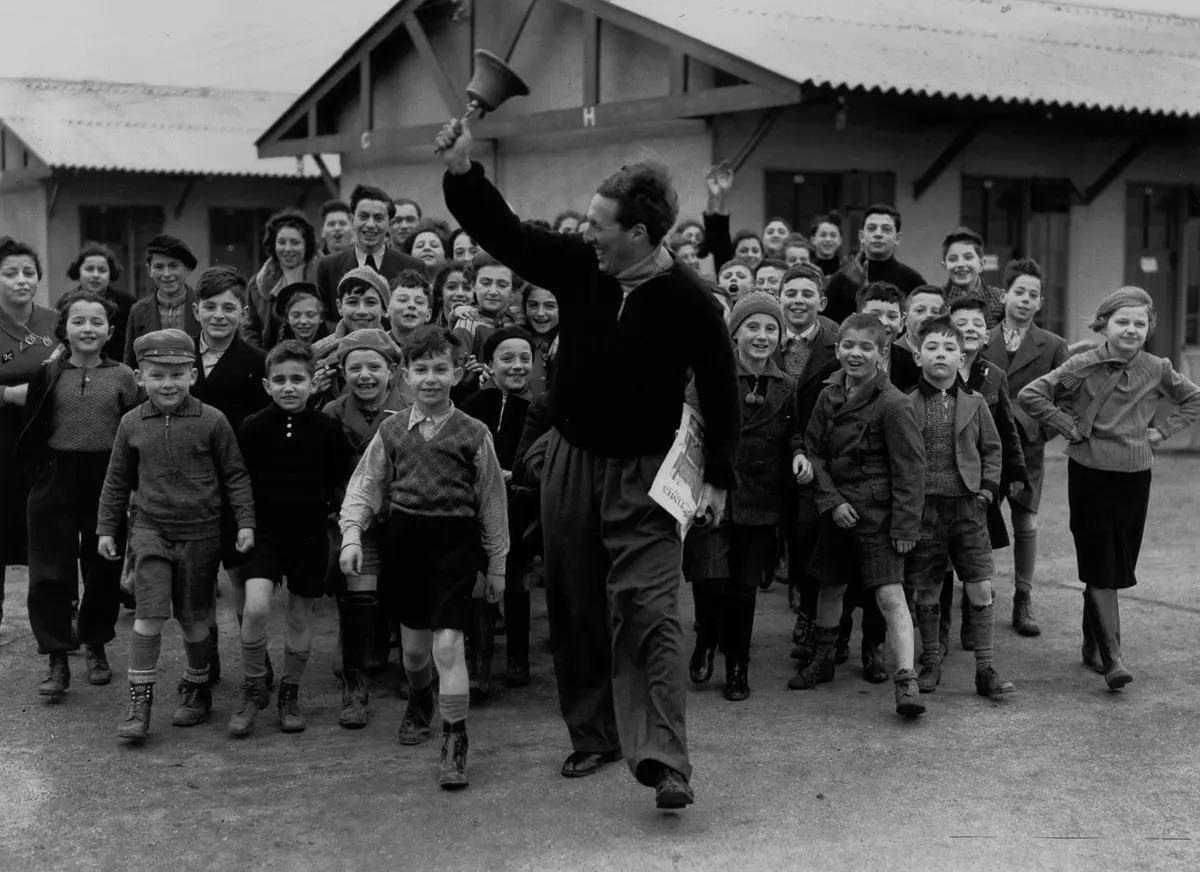
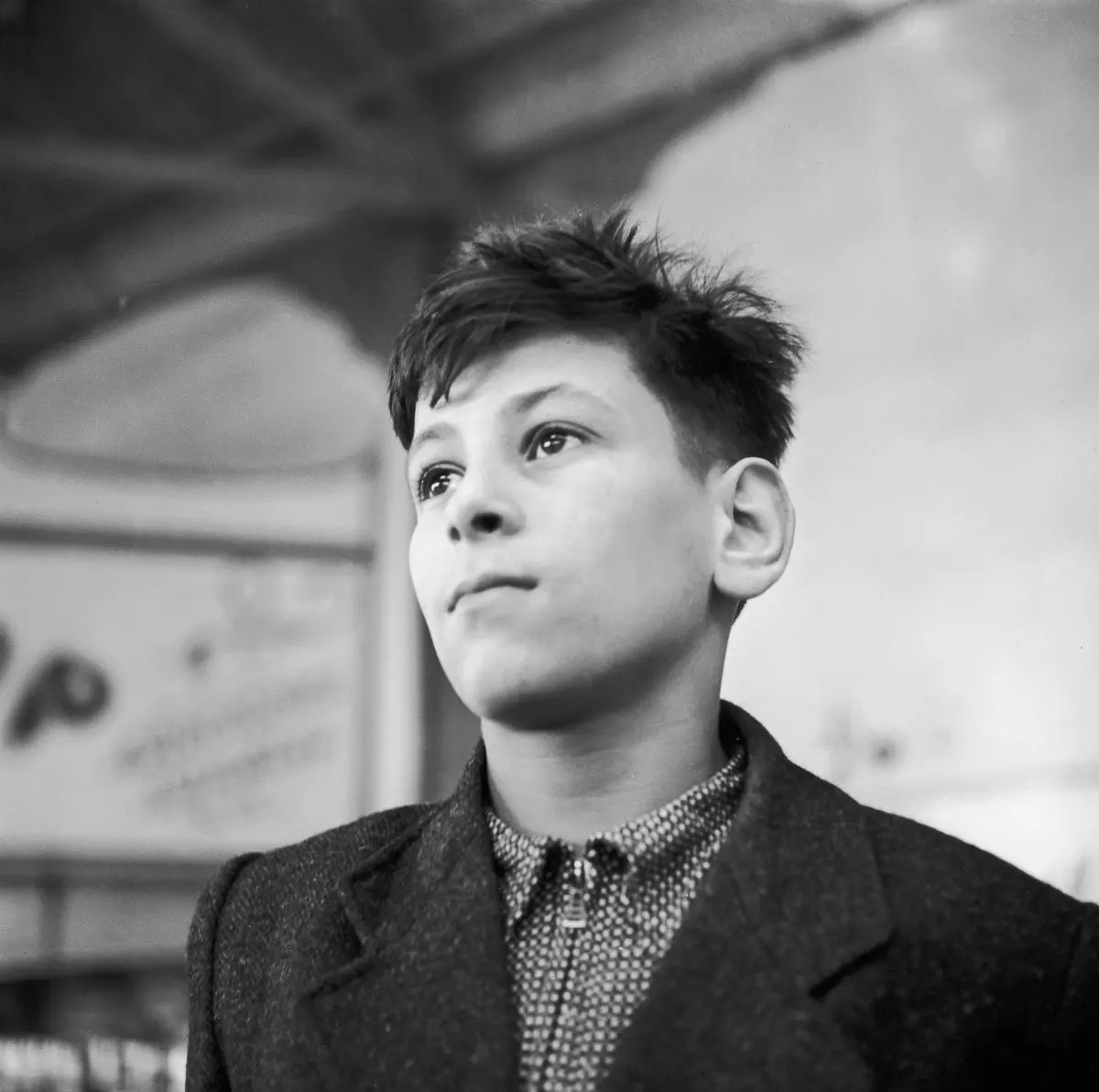
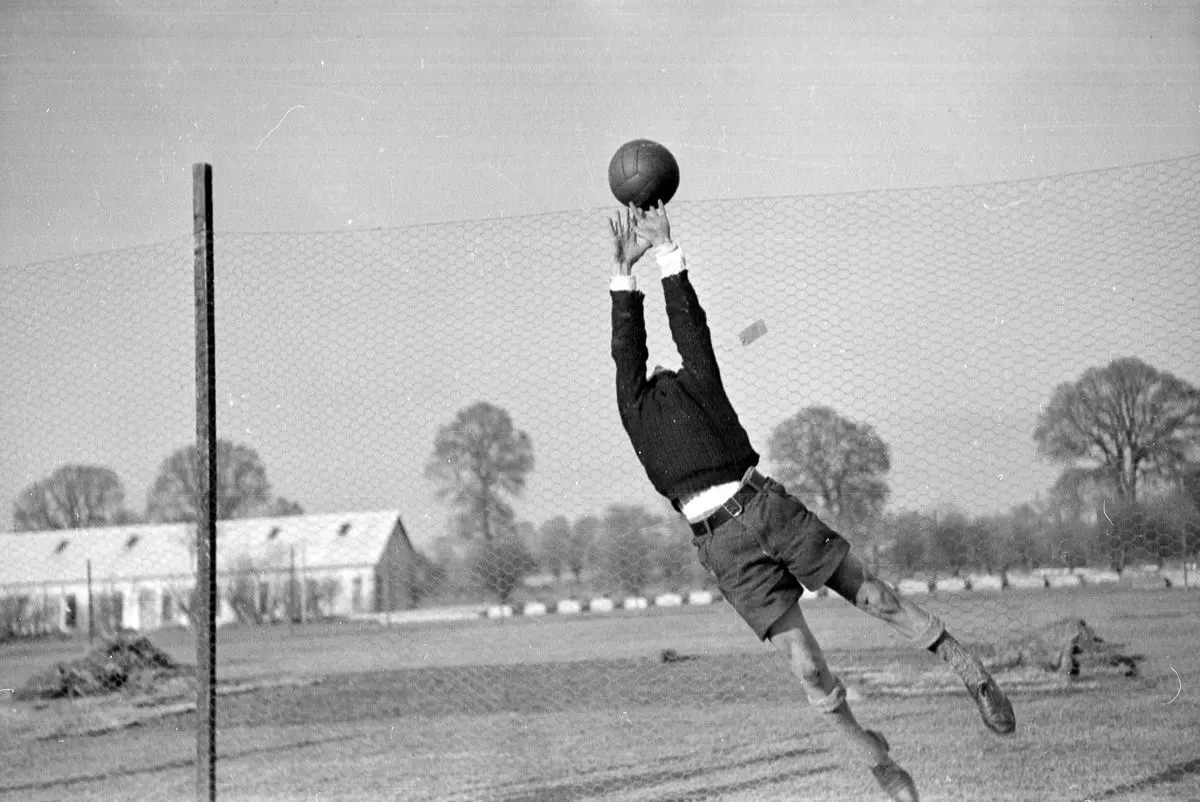
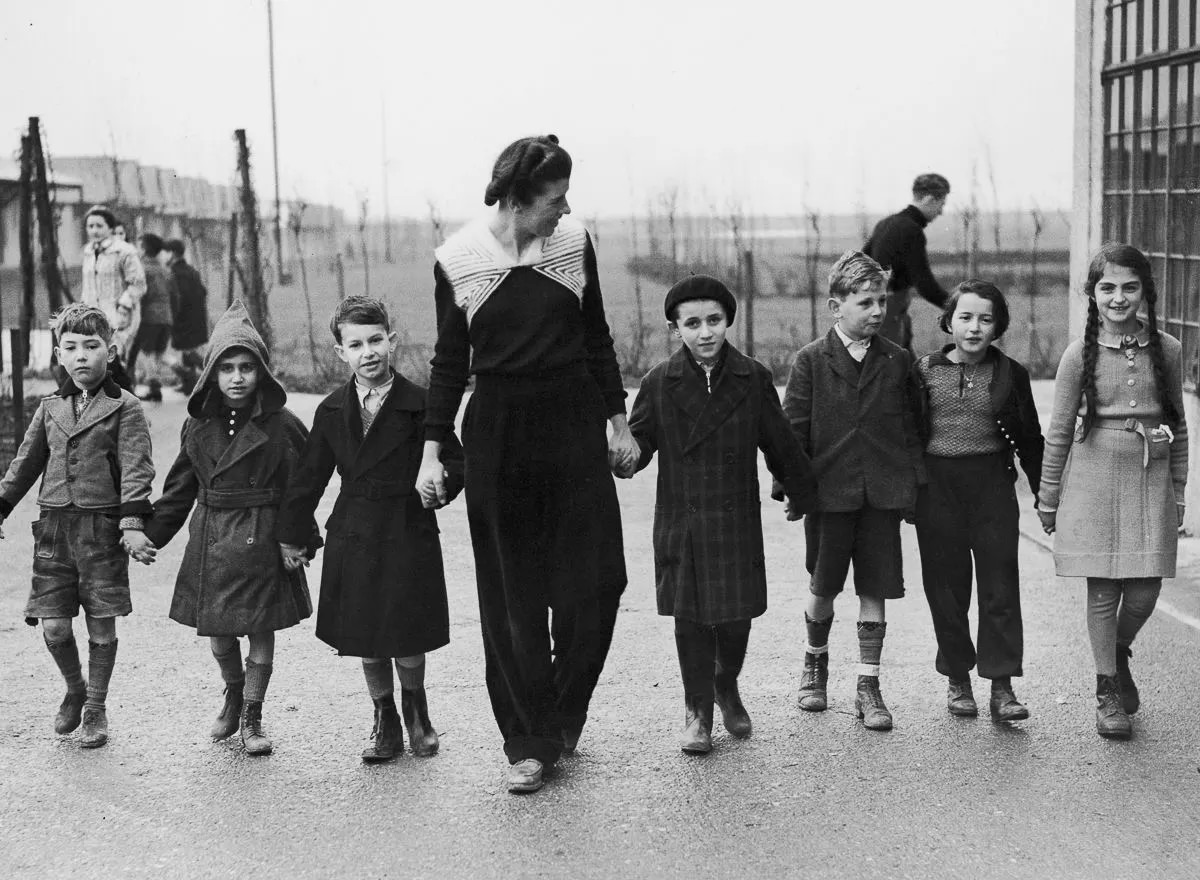
Life at Dovercourt was structured and communal. Children ate together in shared dining halls, took walks in groups, and were introduced to English through informal lessons. For many, this was their first encounter with a language they had never spoken. Learning English was not optional — it was survival. Back home, their German or Yiddish had no use in their new surroundings.
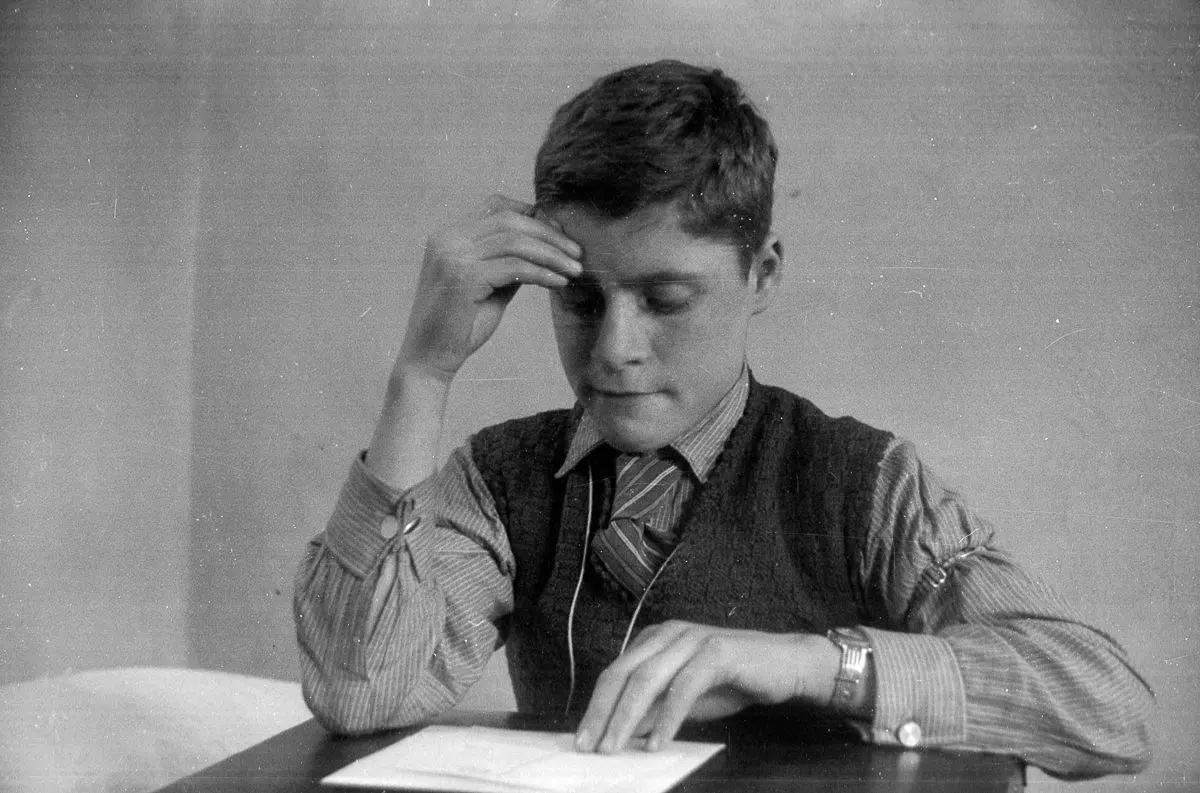
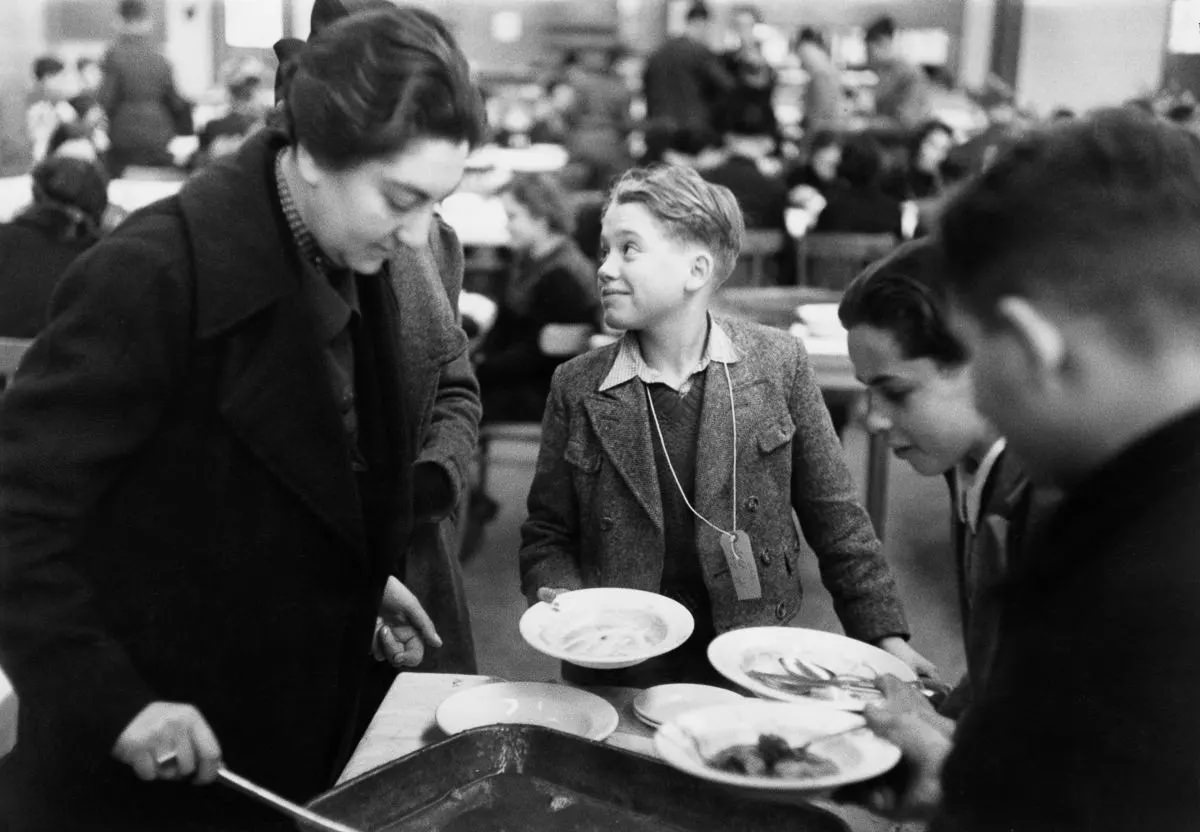
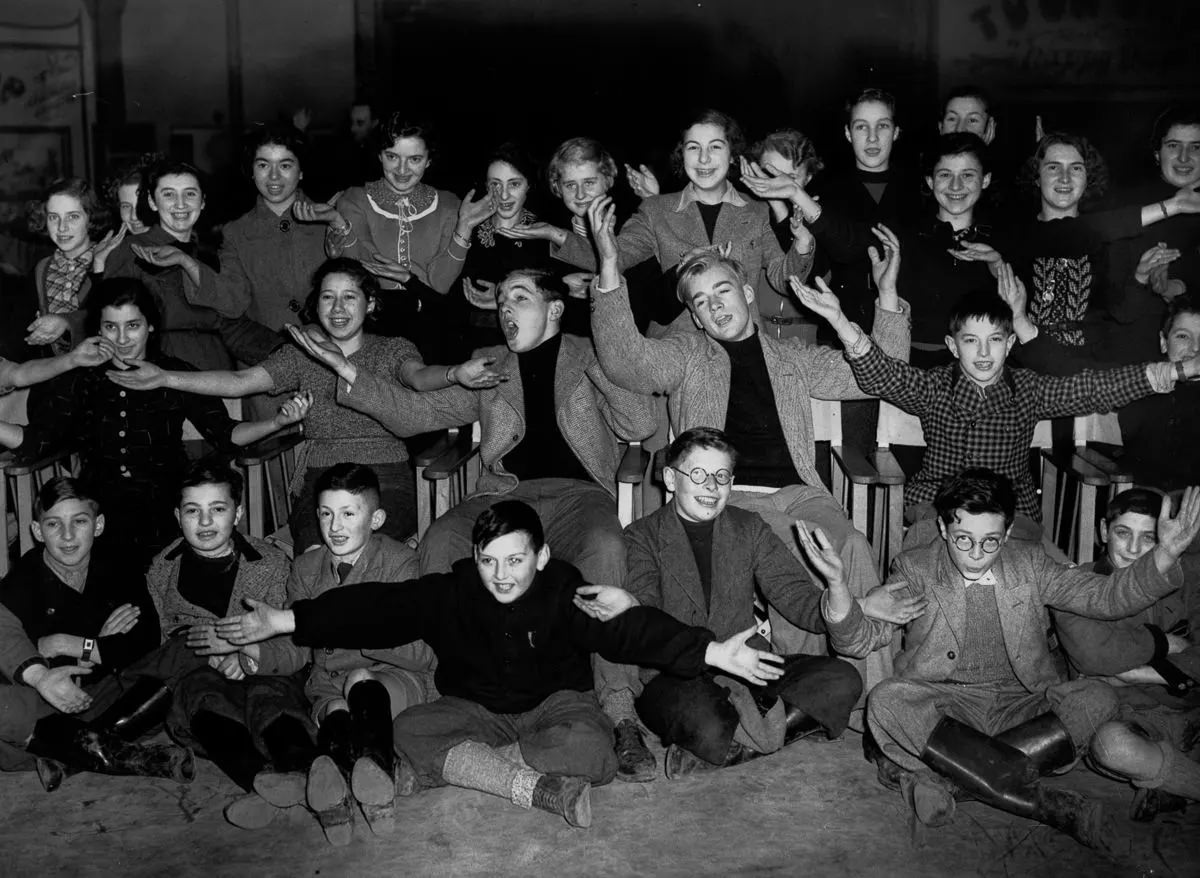
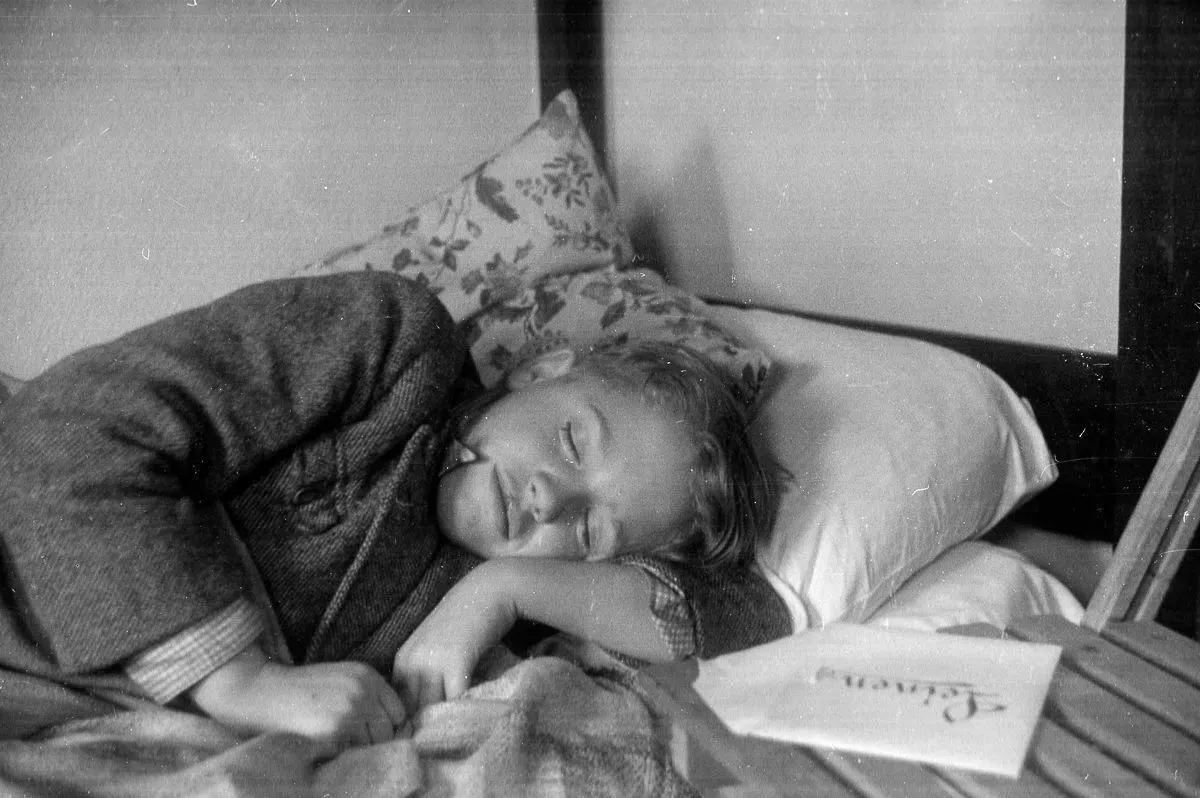
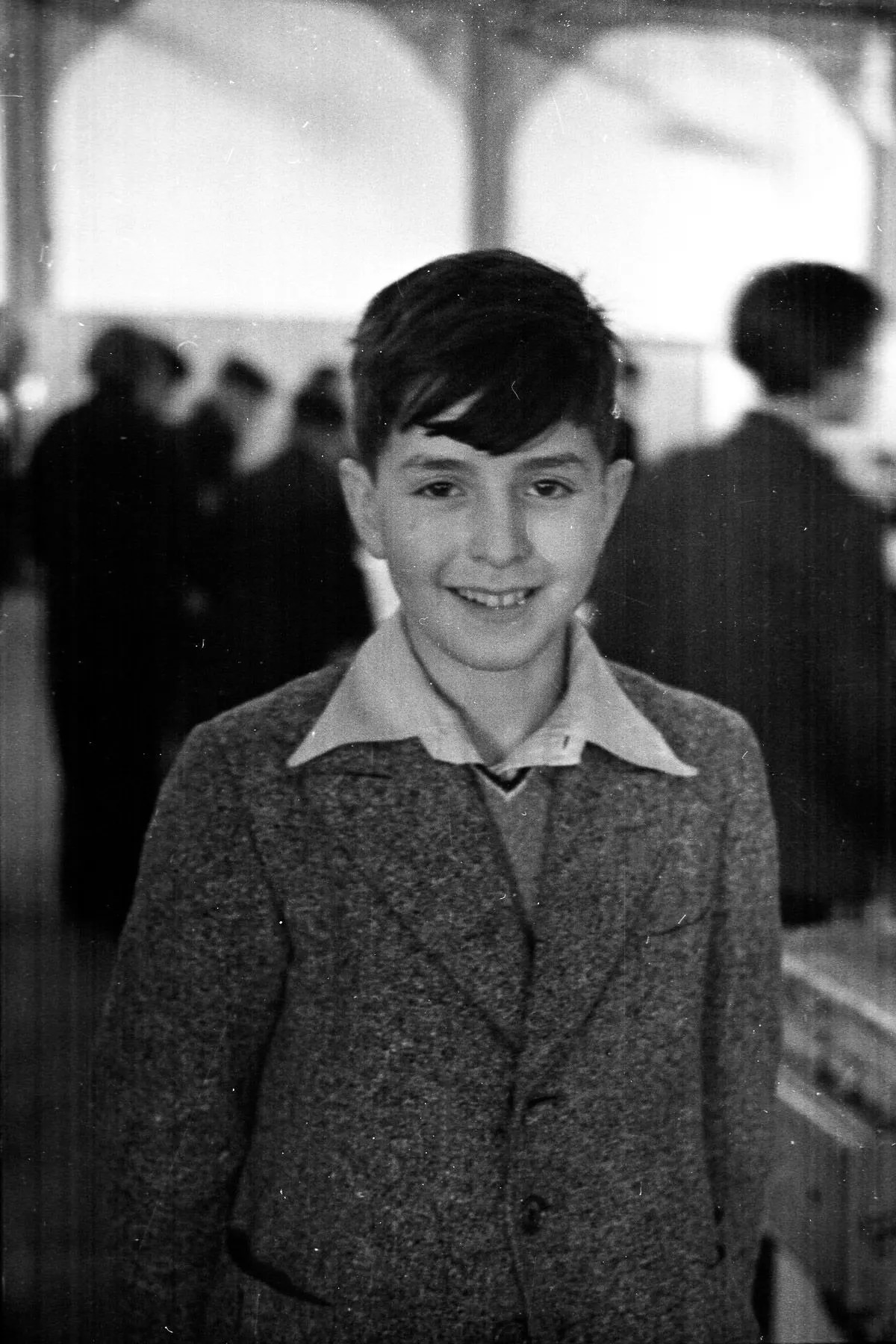
The children at Dovercourt ranged widely in age. Some were toddlers who had no real understanding of where their parents were. Others were teenagers old enough to grasp exactly what was happening — and old enough to worry. The psychological weight on each child differed based on age and circumstance, but the trauma of separation was universal. For the youngest children, the absence of their parents was simply a constant, bewildering fact. For older children, it came with full awareness of what they had left behind.
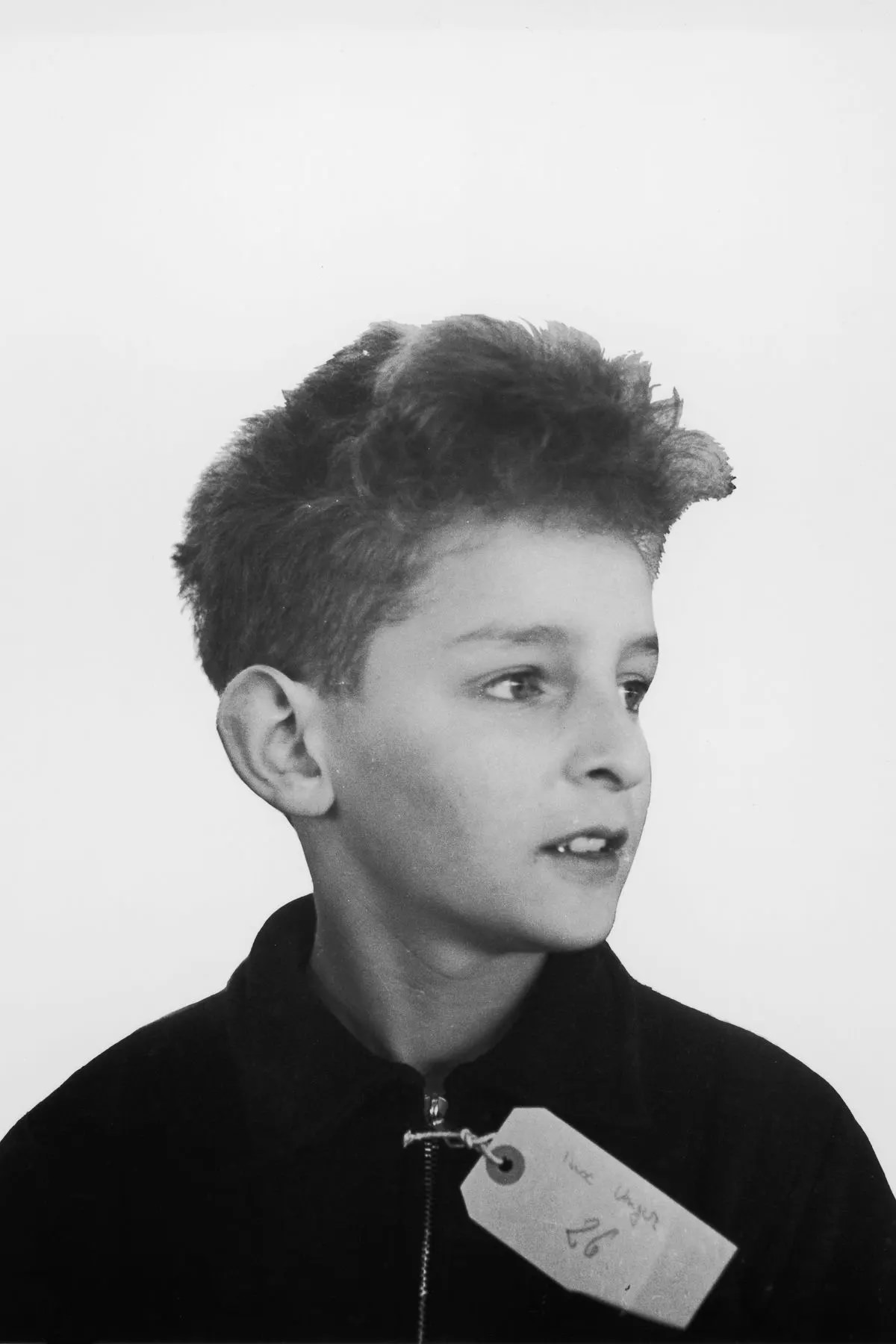
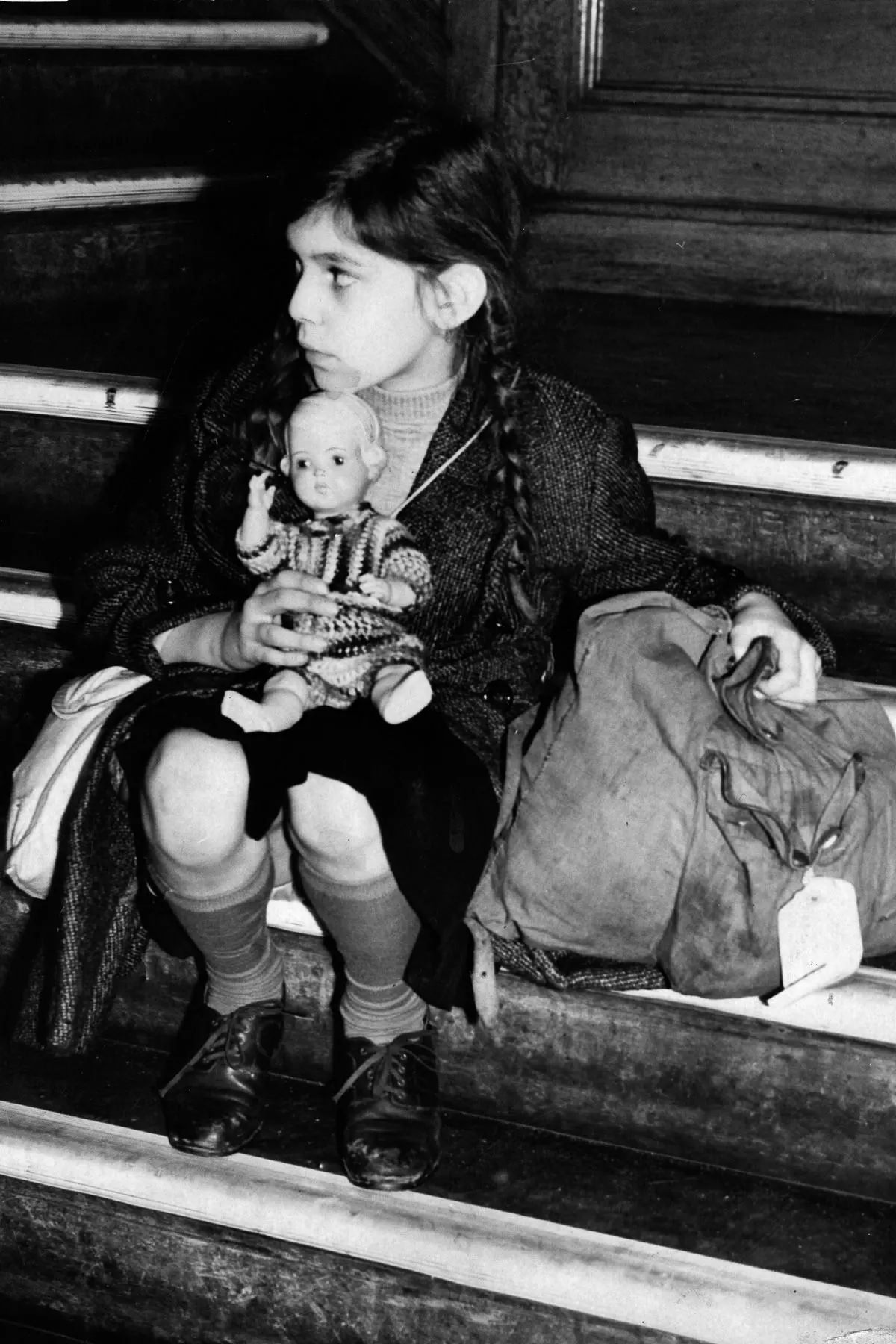
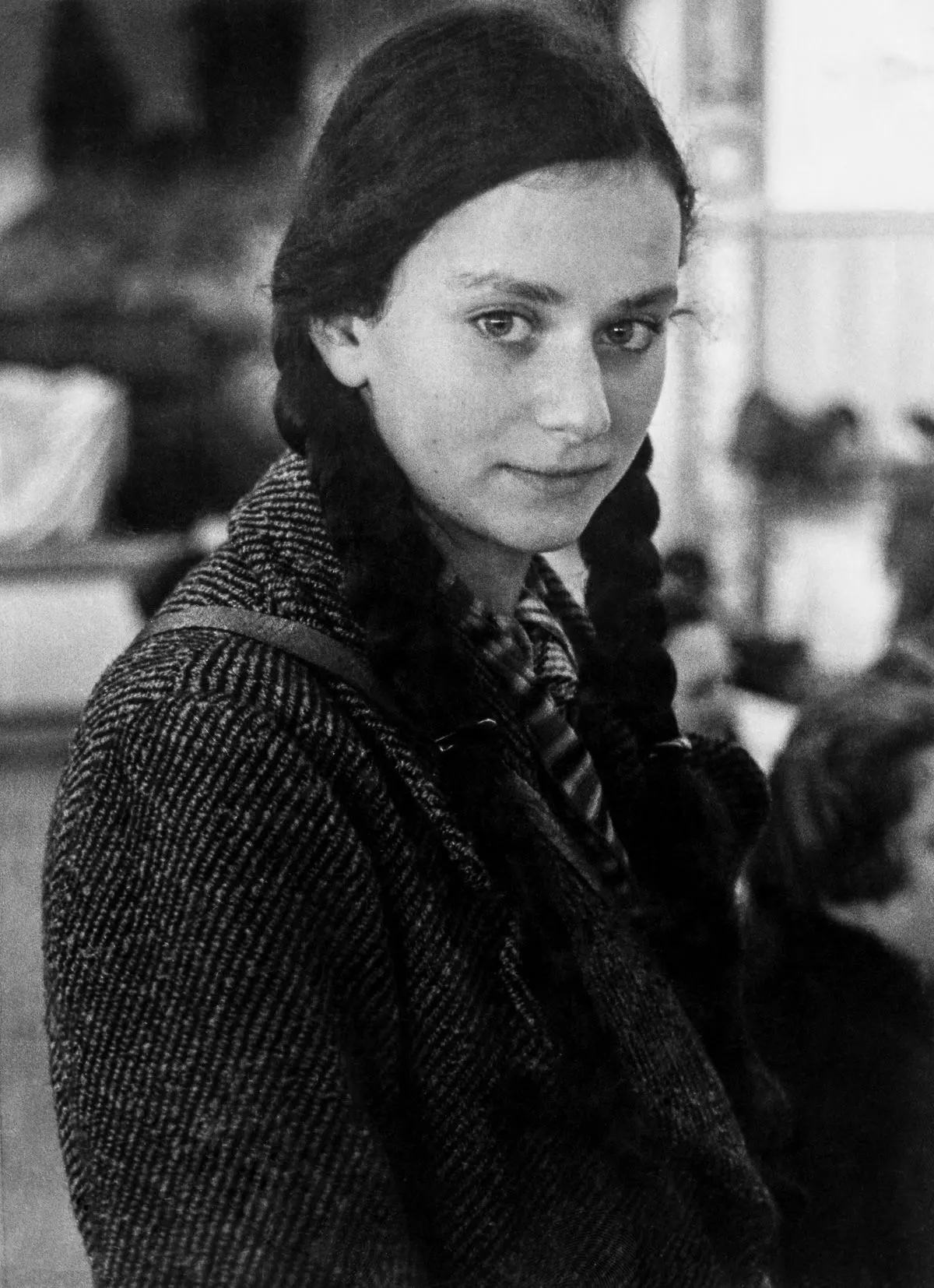
The children arrived by various routes. Some came through European ports on ocean liners. Others crossed the Channel by ferry. The SS Warszawa brought a group of Jewish refugee children directly to London. In 1939, the American ocean liner Manhattan carried a group of 250 refugees to Southampton, 88 of them unaccompanied children.
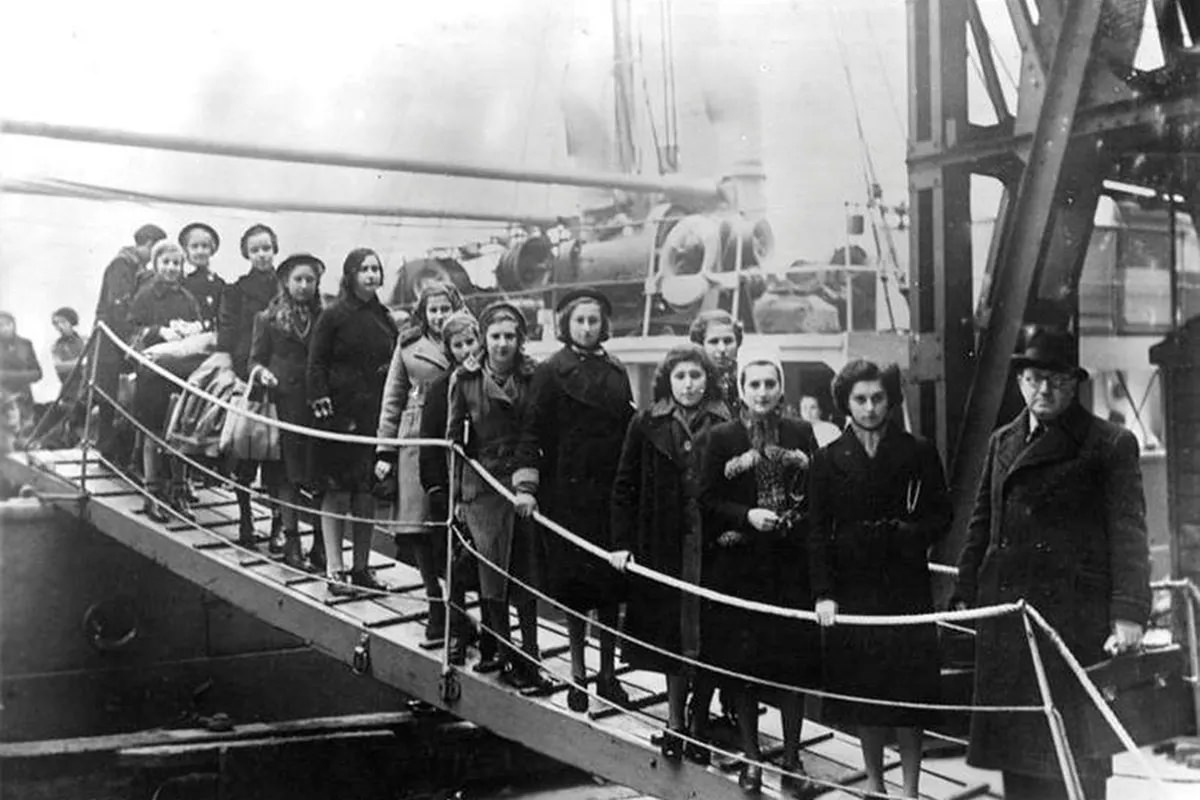
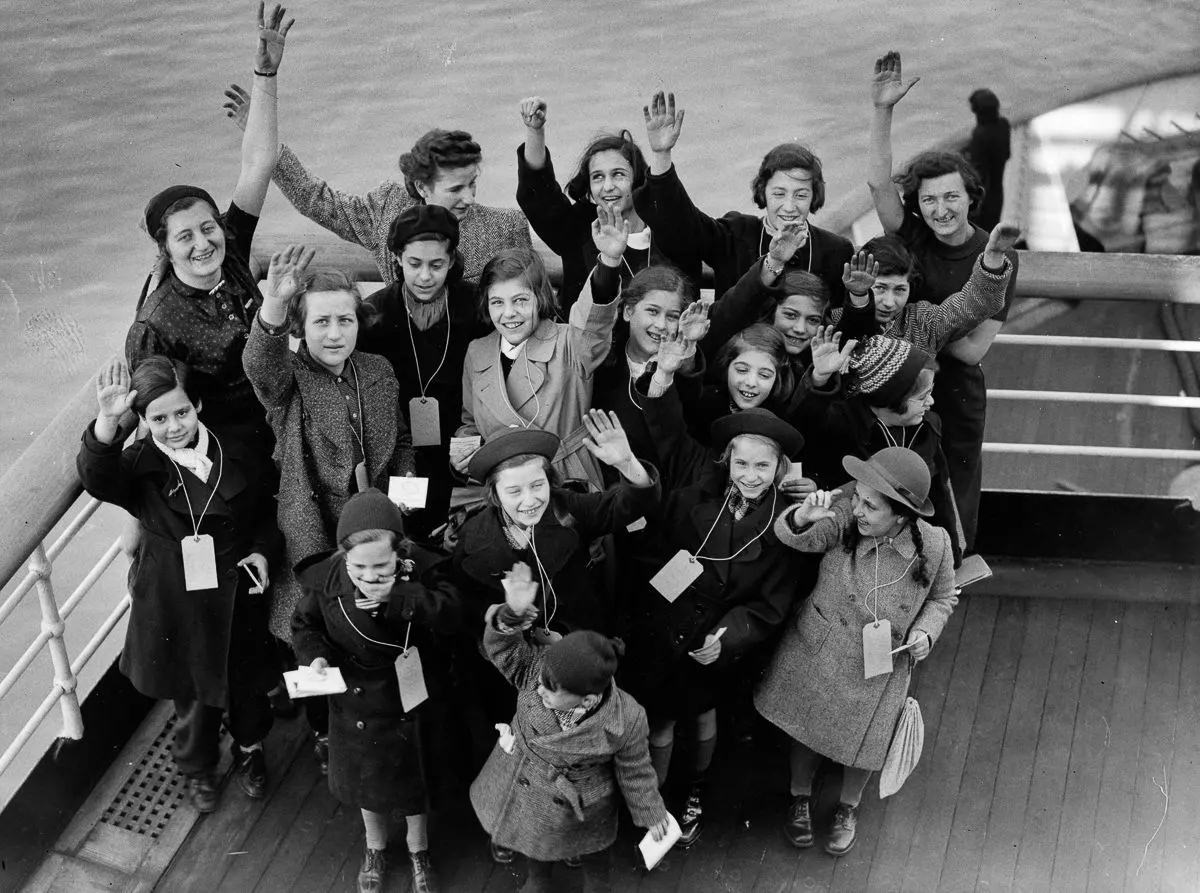
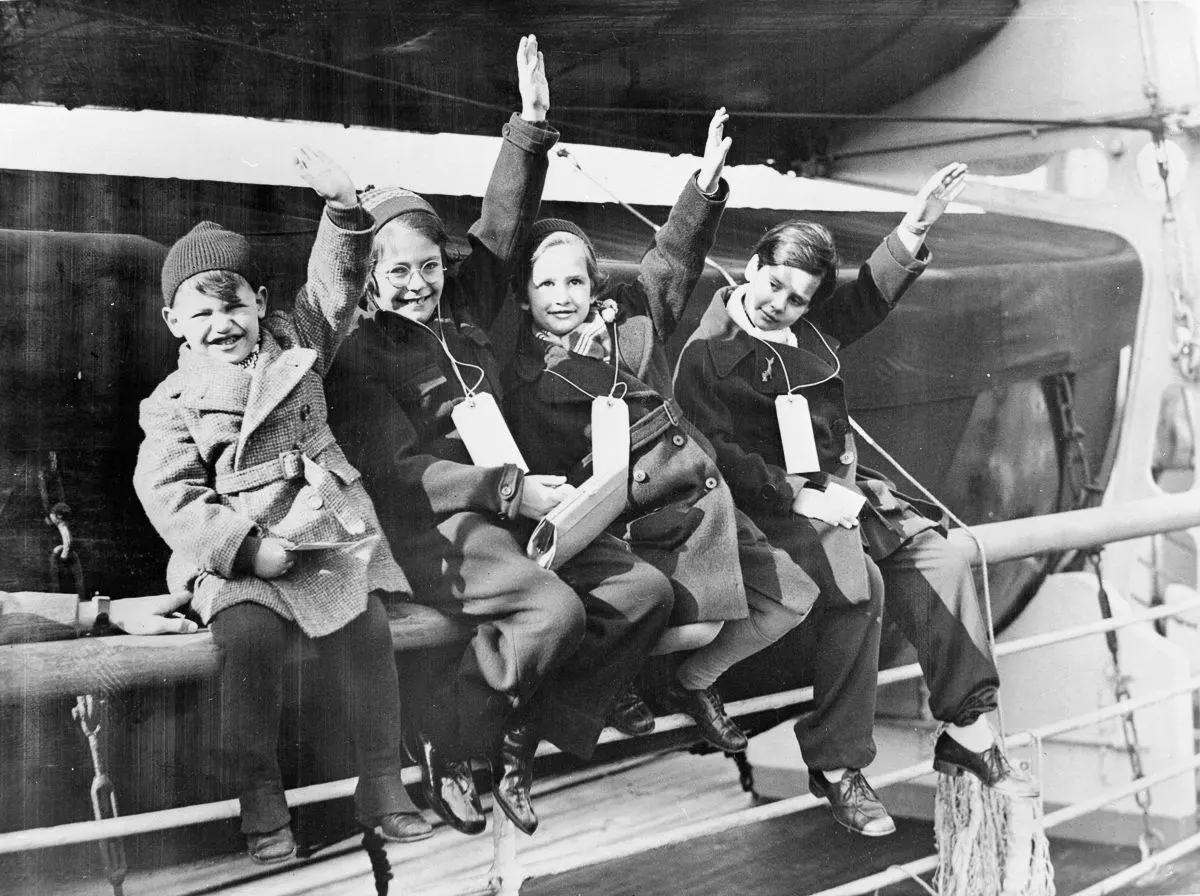
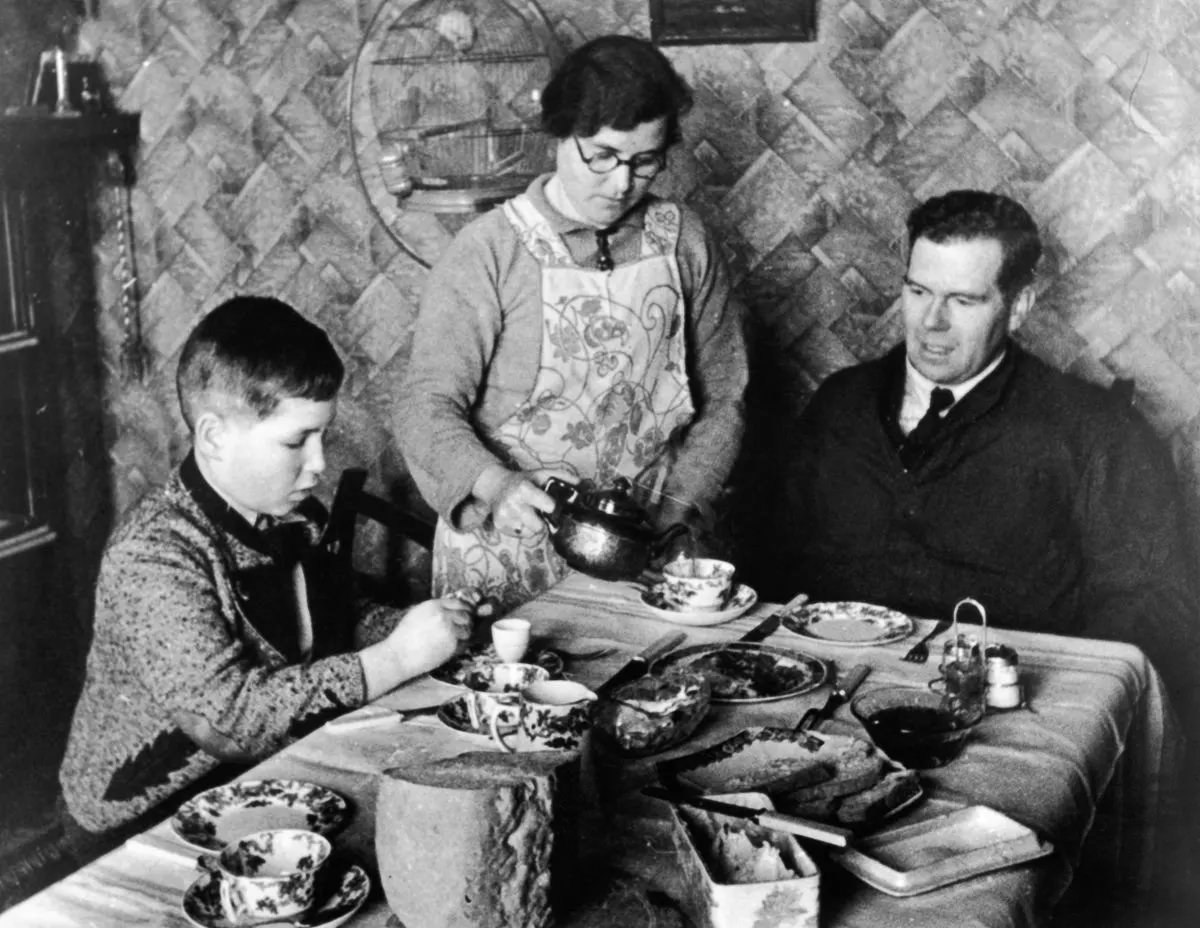
Once settled in Britain, children were placed with host families, in boarding houses, or at specially arranged schools and farms. Sir Edmund Davies converted Dane Court Farm into a school and refuge. Harris House in Southport, Lancashire, housed a group of Jewish refugees until 1940, when British authorities shut it down — citing a policy that refugees over age 16 posed a potential security risk during wartime. Each child also received a travel document in lieu of a standard passport, marking them officially as refugees rather than citizens of any country.
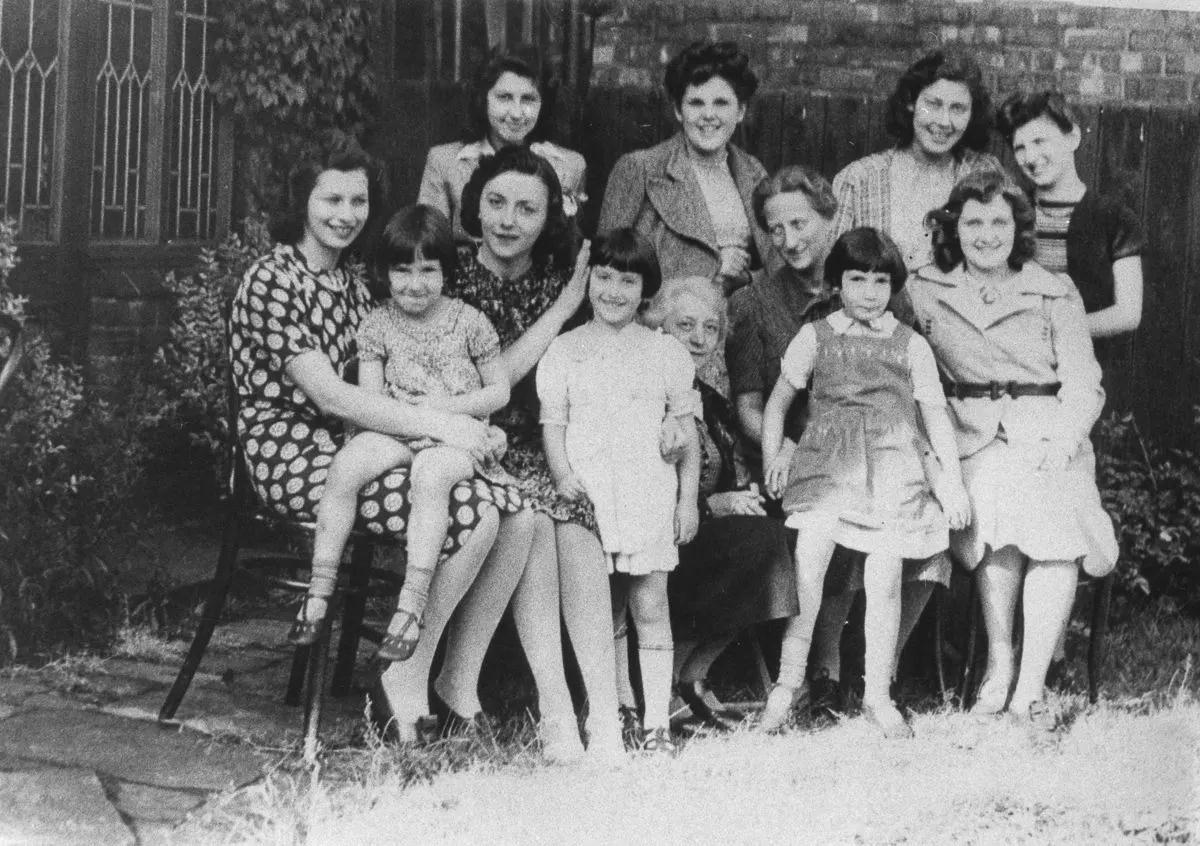
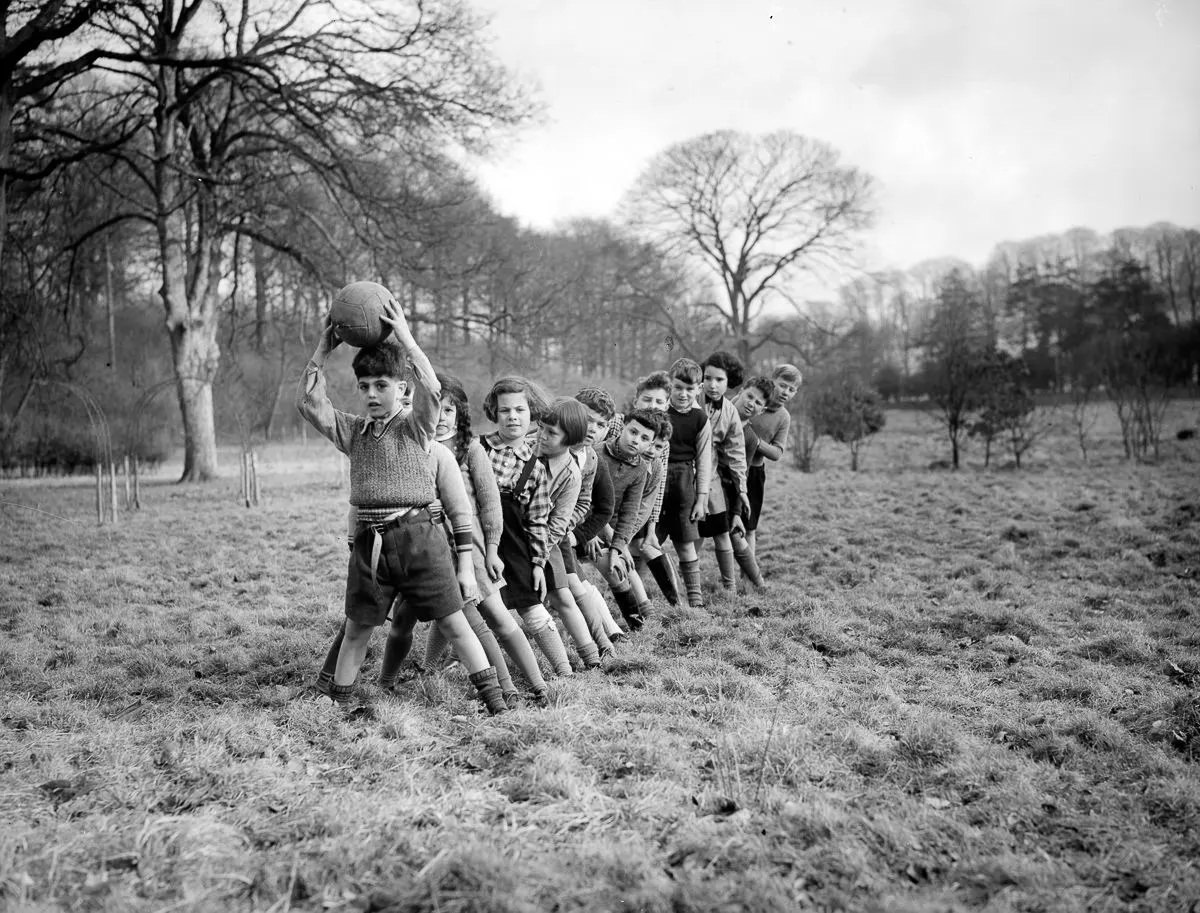
The formal Kindertransport program ended when World War II began in September 1939, cutting off the main escape routes from Europe. Despite this, rescue efforts continued in limited form until 1941. In total, the program brought close to 10,000 children to the United Kingdom. The vast majority of their parents did not survive the Holocaust.
After the war, a flood of requests poured in from Kindertransport children trying to locate their parents or any surviving relative. Some were reunited with family members who had managed to escape to other countries. Many others received confirmation that their parents had been killed. The boarding houses that had sheltered them were needed for newer arrivals, and those without family were forced to move on. Mona Golabek documented this painful post-war reality in her novel The Children of Willesden Lane, which follows the experiences of children who had nothing left to return to.
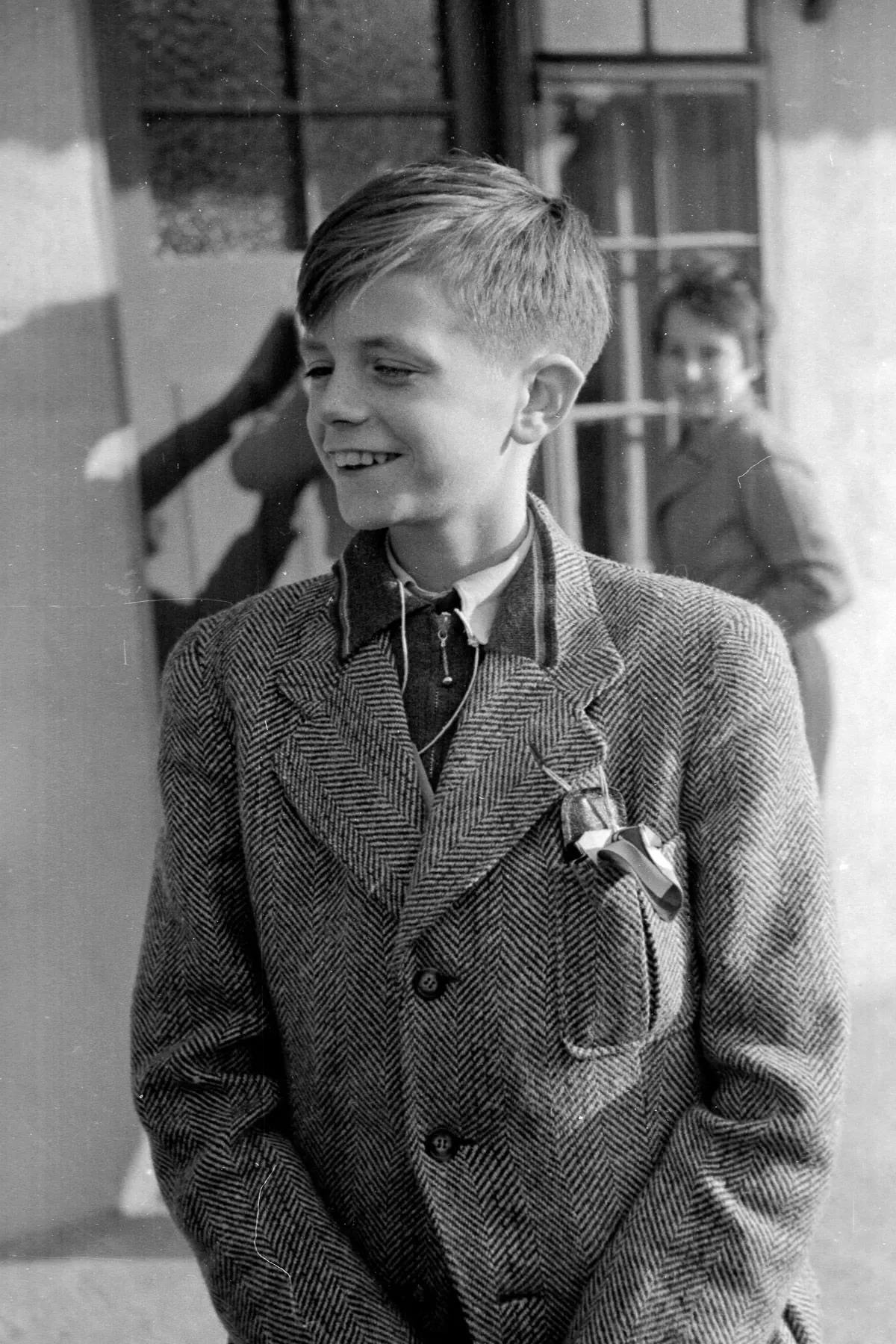
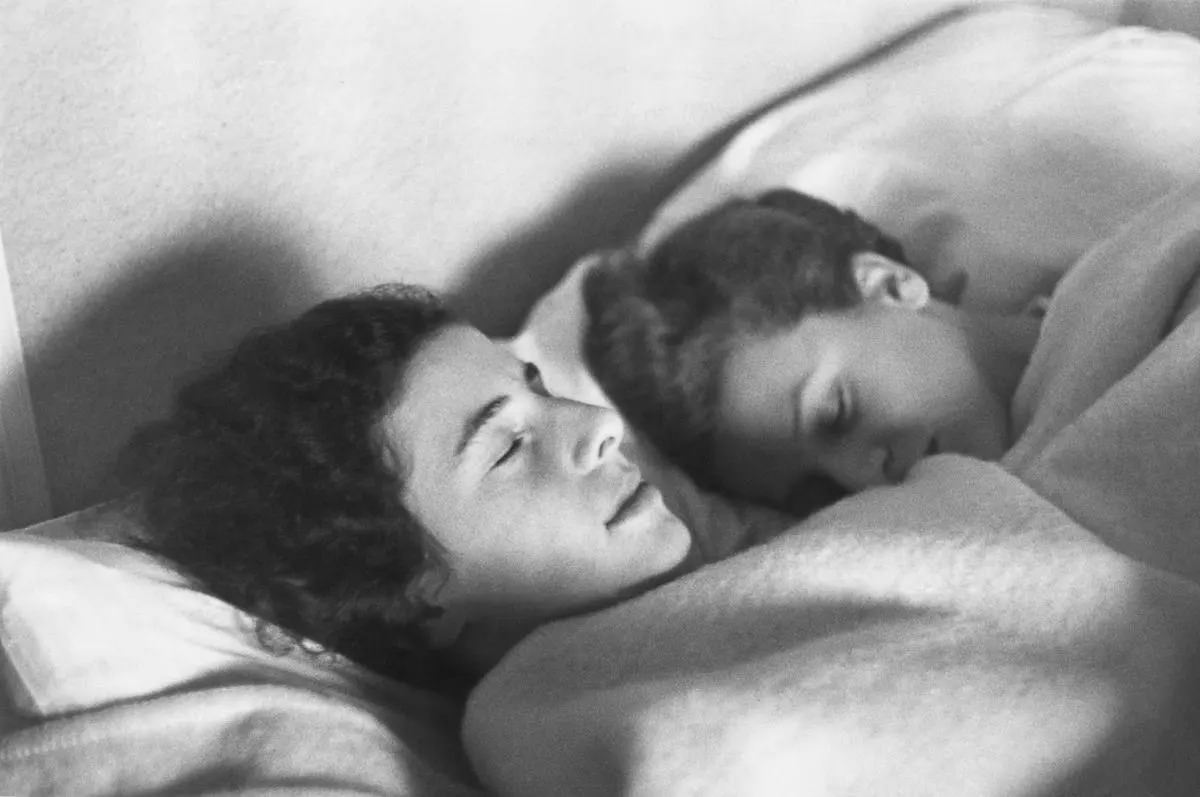
Among the children saved by the Kindertransport were future Nobel Prize winners. Arno Penzias, who later won the Nobel Prize in Physics, and Walter Kohn, who won the Nobel Prize in Chemistry, were both Kindertransport children. Dozens of others went on to become scientists, artists, and politicians. They carried their experiences with them for the rest of their lives — the languages they had to learn, the families they had lost, and the country that had taken them in when almost no other would.