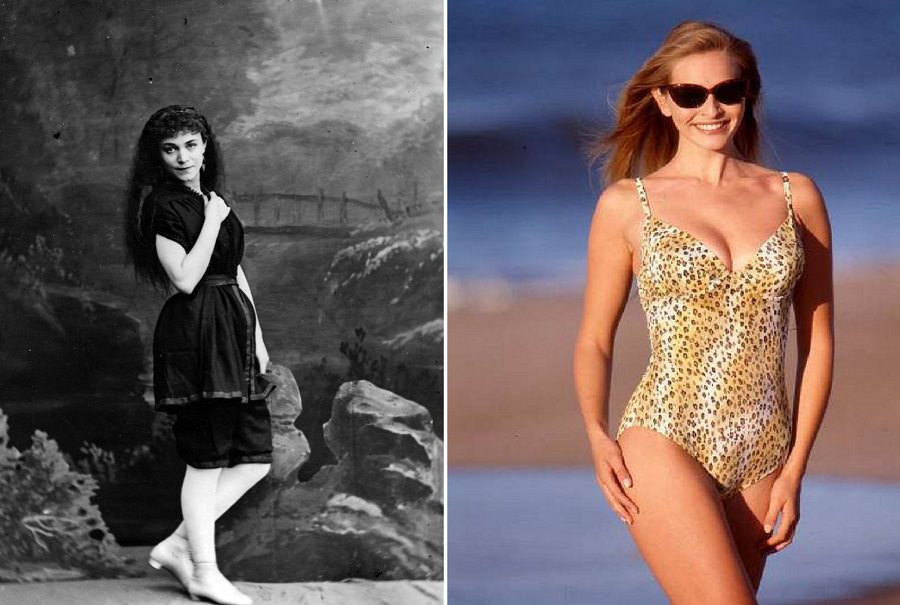
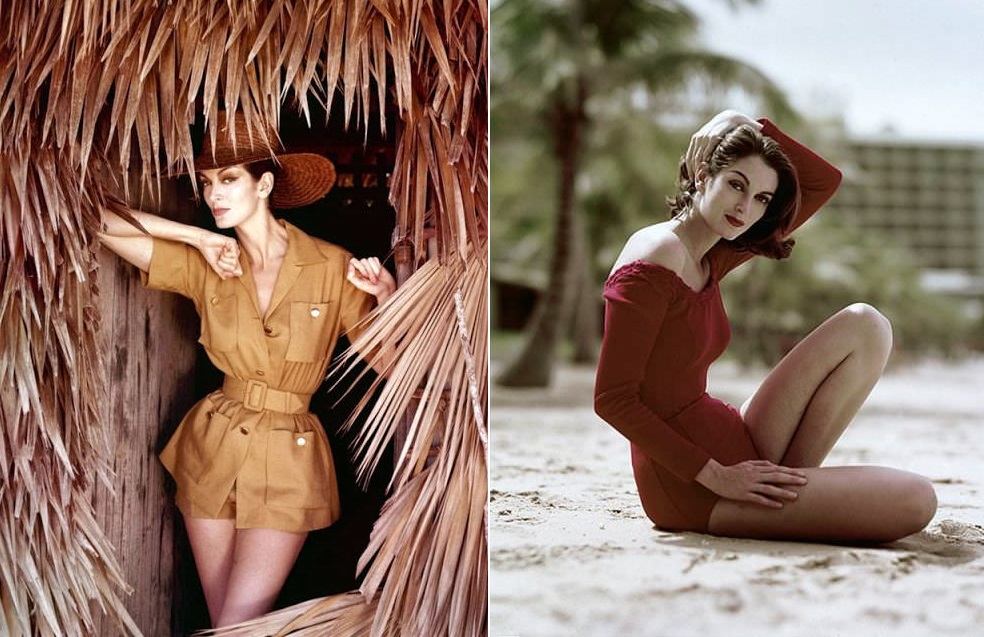
Jean Patchett stands as one of the most recognizable faces in American fashion history. From the late 1940s through the 1960s, she dominated the pages of the country’s most prestigious magazines, including Vogue, Harper’s Bazaar, Cosmopolitan, Elle, Glamour, Charm, and Life. Over the course of her career, she appeared on more than 40 magazine covers. Fashion editors regularly called her the ‘Queen of Fashion Inc,’ a title that reflected just how central she was to the industry during those decades.
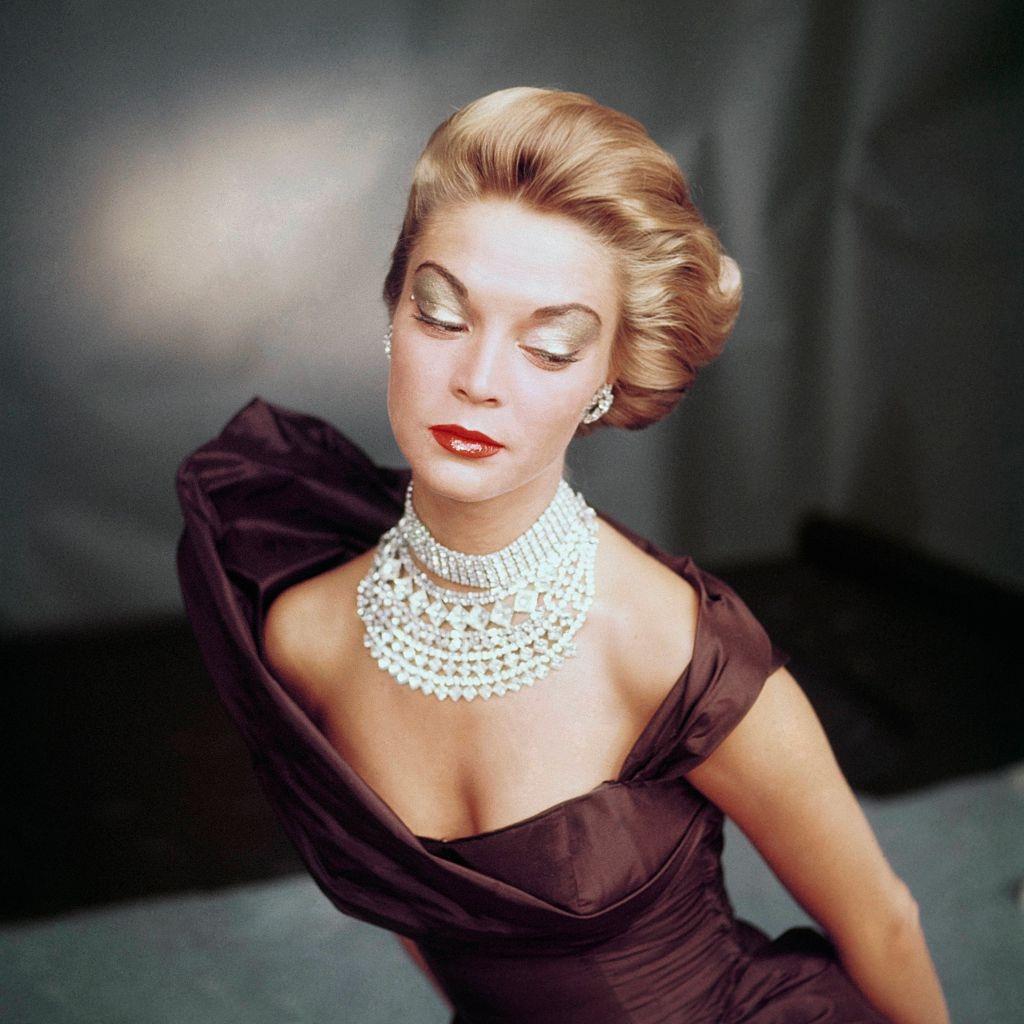
Patchett was the first star model signed to Ford Models in New York, the agency that would go on to shape American modeling for generations. Her relationship with the camera was exceptional — natural, magnetic, and precise. She had a perfectly penciled left eye, full red lips, and a natural beauty mark that became her trademark. The October 1950 issue of Vogue made those features famous, presenting a close-up that said everything about what made Patchett unforgettable. Her earliest shoots in 1948 already showed that quality clearly.
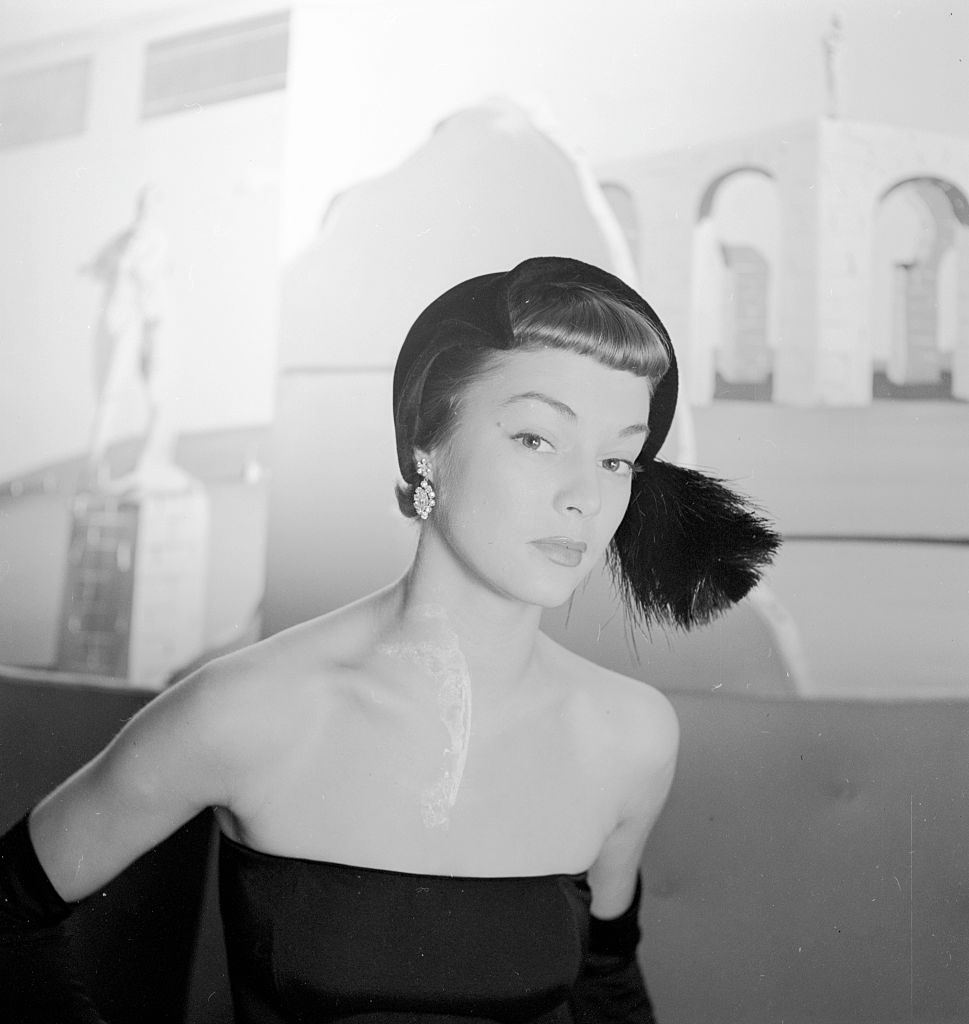
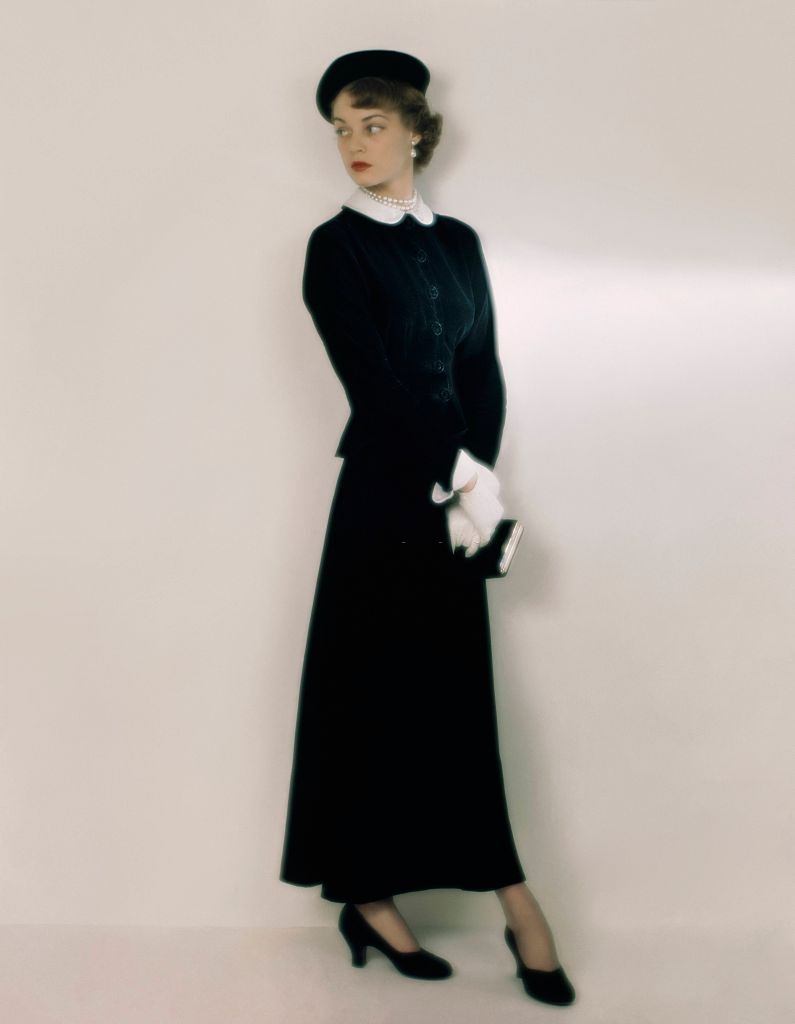
By 1948, Patchett was already working with the top names in fashion. She modeled Christian Dior designs for Vogue and brought the same effortless authority to each look, whether it was a structured theatre suit or a sweeping evening gown. That year’s shoots placed her in settings that ranged from sun-drenched terraces to studio backdrops, and she commanded every frame.
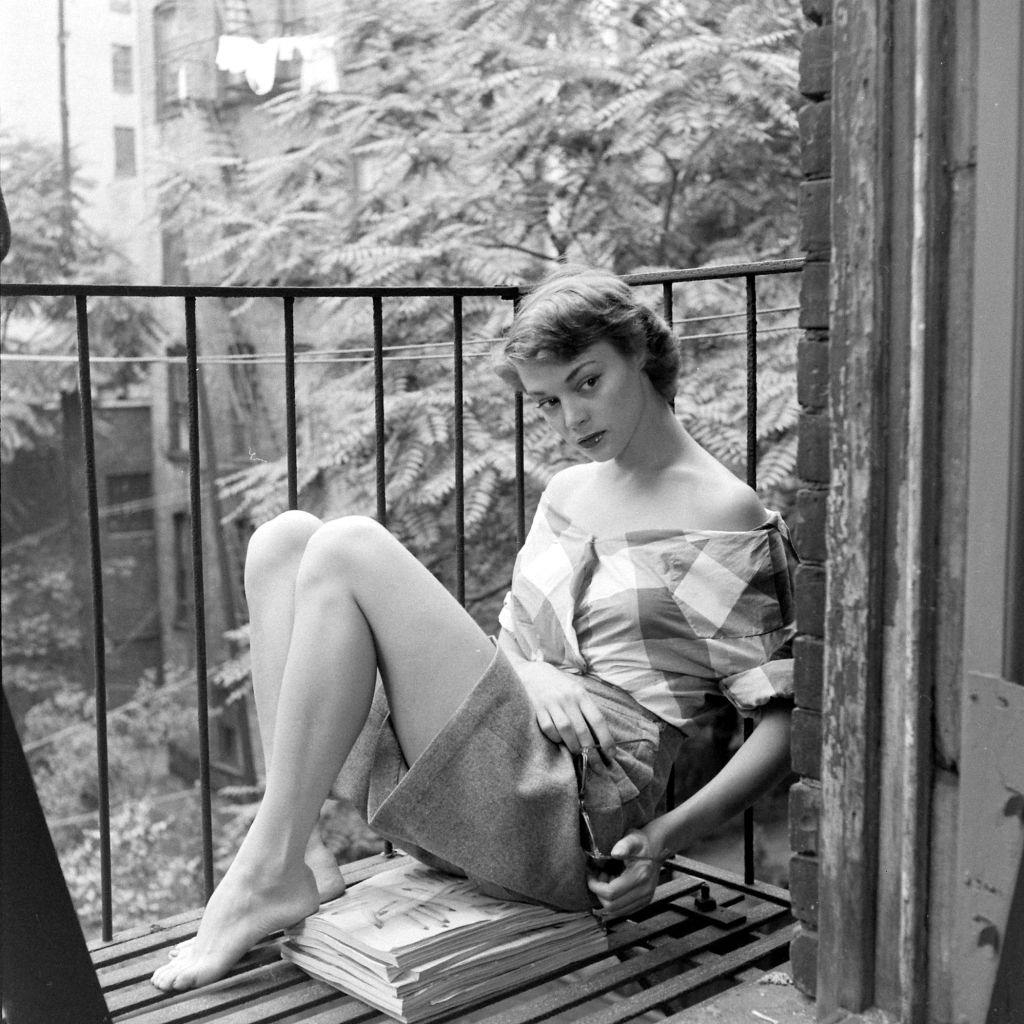
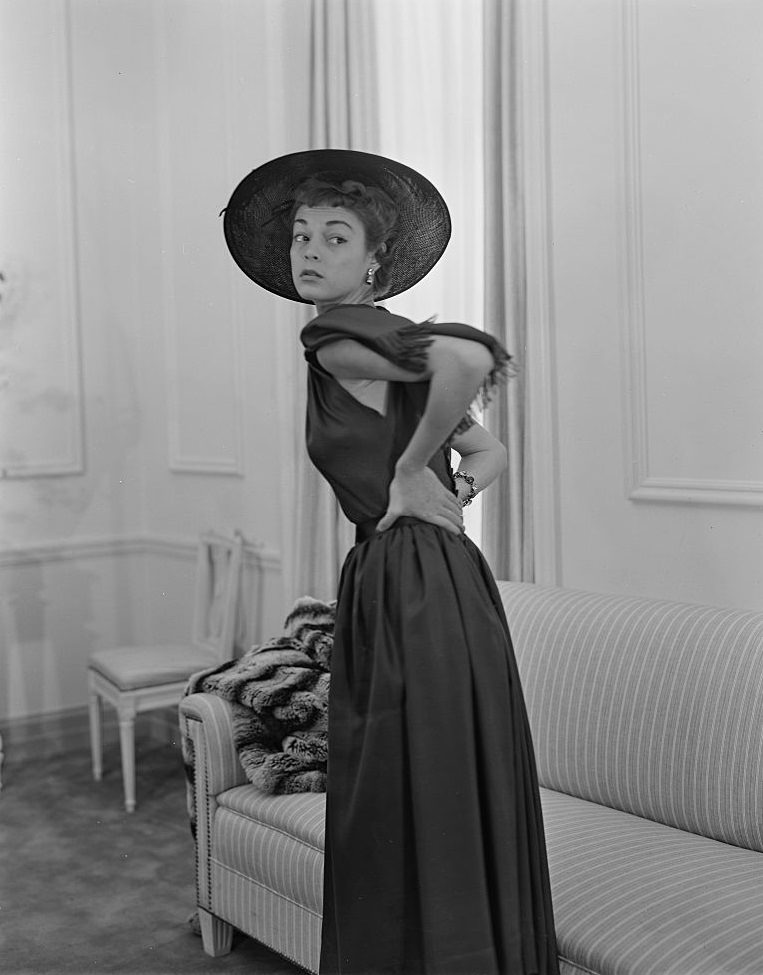
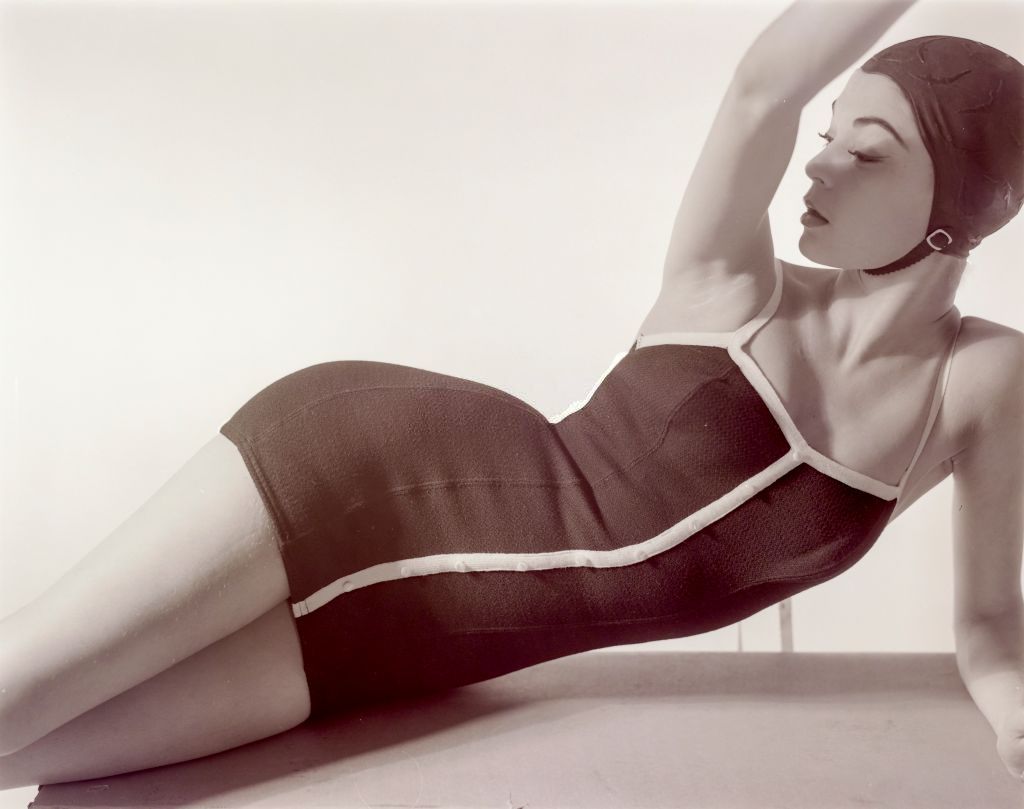
In 1949, Patchett showed remarkable range. She modeled bold Woolworth costume jewelry — oversized earrings, rhinestone clips, and layered pearls — with the same confidence she brought to elegant evening wear. One shoot featured her in 20 nickel bracelets stacked on her wrist alongside a simple white shirt, proving that the right model could make anything look like a statement. She also appeared in dime-store outfits and bathing suits, never losing her signature poise.
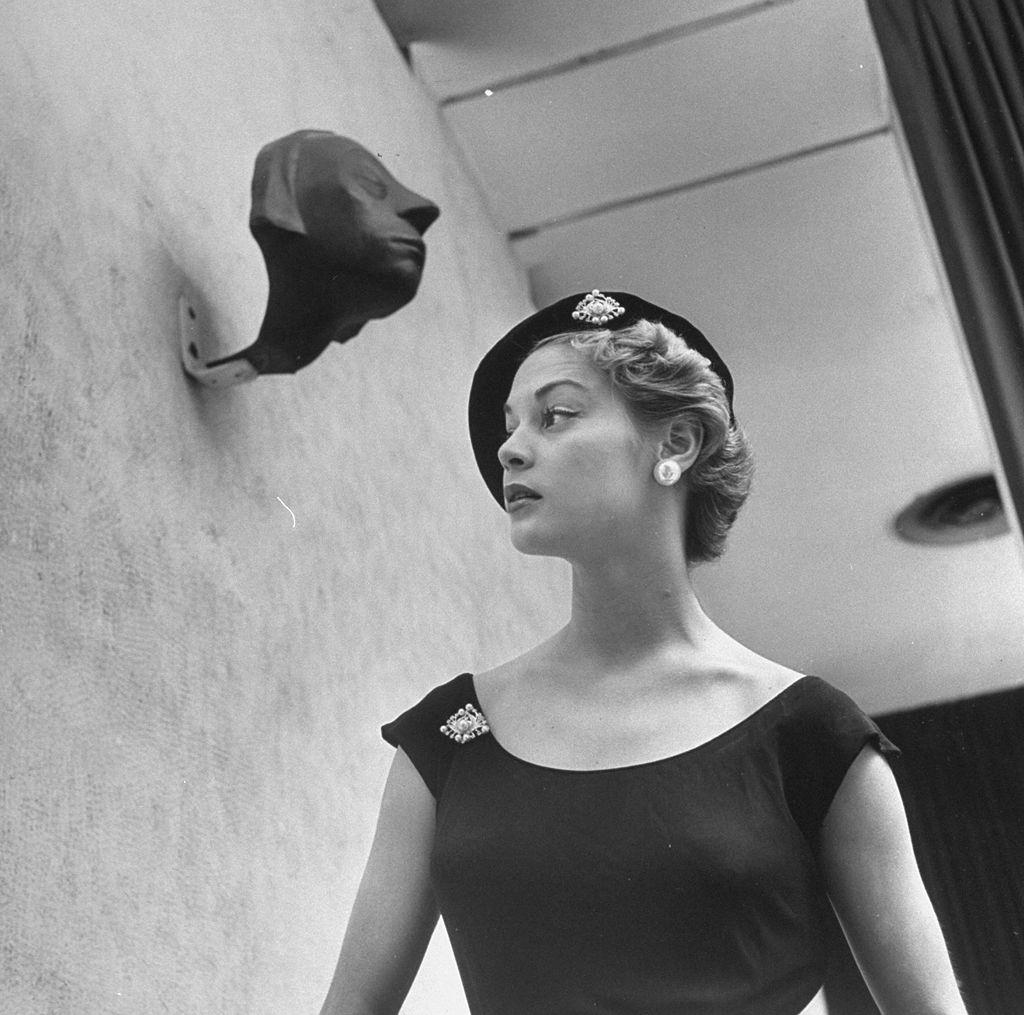
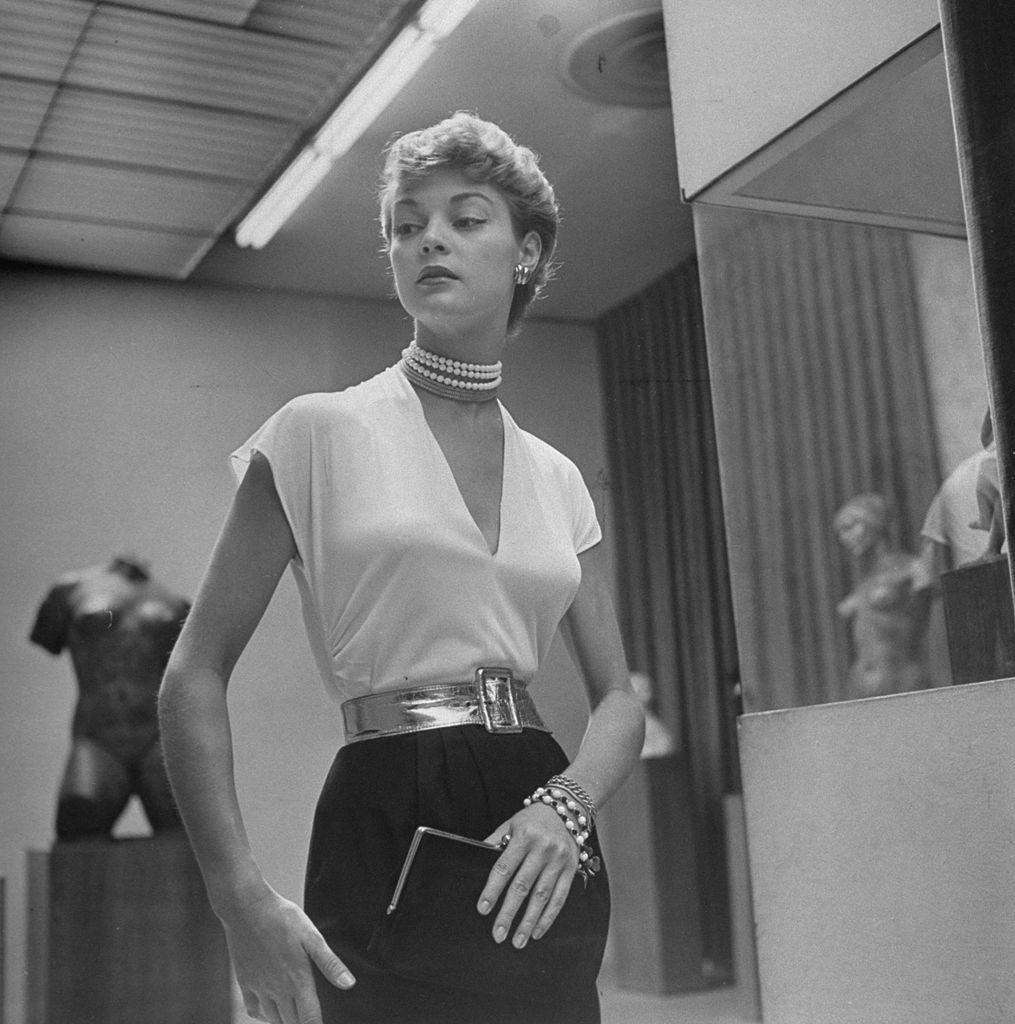
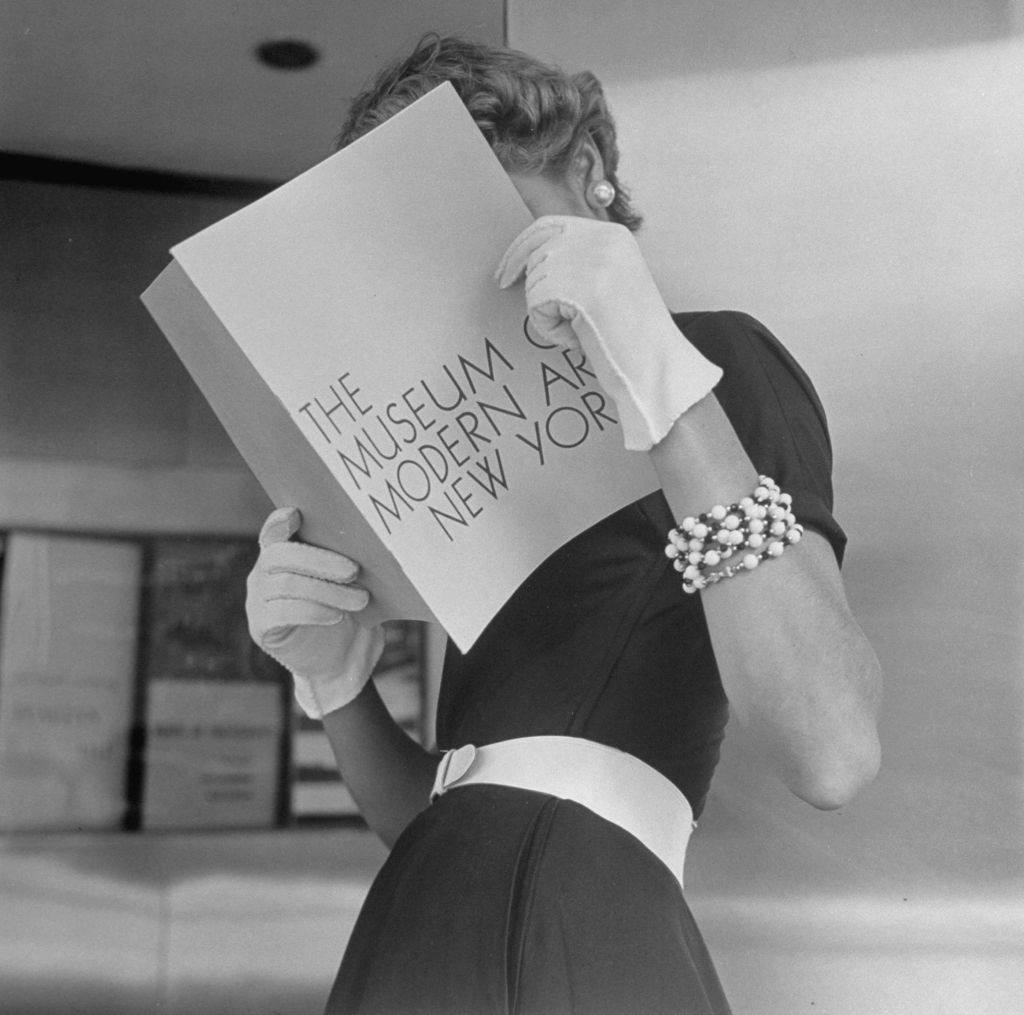
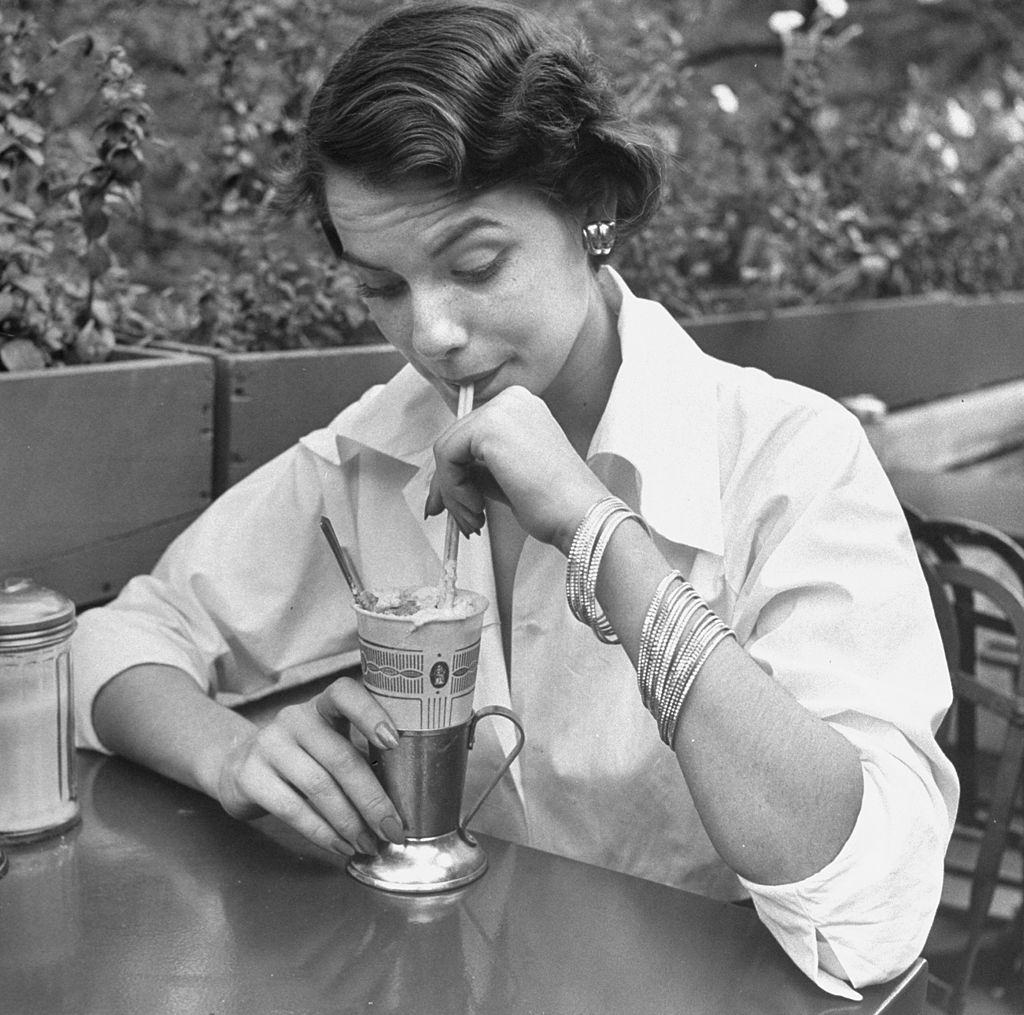
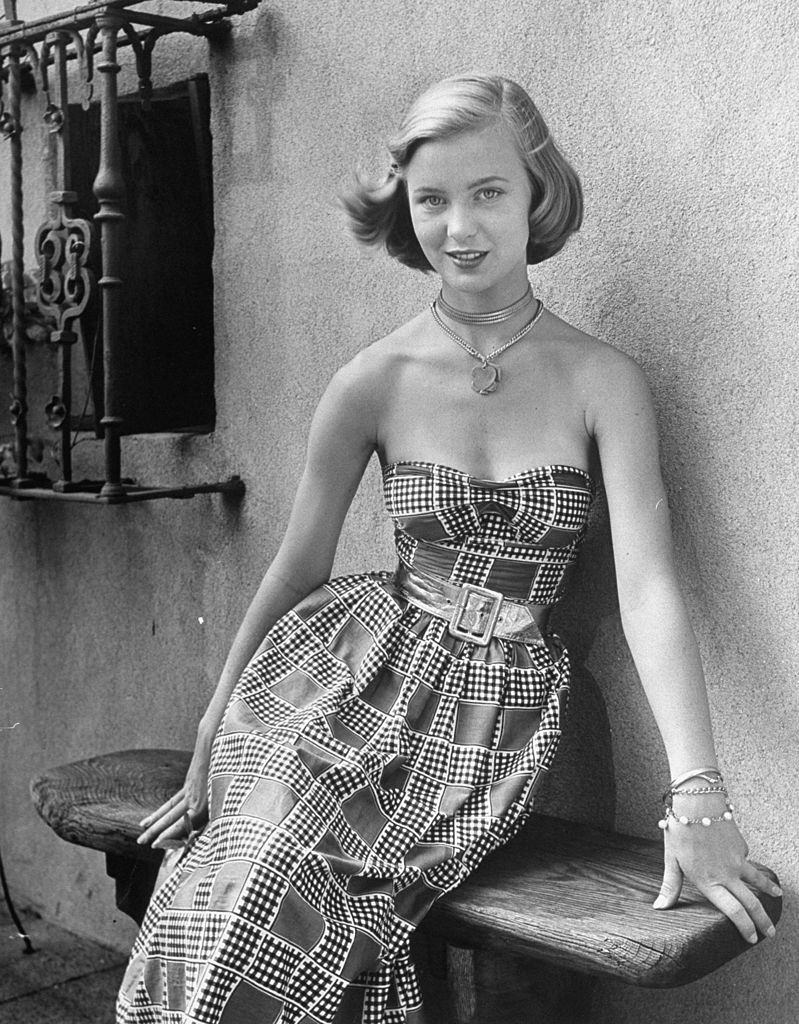
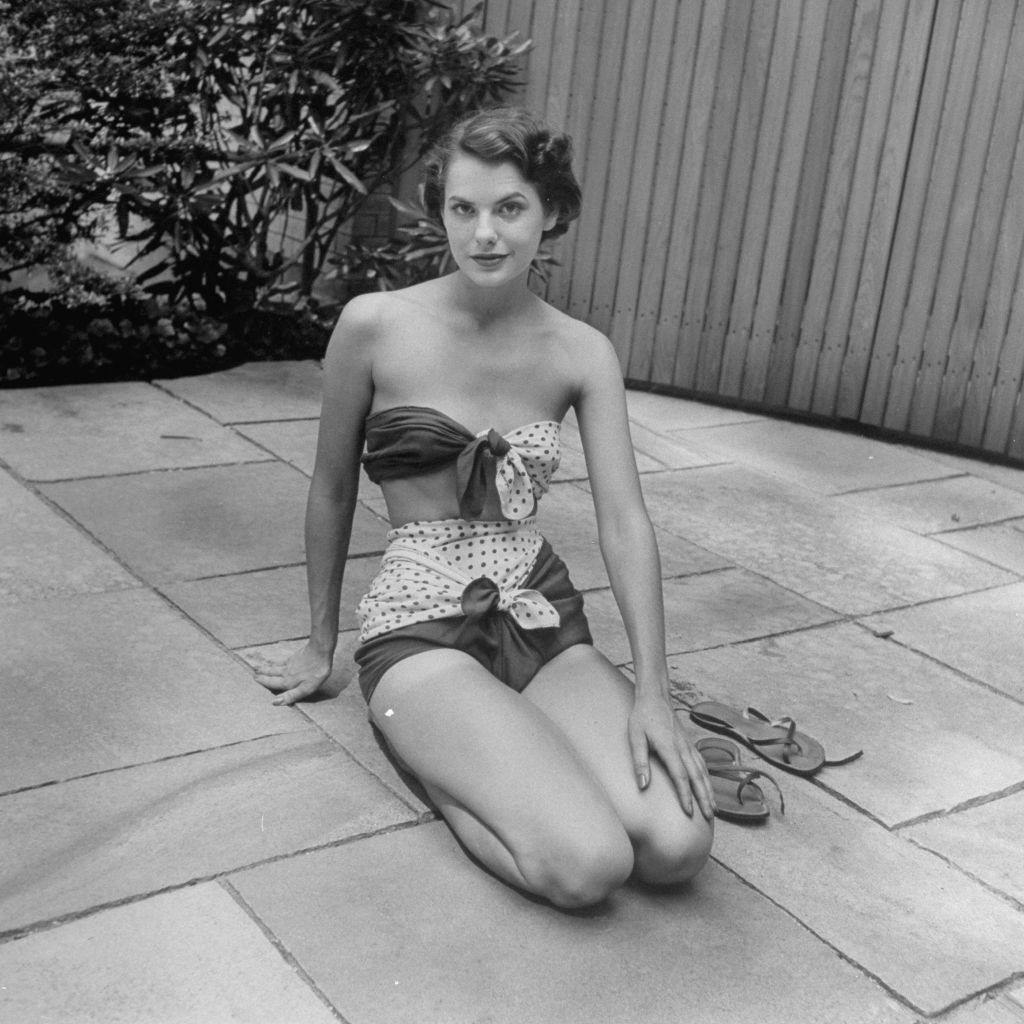
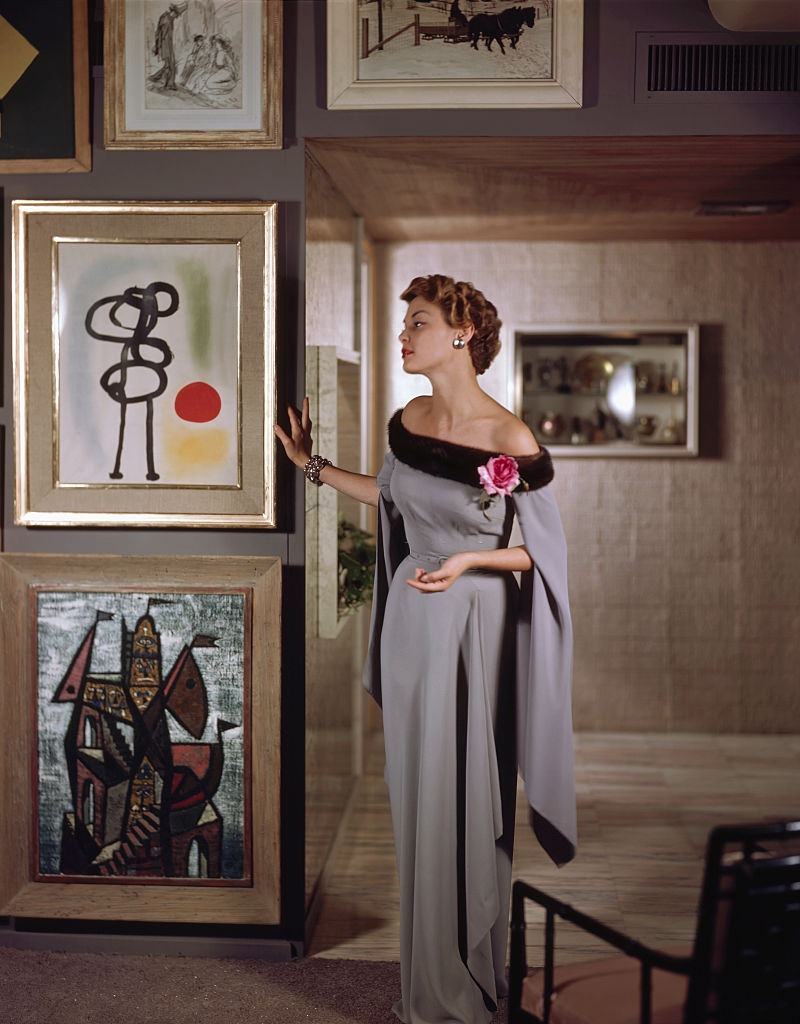
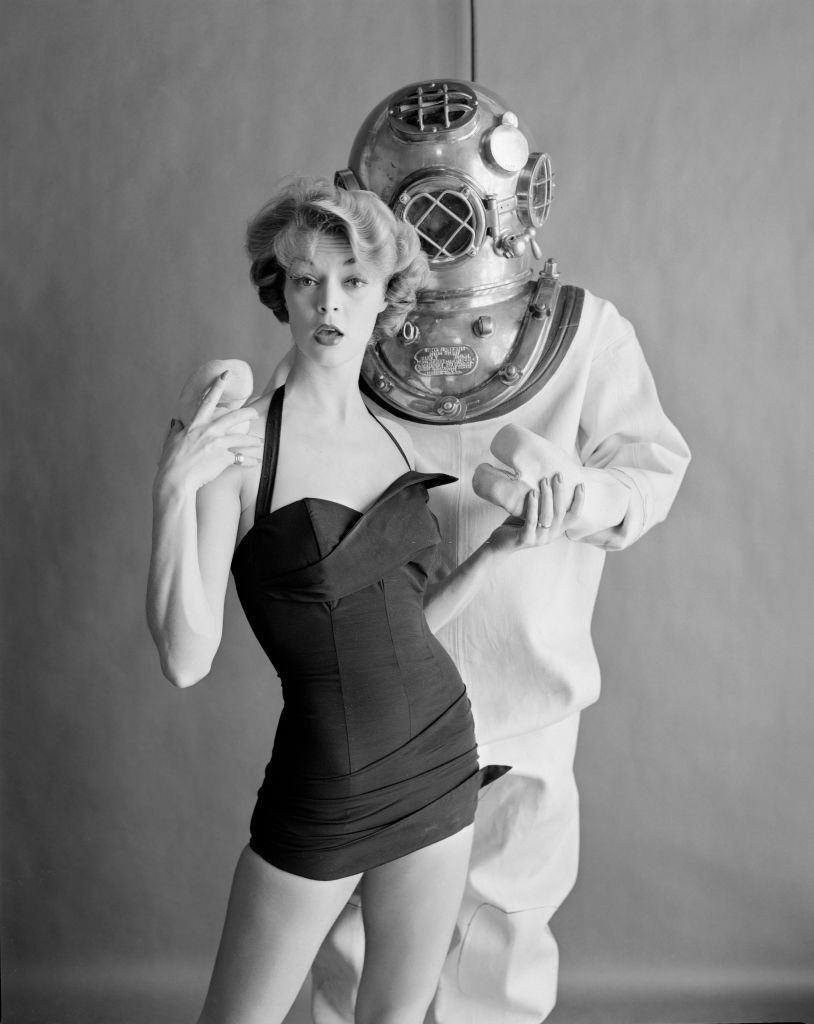
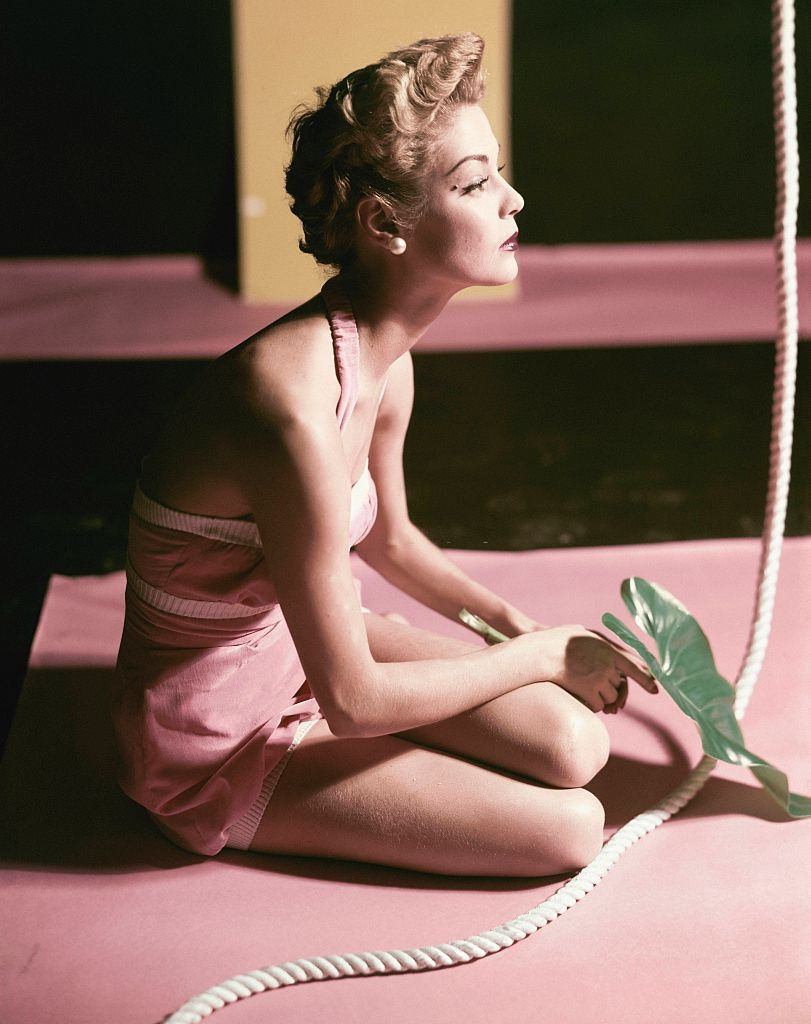
The year 1950 was pivotal for Patchett. Beyond the landmark Vogue cover, she worked on a wide variety of shoots — from swimsuit layouts to sophisticated evening looks. One notable session placed her in the art-filled Manhattan apartment of industrial designer Raymond Loewy, where she modeled a dress by Netti Rosenstein. Another shoot paired her with a male model in a diver’s hardhat suit, contrasting her sleek swimsuit against a striking visual backdrop.
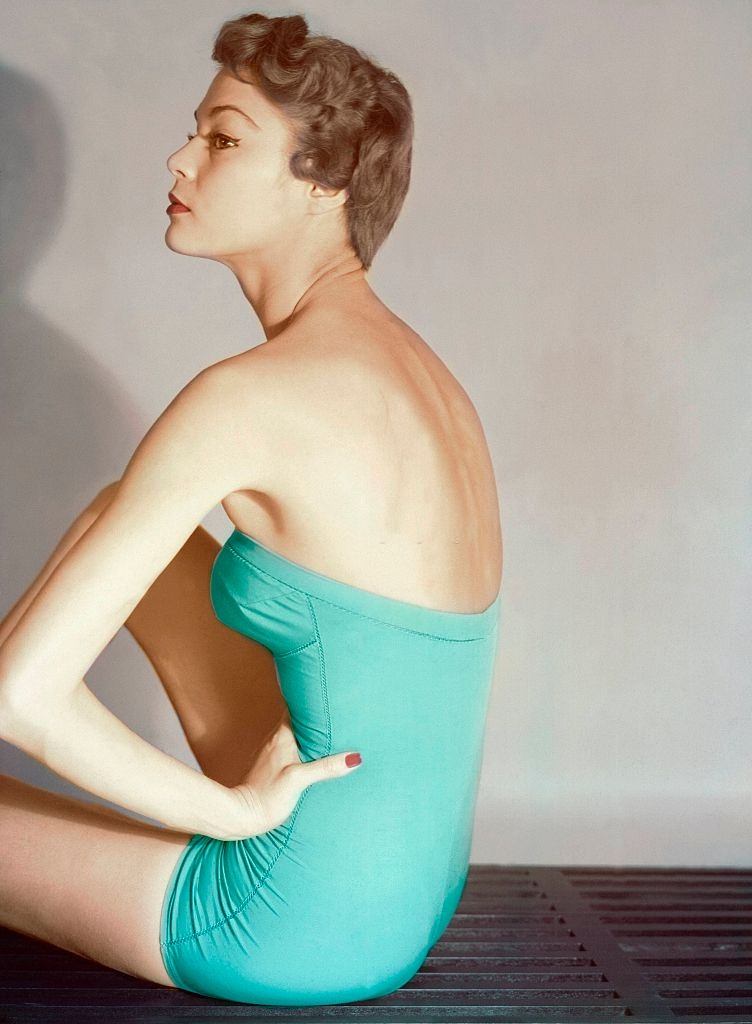
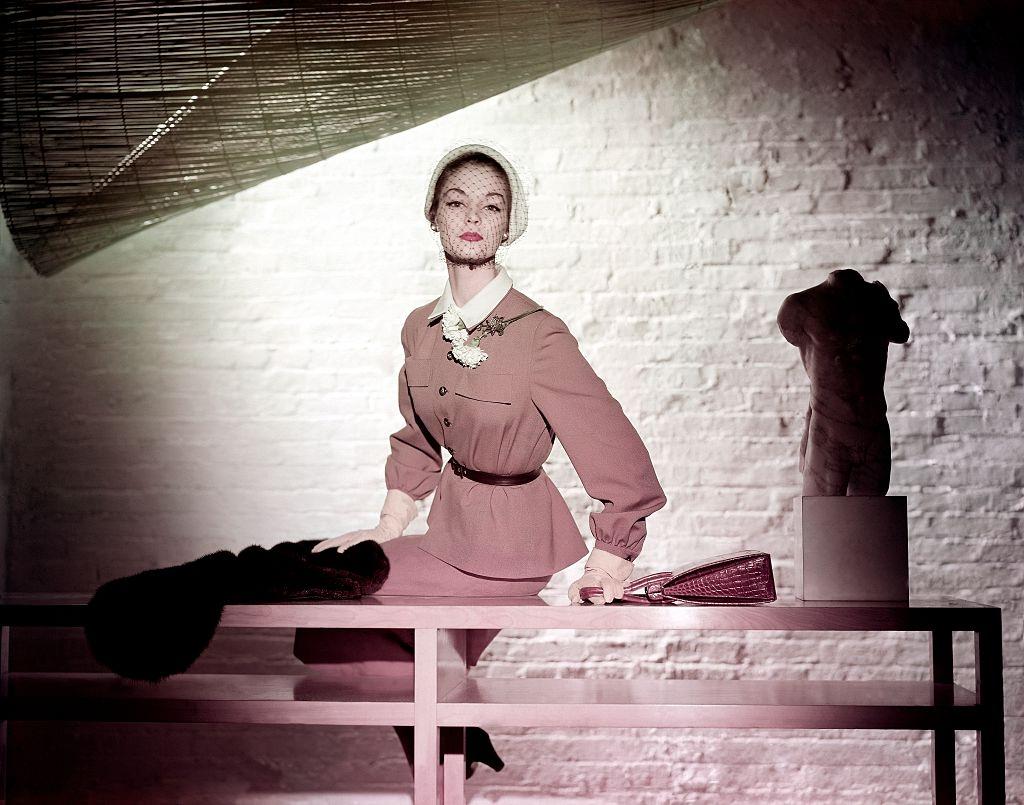
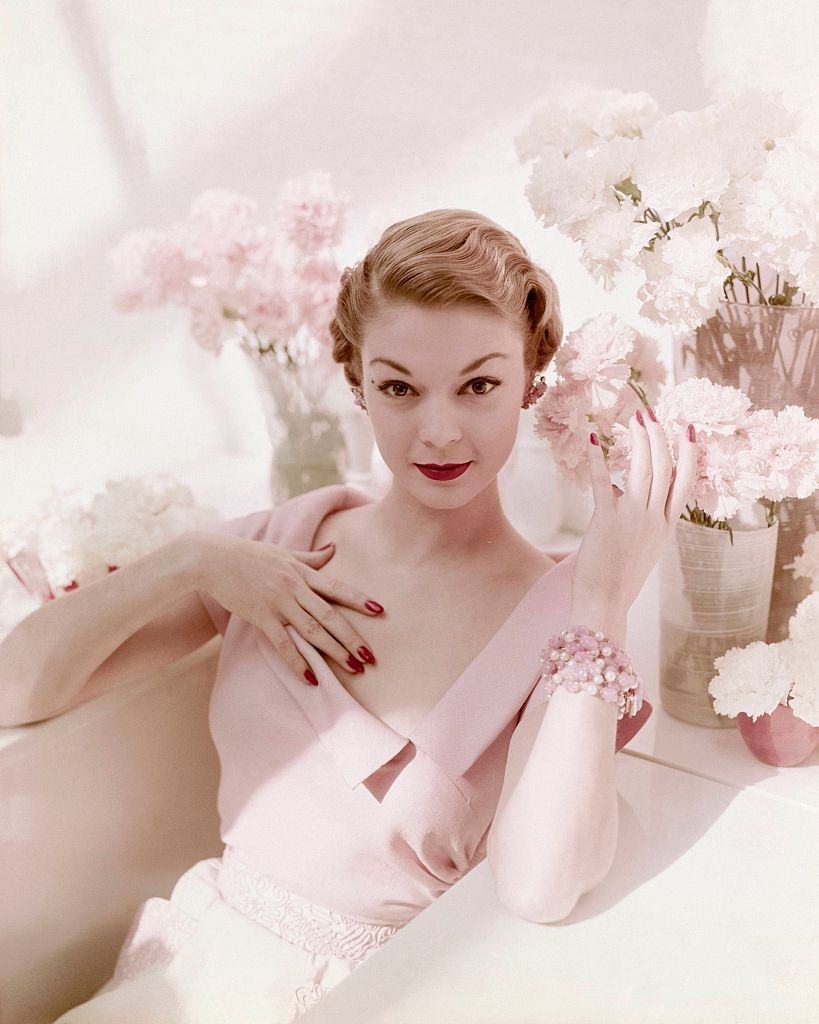
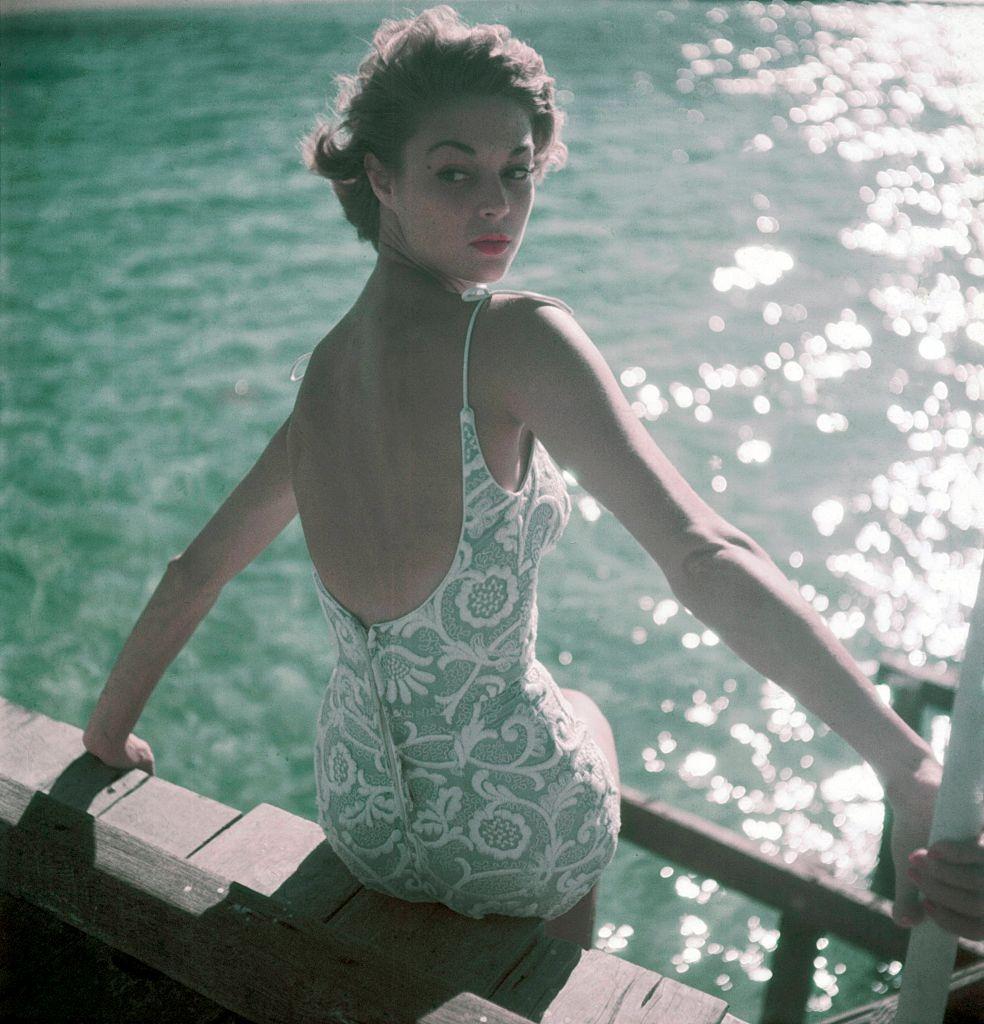
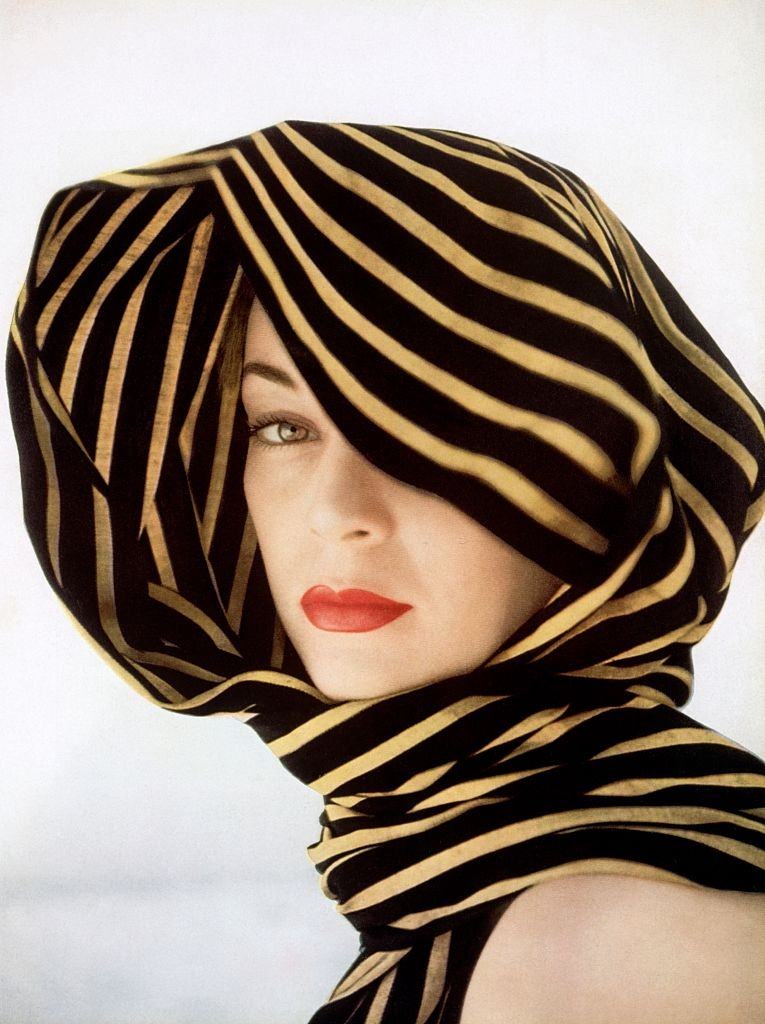
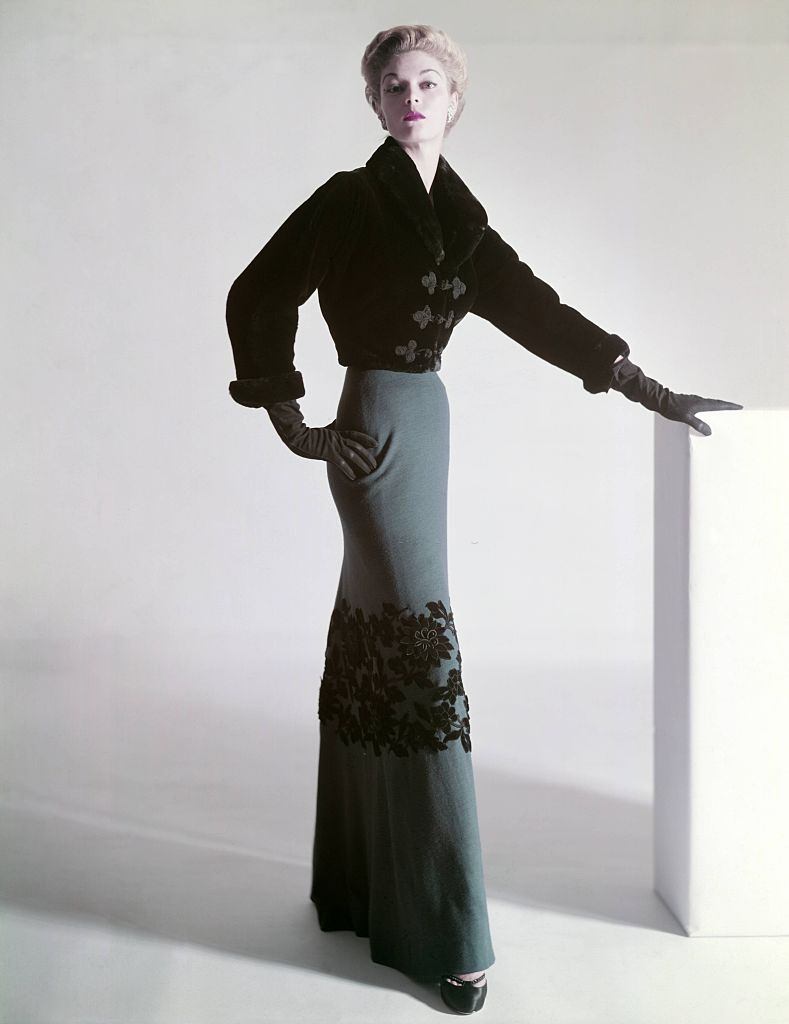
Throughout 1951, Patchett continued to demonstrate her versatility. She appeared in Vogue draped in a rebozo of black and gold stripes and modeled a Siamese silk plaid sun dress. For Glamour, she wore a slim two-piece dress with a jacket and hat. Evening wear, beach fashion, and high couture from the Paris Collections all fell within her range. That year also featured one of her most opulent looks — a sealskin Mainbocher jacket paired with a floor-length skirt adorned with velvet flowers at the knee.
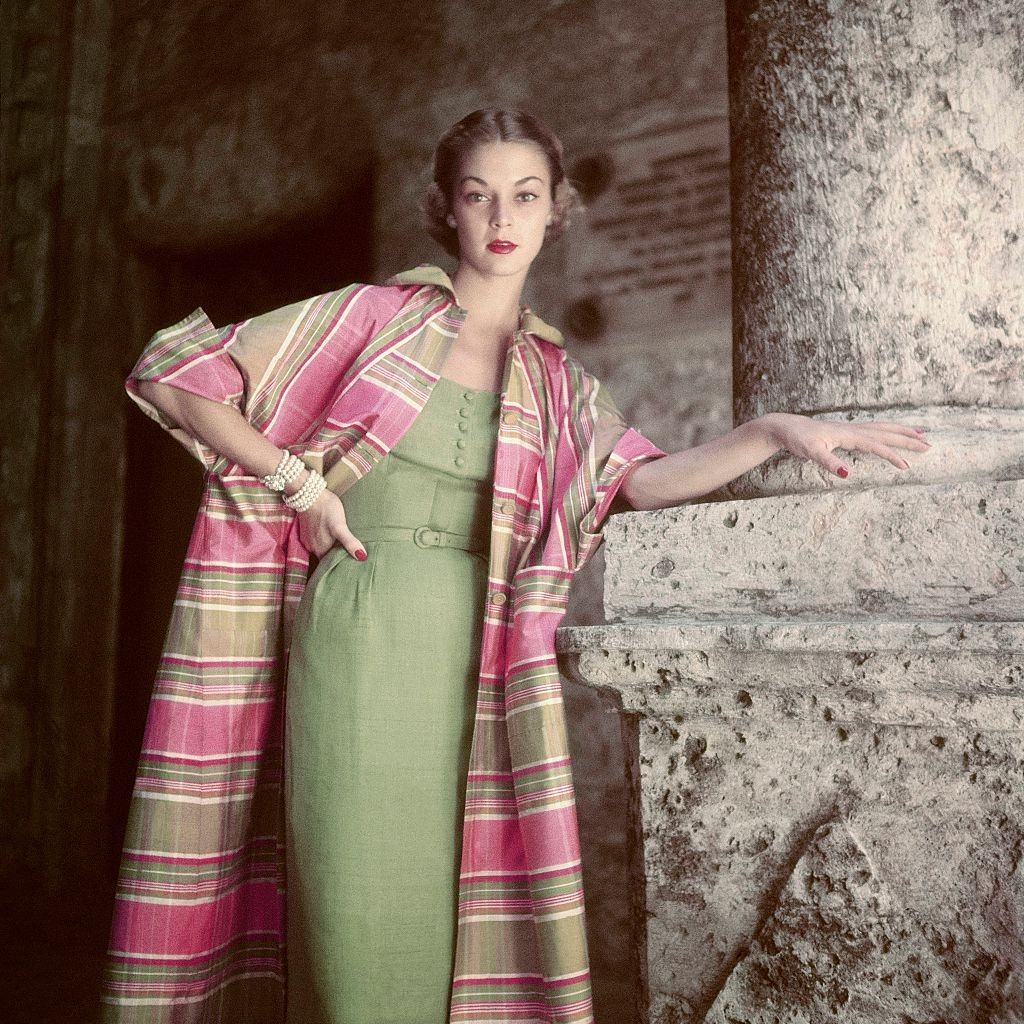
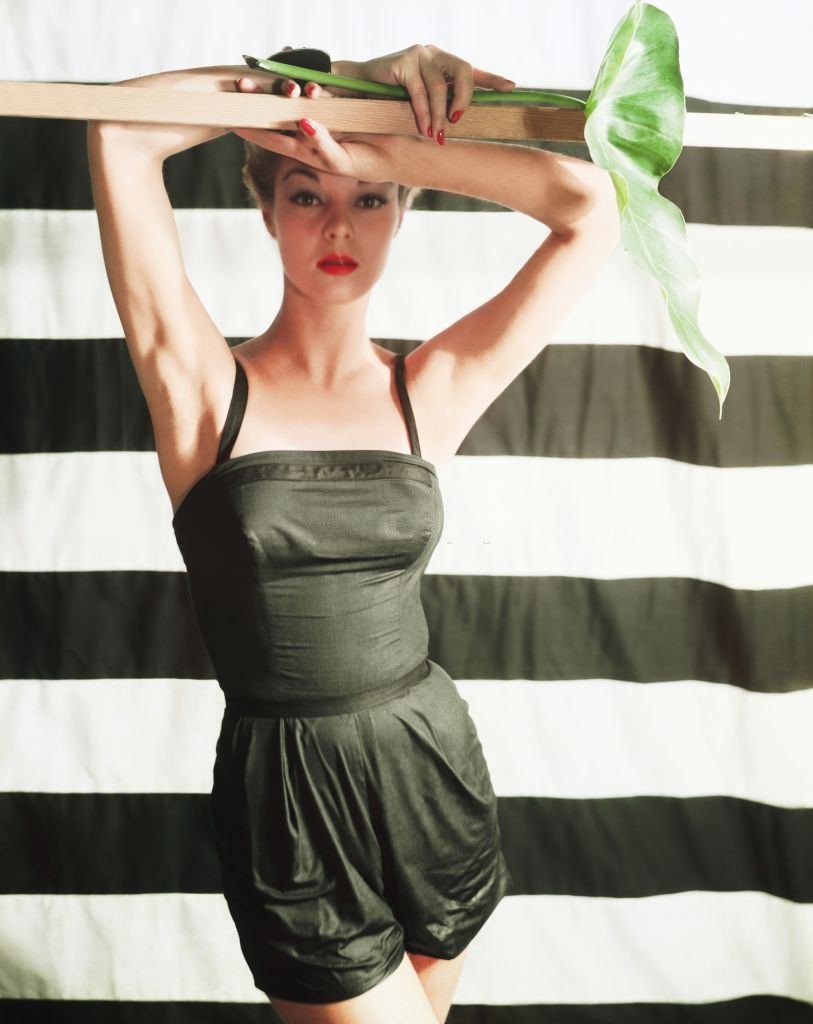
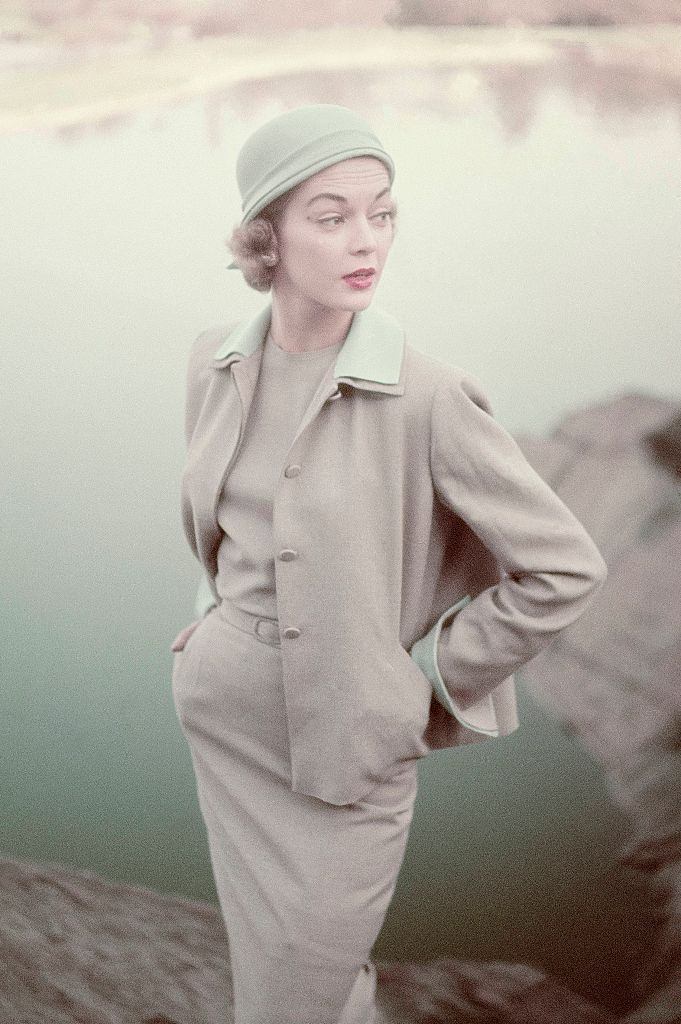
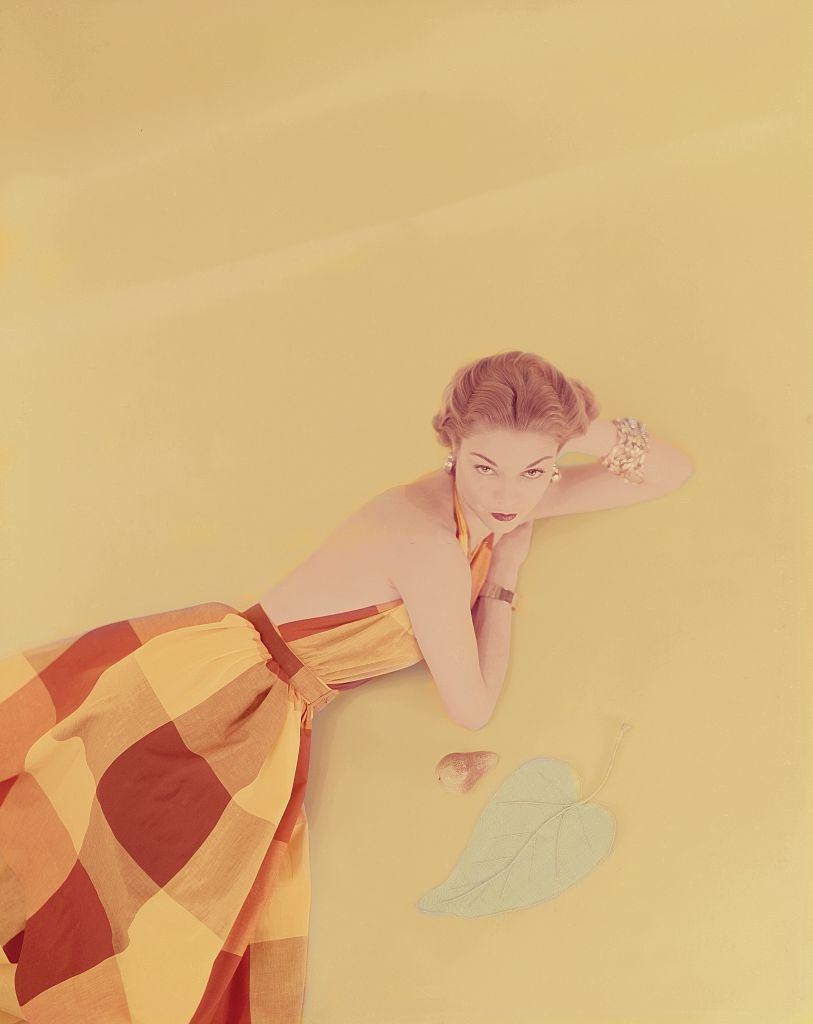
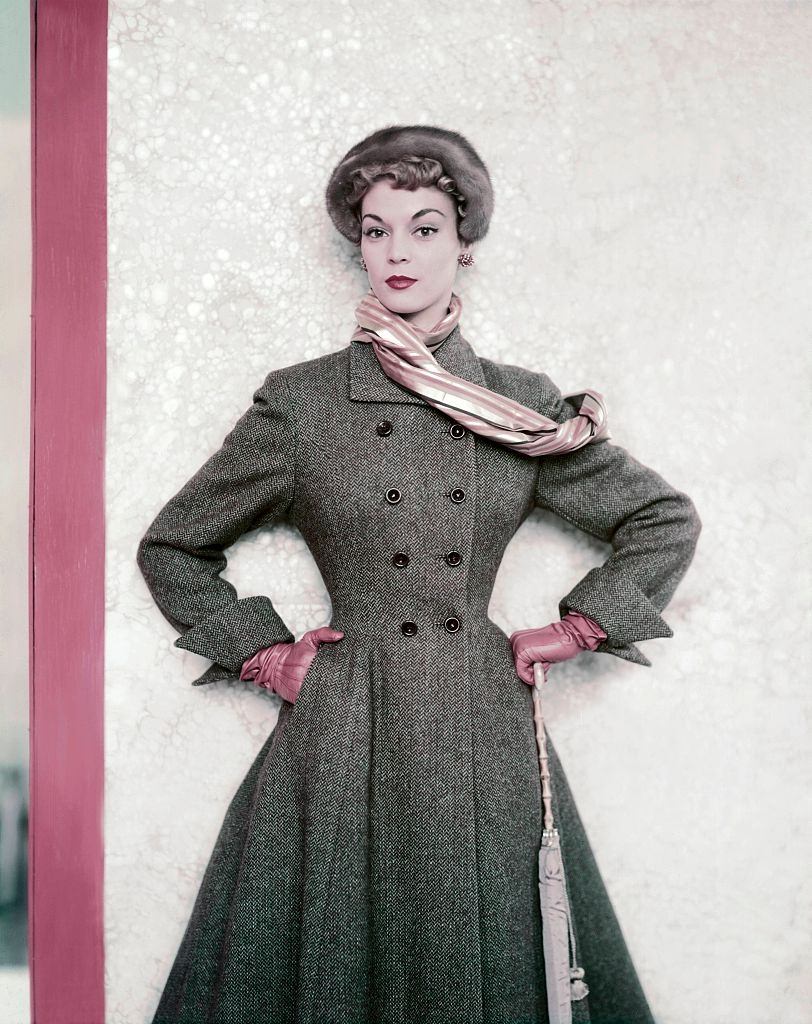
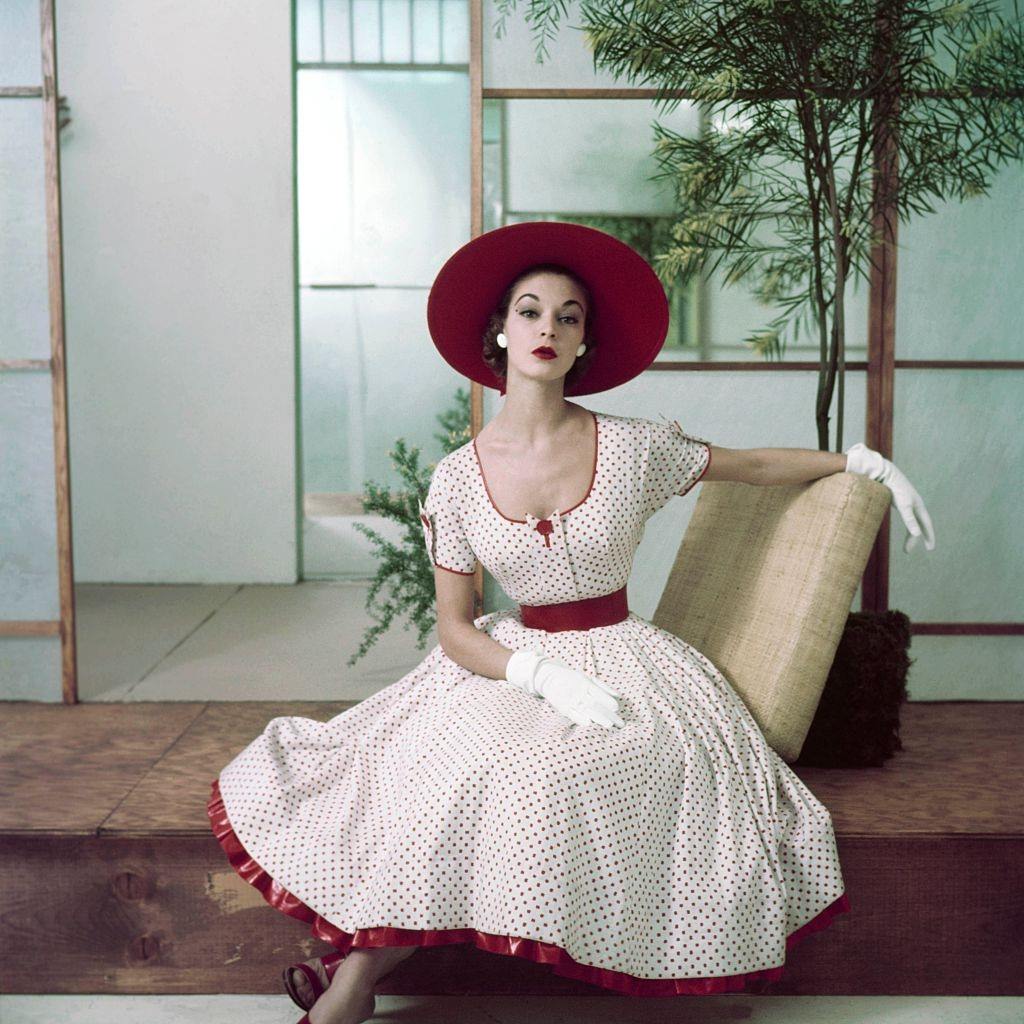
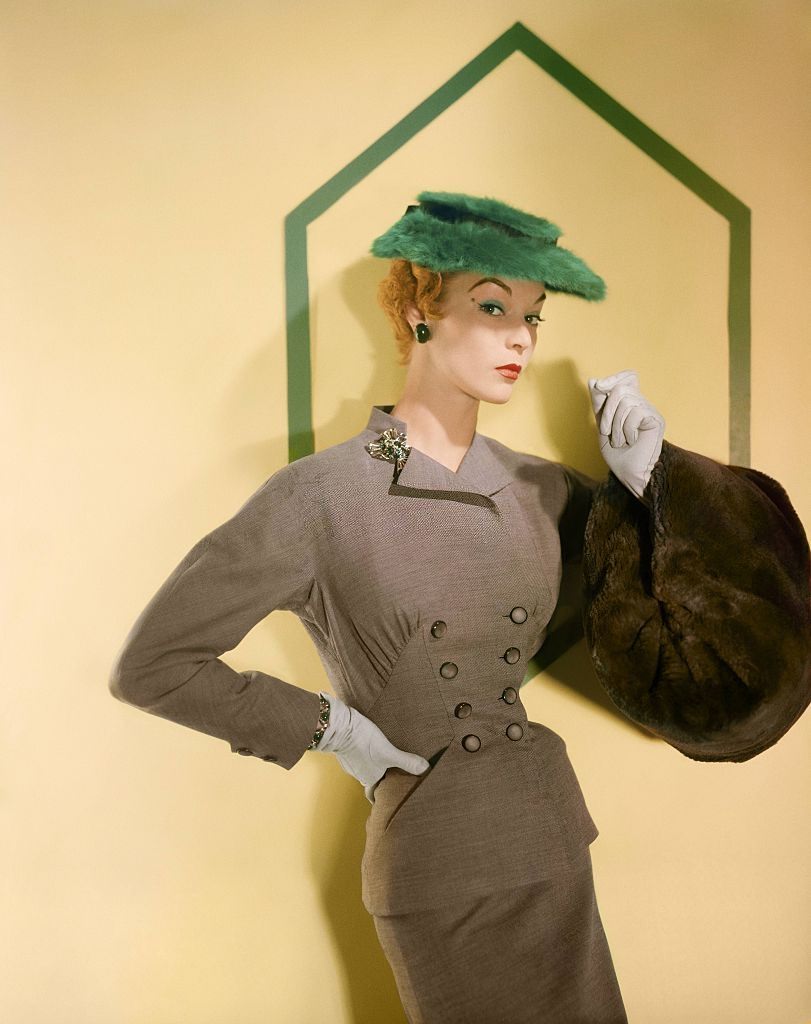
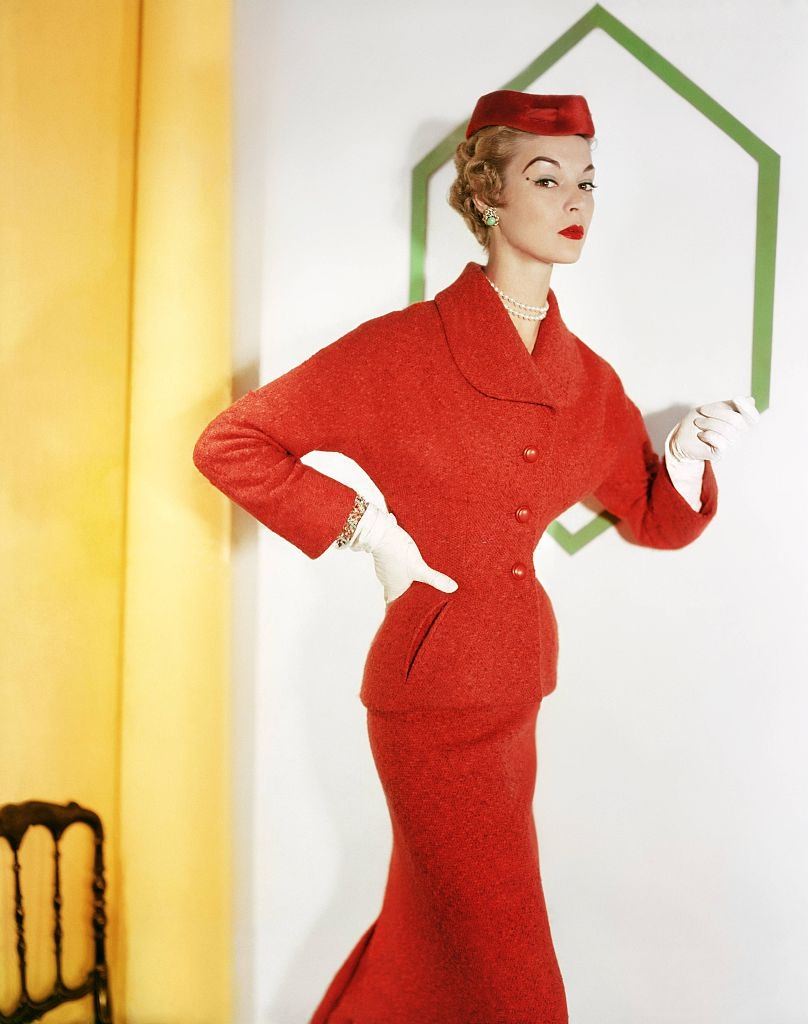
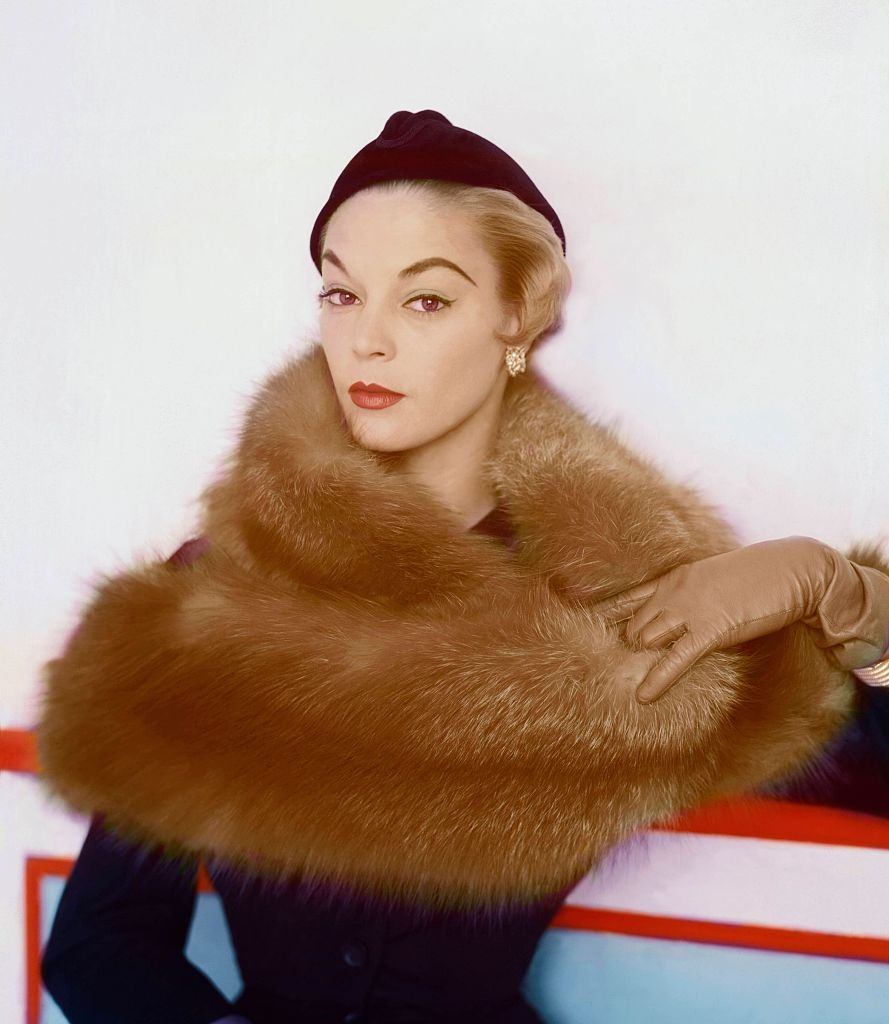
The early 1950s saw Patchett photographed in an increasingly wide array of styles. In 1952, she wore a red and white polka dot dress with a petticoat ruffle, hat, and gloves — a playful, full look that balanced structure with charm. By 1953, she was modeling tailored suits in pale brown worsted and orange tweed with a matching velvet hat, as well as luxurious long-haired fur with capeskin gloves by Superb and a black velour cap by Hattie Carnegie.
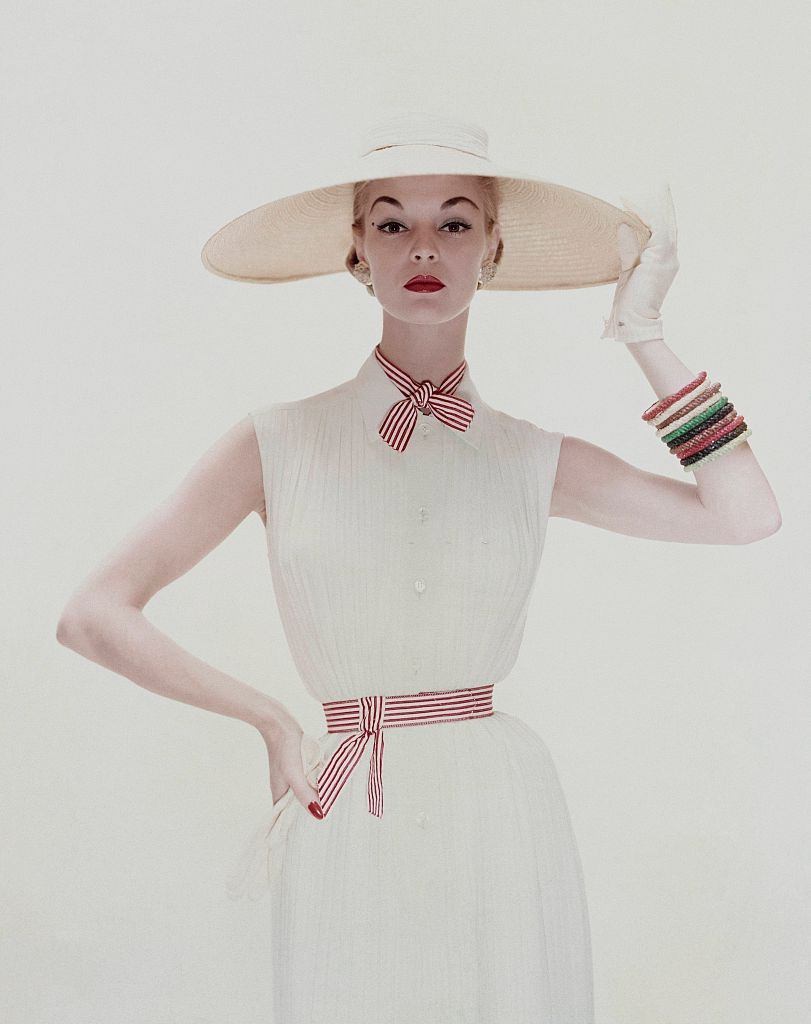
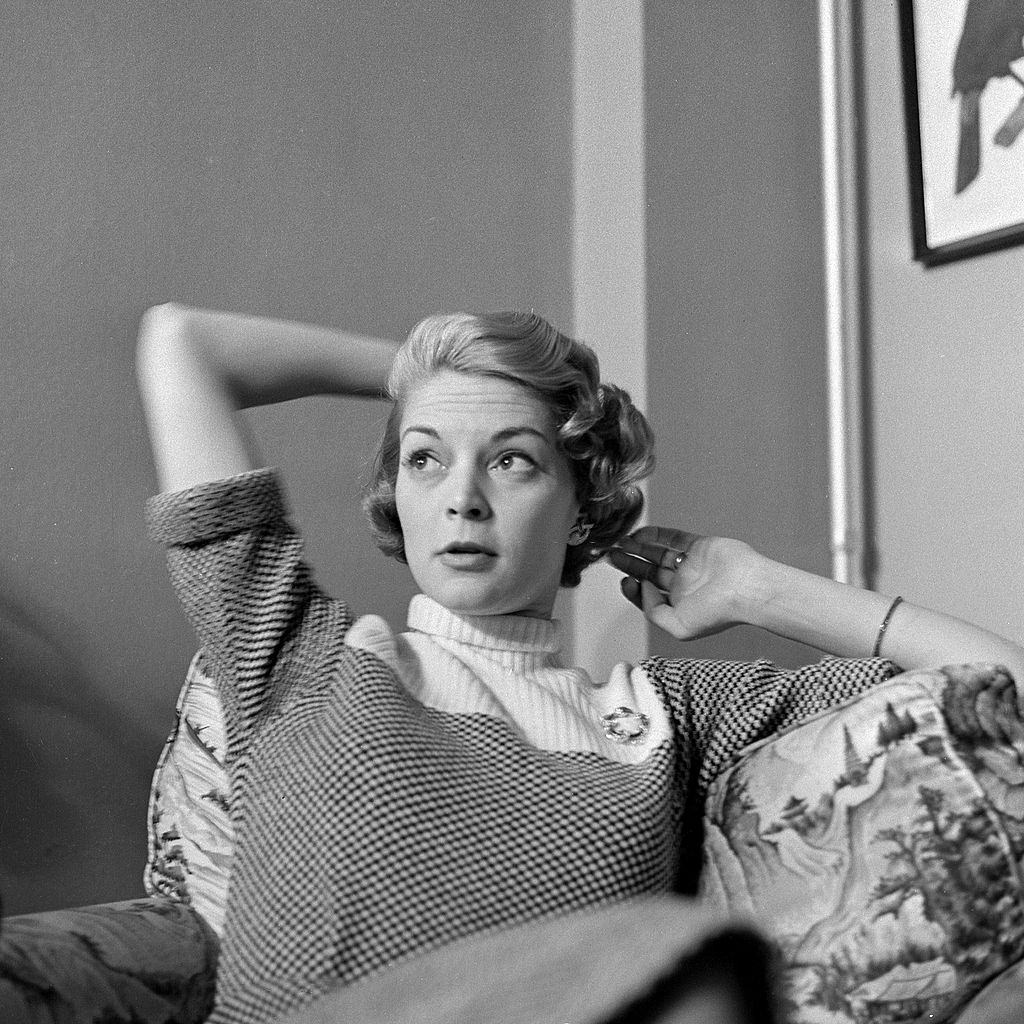
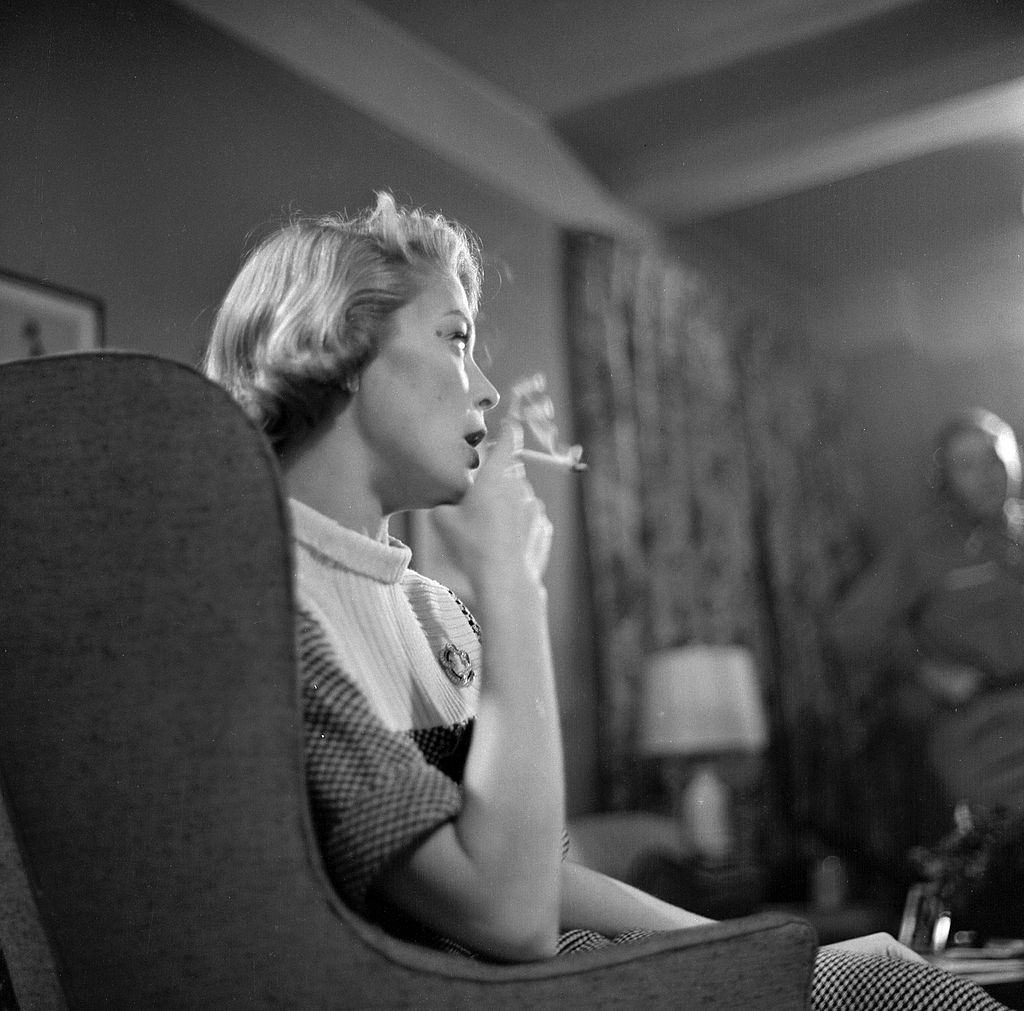
In 1954 and 1955, Patchett’s shoots took on a more personal dimension. She was photographed at home — once candidly smoking a cigarette — giving audiences a rare glimpse into the woman behind the magazine covers. These images didn’t strip away her glamour; they added another layer to it. She wore a white tucked crepe dress tied with red and white stripes in one 1954 session, maintaining the polished standard her career was built on.
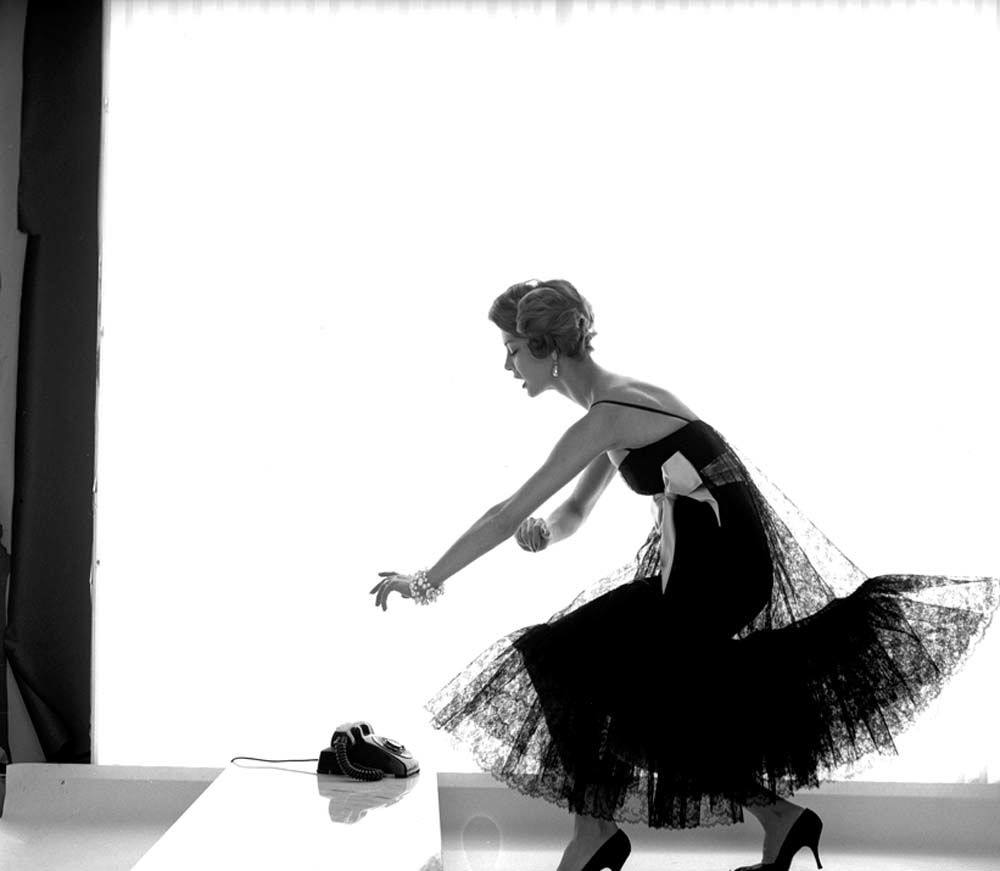
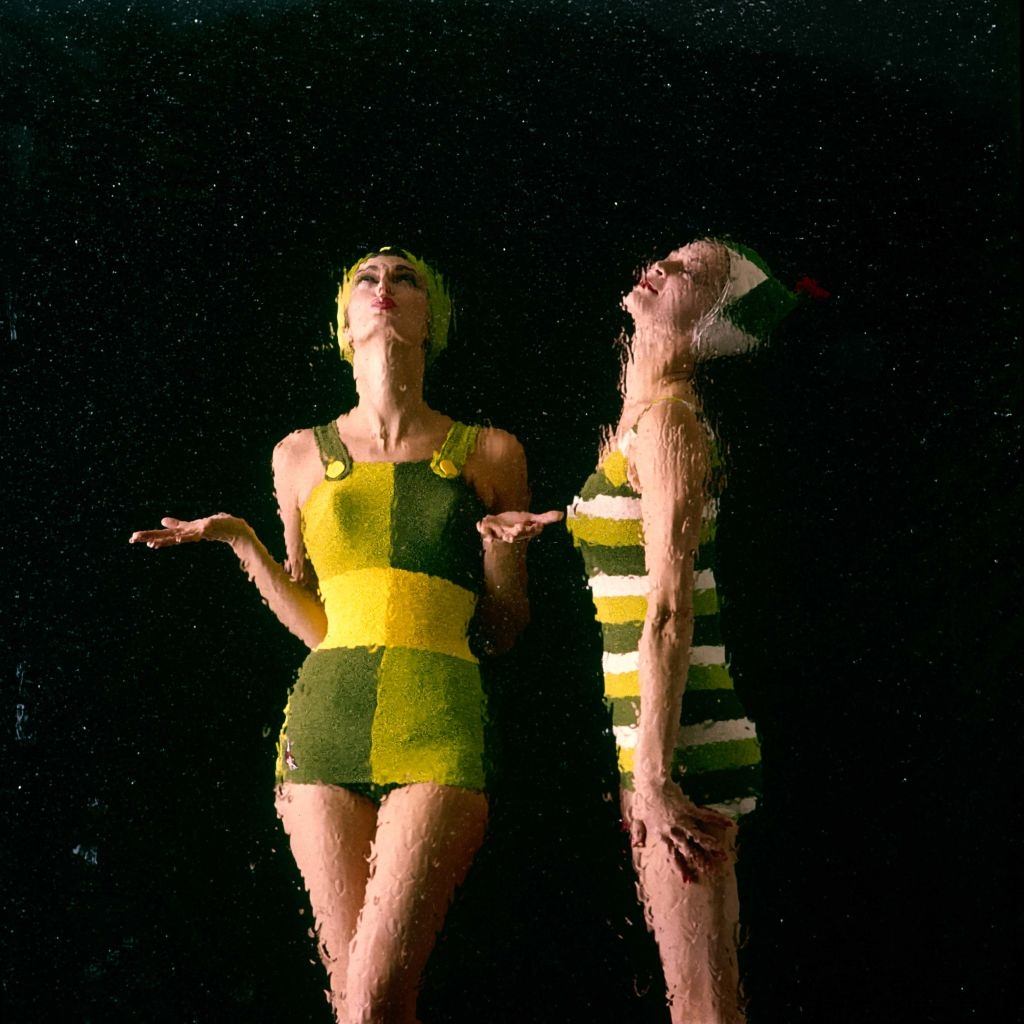
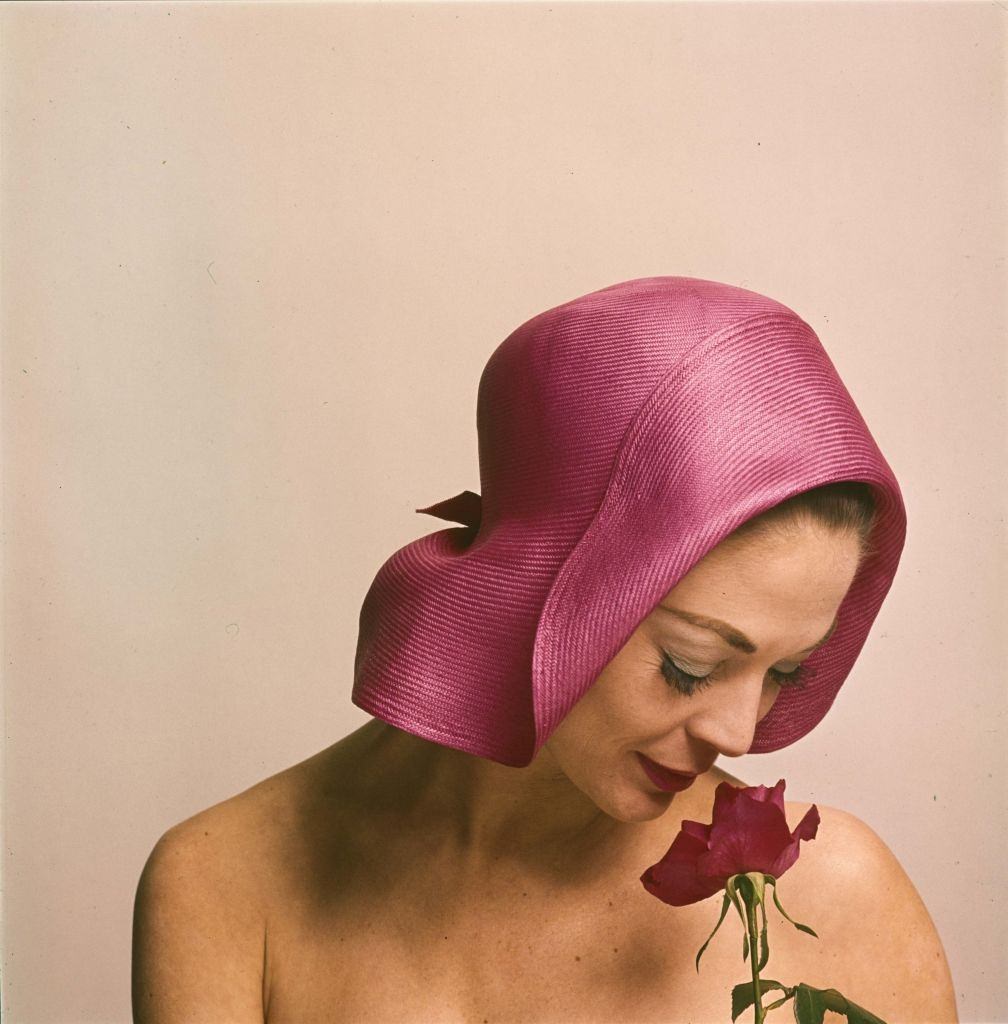
As the late 1950s arrived, Patchett’s work continued without any loss of elegance. A 1958 shoot captured her in a black lace dress with a white satin bow — a look that balanced drama with refinement. Into the 1960s, she appeared in vibrant swimwear alongside fellow models, and in a 1961 session she wore a pink hat while looking down at a pink rose, the image soft and deliberate. Patchett was later honored alongside Suzy Parker and Naomi Sims at the 50 Years of American Women in Fashion ceremony, a formal recognition of the ground she had covered. She died on January 22, 2002, at age 75 from emphysema.