Jean-Louis Forain painted late 19th century Paris without flattery. While many artists of his era produced idealized portraits of the upper class, Forain turned his brush toward their hypocrisies, vanities, and hidden vices. Born into modest circumstances, he climbed through Parisian artistic circles, befriending Degas, Manet, and Rimbaud — yet his sharp, satirical eye never softened.
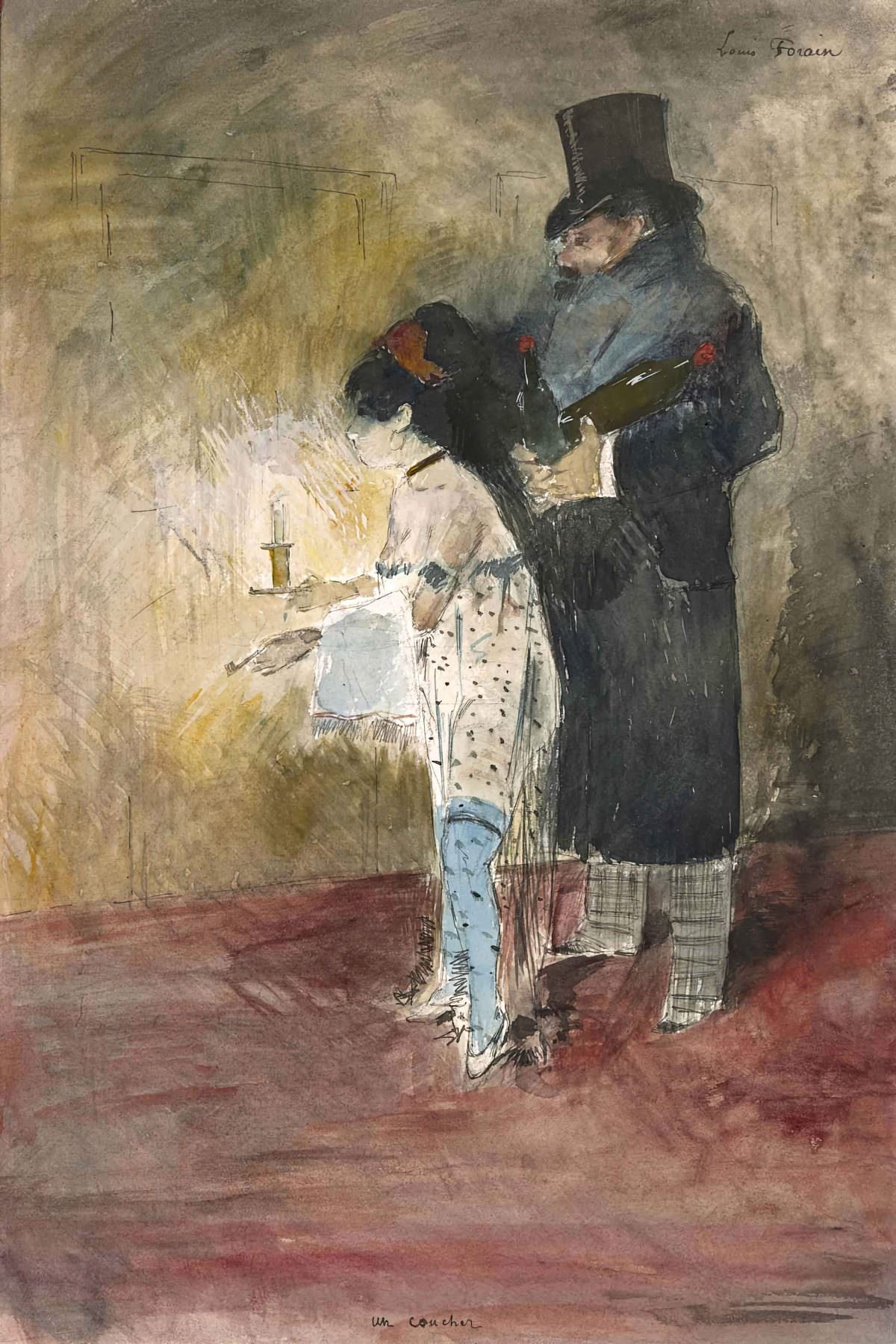
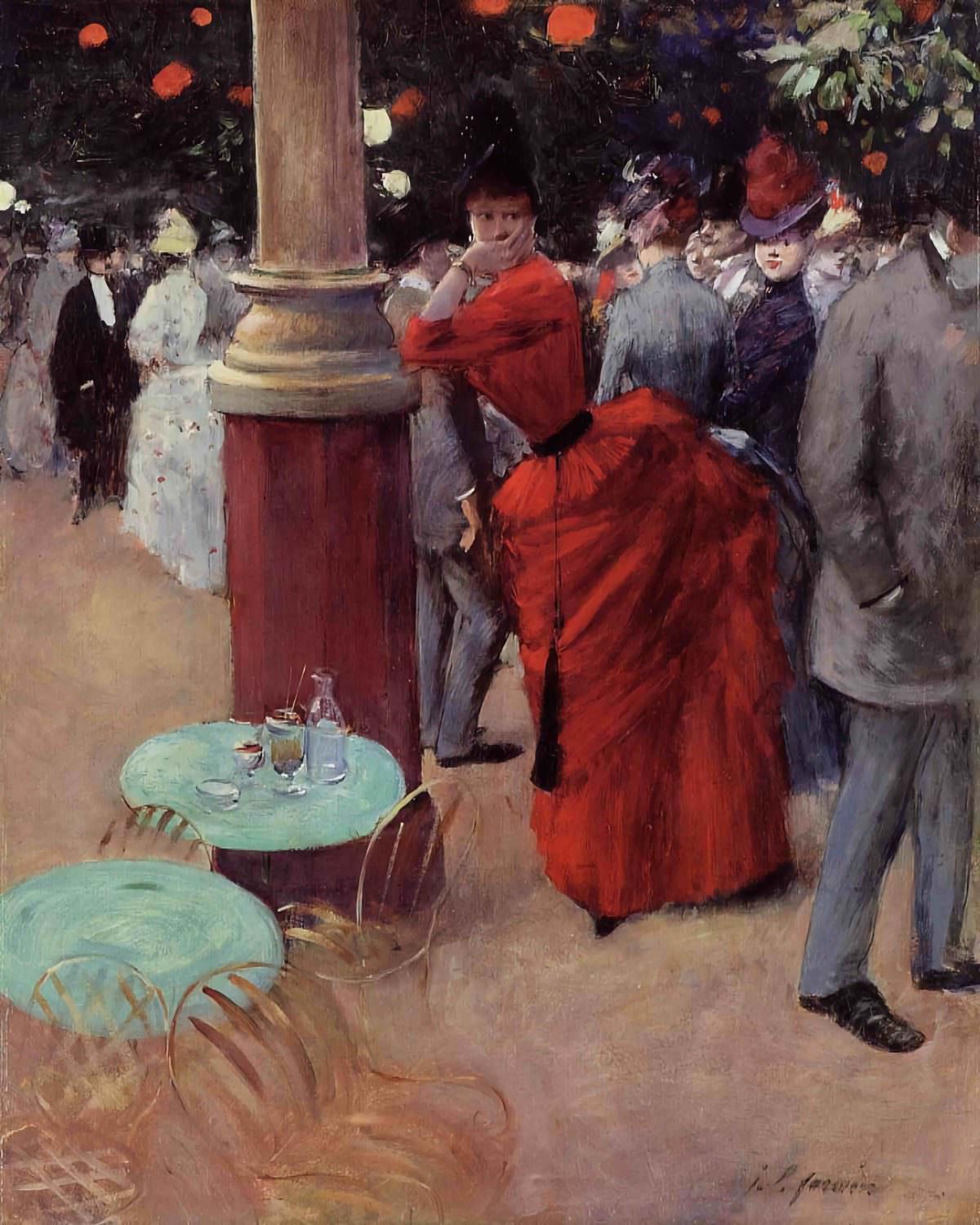
Restaurants, cafes, and social gatherings were fertile ground for Forain’s observations. He captured the quiet transactions of class and desire playing out over dinner tables and drinks — the sideways glances, the performative elegance, the underlying tension beneath polished surfaces.
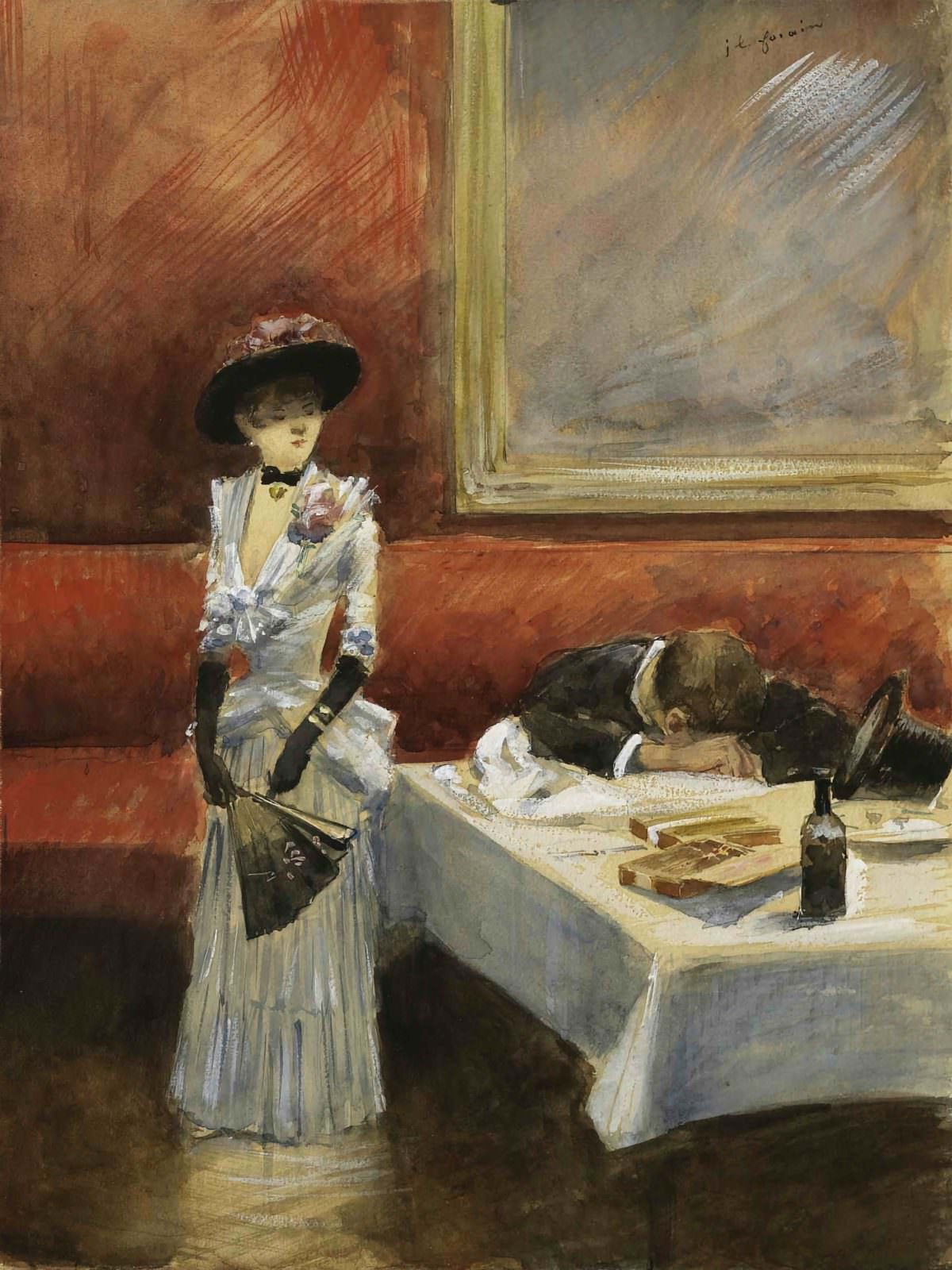
The theater was one of Forain’s favorite settings. He ignored the spectacle on stage entirely, focusing instead on the audience — their bored expressions, their whispered conversations, and the social rituals unfolding in the foyer. These were spaces where Parisians performed their own version of theater, far from the footlights.
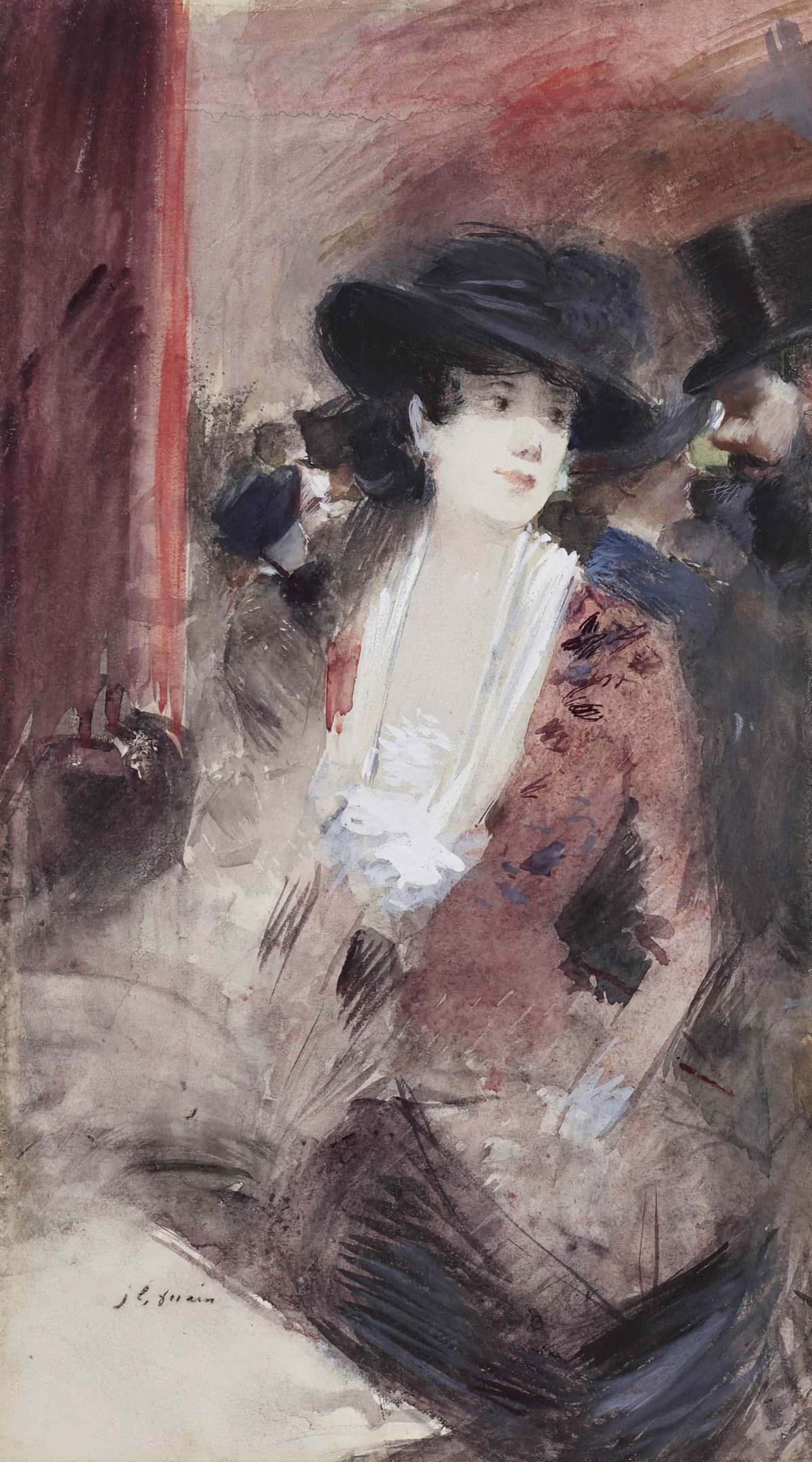
Backstage at the opera and ballet offered Forain another window into the city’s social machinery. Wealthy patrons mingled with performers in spaces hidden from the public, and Forain recorded these encounters with unflinching precision.
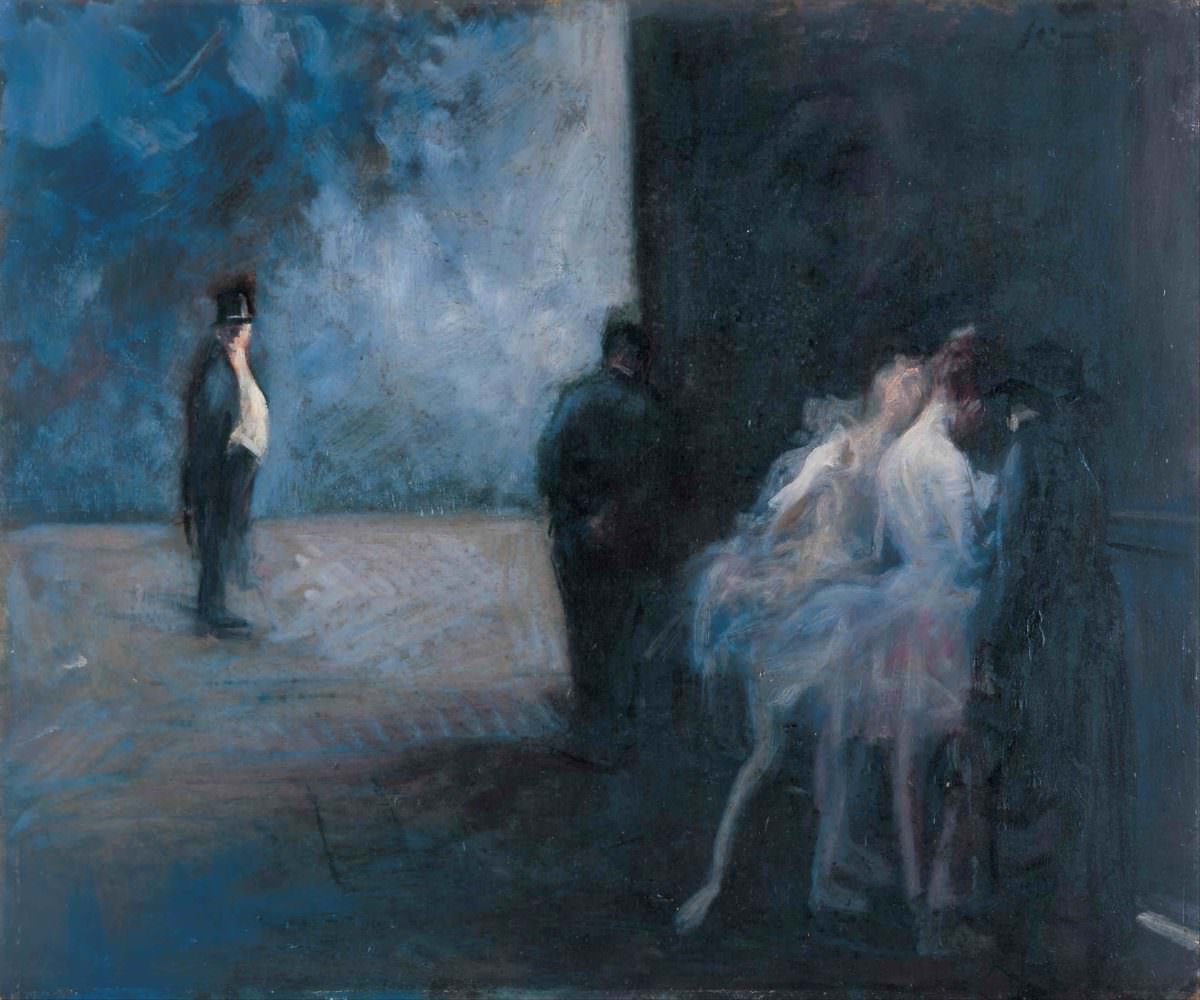
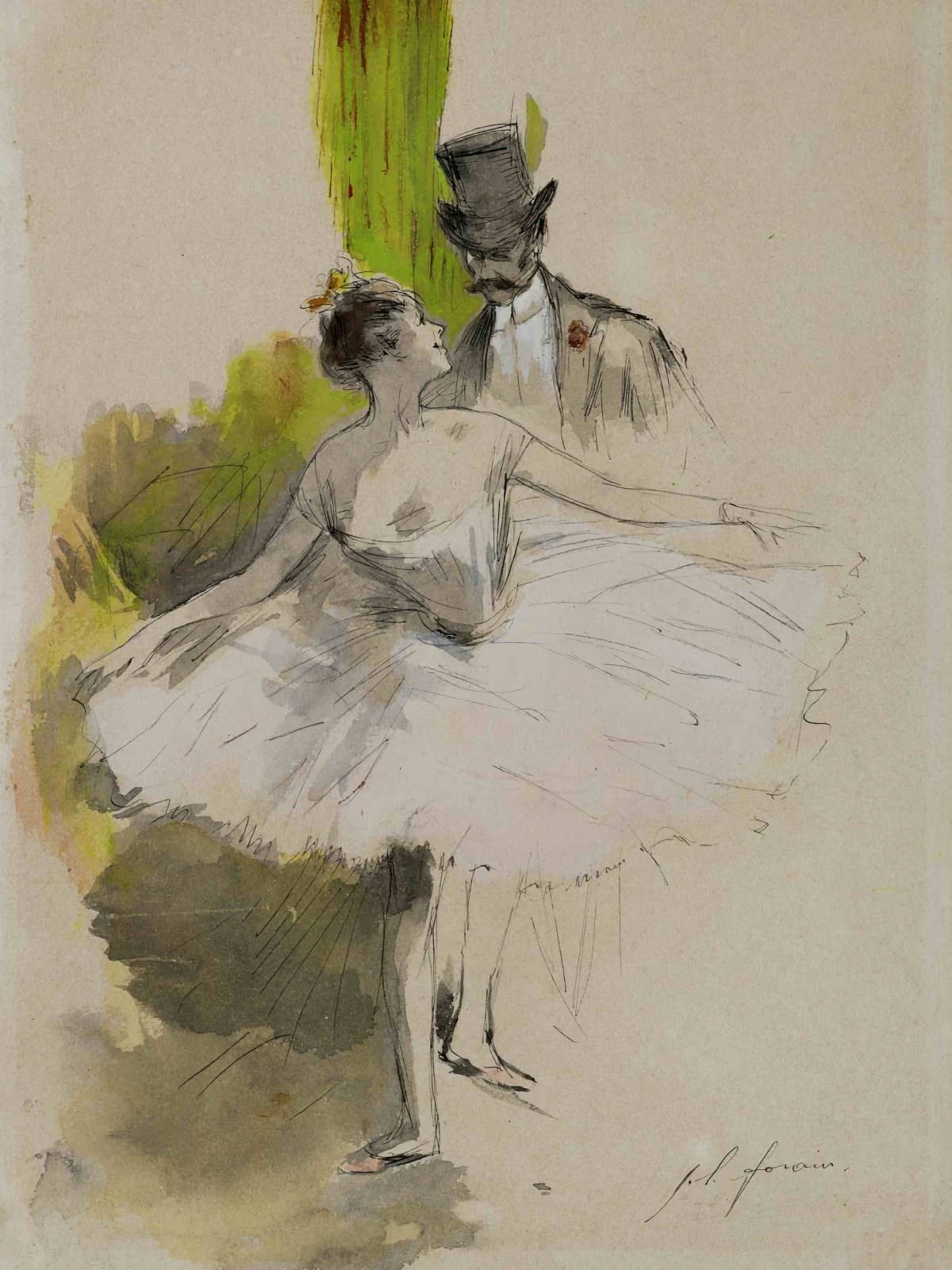
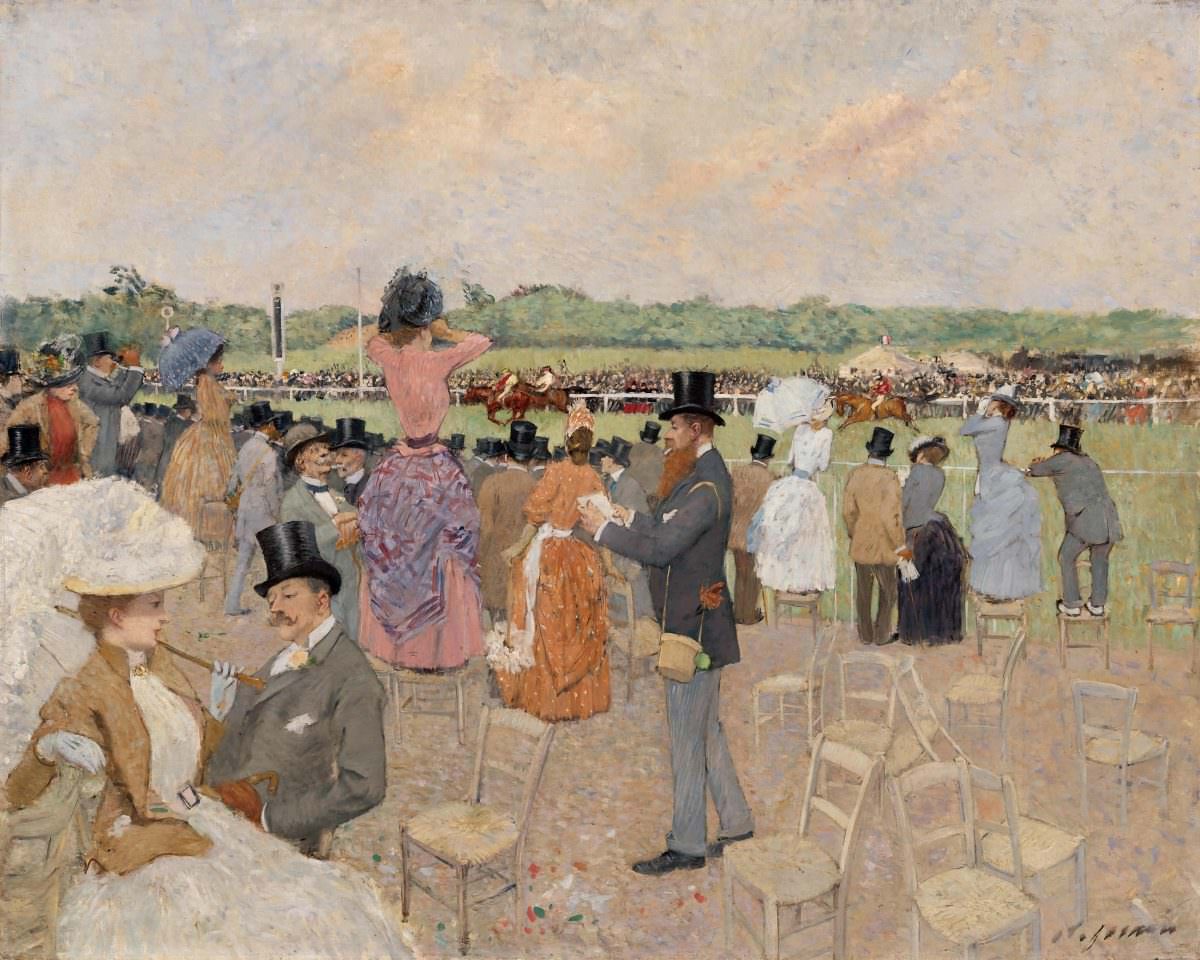
Forain also followed the elite to their leisure pursuits — beaches, gardens, and racetracks. These outings were as much about social display as relaxation. His figures pose and preen, aware of being watched, their leisure a carefully constructed performance.
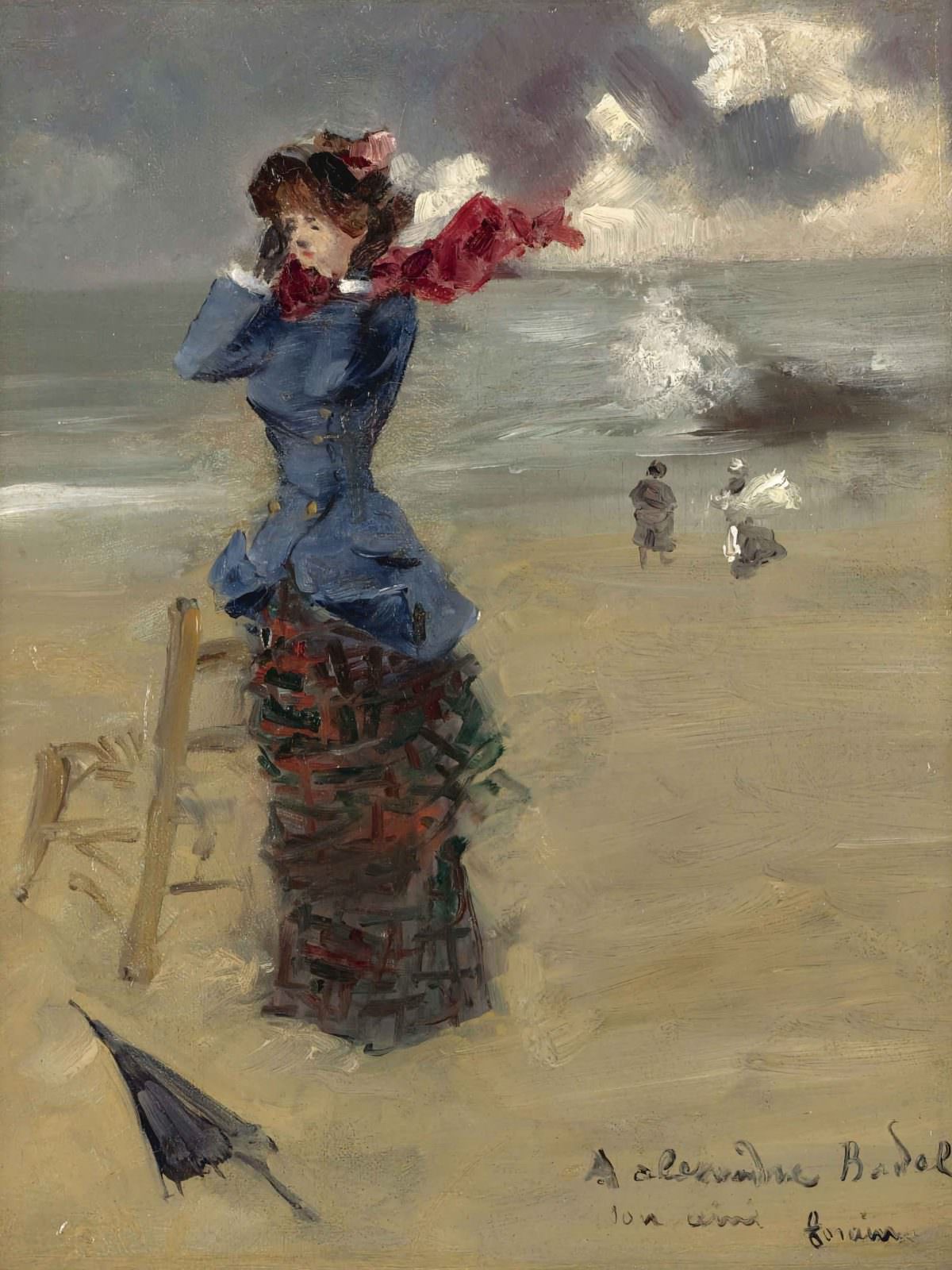
A single figure could carry an entire story in Forain’s hands. He had a precise skill for capturing a raised eyebrow, a clenched jaw, or a furtive glance — small details that exposed what people tried hardest to hide.
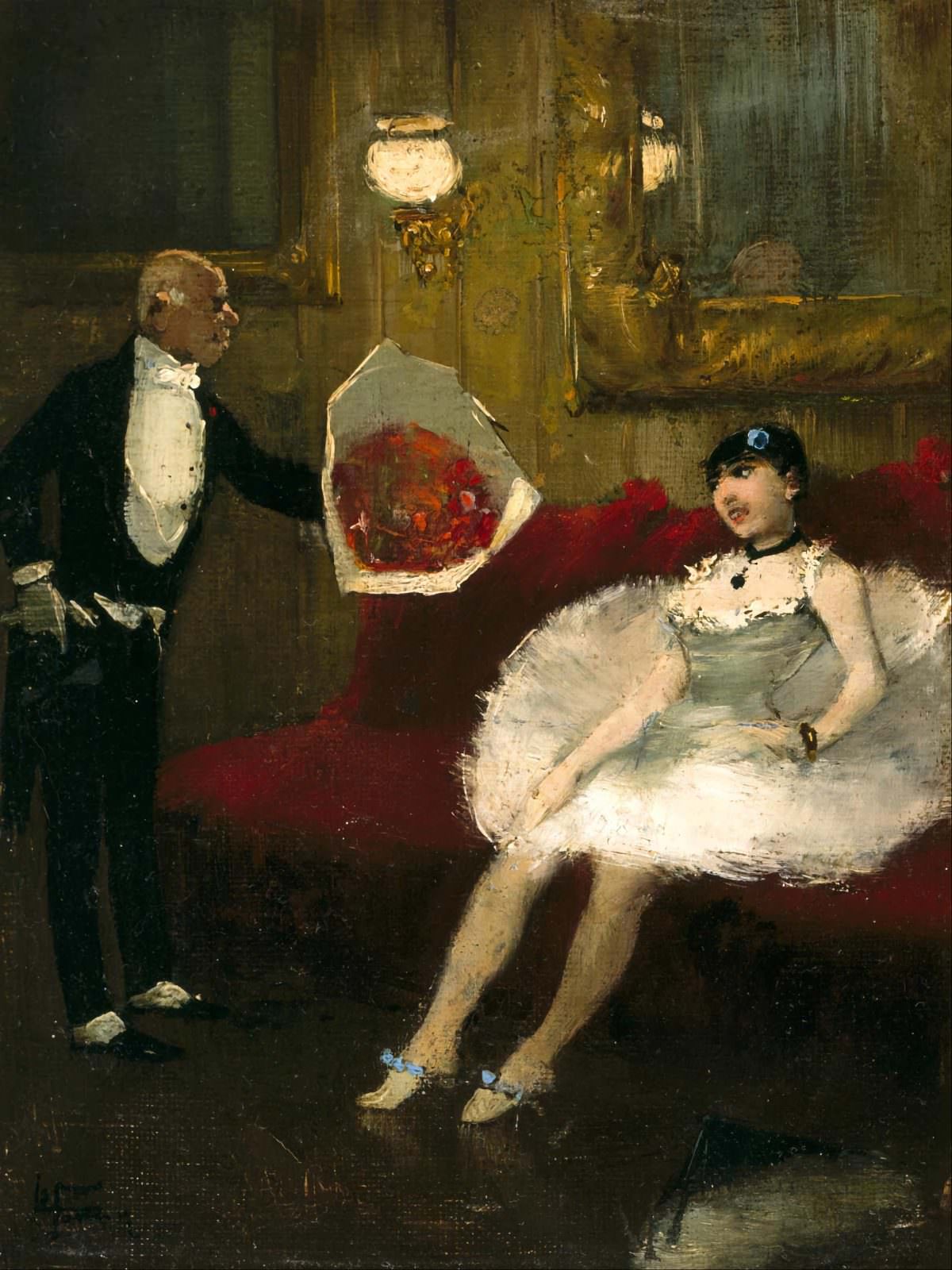
Public parks brought together Parisians of different classes, and Forain used these shared spaces to highlight social distance and unspoken hierarchies. His figures exist near each other without truly connecting.
The Longchamp racetrack was a premier gathering place for the Parisian elite, where fashion and fortune went on full display. Forain painted it not as a celebration, but as a study in social theater — wealth performing itself for an audience equally wealthy.
Forain lived through the Franco-Prussian War, the Paris Commune, and the turbulent rise of the Third Republic. That political upheaval sharpened his instinct for exposing instability beneath gilded appearances. His paintings are primary documents of a society that worked hard to hide its own contradictions.