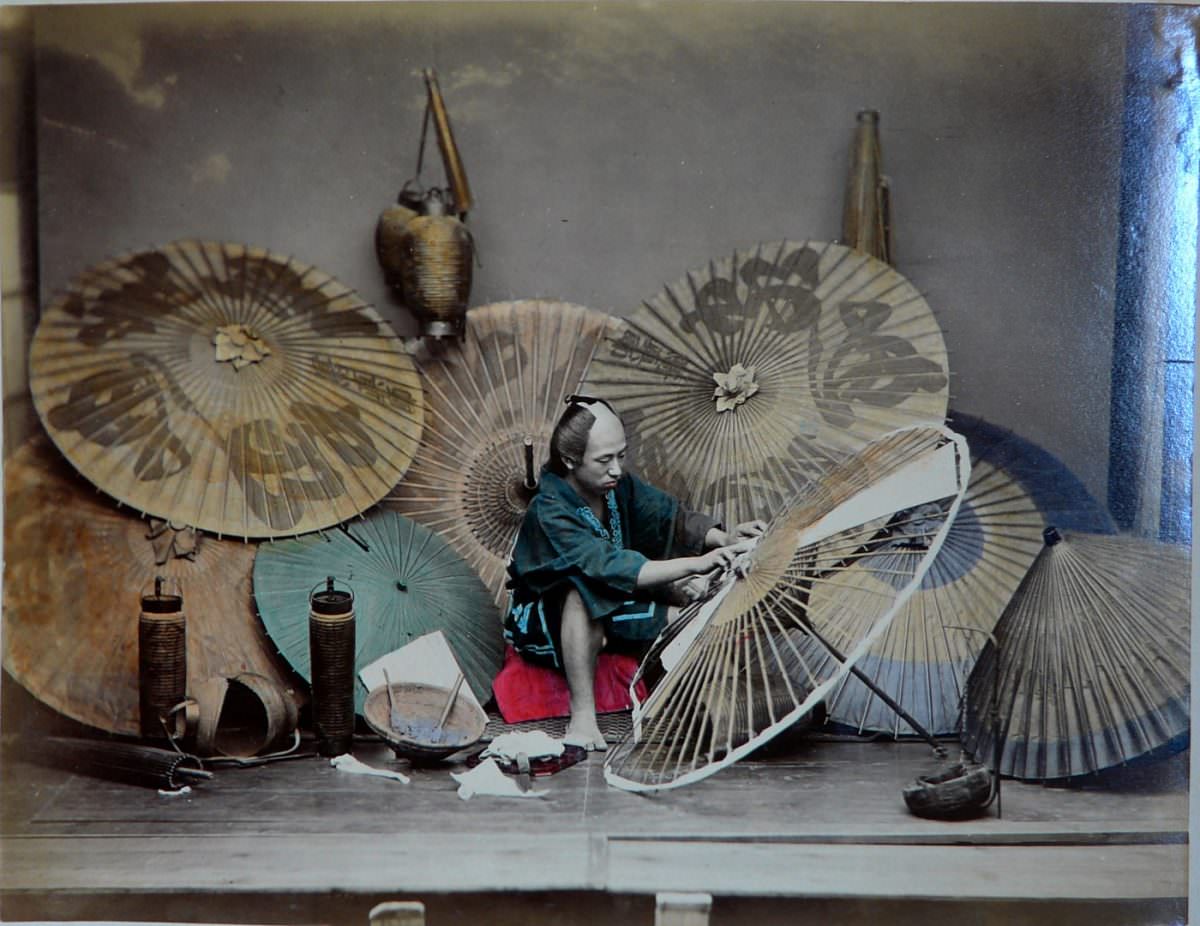
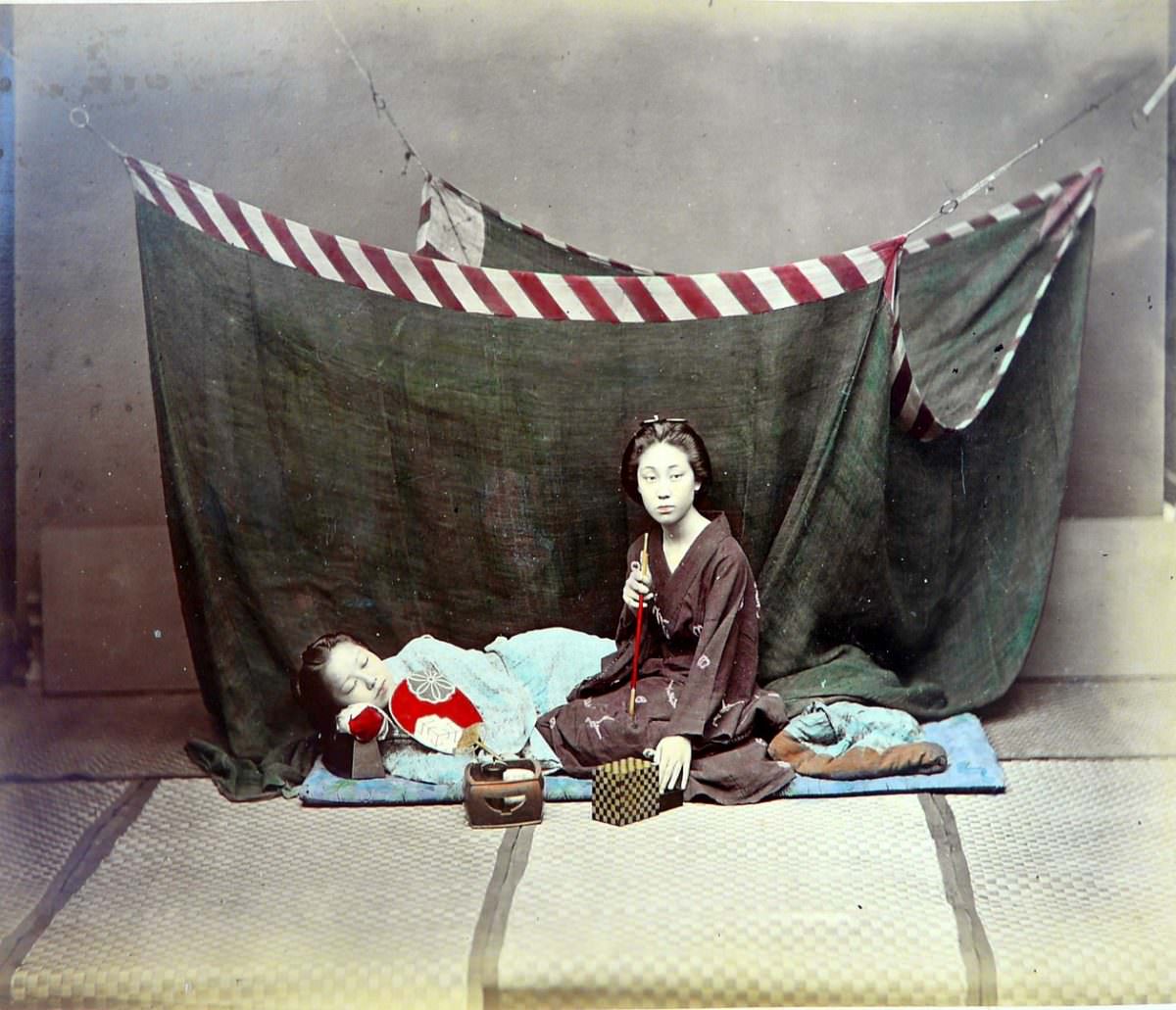
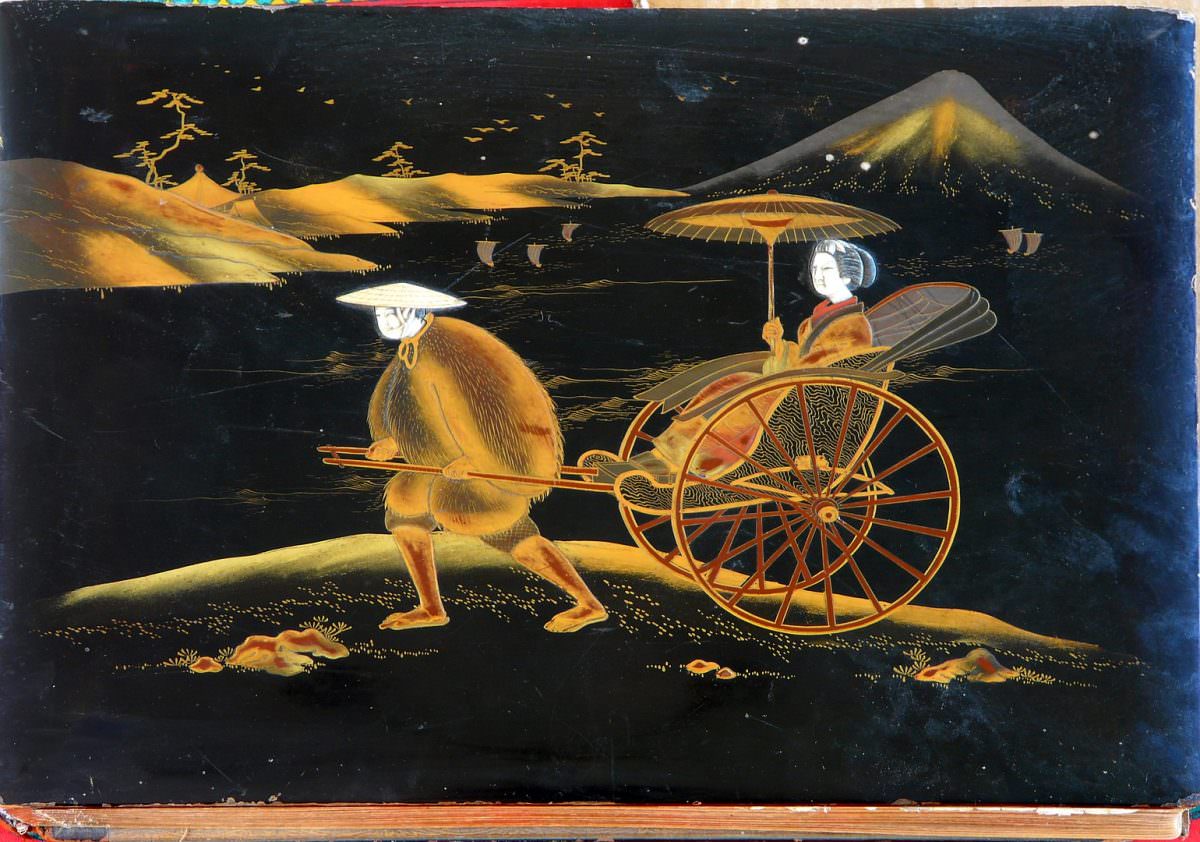
Adolfo Farsari was born on February 11, 1841, in Venice, Italy. Before becoming a photographer, he served as a soldier in the U.S. Army and traveled widely across America. He eventually settled in Yokohama, Japan, in the early 1860s — a city buzzing with foreign trade and cultural exchange.
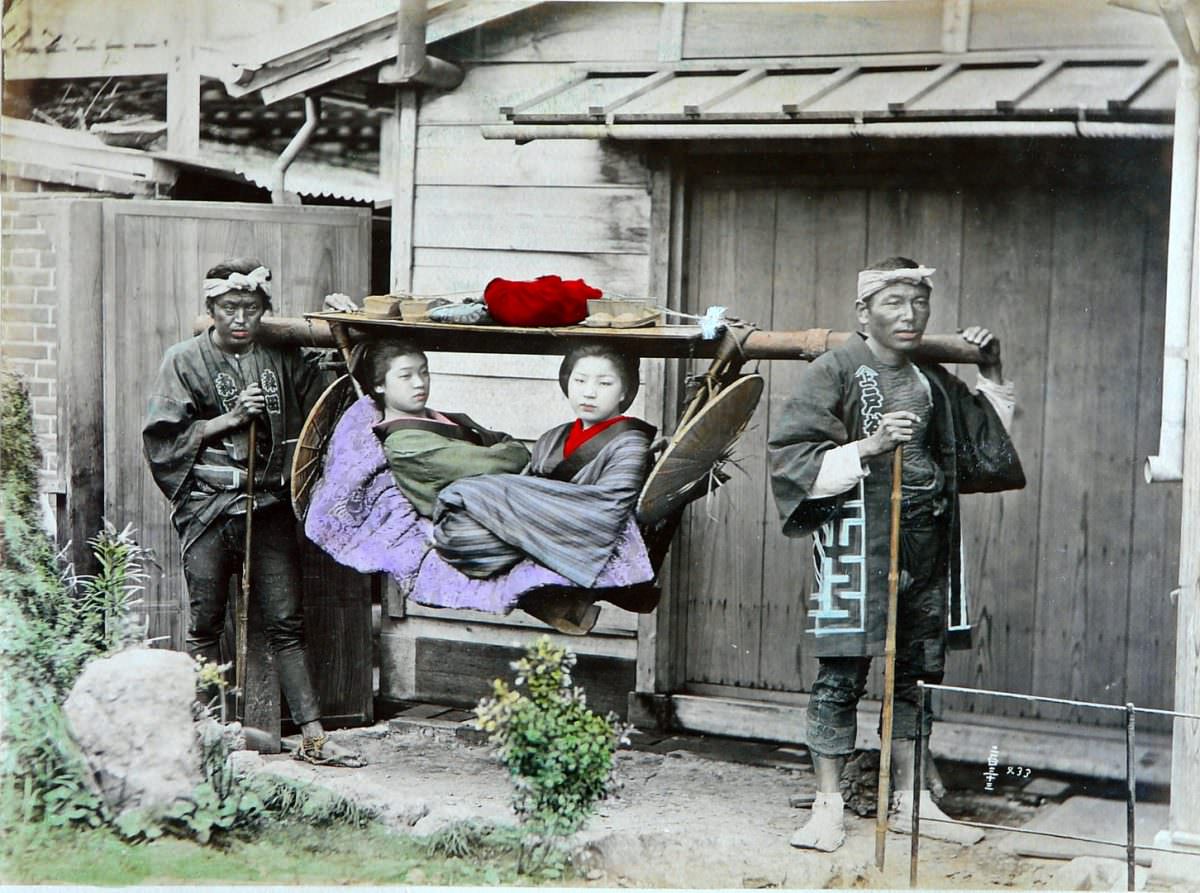
Farsari arrived during the Meiji Restoration, which began in 1868. Japan was dismantling centuries of isolation and opening its doors to the West. This shift transformed nearly every part of Japanese society, and Farsari had a front-row seat with a camera in hand.
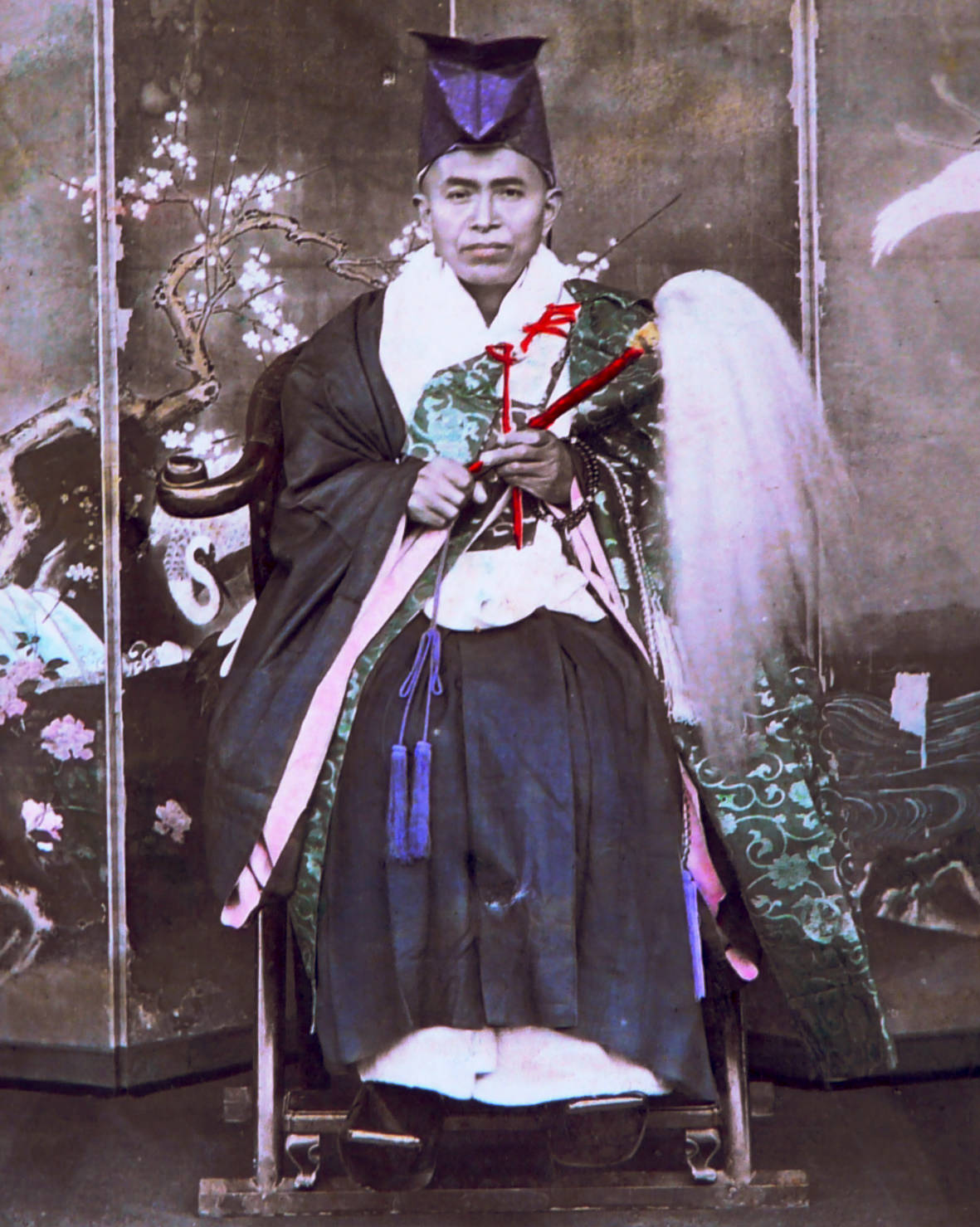
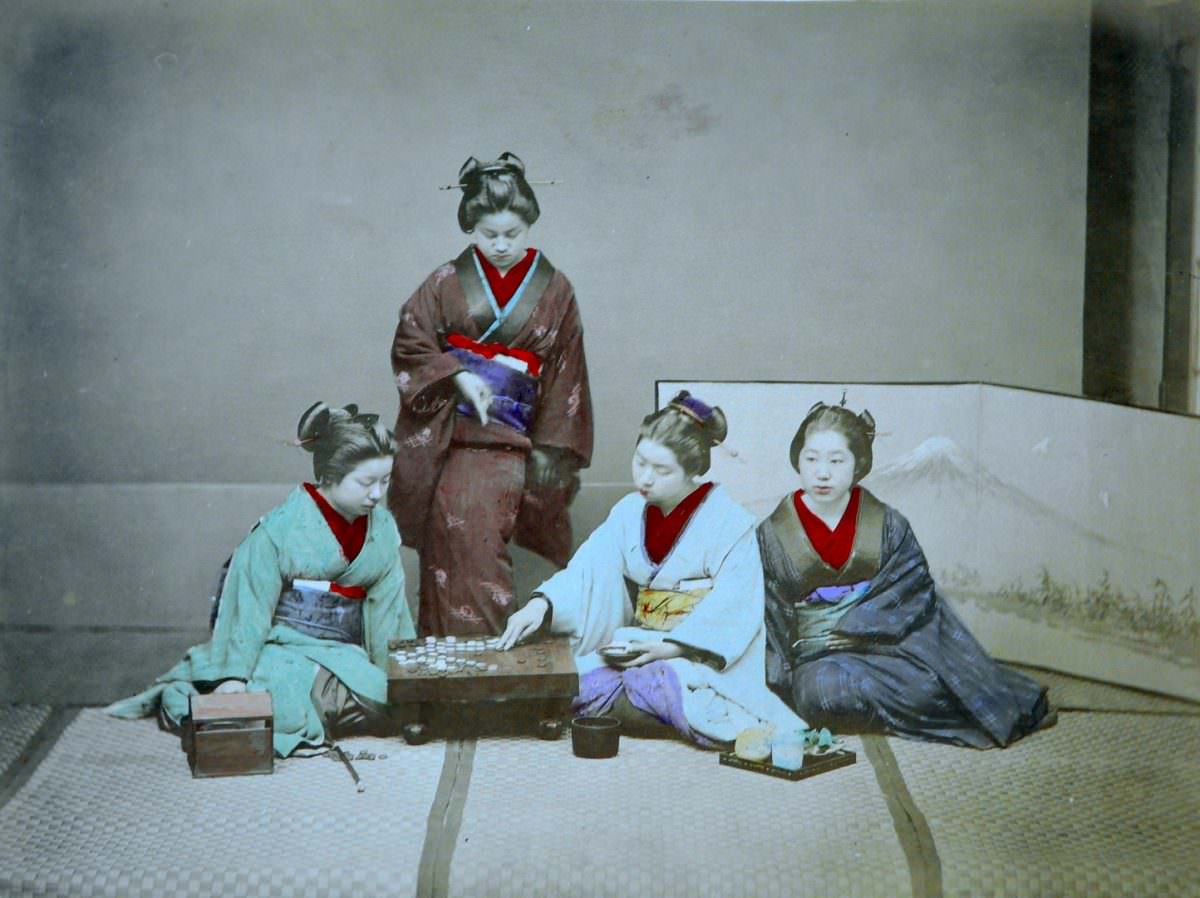
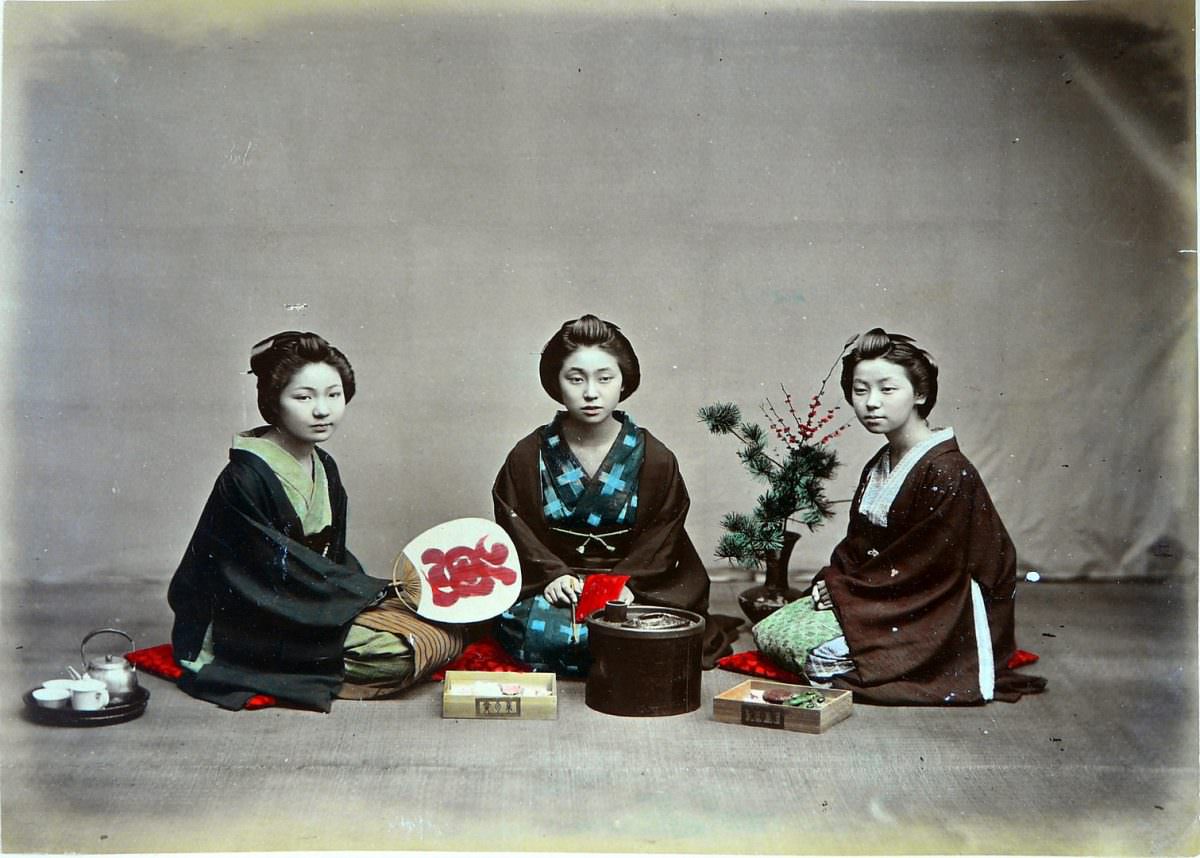
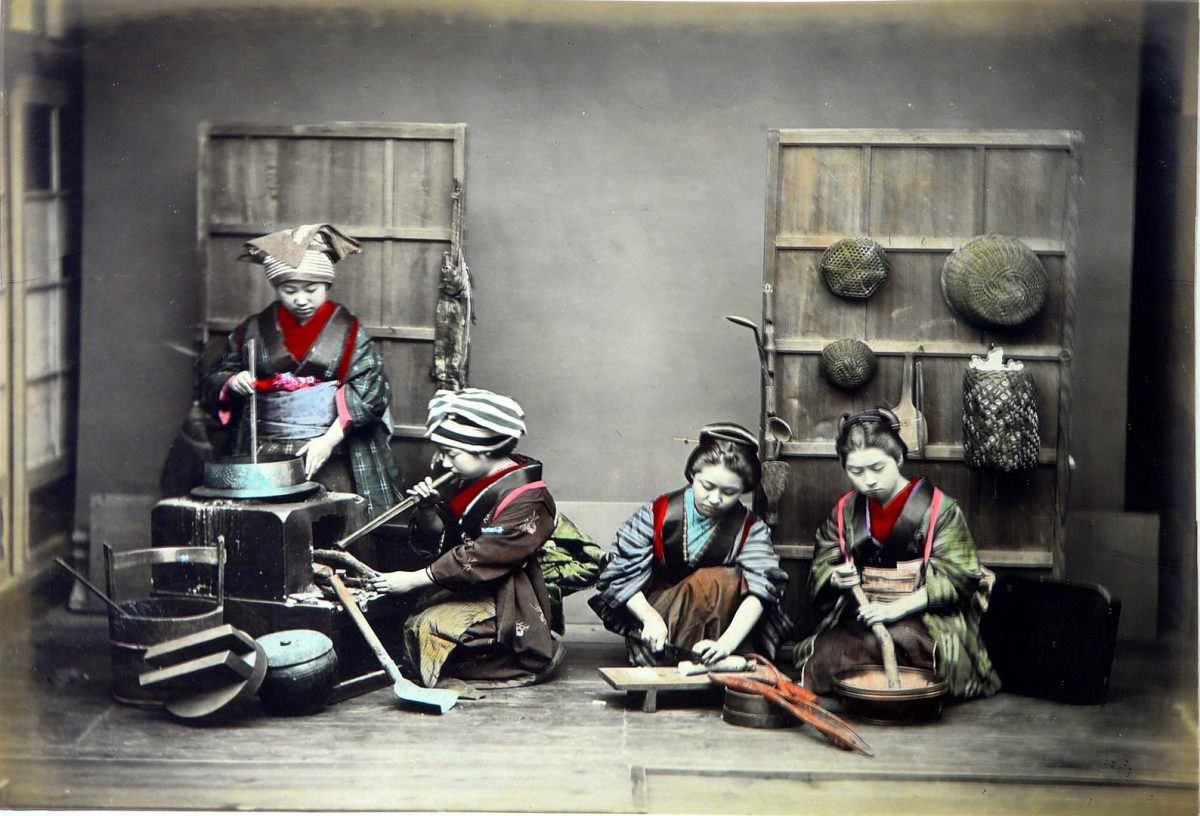
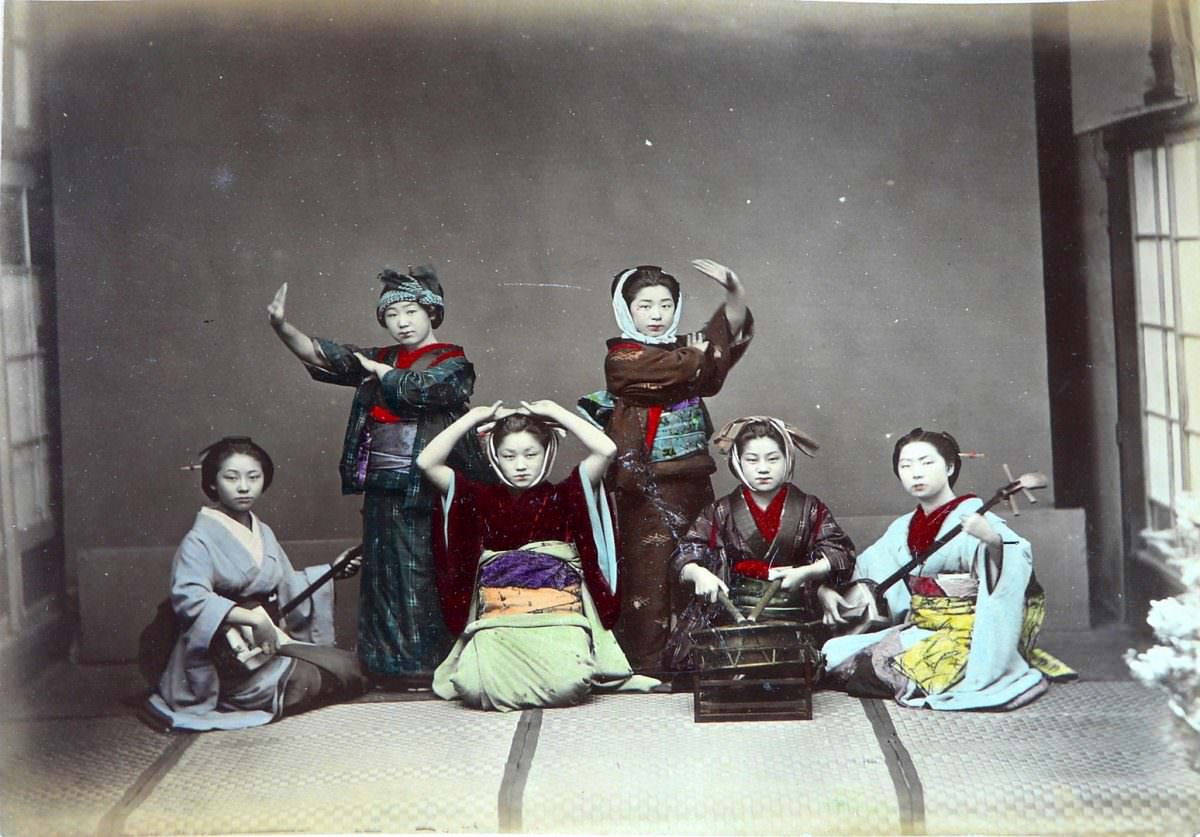
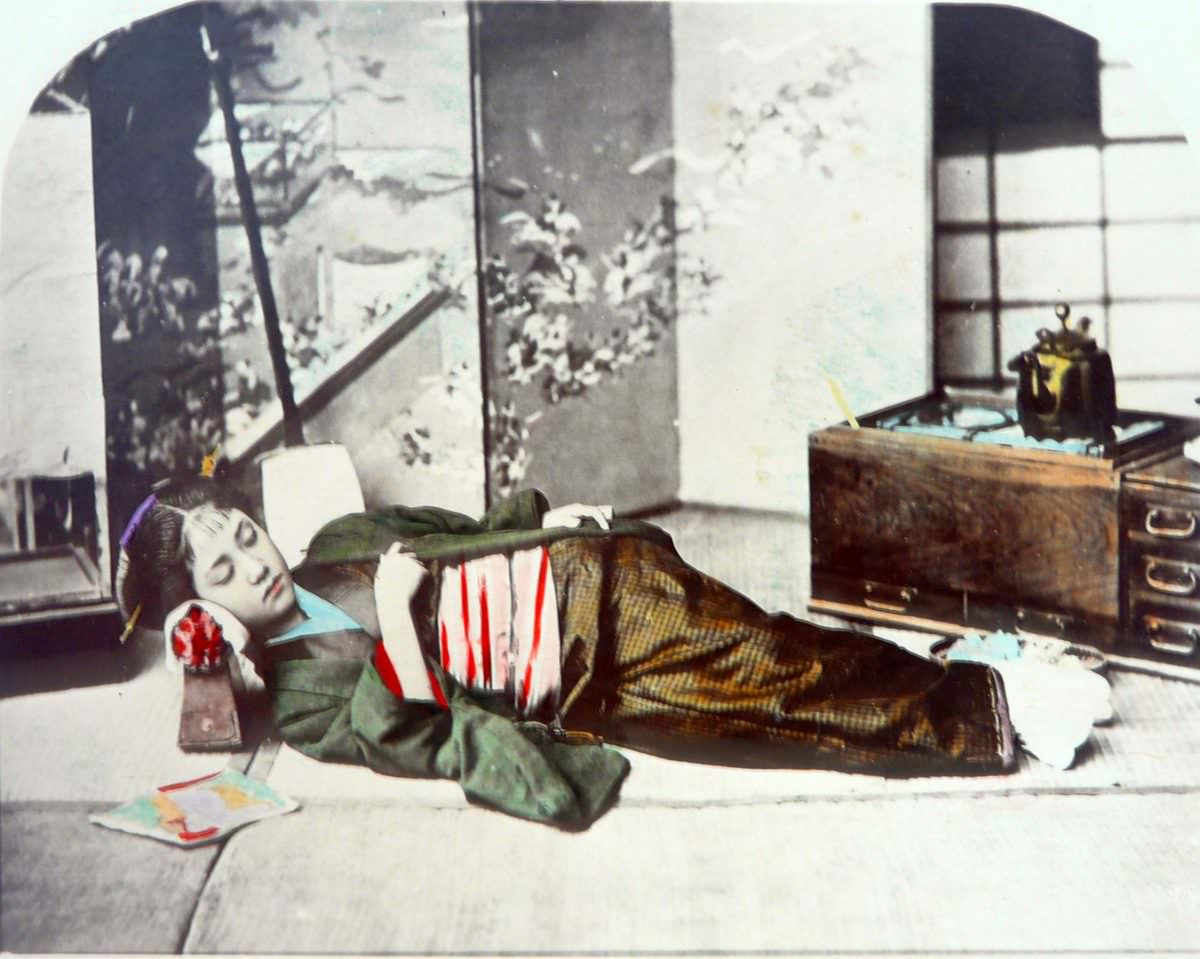
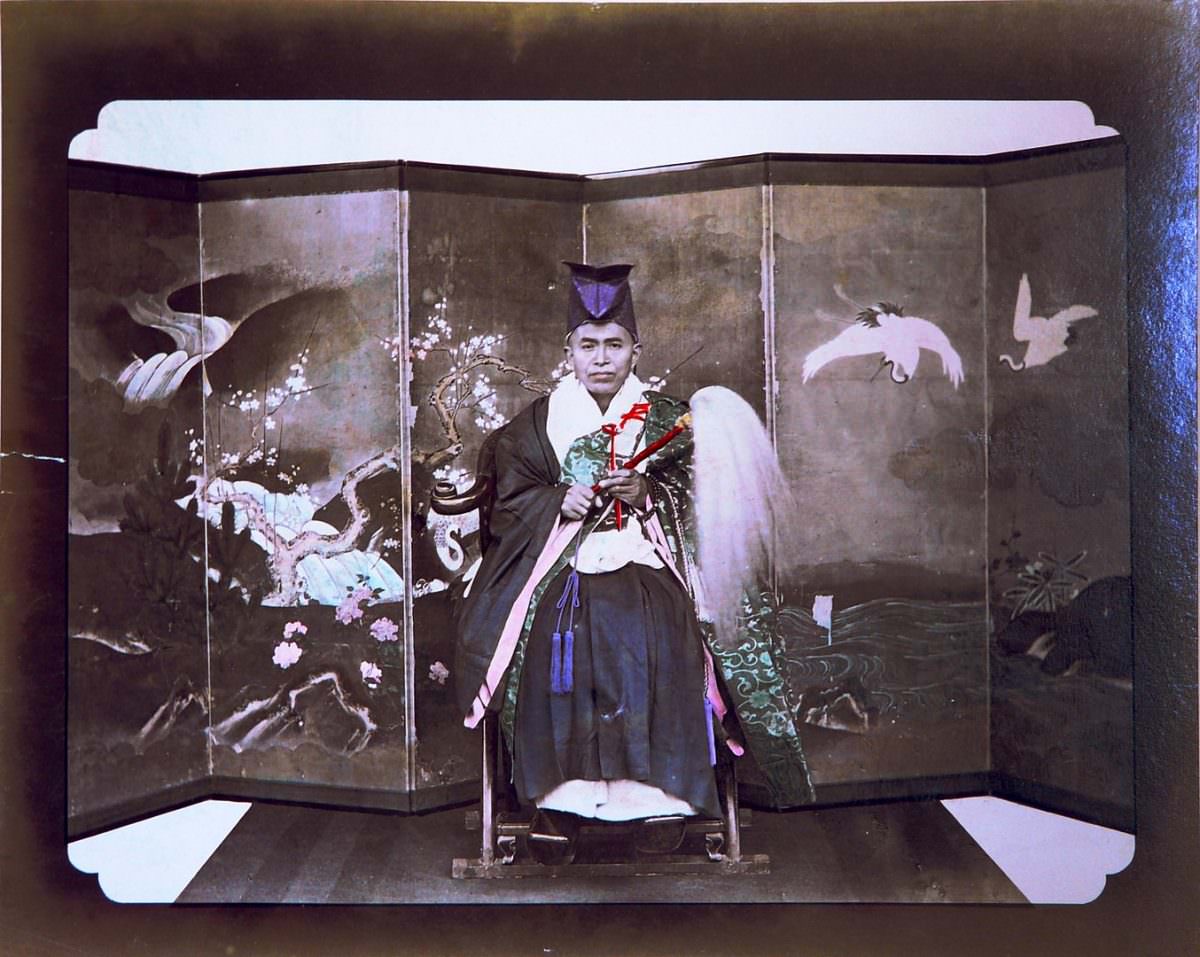
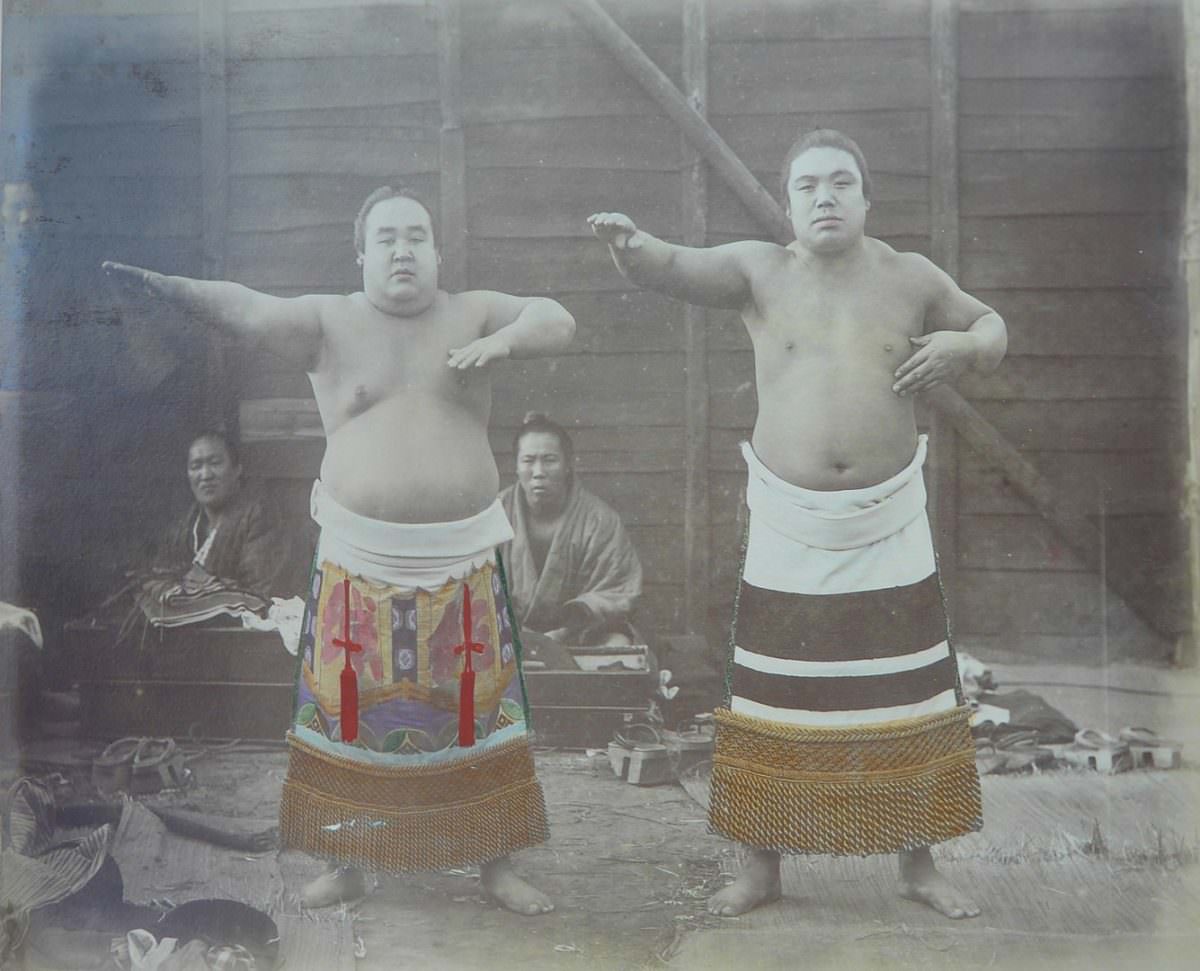
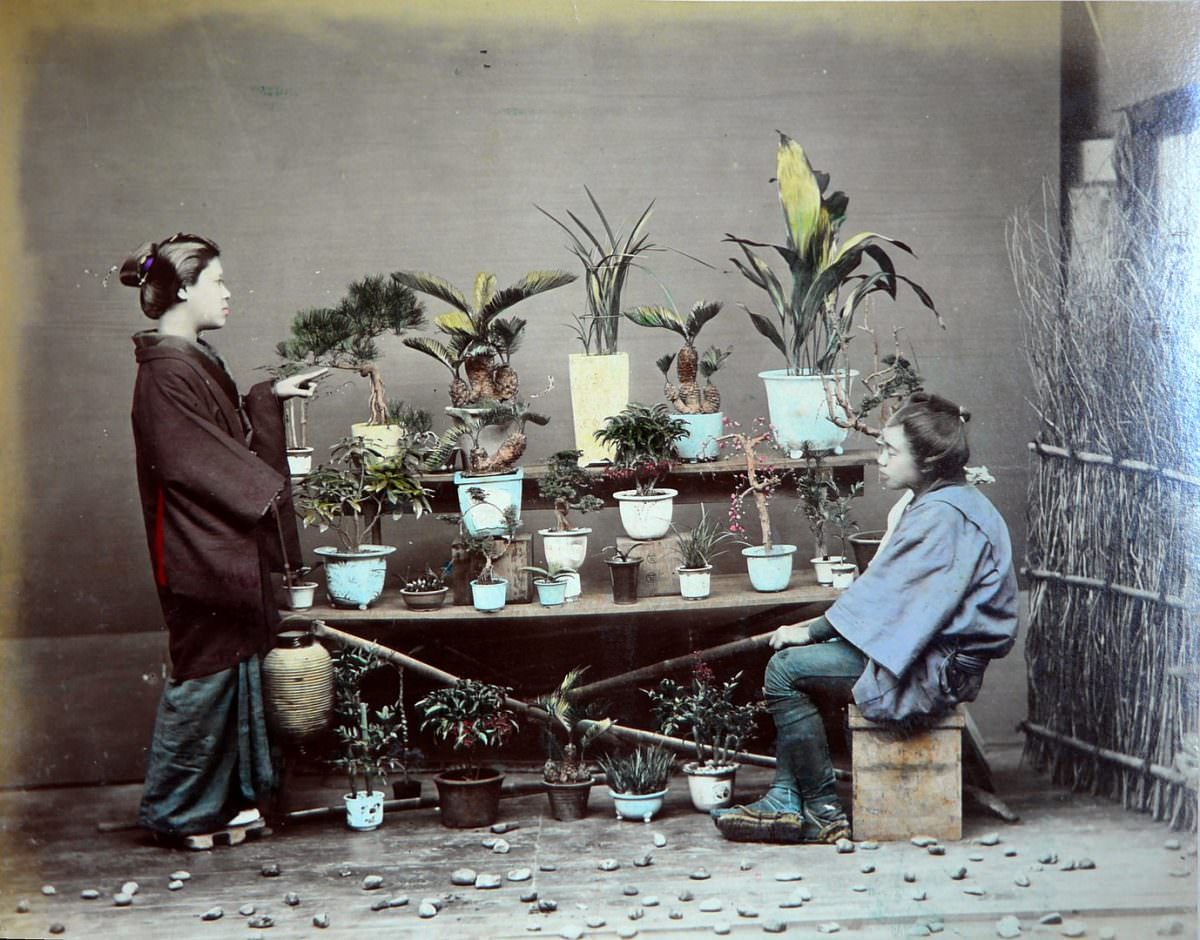
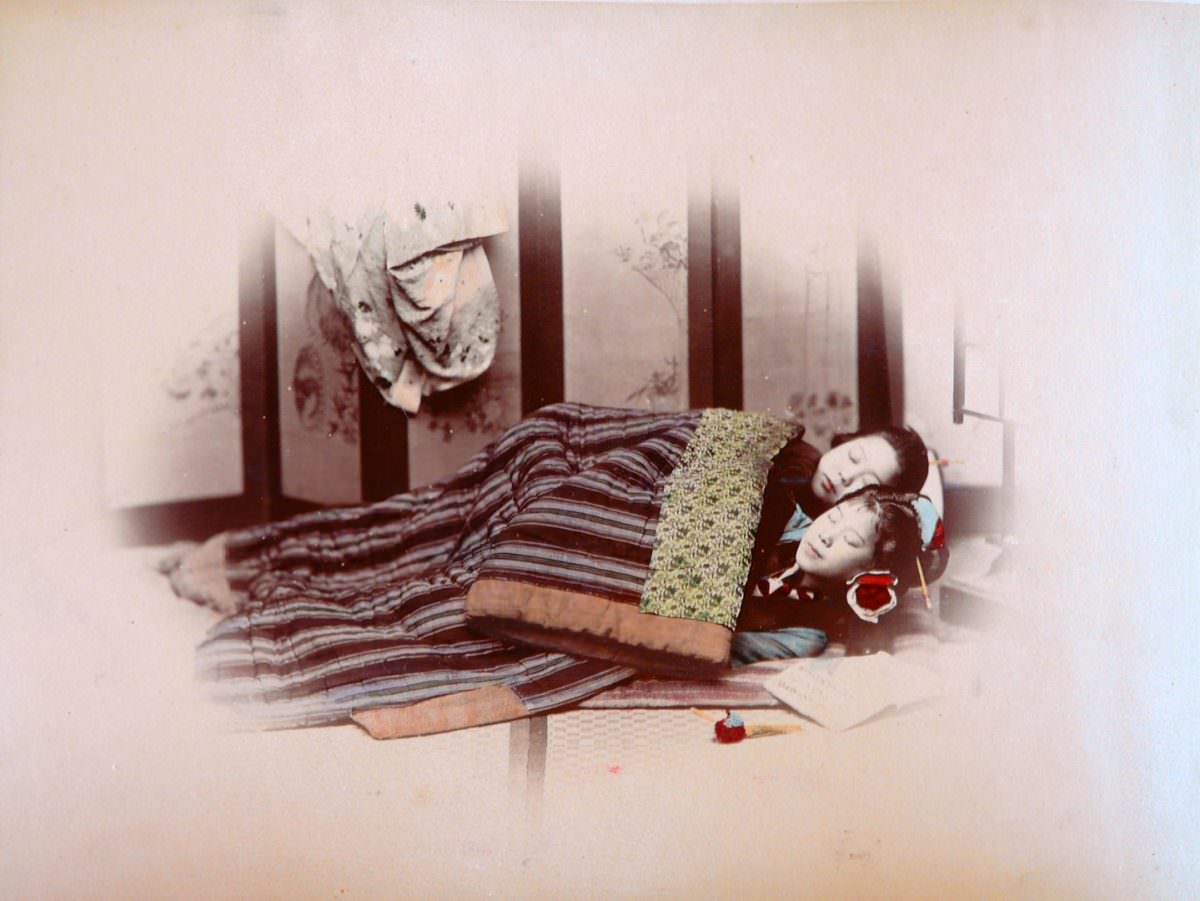
In Yokohama, he established a photographic studio that drew both local and foreign clients. His photographs were sepia monochrome albumen prints — made using egg whites to create a sharp, smooth surface. To bring them to life, Farsari and his team applied watercolours by hand to each print.
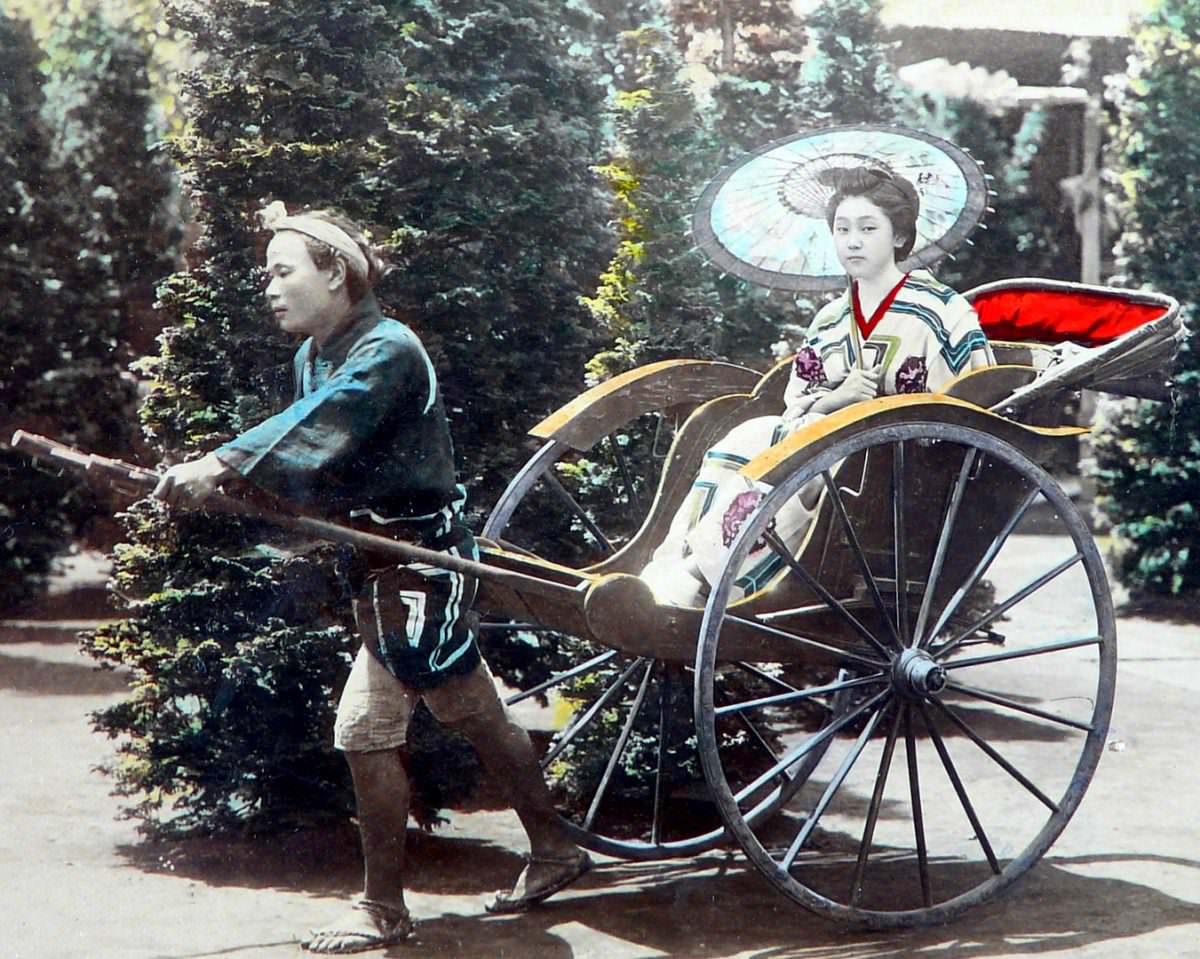
The hand-colouring was meticulous work. Lush greens filled Japan’s landscapes, rich reds appeared in traditional robes, and soft blues lit up open skies. The result merged photographic realism with the feel of fine painting.
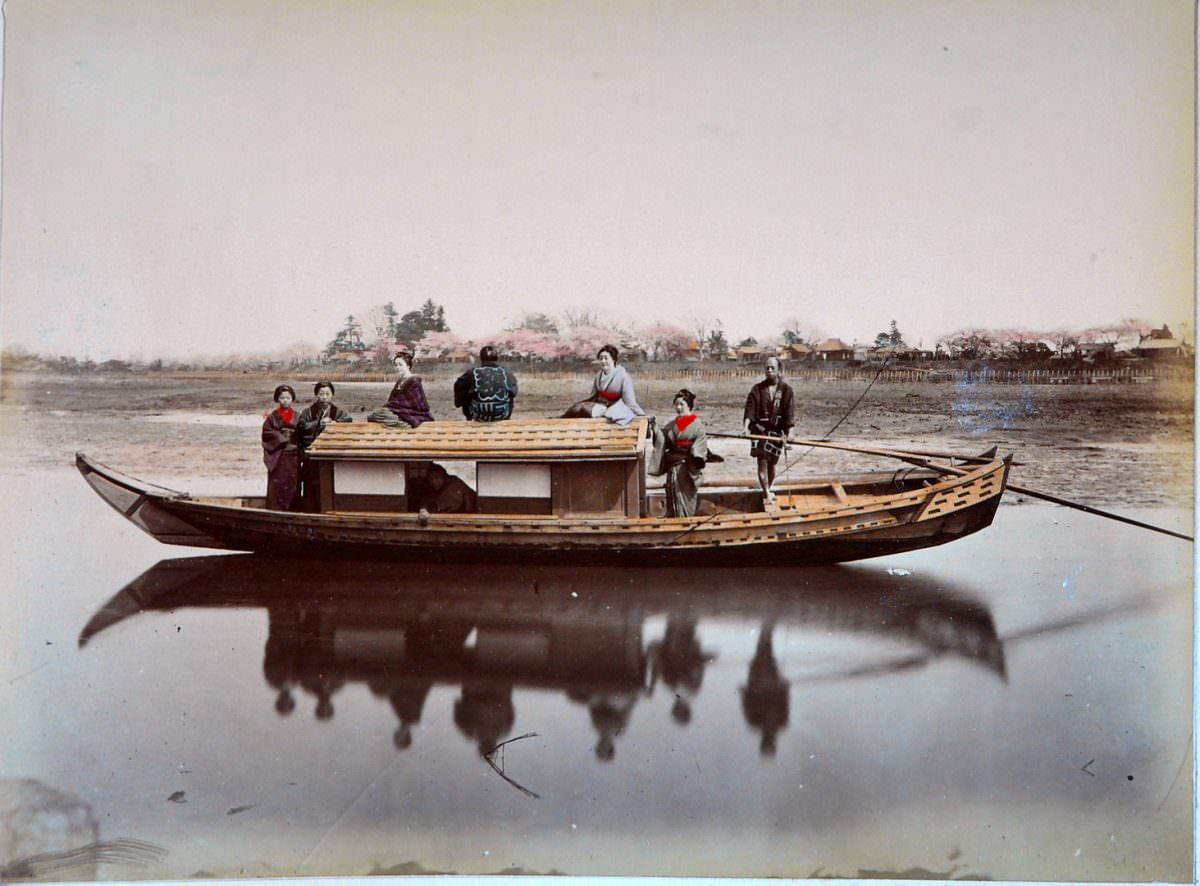
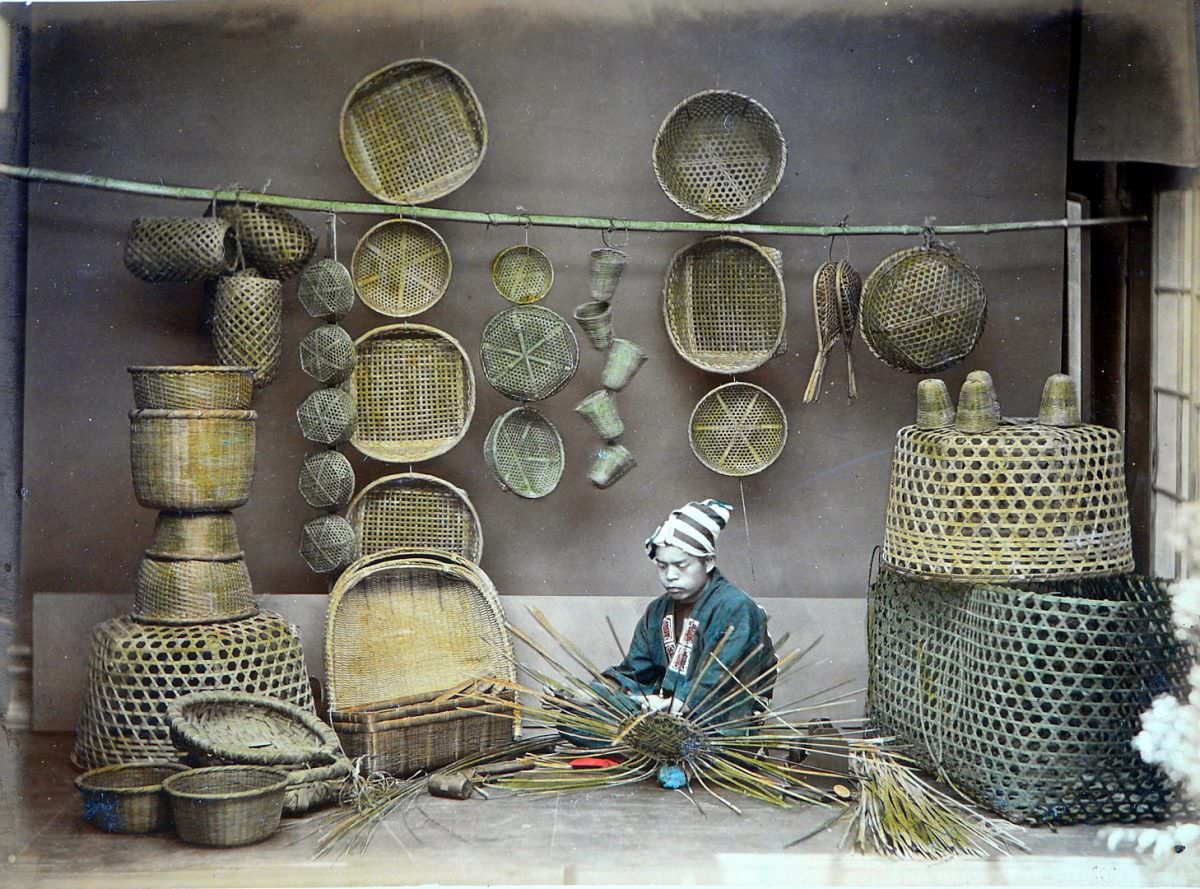
In 1885 and 1886, Farsari produced a landmark album documenting Japanese life. It included hundreds of photographs spanning farmers, street vendors, festivals, and ceremonies. Each image told a specific story about daily life during this transformative period.
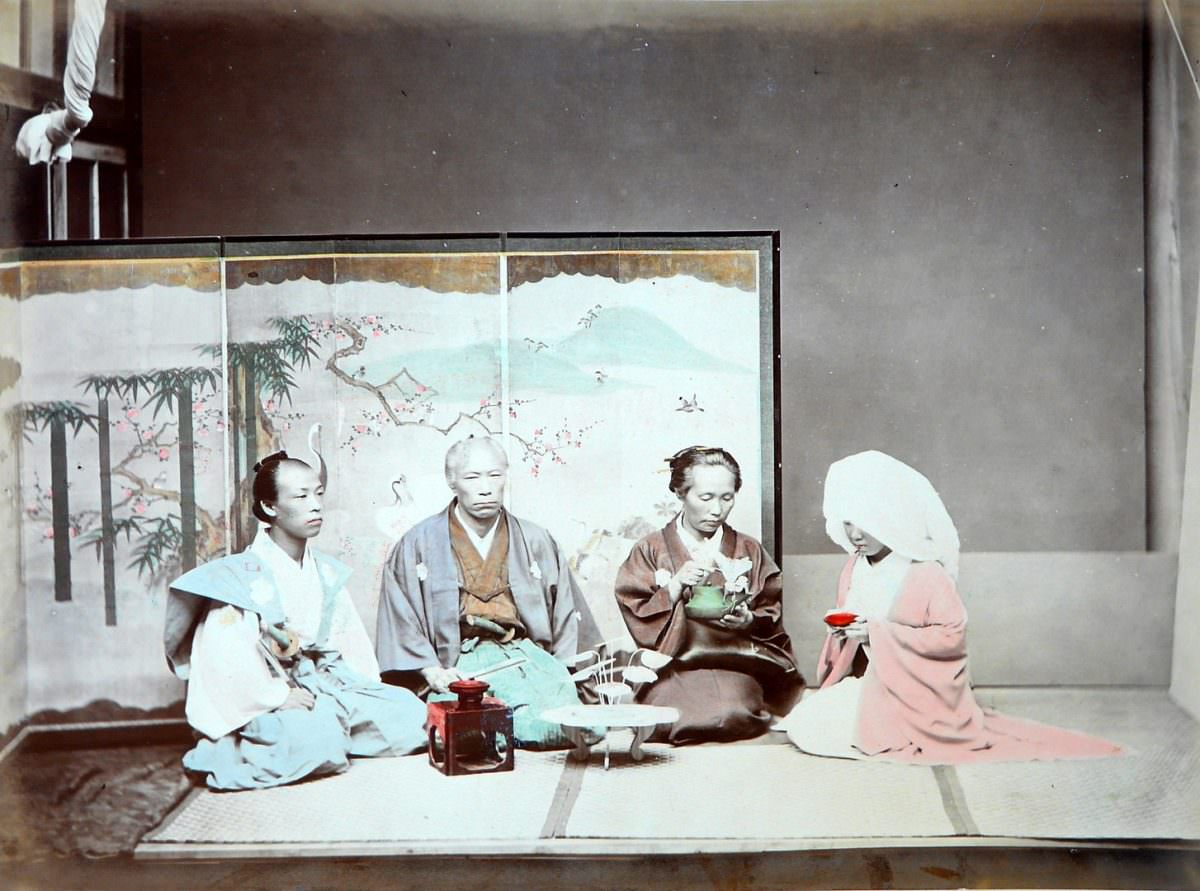
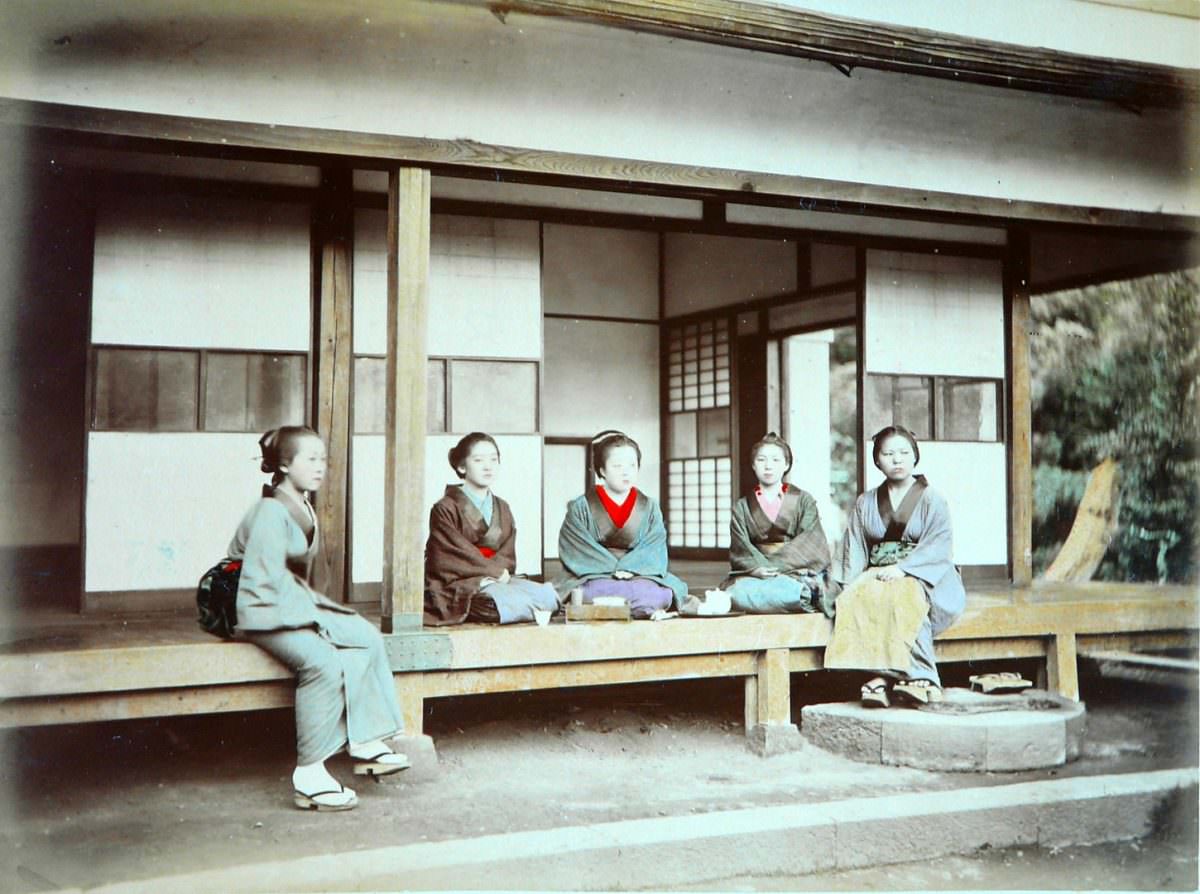
Many photographs featured subjects dressed in kimono, Japan’s traditional garment known for its intricate patterns. Farsari often posed his subjects in gardens or near temples, emphasizing the Japanese cultural value of harmony between people and nature.
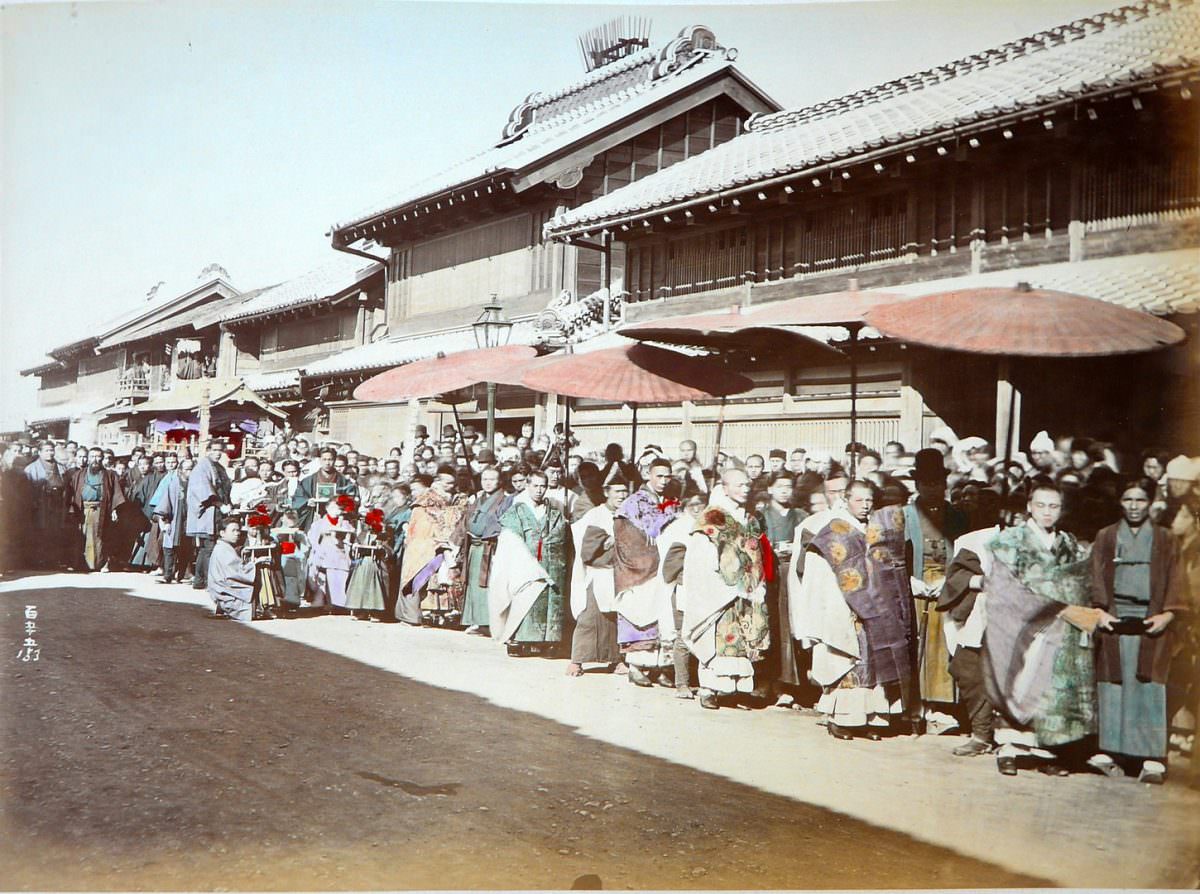
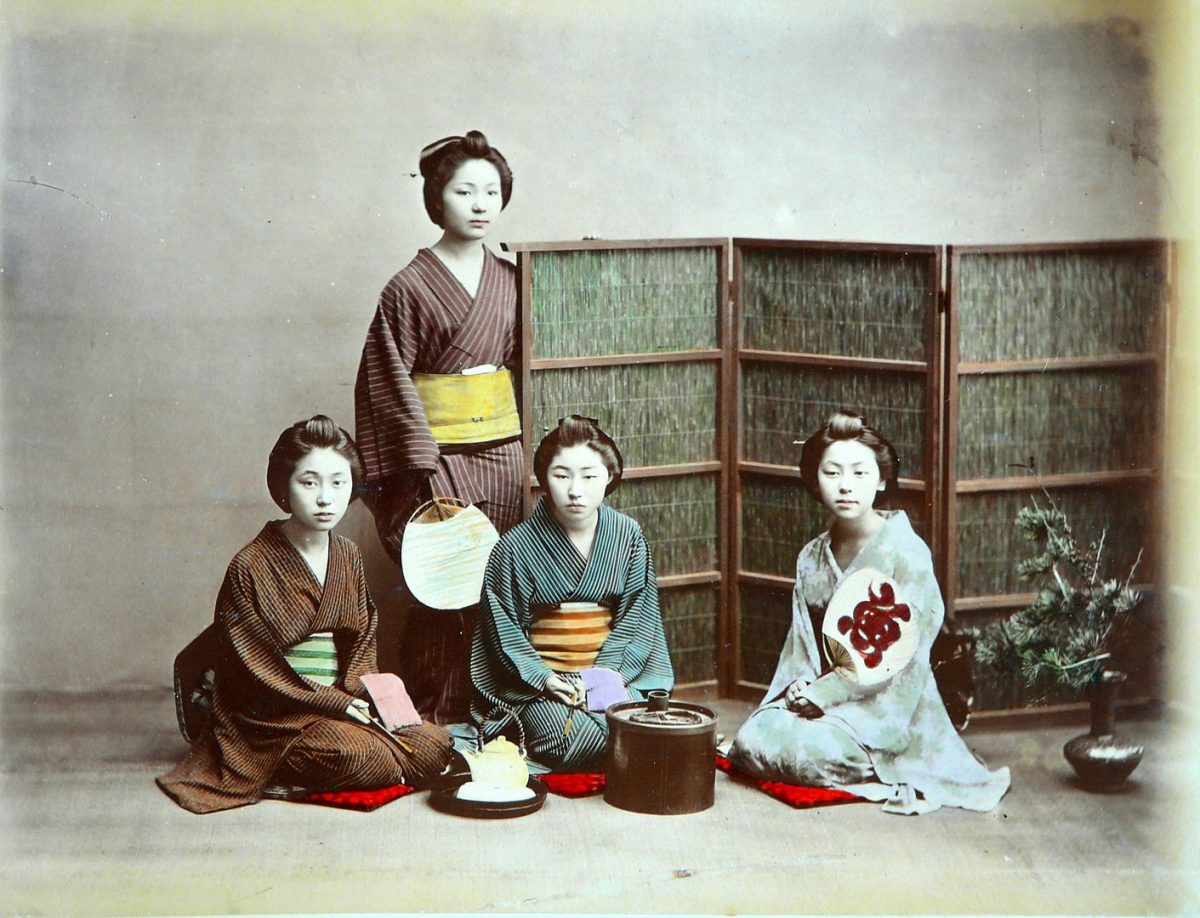
Farsari also documented festivals — parades, dances, and public ceremonies filled with vibrant costumes and movement. His ability to freeze these moments gave foreign audiences their clearest window yet into Japanese traditions.