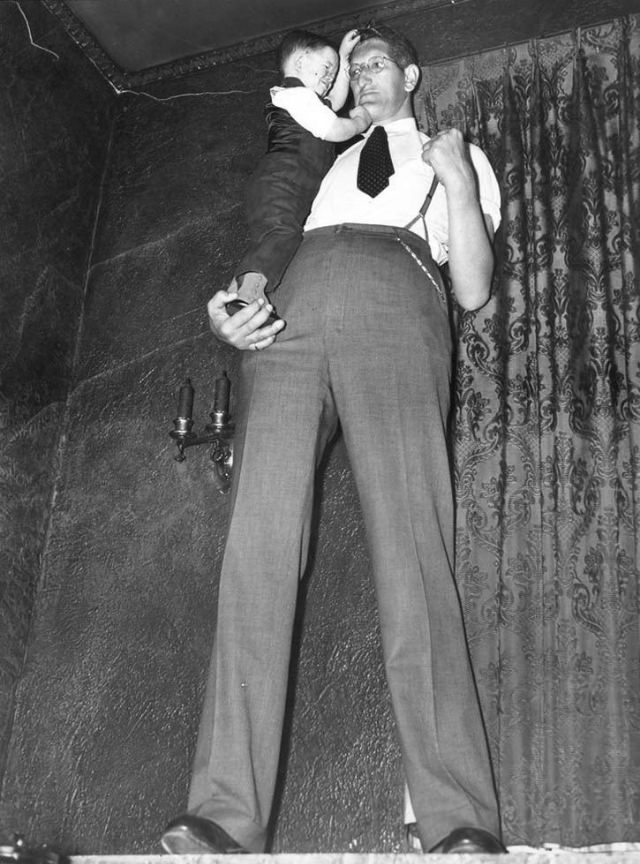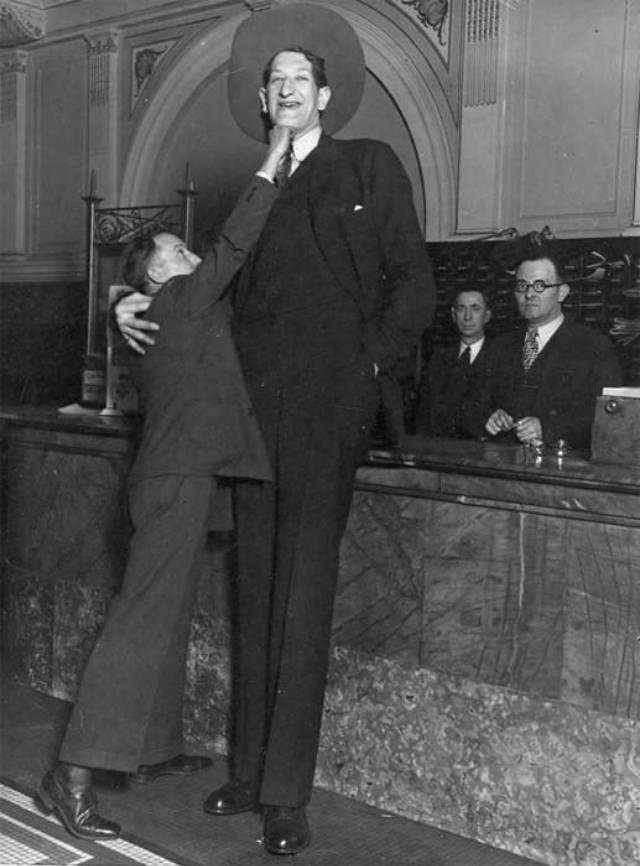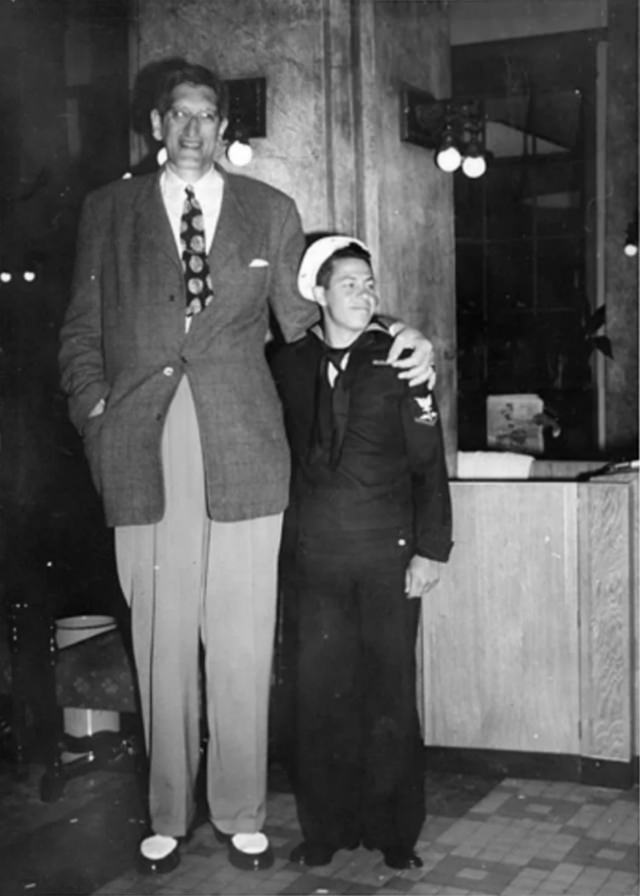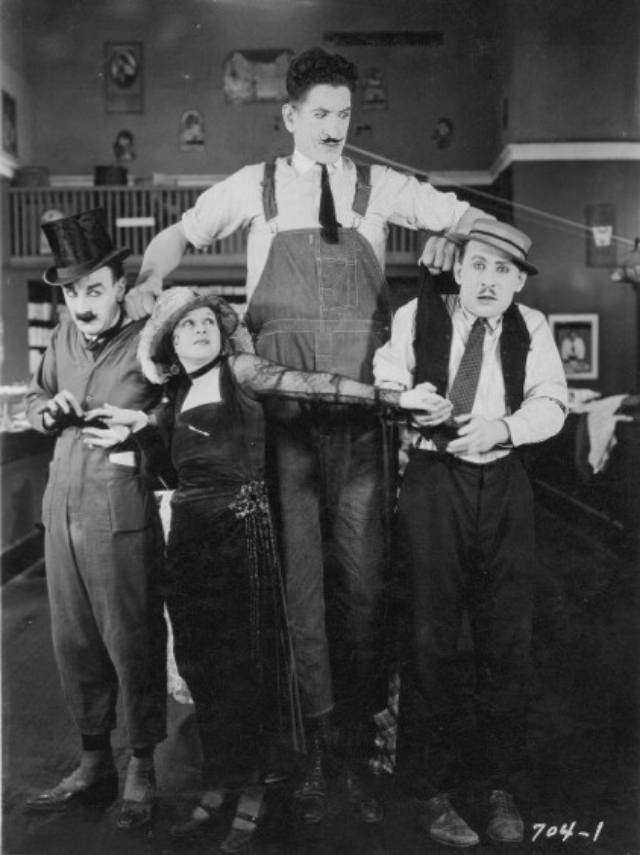
Jacob Erlich was born on June 3, 1906, in Denver, Colorado. By his 13th birthday, he already stood 6 feet 6 inches tall — taller than most full-grown men. His family relocated to El Paso, Texas, where he spent his formative years. Even as a boy, he had a clear draw toward the arts, developing real skills in both painting and acting. His height, though, was impossible to ignore. It made him stand apart in every room, on every street, and in every classroom he ever entered.
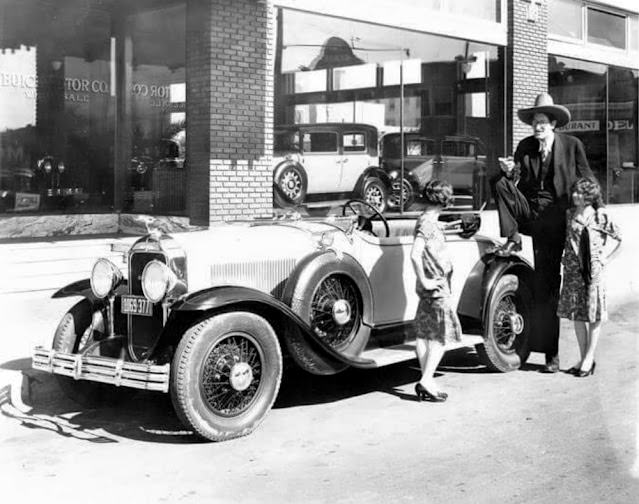
A Ringling Brothers talent scout visited El Paso and spotted the towering teenager. The scout was so struck by Erlich’s size that he persuaded the family to let the boy join the circus. It was the beginning of a life that few people could have imagined. Jacob Erlich would soon become Jack Earle — the “Texas Giant” — and one of the most recognized figures in American circus history.
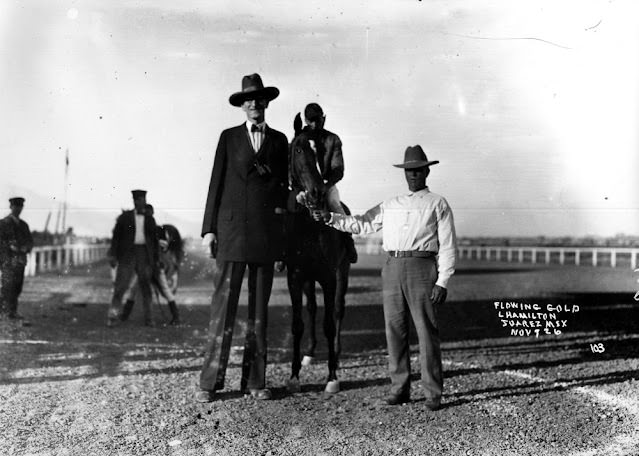
Jack Earle officially joined Ringling Brothers and Barnum & Bailey Circus in 1926. His enormous frame drew enormous crowds. But Earle was not simply a spectacle. During performances, he recited poetry and delivered monologues, giving audiences a sense of his intelligence and personality. He was not just tall — he was engaging, and people left the circus tent thinking about more than his height.
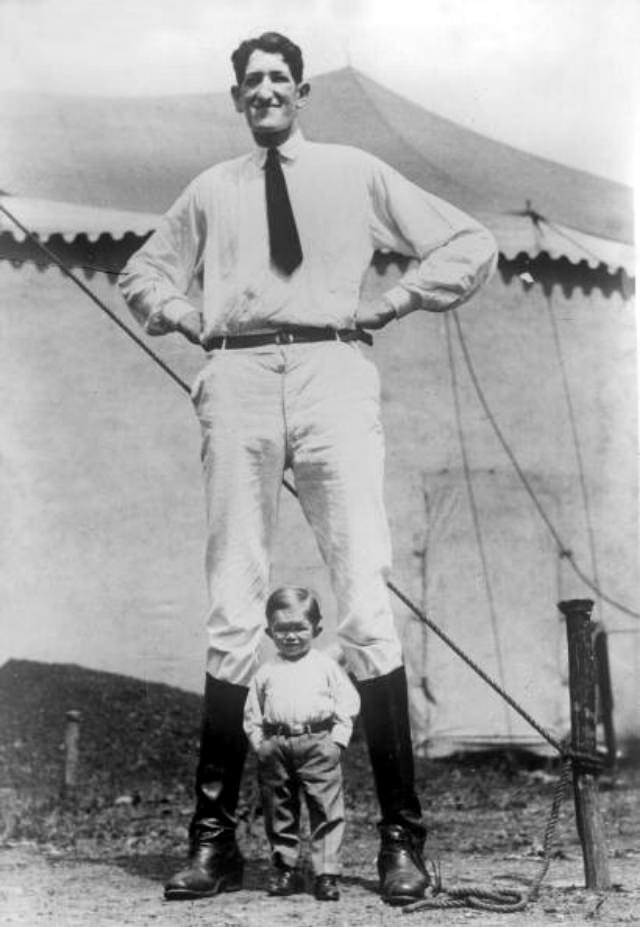
Newspapers and magazines ran frequent stories on him. Reporters wanted interviews. The public wanted to know how he lived, what he ate, how he fit into a world built for much smaller people. His fame crossed the Atlantic — he was invited to perform before European royalty, a remarkable achievement for a boy who had grown up in El Paso, Texas.
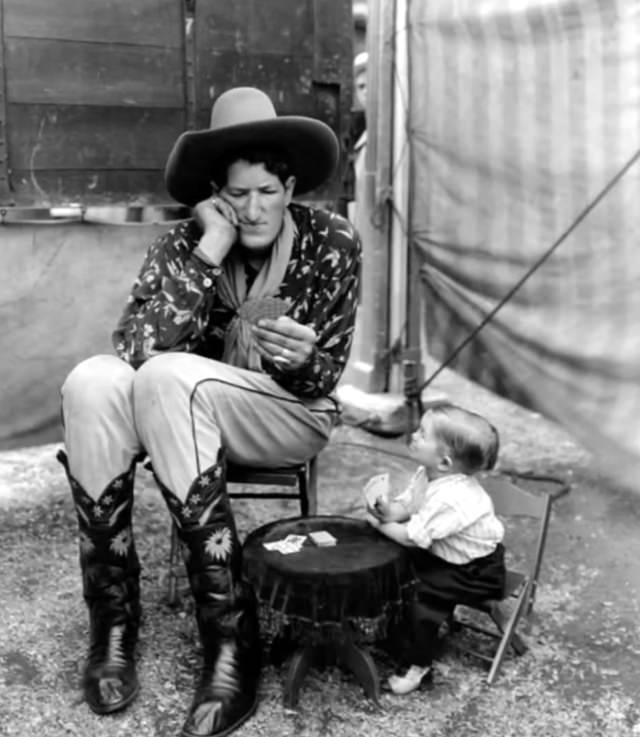
In 1930, Earle stepped away from the circus to try his hand in Hollywood. He appeared in several films, including “Jack and the Beanstalk” and “Prehistoric Man.” Directors used his staggering height to enhance the fantastical elements of each story. On screen, he was impossible to overlook, and his acting background from his circus years served him well.
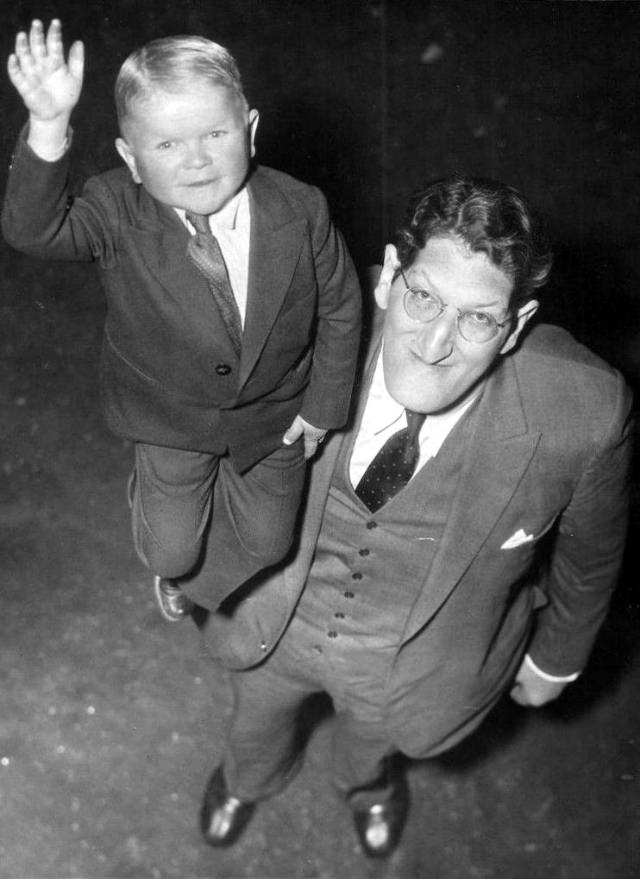
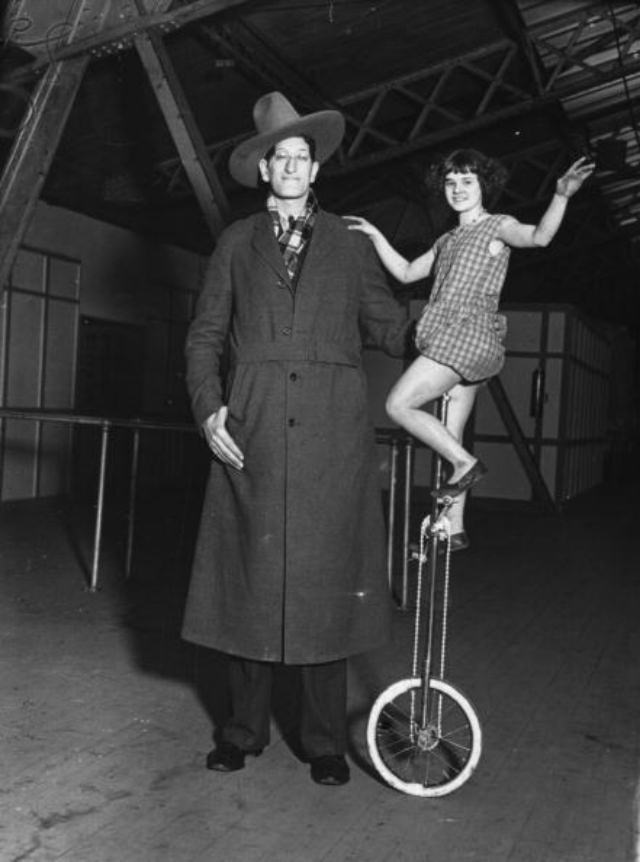
His height was the result of an overactive pituitary gland, a medical condition called acromegaly. The gland produces growth hormone, and when it produces too much, the body keeps growing well beyond normal limits. For Earle, this meant a lifetime of physical strain. He dealt with persistent back pain and increasing difficulty moving around. These were not minor inconveniences — they were daily realities that came with carrying that much height on a human frame.
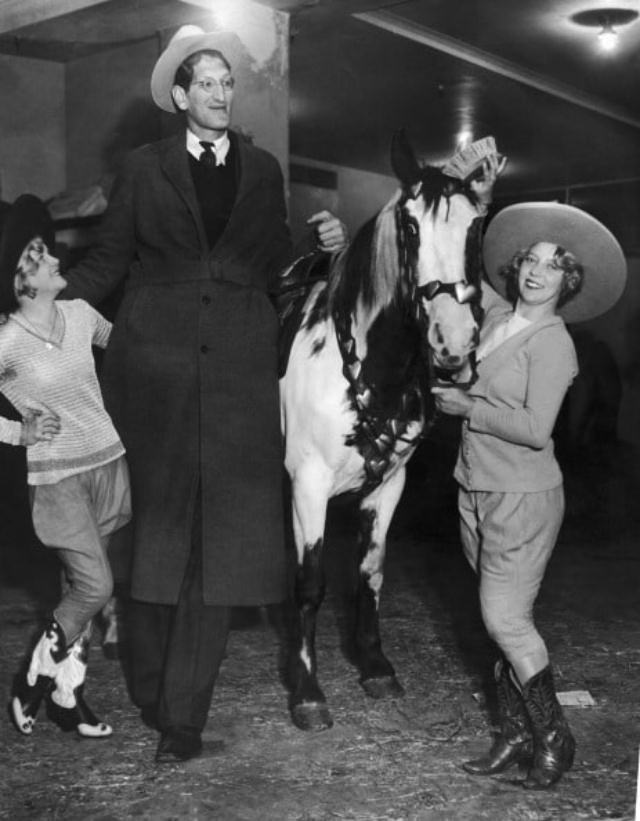
Despite the physical toll, Earle kept working and kept traveling throughout his circus and Hollywood years. He met thousands of people across the country and across Europe. Those who spoke with him consistently described a man who was thoughtful, well-read, and genuinely interested in art and philosophy. His size drew people in, but his character is what they remembered.
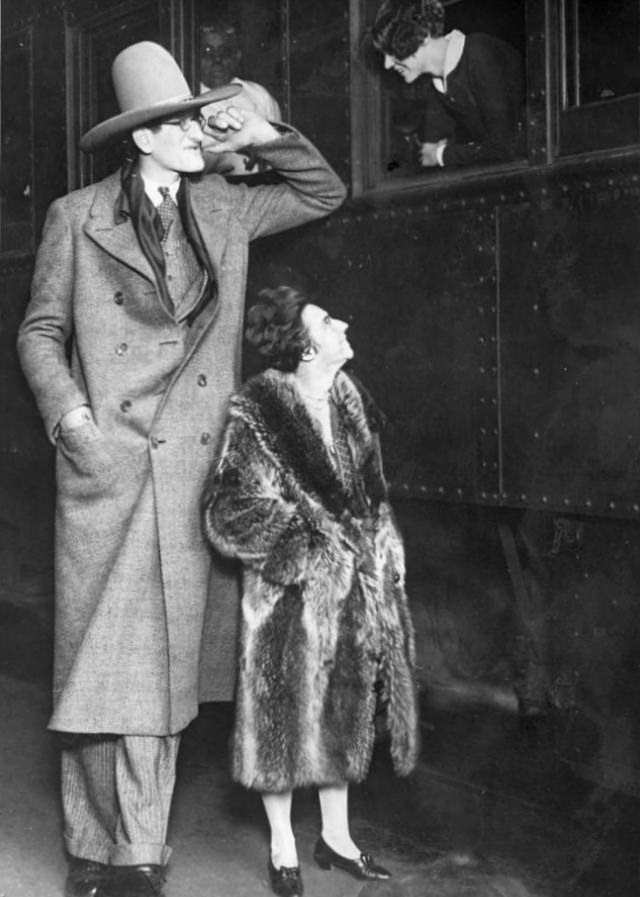
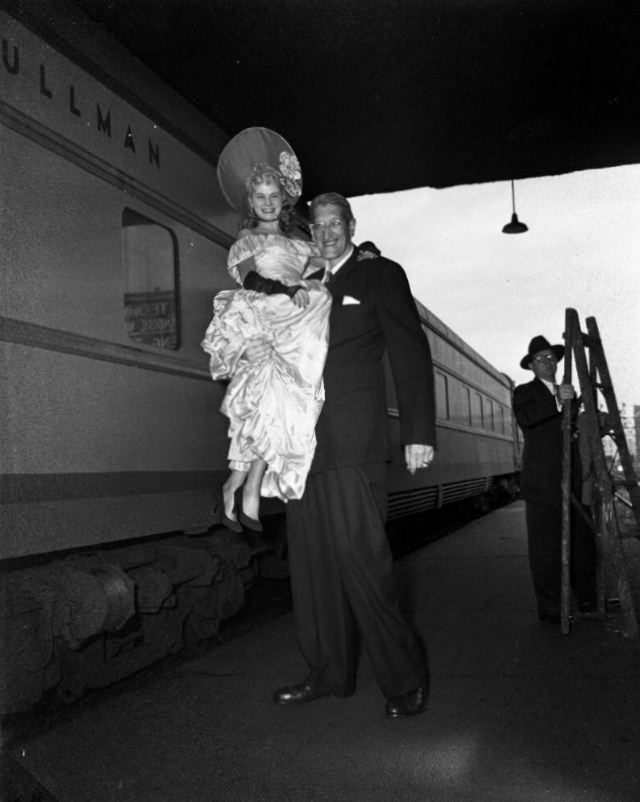
In 1945, Earle made a significant life change. He left the entertainment industry entirely and moved to California, where he launched a winery under his own name. The Jack Earle brand built a solid reputation for quality, earning awards at wine-tasting competitions. It was a completely different world from the circus tent or the movie set, but Earle approached it with the same seriousness he brought to everything else.
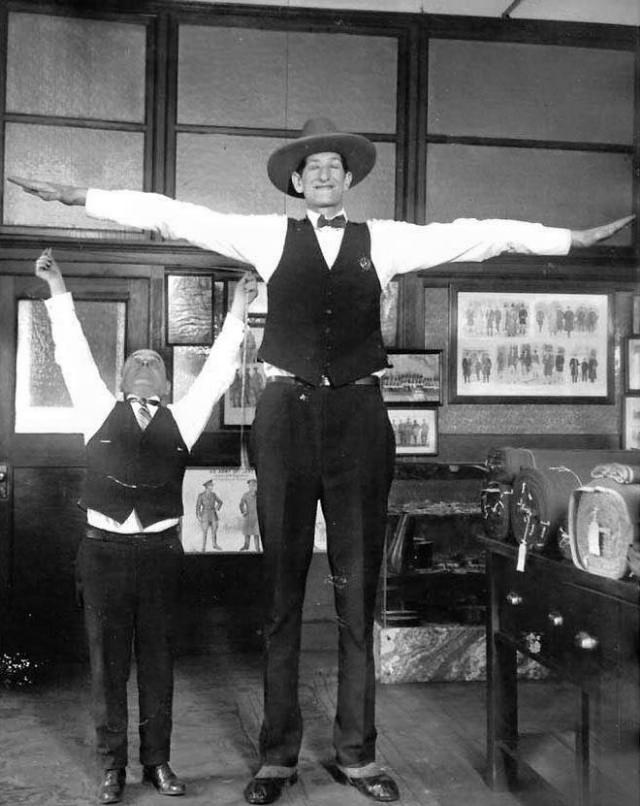
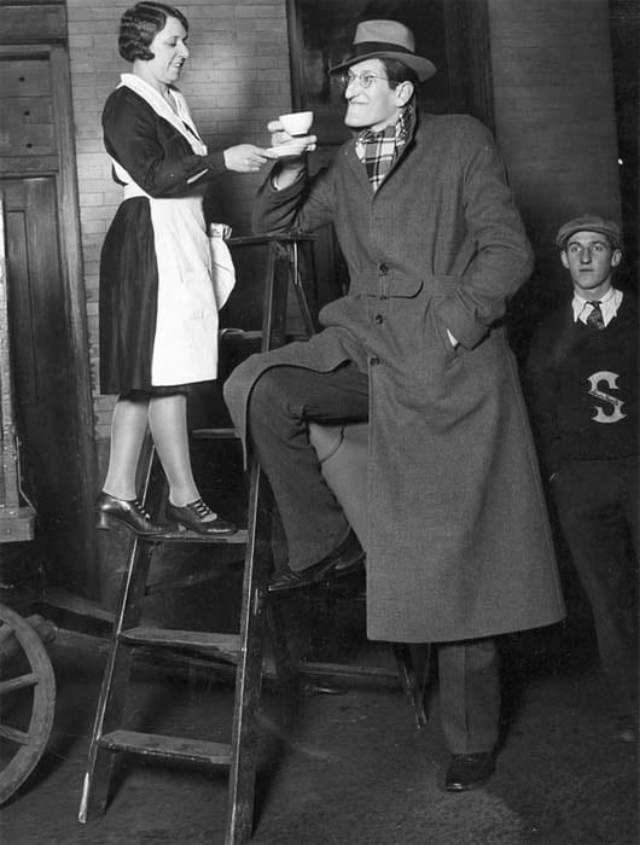
Earle married once during his lifetime but had no children. He kept his personal life quiet and largely out of the public eye. For a man who had spent decades as one of the most recognizable figures in the country, that privacy was clearly something he valued.
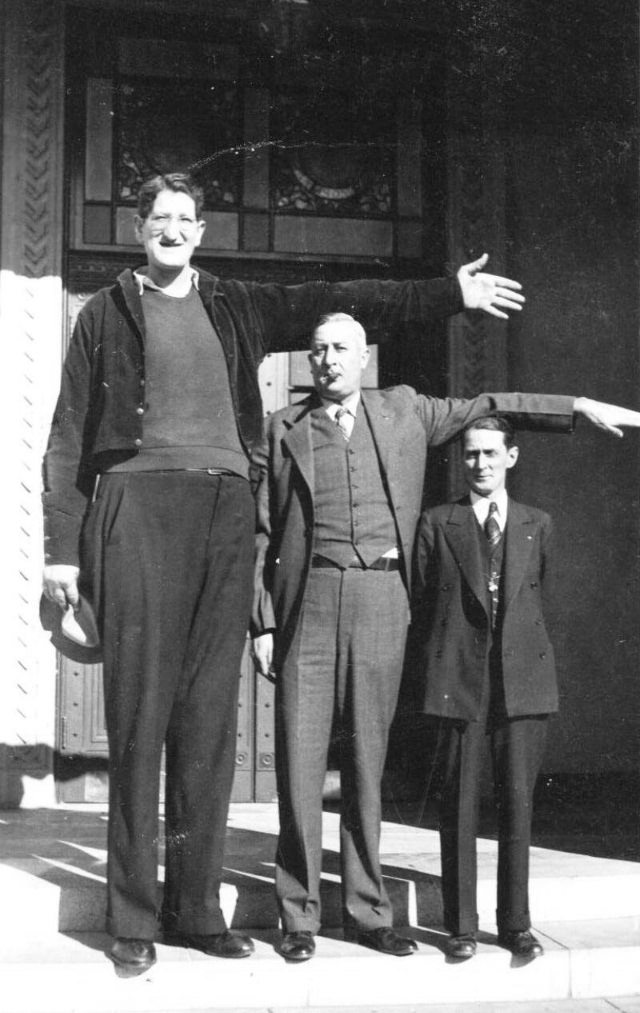
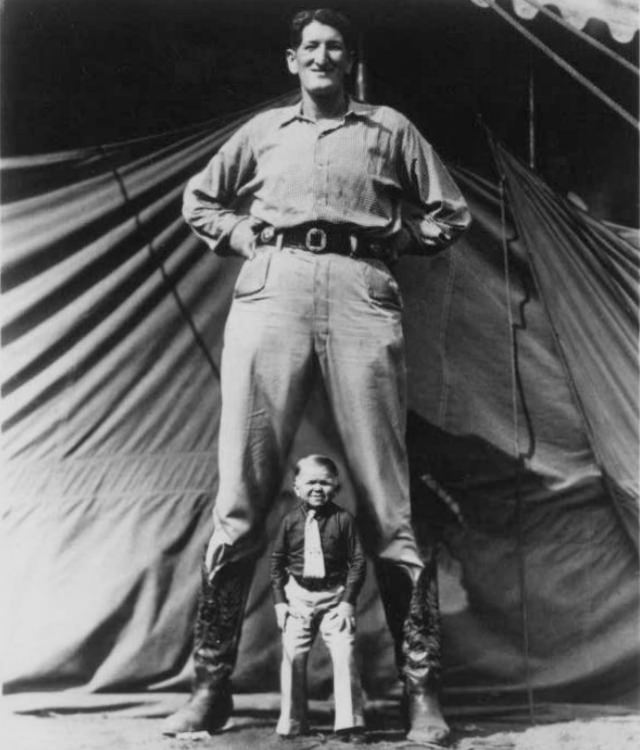
Jack Earle died on July 18, 1952, in El Paso, Texas — the city where his extraordinary story had first taken shape. He was 46 years old. At the time of his death, he stood at 7 feet 6.5 inches, placing him among the tallest human beings ever documented.