
As 1944 opened, Allied forces in Italy were stuck. They had landed on the Italian mainland in 1943, forcing Italy to surrender, but Germany quickly moved in to fill the void. German Field Marshal Albert Kesselring organized a powerful defensive network across the narrowest, most mountainous stretch of the peninsula. Known broadly as the Winter Line, its strongest section was the Gustav Line — anchored on rivers like the Rapido and Garigliano and reinforced by steep, rocky terrain that made any frontal assault enormously costly. Allied soldiers from the United States, Great Britain, Canada, Poland, France, India, and New Zealand all took part in the effort to crack it.
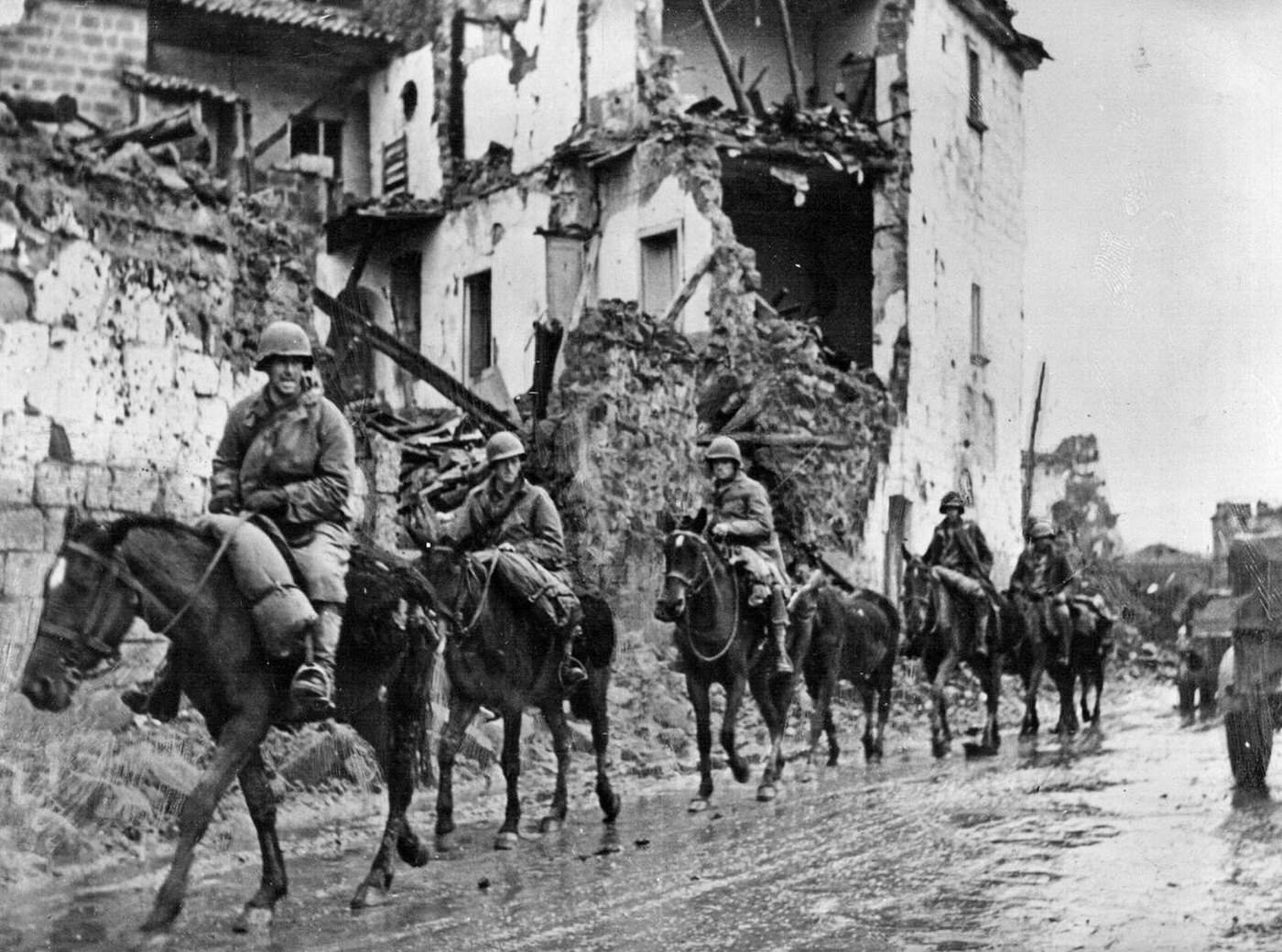
The winter conditions made fighting miserable. Cold rain turned dirt roads to mud, slowing supply convoys and exhausting infantry units that had to climb and hold positions on exposed hillsides. Progress toward Rome, roughly 100 miles north, slowed to a crawl. Allied commanders needed a bold move to break the deadlock.
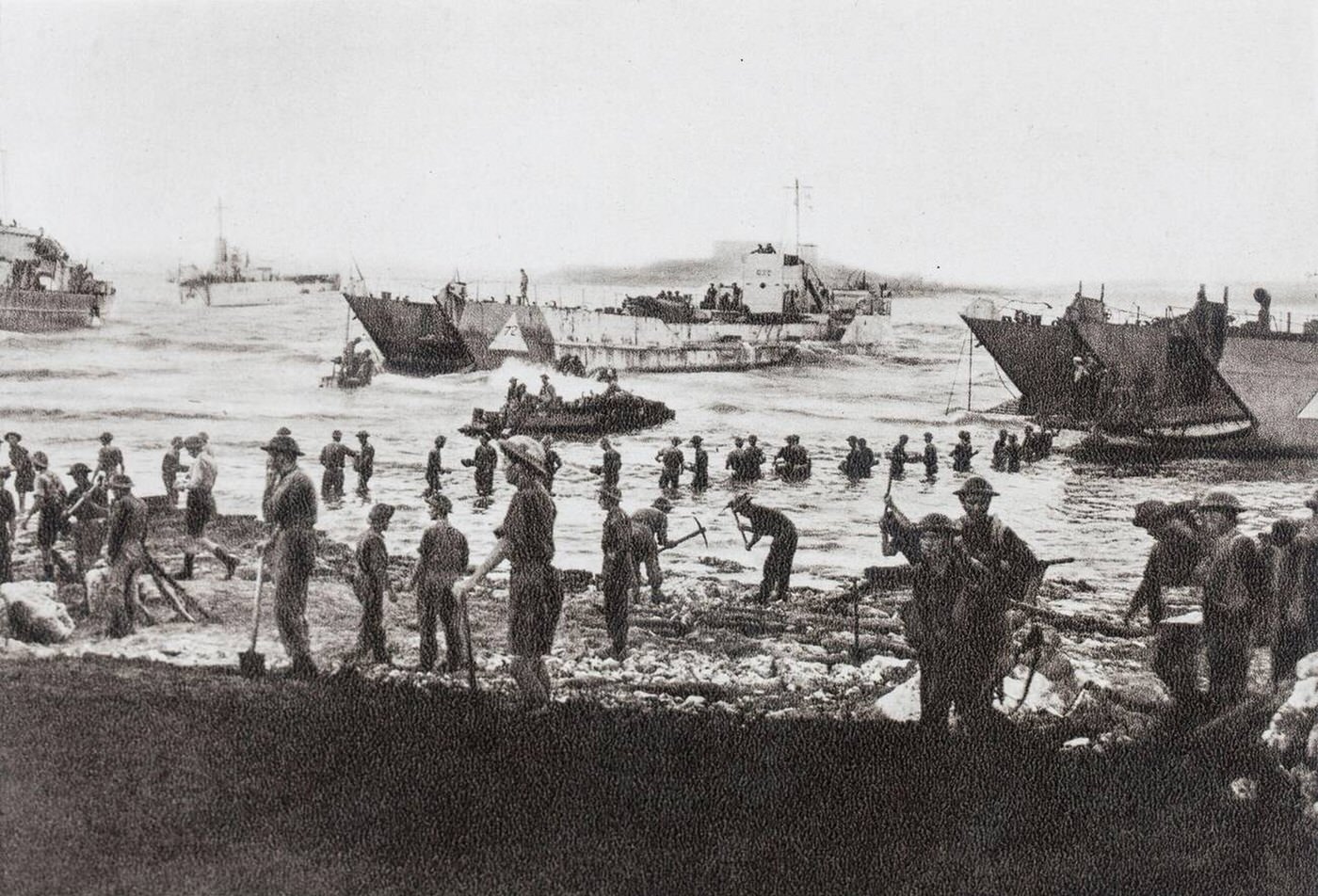
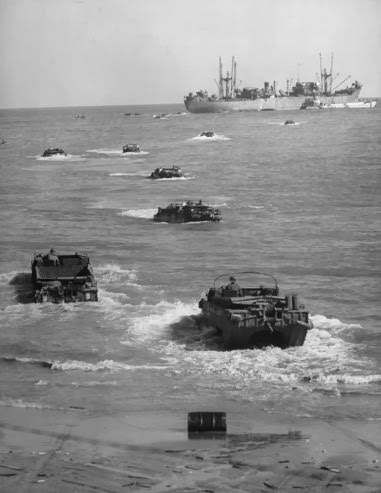
That bold move was Operation Shingle. On January 22, 1944, Allied forces landed by sea at Anzio and Nettuno — coastal towns just 30 miles south of Rome — completely behind the Gustav Line. The Germans were caught off guard, and the beachhead was established with little resistance. For a brief moment, the road to Rome lay open.
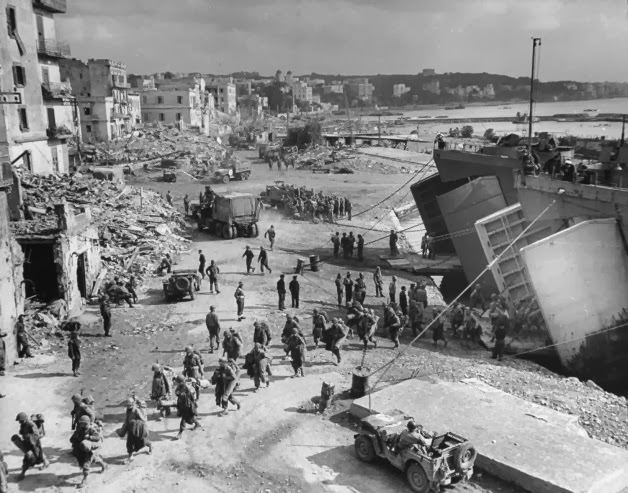
The Allied commander at Anzio, Major General John P. Lucas, chose to consolidate the beachhead rather than push inland immediately. That hesitation proved costly. Kesselring reacted swiftly, rushing German divisions to the area and sealing the beachhead with a ring of troops. The Allies, instead of threatening Rome from behind, found themselves pinned between the sea and a wall of German guns.
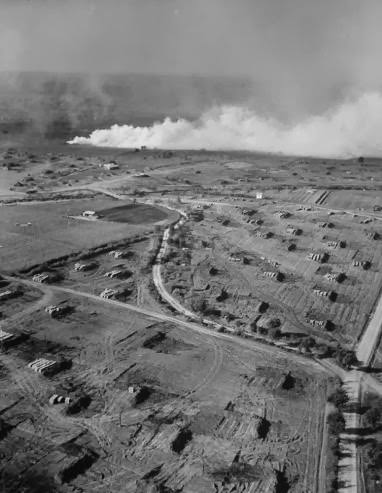
What followed was months of grinding, claustrophobic warfare. The beachhead was small, heavily shelled, and constantly under pressure. German artillery could reach nearly every corner of it. Even the hospitals were not safe.
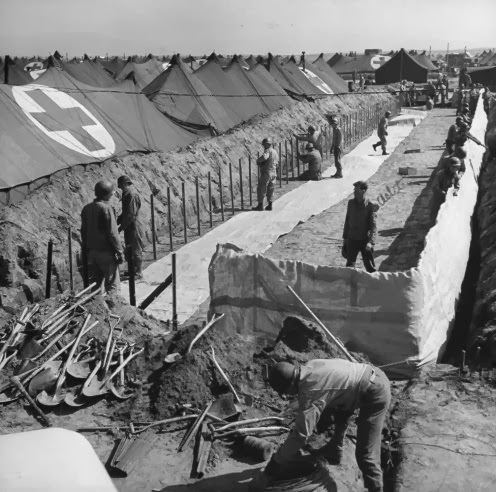
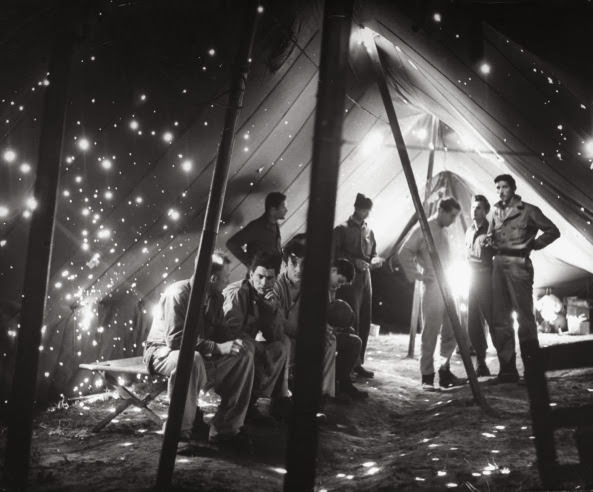
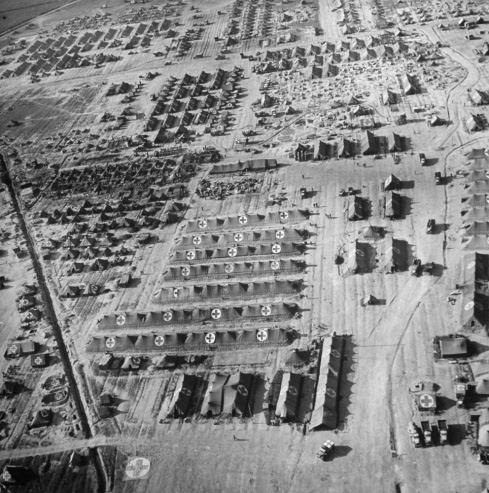
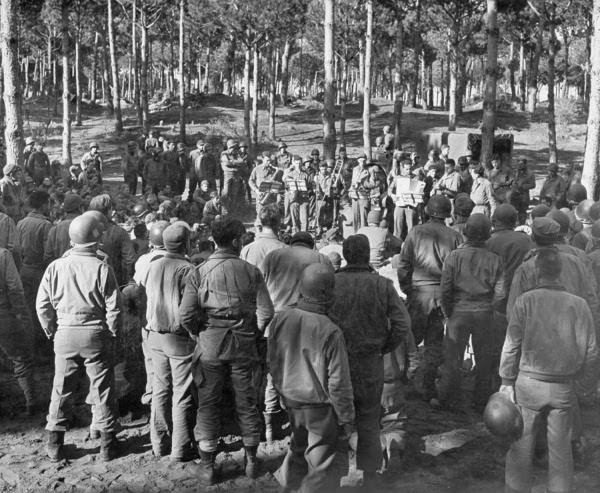
Medical staff set up facilities underground to shield patients from the constant shelling. Wounded men were treated under fire, and chaplains worked alongside medics in the forward areas. The human cost mounted daily.
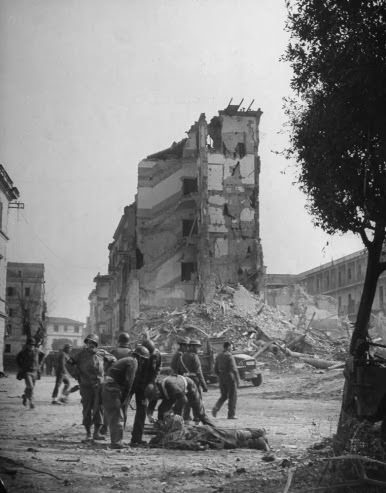
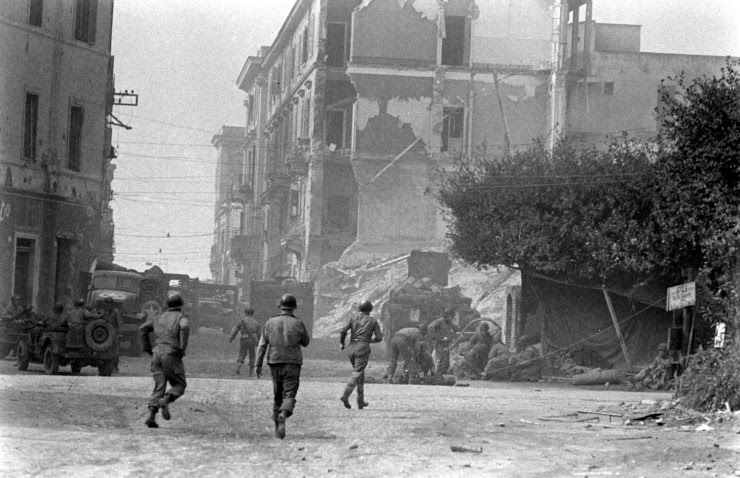
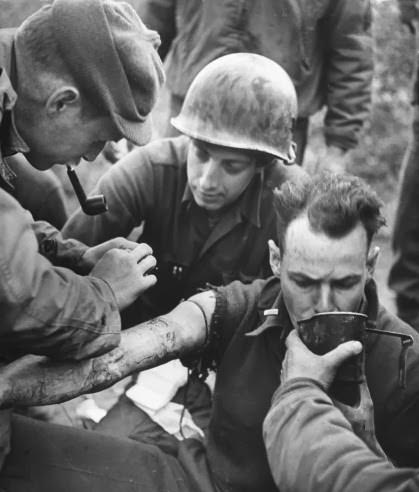
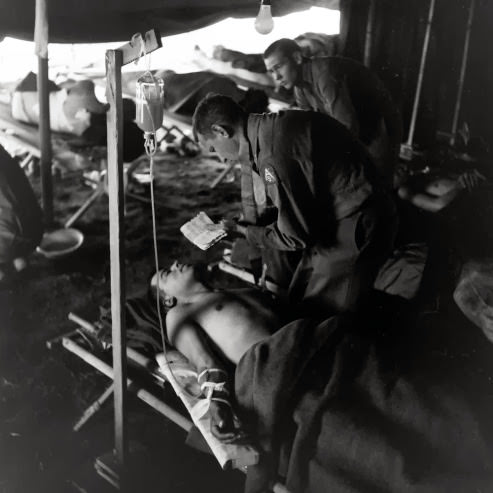
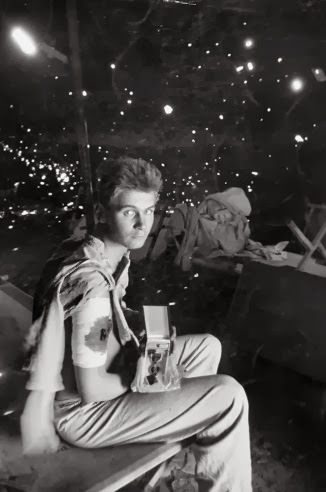
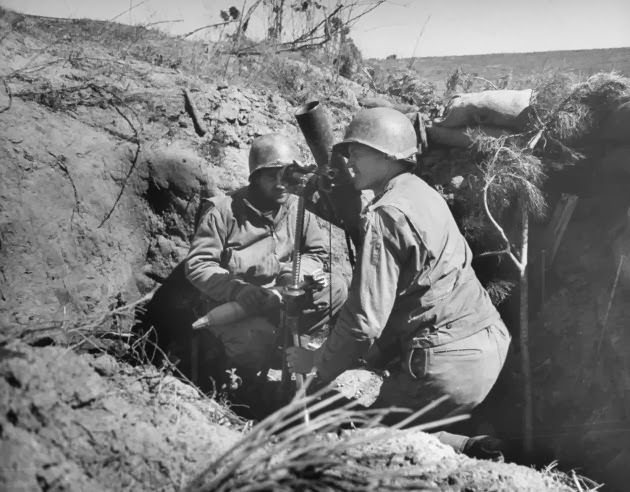
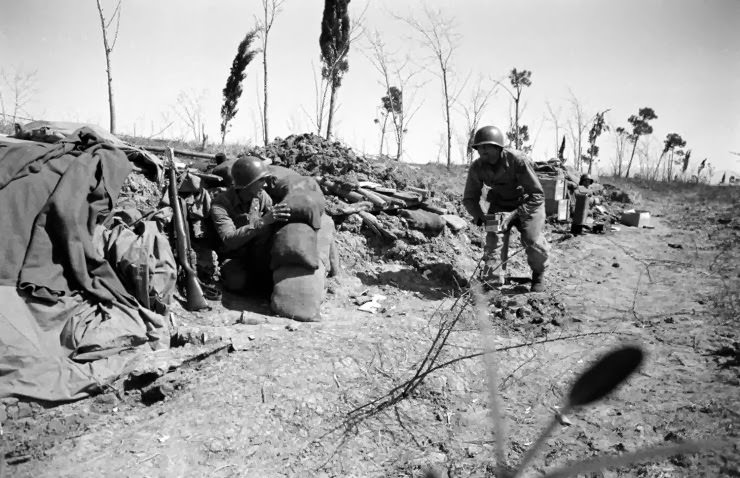
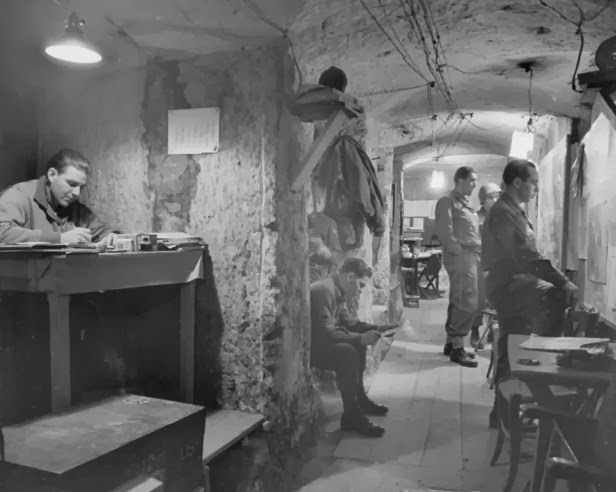
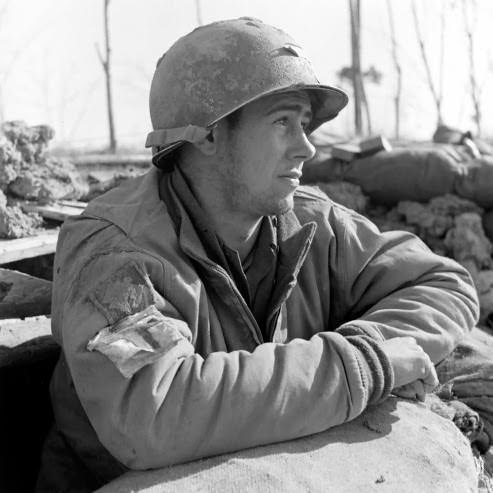
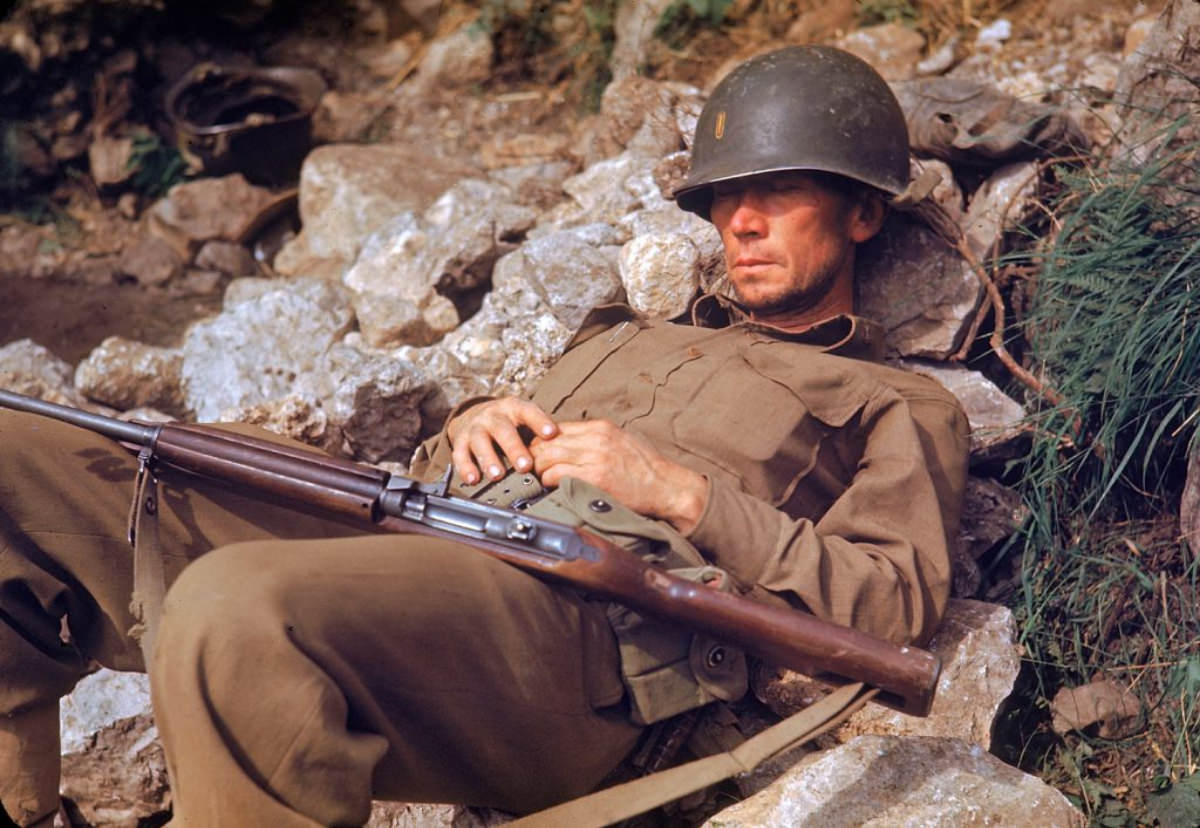
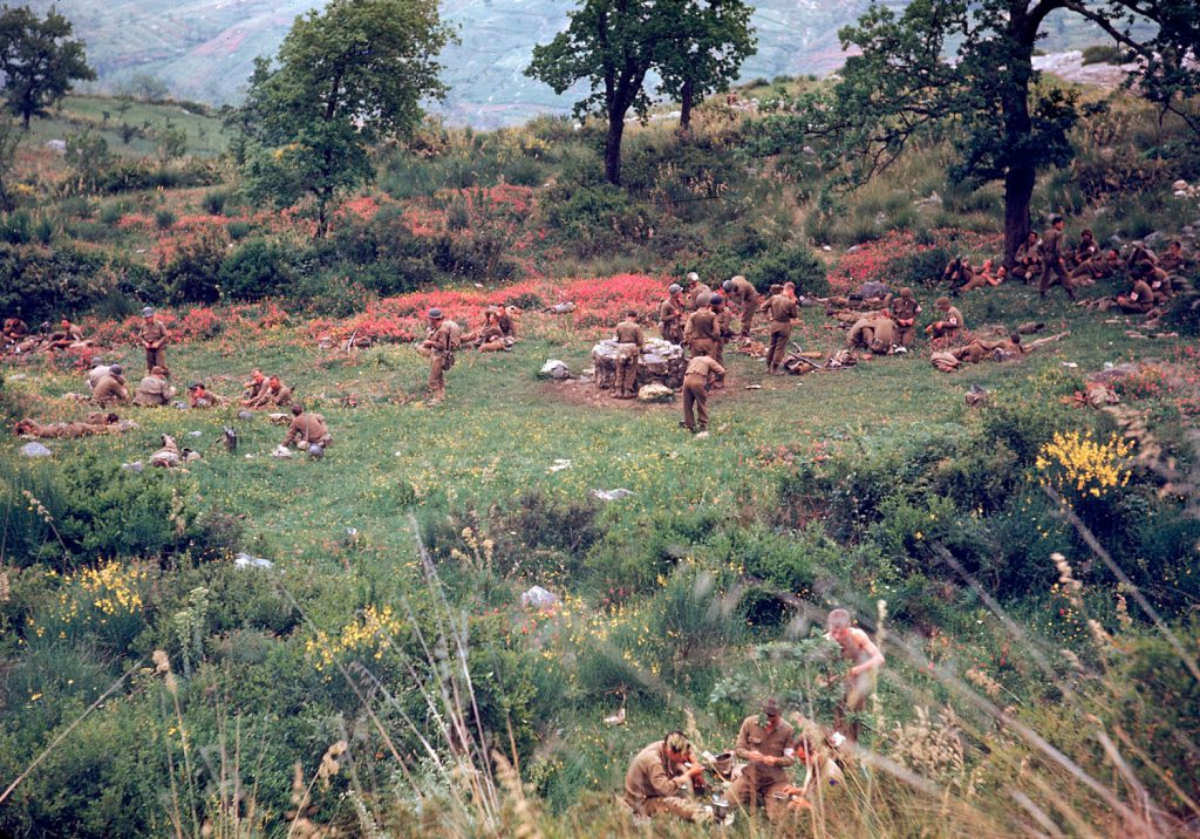
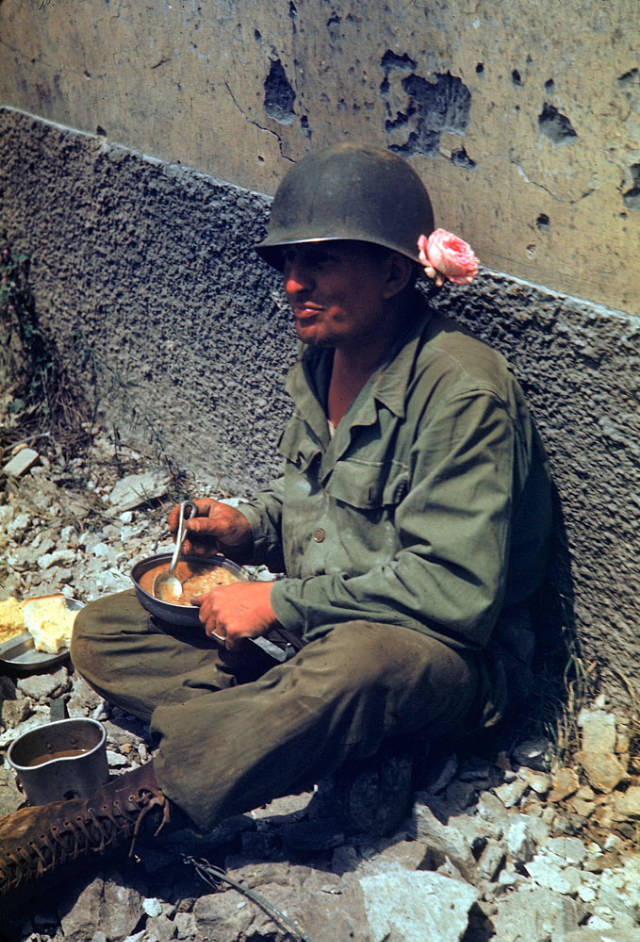
Soldiers lived in dugouts and trenches, fighting a style of warfare that looked much like the First World War. Between the shell bursts and counterattacks, there were brief moments of rest — a meal eaten in the open, a medic catching some sun, commanders meeting in underground headquarters, and the odd bit of dark humor that kept men sane.
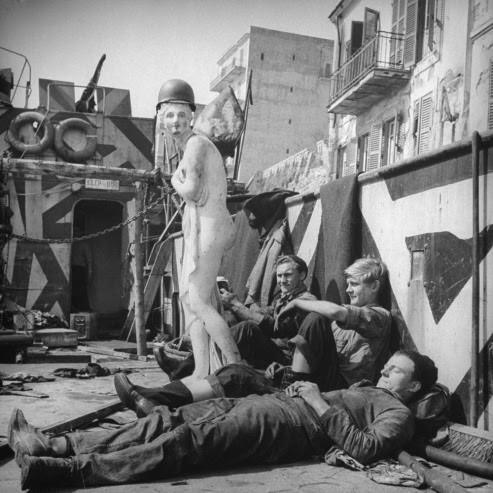
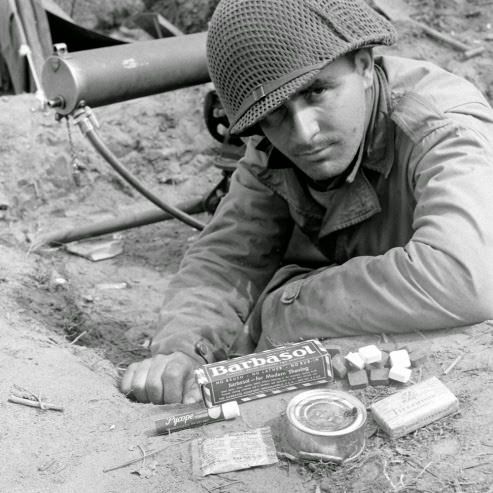
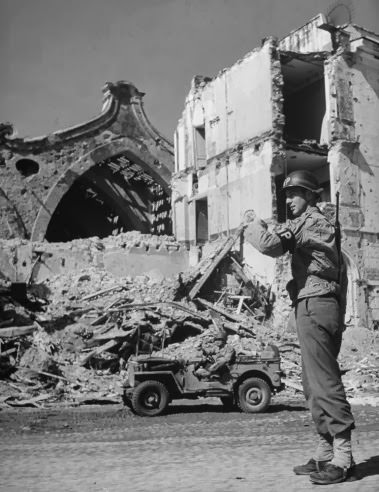
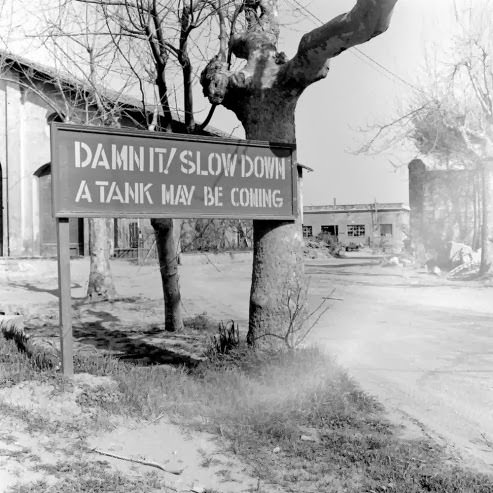
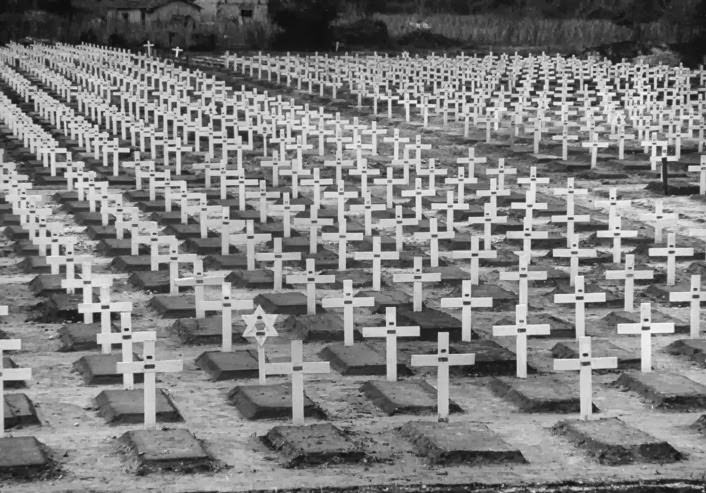
While Anzio remained locked in stalemate, the main Allied armies faced their own crisis further south: Monte Cassino. The ancient hill town of Cassino and the mountain rising behind it controlled the mouth of the Liri Valley — the most direct corridor to Rome. On top of Monte Cassino sat a Benedictine abbey founded in the 6th century. German paratroopers of the 1st Fallschirmjäger Division held the heights and the surrounding town with fierce determination.
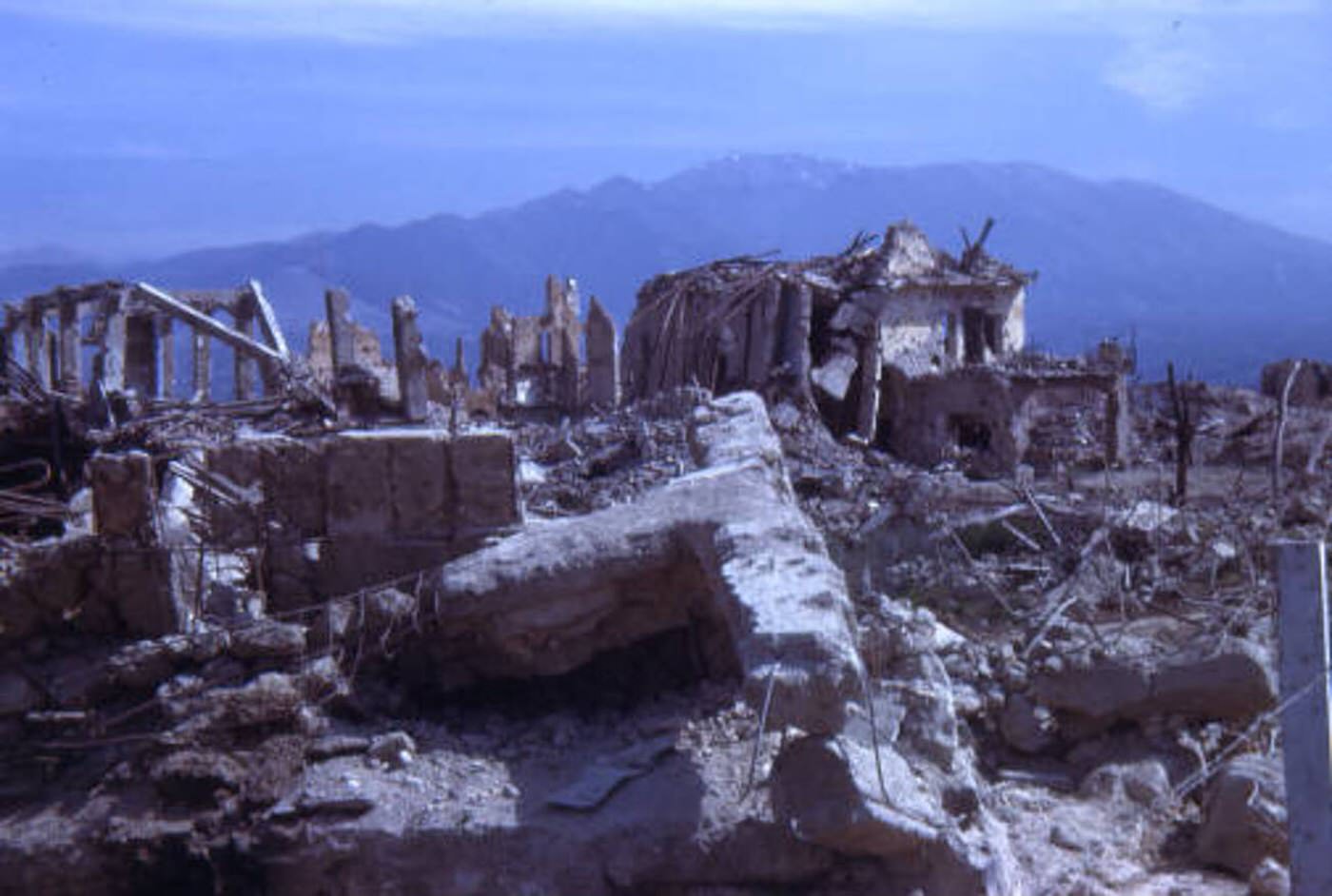
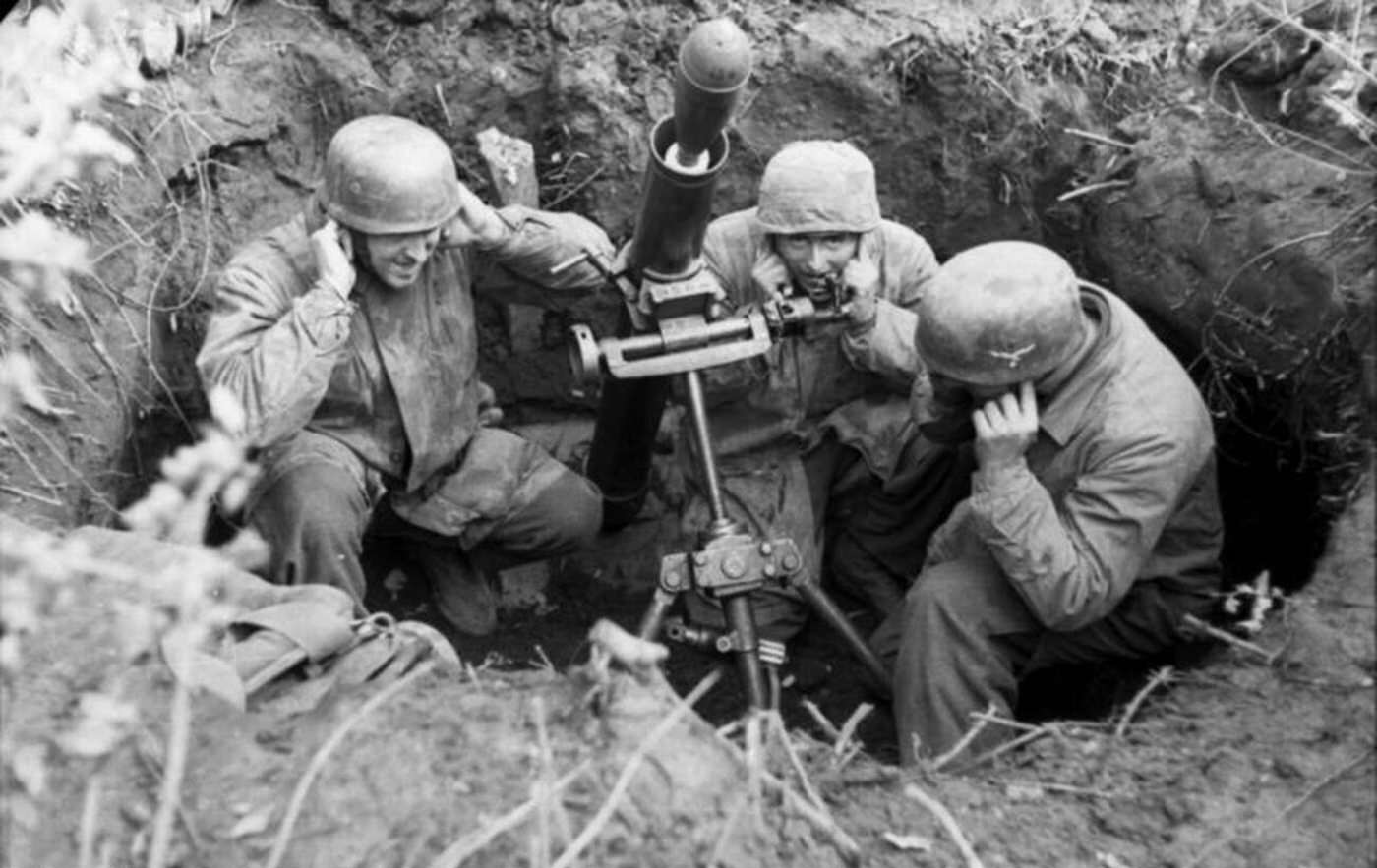
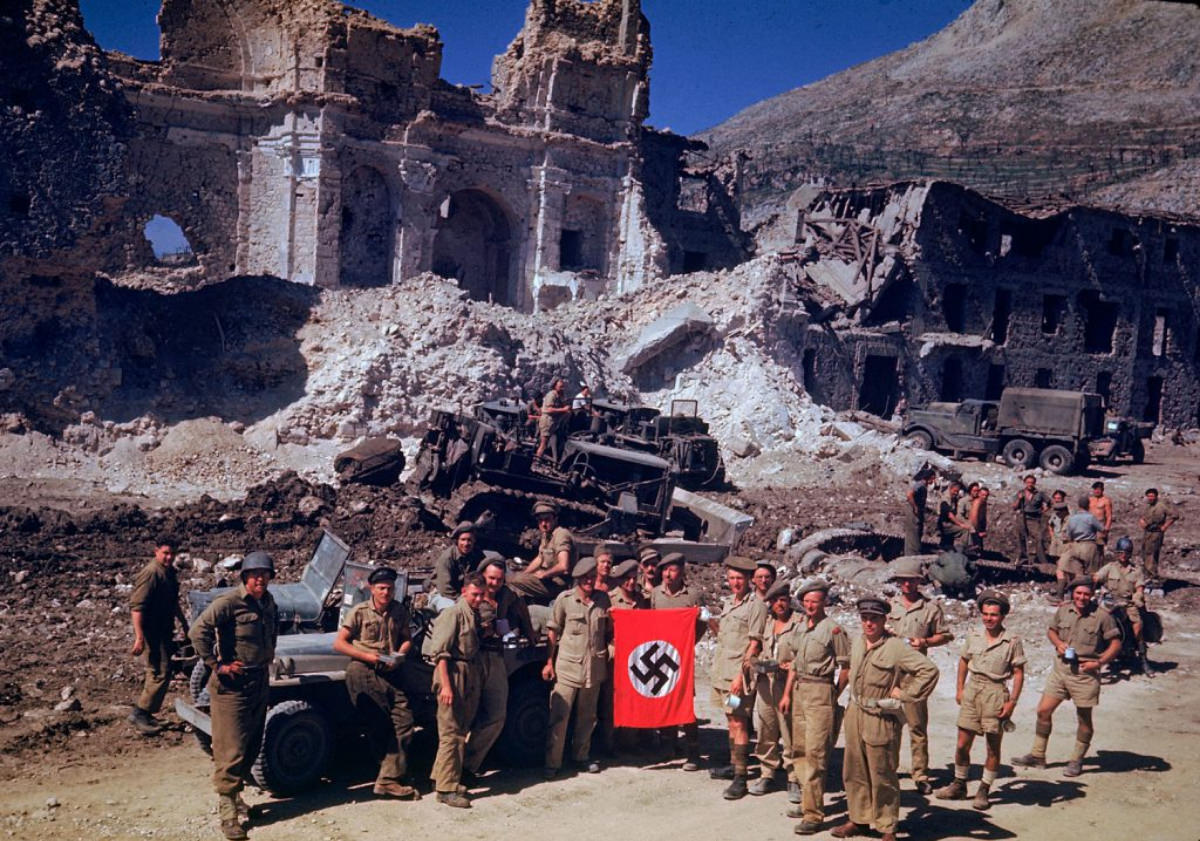
Between January and May 1944, four separate Allied offensives battered the Cassino position. American, British, Indian, New Zealand, and French troops all attacked at various points. The fighting was savage. Rocky slopes offered no cover, and German defenders had pre-sighted every approach. In February, Allied bombers dropped hundreds of tons of bombs on the monastery itself, reducing it to rubble, on the belief that German forces were using it as an observation post. Later evidence showed German troops had not been occupying the abbey at the time of the bombing — though they moved into the ruins immediately afterward, turning the wreckage into an even stronger defensive stronghold.
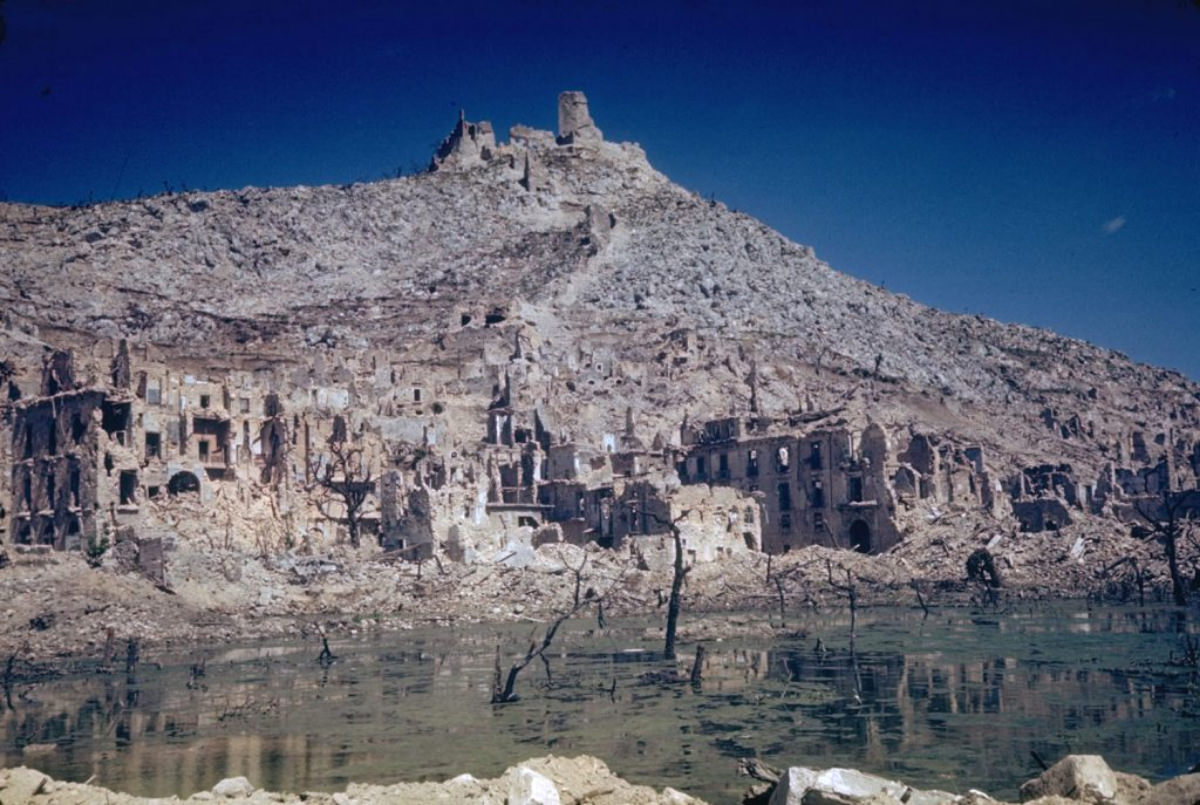
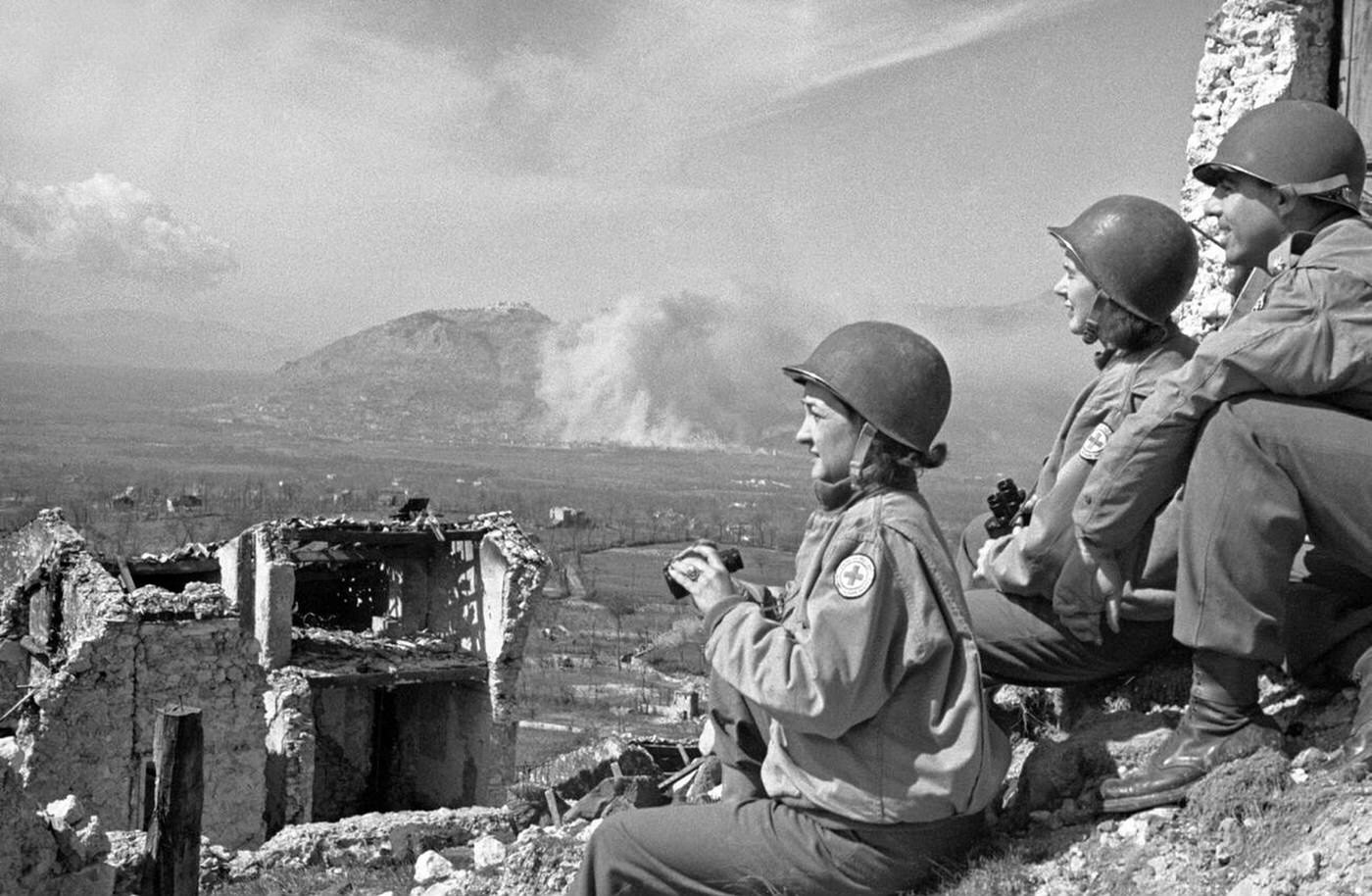
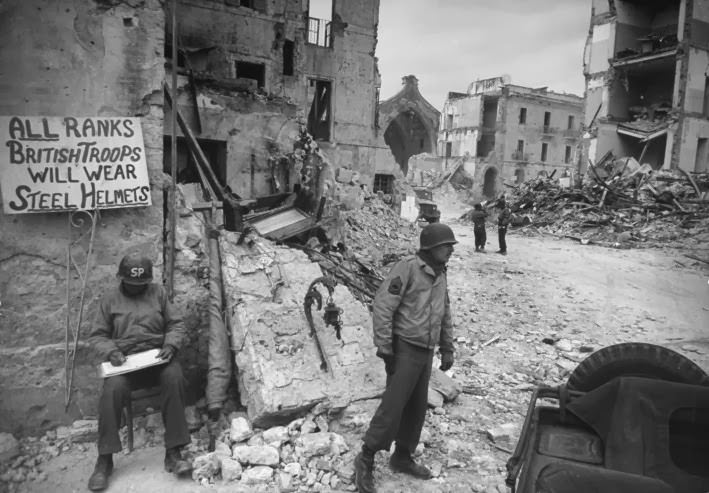
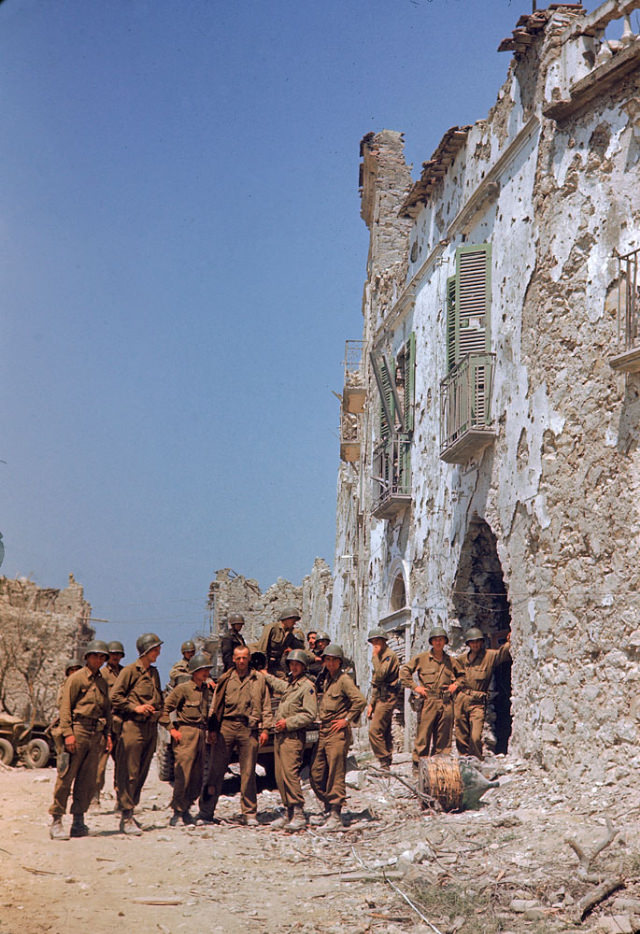
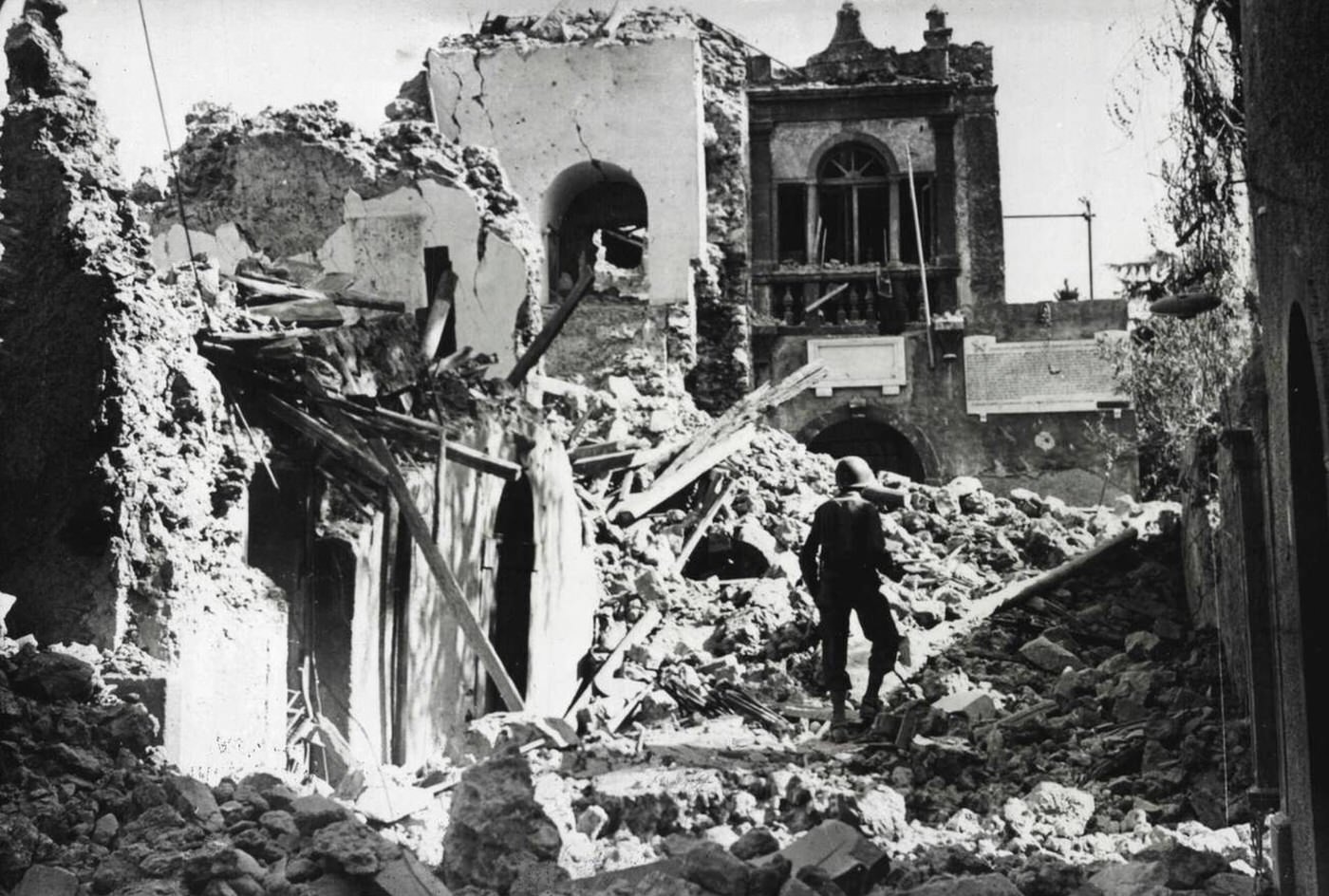
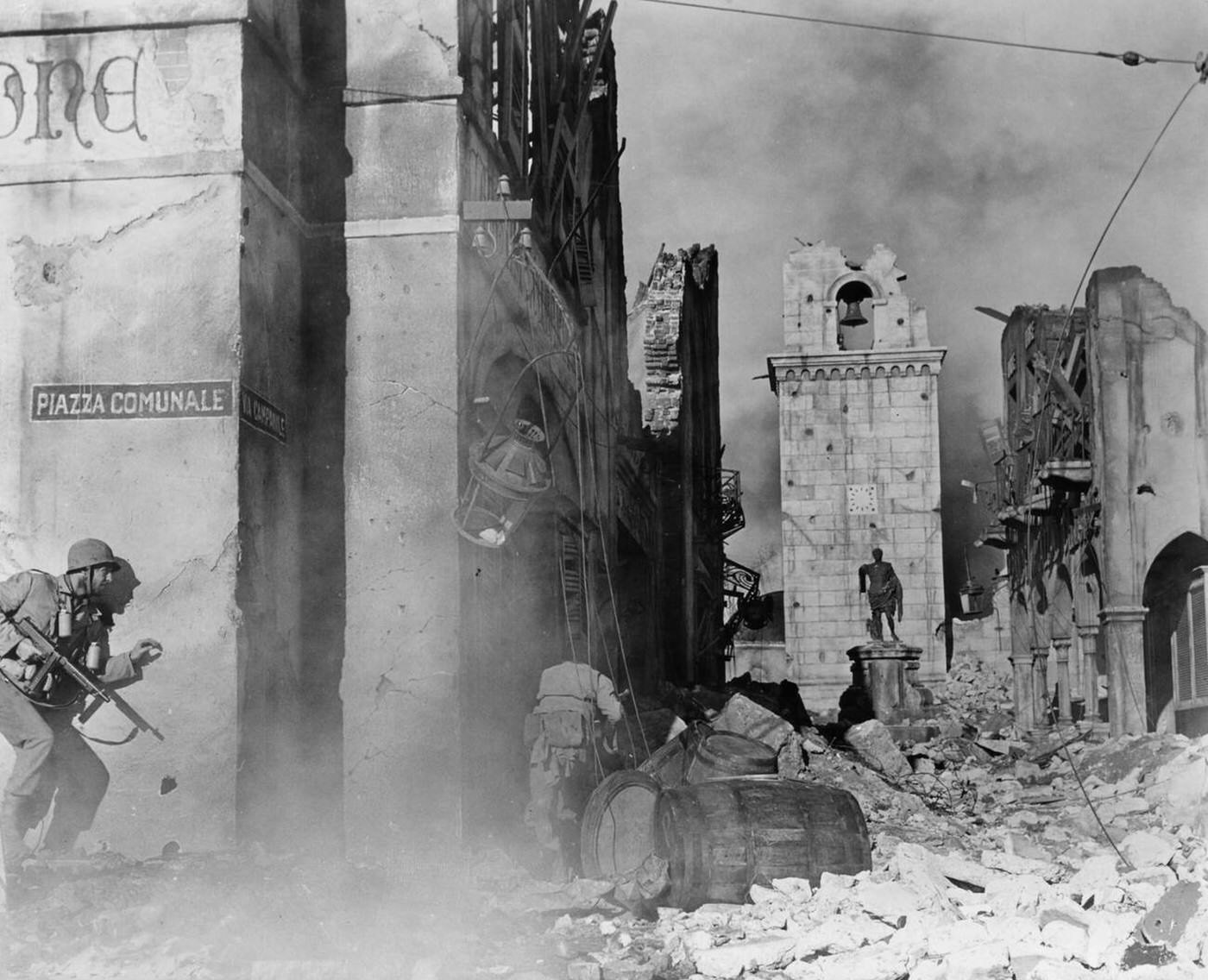
The town of Cassino below was reduced to rubble through relentless house-to-house combat. The Rapido Valley nearby bore the marks of weeks of shelling and fighting.
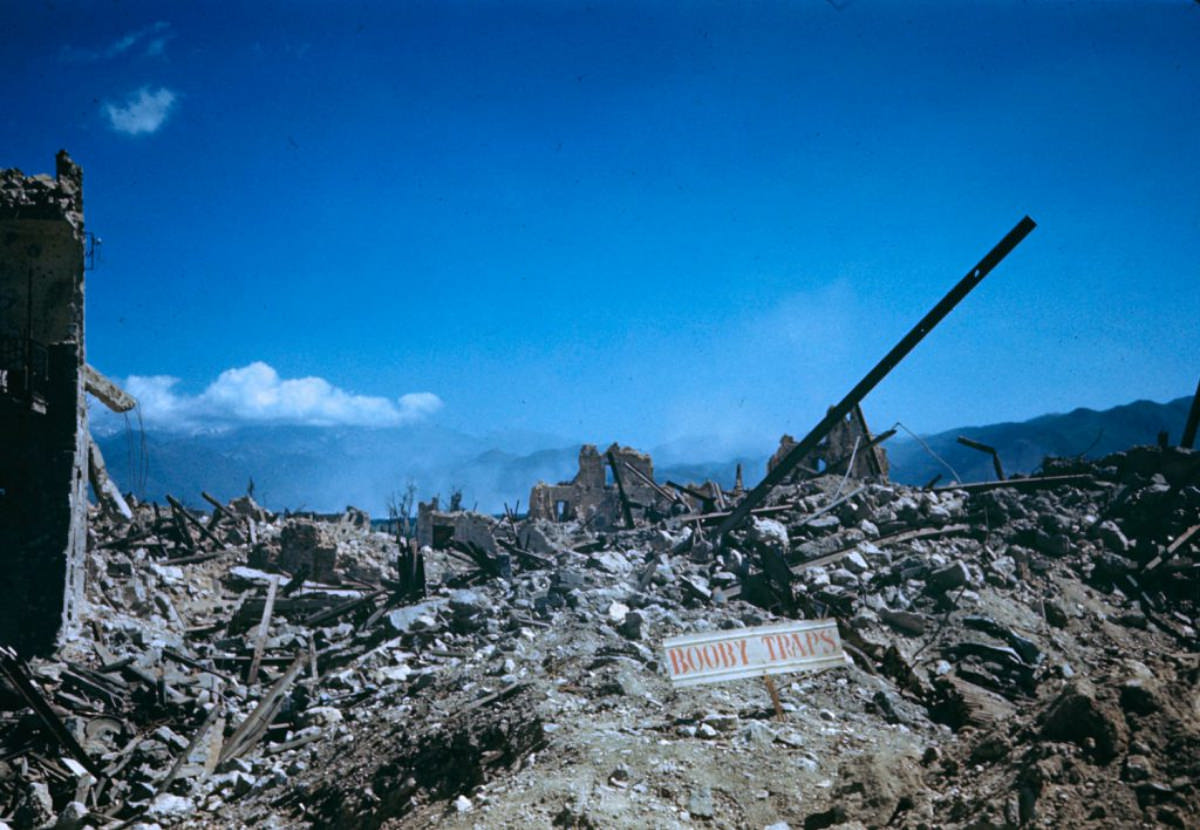
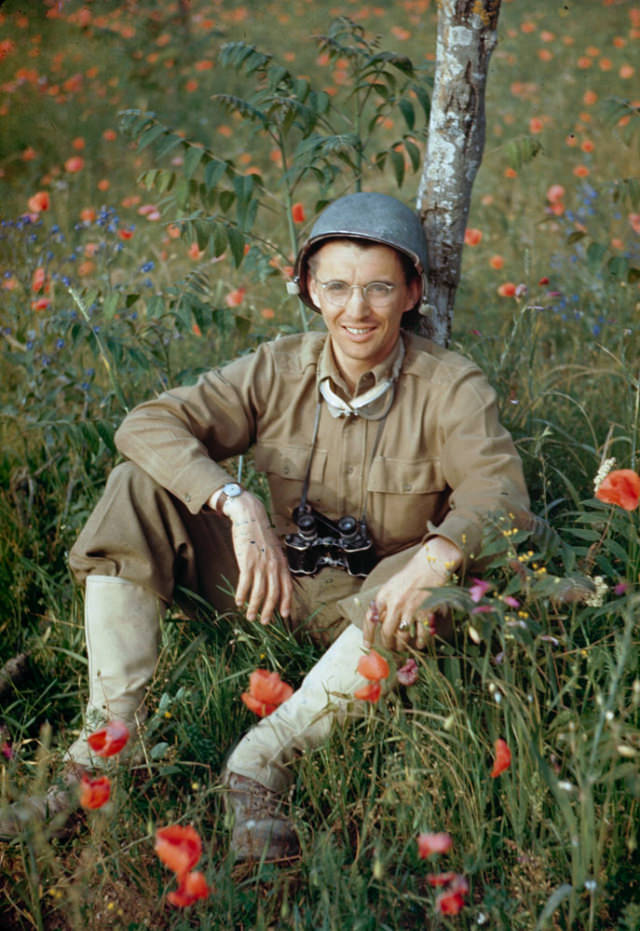
The breakthrough finally came in May. Operation Diadem, launched on May 11, 1944, sent American, British, French, Polish, and Canadian forces against the Gustav Line simultaneously. French colonial troops punched through the Aurunci Mountains south of the Liri Valley, tearing a gap in the German defenses. On May 18, Polish soldiers of the II Corps — fighting under the British Eighth Army — captured the ruins of the Monte Cassino monastery after days of brutal close combat, planting the Polish flag on the summit.
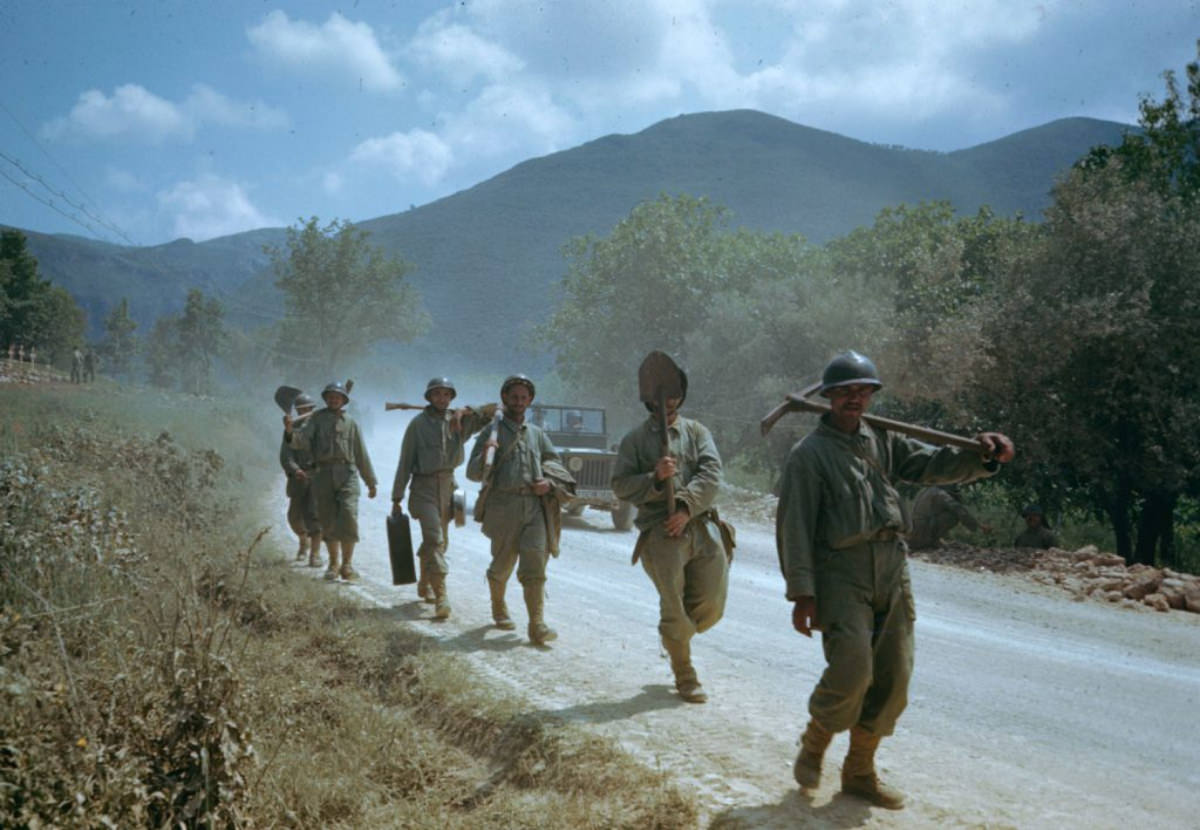
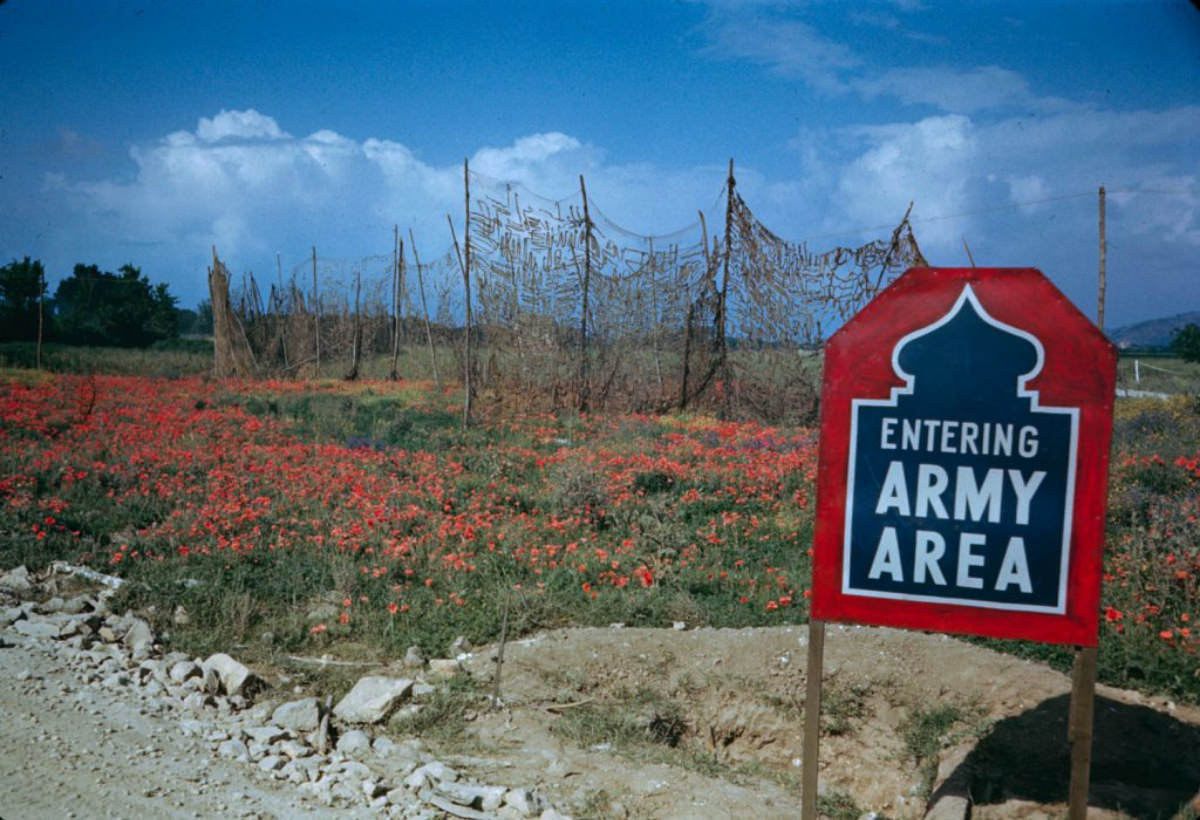
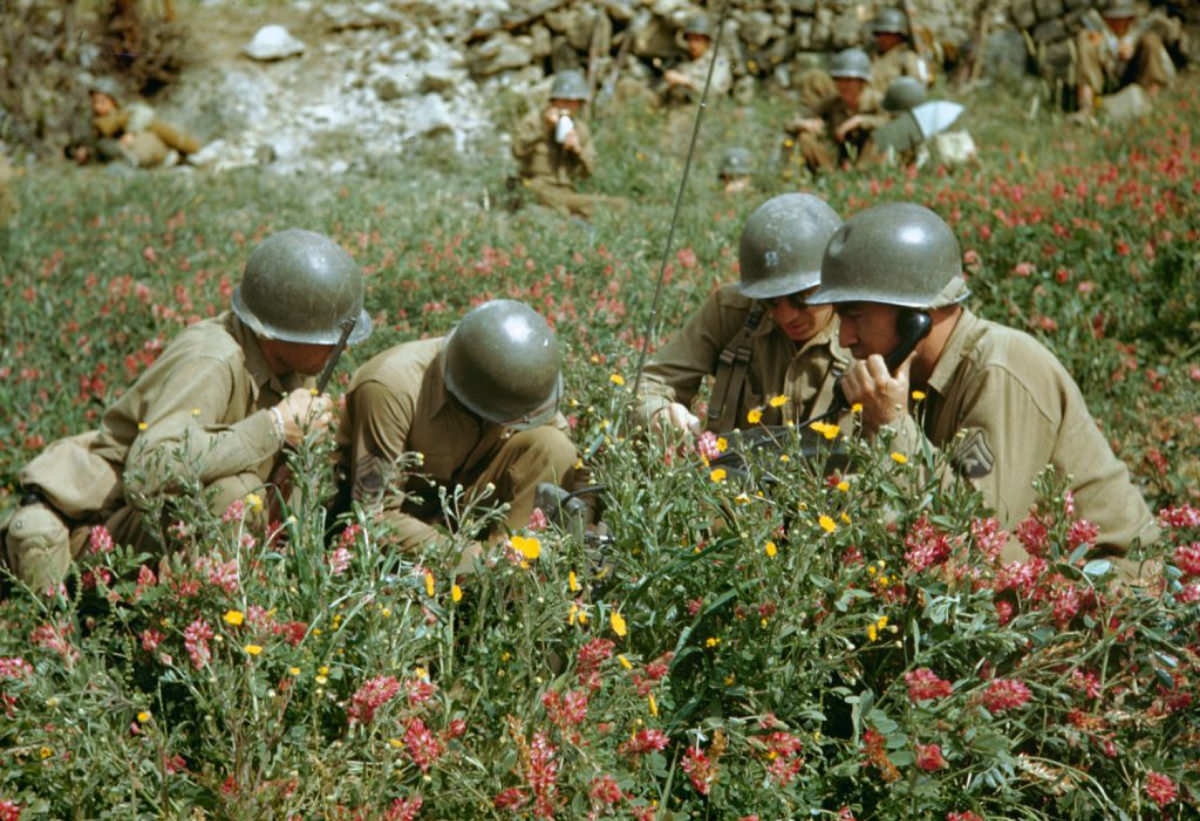
With the Gustav Line cracked and Cassino taken, German forces retreated northward. On May 23, the troops trapped at Anzio finally broke out, linking up with the main Allied forces pushing up from the south. The march on Rome was now unstoppable.
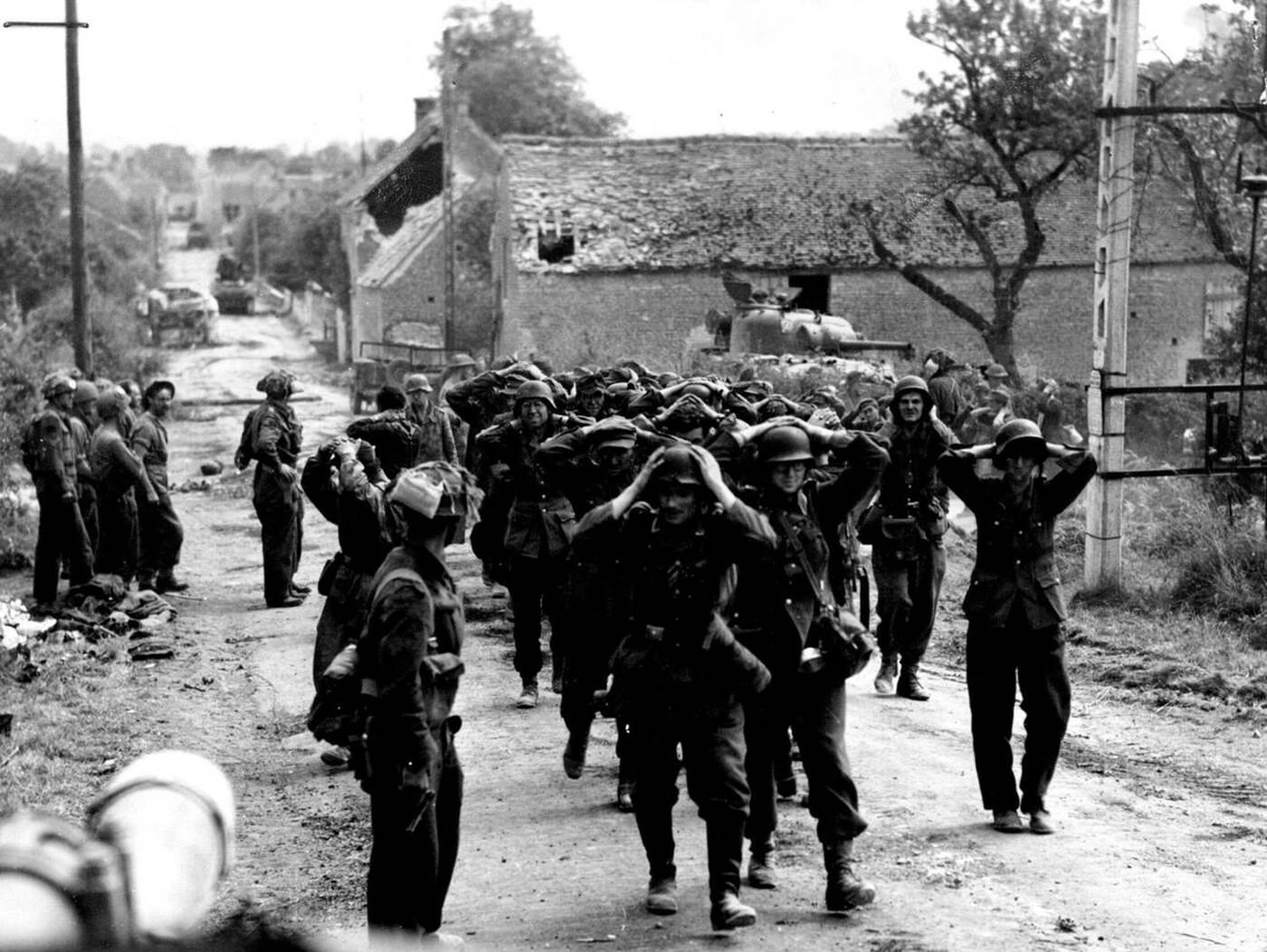
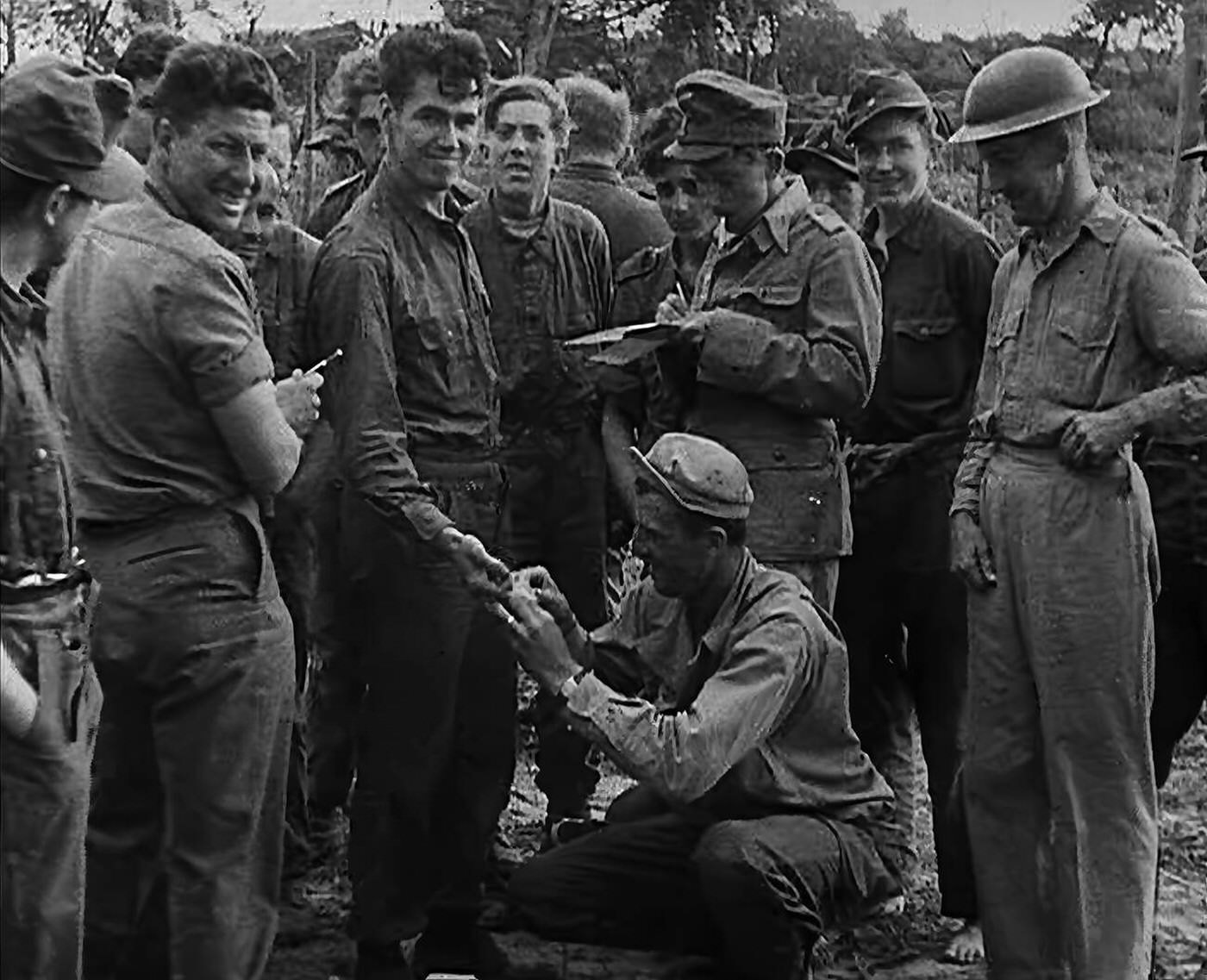
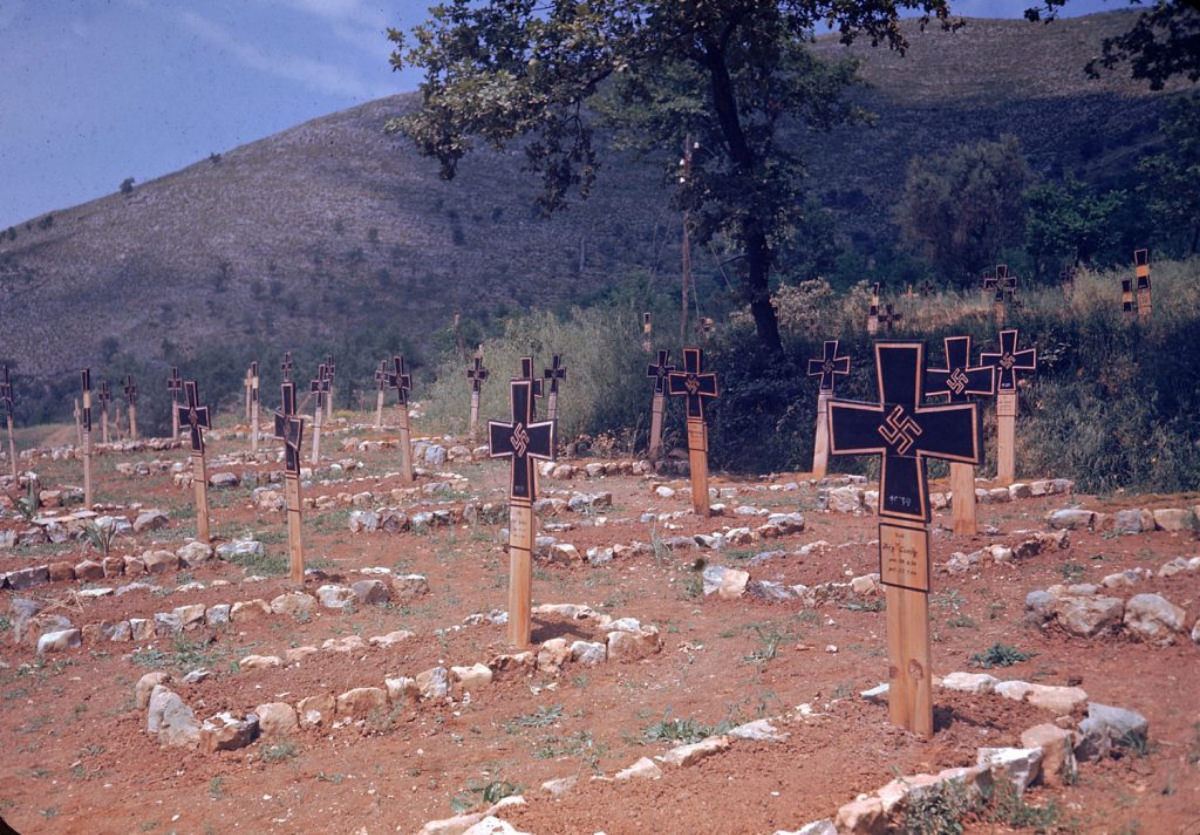
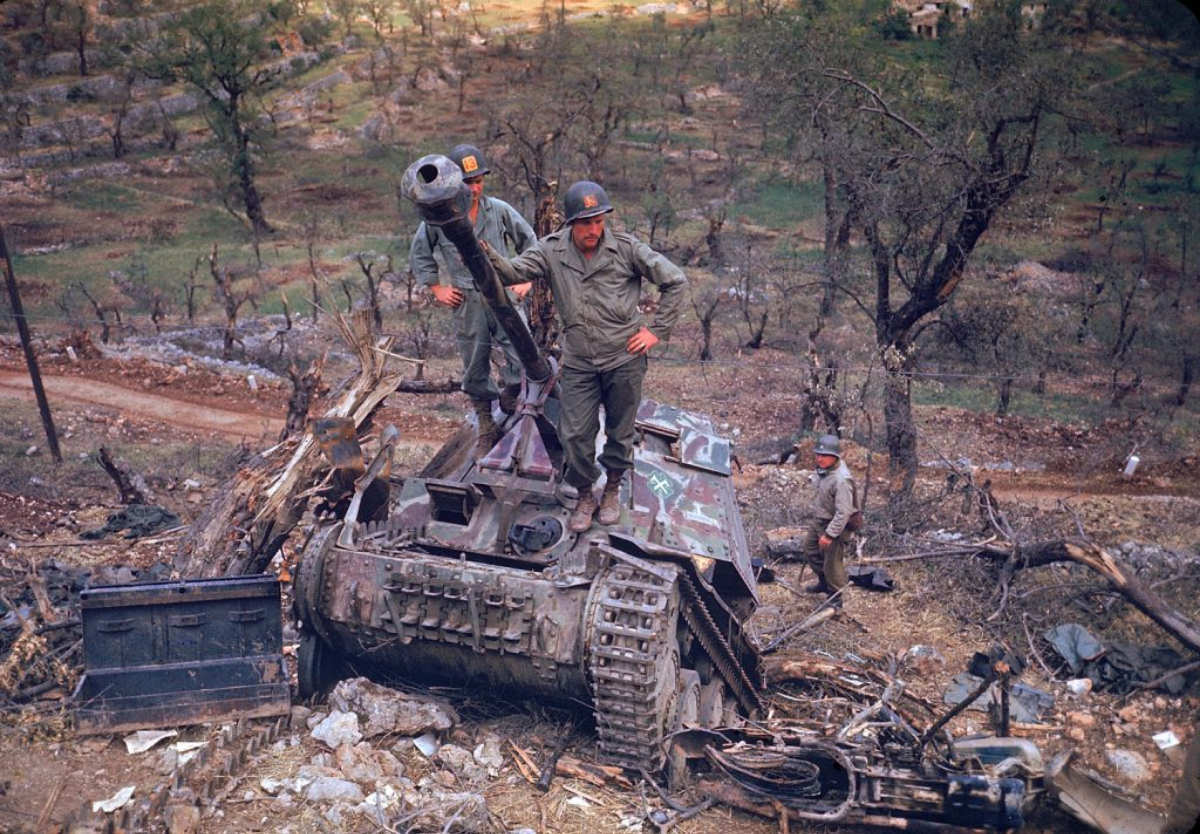
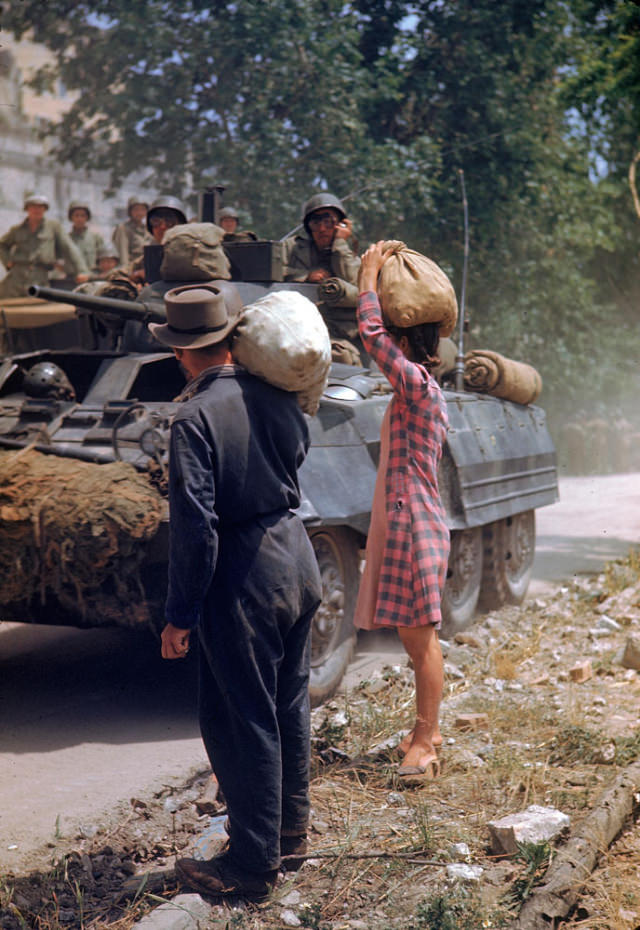
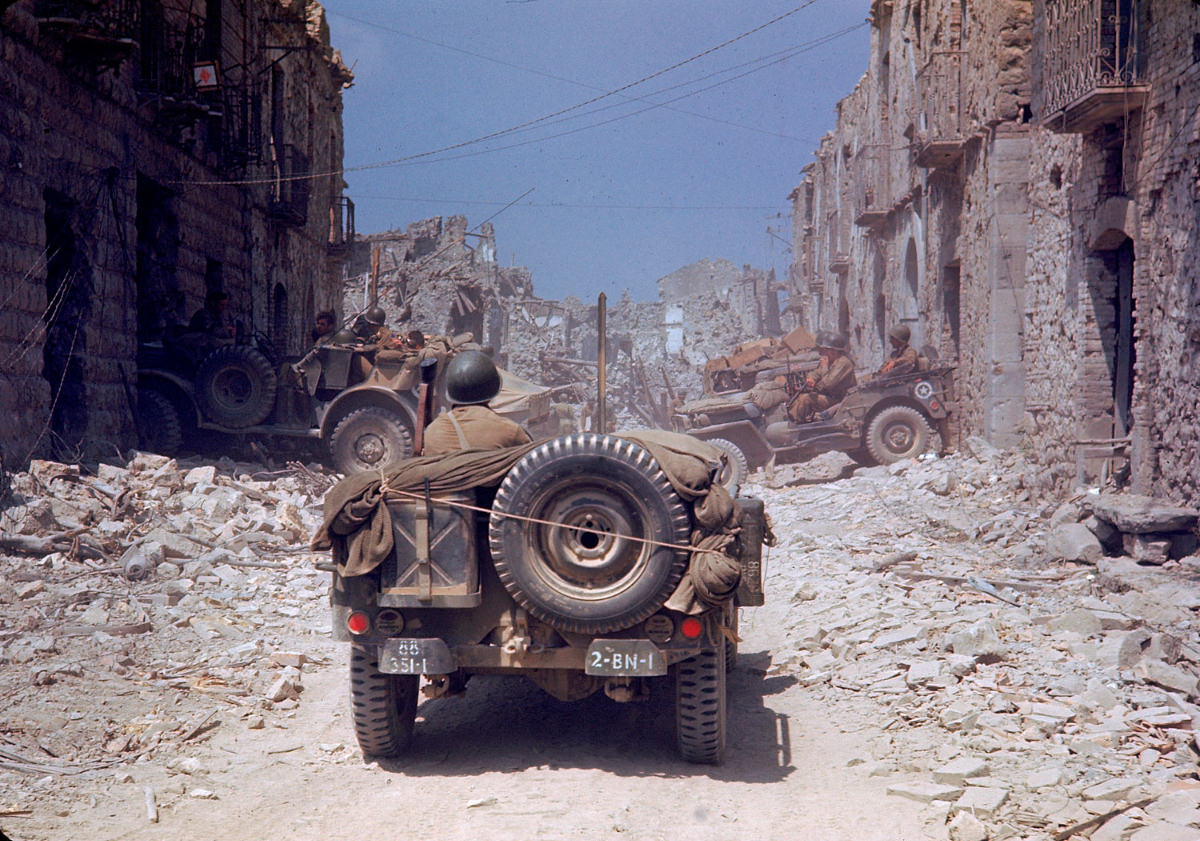
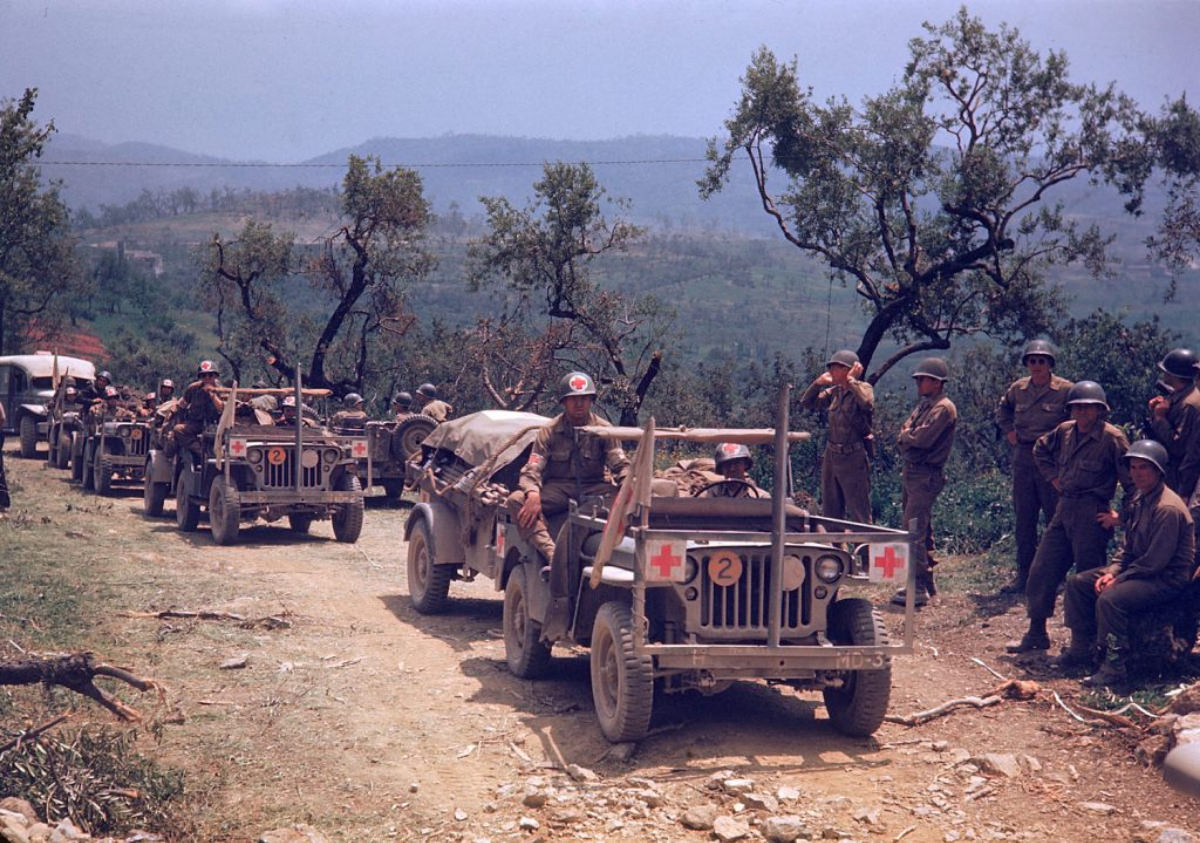
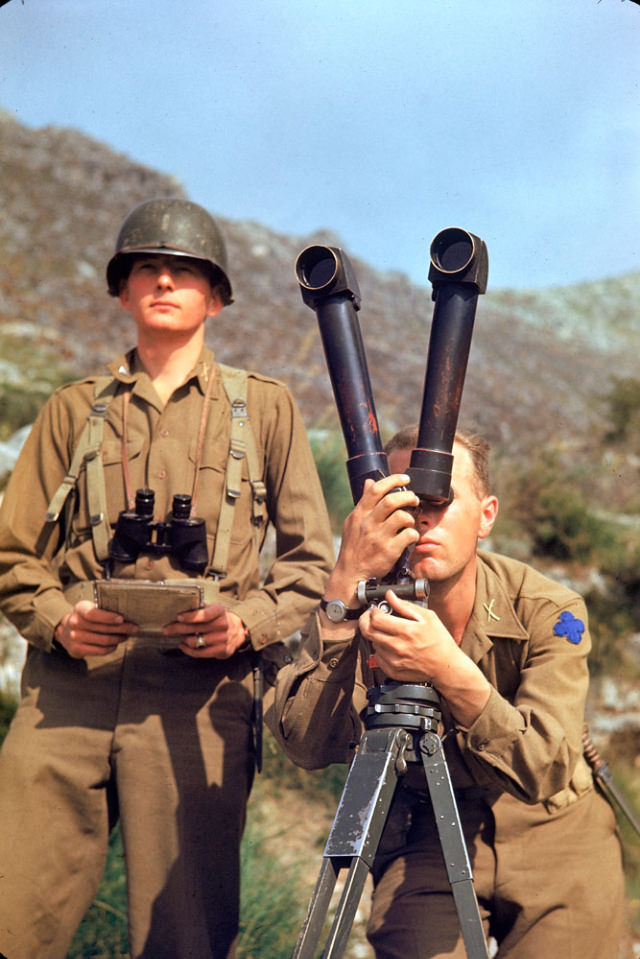
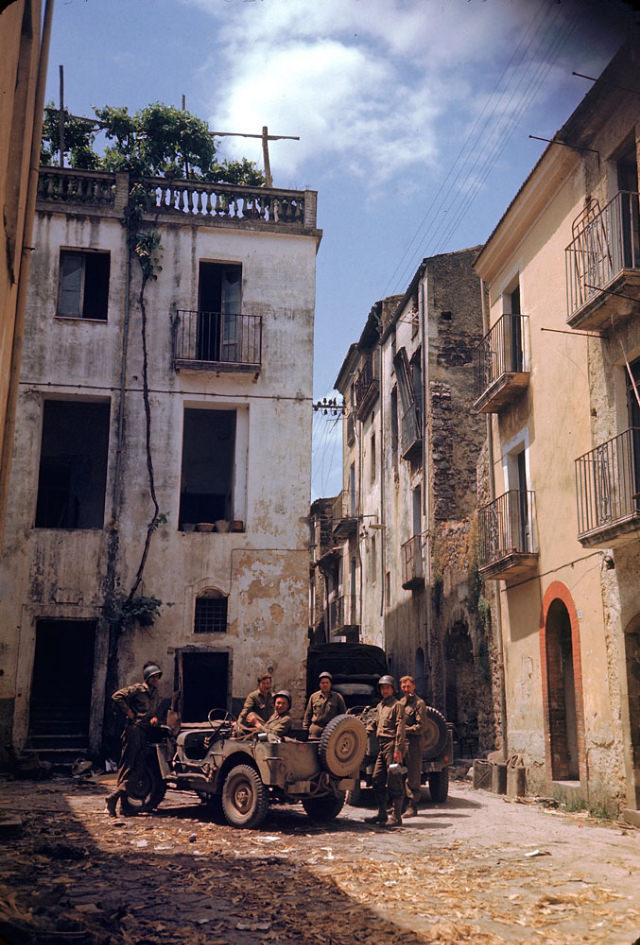
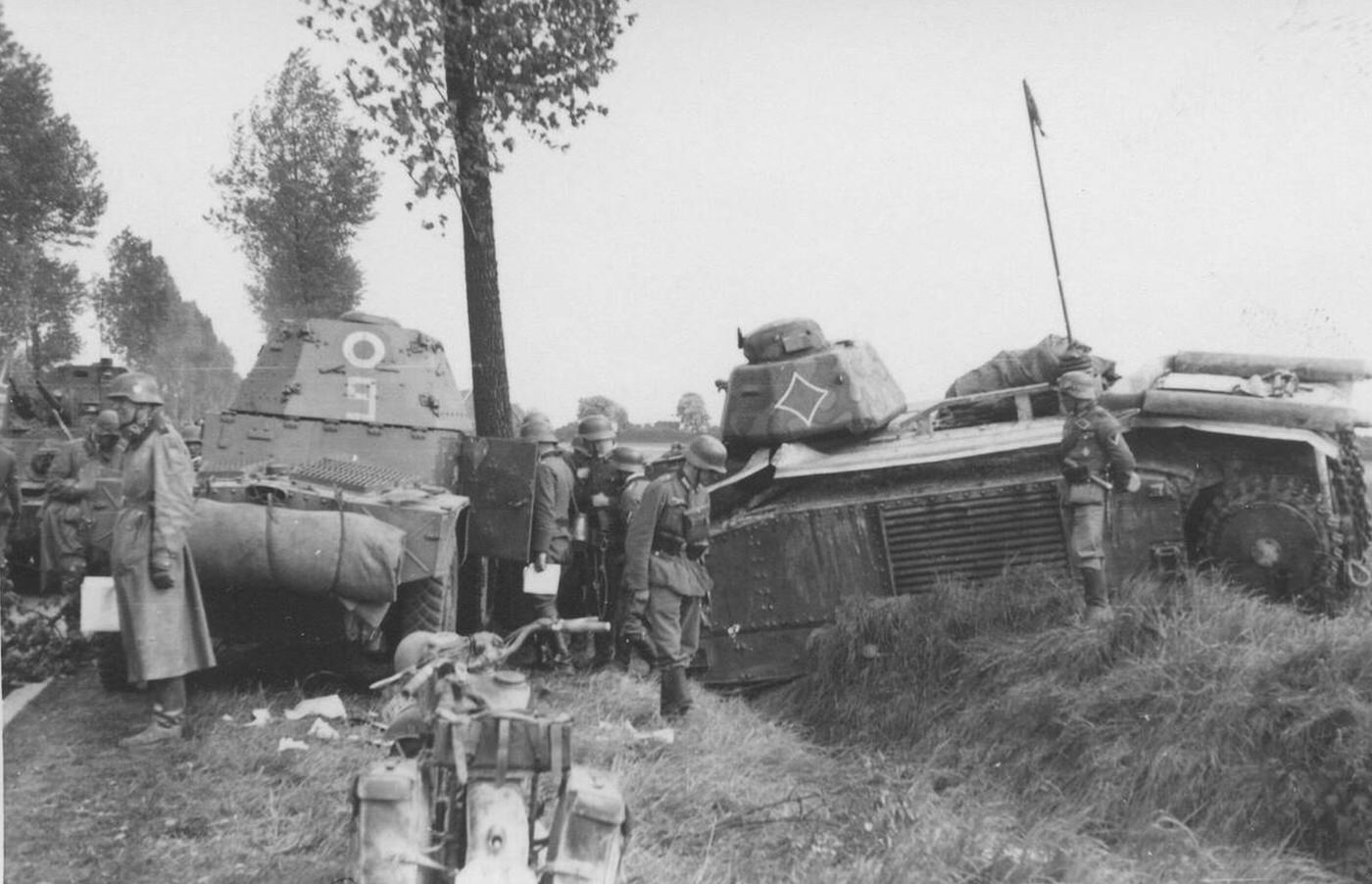
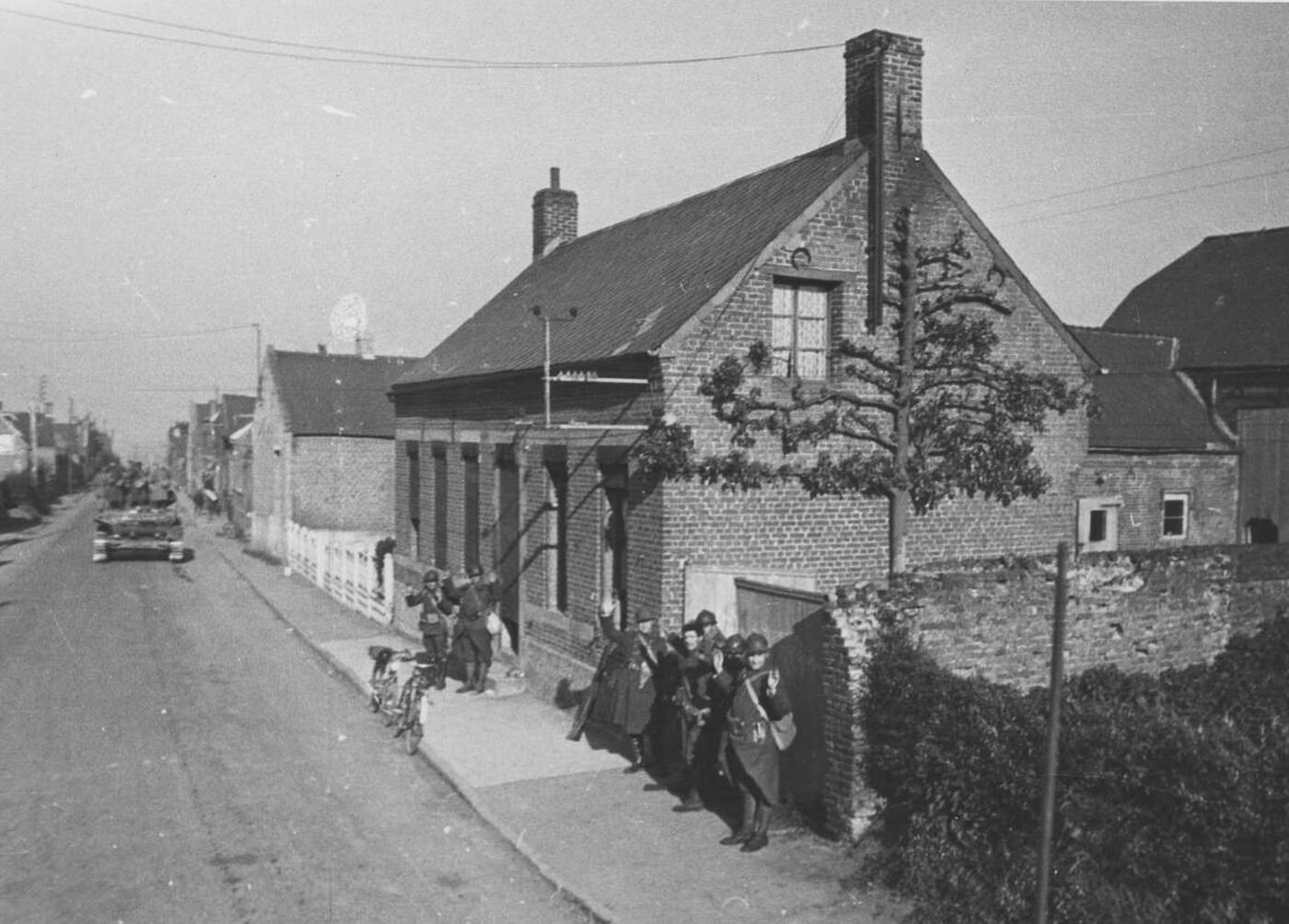
American forces advanced up the Appian Way — the ancient Roman road — toward the capital. Tanks rolled north alongside columns of infantry. Local Italian civilians lined the roads, watching the armor pass. Supply convoys, medical vehicles, and jeeps threaded through bombed-out towns. Soldiers grabbed rest wherever they could find it: in courtyards, along roadsides, on bare rocks.
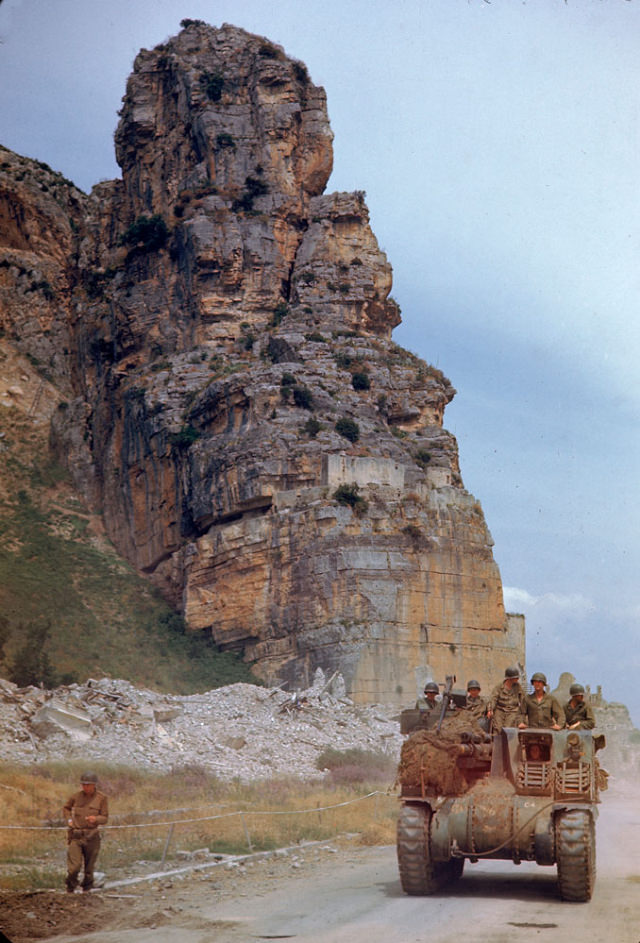
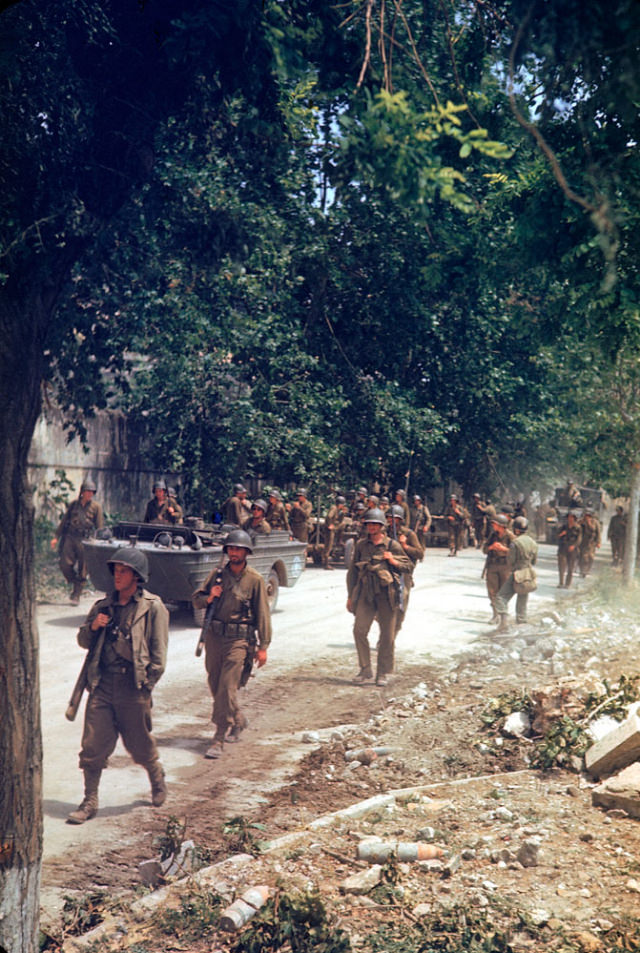
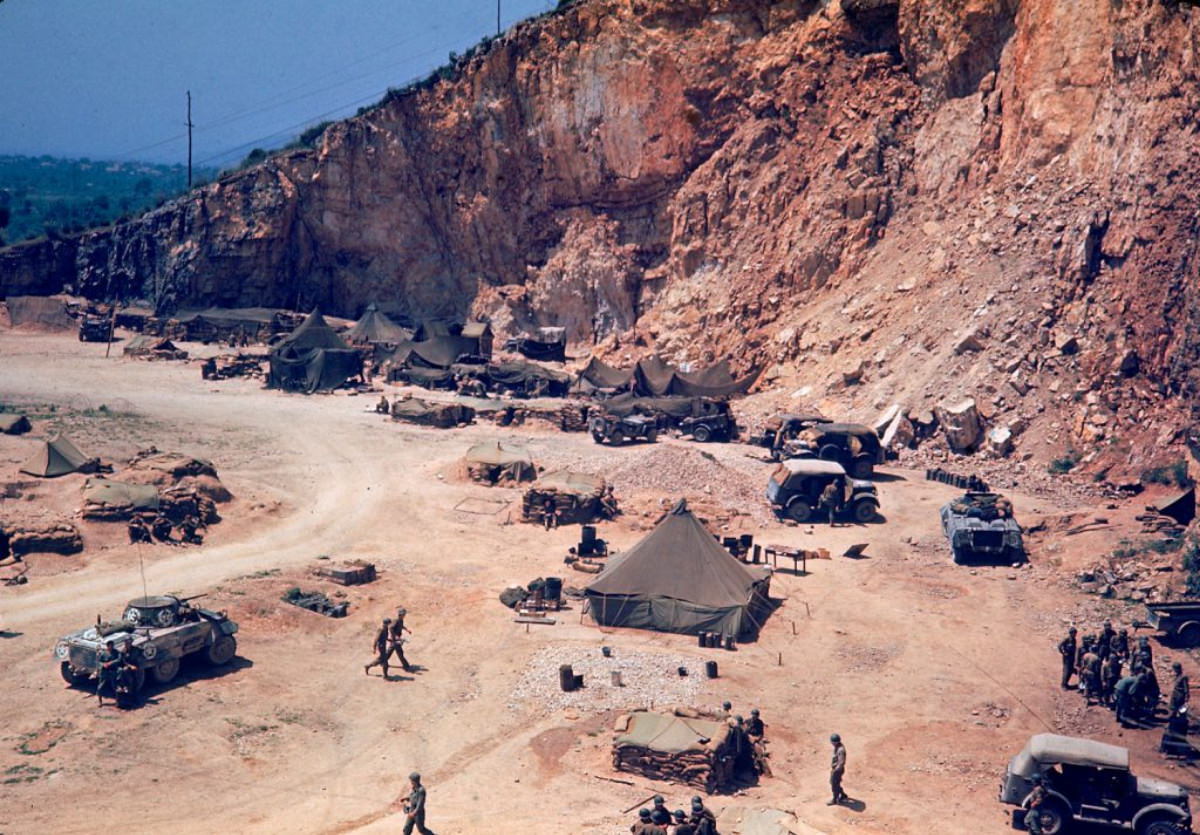
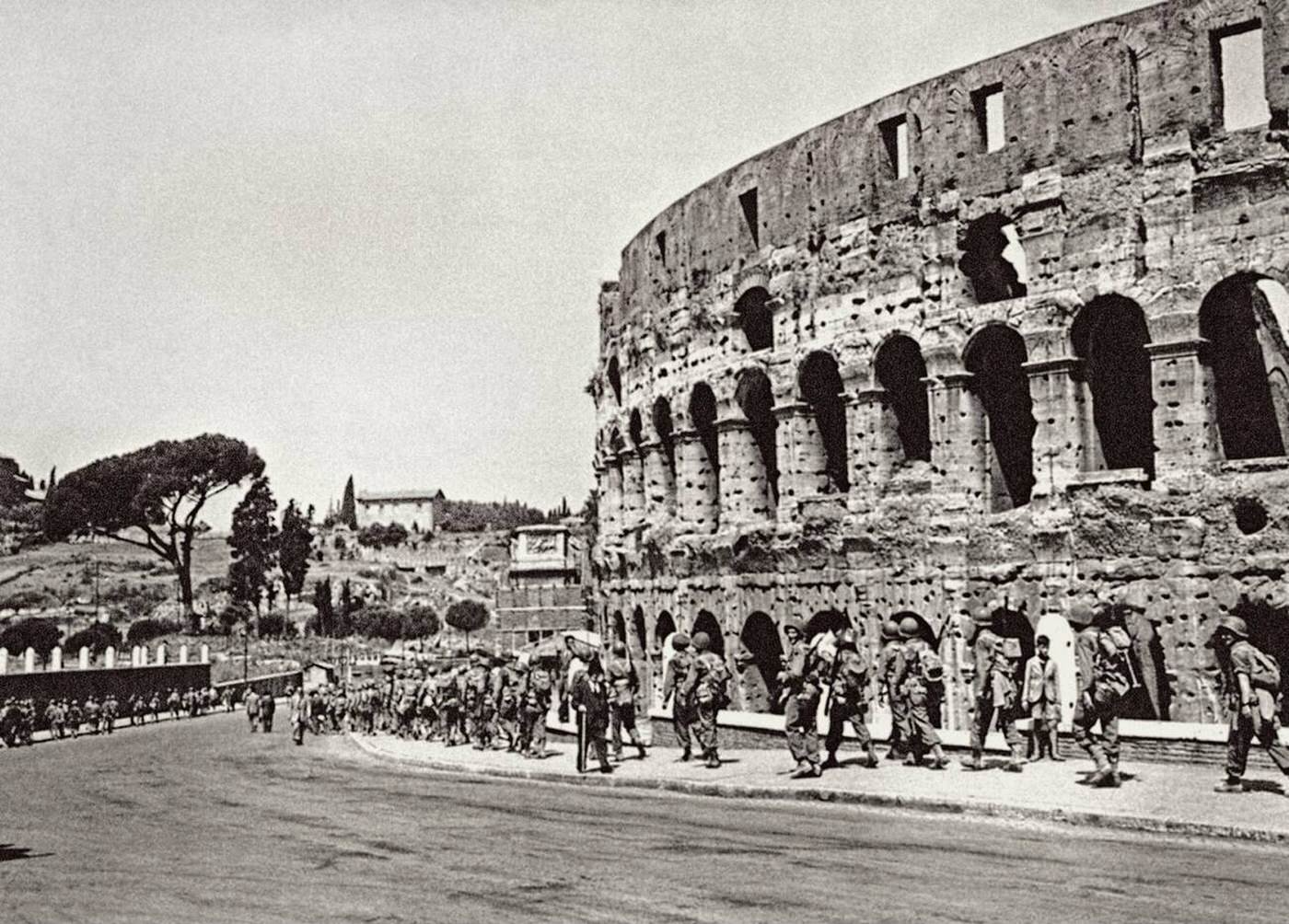
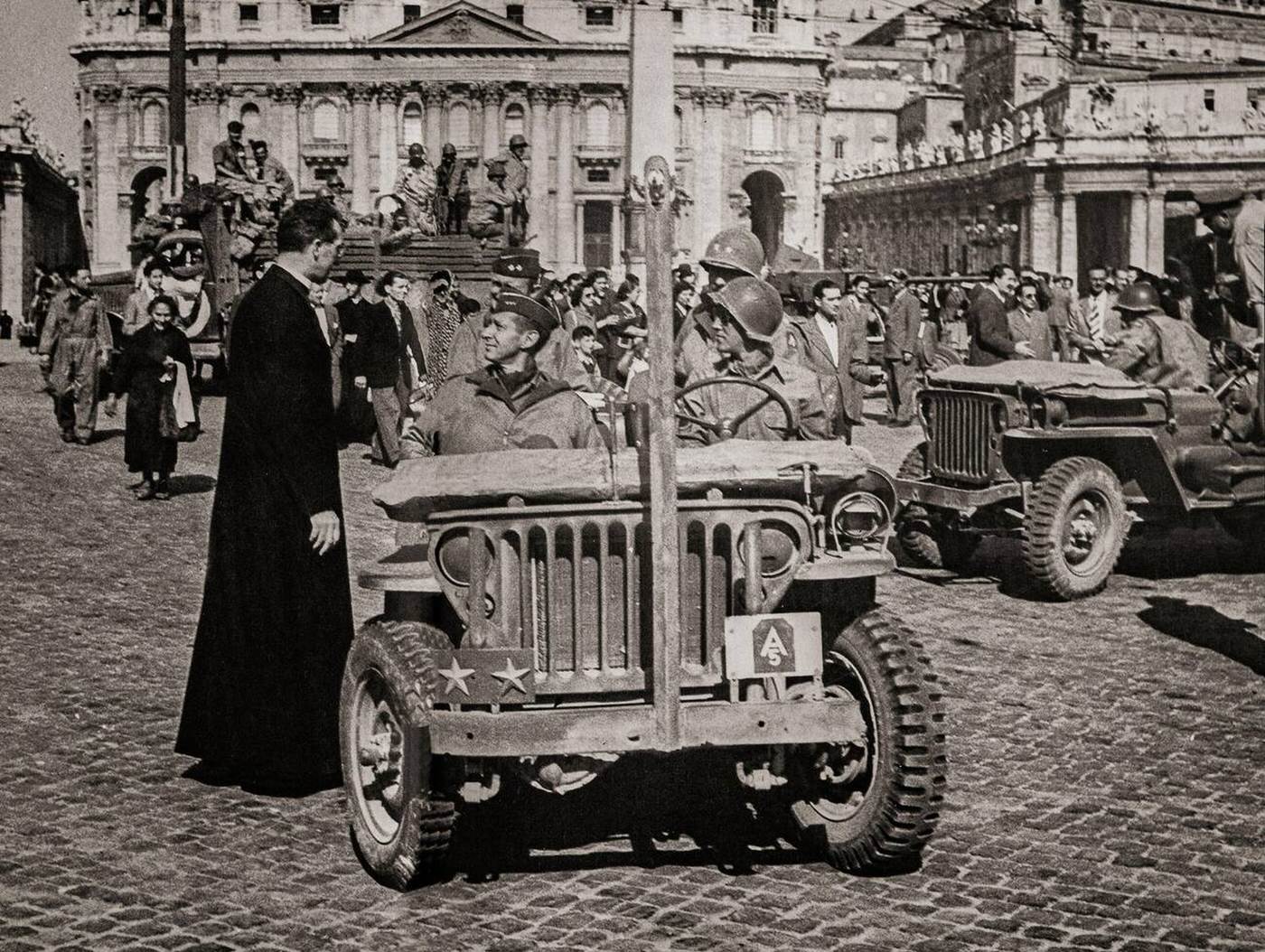
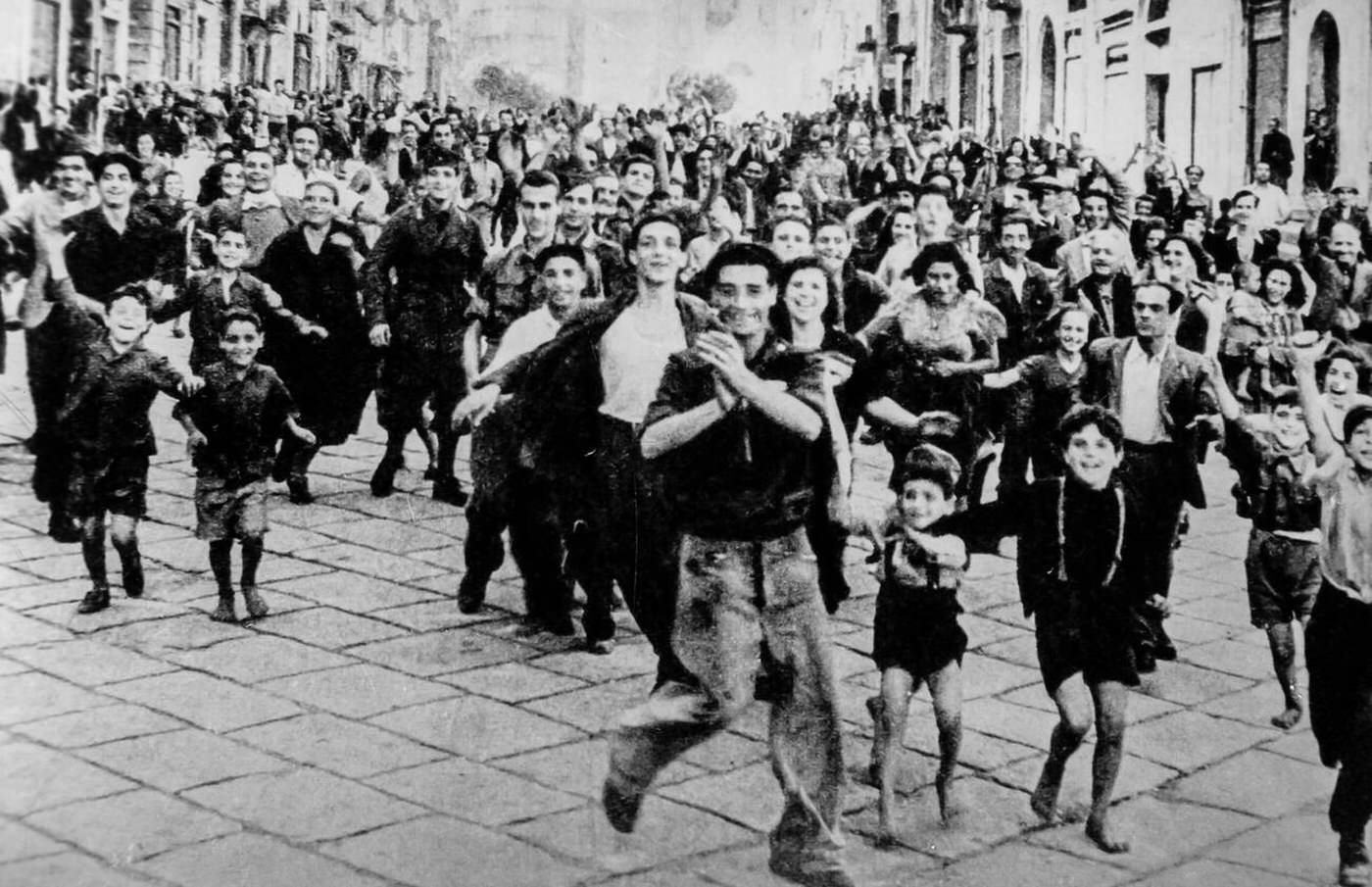
On June 4, 1944, U.S. Fifth Army troops entered Rome. American soldiers passed the Roman Coliseum and made their way through streets filled with celebrating crowds. General Mark Clark, commanding the Fifth Army, was photographed in the city. It was the first Axis capital to fall to Allied forces in the entire war.
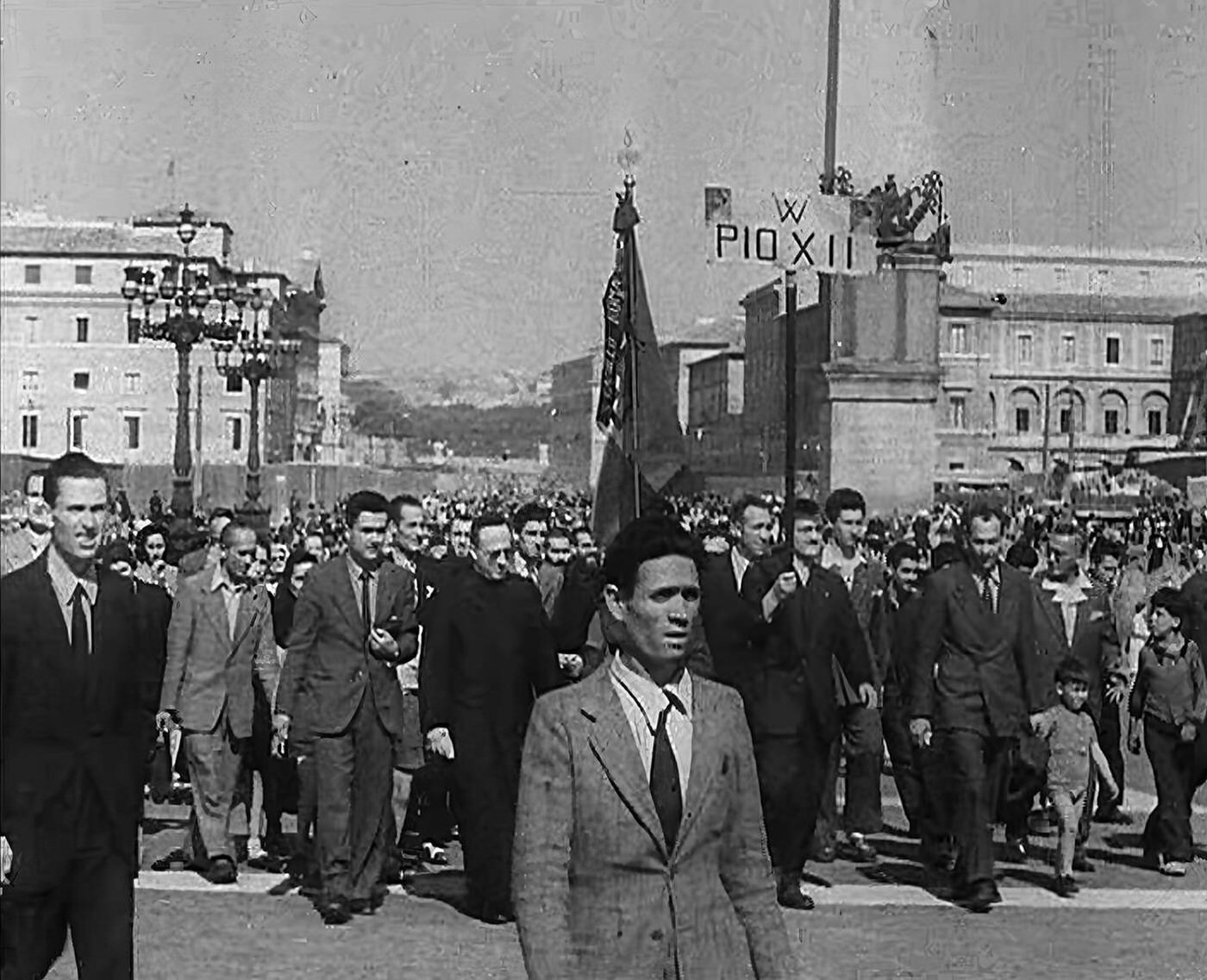
The liberation of Rome lasted just two days in the headlines. On June 6, 1944, the D-Day landings in Normandy dominated world attention, and the Italian front became secondary. The Germans retreated skillfully northward, using Italy’s terrain — every ridge, every river crossing — to delay the Allied advance and bleed it of momentum.
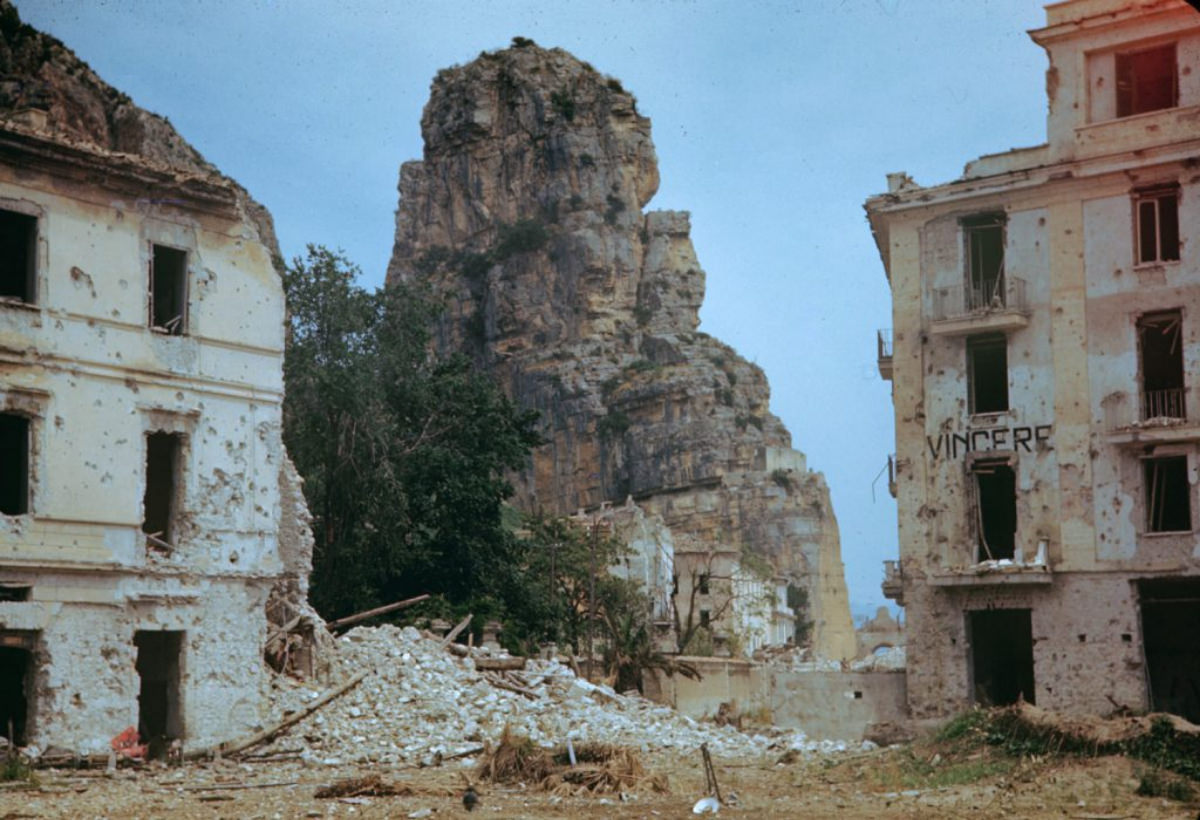
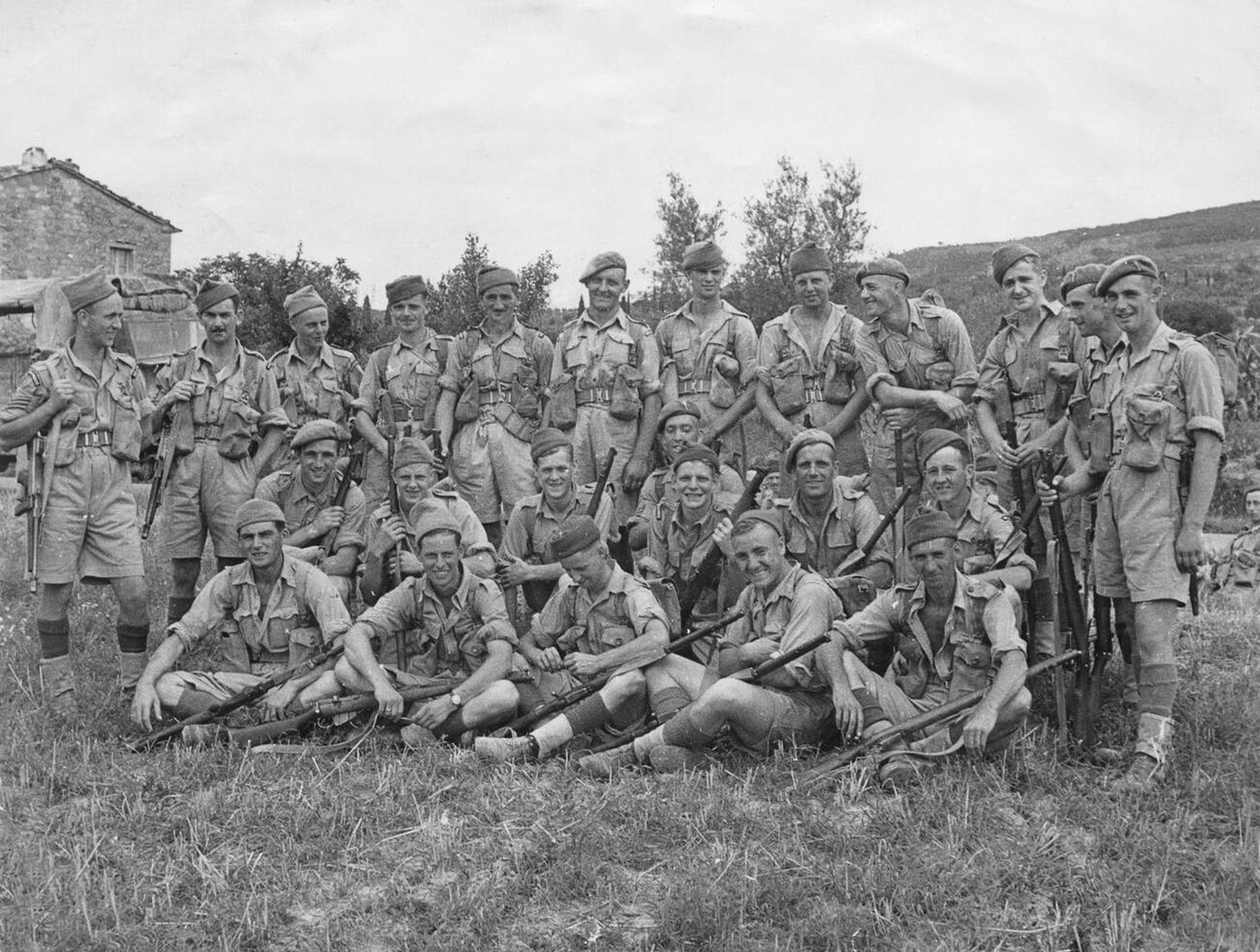
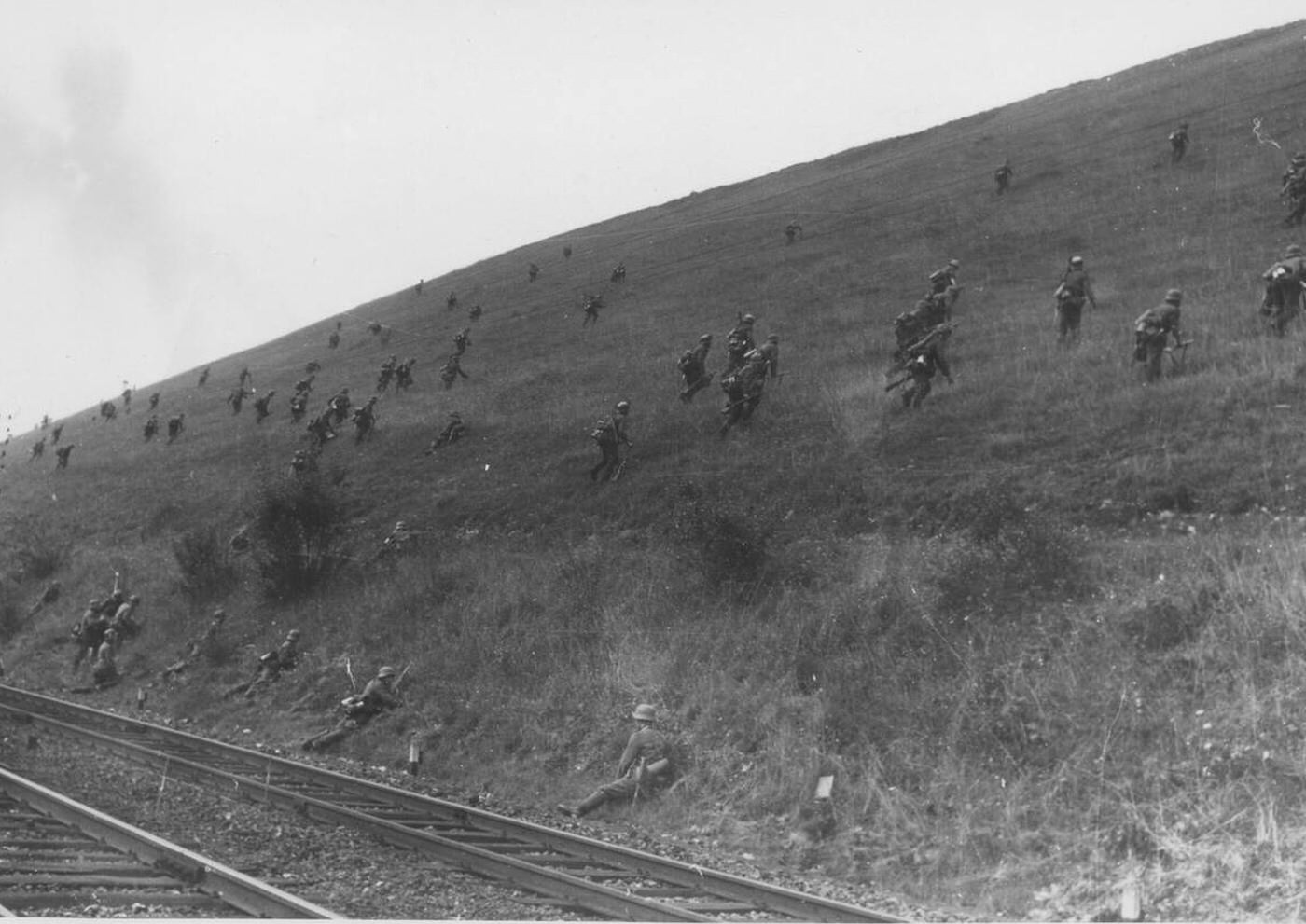
By late summer, the Allies reached the Gothic Line — another belt of prepared defenses built through the northern Apennine Mountains, running from the Tyrrhenian coast near Pisa to the Adriatic near Rimini. British, Canadian, and Indian forces attacked on the Adriatic side and captured Rimini. American forces pushed through the central Apennines toward Bologna. But the mountains, the autumn rains, and well-prepared German positions stopped the advance before it could deliver a decisive blow.
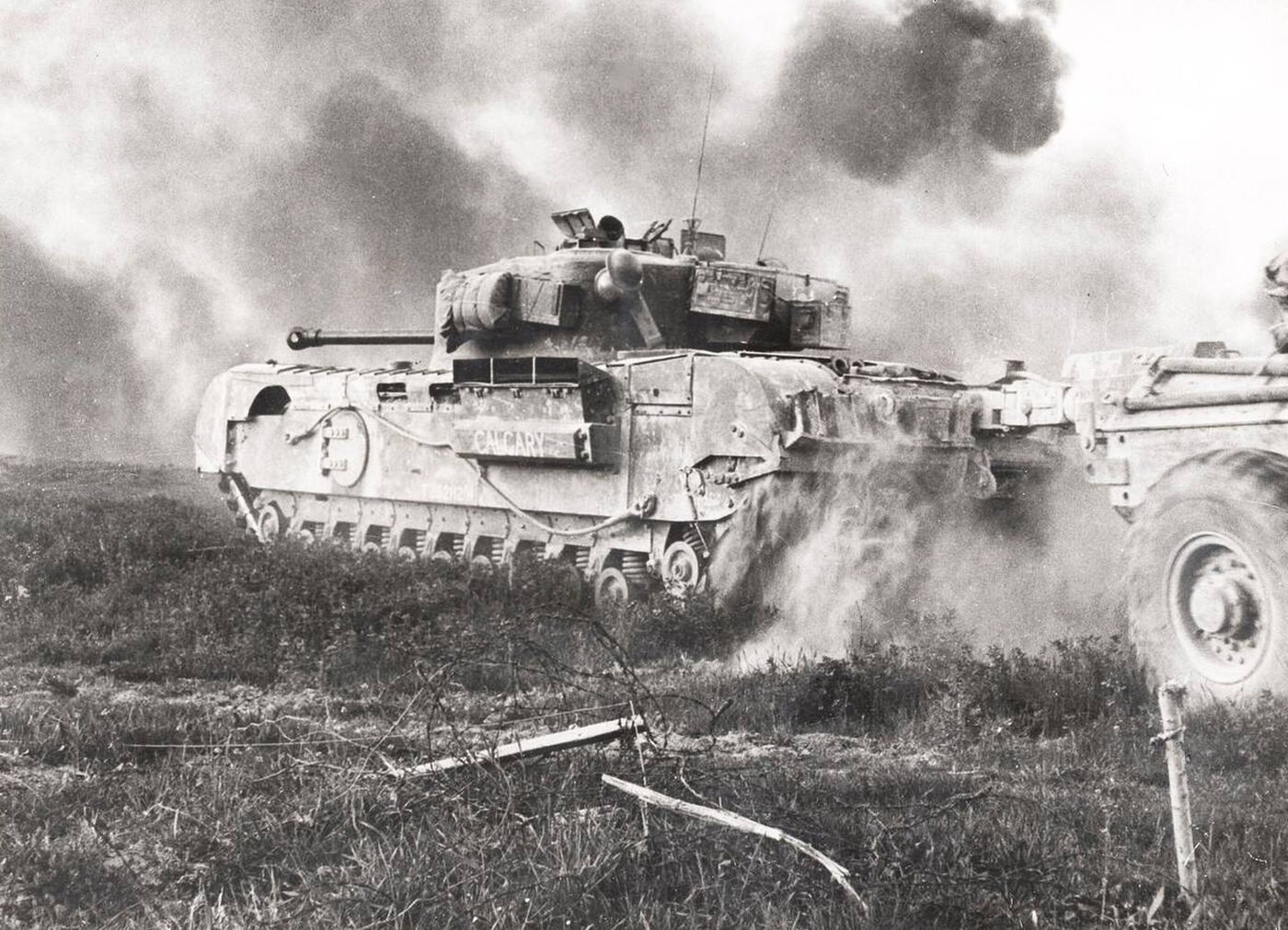
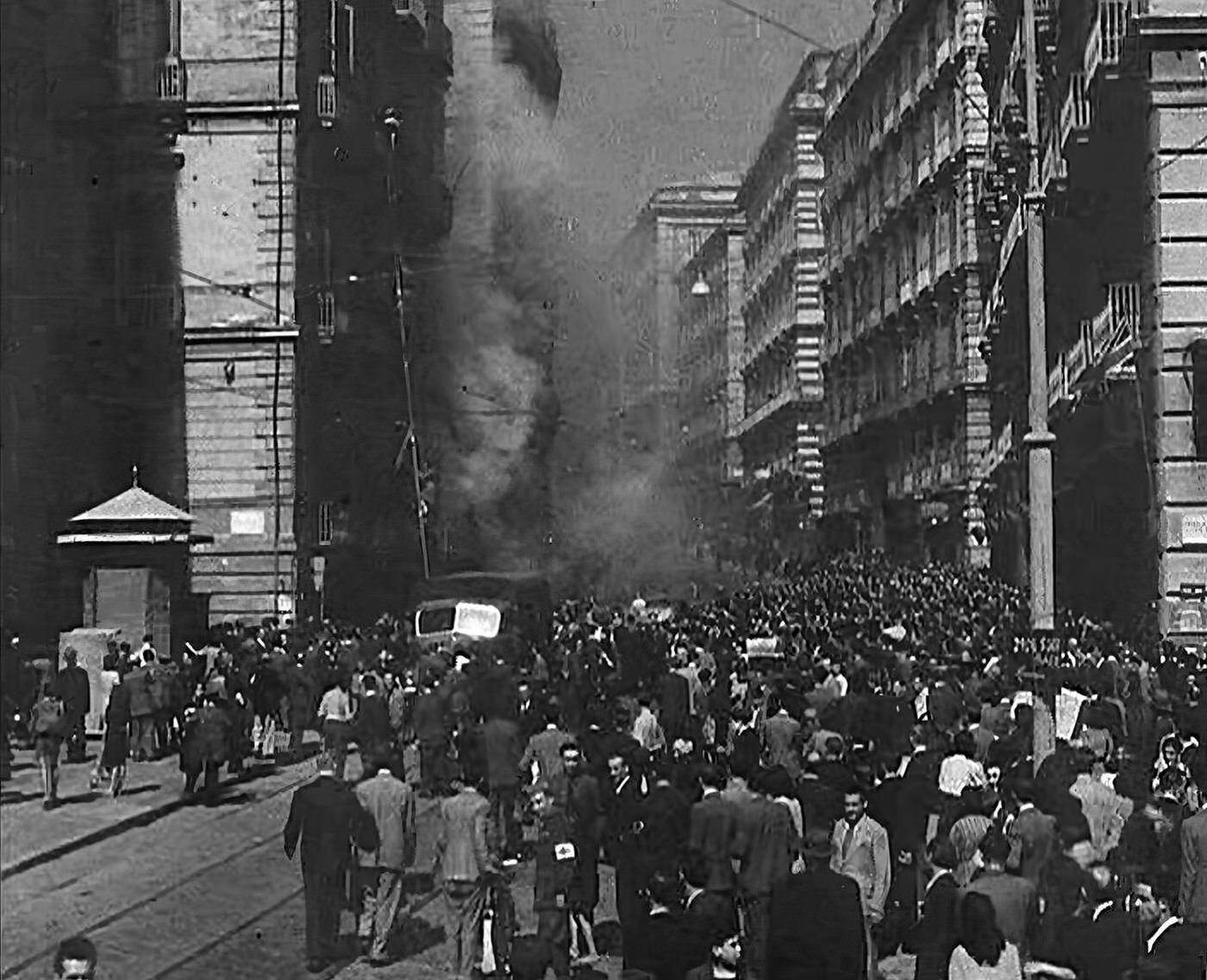
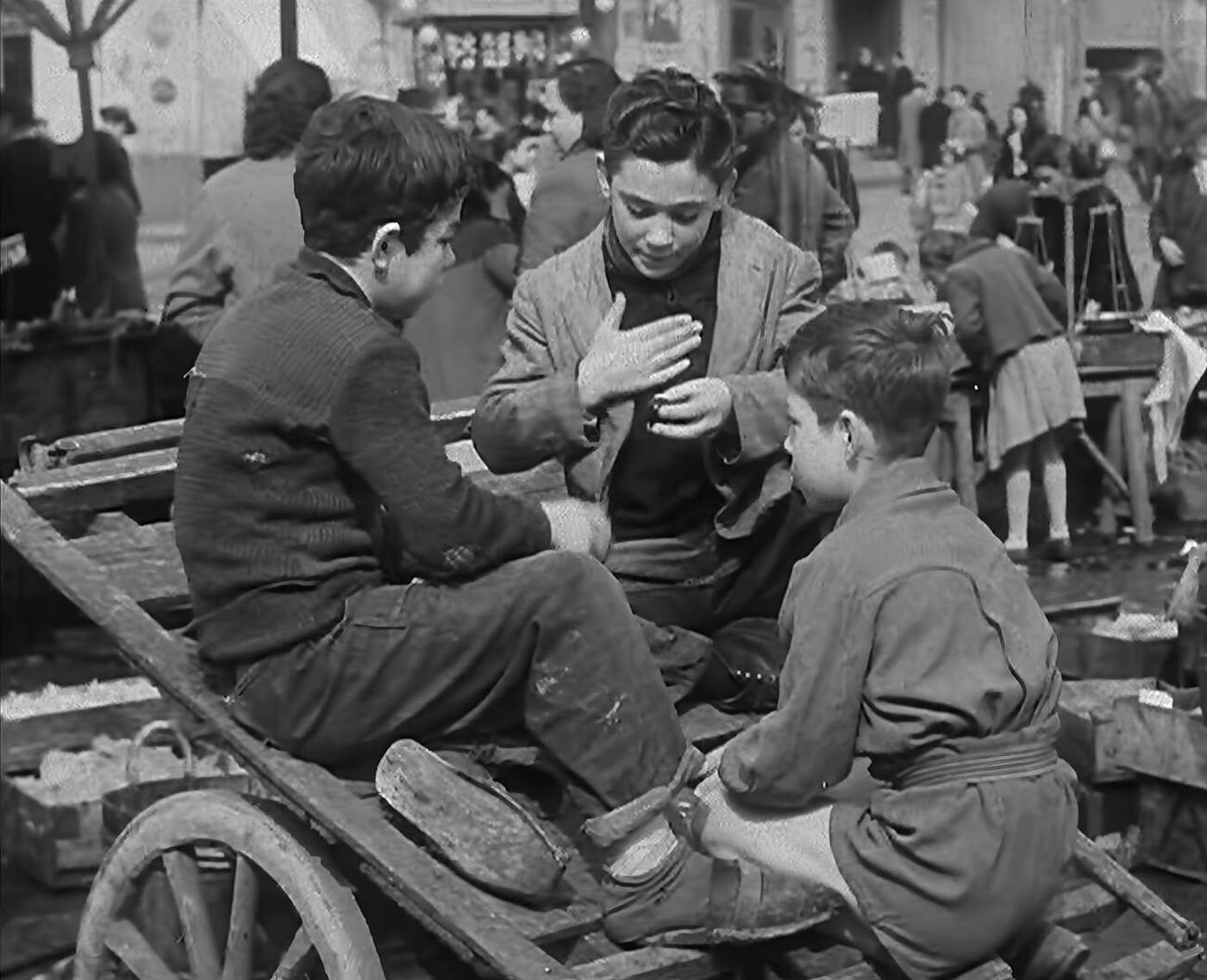
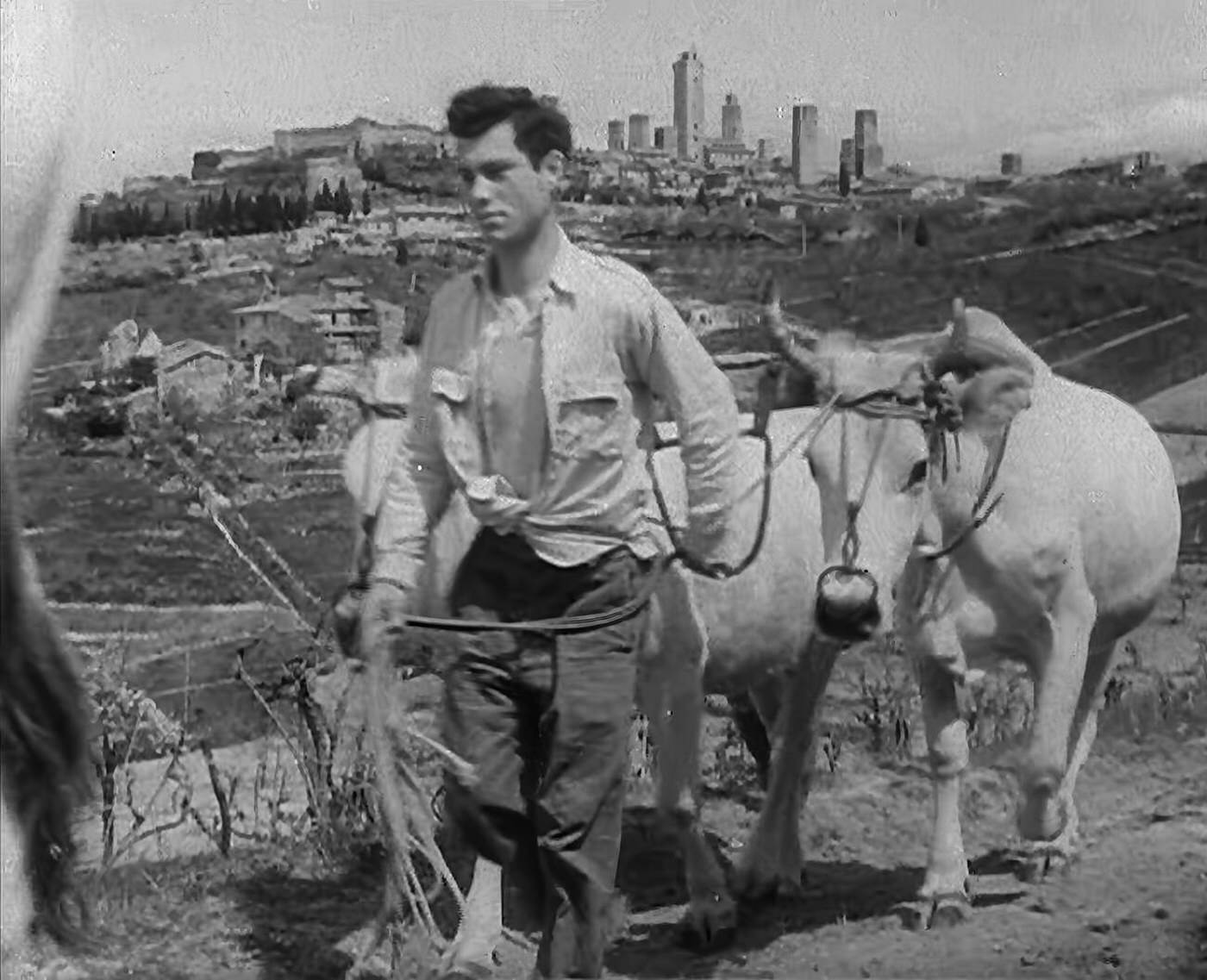
By December 1944, the front in Italy had frozen along the Gothic Line. Experienced Allied divisions were being redirected to Northwest Europe, thinning out the forces available in Italy. German resistance remained stubborn. Snow settled over the Apennines, and soldiers on both sides dug in for another brutal winter of patrols, skirmishes, and artillery exchanges.
![Italian Army troops in Albania, 1940s. [Factually Corrected] The caption lacked specifics; the year is an approximation based on the Albanian campaign.](https://www.bygonely.com/wp-content/uploads/2025/04/Italian_Campaign_WWII_59.jpg)



My grandfather fought here and survived, my great uncle was KIA
Kudos to them for serving their country and fighting for freedom.
Fantastic pictures!!
A story about one death of the thousands.
AT THE FRONT LINES IN ITALY, January 10, 1944 — In this war I have known a lot of officers who were loved and respected by the soldiers under them. But never have I crossed the trail of any man as beloved as Capt. Henry T. Waskow of Belton, Texas.
Capt. Waskow was a company commander in the 36th Division. He had led his company since long before it left the States. He was very young, only in his middle twenties, but he carried in him a sincerity and gentleness that made people want to be guided by him.
“After my own father, he came next,” a sergeant told me. “He always looked after us,” a soldier said. “He’d go to bat for us every time.” “I’ve never knowed him to do anything unfair,” another one said. I was at the foot of the mule trail the night they brought Capt. Waskow’s body down. The moon was nearly full at the time, and you could see far up the trail, and even part way across the valley below. Soldiers made shadows in the moonlight as they walked. Dead men had been coming down the mountain all evening, lashed onto the backs of mules. They came lying belly-down across the wooden pack-saddles, their heads hanging down on the left side of the mule, their stiffened legs sticking out awkwardly from the other side, bobbing up and down as the mule walked.
The Italian mule-skinners were afraid to walk beside dead men, so Americans had to lead the mules down that night. Even the Americans were reluctant to unlash and lift off the bodies at the bottom, so an officer had to do it himself, and ask others to help. The first one came early in the morning. They slid him down from the mule and stood him on his feet for a moment, while they got a new grip. In the half light he might have been merely a sick man standing there, leaning on the others. Then they laid him on the ground in the shadow of the low stone wall alongside the road.
I don’t know who that first one was. You feel small in the presence of dead men, and ashamed at being alive, and you don’t ask silly questions.
We left him there beside the road, that first one, and we all went back into the cowshed and sat on water cans or lay on the straw, waiting for the next batch of mules.
Somebody said the dead soldier had been dead for four days, and then nobody said anything more about it. We talked soldier talk for an hour or more. The dead man lay all alone outside in the shadow of the low stone wall.
Then a soldier came into the cowshed and said there were some more bodies outside. We went out into the road. Four mules stood there, in the moonlight, in the road where the trail came down off the mountain. The soldiers who led them stood there waiting. “This one is Captain Waskow,” one of them said quietly.
Two men unlashed his body from the mule and lifted it off and laid it in the shadow beside the low stone wall. Other men took the other bodies off. Finally there were five lying end to end in a long row, alongside the road. You don’t cover up dead men in the combat zone. They just lie there in the shadows until somebody else comes after them.
The unburdened mules moved off to their olive orchard. The men in the road seemed reluctant to leave. They stood around, and gradually one by one I could sense them moving close to Capt. Waskow’s body. Not so much to look, I think, as to say something in finality to him, and to themselves. I stood close by and I could hear. One soldier came and looked down, and he said out loud, “God damn it.” That’s all he said, and then he walked away. Another one came. He said, “God damn it to hell anyway.” He looked down for a few last moments, and then he turned and left. Another man came; I think he was an officer. It was hard to tell officers from men in the half light, for all were bearded and grimy dirty. The man looked down into the dead captain’s face, and then he spoke directly to him, as though he were alive. He said: “I’m sorry, old man.”
Then a soldier came and stood beside the officer, and bent over, and he too spoke to his dead captain, not in a whisper but awfully tenderly, and he said: “I sure am sorry, sir.”
Then the first man squatted down, and he reached down and took the dead hand, and he sat there for a full five minutes, holding the dead hand in his own and looking intently into the dead face, and he never uttered a sound all the time he sat there. And finally he put the hand down, and then reached up and gently straightened the points of the captain’s shirt collar, and then he sort of rearranged the tattered edges of his uniform around the wound. And then he got up and walked away down the road in the moonlight, all alone.
After that the rest of us went back into the cowshed, leaving the five dead men lying in a line, end to end, in the shadow of the low stone wall. We lay down on the straw in the cowshed, and pretty soon we were all asleep.
One of my favorite pieces by Ernie Pyle. So evocative and moving.
I am English although half my family is from Cassino.
I cannot overstate the generational trauma that exists in my family because of this fight.
Whenever my nonna’s sister, a little old Italian lady living in a farm house near Sant Angelo, starts talking about it, she bursts into tears, saying things like ‘All those poor boys mothers’.
My nonna barely ever talks about, and usually only when she has been drinking. Her memories of it are very hazy. She was only 6 and it was, of course, very traumatic for her.
Everything was flat she says. Our homes, everything, gone completely.
She tells stories of ghosts and spirits on the mountain after the war.