The 1960s reshaped fashion from the ground up. New silhouettes replaced old ones, bold colors pushed aside muted tones, and a fresh generation of models stepped into the spotlight. Among them, one name stood above the rest in elegance and impact: Isa Stoppi. The Italian-born model earned the nickname “The Italian Goddess” and spent the decade proving it was well-deserved.
Stoppi began her career in Italy, where her striking Mediterranean features and natural poise quickly caught the attention of top designers and photographers. She moved from local runways to the most competitive fashion capitals in the world — Paris, London, and New York — with remarkable speed. Her face soon became a fixture in the most prestigious publications of the era.
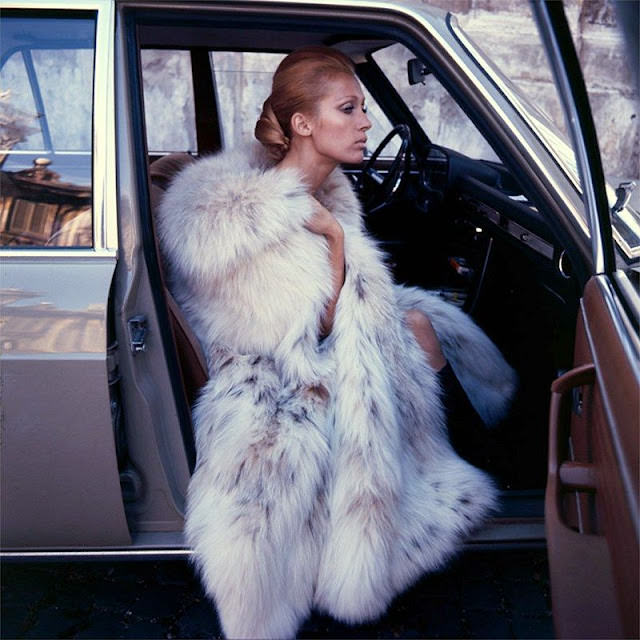
From the very start of the decade, Stoppi projected an authority in front of the camera that few models could match. Her ability to inhabit a garment — to make it feel like an extension of her personality rather than something she was simply wearing — made her a sought-after collaborator for designers across Europe and the United States.
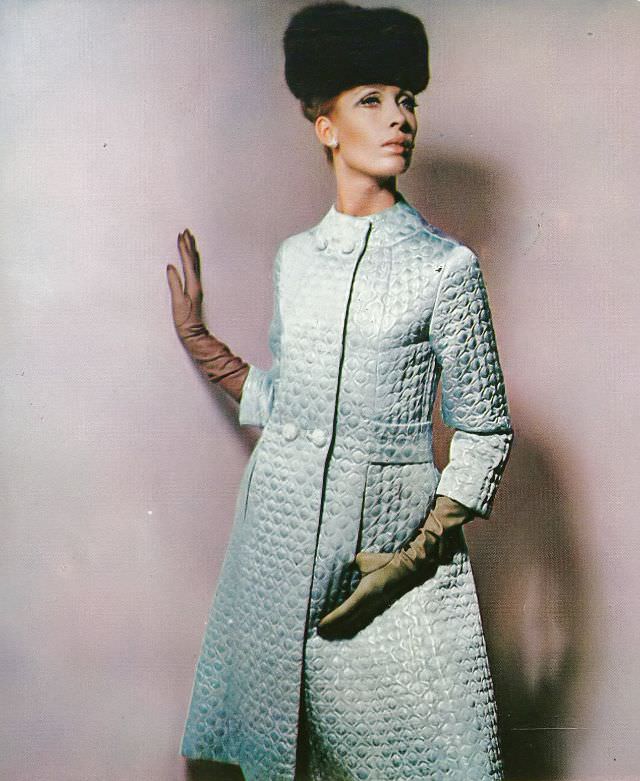
One of the most significant relationships of her career was with Spanish couturier Cristóbal Balenciaga. He was drawn to her versatility — her face and bearing worked equally well in severe architectural shapes and flowing evening wear. Stoppi walked for other pillars of haute couture too, including Christian Dior and Hubert de Givenchy, at a time when runway shows were growing into major cultural spectacles.
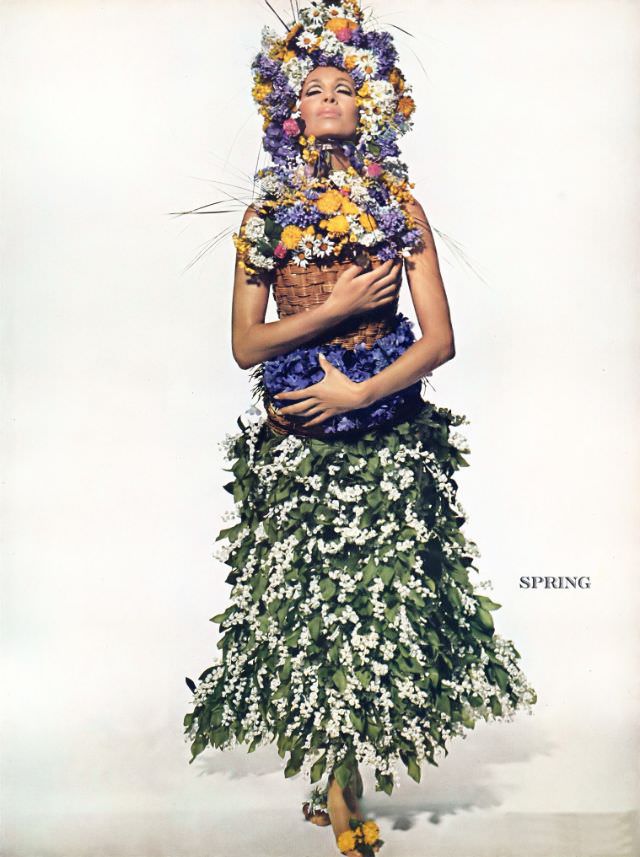
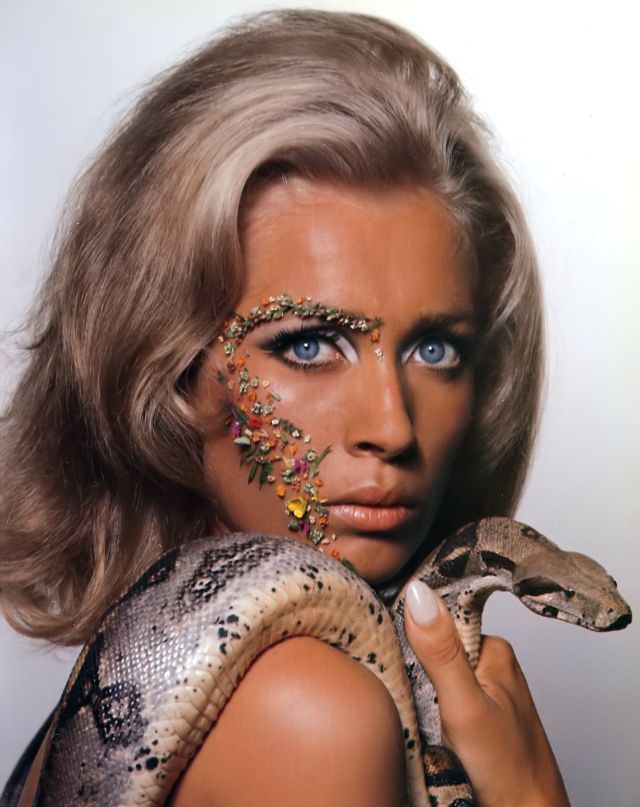
By the mid-1960s, Stoppi was appearing regularly in Vogue, working with photographers Irving Penn and Henry Clarke. These were not routine editorial shoots. Penn and Clarke were among the most technically precise image-makers of the century, and they found in Stoppi a subject who understood light, composition, and emotional expression as instinctively as they did.
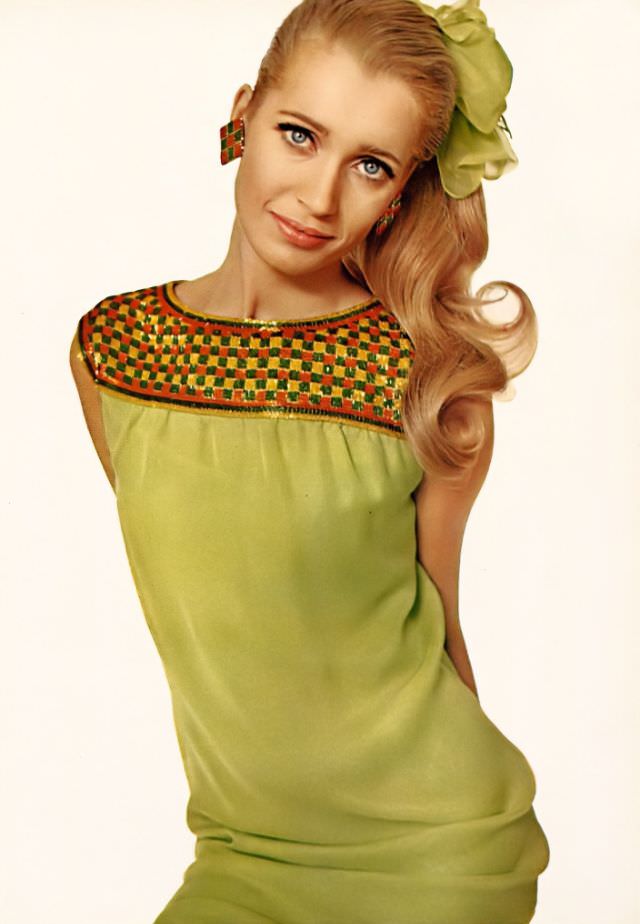
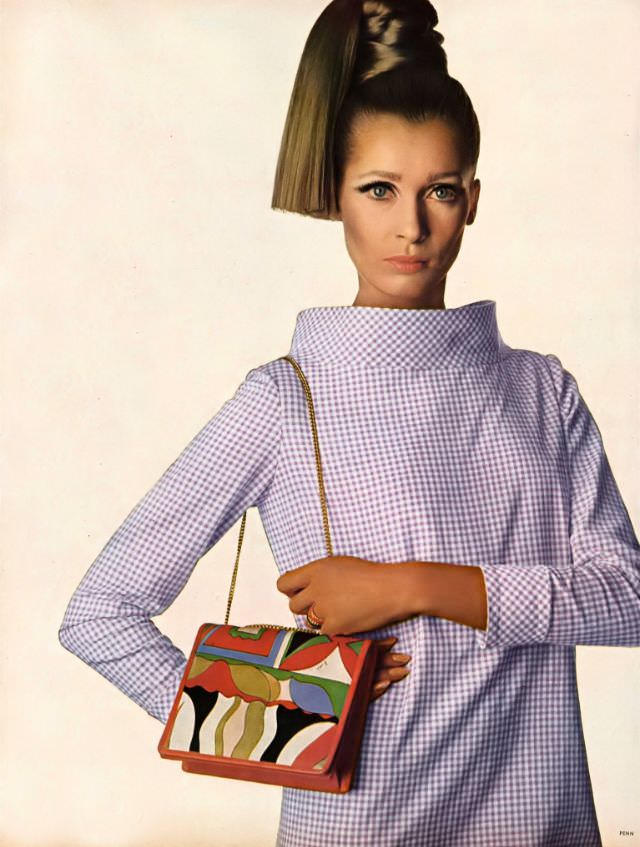
Legendary photographer Richard Avedon also worked with Stoppi, producing images that are now counted among the standout photographs of 1960s fashion. Avedon was known for pushing models to reveal something genuine on camera. With Stoppi, he consistently got it. Her gaze in those photographs communicates intensity without effort — a quality that cannot be taught.
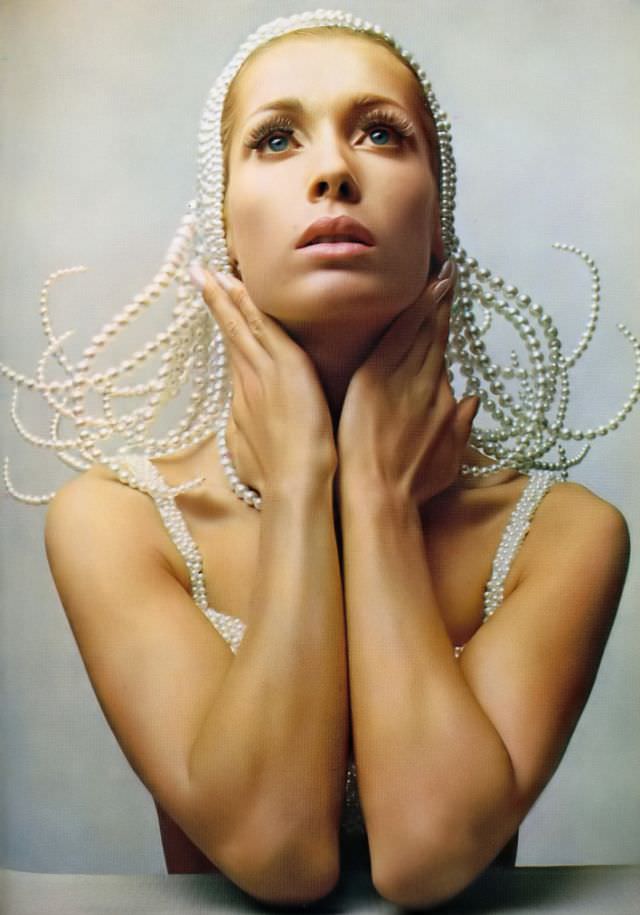
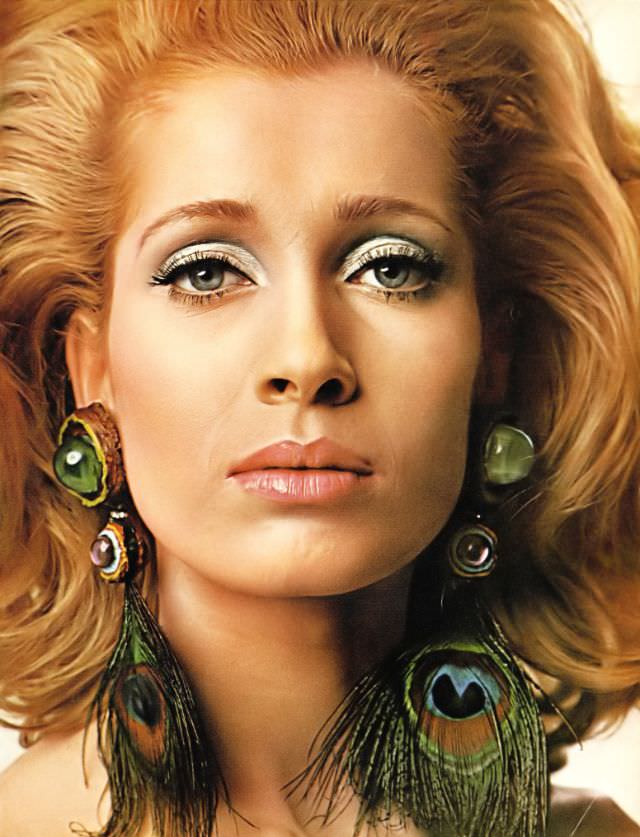
Stoppi’s commercial work matched her editorial prestige. She appeared in advertising campaigns for Chanel and Yves Saint Laurent, two houses that defined luxury dressing in the 1960s. Her campaign for Revlon’s “Fire and Ice” line demonstrated how effectively she could anchor a beauty advertisement. The bold colors and her direct, unwavering expression made it one of the most recognized campaigns of its time.
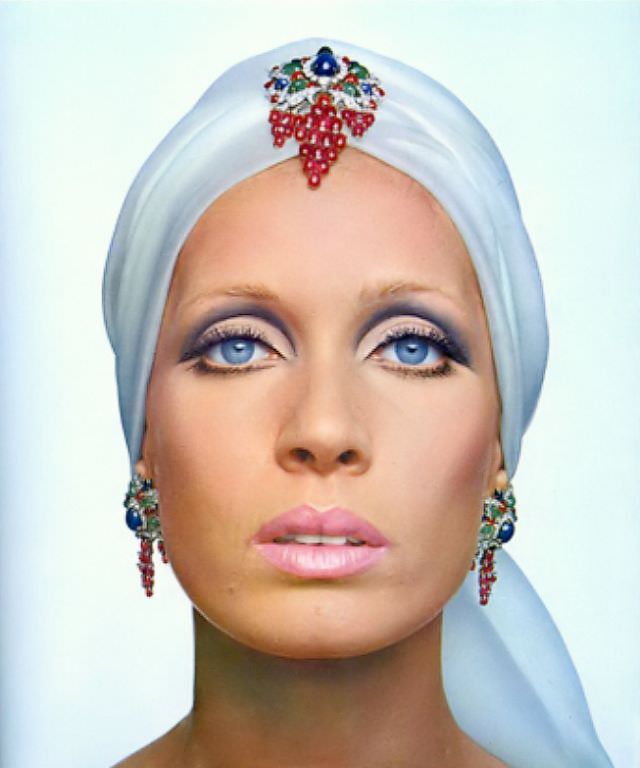
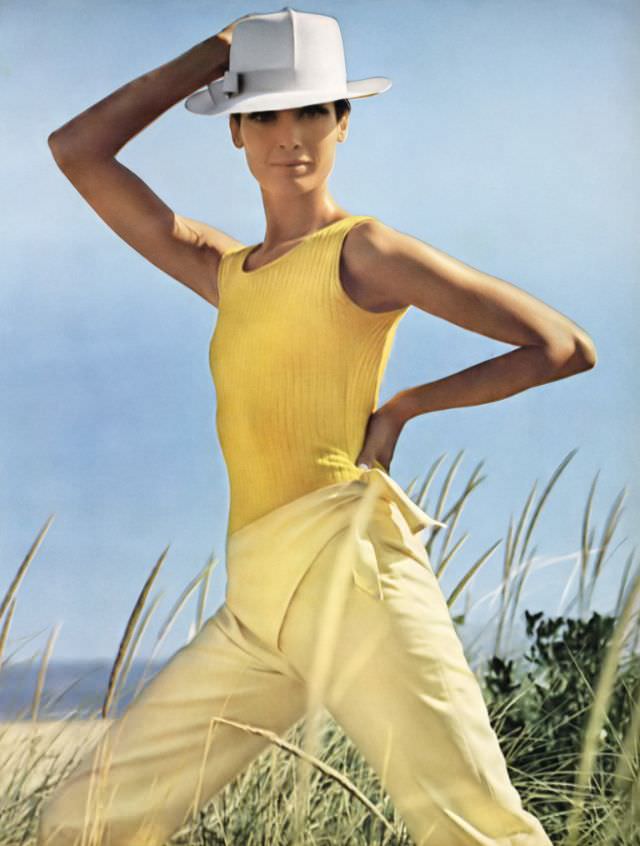
The fashion industry in the 1960s was slowly expanding its definition of beauty. For most of the previous decade, Anglo-Saxon features had dominated runways and magazine pages almost exclusively. Stoppi’s success — built on distinctly Mediterranean looks — represented a real shift in what editors and designers were willing to put forward as aspirational. She did not simply fit into the existing mold; she expanded it.
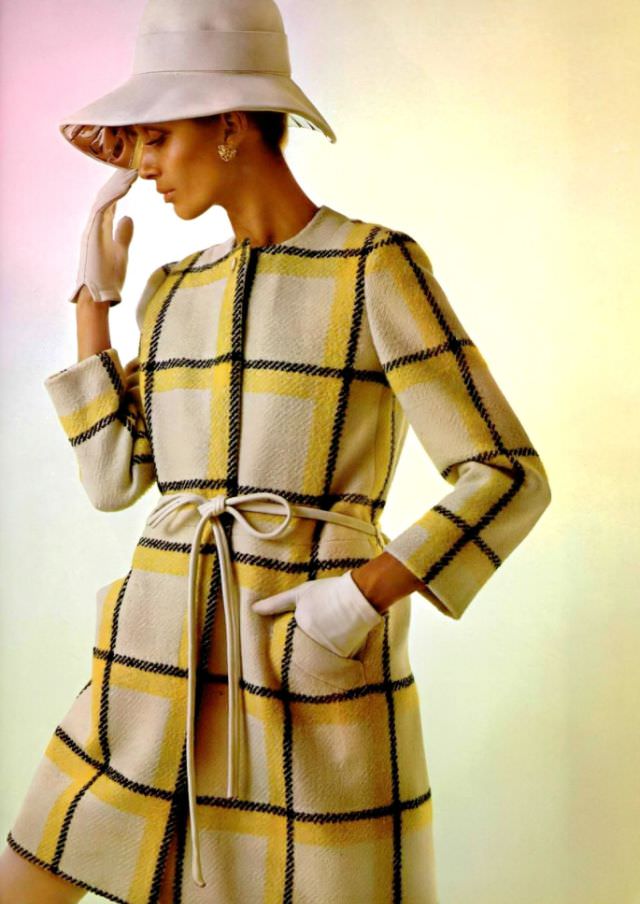
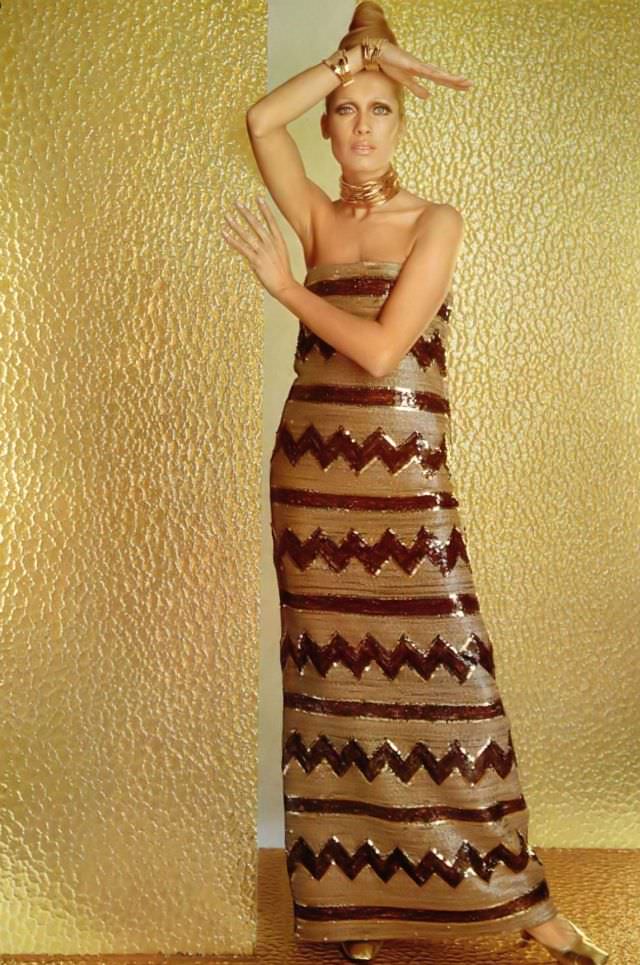
By 1967, Stoppi was working across an extraordinary range of designers and aesthetics. She appeared in pieces by Dior, Jean Patou, Lanvin, and Sarmi — labels with very different creative visions — and moved between them without losing her distinct presence. That adaptability is what separated her from models who could only work within one specific look or mood.
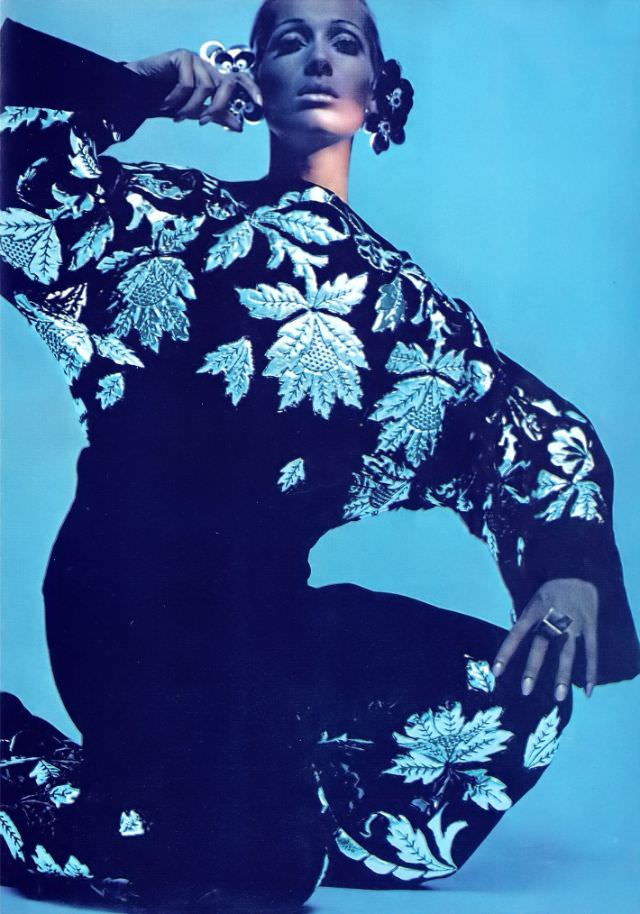
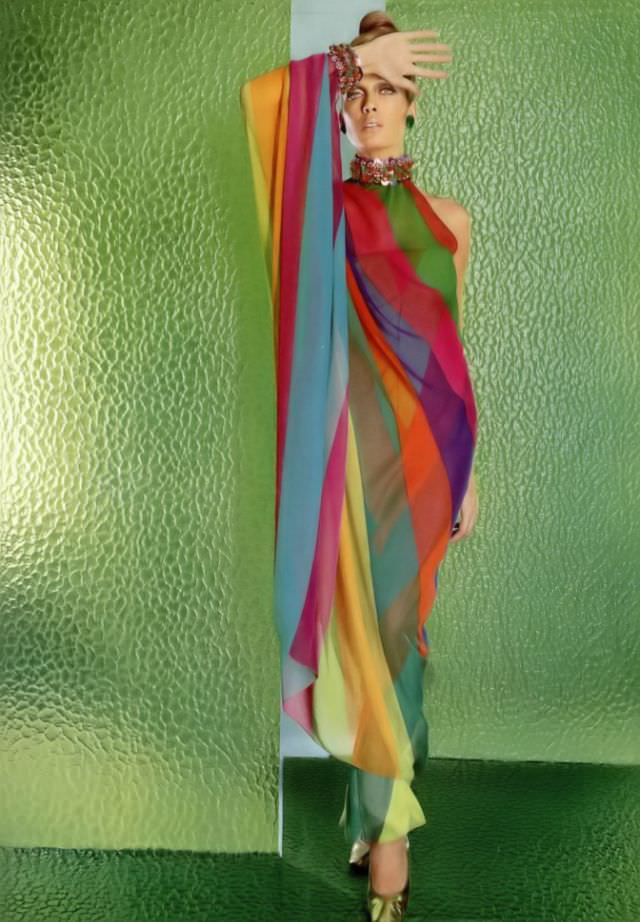
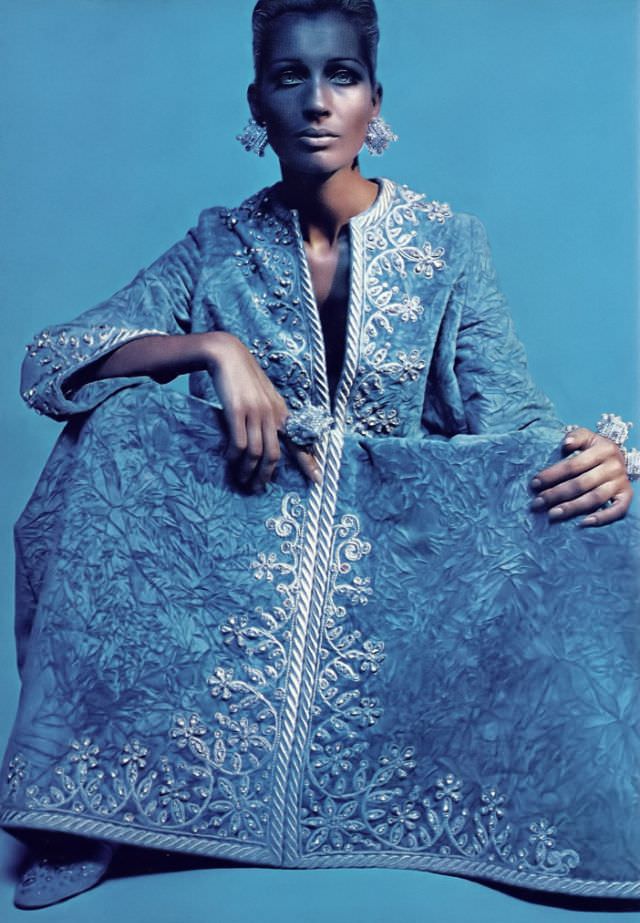
Whether in structured wool knits or dramatic evening gowns, Stoppi brought the same level of commitment. The garments she modeled in 1967 alone span an entire spectrum — from casual knitwear to jewel-collared chiffon evening wear — and in each case, the clothes and the model felt perfectly matched.
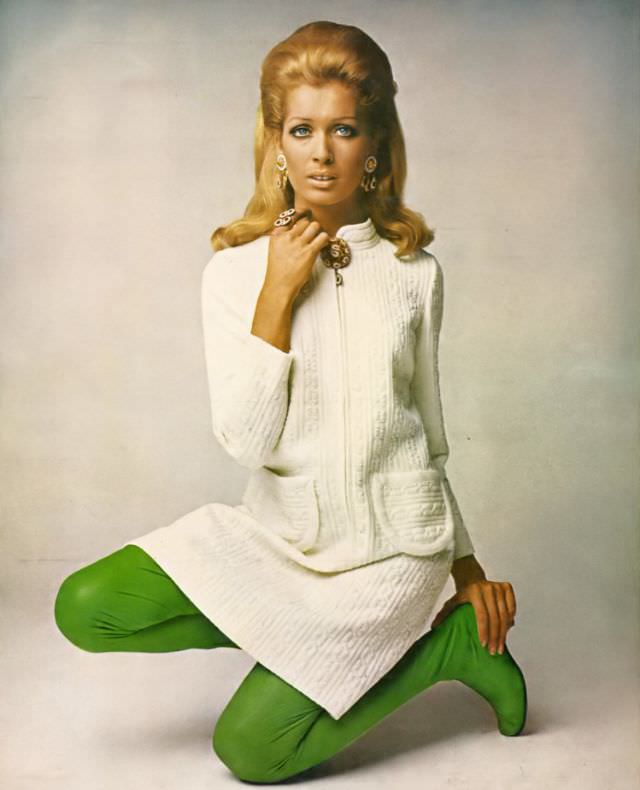
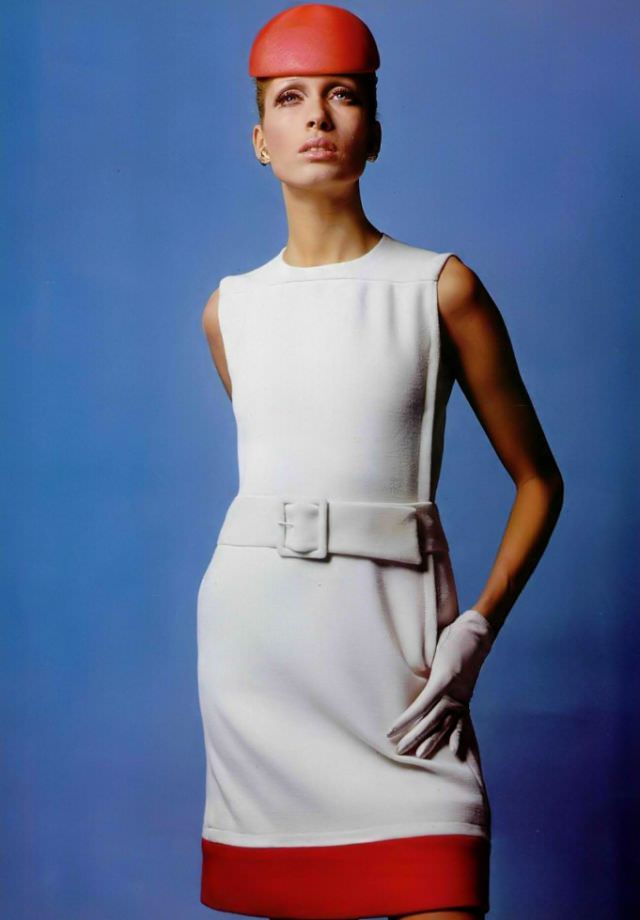
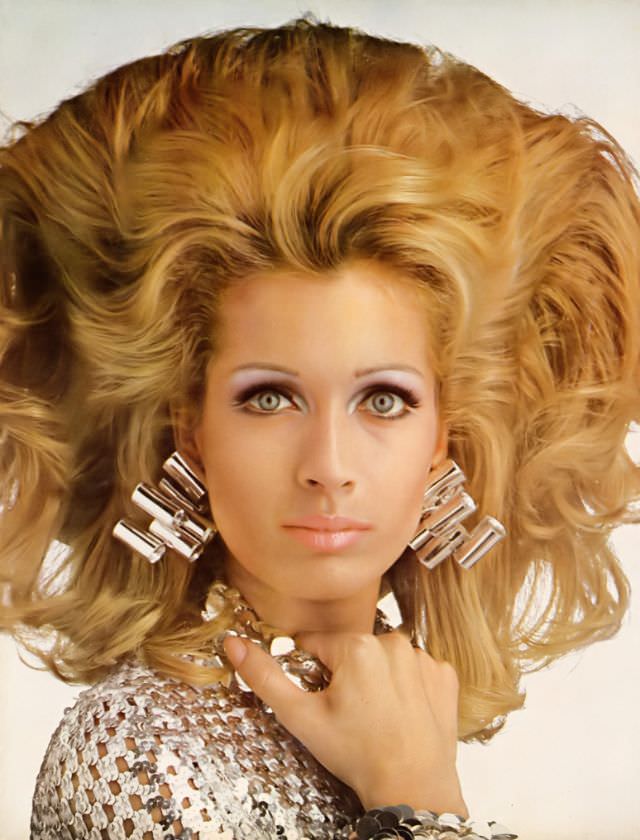
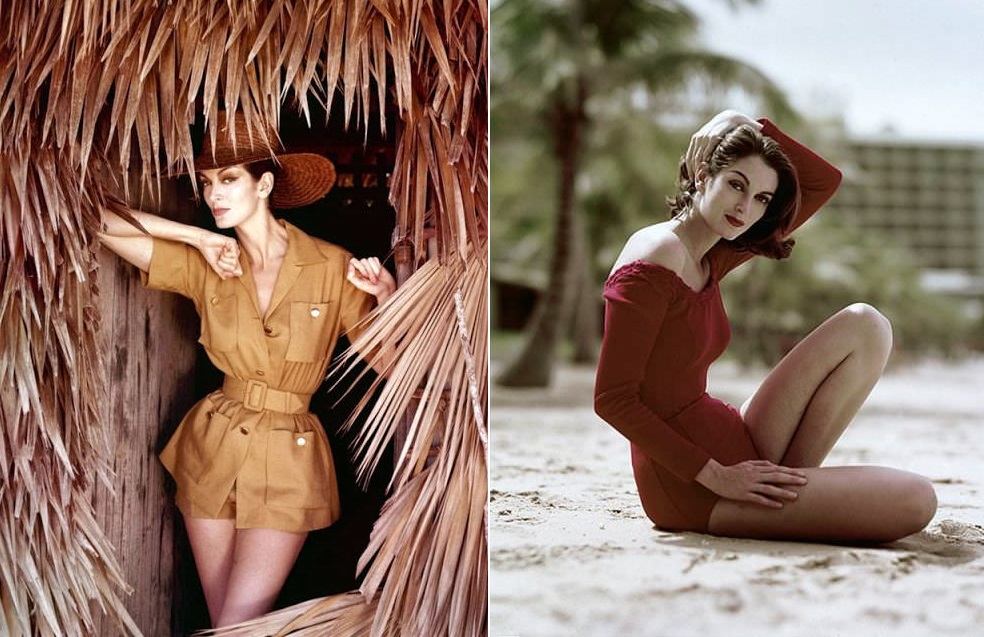
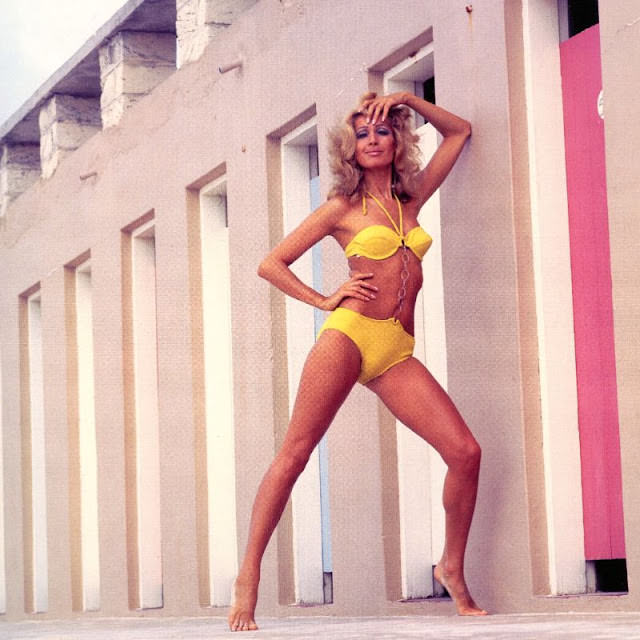
Into 1968, Stoppi continued working across different formats and locations. A swimwear shoot set in Bermuda showed a lighter, sun-drenched side of her portfolio — a contrast to the formal European studio work that made up much of her earlier career. Throughout it all, the consistency of her presence on camera remained unchanged.
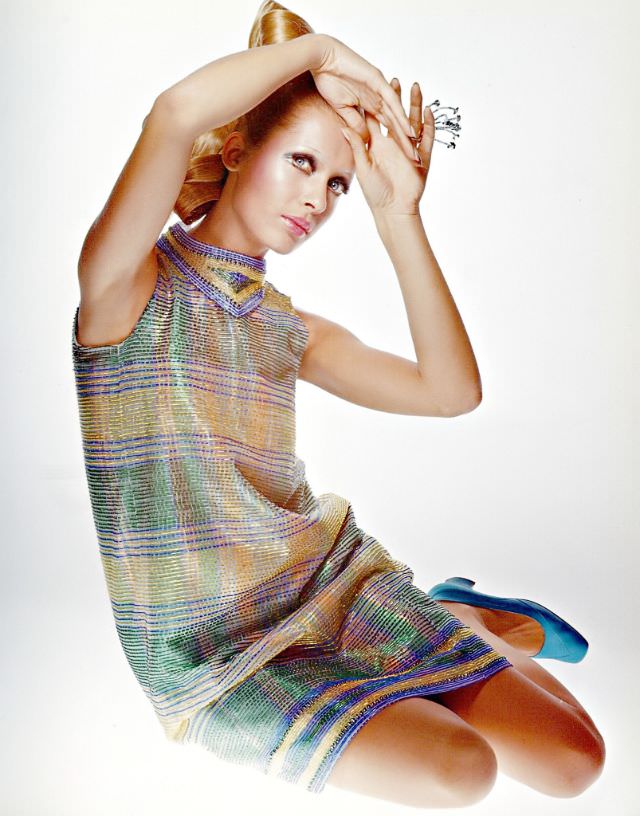
Italian designers recognized in Stoppi something that international houses also valued — a model who could elevate their work simply by wearing it. Her collaborations with Milan-based Mila Schön and Veneziani placed her at the center of Italy’s own booming fashion scene, which was growing in global reputation throughout the decade.
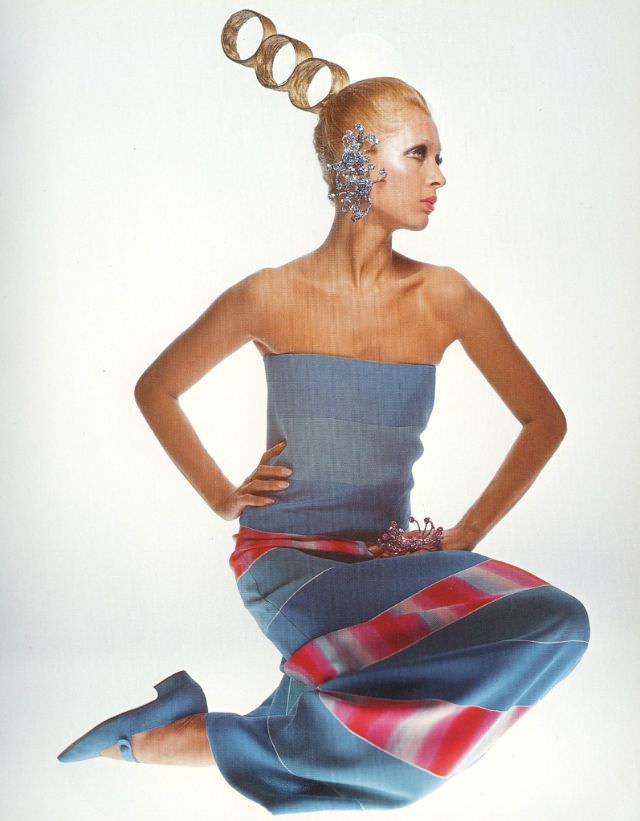
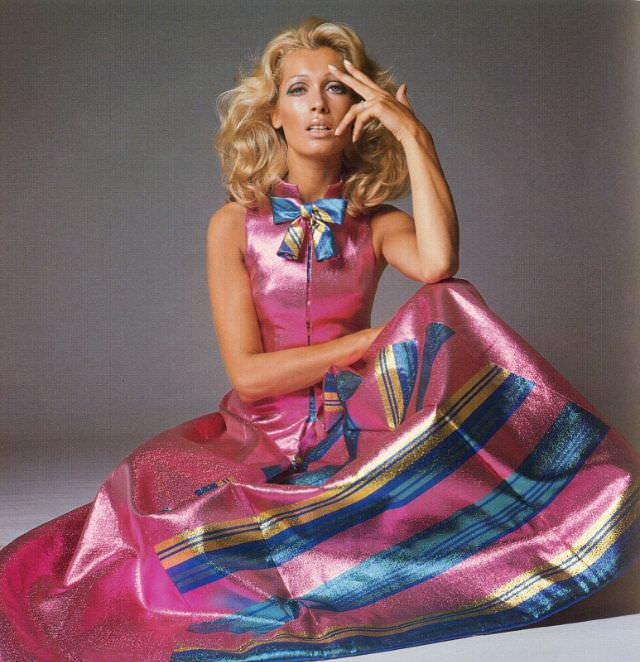
Across a decade defined by reinvention, Isa Stoppi remained a constant. She worked with the most important photographers, walked for the most important houses, and appeared in the most important publications — not briefly, but consistently, year after year. Her career across the 1960s stands as one of the most complete records of what it meant to be a top model during fashion’s most transformative era.