For centuries, warships were built from timber and driven by wind and human muscle. Cannons changed how battles were fought at sea, but loading and firing them still took enormous time and physical effort. By the mid-nineteenth century, those limitations were becoming impossible to ignore. Warfare was growing faster and more destructive, and the old wooden warship was struggling to keep up. The answer came in the form of the ironclad — a steam-powered vessel sheathed in heavy metal plating, built to withstand firepower that would splinter a wooden hull in seconds.
The first ironclads were developed in Europe, most notably by the French. Their early design was straightforward: take a conventional warship hull and bolt metal plates over the sides to protect against increasingly powerful artillery. That concept crossed the Atlantic and arrived in America just as the Civil War was breaking out. But the American version of the ironclad didn’t simply copy the European model — it adapted. The rivers and shallow waterways of the American West demanded a different kind of vessel entirely, one that sat low in the water and could navigate confined channels while still delivering heavy firepower.
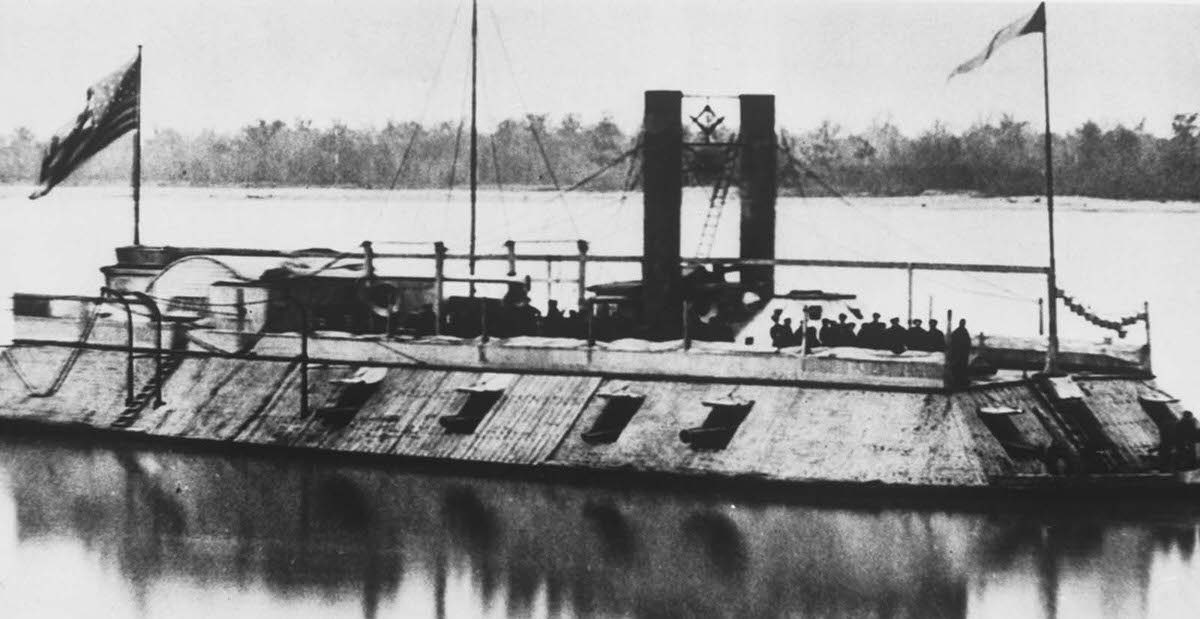
At the start of the war, the U.S. Navy had no ironclad warships at all. Most of the existing Navy stayed loyal to the Union, but the Confederacy recognized it could not compete with the North’s shipbuilding capacity in a conventional arms race. So Confederate leaders moved quickly to pursue ironclads — both by building them domestically and by attempting to purchase them from abroad. The Union responded by launching its own ironclad program, which produced two distinct types: the Monitor-class ironclads designed for open ocean operations, and the City-class ironclads built specifically for river warfare.
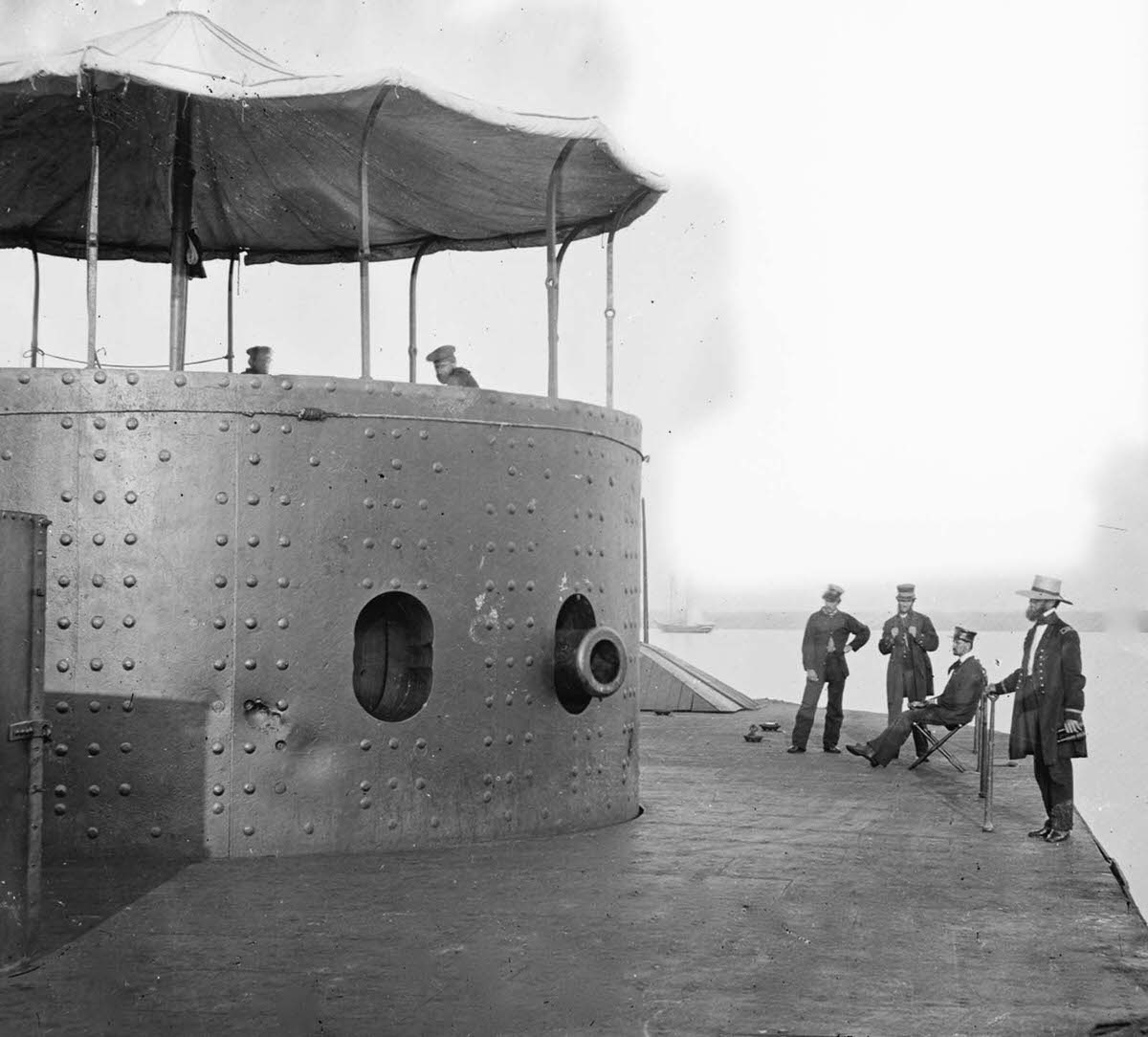
The Monitor-class ships were unlike anything the world had seen before. They rode extremely low in the water, making them difficult targets. Their hulls were encased in thick iron plating, making them nearly immune to standard gunfire and artillery. Most strikingly, they mounted their guns inside a rotating turret — a design that allowed the crew to aim without repositioning the entire vessel. These were not upgraded wooden ships. They were machines of war built from the ground up for industrial-age combat.
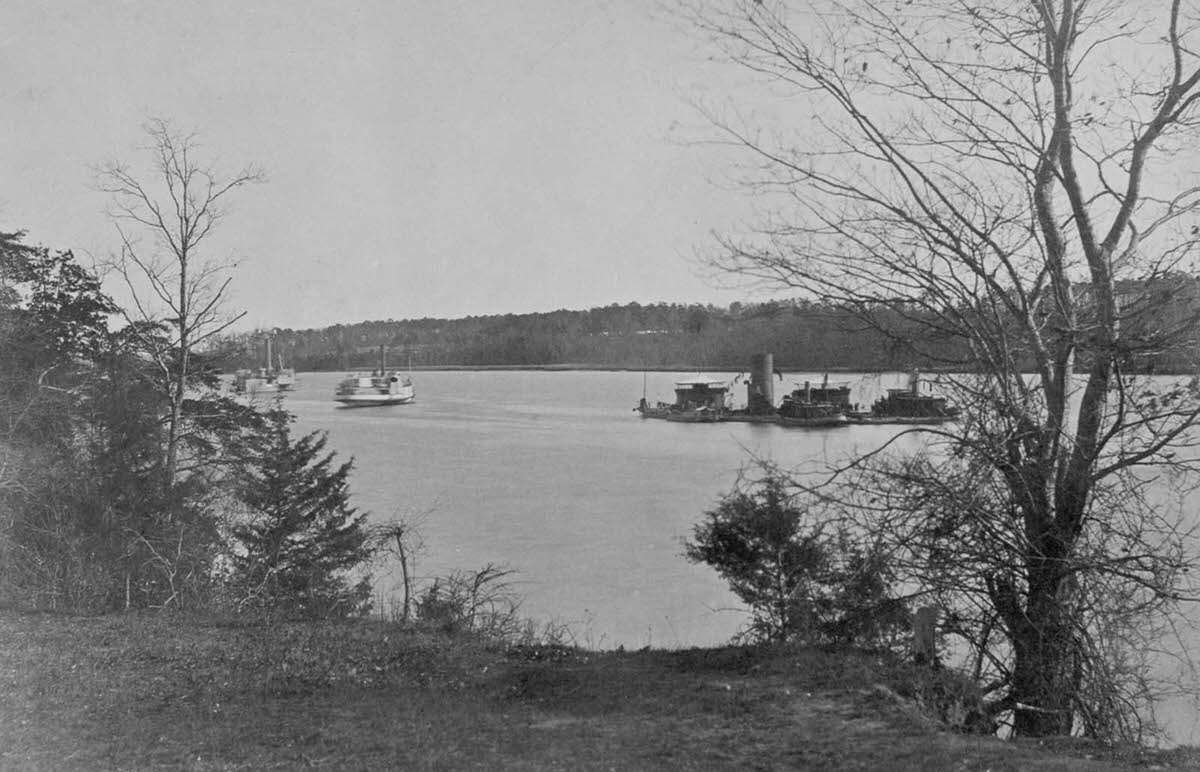
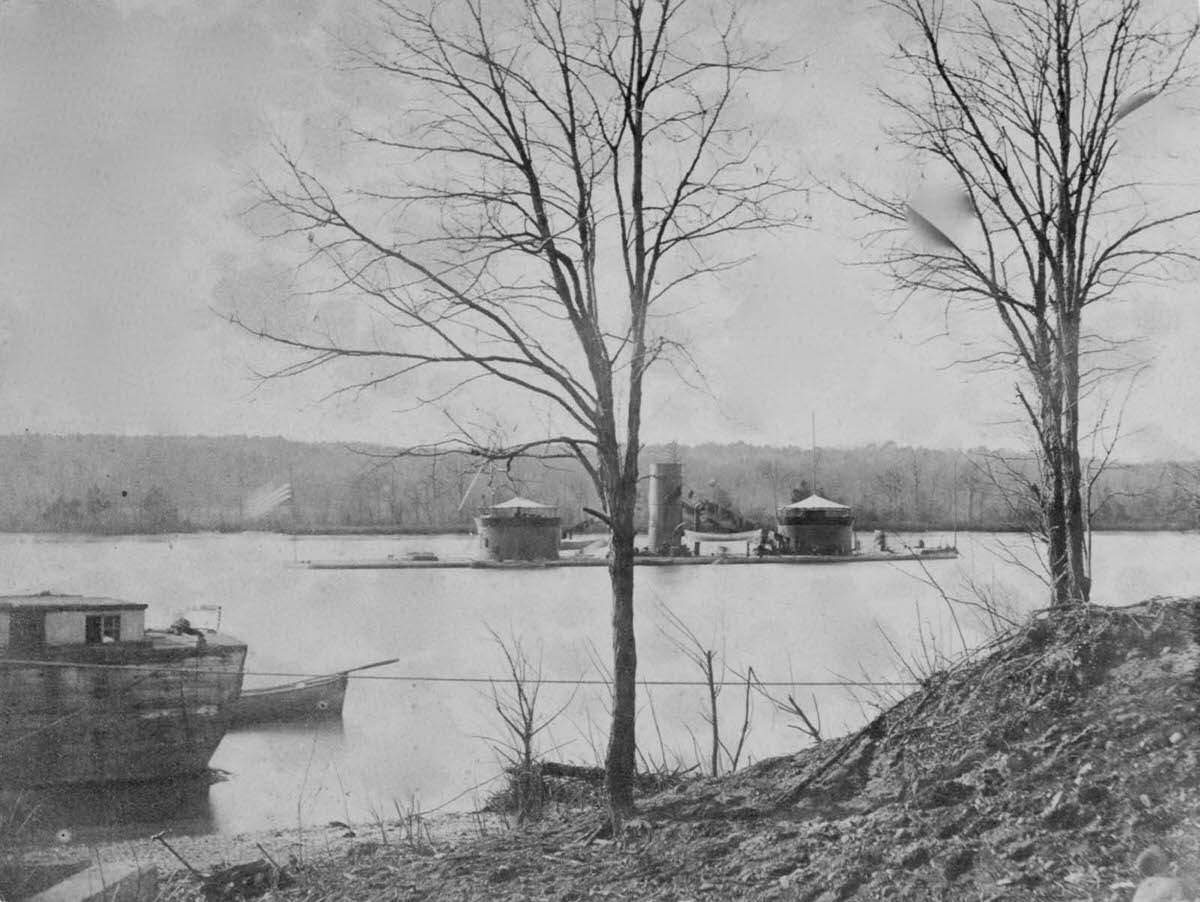
In March 1862, the world watched the first battle between two ironclad warships. At the Battle of Hampton Roads in Virginia, the USS Monitor faced the CSS Virginia — a Union steam frigate that had been captured, rebuilt, and armored by the Confederacy under its original name, the USS Merrimack. The two ships exchanged fire for hours. Neither could inflict serious damage on the other. The Virginia eventually withdrew, but the engagement proved a decisive point: the era of the wooden warship was over. Iron could not be defeated by the guns that had ruled naval combat for generations.
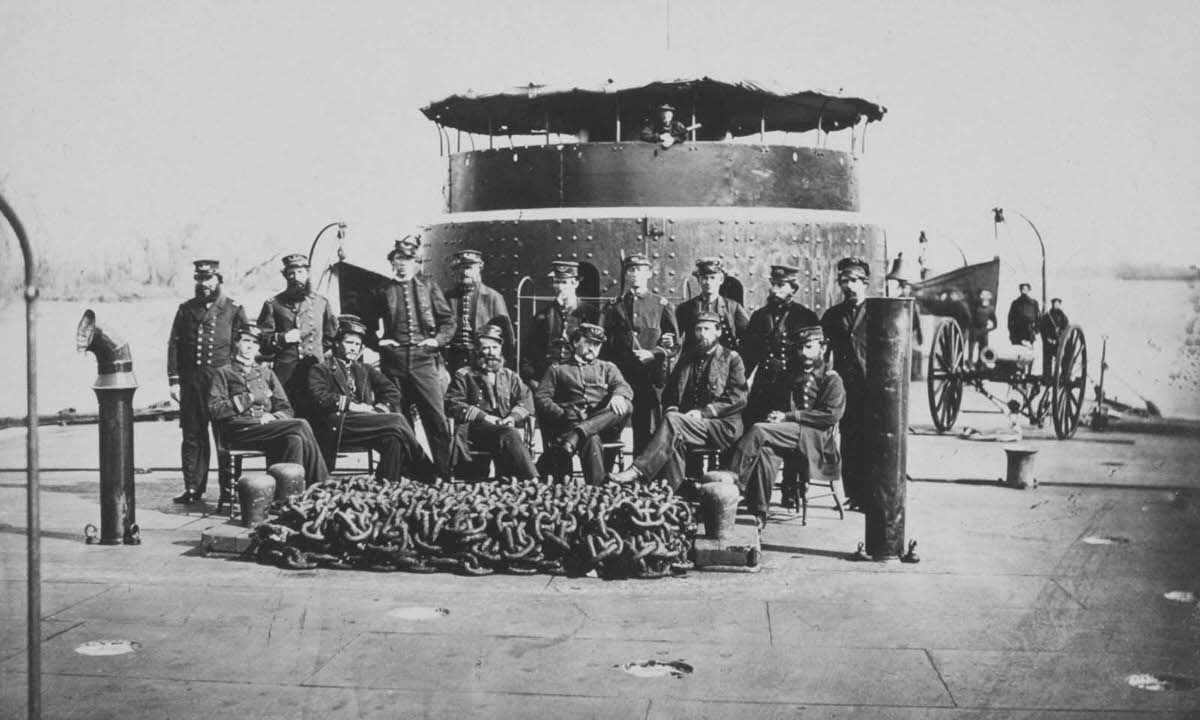
After Hampton Roads, both sides accelerated their ironclad programs. The Union eventually built a fleet of fifty Monitor-class vessels. The Confederacy constructed smaller versions modeled on the Virginia, many of which saw active combat on Southern rivers and along the coastline. Confederate efforts to purchase ironclads from European shipyards were largely blocked. European nations confiscated vessels being built for the Confederacy. Russia, the only major power to openly support the Union during the war, refused Confederate procurement efforts outright. Only the CSS Stonewall — purchased from France — reached American waters, and she arrived too late to affect the outcome of the war.
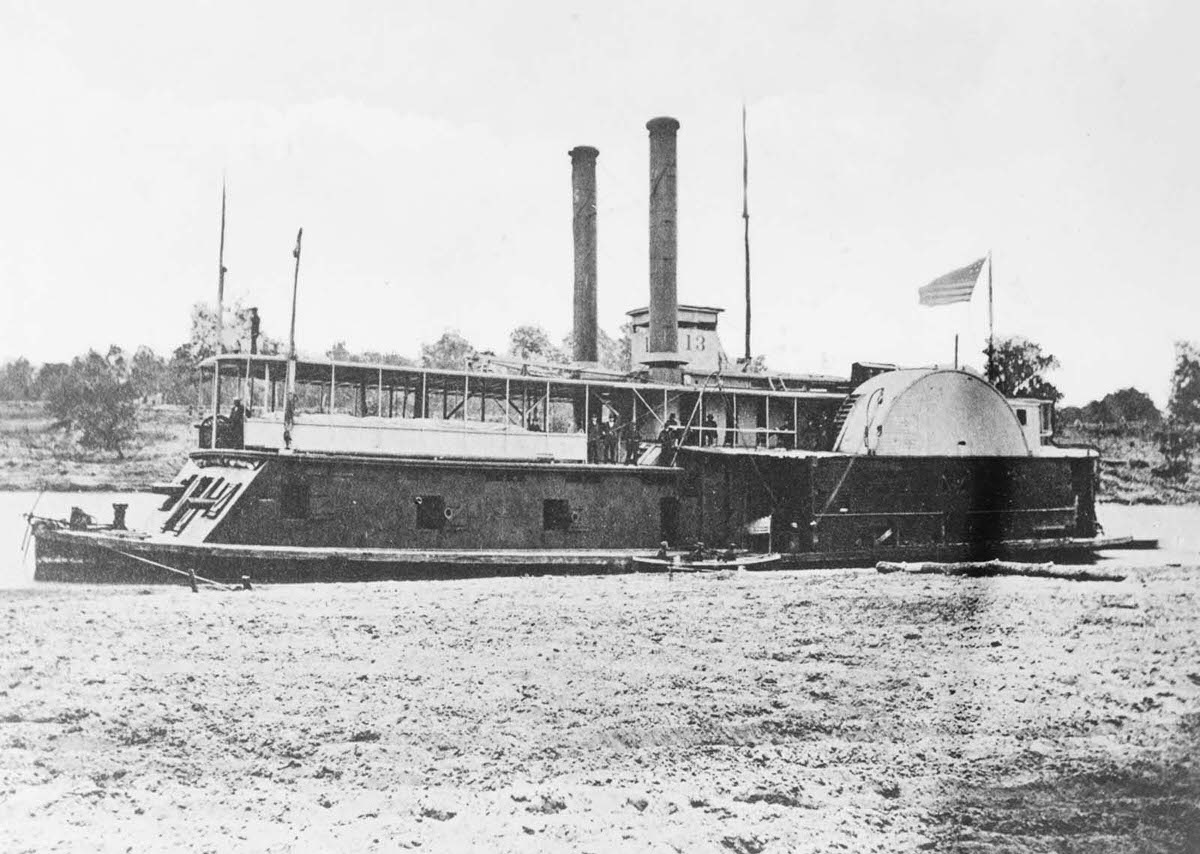
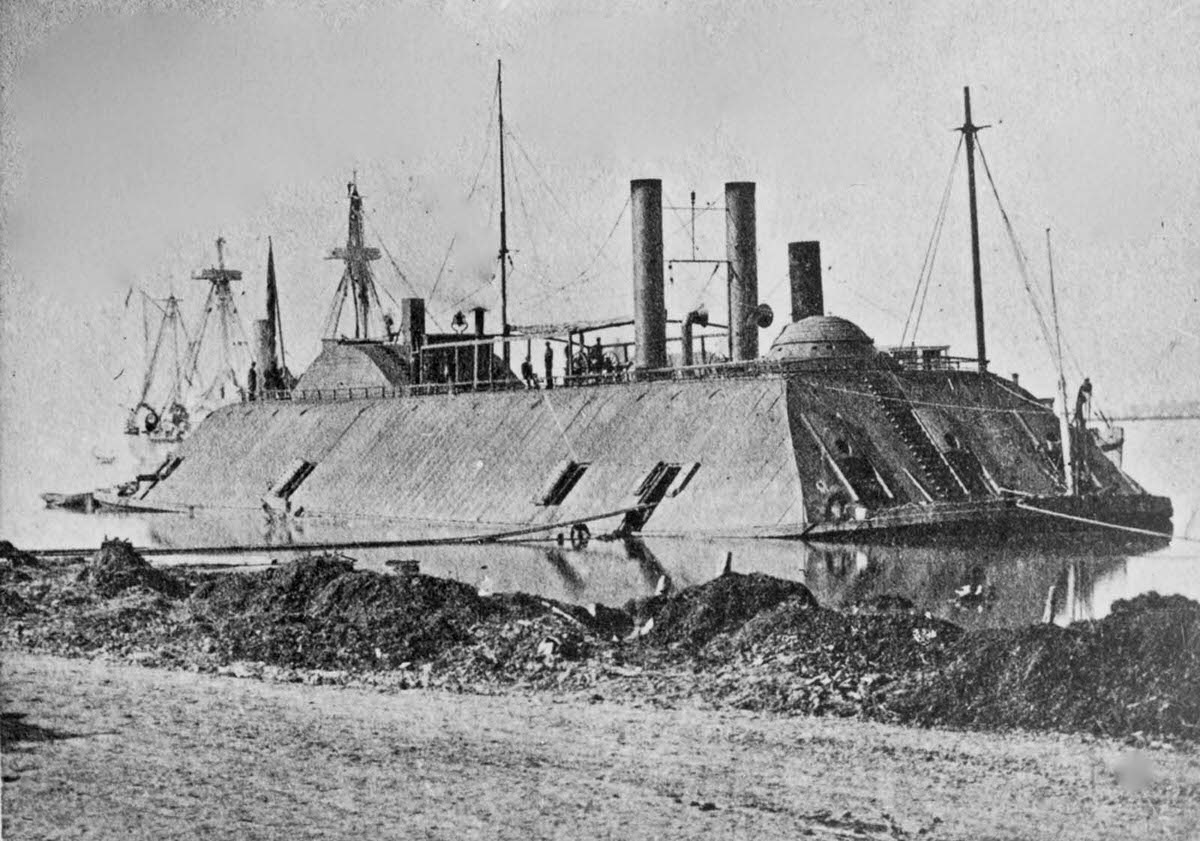
On the western rivers, the City-class ironclads became the backbone of Union naval operations. These flat-bottomed gunboats were built for the Mississippi and its tributaries — shallow, winding waterways that required low-draft vessels capable of supporting land campaigns. Steamboats fitted with iron plating had been pressed into service early in the war, but the dedicated City-class ships were far more formidable. They carried heavy cannons behind armored casings and could hold a position under shore battery fire that would have destroyed any wooden vessel.
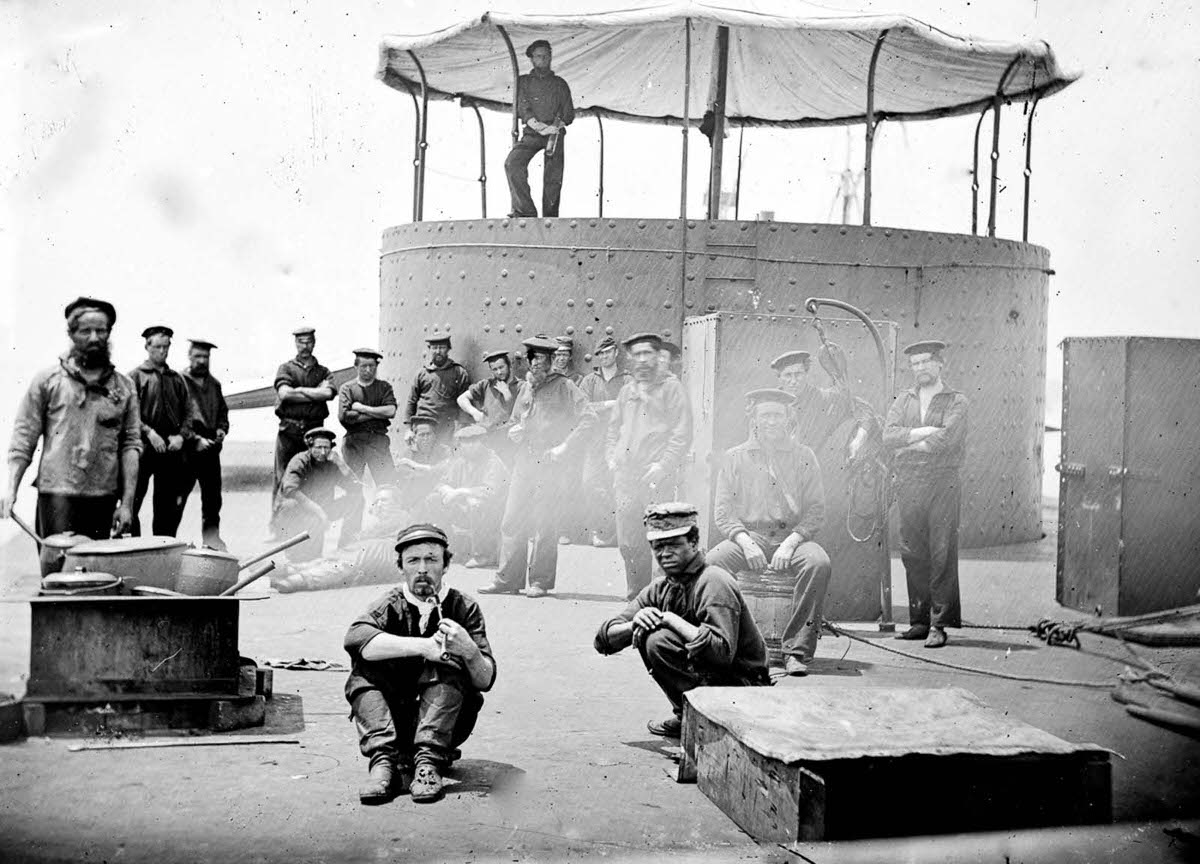
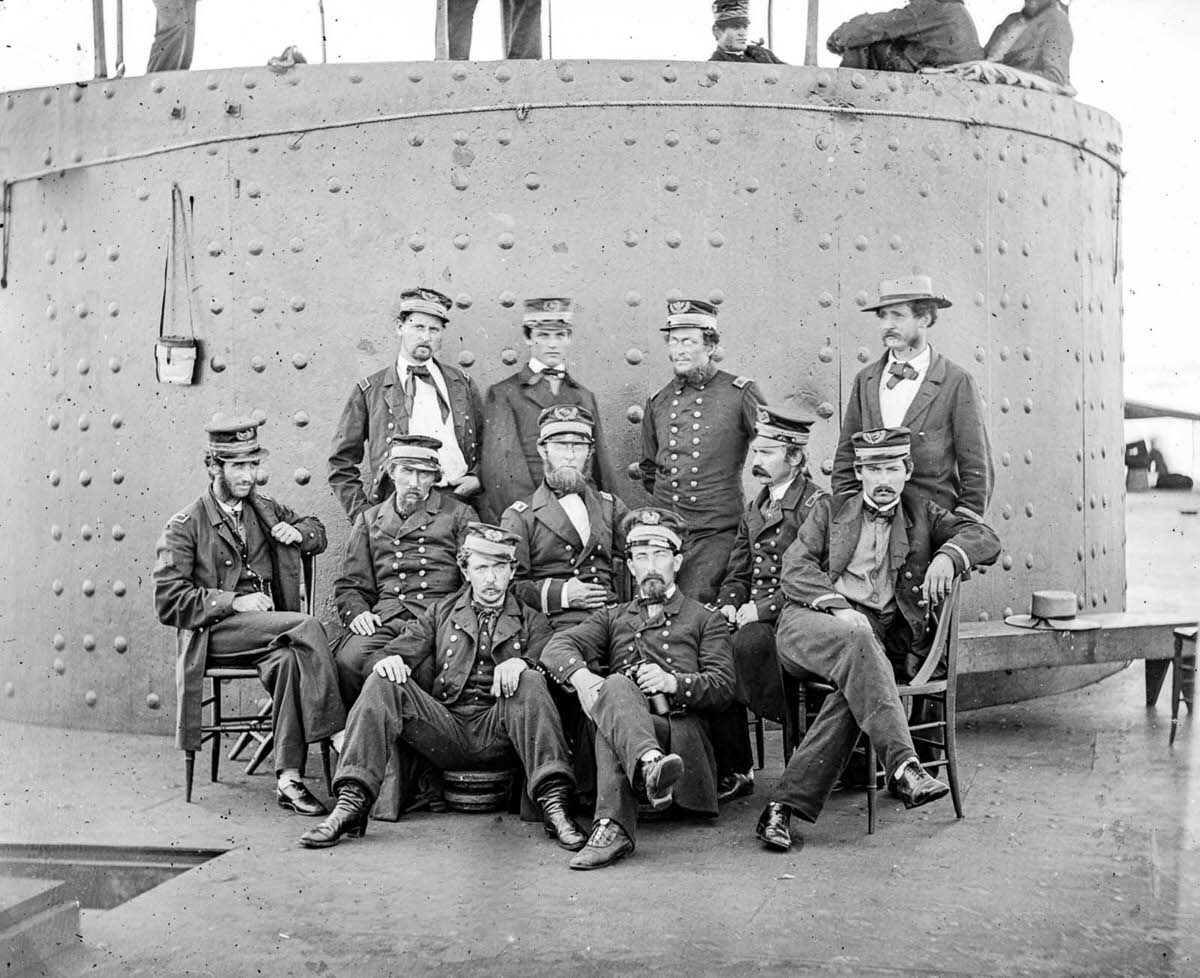
The men who served aboard these ships lived in cramped, poorly ventilated iron hulls that heated to brutal temperatures in summer and offered little comfort in any season. Officers and sailors alike operated in conditions that were physically demanding and frequently dangerous — not only from enemy fire, but from the machinery itself. Boiler explosions, flooding through damaged plating, and the sheer difficulty of maneuvering a heavy iron vessel in a fast-moving river all posed constant risks.
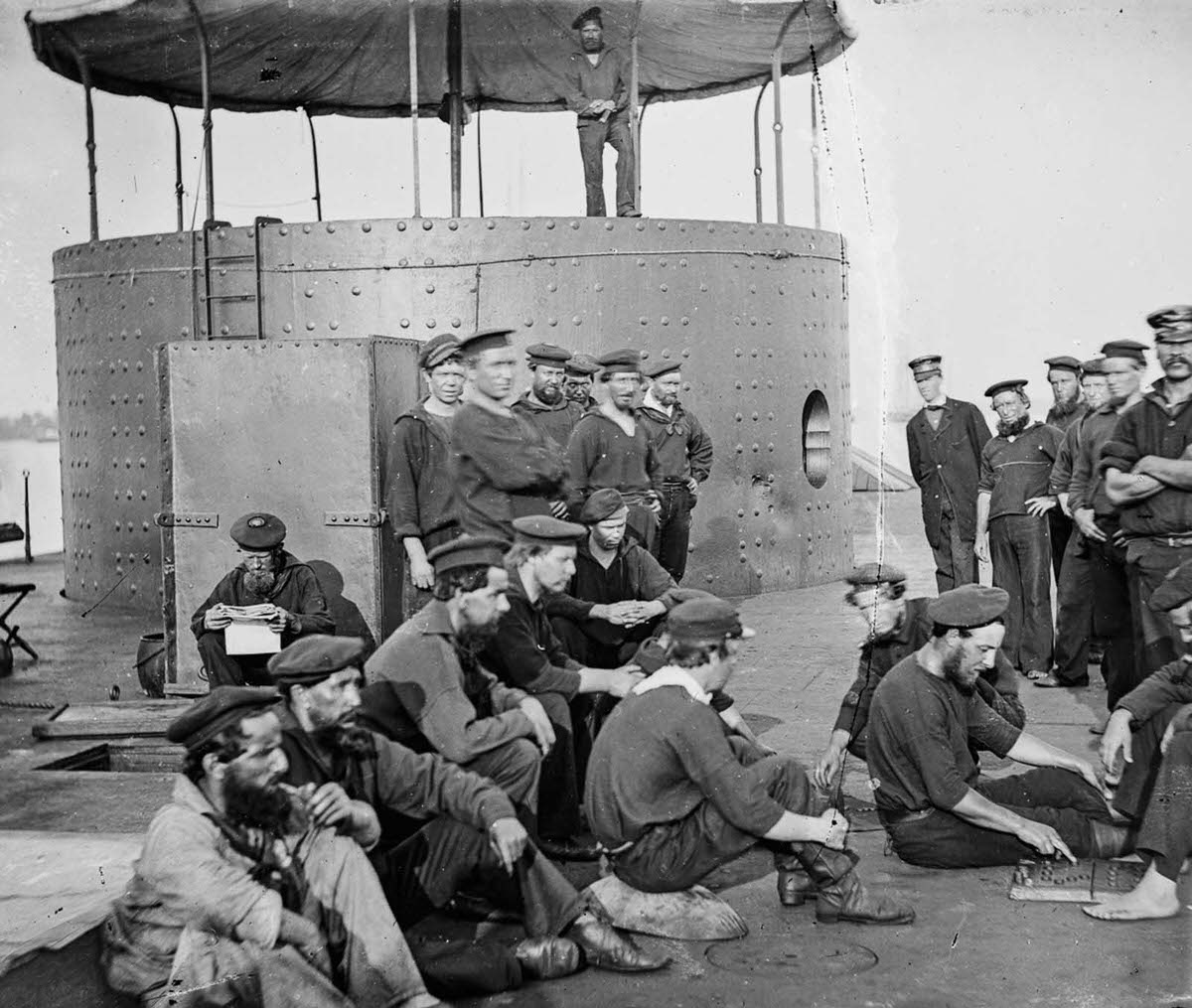
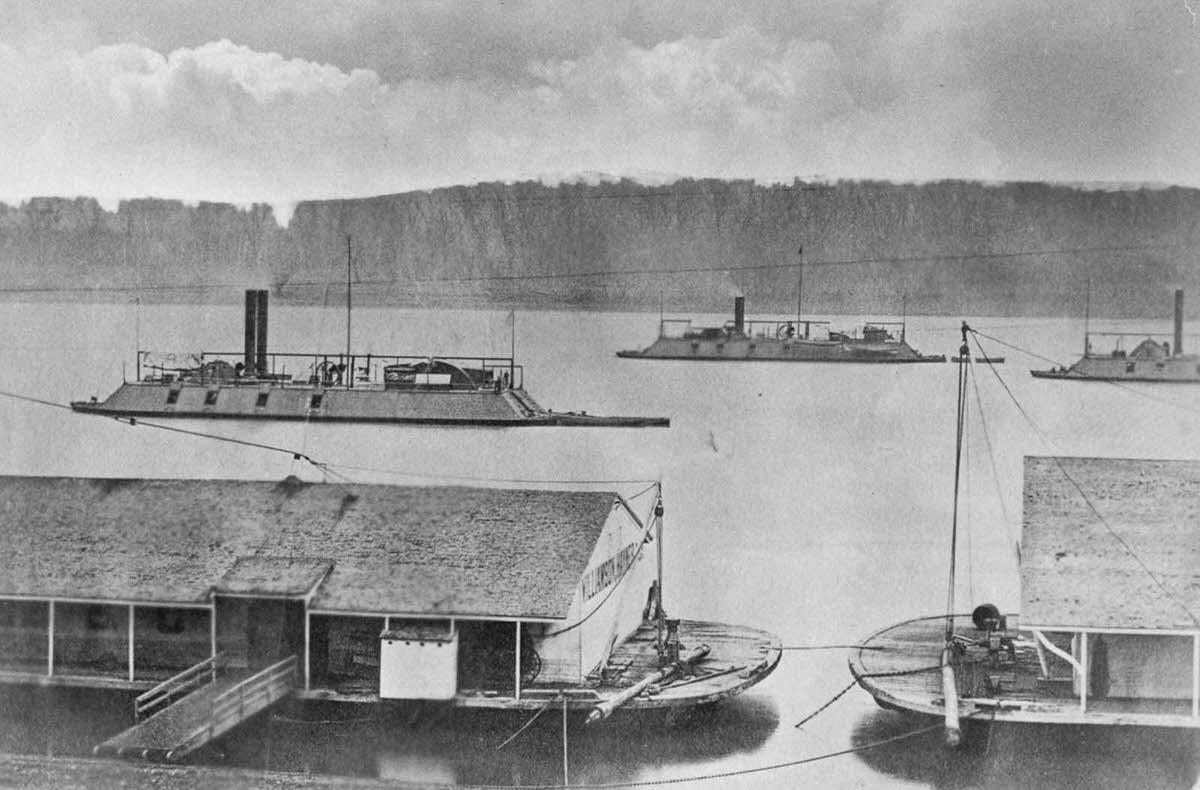
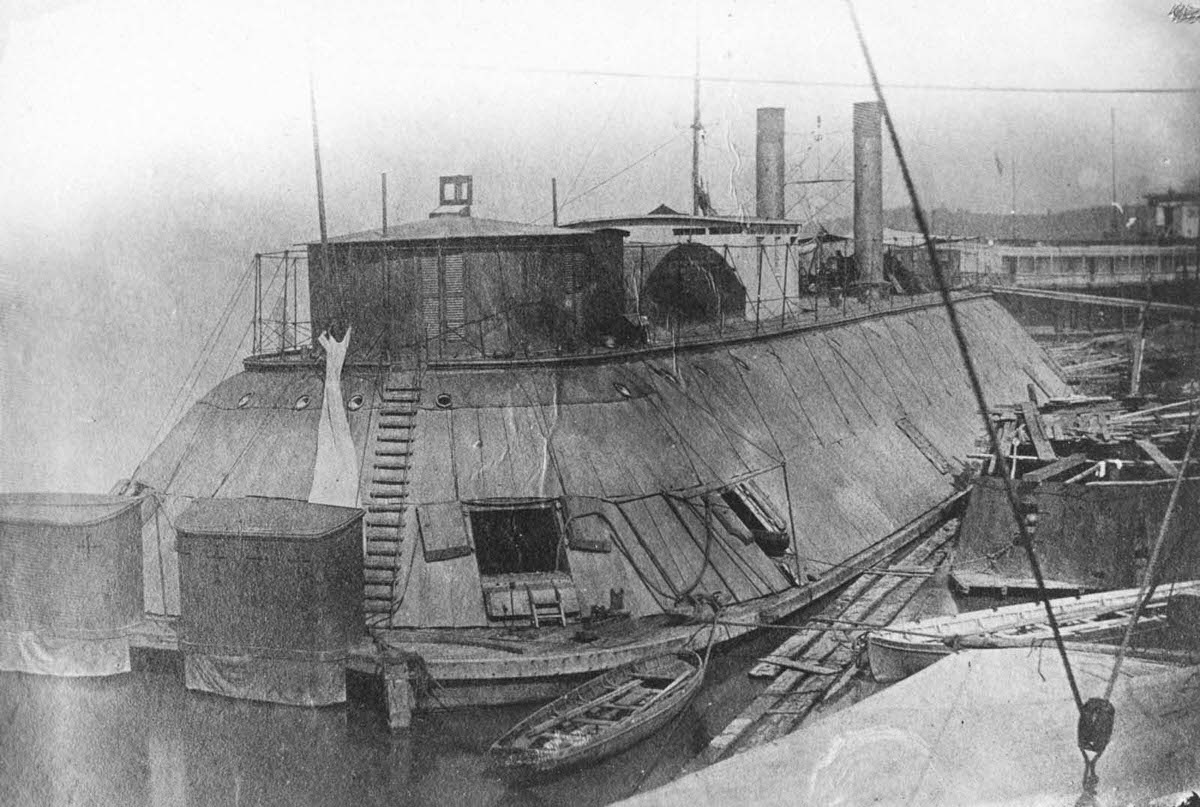
By 1864, the Union’s ironclad fleet on the Mississippi was a dominant force. Ships like the Essex had moved far beyond their origins as converted river steamers. They operated as fully integrated weapons platforms, supporting troop movements, bombarding Confederate fortifications, and enforcing the naval blockade that strangled Southern supply lines.
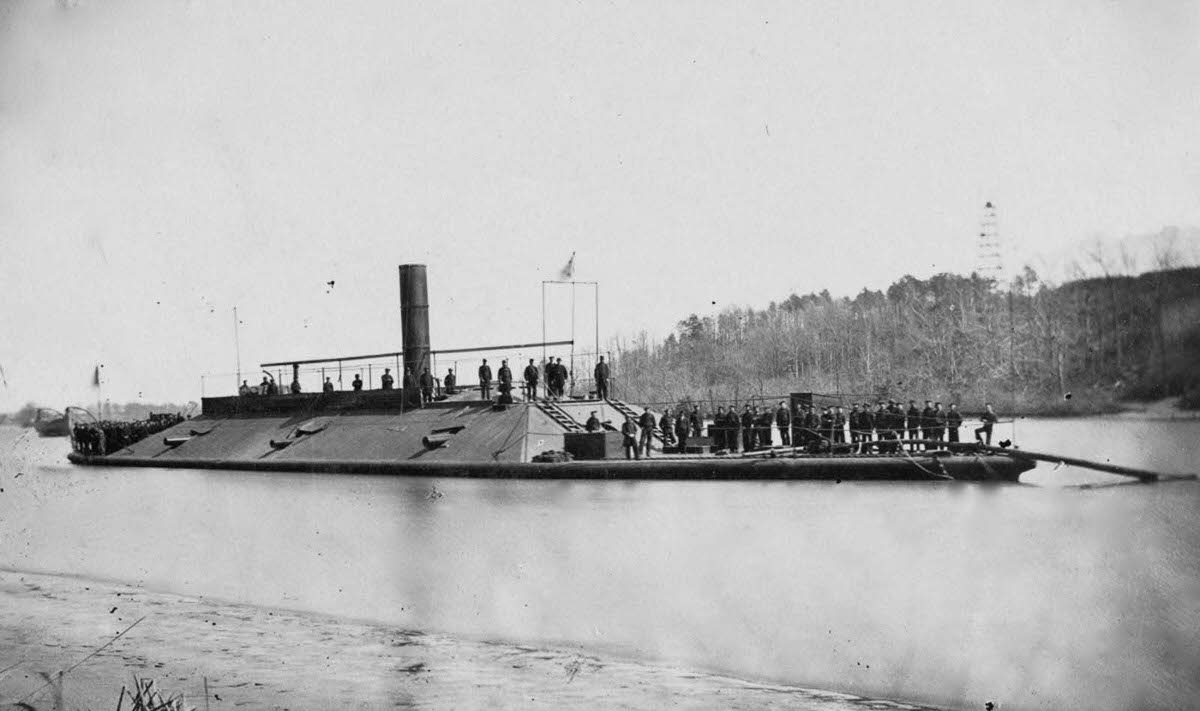
The Confederate Navy built its own ironclads with fewer resources and under far more difficult conditions. The CSS Atlanta was one such vessel — a converted merchant ship armored and armed for combat. She was captured by Union forces in 1863 after running aground during an engagement with Union monitors in Georgia’s Wassaw Sound. The capture illustrated a recurring Confederate problem: even well-armored ships were vulnerable when they couldn’t maneuver freely.
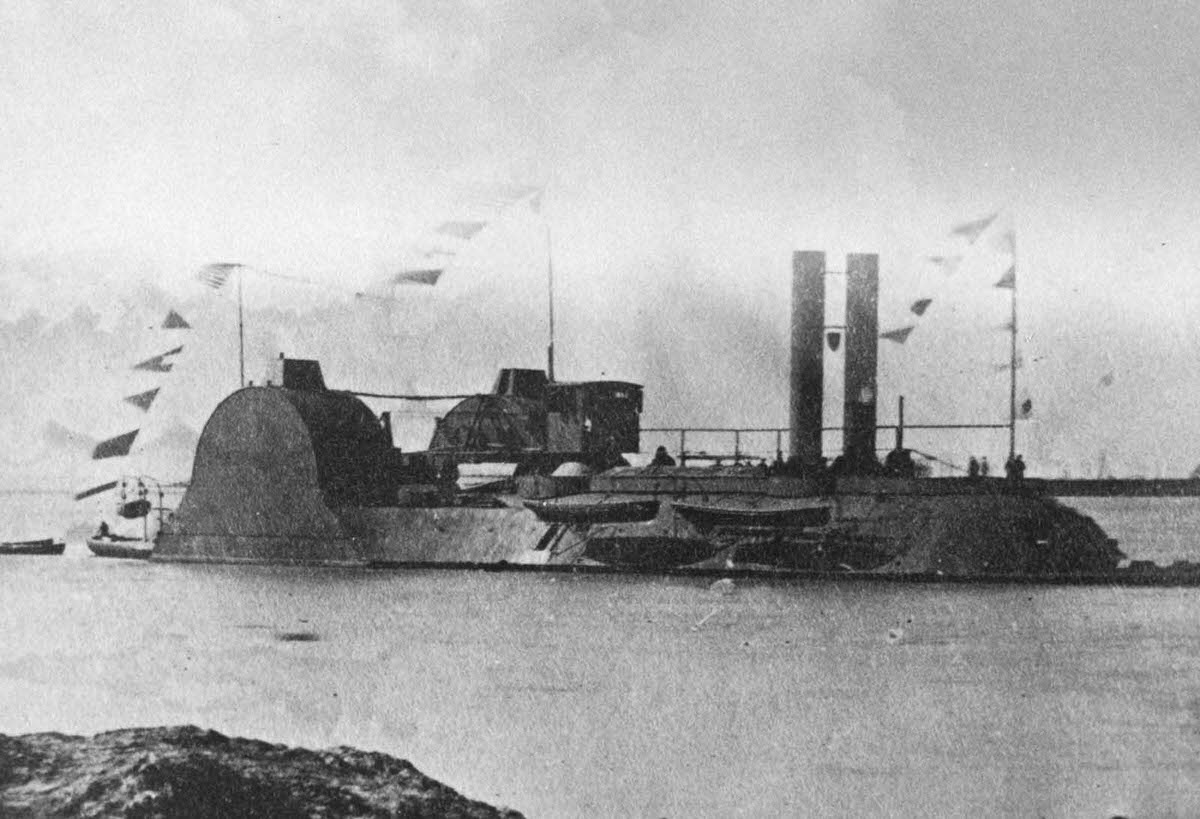
The Battle of Mobile Bay in 1864 made the shift in naval power unmistakably clear. The Union fleet included eleven wooden ships, but the critical blow against the Confederate defenses required the Monitor-class ironclads. Their target was the CSS Tennessee, a powerful Confederate ironclad defending the bay. Without the Union’s armored vessels, the Tennessee could not have been defeated. Wooden ships alone would not have survived the engagement.
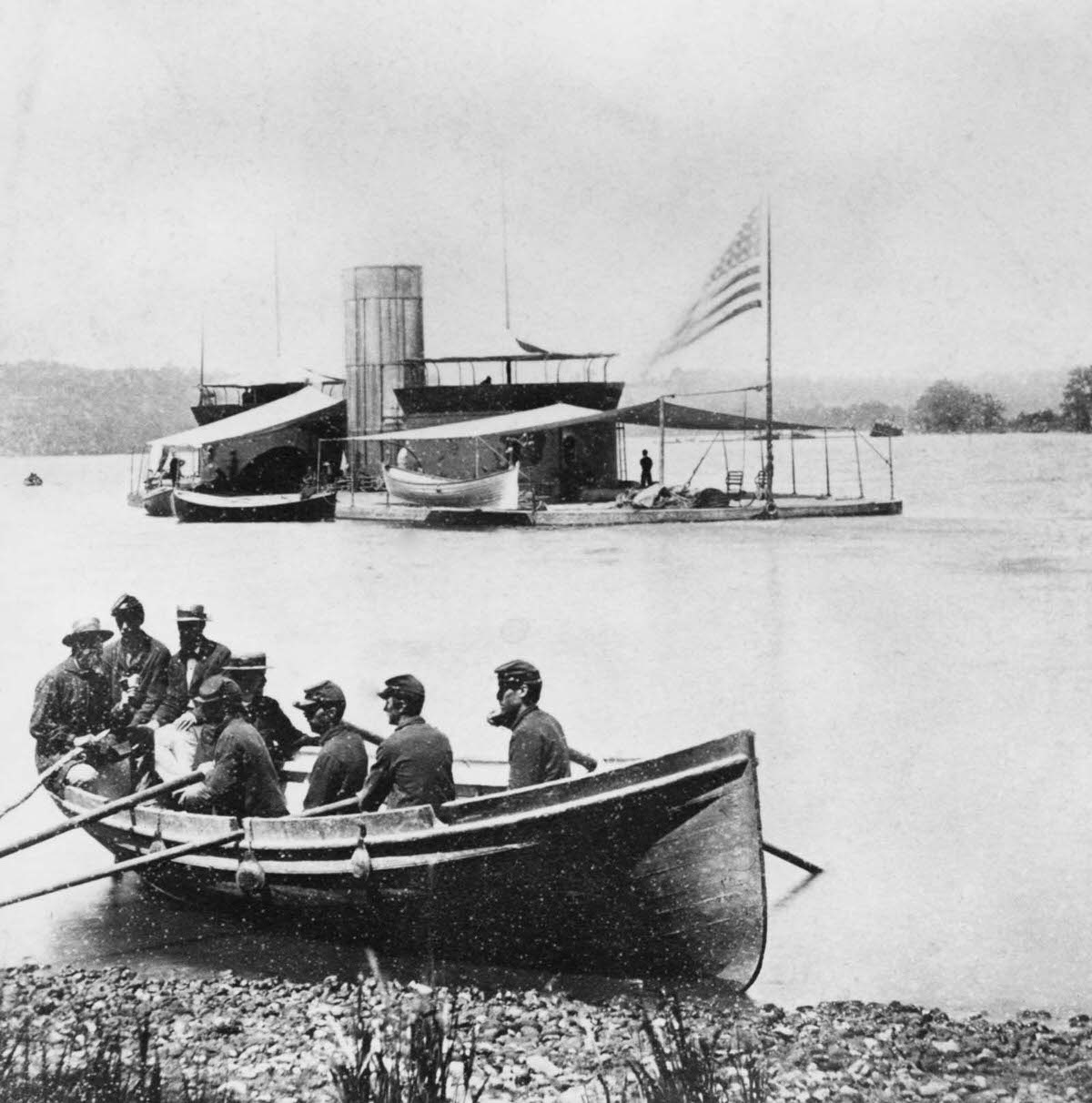
The James River in Virginia was another theater where ironclads played a defining role. Union gunboats patrolled these waters regularly, supporting operations against Richmond and holding Confederate forces at bay along the riverbanks. The risks were real. The USS Galena, an early Union ironclad, took direct hits from Confederate shore batteries during operations on the James, leaving cannonballs visibly embedded in her iron sides — a testament to just how brutal the fighting along these waterways became.
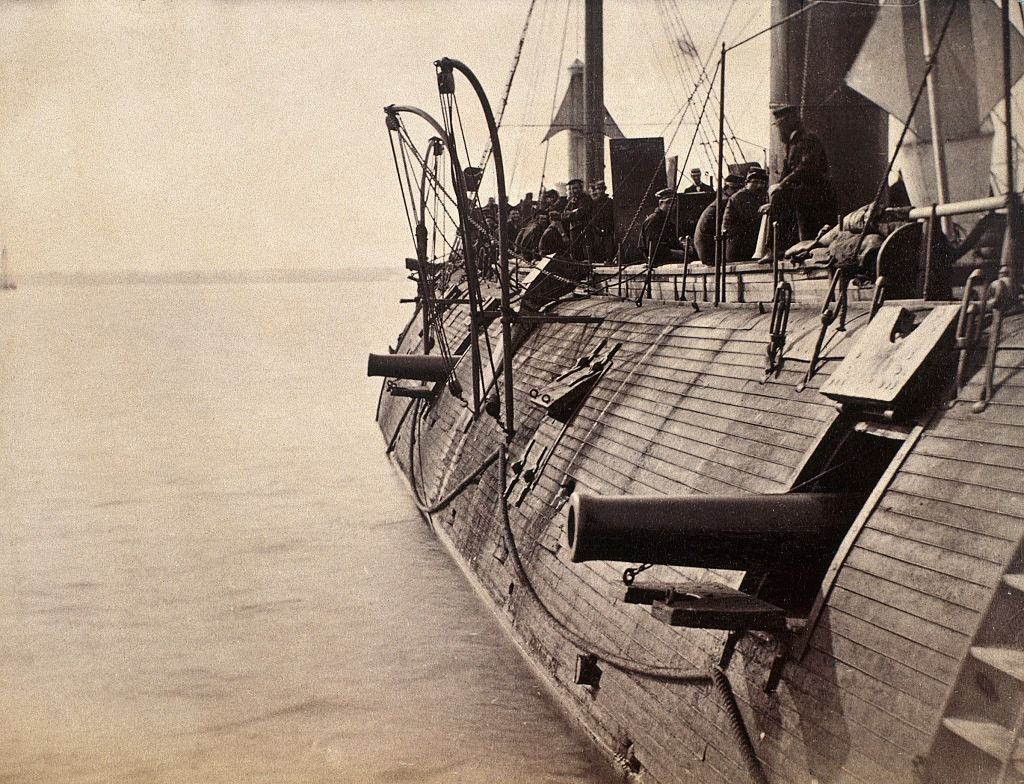
By 1864, the last significant naval engagement fought primarily by wooden warships had already taken place. Navies around the world had watched the American Civil War closely, and the lesson was plain: iron and steam had replaced wood and sail. Every major naval power began retiring its wooden fleets and investing in armored, engine-driven warships. The Civil War had compressed decades of naval evolution into just a few years of combat, and the ships that fought on its rivers and coastlines set the template for every warship that followed.