The Inca were originally one of many tribes centered around Cuzco, in what is now Peru. Over time, they built the most powerful and wealthy empire in pre-Columbian South America. At its height, the Inca Empire stretched along the western edge of the continent, running through the towering peaks and deep valleys of the Andes Mountains. Their reach extended across modern-day Peru, Ecuador, Bolivia, Chile, Argentina, and Colombia.
The Inca never developed a written language, but that did not stop them from keeping detailed records. They used a system called quipus — sets of knotted strings where the size, color, and position of each knot encoded information. These were used to track taxes, census data, military records, and important historical events. Trained record-keepers called quipucamayocs were responsible for reading and creating them.
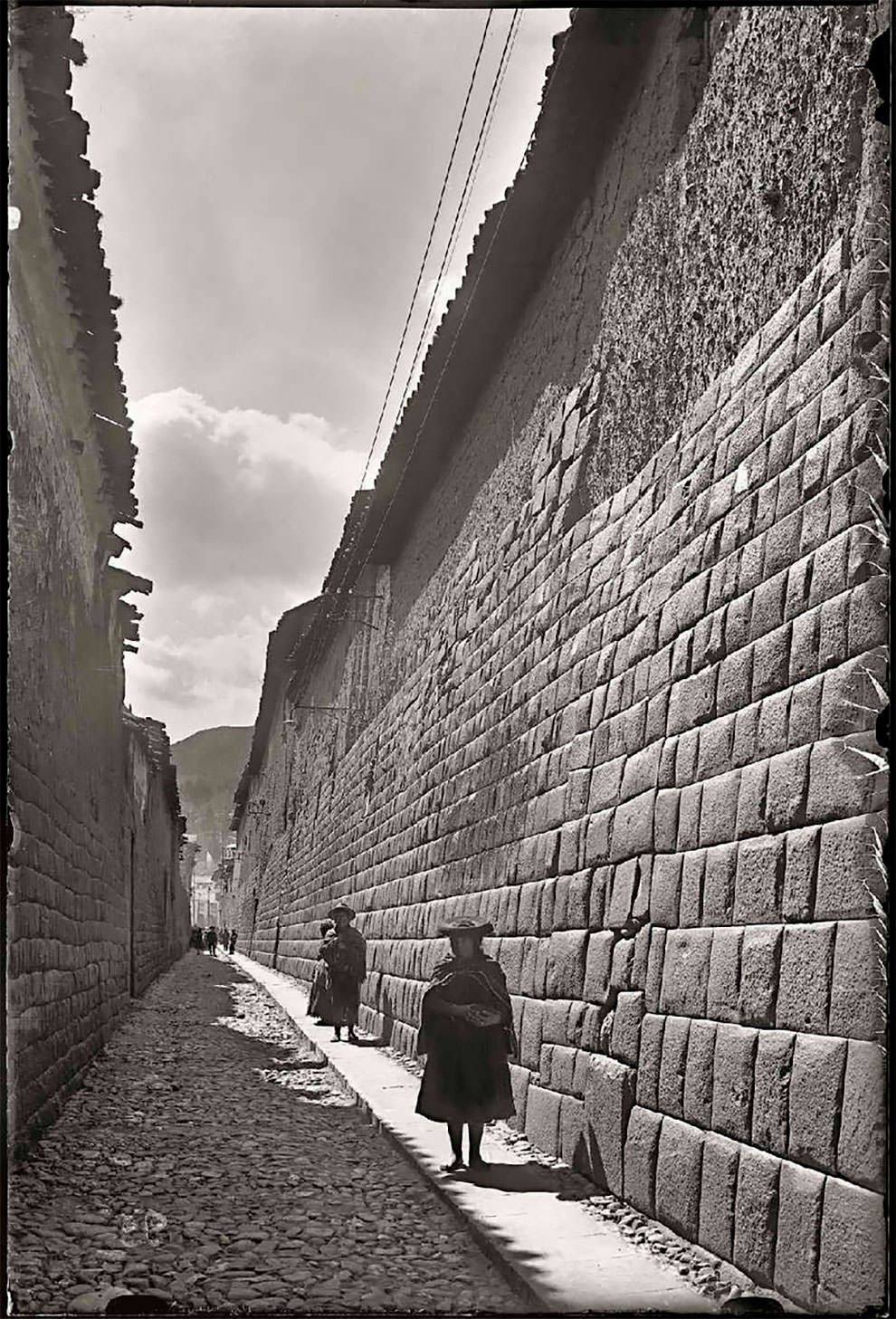
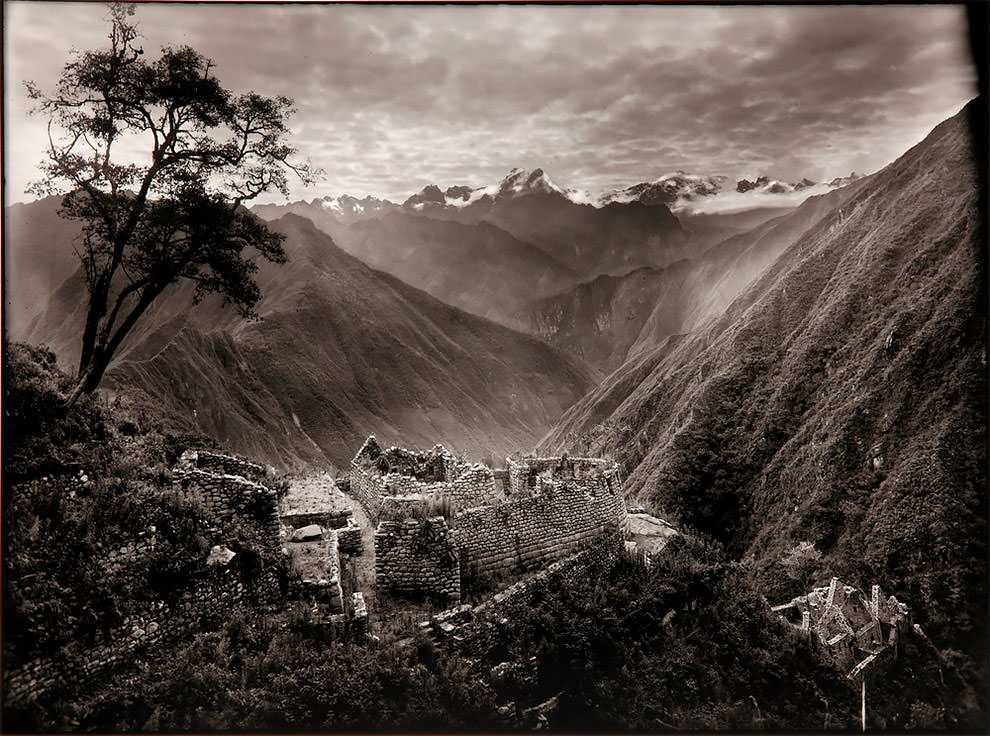
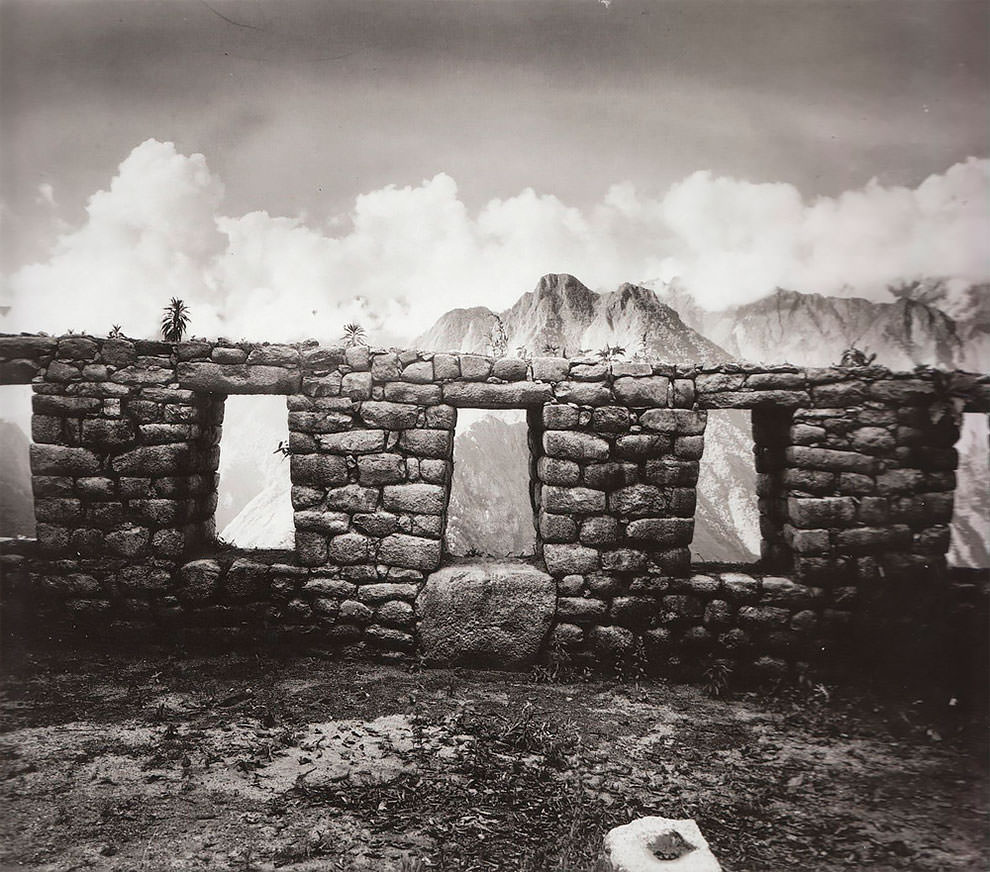
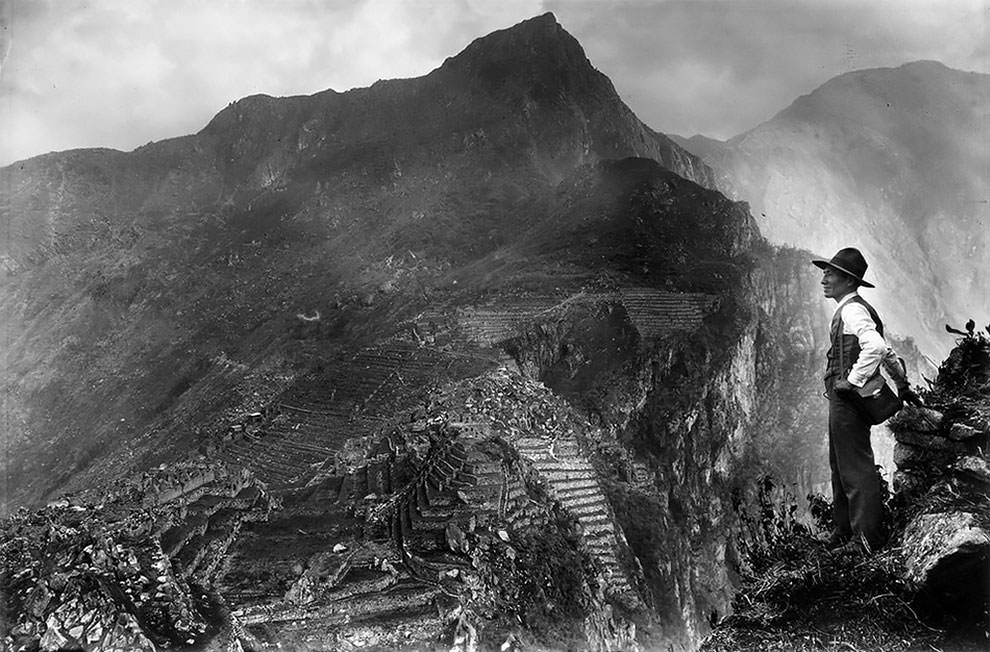
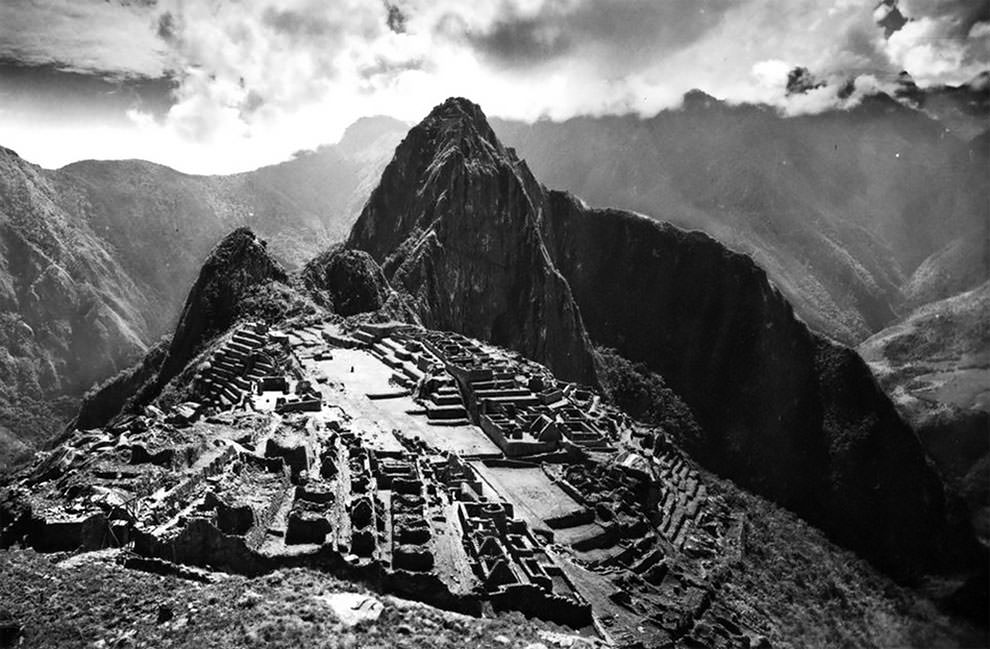
Among the most recognized achievements of the Inca are their stone structures. Sacsayhuaman, a massive fortress complex near Cuzco, was built using stones so large and so precisely fitted together that no mortar was needed. Some individual blocks weigh over 100 tons. Machu Picchu, perched high above the Urubamba River valley, is another example of their engineering skill. Built in the 15th century, it includes temples, terraces, and residential areas all carved into a steep mountain ridge.
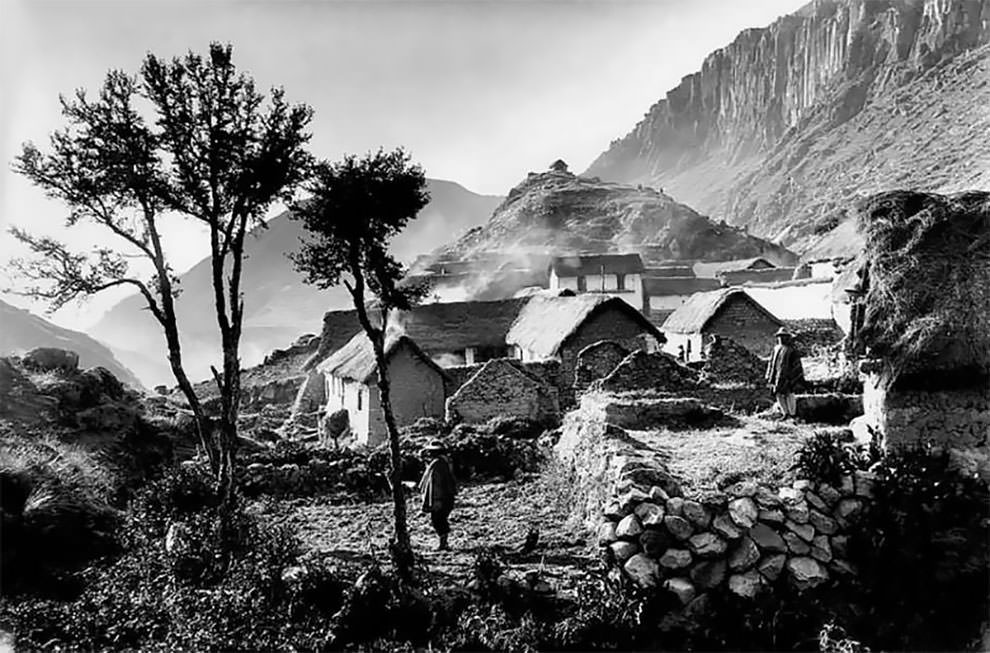
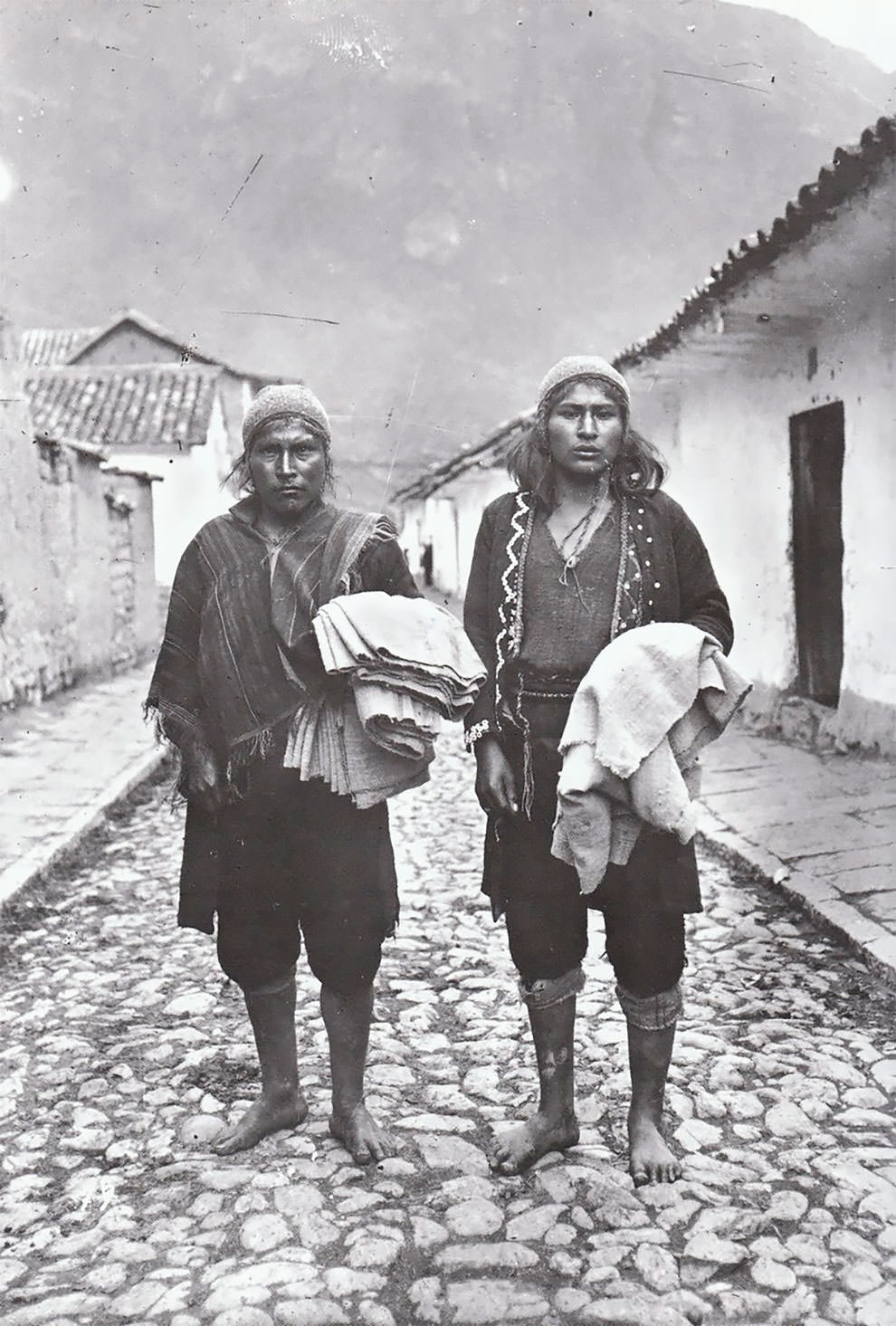
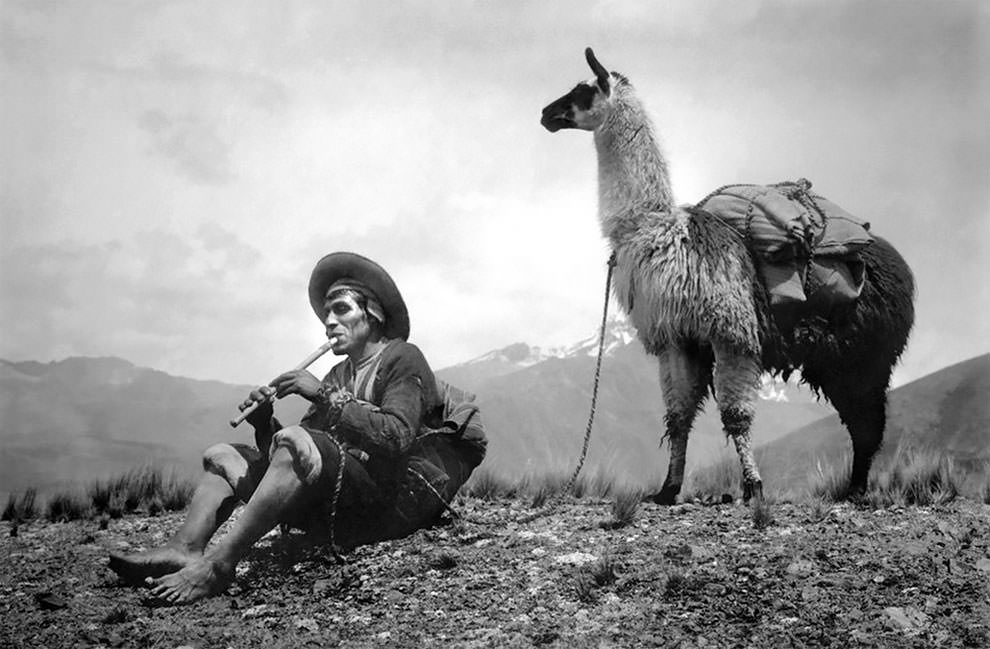
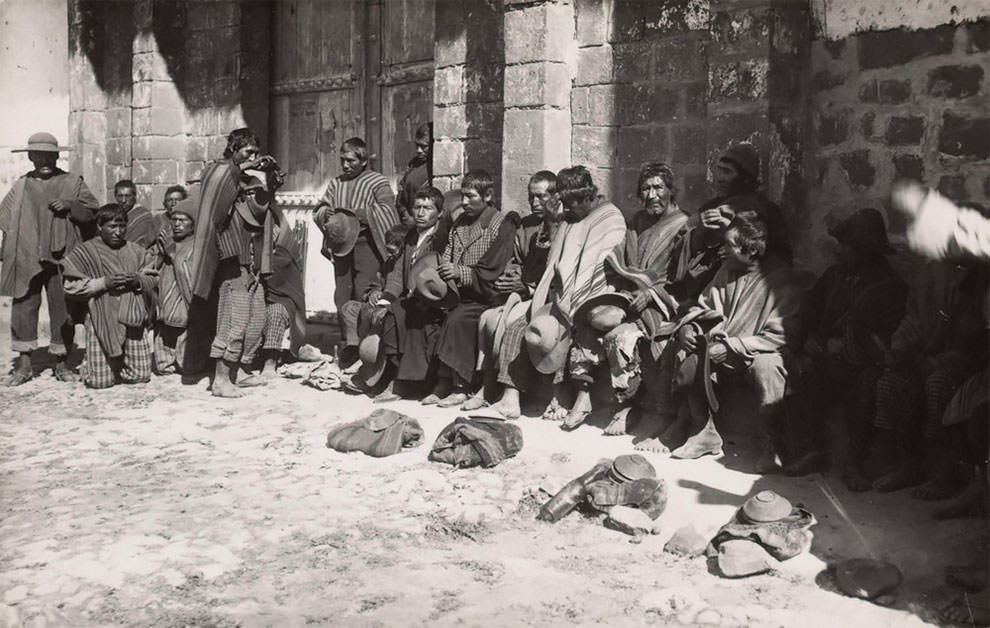
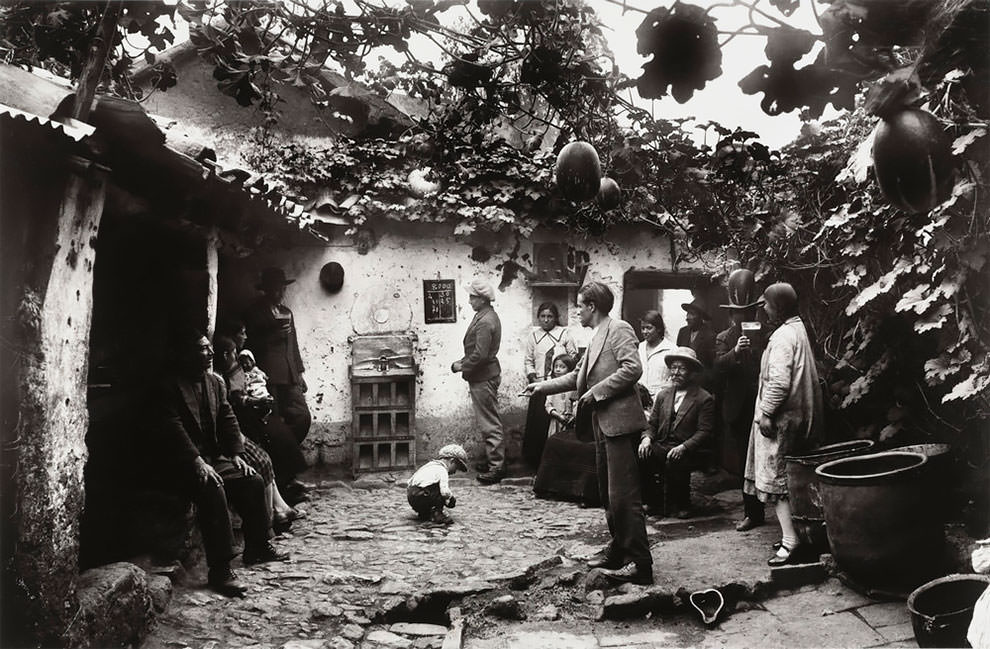
Daily life in the Andes for the descendants of the Inca in the early 20th century still carried strong traces of their ancestors’ customs. Communities relied heavily on farming, raising llamas and alpacas, weaving textiles, and practicing religious ceremonies tied to the land and the sun. The social structure was tight-knit, with families and communities working together under well-established traditions.
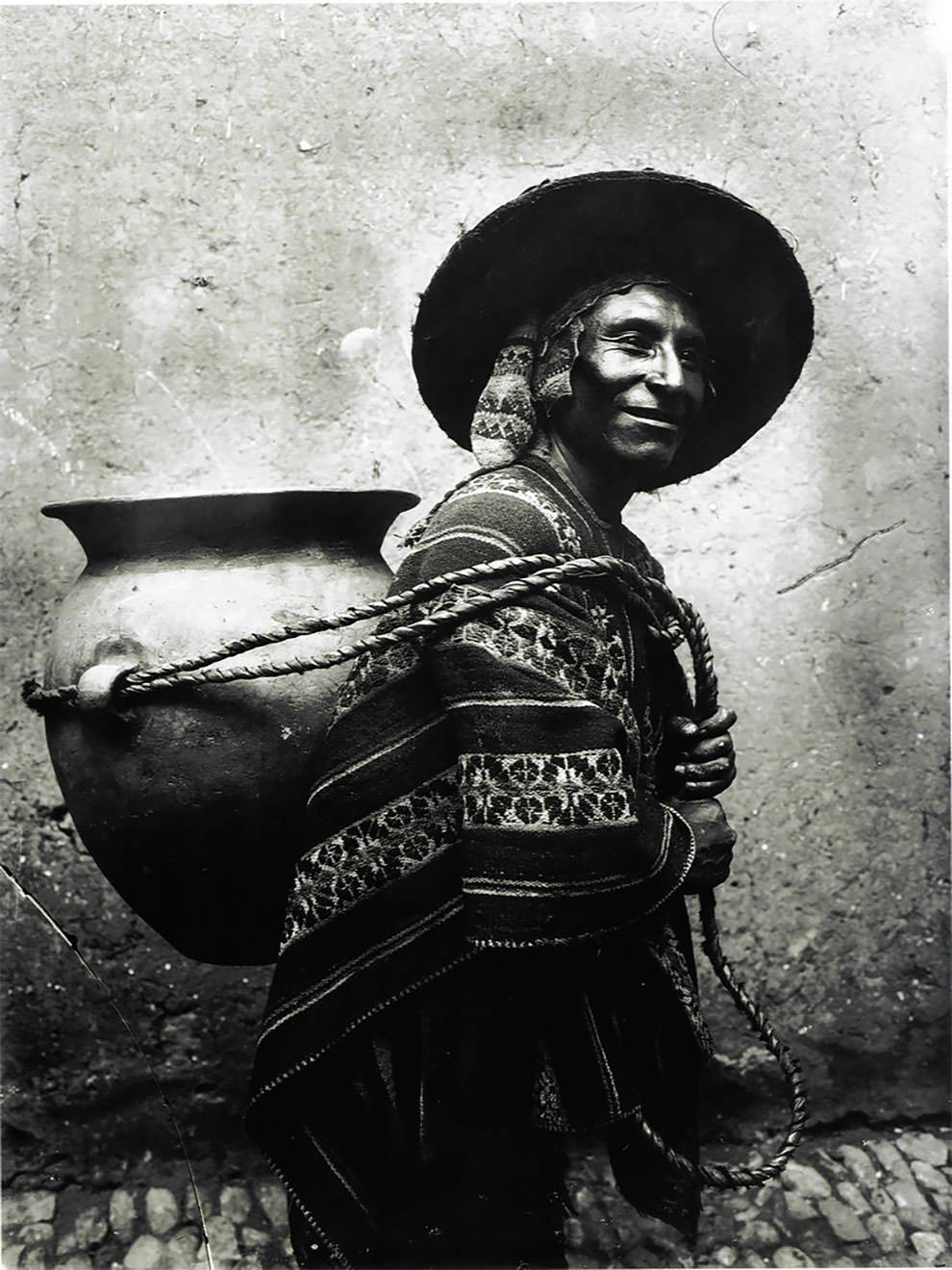
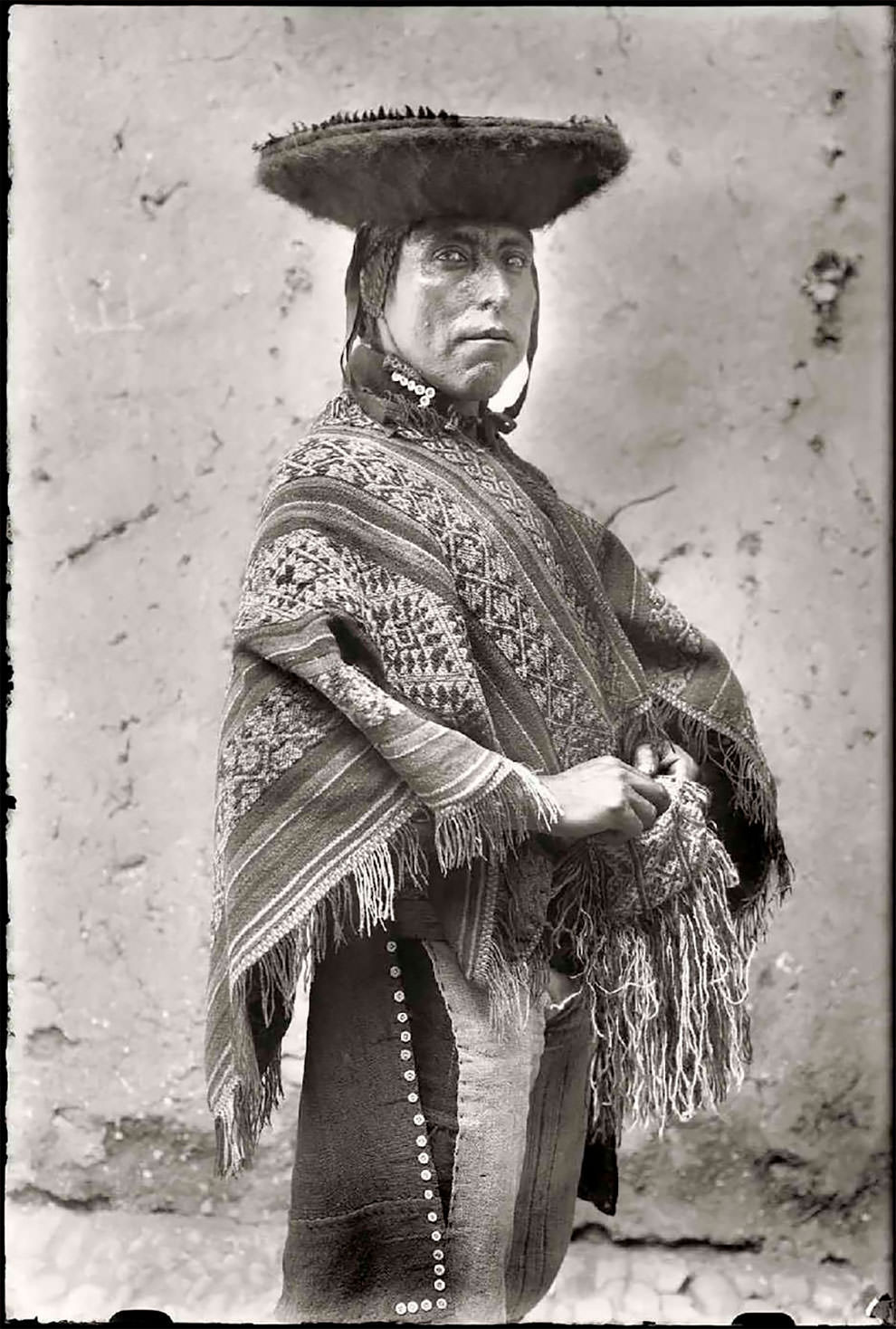
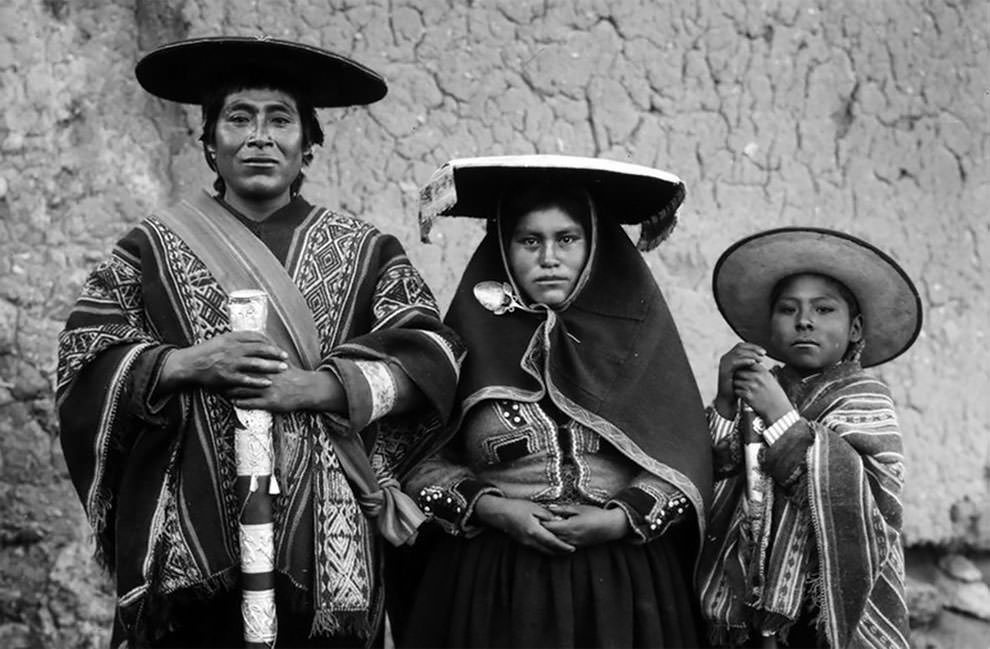
The photographer who brought much of this world to wider attention was Martín Chambi. Born in 1891 in Coaza, a small town in southern Peru, Chambi was of indigenous Quechua descent. He learned photography while working at a gold mine where a British company employed a photographer. That early exposure set the course of his life. By the 1920s, he had established a studio in Cuzco and was producing some of the most important documentary photography in South American history.
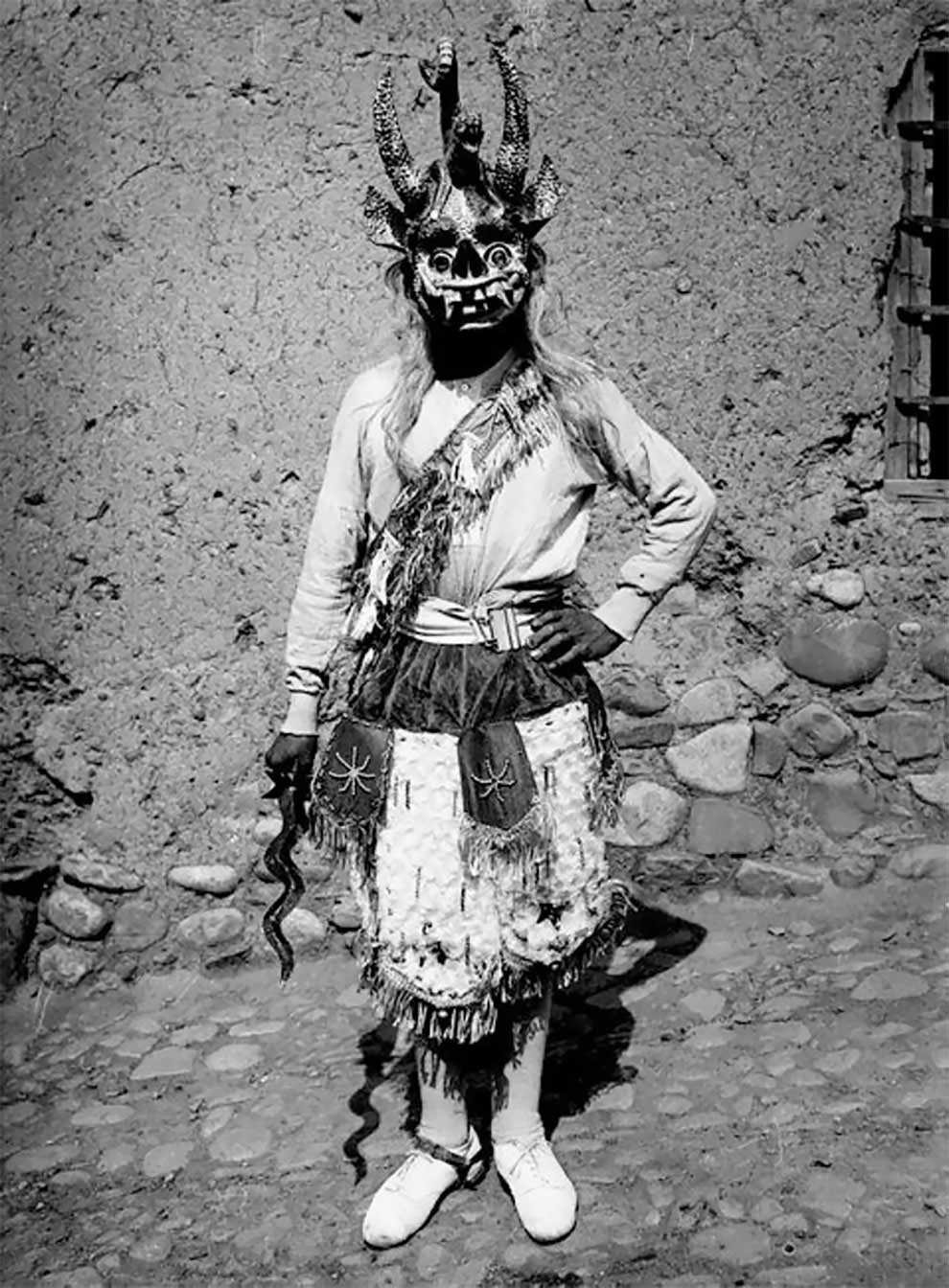
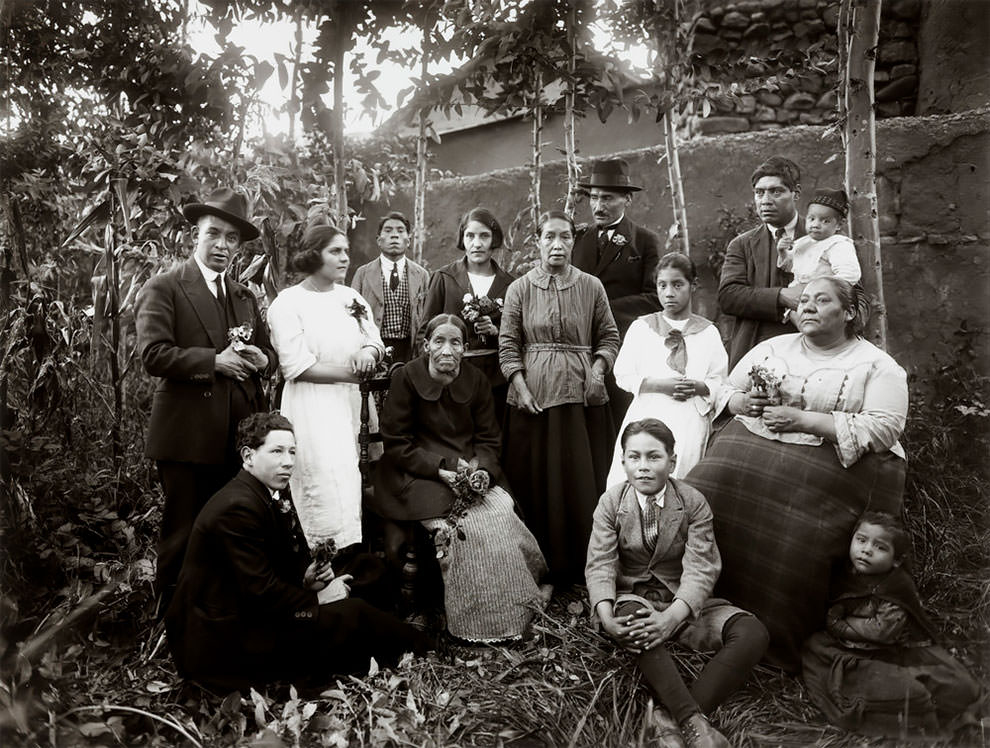
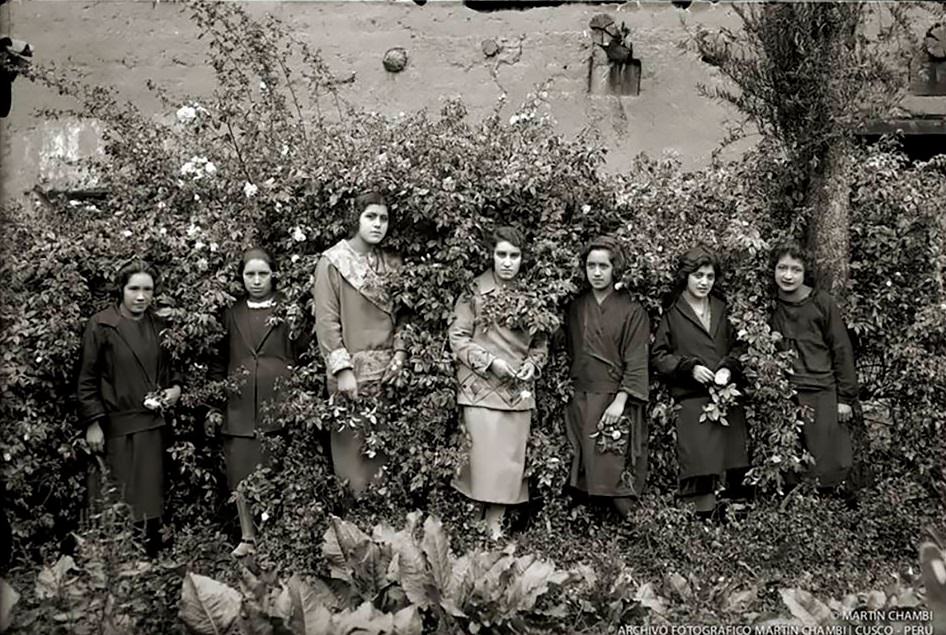
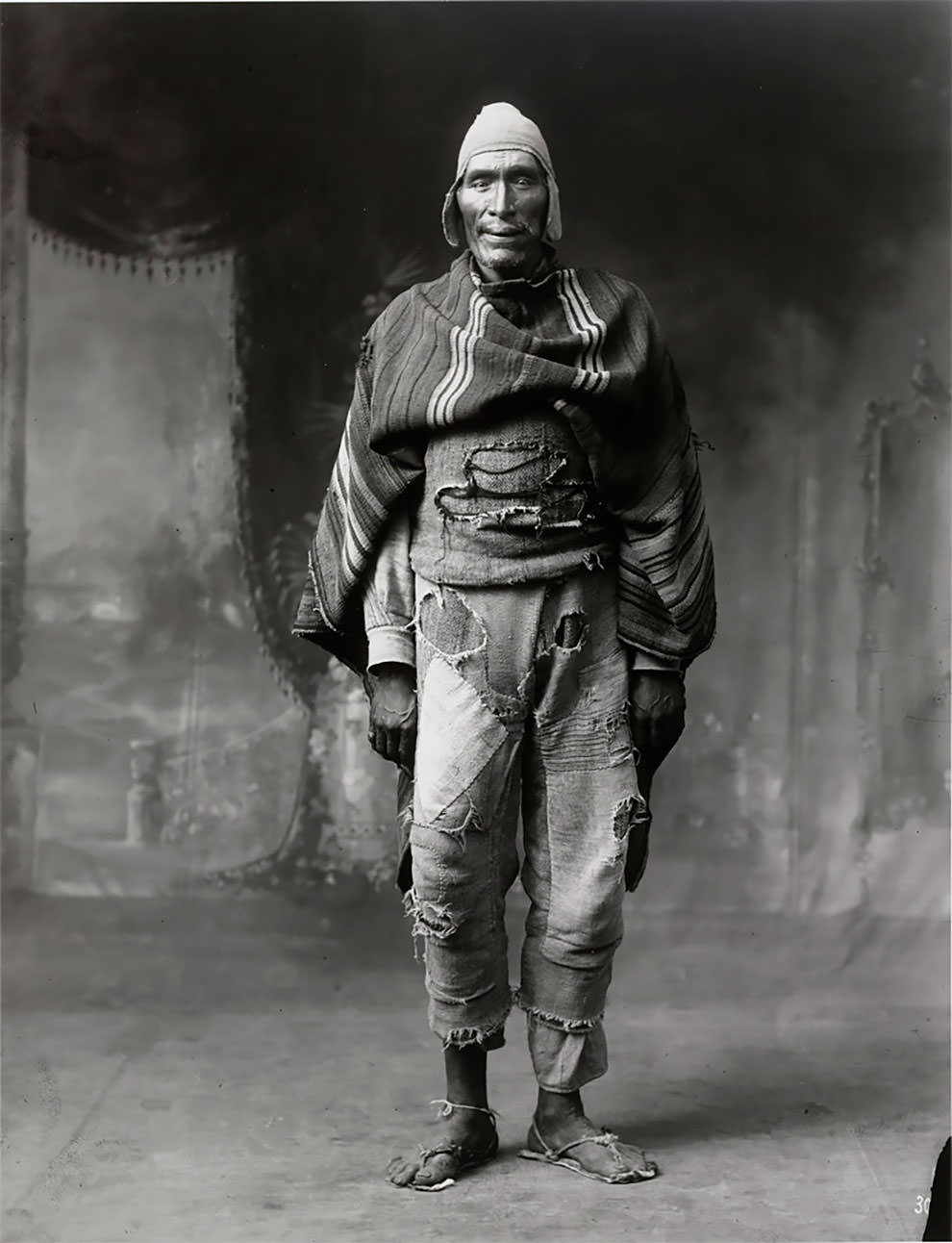
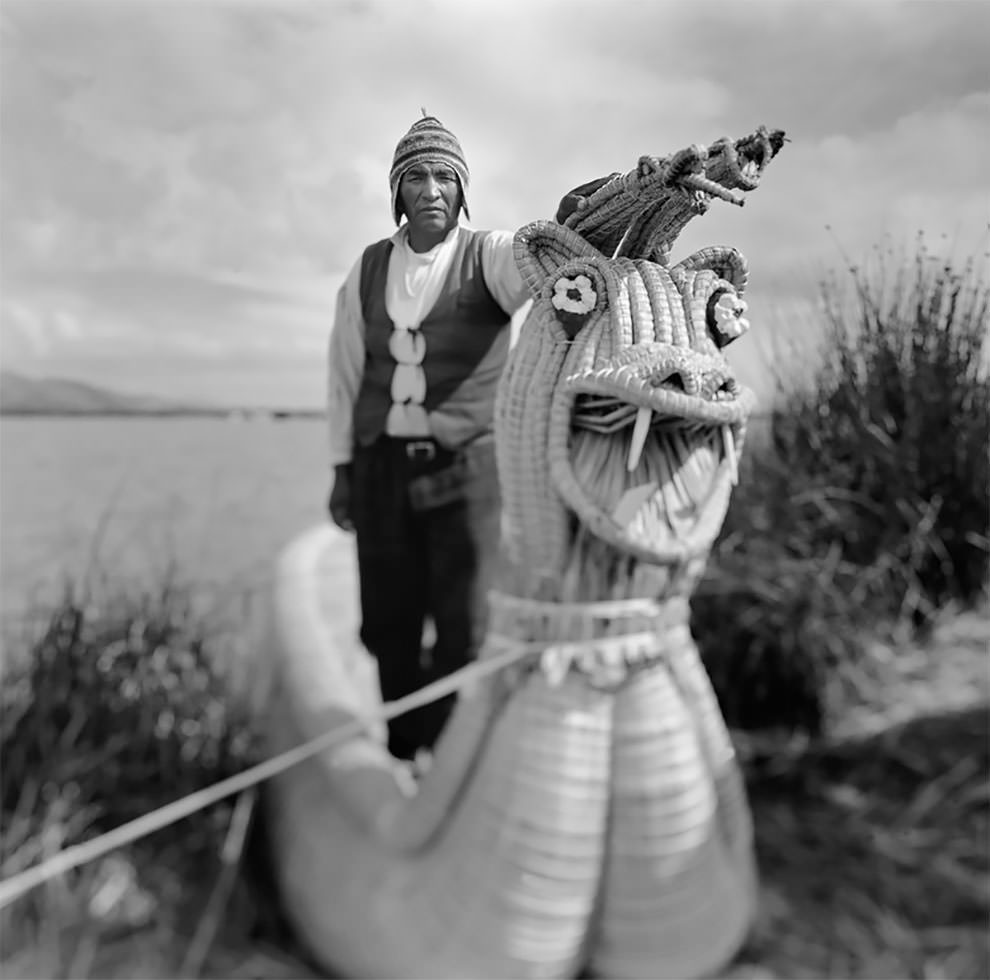
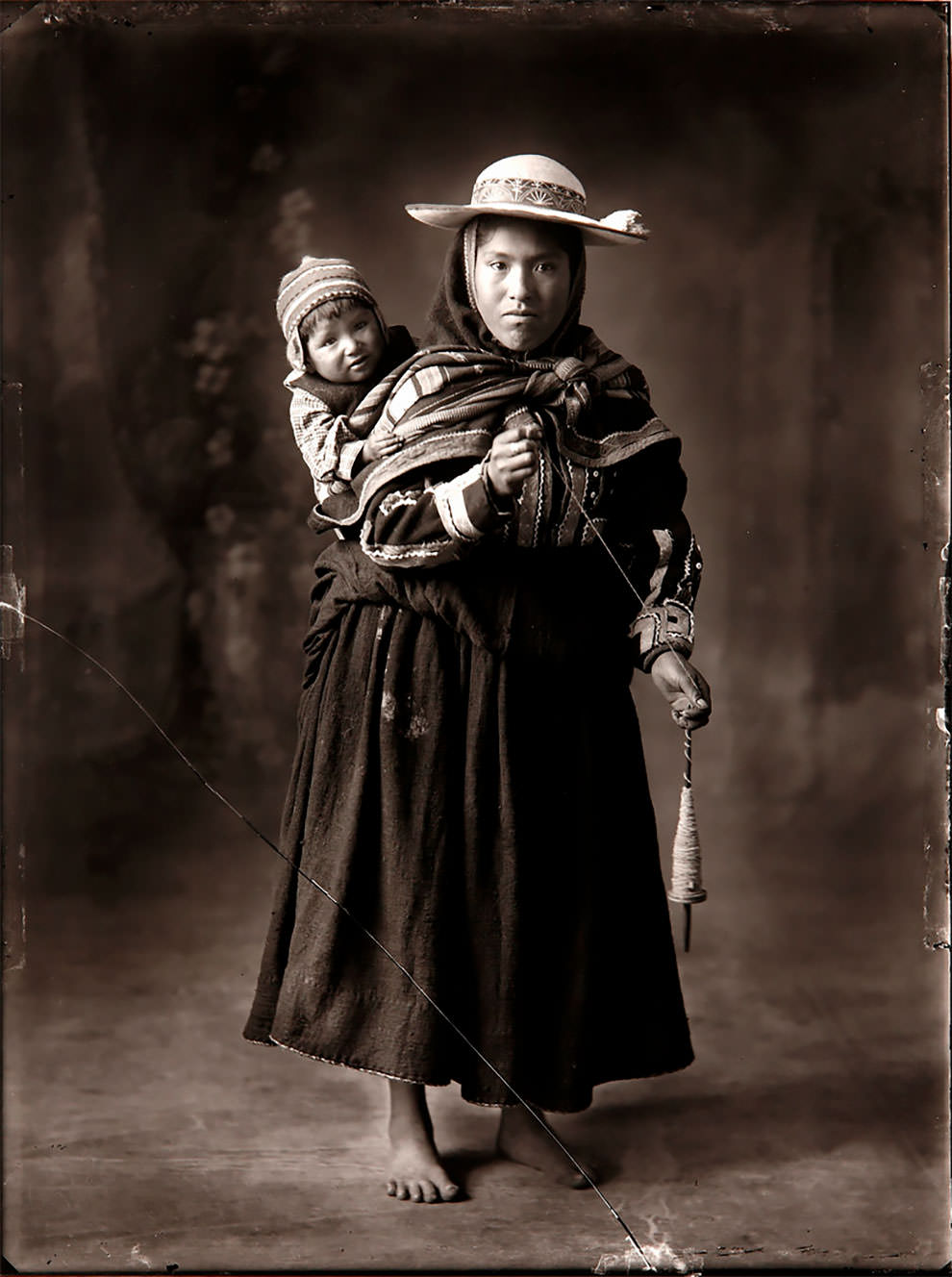
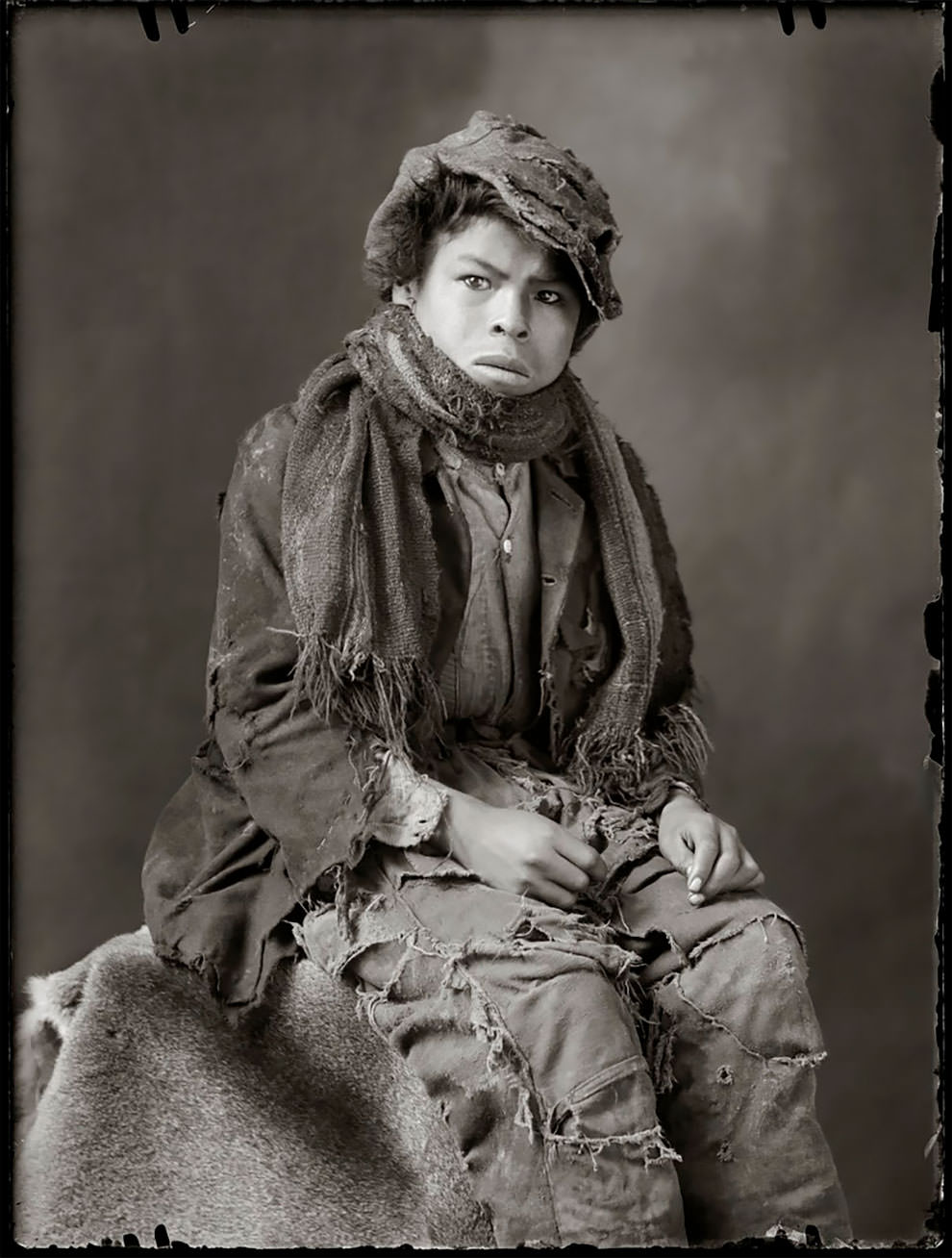
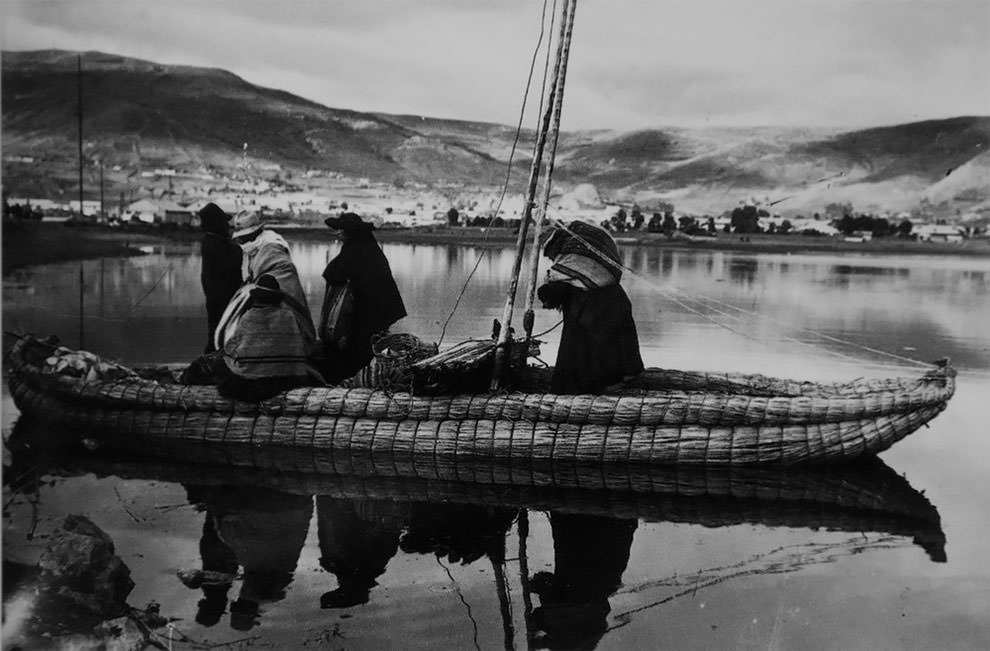
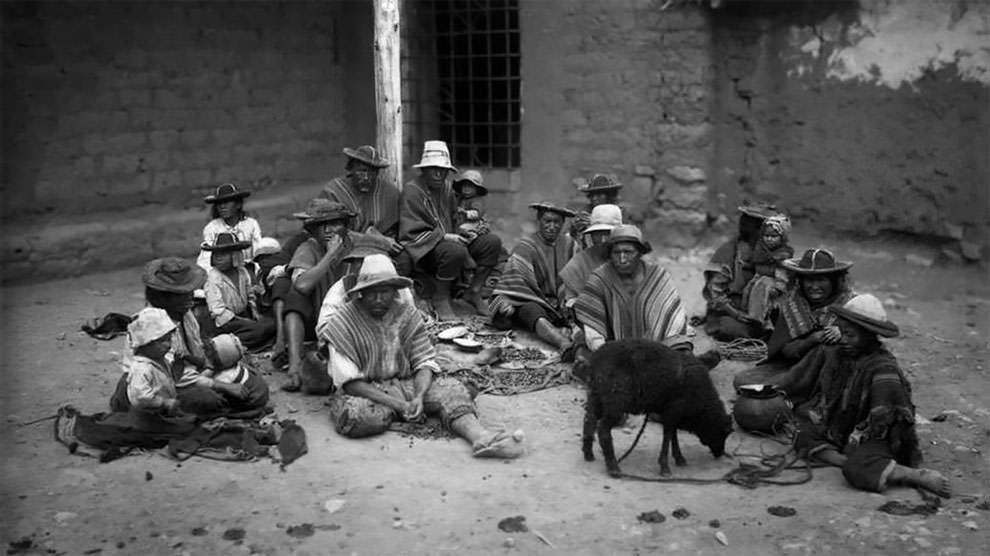
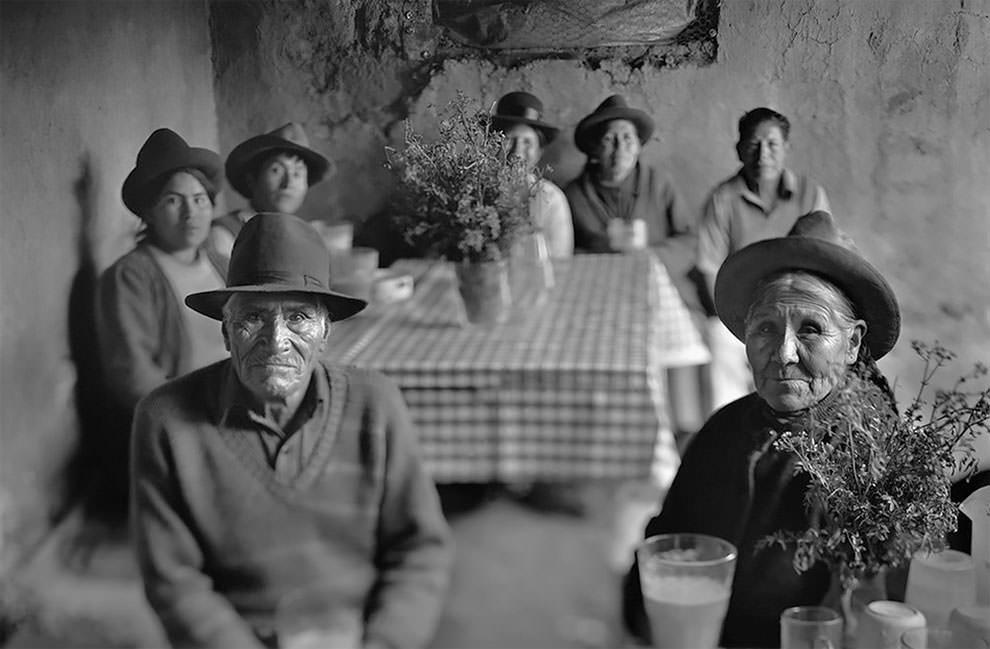
Chambi was among the first indigenous photographers to gain wide recognition in Peru. He traveled extensively through the Andes, capturing not just landscapes but the texture of everyday life — marketplaces, festivals, portraits of farmers and herders, religious ceremonies, and the ruins of ancient Inca sites. His photographs were technically precise and deeply personal. He brought the same care and dignity to portraits of poor rural workers as he did to images of wealthy Cuzco families.
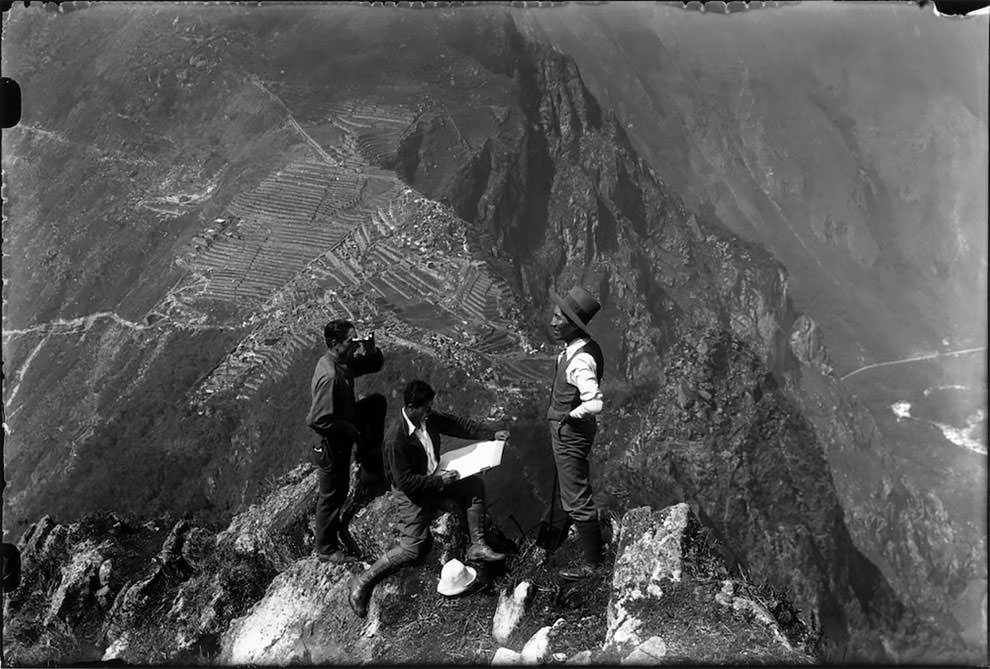
His images of Machu Picchu from the 1920s were among the earliest and most detailed photographs of the site. While Hiram Bingham had brought Machu Picchu to international attention in 1911, it was Chambi’s camera that preserved the site in extraordinary visual detail in the years that followed.
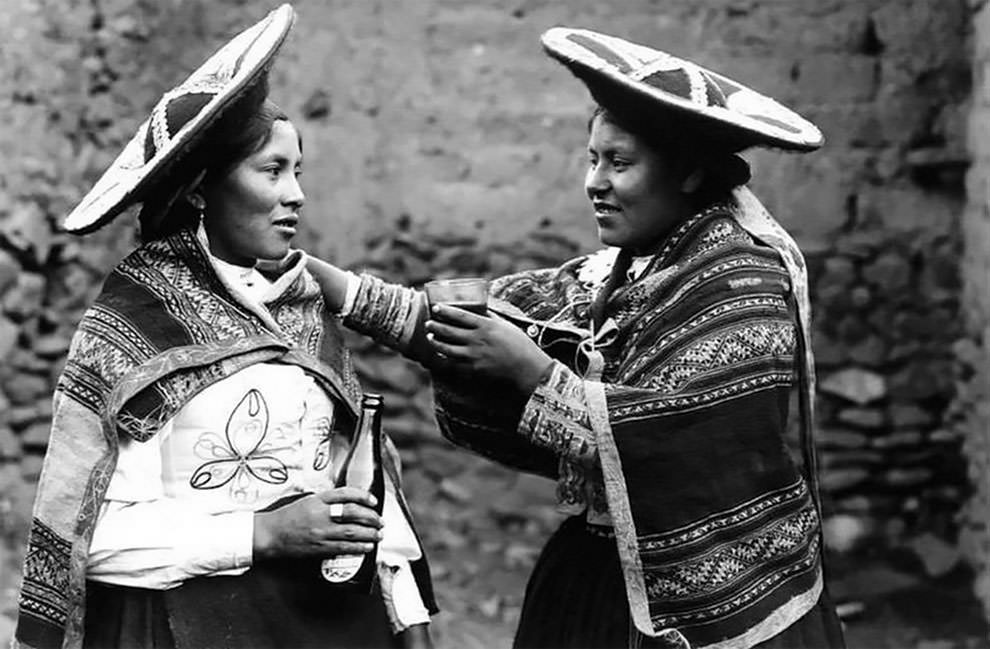
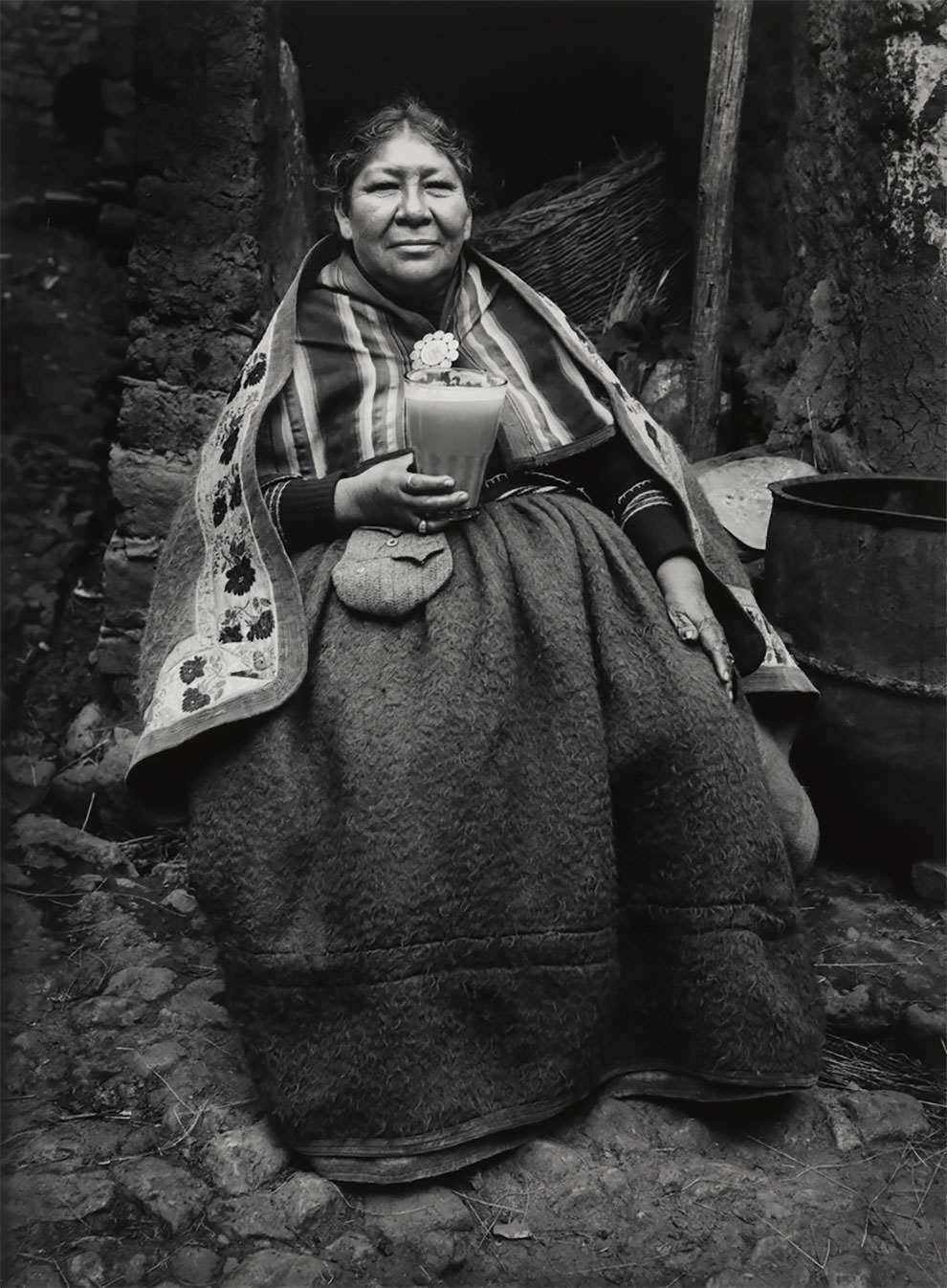
Textile weaving held enormous cultural significance in Andean communities. Women wove garments using techniques passed down for generations, with specific patterns and colors carrying meaning tied to a person’s community, status, or purpose. Llama and alpaca wool were the primary materials. The quality and intricacy of a woven piece reflected the skill of its maker and the pride of the household.
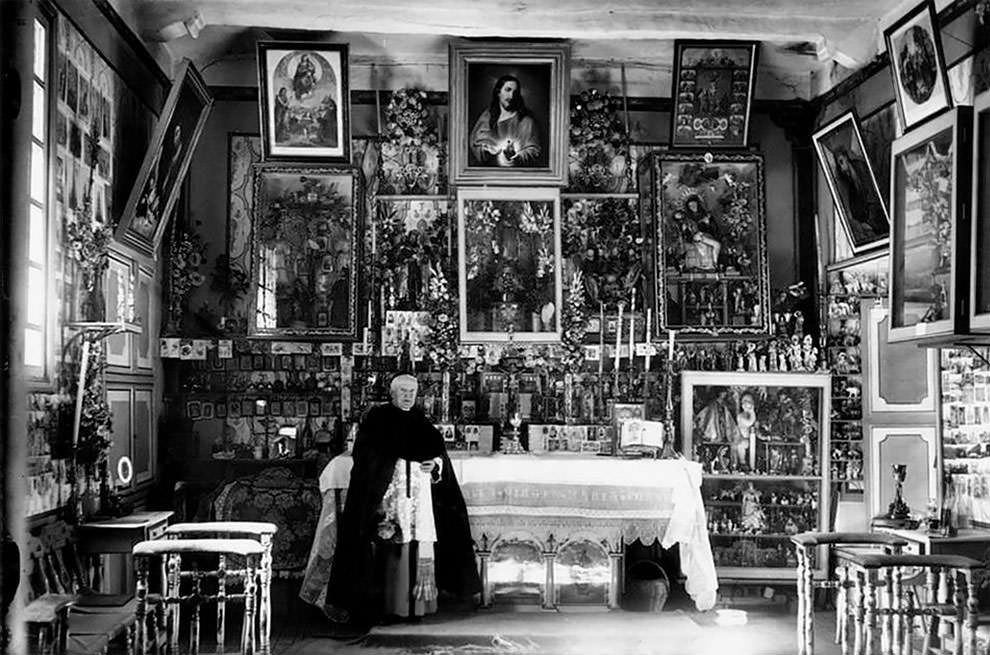
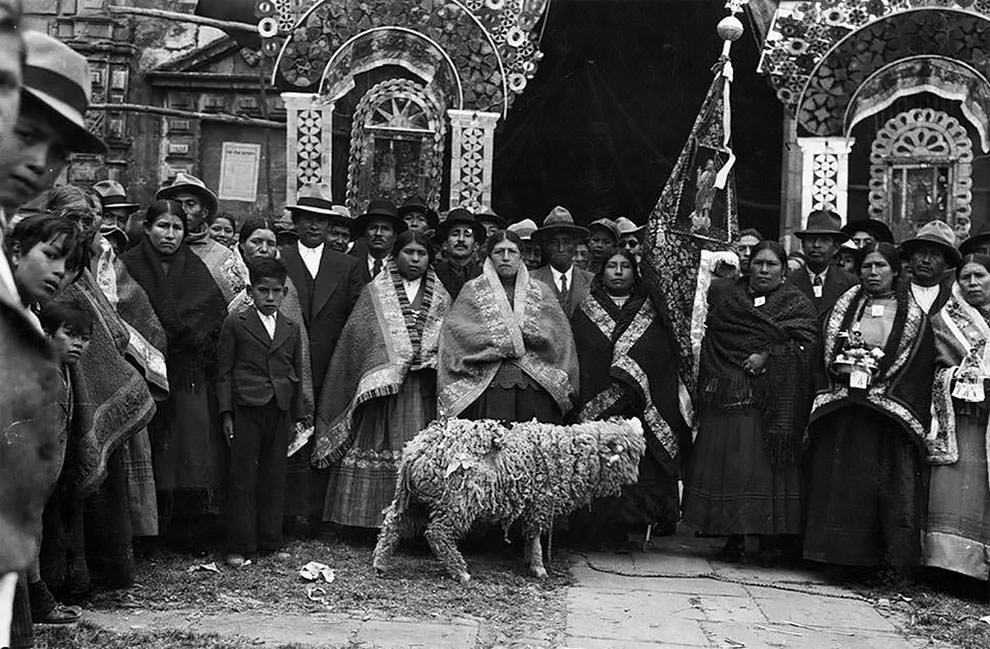
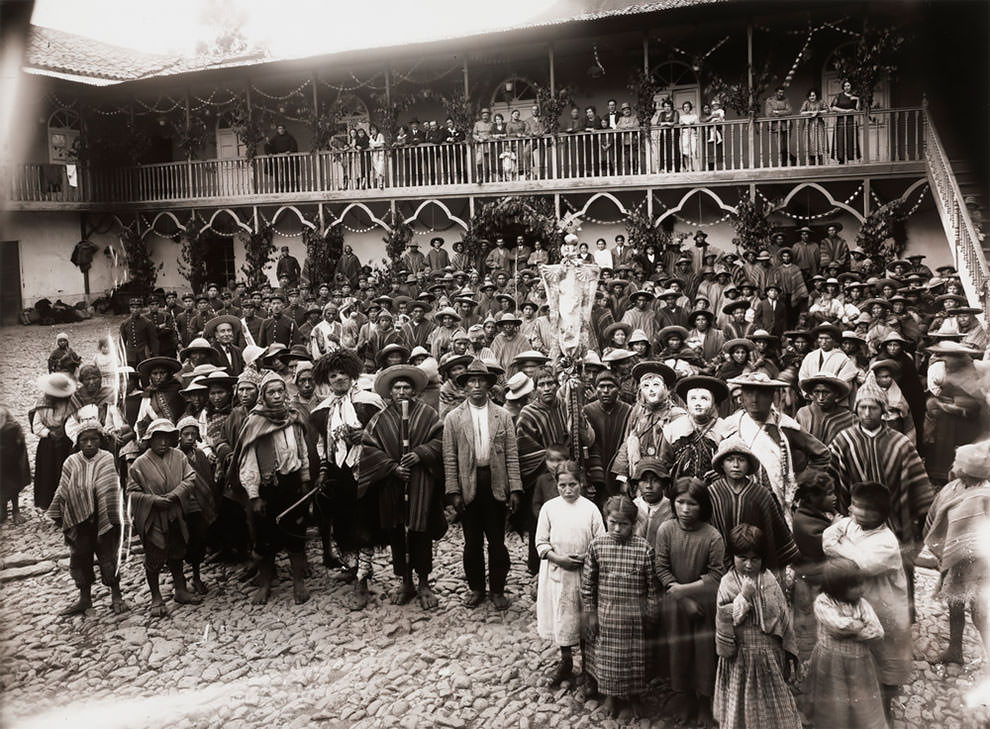
Religion remained central to life in the Andes throughout the early 20th century. While Spanish colonization had introduced Catholicism centuries earlier, many communities blended Catholic practices with older Andean beliefs. Festivals honoring the sun, the earth, and the mountains mixed with Catholic feast days. These hybrid traditions were visible in the clothing, music, and ceremonies that Chambi documented throughout his career.
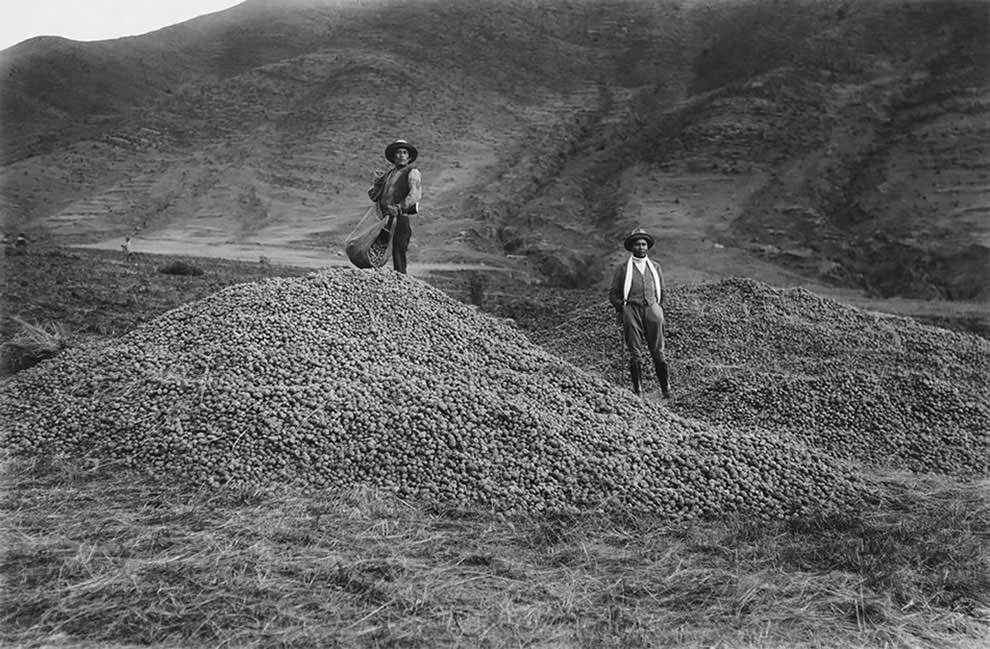
Markets in the Andean highlands functioned as the economic and social heartbeat of rural communities. Vendors traveled from surrounding villages to trade goods including potatoes, corn, dried meats, textiles, and pottery. The potato, originally domesticated in the Andes thousands of years ago, remained a staple crop. Hundreds of native varieties were grown at different altitudes and used in a wide range of dishes.
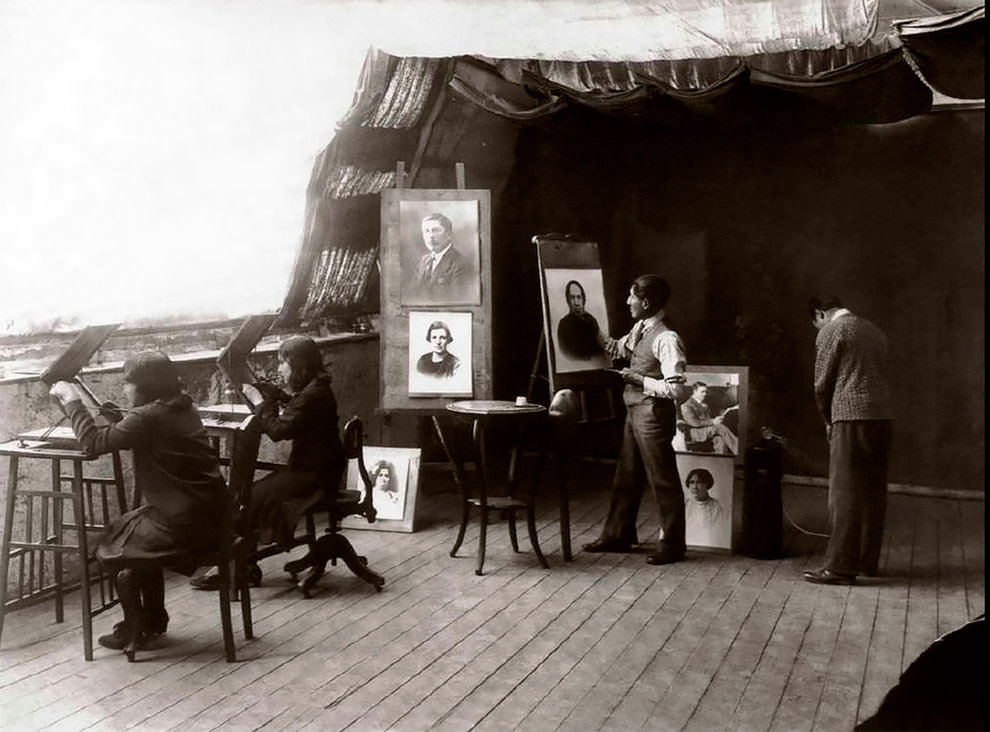
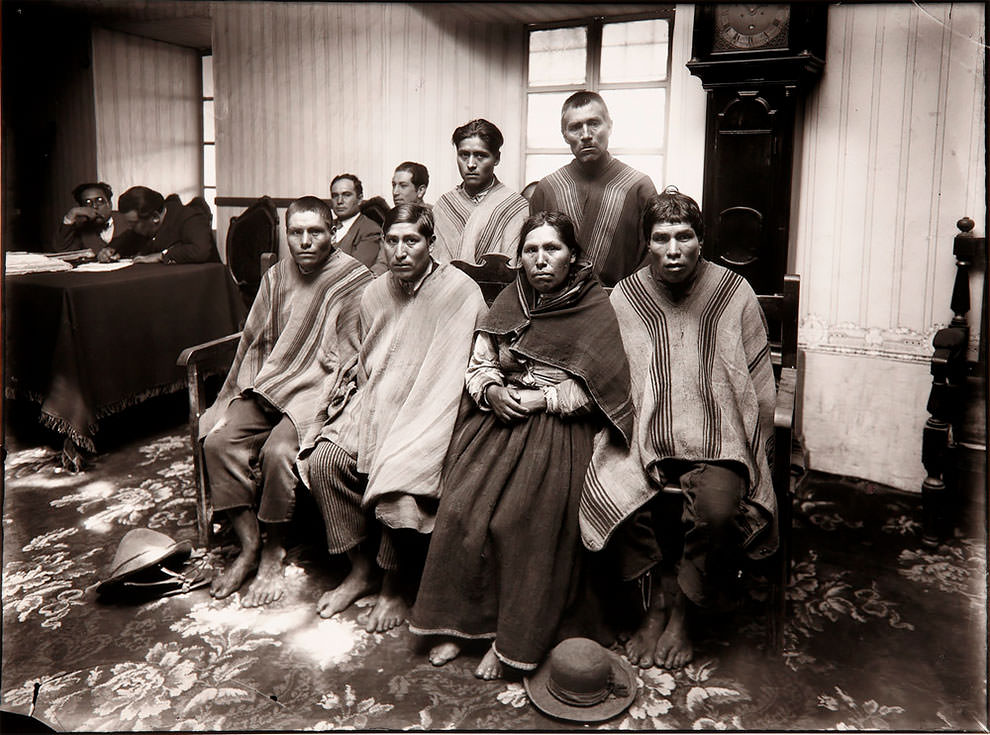
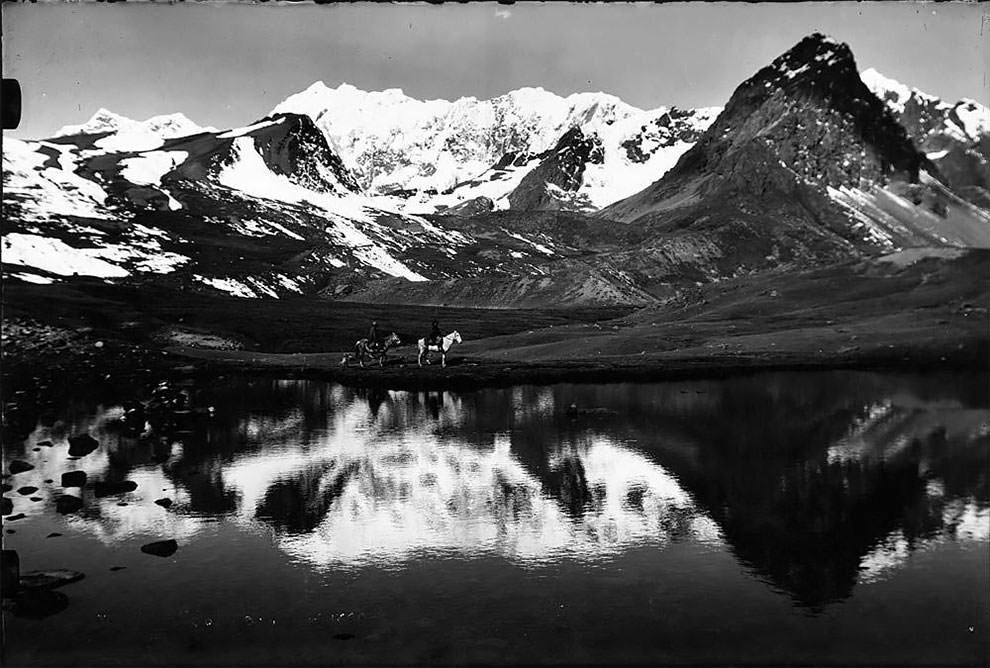
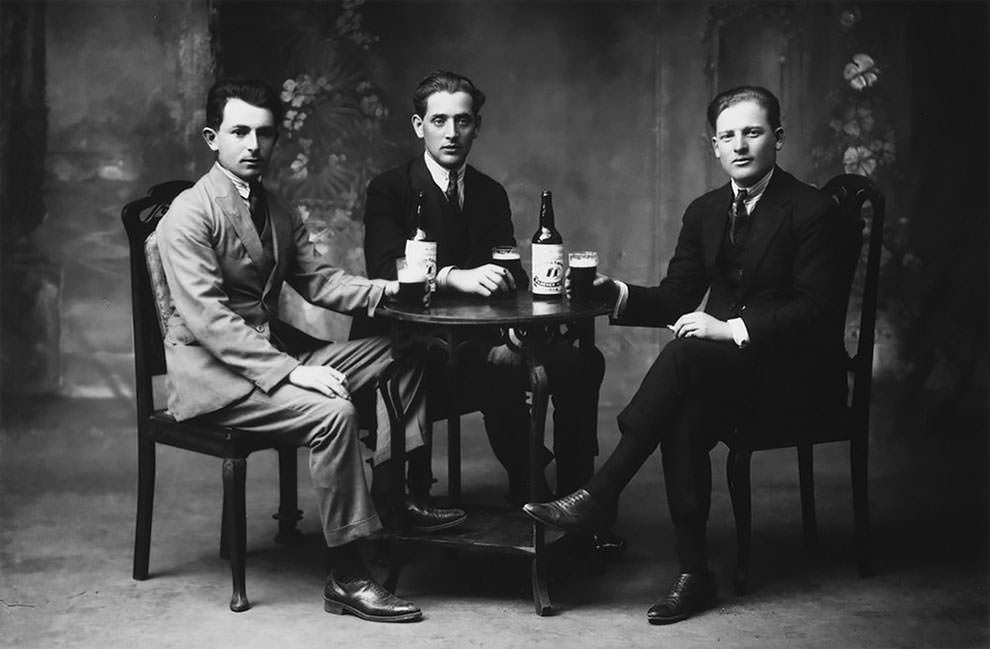
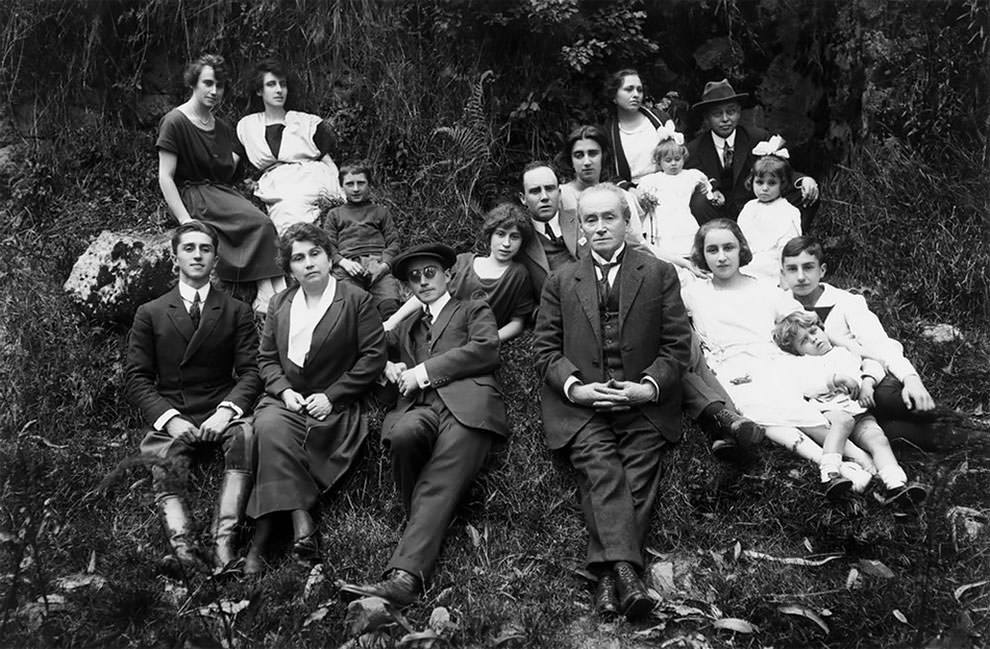
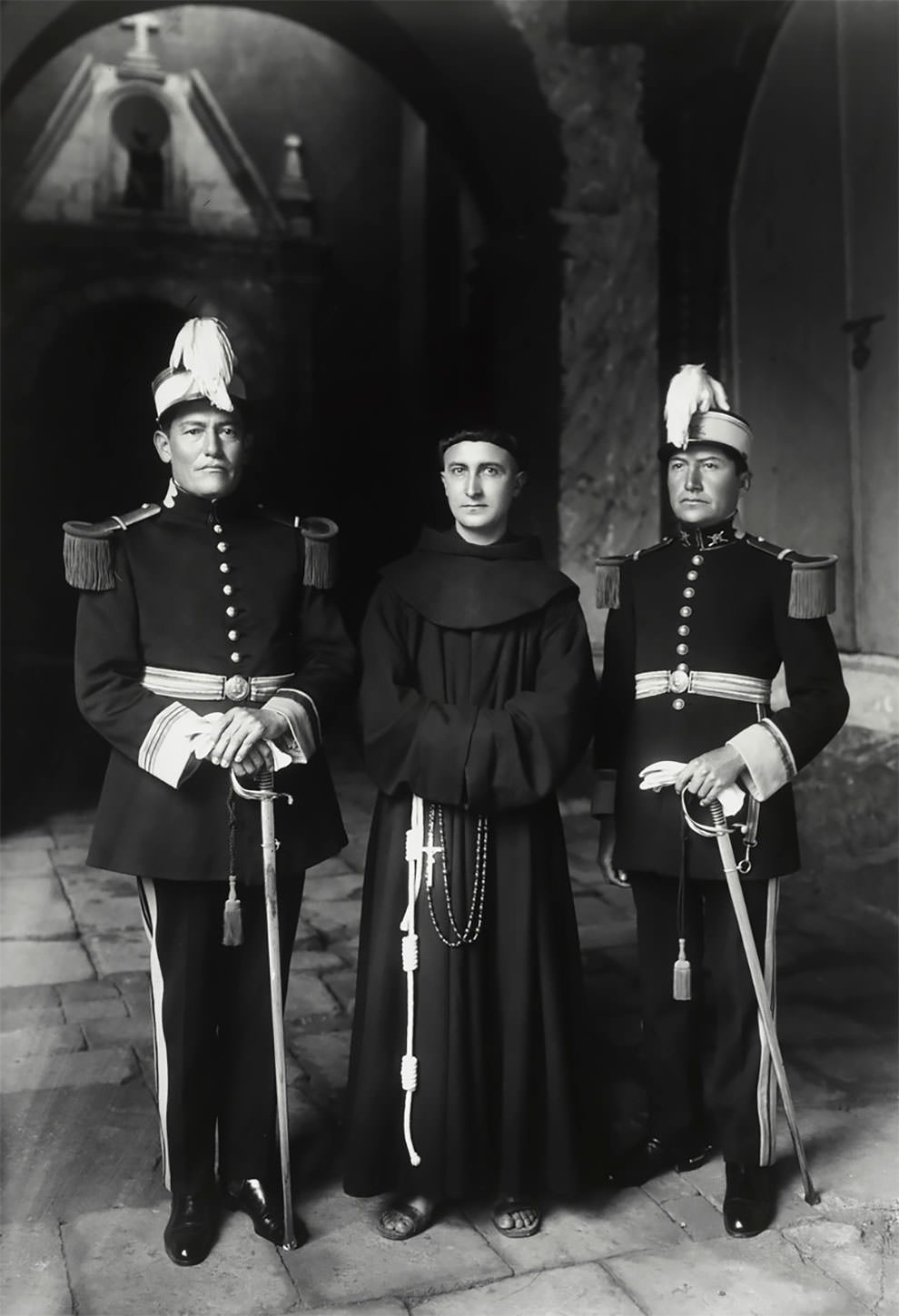
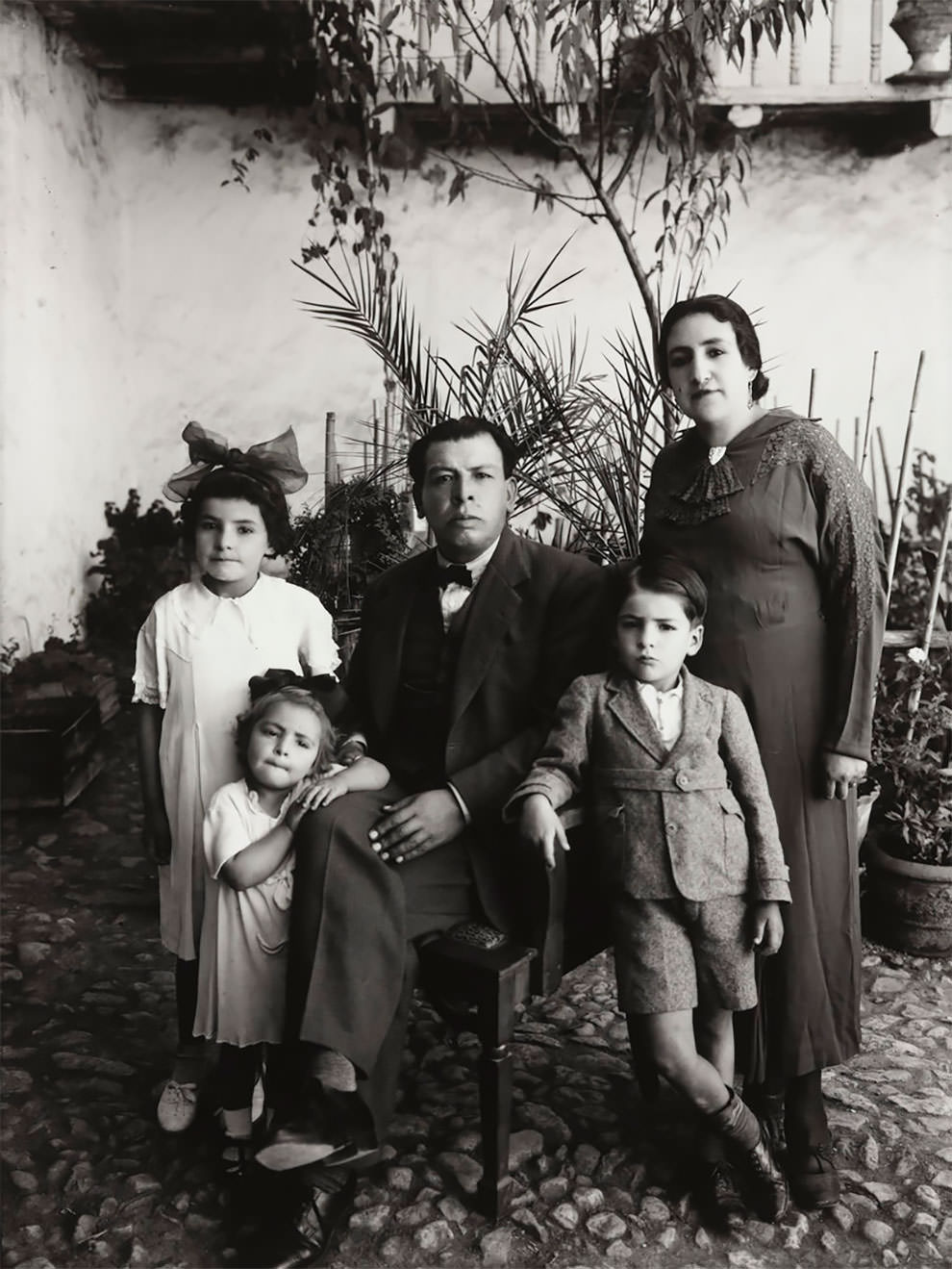
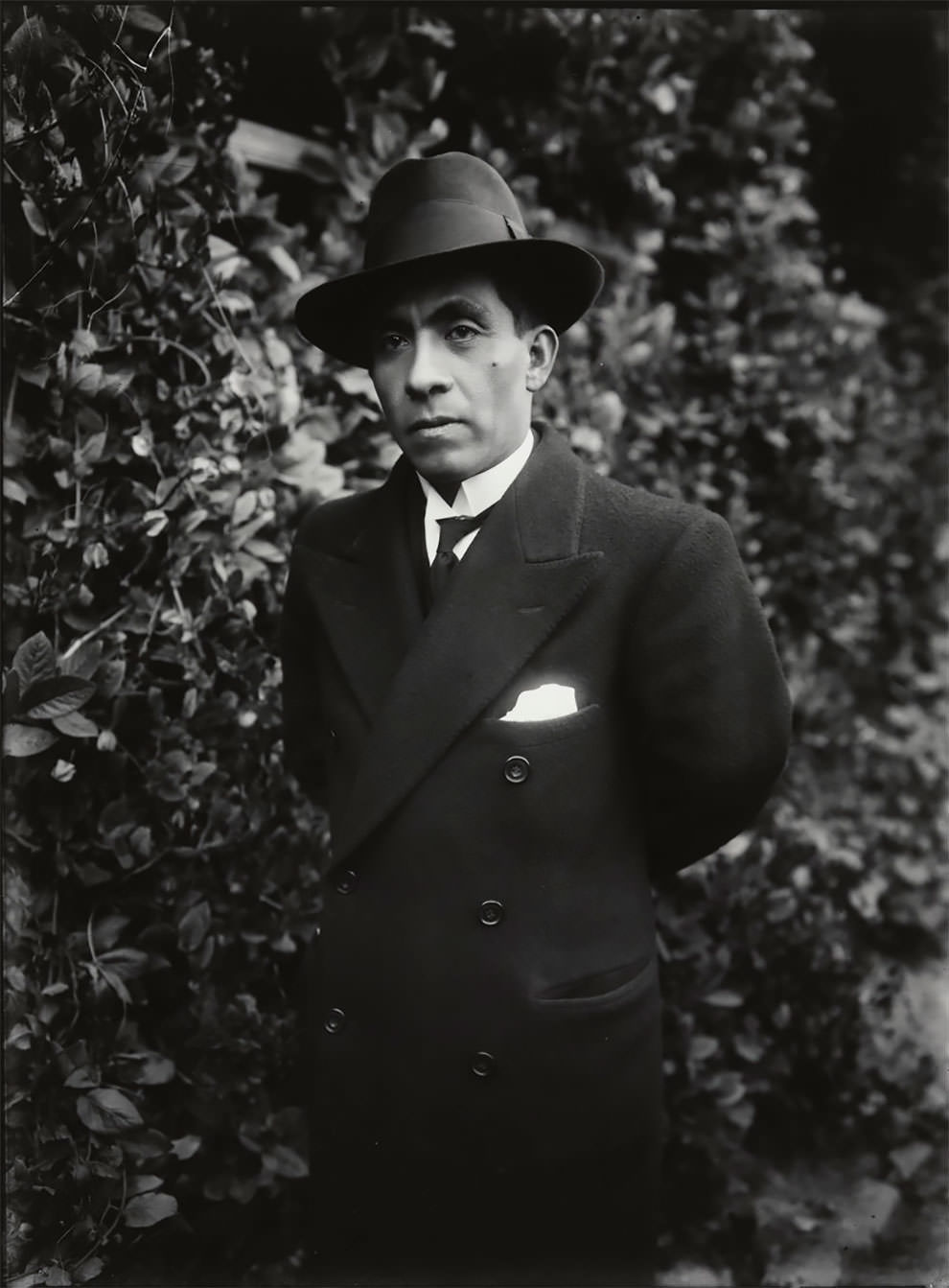
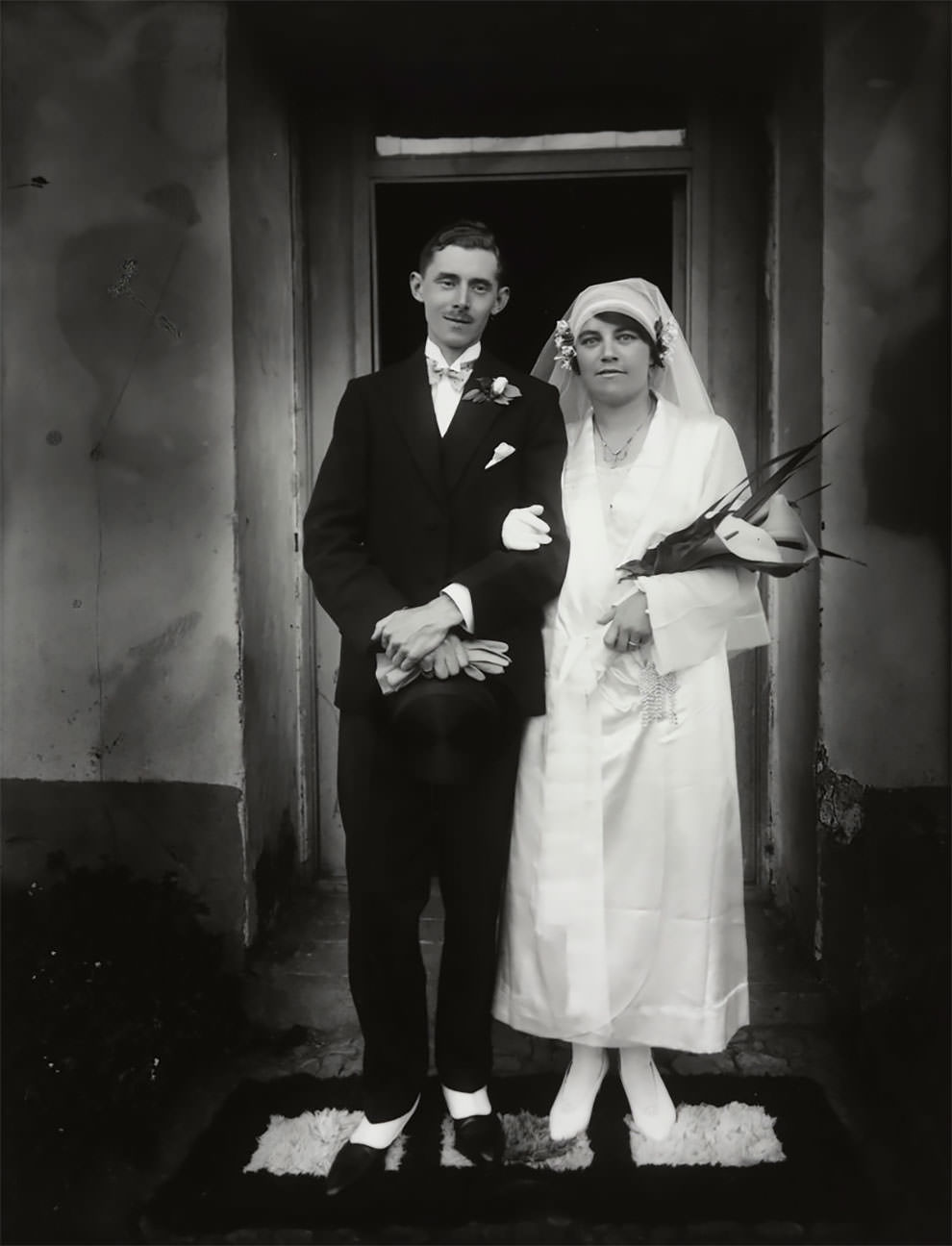
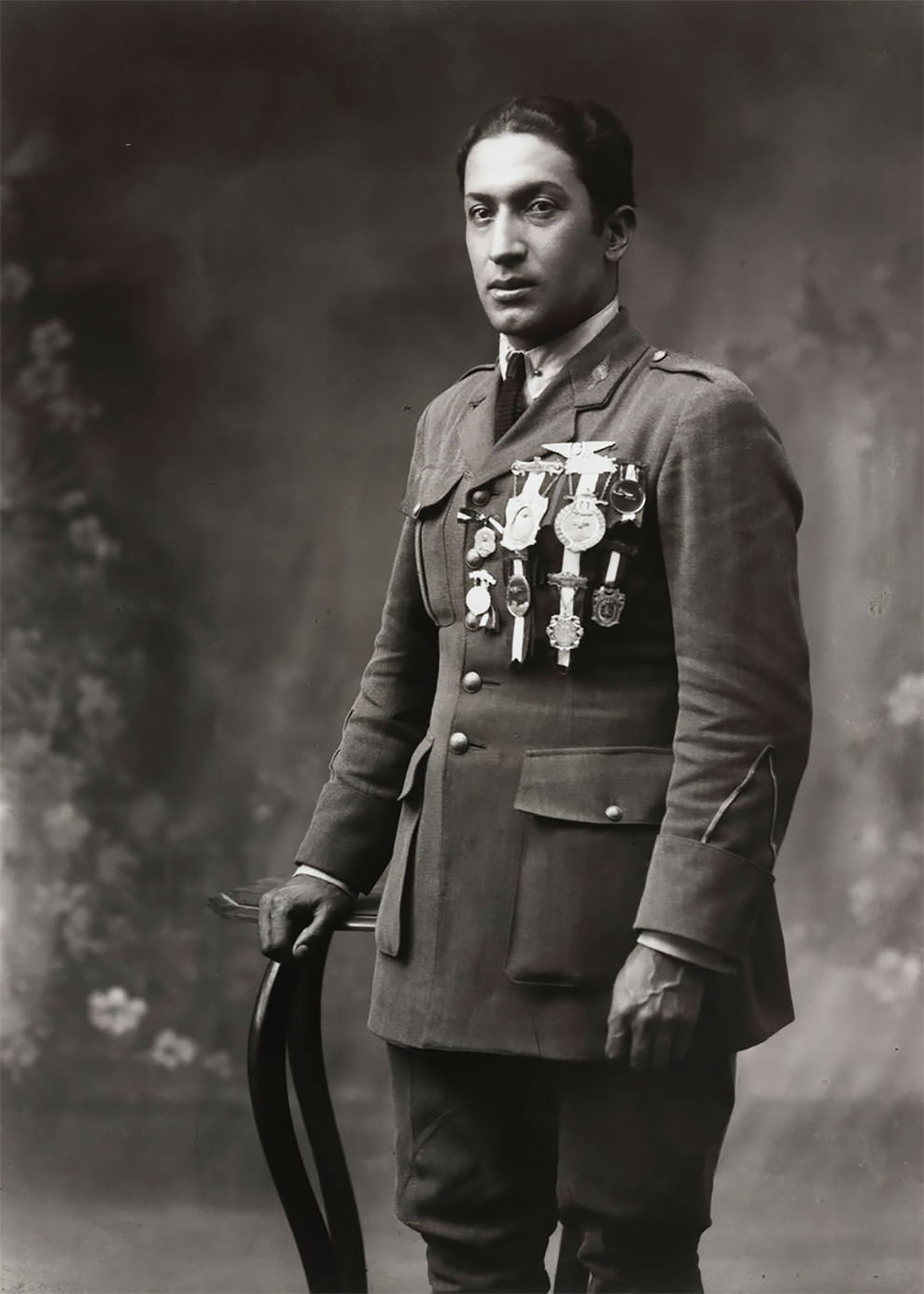
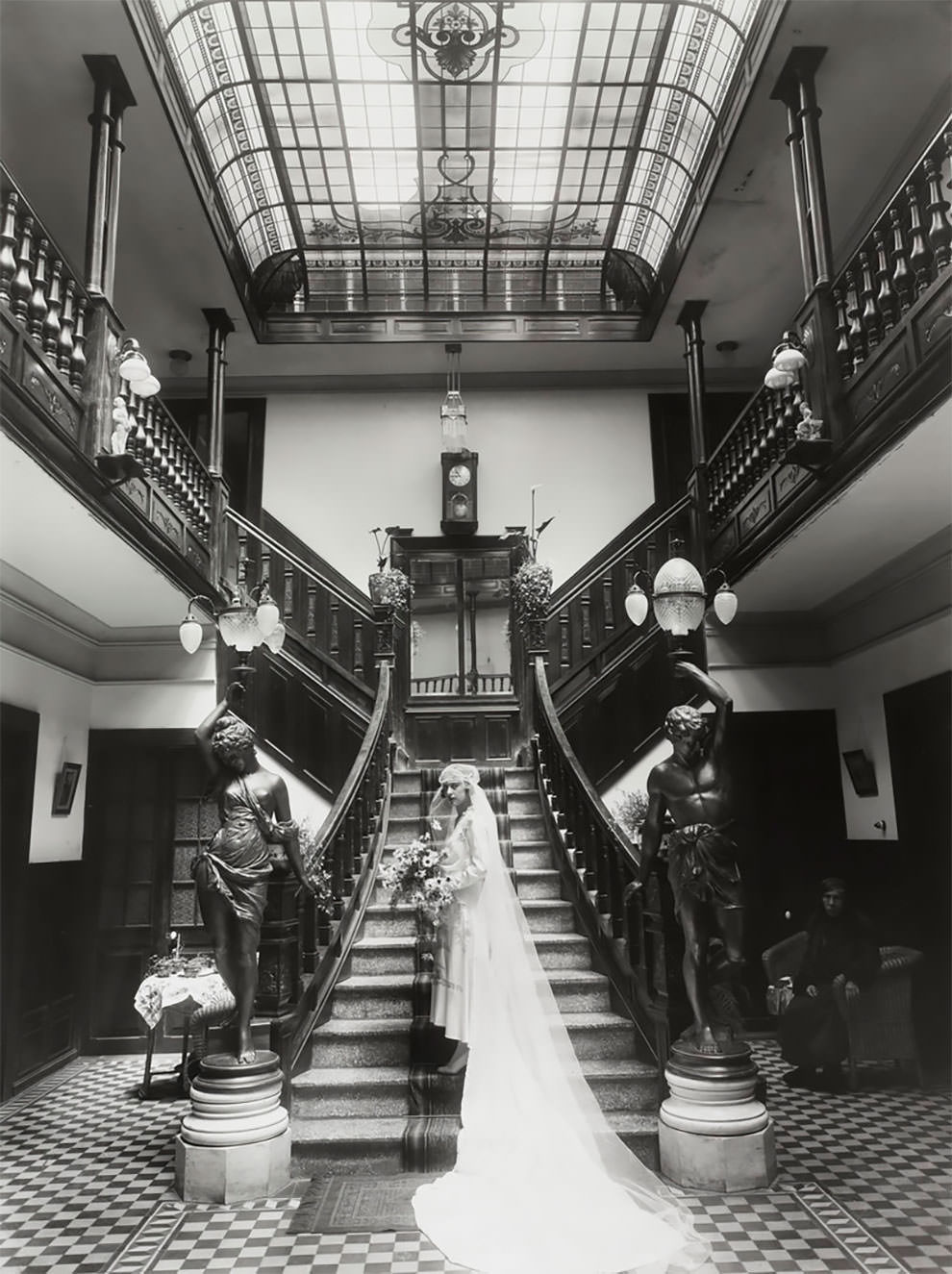
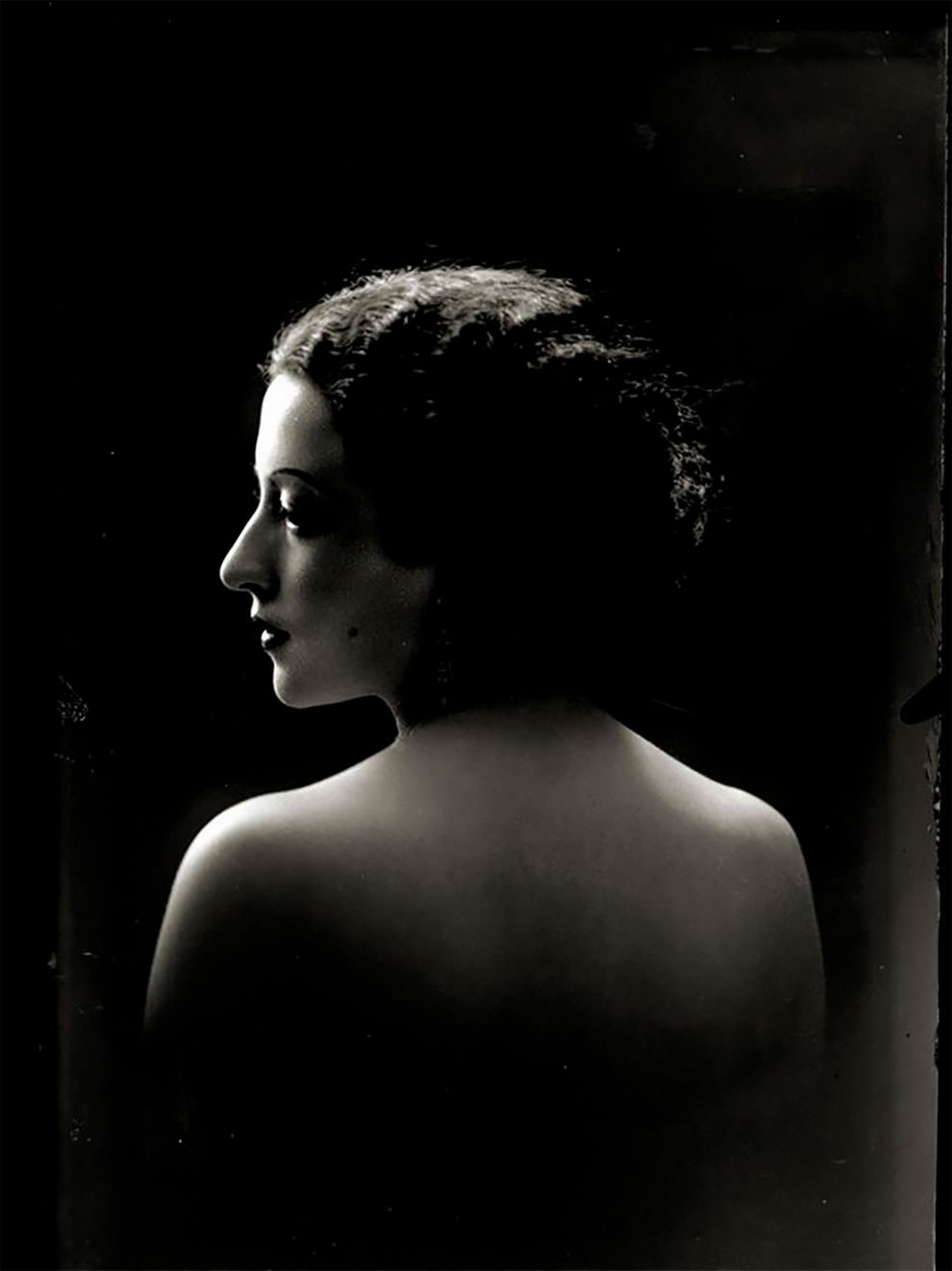
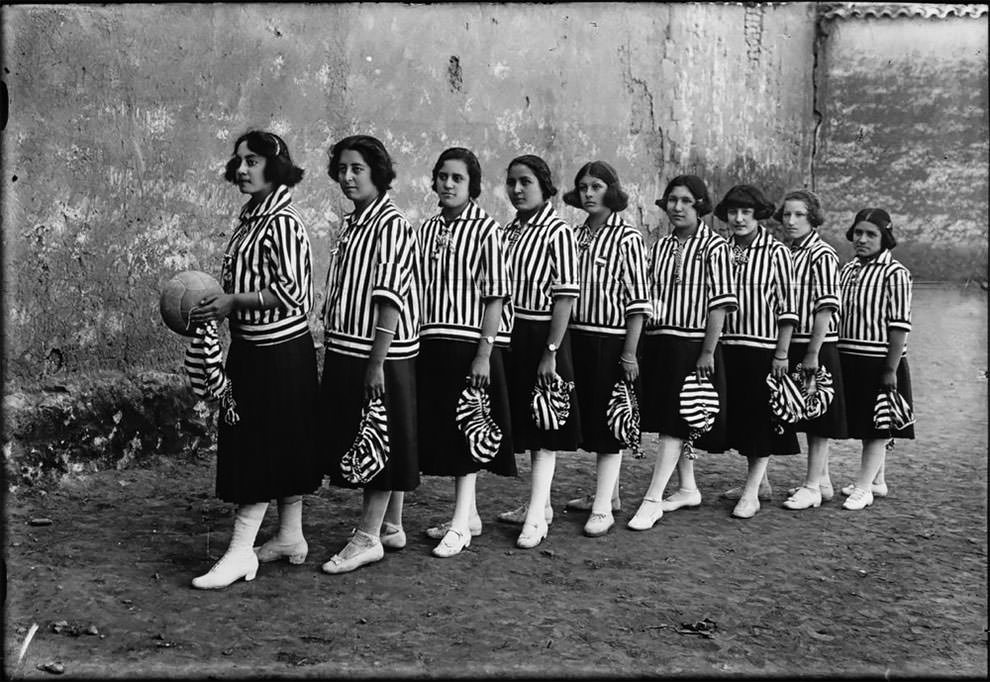
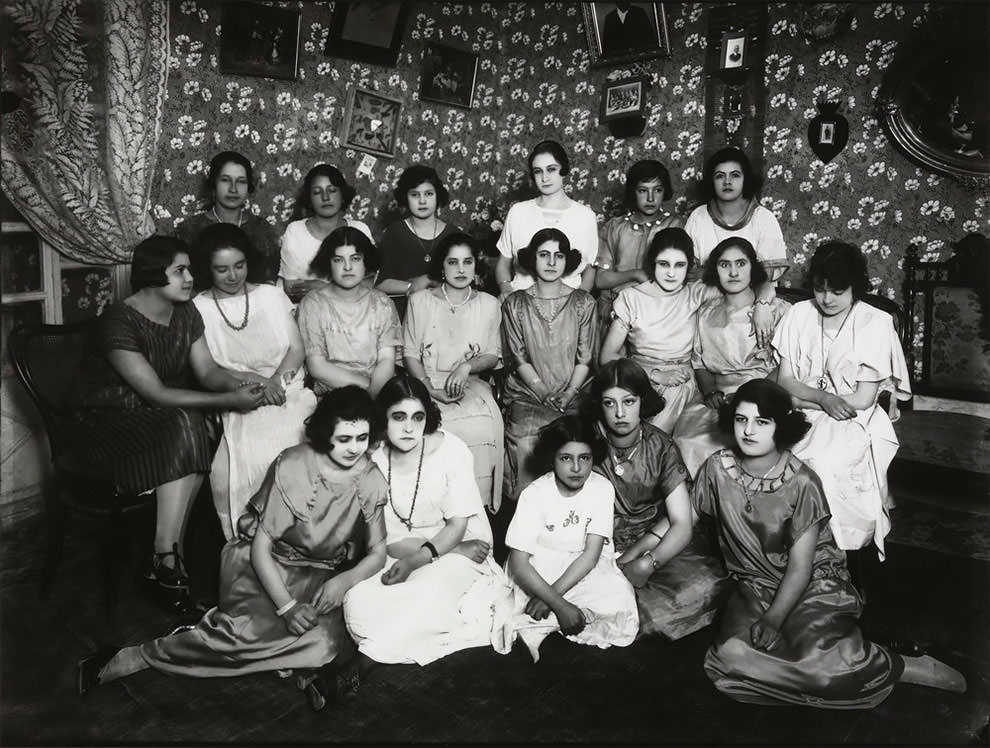
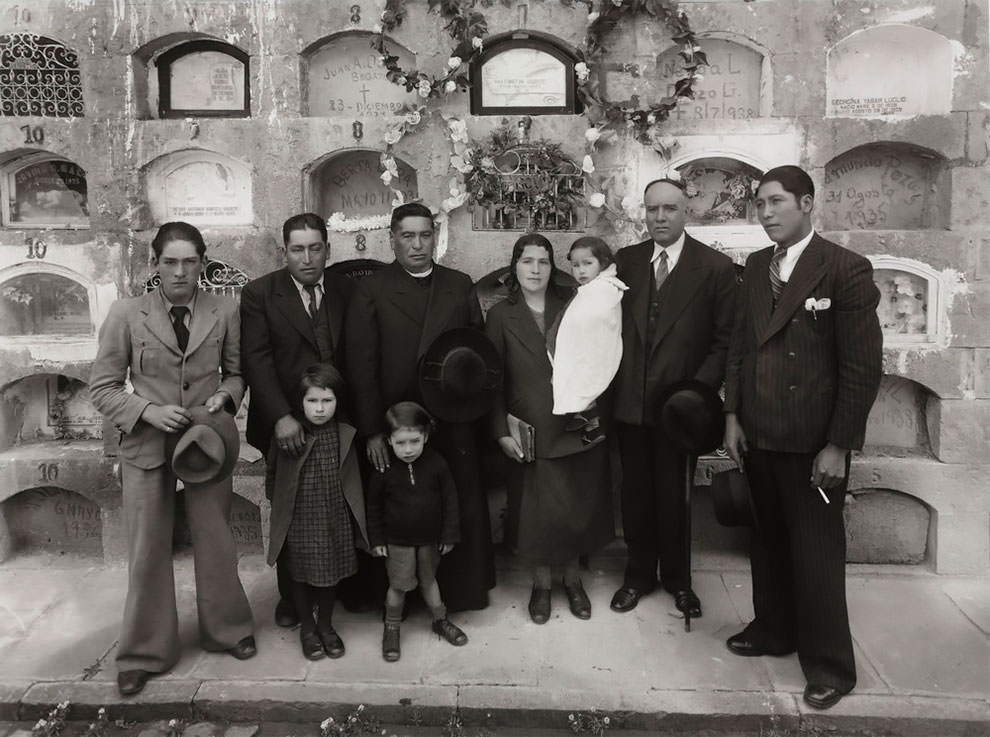
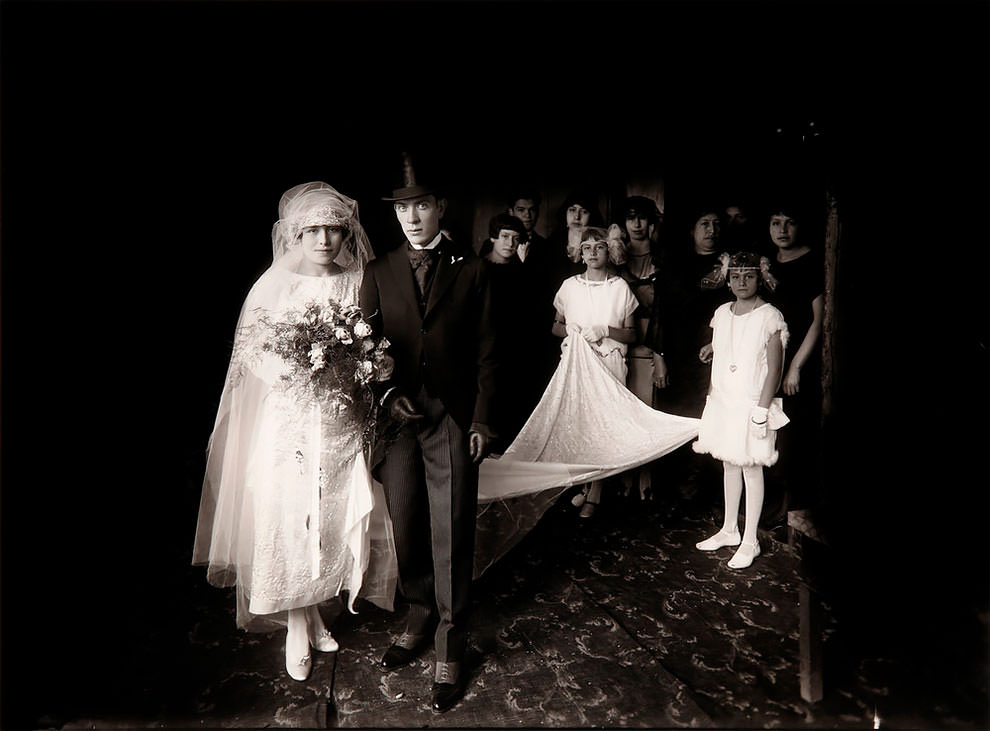
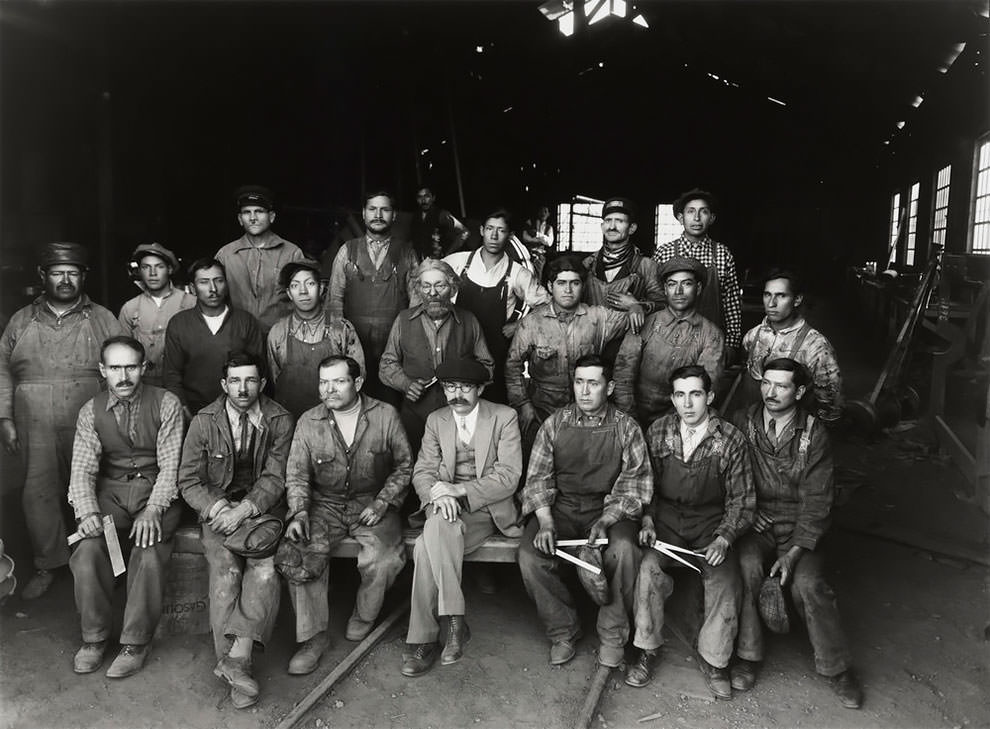
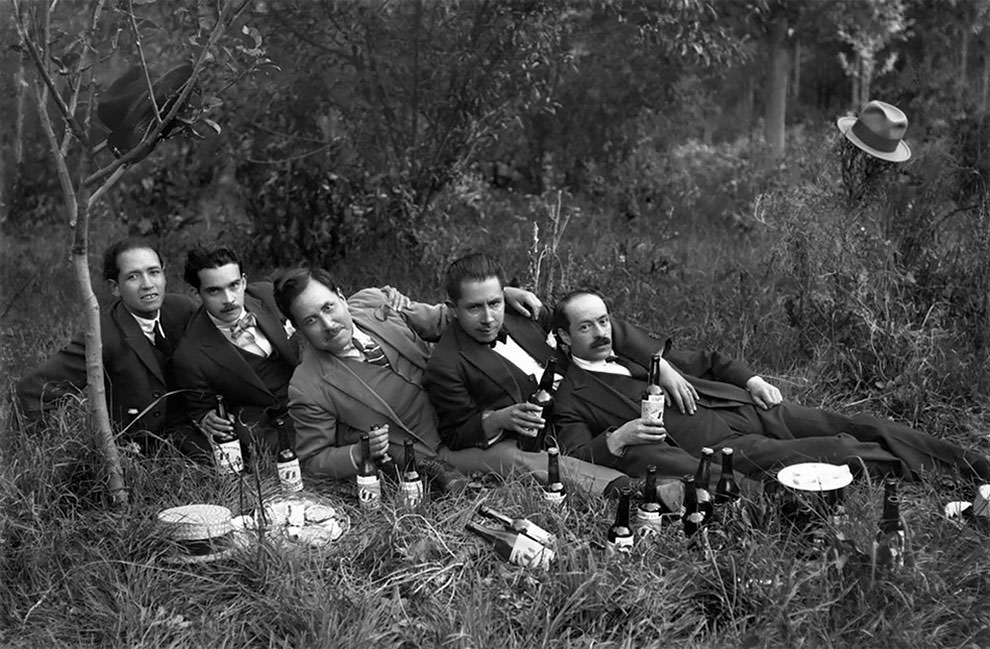
Chambi’s portrait work captured the full range of Andean society. He photographed hacienda owners and their workers, Catholic priests, politicians, and market women alike. His studio in Cuzco attracted clients from across the social spectrum. These formal portraits give a detailed look at clothing styles, social customs, and the way people chose to present themselves during that era.
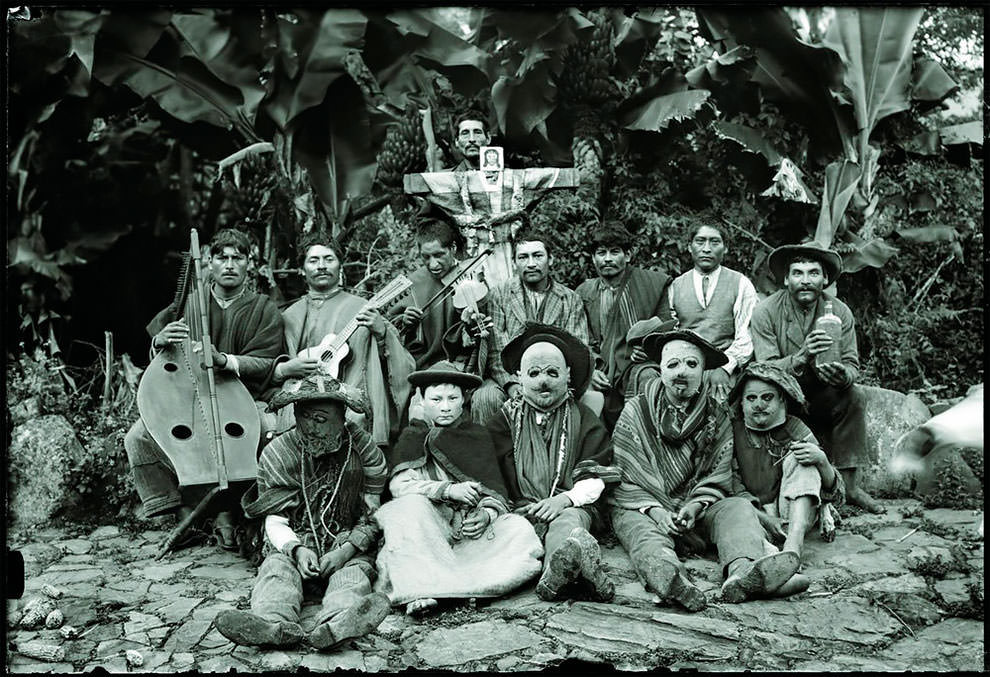
The Andean landscape itself shaped every aspect of life. Farming at high altitude required terraced fields — a technique the Inca had perfected centuries earlier. These terraces, called andenes, reduced erosion, retained water, and allowed crops to grow on otherwise unusable steep slopes. Many of these terraces were still in active use during the early 20th century, just as they had been for hundreds of years.
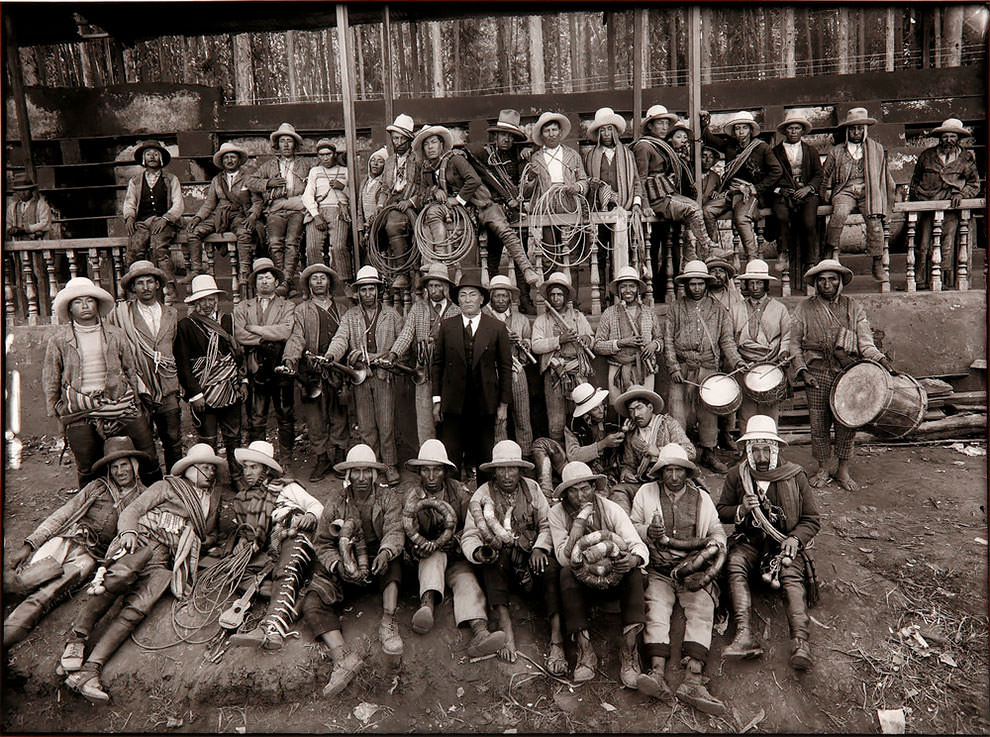
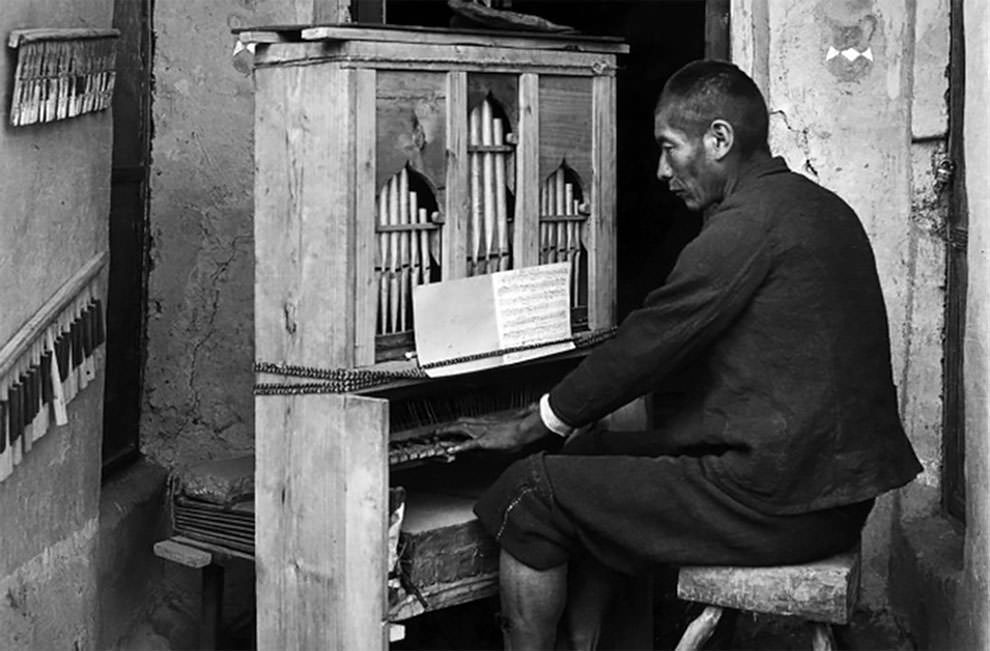
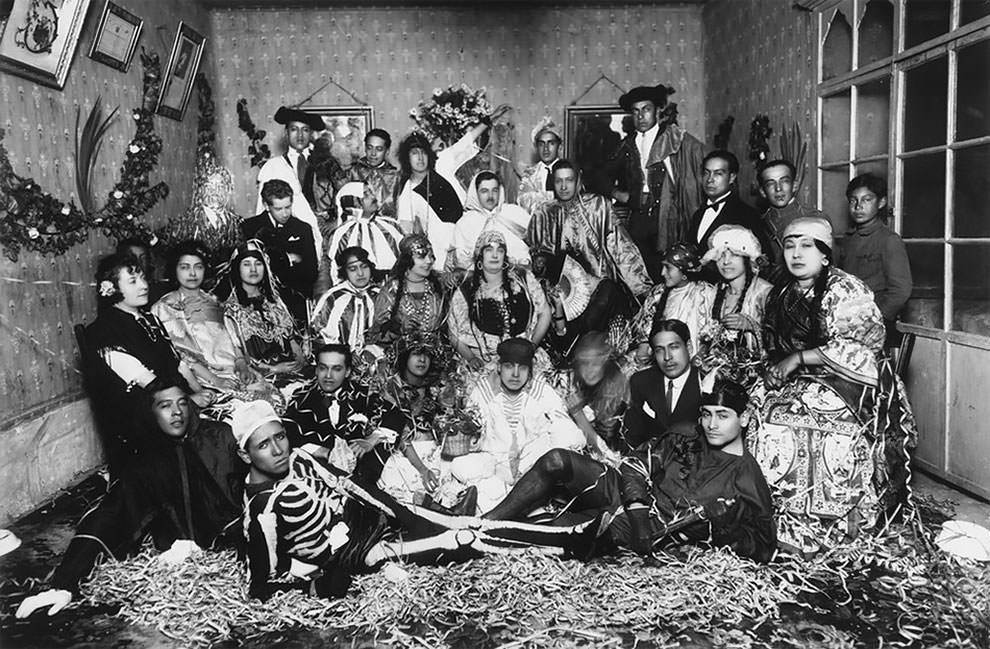
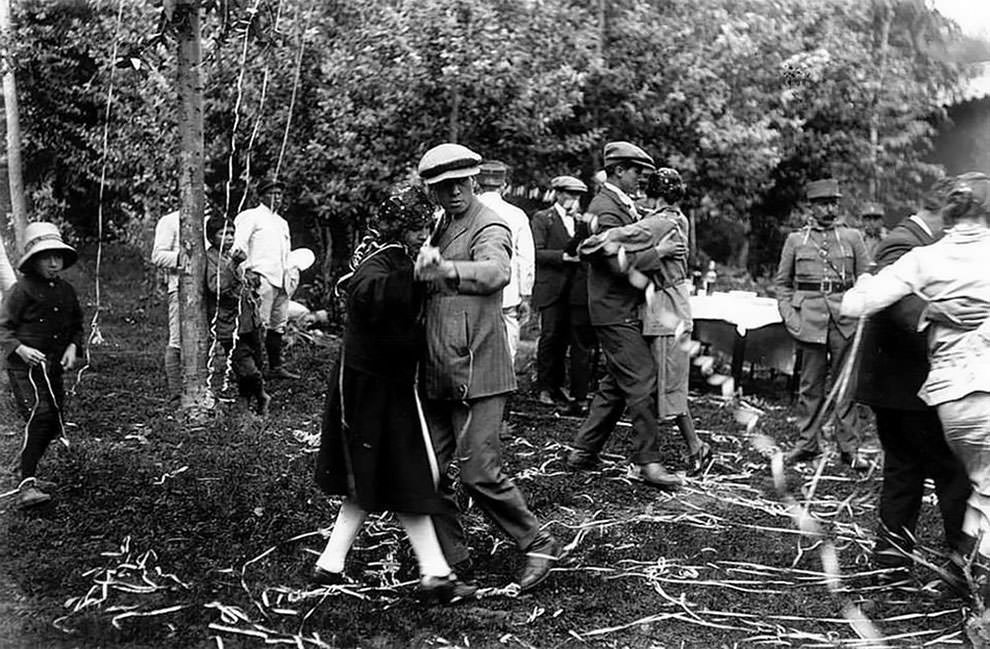
Music and dance were woven into nearly every public gathering in Andean communities. Instruments like the charango, panpipes, and various drums accompanied religious festivals, harvests, and weddings. Performances often told stories tied to Inca history or local mythology. Chambi photographed many of these events, preserving scenes of community celebration that would otherwise exist only in memory.
Llamas and alpacas were essential animals in the Andes, serving as pack animals, sources of wool, and occasional food. The Inca had domesticated both species thousands of years earlier, and they remained indispensable to rural households in the early 20th century. A family’s herd was a direct measure of its wealth and stability.
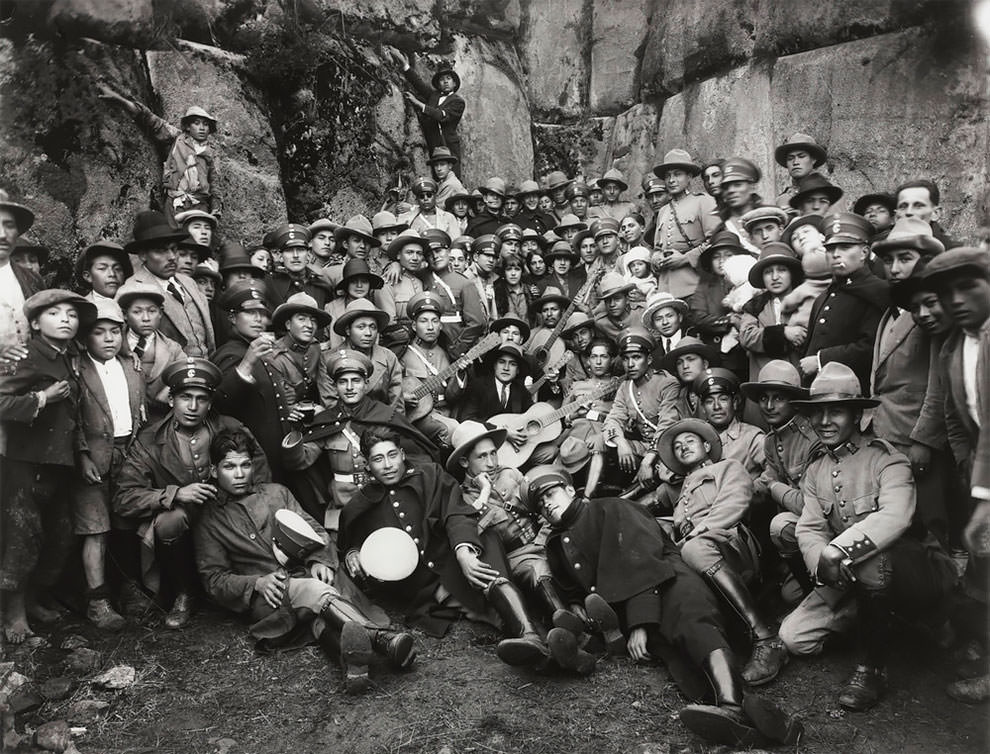
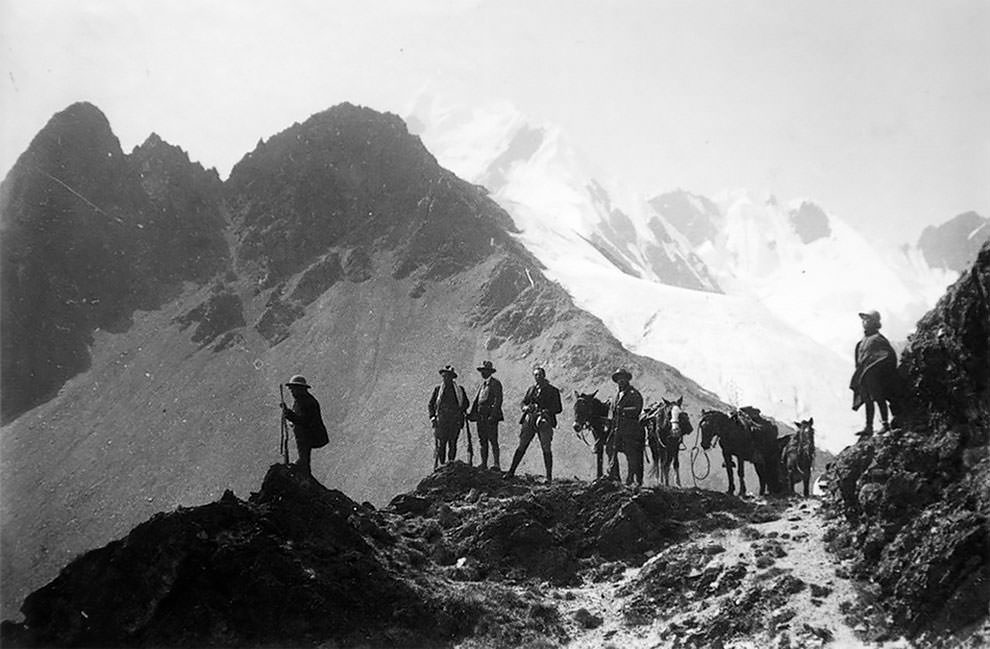
Chambi also photographed the ruins of Inca sites scattered across the region, many of which had not yet received significant archaeological attention. His careful documentation of walls, doorways, and stone carvings created a visual record that later historians and archaeologists found invaluable. He worked with large-format glass plate cameras that produced sharp, high-resolution images well ahead of their time.
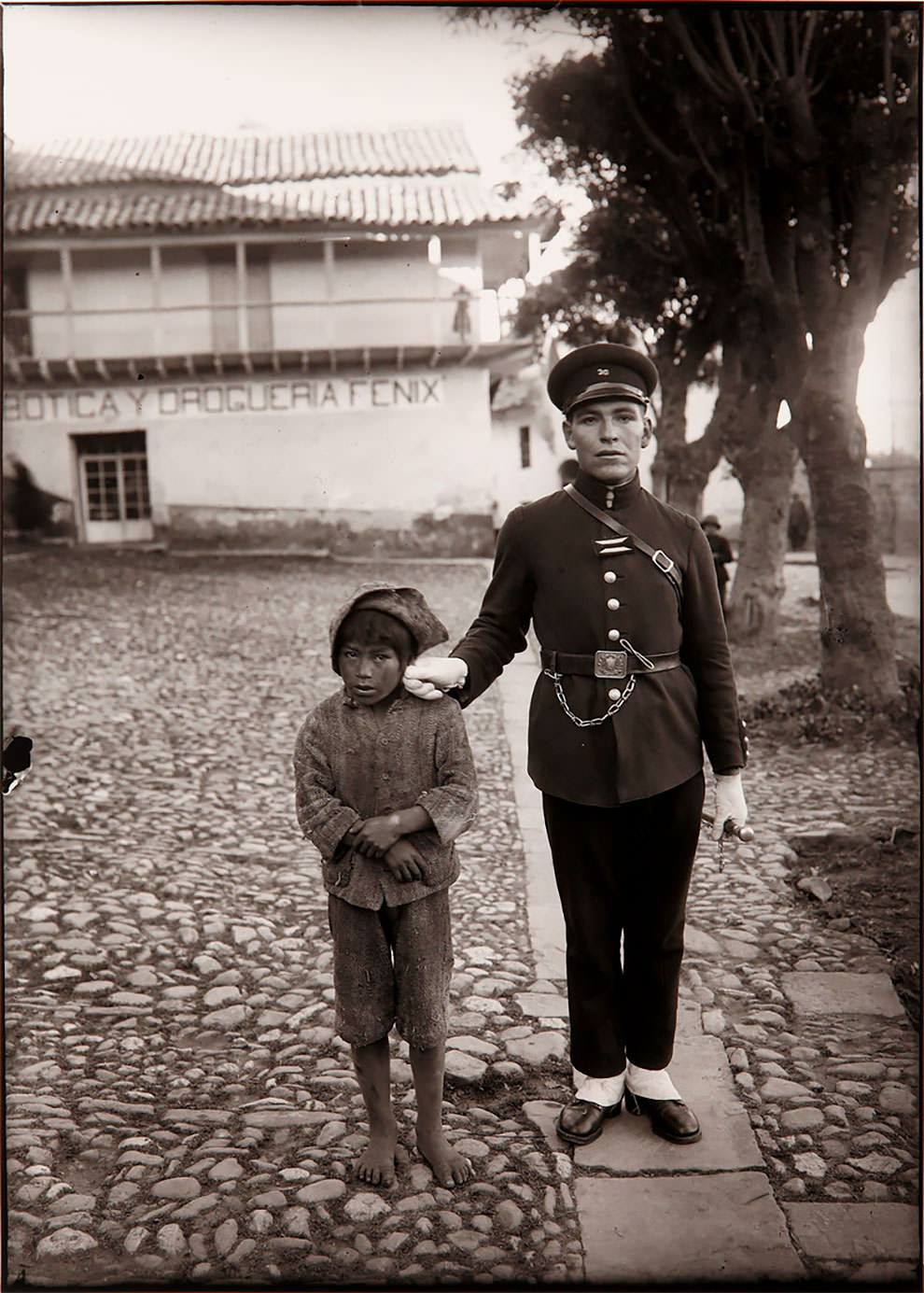
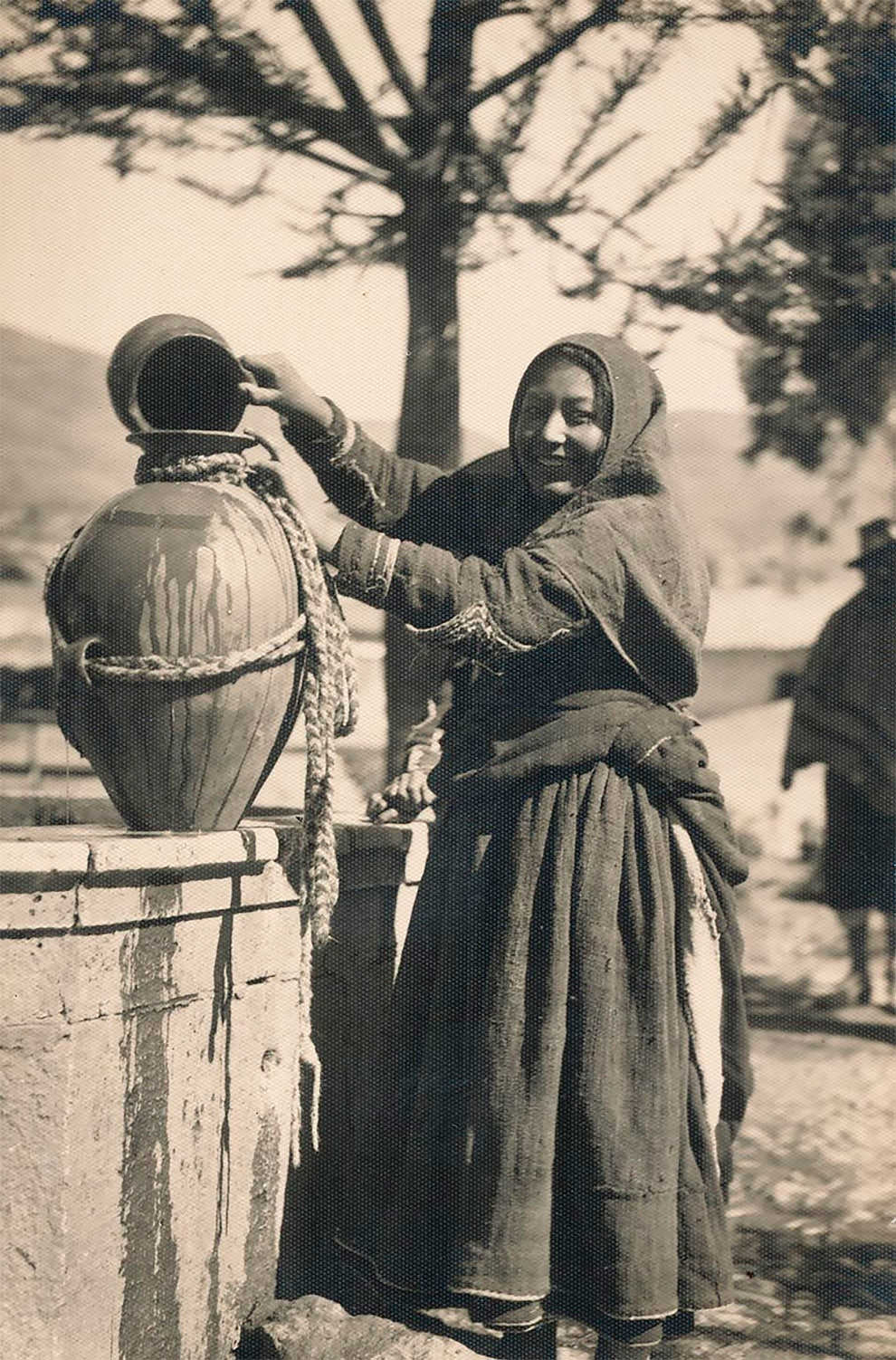
Children in Andean communities took on responsibilities early. By a young age, many were helping tend animals, carry water, and assist with weaving or farming. Formal schooling was limited in rural areas, and most practical knowledge was passed down directly within the family. Chambi’s photographs of children show them embedded within the full activity of daily life, rarely set apart from adult work.
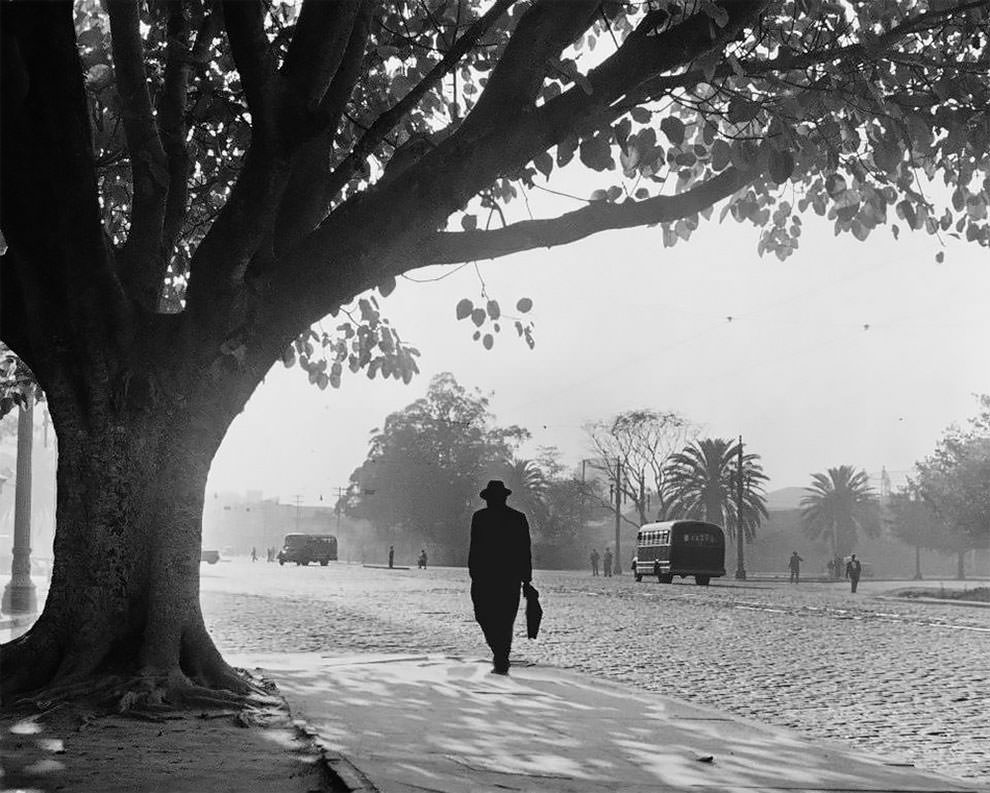
The city of Cuzco itself was the heart of the former Inca Empire and remained a culturally rich urban center into the 20th century. Many of its colonial-era buildings sat directly on top of original Inca stonework, creating a layered cityscape where Spanish architecture rose from perfectly cut Inca foundations. Chambi photographed this urban environment alongside the rural highlands, giving his archive a broad geographic scope.
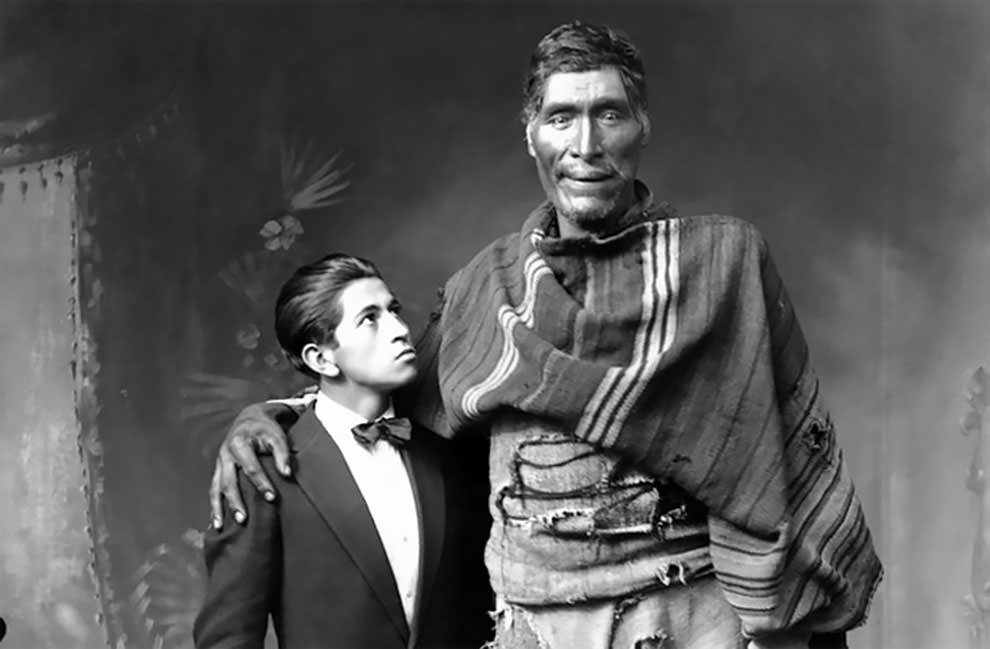
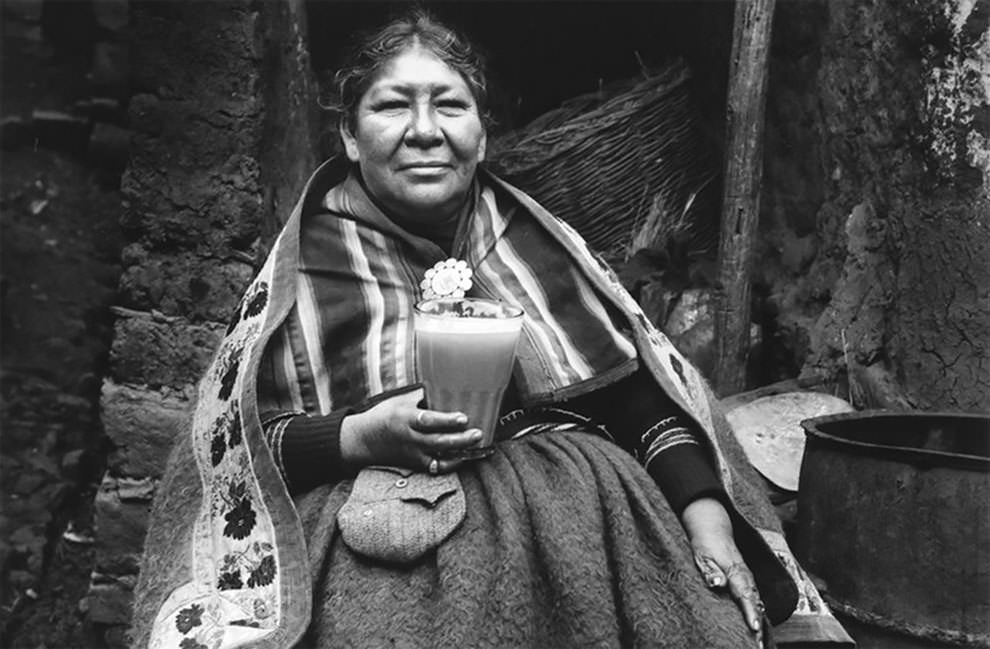
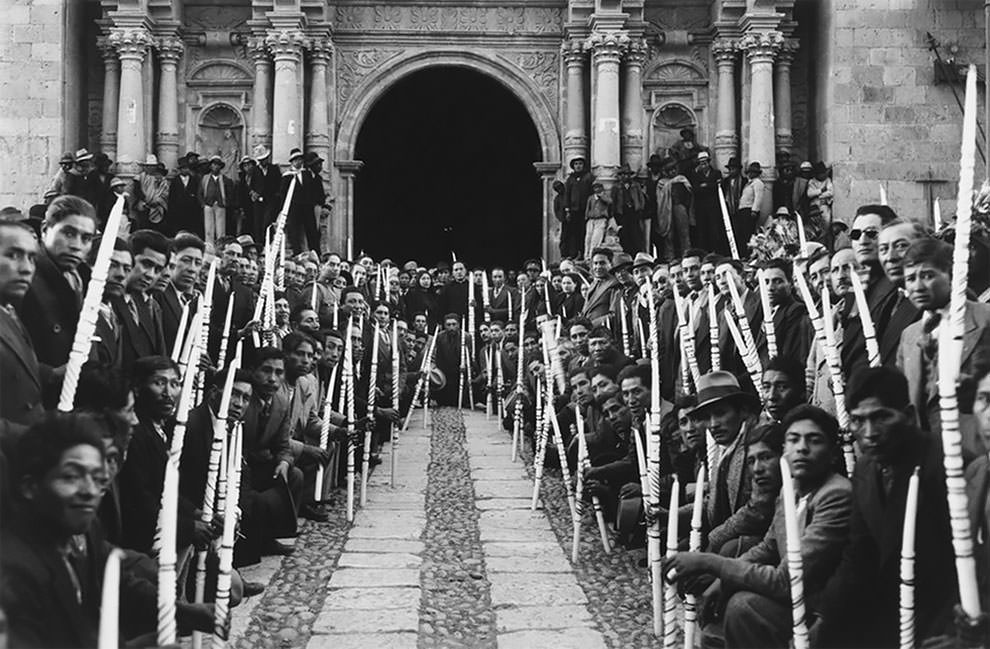
Traditional Andean clothing was not just decorative — it served practical and social functions. Heavy woven ponchos provided warmth at high altitude. Hats varied by region, with different shapes and colors identifying where a person came from. Ceremonial dress was especially elaborate, featuring embroidered patterns and bright dyes made from local plants and insects, including cochineal, which produced vivid reds.
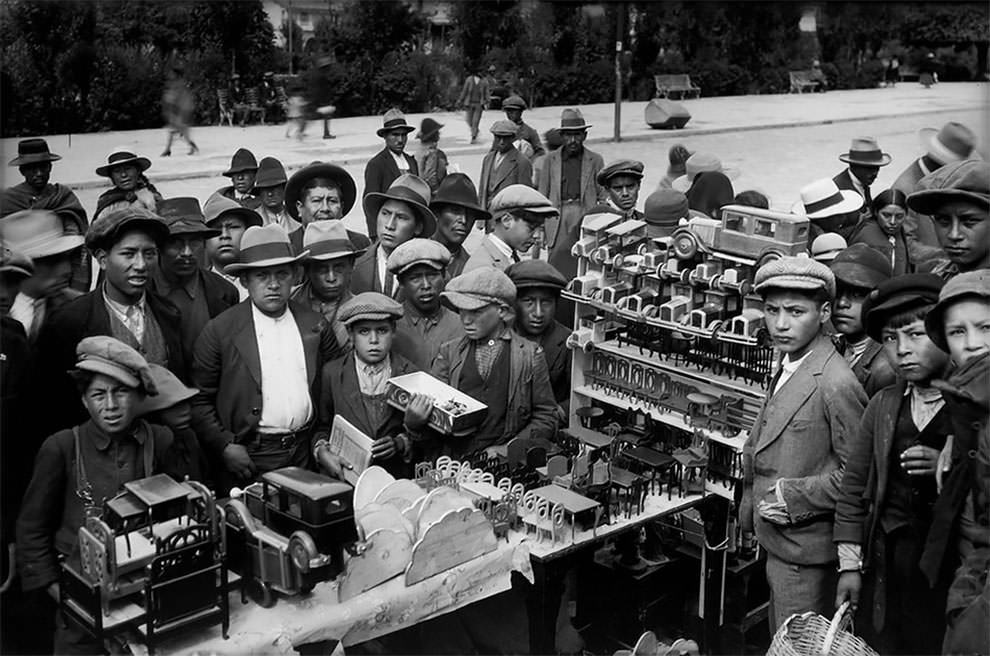
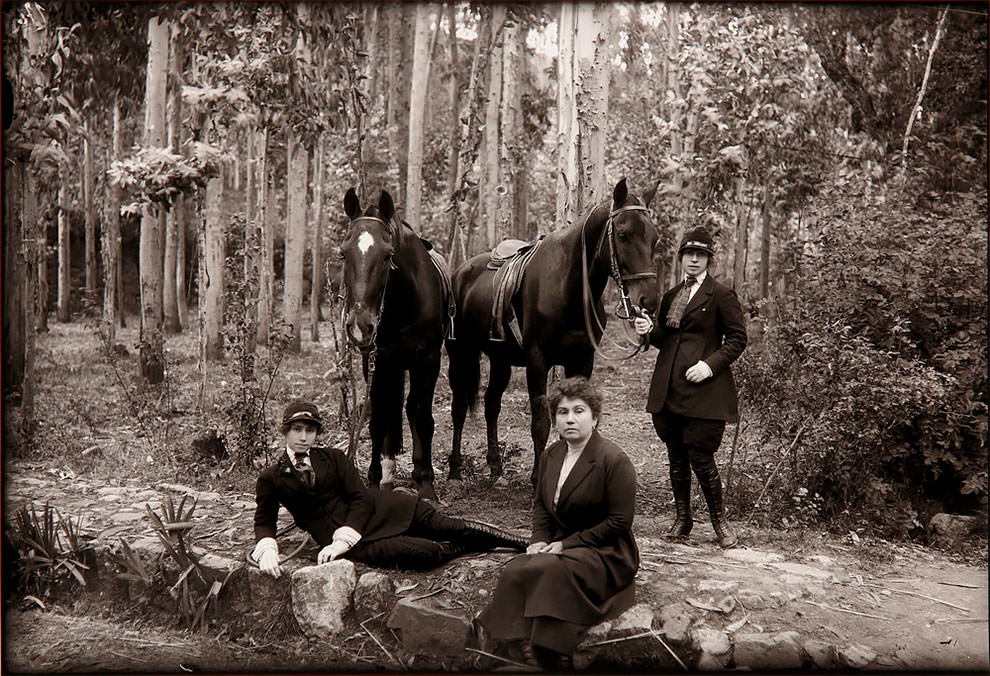
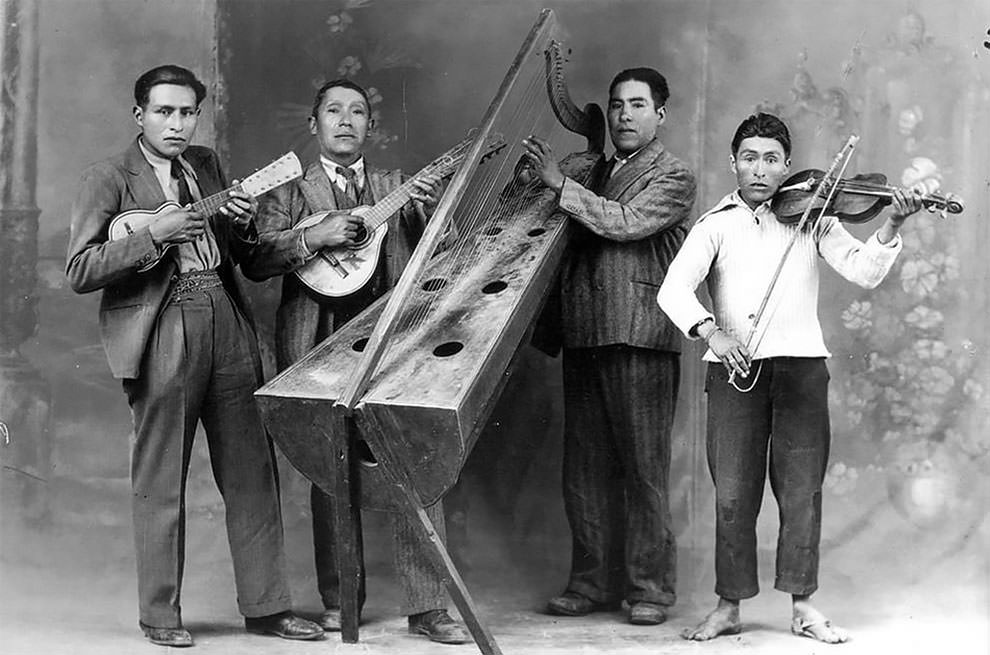
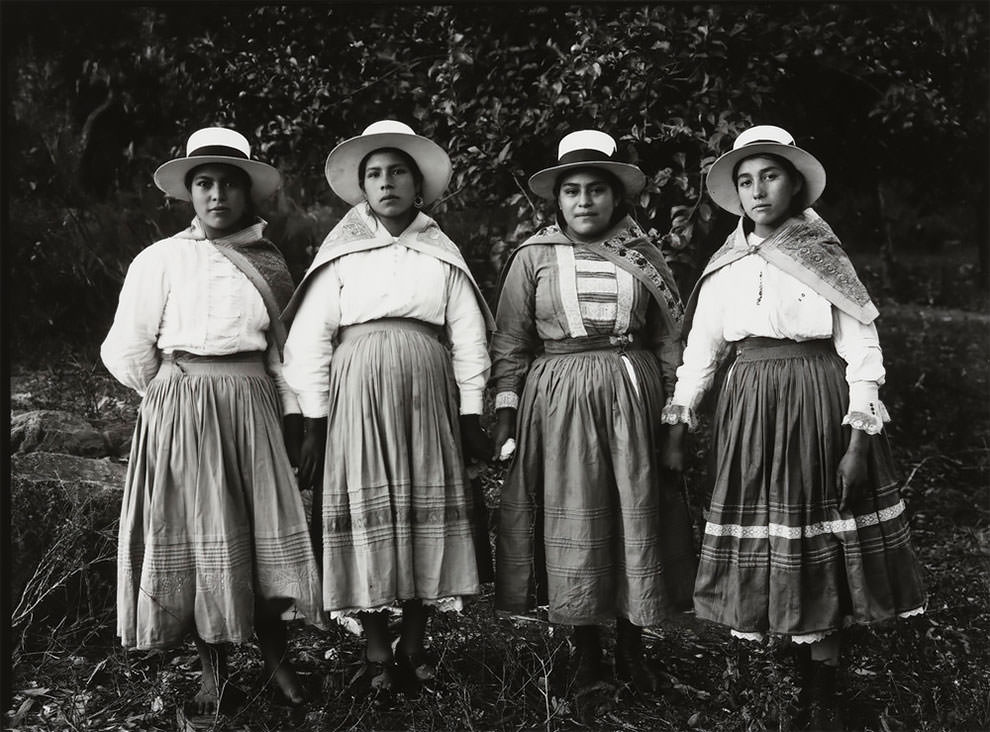
Chambi continued working as a photographer until the 1950s, accumulating an archive of around 30,000 negatives. His work covered weddings, funerals, political events, archaeological expeditions, and scenes of ordinary rural life. The collection is held today in Cuzco and has been recognized by UNESCO as part of the Memory of the World Register.
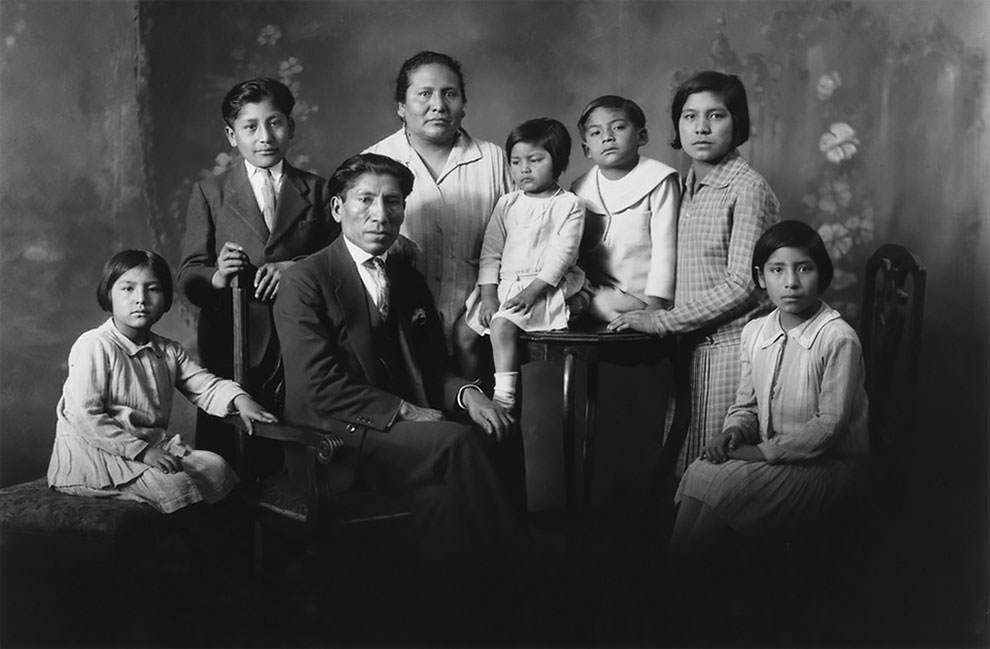
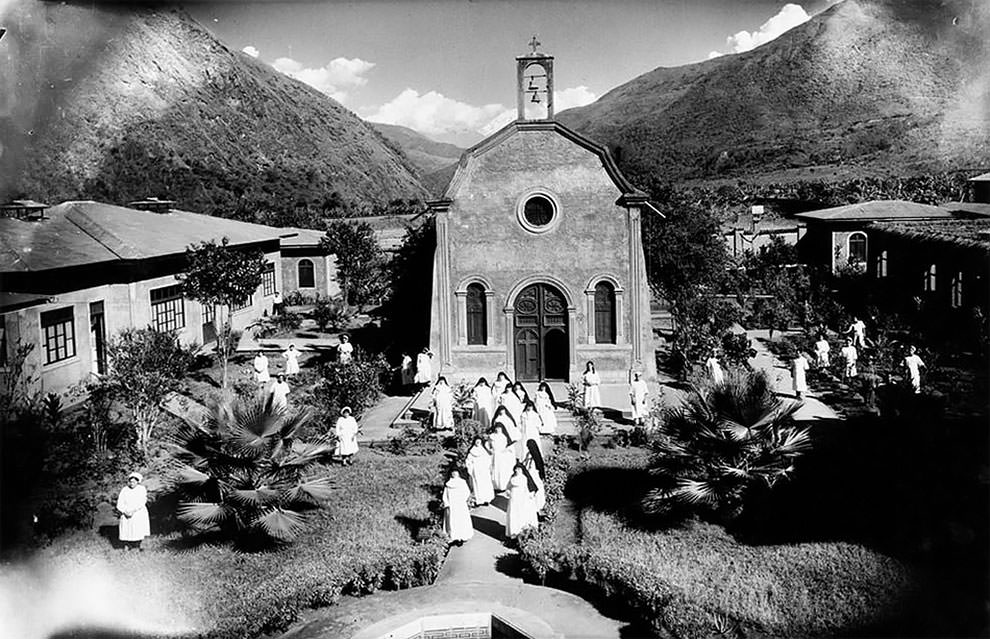
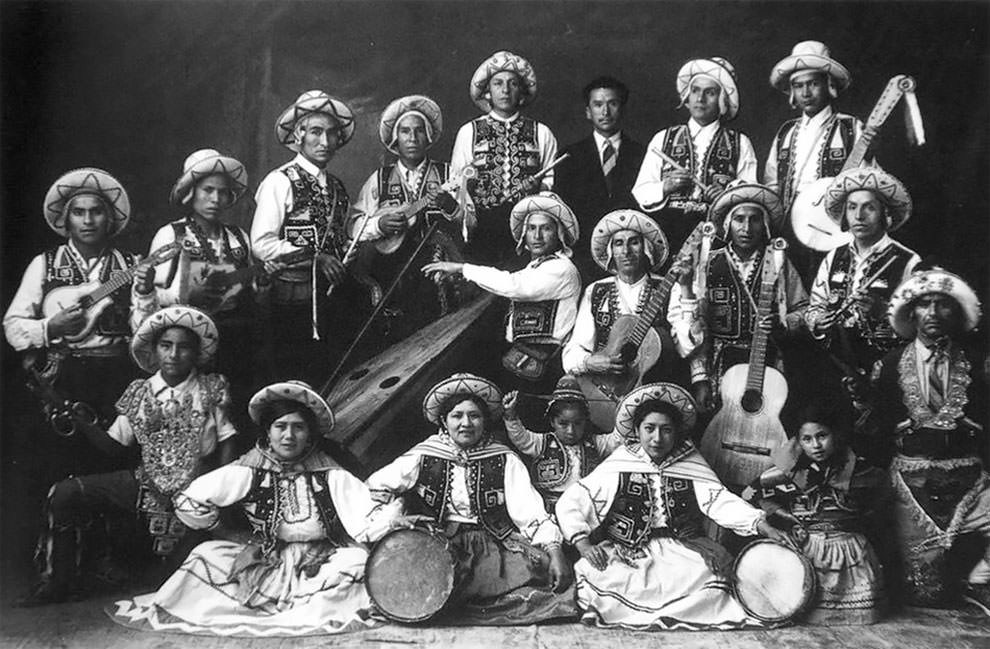
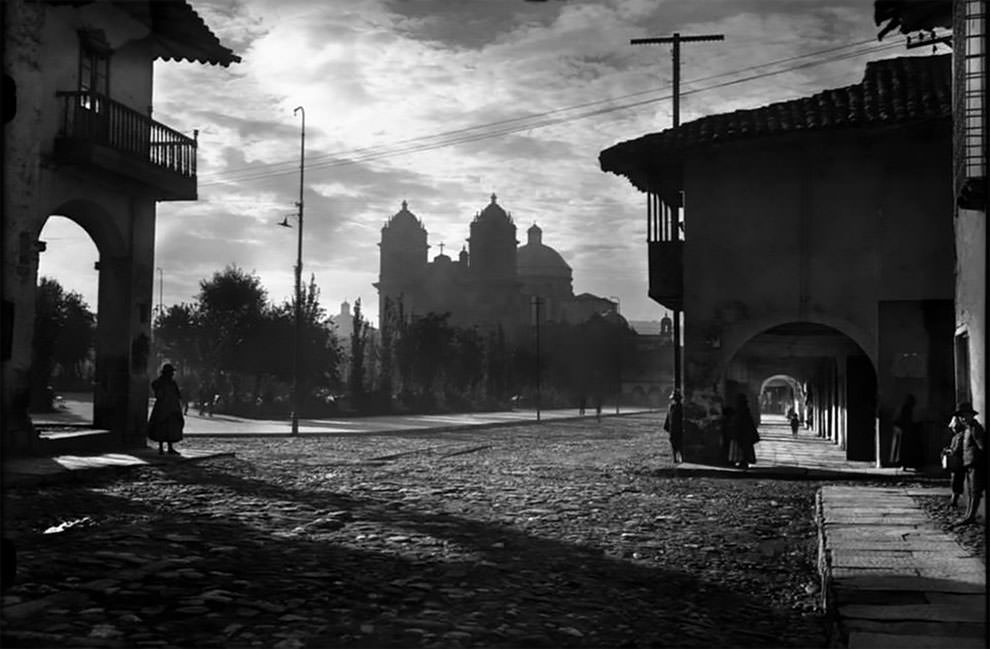
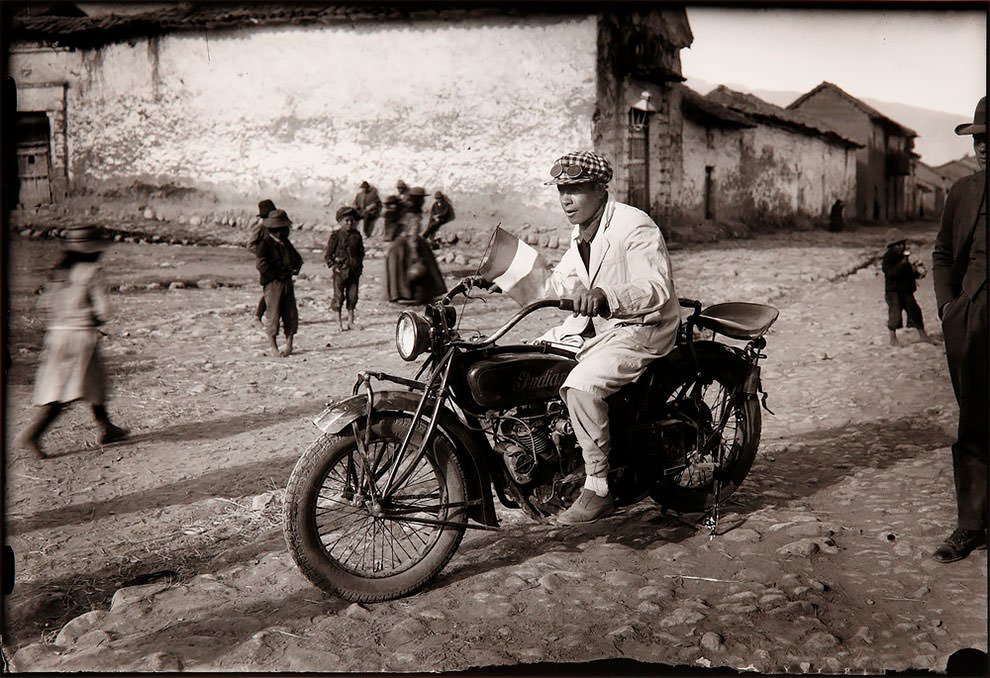
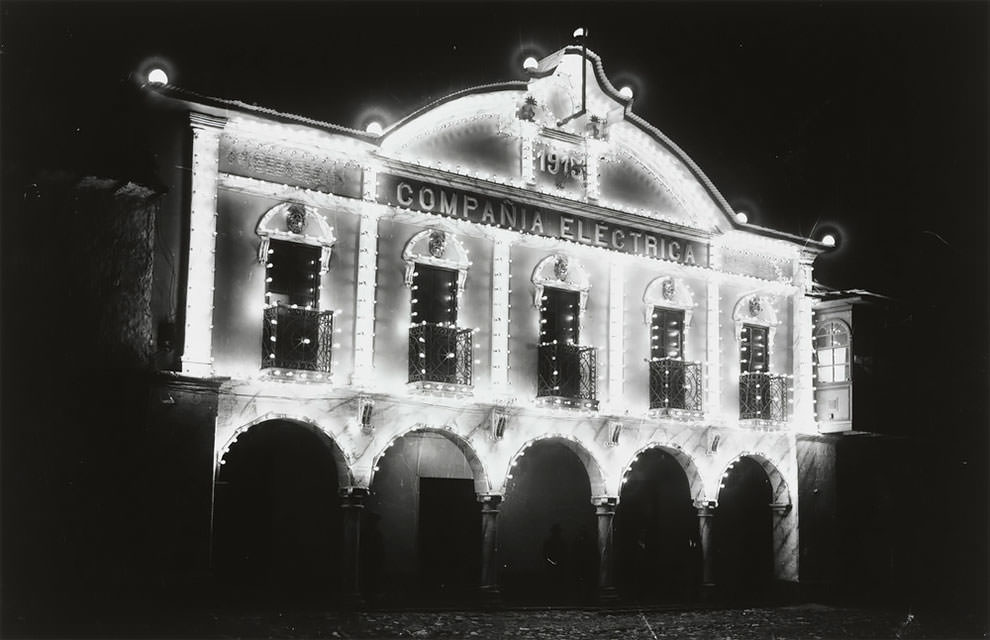
The photographs collected here span the full range of Chambi’s documentary work — from market scenes and highland portraits to architectural details of Inca stonework. Together, they form a rare and precise visual record of what life in the Peruvian Andes looked like at the start of the 20th century, when ancient traditions and modern change existed side by side.