When Hollywood films crossed the Atlantic in the 1920s and 1930s, Swedish studios didn’t simply translate American promotional materials. They handed the work to local artists, who produced something entirely their own. The result was a body of poster art that reinterpreted Hollywood through a distinctly Swedish visual lens.
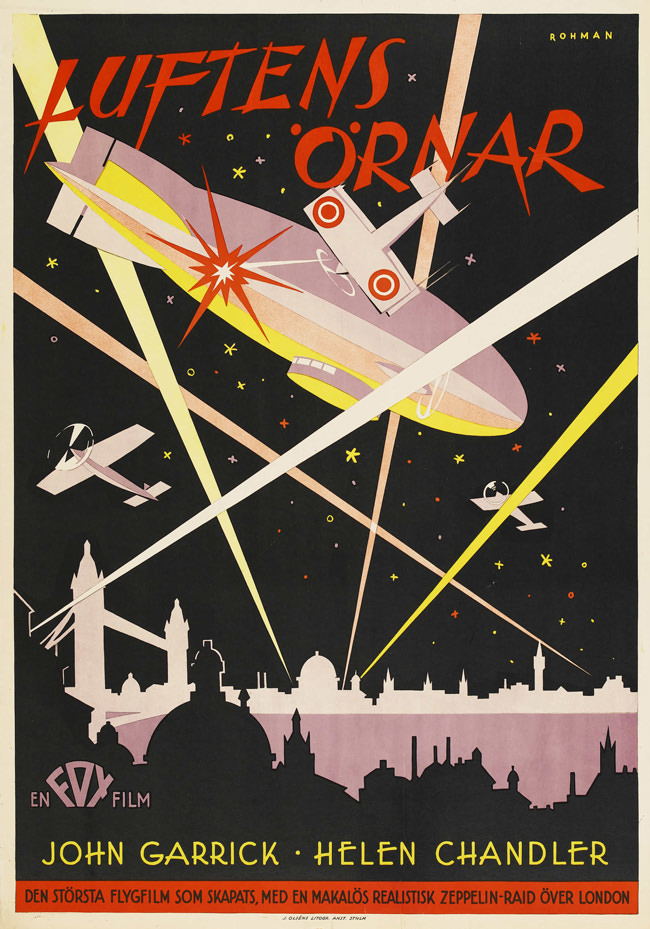
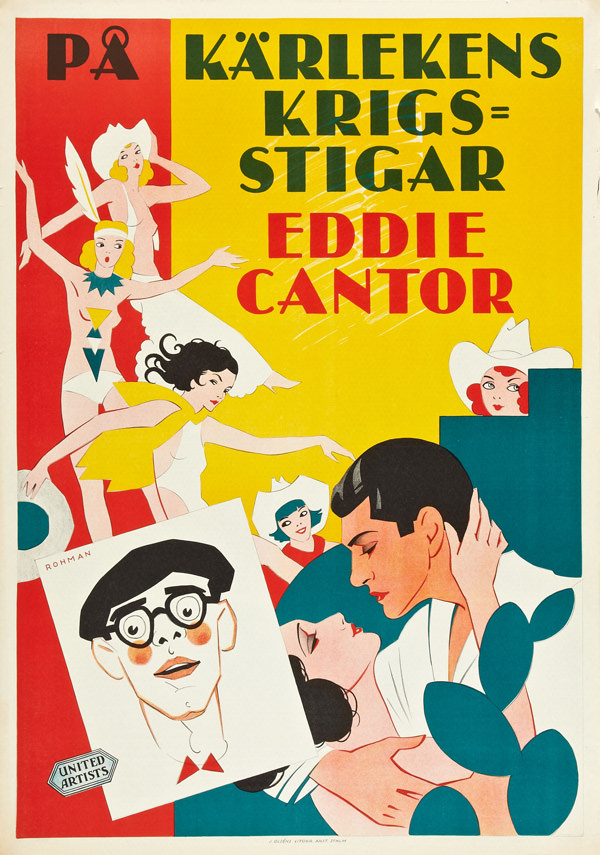
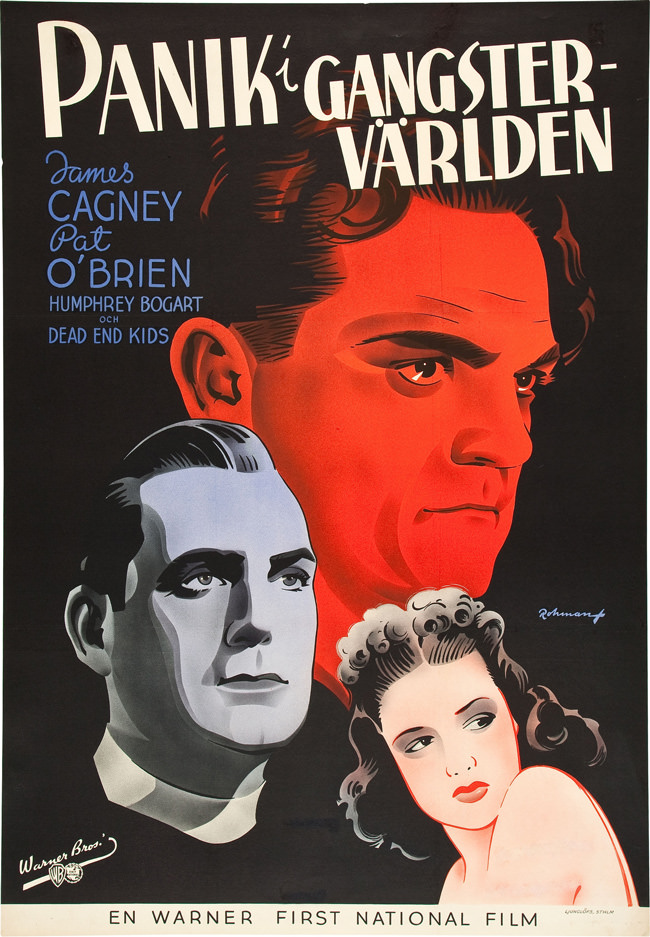
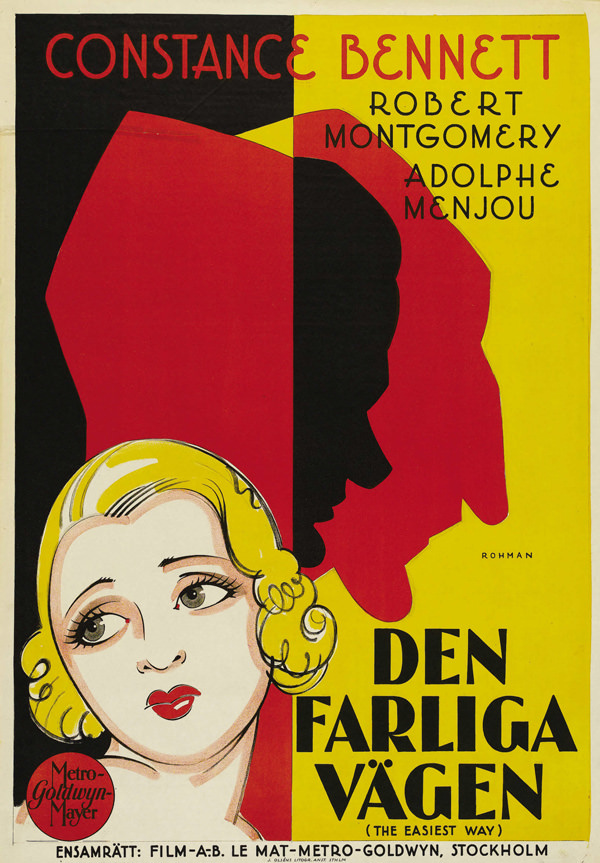
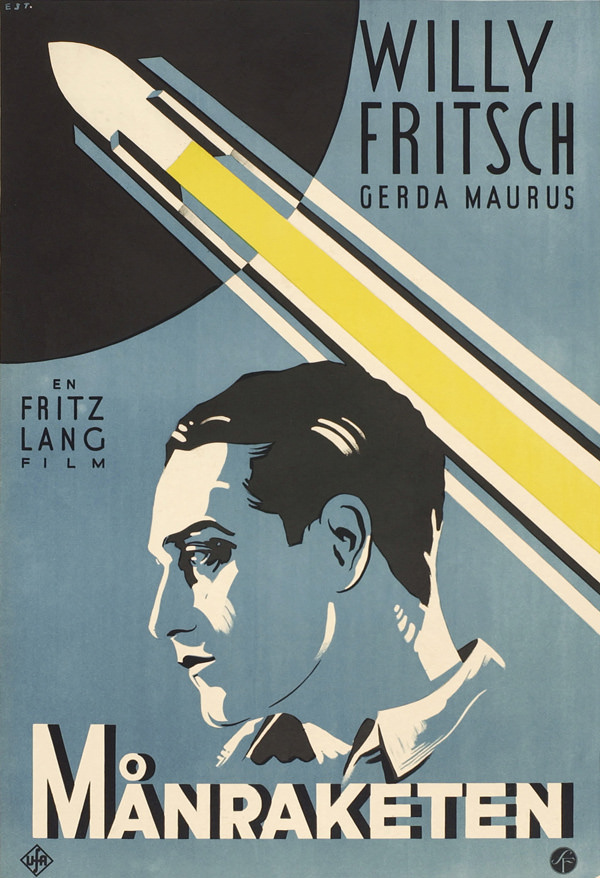
Eric Rohman was one of the most prolific artists working in this space. His posters appear across genres — from aviation action films to musicals — and consistently show a bold, graphic confidence. Rohman used strong outlines, exaggerated proportions, and dramatic angles to pull viewers in.
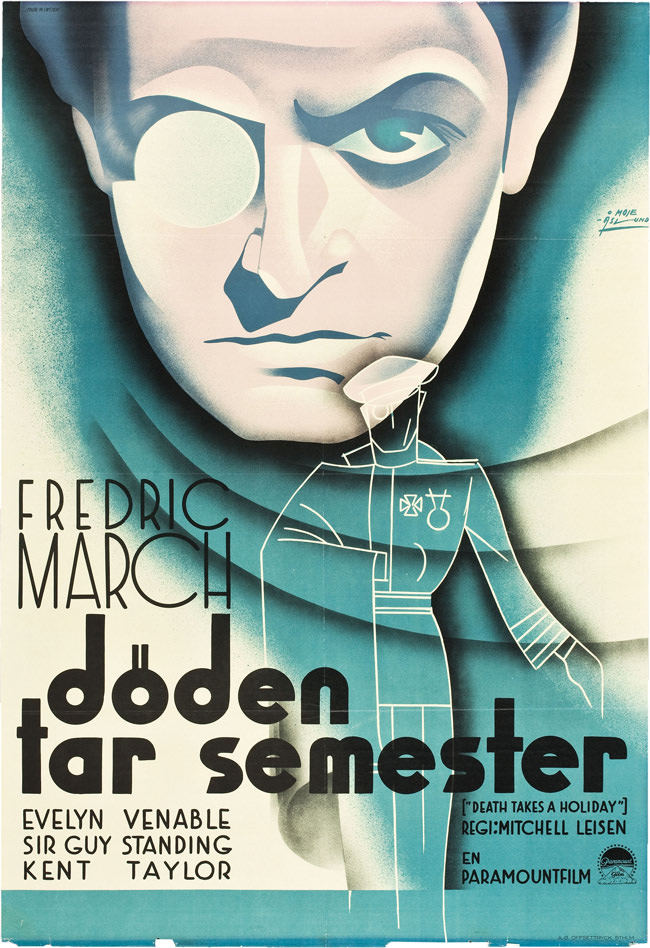
Moje Aslund brought a darker, more stylized touch to his work. His poster for the 1934 drama Death Takes a Holiday reflects a European sensibility — moody, theatrical, and rich in symbolic imagery. Swedish poster artists weren’t illustrating films so much as recomposing them for a new audience.
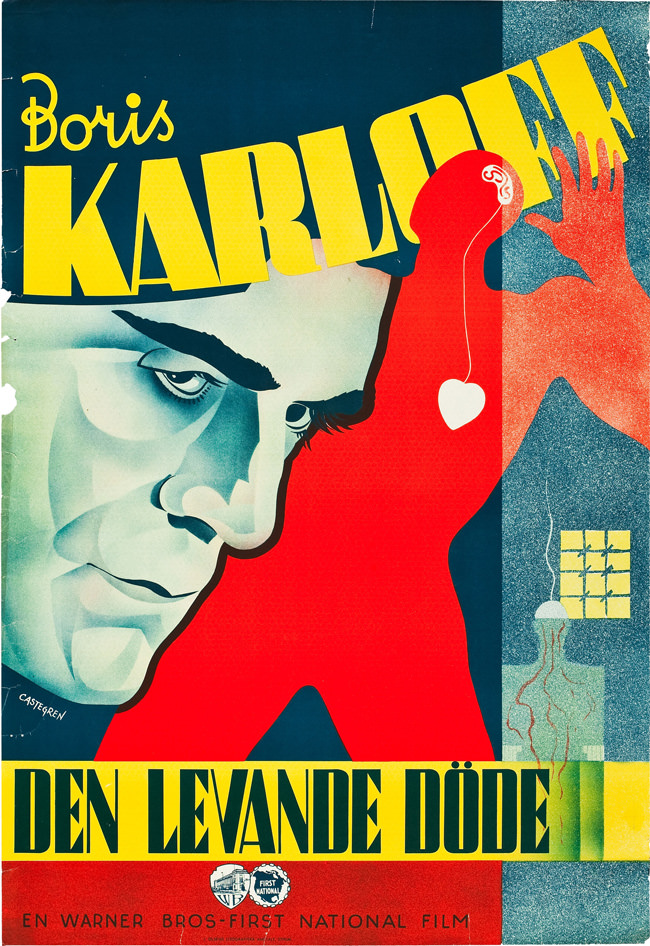
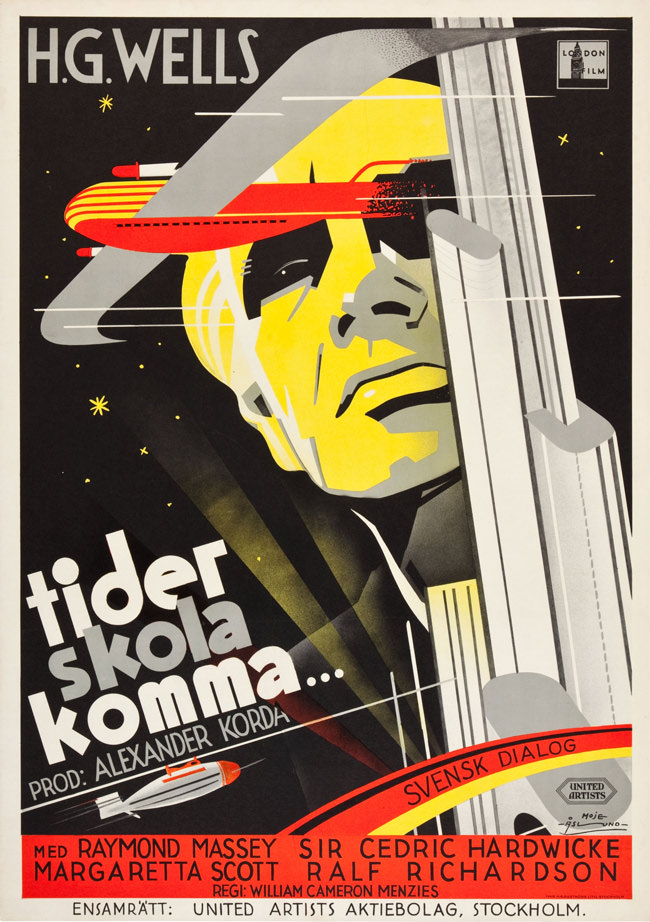
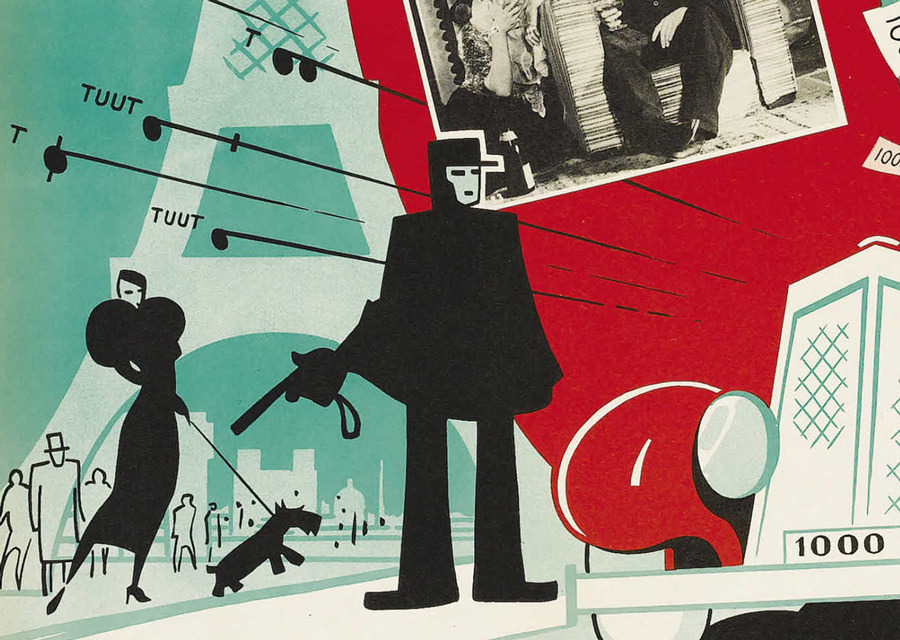
One of the most striking features of these posters is their use of cartoonish, exaggerated figures. Characters appear with oversized features, stretched limbs, or theatrical expressions. This wasn’t reserved for comedies — even horror and science fiction posters used the same approach, giving the work a playful energy regardless of subject matter.
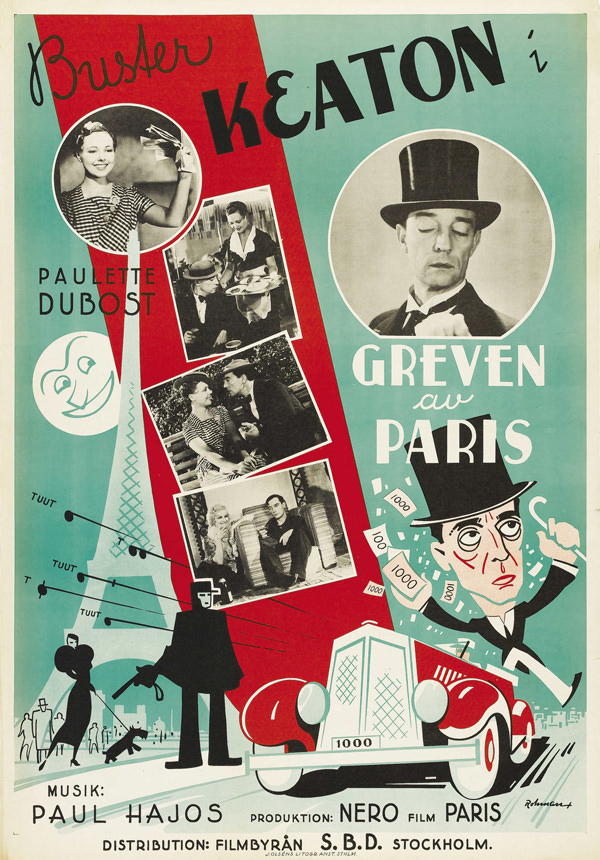
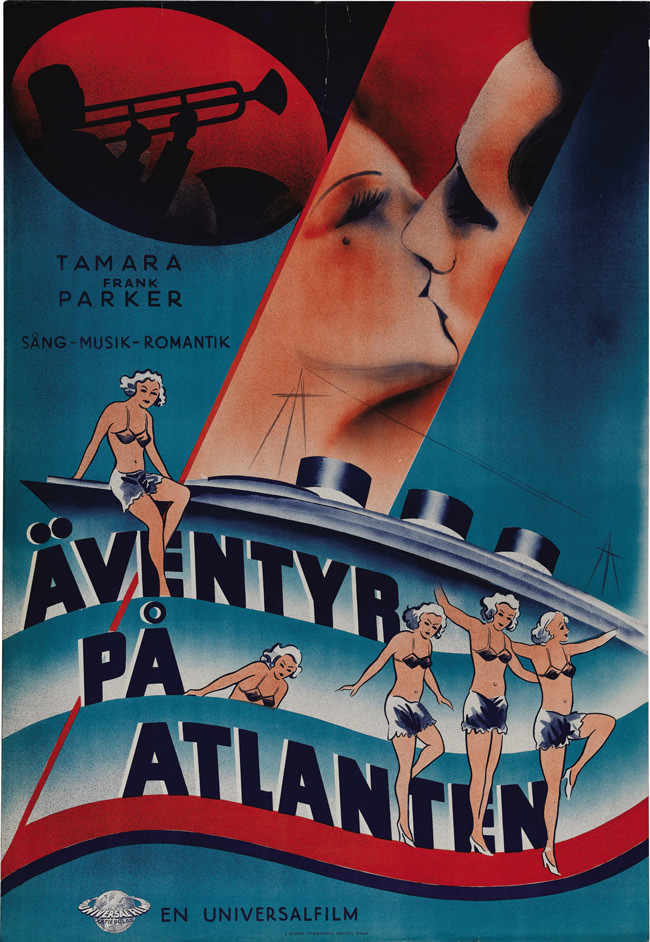
Artists also made frequent use of layered, three-dimensional compositions. Figures were stacked or overlapped to create depth, drawing the eye through the image rather than across it. This technique made posters visually dynamic on a flat wall or display board.
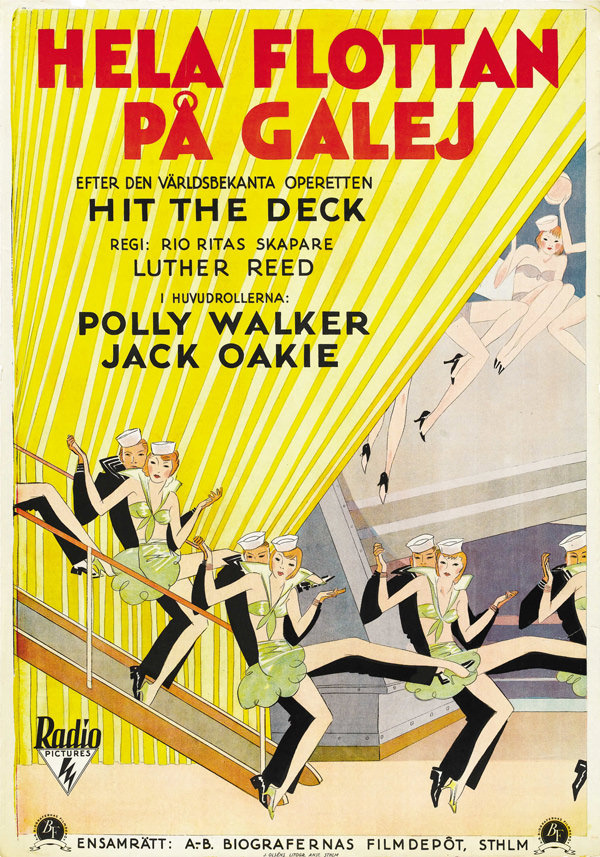
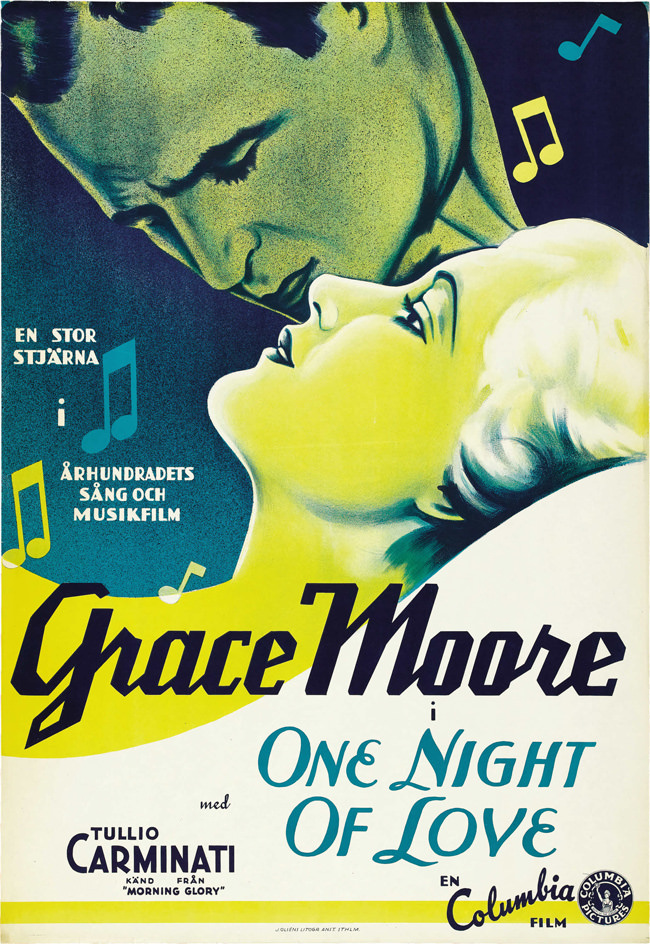
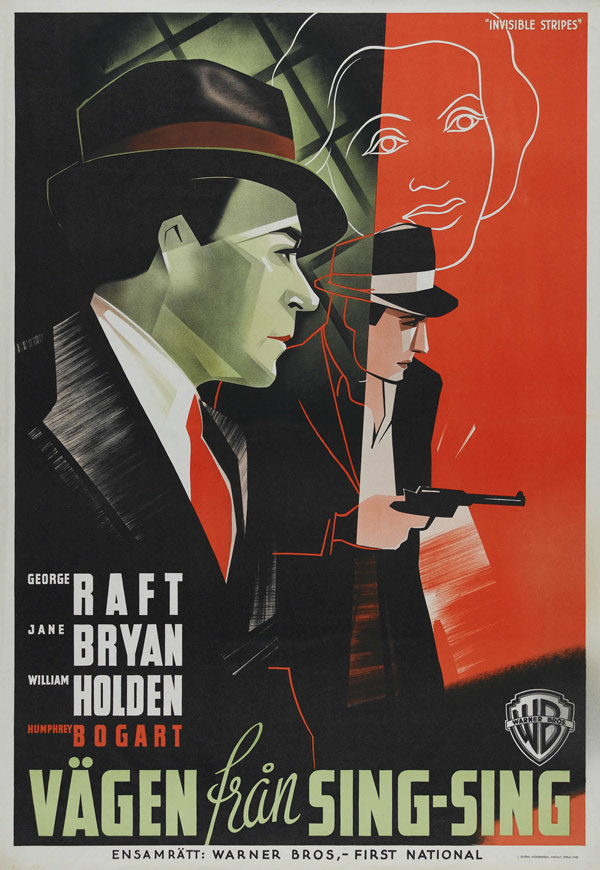
Rohman’s poster for Angels with Dirty Faces shows how well this style translated to crime films. The 1938 James Cagney picture gets a gritty, angular treatment — faces sharp, postures tense. Swedish artists clearly studied the tone of each film and responded to it on their own terms.
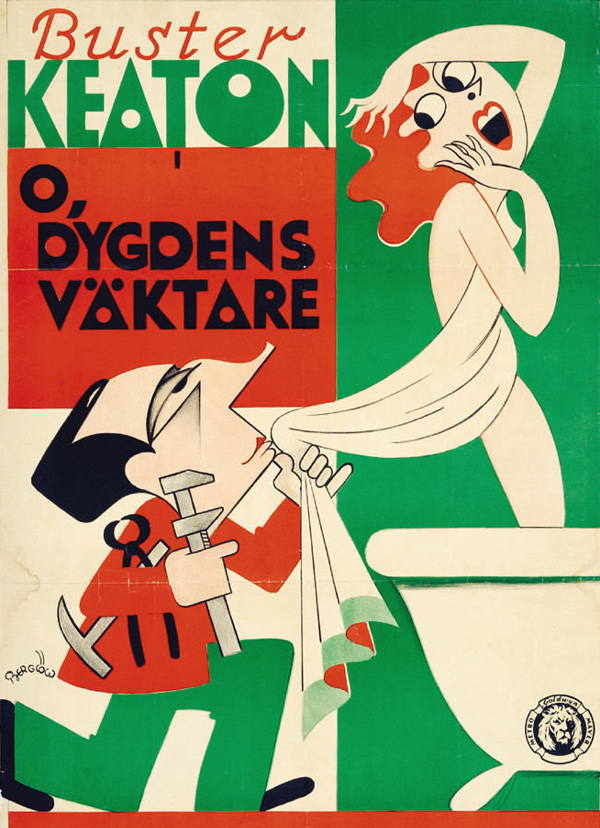
Carl Gustav Berglow and other lesser-known contributors matched the same standard. Their work shows that this wasn’t a one-artist movement — it was a broader cultural approach to commercial art in Sweden at the time.
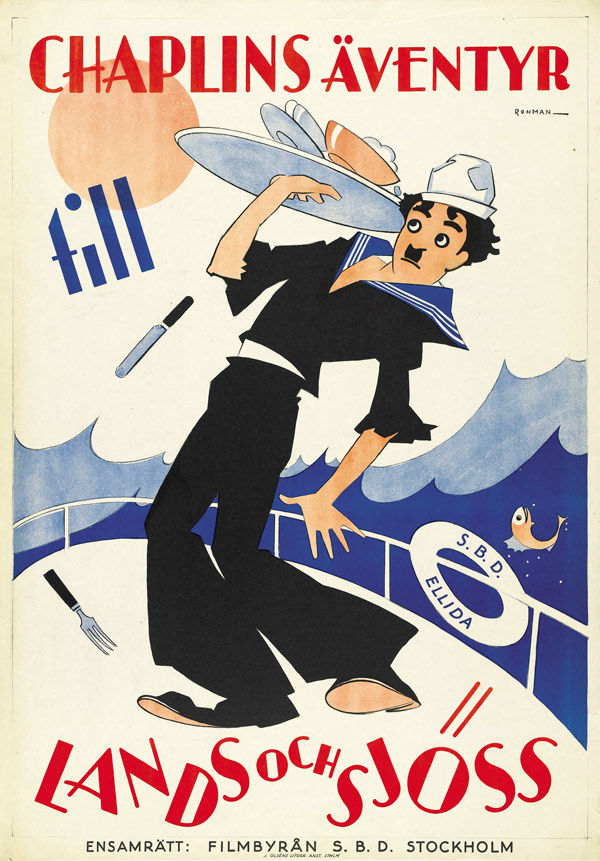
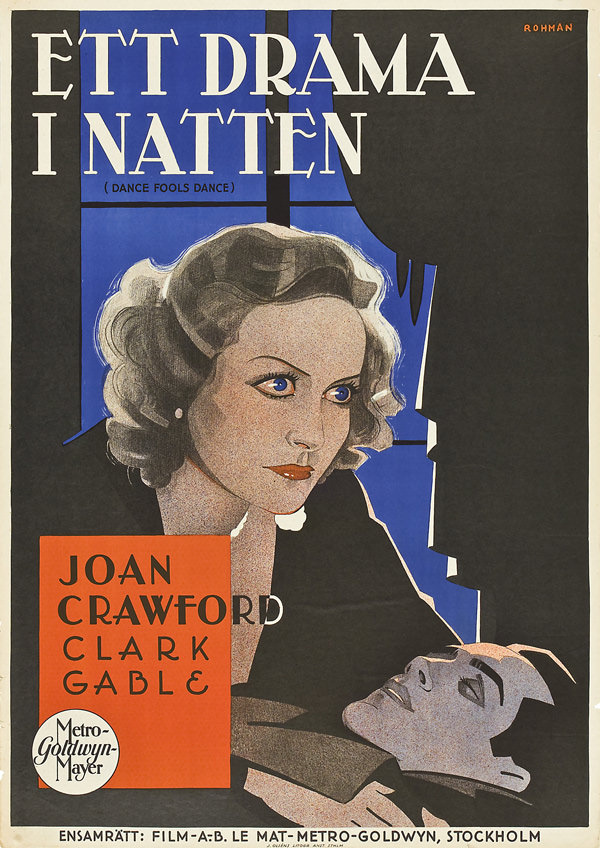
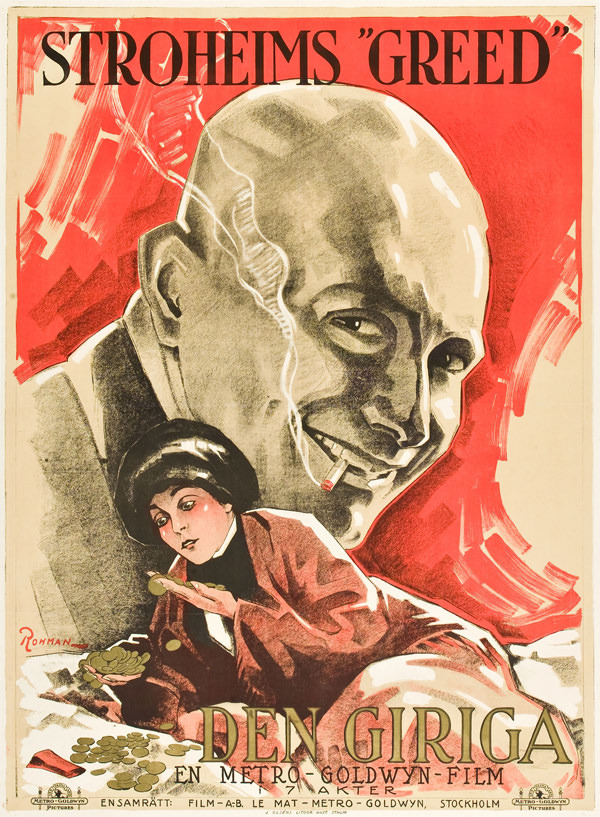
Rohman’s work for the 1924 film Greed — Erich von Stroheim’s brutal portrait of obsession and poverty — shows just how wide a range these artists covered. The poster distills a nearly four-hour film into a single charged image, rooted in Swedish graphic traditions.
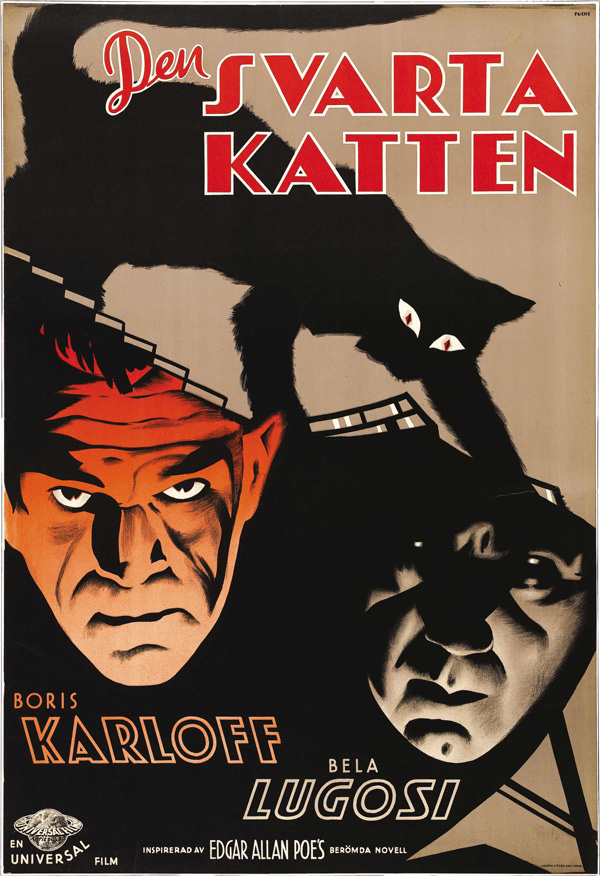
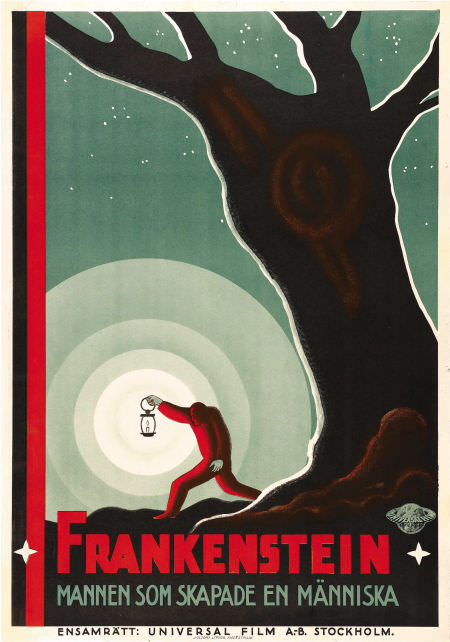
Horror films received some of the most striking treatments. Universal’s iconic monsters — Frankenstein’s creature, the Black Cat — were rendered with an expressionist edge that fit Swedish artistic tastes naturally. These posters often feel closer in spirit to German Expressionism than to anything produced in Hollywood.