
Between 1982 and 1984, French photographer Sophie Bramly moved through the Bronx with a camera and an eye for something new. What she found was a culture building itself in real time — on street corners, in clubs, in recording studios, and on subway cars. Hip-hop was not yet a global industry. It was a neighborhood thing, loud and alive, shaped by young people who had little money but extraordinary creative energy.
The Bronx in those years had a specific sound and a specific look. DJs like Afrika Bambaataa and DJ Kool Herc were central figures. Bambaataa had co-founded the Zulu Nation, an organization that used hip-hop culture to pull young people away from gang life. Herc, widely credited as one of the originators of hip-hop, had pioneered the technique of looping the percussion breaks of records to keep dancers moving. Both men were fixtures at the Bronx River Center, one of the key gathering places for the community.
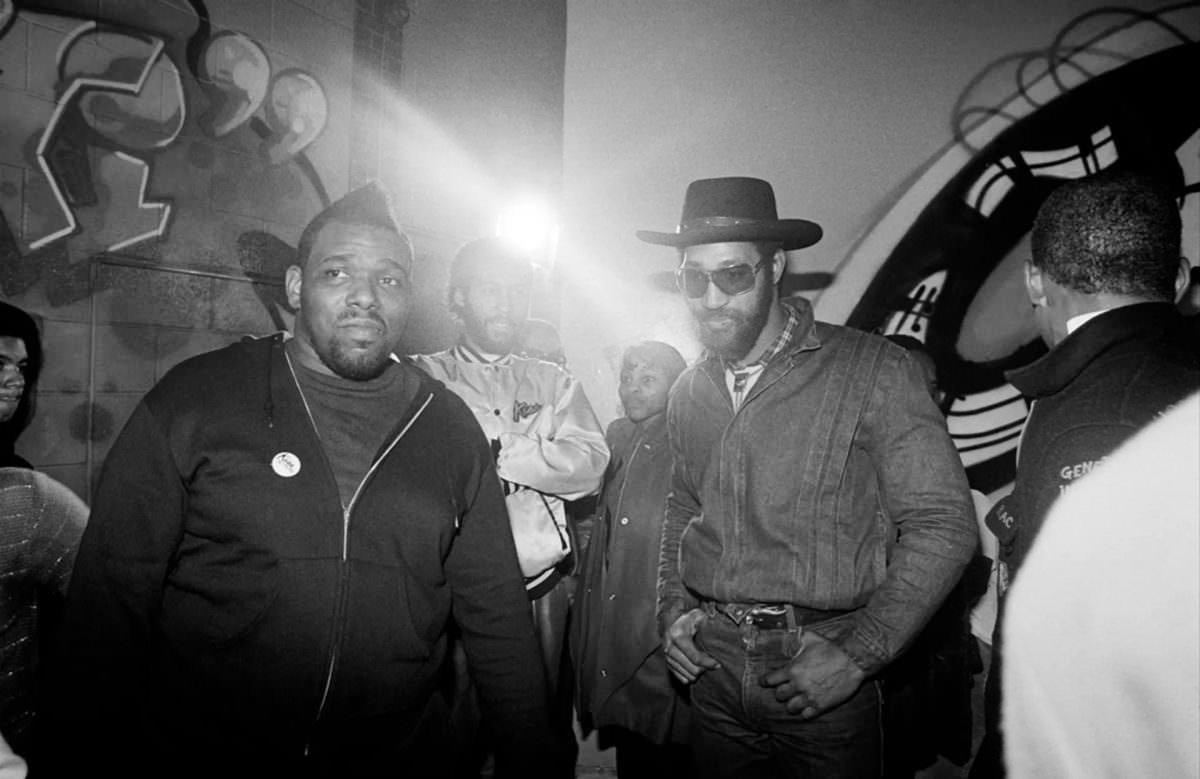
Bramly captured Bambaataa and Herc together at the Zulu Nation anniversary party, held at the Bronx River Center. It is a rare image of two founding figures of hip-hop in the same frame, in the place where so much of the culture took root.
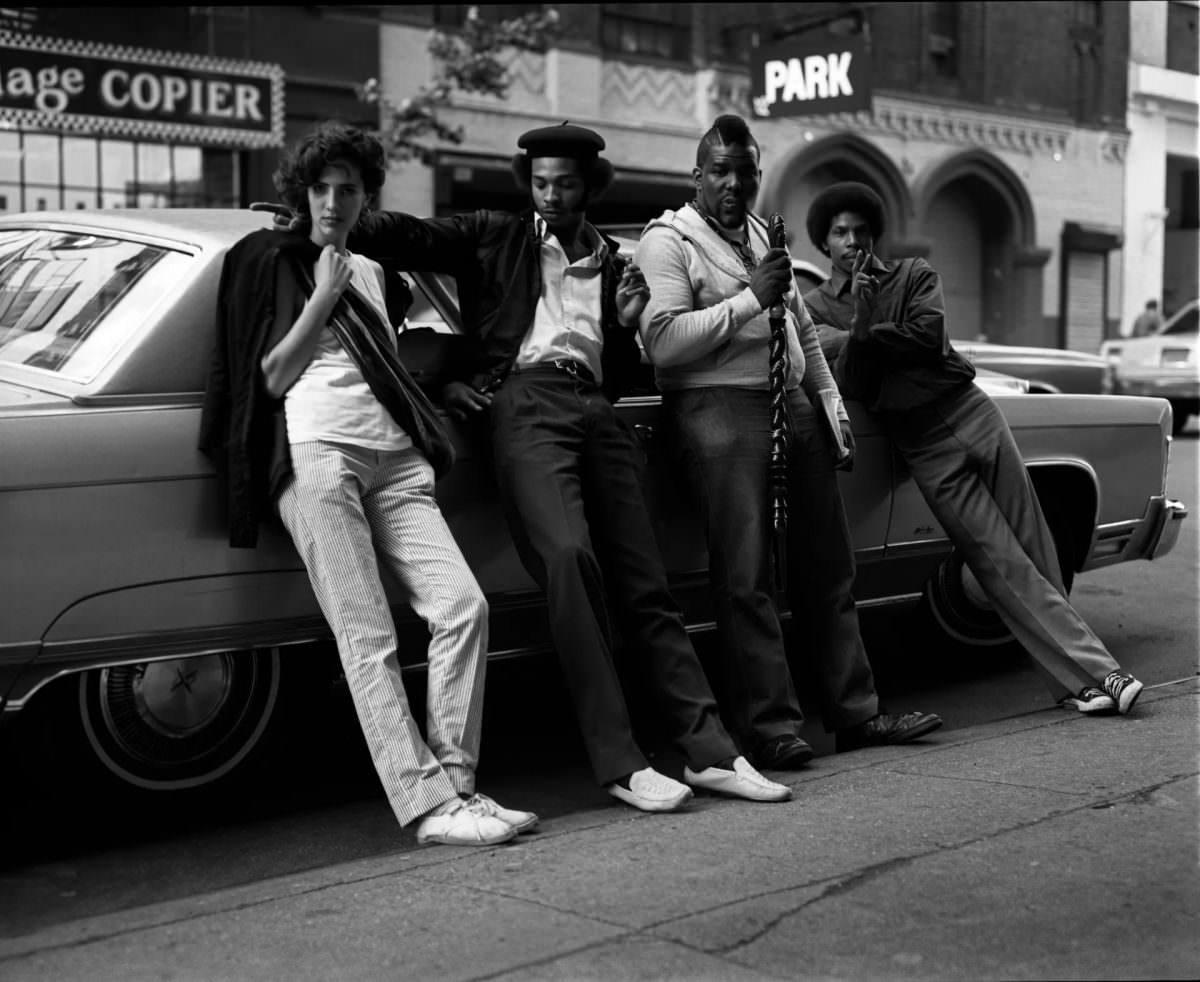
B-Side and Amad Henderson, another co-founder of the Zulu Nation, appear in one of Bramly’s shots alongside Bambaataa outside Greene Street Recordings — a Manhattan studio that became a hub for hip-hop recording sessions during this period.
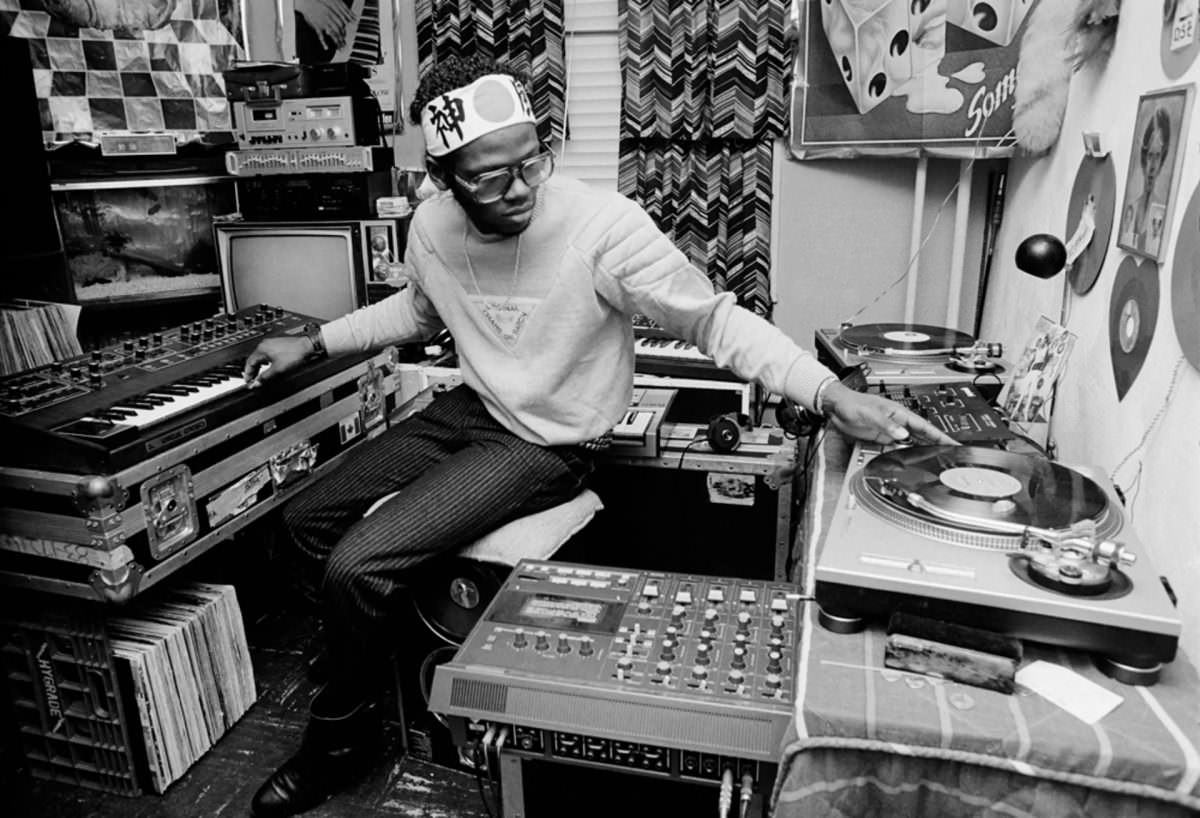
The DJ booth was another world Bramly documented closely. Grandmixer D.ST was one of the most technically skilled DJs of the era, known for his scratch work on Herbie Hancock’s 1983 track “Rockit.” Bramly photographed him both at home in his recording studio and in performance — images that show the seriousness with which he approached his craft. D.ST later reflected on Bramly’s work, saying, “All these photos speak of a time that is so special, is never coming back and changed the world.”
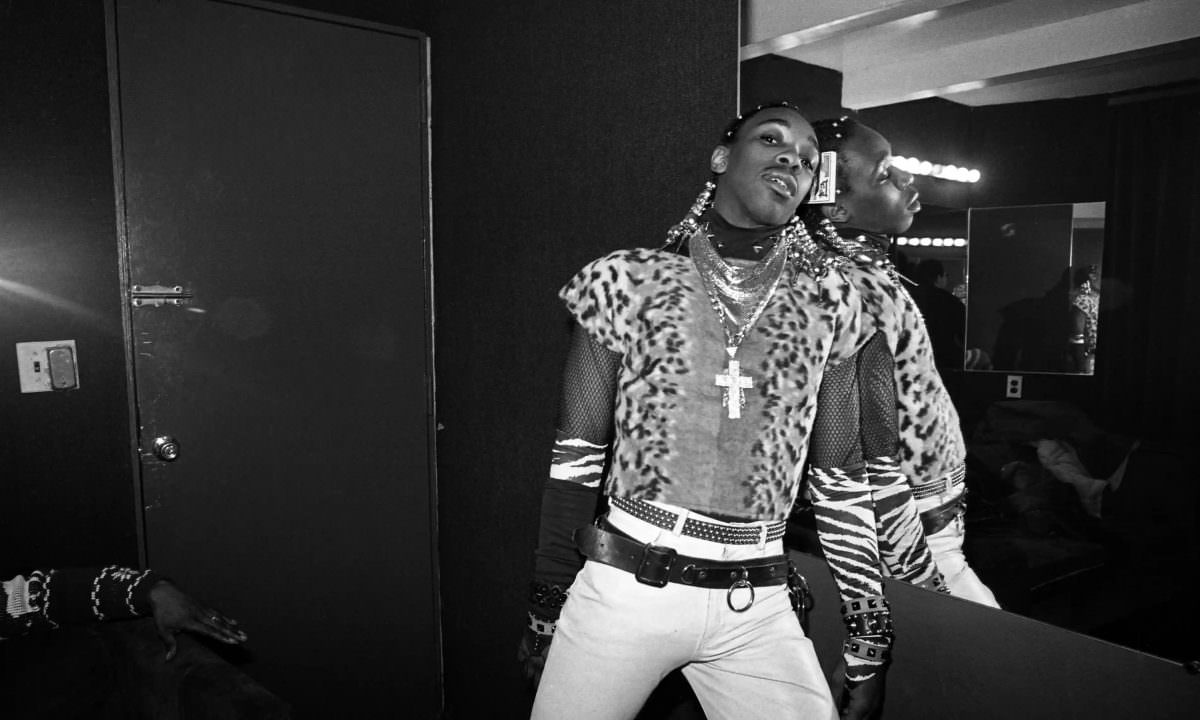
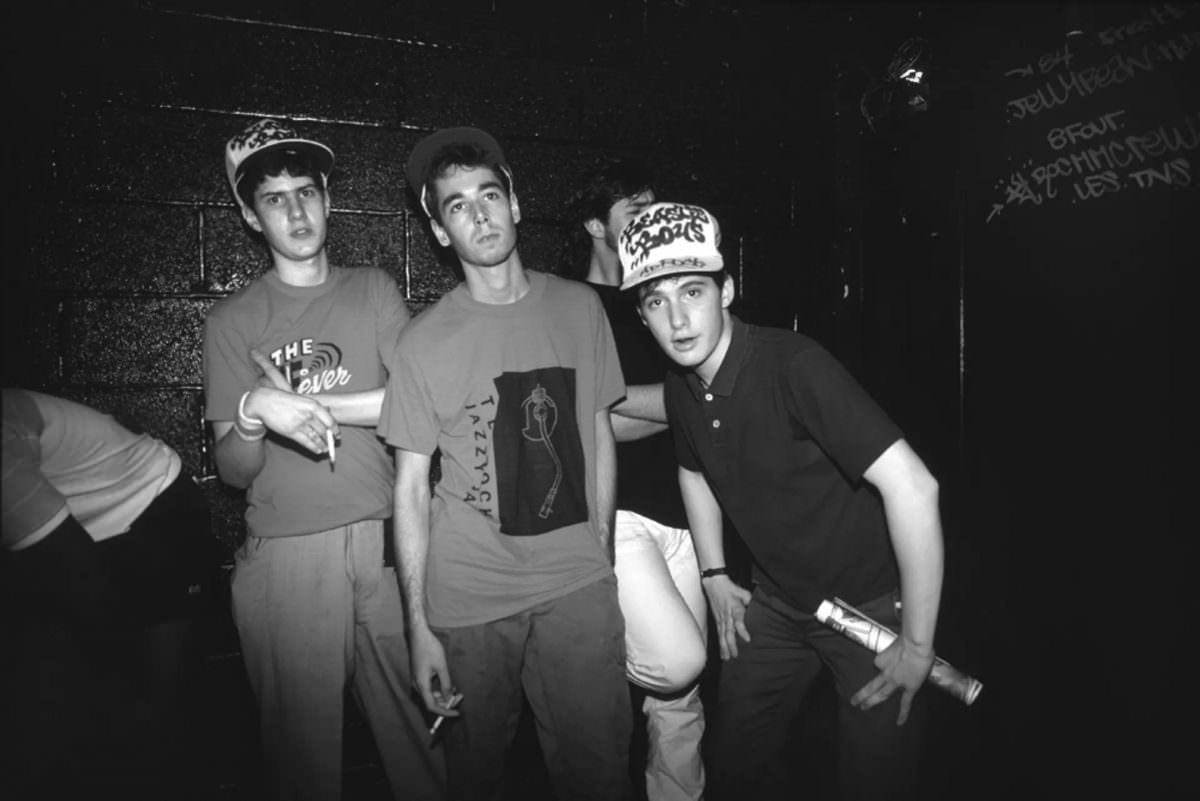
Bramly also photographed the performers who were becoming known beyond the Bronx. Scorpio of Grandmaster Flash and the Furious Five appears backstage in one shot — a quiet moment away from the crowd. The Beastie Boys, then a young New York act still finding their footing in hip-hop, were also among her subjects.
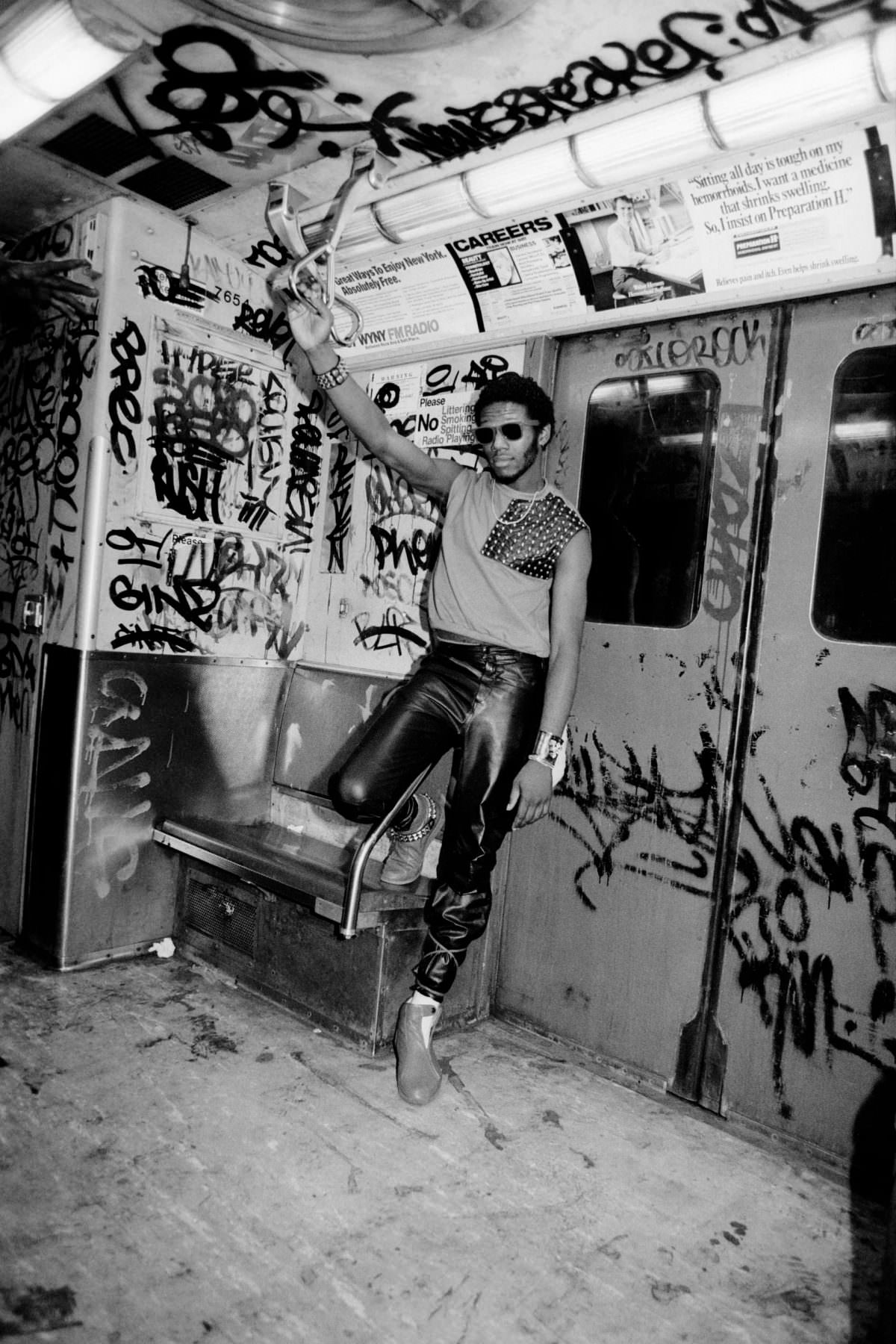
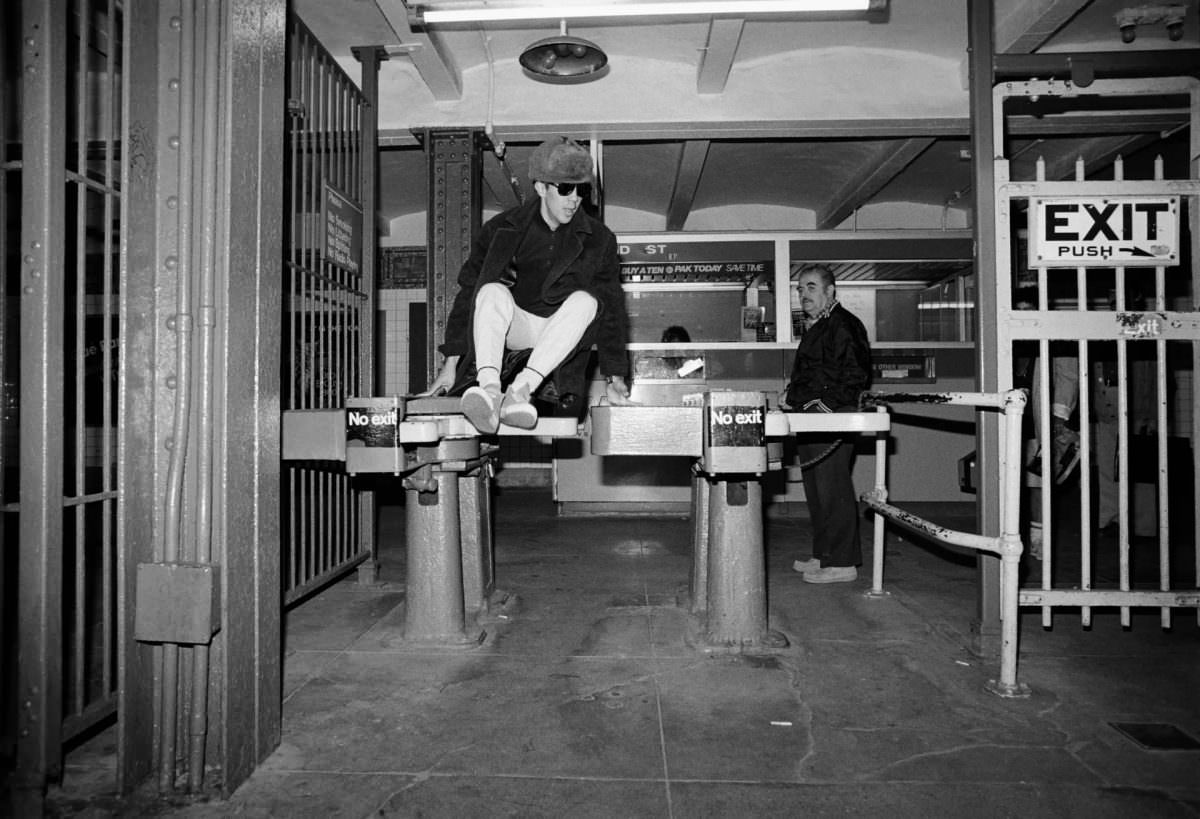
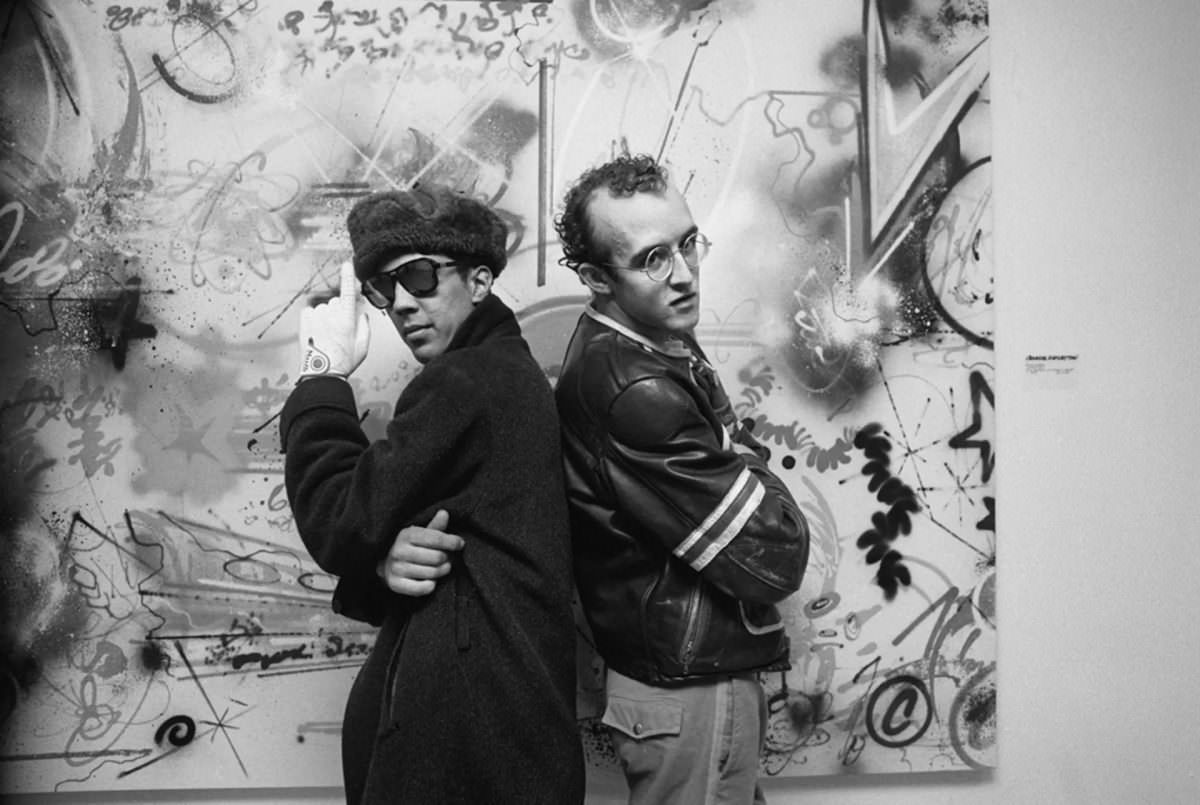
The visual art scene intersected with hip-hop in ways that Bramly documented with equal attention. Graffiti writer Futura was a central figure in that overlap. Bramly caught him riding the subway — the canvas for so much New York graffiti art at the time — and also photographed him alongside Keith Haring at the Fun Gallery, a downtown space that showed street artists alongside more established names.
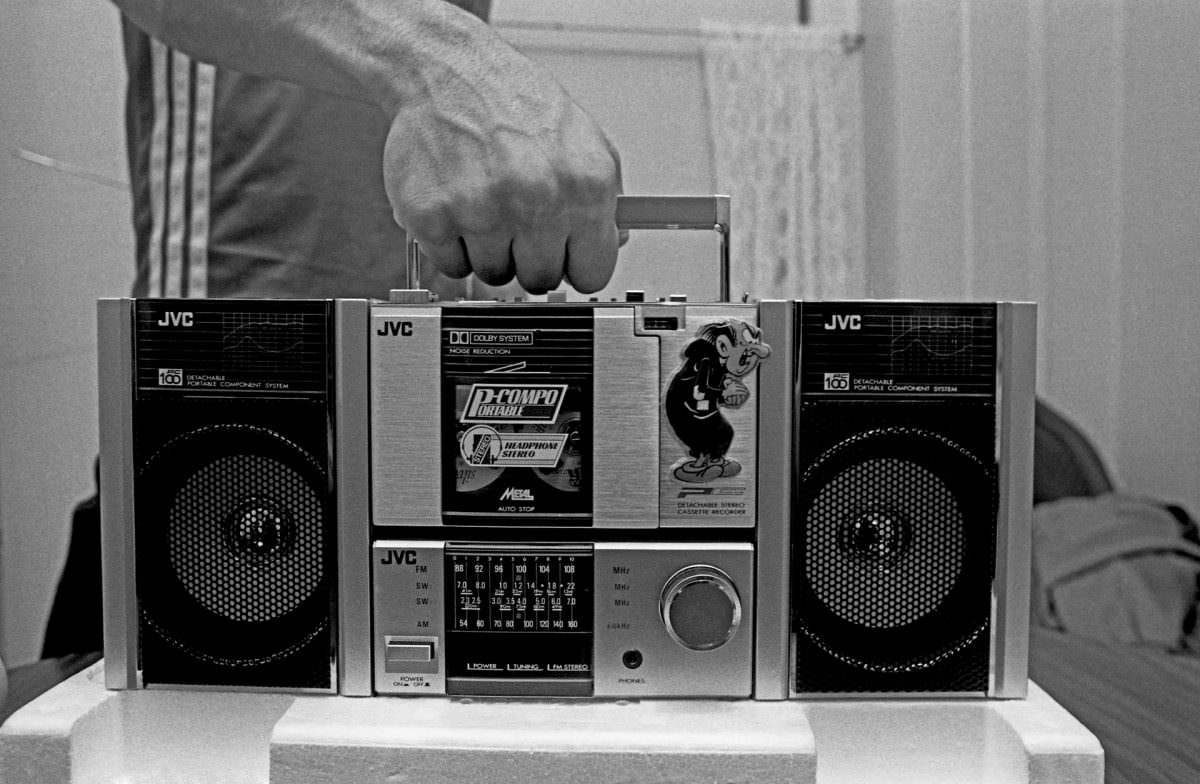
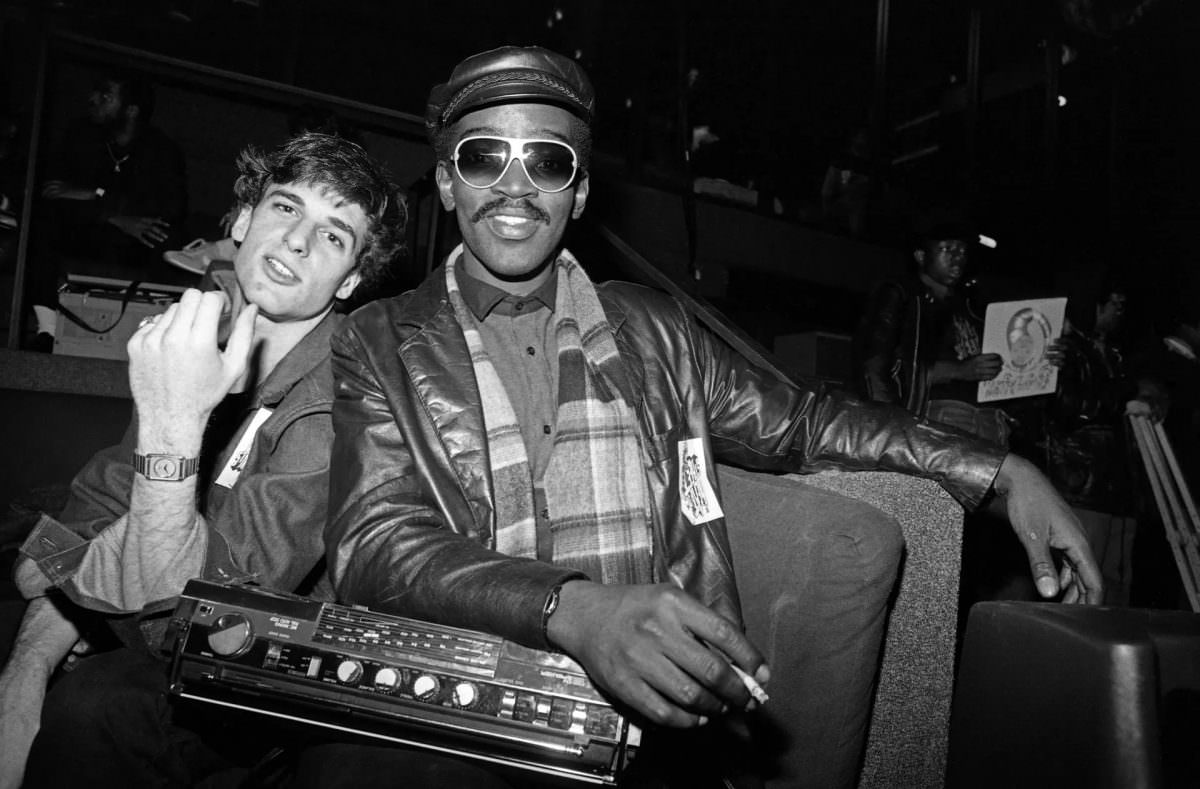
In 1984, the film Beat Street brought the Bronx scene to a wider audience. Auditions were held at the Roxy, a club at 515 West 18th Street in Manhattan that had become a major venue for hip-hop nights. Bramly was there with her camera. She photographed breakdancers competing for roles, including Mr. Freeze with his boombox. Graffiti writer Zephyr and Fab Five Freddy also appear in her Beat Street audition images.
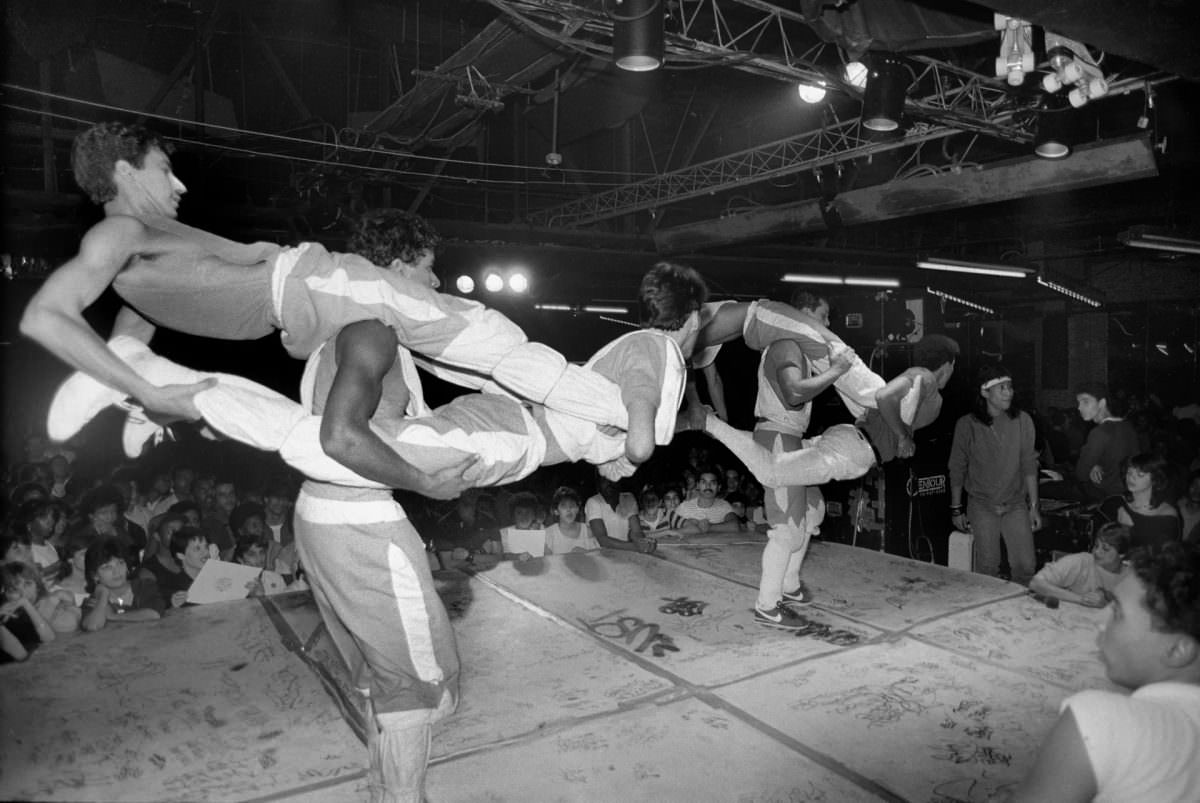
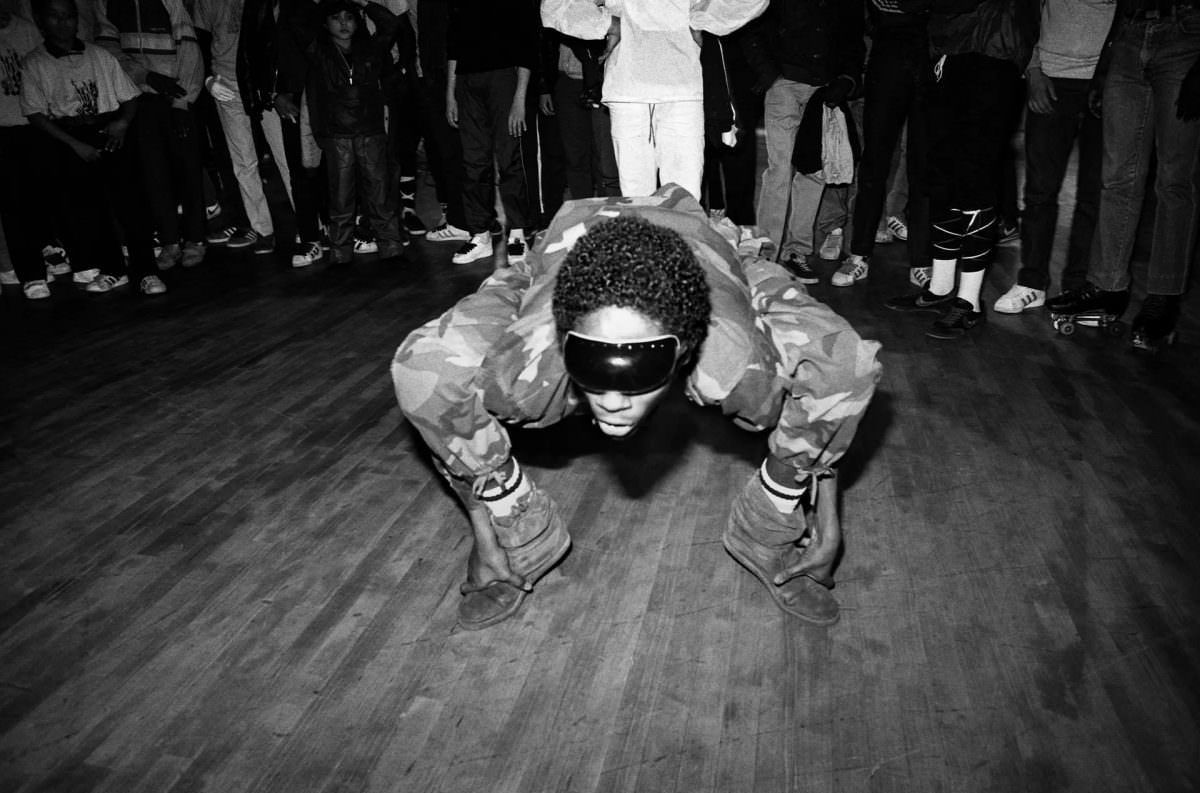
Bramly’s photographs of the Magnificent Force Breakdance Crew at the Bronx River Center show the physical discipline behind breakdancing. Muhamad, one of the crew’s dancers, is captured mid-practice — the kind of everyday moment that formal media coverage of the era rarely bothered to document.
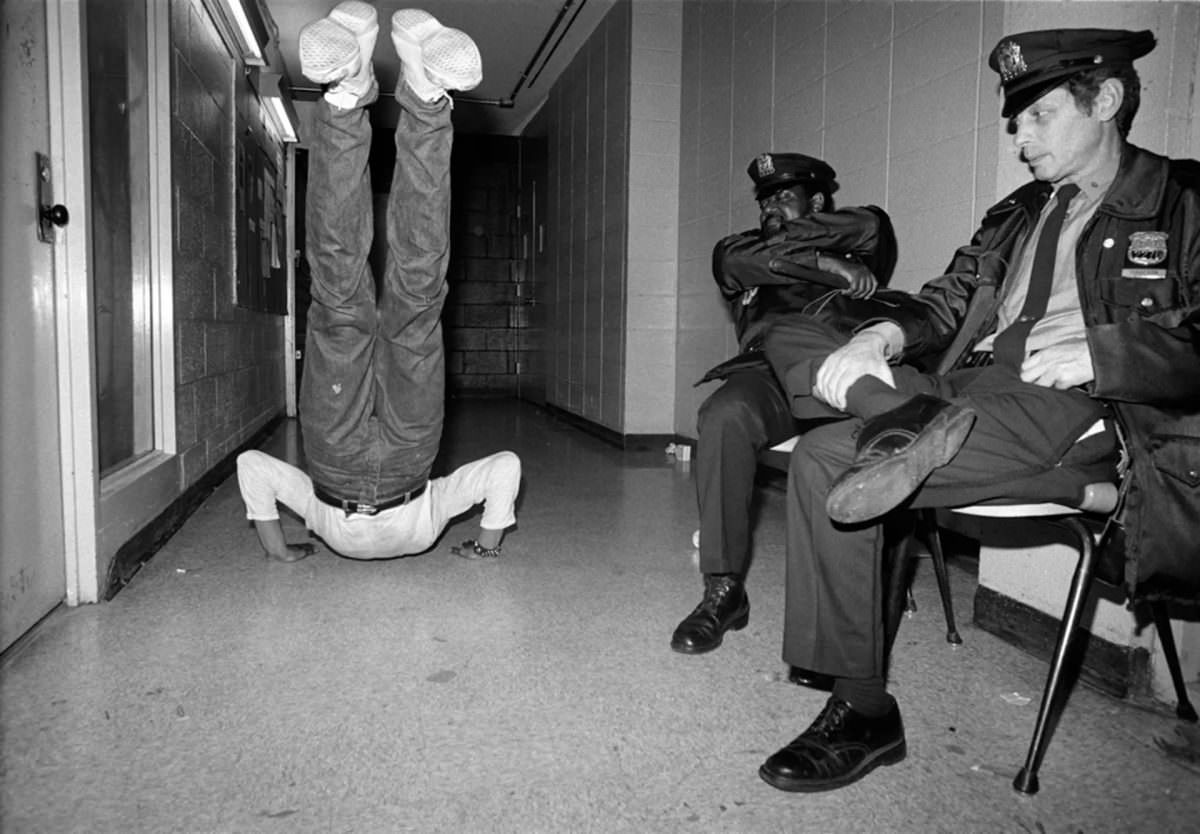
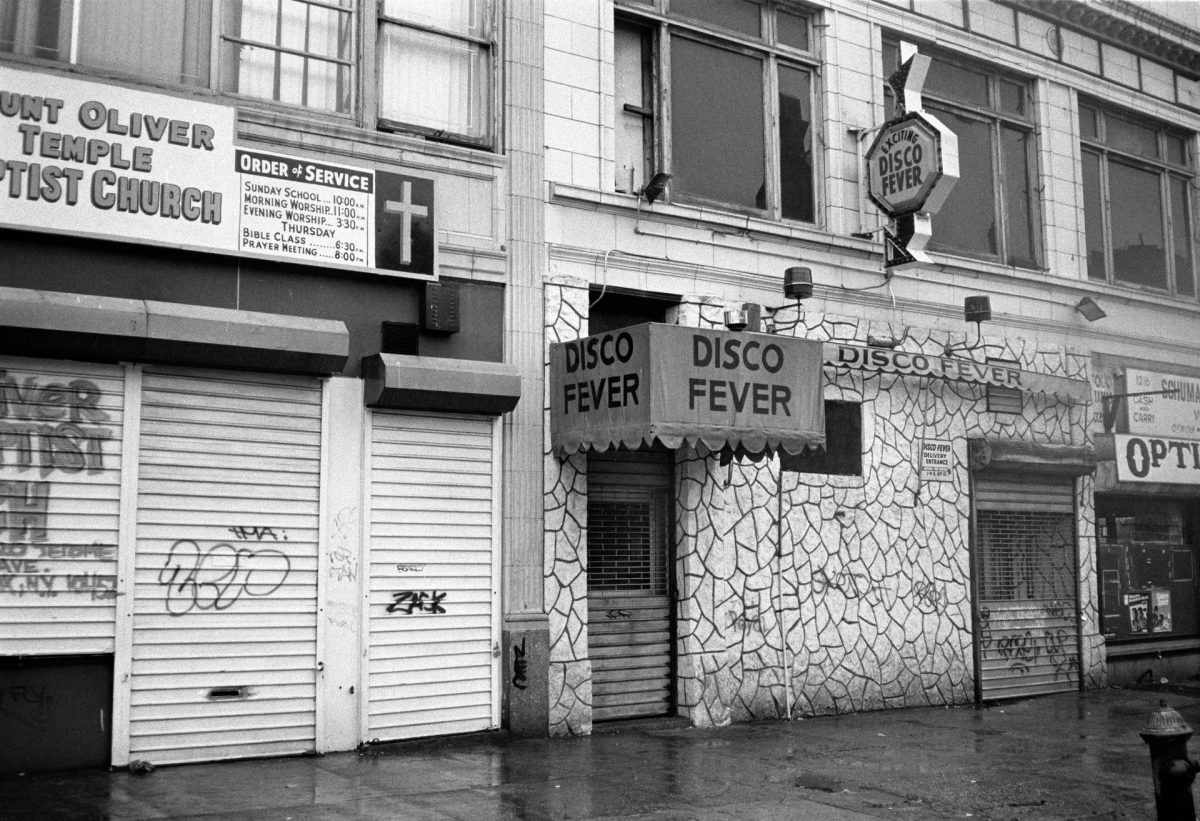
Bramly’s full body of work from this period was compiled in the book Yo! The Early Days of Hip Hop 1982–84, published by Soul Jazz Books. The collection spans DJs, MCs, breakdancers, graffiti artists, and the venues that tied them together — a two-year record of a scene at the moment it was becoming something the rest of the world would eventually notice.




