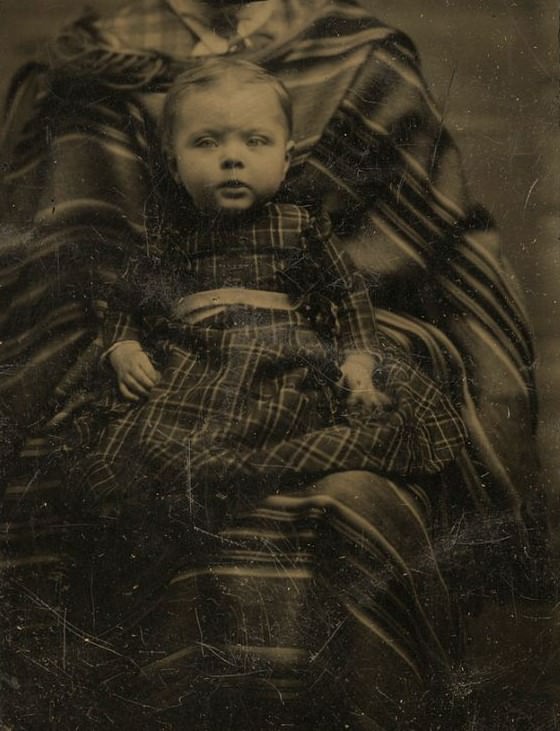
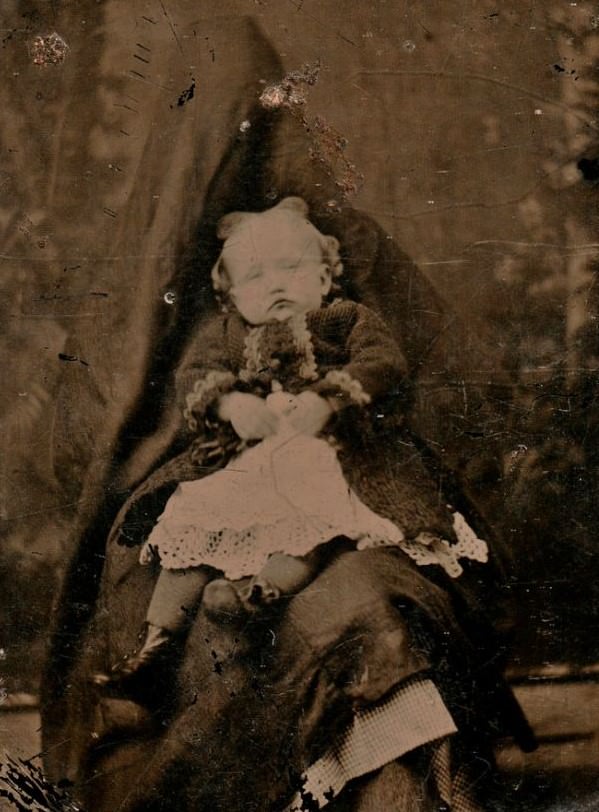
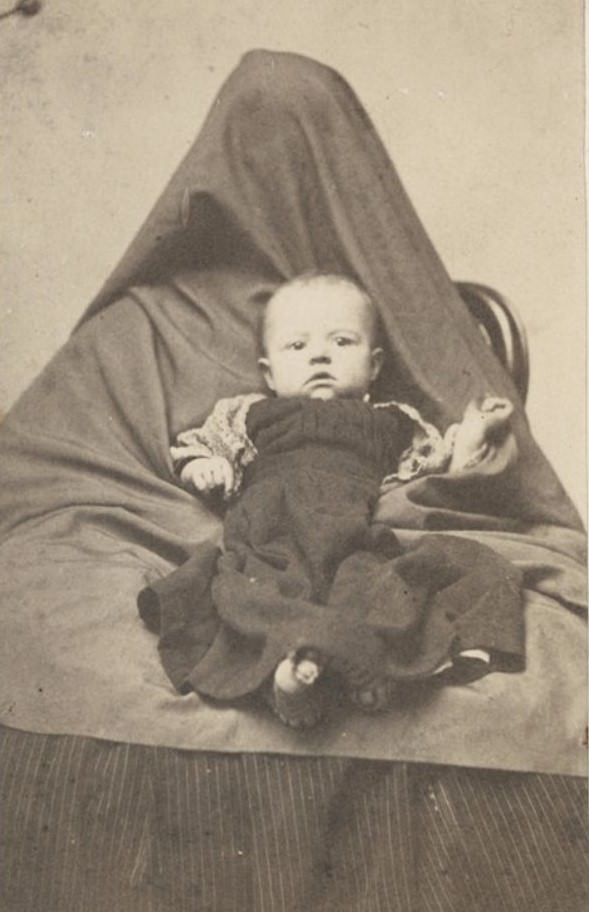
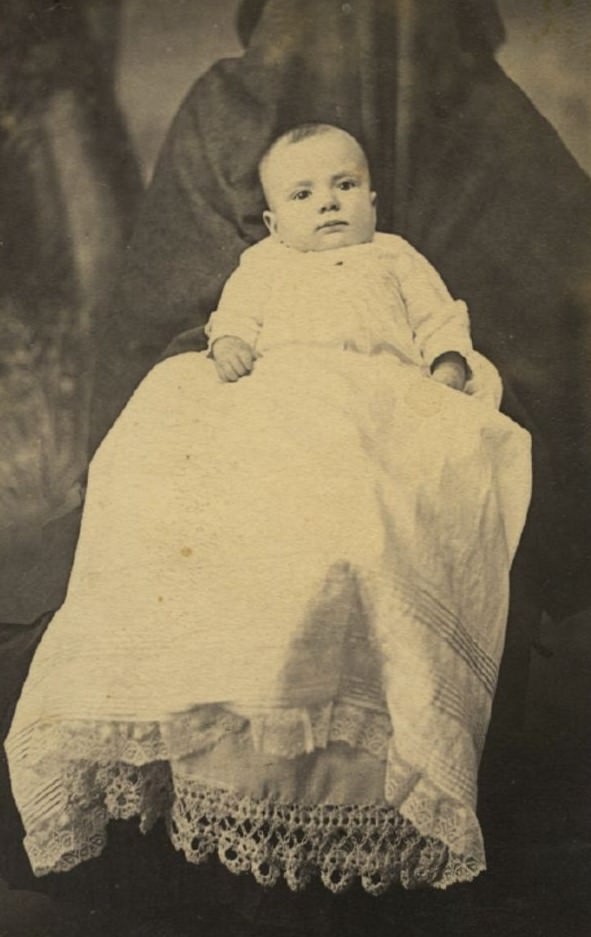
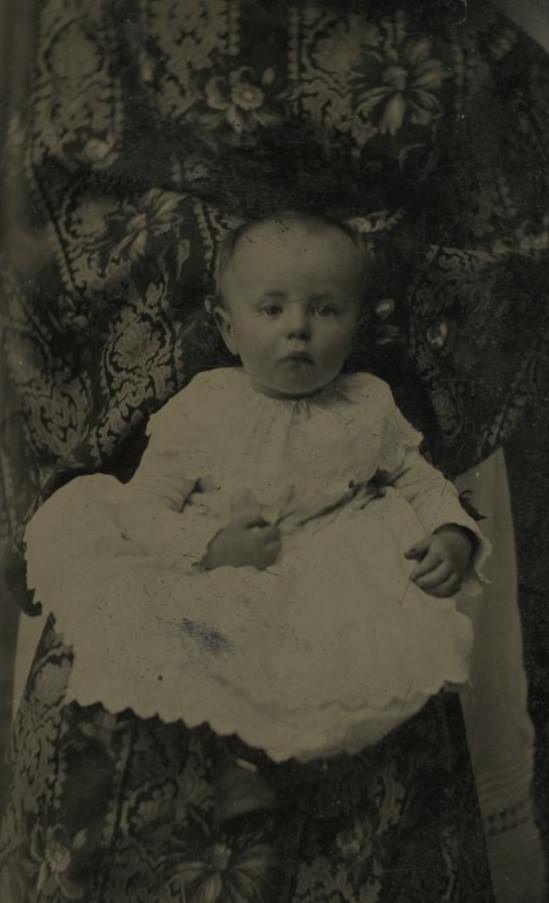
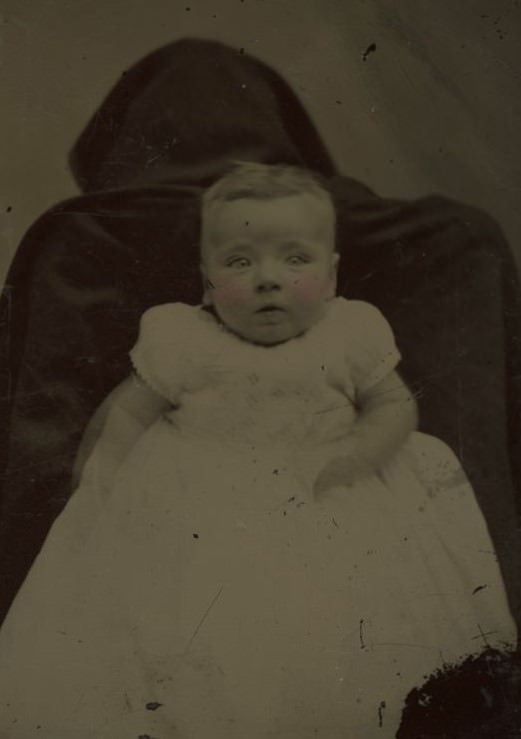
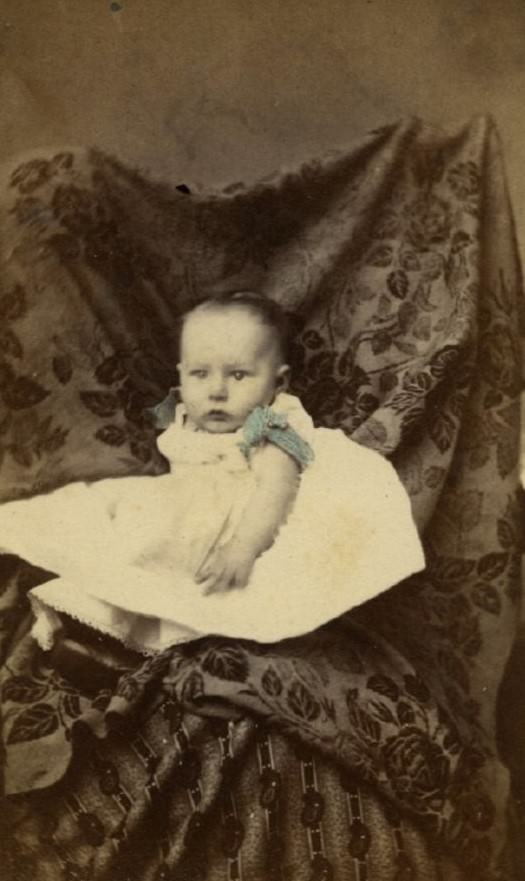
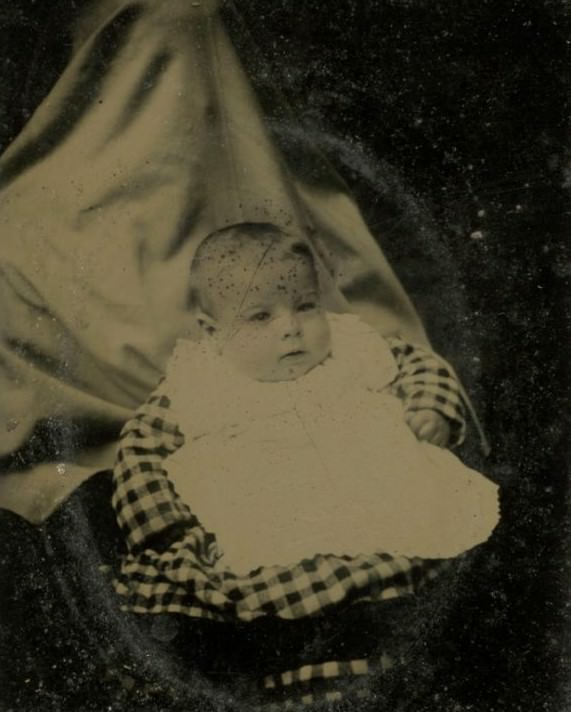
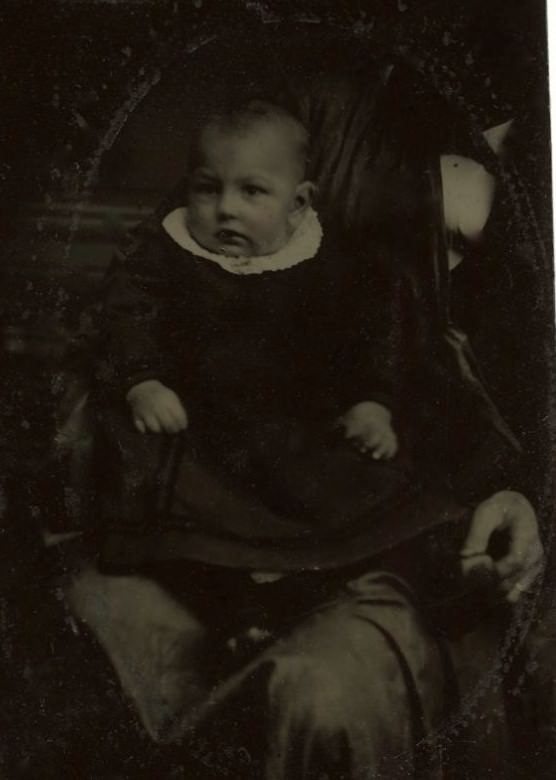
Flip through an old Victorian family album and you might spot something unsettling — a baby sitting perfectly still, posed and serene, with a shadowy draped figure lurking just behind. These are the “hidden mother” photographs, one of the strangest and most fascinating genres in the history of early photography.
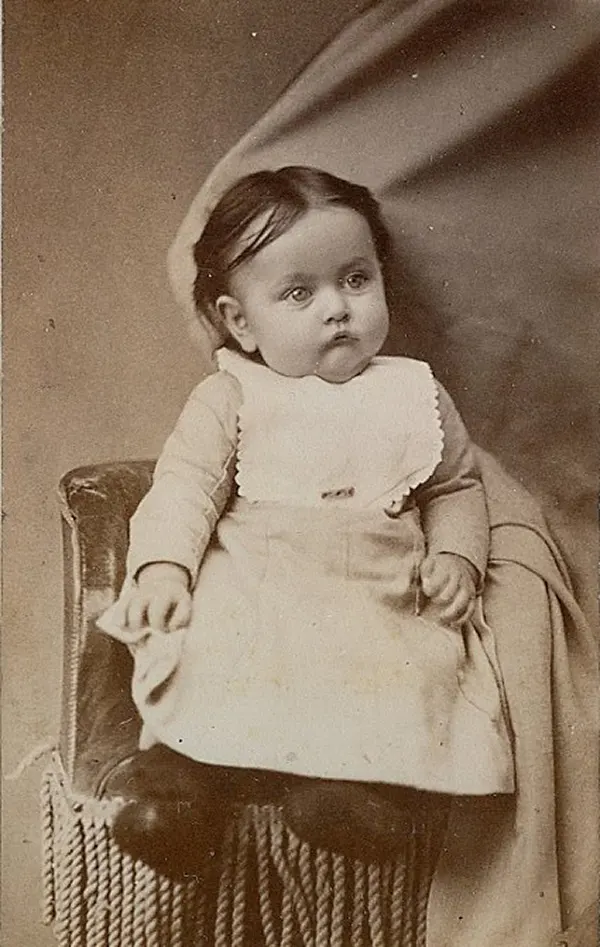
Early cameras in the Victorian era required long exposure times — sometimes several minutes — for an image to develop properly. Every subject had to stay completely still. Adults could manage this, but infants and toddlers could not. A single wiggle meant a blurred, ruined photograph. For families who paid good money for a portrait sitting, that was not an option.
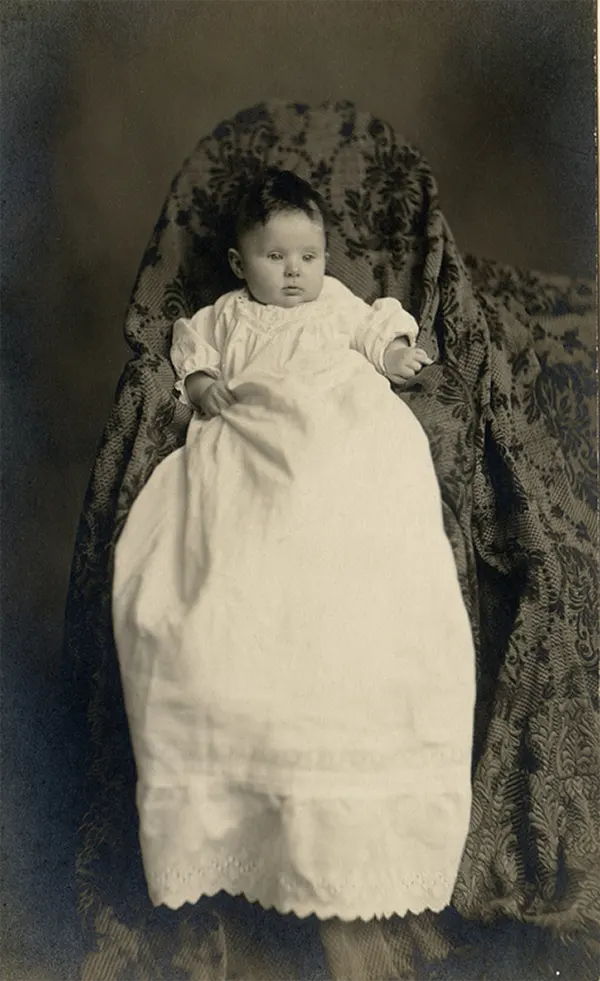
The solution parents landed on was simple but strange: hide in the frame. Mothers — and sometimes fathers, nannies, or a photographer’s assistant — would physically hold the child still while concealing themselves from the camera’s view. The goal was a clean, focused image of the child alone.
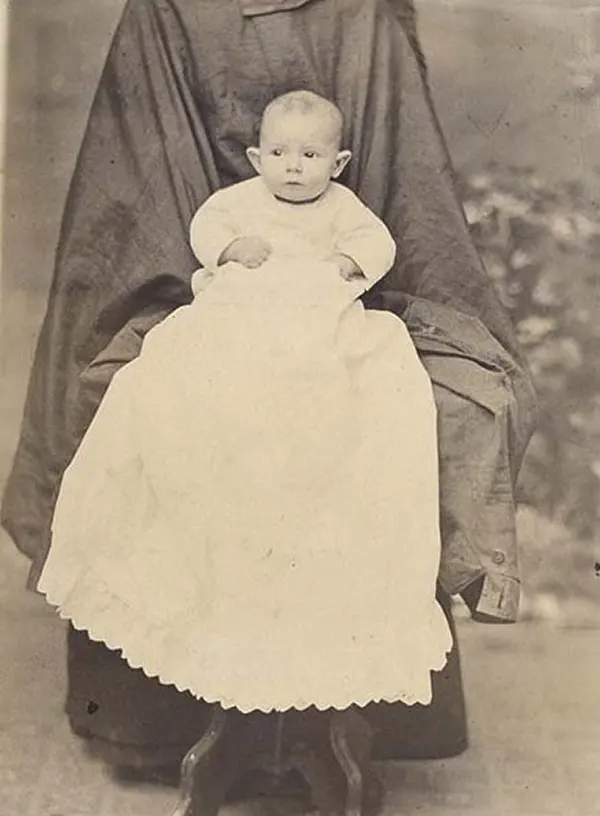
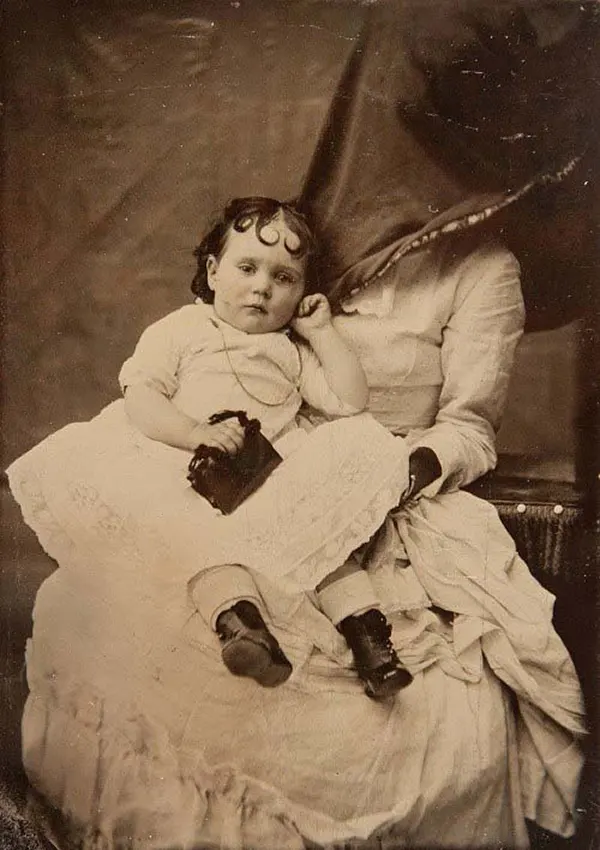
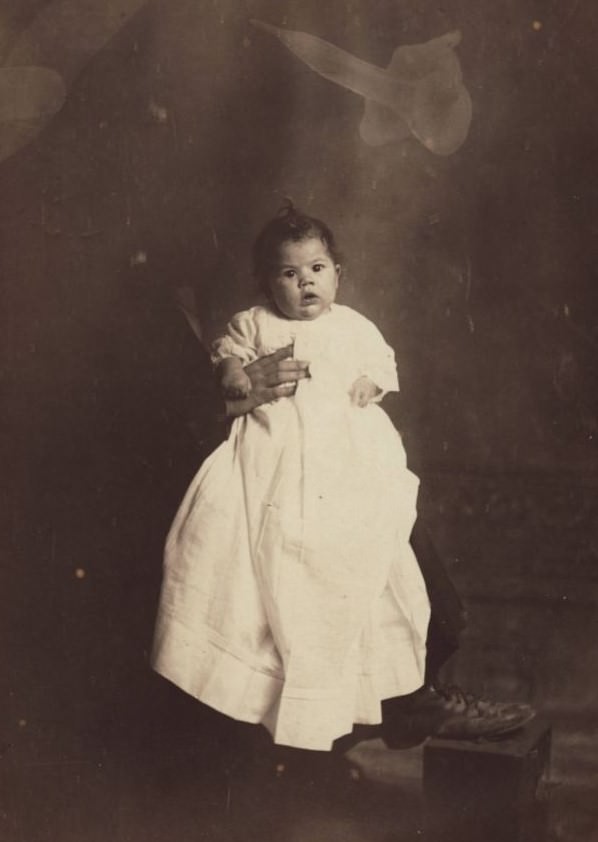
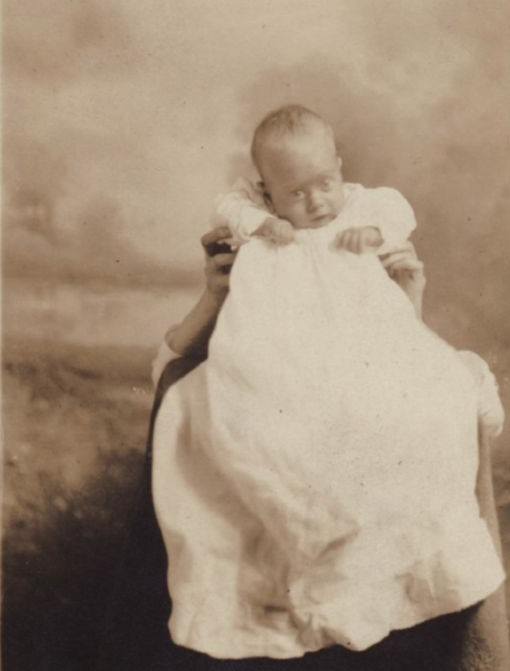
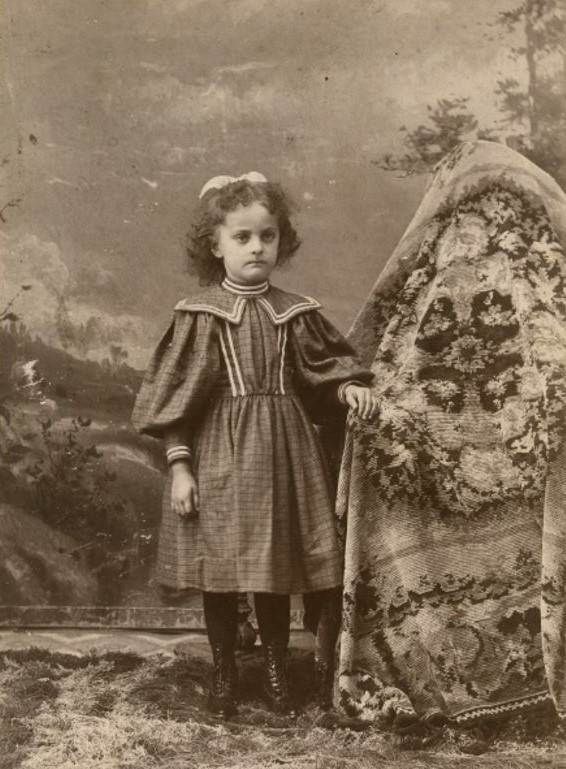
The methods used to hide varied widely. Some mothers stood directly behind a curtain or draped themselves in a heavy cloak that also covered the child. Others sat in a chair and disguised themselves as part of the furniture, with the child placed in their lap or propped against them. In many photos, the outline of a crouching adult is easy to spot once you know to look.
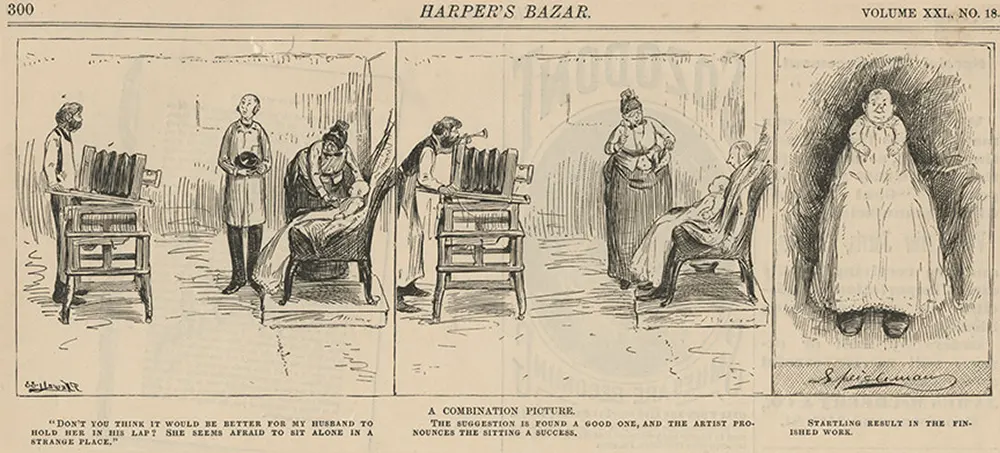
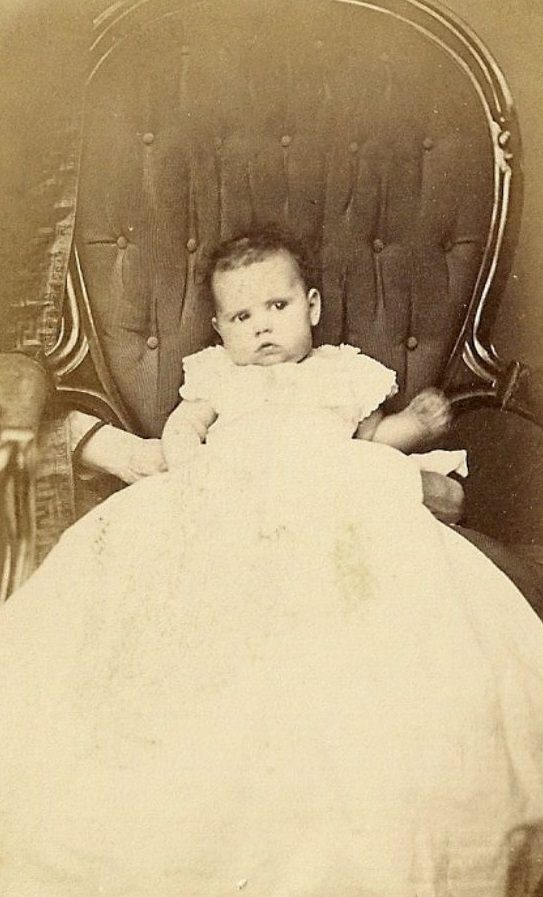
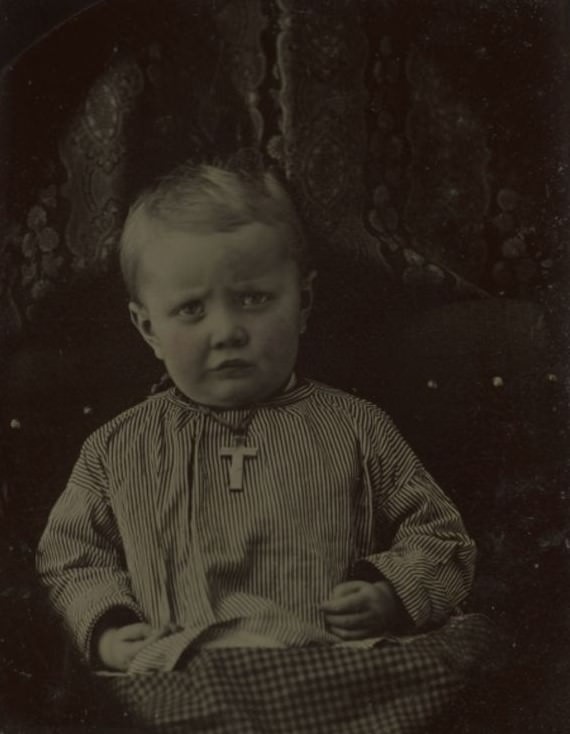
The results range from mildly odd to genuinely eerie. In some photographs, a pair of arms juts out from beneath fabric, gripping a baby with no visible body attached. In others, a lumpy, sheet-covered shape sits directly behind a child — unmistakably human but faceless. These images were never meant to look ghostly. They were just practical.
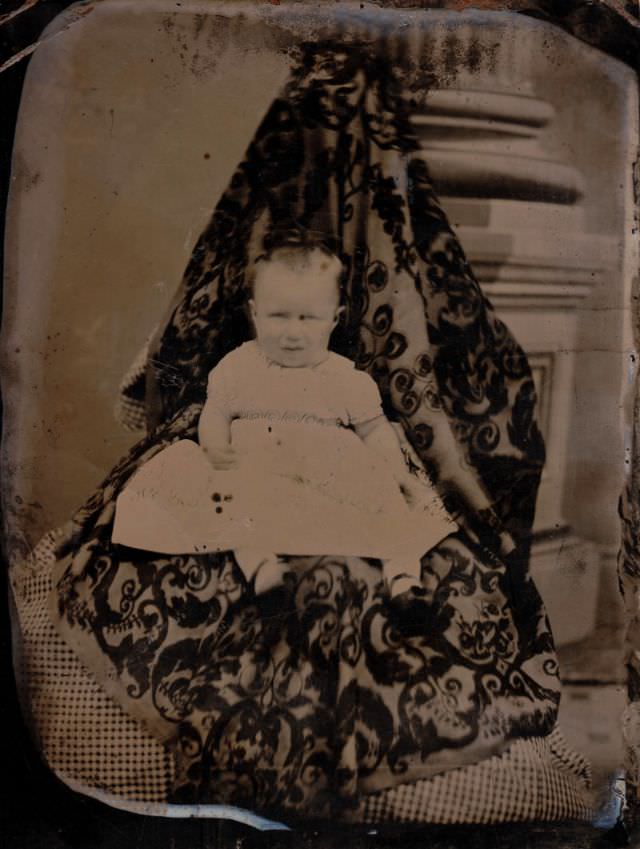
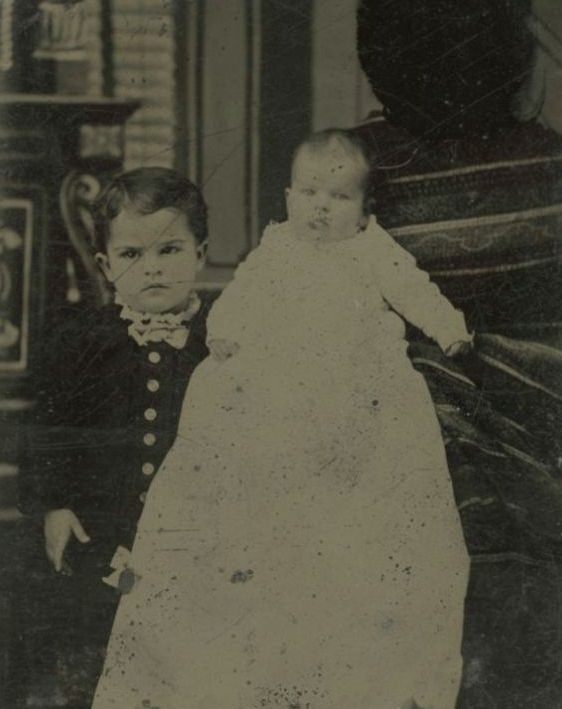
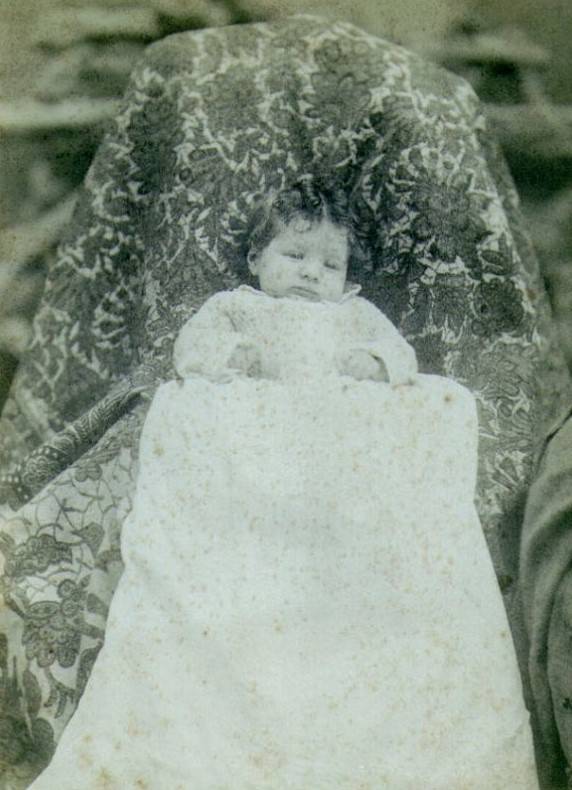
When a mother’s presence was too obvious, photographers stepped in with fixes. A common technique was placing a paper overlay over the print to crop out any part of the adult that showed. In the darkroom, photographers painted over exposed faces with black paint or physically cut sections of the photograph away. Some mothers simply stood just outside the frame’s edge, close enough to hold the child but far enough to be trimmed out during production.
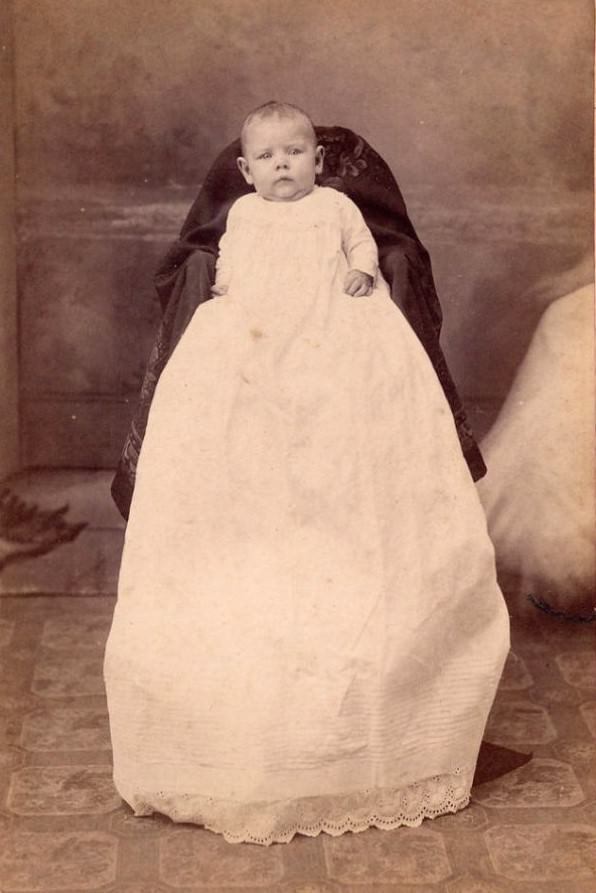
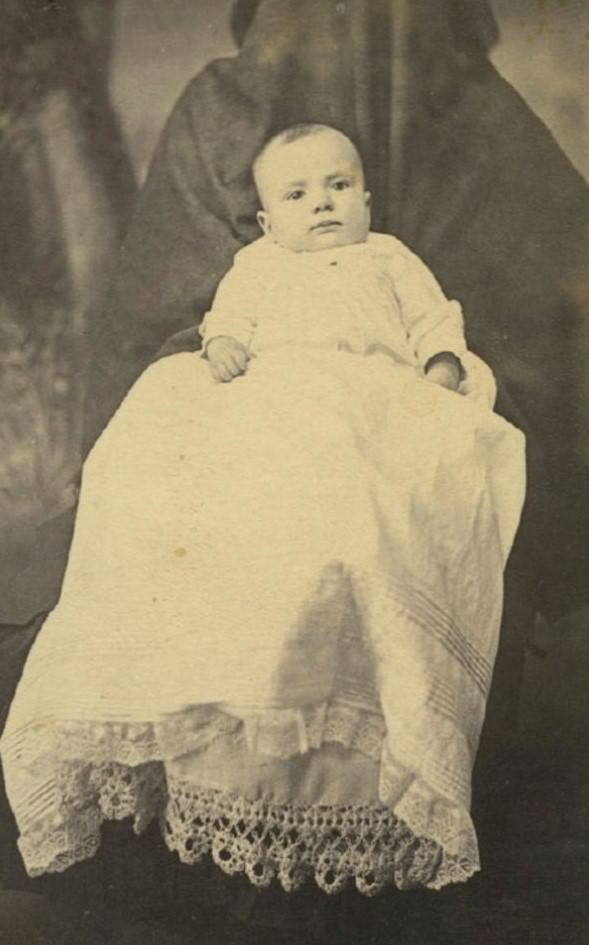
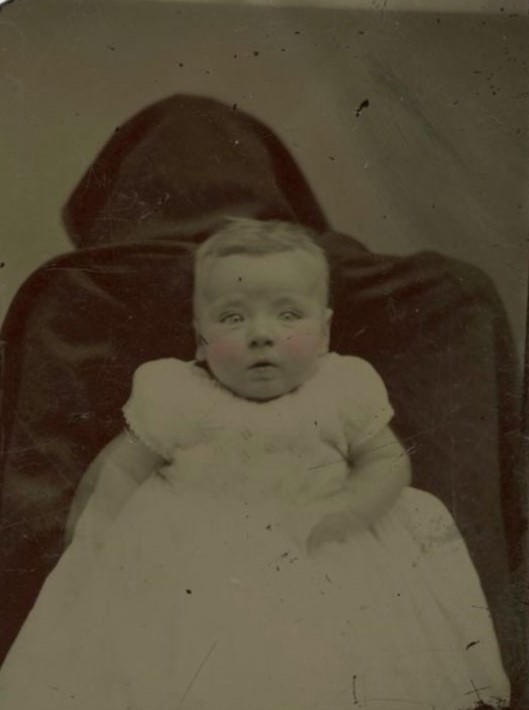
Not every attempt at concealment worked. Many surviving photographs show an arm clearly gripping a child’s waist, or a foot poking out from beneath a curtain. These imperfect images are now the most striking of the bunch — accidental evidence of the effort it took to capture a single moment of childhood.
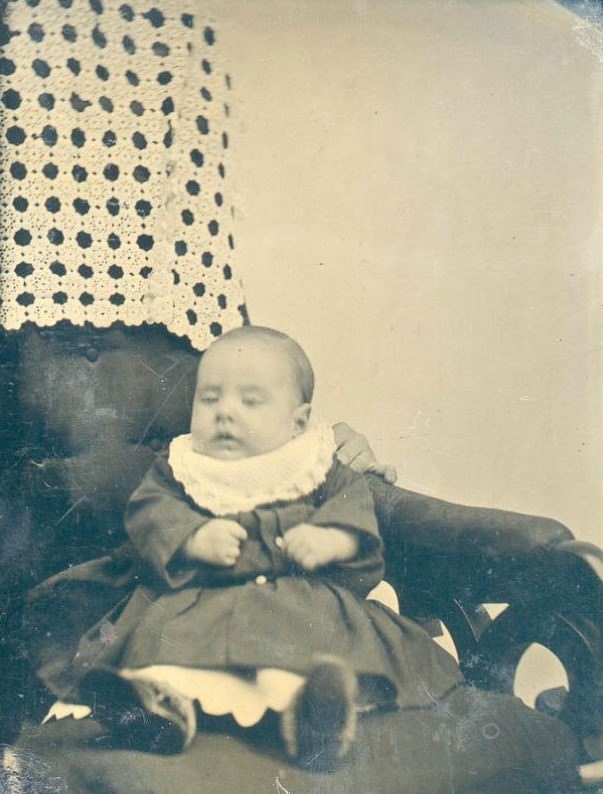
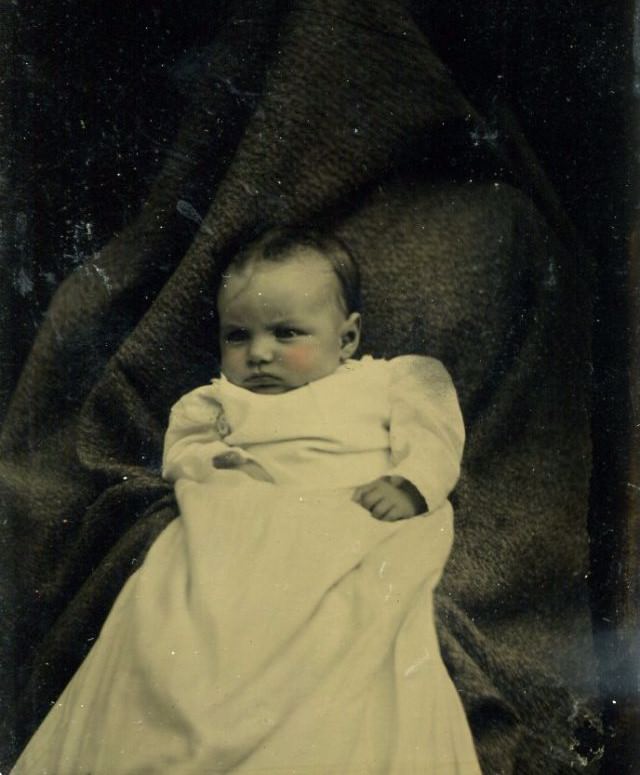
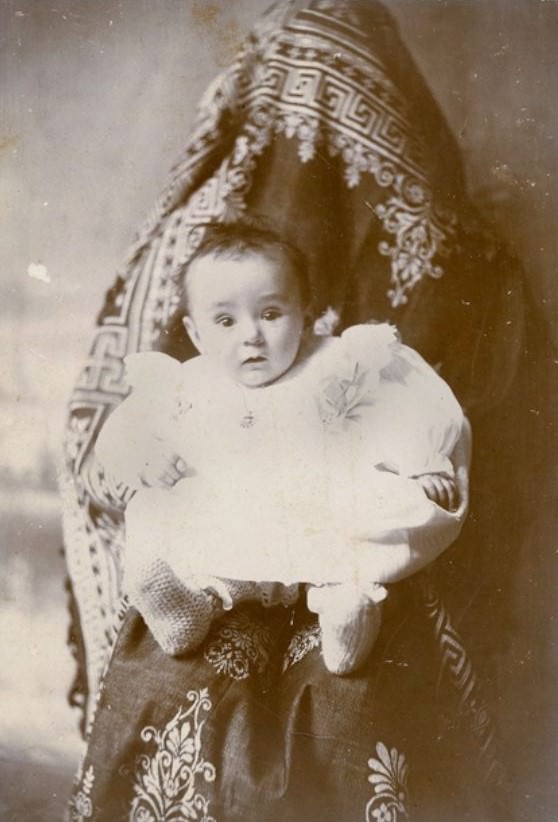
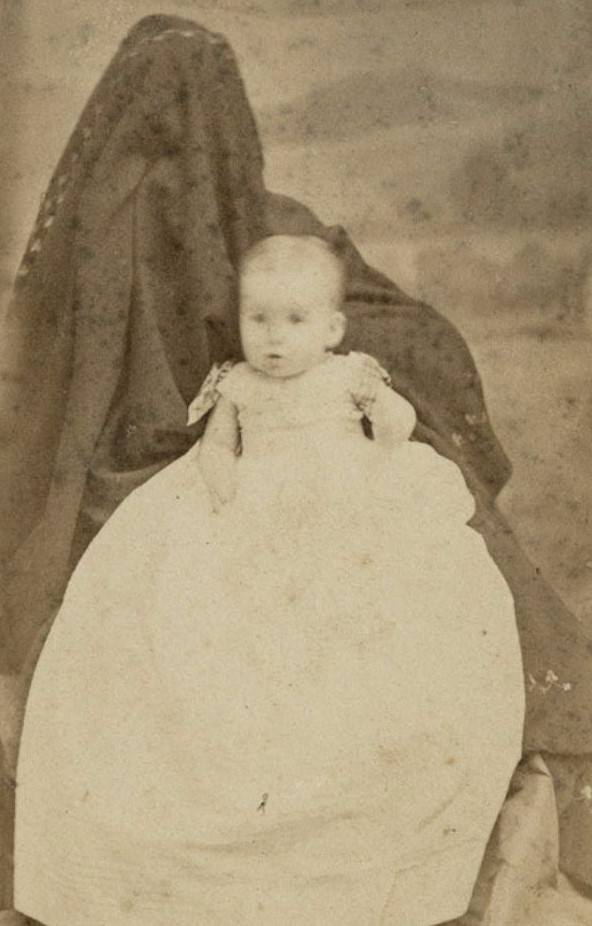
Hidden mother photography was practiced widely throughout the mid-to-late 1800s, peaking during the daguerreotype and wet plate collodion eras. As camera technology improved and exposure times shortened, the need for concealment faded. But for decades, this was simply how you photographed a baby.
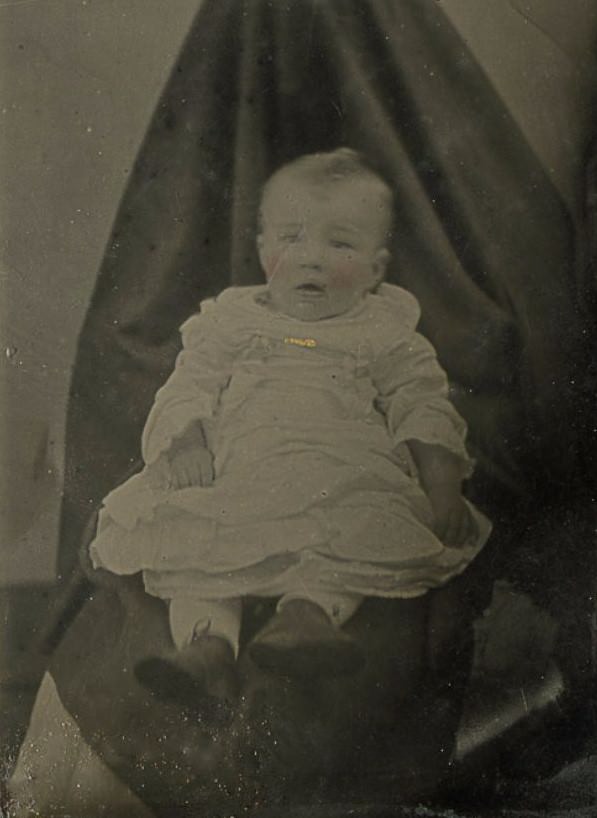
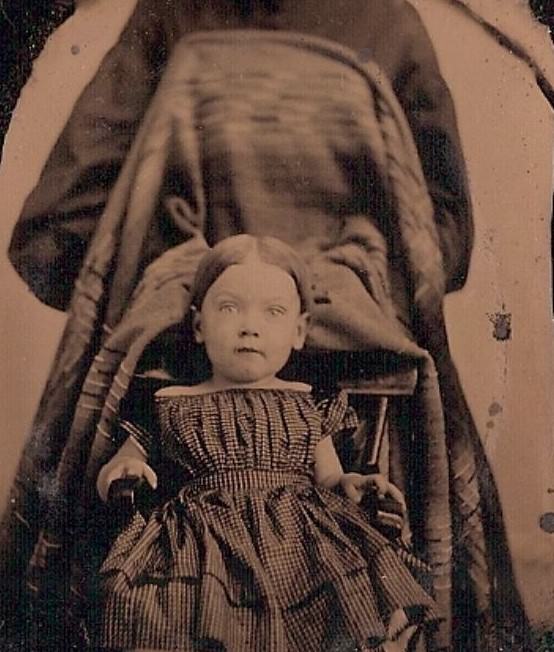
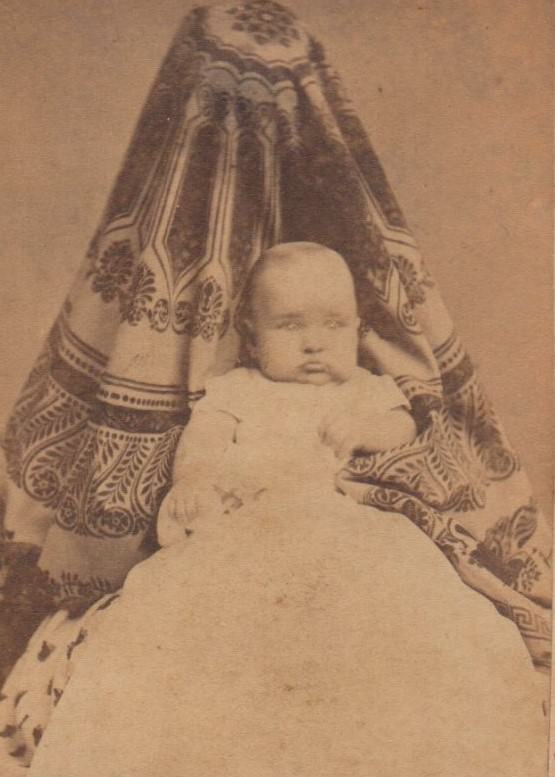
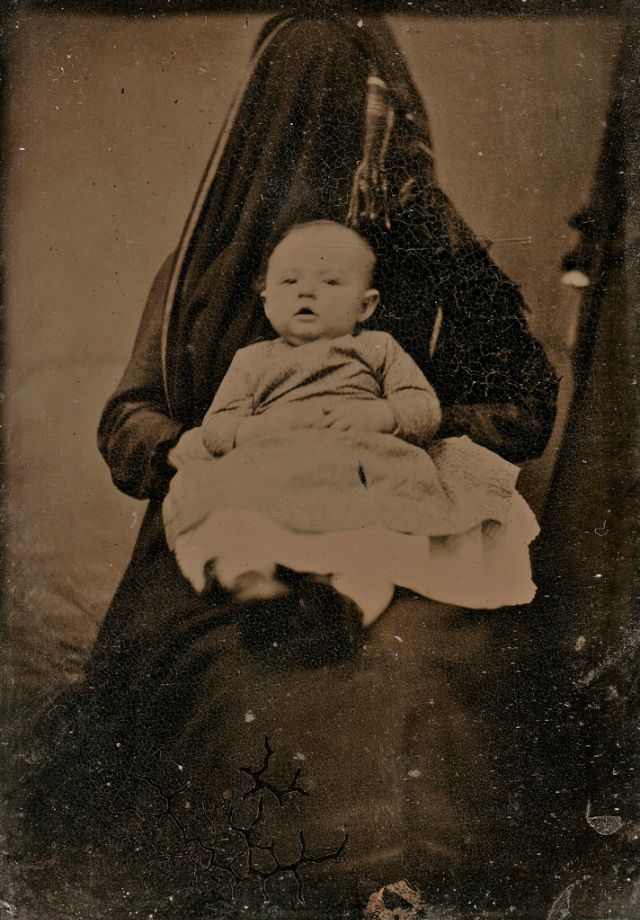
What makes these photographs so compelling today is their unintended honesty. They were staged to erase the adult from view, yet many of them preserve exactly the opposite — the quiet, hidden effort of a parent doing whatever it took to hold their child still, just for a moment.