Hammer Film Productions defined British horror from the mid-1950s to the early 1970s. Their movies delivered Gothic castles, vivid color cinematography, rivers of bright red blood, and a signature formula that mixed terror with raw sexuality. No element of that formula proved more enduring than the women at the center of each story.
The company’s breakthrough came with ‘The Curse of Frankenstein’ in 1957. The film shocked critics — one famously dismissed it as a ‘peepshow of freaks’ — yet audiences flooded cinemas to see it. It cracked open the door for increasingly explicit content across every Hammer production that followed.
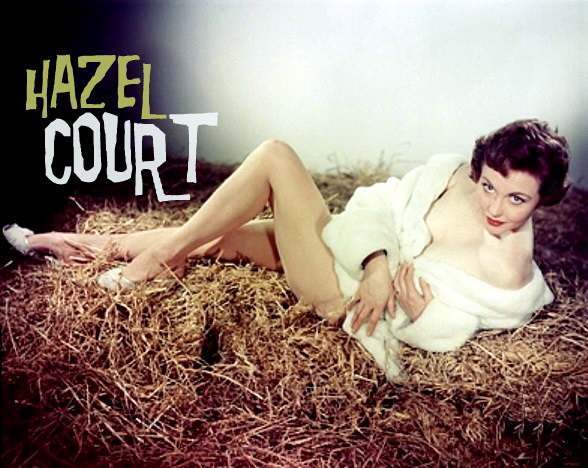
Hazel Court was one of the first actresses to embody the Hammer woman: beautiful, expressive, and placed directly in the path of something monstrous. Eunice Gayson brought a similar energy to the Frankenstein series in the early 1960s.
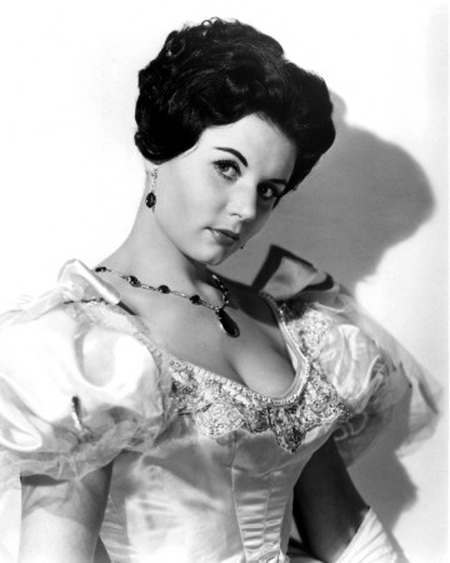
Hammer’s psychological thrillers leaned just as heavily on their leading ladies. Janette Scott delivered a gripping, fear-soaked performance in ‘Paranoiac’ in 1963, a film that proved the studio could terrify audiences without a single supernatural creature on screen.
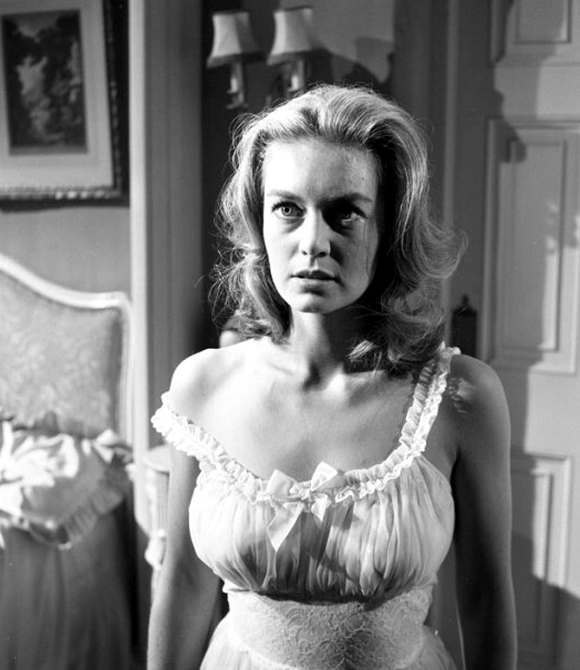
The Frankenstein series continued to showcase striking female talent. Caron Gardner appeared in ‘The Evil of Frankenstein’ in 1964, both as a supporting figure and in the more prominent role of the Burgomaster’s wife.
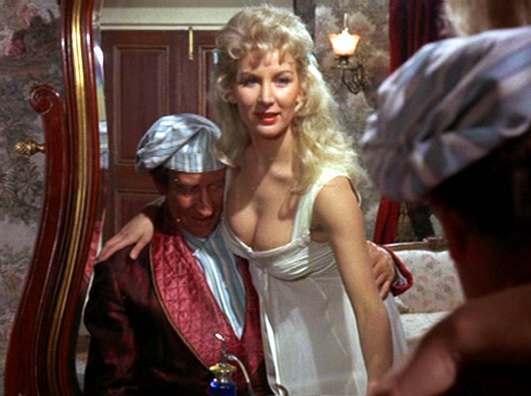
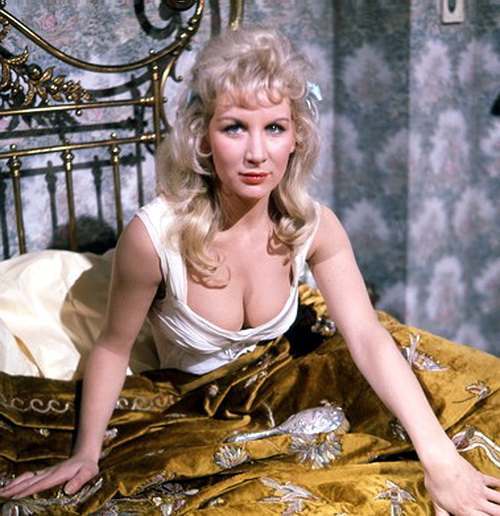
By the mid-1960s, Hammer was pushing its female characters into increasingly dangerous and visceral territory. Jacqueline Pearce’s role in ‘The Reptile’ in 1966 was one of the most disturbing the studio had produced — her character’s affliction was both grotesque and deeply tragic.
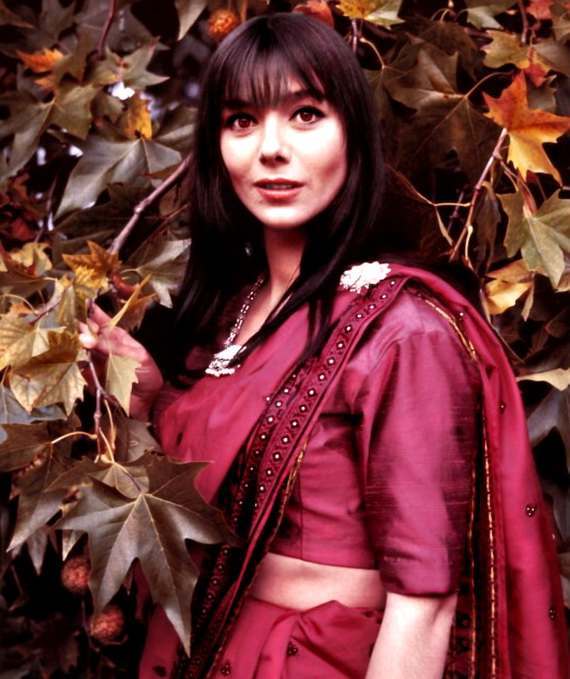
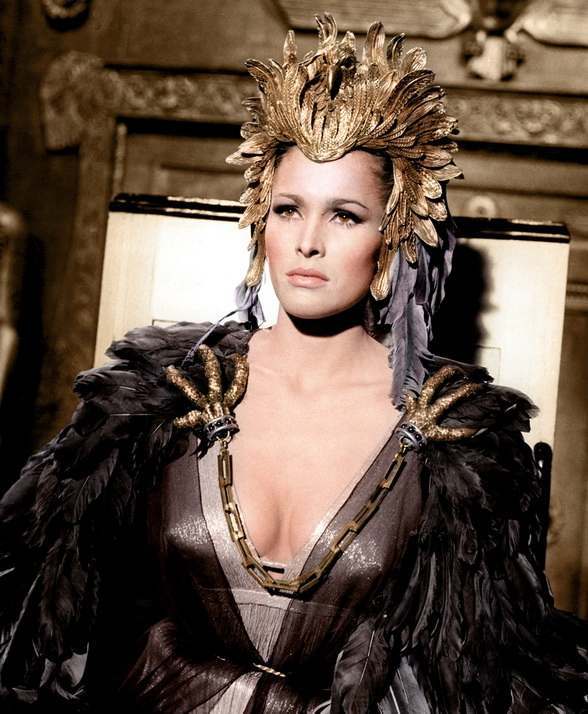
Not every Hammer production was rooted in Gothic horror. ‘The Viking Queen’ in 1967 placed Finnish model Carita in a sweeping historical adventure, while Ursula Andress brought magnetic star power to ‘She’ in 1965 — one of the studio’s biggest commercial hits of the decade.
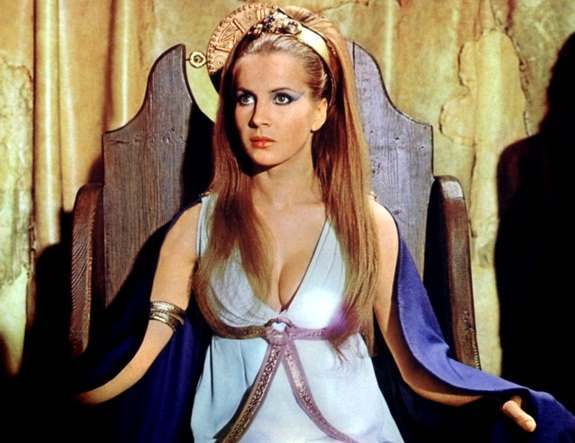
Yvonne Romain appeared in ‘The Curse of the Werewolf’ in 1961, in a role that depicted sexual violence as part of the monster’s origin story — handled with a directness that was characteristic of Hammer’s unflinching approach to dark material.
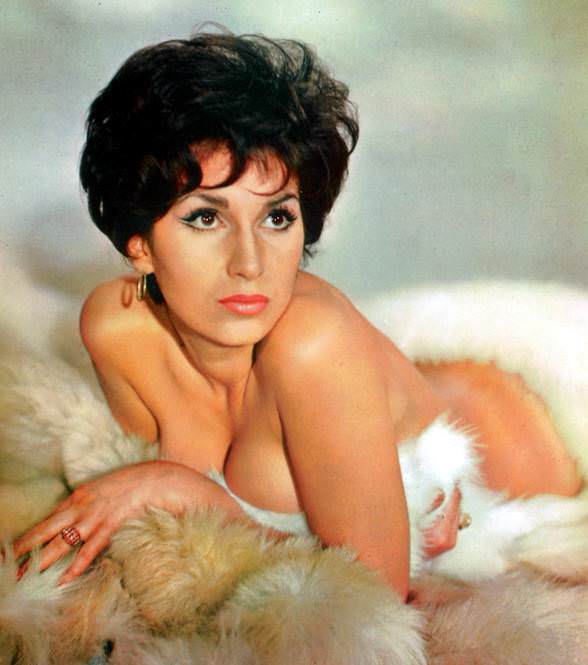
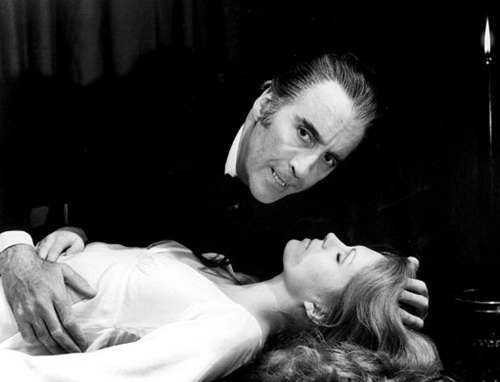
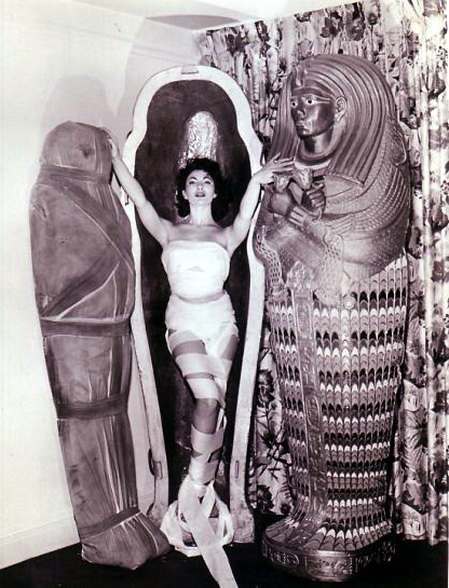
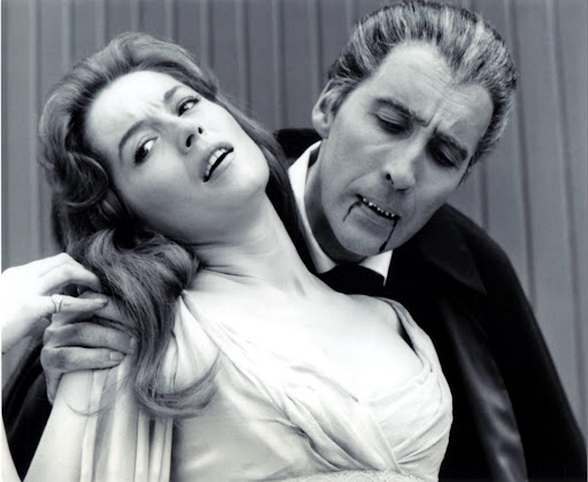
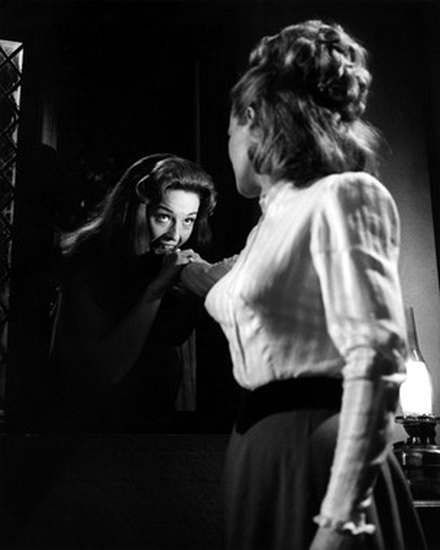
Yvonne Furneaux and Barbara Shelley became two of the studio’s most recognized faces. Furneaux appeared in ‘The Mummy’ in 1959, while Shelley starred opposite Christopher Lee in ‘Dracula Prince of Darkness’ in 1965 — a film where her transformation into a vampire remains one of Hammer’s most chilling sequences.
Marie Devereux turned heads in ‘The Stranglers of Bombay’ in 1959, a brutal film set against the backdrop of the Thuggee cult murders in colonial India. Her presence on screen was brief but unforgettable.
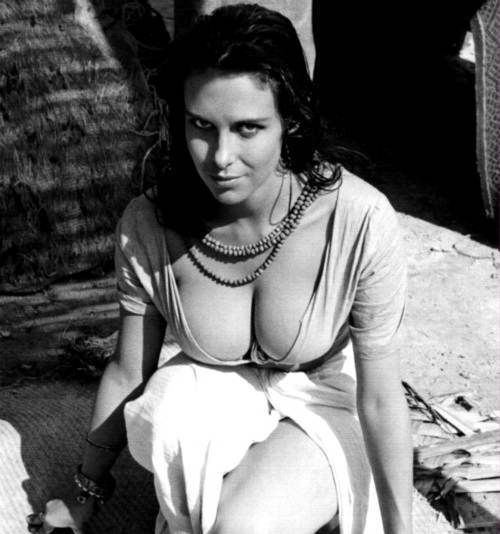
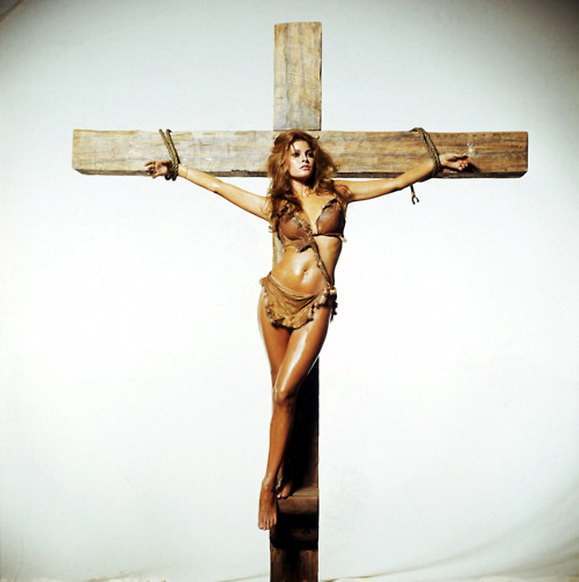
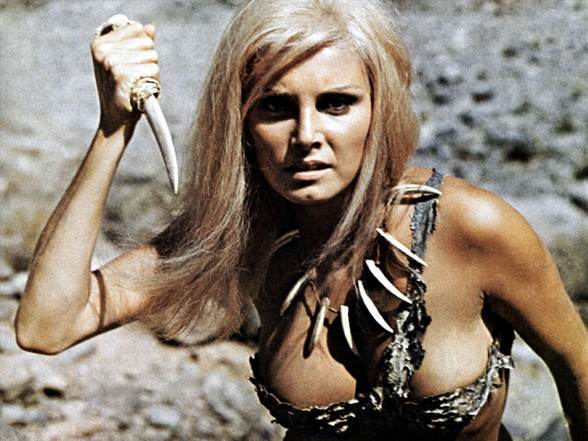
Hammer’s prehistoric adventure films gave their leading women a different kind of exposure. Raquel Welch’s fur bikini in ‘One Million Years B.C.’ in 1966 became one of the most reproduced images in cinema history. Victoria Vetri followed in her footsteps in ‘When Dinosaurs Ruled the Earth’ in 1970.
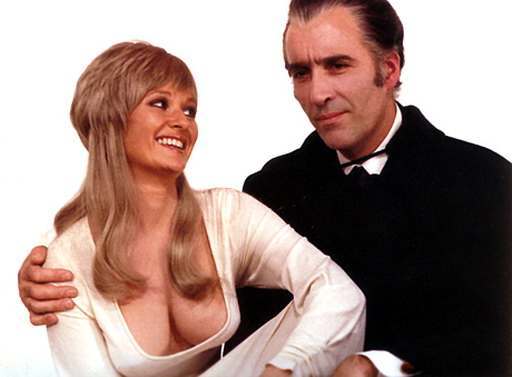
The Dracula series gave the studio some of its most memorable female performances across more than a decade. Barbara Ewing appeared in ‘Dracula Has Risen from the Grave’ in 1968, followed by Linda Hayden in ‘Taste the Blood of Dracula’ in 1970 and Jenny Hanley in ‘Scars of Dracula’ that same year.
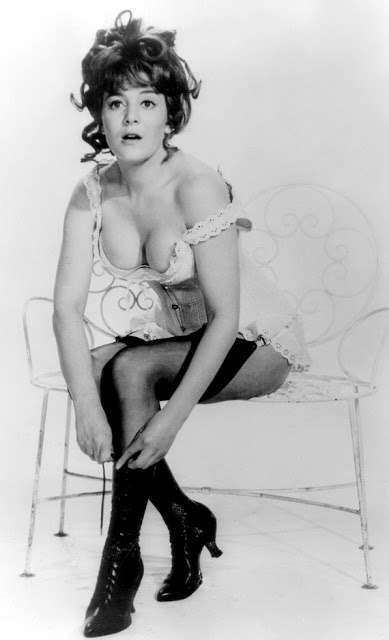
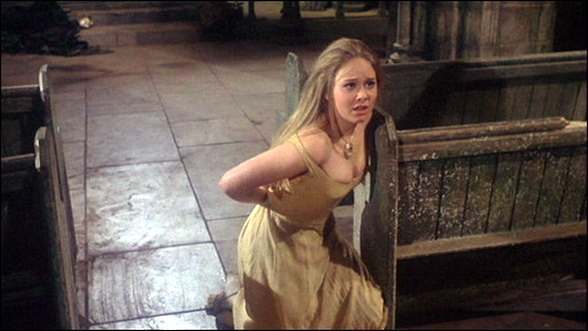
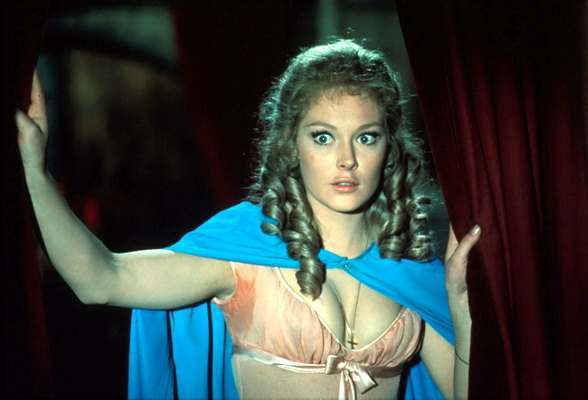
Veronica Carlson starred alongside Peter Cushing in ‘Frankenstein Must Be Destroyed’ in 1969 — a film that included a rape scene that even Cushing himself publicly objected to filming. It stands as one of the studio’s most controversial moments.
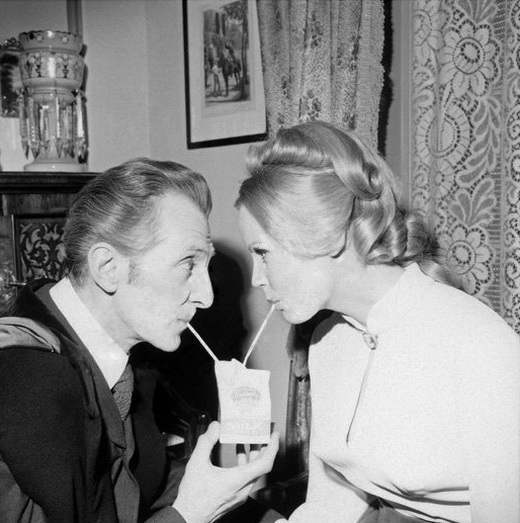
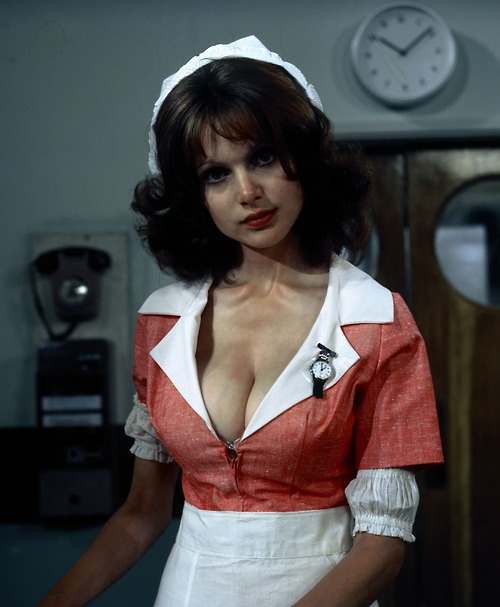
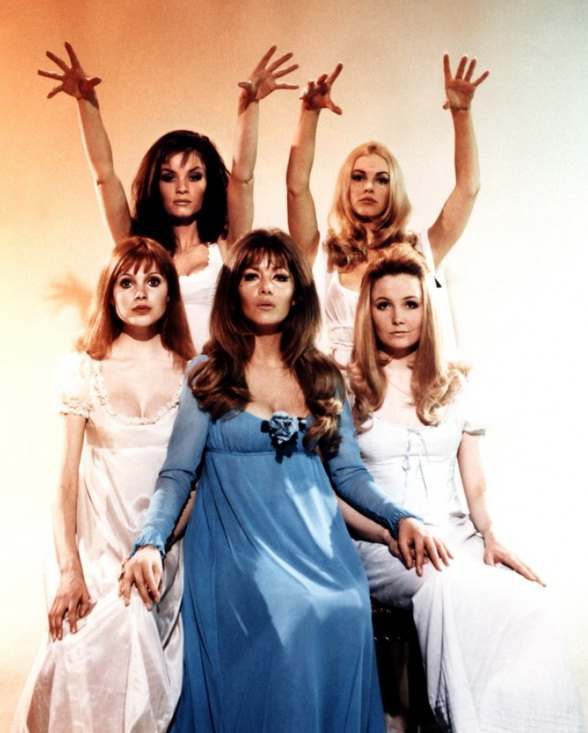
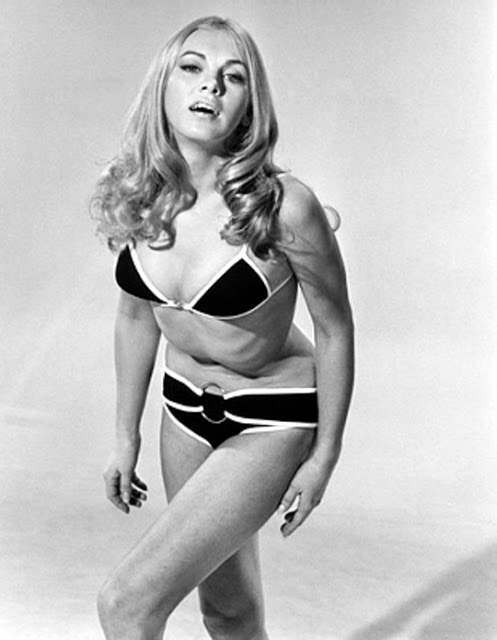
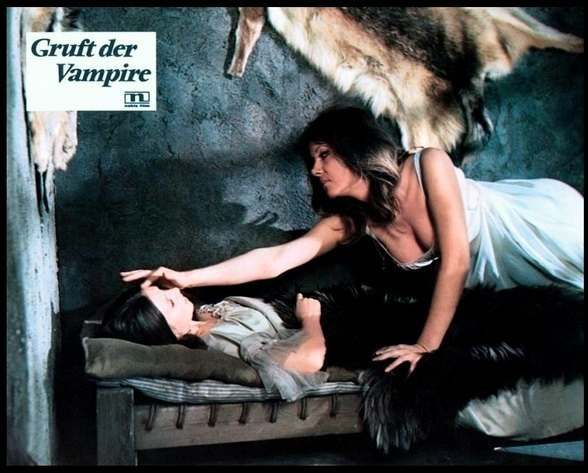
By 1970, Hammer released ‘The Vampire Lovers’, based on J. Sheridan Le Fanu’s novella ‘Carmilla’. The film was their most sexually explicit to date. Ingrid Pitt led the cast as the predatory vampire Carmilla, with Madeleine Smith, Kate O’Mara, Pippa Steel, and Kristen Lindholm rounding out a cast that left very little to the imagination. Peter Cushing provided the film’s moral anchor as the vampire hunter General Spielsdorf.
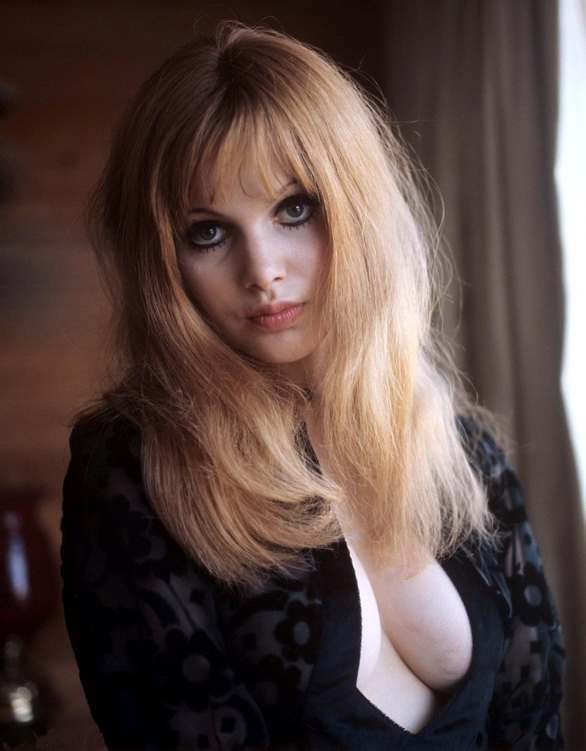
Kate O’Mara also appeared in ‘Horror of Frankenstein’ in 1970, cementing her place as one of the studio’s go-to actresses during its most prolific period.
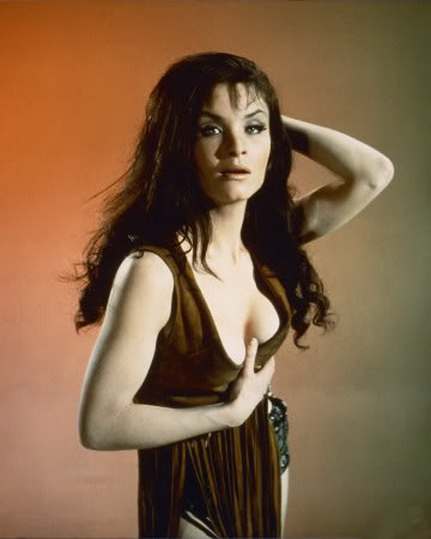
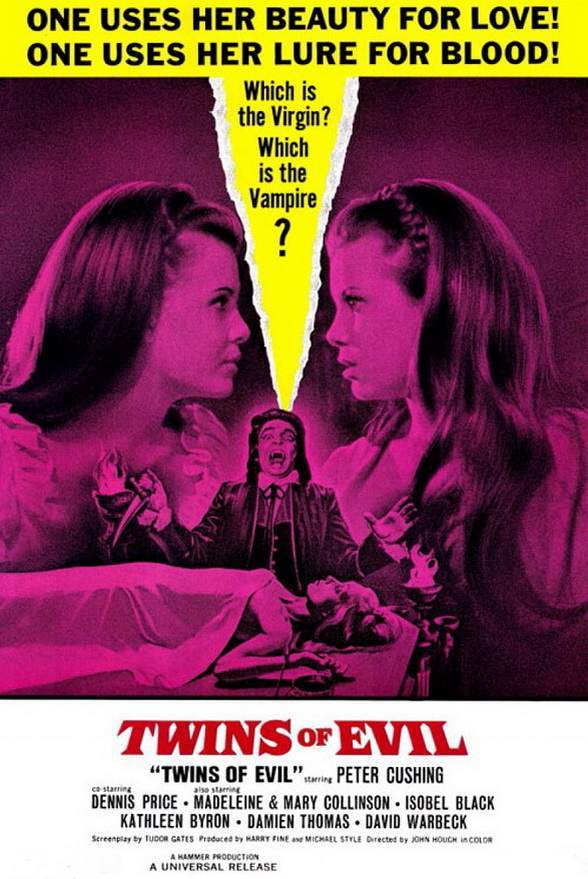
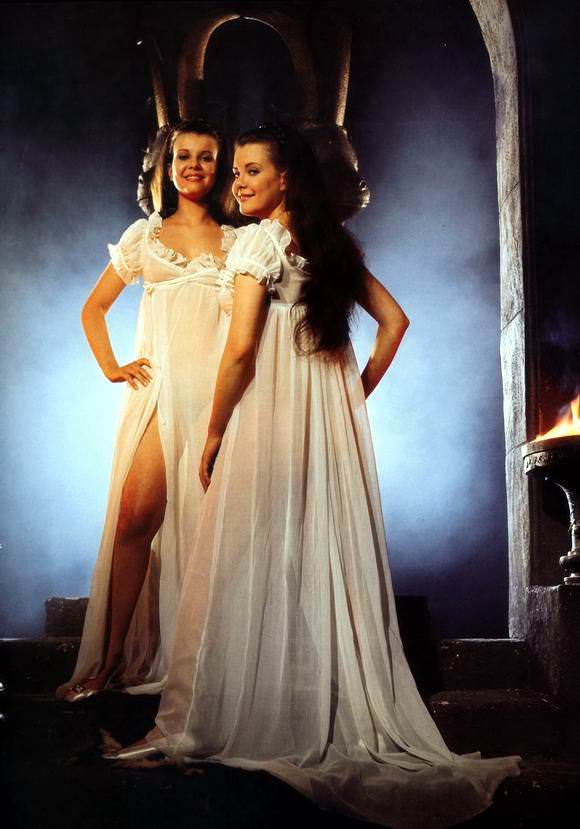
‘The Vampire Lovers’ launched the Karnstein trilogy. ‘Twins of Evil’ in 1971 brought real-life twin sisters Madeleine and Mary Collinson into the fold — Playboy Playmates of the Year who made their film debut in the production.
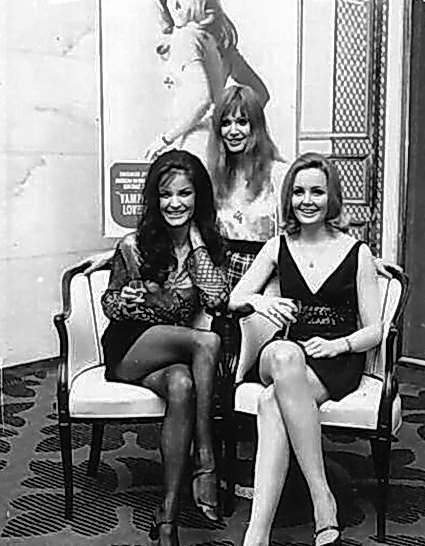
Yutte Stensgaard starred in the second entry of the trilogy, ‘Lust for a Vampire’ in 1971, while Valerie Leon brought a commanding presence to ‘Blood from the Mummy’s Tomb’ that same year — stepping into a role that had been left unfinished after the sudden death of original director Seth Holt.
Vera Day appeared in ‘Quatermass II: Enemy from Space’ in 1957, one of Hammer’s early science fiction entries that predated the Gothic horror wave but shared the same eye for striking female casting.
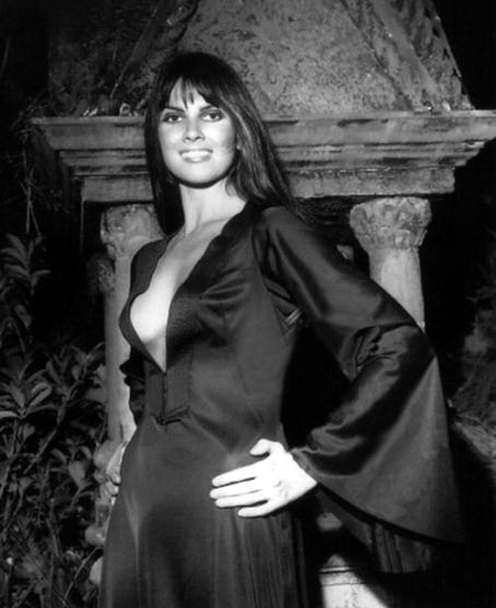
Caroline Munro became one of the studio’s final iconic figures, appearing in ‘Dracula A.D. 1972’ alongside Stephanie Beacham. The film transplanted Dracula into 1970s London, and while critics were divided, both actresses drew considerable attention. Joanna Lumley also featured in the Dracula series, playing vampire hunter Jessica Van Helsing opposite Christopher Lee in ‘The Satanic Rites of Dracula’.