
In the 1920s, Greenwich Village was unlike anywhere else in America. Tucked into the lower west side of Manhattan, this tight grid of narrow streets and red-brick buildings attracted a specific kind of person — one who had little patience for convention. Artists, writers, activists, and immigrants packed its cafes and rented its cheap rooms. The rest of New York moved to the rhythm of money and ambition. The Village moved to something else entirely.
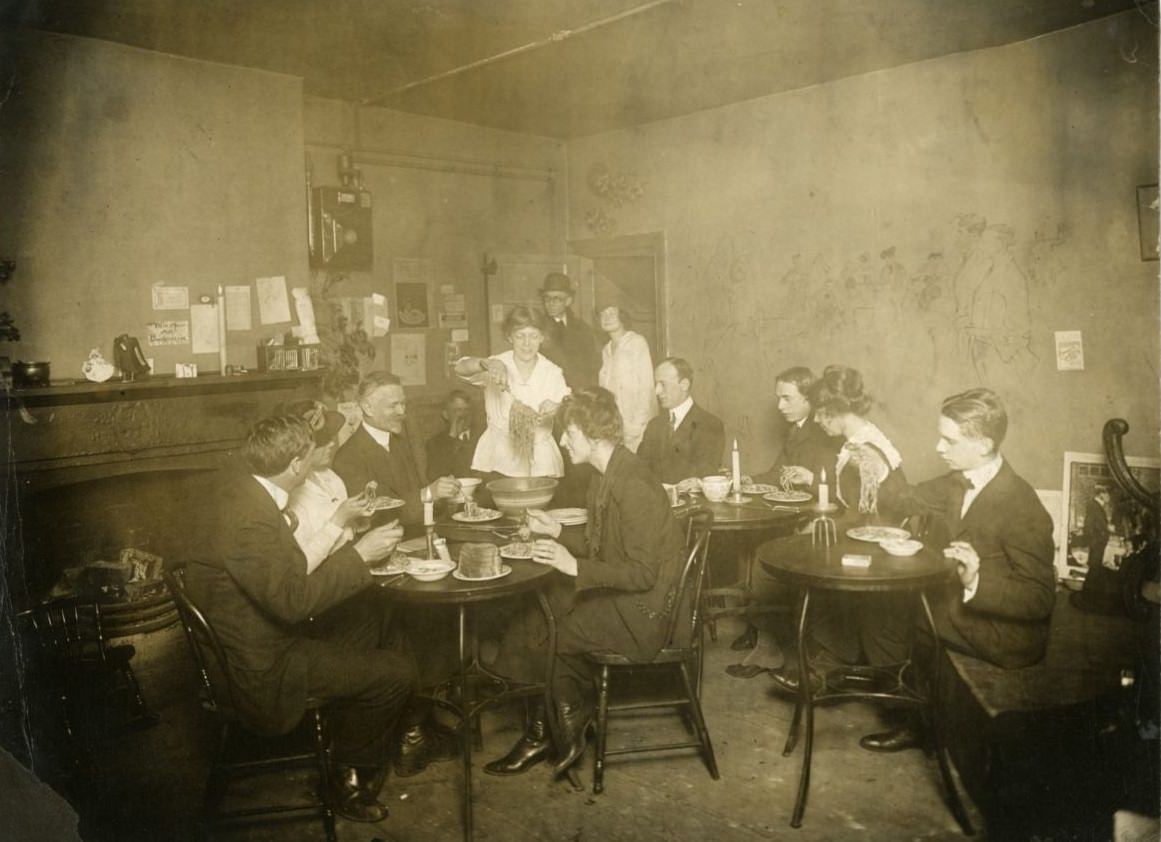
The neighborhood’s reputation as a creative refuge had been building since the early 1900s, but the twenties brought a new intensity. Prohibition, which banned the sale of alcohol nationwide starting in 1920, did nothing to slow the Village down. Speakeasies opened in back rooms and basements. Jazz drifted out of clubs and into the street. The law was treated as a suggestion, and nobody seemed particularly worried about breaking it.
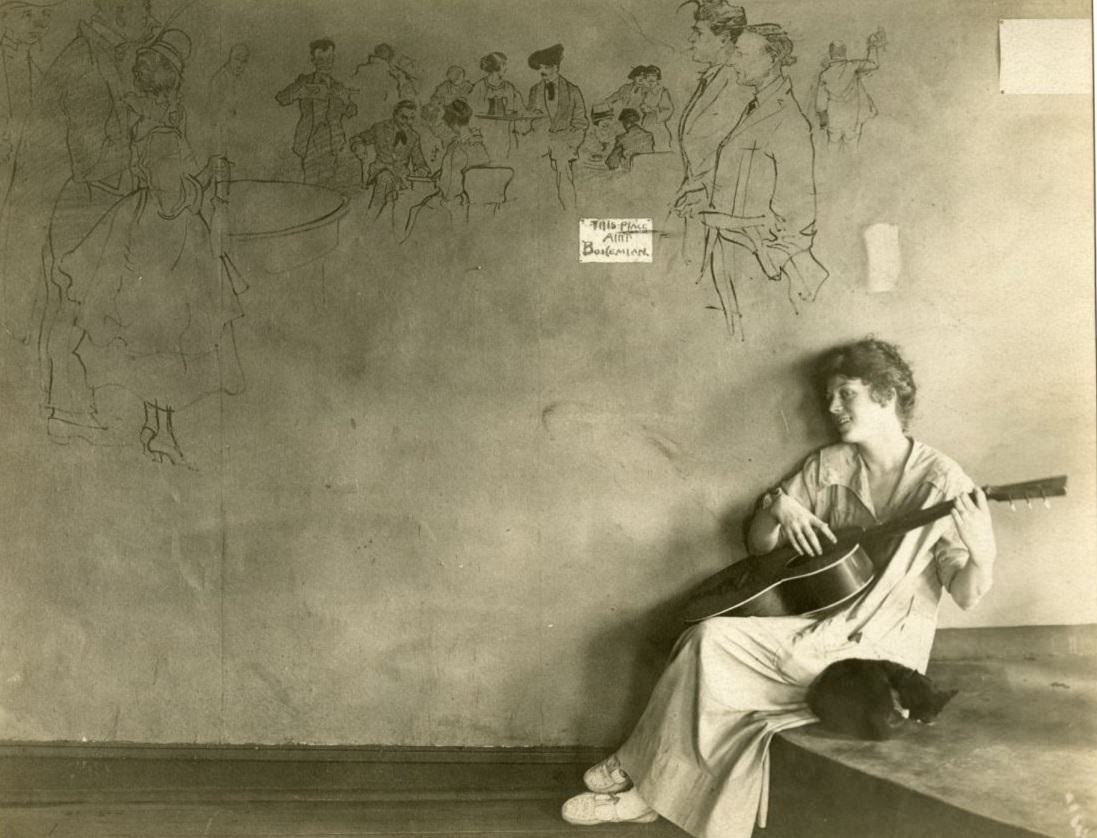
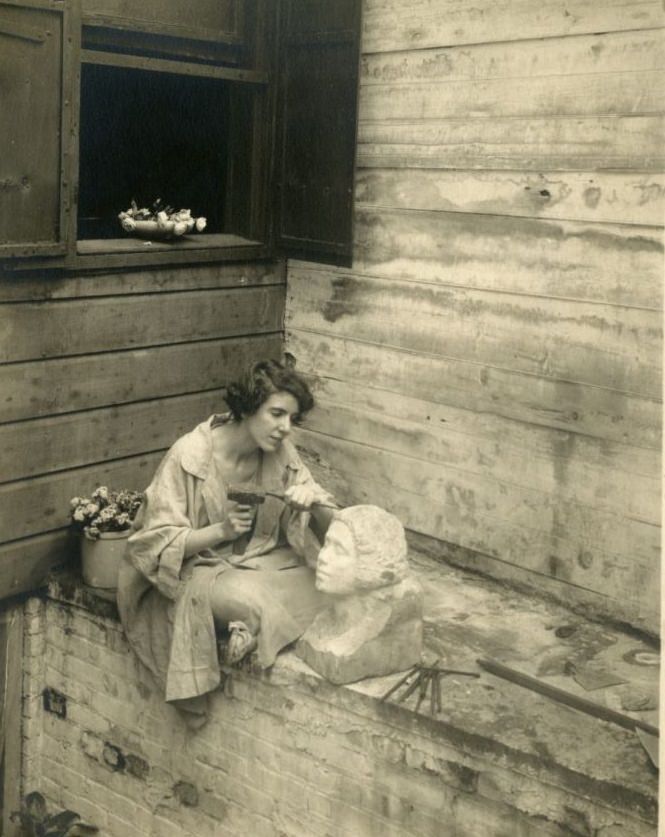
Garrets — cramped, top-floor apartments — were a common home for the Village’s creative class. They were cheap, often drafty, and full of character. Writers typed manuscripts at kitchen tables. Painters propped canvases against walls. The Village’s housing stock was old and unpolished, but that was part of its appeal. People came here to work, not to be comfortable.
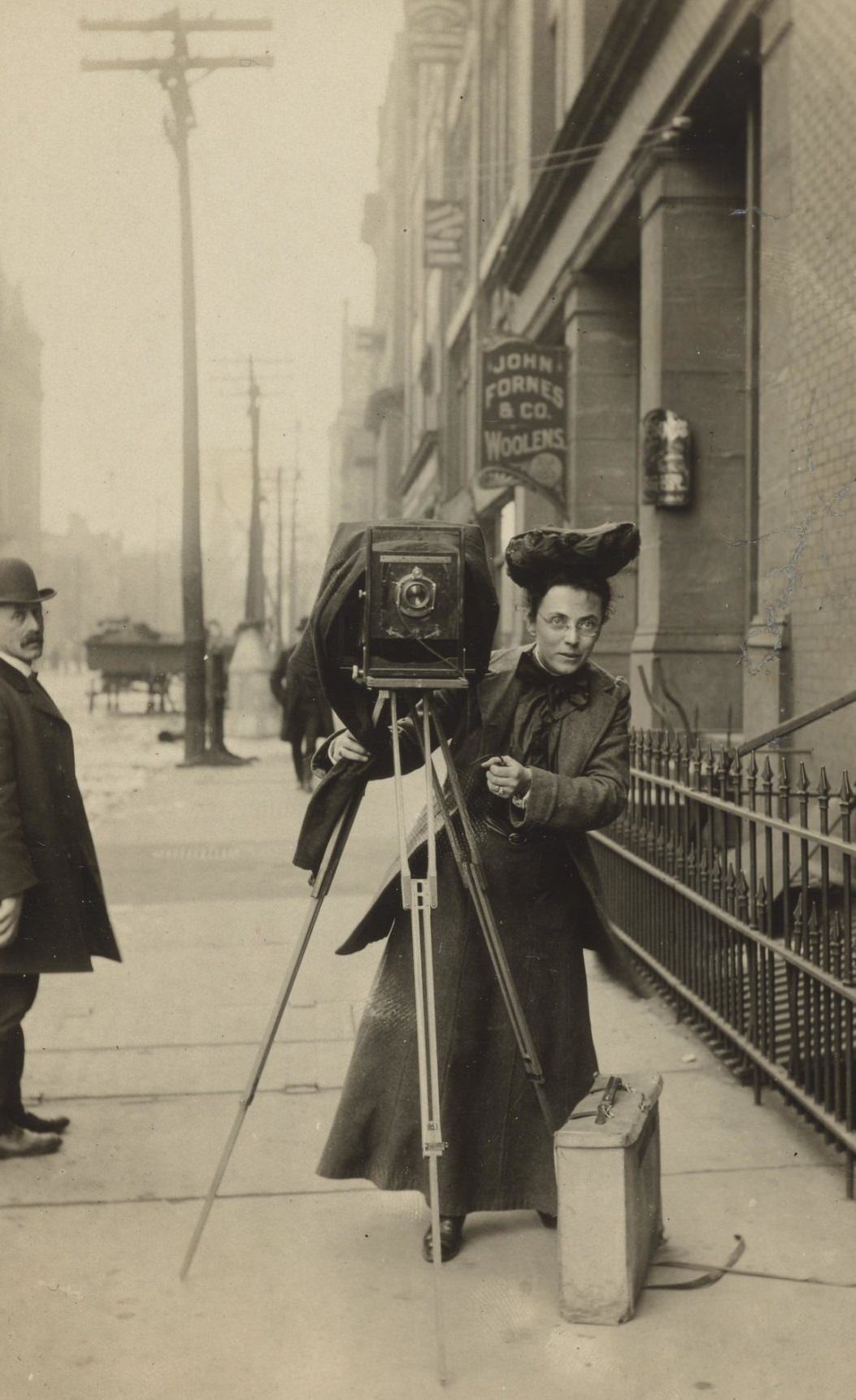
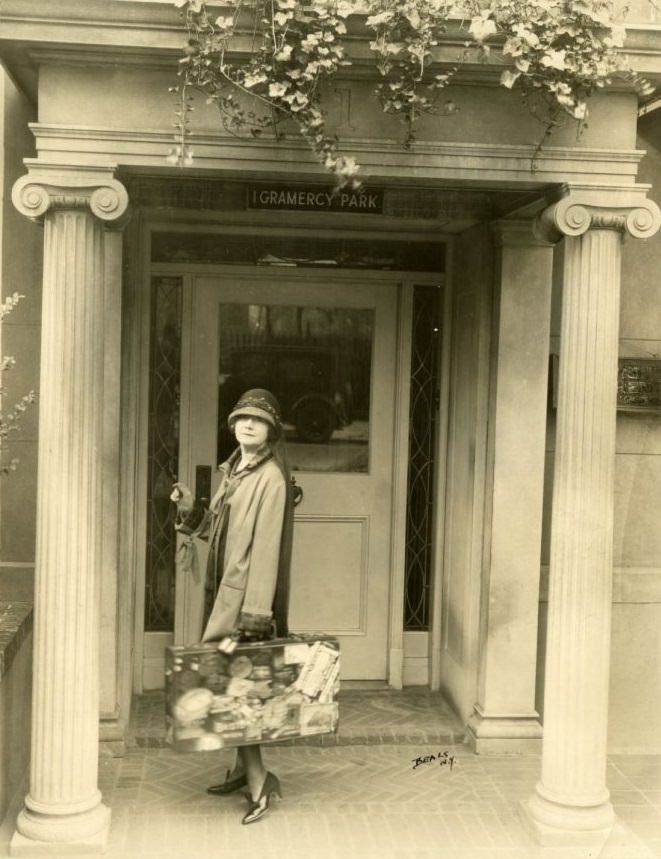
Photographers like Jessie Tarbox Beals were a fixture on the Village’s sidewalks. Beals was one of the first female news photographers in the United States and had settled in the neighborhood, where she documented daily life with the same energy that defined the place itself. She was not an outsider looking in — she was part of the scene.
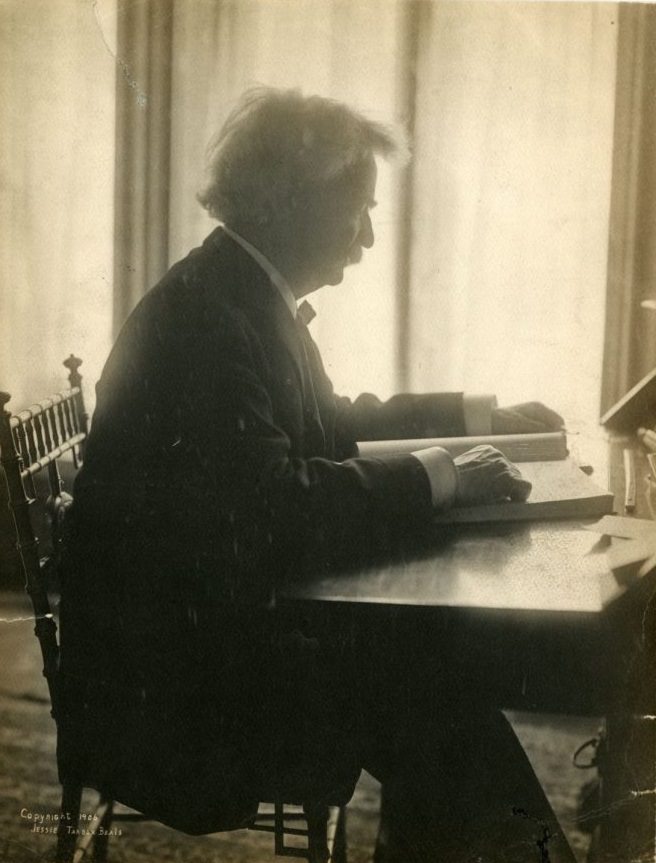
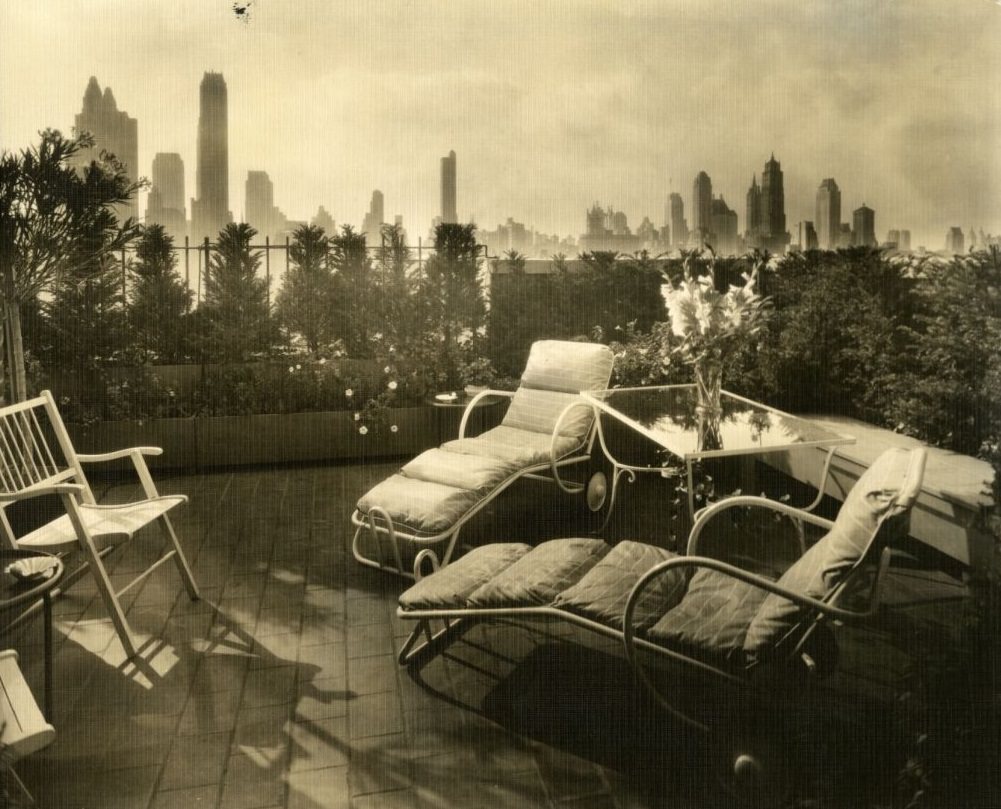
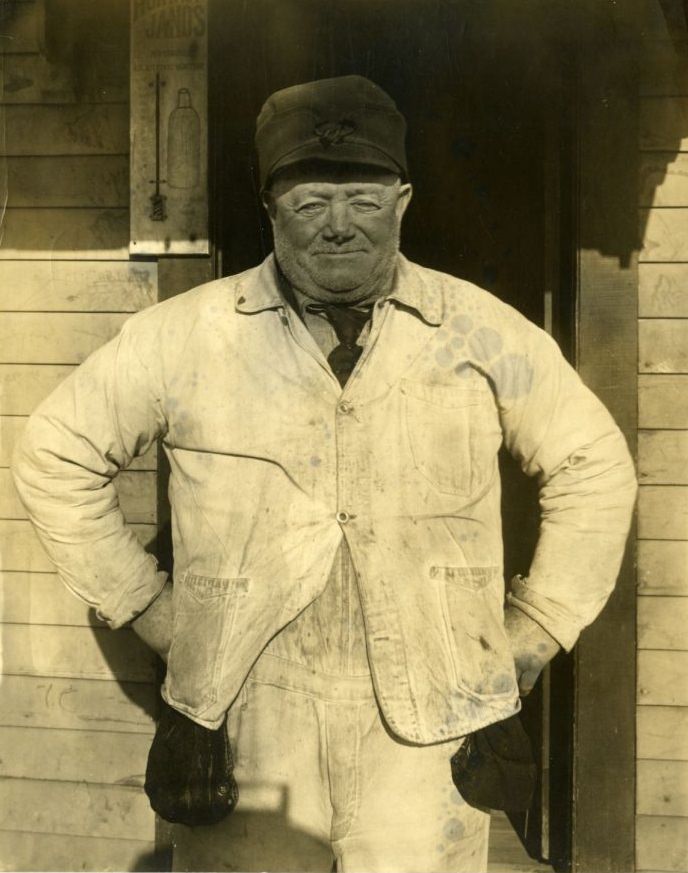
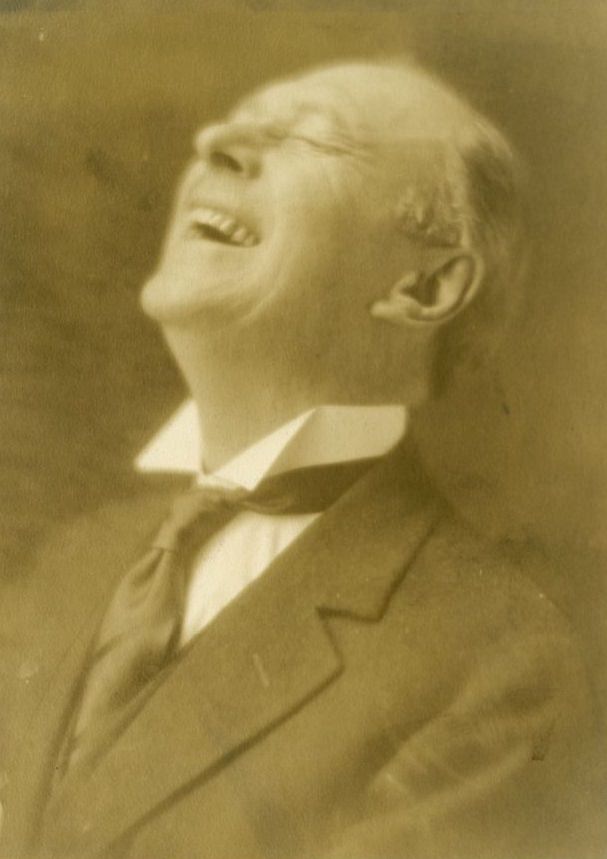
The Village was home to writers whose names would become permanent fixtures in American literature. Eugene O’Neill, who went on to win the Nobel Prize in Literature, did some of his most vital early work here. Edna St. Vincent Millay, known for both her poetry and her defiant personal life, lived in the neighborhood and thrived in its social world. E.E. Cummings bent the rules of grammar and punctuation in ways that suited the Village’s general attitude toward rules of any kind. The Provincetown Playhouse on MacDougal Street served as a launching pad for many of these careers, staging experimental plays that wouldn’t have found a home in mainstream theater.
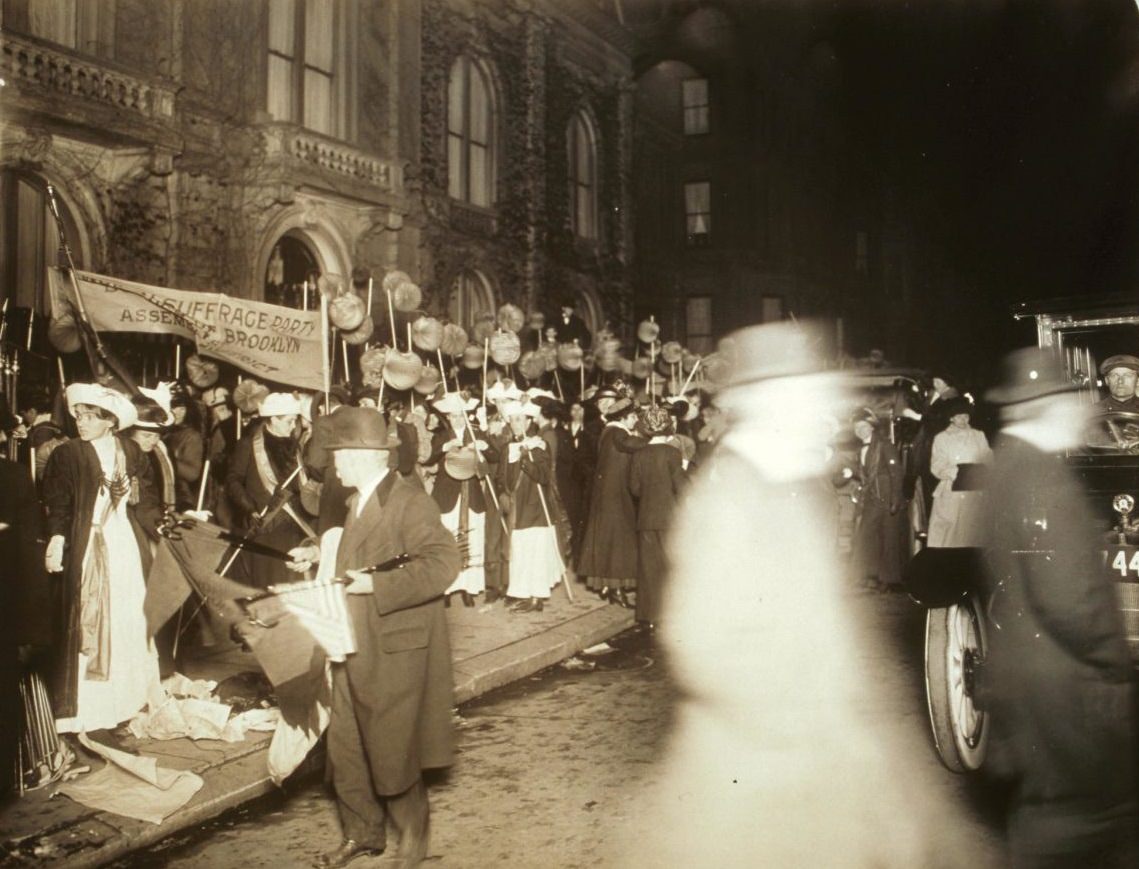
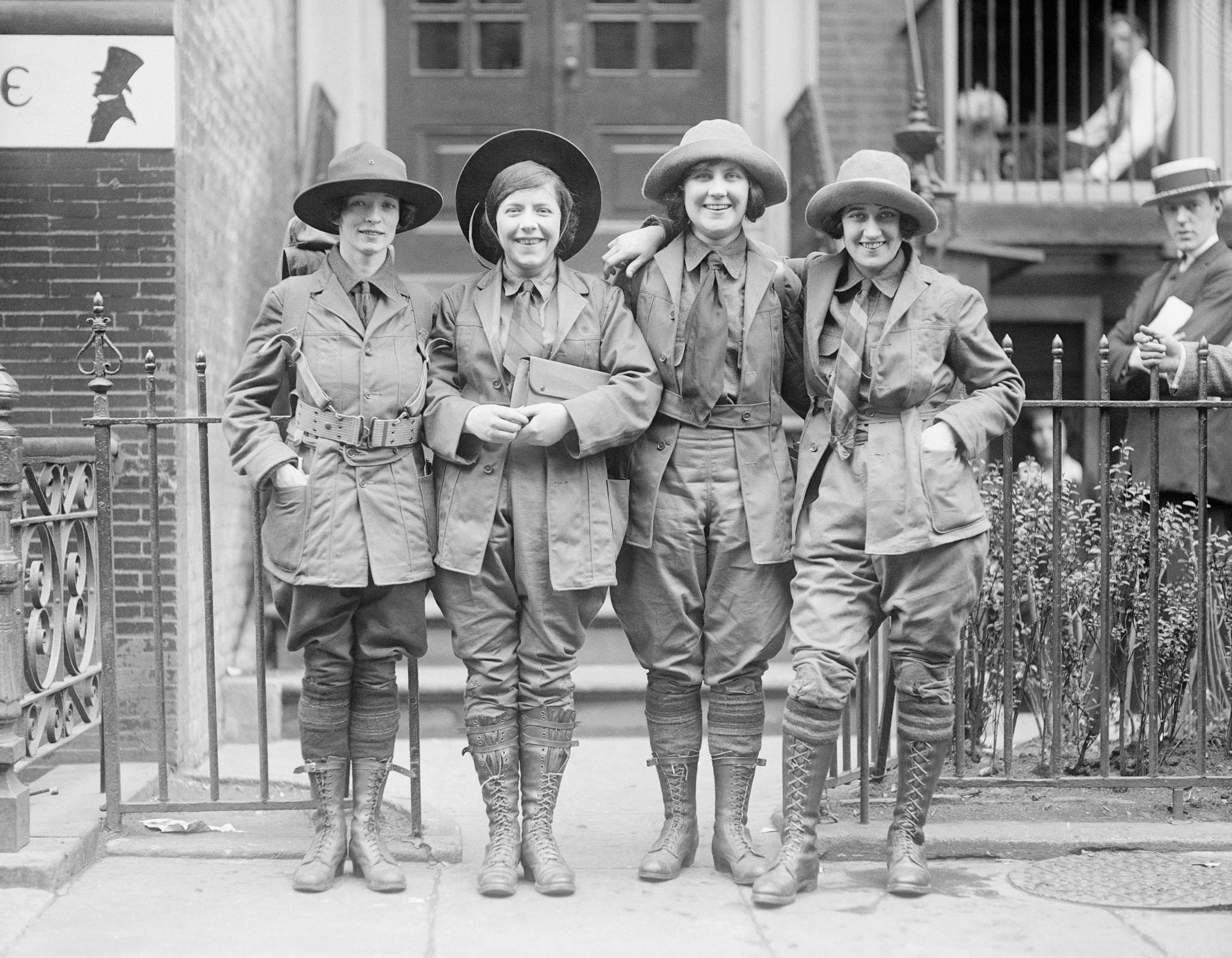
Politics ran as deep as art in the Village. The neighborhood was a stronghold of the feminist movement, and women here organized, argued, and marched with purpose. Margaret Sanger, who fought for access to birth control at a time when distributing information about it was illegal, operated out of the Village. Emma Goldman, the anarchist writer and speaker, called it home as well. Suffrage parades moved through New York’s streets with lanterns and banners, and the Village sent marchers who believed in the cause not just as voters, but as full participants in public life.
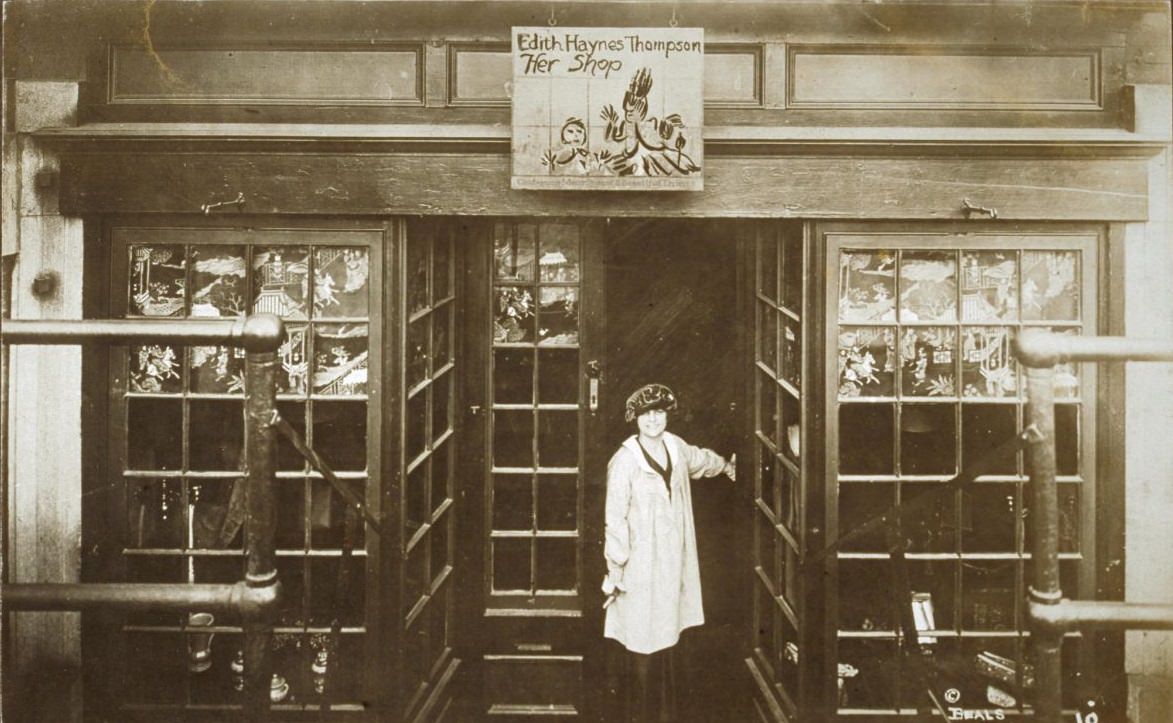
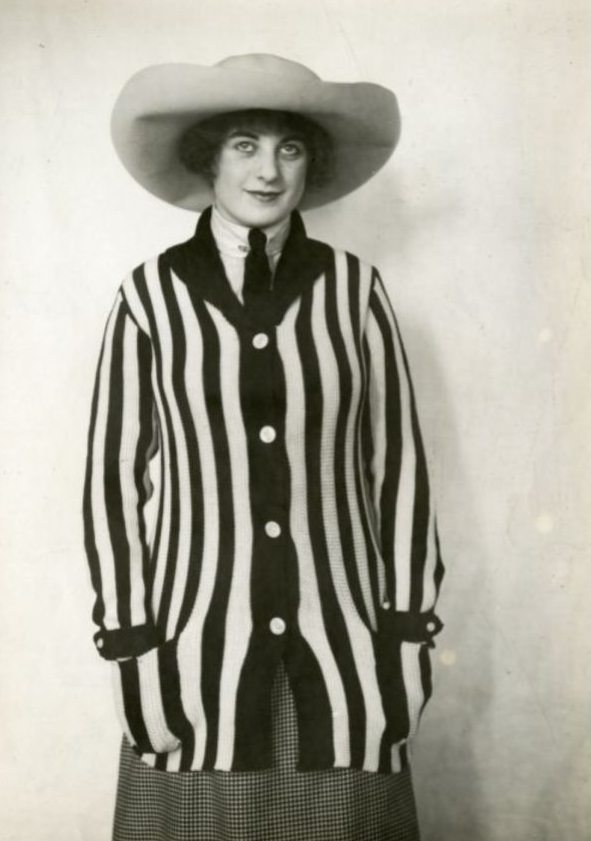
Women in the Village didn’t just march — they ran businesses. Small shops owned and operated by women lined the streets, selling handmade goods, art, tea, and novelties. Edith Hayes Thompson stood in the doorway of her own shop in 1920 with the same quiet confidence that defined many of the women who set up along these blocks. Owning a shop in the Village meant more than making a living. It was a statement.
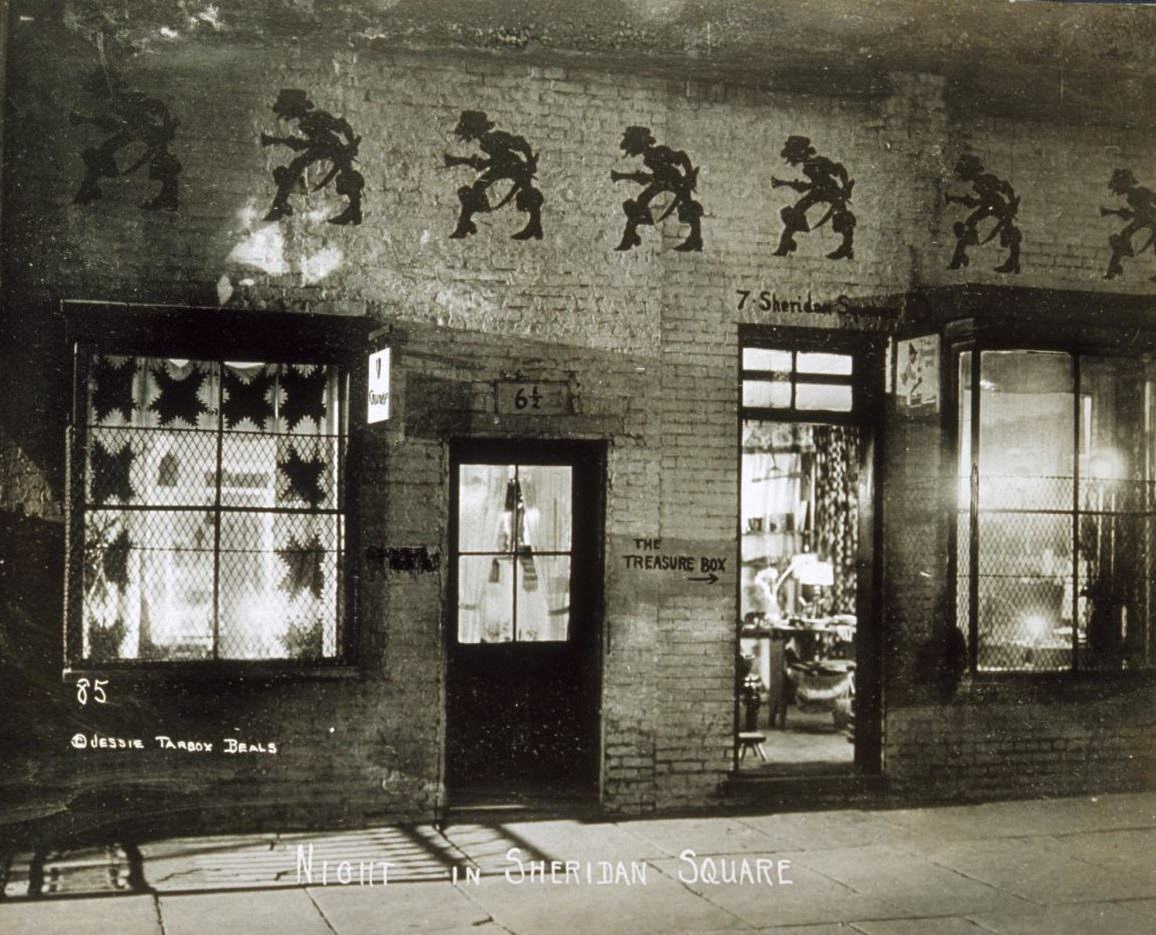
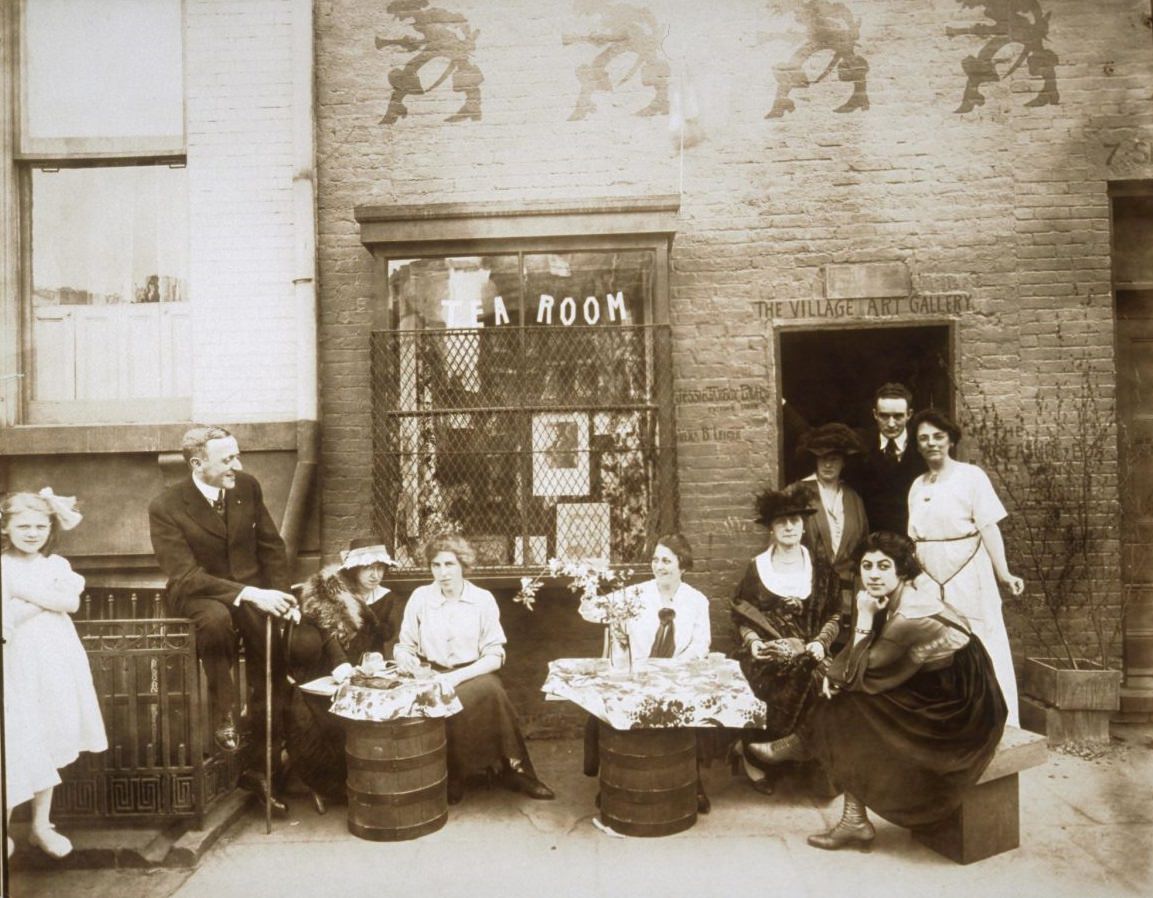
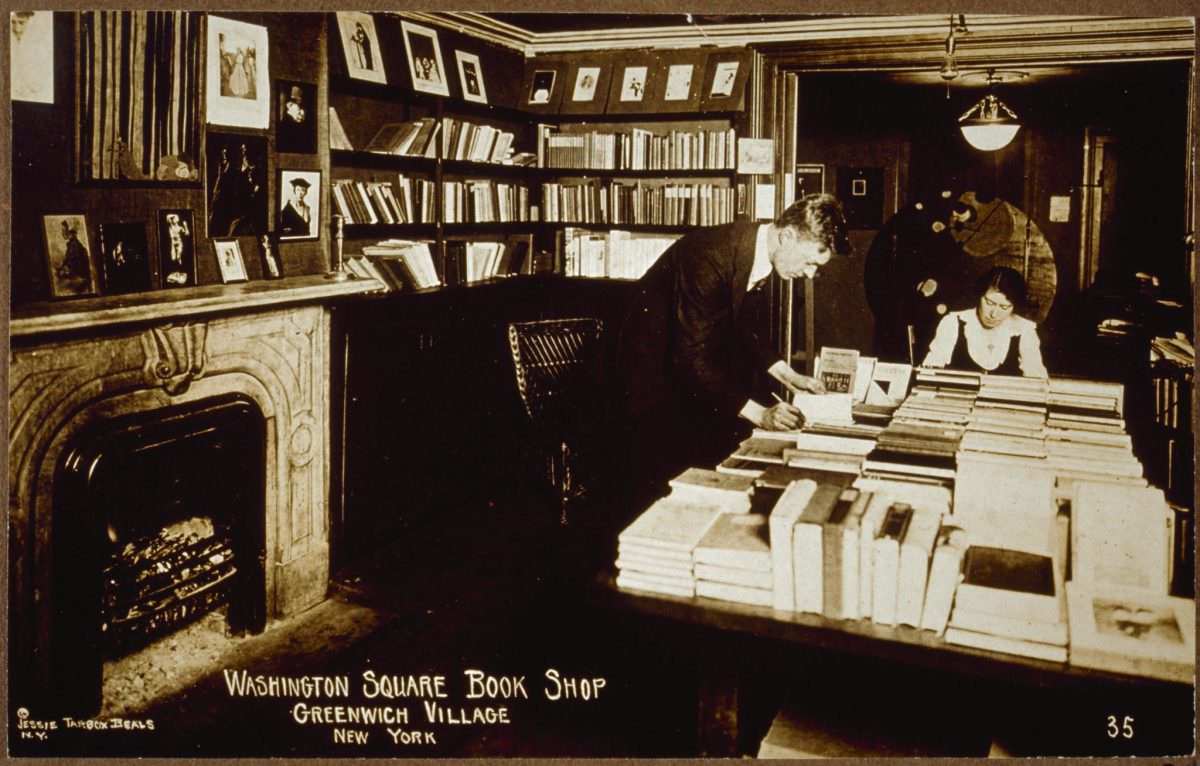
The shop fronts of Greenwich Village at night had a particular glow. Places like The Crumperie and The Treasure Box drew in locals and curious visitors alike. These weren’t grand establishments — they were intimate, personal spaces that reflected the personalities of the people who built them. The Village’s commercial life was tangled up with its creative life in a way that made the two nearly impossible to separate.
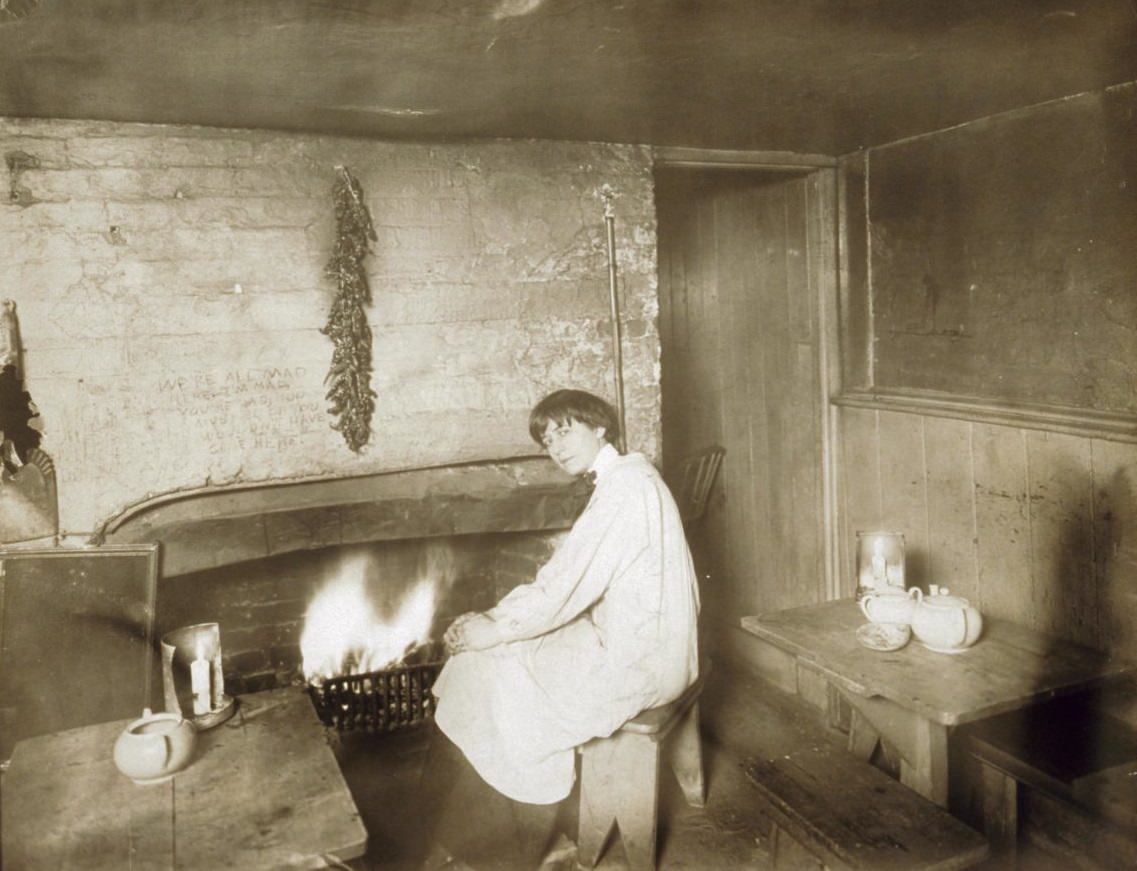
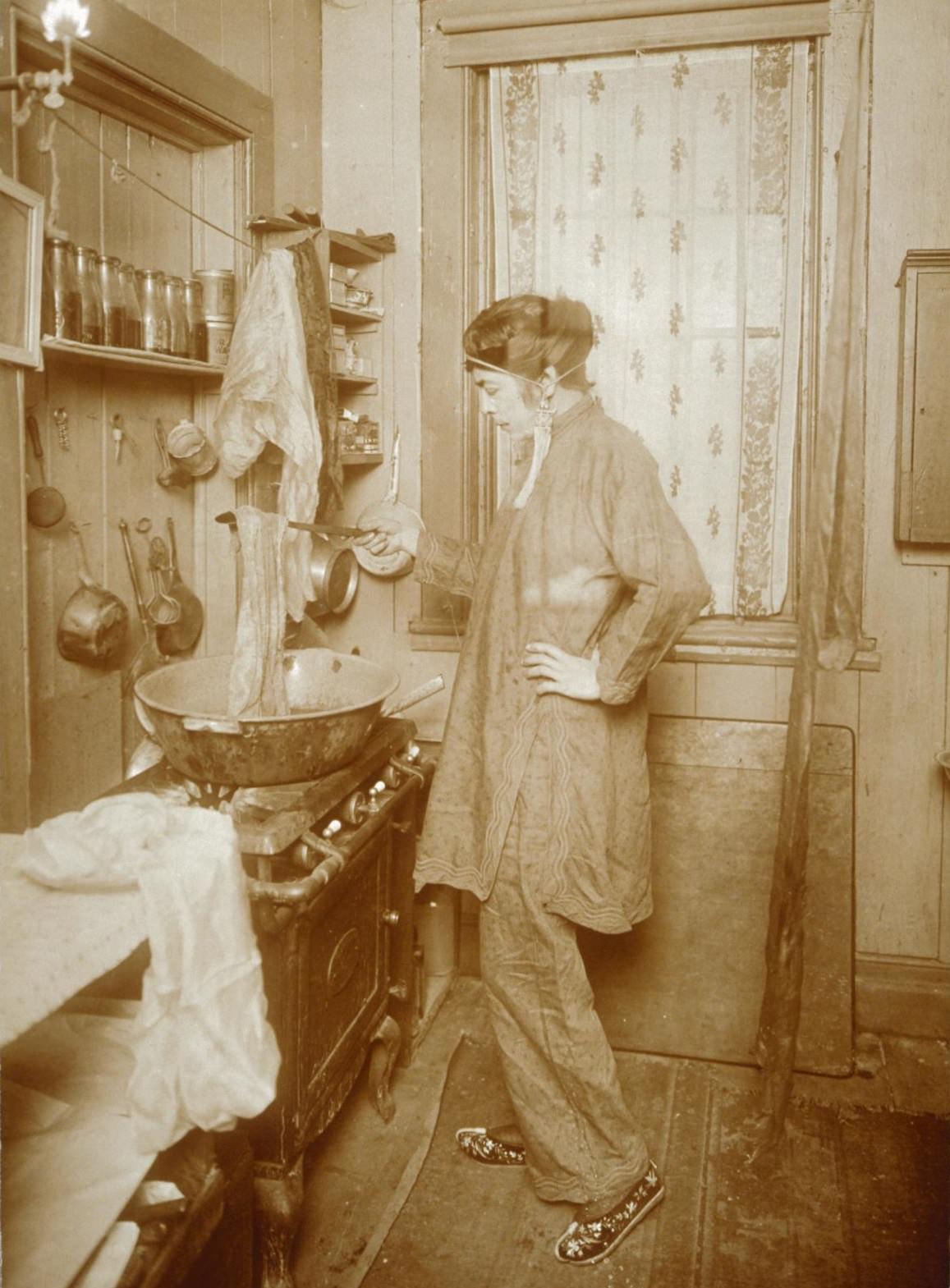
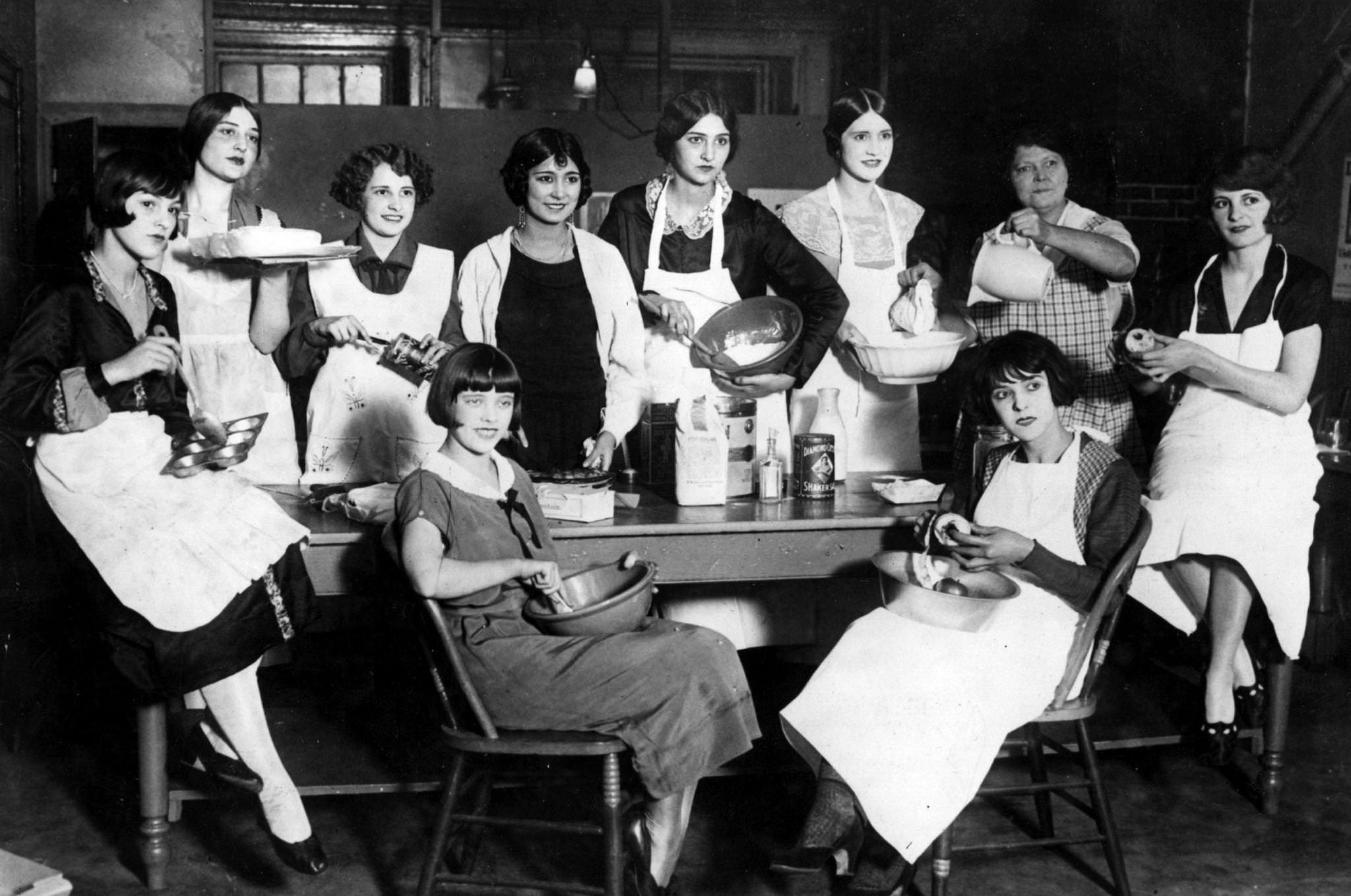
Craft and commerce lived side by side in the Village’s apartments and studios. Women dyed fabric at kitchen stoves, hand-made jewelry at worktables, and painted signs for their own storefronts. This do-it-yourself economy was not born from poverty alone — it was a conscious rejection of mass production and corporate sameness. Making things by hand, in your own kitchen, on your own terms, was a political act as much as a practical one.
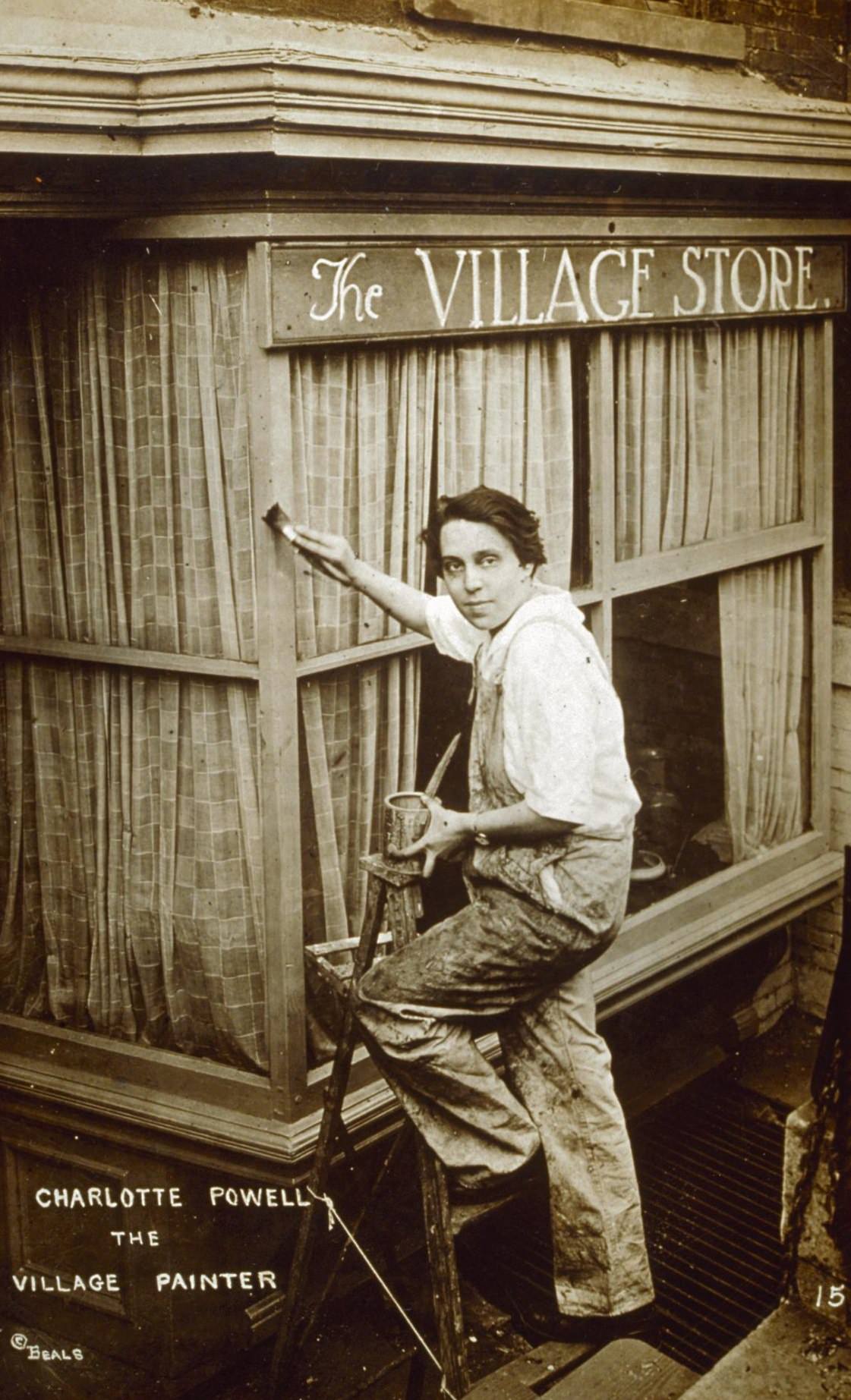
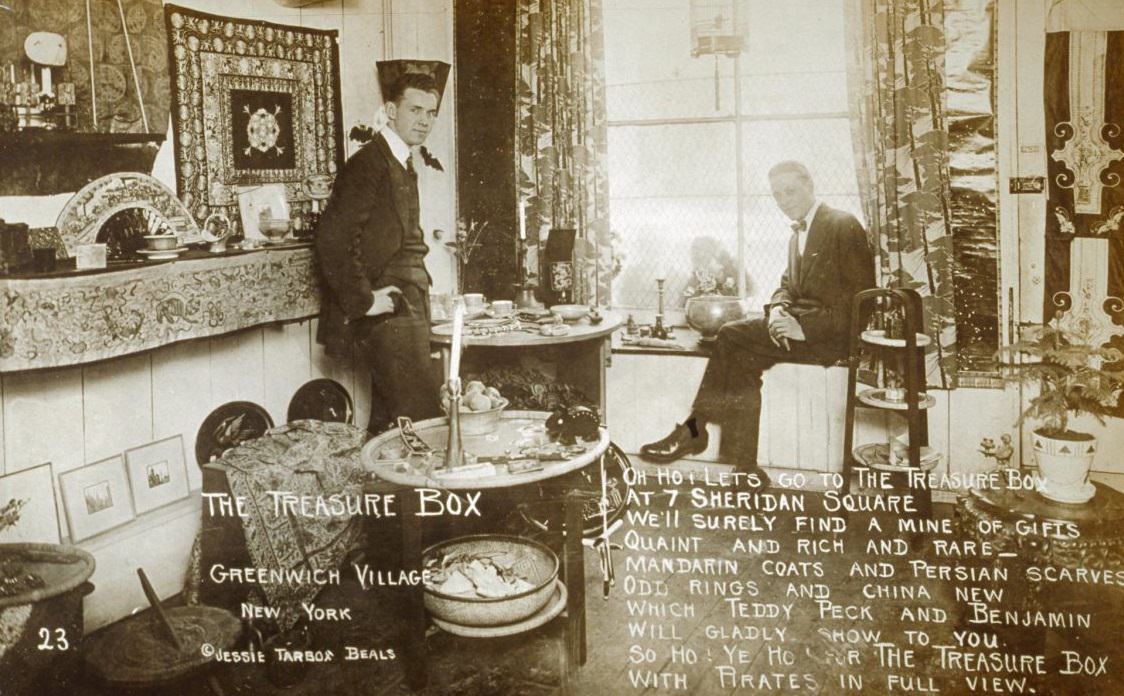
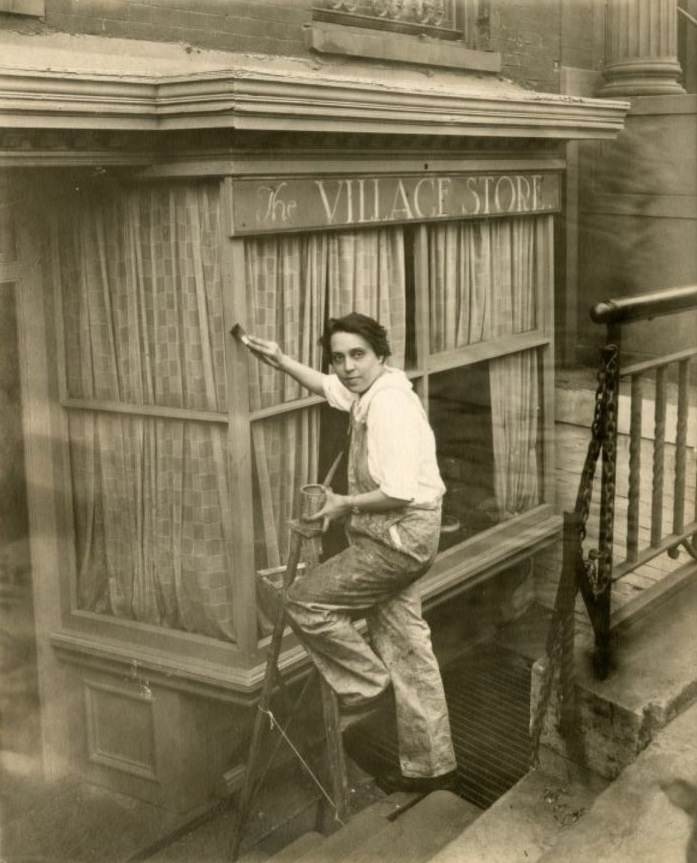
Sheridan Square sat at the heart of the Village’s social geography. Shops clustered around it, and the foot traffic was constant. Charlotte Powell painted the exterior of The Village Store herself, standing on a ladder in 1926 with a brush and no apparent hesitation. Around the square, business partners like Teddy Peck and Romayne Benjamin ran small retail shops, selling unique goods in spaces that felt more like living rooms than storefronts.
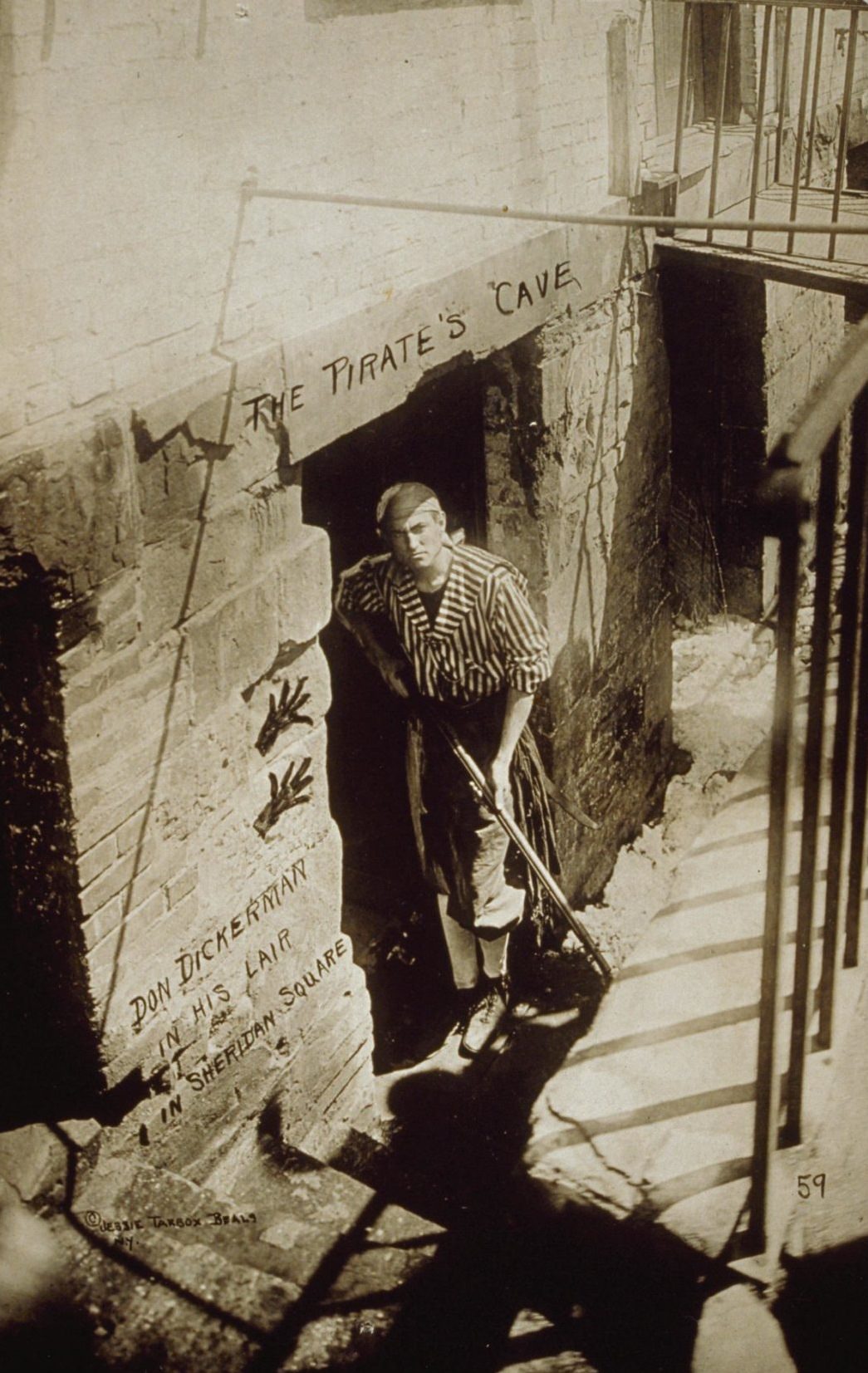
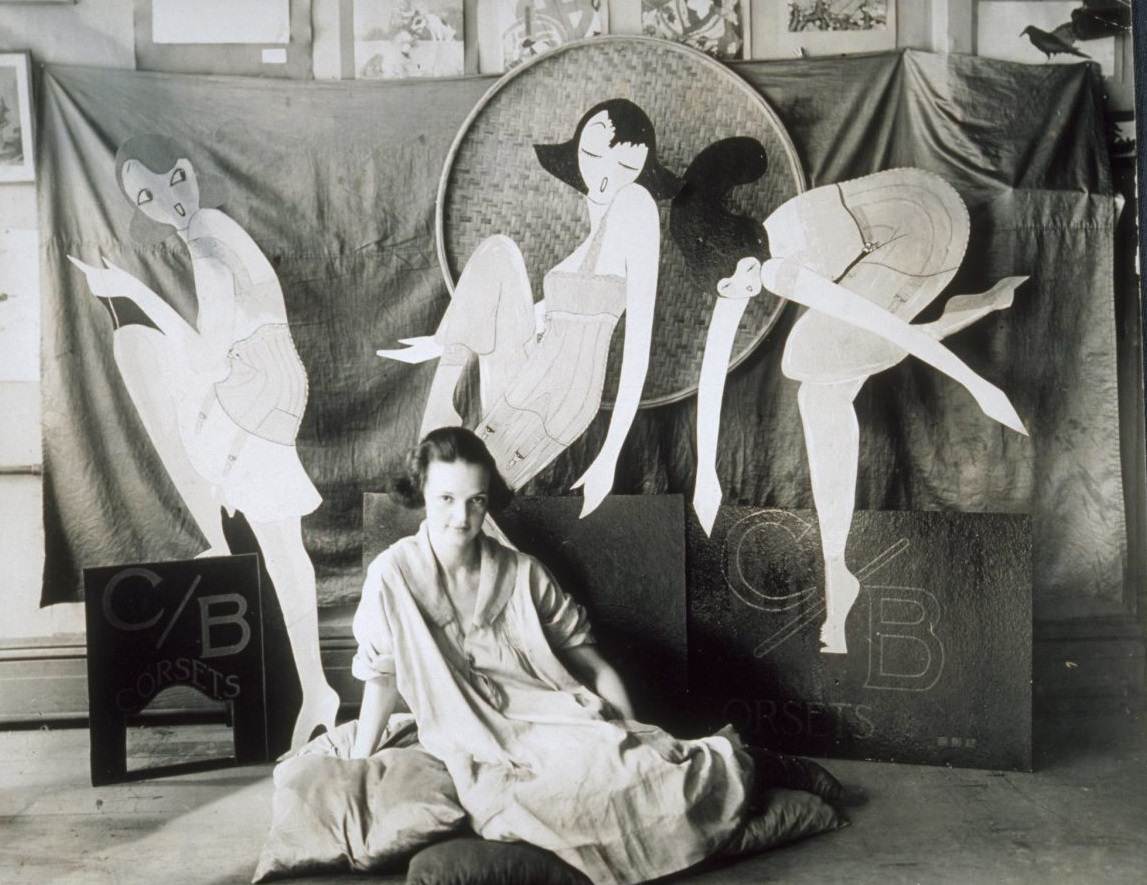
The interiors of Village businesses often defied standard shop layouts. Floor pillows replaced chairs. Candles substituted for electric lighting. The whole point was to create an atmosphere that felt different from the rest of the city. Don Dickerman, who ran one of the neighborhood’s well-known establishments, understood this instinctively. In the Village, the space around you told people who you were.
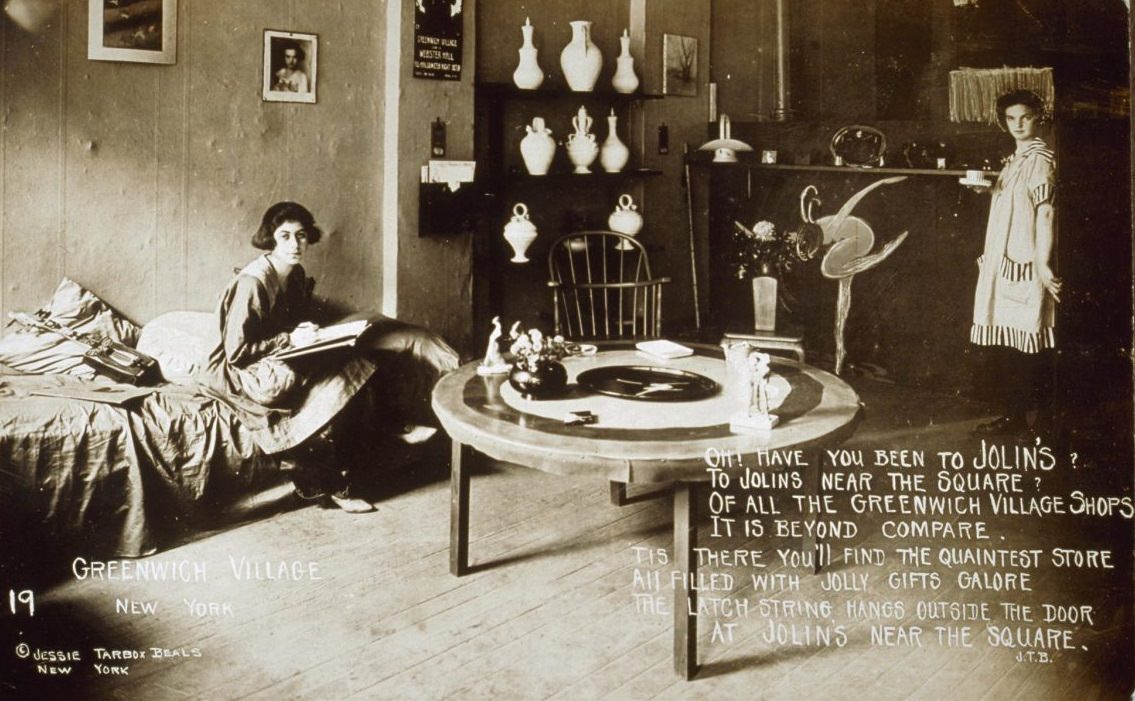
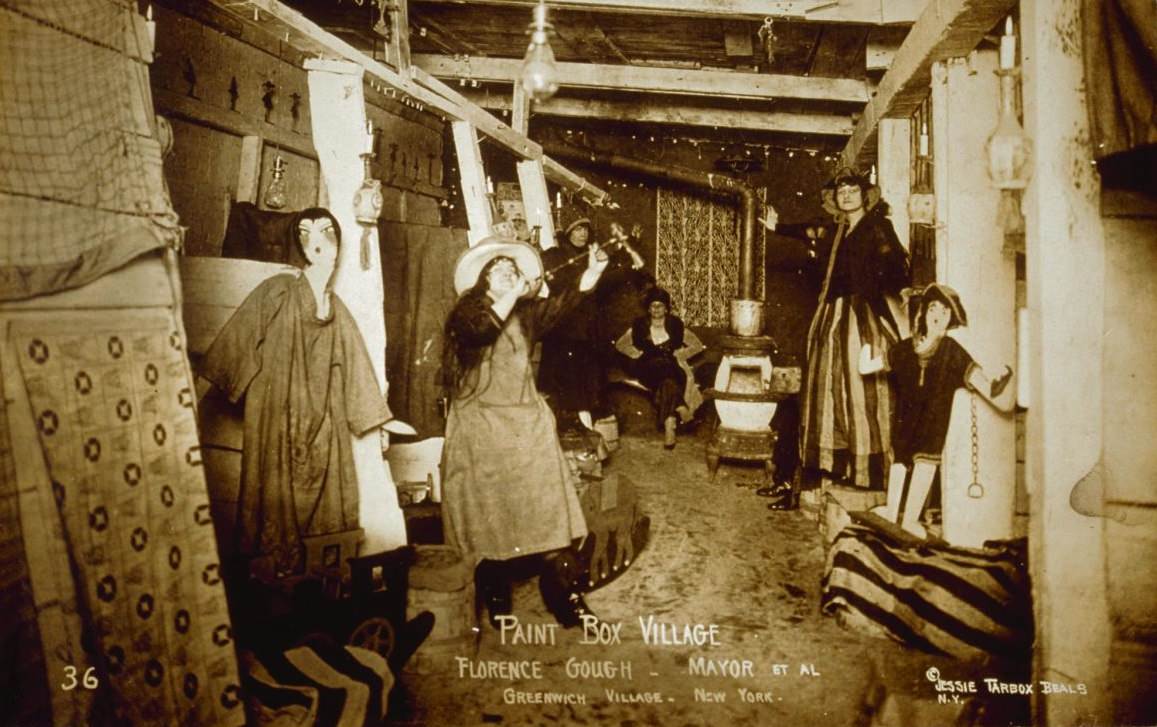
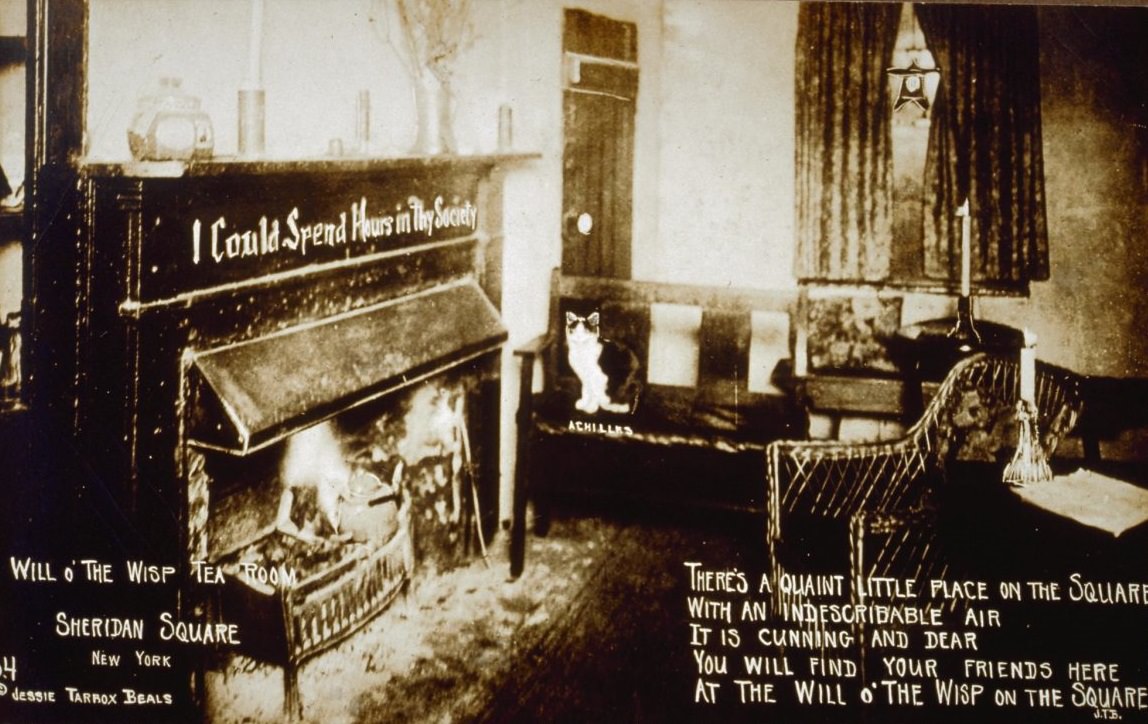
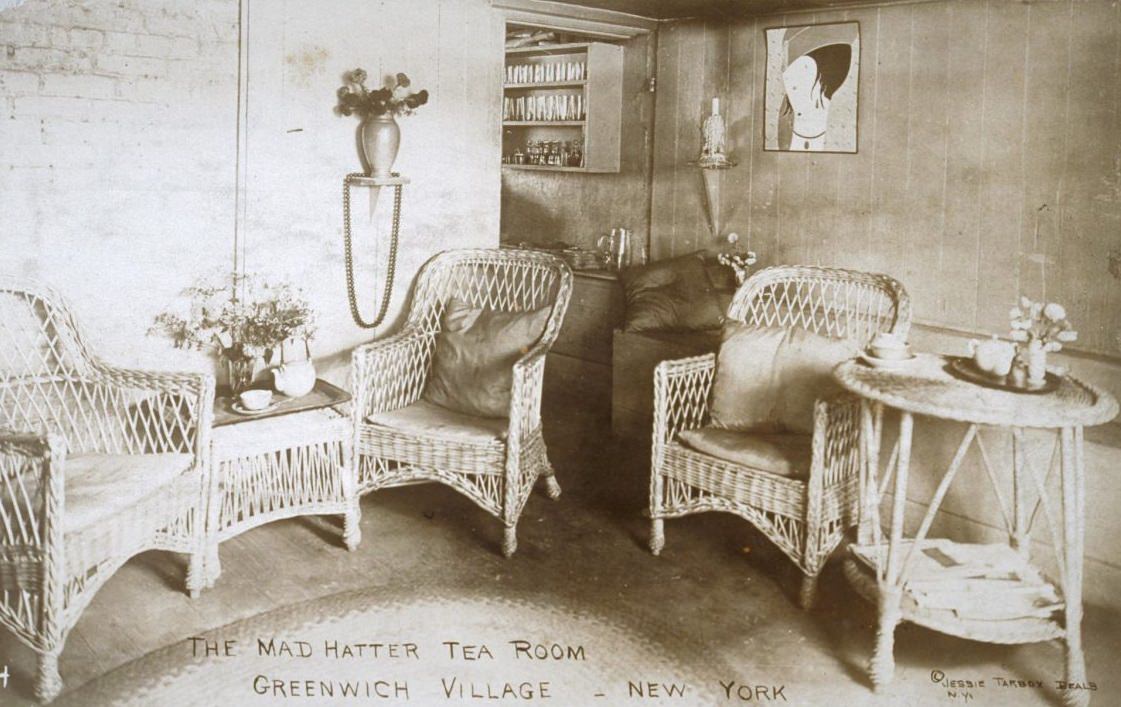
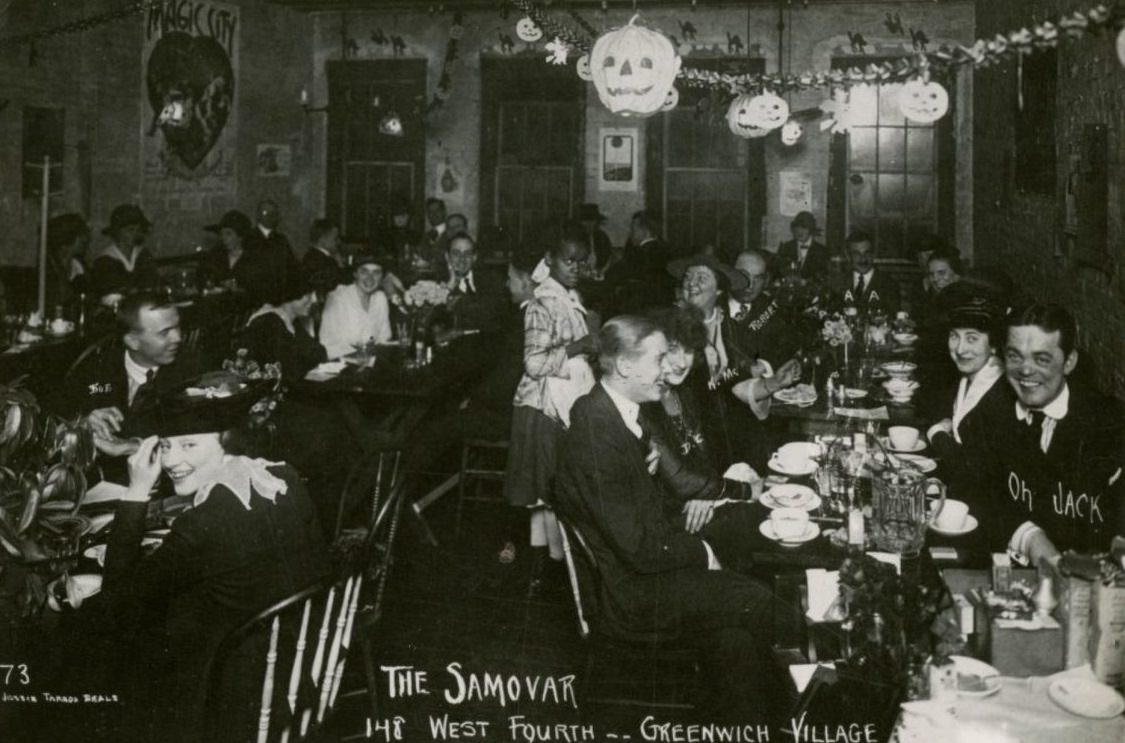
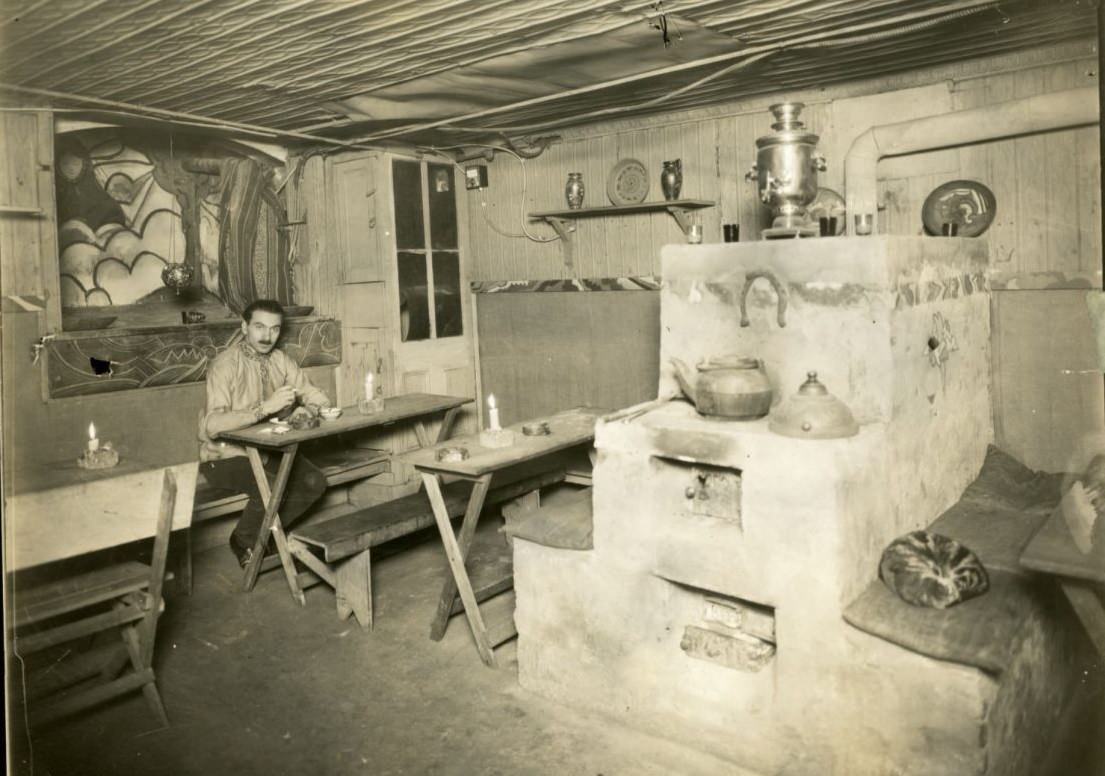
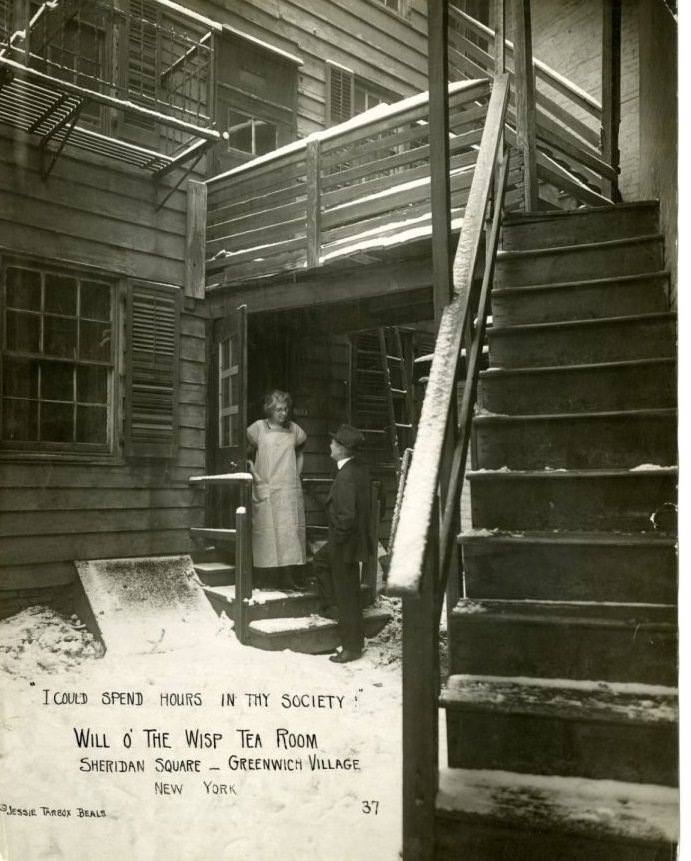
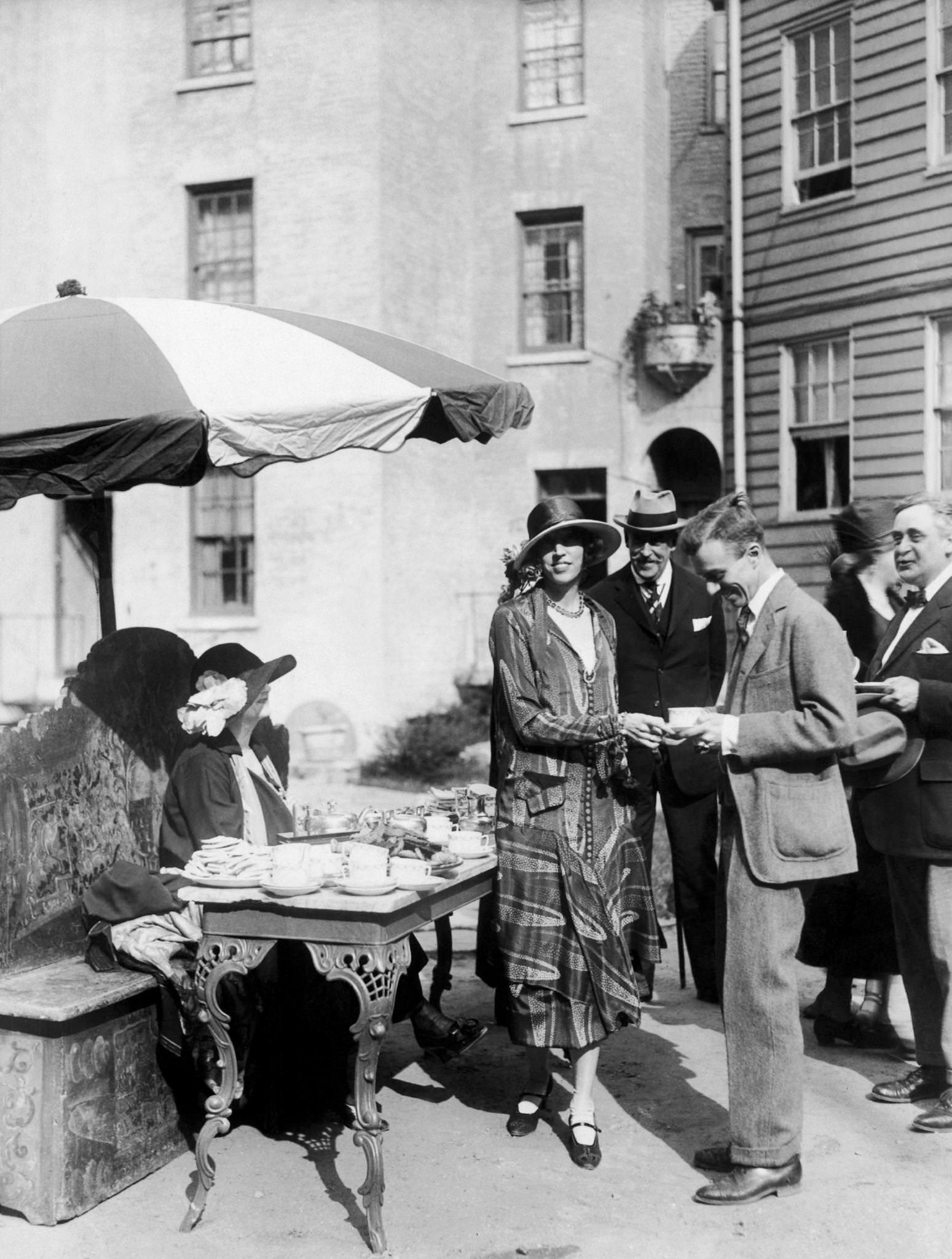
Tea rooms were a fixture of the Village social scene. They served as gathering spots where writers debated, activists planned, and artists traded gossip. These were not fancy affairs. The tables were small, the menus were simple, and the conversations were often anything but. The Samovar on West Fourth, The Isba Tea Room on 4th Street, the Mad Hatter, and the Will o’ the Wisp at Sheridan Square were among the most frequented. Each had its own personality, drawn directly from the people who ran them.
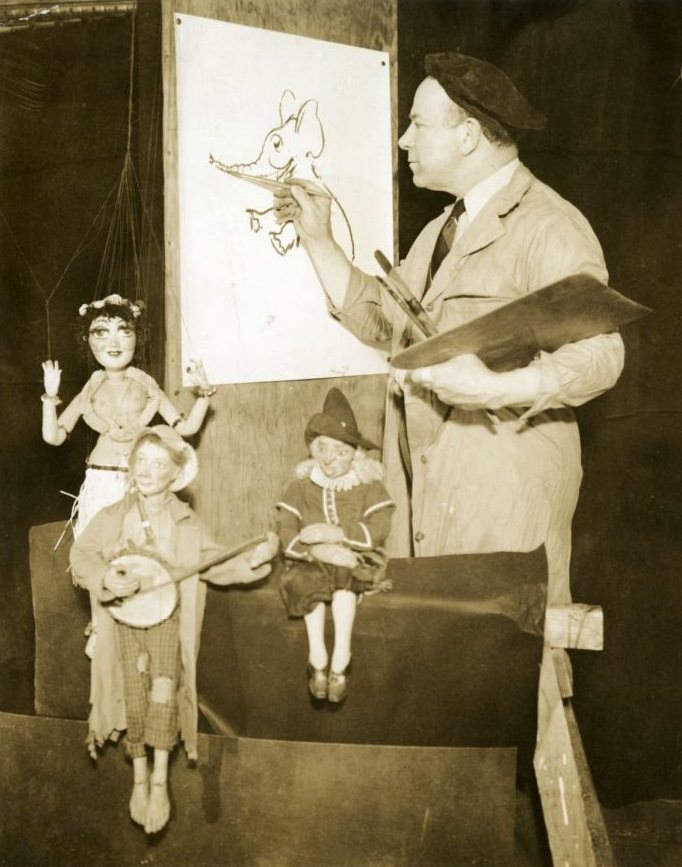
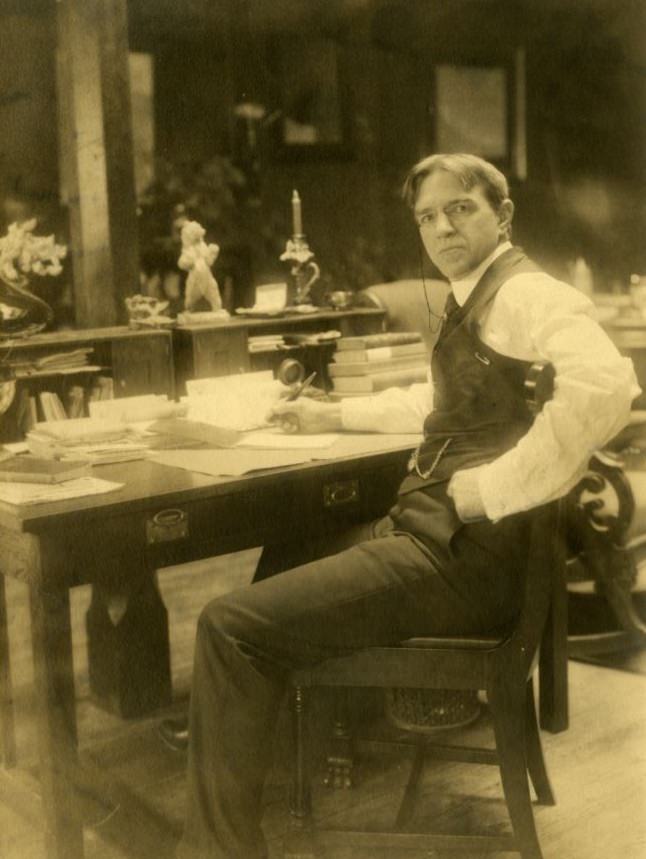
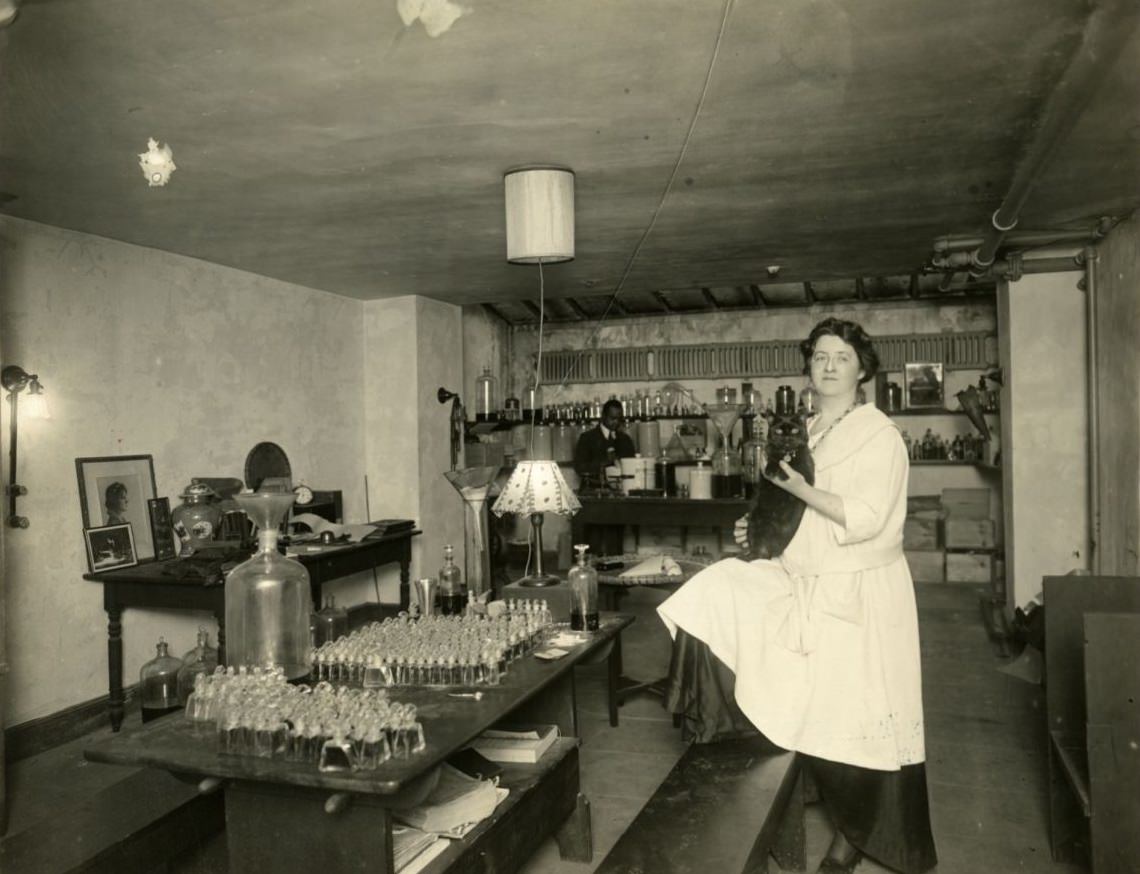
The Village’s character came partly from the sheer variety of its residents. Artists, illustrators, puppeteers, parfumiers, cartoonists, and restaurateurs all shared the same blocks. May Wilson Preston was an established artist and illustrator with a national audience. Fontaine Fox drew the widely syndicated Toonerville Trolley comic strip. Tony Sarg built his reputation as a puppeteer and illustrator partly from his time in the neighborhood. These were not obscure figures hiding in garrets — many were commercially successful people who chose the Village because it matched how they wanted to live.
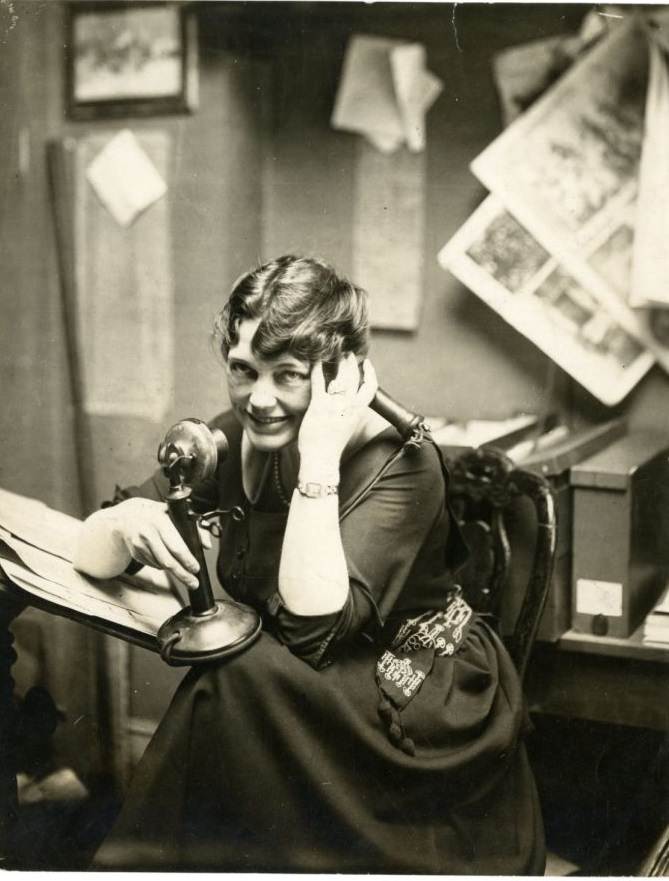
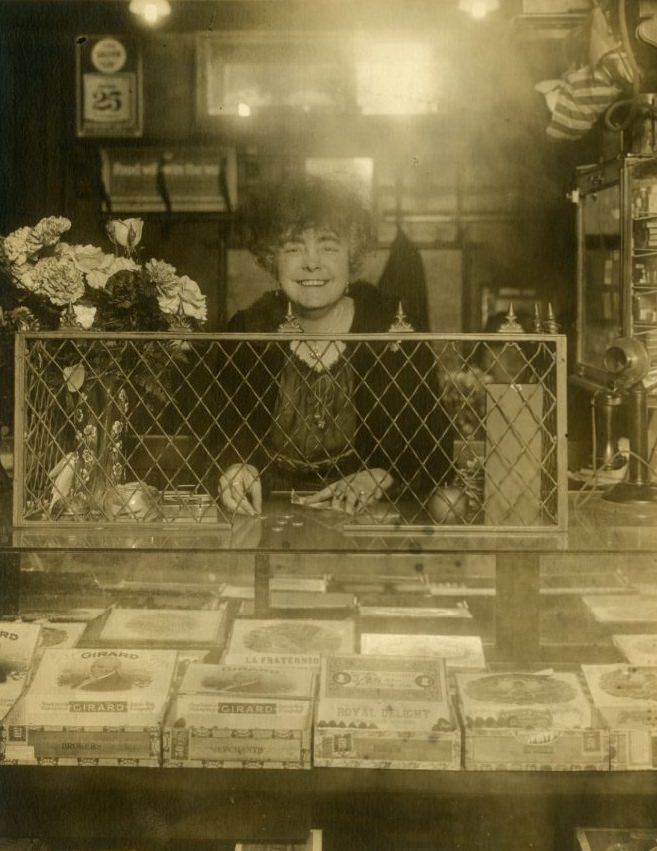
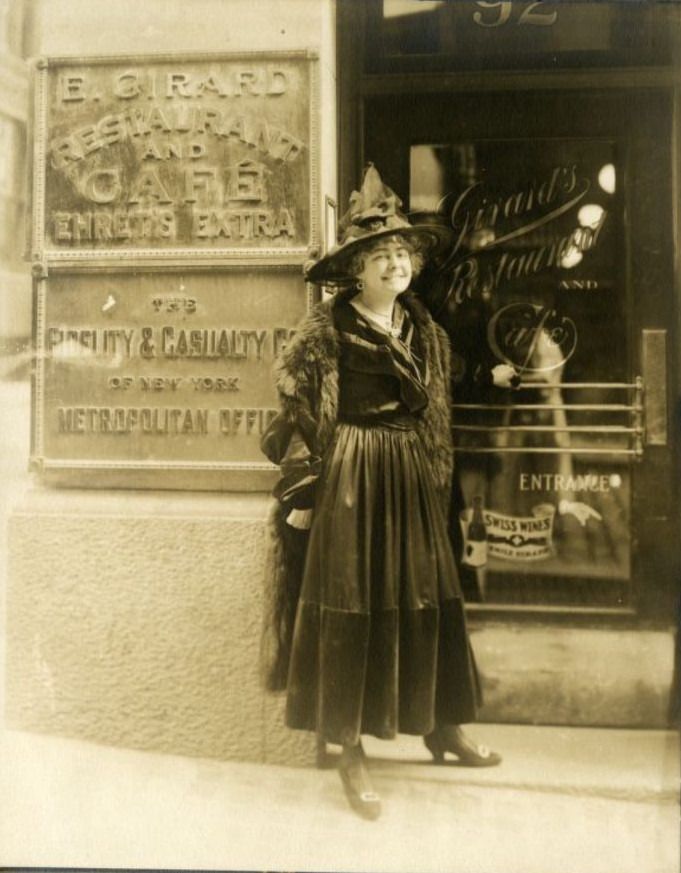
Food was a window into the Village’s multicultural makeup. The neighborhood held large communities of immigrants from Eastern and Southern Europe, and their culinary traditions shaped the local restaurant scene. Madam Girard ran one of the area’s well-known downtown restaurants, and establishments like hers offered food that felt nothing like standard American fare. The Village’s dining landscape was a direct product of the people who had settled there — Russian, Italian, Greek, and Jewish influences all blended into a neighborhood cuisine that was distinctly its own.
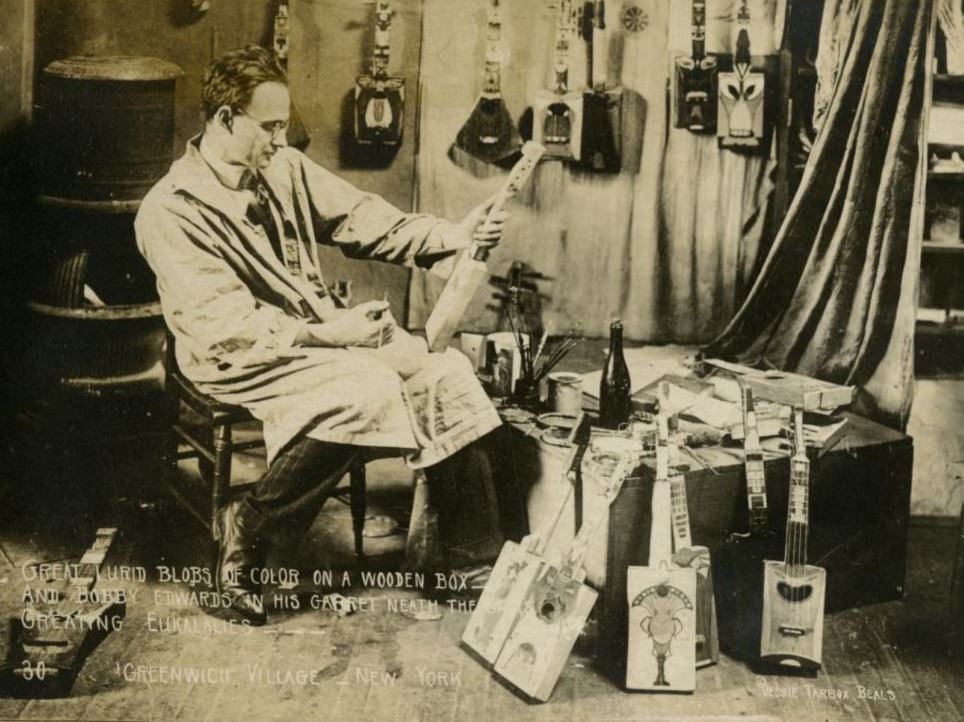
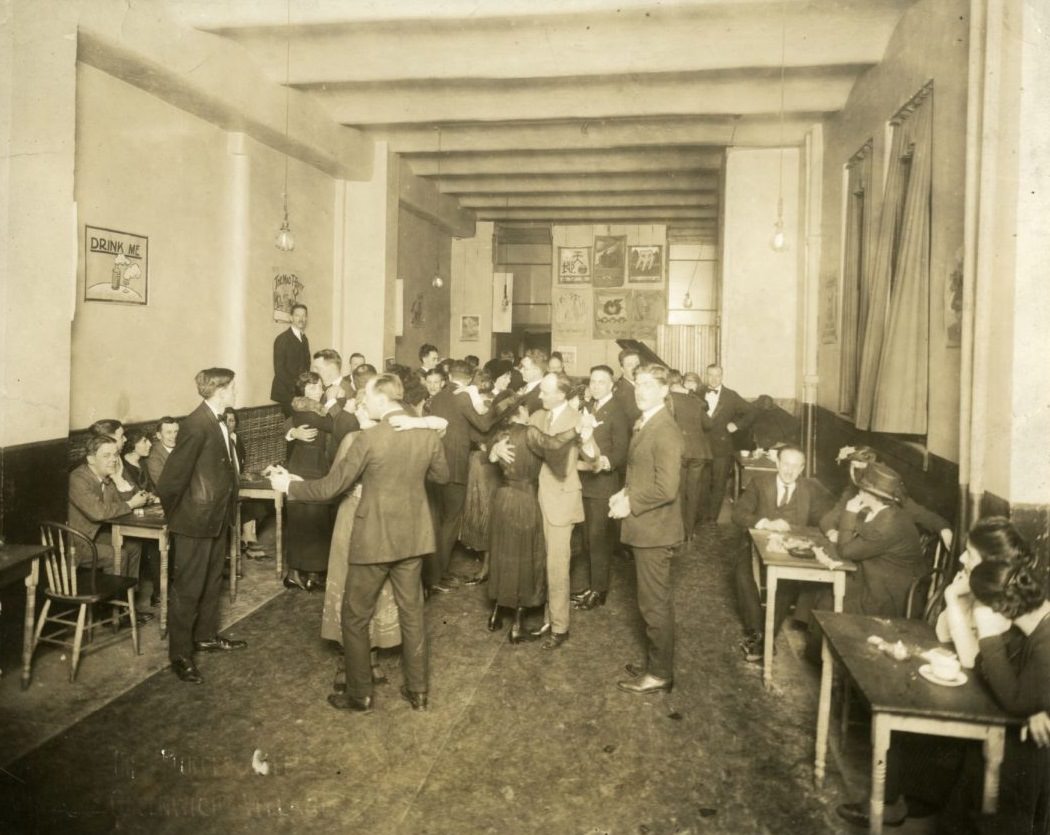
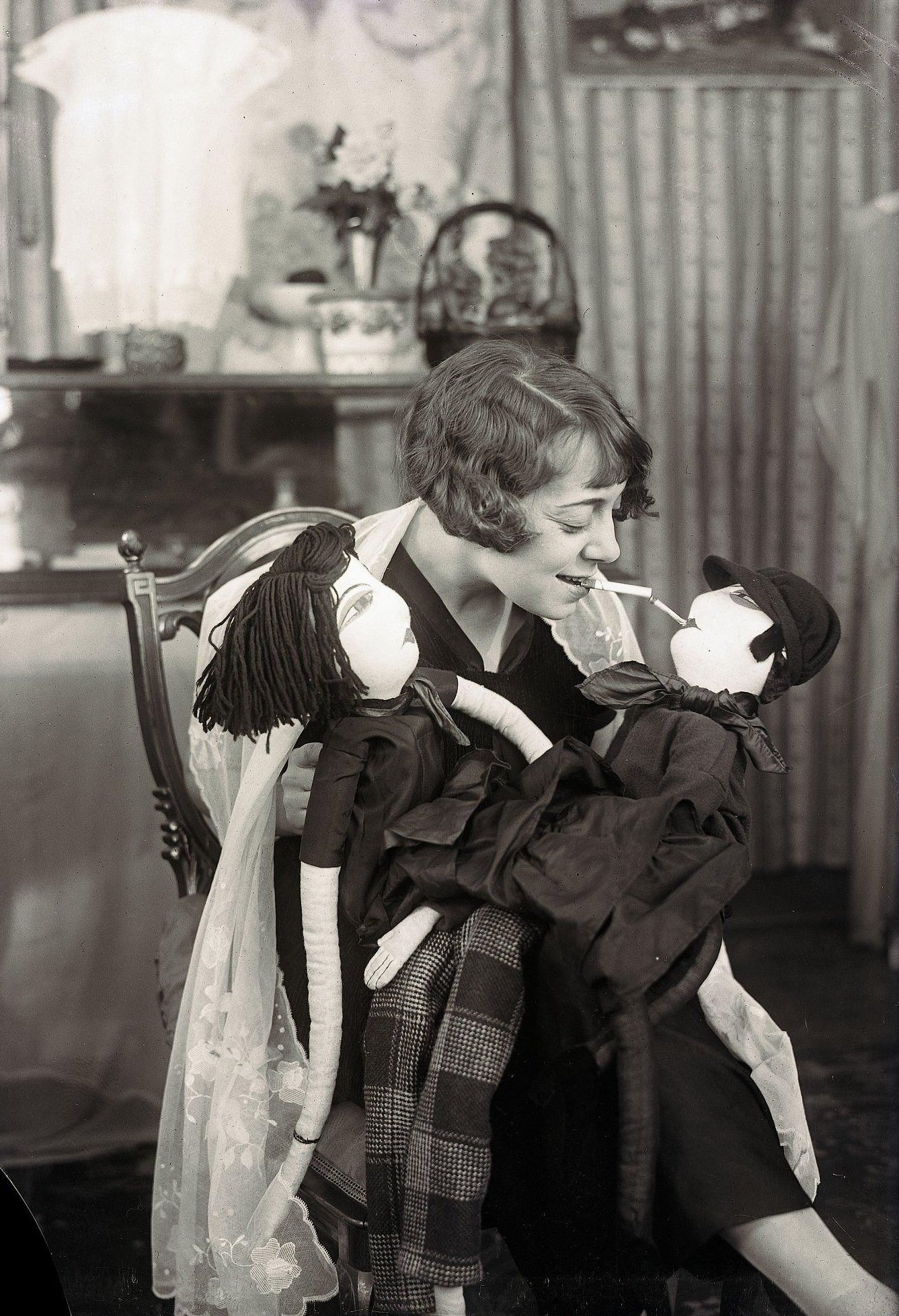
Music was everywhere. Bobby Edwards became one of the Village’s most recognizable characters — a ukulele-strumming, garret-dwelling entertainer who embodied the neighborhood’s loose, joyful spirit. In Charley Reed’s Purple Pup and other clubs, people danced without much concern for what anyone outside the neighborhood thought. Webster Hall, a few blocks away on East 11th Street, hosted costume balls that drew crowds from across the city. The Liberal Club on MacDougal Street was another hub, organizing events that mixed art, politics, and socializing into evenings that could go anywhere.
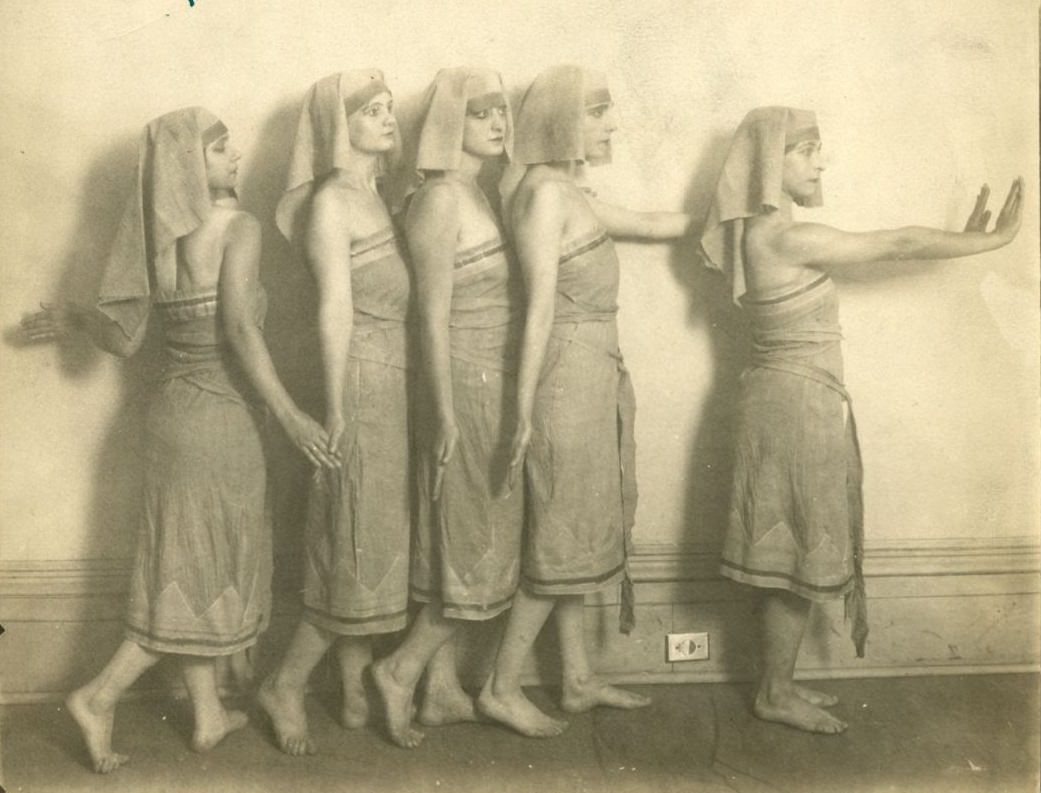
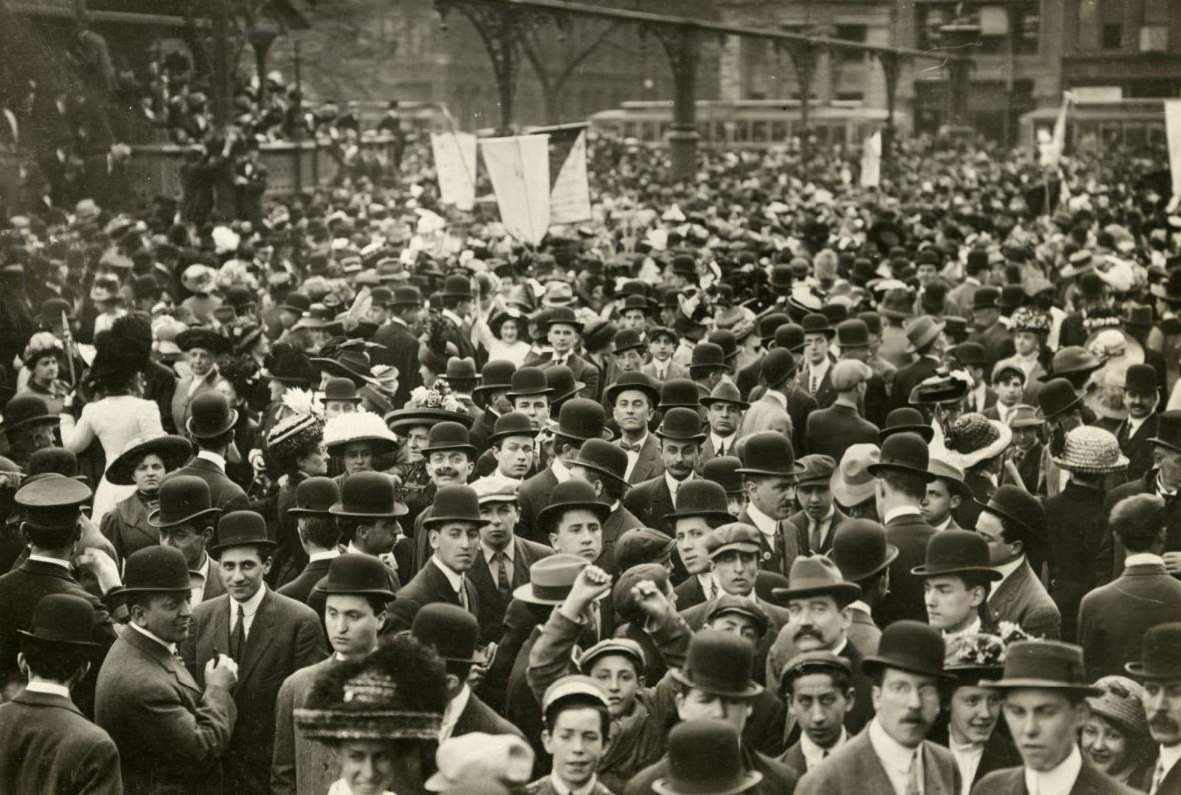
The suffrage movement had won women the right to vote with the 19th Amendment in 1920, but Village women didn’t stop organizing after that victory. Meetings drew crowds to Union Square. Women ran for local offices, wrote political columns, and continued pushing against restrictions that went far beyond the ballot box. The fight for reproductive rights, for access to education, for equal wages — these were Village conversations long before they entered mainstream American politics.
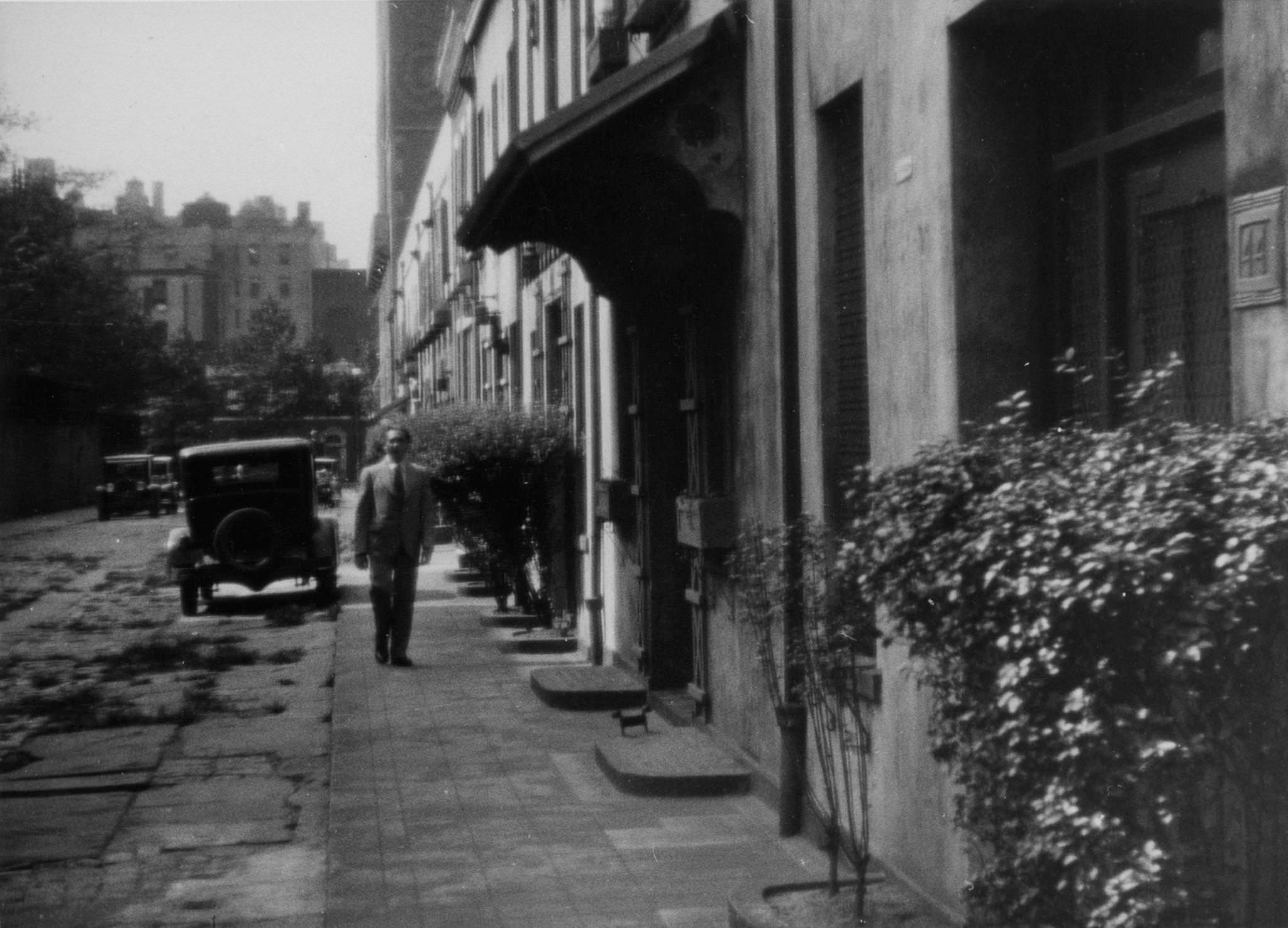
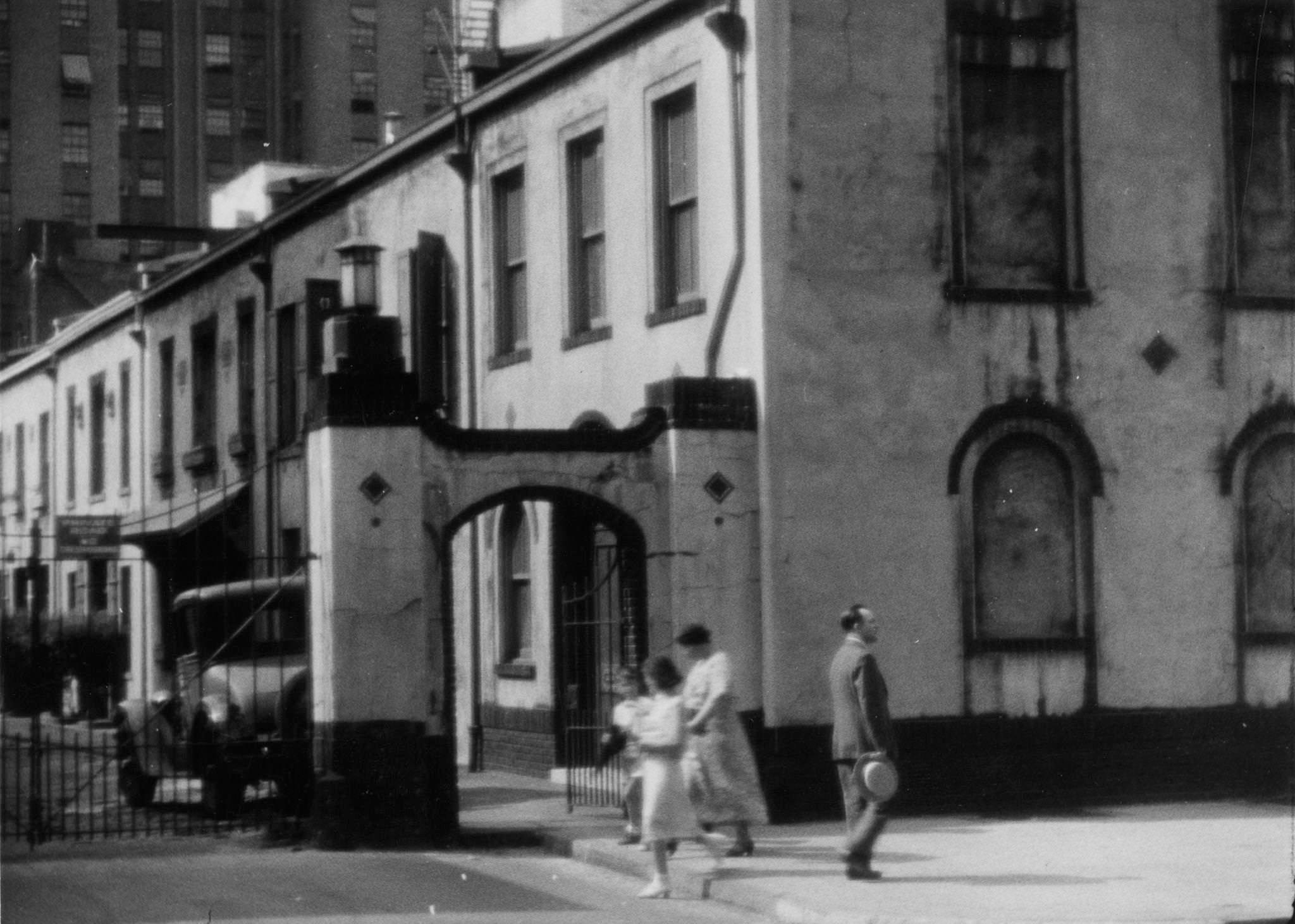
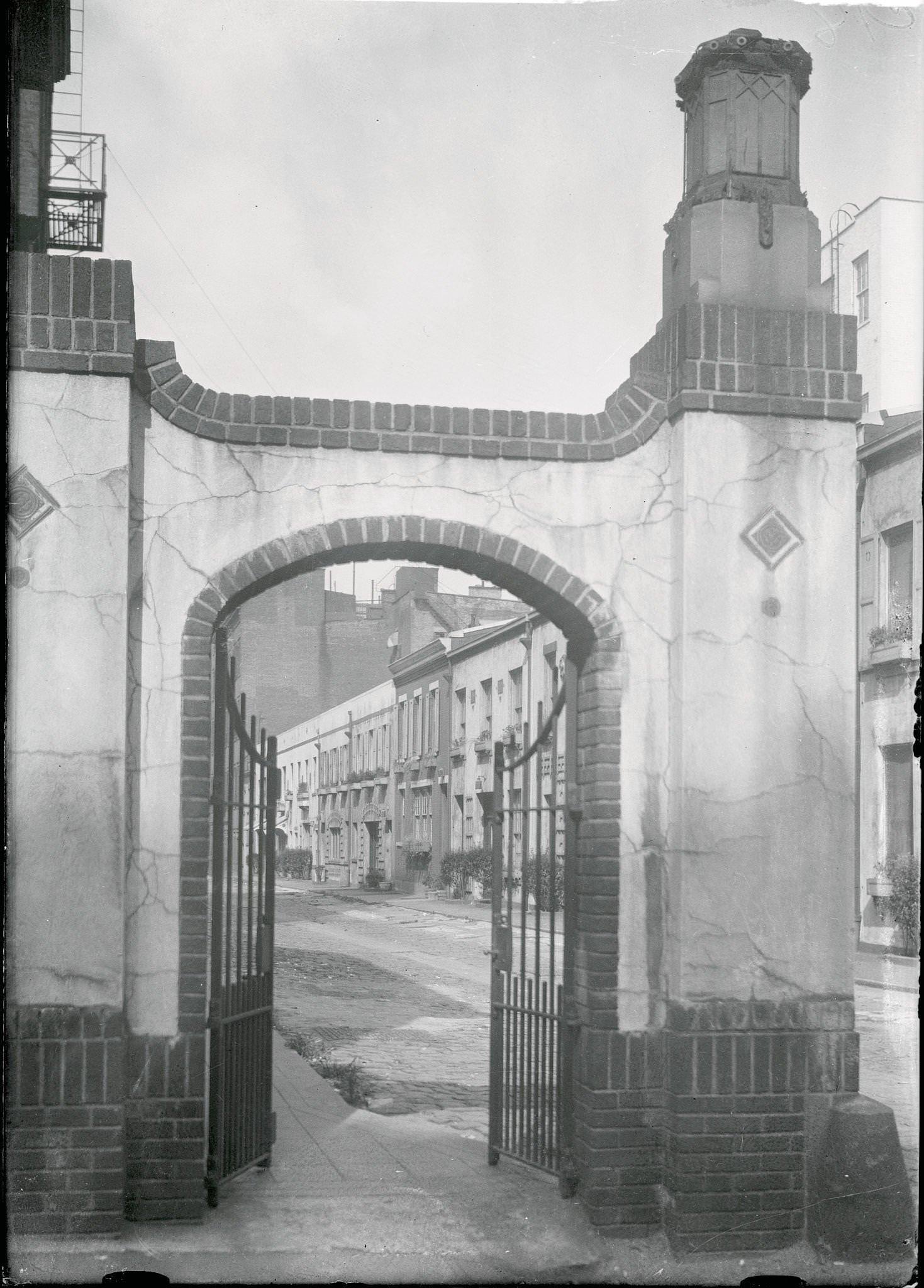
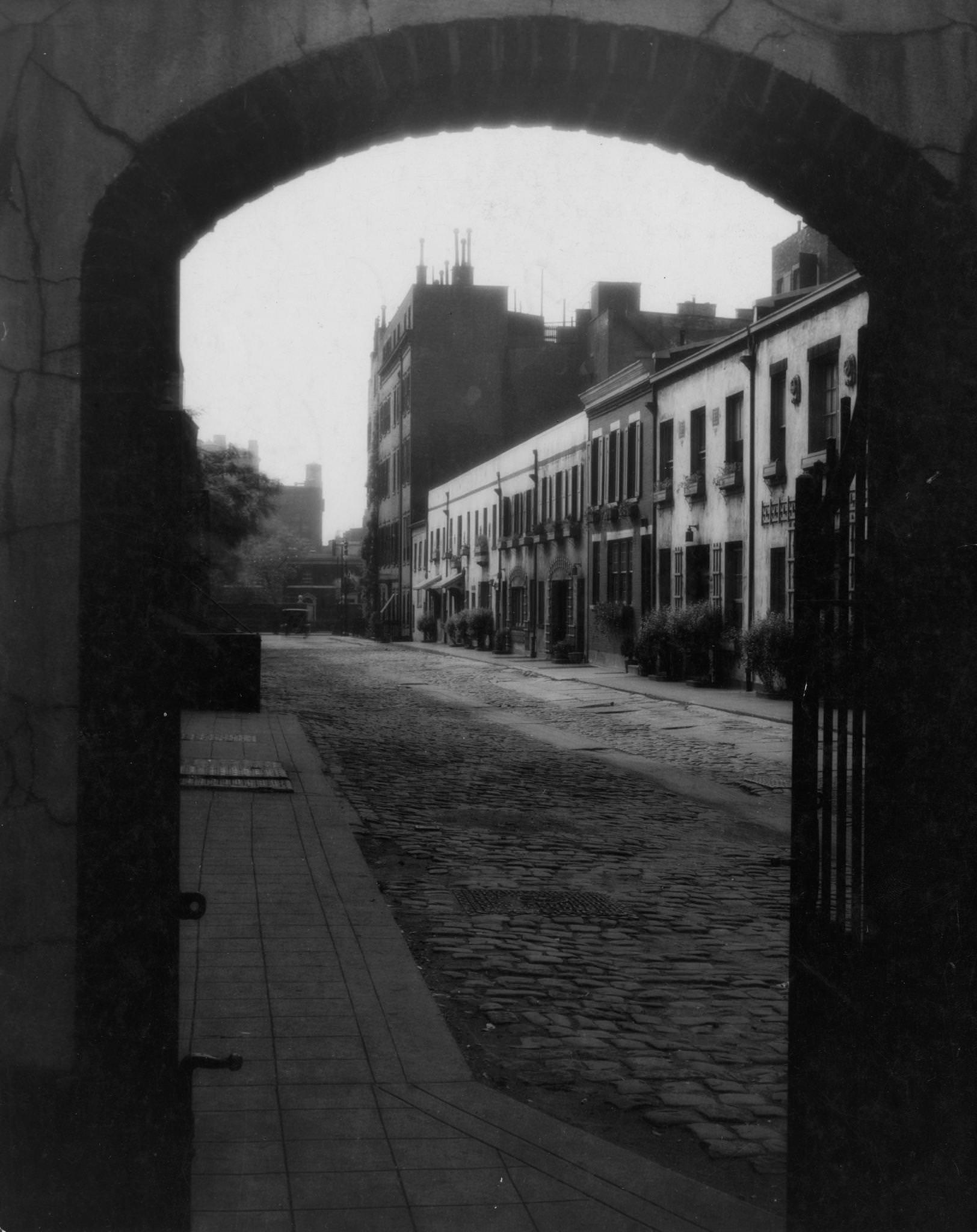
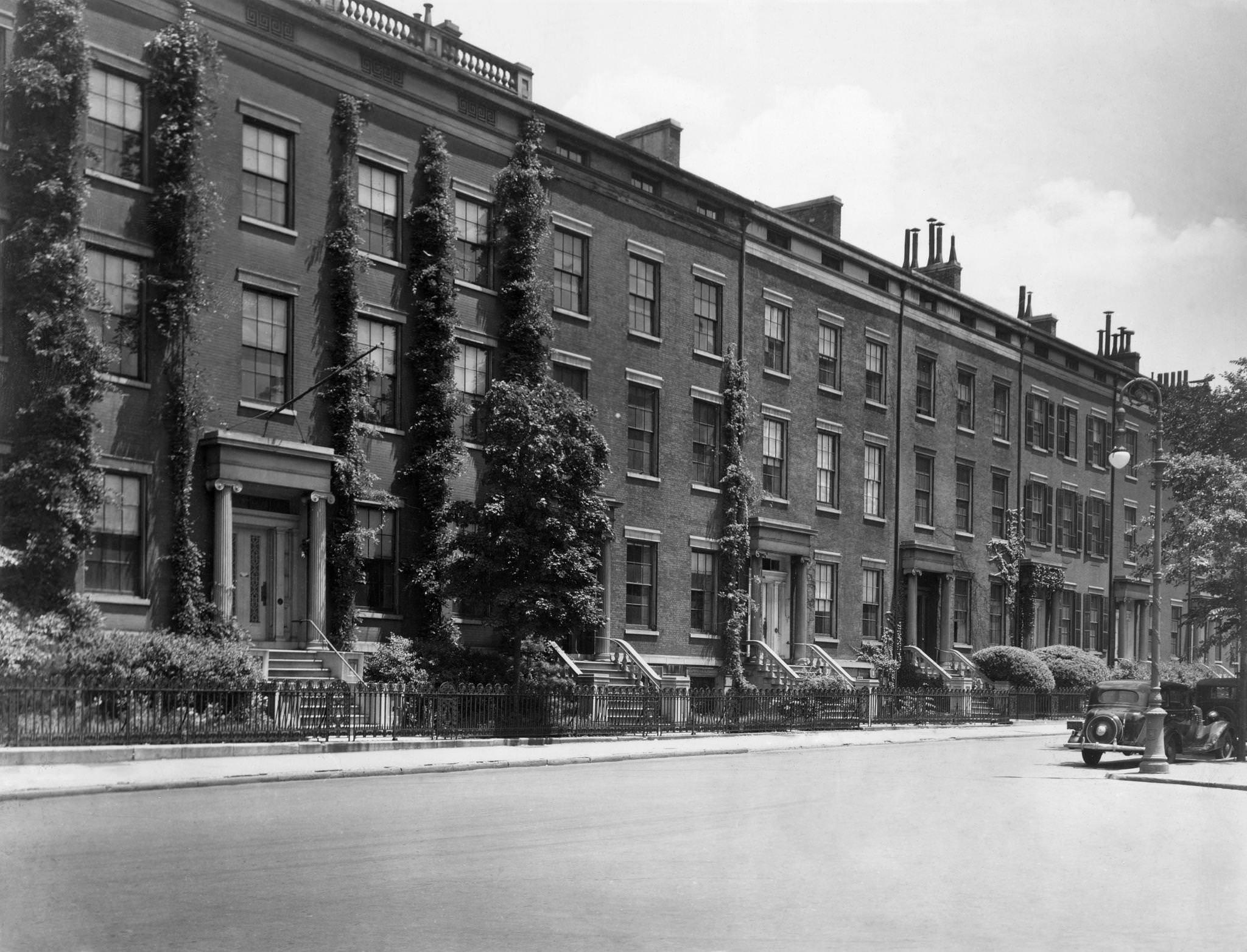
Washington Mews, a cobblestone alley running between Fifth Avenue and University Place just north of Washington Square Park, was one of the Village’s most distinctive addresses. Originally built as stables for the wealthy families whose mansions faced the park, the Mews had been converted into studios and residences by the 1920s. Artists and writers rented the former carriage houses for their low ceilings, wide doors, and the privacy the alley provided from the street. Visitors who found their way in described the scene as closer to a Paris side street than anything else in New York.
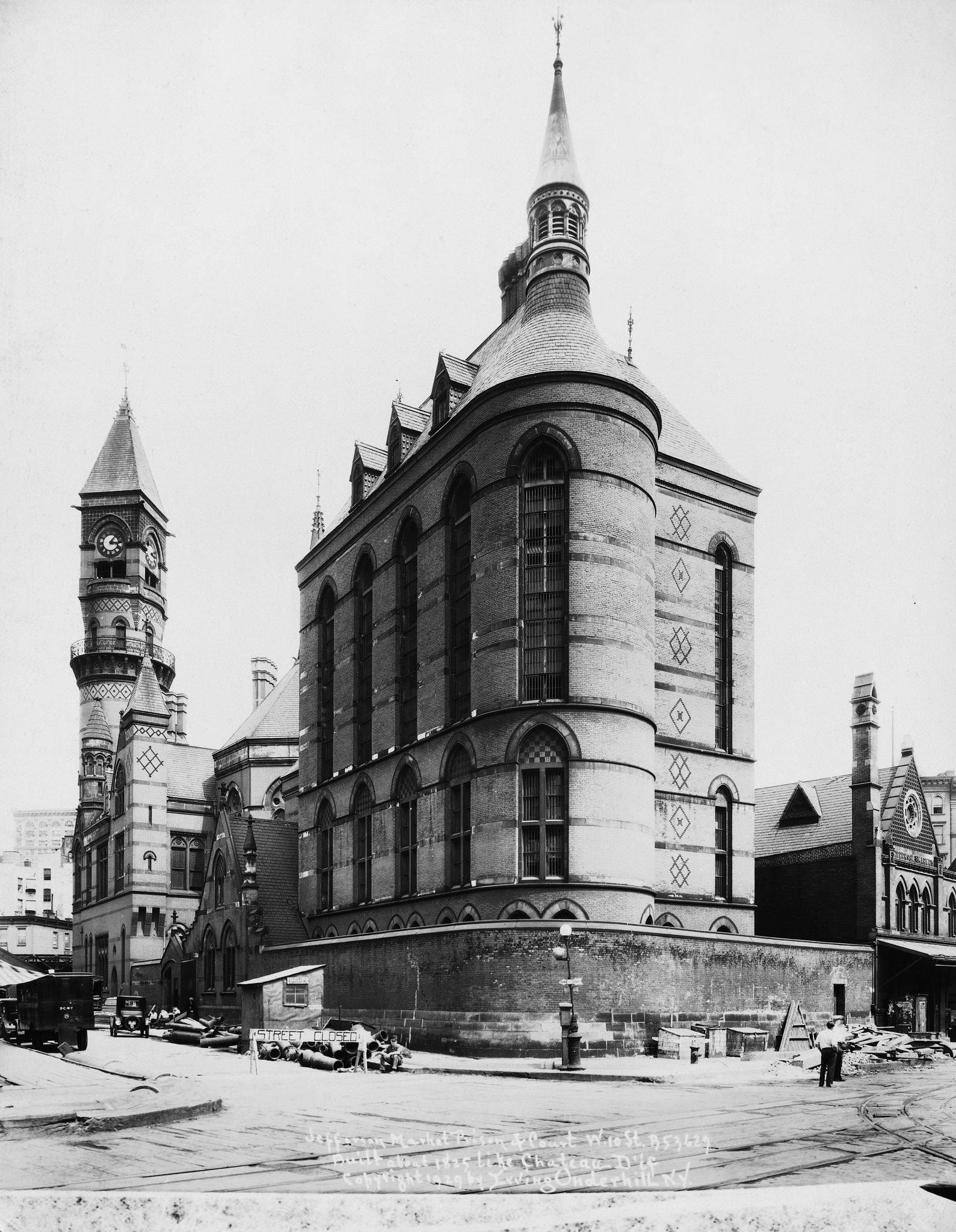
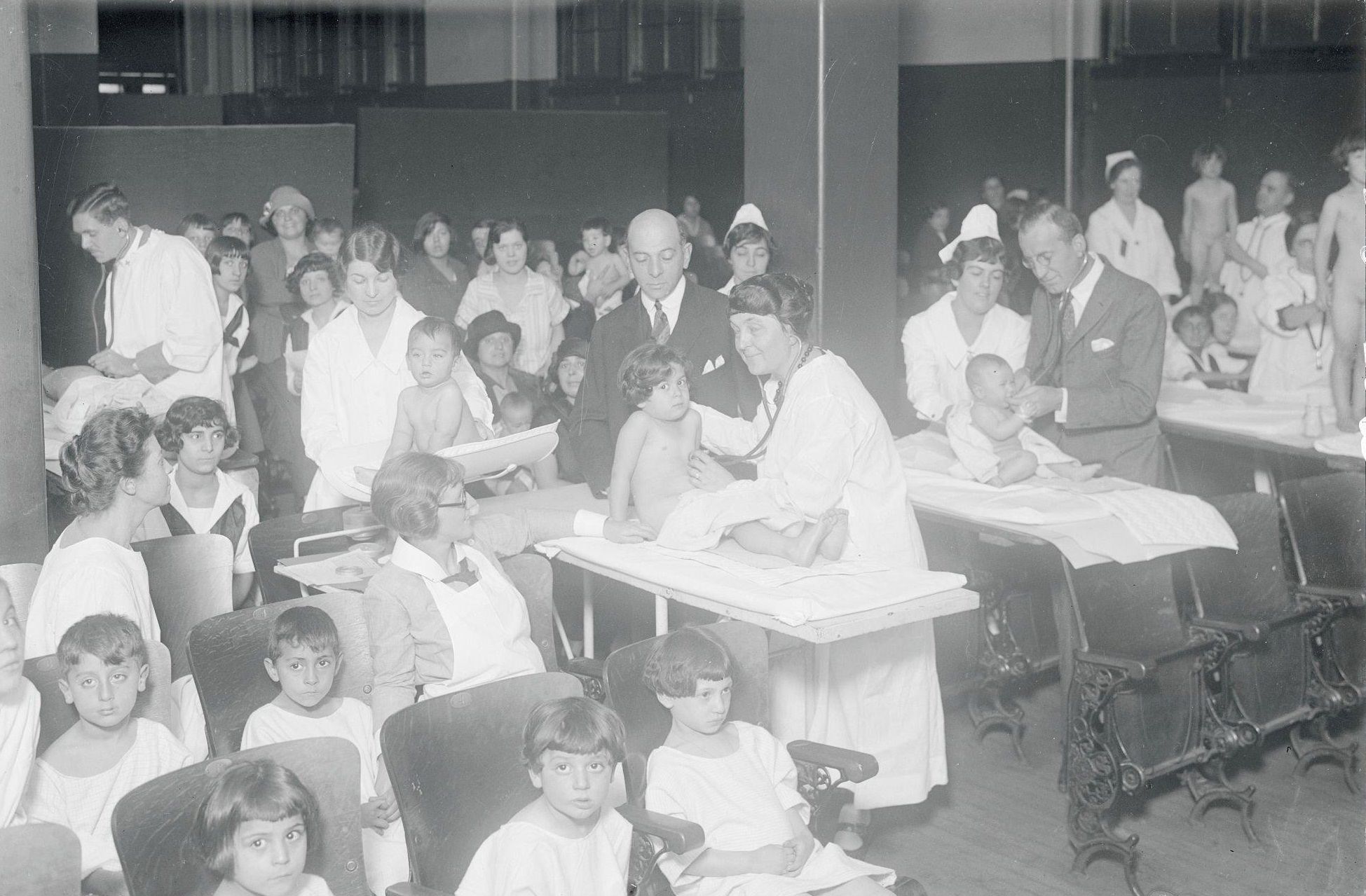
Community life in the Village wasn’t limited to salons and speakeasies. The Judson Health Center organized the annual Greenwich Village baby contest at Public School 38, overseen by Dr. Eleanor A. Campbell and Dr. Blumenthal of the Board of Health. Hundreds of children were entered each year. The Jefferson Market Courthouse, the neighborhood’s striking Victorian clock tower building on Sixth Avenue, served as both a courthouse and a jail — a physical reminder that even the bohemian Village existed within the structures of city government.
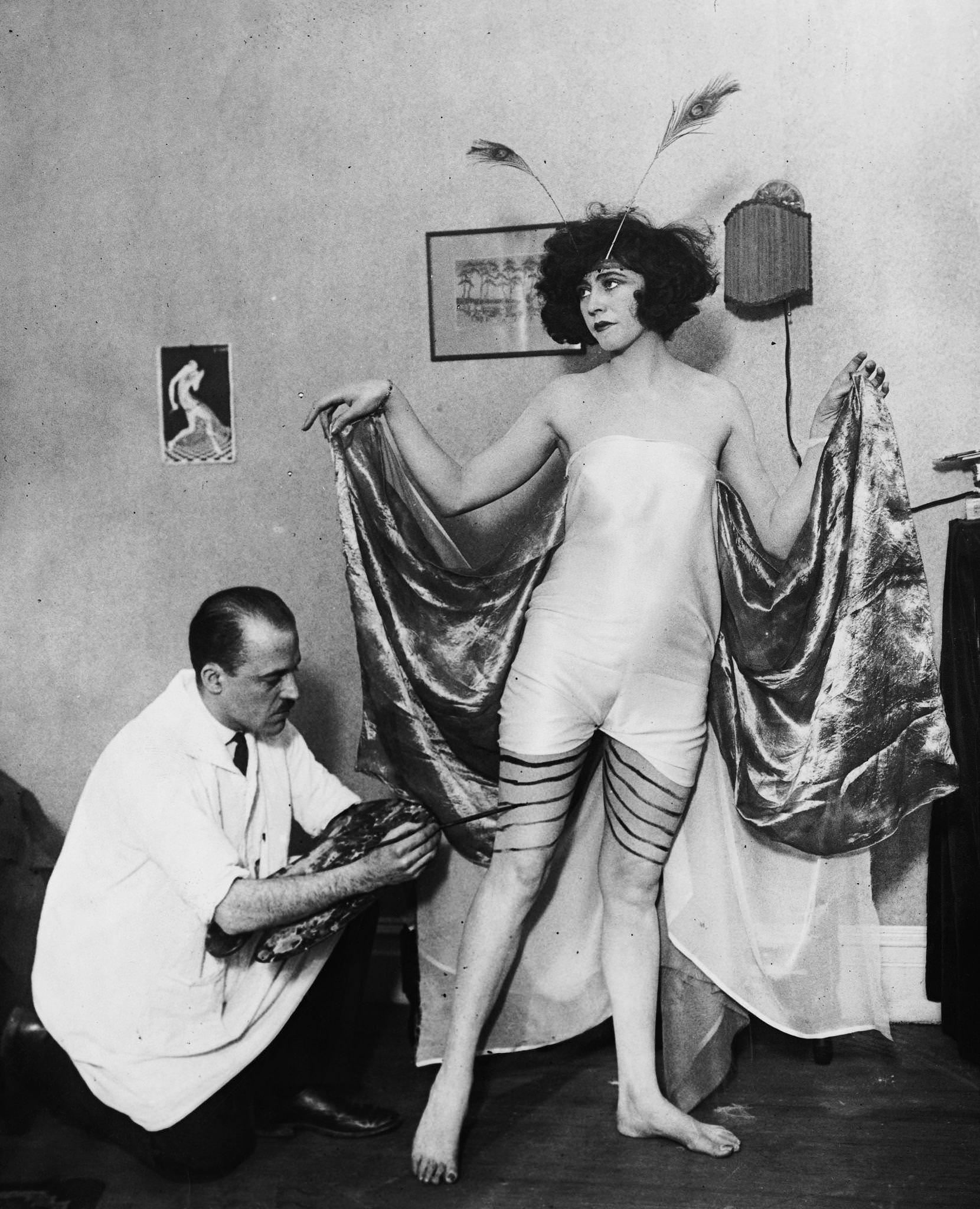
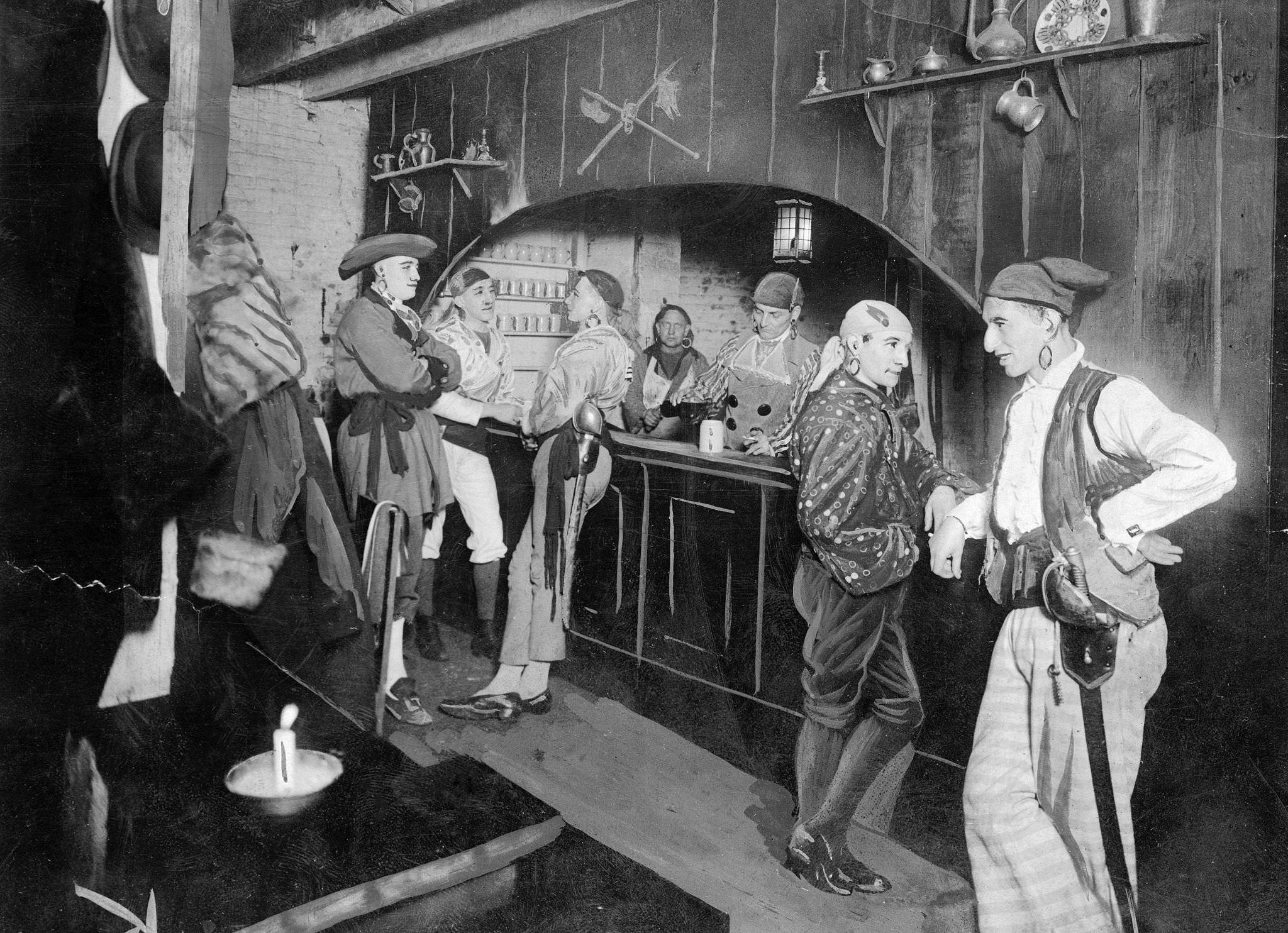
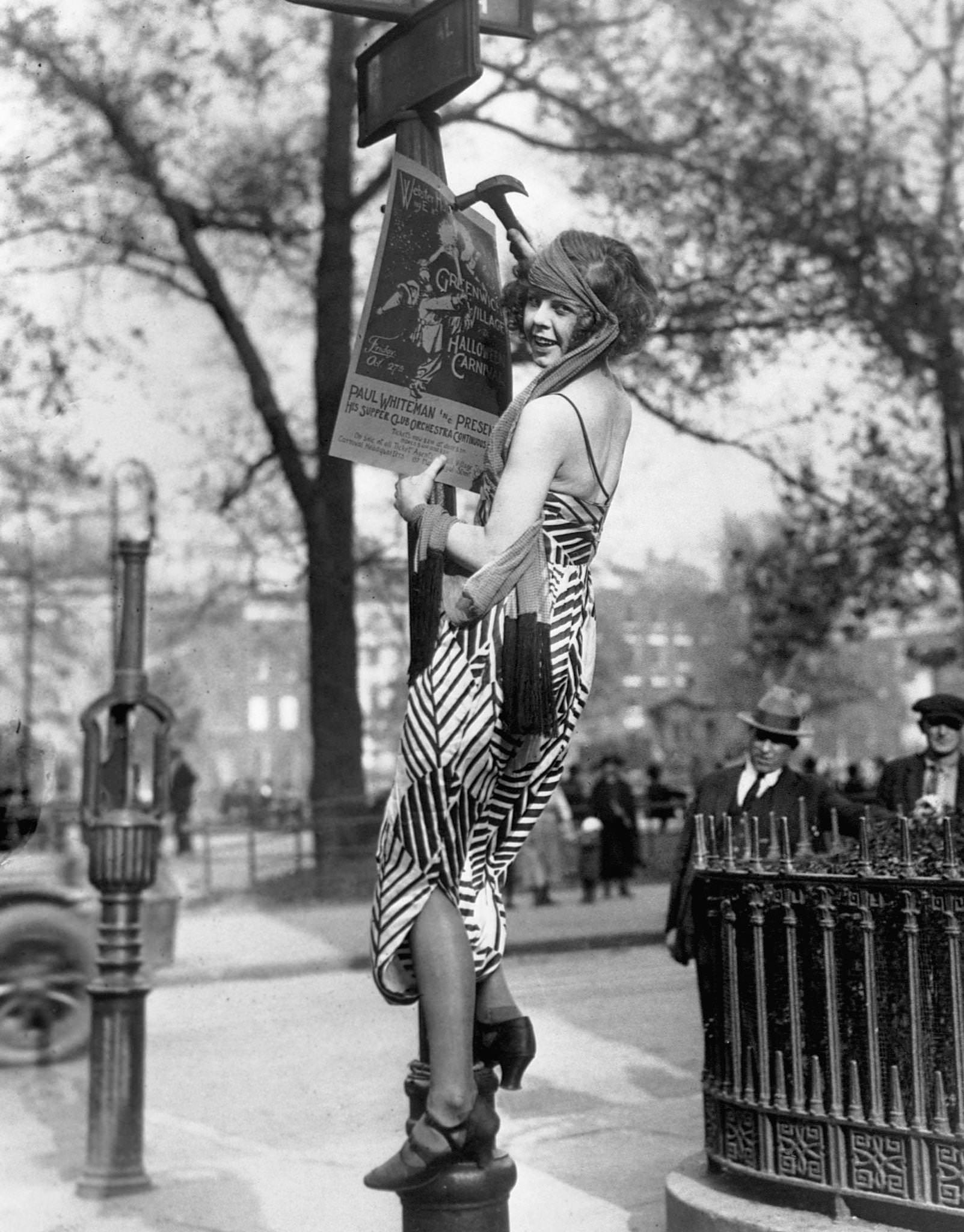
Entertainment in the Village had a theatrical quality even when it wasn’t on a stage. Costume balls at Webster Hall drew crowds in elaborate dress, and the neighborhood’s artists designed the costumes with genuine effort. The Greenwich Village Follies, a revue that ran on Broadway but drew its performers from the neighborhood, gave Village performers a wider platform. A flapper hanging a poster to advertise the Halloween Ball, with bandleader Paul Whiteman booked to perform, was the kind of image that appeared in newspapers and convinced outsiders that the Village was a place apart.
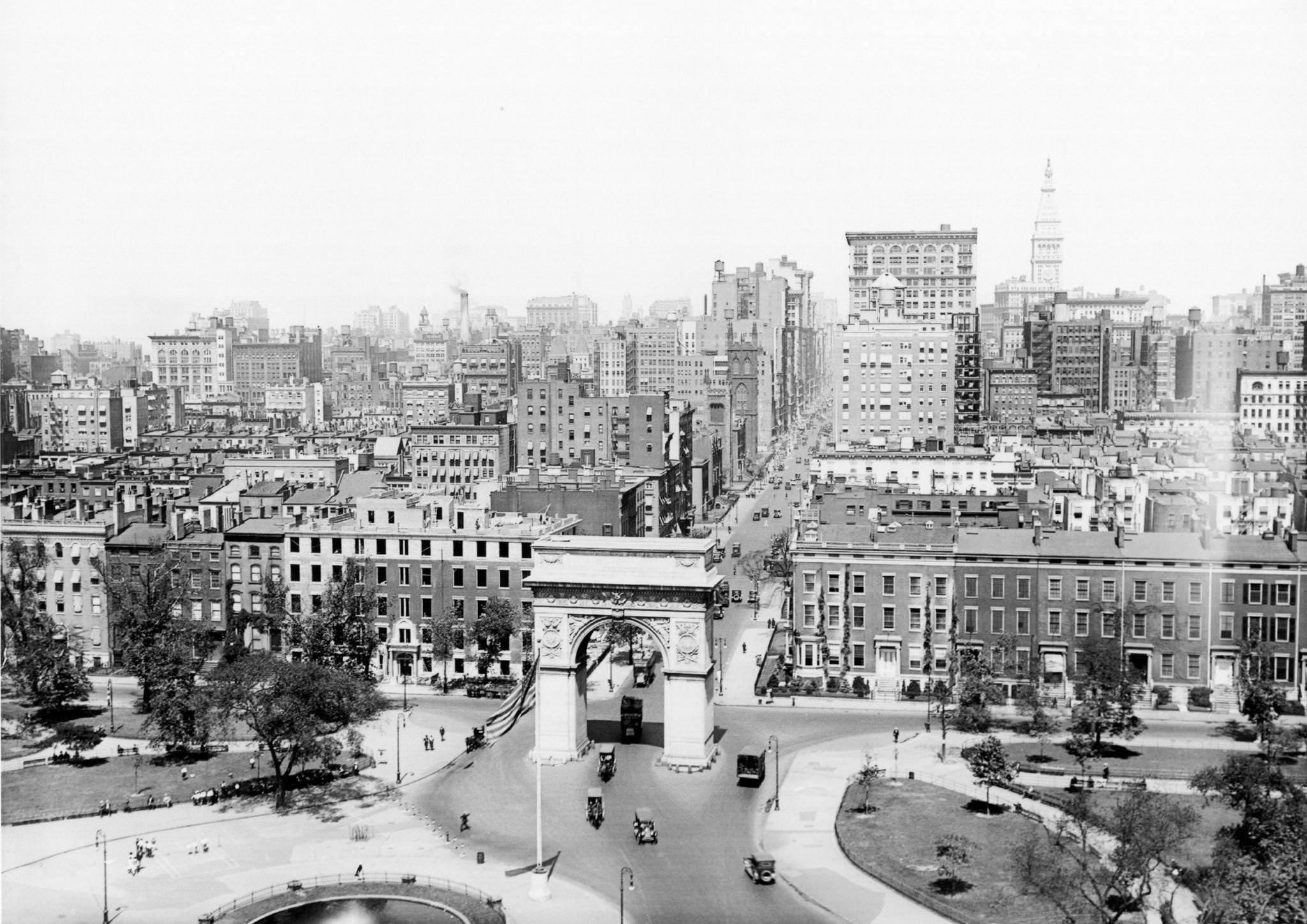
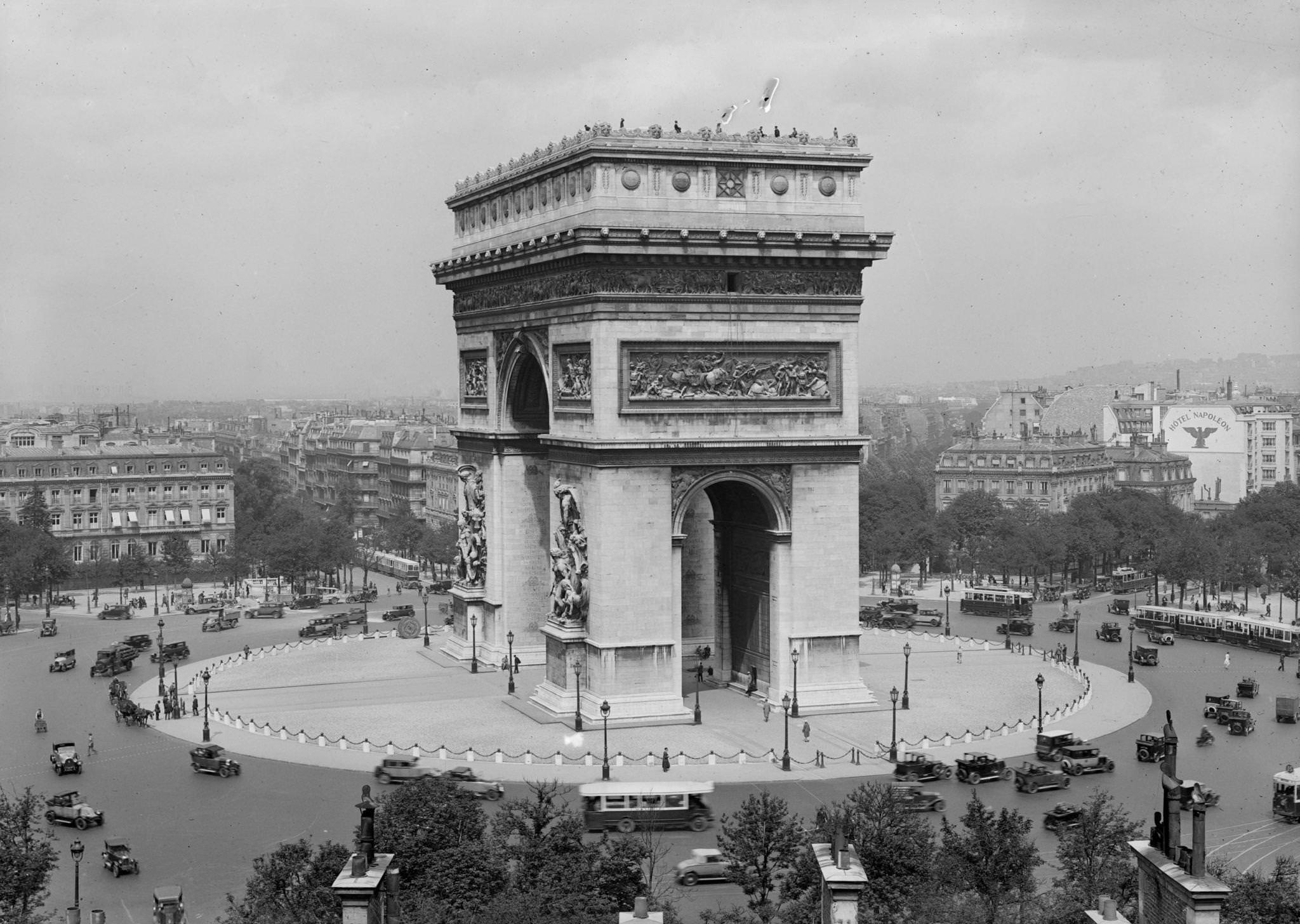
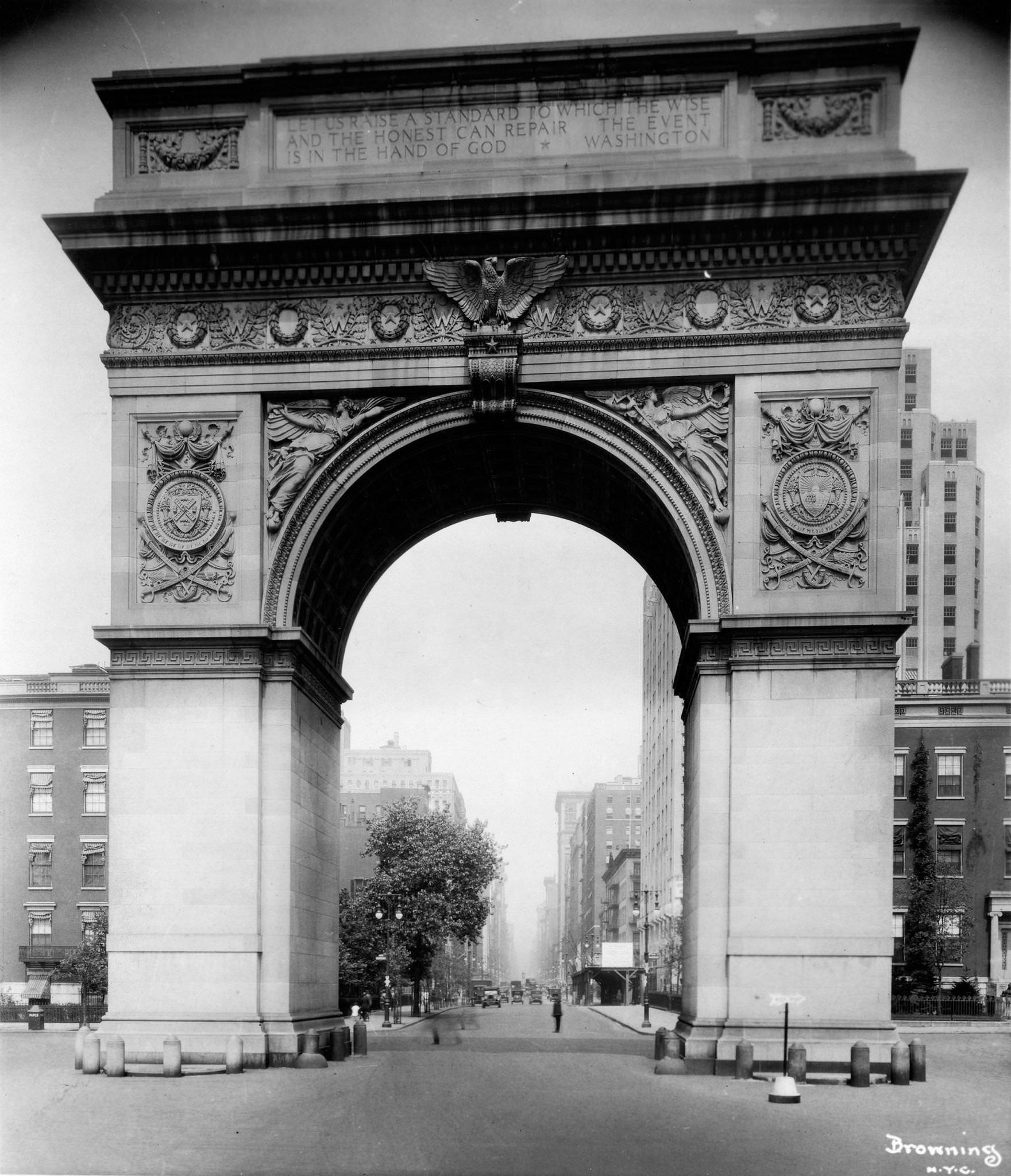
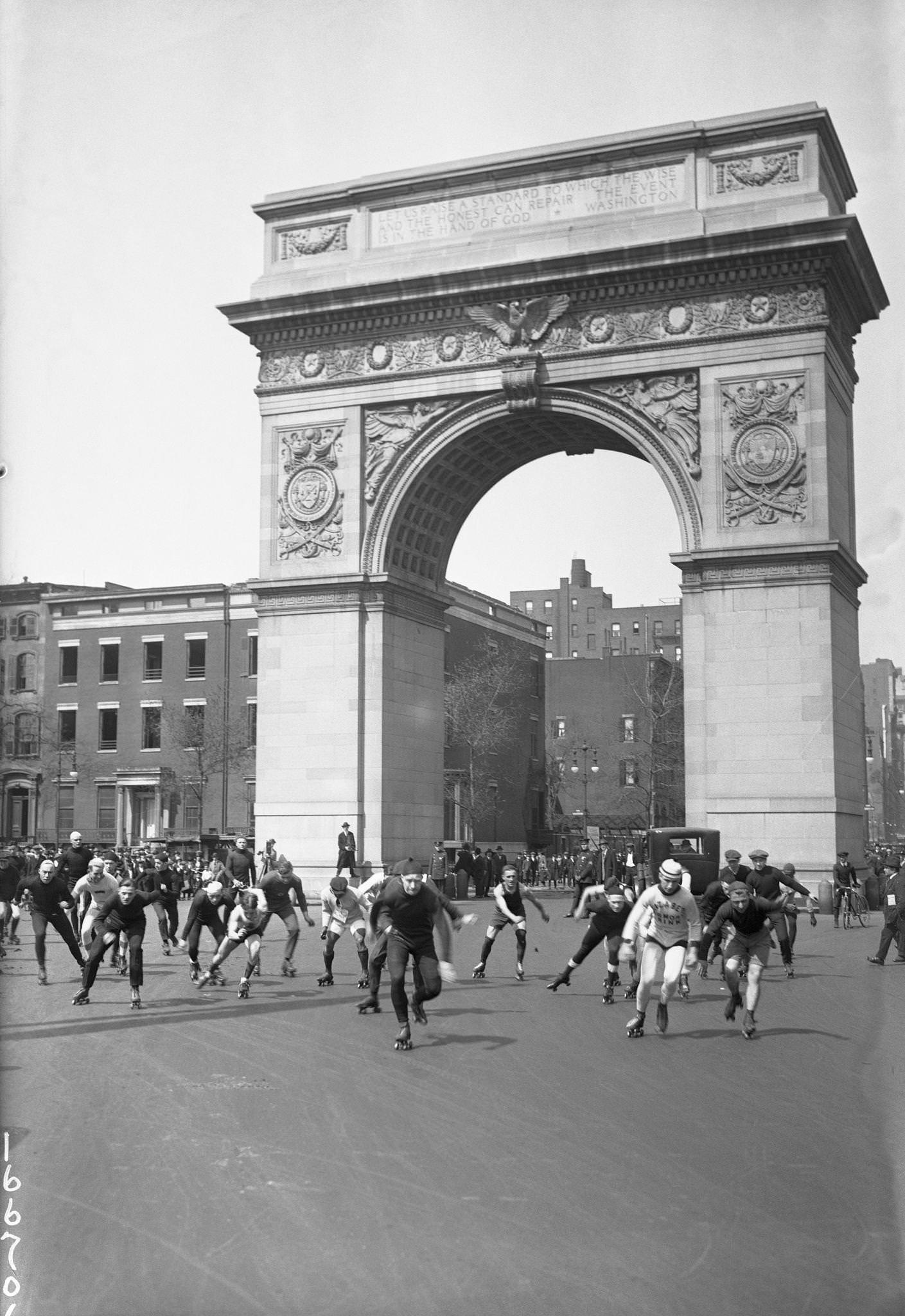
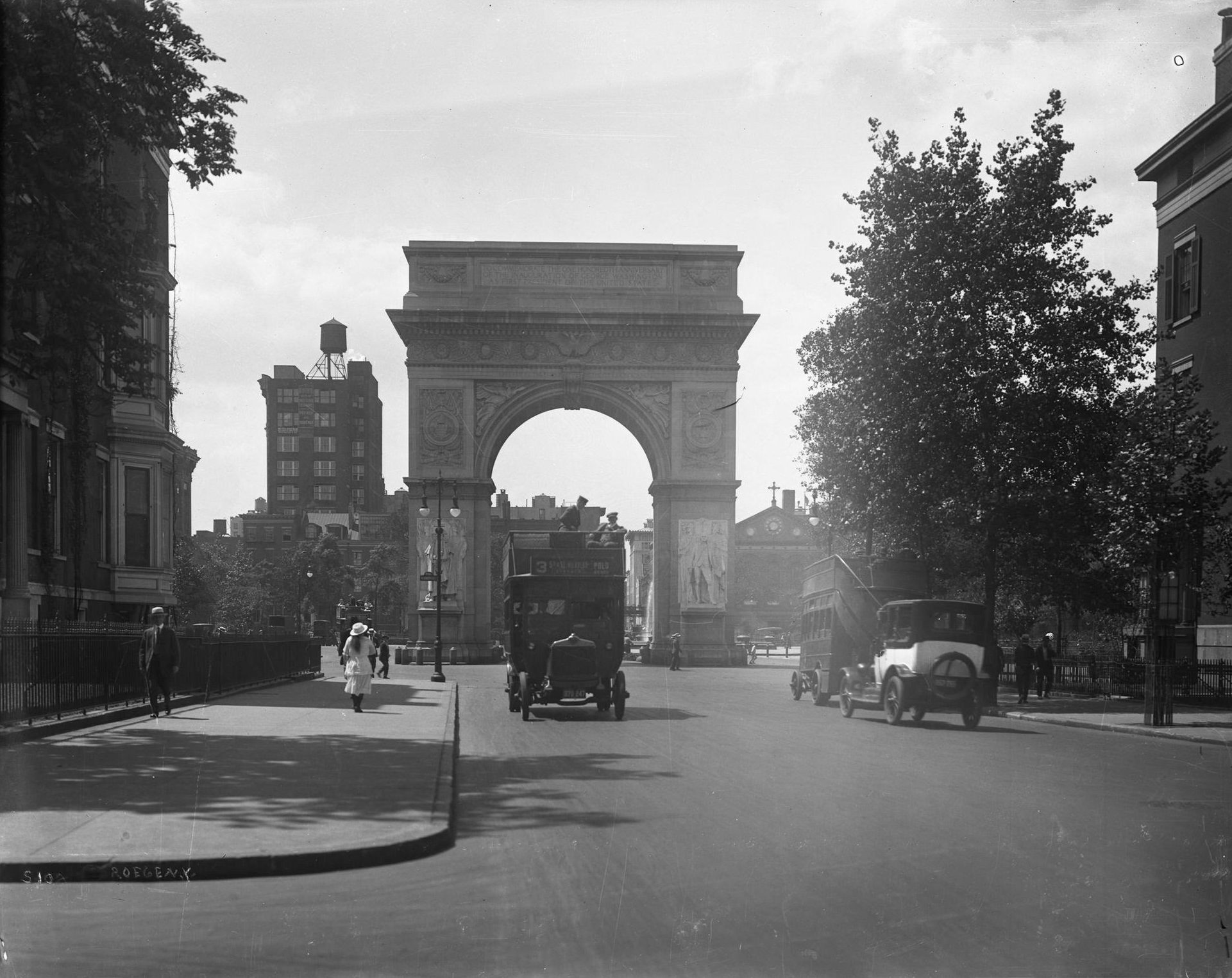
Washington Square Park anchored the neighborhood geographically and socially. The marble arch at its northern entrance, modeled after the Arc de Triomphe in Paris, framed Fifth Avenue looking south. Cars and double-decker buses moved through the arch and around the park’s perimeter, while chess players, students from nearby New York University, and Village regulars occupied the benches and paths inside. The park was a neutral zone where the neighborhood’s many worlds — immigrant families, students, radicals, and old-money residents from the brownstone-lined north side — briefly shared the same space.





UGH, I was SO born in the wrong era…! Love all the women pictured with their art, businesses they own (admittedly found this pleasantly surprising for the 1920s!) and the dress/projects/dance/culture of their lives— thanks for sharing 🎥…🎞️…💃🏻✨🗽
Incredible journey back in time. Thank you so much.
wow so cool!