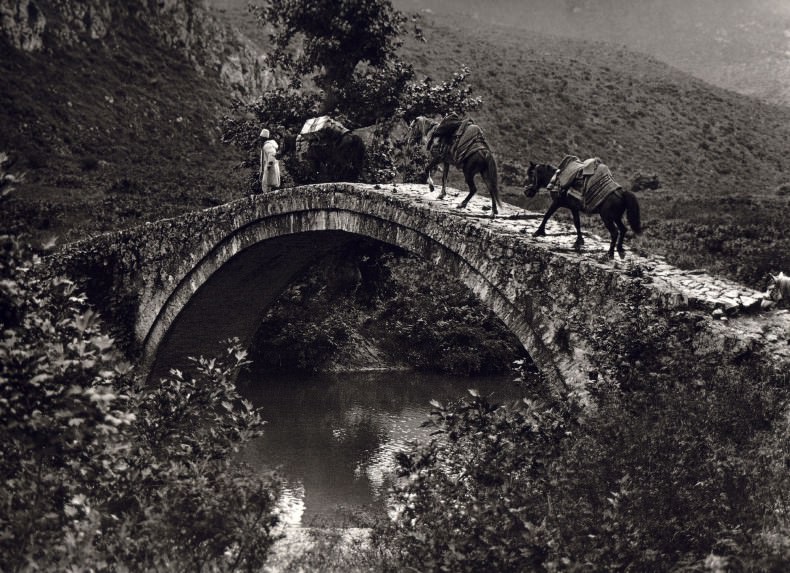
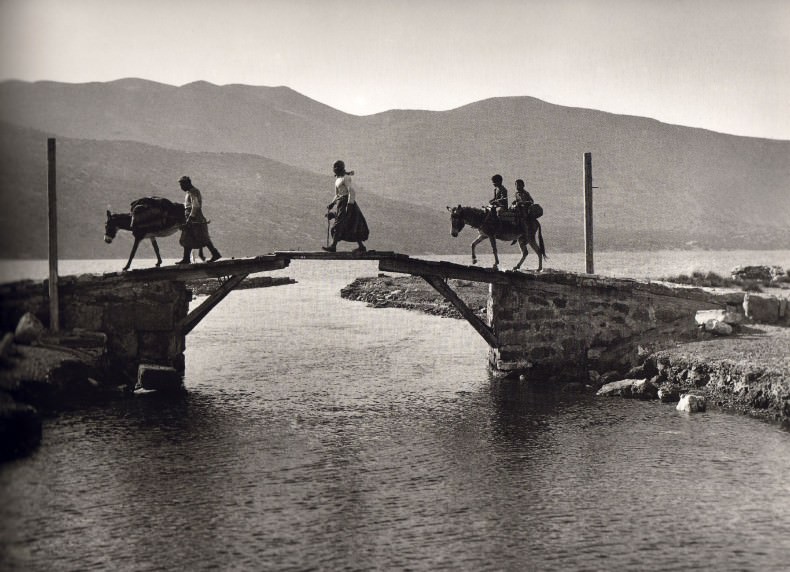
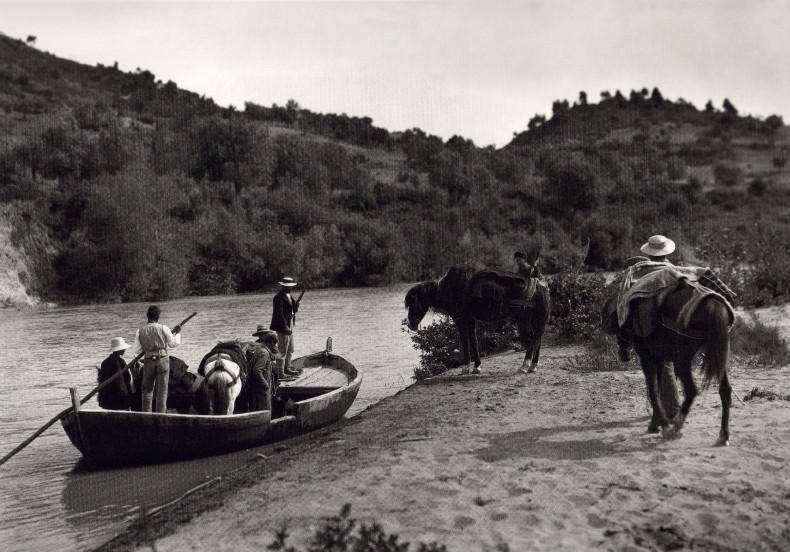
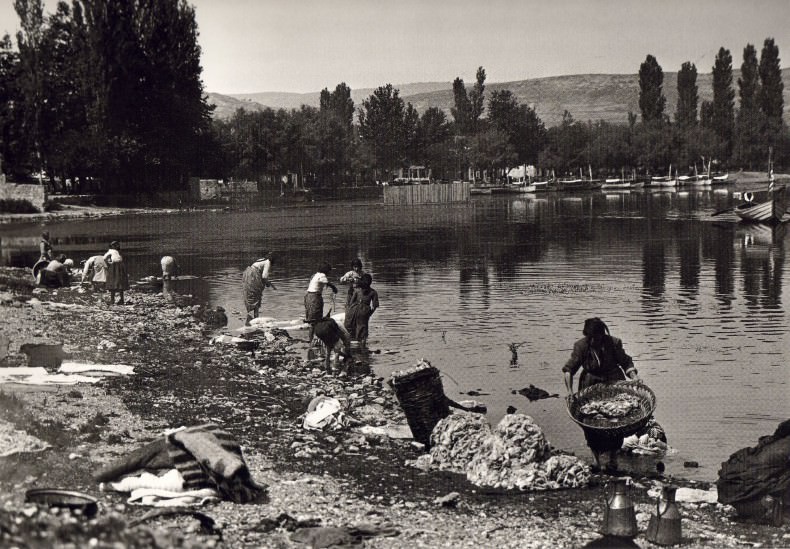
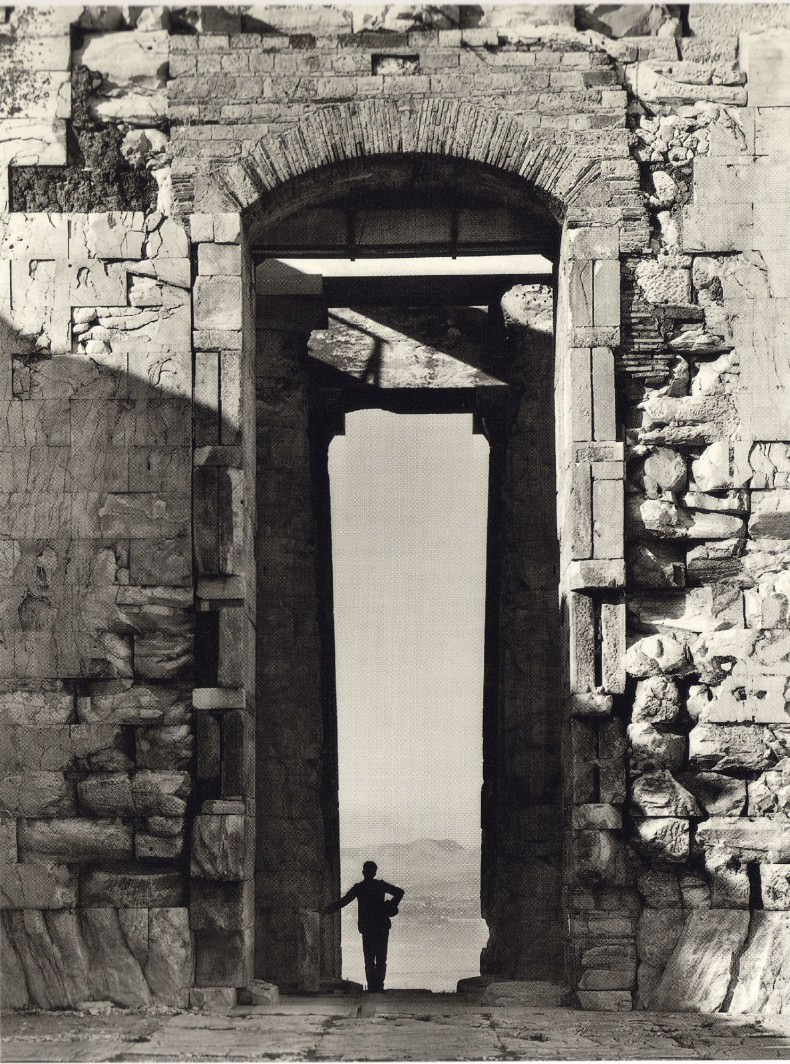
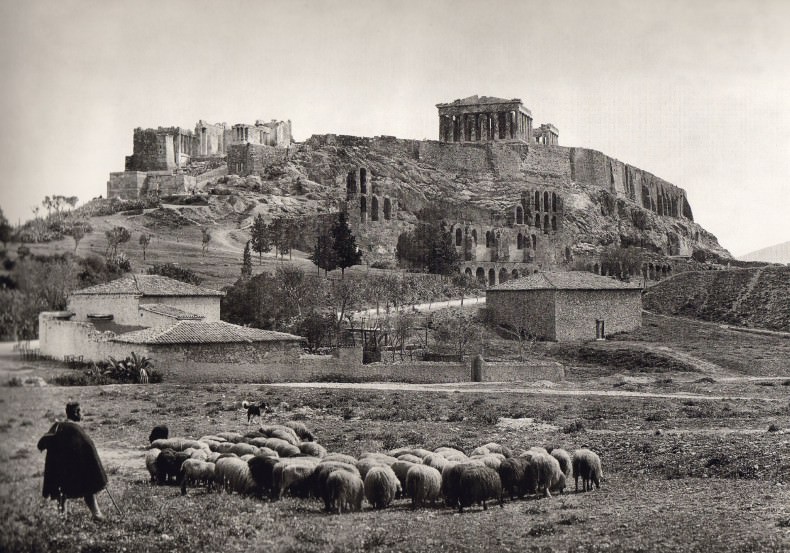
In the early 1900s, Greece was still a young modern state. It had won independence from Ottoman rule in the 19th century, but large parts of the country remained deeply agricultural. Outside the main cities, life moved slowly, shaped by old traditions and the land itself. It was this quieter Greece that Swiss photographer Fred Boissonnas set out to document.
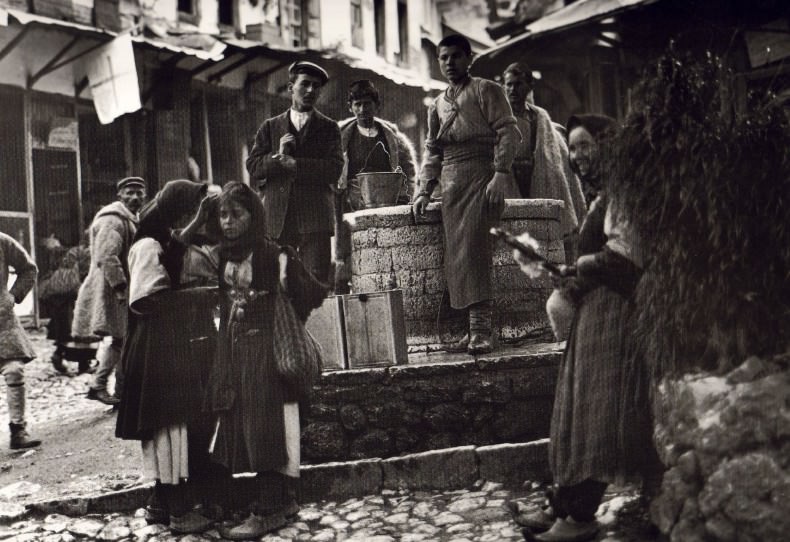
Boissonnas began his travels through Greece in 1903 and continued working there for nearly three decades. He became the first foreign photographer to explore and document the Greek landscape and its people so thoroughly and systematically.
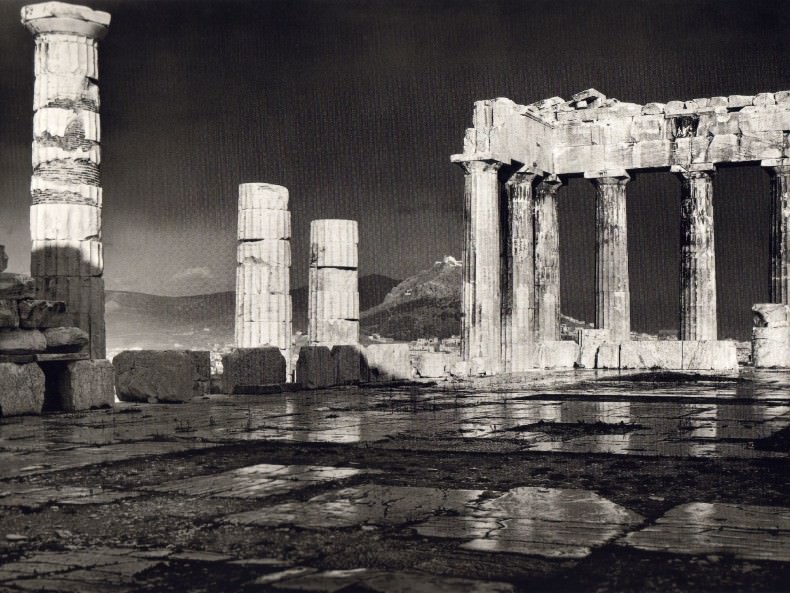
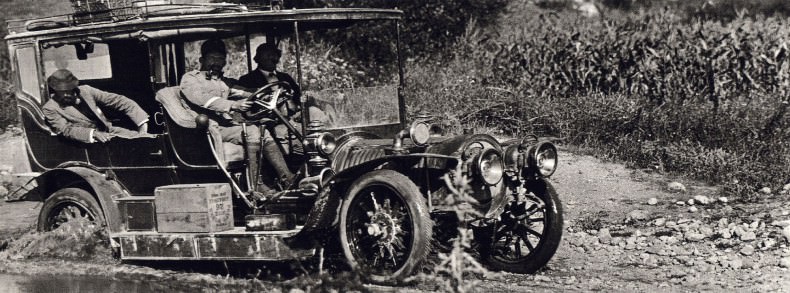
His journeys covered an enormous range of territory. He traveled across the Peloponnese peninsula in the south, sailed to the island of Crete, and visited Ithaca in the Ionian Sea. He climbed to the heights of Mount Olympus and ventured into the ancient monastic republic of Mount Athos in northern Greece.
Along the way, Boissonnas kept detailed written accounts of what he saw and experienced. His photographs and writings together form one of the richest records of Greece from that era.
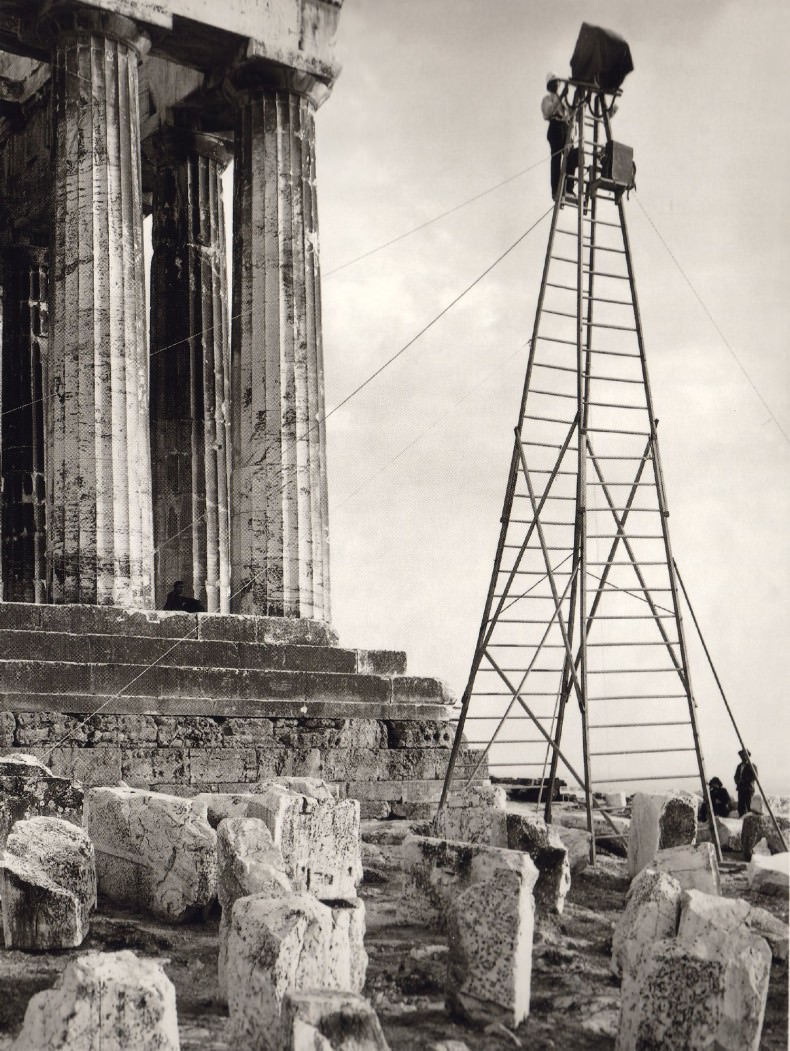
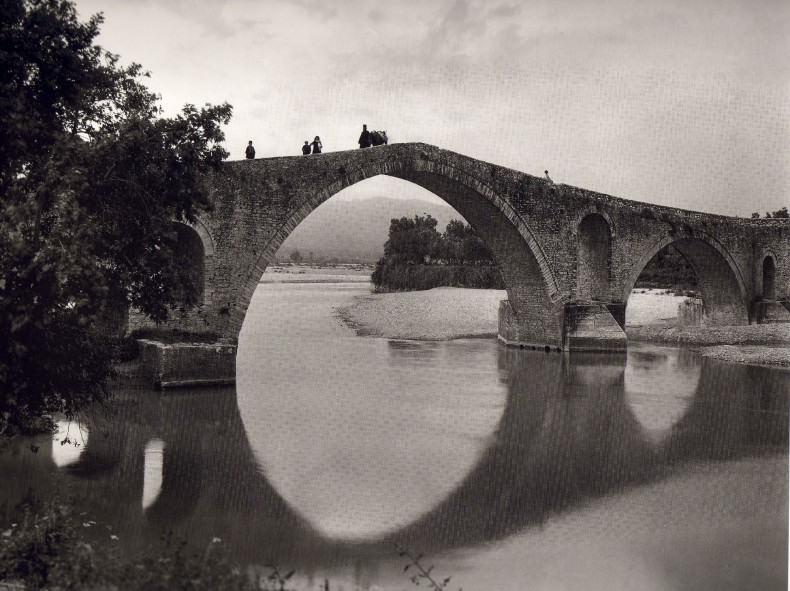
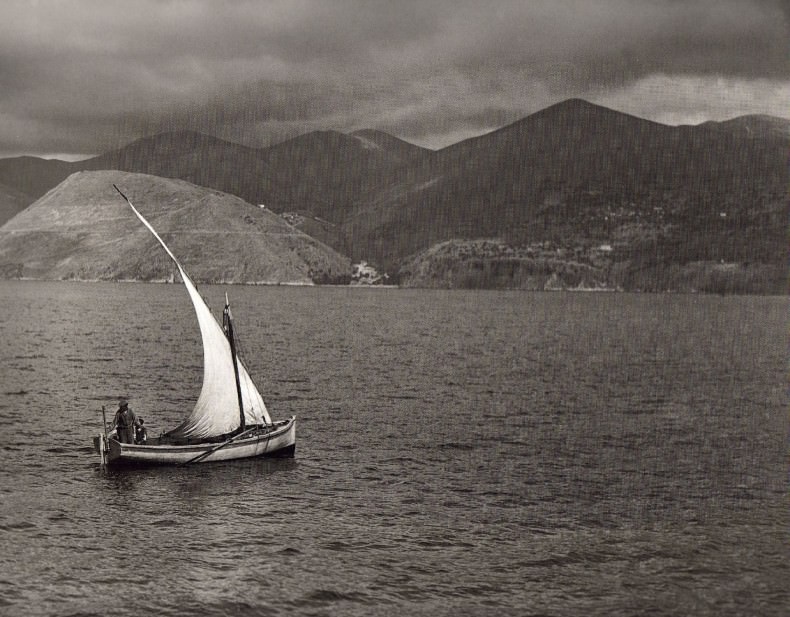
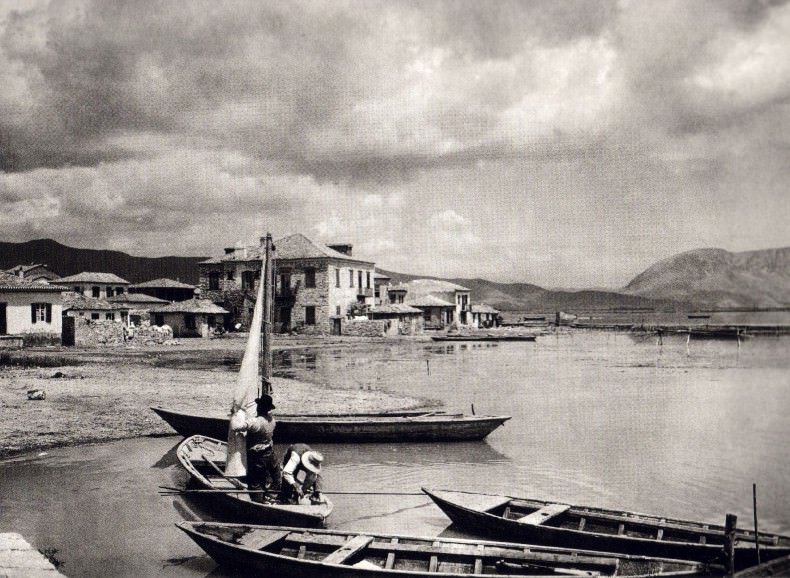
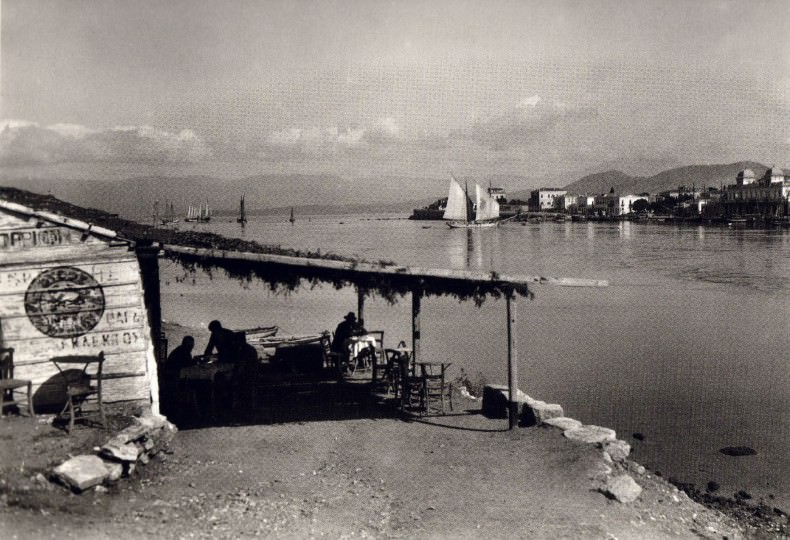
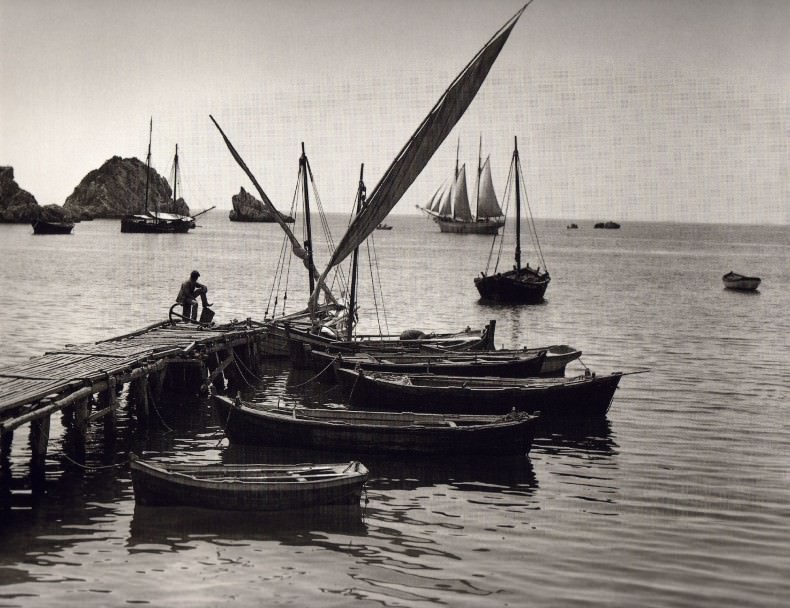
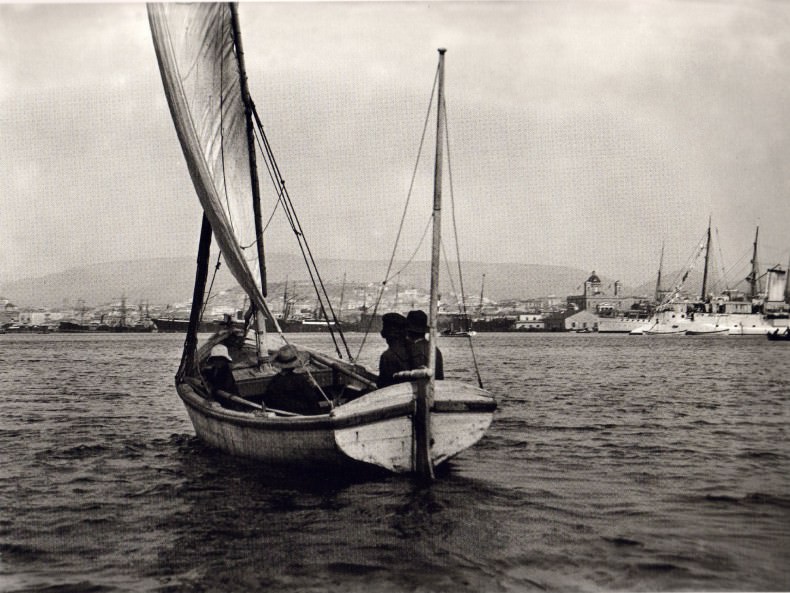
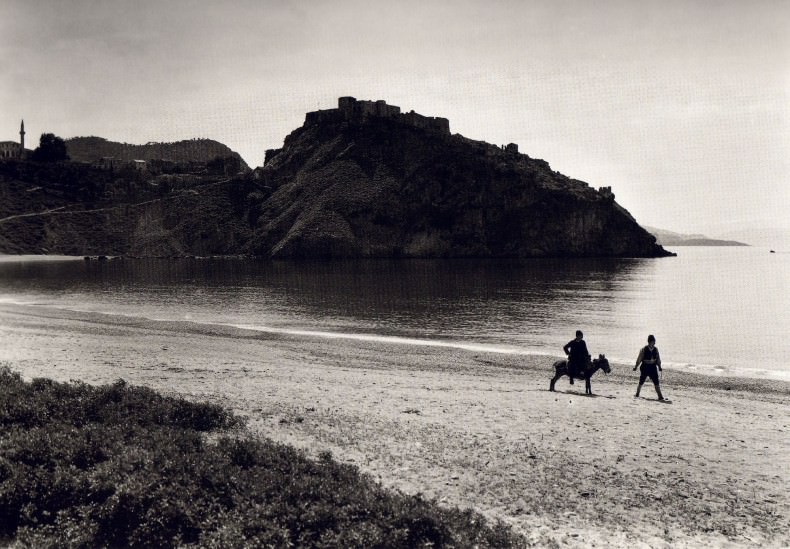
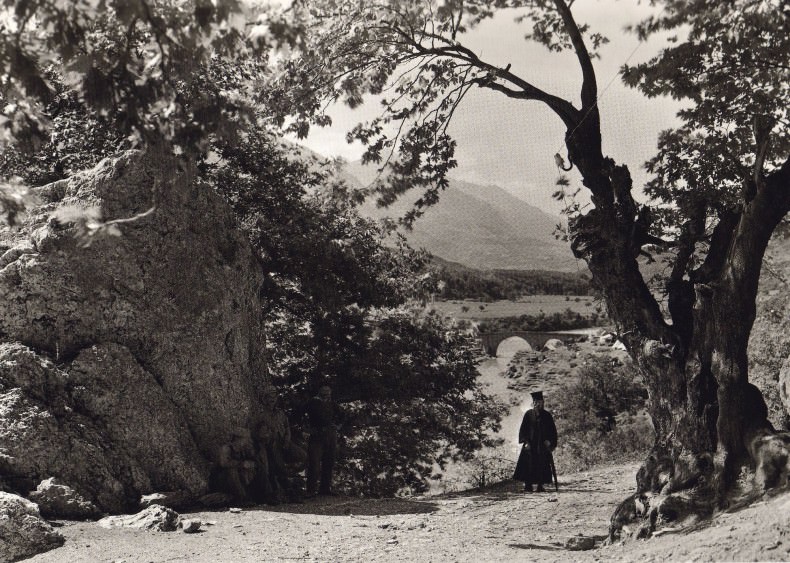
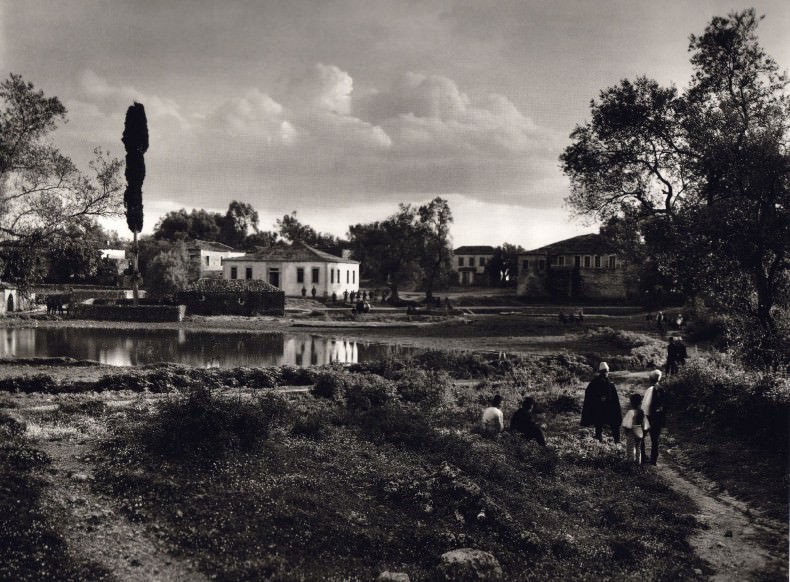
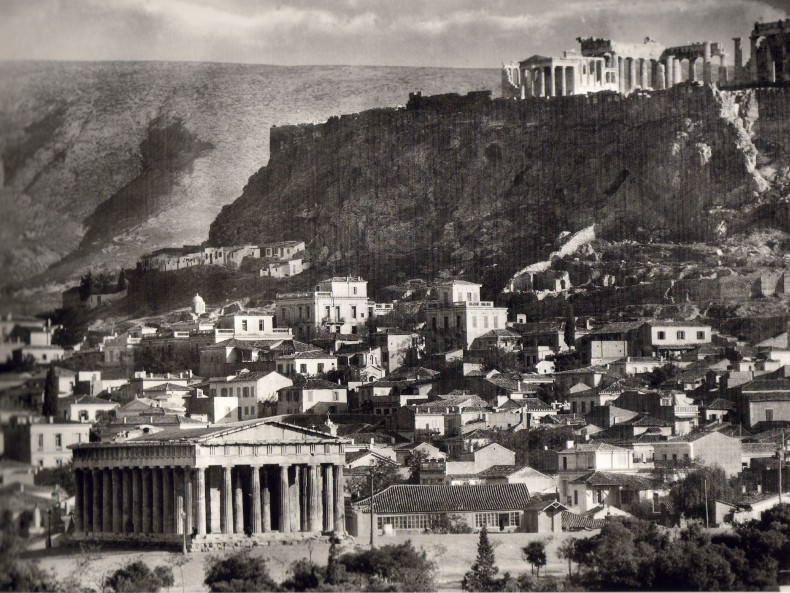
His camera captured the full range of Greek life. He photographed rugged mountain terrain, sun-lit coastlines, and sweeping island views. He also turned his lens on world-famous ancient sites — the Acropolis in Athens, the ruins at Delphi, and ancient Olympia among them.
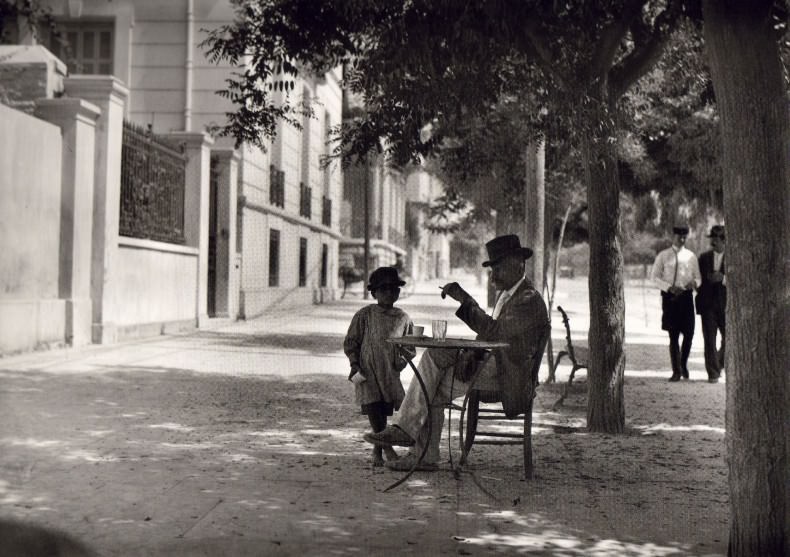
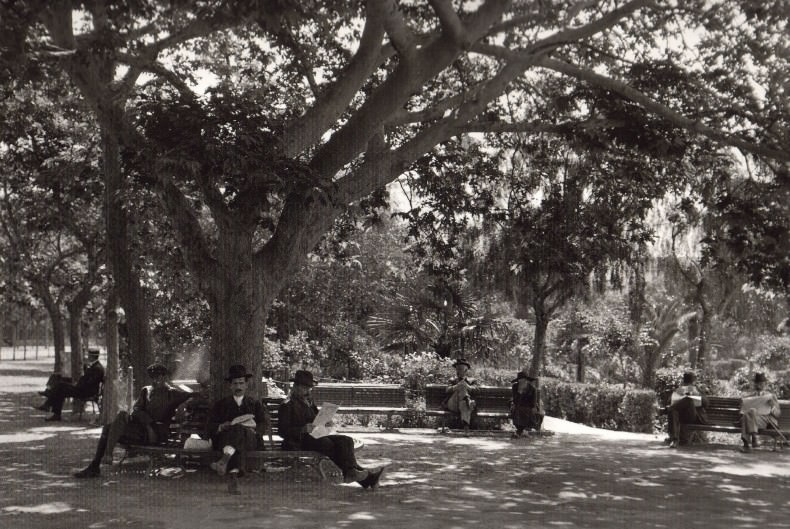
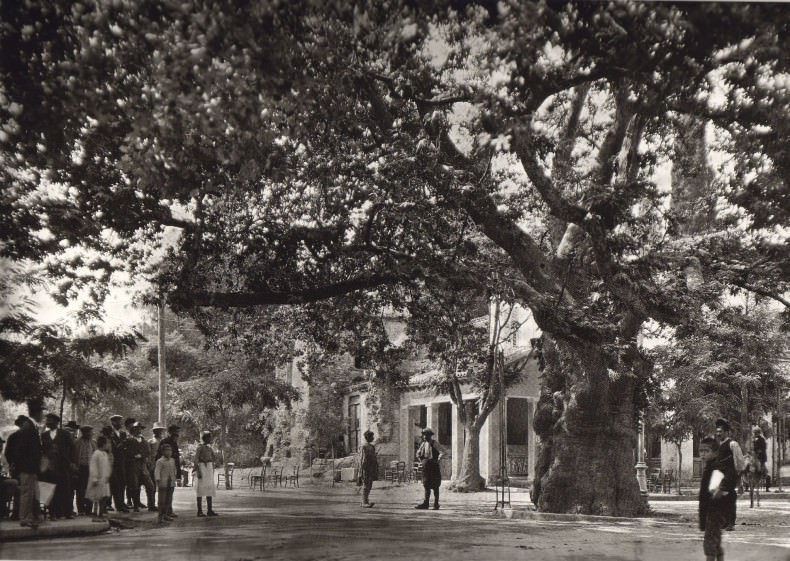
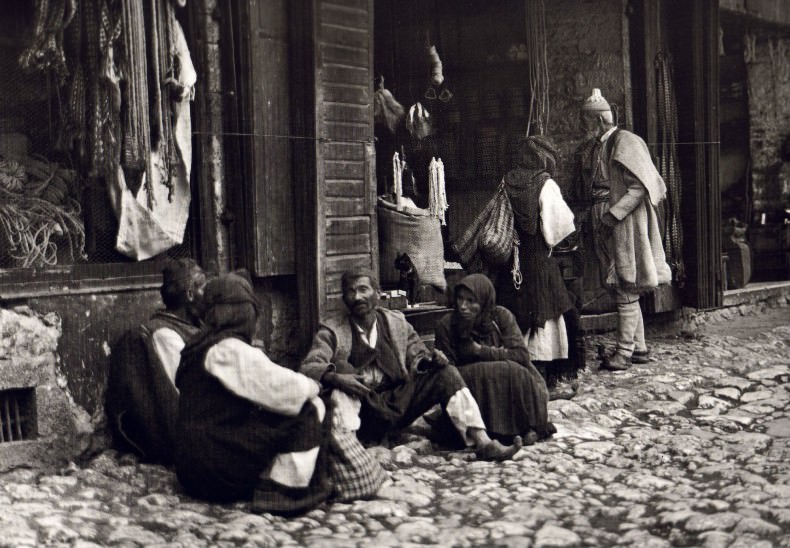
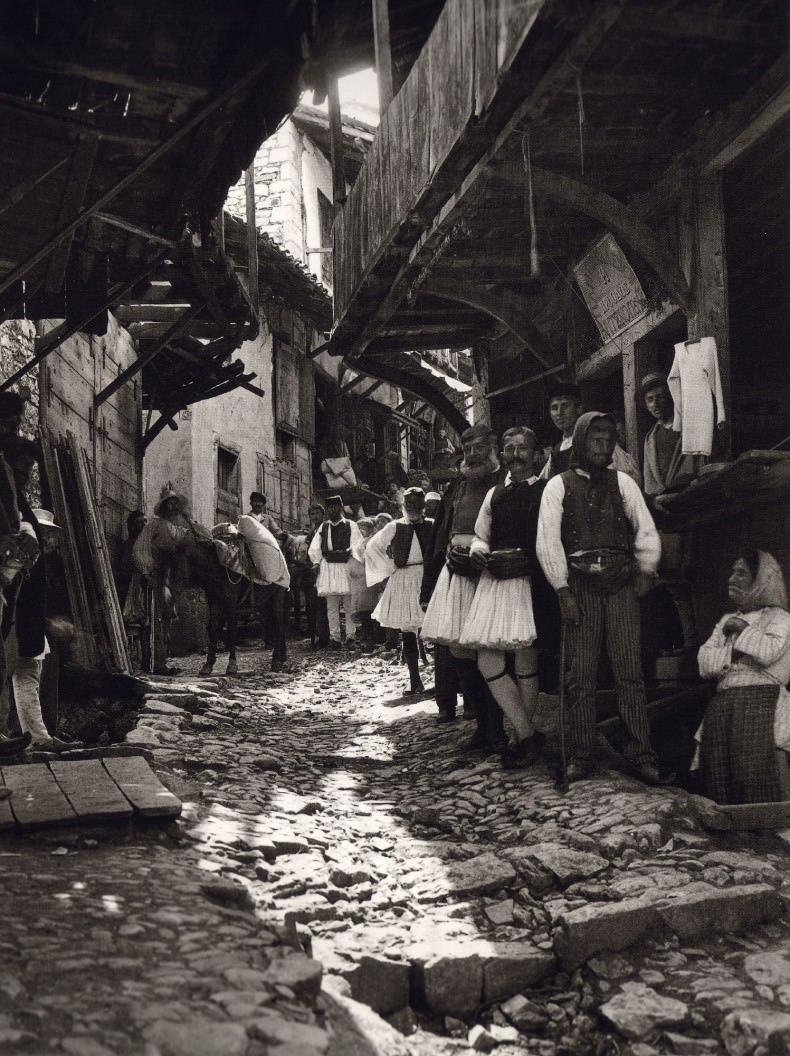
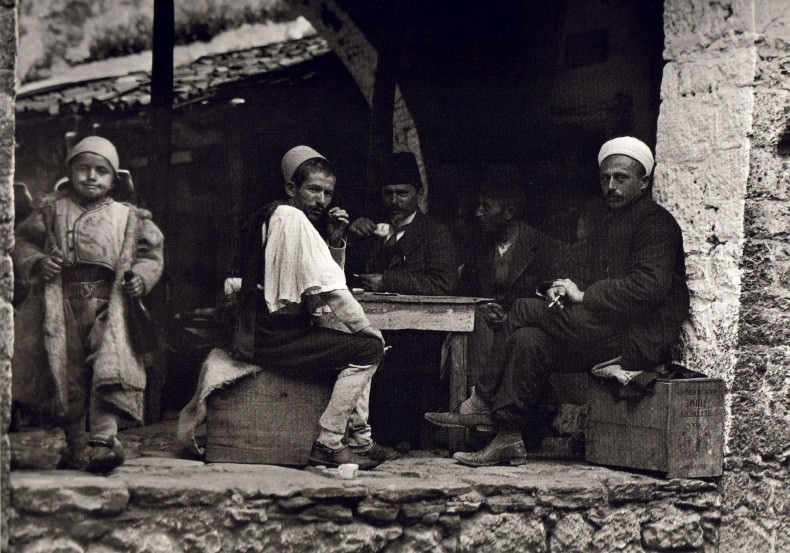
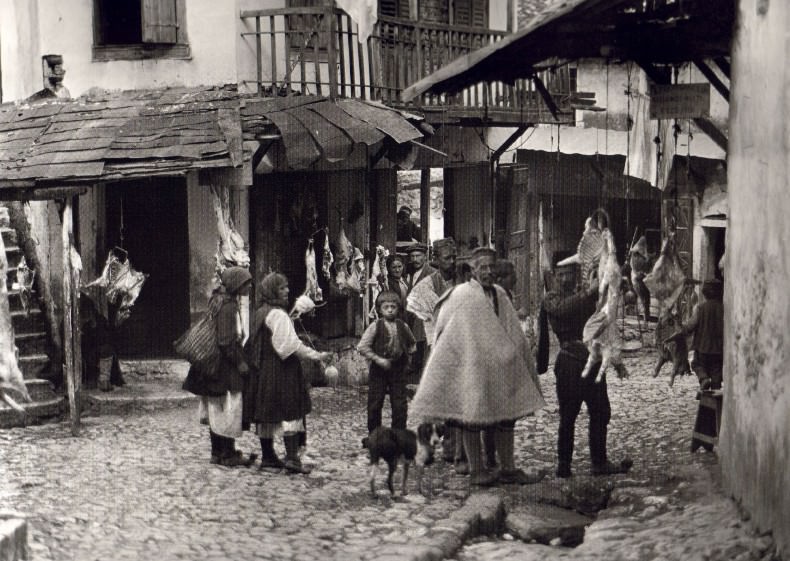
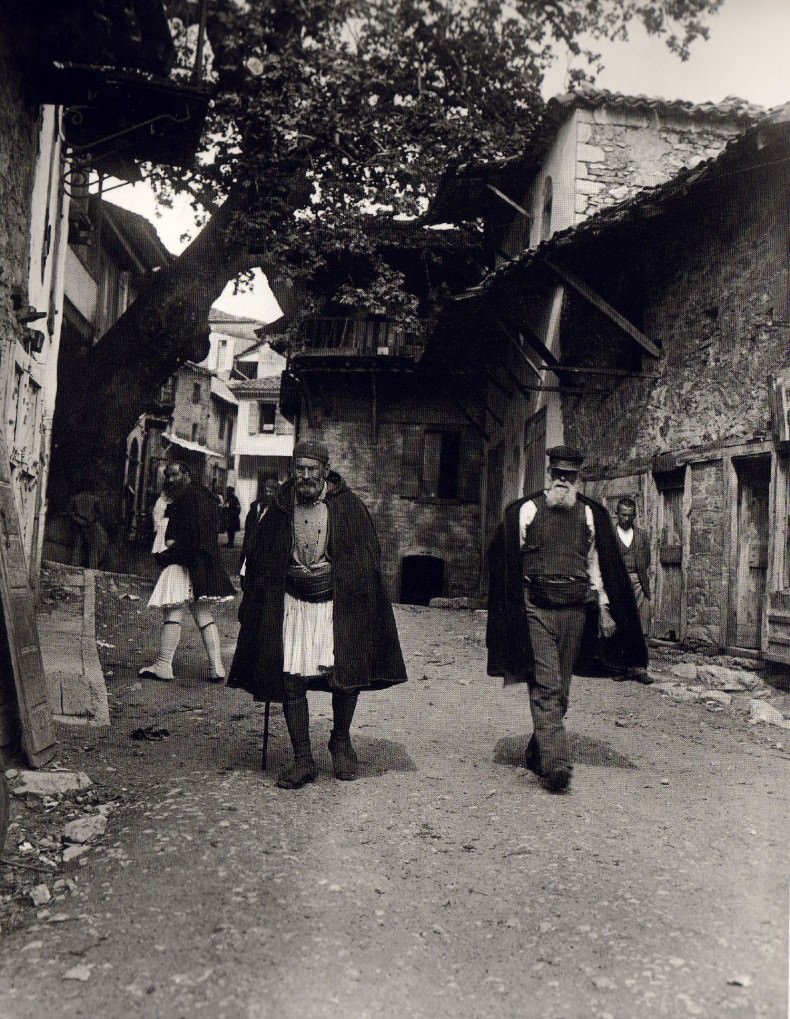
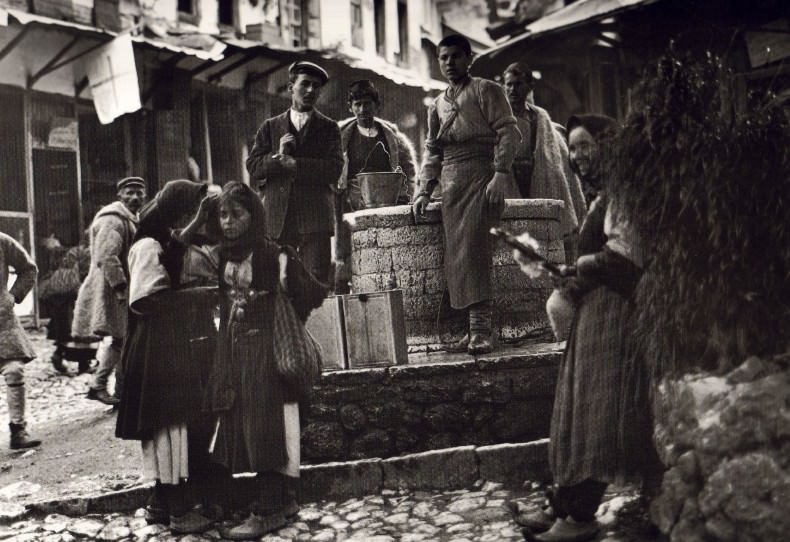
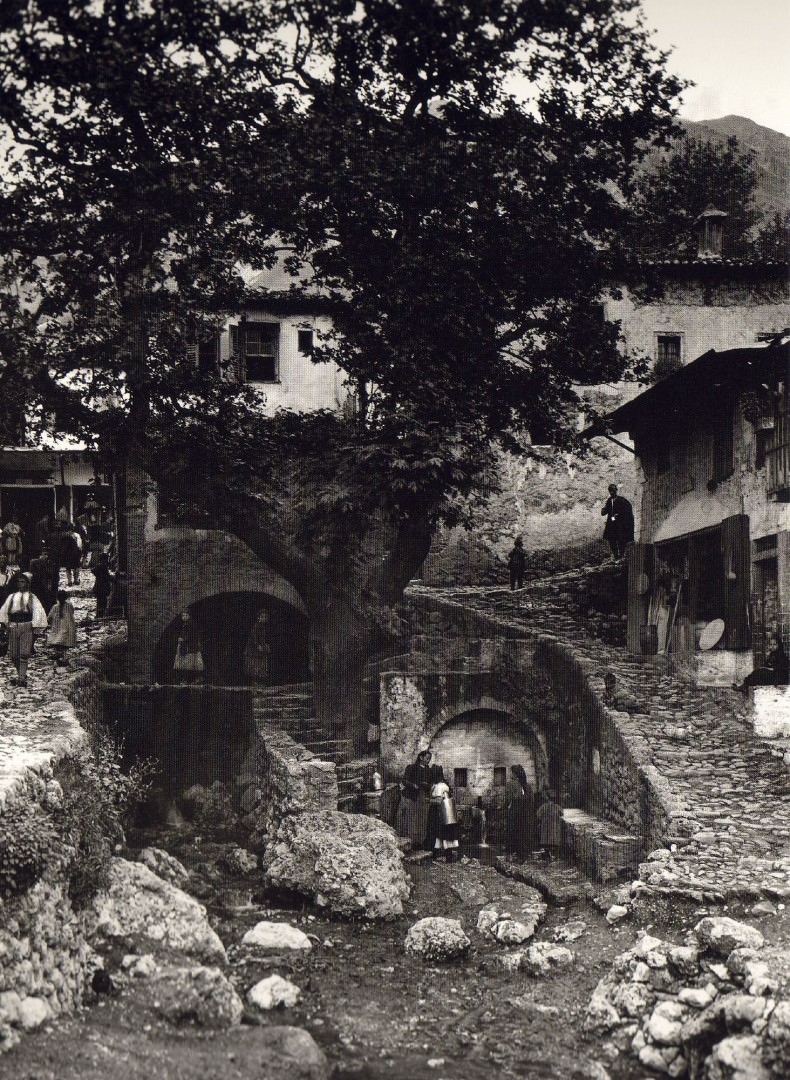
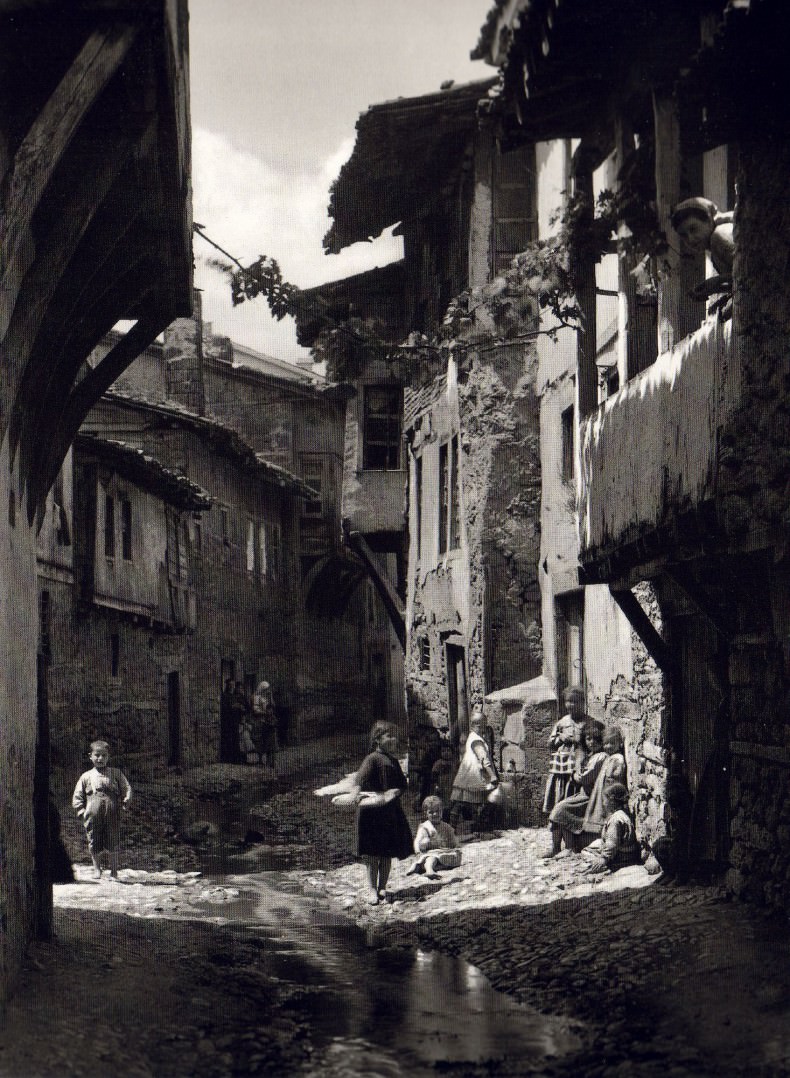
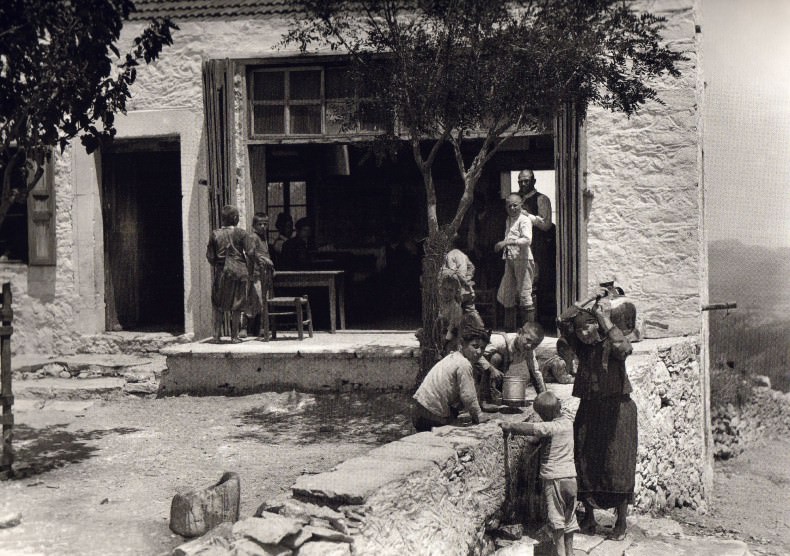
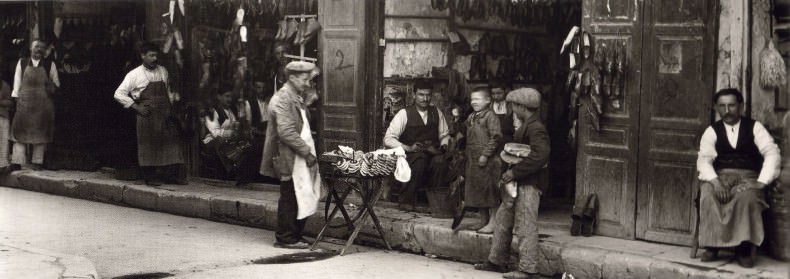
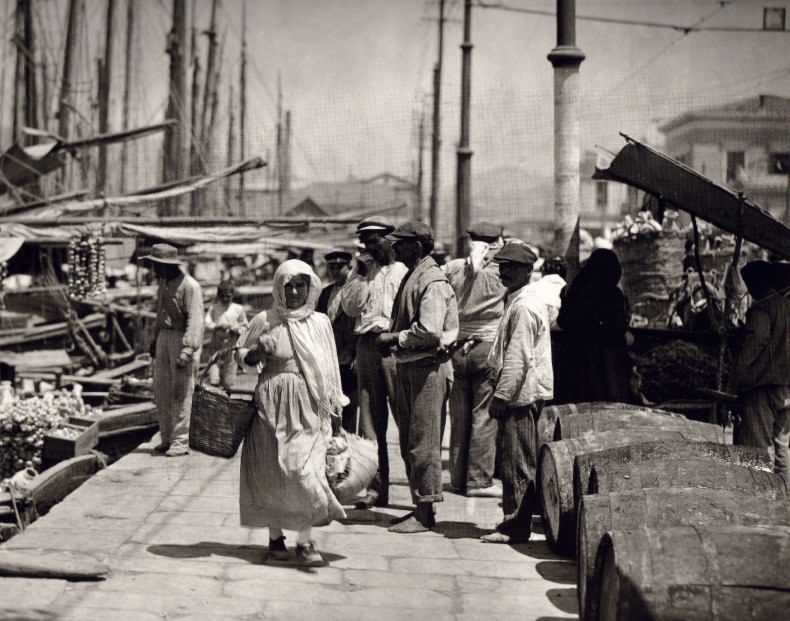
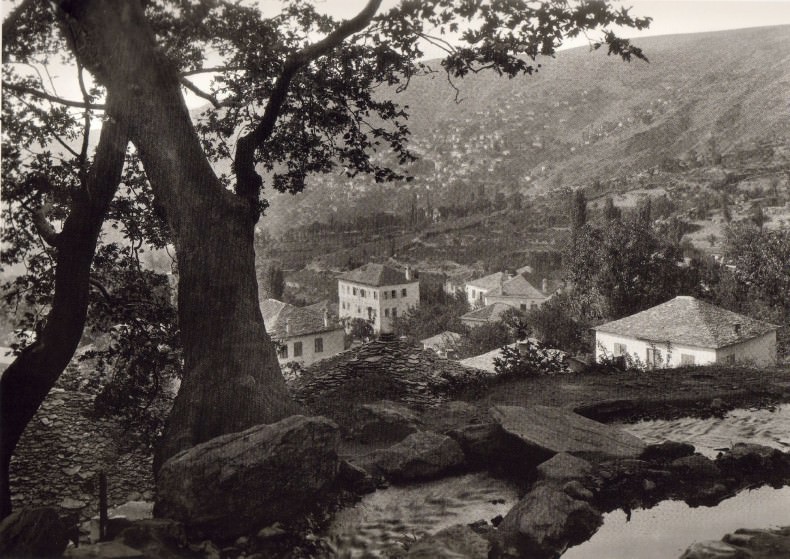
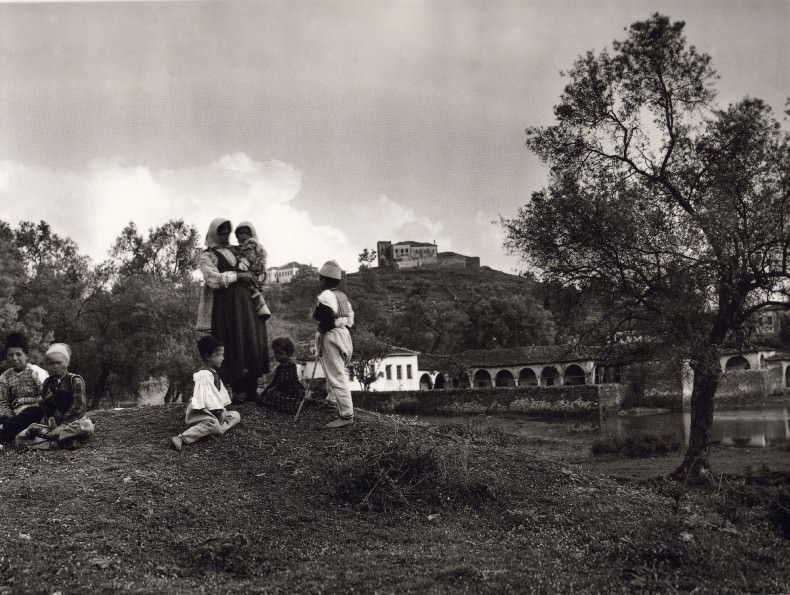
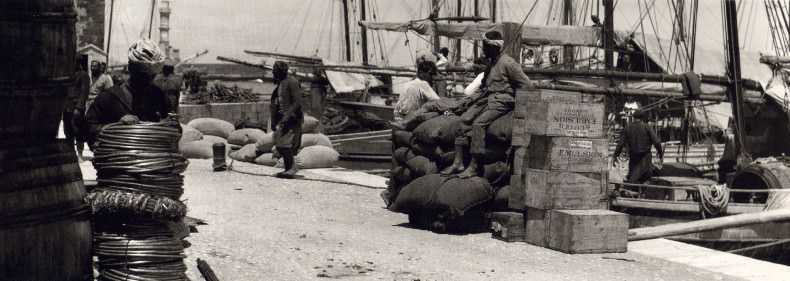
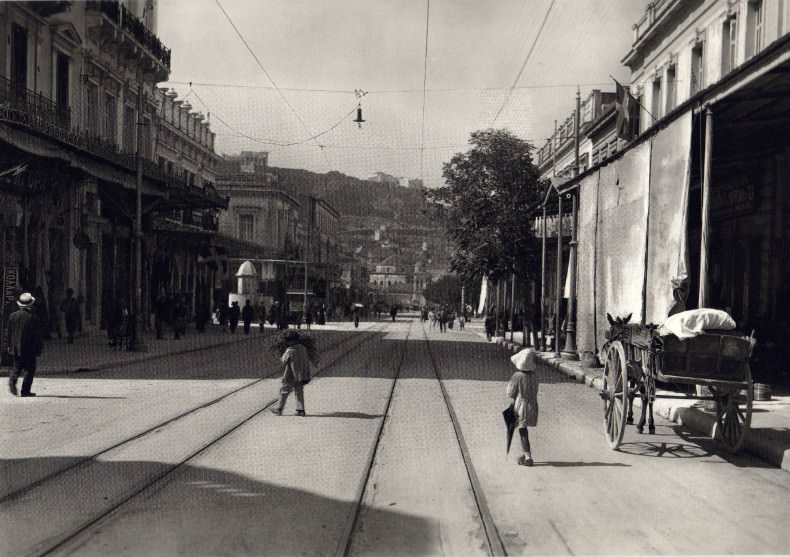
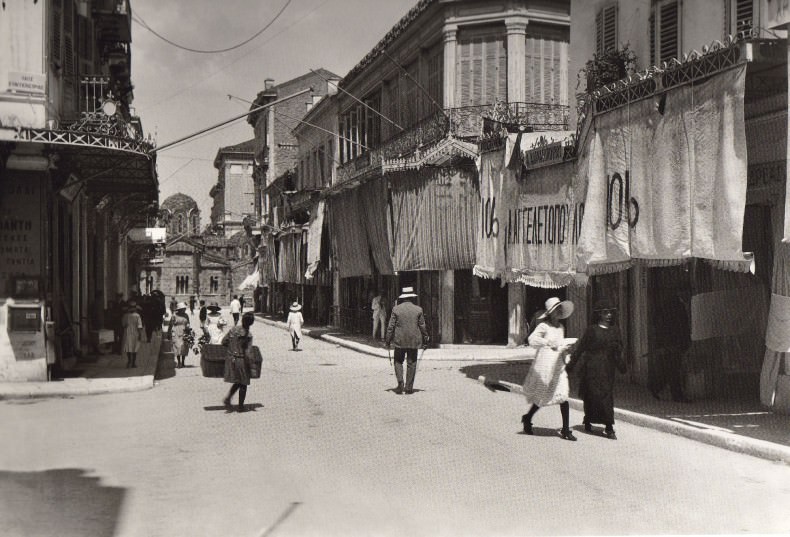
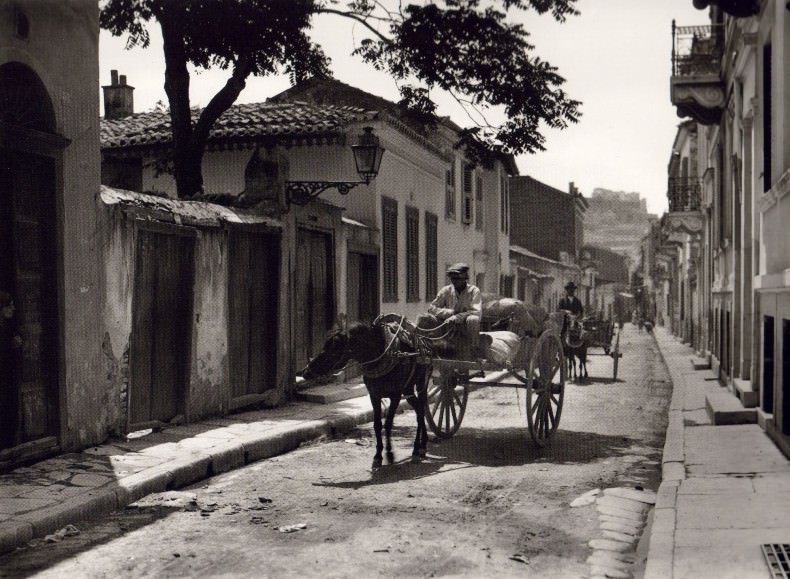
But just as important to Boissonnas was the living world beside those ancient stones. He photographed hillside villages, remote monasteries, and small-town streets busy with daily activity.
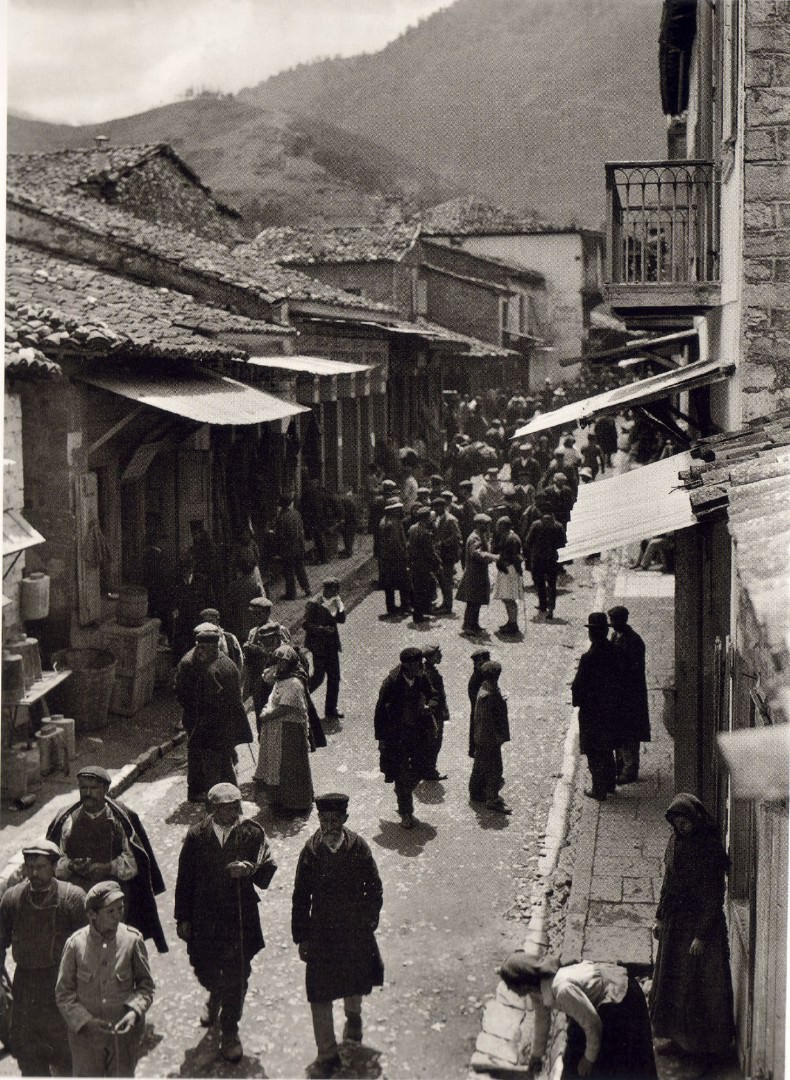
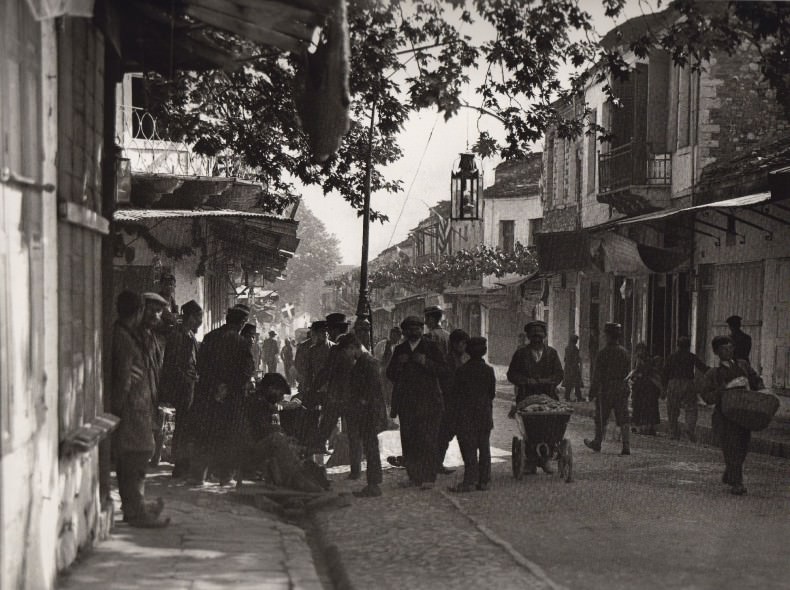
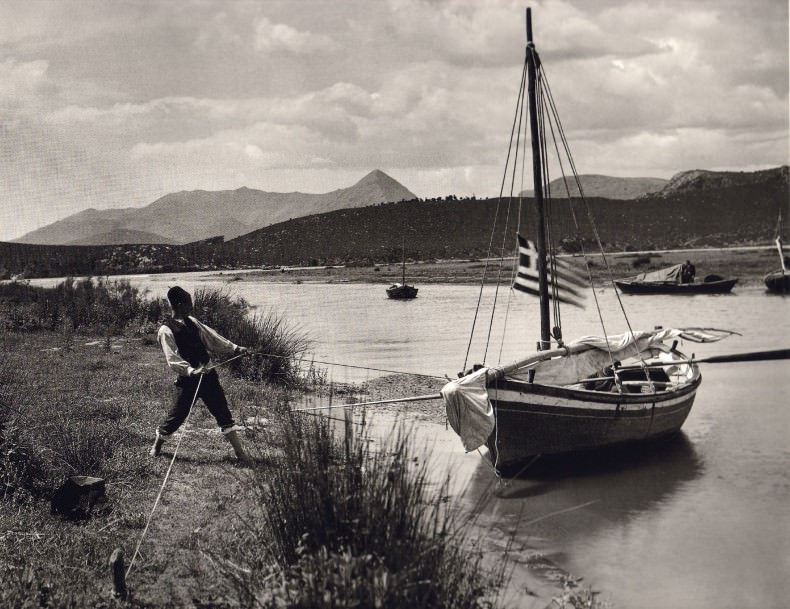
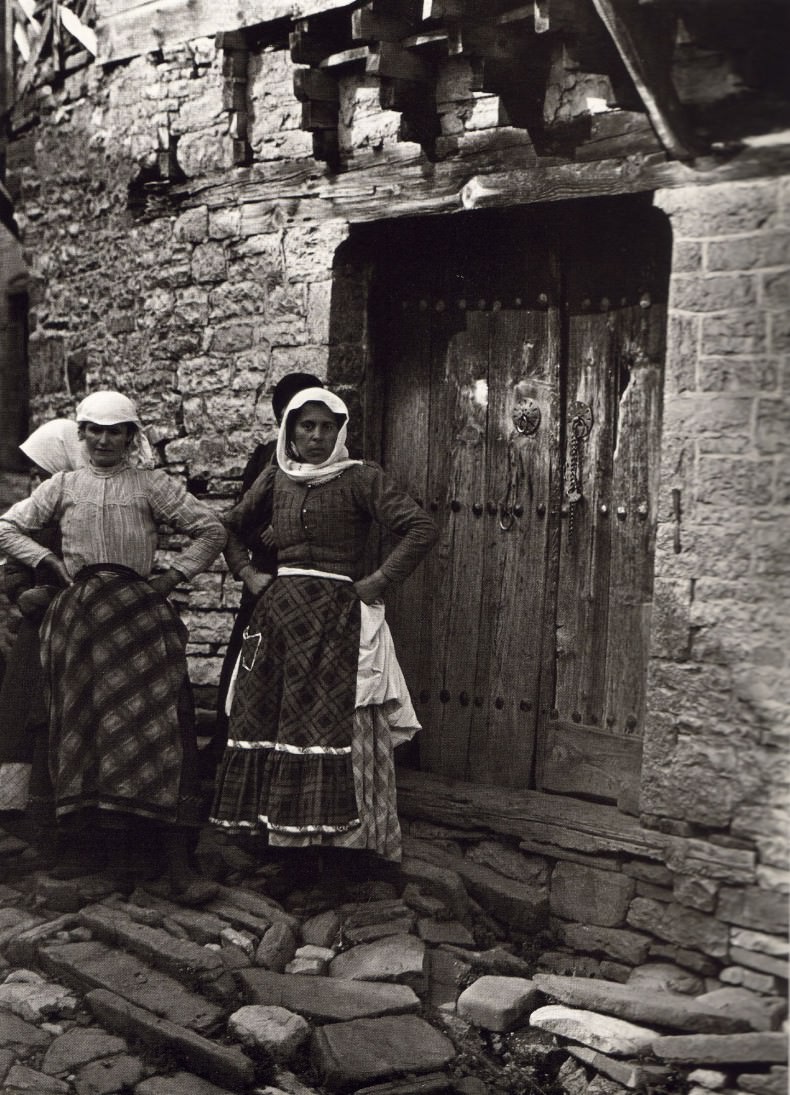
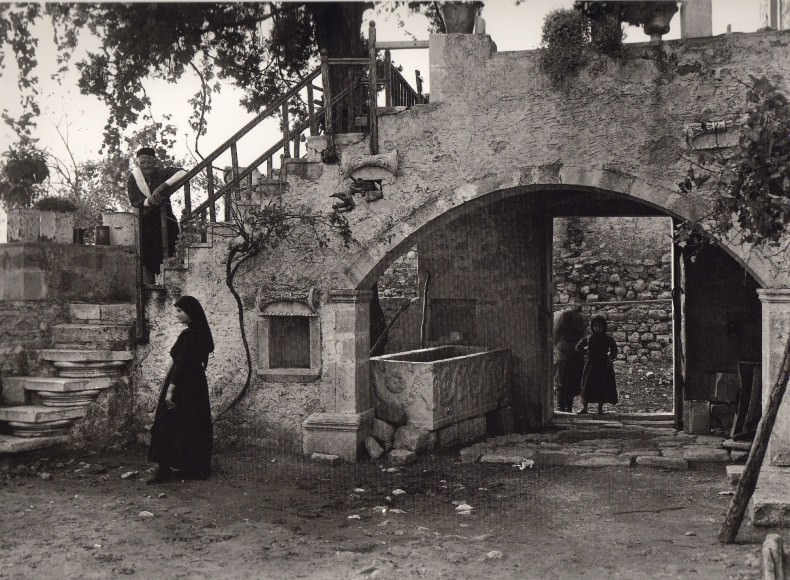
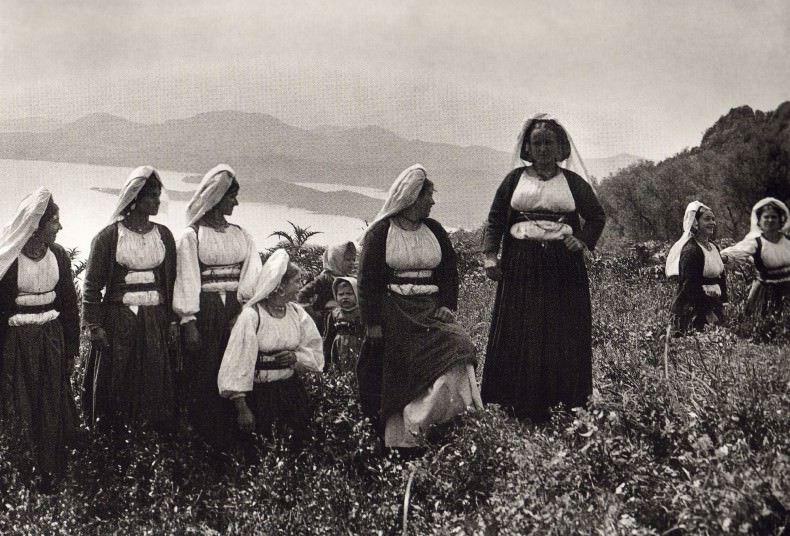
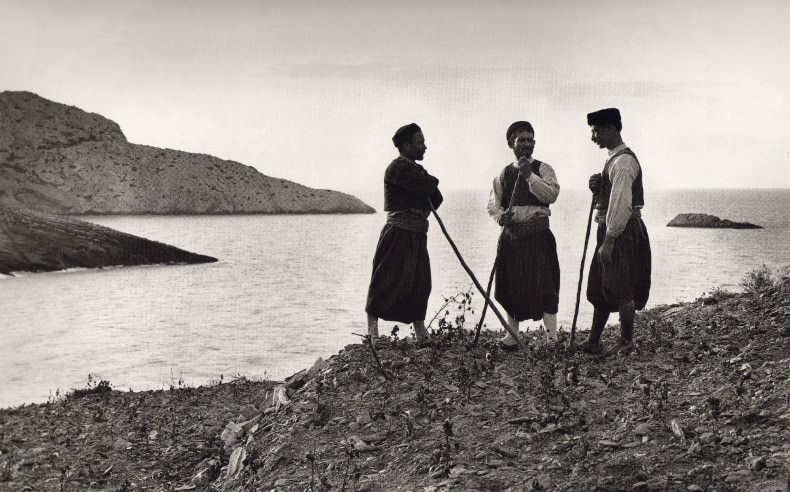
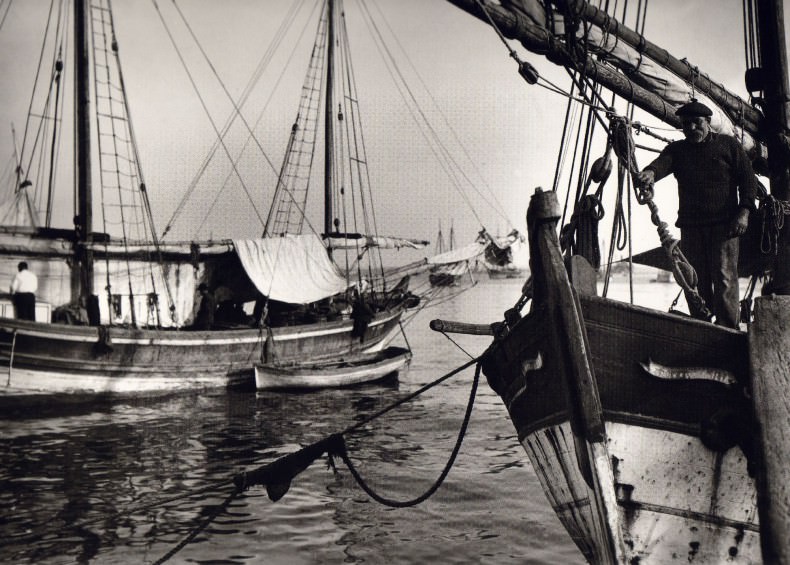
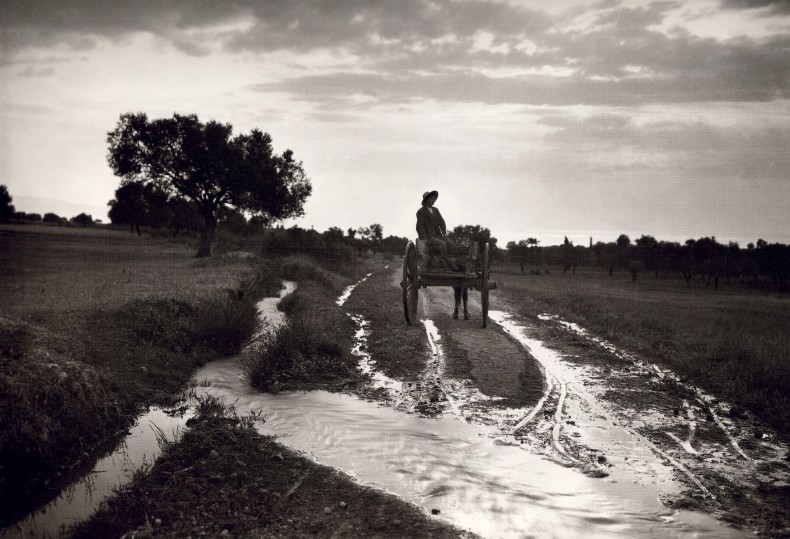
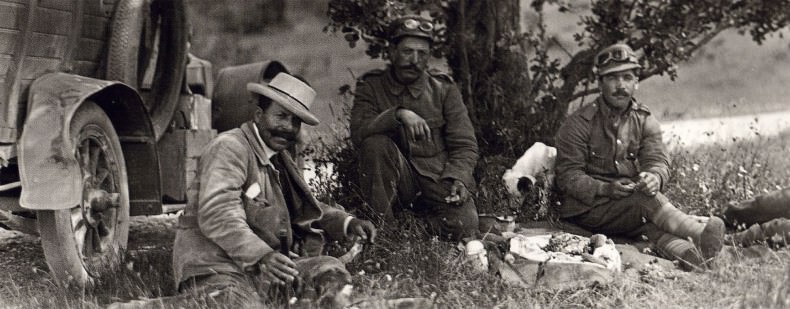
His portraits are some of the most memorable images in the collection. Shepherds, farmers, fishermen, priests, and ordinary villagers appear before his camera — many dressed in traditional clothing, photographed in the settings where they actually lived and worked.